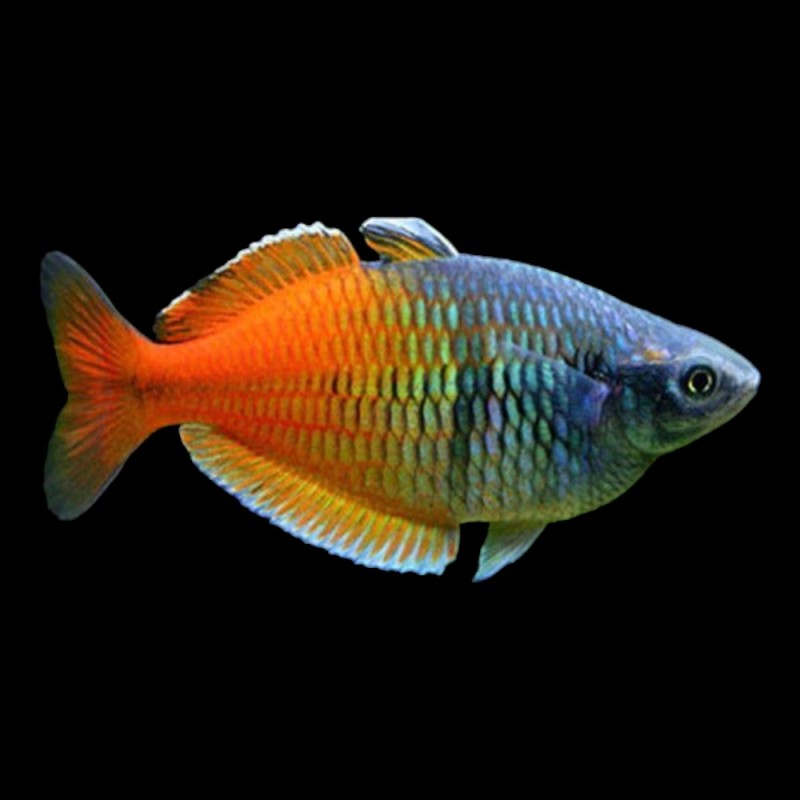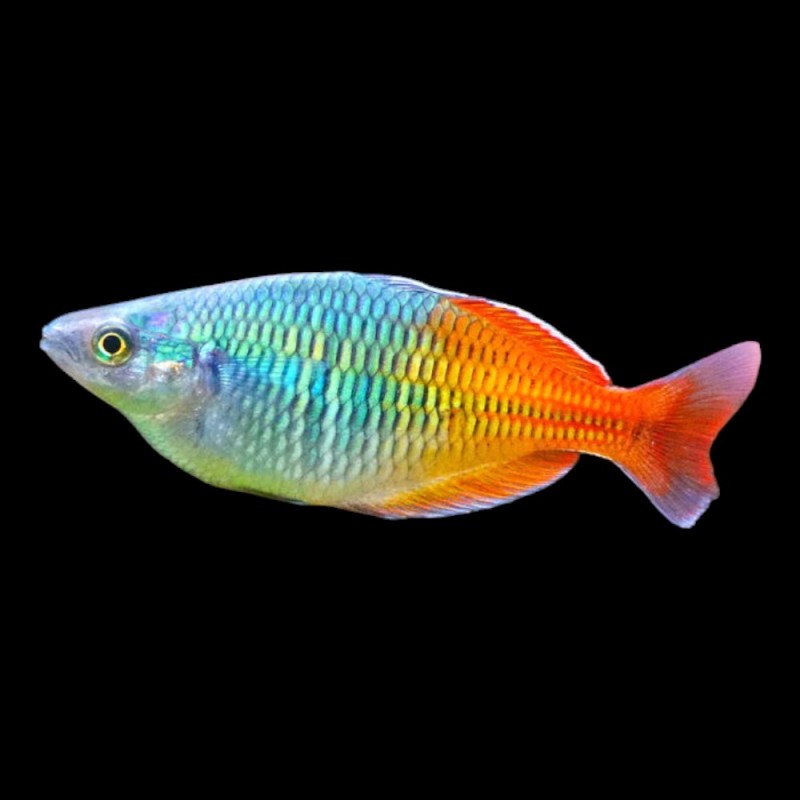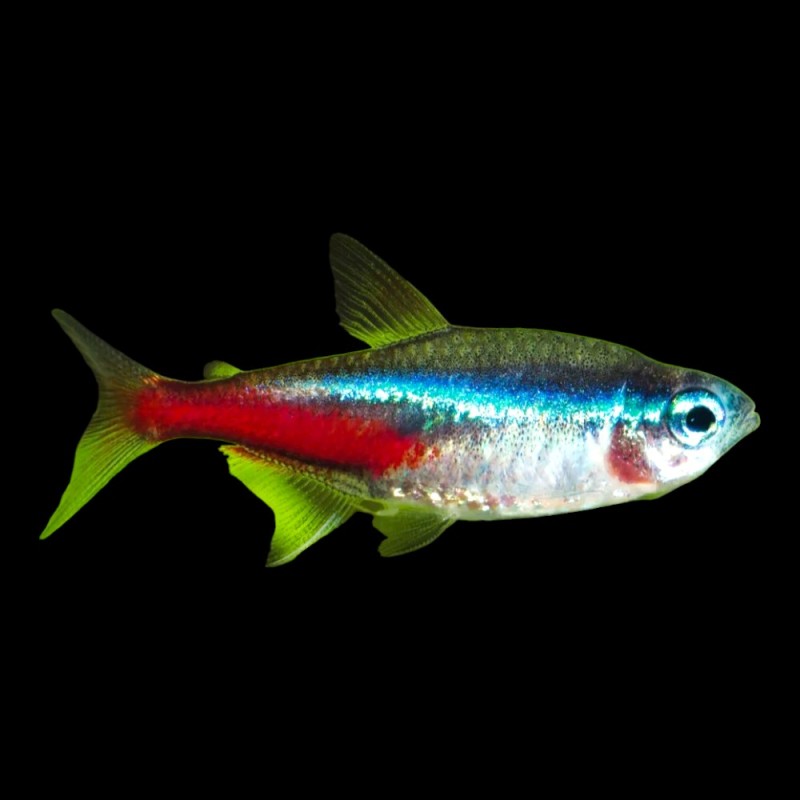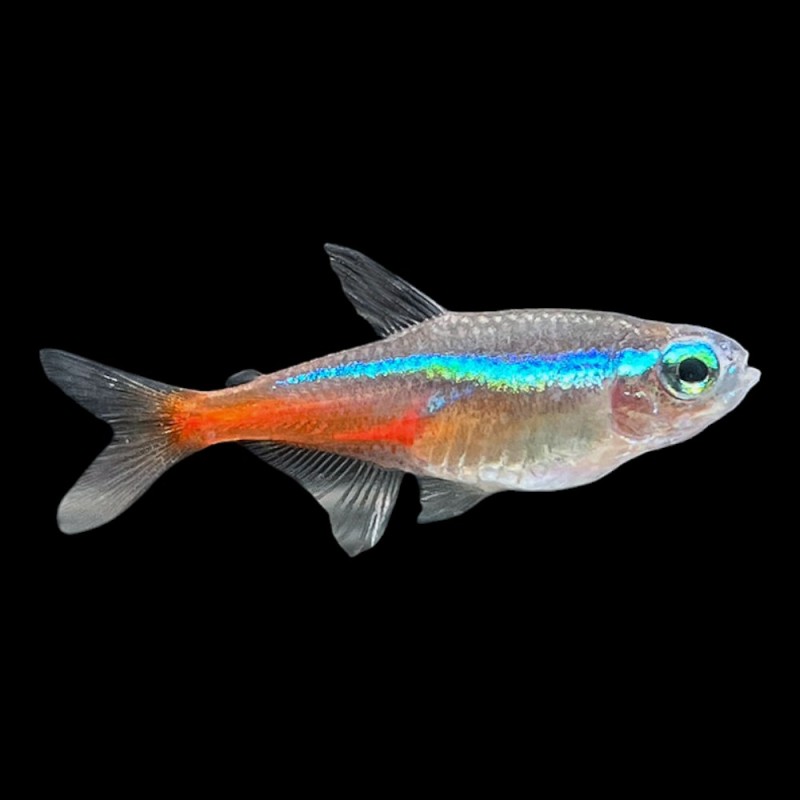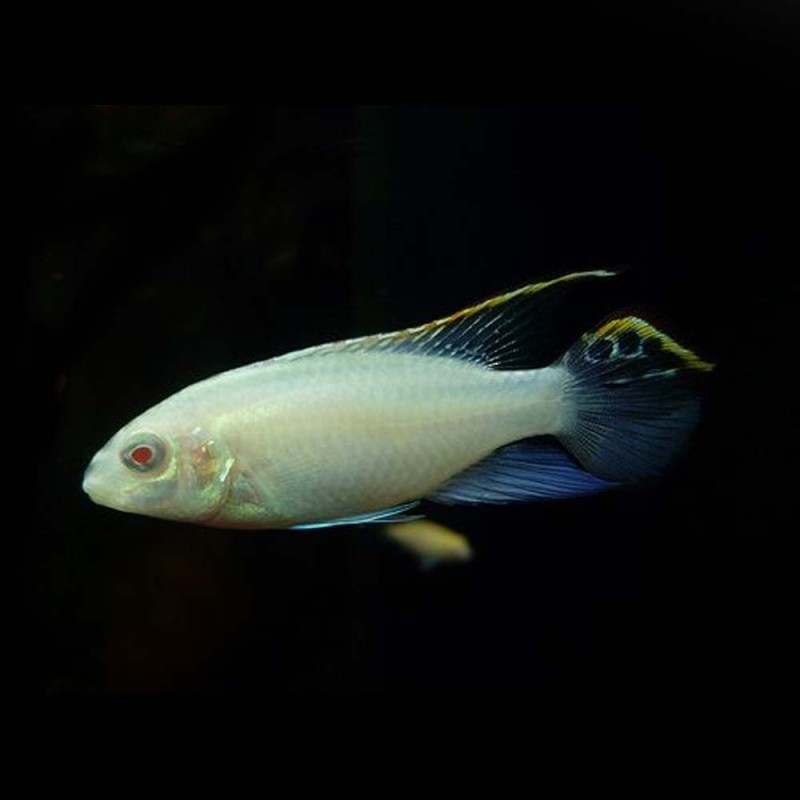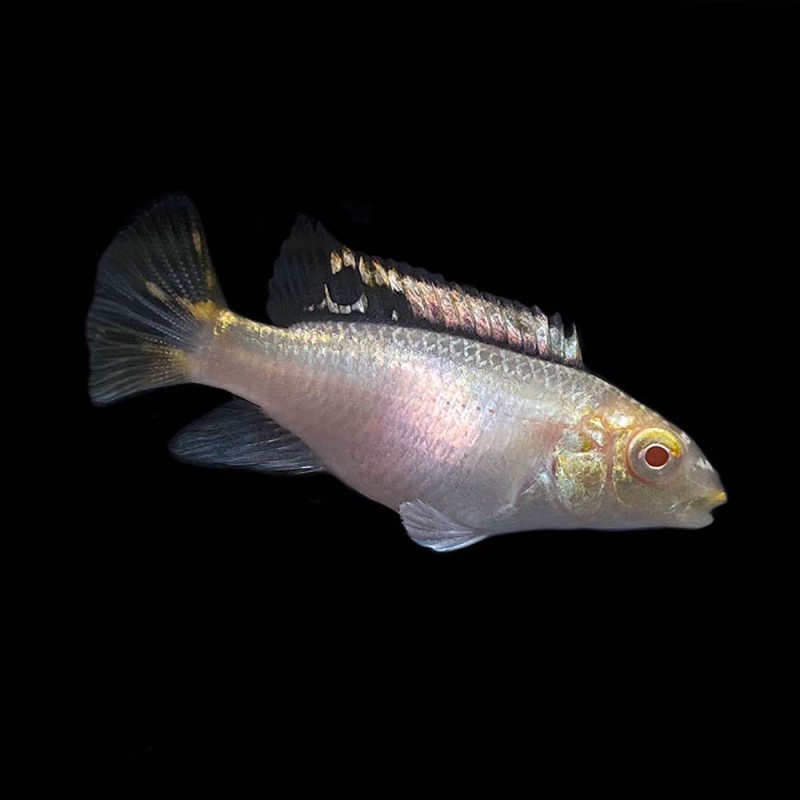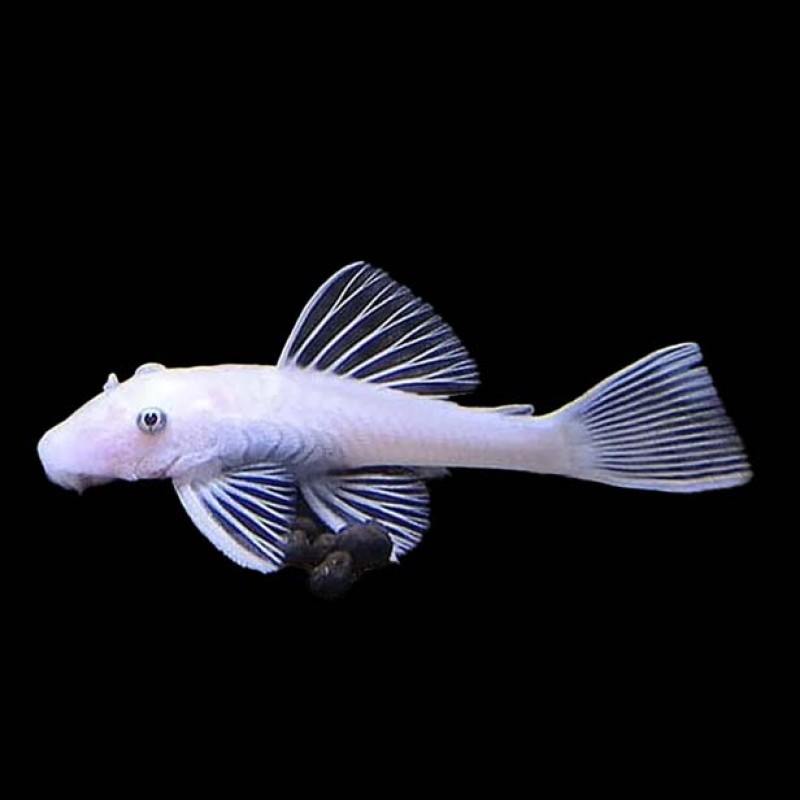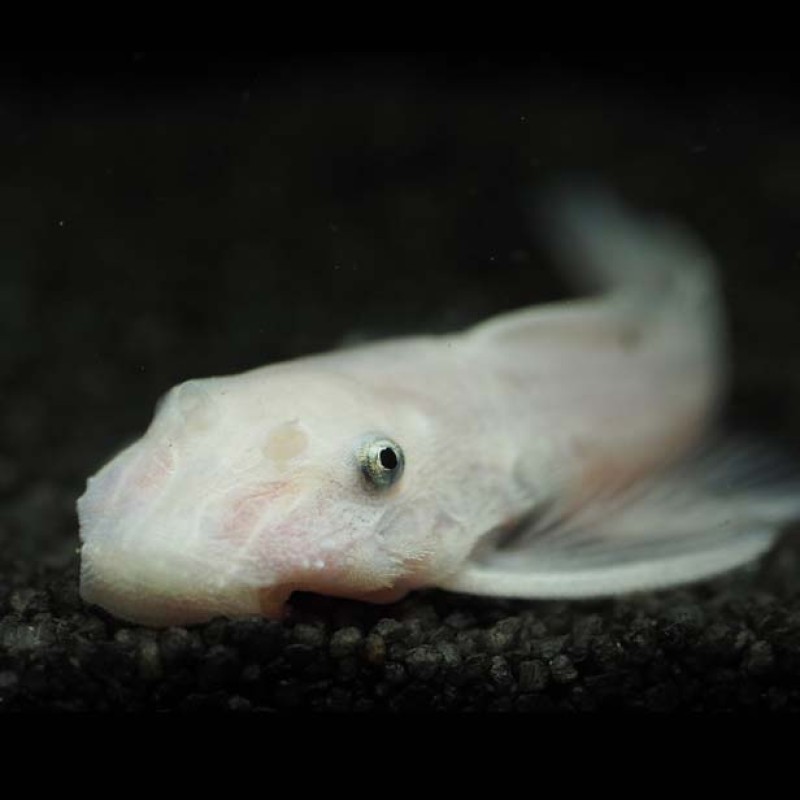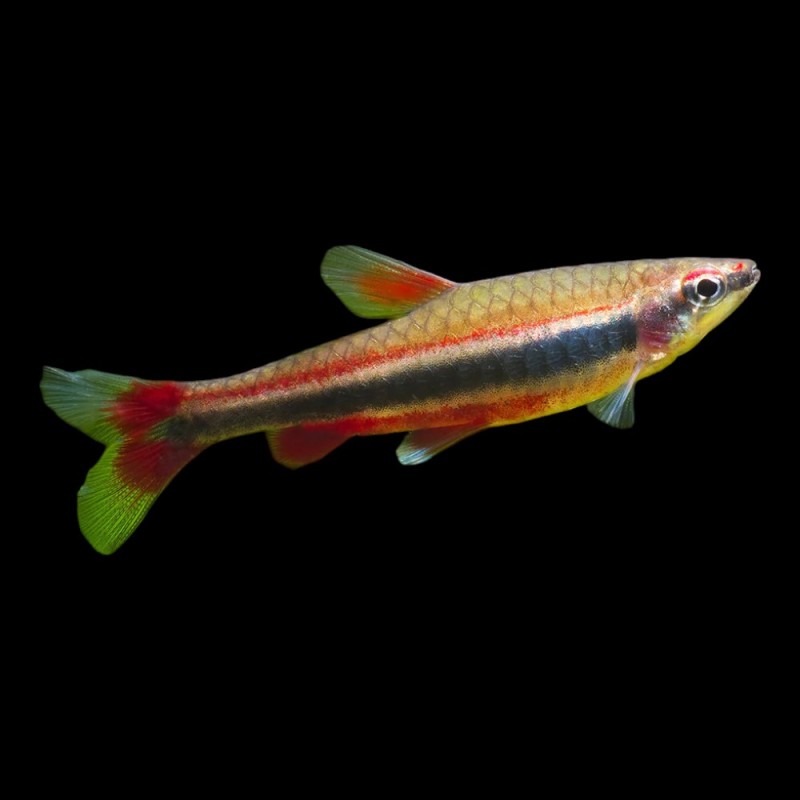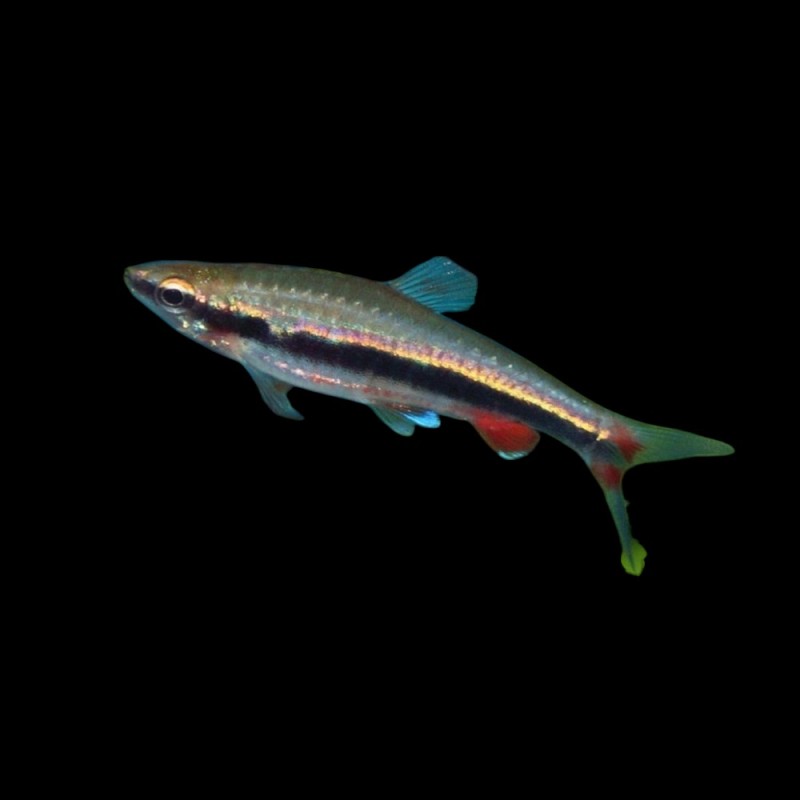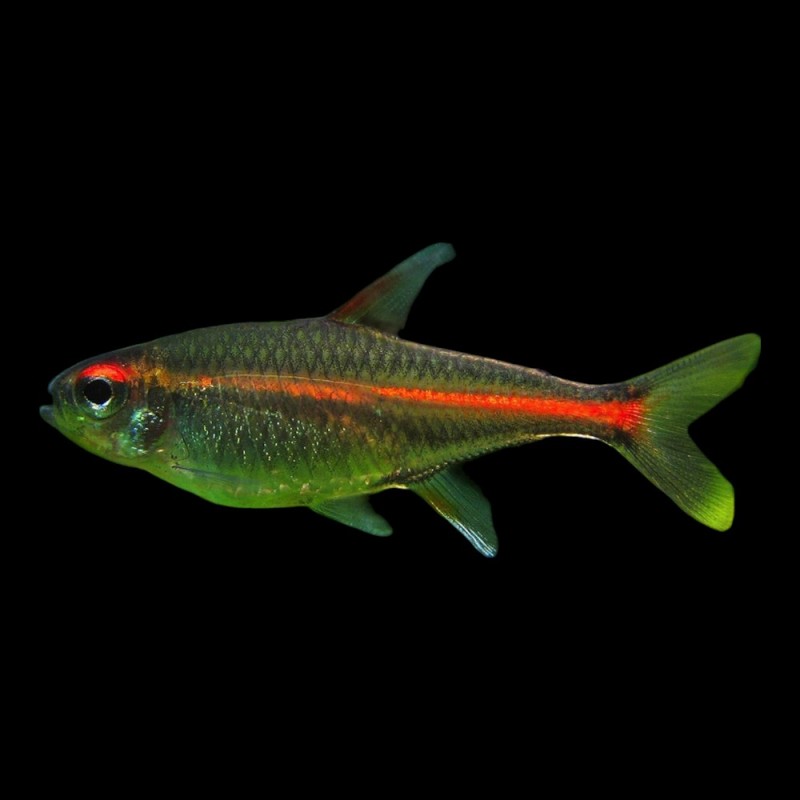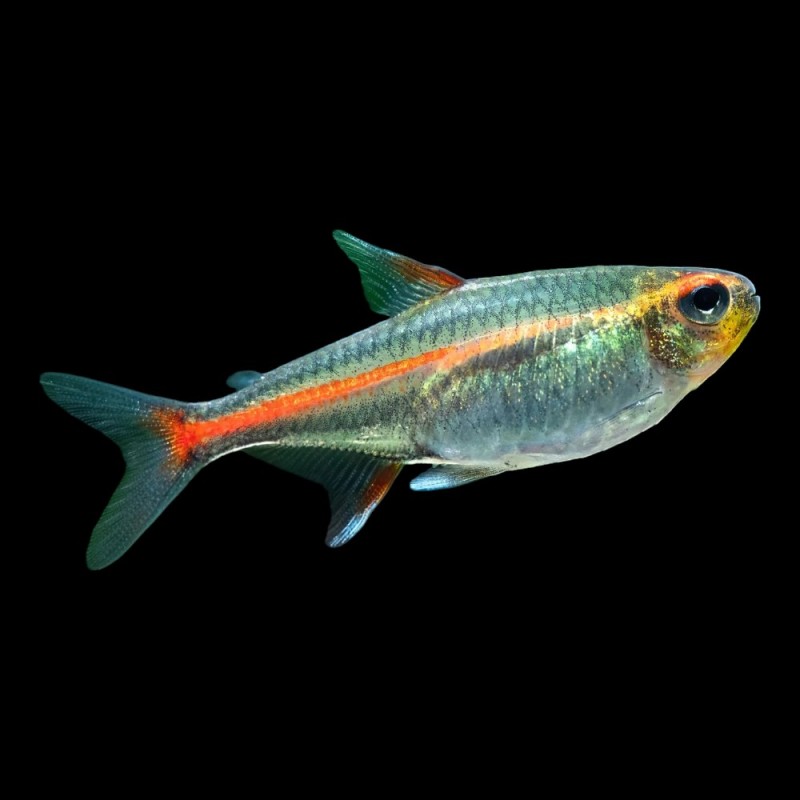


- Stock: Generally In Stock
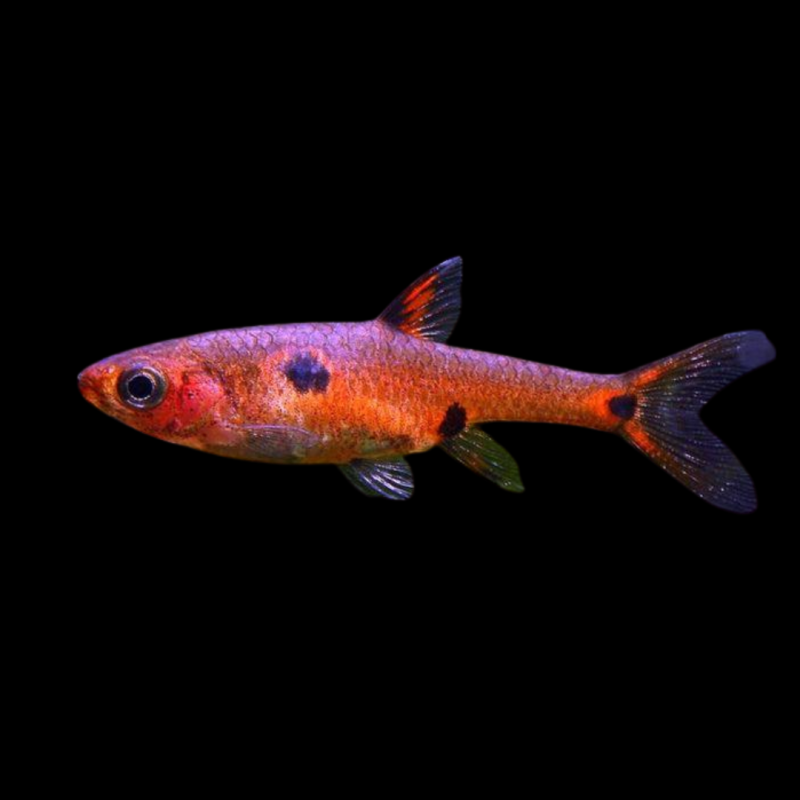
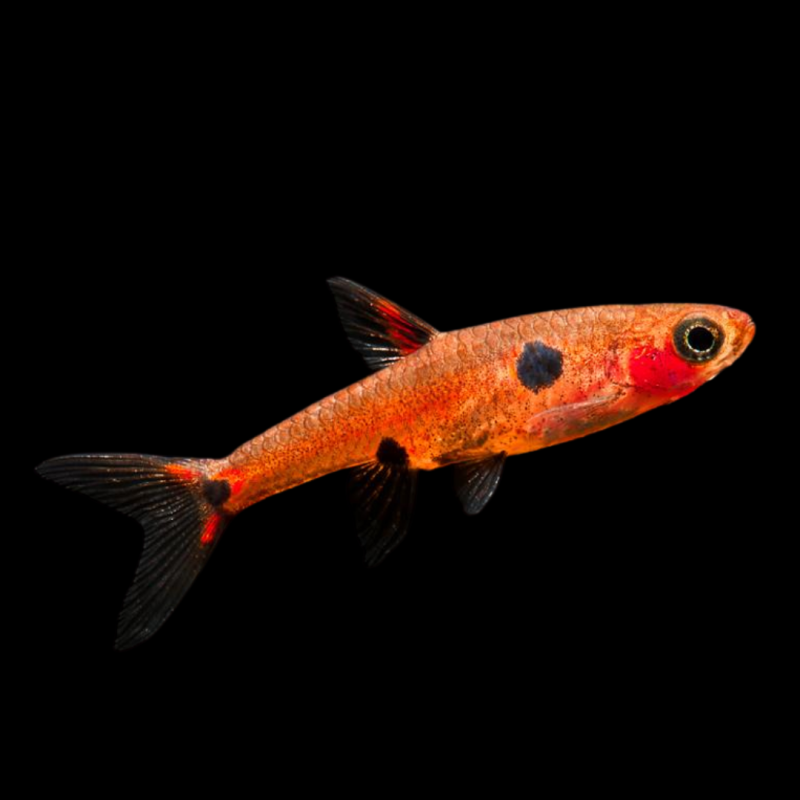
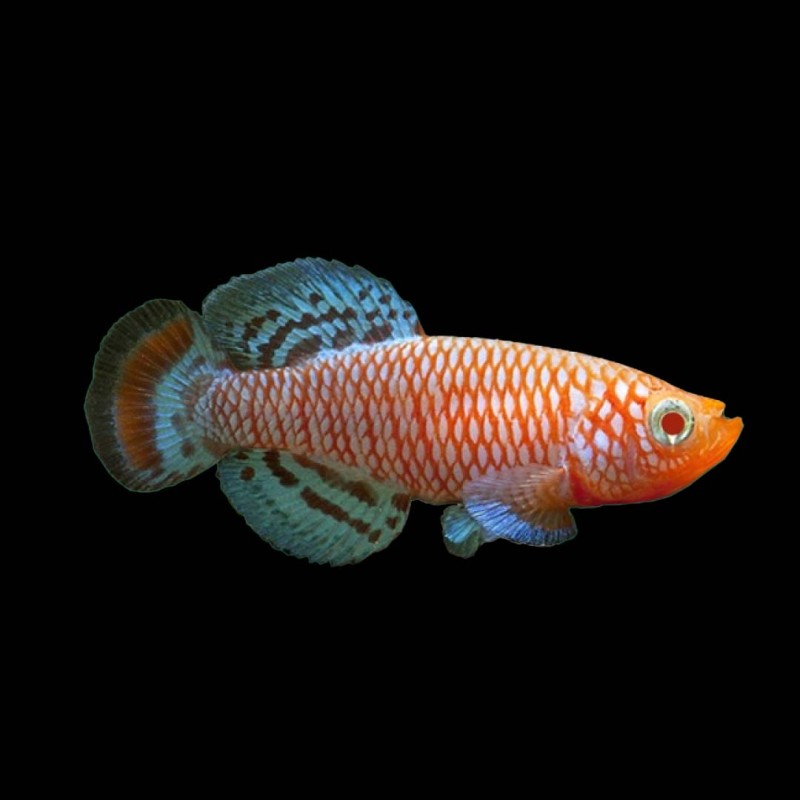
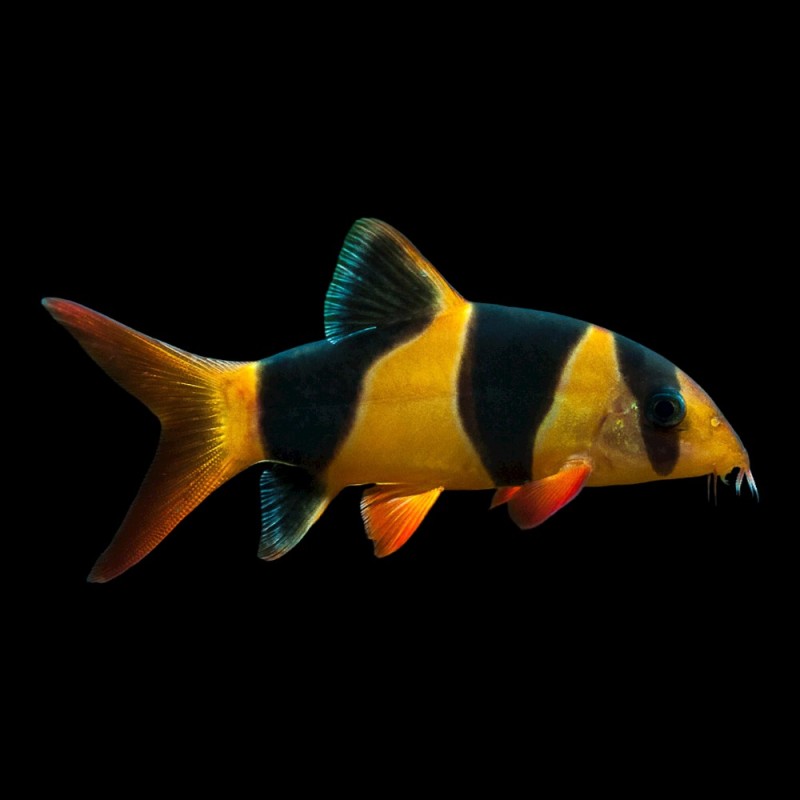
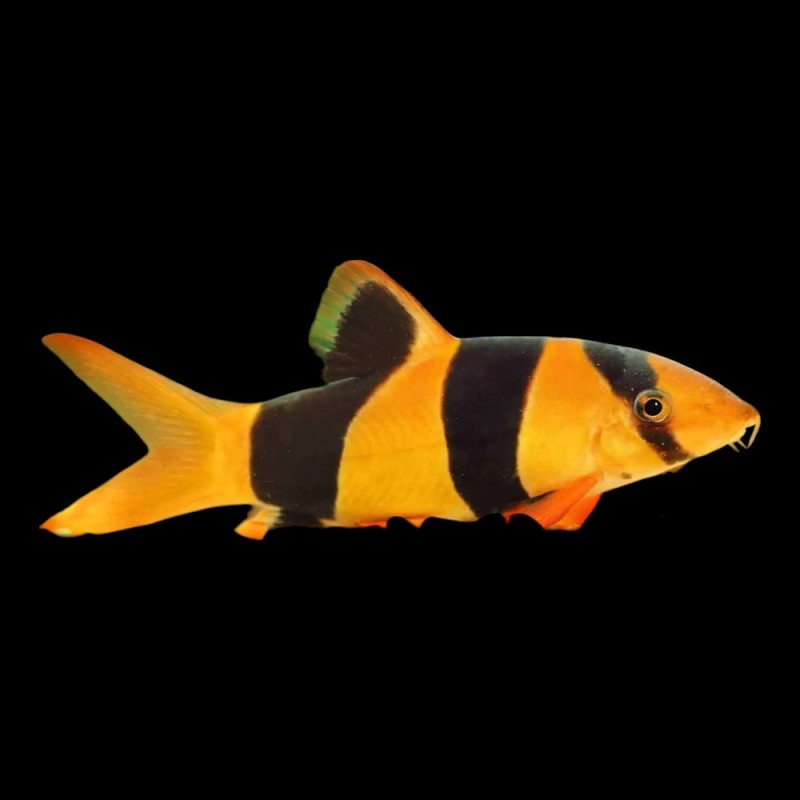
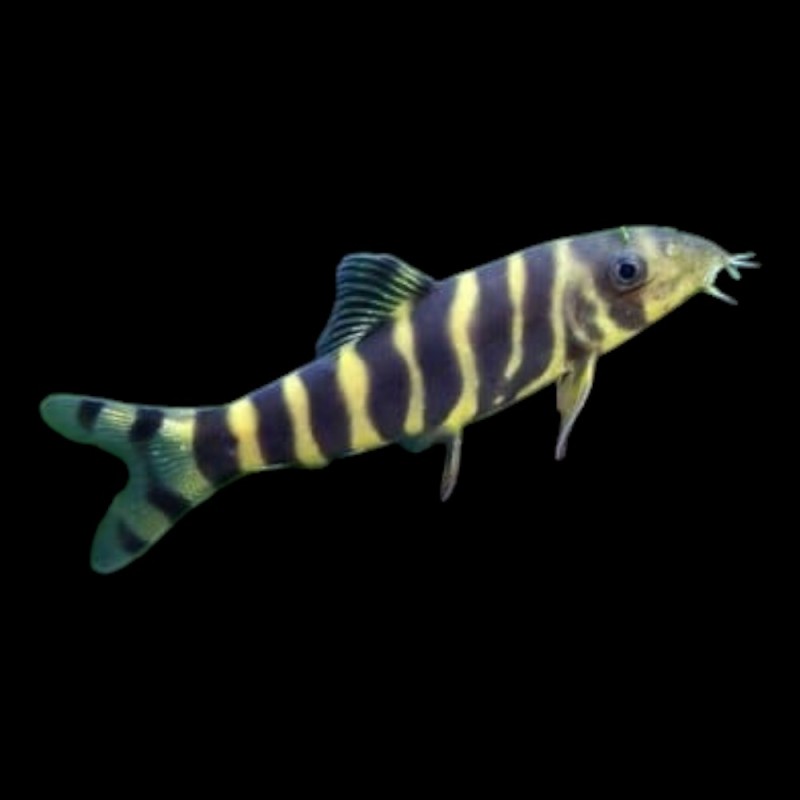
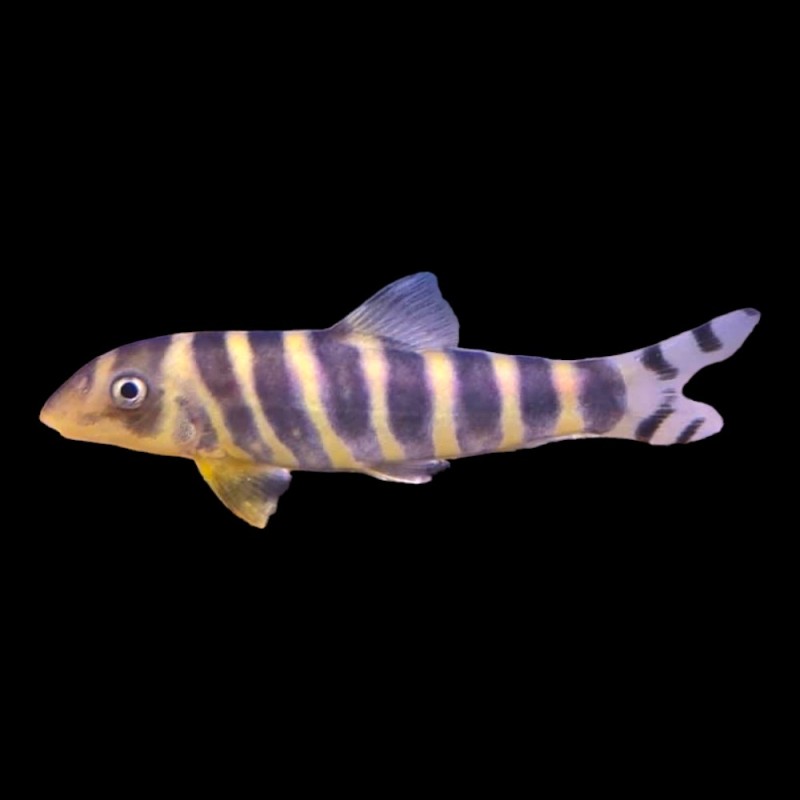
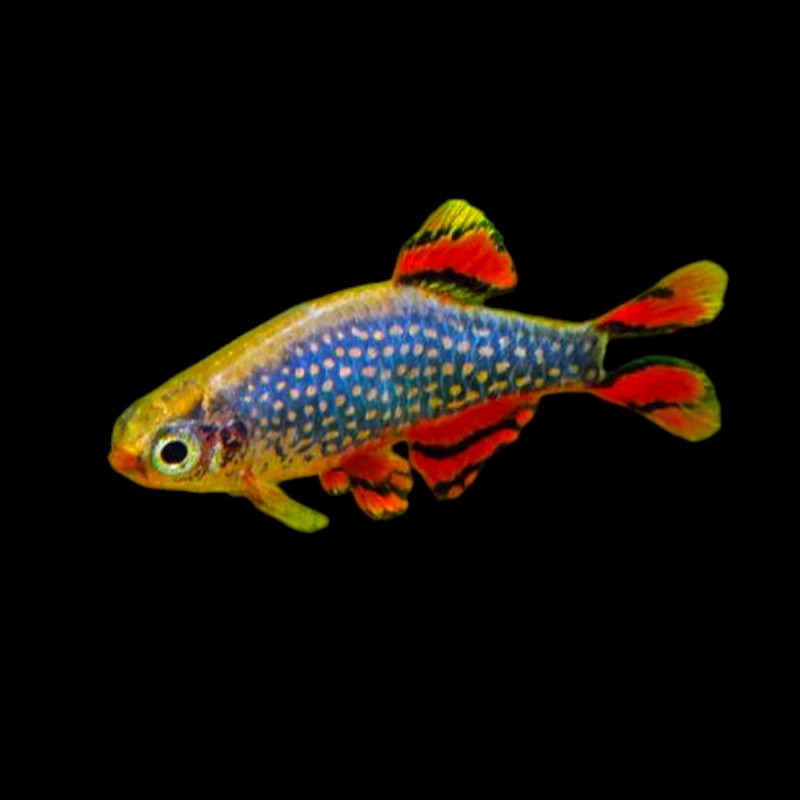
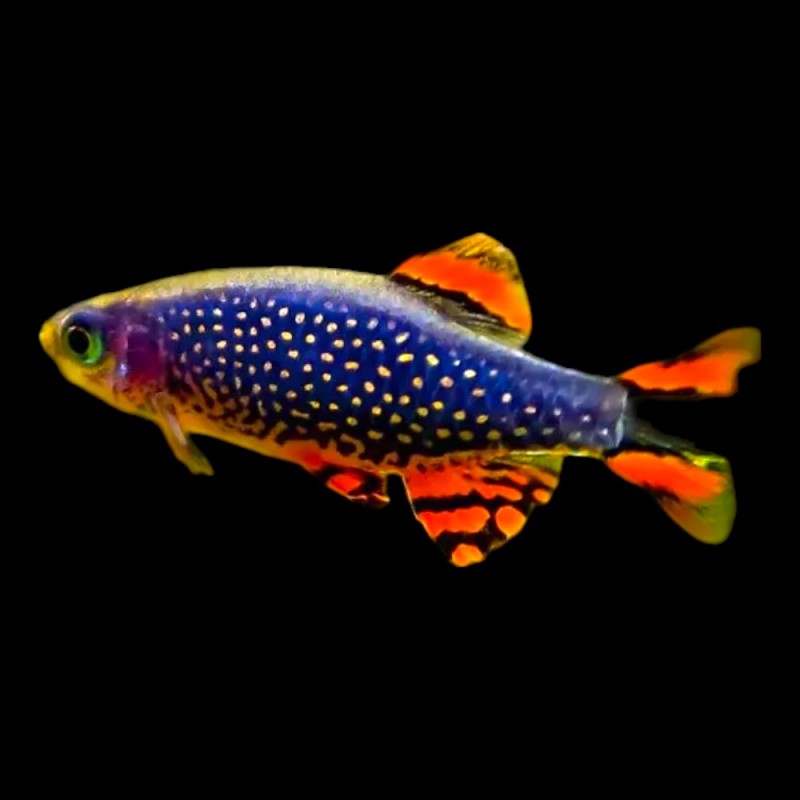
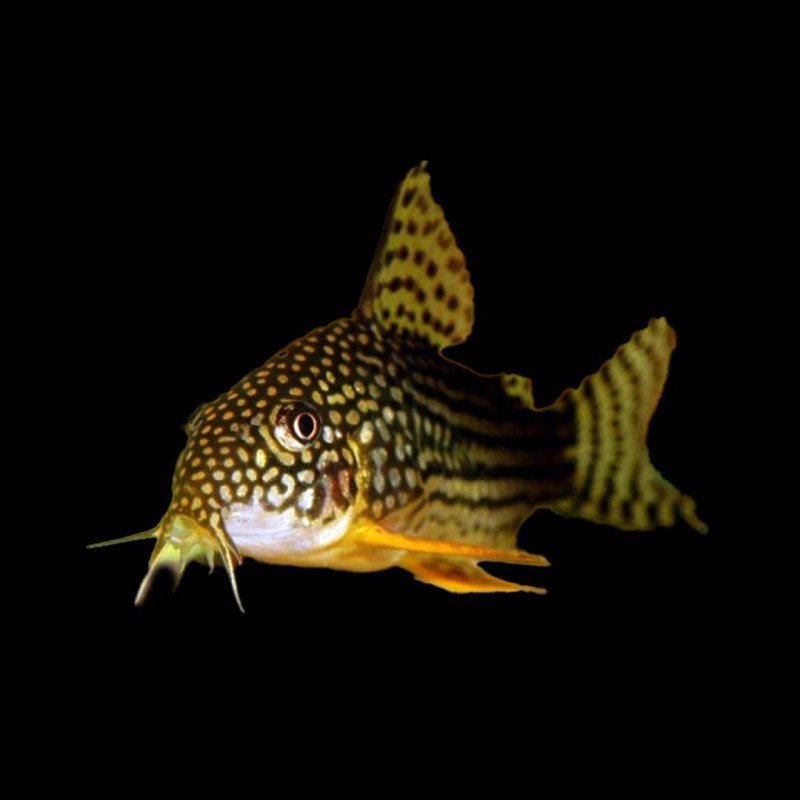
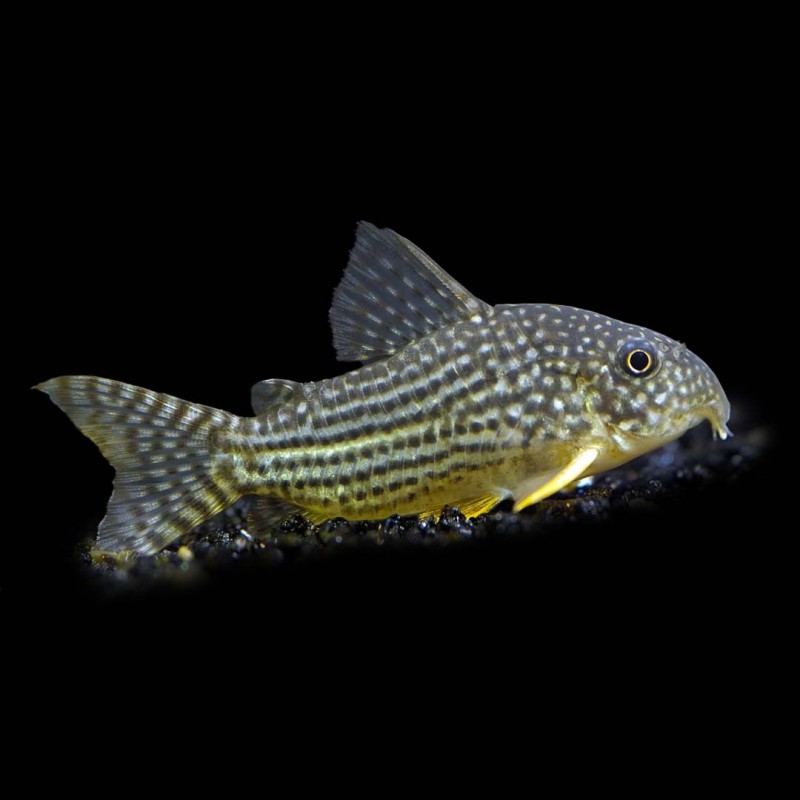
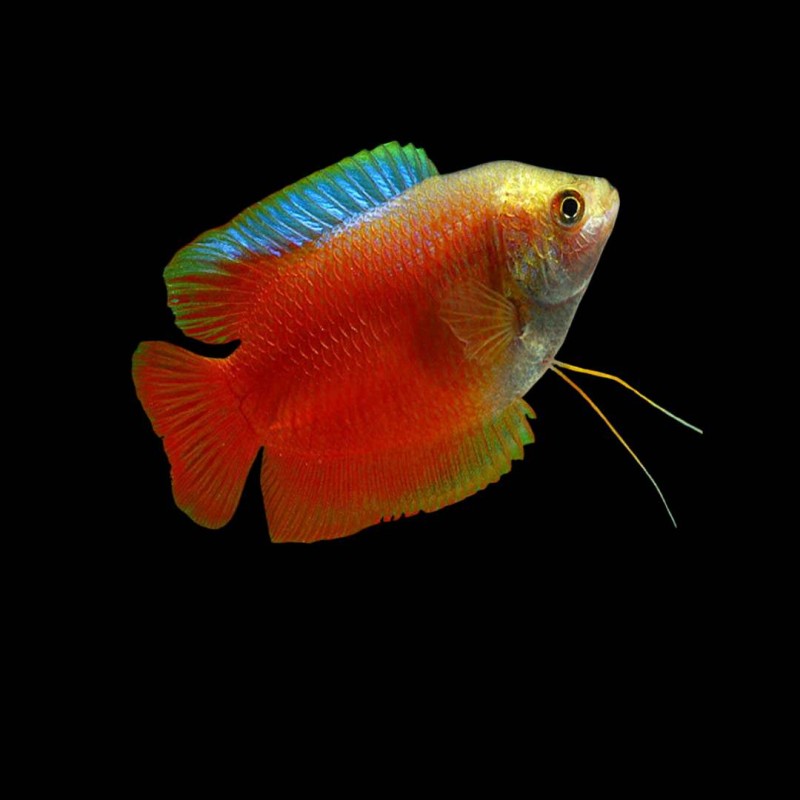
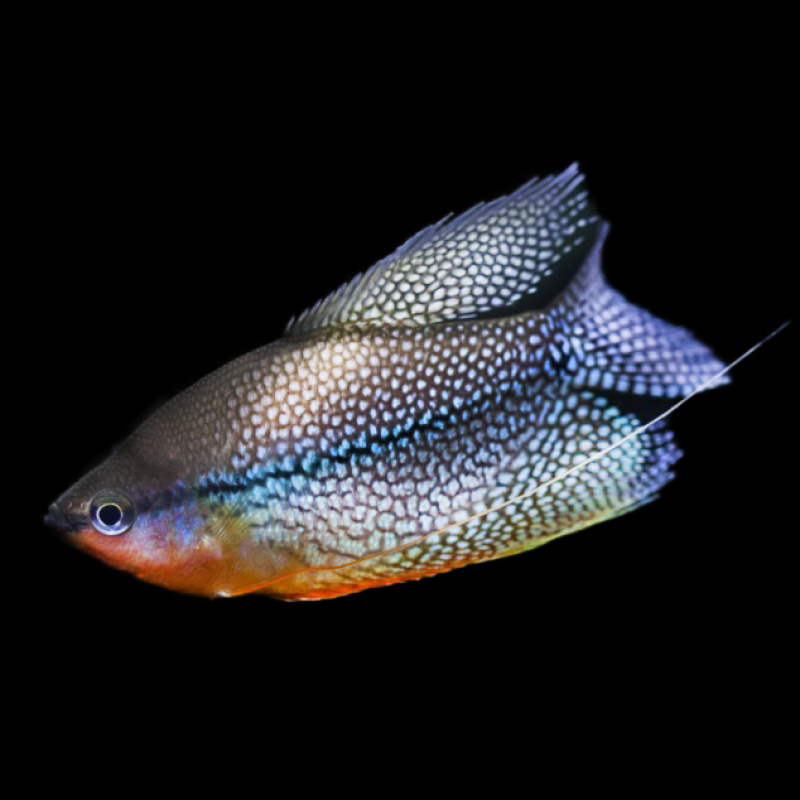
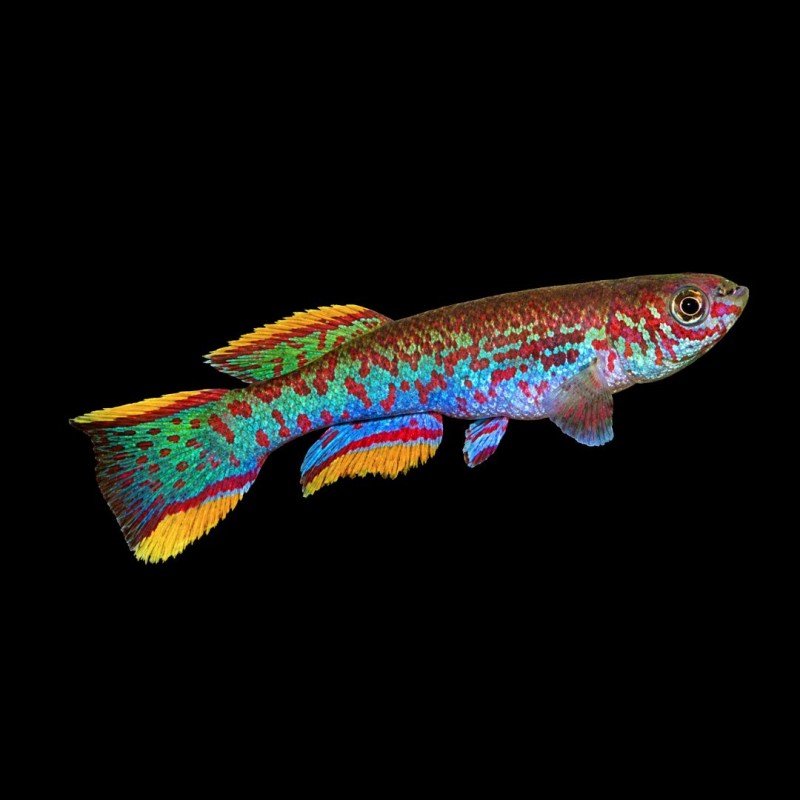
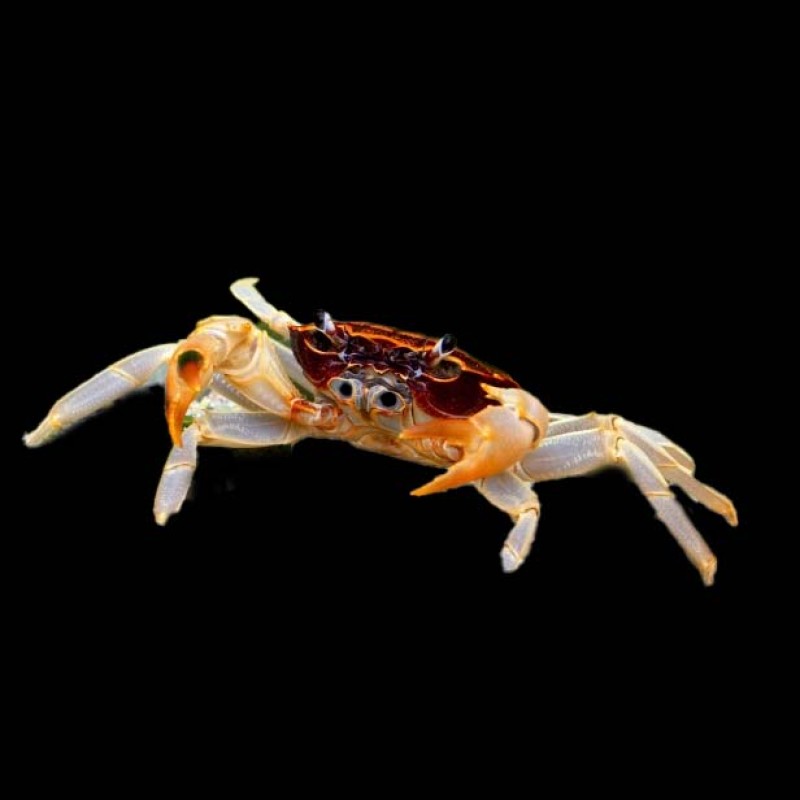
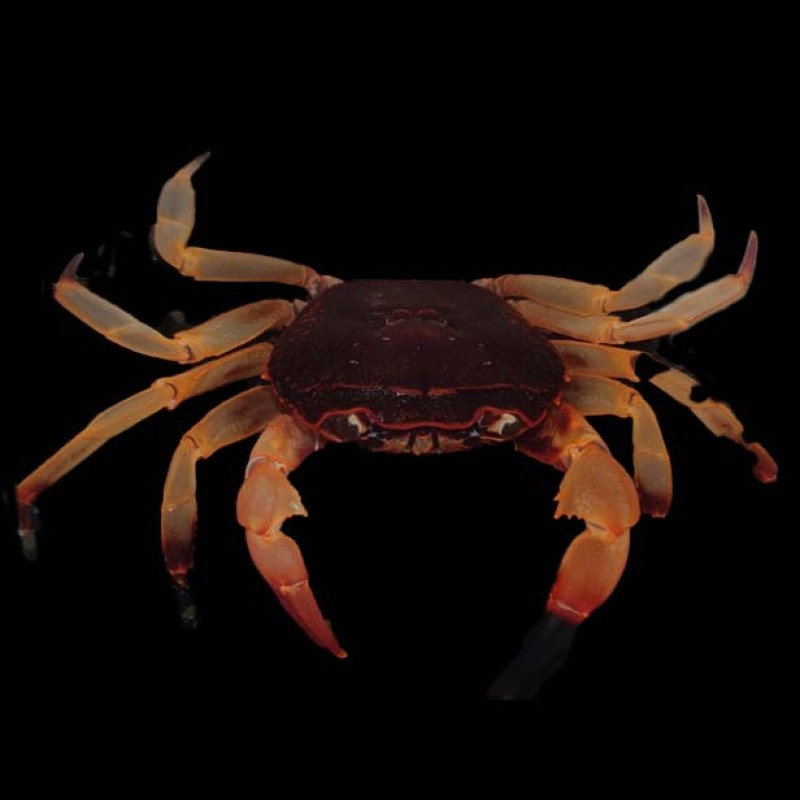
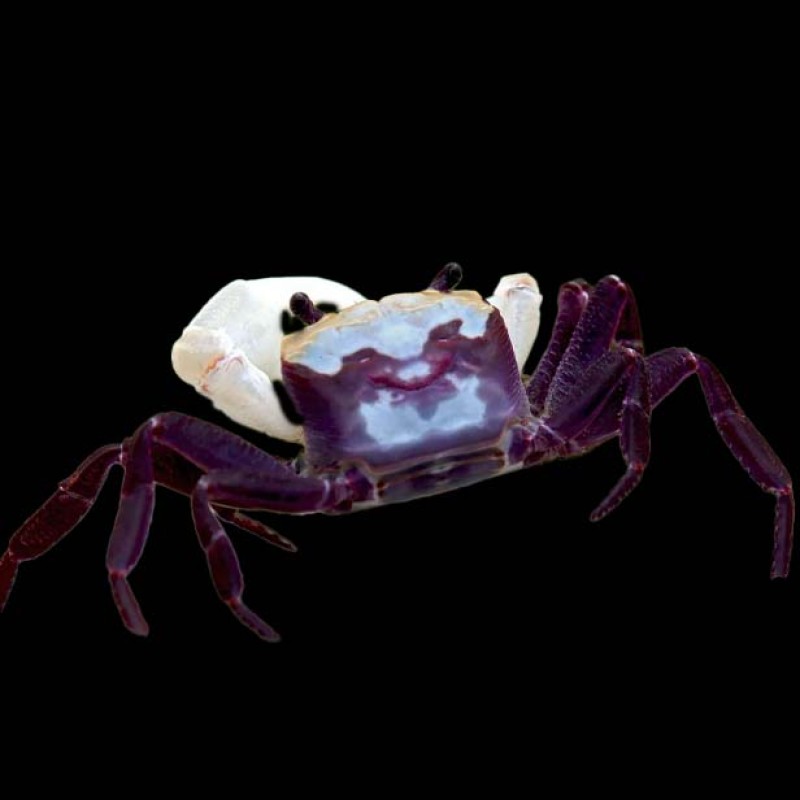
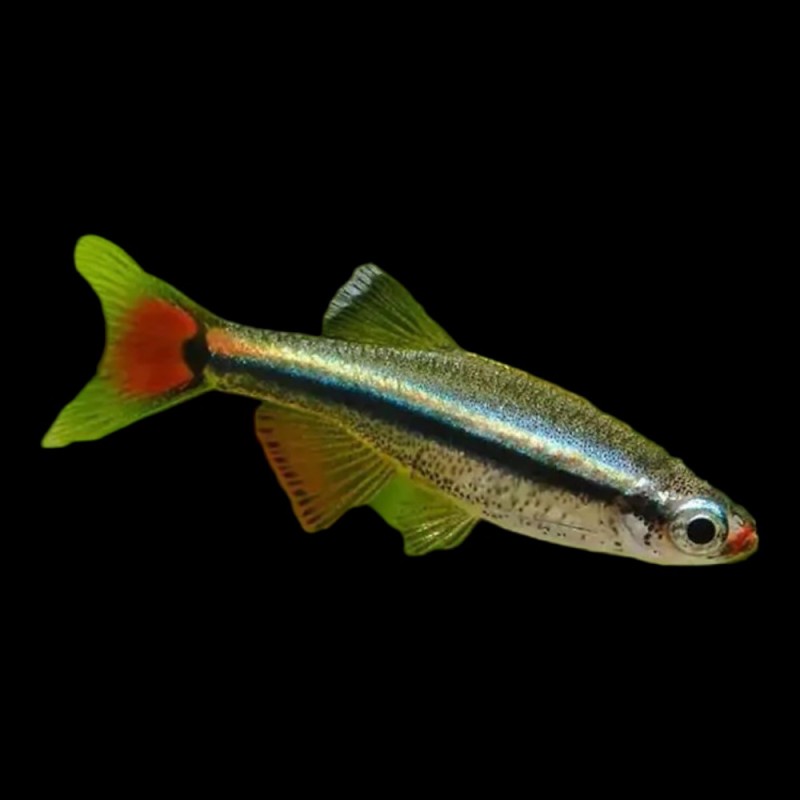
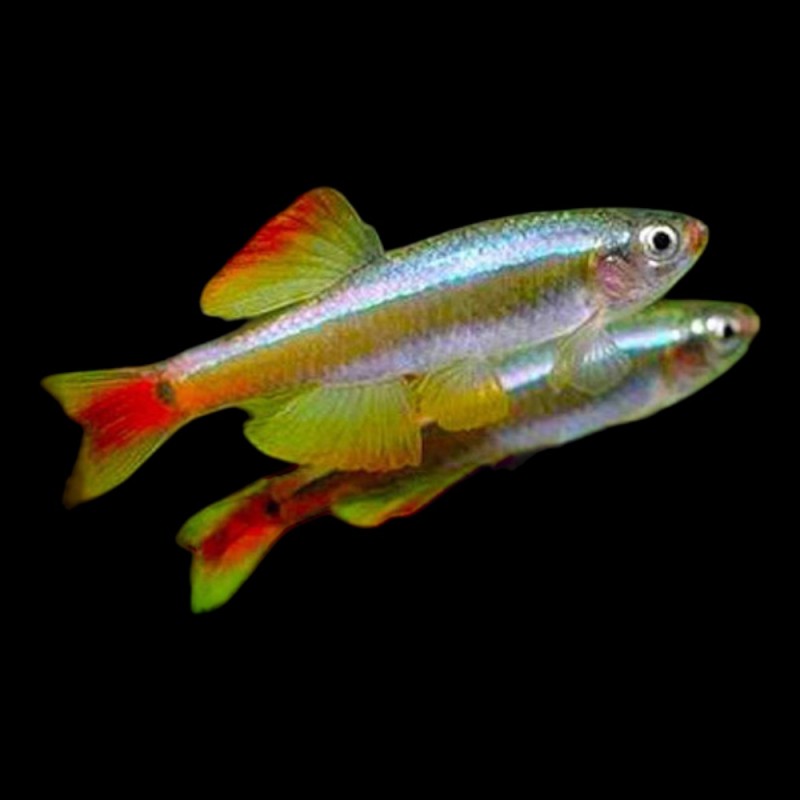
Please Note: Due to variations within species, your fish may not look identical to the image provided. Also note not all sizes or species may be available due to seasonality, Please call beforehand for up-to-date stock availability.
- Model: -
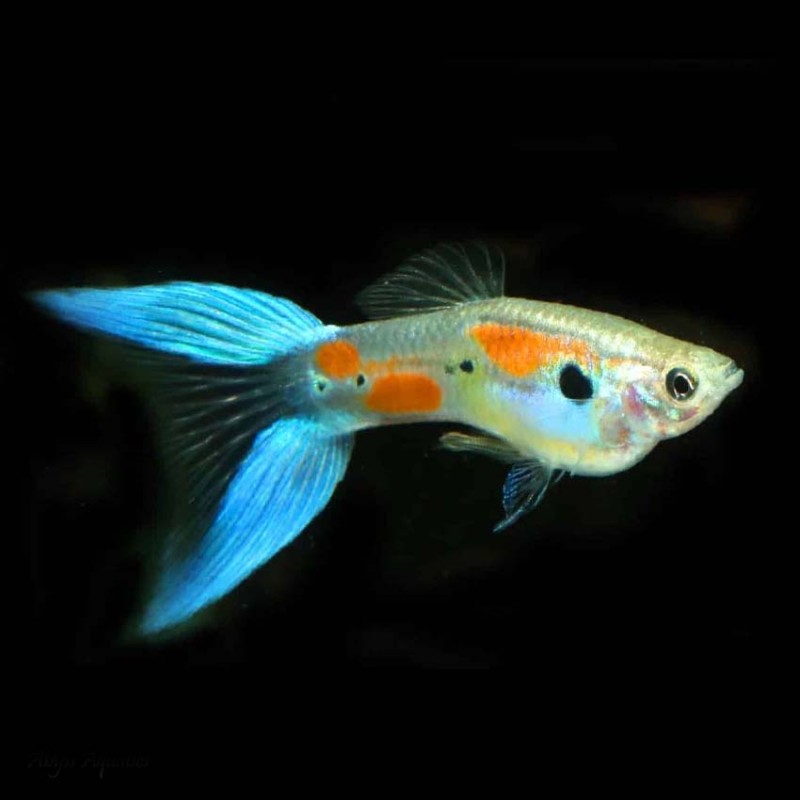
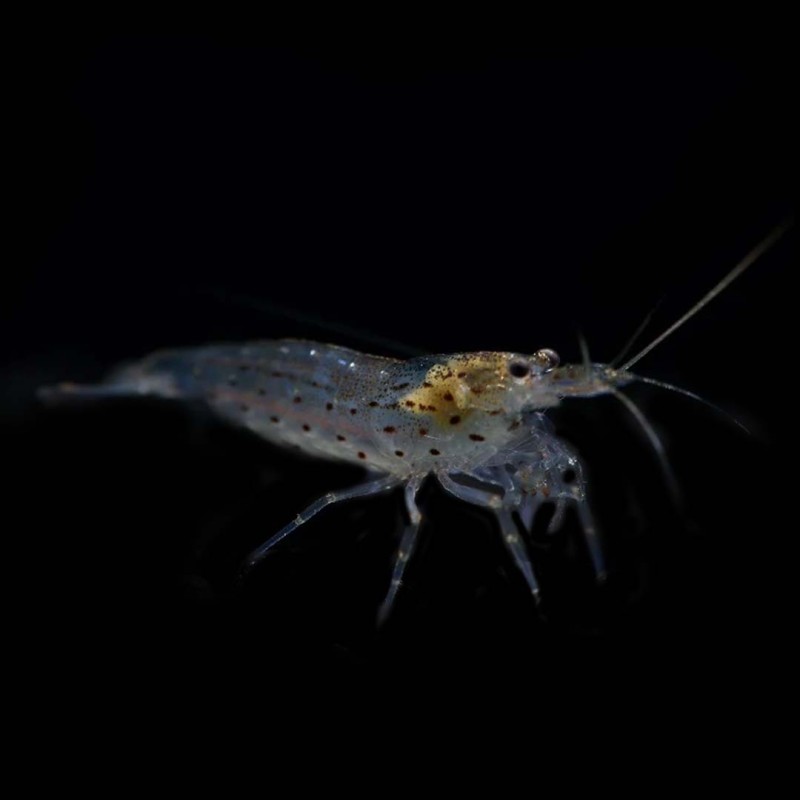
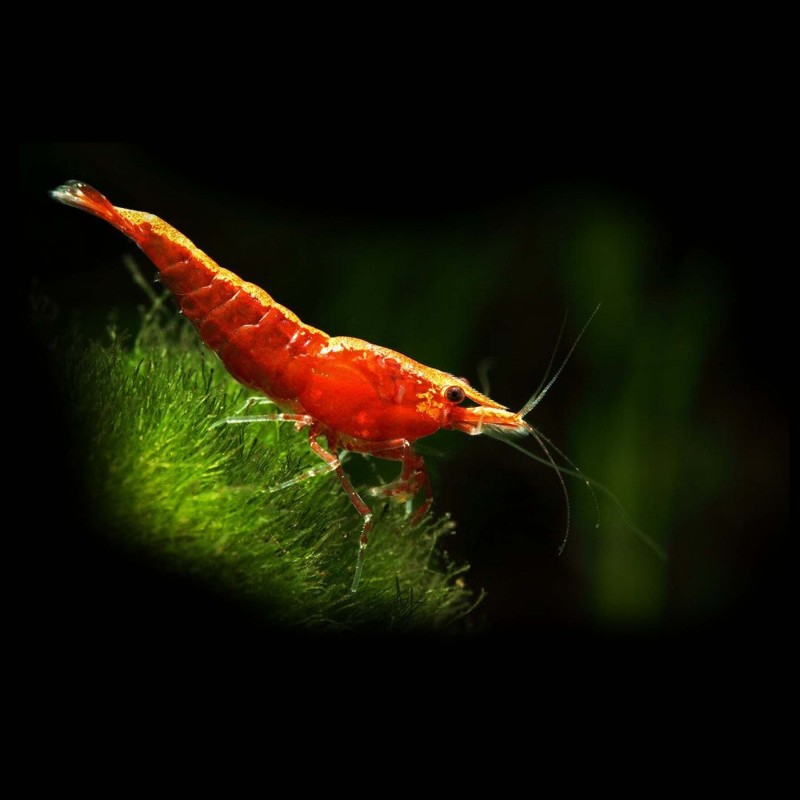
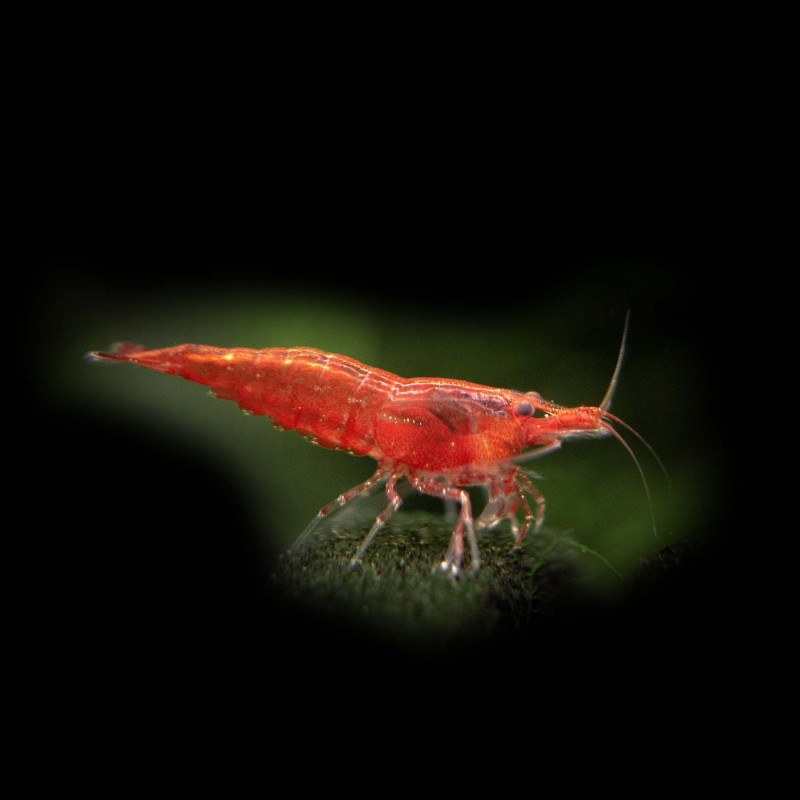
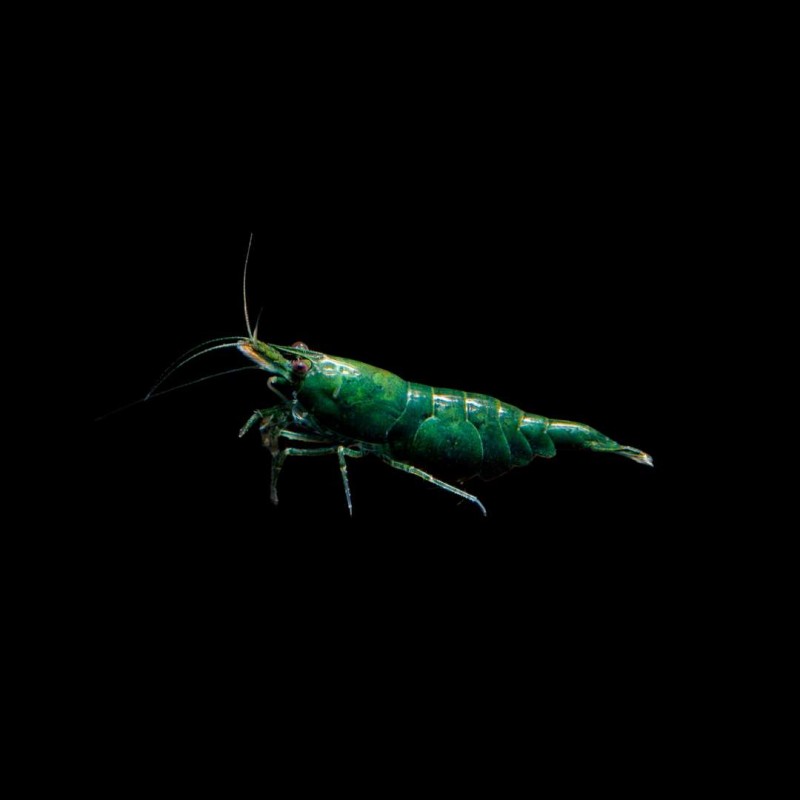
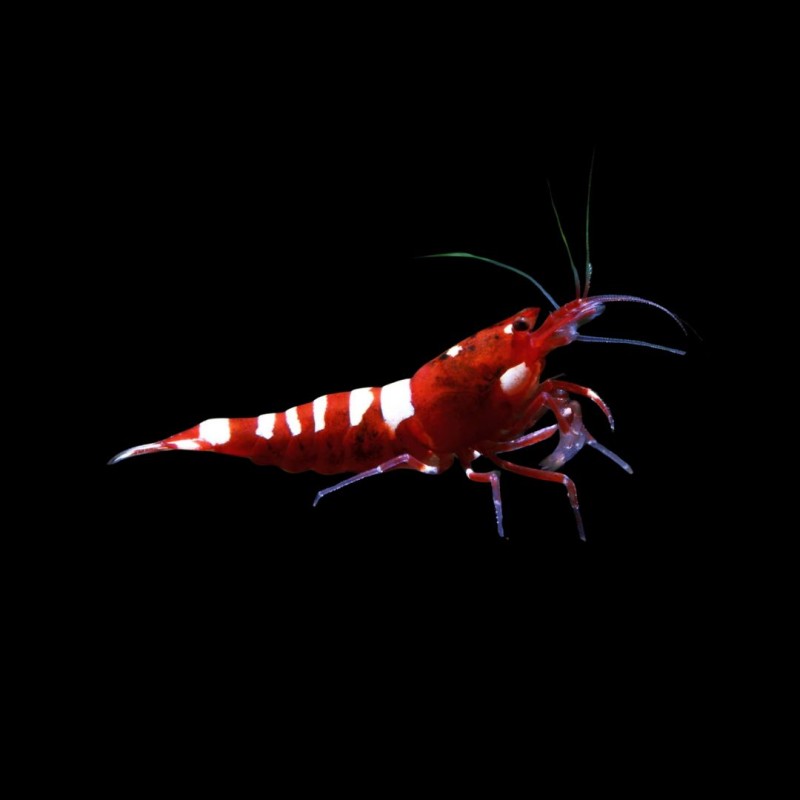
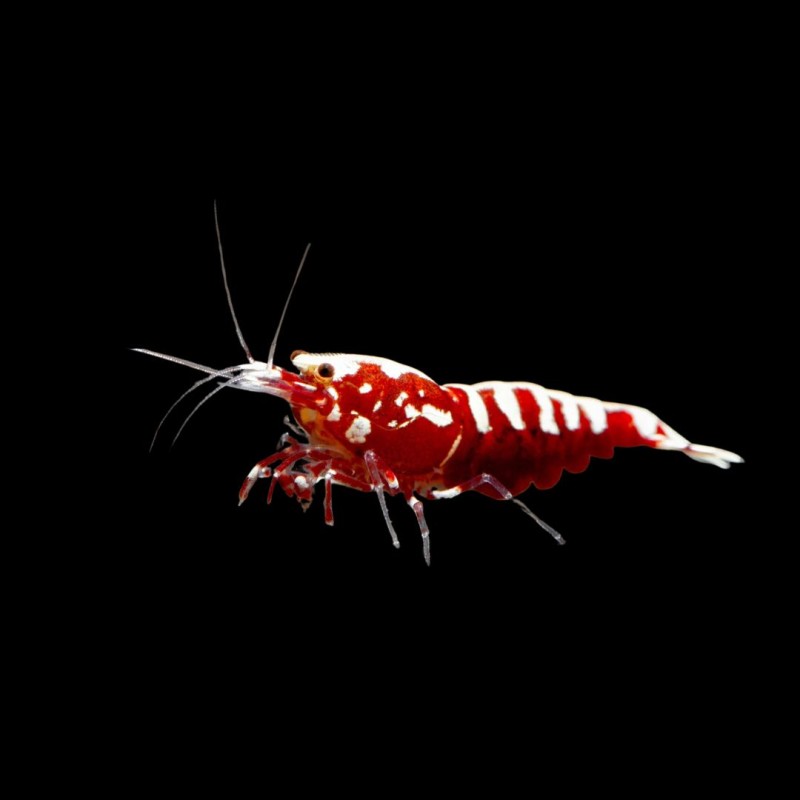
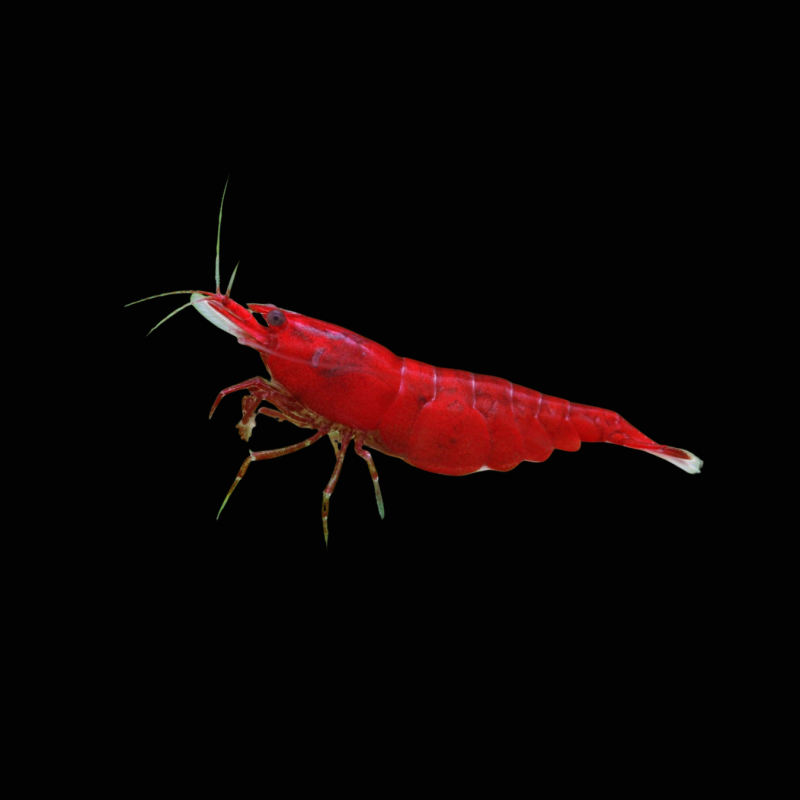
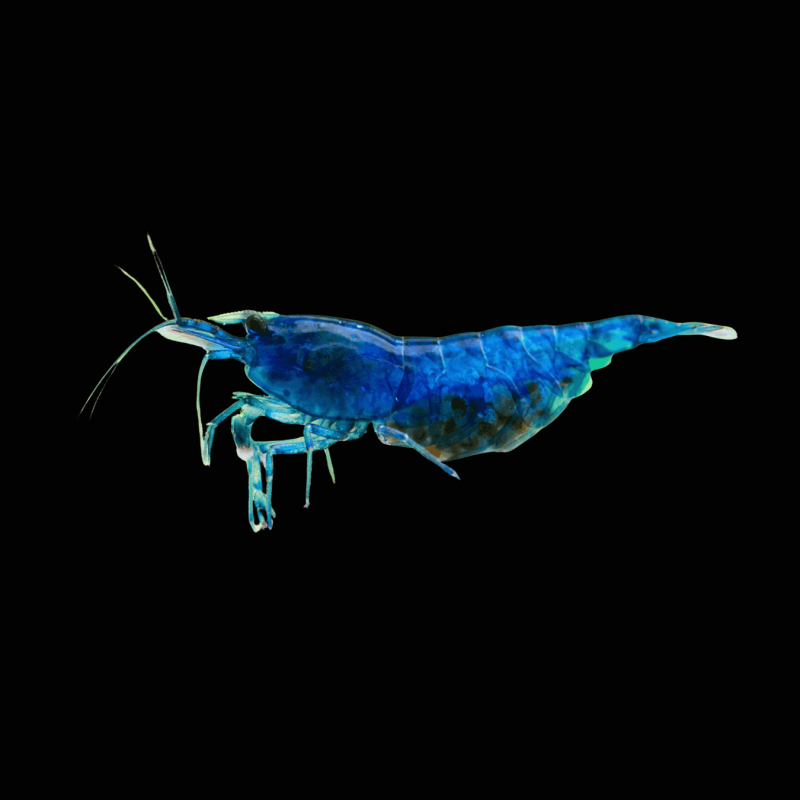
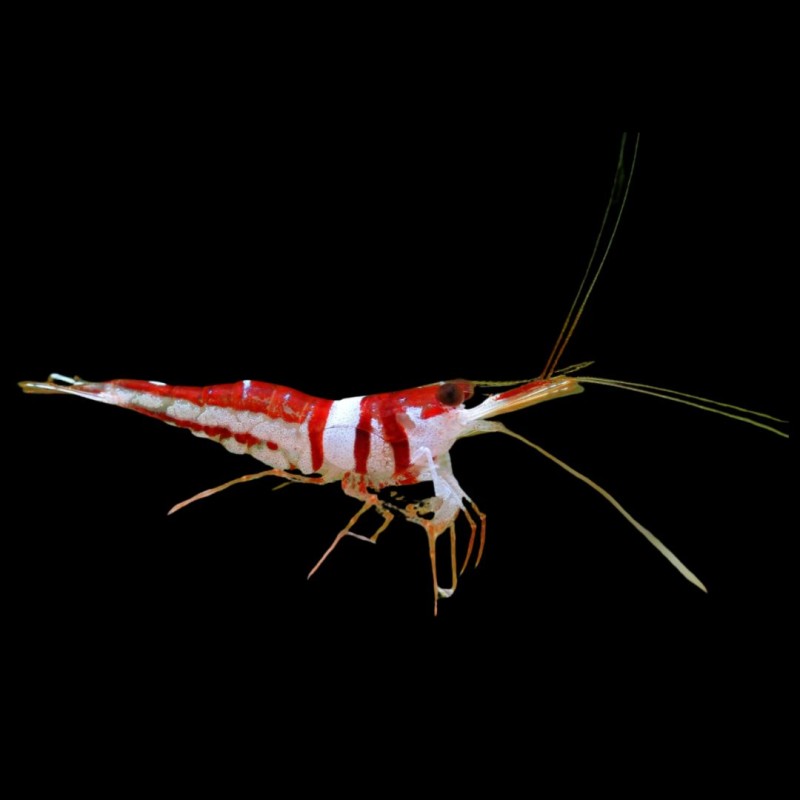
Blue Shrimp
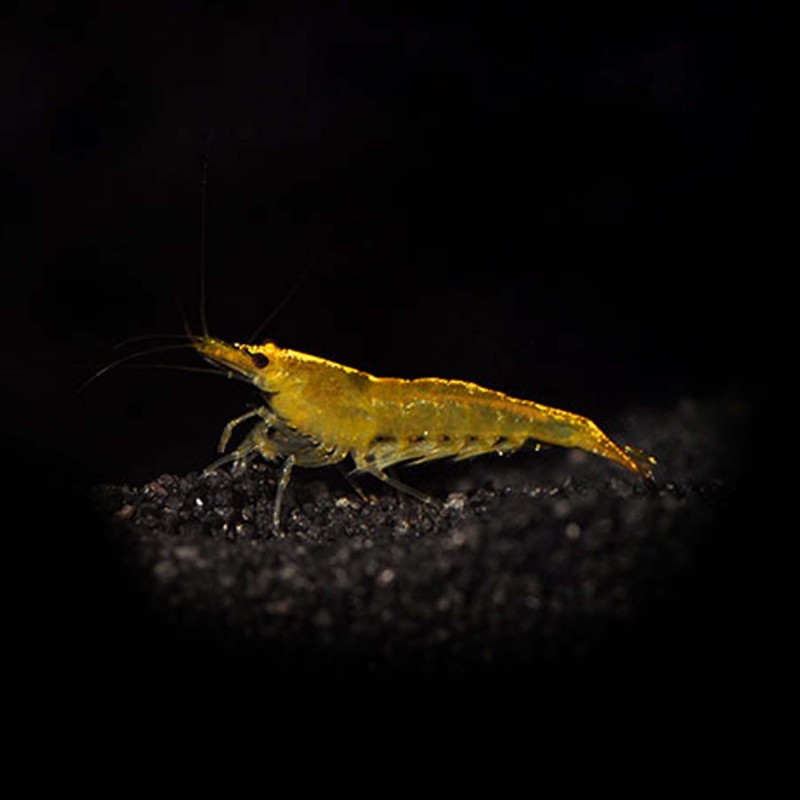
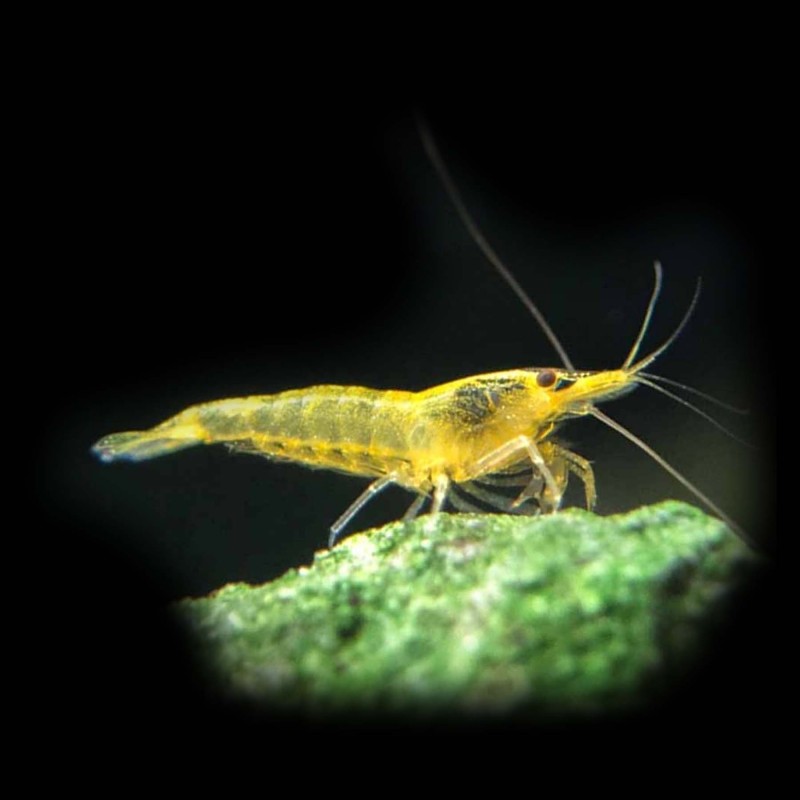
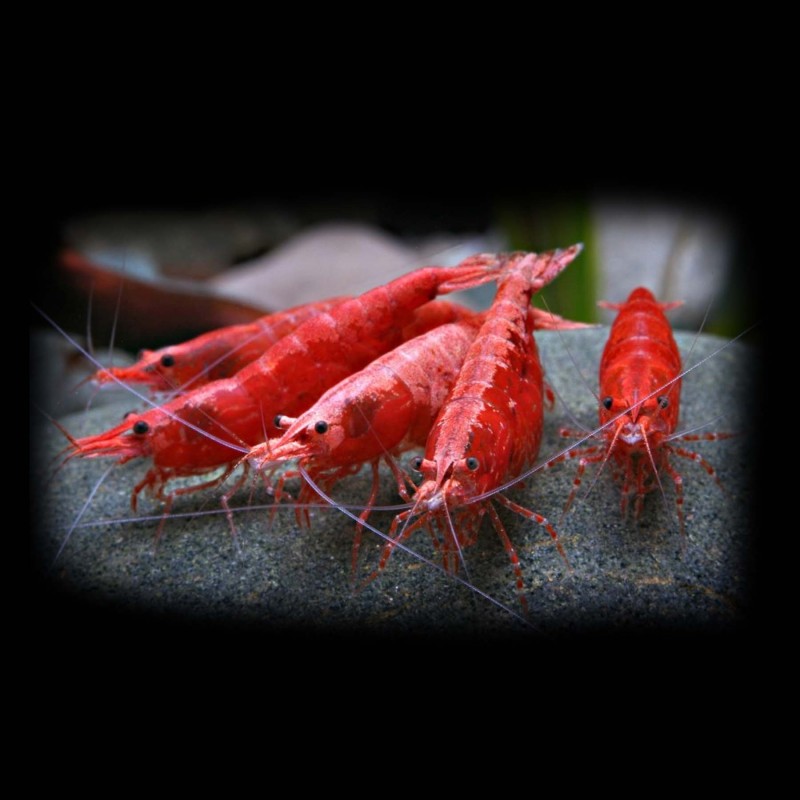
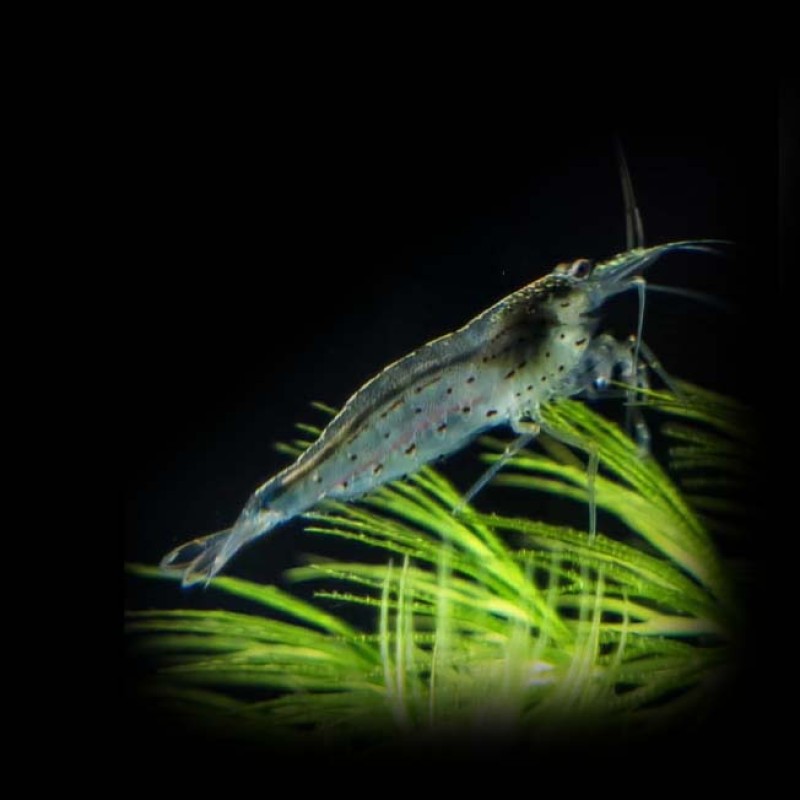
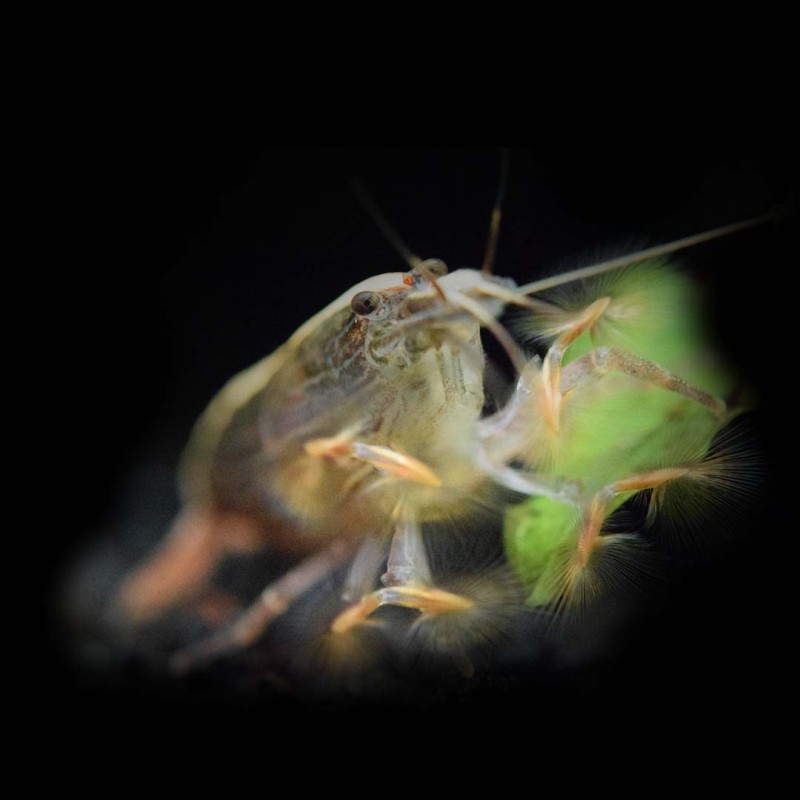
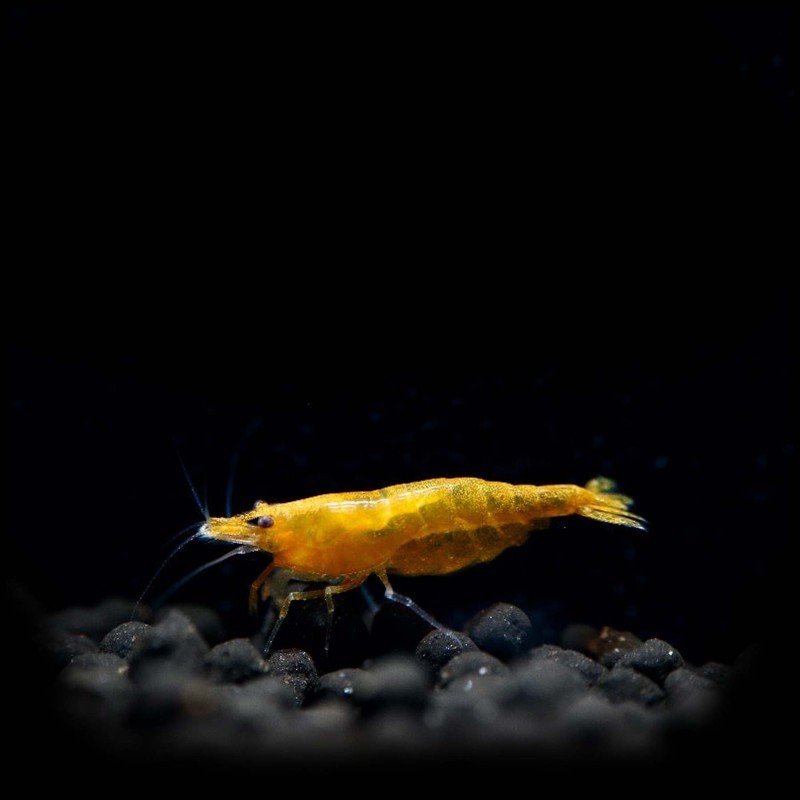
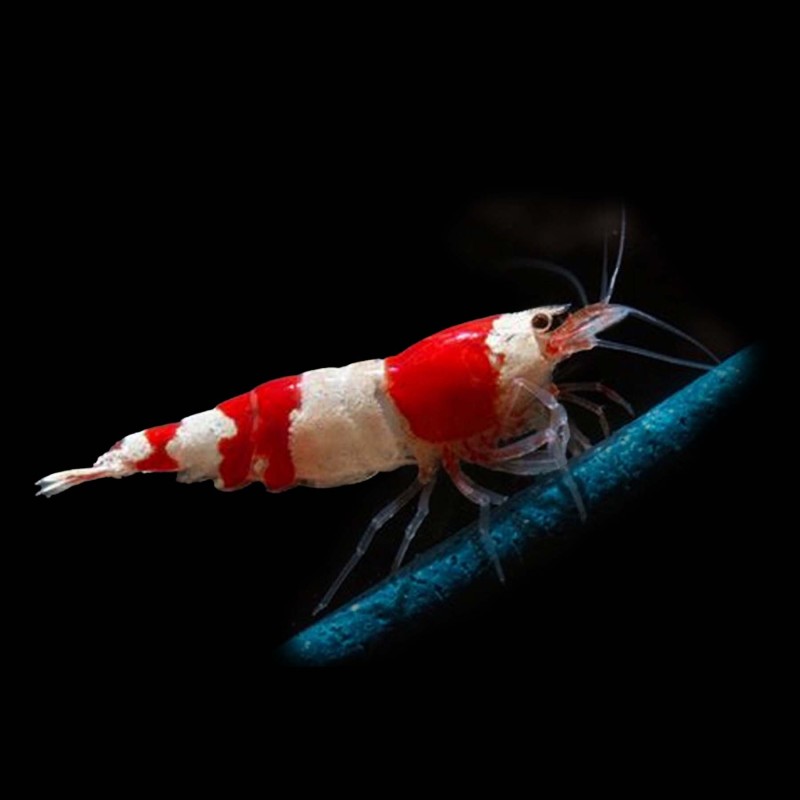
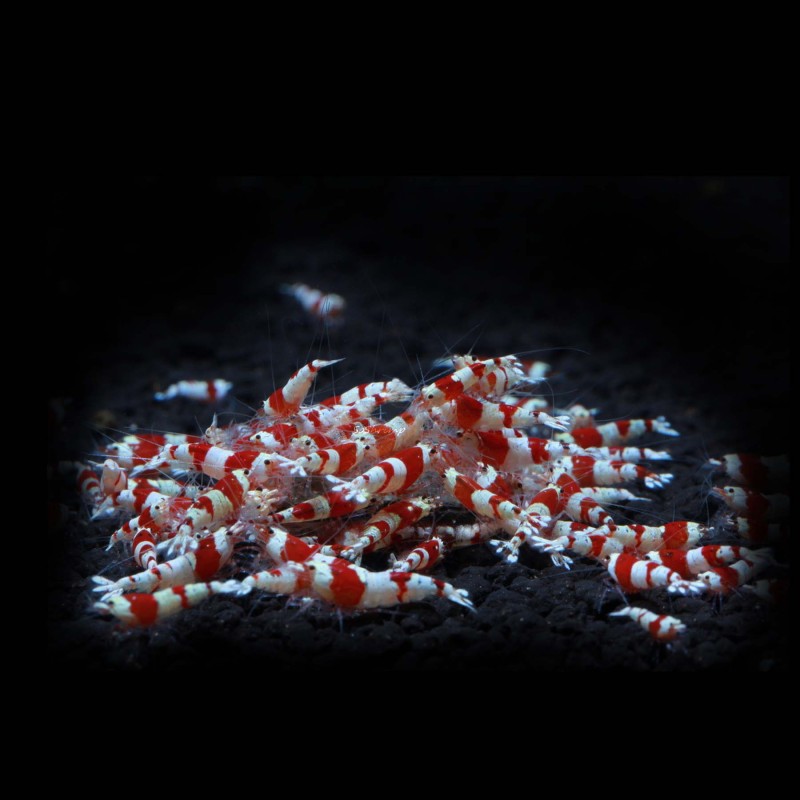
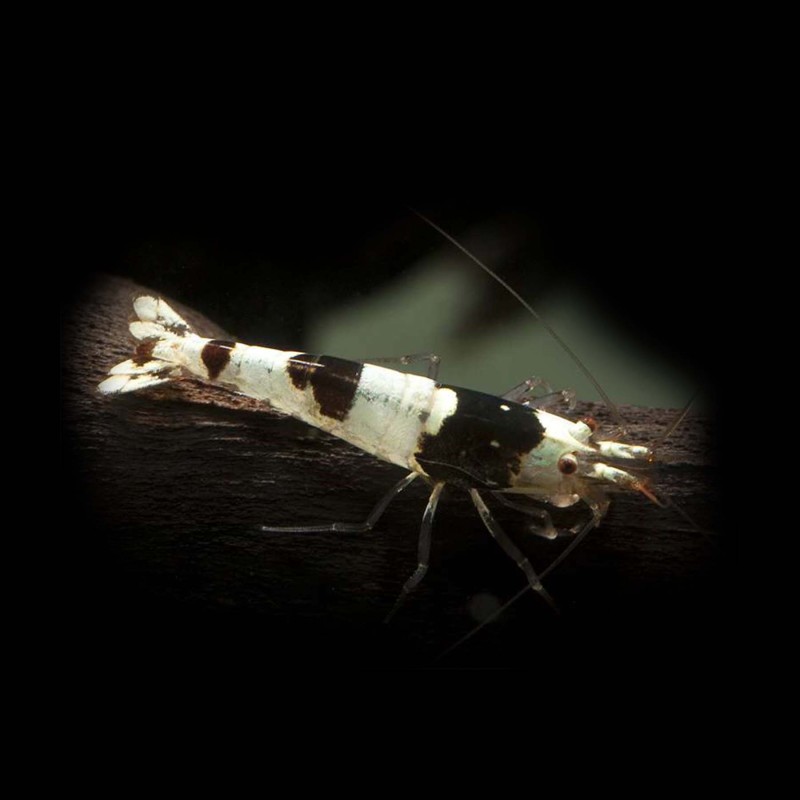
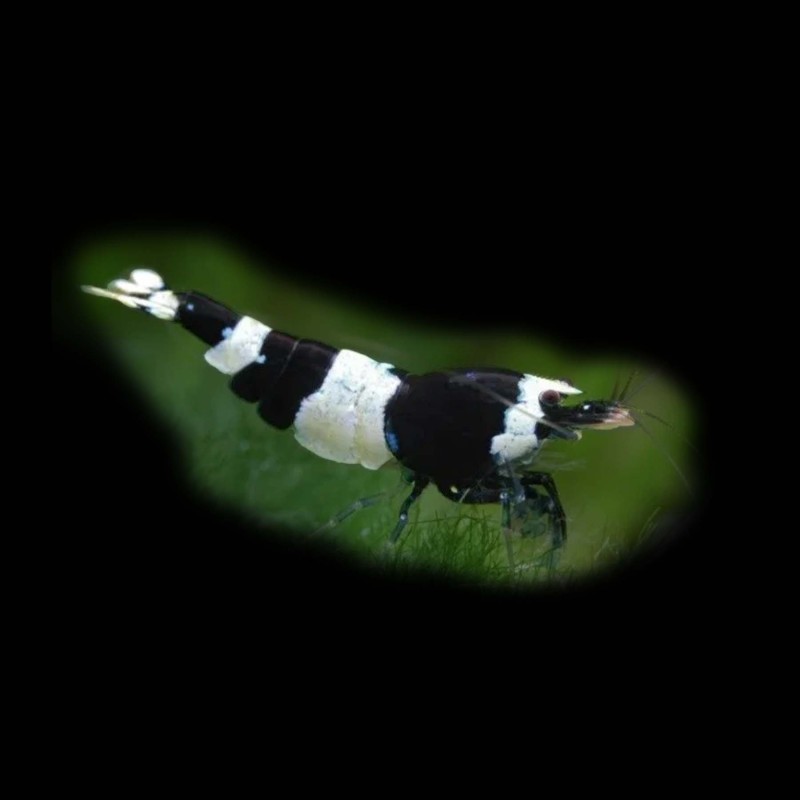
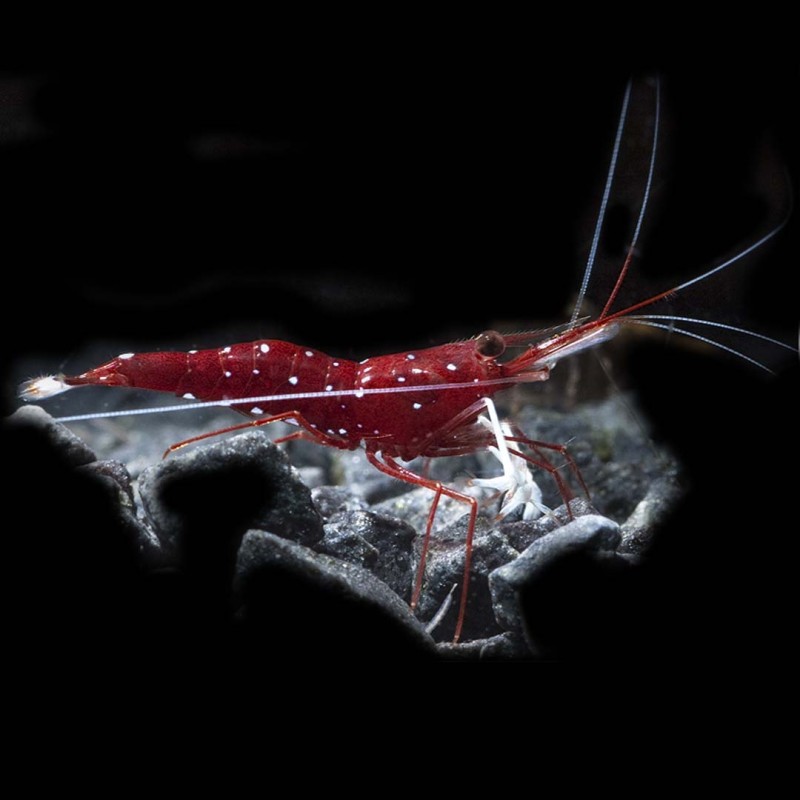
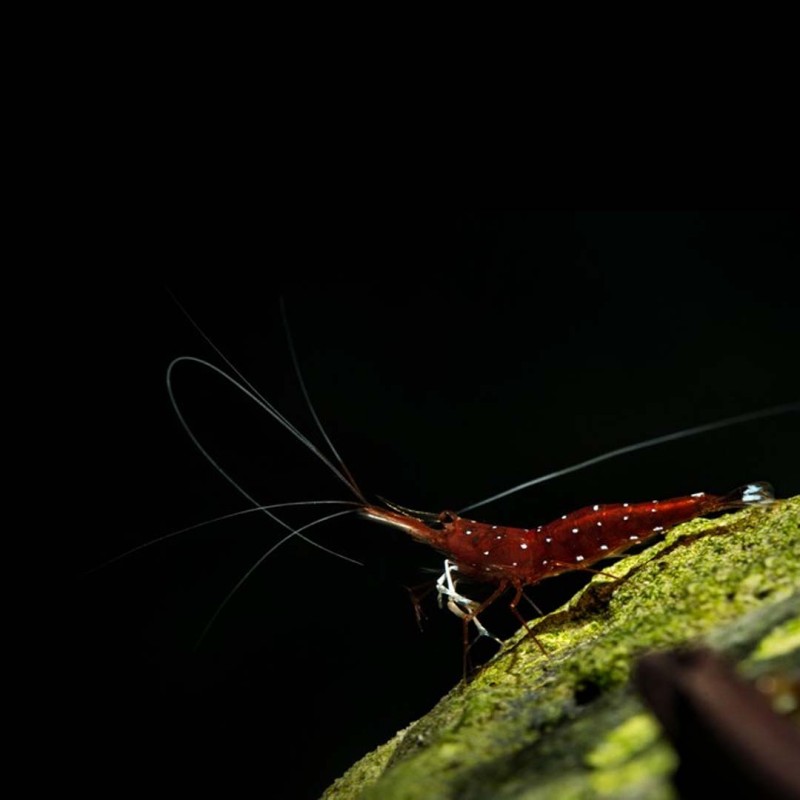
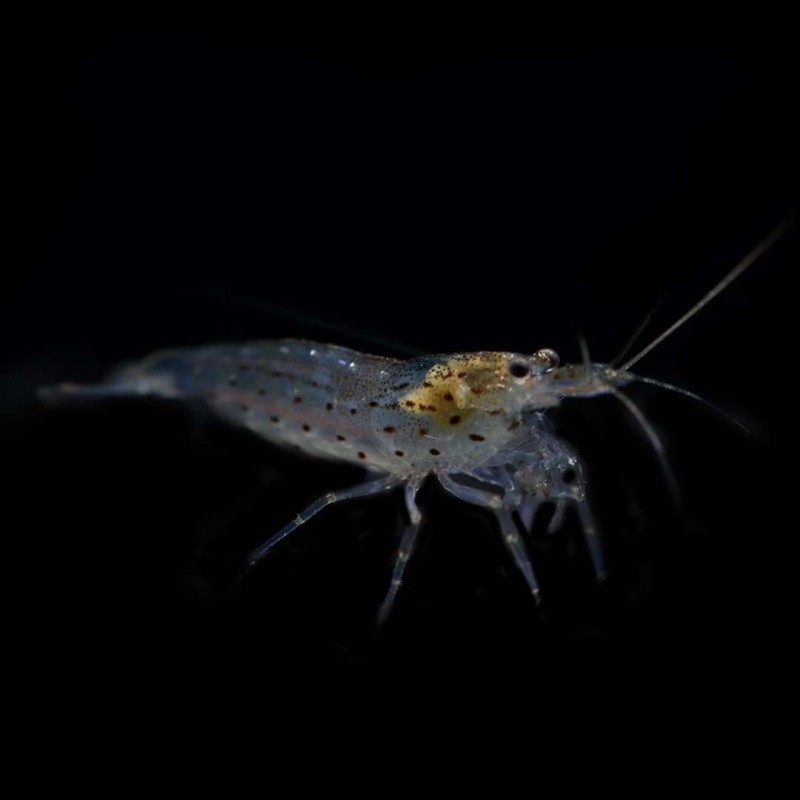
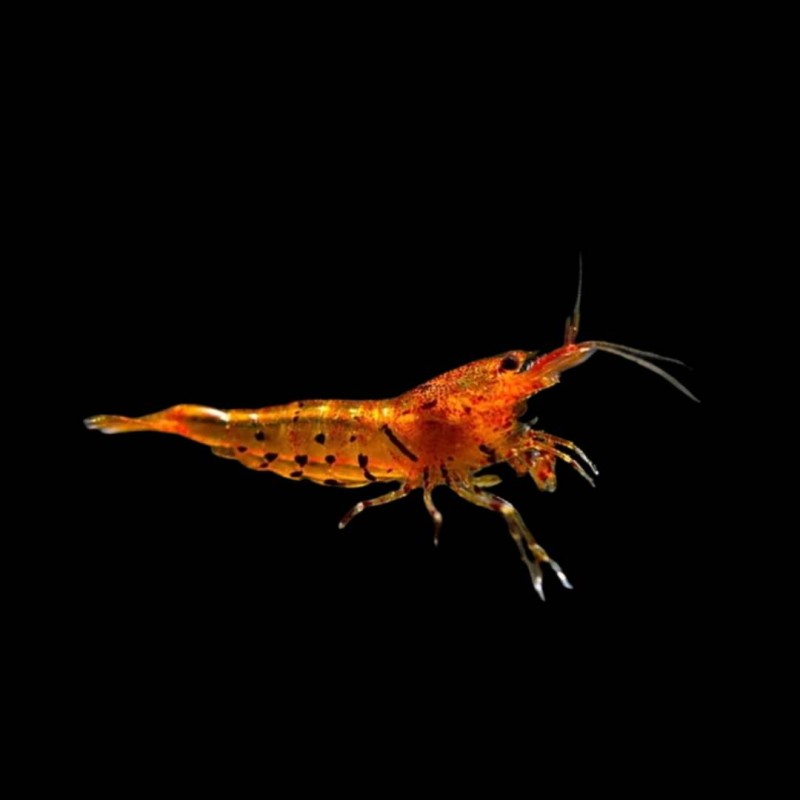
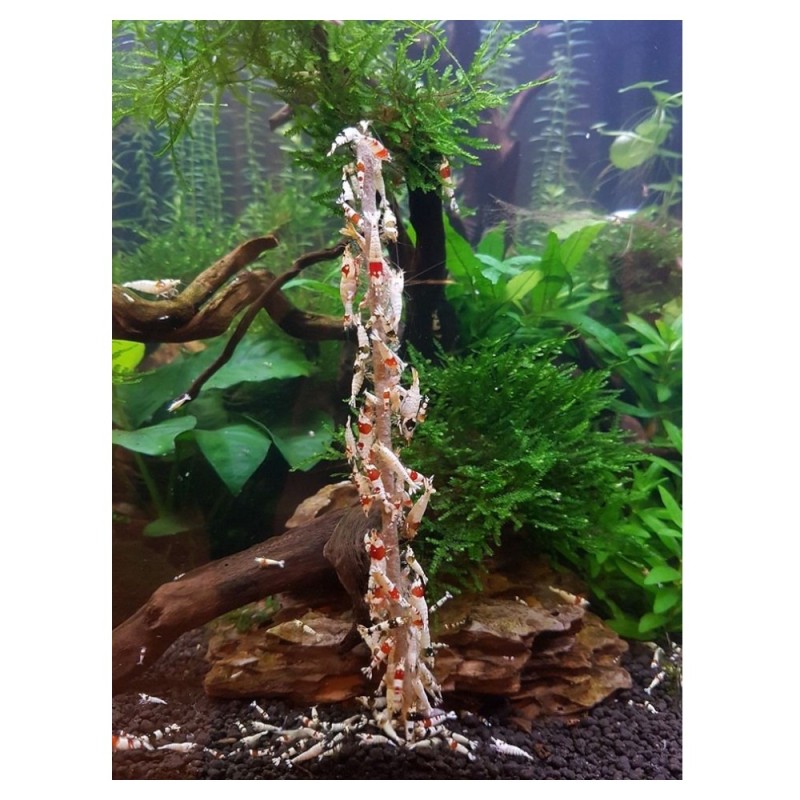
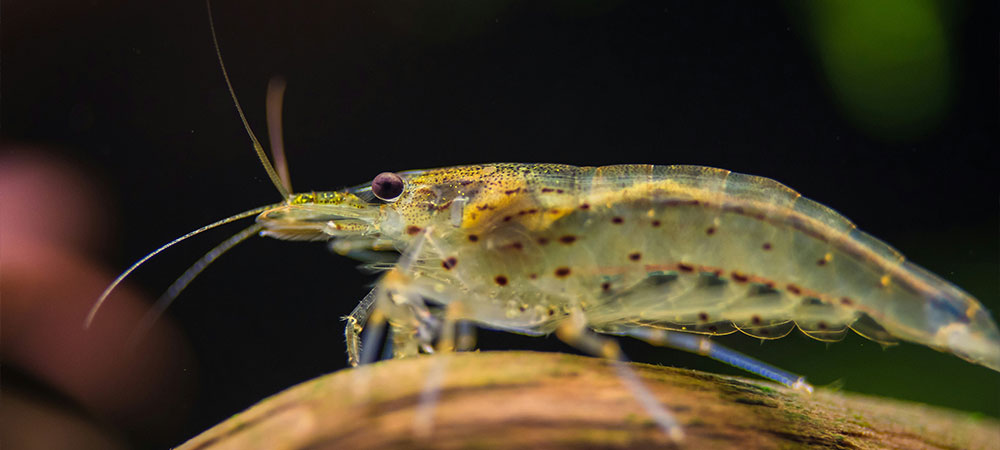
The Blue Shrimp is a captivating and vibrant freshwater shrimp known for its striking blue colouration. This species has become a popular choice among aquarists due to its stunning appearance and peaceful nature, making it a desirable addition to shrimp and community tanks.
Physical Characteristics:
- Size: Blue Shrimp typically grow to about 3-4 cm (1.2-1.6 inches) in length.
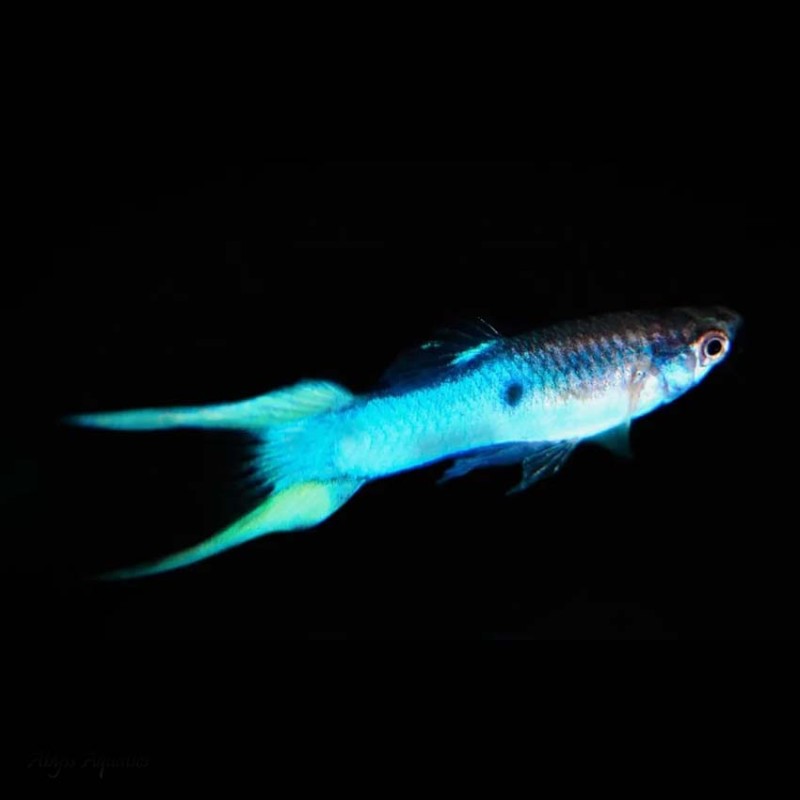
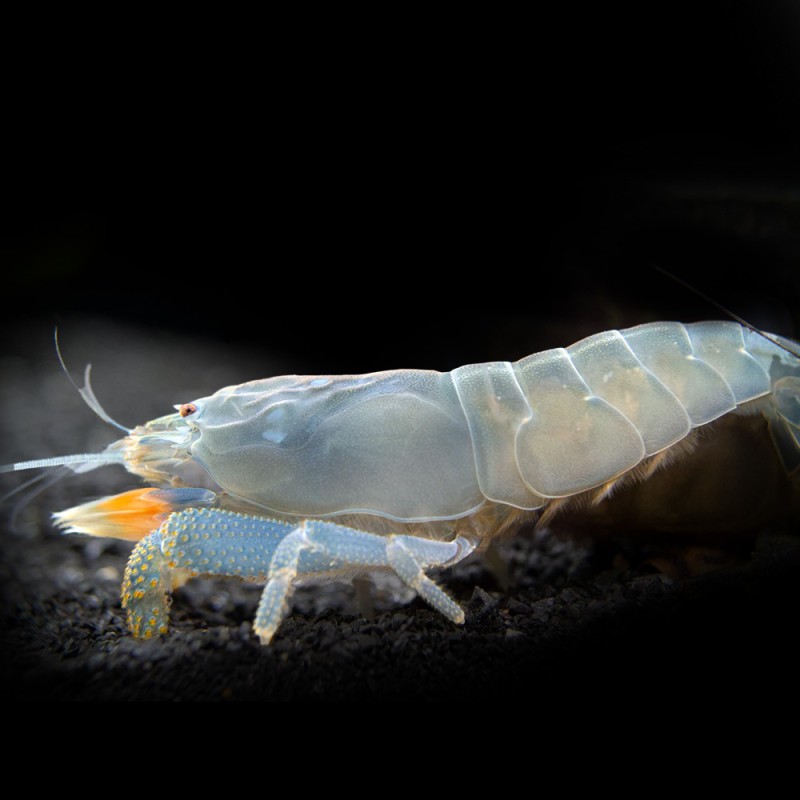
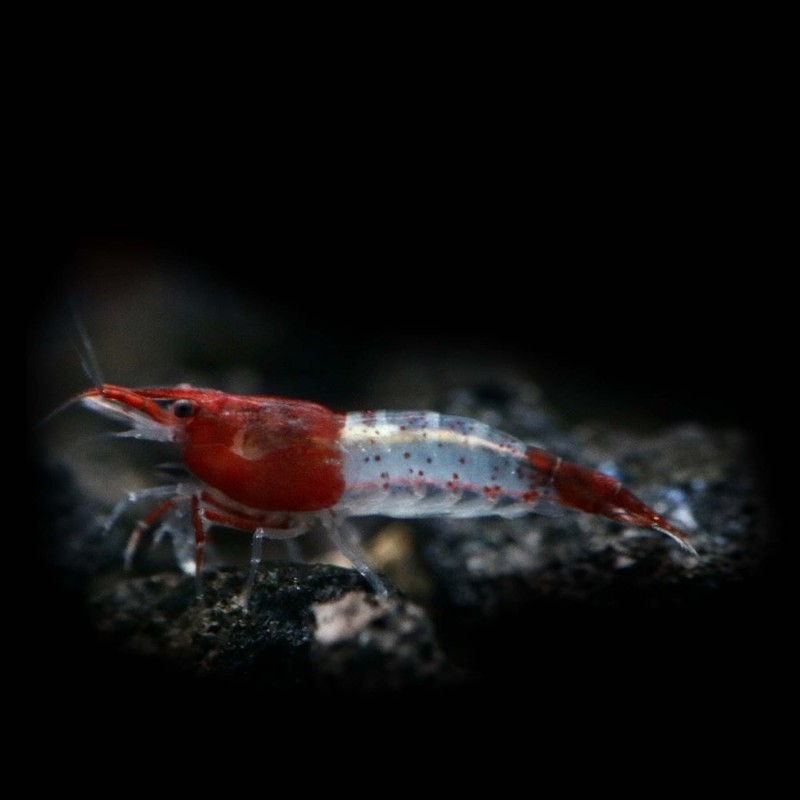
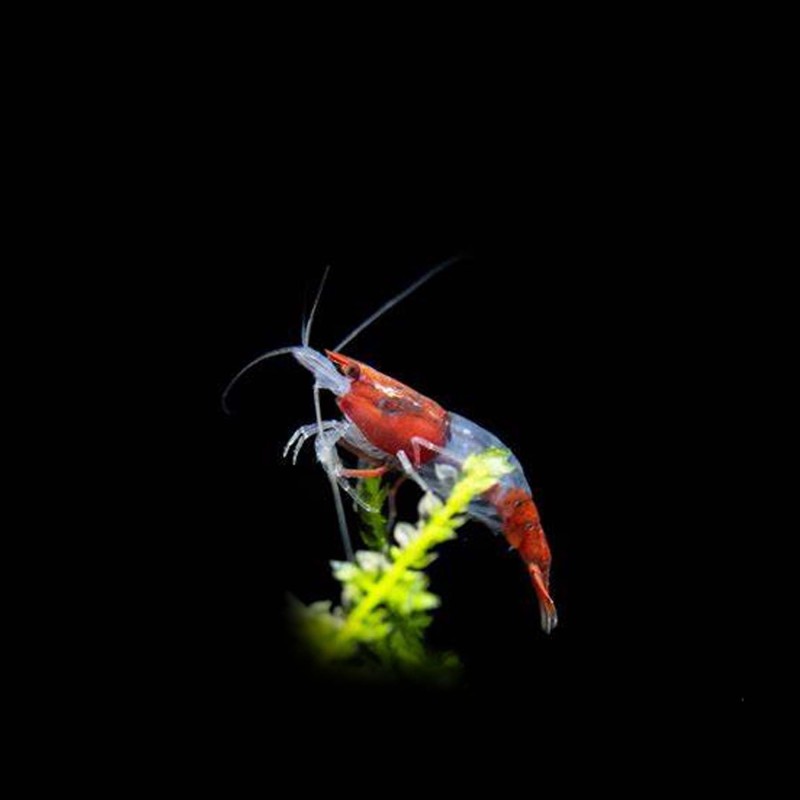
- Coloration: These shrimp are primarily blue, with varying shades that can range from light to deep blue. Some may exhibit patterns of darker spots, while others may have a more uniform colour.
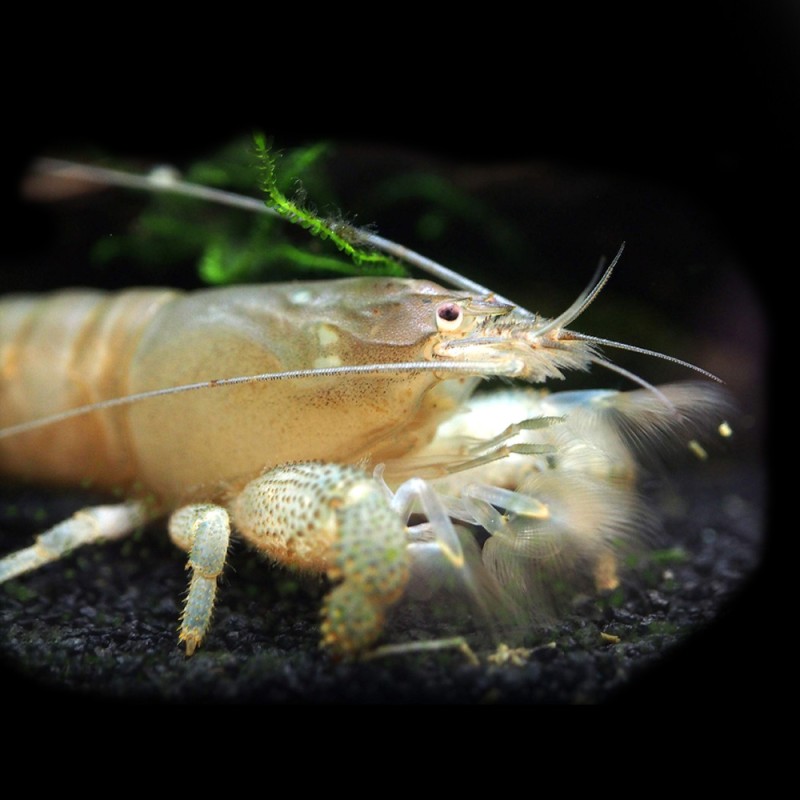
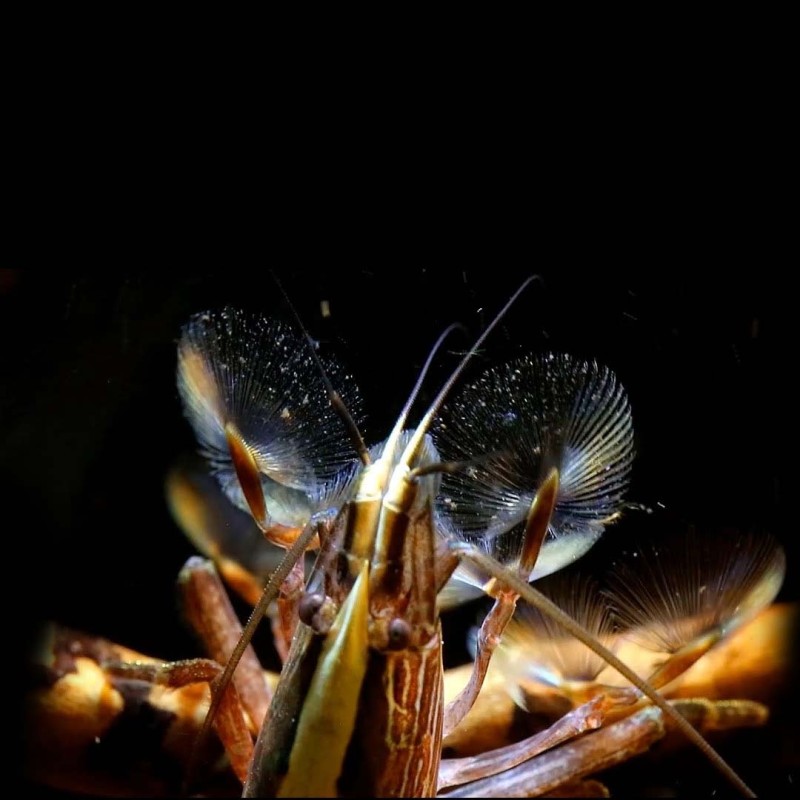
- Fins: They have small, delicate appendages that contribute to their graceful swimming style. Their antennae are long and sensitive, aiding in navigation.
- Shape: Their body is elongated and slender, which helps them move nimbly through the water and hide within aquatic plants and decorations.
Behavior:
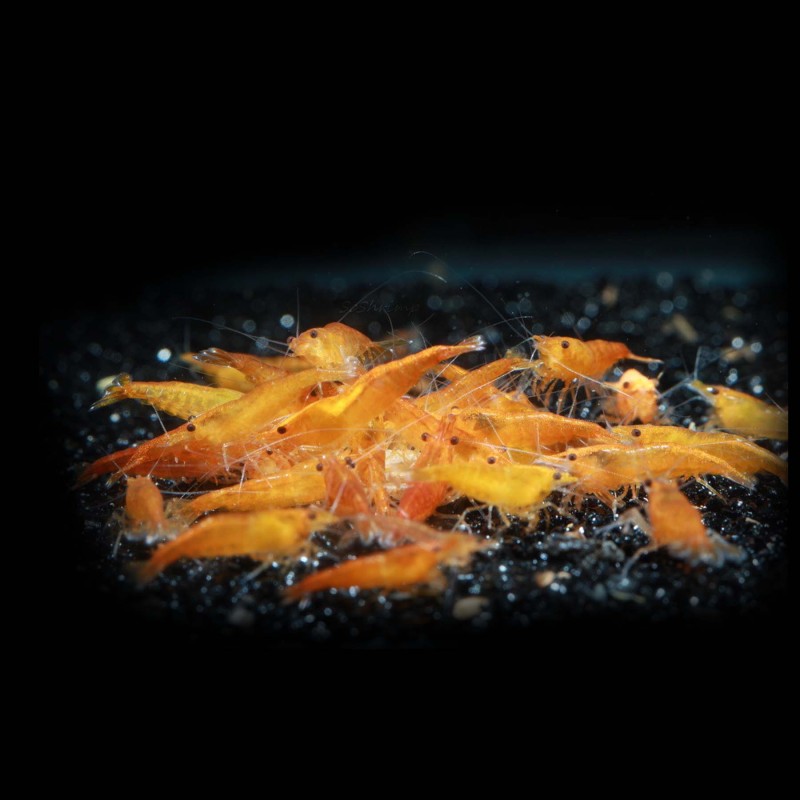
- Temperament: Blue Shrimp are peaceful and social creatures, usually found in groups where they can interact with one another. They are generally non-aggressive towards other tankmates, making them ideal for community aquariums.
- Activity Level: They are moderately active and enjoy foraging for food, primarily on algae, detritus, and leftover food in the tank.
- Community Behavior: Blue Shrimp thrive in peaceful community setups, coexisting well with other peaceful species. However, they should not be housed with large, aggressive fish that may view them as food.
Aquarium Care:
- Tank Size: A minimum tank size of 20 liters (5 gallons) is recommended for a small group of Blue Shrimp, though larger tanks are better for ensuring stable water conditions.
- Water Parameters:
- Temperature: Blue Shrimp thrive in warm water, with an ideal temperature range of 22°C to 28°C (72°F to 82°F).
- pH: Slightly acidic to neutral water is preferred, with a pH range of 6.5 to 7.5.
- Hardness: Soft to moderately hard water, with a general hardness (GH) of 4-8 dGH, is ideal.
- Tank Setup:
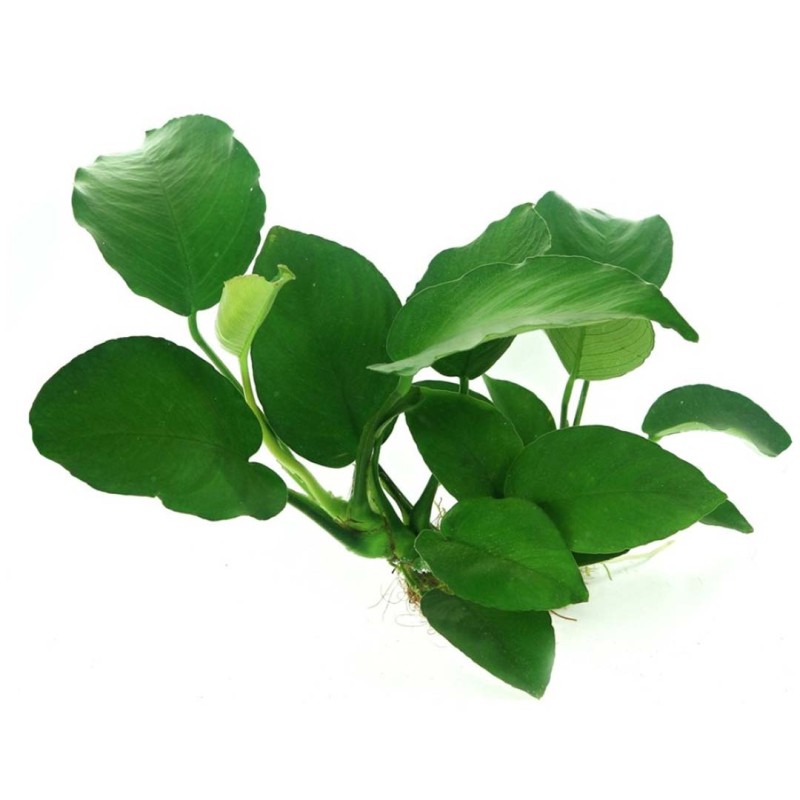
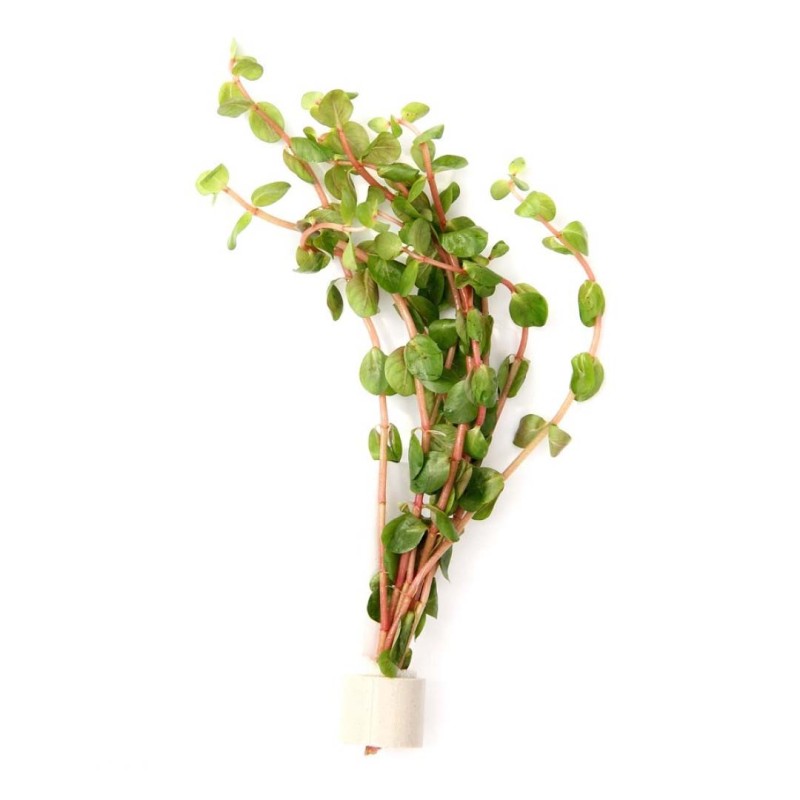
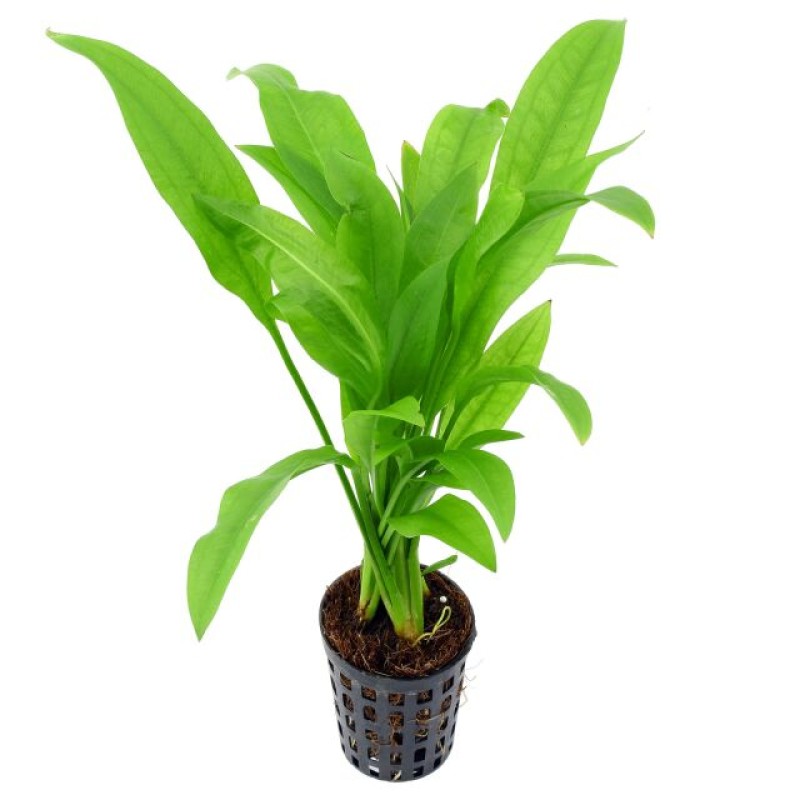
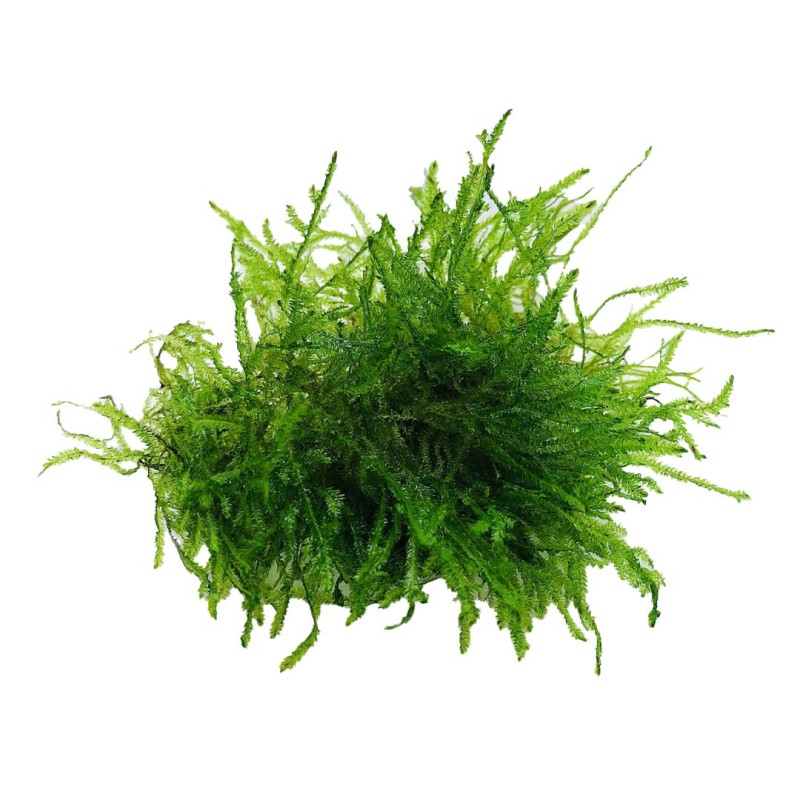
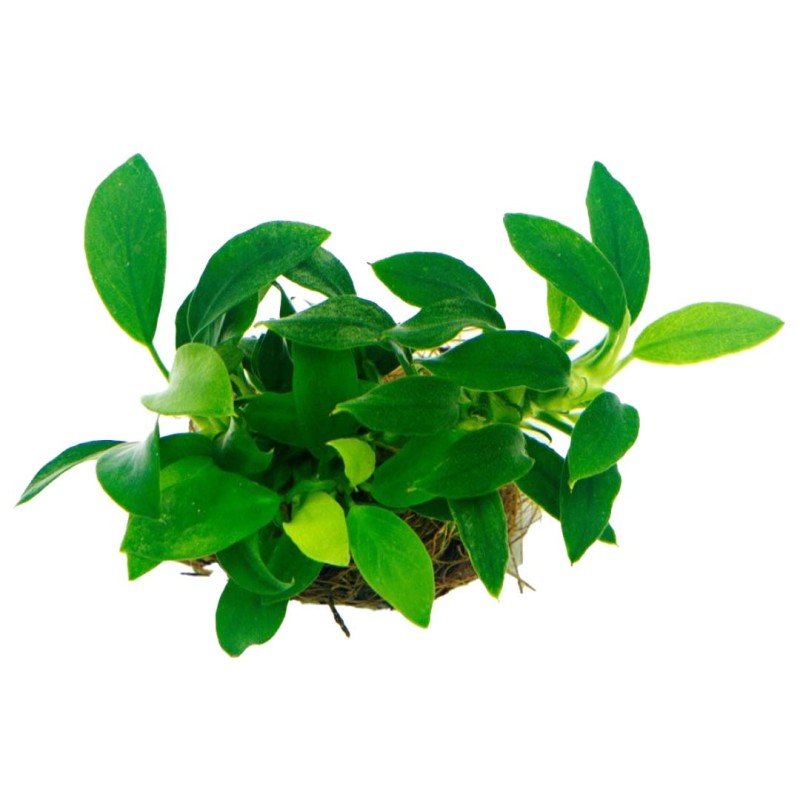
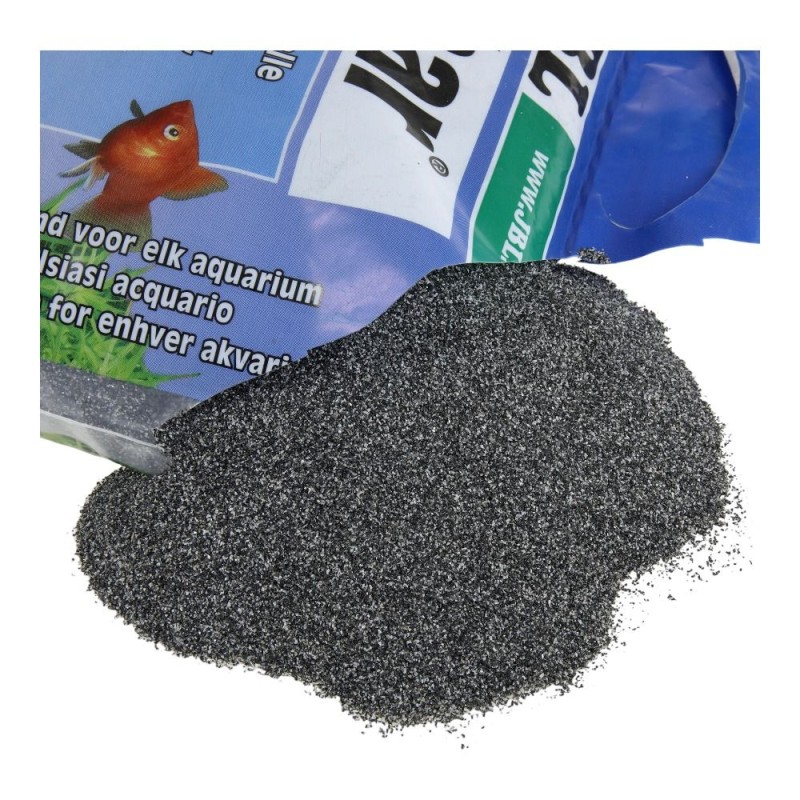
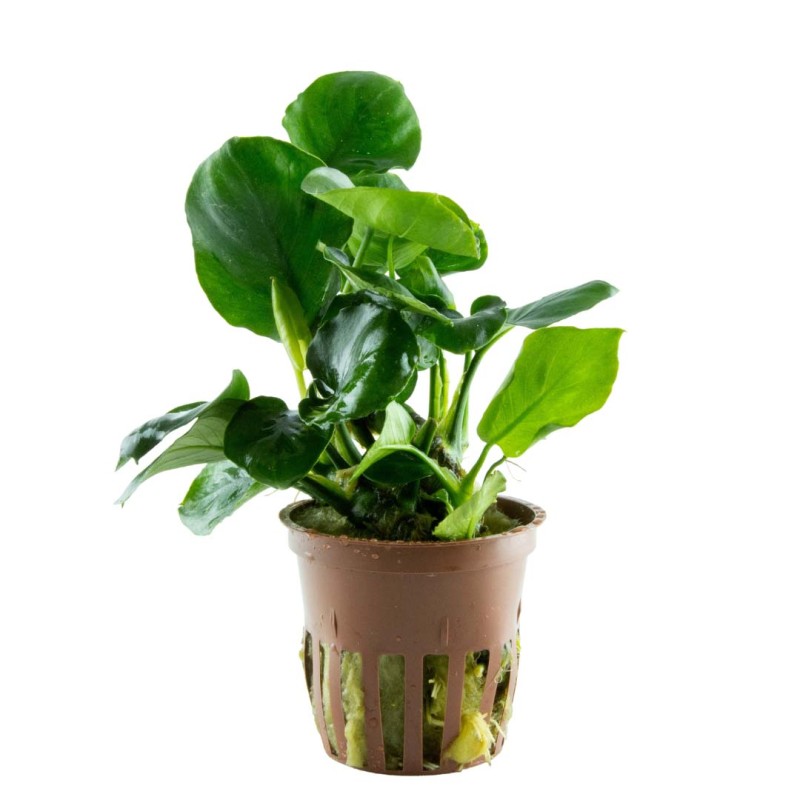
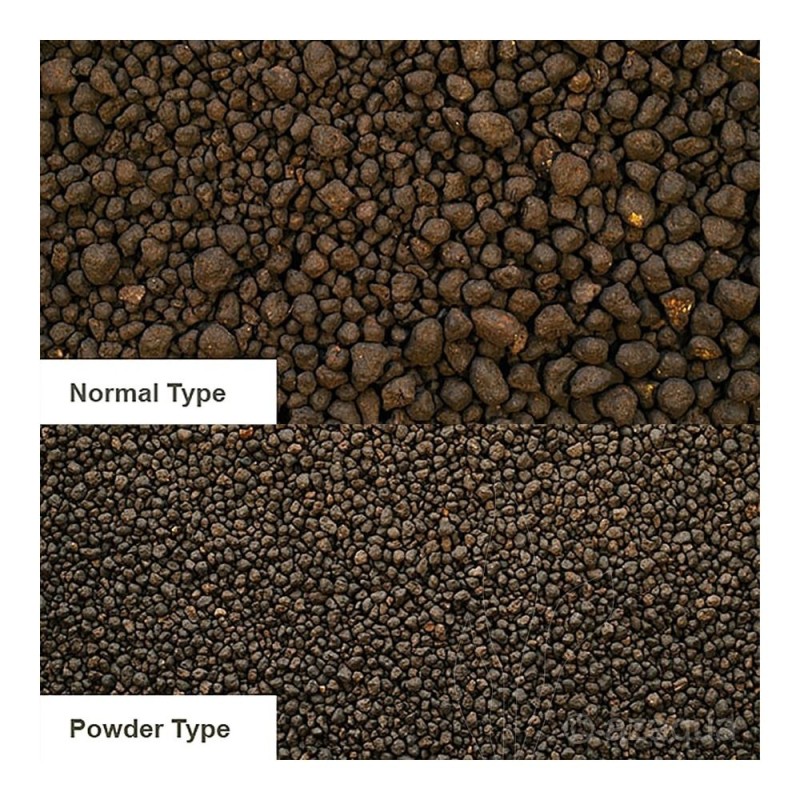
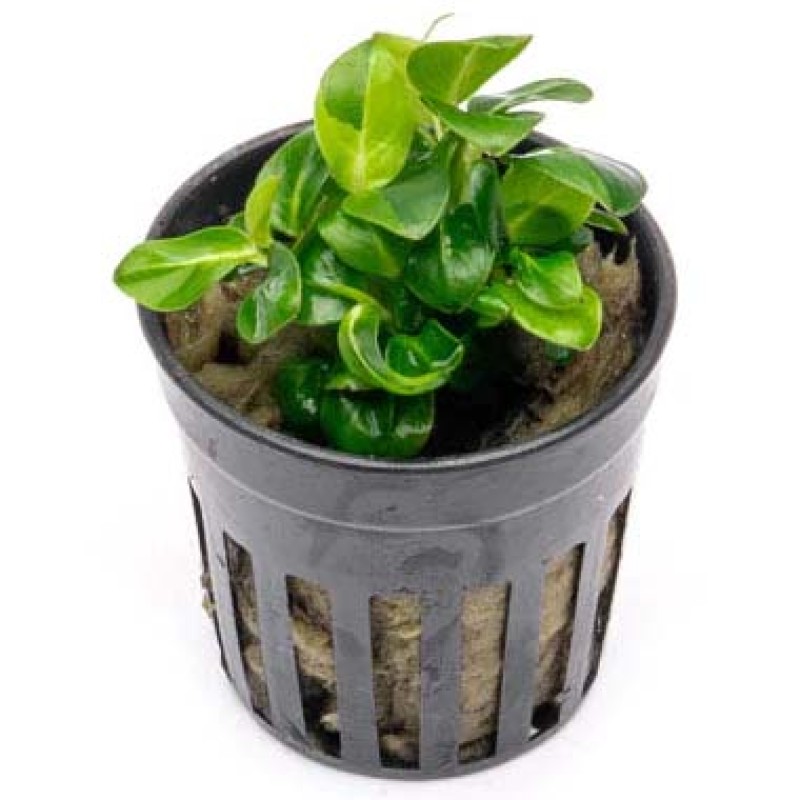
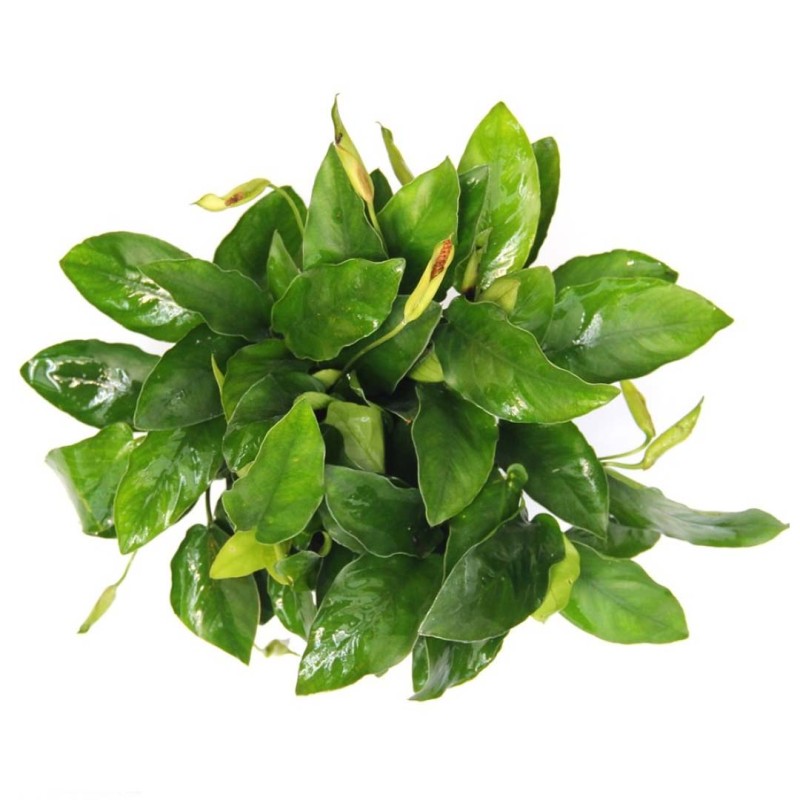
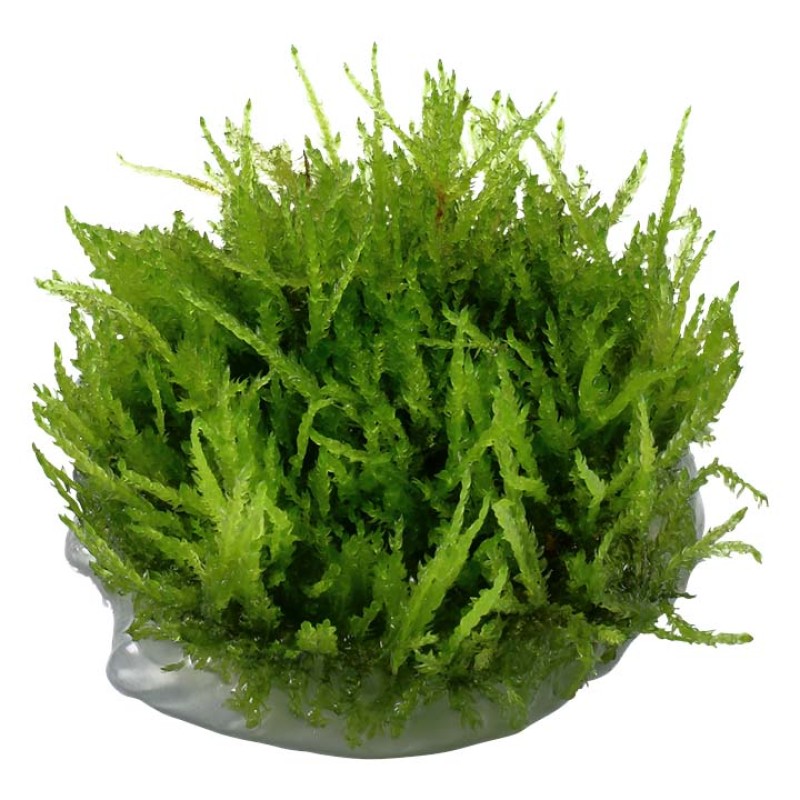
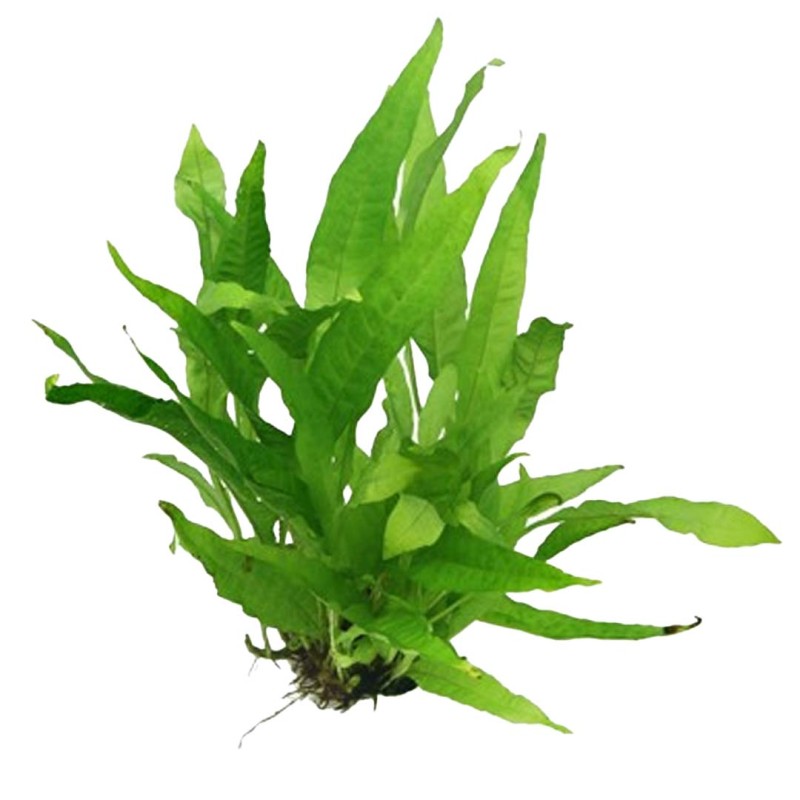
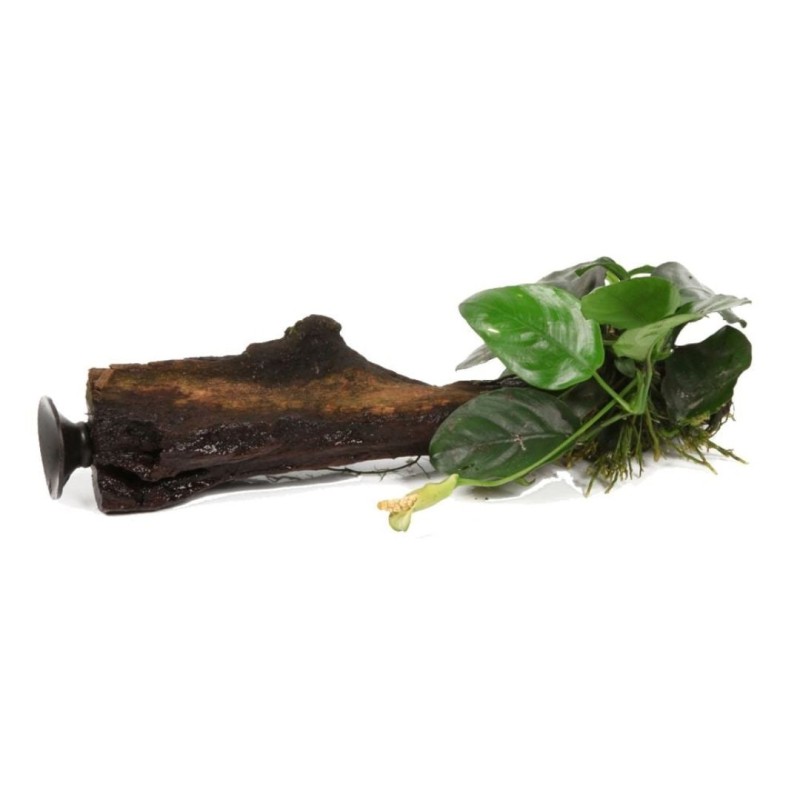
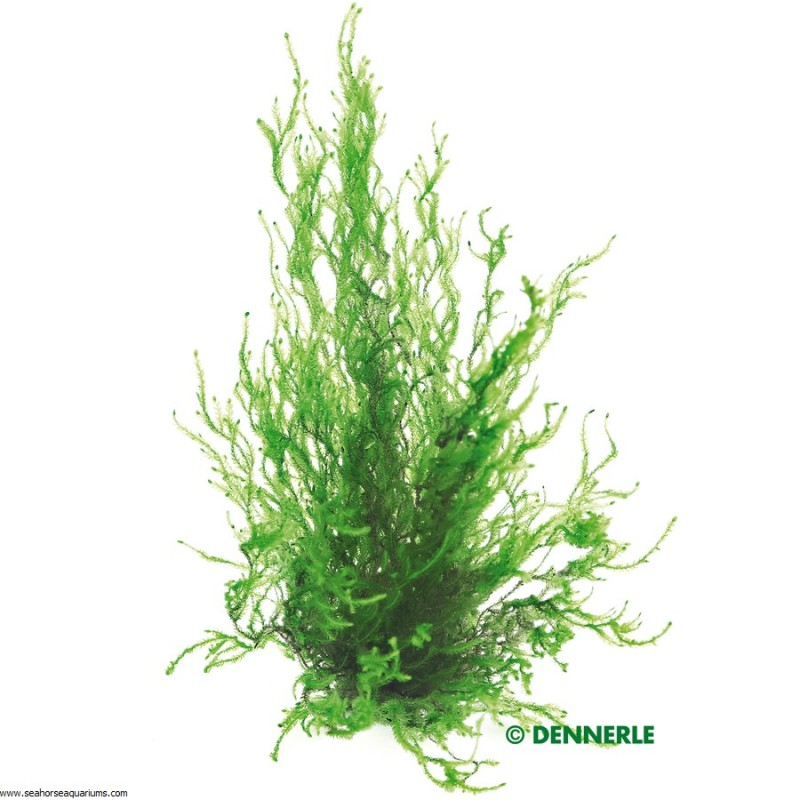
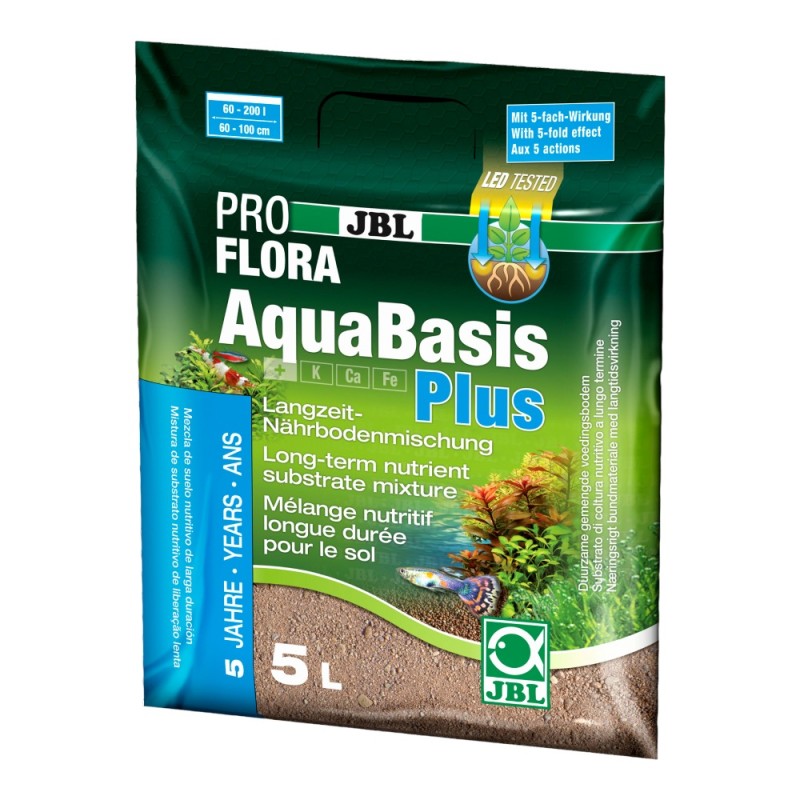
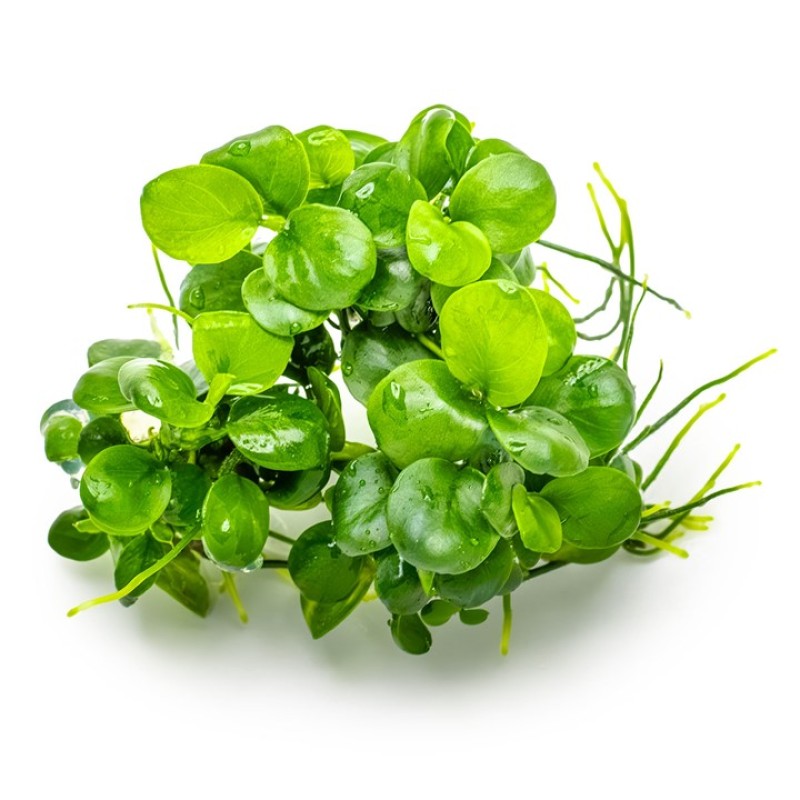
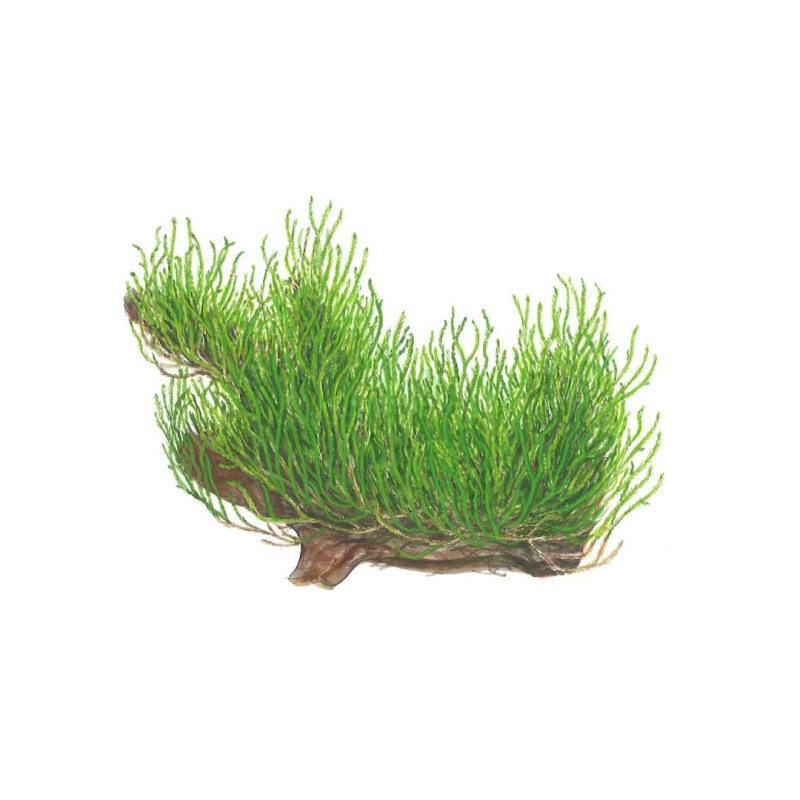
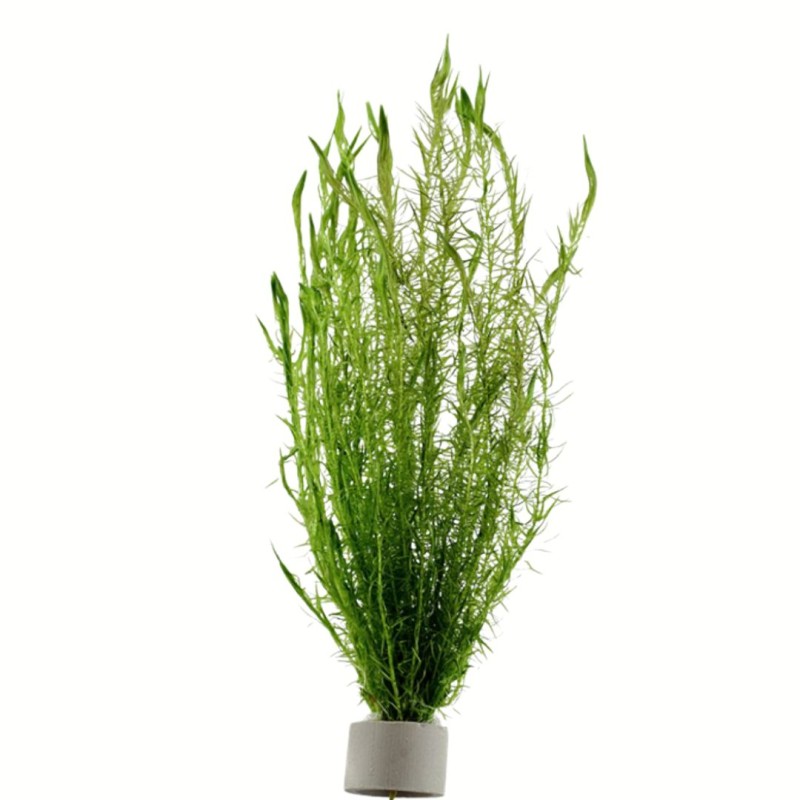
- Substrate and Decorations: A soft substrate is recommended to protect the shrimp’s delicate bodies. Blue Shrimp also appreciate a well-planted tank, with plenty of hiding spots provided by plants like Java moss, Anubias, and other aquatic plants.
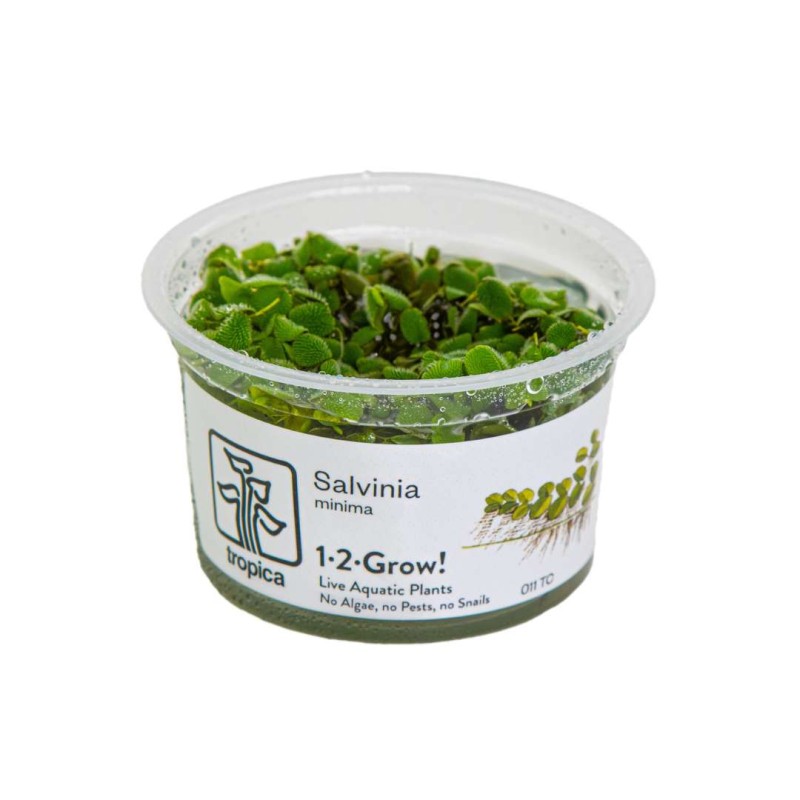
- Lighting: Moderate lighting is ideal for showcasing their beautiful colours. Floating plants or a shaded area can help provide hiding spots and reduce stress.
- Filtration: A gentle filtration system is recommended, as strong currents can stress the shrimp. Regular water changes (about 20% weekly) are essential to maintain a healthy environment.
Diet:
Blue Shrimp are omnivorous and require a varied diet to thrive. Their diet should include:
- Algae: Blue Shrimp love to graze on algae that naturally grow in the tank.
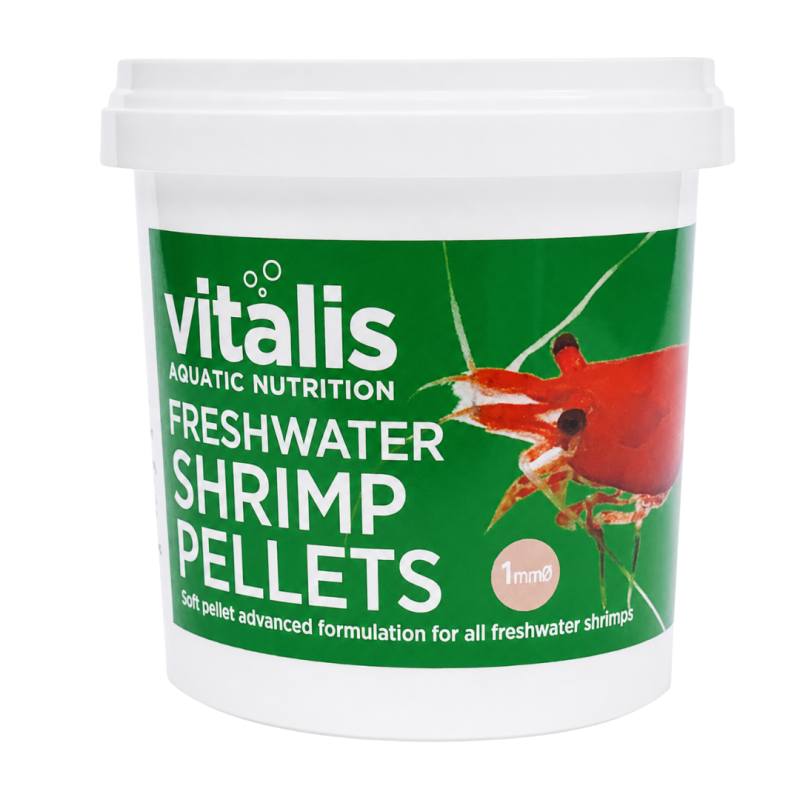
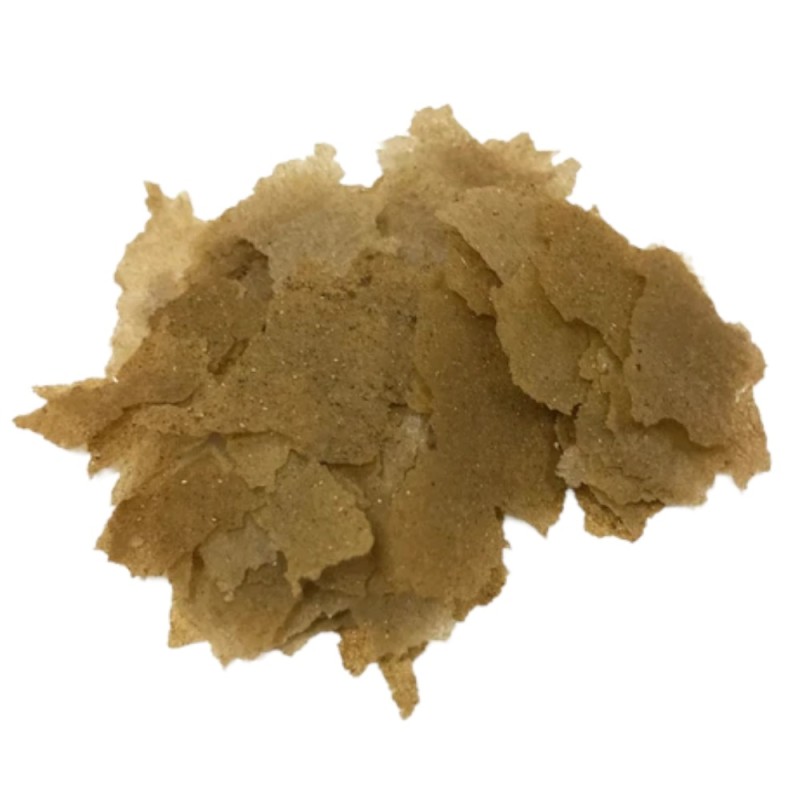
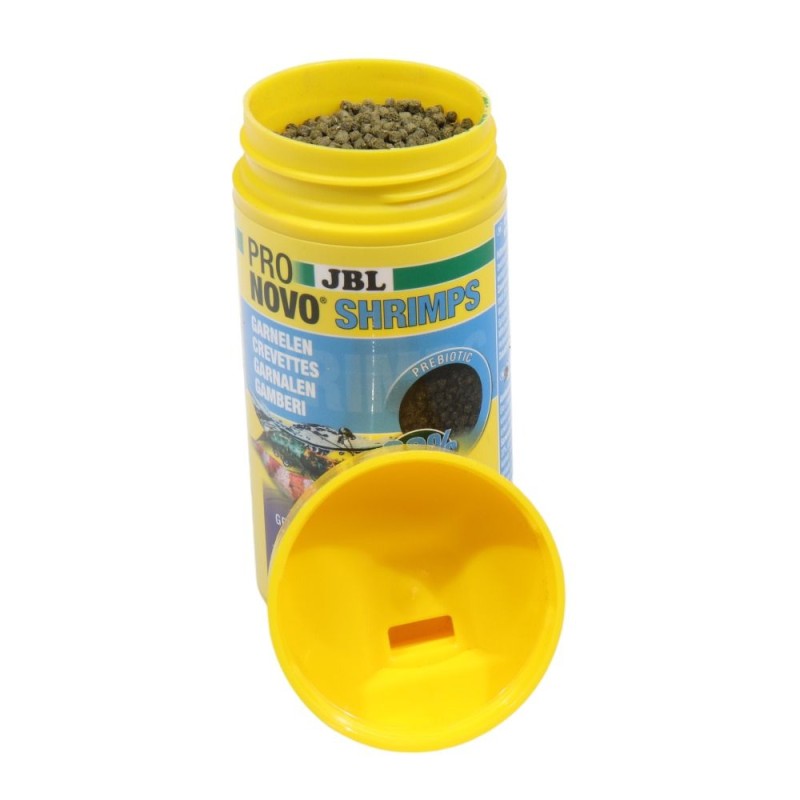
- Shrimp Pellets: High-quality shrimp-specific pellets can form the staple of their diet.
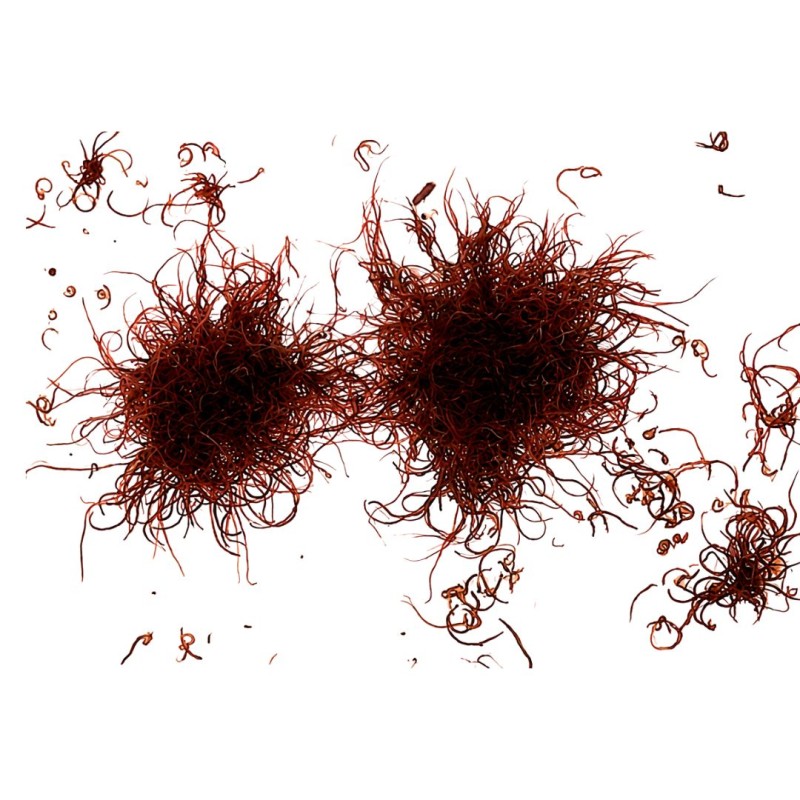
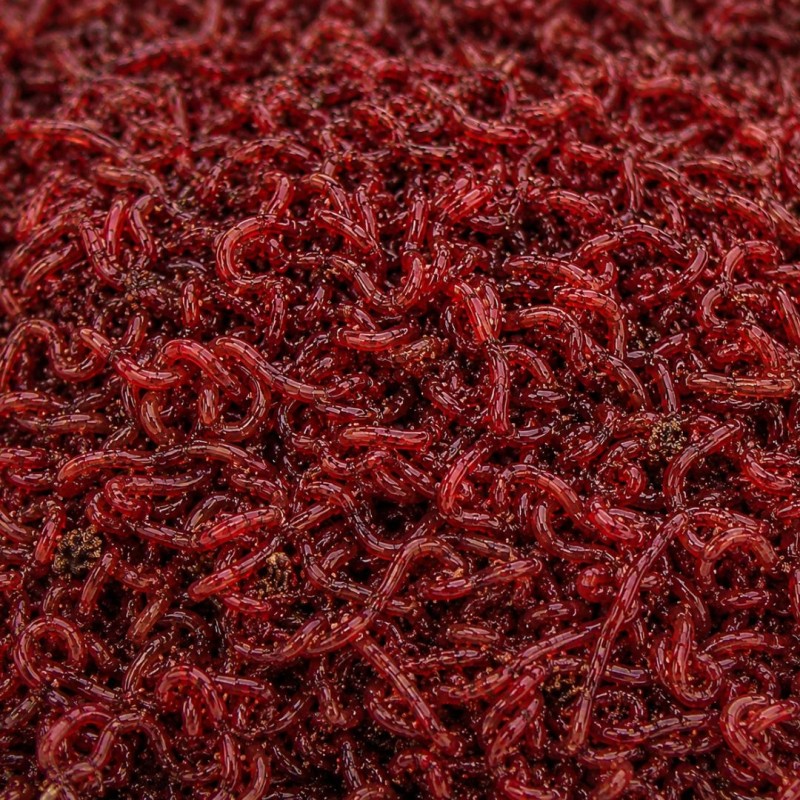
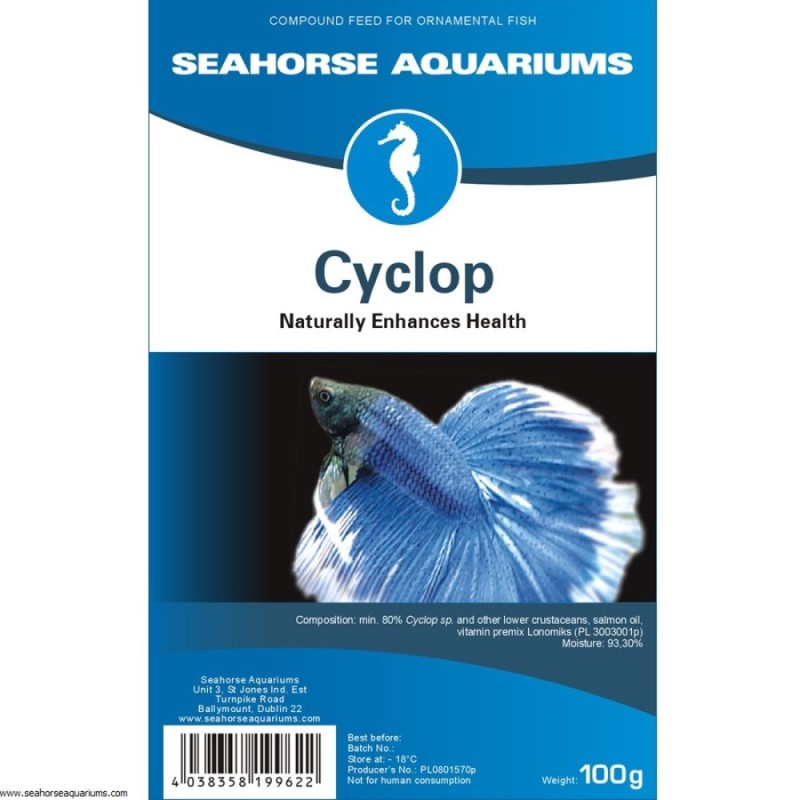
- Live or Frozen Foods: Offer live or frozen foods such as brine shrimp, daphnia, and bloodworms to provide essential protein and variety.
- Vegetable Matter: Including blanched vegetables like spinach or zucchini can help ensure a balanced diet.
Tankmates:
Blue Shrimp can be housed with various peaceful tankmates, including:
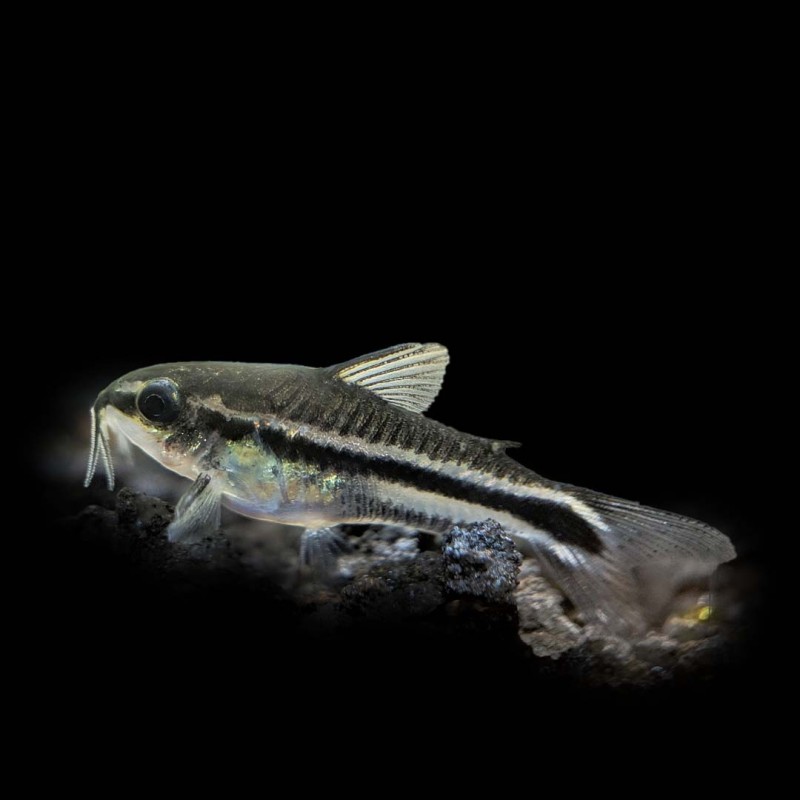
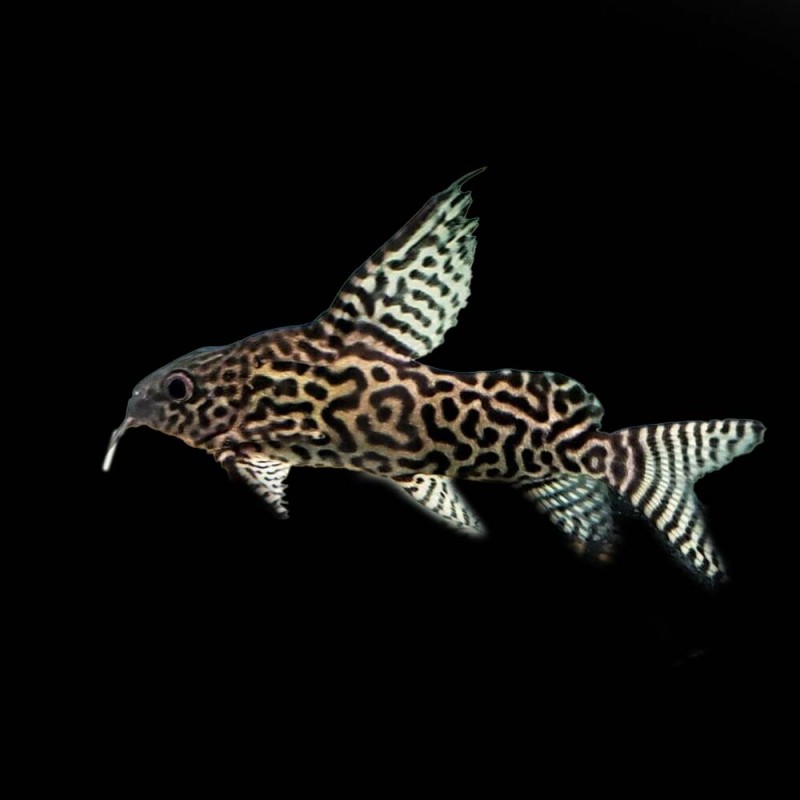
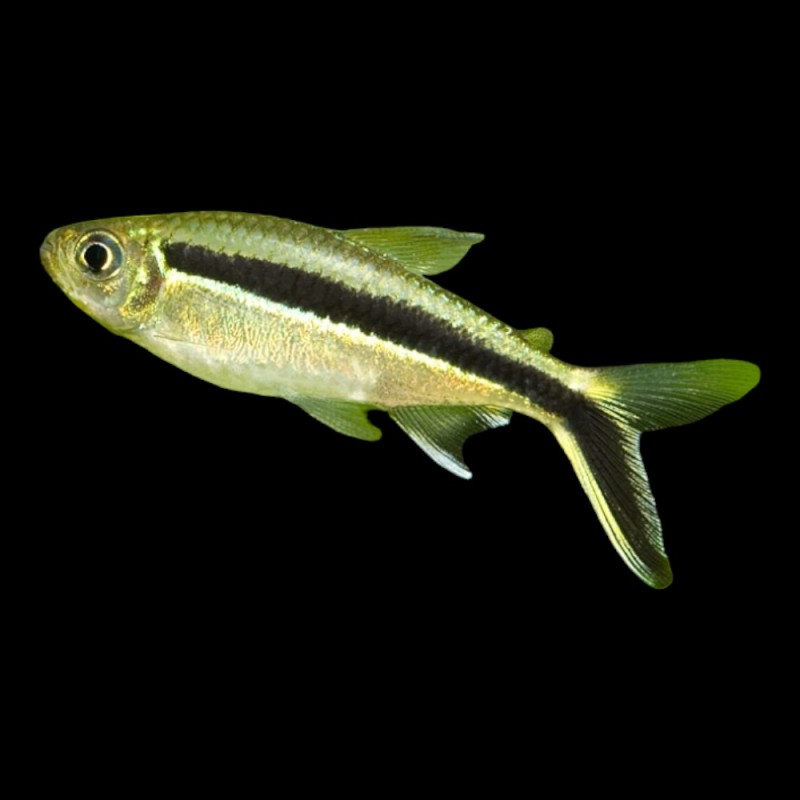
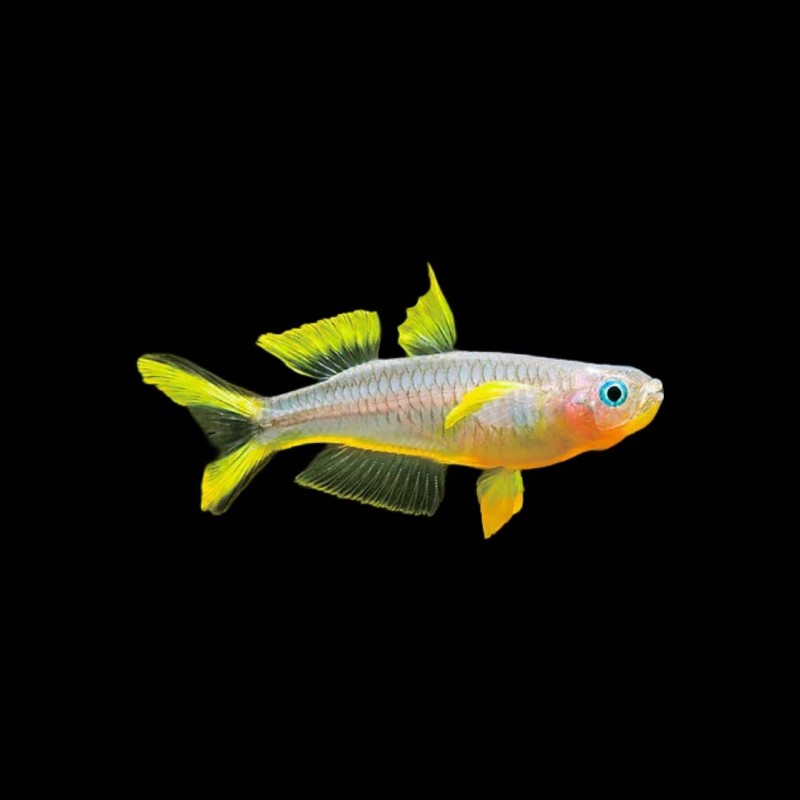
- Small Fish: Such as Tetras, Rasboras, and small peaceful catfish.
- Other Shrimp Species: They can coexist with other peaceful shrimp species like Cherry Shrimp or Amano Shrimp.
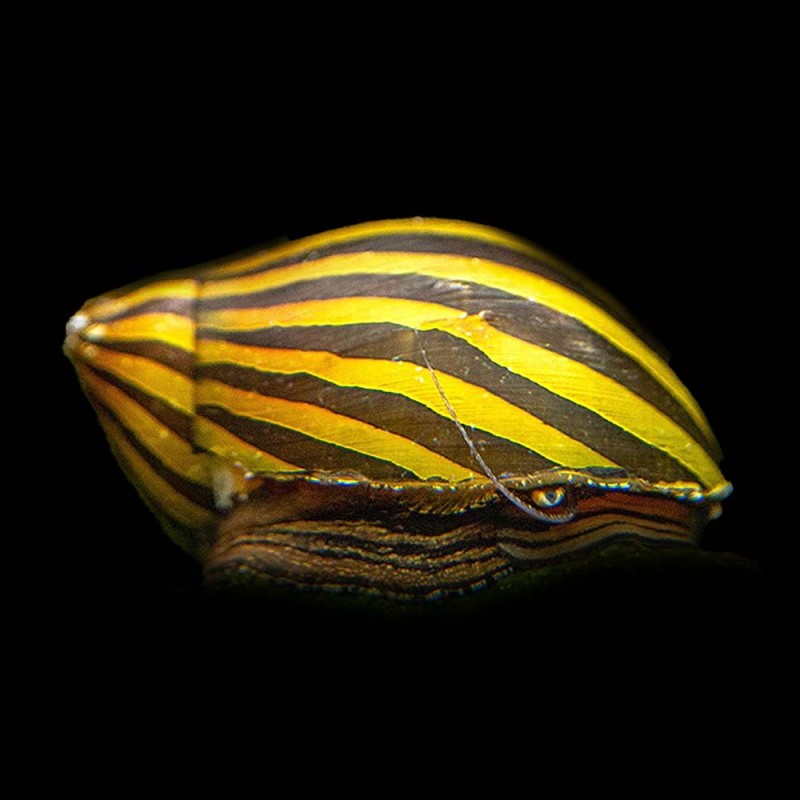
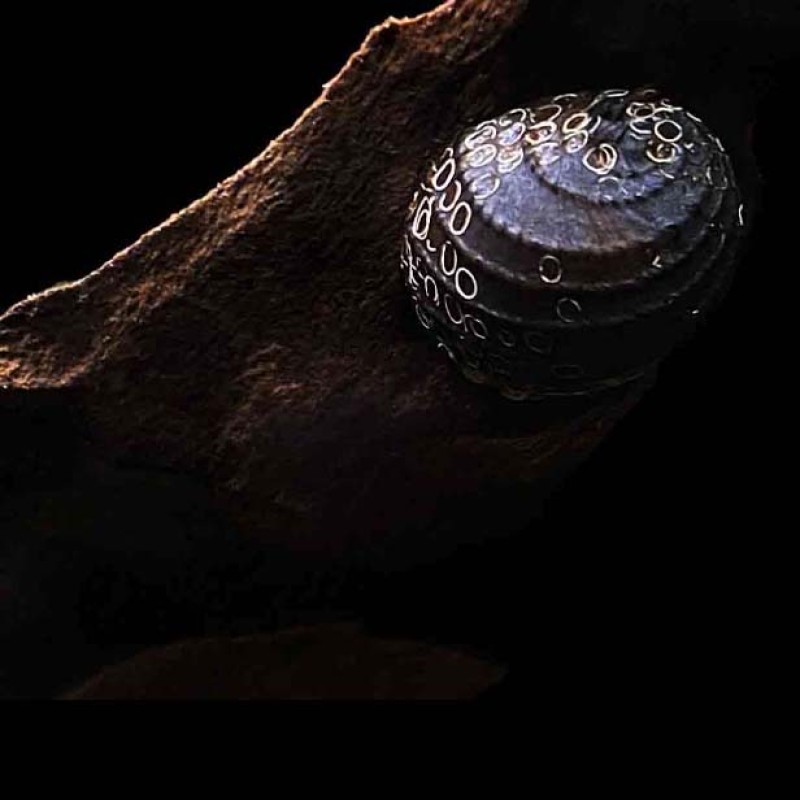
- Snails: Peaceful snails, like Nerite snails, make great tankmates for Blue Shrimp.
Avoid housing them with larger, more aggressive fish that may harm or eat them.
Breeding:
Breeding Blue Shrimp can be a rewarding experience if conditions are right:
- Breeding Setup: A separate breeding tank with stable water conditions (temperature, pH, and hardness) is ideal. Provide plenty of hiding spots and plants for the shrimp to feel secure.
- Spawning Behavior: Female Blue Shrimp will carry fertilized eggs under their abdomen until they hatch. They can give birth to live shrimp, which will immediately start foraging.
- Fry Care: The fry are very small, so ensure that the tank contains plenty of hiding spots and small algae to feed on. They can be fed infusoria or fine shrimp food until they grow large enough to eat regular shrimp pellets.
Special Considerations:
- Water Quality: Regular water monitoring and maintaining good water quality is crucial for the health of Blue Shrimp.
- Shy Nature: Blue Shrimp may be shy, especially in larger tanks or tanks with aggressive fish. Providing plenty of hiding spots can help them feel secure.