

Menu
Menu
Your Cart

Tricolour Horn Snail

Tricolour Horn Snail
€4.99
Ex Tax: €4.06
  • Stock: Generally In Stock
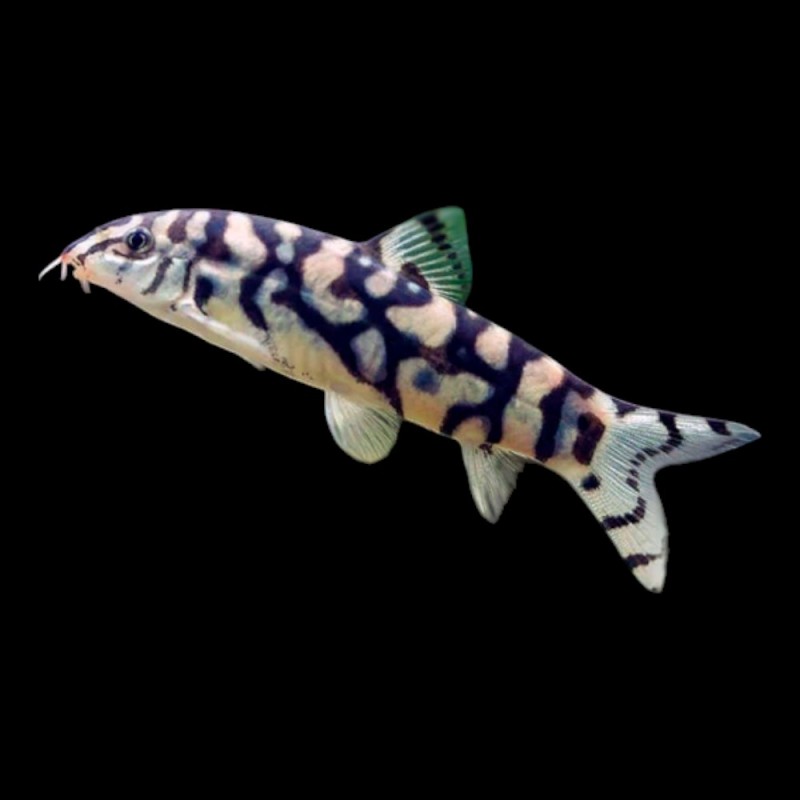
  • Please Note: Due to variations within species, your fish may not look identical to the image provided. Also note not all sizes or species may be available due to seasonality, Please call beforehand for up-to-date stock availability.

  • Model: -

Tricolour Horn Snail

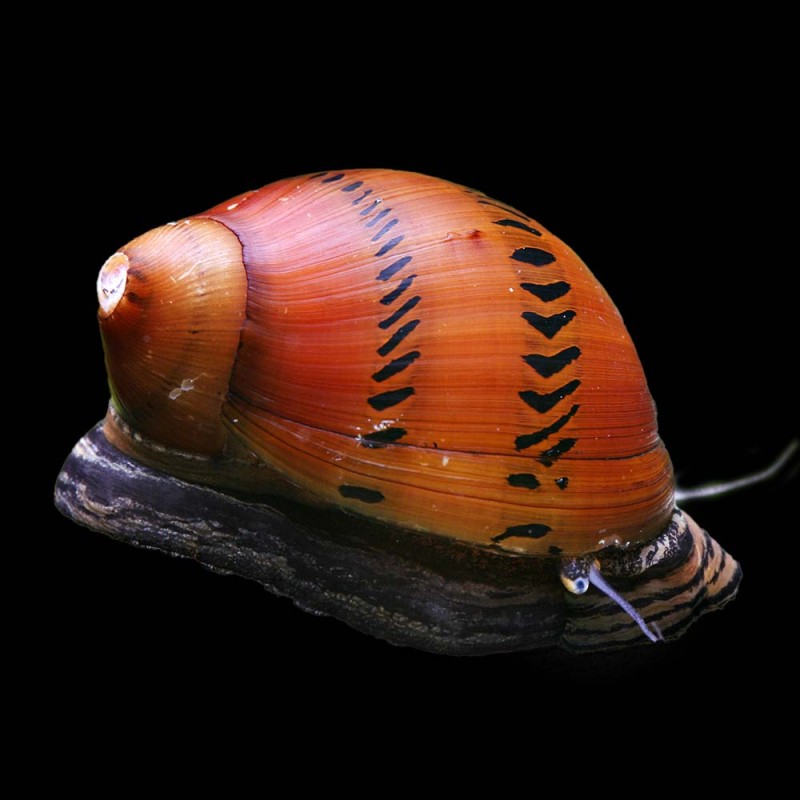
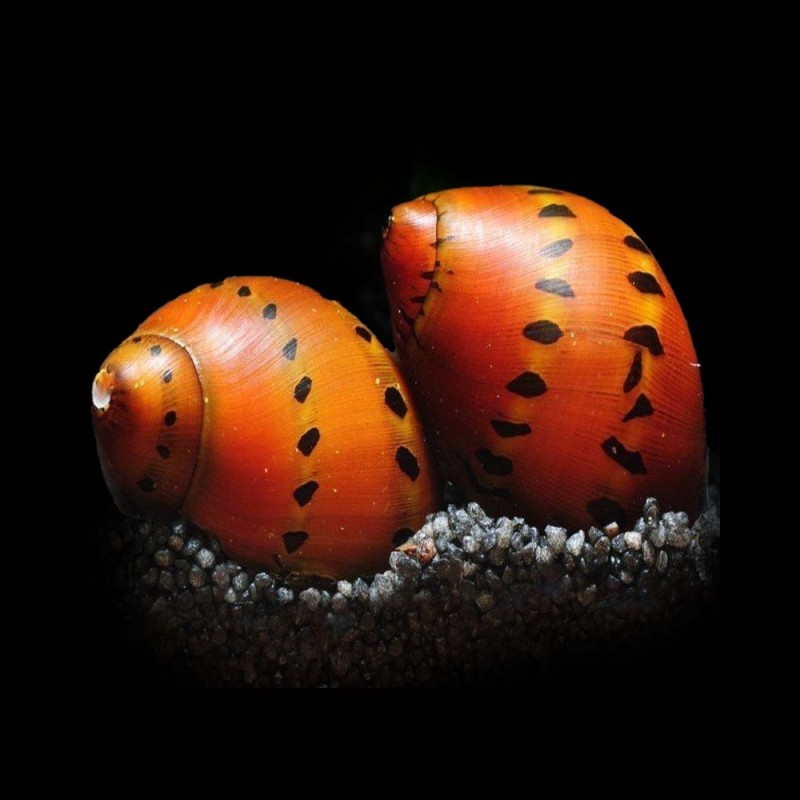
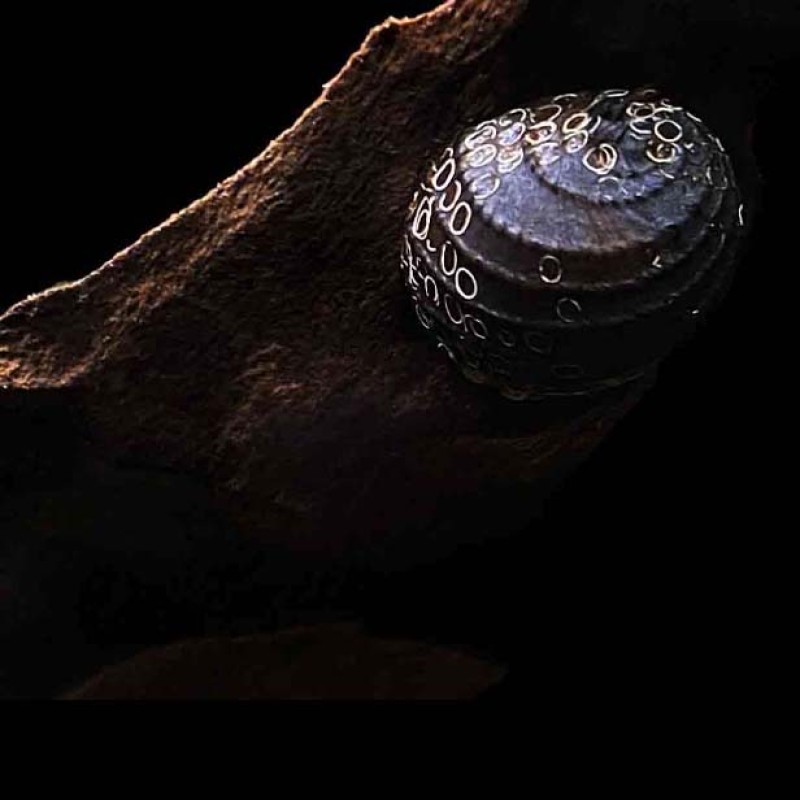
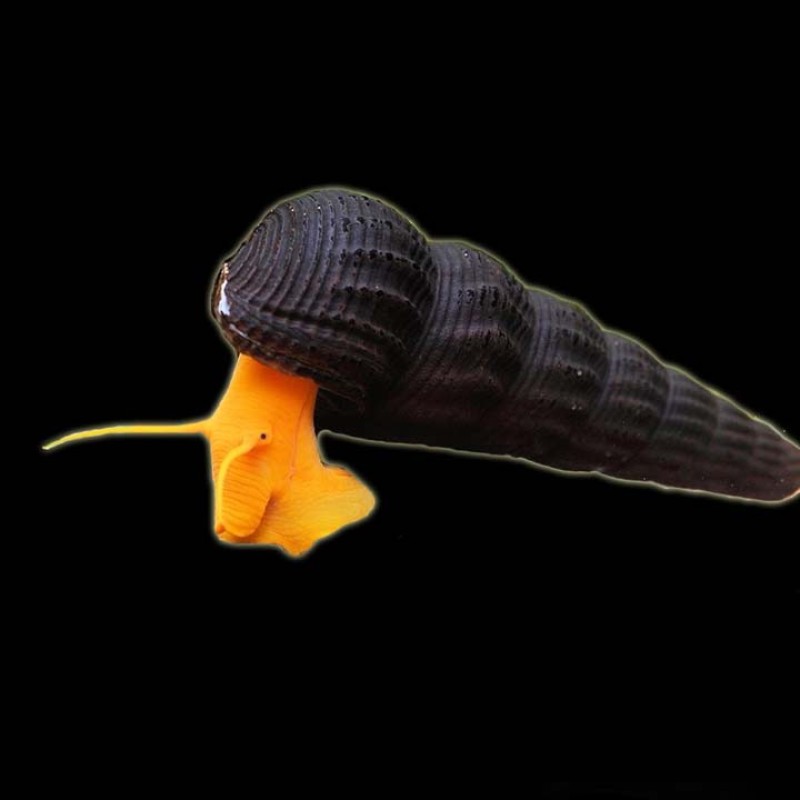
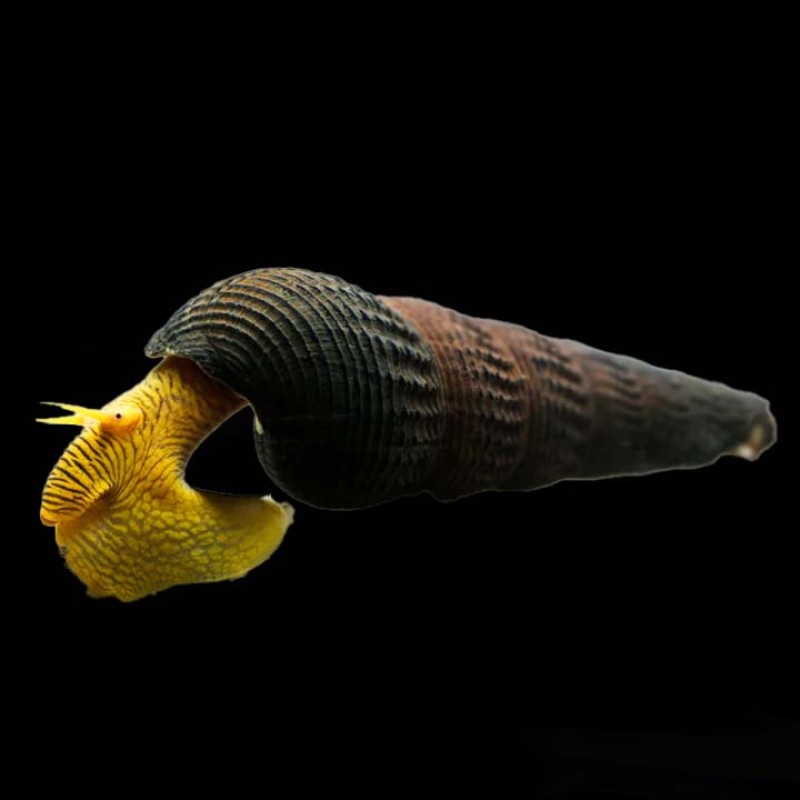
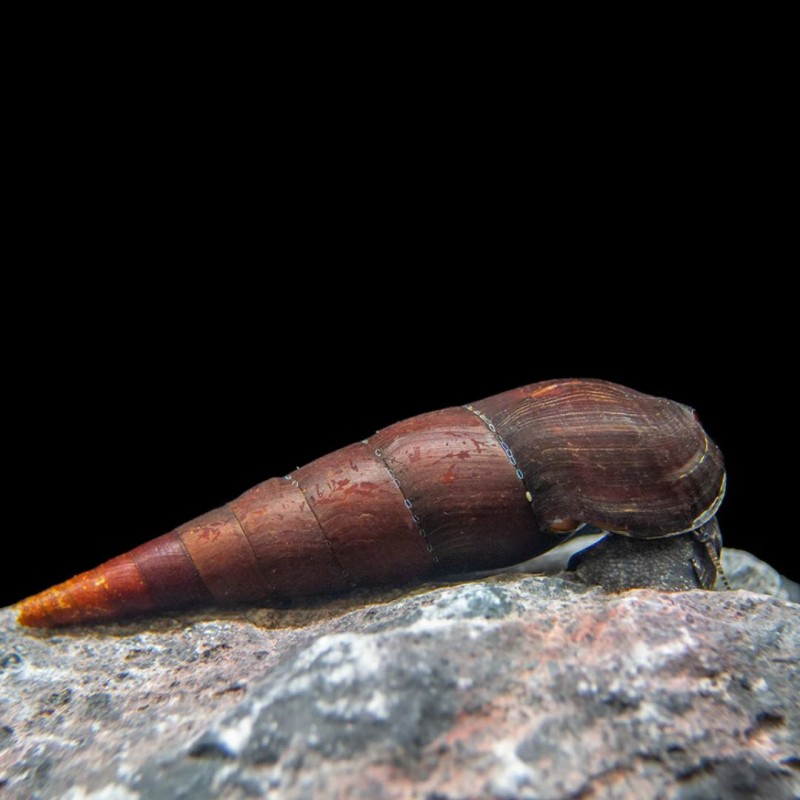
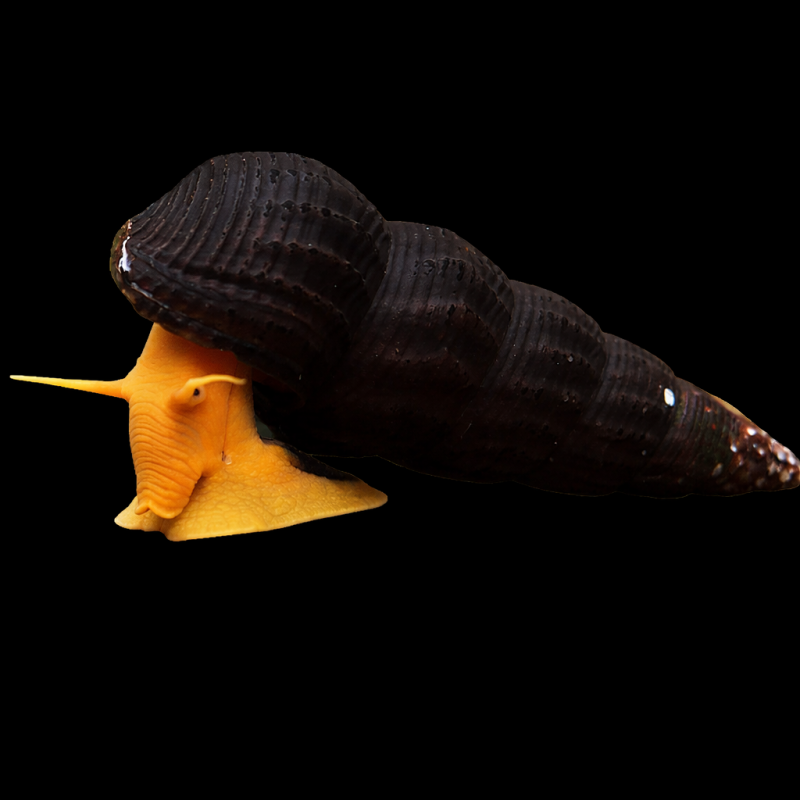
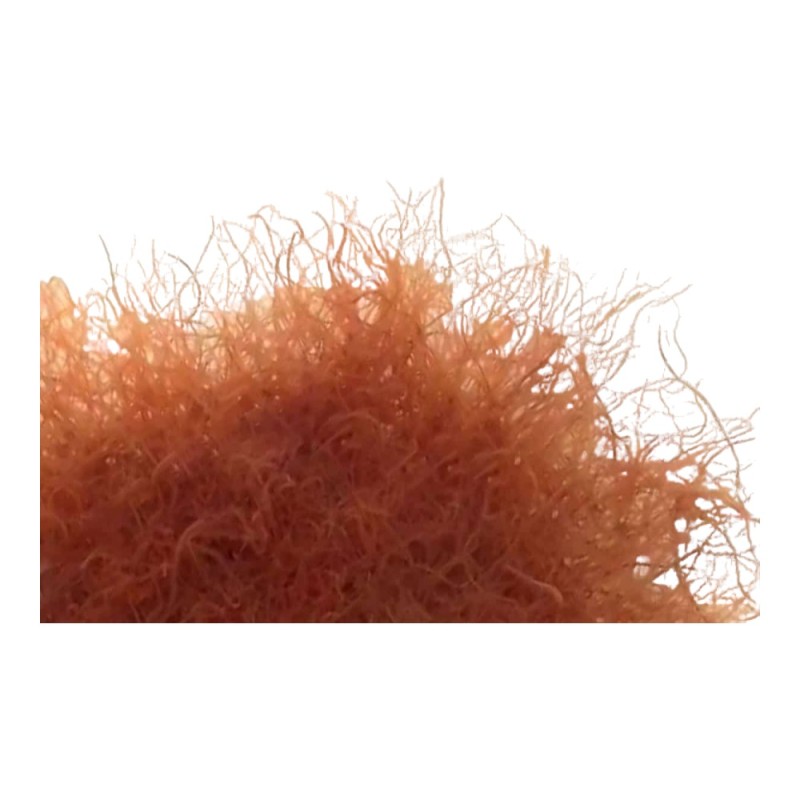
The Tricolour Horn Snail (*Marisa cornuarietis*) is an interesting freshwater snail known for its distinctive shell pattern and unique horn-like shape. This species is appreciated in the aquarium hobby for its striking appearance and its role in controlling algae growth.
Physical Characteristics:

  • Size: Tricolour Horn Snails typically grow to about 5-8 cm (2-3 inches) in length.
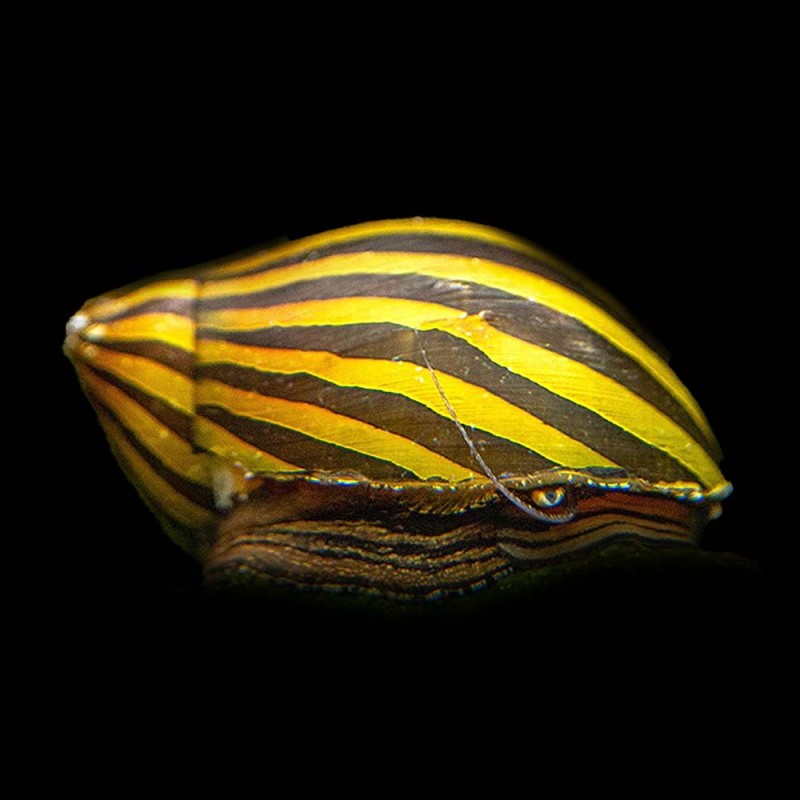
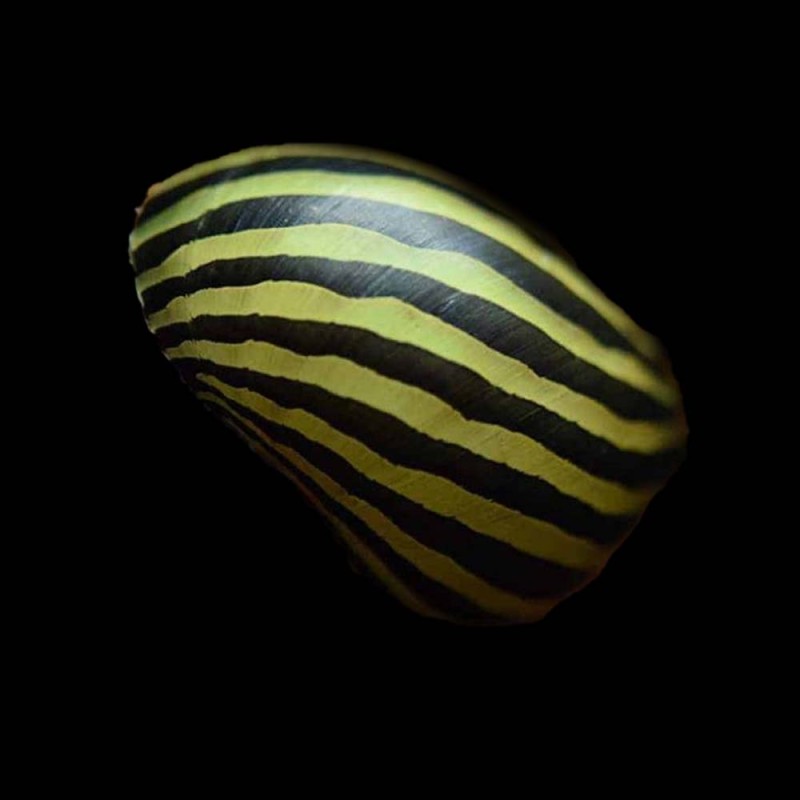
  • Coloration: They are characterised by their vibrant shells, which display a combination of colours, including shades of brown, yellow, and cream, often arranged in bands or stripes.
  • Shape: Their shells are spiraled and elongated, resembling horns, which gives them their unique name and appearance.

Behaviour:

  • Temperament: Tricolour Horn Snails are generally peaceful and can coexist with a variety of tankmates. They are not aggressive and pose no threat to fish or other invertebrates.
  • Activity Level: These snails are active grazers, often seen moving along surfaces in search of algae and detritus to eat.
  • Community Behaviour: They can be housed in community tanks, and their calm nature makes them suitable for a range of peaceful tank setups.

Aquarium Care:

  • Tank Size: A minimum tank size of 20 litres (5 gallons) is recommended for a small group of Tricolour Horn Snails, although larger tanks are preferable for stability and comfort.
  • Water Parameters:
    • Temperature: Tricolour Horn Snails thrive in a temperature range of 20°C to 26°C (68°F to 79°F).
    • pH: They prefer slightly acidic to neutral water, with a pH range of 6.5 to 7.5.
    • Hardness: Soft to moderately hard water, with a general hardness (GH) of 5-15 dGH, is ideal.
  • Tank Setup:
    • Substrate and Decorations: A soft substrate is recommended. Tricolour Horn Snails enjoy a well-planted tank with plenty of hiding spots, as live plants and decorations provide cover and mimic their natural habitat.
    • Lighting: Moderate lighting is ideal for promoting plant growth while not stressing the snails.
    • Filtration: A gentle filtration system is recommended, as strong currents can stress snails. Regular water changes (about 20% weekly) are essential for maintaining a clean and healthy environment.

Diet:

Tricolour Horn Snails are herbivorous and require a varied diet to thrive:

  • Algae: Their primary diet consists of algae, making them effective cleaners in the aquarium.
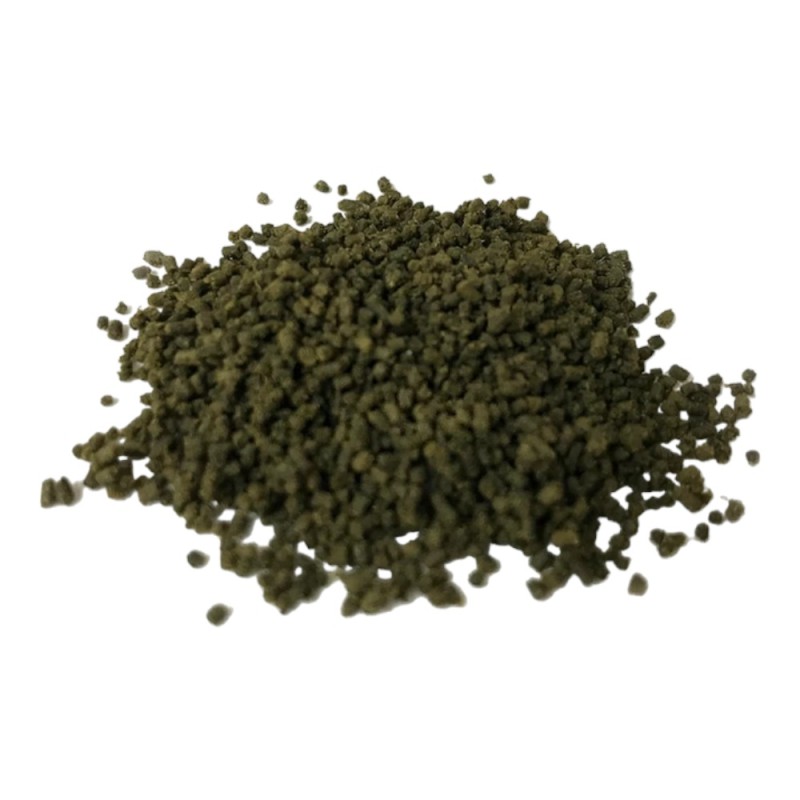
  • Supplemental Foods: Offer algae wafers, blanched vegetables, or sinking pellets designed for herbivorous invertebrates to provide essential nutrients.
  • Calcium Sources: Providing calcium-rich foods or cuttlebone can help maintain shell health.

Tankmates:

Tricolour Horn Snails can be housed with various peaceful tankmates, including:

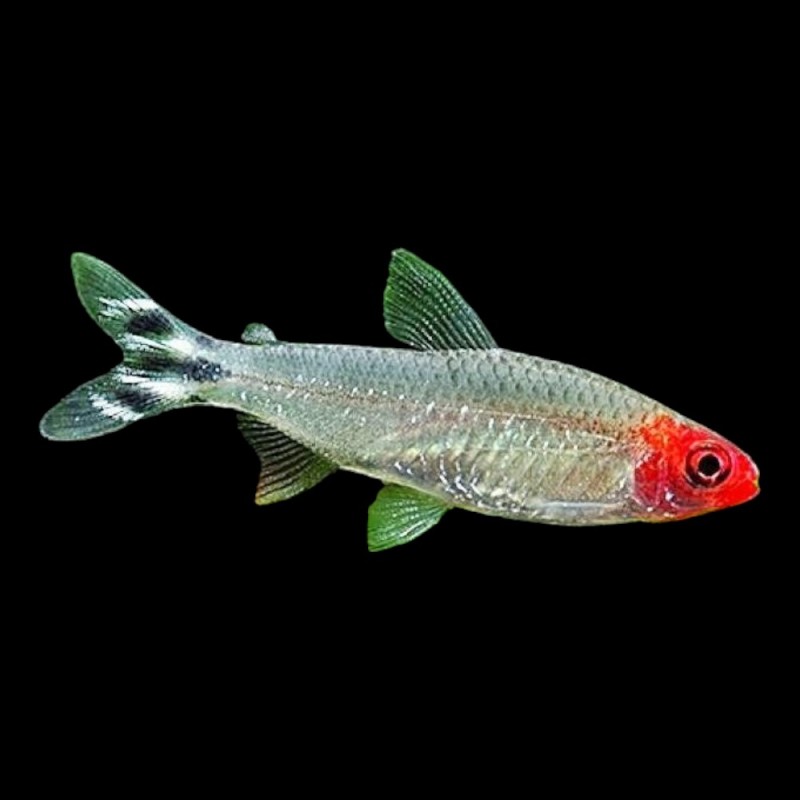
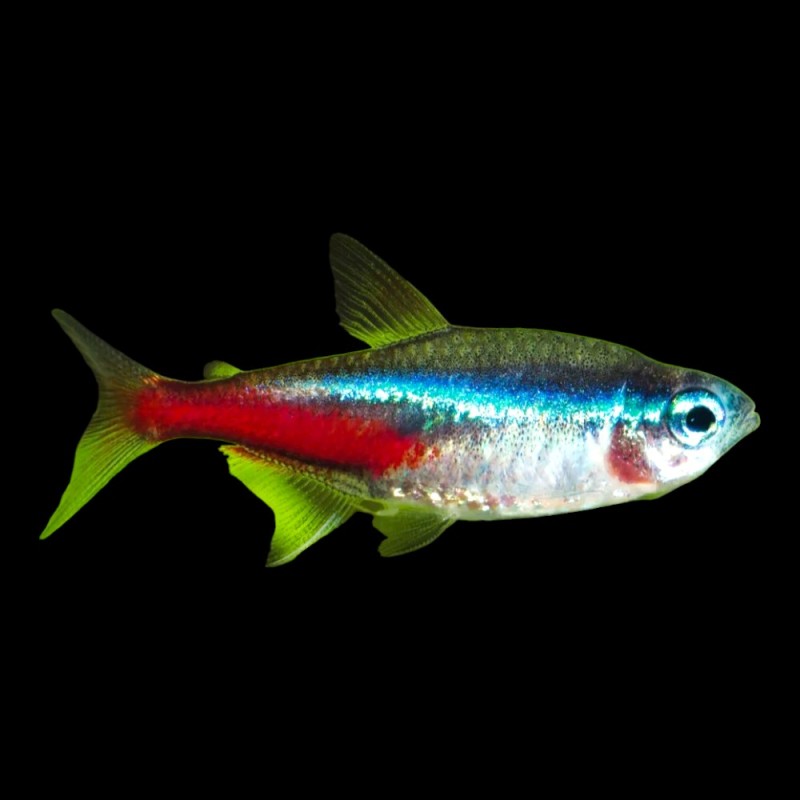
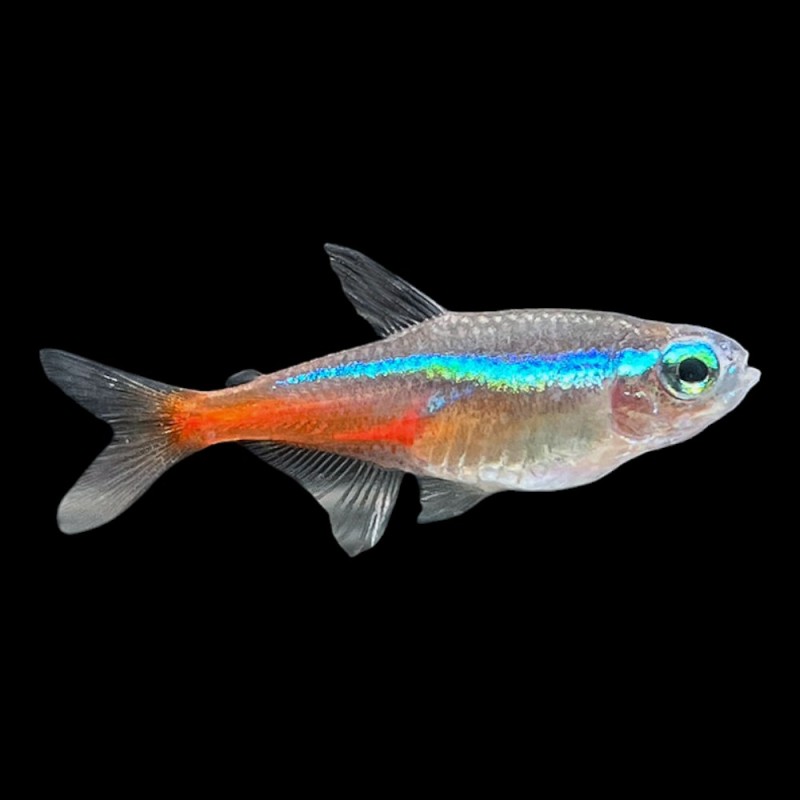
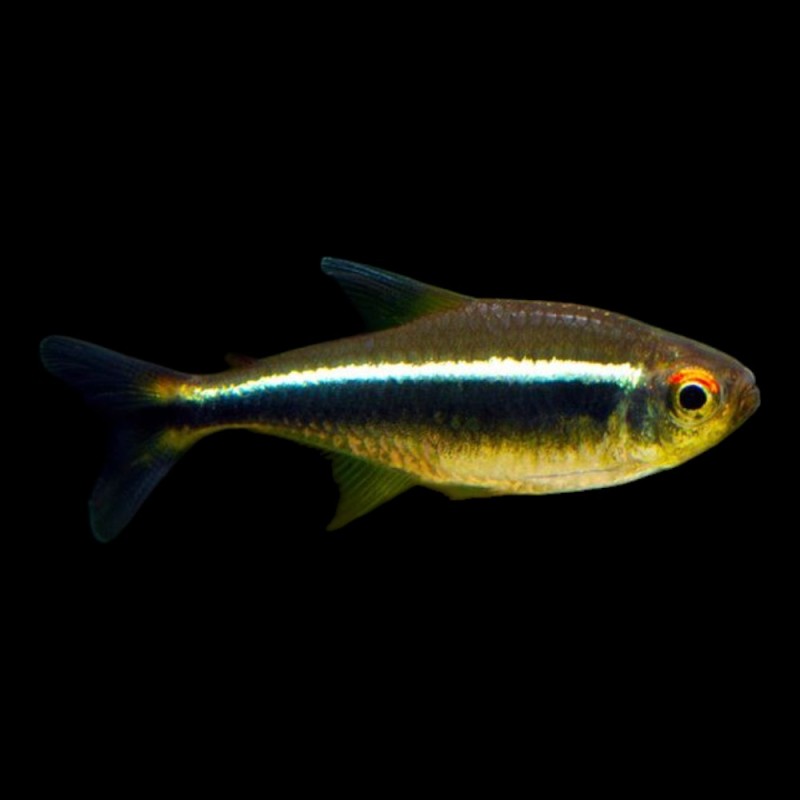
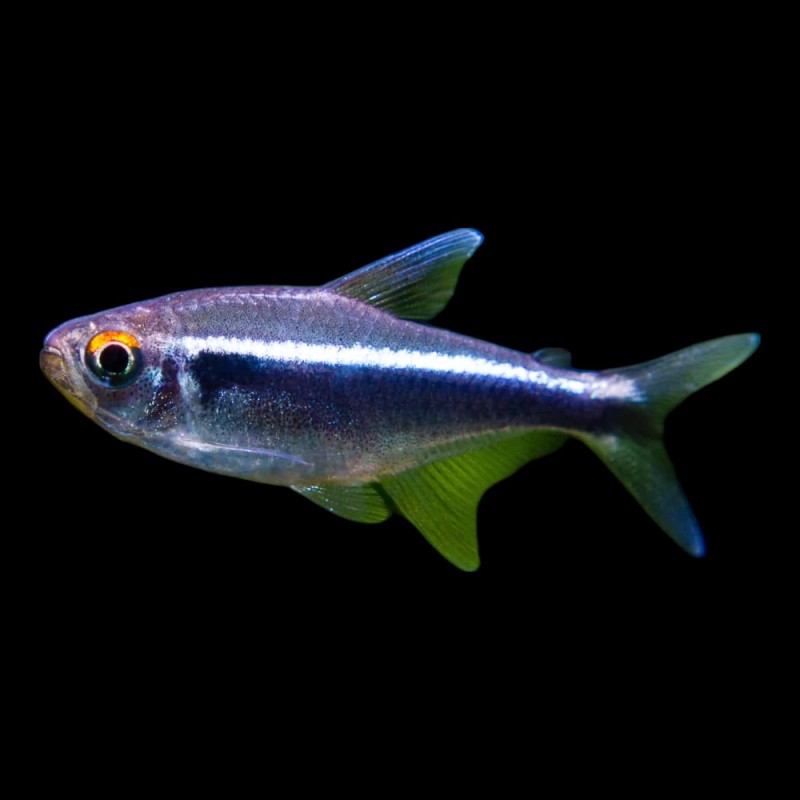
  • Small Tetras: Such as Neon Tetras or Rummy Nose Tetras.
  • Peaceful Rasboras: Like Harlequin Rasboras.
  • Other Invertebrates: Other peaceful shrimp and snail species.

Avoid housing them with aggressive species or larger fish that may see them as prey.

Breeding:

Breeding Tricolour Horn Snails in captivity can be challenging, as they require specific conditions:

  • Breeding Setup: A separate breeding tank with proper conditions may be necessary for successful breeding.
  • Spawning Behaviour: The female will lay eggs above the waterline, and these eggs will need to be in the appropriate conditions to hatch successfully.
  • Fry Care: Once the fry are free-swimming, they can be fed powdered food or finely crushed algae.

Special Considerations:

  • Water Quality: Regular monitoring and maintenance of water quality are crucial for the health of Tricolour Horn Snails.
  • Shell Health: Providing adequate calcium and a varied diet is essential for maintaining healthy shells.

Write a review

Please login or register to review