

Menu
Menu
Your Cart

Panther Crab

Panther Crab
Panther Crab
Panther Crab
Panther Crab
Panther Crab
€19.99
Ex Tax: €16.25
  • Stock: Generally In Stock
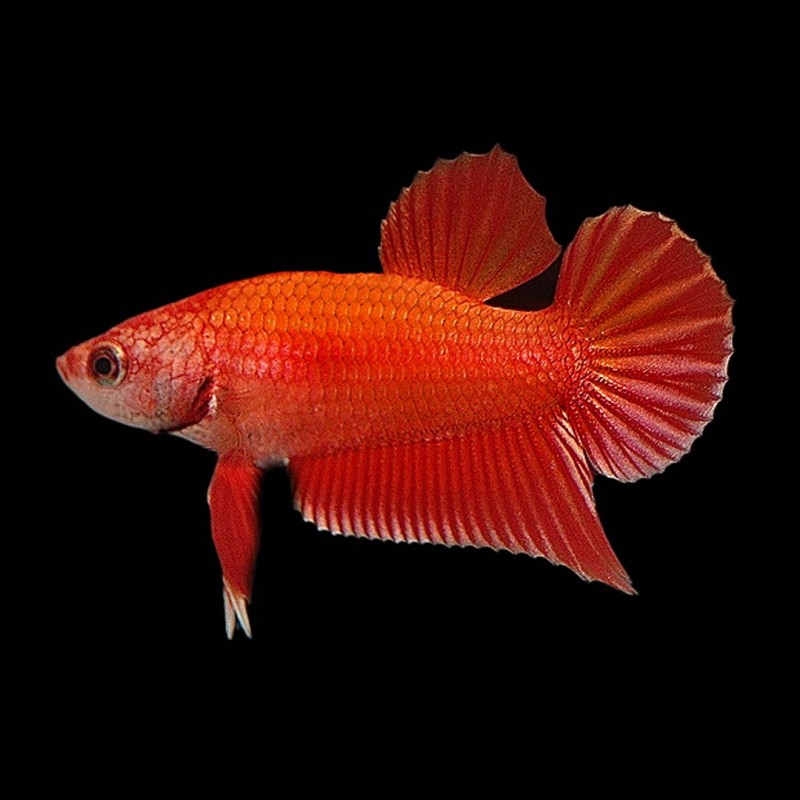
  • Please Note: Due to variations within species, your fish may not look identical to the image provided. Also note not all sizes or species may be available due to seasonality, Please call beforehand for up-to-date stock availability.

  • Model: -
Panther Crab

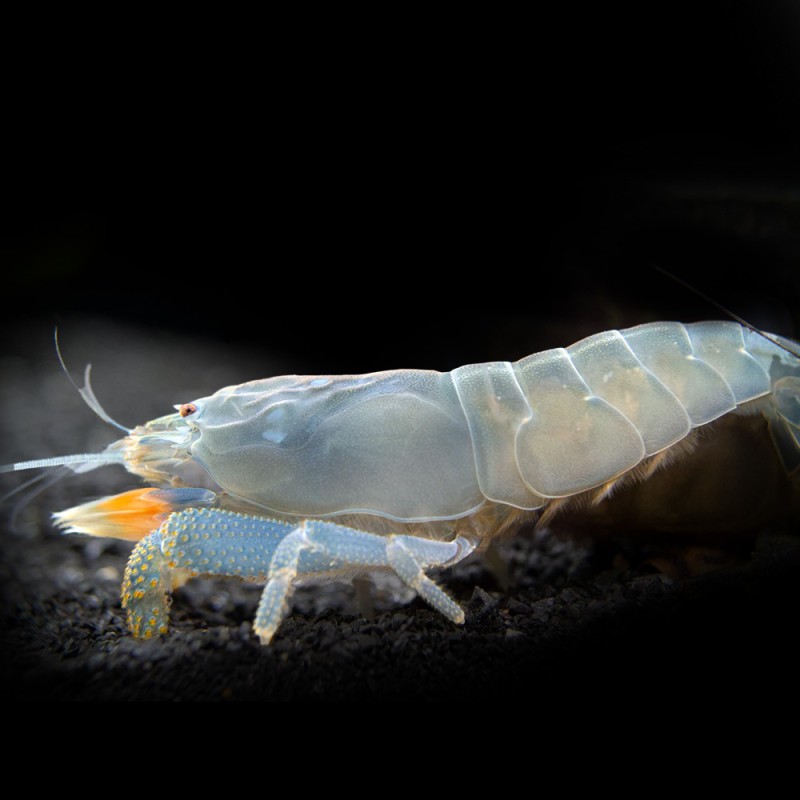
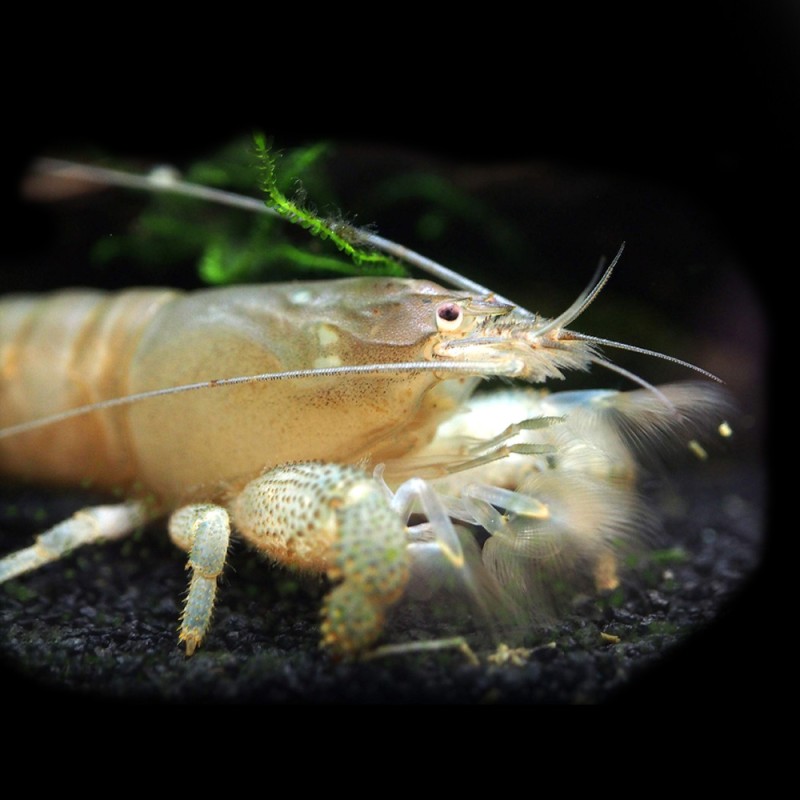
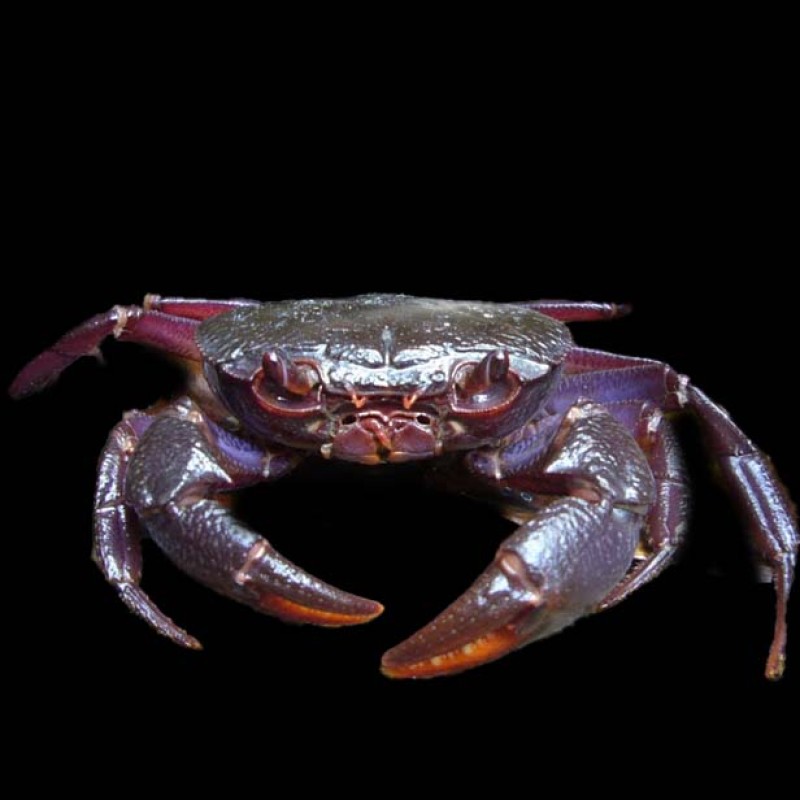
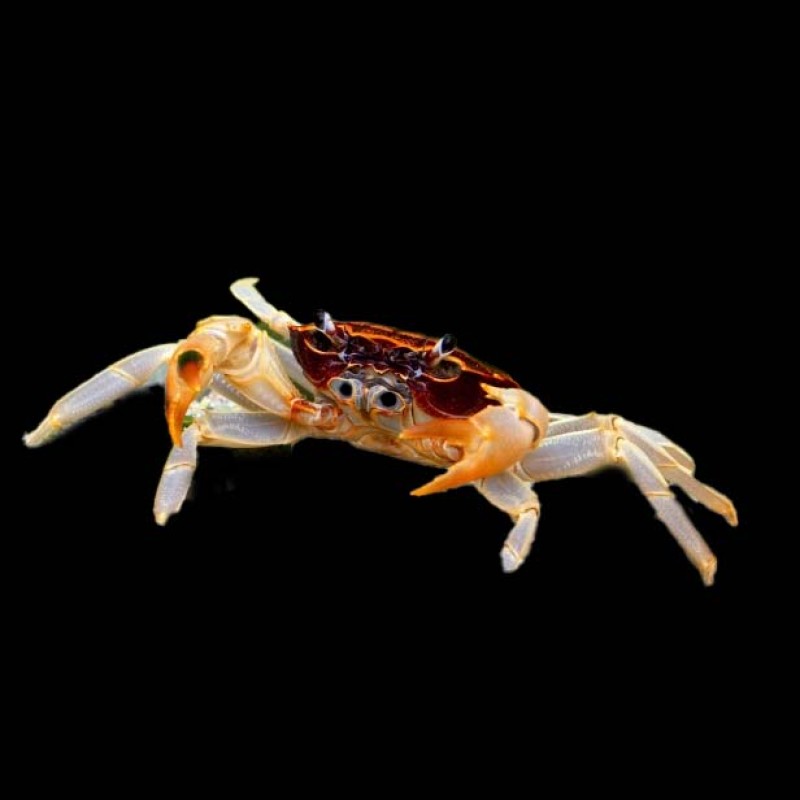
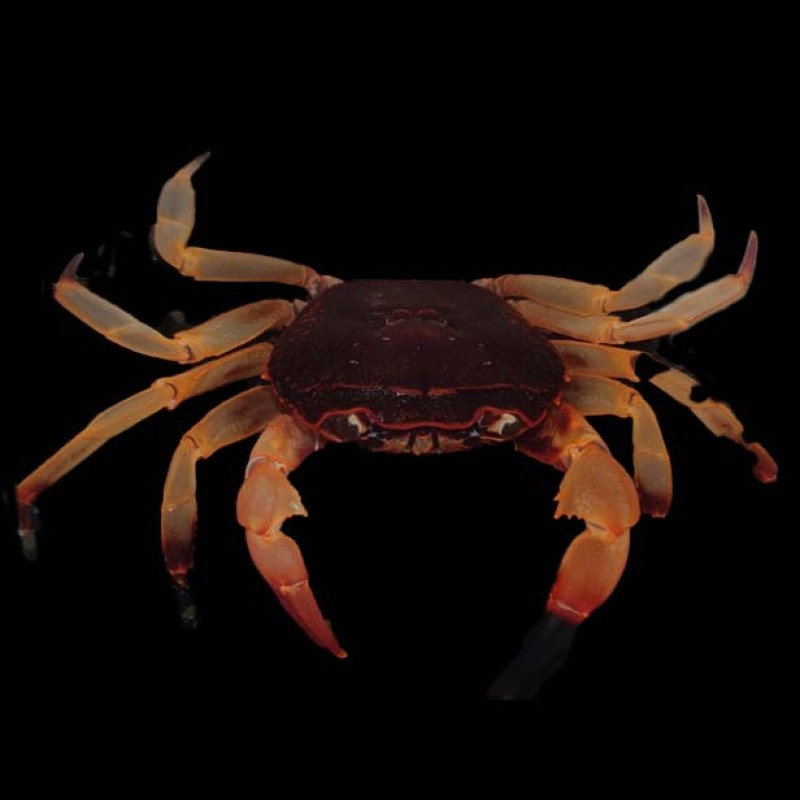
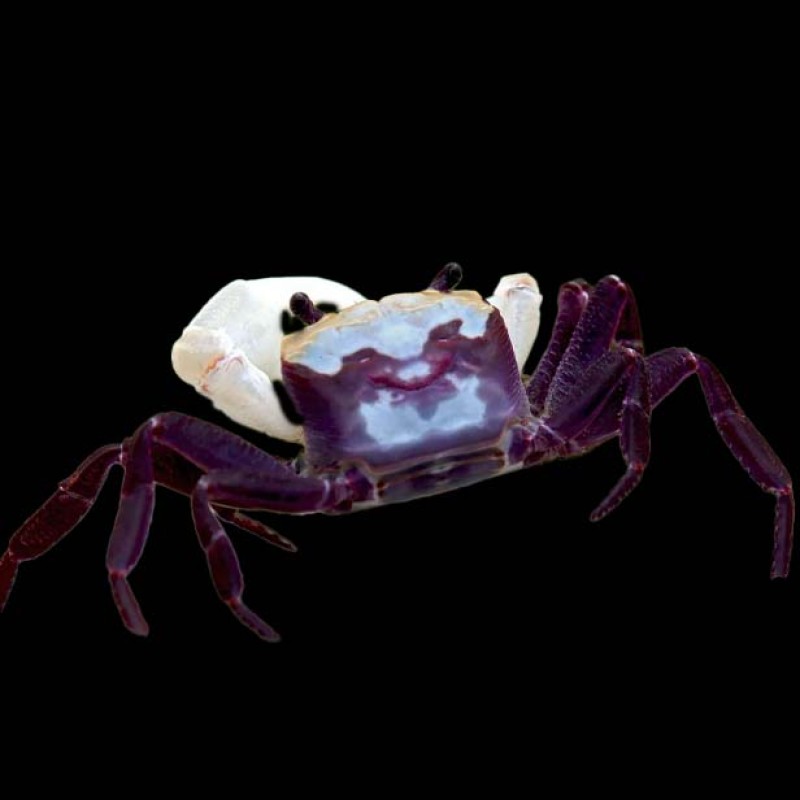
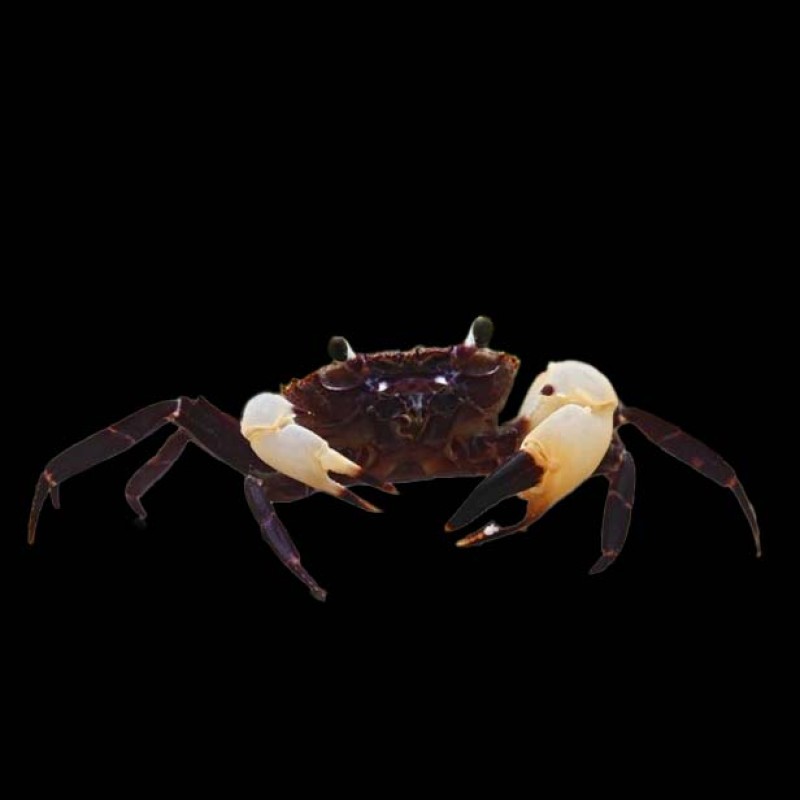
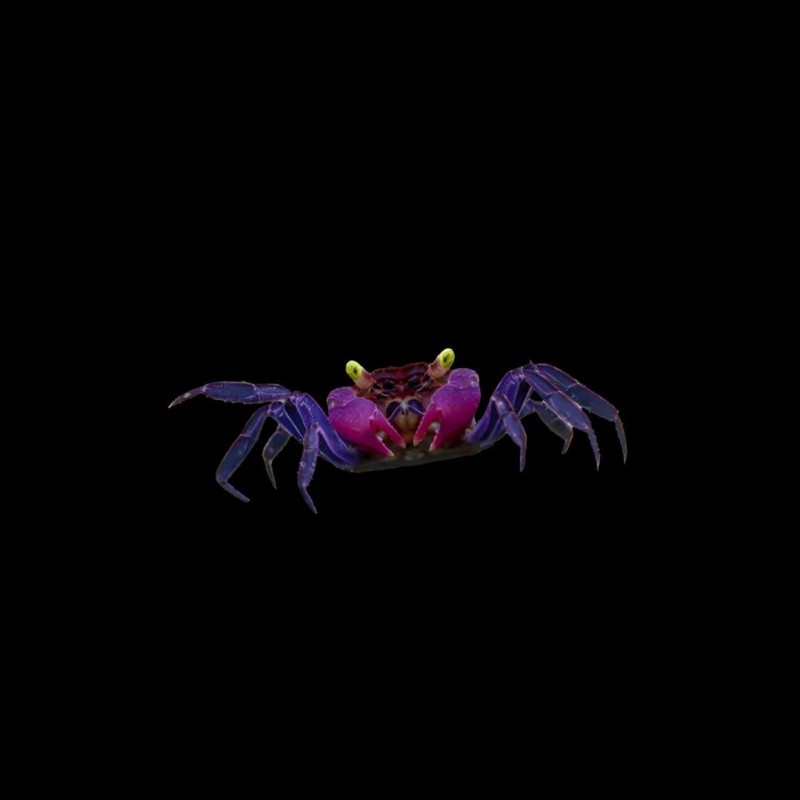
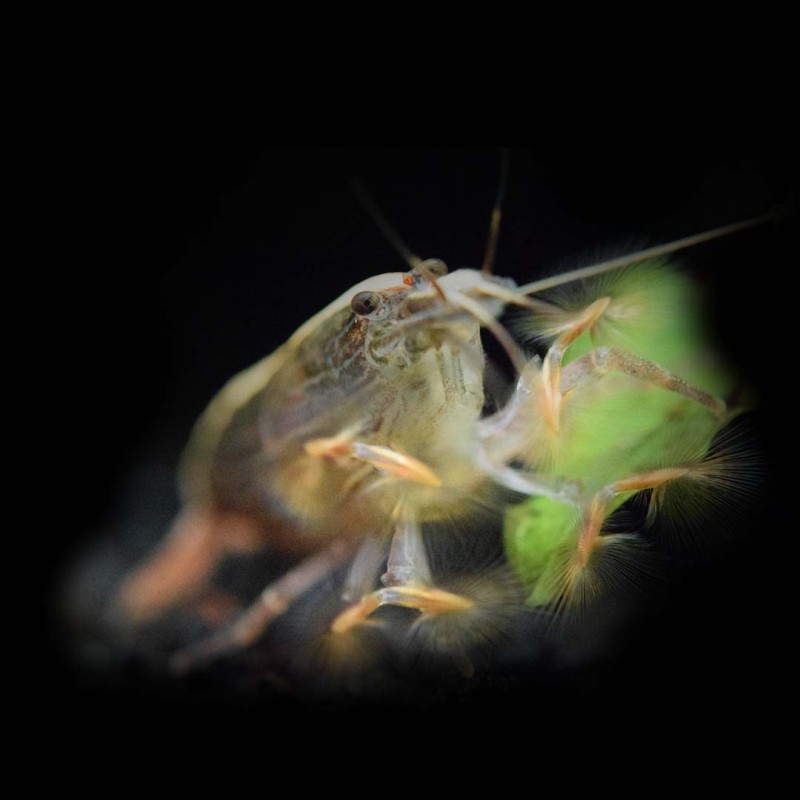
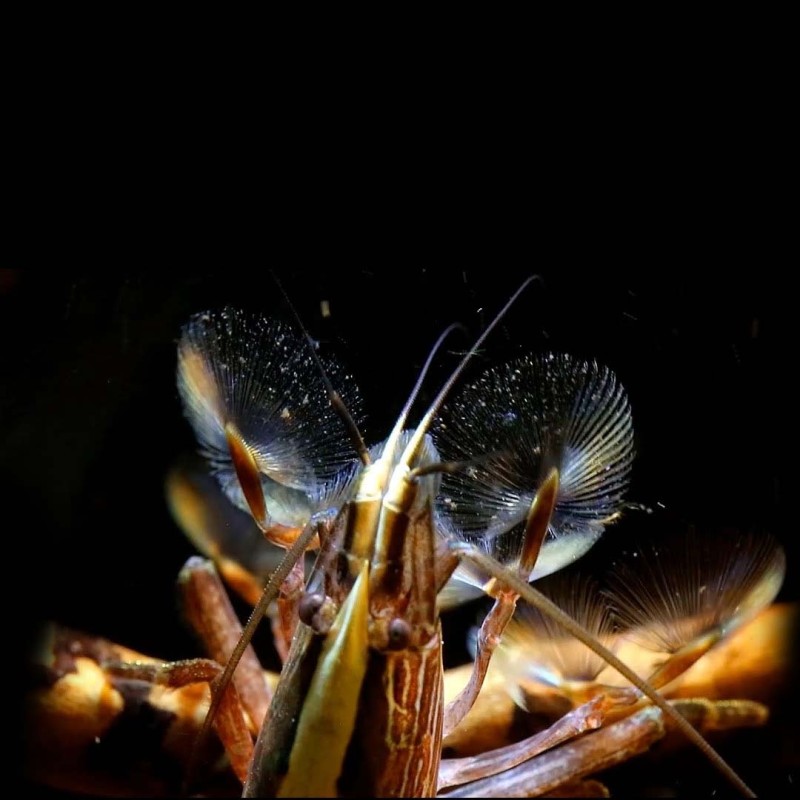
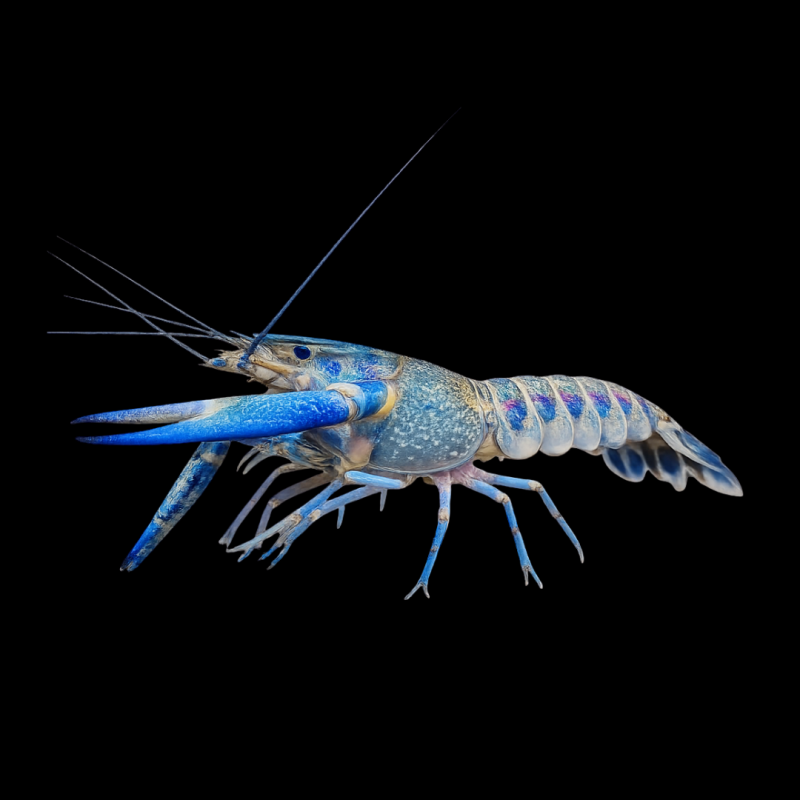
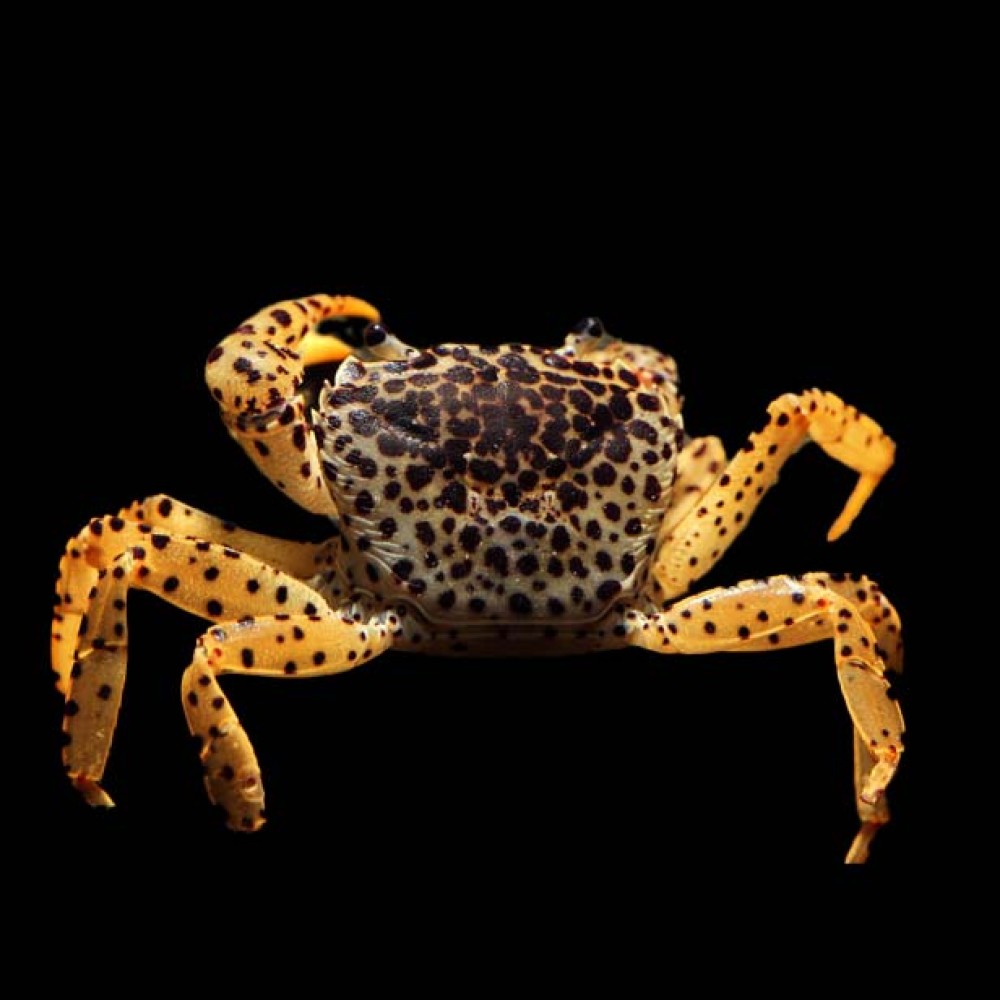
The Panther Crab (*Percnon gibbesi*) is a striking and fascinating species of freshwater crab known for its vibrant colours and unique patterns. This crab is particularly popular among aquarium enthusiasts due to its interesting behaviour and ability to adapt to a variety of aquatic environments, making it an eye-catching addition to community tanks.

Physical Characteristics:

  • Size: Panther Crabs typically grow to about 6-8 cm (2.4-3.1 inches) in width.
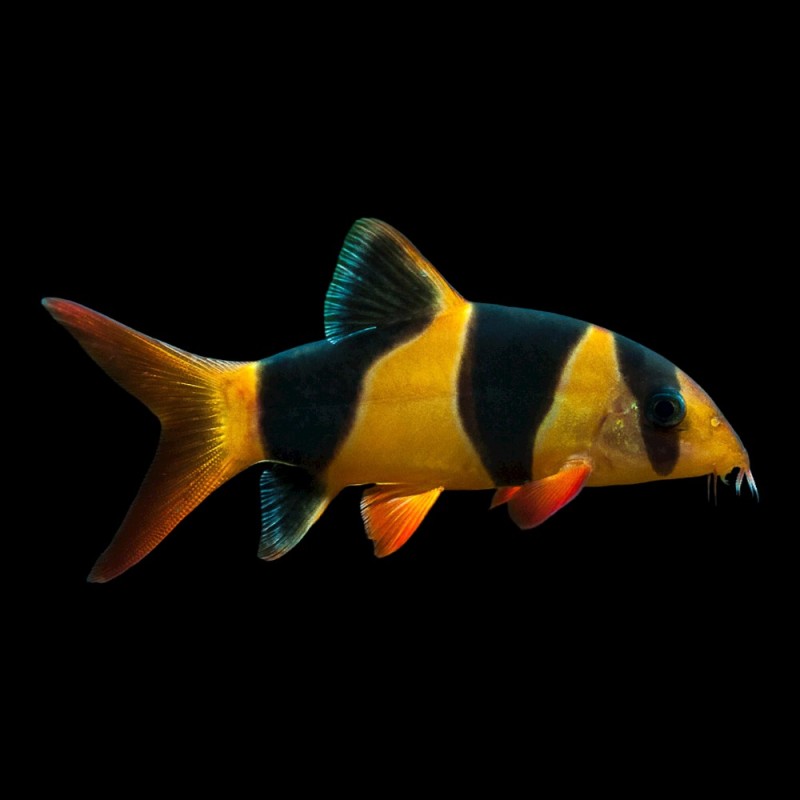
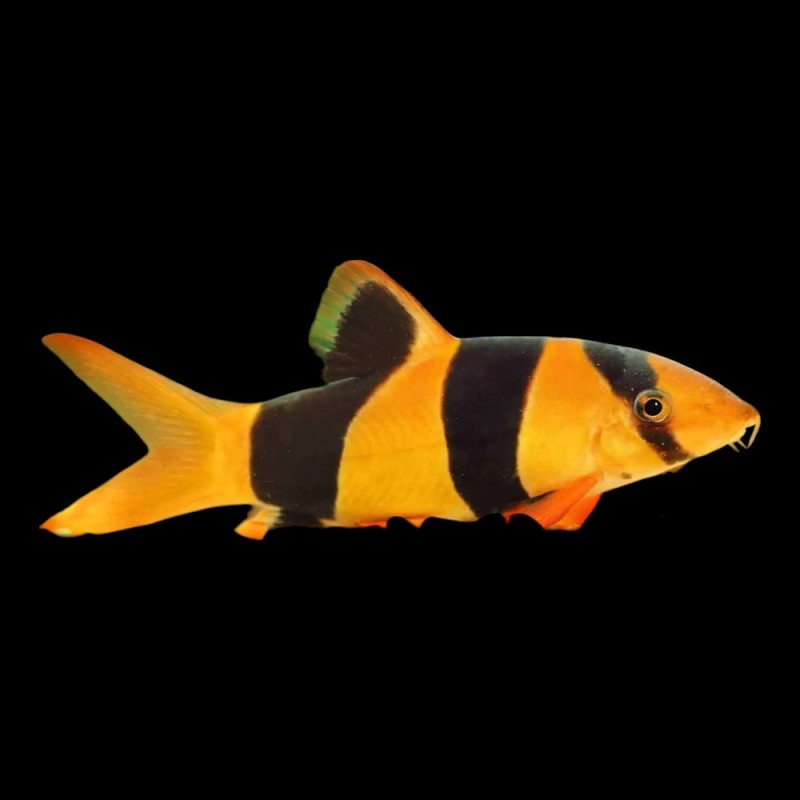
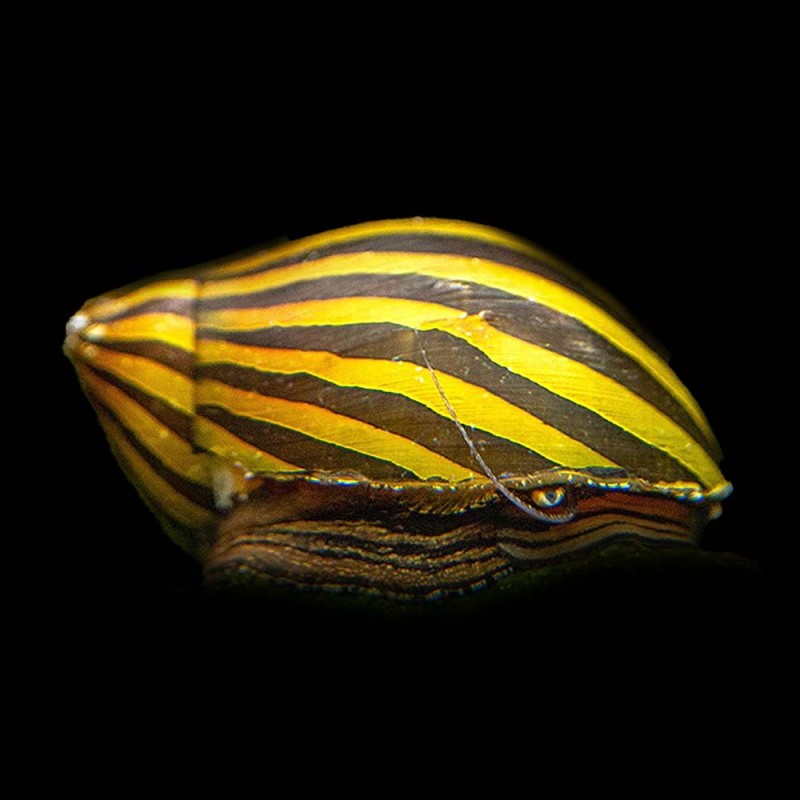
  • Coloration: They are characterised by their bright yellow and black striped pattern, resembling a panther's coat. This distinctive coloration helps them blend into their environment and provides an attractive appearance.
  • Claws: Their claws are relatively large and robust, enabling them to forage for food and defend themselves against threats.
  • Shape: Panther Crabs have a broad, flattened body with a carapace that is typically wider than it is long.

Behaviour:

  • Temperament: Panther Crabs can be territorial and may display aggressive behaviour towards other crabs or similar-sized tankmates. It is advisable to house them with peaceful species to minimise conflicts.
  • Activity Level: These crabs are quite active and enjoy exploring their environment. They are known to climb and can often be seen foraging for food along the substrate and decorations.
  • Community Behaviour: Panther Crabs can be housed in community tanks, but care should be taken to select tankmates that are not overly aggressive or prone to nip at their claws.

Aquarium Care:

  • Tank Size: A minimum tank size of 40 litres (10 gallons) is recommended for a small group of Panther Crabs, though larger tanks are preferable for stable water conditions.
  • Water Parameters:
    • Temperature: Panther Crabs thrive in warm water, with an ideal temperature range of 24°C to 28°C (75°F to 82°F).
    • pH: They prefer slightly acidic to neutral water, with a pH range of 6.5 to 7.5.
    • Hardness: Soft to moderately hard water, with a general hardness (GH) of 6-12 dGH, is ideal.
  • Tank Setup:
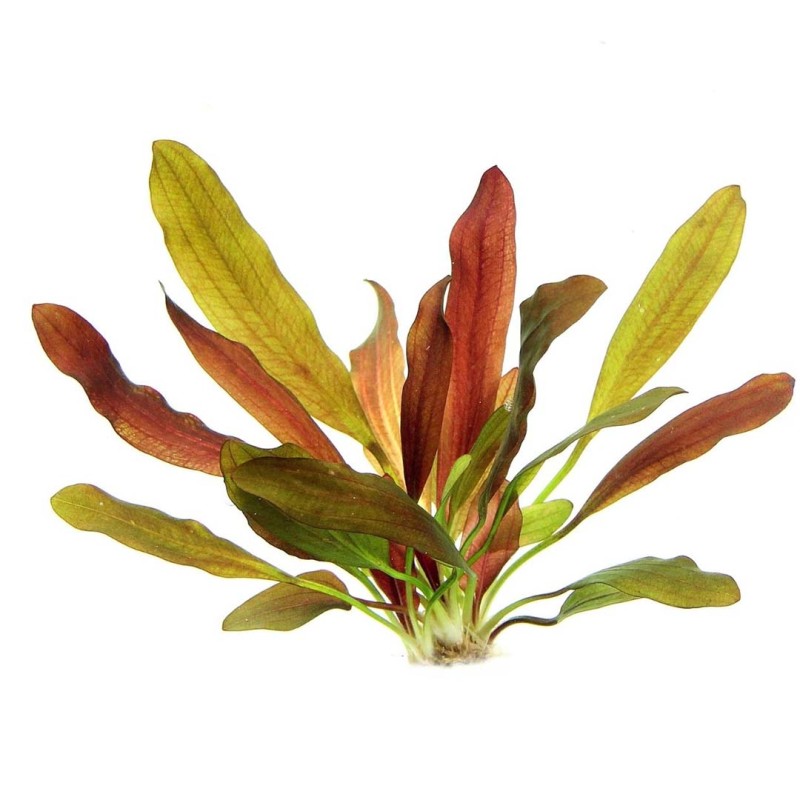
    • Substrate and Decorations: A soft substrate is recommended, as well as plenty of hiding spots created by rocks, driftwood, and plants. Live plants can also enhance the aesthetic and provide cover for the crabs.
    • Lighting: Moderate lighting is ideal, as floating plants can help diffuse the light and create shaded areas.
    • Filtration: A gentle filtration system is recommended to maintain water quality, as strong currents can stress the crabs. Regular water changes (about 20% weekly) are essential for a healthy environment.

Diet:

Panther Crabs are omnivorous and require a varied diet to thrive. Their diet should include:

  • Pellets: High-quality sinking pellets designed for crabs or bottom-feeding fish should form the staple of their diet.
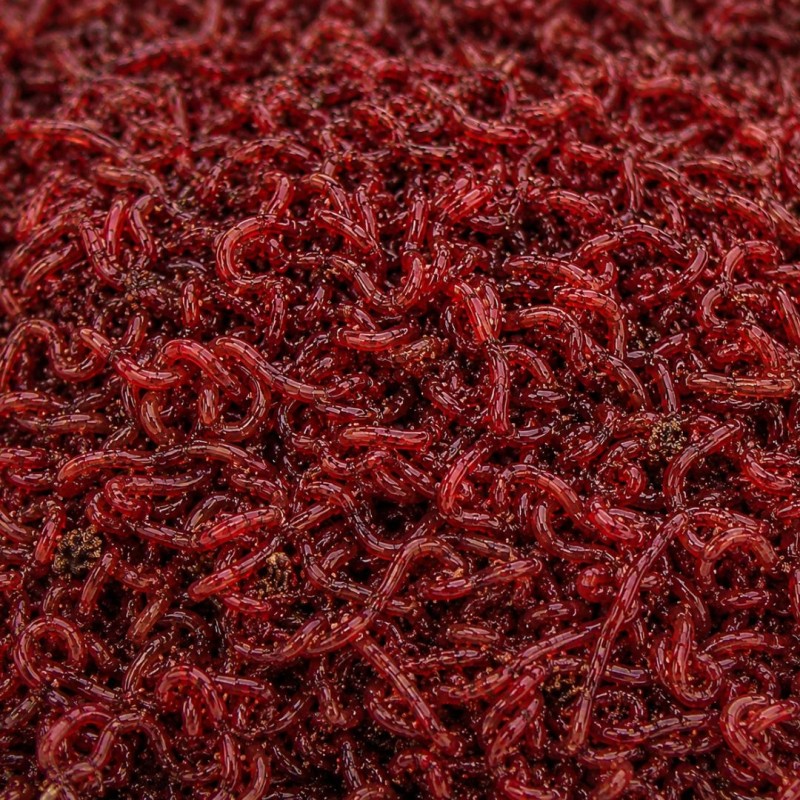
  • Live or Frozen Foods: Offer live or frozen foods such as brine shrimp, bloodworms, and daphnia to provide essential protein and variety.
  • Vegetable Matter: Including blanched vegetables, such as spinach, zucchini, or algae wafers, can help ensure a balanced diet.

Tankmates:

Panther Crabs can be housed with various peaceful tankmates, including:

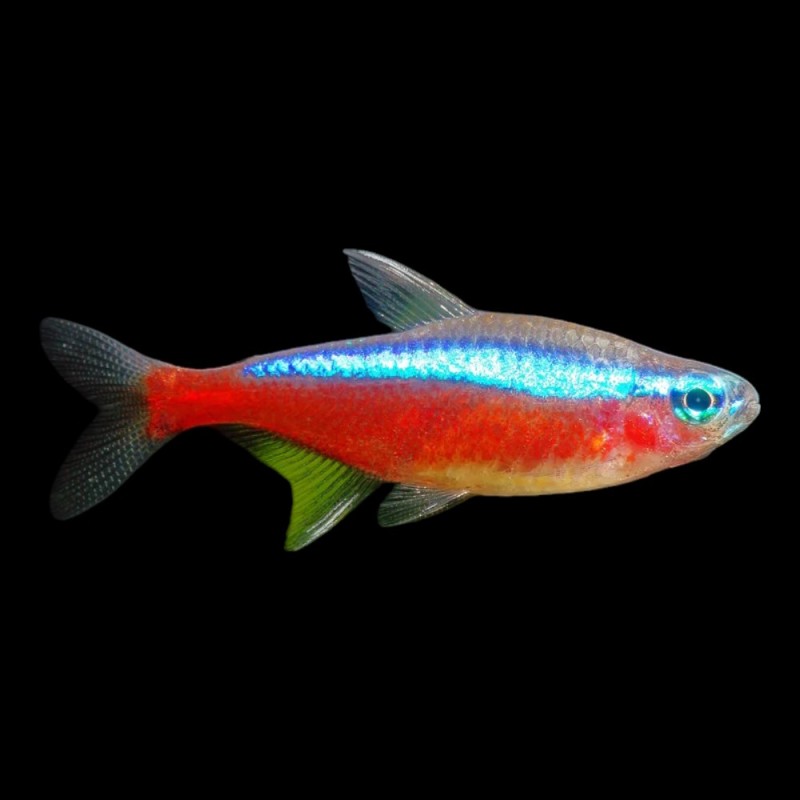
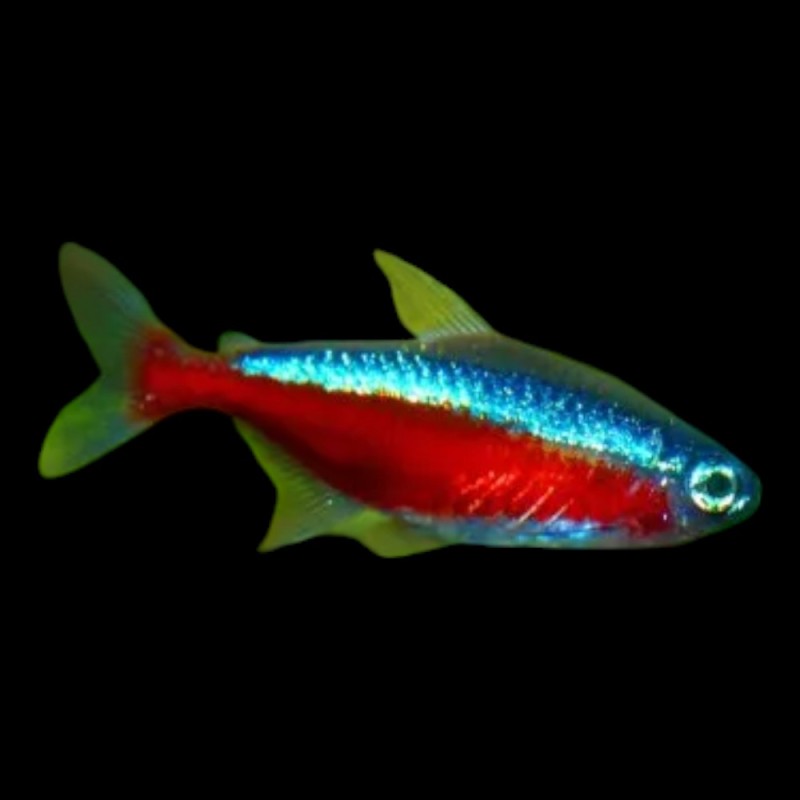
  • Small Fish: Such as Neon Tetras or Rasboras.
  • Bottom-Dwellers: Corydoras catfish or other non-aggressive bottom-dwellers.
  • Invertebrates: Peaceful snails or shrimp can coexist with Panther Crabs, but care should be taken as they may become prey.

Avoid housing them with aggressive species, as this can lead to stress or injury.

Breeding:

Breeding Panther Crabs in captivity is challenging, but under the right conditions, it can be achieved:

  • Breeding Setup: A separate breeding tank with shallow water and plenty of hiding places is ideal. The water should be warm (around 26°C to 28°C or 79°F to 82°F) and slightly brackish.
  • Spawning Behaviour: The male will court the female, and after mating, the female will carry the eggs in her claws until they hatch.
  • Fry Care: Once the fry are free-swimming, they can be fed with infusoria or finely crushed pellets.

Special Considerations:

  • Water Quality: Regular monitoring and maintenance of water quality are crucial for the health of Panther Crabs.
  • Social Structure: These crabs can be territorial, so it's advisable to provide ample space and hiding spots to reduce conflicts.

Write a review

Please login or register to review