

- Stock: Generally In Stock
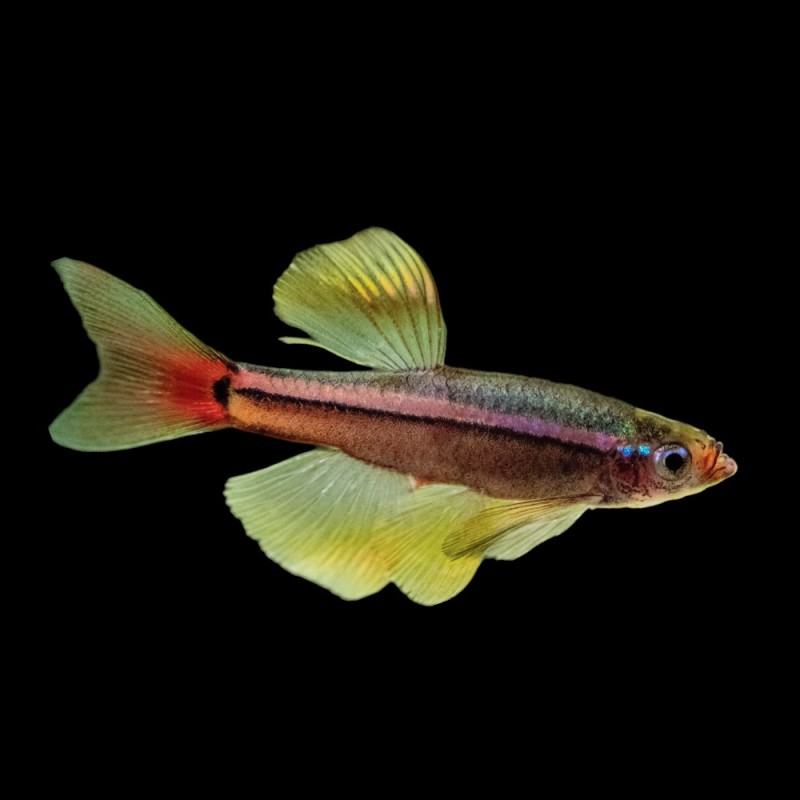
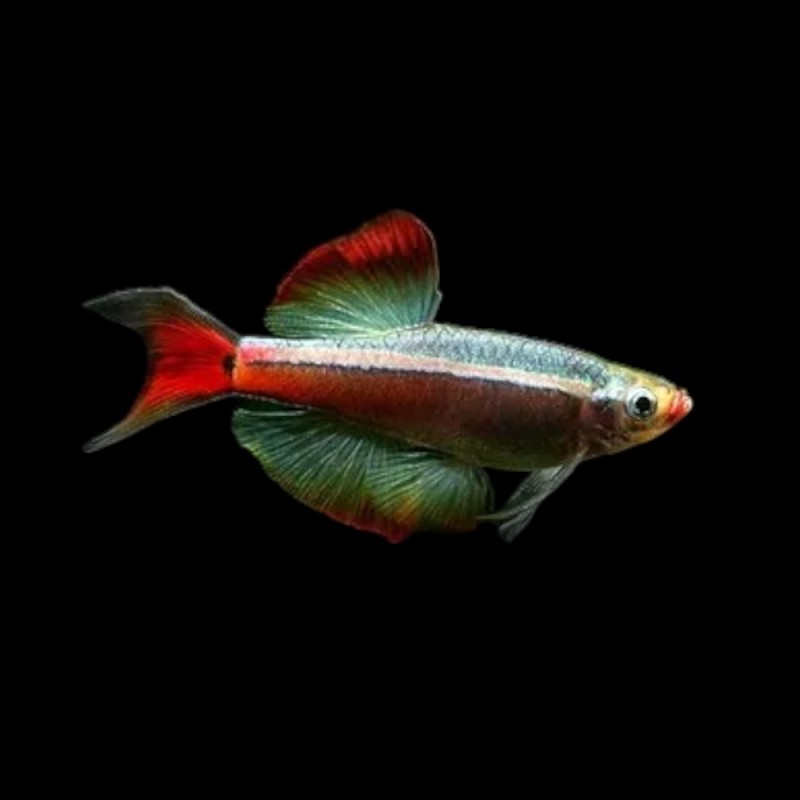
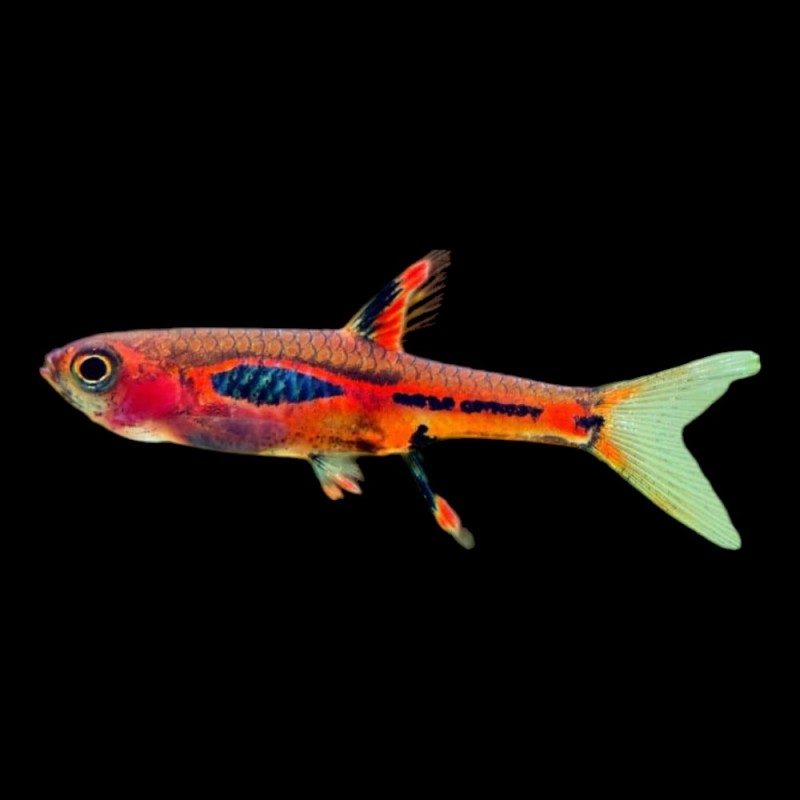
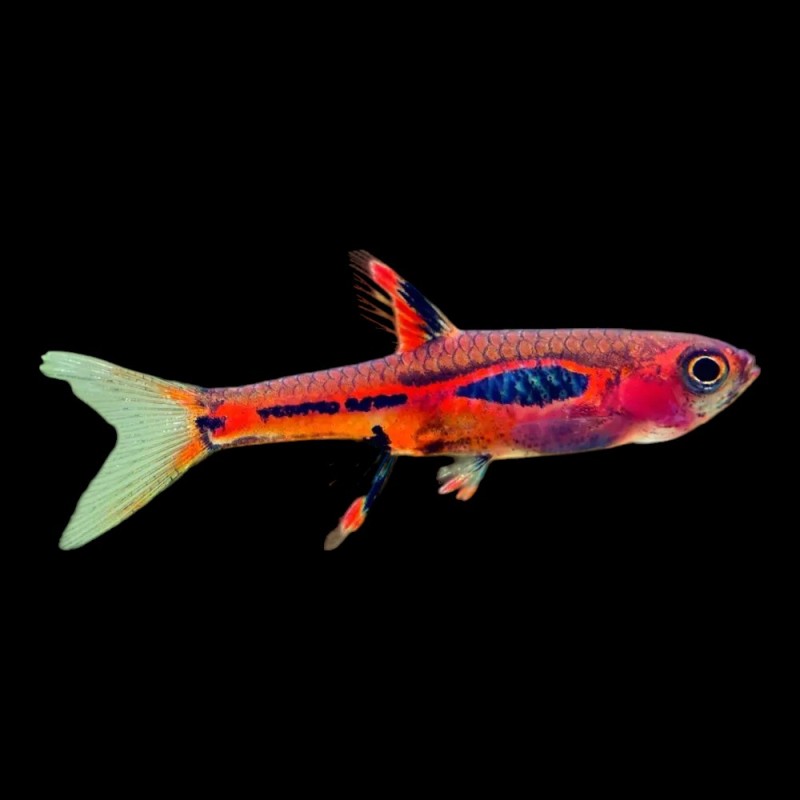
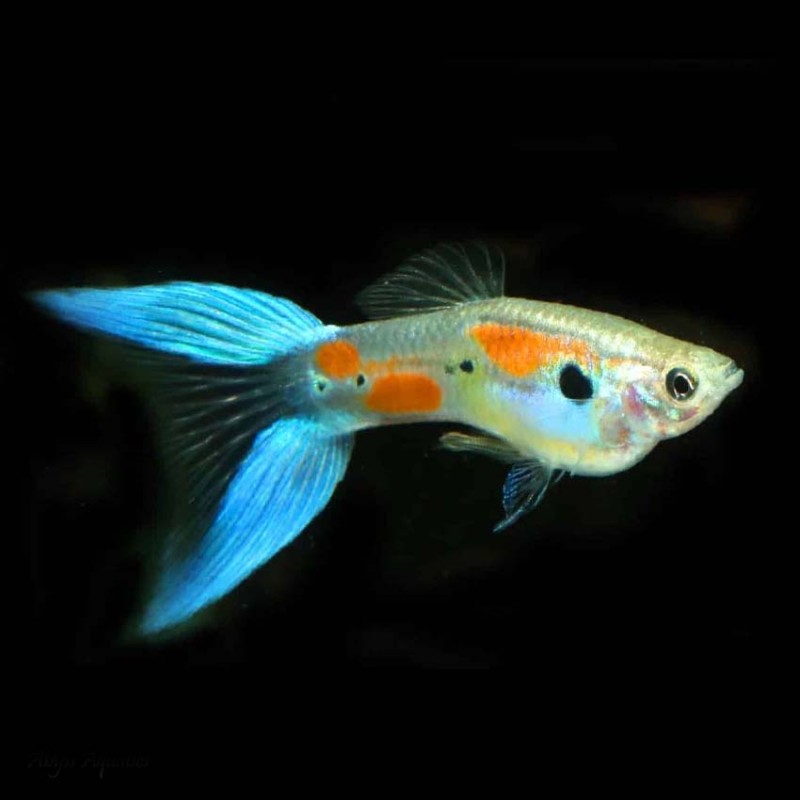
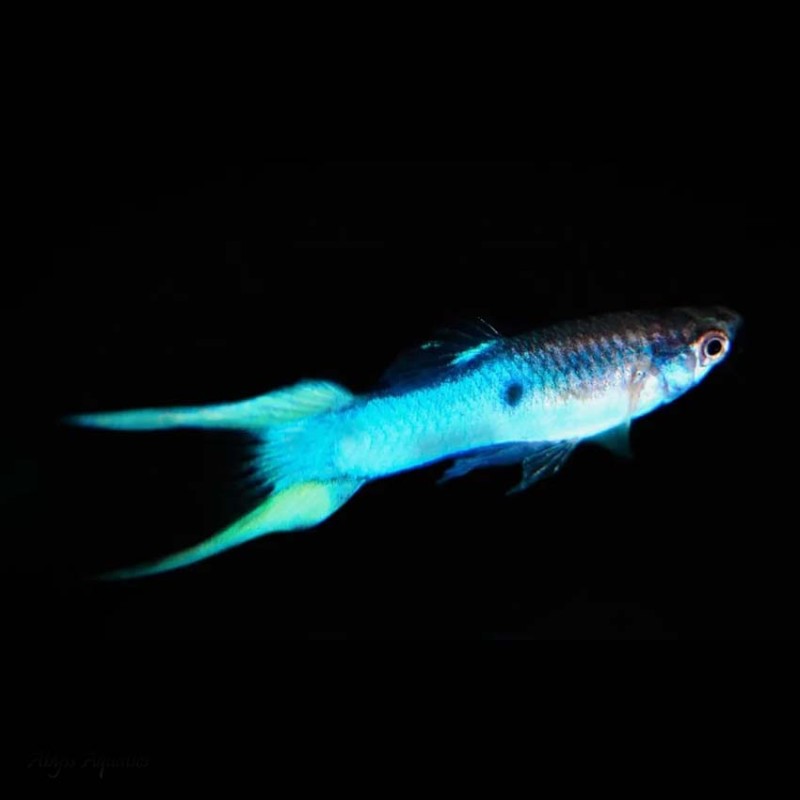
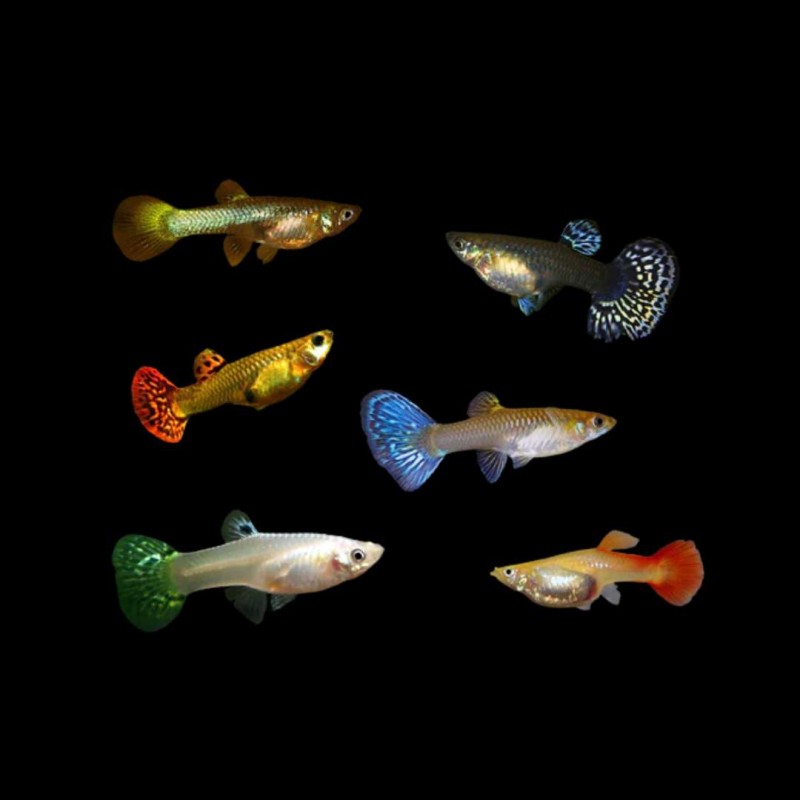
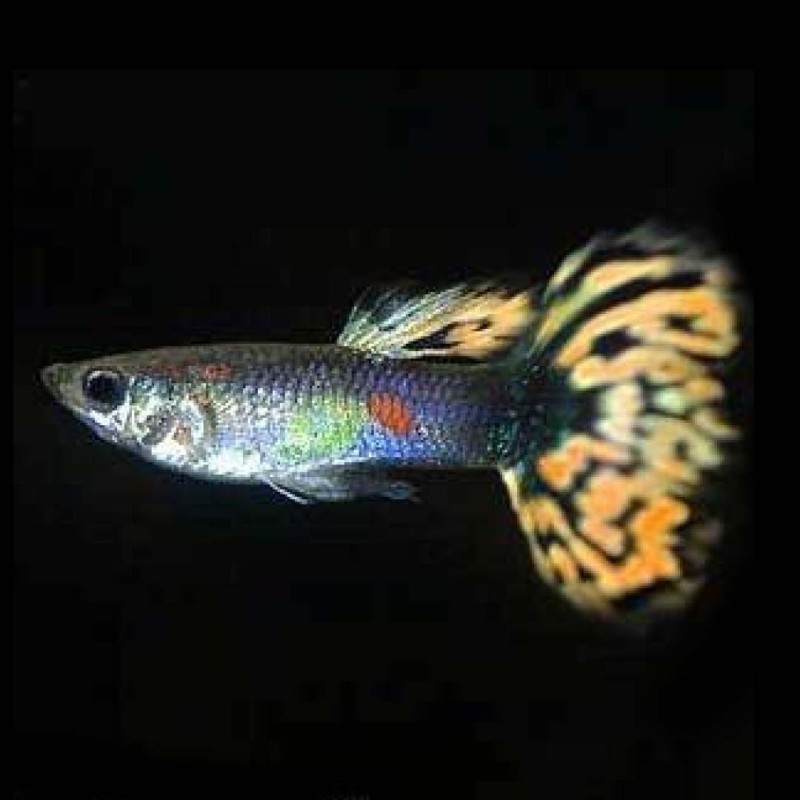
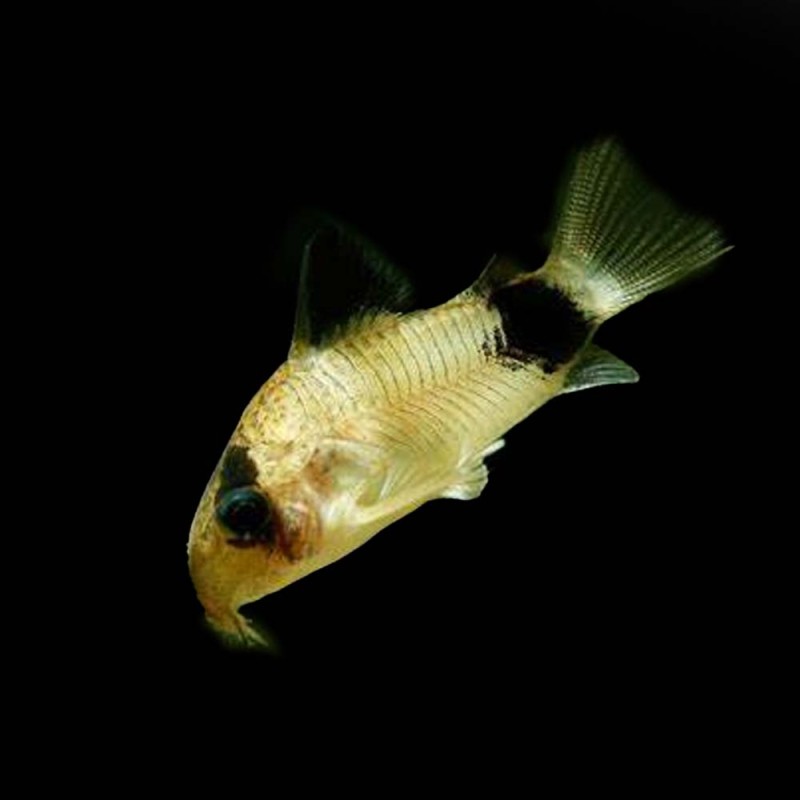
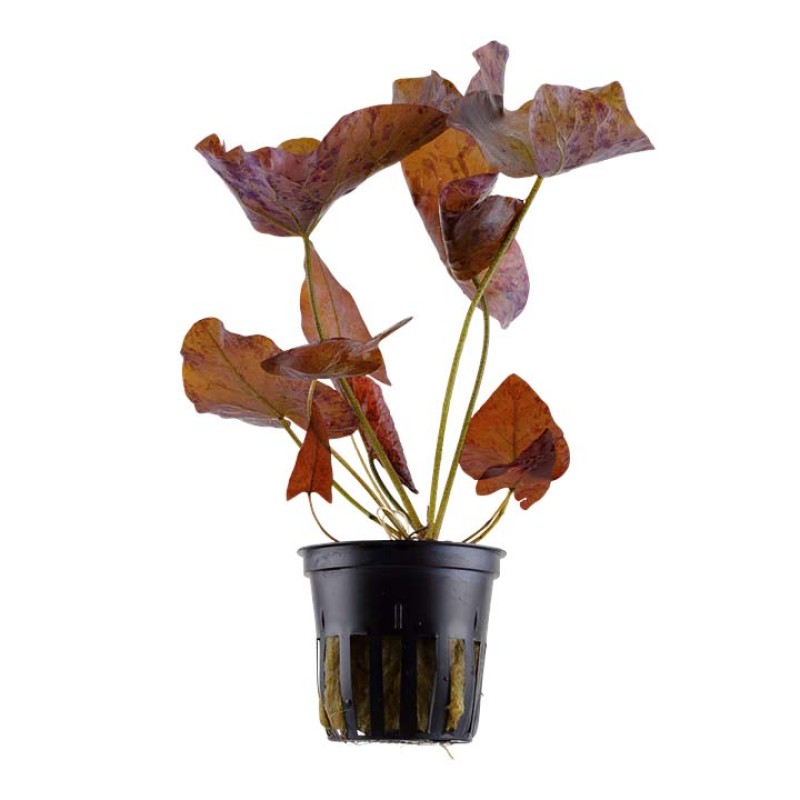
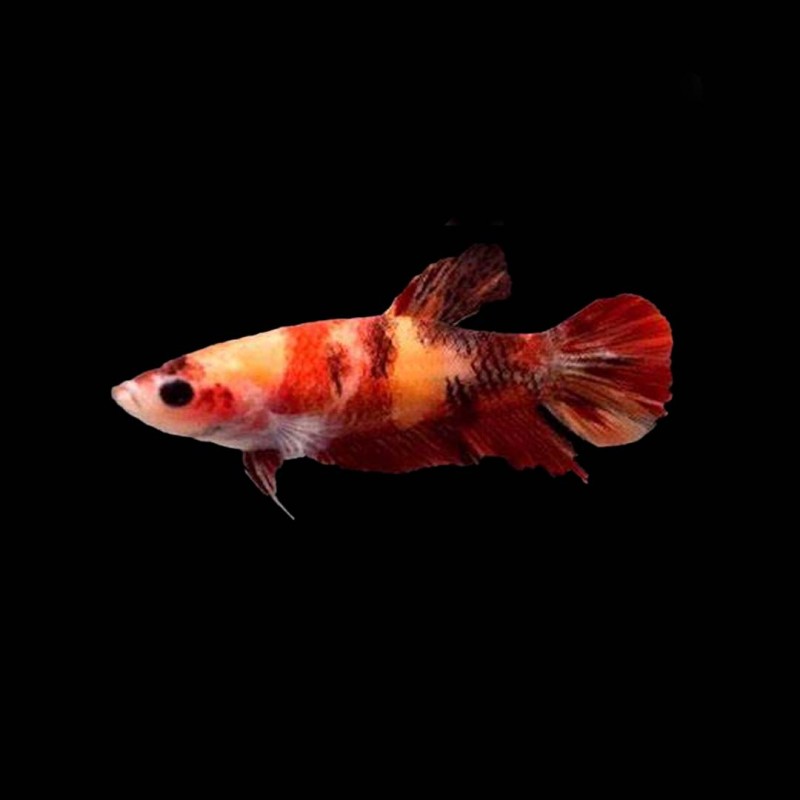
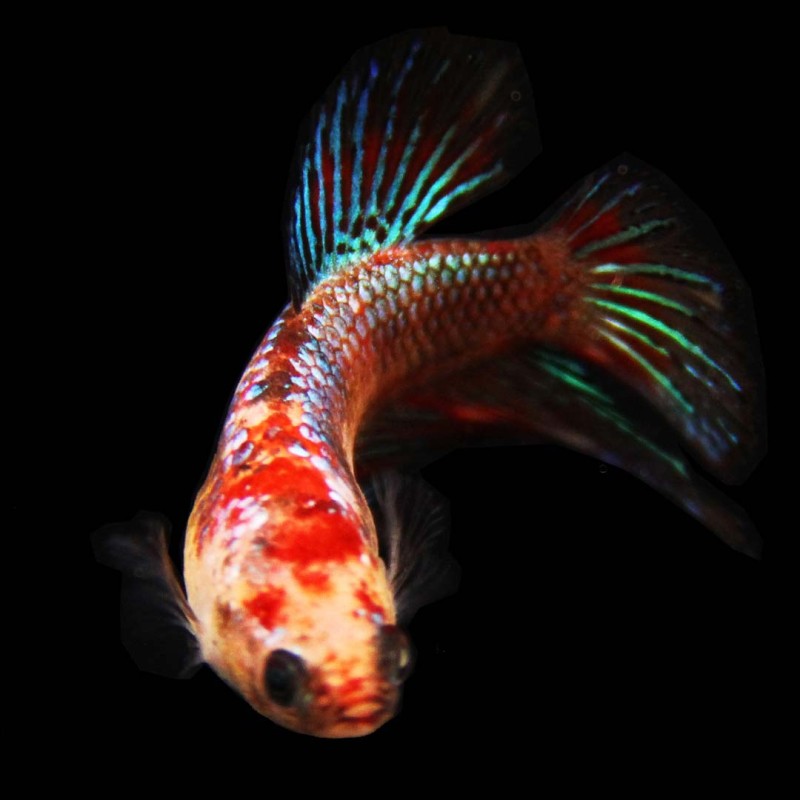
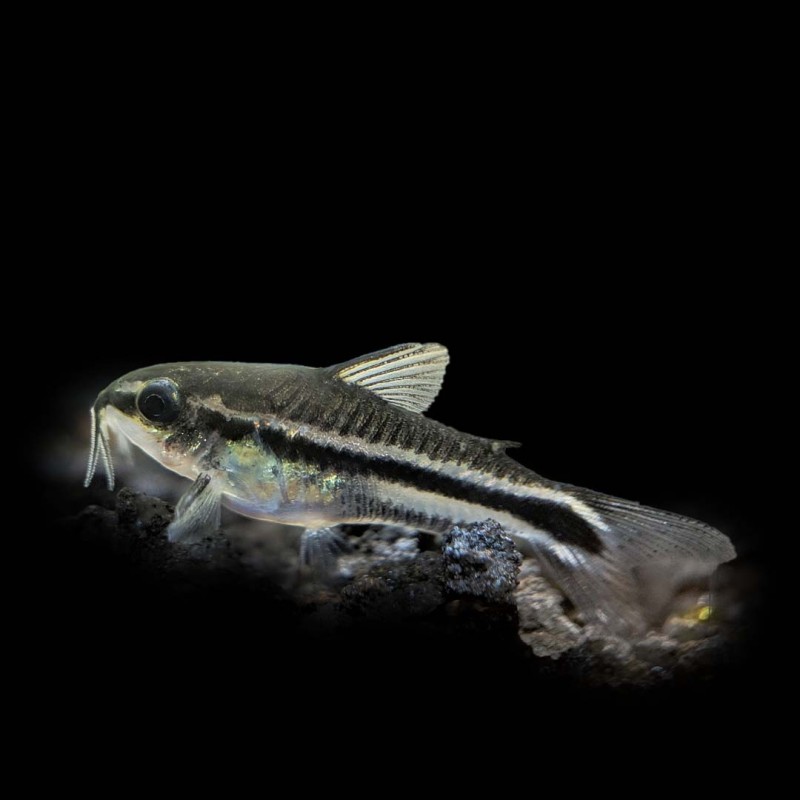
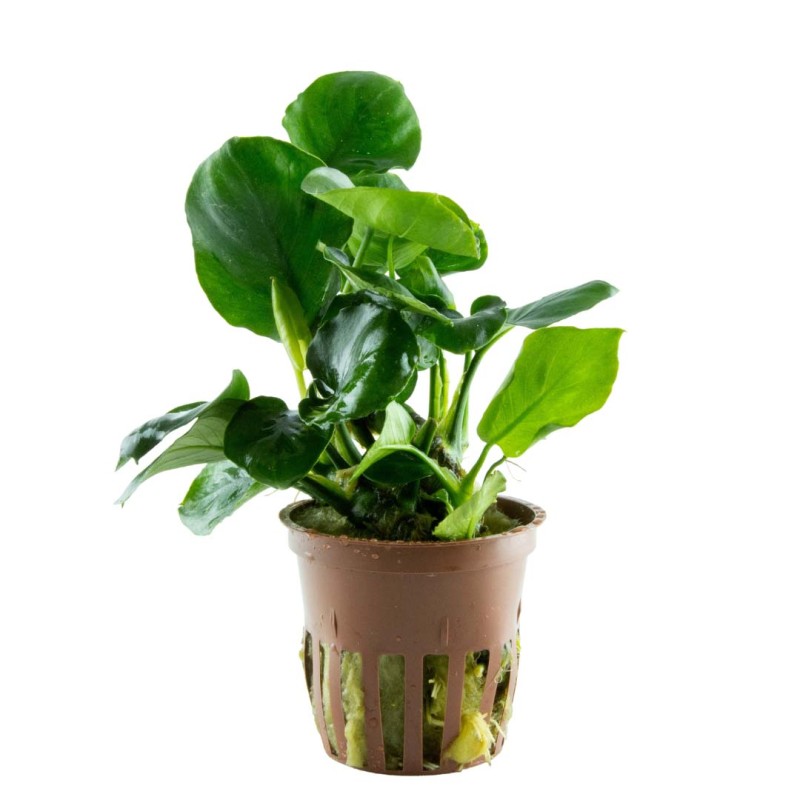
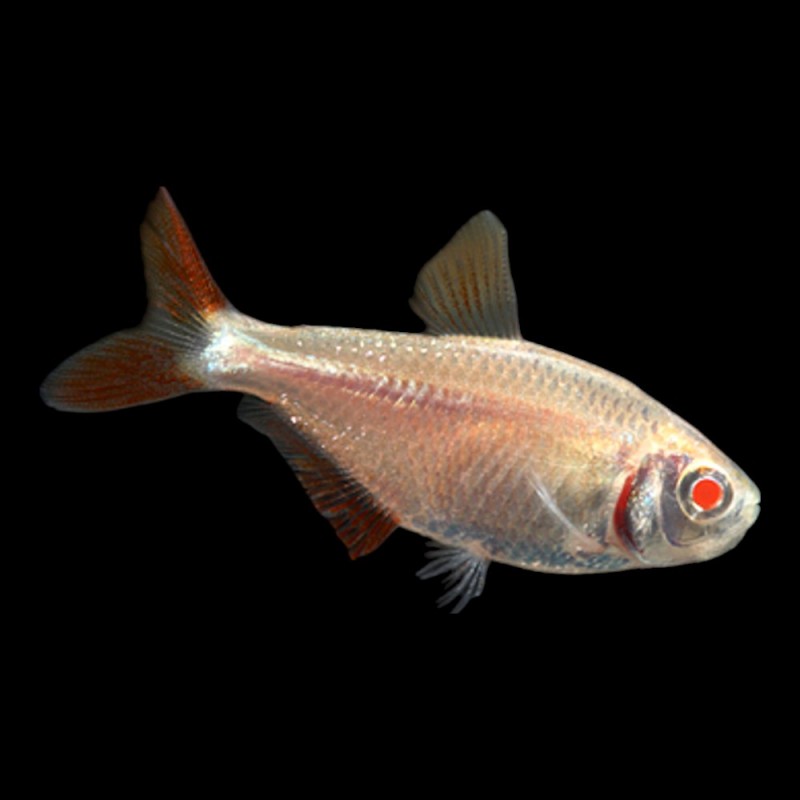
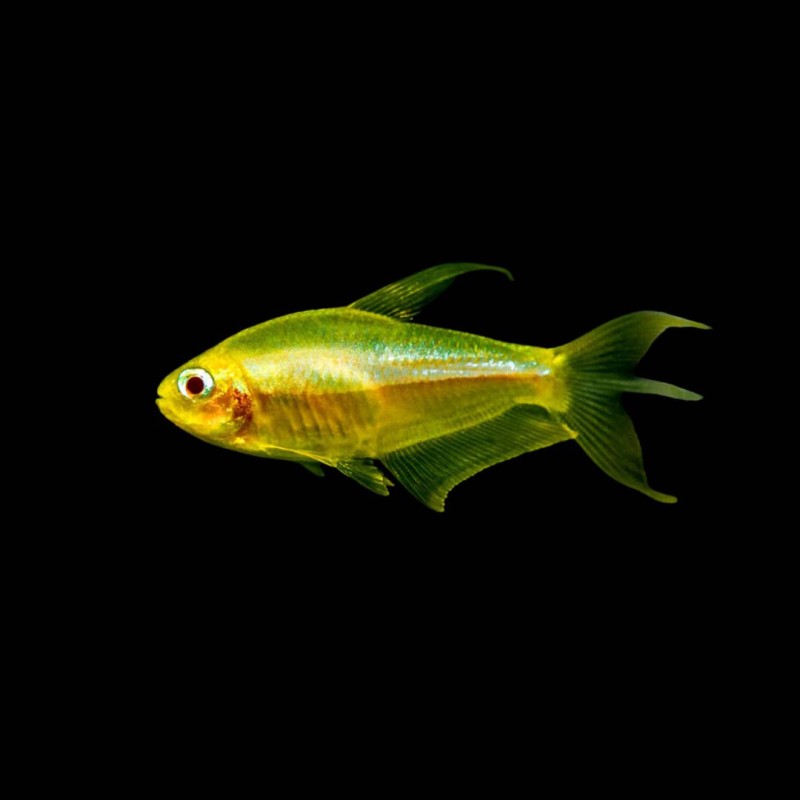
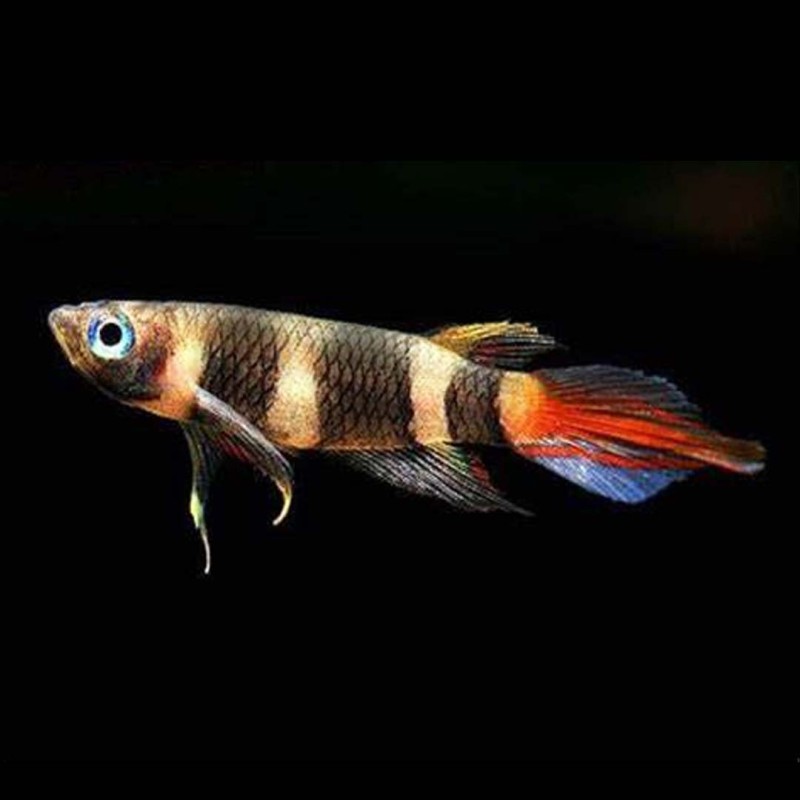
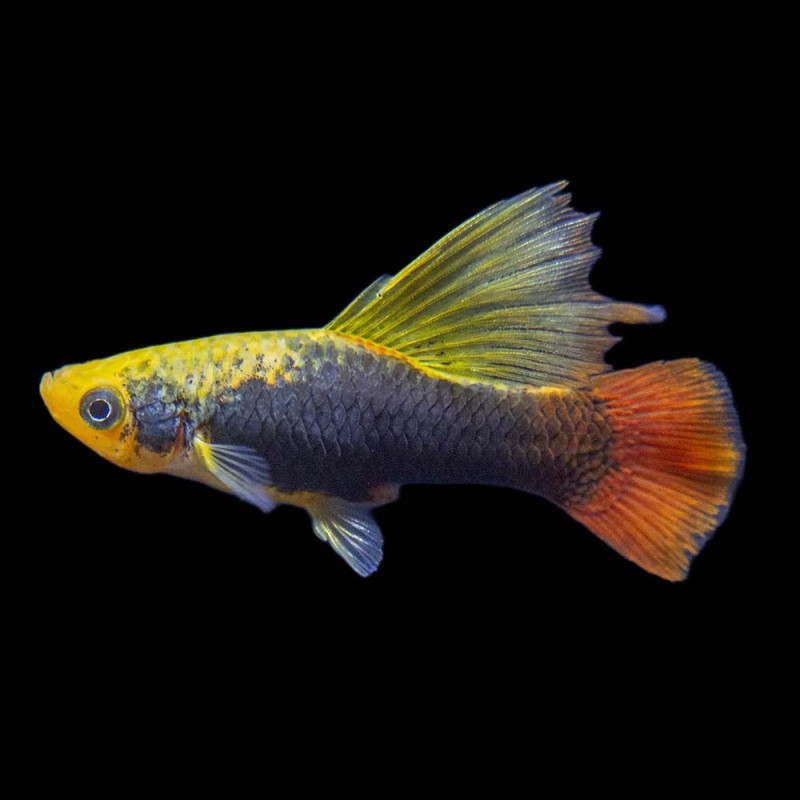
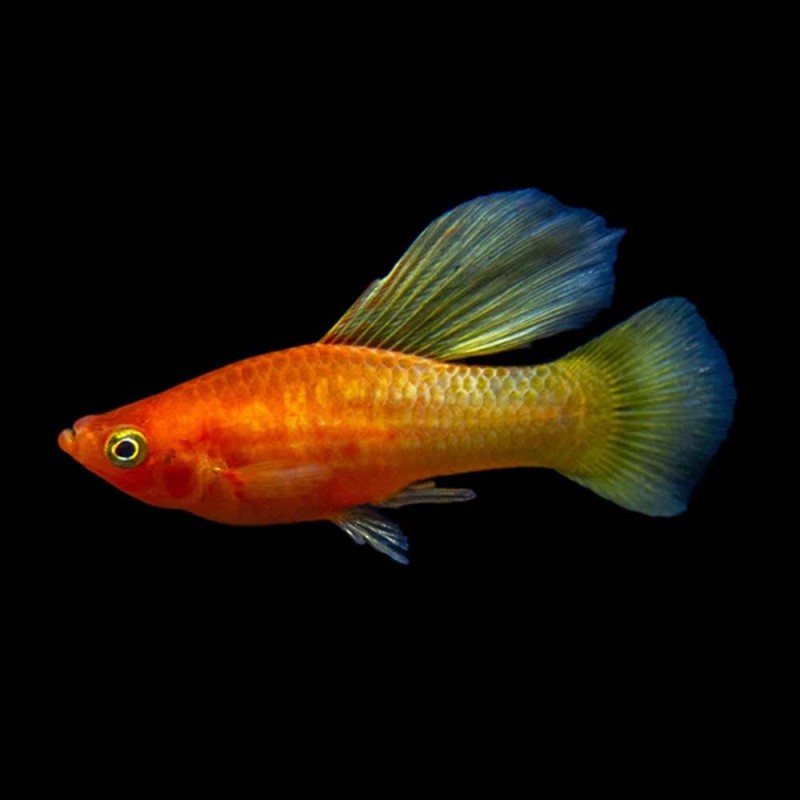
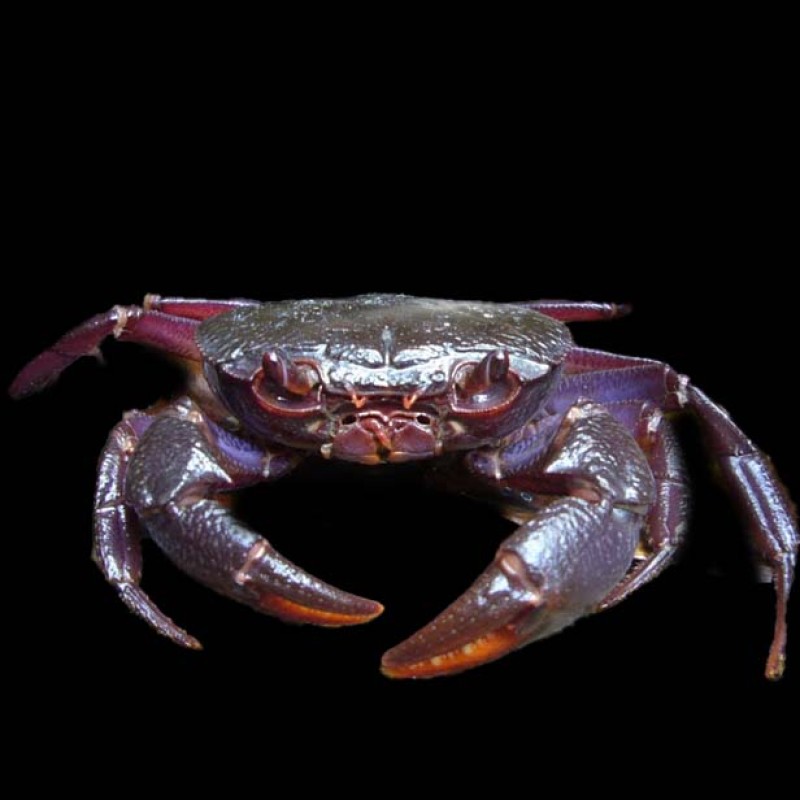
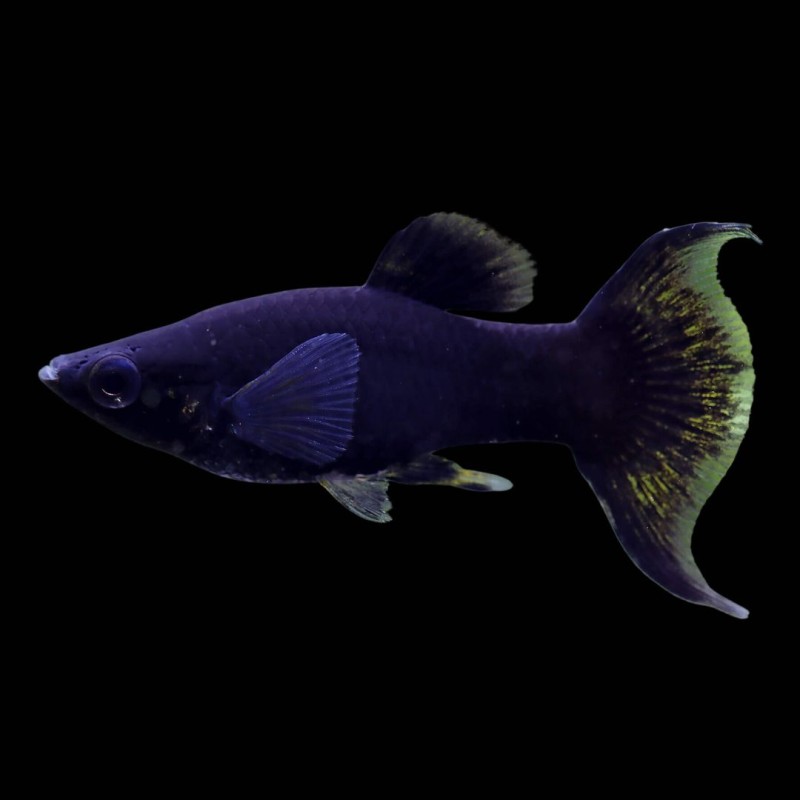
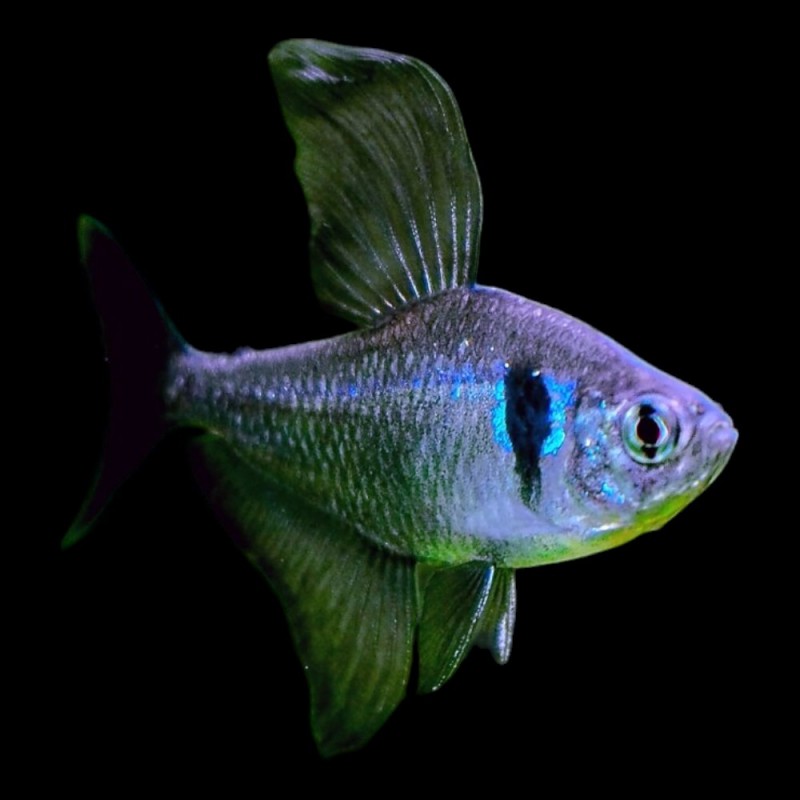
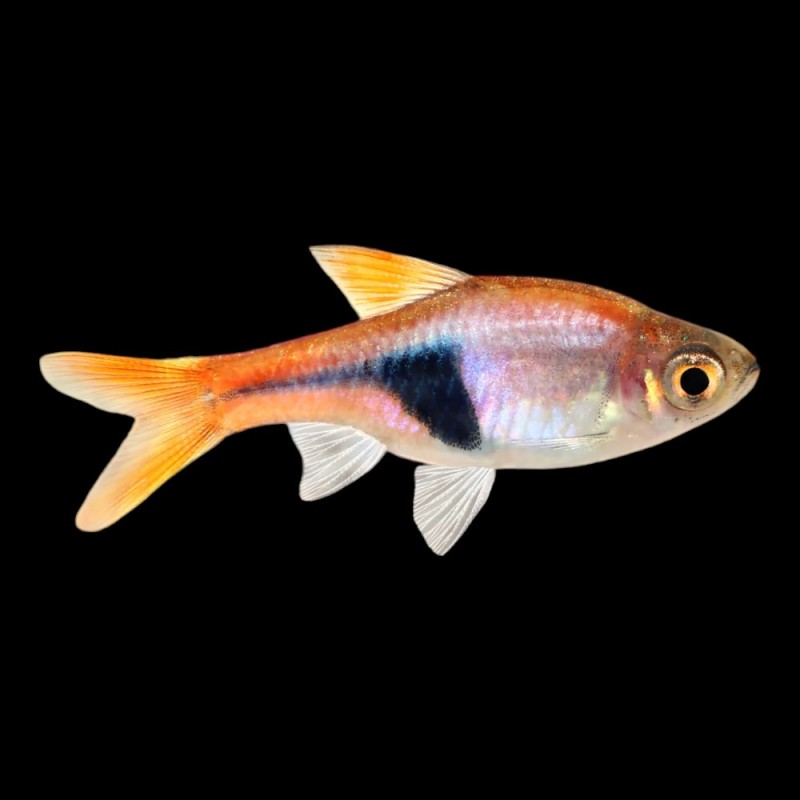
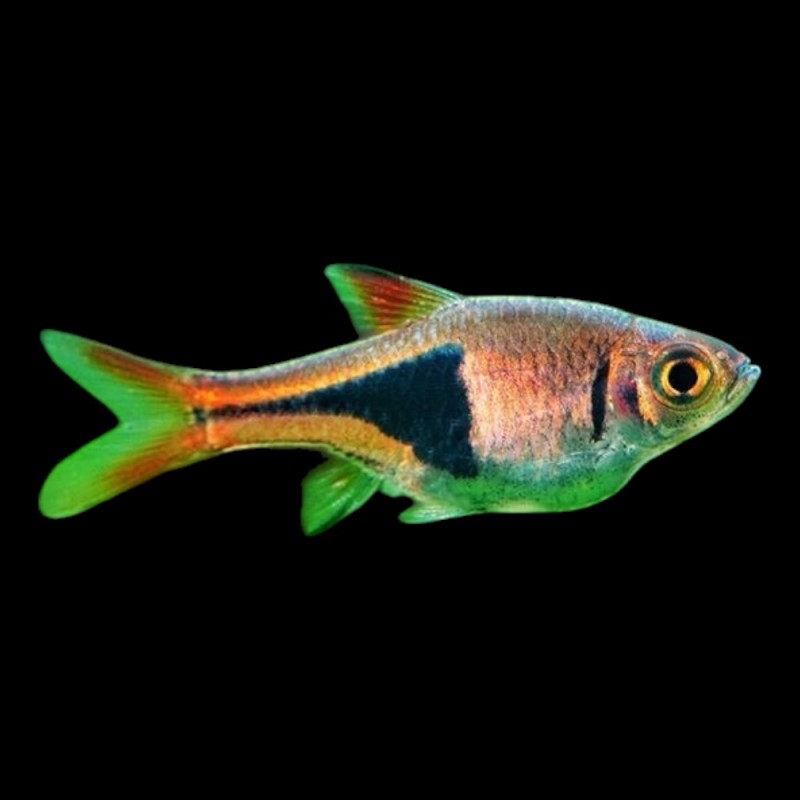
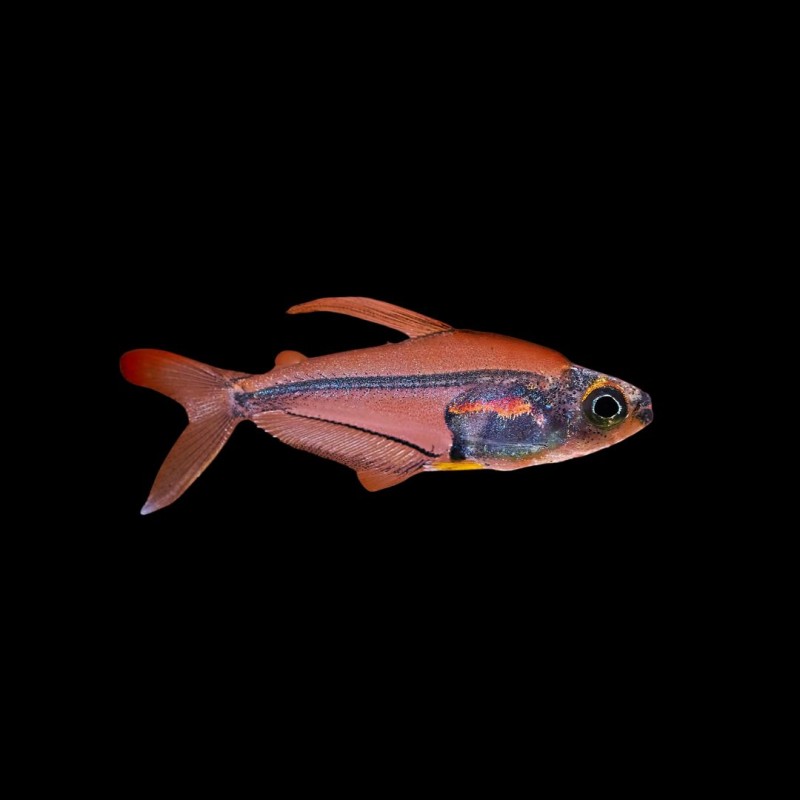
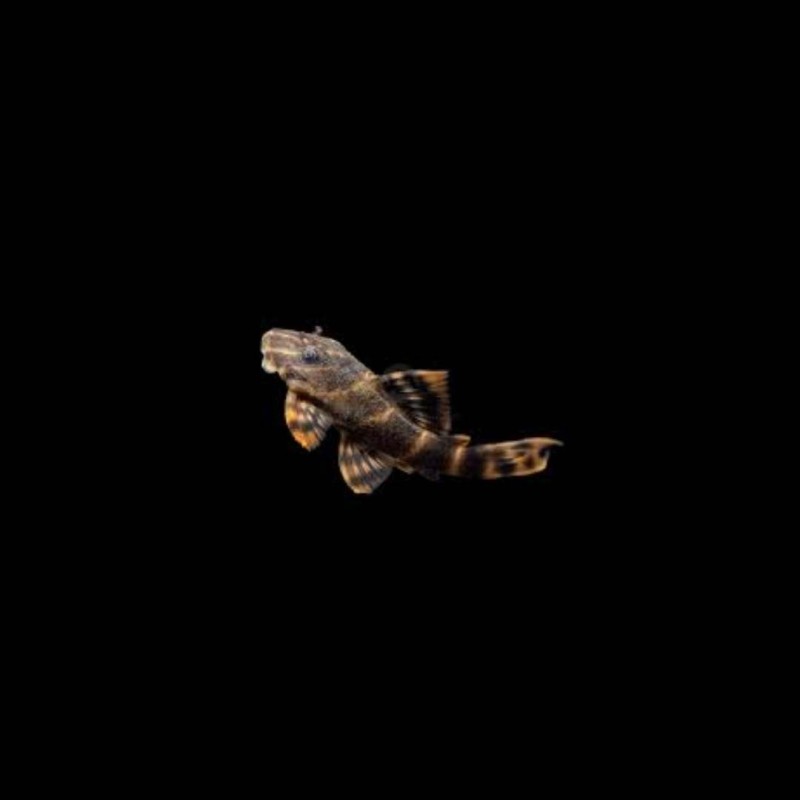
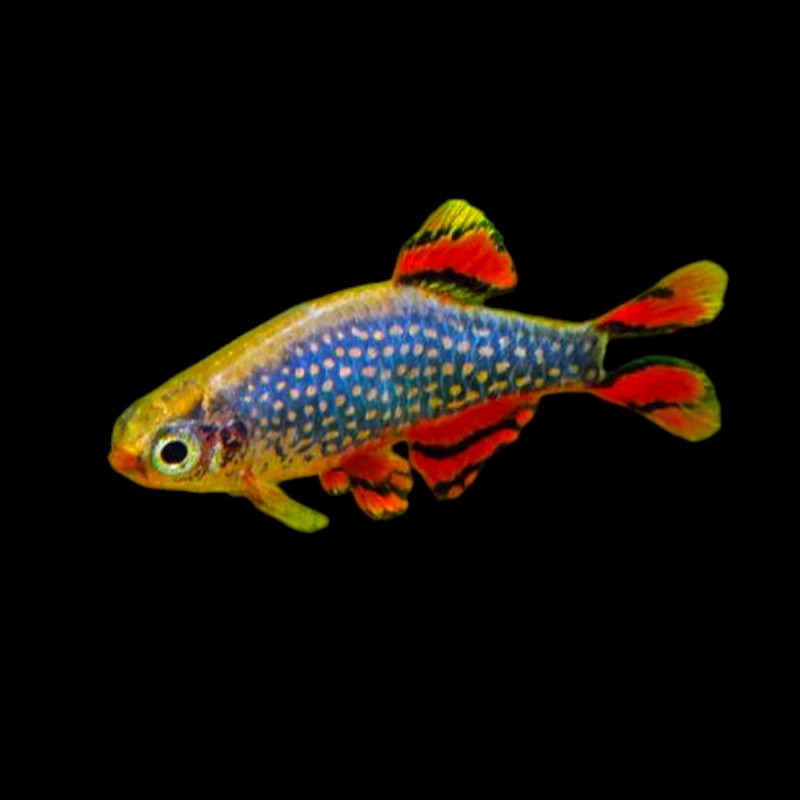
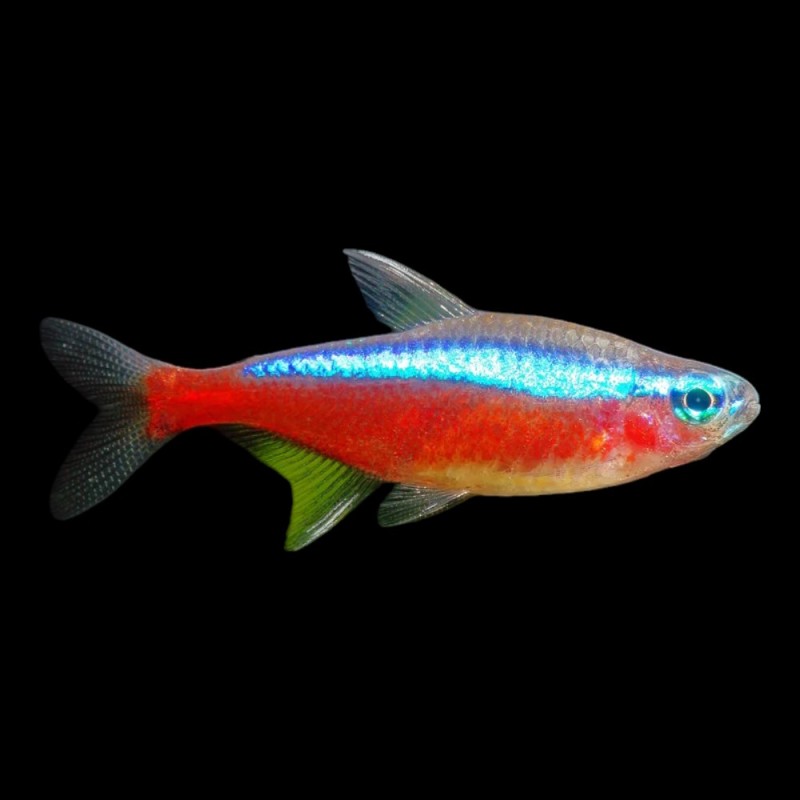
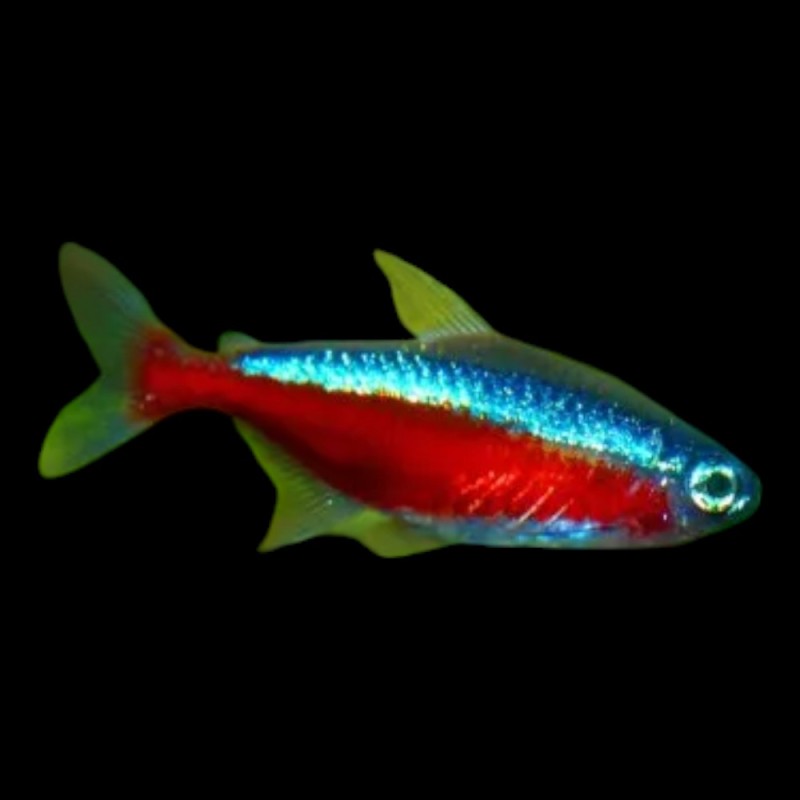
Please Note: Due to variations within species, your fish may not look identical to the image provided. Also note not all sizes or species may be available due to seasonality, Please call beforehand for up-to-date stock availability.
- Model: -
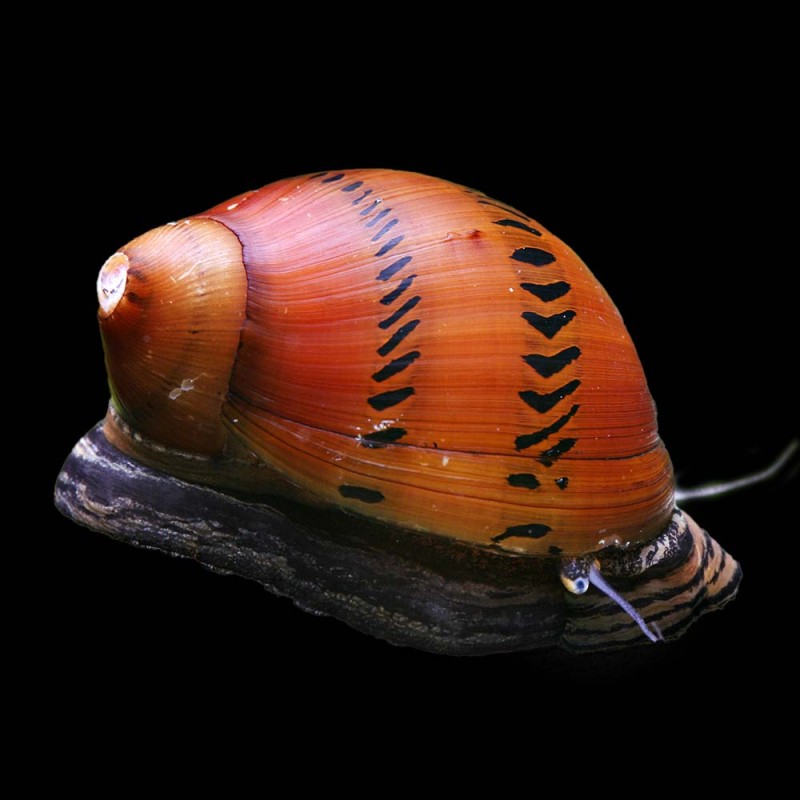
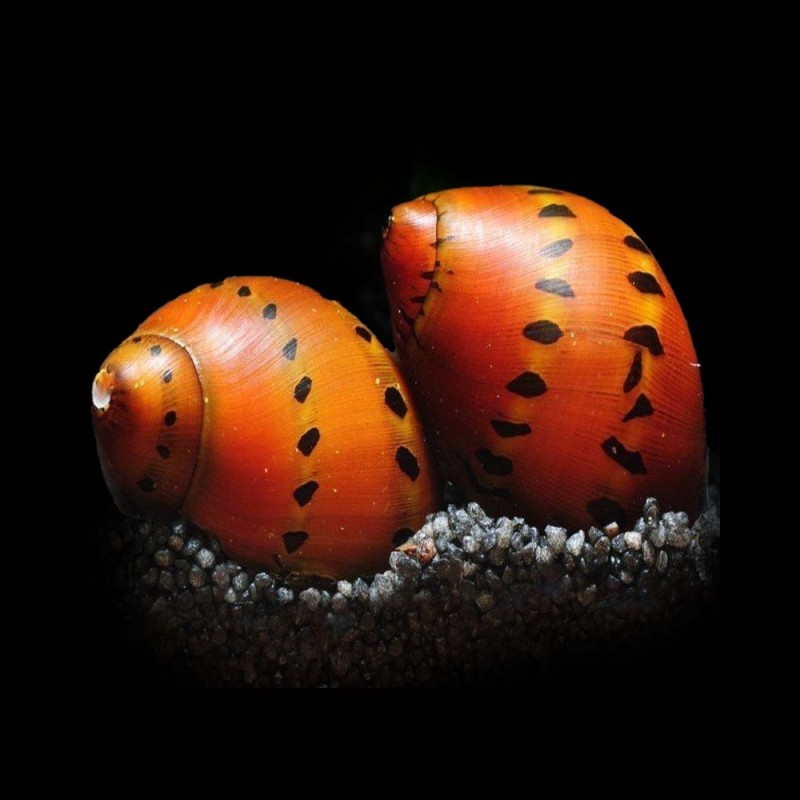
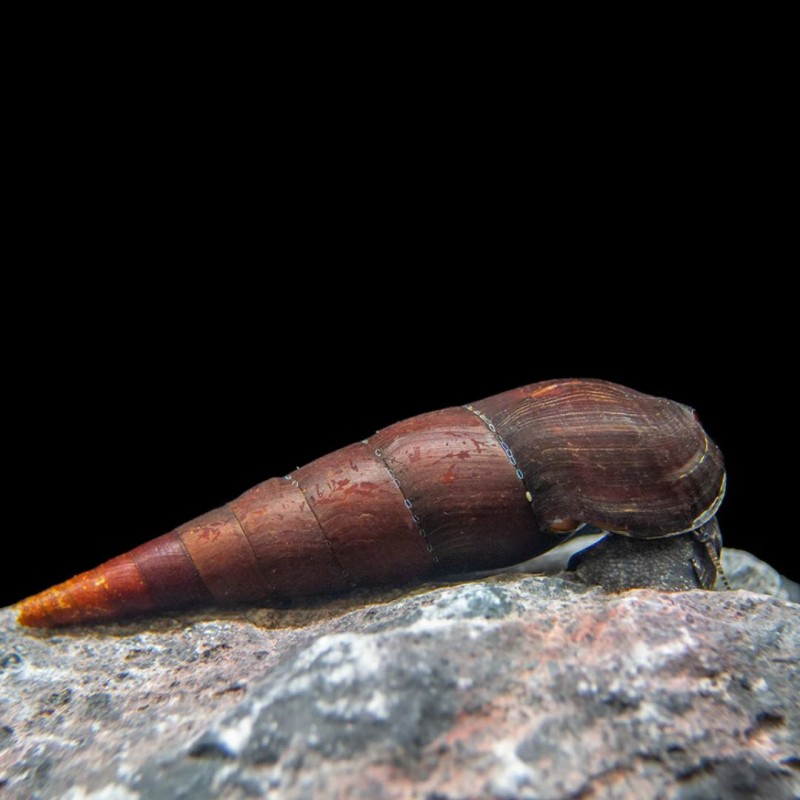
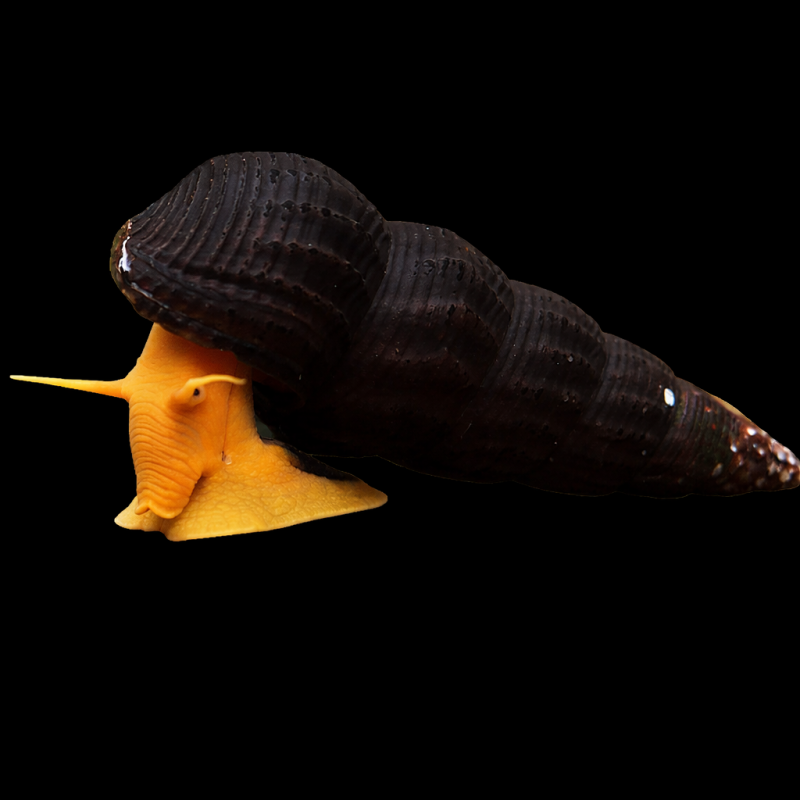
Yellow Rabbit Snail
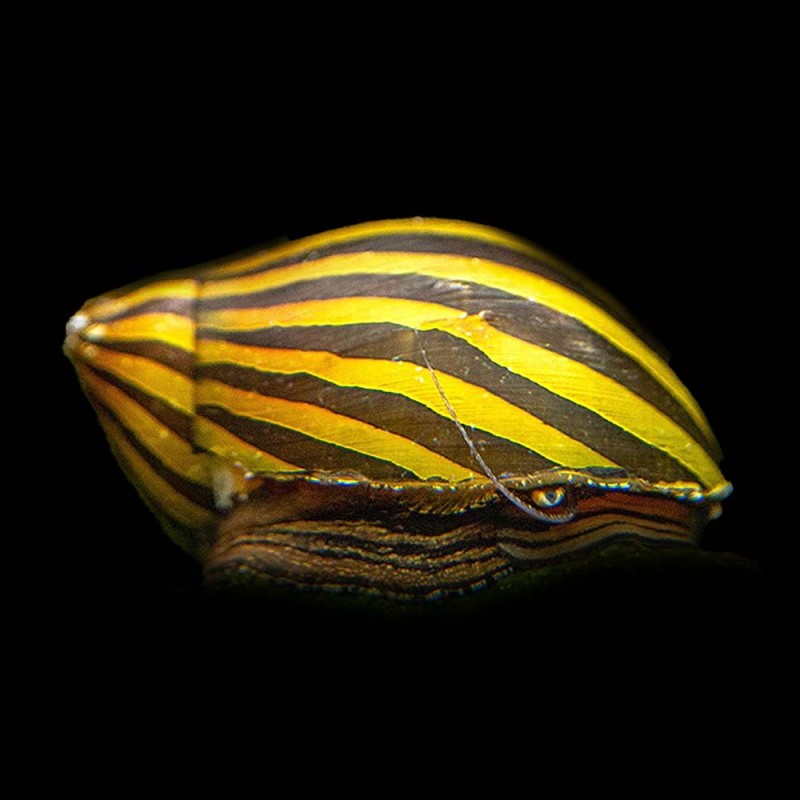
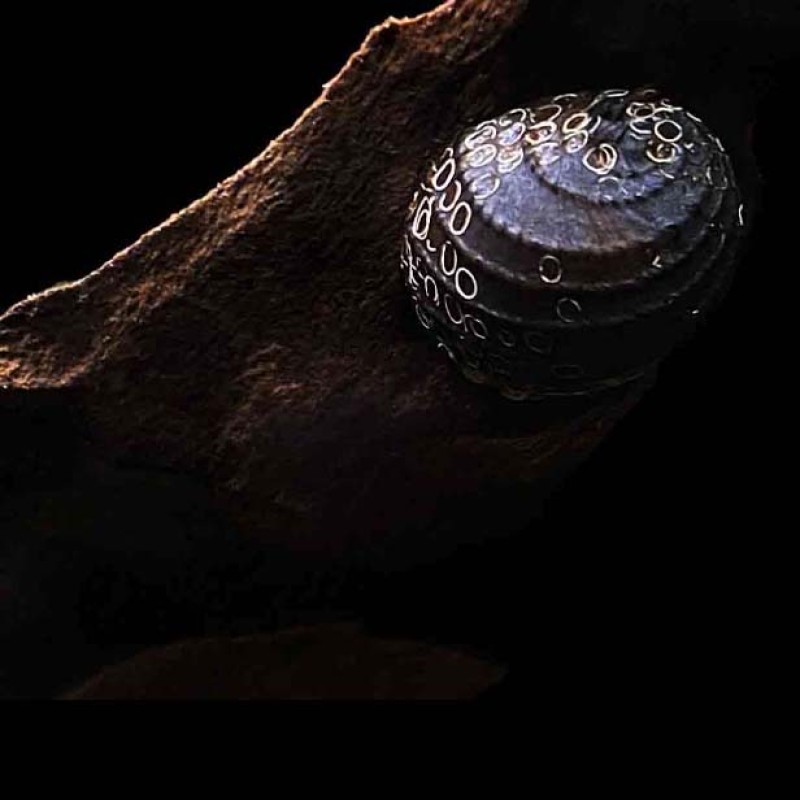
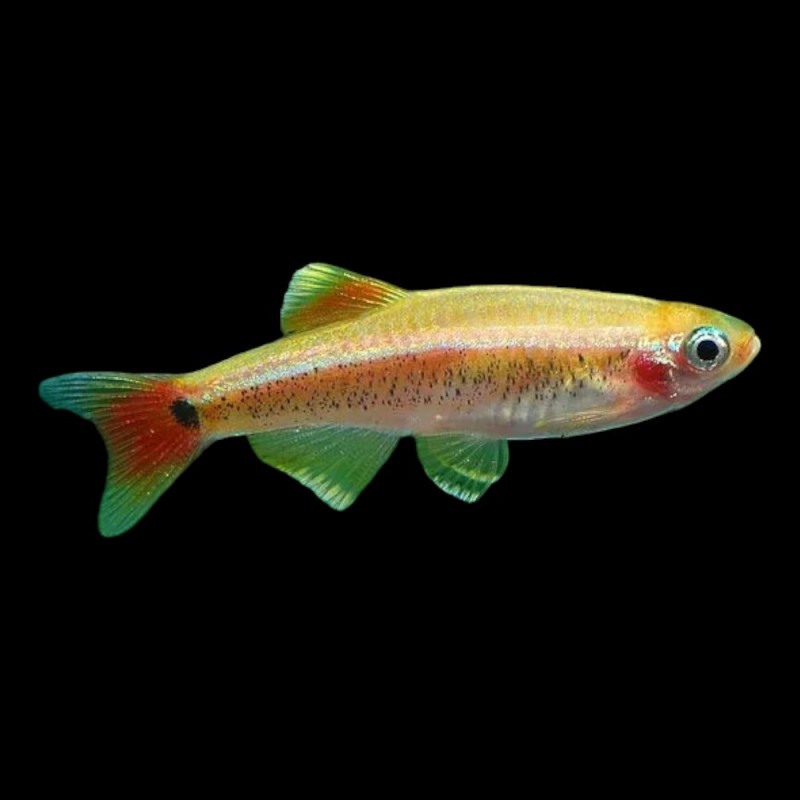
The Yellow Rabbit Snail (*Tylomelania sp.*) is a stunning freshwater snail known for its bright yellow shell and long, rabbit-like antennae. This species is popular in aquariums due to its unique appearance and peaceful nature, making it an ideal addition to planted tanks or aquariums with peaceful tankmates.
Physical Characteristics:
- Size: The Yellow Rabbit Snail typically grows to about 5-6 cm (2-2.4 inches) in length.
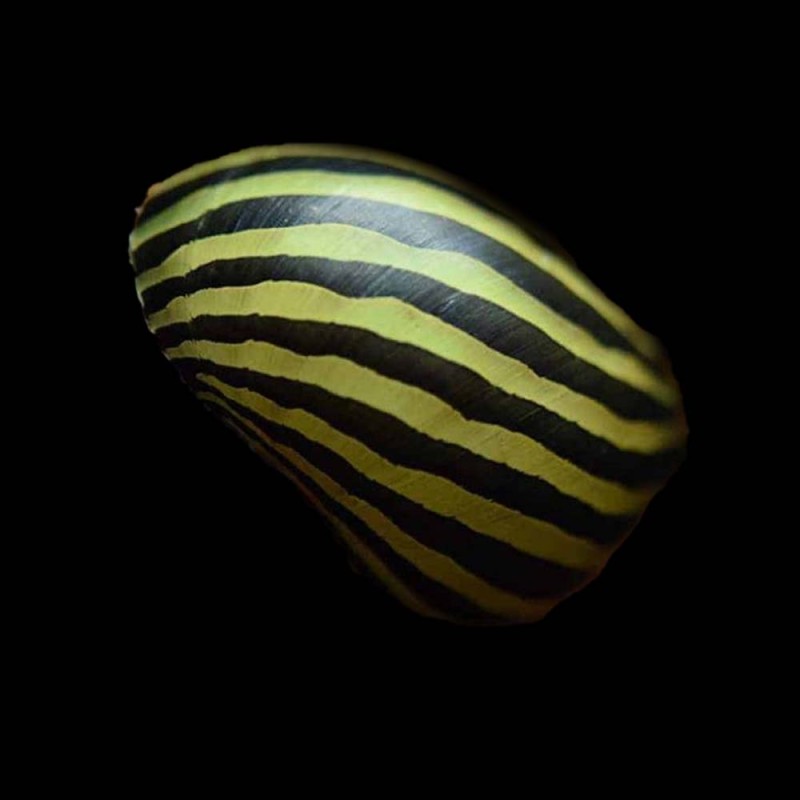
- Coloration: These snails are easily recognised by their vibrant yellow colour. The shells are conical, with a glossy appearance that reflects light beautifully.
- Antennae: Their most notable feature is their long, whip-like antennae, resembling a rabbit’s ears, which gives the snail its common name.
- Shape: The shell is spiraled, elongated, and has a smooth texture typical of Tylomelania species.
Behavior:
- Temperament: The Yellow Rabbit Snail is a peaceful, slow-moving species that coexists well with other non-aggressive species. They are not territorial and make great tankmates for peaceful fish and invertebrates.
- Activity Level: They are not particularly fast swimmers but are often seen crawling along tank surfaces, searching for food.
- Community Behavior: They are ideal for community tanks, as long as the other tankmates are not overly aggressive or fast-moving. They enjoy having plenty of hiding spots to retreat to when necessary.
Aquarium Care:
- Tank Size: A minimum tank size of 40 liters (10 gallons) is recommended for a small group of Yellow Rabbit Snails. A larger tank is preferable to provide more space for exploration and reduce the risk of overcrowding.
- Water Parameters:
- Temperature: Yellow Rabbit Snails thrive in warm water, with an ideal temperature range of 24°C to 28°C (75°F to 82°F).
- pH: They prefer slightly acidic to neutral water, with a pH range of 6.5 to 7.5.
- Hardness: Soft to moderately hard water, with a general hardness (GH) of 3-10 dGH, is ideal.
- Tank Setup:
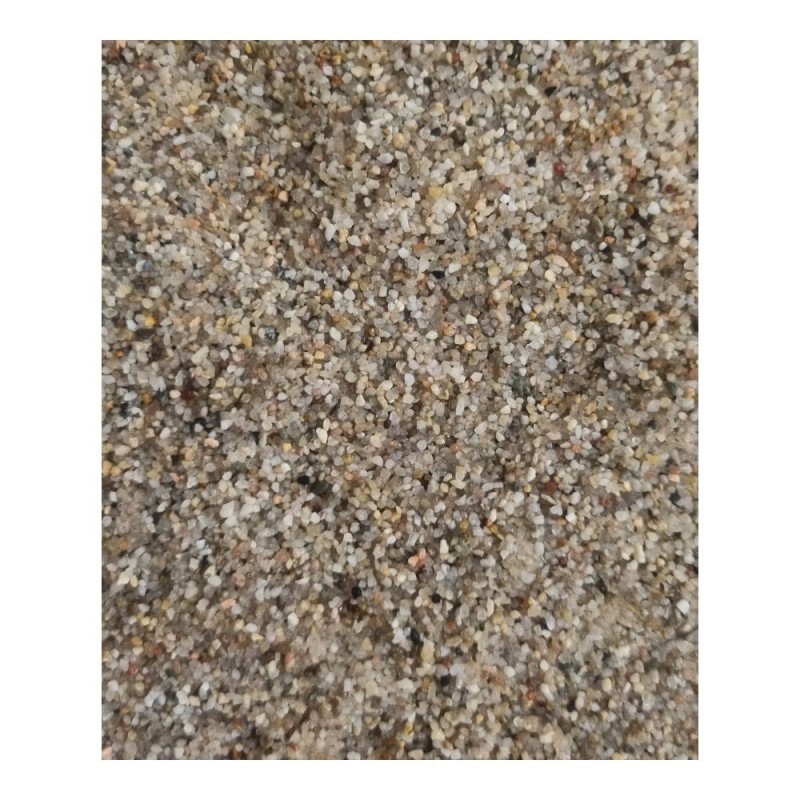
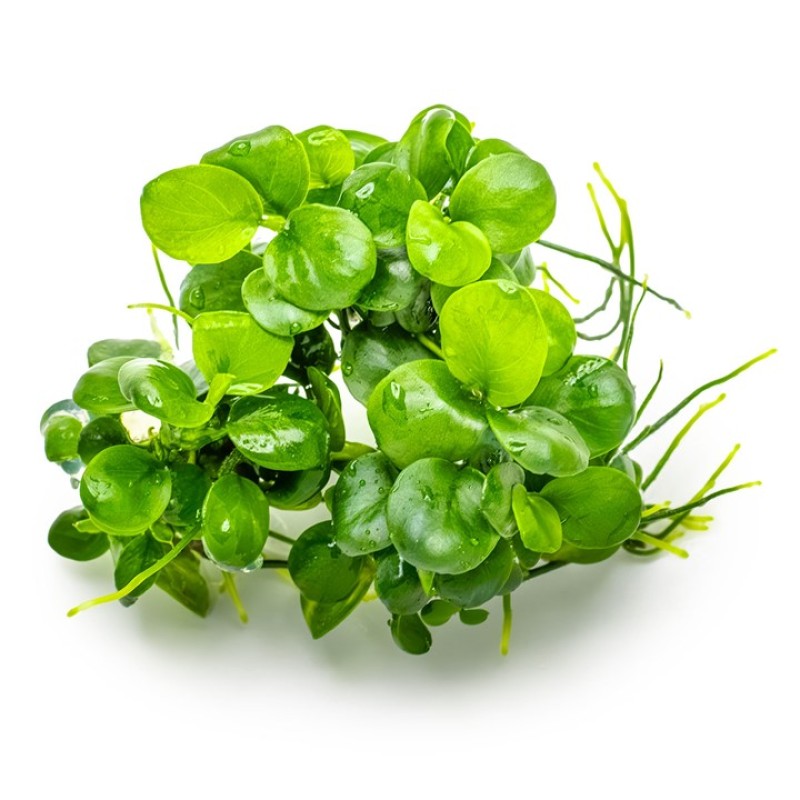
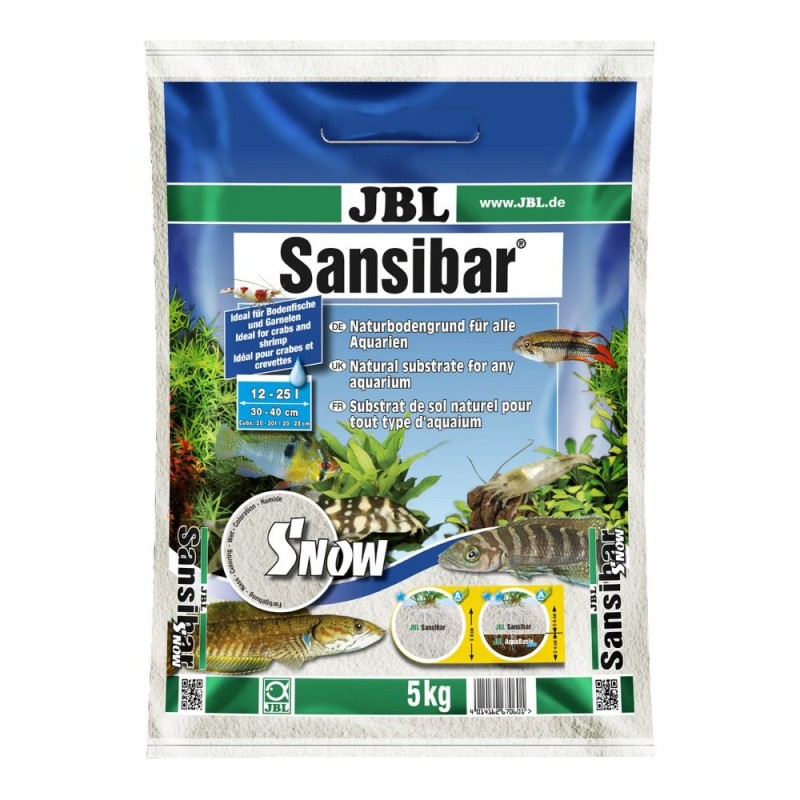
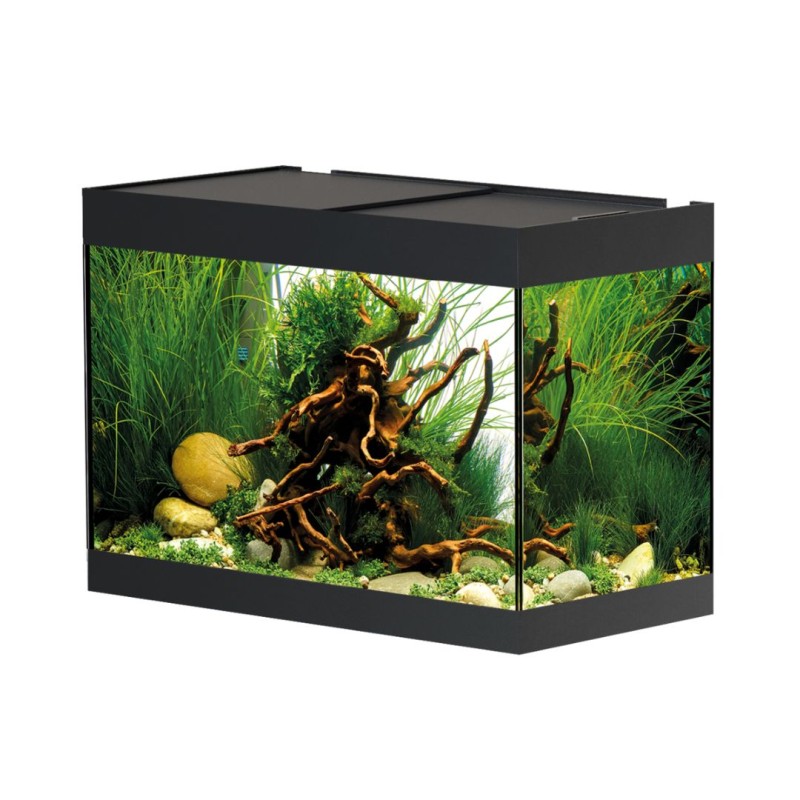
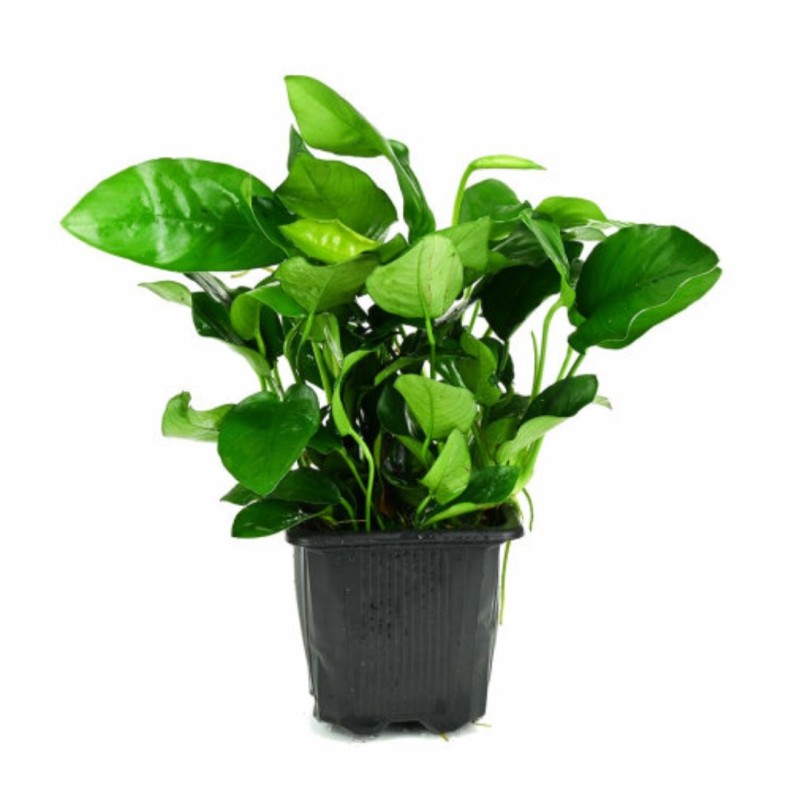
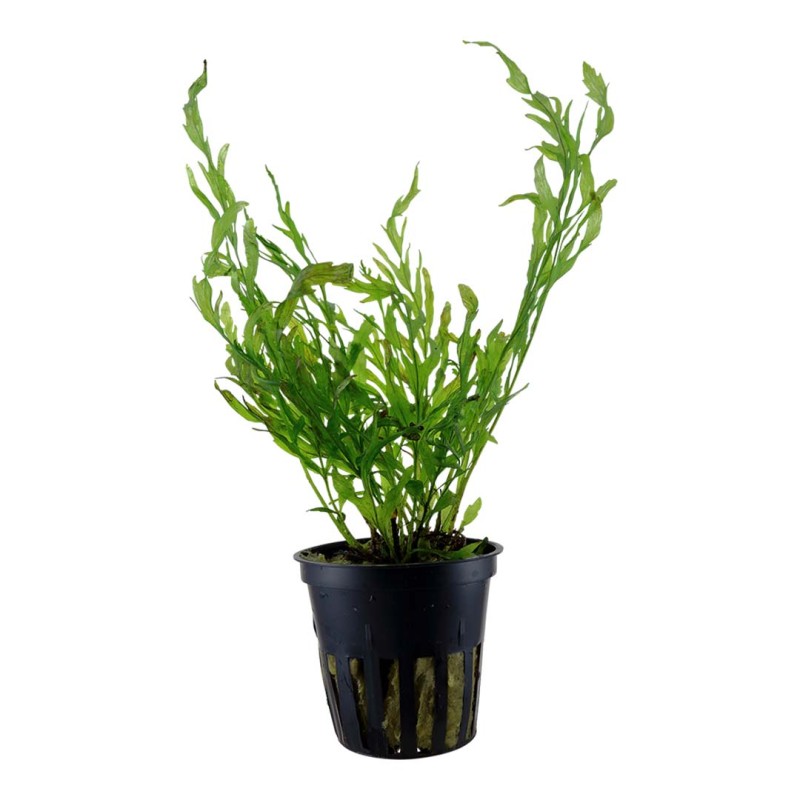
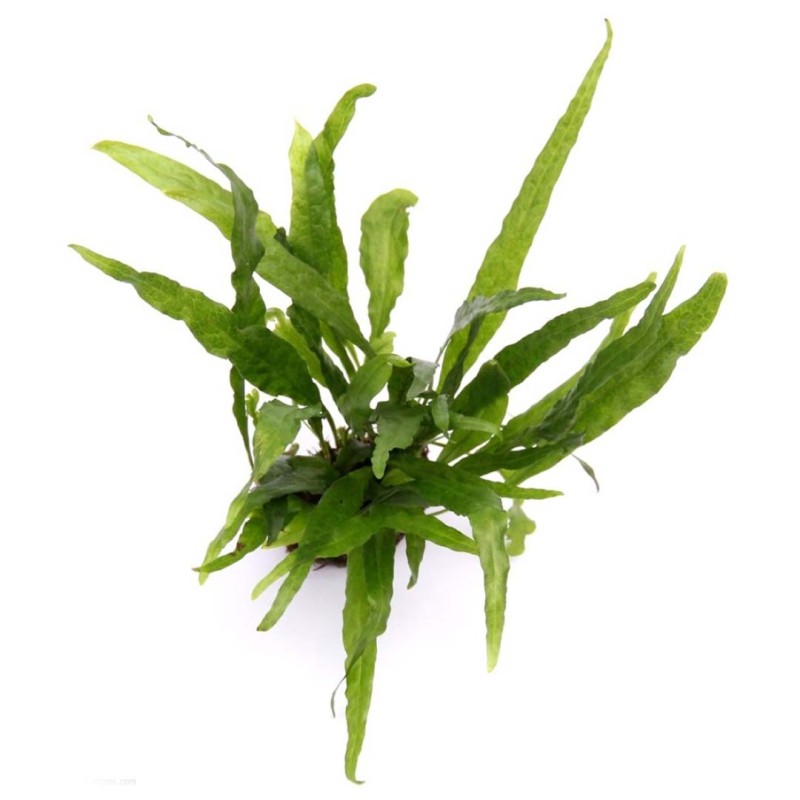
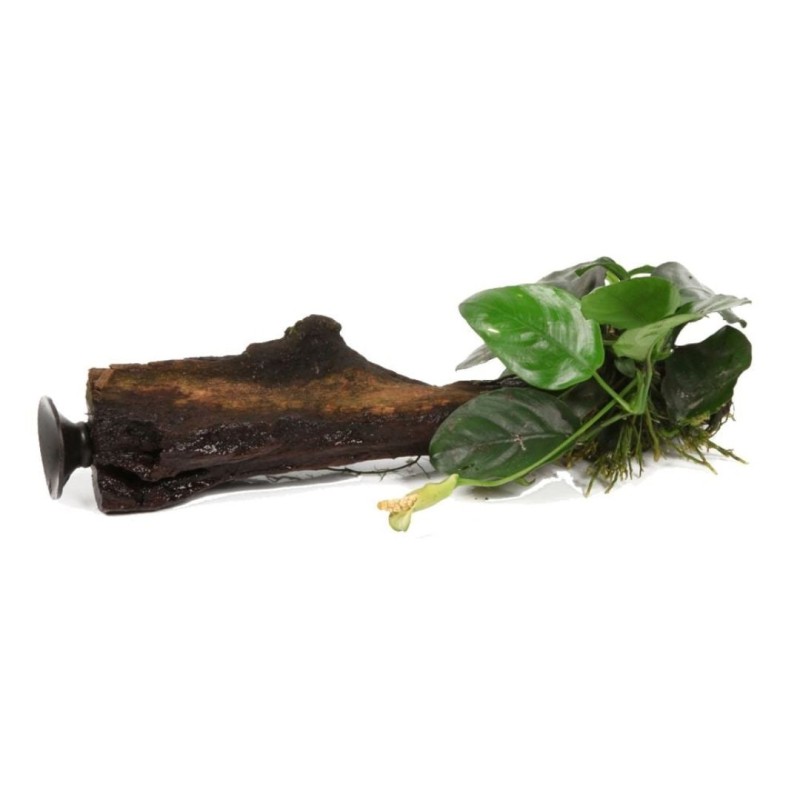
- Substrate and Decorations: A soft, sandy substrate is recommended to prevent injury to the snails. Live plants, like Java Fern and Anubias, provide good hiding spots, and floating plants can provide shaded areas.
- Lighting: Moderate lighting is ideal to highlight their vibrant shells and promote plant growth.
- Filtration: A gentle filtration system is best to avoid strong currents that can stress the snails. Regular water changes (around 20% weekly) help keep water quality high.
Diet:
Yellow Rabbit Snails are primarily herbivorous, and their diet should include:
- Algae: These snails naturally graze on algae, helping keep tank surfaces clean.
- Vegetables: Blanched vegetables such as zucchini, spinach, and cucumber can be offered as a supplement.
- Commercial Snail Food: Sinking pellets designed for snails can be offered to ensure a balanced diet.
Tankmates:
Yellow Rabbit Snails are compatible with a variety of peaceful fish and invertebrates, including:
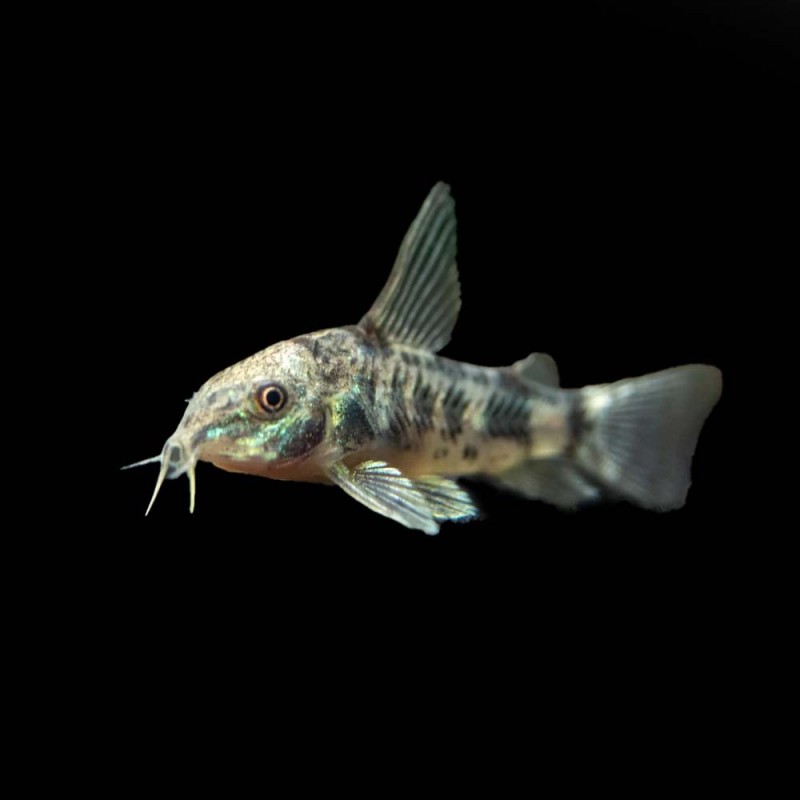
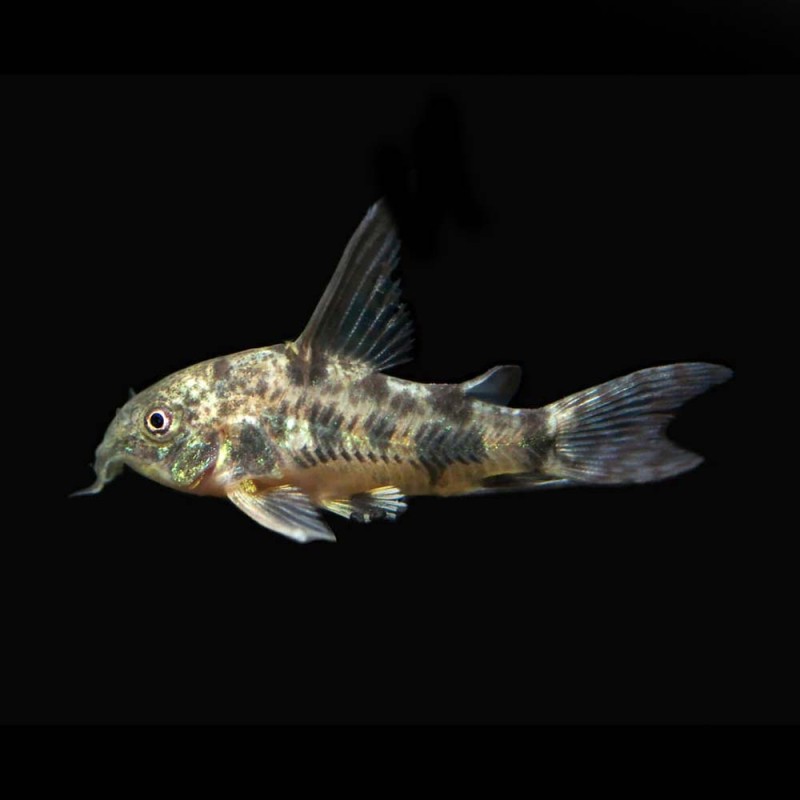
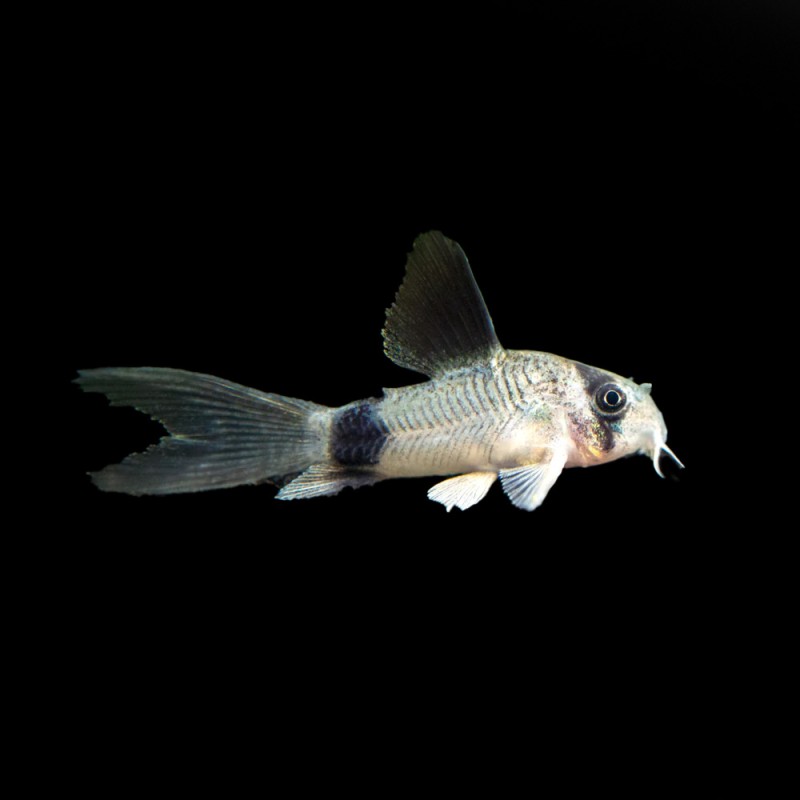
- Small, Peaceful Fish: Such as Guppies, Tetras, or Corydoras.
- Other Snails: They can live peacefully with other non-aggressive snails like Nerite snails or Malaysian Trumpet snails.
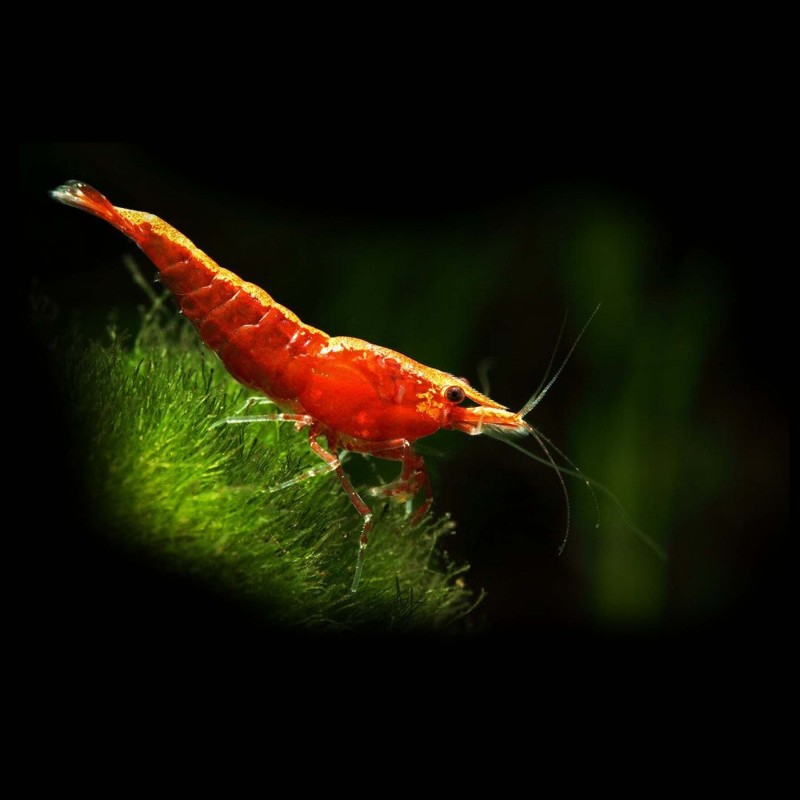
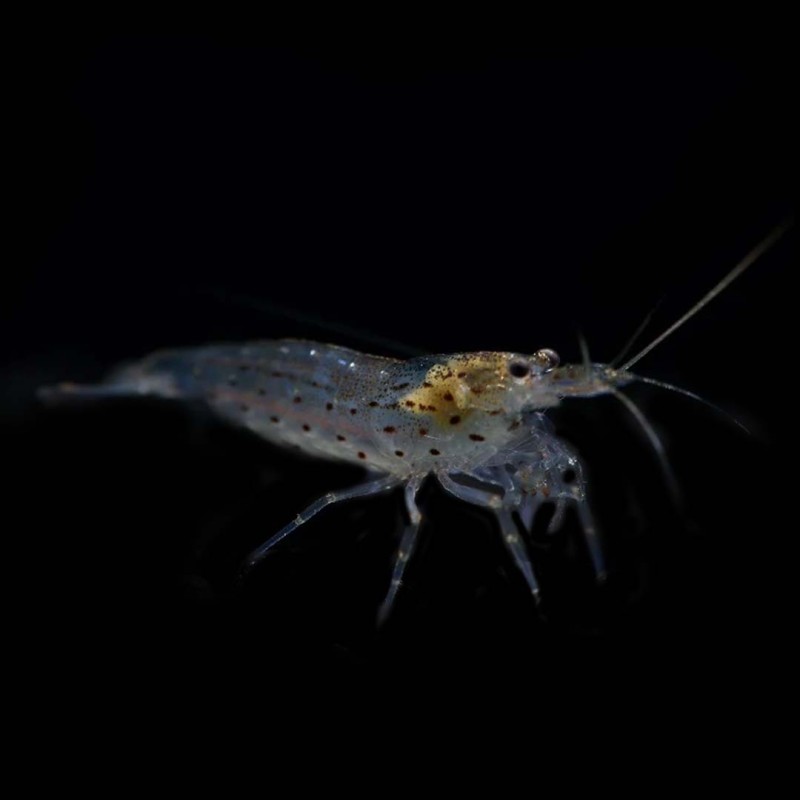
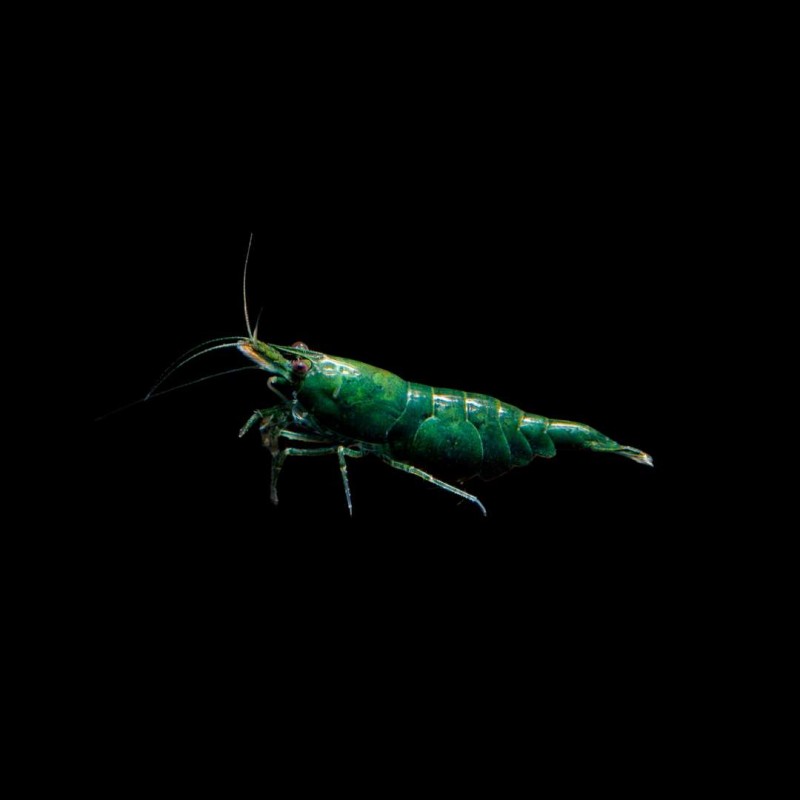
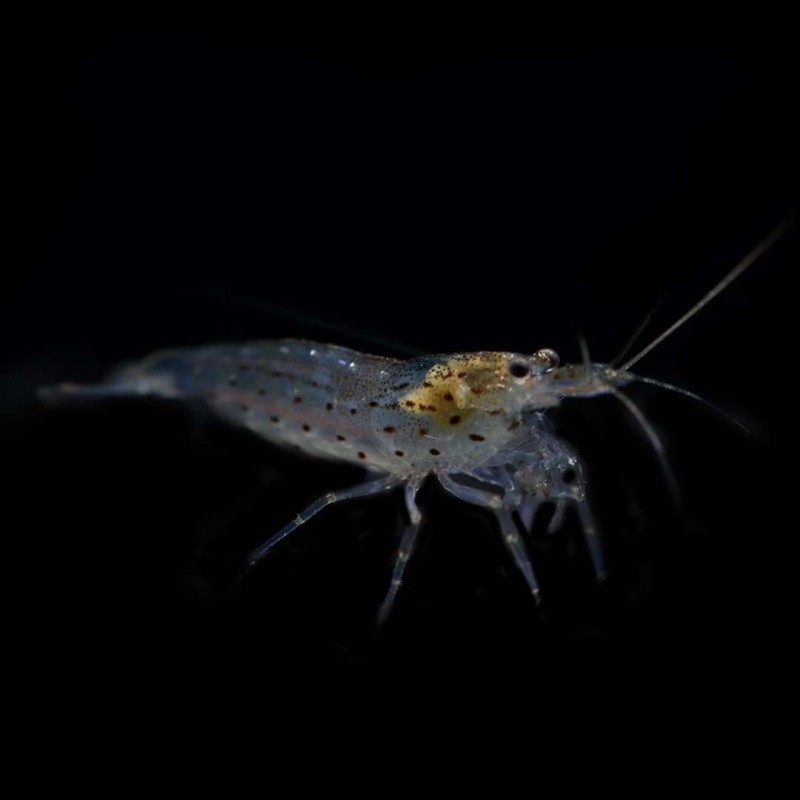
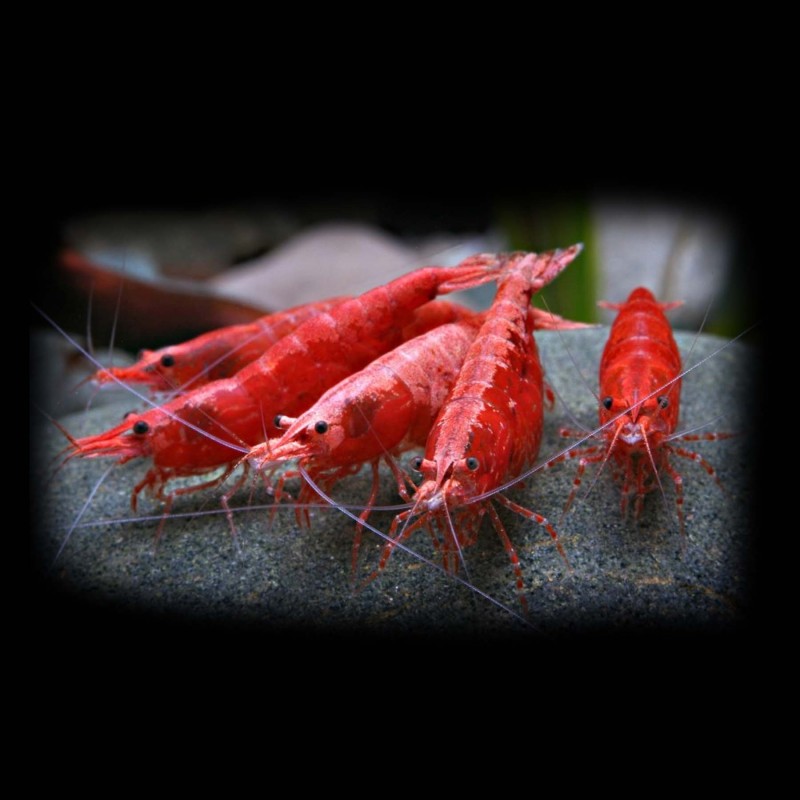
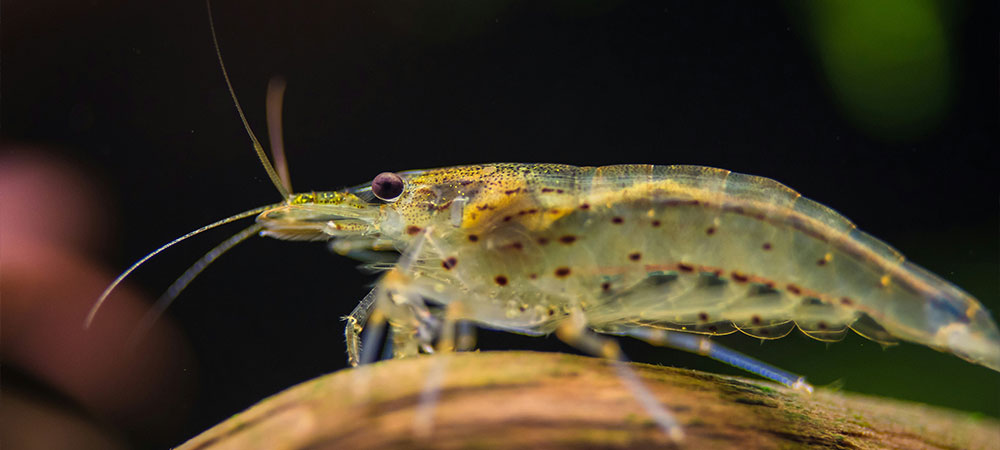
- Peaceful Shrimp: Amano shrimp and Cherry shrimp are also good tankmates.
Breeding:
Breeding Yellow Rabbit Snails in captivity is challenging but possible under the right conditions:
- Breeding Setup: A separate breeding tank with shallow, slightly acidic water (pH 6.5-7.0) is ideal. The tank should have plenty of hiding spots and soft, sandy substrate.
- Spawning Behavior: These snails are hermaphroditic and will lay eggs on plants or tank decorations. Fertilisation occurs through internal methods, and the snails will lay clusters of eggs.
- Fry Care: Once the eggs hatch, the young snails will graze on algae and require the same care as the adults. It is important to ensure they have enough food to support their growth.
Special Considerations:
- Water Quality: Regular maintenance of water quality is essential. Keep an eye on ammonia and nitrate levels to maintain a healthy environment.
- Slow Growth: Yellow Rabbit Snails grow slowly, so be patient and provide them with a stable environment to reach their full size.