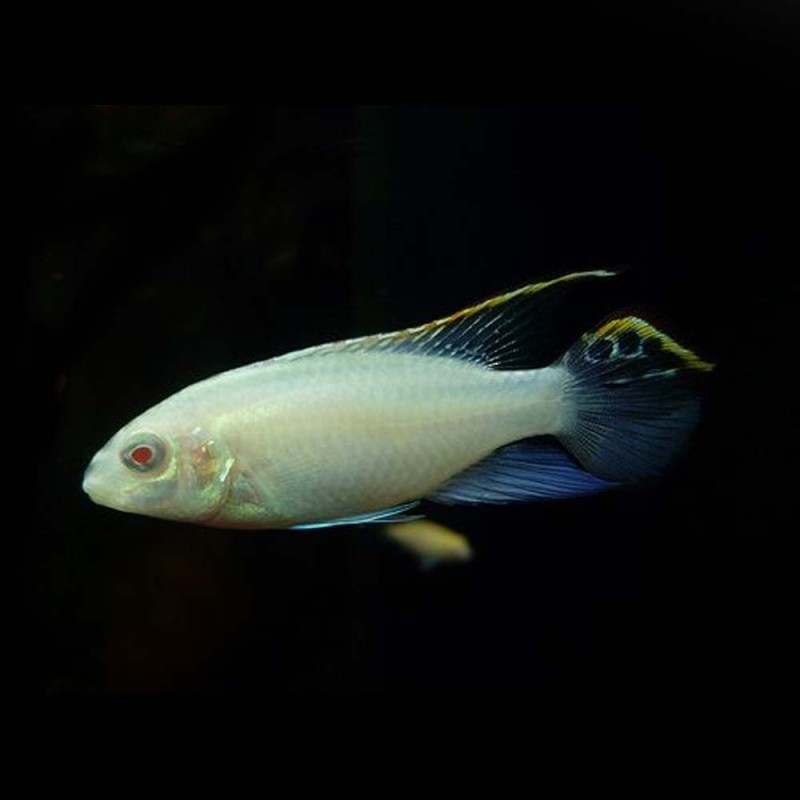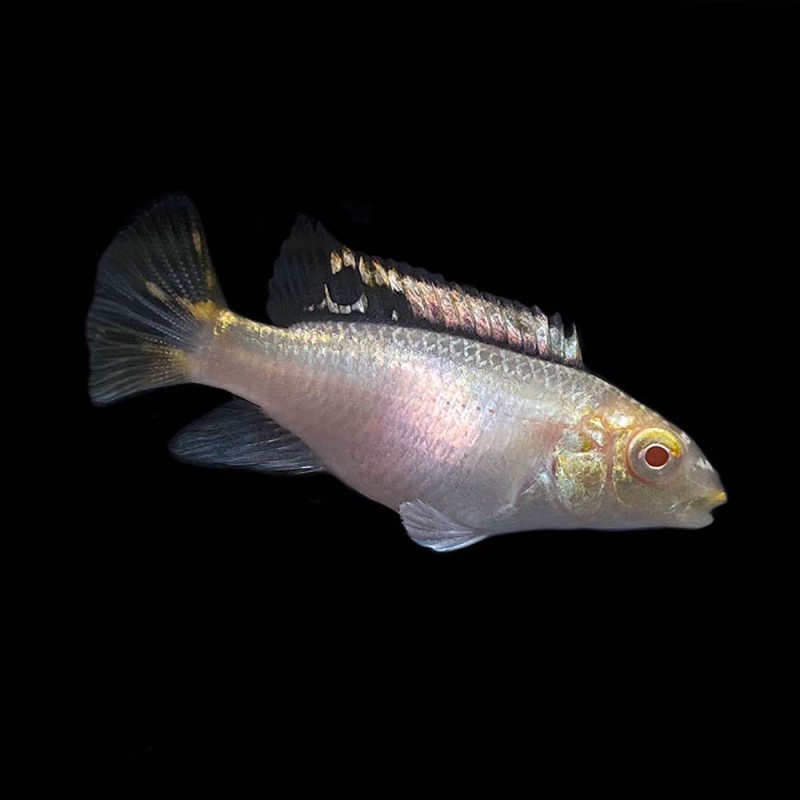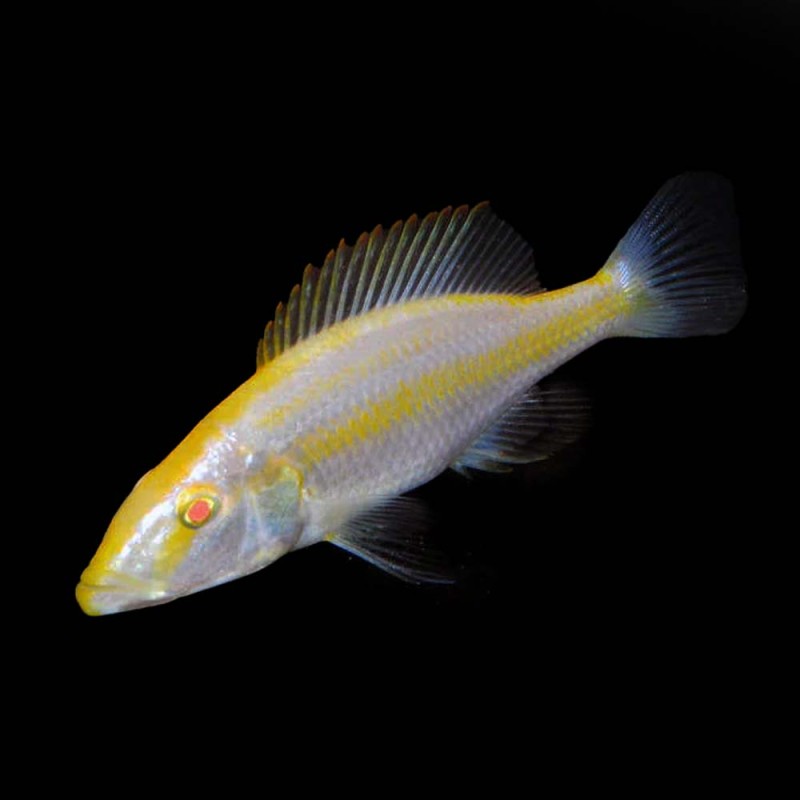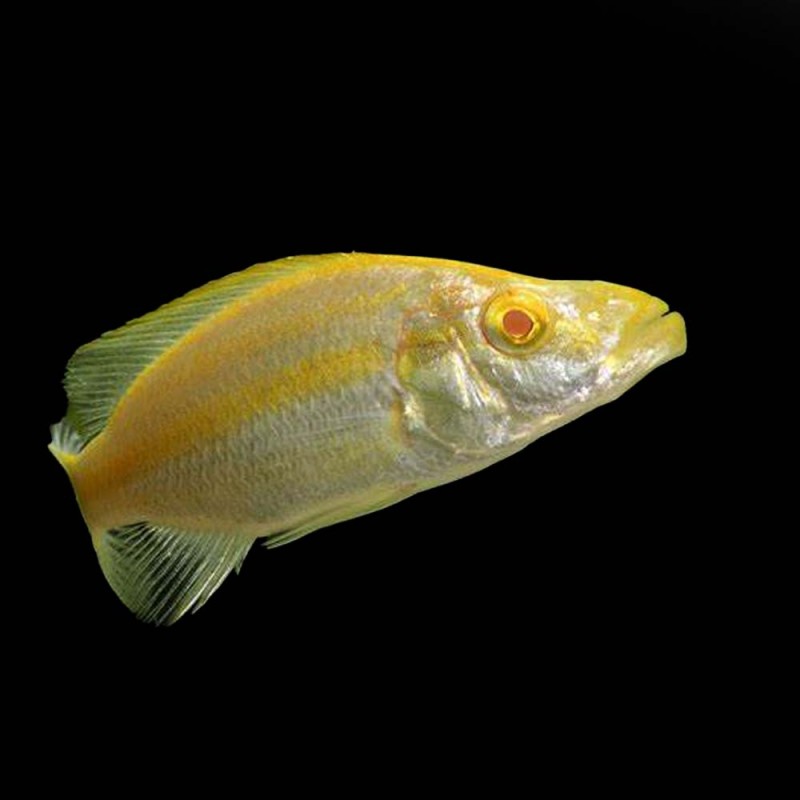


- Stock: Generally In Stock
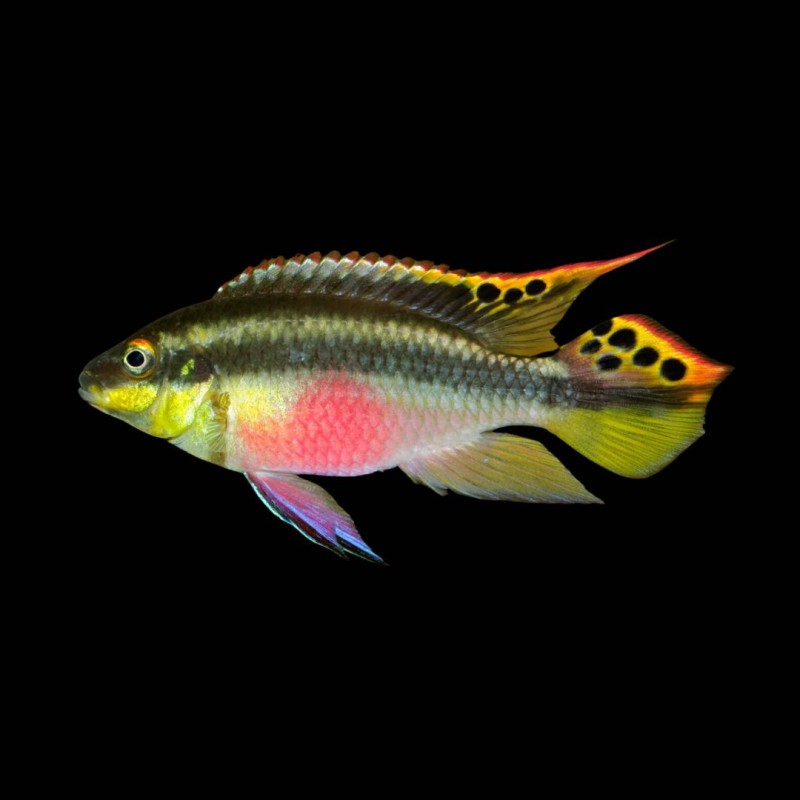
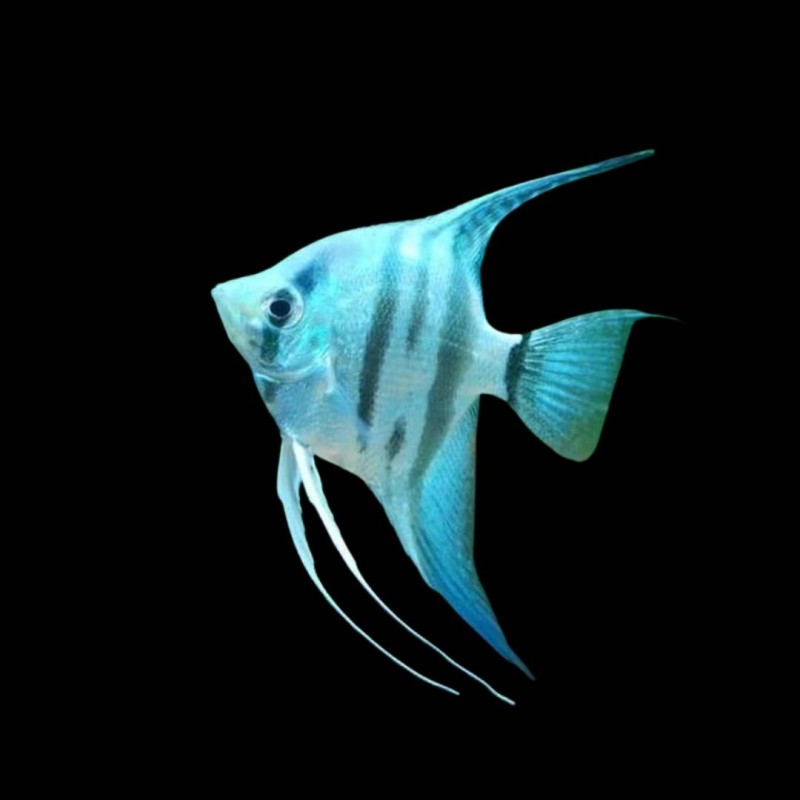
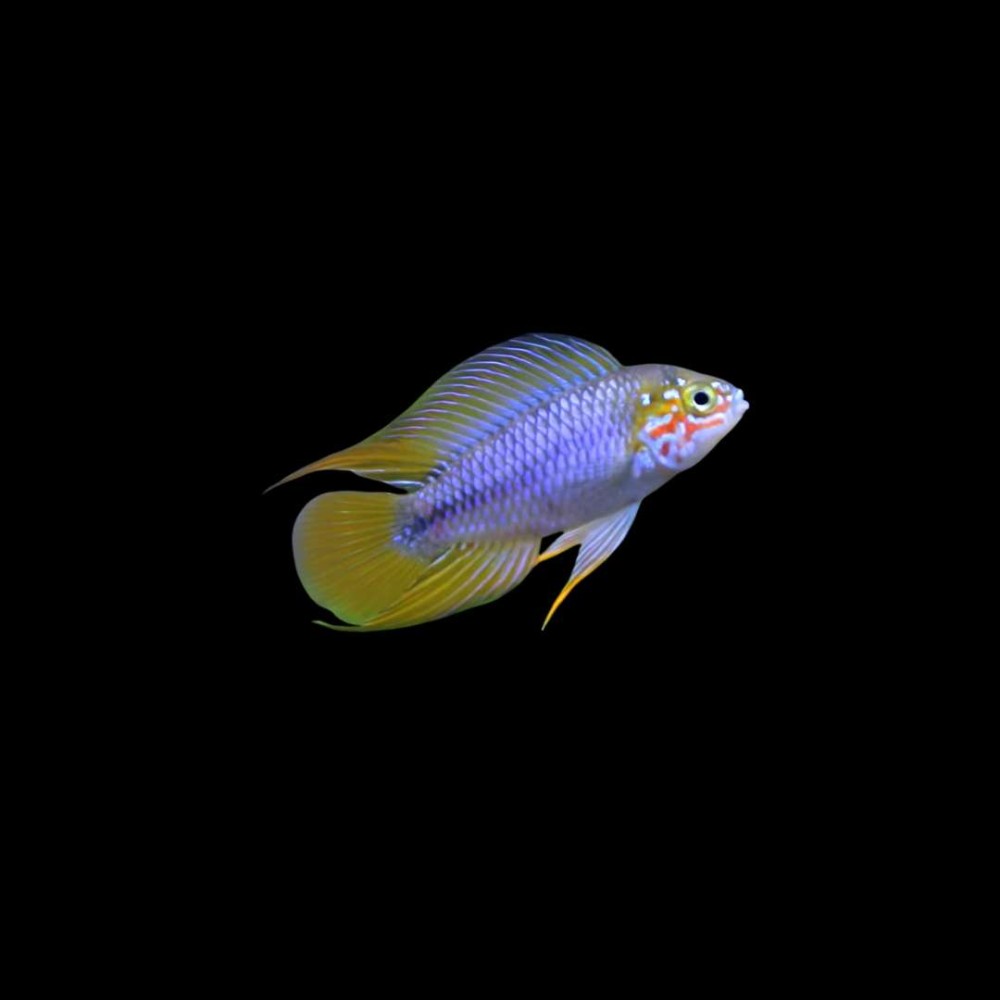
Please Note: Due to variations within species, your fish may not look identical to the image provided. Also note not all sizes or species may be available due to seasonality, Please call beforehand for up-to-date stock availability.
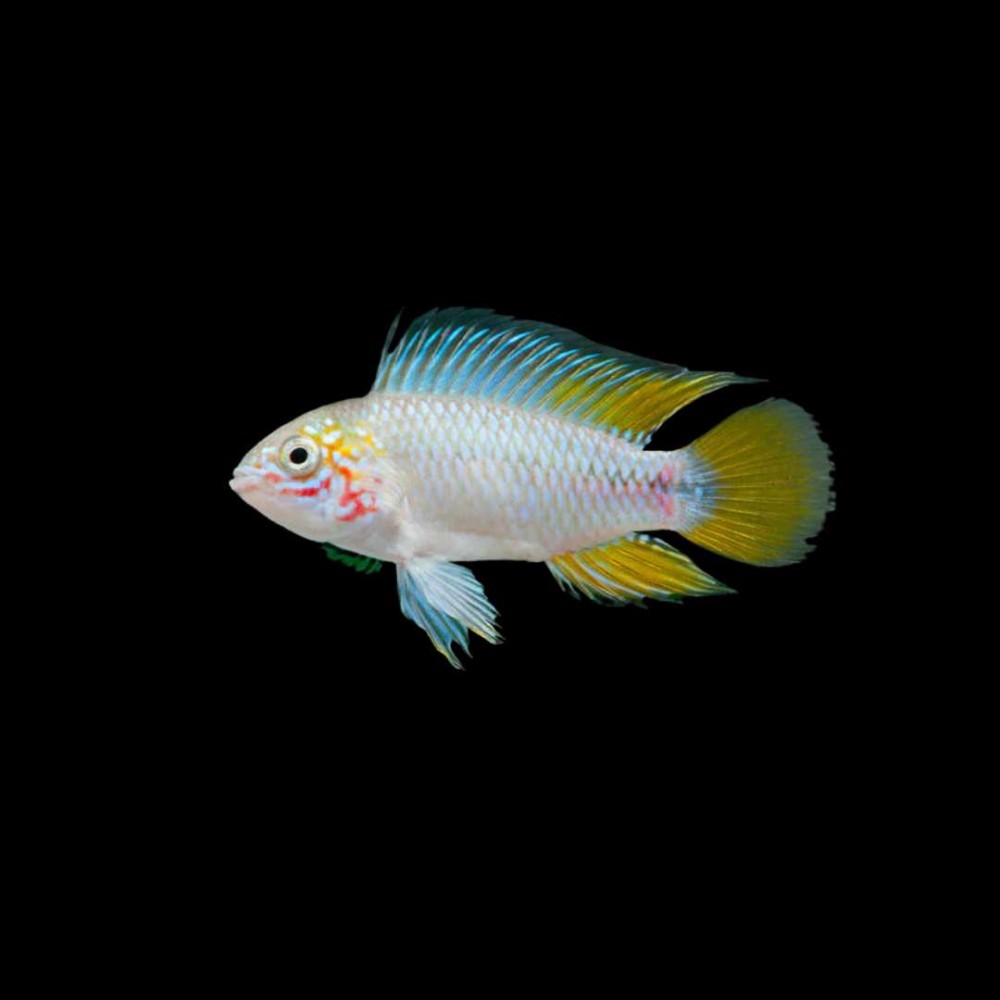
- Model: BORELLII APISTO OPAL MATRIX
Available Options
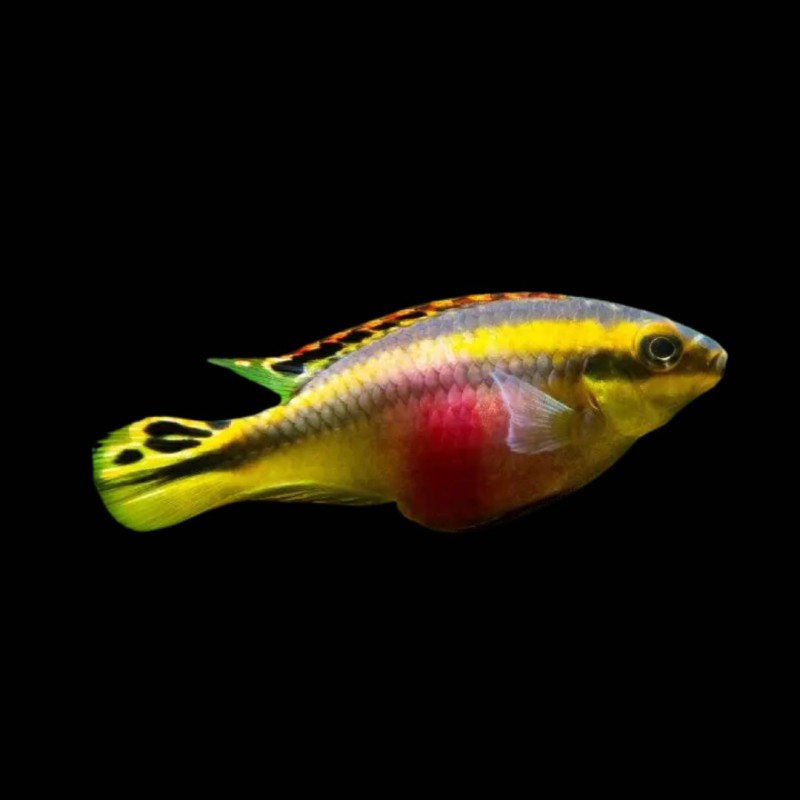
Apistogramma borellii "Opal" – Care Guide & Description
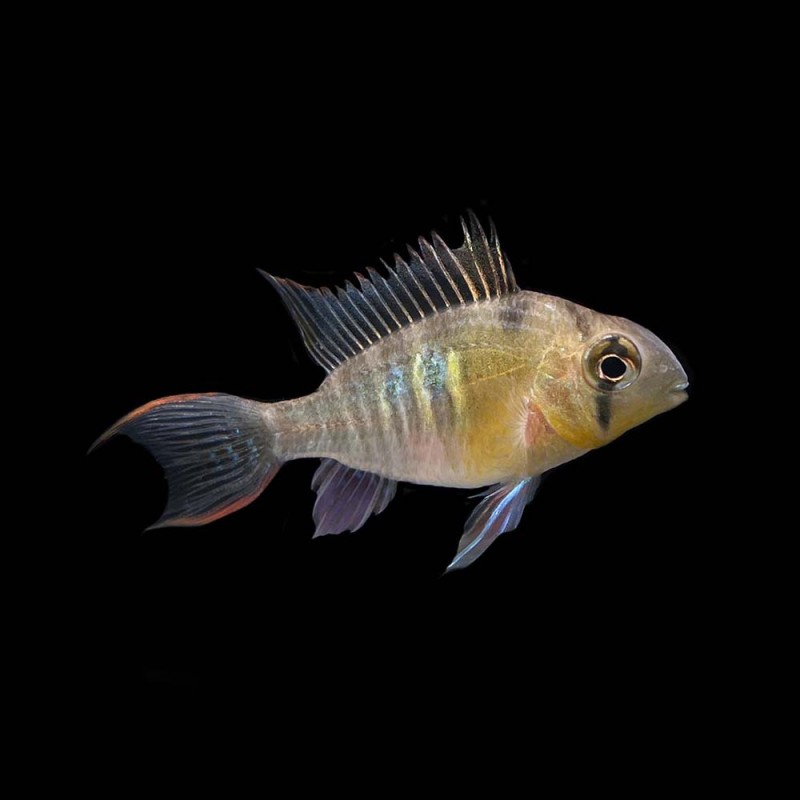
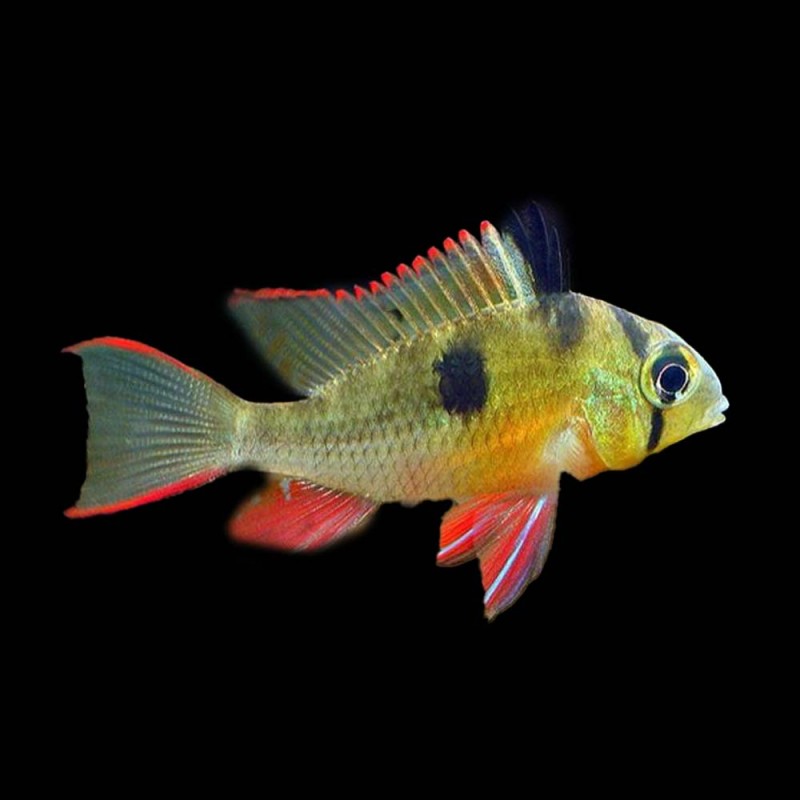
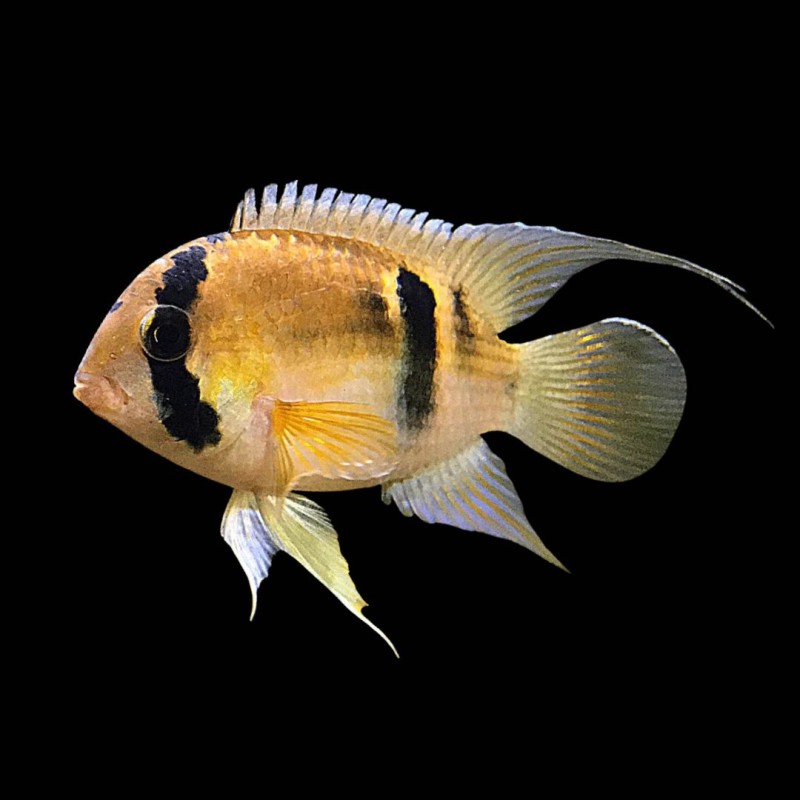
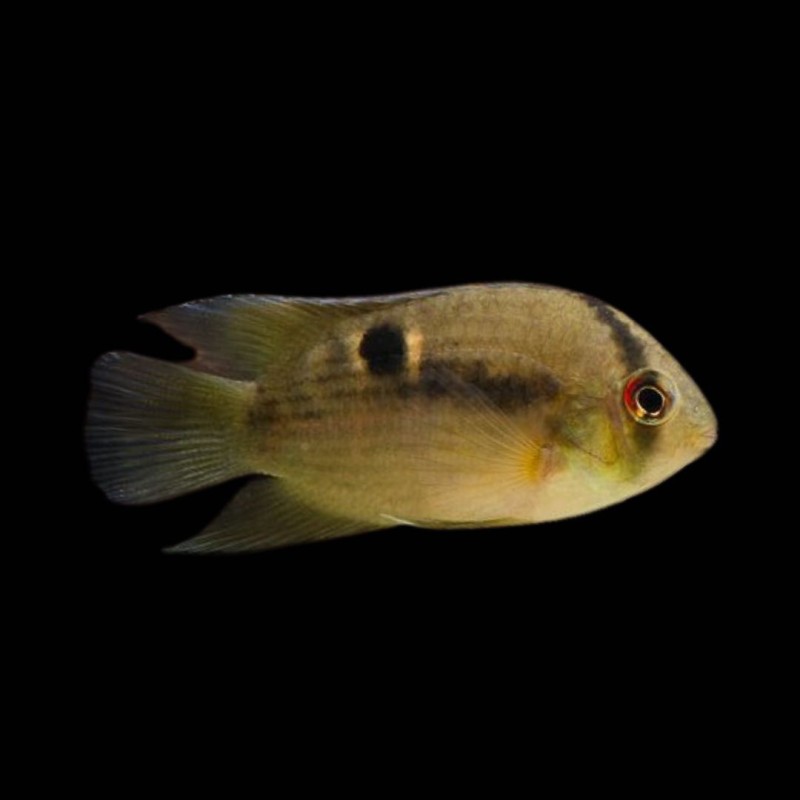
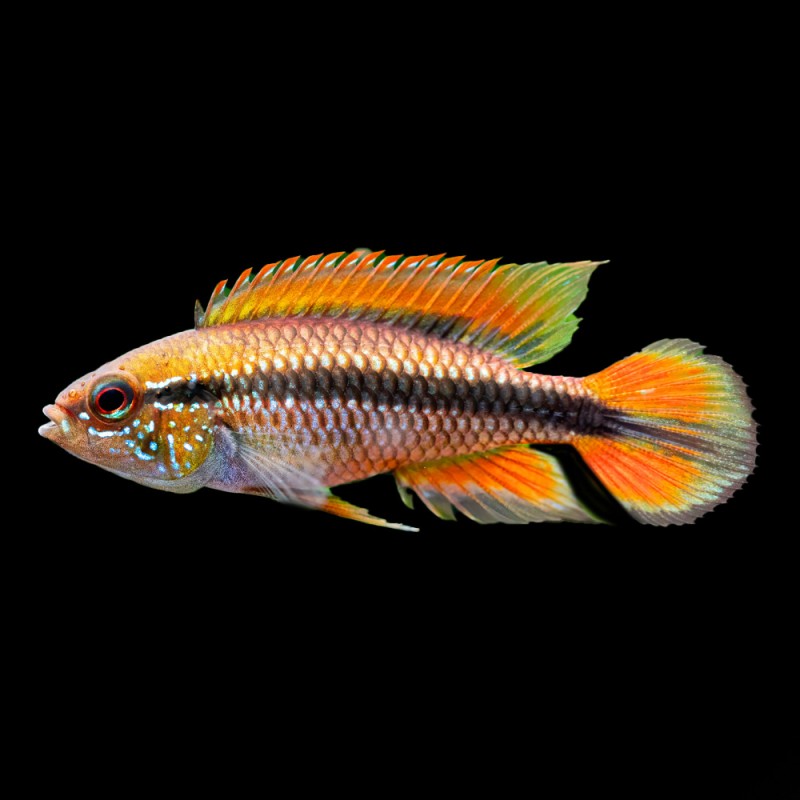
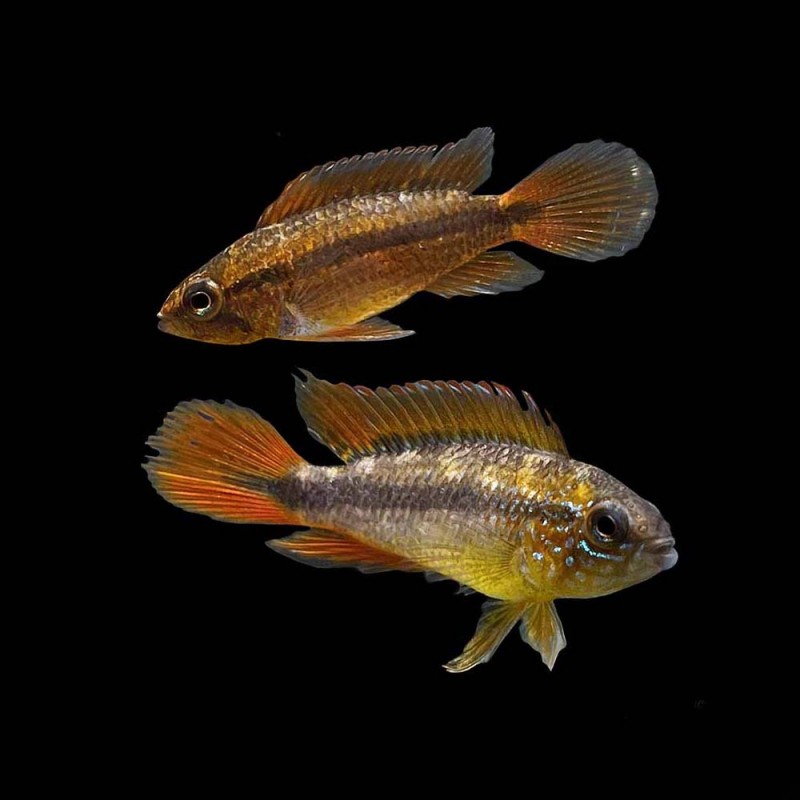
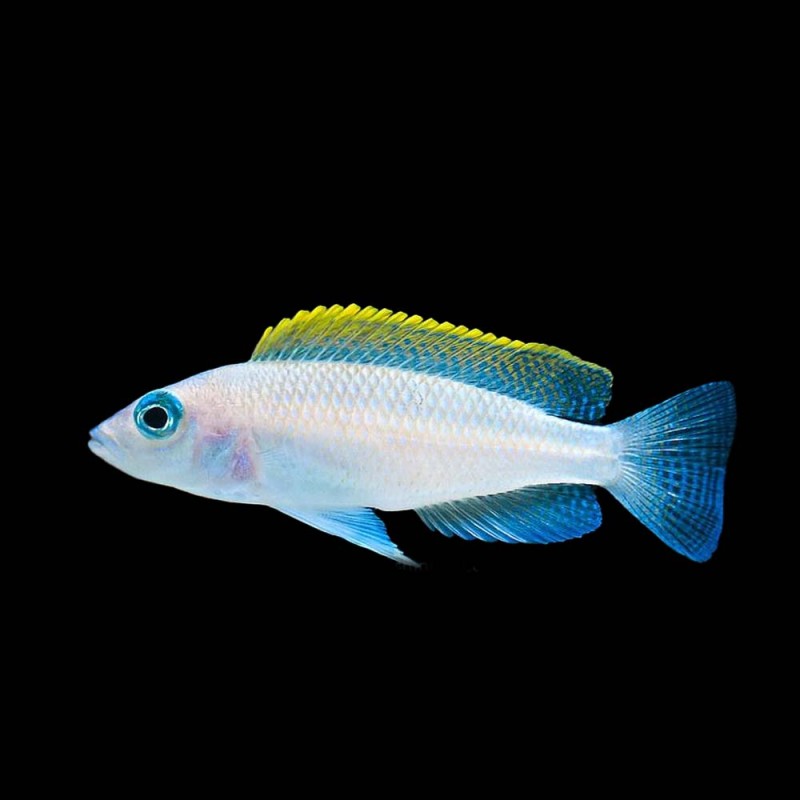
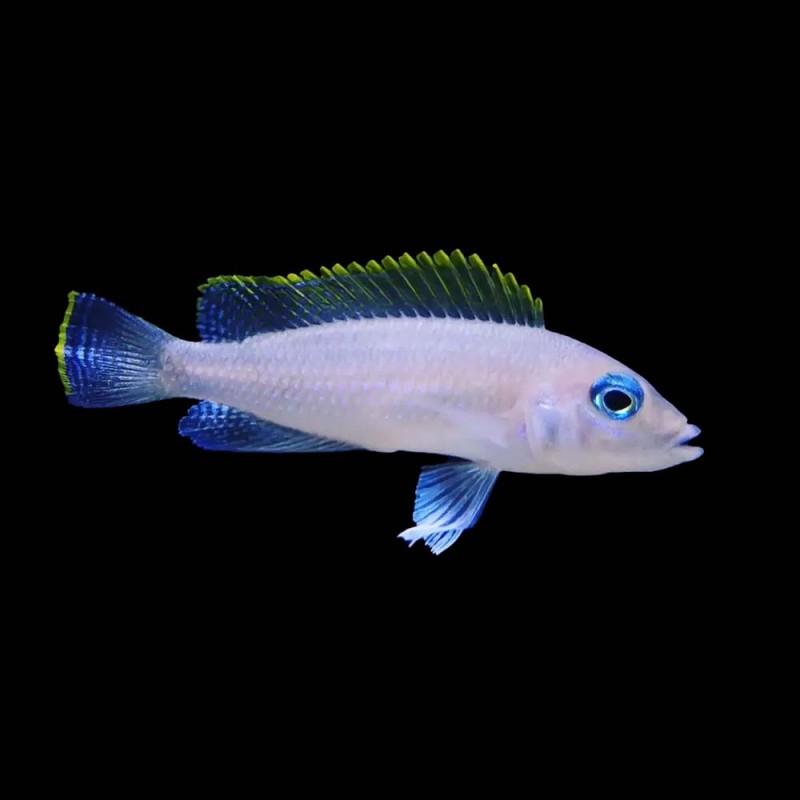
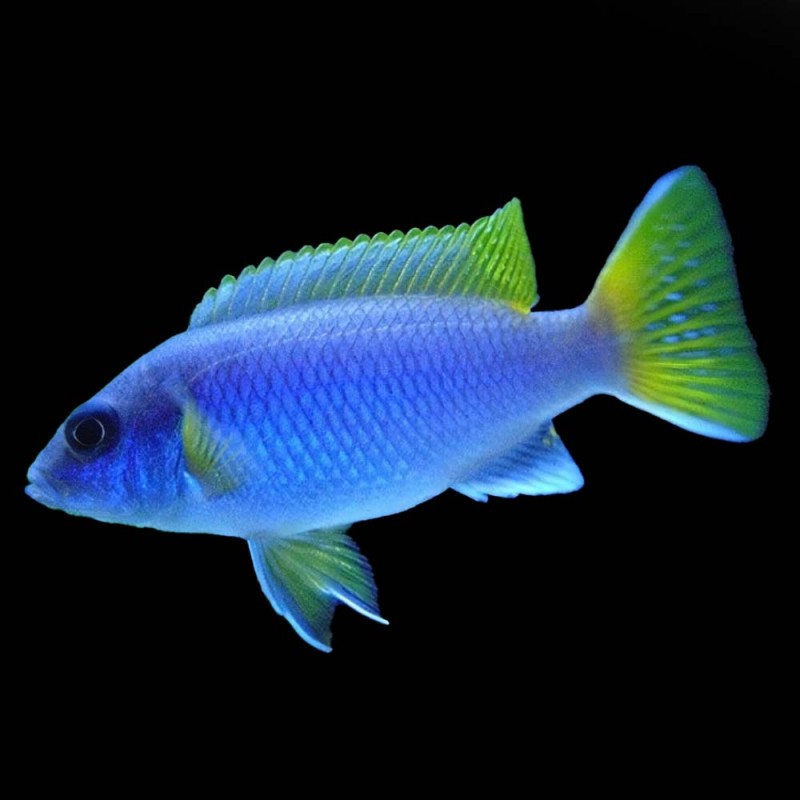
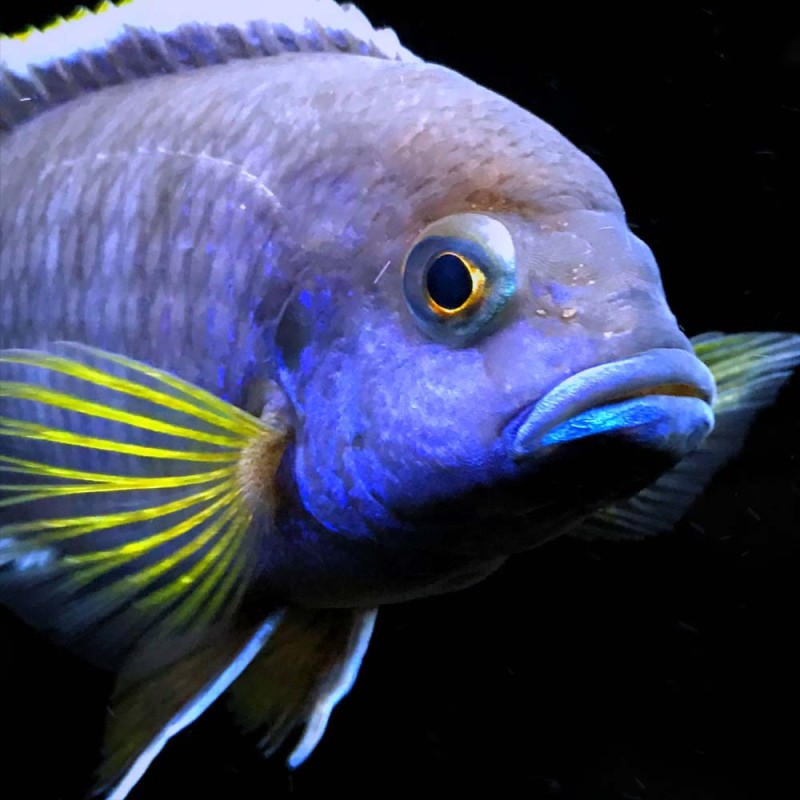
The Apistogramma borellii "Opal", also known as the Opal Dwarf Cichlid, is a small, peaceful South American cichlid native to slow-moving rivers and floodplains in Paraguay, Argentina, and Brazil.
This variety is prized for its iridescent blue and yellow coloration, with males displaying the most vibrant hues.
It is one of the hardiest Apistogramma species, tolerating cooler temperatures better than many of its relatives, making it an excellent choice for a community or species-only setup.
Aquarium Care & Requirements
| Parameter | Recommended Range |
|---|---|
| Tank Size | Minimum 40 liters (10 gallons) for a pair, 80+ liters (20+ gallons) for a group |
| Temperature | 20–26°C (can tolerate cooler temperatures) |
| pH Level | 5.5–7.5 |
| Water Hardness (dGH) | 2–12 dGH (soft to moderately hard) |
| Carbonate Hardness (dKH) | 1–6 dKH |
| Substrate | Fine sand or soft gravel |
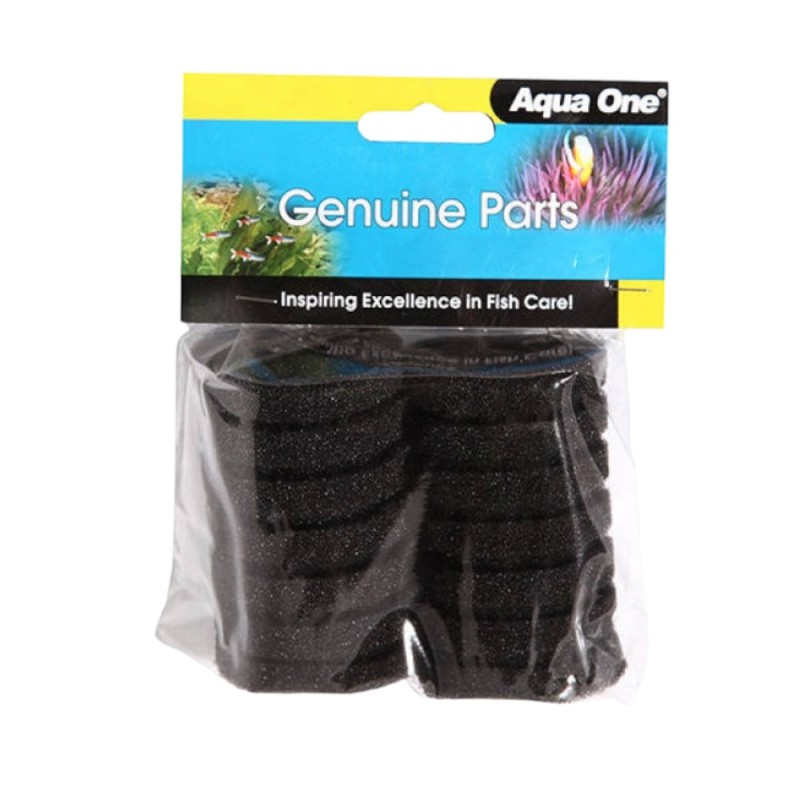
| Filtration | Gentle filtration with low to moderate flow (sponge or small canister filter recommended) |
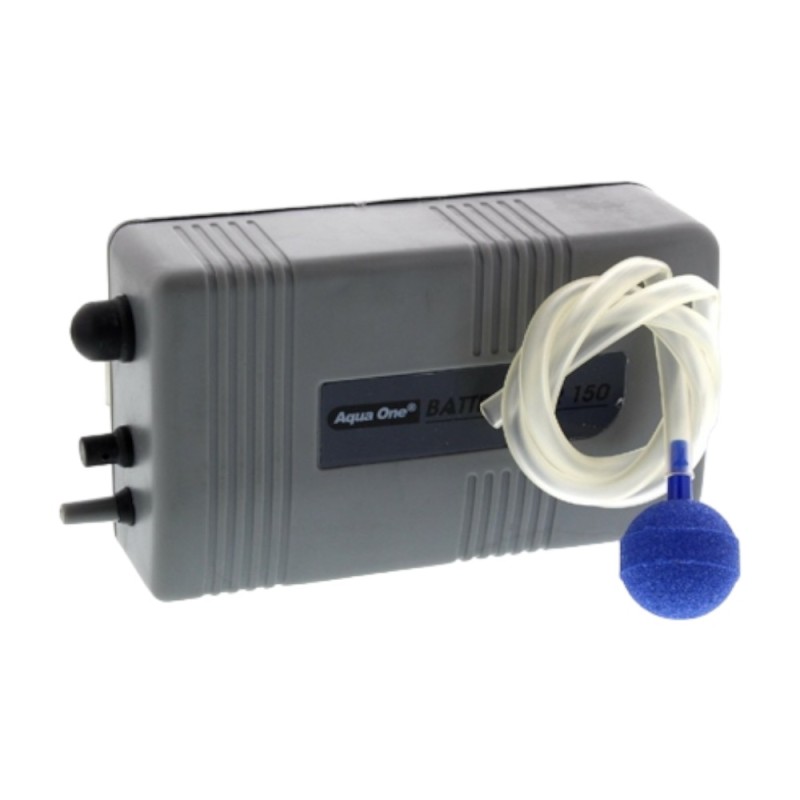
| Oxygenation | Moderate (air stones and surface agitation beneficial) |
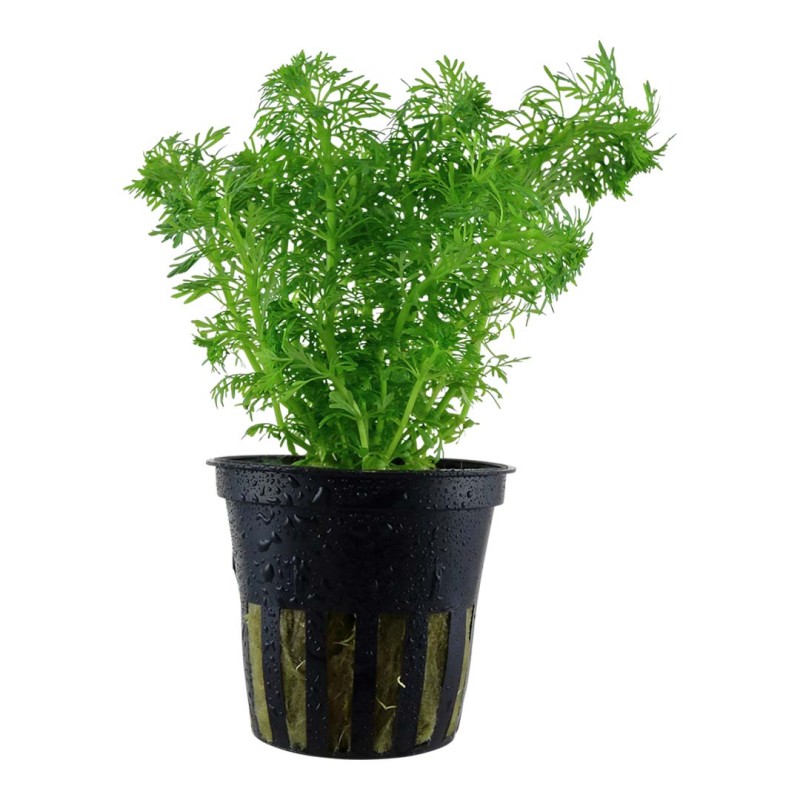
| Tank Setup | Driftwood, caves, leaf litter, and dense plants for hiding spots |
| Lighting | Low to moderate (subdued lighting enhances natural behavior) |
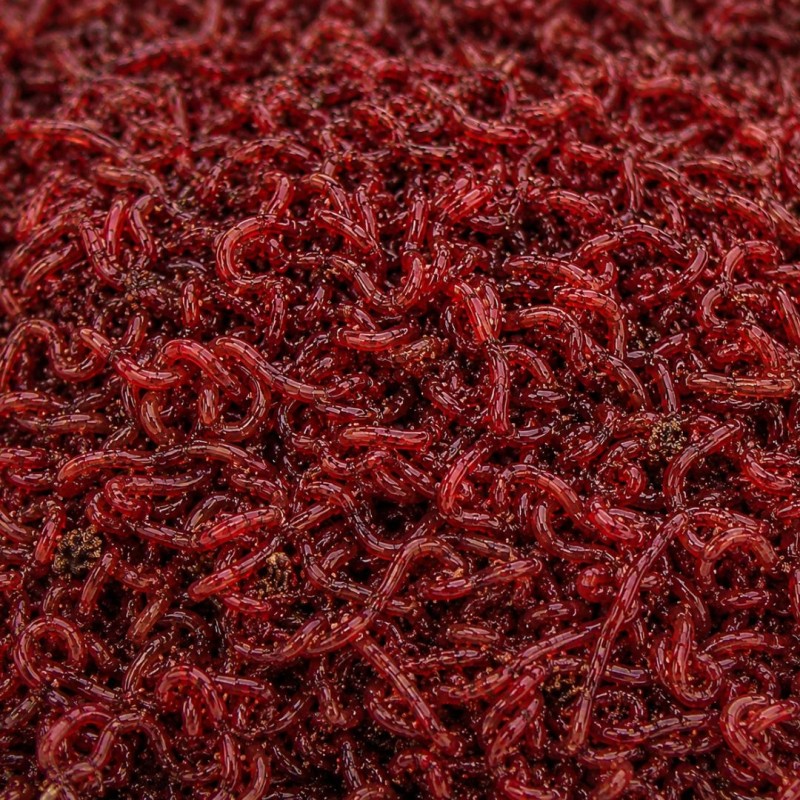
| Diet | Omnivorous: high-quality micro pellets, frozen/live foods (daphnia, brine shrimp, bloodworms) |
| Temperament | Peaceful but territorial; best kept in pairs or harems (1 male, 2-3 females) |
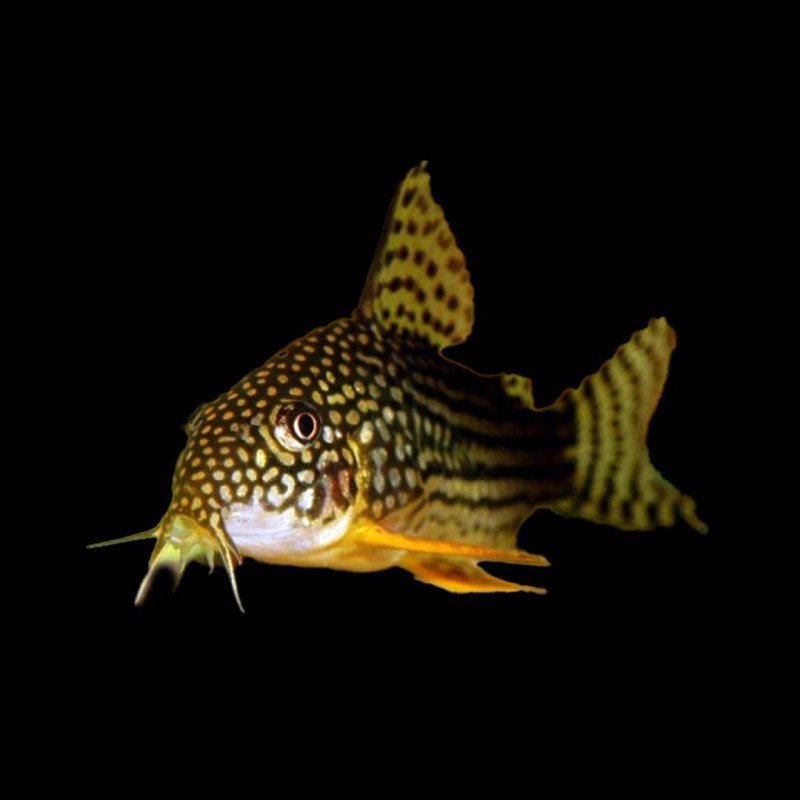
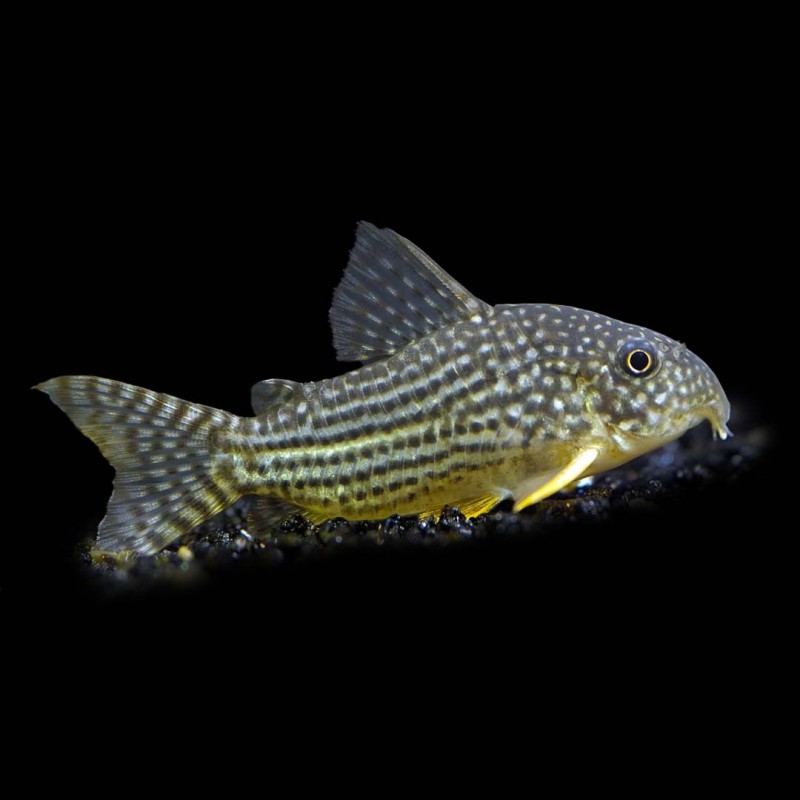
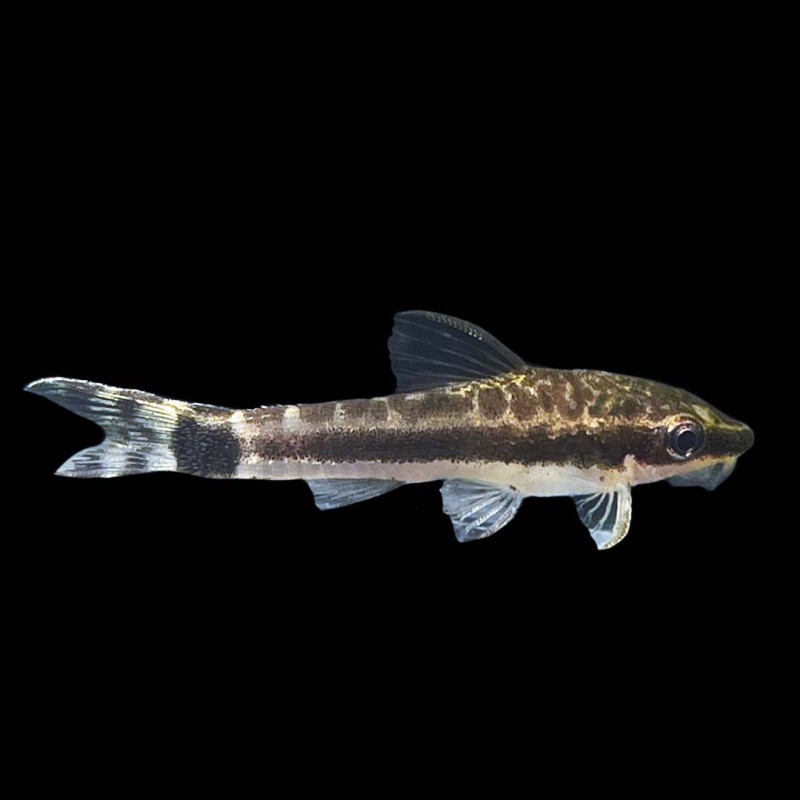
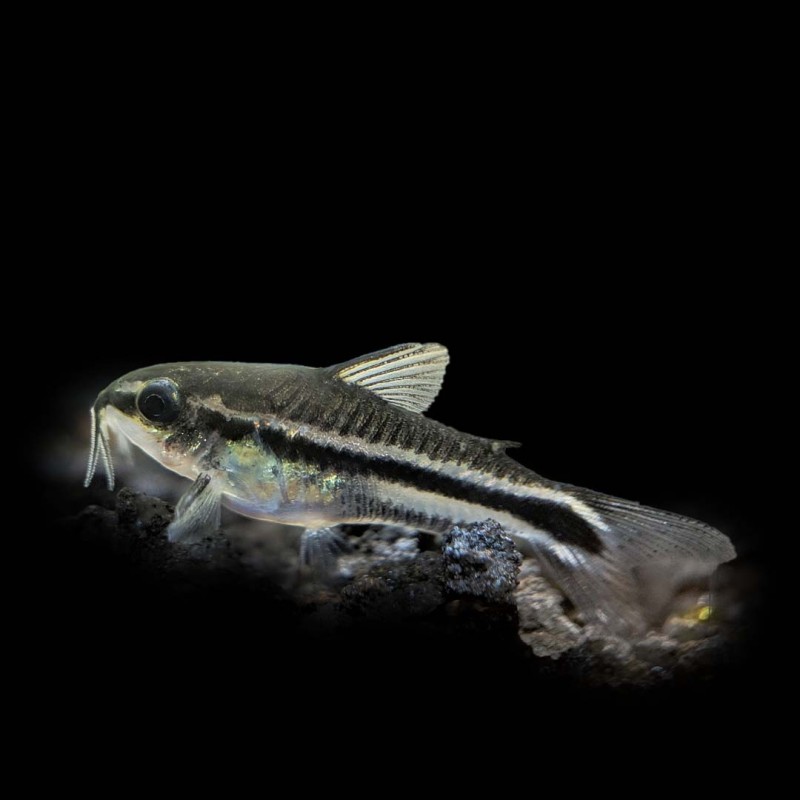
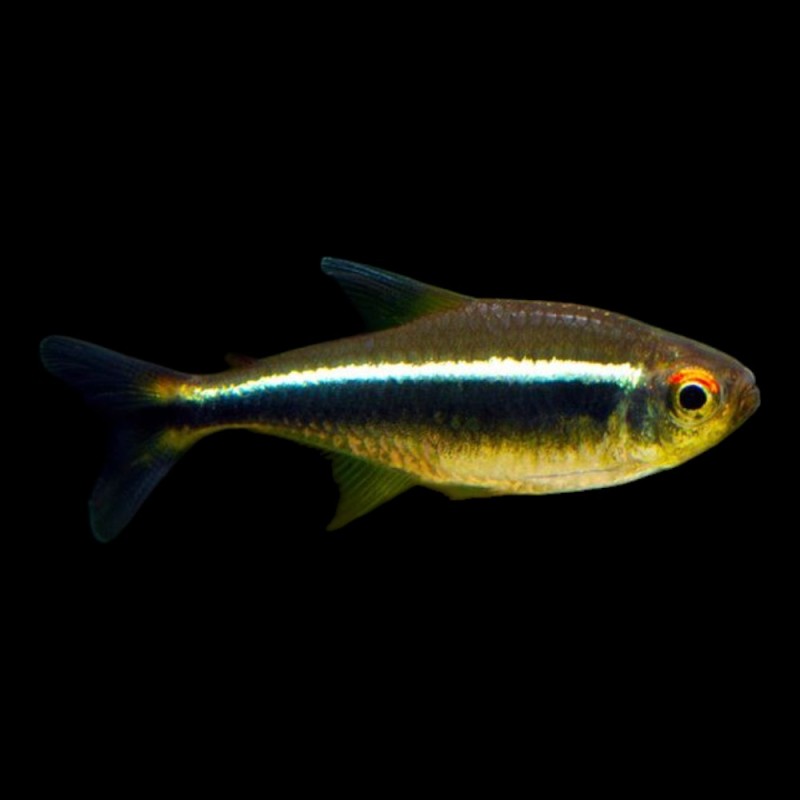
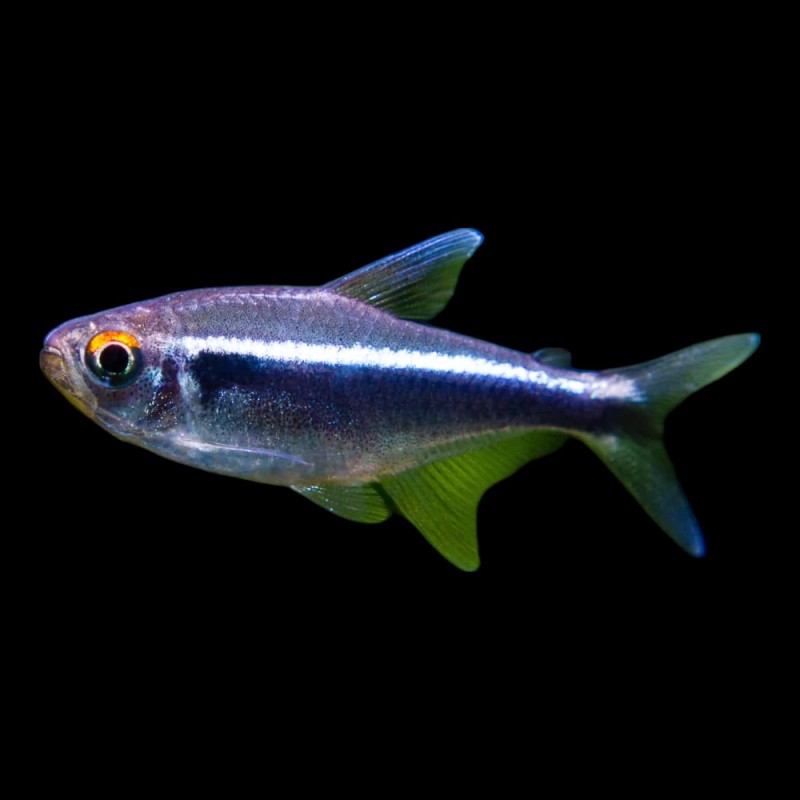
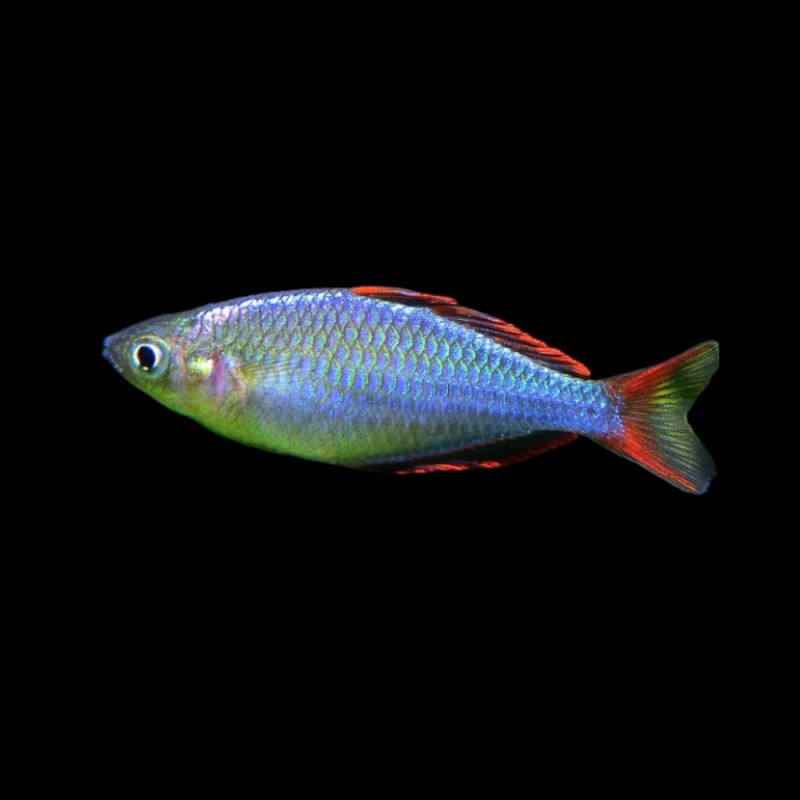
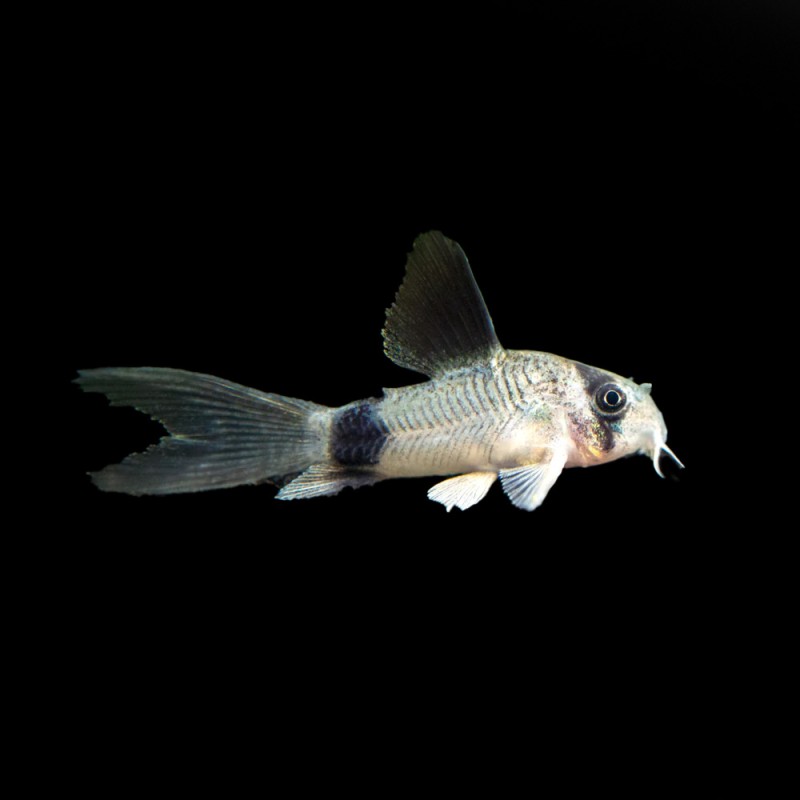
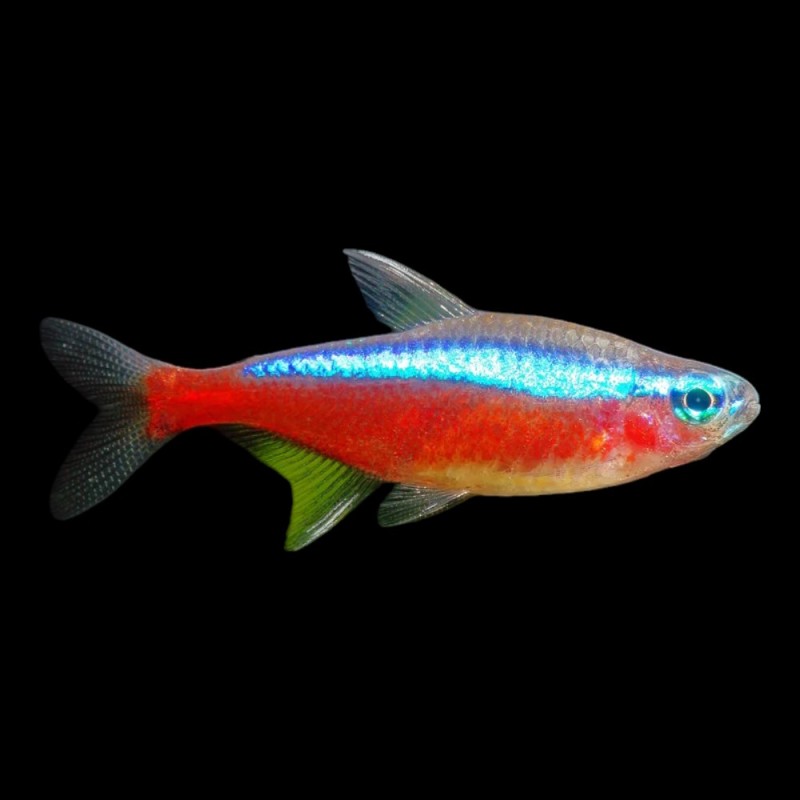
| Tank Mates | Compatible with small tetras, rasboras, Corydoras, otocinclus, and other peaceful fish. Avoid large or aggressive species. |
Additional Care Tips
✅ Provide multiple hiding spots (coconut caves, driftwood, dense plants) to reduce stress and aggression.
✅ Best kept as a pair or in a harem with one male and multiple females.
✅ Can tolerate lower temperatures compared to other Apistogramma species.
✅ Weekly water changes (30–50%) to maintain stable conditions.
✅ Soft, acidic water enhances coloration and breeding success.