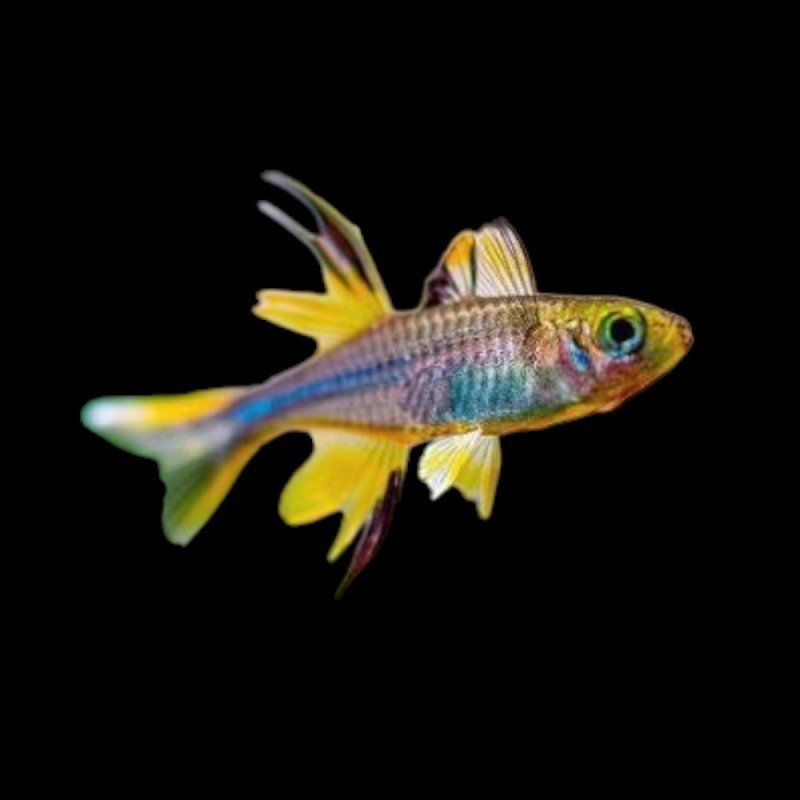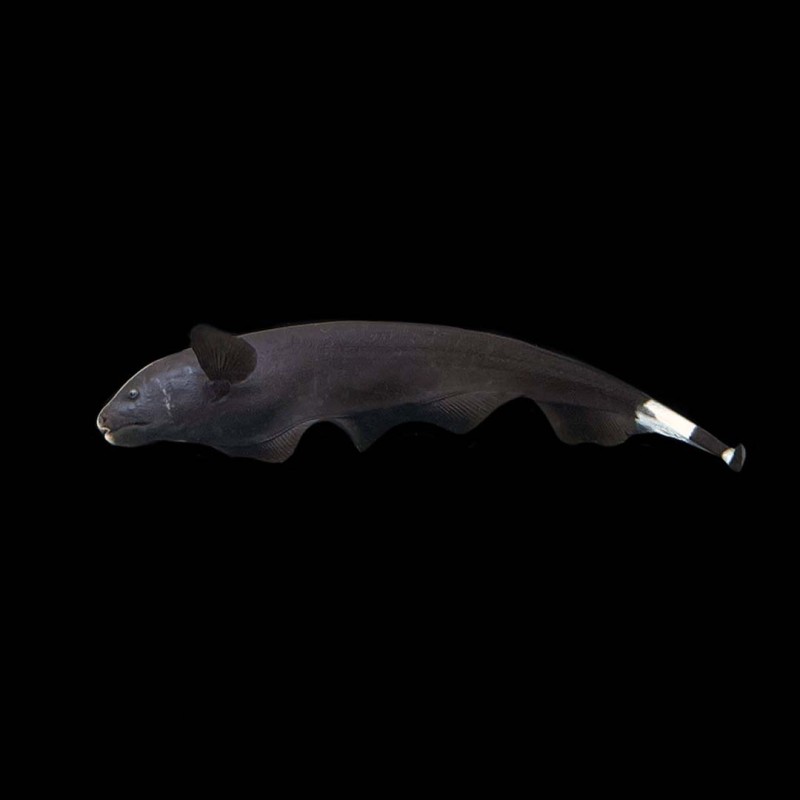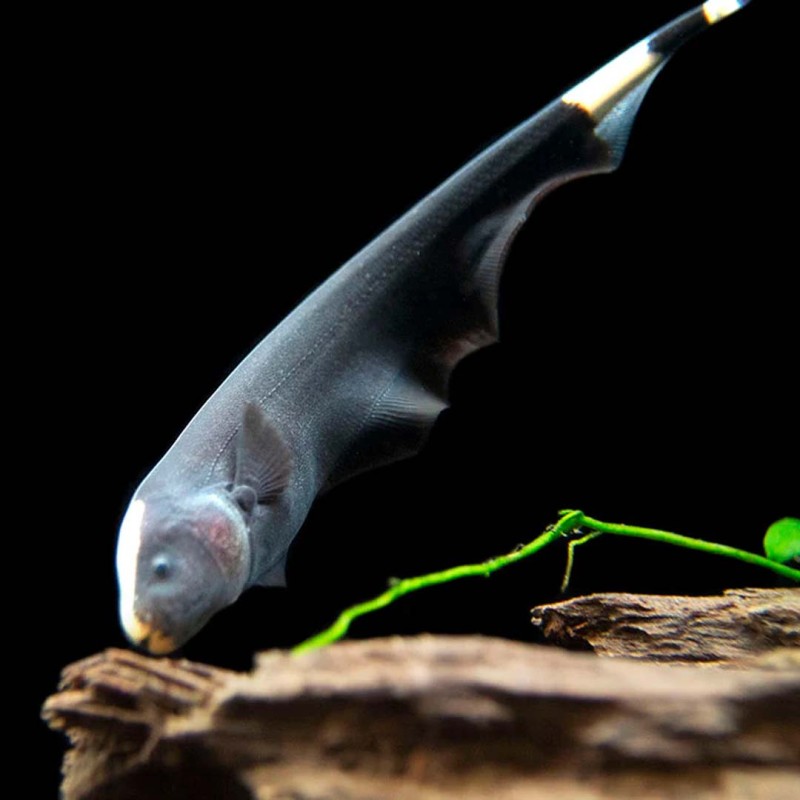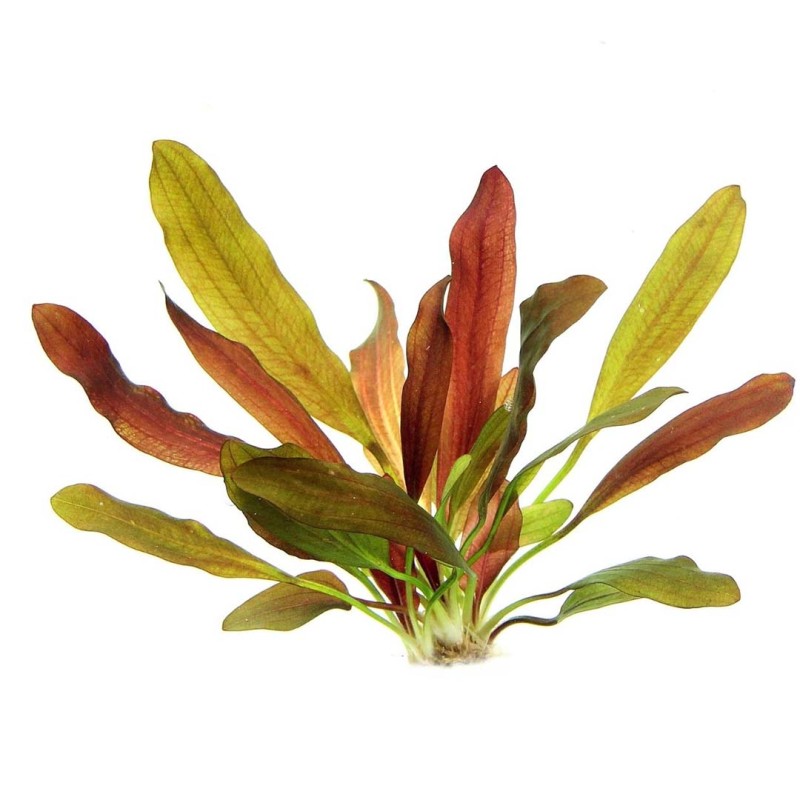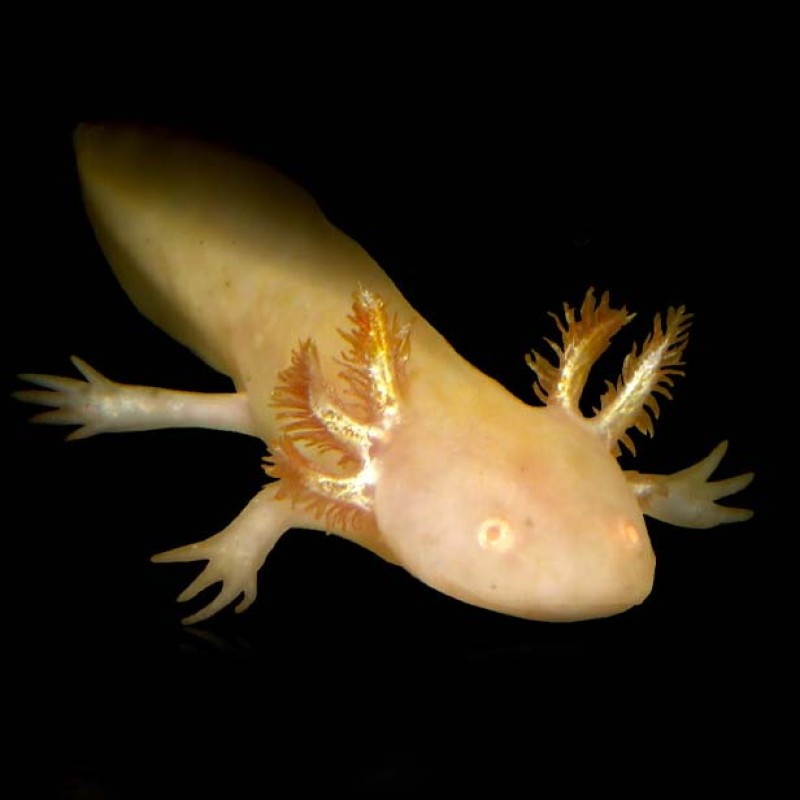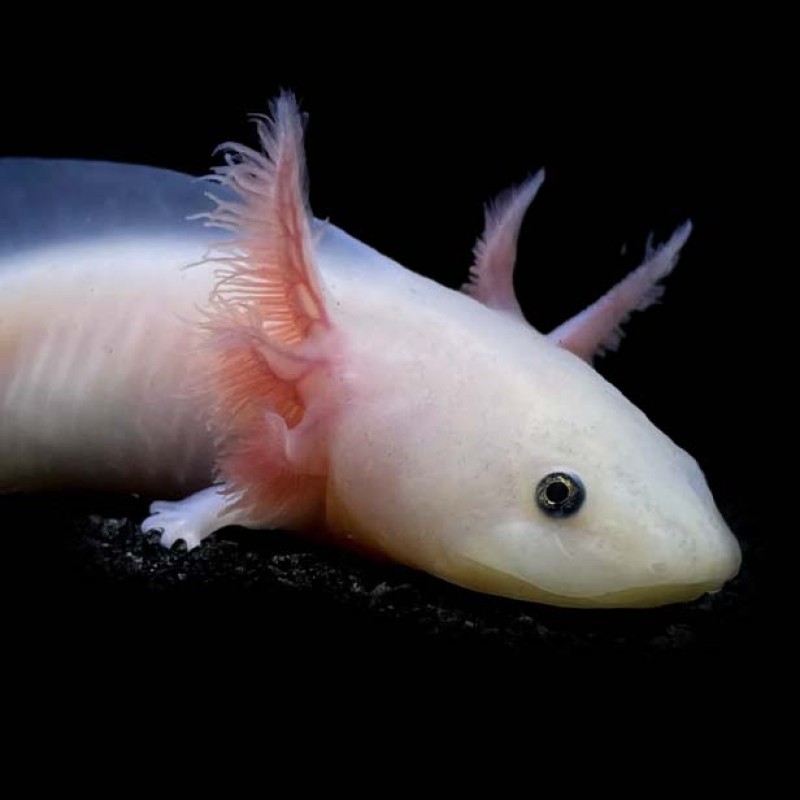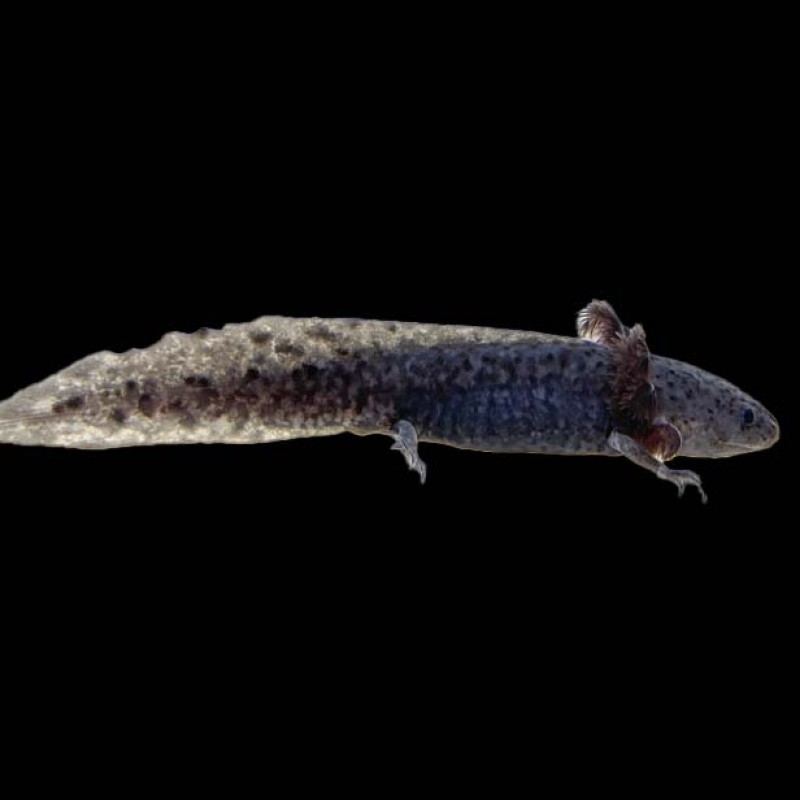


- Stock: Generally In Stock
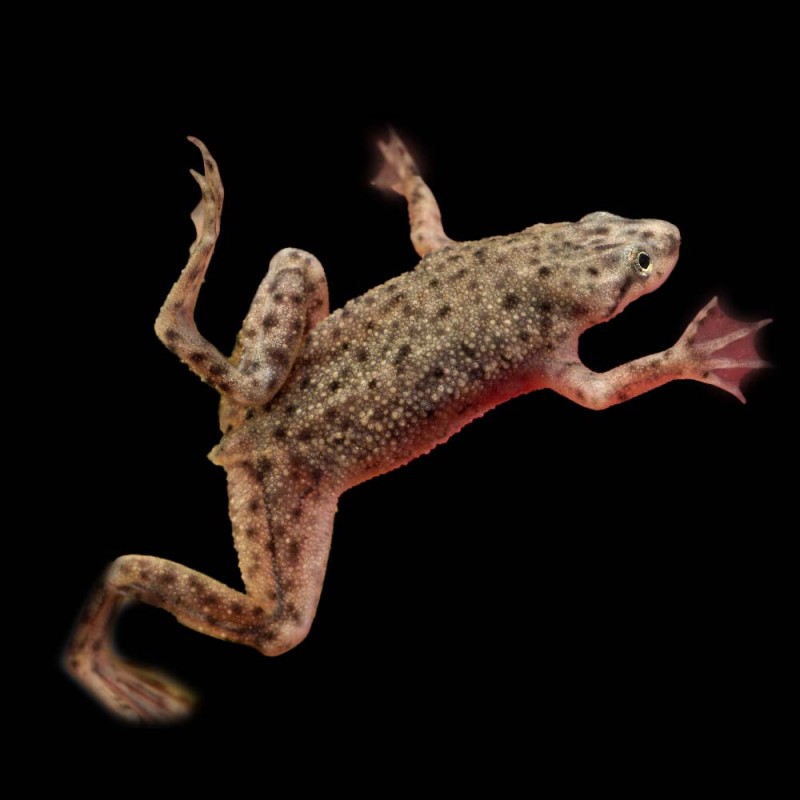
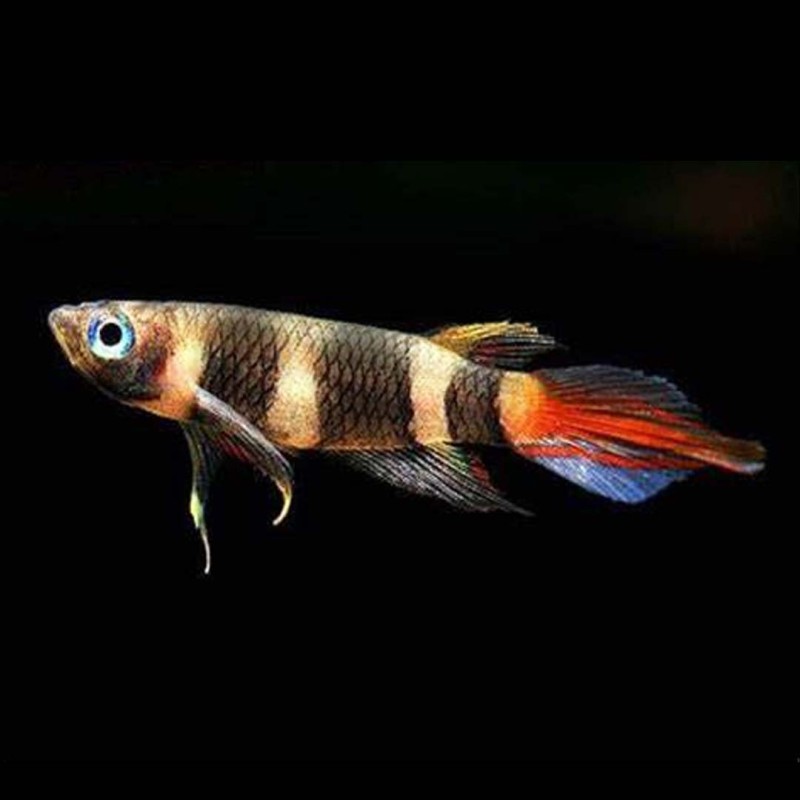
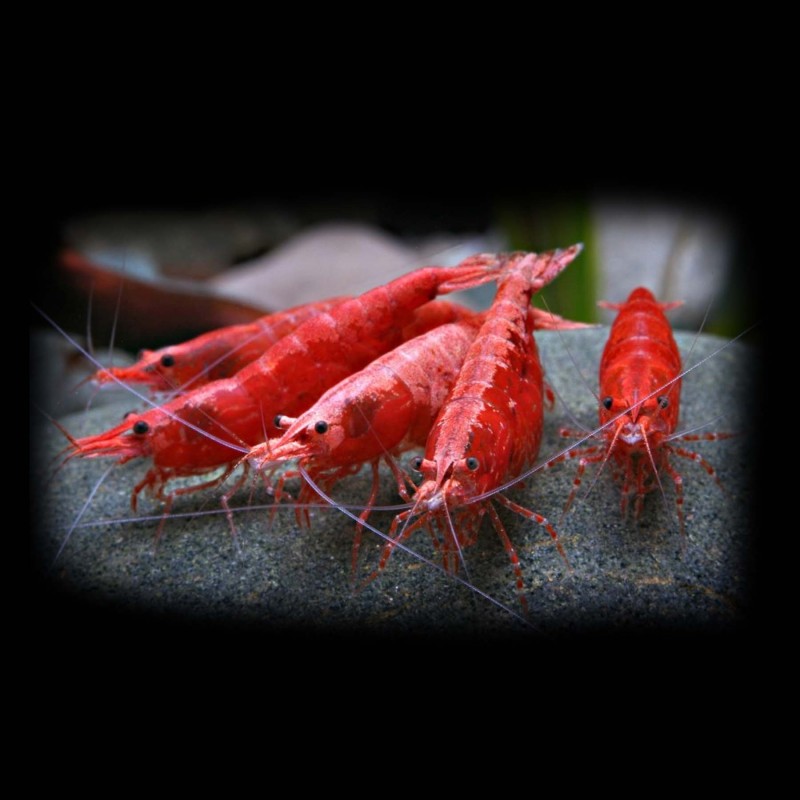
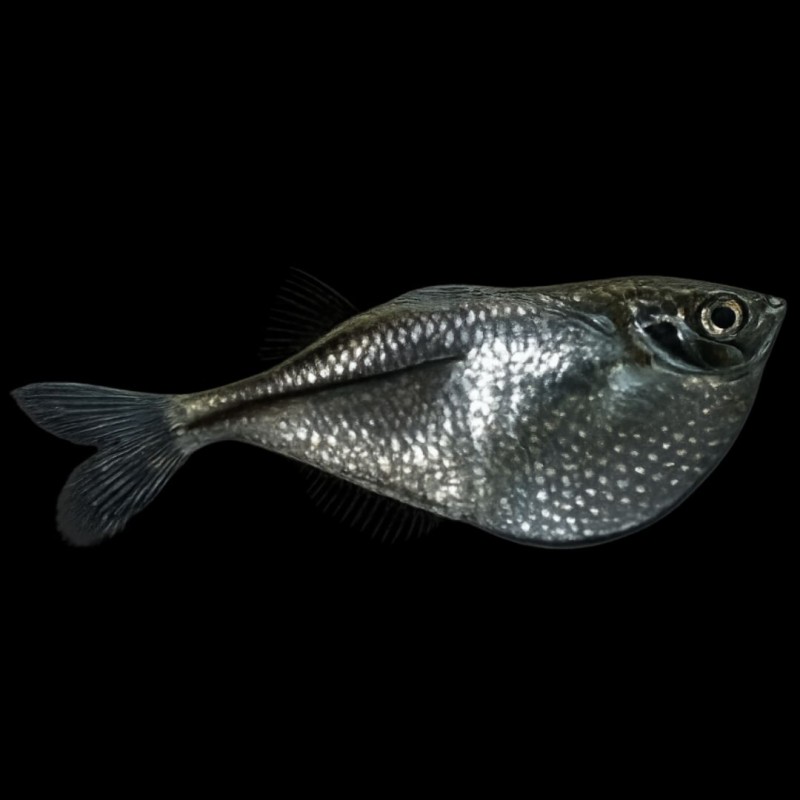
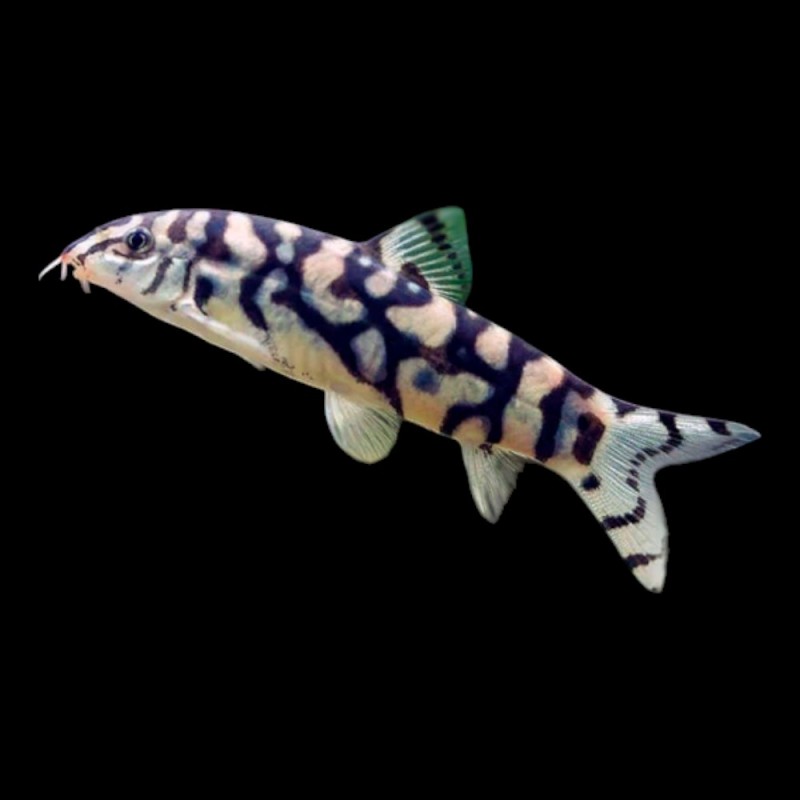
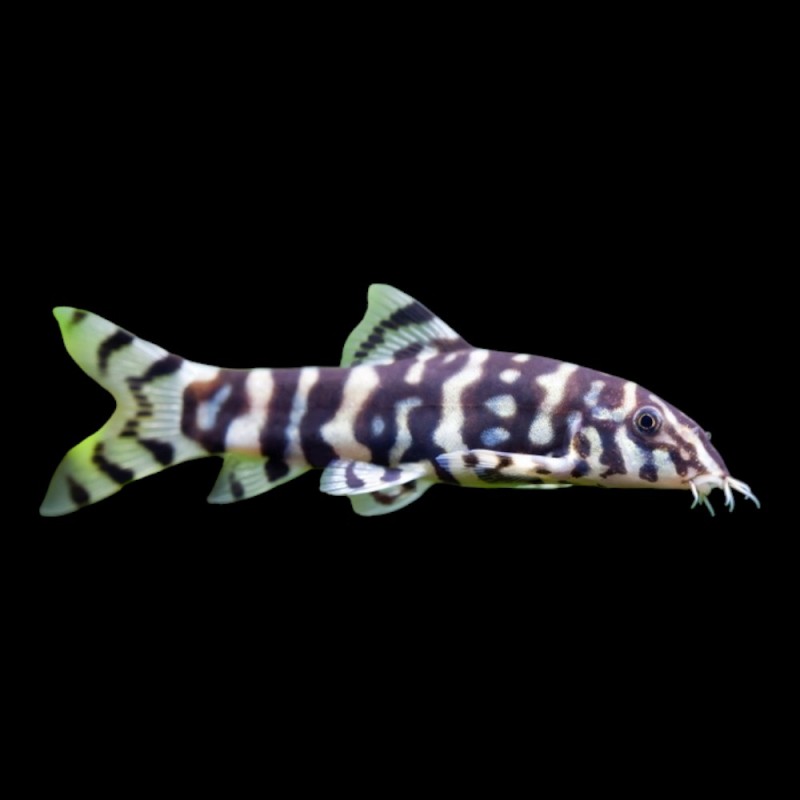
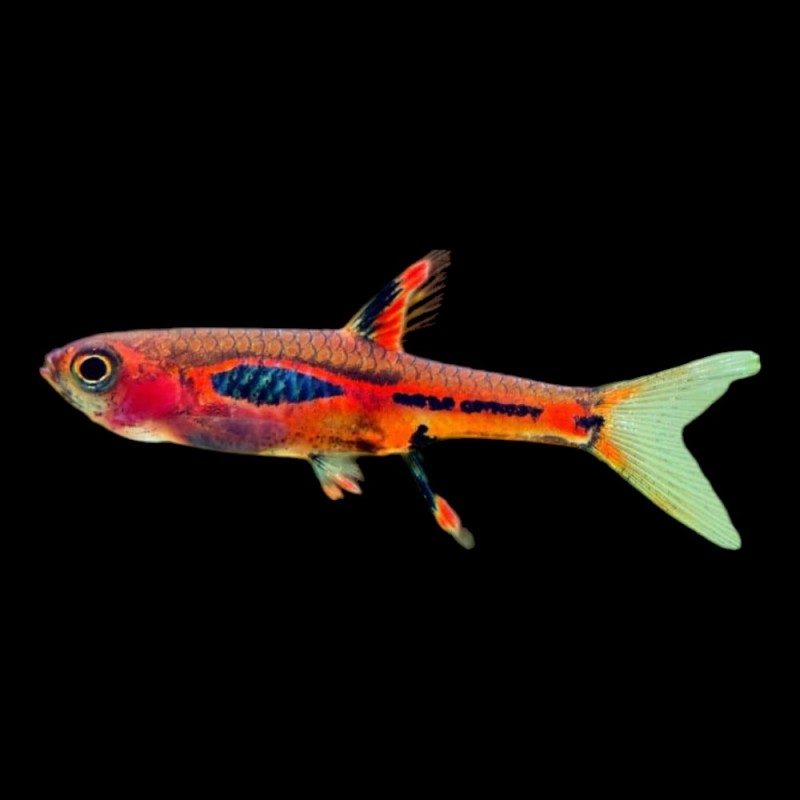
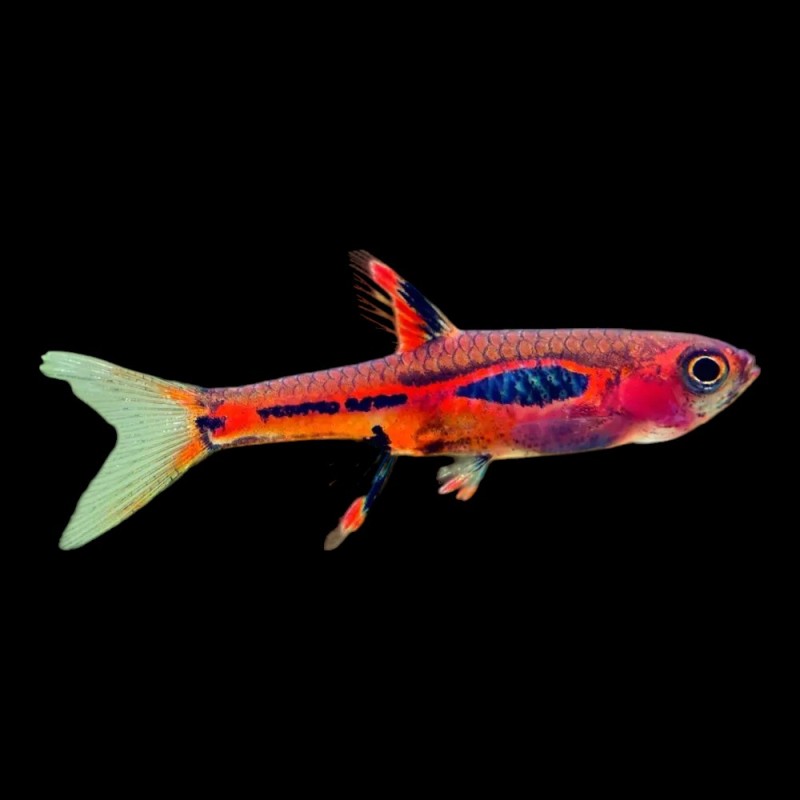
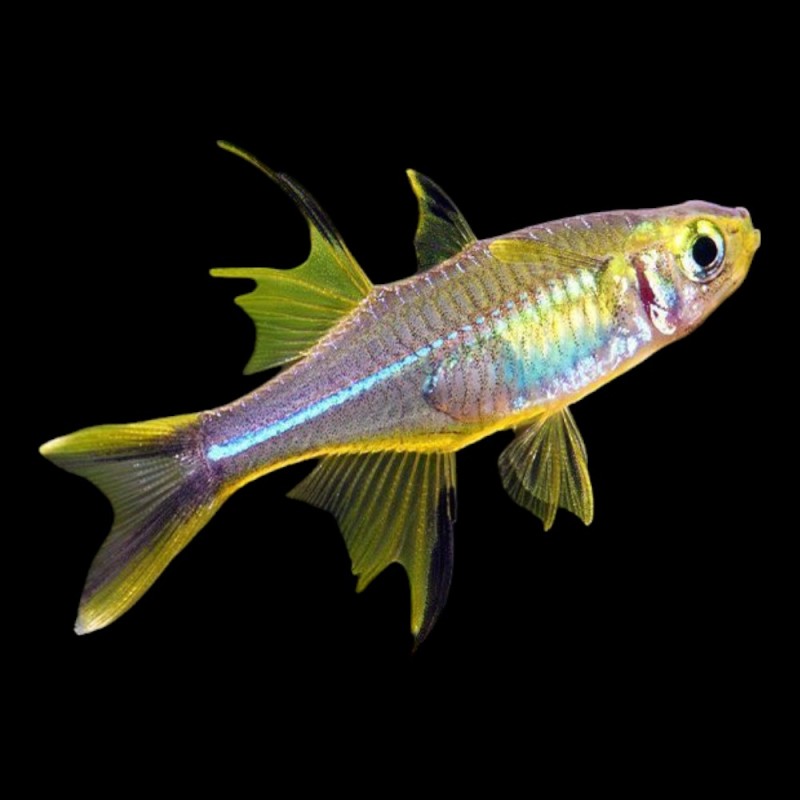
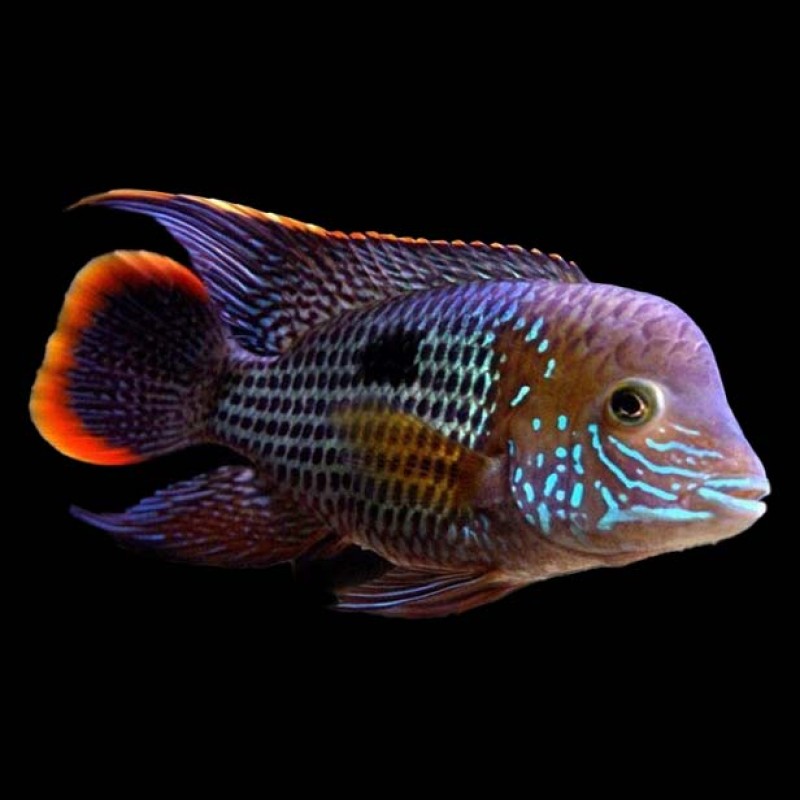
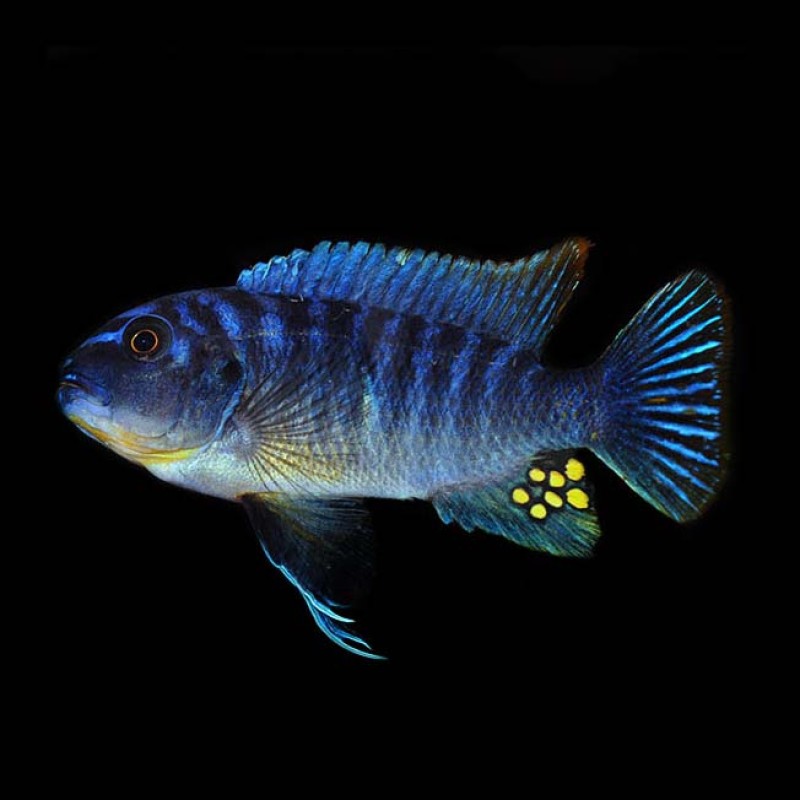
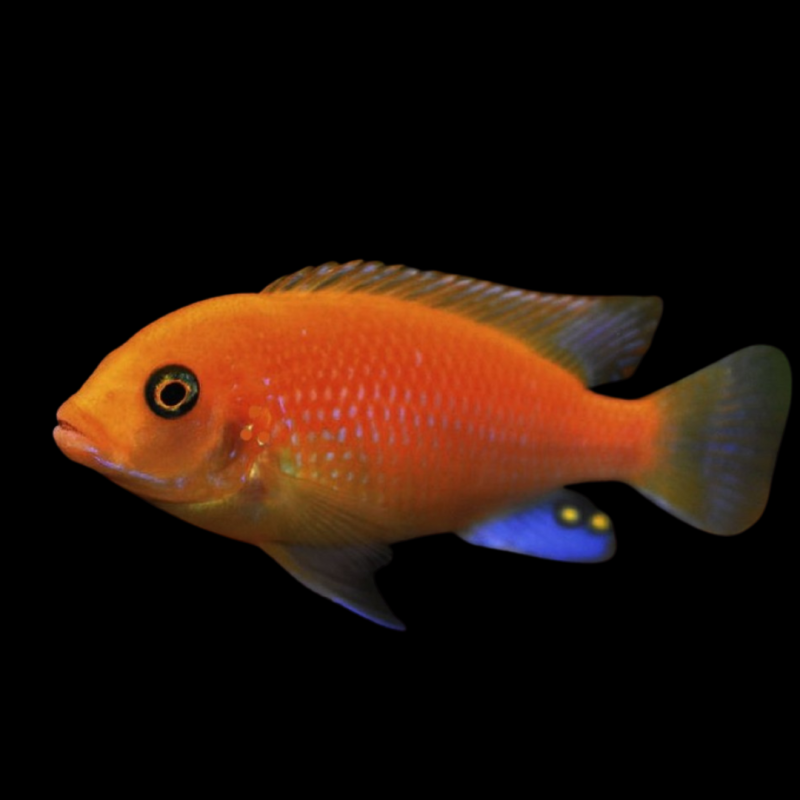
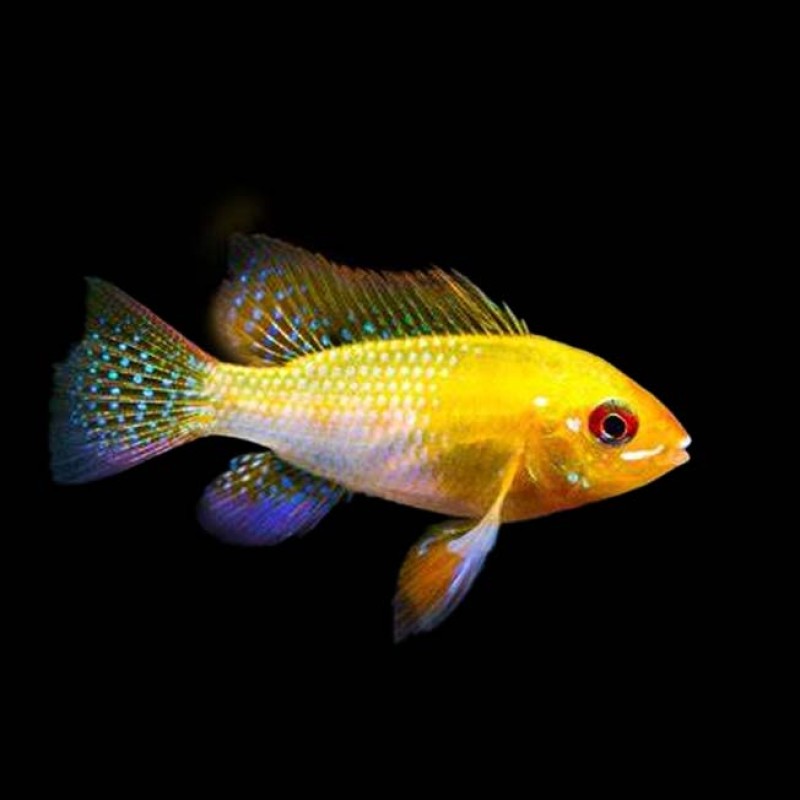
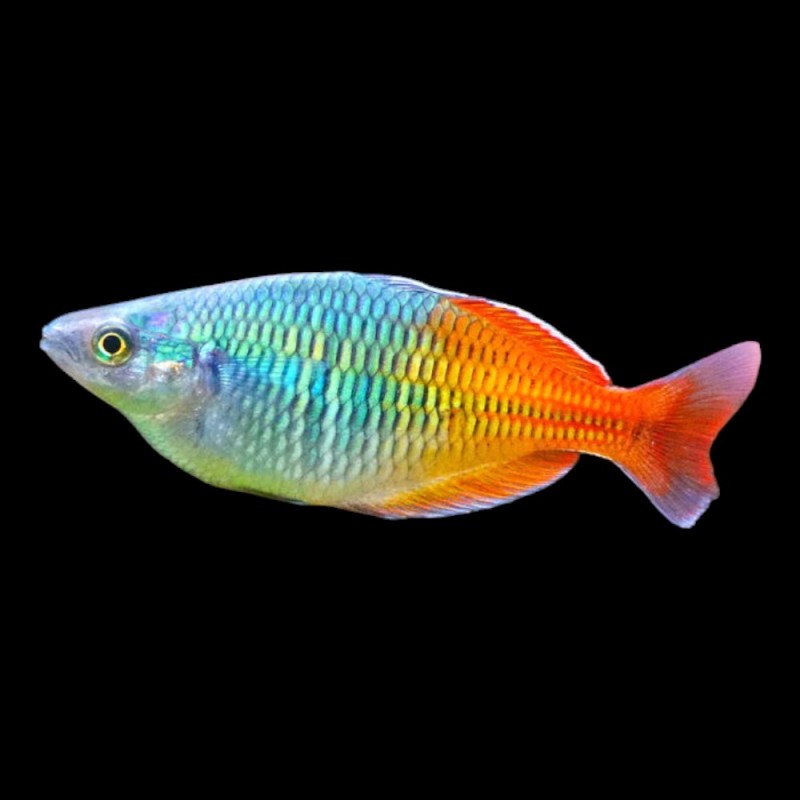
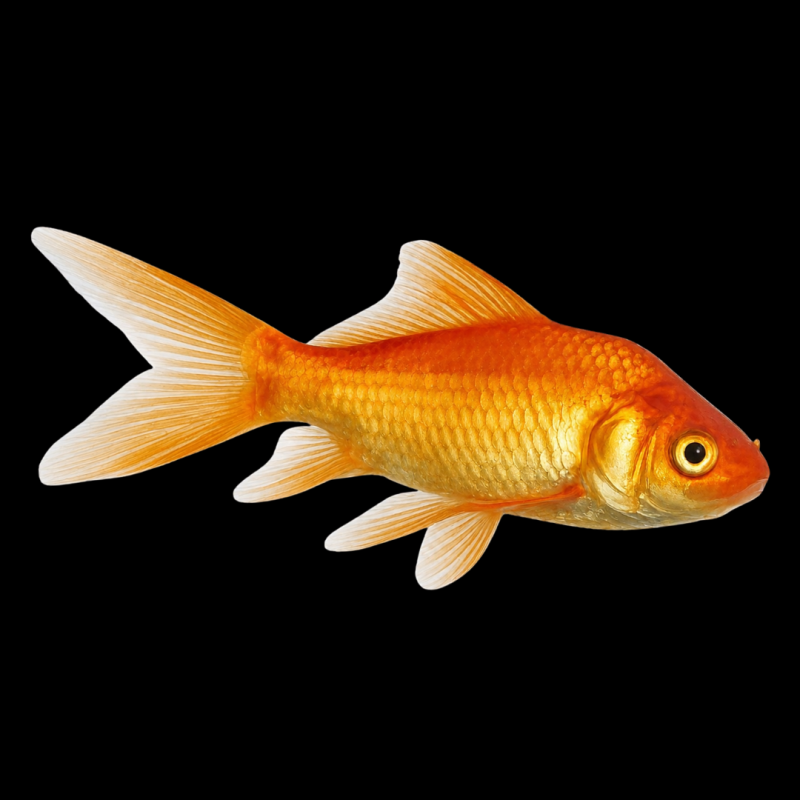
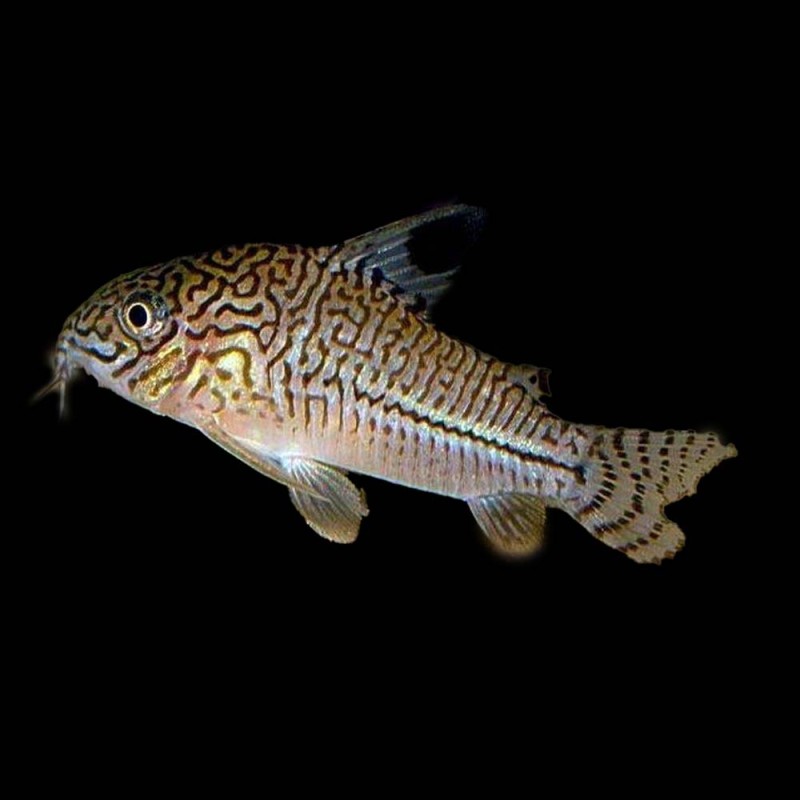
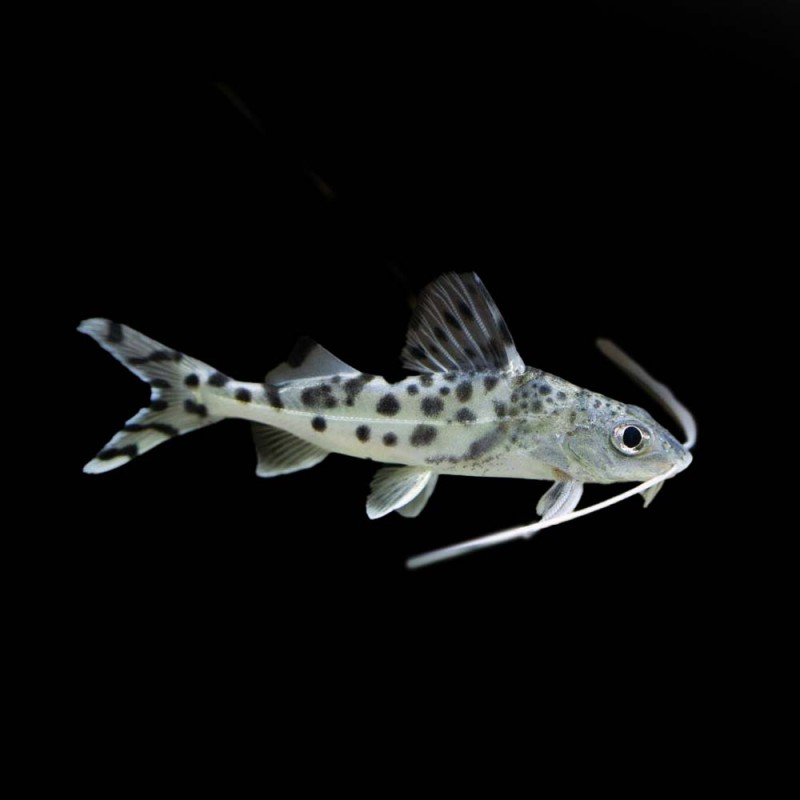
Please Note: Due to variations within species, your fish may not look identical to the image provided. Also note not all sizes or species may be available due to seasonality, Please call beforehand for up-to-date stock availability.
- Model: REED FISH MATRIX
Available Options
Reed Fish
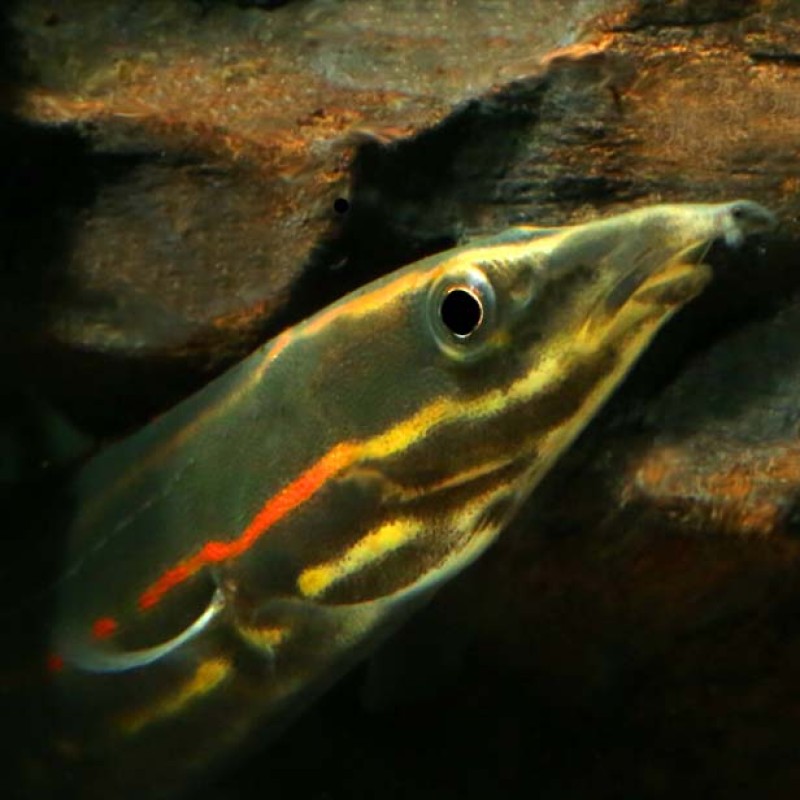
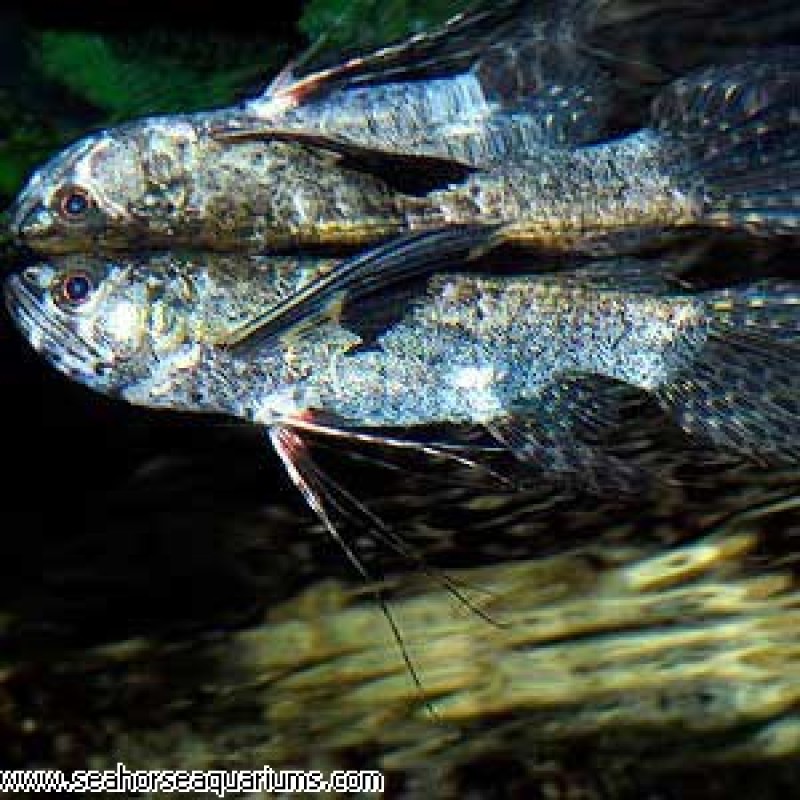
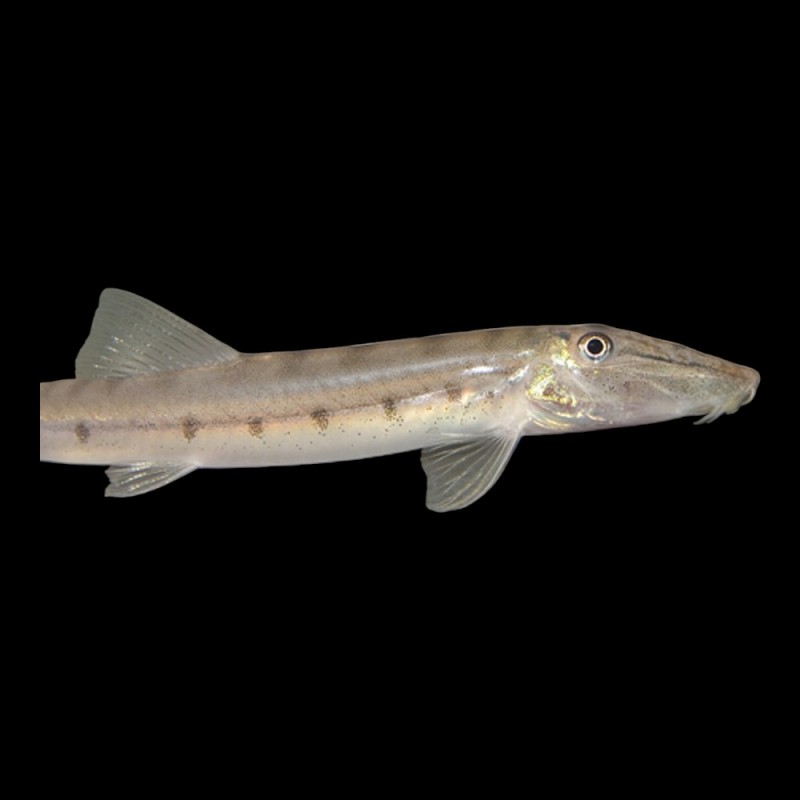
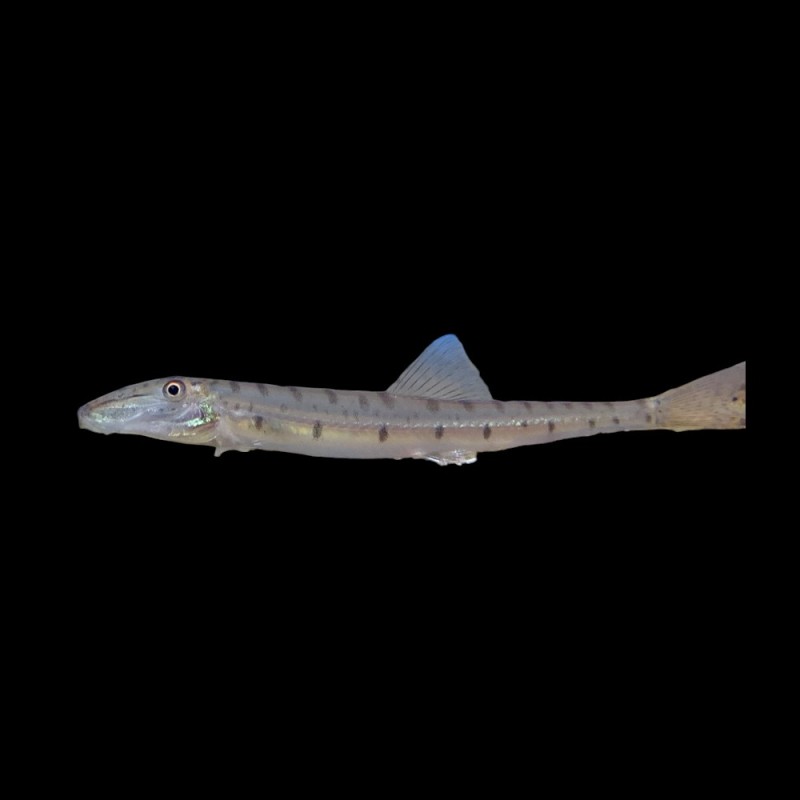
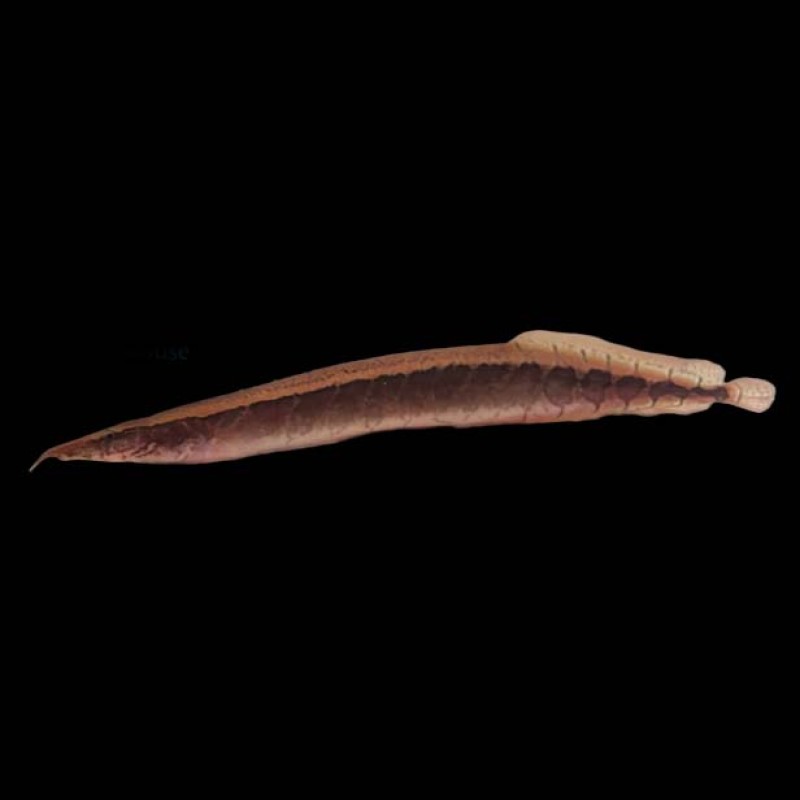
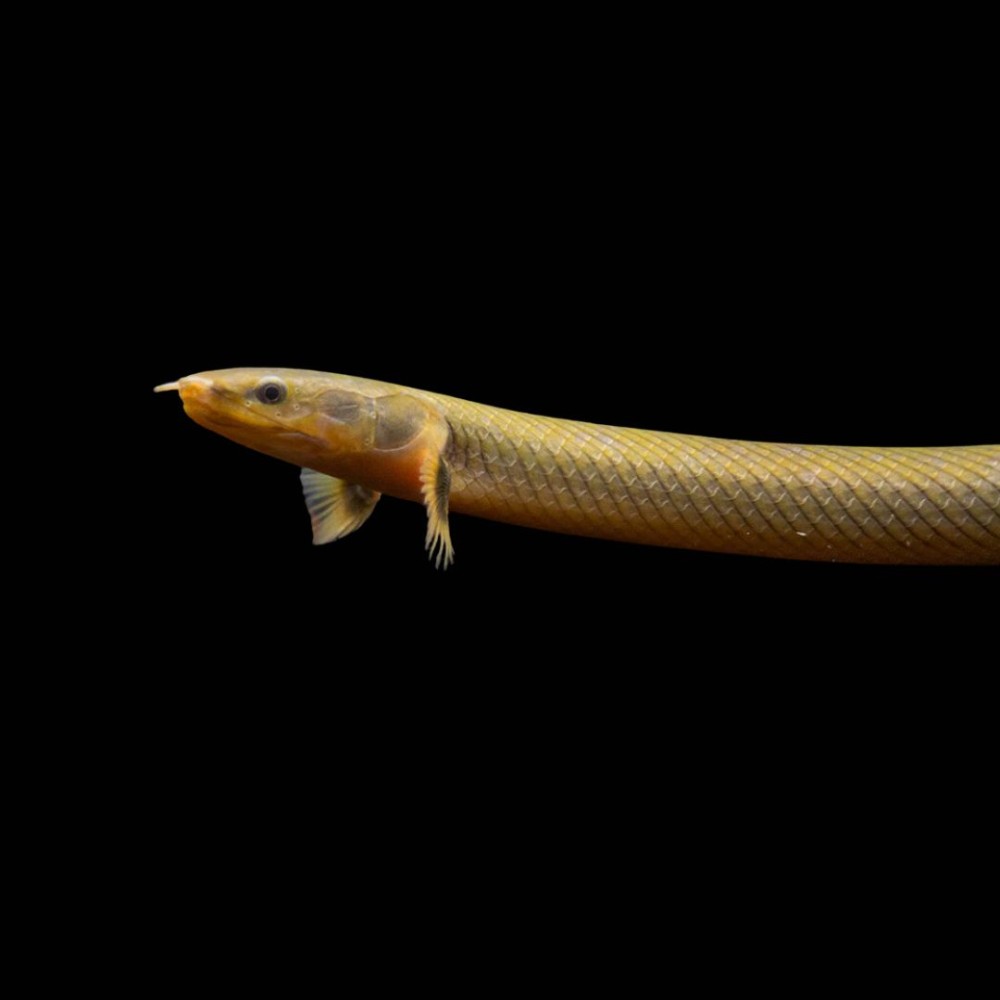
The Reed Fish (*Erpetoichthys calabaricus*), also known as the Calabar Reedfish or Rope Fish, is a fascinating species that hails from the swamps and slow-moving waters of West Africa. With its long, eel-like body and unique appearance, the Reed Fish is an intriguing addition to any aquarium. It is particularly known for its ability to move with a snake-like undulating motion and its semi-aquatic behaviour, often seen in shallow water environments.
Physical Characteristics:
- Size: Reed Fish can grow to about 60-90 cm (24-35 inches) in length, though they are typically smaller in captivity.
- Coloration: These fish generally have a greenish-brown or greyish body with dark markings, and their skin can appear slightly rough. They have a long, slender body with fins that help them maneuver in their aquatic environment.
- Fins: Reed Fish have small dorsal and anal fins, but their caudal fin is quite long and helps them propel through the water. The pectoral fins are located near the head and are used for steering.
- Shape: Their body is elongated and somewhat cylindrical, resembling a rope or snake, which is why they are also referred to as Rope Fish.
Behavior:
- Temperament: Reed Fish are generally peaceful and non-aggressive. They tend to be solitary and prefer to hide in caves or among plants. They are nocturnal and are often more active during the evening or night-time.
- Activity Level: These fish are moderately active and enjoy swimming in long, fluid motions. They are also capable of moving on land, although they spend most of their time in the water.
- Community Behavior: Reed Fish can be kept in community tanks with other peaceful species, but they should not be housed with aggressive or fast-swimming fish. They tend to be slow swimmers and may be outcompeted for food.
Aquarium Care:
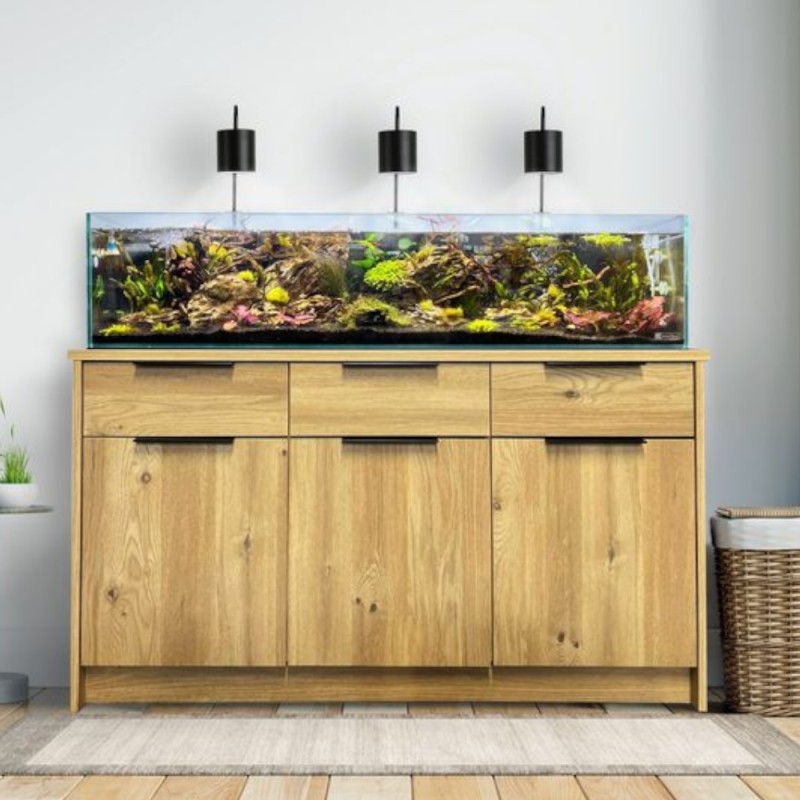
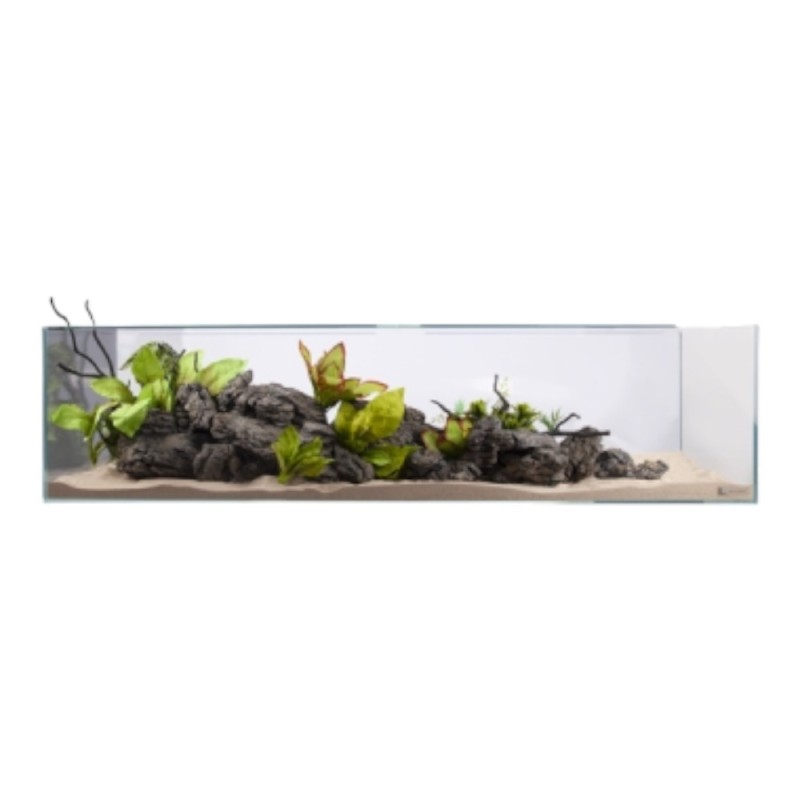
- Tank Size: A minimum tank size of 150 liters (40 gallons) is recommended for a single Reed Fish, with larger tanks being ideal for a more natural, spacious environment.
- Water Parameters:
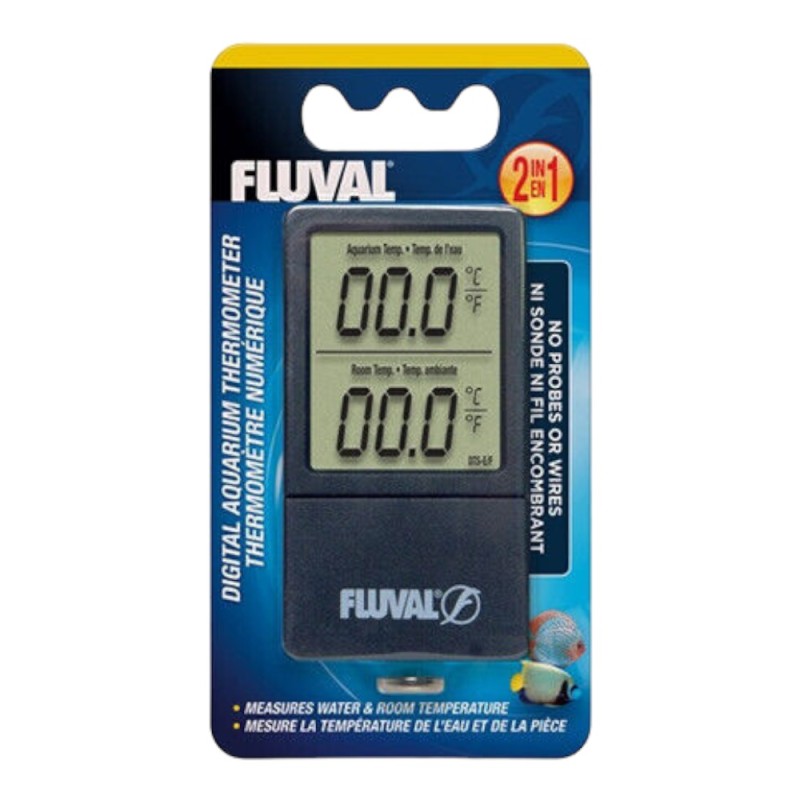
- Temperature: Reed Fish prefer warmer water, with an ideal temperature range of 24°C to 28°C (75°F to 82°F).
- pH: They thrive in slightly acidic to neutral water, with a pH range of 6.0 to 7.5.
- Hardness: Soft to moderately hard water with a general hardness (GH) of 3-10 dGH is ideal.
- Tank Setup:
- Substrate and Decorations: A soft substrate is recommended, and the tank should have plenty of hiding spots, such as caves or dense plants. These fish like to hide and feel secure, so decorations that mimic their natural environment are key.
- Lighting: Moderate lighting is sufficient, as Reed Fish are more nocturnal. Floating plants can provide shaded areas and help diffuse the light.
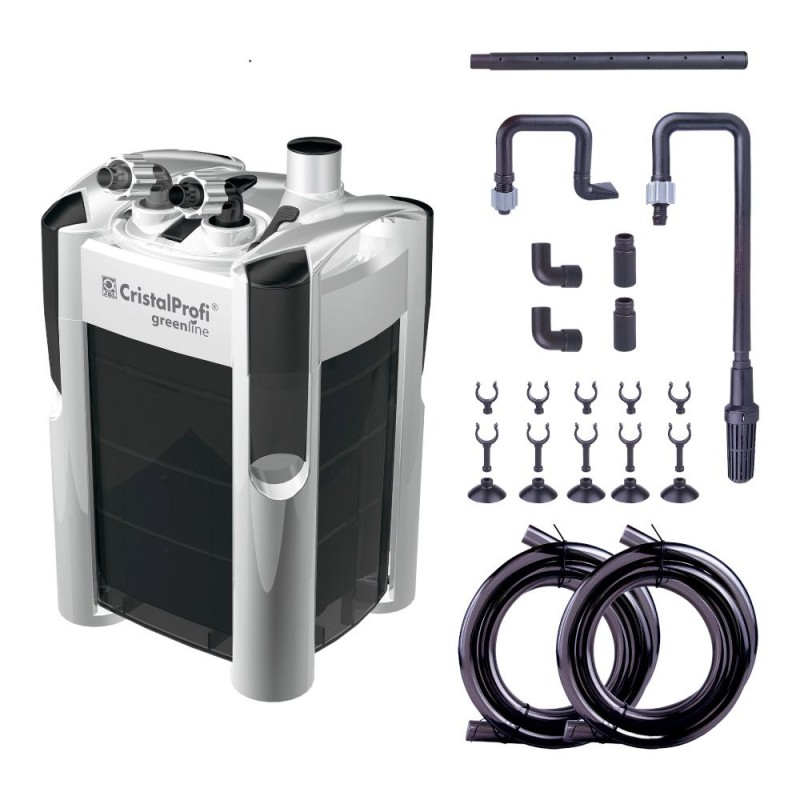
- Filtration: A gentle filtration system is ideal, as strong currents may stress the fish. Regular water changes (about 20% weekly) are important for maintaining water quality.
Diet:
Reed Fish are omnivores and require a balanced diet to stay healthy. Their diet should include:
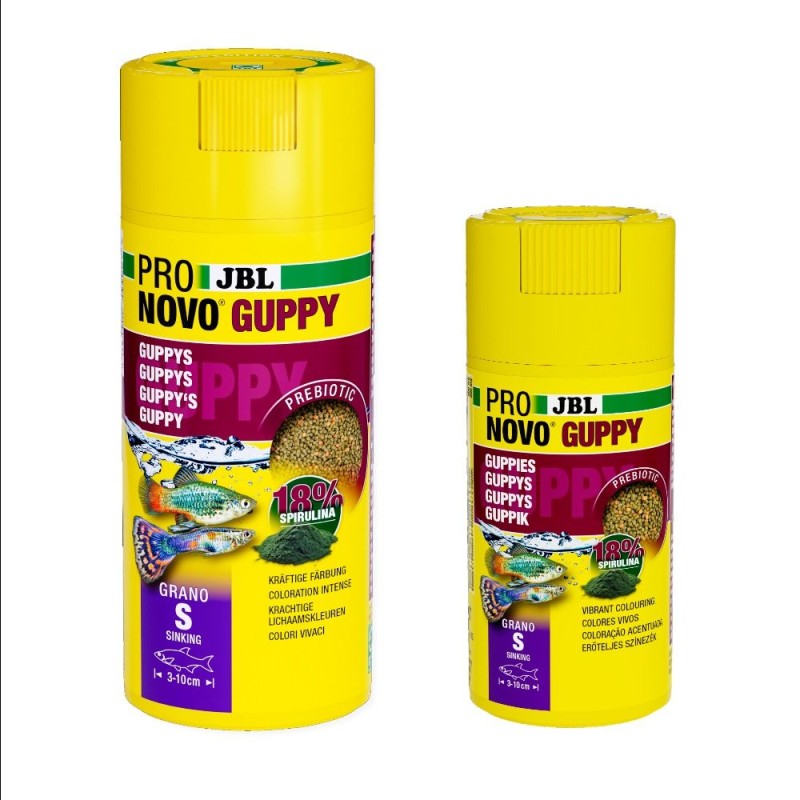
- Pellets: High-quality sinking pellets designed for carnivorous fish can form the basis of their diet.
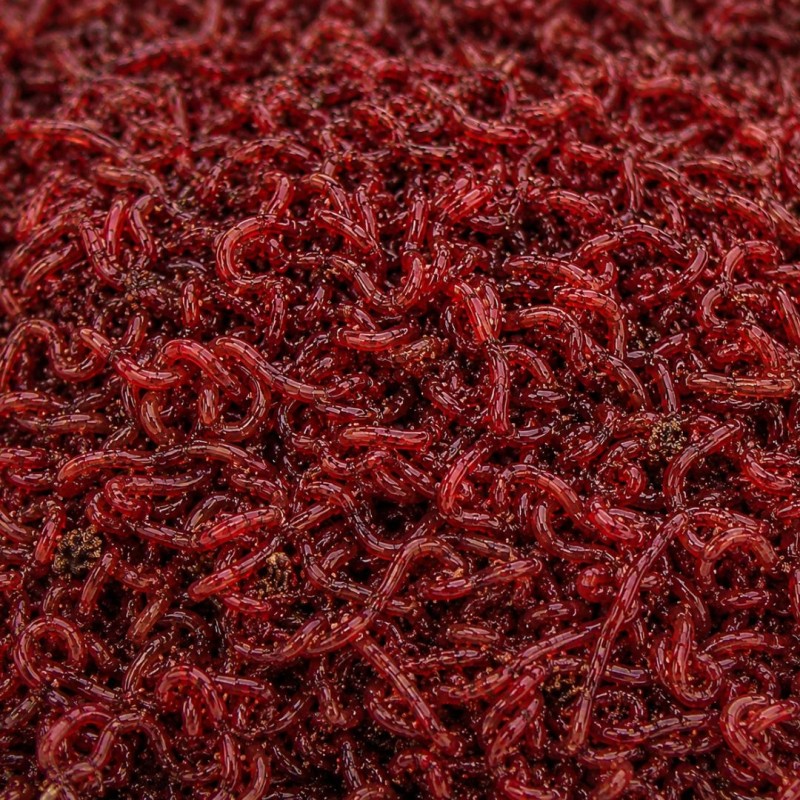
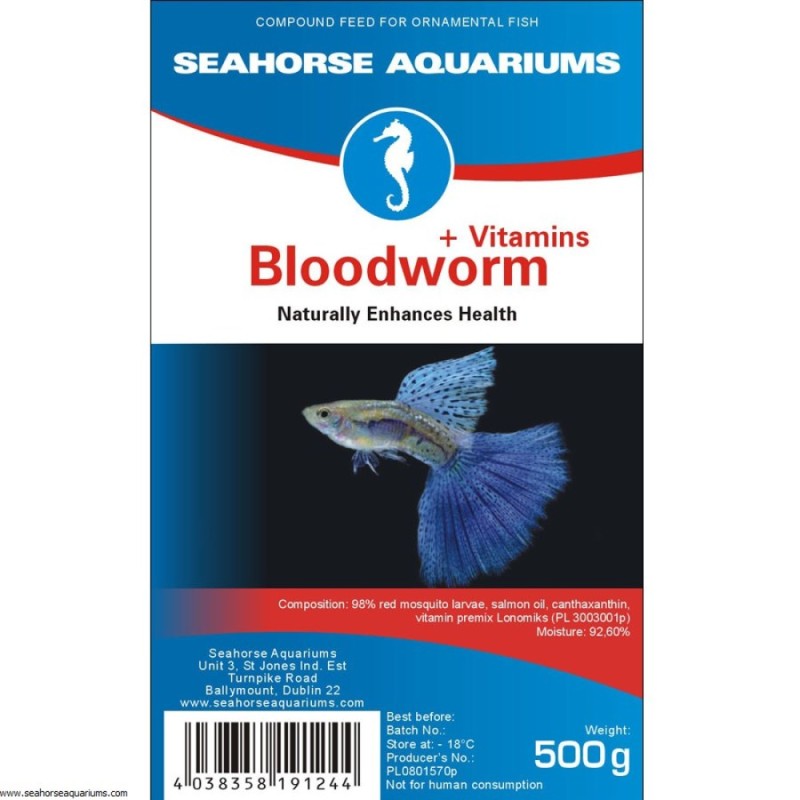
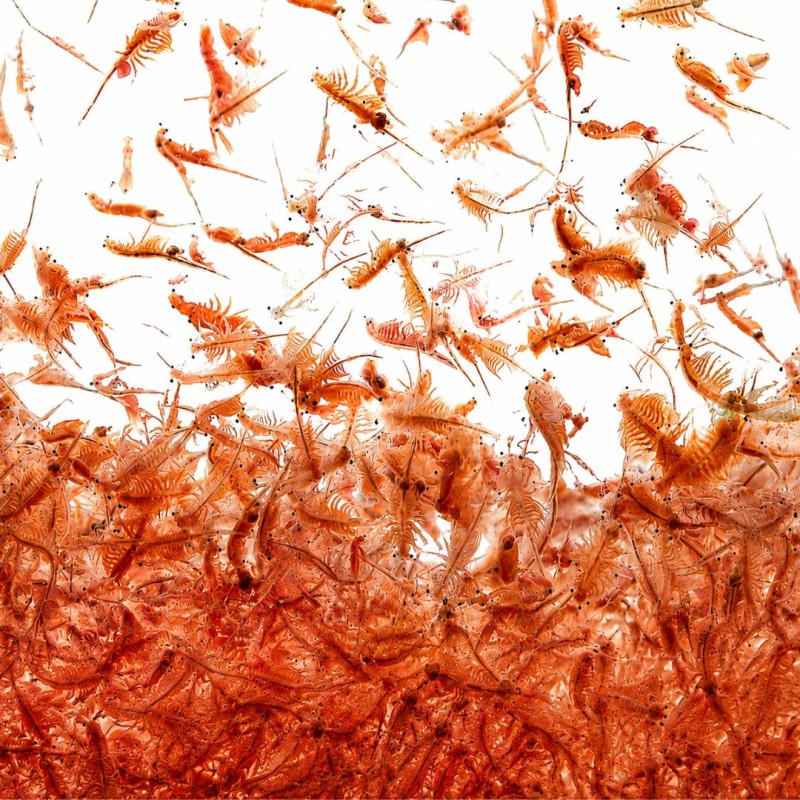
- Live or Frozen Foods: Offer live or frozen foods such as worms, small fish, shrimp, and bloodworms.
- Vegetable Matter: Reed Fish may also eat some plant matter, so occasional offerings of blanched vegetables such as zucchini or spinach are beneficial.
Tankmates:
Reed Fish are generally peaceful and can be housed with a variety of peaceful tankmates. Suitable tankmates include:
- Small to medium peaceful fish: Such as Tetras, Rasboras, or small catfish.
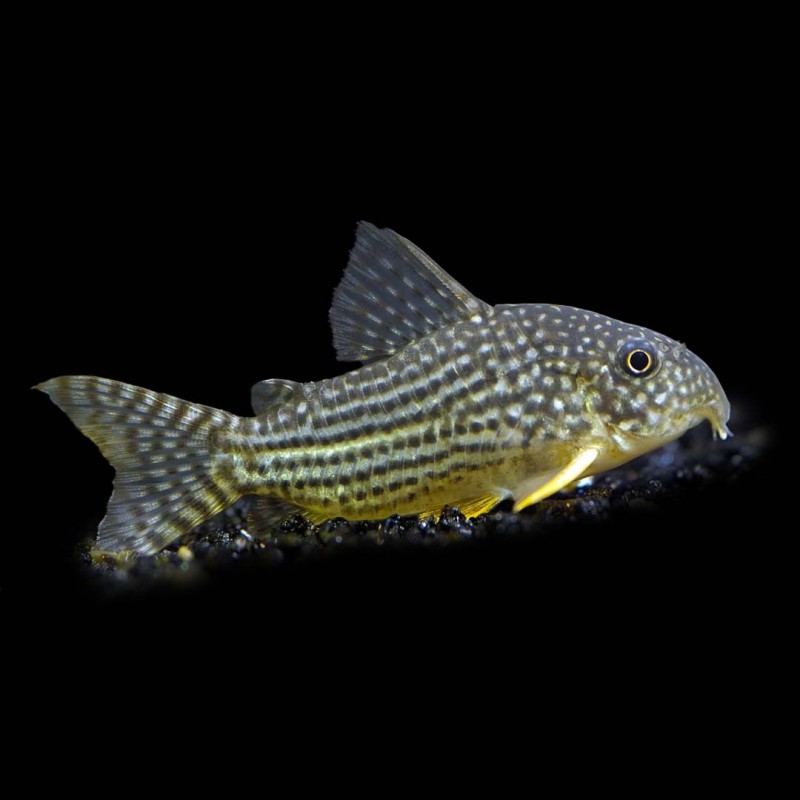
- Bottom-dwelling fish: Corydoras catfish or other slow-moving bottom dwellers.
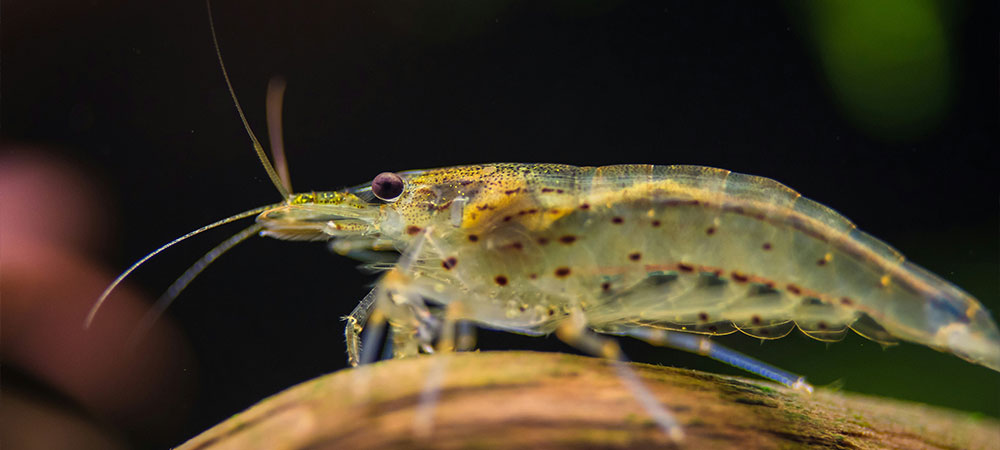
- Peaceful invertebrates: Amano shrimp or snails can coexist peacefully with Reed Fish.
Avoid keeping Reed Fish with aggressive or fast-moving species that may stress them or outcompete them for food.
Breeding:
Breeding Reed Fish in captivity is extremely rare, and not much is known about the specific requirements for successful breeding. In their natural habitat, they are found in swamps and slow-moving waters, and any successful breeding attempts would likely require careful mimicry of these conditions.
Special Considerations:
- Water Quality: Regular monitoring and maintenance of water quality are crucial for the health of Reed Fish. They are sensitive to changes in water conditions.
- Space: Due to their large size, Reed Fish require a spacious tank with plenty of room to swim and explore. Providing ample hiding spots will also reduce stress and help them feel secure.