

- Stock: Generally In Stock
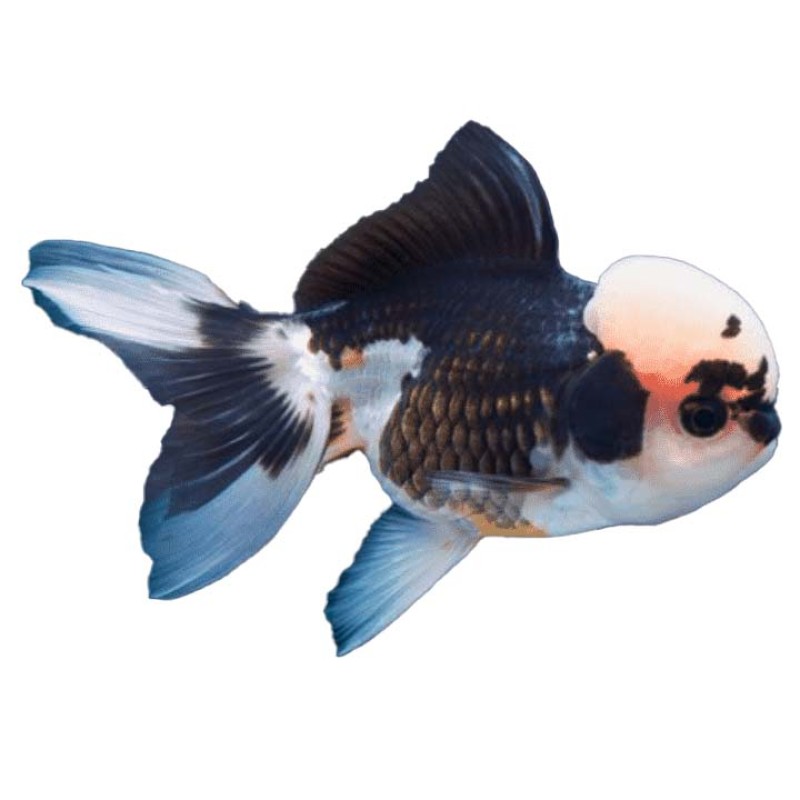
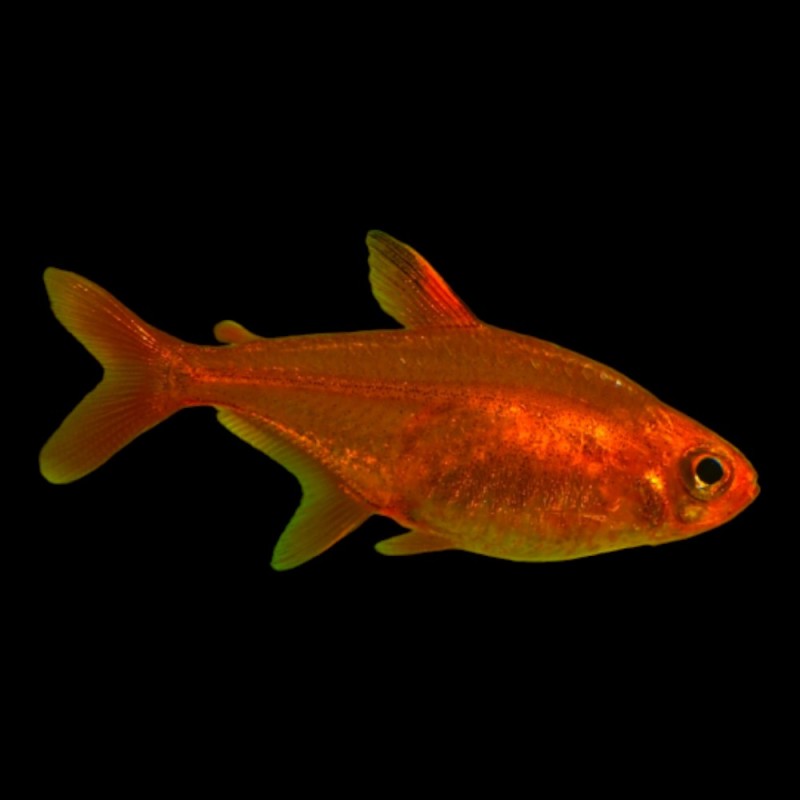
Please Note: Due to variations within species, your fish may not look identical to the image provided. Also note not all sizes or species may be available due to seasonality, Please call beforehand for up-to-date stock availability.
- Model: AXOLOTL WILD
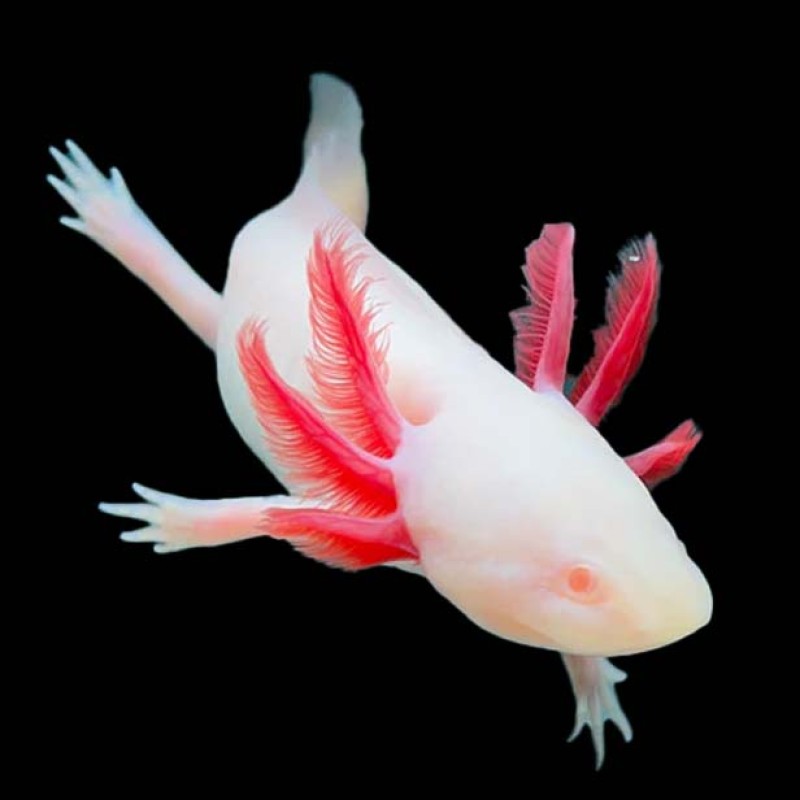
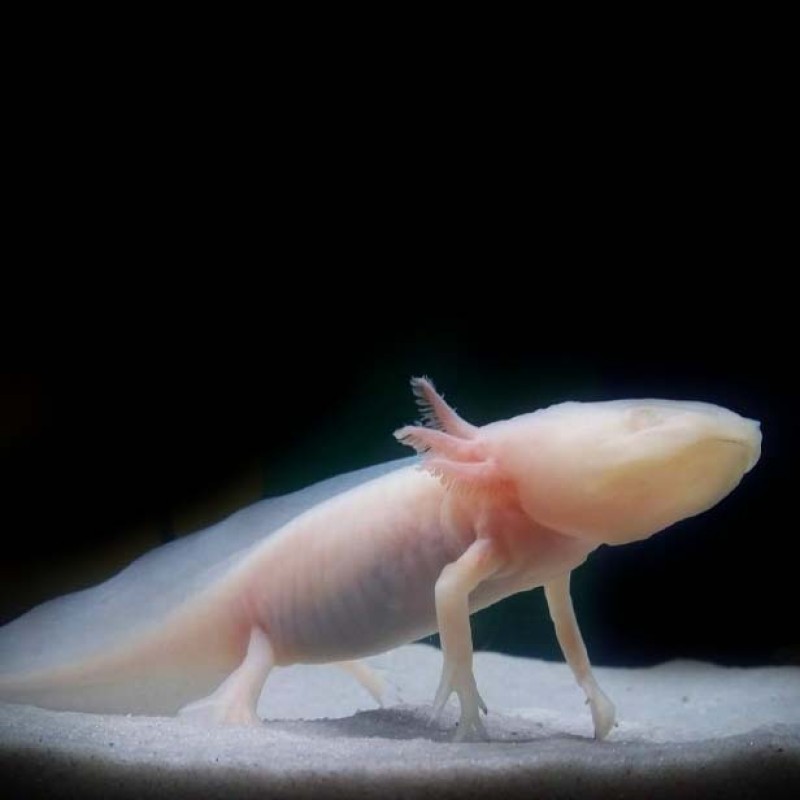
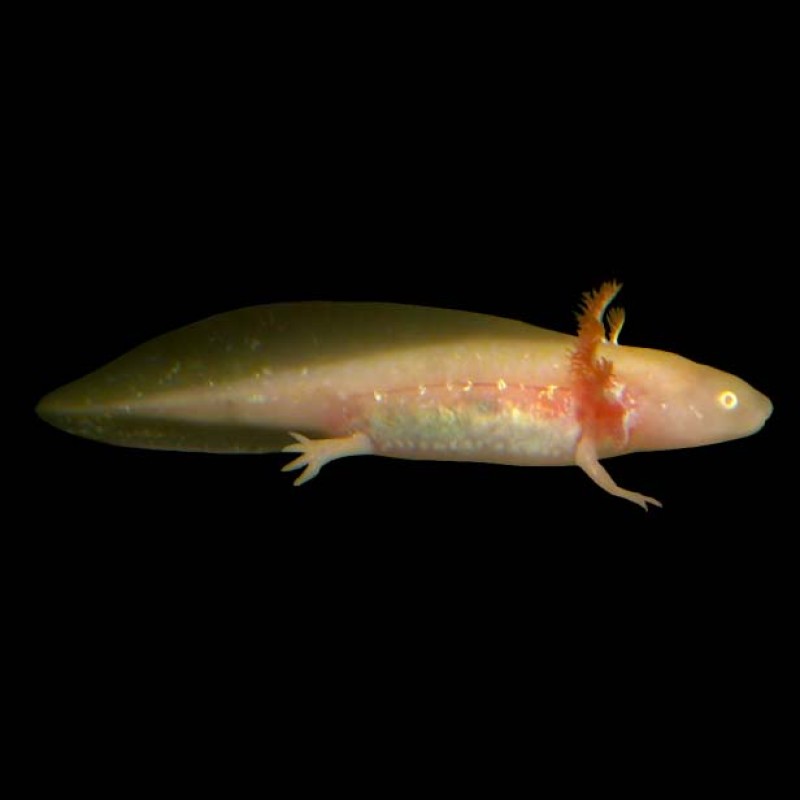
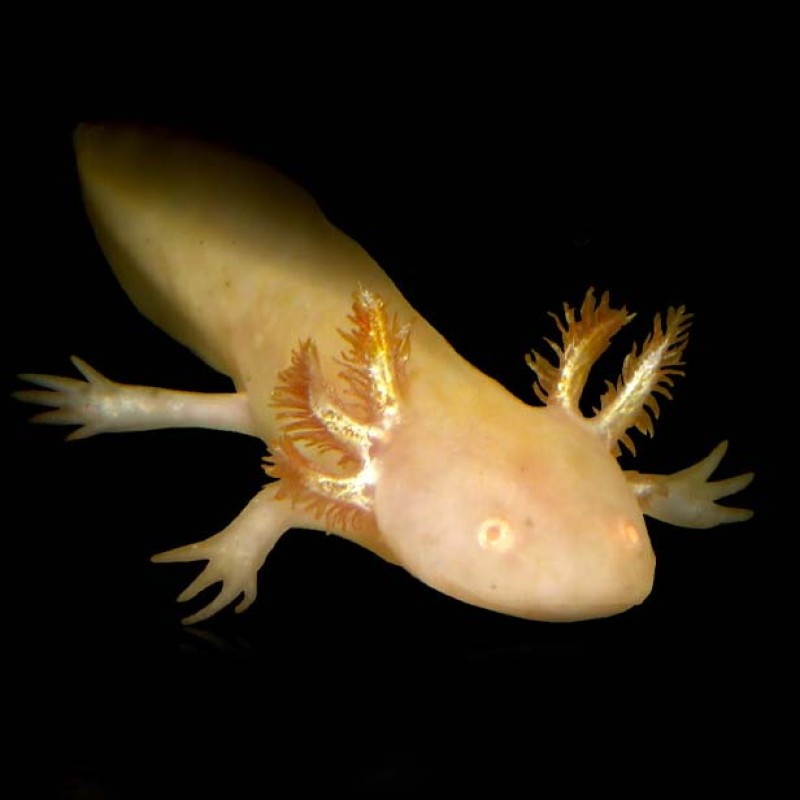
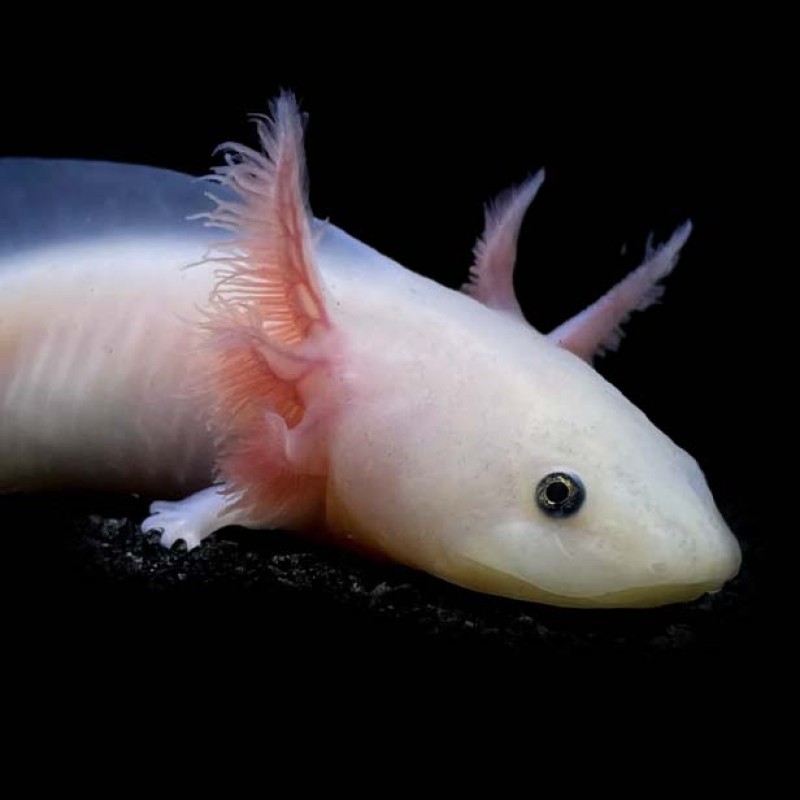
Wild Axolotl (Ambystoma mexicanum)
The Wild Axolotl is the natural form of the Mexican Axolotl, recognised for its distinctive appearance and unique characteristics. Unlike the leucistic or albino varieties, the wild axolotl displays a darker pigmentation with a mottled pattern, making it a fascinating species for aquarists and researchers alike.
Physical Characteristics:
- Size: Wild axolotls typically grow to about 20-30 cm (8-12 inches) in length.
- Colouration: The wild axolotl exhibits a dark brown or greyish body with speckles of gold or black, which helps it blend into its natural habitat. Its external gills are bushy and usually have a reddish hue, providing a striking contrast to the body.
Behaviour:
- Temperament: Wild axolotls are generally calm and inquisitive. They tend to be less aggressive than their domesticated counterparts and prefer a peaceful environment.
- Activity Level: These axolotls are active swimmers, exploring their surroundings while often resting at the bottom of the tank or hiding among decorations.
Aquarium Care:
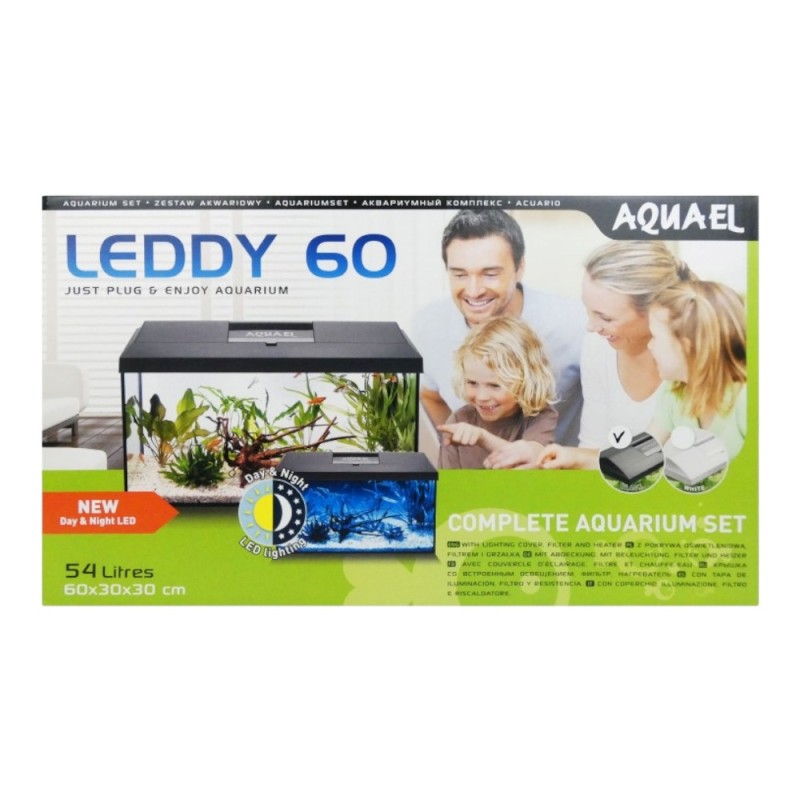
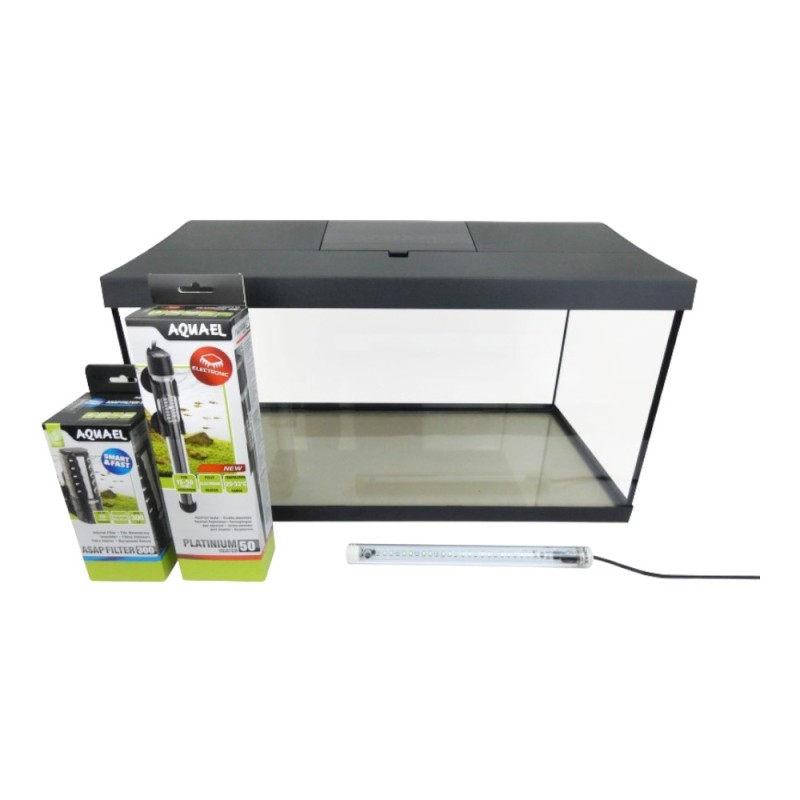
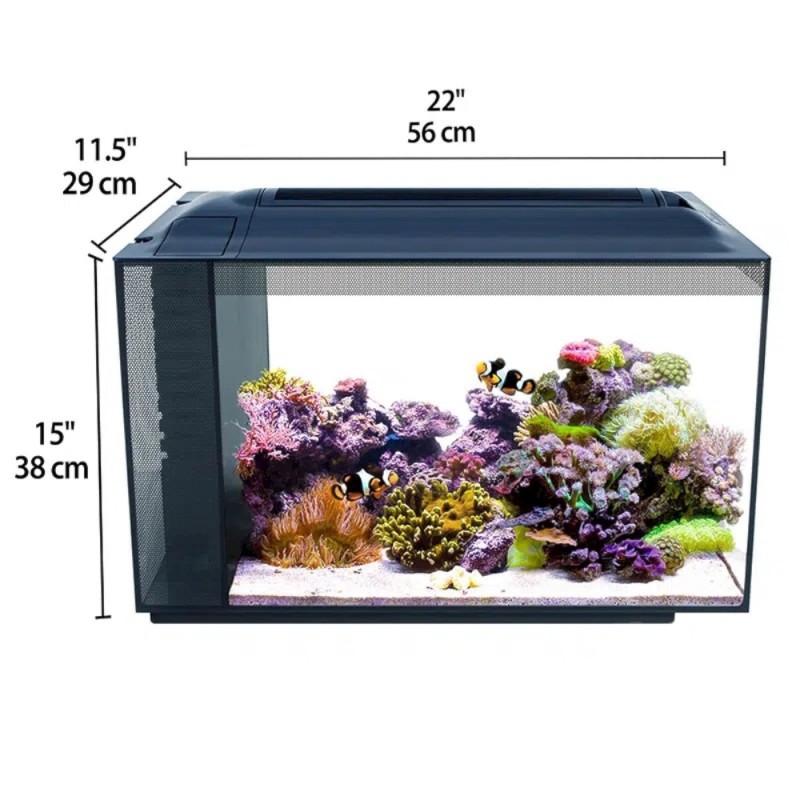
- Tank Size: A minimum tank size of 60 litres (15 gallons) is recommended for a single axolotl.
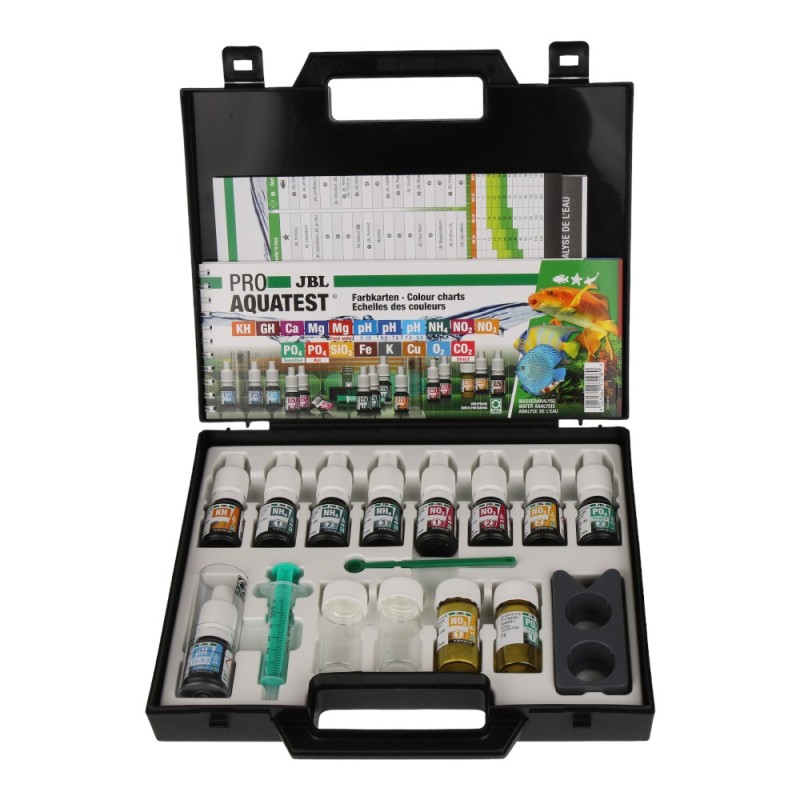
- Water Parameters:
- Temperature: Wild axolotls thrive in cooler water, ideally between 16°C to 18°C (60°F to 64°F).
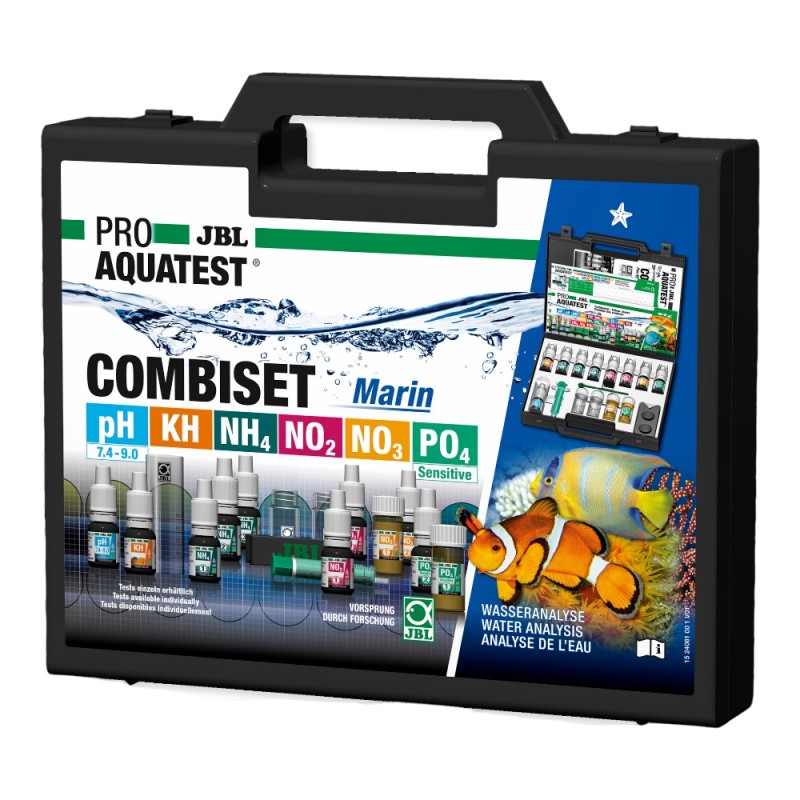
- pH: They prefer slightly acidic to neutral water, typically between 6.5 to 7.5.
- Hardness: Soft to moderately hard water is ideal.
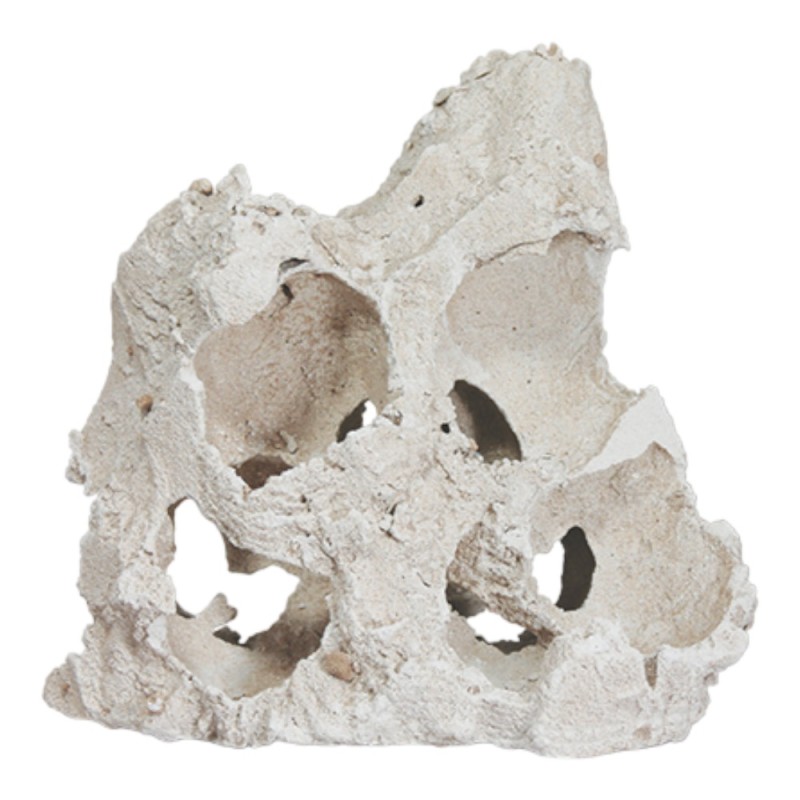
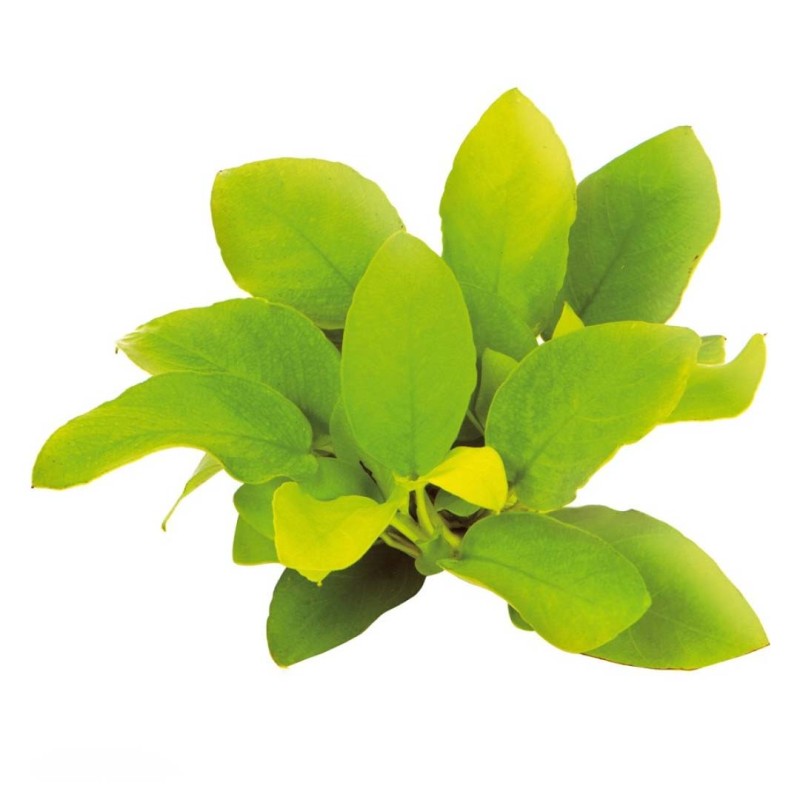
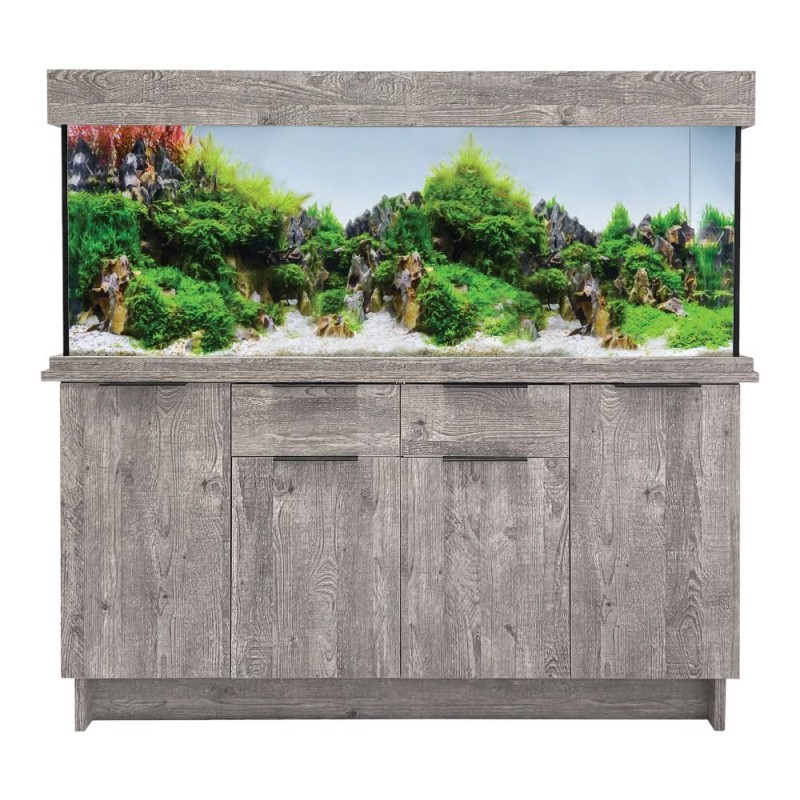
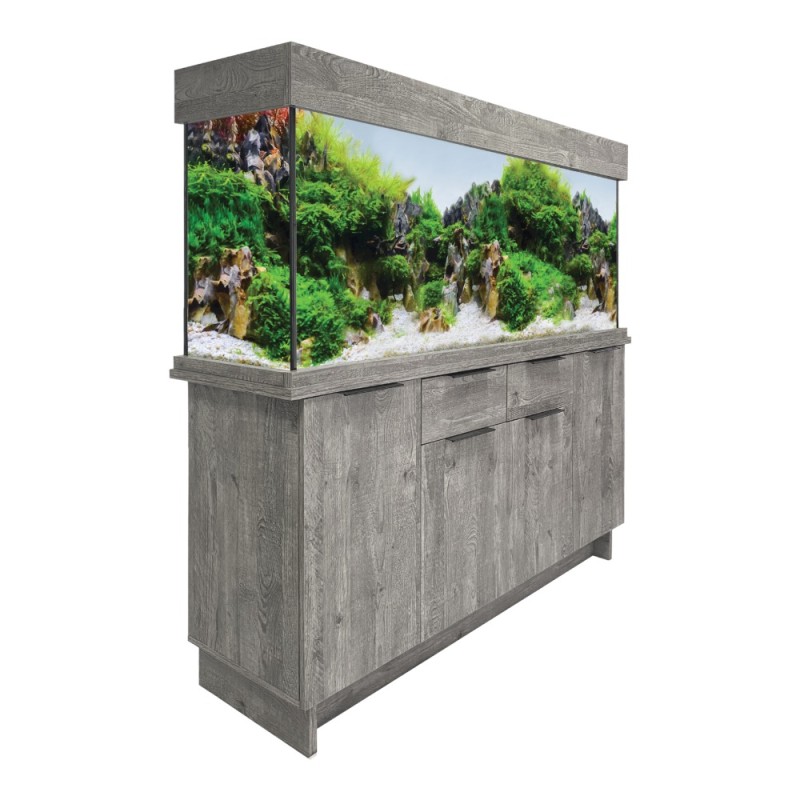
- Tank Setup: Create a spacious tank with ample hiding spots using smooth rocks, plants, and substrate. Avoid sharp decorations that can injure their delicate skin.
Diet:
Wild axolotls are carnivorous and require a protein-rich diet. Their diet should include:
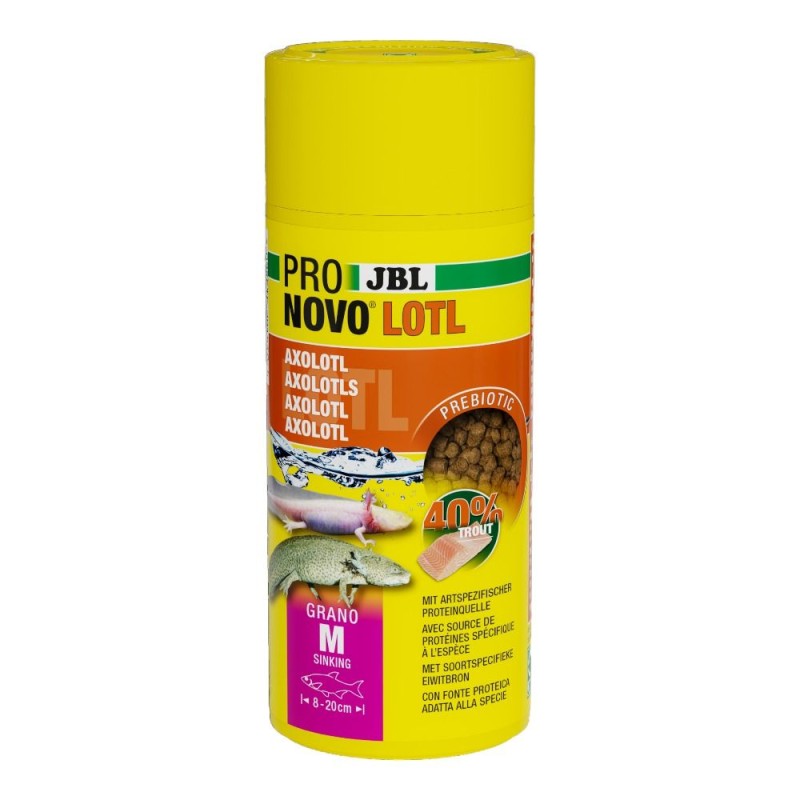
- High-quality pellets specifically designed for carnivorous amphibians.
- Live or frozen foods such as bloodworms, brine shrimp, and earthworms.
Tankmates:
It is generally advisable to keep wild axolotls alone, as they can harm smaller fish or be stressed by aggressive tank mates. If desired, they can be housed with larger, peaceful species that won't nip at their gills.
Breeding:
Breeding wild axolotls in captivity requires specific conditions, including a separate breeding tank. After spawning, the eggs usually hatch in 10-14 days, depending on water temperature.
Conservation Status:
The wild axolotl is critically endangered in its natural habitat due to factors such as habitat loss and pollution. Conservation efforts are crucial for preserving this unique species in the wild.
In summary, the Wild Axolotl is a captivating and essential species known for its remarkable appearance and intriguing behaviour. With proper care and attention to their needs, wild axolotls can thrive in a well-maintained aquarium.