

- Stock: Generally In Stock
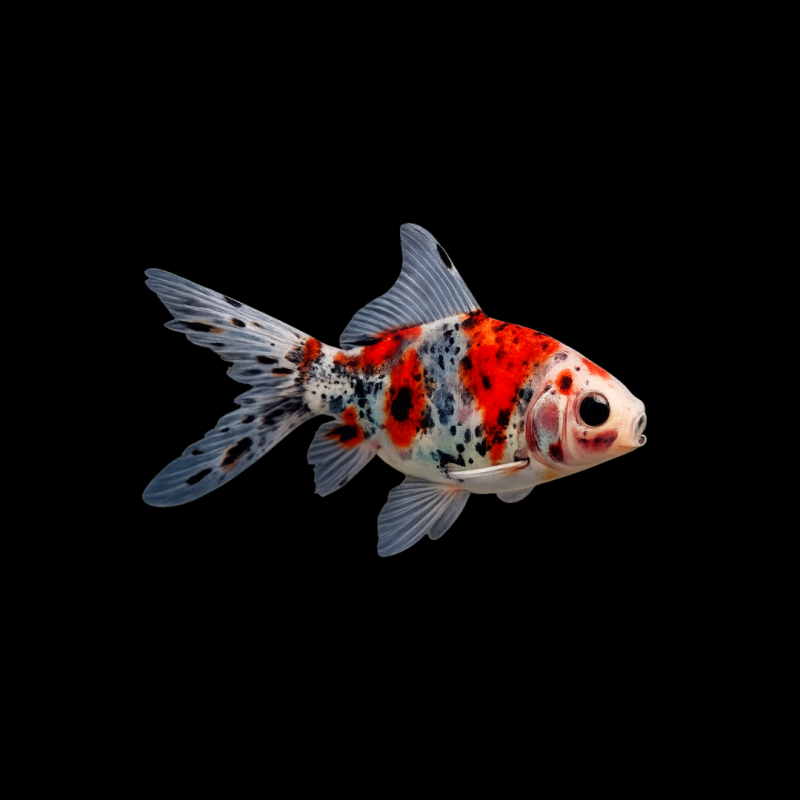
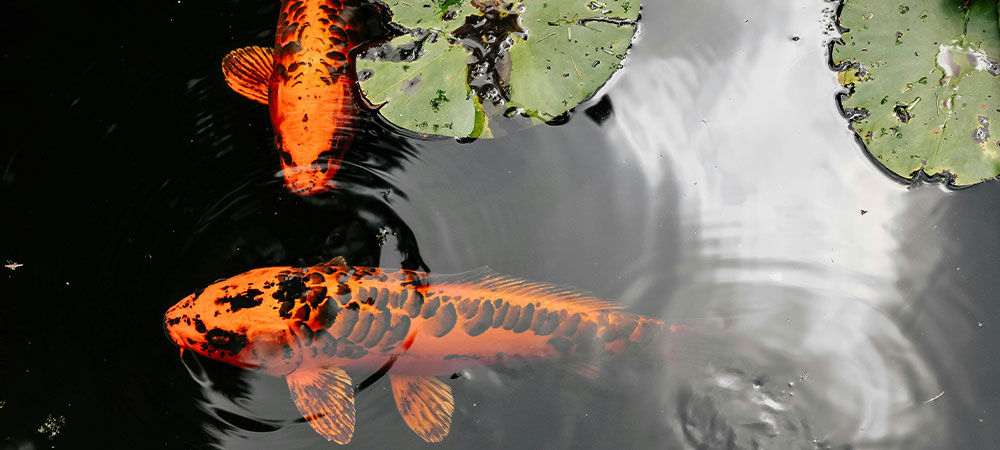
Please Note: Due to variations within species, your fish may not look identical to the image provided. Also note not all sizes or species may be available due to seasonality, Please call beforehand for up-to-date stock availability.
- Model: PANDA ORANDA GOLDFISH MATRIX
Available Options
Panda Oranda Goldfish
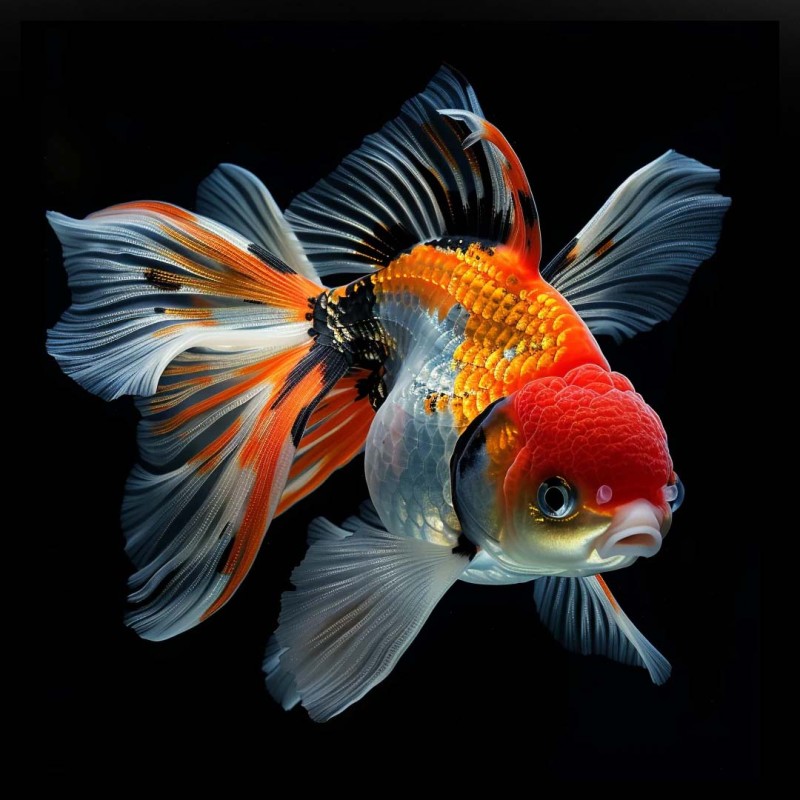
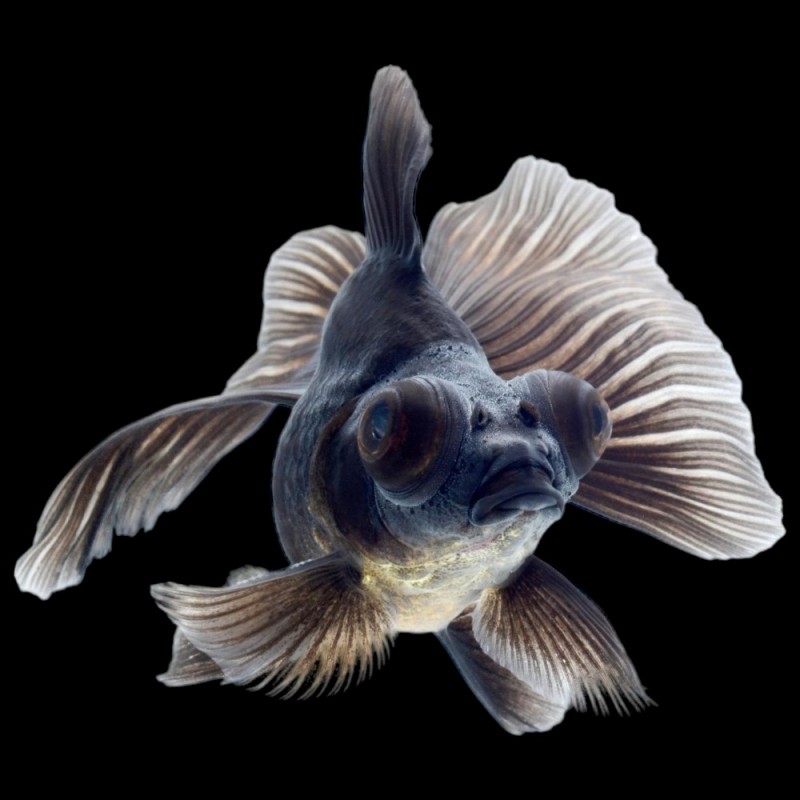
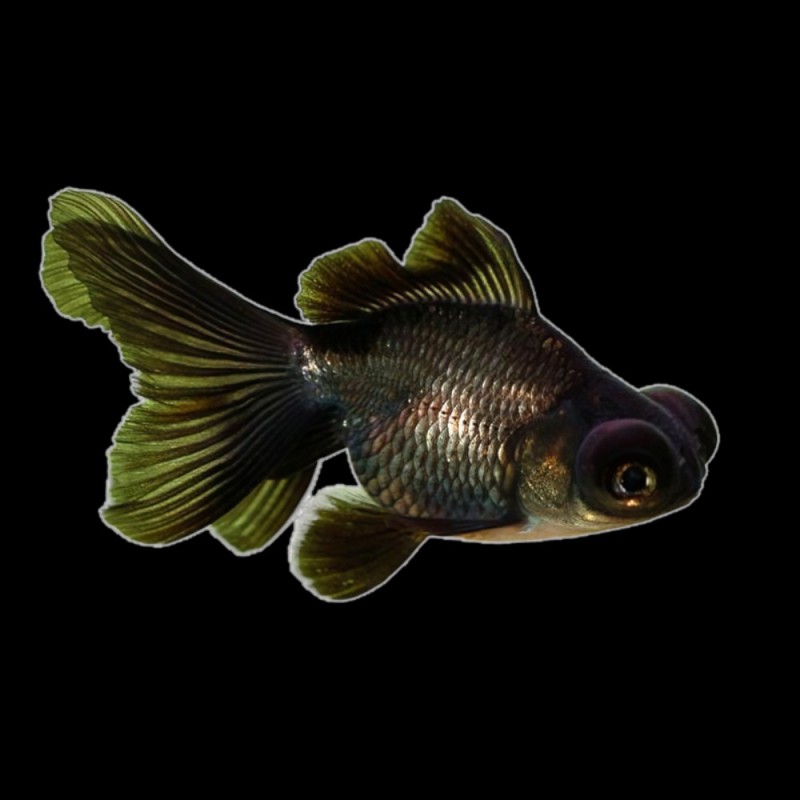
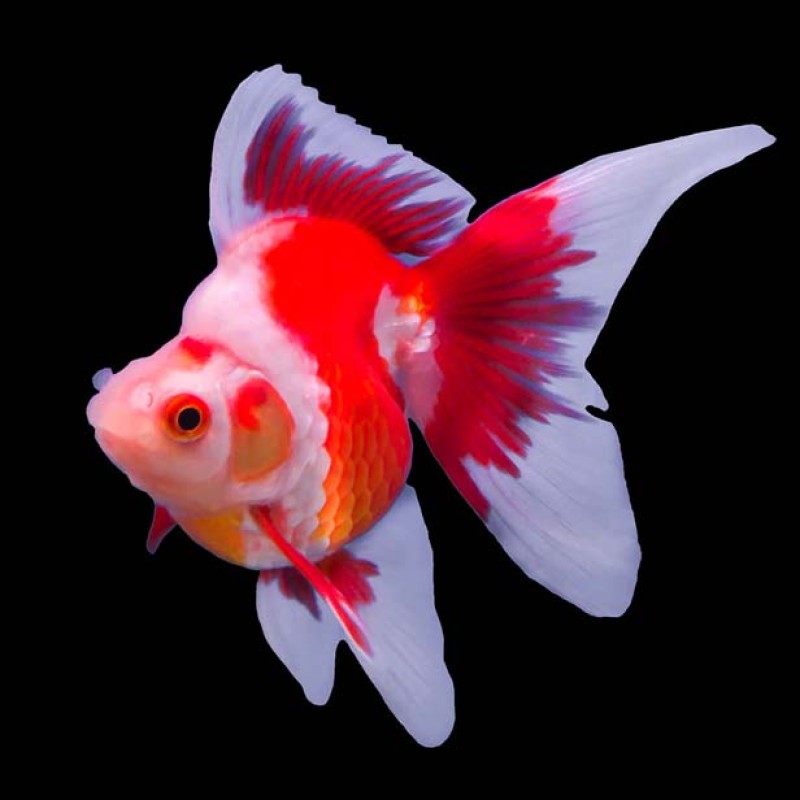
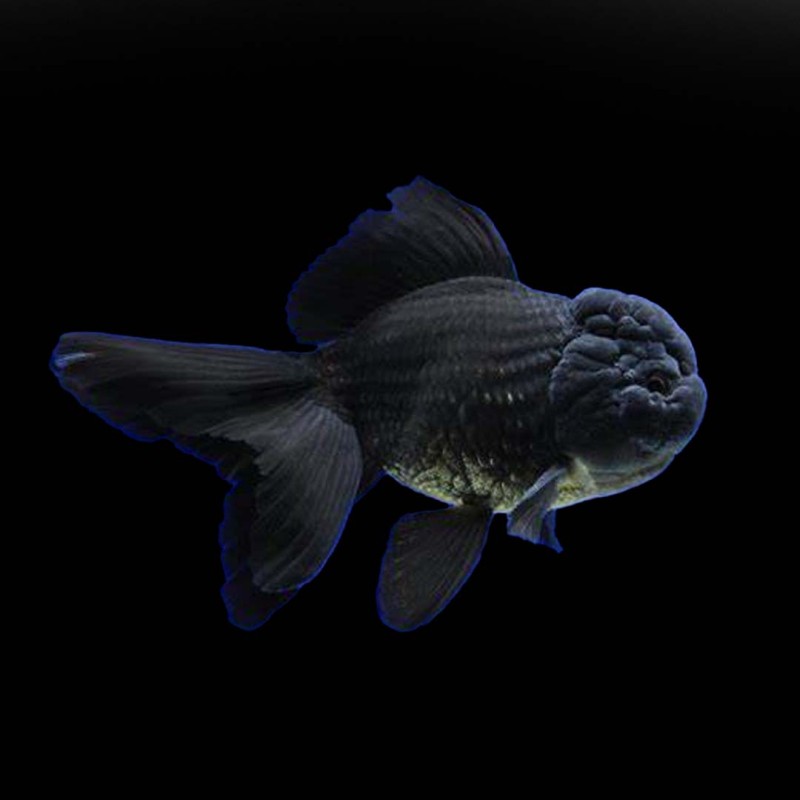
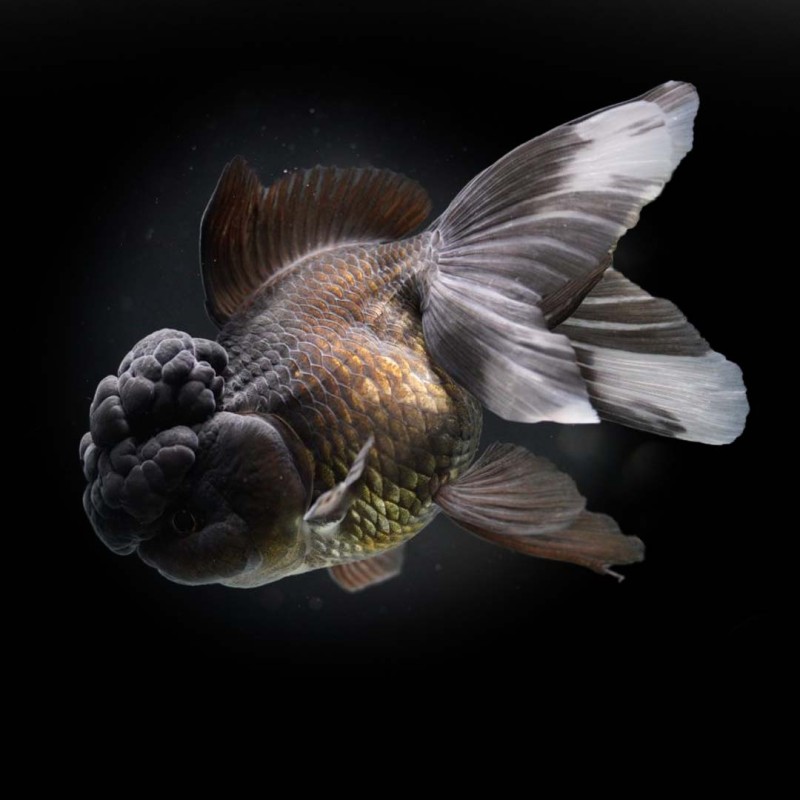
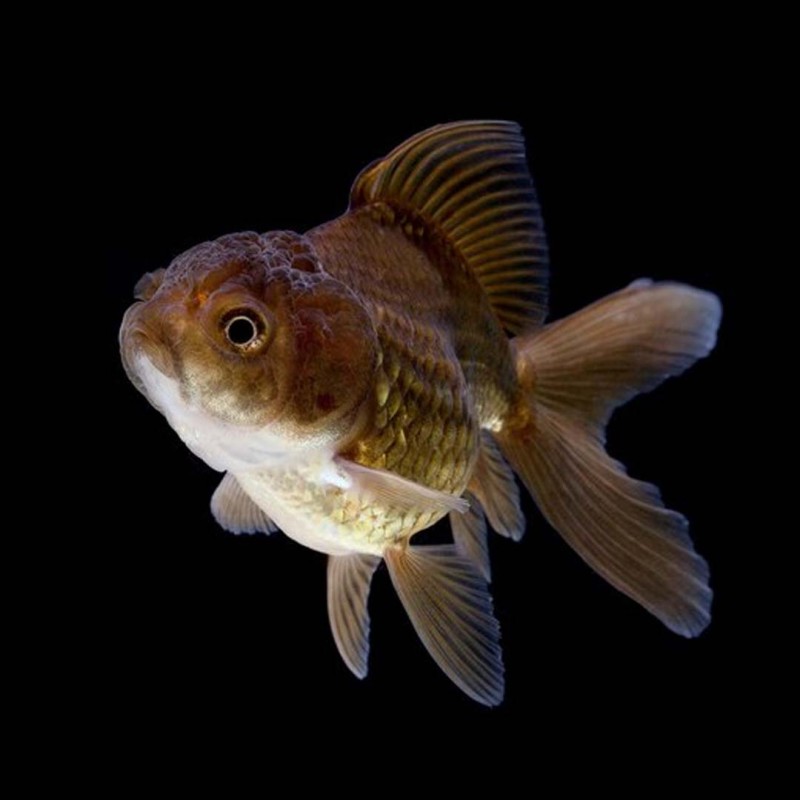
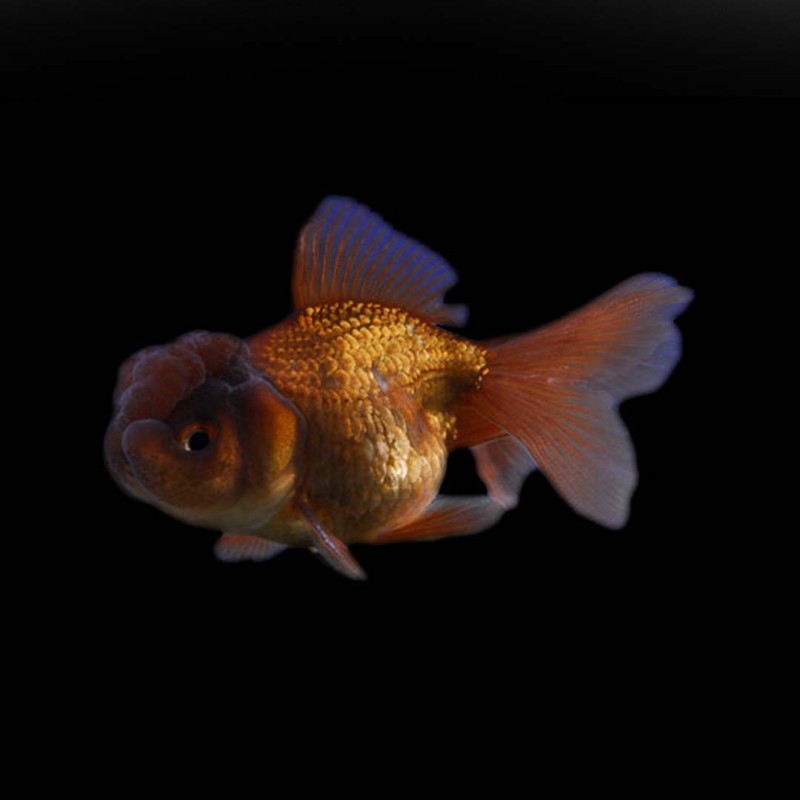
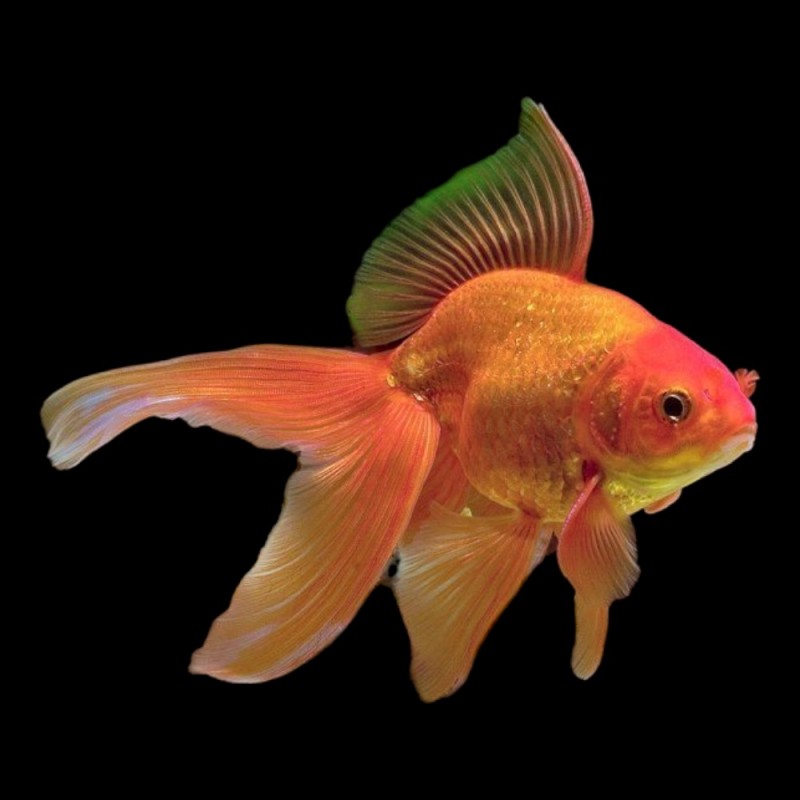
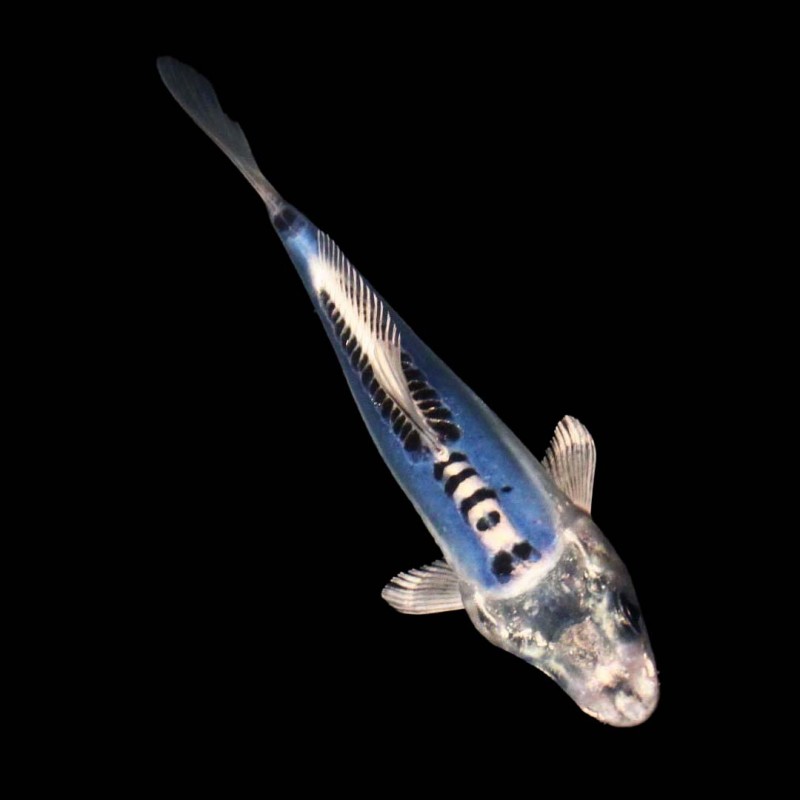
The Panda Oranda Goldfish is a beautiful variety of *Carassius auratus*, known for its unique black and white coloration and prominent, bulbous head. This variety is a popular choice among aquarists due to its striking appearance and peaceful nature, making it a lovely addition to both community and single-species tanks.
Physical Characteristics:
- Size: Panda Oranda Goldfish typically grow to about 10-15 cm (4-6 inches) in length, with larger specimens reaching up to 20 cm (8 inches) in a well-maintained aquarium.
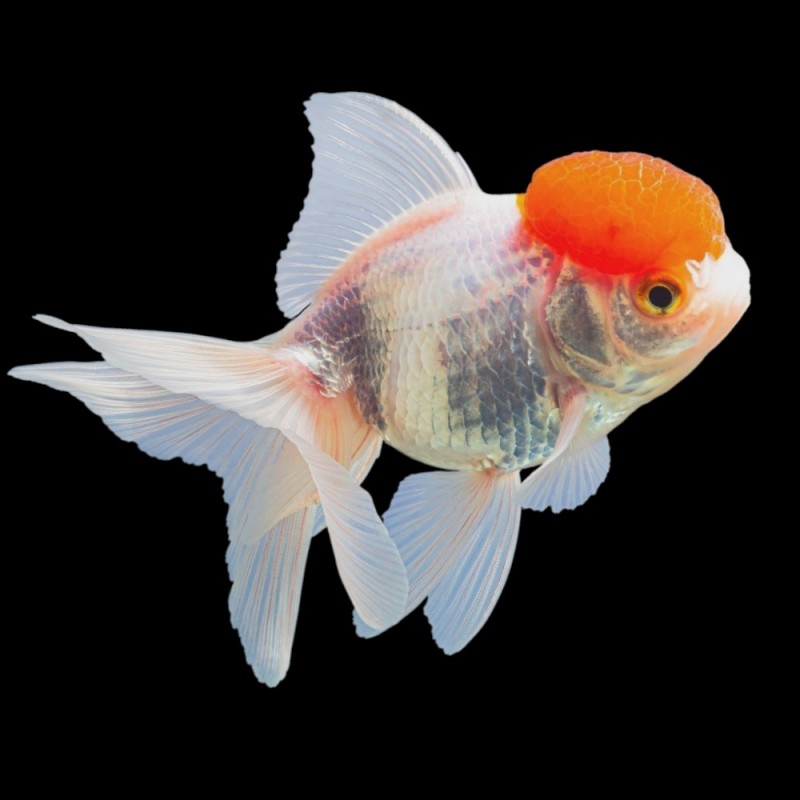
- Coloration: The Panda Oranda is characterised by its distinct black and white coloration, resembling a panda, with a bright white body and black markings, primarily around the fins, back, and head.
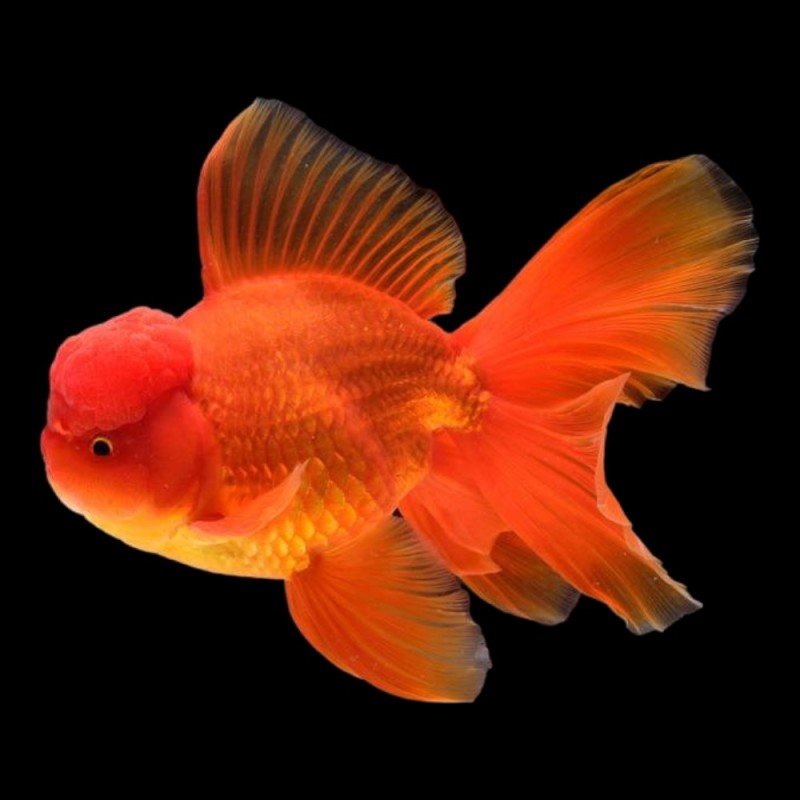
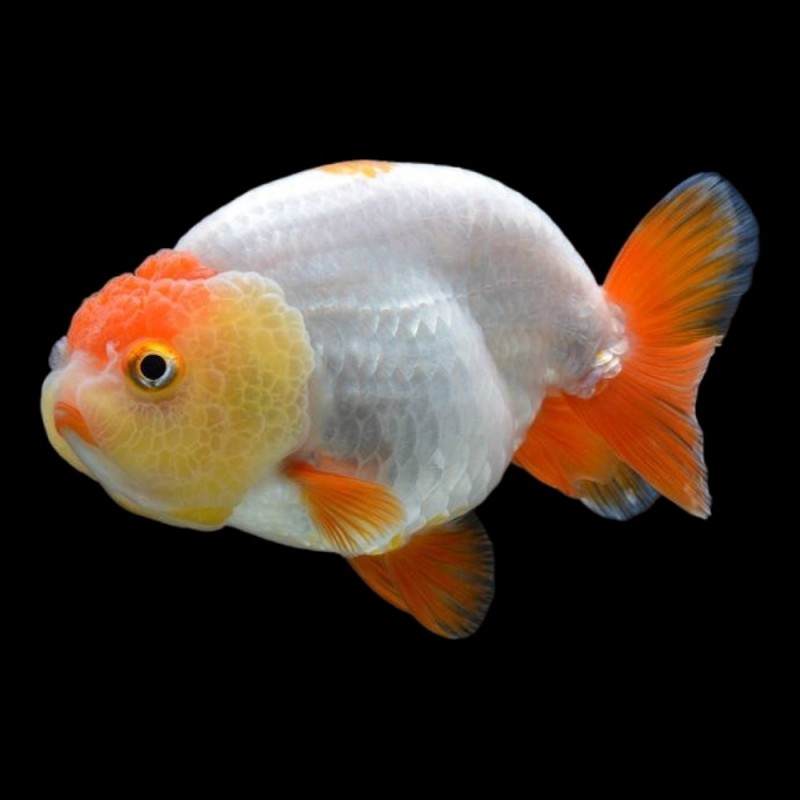
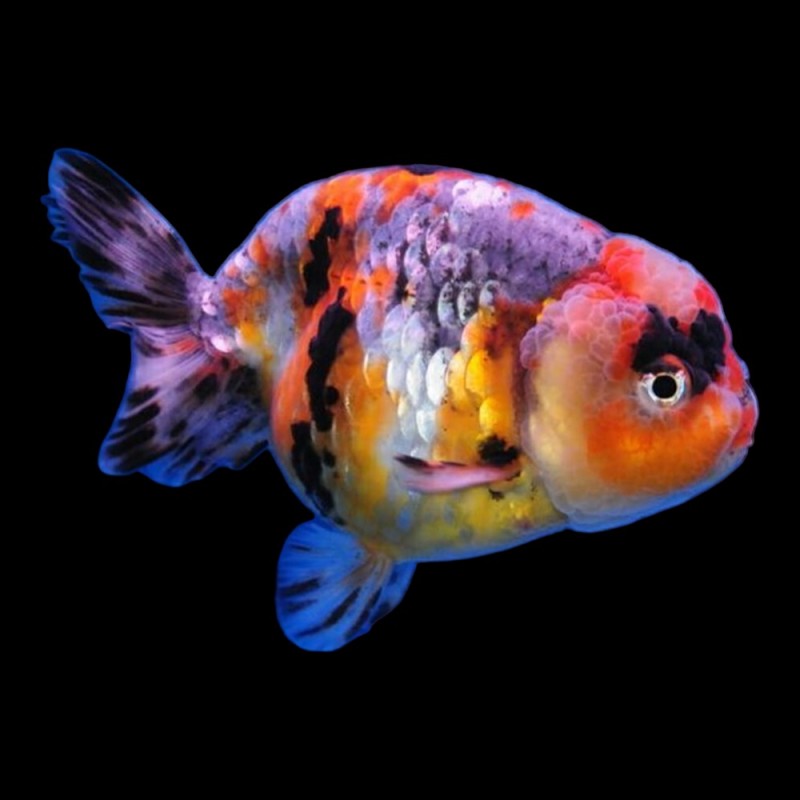
- Head Growth: One of the most striking features of this goldfish is its "hood" or wen, a fleshy growth that develops on the head, giving it an even more distinctive look.
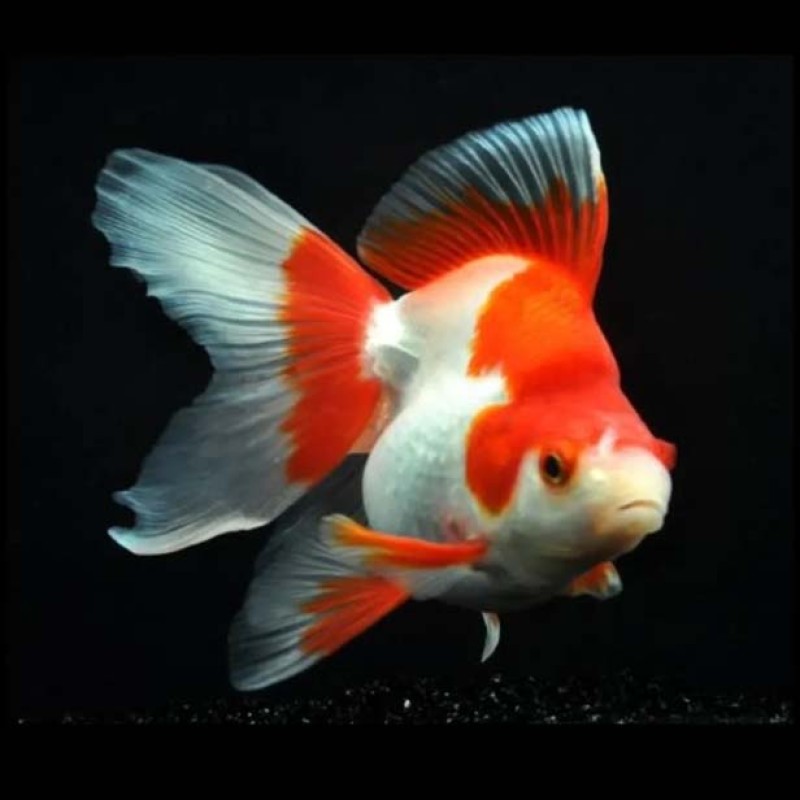
- Shape: The body of the Panda Oranda is rounded and robust, with a deep, compact body that is characteristic of Oranda goldfish. The fins are fan-shaped and flowing, adding to its graceful appearance.
Behavior:
- Temperament: Panda Oranda Goldfish are peaceful and calm, making them a great choice for community tanks. They get along well with other non-aggressive species but may be bullied by faster or more aggressive fish.
- Activity Level: These goldfish are relatively slow-moving compared to other goldfish varieties, but they are still active and curious, often exploring their environment and interacting with their tankmates.
- Community Behavior: Panda Oranda Goldfish can be housed in community tanks with other peaceful fish, but care should be taken to avoid housing them with aggressive or fin-nipping species.
Aquarium Care:
- Tank Size: A minimum tank size of 40 liters (10 gallons) is recommended for a single Panda Oranda Goldfish. However, larger tanks (50-75 liters) are ideal for allowing the fish to grow to their full size and maintain good water quality.
- Water Parameters:
- Temperature: Panda Orandas thrive in cool water, with an ideal temperature range of 18°C to 22°C (65°F to 72°F).
- pH: They prefer slightly alkaline to neutral water, with a pH range of 7.0 to 7.5.
- Hardness: Soft to moderately hard water, with a general hardness (GH) of 4-12 dGH, is ideal.
- Tank Setup:
- Substrate and Decorations: A soft, sandy substrate is best to avoid injury to their sensitive bodies. Use smooth rocks and decorations to avoid any sharp edges. Live plants are beneficial for providing cover and oxygenation, but avoid plants with sharp leaves that could damage their delicate fins.
- Lighting: Moderate lighting works well for Panda Orandas, as they are not particularly demanding in terms of light. Floating plants can also help reduce excessive lighting and provide shaded areas.
- Filtration: A powerful filtration system is necessary to maintain clean water, as goldfish produce a lot of waste. Ensure the water is gently filtered to avoid creating strong currents, which can stress the fish.
Diet:
Panda Oranda Goldfish are omnivorous and require a varied diet to stay healthy:
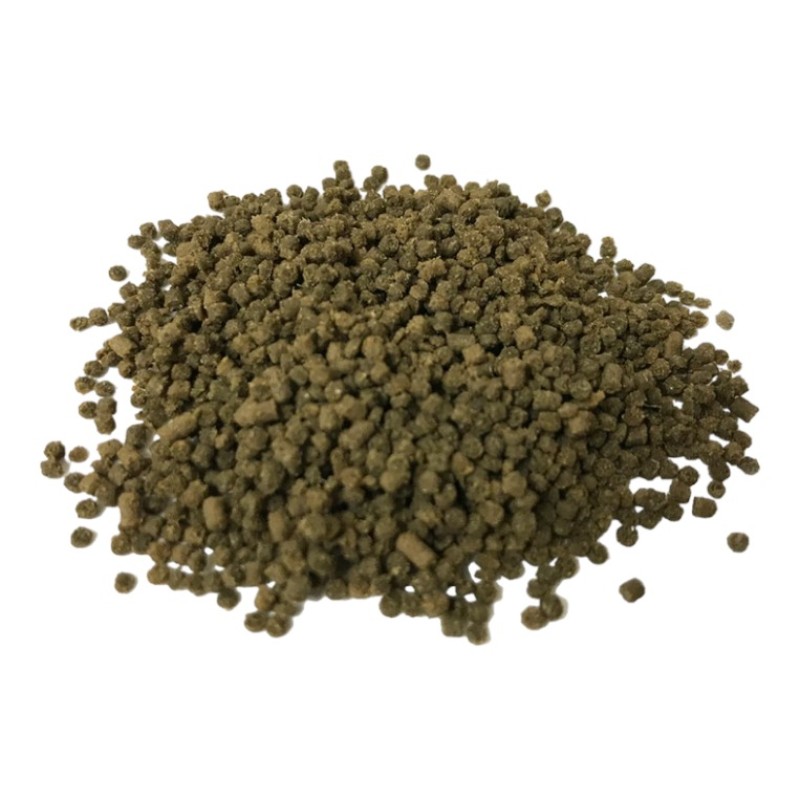
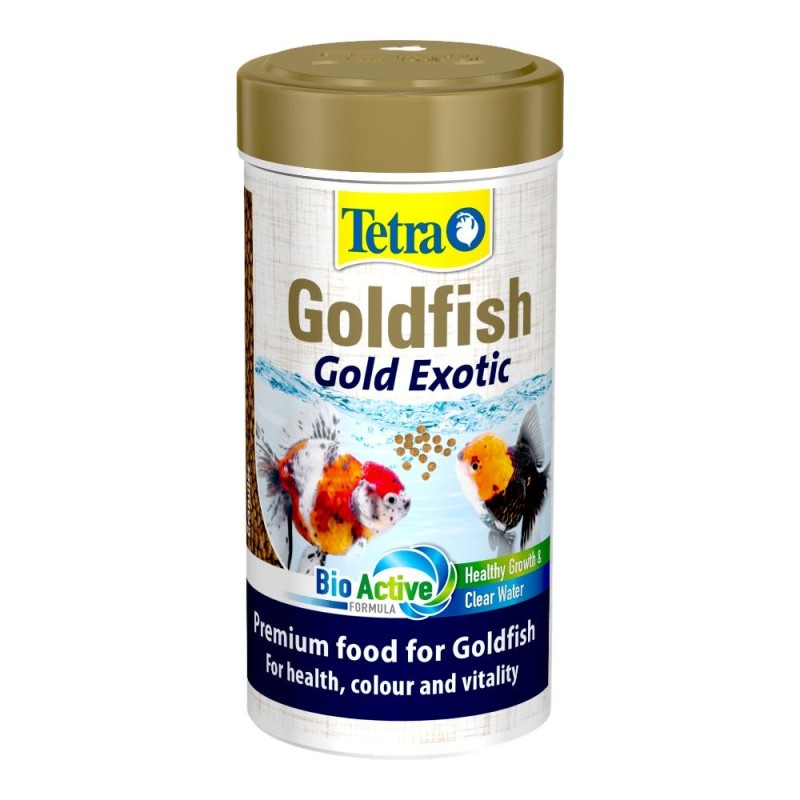
- Pellets: High-quality goldfish pellets should form the staple of their diet. Choose sinking pellets to prevent them from gulping air at the water's surface.
- Vegetable Matter: Blanched vegetables like spinach, zucchini, or peas can be offered occasionally to provide essential nutrients and fiber.
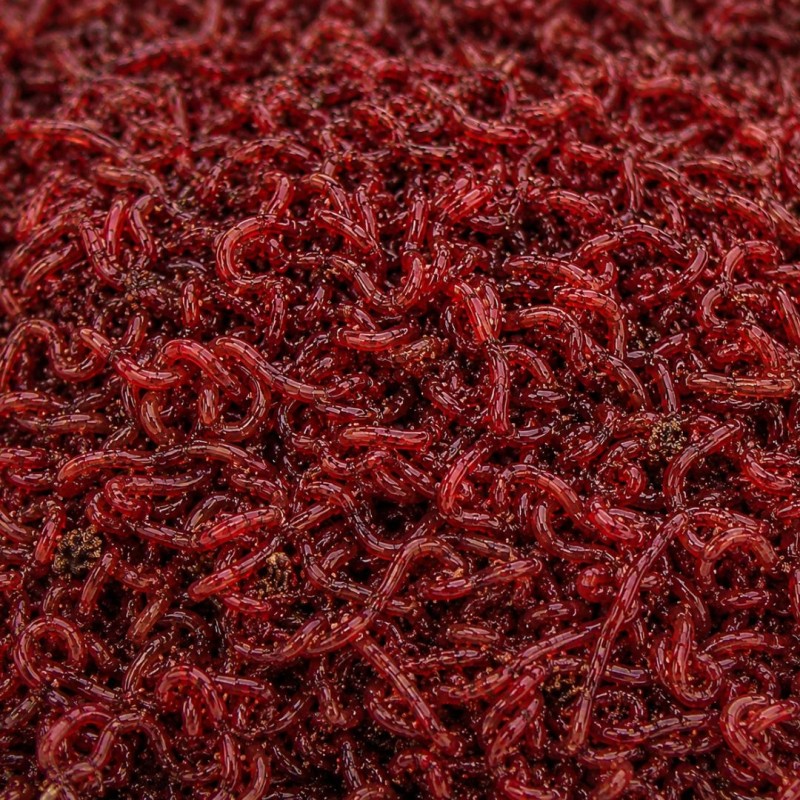
- Live or Frozen Foods: Offer live or frozen foods like brine shrimp, bloodworms, or daphnia as a protein supplement.
Tankmates:
Panda Oranda Goldfish are peaceful and can be housed with various non-aggressive tankmates, including:
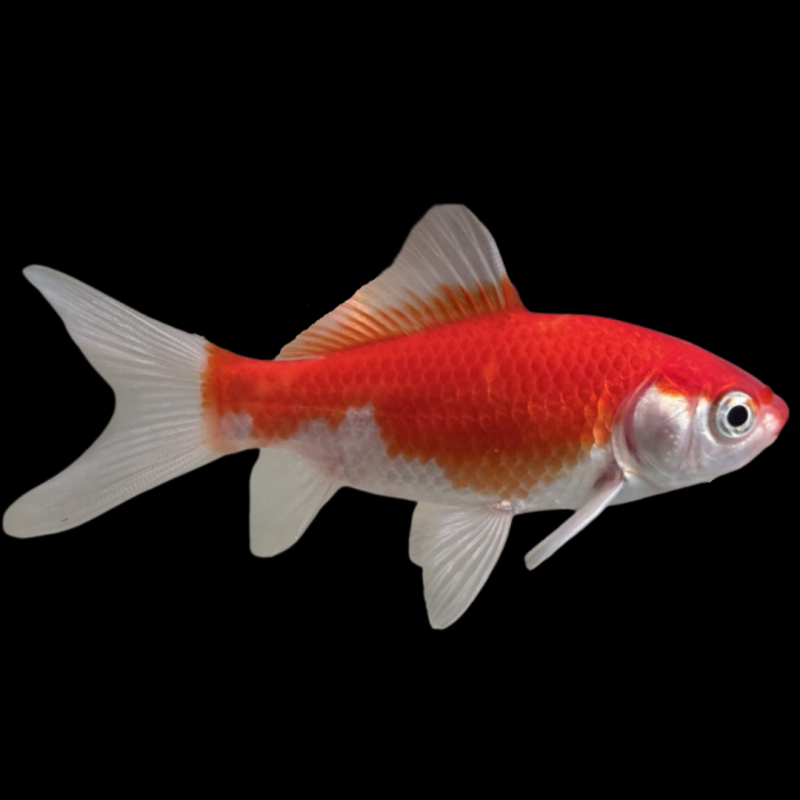
- Other Goldfish: Other slow-moving goldfish species like Ryukin, Shubunkin, and Fantail Goldfish.
- Peaceful Fish: small, non-aggressive species.
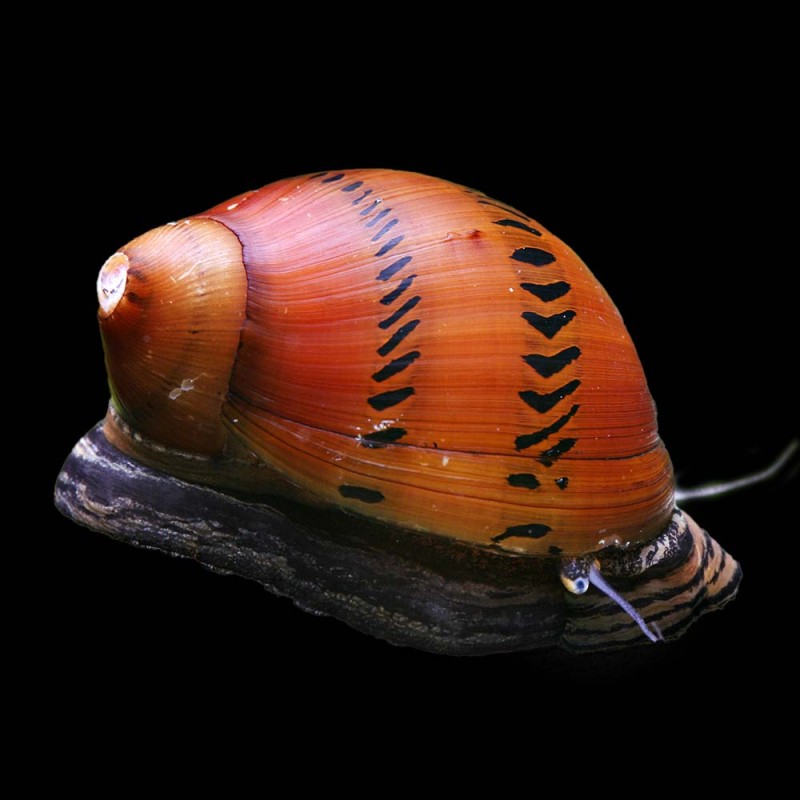
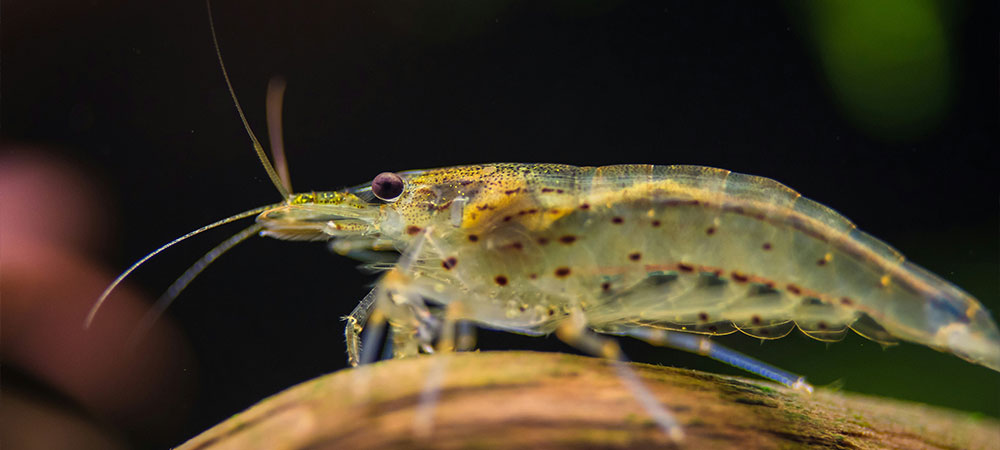
- Shrimp or Snails: Peaceful invertebrates like Nerite snails or Amano shrimp can be good tankmates.
Avoid aggressive fish, as they may cause stress or harm to the slower-moving Panda Oranda Goldfish.
Breeding:
Breeding Panda Oranda Goldfish requires a separate breeding tank with clean water and stable conditions:
- Breeding Setup: A breeding tank with a shallow water level (around 10 cm or 4 inches) is ideal. Provide plants or spawning mops for egg laying.
- Spawning Behavior: The male will chase the female and nudge her to release eggs, which he will fertilise. After spawning, remove the parents to avoid them eating the eggs.
- Fry Care: Once the fry are free-swimming, they can be fed with infusoria or newly hatched brine shrimp.
Special Considerations:
- Water Quality: Maintaining excellent water quality is essential for the health of Panda Oranda Goldfish. Regular water changes (about 20% weekly) are recommended to prevent the buildup of toxins.
- Fin Care: Panda Orandas have delicate, flowing fins, so take care to avoid sharp decorations or tankmates that might damage them.