

- Stock: In Stock
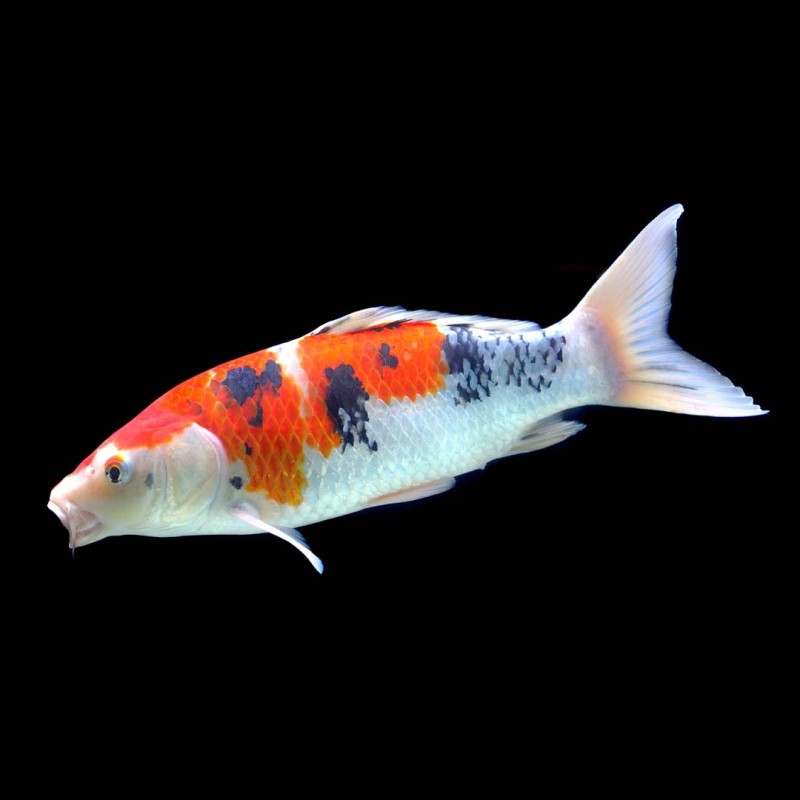
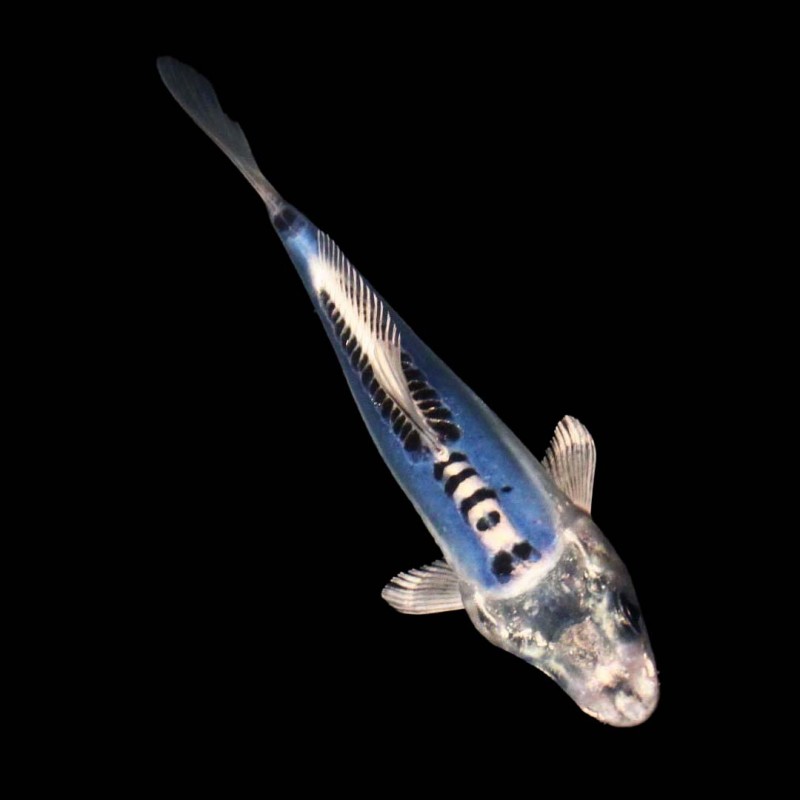
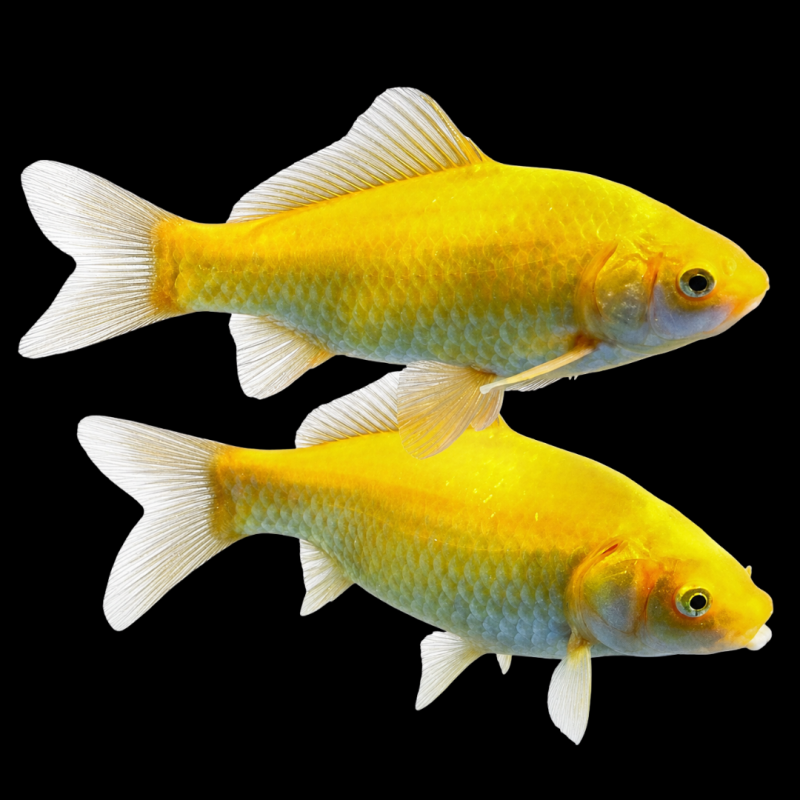
Please Note: Due to variations within species, your fish may not look identical to the image provided. Also note not all sizes or species may be available due to seasonality, Please call beforehand for up-to-date stock availability.
- Model: GRASS CARP MATRIX
Available Options
Grass Carp
The Grass Carp (*Ctenopharyngodon idella*) is a large freshwater fish known for its exceptional herbivorous diet and rapid growth. Native to East Asia, this species is often introduced into various water bodies around the world for aquatic weed control, making it a valuable fish for maintaining ecological balance in lakes and ponds.
Physical Characteristics:
- Size: Grass Carp can grow quite large, typically reaching lengths of 60-120 cm (24-47 inches), although individuals over 1 metre (3.3 feet) have been recorded.
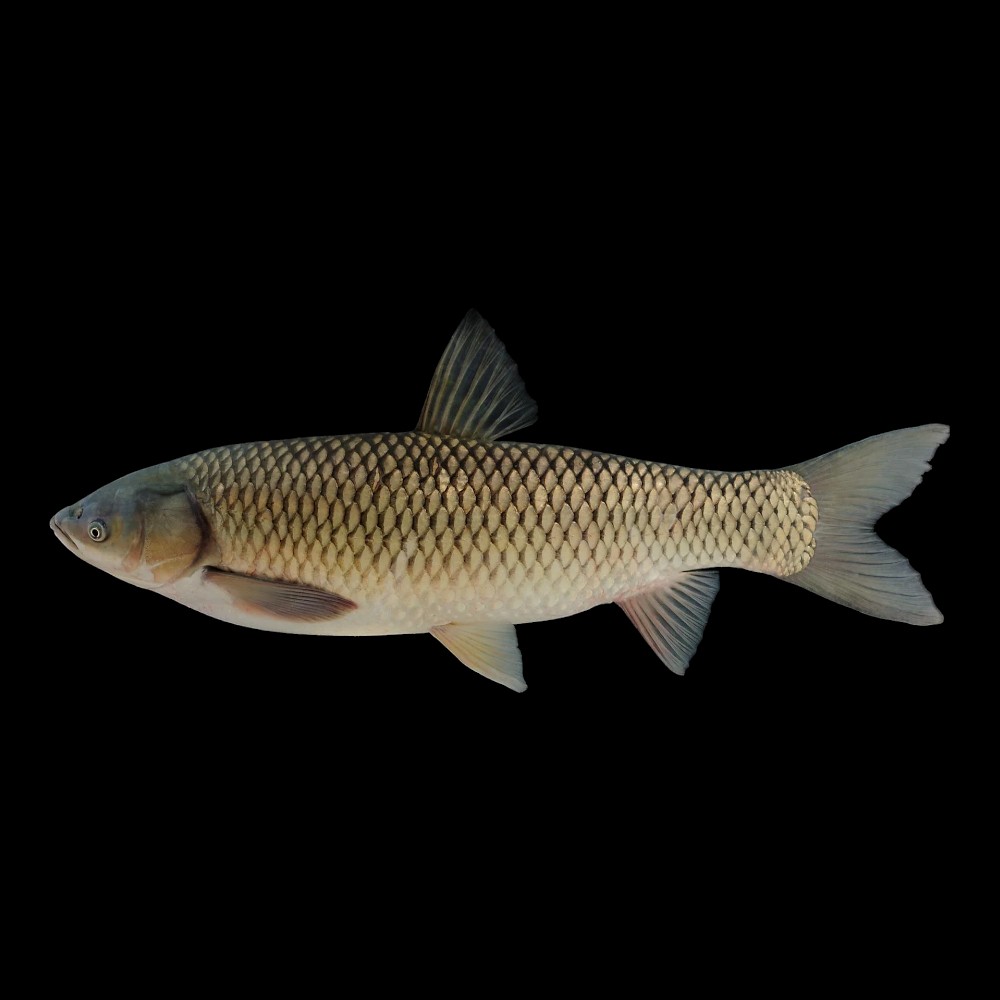
- Colouration: They are characterised by a long, torpedo-shaped body that is generally greenish to brown on the back, fading to a lighter belly. This coloration helps them blend in with their natural surroundings.
- Fins: Grass Carp have long dorsal and anal fins, which aid in their swimming efficiency. Their tail fin is deeply forked, contributing to their powerful swimming ability.
- Shape: Their elongated body shape and large mouth are adapted for grazing on aquatic plants, which forms the majority of their diet.
Behaviour:
- Temperament: Grass Carp are generally peaceful and non-aggressive, making them suitable for community tanks with larger, non-predatory fish.
- Activity Level: They are active swimmers, often seen grazing on vegetation or swimming near the water's surface.
- Community Behaviour: Grass Carp can be housed with a variety of tankmates, provided there is enough space and resources to prevent competition for food.
Aquarium Care:
- Tank Size: A minimum tank size of 500 litres (132 gallons) is recommended for Grass Carp, as they require ample space to swim and graze.
- Water Parameters:
- Temperature: Grass Carp thrive in warmer water, with an ideal temperature range of 20°C to 28°C (68°F to 82°F).
- pH: They prefer slightly alkaline to neutral water, with a pH range of 7.0 to 8.5.
- Hardness: Soft to moderately hard water, with a general hardness (GH) of 5-15 dGH, is suitable.
- Tank Setup:
- Substrate and Decorations: A soft substrate is preferred, with plenty of live plants to provide grazing opportunities. Additionally, floating plants can help create shaded areas in the tank.
- Lighting: Moderate lighting is best, allowing plants to thrive while creating a comfortable environment for the fish.
- Filtration: A strong filtration system is necessary to maintain water quality, as Grass Carp produce a significant amount of waste. Regular water changes (about 20% weekly) are essential.
Diet:
Grass Carp are primarily herbivorous and require a varied diet to stay healthy. Their diet should include:
- Vegetation: High-quality aquatic plant material, including duckweed, water hyacinth, and other leafy greens, should form the bulk of their diet.
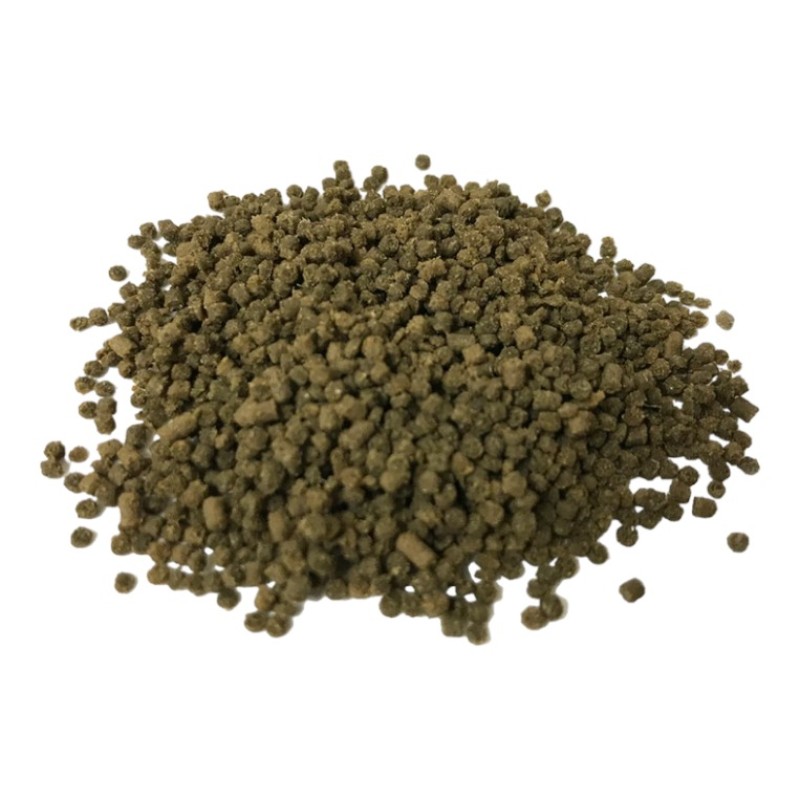
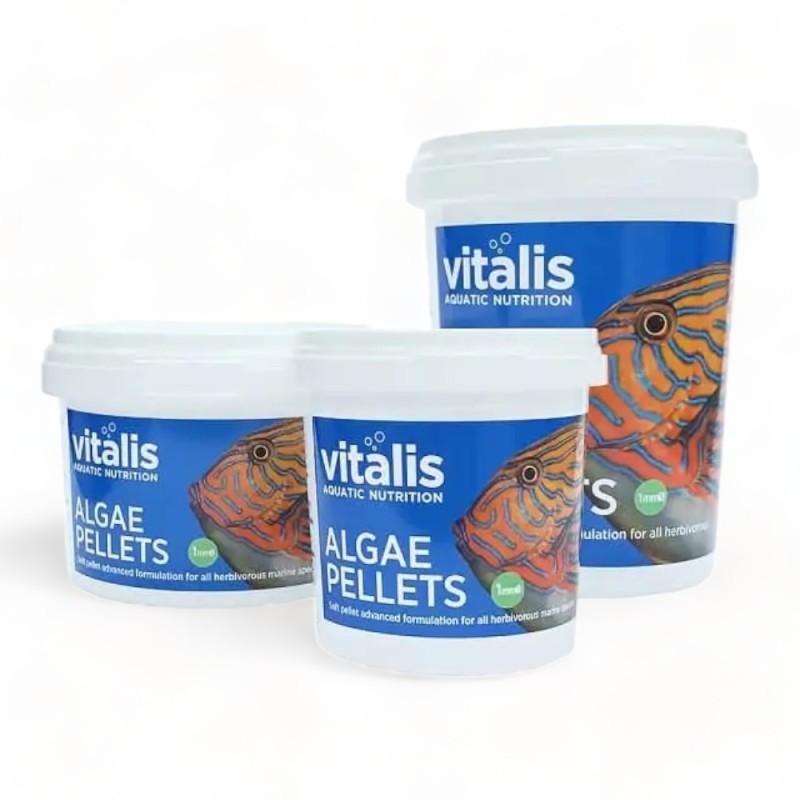
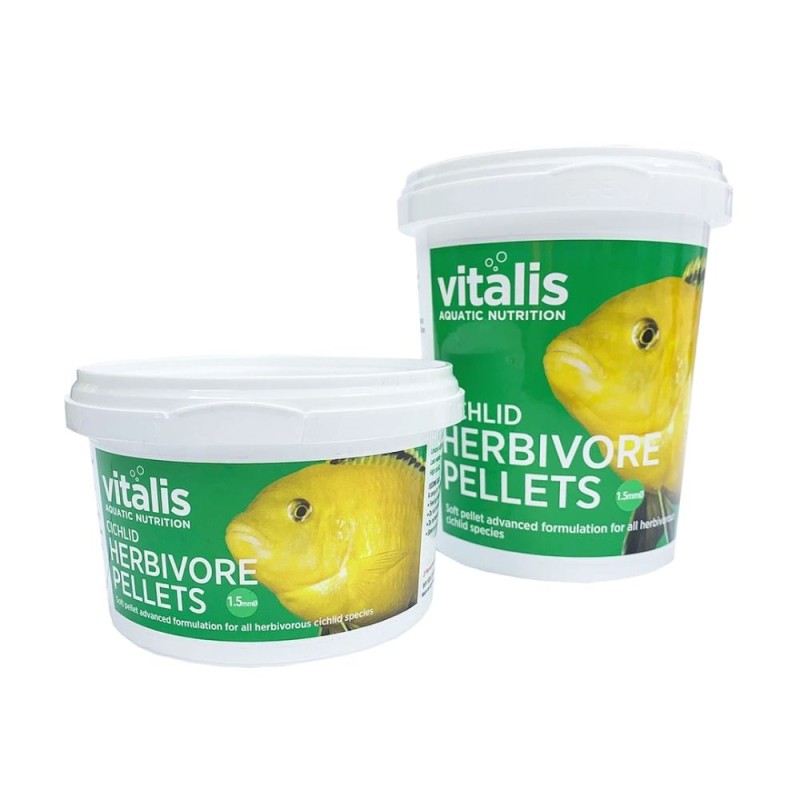
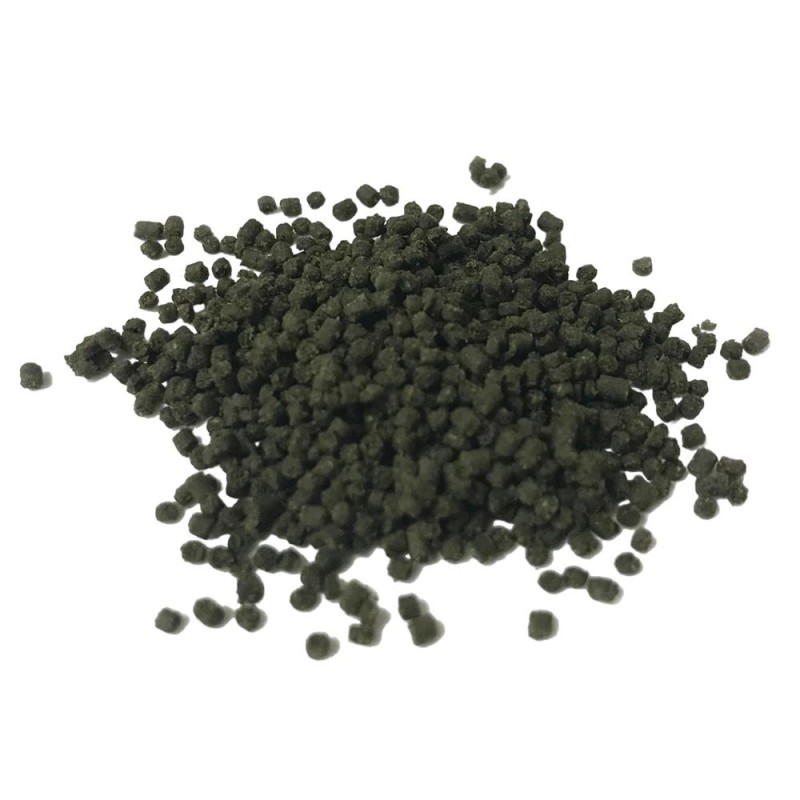
- Pellets: Commercially available herbivore pellets can also be provided to ensure a balanced diet.
- Fresh Vegetables: Supplementing their diet with blanched vegetables, such as spinach, zucchini, or lettuce, can provide additional nutrients.
Tankmates:
Grass Carp can be housed with various larger fish that share similar water requirements, including:
- Larger Tetras: Such as Silver Dollars or other non-aggressive species.
- Cichlids: Larger, peaceful cichlids can coexist with Grass Carp, but care should be taken to prevent aggression.
Avoid housing them with smaller fish that may be seen as food or aggressive species that could stress them.
Breeding:
Breeding Grass Carp in captivity can be challenging, as they require specific conditions:
- Breeding Setup: A large, shallow tank with plenty of vegetation is recommended for breeding. Water temperature should be elevated (around 25°C to 30°C or 77°F to 86°F) to stimulate spawning.
- Spawning Behaviour: Grass Carp are known to spawn in flowing waters. In captivity, creating a current and providing ample spawning sites can encourage breeding.
- Fry Care: Once the eggs hatch, the fry can be fed with infusoria or finely crushed food until they grow large enough to consume regular food.
Special Considerations:
- Space Requirements: Grass Carp require significant space due to their size and swimming habits. Providing a large tank is essential for their well-being.
- Plant Consumption: They may consume a large number of aquatic plants, so careful management of plant life in the aquarium is necessary.