

Menu
Menu
Your Cart

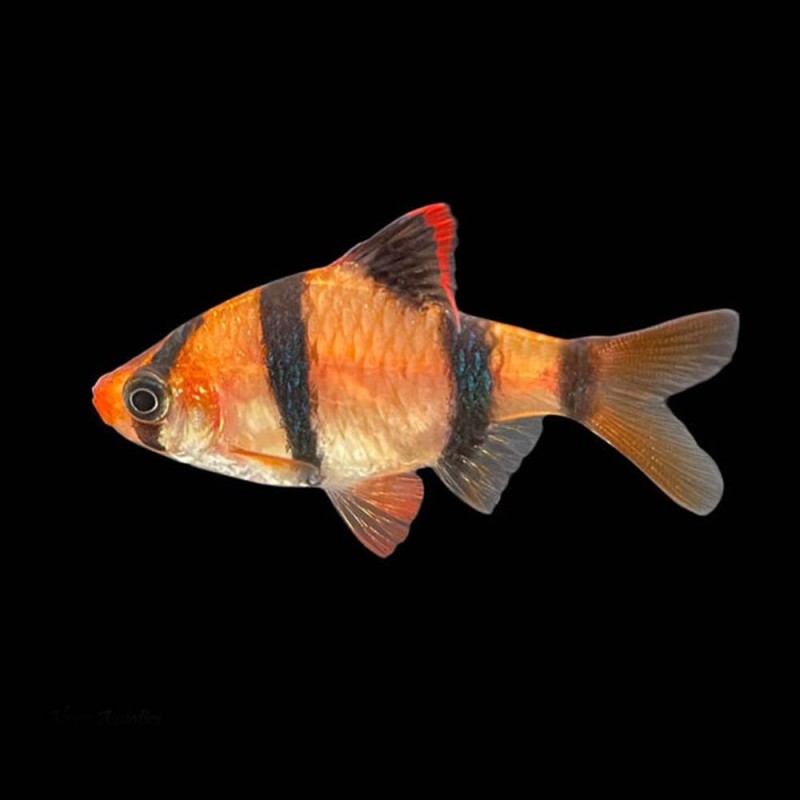
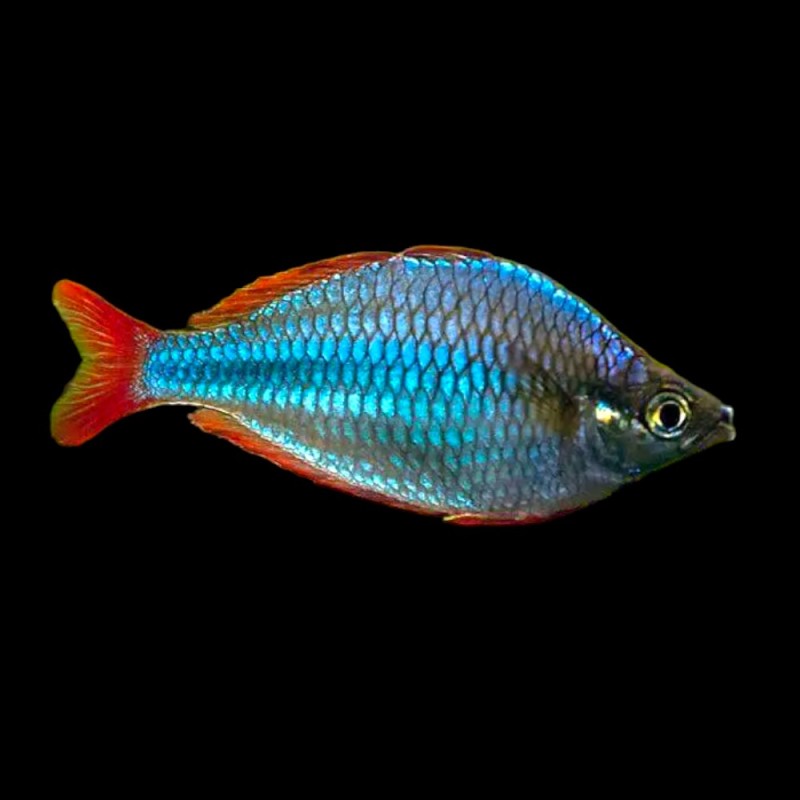
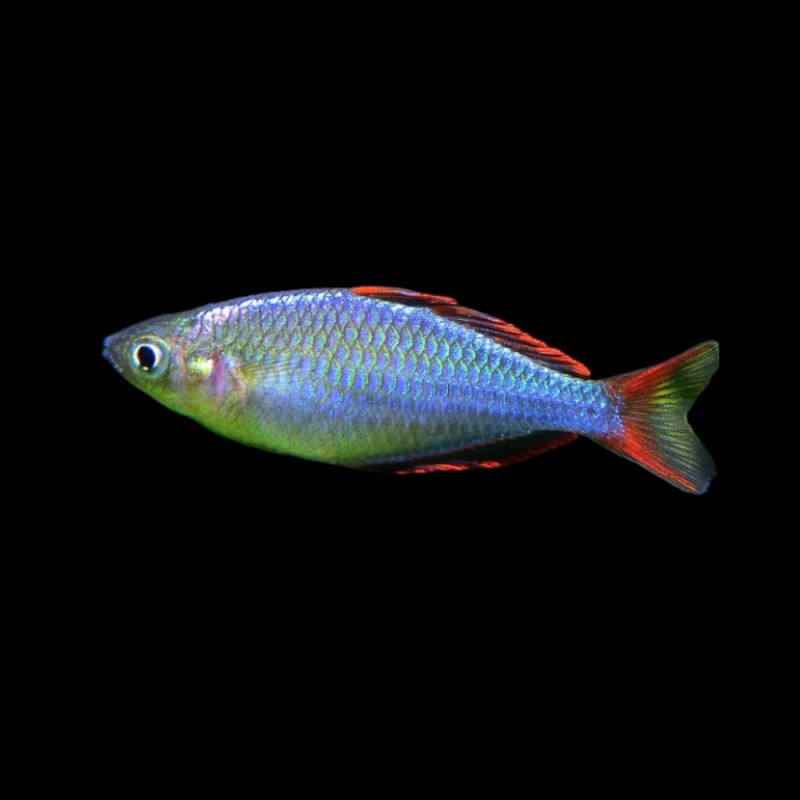
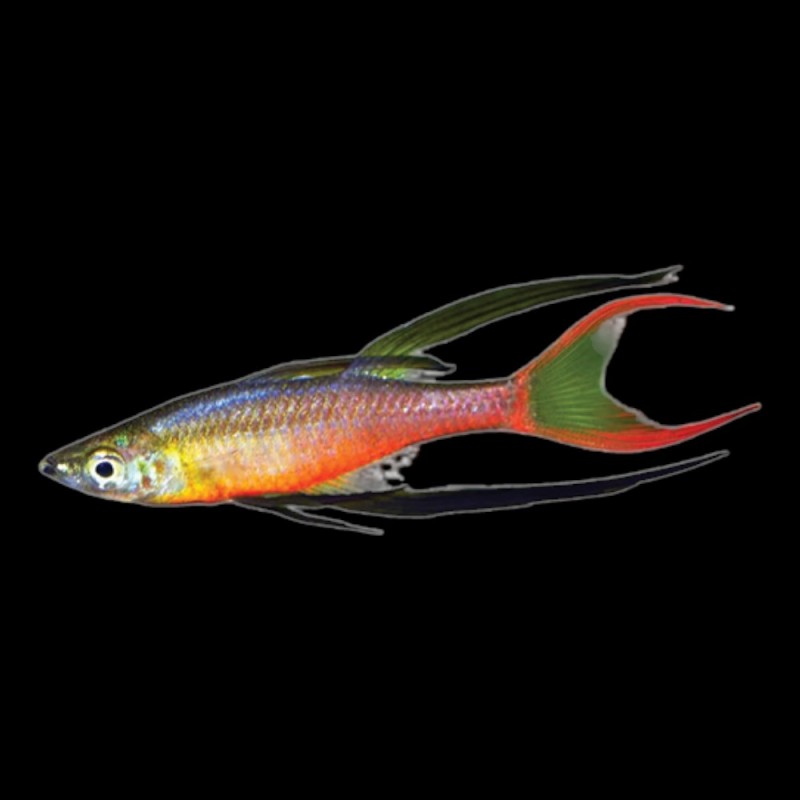
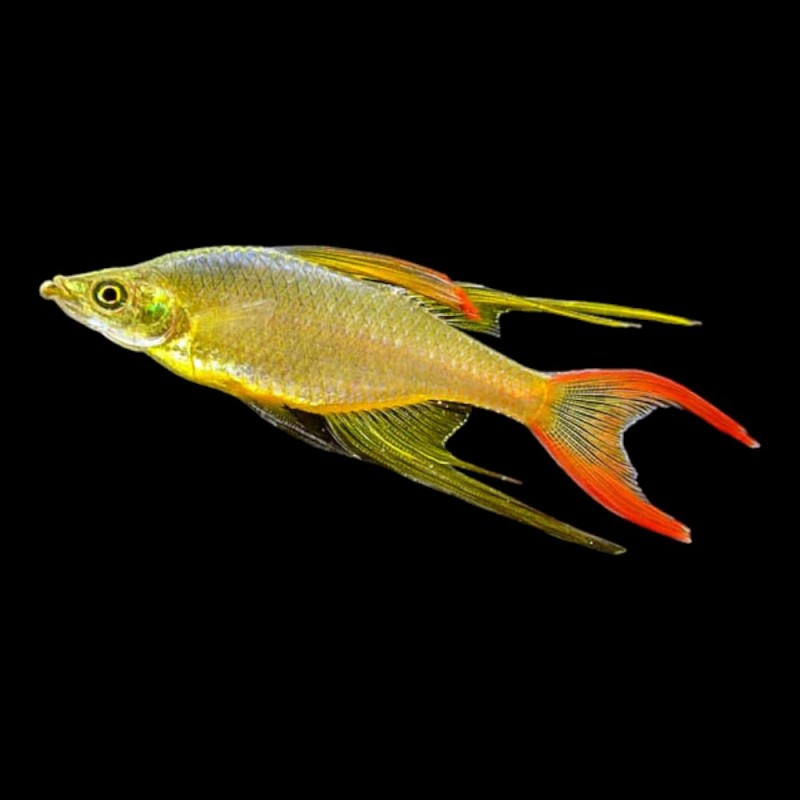
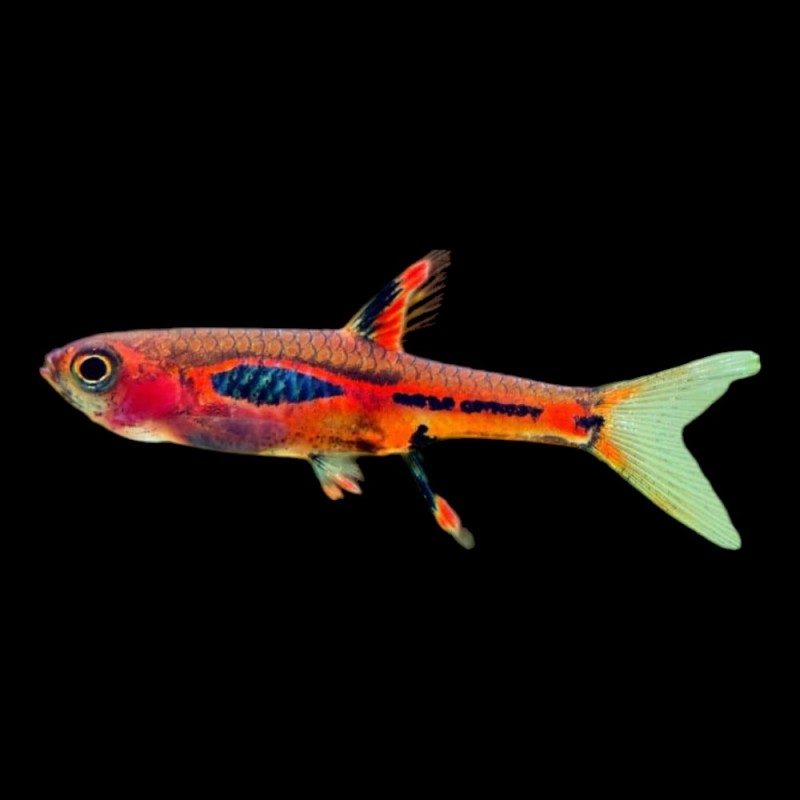
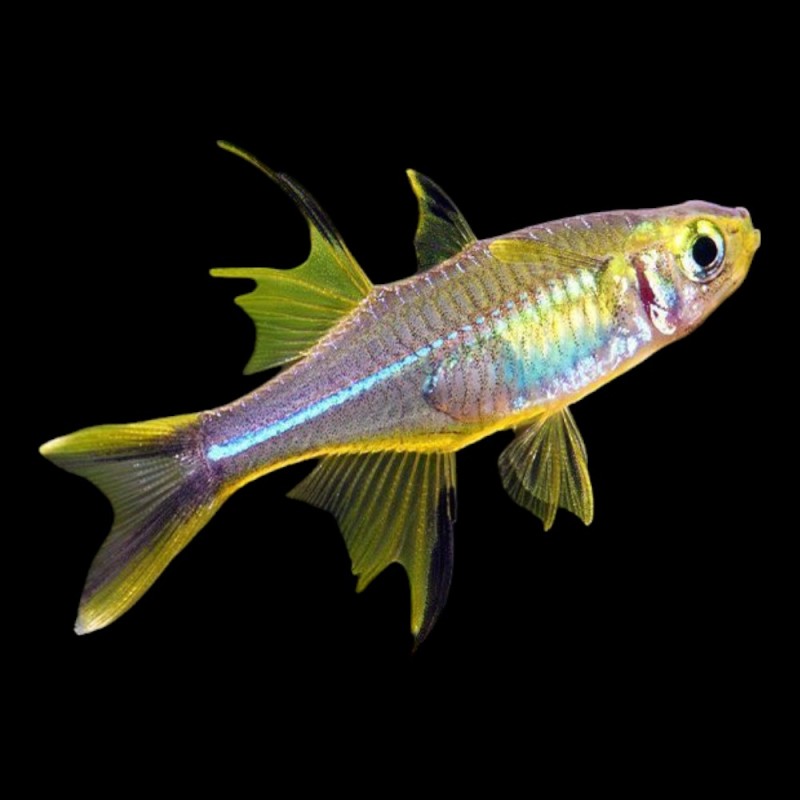
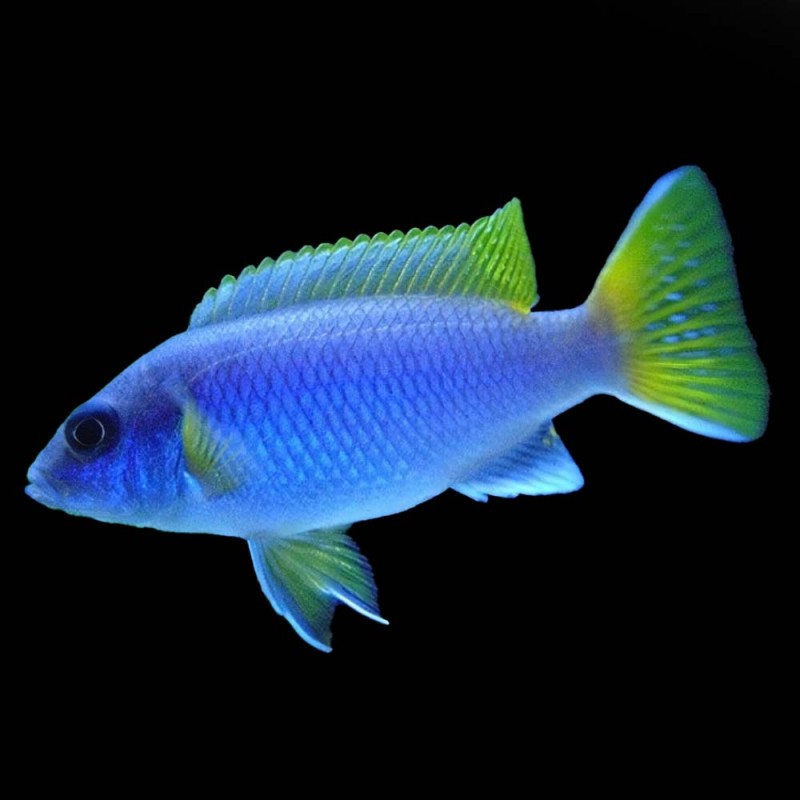
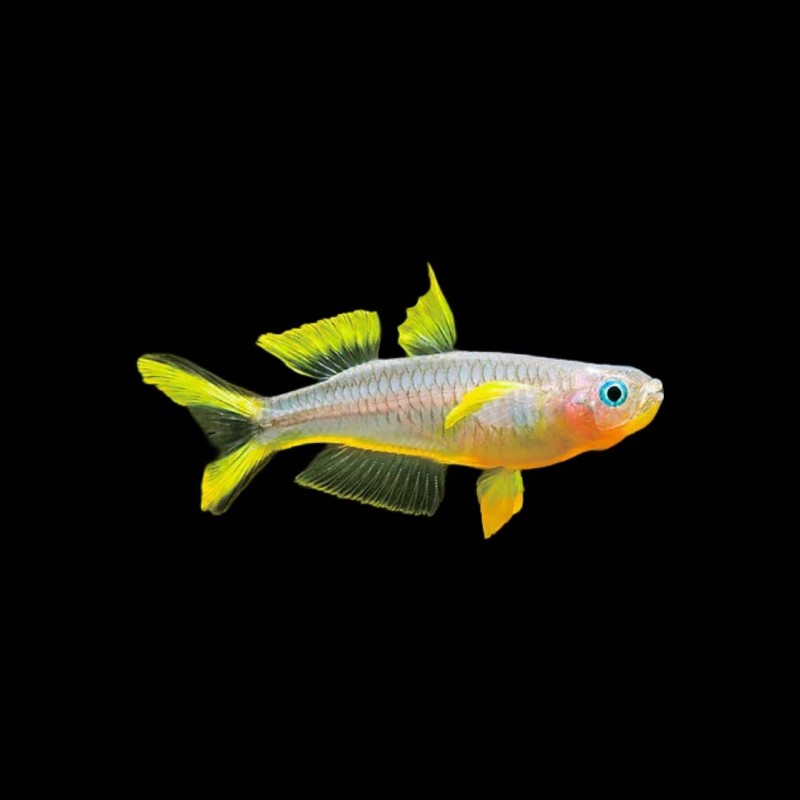
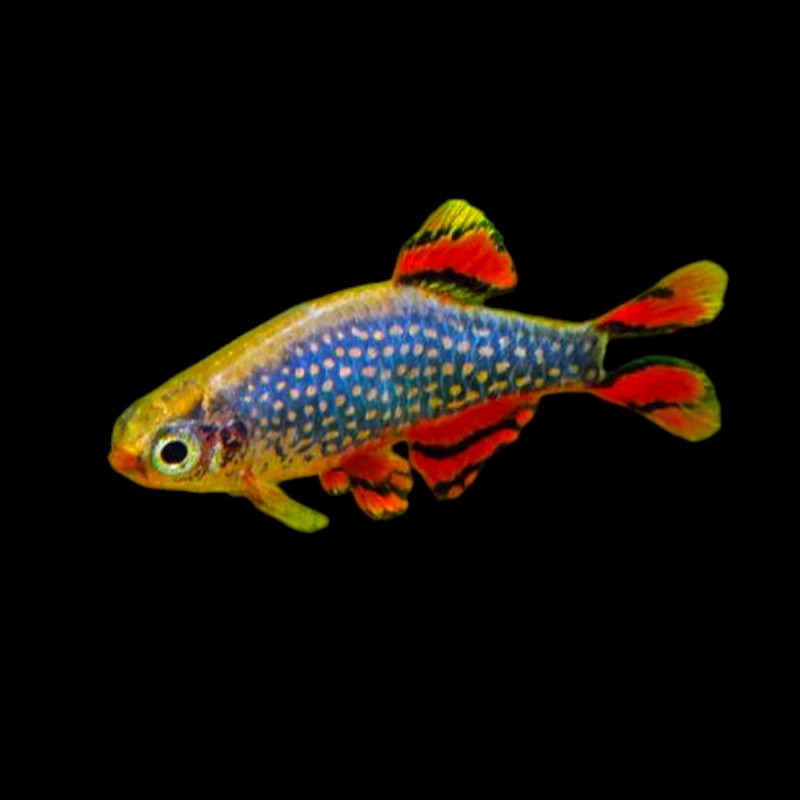
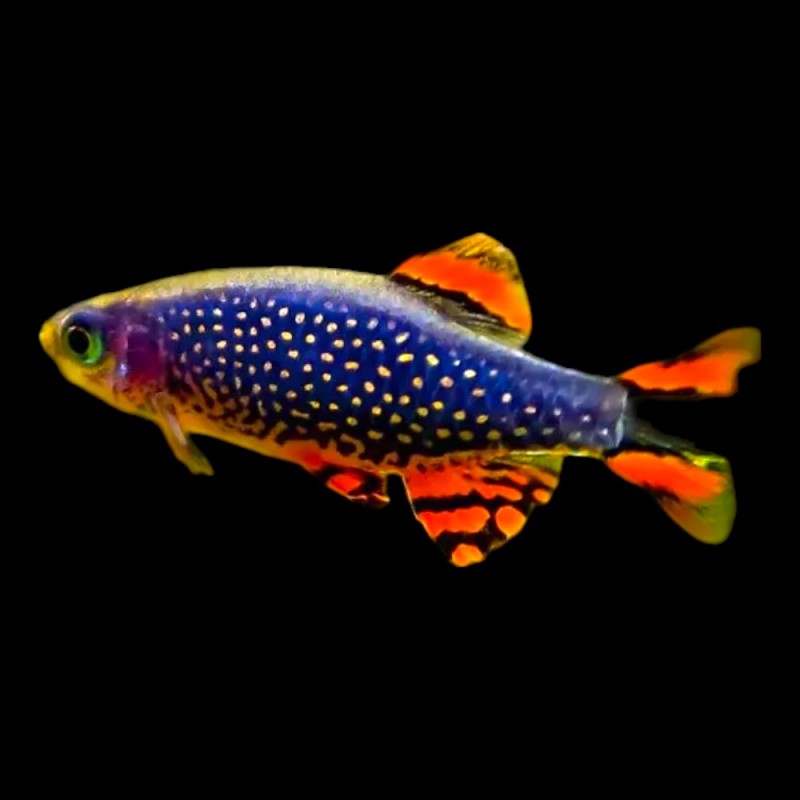
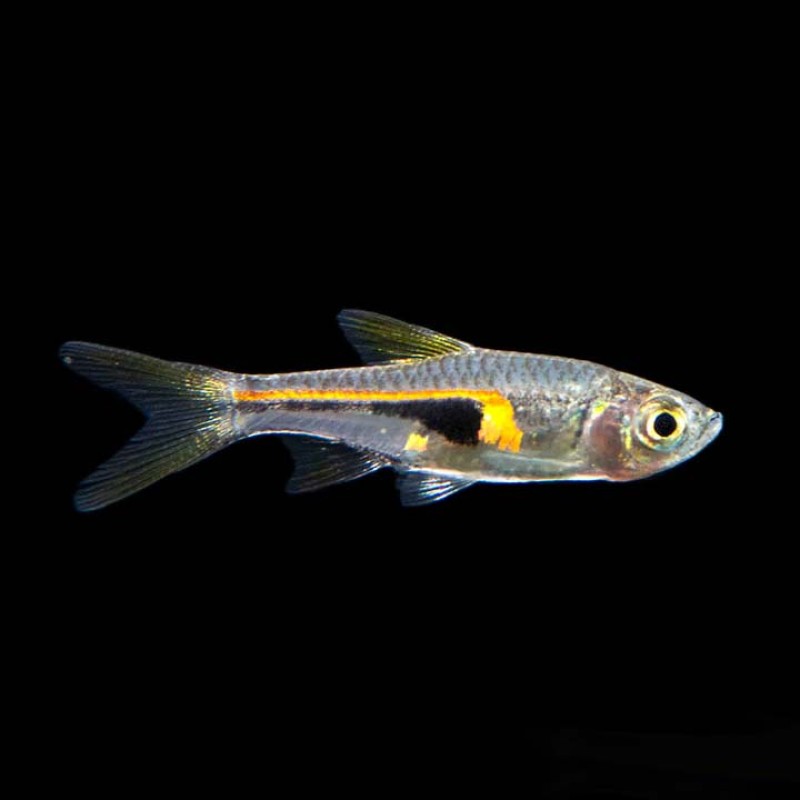
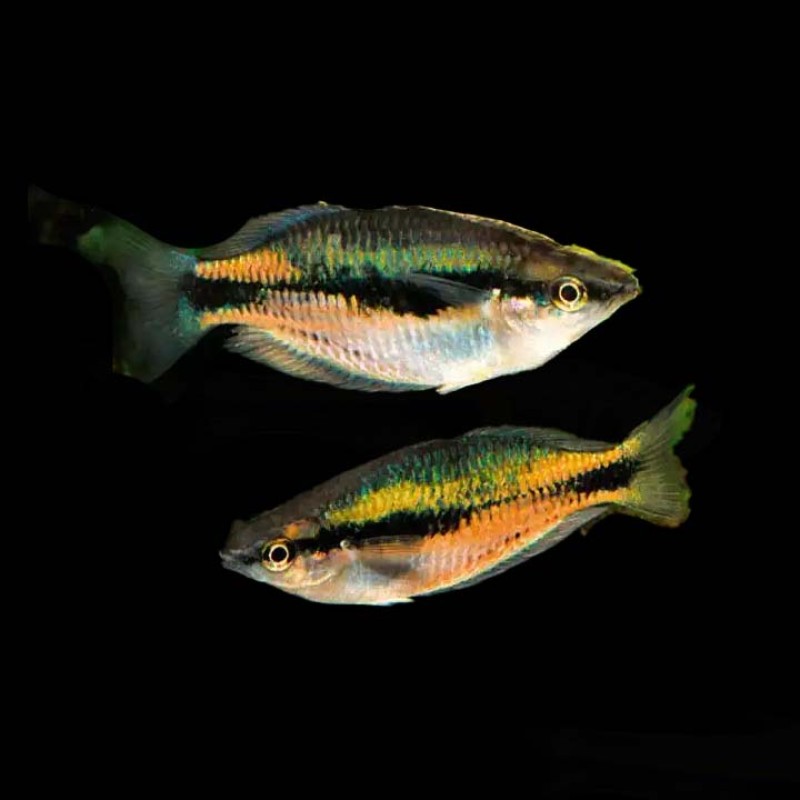
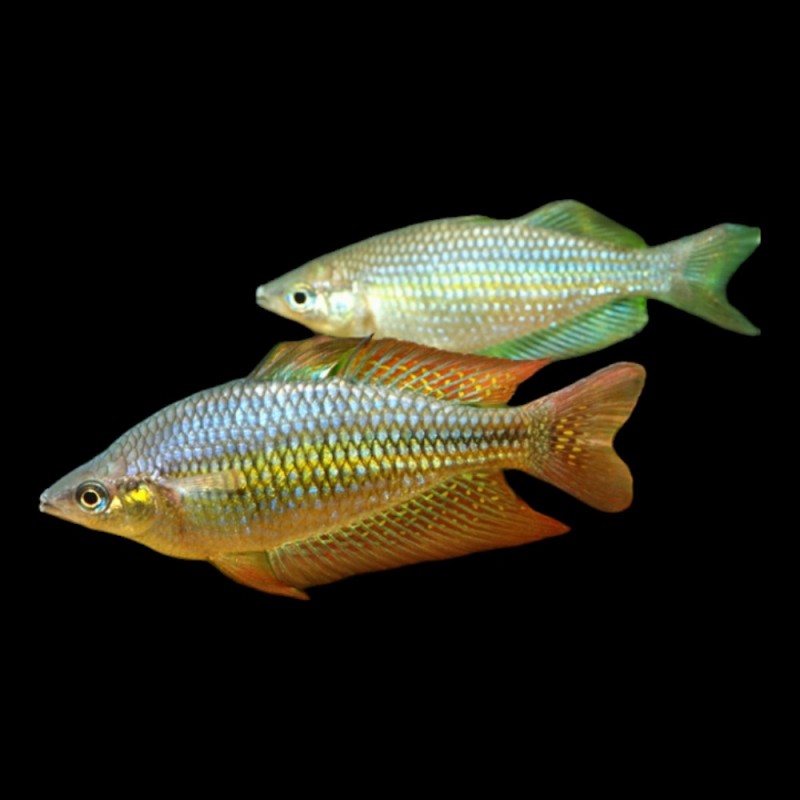
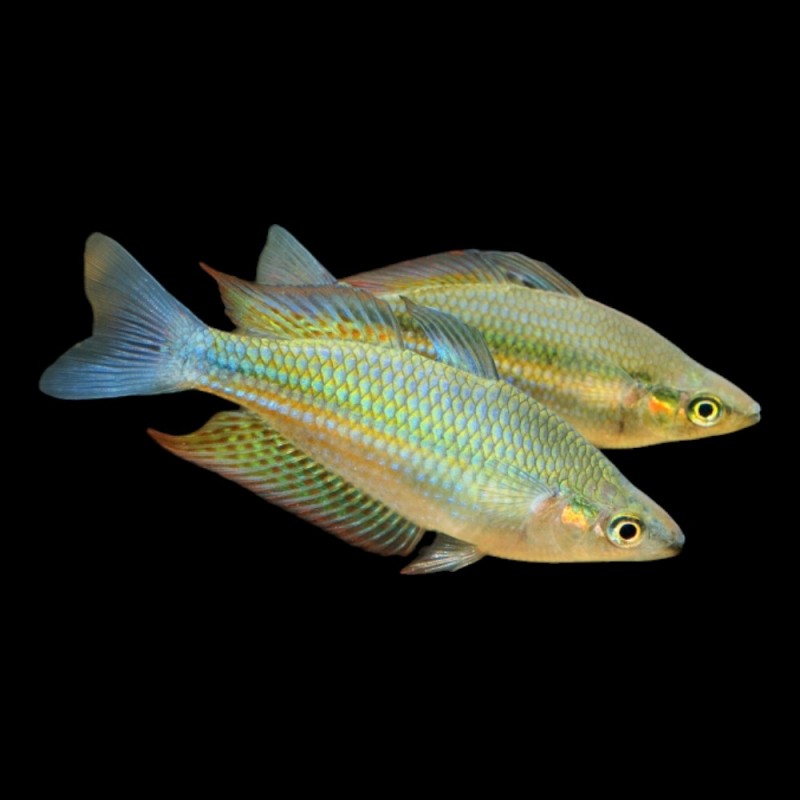
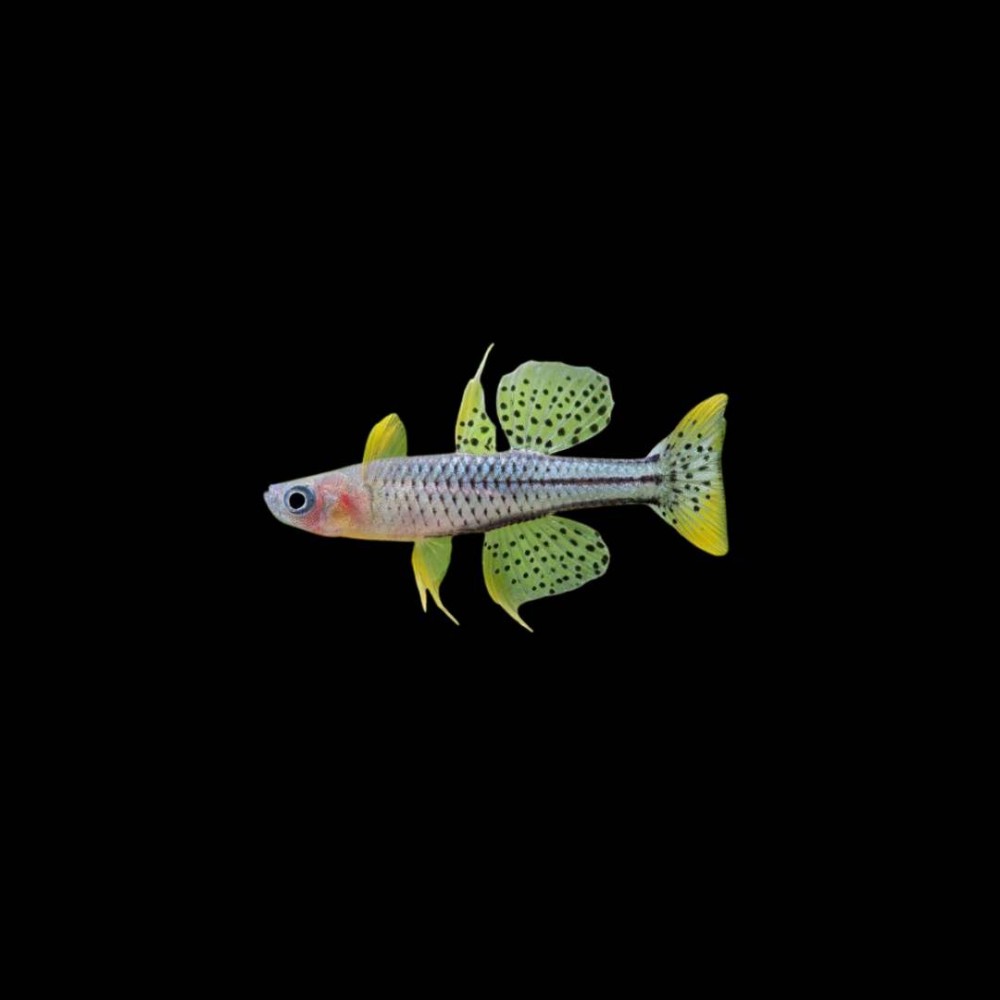
Gertrudae Rainbow ARU II

Gertrudae Rainbow ARU II
€16.99
Ex Tax: €13.81
  • Stock: Generally In Stock
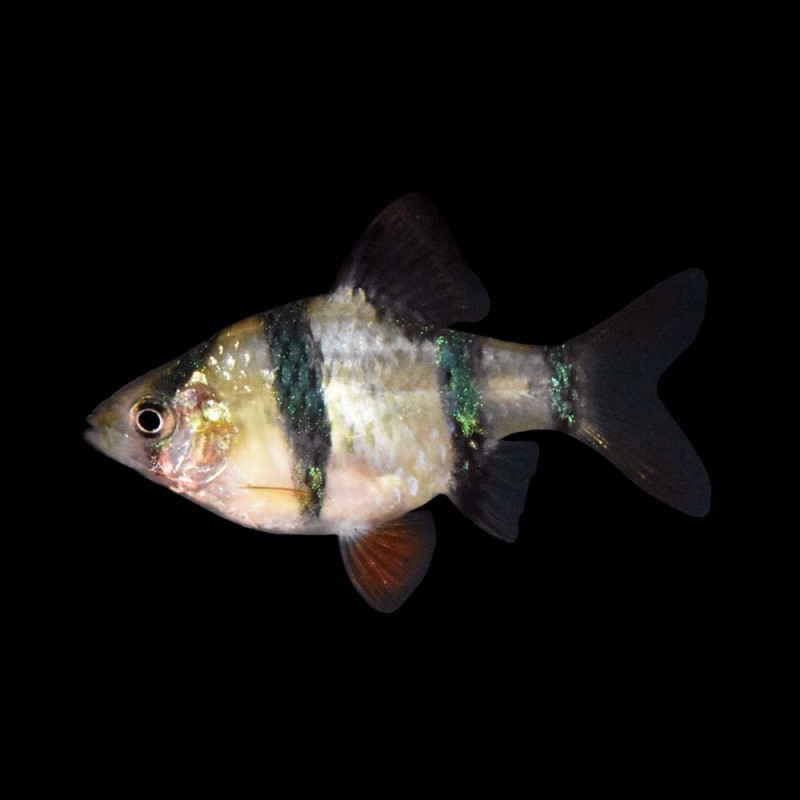
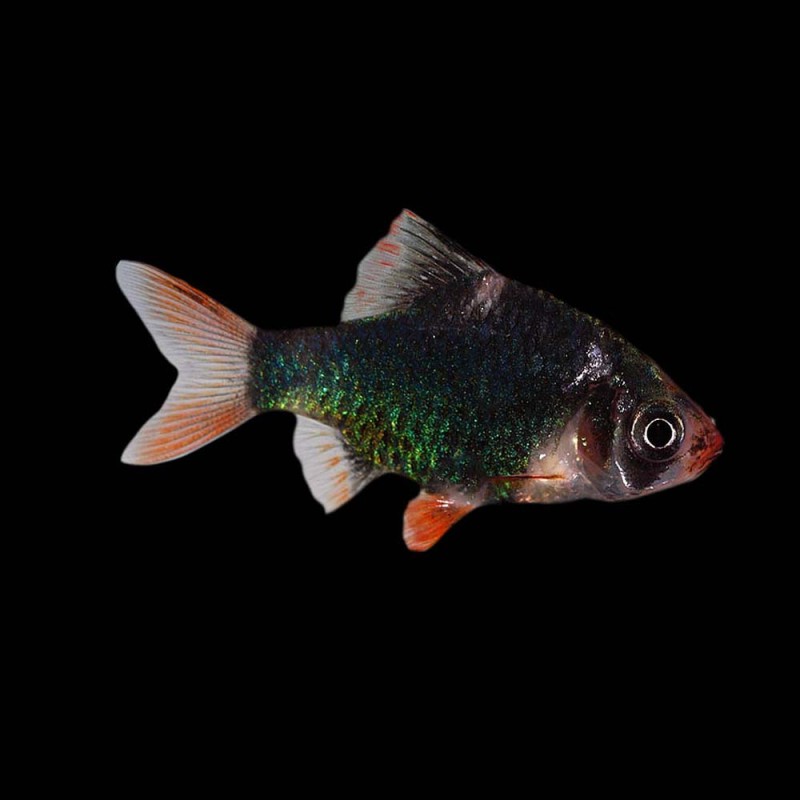
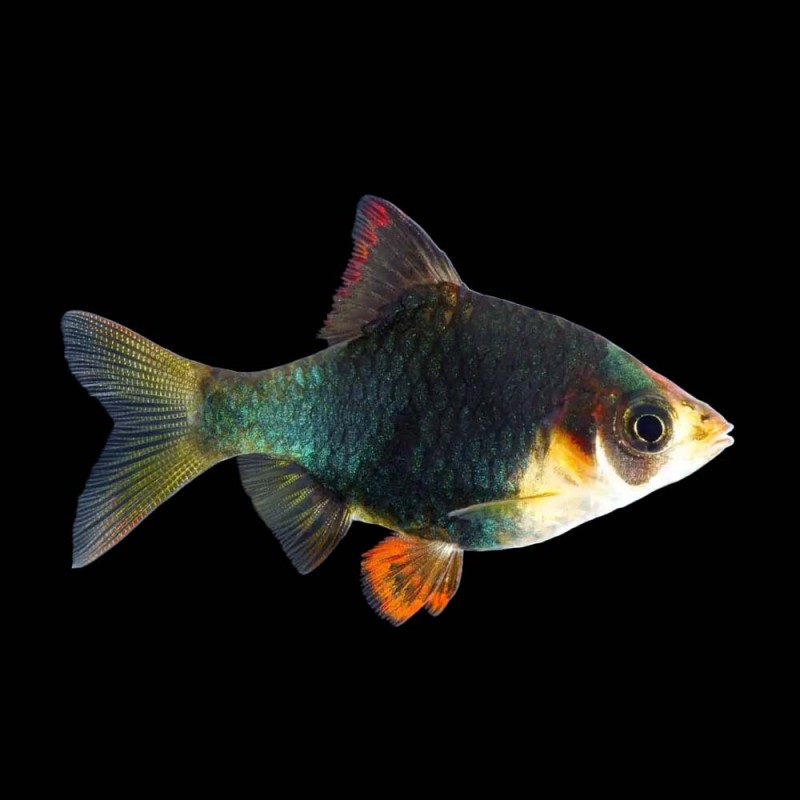
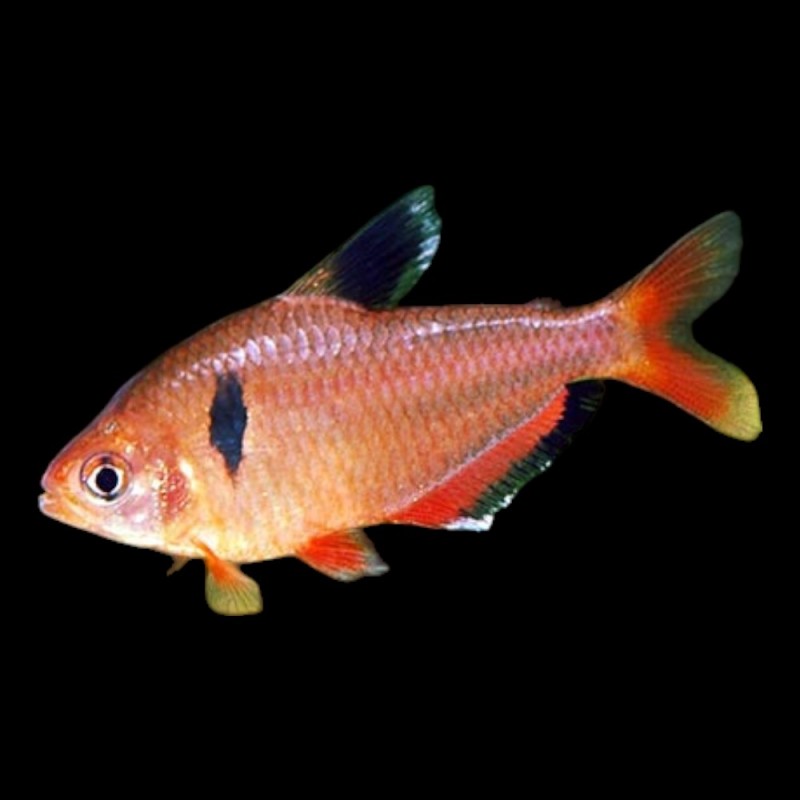
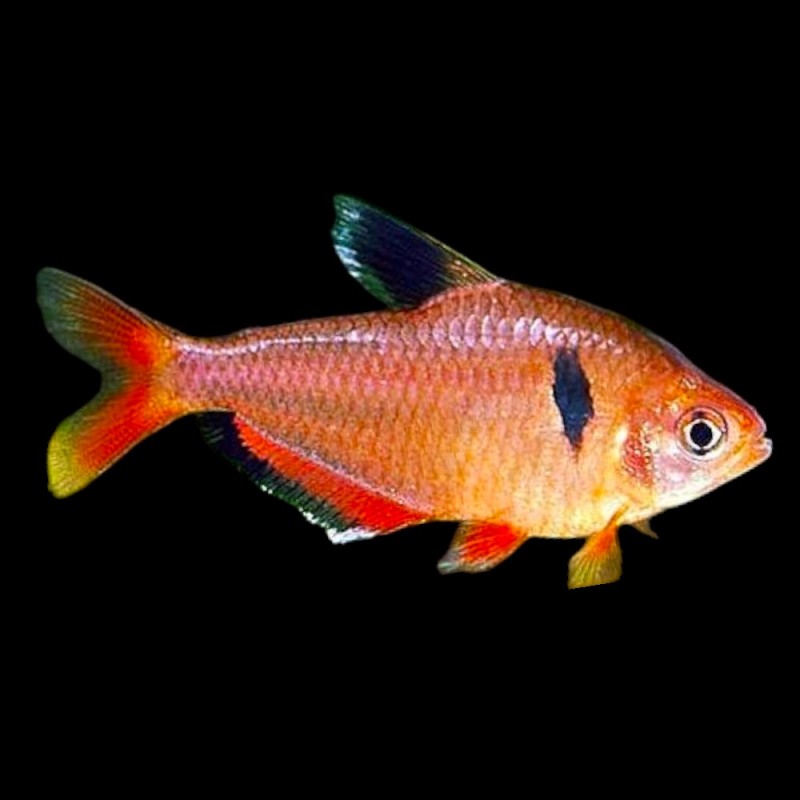
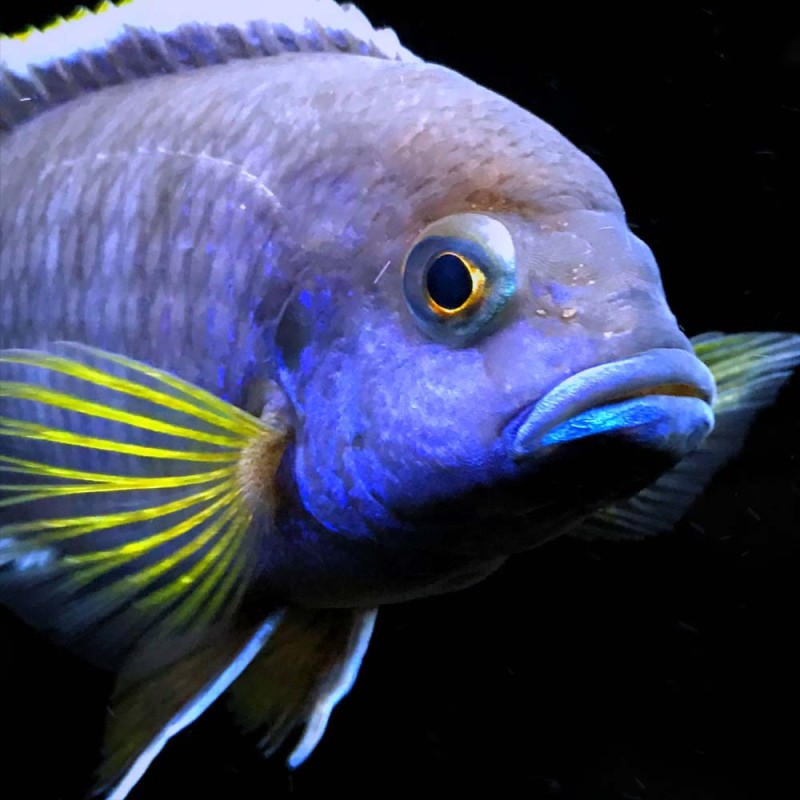
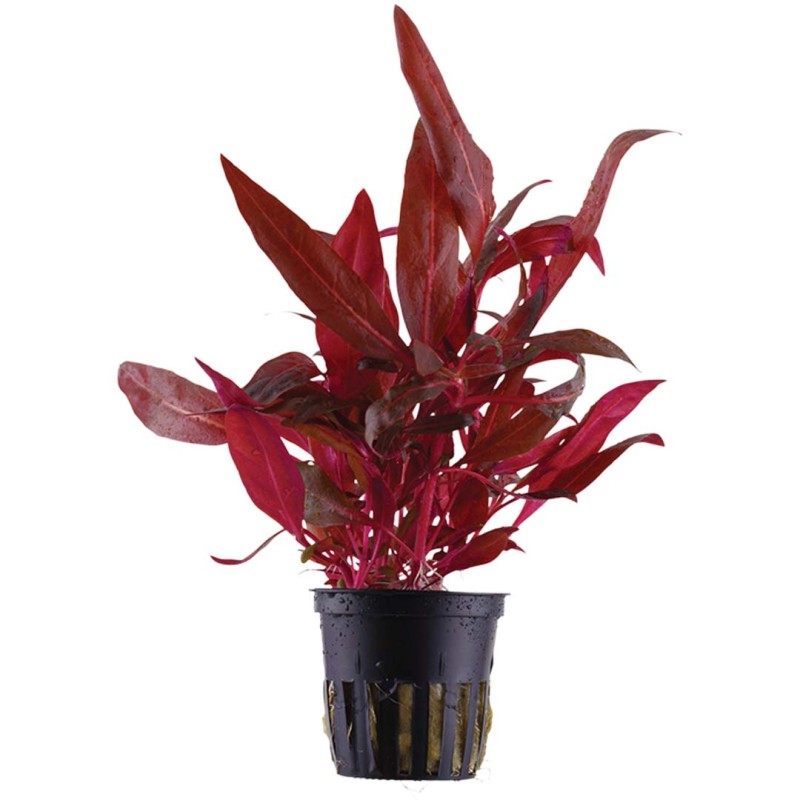
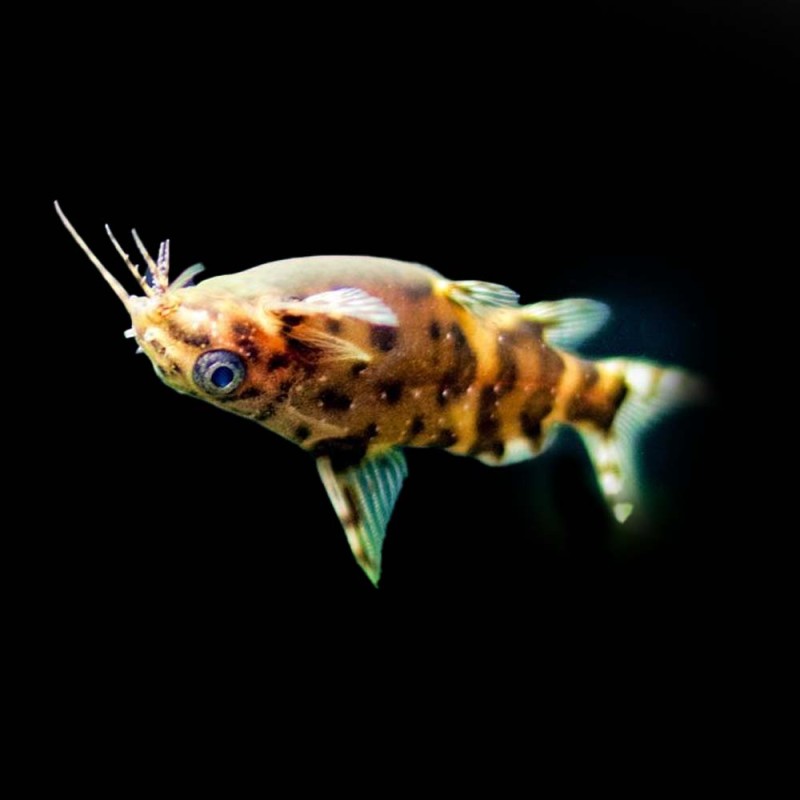
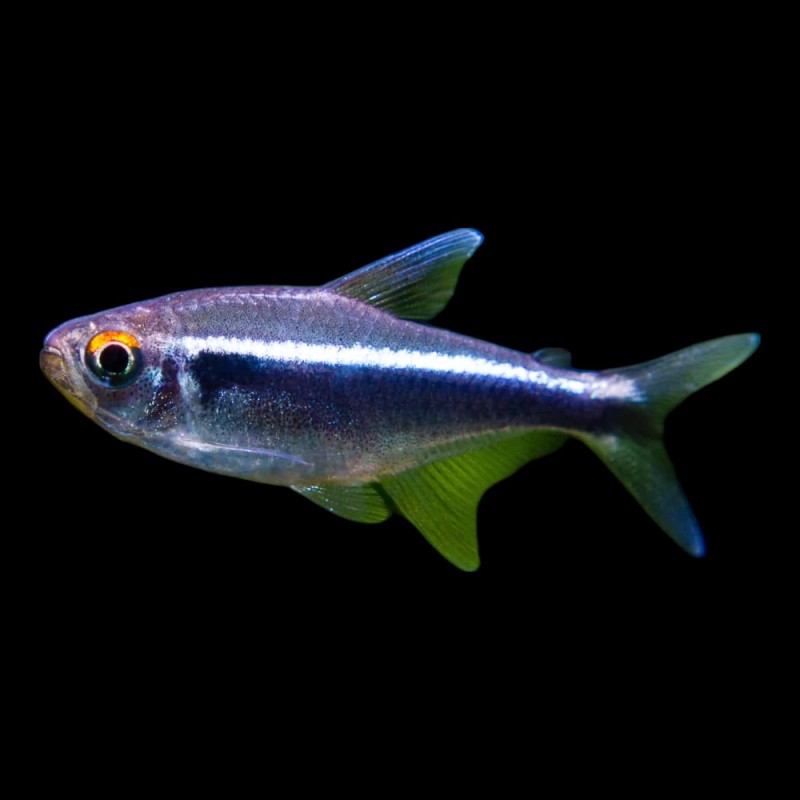
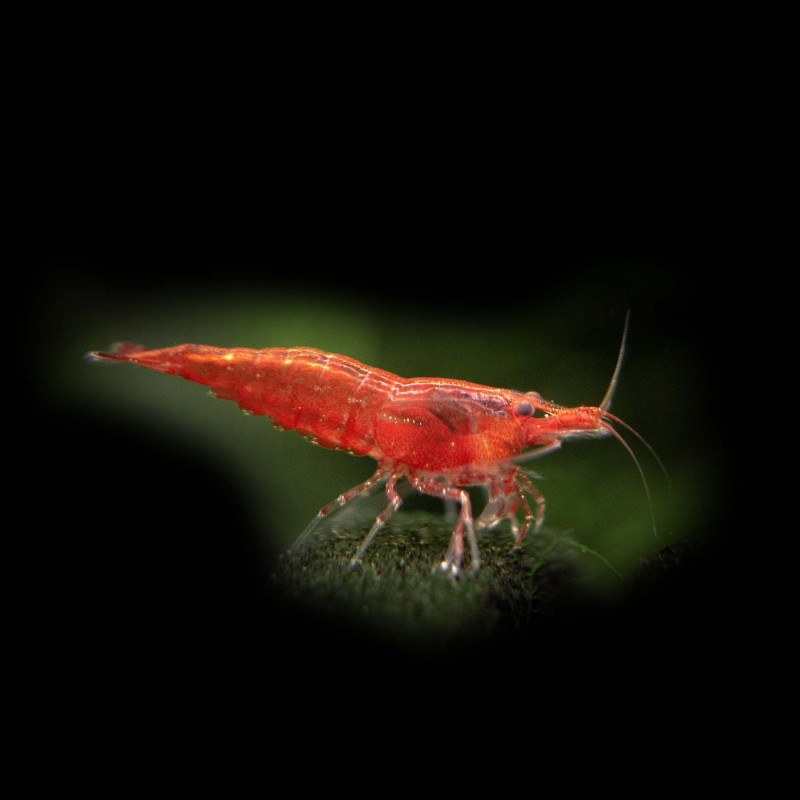
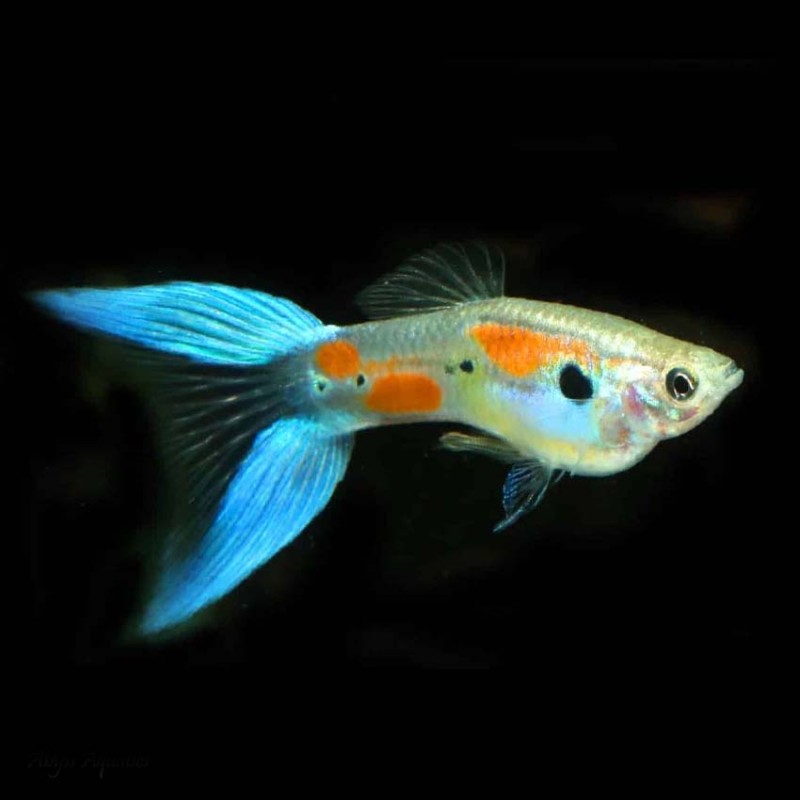
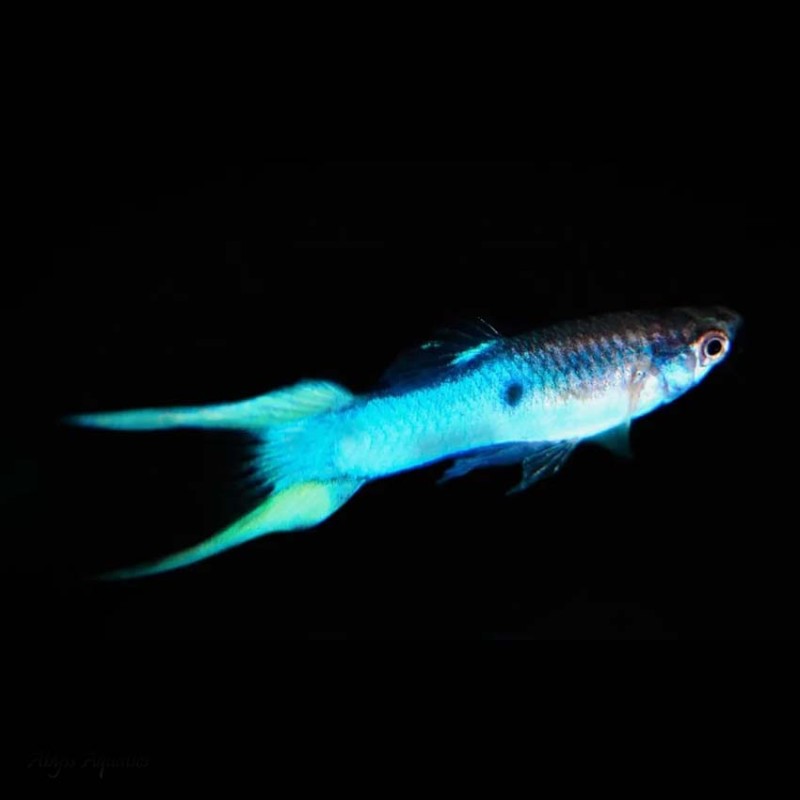
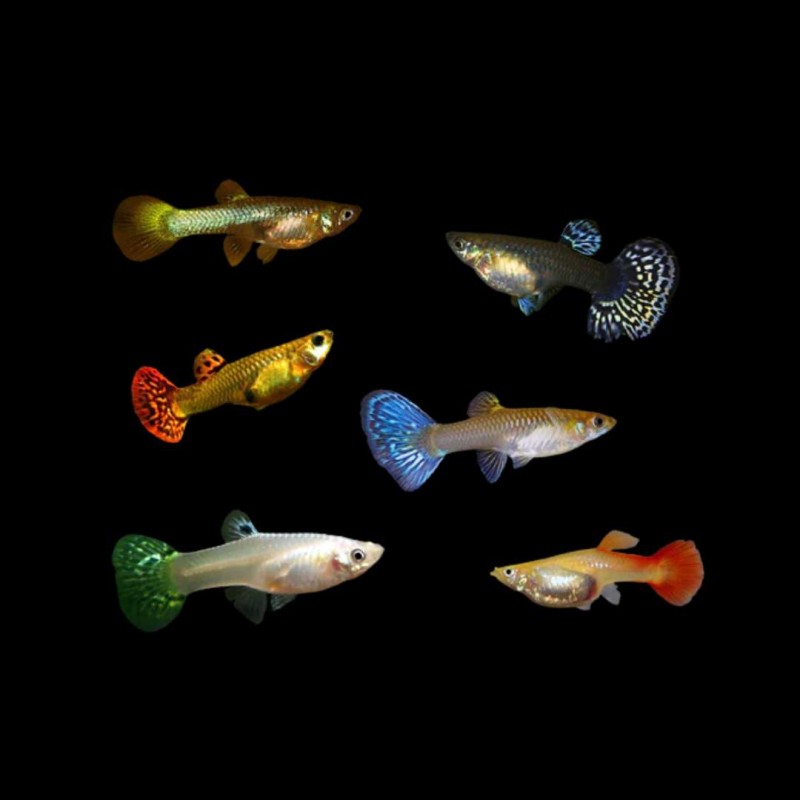
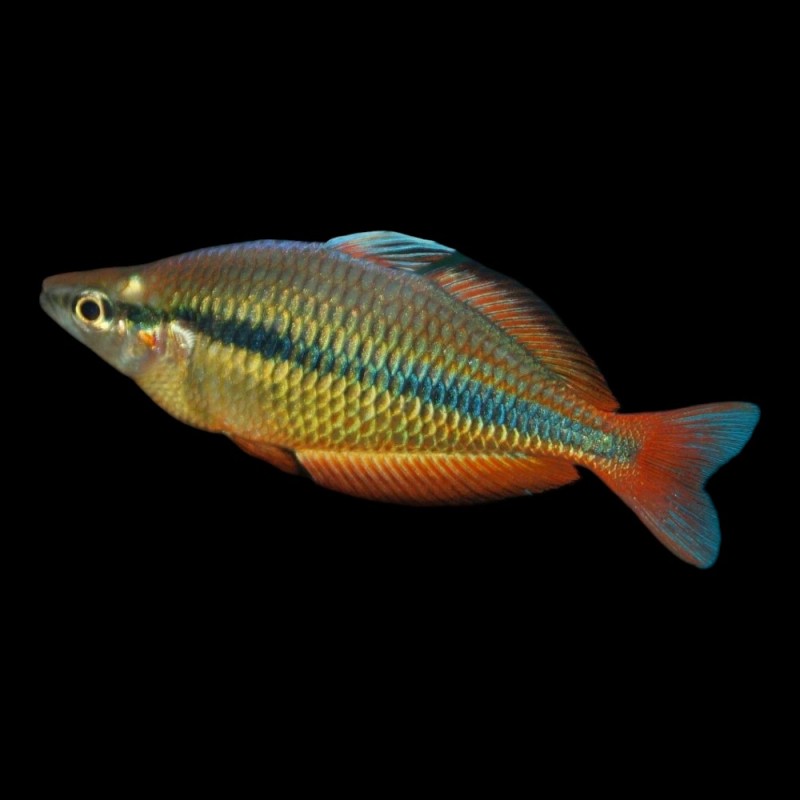
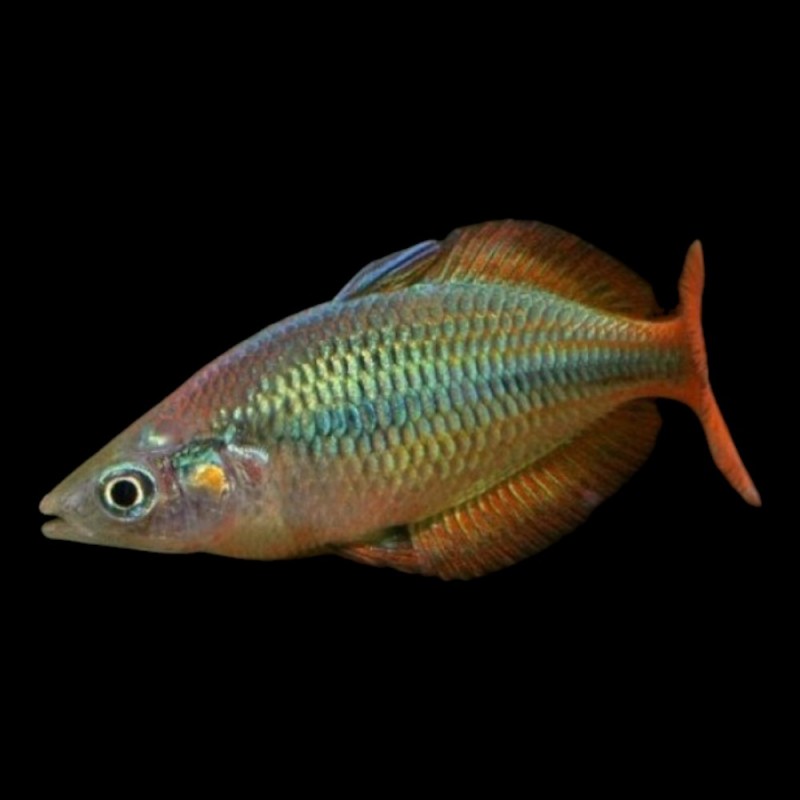
  • Please Note: Due to variations within species, your fish may not look identical to the image provided. Also note not all sizes or species may be available due to seasonality, Please call beforehand for up-to-date stock availability.

  • Model: GERTRUDAE RAINBOW ARU II MATRIX

Pseudomugil gertrudae "Aru II" Care Guide

Description

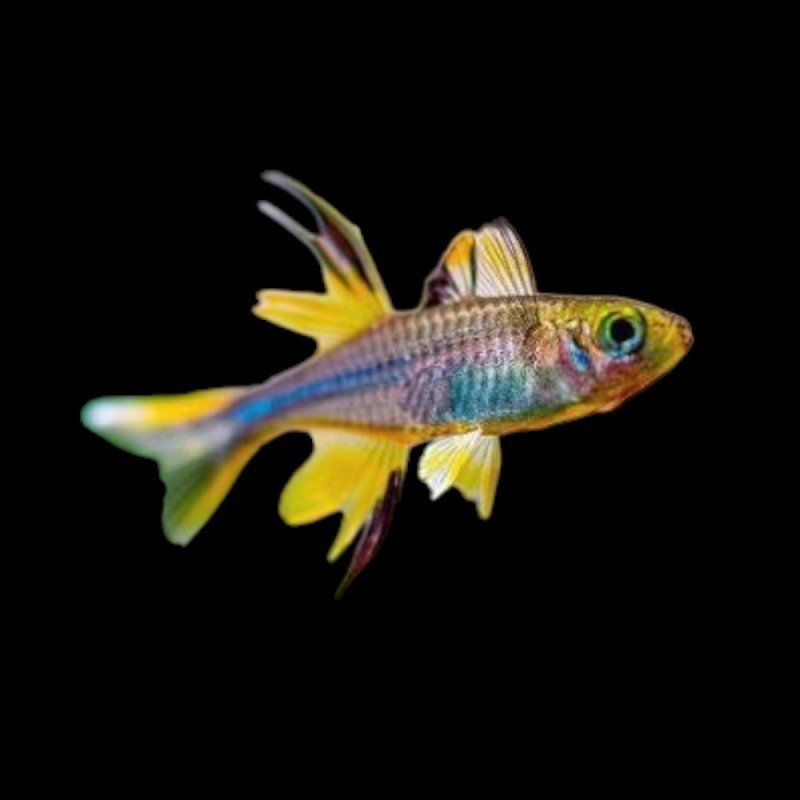
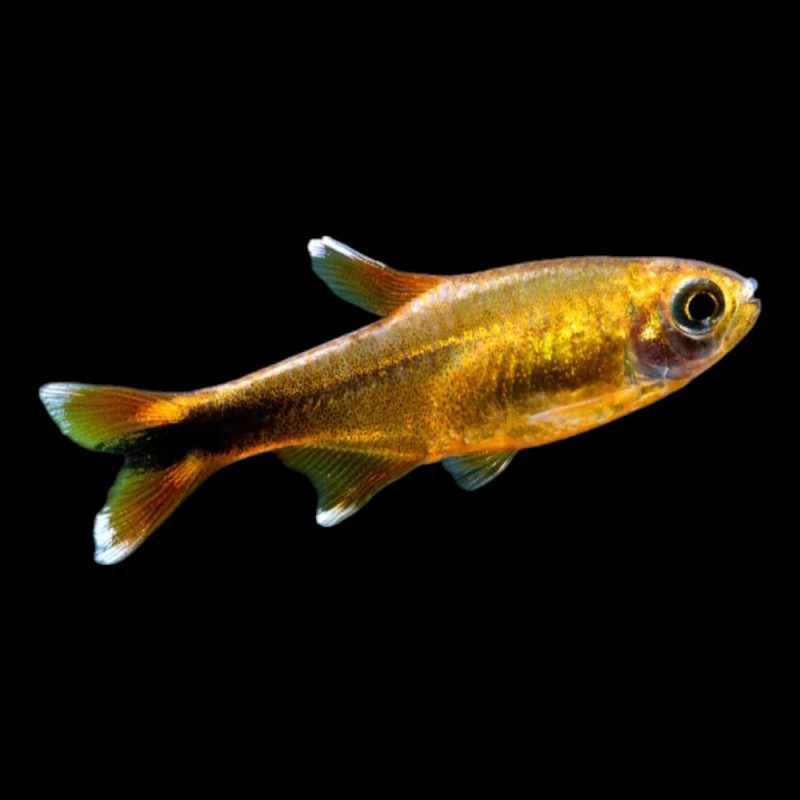
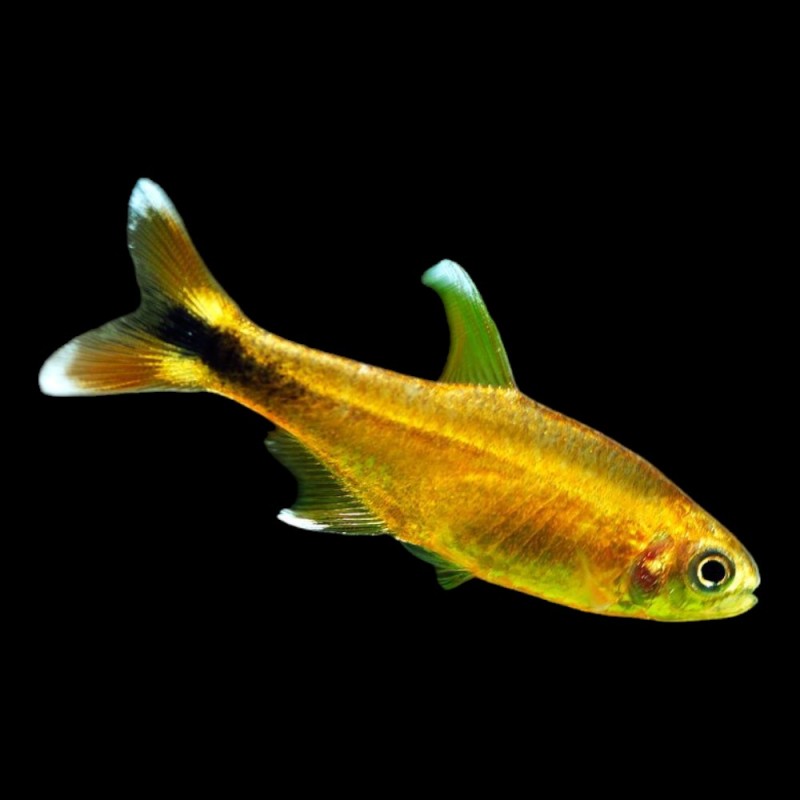
Pseudomugil gertrudae, commonly known as the spotted blue-eye rainbowfish, is a small, vibrant species native to the Aru Islands of Indonesia.

Known for its striking blue eyes, translucent body, and spotted fins, this peaceful fish grows up to 3-4 cm and has a lifespan of 3-5 years.

Habitat Setup

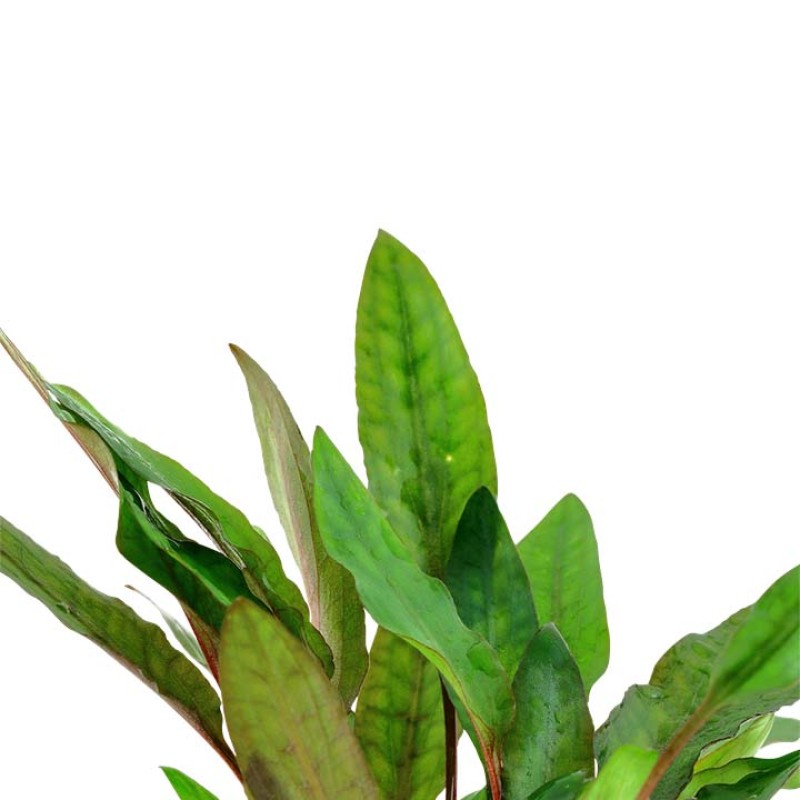
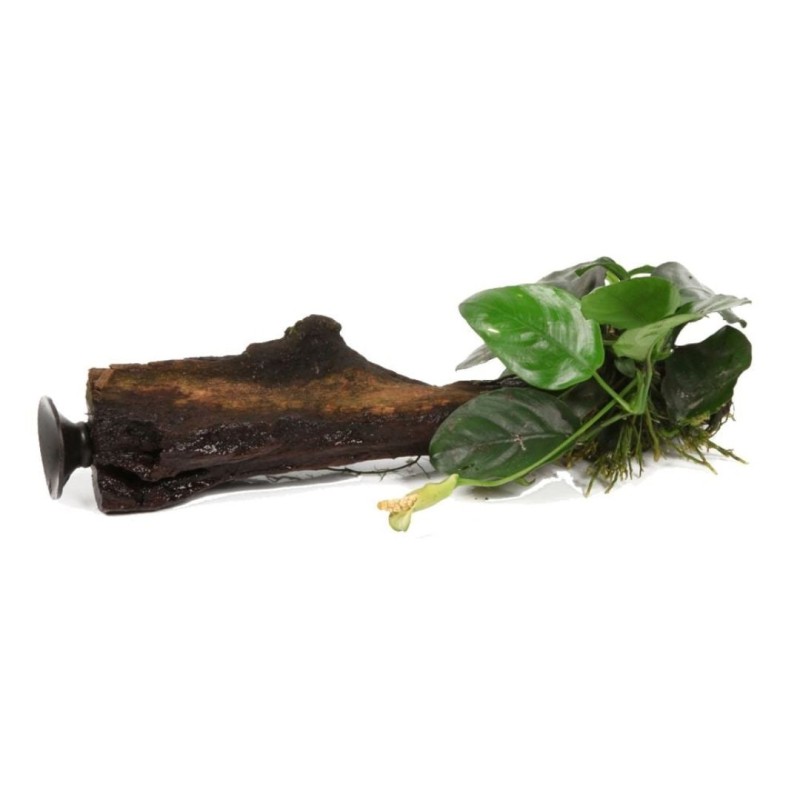
A 40-liter (10-gallon) tank or larger is ideal for a group. Provide a heavily planted setup with floating plants, driftwood, and a dark substrate to enhance their colors.
They prefer gentle water flow and a temperature range of 22-28°C, with a pH of 5.0-7.5. Soft, slightly acidic water mimics their natural habitat.

Diet & Feeding

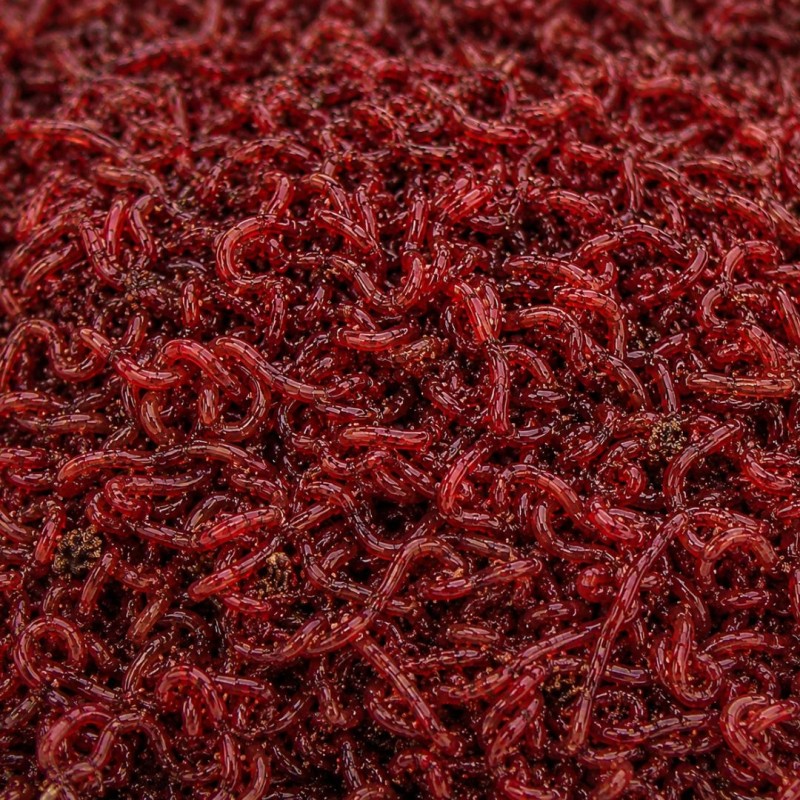
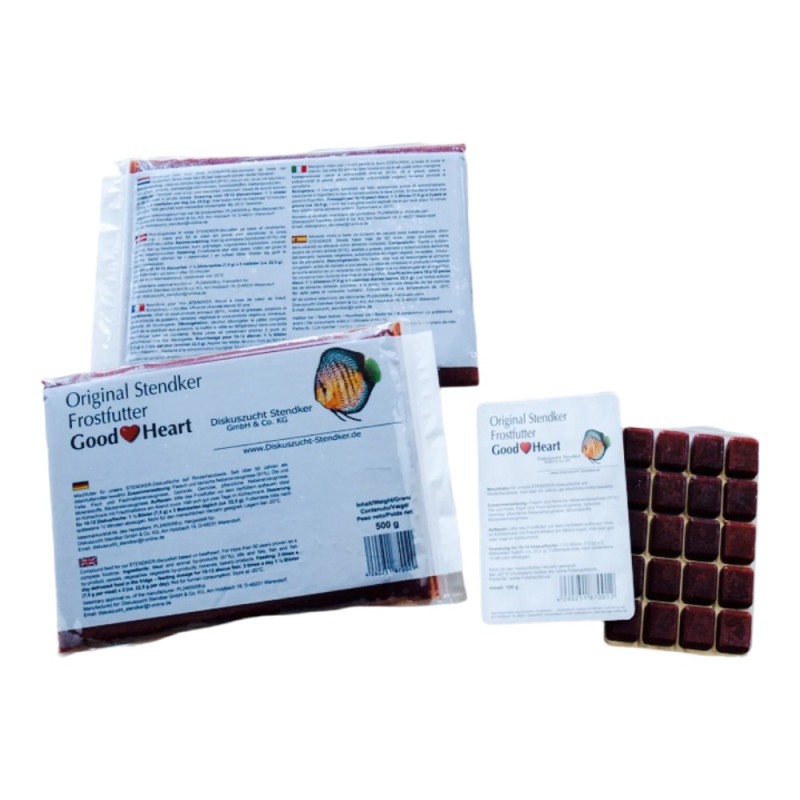
These micro-predators thrive on a diet of live and frozen foods such as baby brine shrimp, daphnia, Cyclops and Tubifex worms.

They will also accept high-quality micro pellets and flakes, but a varied diet enhances their colors and health.

Behavior & Tank Mates

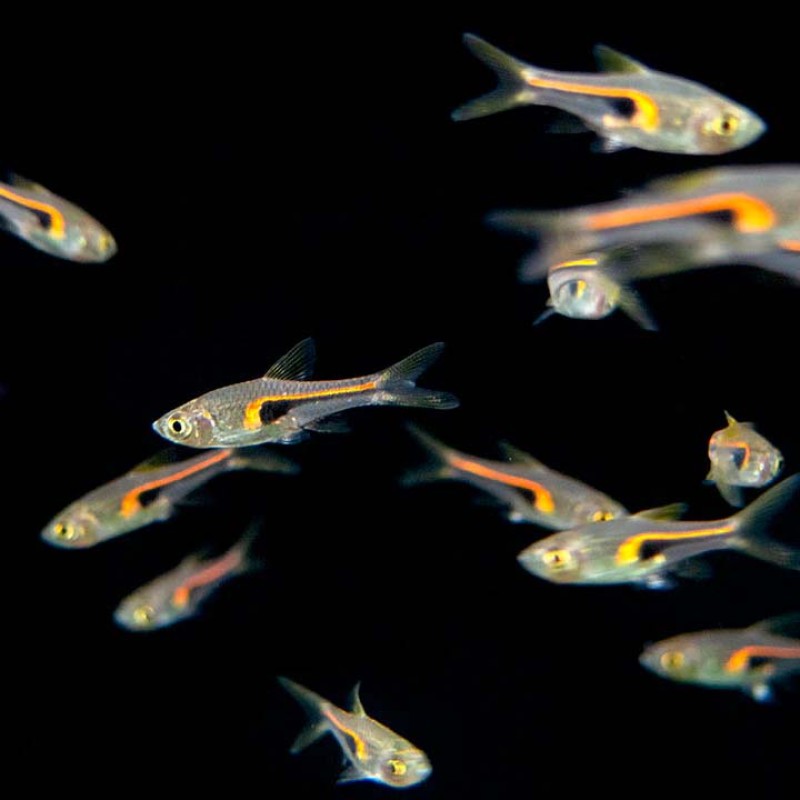
Pseudomugil gertrudae are active, peaceful schooling fish, best kept in groups of 6 or more.

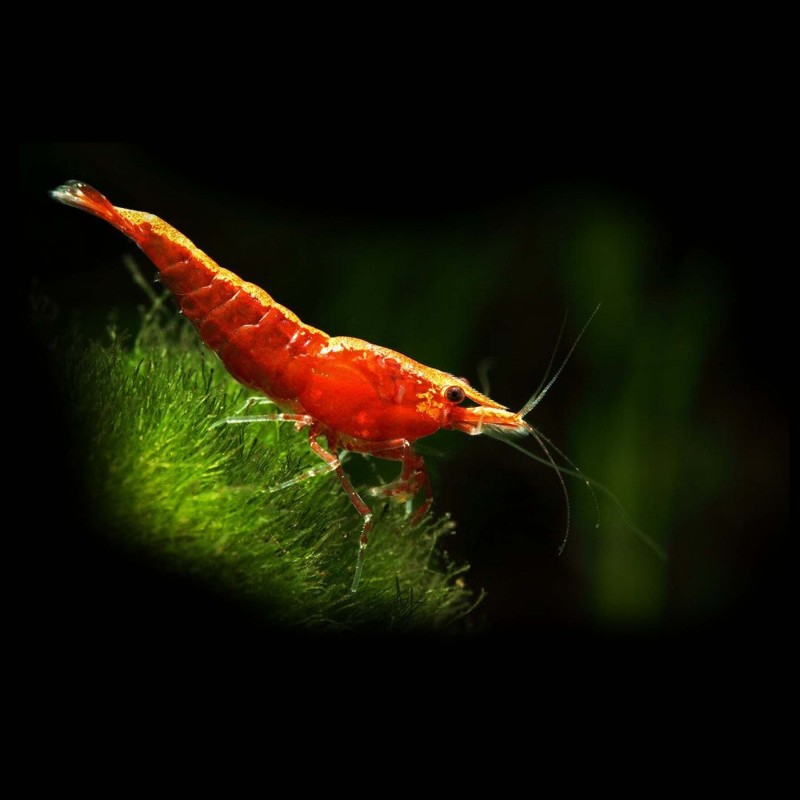
Ideal tank mates include other small, peaceful species like chili rasboras, celestial pearl danios, and dwarf shrimp. Avoid larger or aggressive fish.

Health & Maintenance

Regular water changes and stable parameters are essential, as they are sensitive to poor water quality.

Maintain good filtration without strong currents. Watch for common issues like stress-related diseases and fin damage.

Final Tips

This delicate yet stunning species thrives in well-maintained, natural-style aquariums.

A peaceful environment, varied diet, and proper group size will bring out their best colors and behaviors. ????????


Write a review

Please login or register to review