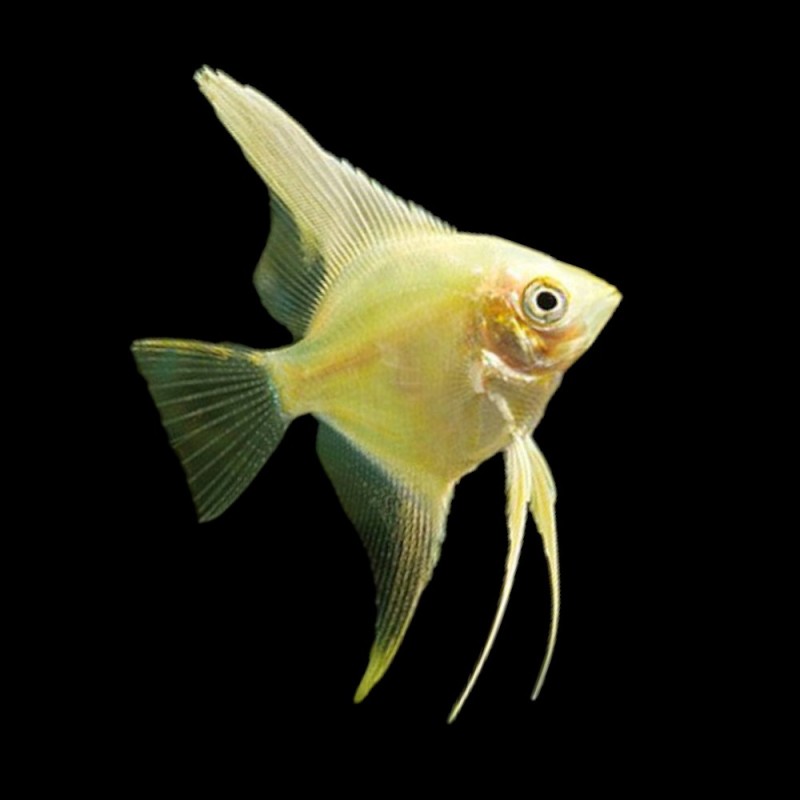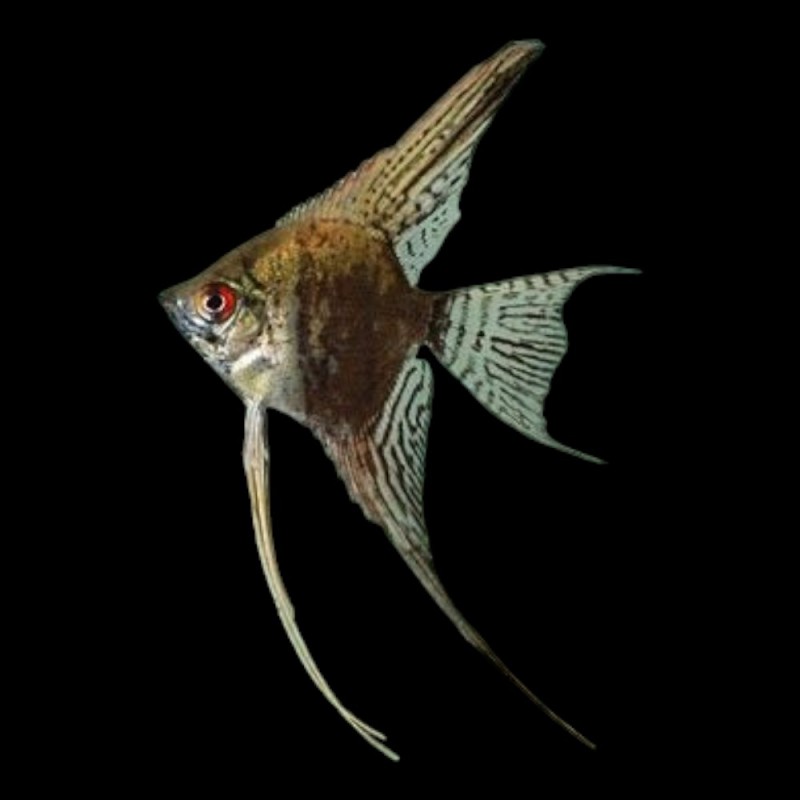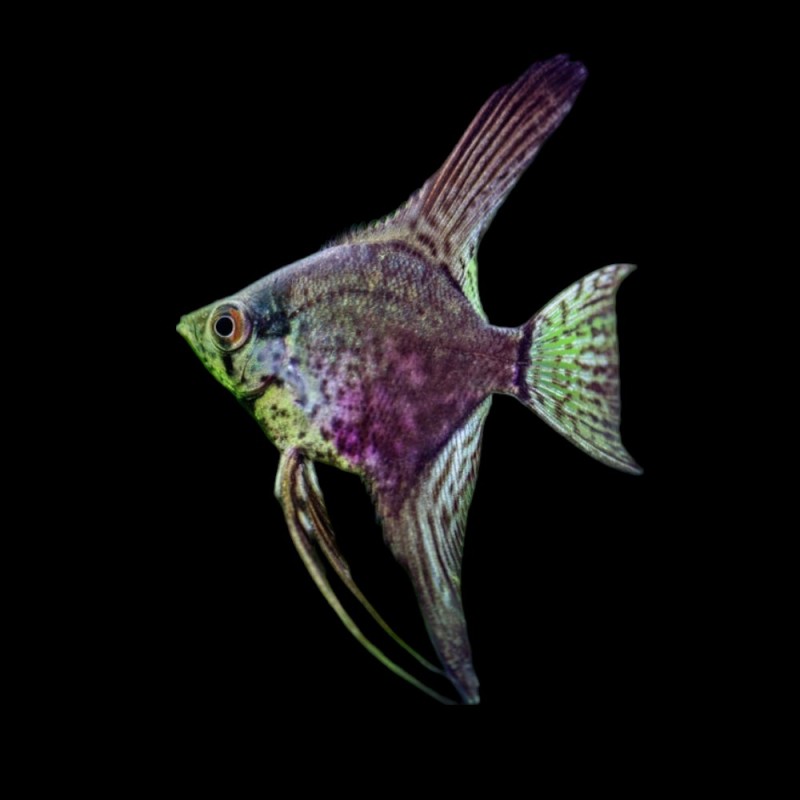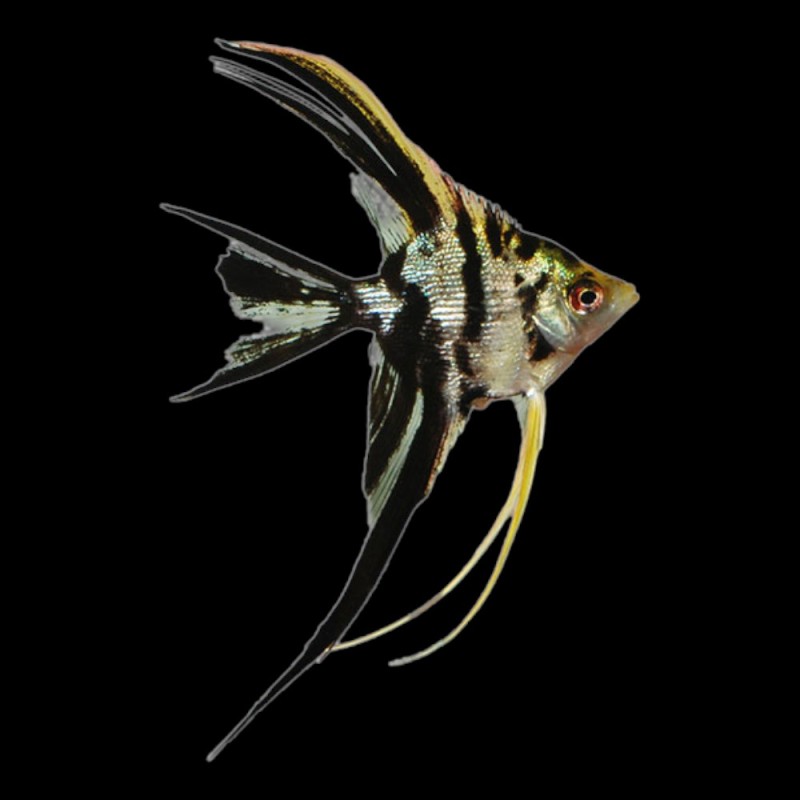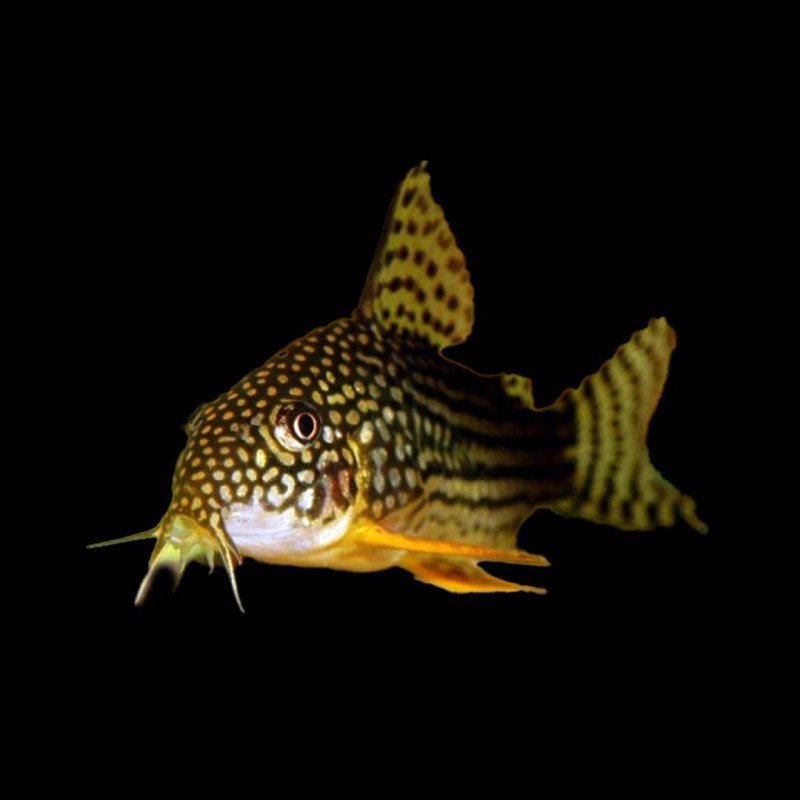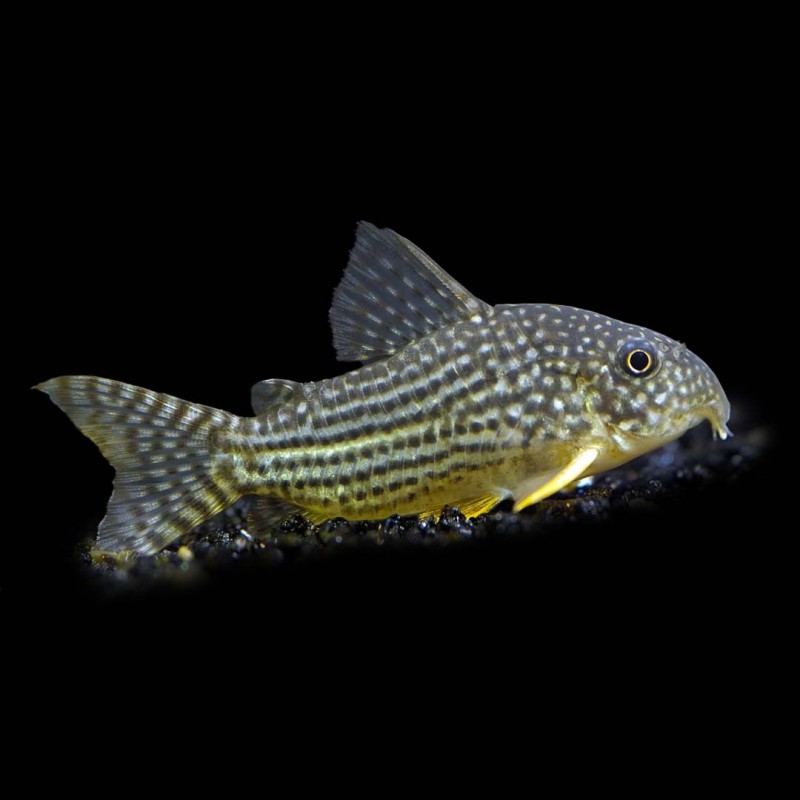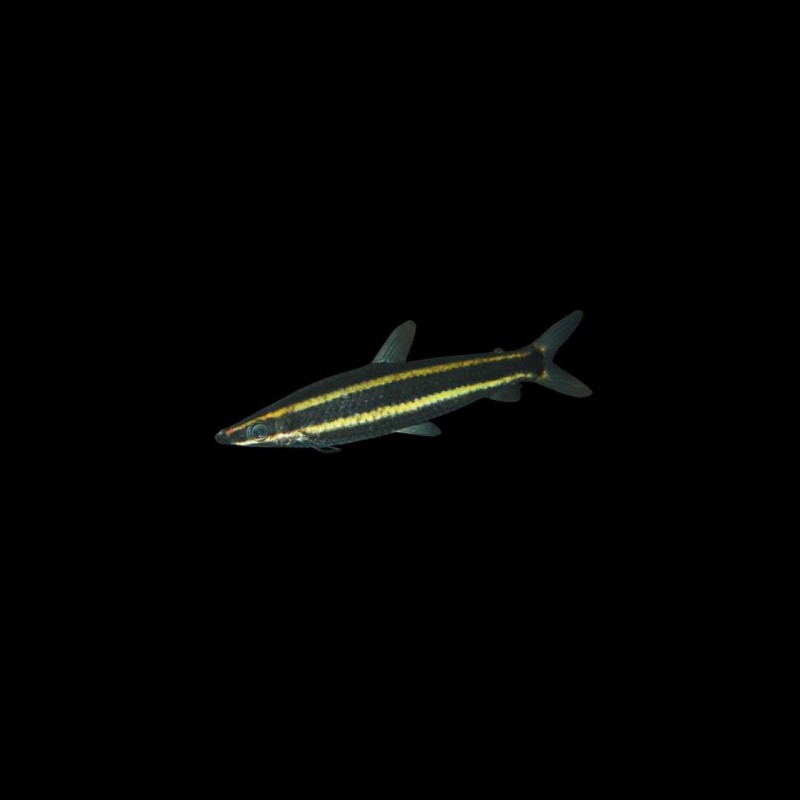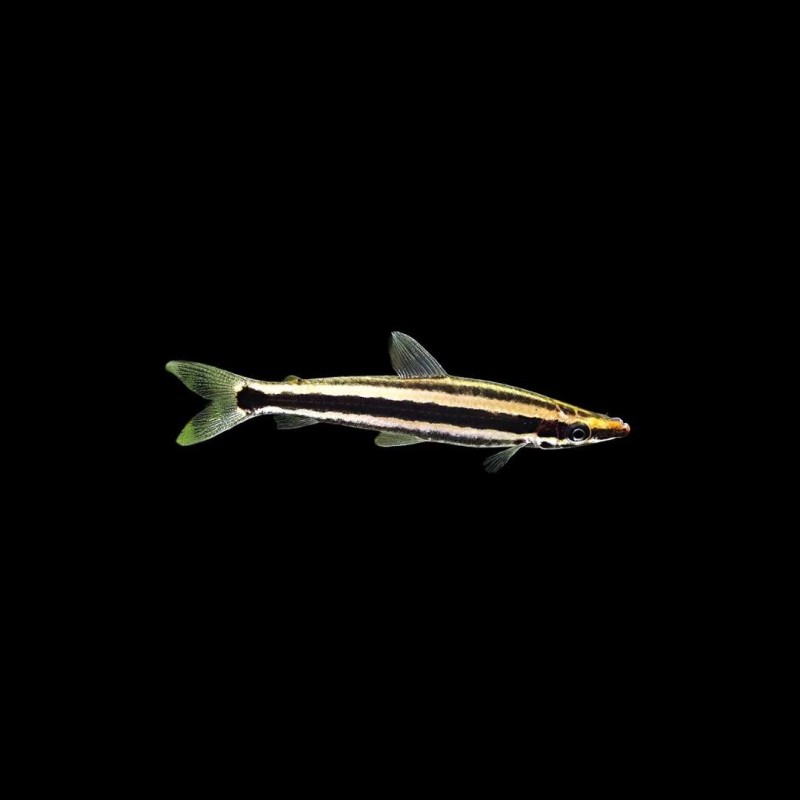


Hengeli Rasbora
€3.99
Ex Tax: €3.24
- Stock: Call In-Store For Availability
- Model: 0000
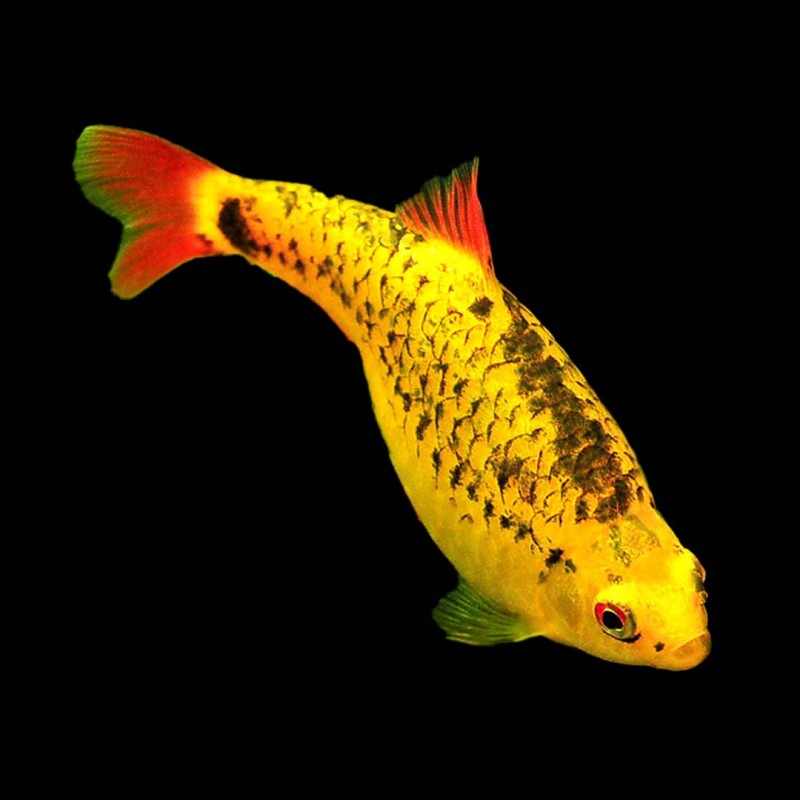
Hengeli Rasbora
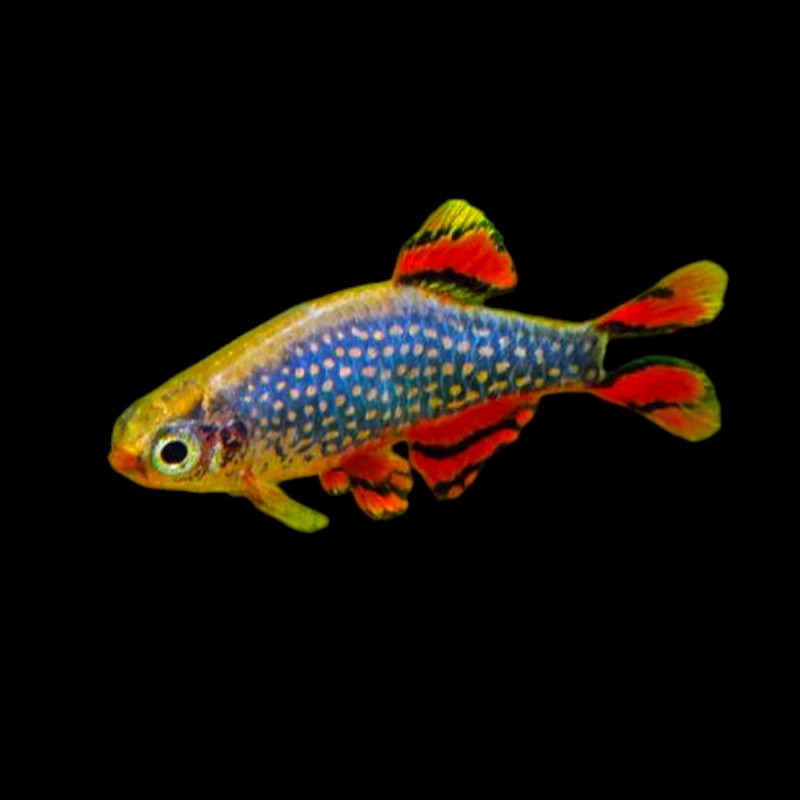
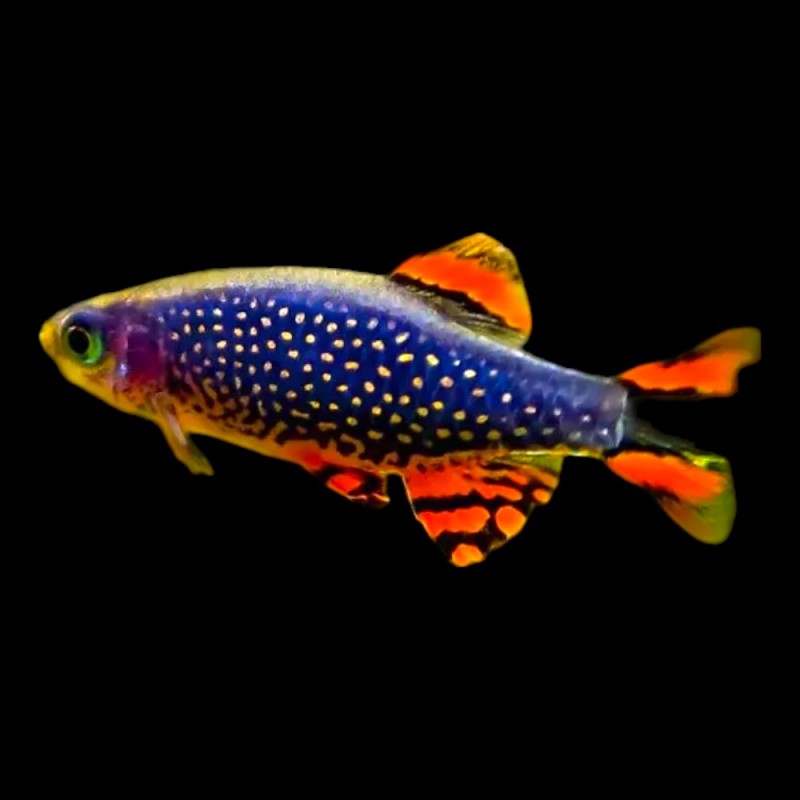
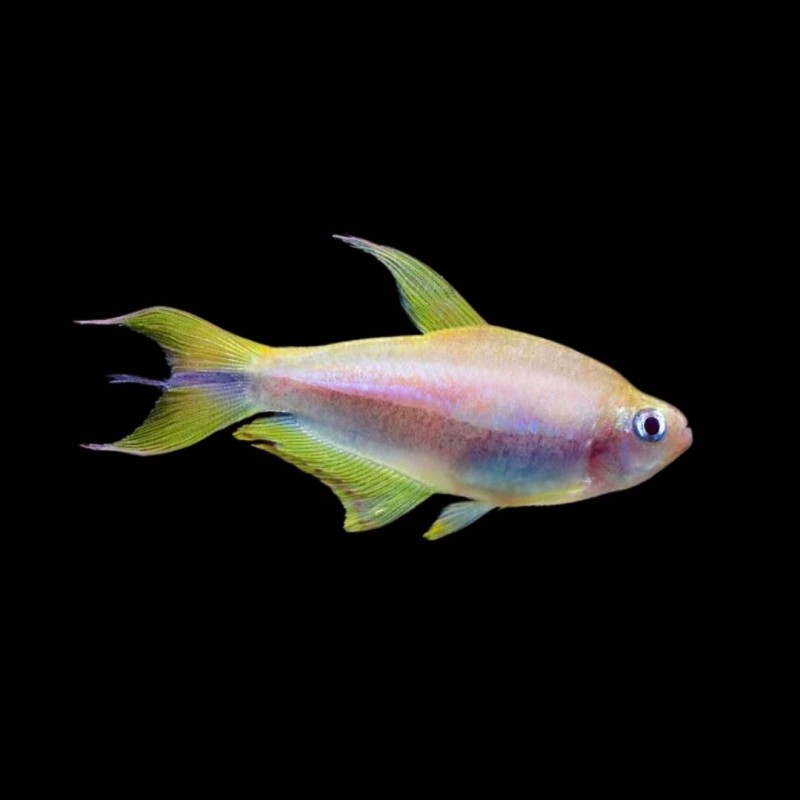
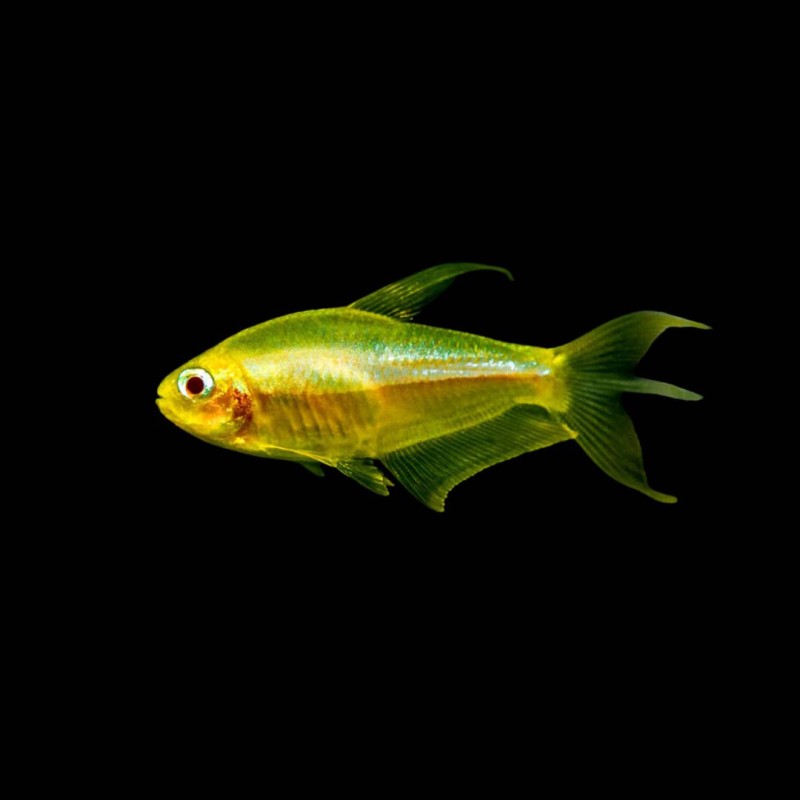
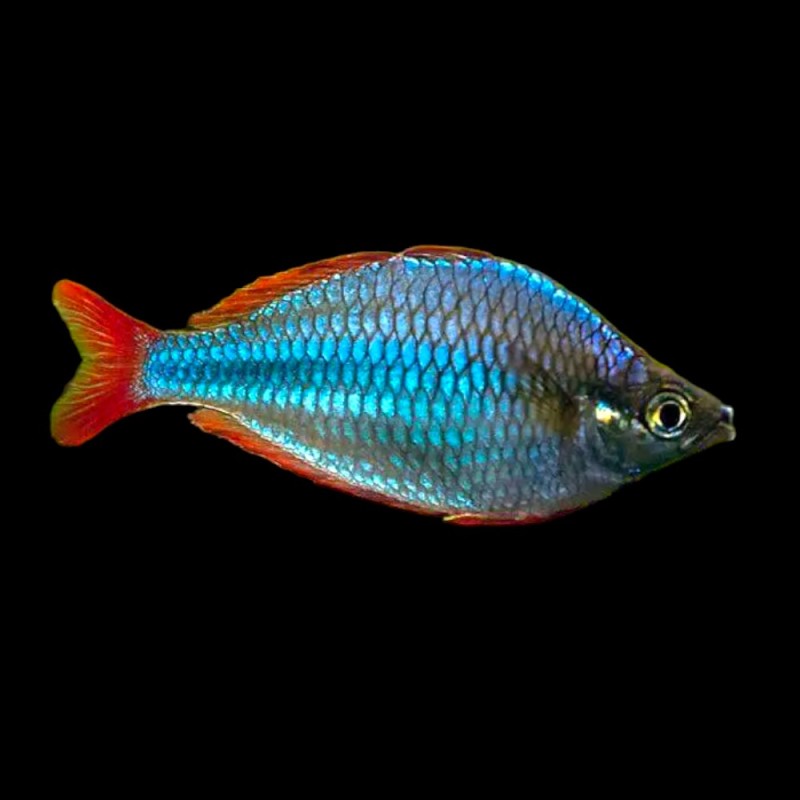
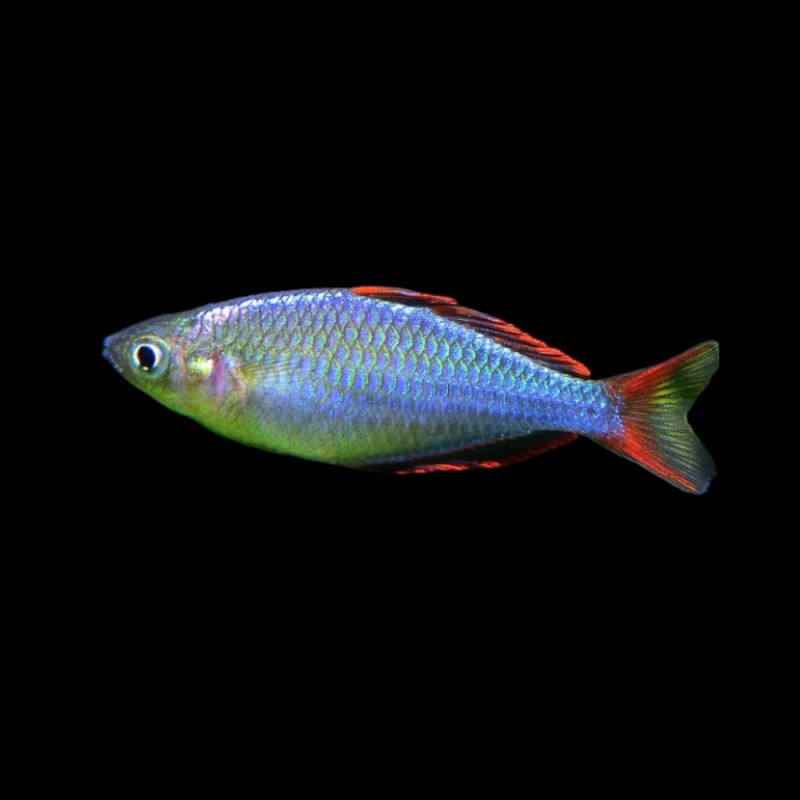
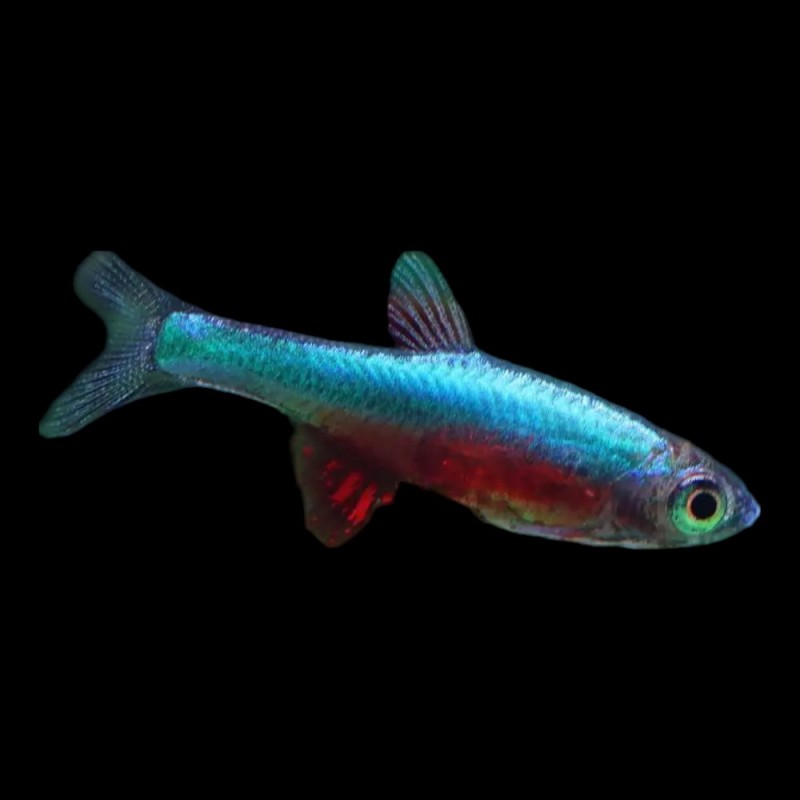
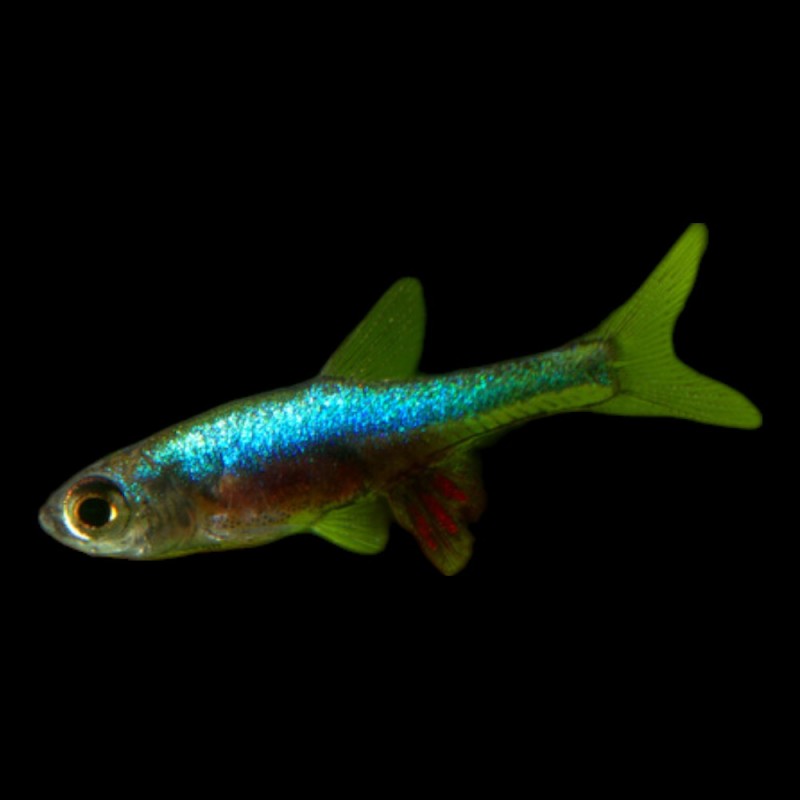
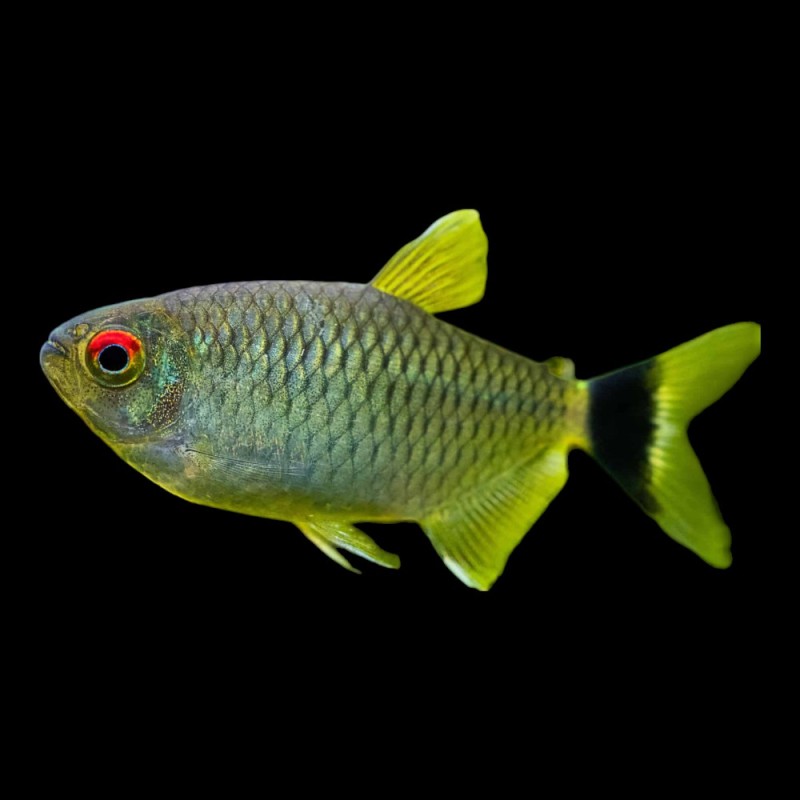
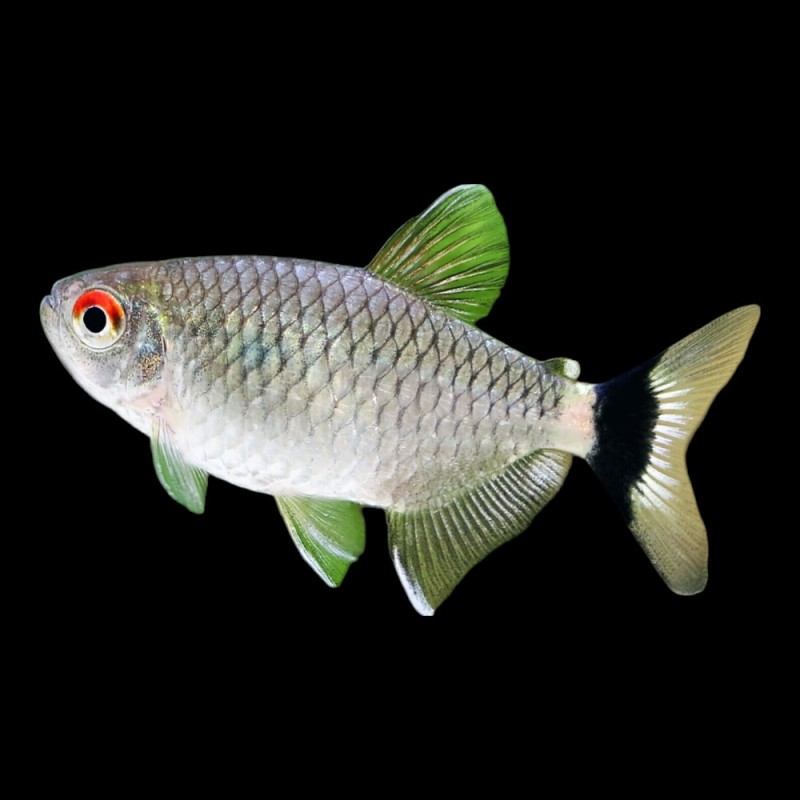
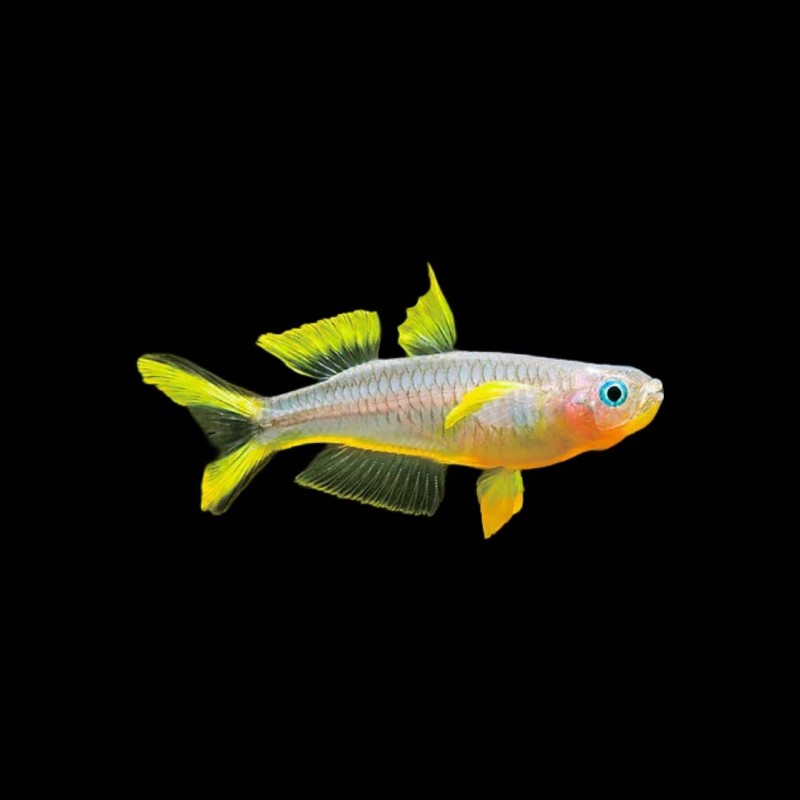
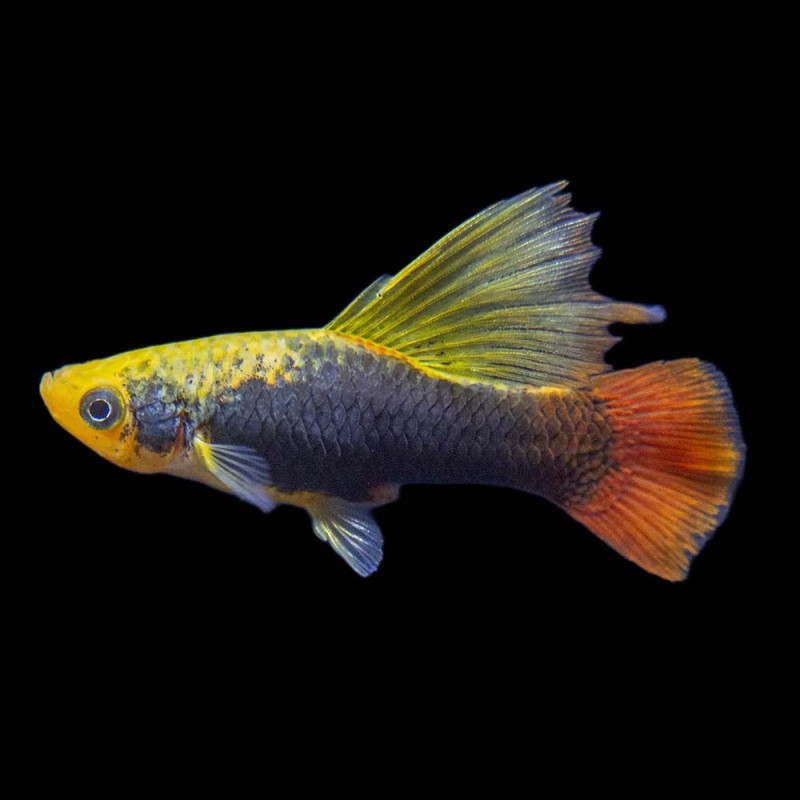
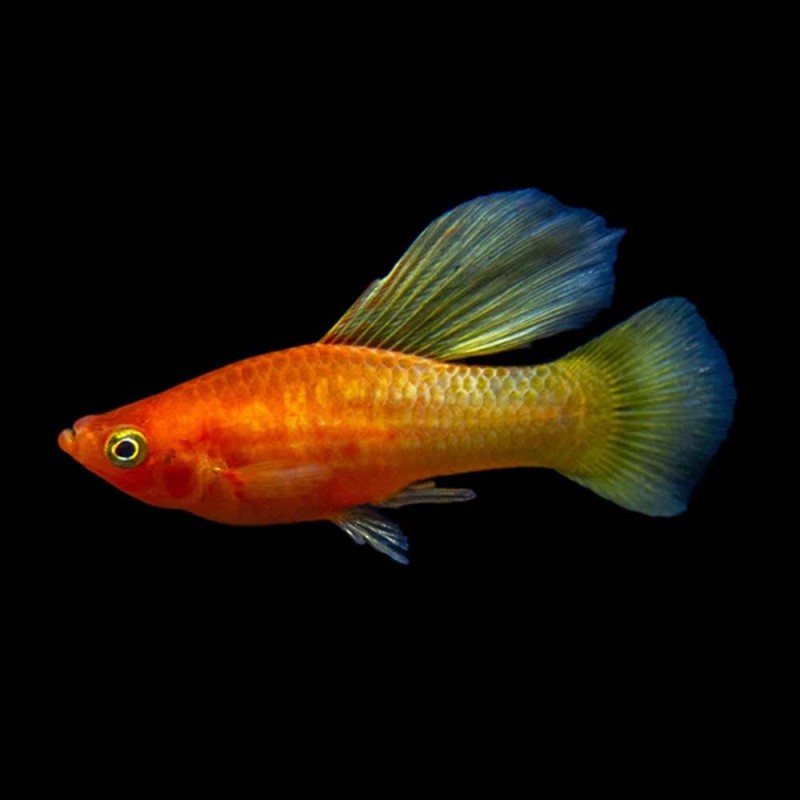
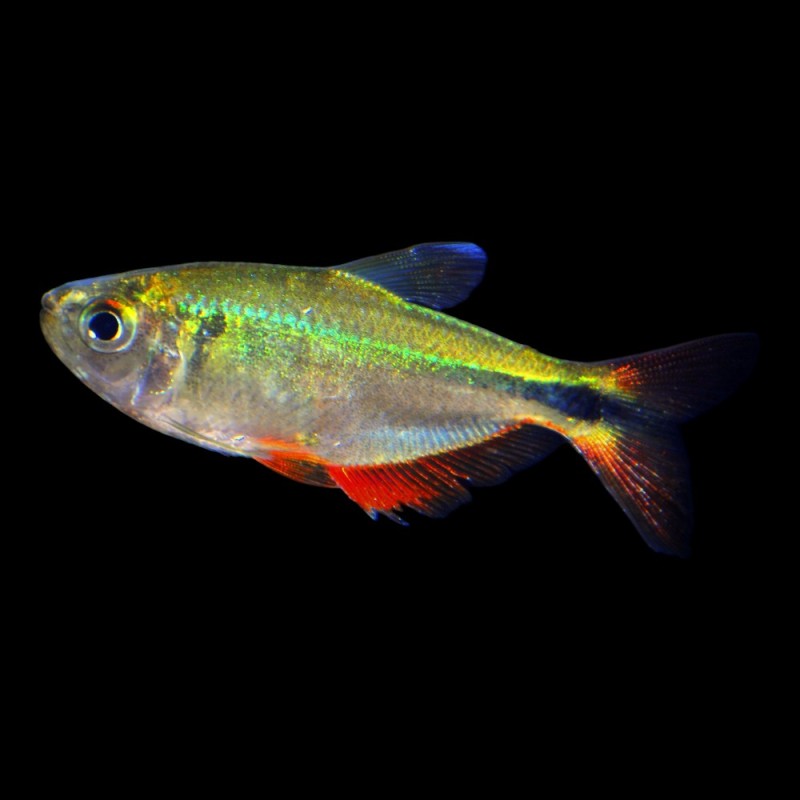
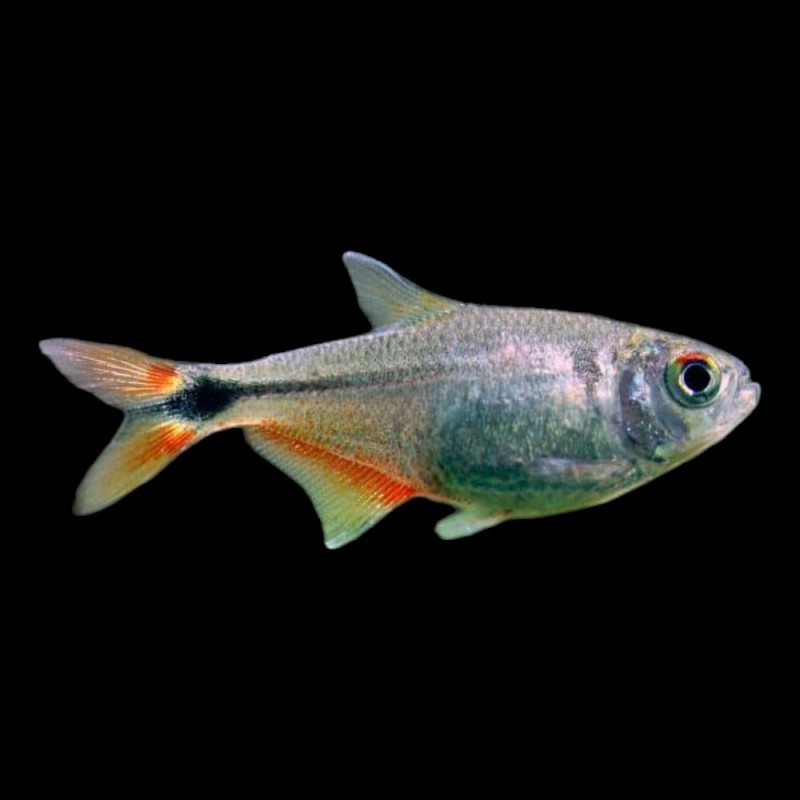
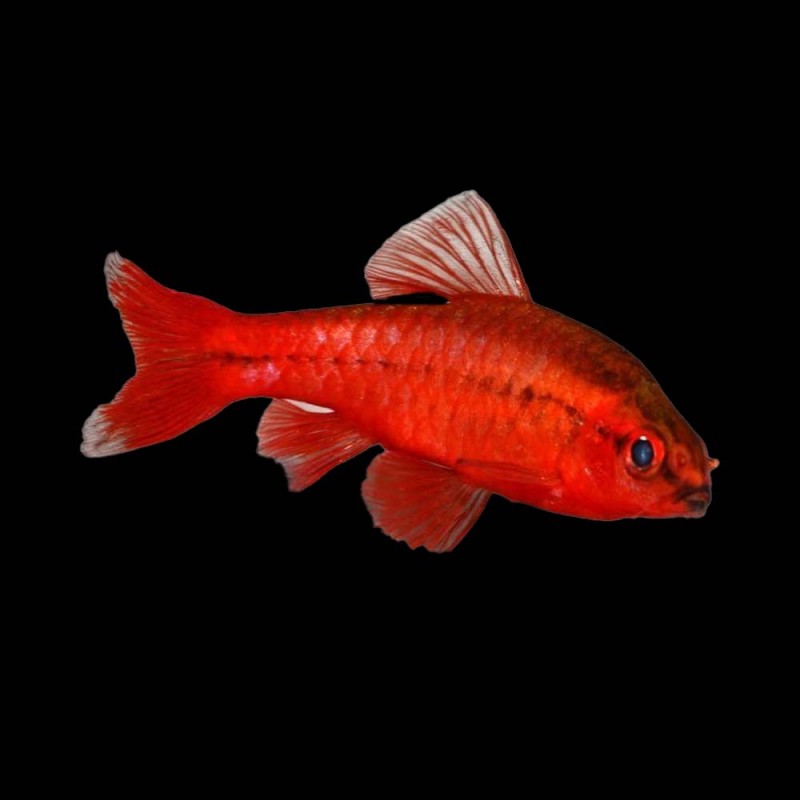
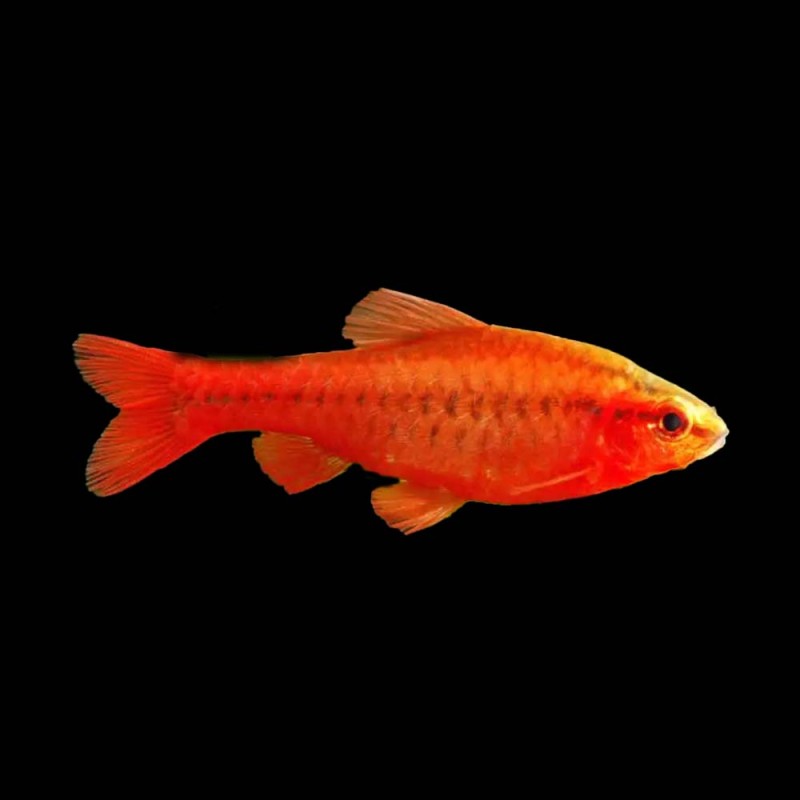
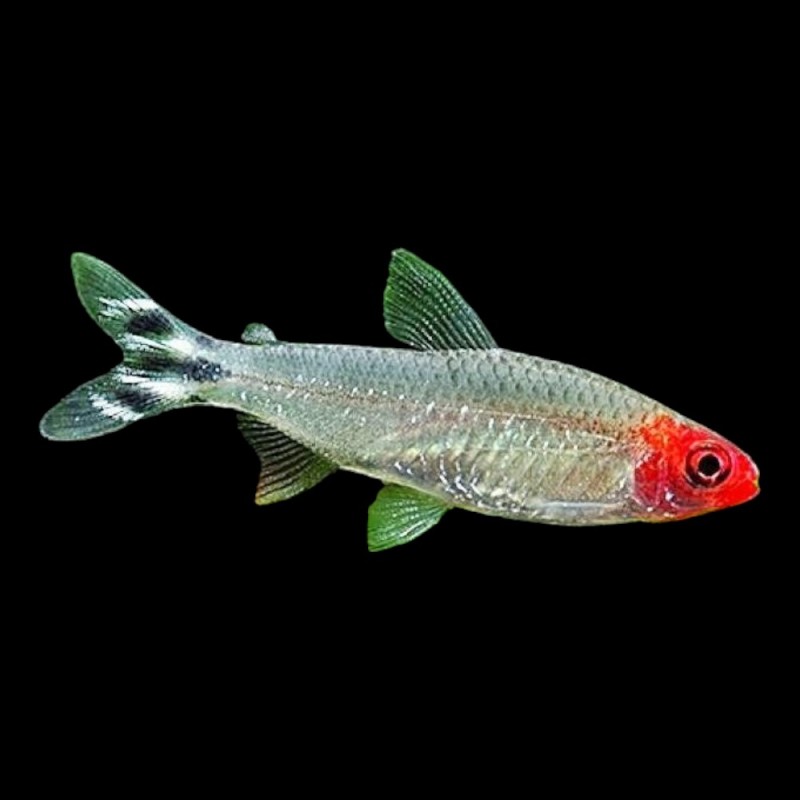
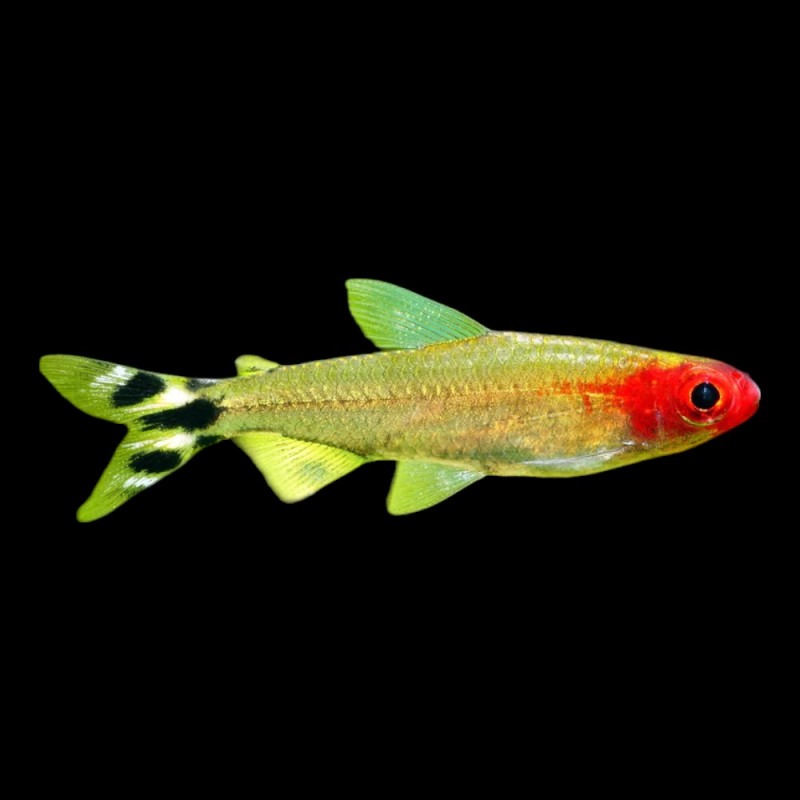
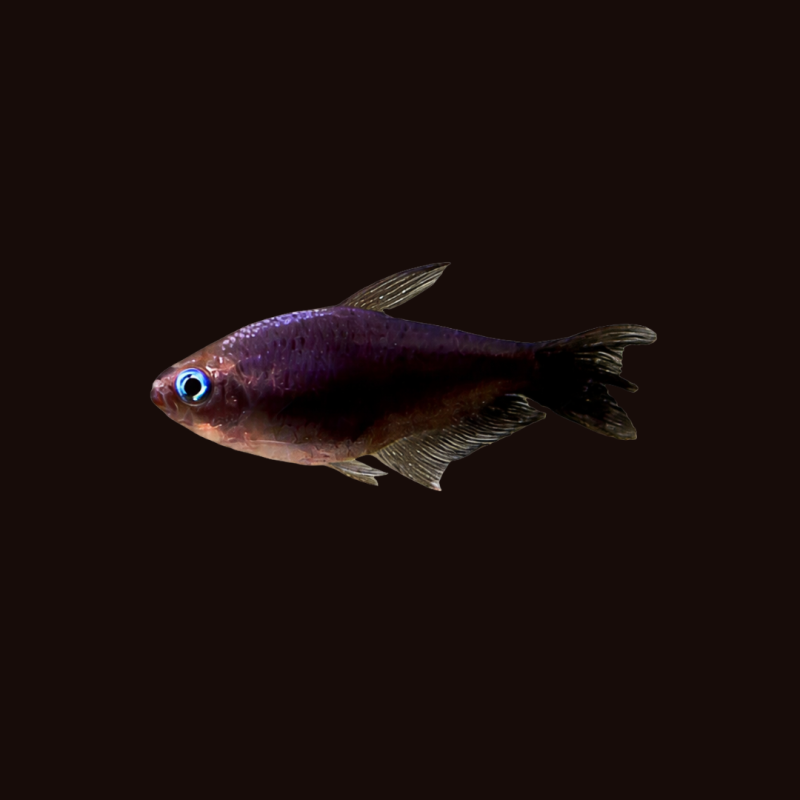
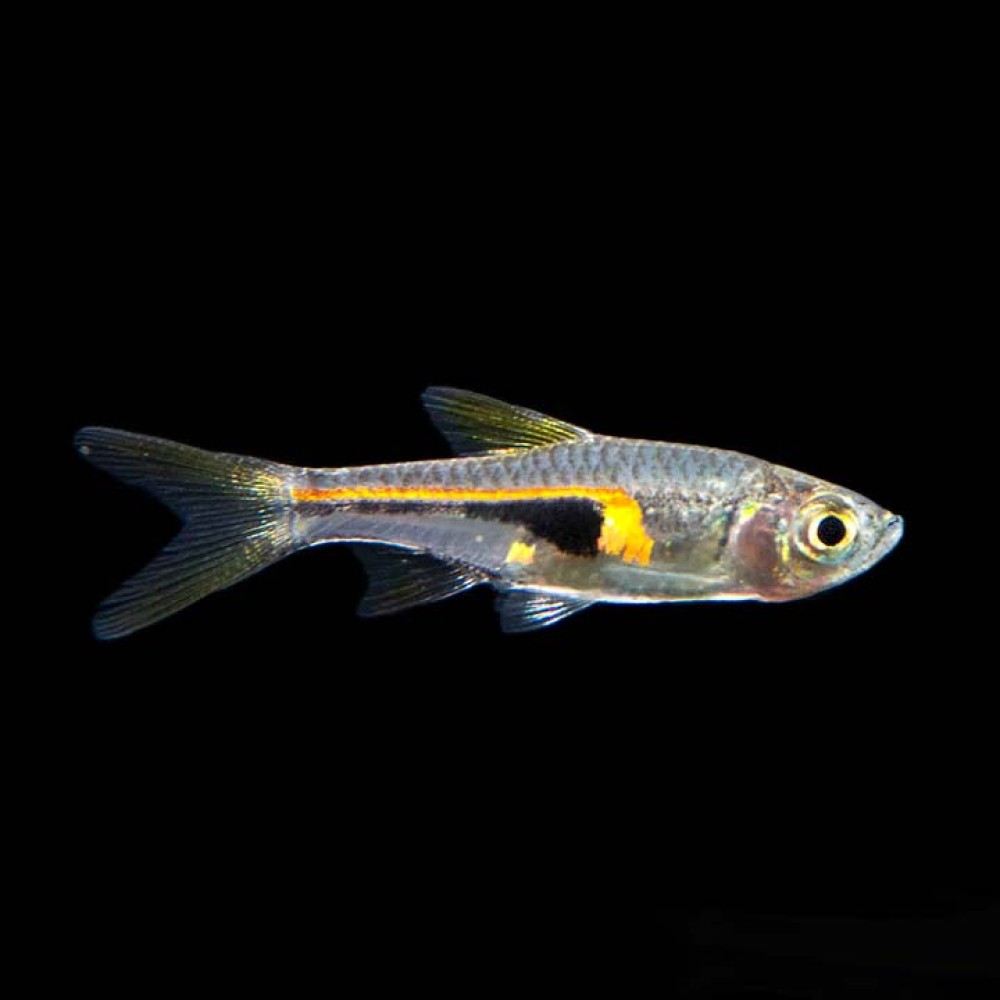
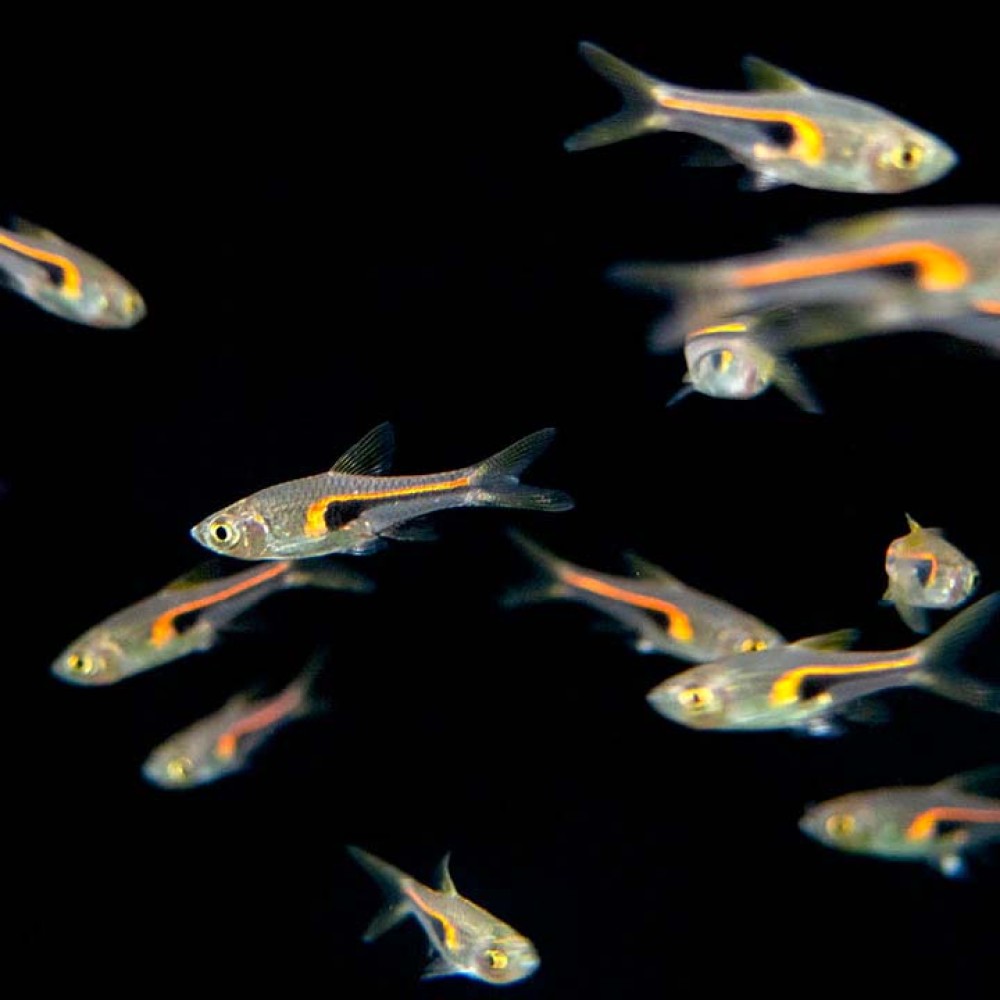
The Hengeli Rasbora (*Rasbora hengeli*) is a small, peaceful freshwater fish known for its striking appearance and calm nature. Popular in aquariums due to its vibrant orange-red coloration and schooling behaviour, the Hengeli Rasbora is a great addition to community tanks, especially for aquarists looking to add a colourful and lively species to their setup.
Physical Characteristics:
- Size: Hengeli Rasboras typically grow to about 3-4 cm (1.2-1.6 inches) in length, making them a small species ideal for smaller aquariums.
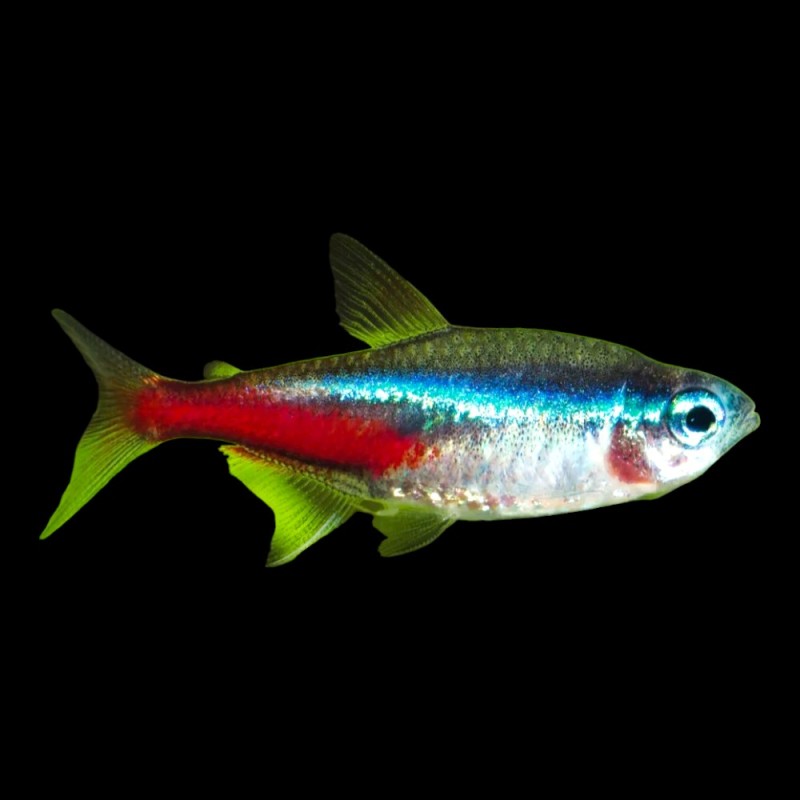
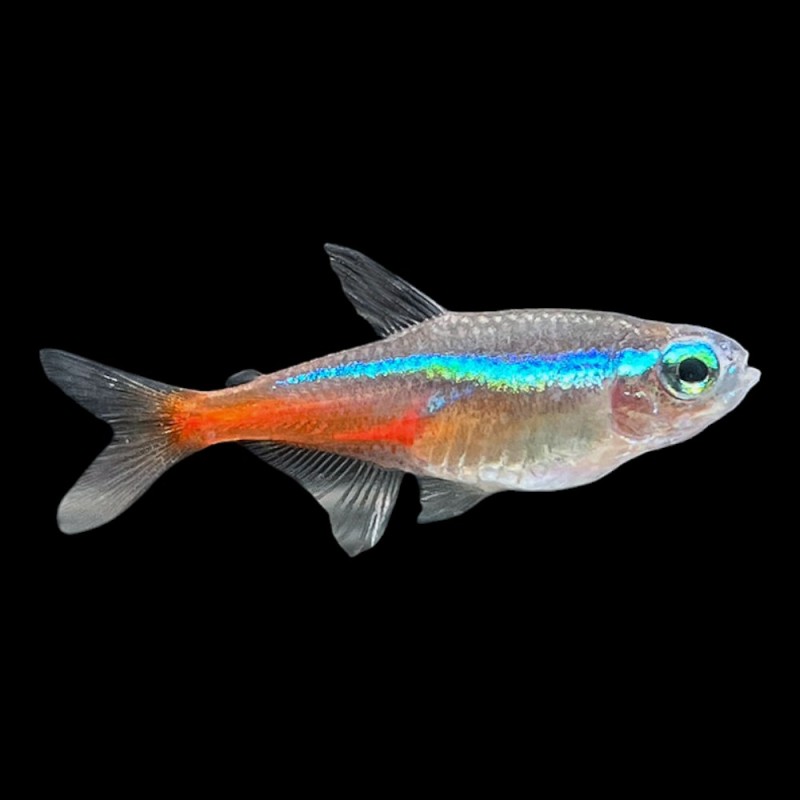
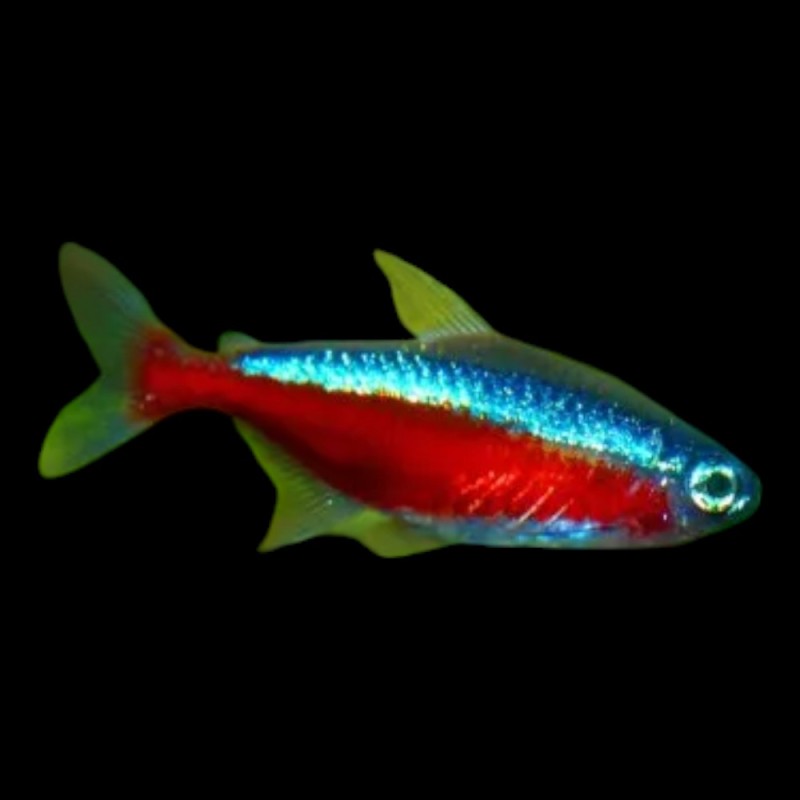
- Coloration: These tetras are known for their brilliant orange to red body, often with a black line running through the centre of their body, adding contrast to their vibrant colours.
- Fins: The fins of Hengeli Rasboras are small and delicate, with a slightly pointed dorsal fin and a long, flowing tail fin that enhances their graceful swimming style.
- Shape: Their bodies are slender and laterally compressed, making them agile swimmers, perfect for schooling and active swimming in a group.
Behavior:
- Temperament: Hengeli Rasboras are peaceful and non-aggressive. They are best kept in groups to encourage natural schooling behaviour and reduce stress.
- Activity Level: These fish are active and social, often seen schooling together and exploring the middle and upper regions of the tank.
- Community Behaviour: Hengeli Rasboras are ideal for community tanks, as they get along well with other peaceful species, particularly with small tetras and other non-aggressive species.
Aquarium Care:
- Tank Size: A minimum tank size of 40 litres (10 gallons) is recommended for a small group of Hengeli Rasboras. A larger tank will allow for better water quality and more space for swimming.
- Water Parameters:
- Temperature: Hengeli Rasboras thrive in warm water, with an ideal temperature range of 24°C to 28°C (75°F to 82°F).
- pH: They prefer slightly acidic to neutral water, with a pH range of 6.0 to 7.5.
- Hardness: Soft to moderately hard water, with a general hardness (GH) of 3-10 dGH, is ideal.
- Tank Setup:
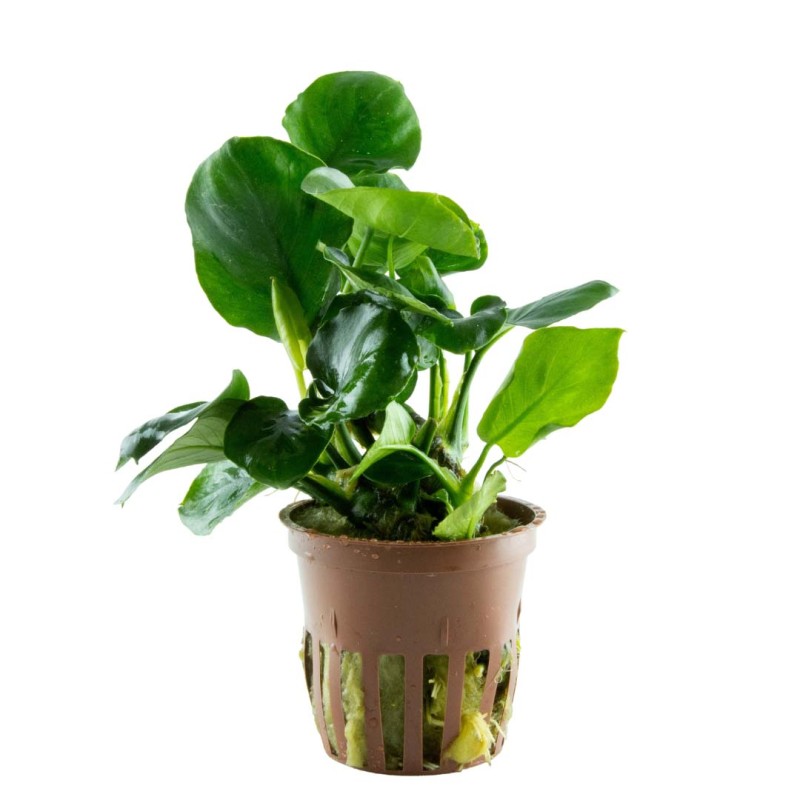
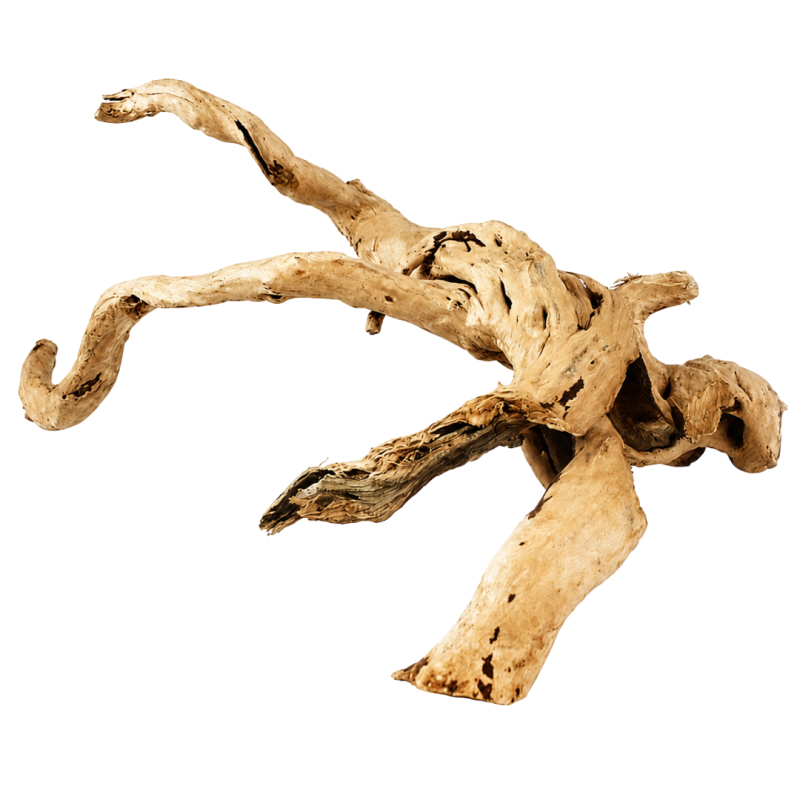
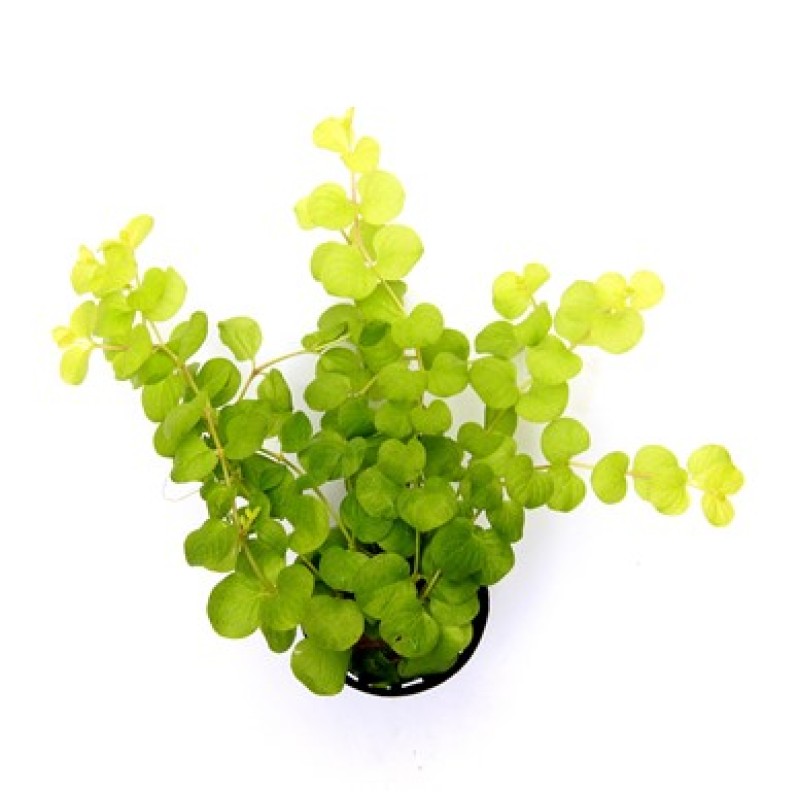
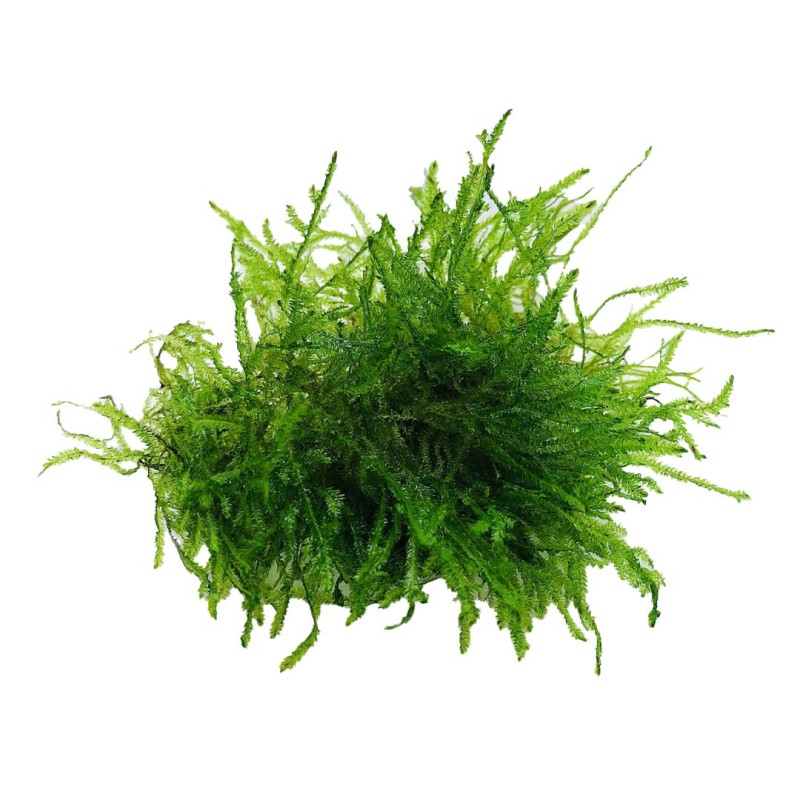
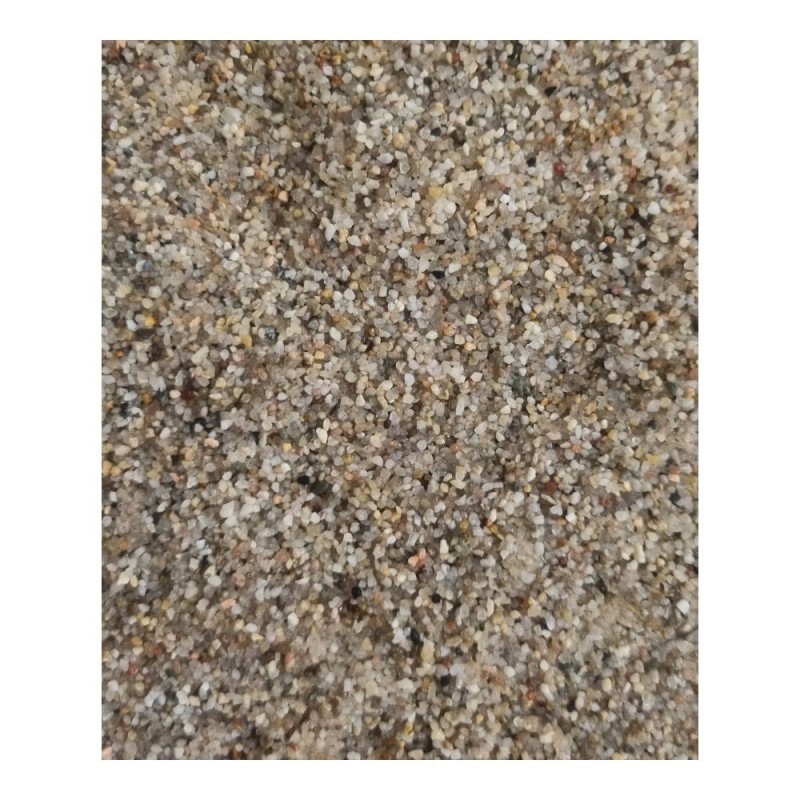
- Substrate and Decorations: A soft, sandy substrate or fine gravel is recommended. Hengeli Rasboras enjoy a well-planted tank with plenty of hiding spots and swimming space. Plants like Java moss, Anubias, and floating plants can provide the cover and natural environment they prefer.
- Lighting: Moderate lighting is ideal to showcase their colours, with floating plants helping to diffuse the light and create shaded areas.
- Filtration: A gentle filtration system is recommended, as strong currents can stress these small fish. Regular water changes (about 20% weekly) are important for maintaining good water quality.
Diet:
Hengeli Rasboras are omnivores and require a varied diet to stay healthy. Their diet should include:
- Flake Food: High-quality flake food formulated for tropical fish should be a staple of their diet.
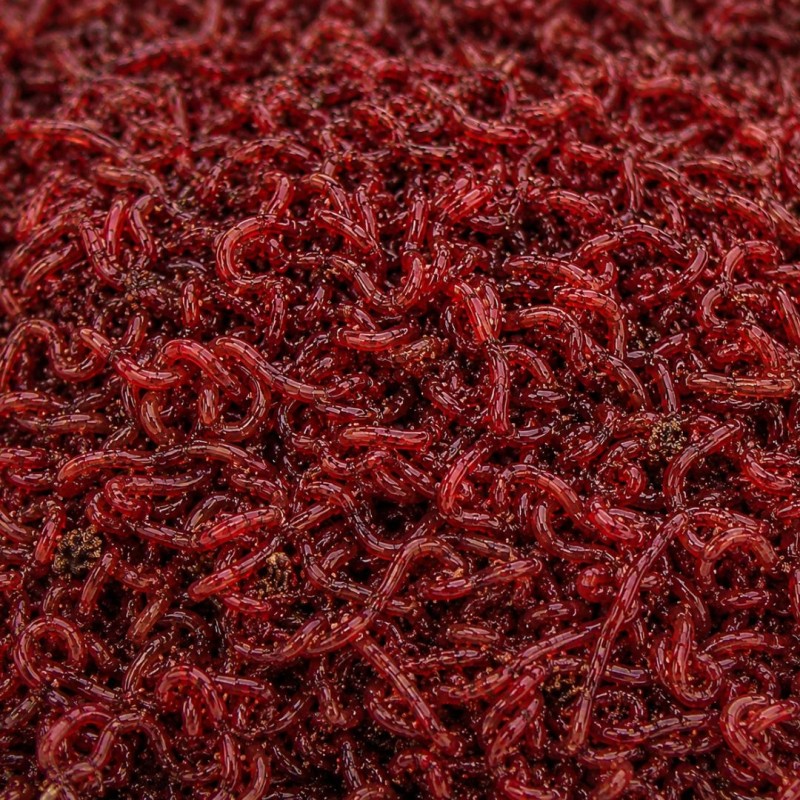
- Live or Frozen Foods: Offer live or frozen foods such as brine shrimp, daphnia, and bloodworms to provide essential protein and variety.
- Vegetable Matter: A small amount of vegetable matter, such as blanched spinach or spirulina, can help ensure a balanced diet.
Tankmates:
Hengeli Rasboras can be housed with a variety of peaceful tankmates, including:
- Small Tetras: Such as Neon Tetras, Rummy Nose Tetras, or Ember Tetras.
- Small Rasboras: Like Harlequin Rasboras or Microdevario.
- Bottom-Dwellers: Corydoras catfish or other peaceful bottom-dwellers.
Avoid housing them with aggressive species or fin-nippers, as this can lead to stress or injury.
Breeding:
Breeding Hengeli Rasboras is relatively easy in ideal conditions:
- Breeding Setup: A separate breeding tank with shallow water (about 10-15 cm or 4-6 inches) is ideal. The water should be warm (around 26°C to 28°C or 79°F to 82°F) and slightly acidic (pH 6.0-6.5). Provide plenty of fine-leaved plants or spawning mops for the female to lay her eggs in.
- Spawning Behaviour: The male will court the female by displaying his vibrant fins. After spawning, the eggs are typically scattered over the plants, and the adults should be removed to prevent them from eating the eggs.
- Fry Care: Once the fry hatch and become free-swimming, they can be fed with infusoria or newly hatched brine shrimp.
Special Considerations:
- Water Quality: Regular monitoring and maintenance of water quality are crucial for the health of Hengeli Rasboras. They are sensitive to poor water conditions.
- Shy Nature: These fish can be shy, particularly in brightly lit tanks. Providing plenty of hiding spots and soft lighting can help them feel more secure.