

- Stock: Generally In Stock
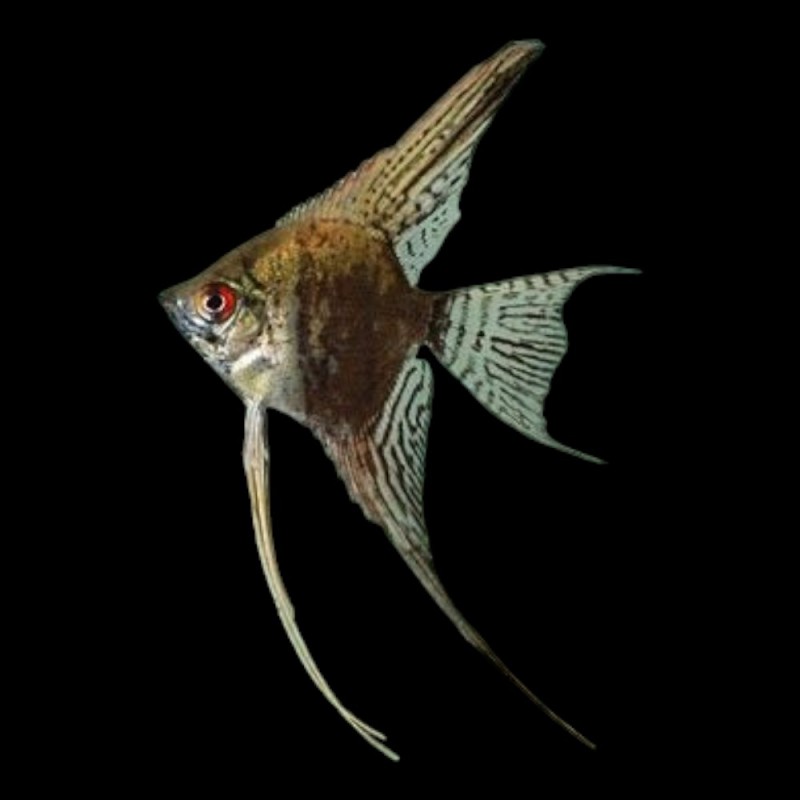
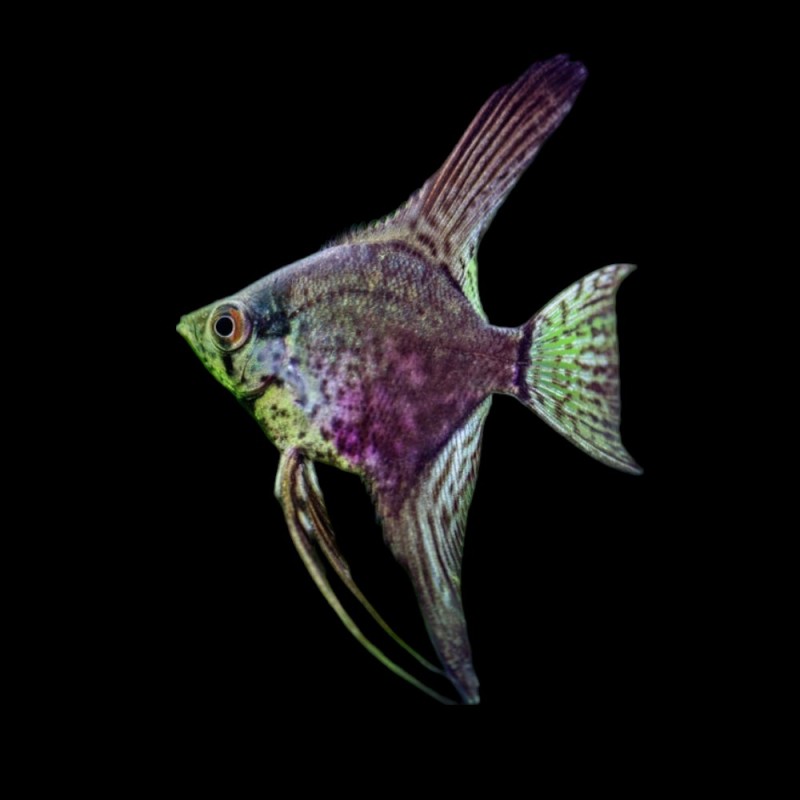
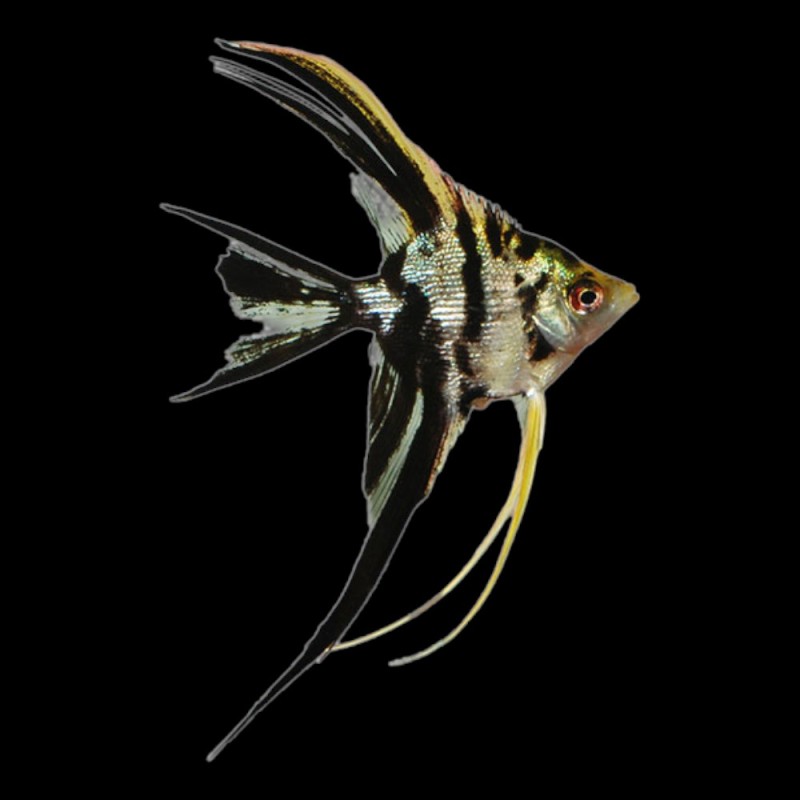
Please Note: Due to variations within species, your fish may not look identical to the image provided. Also note not all sizes or species may be available due to seasonality, Please call beforehand for up-to-date stock availability.
- Model: PLATINUM ANGEL MATRIX
Available Options
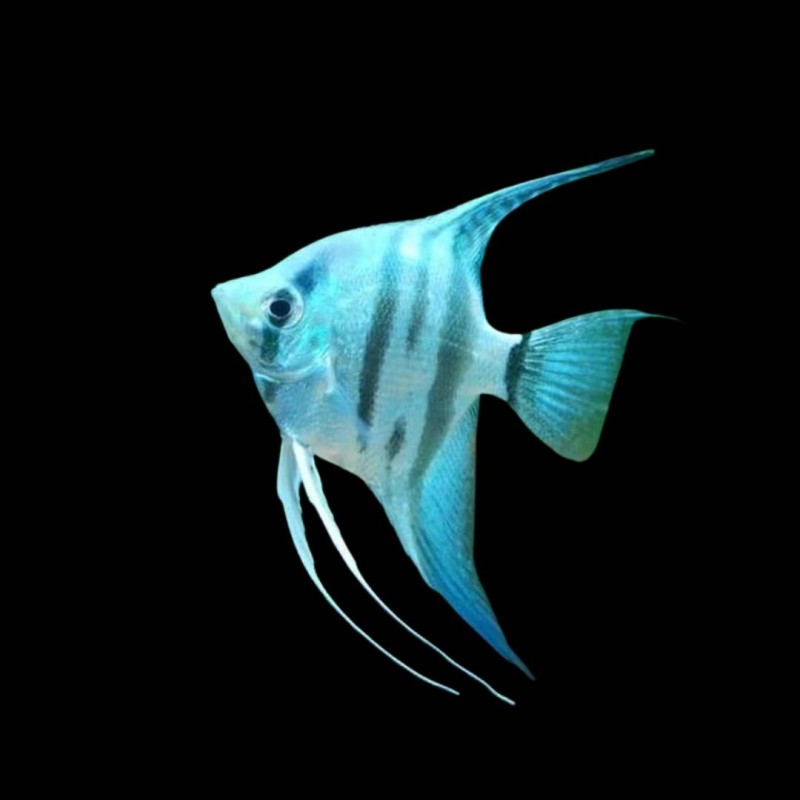
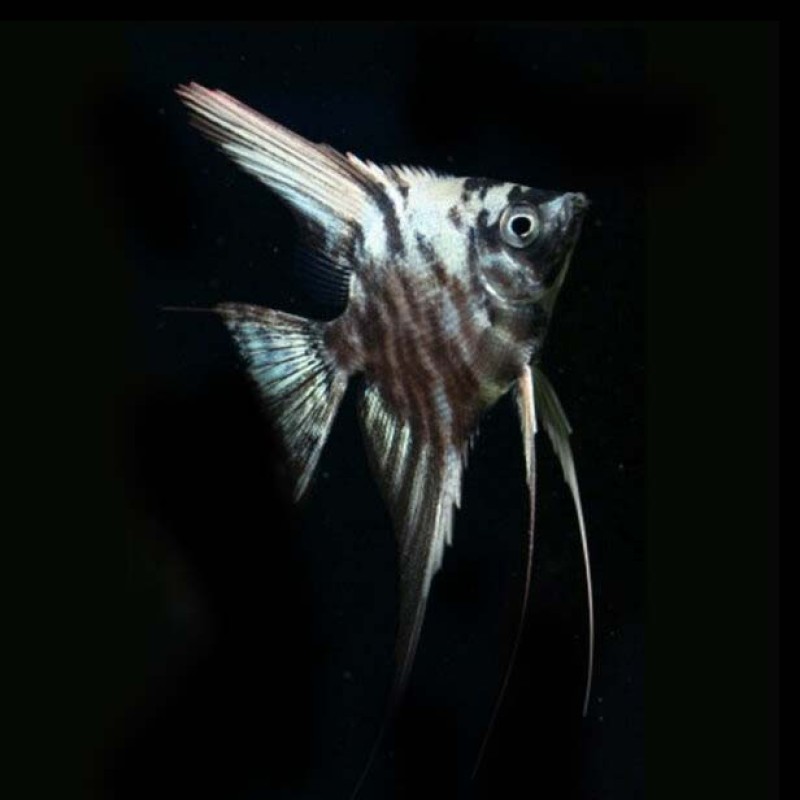
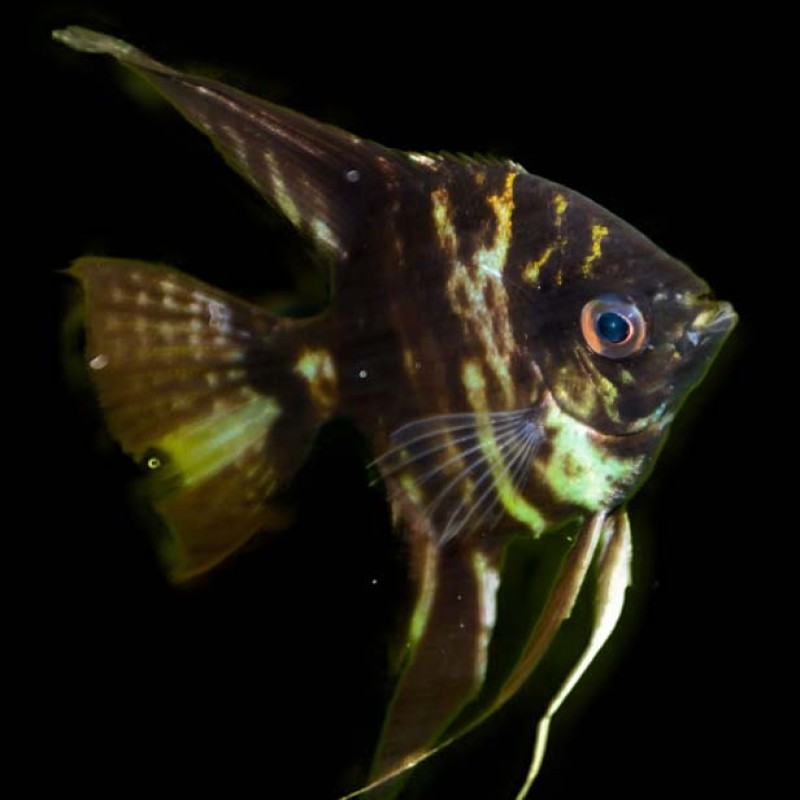
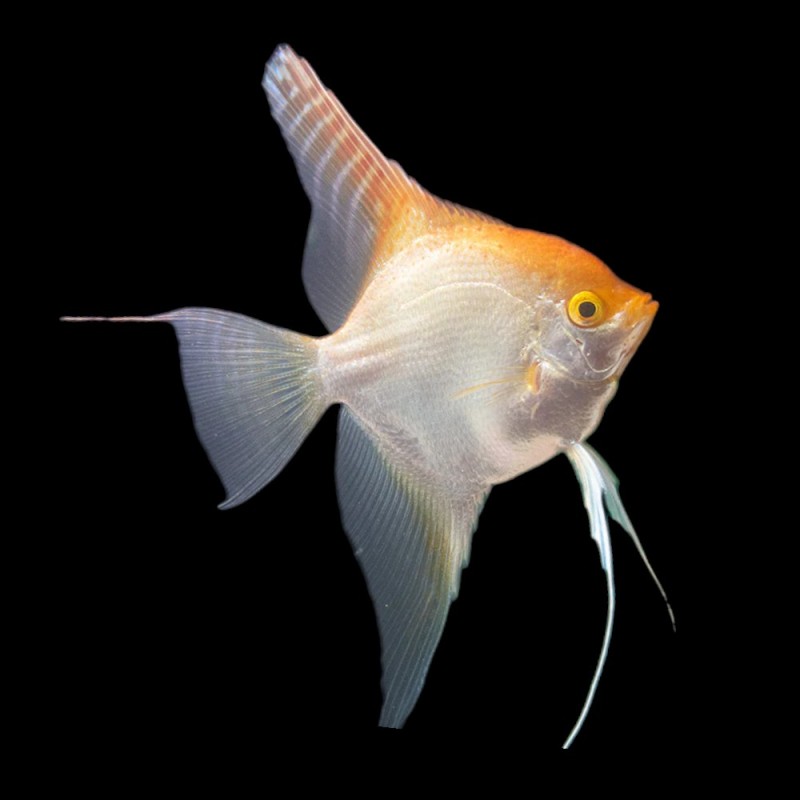
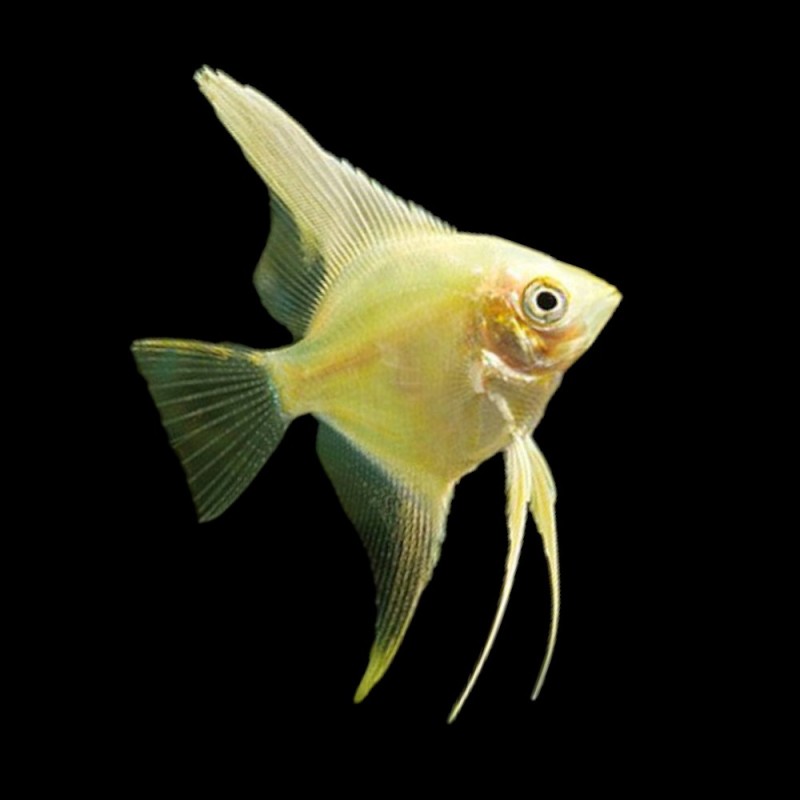
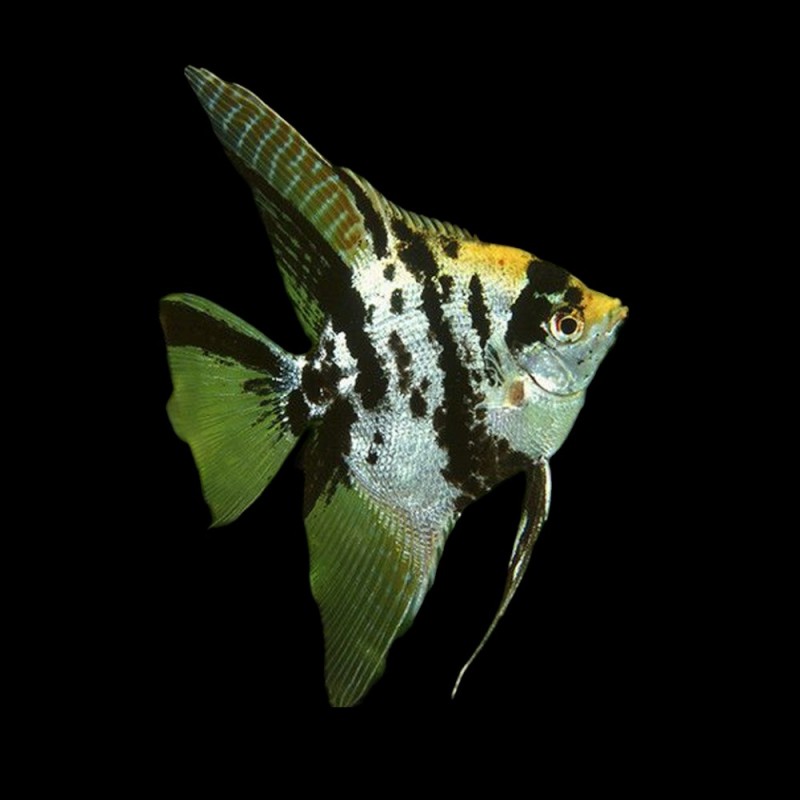
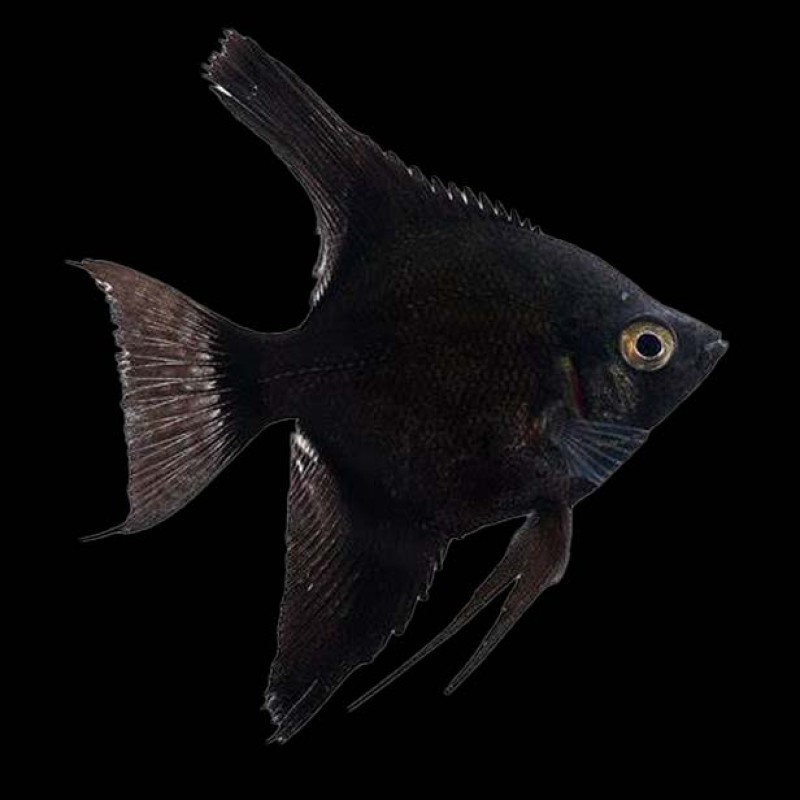
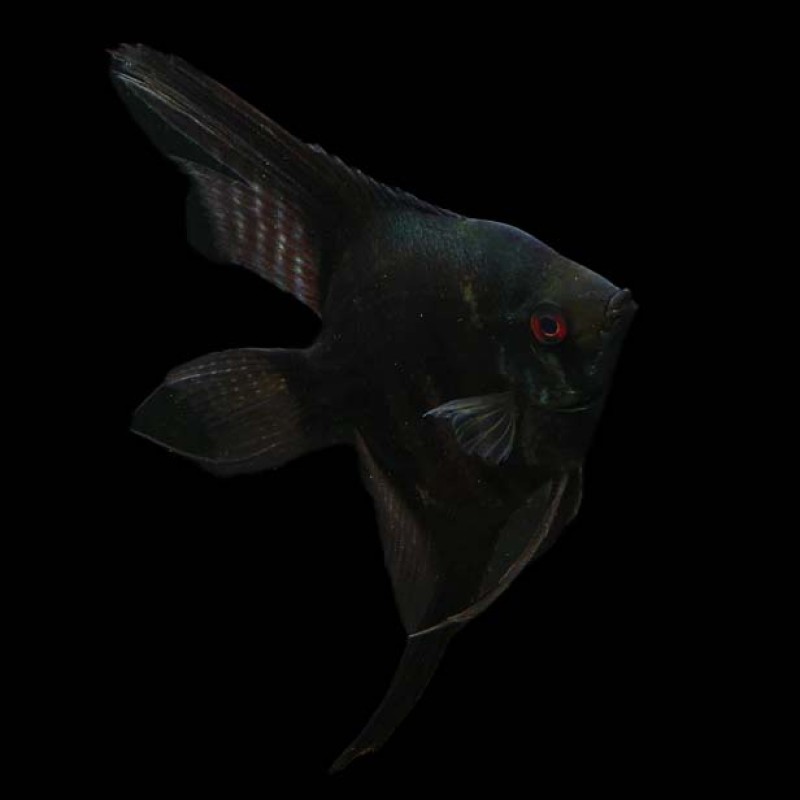
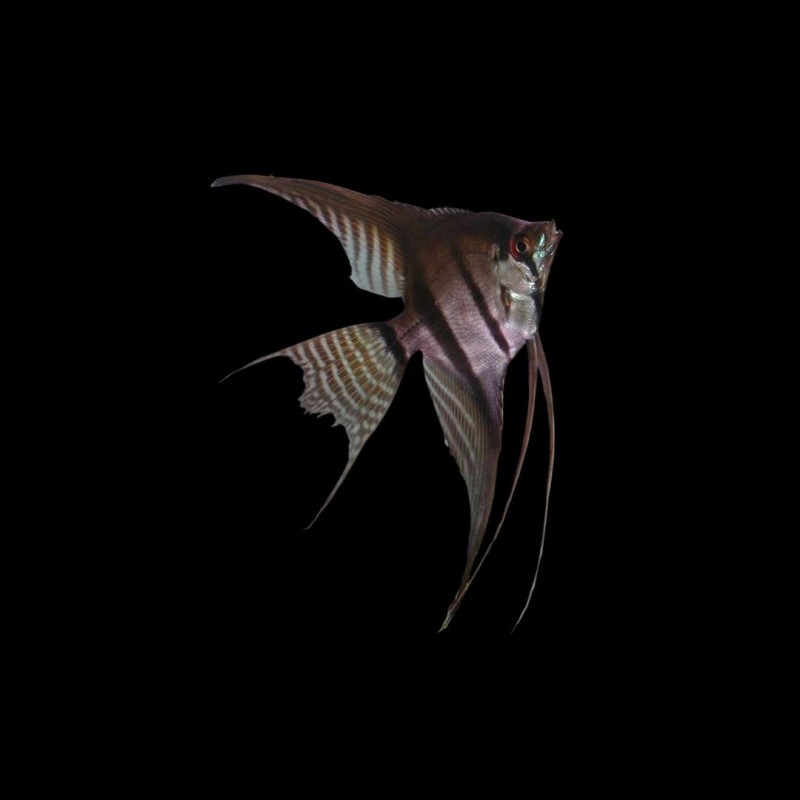
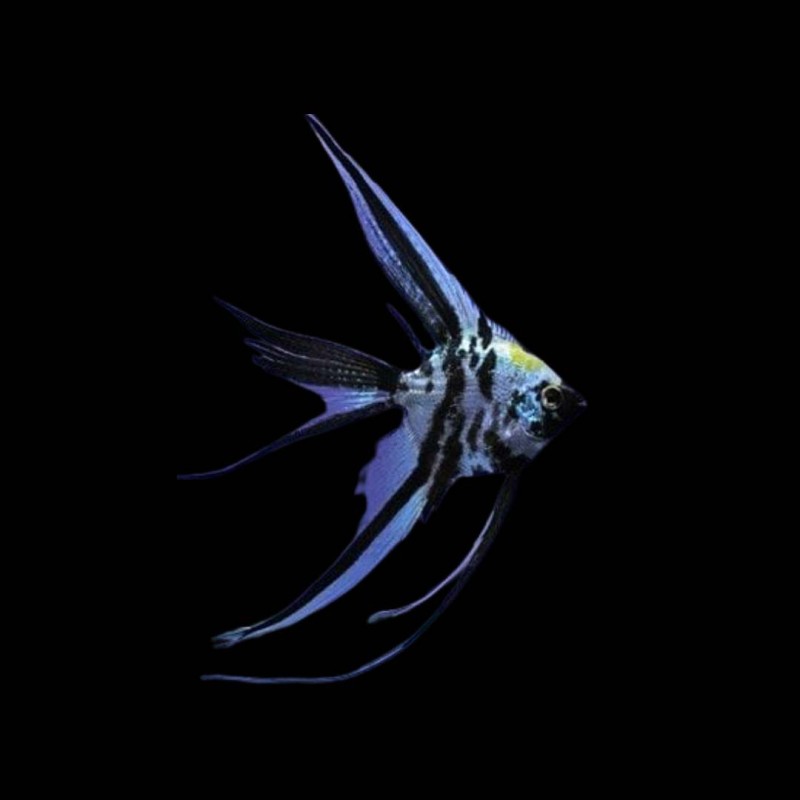
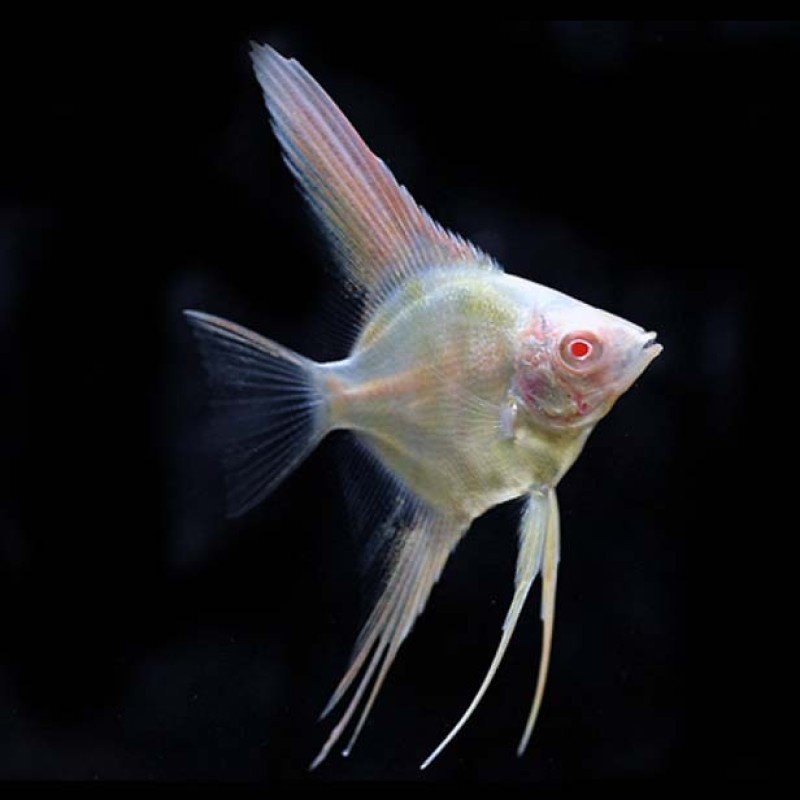
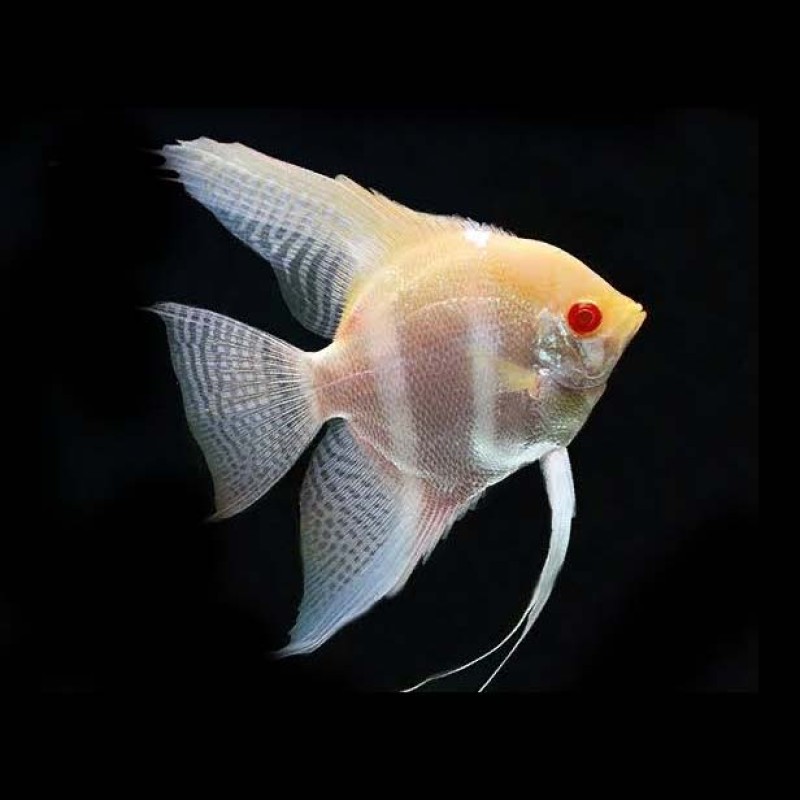
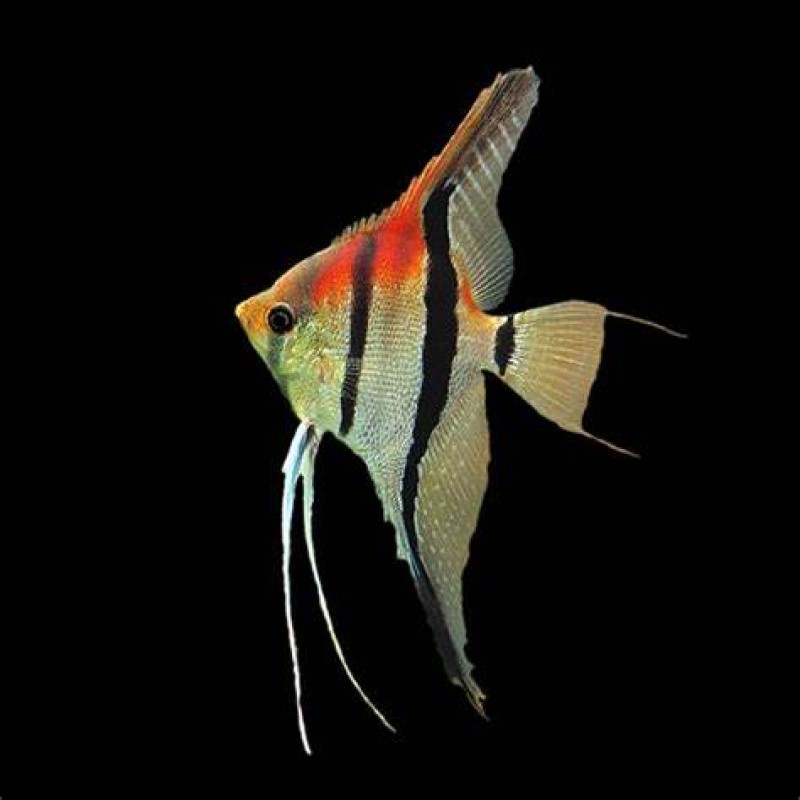
Platinum Angelfish (Pterophyllum scalare) is a strikingly beautiful variety of the freshwater angelfish, known for its bright, metallic white or silvery coloration. This variant is highly sought after by aquarists for its sleek, almost iridescent appearance and graceful swimming behavior. Native to the Amazon Basin, like other angelfish, the Platinum Angelfish thrives in slow-moving, warm waters with plenty of vegetation.
Physical Characteristics:
- Size: Like other angelfish, the Platinum Angelfish grows to about 15-20 cm (6-8 inches) in height from the top of the dorsal fin to the bottom of the anal fin, and about 12-15 cm (5-6 inches) in length.
- Coloration: The defining feature of this angelfish is its solid, shimmering platinum-white body. The fins also exhibit the same metallic sheen, creating a sleek and elegant look. This angelfish may display a pearlescent effect, making it highly reflective under aquarium lighting.
- Fins: Platinum Angelfish possess the long, flowing fins typical of all angelfish varieties. These delicate fins add to the species' graceful, slow swimming behavior but can be prone to damage if housed with fin-nipping species.
Behavior:
- Temperament: Platinum Angelfish are generally peaceful and do well in community tanks with other non-aggressive fish. However, like other angelfish, they may become territorial, particularly during breeding or if kept in overcrowded conditions.
- Social Behavior: They are social fish that prefer to be kept in groups of 5-6 individuals. They can develop a social hierarchy, but serious aggression is rare unless breeding or stressed. Providing ample space can help minimize any territorial disputes.
Aquarium Care:
- Tank Size: Due to their tall bodies and need for swimming space, Platinum Angelfish should be housed in a tank of at least 150 liters (40 gallons). Taller tanks are ideal to accommodate their vertical swimming range and long fins.
- Water Parameters:
- Temperature: Platinum Angelfish thrive in warm water, with an ideal temperature range of 24°C to 28°C (75°F to 82°F).
- pH: They prefer slightly acidic to neutral water, with a pH range of 6.0 to 7.5.
- Hardness: They do well in soft to moderately hard water, with a general hardness (GH) of 3-8 dGH.
- Tank Setup:
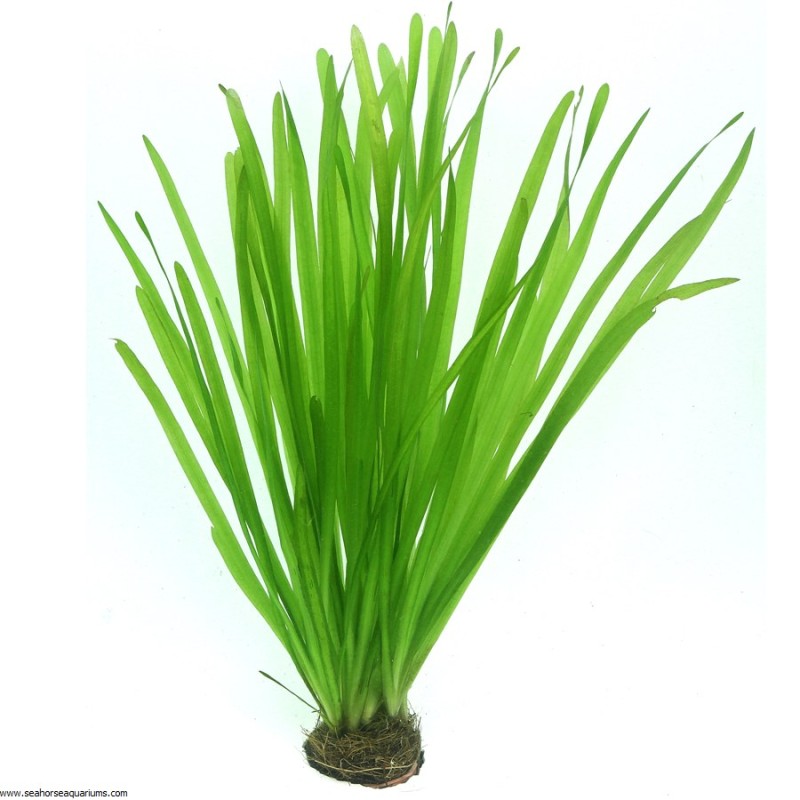
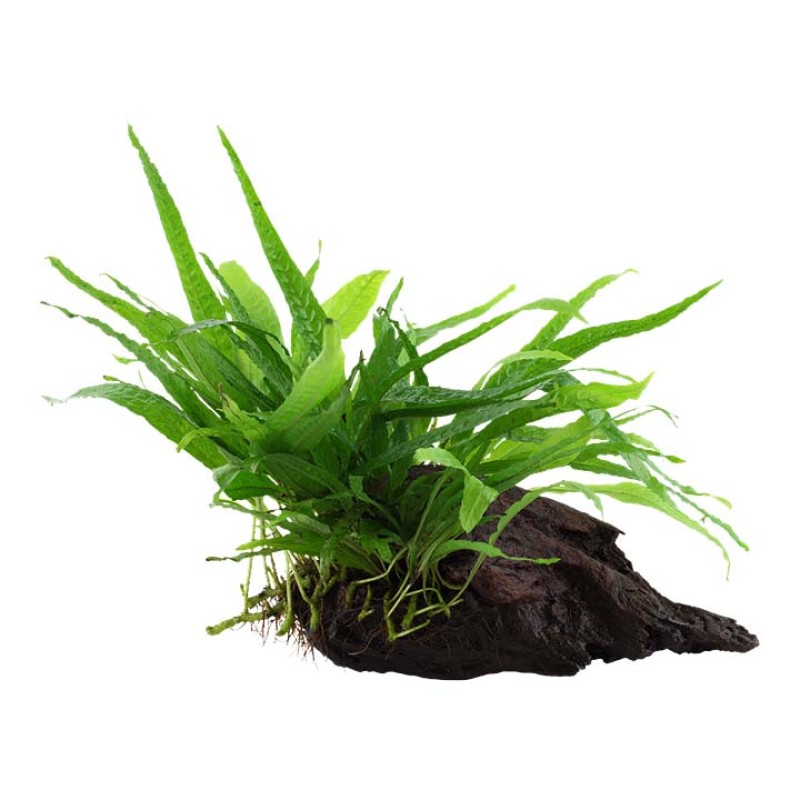
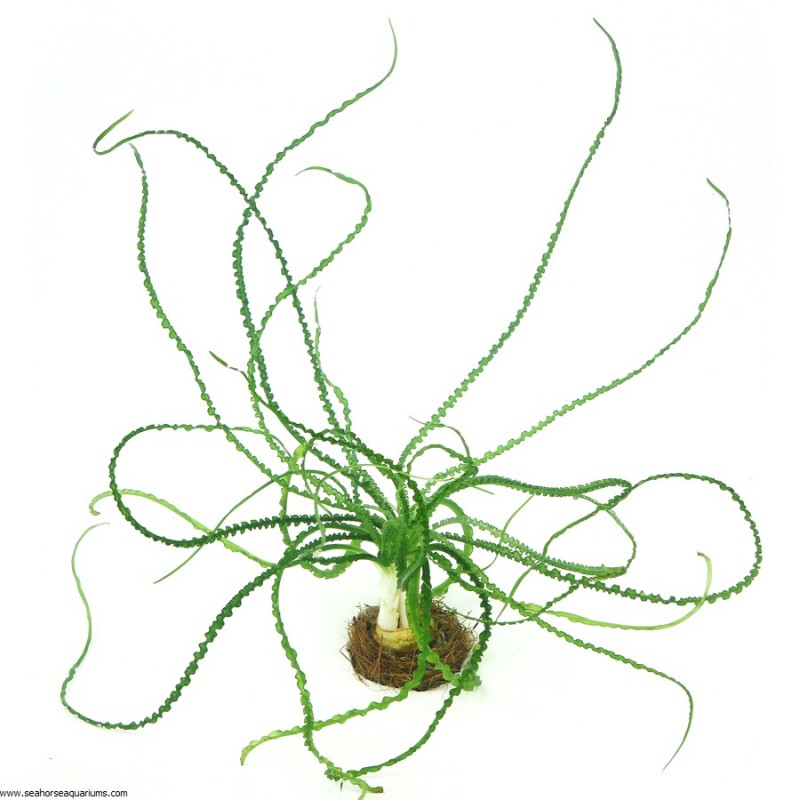
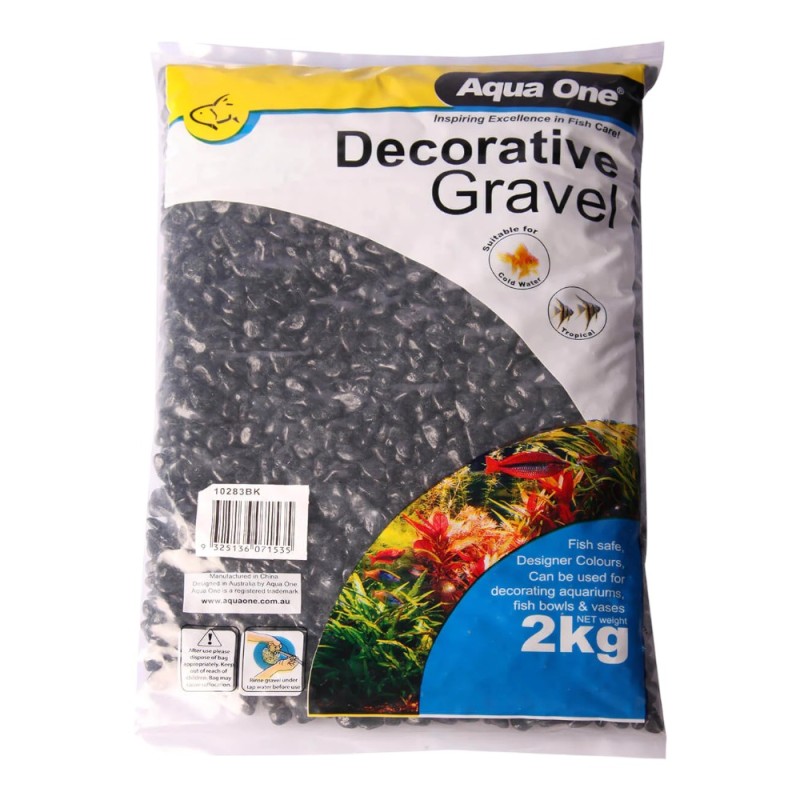
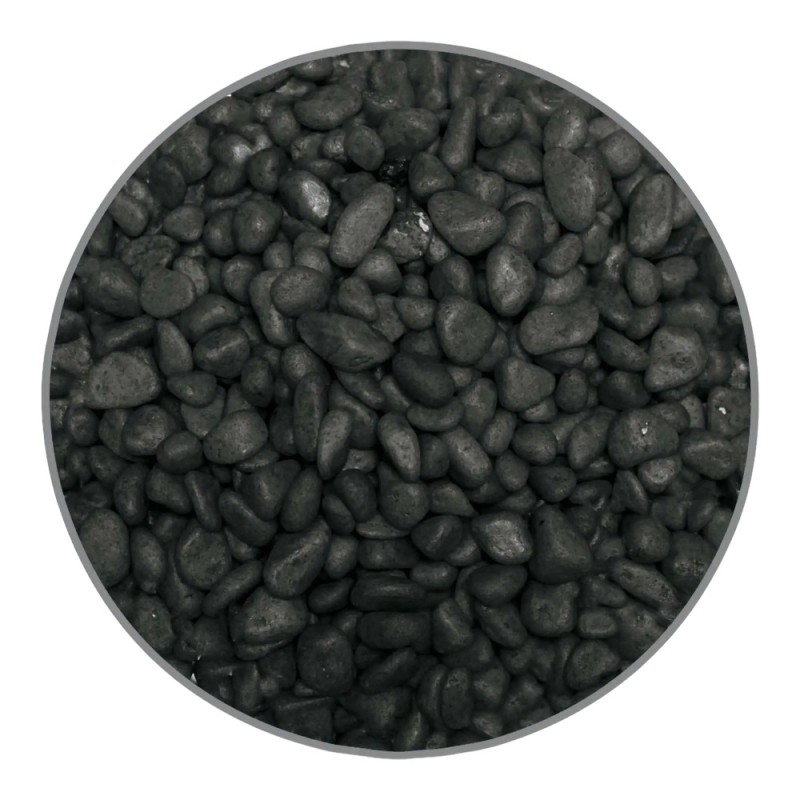
- Substrate and Plants: A soft substrate like fine sand or gravel is ideal for angelfish. Live plants such as Amazon swords, Anubias, or Java ferns provide natural hiding spots and replicate their natural environment. It’s important to leave open swimming areas, as these fish like to glide through the tank.
- Lighting: Moderate lighting will enhance the reflective beauty of the Platinum Angelfish. Subdued or indirect lighting also helps create a calm environment.
- Filtration: While Platinum Angelfish prefer calm waters, a good filtration system is essential to maintain water quality. Ensure that the water flow is gentle, as they are not strong swimmers and prefer less turbulent conditions.
Diet:
Platinum Angelfish are omnivores and require a varied diet to maintain good health and vibrant color. Their diet should include:
- Pellets or Flakes: High-quality angelfish flakes or pellets designed for cichlids form a good staple diet.
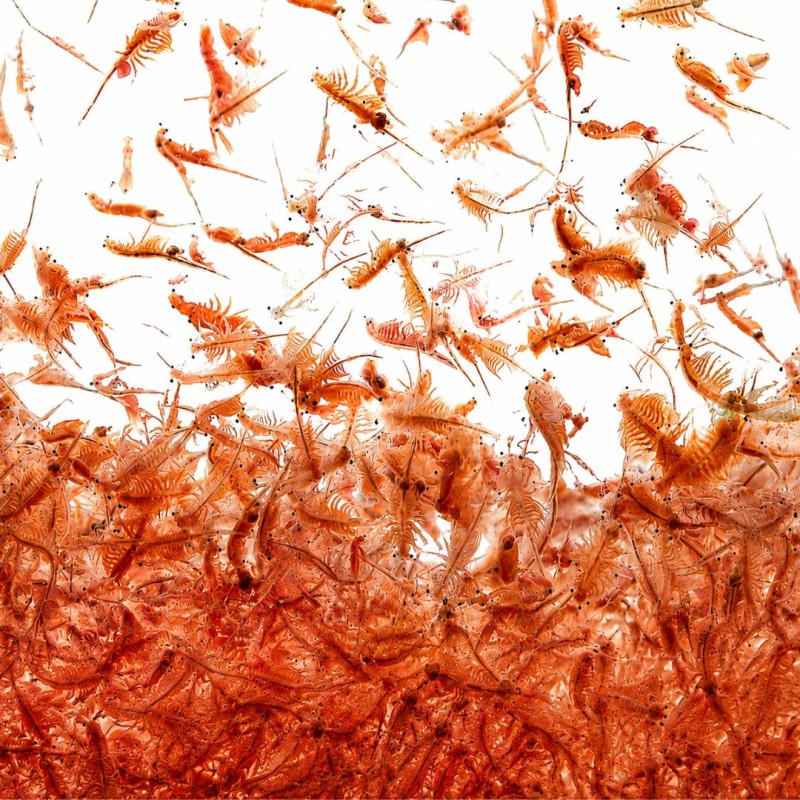
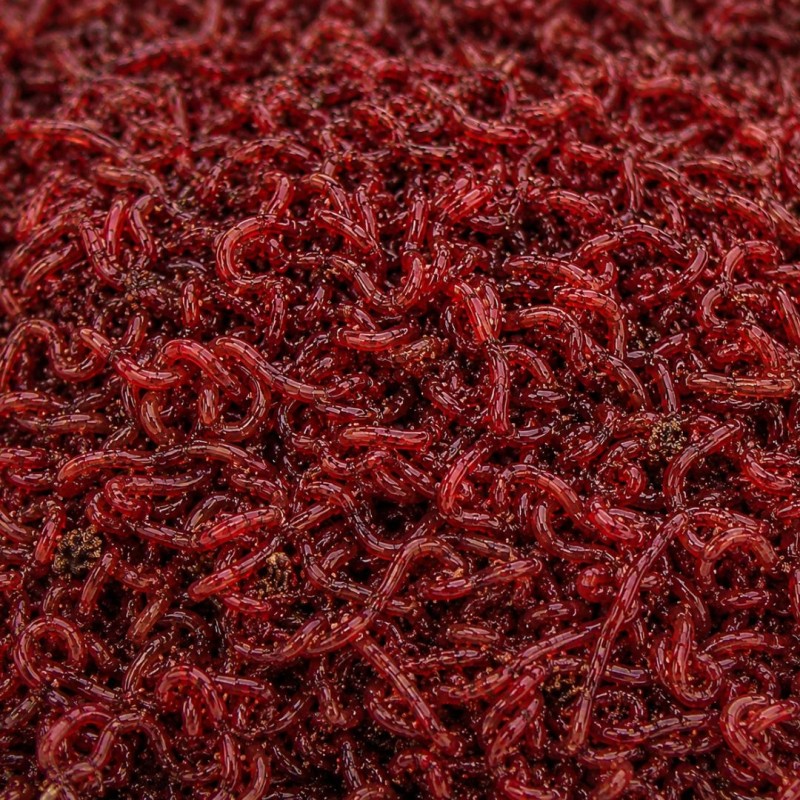
- Live or Frozen Foods: They enjoy live or frozen foods such as bloodworms, brine shrimp, daphnia, and mosquito larvae. These protein-rich foods promote healthy growth and enhance their coloration.
- Vegetables: Occasionally offer plant-based foods like spirulina or blanched vegetables (spinach, zucchini) to ensure balanced nutrition.
Feed them small amounts 2-3 times daily, making sure not to overfeed to avoid water quality issues.
Tankmates:
Platinum Angelfish can coexist with many peaceful species, provided that the tankmates are not small enough to be seen as prey. Good tankmates include:
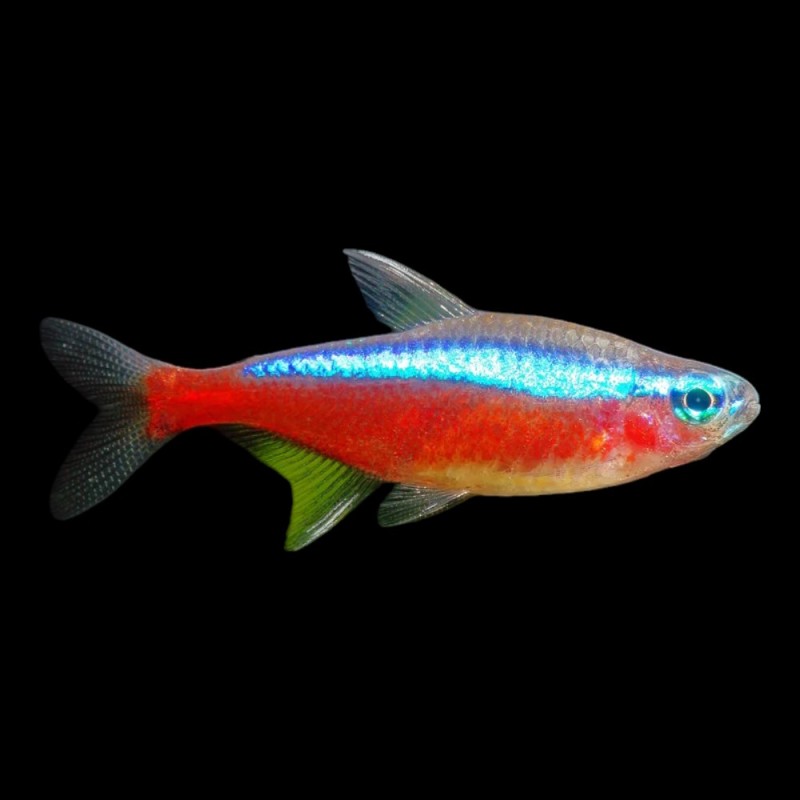
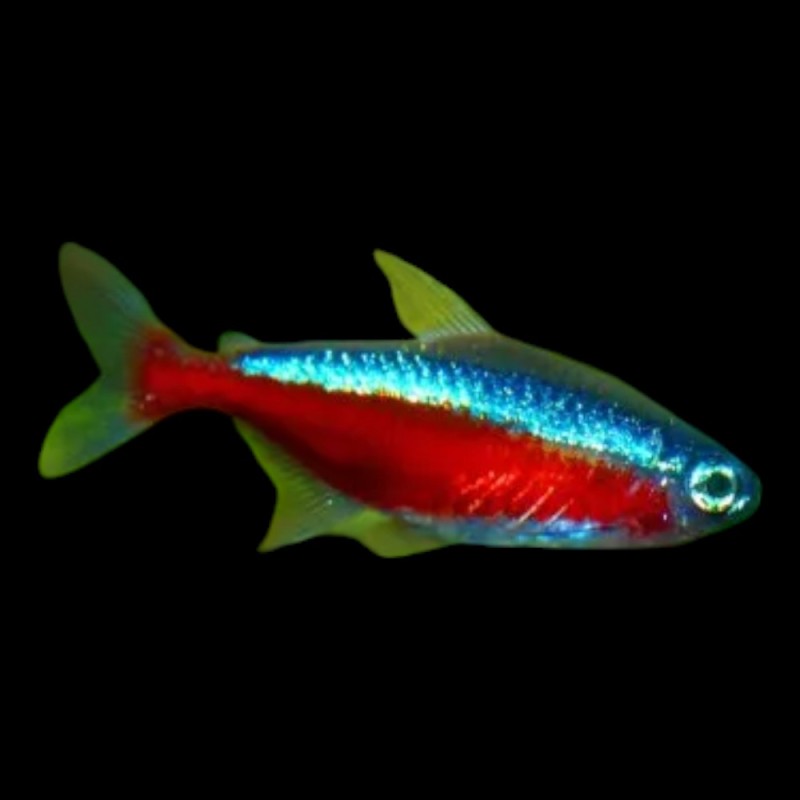
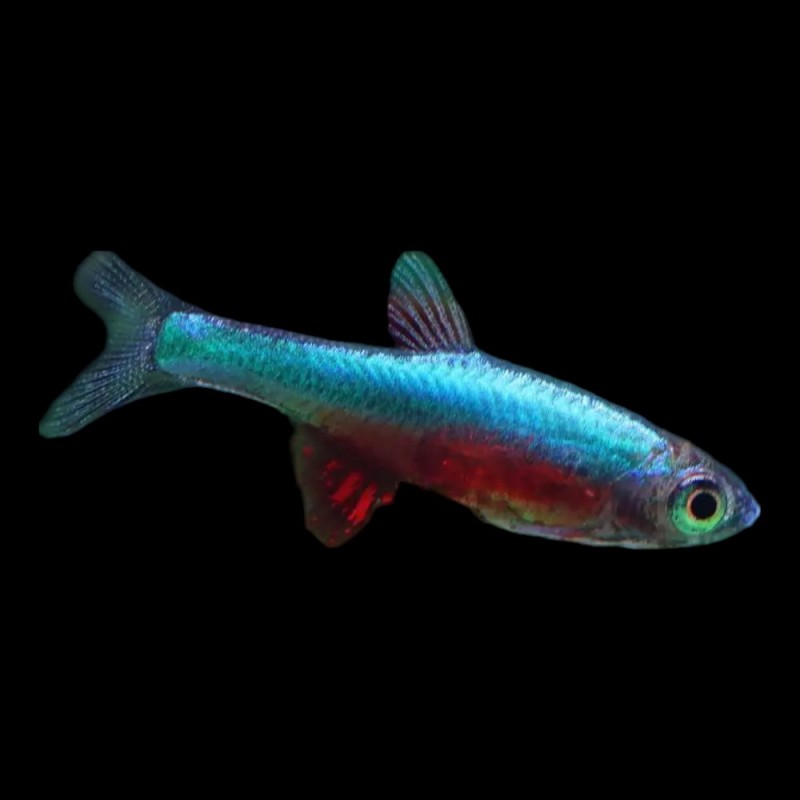
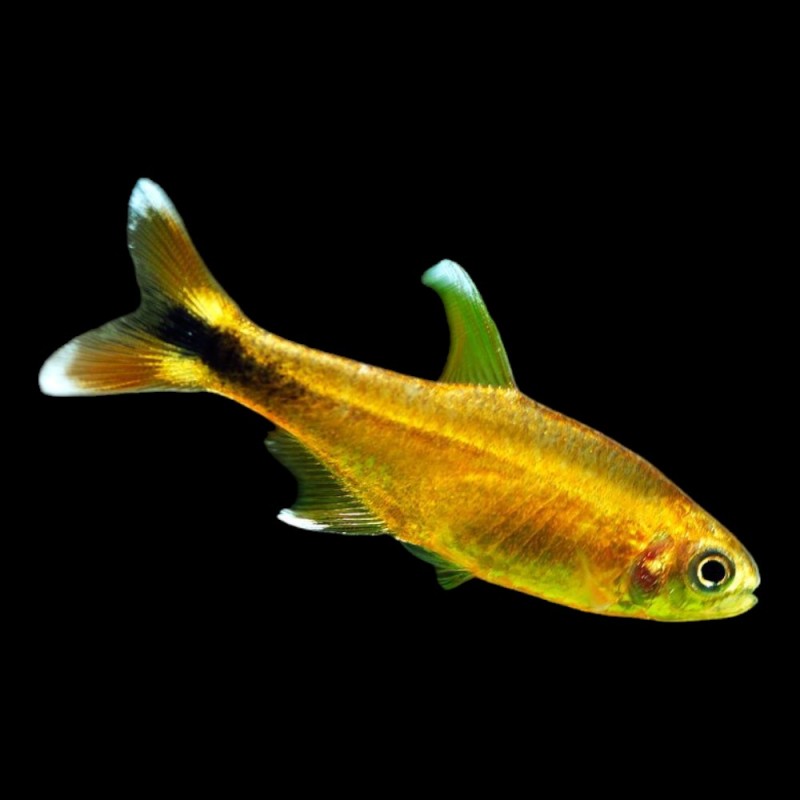
- Tetras (larger species such as black skirt or cardinal tetras)
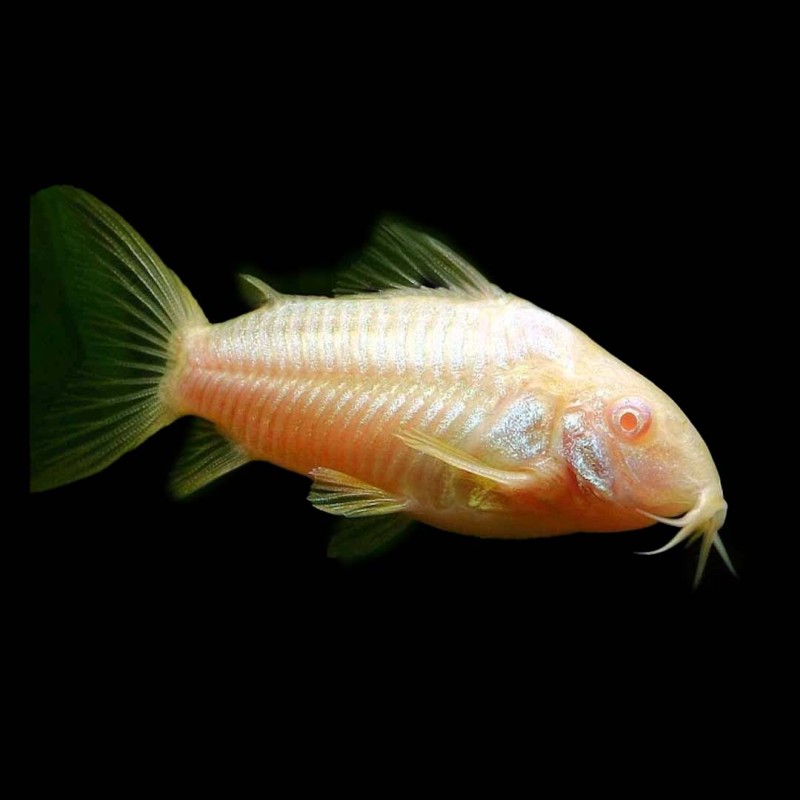
- Corydoras catfish
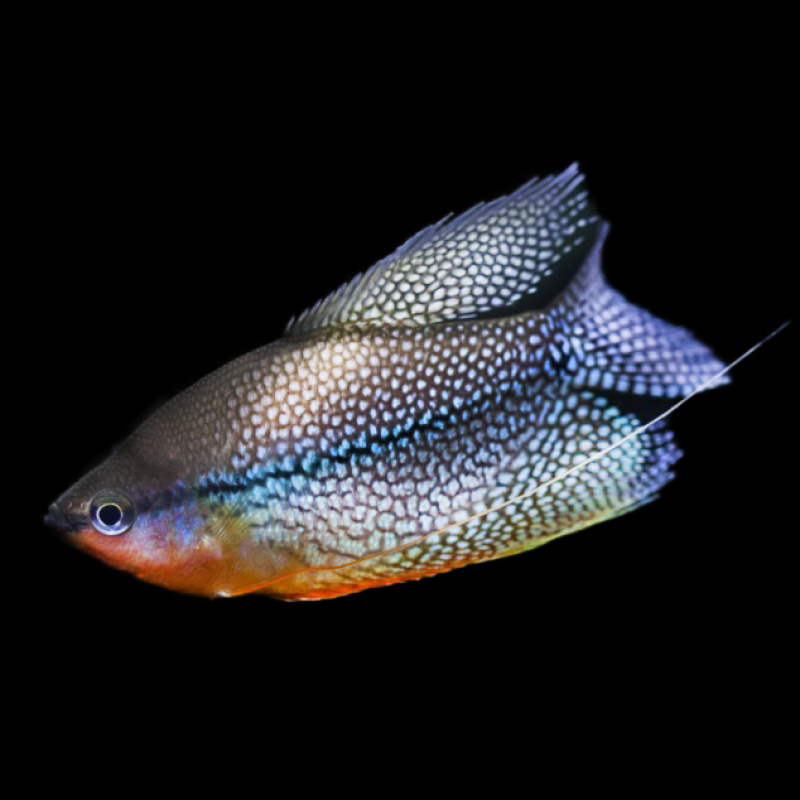
- Gouramis
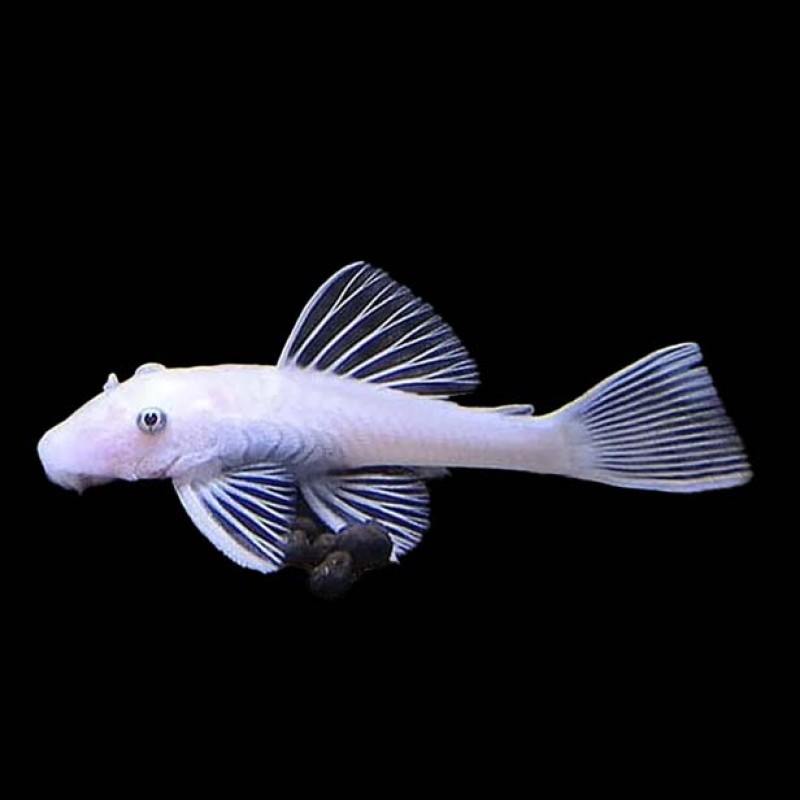
- Plecos Avoid aggressive or fin-nipping species like tiger barbs, as they may damage the angelfish's delicate fins.
Breeding:
Breeding Platinum Angelfish is possible and follows the typical angelfish breeding pattern:
- Pair Formation: Angelfish form monogamous pairs. A bonded pair will seek out a flat surface, such as a broad leaf or the side of the tank, where the female will lay her eggs.
- Egg Laying: After the eggs are laid, the male fertilizes them, and both parents take turns guarding the eggs. They fan the eggs with their fins to keep them clean and oxygenated.
- Raising Fry: Once the fry hatch, they can be fed with baby brine shrimp or specialized fry food. The parents will continue to guard the fry for a few days after hatching.
Special Considerations:
- Fin Health: Due to their long, flowing fins, Platinum Angelfish can be prone to fin rot or damage, especially if kept in poor water conditions or with aggressive fish. Regular water changes and monitoring of water quality are important to prevent these issues.
- Aggression During Breeding: Like all angelfish, Platinum Angelfish can become territorial and aggressive during breeding. If aggression becomes an issue, the breeding pair may need to be separated from the rest of the tank.