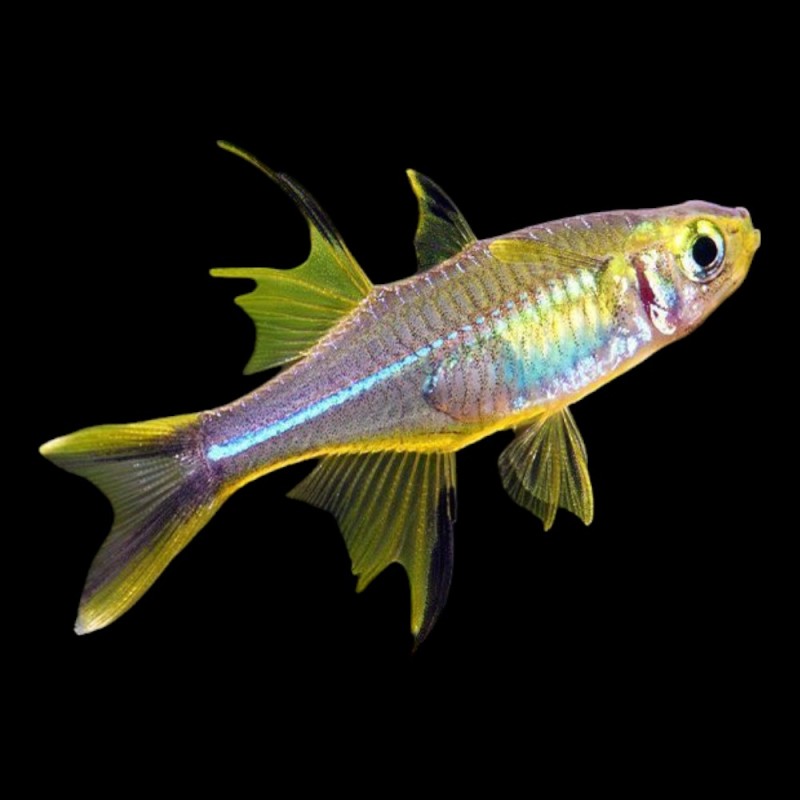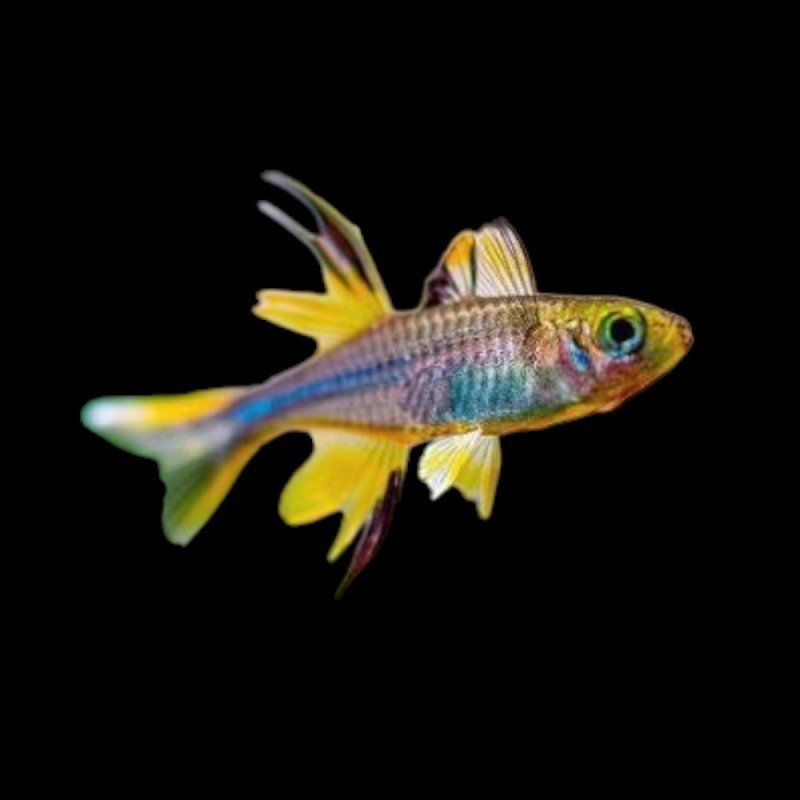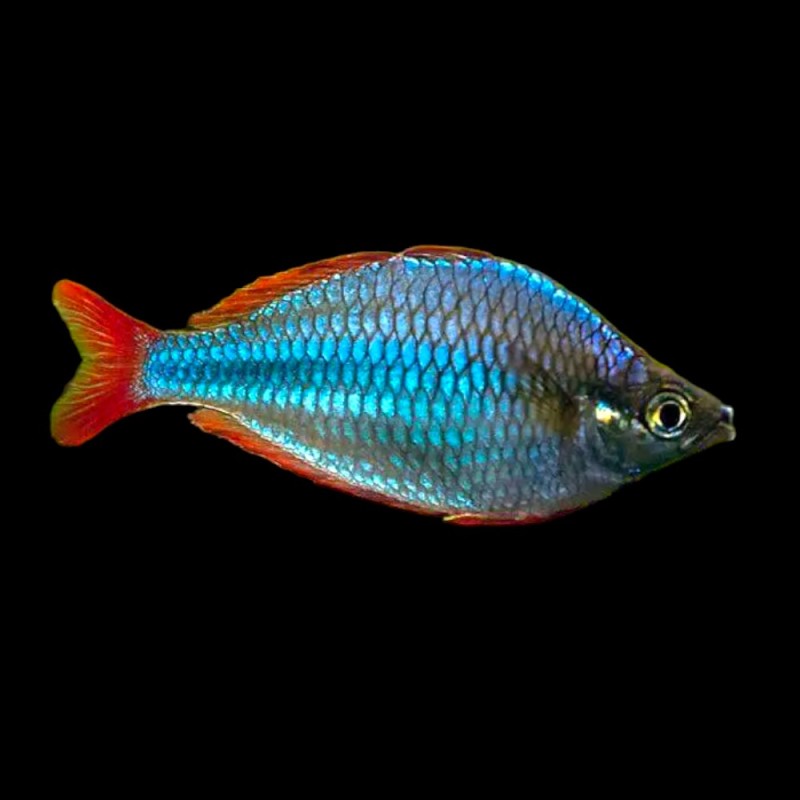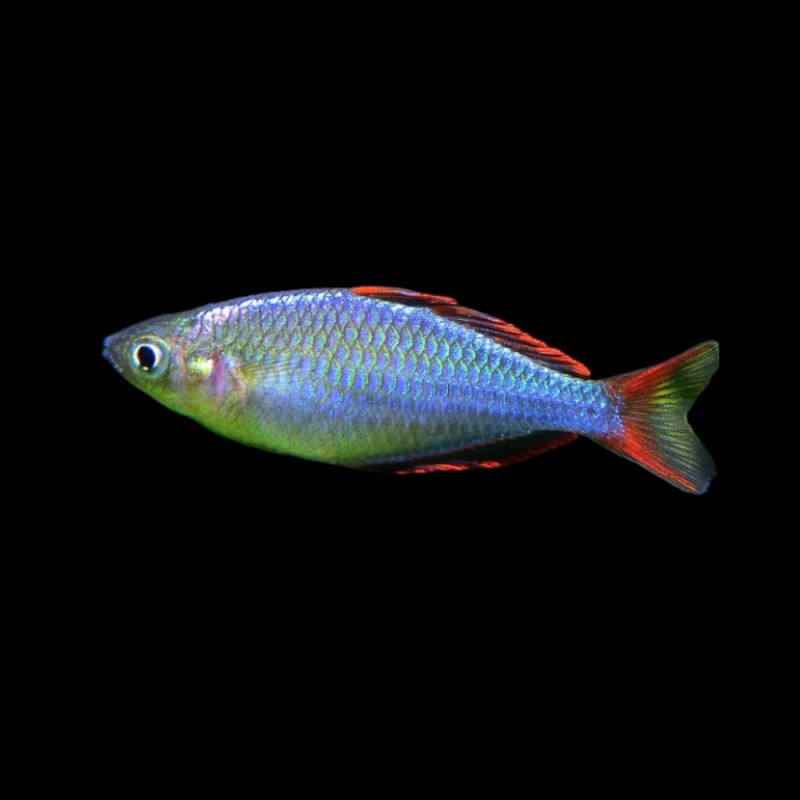


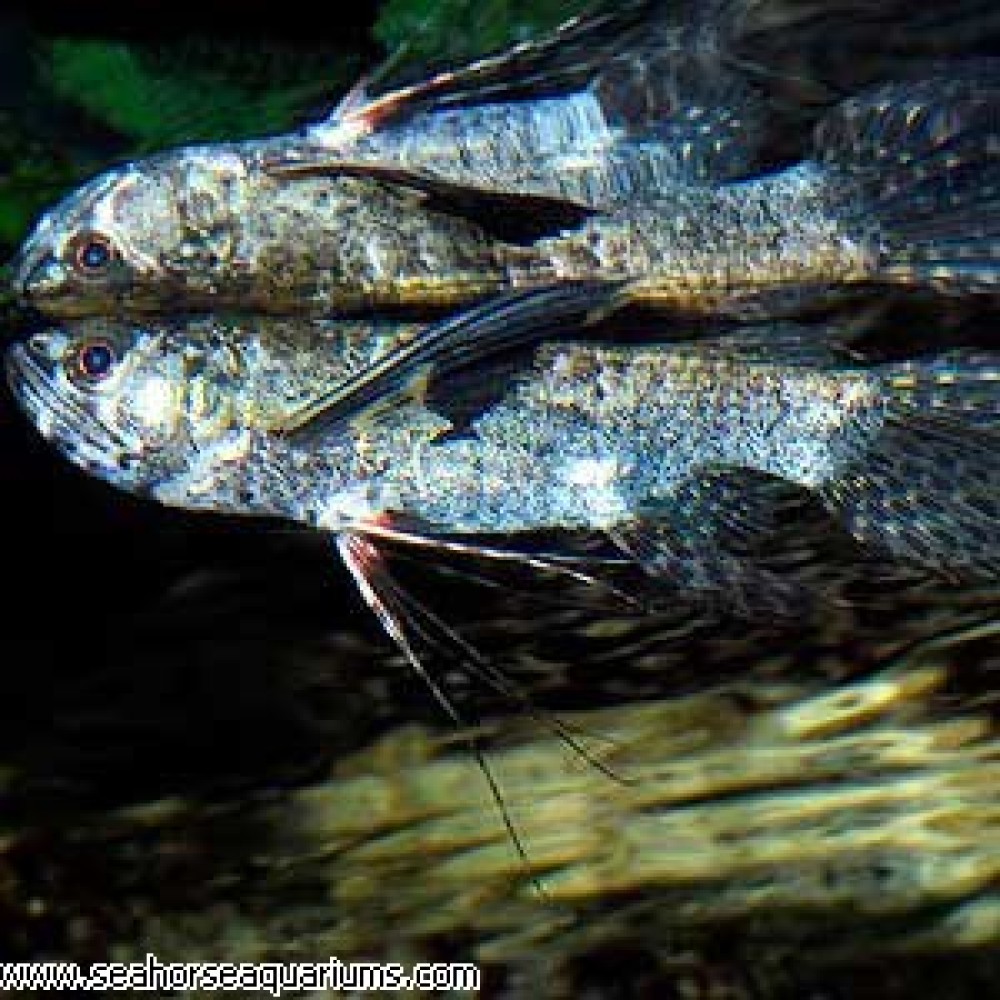
- Stock: Generally In Stock
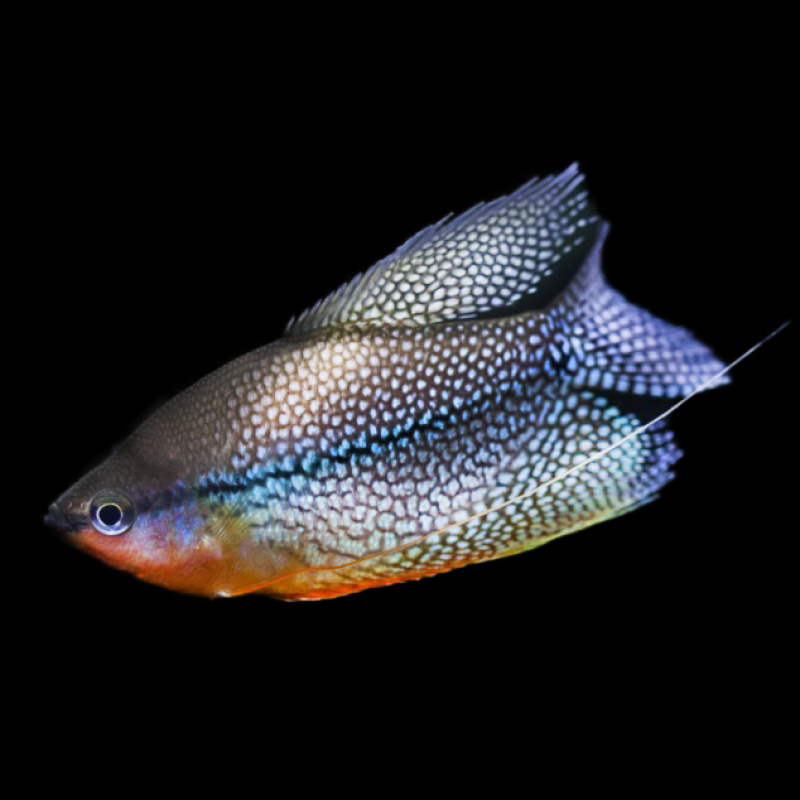
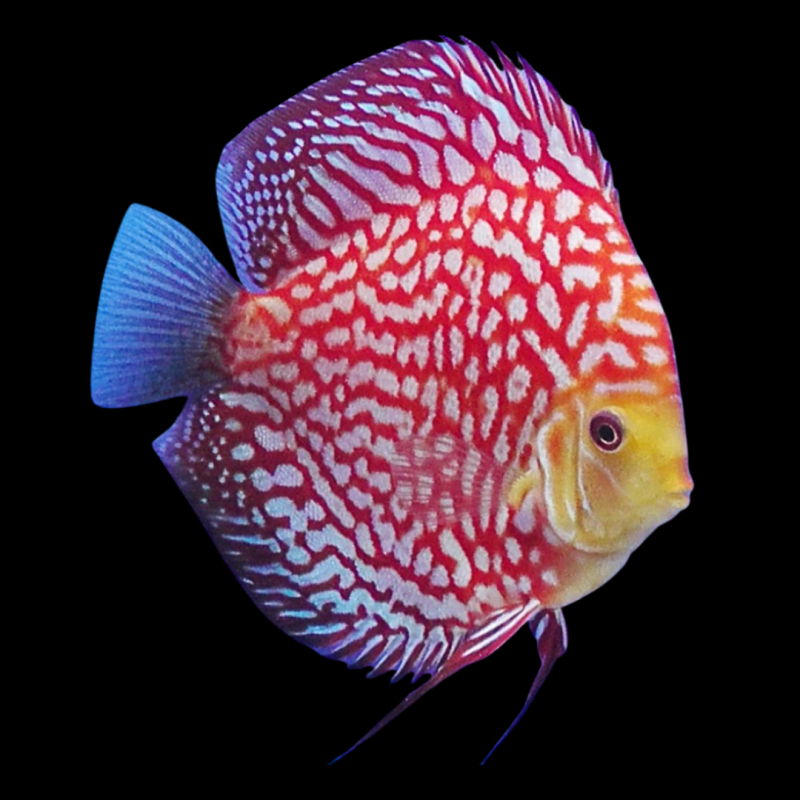
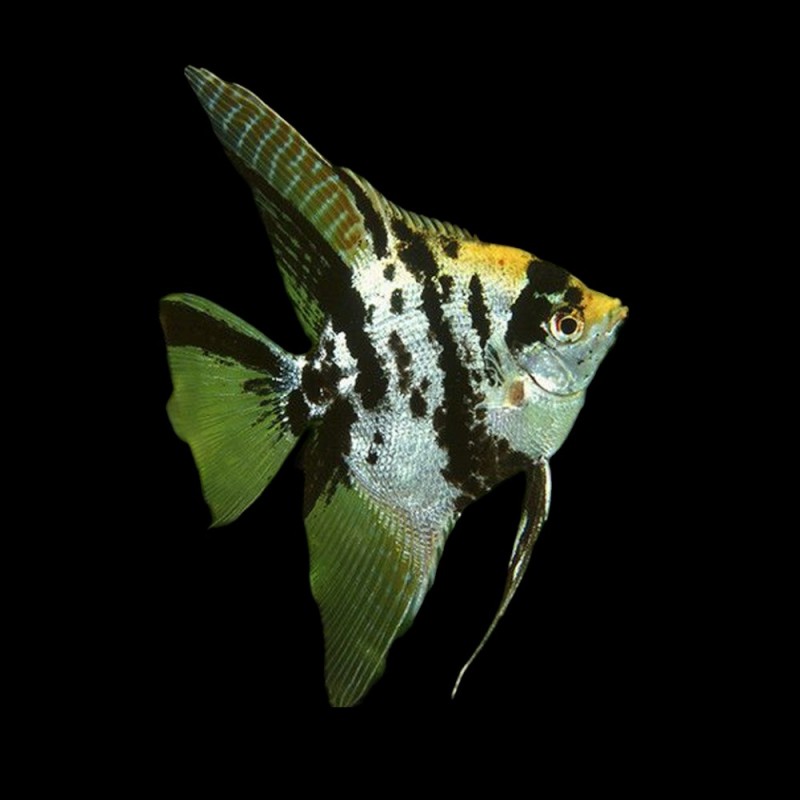
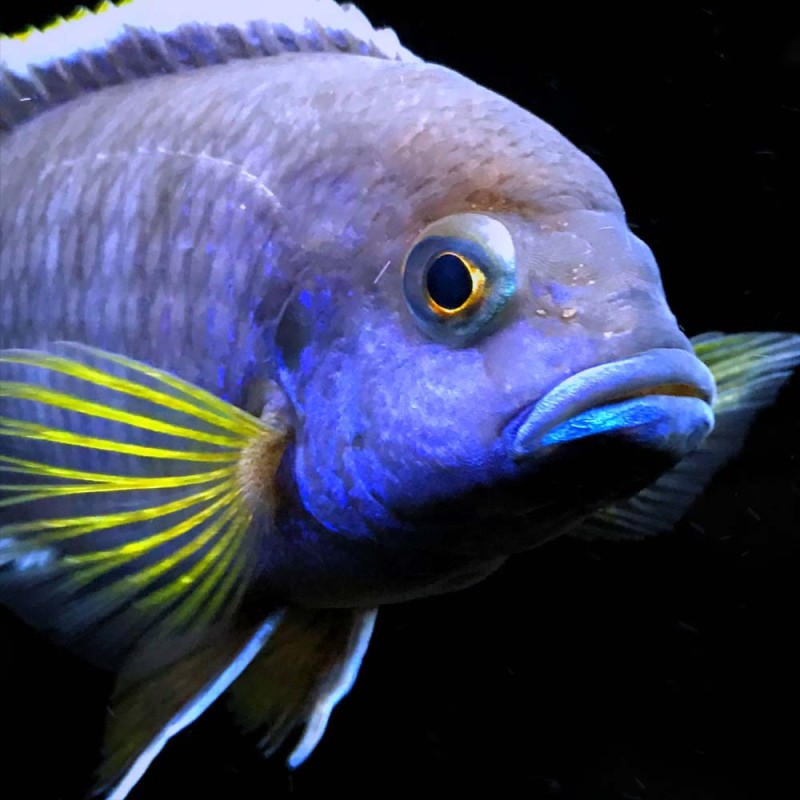
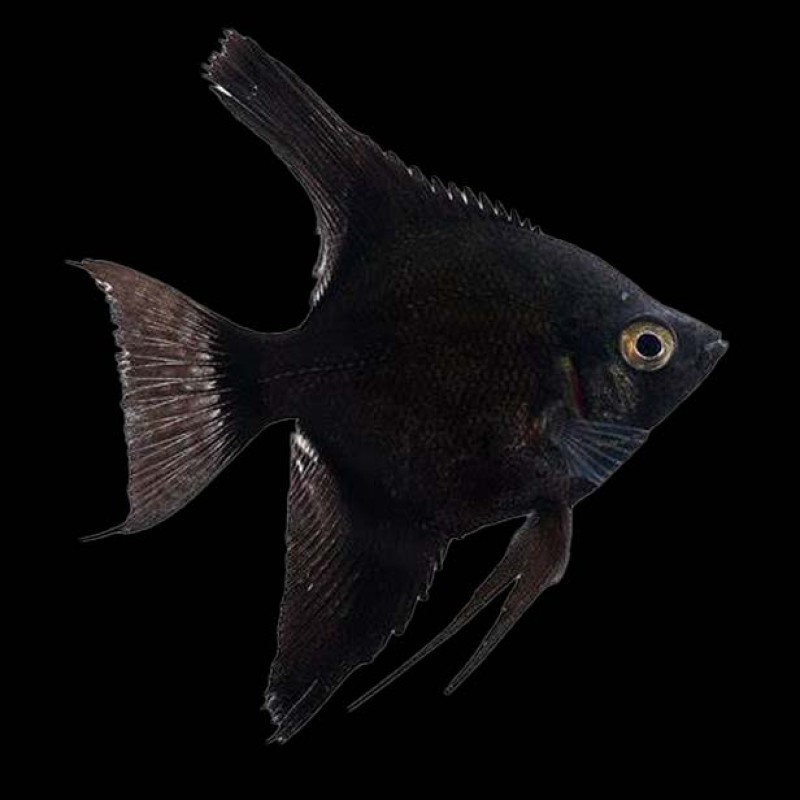
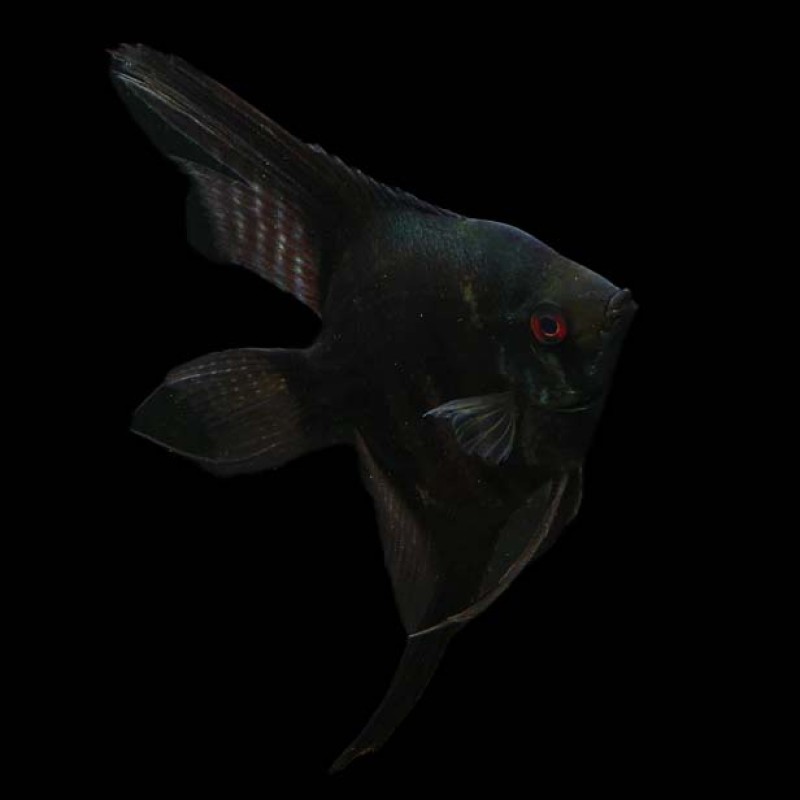
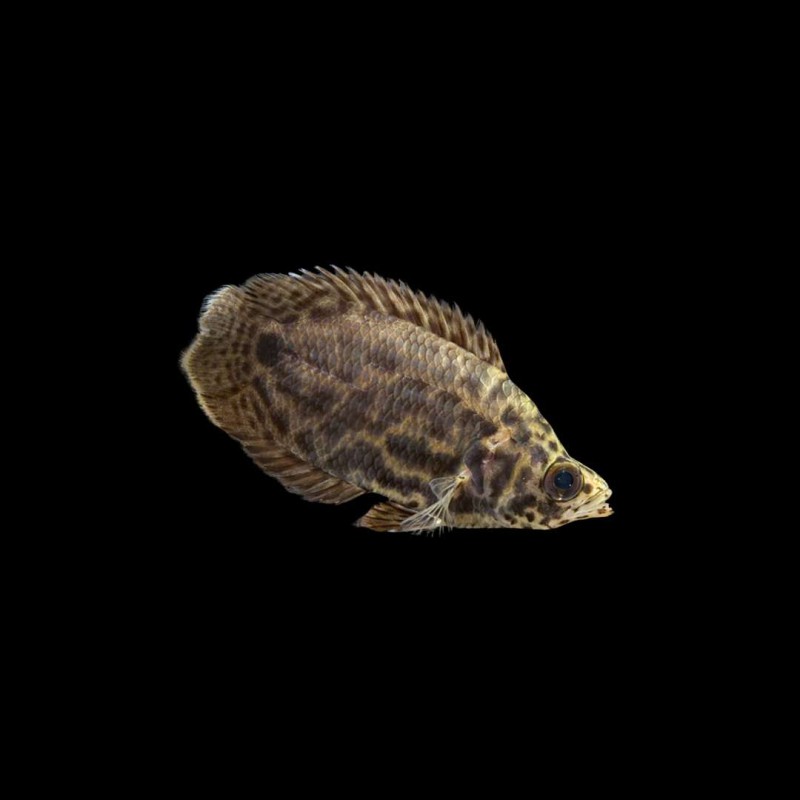
Please Note: Due to variations within species, your fish may not look identical to the image provided. Also note not all sizes or species may be available due to seasonality, Please call beforehand for up-to-date stock availability.
- Model: -
Available Options
Arrive Alive
If your fish, coral, plant, or invertebrate doesn't arrive alive and stay alive for 2 days, we'll credit your account or refund your money.
African Butterflyfish
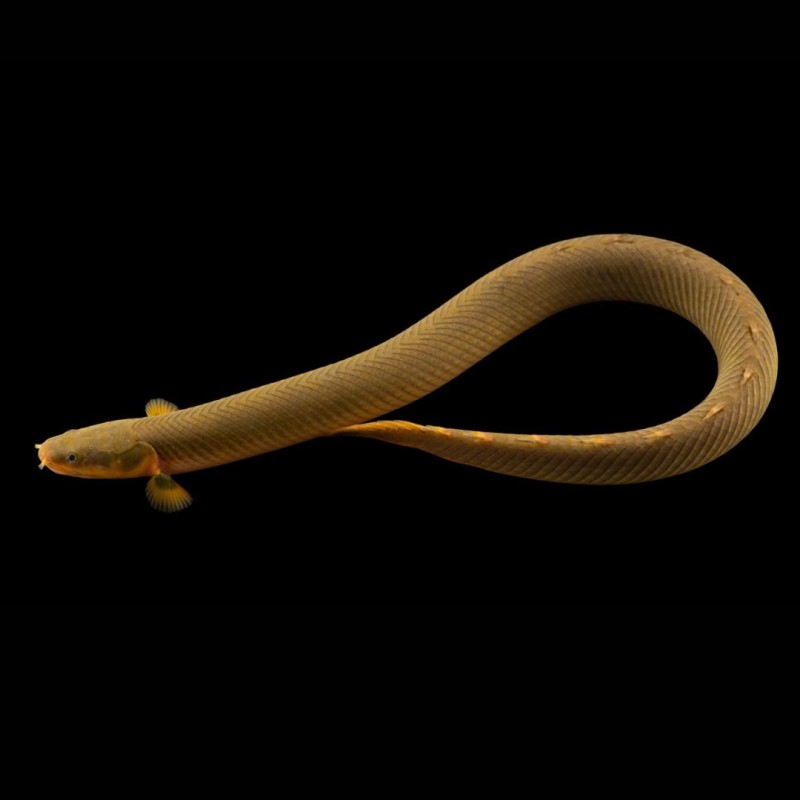
The African Butterflyfish (Pantodon buchholzi) is a fascinating freshwater fish native to the rivers and lakes of Central and West Africa. Known for its unique appearance and interesting behaviour, this species is highly sought after by aquarists looking to add a distinctive touch to their aquarium.
Physical Characteristics:
- Size: African Butterflyfish typically grow to about 10-12 cm (4-5 inches) in length.
- Coloration:
- Body: The body is flattened and oval-shaped, with a light brown or grey base colour adorned with dark spots or blotches, which provide excellent camouflage against predators.
- Fins: The most striking feature is their large pectoral fins, which resemble butterfly wings and are used to glide through the water. These fins are typically translucent with a slight yellowish hue.
- Shape: The overall body shape, combined with their long fins, gives them a graceful and elegant appearance.
Behaviour:
- Temperament: African Butterflyfish are generally peaceful but can be territorial, especially during breeding. They are best kept in groups or with other peaceful species that do not pose a threat.
- Activity Level: These fish are relatively active swimmers, often seen gliding gracefully through the water, using their pectoral fins to manoeuvre.
- Community Behaviour: While they can coexist with a variety of tankmates, it’s important to select species that are non-aggressive and of similar size to avoid bullying or stress.
Aquarium Care:
- Tank Size: A minimum tank size of 100 liters (26 gallons) is recommended for a small group of African Butterflyfish to provide ample swimming space and reduce territorial disputes.
- Water Parameters:
- Temperature: They thrive in warm water, with an ideal temperature range of 24°C to 28°C (75°F to 82°F).
- pH: A slightly acidic to neutral pH level between 6.5 and 7.5 is preferred.
- Hardness: Soft to moderately hard water, with a general hardness (GH) of 4-12 dGH, is ideal.
- Tank Setup:
- Substrate and Decorations: A soft substrate is recommended, along with plenty of hiding spots using driftwood, rocks, and live plants to create a natural environment.
- Lighting: Moderate lighting is suitable, as they prefer a well-lit tank with shaded areas created by floating plants.
- Filtration: A gentle filtration system is important, as strong currents can stress these fish. Regular water changes (about 20% weekly) are essential to maintain water quality.
Diet:
African Butterflyfish are carnivorous and require a varied diet to thrive. Their diet should include:
- Pellets: High-quality carnivore-specific pellets should form the staple of their diet.
- Live or Frozen Foods: Offer live or frozen foods such as brine shrimp, bloodworms, and daphnia to provide essential protein and variety.
- Occasional Treats: Freeze-dried foods can be offered occasionally but should not replace their main diet.
Breeding:
Breeding African Butterflyfish can be challenging, but it is possible with the right setup:
- Breeding Setup: A separate breeding tank with shallow water and plenty of plants or spawning mops is ideal. The water should be warm (around 26°C to 28°C or 79°F to 82°F) and slightly acidic (pH 6.5-7.0).
- Spawning Behaviour: The male will court the female by displaying his fins and swimming around her. After spawning, the female will scatter her eggs among the plants.
- Fry Care: Once the eggs hatch, the fry can be fed with infusoria or finely crushed flakes until they are large enough for larger foods.
Special Considerations:
- Stress and Aggression: While generally peaceful, African Butterflyfish can become stressed if kept in overcrowded conditions or with aggressive tankmates. Ensure plenty of hiding spots and monitor their behaviour closely.
- Health: Regular water changes and maintaining a clean environment are crucial to preventing diseases and ensuring the health of the fish.
| File Name | Size | Link |
|---|---|---|
| 17 How to care for Rare and Unusual Species.pdf (Total downloads: 2828) | 220.65KiB | Download |