

Menu
Menu
Your Cart

Demon Eartheater

Demon Eartheater
Demon Eartheater
Demon Eartheater
Demon Eartheater
Demon Eartheater
From €49.99
Ex Tax: €40.64
  • Stock: Generally In Stock
  • Please Note: Due to variations within species, your fish may not look identical to the image provided. Also note not all sizes or species may be available due to seasonality, Please call beforehand for up-to-date stock availability.

  • Model: DEMON EARTHEATER MATRIX

Available Options

Reset options

Demon Eartheater

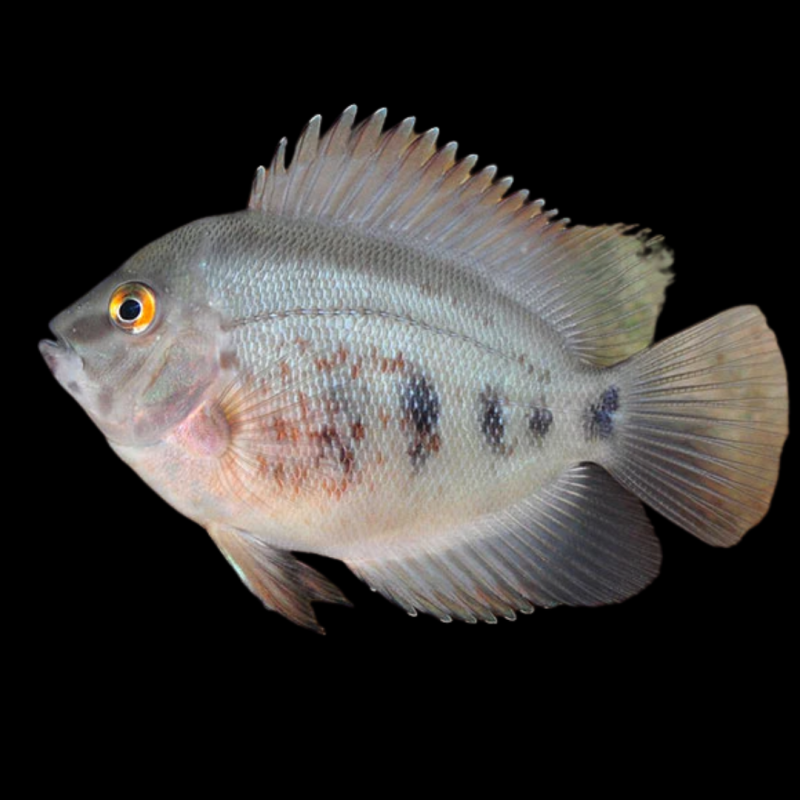
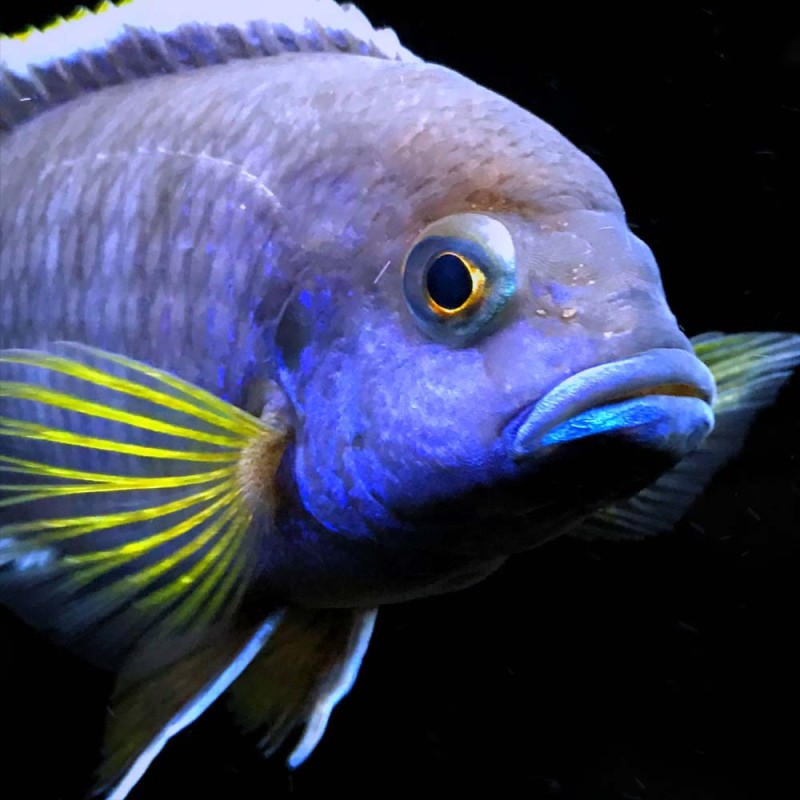
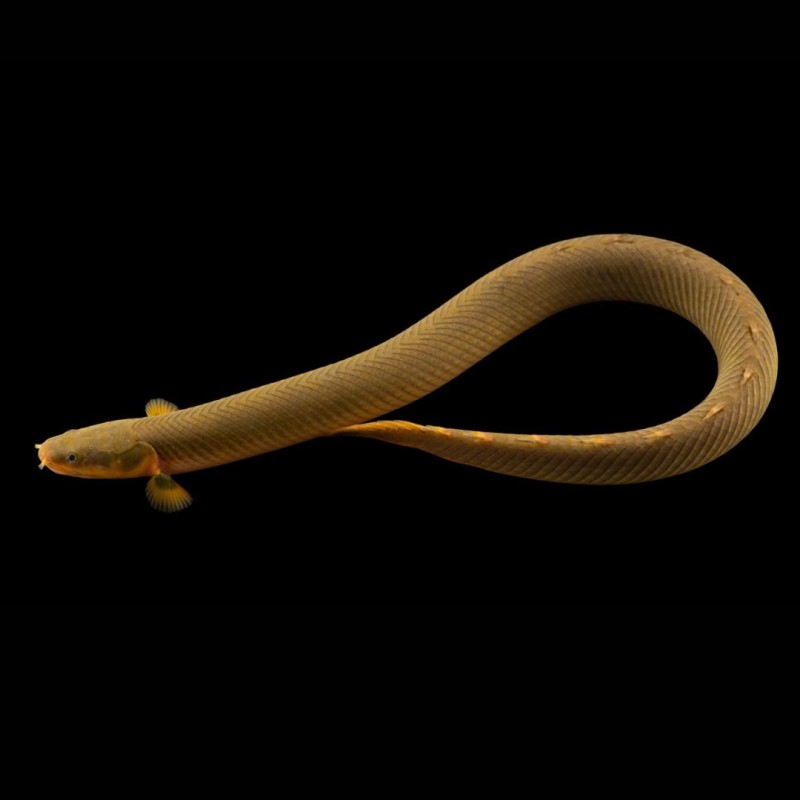
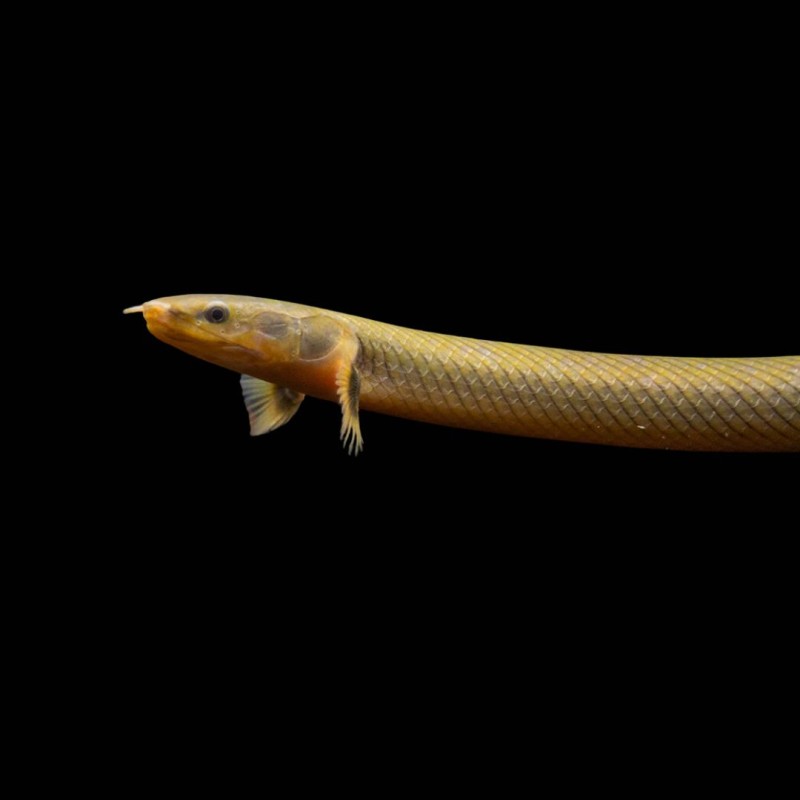
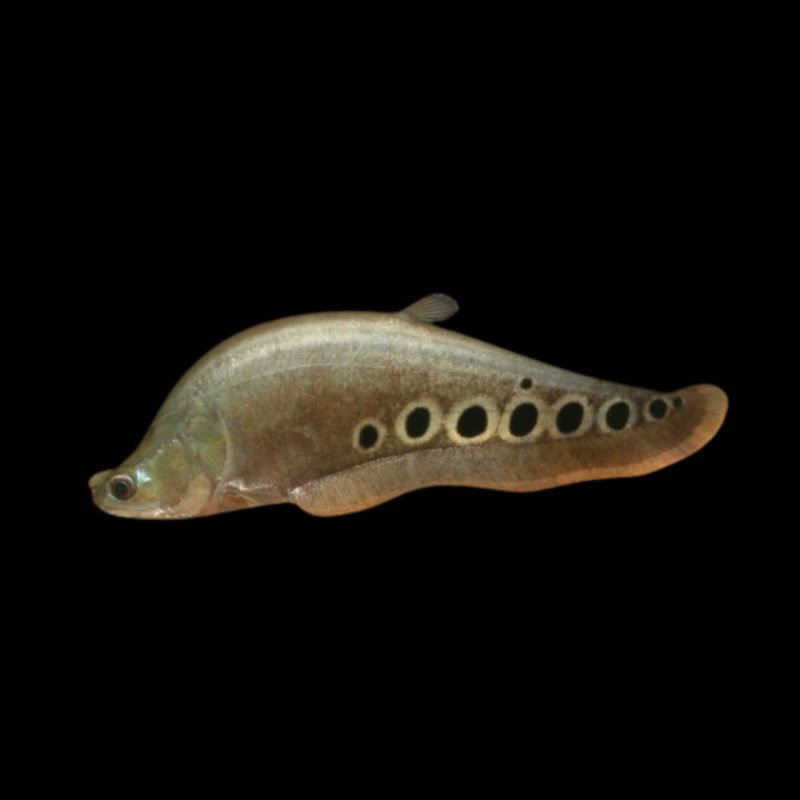
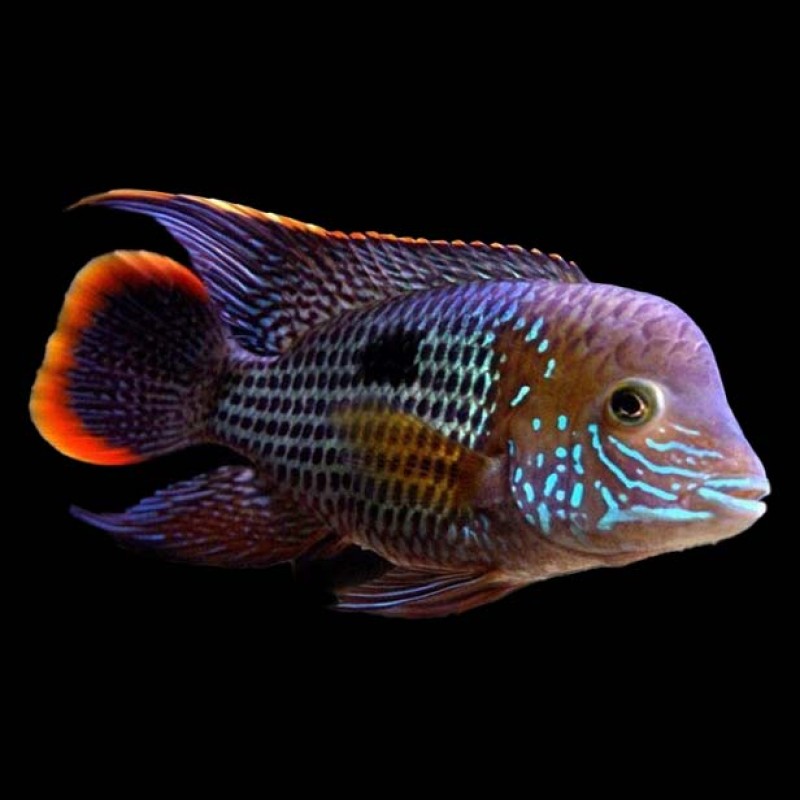
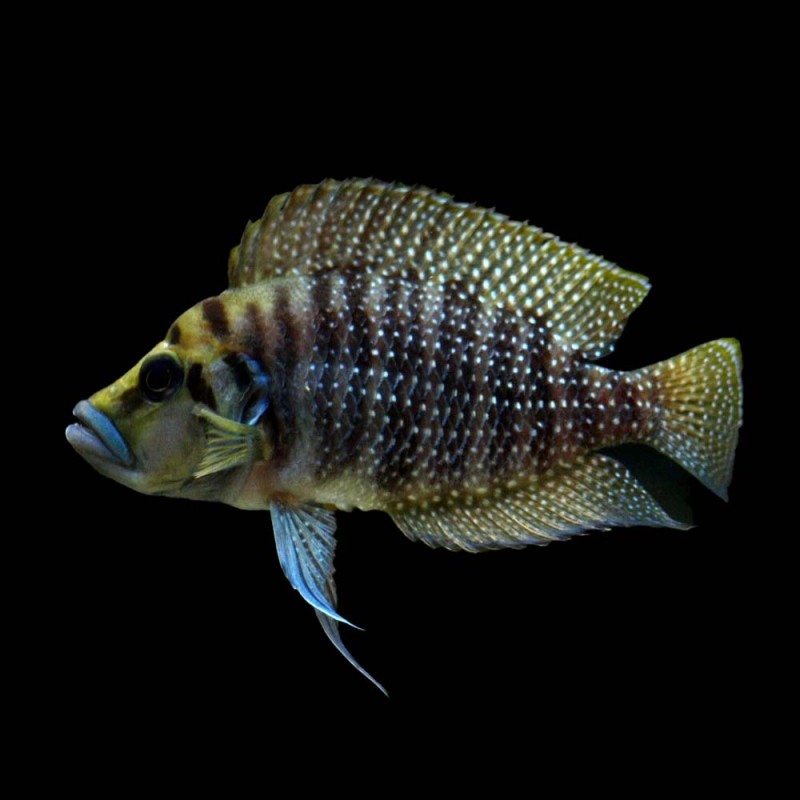
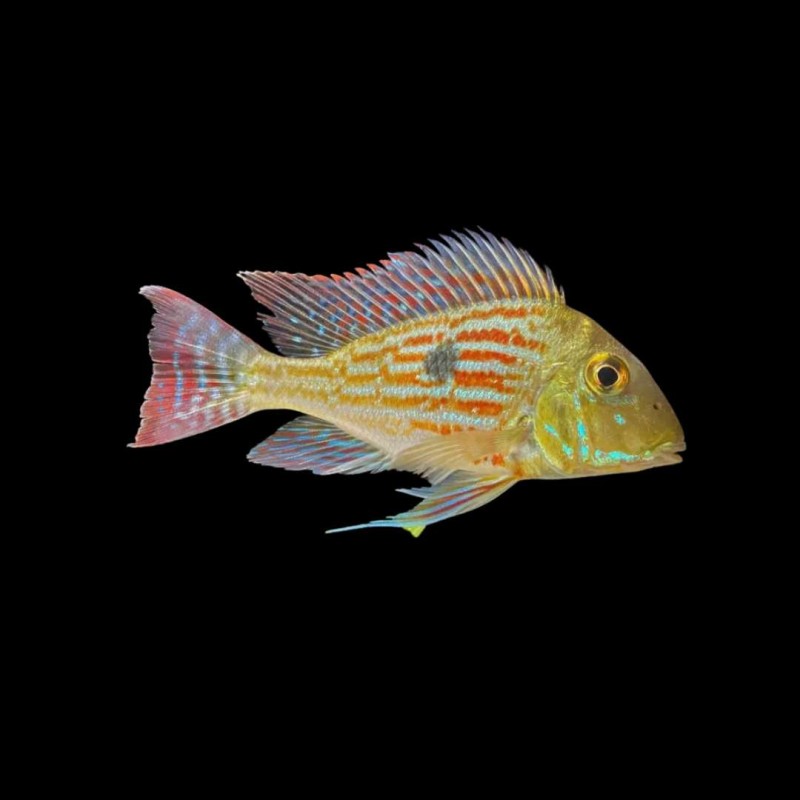
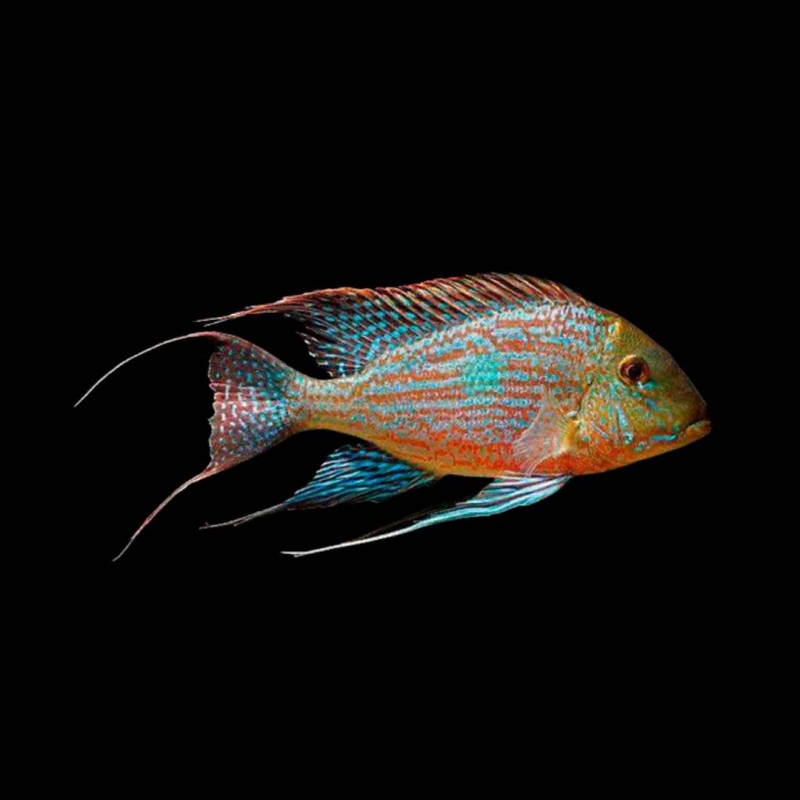
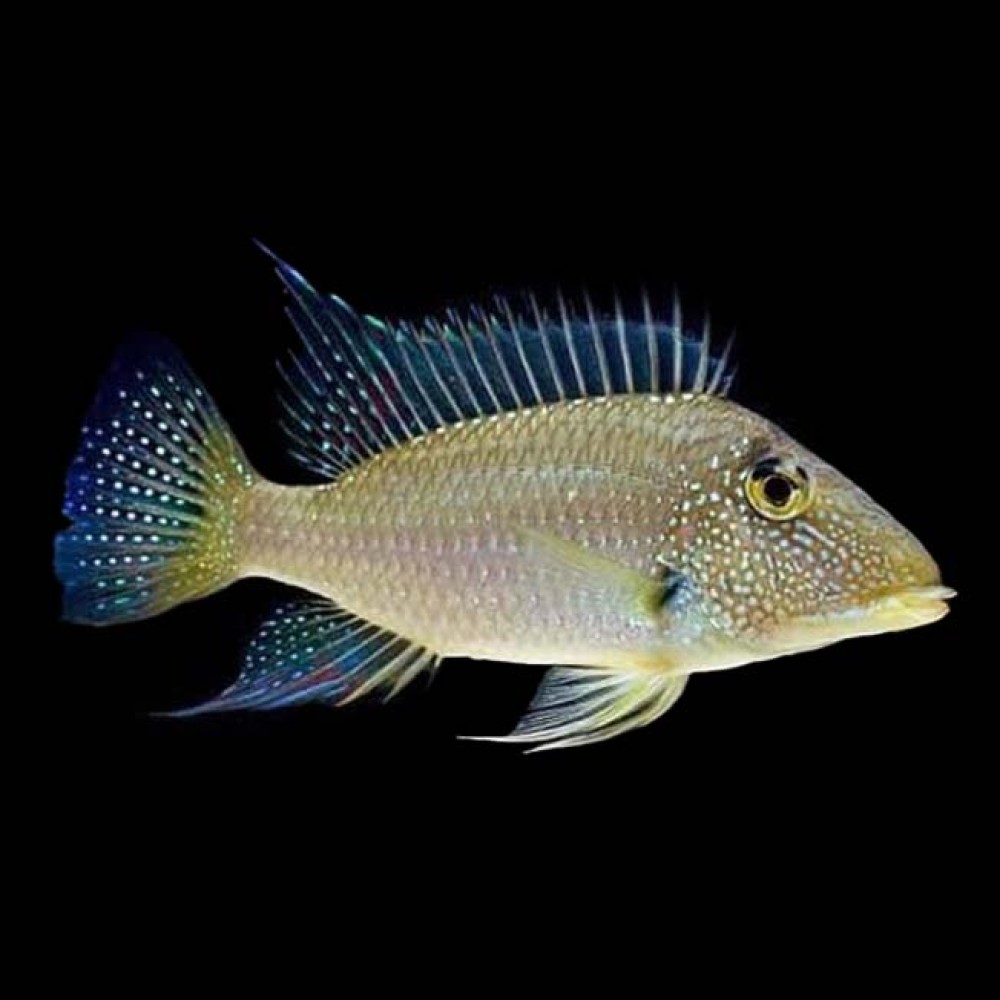
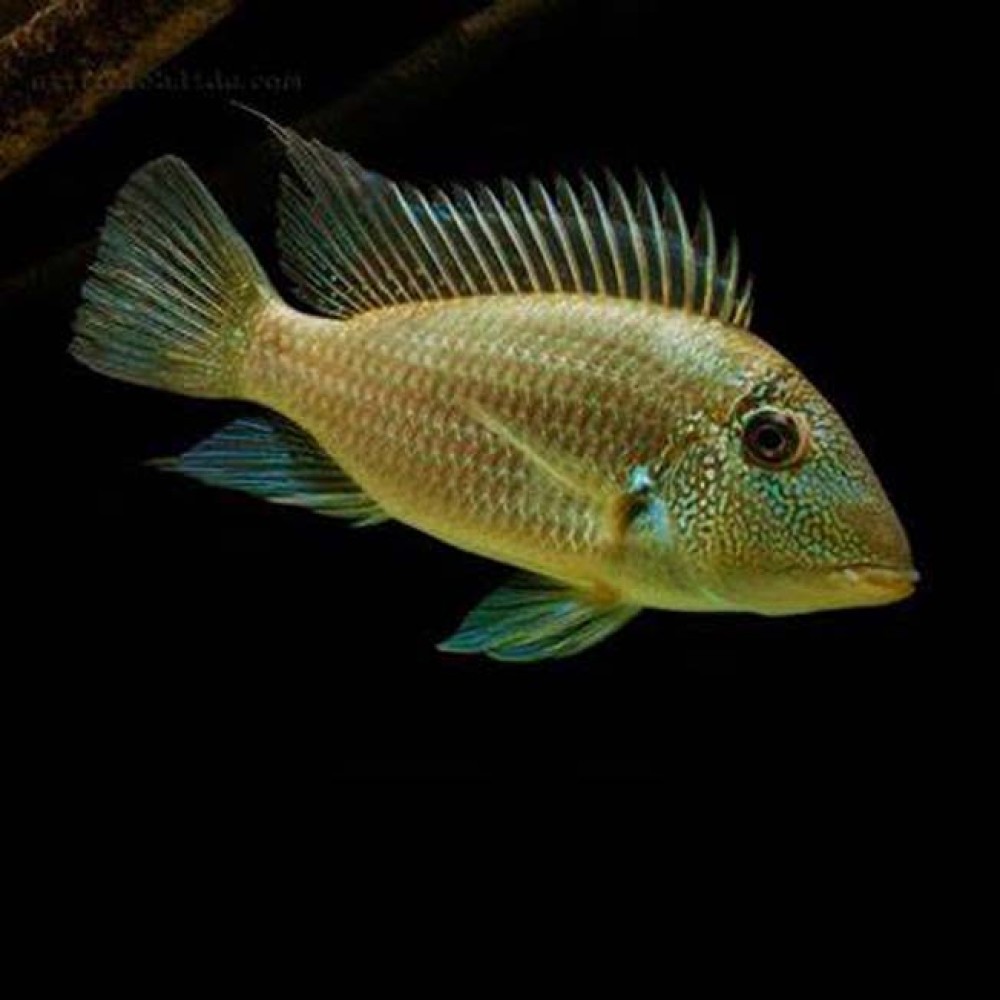
The Demon Eartheater (*Satanoperca jurupari*) is a captivating freshwater fish native to the Amazon River basin in South America. Renowned for its distinctive appearance and peaceful temperament, it has become a popular choice among aquarium enthusiasts.

Physical Characteristics:

  • Size: Typically grows to about 25 cm (10 inches) in length.
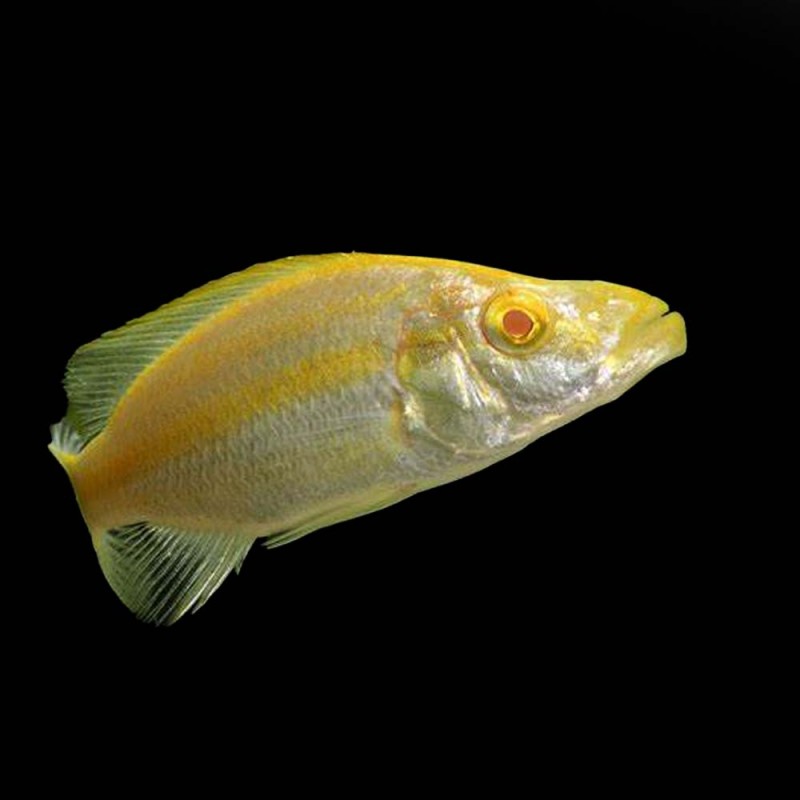
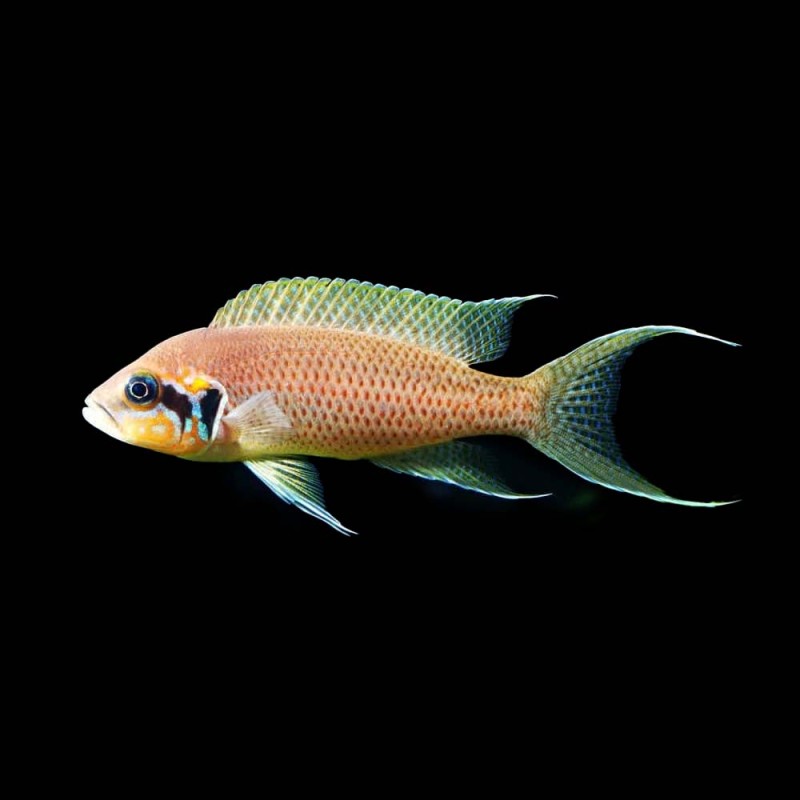
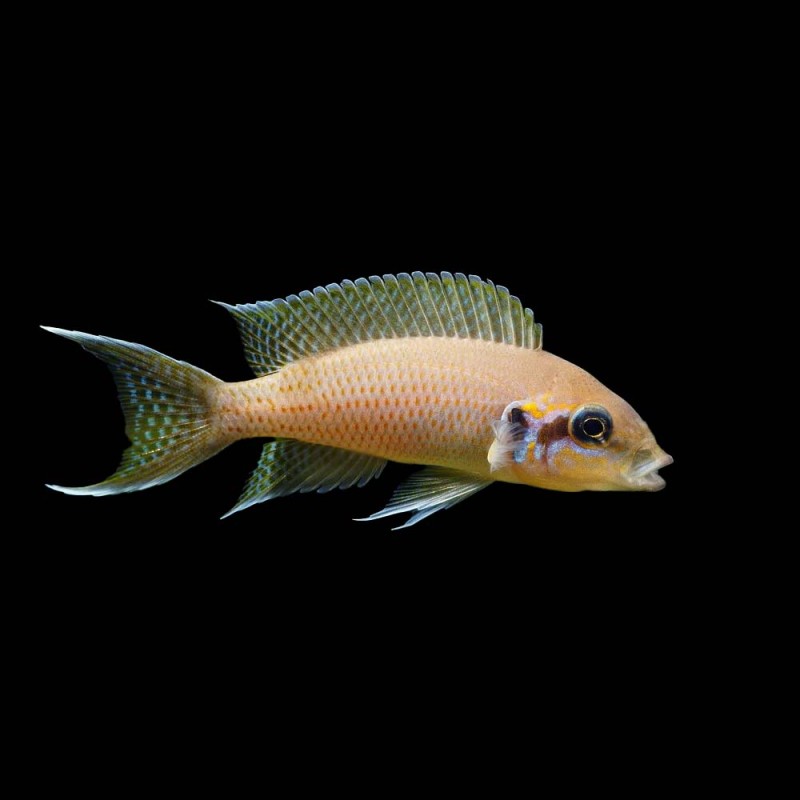
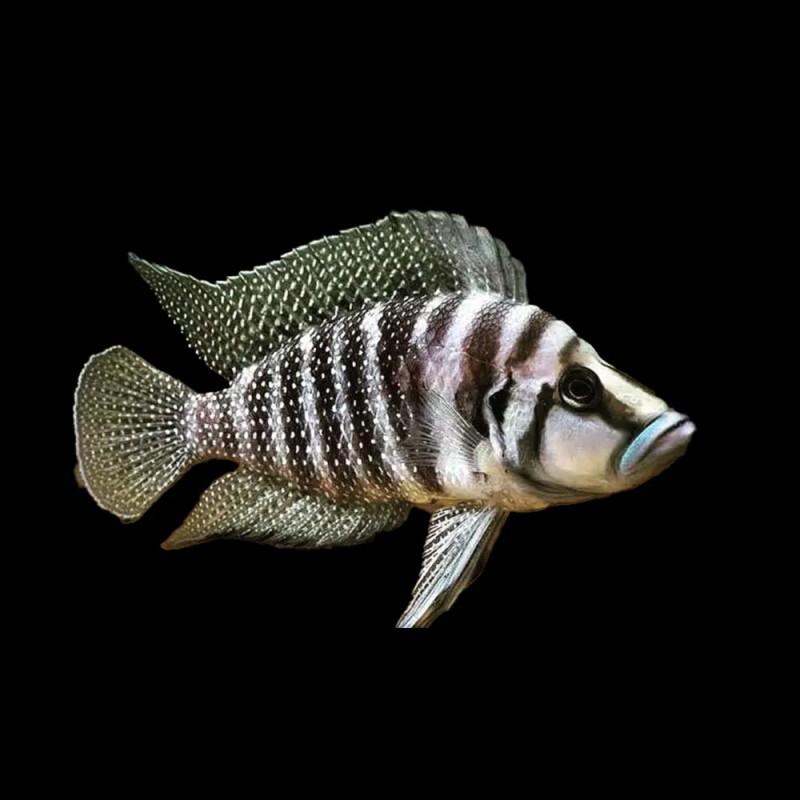
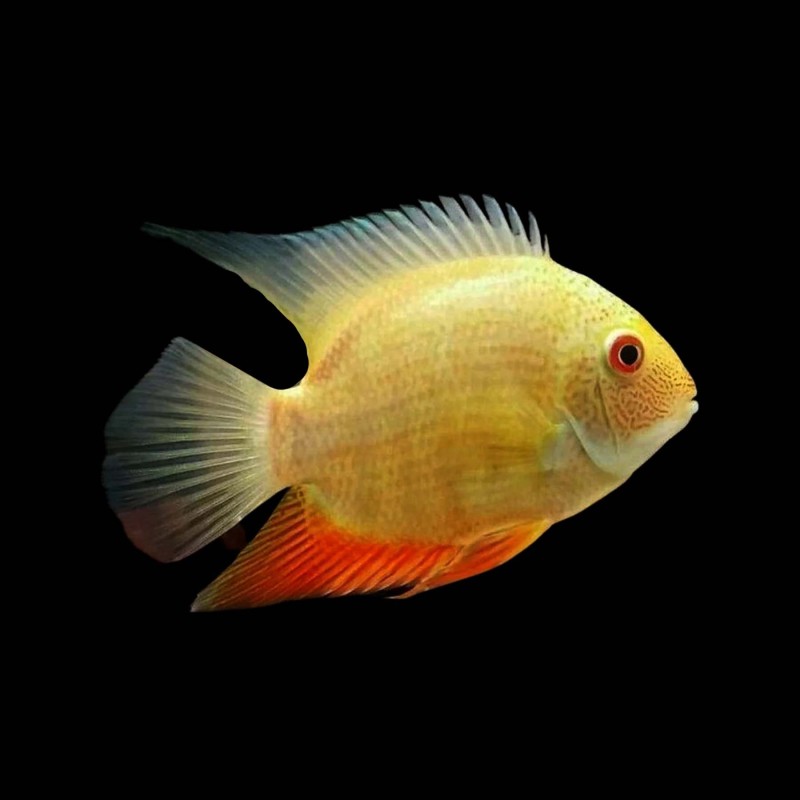
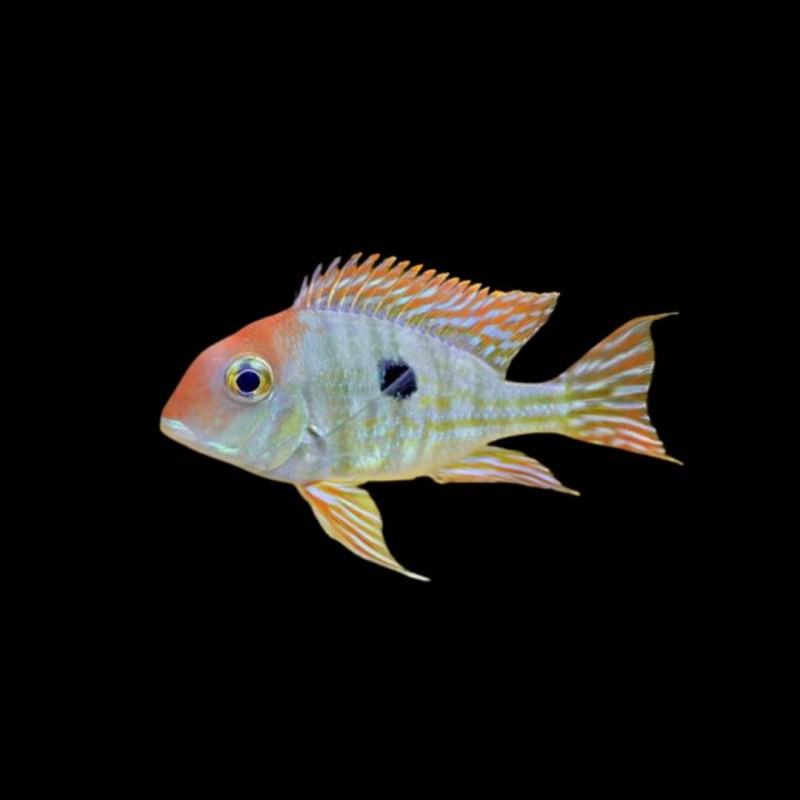
  • Coloration: Exhibits a greenish-yellow to yellow-brown body with each scale having an iridescent yellow to gold spot. On the head, these spots may develop a turquoise blue iridescence. The fins retain a similar pattern as the body. Sometimes faint, broad transverse stripes are present on the body.
  • Shape: Features an elongated, laterally compressed body with a large, rounded head. Each ray of the dorsal fins comes to a sharp point, contributing to its distinctive silhouette.

Behavior:

  • Temperament: Generally peaceful, making it suitable for community tanks. However, during the breeding season, it may exhibit territorial behaviour.
  • Activity Level: Active swimmers that enjoy exploring their environment, often sifting through substrate in search of food.
  • Community Behaviour: Compatible with other non-aggressive species. It's advisable to avoid housing with overly territorial or aggressive fish.

Aquarium Care:

  • Tank Size: A minimum of 75 gallons (283 litres) is recommended to accommodate their size and activity level.
  • Water Parameters:
    • Temperature: 24°C to 28°C (75°F to 82°F).
    • pH: Slightly acidic to neutral, ranging from 6.0 to 7.5.
    • Hardness: Soft to moderately hard water, with a general hardness (GH) of 3-10 dGH.
  • Tank Setup:
    • Substrate and Decorations: A soft, sandy substrate is ideal. Incorporate live plants like Java fern, Anubias, and floating plants to provide cover and mimic their natural habitat.
    • Lighting: Moderate lighting is suitable, with floating plants helping to diffuse light and create shaded areas.
    • Filtration: A gentle filtration system is recommended, as strong currents can stress the fish. Regular water changes (about 20% weekly) are essential for maintaining a clean and healthy environment.

Diet:

Omnivorous by nature, the Demon Eartheater benefits from a varied diet:

  • Pellets: High-quality sinking pellets designed for cichlids.
  • Live or Frozen Foods: Offer brine shrimp, bloodworms, and daphnia to provide essential protein and variety.
  • Vegetable Matter: Including blanched vegetables, such as spinach or zucchini, can help ensure a balanced diet.

Tankmates:

Suitable companions include:

  • Larger Tetras: Such as Congo Tetra and Silver Dollar.
  • Larger Rainbow: Like Red or Bosmani Rainbows.
  • Bottom-Dwellers: Corydoras catfish or other peaceful bottom-dwellers.

Avoid housing with aggressive species or fin-nippers, as this can lead to stress or injury.

Breeding:

Breeding the Demon Eartheater can be rewarding:

  • Breeding Setup: A separate breeding tank with shallow water (about 10-15 cm or 4-6 inches) is ideal. The water should be warm (around 26°C to 28°C or 79°F to 82°F) and slightly acidic (pH 6.0-6.5).
  • Spawning Behaviour: The male will build a bubble nest and court the female. After spawning, the male will gather the eggs into the nest and guard them until they hatch.
  • Fry Care: Once the fry are free-swimming, the male should be removed to prevent him from eating the fry. The fry can be fed with infusoria or newly hatched brine shrimp.

Special Considerations:

  • Water Quality: Regular monitoring and maintenance of water quality are crucial for the health of the Demon Eartheater.
  • Shy Nature: These fish can be shy, particularly in brightly lit tanks. Providing plenty of hiding spots can help them feel more secure.

Write a review

Please login or register to review