

Menu
Menu
Your Cart

Malawi Eyebiter

Malawi Eyebiter
Malawi Eyebiter
Malawi Eyebiter
Malawi Eyebiter
Malawi Eyebiter
From €19.99
Ex Tax: €16.25
  • Stock: Generally In Stock
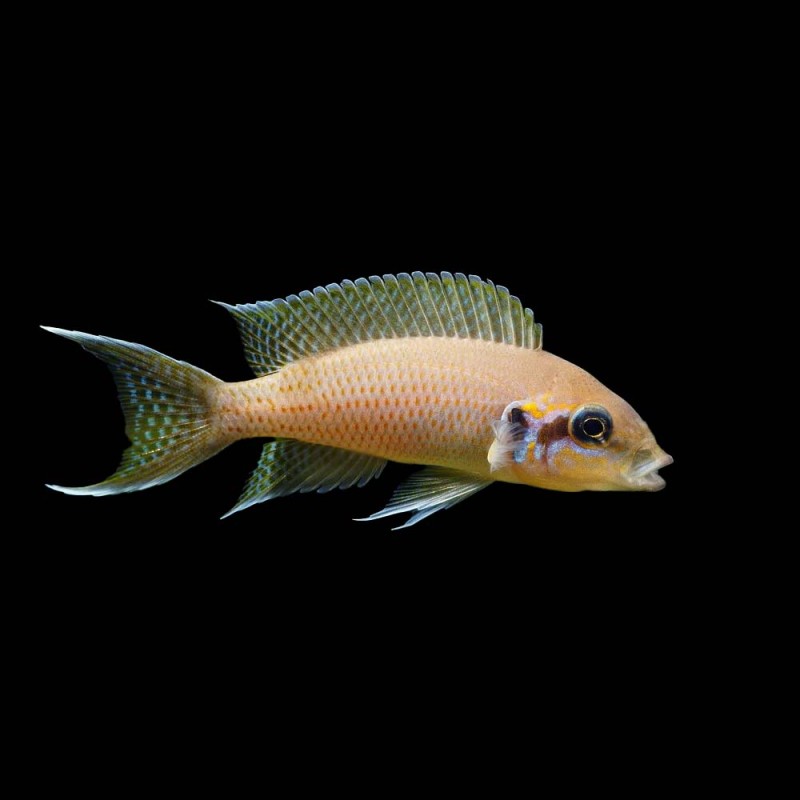
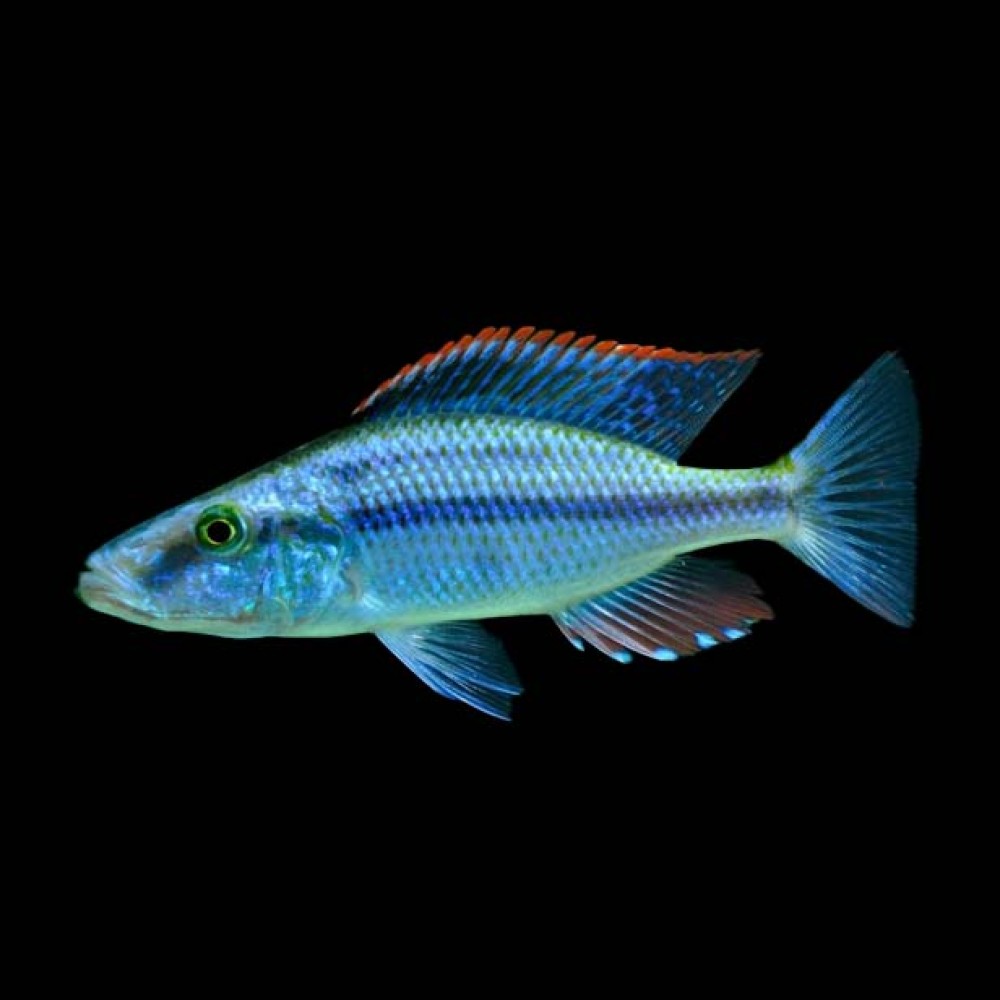
  • Please Note: Due to variations within species, your fish may not look identical to the image provided. Also note not all sizes or species may be available due to seasonality, Please call beforehand for up-to-date stock availability.

  • Model: MALAWI EYEBITER MATRIX
Available Options

Reset options

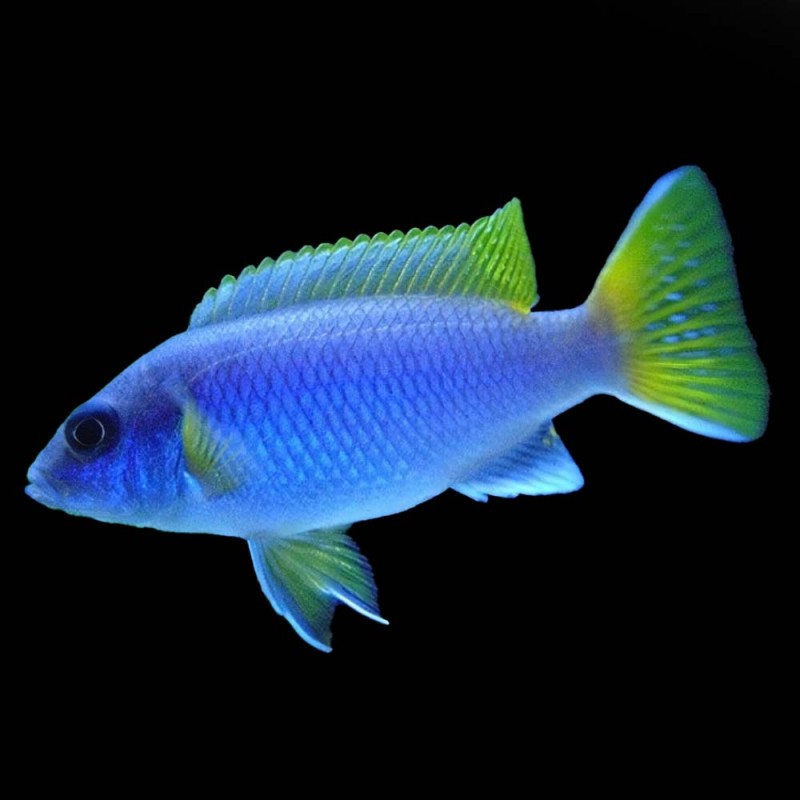
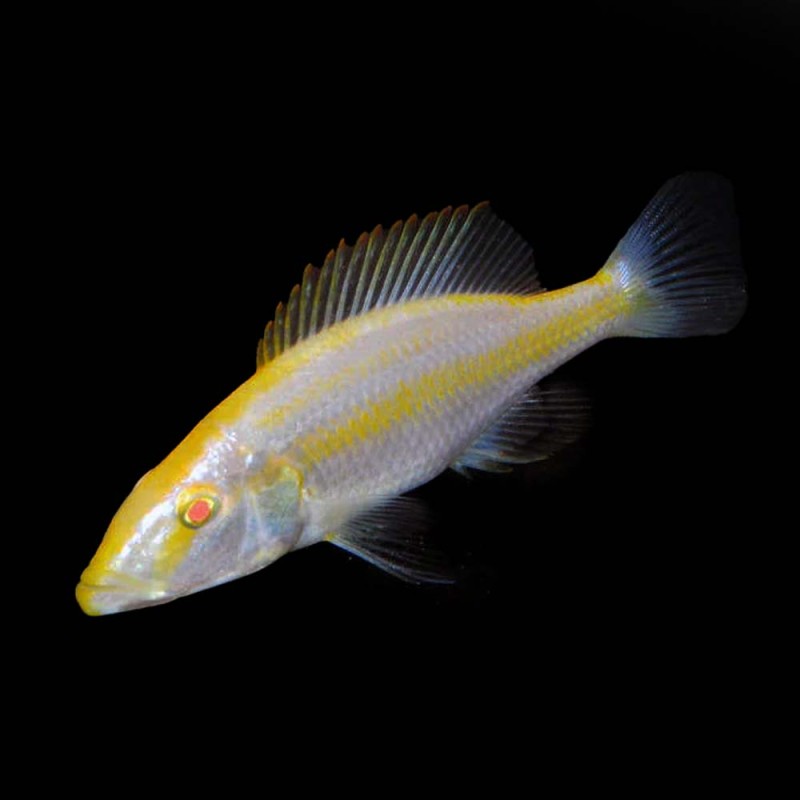
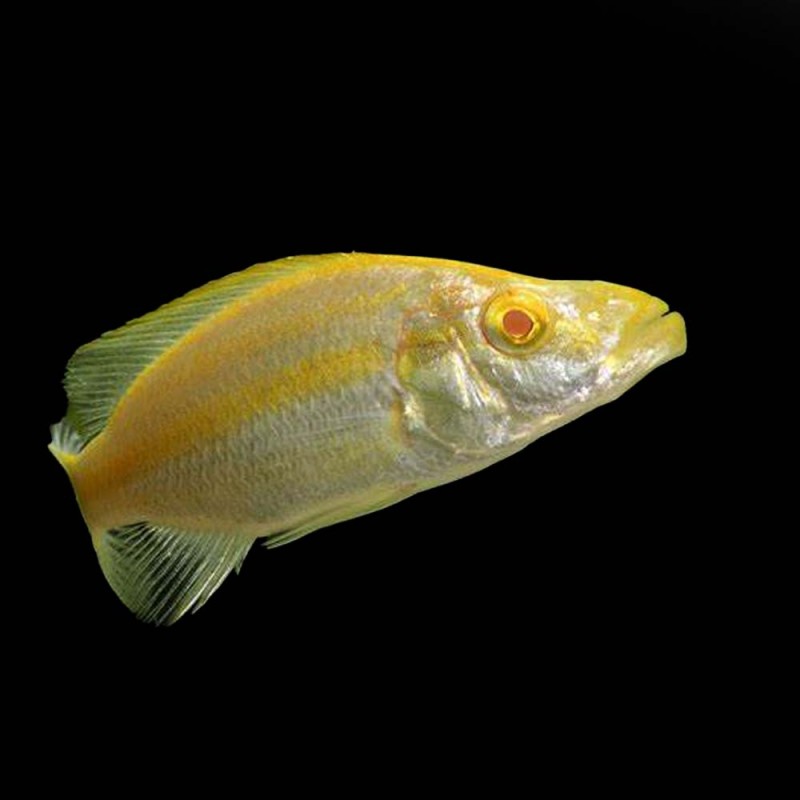
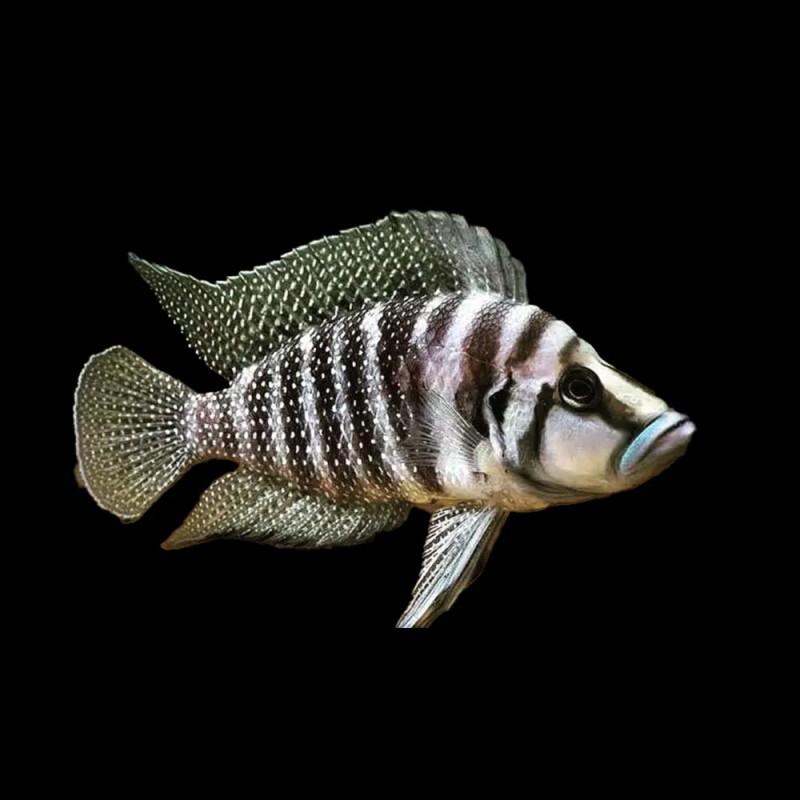
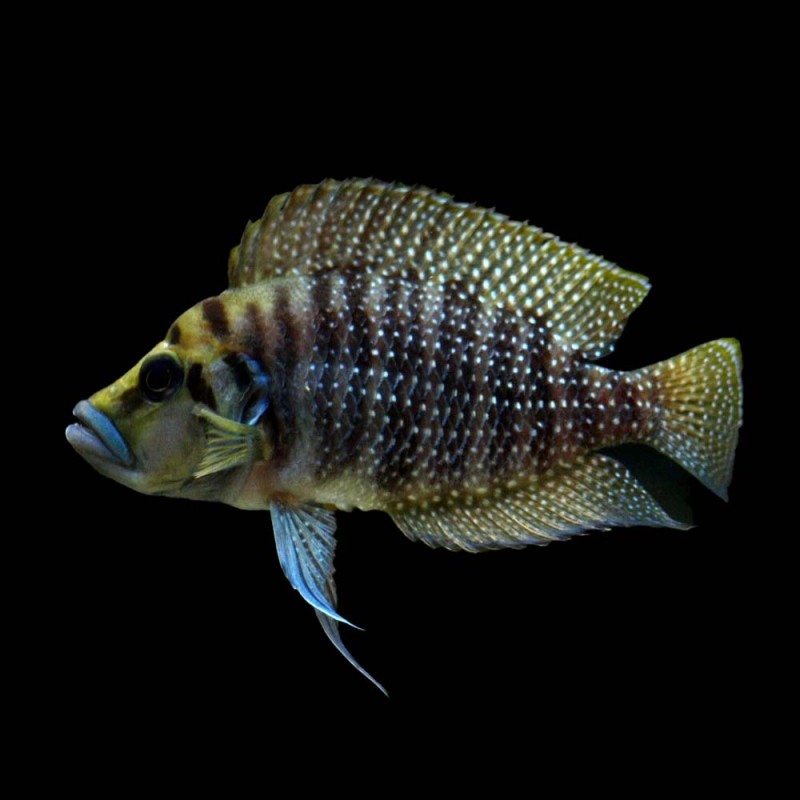
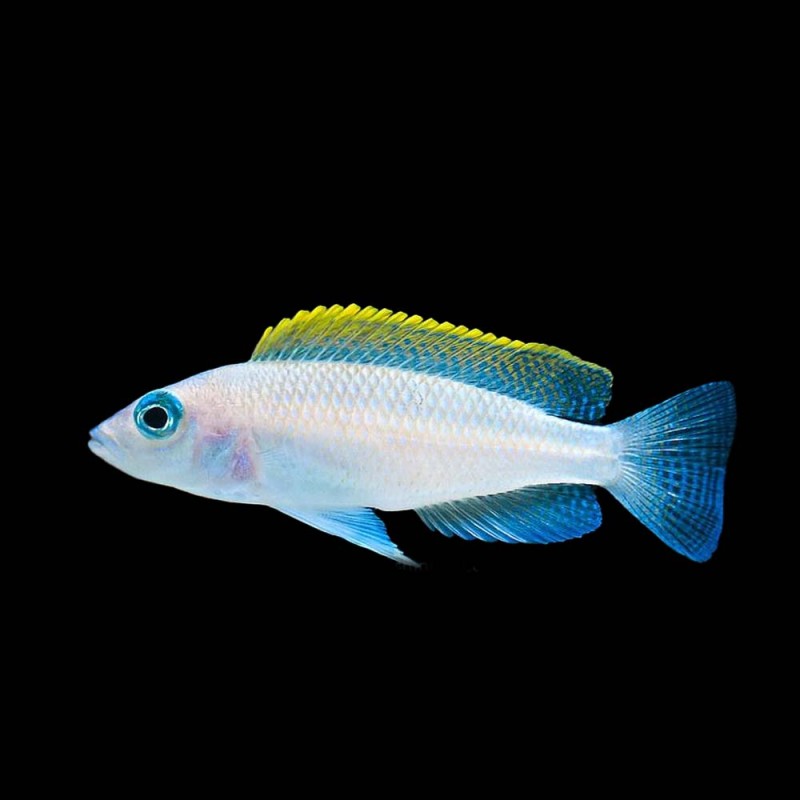
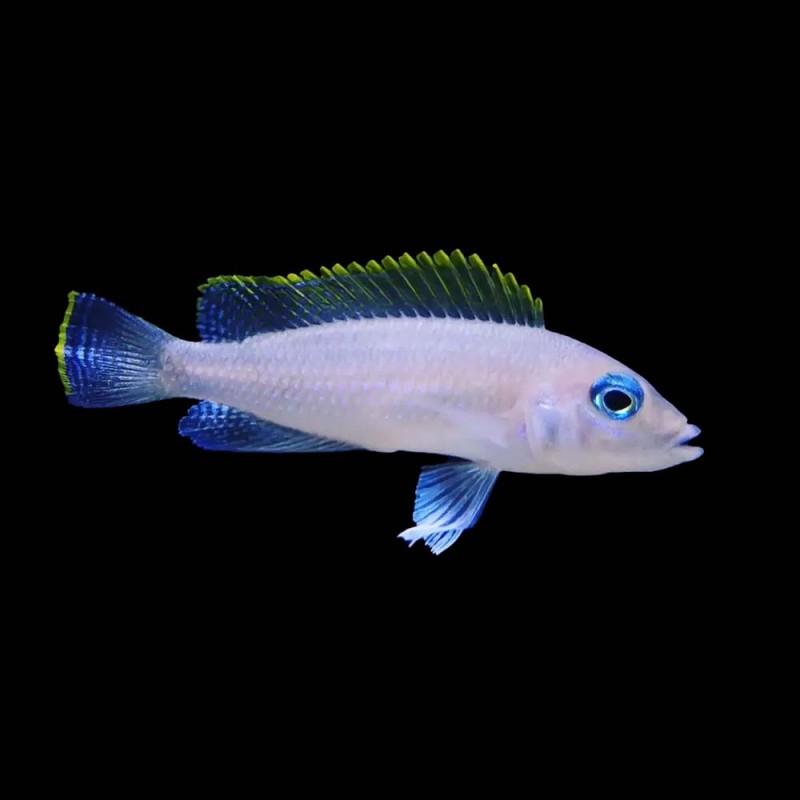
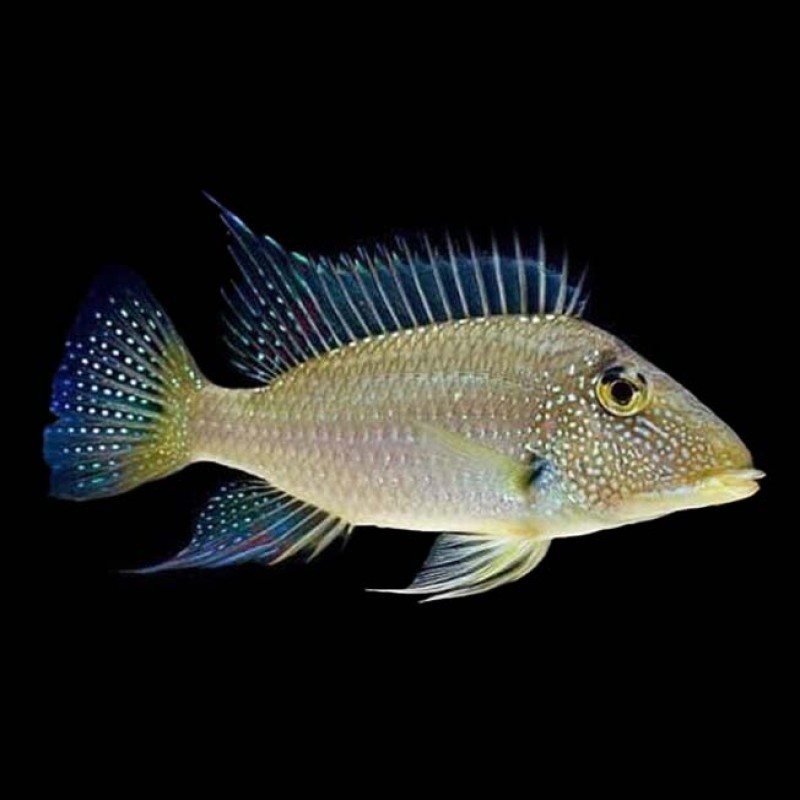
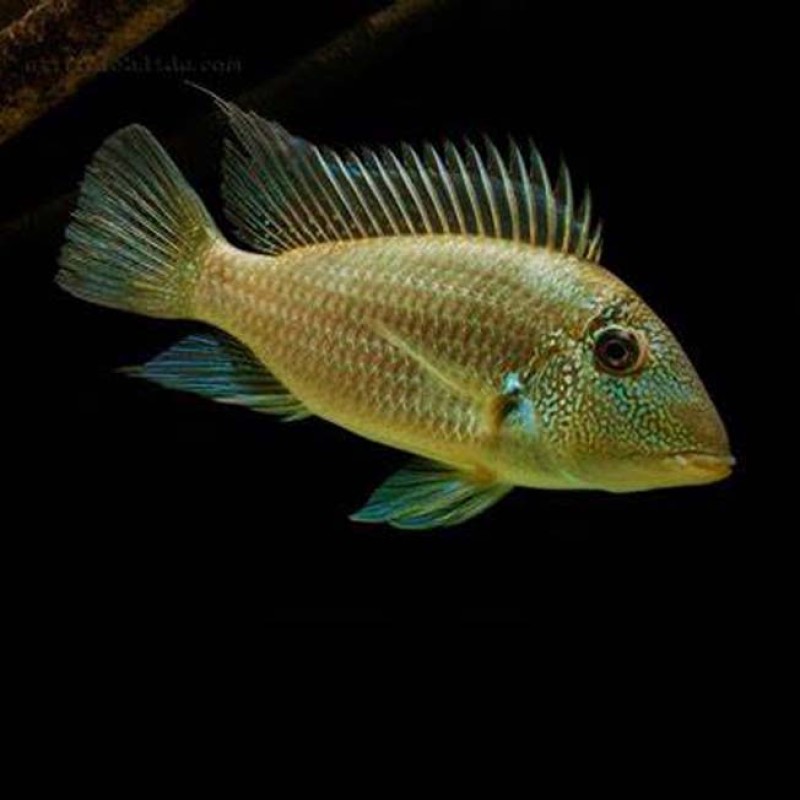
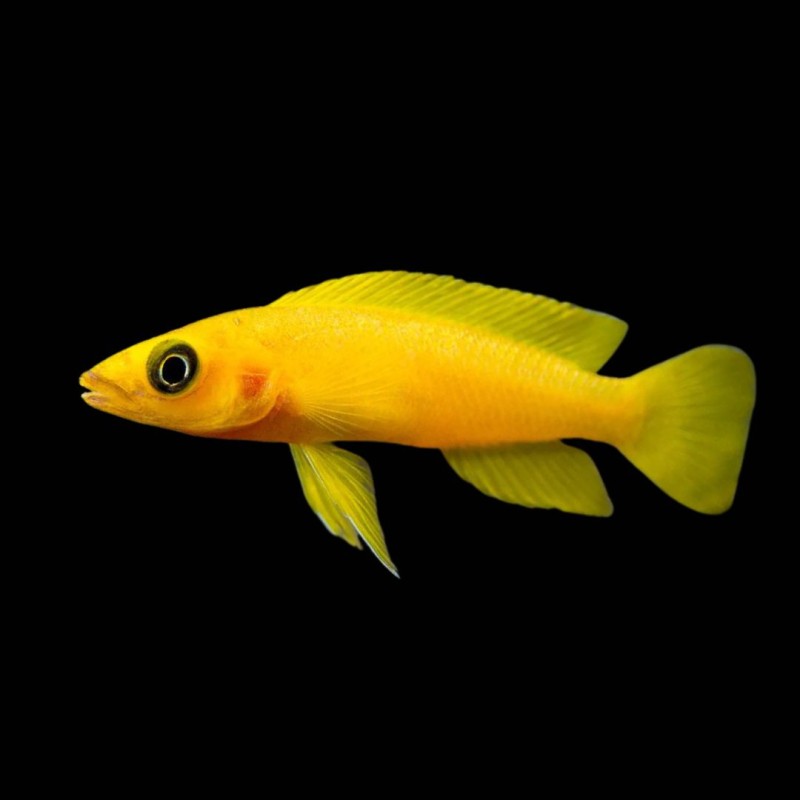
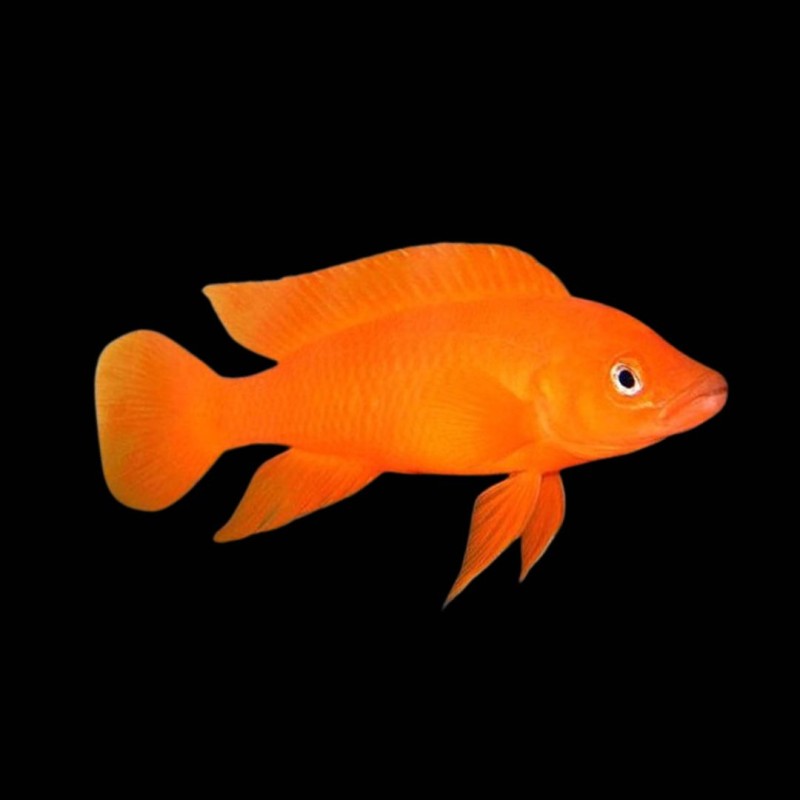
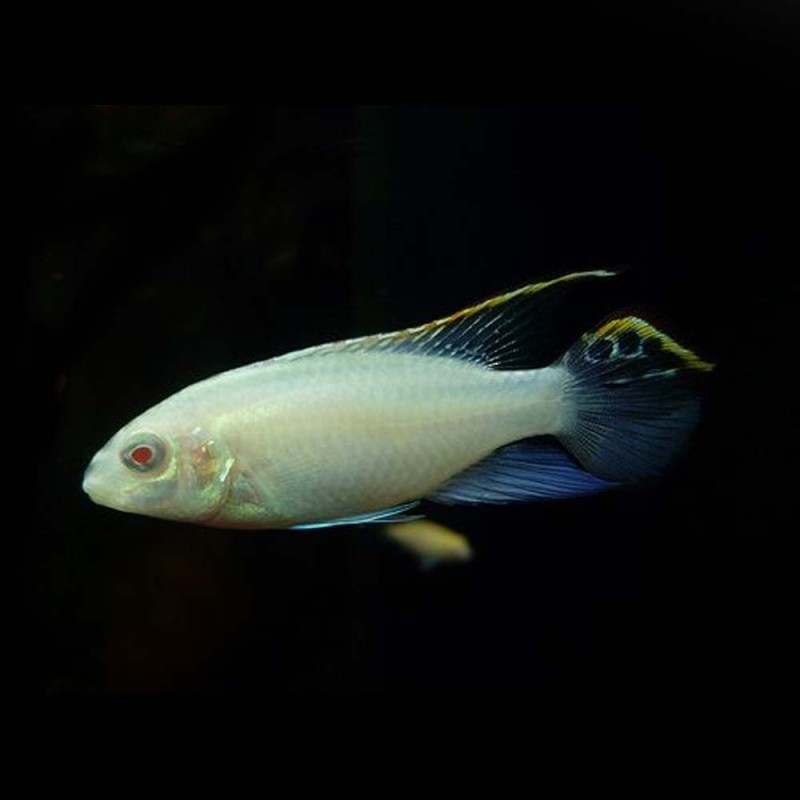
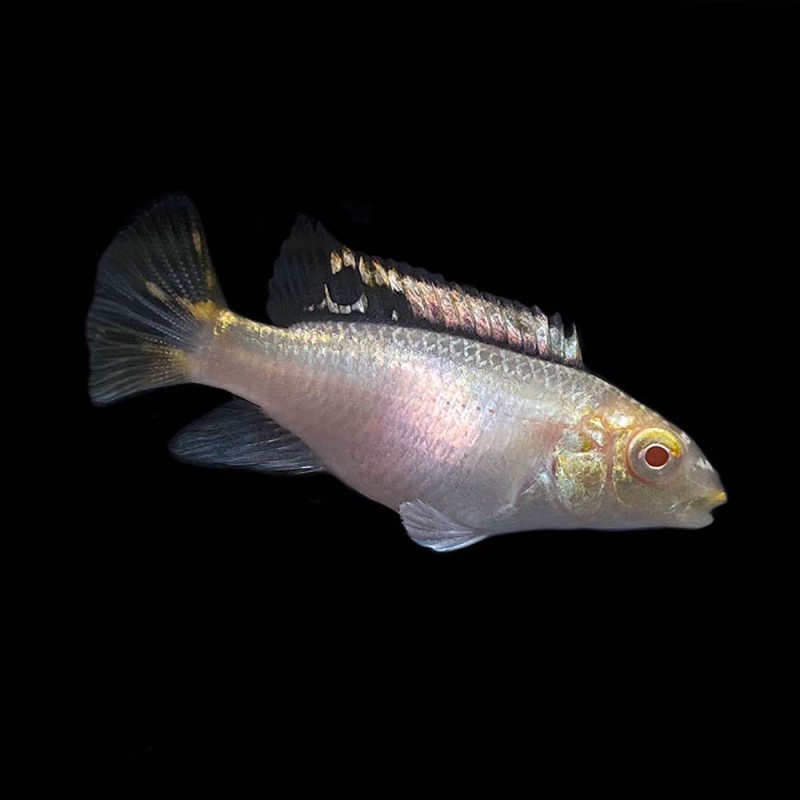
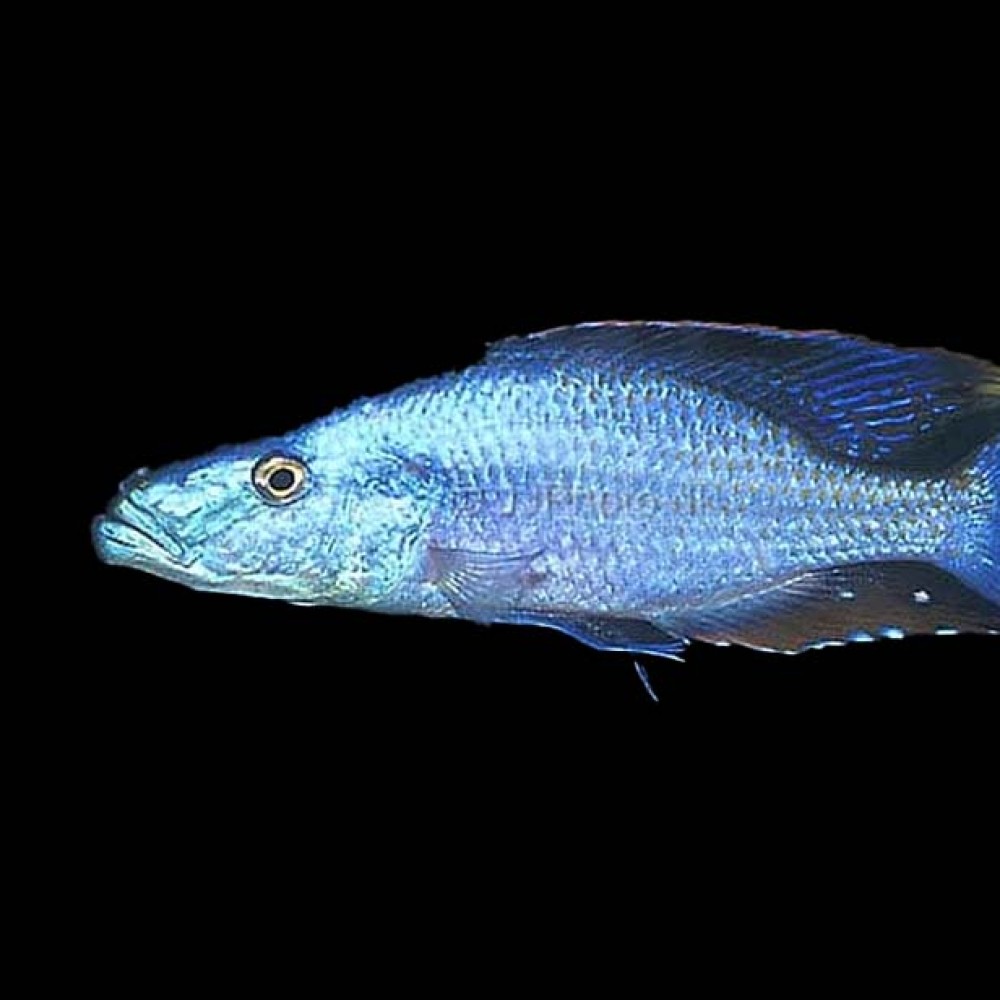
Malawi Eyebiter (Dimidiochromis compressiceps) is a predatory cichlid native to Lake Malawi in Africa. Known for its slender body and elongated shape, this fish earned its common name due to its unique hunting strategy in which it targets the eyes of its prey. The Malawi Eyebiter is a fast, aggressive predator that requires careful consideration when housed in an aquarium due to its territorial and carnivorous nature. Despite its predatory behaviour, the fish is admired for its striking appearance and streamlined, compressed body.

Physical Characteristics:

  • Size: Adult Malawi Eyebiters can grow up to 25-30 cm (10-12 inches) in length, with males generally larger than females.
  • Body Shape: The body is highly compressed and elongated, with a sleek, torpedo-like shape. This design allows the Malawi Eyebiter to move swiftly through the water when hunting.
  • Coloration:
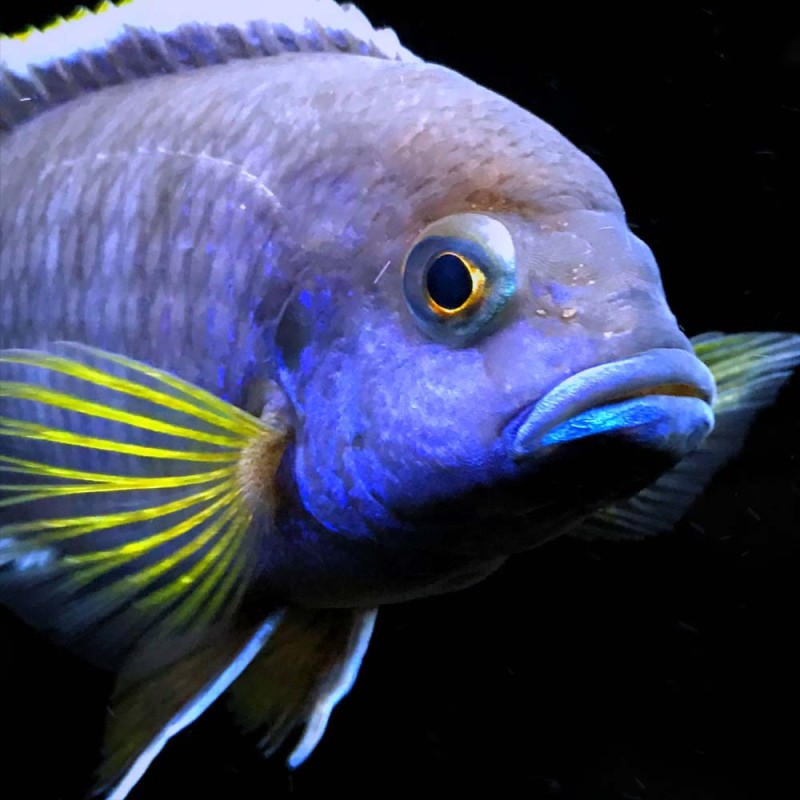
    • Males: Mature males are known for their vibrant coloration, often displaying a metallic blue to blue-green body with a red or orange stripe along the dorsal fin. The intensity of the coloration increases during breeding or when the male establishes dominance.
    • Females: Females are typically more muted in colour, with a silver to grey body and faint markings, which helps them remain inconspicuous in their natural habitat.
  • Fins: The fins are streamlined and long, with the dorsal fin extending along most of the body, complementing the fish’s sleek appearance.

Behavior:

  • Temperament: The Malawi Eyebiter is an aggressive and territorial species, especially males during breeding or when defending their territory. They are also highly predatory, and their diet in the wild consists mainly of small fish, which they attack by targeting their eyes or other vulnerable areas.
  • Activity: Malawi Eyebiters are active swimmers and prefer the open water areas of the tank, patrolling the middle to upper levels. They can move quickly and are capable of short bursts of speed when hunting prey.
  • Hunting Strategy: In the wild, this fish uses ambush tactics, often hiding in vegetation or rocks before lunging at unsuspecting prey. Their narrow body and sharp snout allow them to strike with precision, and their preference for attacking the eyes of smaller fish gave them their unique name.

Aquarium Care:

  • Tank Size: Due to their size and active nature, Malawi Eyebiters require a large tank of at least 300 litres (75 gallons) for a single adult. Larger tanks are necessary if you plan to house them with other fish.
  • Water Parameters:
    • Temperature: The ideal water temperature for Malawi Eyebiters is between 24°C and 28°C (75°F to 82°F).
    • pH: Like other Lake Malawi cichlids, they thrive in alkaline water, with a pH range of 7.8 to 8.6.
    • Hardness: They require hard water, with a general hardness (GH) of 10-20 dGH, which replicates the mineral-rich environment of Lake Malawi.
  • Tank Setup:
    • Rocks and Caves: Provide plenty of rocks, caves, and hiding places to create territories, especially if housing more than one male. These structures also replicate their natural habitat and offer shelter from aggression.
    • Open Swimming Space: Malawi Eyebiters are fast swimmers and need open water areas to move freely. Ensure there is ample space in the middle and upper levels of the tank for them to patrol.
    • Plants: Hardy plants that can tolerate the aggressive nature of cichlids, such as Anubias or Java fern, can be used. However, plants are not essential, as they may be uprooted by the fish.

Diet:

Malawi Eyebiters are carnivorous, and their diet in captivity should reflect their predatory habits. Feed them a high-protein diet that includes:

  • Pellets or Flakes: High-quality cichlid pellets formulated for carnivorous fish should be the staple of their diet.
  • Live or Frozen Foods: They thrive on live or frozen foods such as brineshrimp, krill, mysis, and small fish. Feeding them small feeder fish occasionally will stimulate natural hunting behavior, but avoid over-reliance on feeder fish to prevent potential health risks.
  • Avoid Overfeeding: Given their large size and predatory nature, care must be taken not to overfeed, as this can lead to water quality issues and health problems.

Tankmates:

Due to their aggressive and predatory nature, choosing tankmates for Malawi Eyebiters requires careful consideration:

  • Compatible Fish: They can be housed with other large, fast-swimming African cichlids from Lake Malawi that are similarly sized and able to hold their own against the Eyebiter’s territorial behaviour. Species such as other Haplochromis, Peacock cichlids (Aulonocara), and some Mbuna cichlids can work well if there is enough space.
  • Avoid: Small, slow-moving fish, such as tetras or guppies, are not suitable, as they will likely be seen as prey. Similarly, avoid very aggressive tankmates that may provoke territorial disputes.

Breeding:

Malawi Eyebiters are mouthbrooders, a common breeding behaviour among African cichlids. The breeding process is fascinating but requires careful management in a home aquarium.

  • Breeding Behaviour: Males become more territorial and colourful during breeding. The male will establish a territory and court the female through displays of fin flaring and body shaking.
  • Spawning: After mating, the female will carry the fertilized eggs in her mouth (mouthbrooding) for about 3 weeks until the fry are ready to be released.
  • Raising Fry: Once the fry are released, they can be fed with finely crushed flake food or newly hatched brine shrimp. Separating the fry from adult fish increases their chances of survival, as other cichlids, including the parents, may eat them.

Special Considerations:

  • Aggression Management: Malawi Eyebiters can become highly territorial, especially during breeding. Providing enough hiding places, caves, and territory divisions within the tank will help reduce aggression between males and other tank inhabitants.
  • Water Quality: Maintaining high water quality is essential for keeping Malawi Eyebiters healthy. Regular water changes (20-30% weekly) and proper filtration are necessary to prevent the build-up of waste and maintain stable water conditions. Poor water quality can lead to stress and disease.

Write a review

Please login or register to review