

Menu
Menu
Your Cart

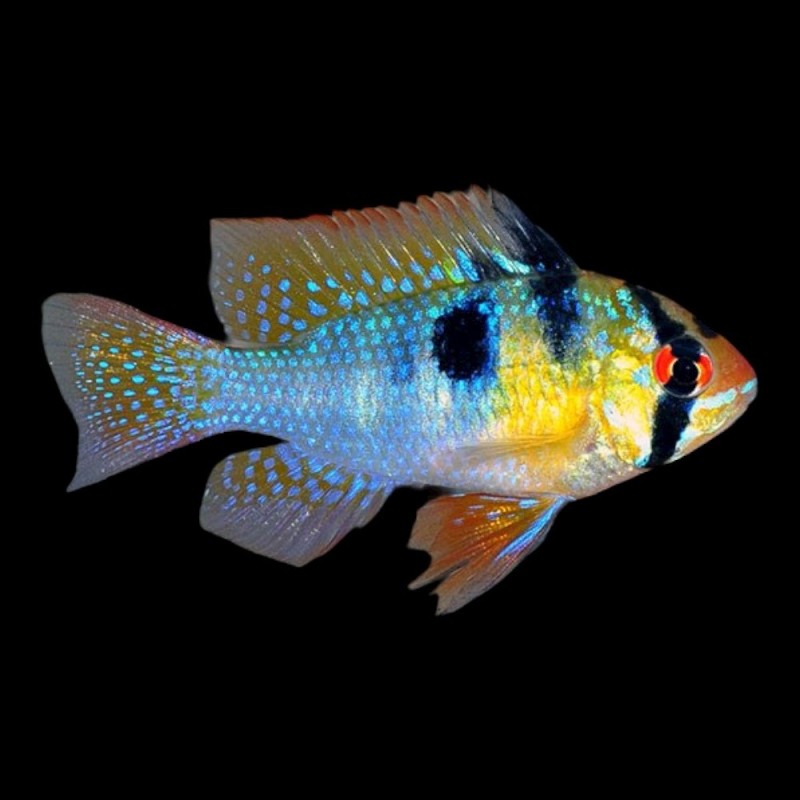
Keyhole Cichlid

Keyhole Cichlid
Keyhole Cichlid
Keyhole Cichlid
Keyhole Cichlid
Keyhole Cichlid
From €9.99
Ex Tax: €8.12
  • Stock: Generally In Stock
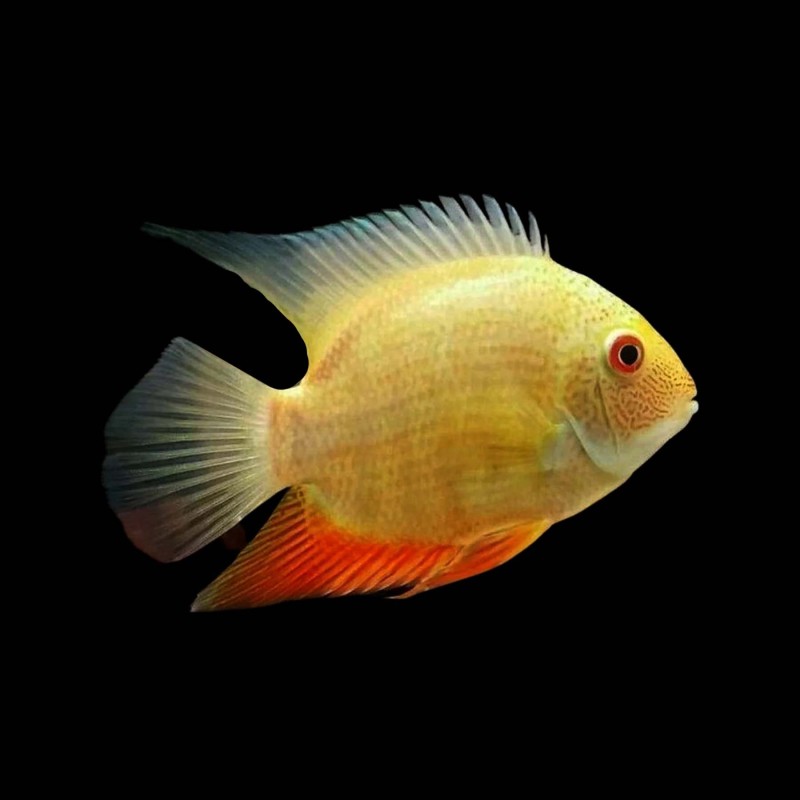
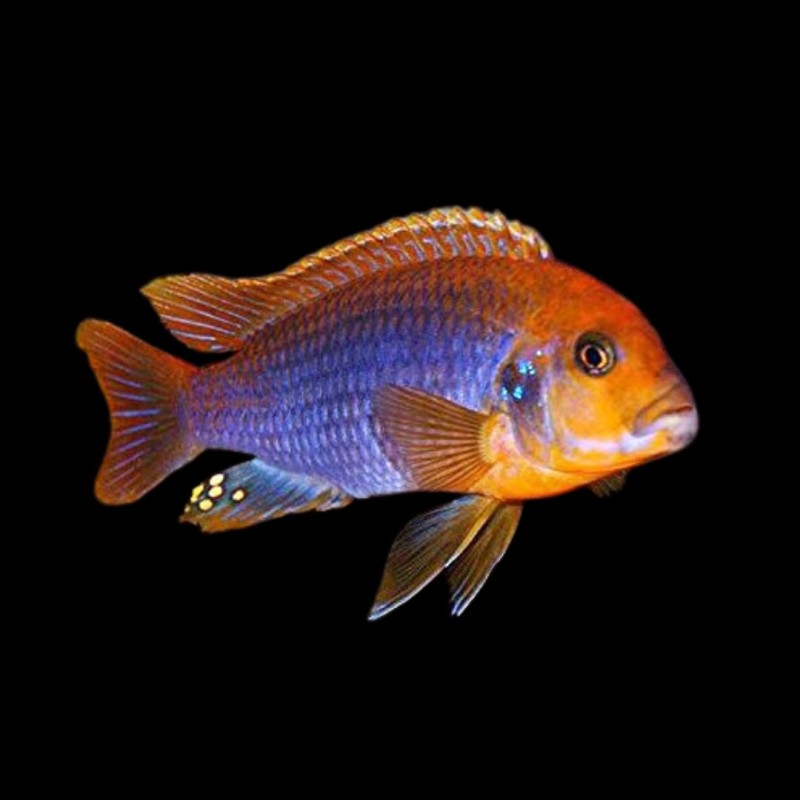
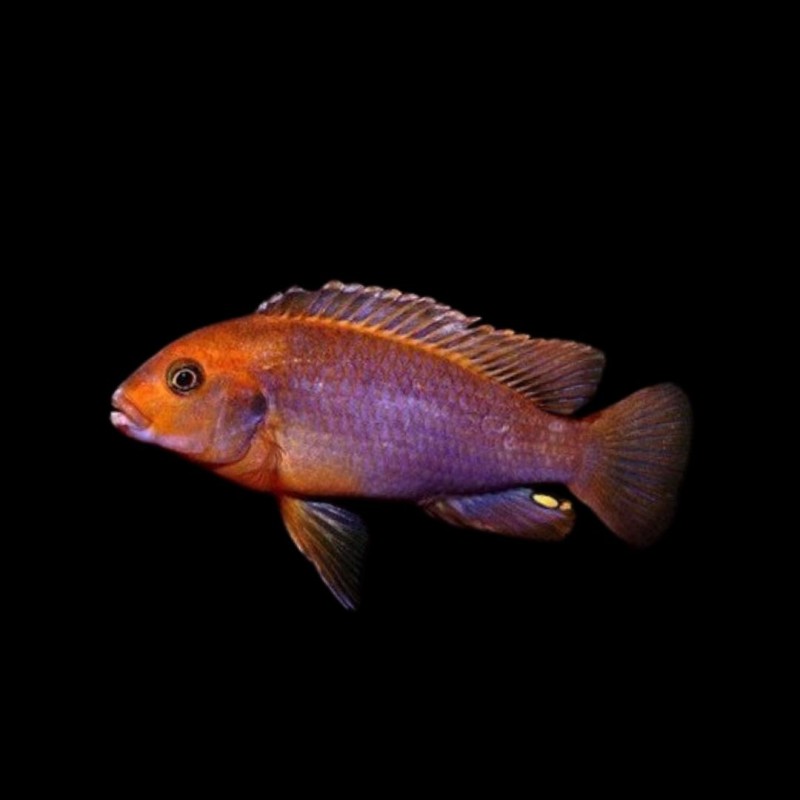
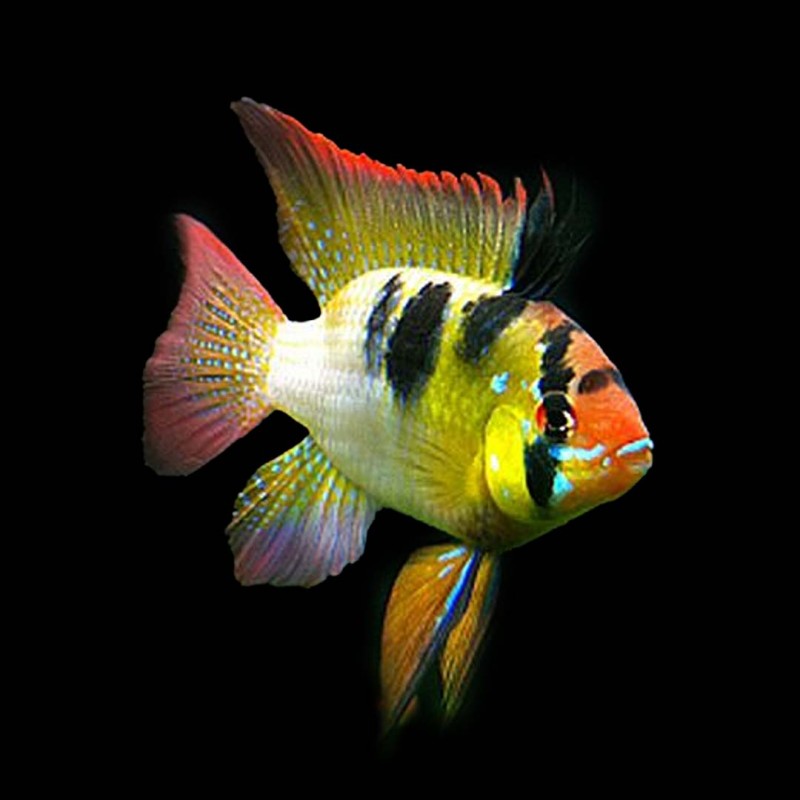
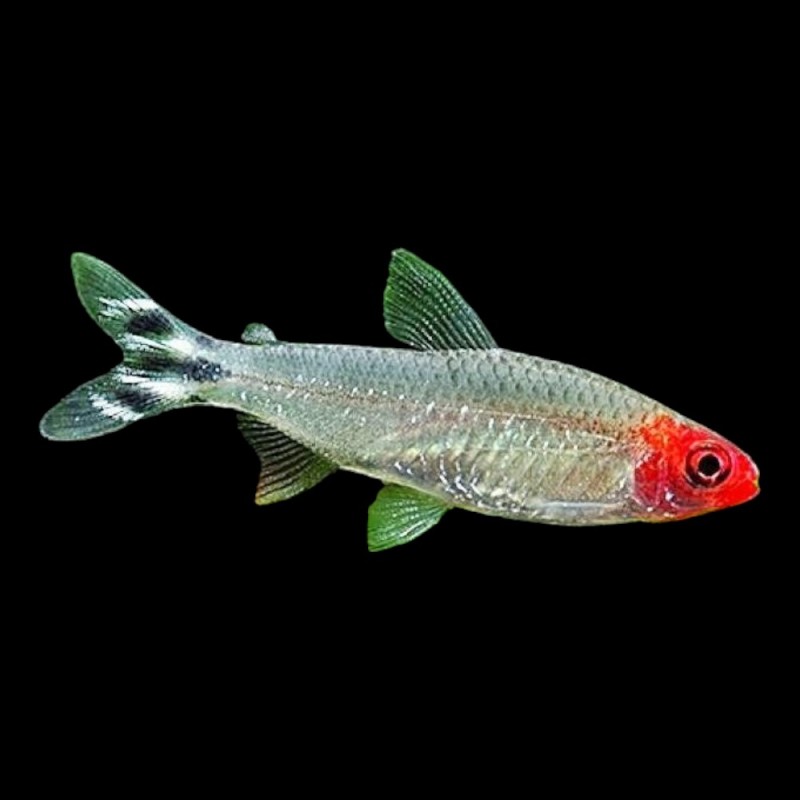
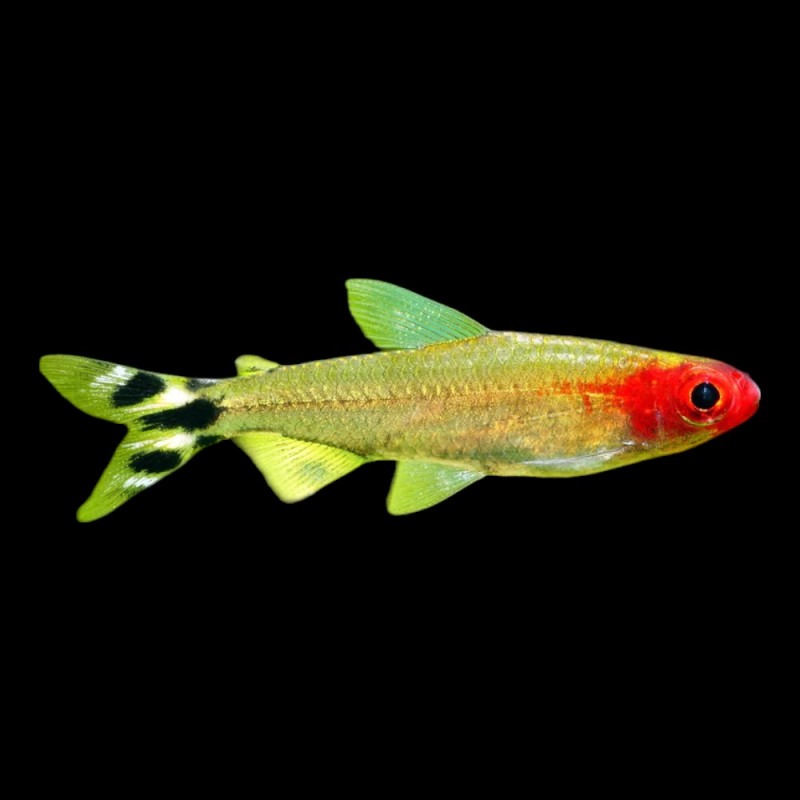
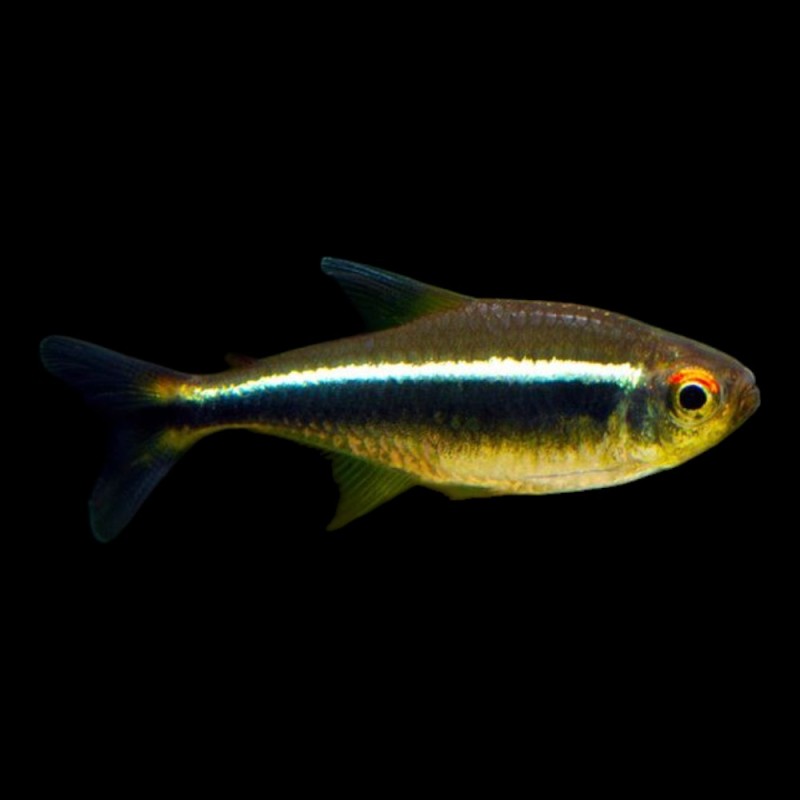
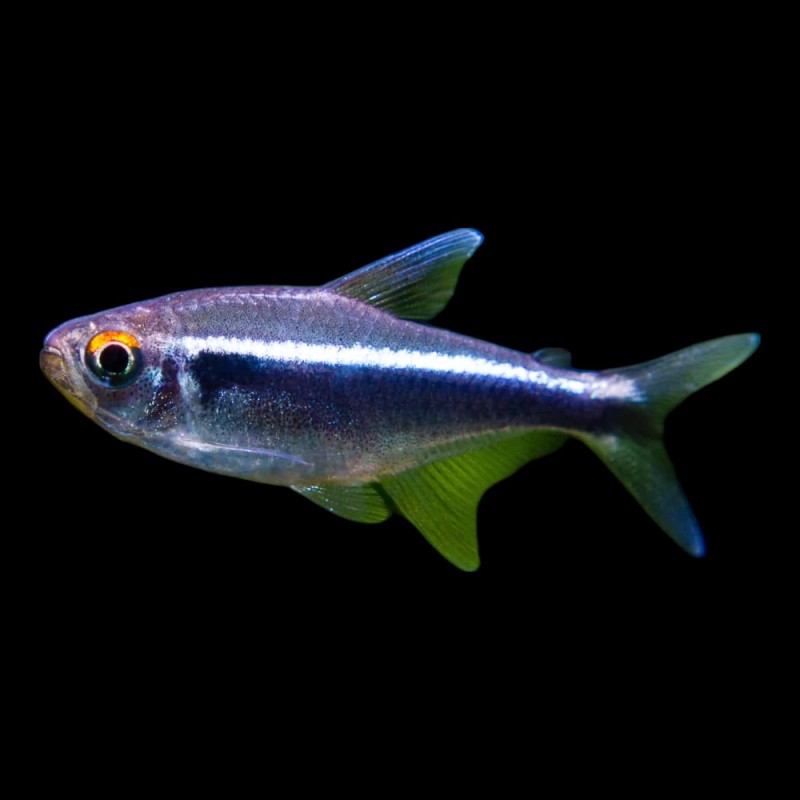
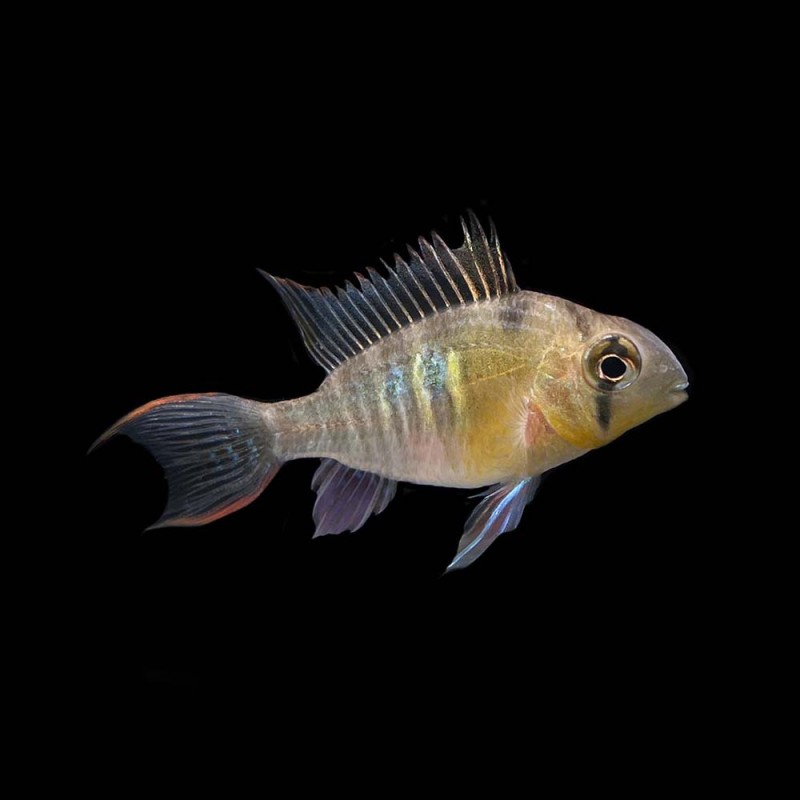
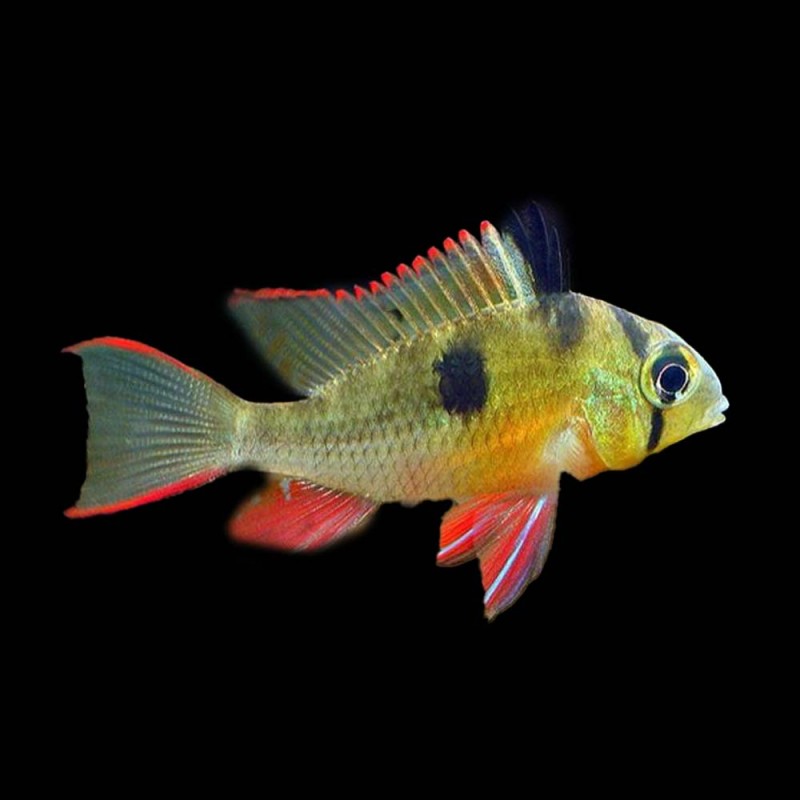
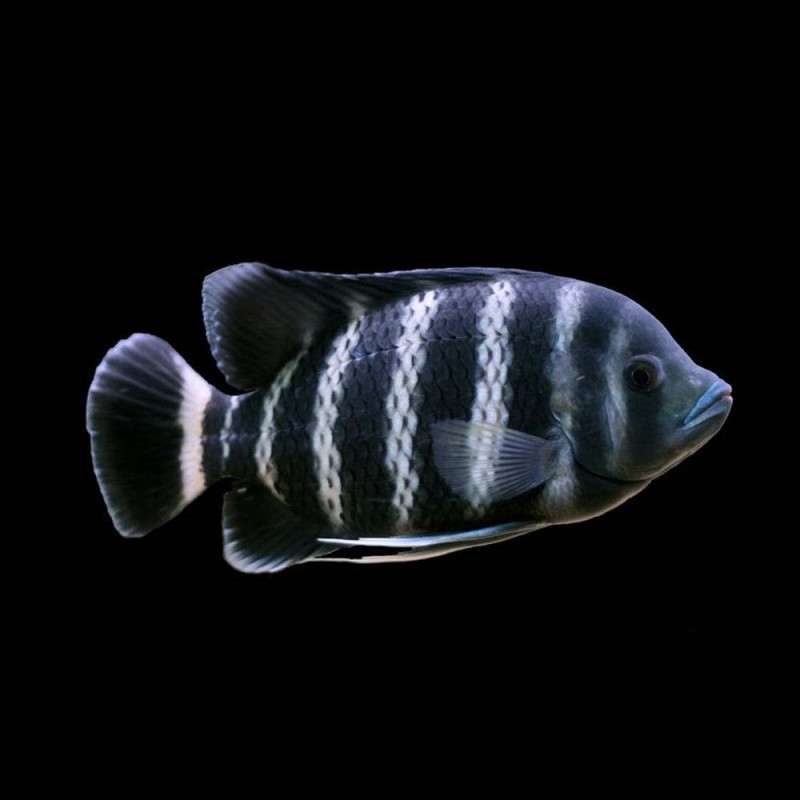
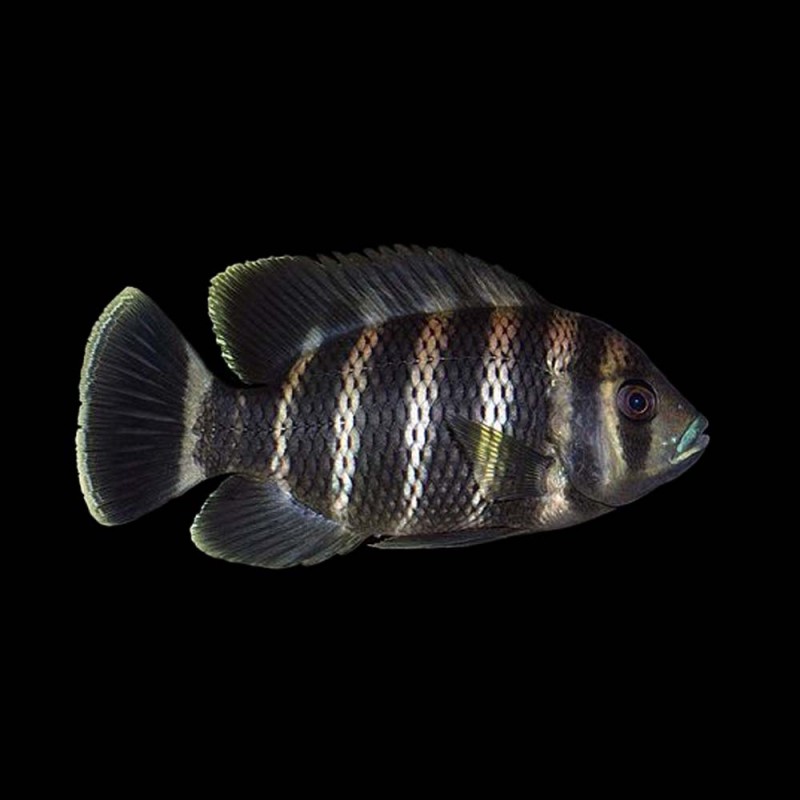
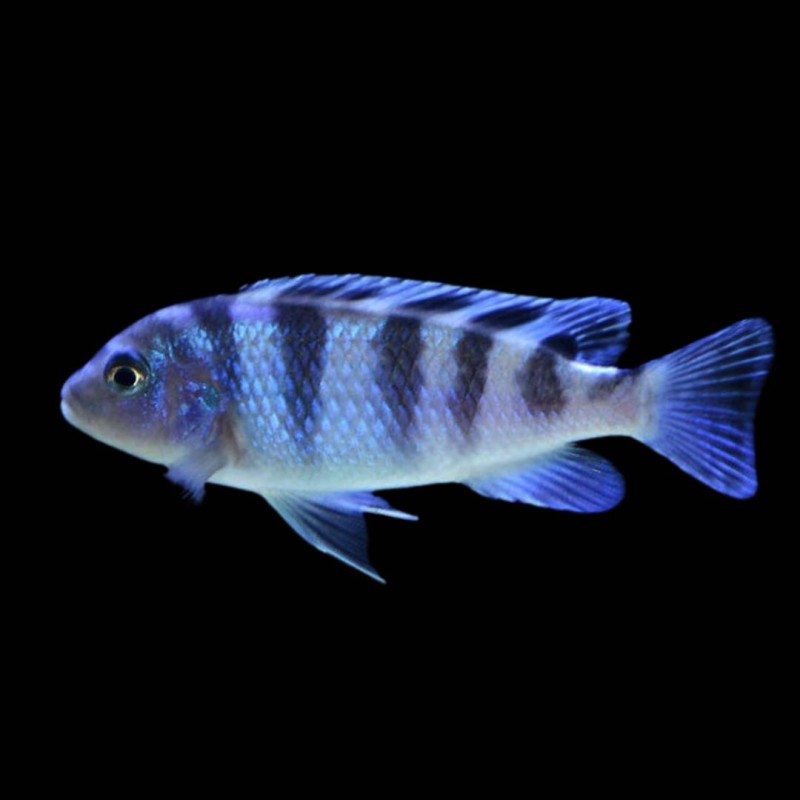
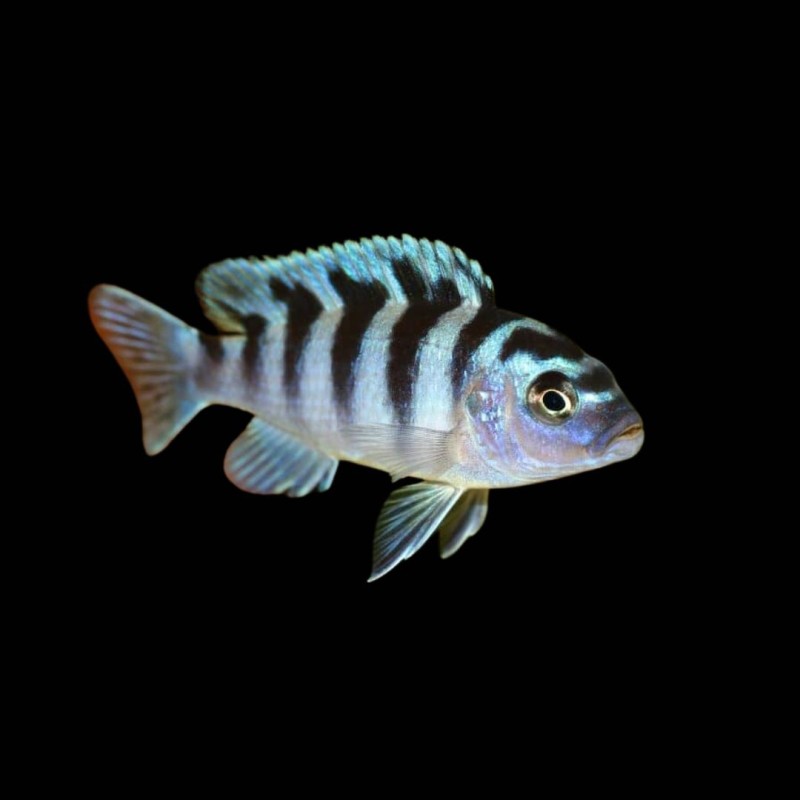
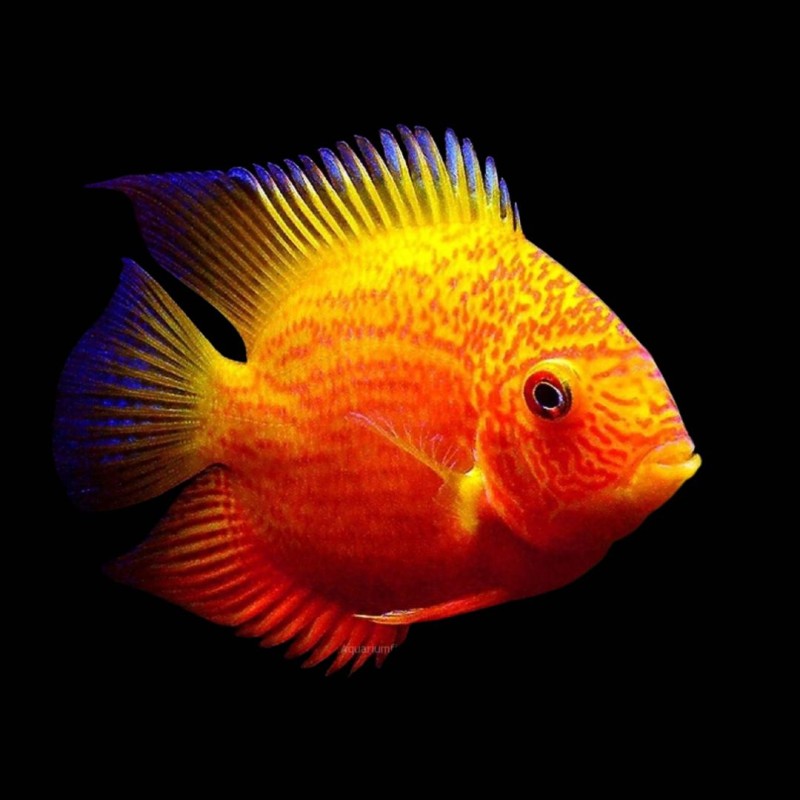
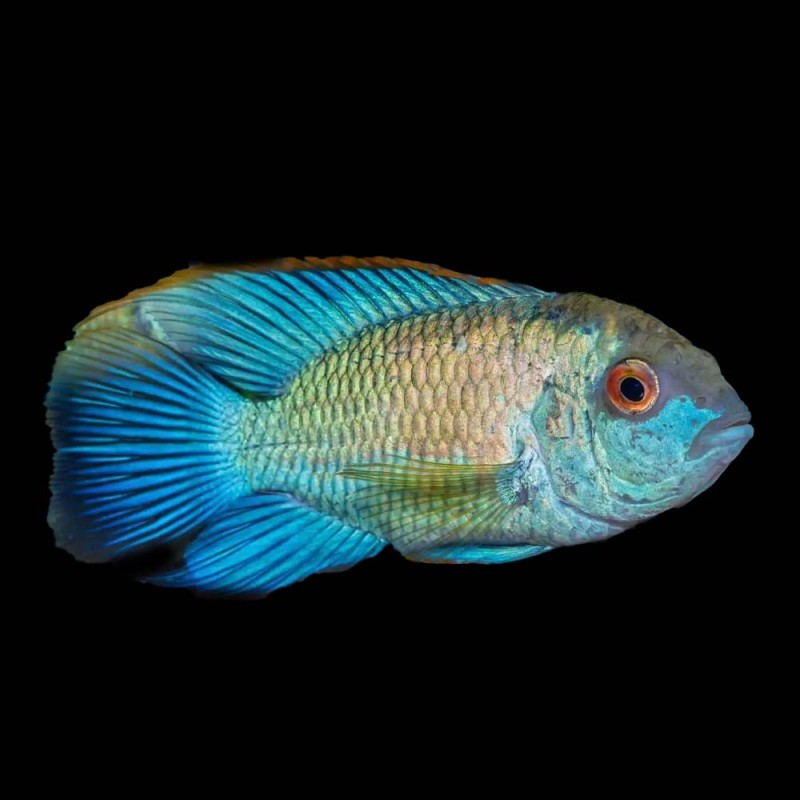
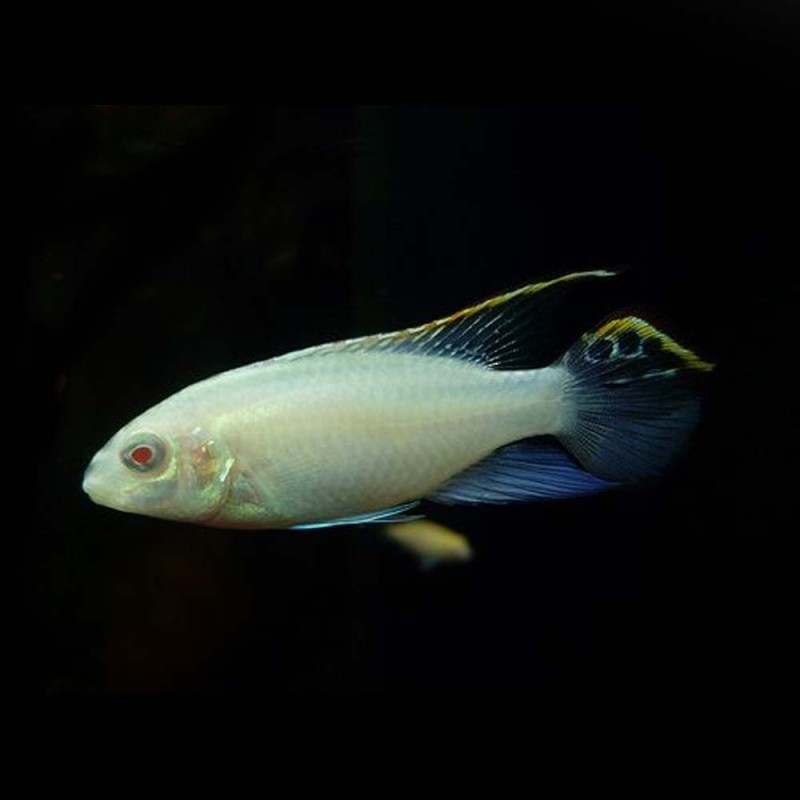
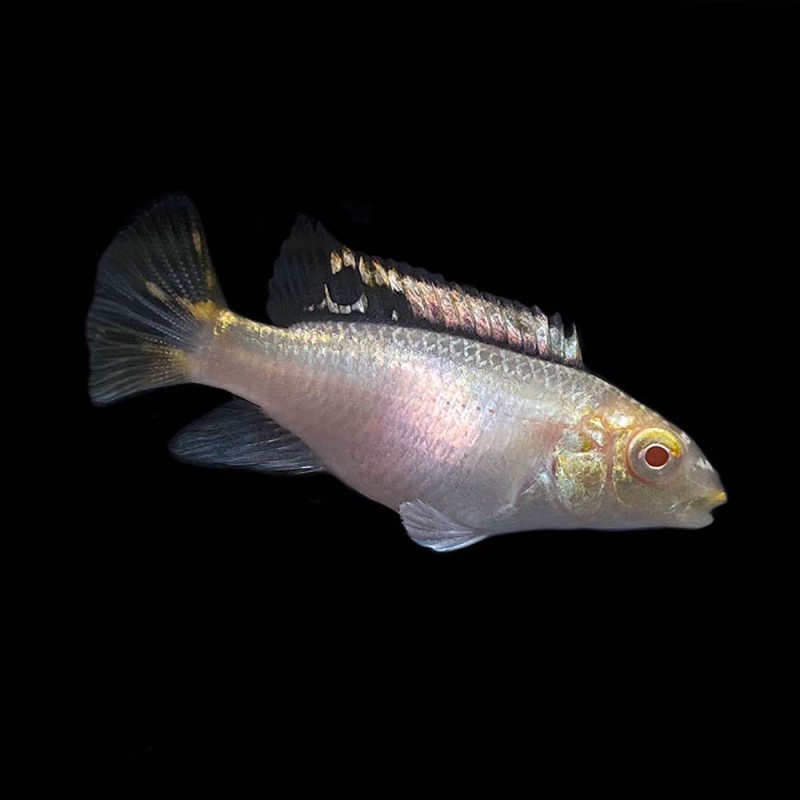
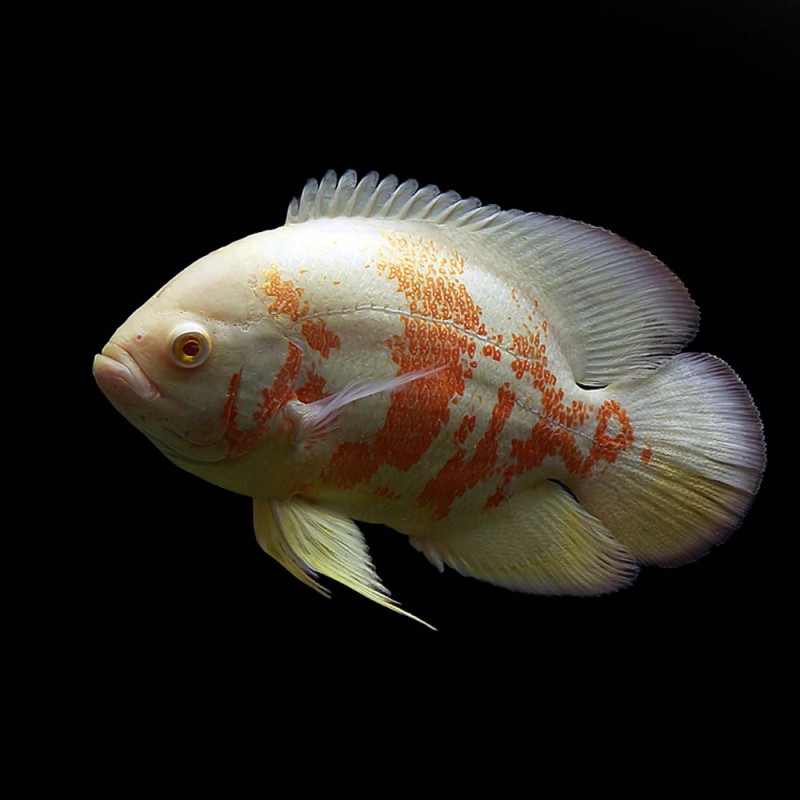
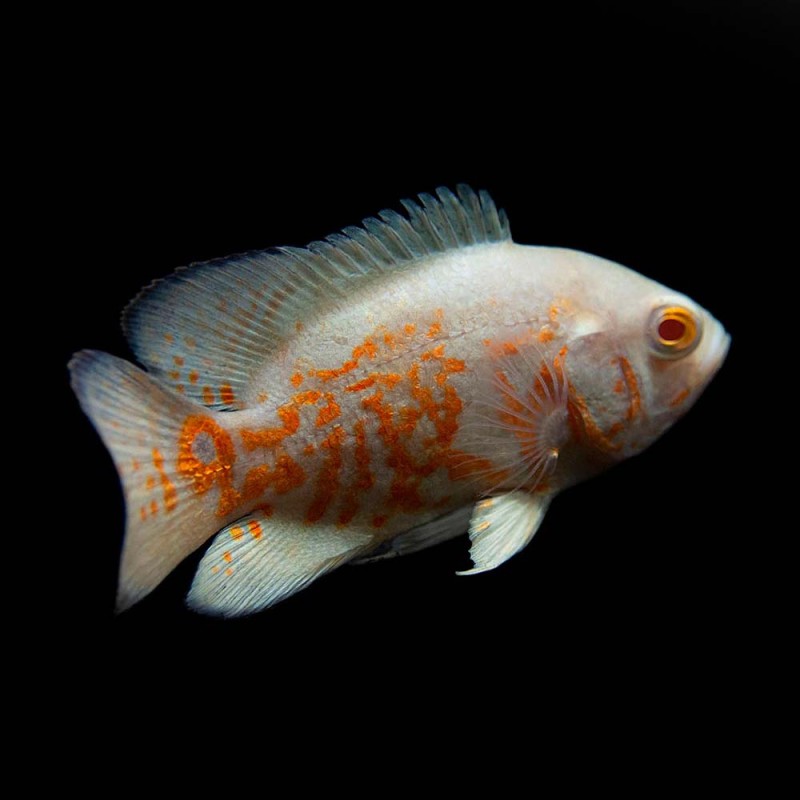
  • Please Note: Due to variations within species, your fish may not look identical to the image provided. Also note not all sizes or species may be available due to seasonality, Please call beforehand for up-to-date stock availability.

  • Model: KEYHOLE CICHLID MATRIX

Available Options

Reset options

Keyhole Cichlid

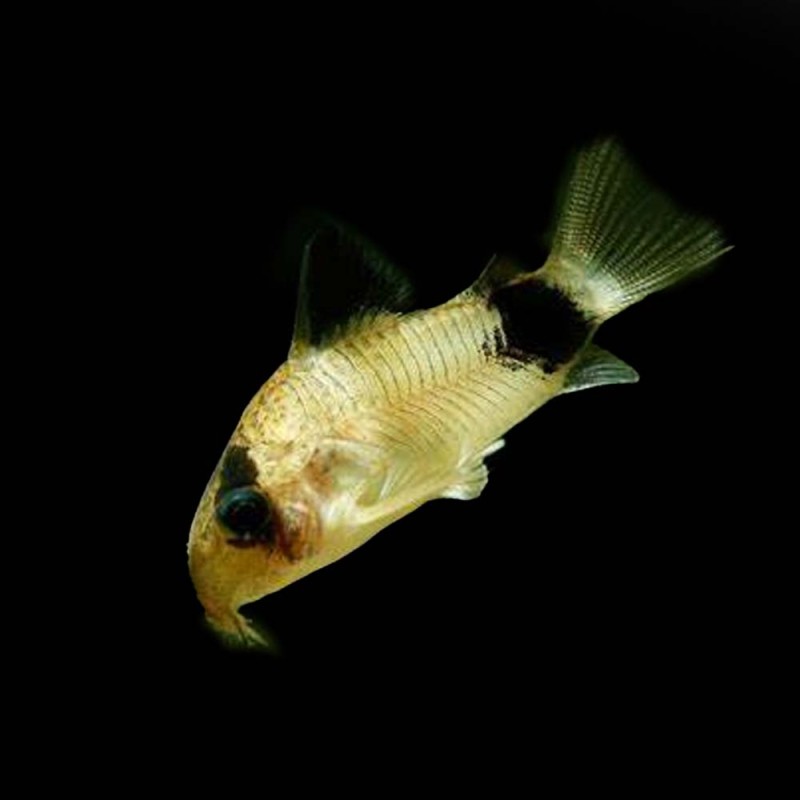
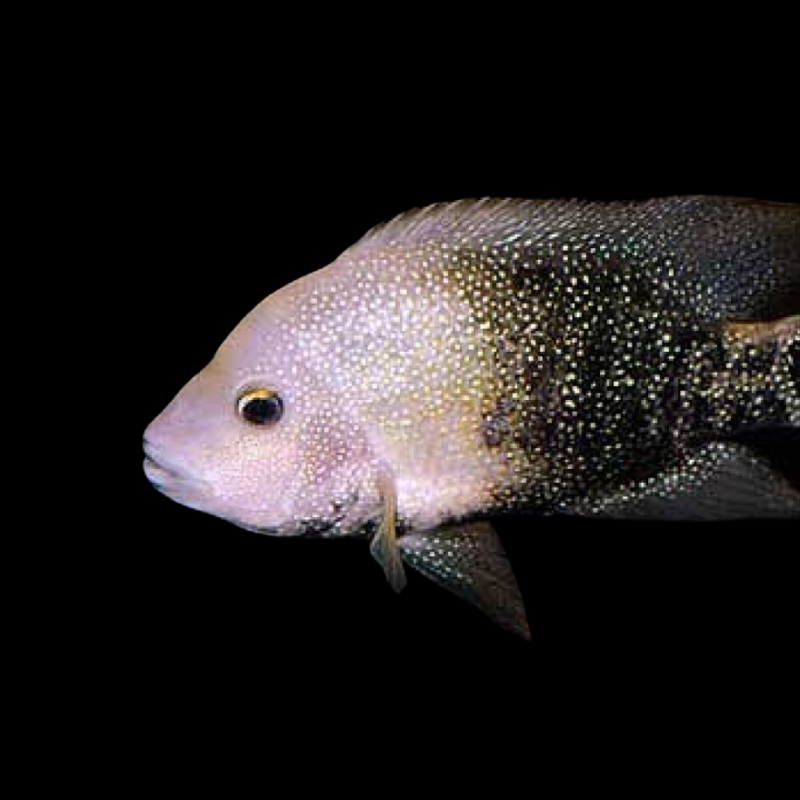
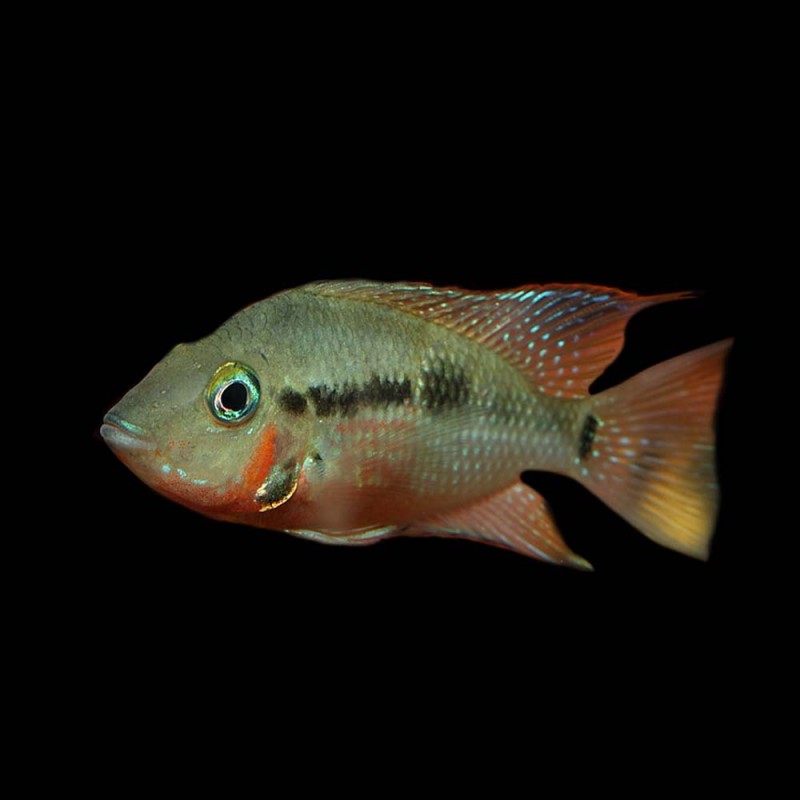
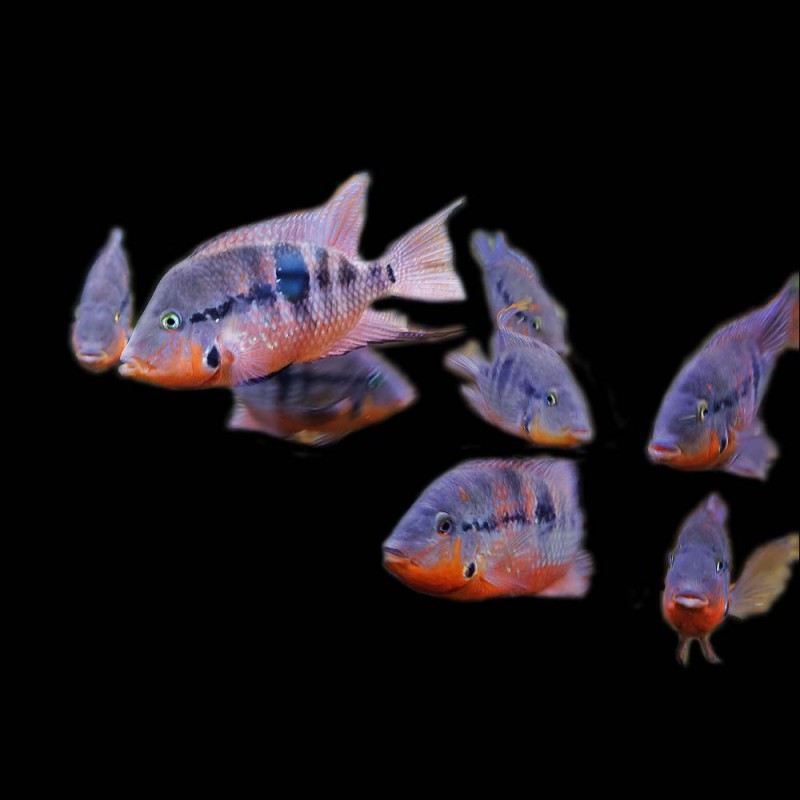
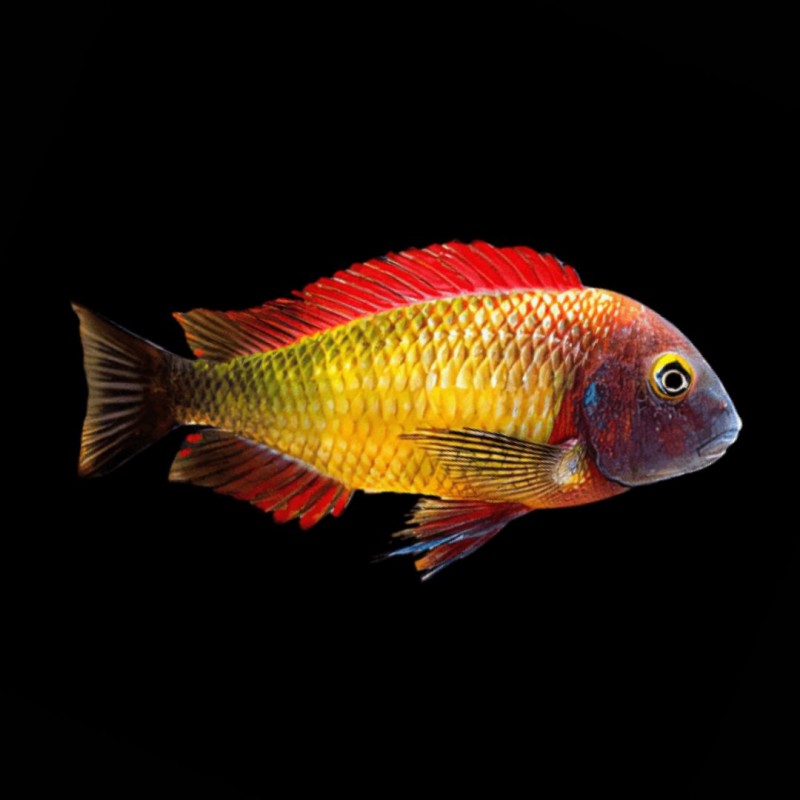
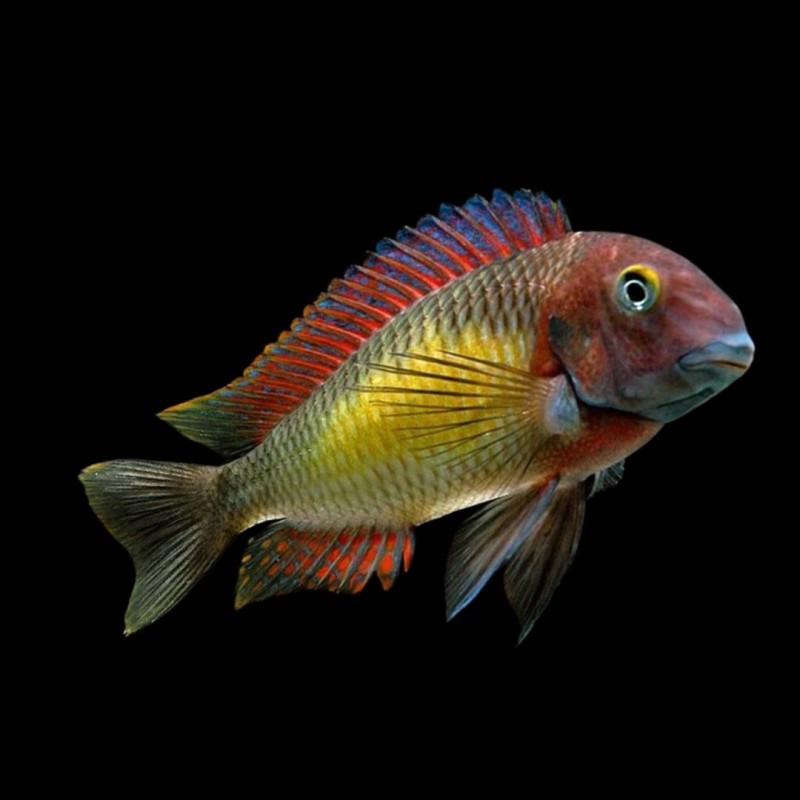
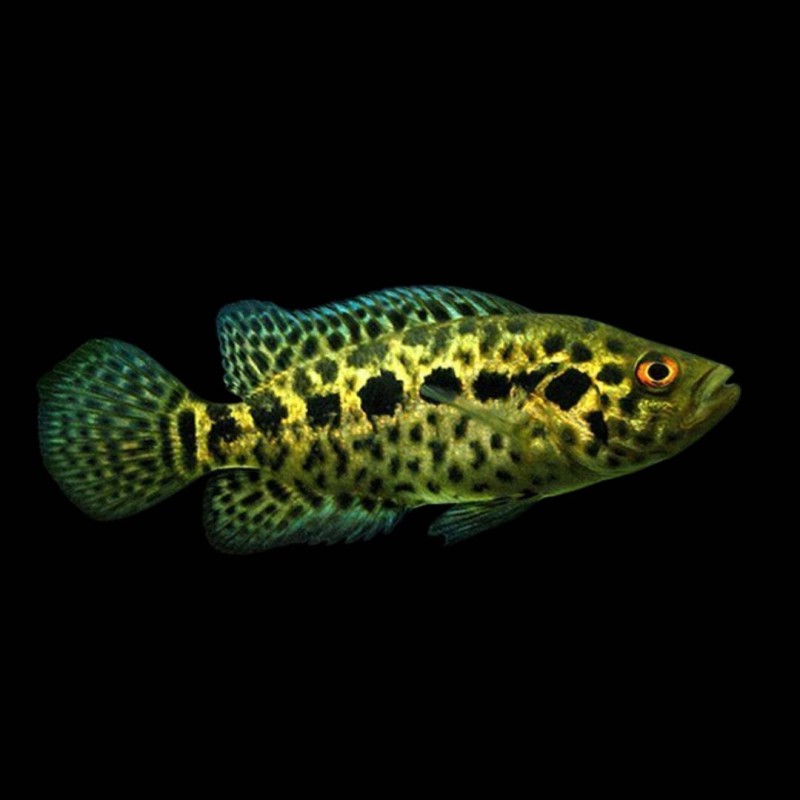
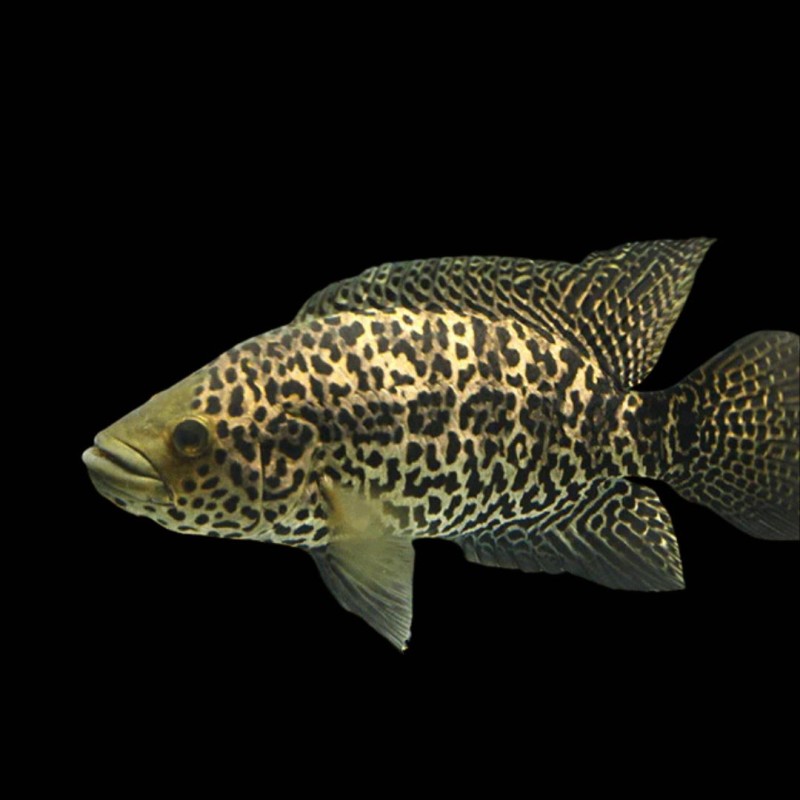
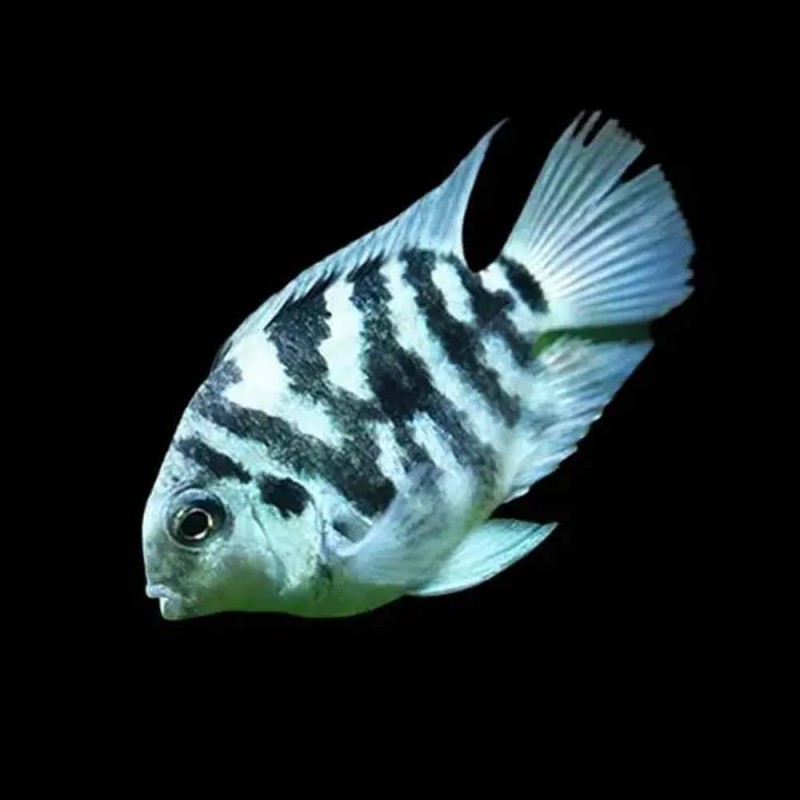
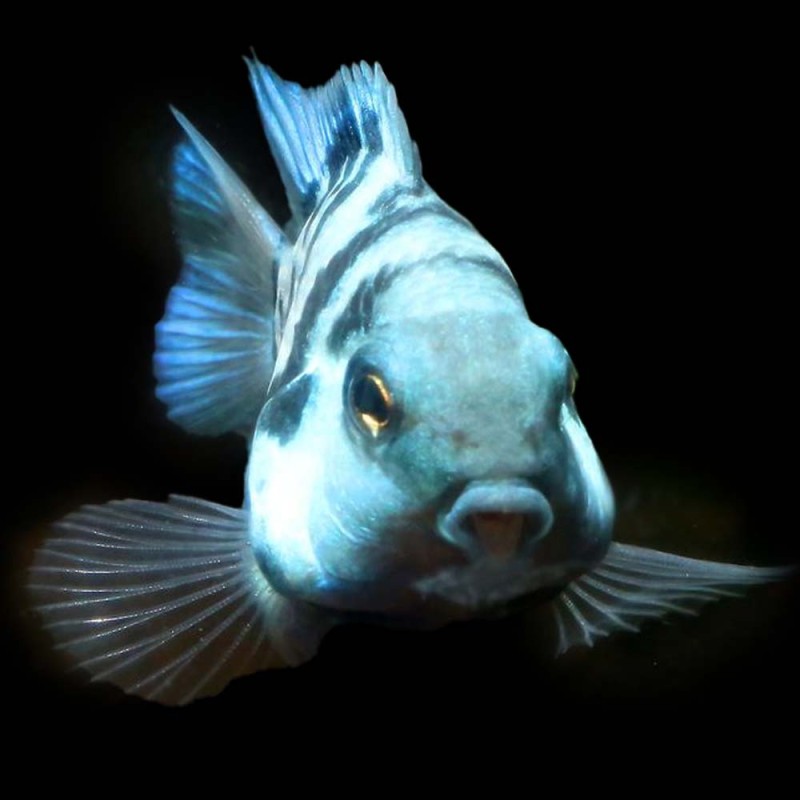
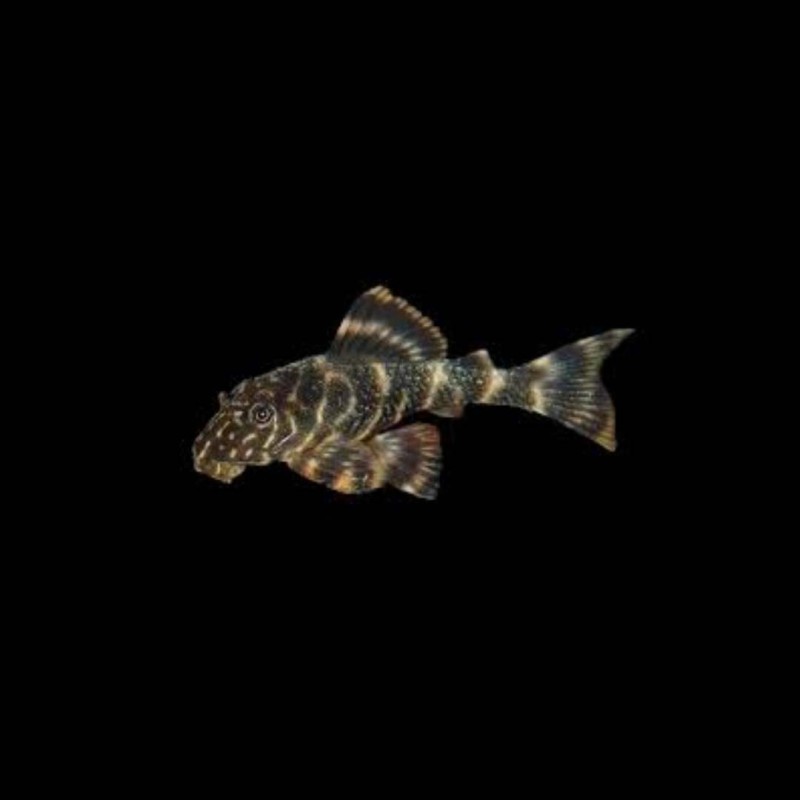
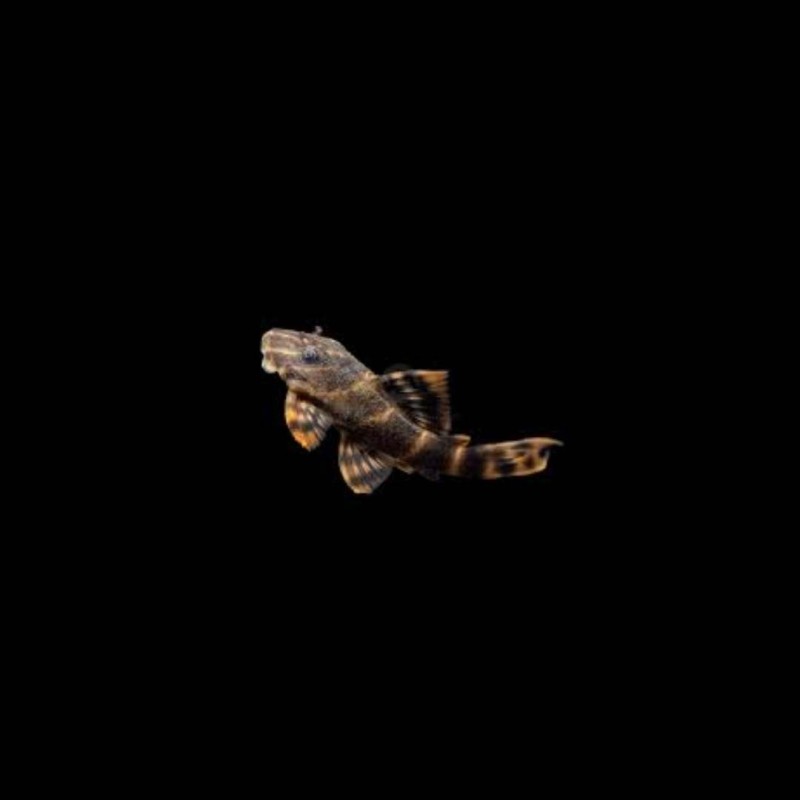
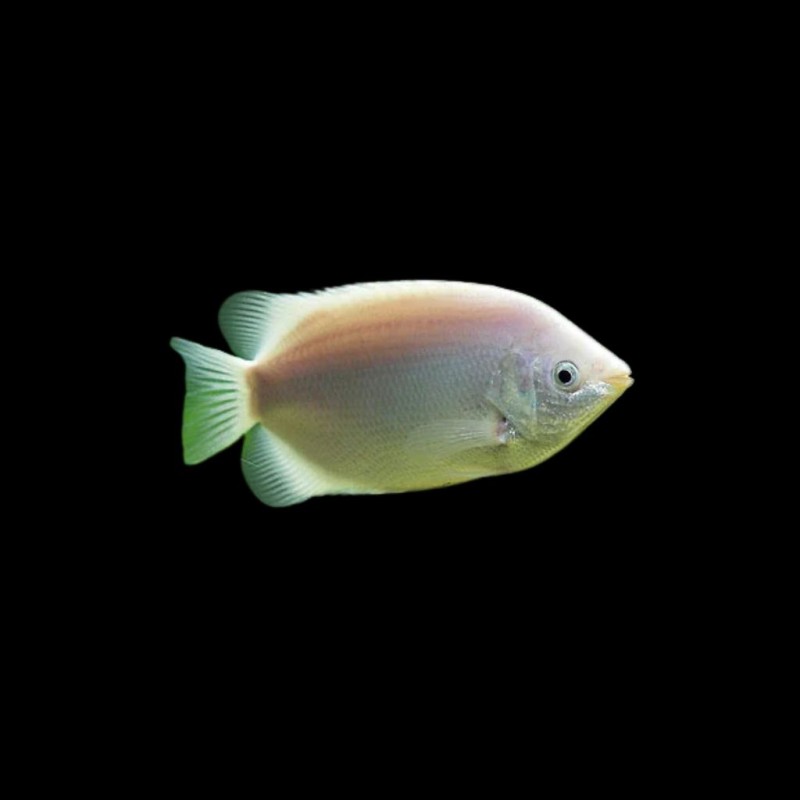
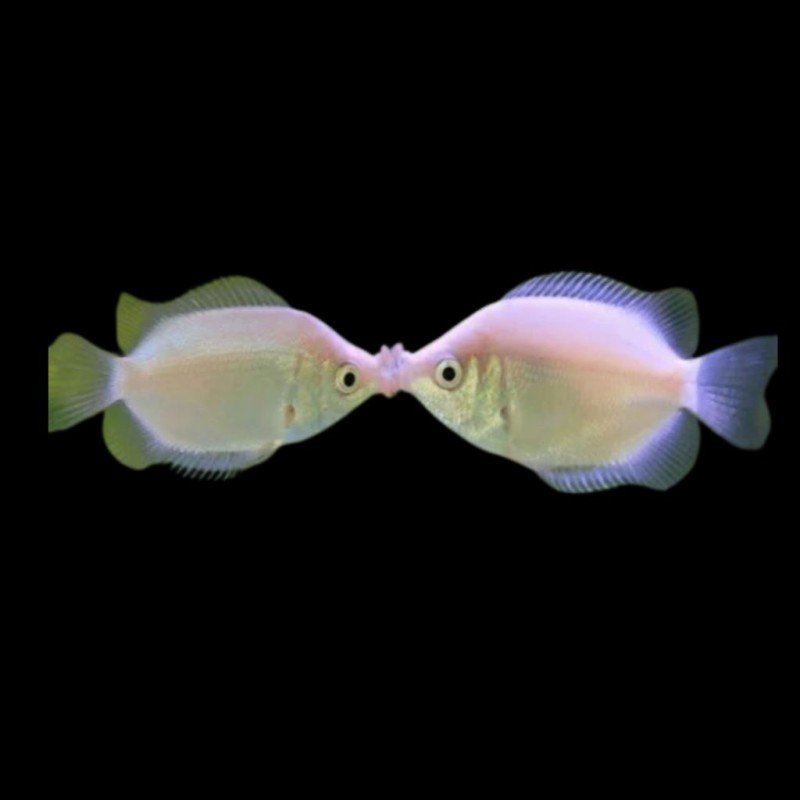
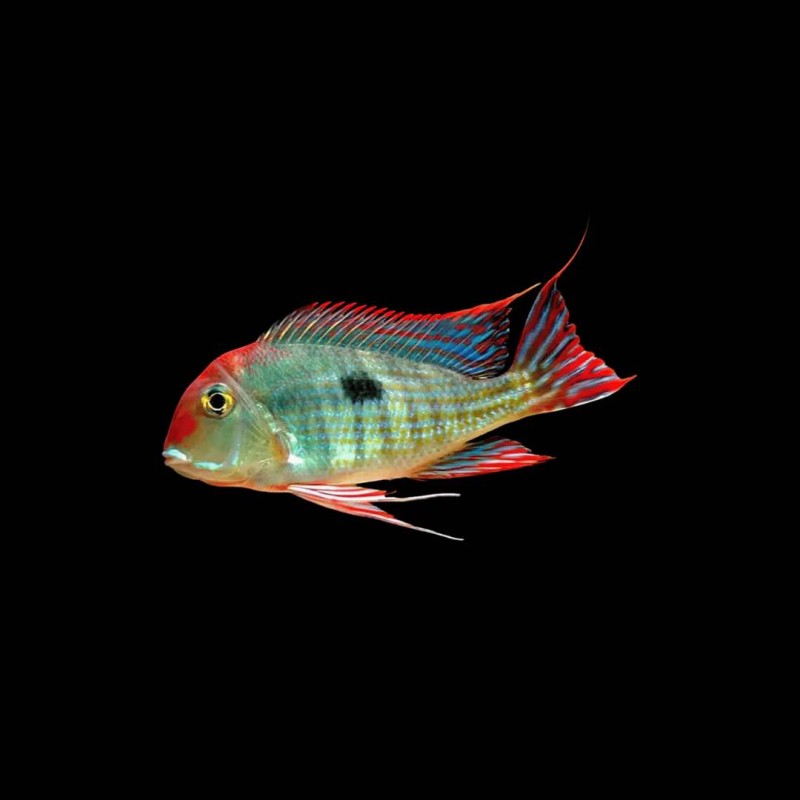
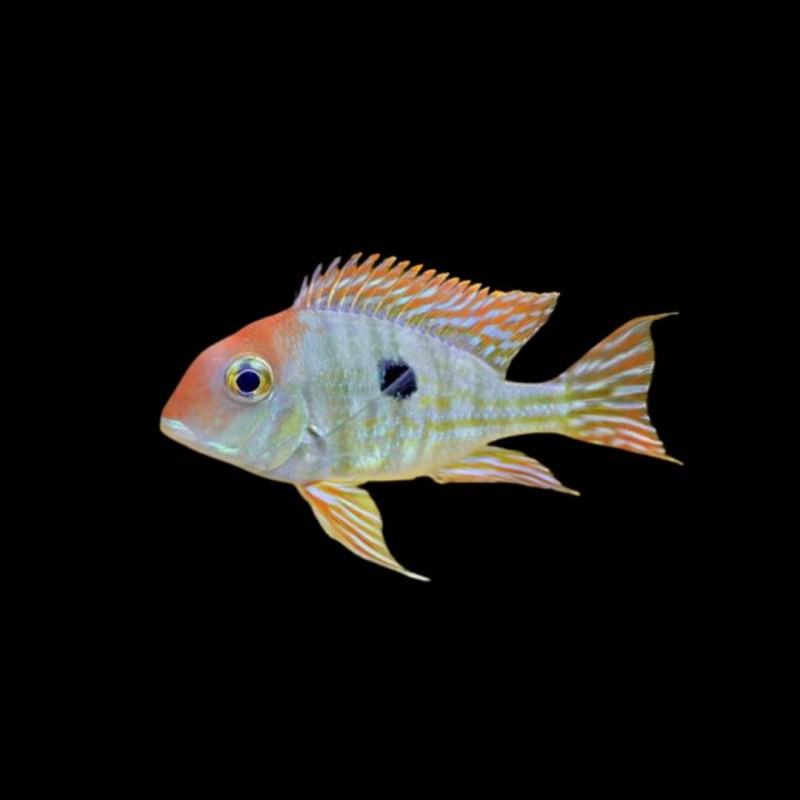
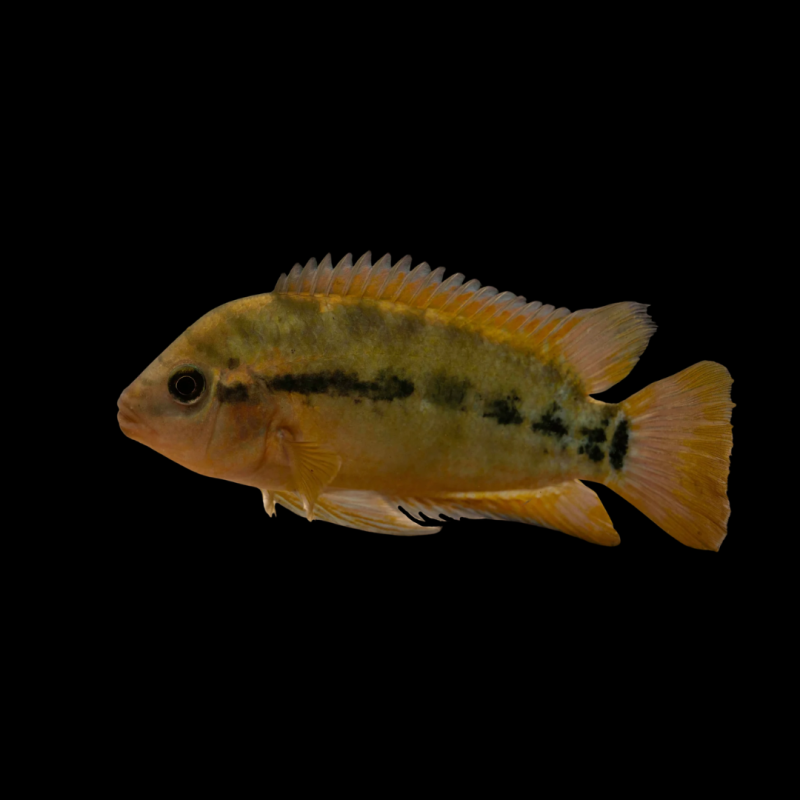
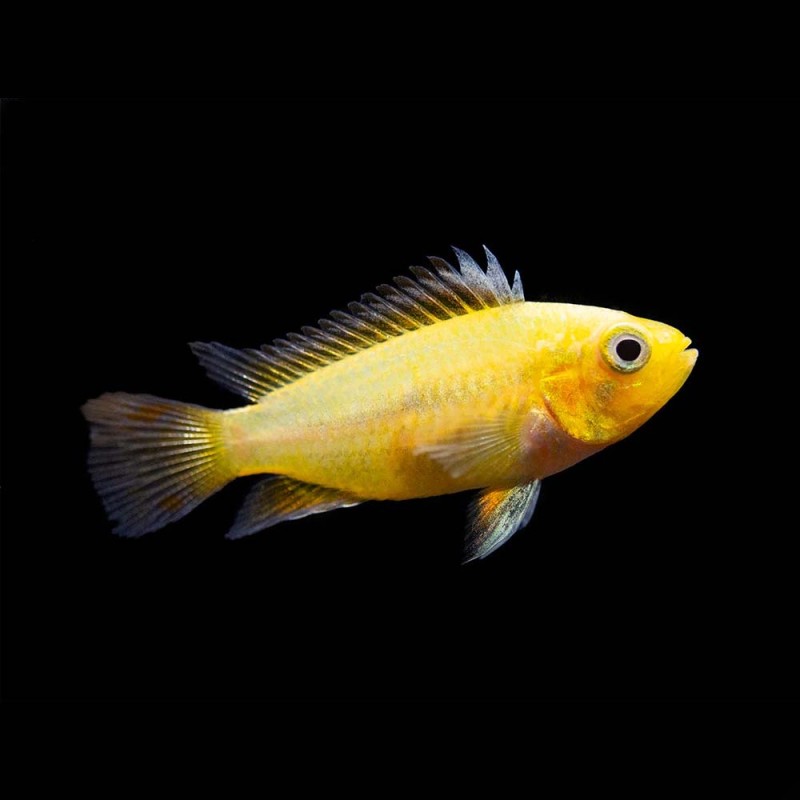
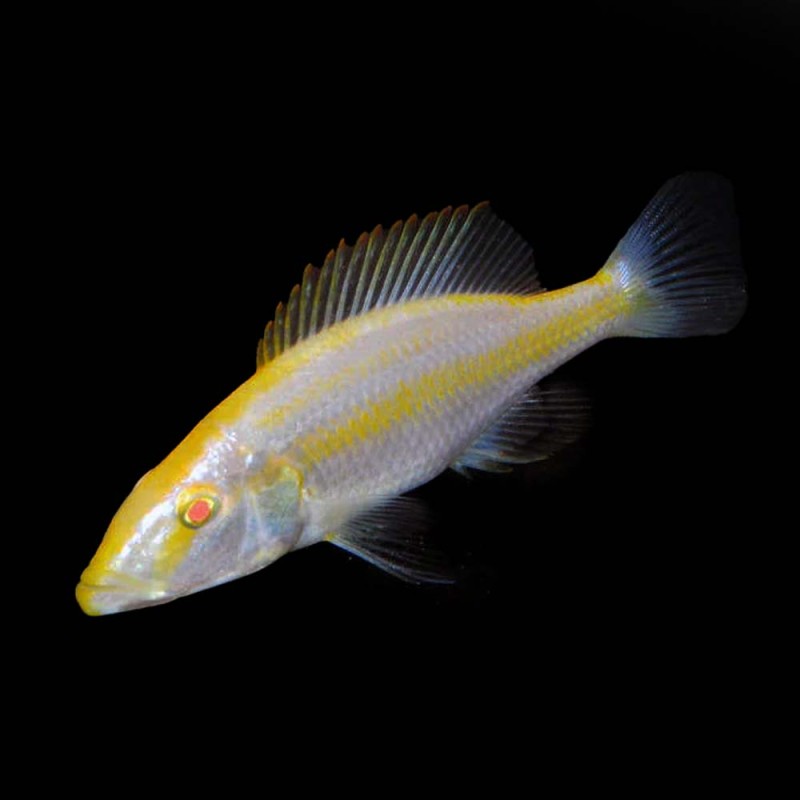
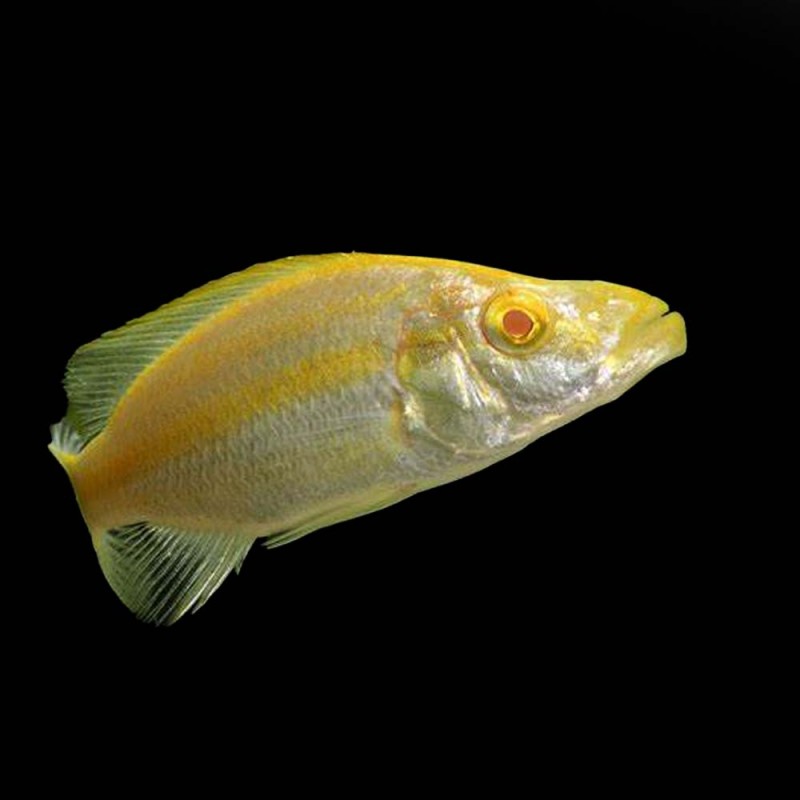
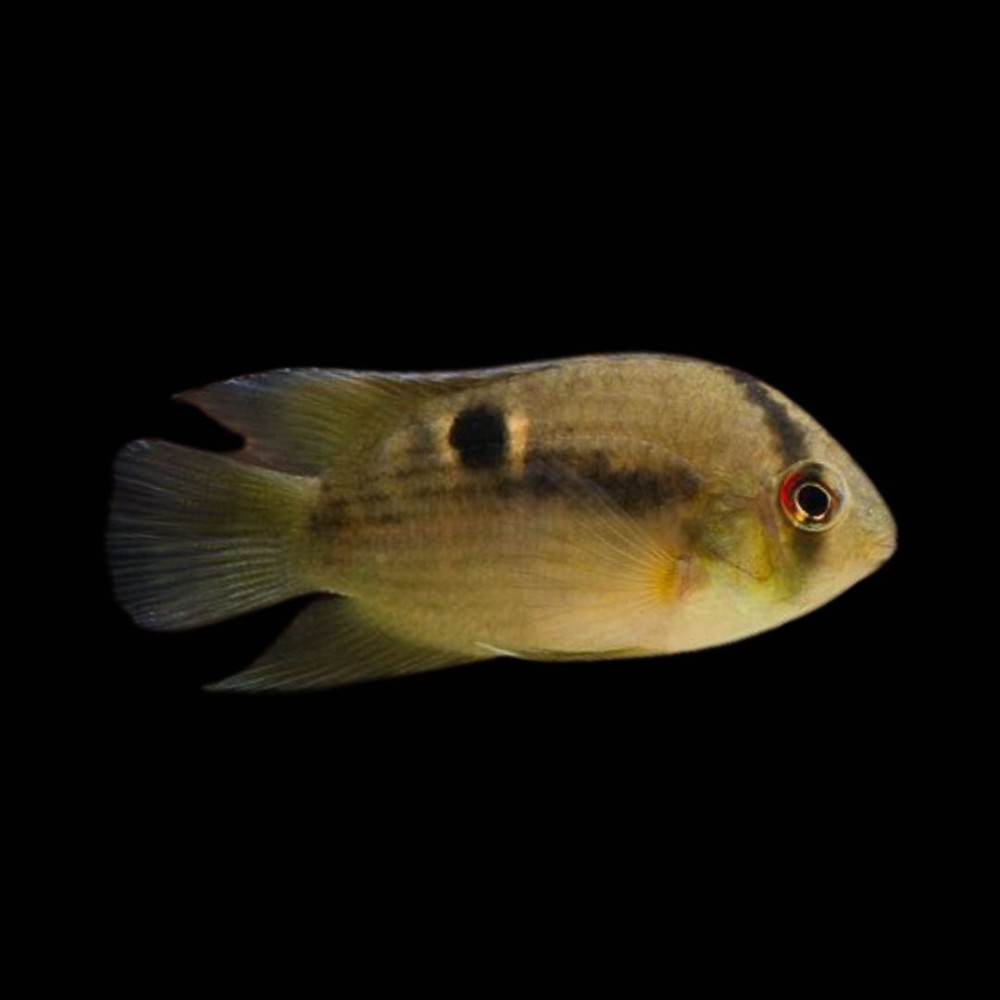
The Keyhole Cichlid (Cleithracara maronii) is a peaceful freshwater fish native to the slow-moving waters of South America, particularly in regions like the Amazon Basin. Known for their distinctive keyhole-shaped marking on their bodies, these cichlids are a popular choice among aquarists due to their calm nature and unique appearance.
Physical Characteristics:

  • Size: Keyhole Cichlids typically grow to about 10-15 cm (4-6 inches) in length.
  • Coloration:
    • Body: They have a light to medium brown body, often with a subtle sheen. The most distinctive feature is the dark keyhole-shaped marking on each side of the body, which gives them their name.
    • Fins: The fins are generally transparent with a hint of colour, and the dorsal and anal fins may exhibit some dark edge markings.
    • Shape: Keyhole Cichlids have a laterally compressed body shape typical of many cichlids, which aids in their agility and movement in their natural habitat.

Behavior:

  • Temperament: Keyhole Cichlids are generally peaceful and can be kept with other non-aggressive fish. They are less territorial compared to other cichlid species, making them suitable for community tanks.
  • Activity Level: They are active swimmers and enjoy exploring their environment. They tend to be curious and will often interact with their surroundings.
  • Community Behavior: While they can cohabitate with various species, they should not be kept with overly aggressive fish, as this can lead to stress or injury.

Aquarium Care:

  • Tank Size: A minimum tank size of 100 litres (26 gallons) is recommended for a small group of Keyhole Cichlids to provide ample space for swimming and hiding.
  • Water Parameters:
    • Temperature: Keyhole Cichlids thrive in warm water, with an ideal temperature range of 24°C to 28°C (75°F to 82°F).
    • pH: They prefer slightly acidic to neutral water, with a pH range of 6.0 to 7.5.
    • Hardness: Very soft water is ideal, with a general hardness (GH) of 1-5 dGH.
  • Tank Setup:
    • Substrate and Decorations: A soft, sandy substrate is ideal for Keyhole Cichlids. They appreciate a well-planted tank with plenty of hiding spots, as they are naturally shy and prefer shaded areas. Floating plants and dense vegetation help mimic their natural habitat.
    • Lighting: Subdued lighting is preferred, as they are native to dimly lit environments. Floating plants or leaves (such as Indian almond leaves) can help create natural, shaded areas.
    • Filtration: A gentle filtration system is recommended to maintain clean water without creating strong currents. Regular water changes (around 20% weekly) are important to maintain water quality and mimic the clean, flowing waters of their natural habitat.

Diet:

Keyhole Cichlids are omnivorous and benefit from a protein-rich diet to maintain their health and vibrant coloration. Their diet should include:

  • Pellets: High-quality cichlid pellets should form the staple of their diet, providing essential nutrients.
  • Live or Frozen Foods: Offer live or frozen foods such as brine shrimp, daphnia, bloodworms, and blackworms, which provide essential protein and mimic their natural diet.
  • Occasional Treats: While pellets and live foods should be the core of their diet, occasional feeding of freeze-dried bloodworms or tubifex worms can provide enrichment.

Tankmates:

Keyhole Cichlids can be housed with a variety of peaceful tankmates. Suitable companions include:

  • Small rasboras: Such as Harlequin Rasboras or Chili Rasboras.
  • Dwarf gouramis: Peaceful species like Sparkling Gouramis.
  • Corydoras catfish: Small, peaceful bottom-dwellers that won’t compete for space.
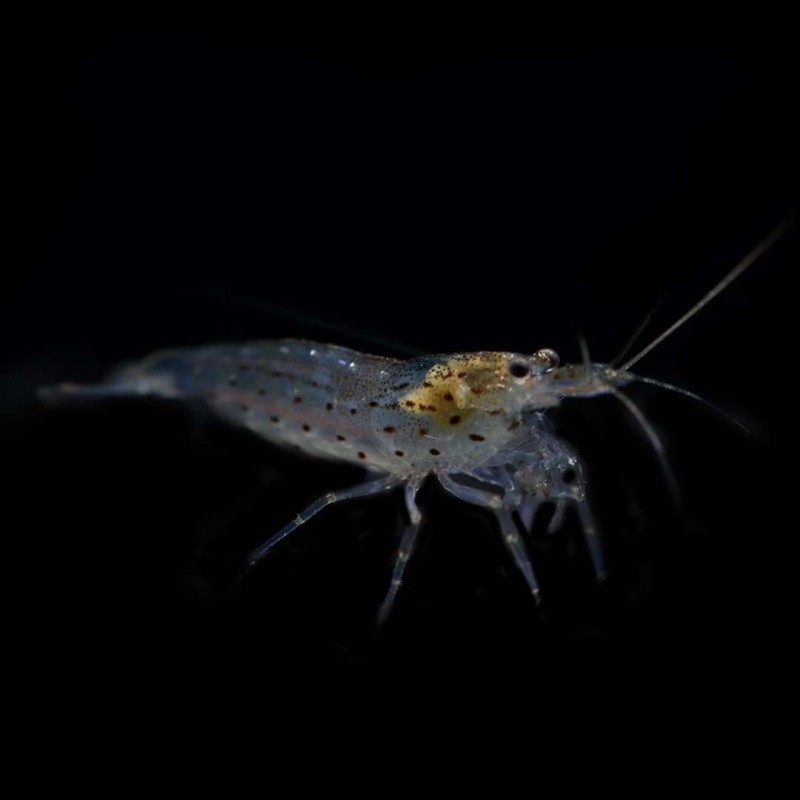
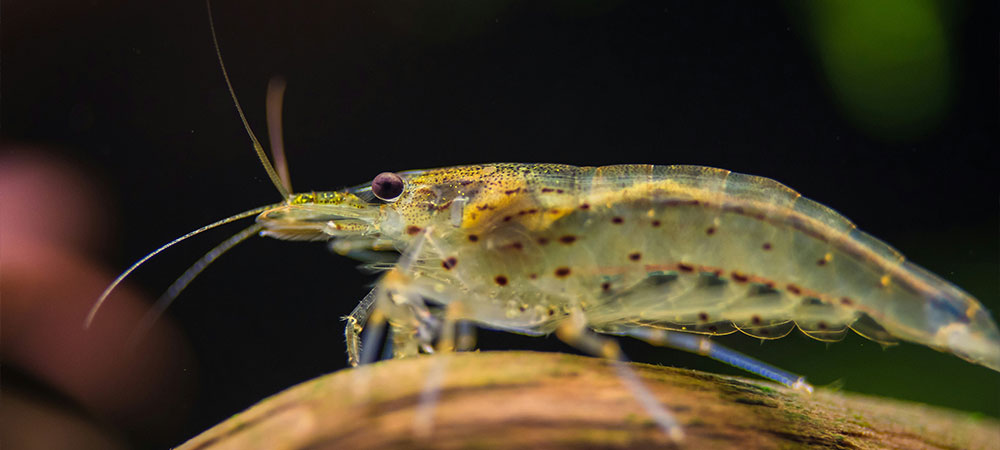
  • Shrimp: Peaceful species like Amano shrimp or Neocaridina shrimp can coexist well.

Breeding:

Breeding Keyhole Cichlids can be relatively straightforward if conditions are suitable.

  • Breeding Setup: A separate breeding tank with shallow water (about 15 cm or 6 inches deep) is ideal. The water should be warm (around 26°C to 28°C or 79°F to 82°F) and slightly acidic (pH 6.0-6.5). Provide flat surfaces for spawning, such as rocks or tiles.
  • Spawning Behavior: The female will lay eggs on a flat surface, and the male will fertilise them. Both parents usually guard the eggs and care for the fry after hatching.
  • Fry Care: Once the fry become free-swimming, they can be fed with infusoria or newly hatched brine shrimp.

Special Considerations:

  • Aggression: While generally peaceful, male Keyhole Cichlids can exhibit territorial behaviour during breeding. It’s important to monitor their interactions, especially in community tanks.
  • Water Quality: Maintaining good water quality is crucial for the health of Keyhole Cichlids. Regular testing and water changes help prevent stress and disease.

Write a review

Please login or register to review