

- Stock: Generally In Stock
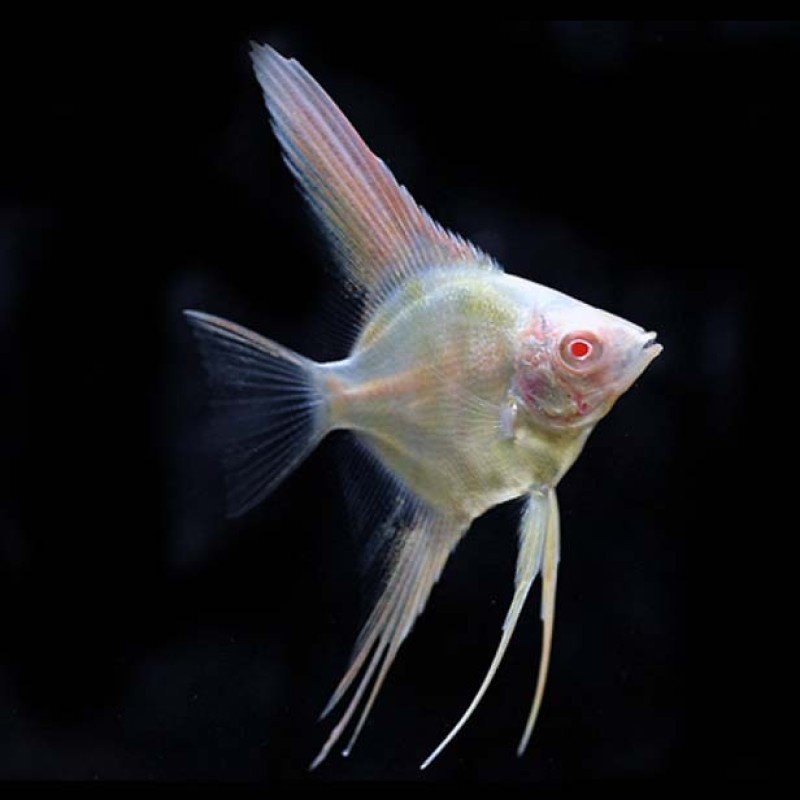
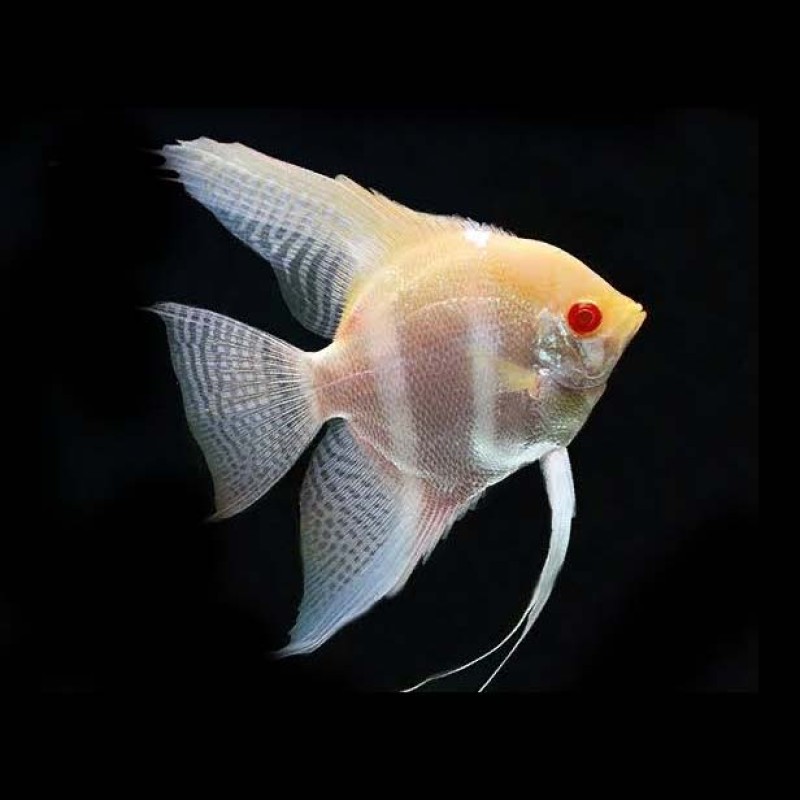
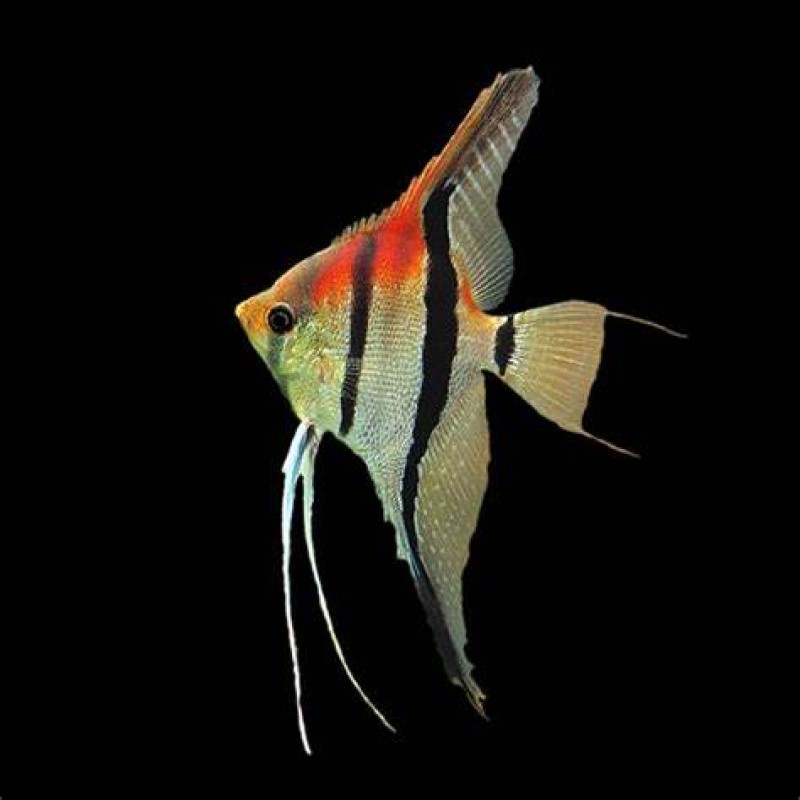
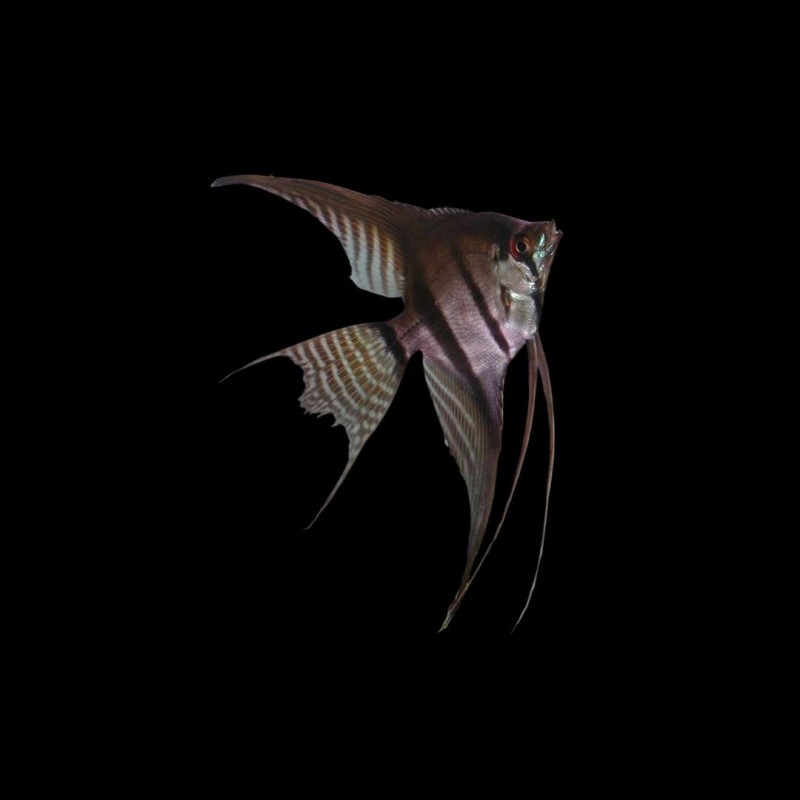
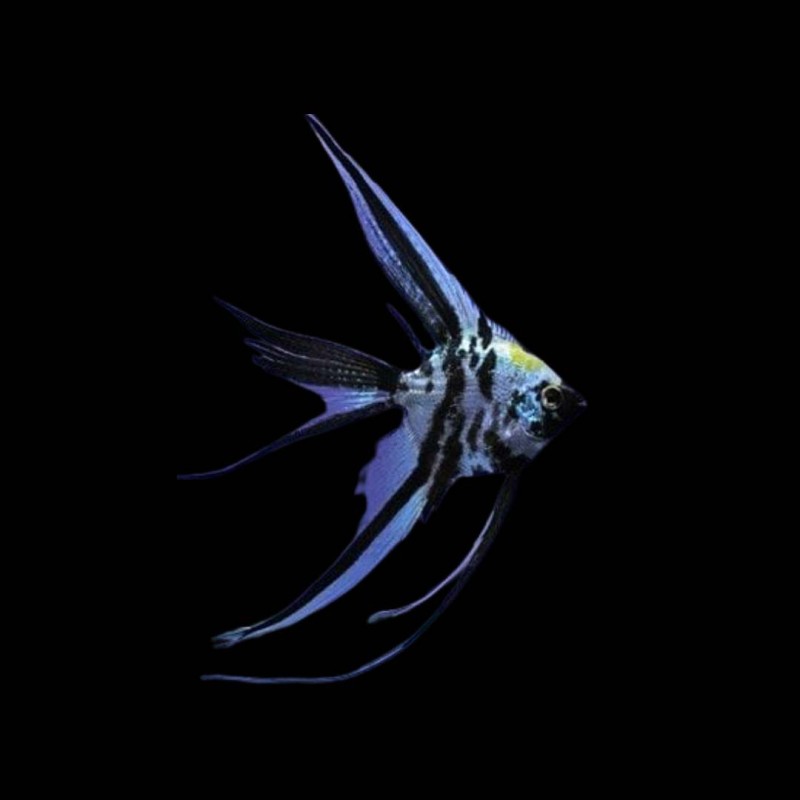
Please Note: Due to variations within species, your fish may not look identical to the image provided. Also note not all sizes or species may be available due to seasonality, Please call beforehand for up-to-date stock availability.
- Model: PHILIPPINES SMOKEY MATRIX
Available Options
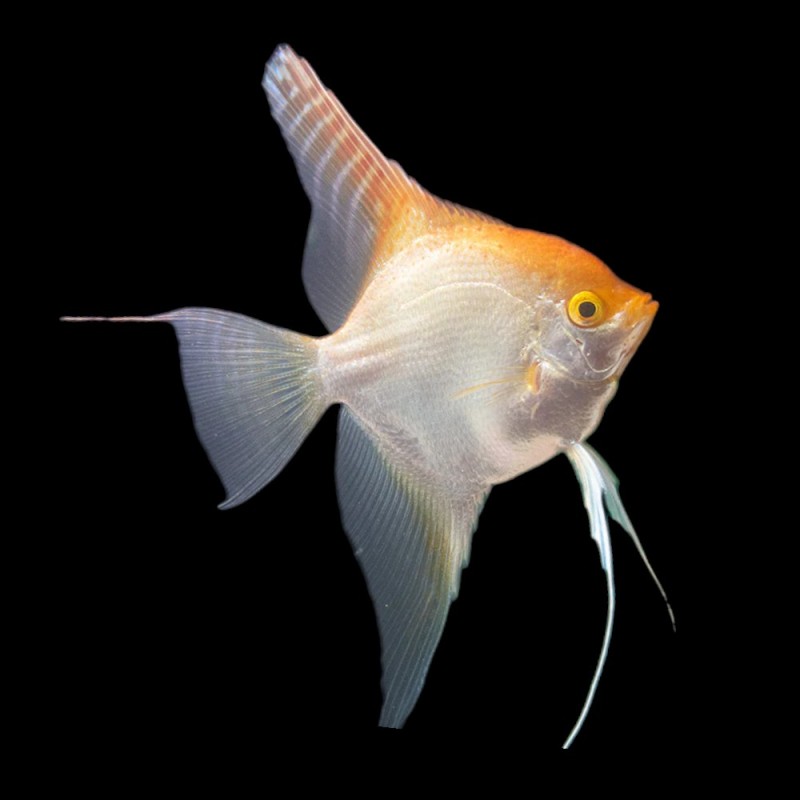
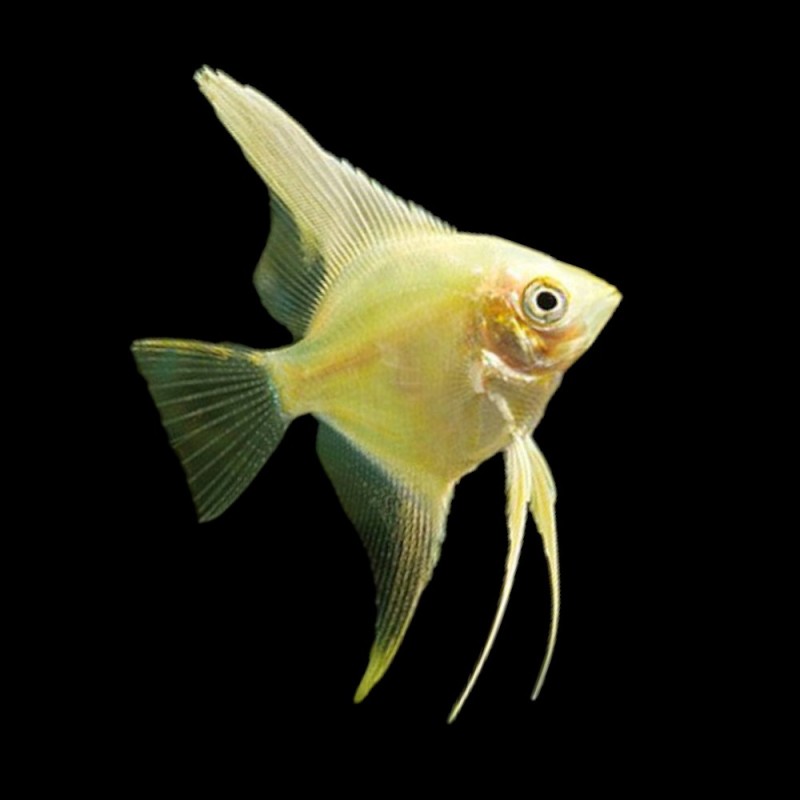
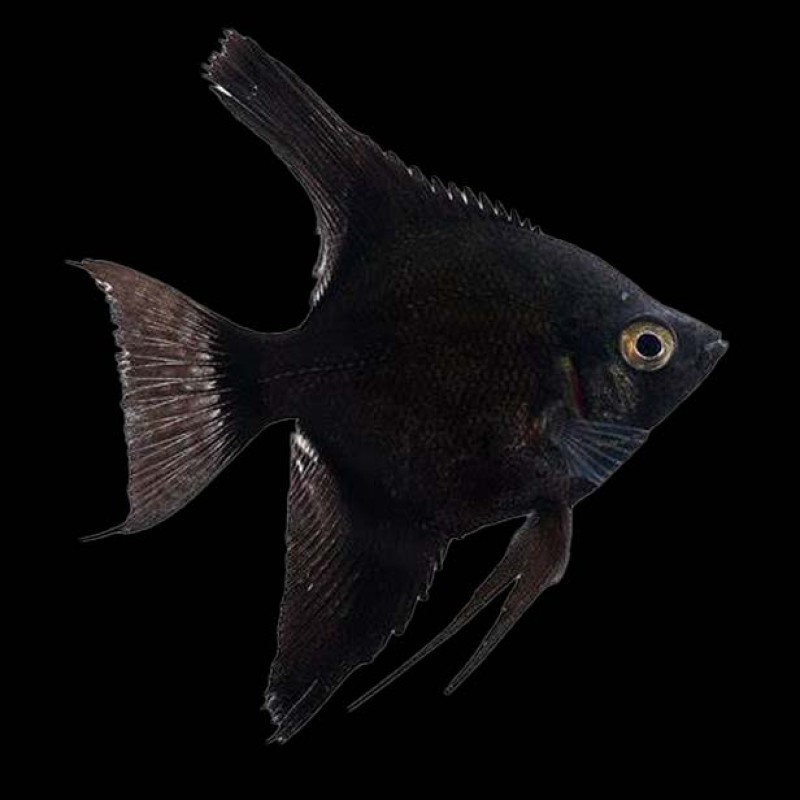
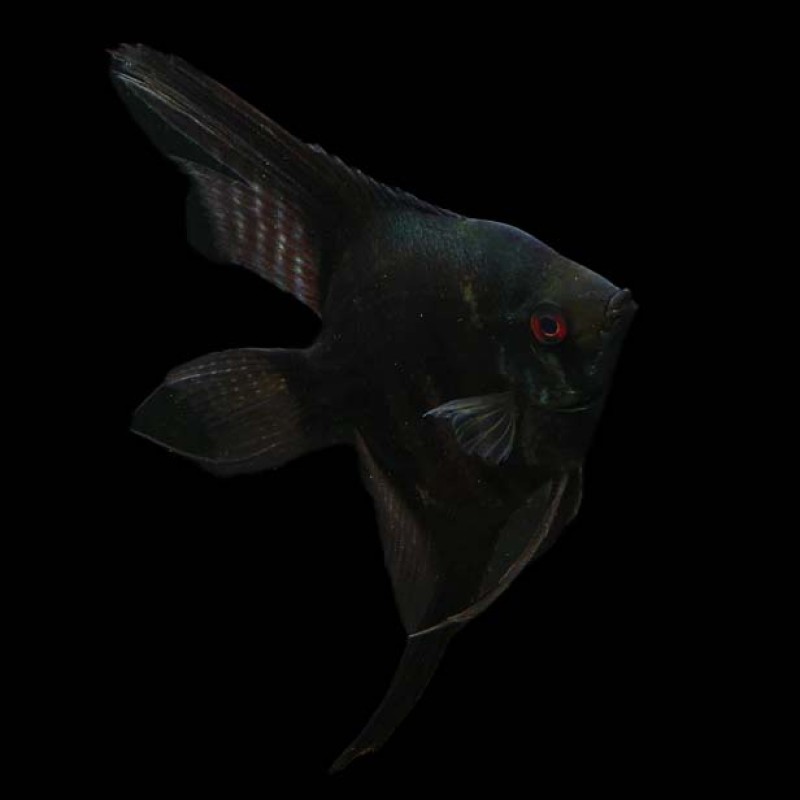
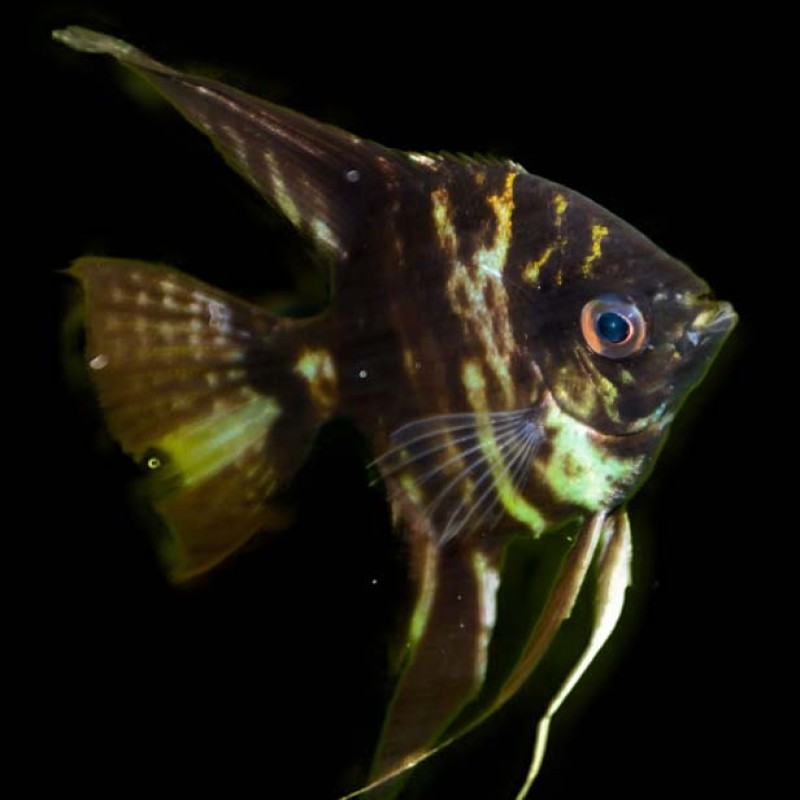
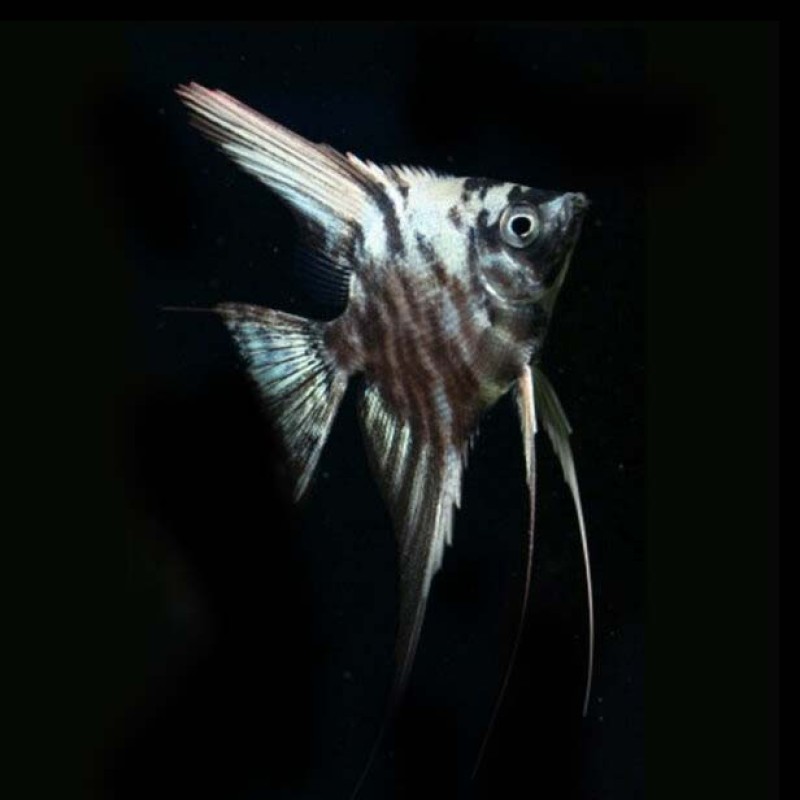
The Philippines Smokey Angelfish (Pterophyllum scalare) is a selectively bred variety of the common freshwater angelfish species, known for its unique and dramatic colour pattern. Originating from the Philippines, this variant is prized for its "smokey" appearance, where the body has a dark, almost smoky hue that blends into lighter shades, giving the fish an ethereal, shadowy look. With its graceful swimming and striking appearance, the Philippines Smokey Angelfish is a popular choice among aquarists.
Physical Characteristics:
- Size: Like other angelfish, the Philippines Smokey Angelfish can grow to about 15 cm (6 inches) in length and can reach a height of 20 cm (8 inches) from fin to fin.
- Coloration:
- Body: The body of the Smokey Angelfish is typically silver with dark, smoky patches that blend seamlessly into the lighter areas. The head and upper portion of the body can have a dark, shadowy tone that fades into the midsection.
- Fins: The fins are long, flowing, and semi-transparent with dark smokey tones, often carrying the same shadowy coloration as the body, adding to its ethereal look.
- Fins: Like other Pterophyllum scalare, this angelfish has large, elongated fins that give the fish a triangular, graceful silhouette. The ventral and anal fins are particularly long, which enhances their appearance as they glide through the water.
Behavior:
- Temperament: Philippines Smokey Angelfish are generally peaceful, but like most angelfish, they can be mildly territorial, particularly during breeding periods. They are best known for their calm, graceful swimming patterns and prefer the middle and upper areas of the aquarium.
- Social Behavior: These angelfish thrive in groups and should be kept in schools of at least 5-6 individuals when young. As they mature, pairs may form and establish territories.
- Community-Friendly: They are peaceful enough to be housed in community tanks, provided their tankmates are non-aggressive and not small enough to be seen as prey.
Aquarium Care:
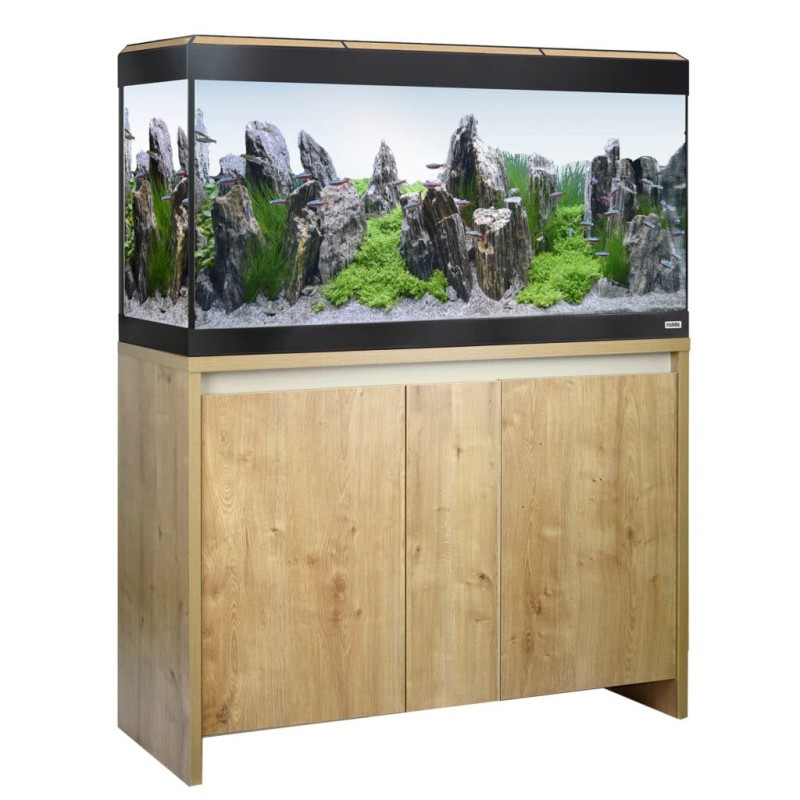
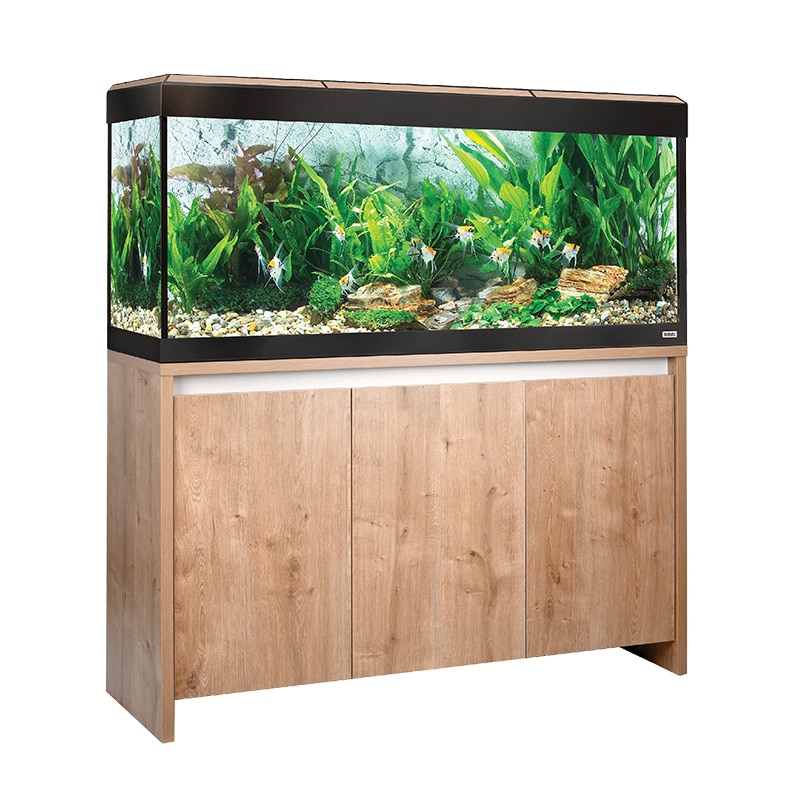
- Tank Size: A minimum of 150 liters (40 gallons) is recommended for a group of Smokey Angelfish. For larger groups or fully grown adults, a tank of 200 liters or more is preferable to provide ample swimming space.
- Water Parameters:
- Temperature: Philippines Smokey Angelfish thrive in warm water, with an ideal temperature range of 24°C to 28°C (75°F to 82°F).
- pH: They prefer slightly acidic to neutral water, with a pH range of 6.0 to 7.5.
- Hardness: Soft to moderately hard water, with a general hardness (GH) of 3-8 dGH, is ideal.
- Tank Setup:
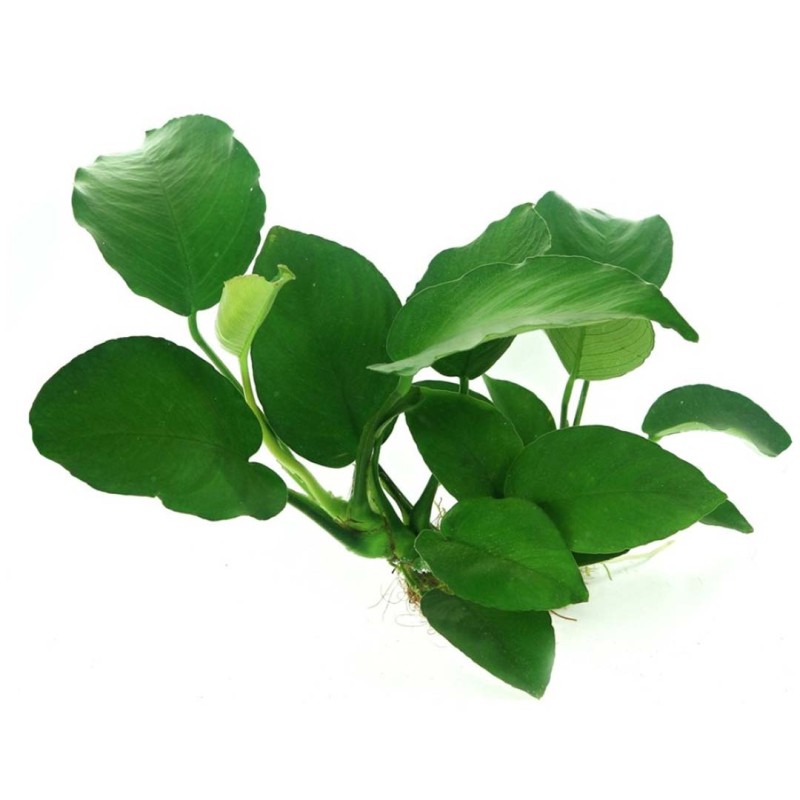
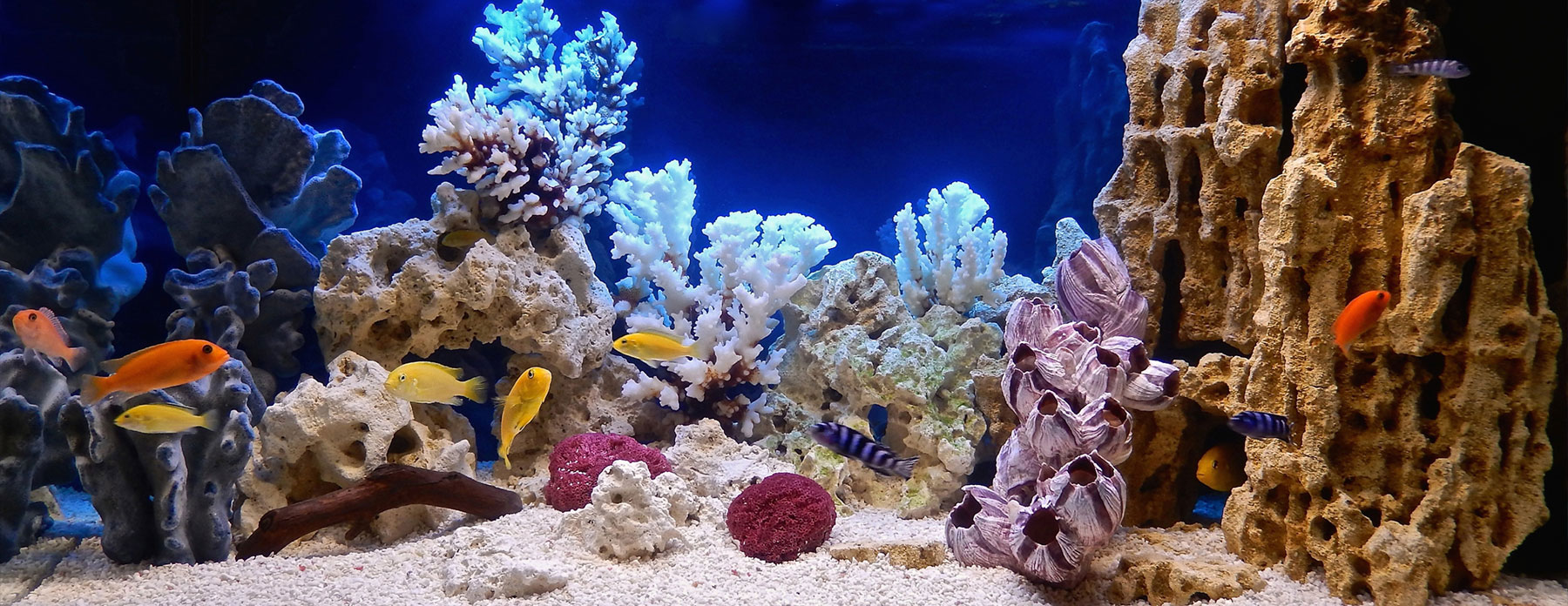
- Substrate and Decorations: A soft, sandy substrate is ideal, along with plenty of tall plants like Amazon swords or Vallisneria. Driftwood and rocks can also provide hiding spots and help mimic their natural environment. A combination of open swimming spaces and areas with dense planting is ideal for these fish.
- Lighting: Moderate lighting is best to highlight their dark, smoky coloration without causing stress. Floating plants can help diffuse the light and create shaded areas that make them feel more secure.
- Filtration: Gentle filtration is recommended, as these angelfish prefer calm waters. Ensure the filter maintains good water quality without creating strong currents.
Diet:
Philippines Smokey Angelfish are omnivores and benefit from a varied diet to maintain their health and vibrant coloration. Their diet should include:
- Pellets or Flakes: High-quality angelfish flakes or pellets designed for cichlids should form the staple of their diet.
- Live or Frozen Foods: They thrive on live or frozen foods such as brine shrimp, bloodworms, daphnia, and blackworms, which provide essential protein and help maintain their vibrant color.
- Vegetable Matter: Occasionally offer plant-based foods like spirulina flakes or blanched vegetables (such as spinach or zucchini) to ensure they receive balanced nutrition.
Feed them small portions 2-3 times daily, ensuring that they consume all the food within a few minutes to prevent overfeeding and maintain water quality.
Tankmates:
Philippines Smokey Angelfish are peaceful and can coexist with a wide variety of other species. Suitable tankmates include:
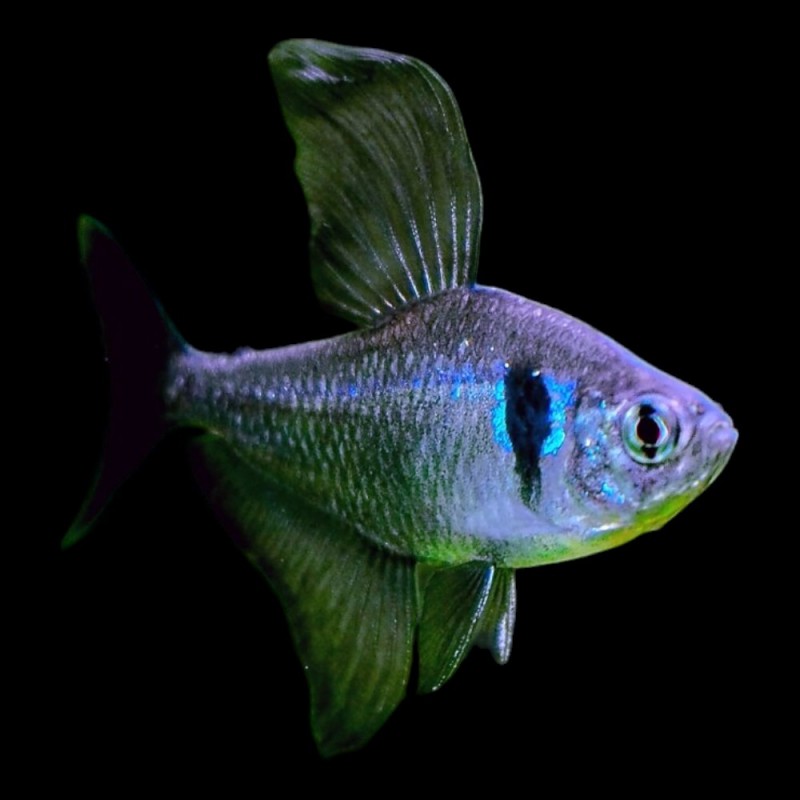
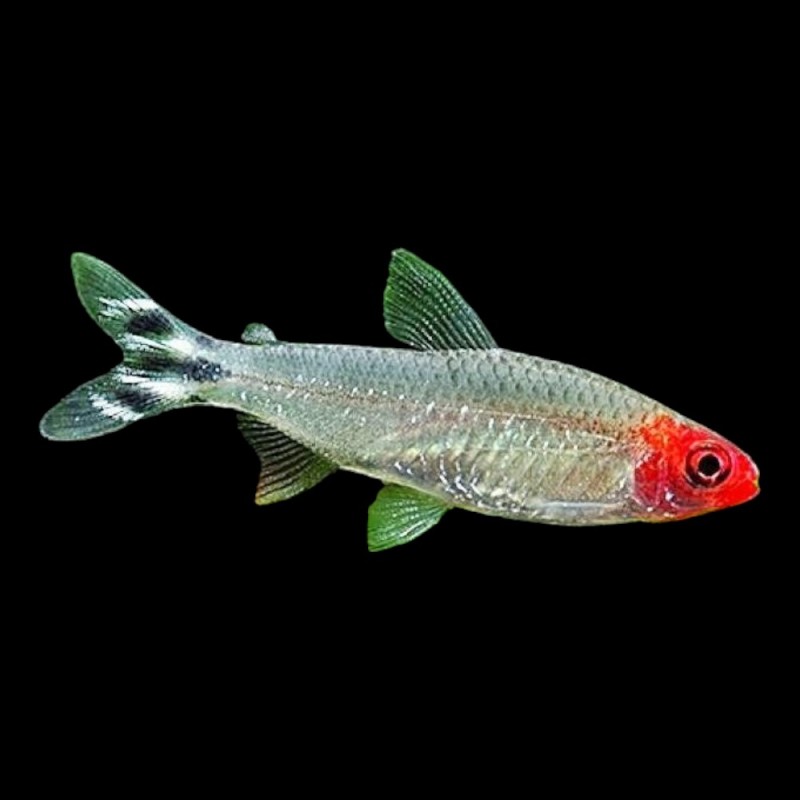
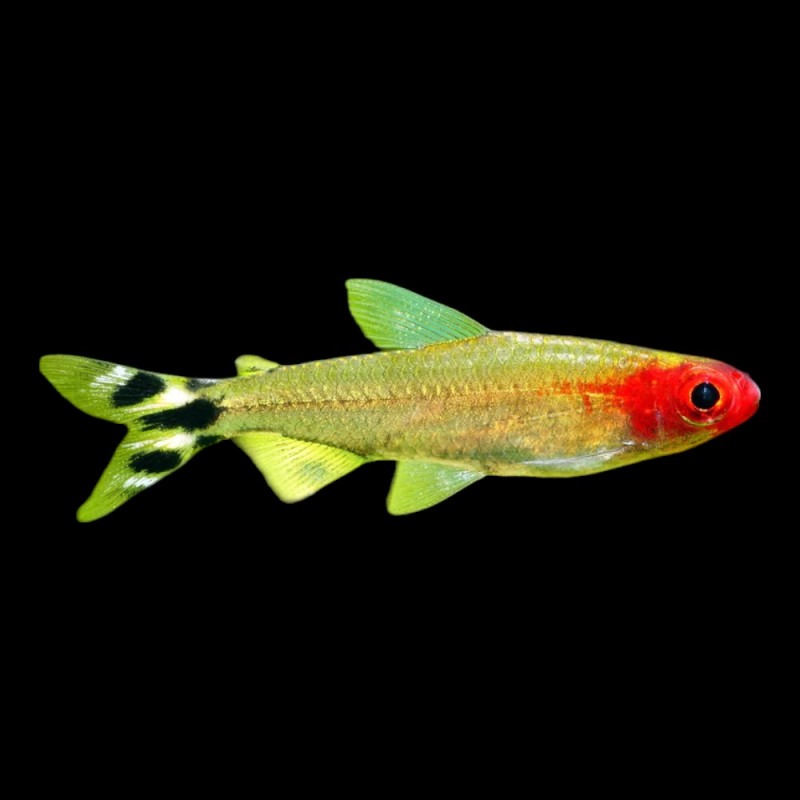
- Tetras: Larger tetras like Rummy Nose Tetras or Bleeding Heart Tetras make good companions, but avoid smaller species like Neon Tetras, as they may be seen as prey.
- Corydoras catfish: These peaceful bottom-dwellers are excellent tankmates for angelfish.
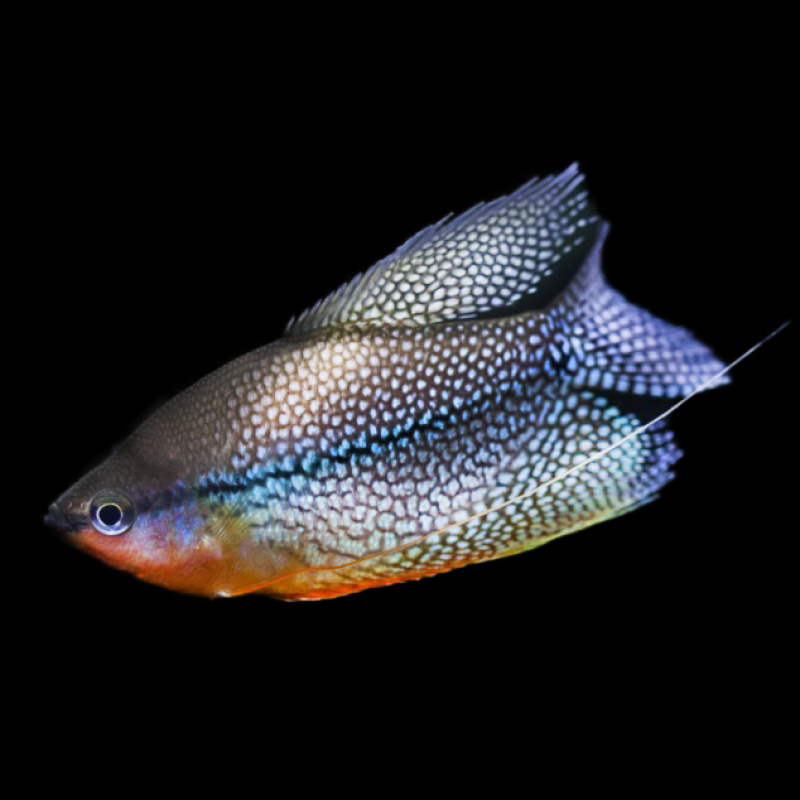
- Dwarf Gouramis: These fish share similar water preferences and can add variety to a community tank.
- Plecos: Small, peaceful Plecos can help with algae control and are a good addition to angelfish tanks.
Avoid aggressive fish or fin-nippers like barbs or large cichlids, as they may stress or injure the Smokey Angelfish.
Breeding:
Like other Pterophyllum scalare, the Philippines Smokey Angelfish can be bred in captivity under the right conditions.
- Pair Formation: Angelfish are monogamous, and breeding pairs will form naturally from a group. Once paired, they may become more territorial and aggressive toward other fish.
- Breeding Tank: If you want to breed them, move the pair to a separate breeding tank with soft, acidic water (pH around 6.0-6.5) and a temperature of around 26°C-28°C (79°F-82°F). Provide flat surfaces, such as broad-leafed plants or pieces of slate, for egg-laying.
- Spawning Behavior: The female will lay her eggs on a flat surface, and the male will fertilize them. Both parents will guard the eggs, fanning them with their fins to keep them clean and oxygenated.
- Fry Care: The eggs hatch in about 2-3 days, and the fry become free-swimming after about a week. The fry can be fed with infusoria or newly hatched brine shrimp.
Special Considerations:
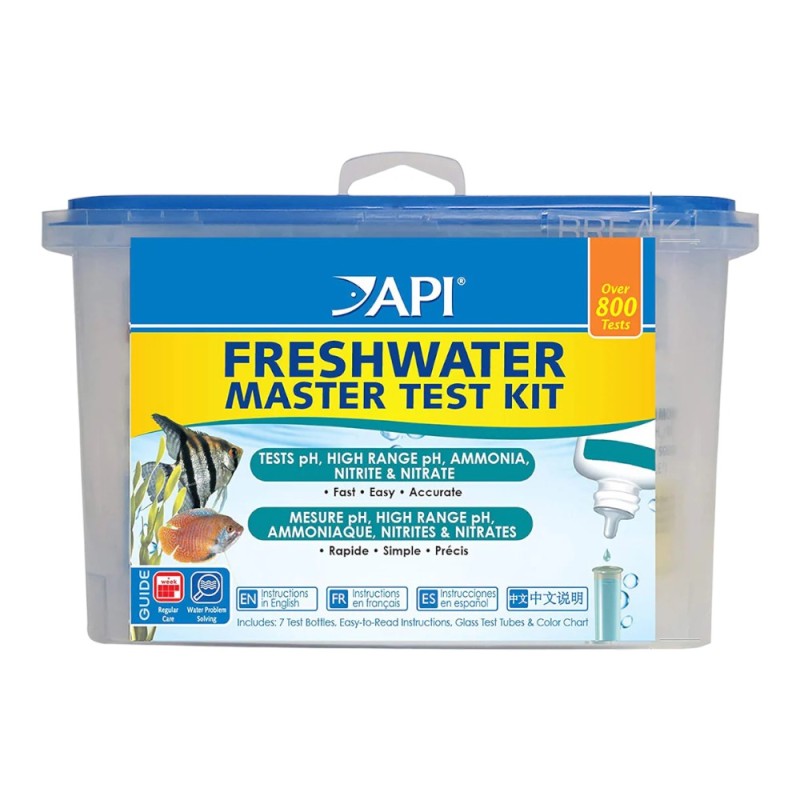
- Water Quality: Smokey Angelfish are sensitive to water conditions, so regular water changes and maintaining stable water parameters are essential. Regularly test for ammonia, nitrites, and nitrates, as poor water quality can lead to stress and disease.
- Territoriality: As they mature, particularly during breeding, Smokey Angelfish can become territorial. Providing enough space, hiding spots, and visual barriers like plants can help reduce aggression.
Conclusion:
The Philippines Smokey Angelfish is a stunning and unique variety of the common angelfish, with its beautiful smokey colour pattern and elegant fins making it a captivating addition to any freshwater aquarium. They are relatively easy to care for, making them suitable for both beginner and experienced aquarists. With proper care, these fish can live for up to 10 years, providing long-lasting enjoyment in a well-maintained community tank. Their peaceful temperament, combined with their striking appearance, ensures that they remain a favourite among aquarium enthusiasts.