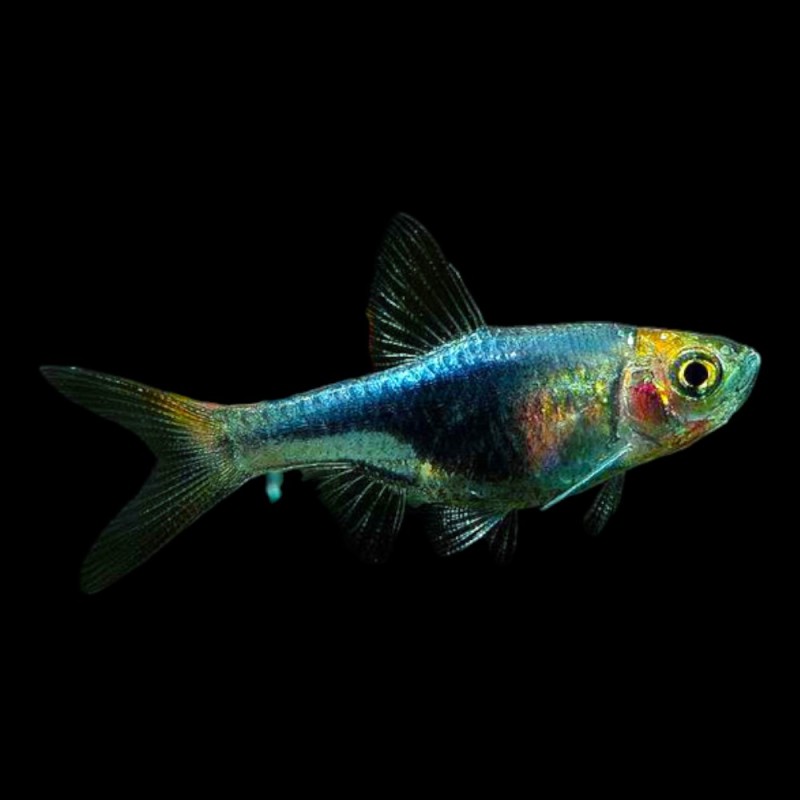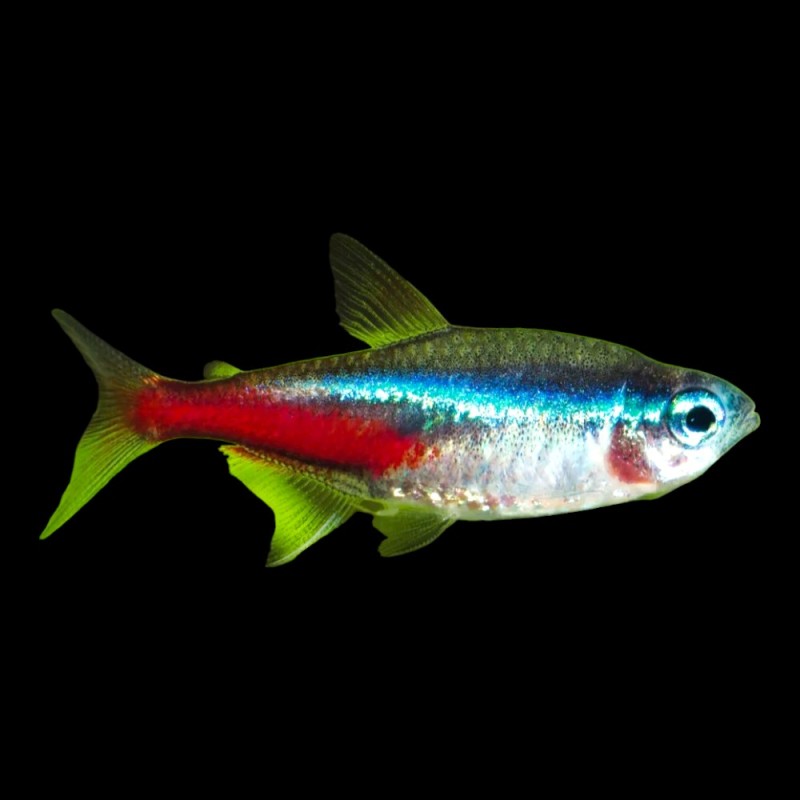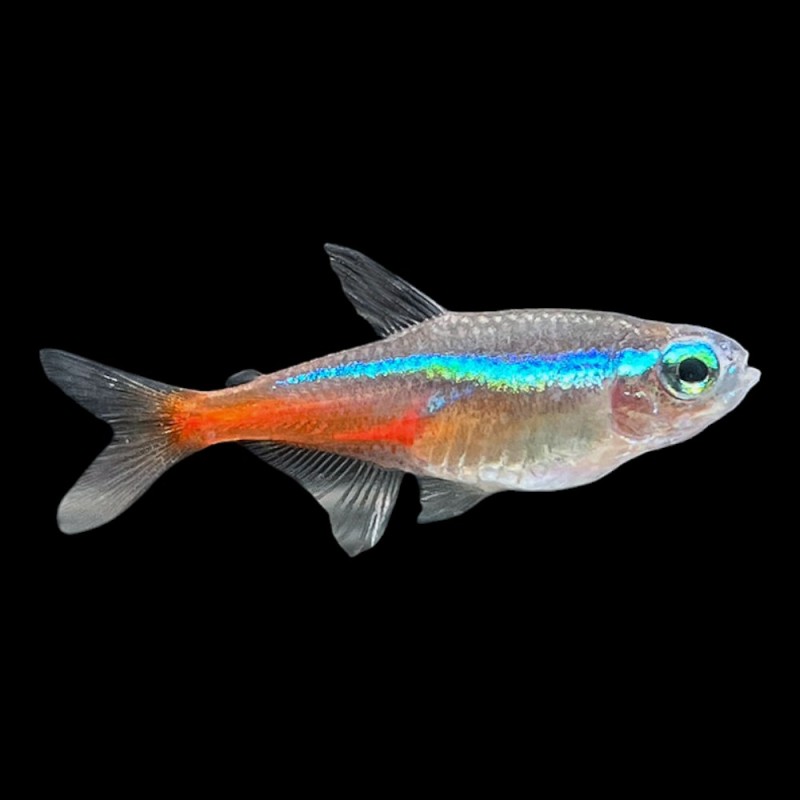


- Stock: Generally In Stock
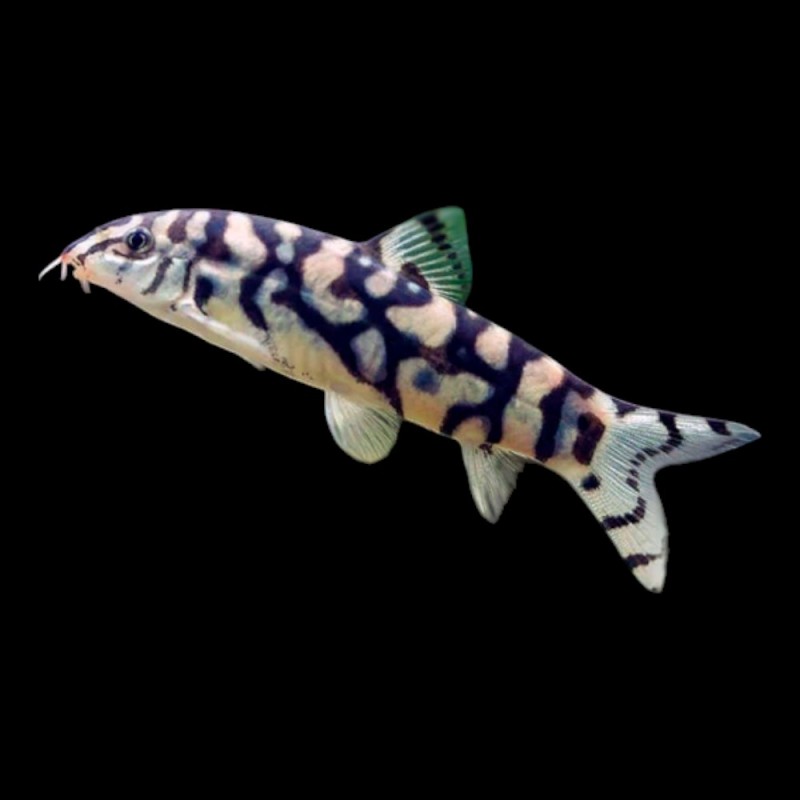
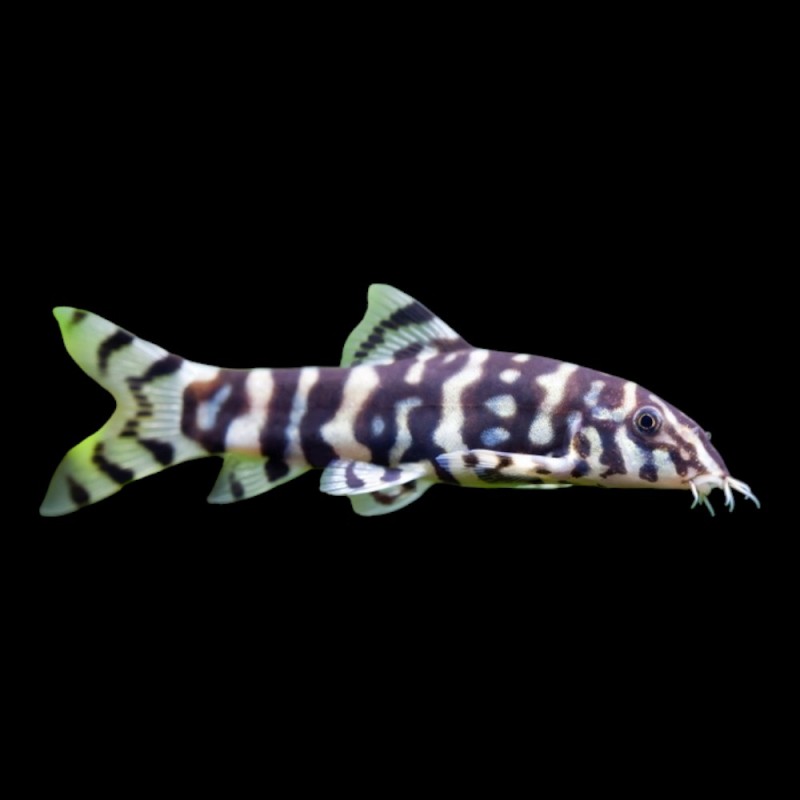
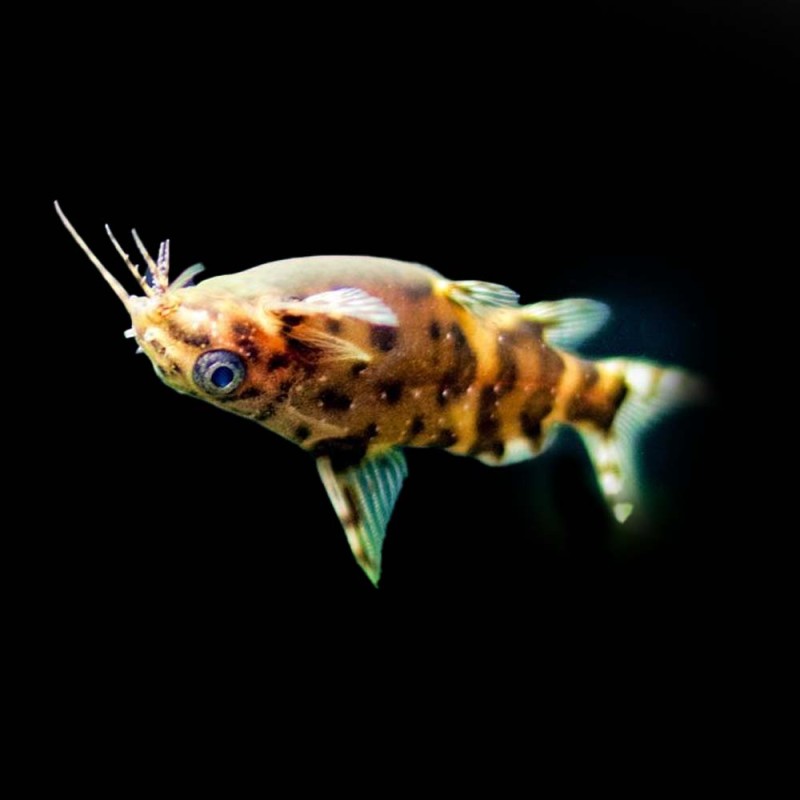
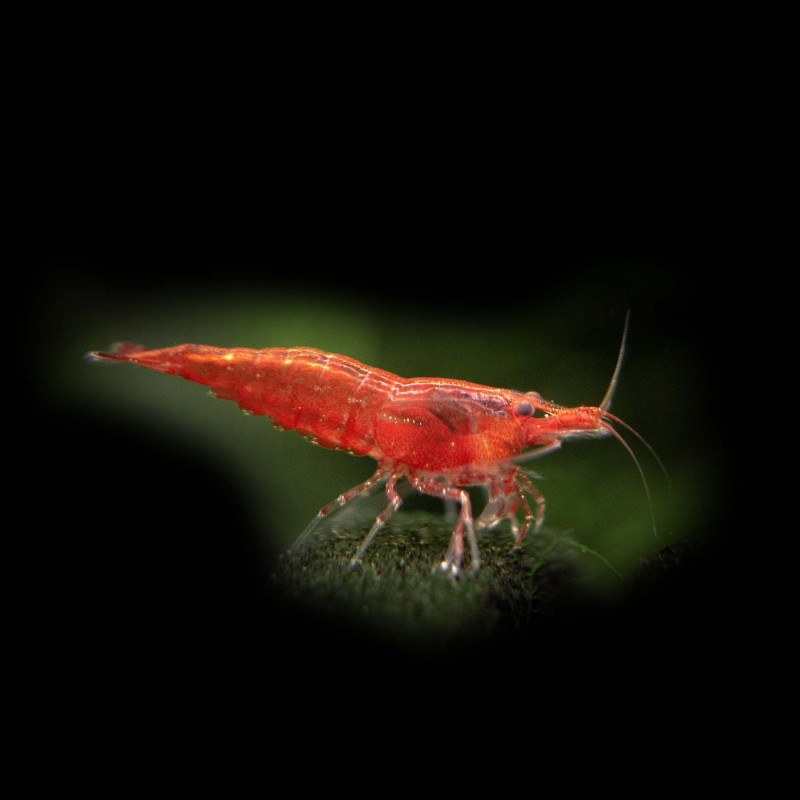
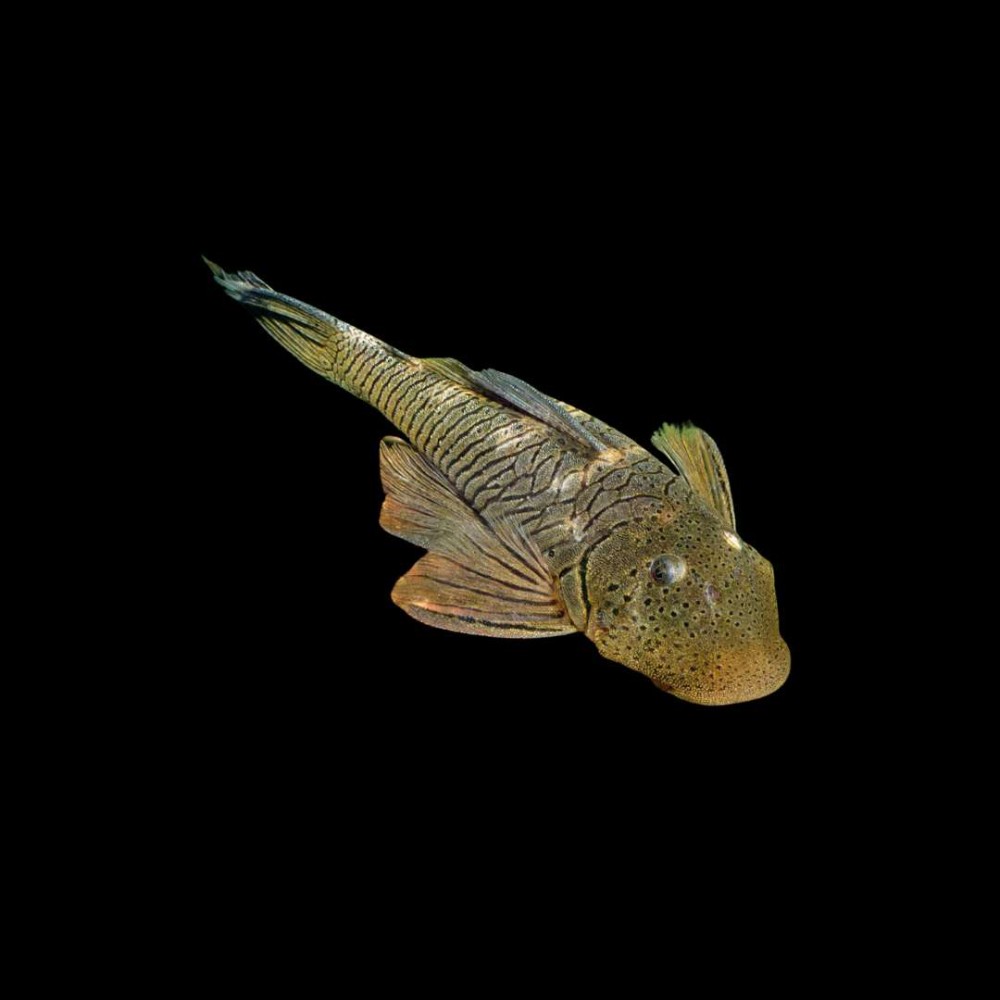
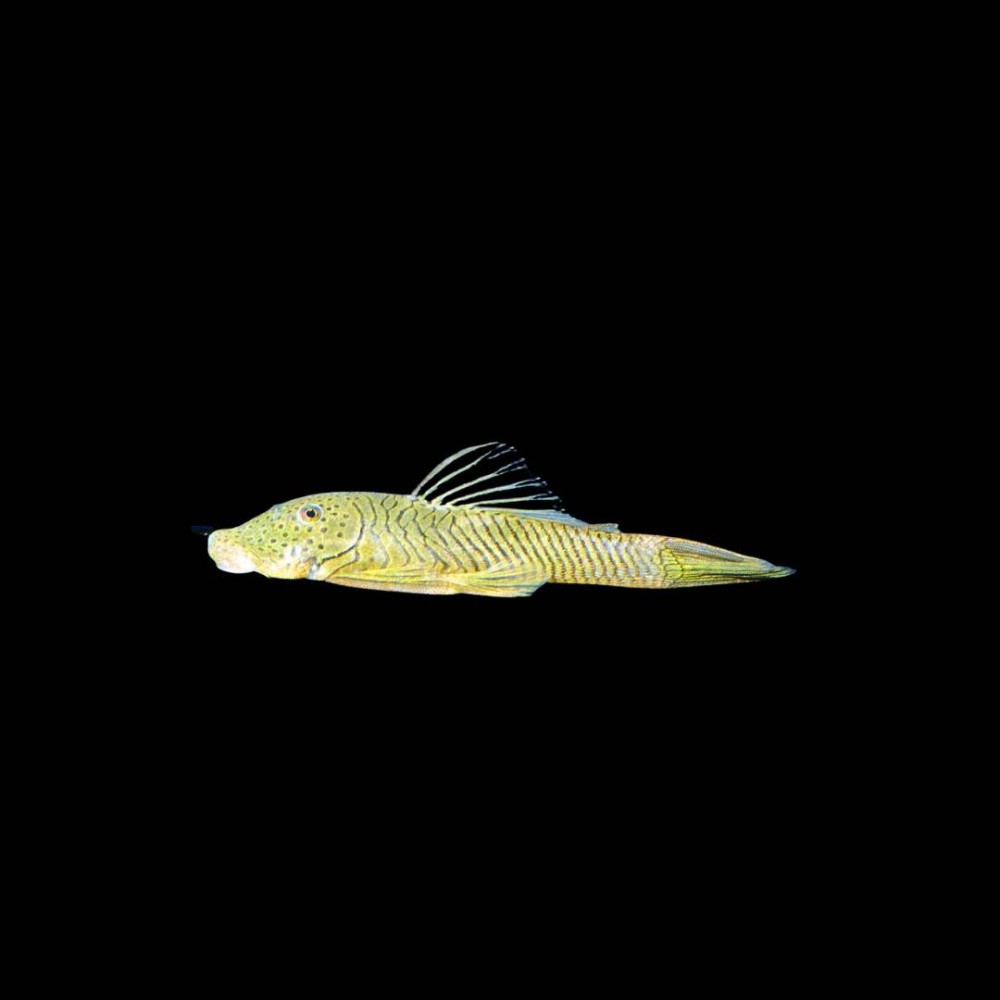
Please Note: Due to variations within species, your fish may not look identical to the image provided. Also note not all sizes or species may be available due to seasonality, Please call beforehand for up-to-date stock availability.
- Model: THOMASI PLECO (L-187B) MATRIX
Available Options
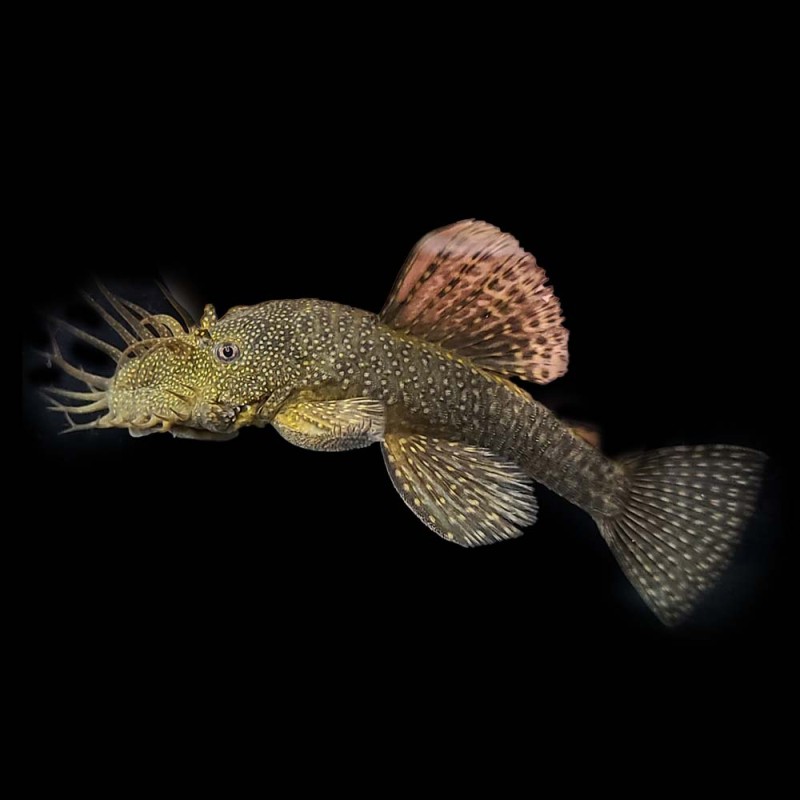
Thomasi Pleco (L-187b)
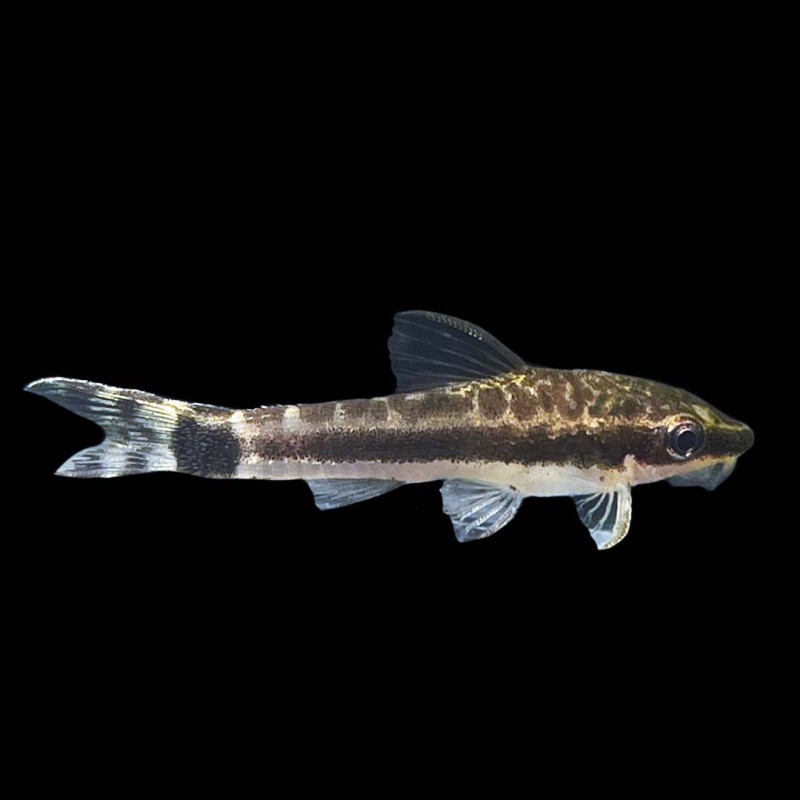
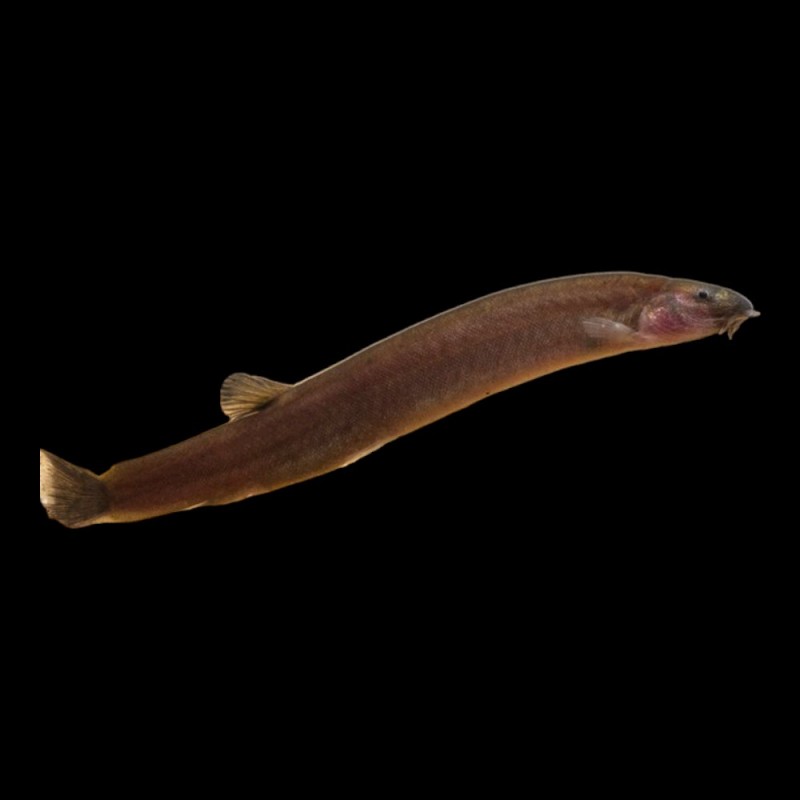
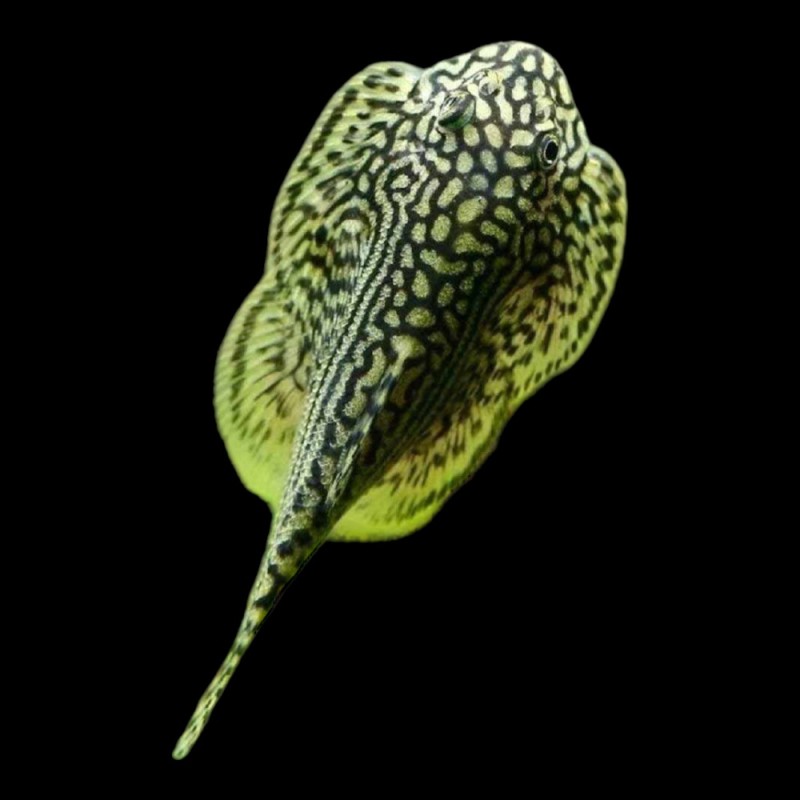
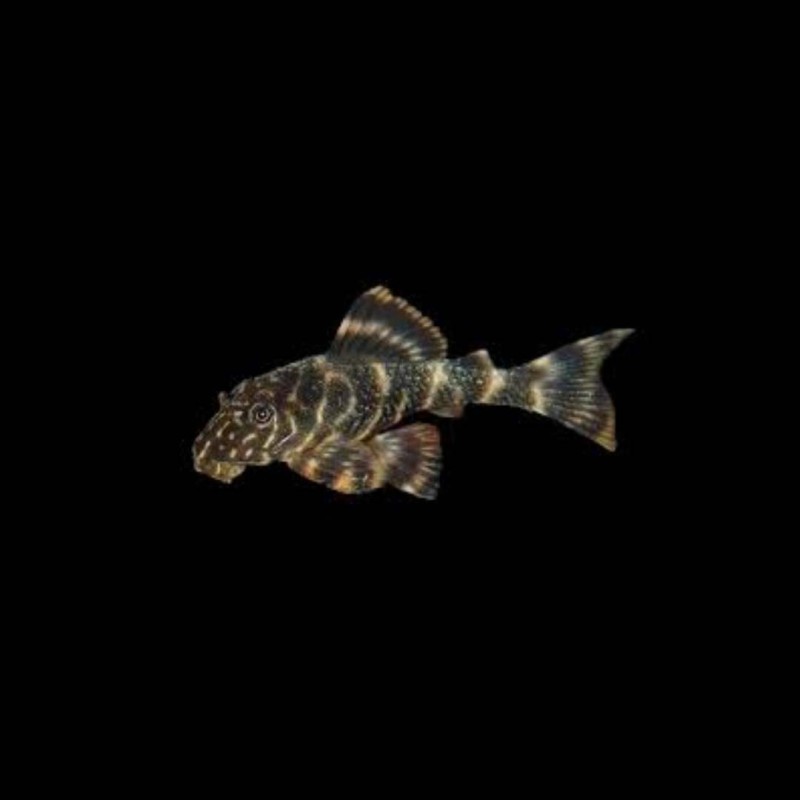
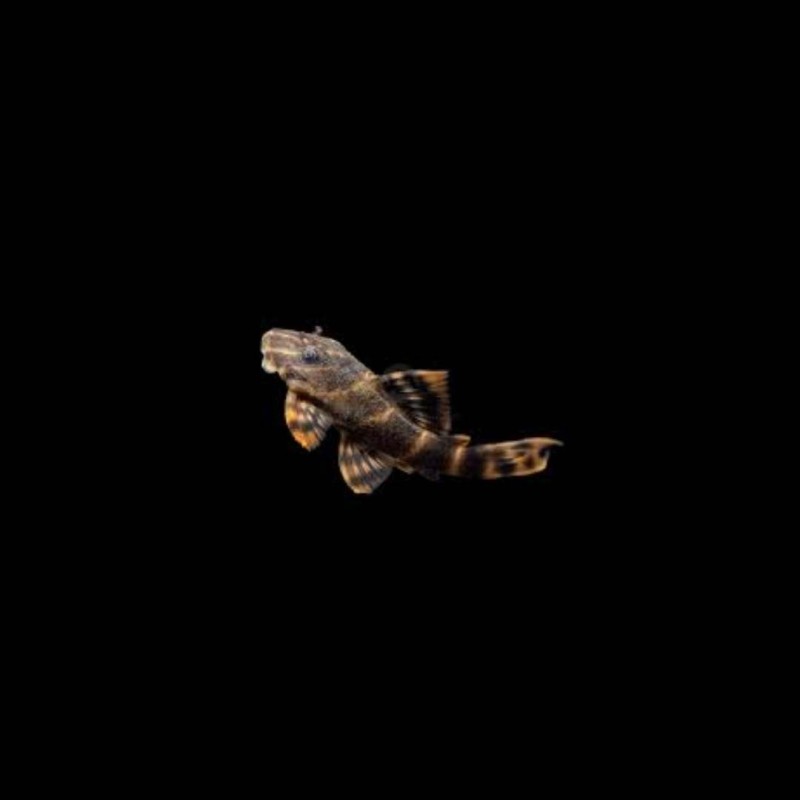
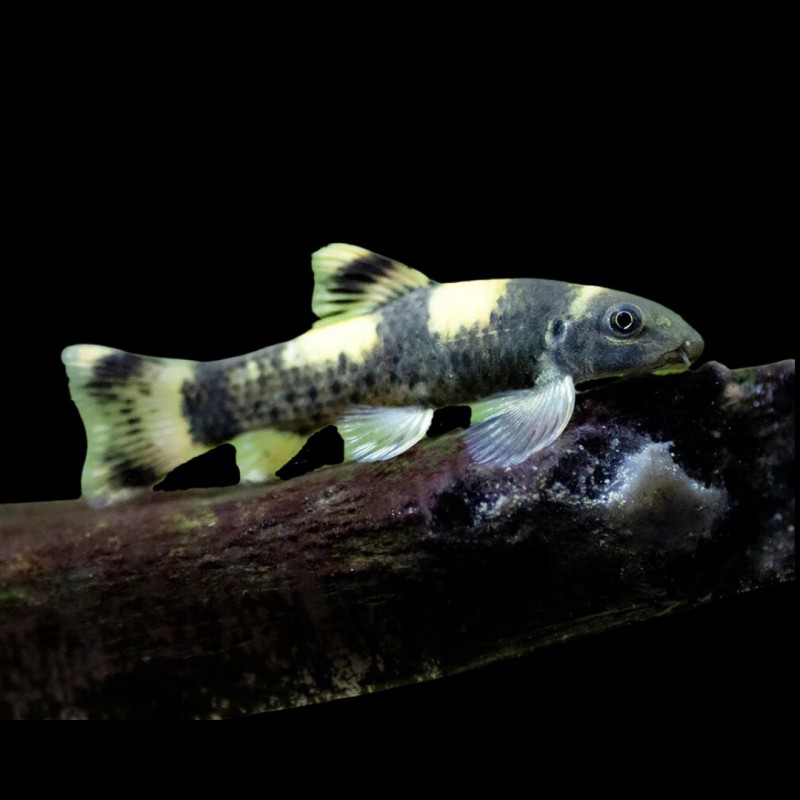
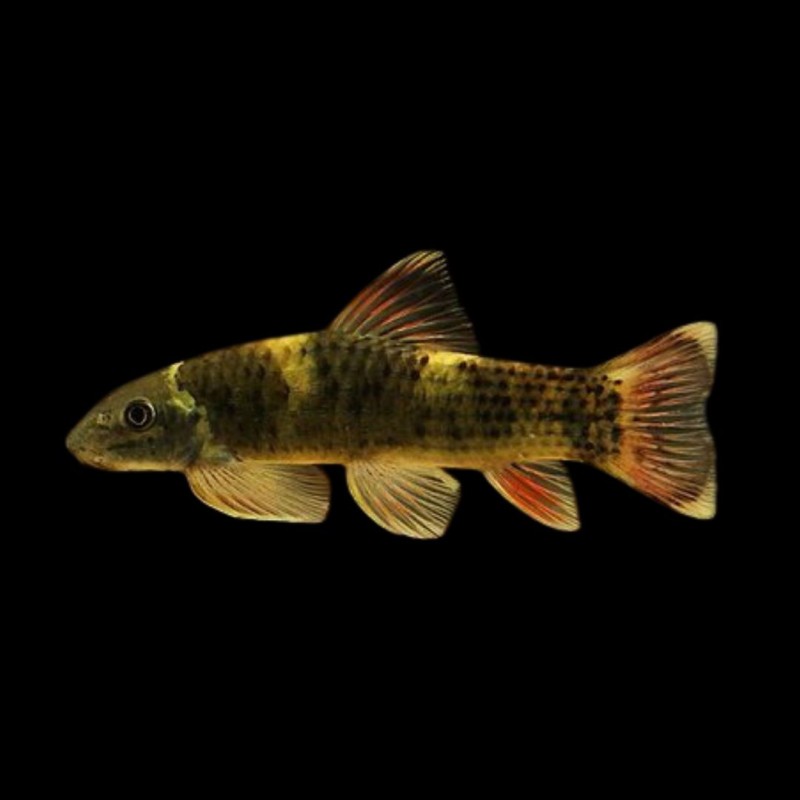
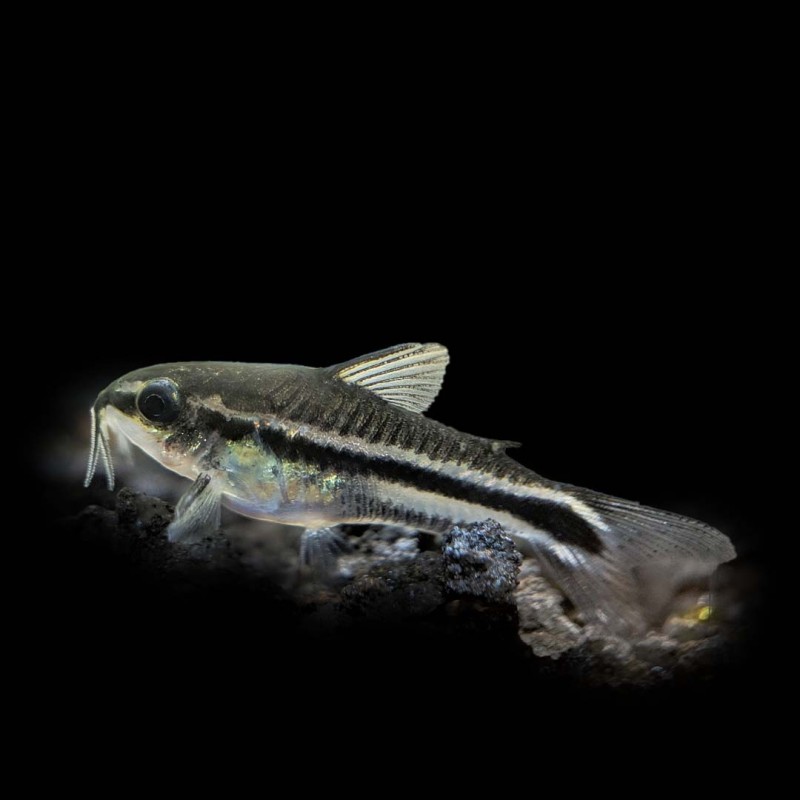
The Thomasi Pleco (Chaetostoma thomasi), also known as the Colombian Rubber Lip Pleco or L187b, is a small and peaceful freshwater catfish native to fast-flowing rivers in South America. Valued for its algae-grazing behaviour and manageable size, this species is ideal for aquarists seeking an active yet unobtrusive bottom-dweller for a well-oxygenated aquarium.
Physical Characteristics:
Size: Thomasi Plecos typically grow to around 10–15 cm (4–6 inches) in length. :contentReference[oaicite:0]{index=0}
Coloration:
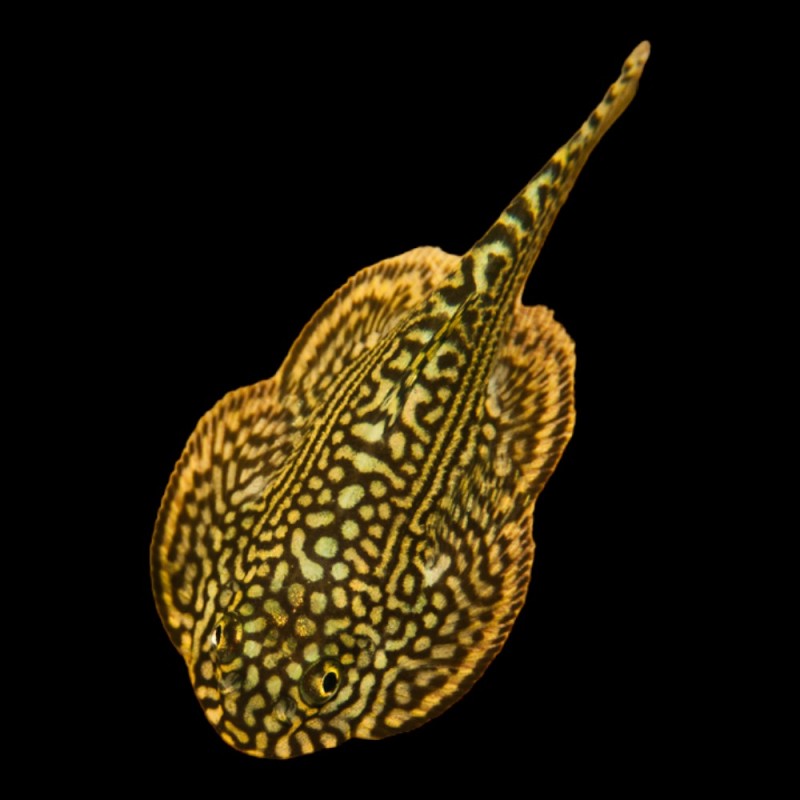
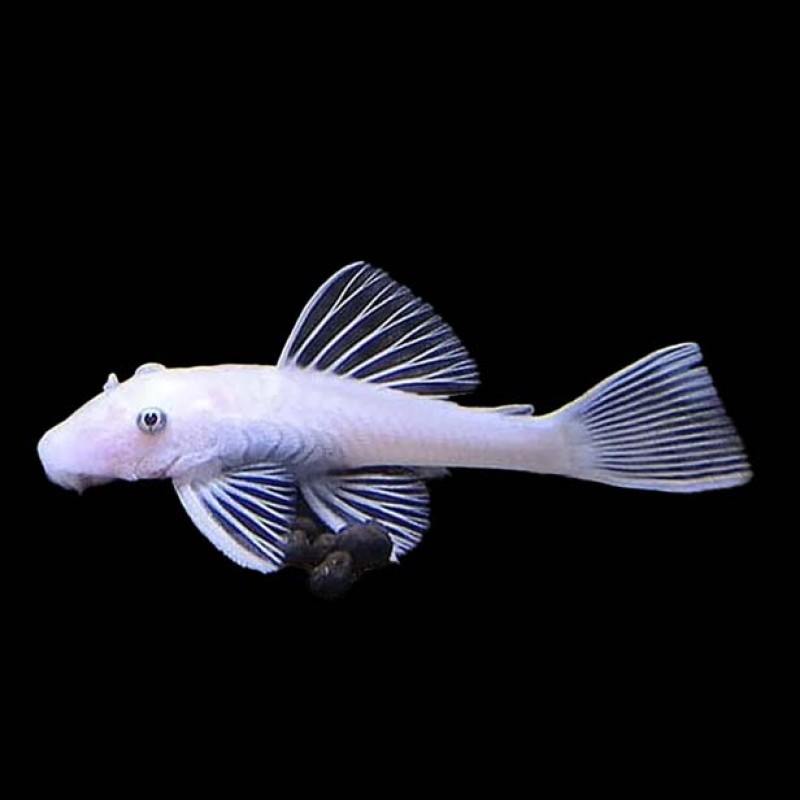
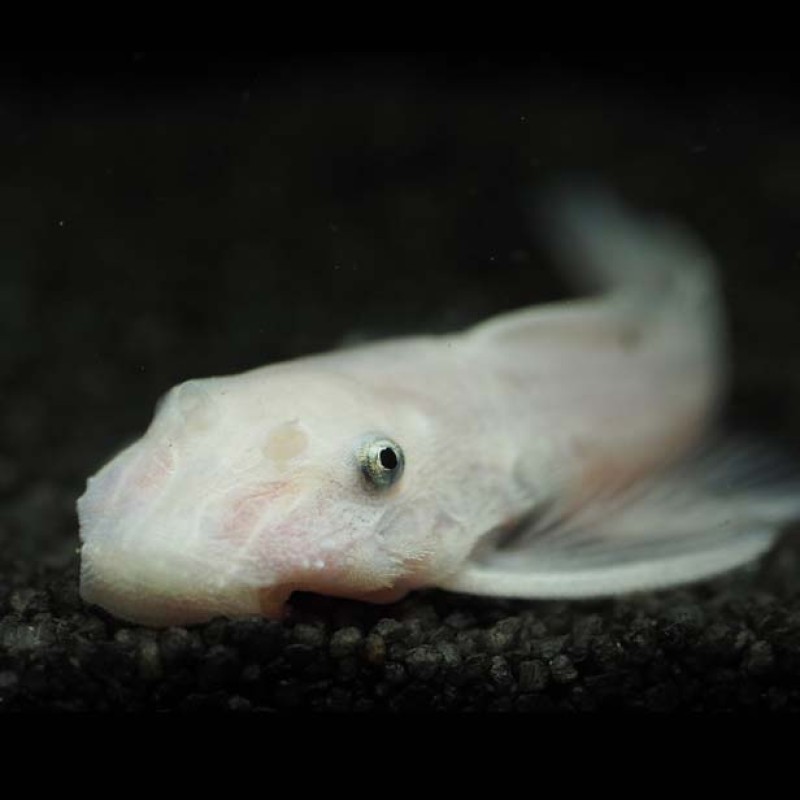
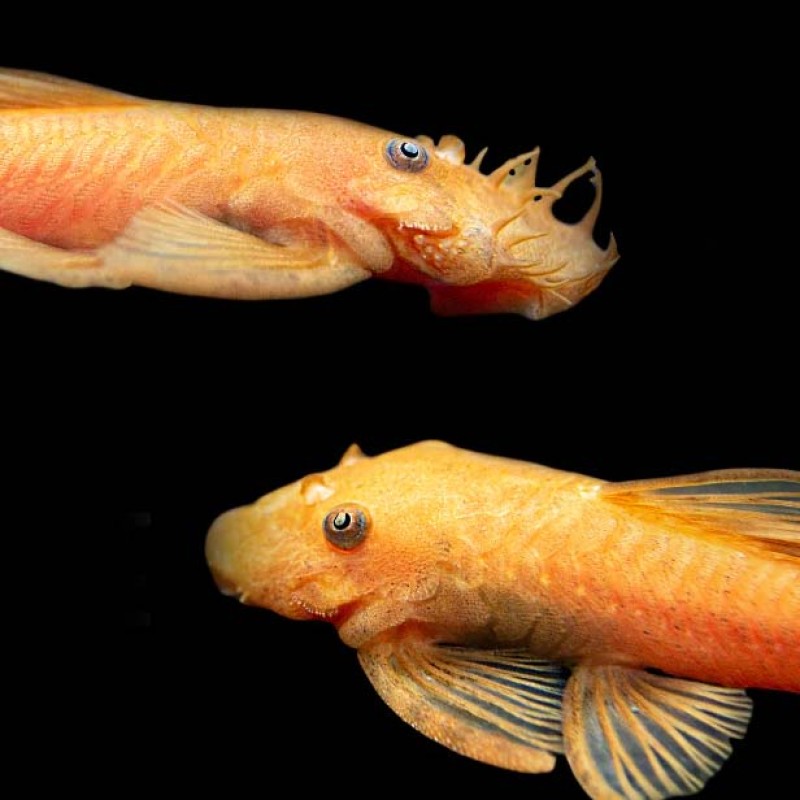
Body: Light brown to sandy tones with darker markings or subtle patterning, allowing them to blend into rocky environments.
Fins: Generally translucent with darker edging.
Shape: Flattened, armoured body with a sucker mouth adapted for grazing on surfaces.
Behaviour:
Temperament: Peaceful and shy, though may show mild territorial behaviour towards other plecos.
Activity Level: Active bottom-dweller, often seen grazing on rocks and décor.
Community Behaviour: Suitable for community tanks and can be kept in small groups when sufficient space and hiding spots are provided.
Aquarium Care:
Tank Size: A minimum of 100–200 litres is recommended to provide adequate space and stability. :contentReference[oaicite:1]{index=1}
Water Parameters:
Temperature: 20°C to 25°C
pH: 6.5 to 7.5
Hardness: 5–15 dGH
Tank Setup:
Substrate and Decorations: Smooth sand or fine gravel with rocks, driftwood, and caves for shelter and grazing surfaces.
Lighting: Low to moderate lighting with shaded areas.
Filtration: Strong filtration with high oxygenation and good water movement to mimic natural stream habitats. :contentReference[oaicite:2]{index=2}
Diet:
Thomasi Plecos are primarily herbivorous but will accept a varied diet:
Algae-Based Foods: Algae wafers and spirulina-based foods.
Vegetation: Blanched vegetables such as zucchini, spinach, or cucumber.
Supplementary Foods: Occasional protein sources like frozen foods.
They will also graze on algae and biofilm within the aquarium. :contentReference[oaicite:3]{index=3}
Tankmates:
Well-suited to peaceful community aquariums:
Compatible with tetras, Corydoras, danios, hillstream loaches, and small peaceful cichlids.
Avoid aggressive species or overly competitive bottom-dwellers.
Breeding:
Breeding Setup: Requires caves and stable water conditions.
Spawning Behaviour: Likely cave spawners, with males guarding eggs.
Fry Care: Breeding in captivity is rare and not widely documented.
Special Considerations:
Water Quality: Requires clean, well-oxygenated water with regular maintenance.
Flow Requirement: Benefits from strong water movement to replicate natural conditions.
Diet Balance: Avoid excessive protein; focus on algae and plant-based foods.
Environment: Provide plenty of hiding spaces and smooth surfaces for grazing.