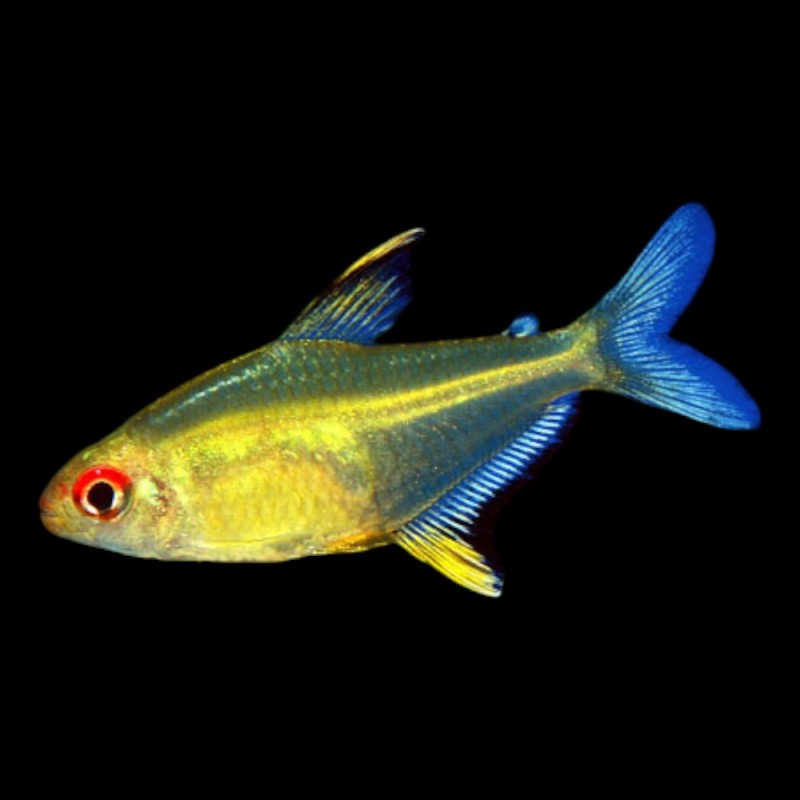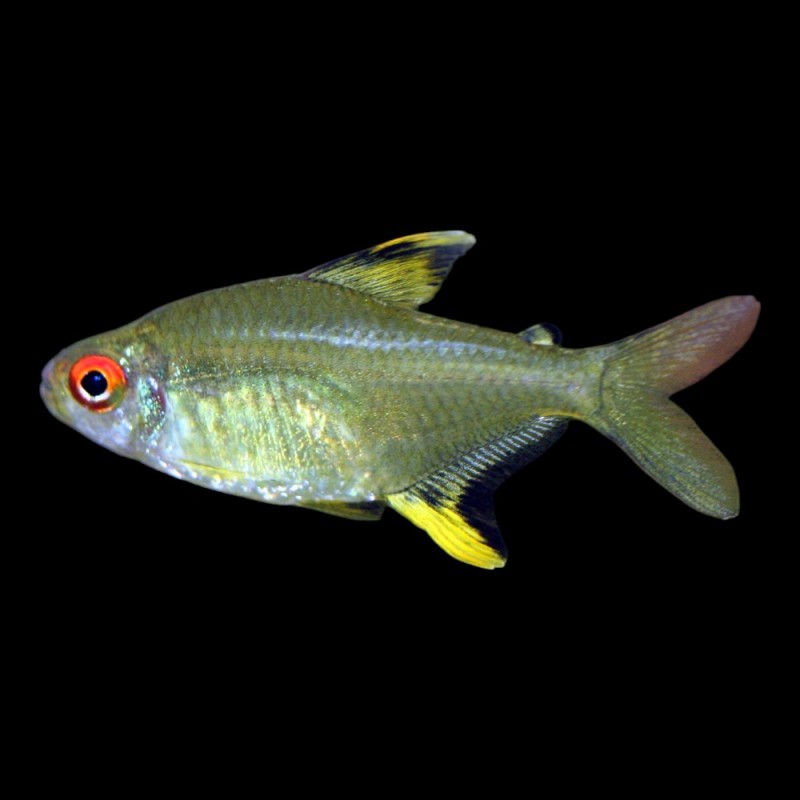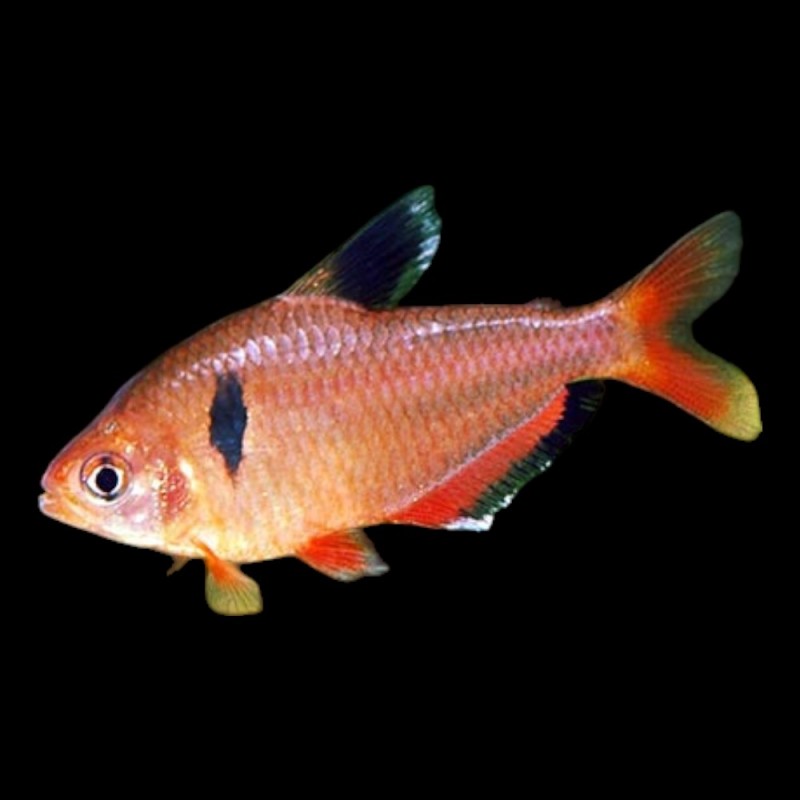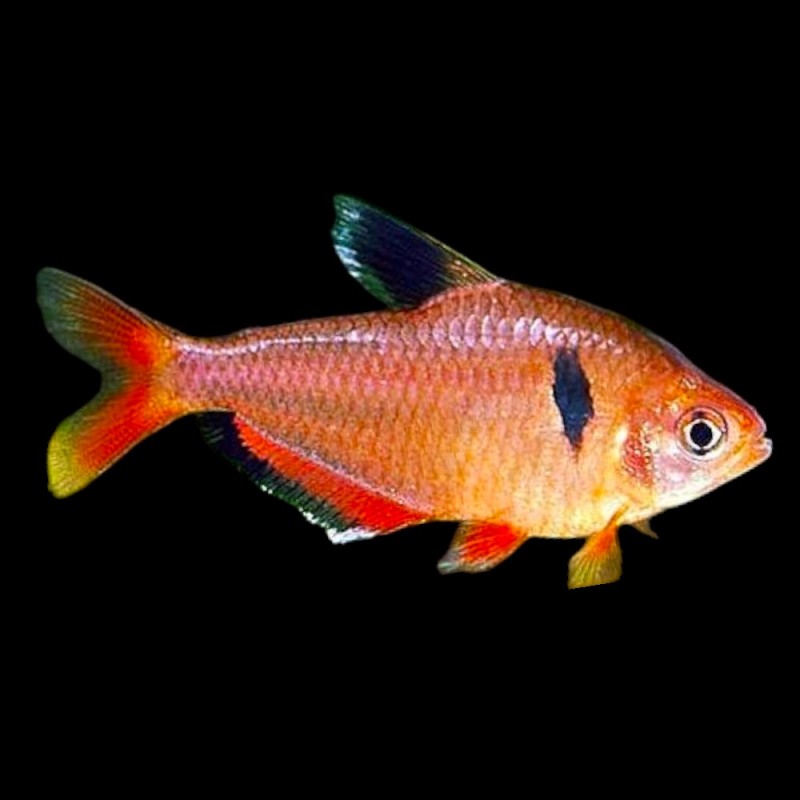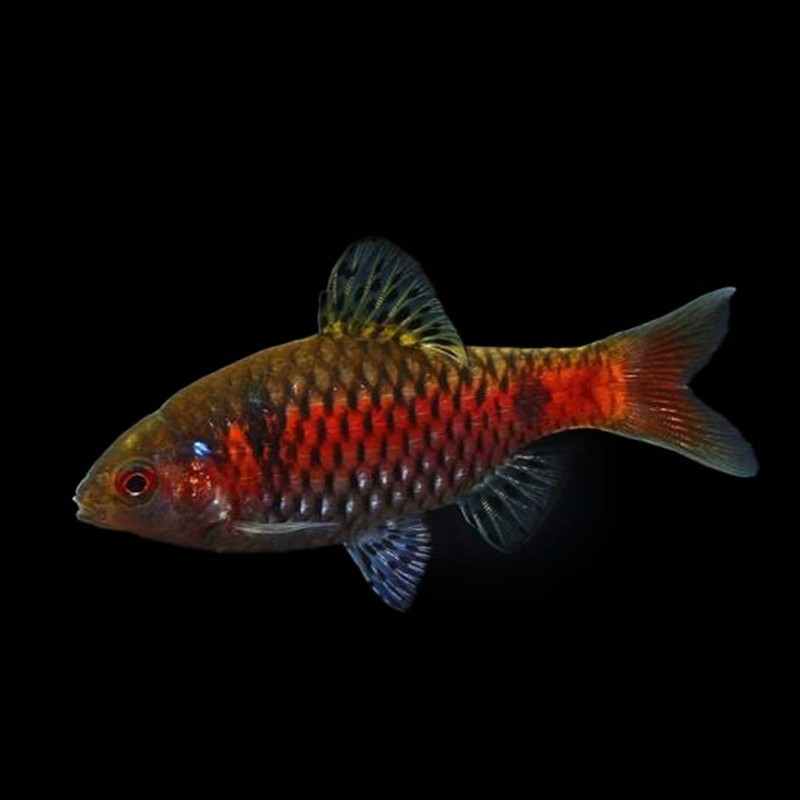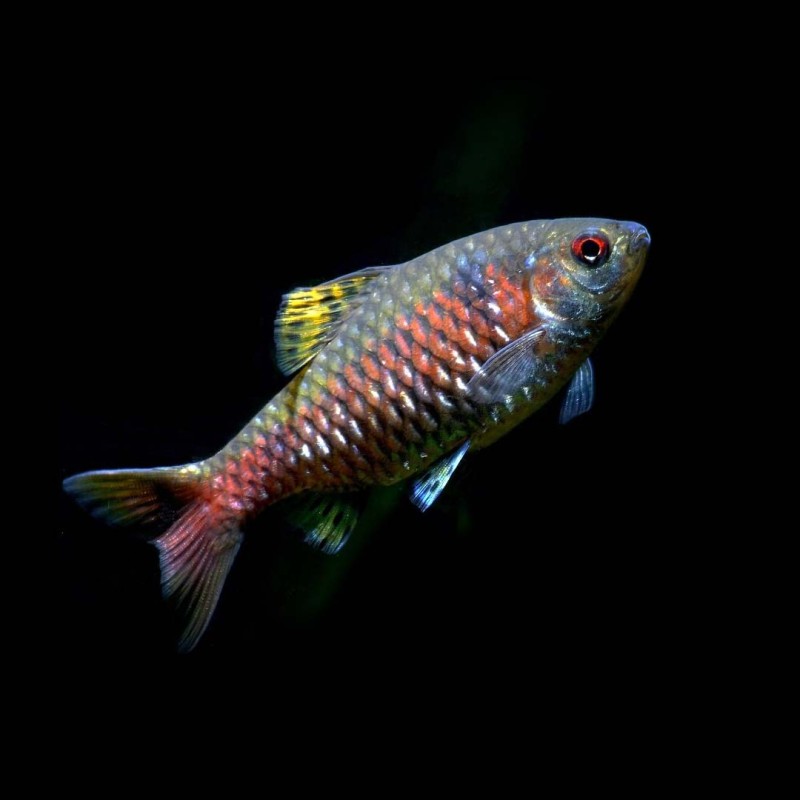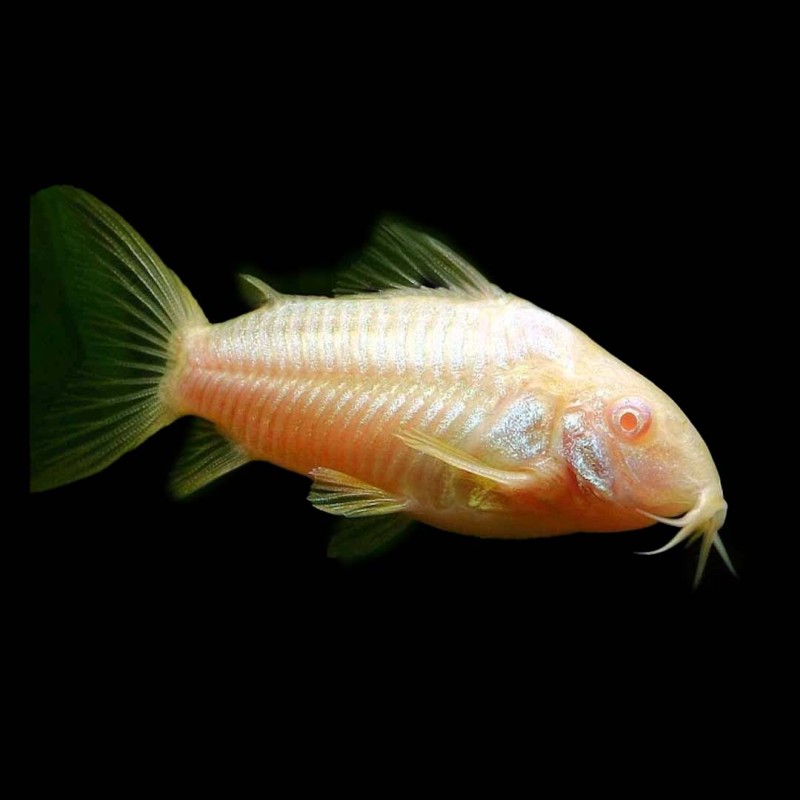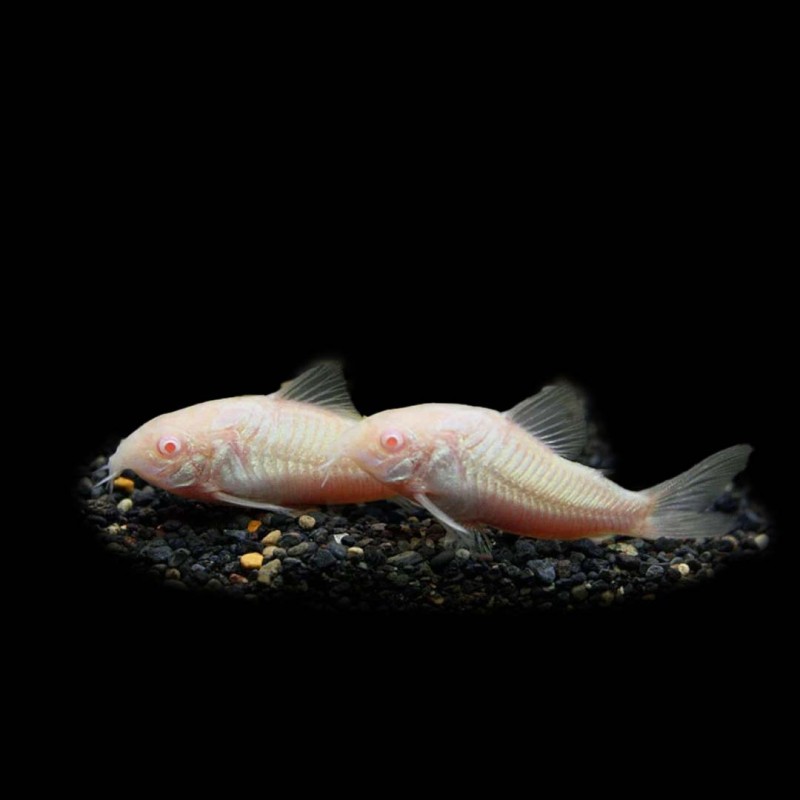


- Stock: Generally In Stock
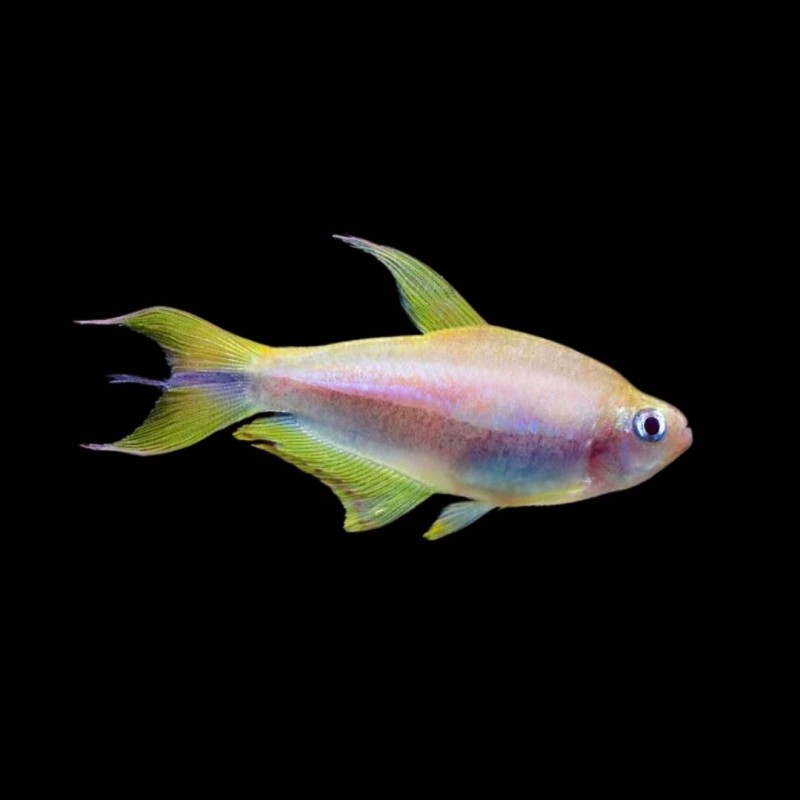
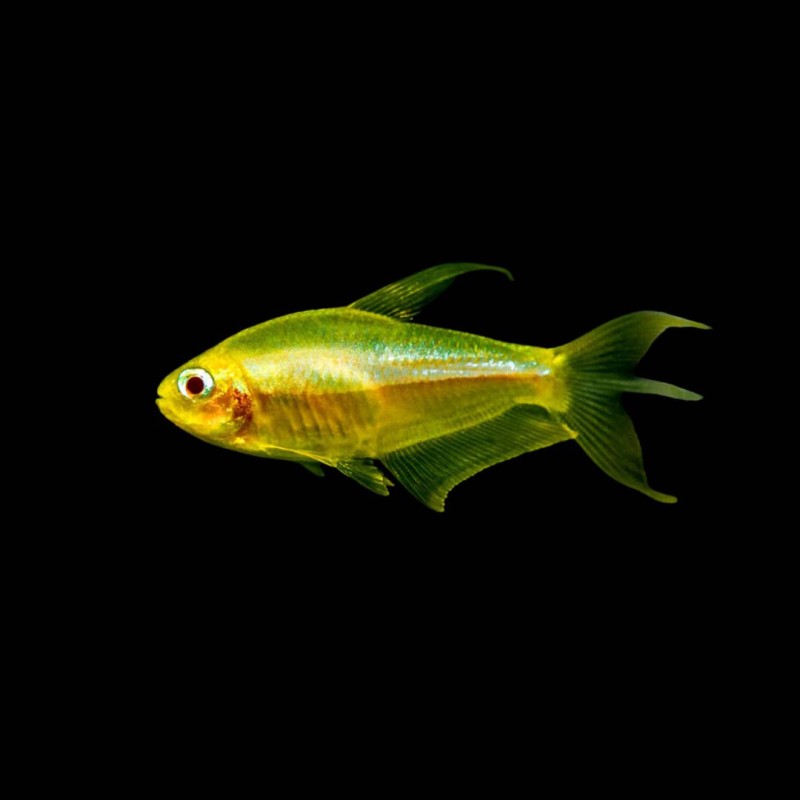
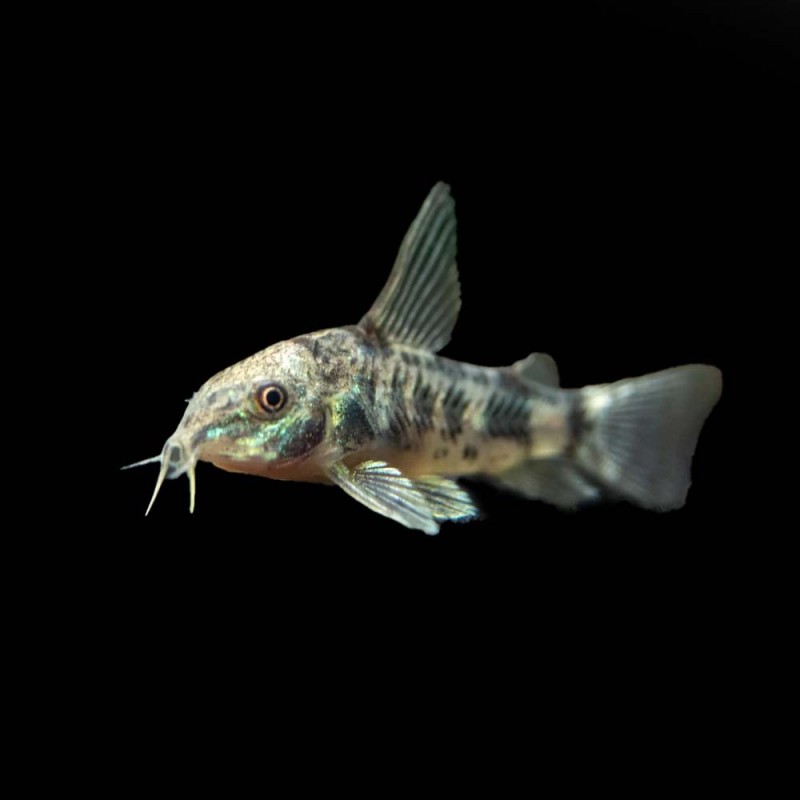
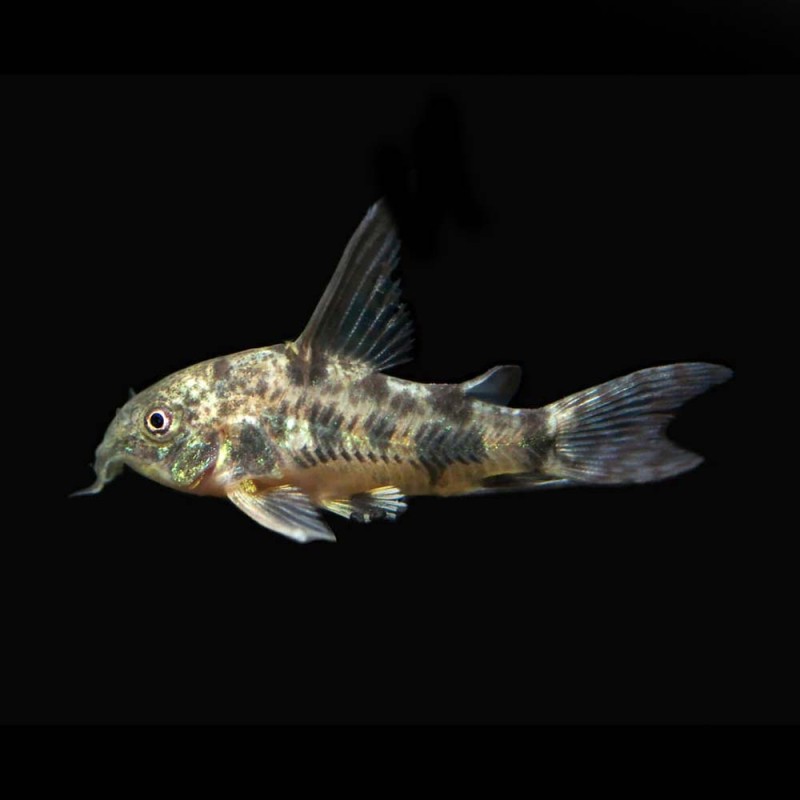
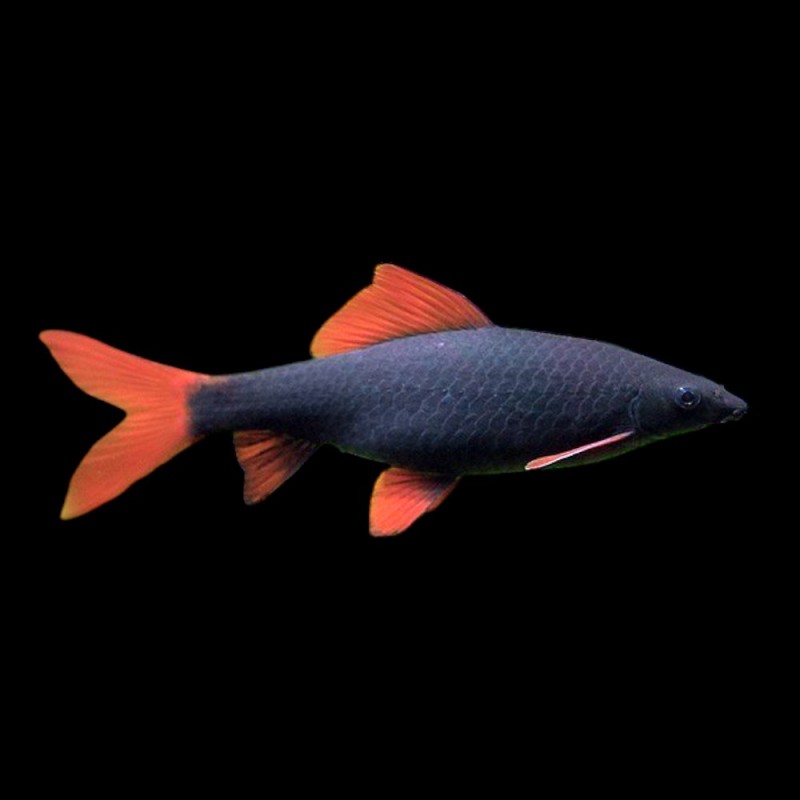
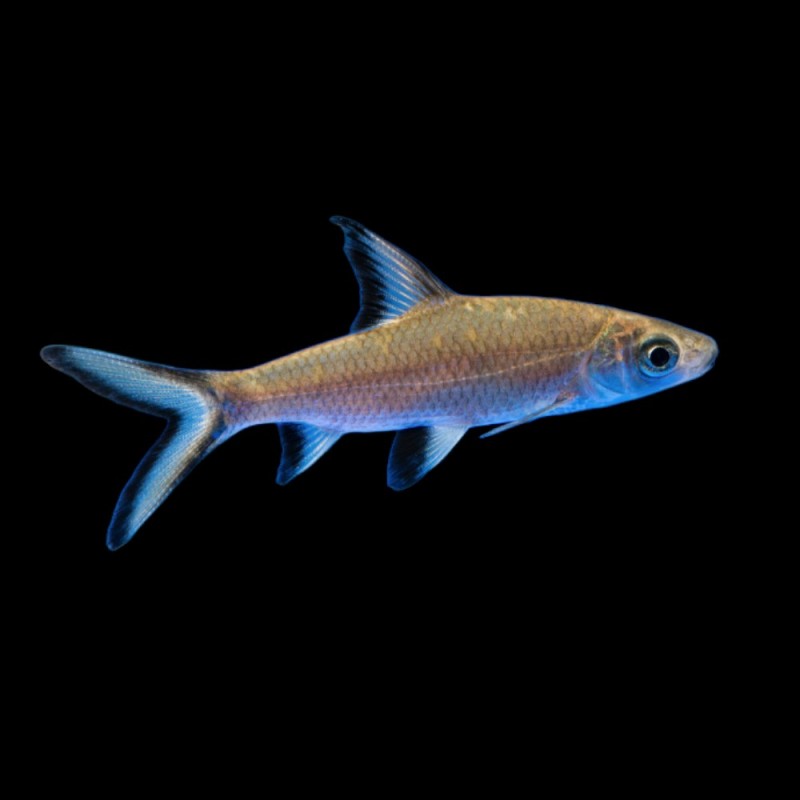
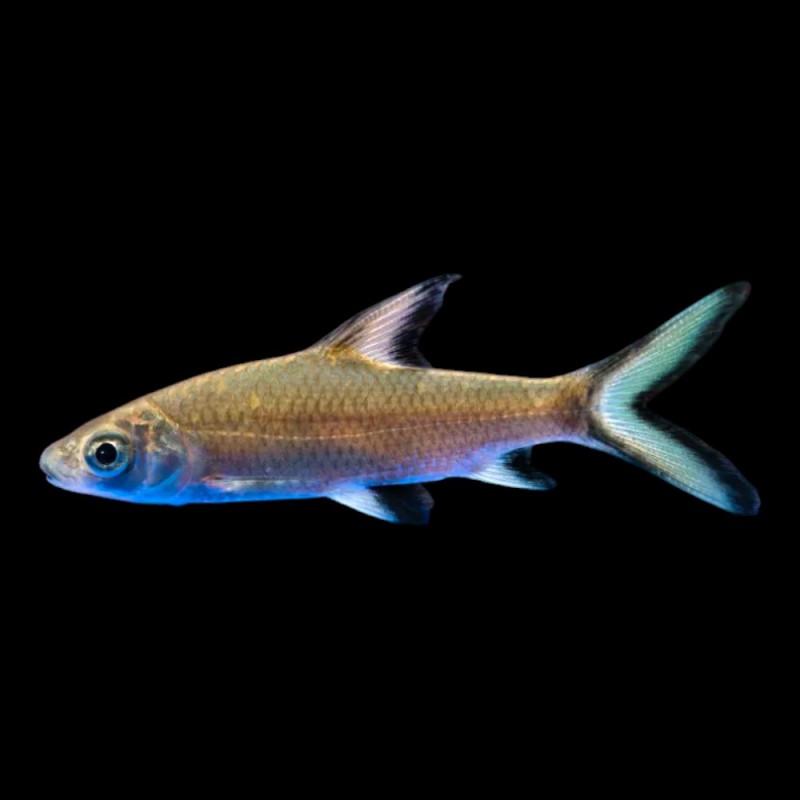
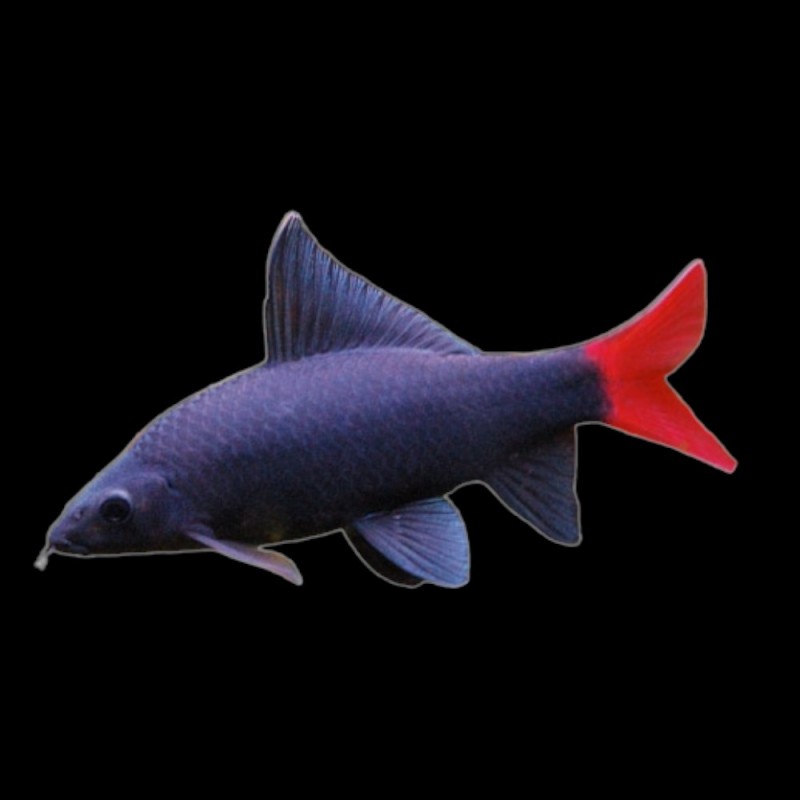
Please Note: Due to variations within species, your fish may not look identical to the image provided. Also note not all sizes or species may be available due to seasonality, Please call beforehand for up-to-date stock availability.
- Model: PANDA GARRA MATRIX
Available Options
Panda Garra
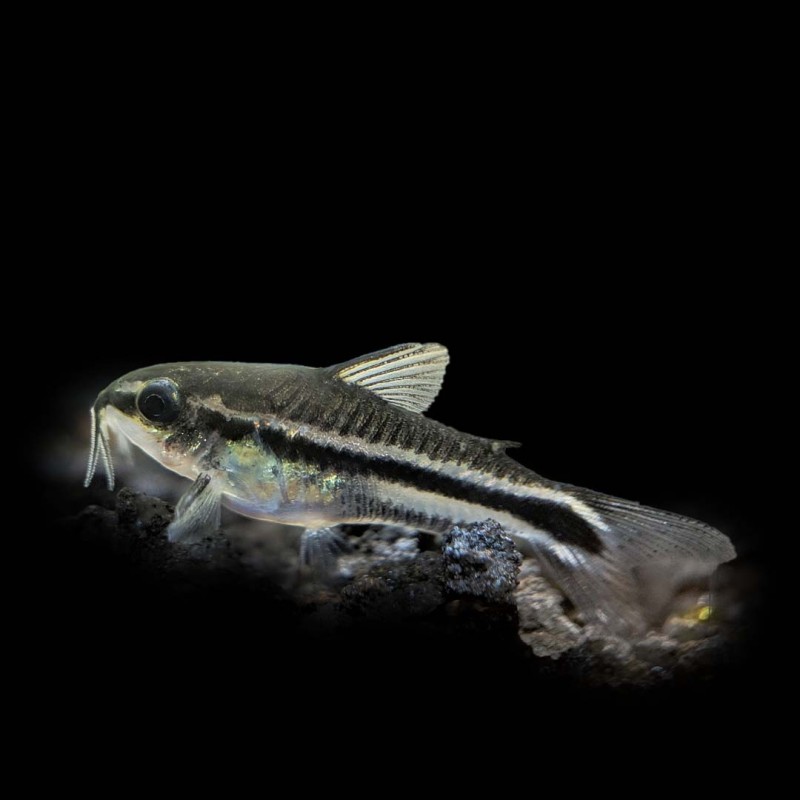
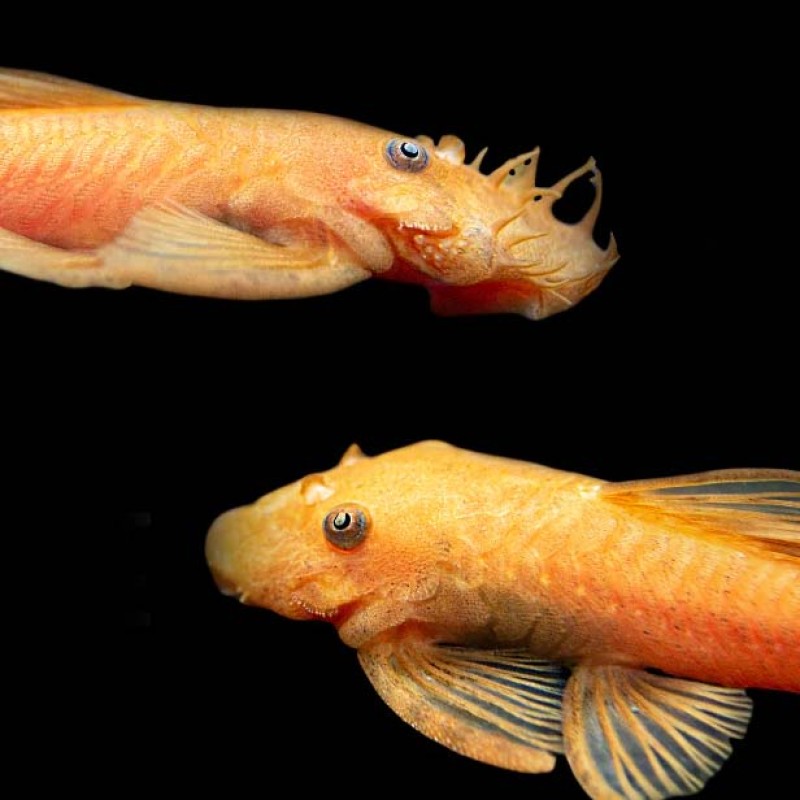
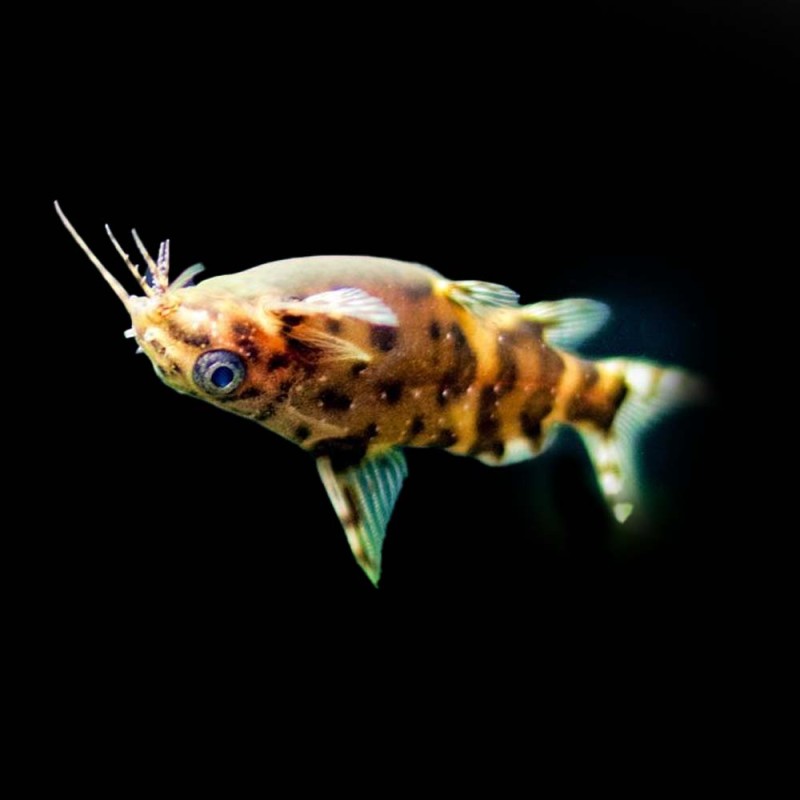
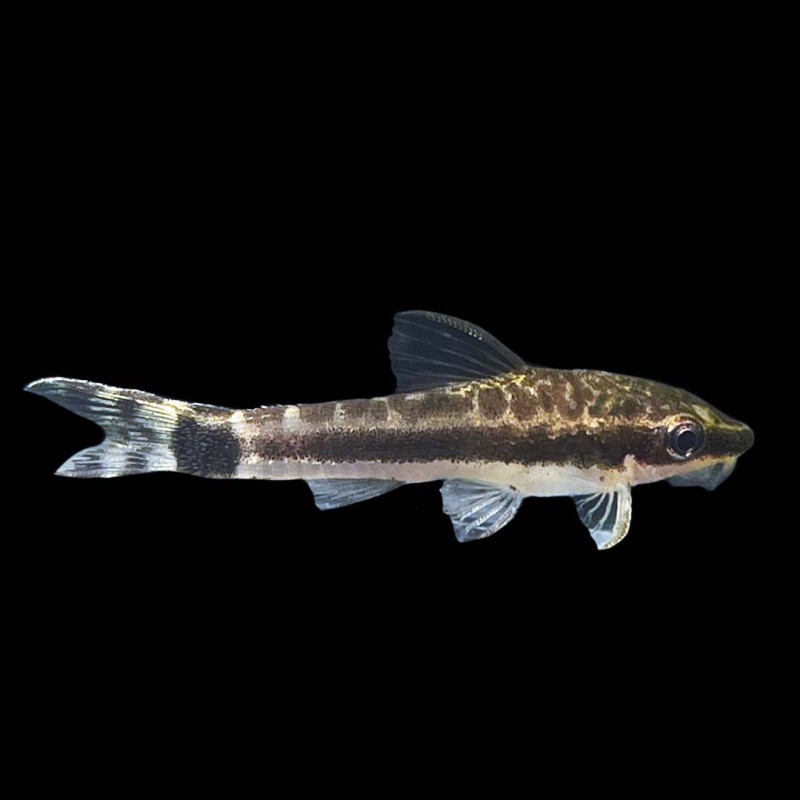
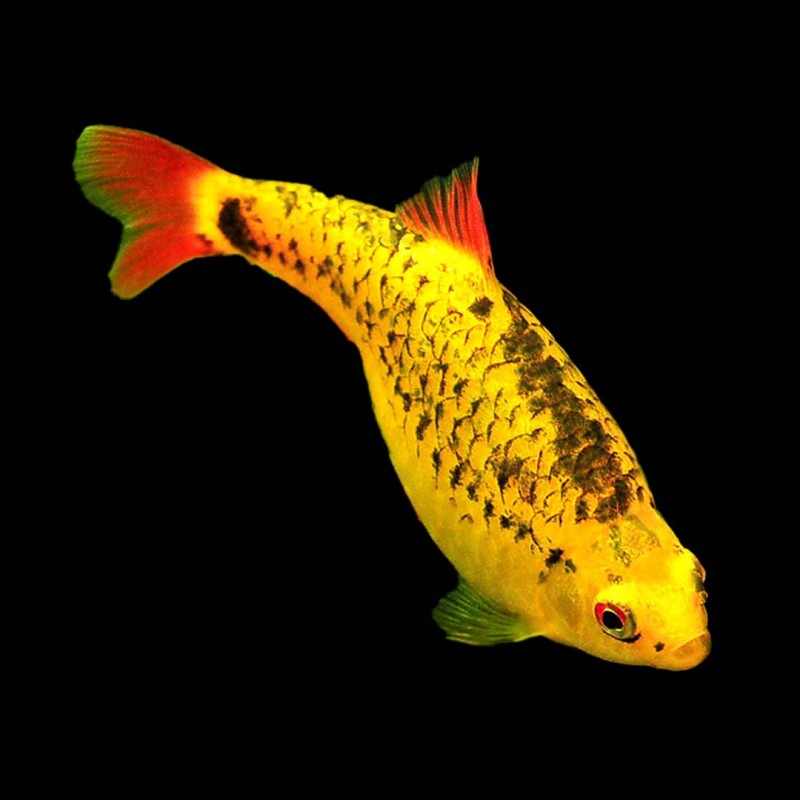
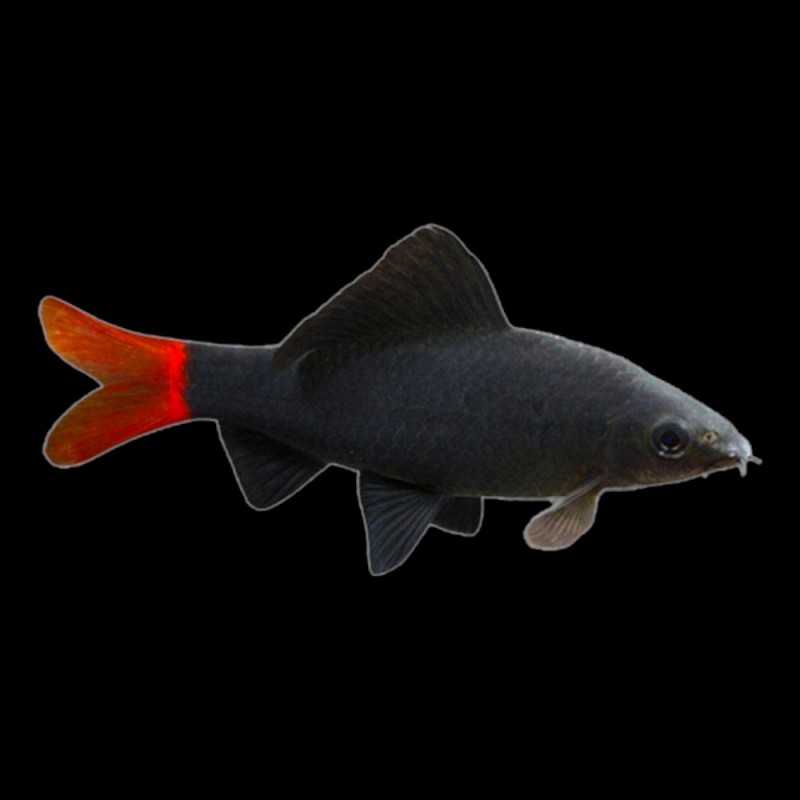
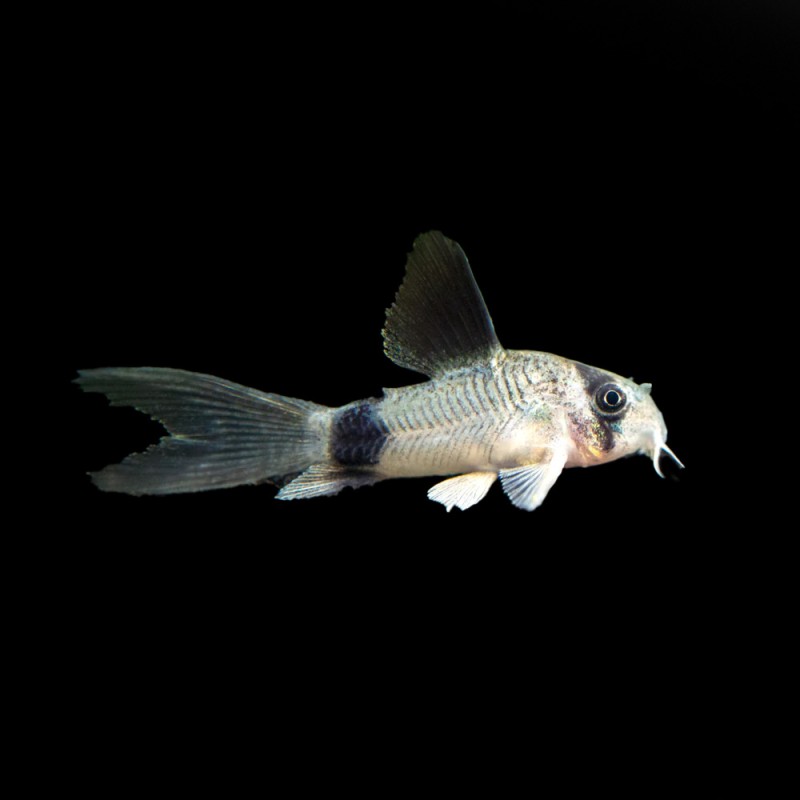
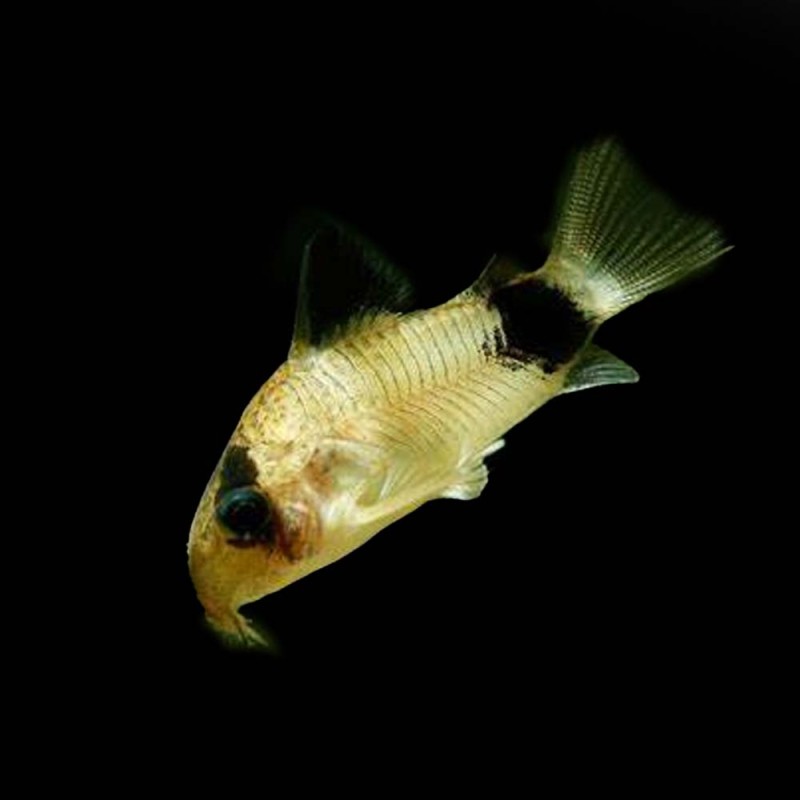
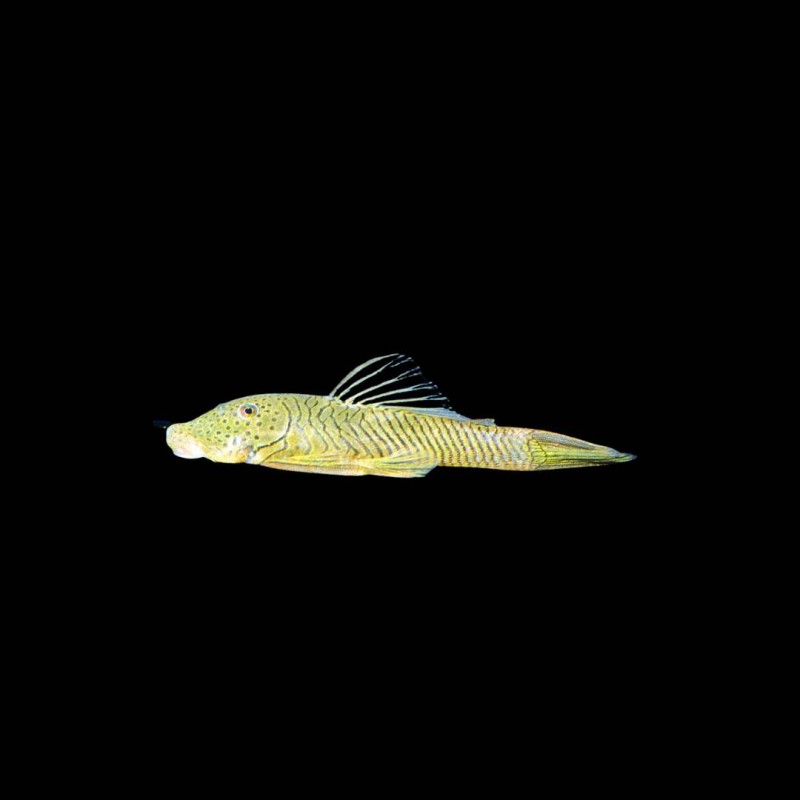
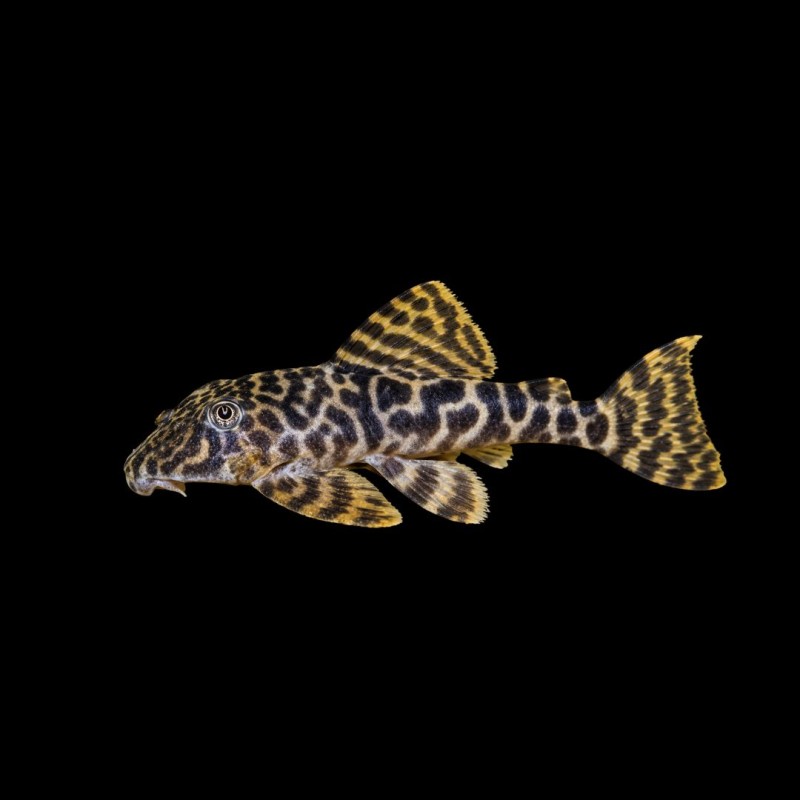
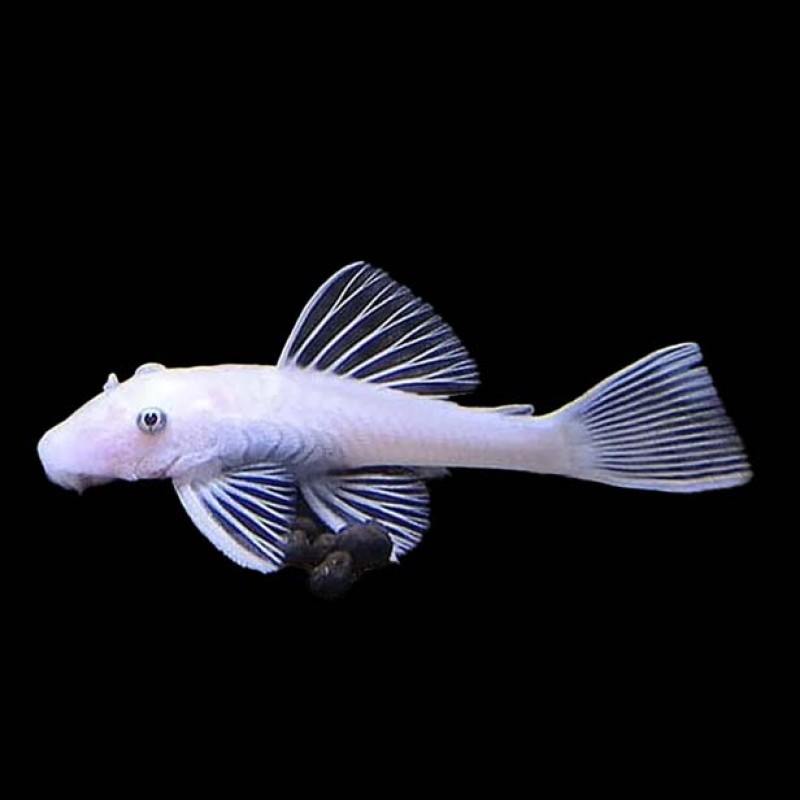
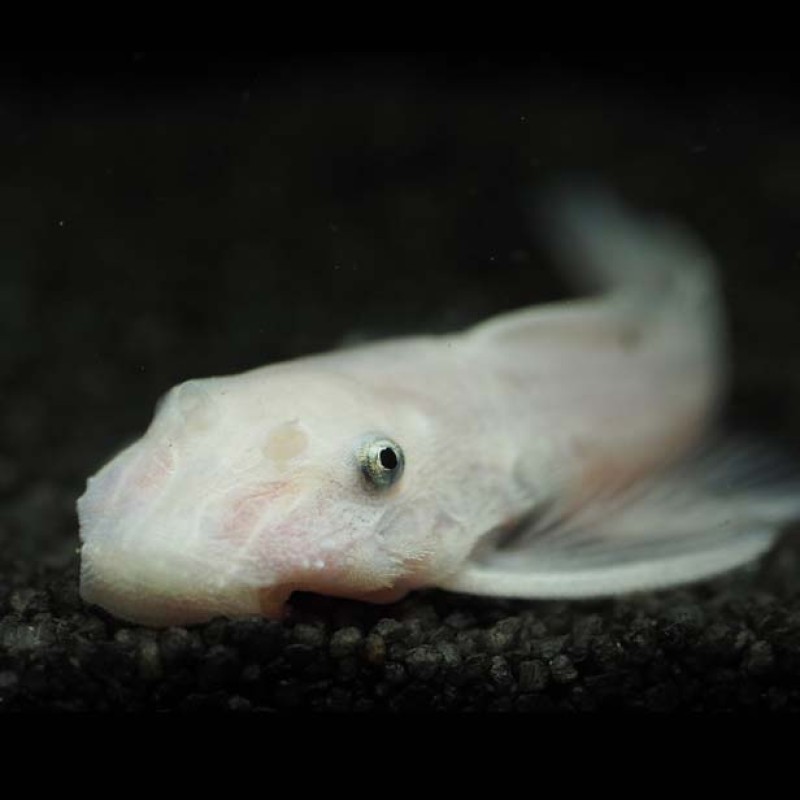
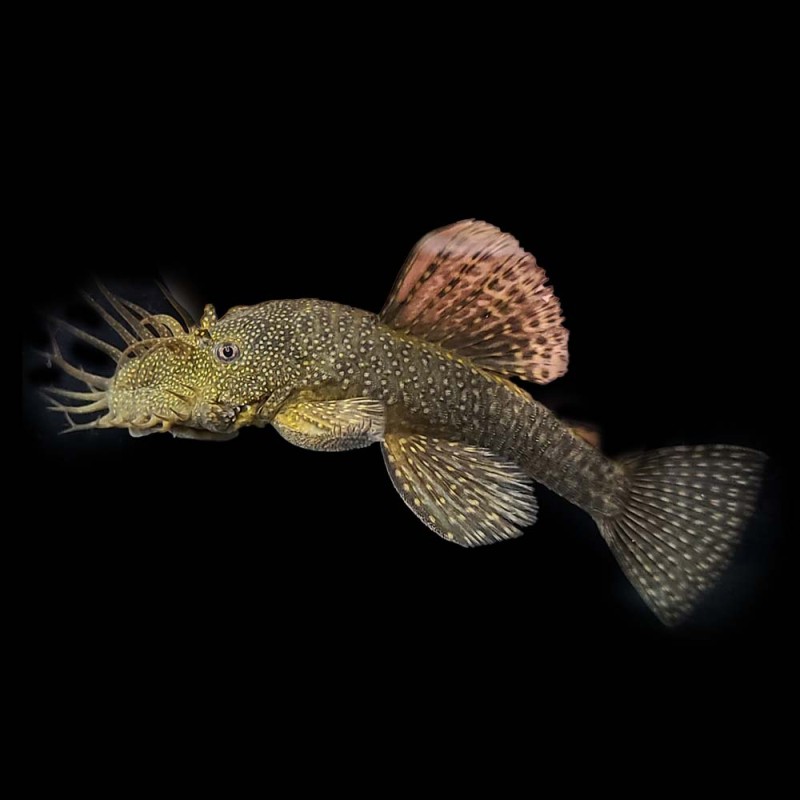
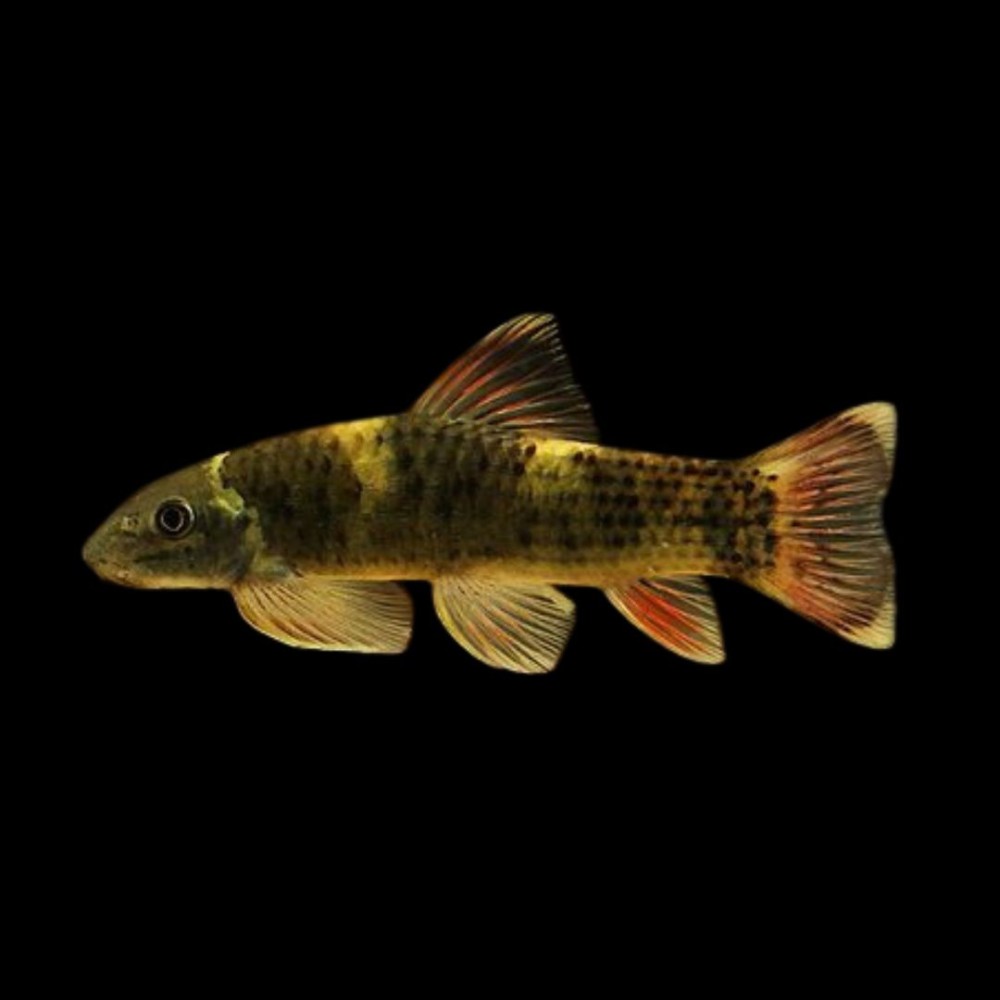
The Panda Garra (*Garra flavatra*), is an exceptional algae eater that is well-suited for community tanks. With its striking black and yellow coloration, this peaceful fish has earned a reputation for its ability to consume algae, helping to maintain clean and healthy aquarium environments. Native to freshwater streams in Myanmar, this species has become increasingly popular among aquarium hobbyists.
Physical Characteristics:
- Size: Panda Garra typically grows to about 7-8 cm (2.8-3.1 inches) in length.
- Coloration: The Panda Garra is known for its Black body with distinctive Yellow markings.
- Fins: The fins are transparent with a hint of dark coloration, matching the black markings on the body.
- Shape: Panda Garra has a streamlined body with slight lateral compression, allowing it to move easily through water and graze on algae.
Behavior:
- Temperament: Panda Garra are peaceful and social fish that thrive in groups. They interact well with a variety of tankmates and are often seen grazing on algae or resting among rocks and plants.
- Activity Level: These fish are moderately active and can often be seen exploring the aquarium or grazing on algae-covered surfaces.
- Community Behavior: Panda Garra can coexist with most peaceful fish, making them excellent choices for community tanks. They enjoy swimming in groups, and keeping them in pairs or small groups helps reduce stress.
Aquarium Care:
- Tank Size: A minimum tank size of 50 liters (13 gallons) is recommended for a group of Panda Garra. A larger tank provides better space for algae growth and reduces territorial behavior.
- Water Parameters:
- Temperature: Panda Garra thrive in temperatures ranging from 22°C to 26°C (72°F to 79°F).
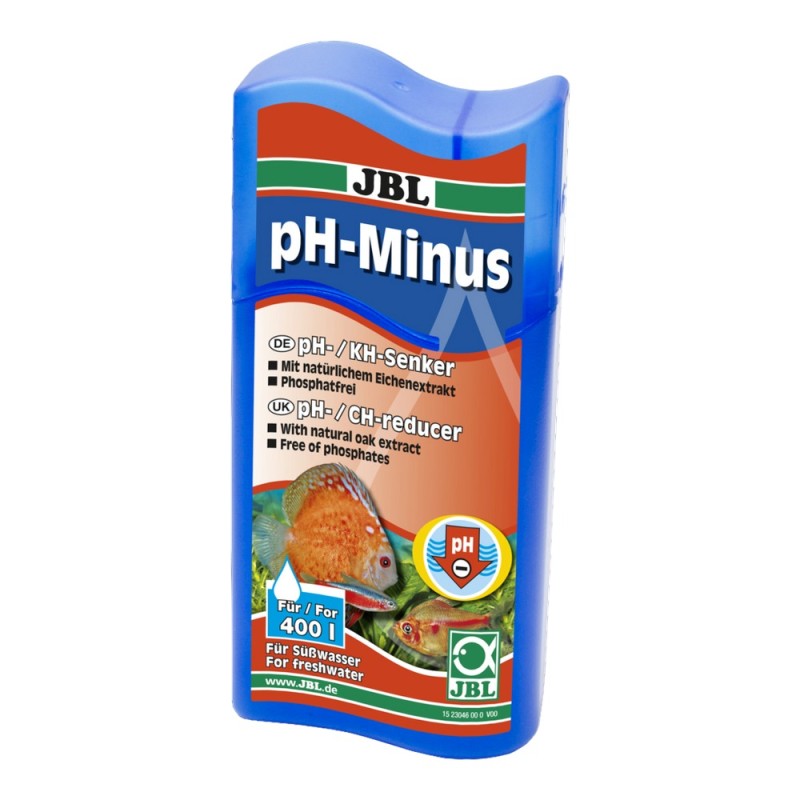
- pH: They prefer slightly acidic to neutral water with a pH range of 6.5 to 7.5.
- Hardness: Soft to moderately hard water, with a general hardness (GH) of 3-10 dGH, is ideal.
- Tank Setup:
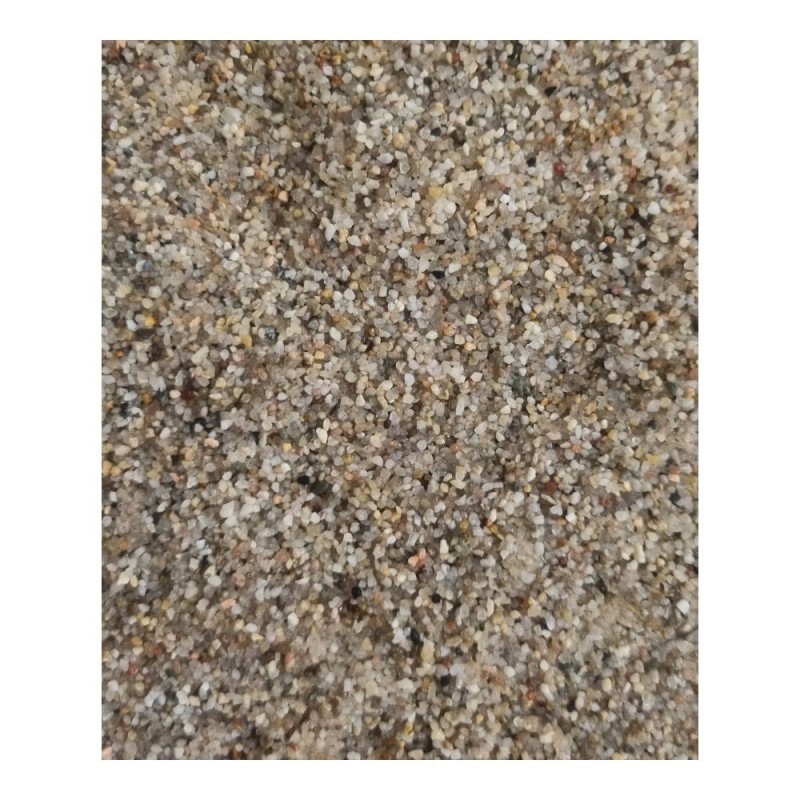
- Substrate and Decorations: A soft substrate is best. Provide plenty of live plants, rocks, and driftwood for hiding spots and grazing opportunities.
- Lighting: Moderate lighting is ideal for highlighting their beautiful colours and encouraging algae growth.
- Filtration: A gentle filter is recommended, as Panda Garra are not suited for strong currents.
Diet:
Panda Garra are omnivores and are particularly valued for their algae-eating habits. They will graze on algae, helping to maintain a clean aquarium. Their diet should include:
- Algae: Panda Garra will naturally graze on algae in the tank.
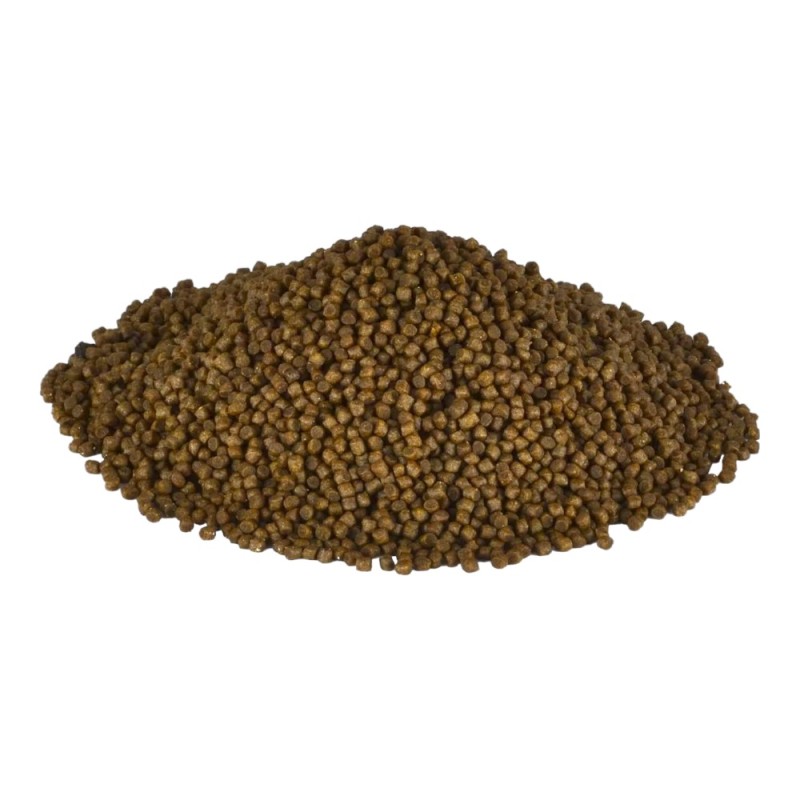
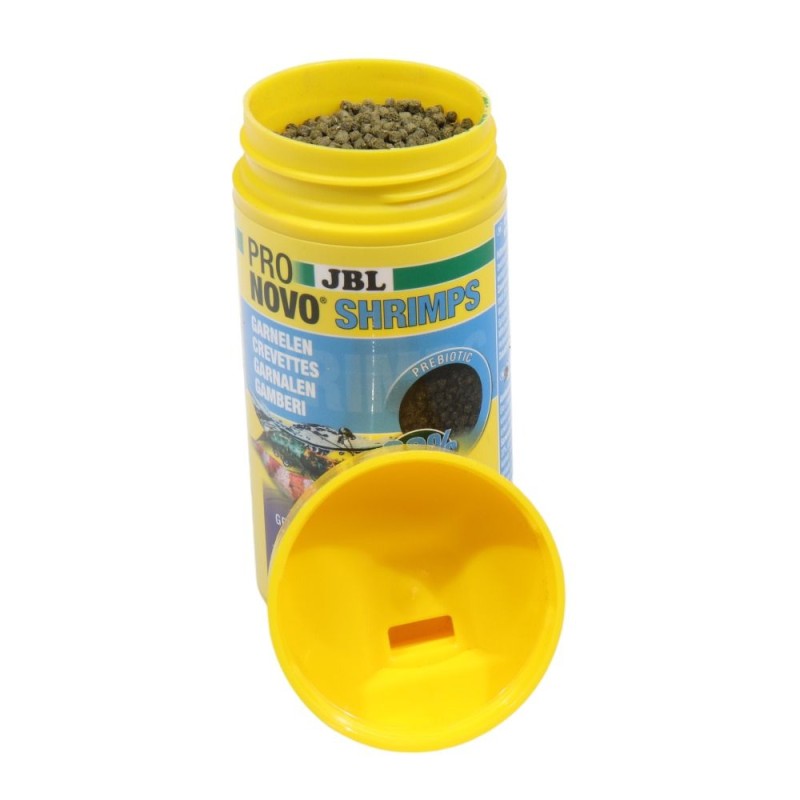
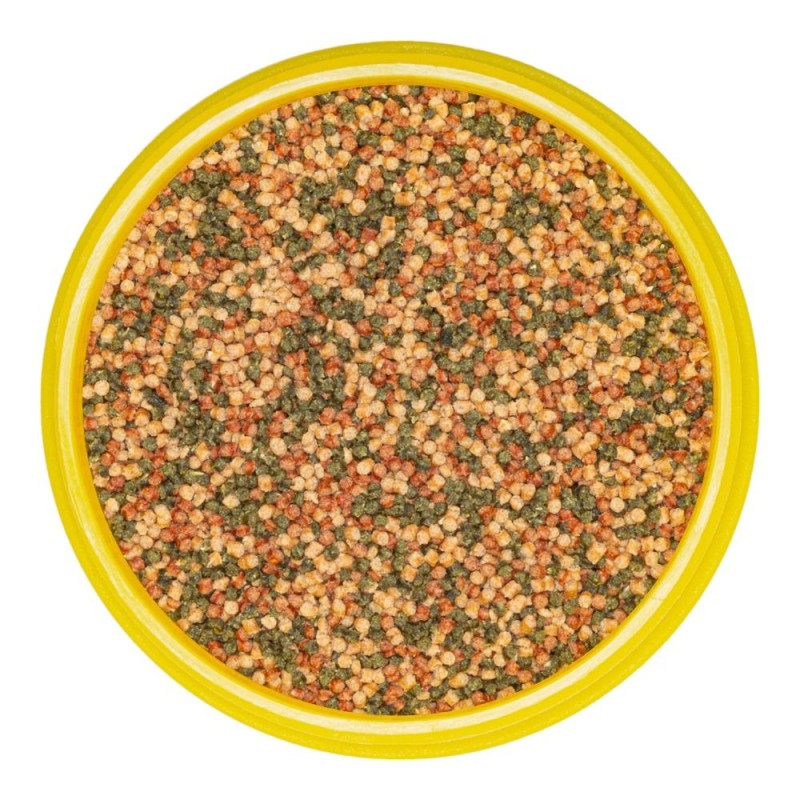
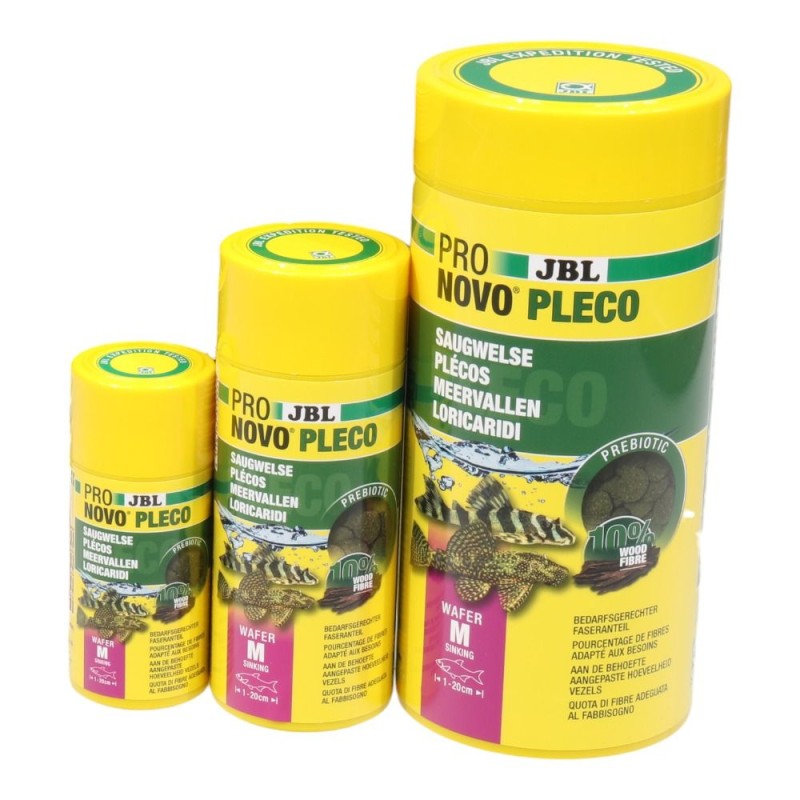
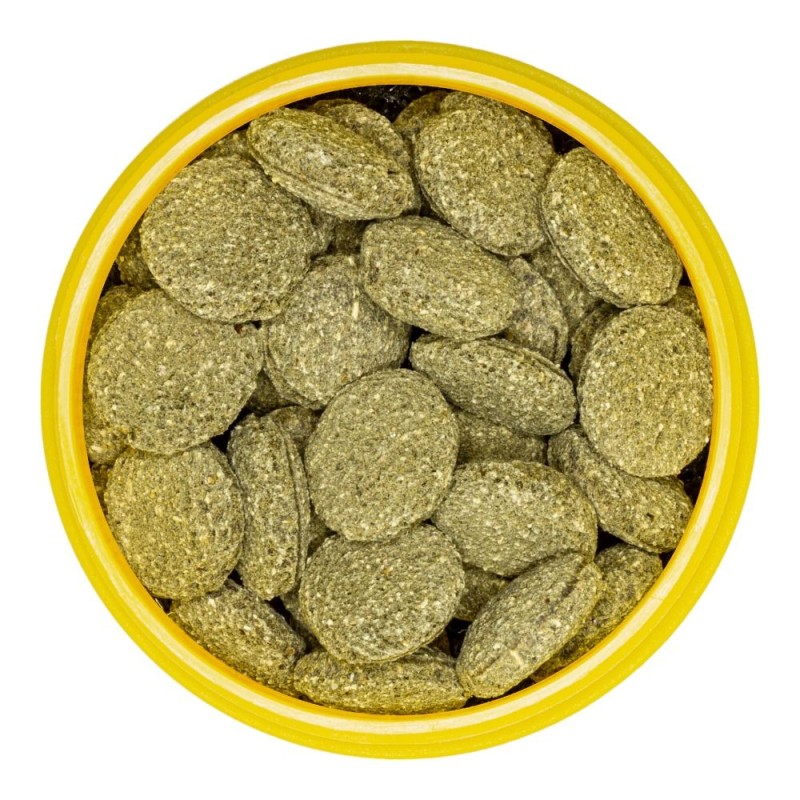
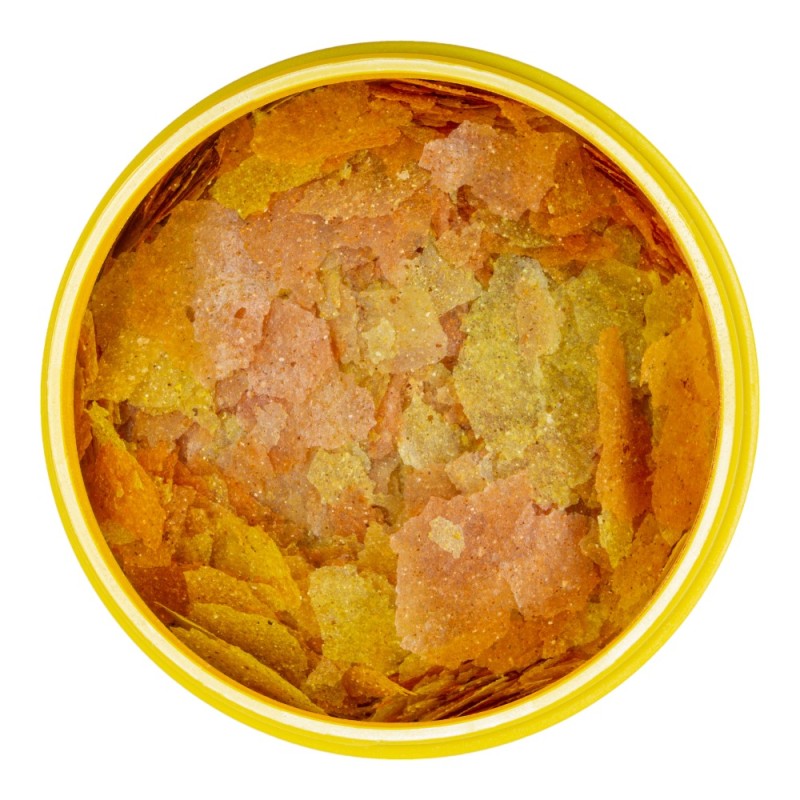
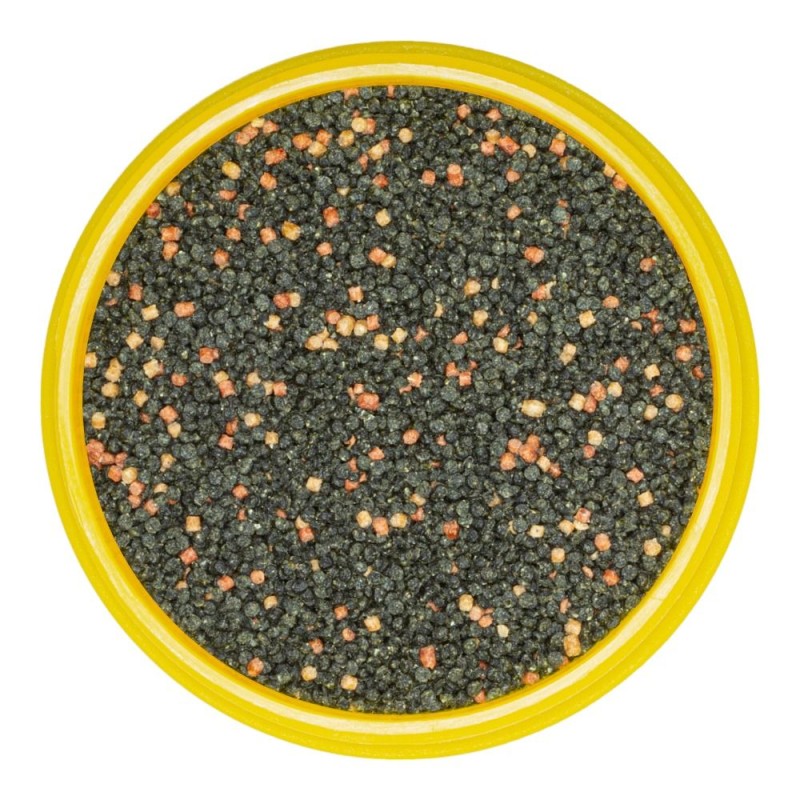
- Pellets: High-quality sinking pellets formulated for omnivorous fish should be provided as part of their diet.
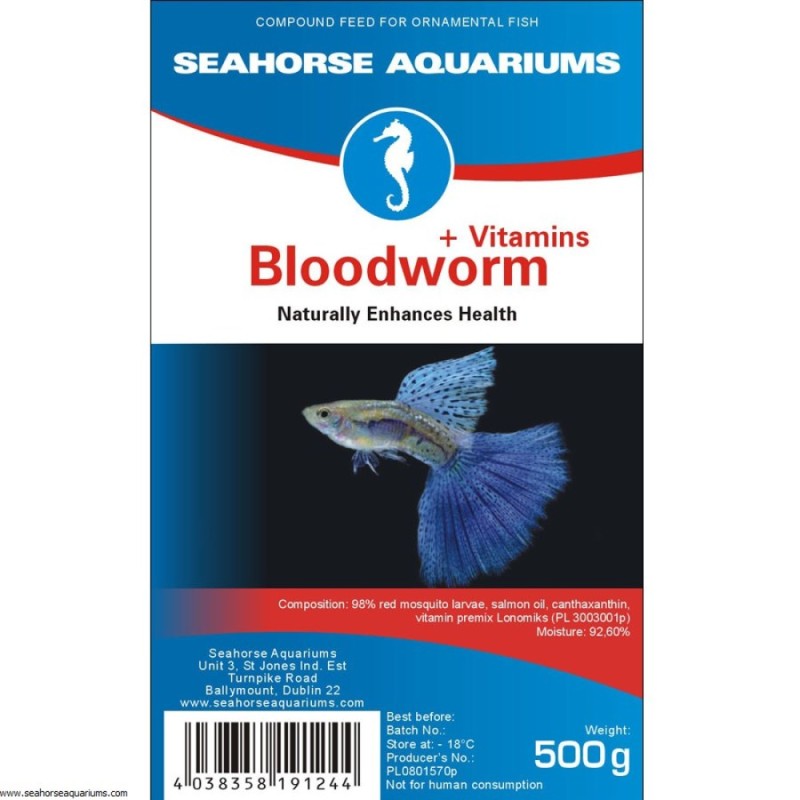
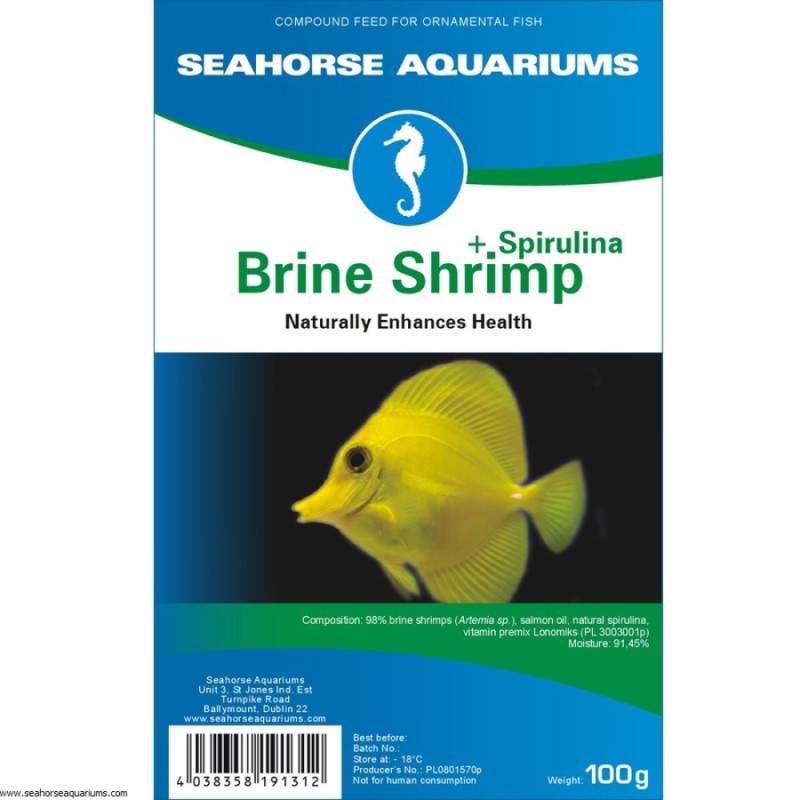
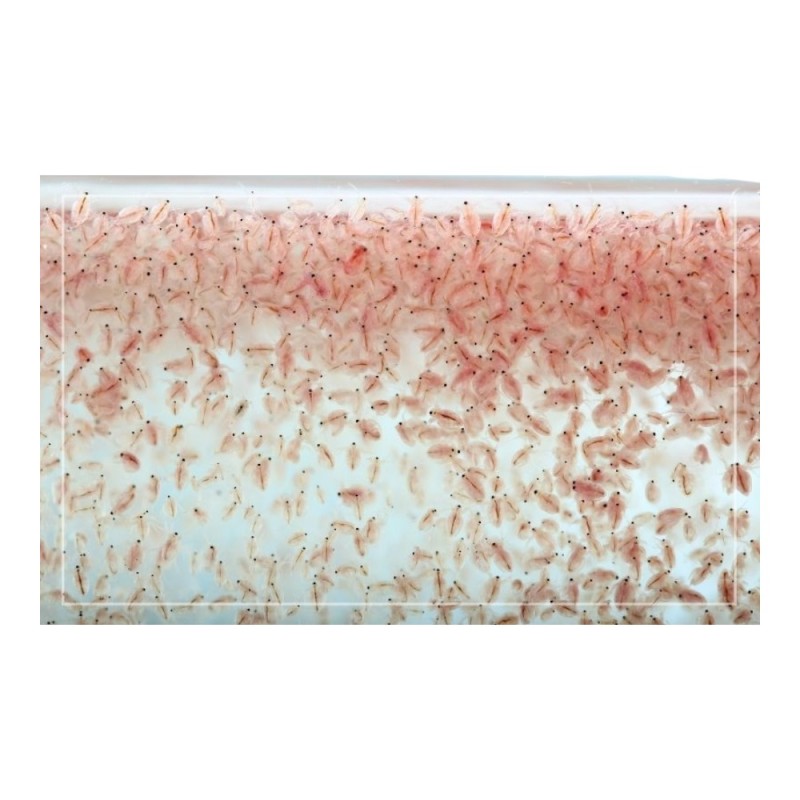
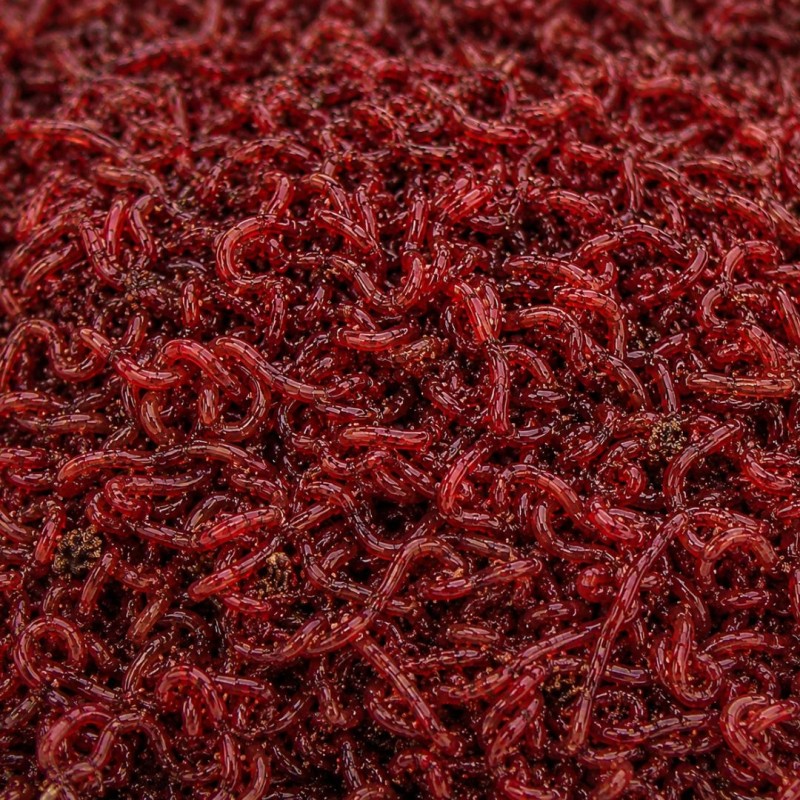
- Live or Frozen Foods: Offer live or frozen foods such as bloodworms and brine shrimp to provide essential protein.
- Vegetable Matter: Blanched vegetables like spinach or zucchini will supplement their diet and keep them healthy.
Tankmates:
Panda Garra are peaceful fish and can be housed with a variety of other peaceful species, such as:
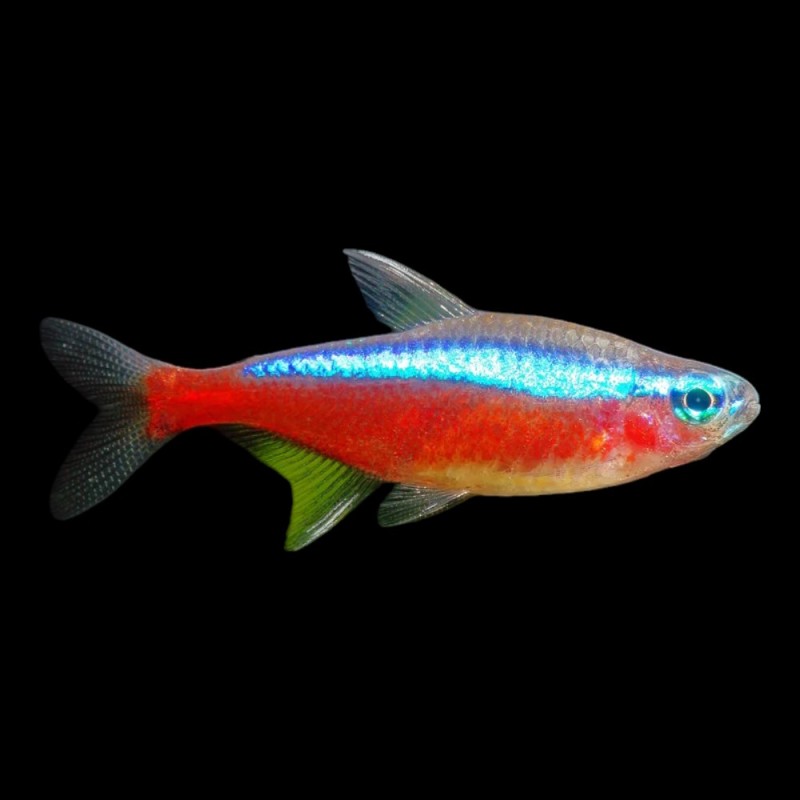
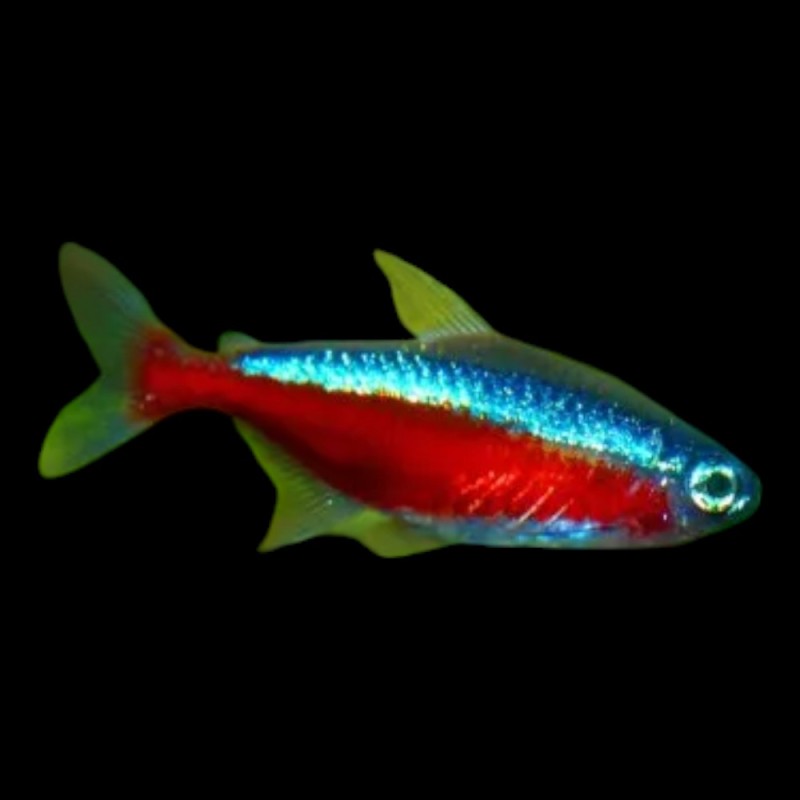
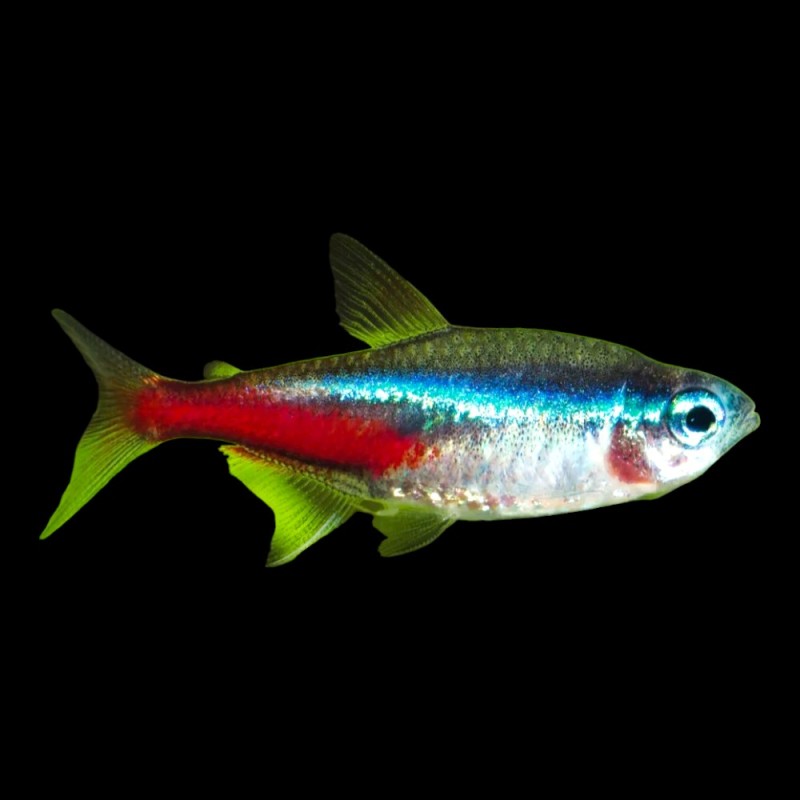
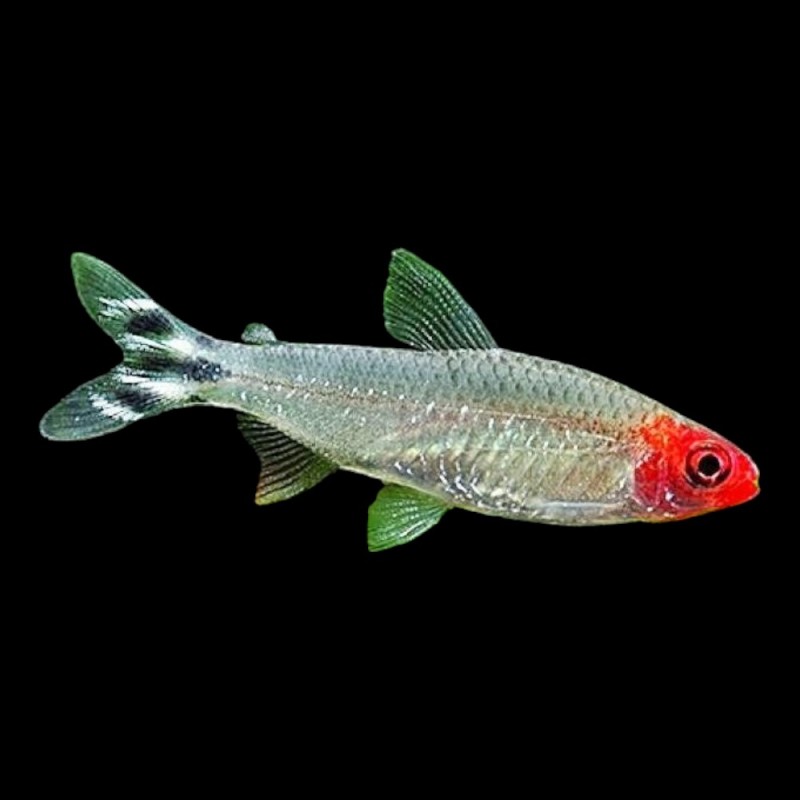
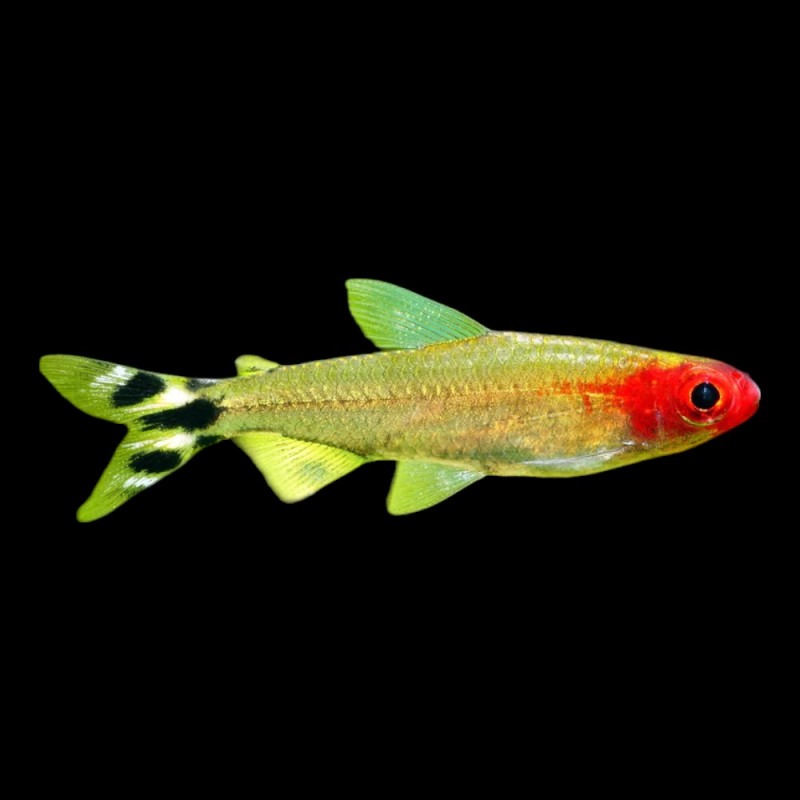
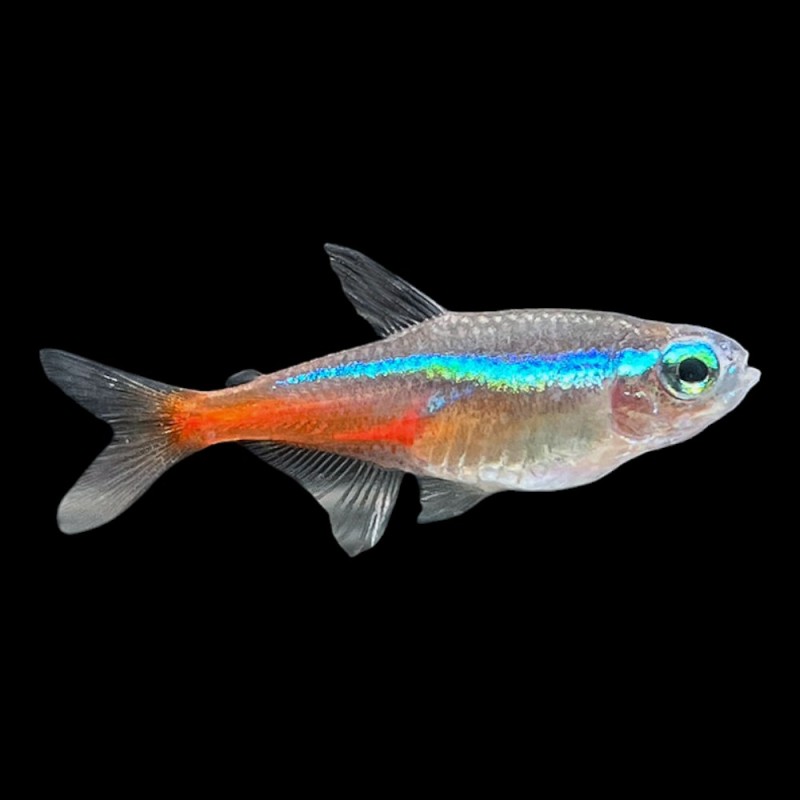
- Small Tetras: Neon Tetras, Rummy Nose Tetras, etc.
- Peaceful Loaches: Like other species of loaches that aren't too aggressive.
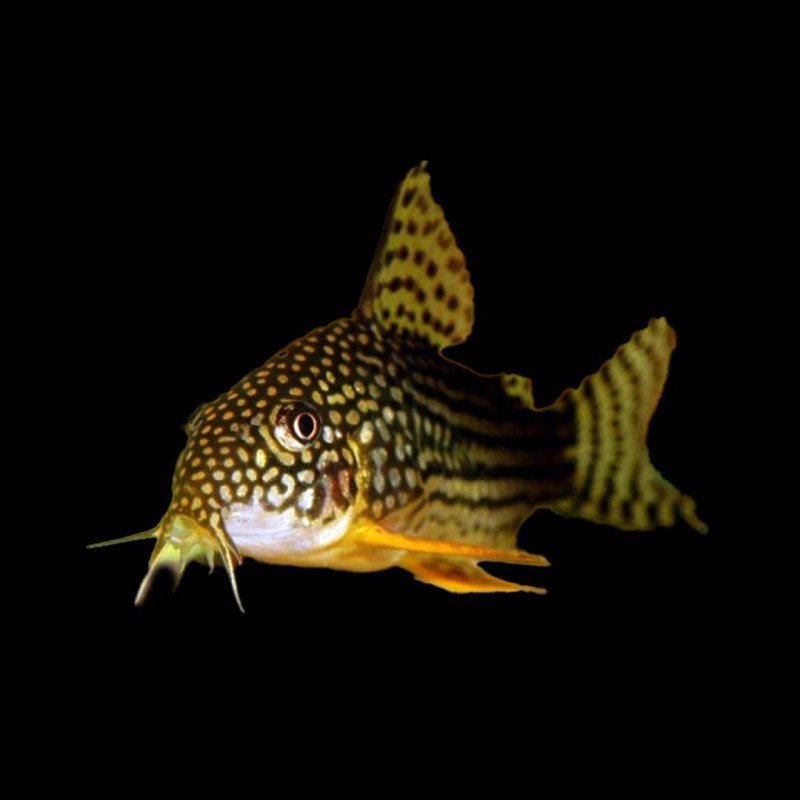
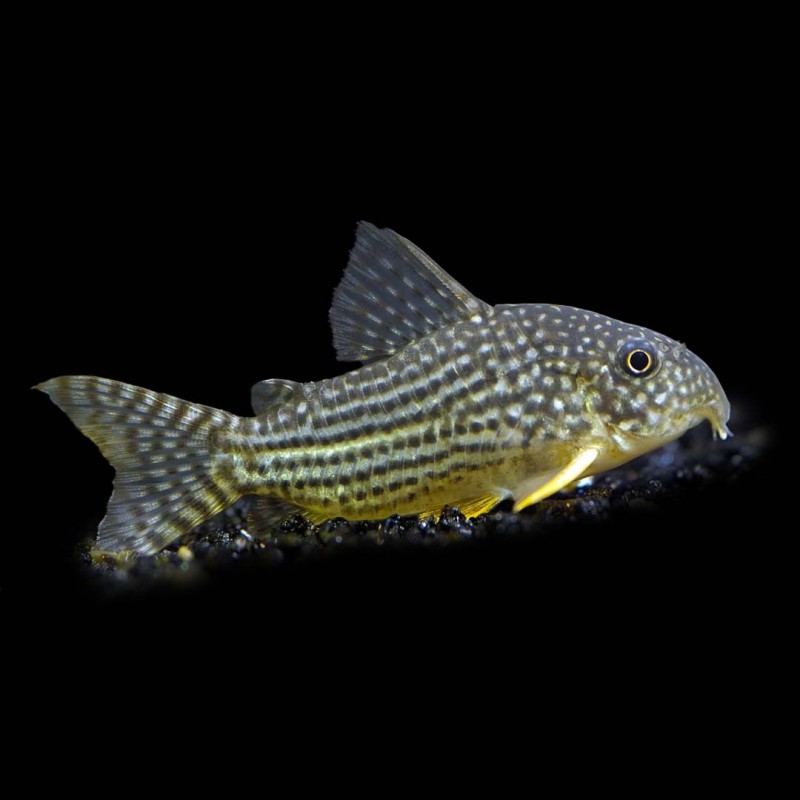
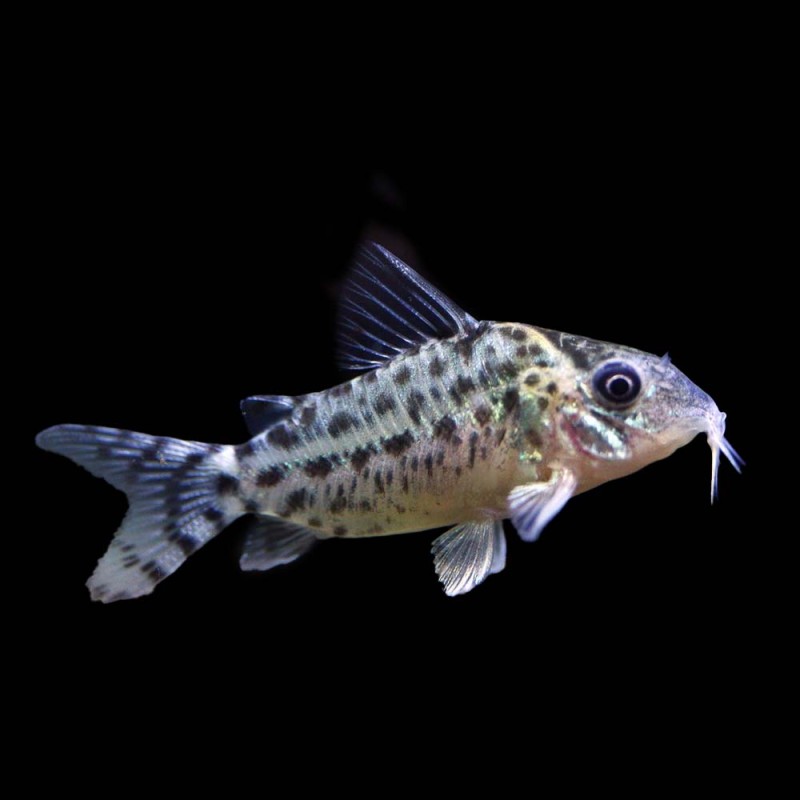
- Other Catfish: Corydoras catfish or Otocinclus can also be great tankmates.
Avoid aggressive fish or those with sharp fins, as they may harm the Panda Garra.
Breeding:
Breeding Panda Garra in captivity can be difficult, but with the right setup, it is possible:
- Breeding Setup: A shallow breeding tank (10-15 cm or 4-6 inches of water) is ideal, with plenty of hiding spots like plants and rocks.
- Spawning Behavior: Panda Garra are egg-scatterers, and males often court the females by displaying bright colours.
- Fry Care: Once the fry are free-swimming, they can be fed infusoria or newly hatched brine shrimp.
Special Considerations:
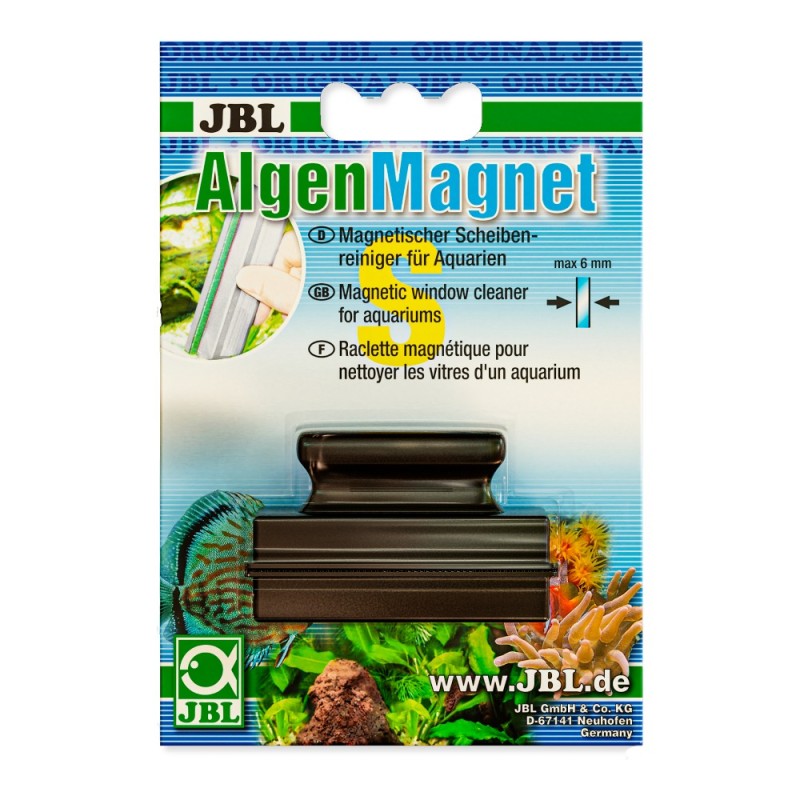
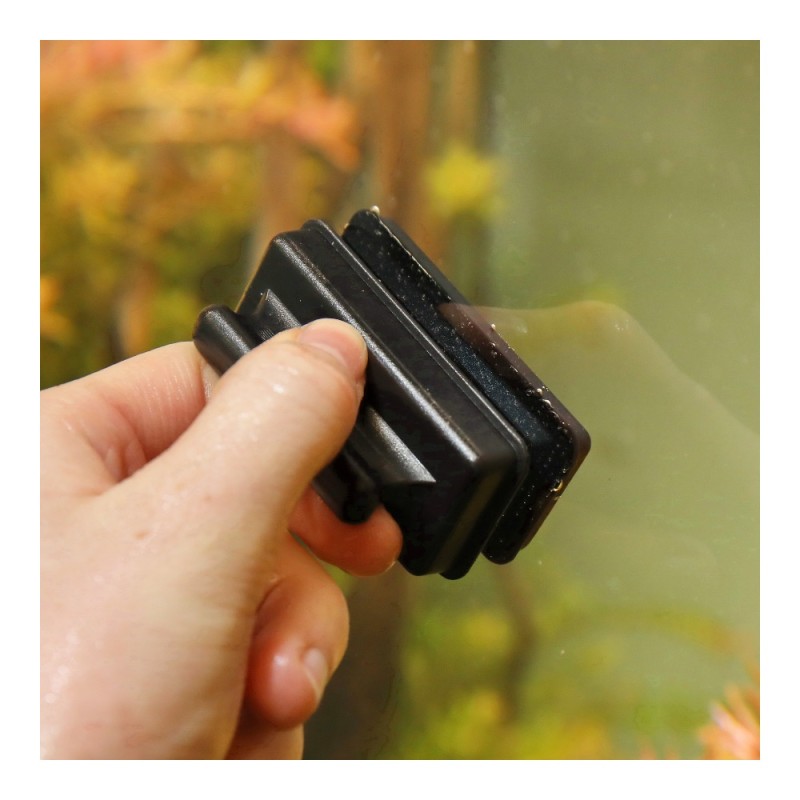
- Algae Control: Panda Garra are excellent algae eaters, but they shouldn't be relied upon solely for algae control. Regular maintenance is essential.
- Social Needs: Panda Garra are best kept in groups, as they feel more comfortable and exhibit less stress.