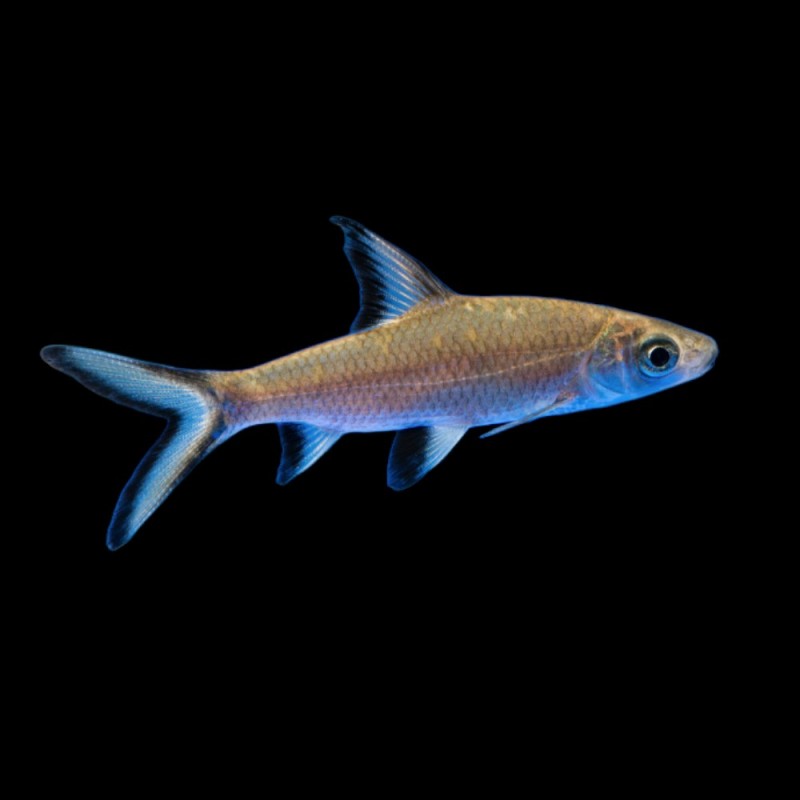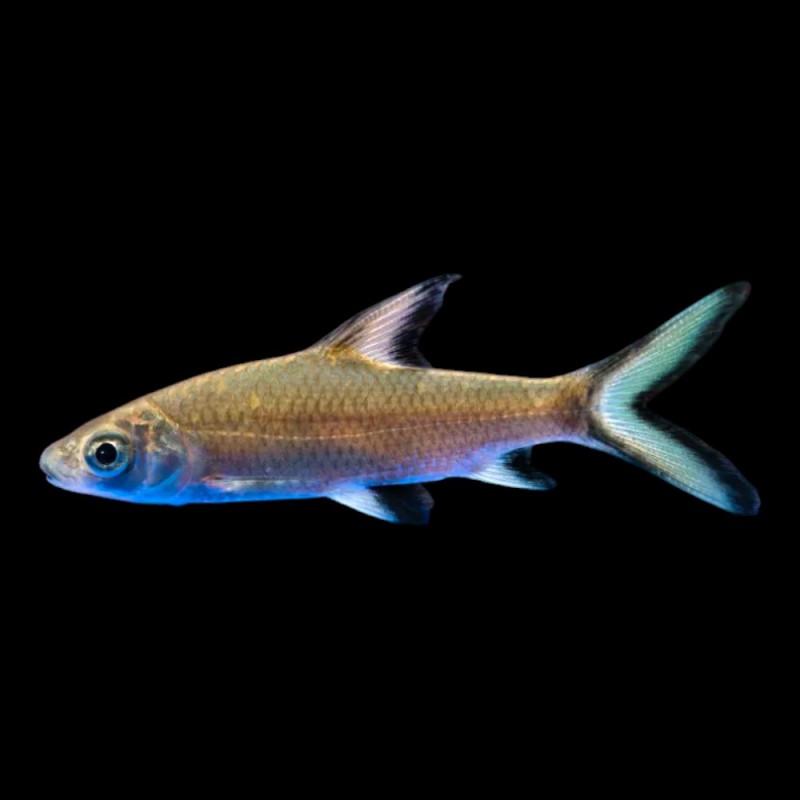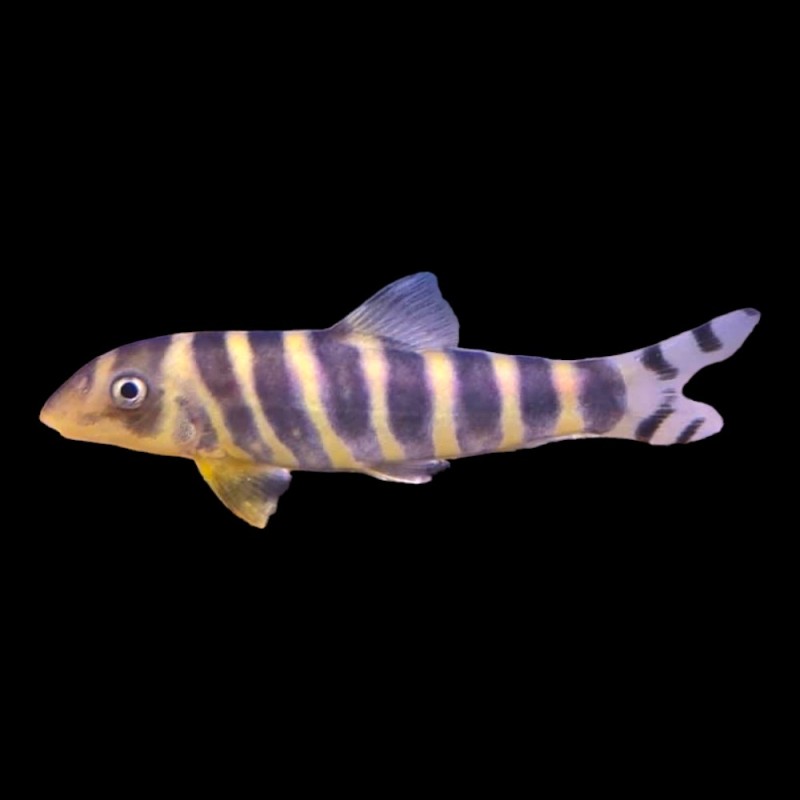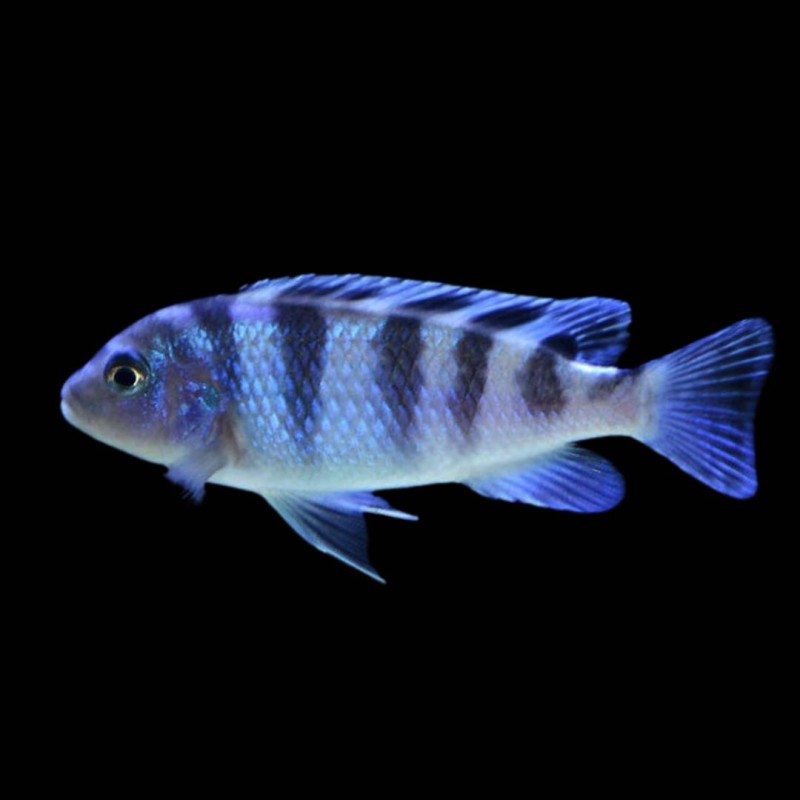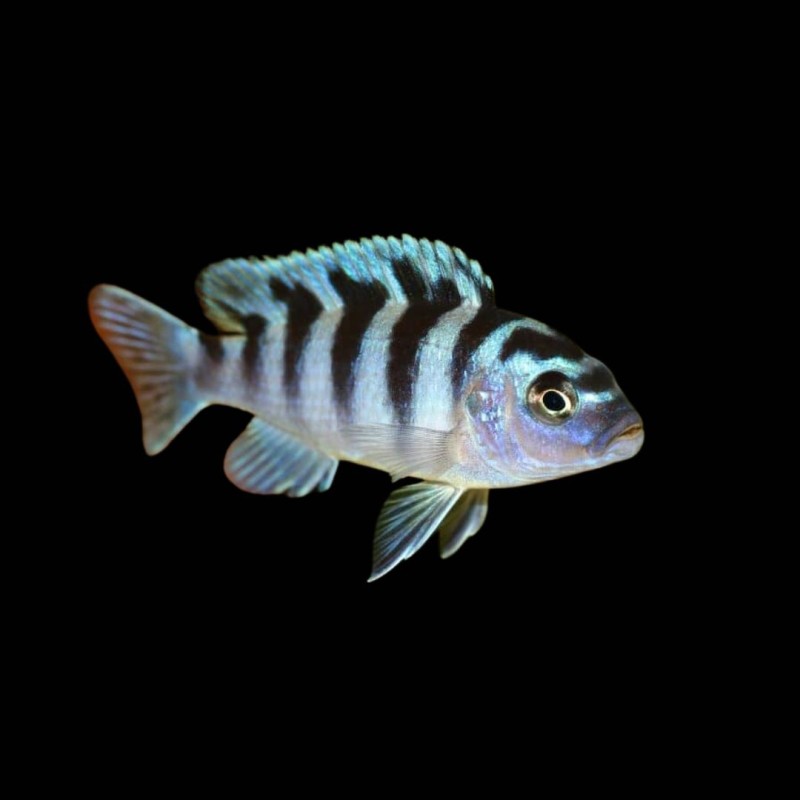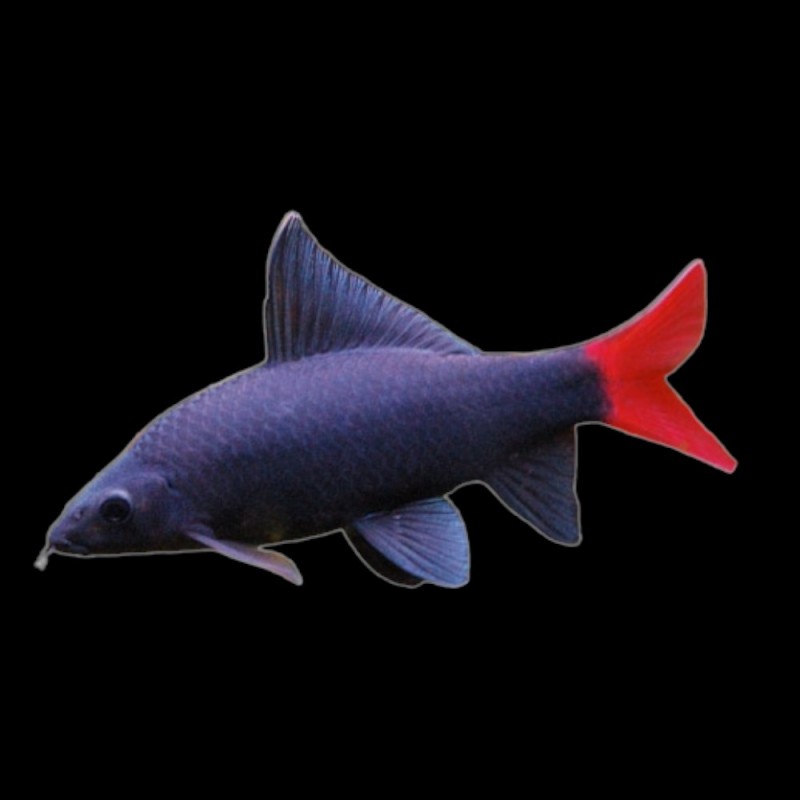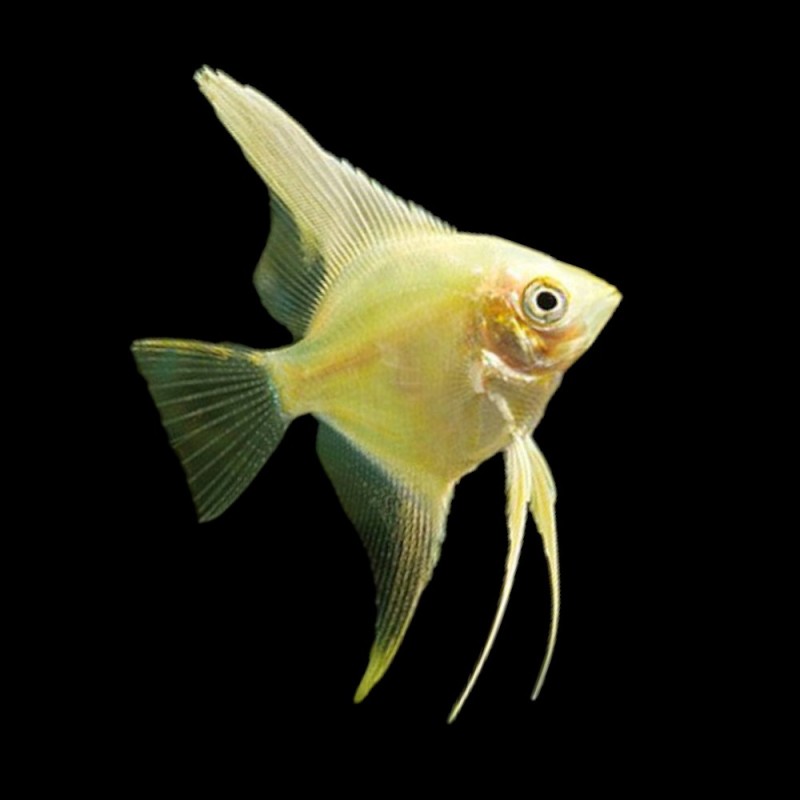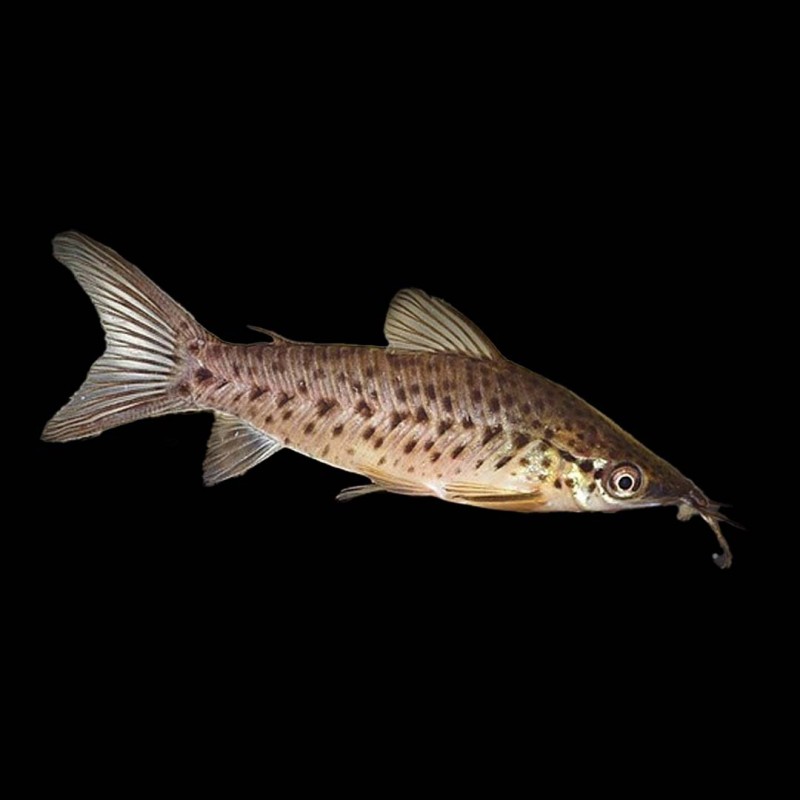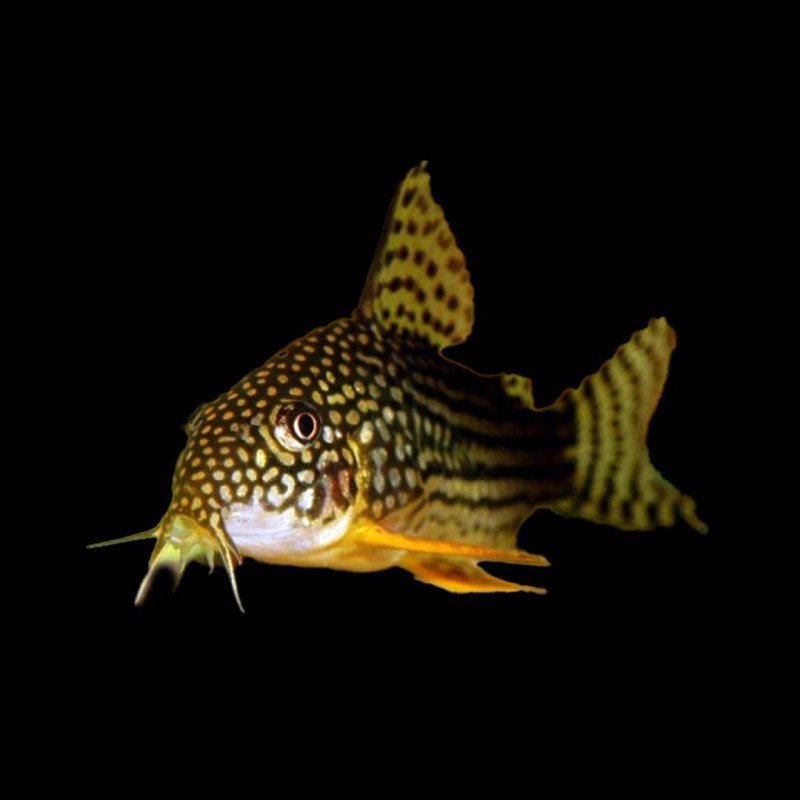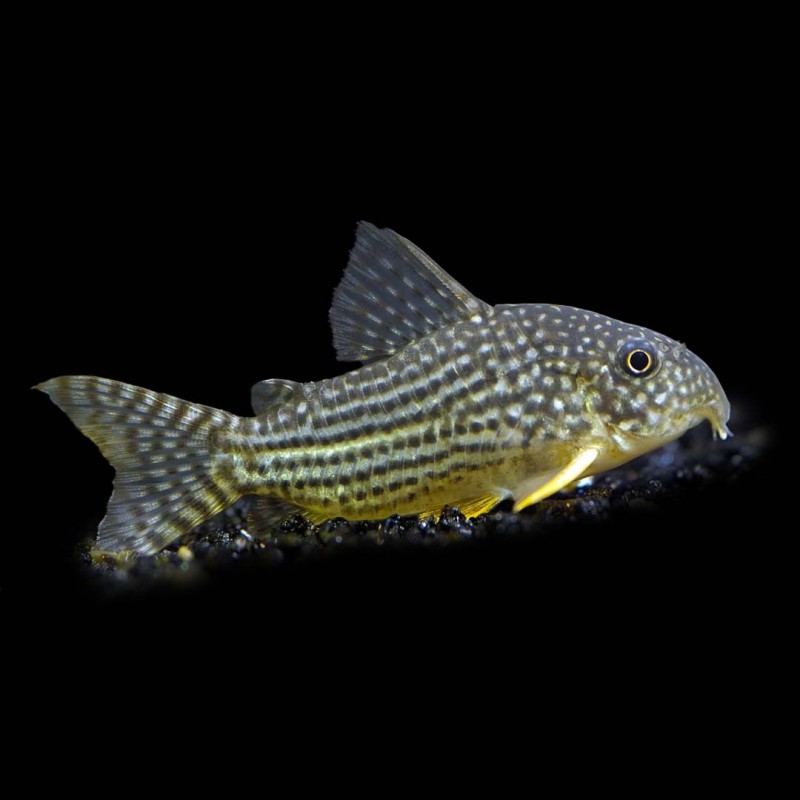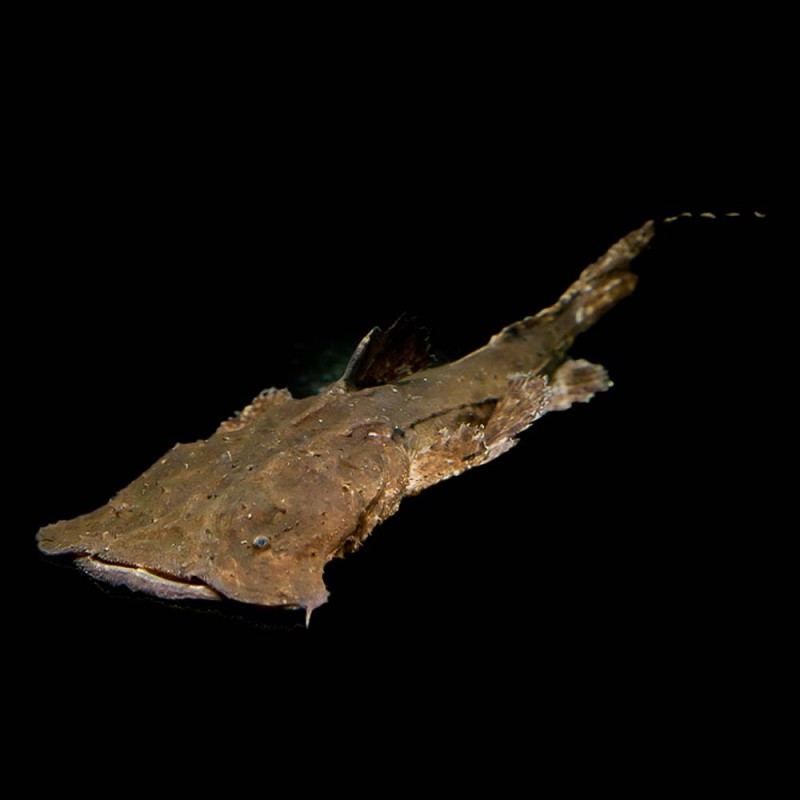


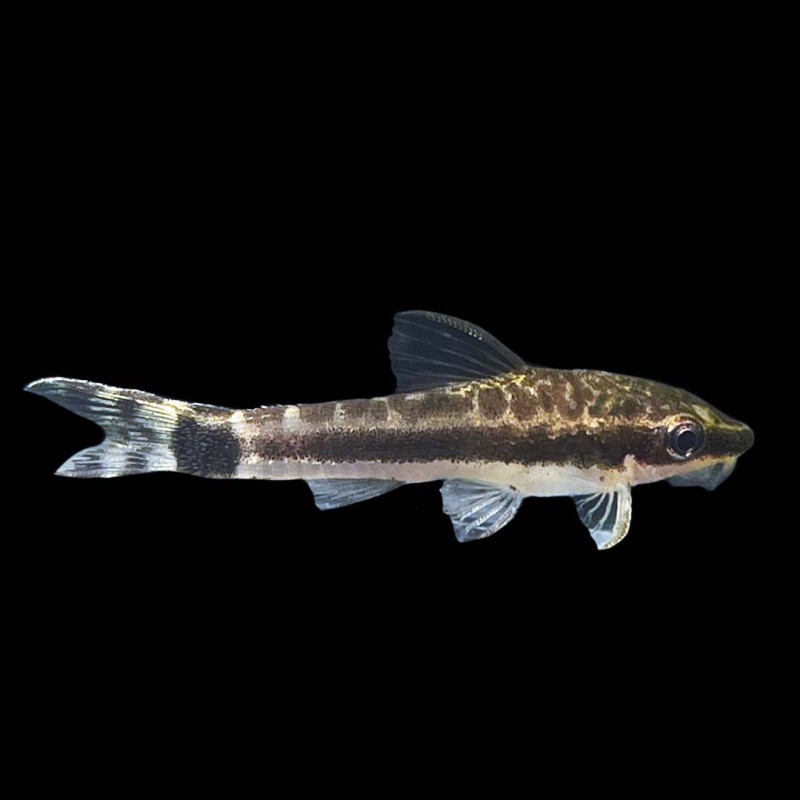
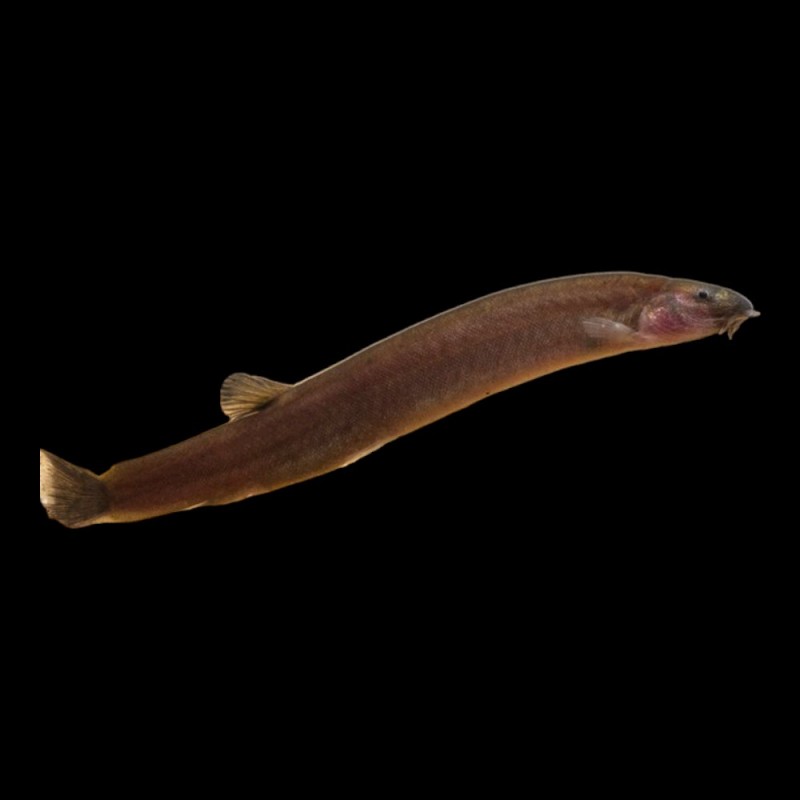
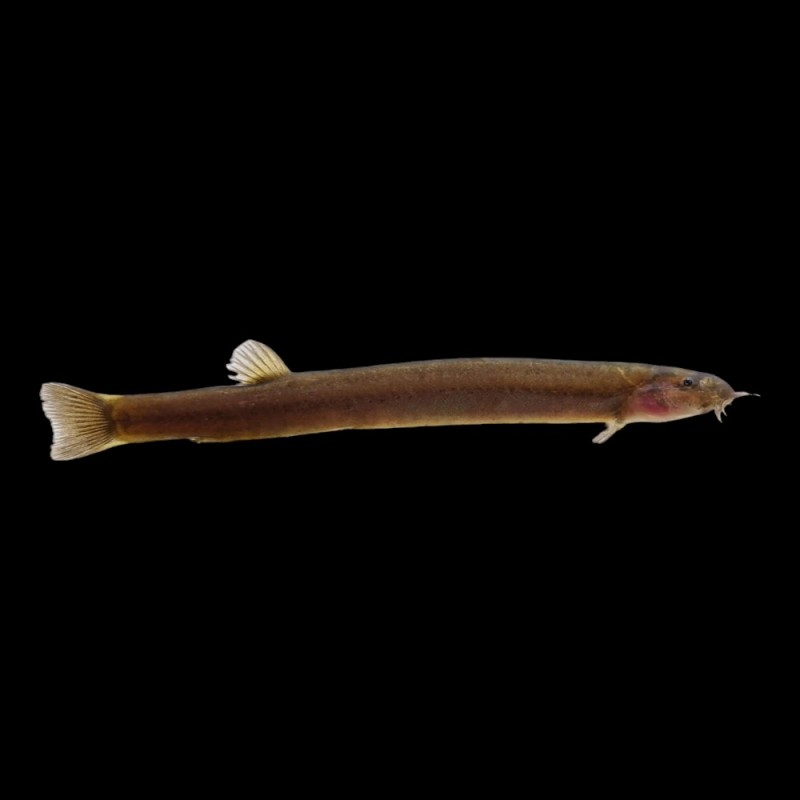
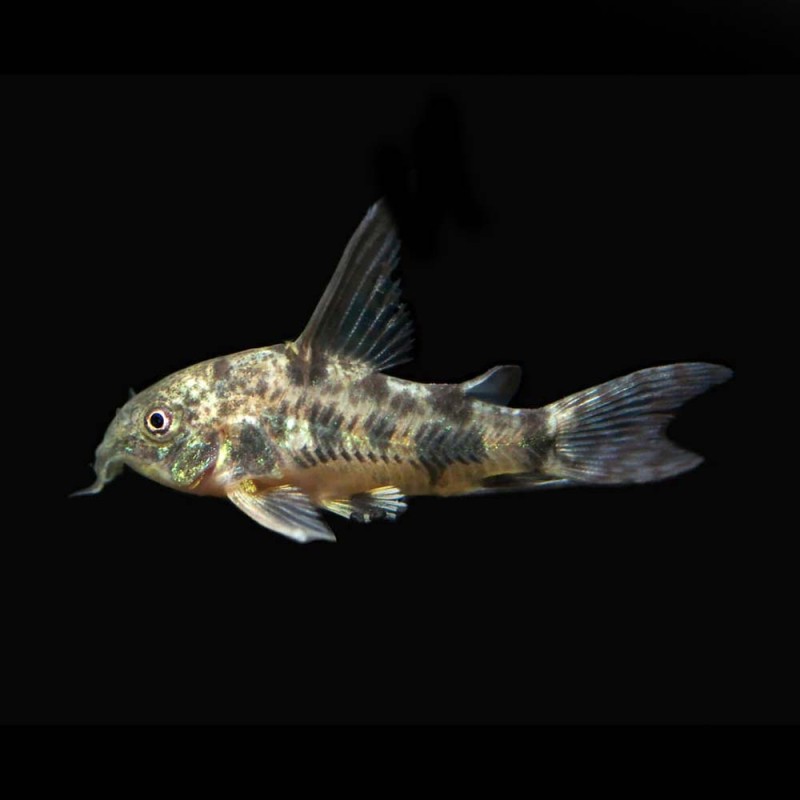
-1000x1000.jpg "Black Otocinclus")
-1000x1000.jpg "Black Otocinclus")
-80x80.jpg "Black Otocinclus")
-80x80.jpg "Black Otocinclus")
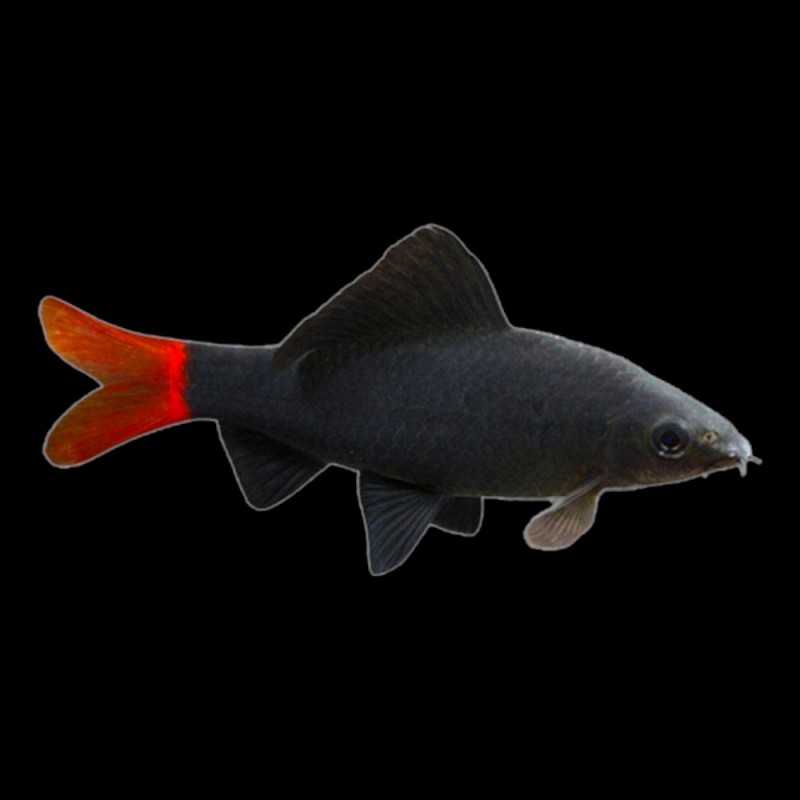
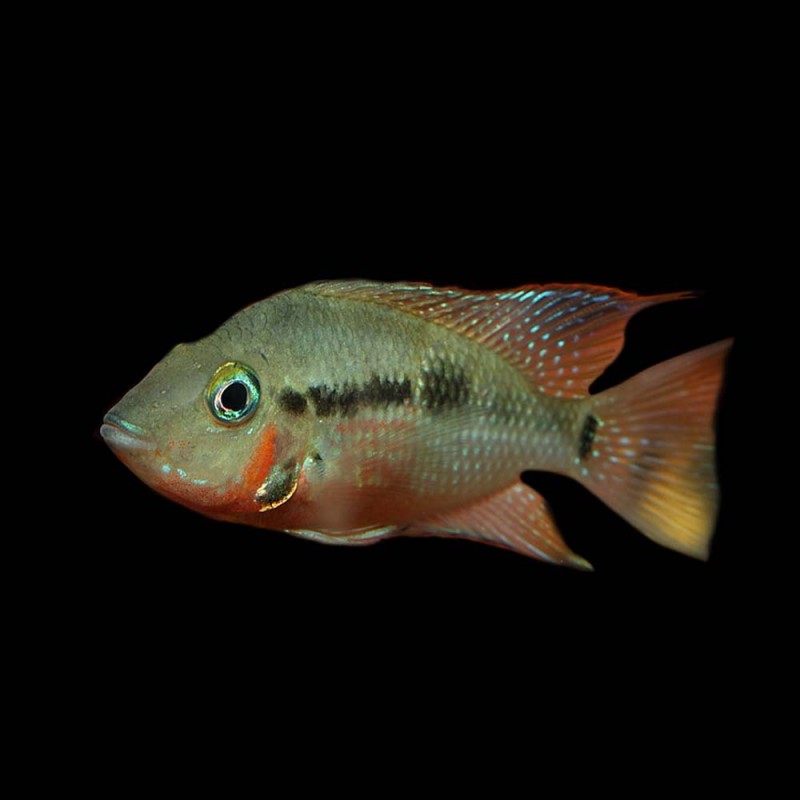
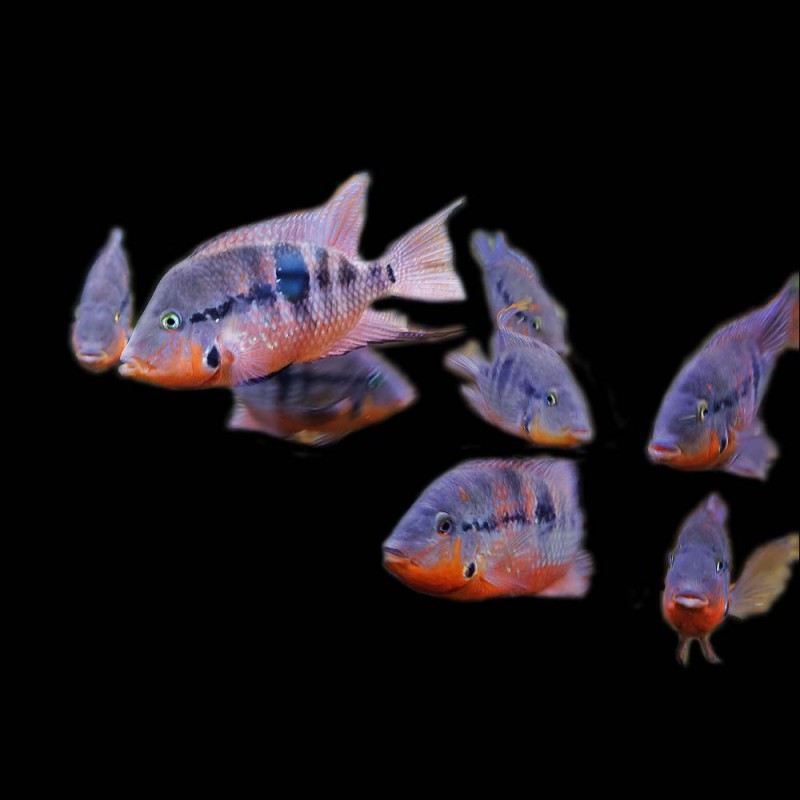
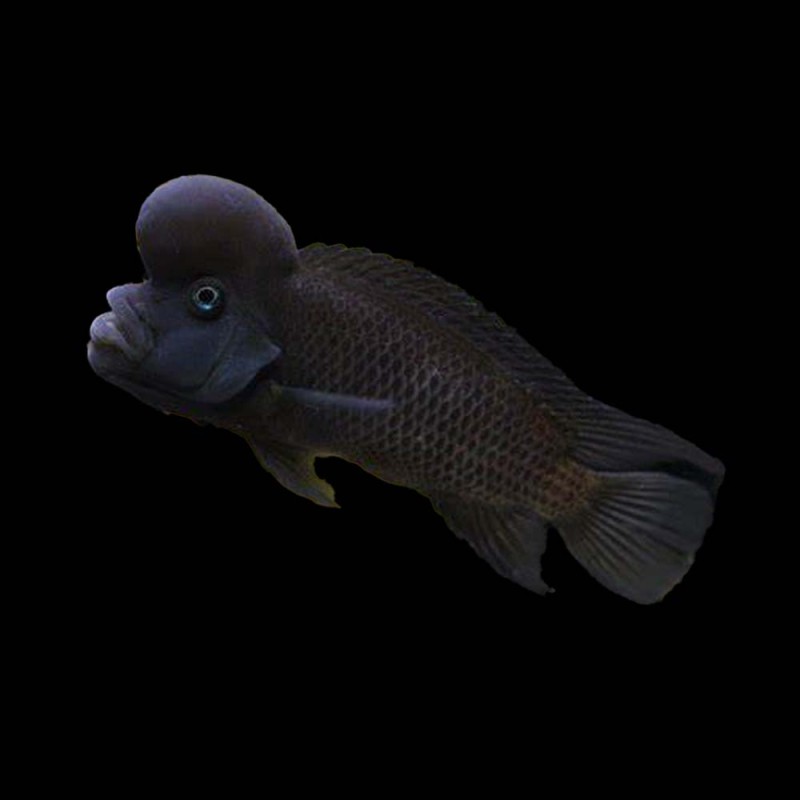
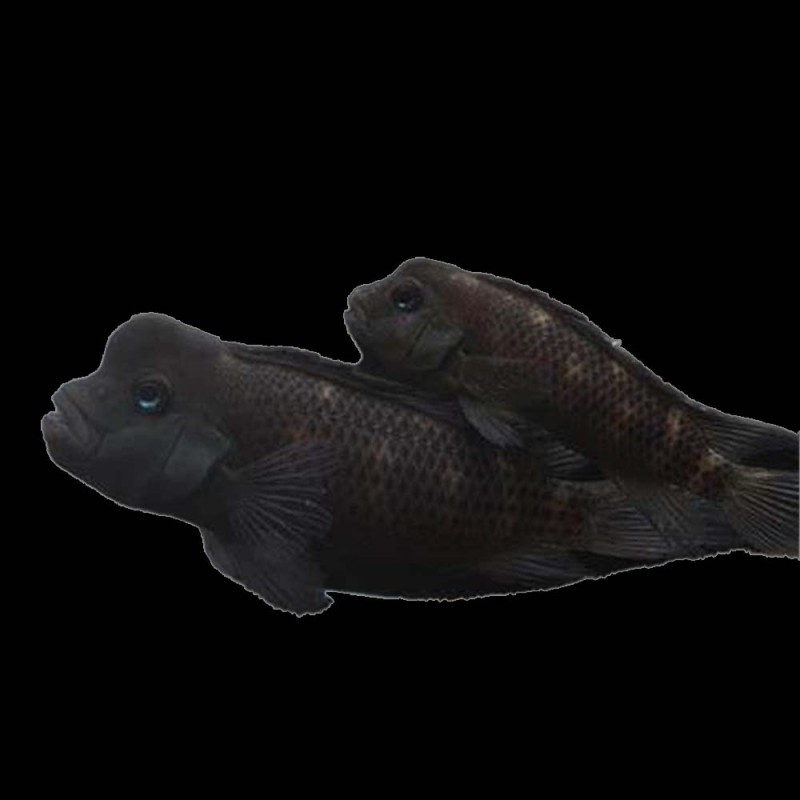
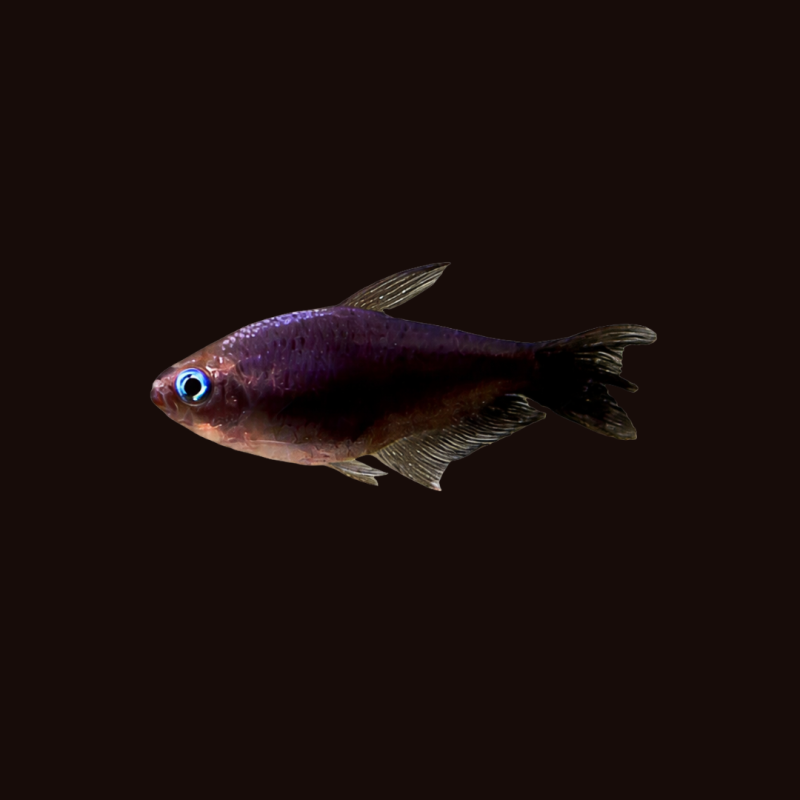
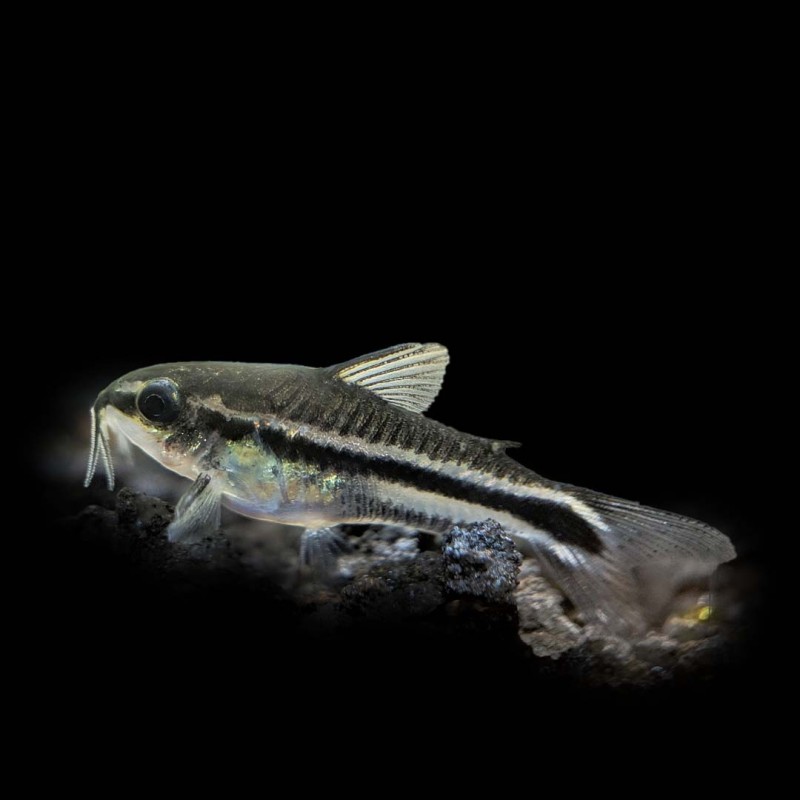
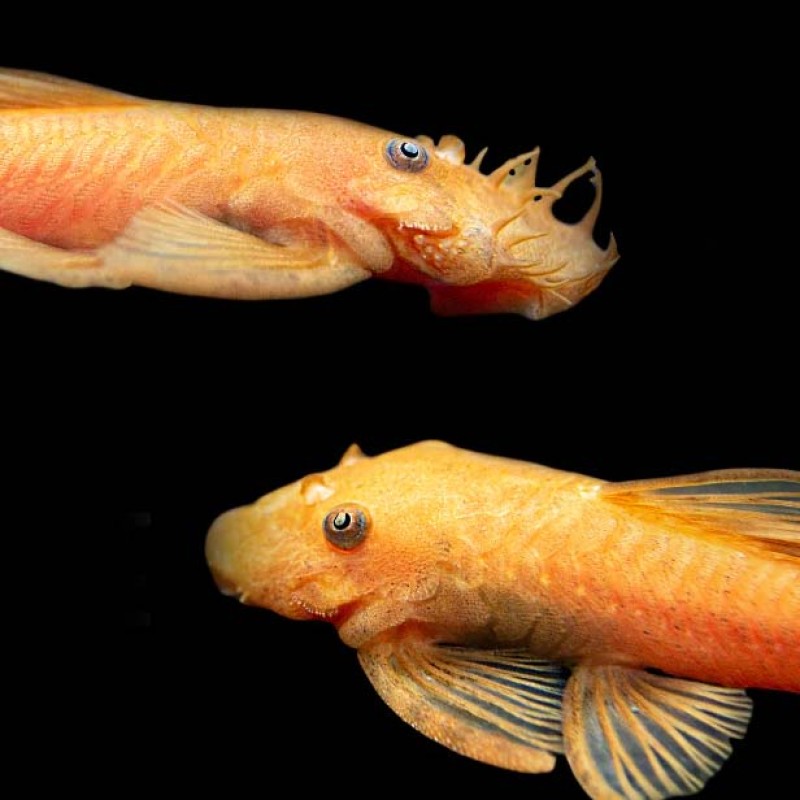
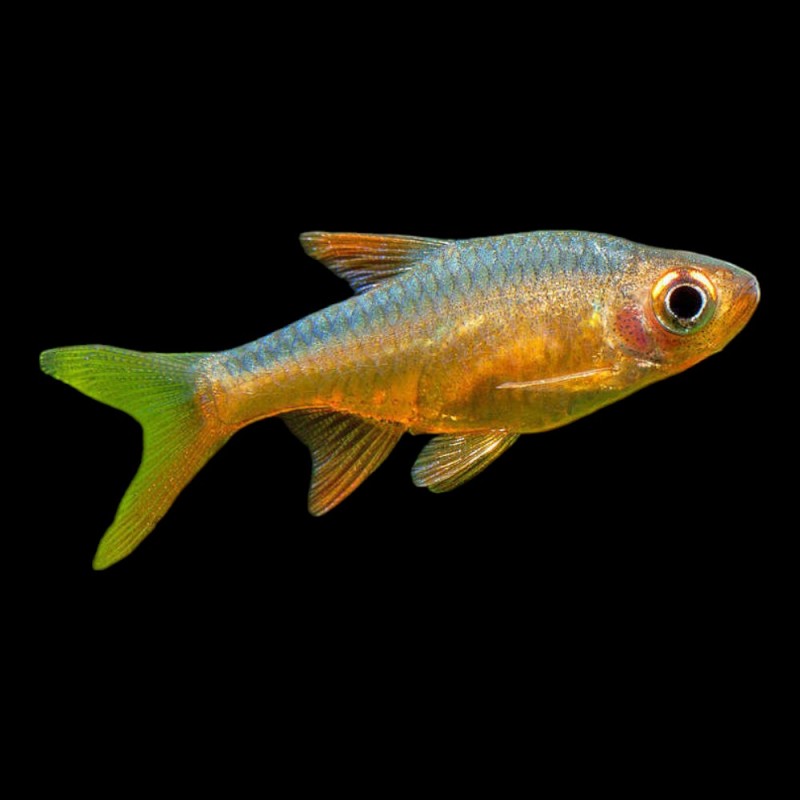
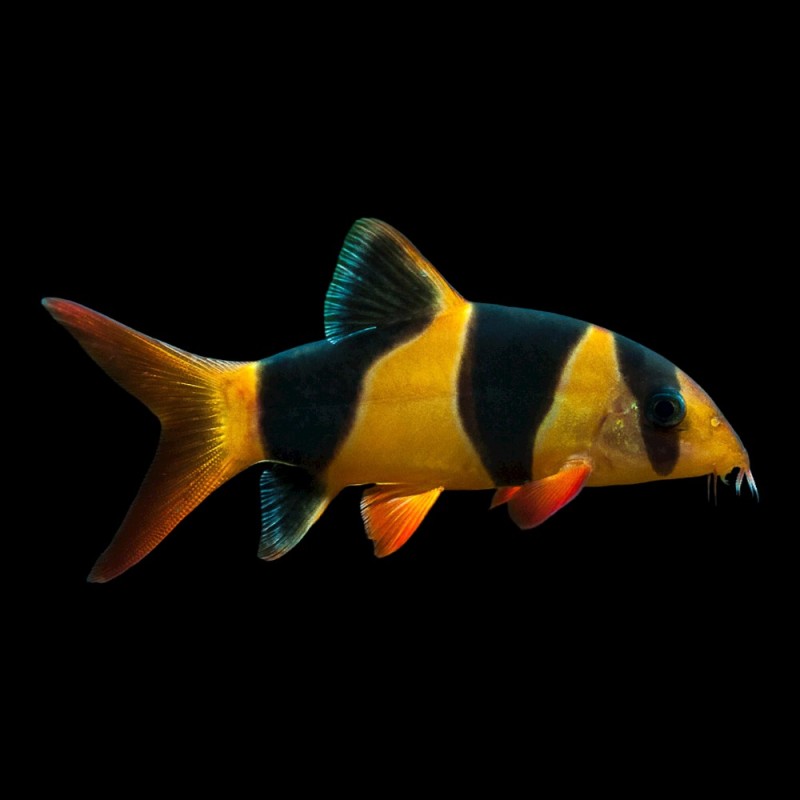
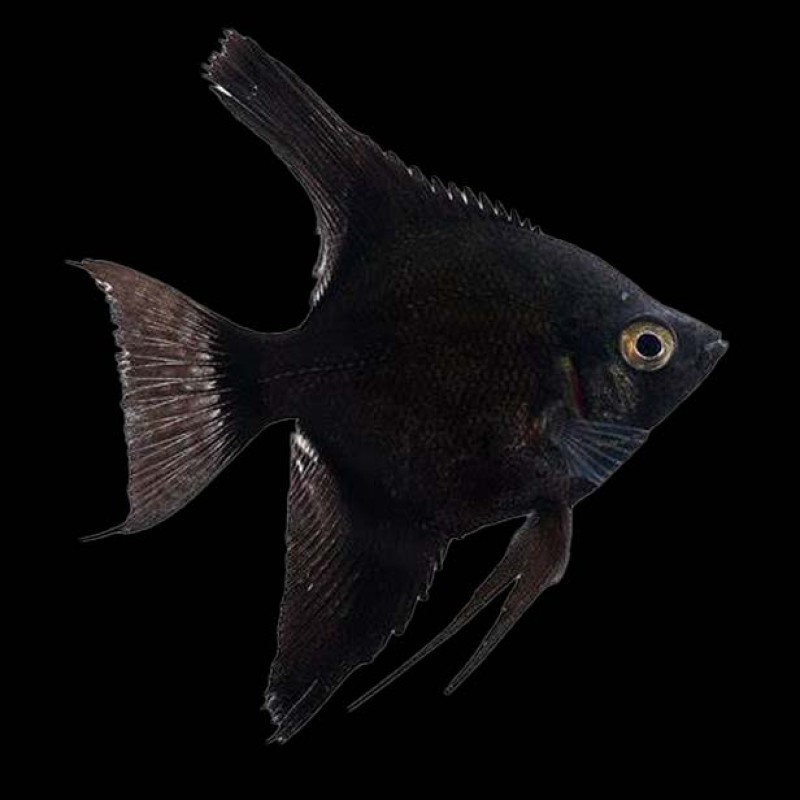
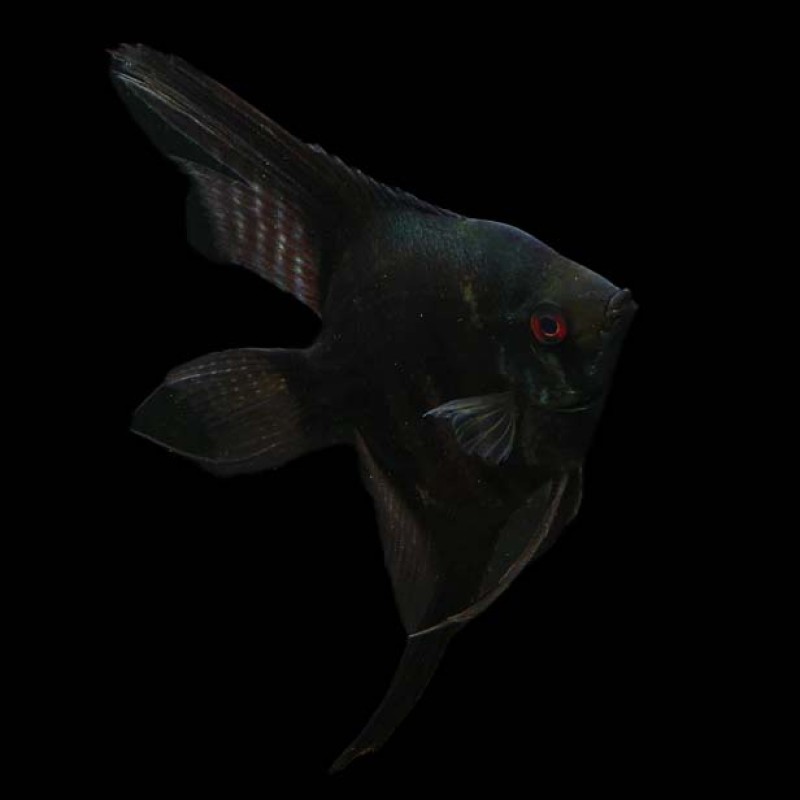
Black Otocinclus
€5.99
Ex Tax: €4.87
- Stock: Generally In Stock
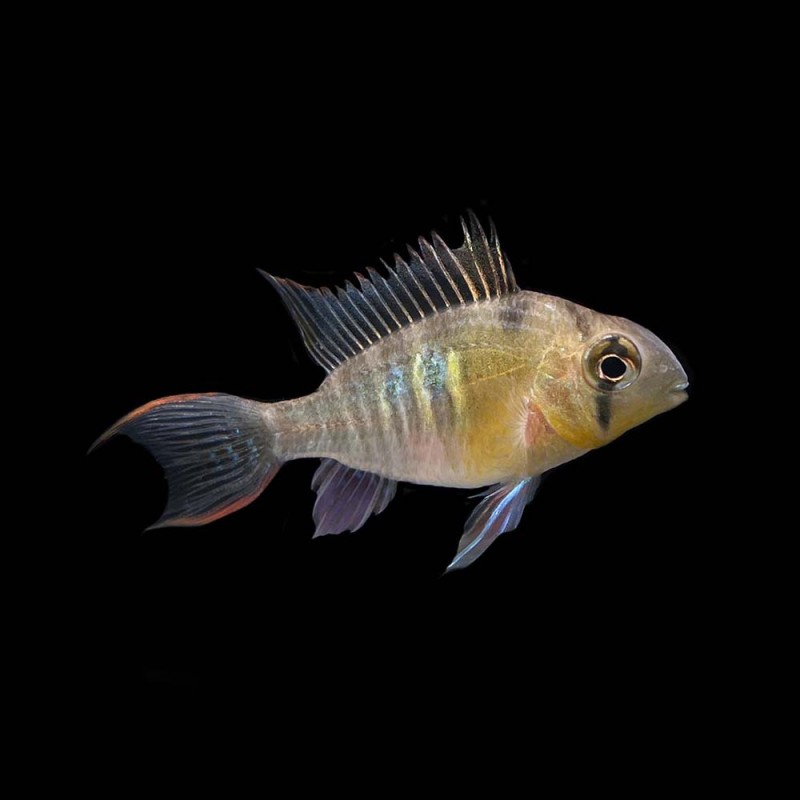
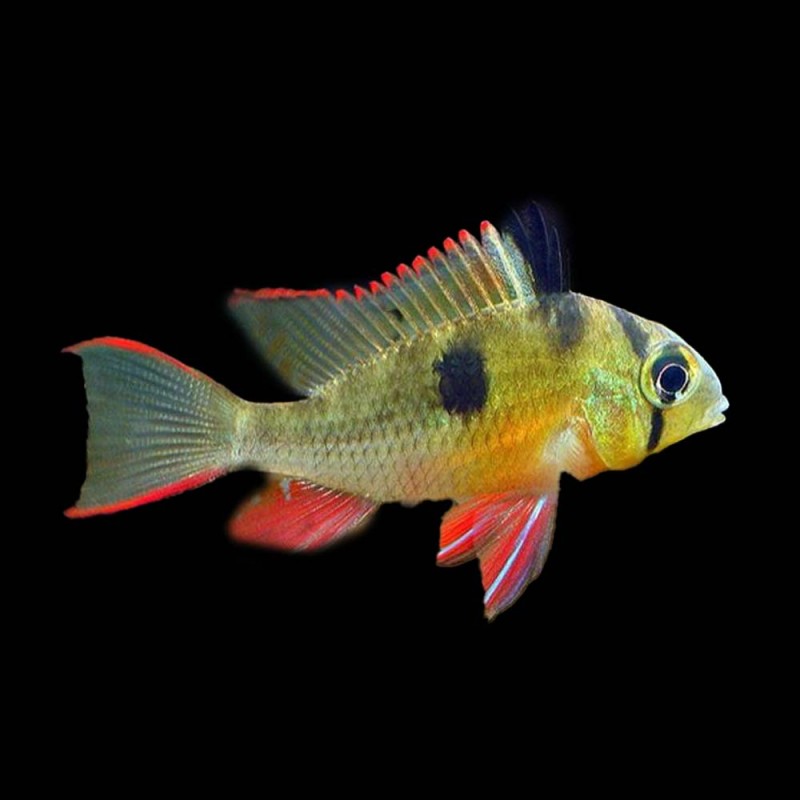
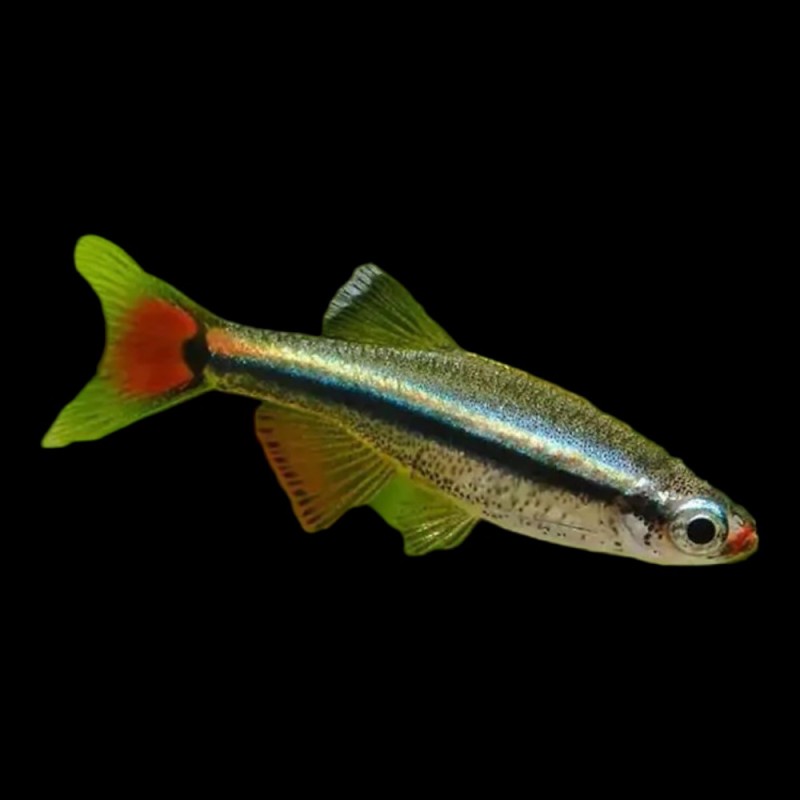
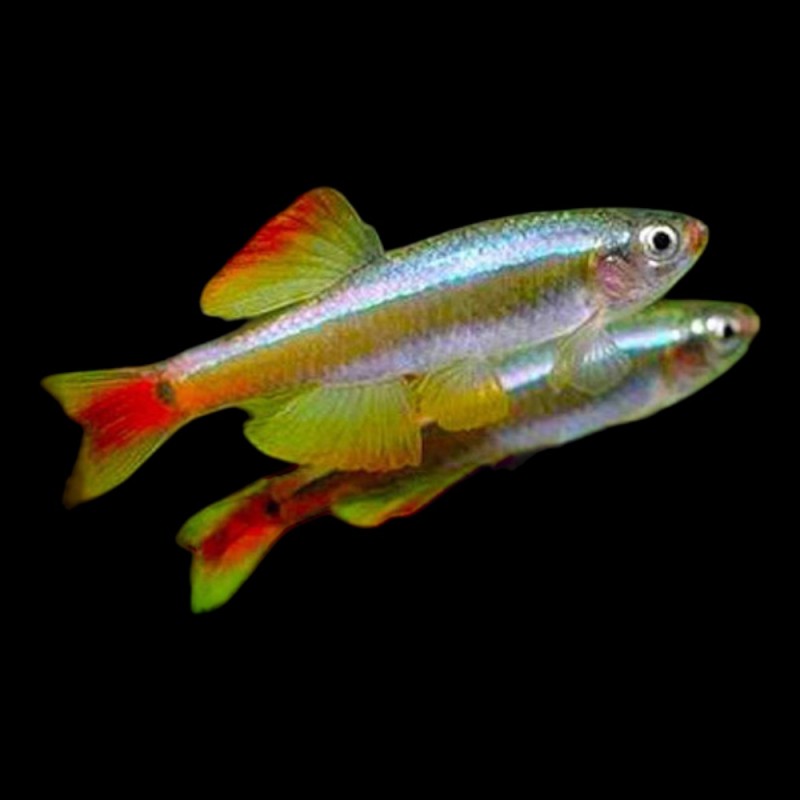
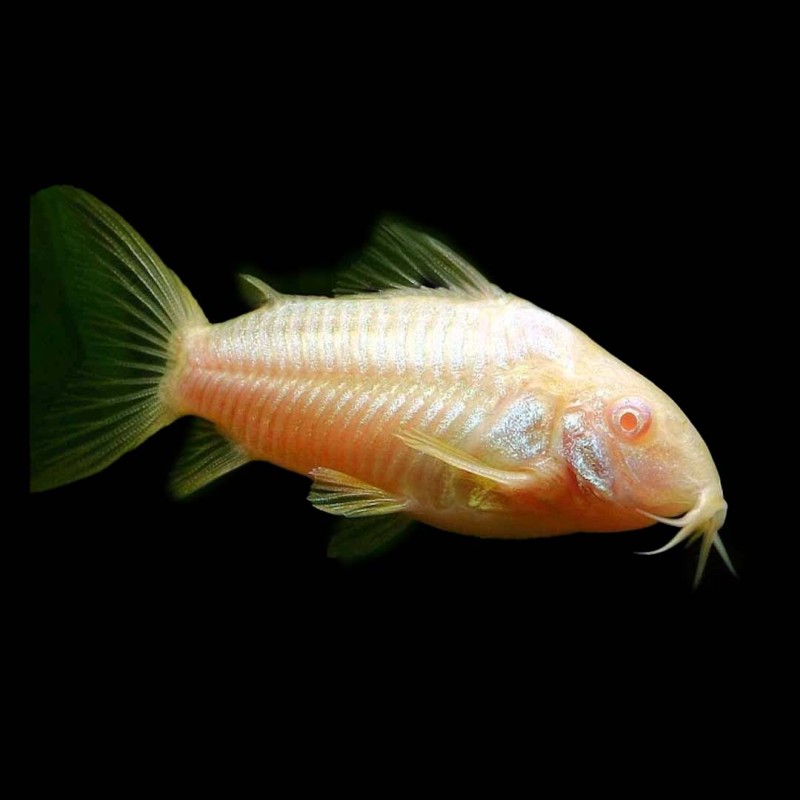
Please Note: Due to variations within species, your fish may not look identical to the image provided. Also note not all sizes or species may be available due to seasonality, Please call beforehand for up-to-date stock availability.
- Model: Black Otocinclus



-800x800.jpg "AquaOne Natural Gravel Layered Brown")
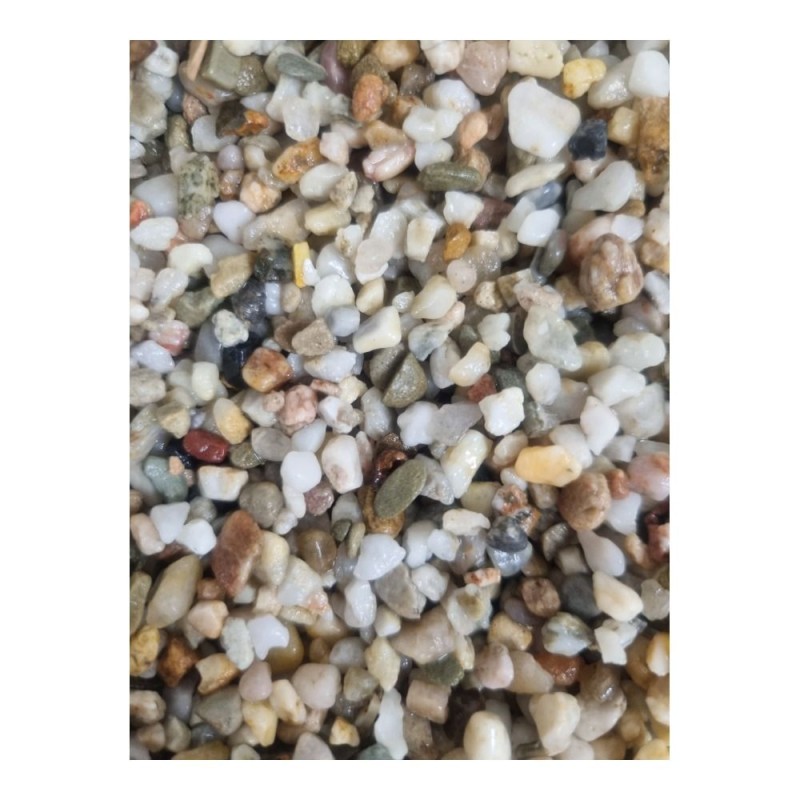


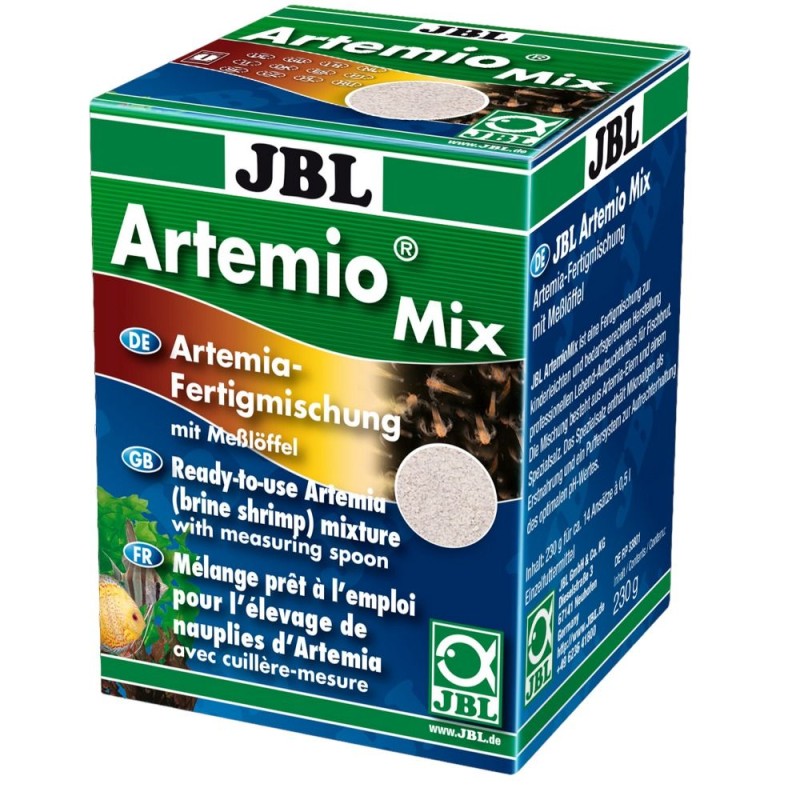

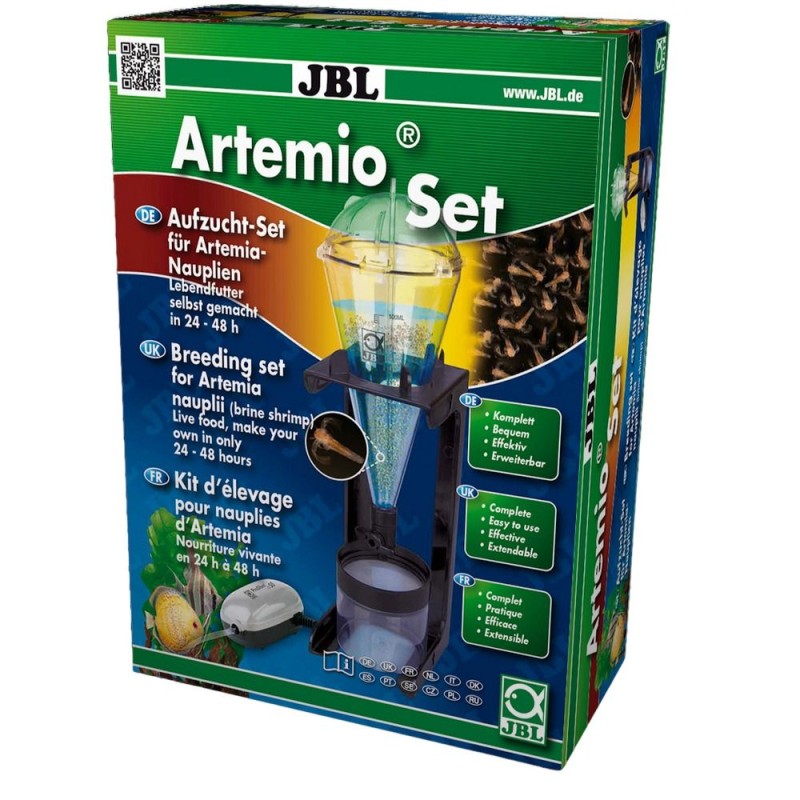
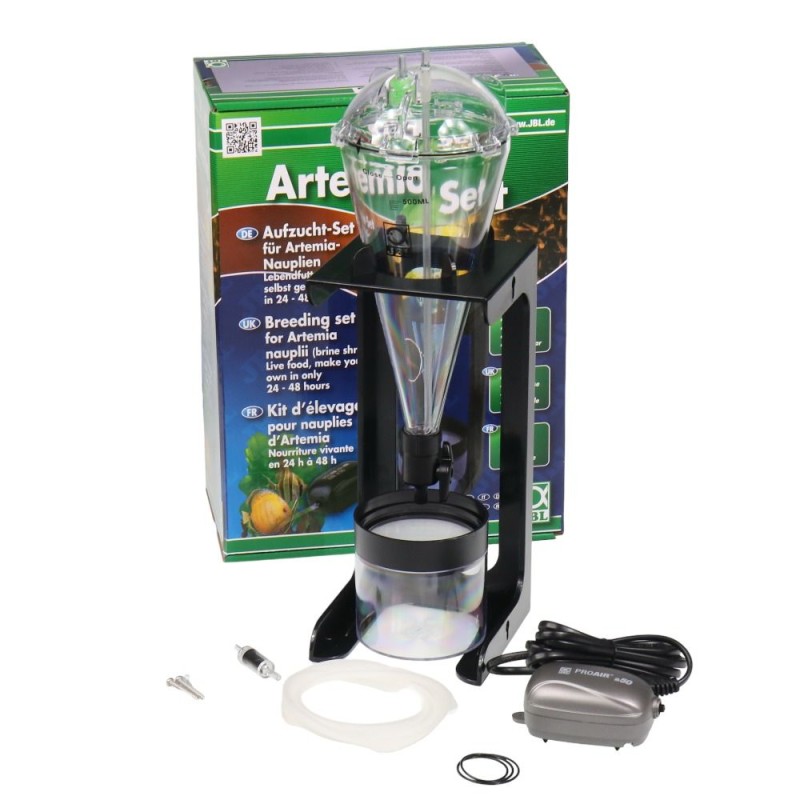
-800x800.jpg "Anubias barteri nana on wood with suction cup")
-800x800.jpg "Anubias barteri nana on wood with suction cup")












-800x800.jpg "Bronze Aeneus Corydoras")

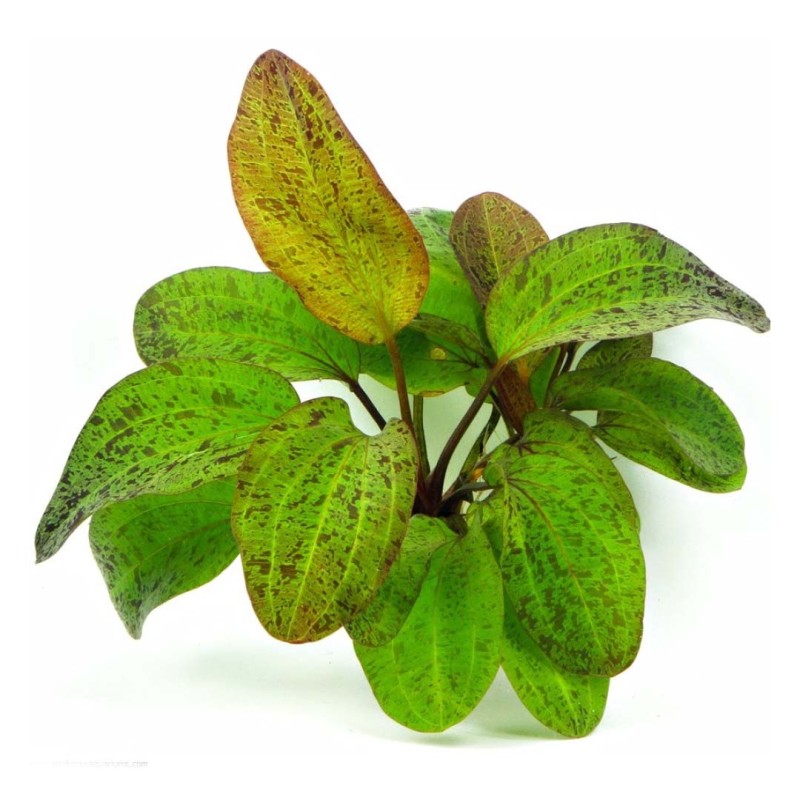
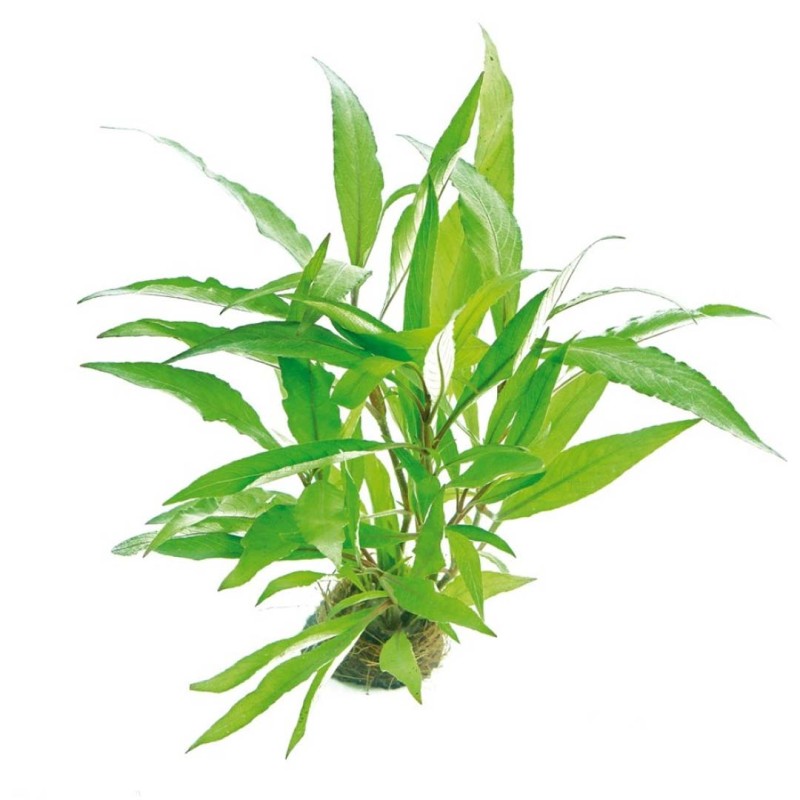

-800x800.jpg "Pogostemon deccanensis")
-800x800.jpg "Honey Gourami")

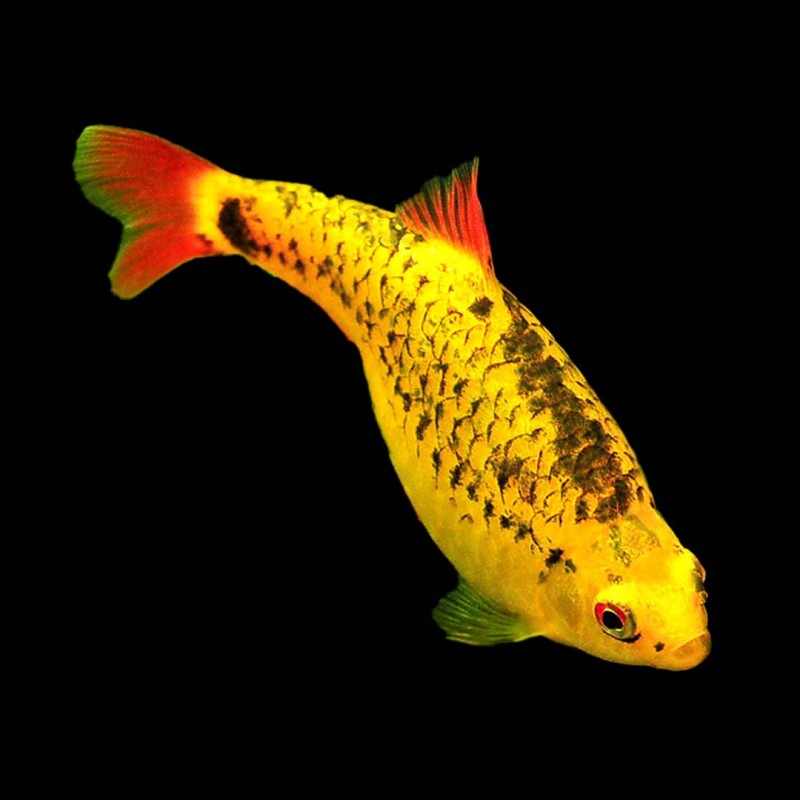
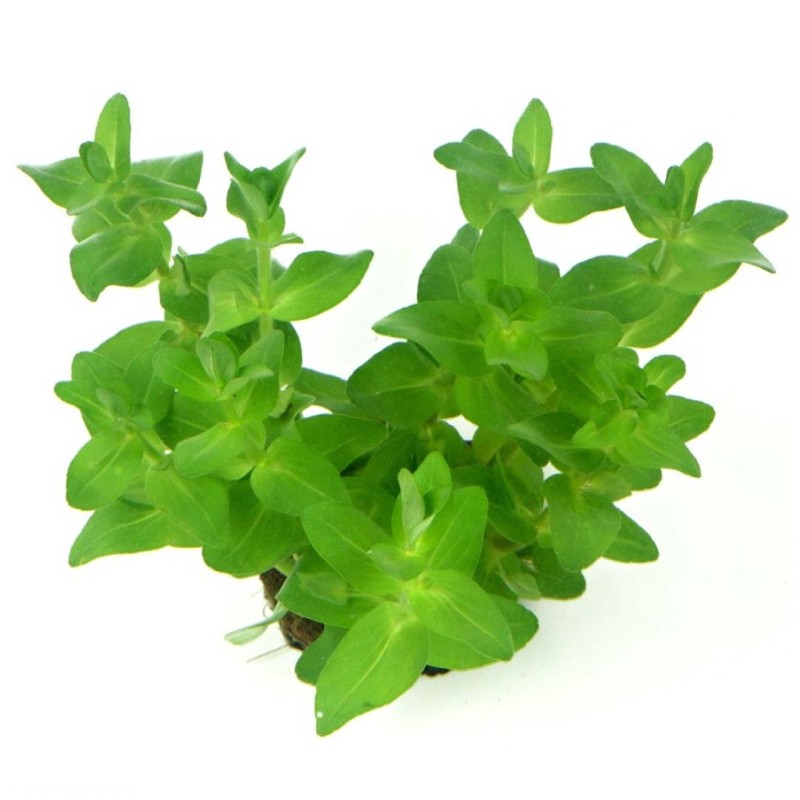


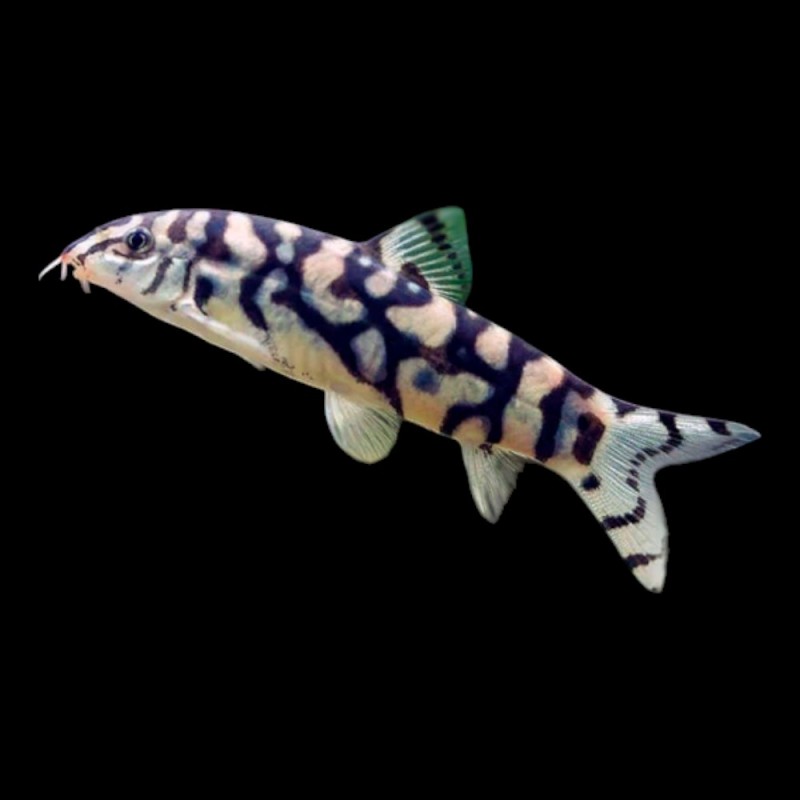
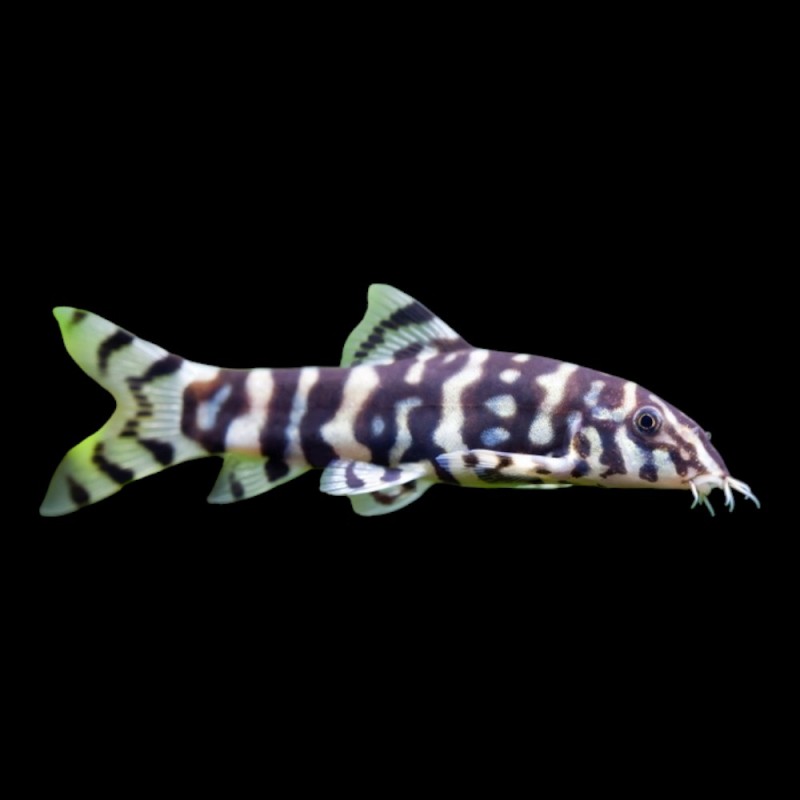


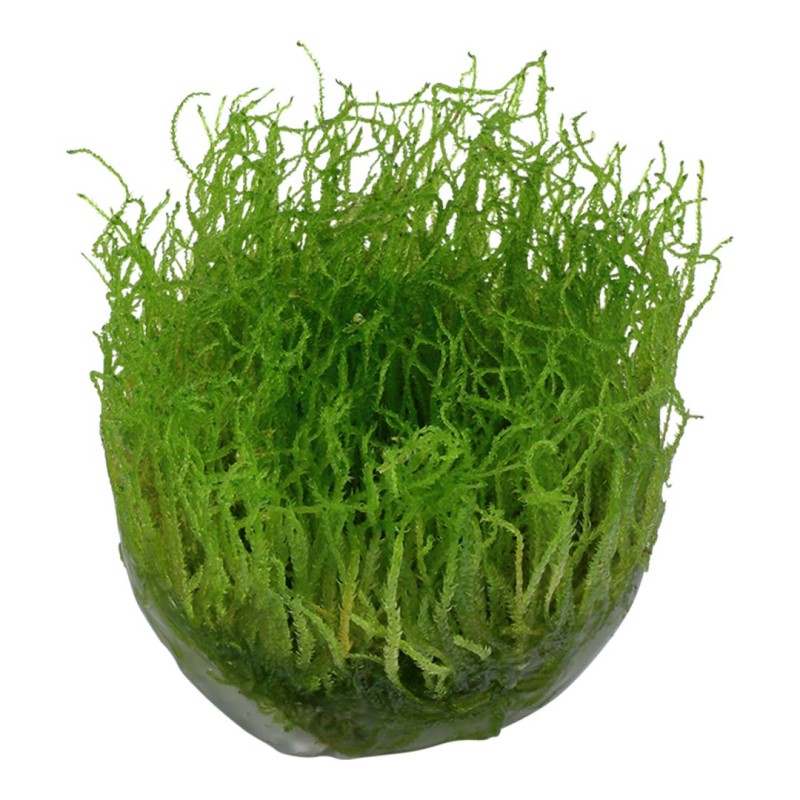
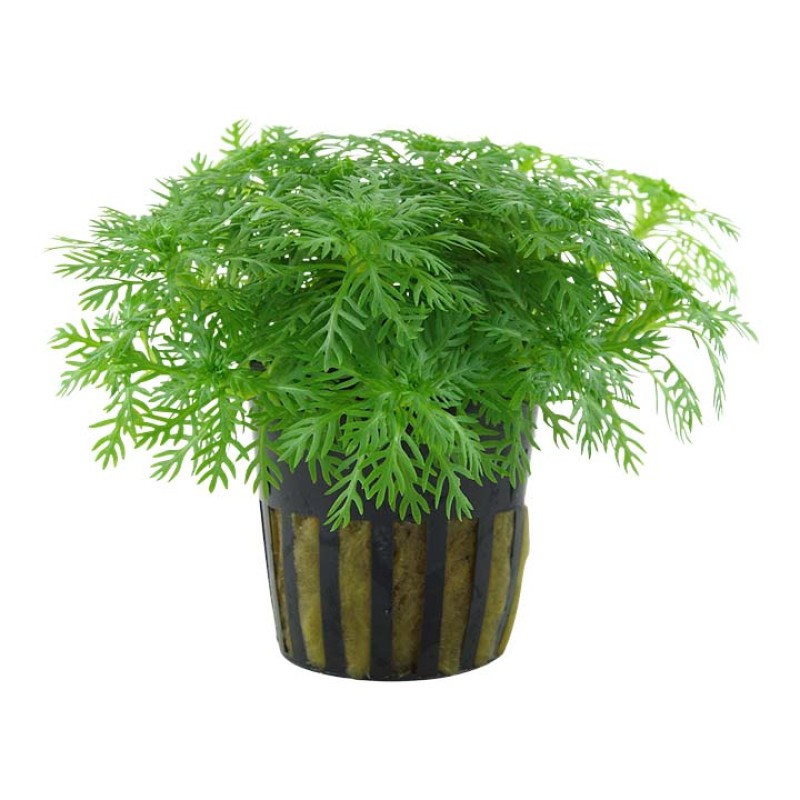


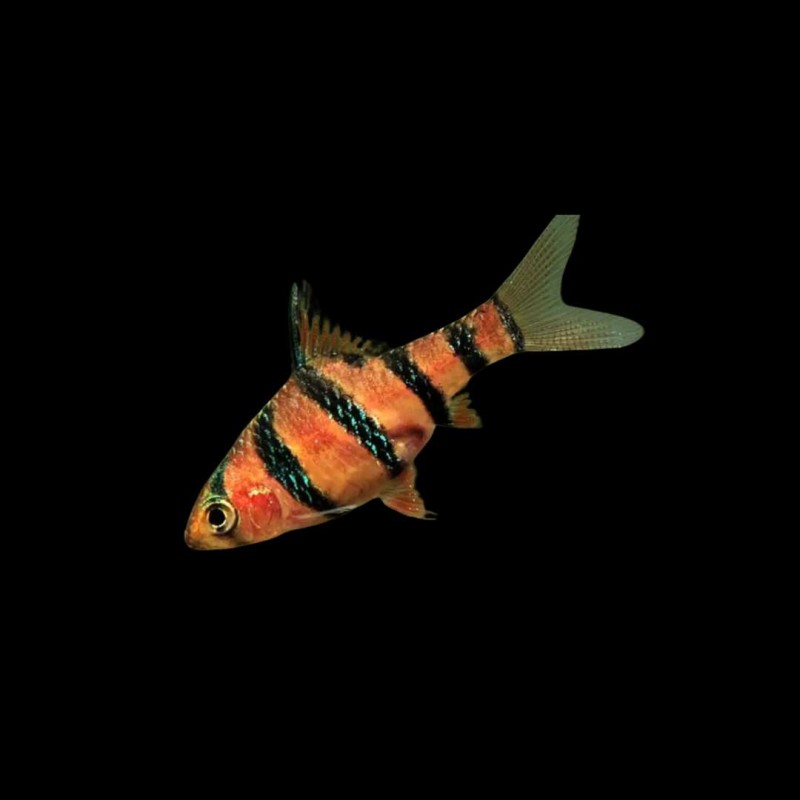
-800x800.jpg "Pentazona Barb")
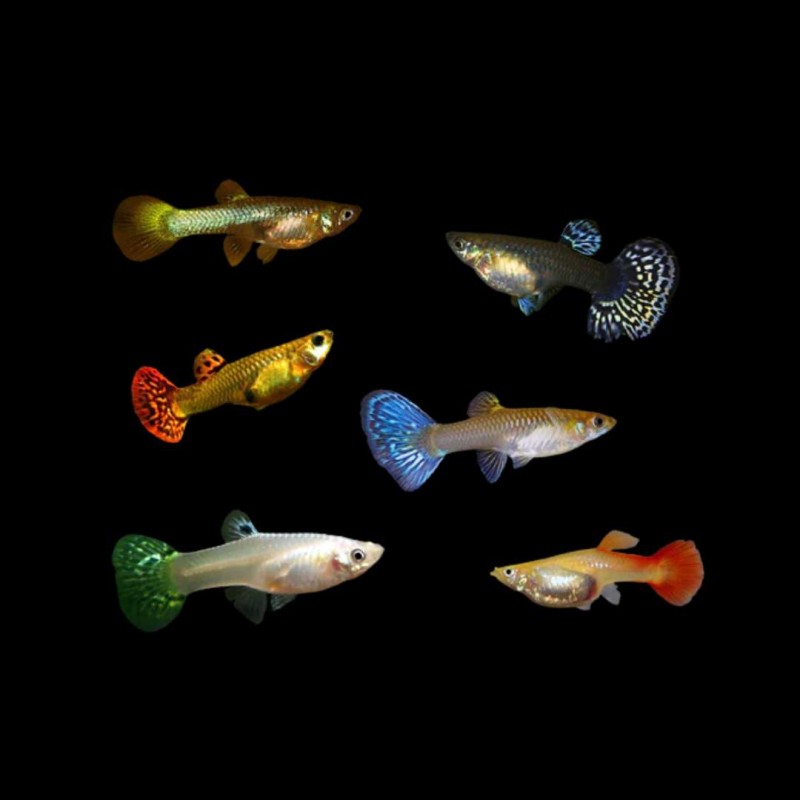
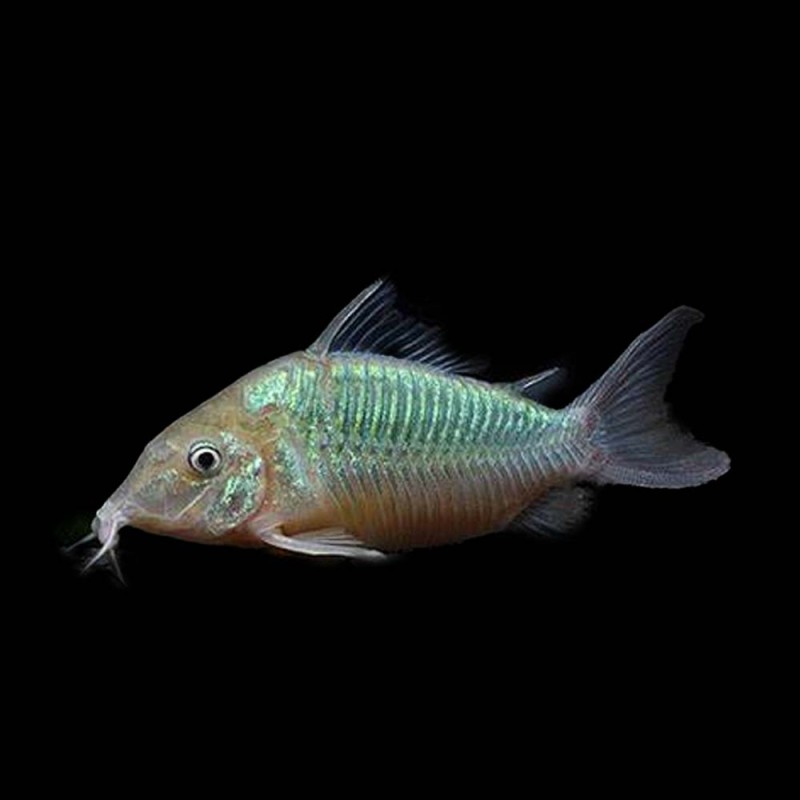
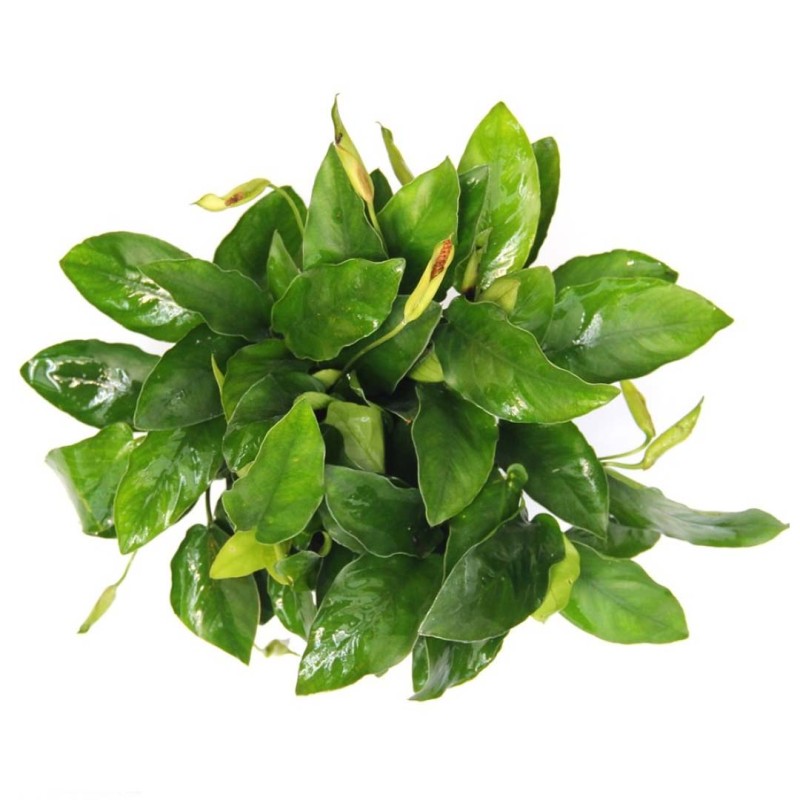



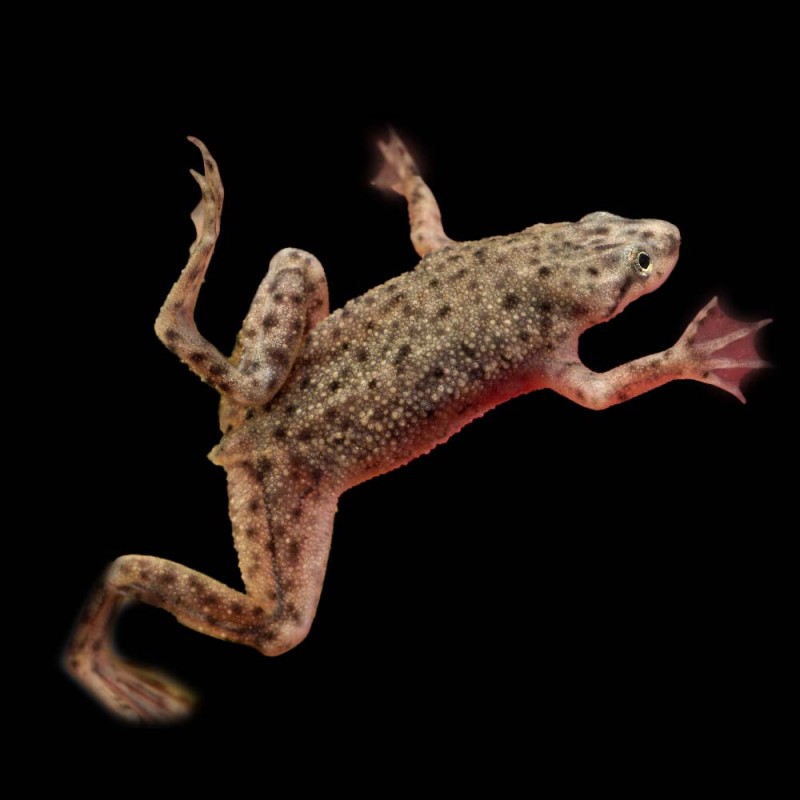


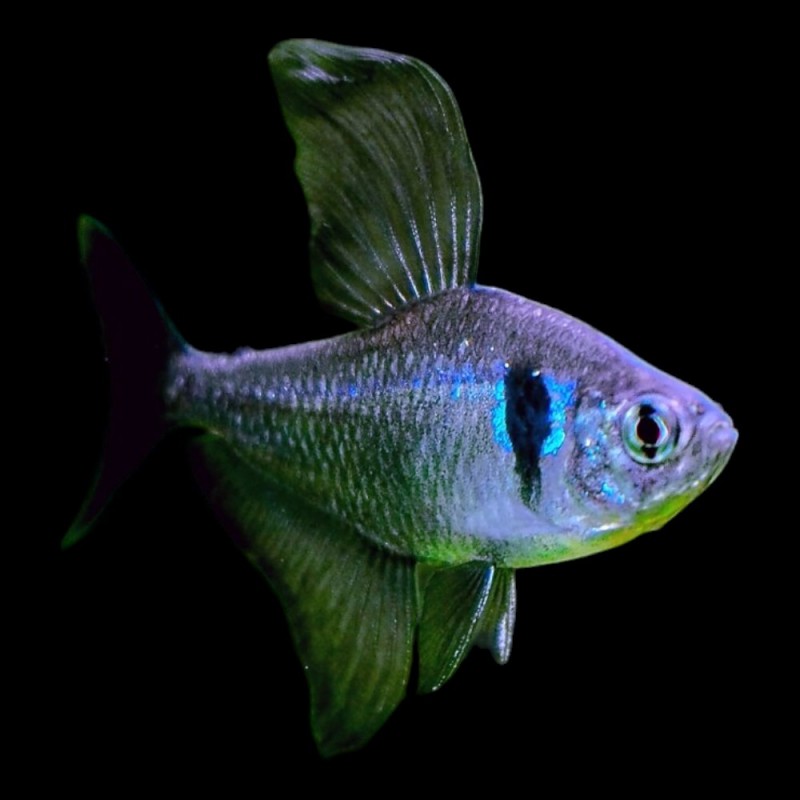
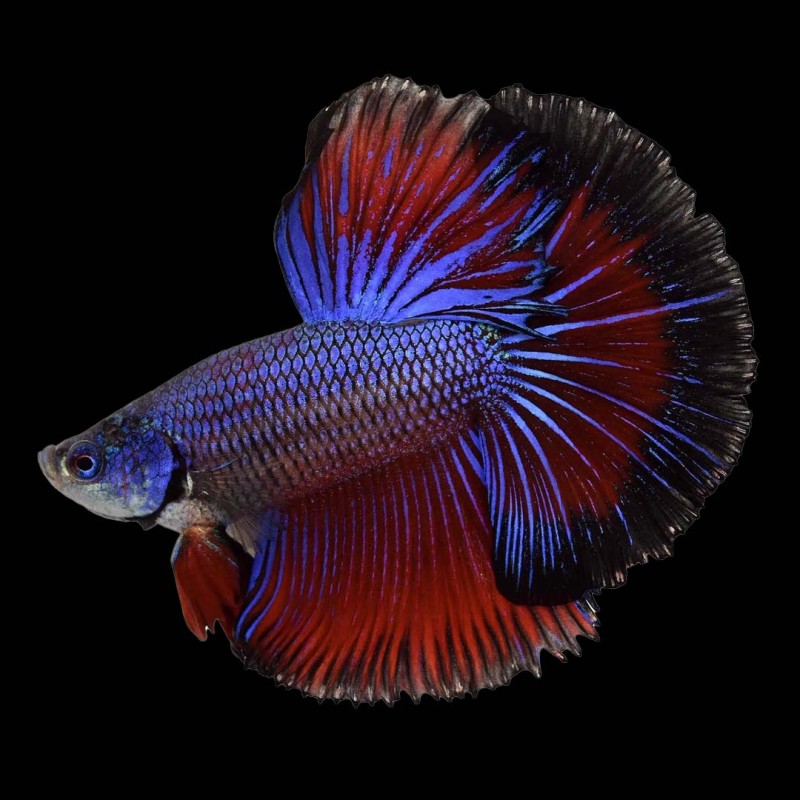


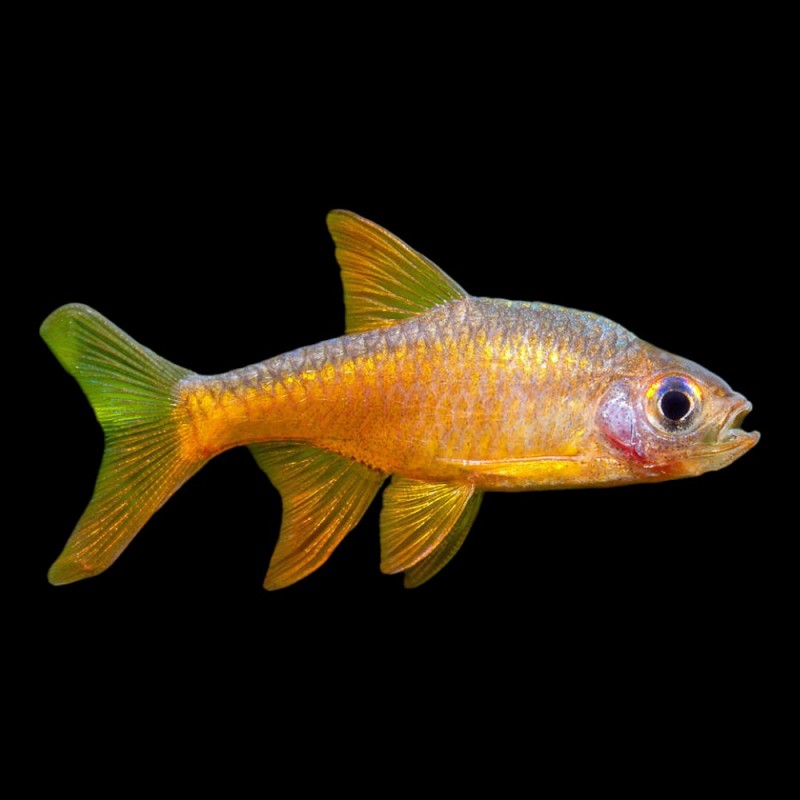







-800x800.jpg "Angelicus Pleco (L-05)")
-800x800.jpg "Powder Blue Dwarf Gourami")



%20(19-23cm)%20Shrink%20wrapped-800x800.png "AquaOne Natural Driftwood (XS) (19-23cm) Shrink wrapped")


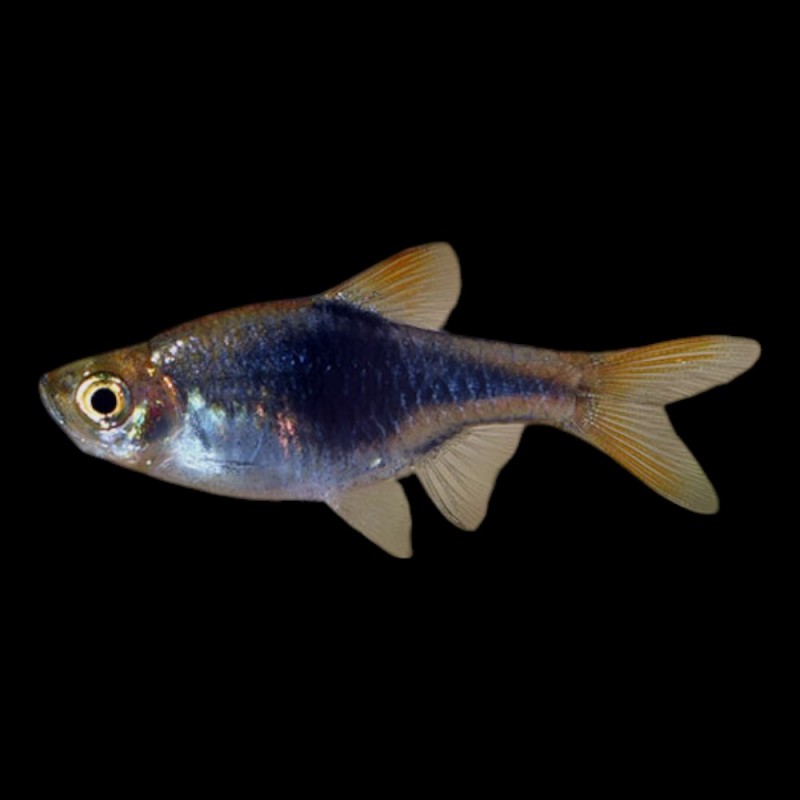
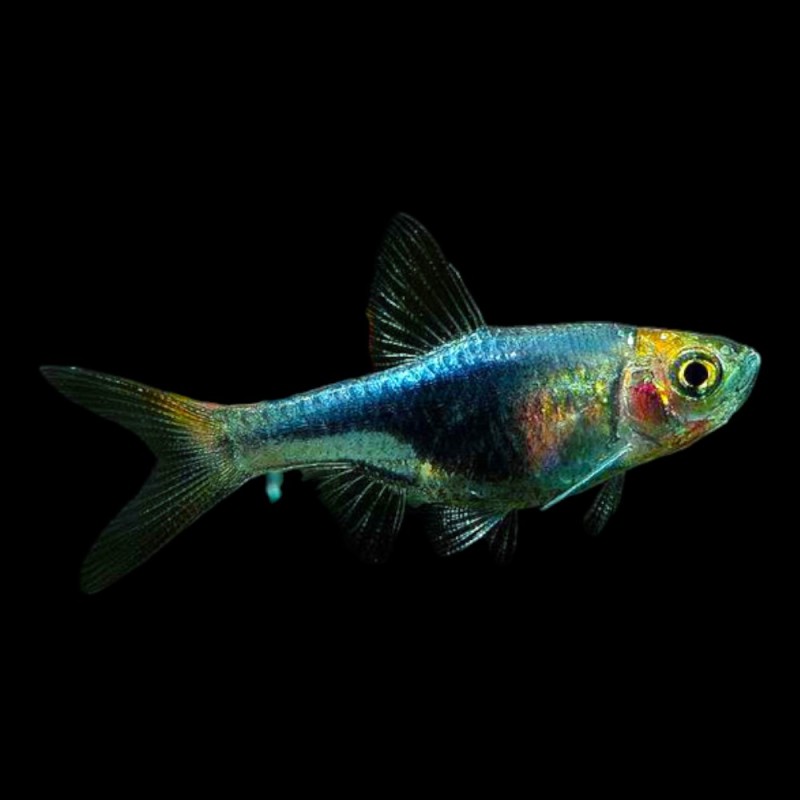


-800x800.jpg "Espei Rasbora")
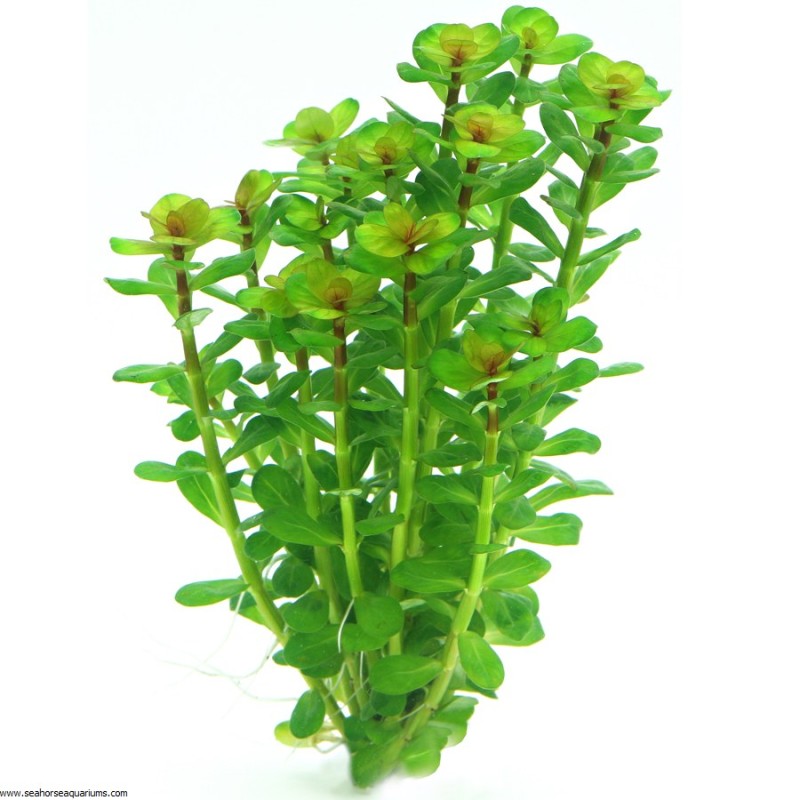









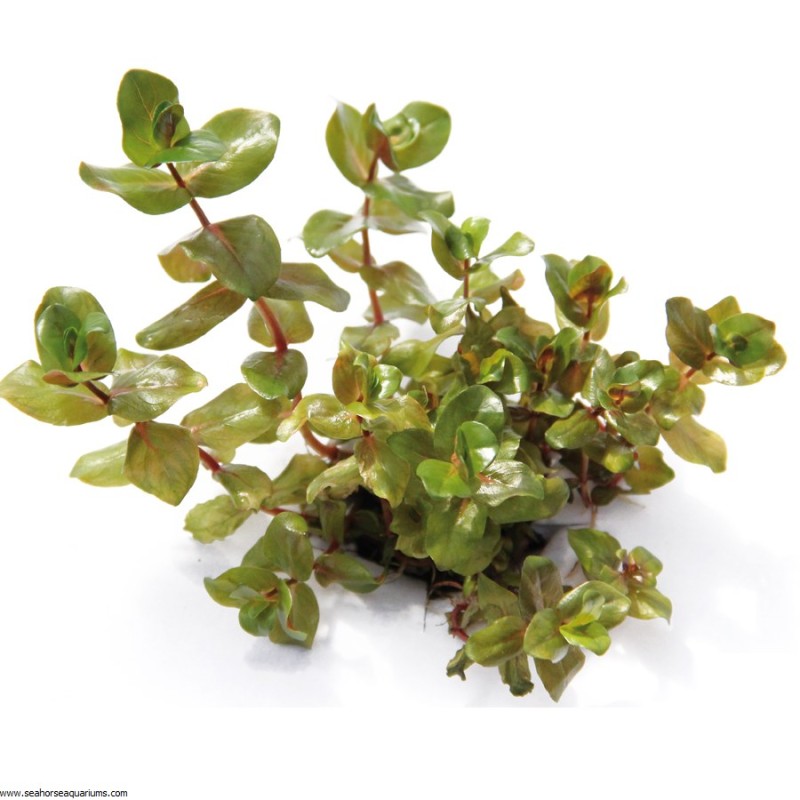

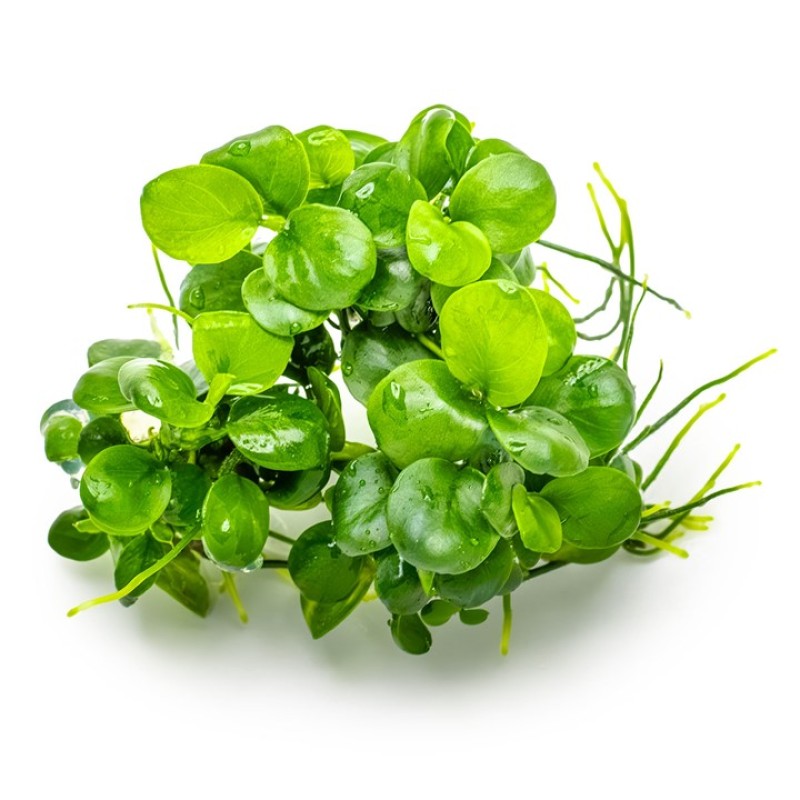



-800x800.jpg "Rotala rotundifolia green in vitro")
-800x800.jpg "Rotala rotundifolia green in vitro")
-800x800.jpg "Rotala indica “Bonsai” in vitro")
-800x800.jpg "Rotala indica “Bonsai” in vitro")




-800x800.jpg "Tiger Pleco (L-02)")