

- Stock: Generally In Stock
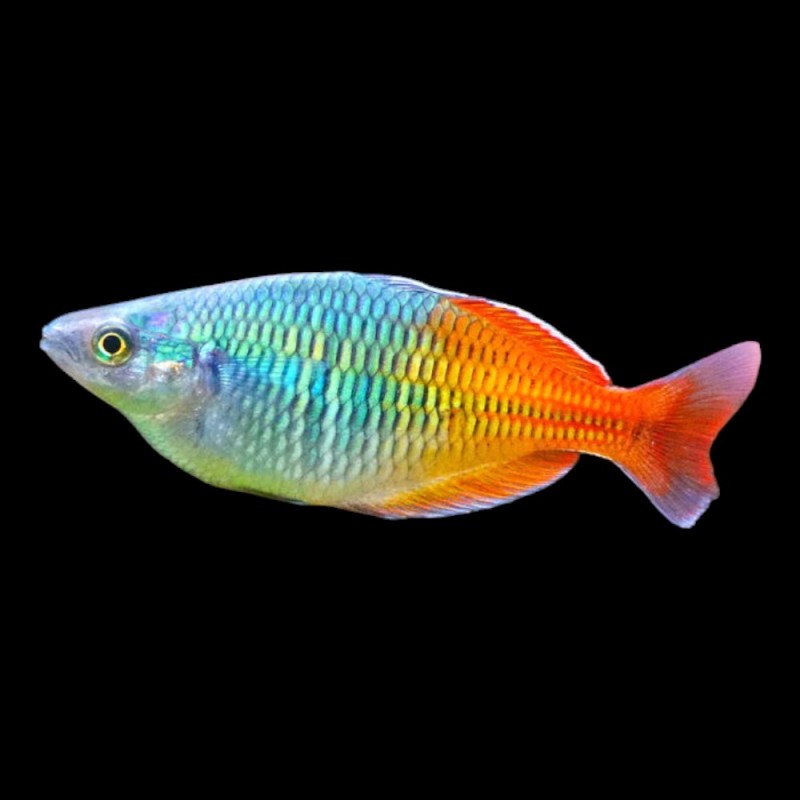
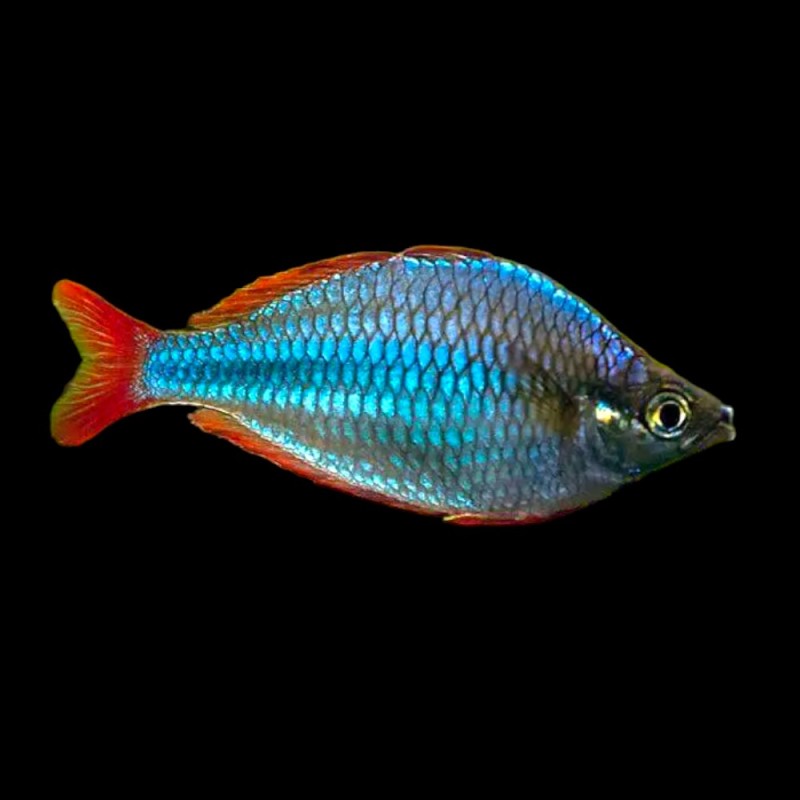
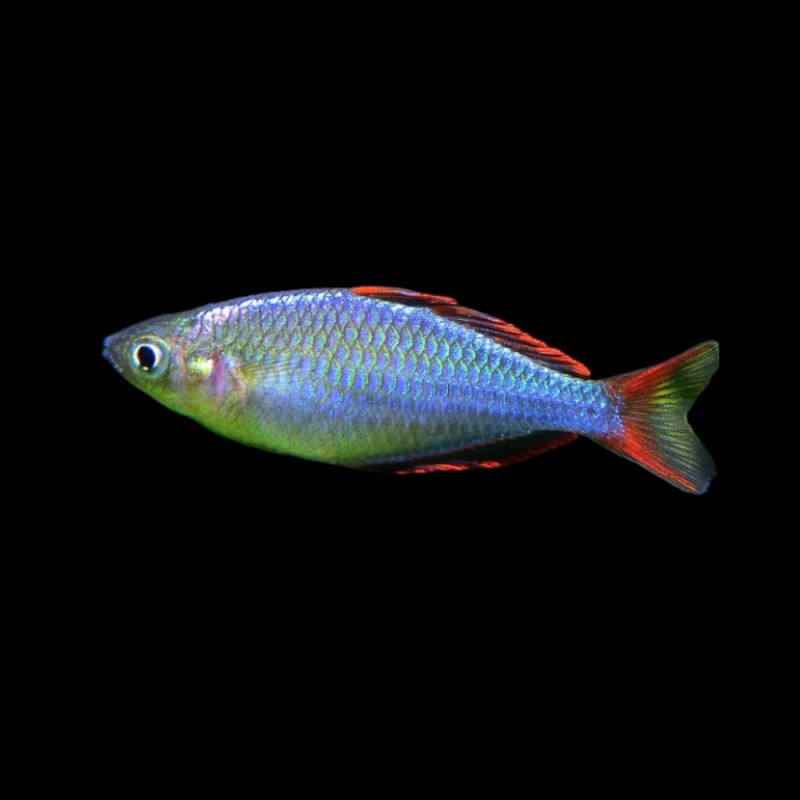
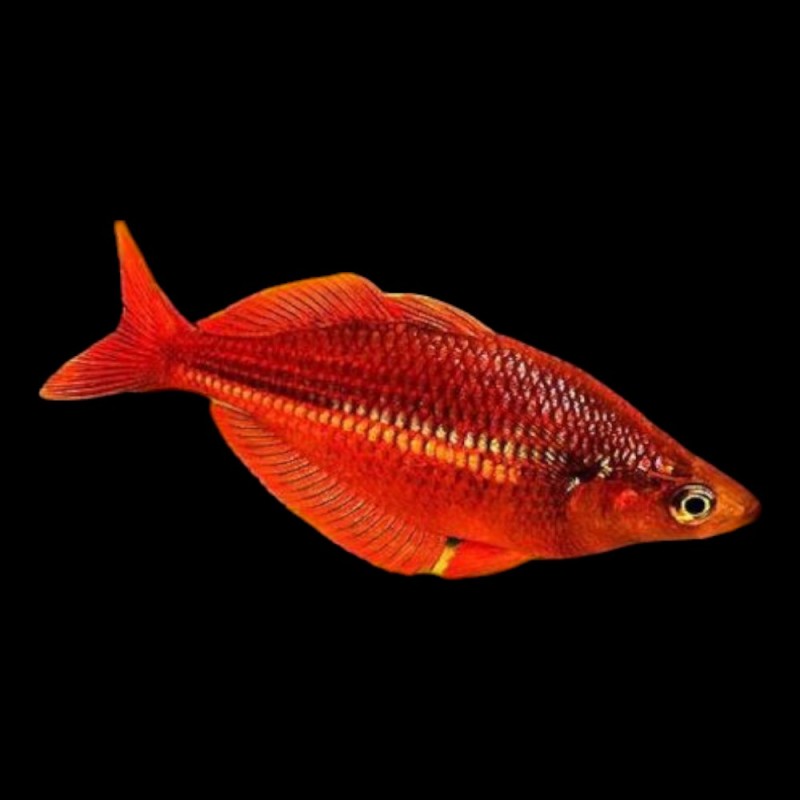
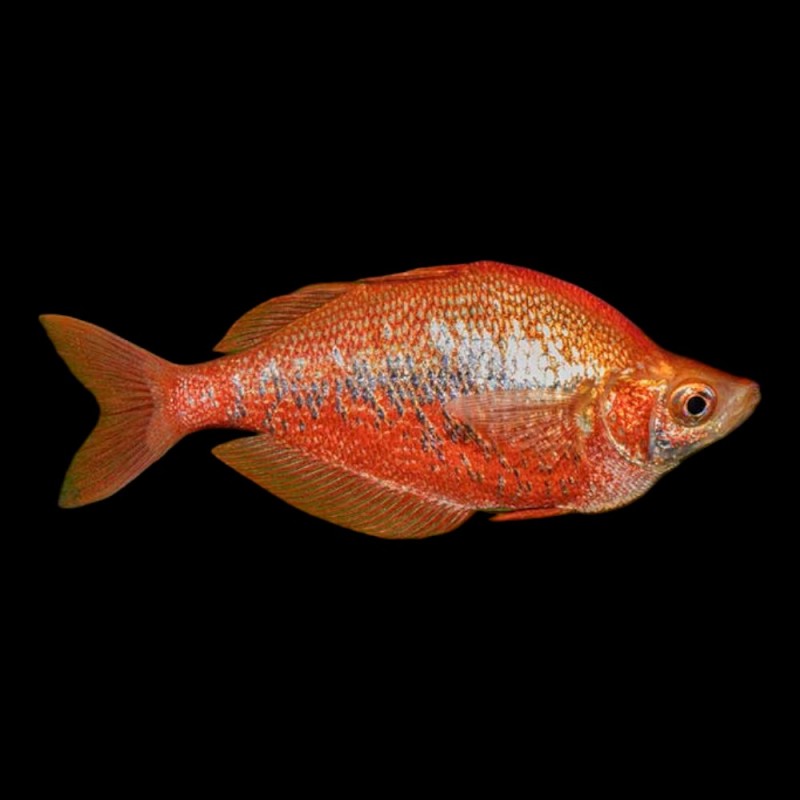
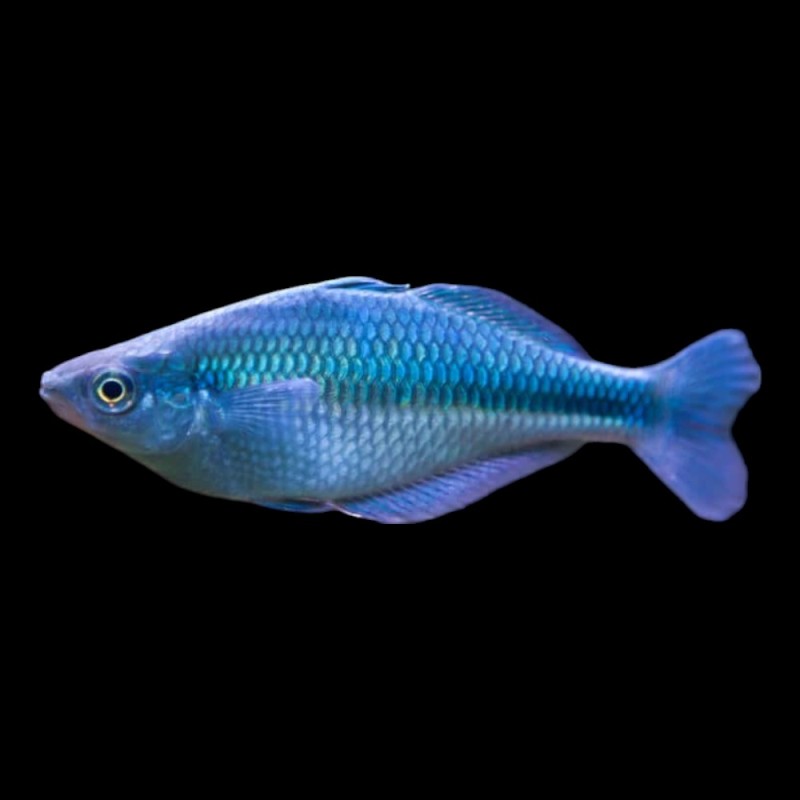
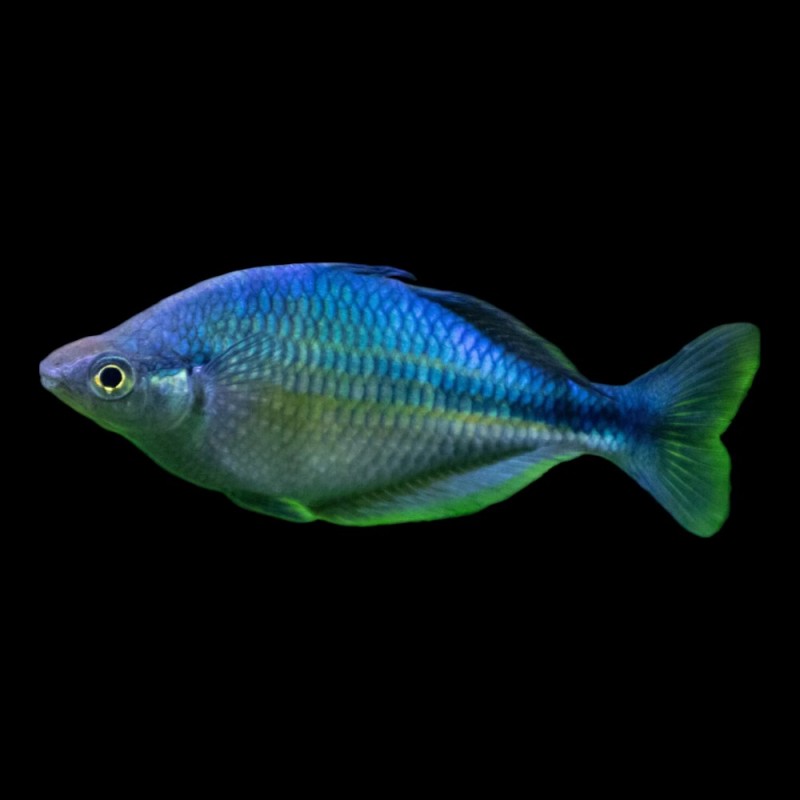
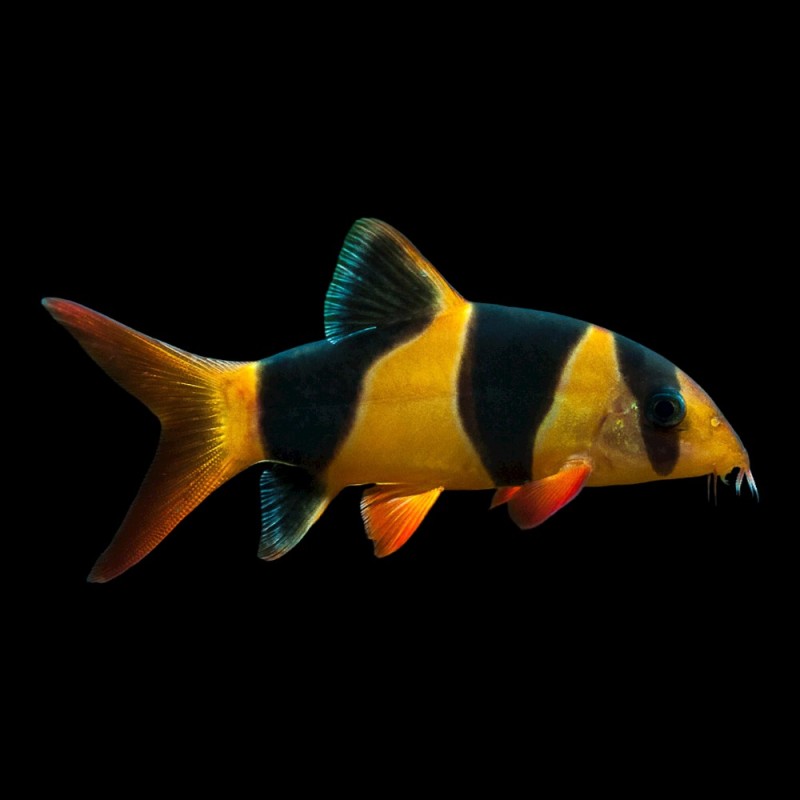
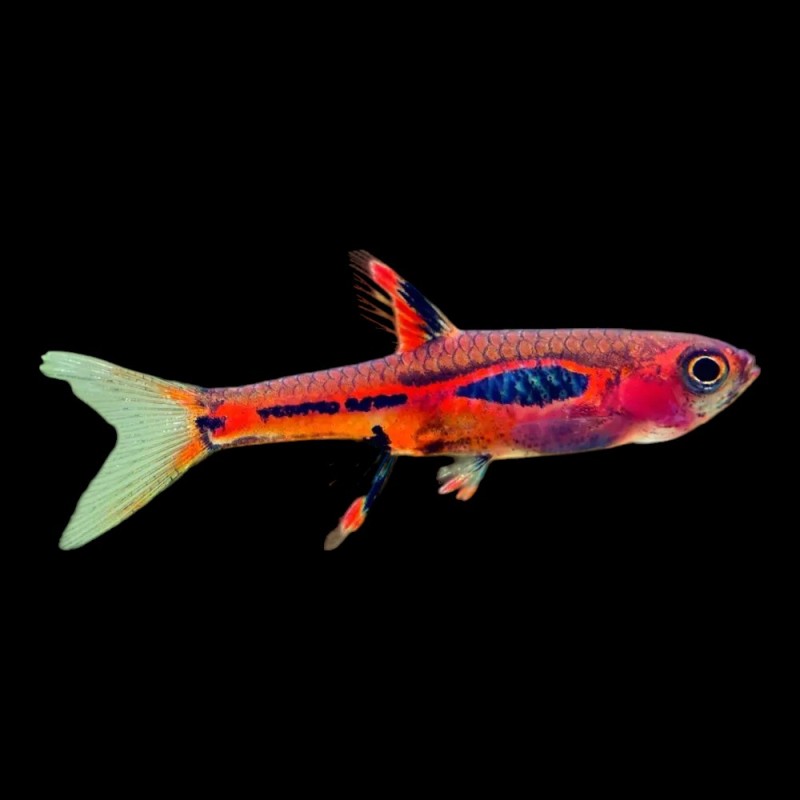
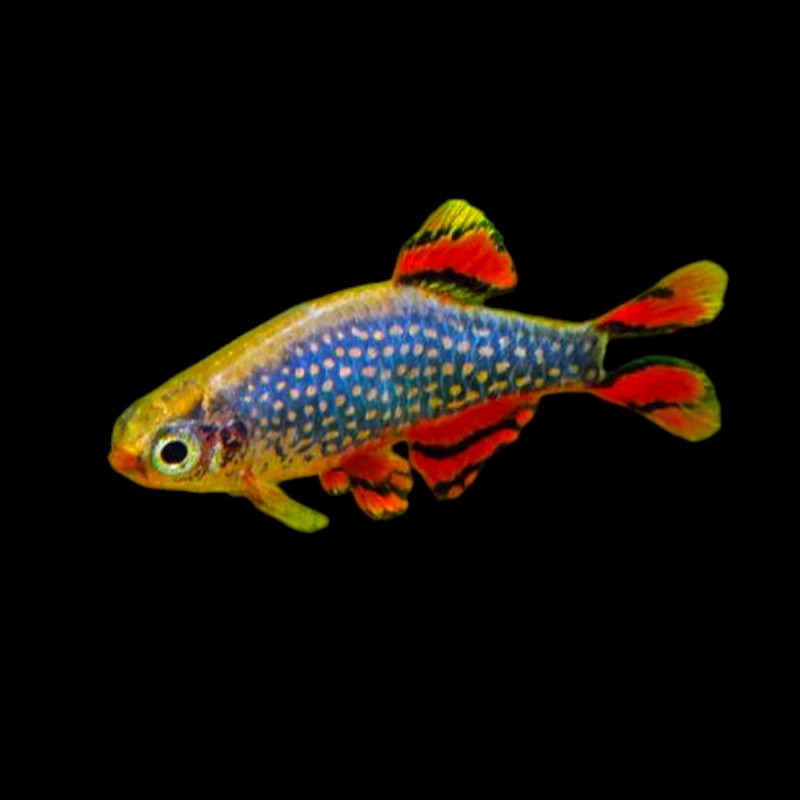
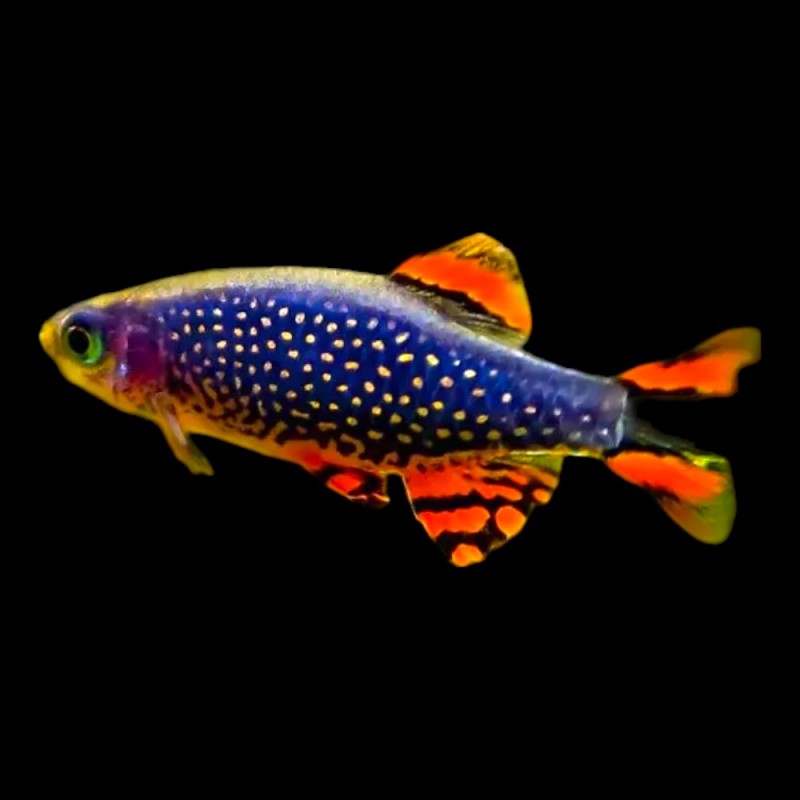
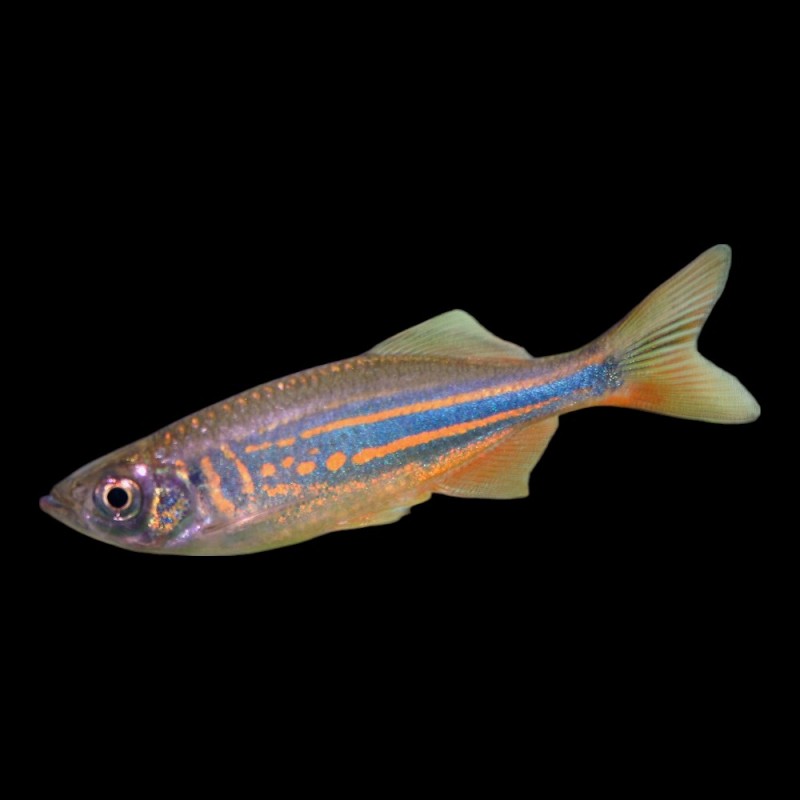
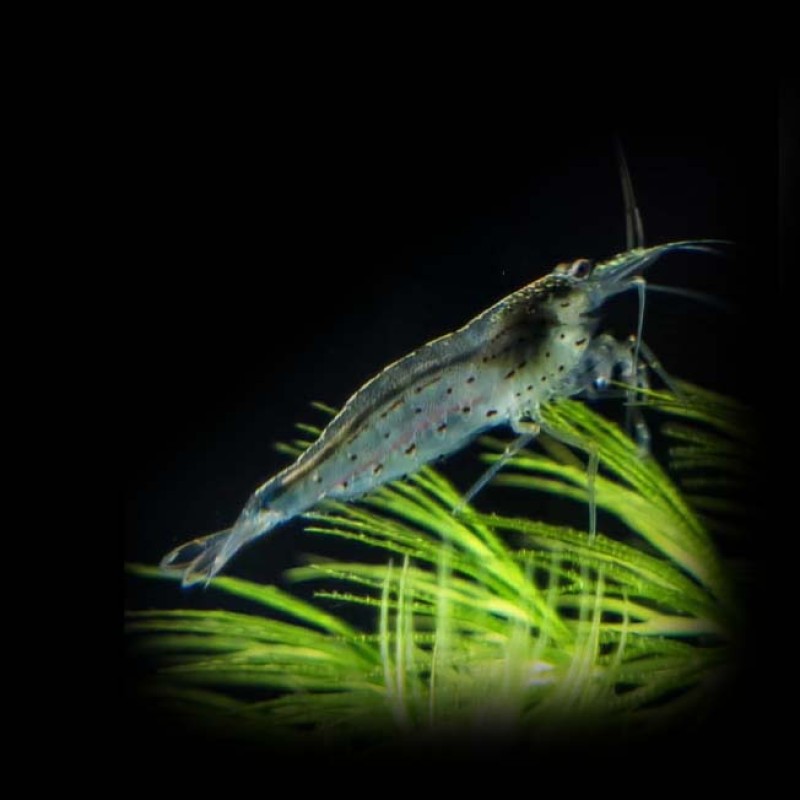
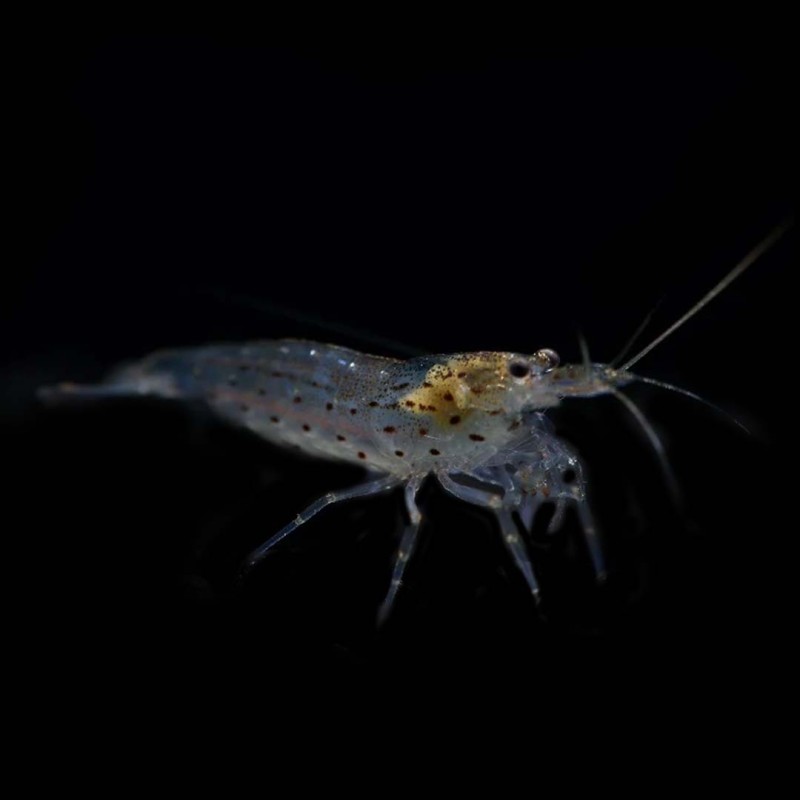
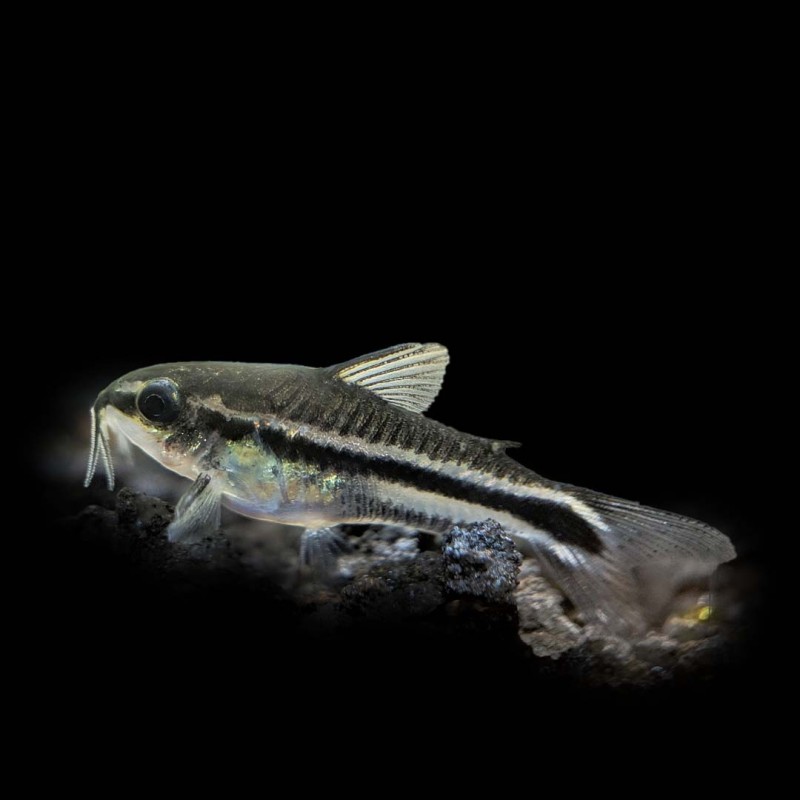
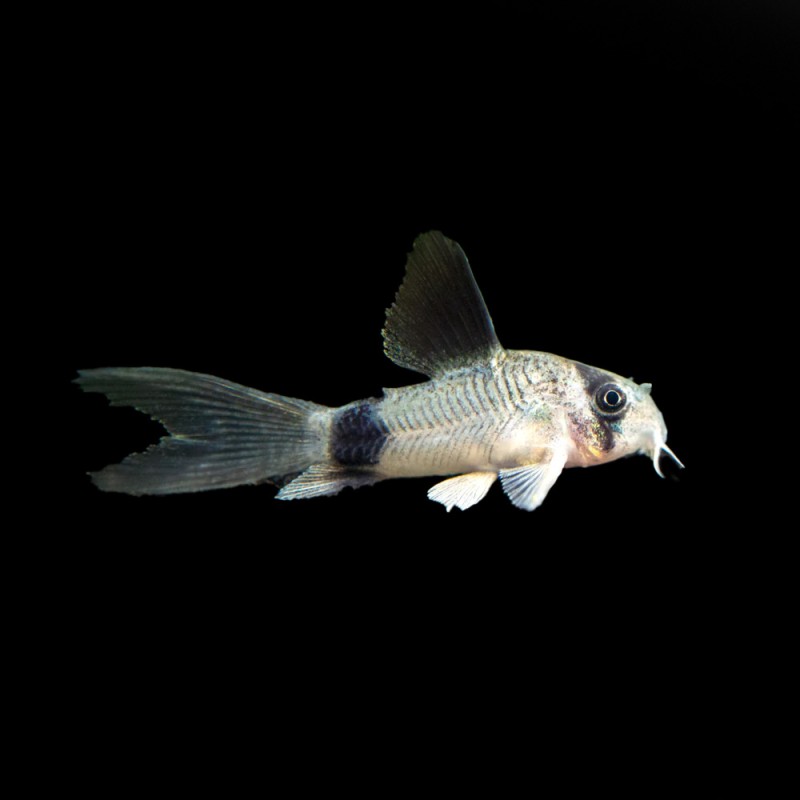
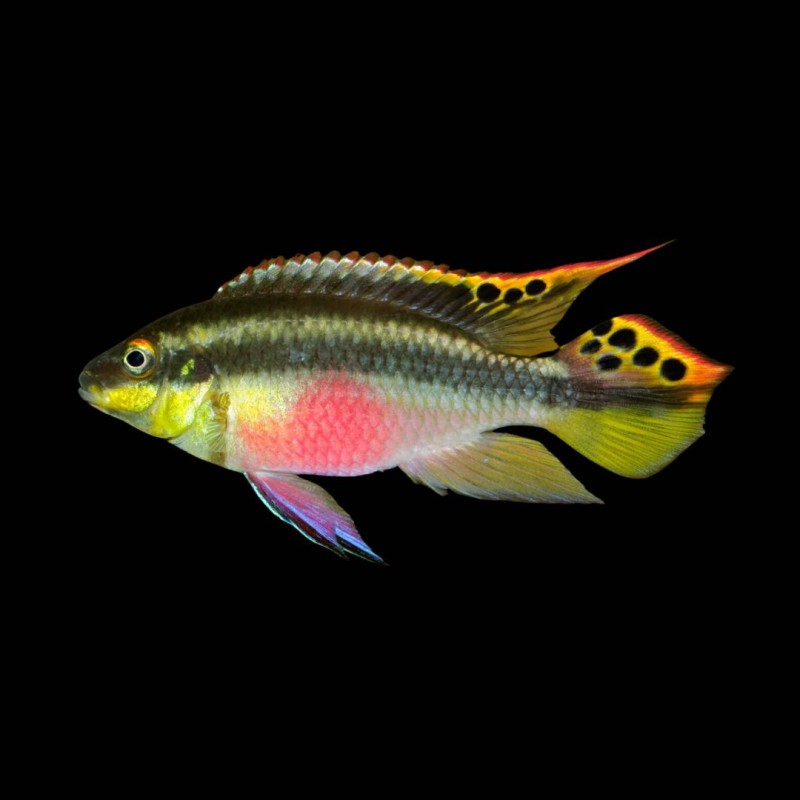
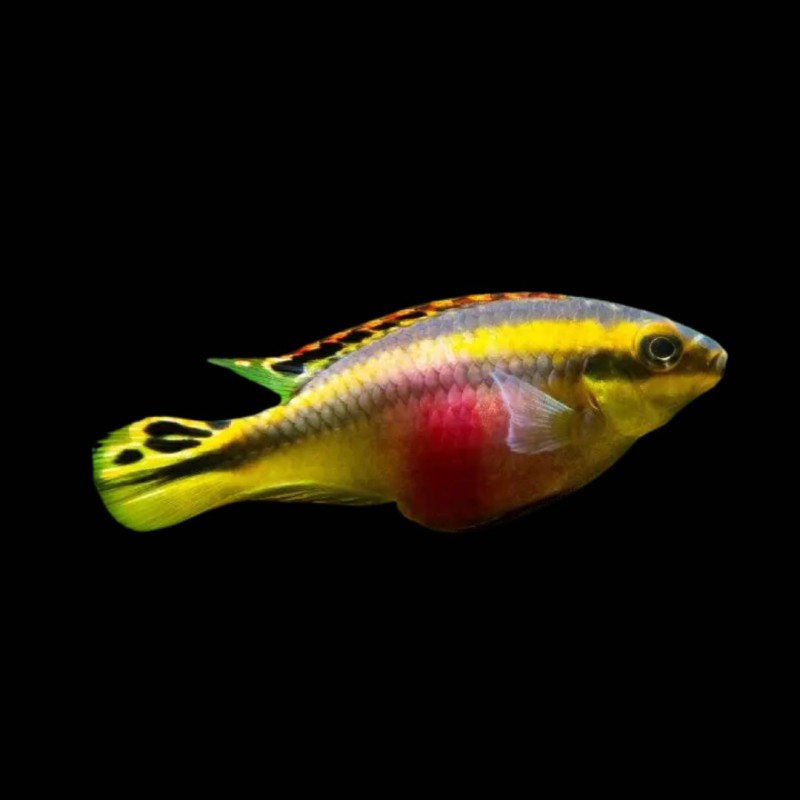
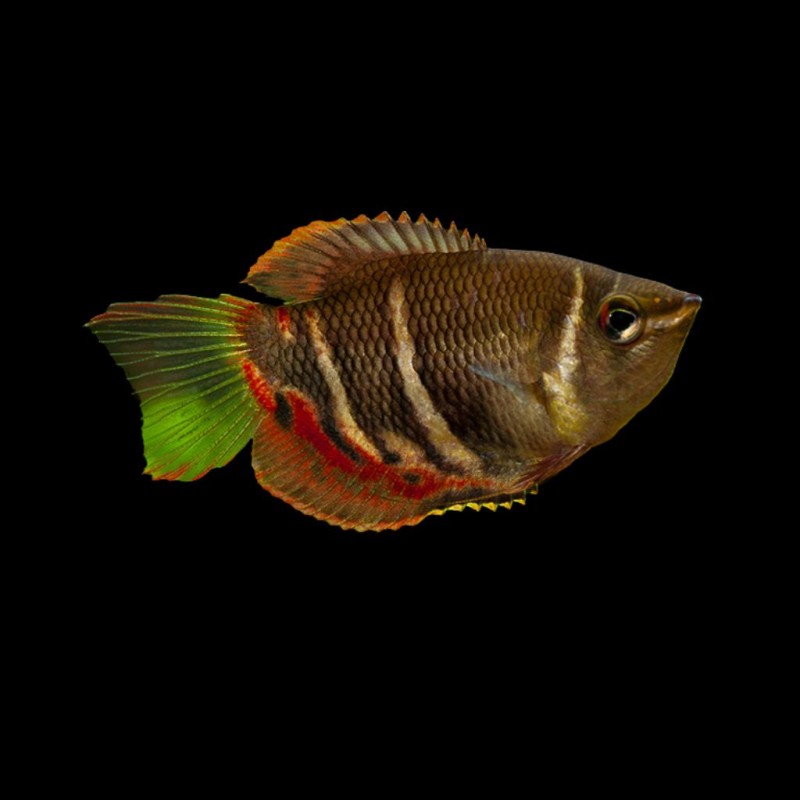
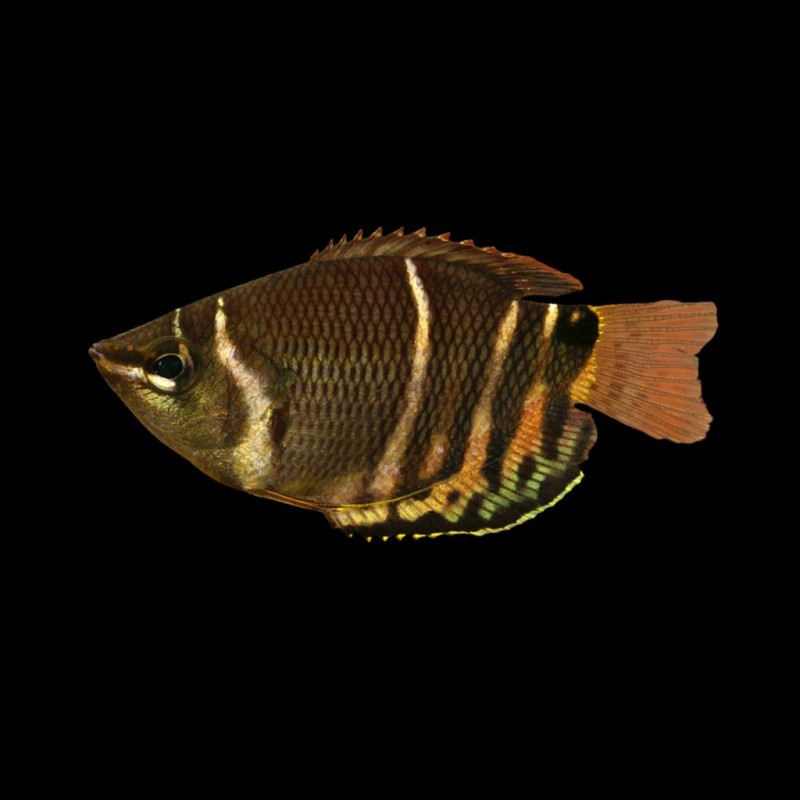
Please Note: Due to variations within species, your fish may not look identical to the image provided. Also note not all sizes or species may be available due to seasonality, Please call beforehand for up-to-date stock availability.
- Model: -
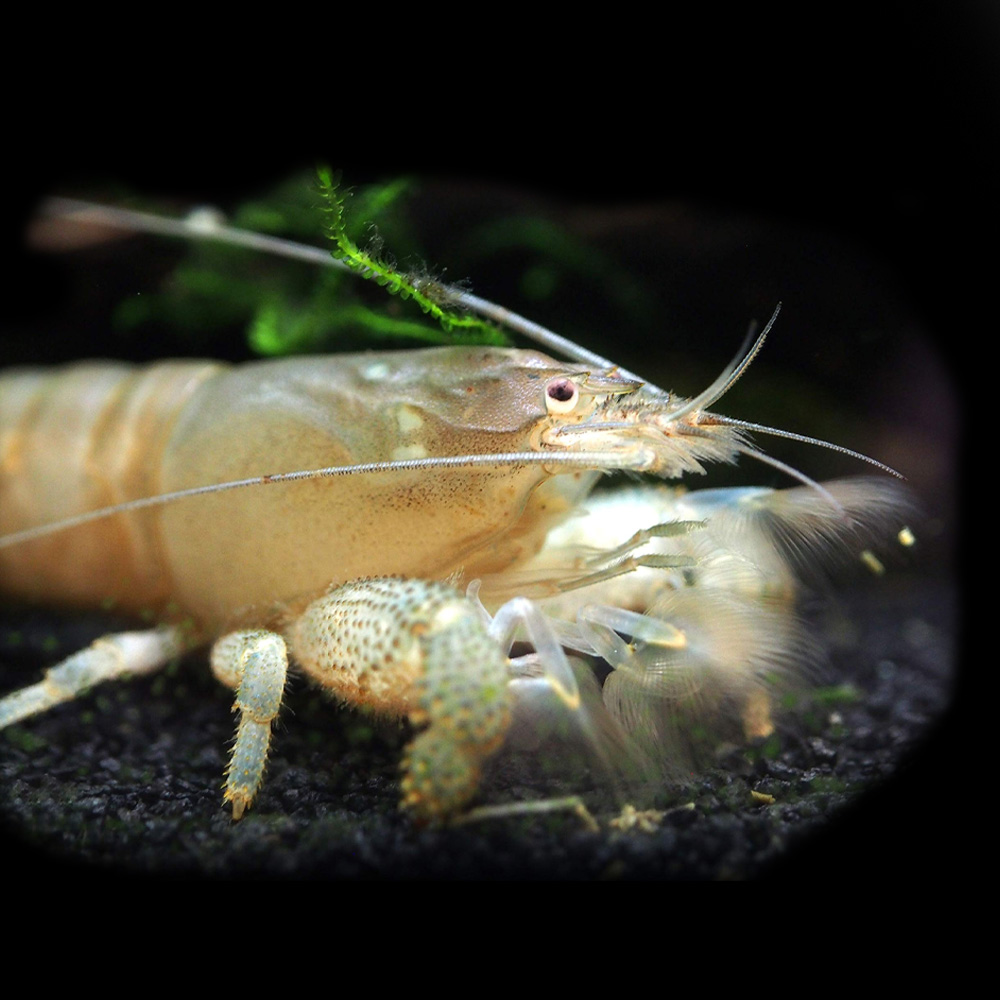
Viper Shrimp (Atya gabonensis) Aquarium Care Sheet
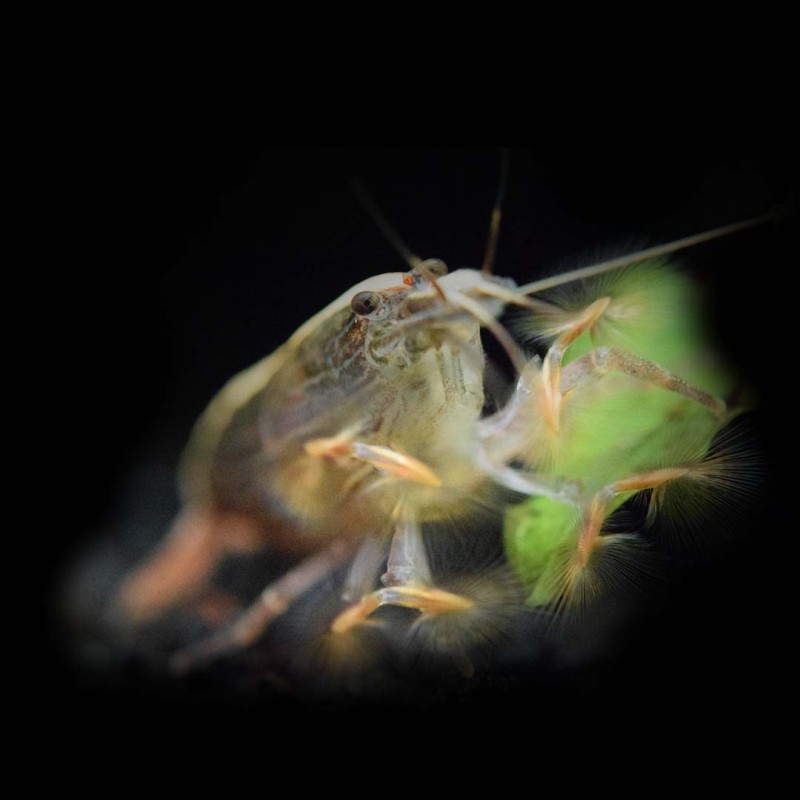
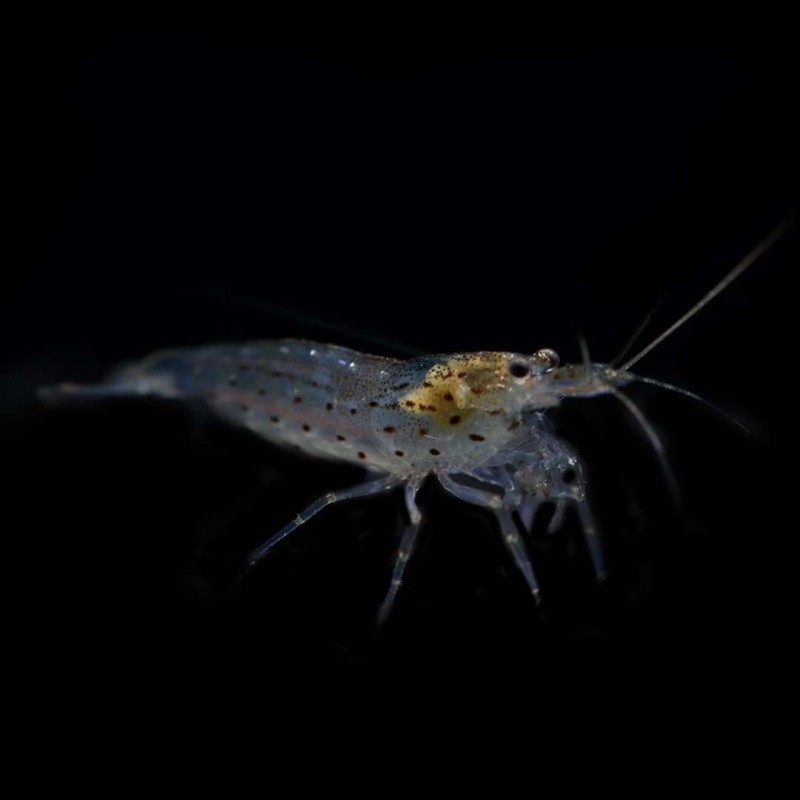
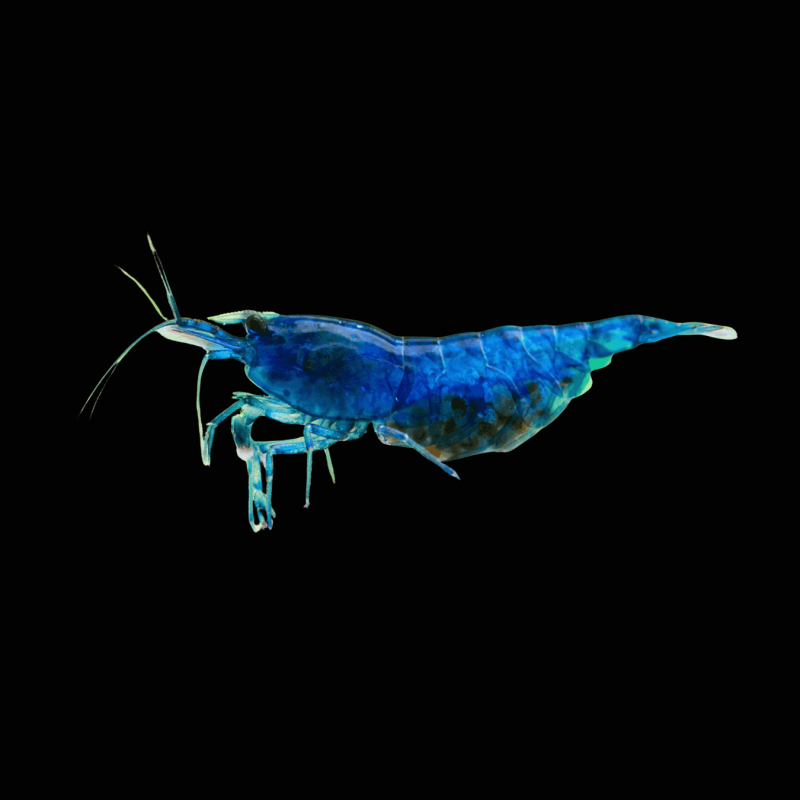
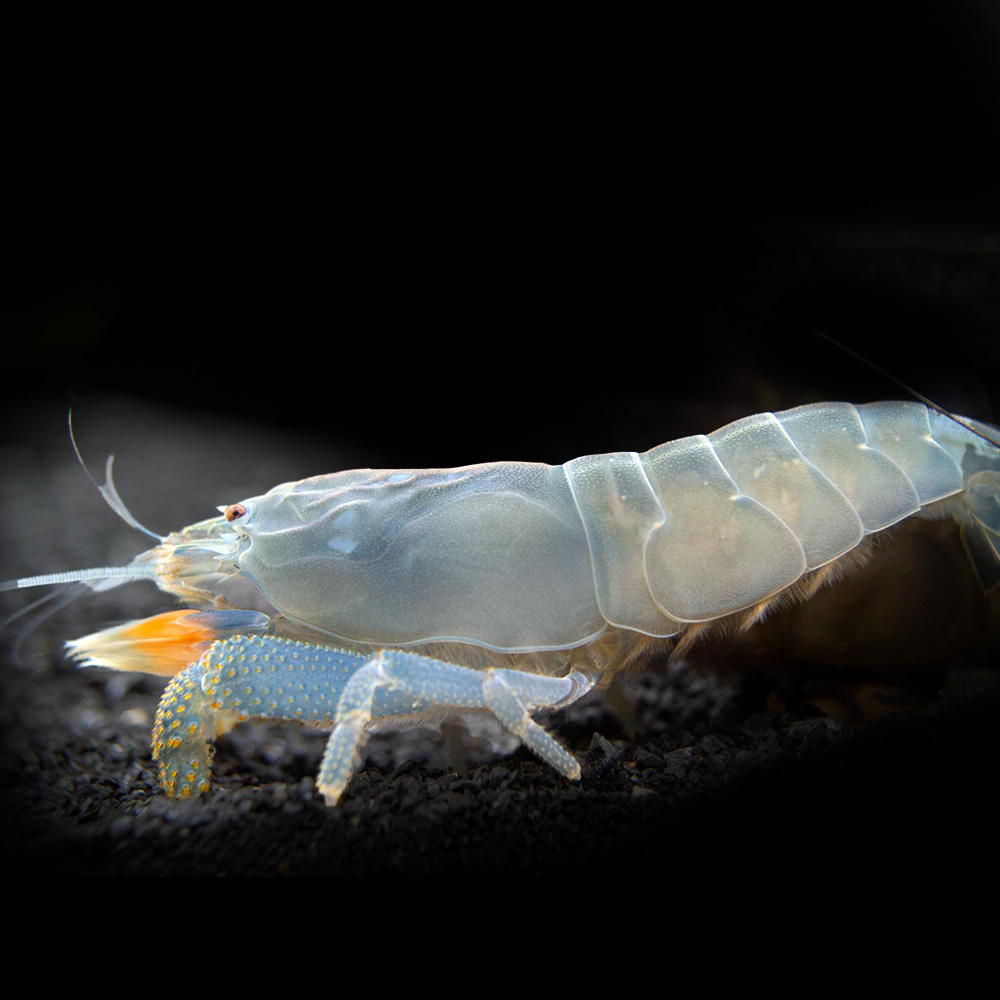
The Viper Shrimp (Atya gabonensis), also widely known as the Vampire Shrimp or African Fan Shrimp, is a fascinating, heavily armored freshwater crustacean native to West Africa and South America. Despite an intimidating appearance and large size, they are incredibly peaceful, timid giants that act as specialised filter feeders in the home aquarium.
Physical Characteristics
- Size: Much larger than standard dwarf shrimp. Adults typically reach 12 to 15 cm (5 to 6 inches) in length.
- Colouration: Known for shifting colours. They range from slate grey to striking vibrant blues, or deep browns, depending on substrate, molting cycles, and stress levels.
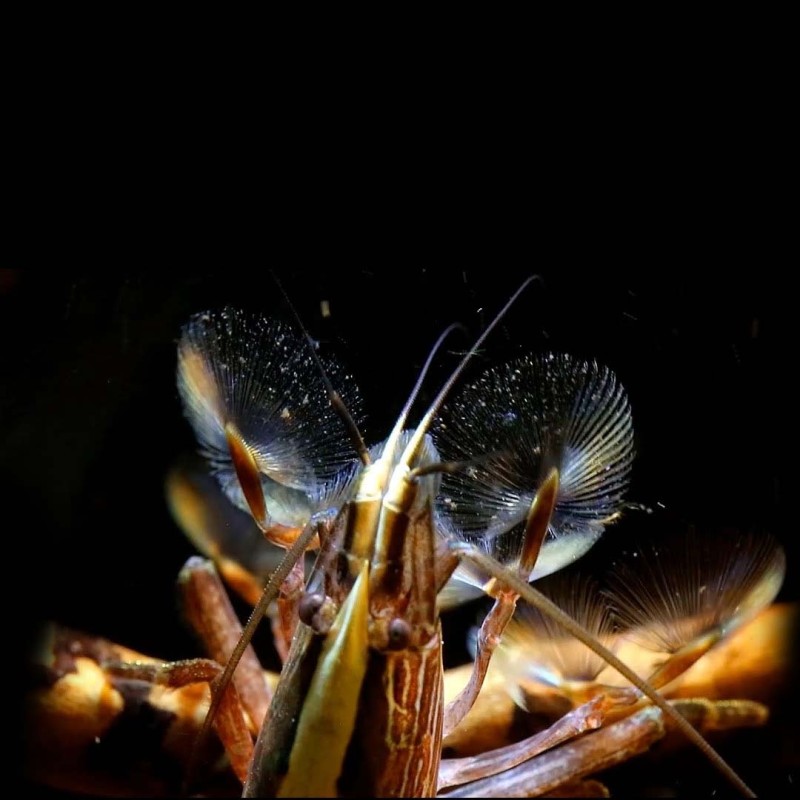
- Body Shape: Chunky, heavily built, and closely resembling a crayfish. Their first pairs of legs are highly modified into feathery, fan-like fans (chelipeds) used to trap floating organic matter. They lack pincers entirely.
Behaviour
- Temperament: Entirely peaceful. They pose zero threat to any fish, fry, or smaller shrimp species.
- Activity Level: Primarily nocturnal and very sedentary. Instead of swimming actively or crawling around, they find a high-flow spot, plant their heavily spiked legs firmly against a surface, and open their fans into the current for hours.
- Community Behaviour: Highly timid and reclusive. They prefer the company of their own kind (gregarious) and feel safer when housed in small groups.
Aquarium Care
- Tank Size: Due to their massive adult size and food-volume needs, a minimum of 80 to 100 litres (20 to 25 gallons) is required for a small group. Long-style tanks are highly preferred over tall tanks.
- Water Parameters:
- Temperature: Warm water species, ideally 24°C to 28°C (75°F to 82°F).
- pH: Prefer neutral to slightly alkaline water, 6.8 to 7.5.
- Hardness: Requires moderate to hard water (6–15 dGH) to supply essential minerals for molting their thick shells.
Tank Setup
- Filtration & Current: A strong water current is non-negotiable. A heavy-duty filter outlet or a dedicated powerhead/wavemaker must be directed across a specific perch. Low-flow or stagnant setups will cause these shrimp to starve.
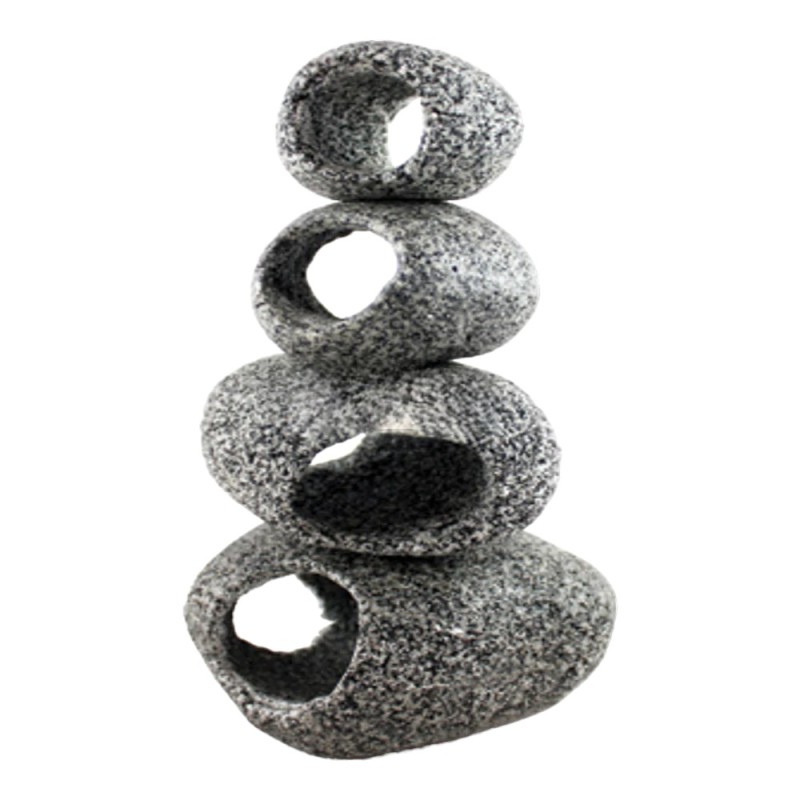
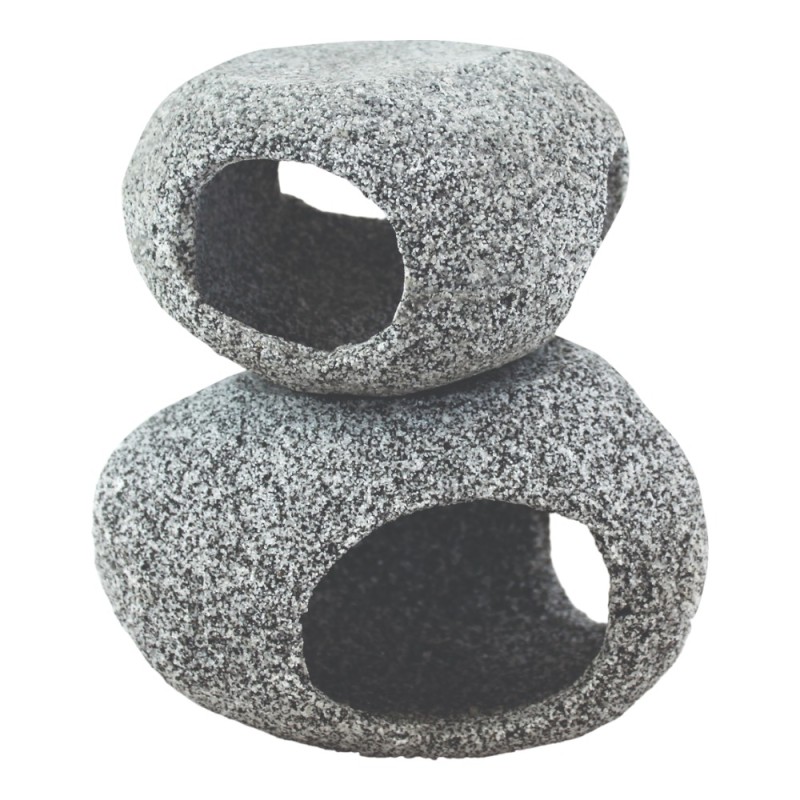
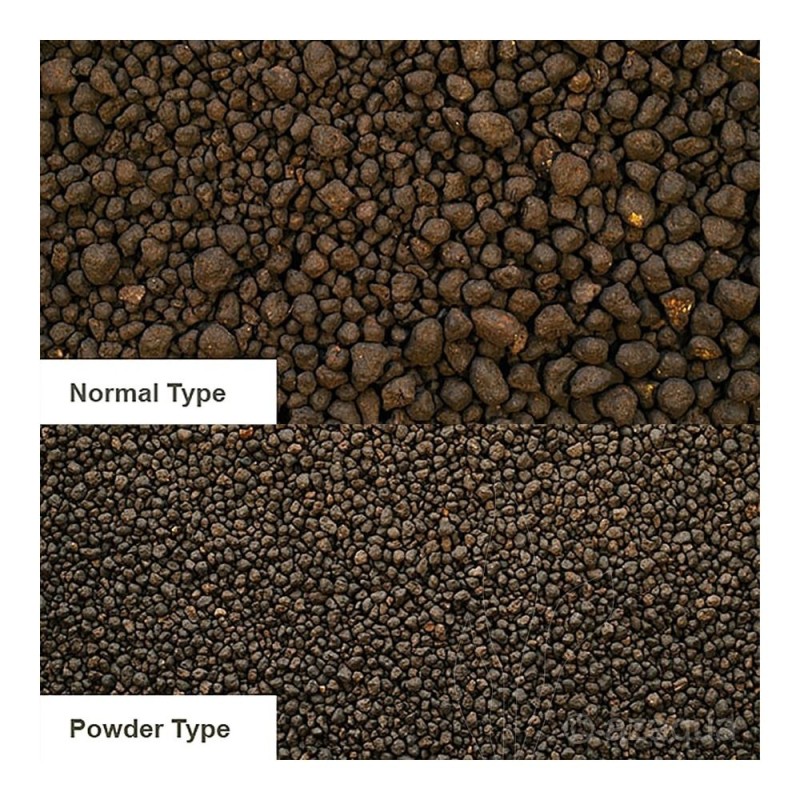
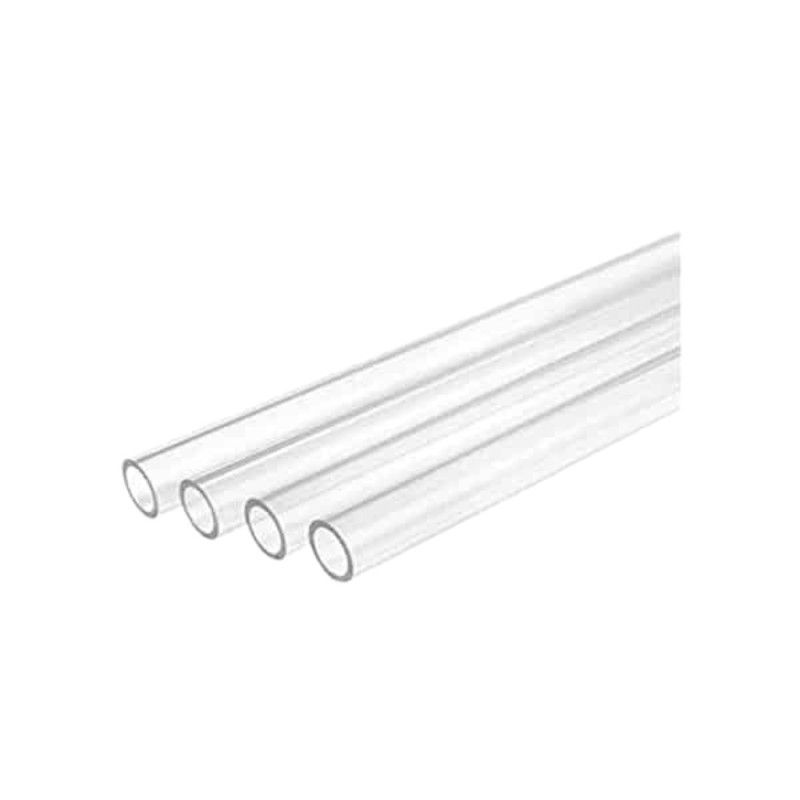
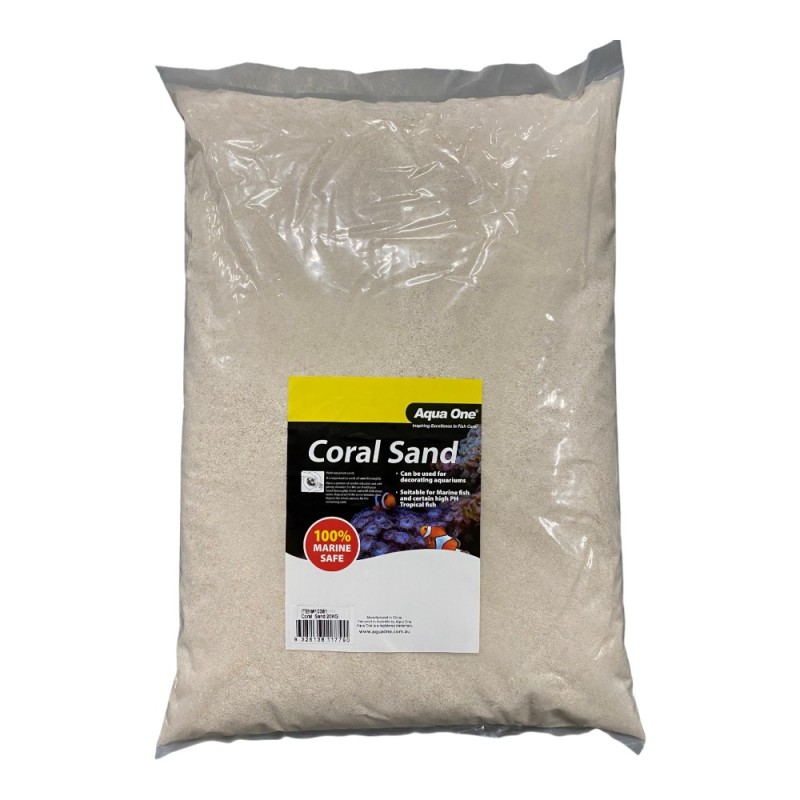
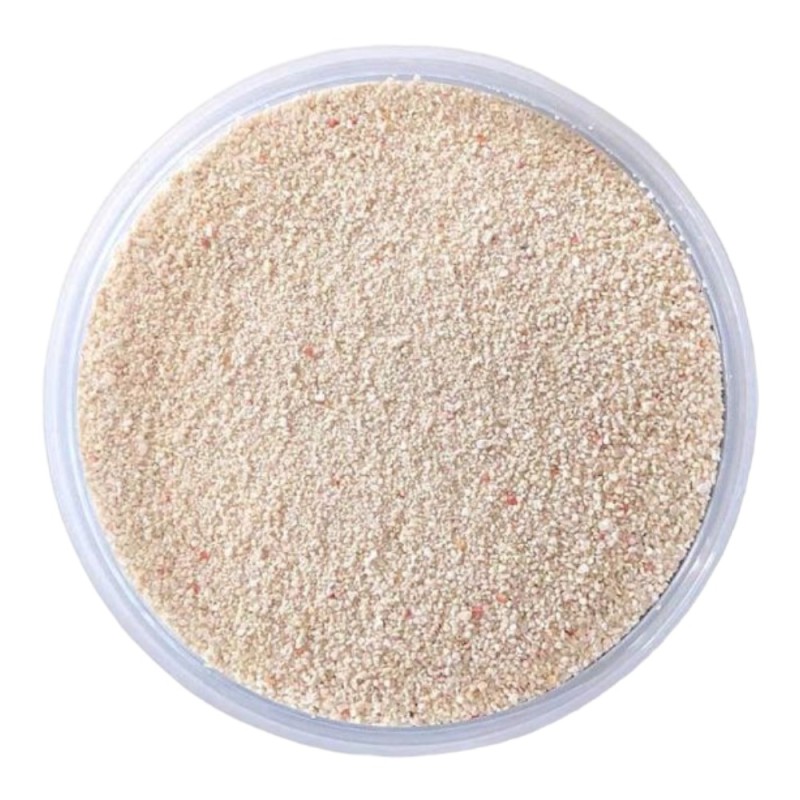
- Substrate and Decorations: A smooth sand substrate is highly recommended; sharp gravel can damage their delicate feeding fans if they attempt to sweep the floor. Provide plenty of wide caves, PVC pipes, or large smooth rocks directly in front of the water current to act as secure feeding perches. Diet & Feeding Style
Viper shrimp are obligate filter feeders and cannot consume standard pellets, flakes, or chunks of vegetables. If you see them picking at the substrate, it means the water column lacks food, and they are starving.
- Target Foods: They must be fed fine, powdered, microscopic foods. Excellent options include powdered baby shrimp diets, Bacter AE, crushed spirulina algae powder, phytoplankton, and finely powdered flake food.
- Feeding Method: Mix the powder with water and use a pipette or syringe to release it directly into the water current upstream from where the shrimp is fanning.
Tankmates
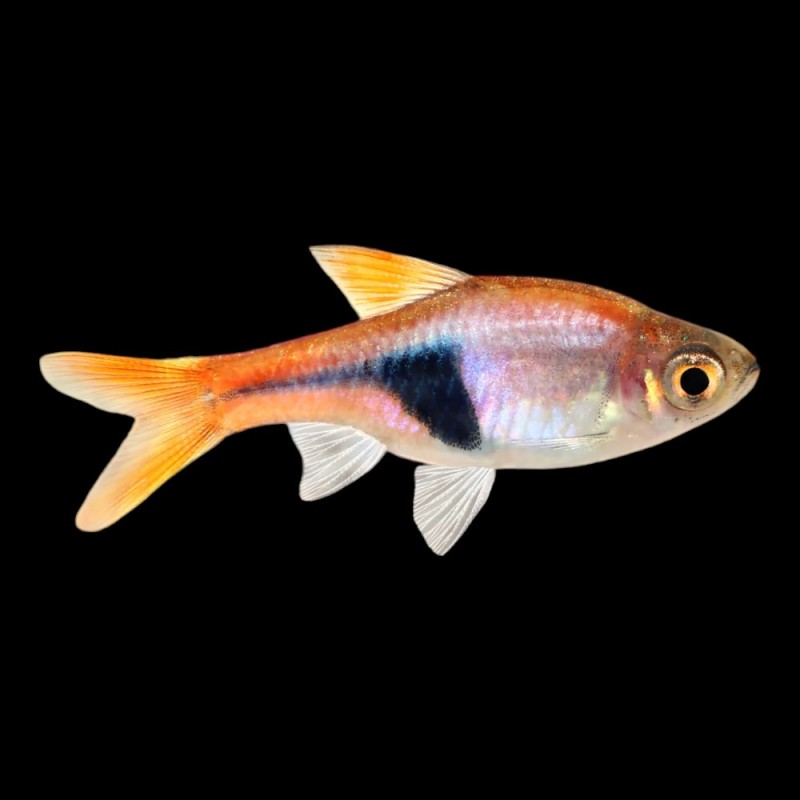
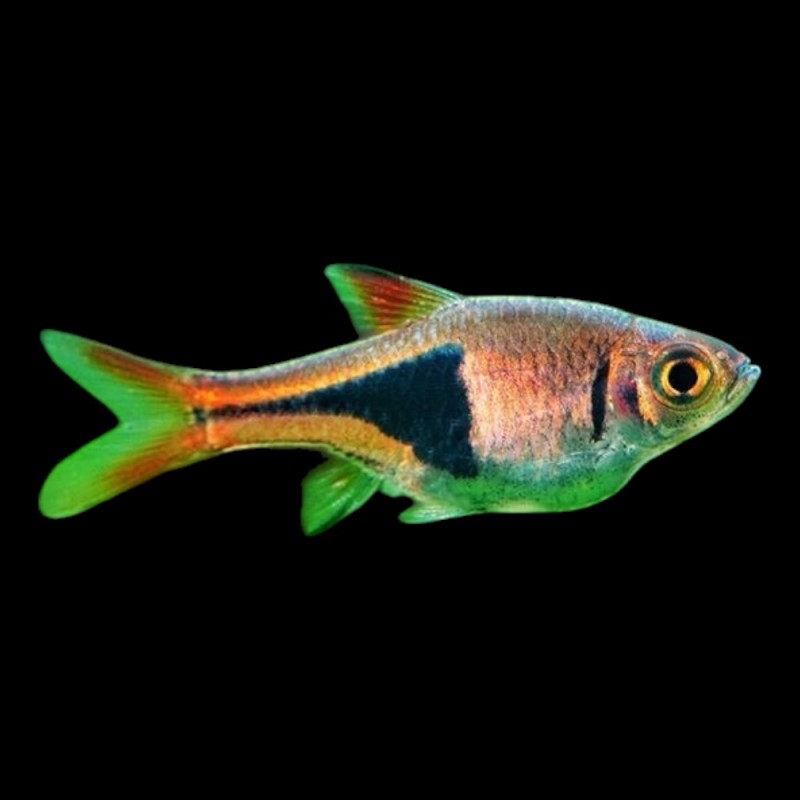
- Safe Partners: Small, peaceful fish like Neon Tetras, Harlequin Rasboras, Corydoras, and other dwarf shrimp (e.g., Cherry or Amano shrimp).
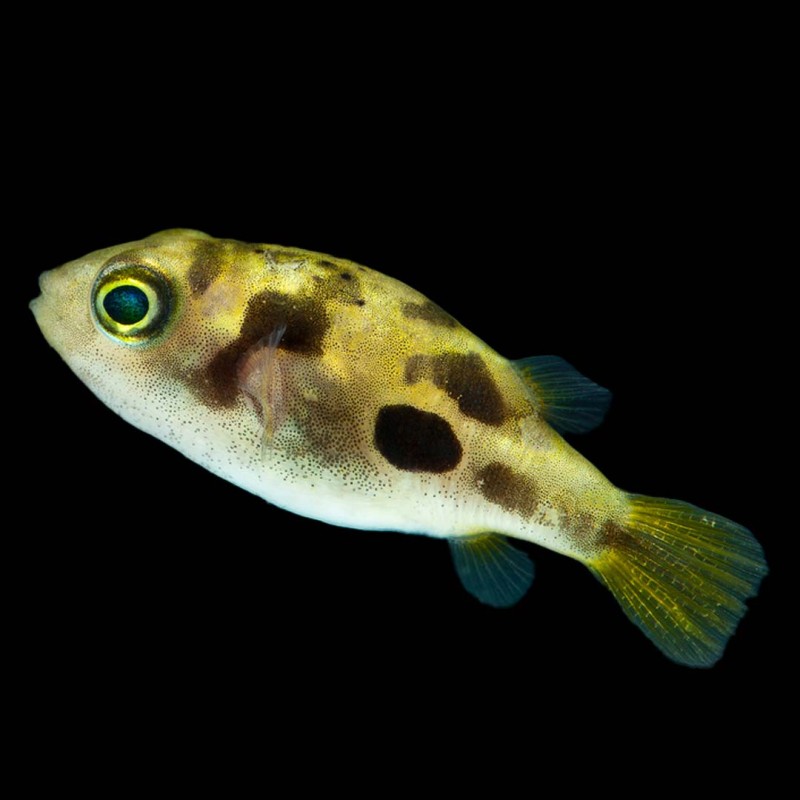
- Avoid: Pufferfish, large cichlids, aggressive loaches, barbs, or large predatory catfish that will harass them or pick at their fans.
Breeding
- Difficulty: Extremely difficult and rarely achieved by hobbyists.
- The Cycle: While a female can easily carry thousands of fertile eggs in freshwater, the hatched larvae are microscopic and require brackish/marine water stages to develop into miniature shrimp. In pure freshwater, the newly hatched larvae will perish within a few days. Raising them involves transferring larvae to specific saline parameters and safely acclimating them back to freshwater once fully developed.
| File Name | Size | Link |
|---|---|---|
| 50 How to care for Freshwater Shrimps and Snails.pdf (Total downloads: 3752) | 227.31KiB | Download |