

- Stock: Generally In Stock
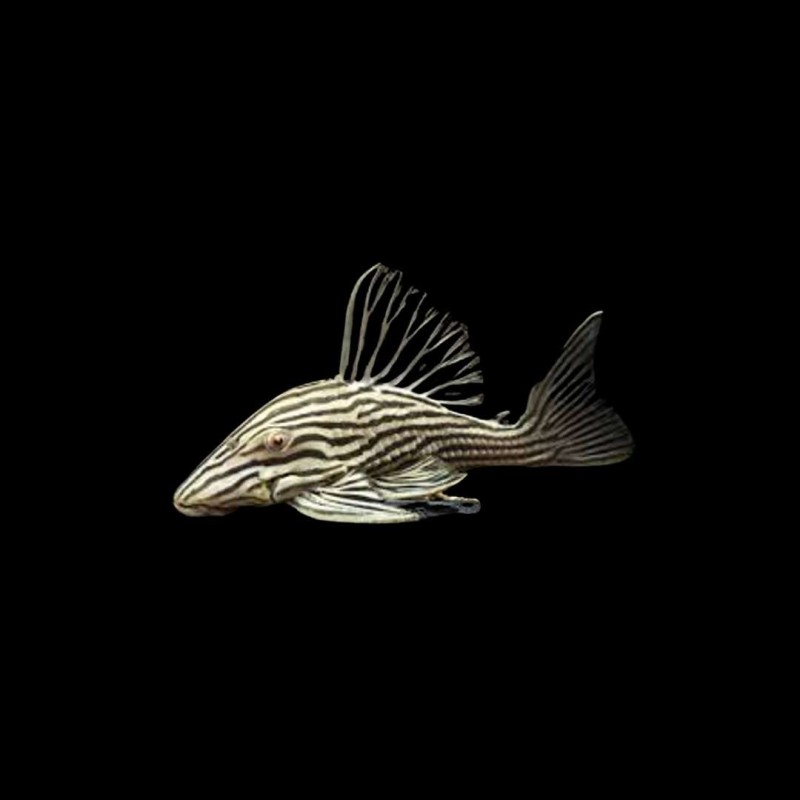
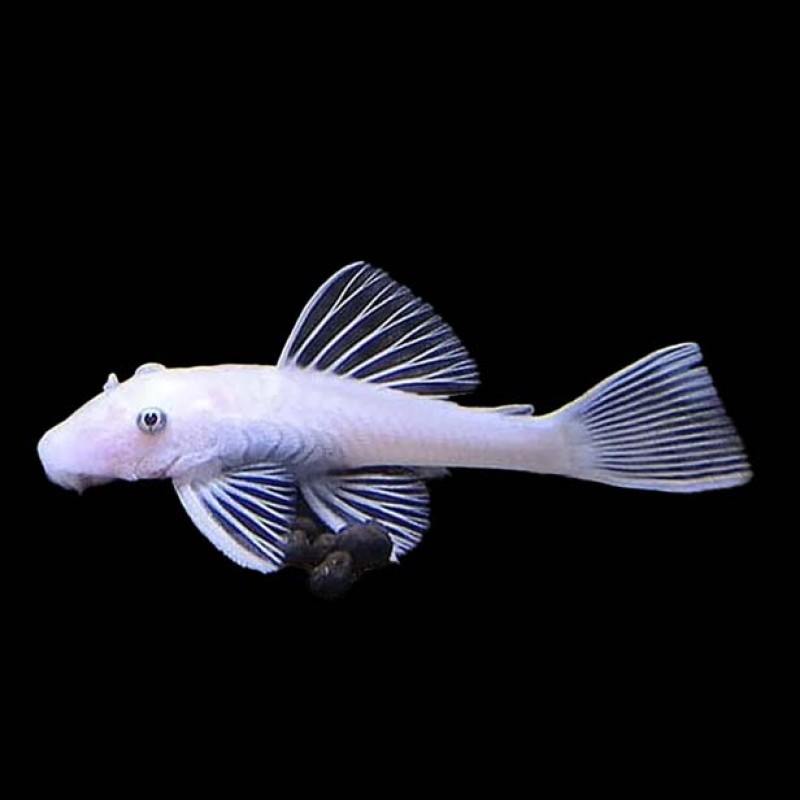
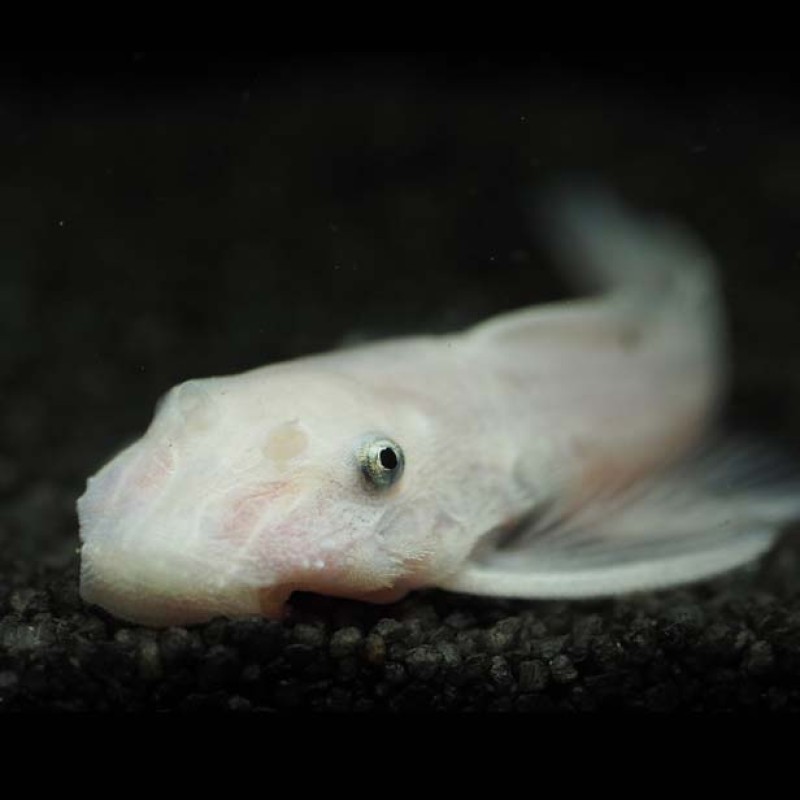
Please Note: Due to variations within species, your fish may not look identical to the image provided. Also note not all sizes or species may be available due to seasonality, Please call beforehand for up-to-date stock availability.
- Model: GREEN PHANTOM PLECO (L200) MATRIX
Available Options
Green Phantom Pleco (L200)
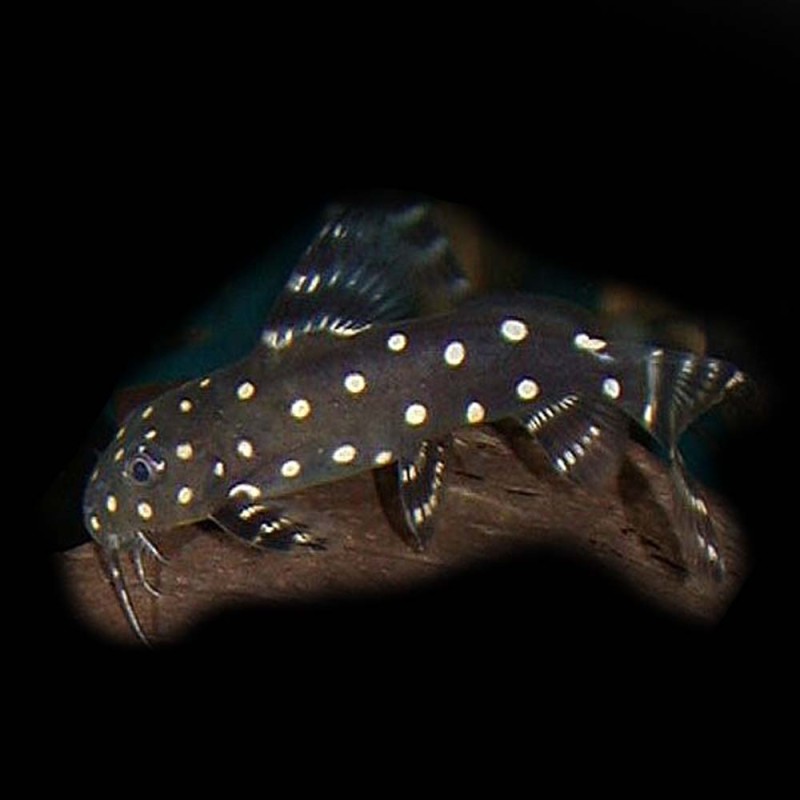
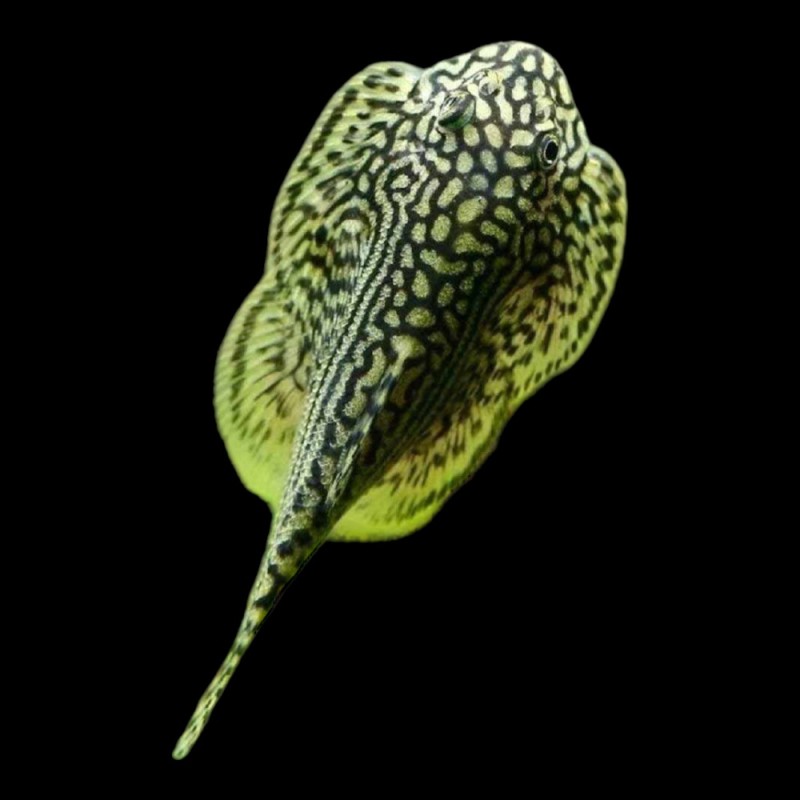
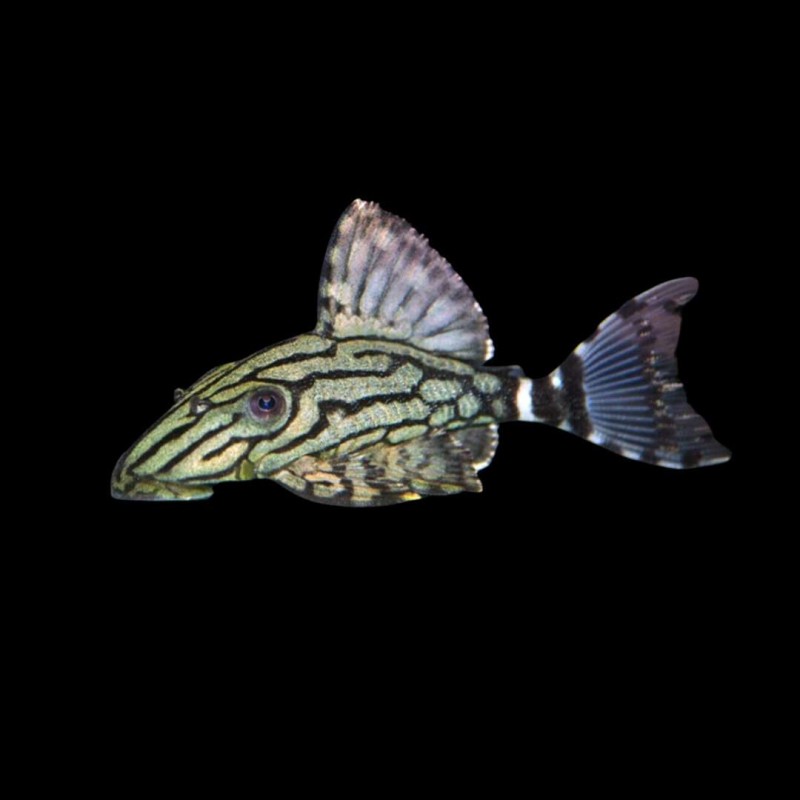
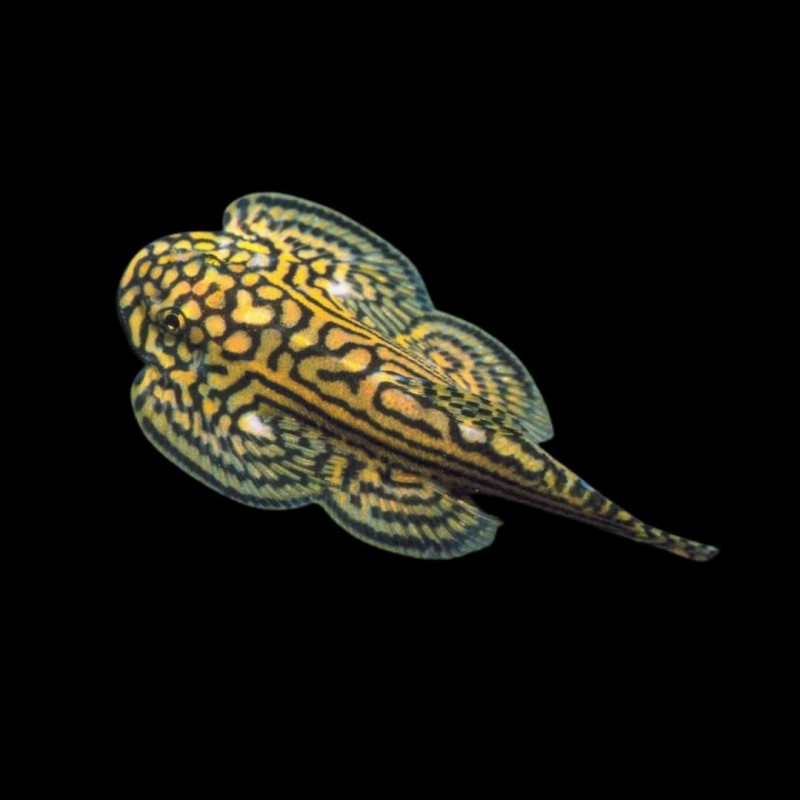
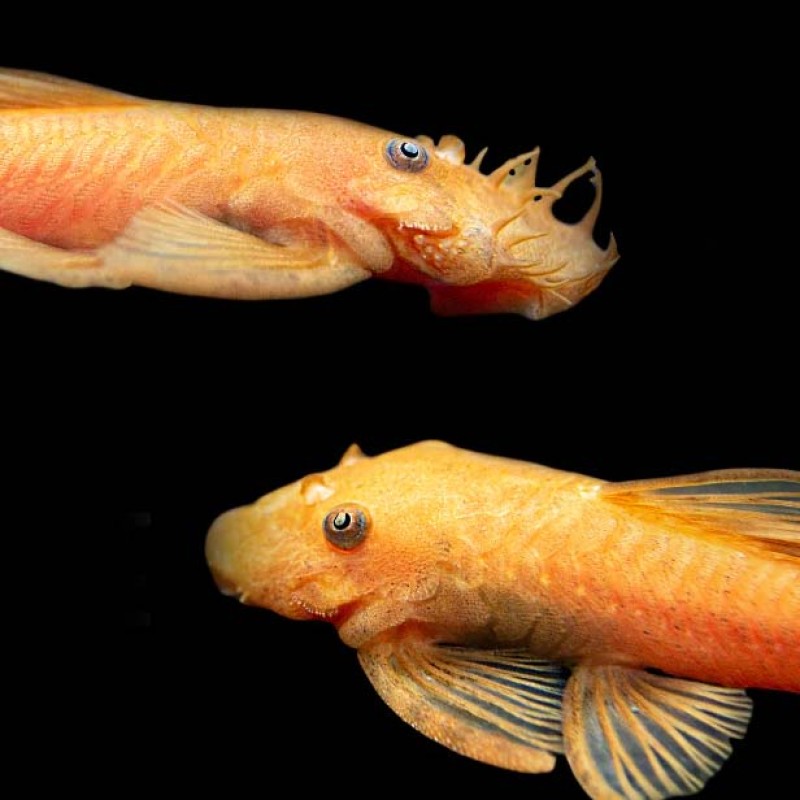
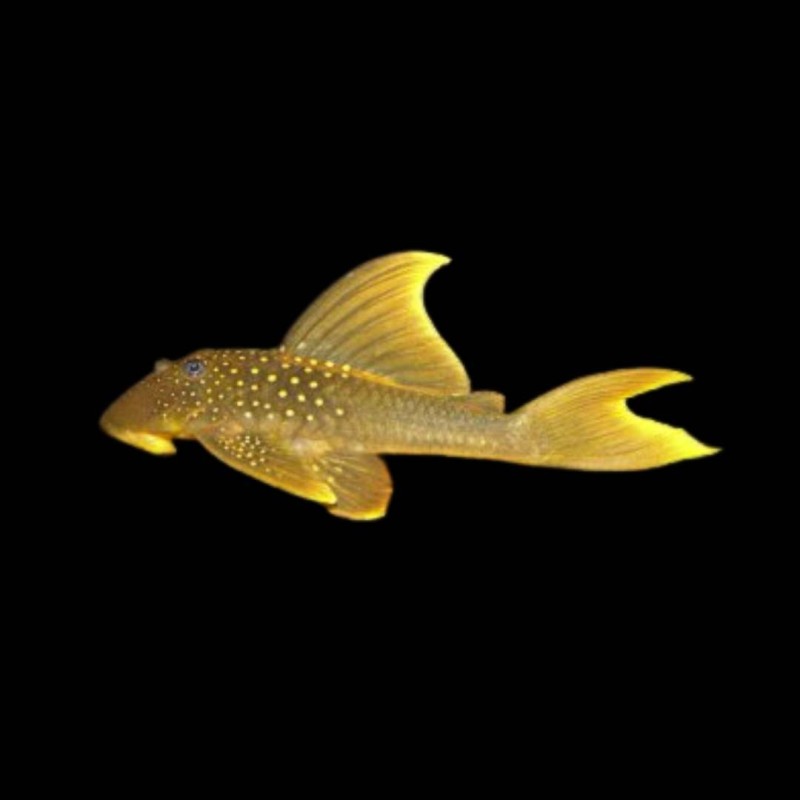
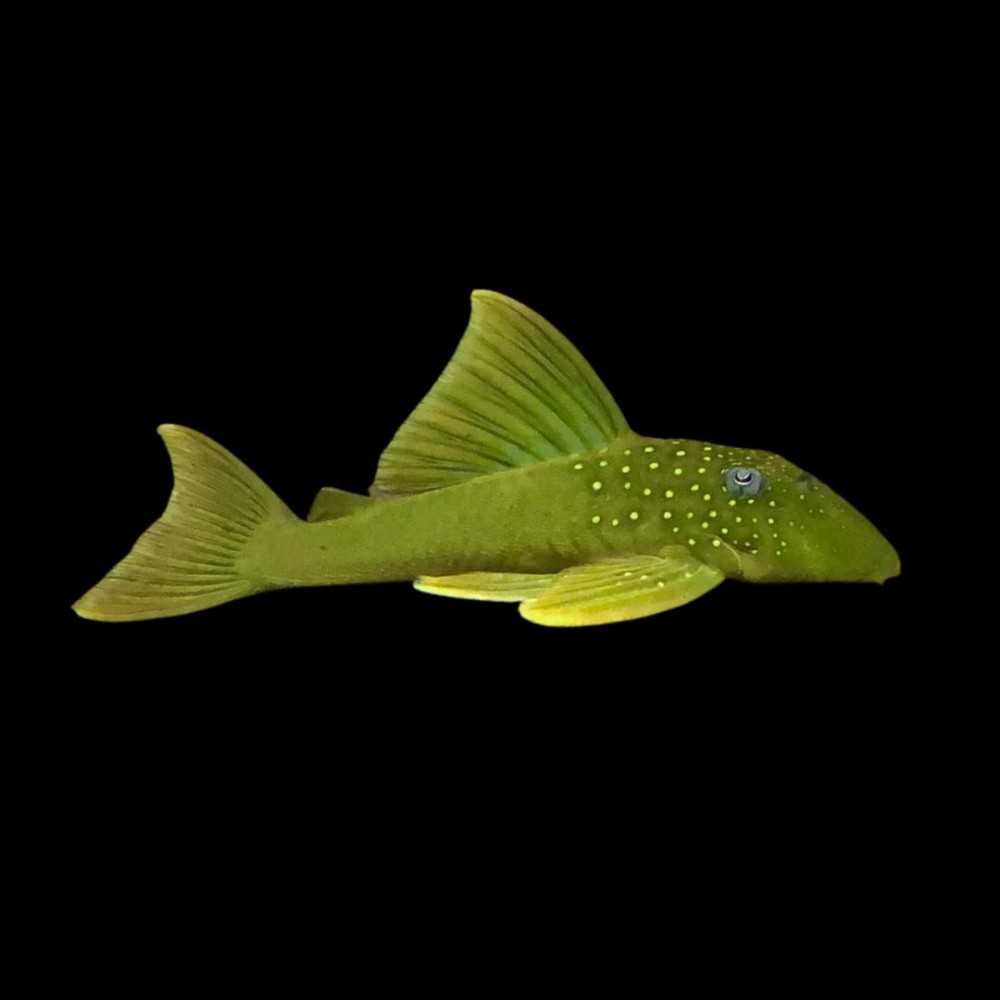
The Green Phantom Pleco (Hemiancistrus subviridis, L200) is a striking freshwater catfish known for its vibrant green-to-olive body and peaceful temperament. Native to the fast-flowing rivers of Venezuela, particularly the Orinoco River basin, this eye-catching pleco is a popular choice among aquarists for its unique colouration and algae-eating abilities. While it requires pristine water and high oxygen levels, the Green Phantom is a rewarding addition to larger, well-maintained aquariums.
Physical Characteristics:
- Size: Typically reaches 15–20 cm (6–8 inches) in captivity.
- Coloration: Vivid green to olive body with yellow or lime-coloured fins. The intensity of colour improves with age, water quality, and a proper diet.
- Fins: Strong dorsal and pectoral fins; the tail is slightly forked with yellow edging.
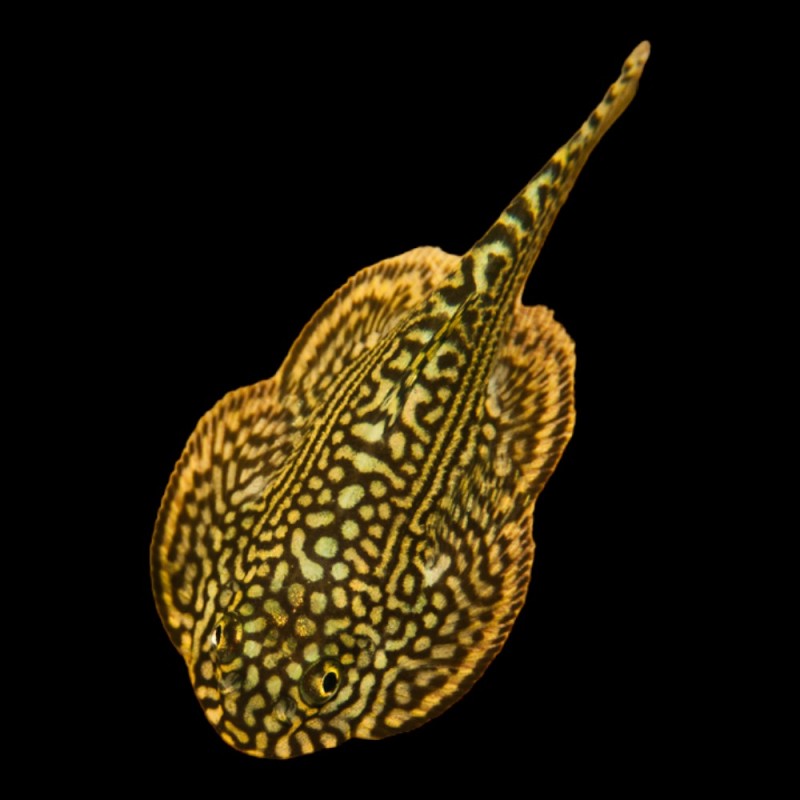
- Shape: Flattened body with a broad head and underslung sucker mouth, adapted for clinging to rocks in fast-flowing water.
Behaviour:
- Temperament: Peaceful and shy. Can be territorial with other plecos, especially in confined spaces without enough hiding spots.
- Activity Level: Mostly nocturnal or active during low light. Will become more visible during feeding or in calm, dimly lit tanks.
- Community Behaviour: Excellent bottom-dweller for peaceful community tanks, provided tankmates are not aggressive or overly boisterous.
Aquarium Care:
- Tank Size: A minimum of 150 litres (40 gallons), though larger tanks (200+ litres) are ideal to accommodate their adult size and territorial needs.
- Water Parameters:
- Temperature: 26°C to 30°C (79°F to 86°F)
- pH: 6.0 to 7.5
- Hardness: 3–12 dGH
- Oxygenation: High—add surface agitation or air stones to simulate their natural, fast-flowing environment.
- Tank Setup:
- Substrate and Decorations: Use soft sand or fine gravel with large, smooth rocks, caves, and driftwood for hiding. Mimic riverbed conditions with a natural, structured layout.
- Lighting: Low to moderate lighting is ideal. Dim lighting helps reduce stress and encourages natural behaviour.
- Filtration: Powerful filtration and strong water movement are essential. Consider canister filters and additional circulation pumps.
Diet:
Green Phantom Plecos are omnivorous with a strong preference for plant-based foods. A varied diet supports growth, colour, and health:
- Algae Wafers: High-quality spirulina or vegetable-based wafers should form the core of their diet.
- Vegetables: Offer blanched courgette (zucchini), cucumber, spinach, or green beans 2–3 times per week.
- Protein: Supplement with occasional bloodworms, brine shrimp, or shrimp pellets—but feed sparingly to avoid digestive issues.
Tankmates:
Choose tankmates that match the Green Phantom Pleco’s peaceful nature and water requirements:
- Suitable Companions: Tetras, rasboras, peaceful cichlids (e.g., keyhole, festivum), angelfish, rainbowfish, and other calm bottom dwellers like Corydoras (in cooler tanks) or smaller Synodontis species.
- Avoid: Highly aggressive cichlids, large predatory fish, or other territorial plecos unless tank is large enough for separate zones.
Breeding:
Breeding the Green Phantom Pleco in captivity is rare and challenging due to their environmental needs:
- Spawning Setup: Large tank with fast flow, caves or tubes for spawning, and warm, oxygen-rich water.
- Spawning Behaviour: Males may guard the cave after spawning. Eggs are laid and protected until they hatch.
- Fry Care: Fry feed on biofilm, algae, and powdered vegetable-based foods. Maintain excellent water quality and flow.
Special Considerations:
- Water Quality: Sensitive to poor water conditions—ensure stable parameters and perform regular water changes (25–30% weekly).
- Hiding Places: Provide multiple caves and shaded areas to reduce stress and territorial disputes.
- Growth Rate: Slow to moderate—ensure consistent feeding and good maintenance for healthy development.