

Menu
Menu
Your Cart

Managuense Cichlid

Managuense Cichlid
Managuense Cichlid
Managuense Cichlid
Managuense Cichlid
Managuense Cichlid
From €9.99
Ex Tax: €8.12
  • Stock: Generally In Stock
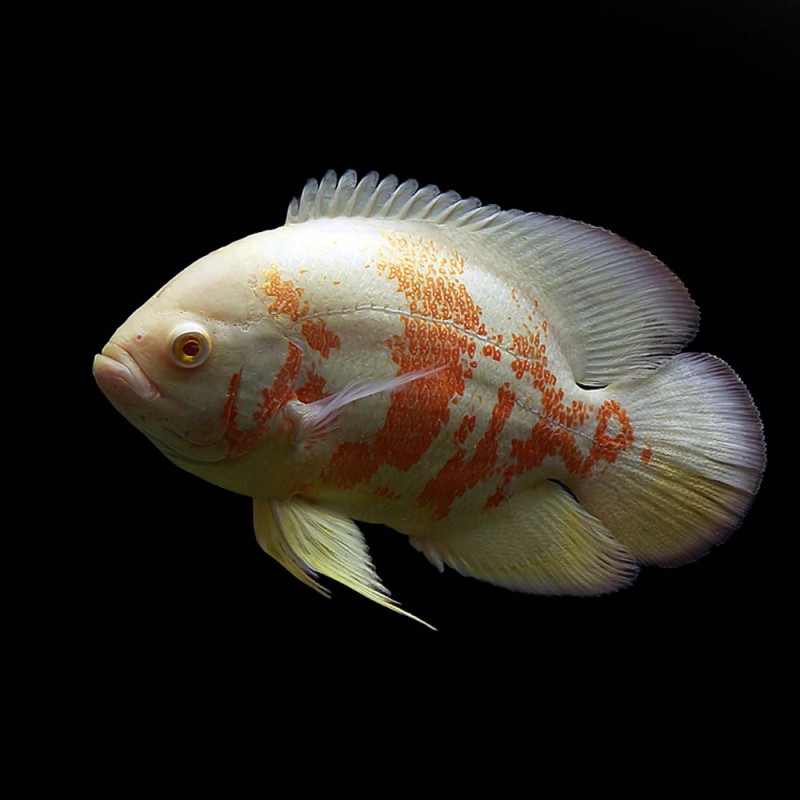
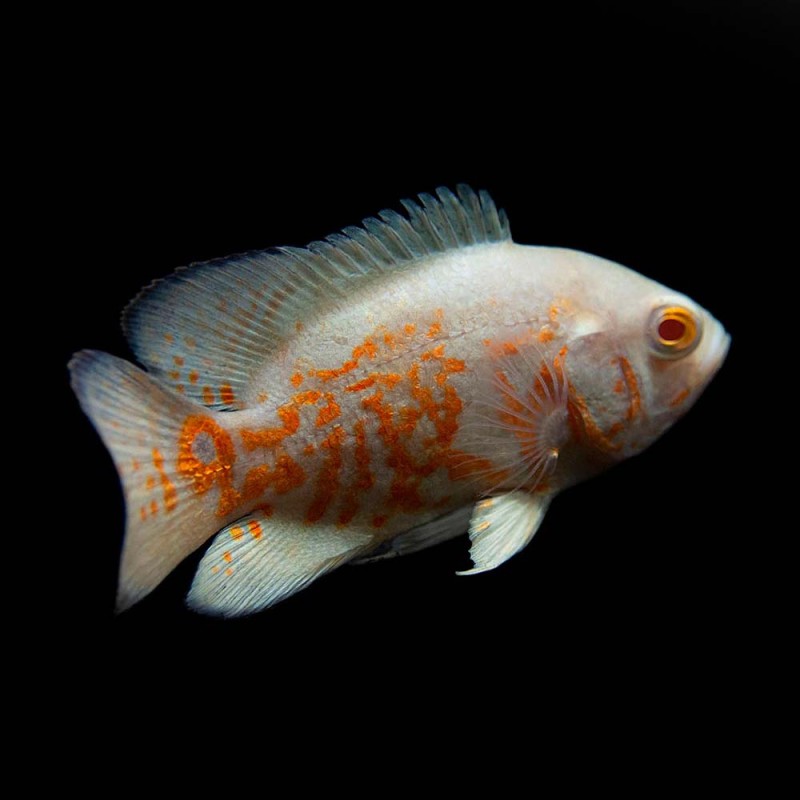
  • Please Note: Due to variations within species, your fish may not look identical to the image provided. Also note not all sizes or species may be available due to seasonality, Please call beforehand for up-to-date stock availability.

  • Model: MANAHUENSE CICHLID
Available Options

Reset options

Managuense Cichlid

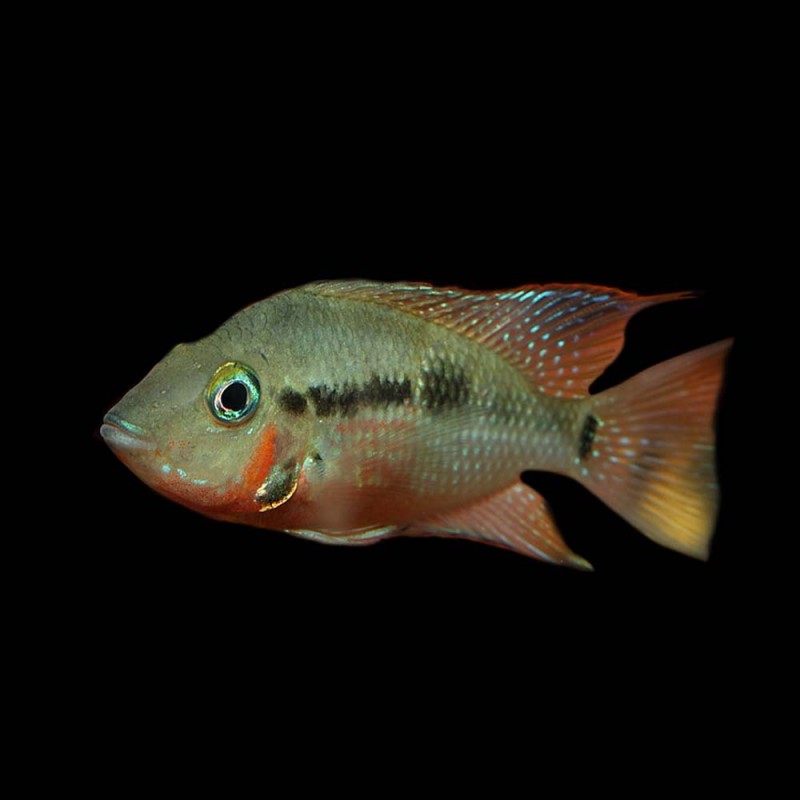
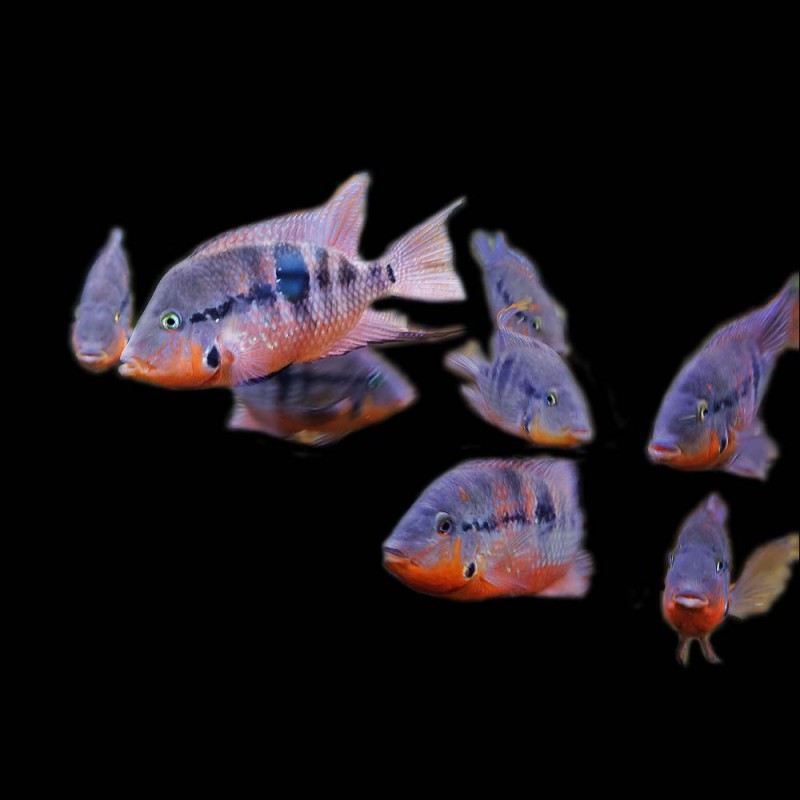
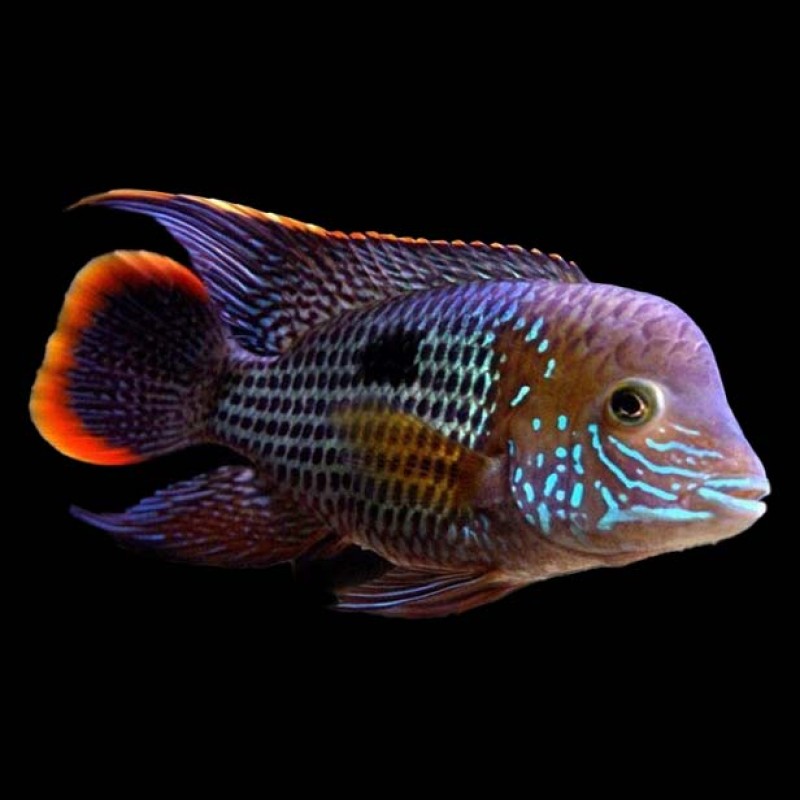
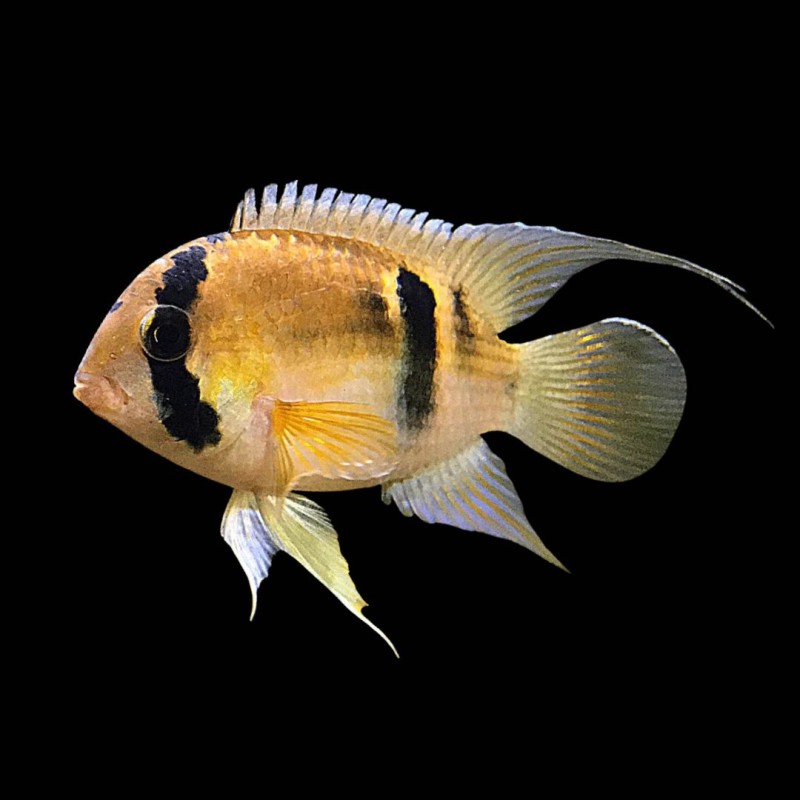
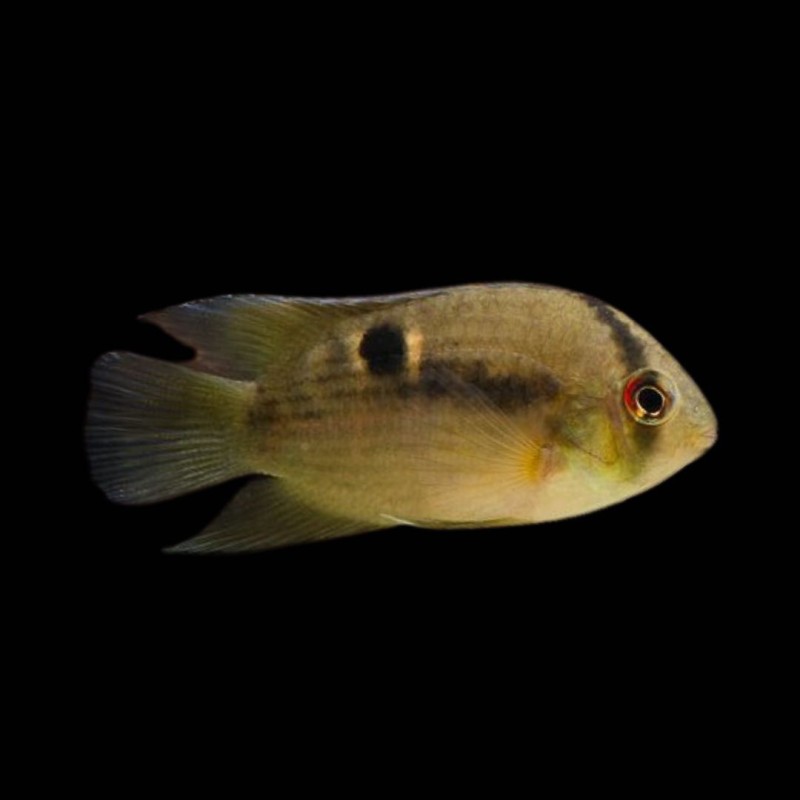
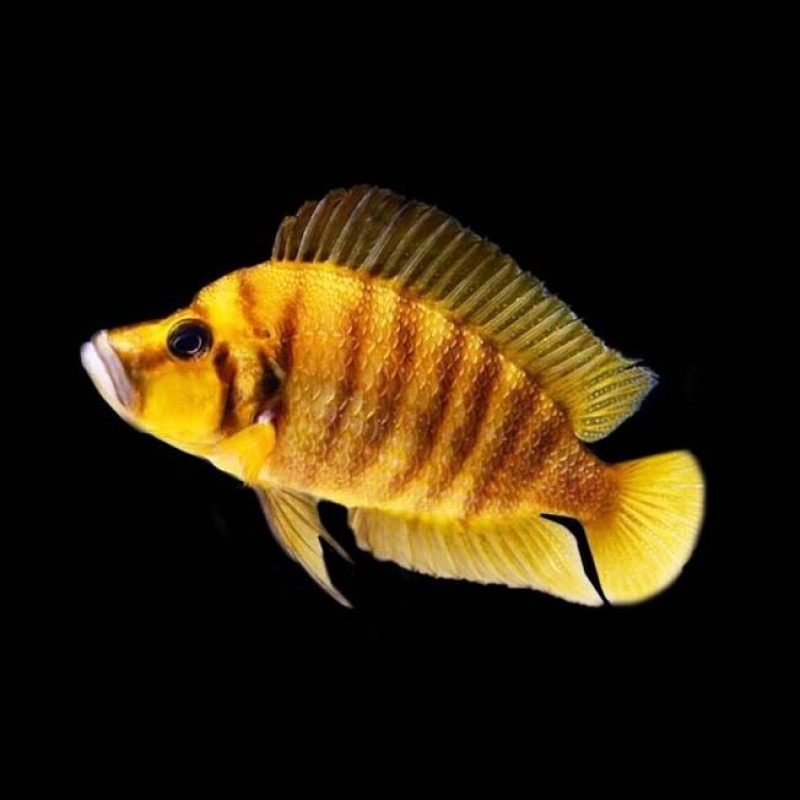
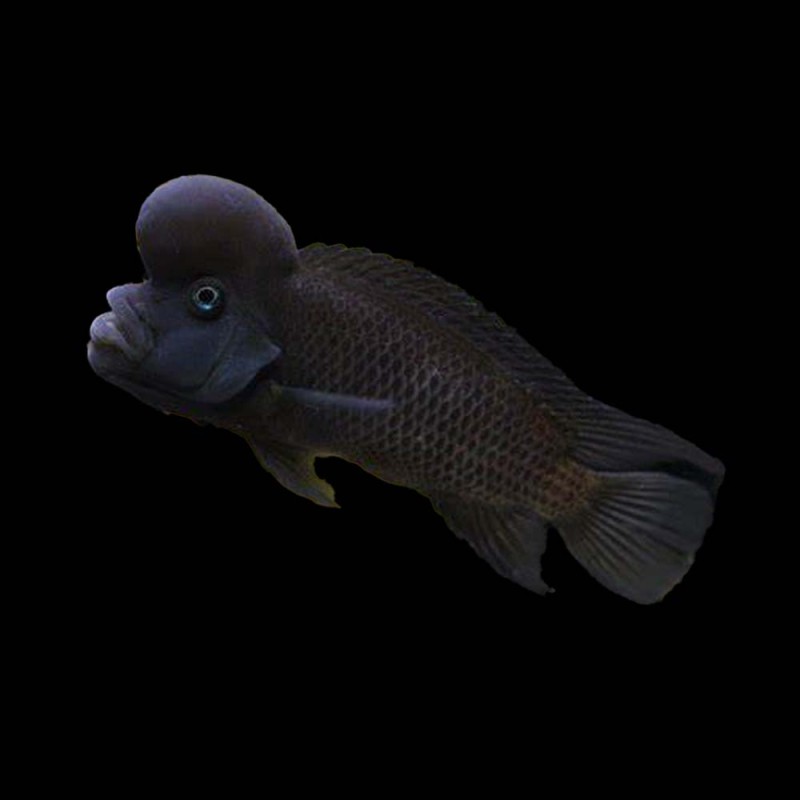
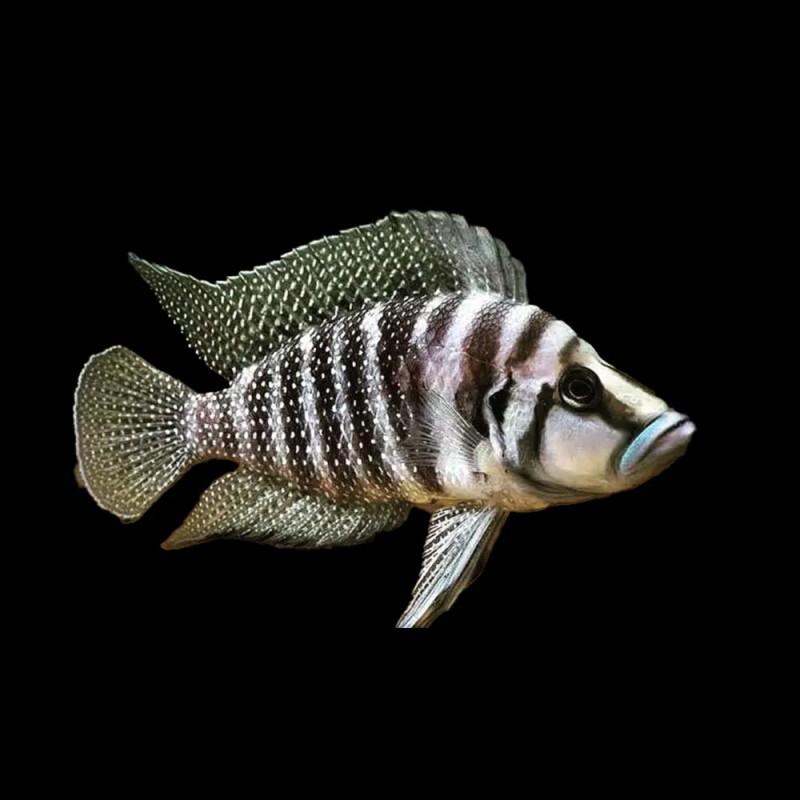
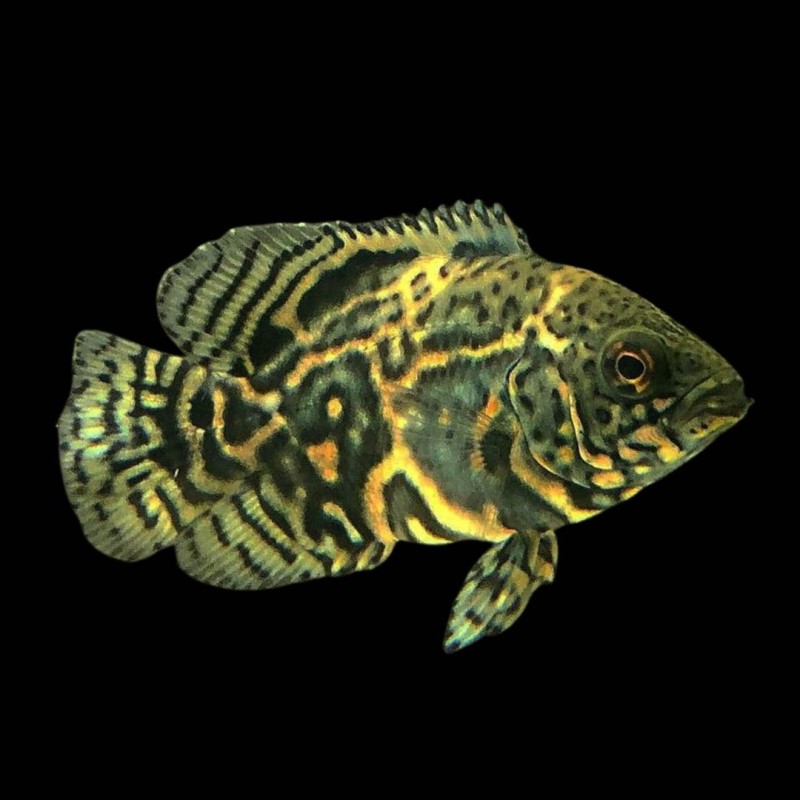
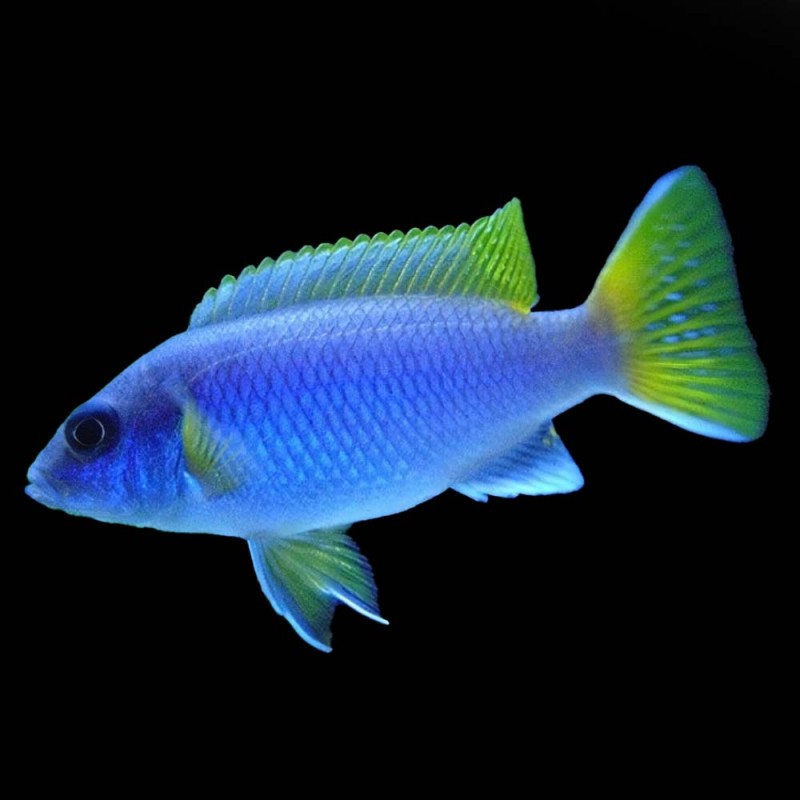
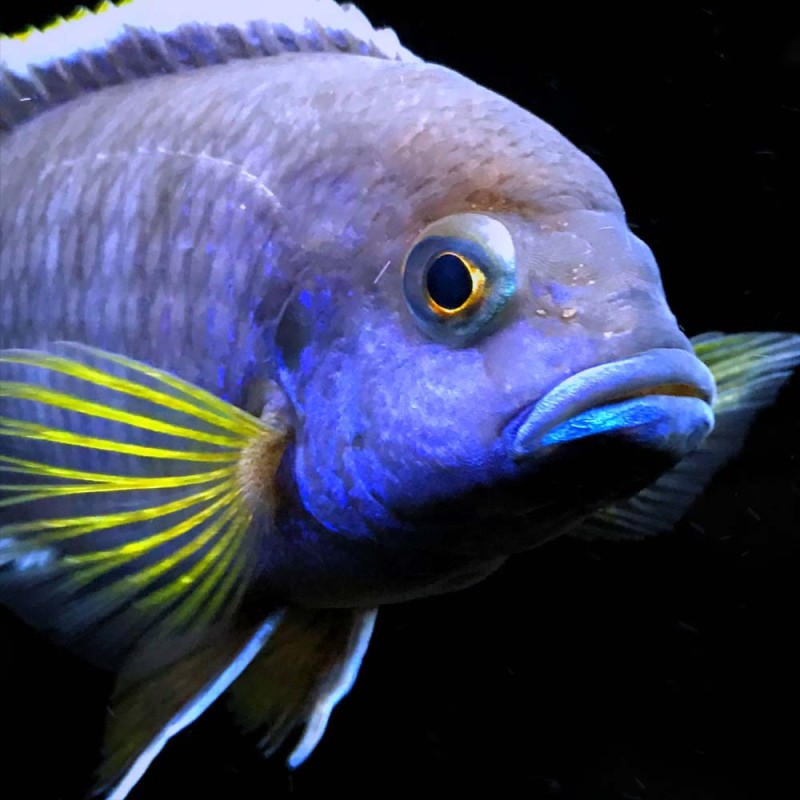
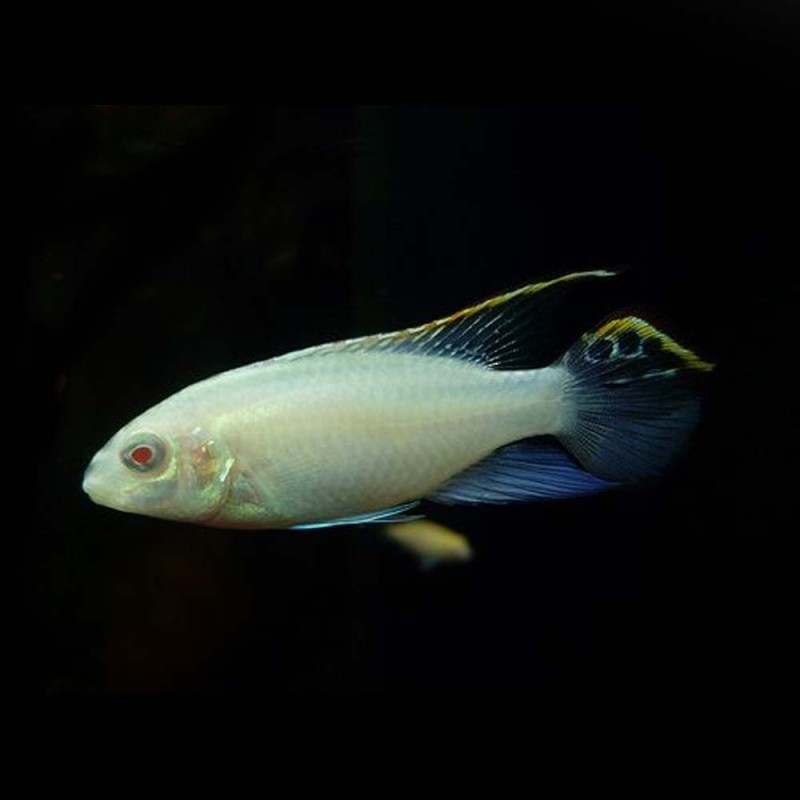
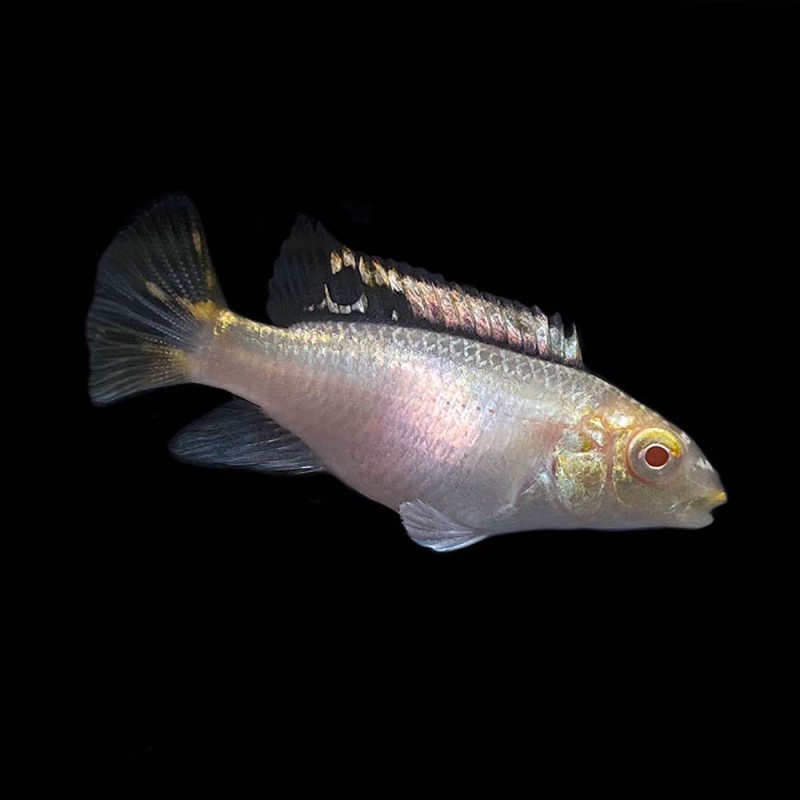
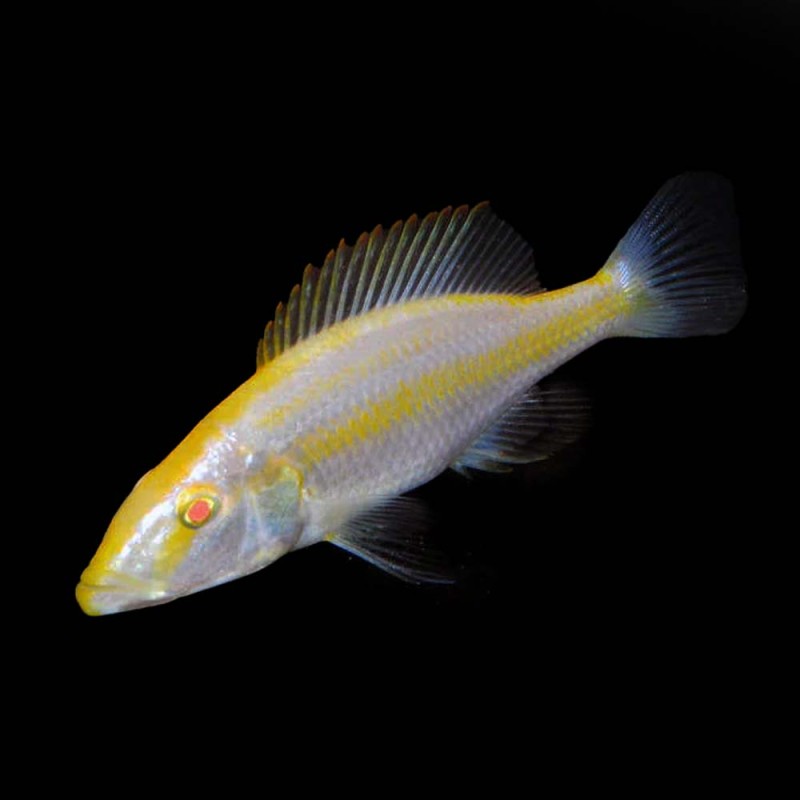
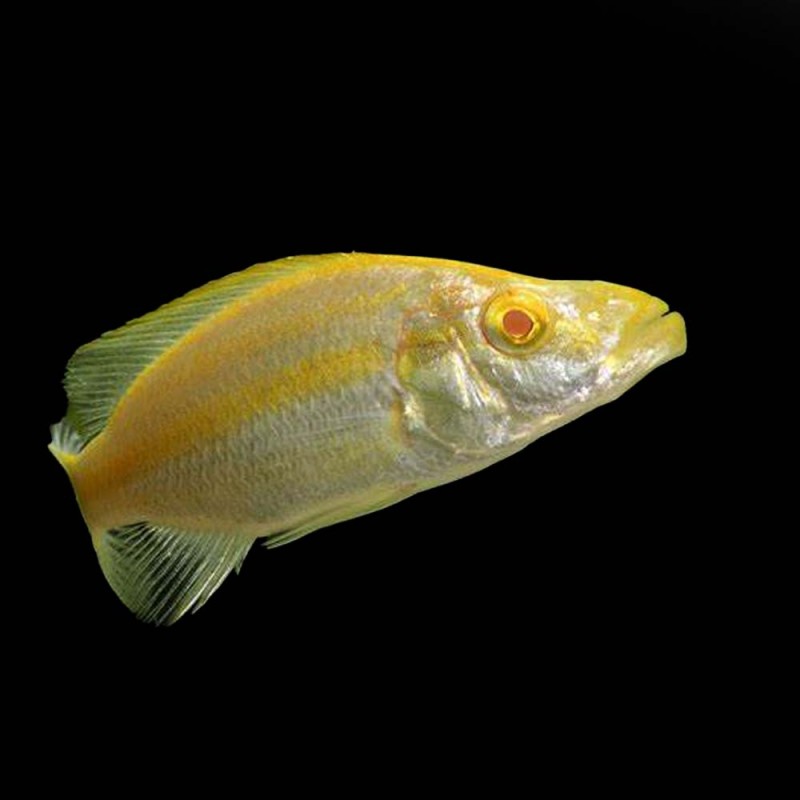
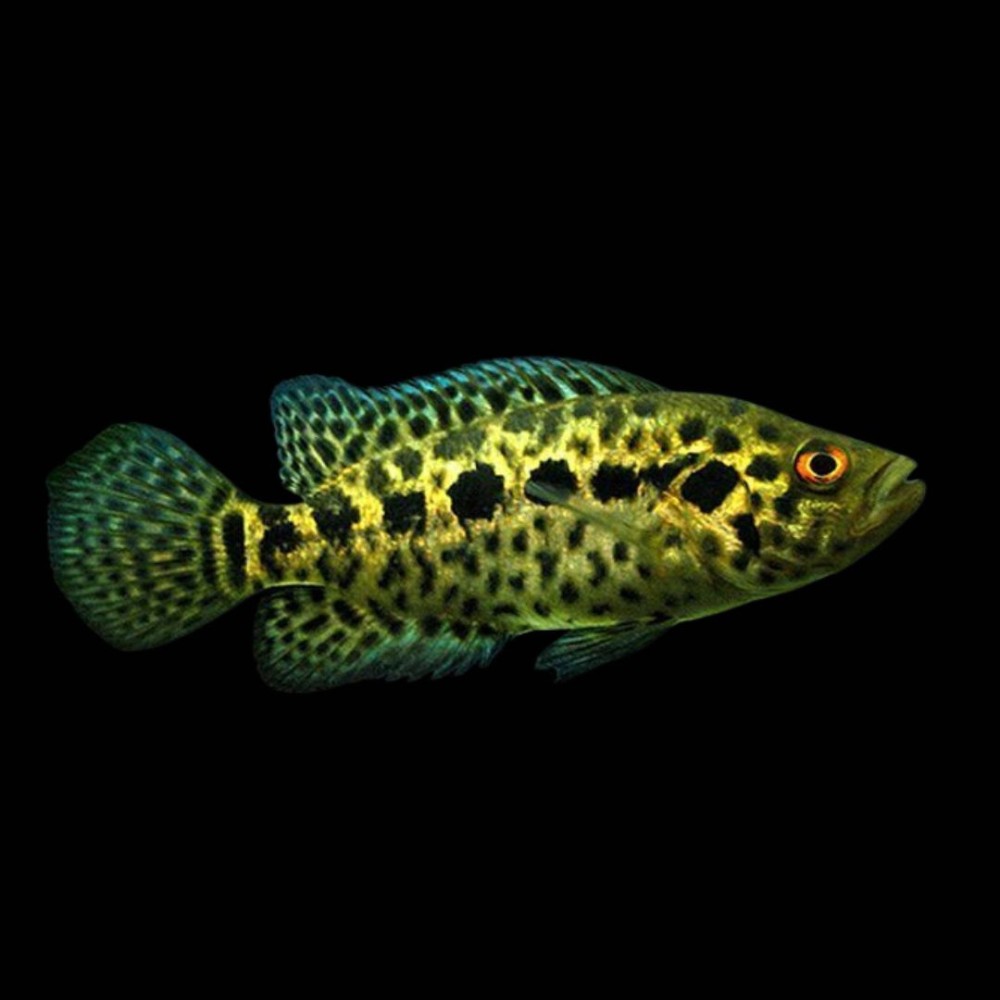
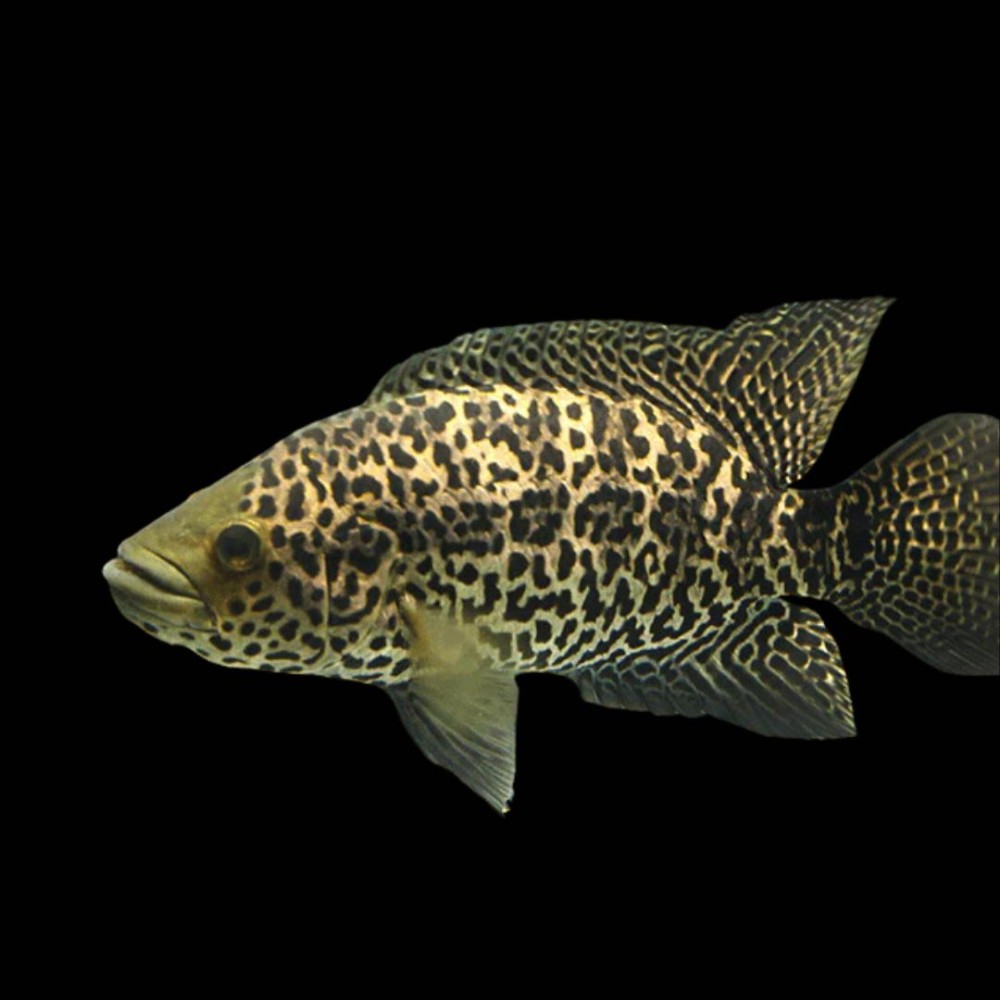
The Managuense Cichlid (*Parachromis managuensis*), commonly known as the Jaguar Cichlid, is a striking and powerful species native to Central America. Known for its vibrant colours and fierce temperament, the Managuense is a popular choice among aquarium enthusiasts looking for a larger, more imposing fish. This species is often characterised by its beautiful and unique jaguar-like markings on its body.

Physical Characteristics:

  • Size: The Managuense Cichlid typically grows to about 30-40 cm (12-16 inches) in length, with males usually being larger than females.
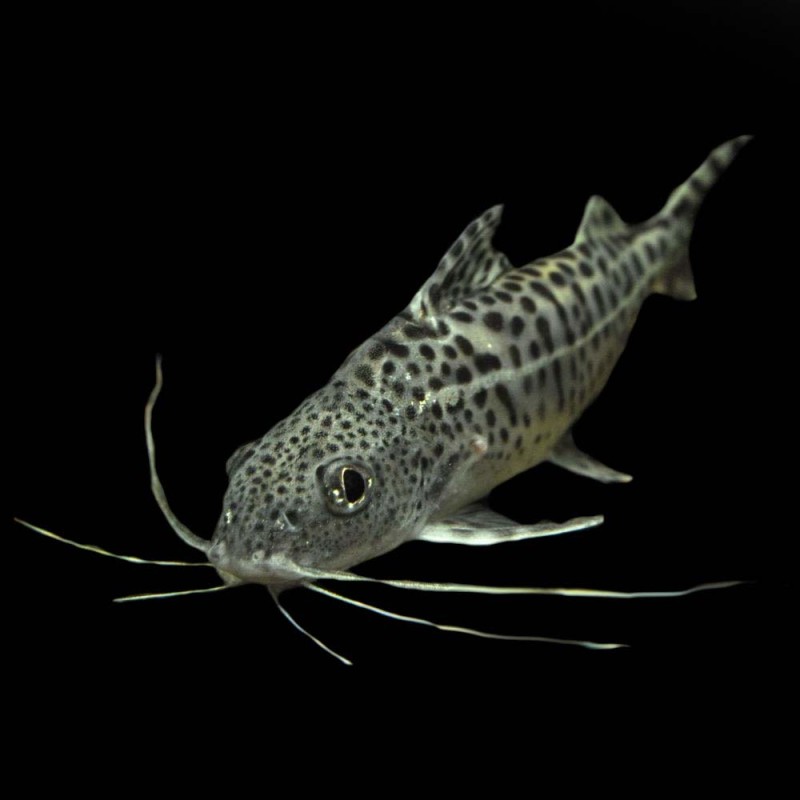
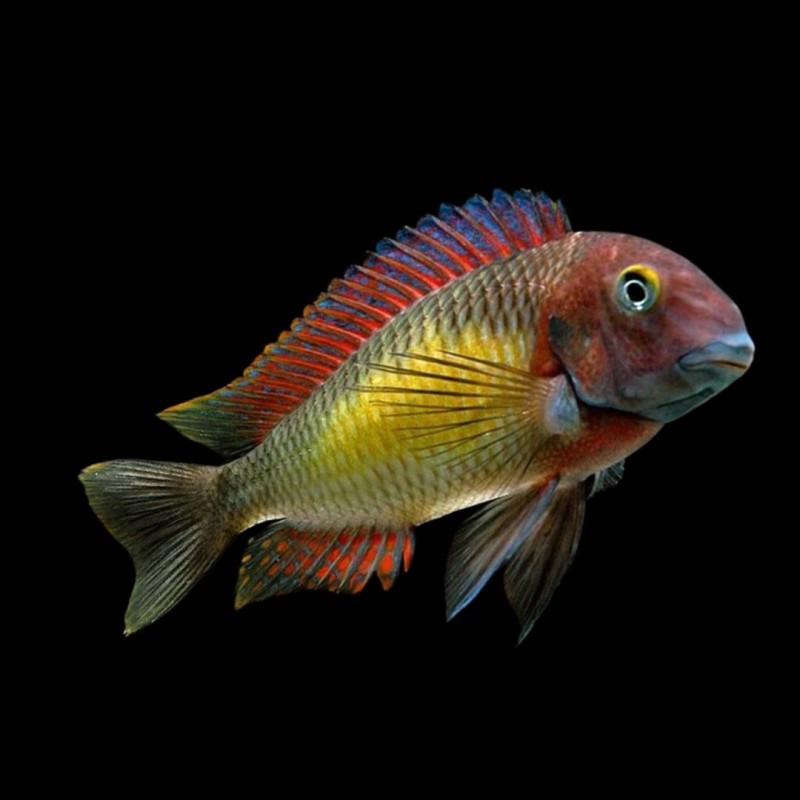
  • Coloration: These cichlids are known for their striking colours, including shades of yellow, orange, and silver. Their bodies are adorned with dark, jagged spots resembling the markings of a jaguar, which gives them their name. The intensity of their colours can vary depending on factors such as mood and water quality.
  • Fins: The Managuense has long, flowing fins, with a particularly impressive dorsal fin that extends along its back. Their fins can sometimes display vibrant colours and patterns, especially when the fish is in breeding condition or feels threatened.
  • Shape: The body of the Managuense is elongated and muscular, with a slightly compressed shape that helps it navigate through the water efficiently. Their head is large and robust, with a pronounced lower jaw.

Behavior:

  • Temperament: The Managuense Cichlid is known for its aggressive and territorial nature, especially during breeding periods. Males are particularly dominant and can become aggressive towards other males or tankmates. This species requires a tank large enough to allow for its territorial behaviour.
  • Activity Level: Jaguar Cichlids are moderately active and enjoy swimming throughout the tank. They tend to stay close to the bottom and mid-levels of the aquarium but will occasionally venture to the surface when feeding or interacting with their environment.
  • Community Behavior: Due to their aggressive nature, the Managuense is best housed with other large, non-aggressive fish. They should not be kept with small or timid species, as they may view them as prey or become territorial. They can also become aggressive towards other cichlids, especially if there are multiple males in the tank.

Aquarium Care:

  • Tank Size: A minimum tank size of 250 liters (66 gallons) is recommended for a single Managuense Cichlid. For a pair, a tank size of 400 liters (105 gallons) or more is ideal to reduce territorial aggression.
  • Water Parameters:
    • Temperature: Managuense Cichlids thrive in warm water, with an ideal temperature range of 24°C to 30°C (75°F to 86°F).
    • pH: They prefer slightly acidic to neutral water, with a pH range of 6.5 to 7.5.
    • Hardness: These cichlids do best in moderately hard water with a general hardness (GH) of 6-12 dGH.
  • Tank Setup:
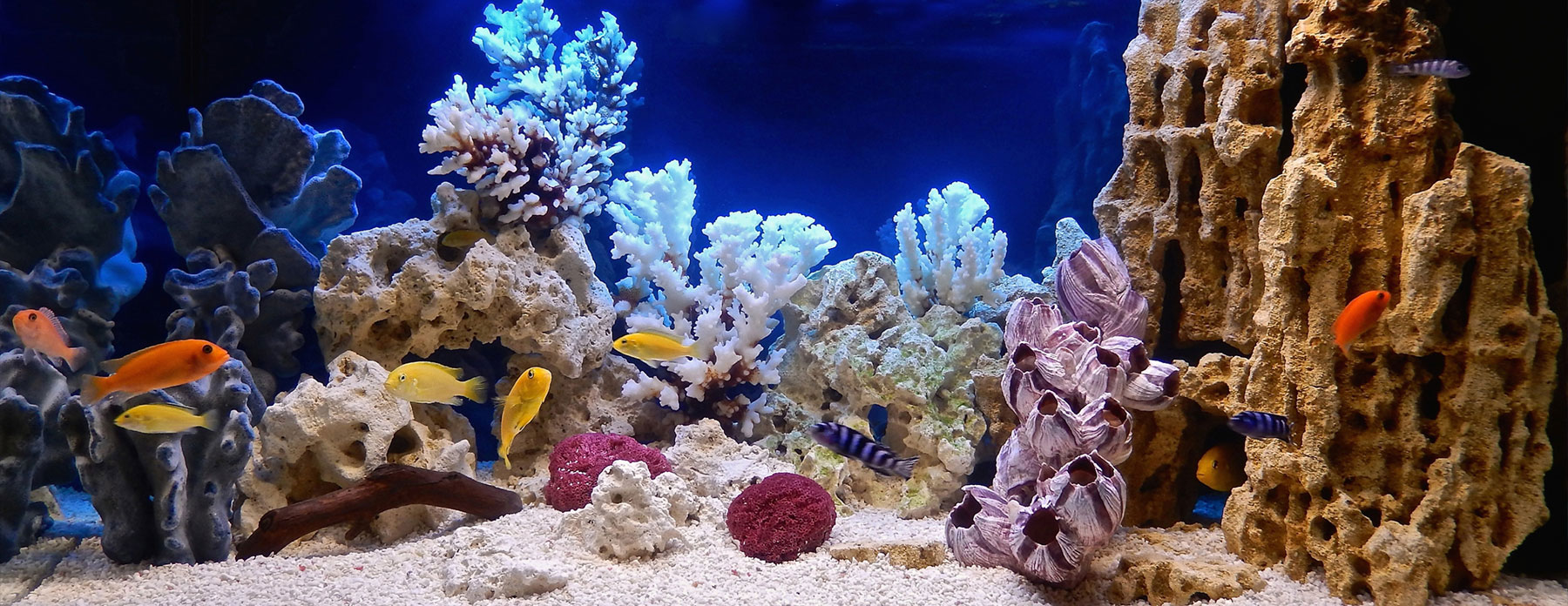
    • Substrate and Decorations: A sandy or fine gravel substrate is best for this species. The Managuense Cichlid enjoys having caves and large rocks to hide in and establish territories. Driftwood can also be used to create more hiding spots and mimic its natural environment.
    • Lighting: Moderate lighting is sufficient for the Managuense. Floating plants or decorations can help diffuse the light, but this species generally doesn't require high lighting conditions.
    • Filtration: A strong filtration system is recommended, as these cichlids produce a significant amount of waste. A high-flow filter or multiple filters can help maintain water quality. Regular water changes (about 20% weekly) are crucial to keep the environment clean and healthy for the fish.

Diet:

Managuense Cichlids are omnivores with a preference for protein-rich foods. Their diet should include:

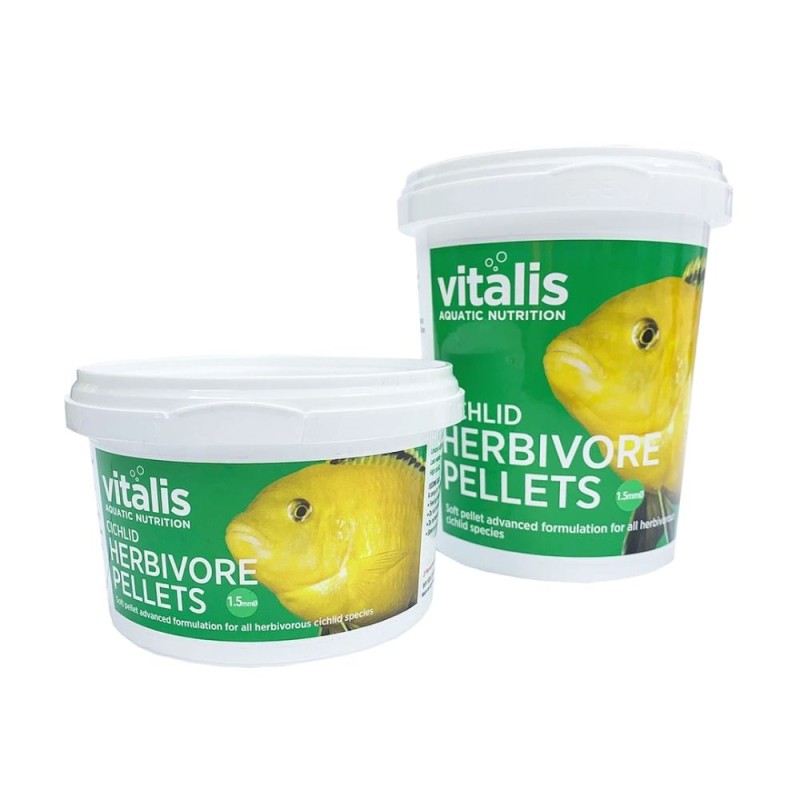
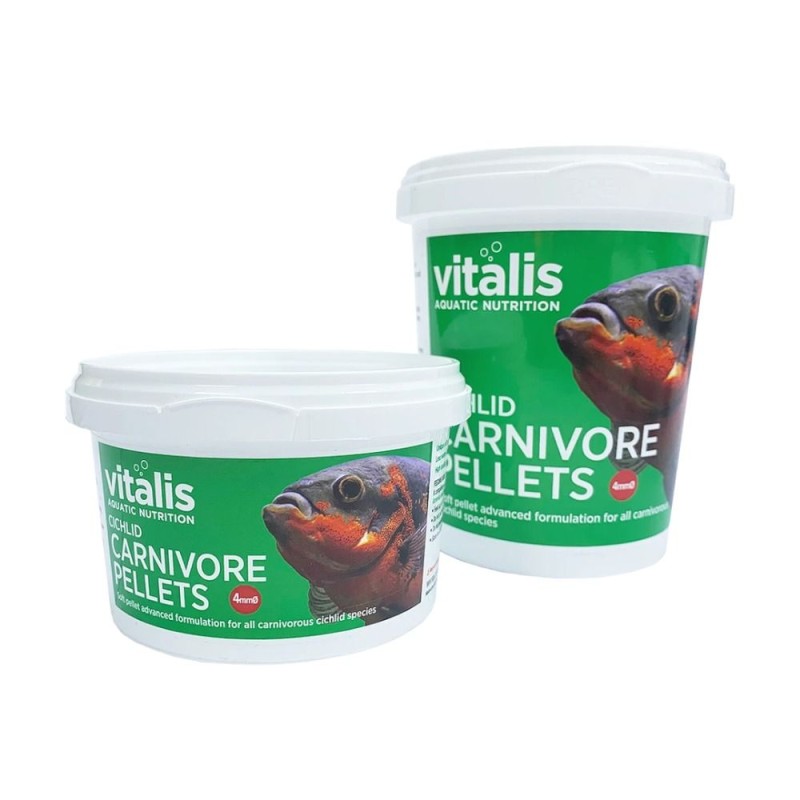
  • Pellets: High-quality cichlid-specific pellets should form the base of their diet.
  • Live or Frozen Foods: Offer live or frozen foods such as mysis, brine shrimp, and krill to provide additional protein.
  • Vegetables: While they prefer meat, providing vegetables such as spinach, zucchini, or peas will help maintain a balanced diet.

Tankmates:

Due to their territorial nature, Managuense Cichlids should only be kept with other large, robust fish that can hold their own. Suitable tankmates include:

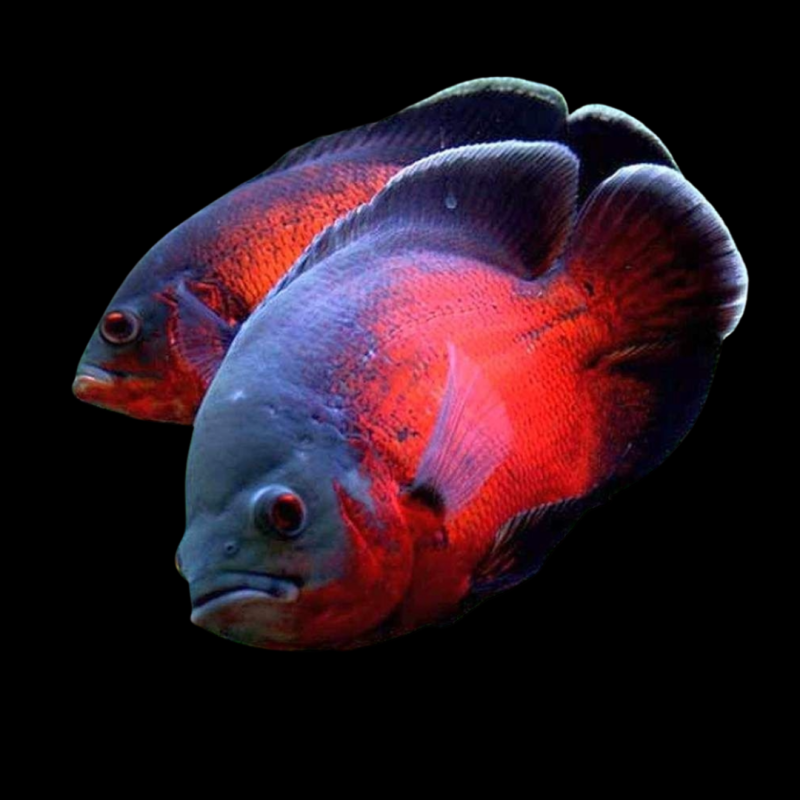
  • Large Cichlids: Such as Oscars, Red Devils, or other large Central American cichlids.
  • Large Catfish: Like the Plecostomus or other peaceful but large catfish.

Avoid housing them with smaller fish or peaceful species, as these may be seen as food or may become victims of territorial aggression.

Breeding:

Breeding the Managuense Cichlid can be a rewarding experience, but it requires patience and careful attention:

  • Breeding Setup: A separate breeding tank with plenty of caves and flat surfaces for egg laying is ideal. The water should be warm (around 28°C or 82°F) and slightly acidic (pH 6.5-7.0).
  • Spawning Behavior: The female will lay eggs on a flat surface, and the male will fertilise them. Both parents will guard the eggs and later protect the fry.
  • Fry Care: Once the fry are free-swimming, they can be fed infusoria or newly hatched brine shrimp. The parents should be monitored to ensure they don't become too aggressive towards the fry.

Special Considerations:

  • Aggression: The Managuense Cichlid is a very aggressive species, especially during breeding. Ensure the tank is large enough to minimise territorial disputes, and avoid keeping multiple males in the same tank unless the space is very large.
  • Water Quality: This species requires stable water parameters. Regular monitoring of water quality is essential for maintaining the health of the fish.

Write a review

Please login or register to review