

- Stock: In Stock
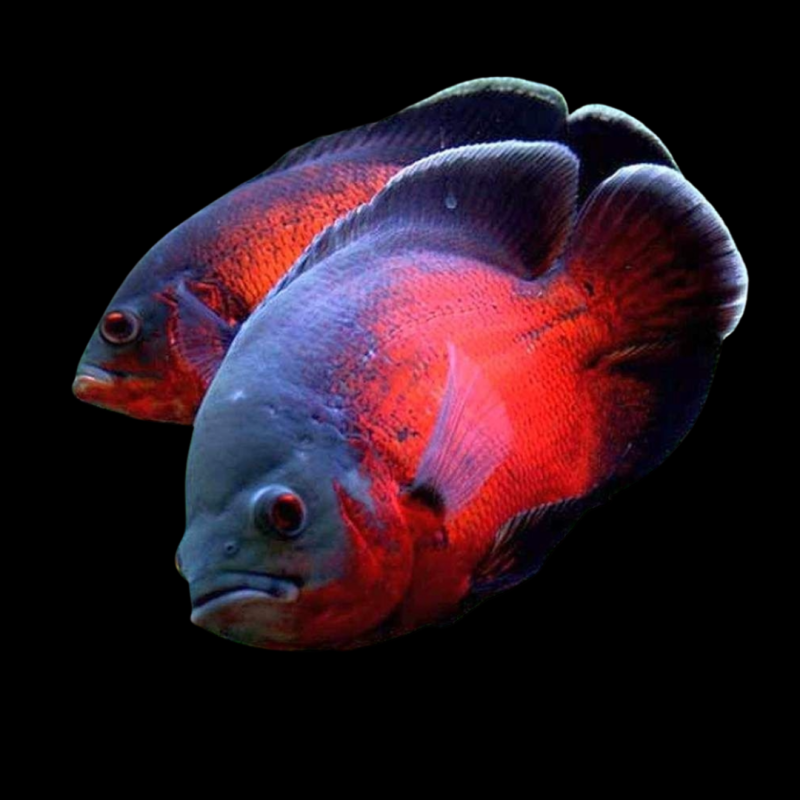
Please Note: Due to variations within species, your fish may not look identical to the image provided. Also note not all sizes or species may be available due to seasonality, Please call beforehand for up-to-date stock availability.
- Model: -
Arrive Alive
If your fish, coral, plant, or invertebrate doesn't arrive alive and stay alive for 2 days, we'll credit your account or refund your money.
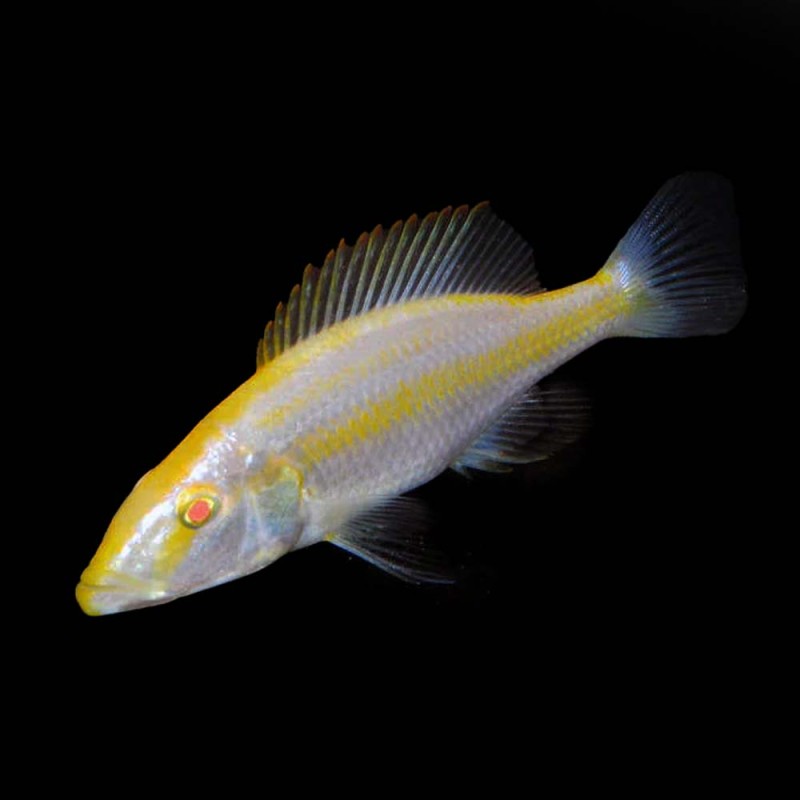
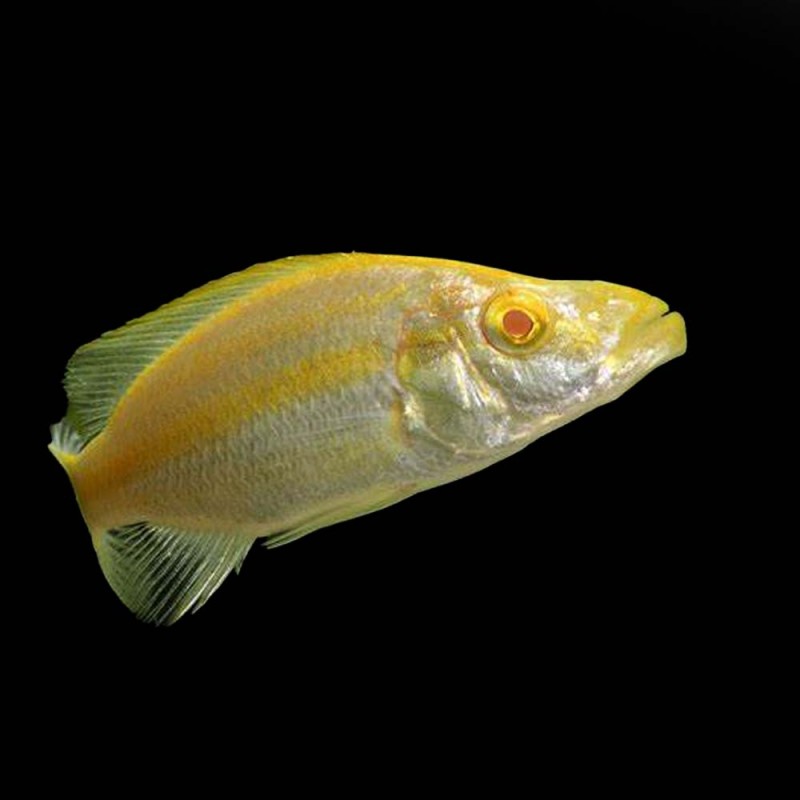
Peacock Bass (Ocellaris)
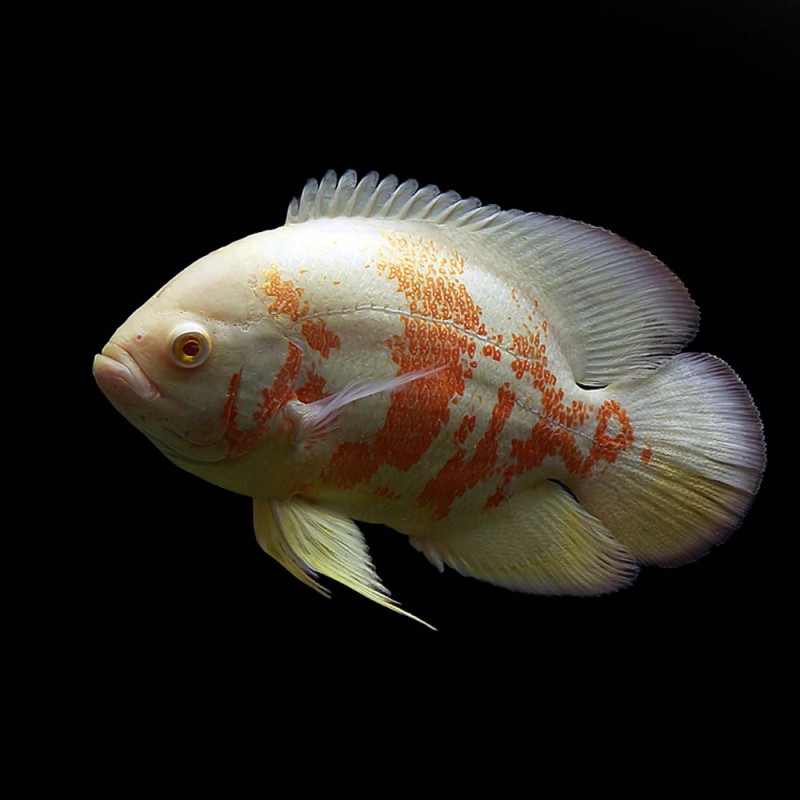
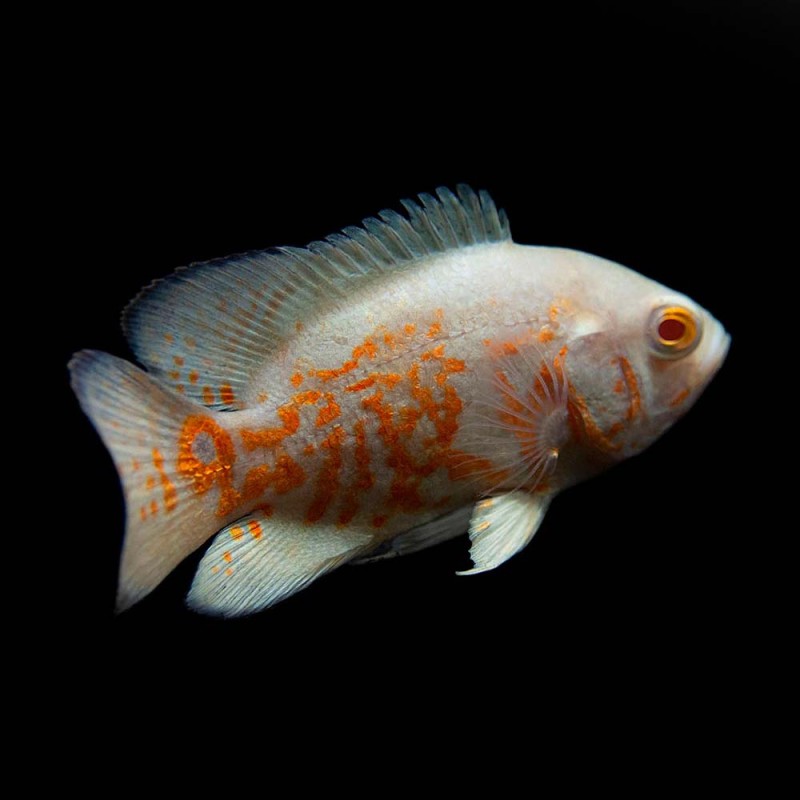
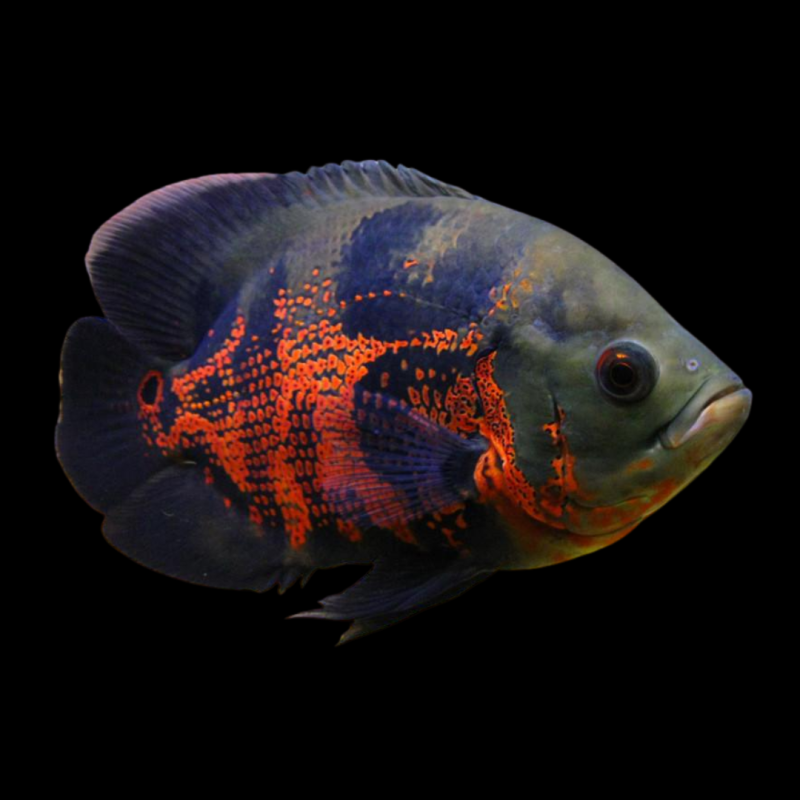
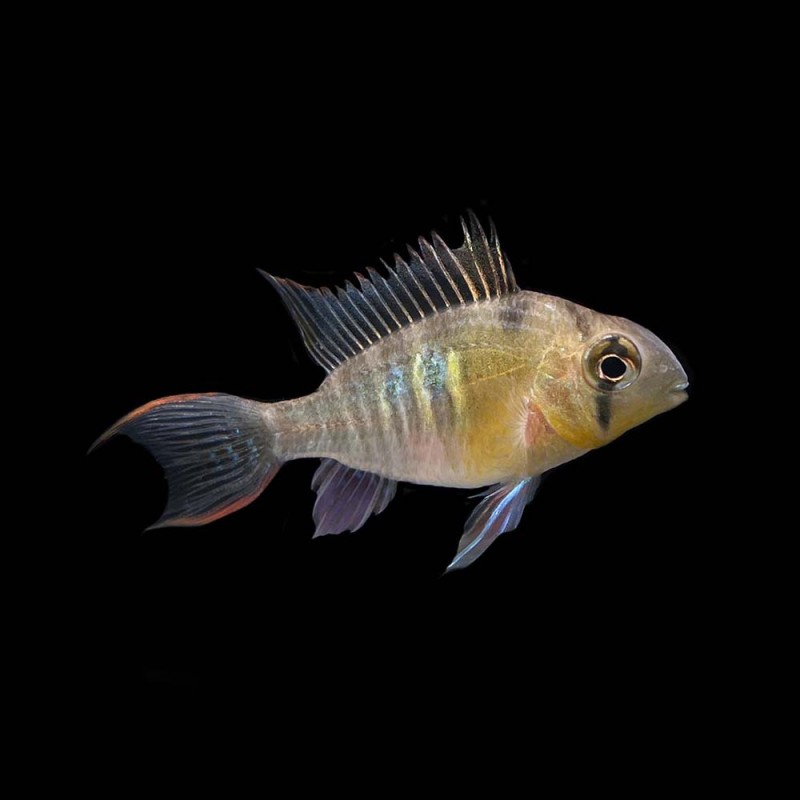
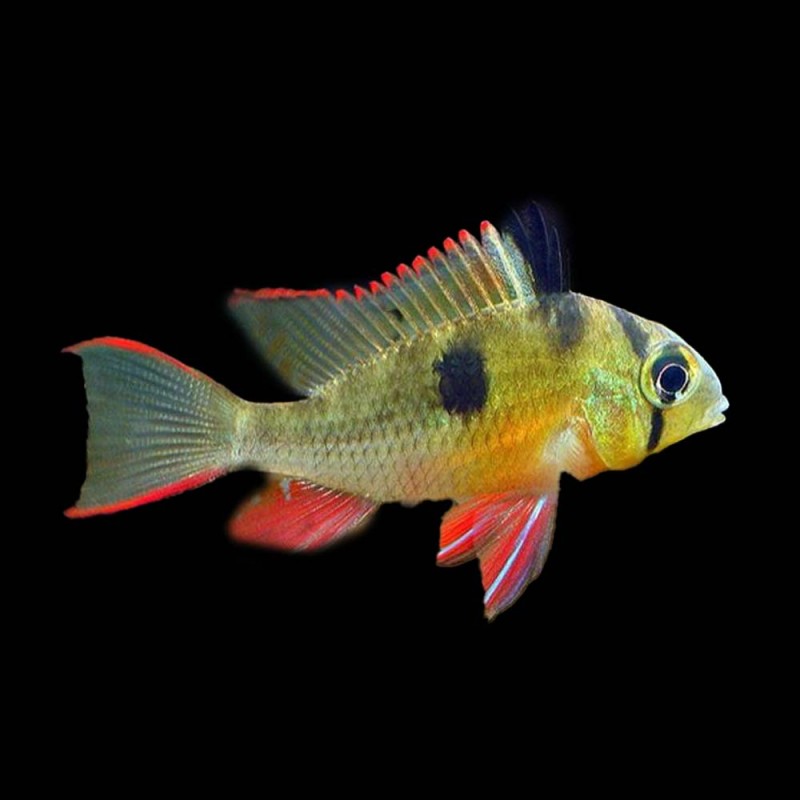
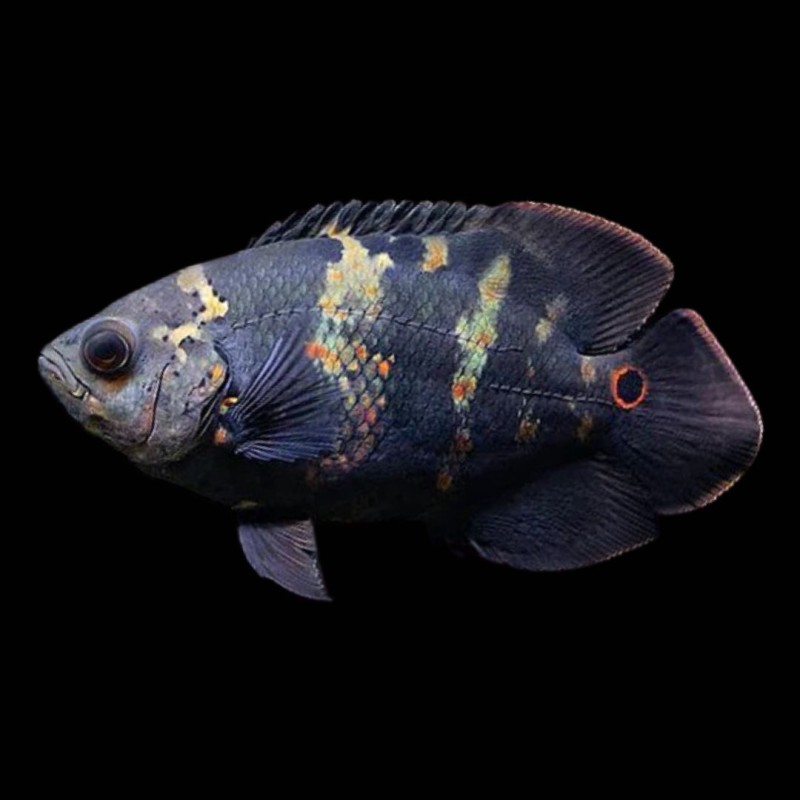
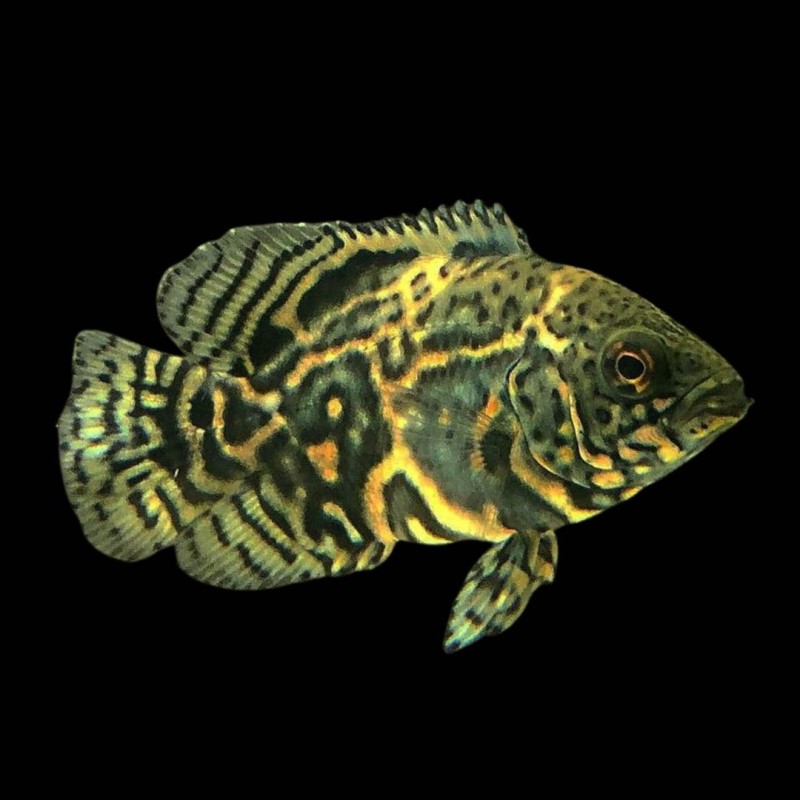
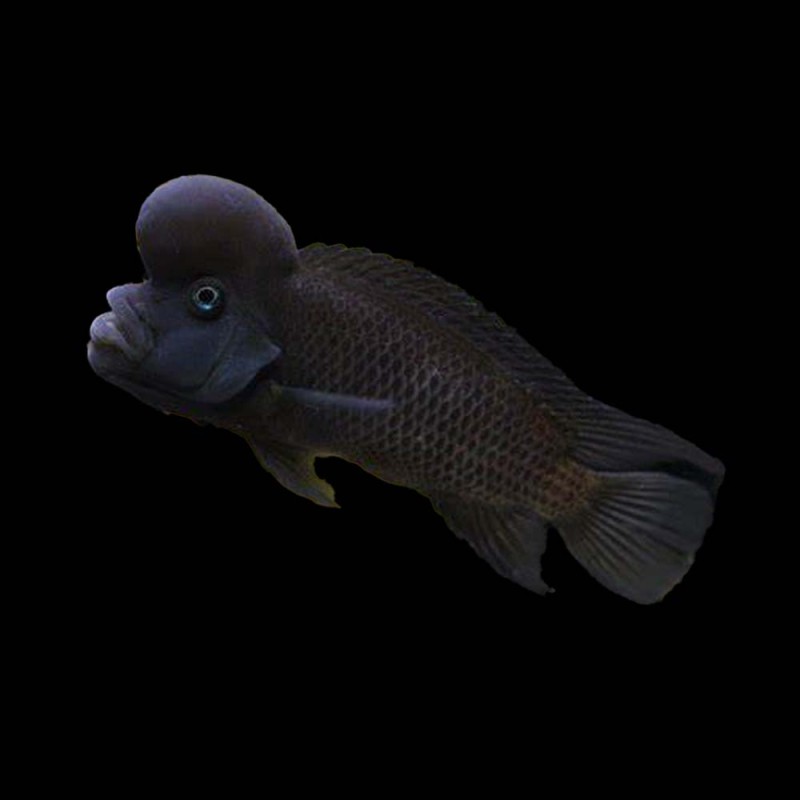
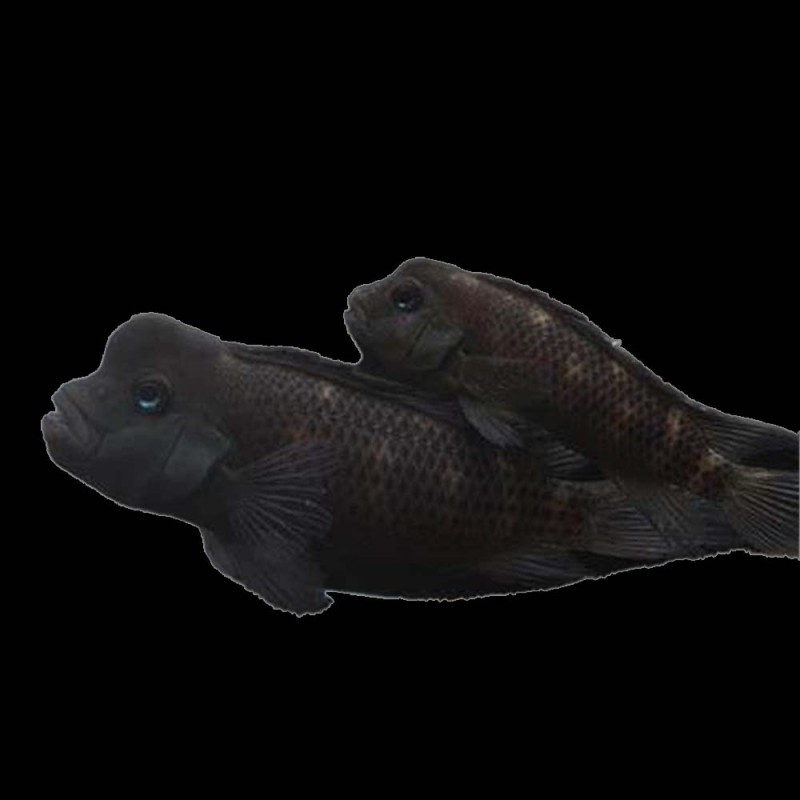
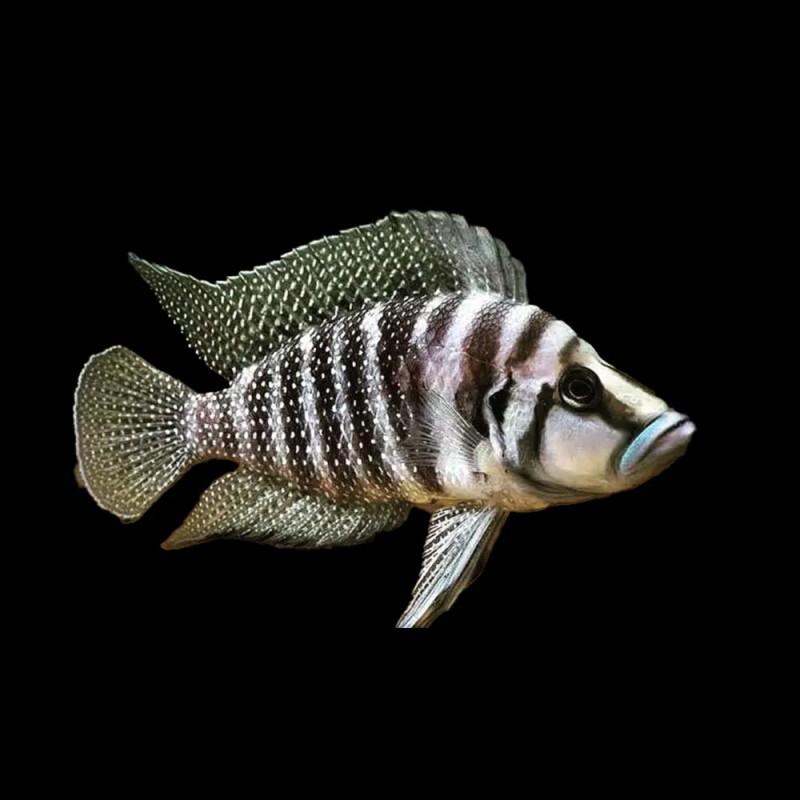
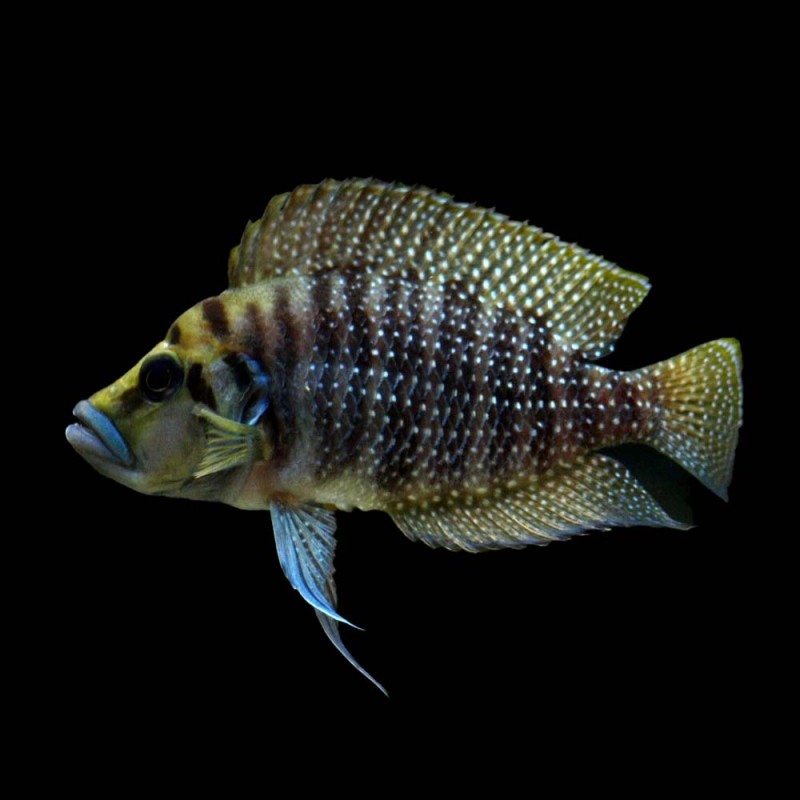
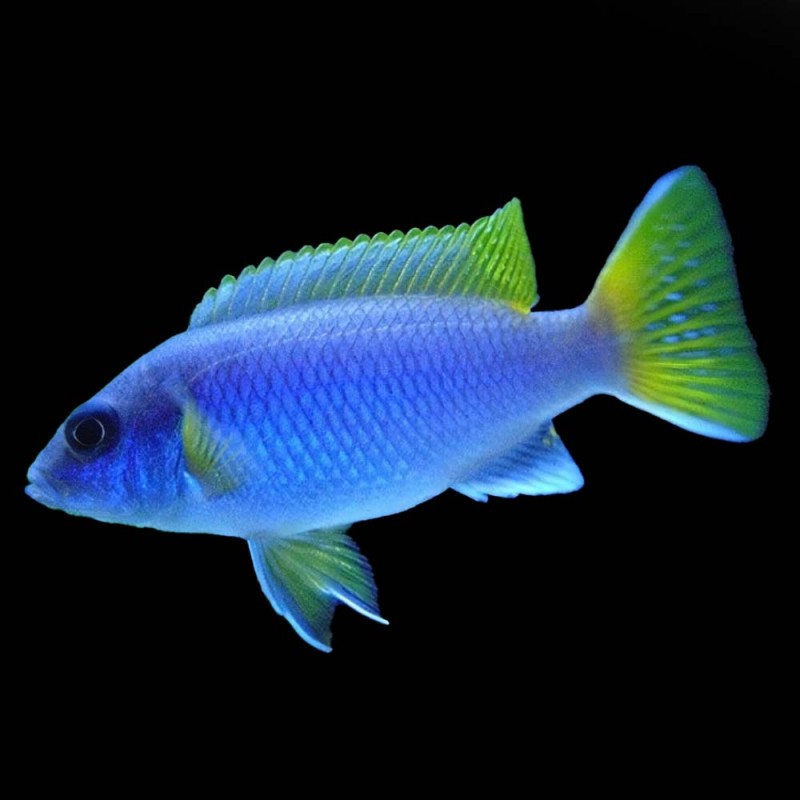
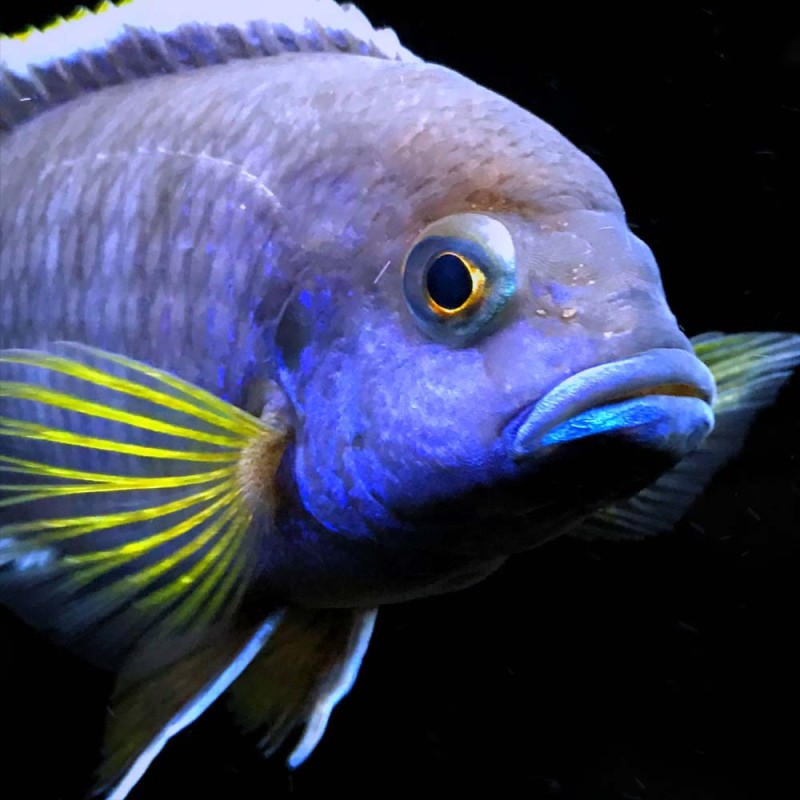
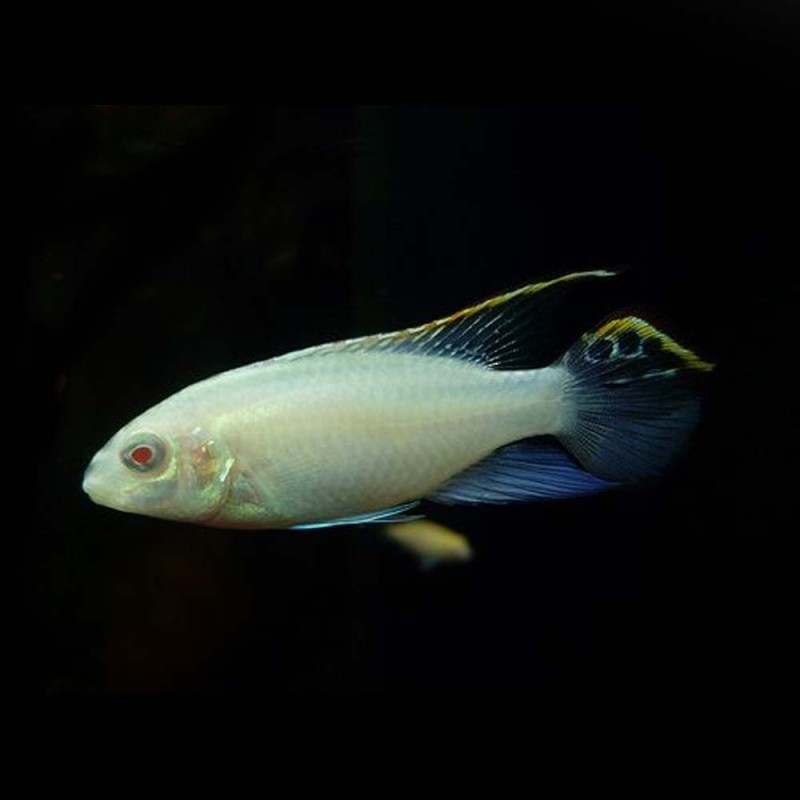
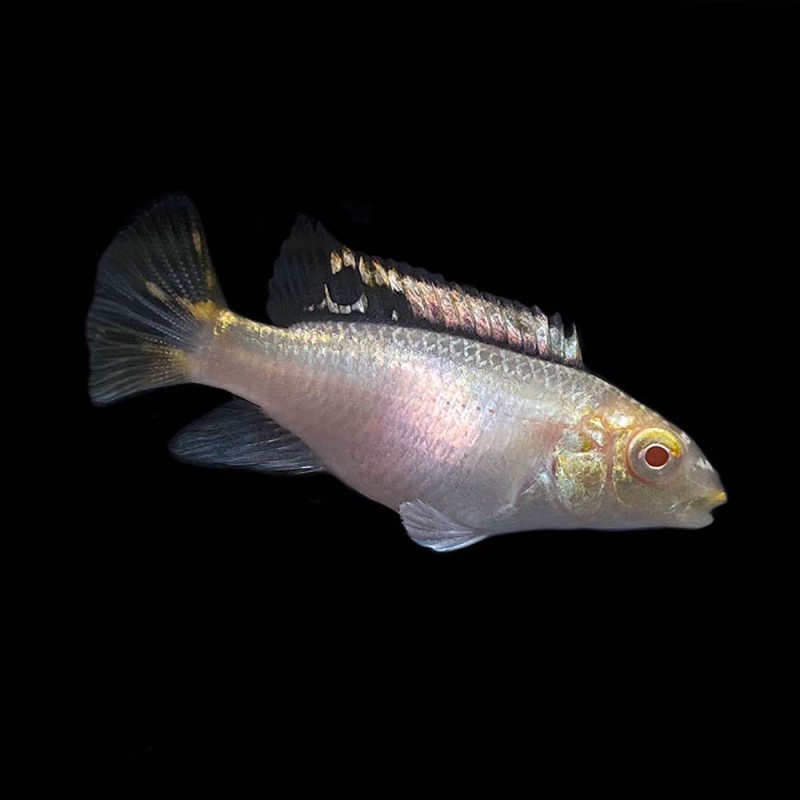
The Peacock Bass (Ocellaris) (also known as Cichla ocellaris) is a striking freshwater fish native to the rivers and lakes of South America, particularly in the Amazon Basin. This species is renowned for its vibrant colours, unique patterning, and aggressive behaviour, making it a popular choice among aquarium enthusiasts who seek a visually stunning and dynamic addition to their tanks.
Physical Characteristics:
- Size: Peacock Bass (Ocellaris) can grow quite large, typically reaching lengths of 30-50 cm (12-20 inches) in captivity, with some individuals exceeding this size.
- Coloration:
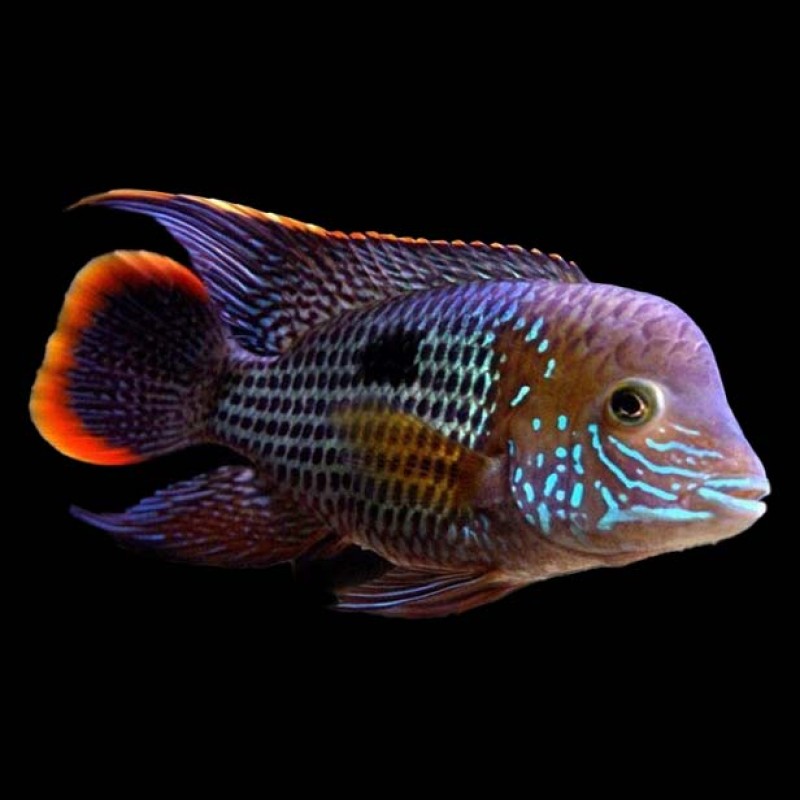
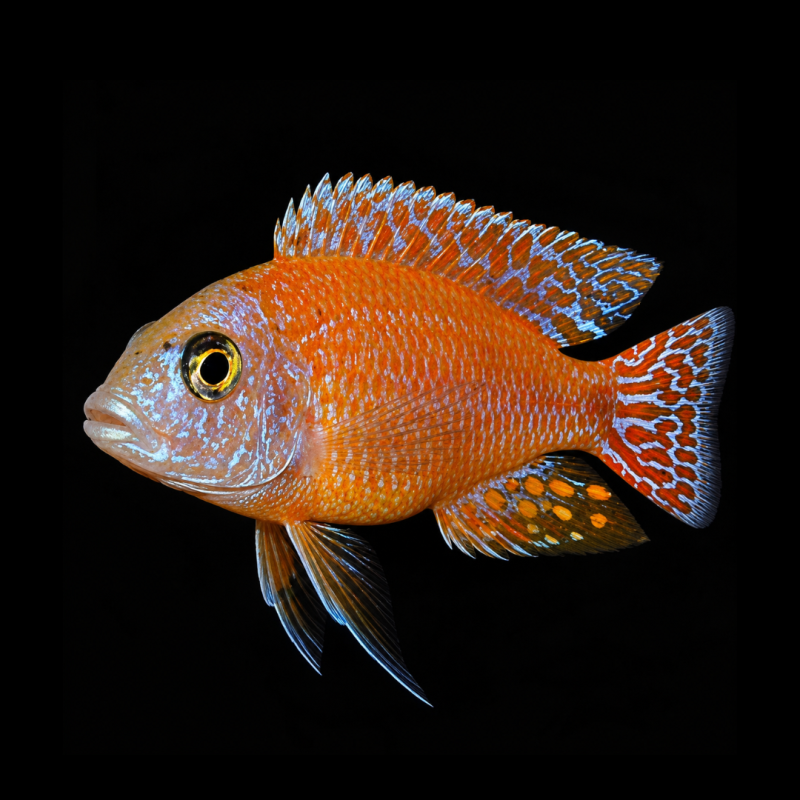
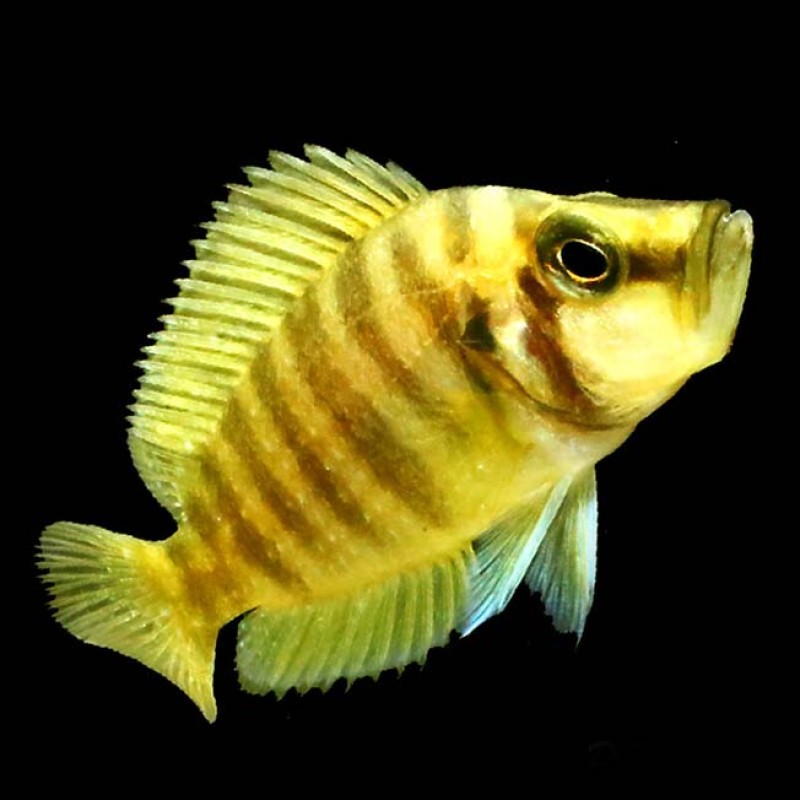
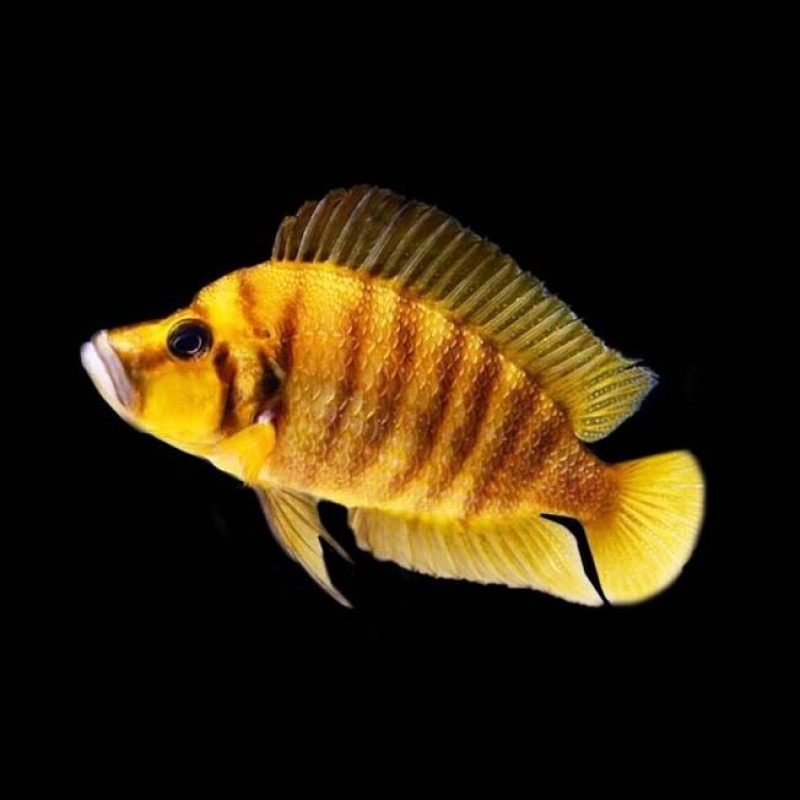
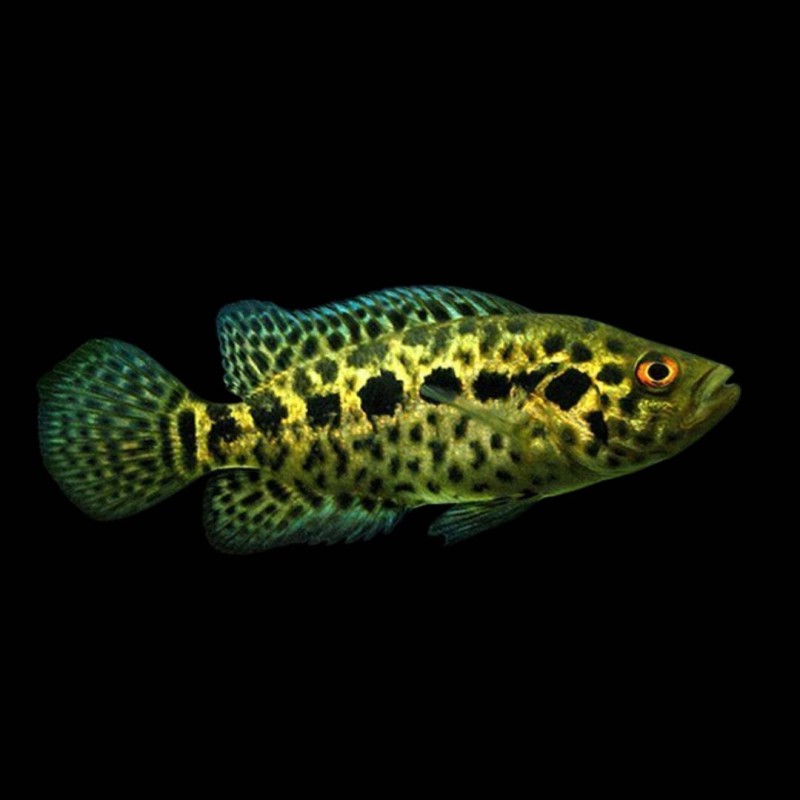
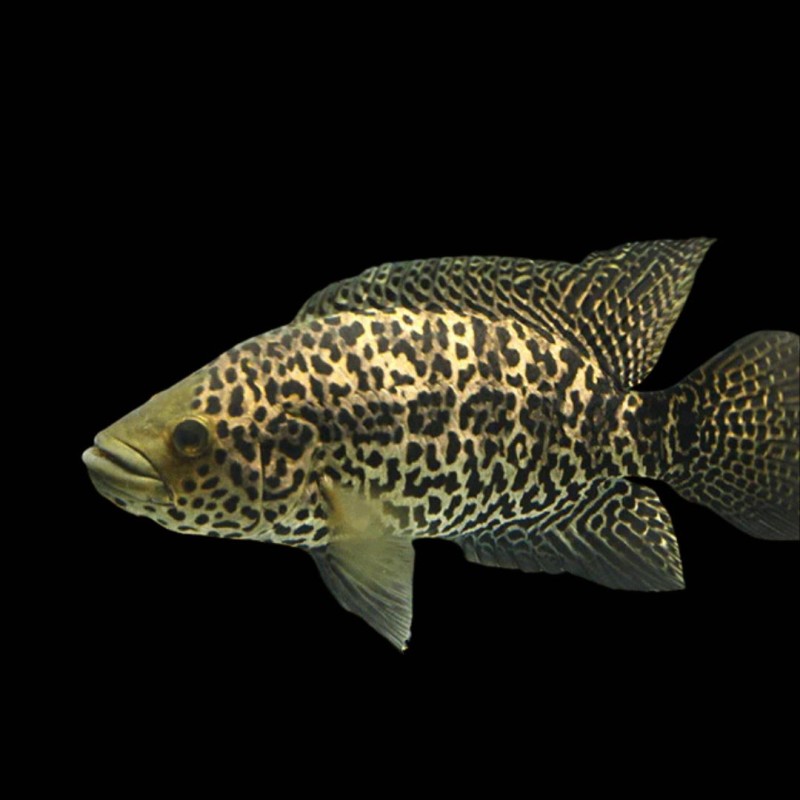
- Body: They display a striking yellow or golden body with dark vertical stripes and spots, which can vary in intensity depending on the individual and environmental conditions.
- Fins: Their fins are often brightly coloured, with the dorsal and anal fins typically having a reddish or orange hue, adding to their visual appeal.
- Shape: They have a robust and elongated body shape, which is characteristic of many cichlid species.
Behaviour:
- Temperament: Peacock Bass (Ocellaris) are known for their aggressive nature, particularly towards other fish of similar size or appearance. They are territorial and may display dominance by flaring their fins and engaging in aggressive displays.
- Activity Level: These fish are highly active swimmers, often patrolling their territory and exploring their environment. They require plenty of space to swim freely.
- Community Behaviour: While they can be kept in a community tank, care must be taken to select compatible tankmates. Larger, non-aggressive fish are best suited to avoid stress and potential aggression.
Aquarium Care:
- Tank Size: A minimum tank size of 200 litres (53 gallons) is recommended for a single Peacock Bass (Ocellaris) to provide ample swimming space and territory.
- Water Parameters:
- Temperature: They thrive in warm water, with an ideal temperature range of 24°C to 30°C (75°F to 86°F).
- pH: Slightly acidic to neutral water is preferred, with a pH range of 6.0 to 7.5.
- Hardness: Soft to moderately hard water, with a general hardness (GH) of 5-15 dGH, is ideal.
- Tank Setup:
- Substrate and Decorations: A soft, sandy substrate is recommended to mimic their natural habitat. Provide plenty of hiding spots using rocks, driftwood, and plants, while ensuring there are open swimming areas.
- Lighting: Moderate lighting is suitable, allowing for both open spaces and shaded areas created by decorations.
- Filtration: A strong filtration system is essential to maintain water quality, as these fish produce a significant amount of waste. Regular water changes (about 20-30% weekly) are also important.
Diet:
Peacock Bass (Ocellaris) are carnivorous and require a protein-rich diet to thrive:
- Pellets: High-quality cichlid pellets should form the staple of their diet.
- Live or Frozen Foods: Offer live or frozen foods such as feeder fish, shrimp, and bloodworms to provide essential protein and variety.
- Occasional Treats: Freeze-dried foods can be offered occasionally but should not constitute the main diet.
Tankmates:
Peacock Bass (Ocellaris) can be housed with other larger, non-aggressive fish. Suitable tankmates include:
- Large Tetras: Such as Silver Dollars.
- Other Cichlids: Larger cichlids that are not overly aggressive.
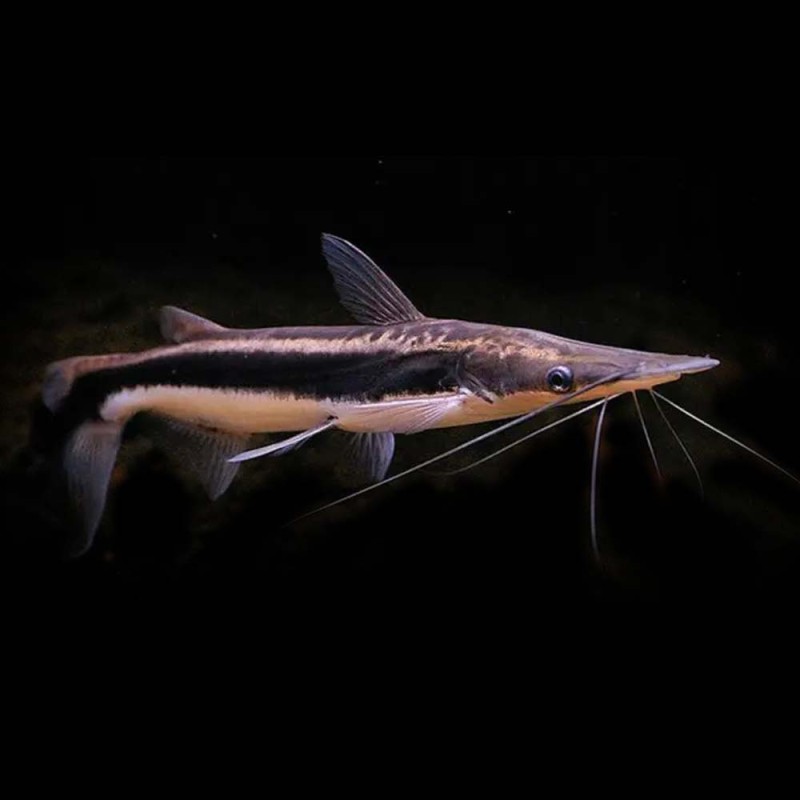
- Catfish: Such as larger species of Corydoras or Plecos that can handle the aggressive nature of the bass.
Breeding:
Breeding Peacock Bass (Ocellaris) can be challenging and typically requires specific conditions:
- Breeding Setup: A separate breeding tank with shallow water (about 15-20 cm or 6-8 inches deep) is ideal. The water should be warm (26°C to 28°C or 79°F to 82°F) and slightly acidic (pH 6.0-6.5). Providing flat surfaces or spawning sites is important.
- Spawning Behaviour: The male will court the female, leading her to the spawning site where eggs will be laid. After spawning, the male usually guards the eggs.
- Fry Care: Once the fry are free-swimming, they can be fed with infusoria or finely crushed flakes.
Special Considerations:
- Space Requirements: Due to their size and activity level, Peacock Bass require ample space in the aquarium to thrive.
- Aggression Management: Monitor aggression levels closely, especially during breeding, to ensure compatibility with other tankmates.
| File Name | Size | Link |
|---|---|---|
| 15 How to care for American Cichlids.pdf (Total downloads: 7481) | 221.67KiB | Download |