

Menu
Menu
Your Cart

Chinese Snakehead

Chinese Snakehead
Chinese Snakehead
Chinese Snakehead
Chinese Snakehead
Chinese Snakehead
From €59.99
Ex Tax: €48.77
  • Stock: Generally In Stock
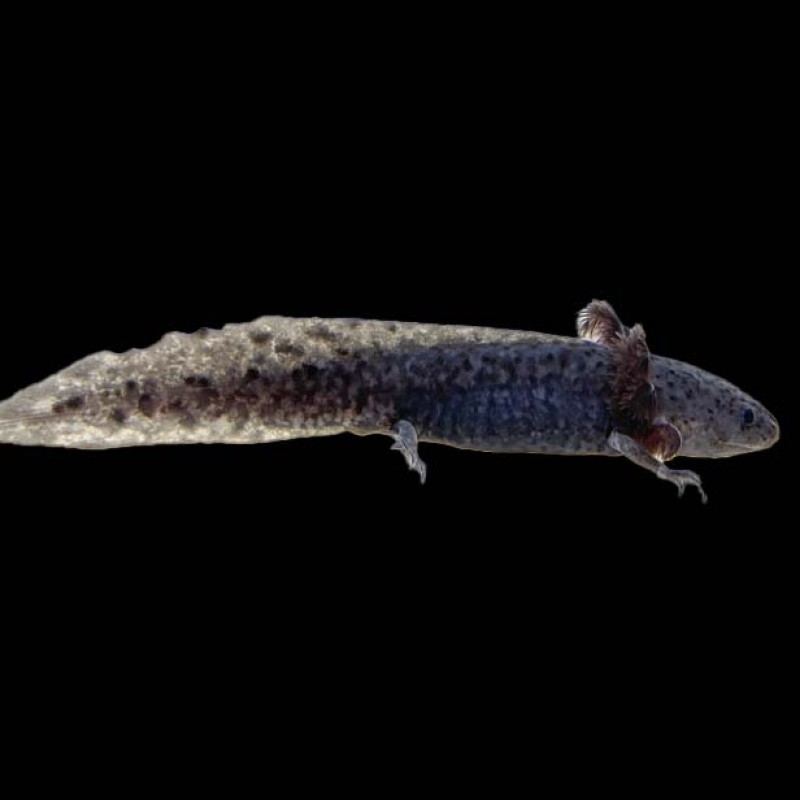
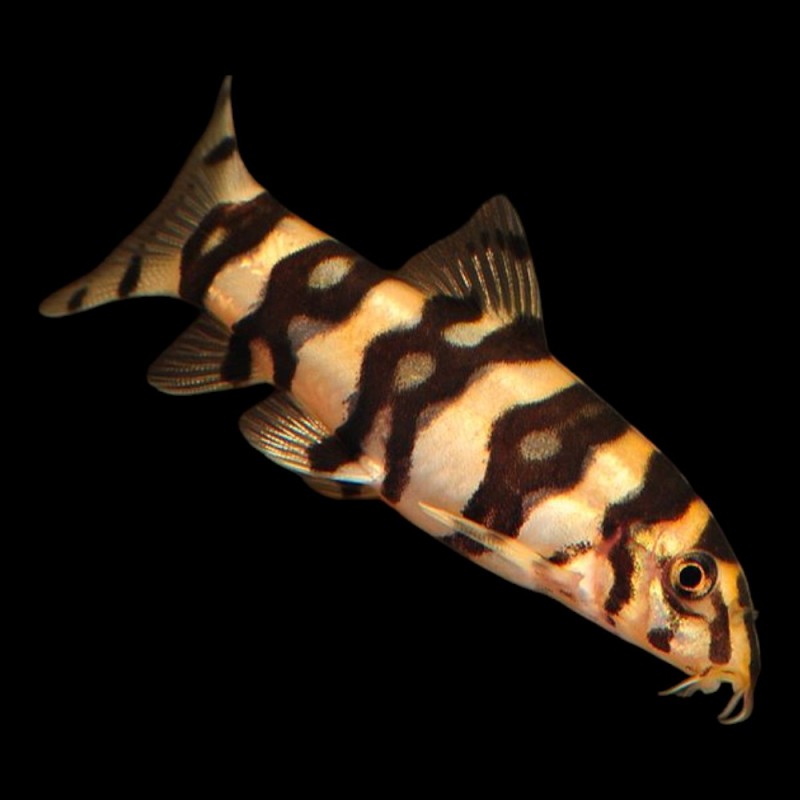
  • Please Note: Due to variations within species, your fish may not look identical to the image provided. Also note not all sizes or species may be available due to seasonality, Please call beforehand for up-to-date stock availability.

  • Model: CHINESE SNAKEHEAD MATRIX
Available Options

Reset options

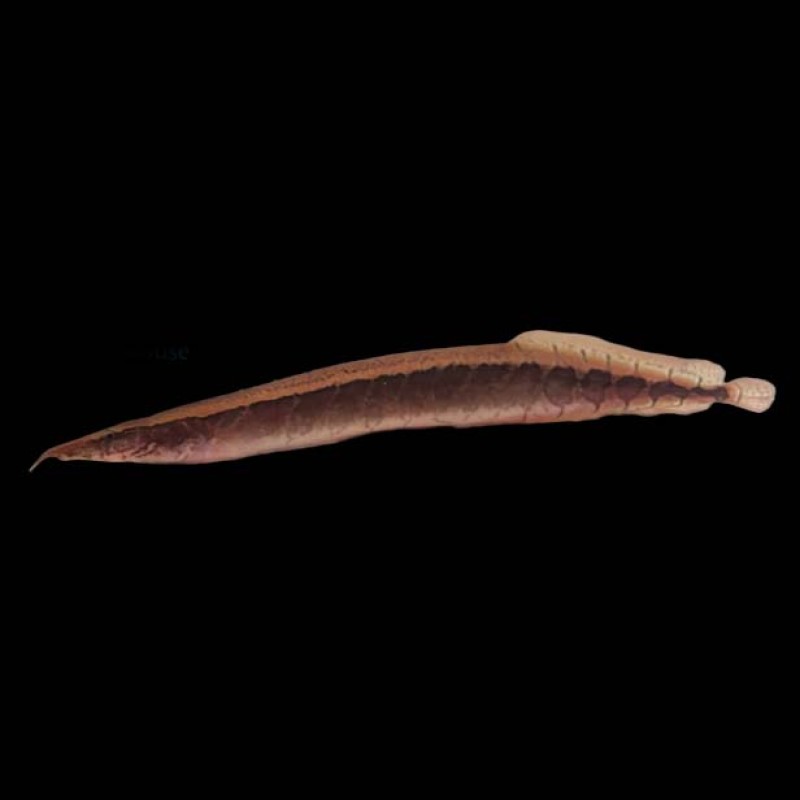
Chinese Snakehead (Channa asiatica) is a species of freshwater fish belonging to the family Channidae, native to parts of China, Taiwan, and northern Vietnam. Known for its predatory behaviour and distinctive appearance, the Chinese Snakehead is a popular species among aquarists, though it is not as commonly kept as other snakehead species due to its specific care requirements.

Physical Characteristics:

  • Size: Chinese Snakeheads typically grow to a length of about 30-40 cm (12-16 inches) in the wild, although individuals in captivity can be somewhat smaller.
  • Body: The body of Channa asiatica is elongated and cylindrical, resembling other snakeheads. Its coloration varies depending on its environment and age, but it generally has a brownish or olive base colour, often with darker blotches or stripes. Some individuals may display iridescent scales that give off a bluish or greenish sheen under the right lighting.
  • Fins: The dorsal and anal fins are long and extend along most of the body, while the caudal (tail) fin is rounded. These fins help the snakehead move powerfully through the water when hunting.
  • Head: Like other snakeheads, the Chinese Snakehead has a large, wide head with a prominent mouth full of sharp teeth, adapted for capturing and consuming prey. Its eyes are positioned high on the head, aiding in hunting in shallow waters.

Behaviour and Habitat:

  • Habitat: In the wild, Chinese Snakeheads inhabit slow-moving or still freshwater bodies such as rivers, lakes, and ponds, often in areas with dense vegetation and soft, muddy substrates. They prefer environments with thick plant cover, where they can ambush their prey.
  • Diet: This species is a carnivorous predator, feeding on a variety of prey, including fish, crustaceans, and amphibians. In captivity, they should be offered a diet of live or frozen foods such as fish, shrimp, and worms, though they may also accept high-quality pellets designed for carnivorous fish.
  • Behaviour: Chinese Snakeheads are highly territorial and can be aggressive, especially toward smaller or similarly sized fish. They are ambush predators, relying on their camouflage and sudden bursts of speed to capture prey. Their predatory nature and territorial tendencies make them unsuitable for community tanks with smaller or more passive species.

Aquarium Care:

  • Tank Size: A large tank of at least 200 litres (50 gallons) is recommended for a single adult Chinese Snakehead. Larger tanks are needed for pairs or if you plan to keep them with other species, though caution should be taken when mixing them with other fish.
  • Water Parameters:
    • Temperature: The ideal water temperature is between 20°C and 28°C (68°F to 82°F).
    • pH: They prefer slightly acidic to neutral water, with a pH range of 6.0 to 7.5.
    • Hardness: Water hardness should be between 5-15 dGH.
  • Tank Setup: A well-planted tank with hiding places, such as rocks, driftwood, and dense vegetation, is important to mimic the Chinese Snakehead’s natural habitat. They are strong swimmers, so the tank should have enough open space for them to move around. A secure lid is essential, as they are known to be escape artists and can jump out of the tank.
  • Filtration: Despite their ability to breathe atmospheric air using a labyrinth organ, good water quality is still essential. A strong filtration system is recommended to maintain clean water, though the current should not be too strong, as these fish prefer slow-moving waters.

Tankmates:

Due to their aggressive and predatory nature, Chinese Snakeheads are best kept alone or with other large, robust fish species that can defend themselves and are too large to be considered prey. Suitable tankmates might include larger cichlids, catfish, or other large predatory fish, but careful observation is needed to ensure compatibility.

Breeding:

Chinese Snakeheads are known to breed in captivity, but the process can be challenging. They are nest builders and prefer dense vegetation or secluded areas to lay their eggs. The male guards the nest and the fry once they hatch. To encourage breeding, a slightly warmer water temperature and increased feeding of live foods can help stimulate spawning behaviour.

Special Considerations:

  • Escape Risk: Chinese Snakeheads are strong and capable jumpers, so tanks must have secure lids to prevent escape.
  • Legality: In some countries and regions, snakeheads, including Channa asiatica, are considered invasive species and may be restricted or banned due to their ability to thrive in non-native environments if released. Always check local regulations before acquiring this species.

Conservation Status:

The Chinese Snakehead is not currently listed as threatened, but like many freshwater species, it faces potential threats from habitat loss, pollution, and overfishing in its native range.

Overall, the Chinese Snakehead is a fascinating species for aquarists who are experienced in keeping predatory fish. With proper care, a spacious tank, and careful attention to tankmates, it can be an impressive and rewarding fish to observe. However, due to its aggressive nature and care requirements, it is best suited for advanced hobbyists.

Write a review

Please login or register to review