

Menu
Menu
Your Cart

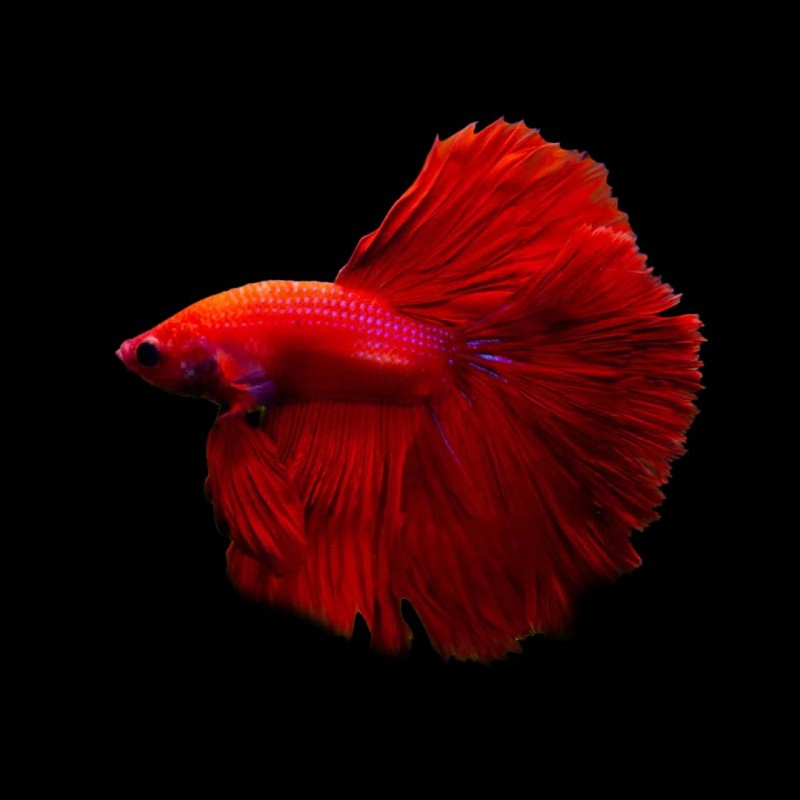
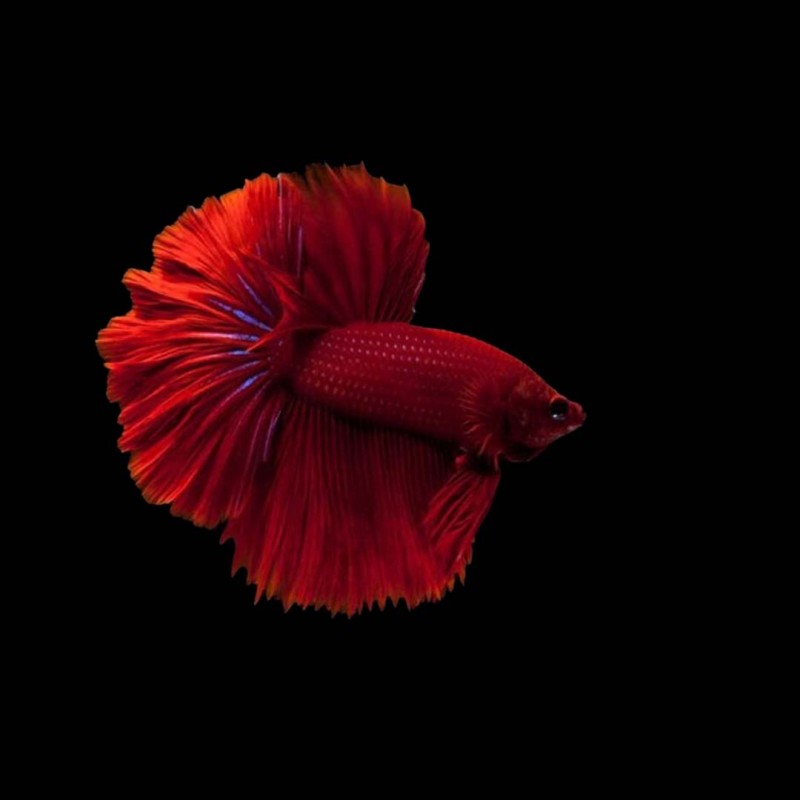
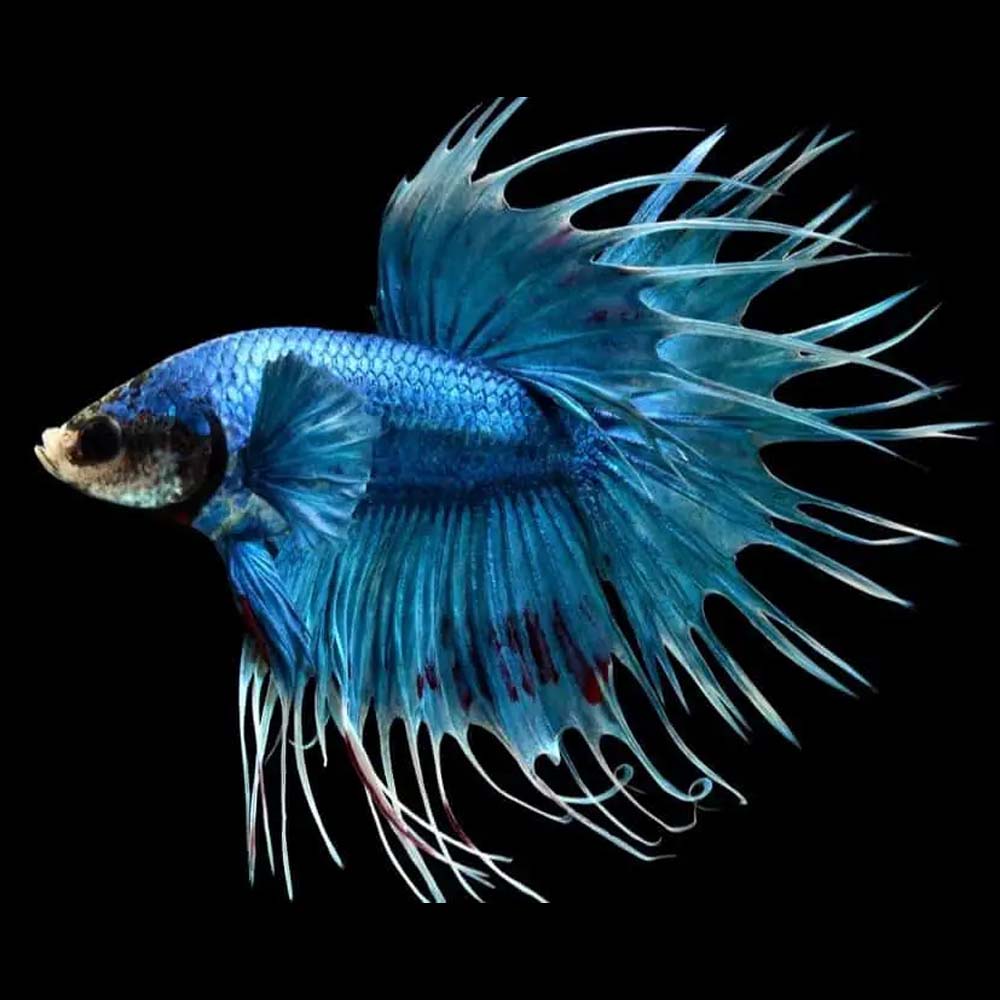
Crowntail Betta male

Crowntail Betta male
€29.99
Ex Tax: €24.38
  • Stock: Generally In Stock
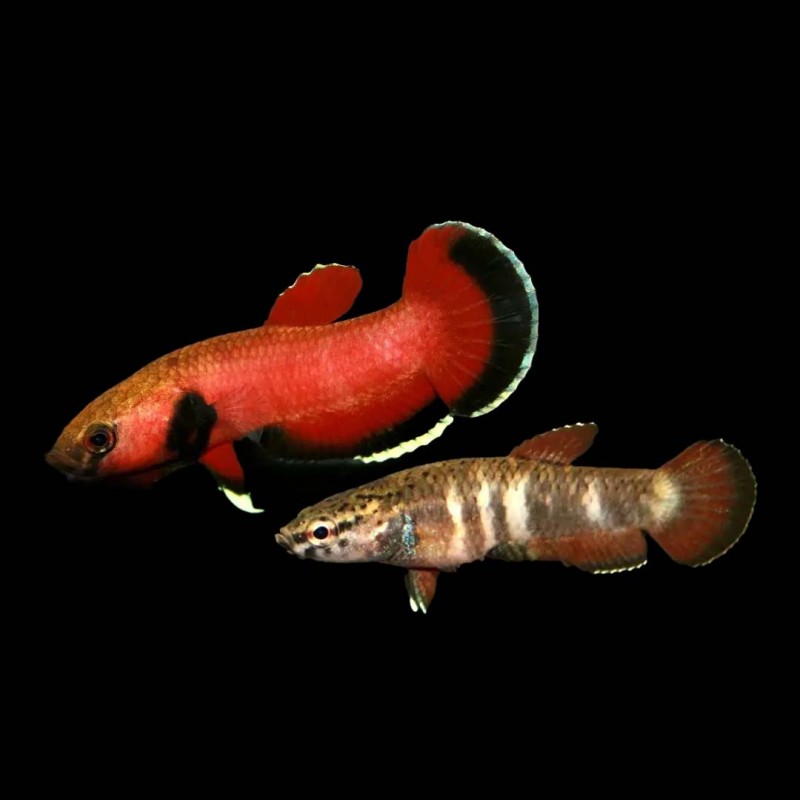
  • Please Note: Due to variations within species, your fish may not look identical to the image provided. Also note not all sizes or species may be available due to seasonality, Please call beforehand for up-to-date stock availability.

  • Model: -
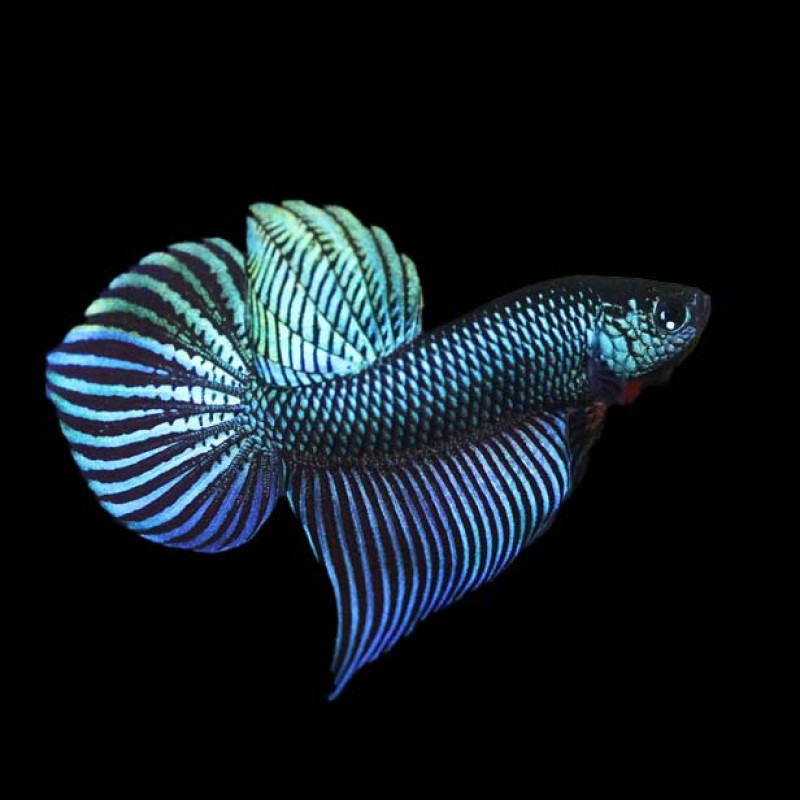
The Crowntail Betta Male

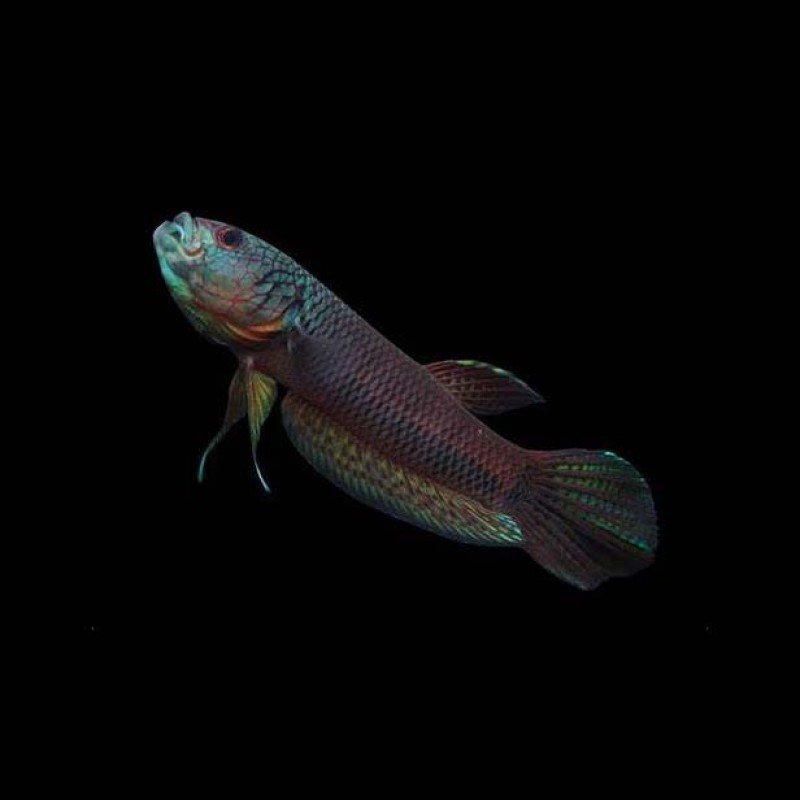
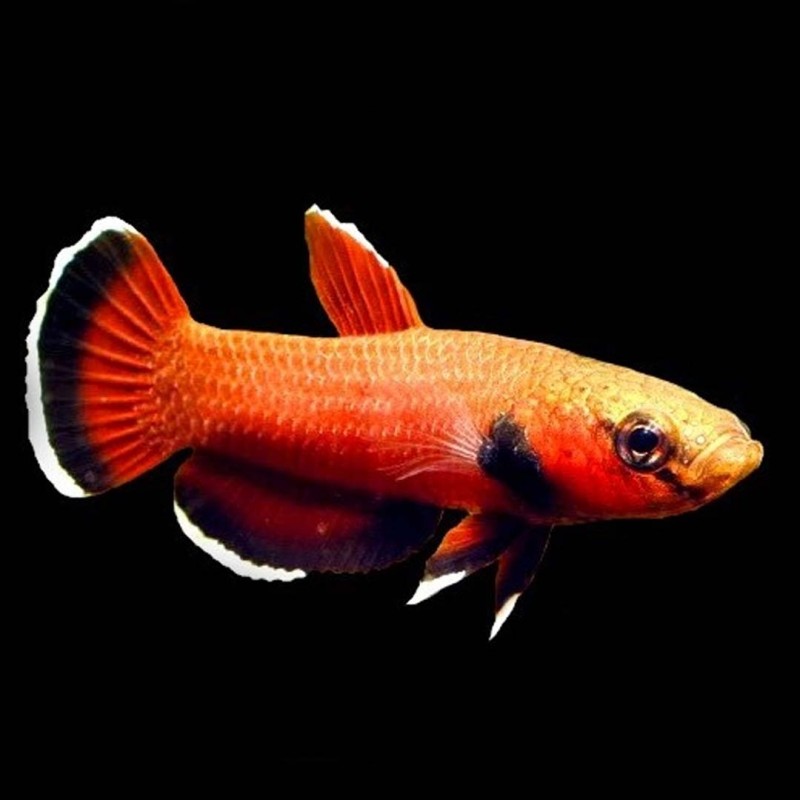
The Crowntail Betta is a popular variant of Betta splendens, renowned for its unique fin structure and vibrant colors. The male Crowntail Betta is especially prized for its striking, spiky fins, which are characterized by pronounced webbing that creates a “crown-like” appearance. This dramatic look, combined with their vivid coloration, makes them a favorite among aquarists.

Physical Characteristics:

  • Size: Male Crowntail Bettas typically grow to about 6-7 cm (2.4-2.8 inches), which is common for many Betta splendens varieties.
  • Coloration:
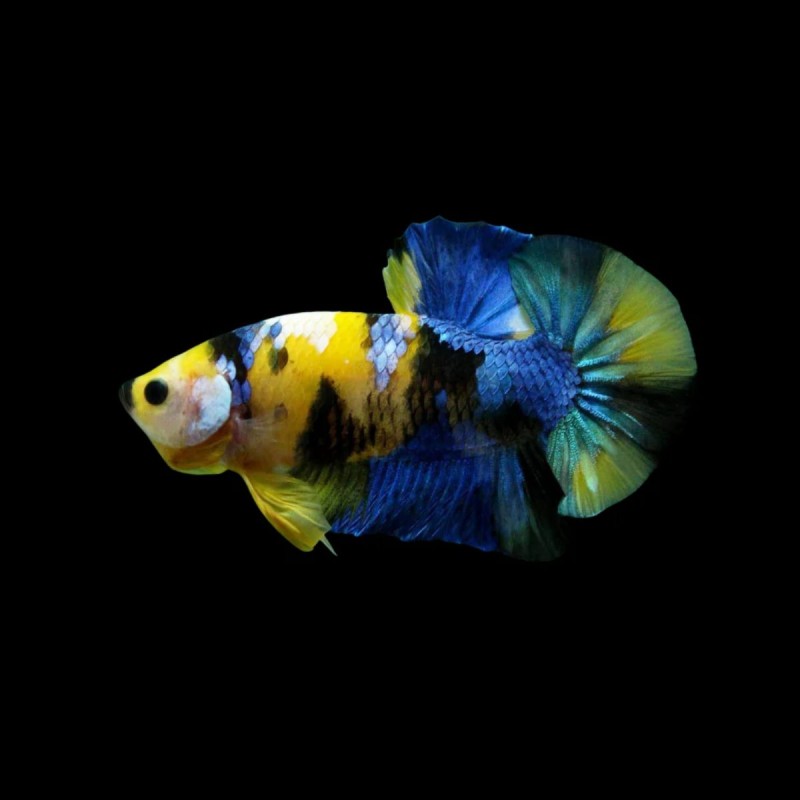
    • Body: Crowntail Bettas come in a wide range of colors, including blues, reds, greens, and purples, often with metallic or iridescent scales.
    • Fins: The fins of male Crowntail Bettas are the defining feature, extending outward into long spikes with minimal webbing, giving them a unique crown appearance.
    • Shape: Males have long, flowing fins and a streamlined body, enhancing their elegance in the water.

Behavior:

  • Temperament: Male Crowntail Bettas are territorial and can be aggressive toward other males. They will often flare their gills and fins to assert dominance, particularly when they see their reflection or other male bettas.
  • Activity Level: Crowntail Bettas are active swimmers, known for their energetic and curious nature. They enjoy exploring their environment and will often display their fins while swimming.
  • Community Behavior: While aggressive toward other males, male Crowntail Bettas can coexist with peaceful, non-aggressive tankmates in larger tanks. Careful monitoring is essential to prevent conflicts.

Aquarium Care:

  • Tank Size: A minimum tank size of 10 liters (2.5 gallons) is recommended for a single male Crowntail Betta, but a larger tank (20 liters or more) is ideal to provide more swimming space and better water quality. For community tanks, a minimum of 40 liters (10 gallons) is recommended.
  • Water Parameters:
    • Temperature: Crowntail Bettas thrive in warm water, with an ideal temperature range of 24°C to 28°C (75°F to 82°F).
    • pH: They prefer slightly acidic to neutral water, with a pH range of 6.0 to 7.5.
    • Hardness: Soft to moderately hard water, with a general hardness (GH) of 3-8 dGH, is ideal.
  • Tank Setup:
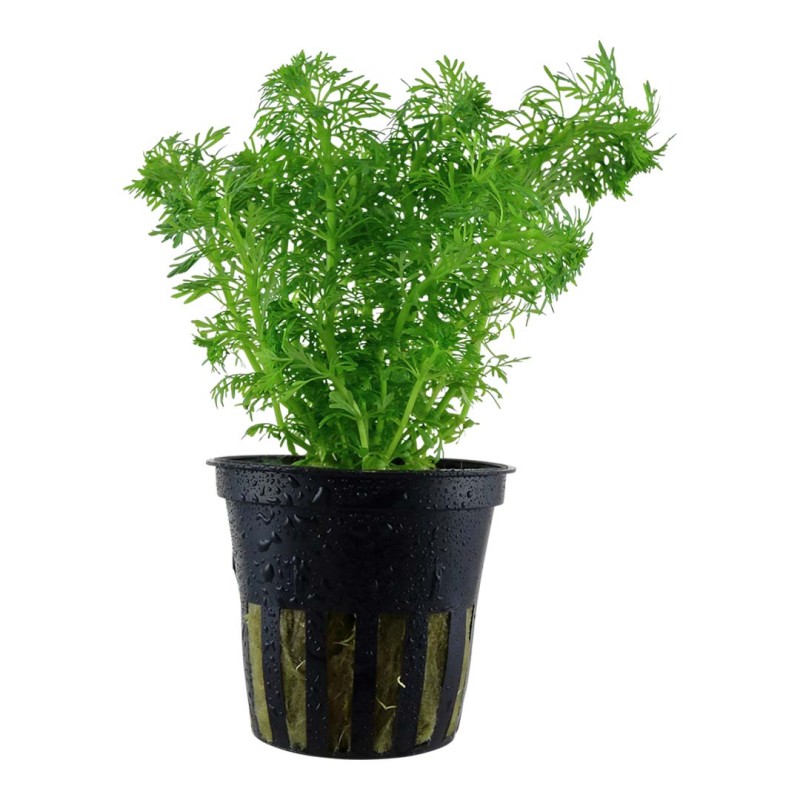
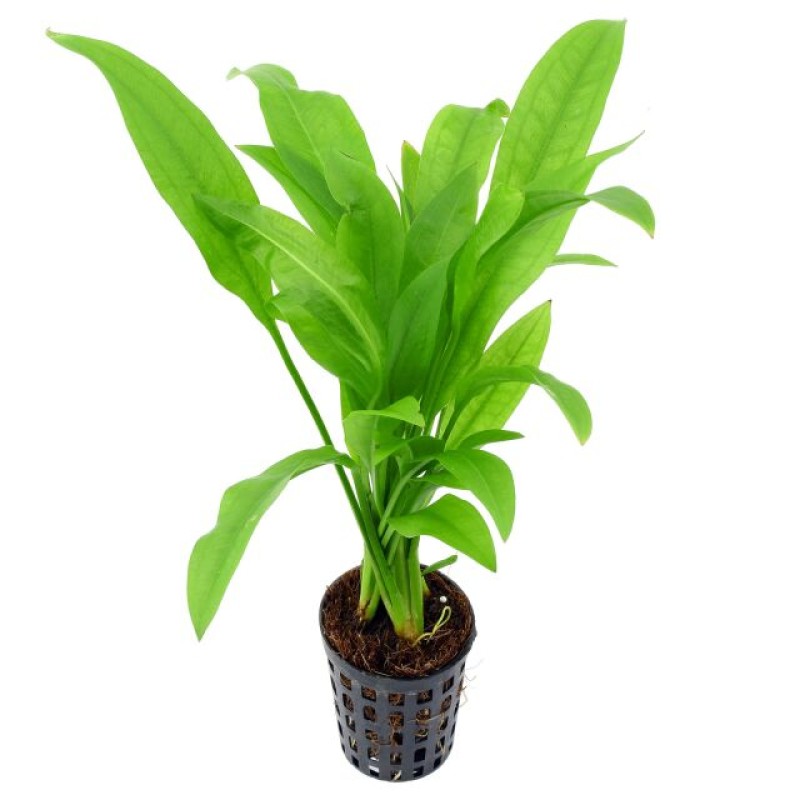
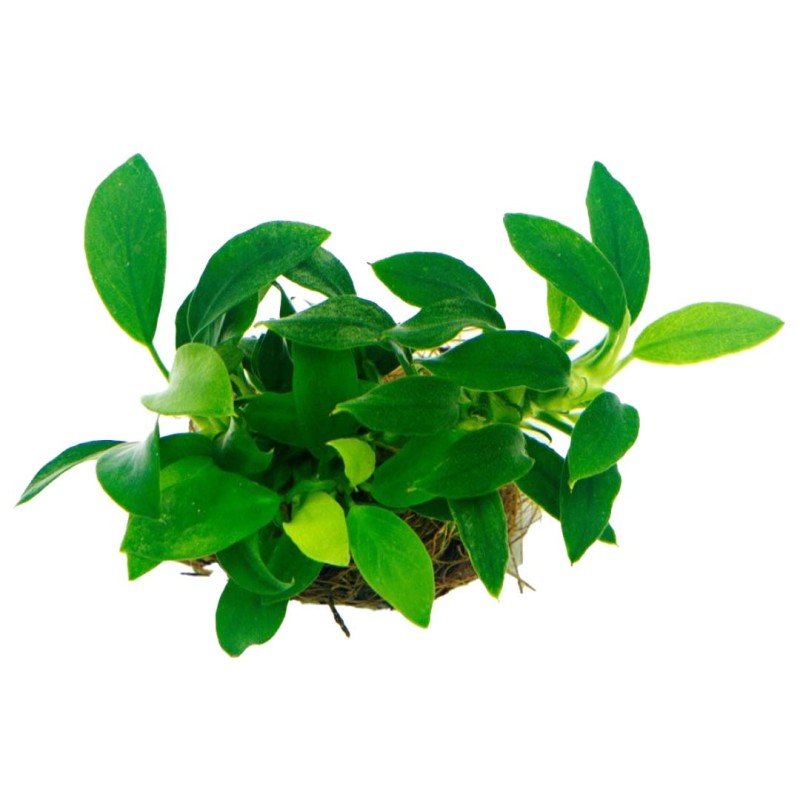
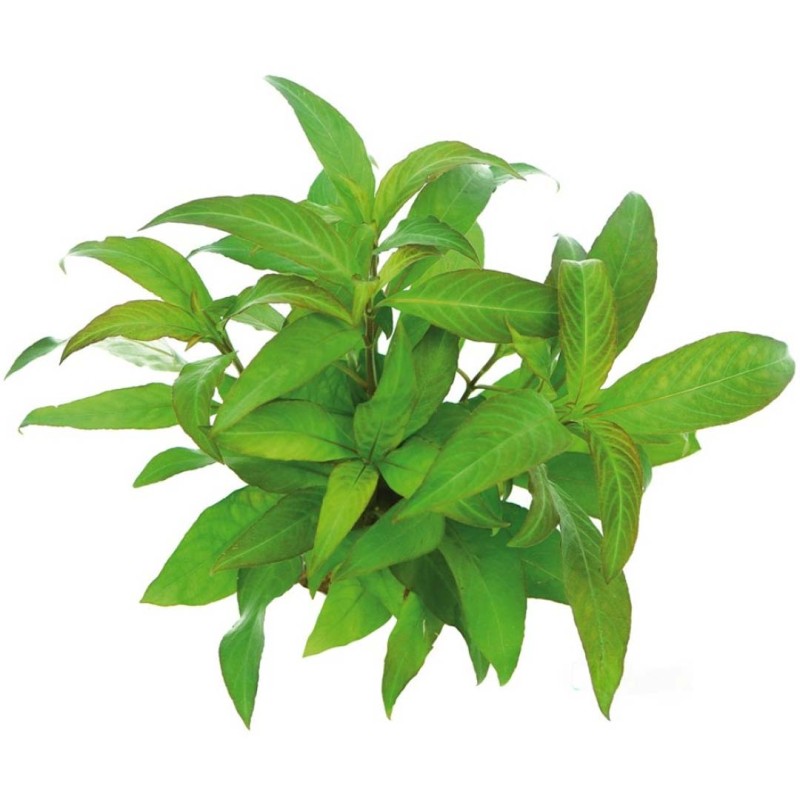
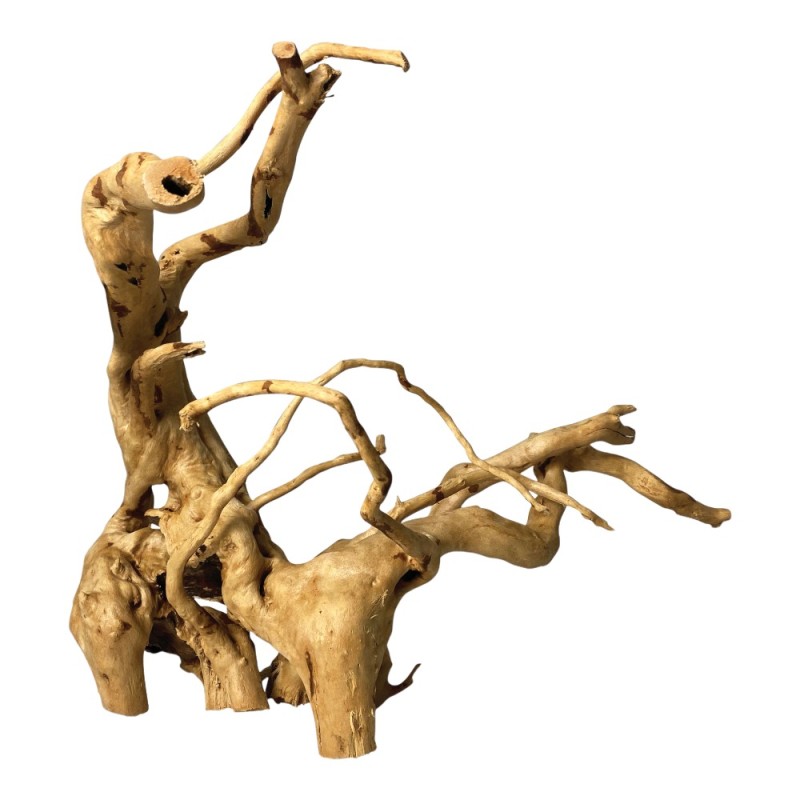
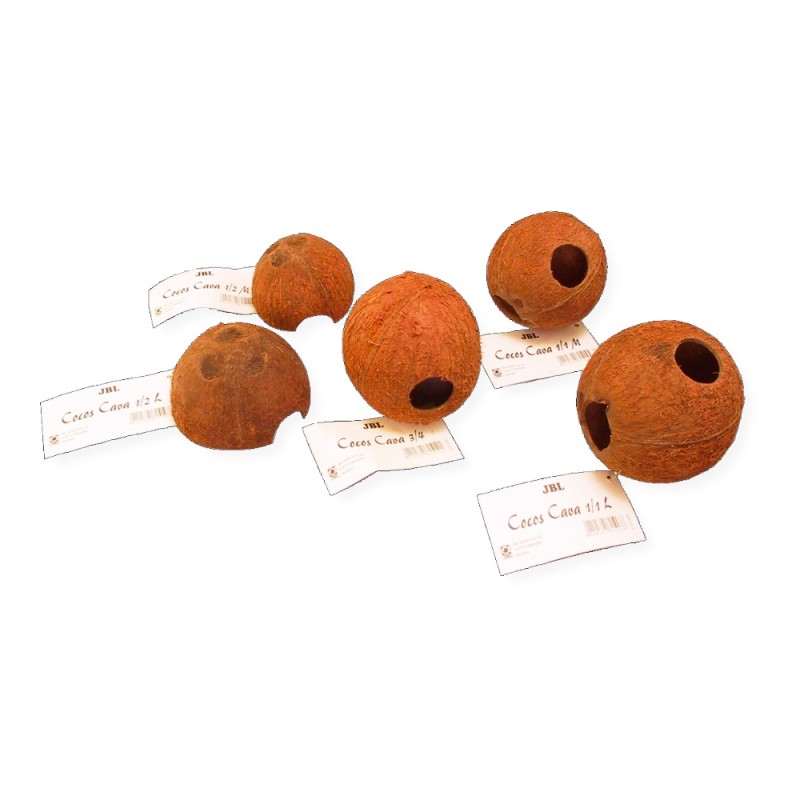
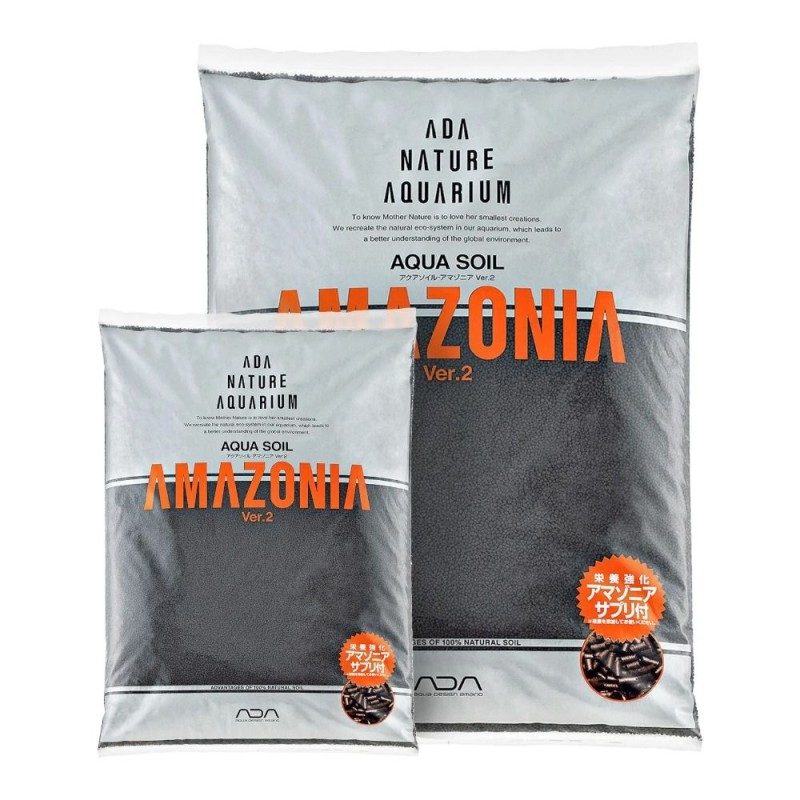
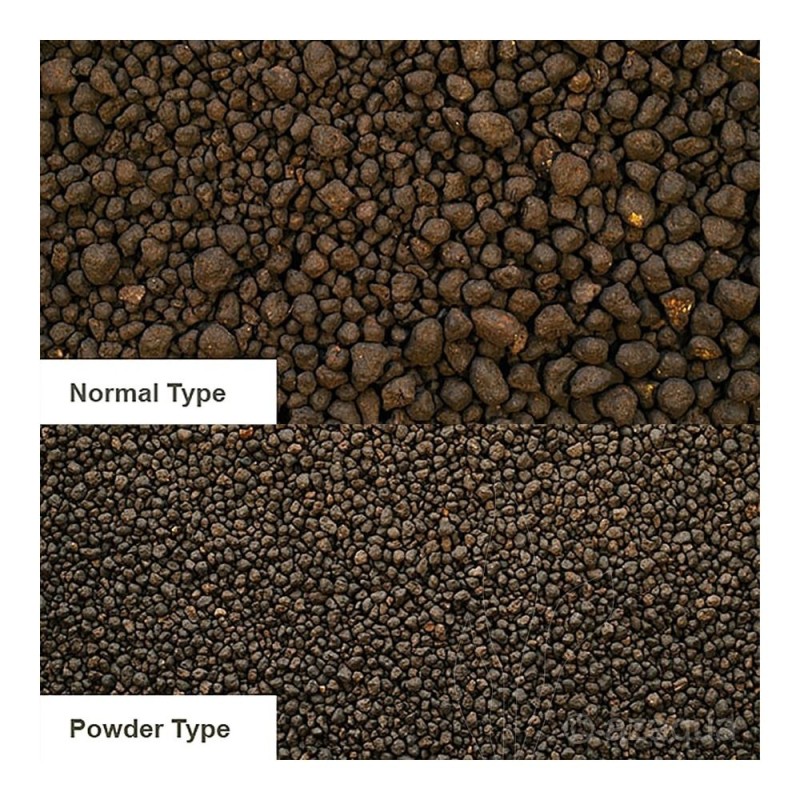
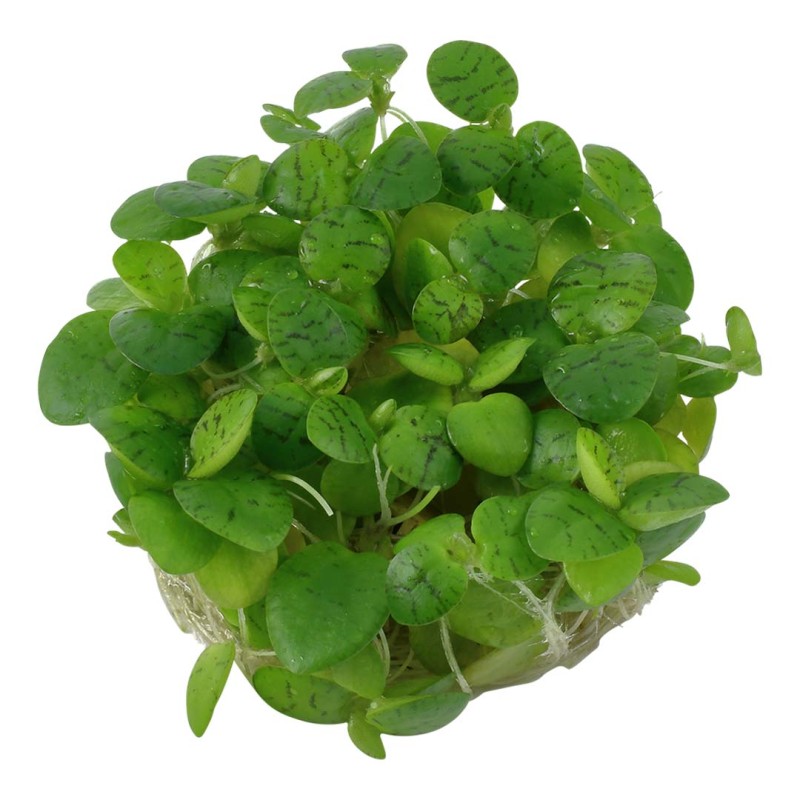
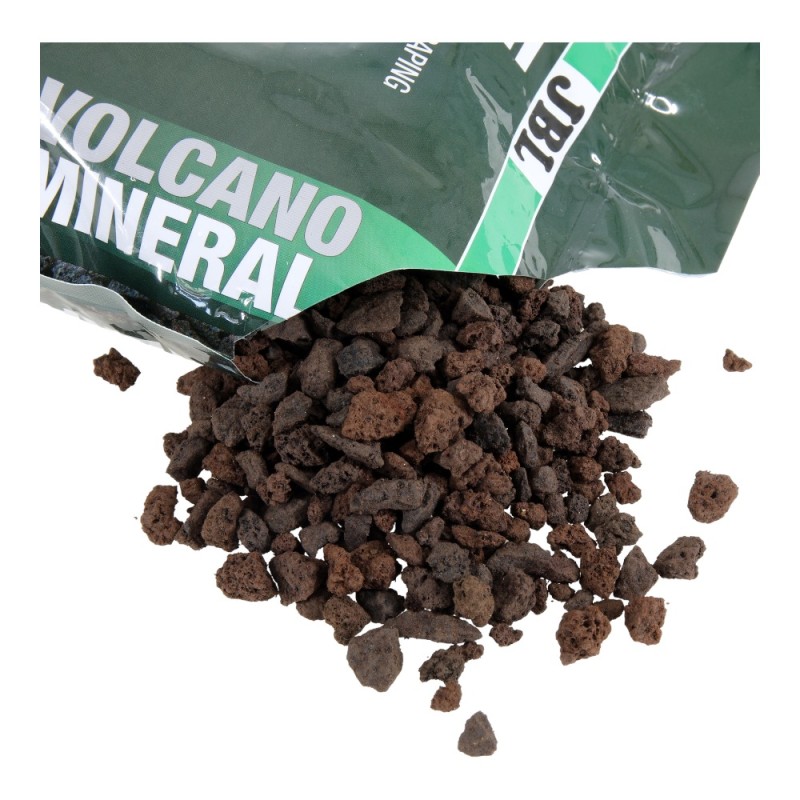
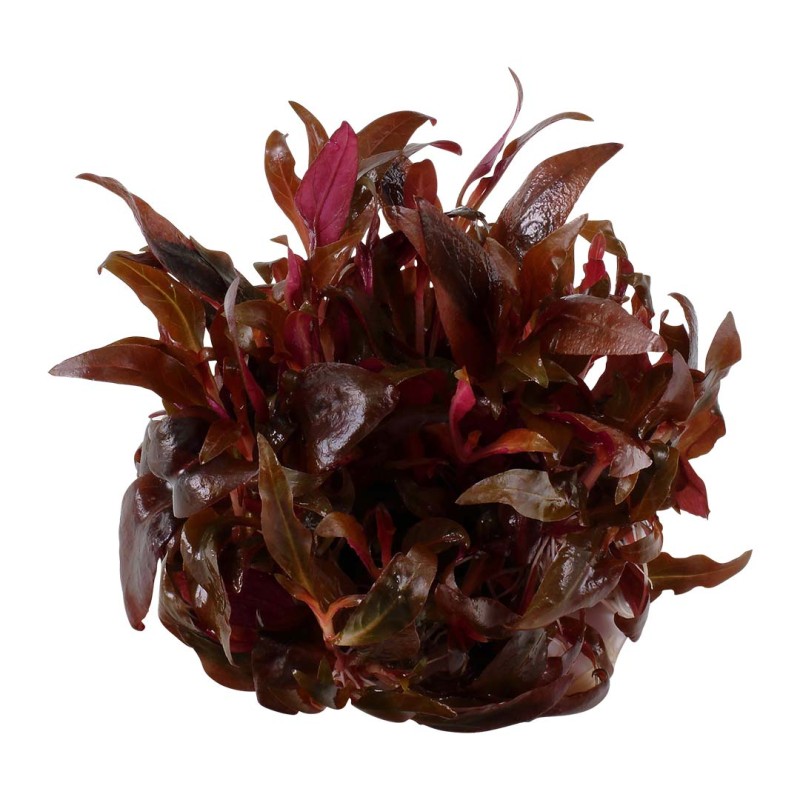
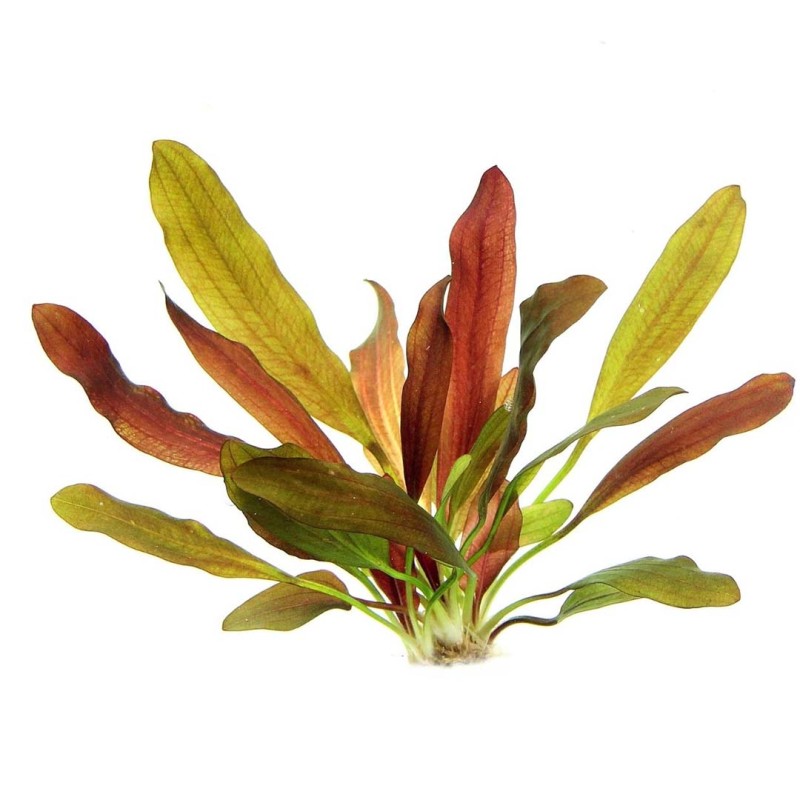
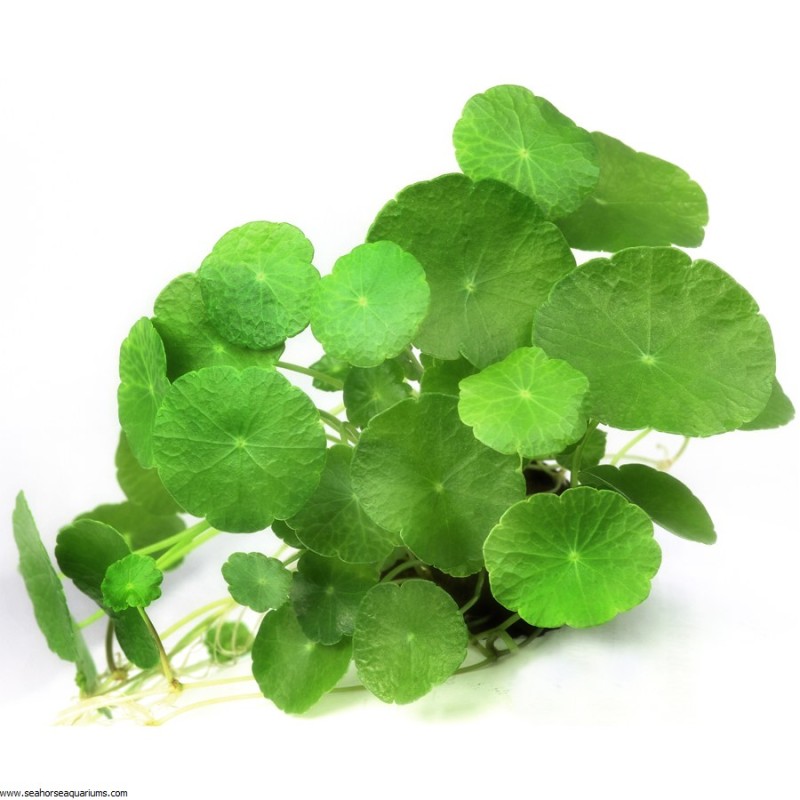
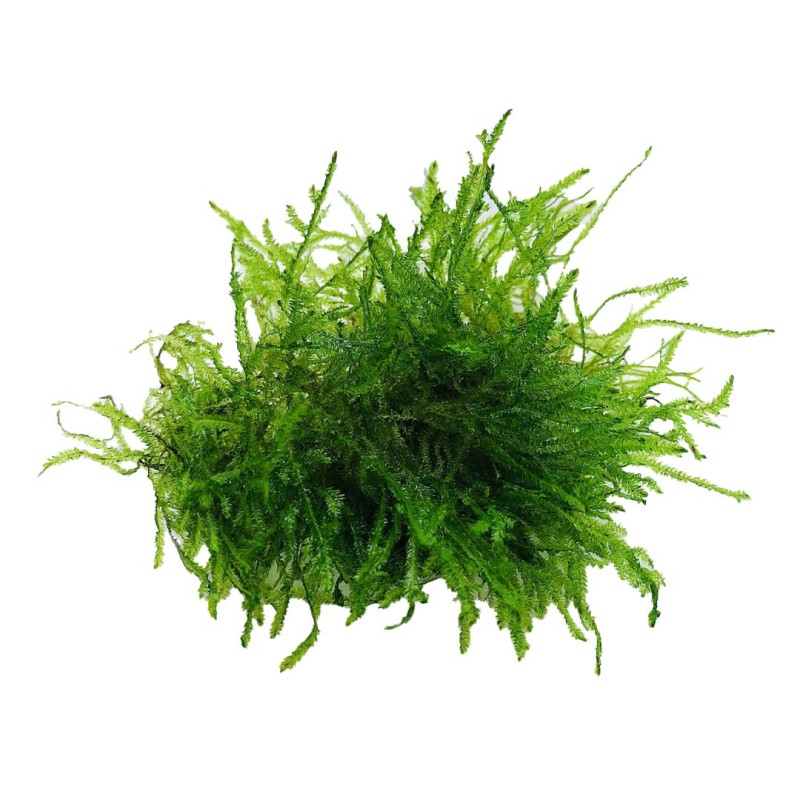
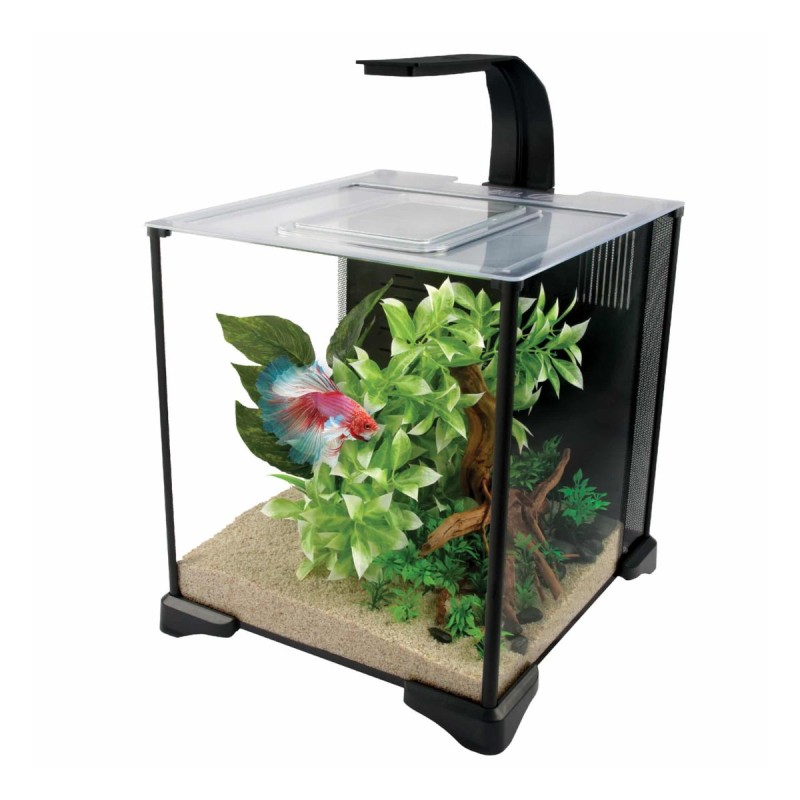
    • Substrate and Decorations: A soft, sandy substrate is recommended. Crowntail Bettas enjoy a well-planted tank with hiding spots provided by live plants such as Java fern, Anubias, and floating plants like Amazon frogbit.
    • Lighting: Moderate lighting is best for highlighting their vibrant colors without causing stress. Floating plants can help diffuse light and create shaded areas.
    • Filtration: A gentle filtration system is recommended, as strong currents can stress bettas and damage their delicate fins. Regular water changes (about 20% weekly) are essential for maintaining a healthy environment.

Diet:

  • Male Crowntail Bettas are carnivorous and require a protein-rich diet to maintain their health and vibrant colors. Their diet should include:
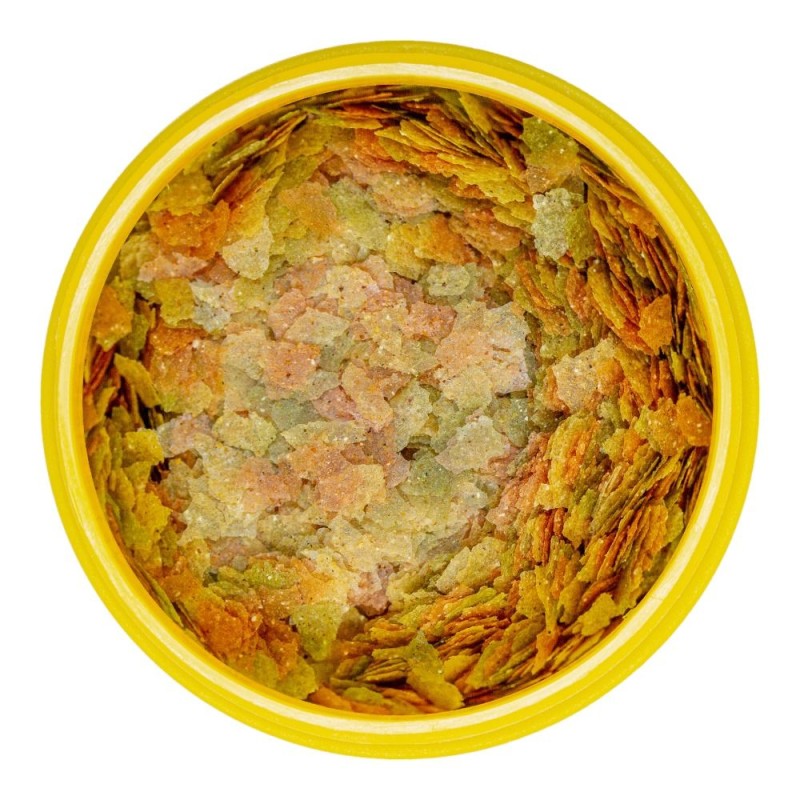
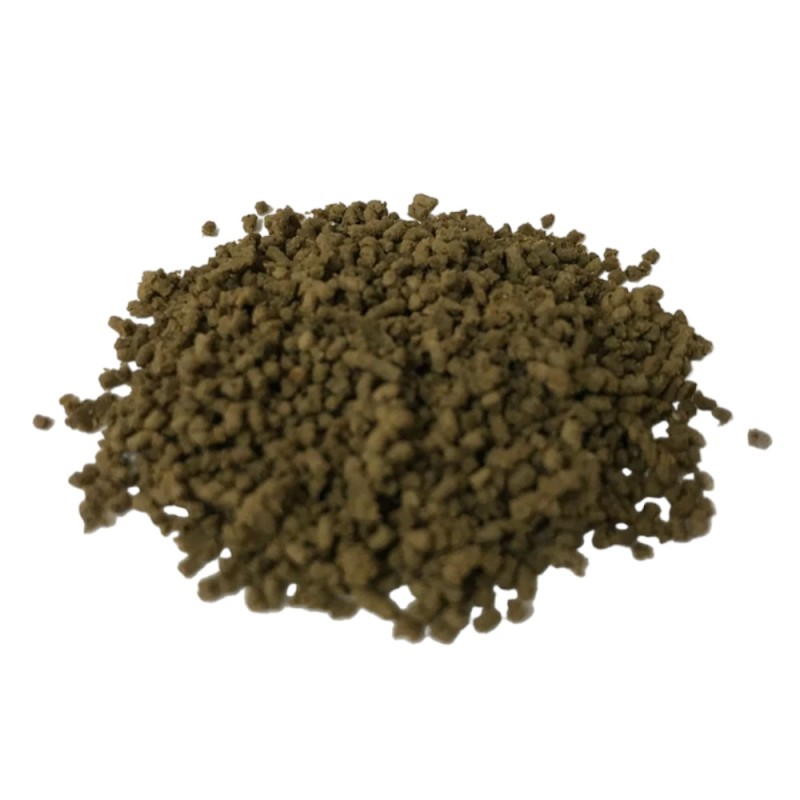
    • Pellets: High-quality betta-specific pellets or micro-pellets should form the staple of their diet.
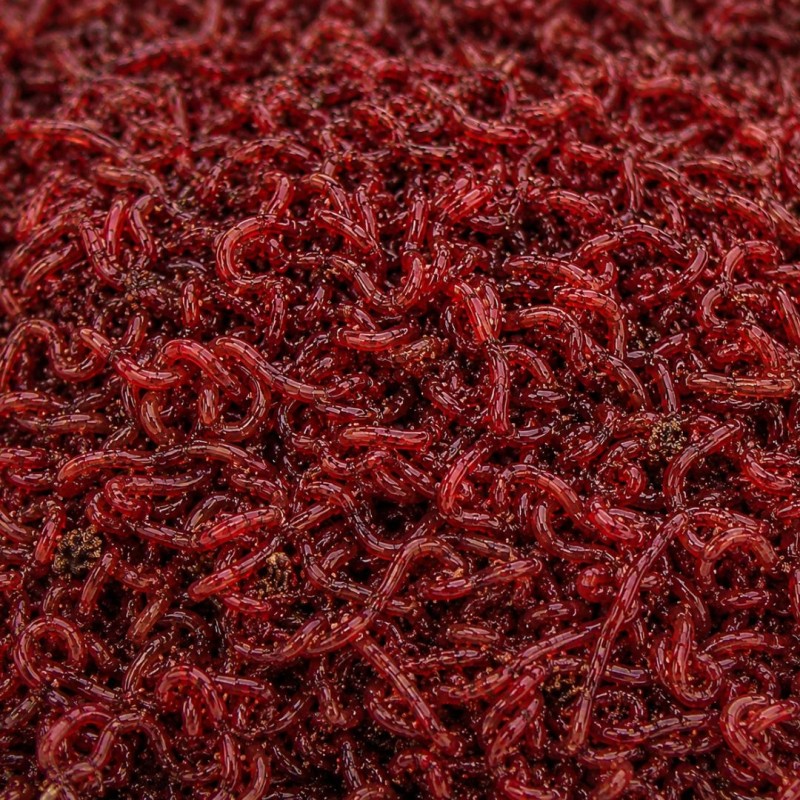
    • Live or Frozen Foods: Offer live or frozen foods such as brine shrimp, bloodworms, and daphnia to provide essential protein and variety.
    • Occasional Treats: Freeze-dried bloodworms or tubifex worms can be given occasionally, but should not make up the main diet, as they can cause bloating if overfed.

Tankmates:

  • Male Crowntail Bettas can be housed in community tanks with peaceful tankmates that won’t provoke them or nip at their fins. Suitable tankmates include:
    • Small, peaceful fish: Such as Neon Tetras, Harlequin Rasboras, or Ember Tetras.
    • Bottom-dwellers: Corydoras catfish or Kuhli loaches, which tend to stay at the bottom of the tank and avoid interaction with the betta.
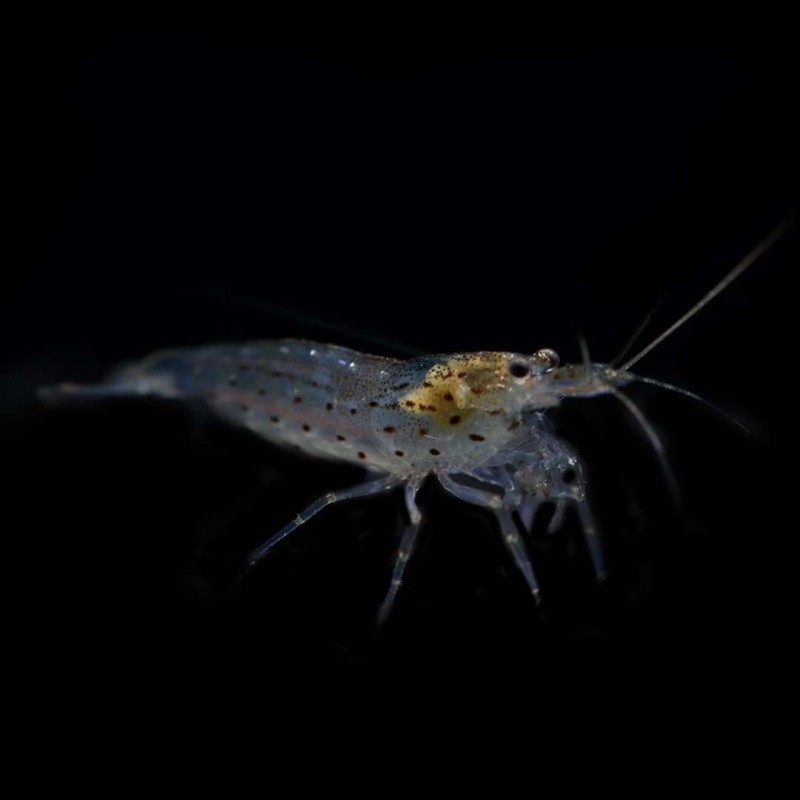
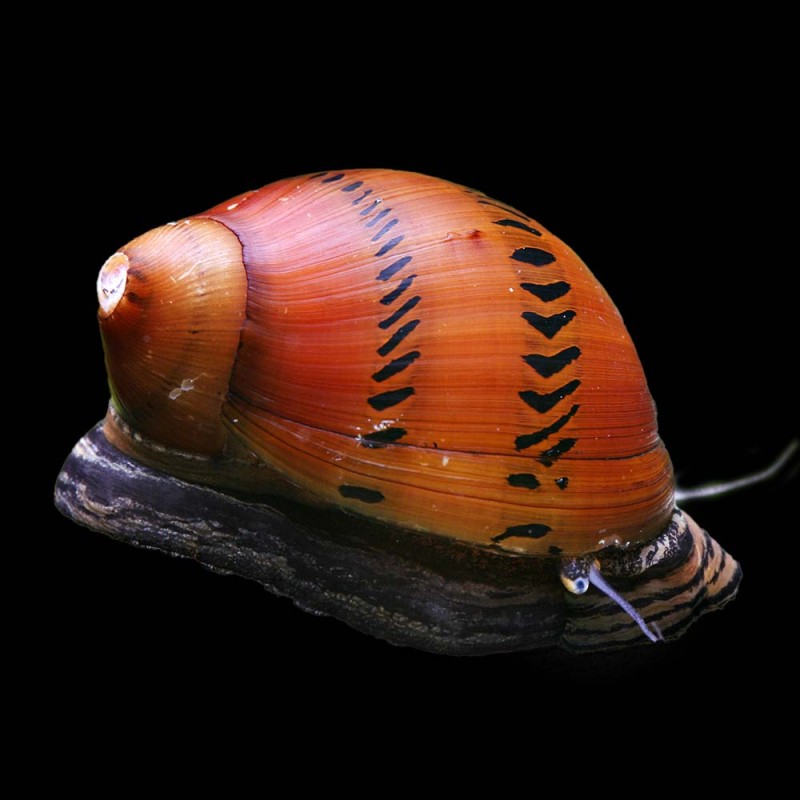
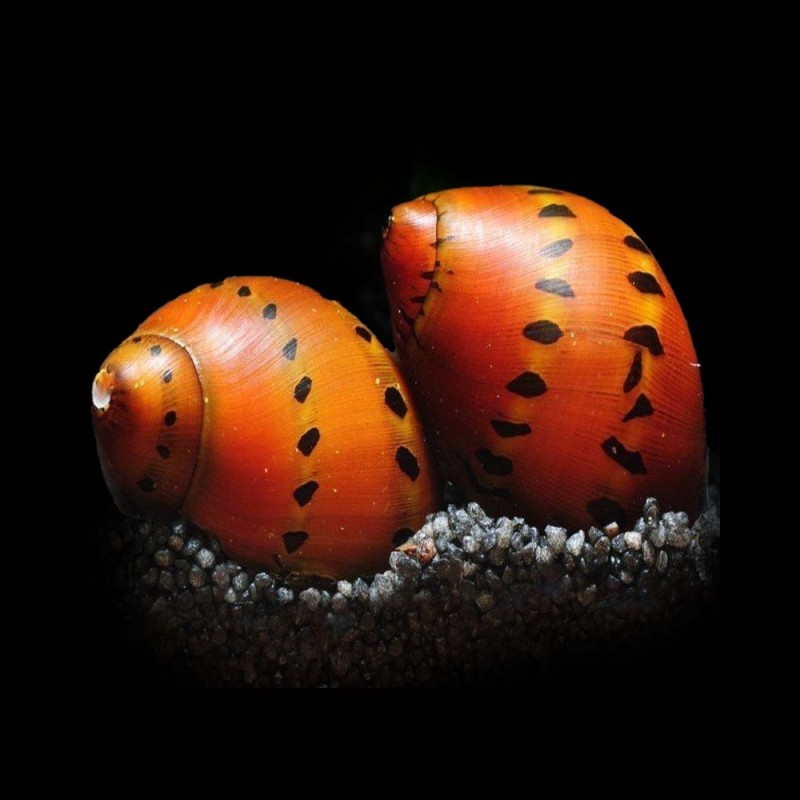
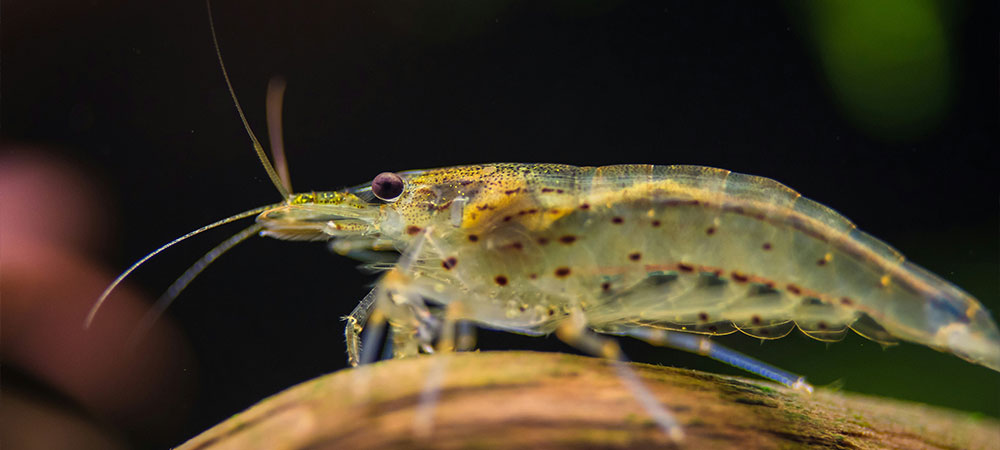
    • Shrimp or snails: Peaceful invertebrates like Amano shrimp, Cherry shrimp, or Nerite snails can coexist well with bettas and help keep the tank clean.

Breeding:

  • Breeding Crowntail Bettas follows the same process as other bettas but requires careful attention to the breeding setup.
    • Breeding Setup: A separate breeding tank with shallow water (about 15 cm or 6 inches deep) is recommended. The water should be warm (26°C to 28°C or 79°F to 82°F) and slightly acidic (pH 6.0-6.5).
    • Spawning Behavior: The male will court the female and guide her to the bubble nest. After spawning, the male will guard the eggs in the nest until they hatch, which typically takes 24-48 hours.
    • Fry Care: Once the fry become free-swimming, the male should be removed to prevent him from eating the fry. The fry can be fed with infusoria or newly hatched brine shrimp.

Special Considerations:

  • Fin Care: The long fins of male Crowntail Bettas are prone to damage, especially in tanks with sharp decorations or strong currents. Regular water changes and maintaining clean water are essential to prevent fin rot and infections.
  • Aggression: Male Crowntail Bettas are territorial and should not be housed with other males or aggressive fish. Careful observation is necessary when introducing them to community tanks to ensure compatibility with other fish.

Write a review

Please login or register to review
File Name Link
10 How to care for Bettas, Gouramis and Paradise fish.pdf
(Total downloads: 5019)
Download