

Menu
Menu
Your Cart

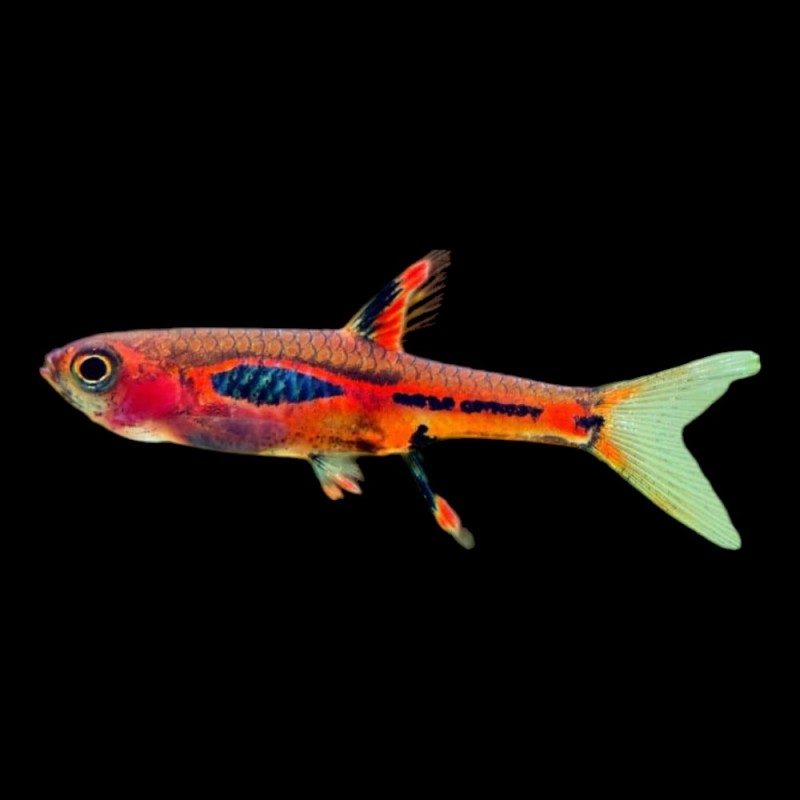
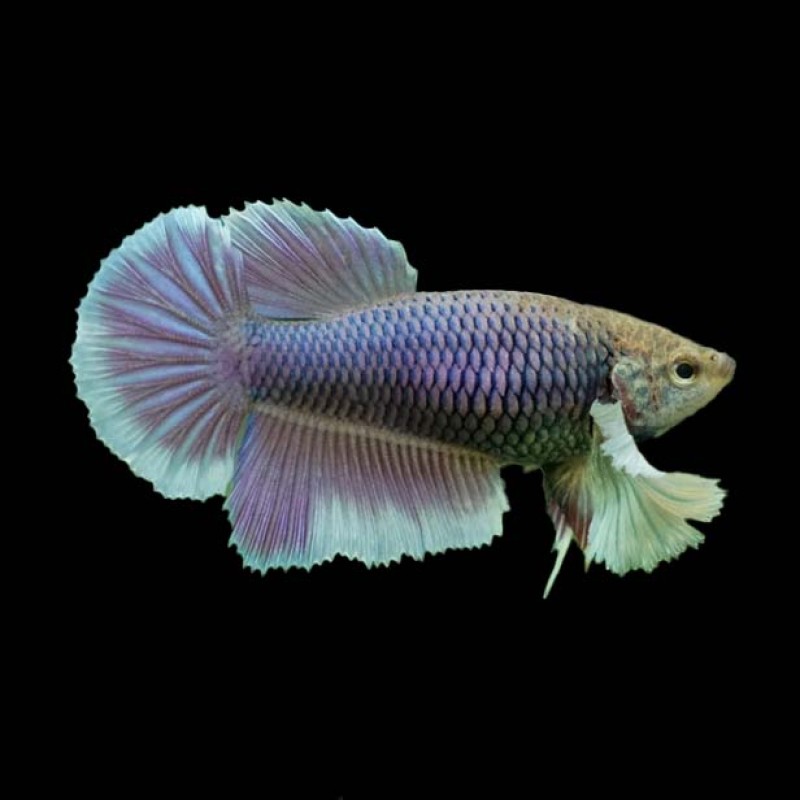
Alien Betta male

Alien Betta male
Alien Betta male
Alien Betta male
Alien Betta male
Alien Betta male
€69.99
Ex Tax: €56.90
  • Stock: Generally In Stock
  • Please Note: Due to variations within species, your fish may not look identical to the image provided. Also note not all sizes or species may be available due to seasonality, Please call beforehand for up-to-date stock availability.

  • Model: -

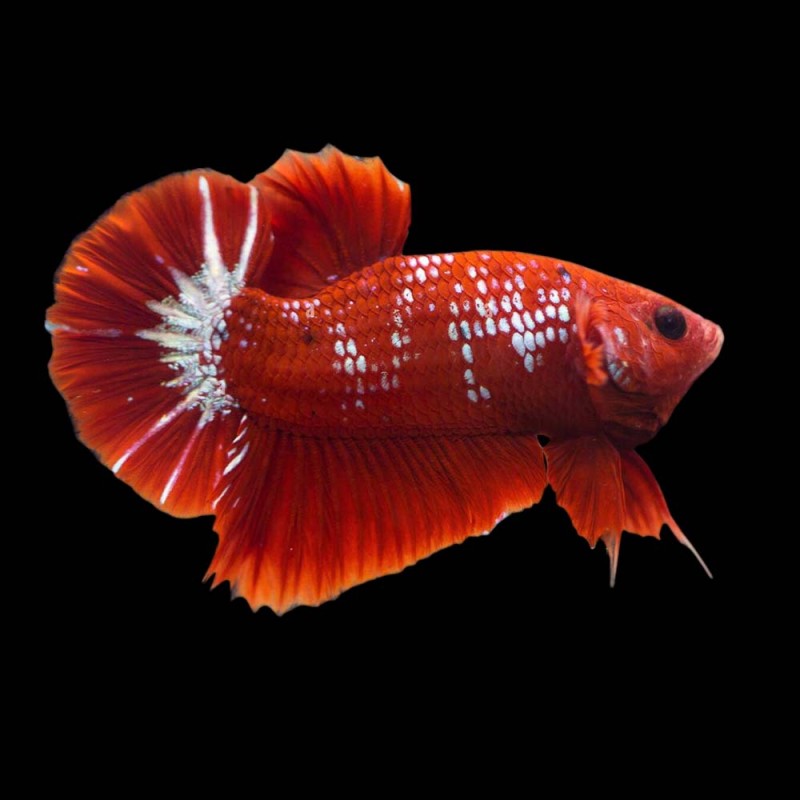
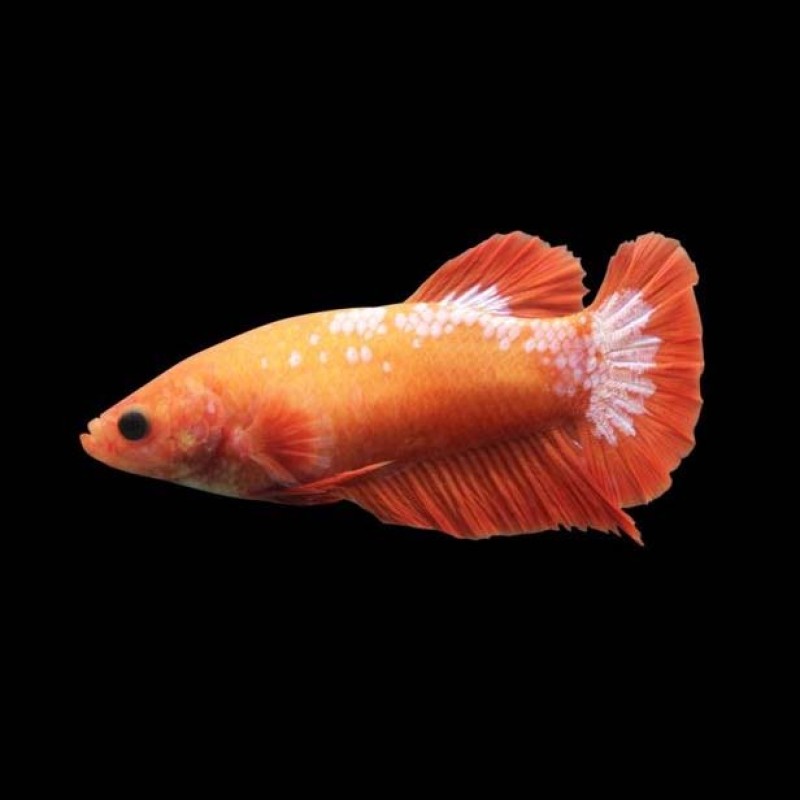
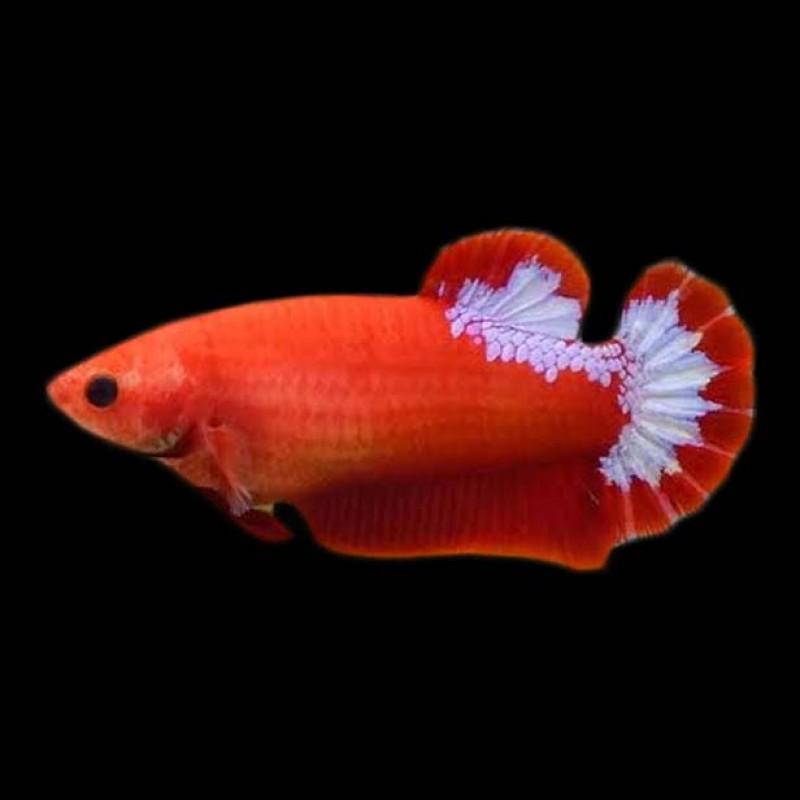
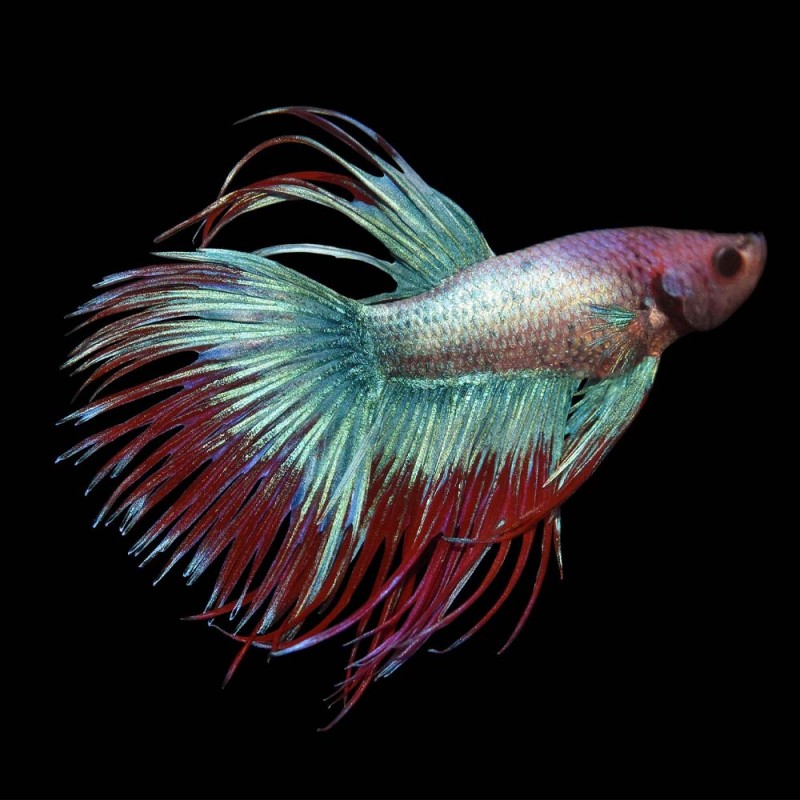
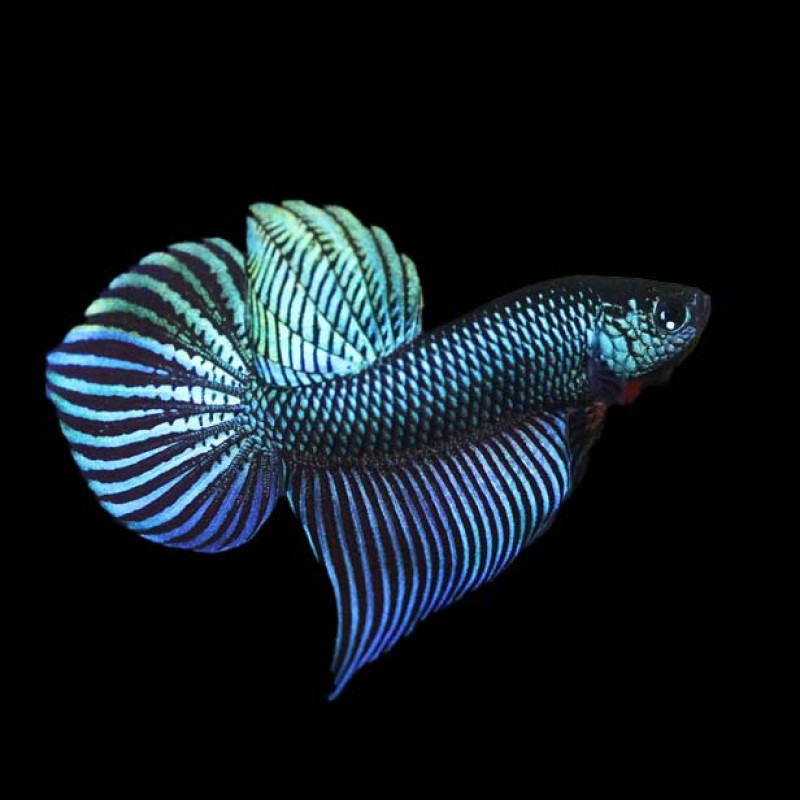
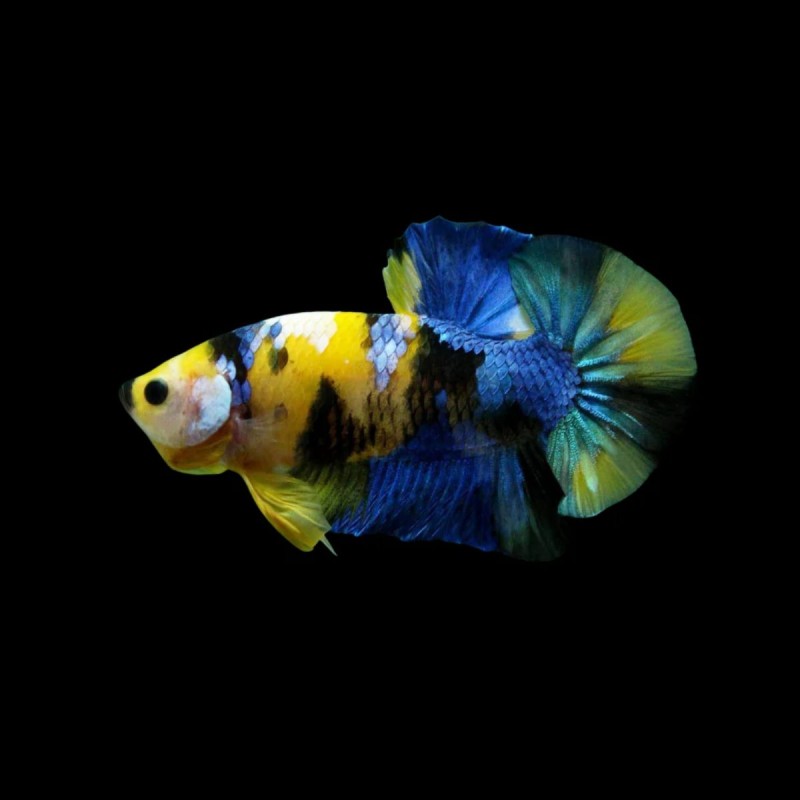
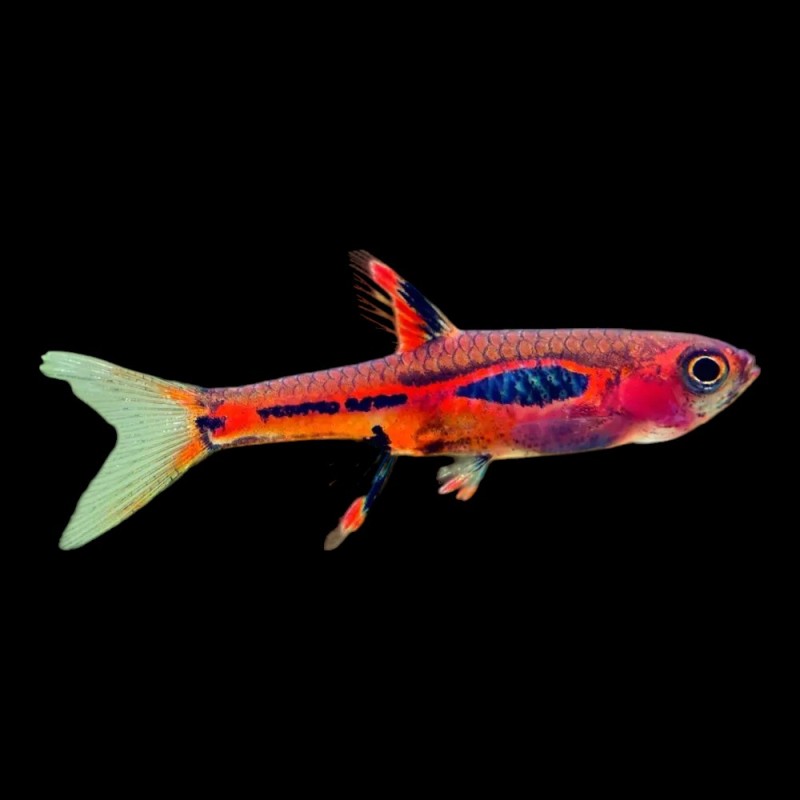
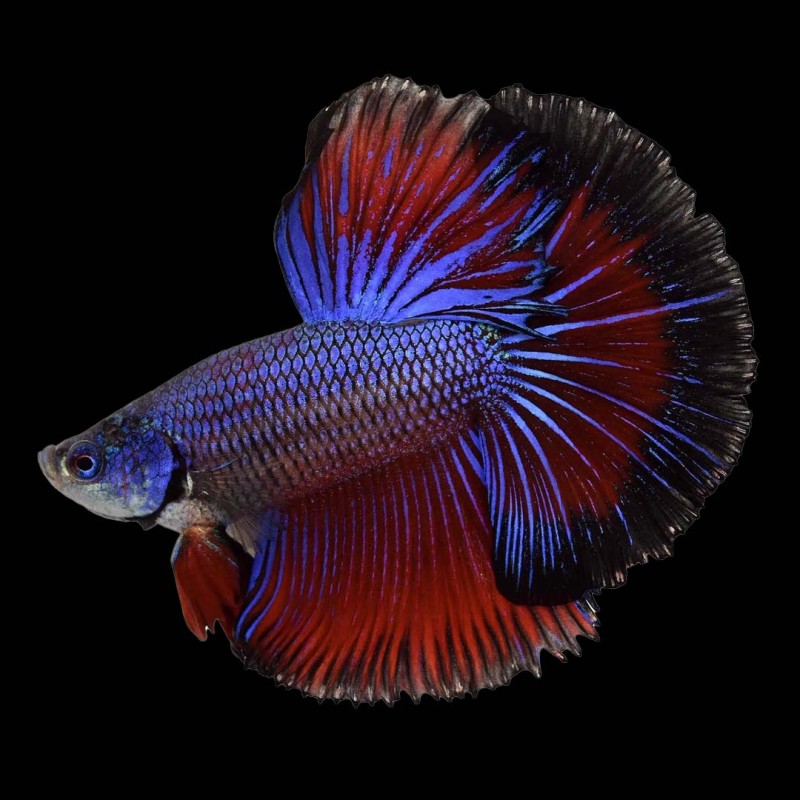
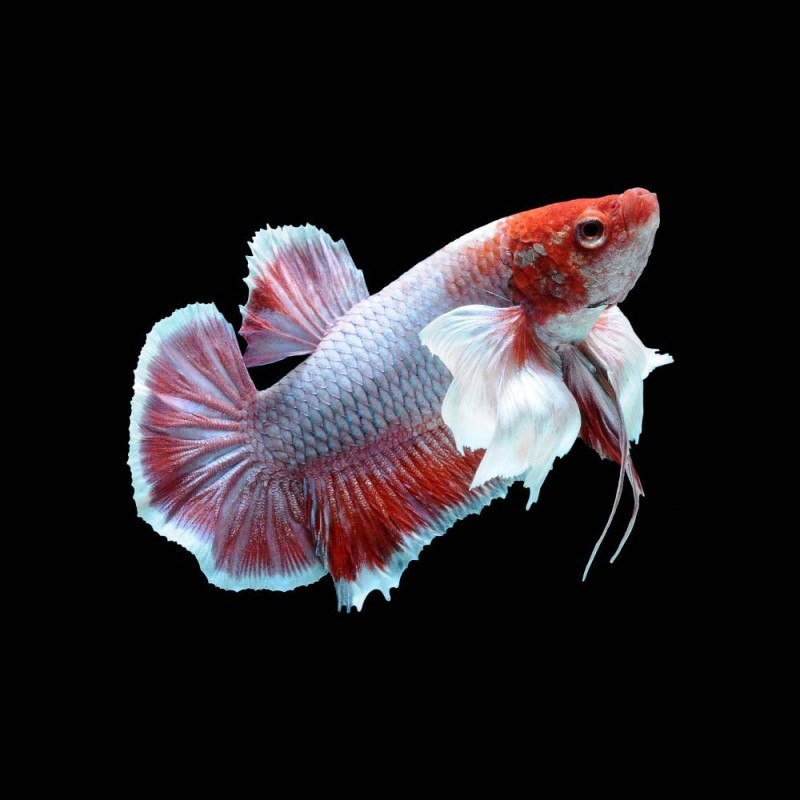
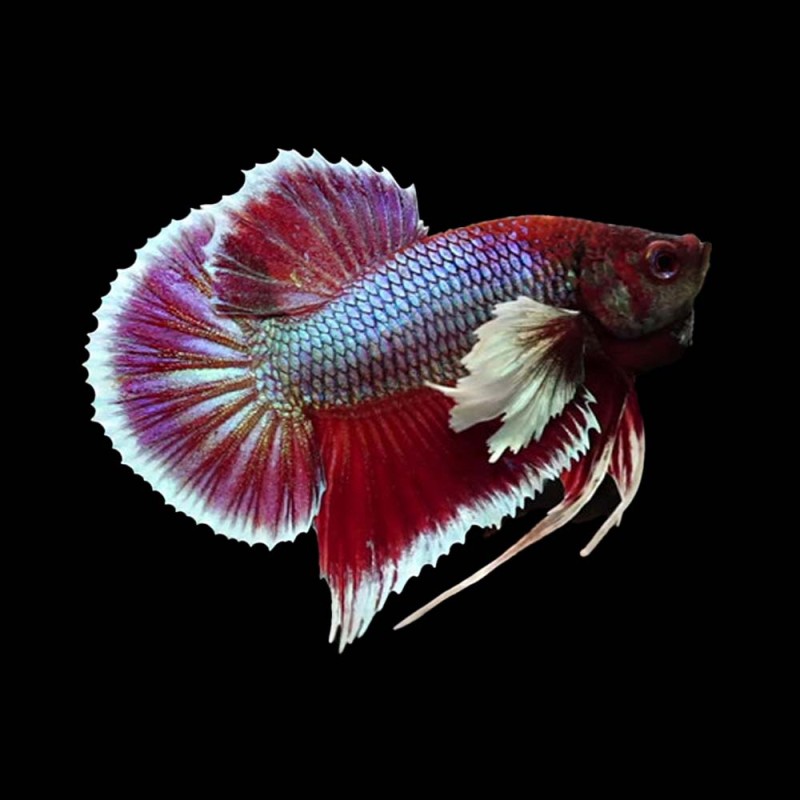
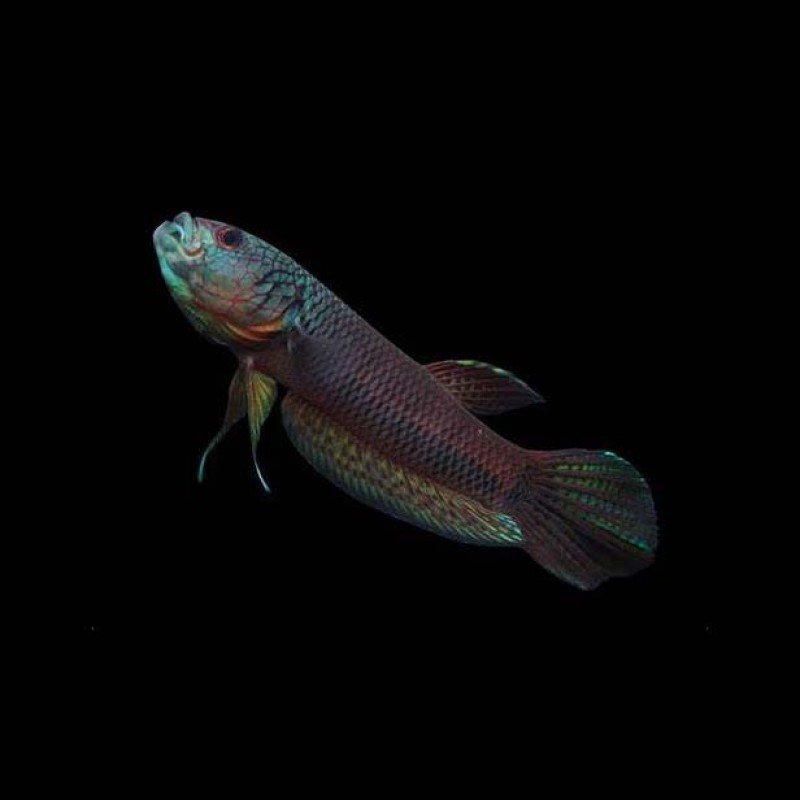
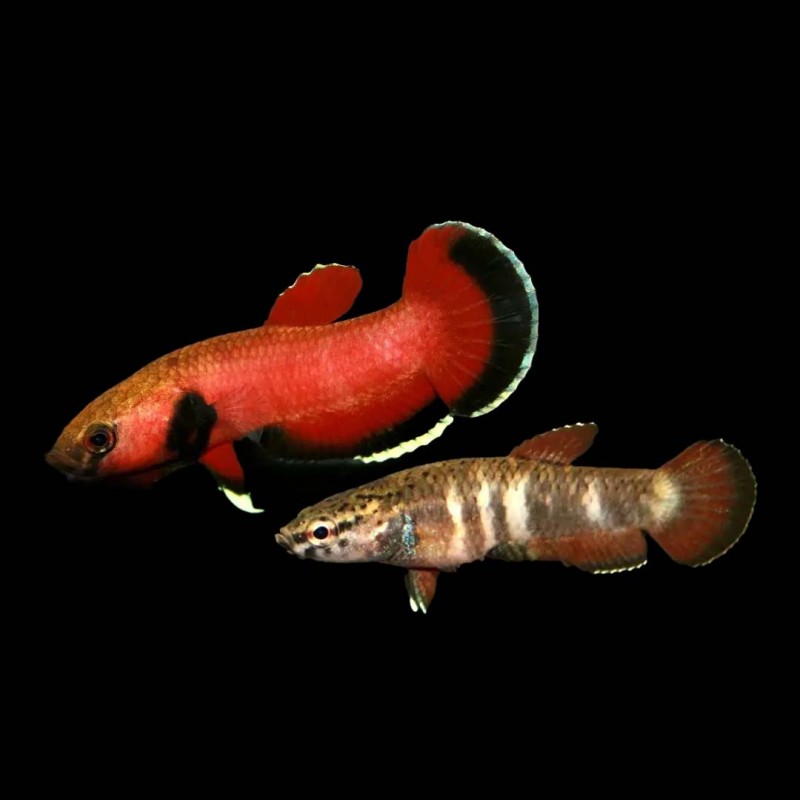
The Alien Betta is a selectively bred variant of the popular Betta species, primarily a hybrid of wild bettas like Betta splendens, Betta smaragdina, and Betta imbellis. These unique bettas are prized for their iridescent, metallic coloration, which often gives them a "sci-fi" appearance, hence the name "Alien." Their stunning colors, paired with their wild-type look and behavior, make them a sought-after fish in the aquarium hobby.

Physical Characteristics:

  • Size: Alien Bettas typically grow to about 6-7 cm (2.4-2.8 inches) in length, similar to other betta species.
  • Coloration:
    • Body: Alien Bettas are known for their metallic, iridescent colors that can range from blue, green, and turquoise to more rare shades like copper and purple. The metallic sheen covers most of the body, giving them a reflective, almost "alien" look. Their scales often appear smoother and shinier than those of regular bettas.
    • Fins: Their fins are usually short and compact, resembling the natural wild-type betta look rather than the long, flowing fins of the domesticated Betta splendens. These fins can also display vibrant or metallic colors, adding to their visual appeal.
  • Eyes: Alien Bettas often have dark, prominent eyes that stand out against their colorful bodies.

Behavior:

  • Temperament: Alien Bettas, like other bettas, are territorial and may display aggression toward other males or fish with long, flowing fins. However, they tend to be less aggressive than domesticated Betta splendens and can sometimes be housed in larger, well-planted community tanks with peaceful species.
  • Activity Level: They are active swimmers and enjoy exploring their environment, often displaying their vibrant colors when interacting with tank mates or even their own reflection.
  • Community Behavior: While they can be housed in community tanks with the right tank mates, caution should be taken with other fin-nipping or aggressive species. It’s best to keep them with peaceful, small fish that won’t provoke them.

Aquarium Care:

  • Tank Size: A tank size of at least 20 liters (5 gallons) is recommended for a single Alien Betta. If housing them in a community tank, a larger tank (40 liters or more) is better to reduce stress and territorial disputes.
  • Water Parameters:
    • Temperature: Alien Bettas thrive in warm water, with an ideal temperature range of 24°C to 28°C (75°F to 82°F).
    • pH: They prefer slightly acidic to neutral water, with a pH range of 6.0 to 7.5.
    • Hardness: Soft to moderately hard water, with a general hardness (GH) of 3-8 dGH.
  • Tank Setup:
    • Substrate and Decorations: A soft, sandy substrate is ideal. Alien Bettas appreciate a well-planted tank with plenty of hiding spots, as plants provide security and help reduce stress. Floating plants like Anubias or Java ferns are particularly beneficial, offering shaded areas and mimicking their natural habitat.
    • Lighting: Moderate lighting will enhance their iridescent colors without causing stress. Subdued or indirect lighting with floating plants works best to create a natural environment.
    • Filtration: A gentle filtration system is recommended to maintain clean water without creating strong currents, as bettas generally prefer calmer waters.

Diet:

Alien Bettas are carnivorous and require a diet rich in protein to maintain their vibrant colors and health. Their diet should include:

  • Pellets: High-quality betta-specific pellets or micro-pellets should form the staple of their diet.
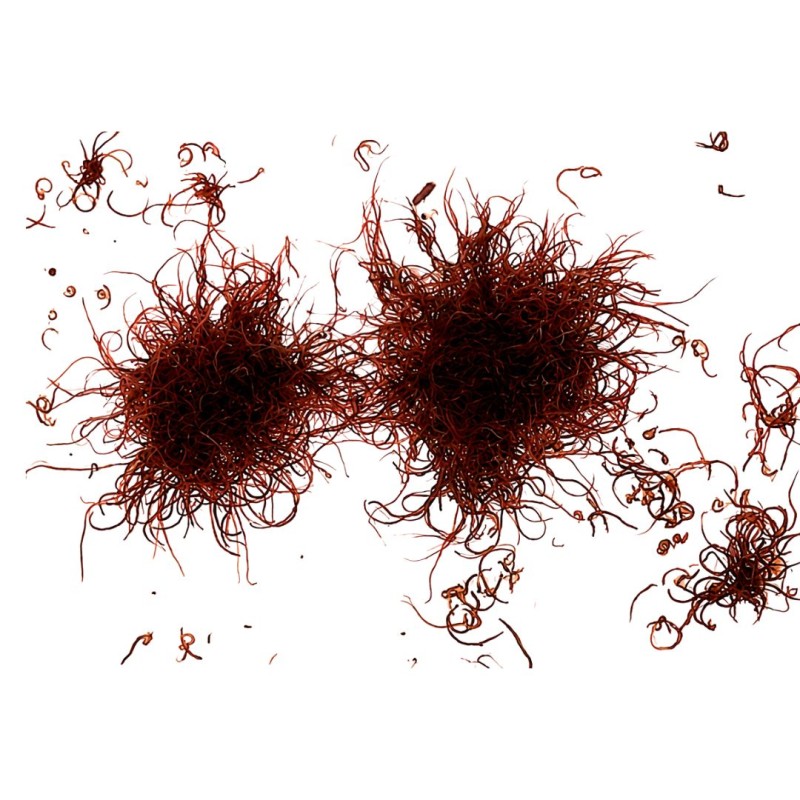
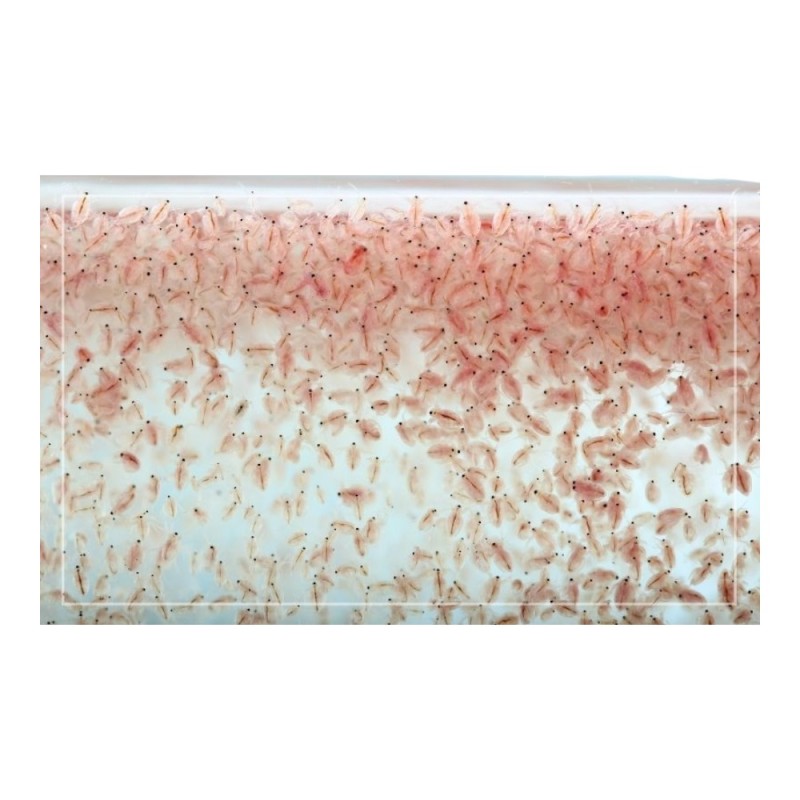
  • Live or Frozen Foods: Offer live or frozen foods such as brine shrimp, bloodworms, and daphnia to provide essential protein and variety.
  • Occasional Treats: While pellets and live foods should be the core of their diet, occasional feeding of freeze-dried bloodworms or tubifex worms can provide enrichment.

Feed them 2-3 times daily, providing only as much food as they can consume in a couple of minutes to avoid overfeeding and maintain water quality.

Tankmates:

While Alien Bettas can sometimes be housed in a community tank, care should be taken to select peaceful tankmates that will not provoke aggression. Suitable tankmates include:

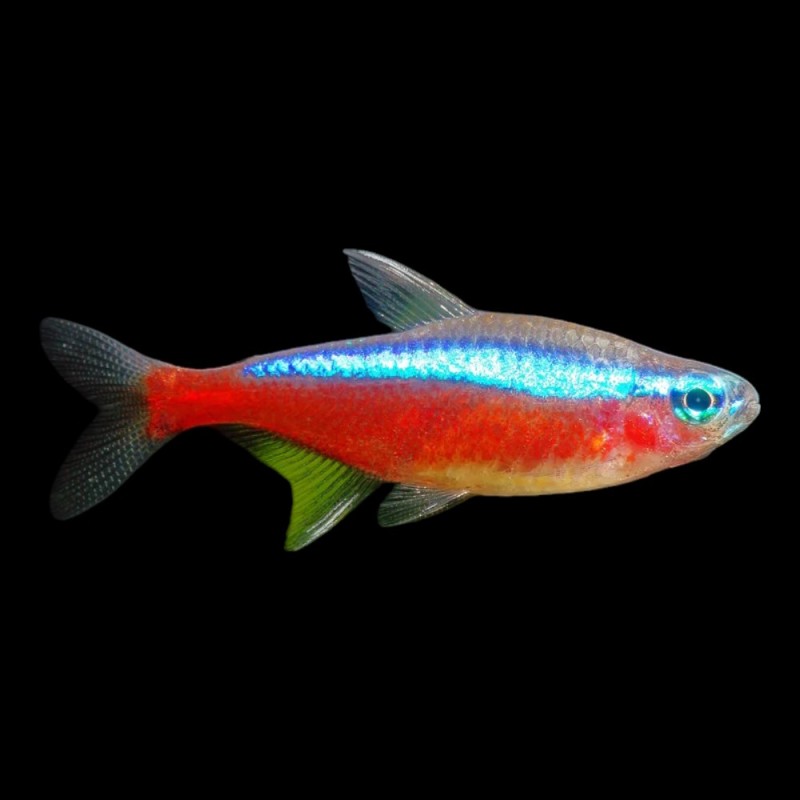
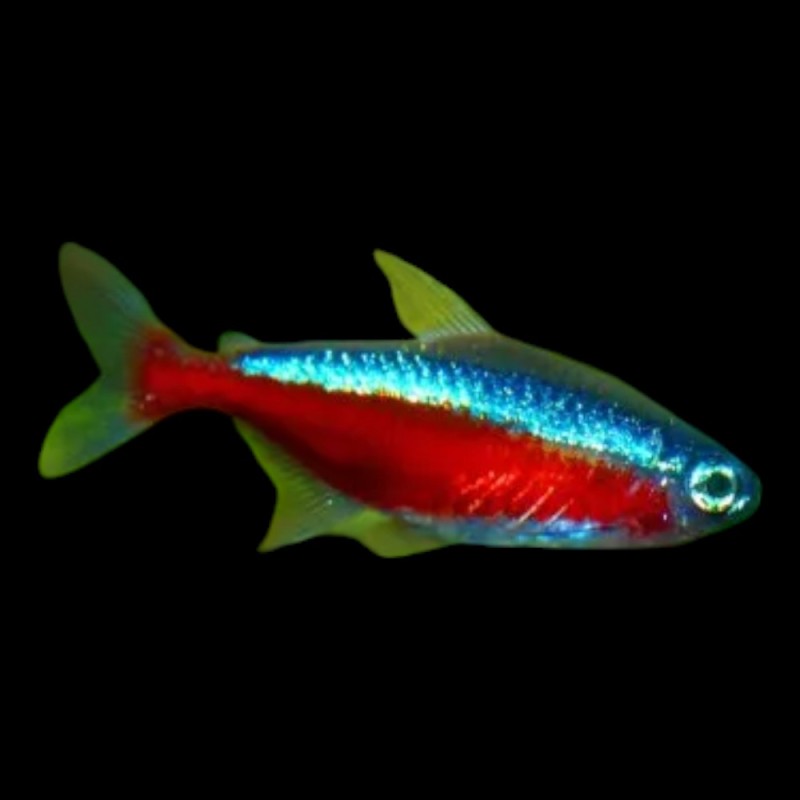
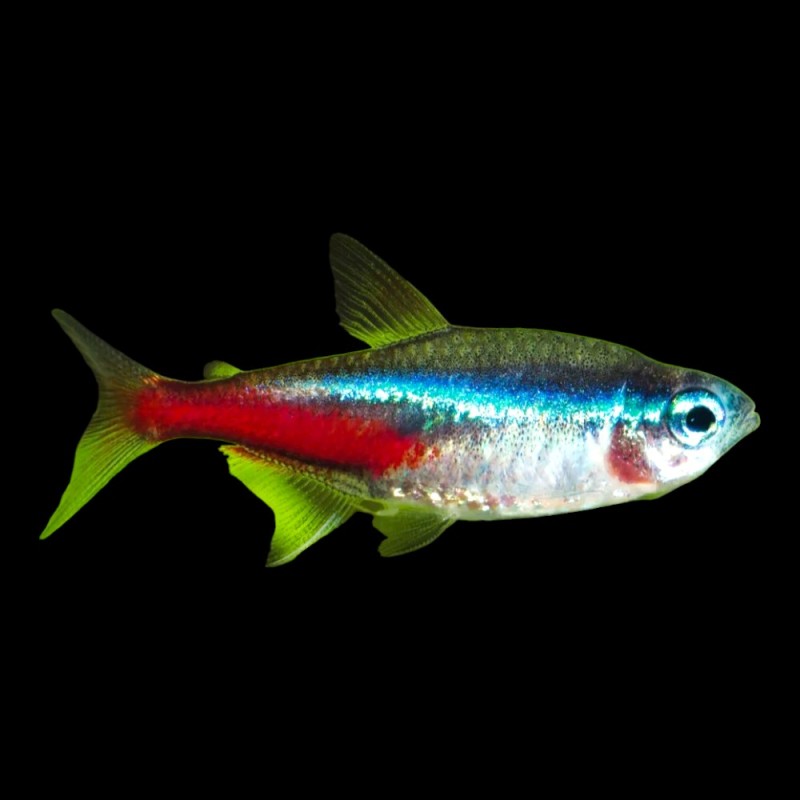
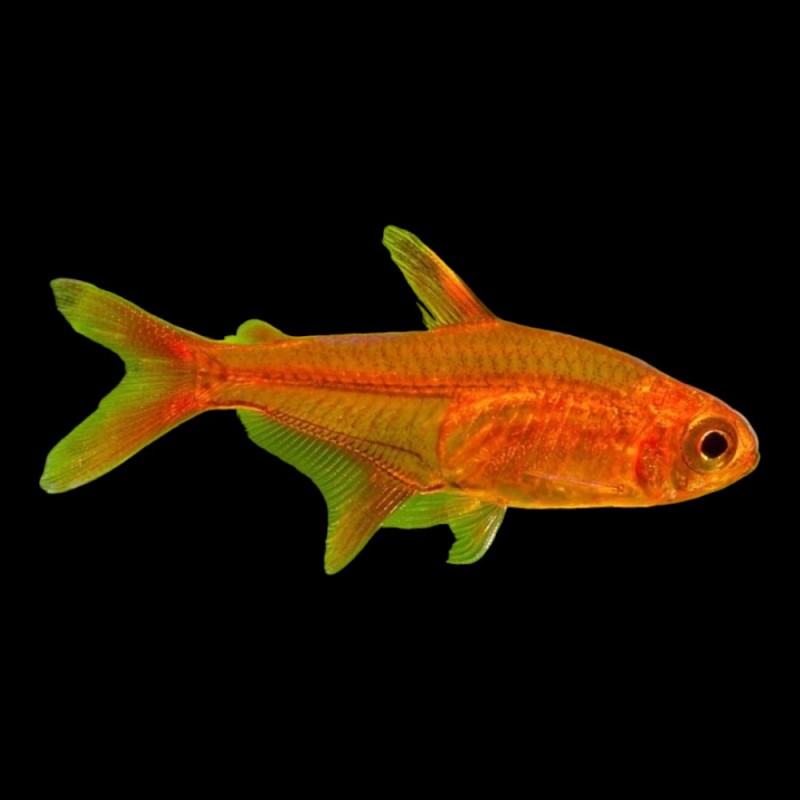
  • Peaceful small fish: Such as Neon Tetras, Harlequin Rasboras, or Ember Tetras.
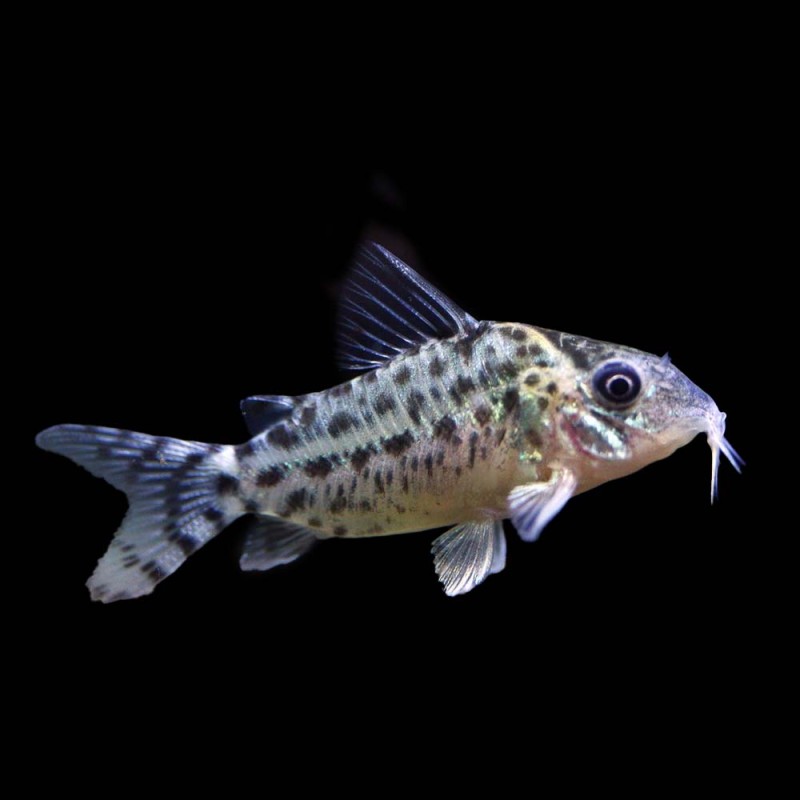
  • Bottom-dwellers: Corydoras catfish or Kuhli loaches are excellent companions, as they tend to stay at the bottom of the tank, away from the betta’s territory.
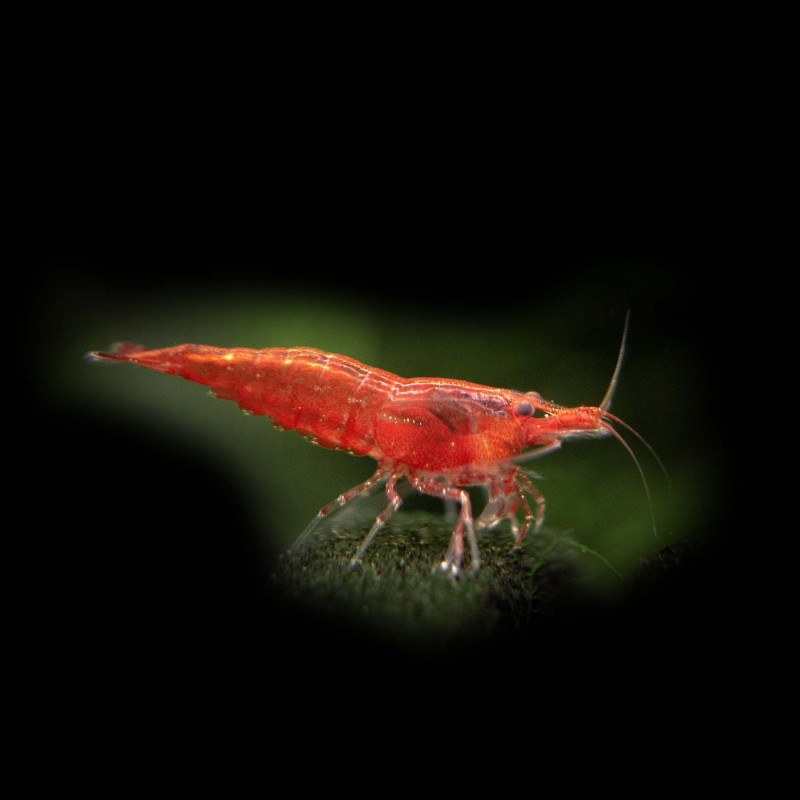
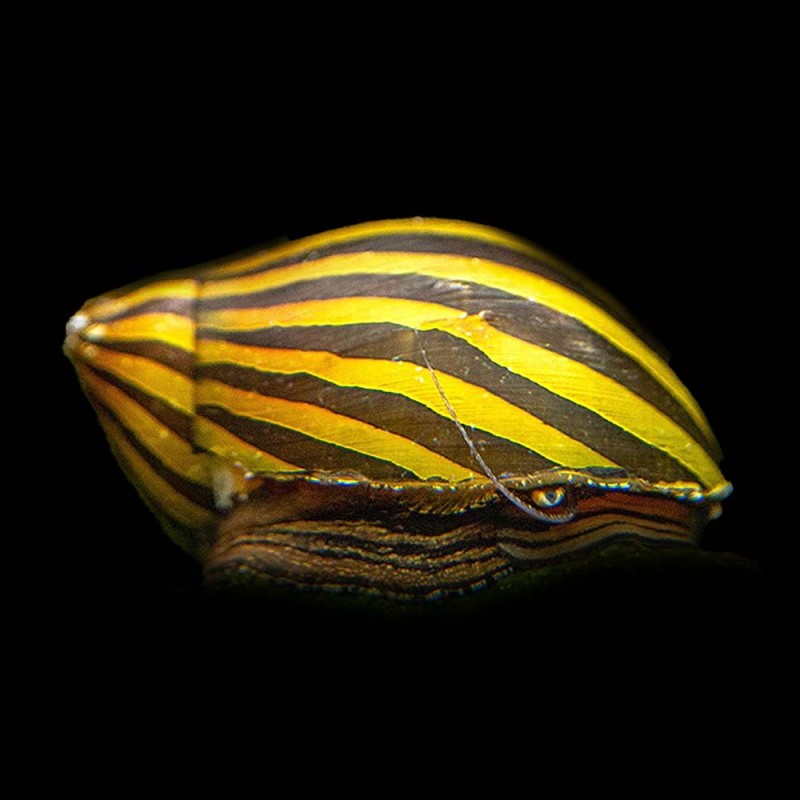
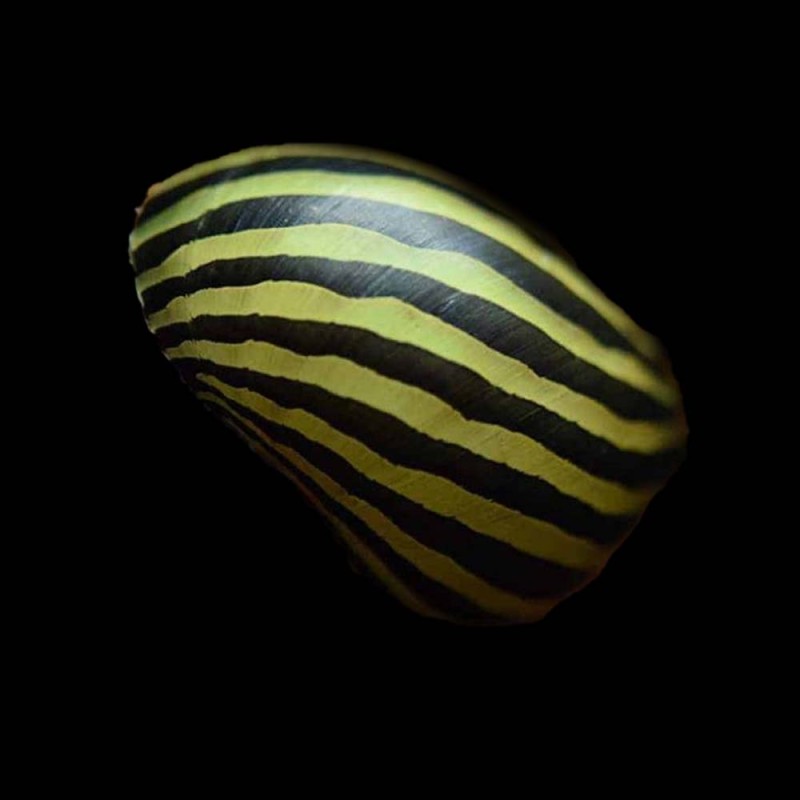
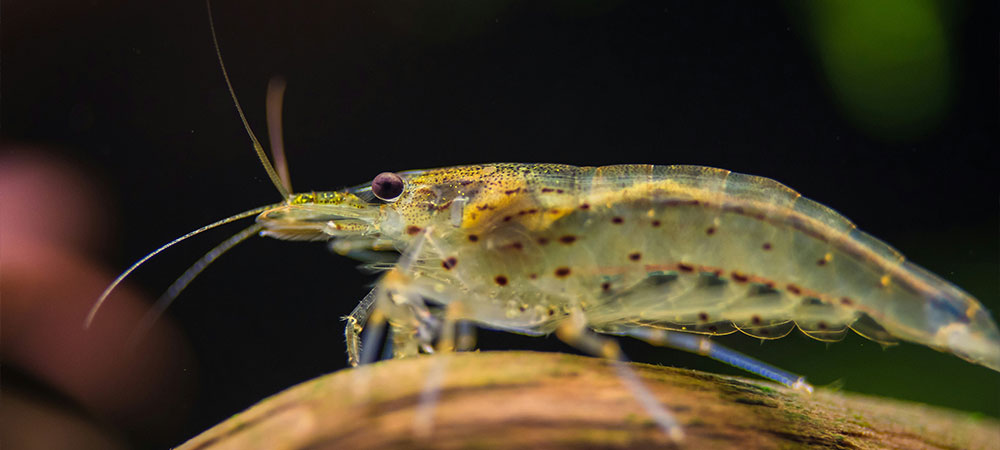
  • Shrimp or snails: Peaceful invertebrates like Amano shrimp or Nerite snails can also coexist with Alien Bettas.

Avoid housing them with other bettas or fin-nippers like Tiger Barbs or aggressive fish, as these can lead to stress or injury.

Breeding:

Breeding Alien Bettas follows the same process as other bettas but requires careful attention to water parameters and breeding setup.

  • Breeding Setup: A separate breeding tank with shallow water (about 15 cm or 6 inches deep), a temperature of around 27°C (80°F), and soft, acidic water (pH 6.0-6.5) is ideal. Provide floating plants or a bubble nest-friendly surface for the male to build a nest.
  • Spawning Behavior: The male will build a bubble nest and court the female. After spawning, the female should be removed from the tank, as the male will take care of the eggs and guard the nest.
  • Egg and Fry Care: Once the fry are free-swimming, the male should also be removed, and the fry can be fed infusoria or newly hatched brine shrimp.

Special Considerations:

  • Temperament and Space: Alien Bettas are territorial, and while they may be less aggressive than domesticated Betta splendens, they still require space to establish their own territory. Overcrowding or housing them with the wrong tankmates can lead to stress and aggression.
  • Water Quality: Regular water changes and maintaining clean water are essential for keeping Alien Bettas healthy. Poor water conditions can lead to stress, illness, and color dulling.

Write a review

Please login or register to review