

- Stock: Generally In Stock
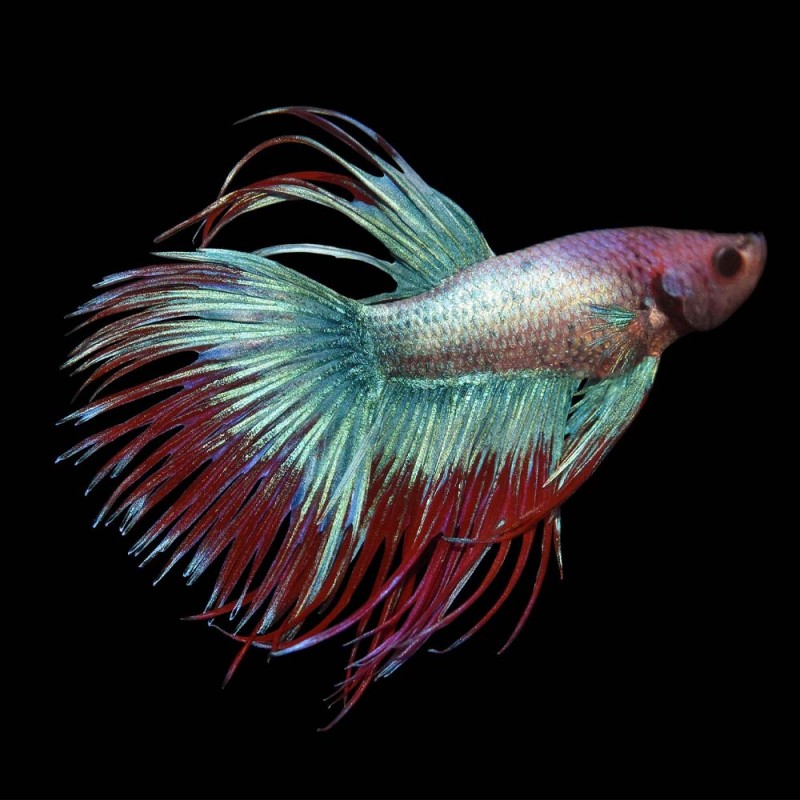
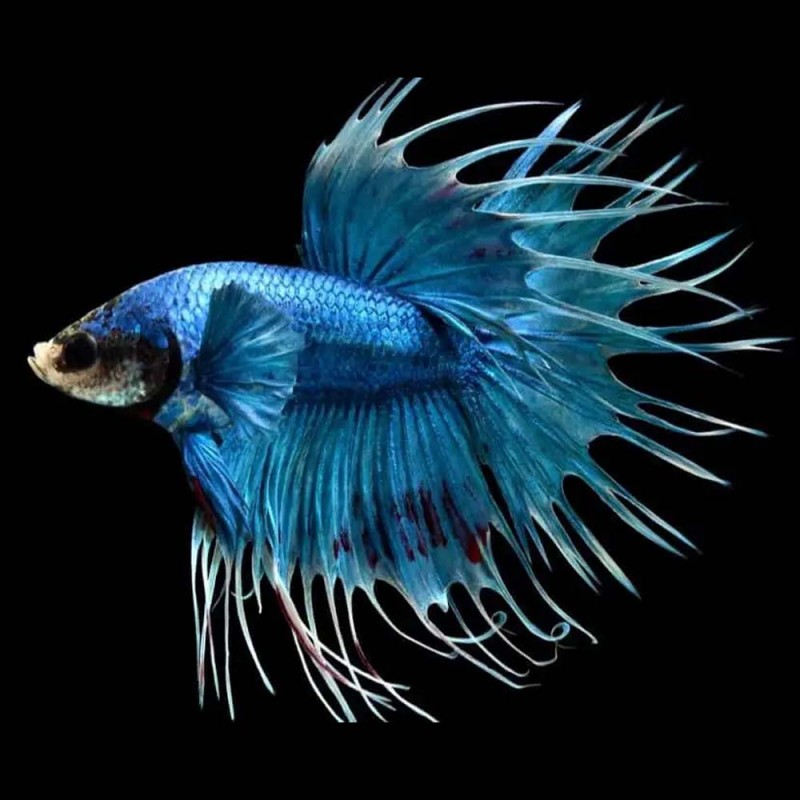
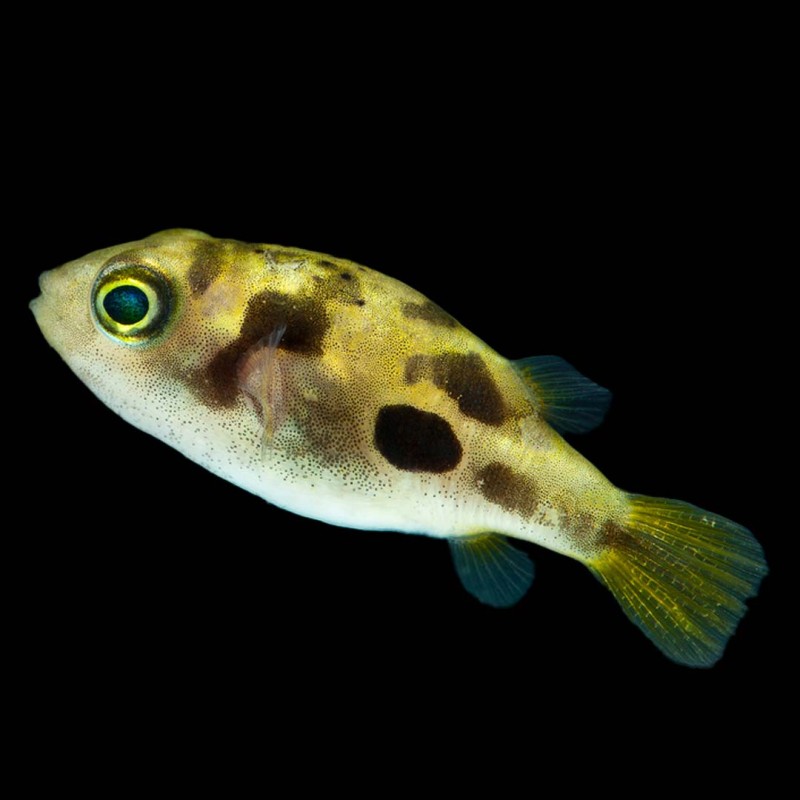
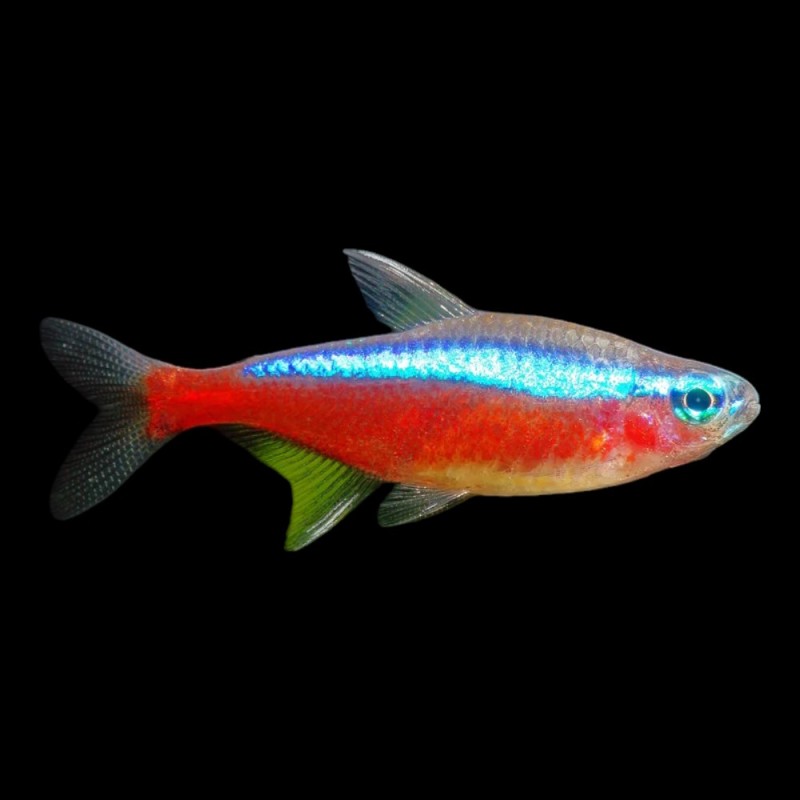
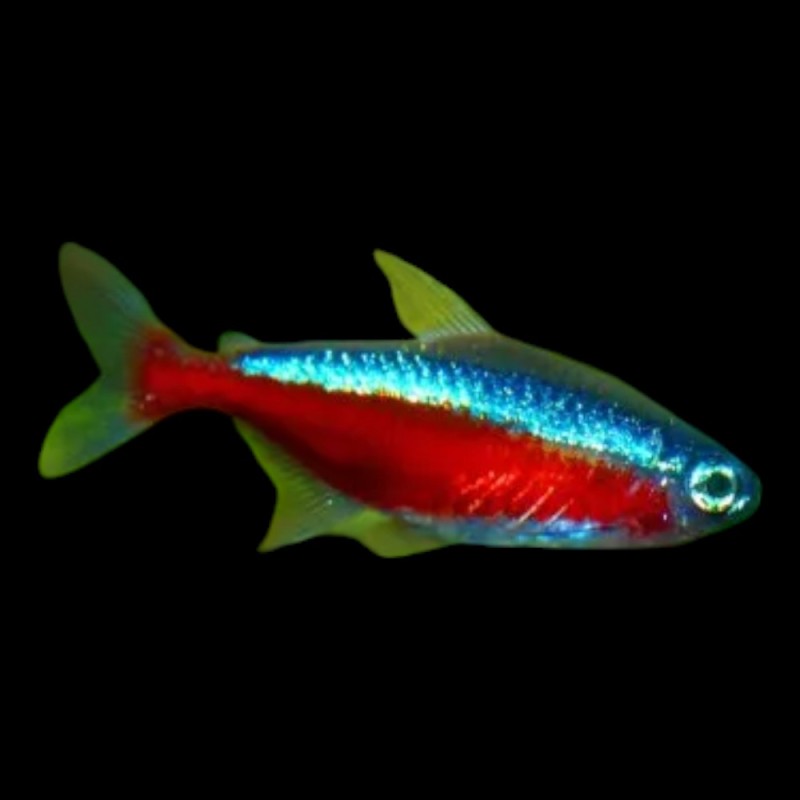
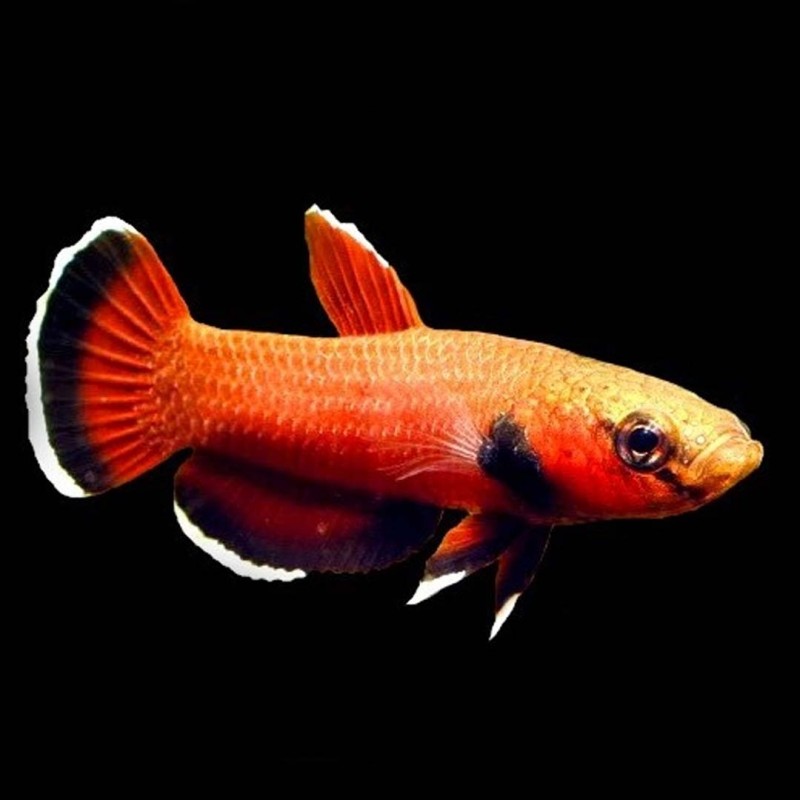
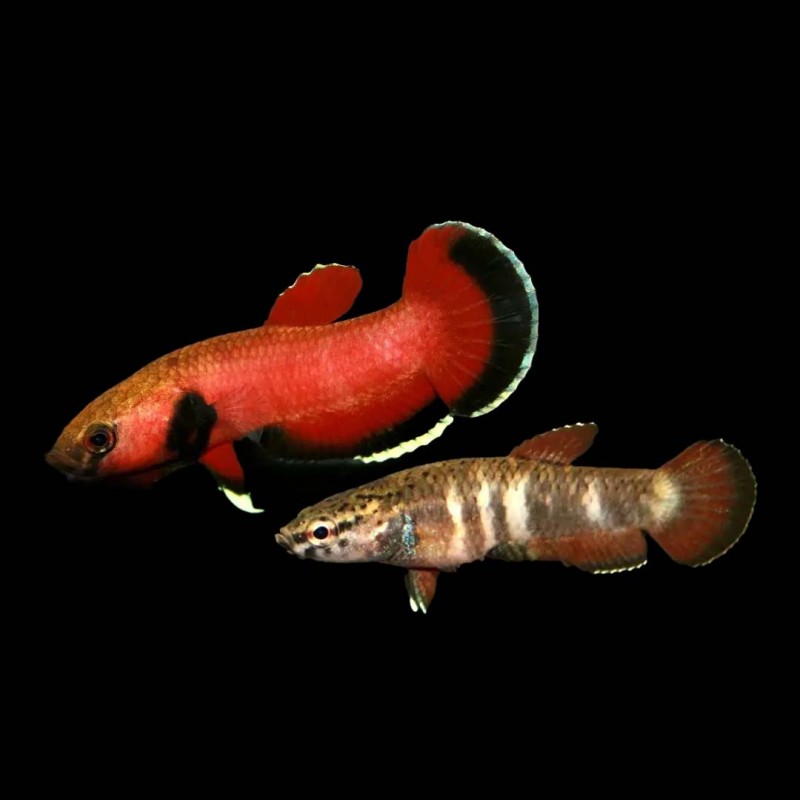
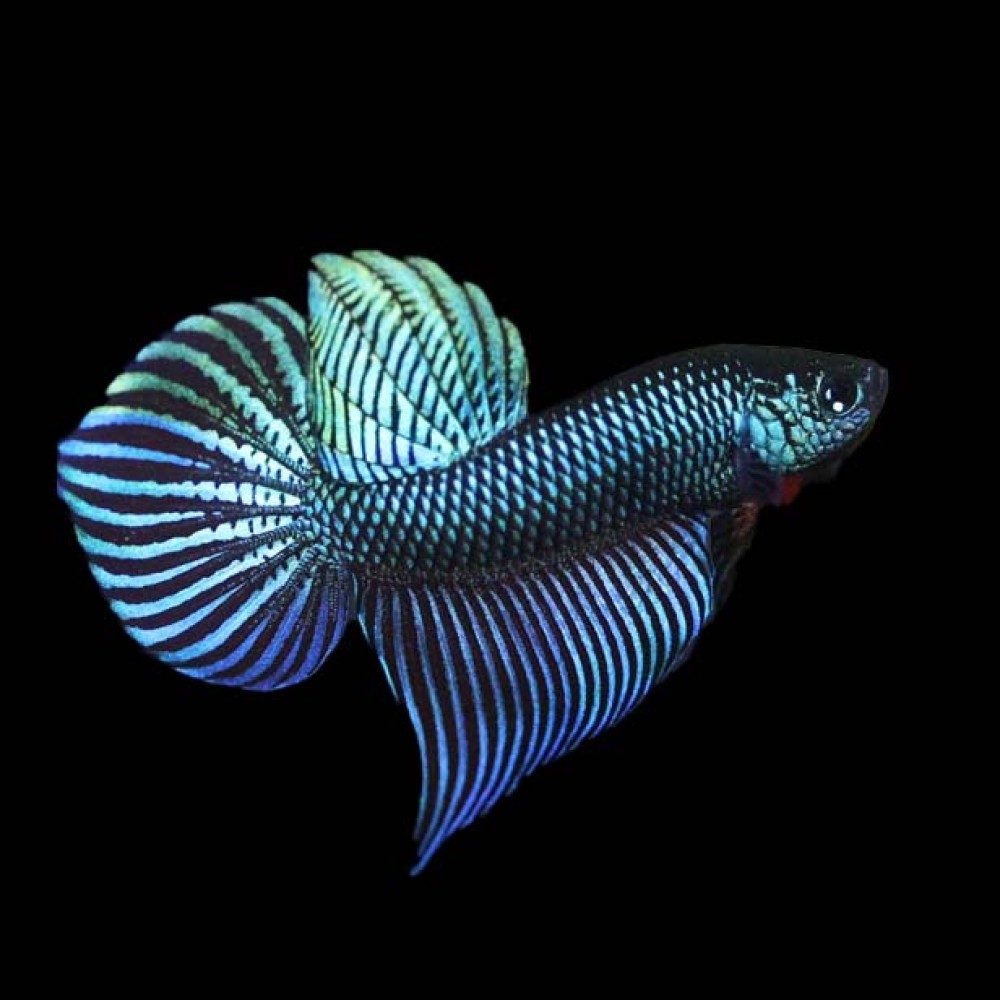
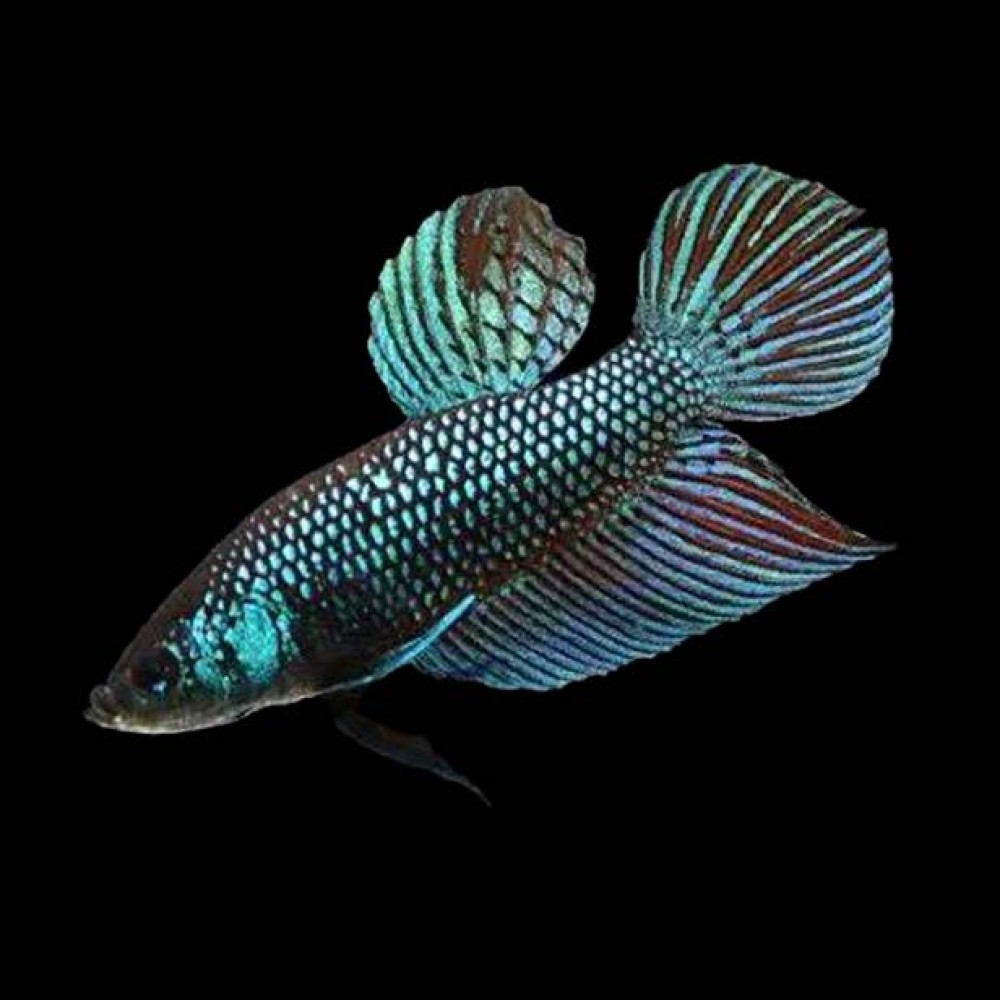
Please Note: Due to variations within species, your fish may not look identical to the image provided. Also note not all sizes or species may be available due to seasonality, Please call beforehand for up-to-date stock availability.
- Model: -
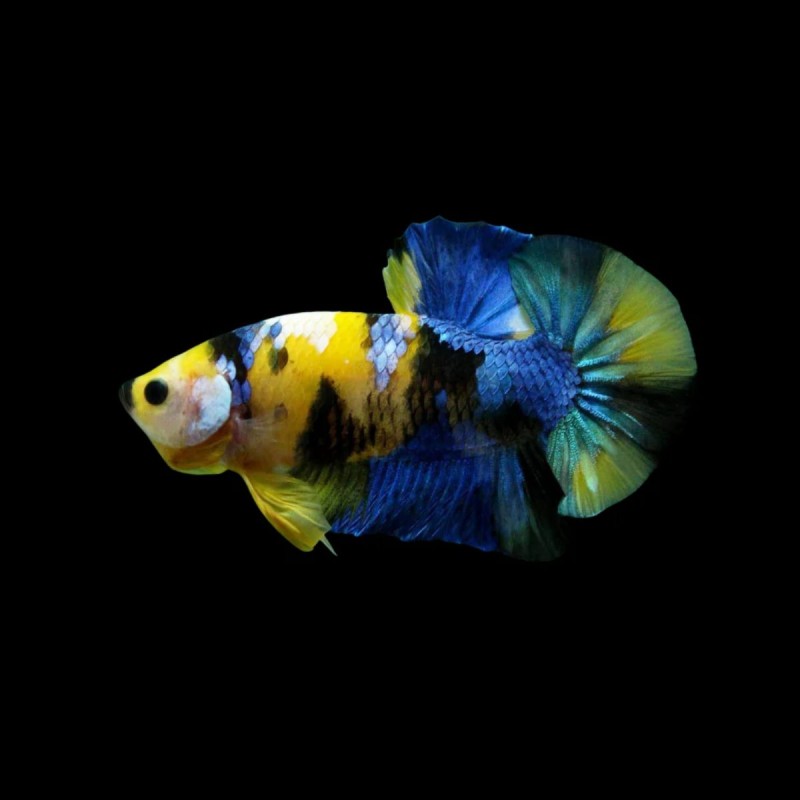
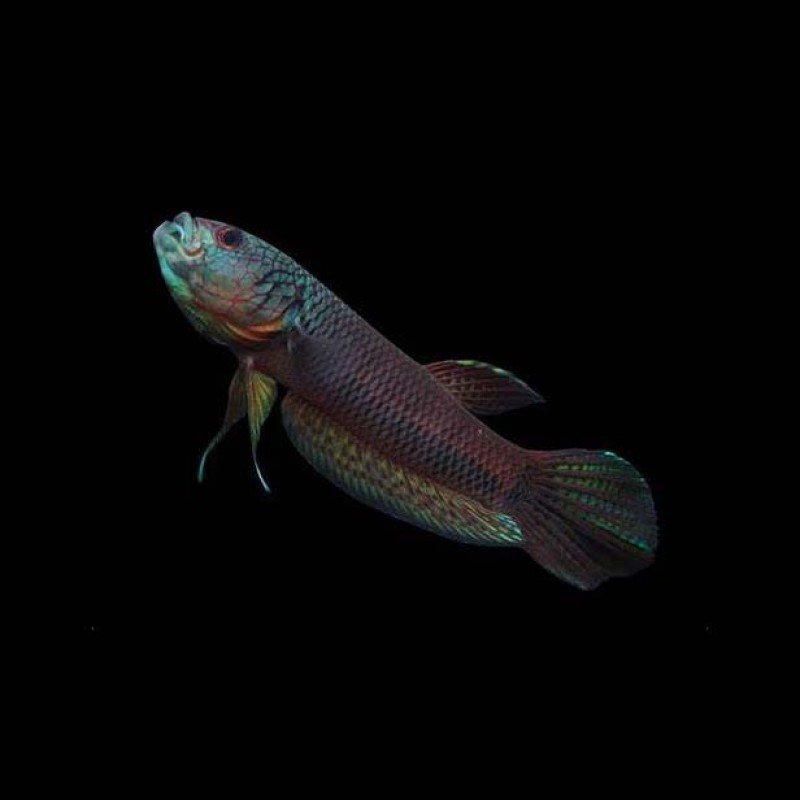
The Betta smaragdina, commonly known as the Emerald Betta or Smargadina Betta, is a striking species of freshwater fish belonging to the family Osphronemidae. Native to the slow-moving waters of Thailand, Laos, and Cambodia, this betta species is prized for its beautiful coloration and relatively peaceful nature compared to some of its more aggressive relatives, like Betta splendens.
Physical Characteristics:
- Size: Males typically grow to a length of about 5-6 cm (2-2.5 inches).
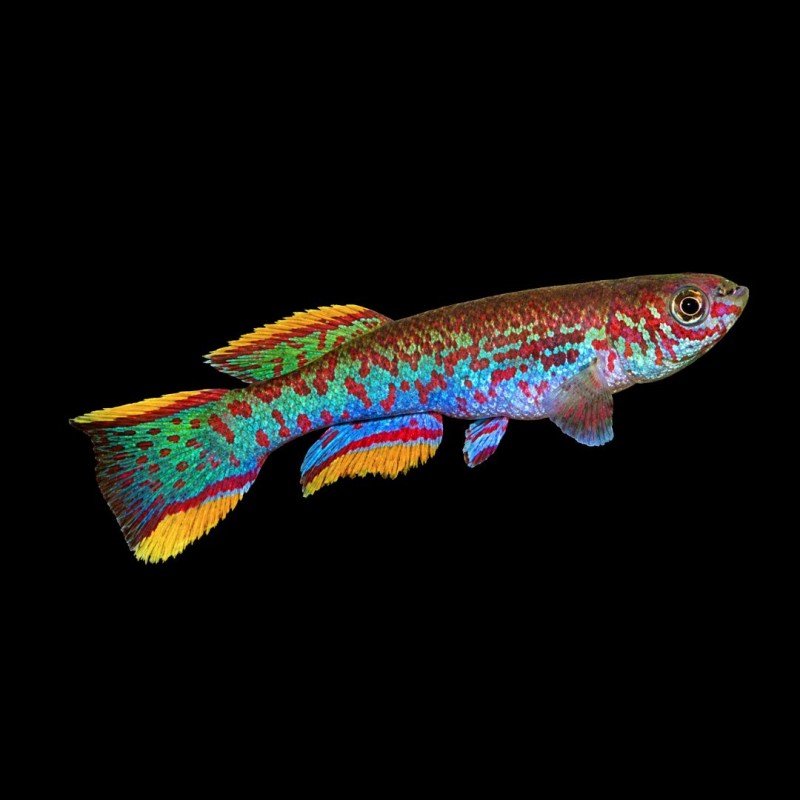
- Body: The male Betta smaragdina is particularly known for its iridescent, emerald-green body that shimmers under the right lighting, hence its common name "Emerald Betta." The body coloration may also feature hues of blue and turquoise, with metallic shine along the flanks.
- Fins: Male Betta smaragdina displays impressive finnage, with elongated and pointed fins, though not as exaggerated as Betta splendens. The fins are often marked with red, blue, or green highlights, adding to their visual appeal.
- Head and Eyes: The head of the male is relatively short and rounded, with large, expressive eyes that also carry a metallic sheen.
Behavior:
- Temperament: Male Betta smaragdina is territorial but typically less aggressive than Betta splendens. In the wild, males engage in displays of flaring and colour intensification to establish dominance, though physical altercations are usually less common.
- Social Behaviour: Males should generally be kept singly or with non-aggressive species to avoid territorial disputes. If kept with females, it is advisable to provide plenty of hiding spots and space to prevent constant chasing or fighting.
- Bubble Nesting: Like other betta species, male Betta smaragdina builds bubble nests during breeding, often at the surface of the water, where he will court the female and care for the eggs until they hatch.
Aquarium Care:
- Tank Size: A minimum tank size of 10-15 litres (2.5-4 gallons) is recommended for a single male, though larger tanks are always preferred, especially if you plan on keeping multiple fish or tankmates.
- Water Parameters:
- Temperature: 24°C to 28°C (75°F to 82°F) is ideal.
- pH: Betta smaragdina prefers slightly acidic to neutral water, with a pH range of 6.0 to 7.5.
- Hardness: The water should be soft to moderately hard, with a hardness range of 5-15 dGH.
- Tank Setup: Betta smaragdina thrives in a densely planted aquarium with plenty of cover, such as driftwood, caves, and floating plants. They prefer slow-moving or still water, as they originate from quiet streams and ponds. Lighting should not be too bright, as they prefer dim or filtered light to bring out their coloration.
Diet:
Betta smaragdina is carnivorous and requires a varied diet of high-quality, protein-rich foods. In captivity, they can be fed a diet of live or frozen foods such as bloodworms, brine shrimp, and daphnia, as well as high-quality betta pellets. They enjoy chasing live foods, which also stimulates natural behaviour.
Tankmates:
- Males should be kept away from other male bettas or fish with long fins, as they may become territorial. Peaceful, similarly sized species like small tetras, rasboras, or Corydoras catfish can make good tankmates. Avoid fast-swimming or nippy fish that might stress the Betta or damage its fins.
Breeding:
Breeding Betta smaragdina is similar to breeding other bubble-nesting bettas. The male builds a bubble nest at the surface, where he courts the female and tends to the fertilized eggs. The fry should be separated after hatching to prevent aggression from the male.
Betta smaragdina is a stunning fish that showcases a blend of emerald-green and iridescent hues, making it a captivating centrepiece for smaller, well-planted aquariums. Due to its manageable temperament and beautiful appearance, it is a favourite among betta enthusiasts and aquarists looking for a peaceful, colourful species to add to their setup.