

- Stock: Generally In Stock
- Model: -
Cappuccino Snail
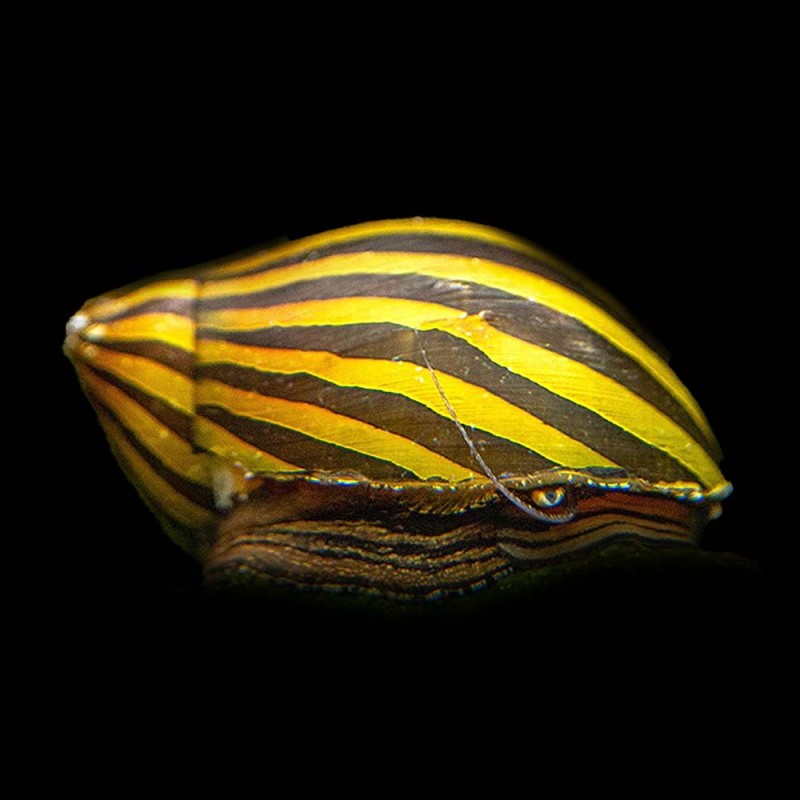
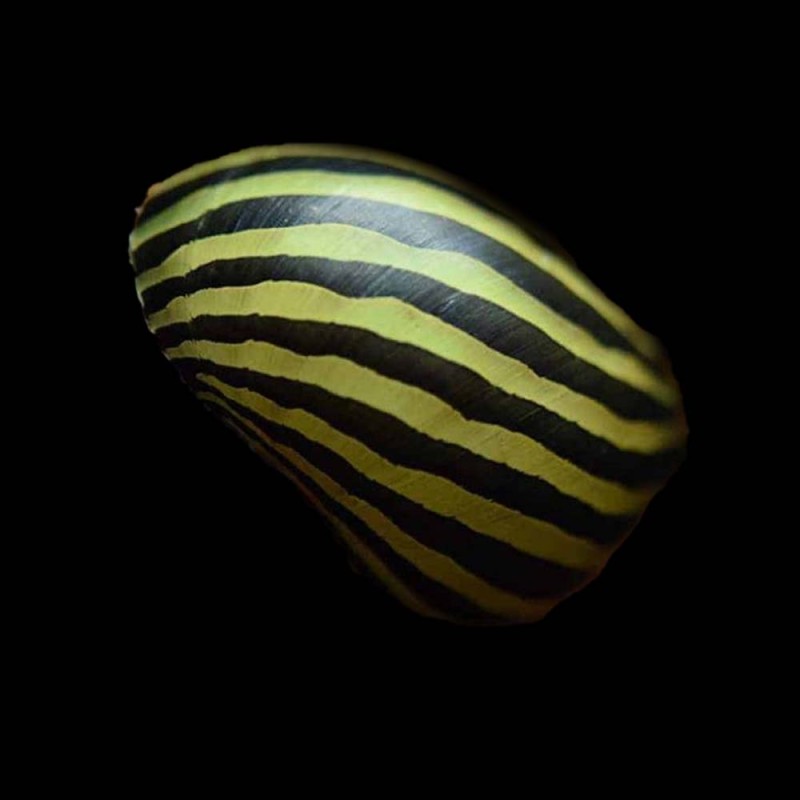
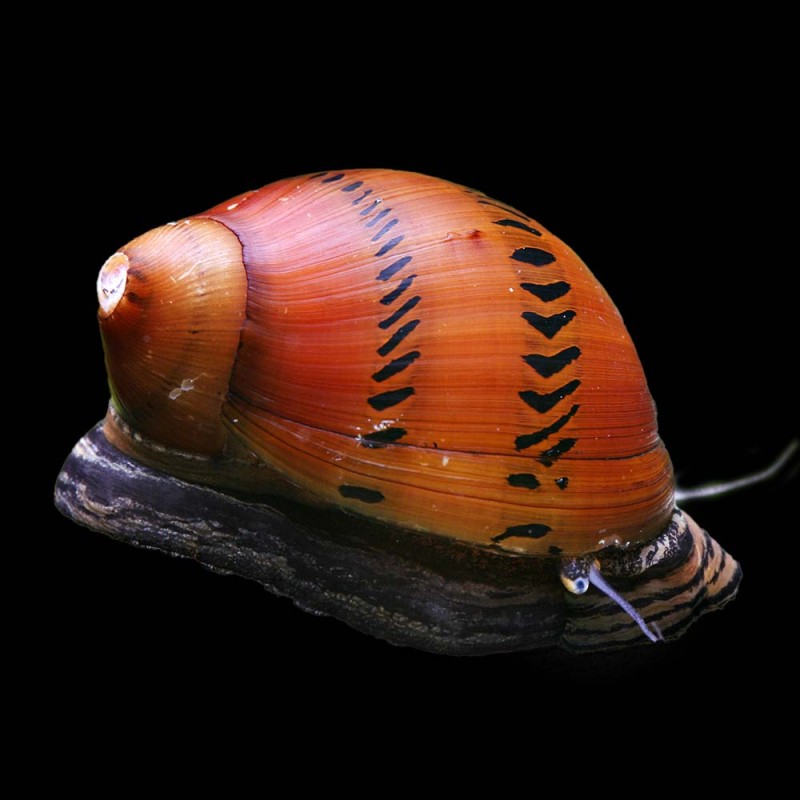
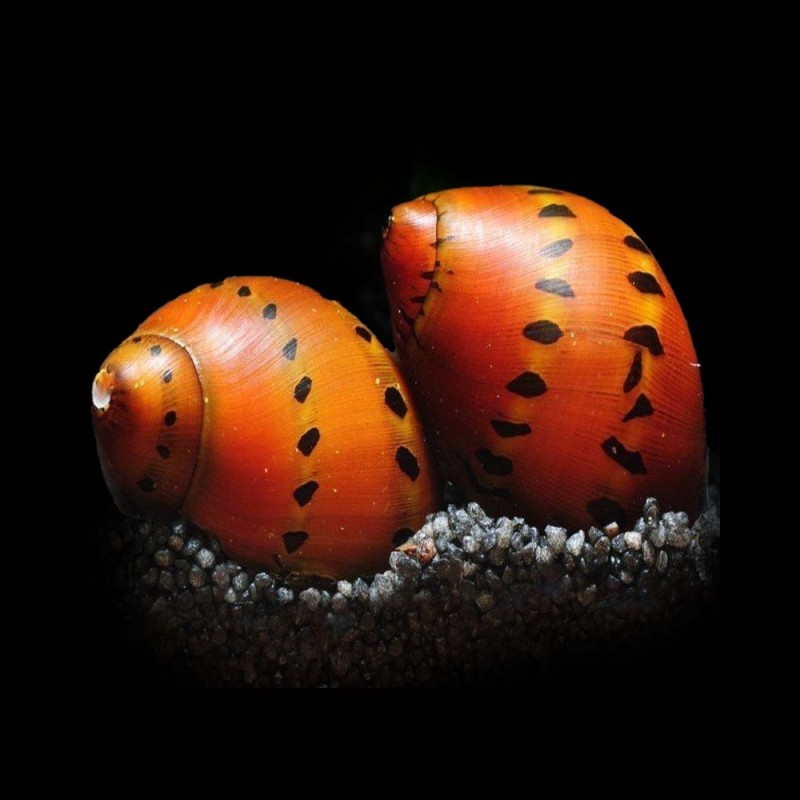
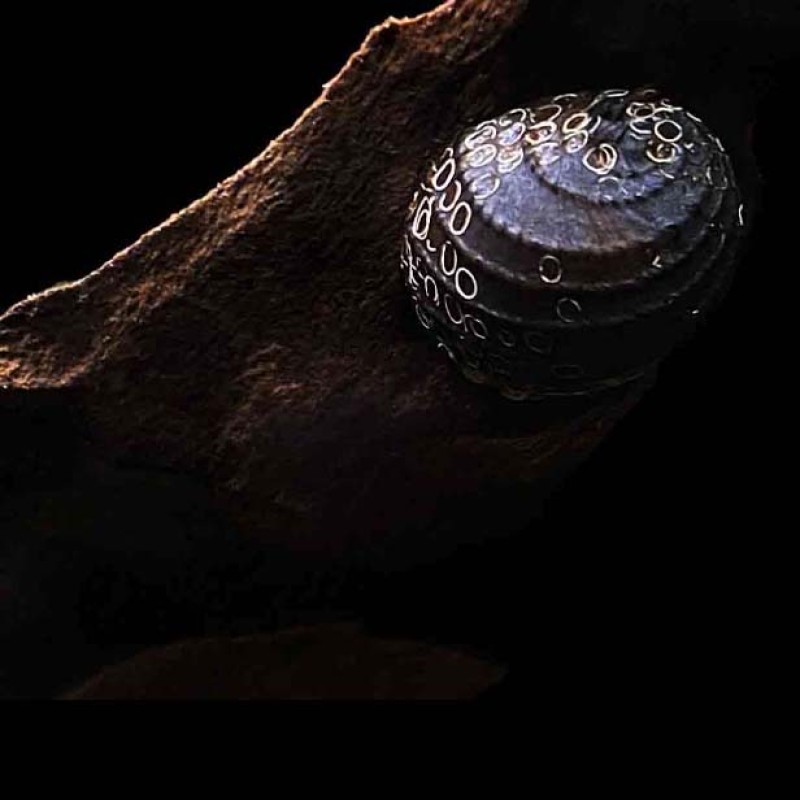
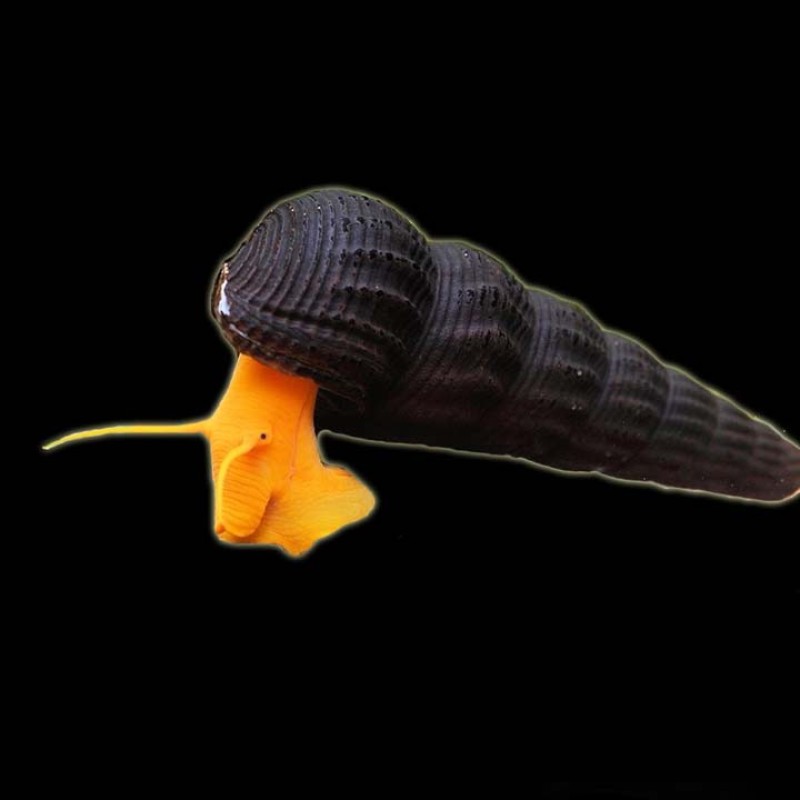
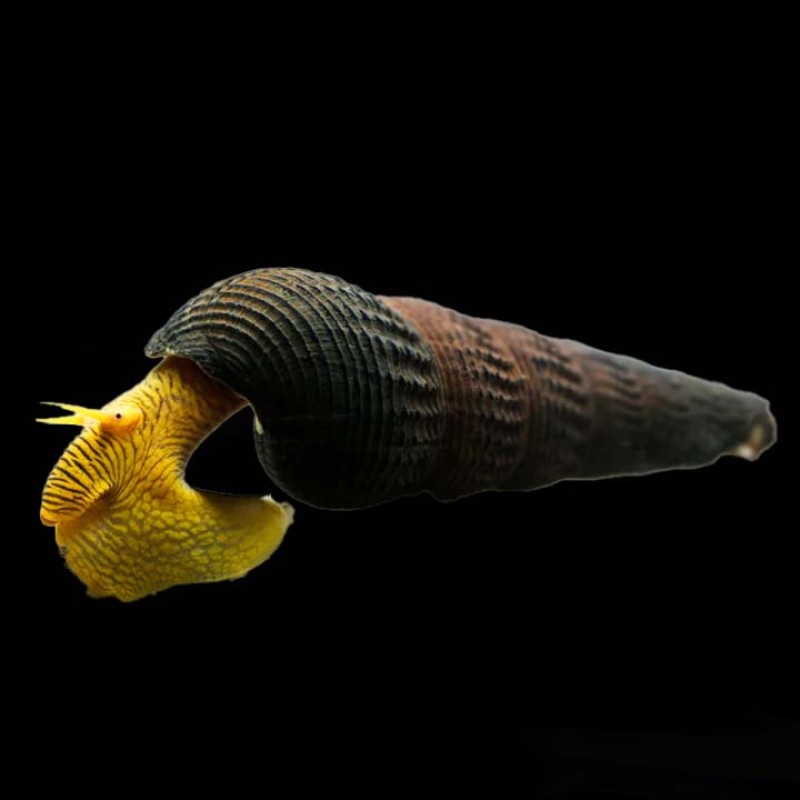
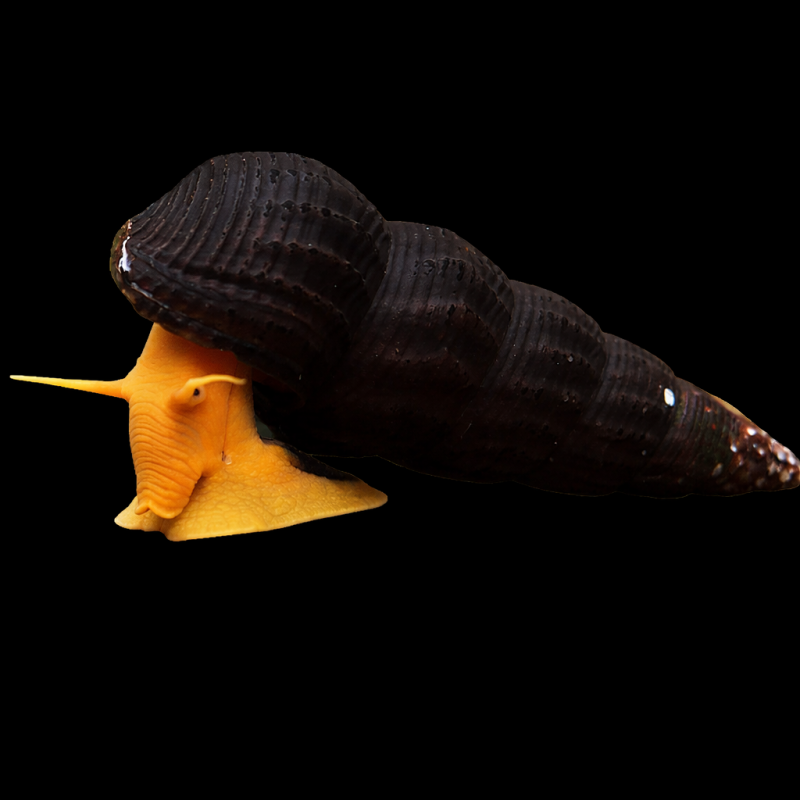
The Cappuccino Snail is a freshwater snail prized for its striking colour pattern and usefulness in planted aquariums. Named for its creamy, swirled shell that resembles a frothy cappuccino, this snail is a variation of the Rabbit Snail (*Tylomelania* sp.). It offers a unique blend of beauty and functionality, as it helps keep tanks clean by grazing on algae and leftover food while adding a distinctive aesthetic touch.
Physical Characteristics:
- Size: Typically grows up to 5–7 cm (2–2.8 inches) in length.
- Coloration:
- Shell: Swirled shades of creamy white, tan, and brown, often with spiral ridges and a pointed cone shape.
- Body: Soft tissues are usually a dark grey or black with long, rabbit-like antennae, giving the species its common nickname "Rabbit Snail."
Behavior:
- Temperament: Peaceful and slow-moving. These snails are non-aggressive and can be safely housed with a wide variety of community tank species.
- Activity Level: Active during both day and night, often seen grazing on surfaces or slowly burrowing in soft substrate.
- Community Behavior: Excellent for planted aquariums, as they help clean algae and detritus without damaging live plants.
Aquarium Care:
- Tank Size: A minimum of 20 litres (5 gallons) per snail is recommended. Larger tanks allow for better grazing territory and stable parameters.
- Water Parameters:
- Temperature: 22°C to 28°C (72°F to 82°F)
- pH: 7.0 to 8.5 – prefers neutral to slightly alkaline water
- Hardness: Moderate to hard water (6–12 dGH), essential for healthy shell development
- Tank Setup:
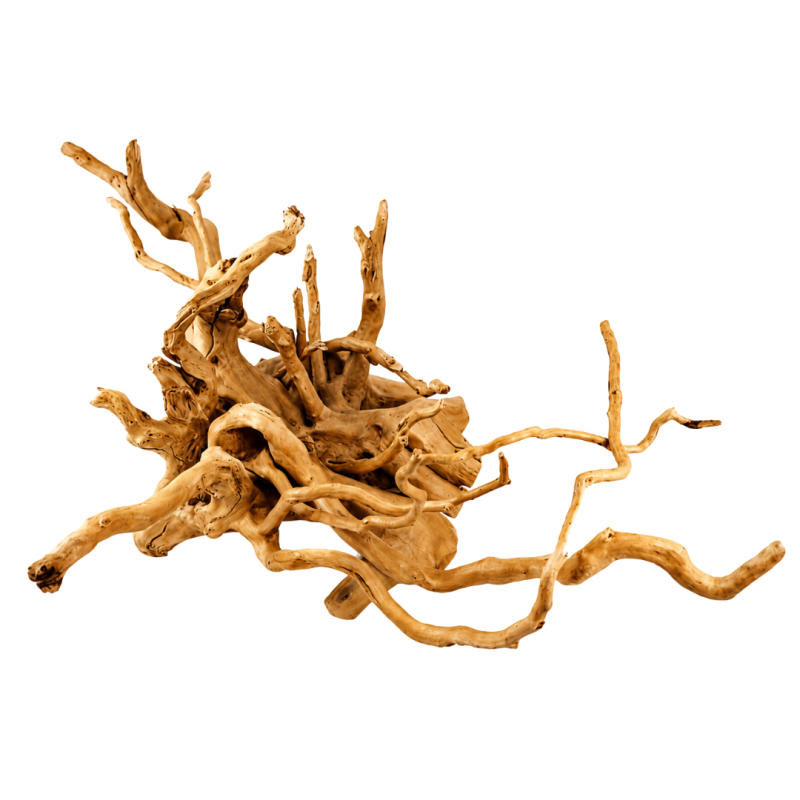
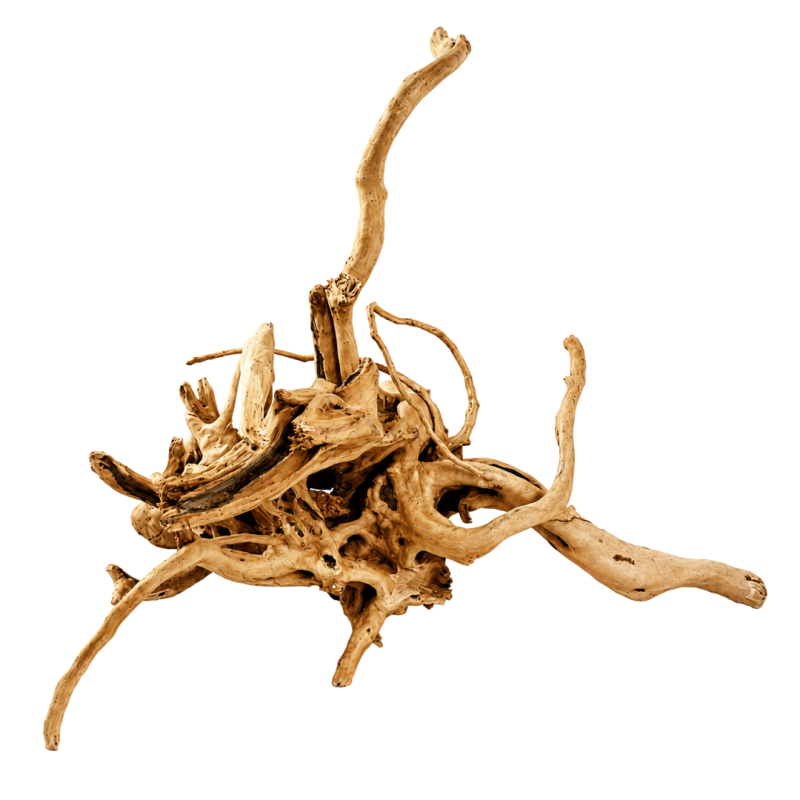
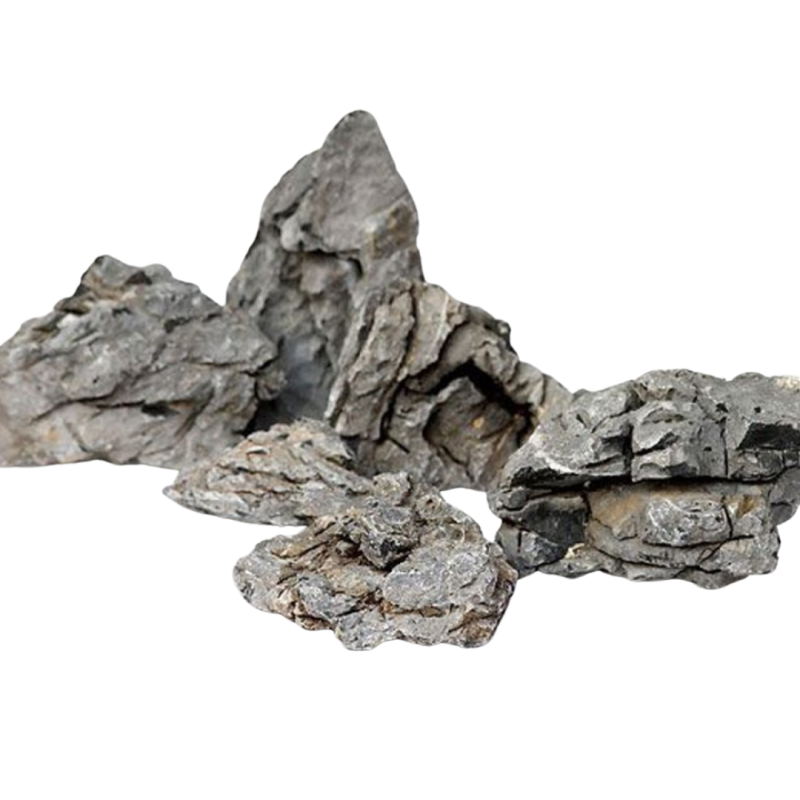
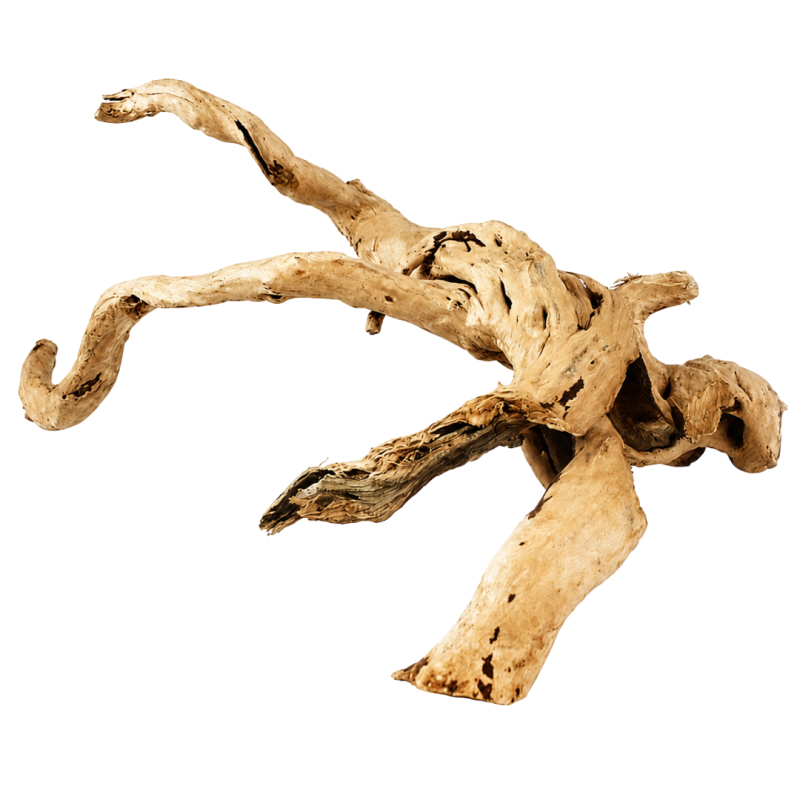
- Substrate and Decorations: Soft sand or fine gravel is ideal. Provide driftwood, rocks, and live plants for climbing and grazing.
- Lighting: Moderate lighting to promote healthy plant and algae growth for natural feeding.
- Filtration: Gentle to moderate filtration to maintain water quality without disturbing the snail’s slow movements.
Diet:
Cappuccino Snails are omnivorous scavengers, feeding on biofilm, algae, decaying plant matter, and leftover fish food.
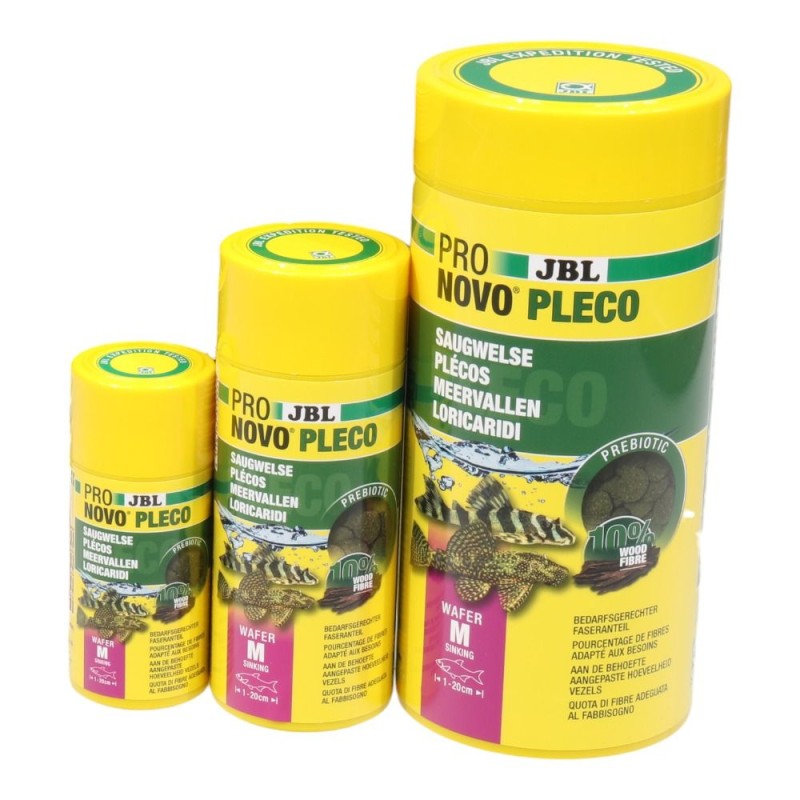
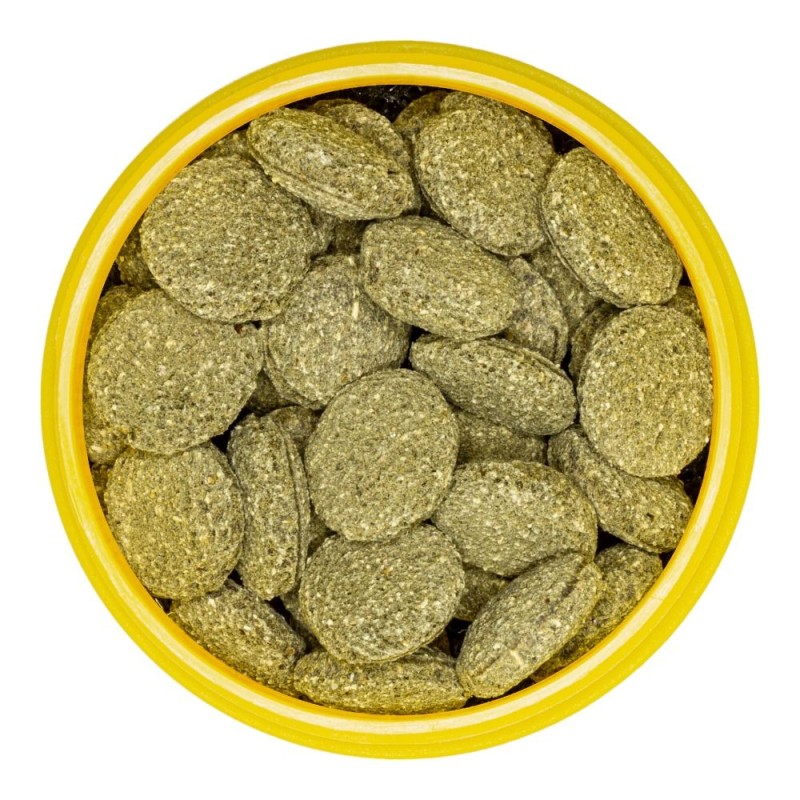
- Staple Foods: Algae wafers, sinking pellets, and soft vegetables like blanched spinach or cucumber.
- Calcium: Supplement their diet with calcium-rich foods or cuttlebone to support strong shell growth.
Feed sparingly if plenty of natural algae and biofilm are present in the tank.
Tankmates:
Cappuccino Snails are compatible with a wide variety of peaceful freshwater species:
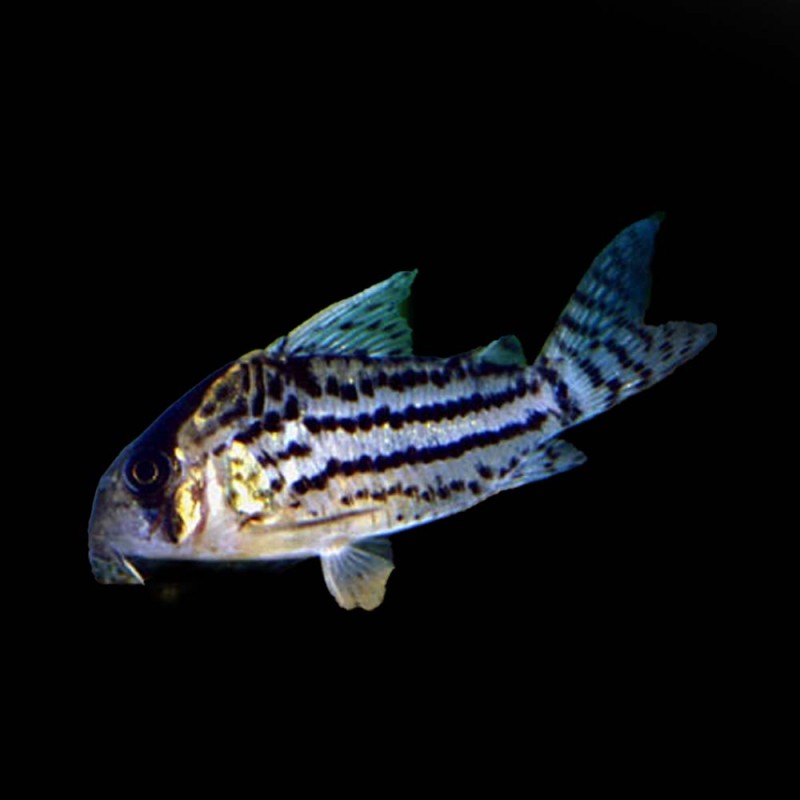
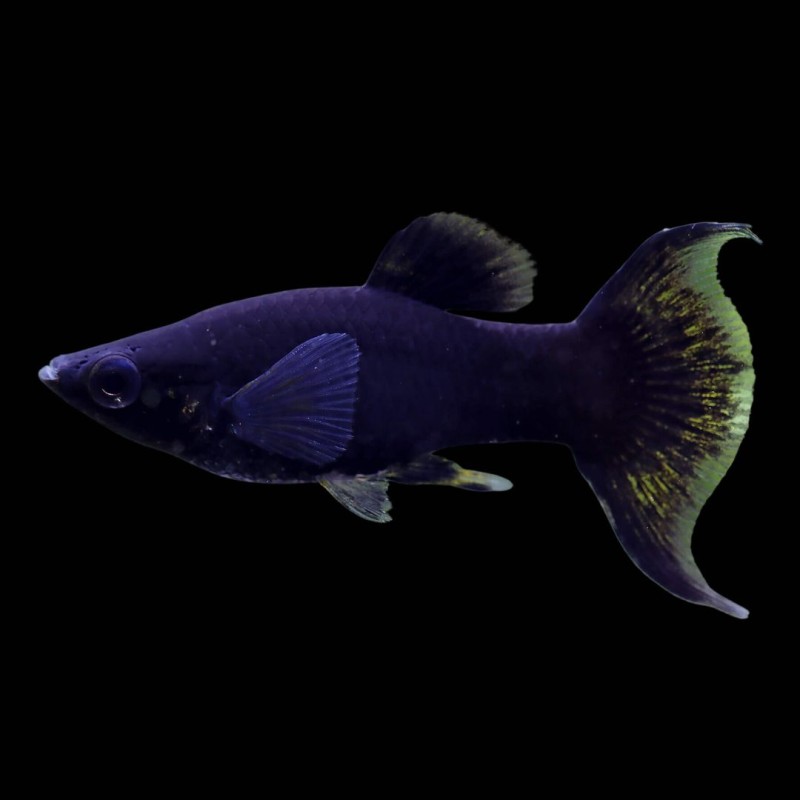
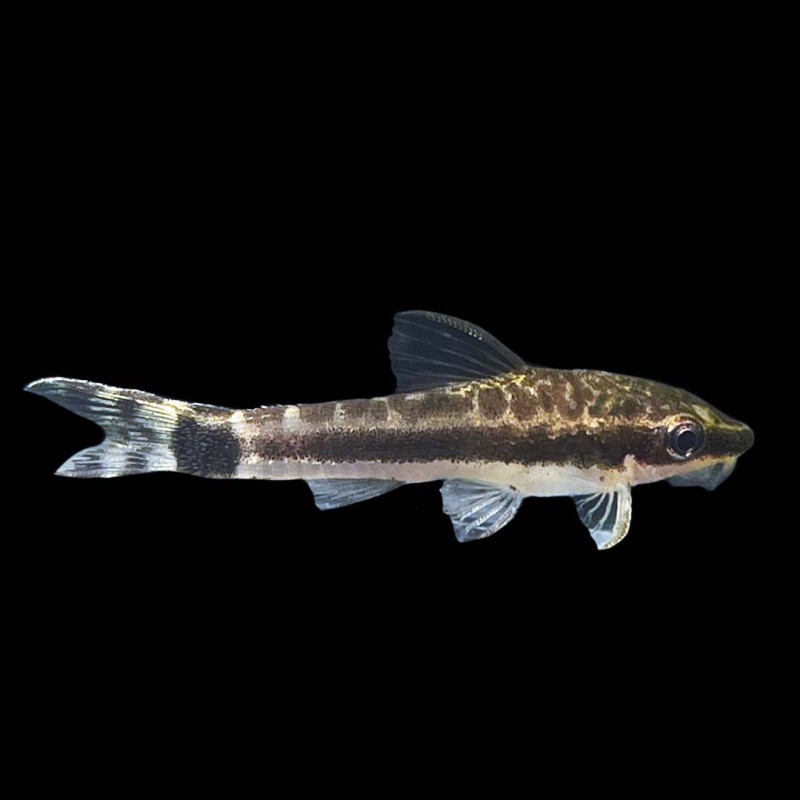
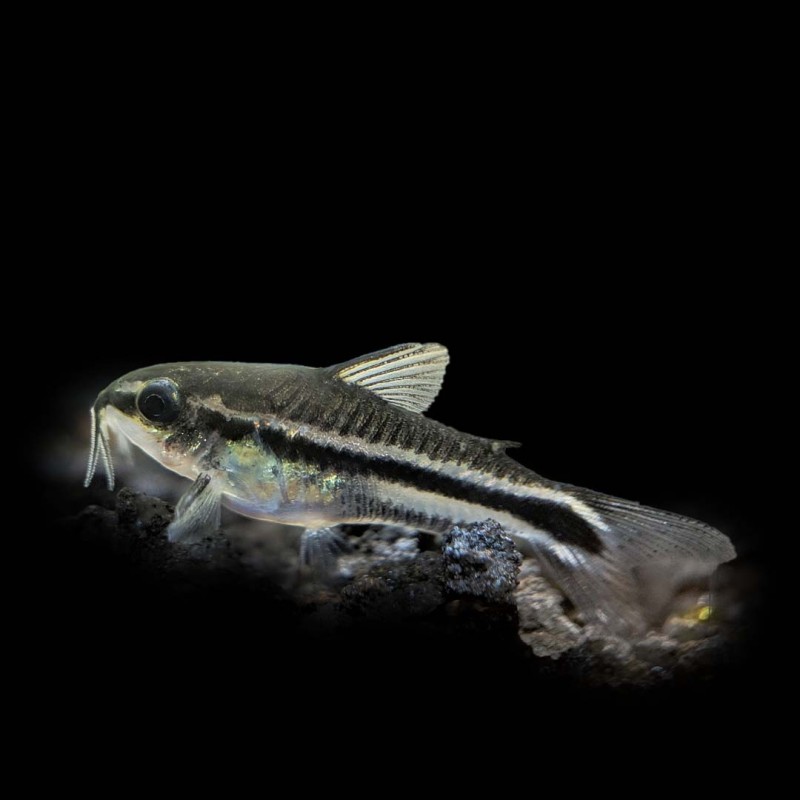
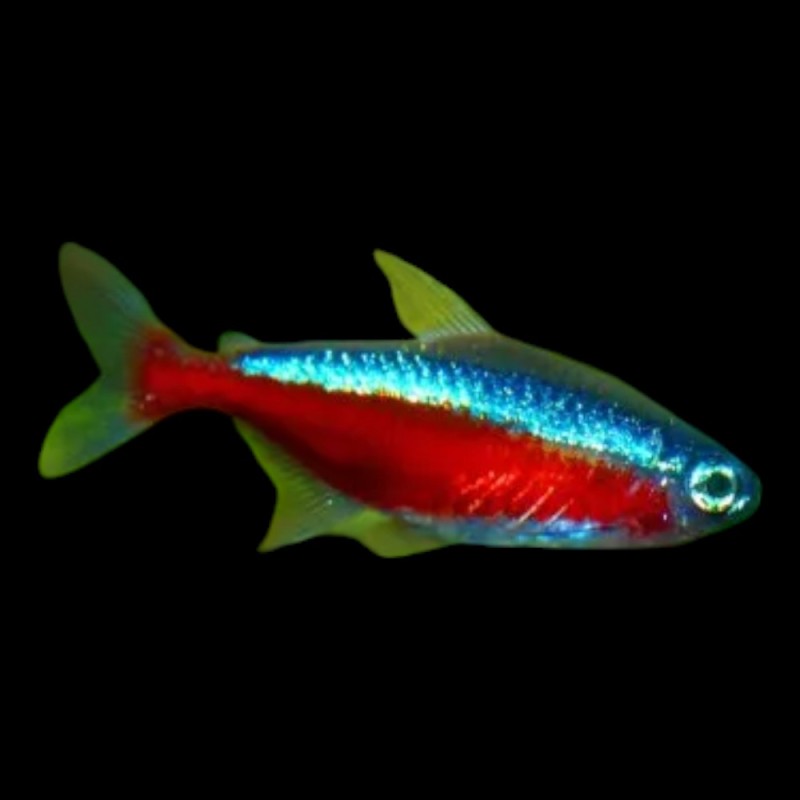
- Peaceful Fish: Tetras, Rasboras, Corydoras, Guppies
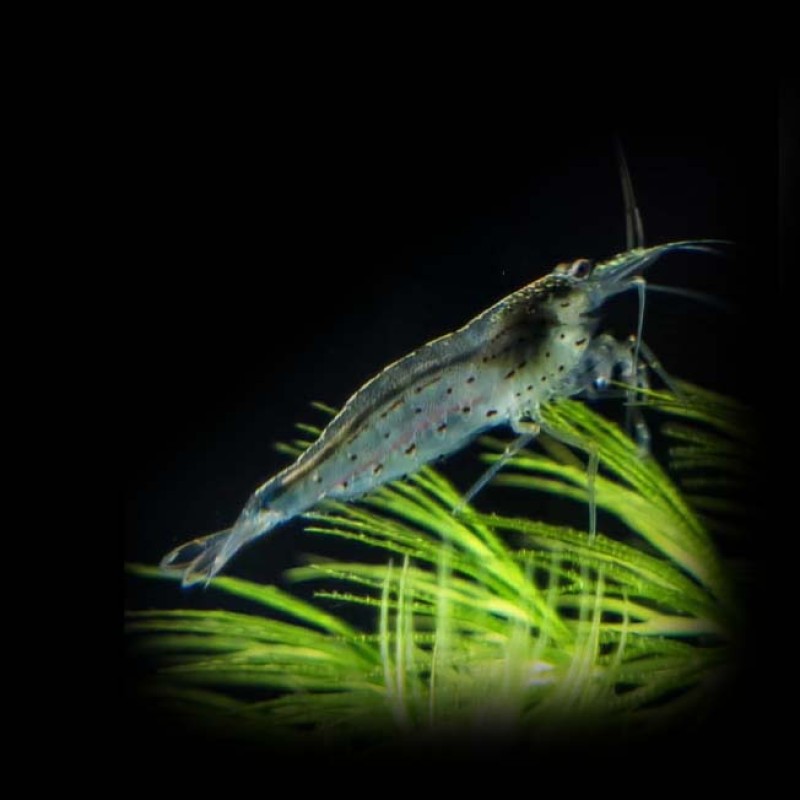
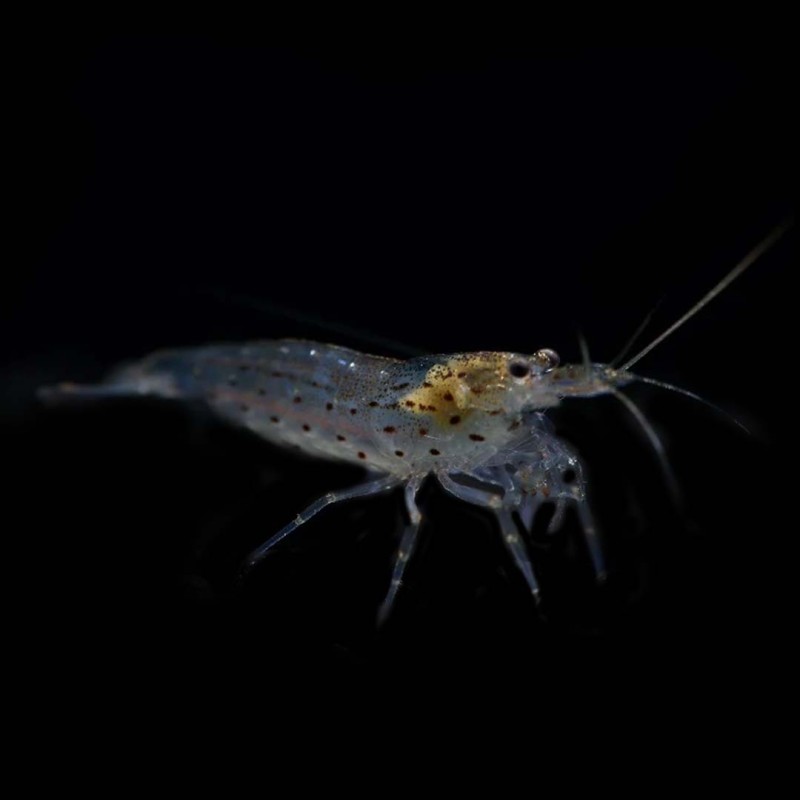
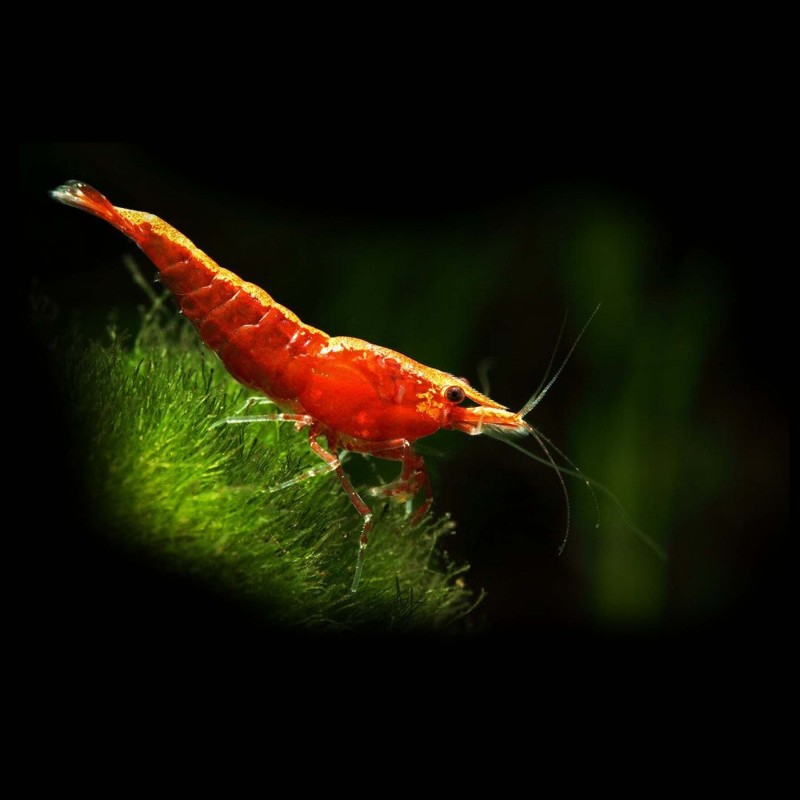
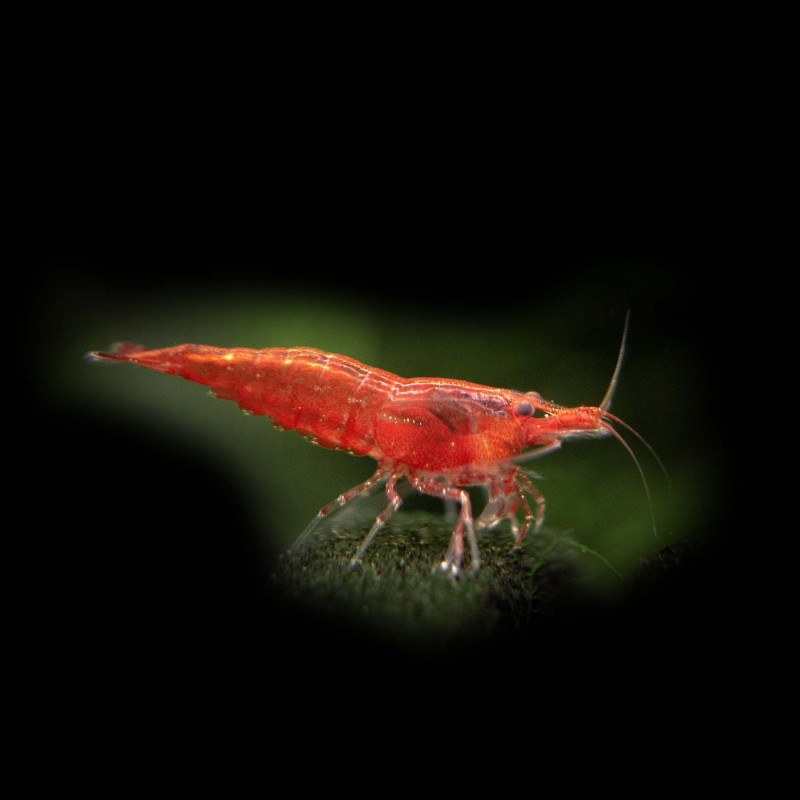
- Invertebrates: Amano Shrimp, Cherry Shrimp, Nerite Snails
- Other Snails: Can be housed with other Rabbit Snails or peaceful snail species
Avoid: Aggressive or carnivorous fish such as Cichlids, Loaches, or Puffers that may prey on or harass snails.
Breeding:
- Reproduction: Livebearers – they give birth to one juvenile snail at a time, making them a low-risk species for overpopulation.
- Care: No special setup required. Babies will hide in the substrate and slowly grow with the same diet as adults.
Special Considerations:
- Shell Health: Maintain proper calcium levels and stable pH to prevent shell erosion.
- Acclimation: Slow drip acclimation is recommended to help them adjust to new water conditions.
- Cleaning Role: They help reduce waste and algae but should not be relied on as the sole method of tank maintenance.