

- Stock: Generally In Stock
- Model: PINTO CARIDINA SHRIMP
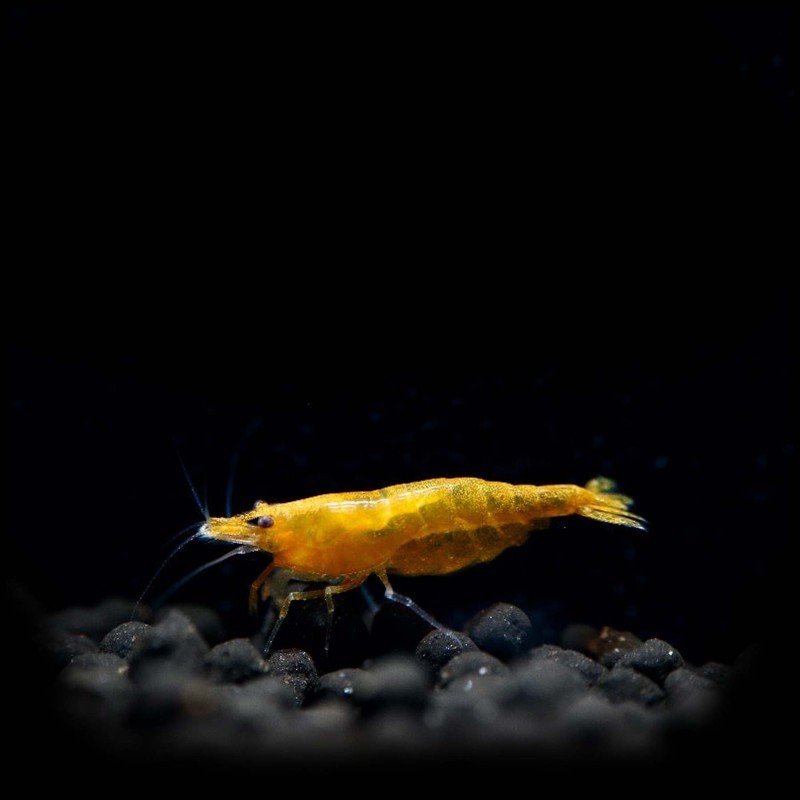
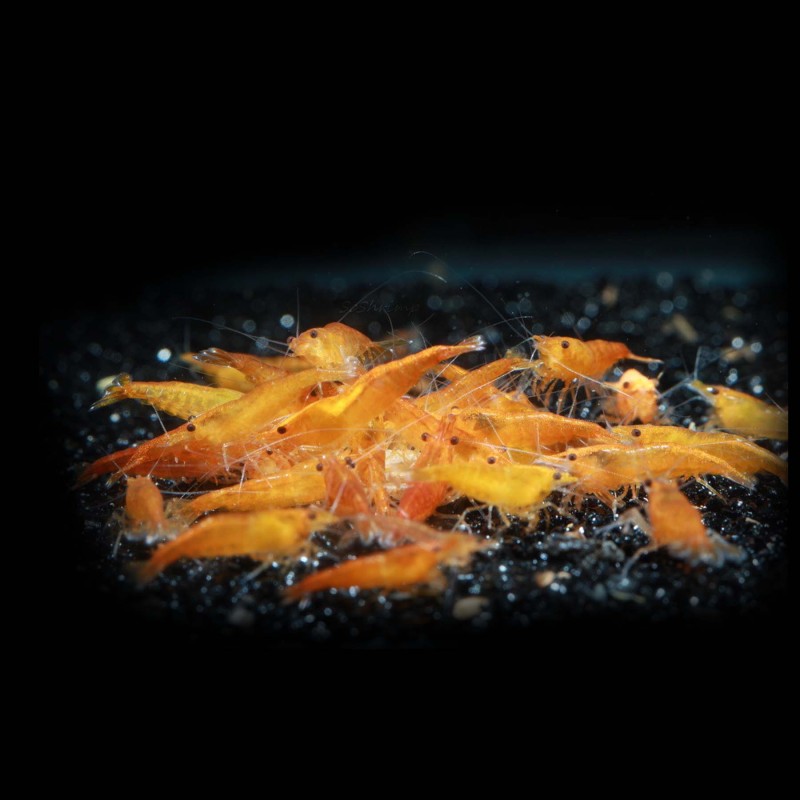
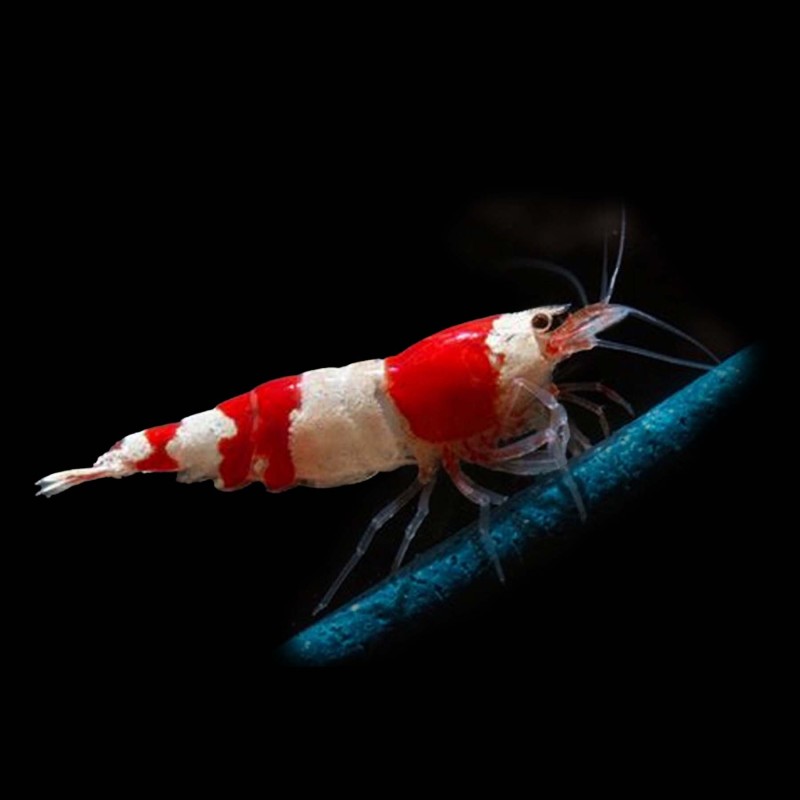
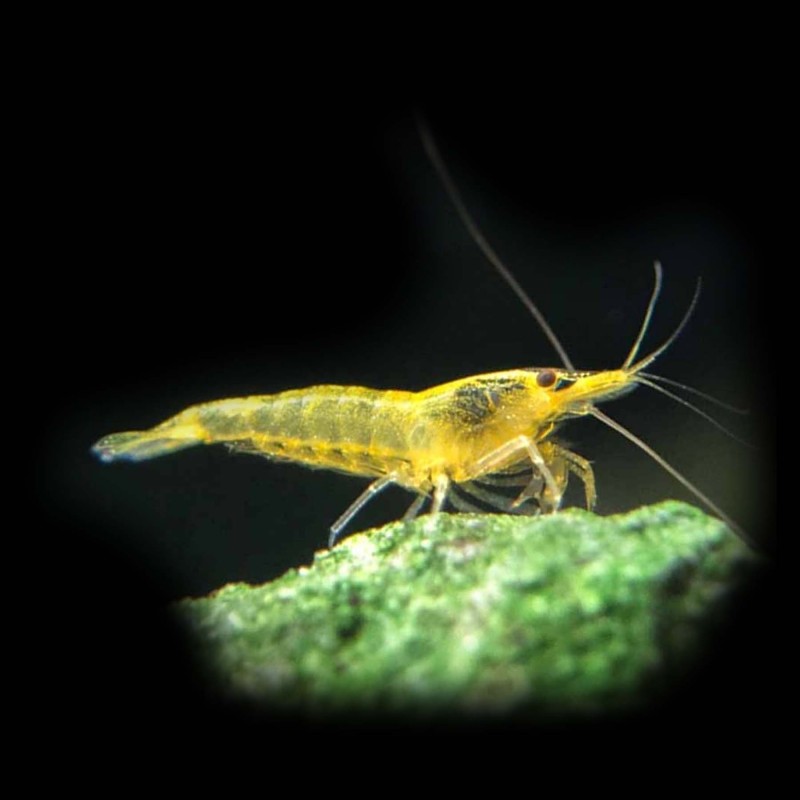
Green Babaulti Shrimp
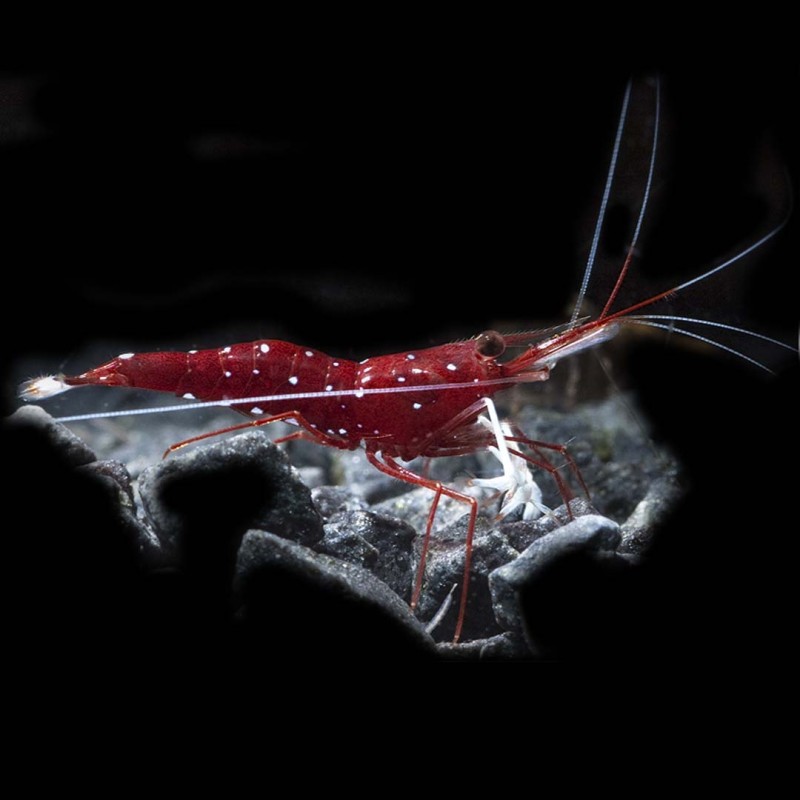
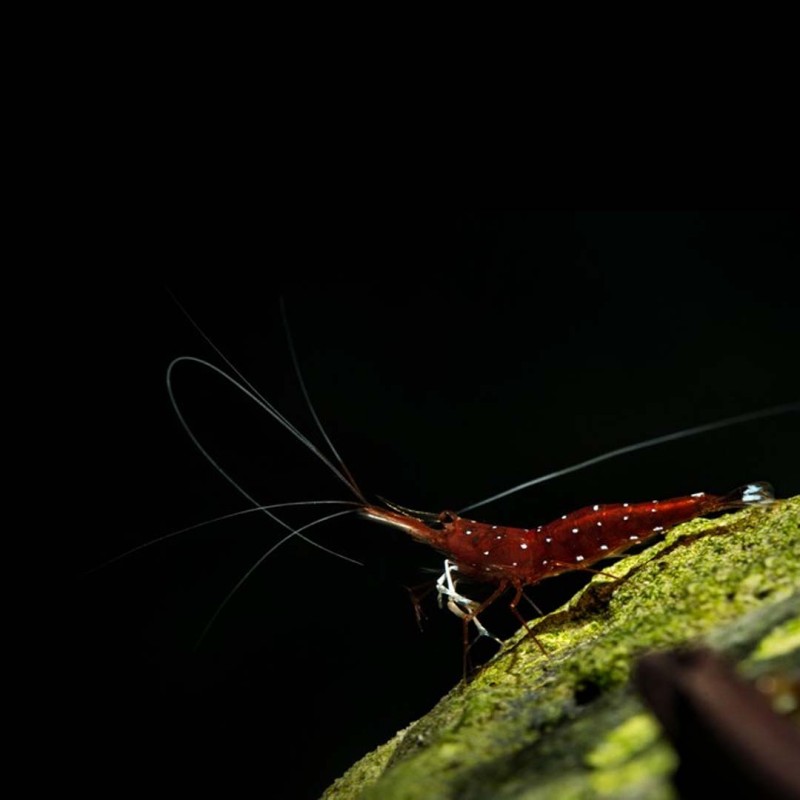
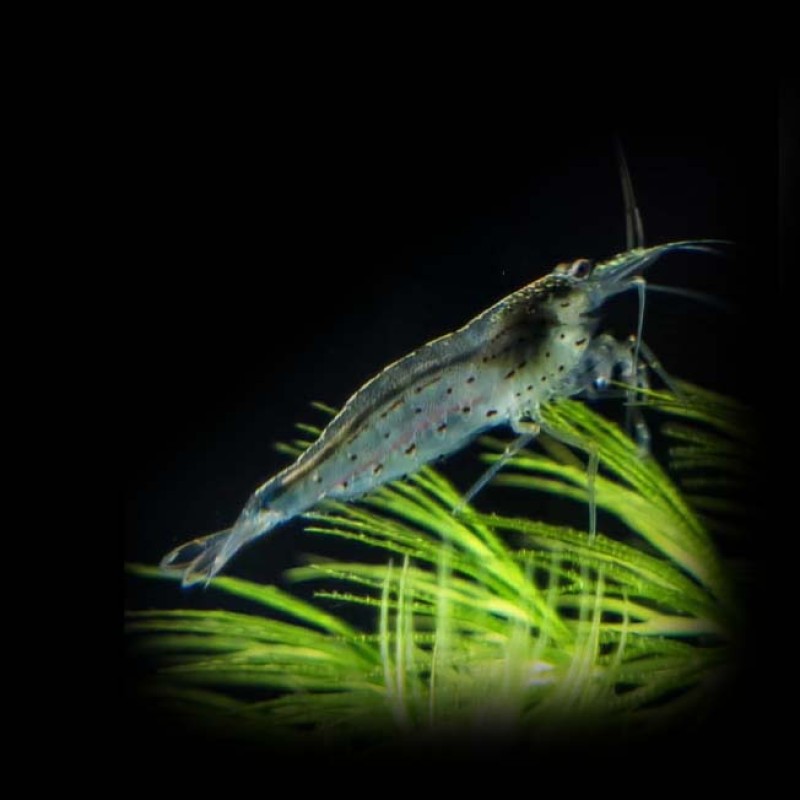
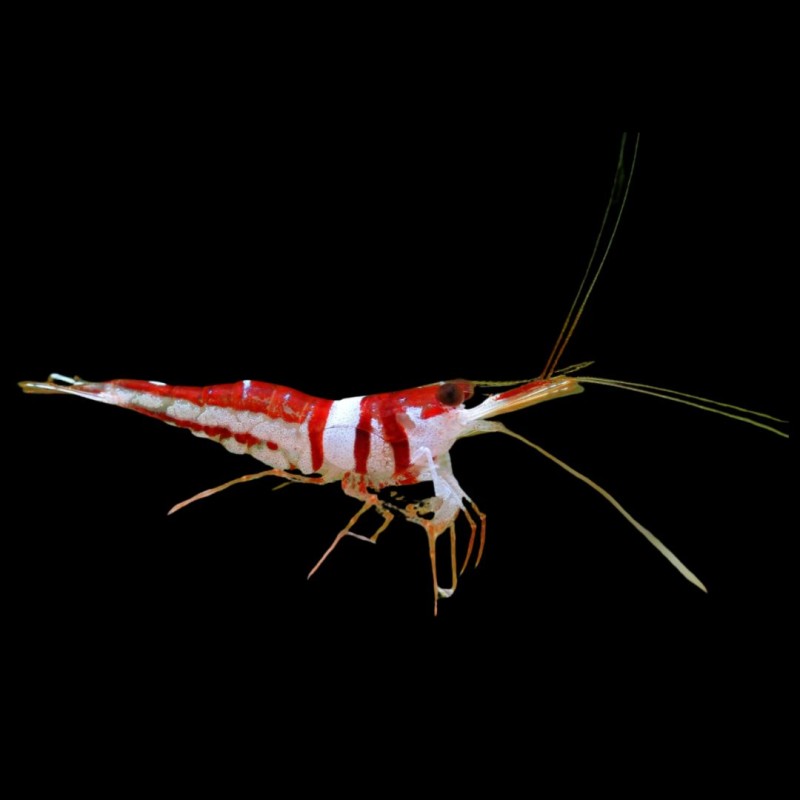
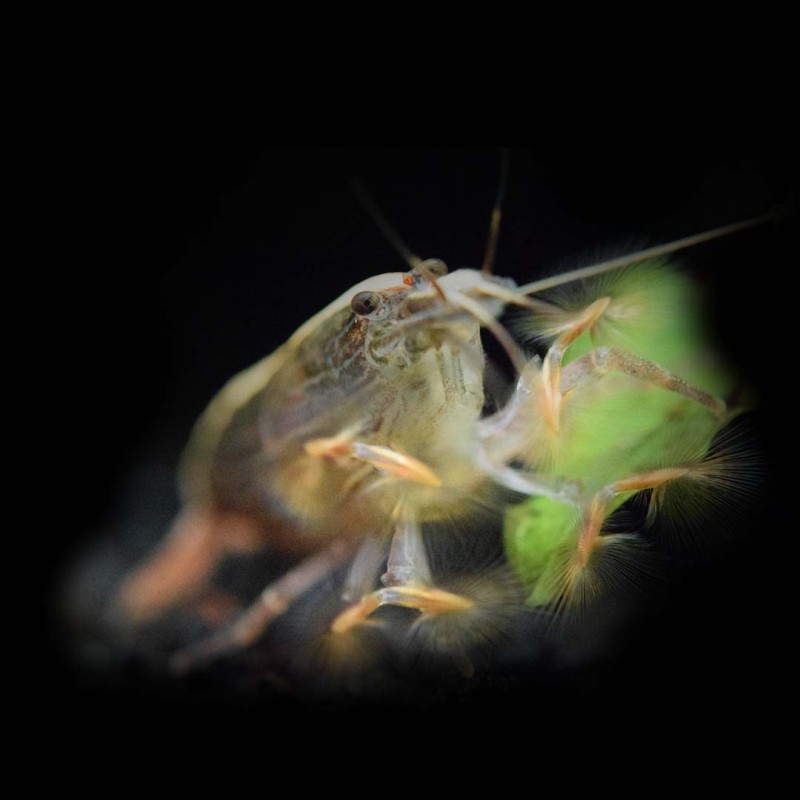
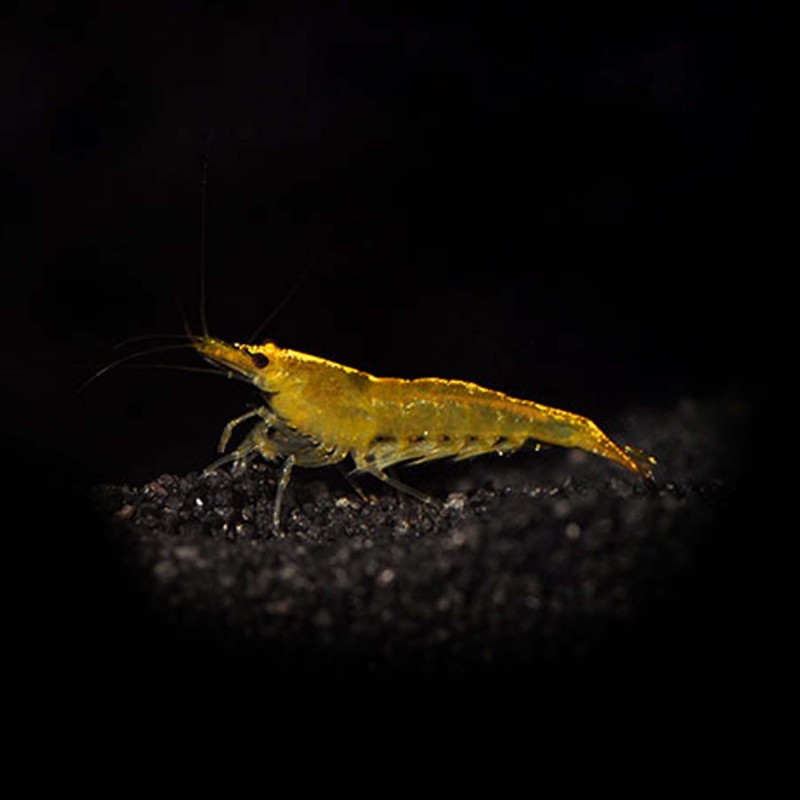
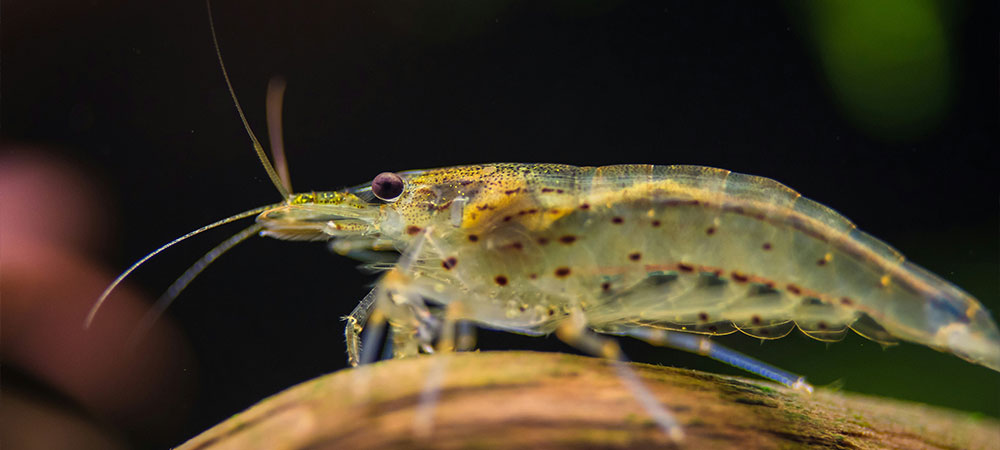
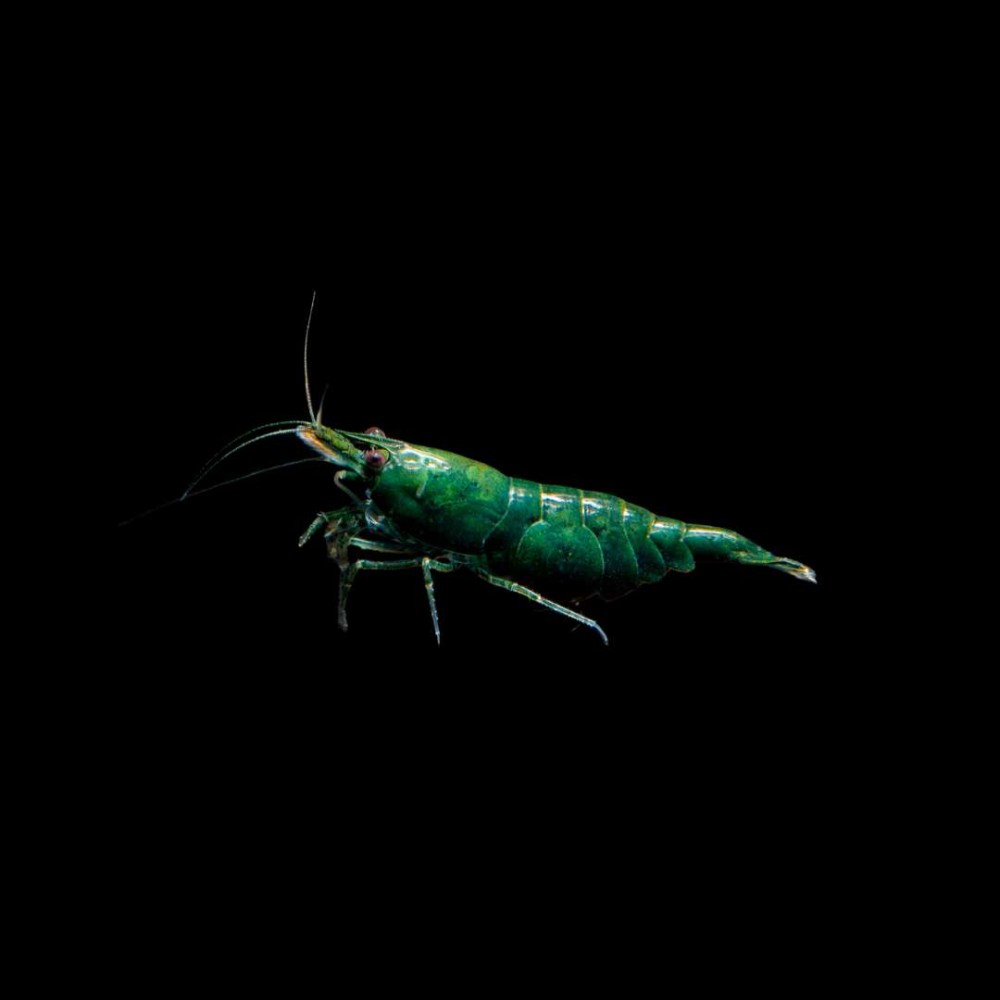
The Green Babaulti Shrimp (Caridina babaulti) is a vibrant and peaceful freshwater invertebrate, highly valued for its unique green coloration and active behaviour. Native to India, this species is an excellent addition to planted and nano aquariums, where it contributes both visual appeal and natural algae control.
Physical Characteristics:
Size: Green Babaulti Shrimp typically grow up to 3–4 cm (around 1.5 inches) in length.
Coloration:
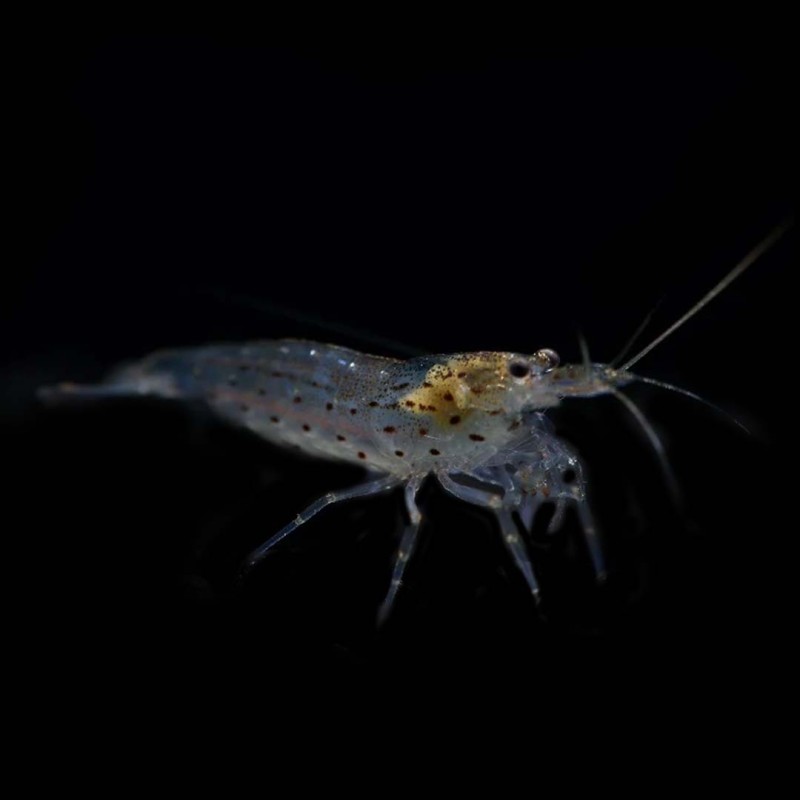
Body: Displays a range of green hues, from translucent green to deeper, more vibrant shades depending on conditions and diet.
Markings: Some individuals may show subtle striping or patterning along the body.
Shape: Slender, semi-transparent body typical of dwarf shrimp species.
Behaviour:
Temperament: Peaceful and non-aggressive, ideal for community shrimp tanks.
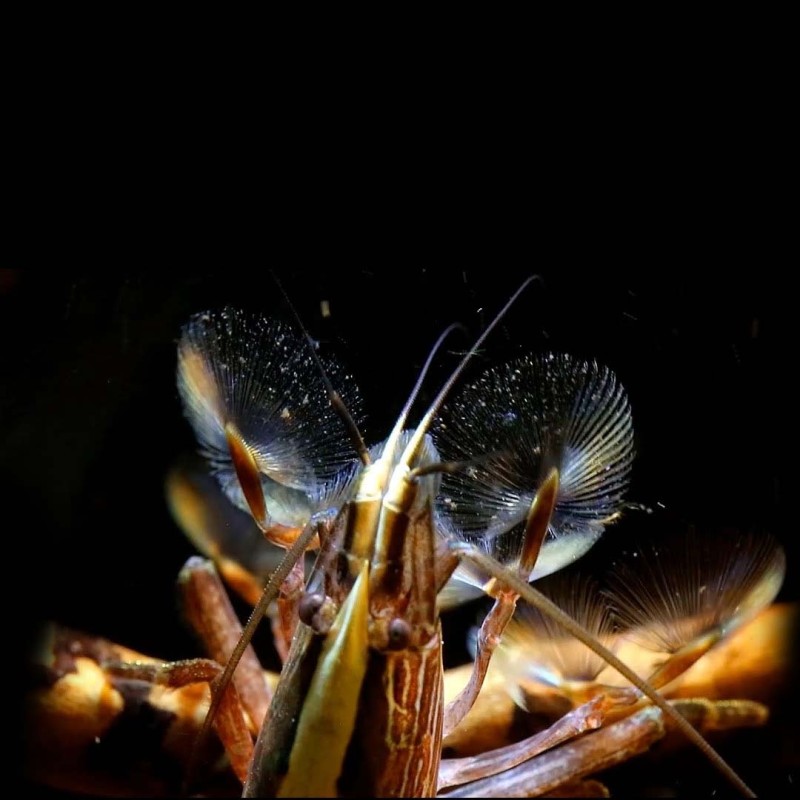
Activity Level: Active grazers, constantly foraging on surfaces for biofilm and algae.
Community Behaviour: Thrive in groups and can be kept with other small, peaceful species.
Aquarium Care:
Tank Size: A minimum of 40 litres (10 gallons) is recommended.
Water Parameters:
Temperature: 20°C to 26°C (68°F to 78°F)
pH: 6.5 to 7.5
Hardness: 4–8 dGH
Tank Setup:
Substrate and Decorations: Fine gravel or shrimp-safe substrate with plenty of live plants, mosses, driftwood, and leaf litter for grazing and shelter.
Lighting: Moderate lighting to support plant growth and biofilm development.
Filtration: Gentle filtration such as a sponge filter to prevent harm to shrimp.
Diet:
Green Babaulti Shrimp are omnivorous scavengers and benefit from a varied diet:
Natural Grazing: Biofilm and algae within the aquarium.
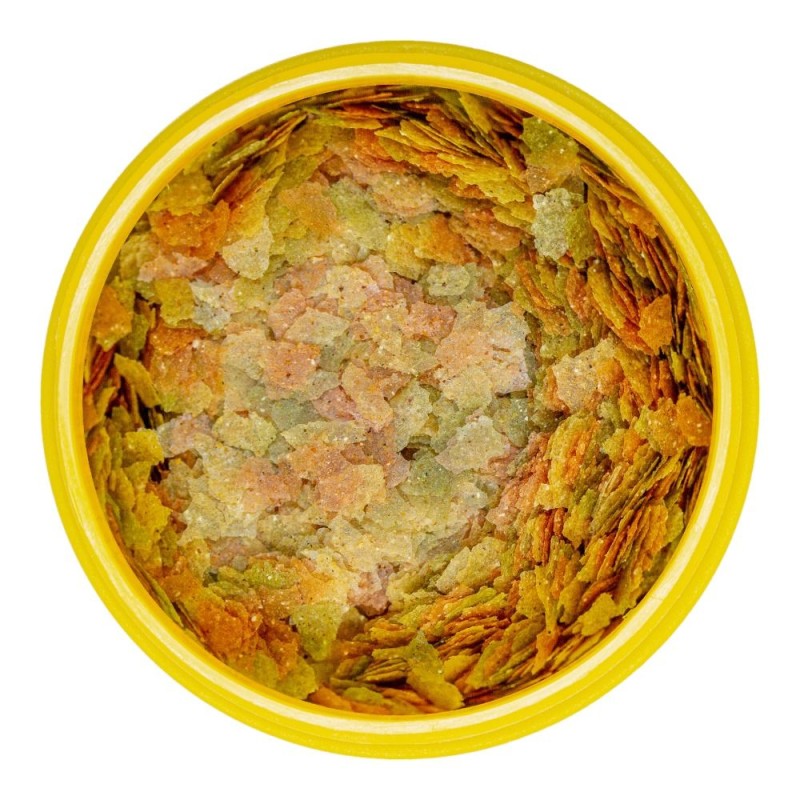
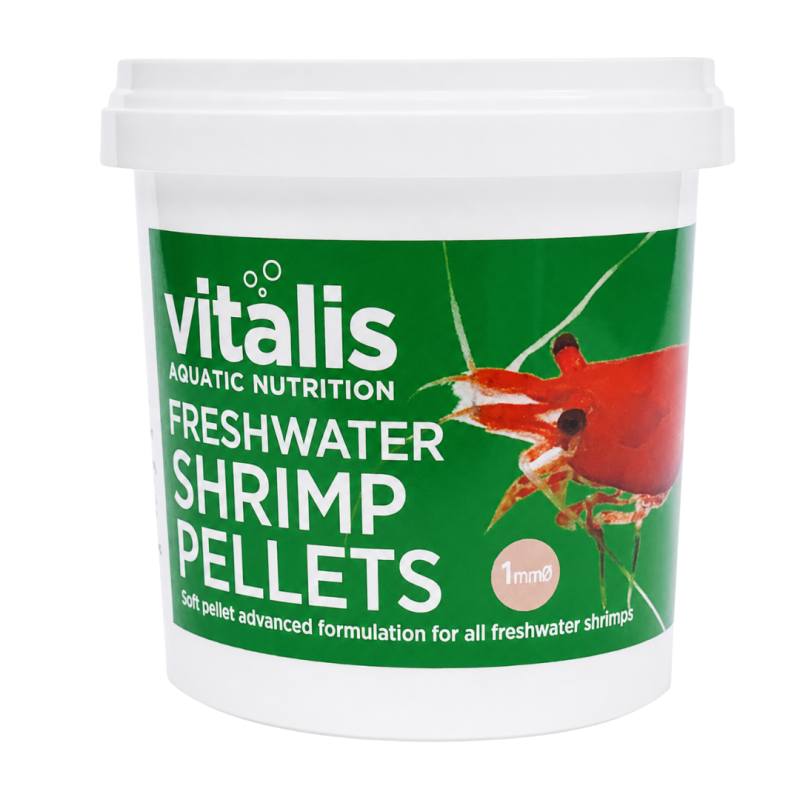
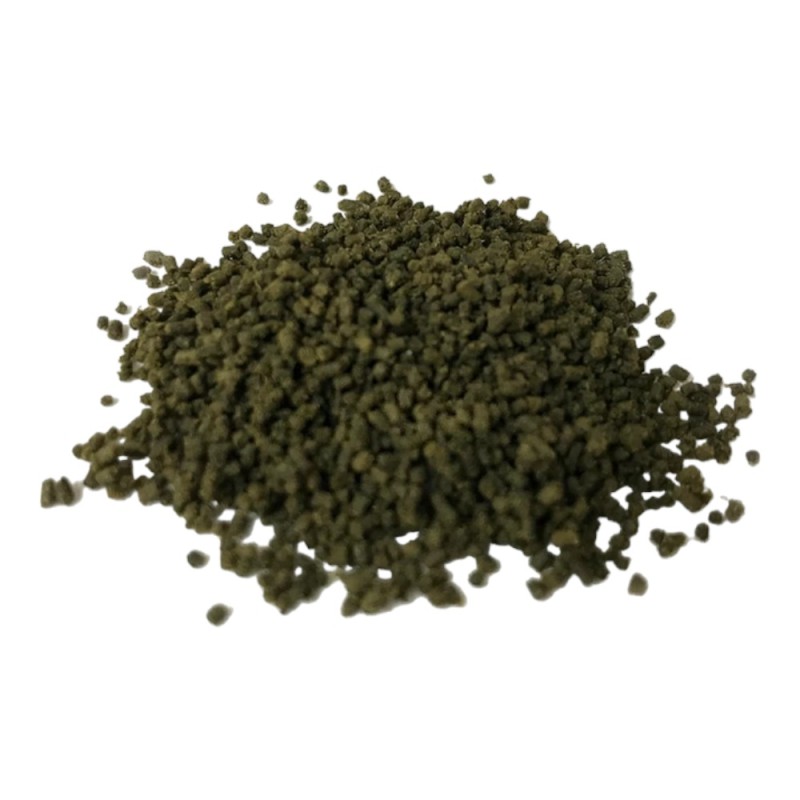
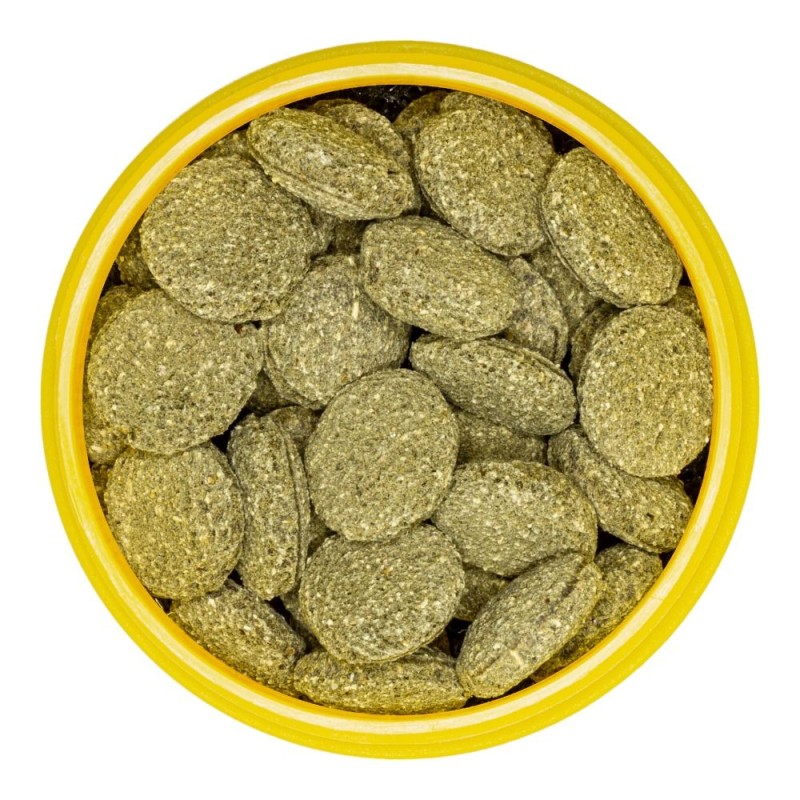
Prepared Foods: Specialised shrimp pellets or wafers.
Vegetation: Blanched vegetables such as spinach or courgette.
Supplements: Occasional protein-based shrimp foods.
Feed sparingly to maintain water quality.
Tankmates:
Suitable for peaceful nano and planted aquariums:
Compatible with other dwarf shrimp, snails, and small peaceful fish such as rasboras and tetras.
Avoid aggressive or predatory fish that may prey on shrimp.
Breeding:
Breeding Setup: Stable water conditions with dense planting and moss for shelter.
Spawning Behaviour: Females carry eggs beneath their abdomen for approximately 3–4 weeks.
Fry Care: Shrimplets hatch as miniature adults and require fine biofilm and cover to thrive.
Special Considerations:
Water Stability: Sensitive to sudden parameter changes; gradual acclimation is essential.
Chemical Sensitivity: Avoid copper-based treatments and ensure shrimp-safe products are used.
Environment: A mature, planted aquarium with established biofilm supports long-term health.
Maintenance: Regular water changes and clean conditions are important for success.