Menu
Menu
Your Cart

Electric Blue Ram

Electric Blue Ram
Electric Blue Ram
Electric Blue Ram
Electric Blue Ram
Electric Blue Ram
From €14.99
Ex Tax: €12.19
  • Stock: Made To Order
  • Model: -

Available Options

Reset options

Electric Blue Ram

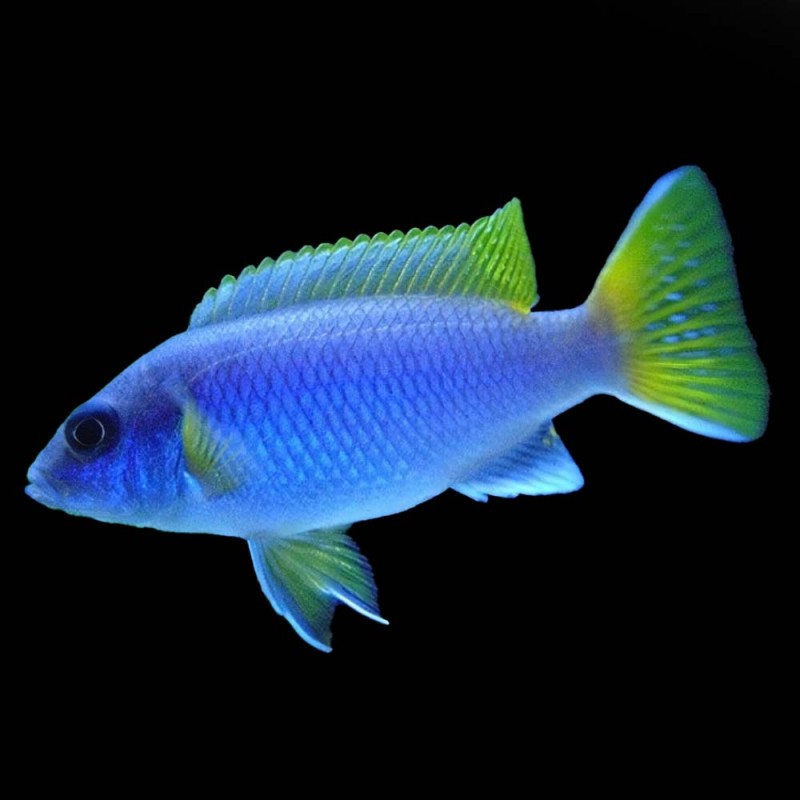
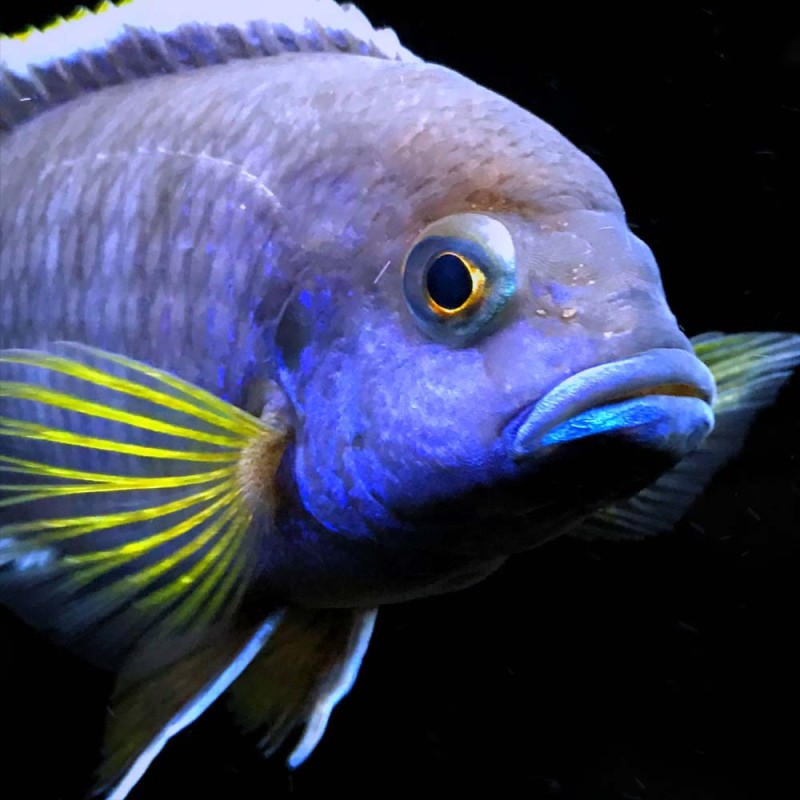
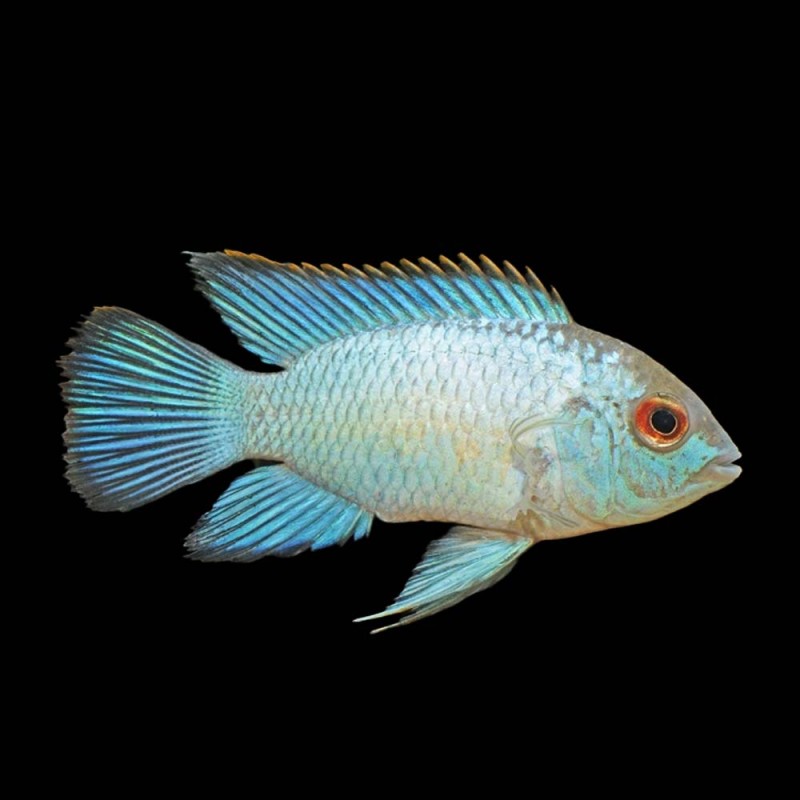
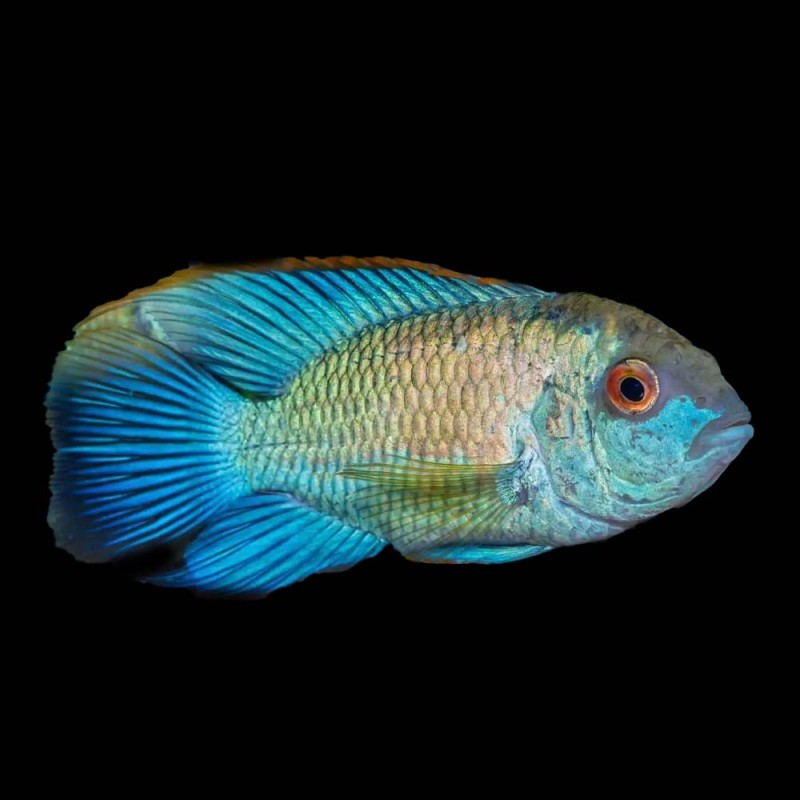
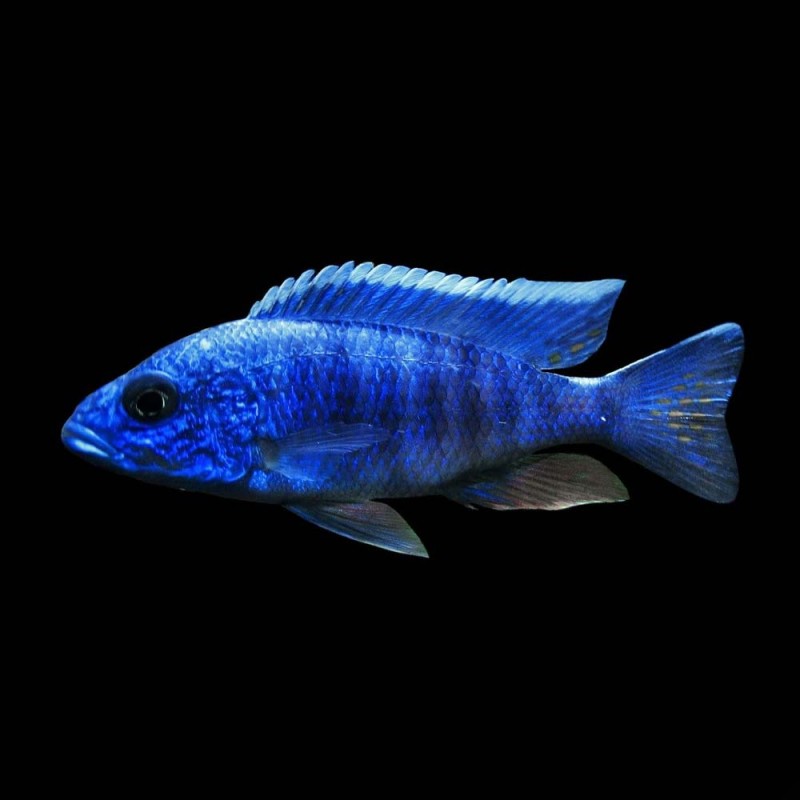
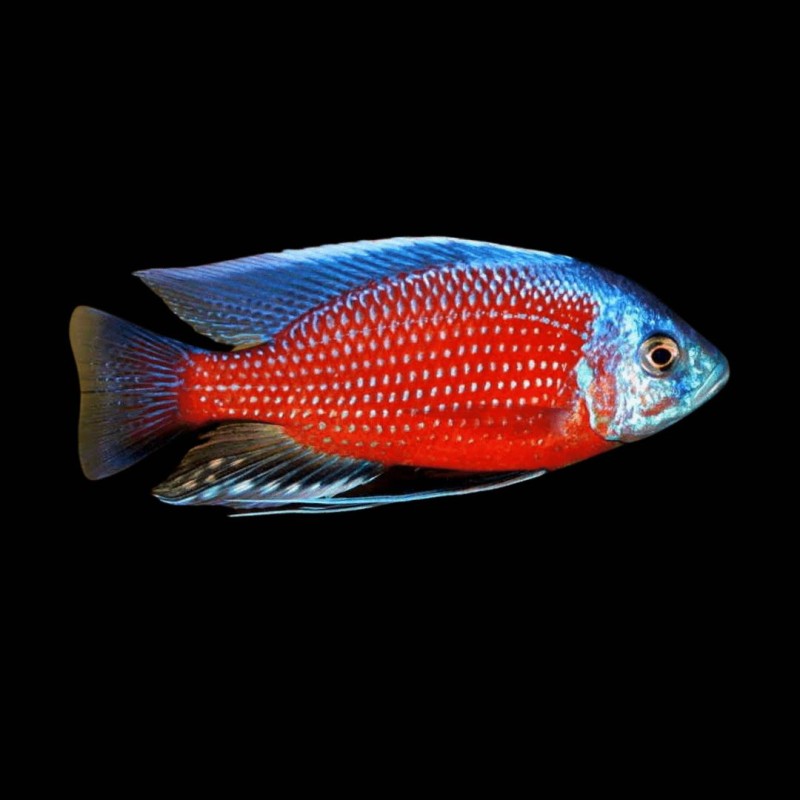
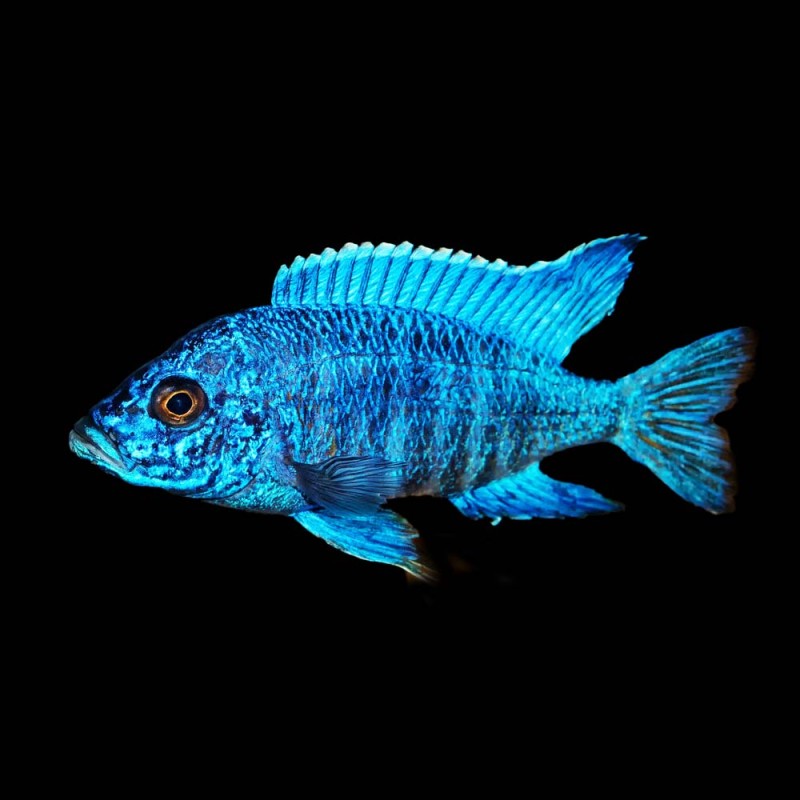
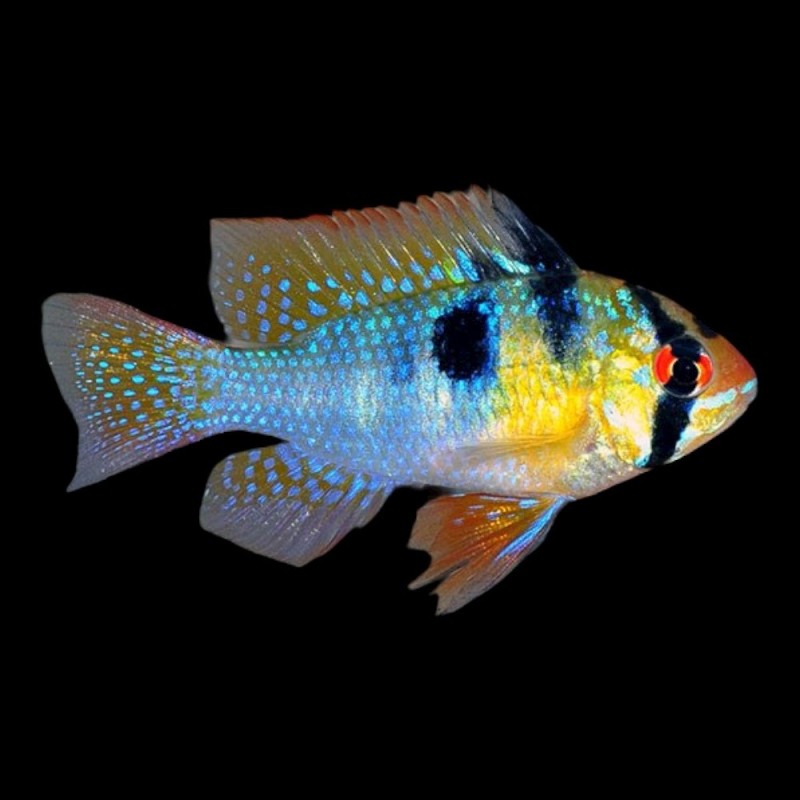
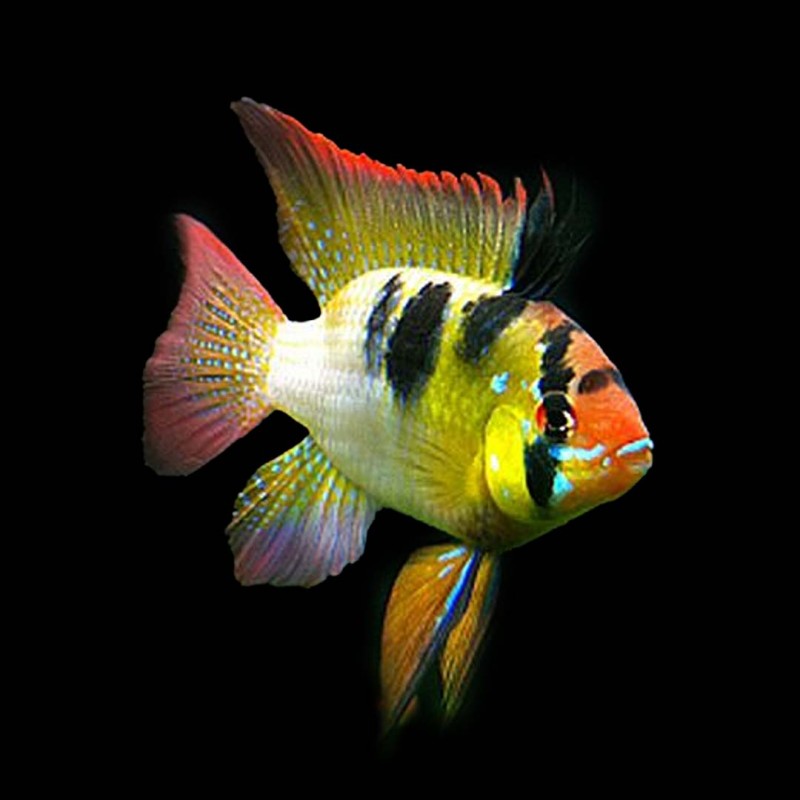
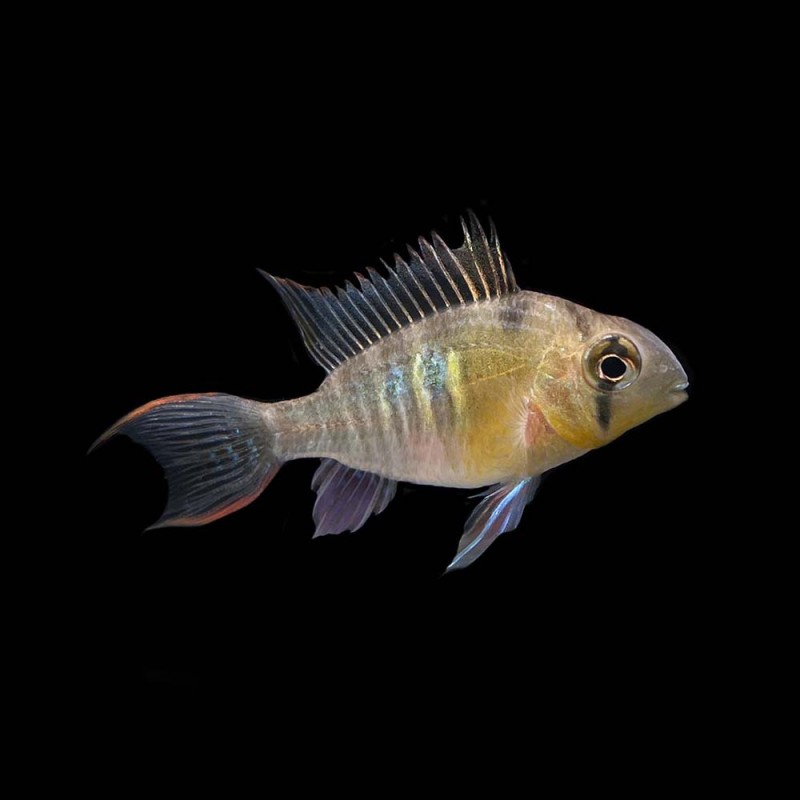
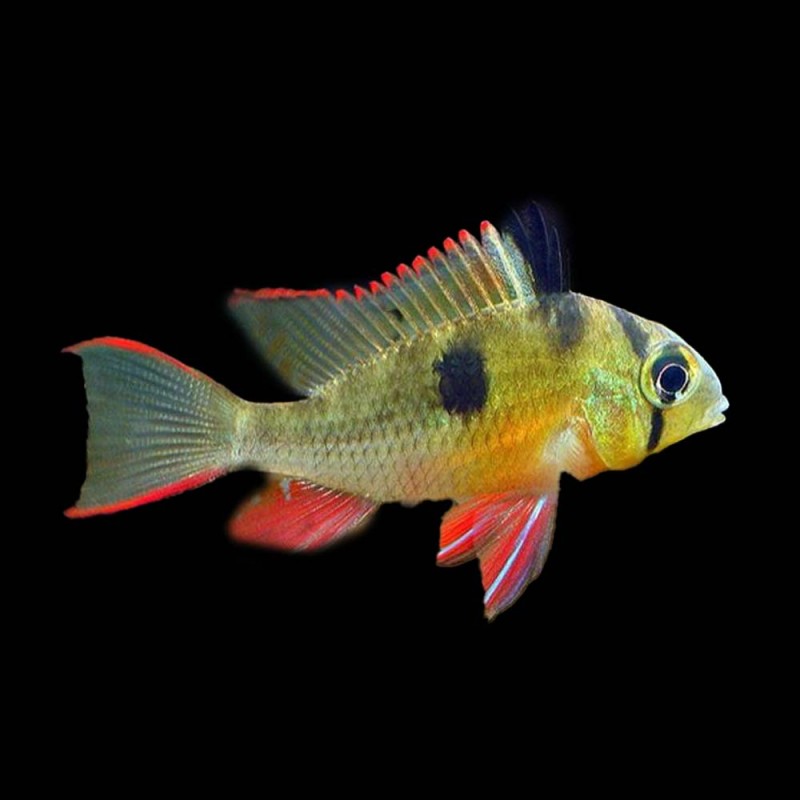
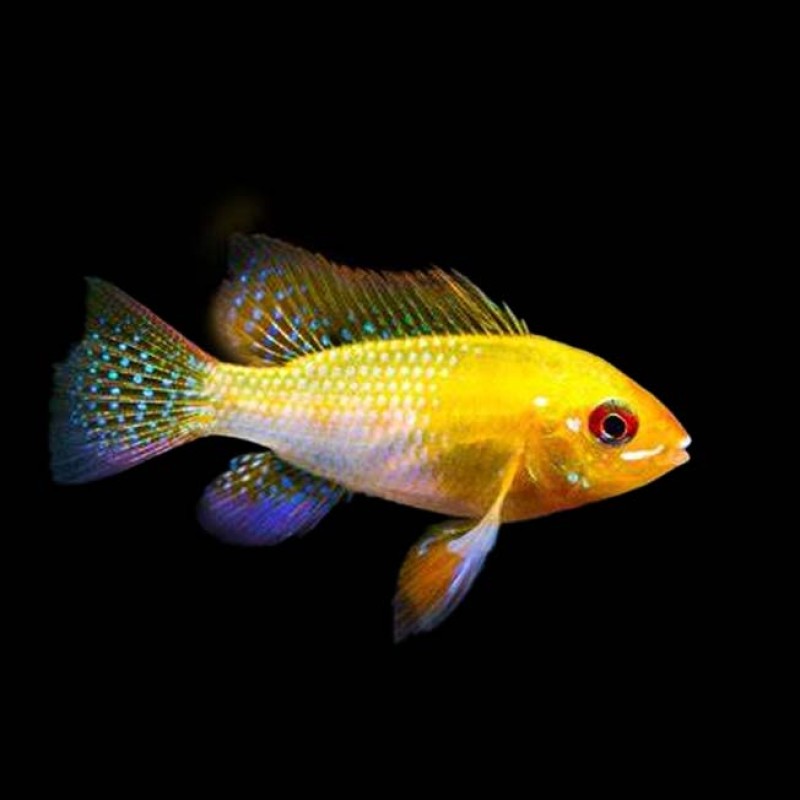
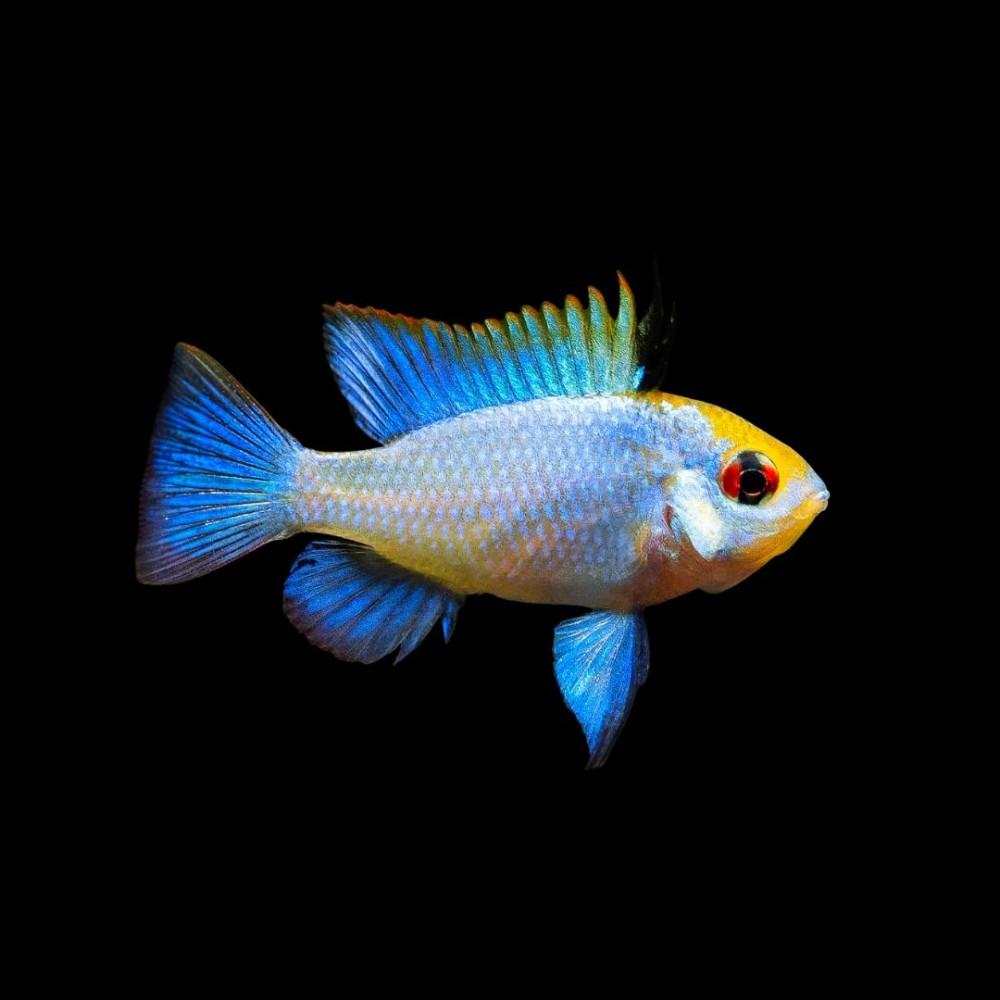
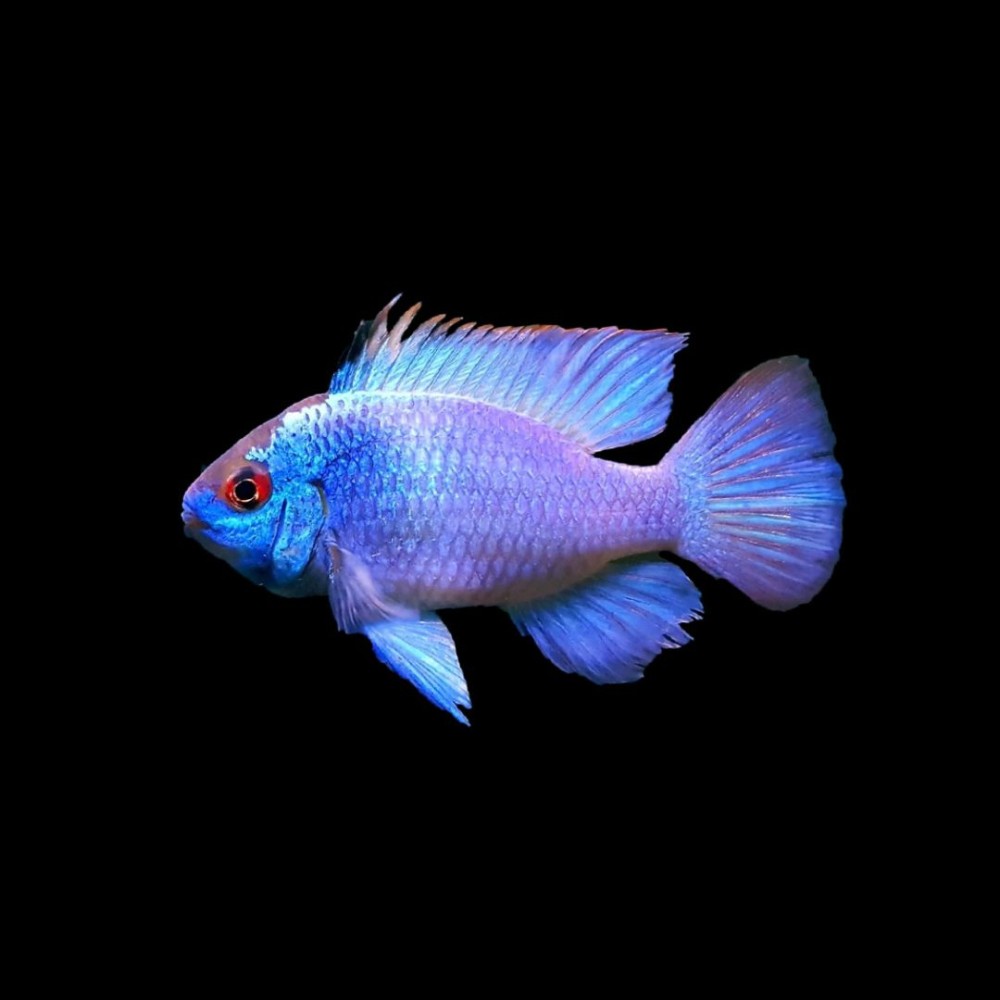
The Electric Blue Ram (Mikrogeophagus ramirezi) is a vibrant, selectively bred colour morph of the German Blue Ram. Known for its stunning iridescent blue body, peaceful nature, and compact size, the Electric Blue Ram is a favourite among aquarists looking to add personality and colour to a peaceful tropical aquarium. With the right water conditions and diet, this dazzling cichlid thrives in community or biotope-style setups.

Physical Characteristics:

  • Size: Typically grows to 5–7 cm (2–2.5 inches) in length.
  • Coloration: Bright, metallic blue body with subtle hints of purple or turquoise. The electric blue colour is consistent across the body, with occasional orange or yellow on the face and fins.
  • Fins: Rounded fins with soft rays. Males may have slightly longer dorsal and anal fins. Some strains show red edging or a hint of black on the fins.
  • Shape: Compact and oval-shaped body with a slightly pointed face and large eyes.

Behaviour:

  • Temperament: Generally peaceful and calm for a cichlid. Can show mild territorial behaviour during breeding, but rarely aggressive.
  • Activity Level: Active and curious, but not overly boisterous. Tends to stay in the lower to middle levels of the tank.
  • Community Behaviour: Excellent for peaceful community tanks when kept with gentle tankmates and in stable conditions.

Aquarium Care:

  • Tank Size: A minimum of 60 litres (15 gallons) for a pair. Larger tanks (80+ litres) are recommended for community setups or breeding pairs.
  • Water Parameters:
    • Temperature: 26°C to 30°C (79°F to 86°F)
    • pH: 5.5 to 7.0 (slightly acidic to neutral)
    • Hardness: 4–8 dGH (soft water preferred)
  • Tank Setup:
    • Substrate and Decorations: Fine sand substrate with driftwood, rocks, and dense planting. Add flat stones or open spaces for potential spawning areas.
    • Lighting: Moderate lighting is ideal to highlight their colours while maintaining a low-stress environment.
    • Filtration: Use a sponge or low-flow filter to avoid strong currents. Perform weekly water changes of 20–30% to maintain stability.

Diet:

Electric Blue Rams are omnivores and do best on a varied, high-protein diet that supports their vibrant colouring and overall health:

  • Staple Foods: High-quality micro-pellets or soft granules designed for dwarf cichlids.
  • Live or Frozen Foods: Bloodworms, brine shrimp, daphnia, and blackworms offer protein and enrichment.
  • Vegetable Matter: Spirulina-based flakes or blanched greens (like spinach or zucchini) can be offered occasionally.

Tankmates:

Electric Blue Rams thrive in calm, stable tanks with peaceful companions:

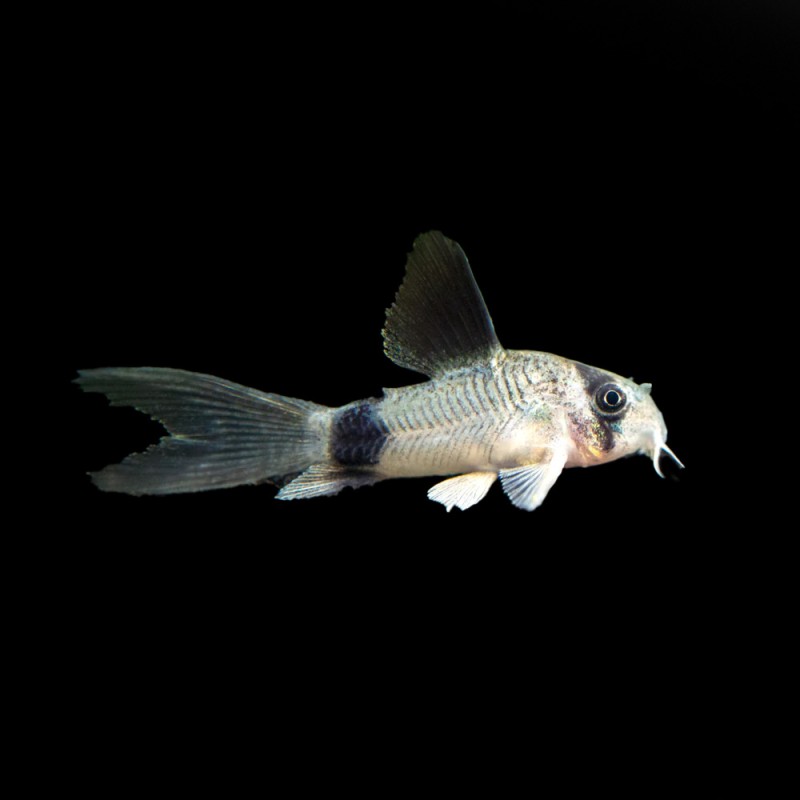
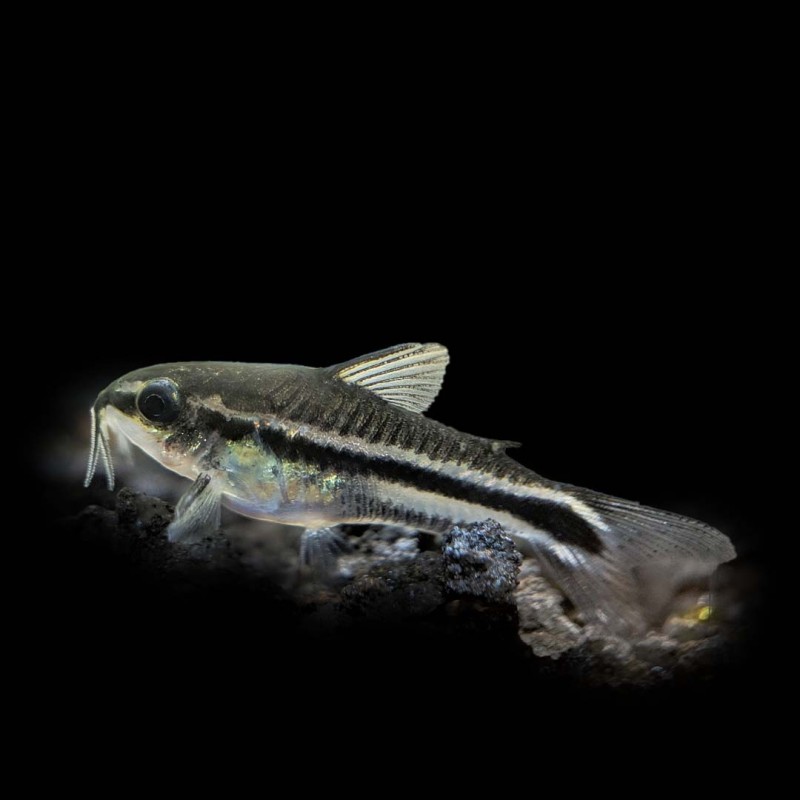
  • Suitable Tankmates: Tetras (e.g., rummy nose, ember, cardinal), Corydoras, peaceful rasboras, otocinclus, and other dwarf cichlids.
  • Avoid: Fin-nipping or aggressive species, large cichlids, or any fish that may compete for territory or harass them.

Breeding:

Electric Blue Rams are relatively easy to breed in ideal conditions but require stable, clean water and careful attention:

  • Breeding Setup: Use a dedicated tank with warm, soft, and slightly acidic water. Provide flat stones for egg-laying.
  • Spawning Behaviour: The pair will clean a surface before laying eggs. Both parents guard the eggs and fry, though some pairs may eat them if stressed.
  • Fry Care: Once hatched, fry can be fed infusoria or powdered fry food, followed by baby brine shrimp as they grow.

Special Considerations:

  • Water Quality Sensitivity: Electric Blue Rams are more sensitive than their wild-type counterparts. Always keep parameters stable and avoid sudden changes.
  • Shorter Lifespan: Selective breeding may reduce lifespan slightly (typically 2–3 years). High-quality food and stress-free living conditions help maximise health.
  • Show Fish: Their electric colour makes them a standout feature in planted tanks, especially against dark substrates and backgrounds.

Write a review

Please login or register to review