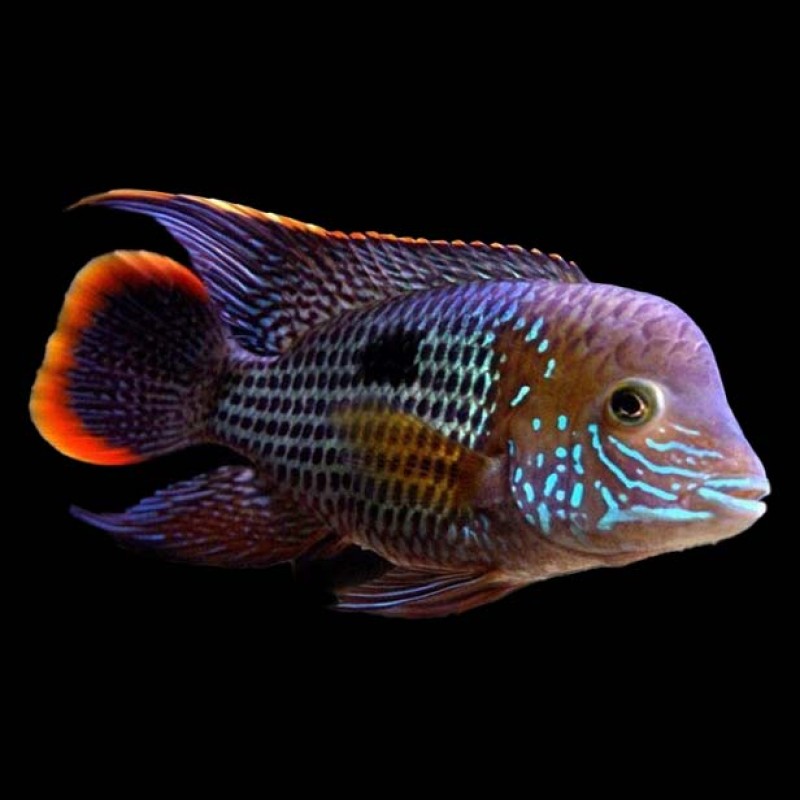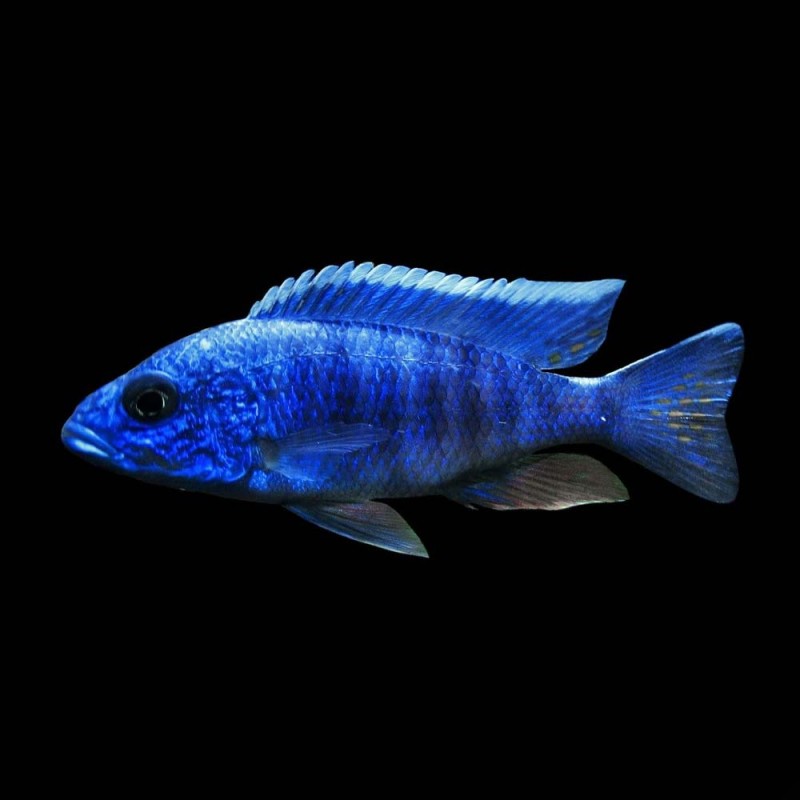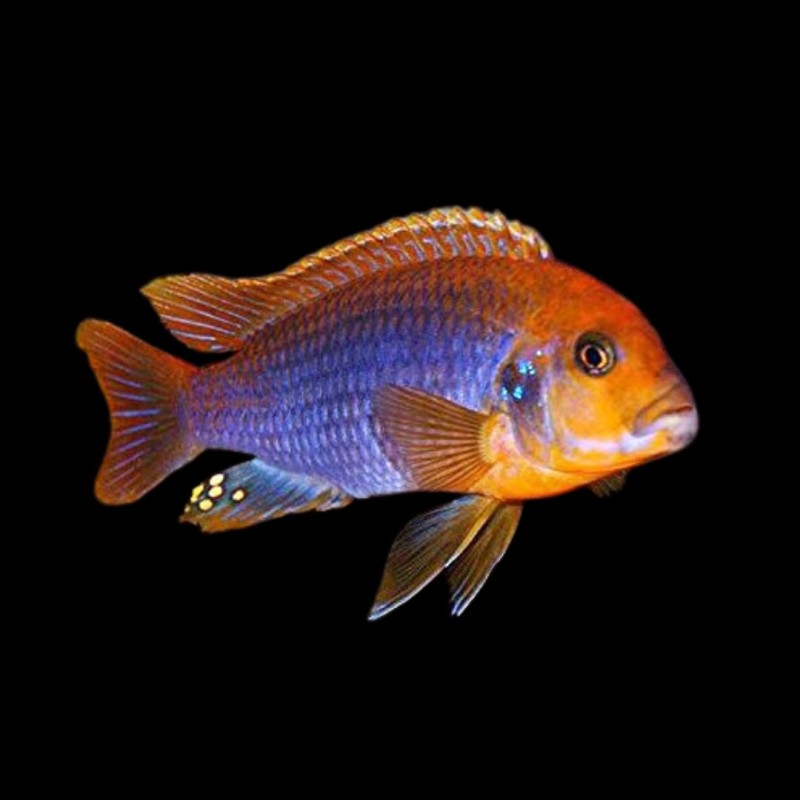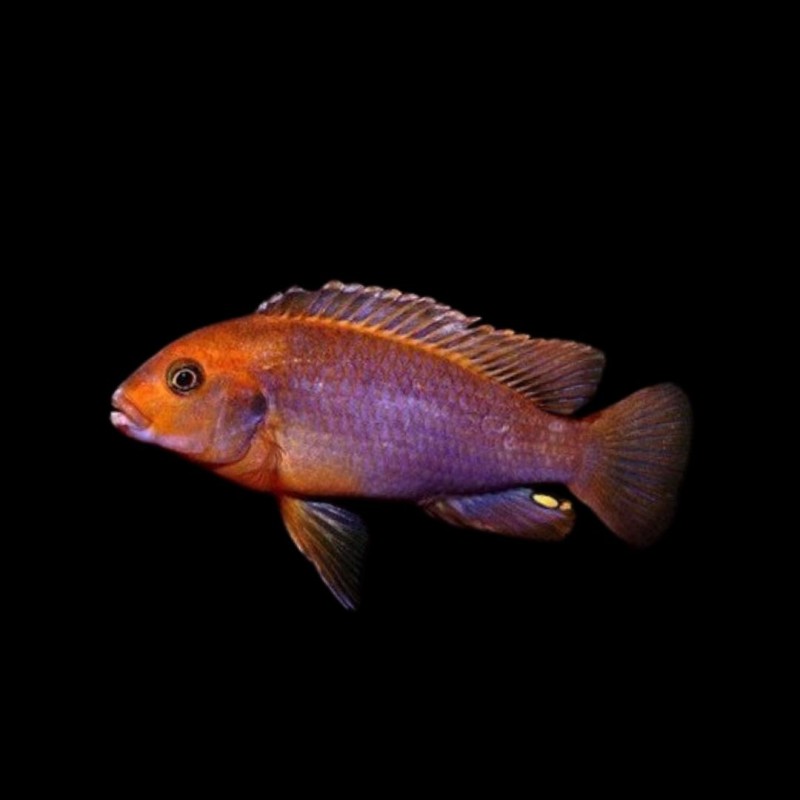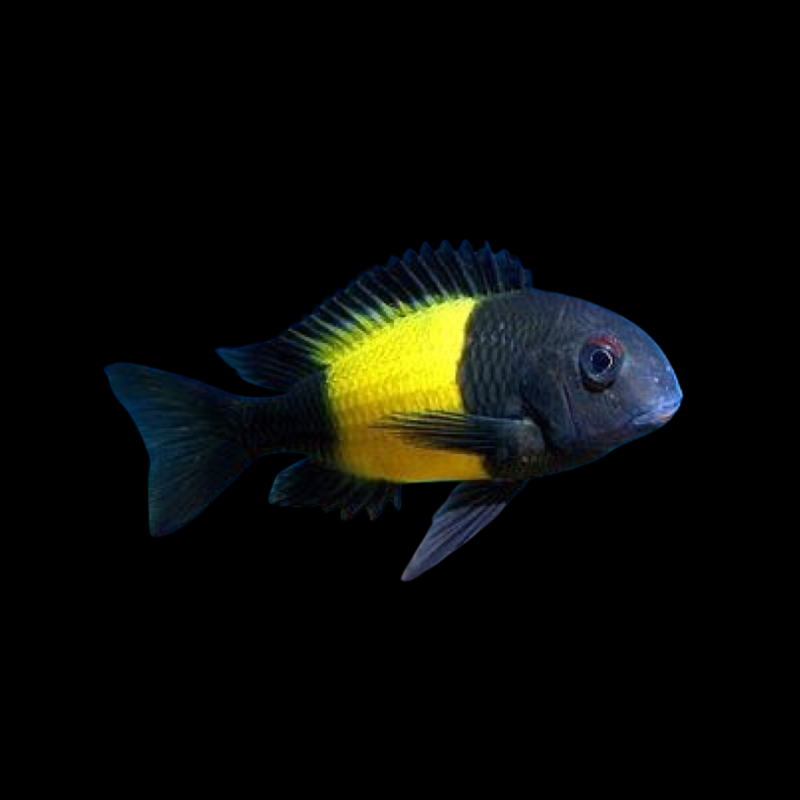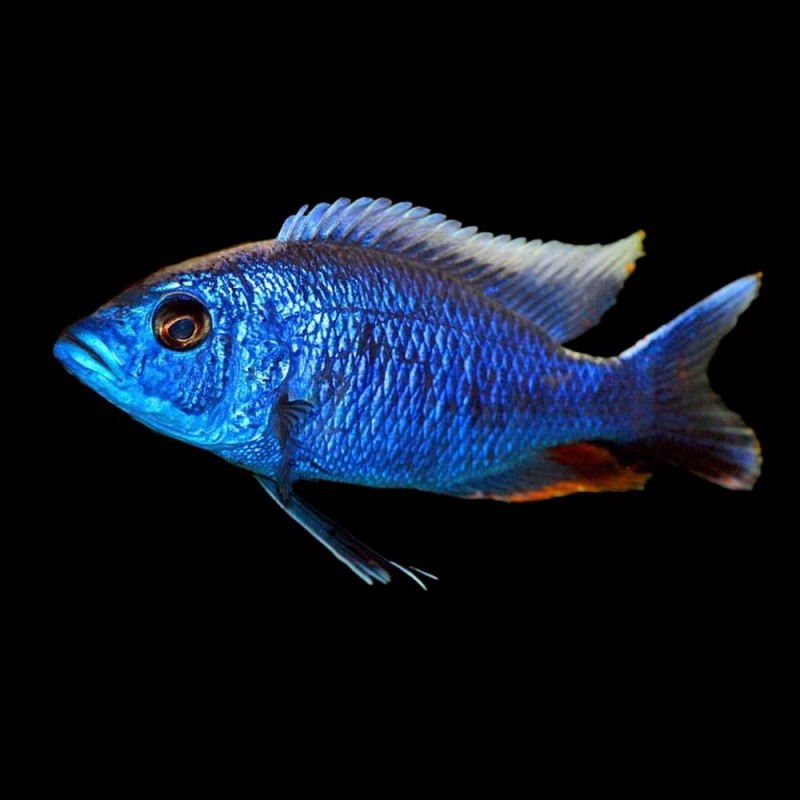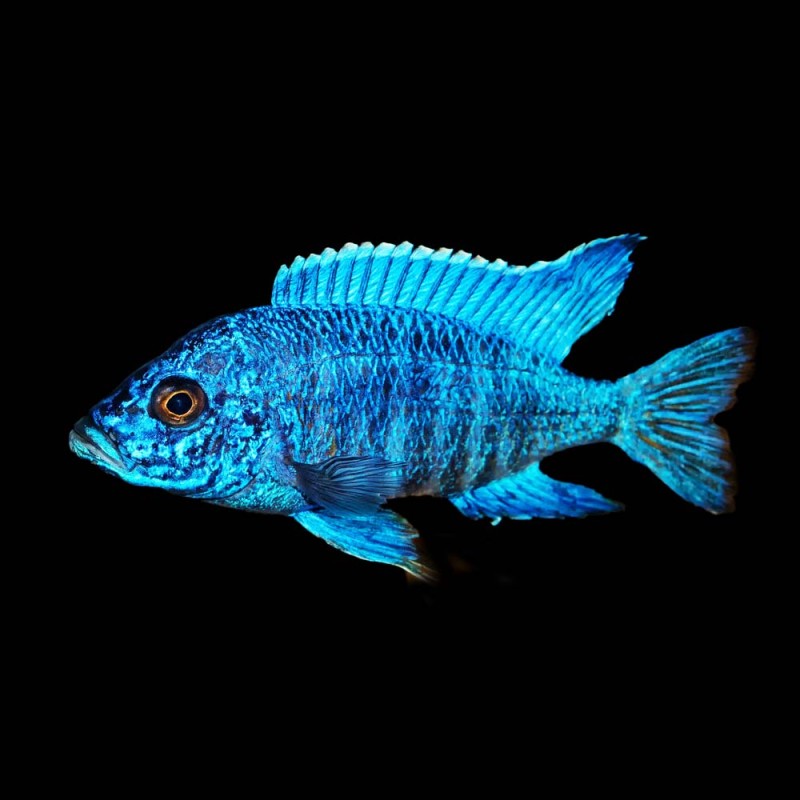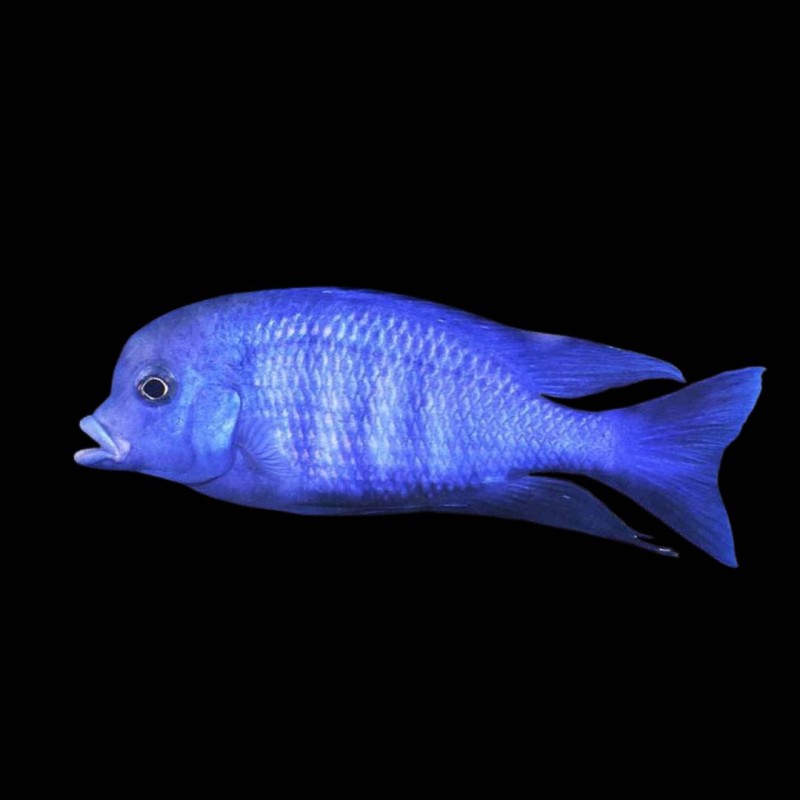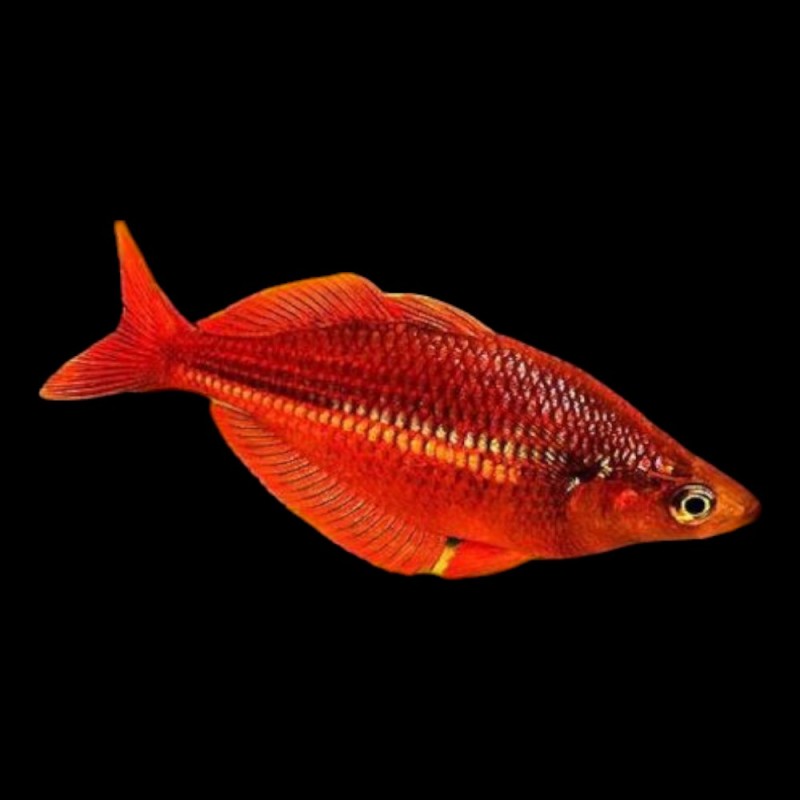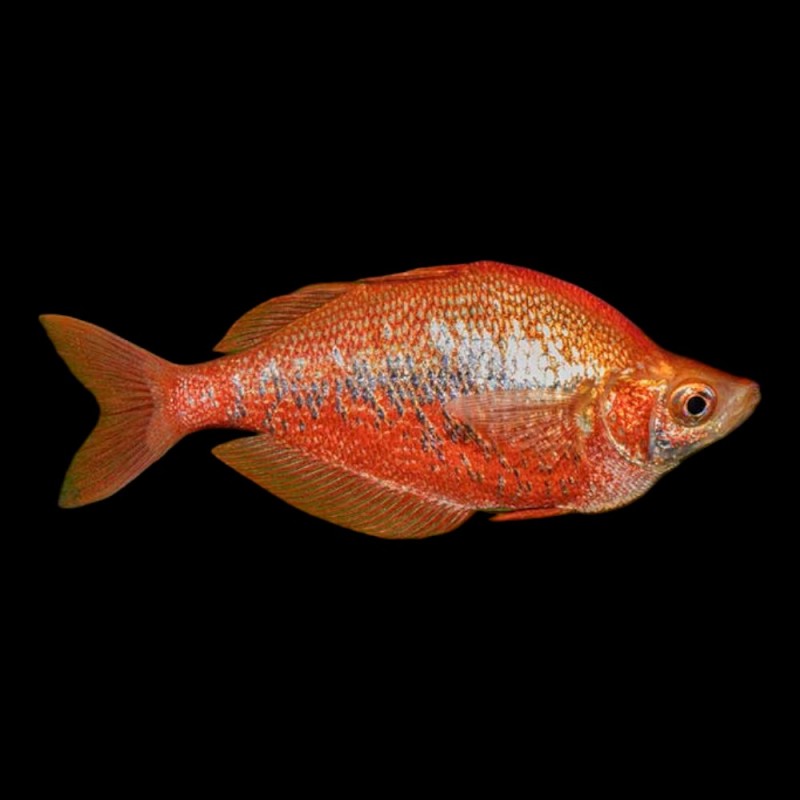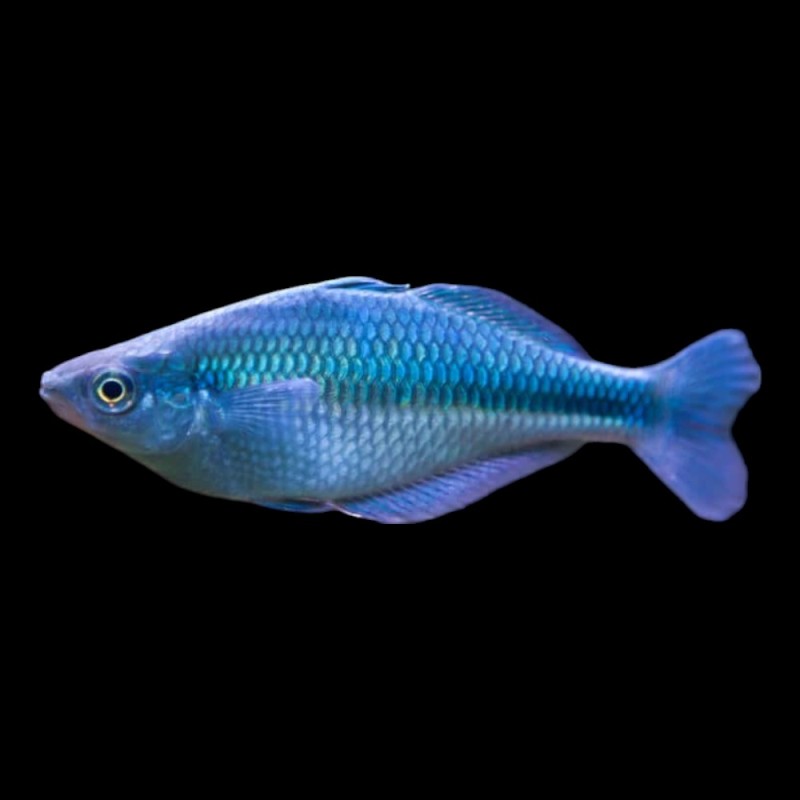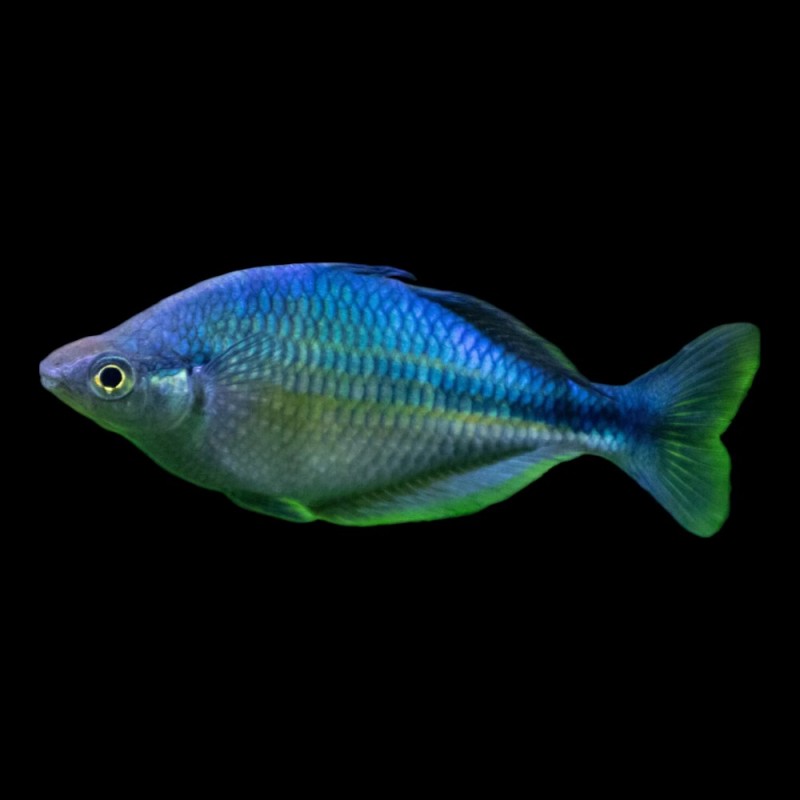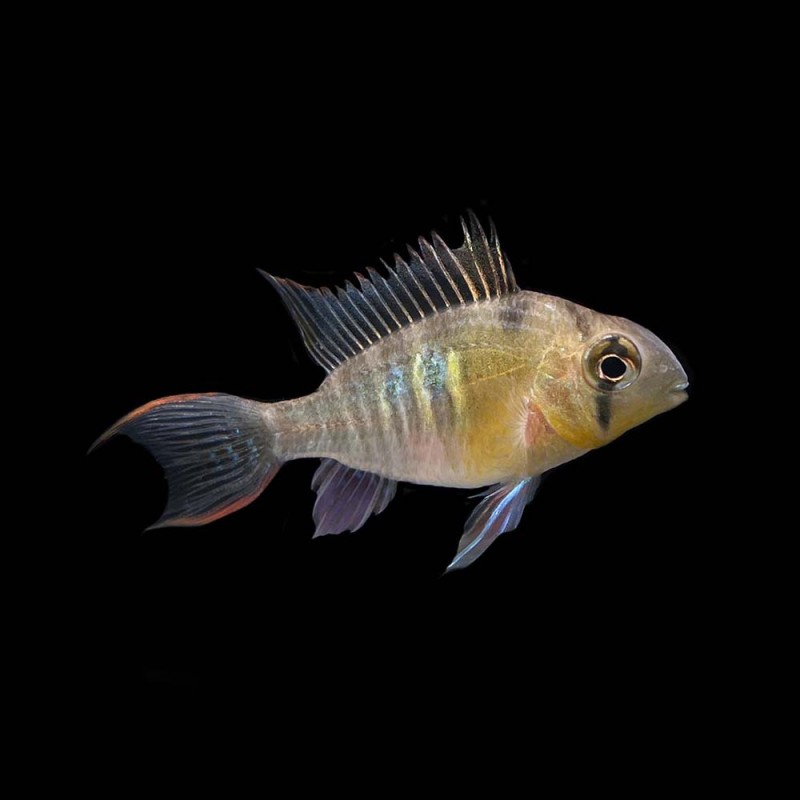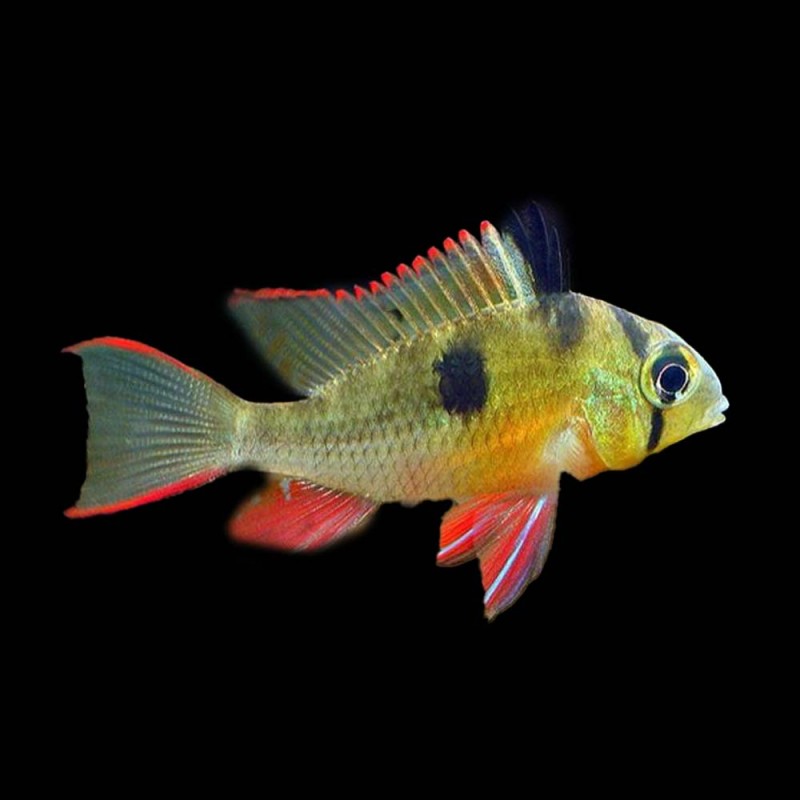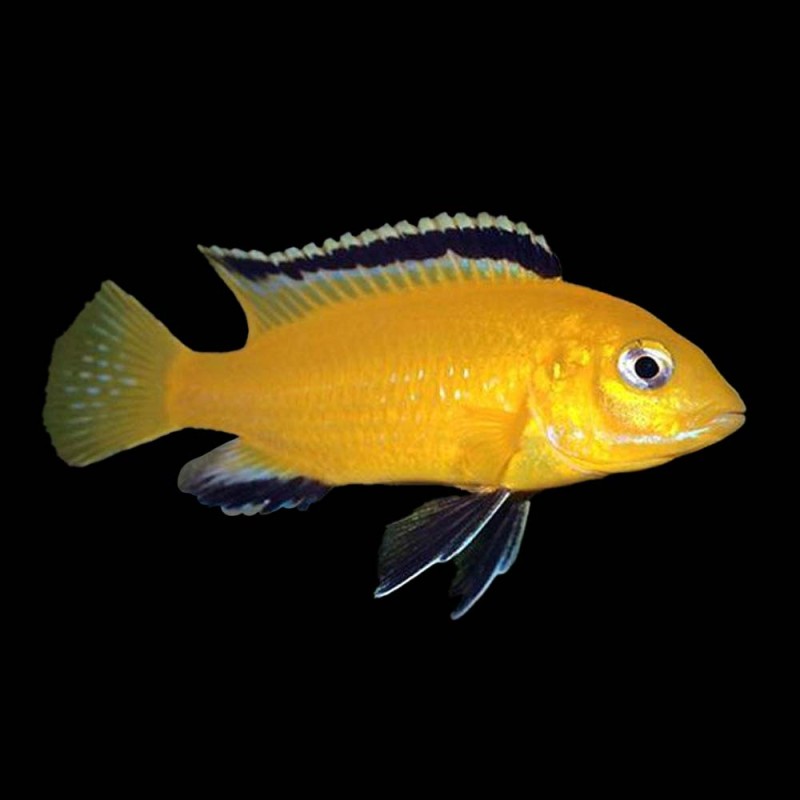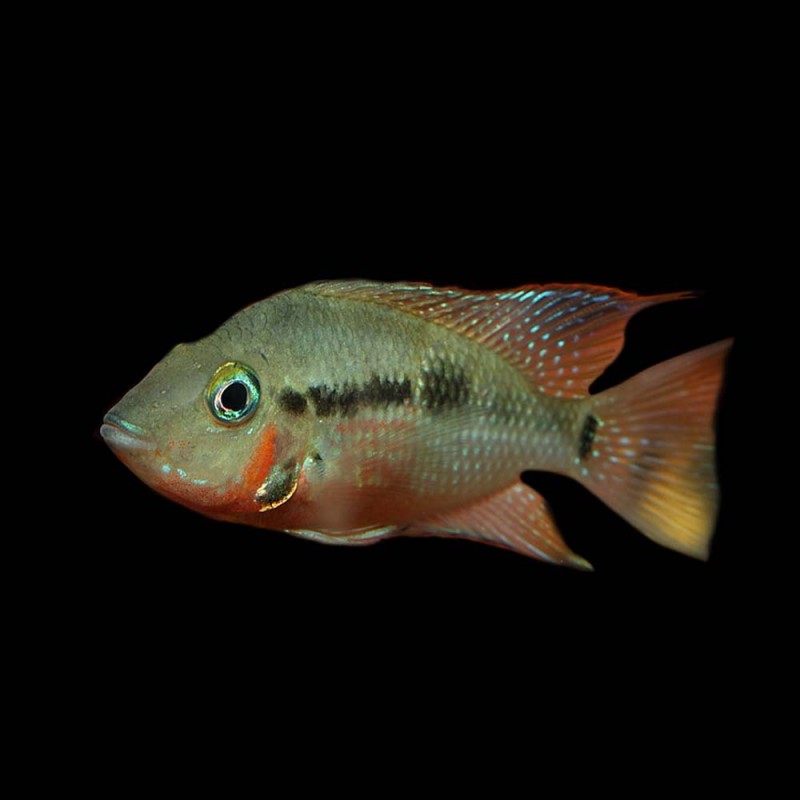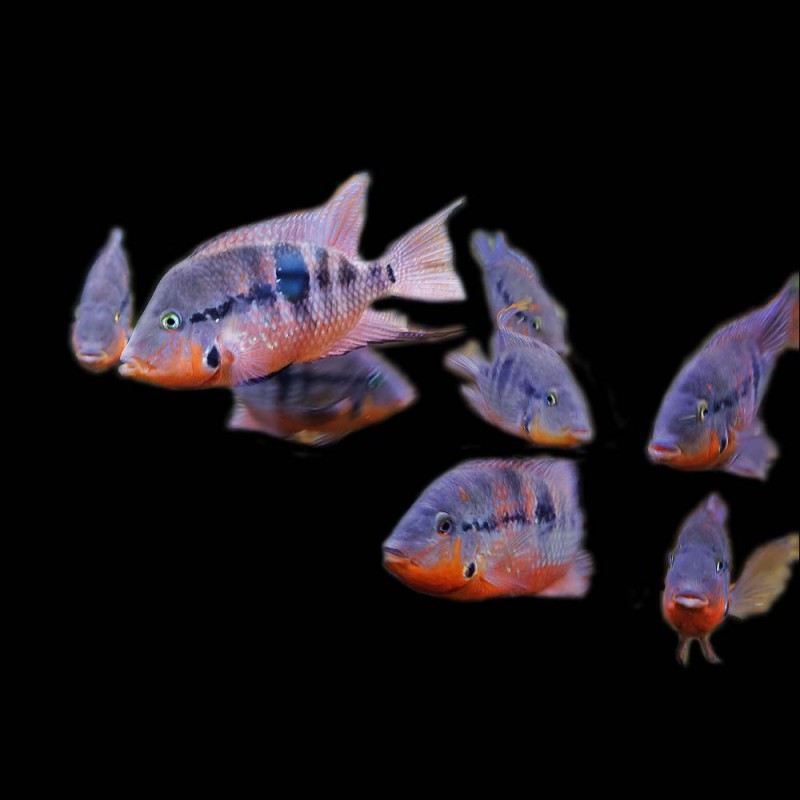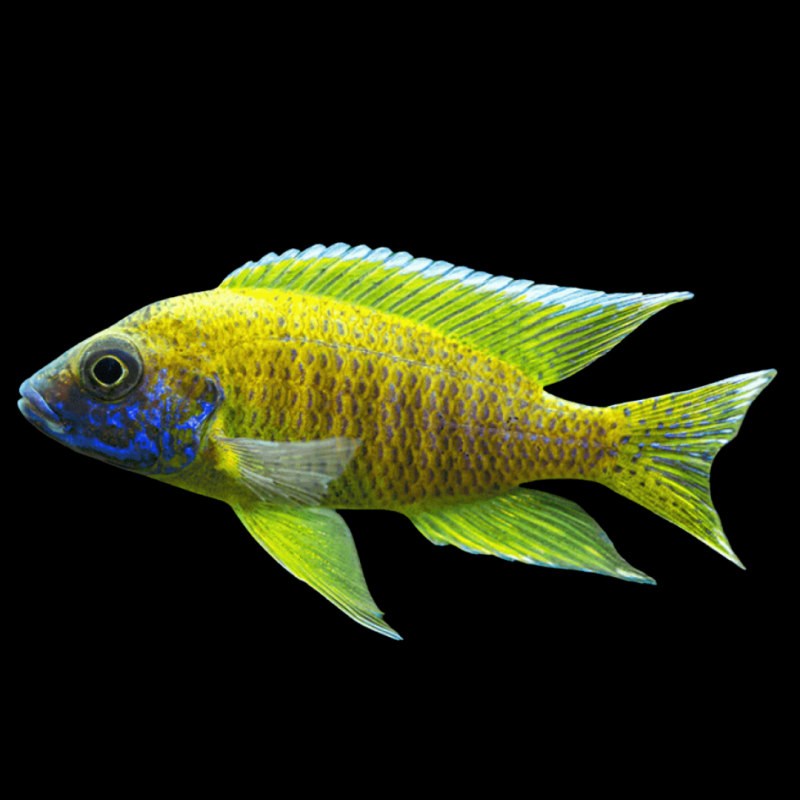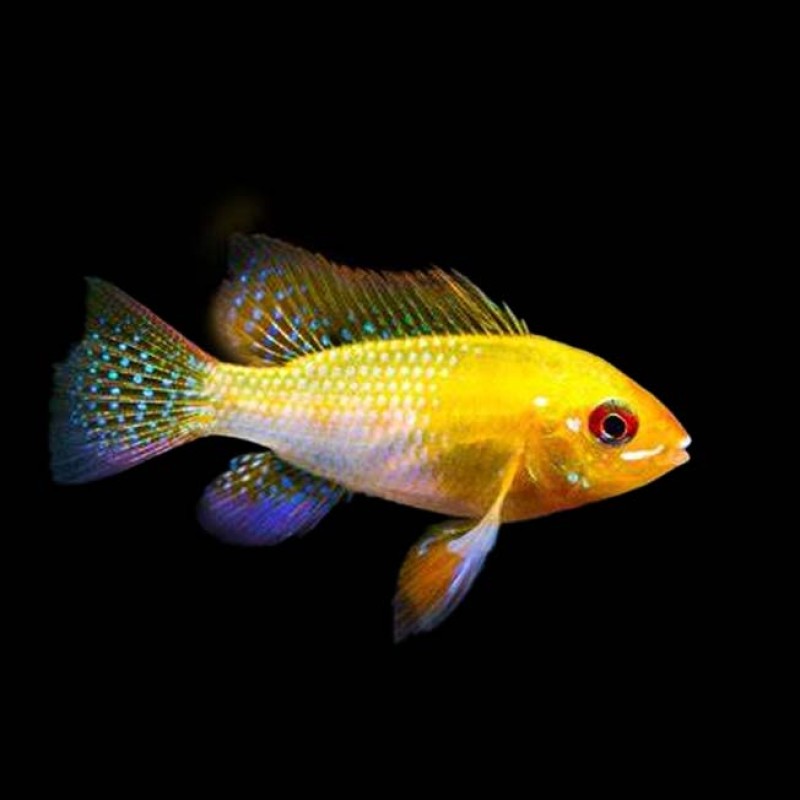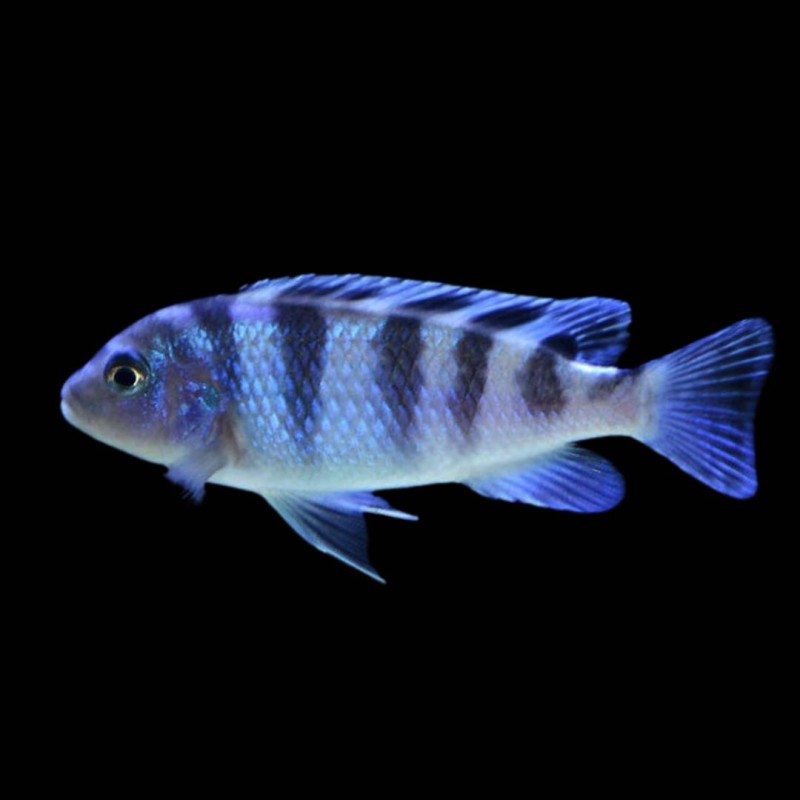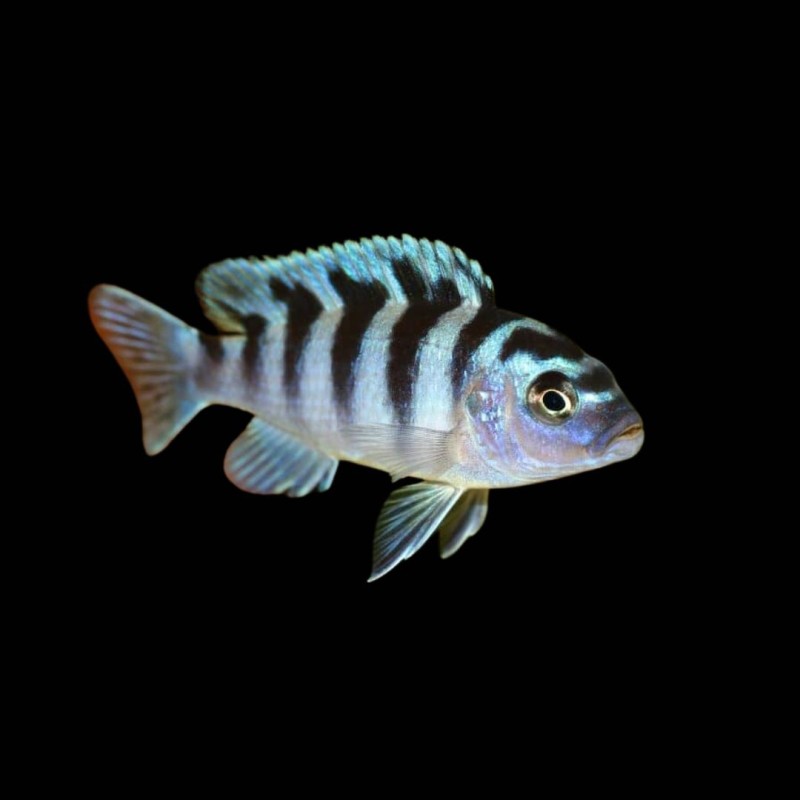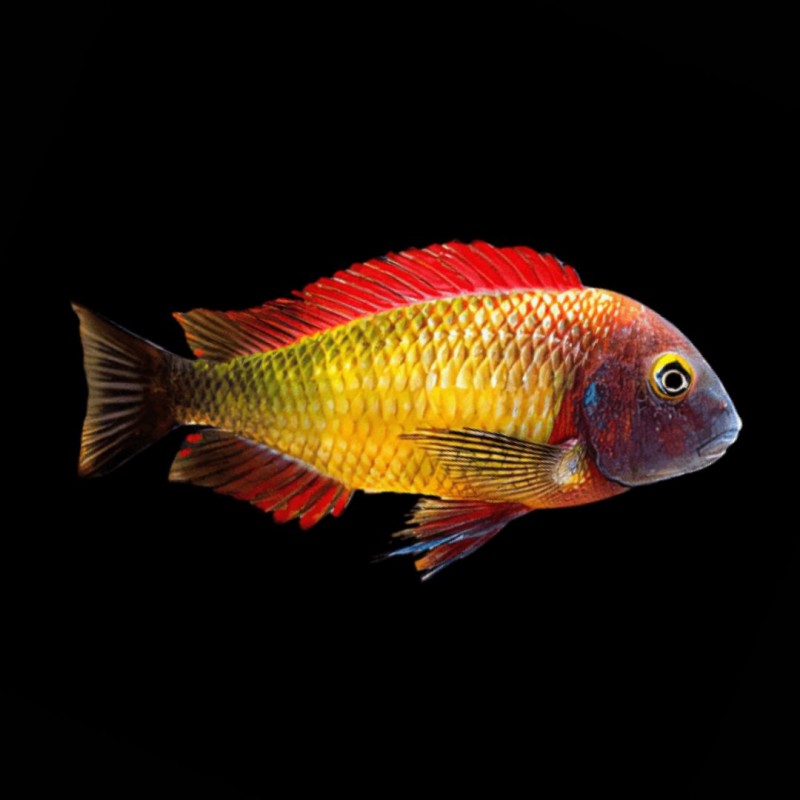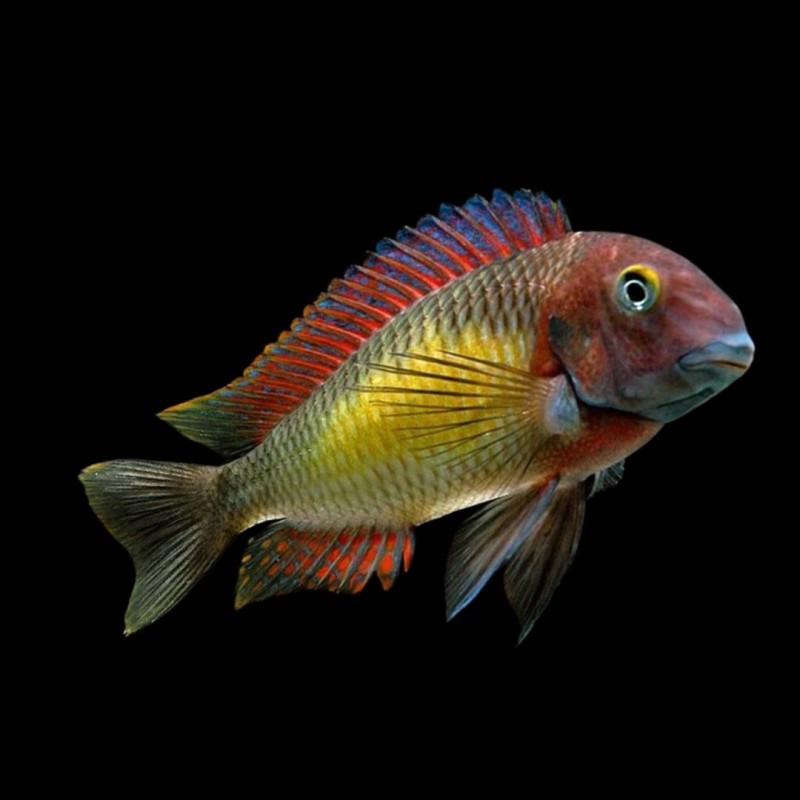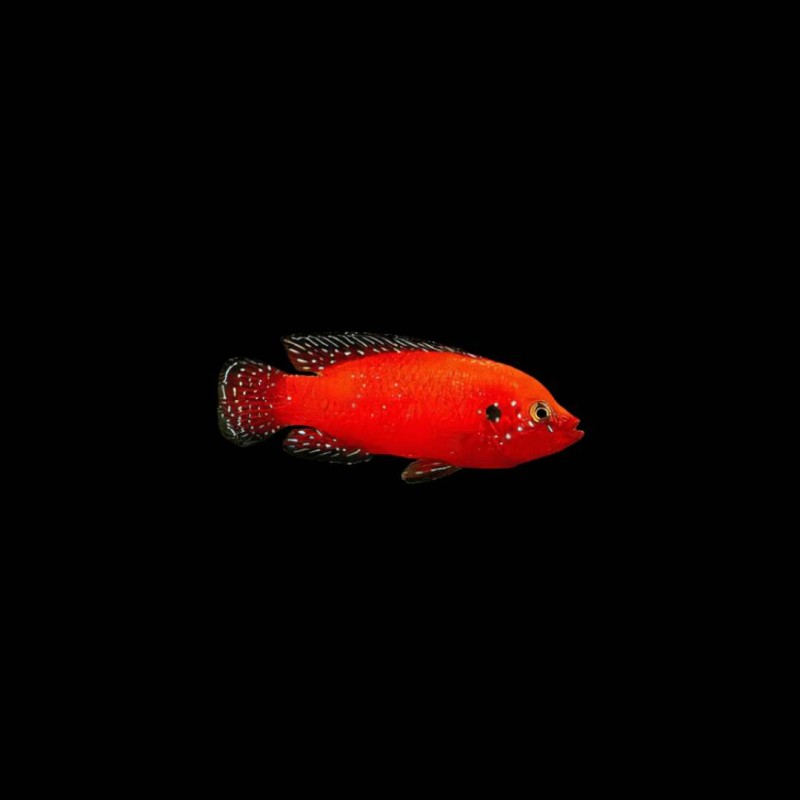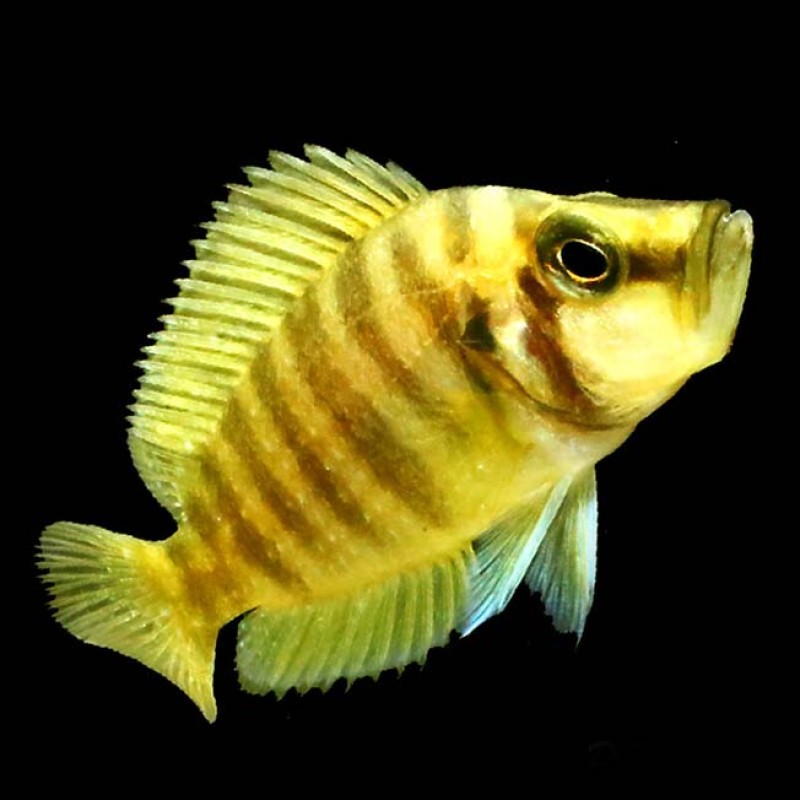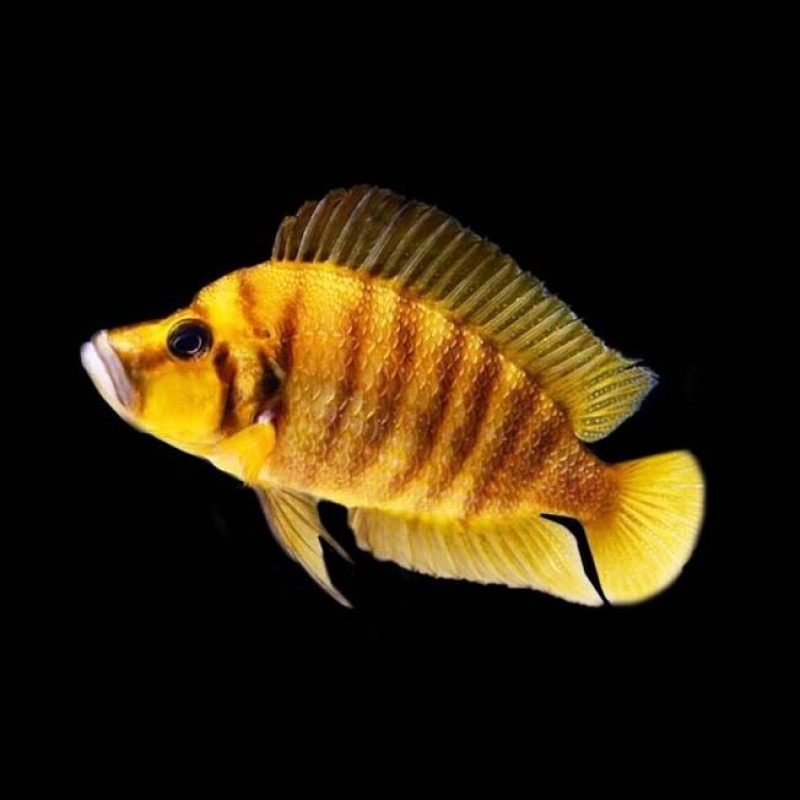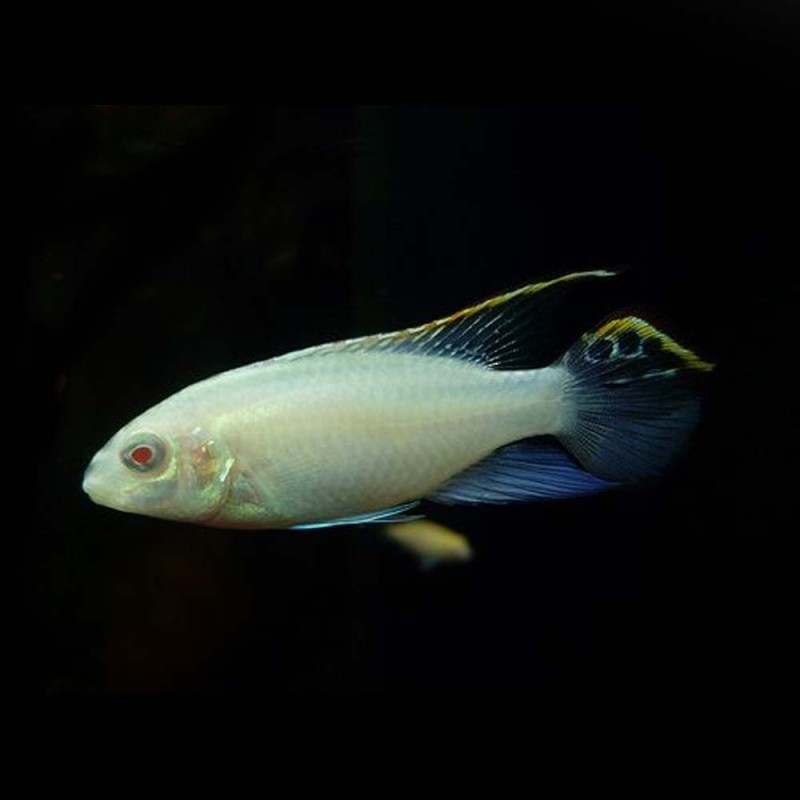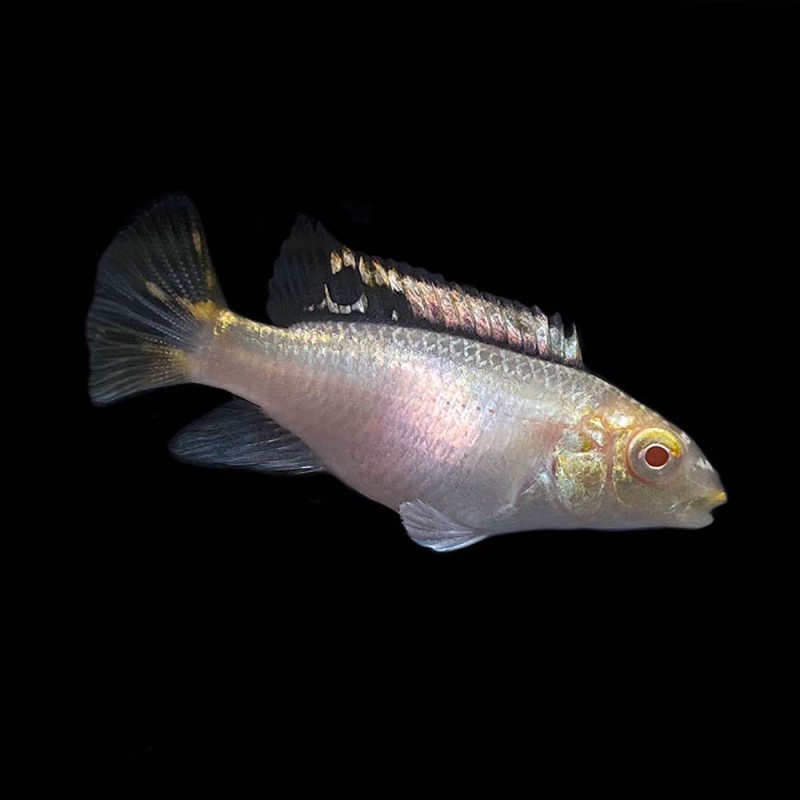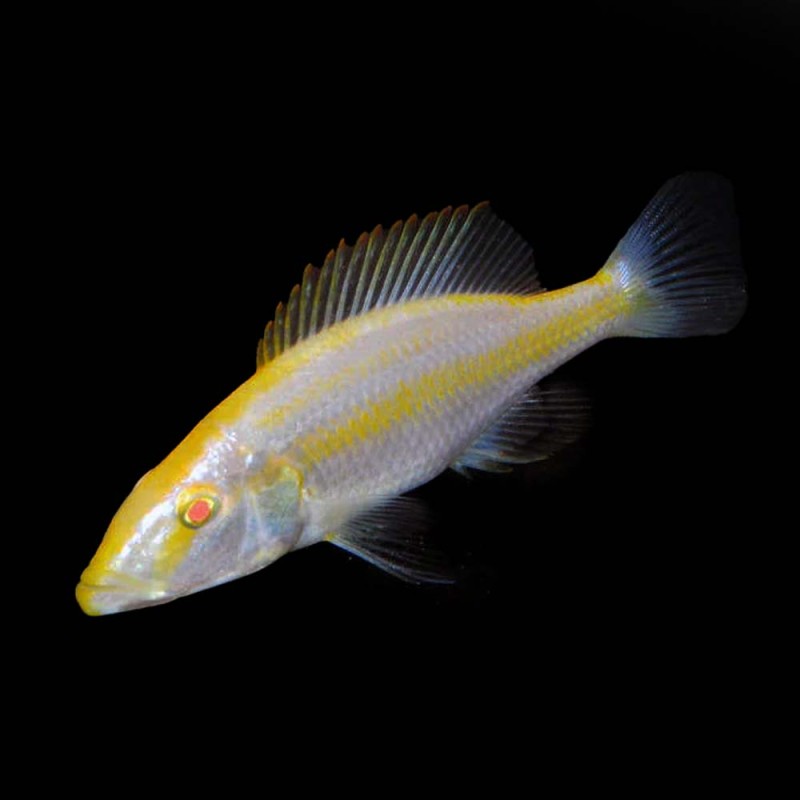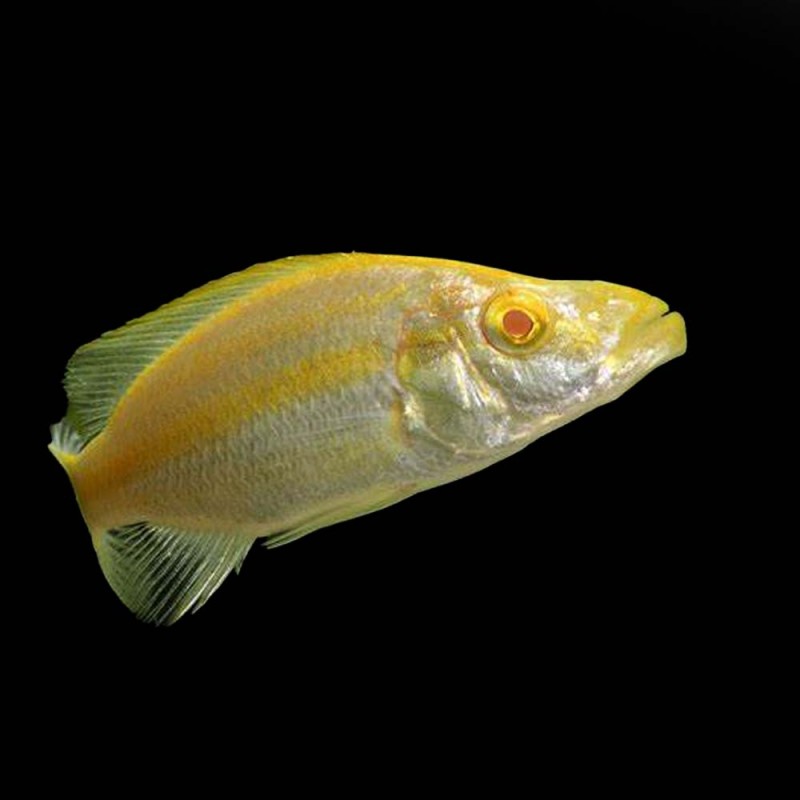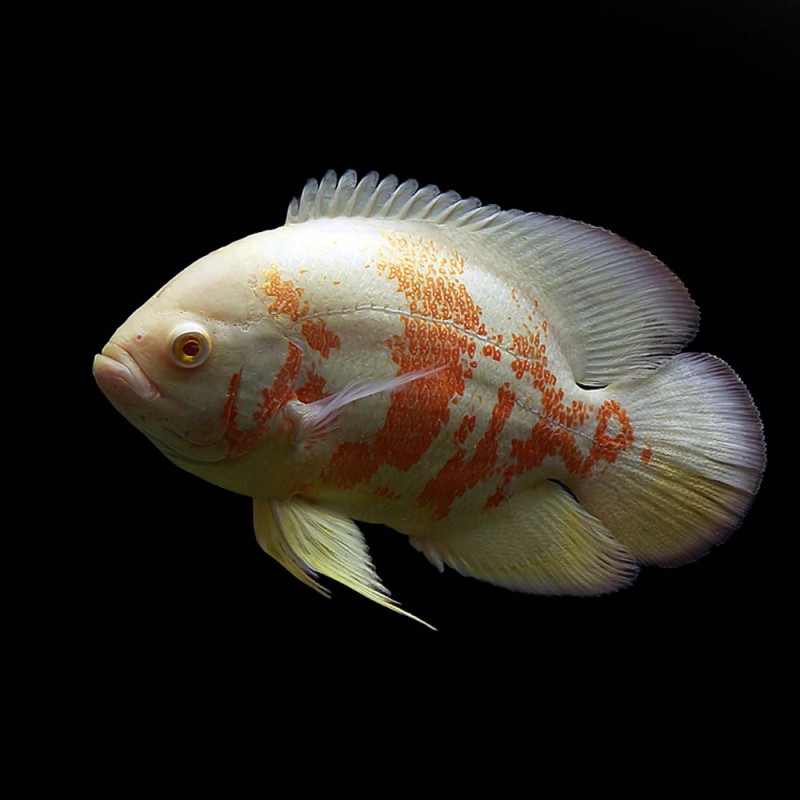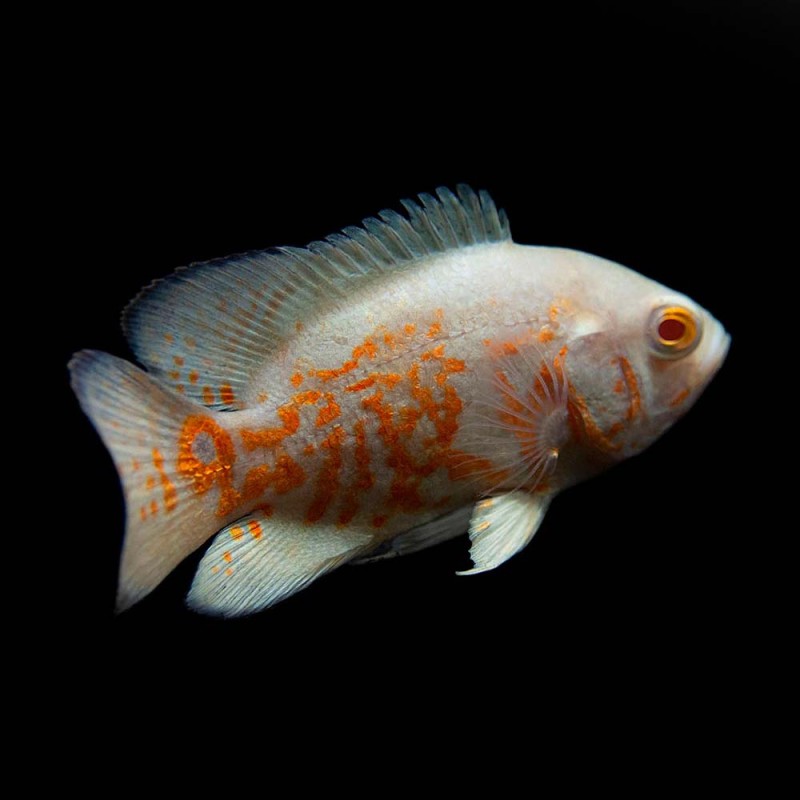


- Stock: Generally In Stock
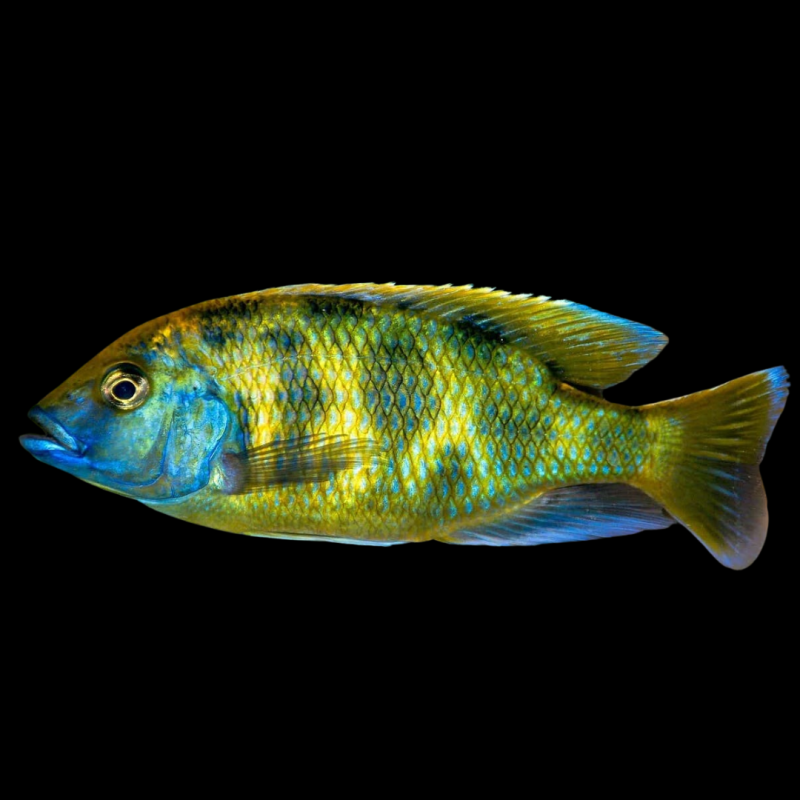
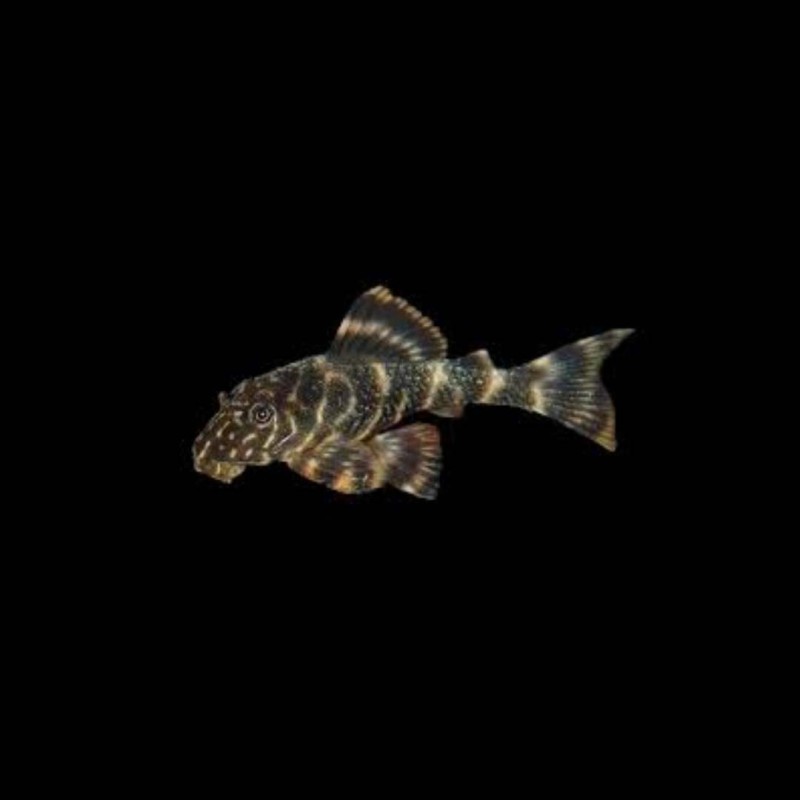
Please Note: Due to variations within species, your fish may not look identical to the image provided. Also note not all sizes or species may be available due to seasonality, Please call beforehand for up-to-date stock availability.
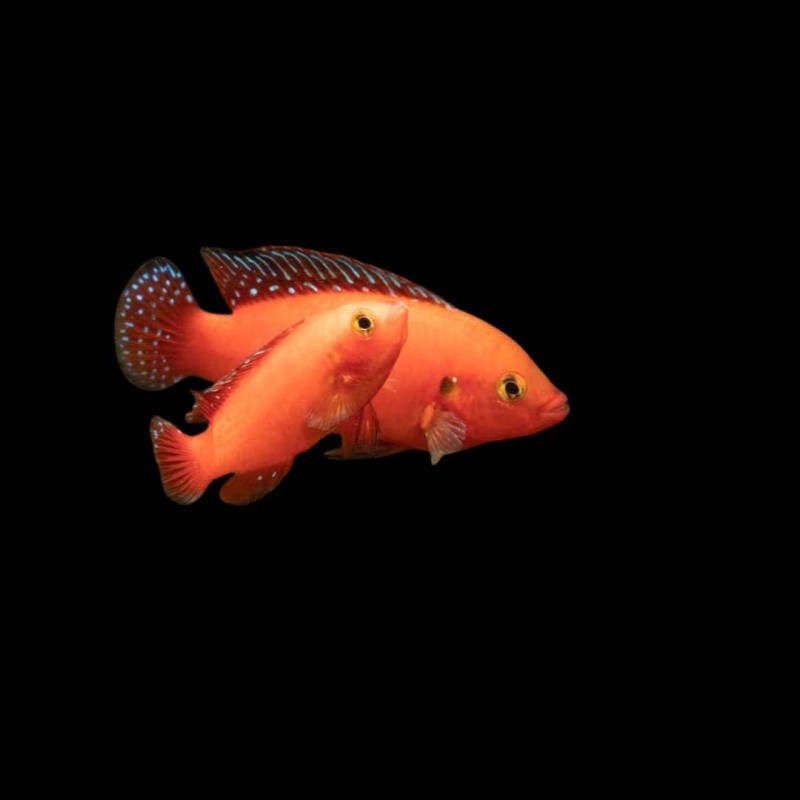
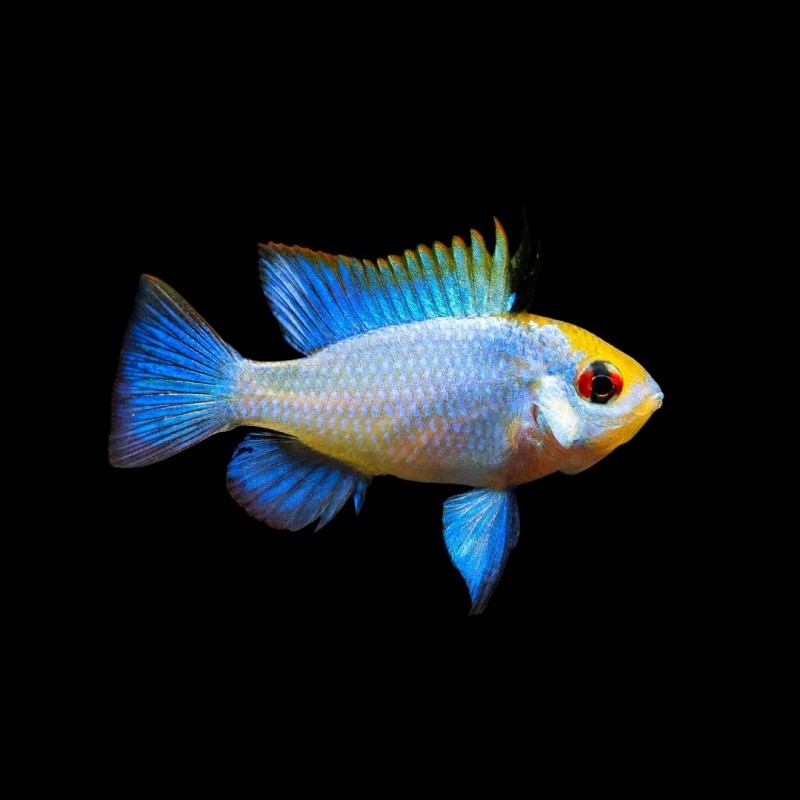
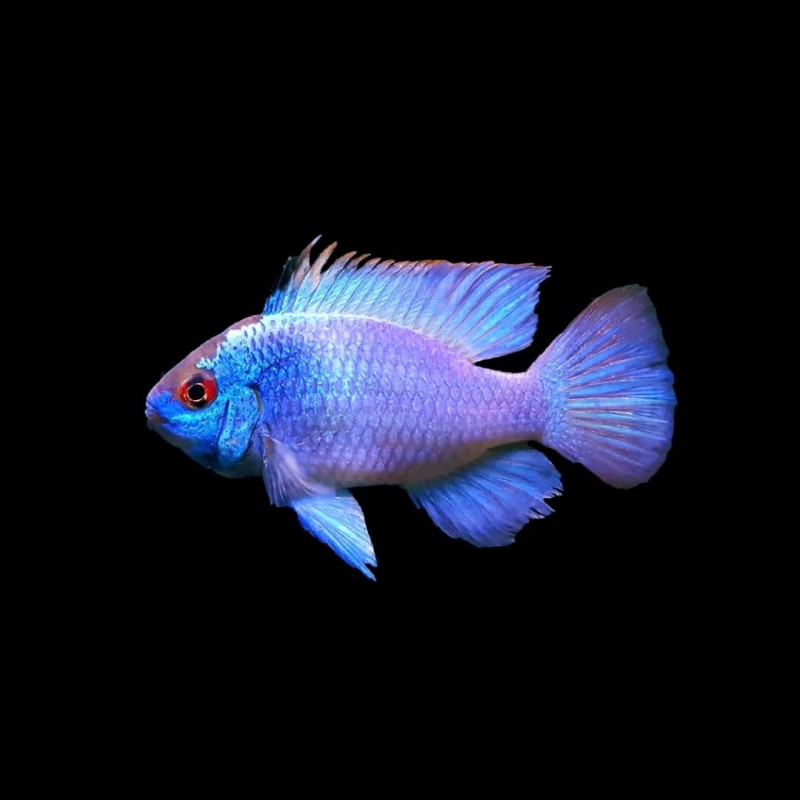
- Model: STRAWBERRY ALBINO PEACOCK CICHLID MATRIX
Available Options
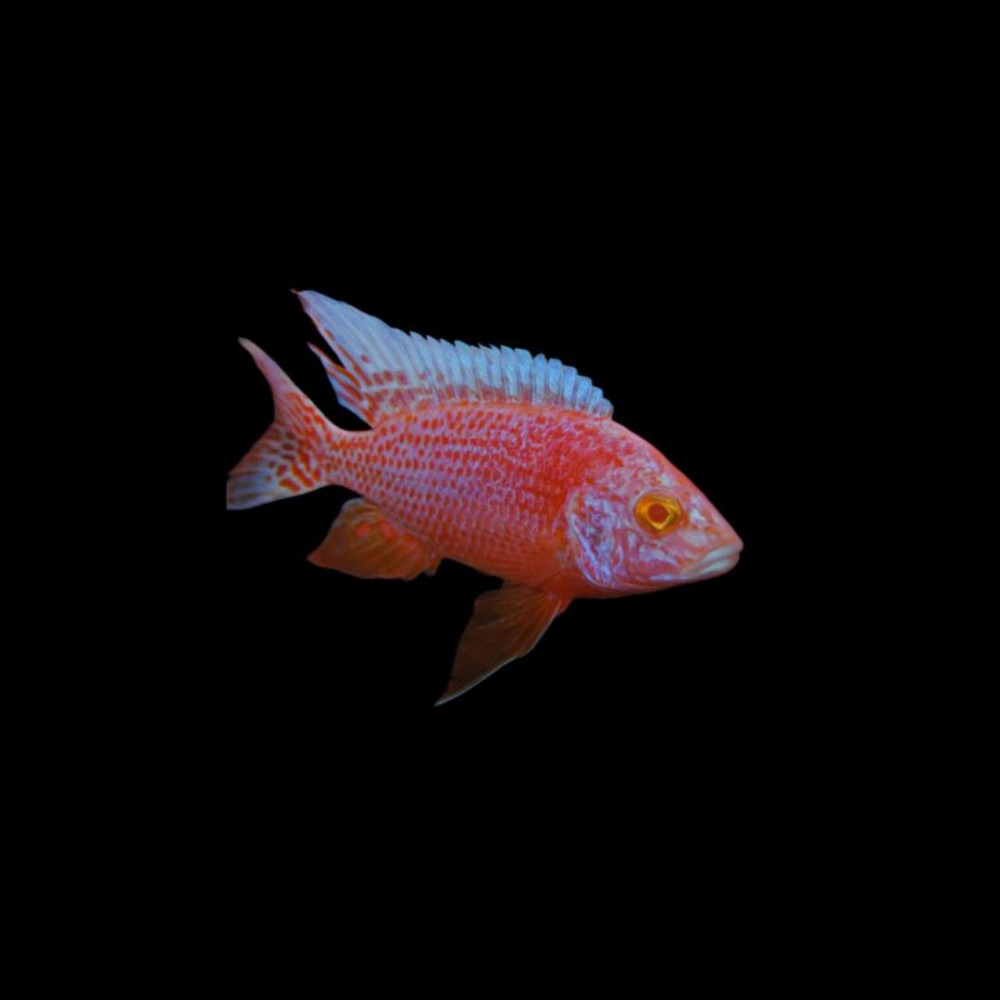
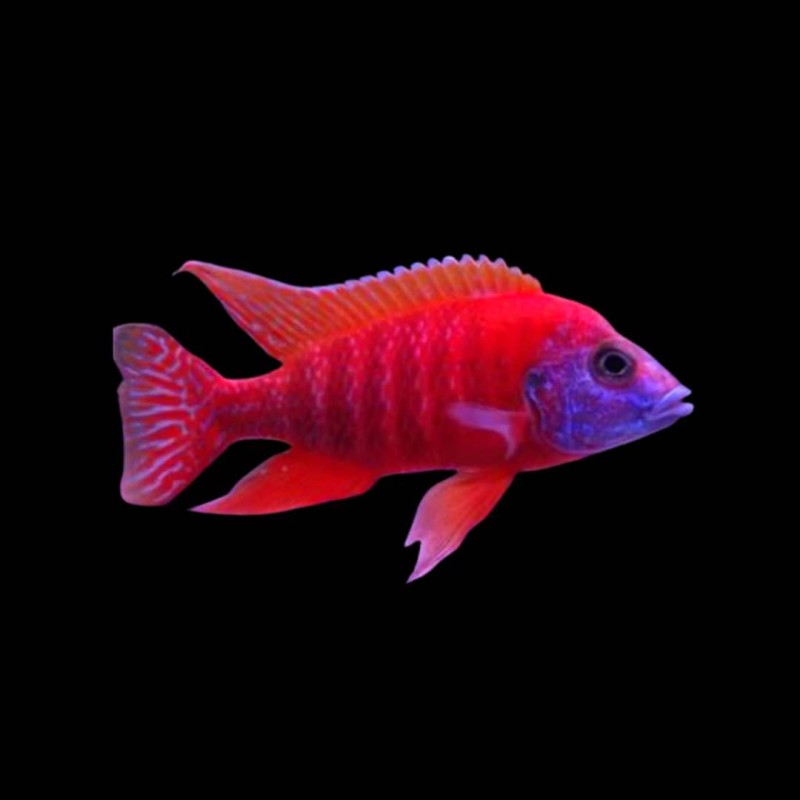
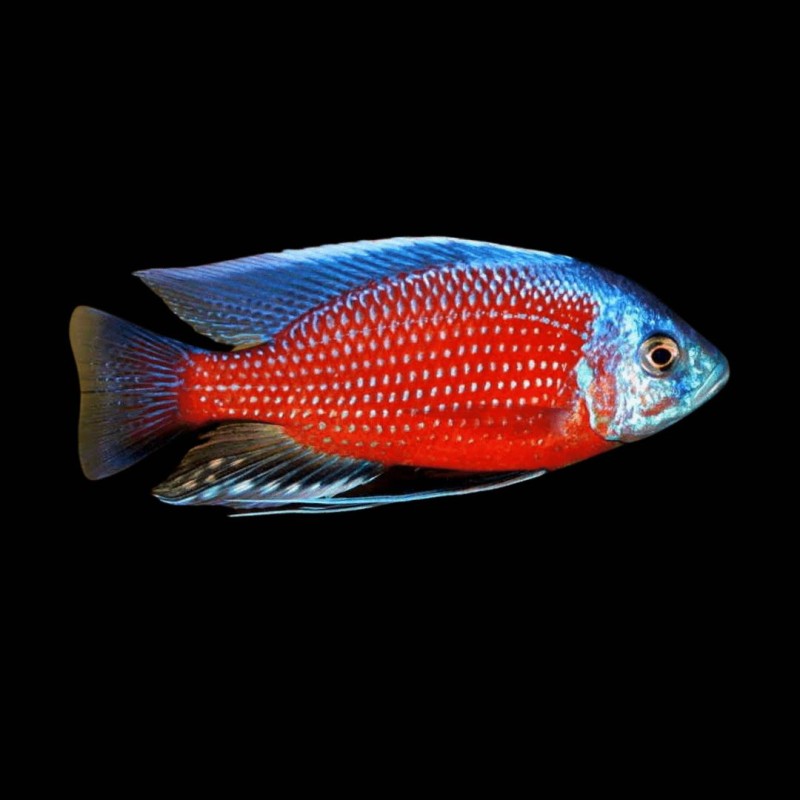
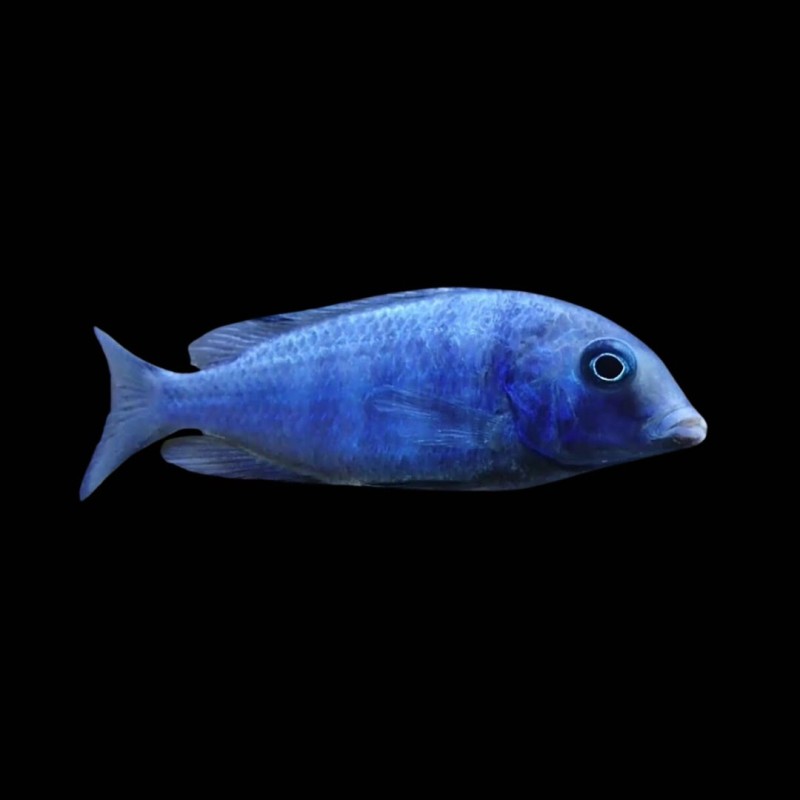
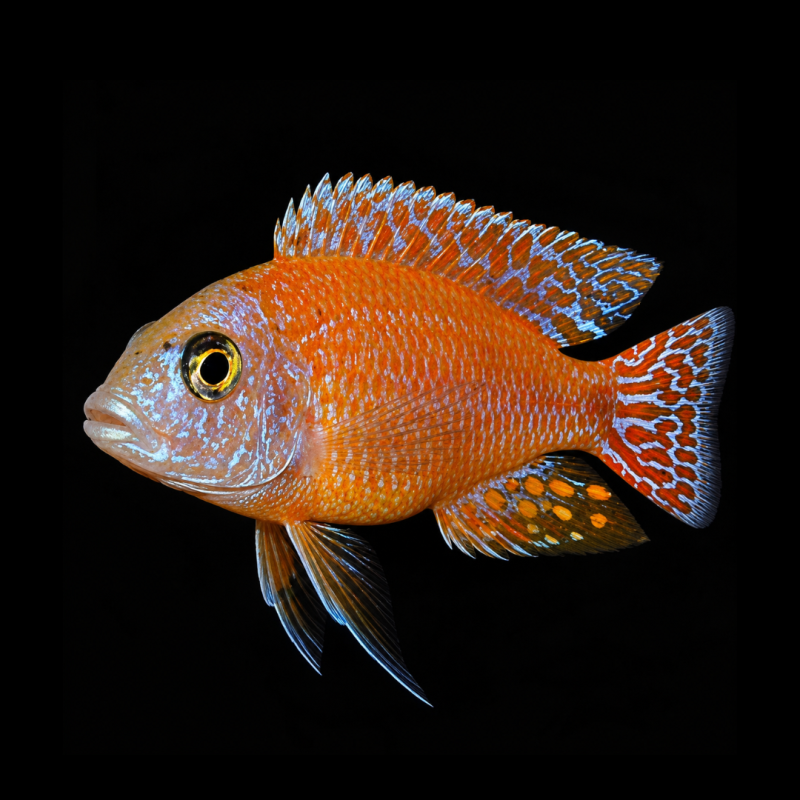
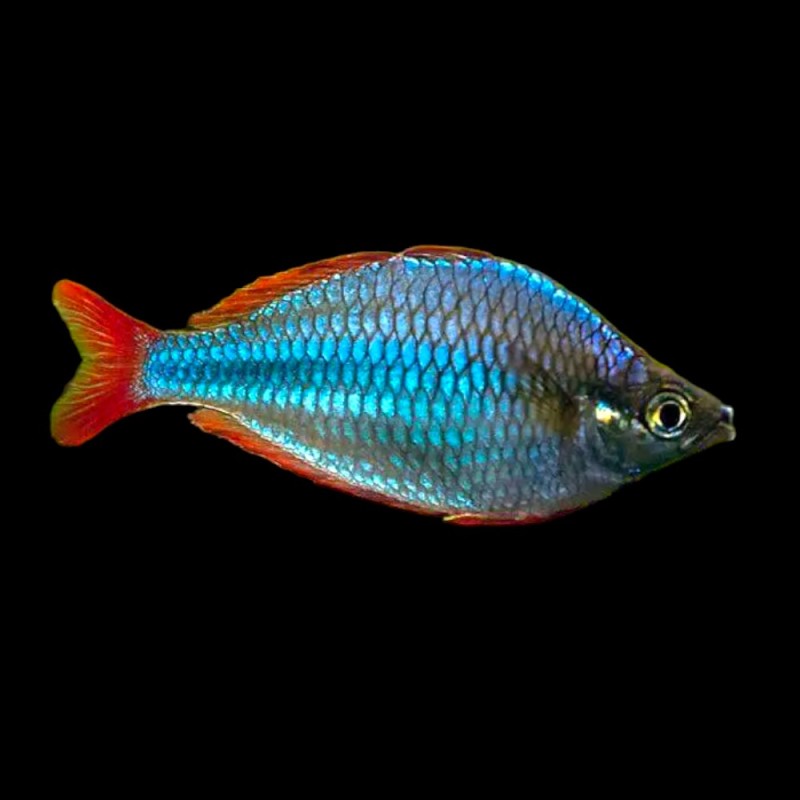
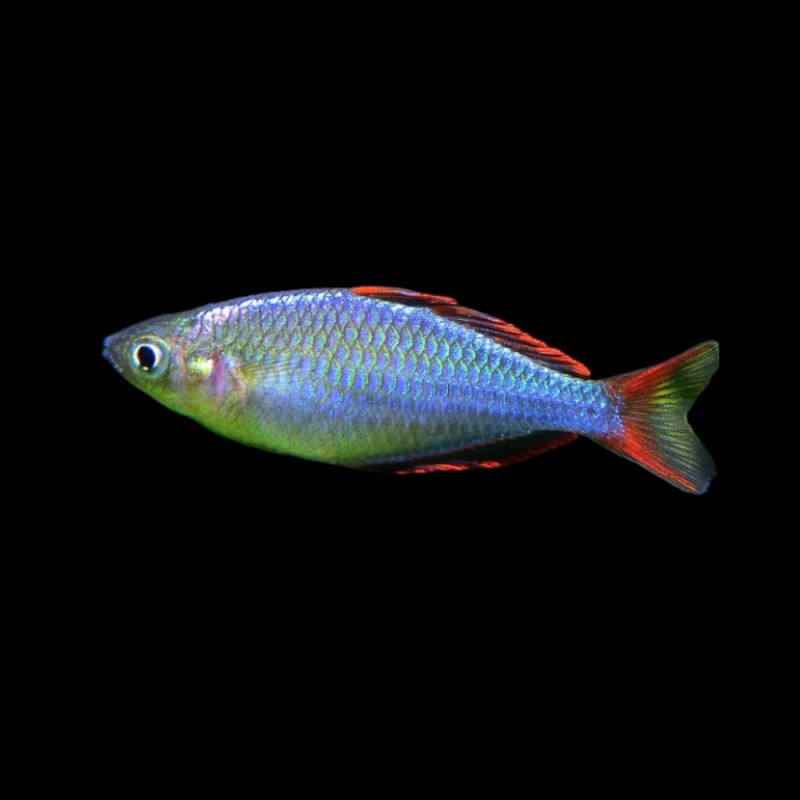
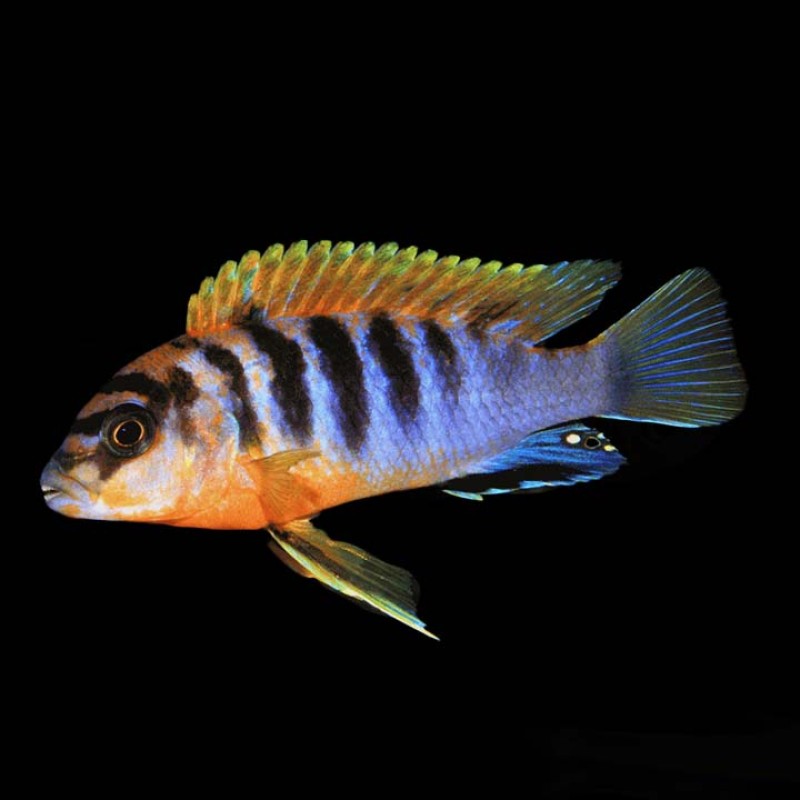
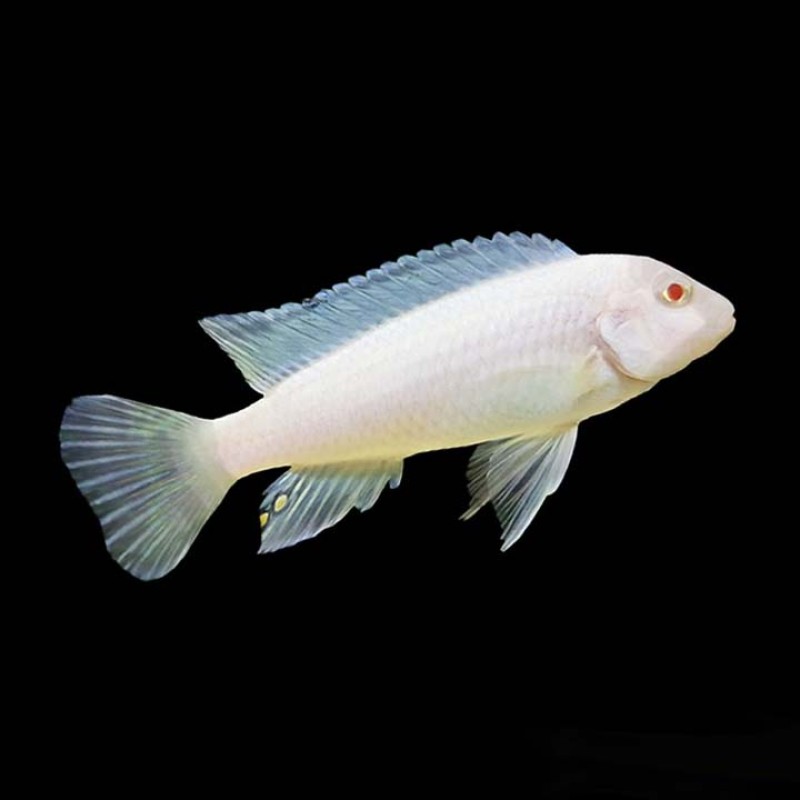
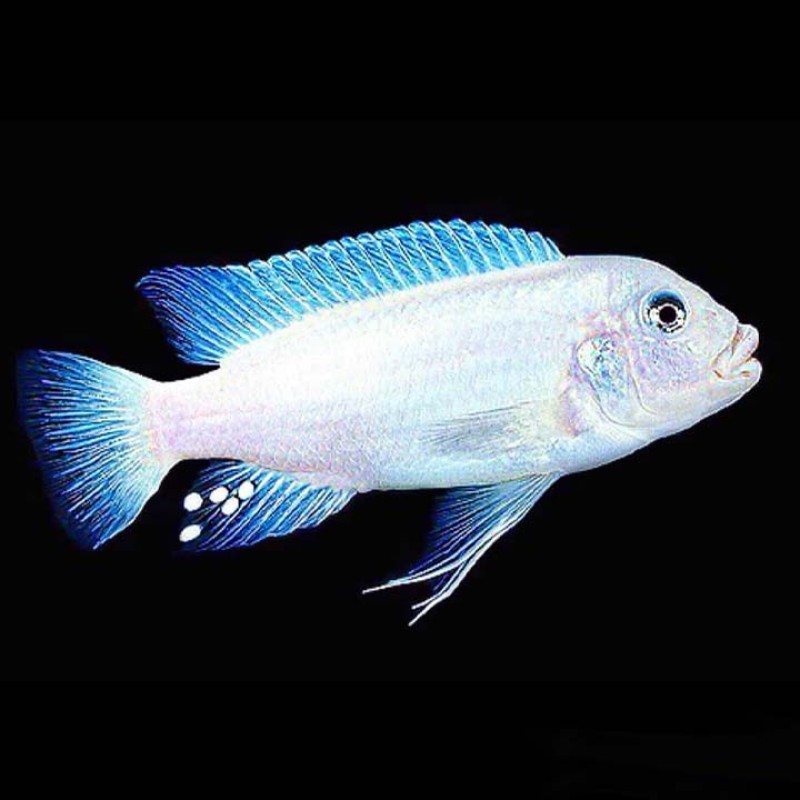
Strawberry Albino Peacock Cichlid
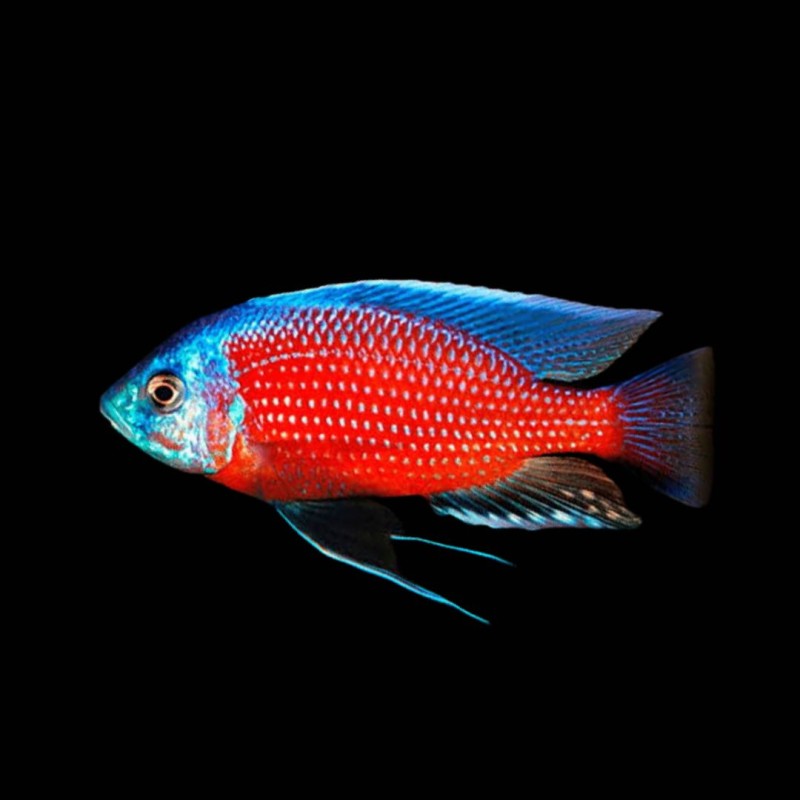
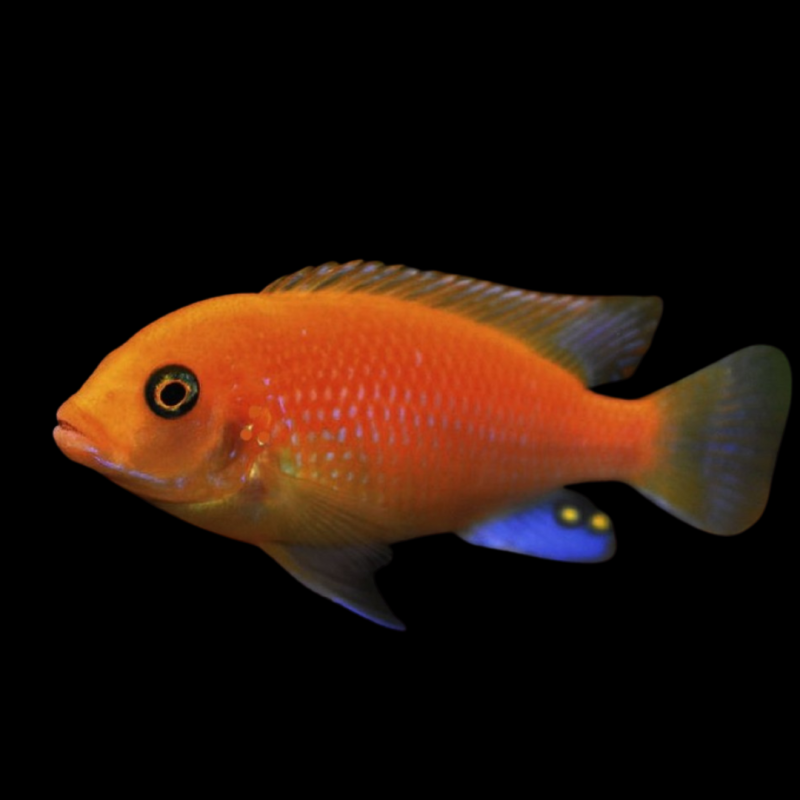
Red Fire Aulonocara (Aulonocara sp. 'Red Fire') – Care Guide
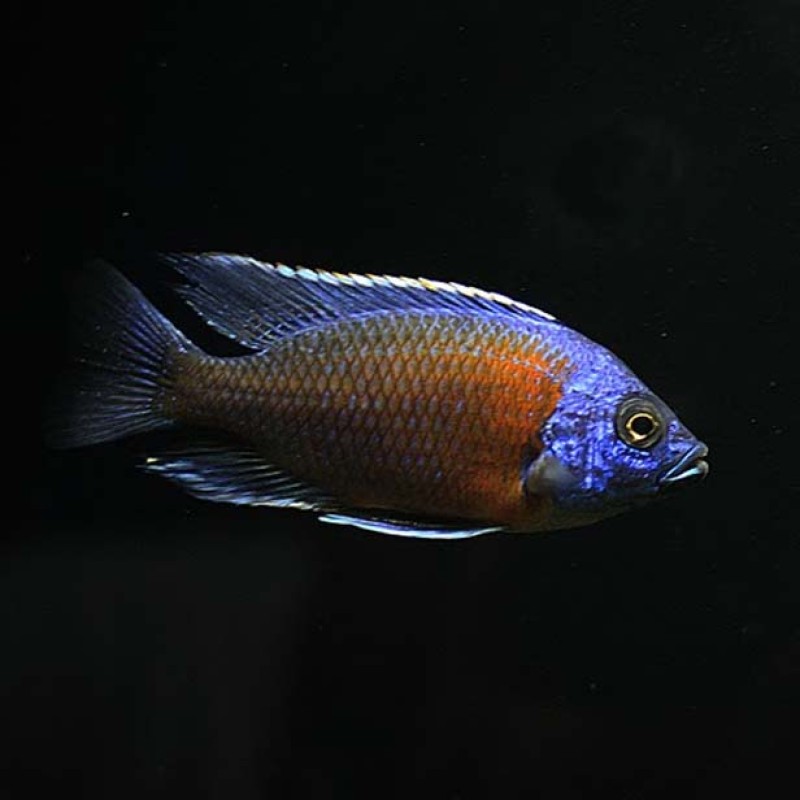
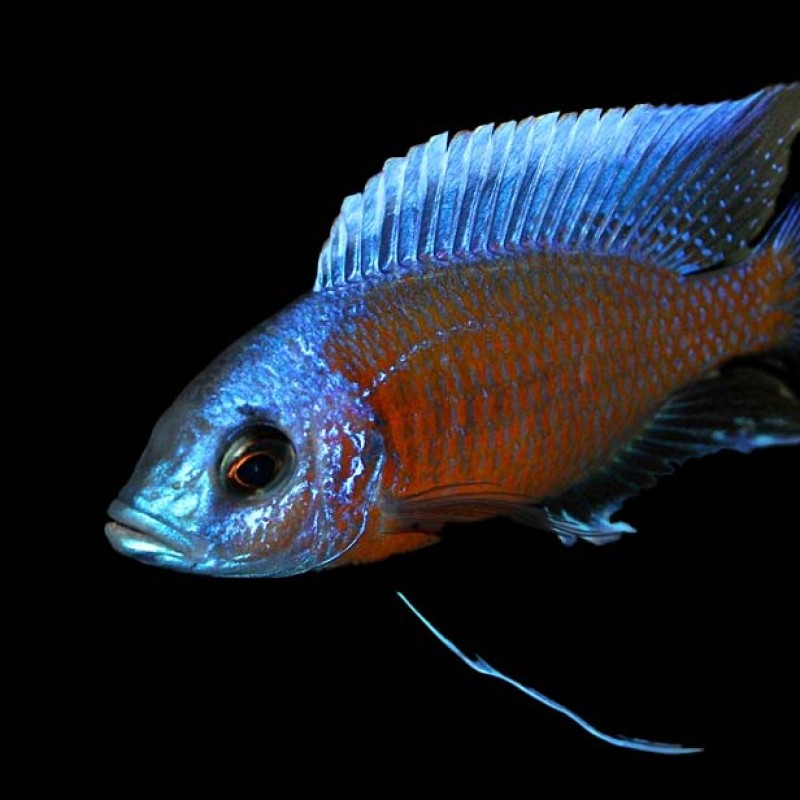
The Red Fire Aulonocara, or Red Fire Peacock Cichlid, is a selectively bred variant of the Peacock Cichlids from Lake Malawi.
It is known for its vibrant red-orange coloration with blue highlights, making it a standout in any African cichlid aquarium.
Like other Peacock Cichlids, it thrives in a well-maintained environment with proper tank mates and excellent water conditions.
Aquarium Care & Requirements
| Parameter | Recommended Range |
|---|---|
| Tank Size | Minimum 150 liters (40 gallons) for a single male; larger for groups |
| Temperature | 24–28°C |
| pH Level | 7.5–8.5 |
| Water Hardness | > 7dKH (KH superior to 7) |
| Substrate | Sand or fine gravel (mimics natural habitat) |
| Filtration | Strong filtration (canister or sump preferred) due to high bio-load |
| Oxygenation | High oxygen levels needed (use air stones, powerheads, surface agitation) |
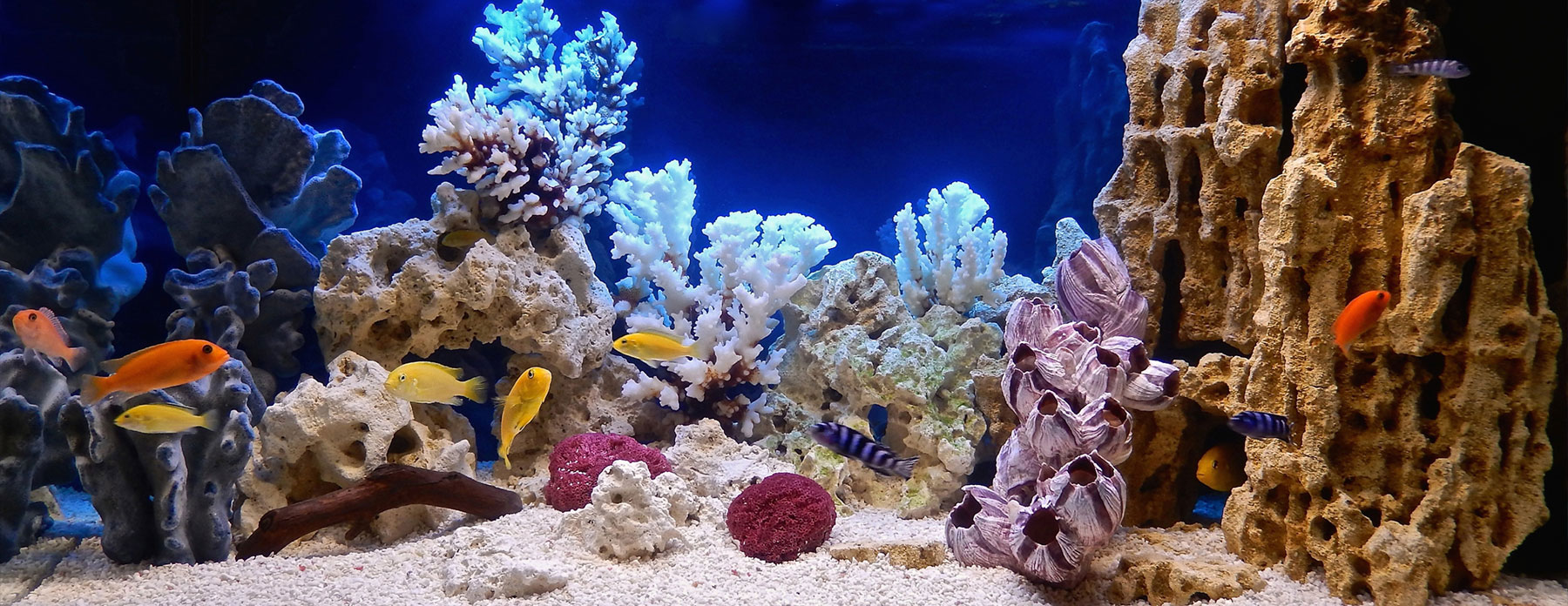
| Tank Setup | Rocky structures for hiding spots, open swimming areas |
| Lighting | Moderate to bright lighting enhances colors |
| Diet | Carnivorous: high-protein cichlid pellets, frozen/live foods (brine shrimp, bloodworms) |
| Temperament | Semi-aggressive; social but territorial |
| Tank Mates | Other Peacock Cichlids, Haps (avoid aggressive Mbuna) |
Managing Aggression with Slight Overpopulation
- Slight overpopulation helps distribute aggression among multiple fish, preventing one individual from being singled out.
- This requires exceptional filtration to handle the increased bioload and high oxygen levels to ensure fish health.
- Plenty of hiding spots (rock caves, ledges) help reduce stress.
Additional Care Tips
✅ Weekly water changes (30–40%) to maintain excellent water quality.
✅ Avoid overfeeding to prevent waste buildup—feed small portions 1–2 times daily.
✅ Monitor aggression levels, and rearrange decorations if needed to reset territories.