

Tropheus Bemba
€24.99
Ex Tax: €20.32
- Stock: Generally In Stock
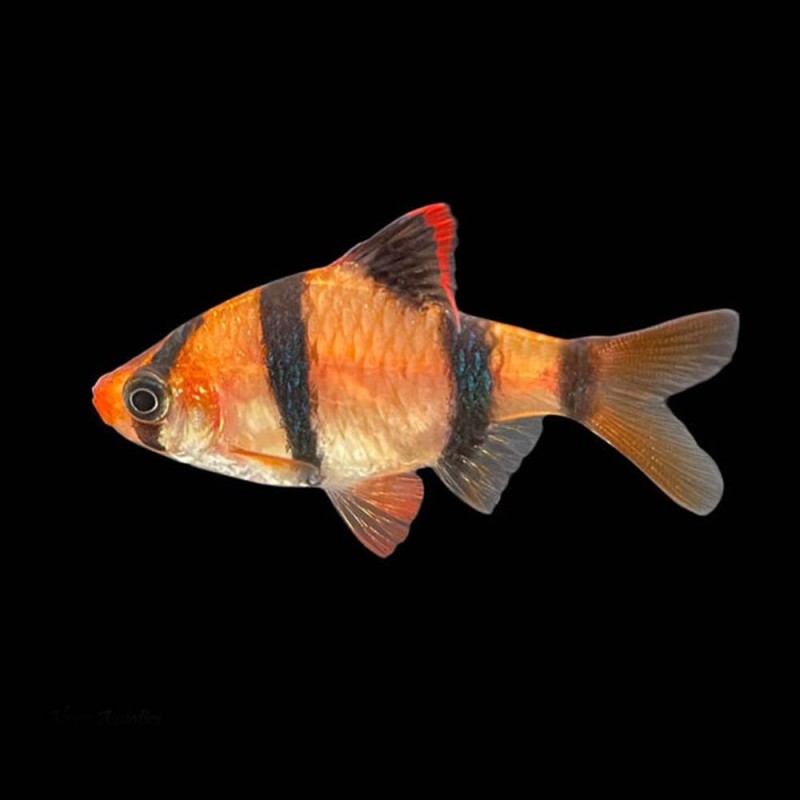
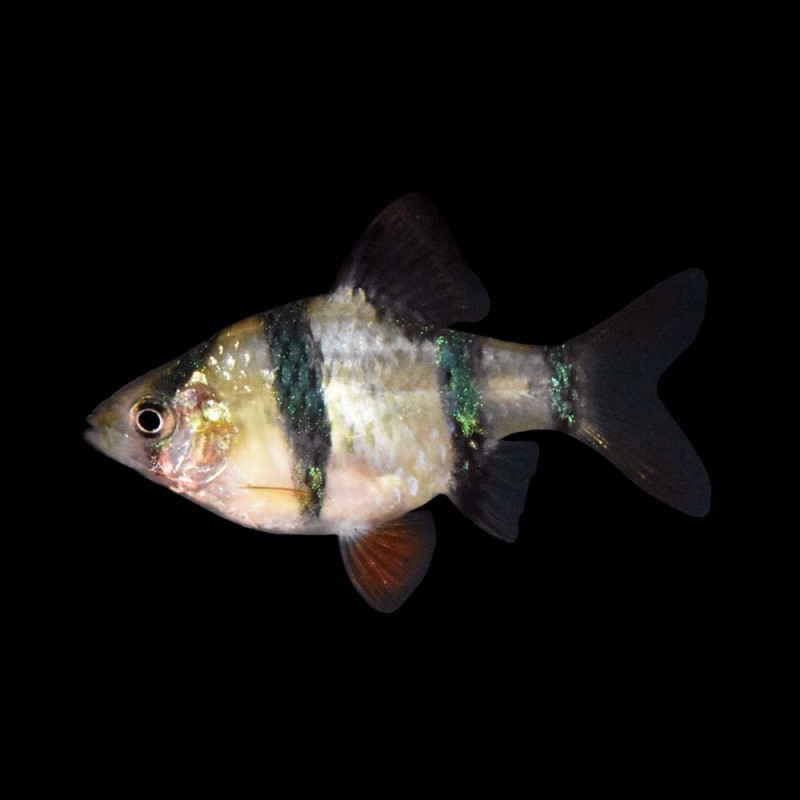
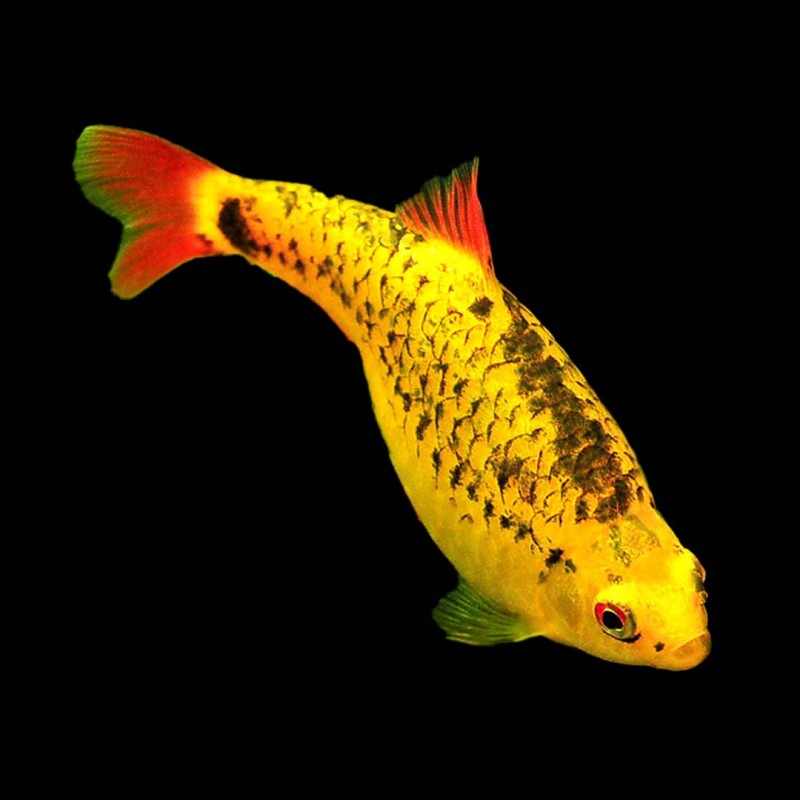
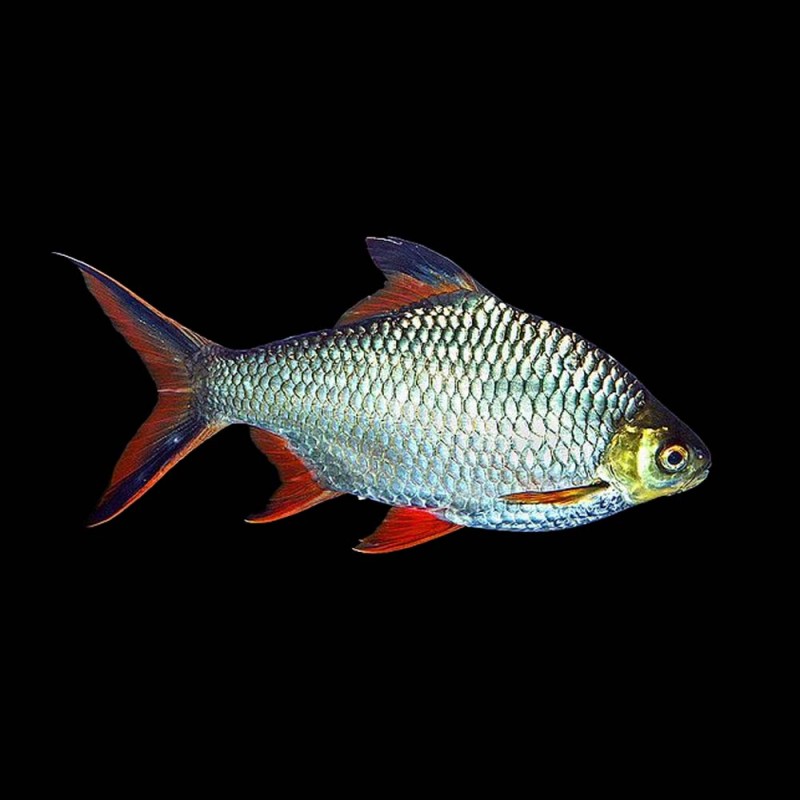
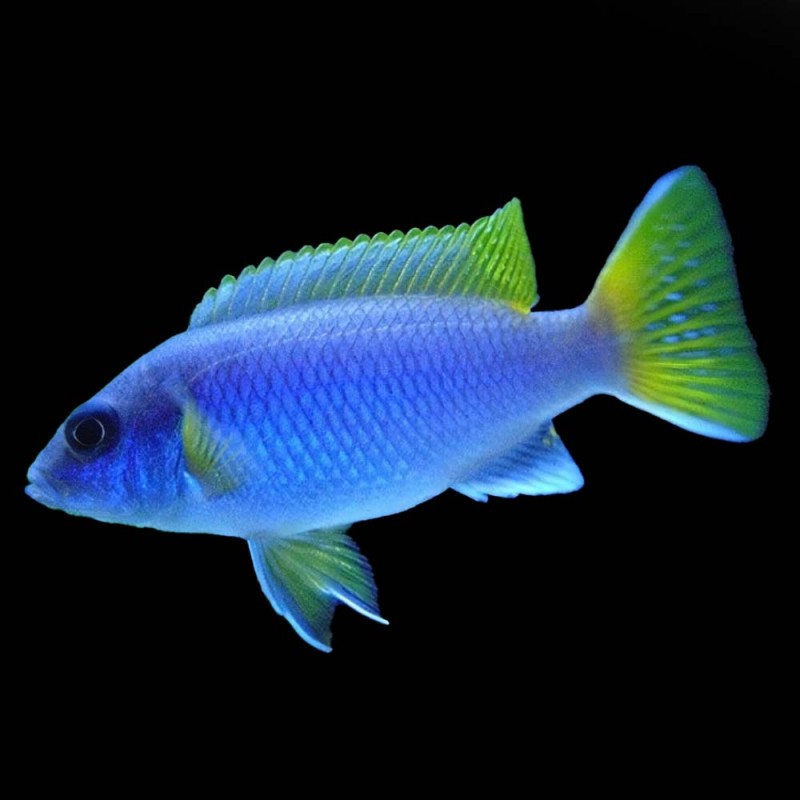
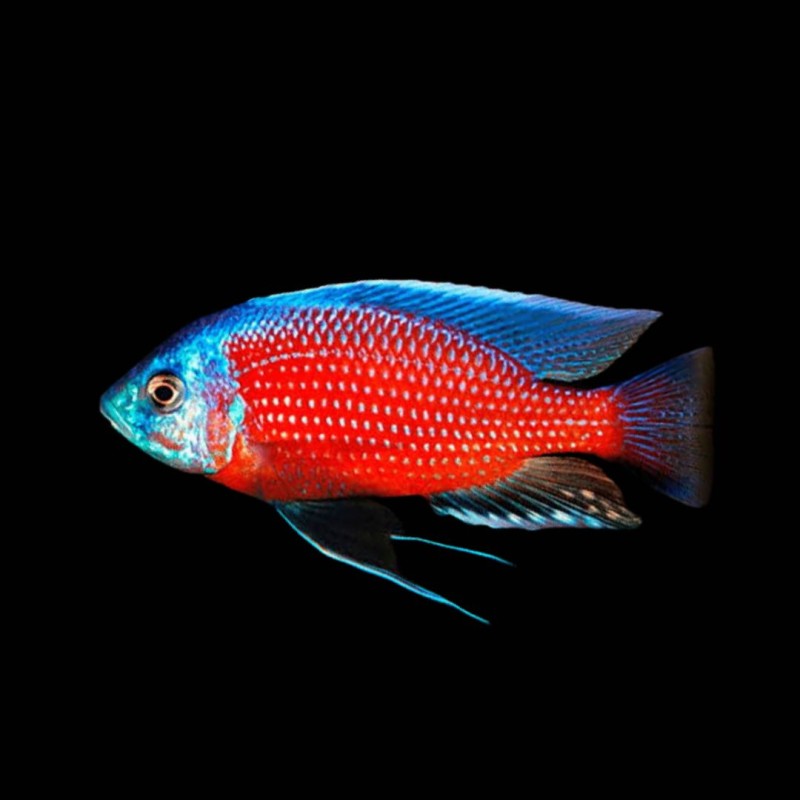
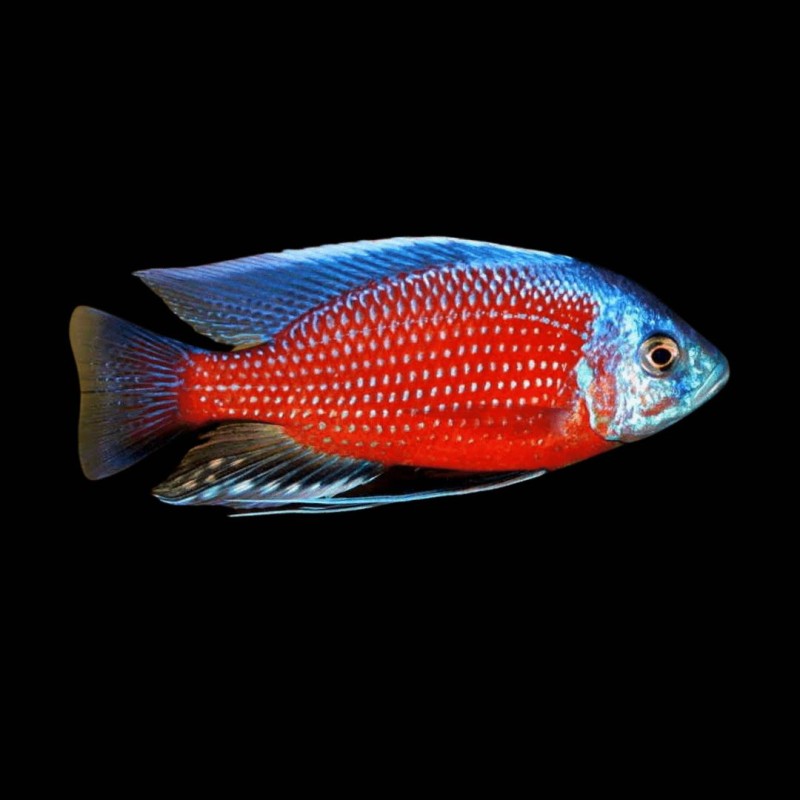
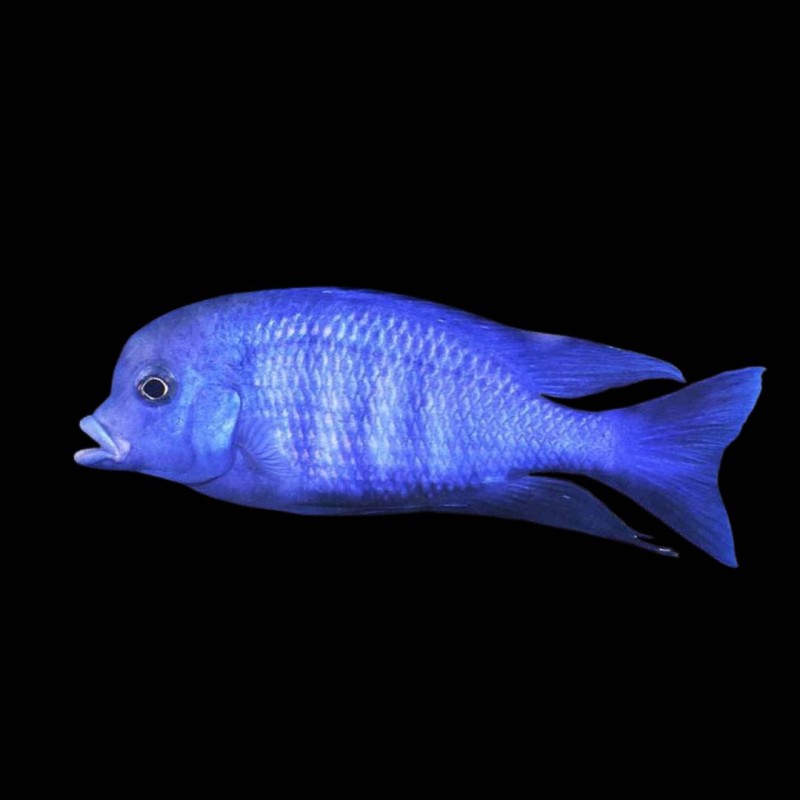
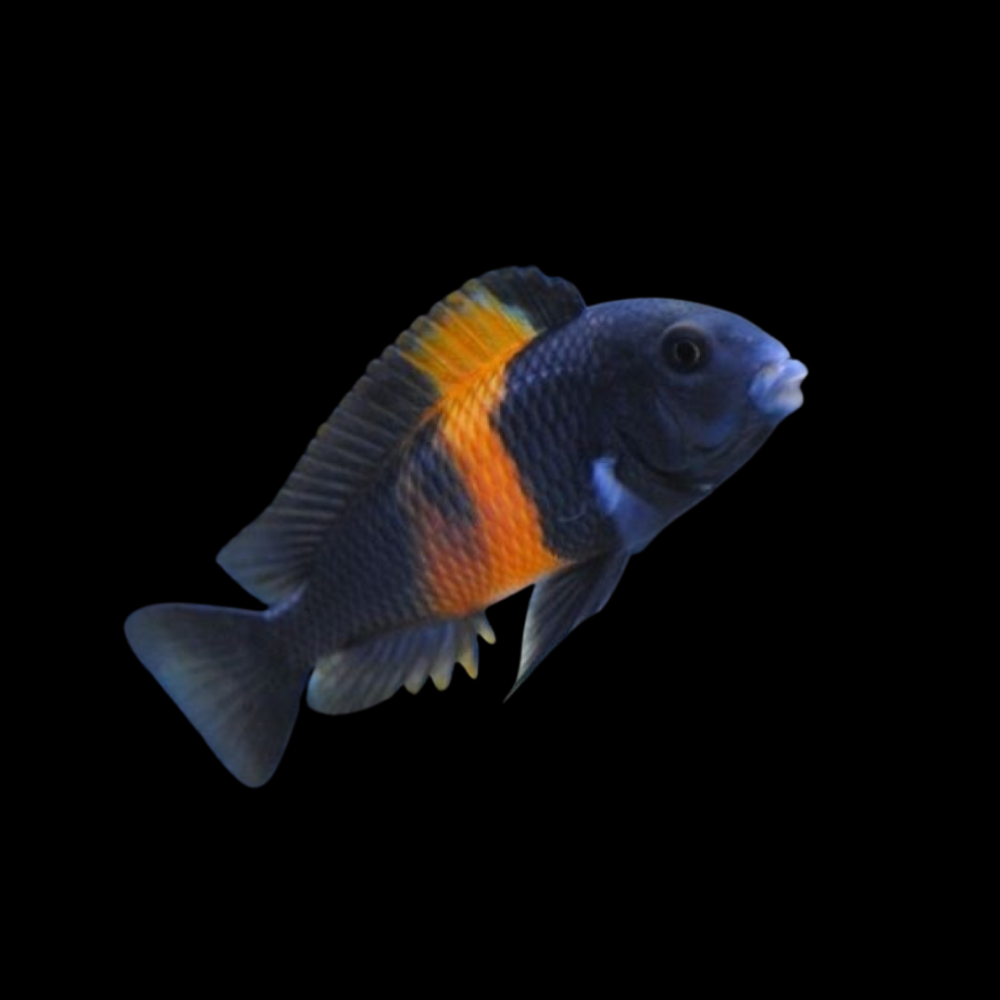
Please Note: Due to variations within species, your fish may not look identical to the image provided. Also note not all sizes or species may be available due to seasonality, Please call beforehand for up-to-date stock availability.
- Model: -
Tropheus Bemba
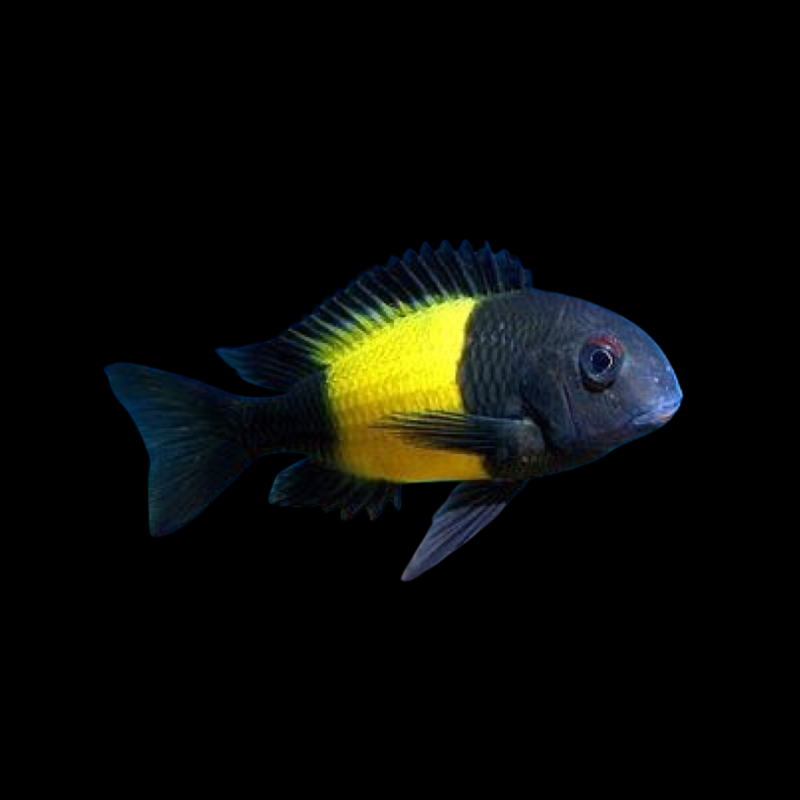
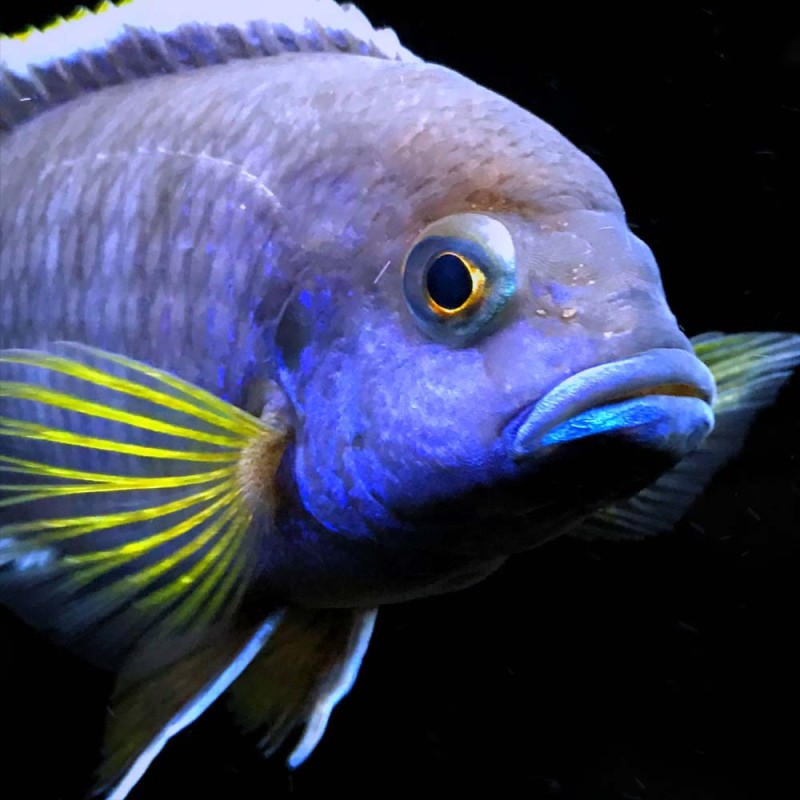
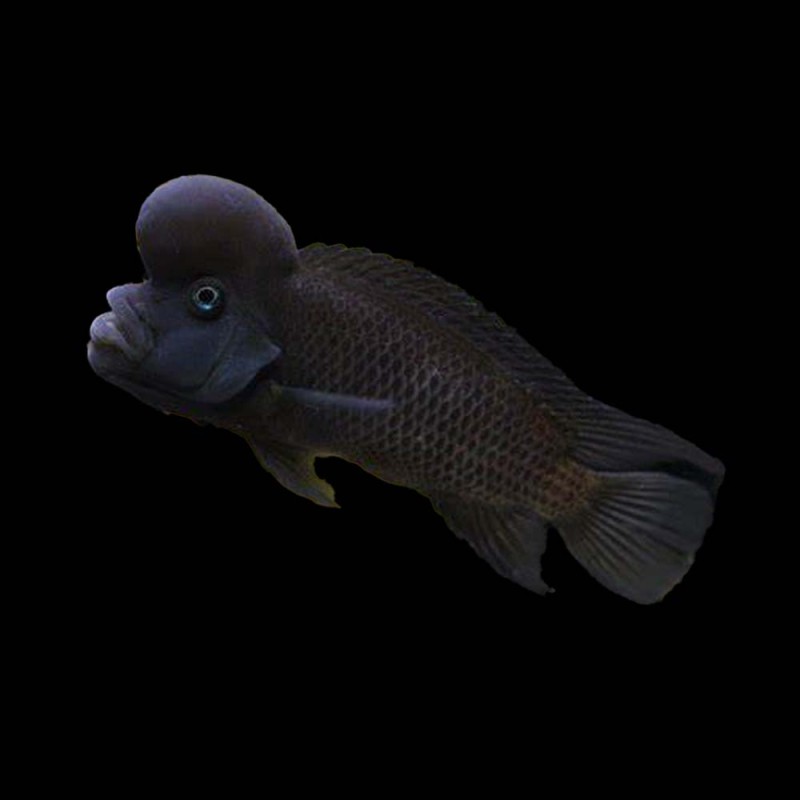
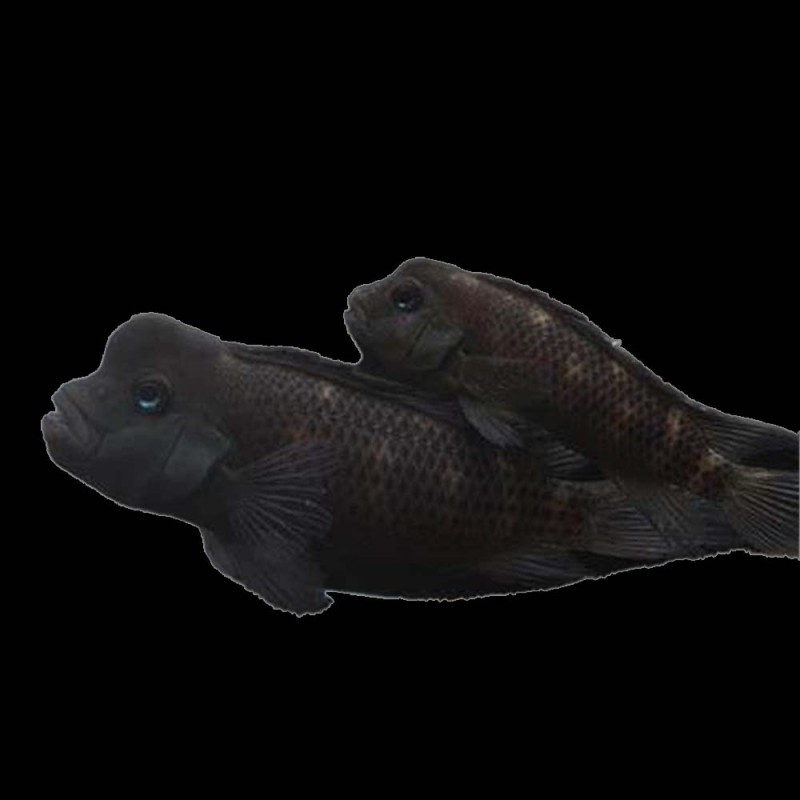
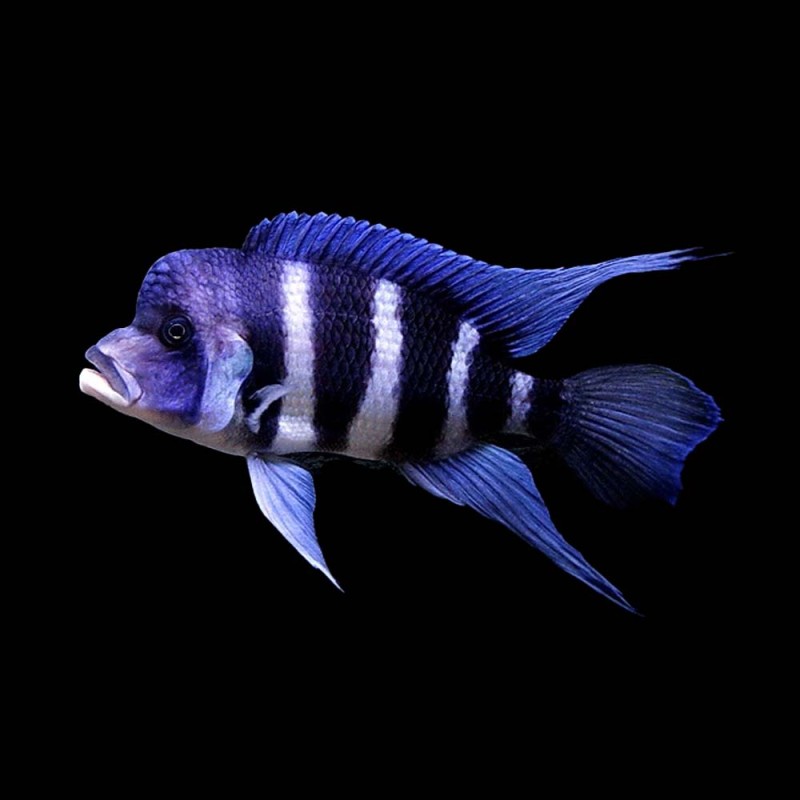
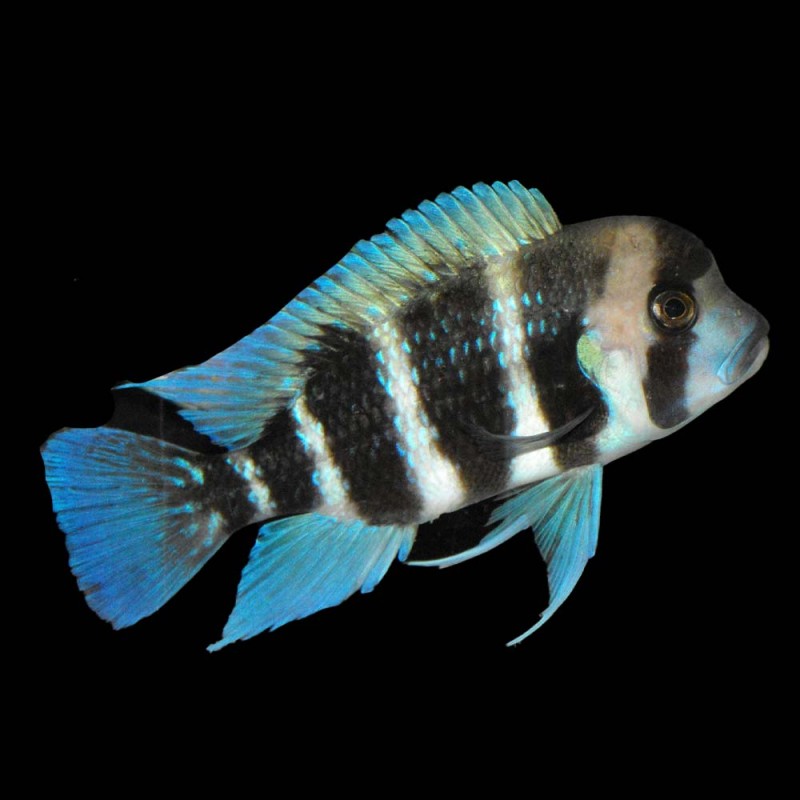
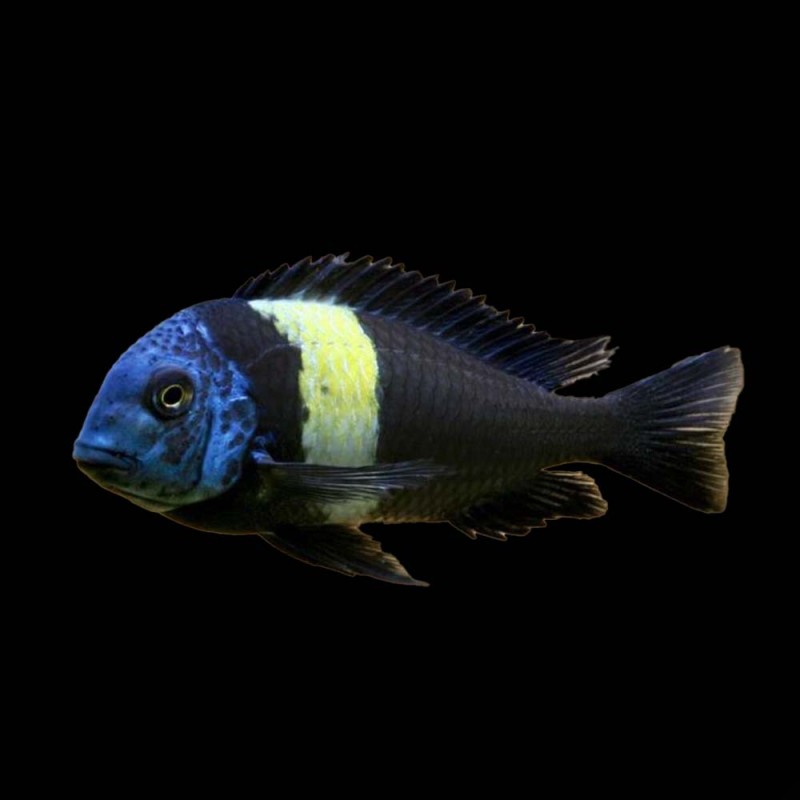
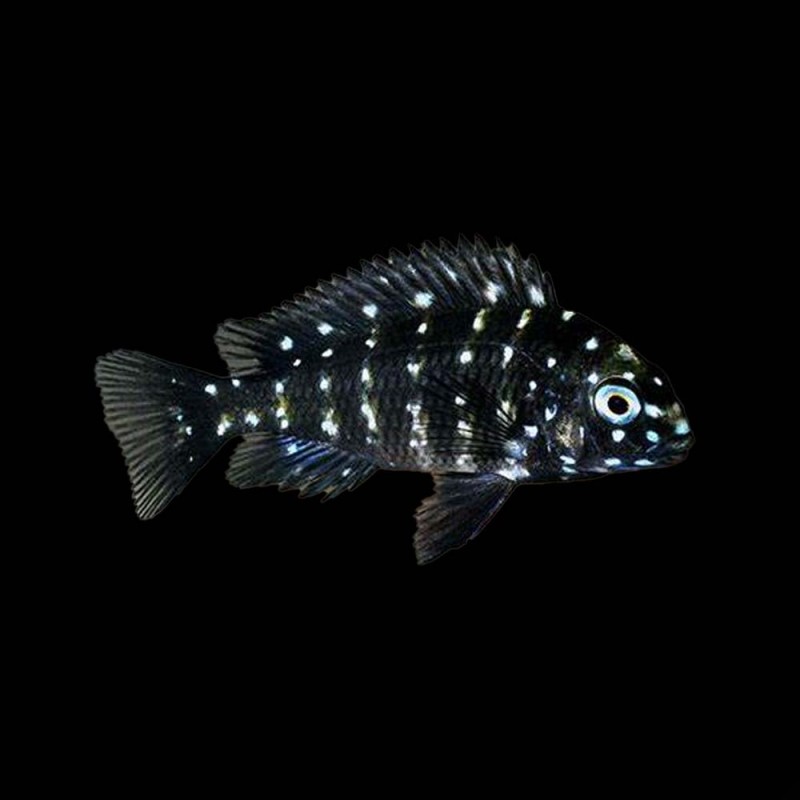
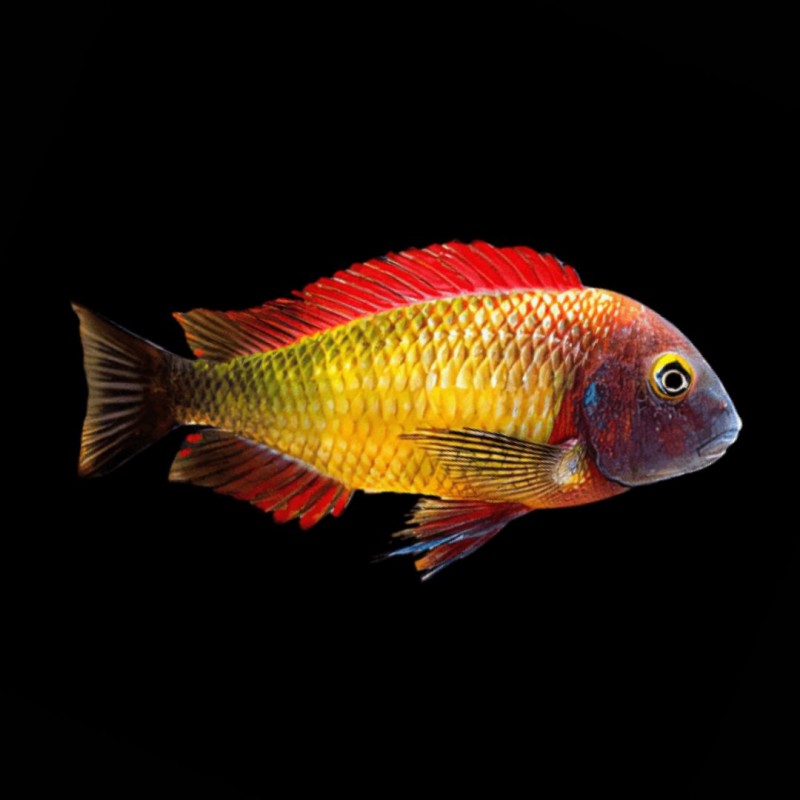
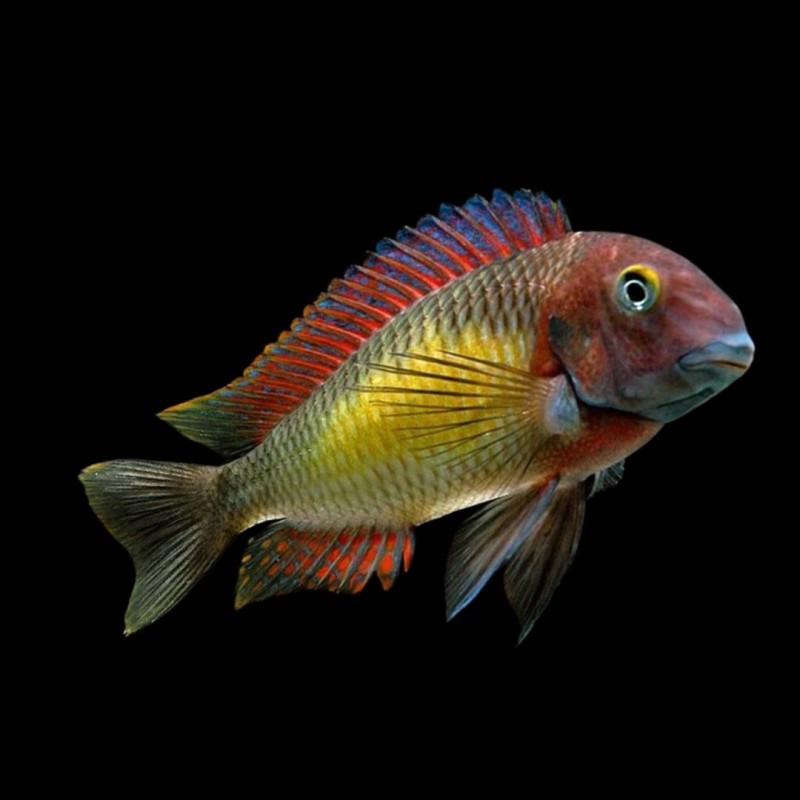
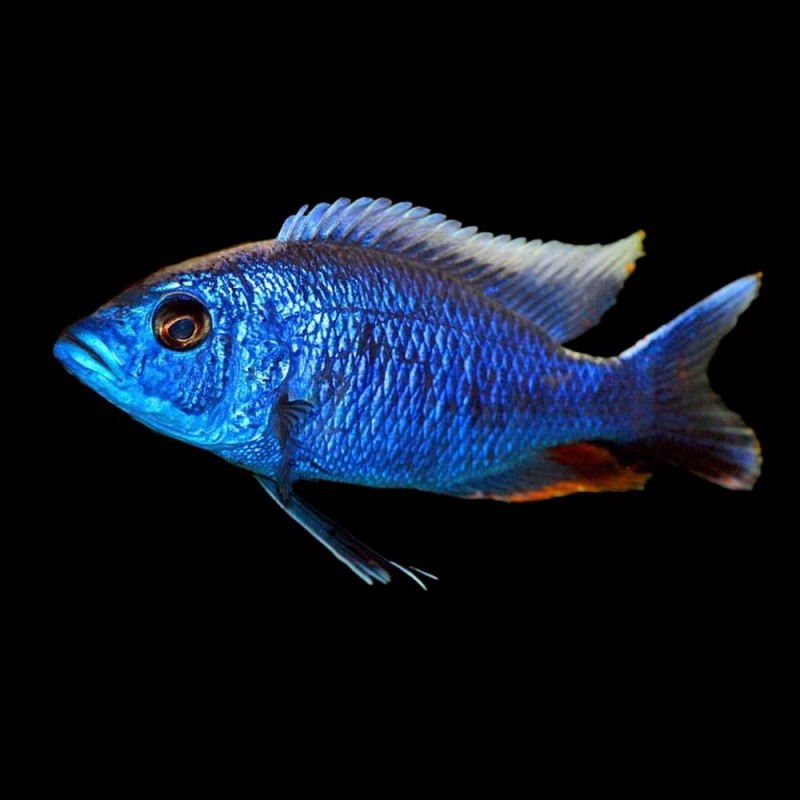
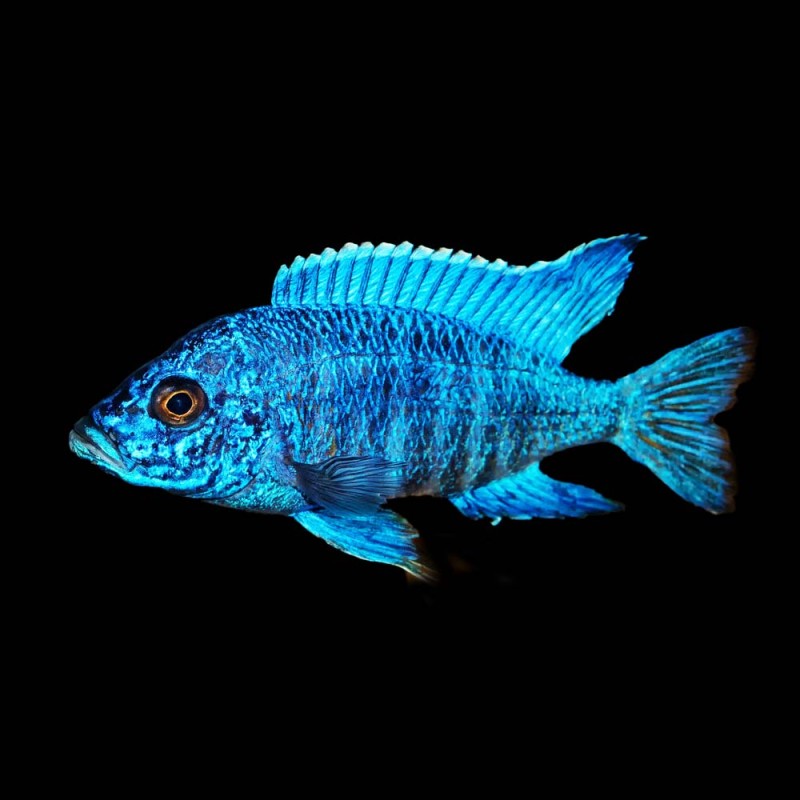
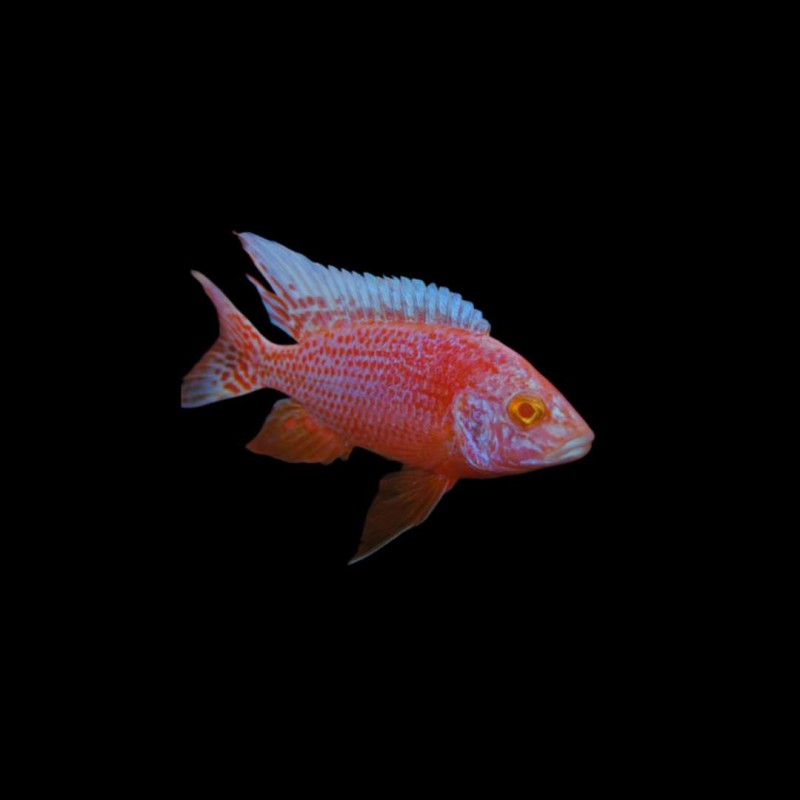
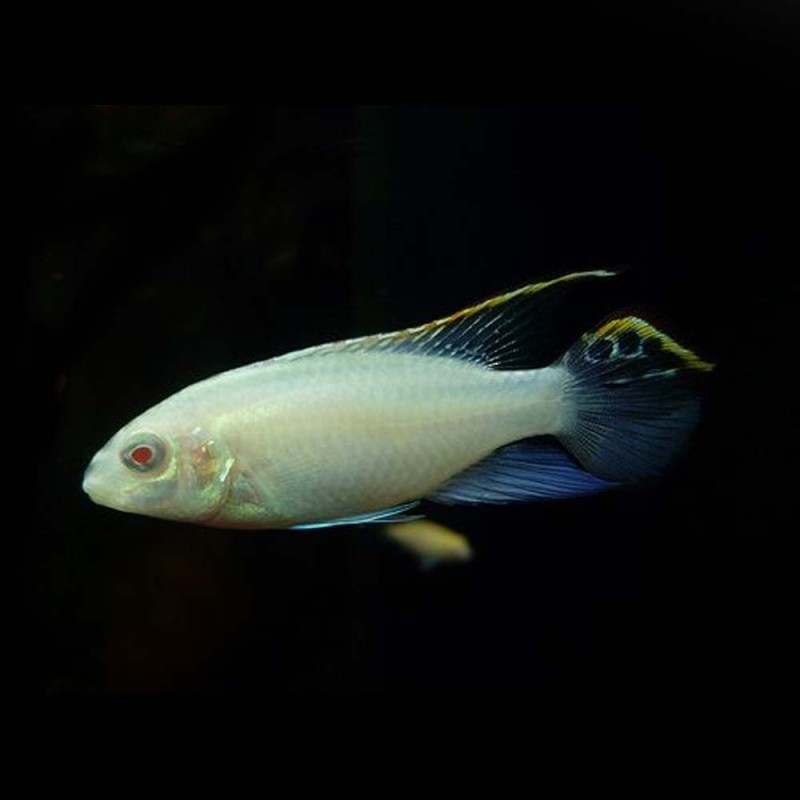
The Tropheus Bemba is a striking cichlid native to Lake Tanganyika in East Africa. Known for its vibrant colours and distinctive patterns, the Tropheus Bemba is a popular choice among aquarium enthusiasts who appreciate its unique characteristics and captivating behaviour.
Physical Characteristics:
- Size: Tropheus Bemba typically grows to about 10-15 cm (4-6 inches) in length.
- Coloration:
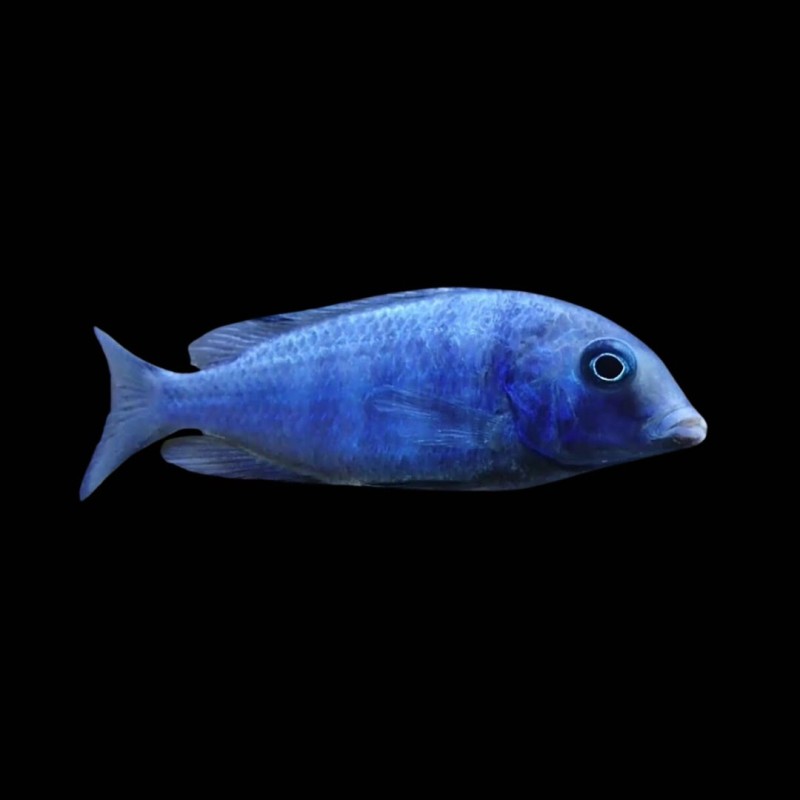
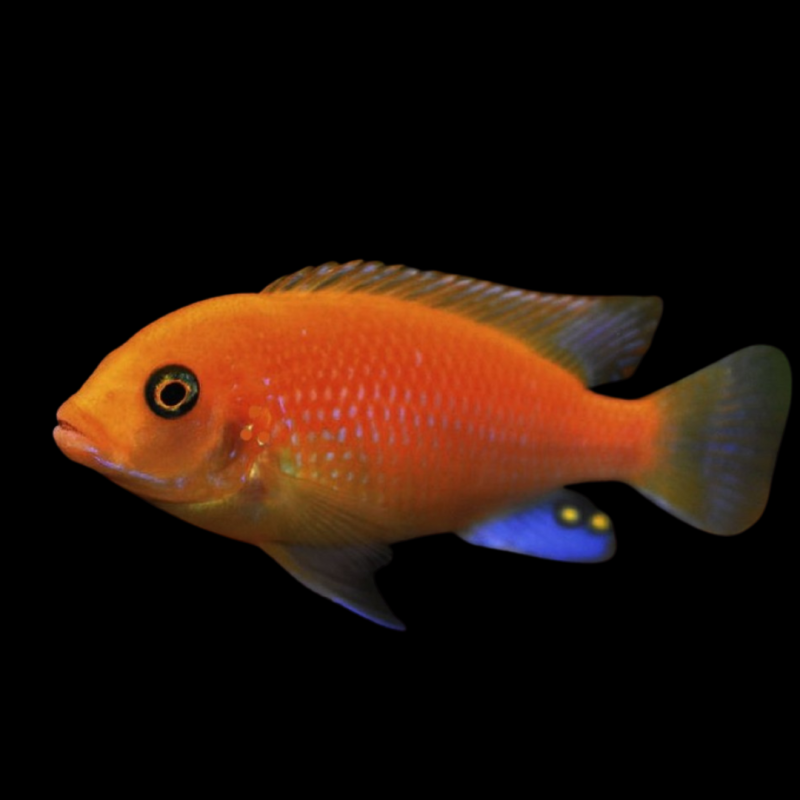
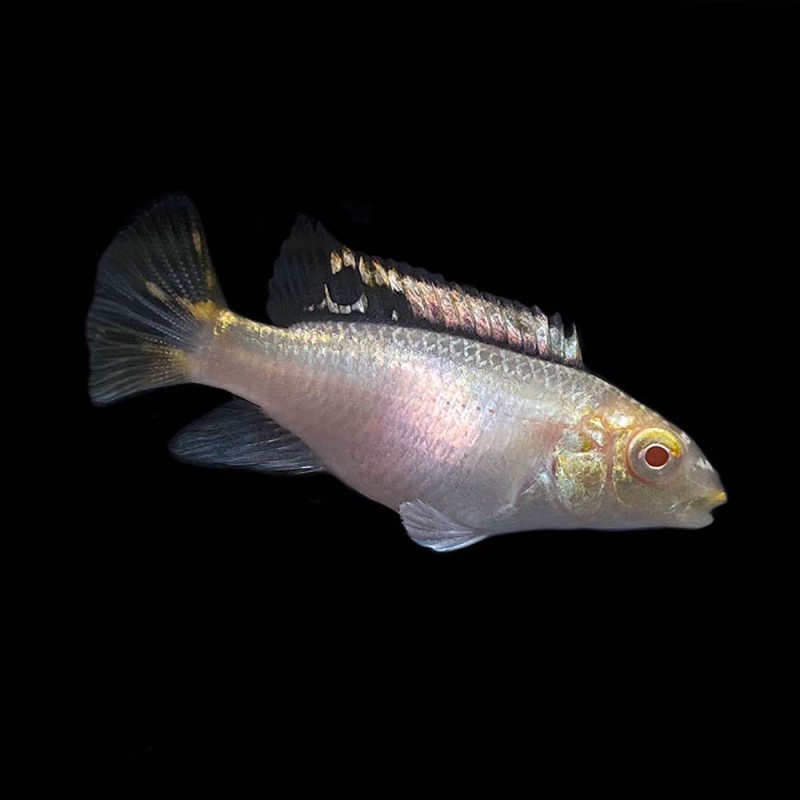
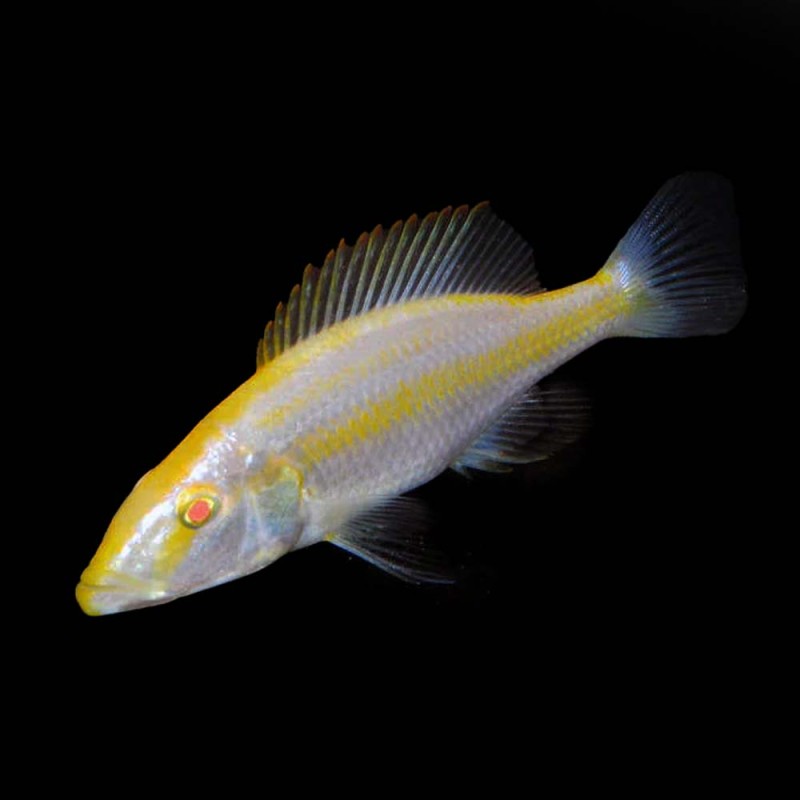
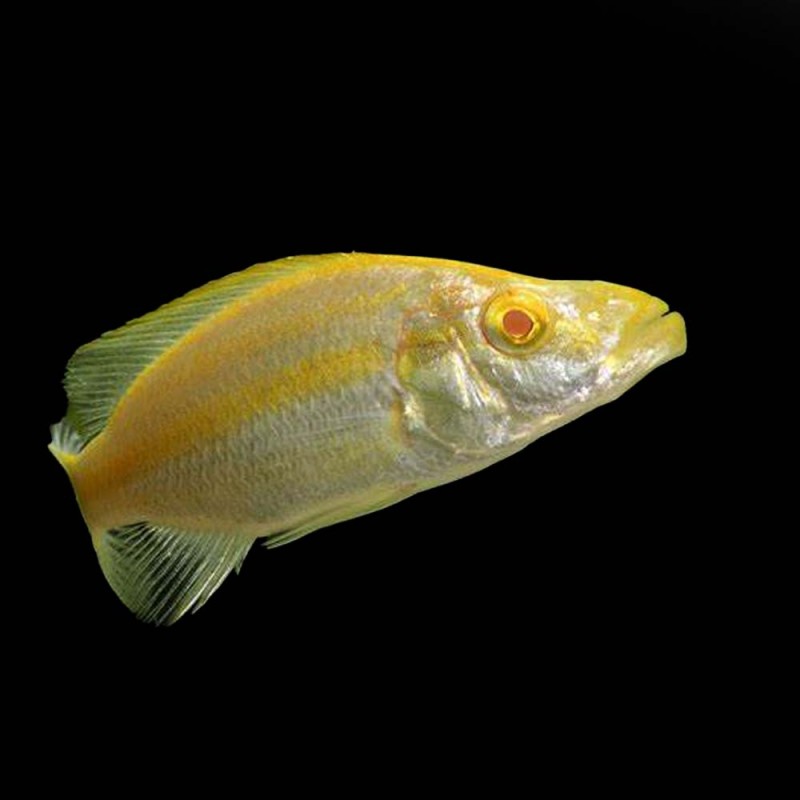
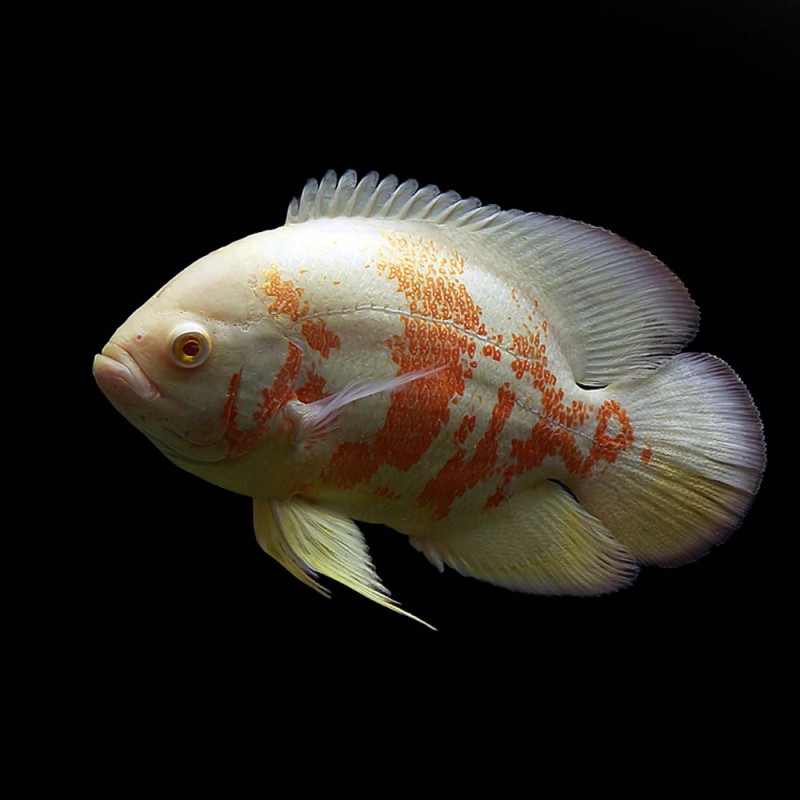
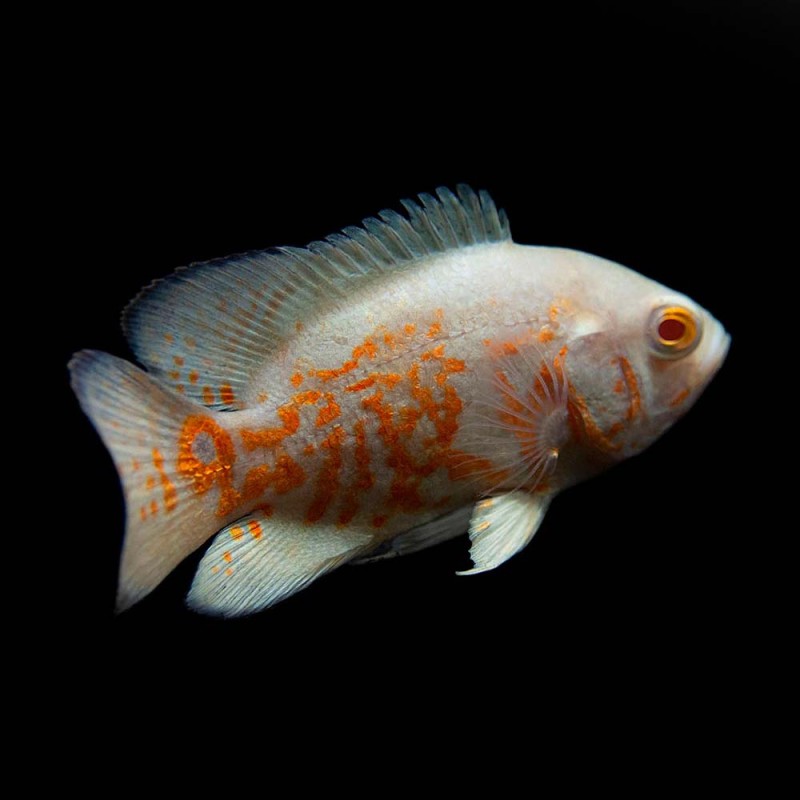
- Body: This species is often characterised by its bright yellow to orange body, which can sometimes have dark vertical stripes or spots, adding to its visual appeal.
- Fins: Their fins are usually transparent with slight yellow or orange hues that complement the body coloration.
- Shape: Tropheus Bemba has a robust, laterally compressed body, typical of many cichlid species.
Behaviour:
- Temperament: Tropheus Bemba is generally peaceful but can be territorial, especially during breeding. They may display aggressive behaviour towards other males or similar-sized fish.
- Activity Level: They are active swimmers and enjoy exploring their environment, often foraging for algae on rocks and decorations.
- Community Behaviour: While they can be kept in community tanks, care must be taken to ensure compatibility with other species, particularly during breeding periods.
Aquarium Care:
- Tank Size: A minimum tank size of 190 litres (50 gallons) is recommended for a small group of Tropheus Bemba to ensure they have enough space to establish territories.
- Water Parameters:
- Temperature: They thrive in warmer water, with an ideal temperature range of 24°C to 28°C (75°F to 82°F).
- pH: Tropheus Bemba prefers alkaline water, with a pH range of 7.8 to 9.0.
- Hardness: They require hard water, with a general hardness (GH) of 10-20 dGH.
- Tank Setup:
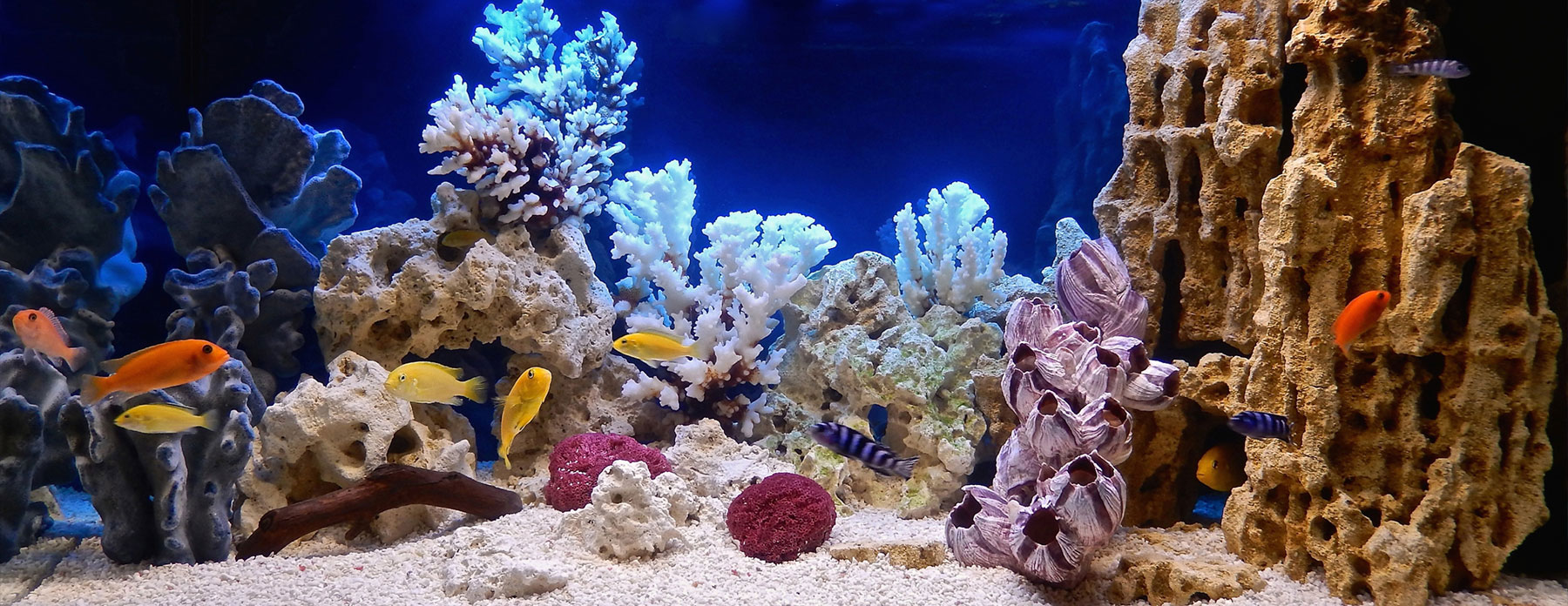
- Substrate and Decorations: A rocky substrate is ideal, with plenty of caves and crevices for hiding. Live plants can also be included, but they may not survive the foraging behaviour of these cichlids.
- Lighting: Moderate lighting is recommended, as they prefer a slightly dimmer environment that mimics their natural habitat.
- Filtration: A strong filtration system is essential for maintaining water quality, and regular water changes (about 20% weekly) are crucial to prevent the buildup of harmful substances.
Diet:
Tropheus Bemba is primarily herbivorous and requires a diet that reflects this:
- Pellets: High-quality spirulina-based pellets should form the staple of their diet, providing essential nutrients.
- Live or Frozen Foods: Occasionally offering high-quality live or frozen foods, such as brine shrimp, can provide variety but should not make up the majority of their diet.
- Vegetation: Algae wafers or blanched vegetables can be beneficial to mimic their natural foraging behaviour.
Tankmates:
Tropheus Bemba can be housed with a variety of tankmates, provided they are chosen carefully:
- Small to Medium Cichlids: Peaceful cichlids from Lake Tanganyika or other compatible species can coexist well with Tropheus Bemba.
- Bottom-Dwellers: Species like Corydoras can be good companions, as they occupy different areas of the tank.
- Avoid: Smaller fish or aggressive species, as they may stress the cichlid or provoke aggression.
Breeding:
Breeding Tropheus Bemba can be achieved with the right conditions:
- Breeding Setup: A separate breeding tank with plenty of hiding spots and rocky substrates is ideal. The water should be warm (around 26°C to 28°C or 79°F to 82°F) and slightly alkaline.
- Spawning Behaviour: They are mouthbrooders, meaning the female will carry the fertilised eggs in her mouth until they hatch, providing care and protection.
- Fry Care: Once the fry are free-swimming, they can be fed with infusoria or finely crushed flakes.
Special Considerations:
- Territorial Behaviour: It’s important to provide plenty of space and hiding spots to reduce aggression between individuals, especially during breeding.
- Water Quality: Maintaining excellent water quality is crucial for the health of Tropheus Bemba. Regular monitoring and maintenance are necessary.
Tags:
Tropheus Bemba