

Menu
Menu
Your Cart

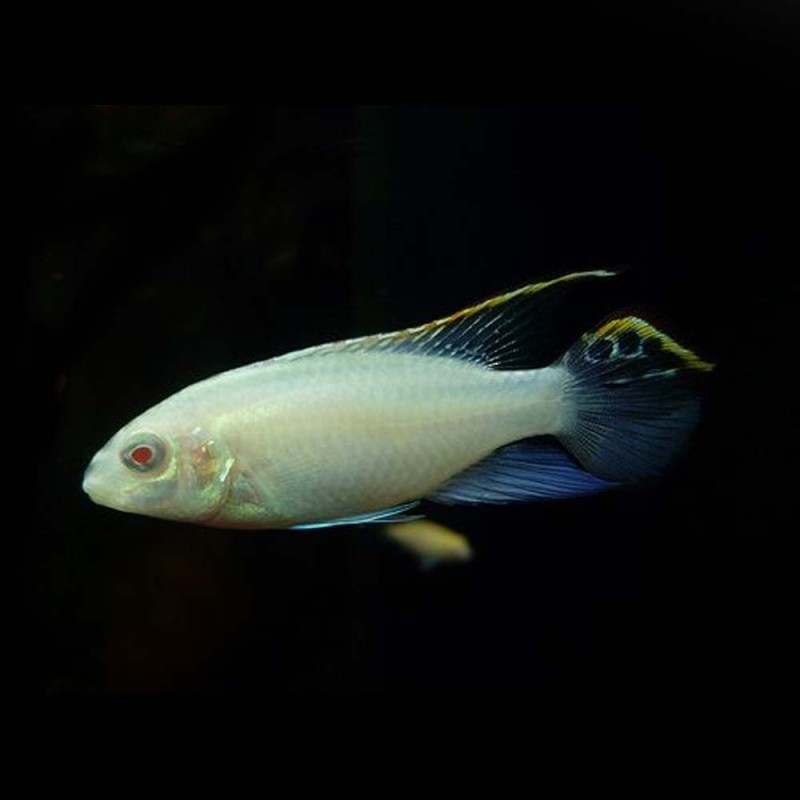
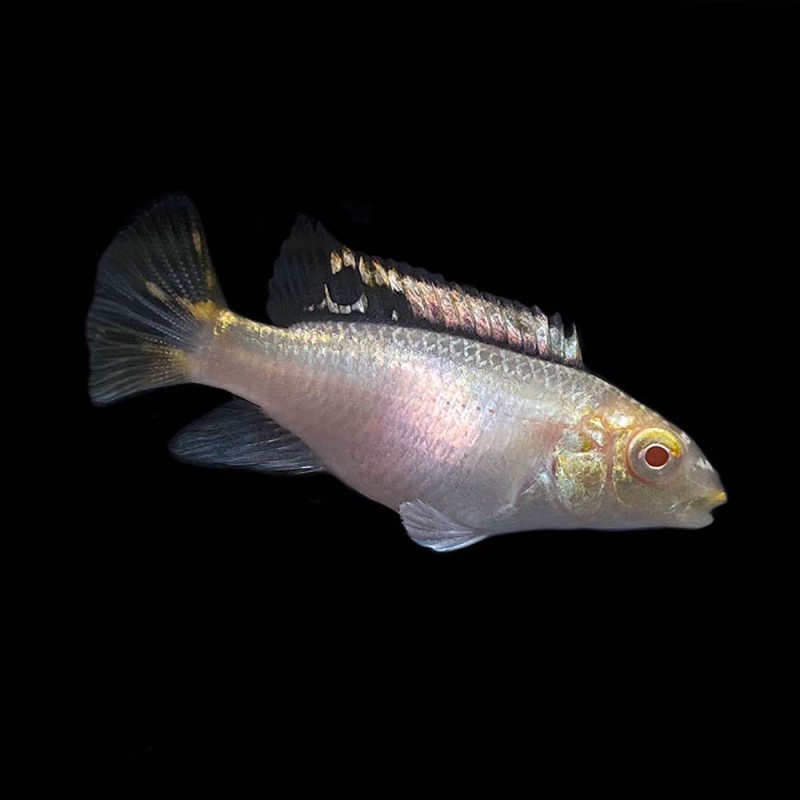
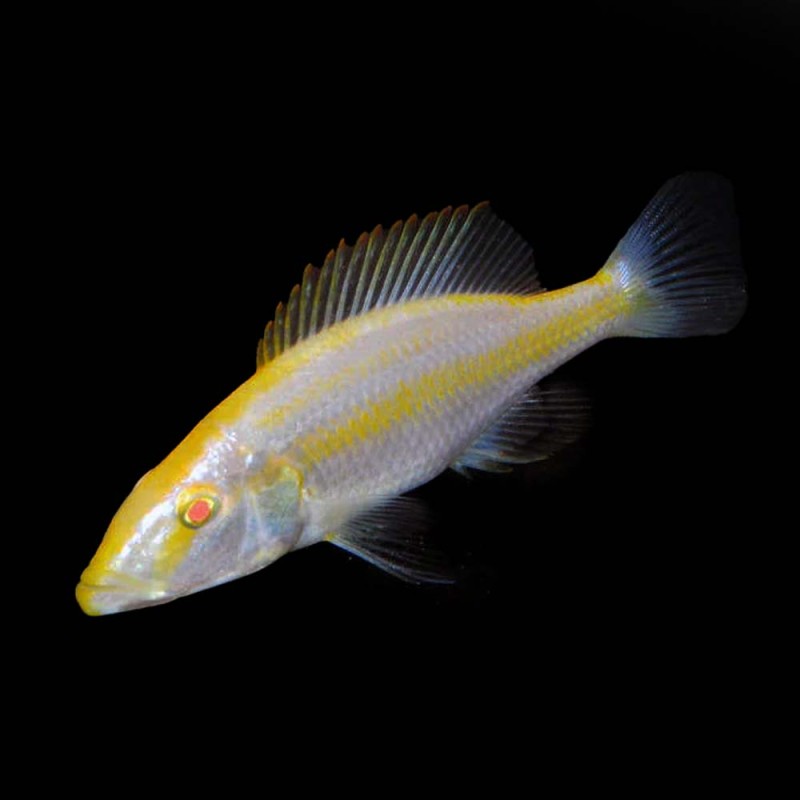
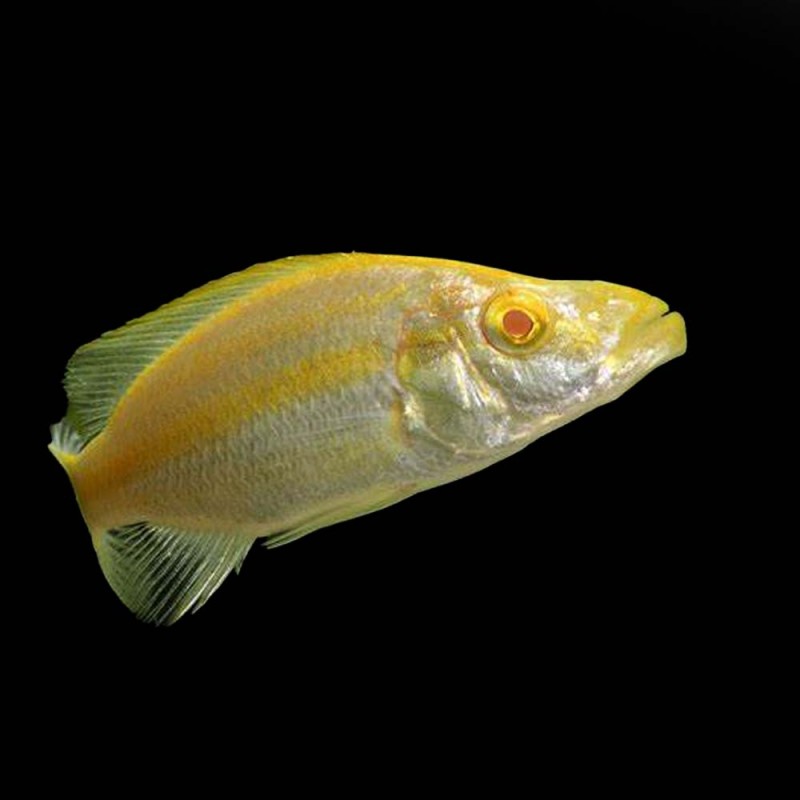
Exsul Jewel Cichlid

Exsul Jewel Cichlid
Exsul Jewel Cichlid
Exsul Jewel Cichlid
Exsul Jewel Cichlid
Exsul Jewel Cichlid
From €19.99
Ex Tax: €16.25
  • Stock: Generally In Stock
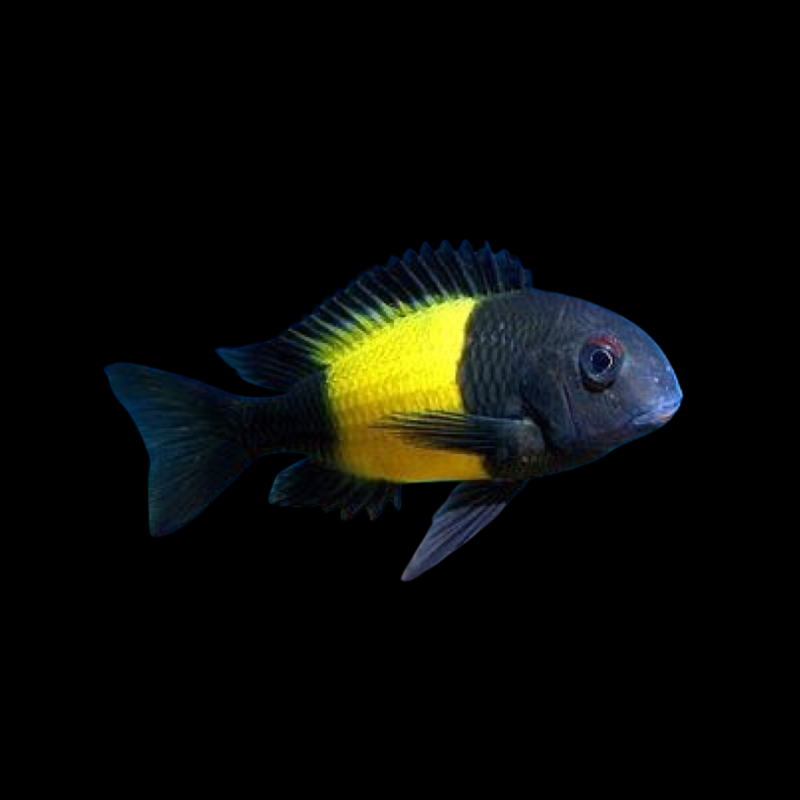
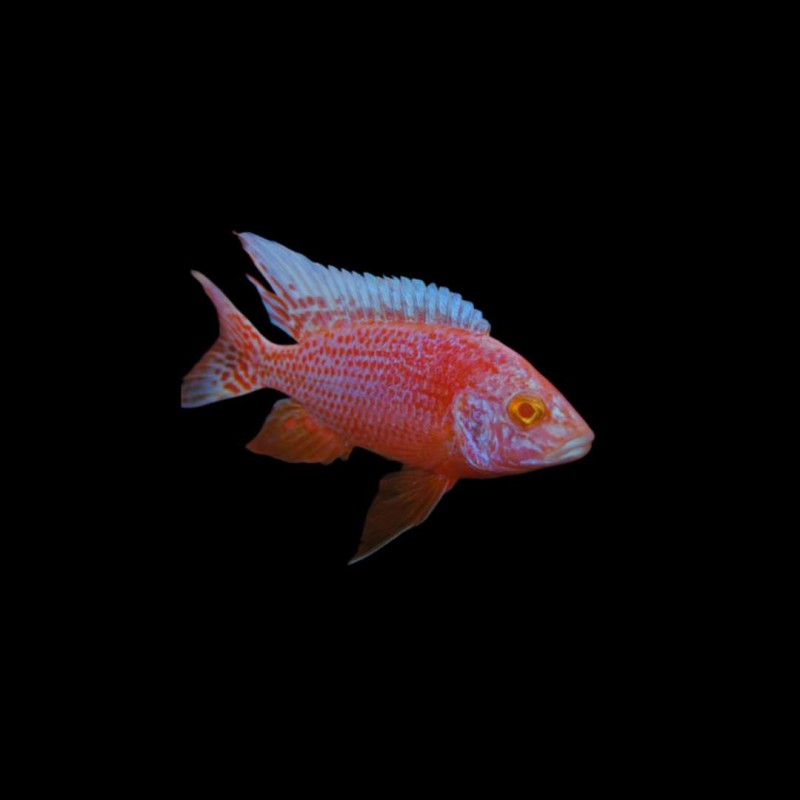
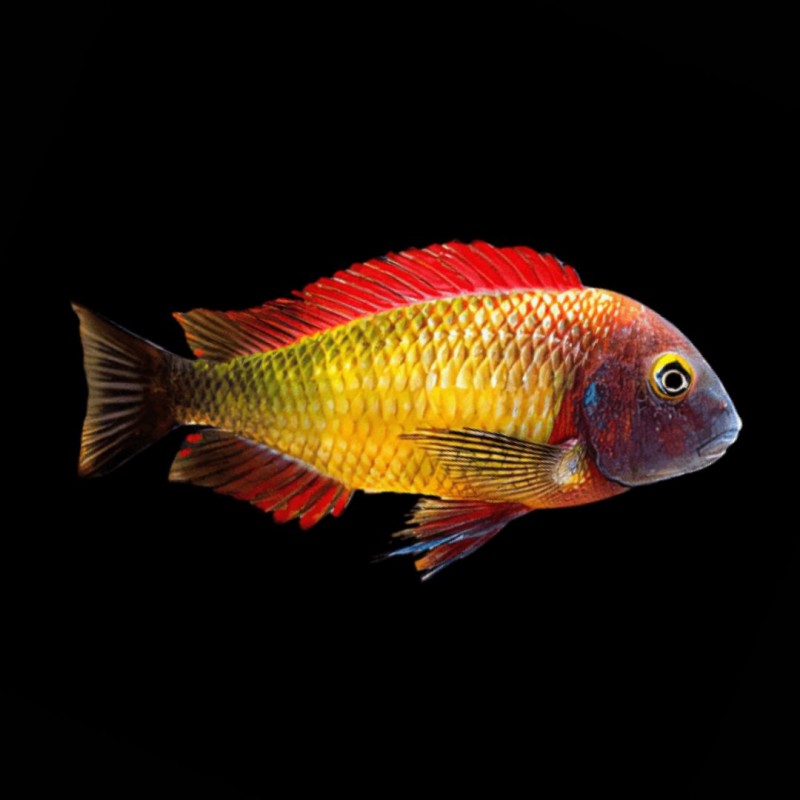
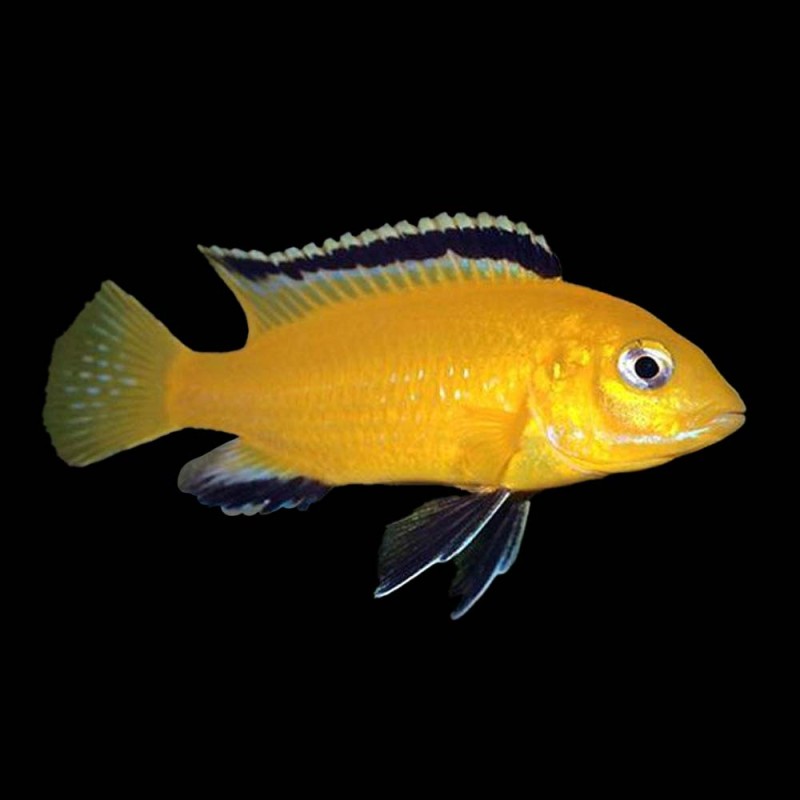
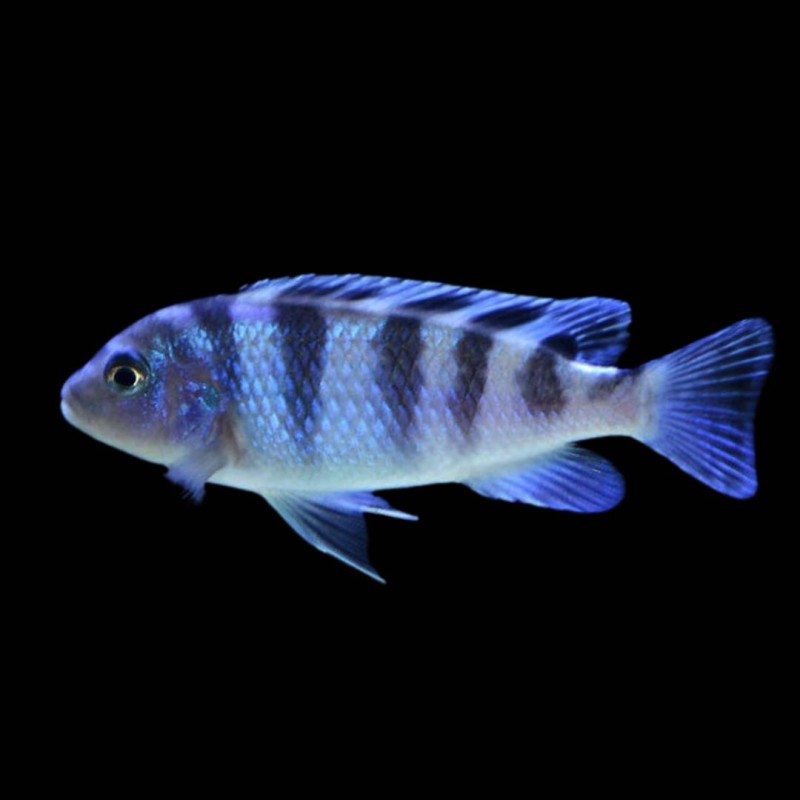
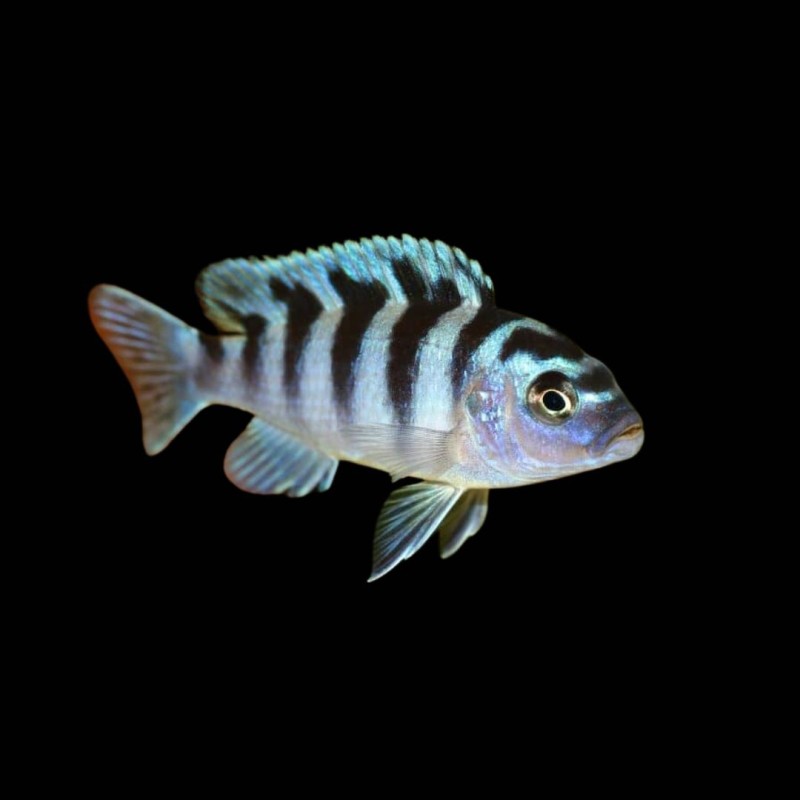
  • Please Note: Due to variations within species, your fish may not look identical to the image provided. Also note not all sizes or species may be available due to seasonality, Please call beforehand for up-to-date stock availability.

  • Model: EXSUL JEWEL CICHLID MATRIX

Available Options

Reset options

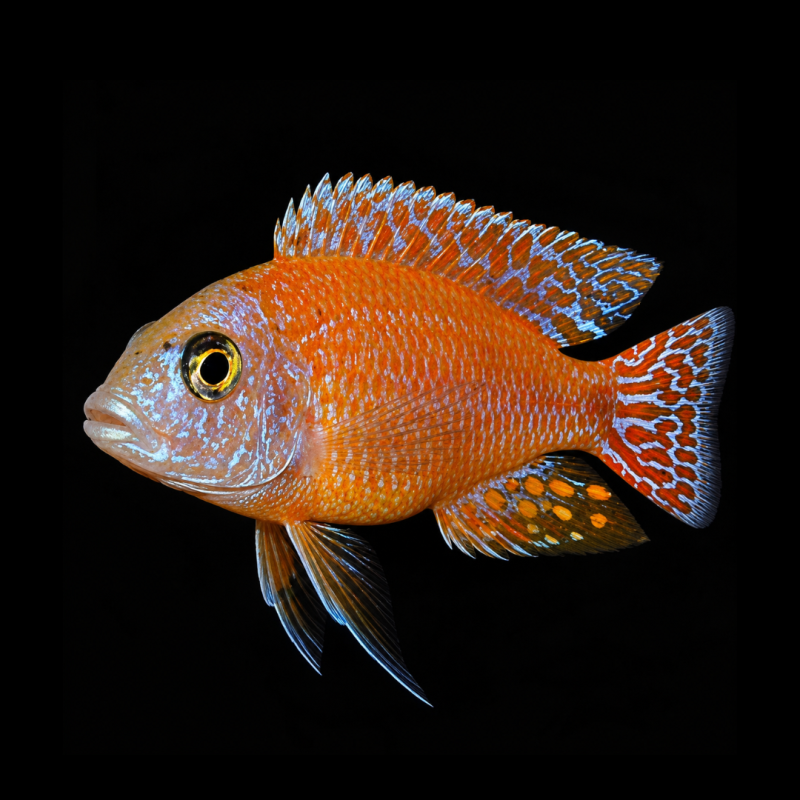
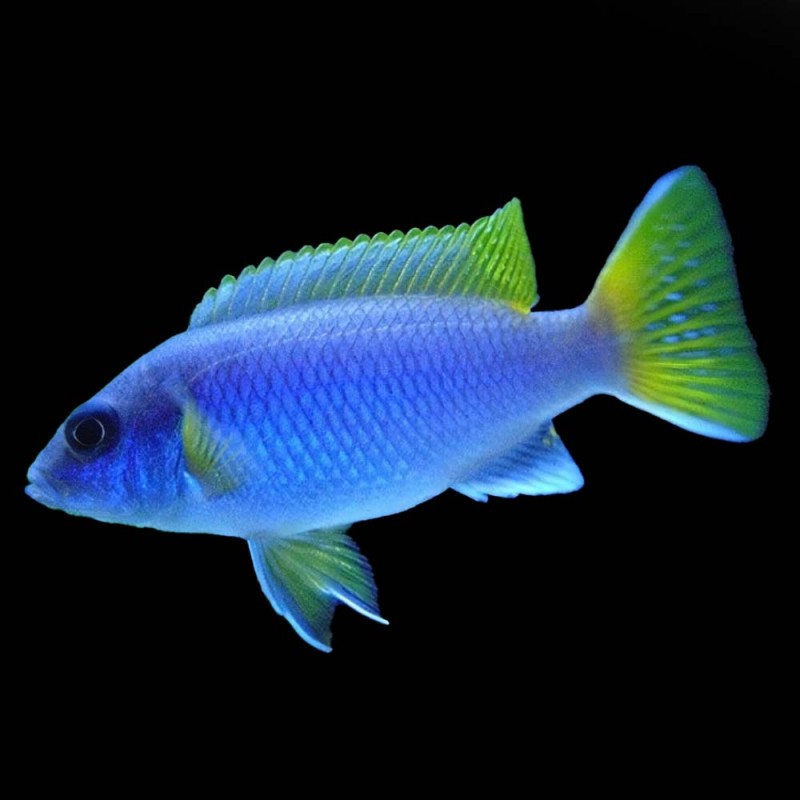
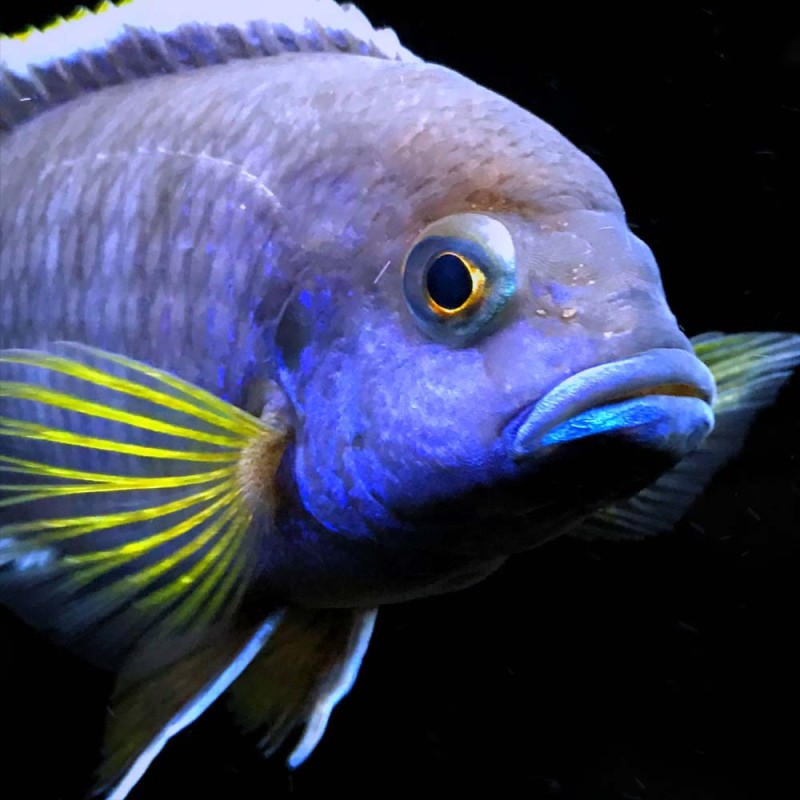
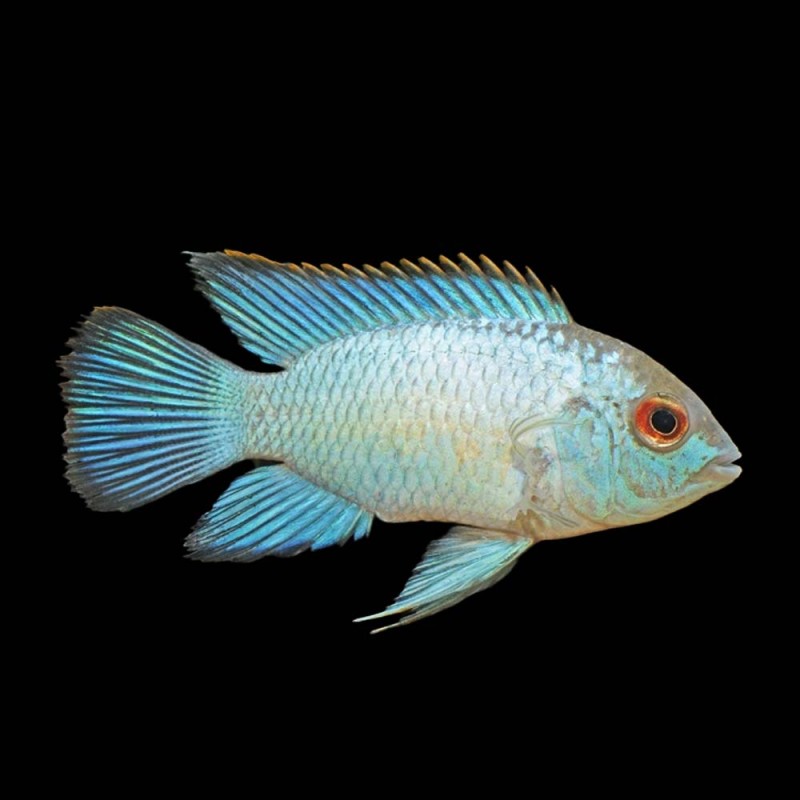
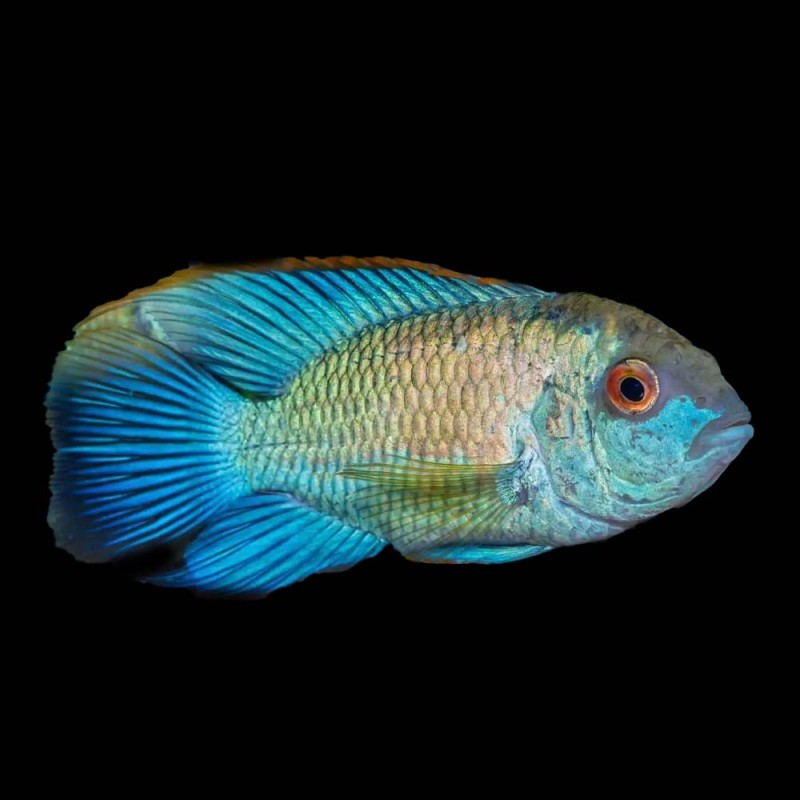
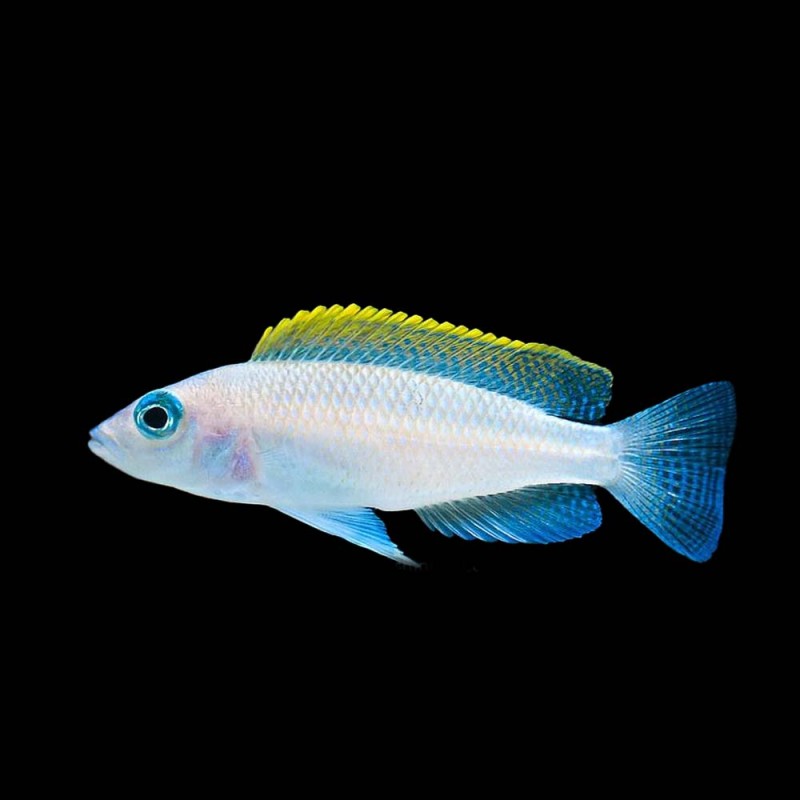
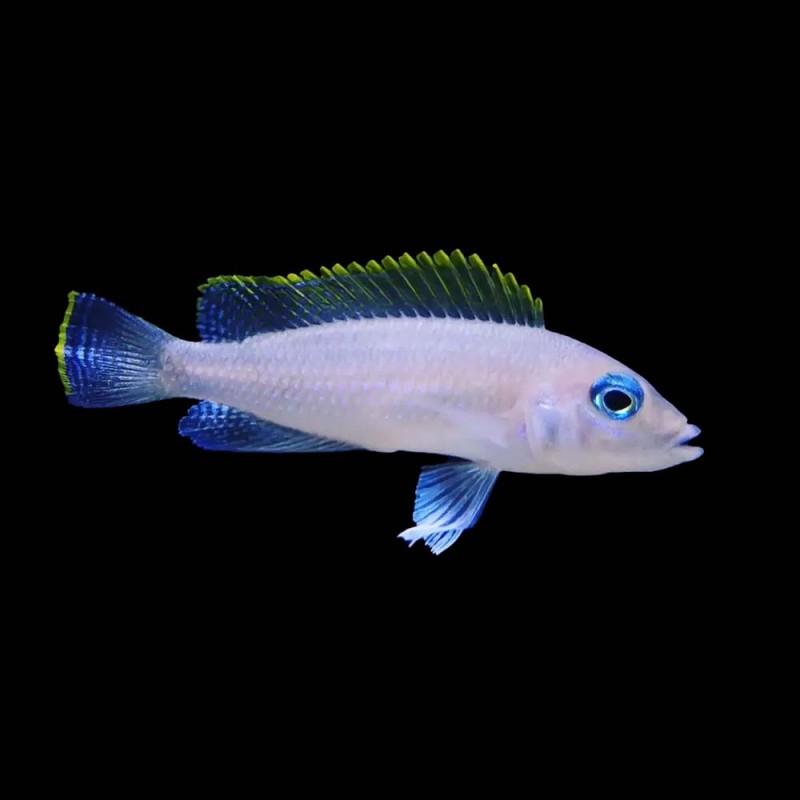
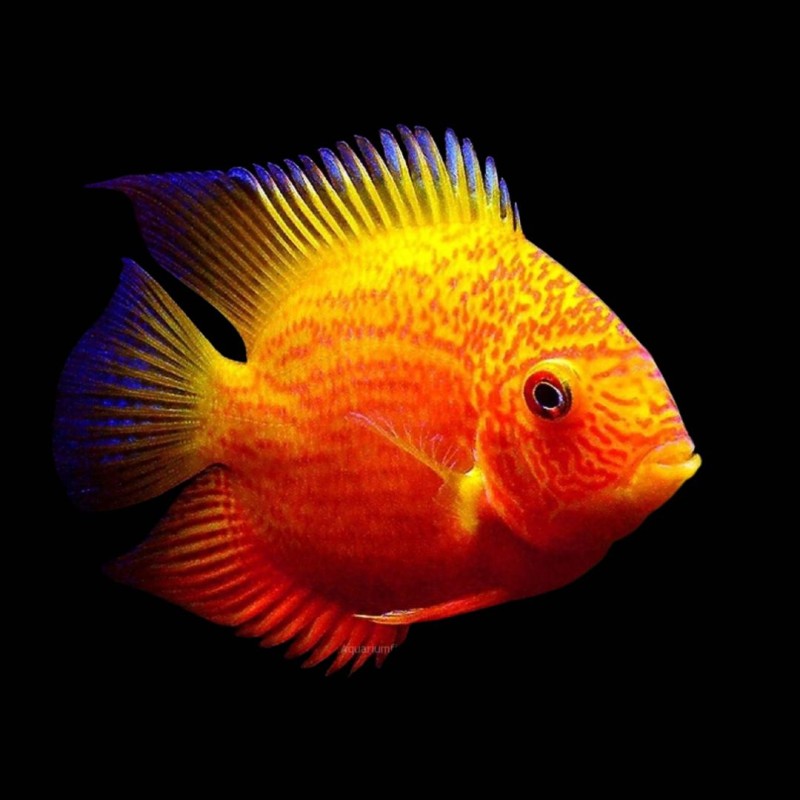
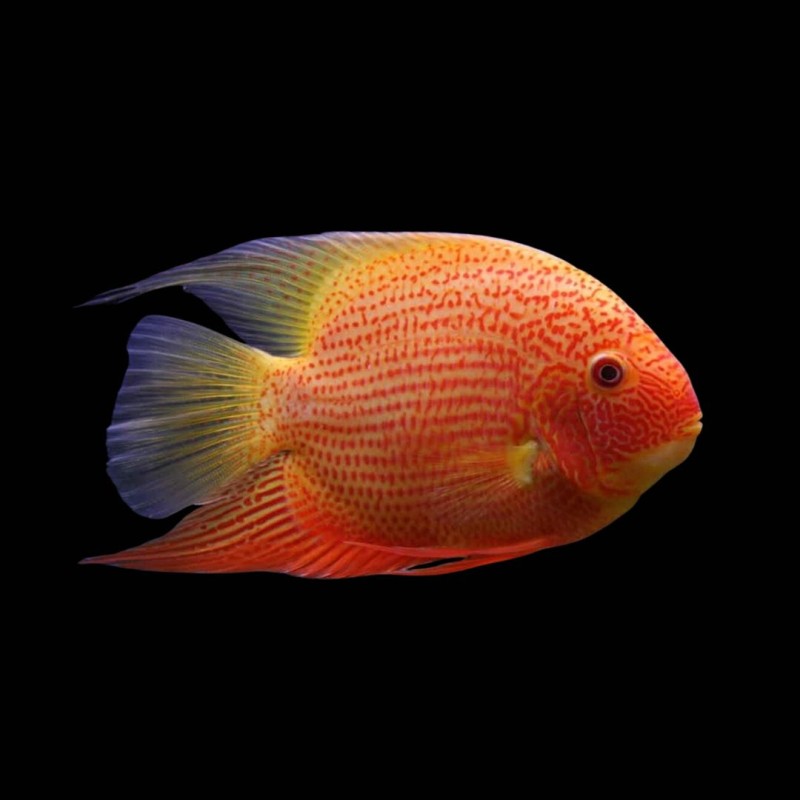
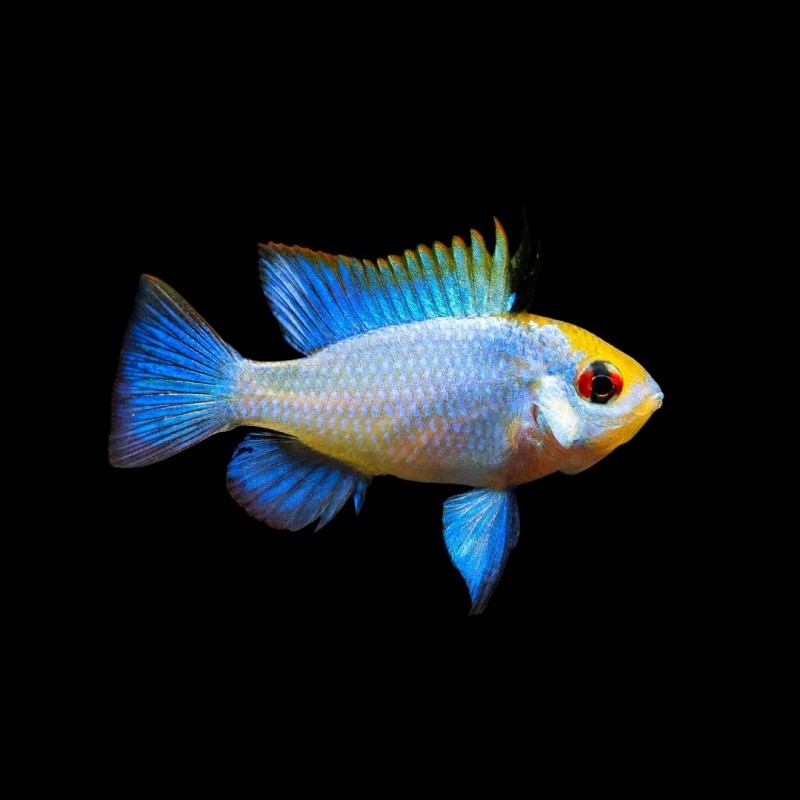
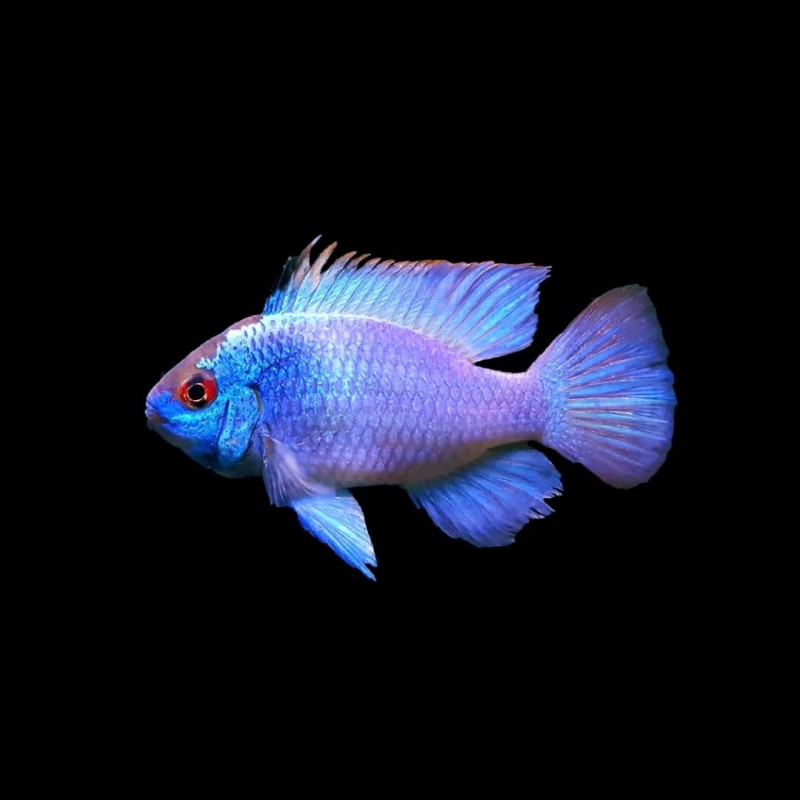
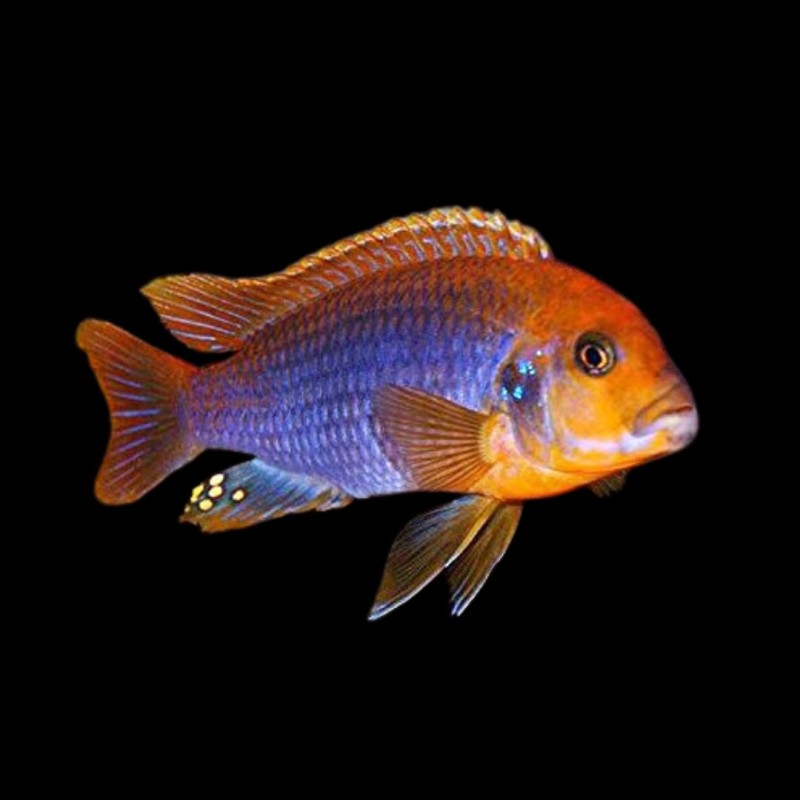
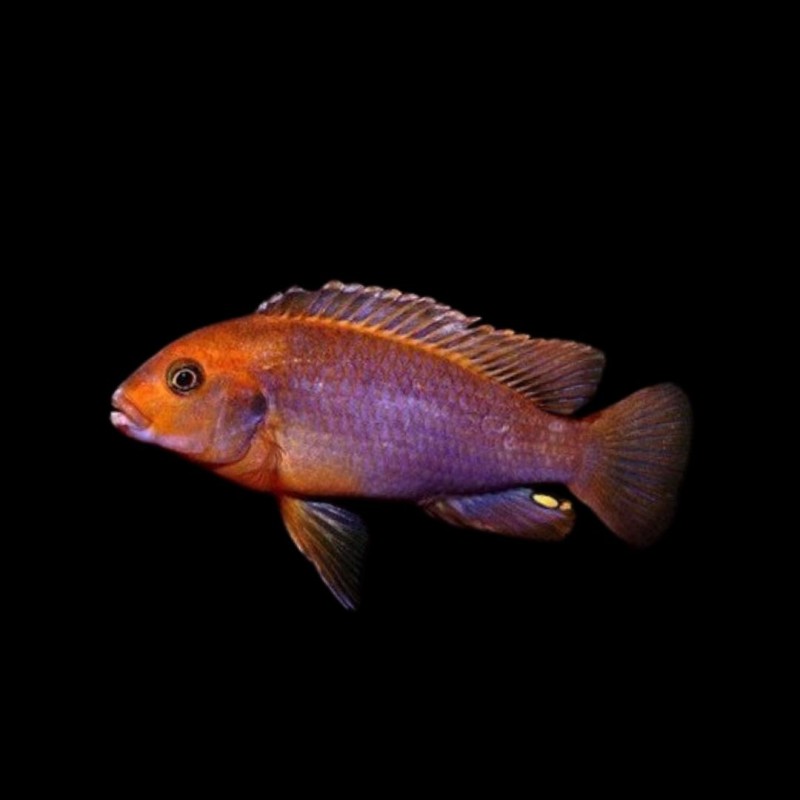
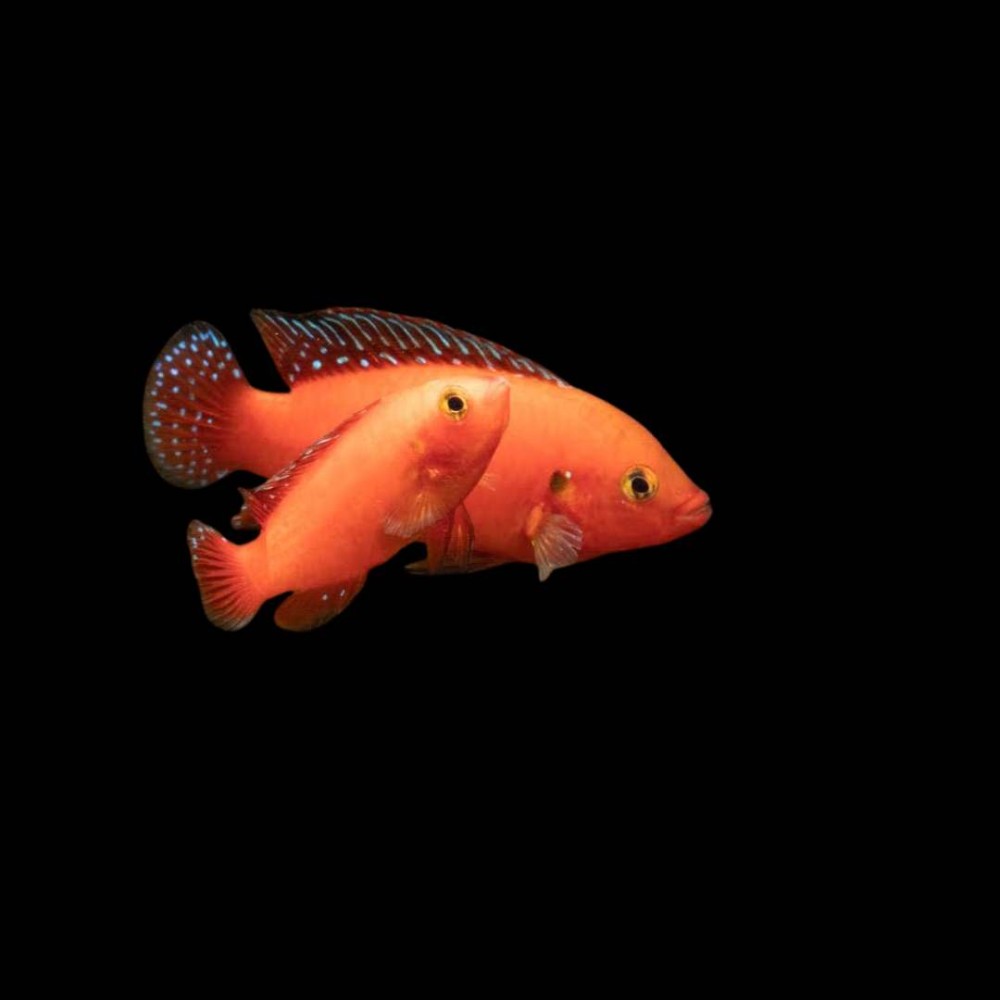
Hemichromis exsul (Turkana Jewel Cichlid) – Care Guide & Description

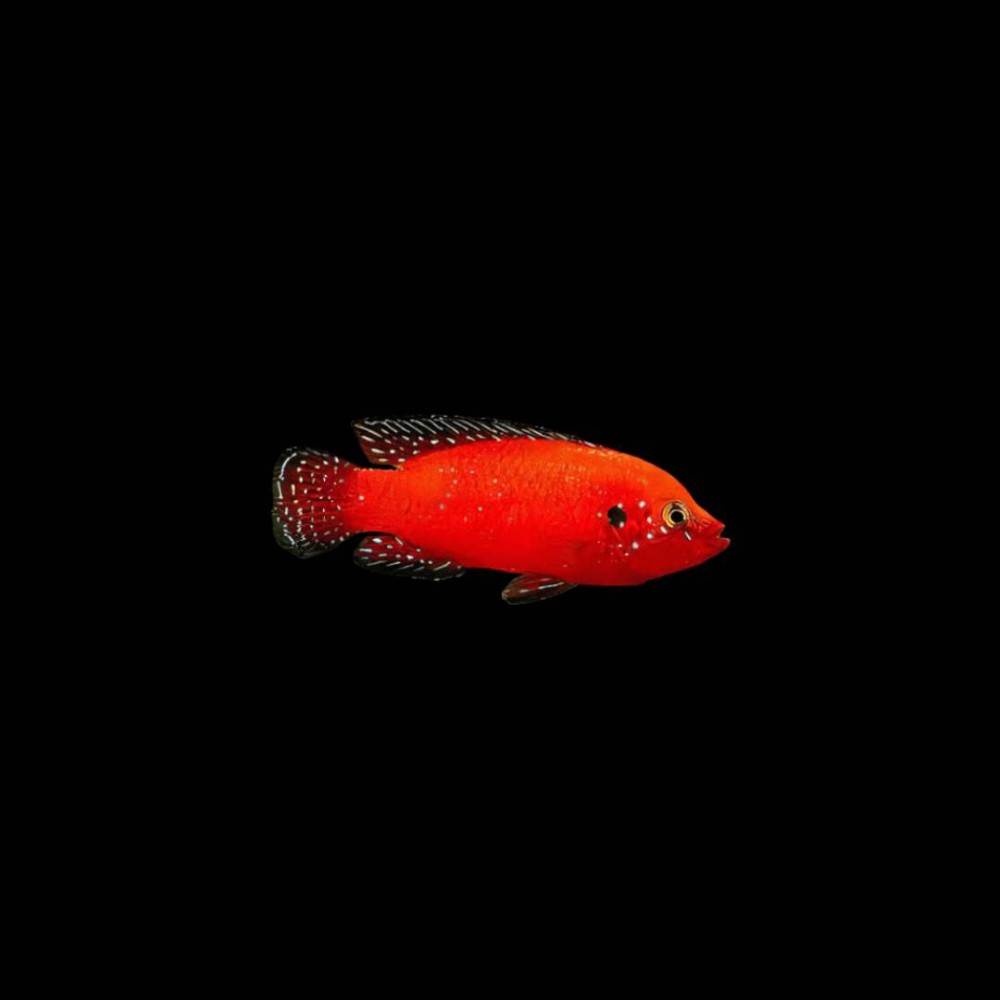
The Hemichromis exsul, also known as the Turkana Jewel Cichlid, is a small, vibrant African cichlid native to Lake Turkana in Kenya and Ethiopia.

Unlike its more aggressive relatives in the Hemichromis genus, H. exsul is somewhat less aggressive, though still territorial, especially during breeding.

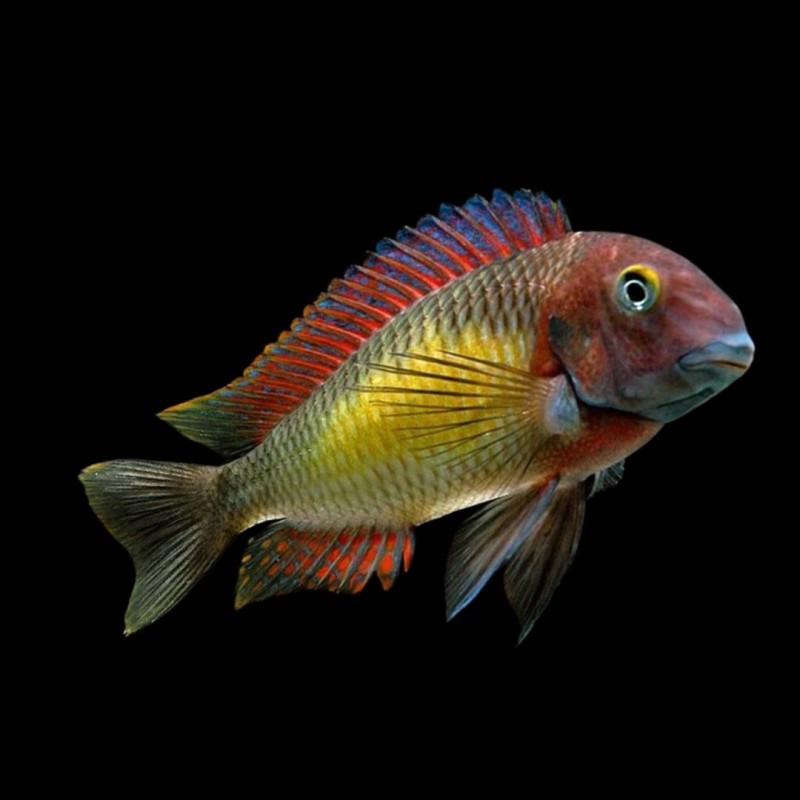
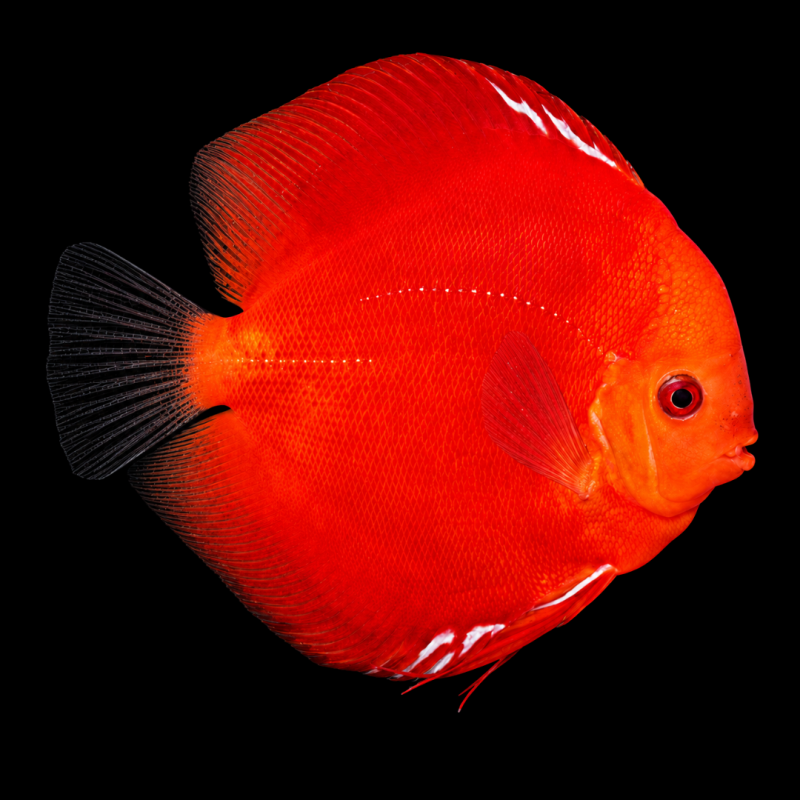
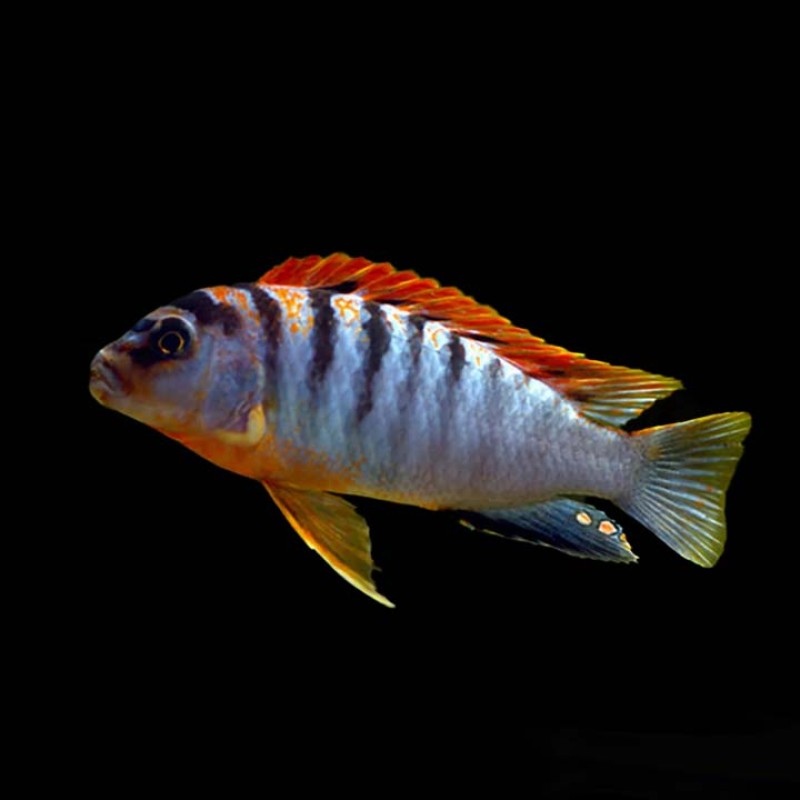
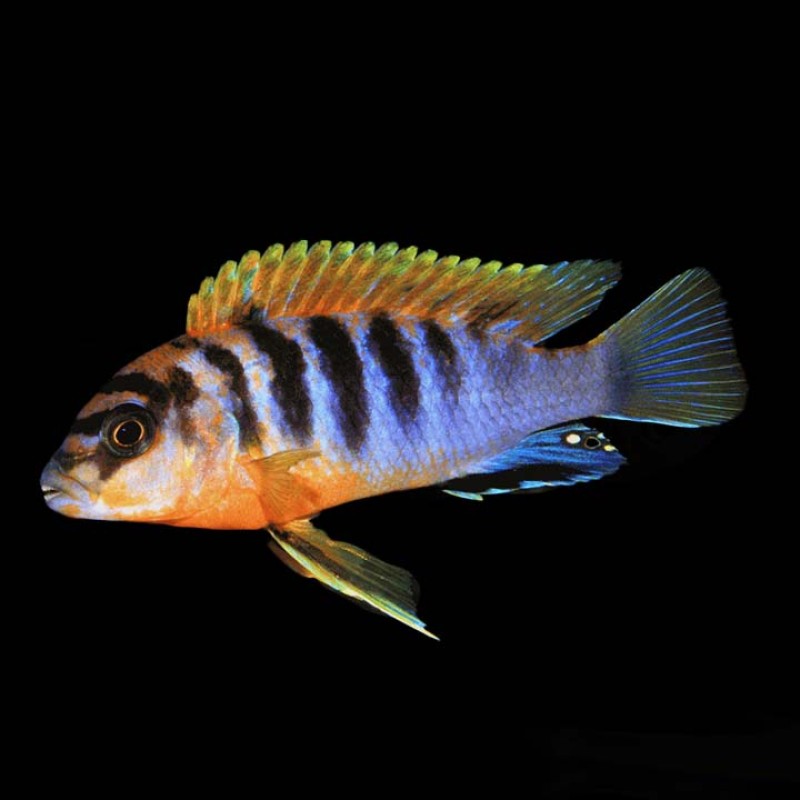
It displays brilliant red coloration with iridescent blue spots, which intensifies when stressed or during courtship.


Aquarium Care & Requirements

Parameter Recommended Range
Tank Size Minimum 100 liters (25 gallons) for a pair; larger for a community
Temperature 24–28°C
pH Level 7.0–8.5
Water Hardness (dGH) 8–20 dGH (moderate to hard)
Carbonate Hardness (dKH) 6–12 dKH
Substrate Fine sand or smooth gravel
Filtration Strong filtration with moderate flow (canister or sponge filter recommended)
Oxygenation Moderate to high (air stones or surface agitation recommended)
Tank Setup Rocks, caves, driftwood, and open swimming space
Lighting Moderate to bright
Diet Omnivorous: high-quality pellets, live/frozen foods (brine shrimp, bloodworms, insects), and some vegetable matter
Temperament Semi-aggressive, territorial; best in pairs or with compatible tank mates
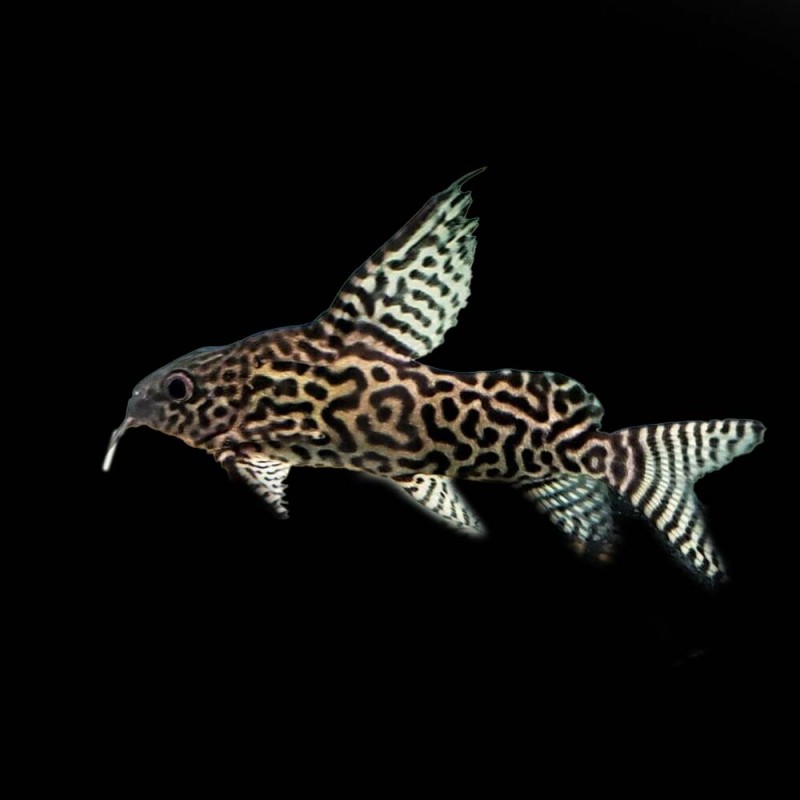
Tank Mates Compatible with African tetras, Synodontis catfish, larger rainbowfish, and Rift Lake cichlids. Avoid very small or overly aggressive fish.

Additional Care Tips

Provide multiple hiding spots (rock formations, caves) to reduce aggression.
Best kept as a bonded pair or in a species-only setup.
Avoid very small tank mates, as they may be seen as prey.
Weekly water changes (30–50%) to maintain water quality.
Offer a varied diet to enhance color and overall health.


Write a review

Please login or register to review