

- Stock: Generally In Stock
- Model: -
Hongi Red Top Cichlid
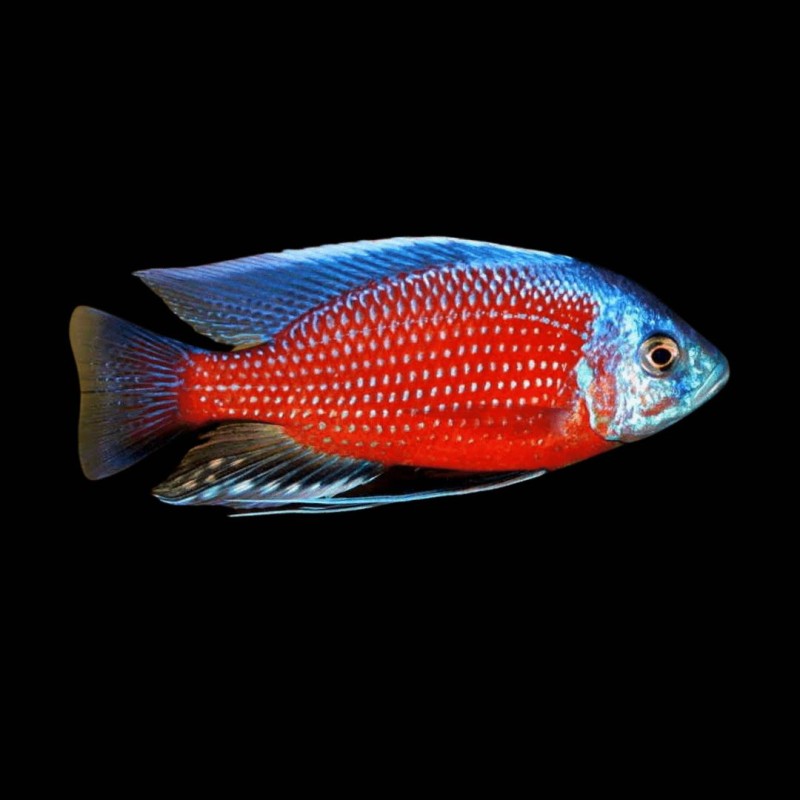
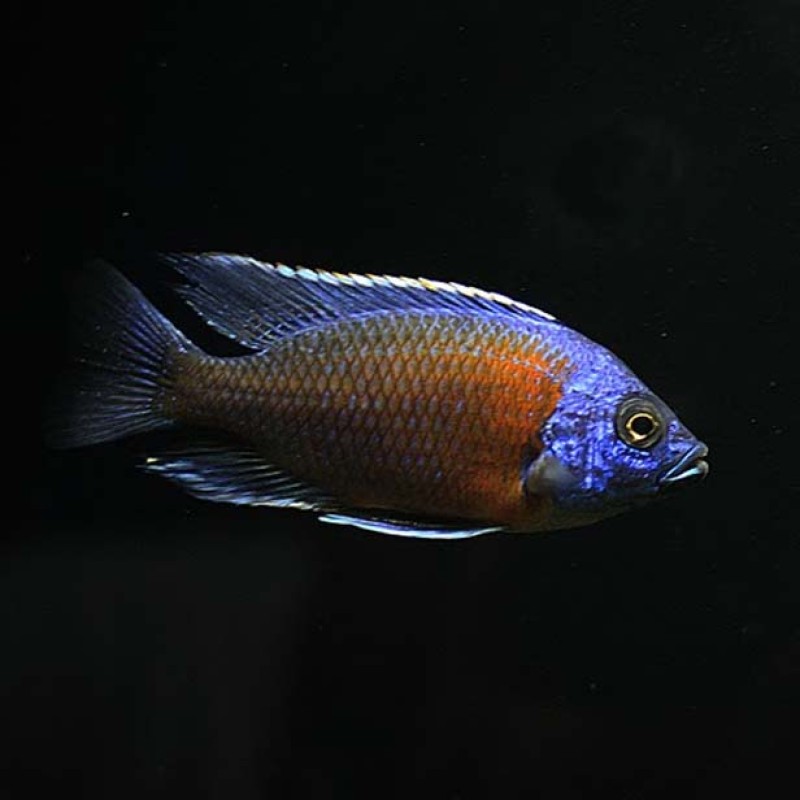
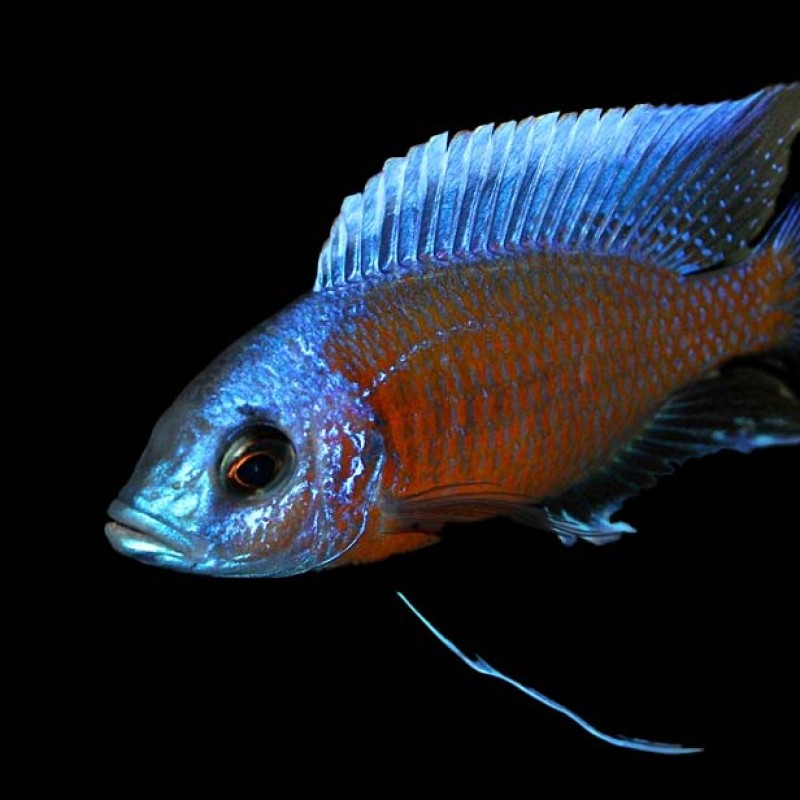
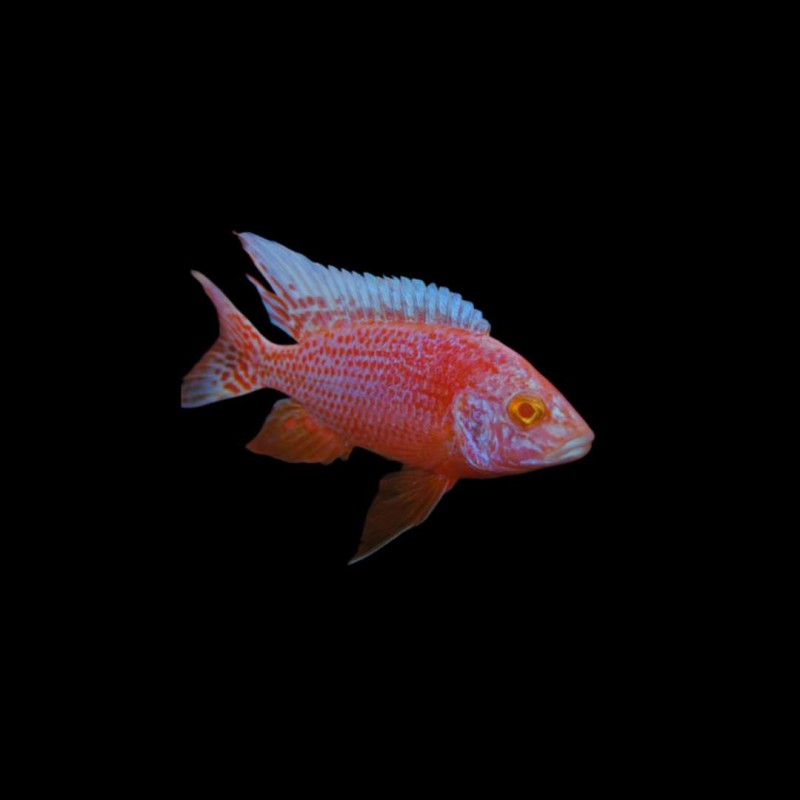
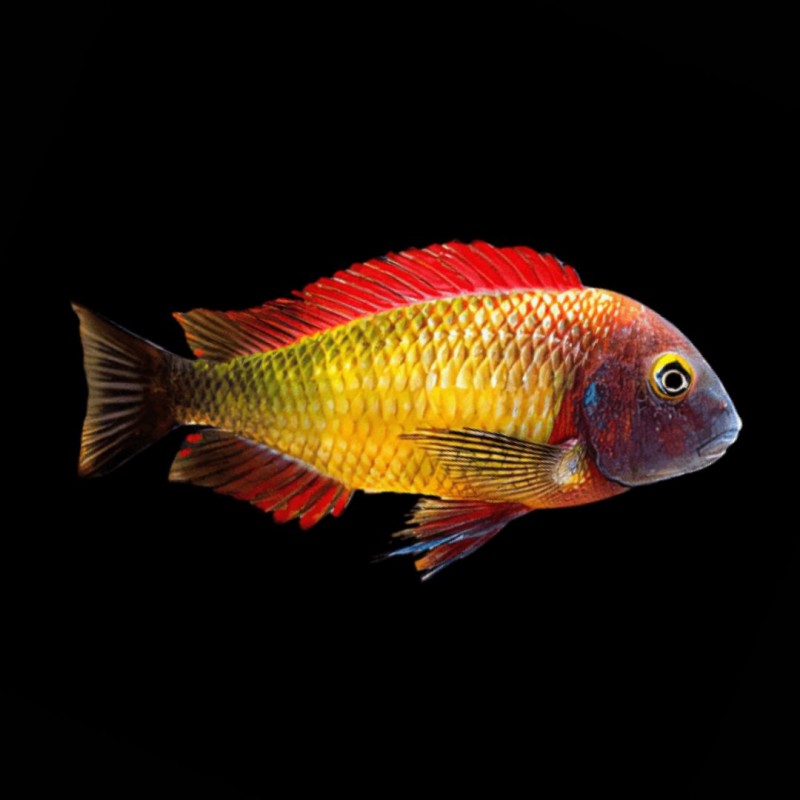
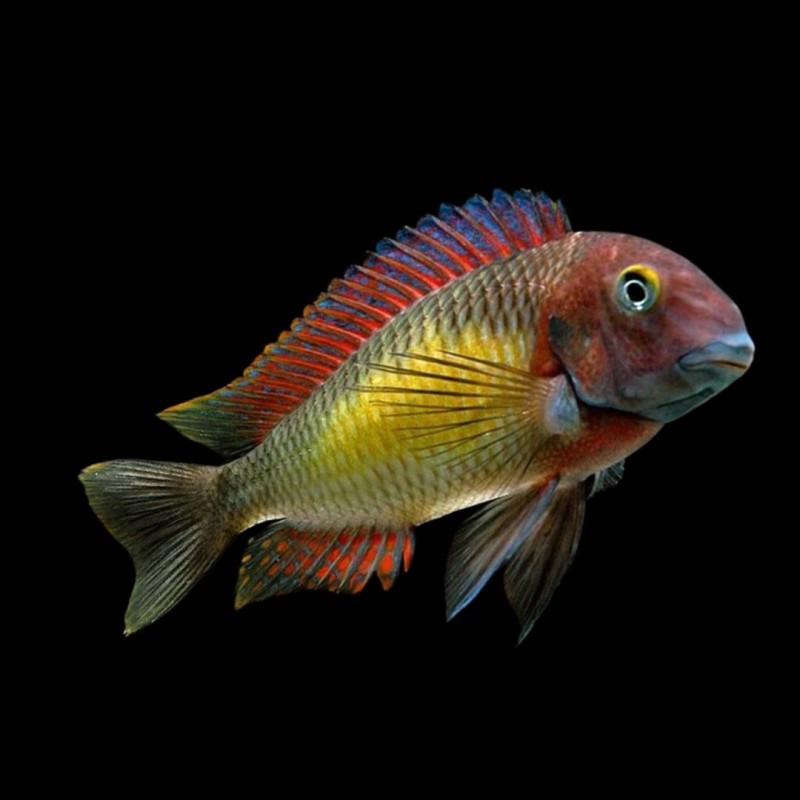
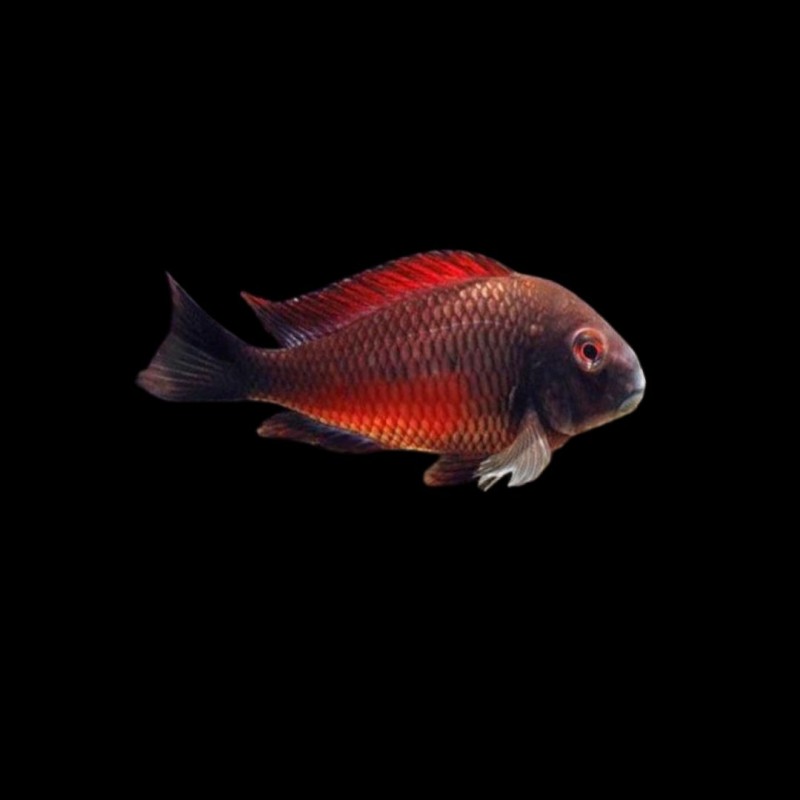
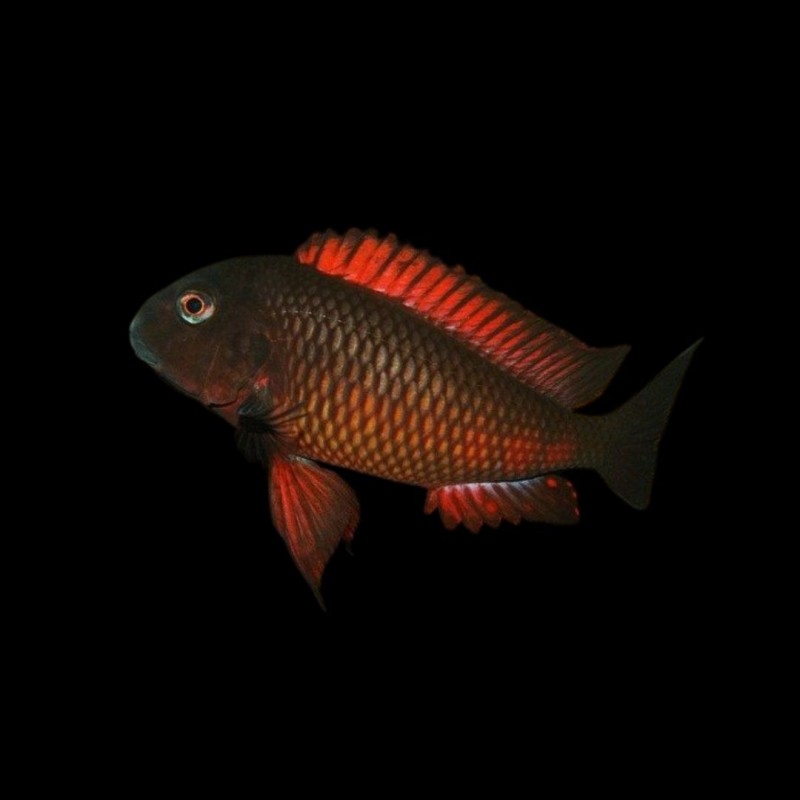
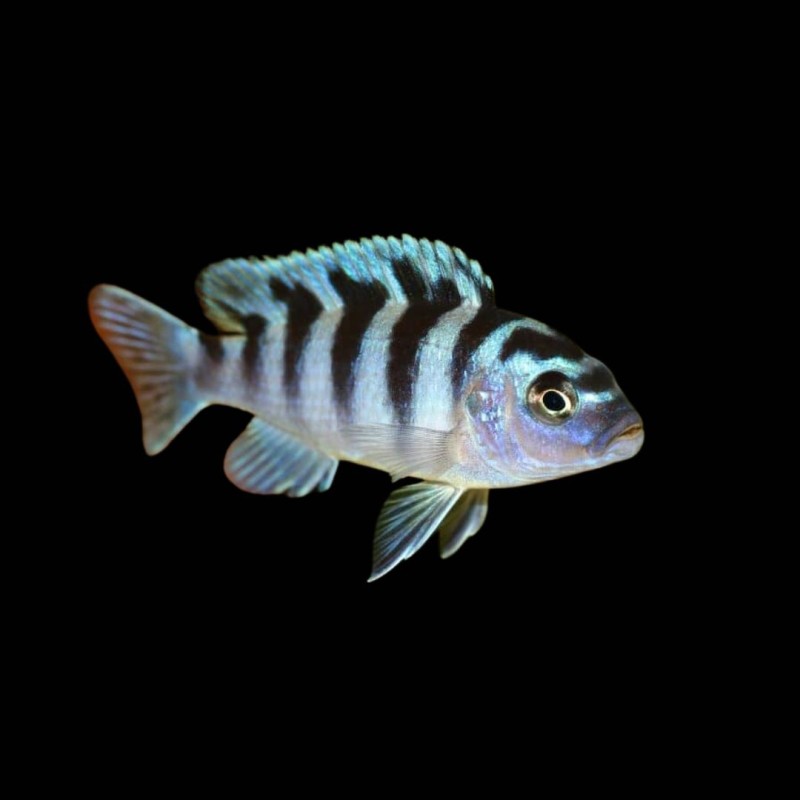
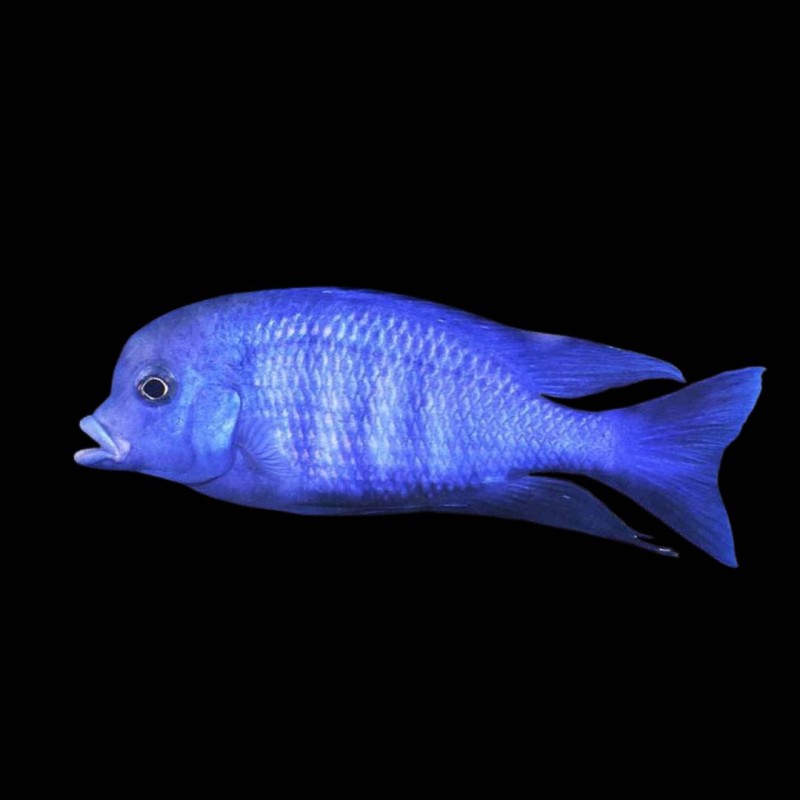
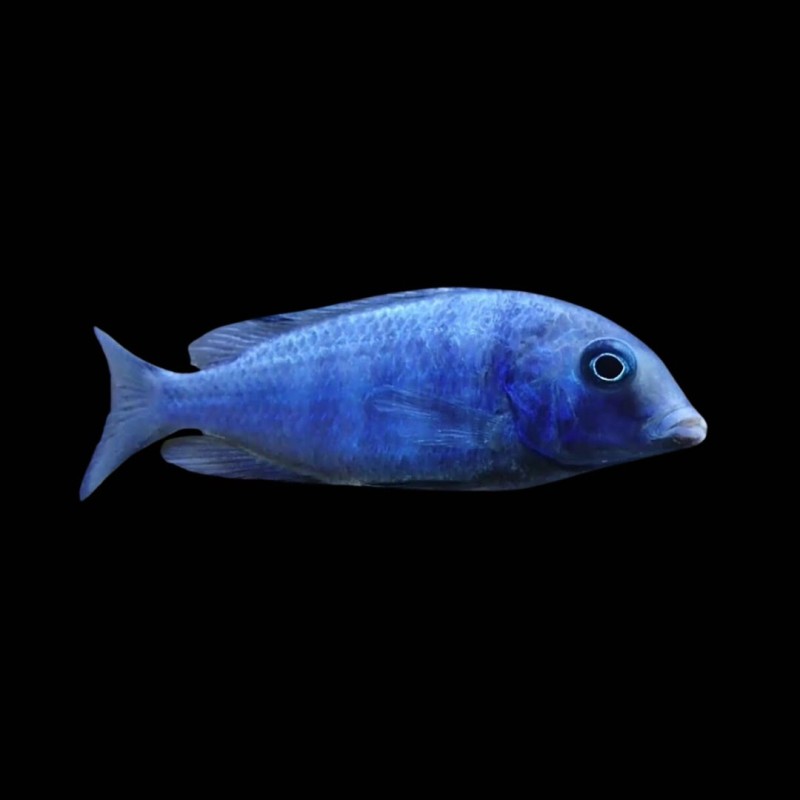
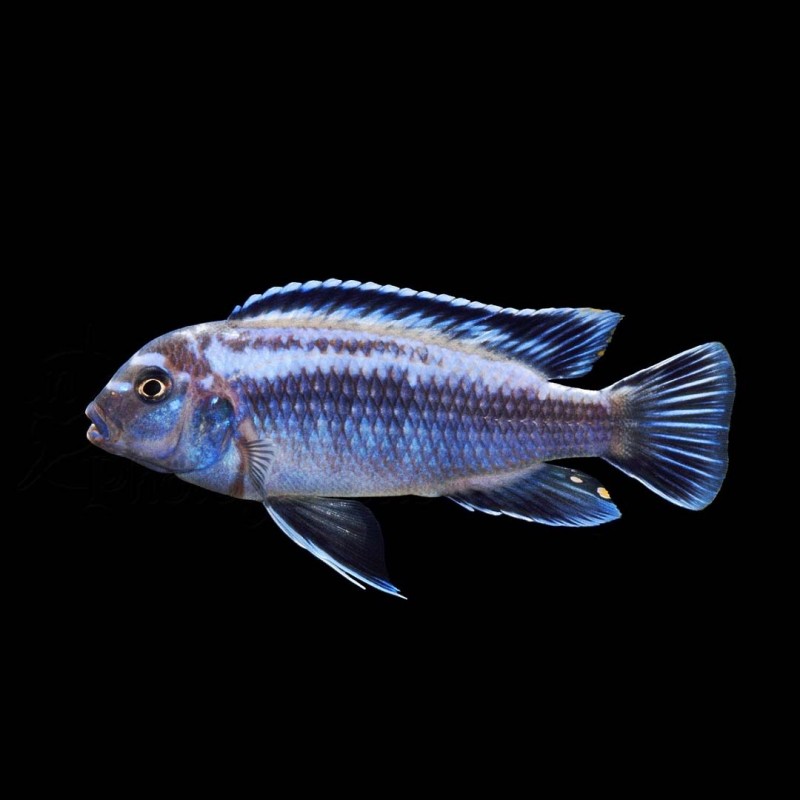
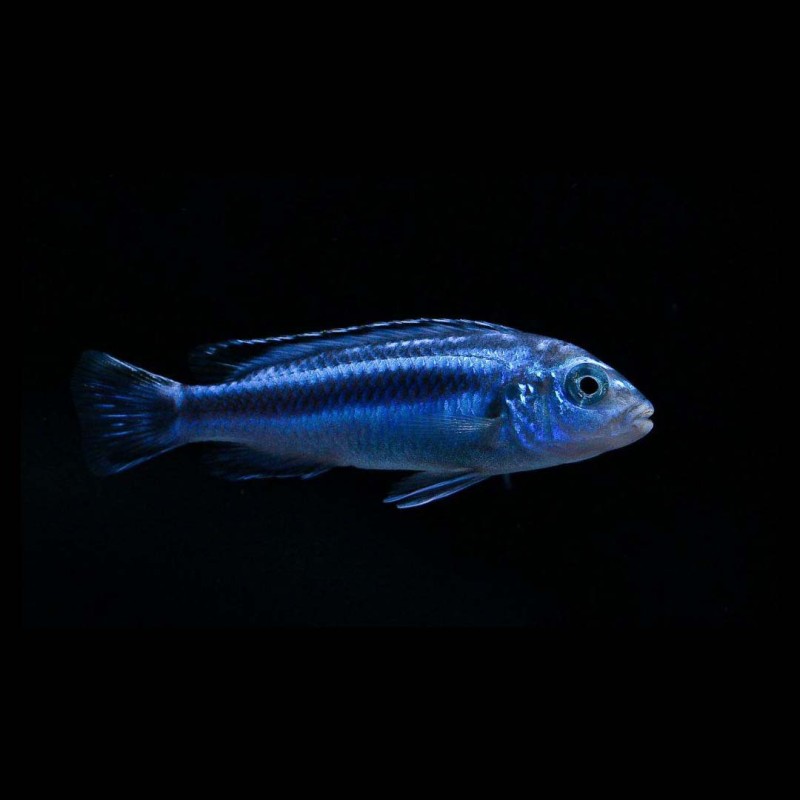
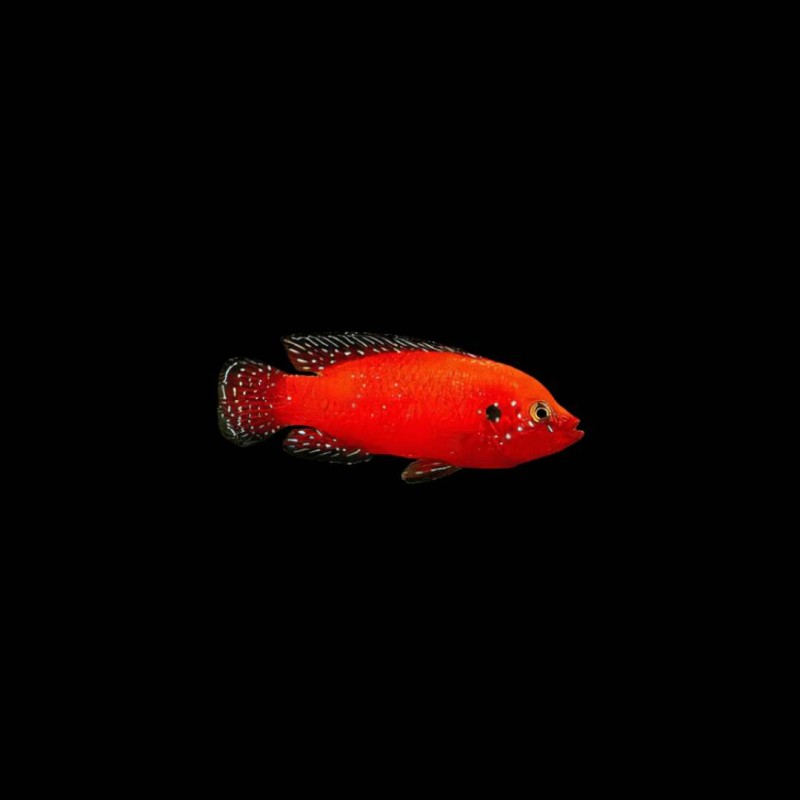
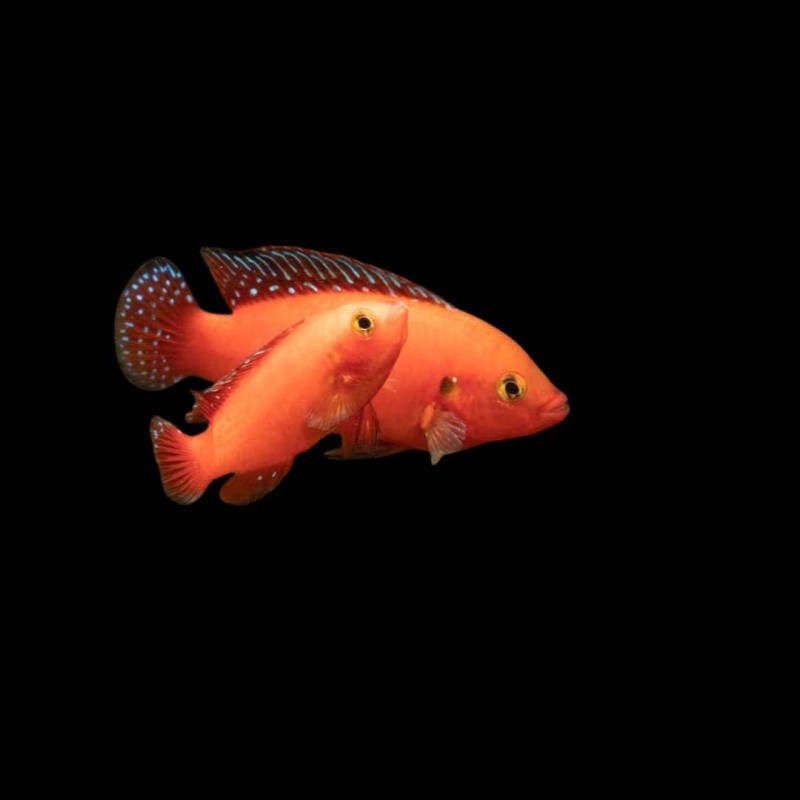
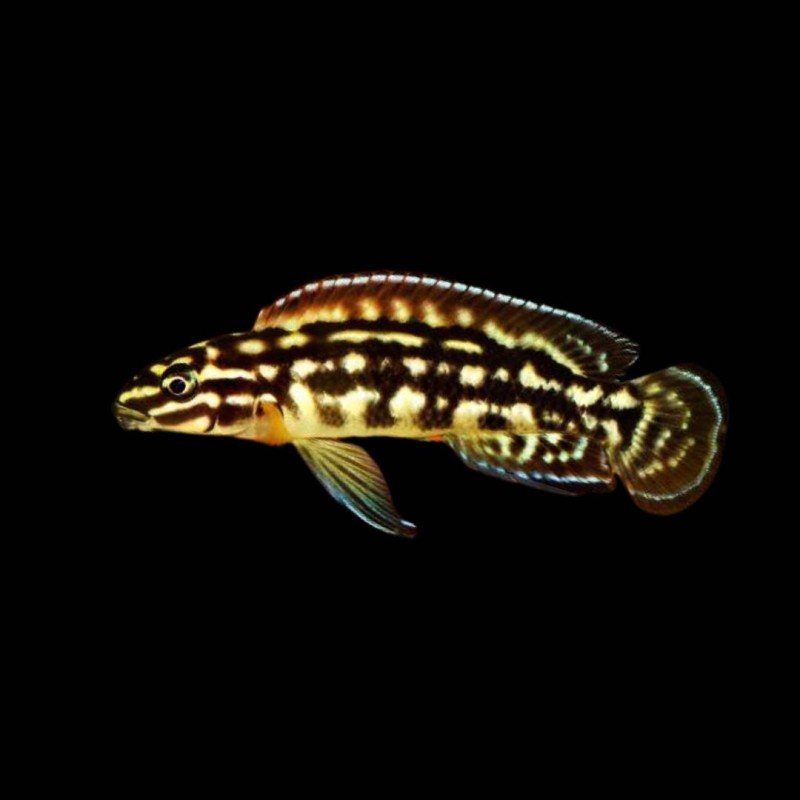
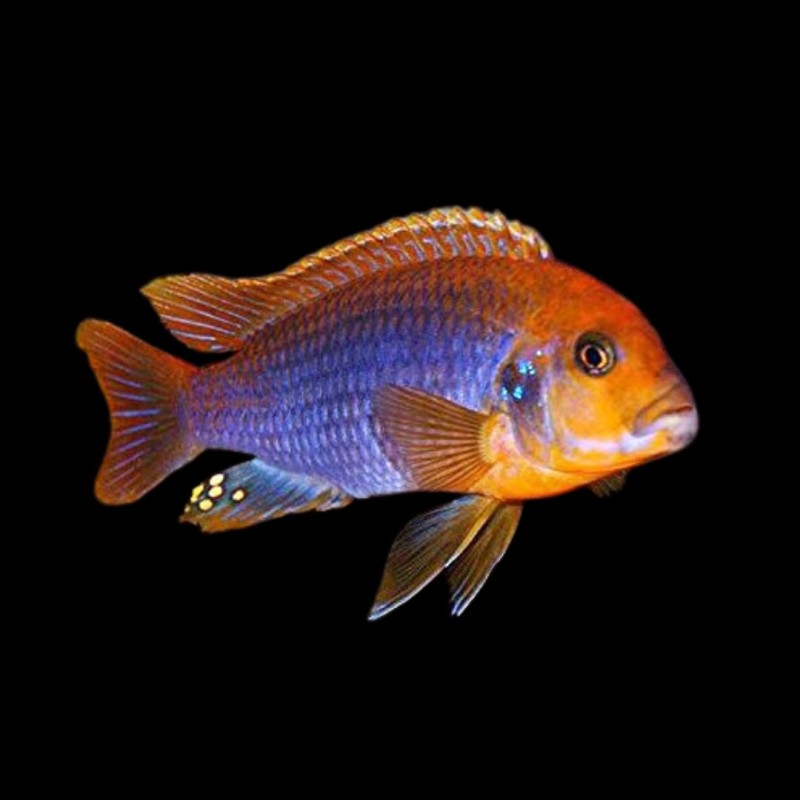
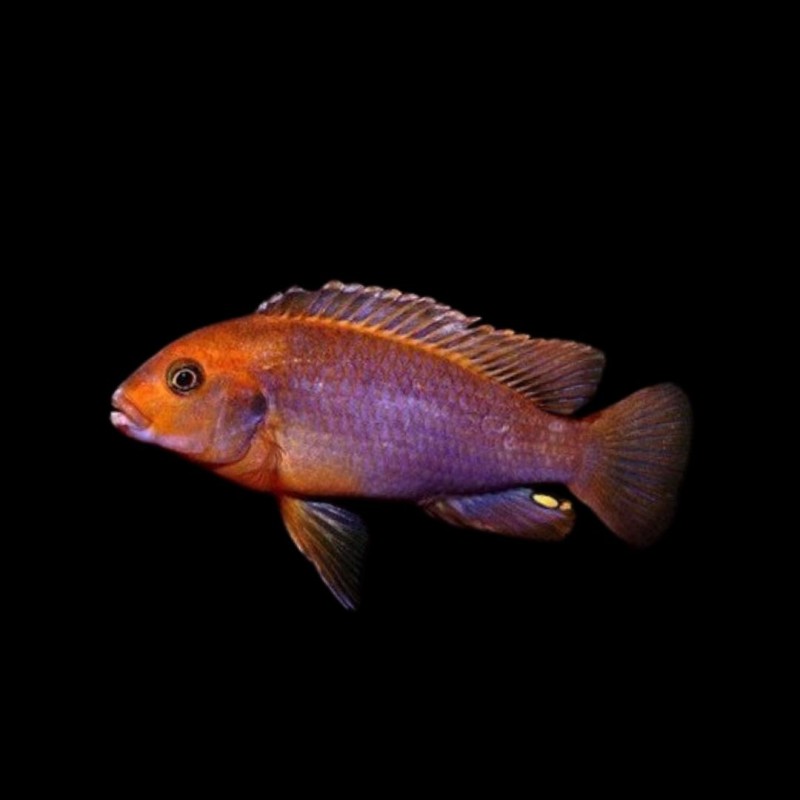
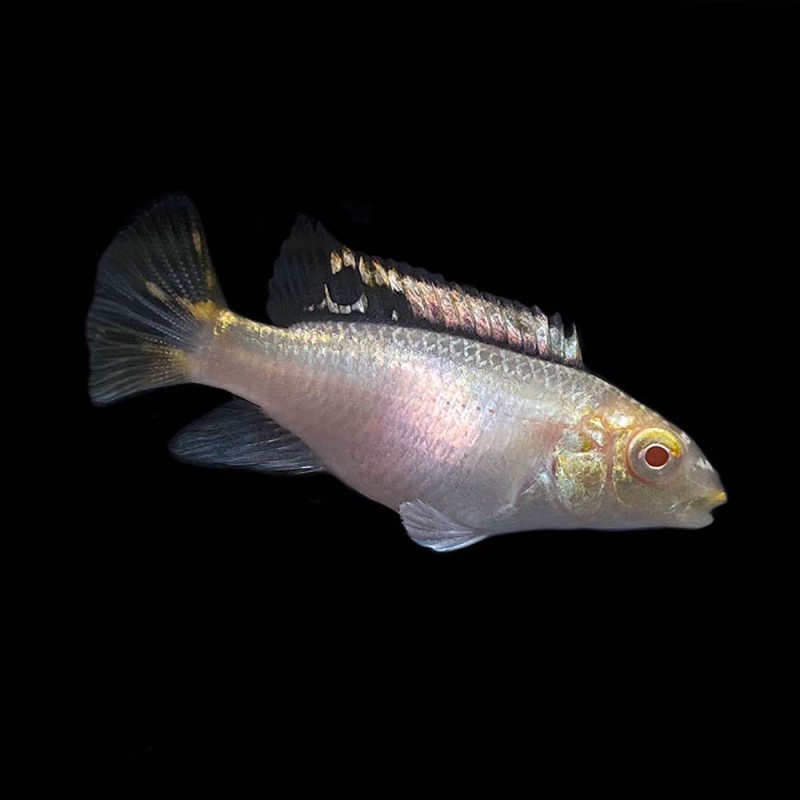
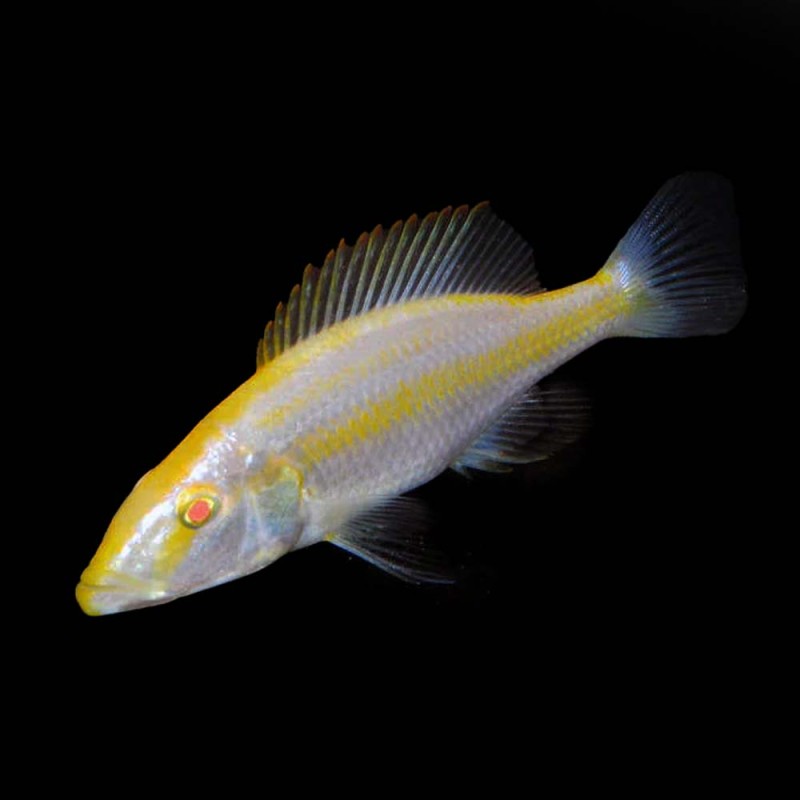
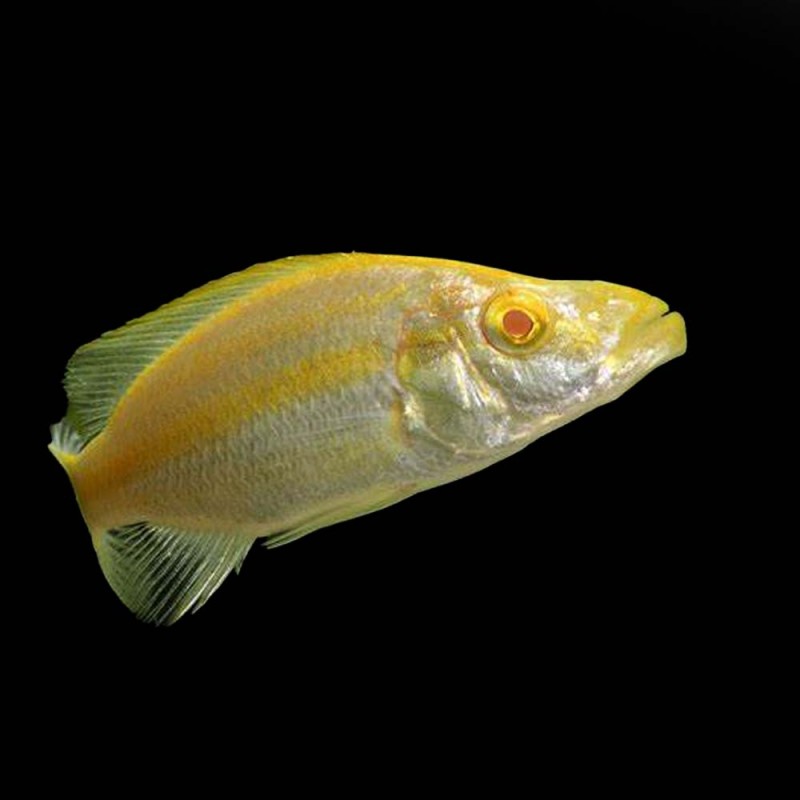
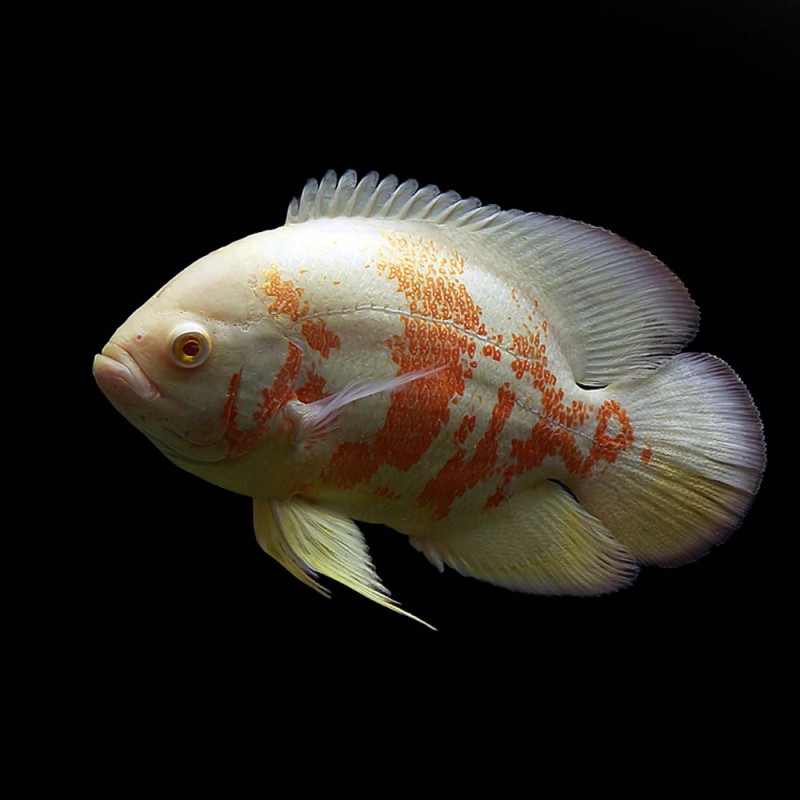
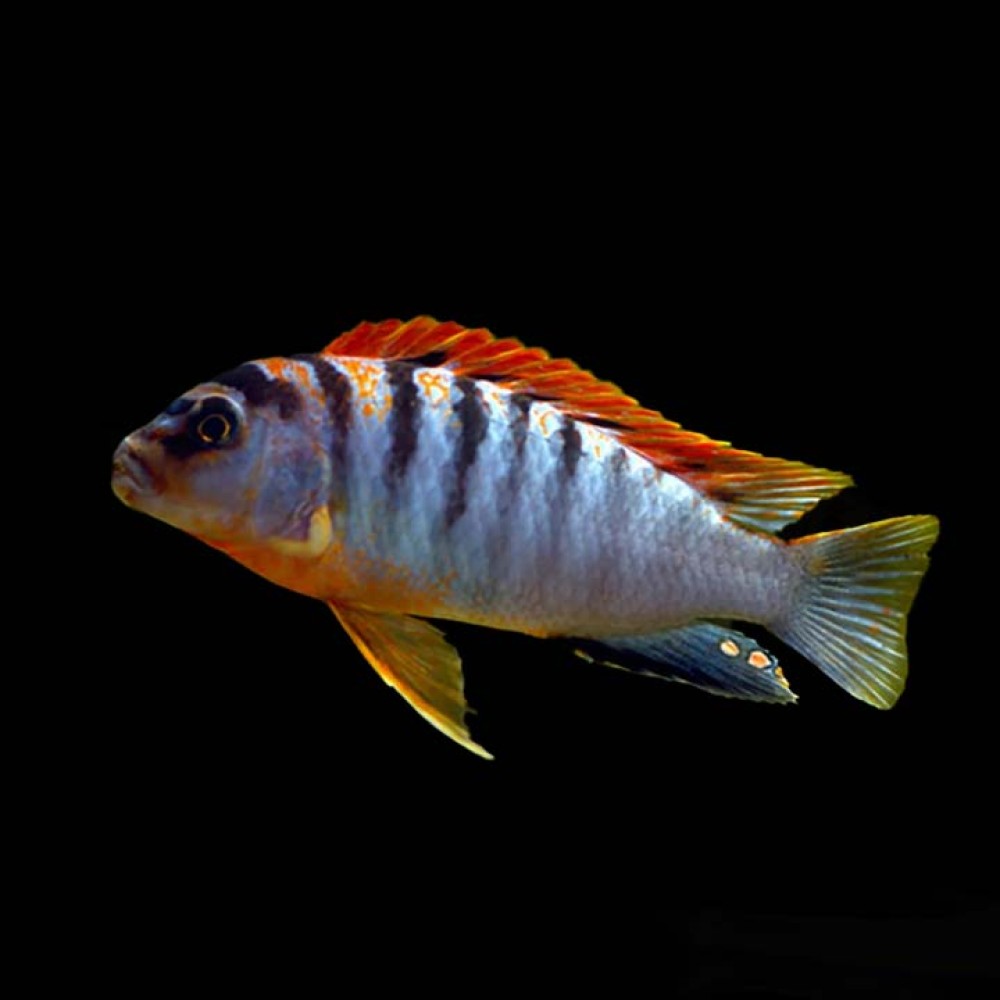
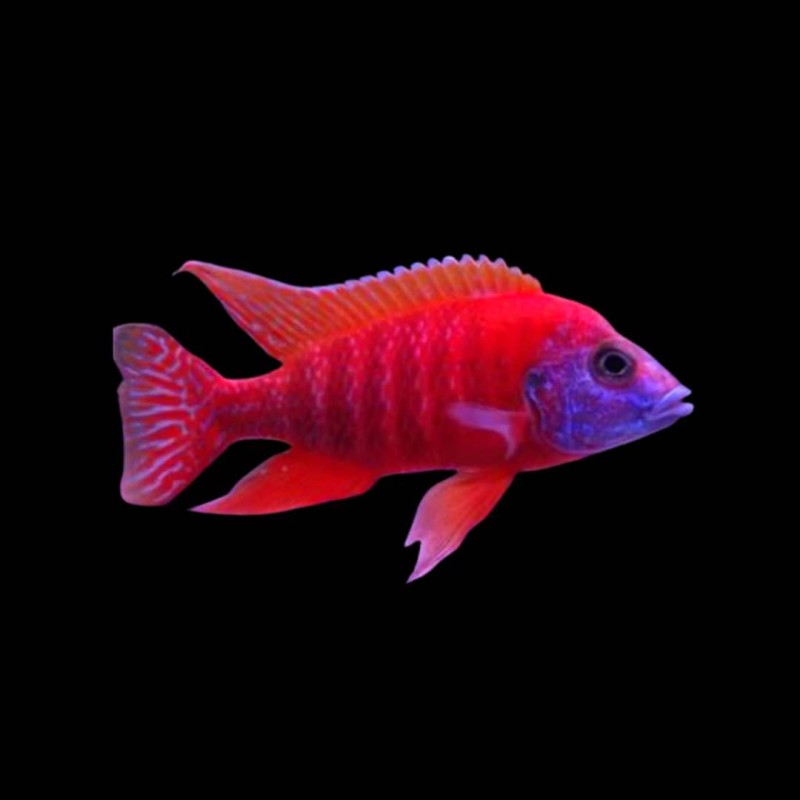
The Hongi Red Top Cichlid (*Maylandia hongi*) is a stunning species of cichlid known for its vibrant coloration and aggressive personality. This species is native to Lake Malawi in East Africa and is popular among aquarium enthusiasts due to its striking red hues and territorial nature, making it a beautiful yet challenging fish to keep in a community tank.
Physical Characteristics:
- Size: The Hongi Red Top Cichlid typically grows to about 10-12 cm (4-4.7 inches) in length.
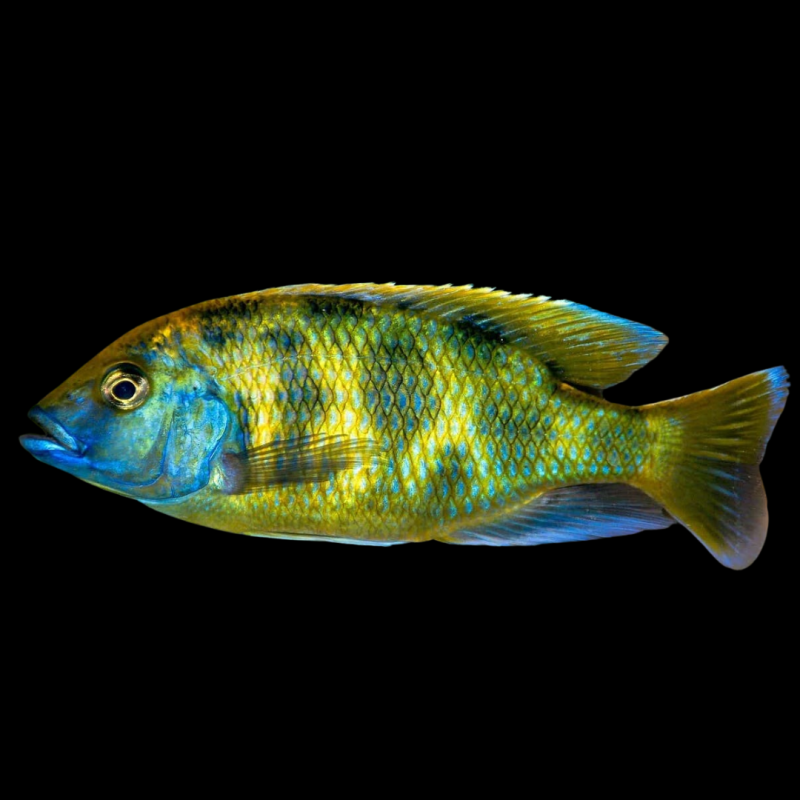
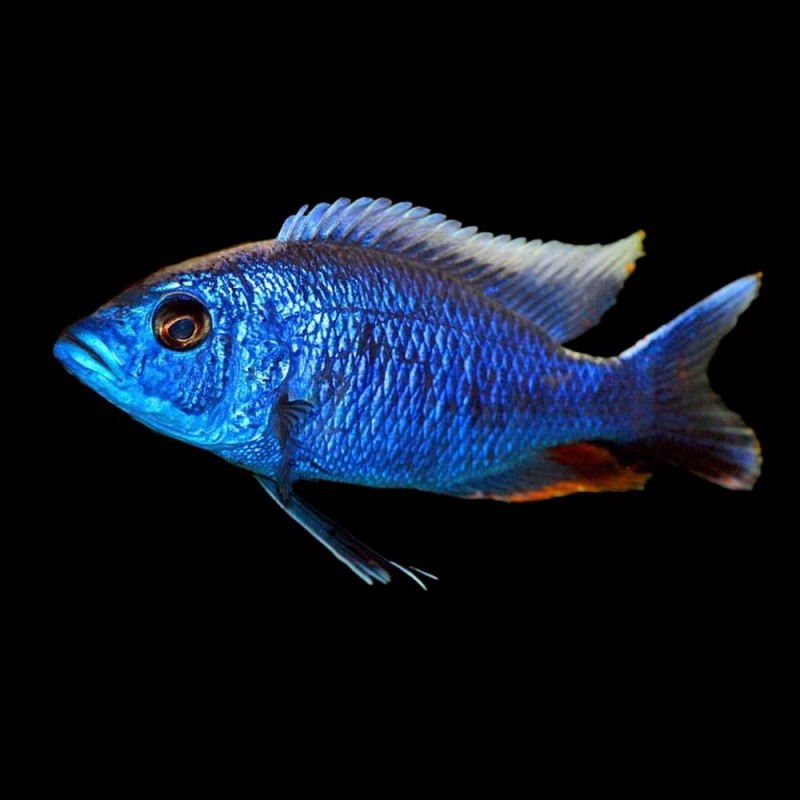
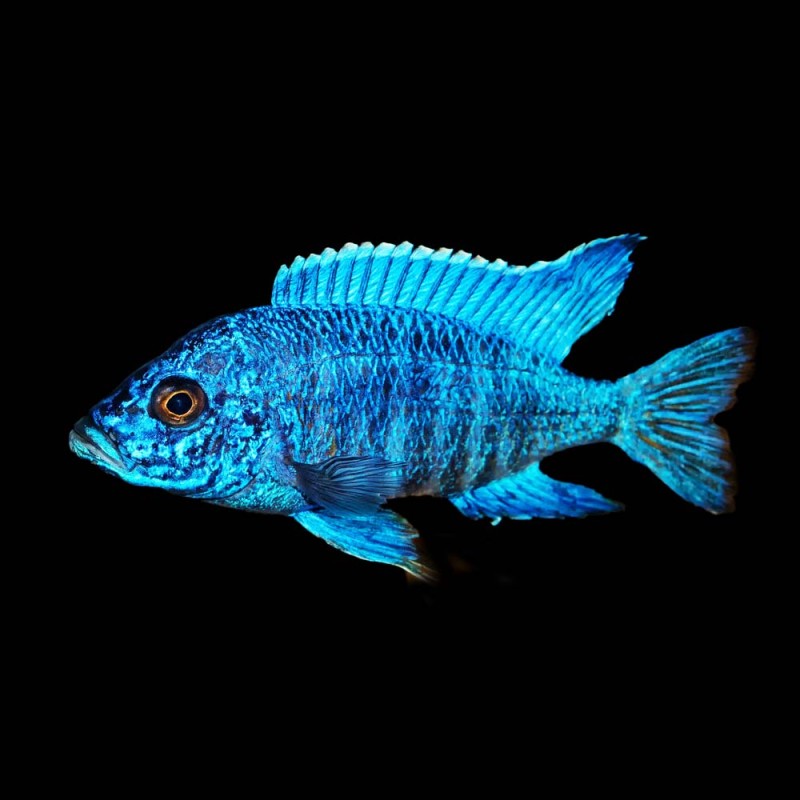
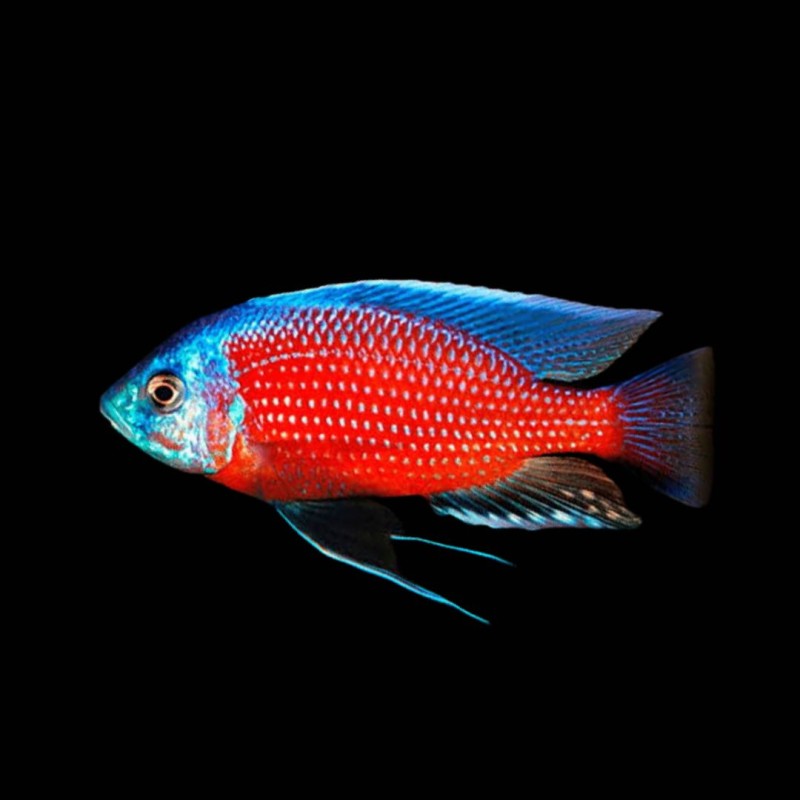
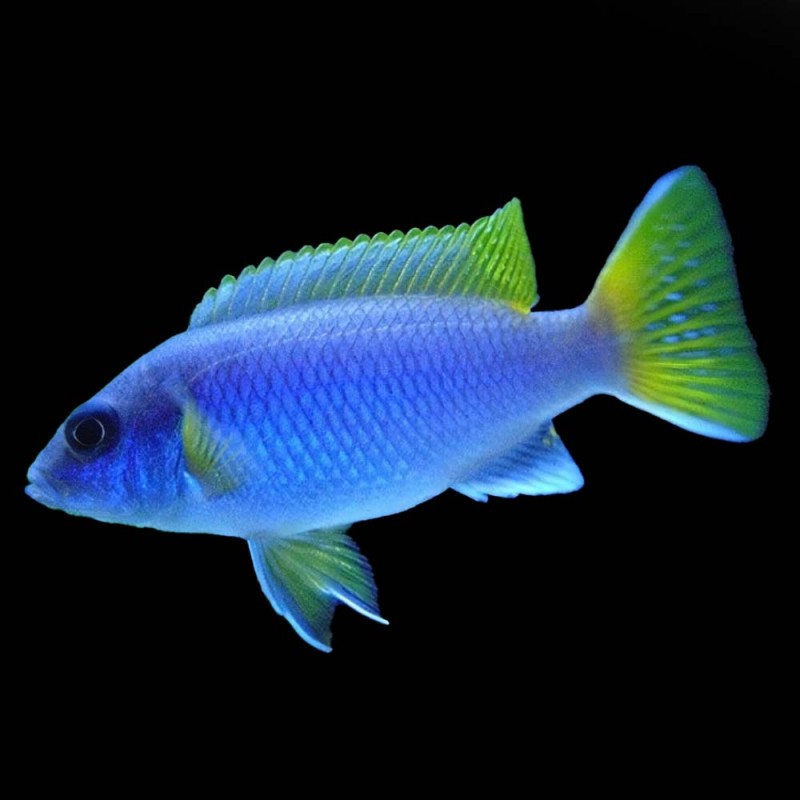
- Coloration: The males of this species are known for their vivid red coloration on the top of their bodies, especially during mating seasons. The body is typically blue to blue-green, with a red or orange top that becomes more intense when they are displaying.
- Fins: The fins are fairly large and pointed, contributing to the overall dramatic appearance of the fish.
- Shape: The body is elongated and laterally compressed, typical of cichlids from Lake Malawi, allowing them to navigate their environment with ease.
Behavior:
- Temperament: The Hongi Red Top Cichlid is known for its aggressive nature, especially towards other males. They are territorial and may display dominance by flaring their fins and showing their bright red top.
- Activity Level: These cichlids are active swimmers and are often seen patrolling their territory or interacting with other fish in the tank.
- Community Behavior: Due to their aggression, they should be housed with other cichlids of similar size and temperament. They are best kept in a species-specific tank or with other aggressive African cichlids to avoid stress and injury.
Aquarium Care:
- Tank Size: A minimum tank size of 150 liters (40 gallons) is recommended for a pair of Hongi Red Top Cichlids, though larger tanks provide a more stable environment and reduce territorial disputes.
- Water Parameters:
- Temperature: Hongi Red Top Cichlids thrive in warm water, with an ideal temperature range of 24°C to 28°C (75°F to 82°F).
- pH: They prefer slightly alkaline water, with a pH range of 7.5 to 8.5.
- Hardness: Moderately hard water with a general hardness (GH) of 10-15 dGH is ideal.
- Tank Setup:
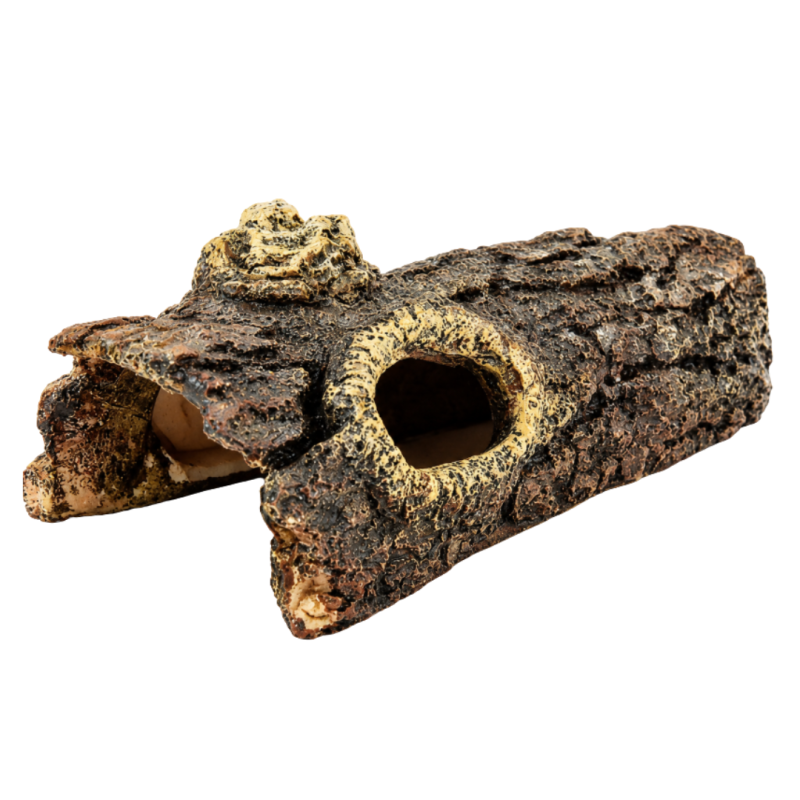
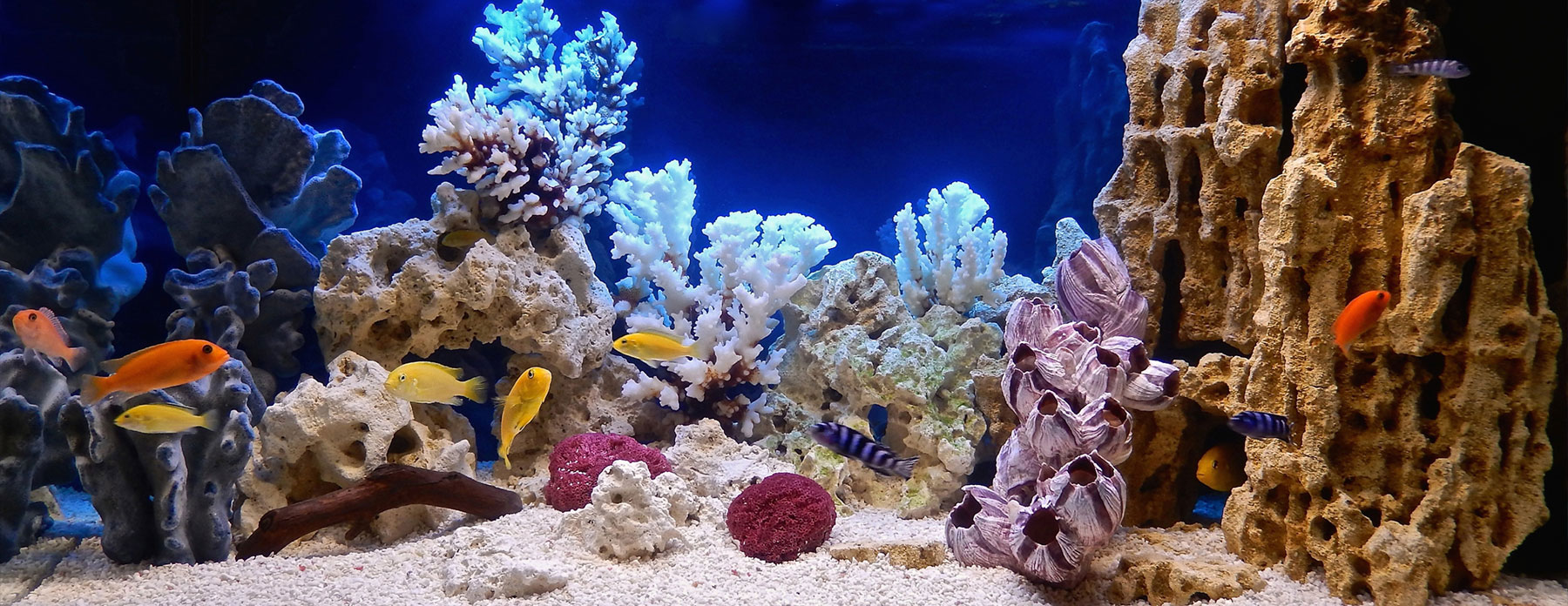
- Substrate and Decorations: A sandy or gravel substrate is recommended. Hongi Red Top Cichlids enjoy a tank with plenty of rocks and caves where they can hide and establish their territory. These cichlids prefer a structured environment that mimics their natural rocky habitats.
- Lighting: Moderate lighting is ideal to showcase their colours. Avoid overly bright lighting, as these cichlids may feel stressed.
- Filtration: A strong filtration system is necessary to maintain clean water conditions, as cichlids produce a considerable amount of waste. Regular water changes (about 20% weekly) are important to keep the tank healthy.
Diet:
The Hongi Red Top Cichlid is an omnivore and requires a varied diet to stay healthy. Their diet should include:
- Pellets: High-quality cichlid-specific pellets or flakes should form the staple of their diet.
- Live or Frozen Foods: Offer live or frozen foods such as brine shrimp, bloodworms, and daphnia to provide essential protein and variety.
- Vegetable Matter: Including spirulina or blanched vegetables like spinach or zucchini can help ensure a balanced diet.
Tankmates:
Hongi Red Top Cichlids should be housed with other aggressive African cichlids or similarly sized fish. Suitable tankmates include:
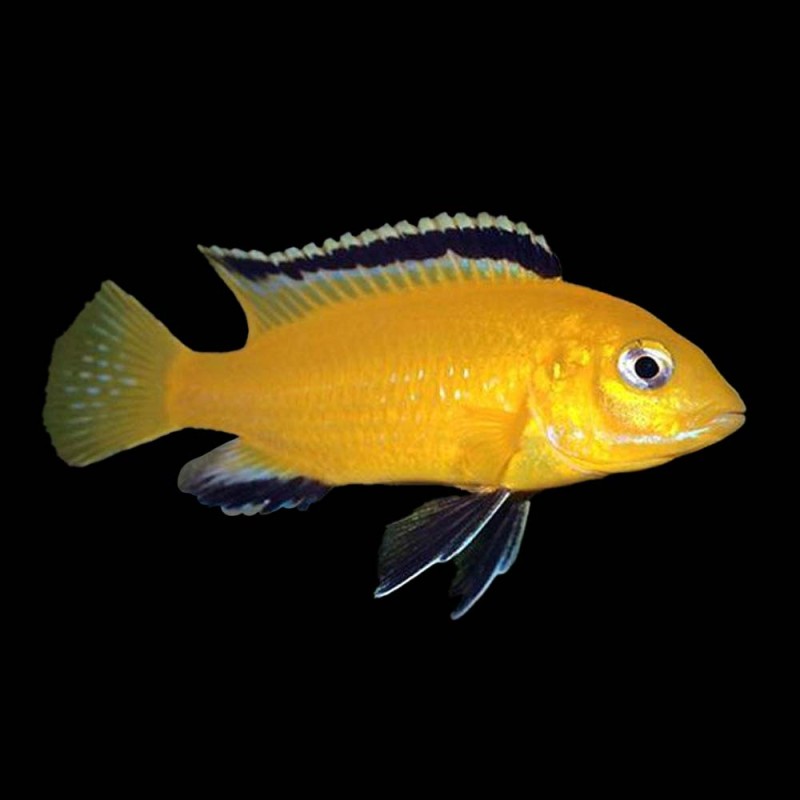
- Mbuna Cichlids: Other aggressive species from Lake Malawi, such as the Yellow Lab or the Demasoni Cichlid, can be suitable tankmates.
- African Haps: These species are also territorial but can coexist with Hongi Red Tops if they are similar in size and temperament.
Avoid housing them with peaceful or smaller species, as they may be bullied or stressed by the aggressive behaviour of the Hongi Red Top Cichlid.
Breeding:
Breeding Hongi Red Top Cichlids can be achieved with proper care and tank conditions:
- Breeding Setup: A separate breeding tank with plenty of rocks and caves is ideal. The water should be warm (around 26°C to 28°C or 79°F to 82°F) and slightly alkaline (pH 7.5-8.5).
- Spawning Behaviour: The male will court the female by displaying his red top and flaring his fins. After spawning, the female will lay her eggs on the rocks, and the male will fertilise them. The female will protect the eggs until they hatch.
- Fry Care: Once the fry are free-swimming, they can be fed infusoria or newly hatched brine shrimp to promote healthy growth.
Special Considerations:
- Territorial Nature: These fish can be highly territorial, and aggression can become a problem in smaller tanks. Ensure there are plenty of hiding spots and space to avoid fights.
- Water Quality: Consistently monitor water parameters, especially pH and hardness, to keep the fish healthy and stress-free.