Menu
Menu
Your Cart

Tropheus 'Red' Moliro

Tropheus 'Red' Moliro
From €19.99
Ex Tax: €16.25
  • Stock: Made To Order
  • Model: -

Available Options

Reset options

Tropheus 'Red' Moliro

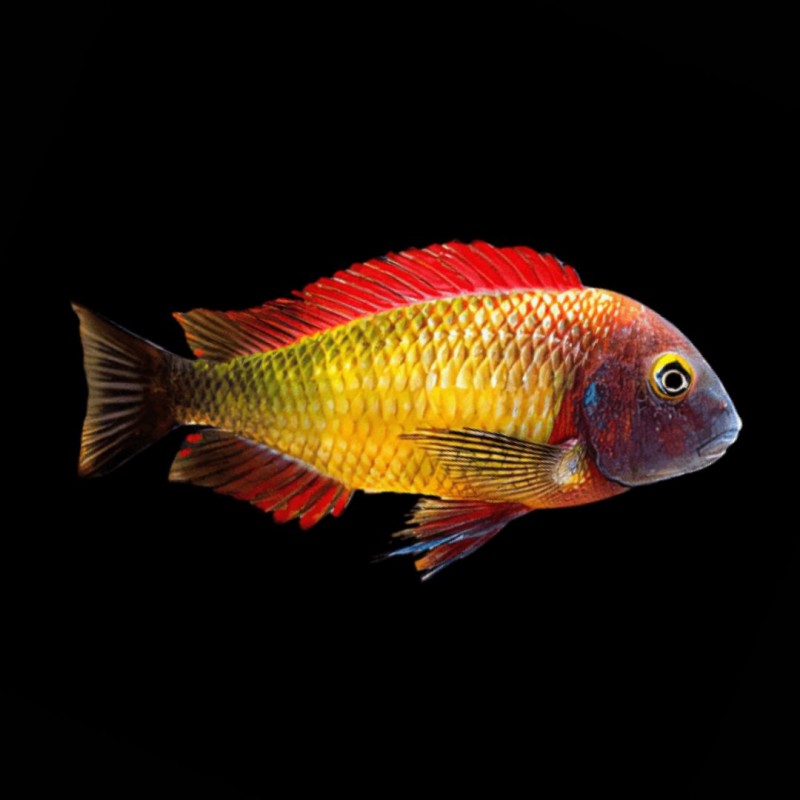
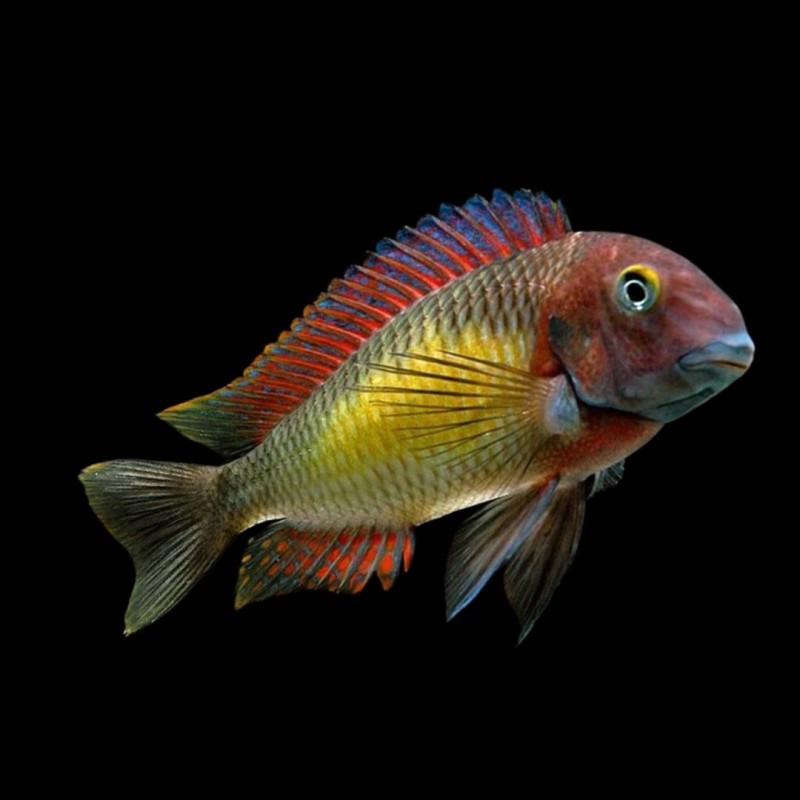
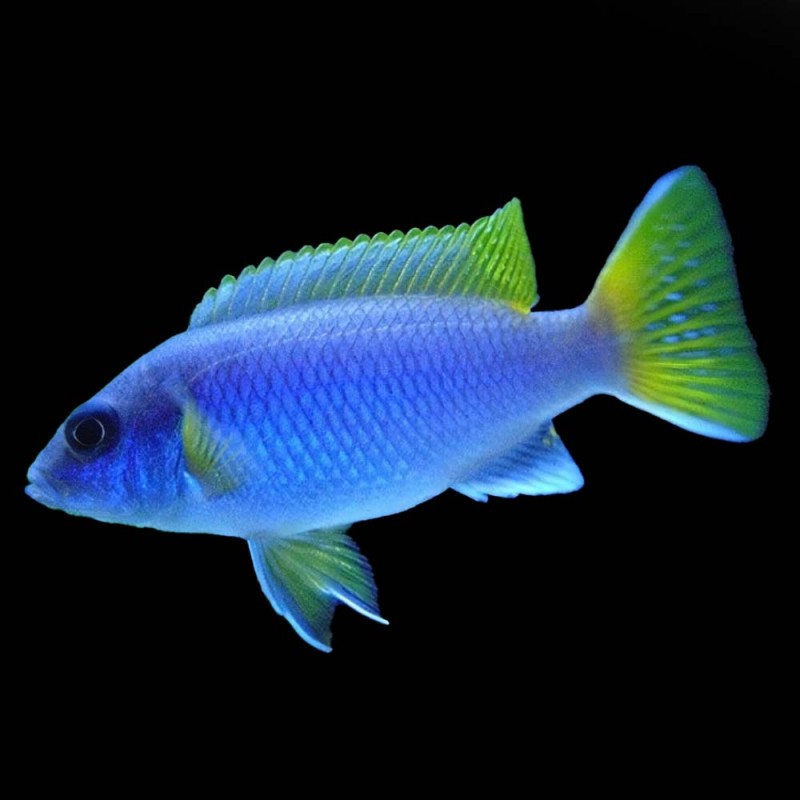
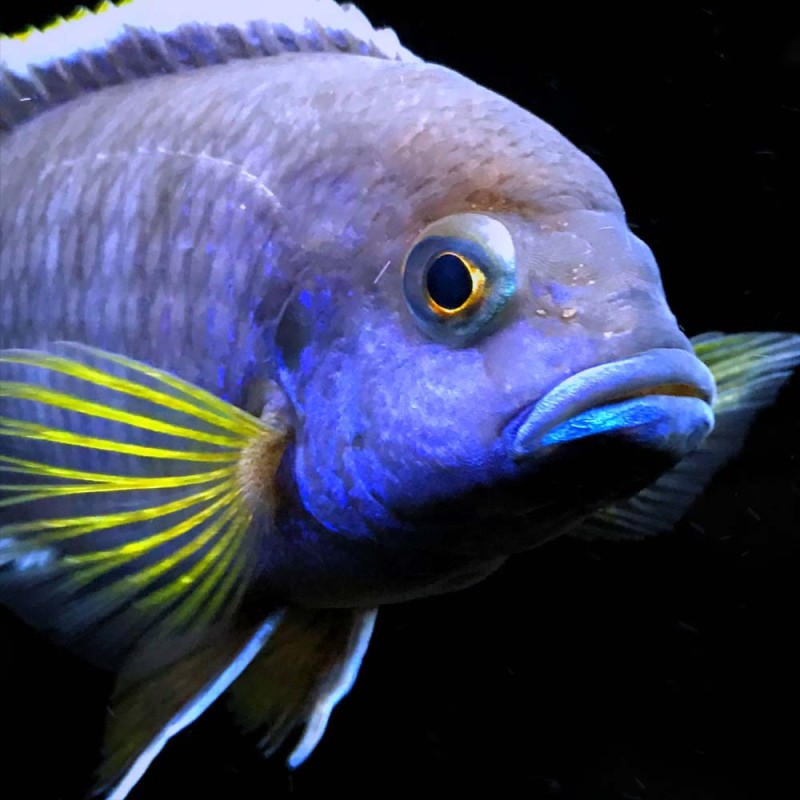
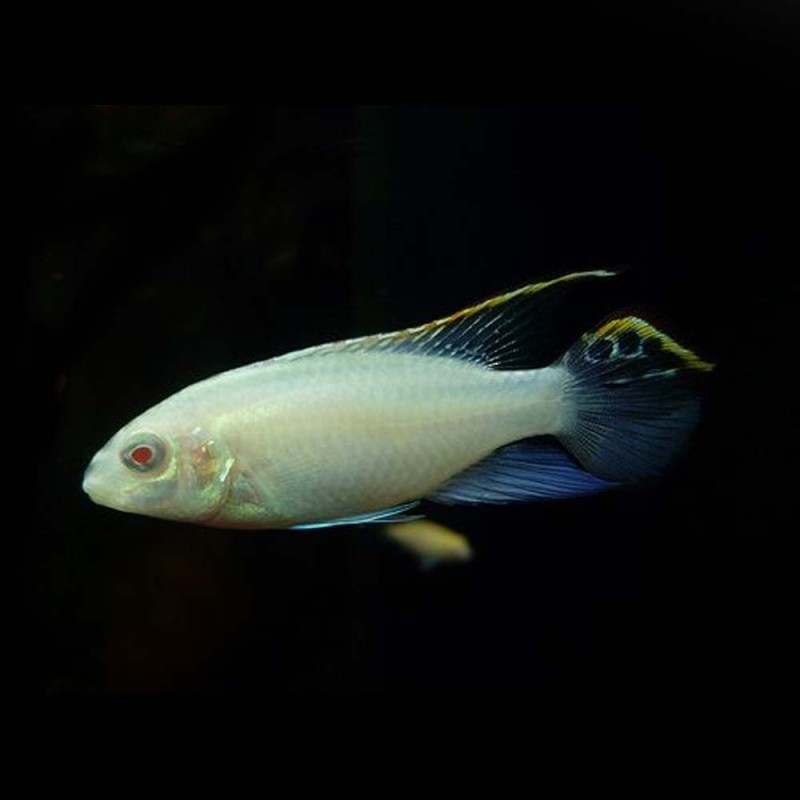
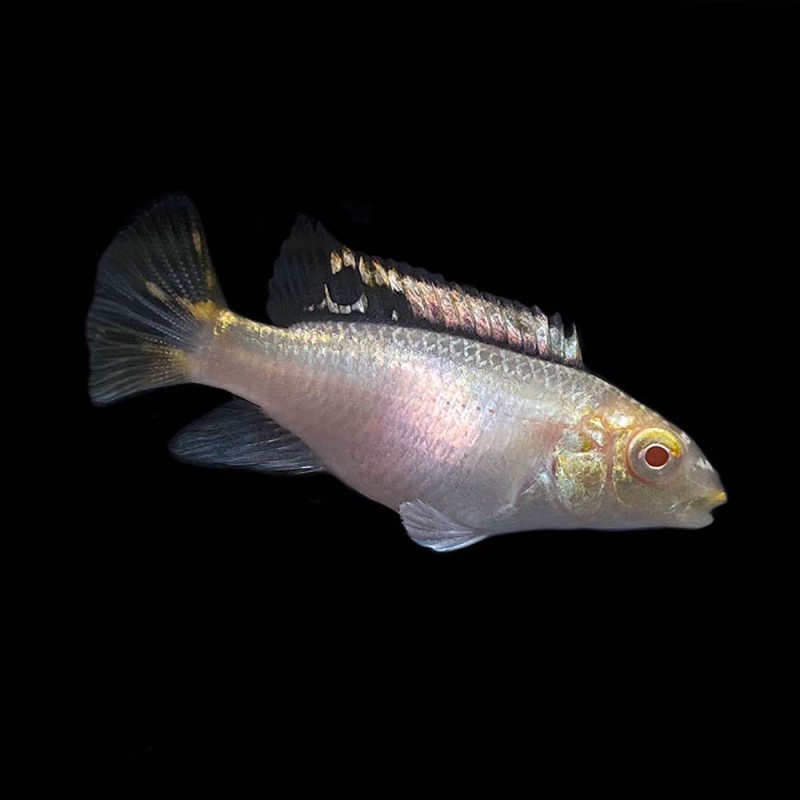
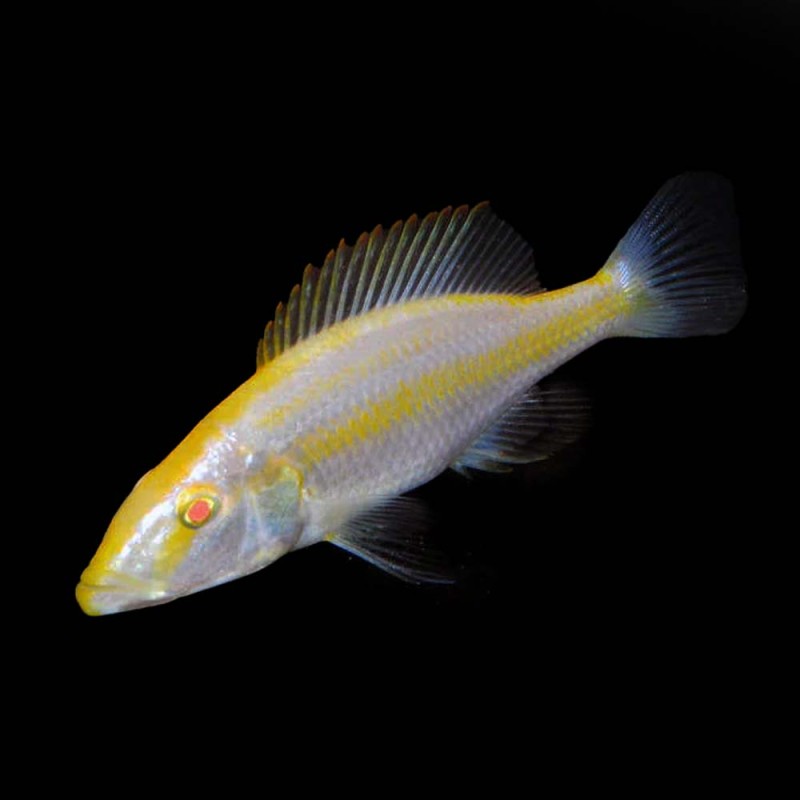
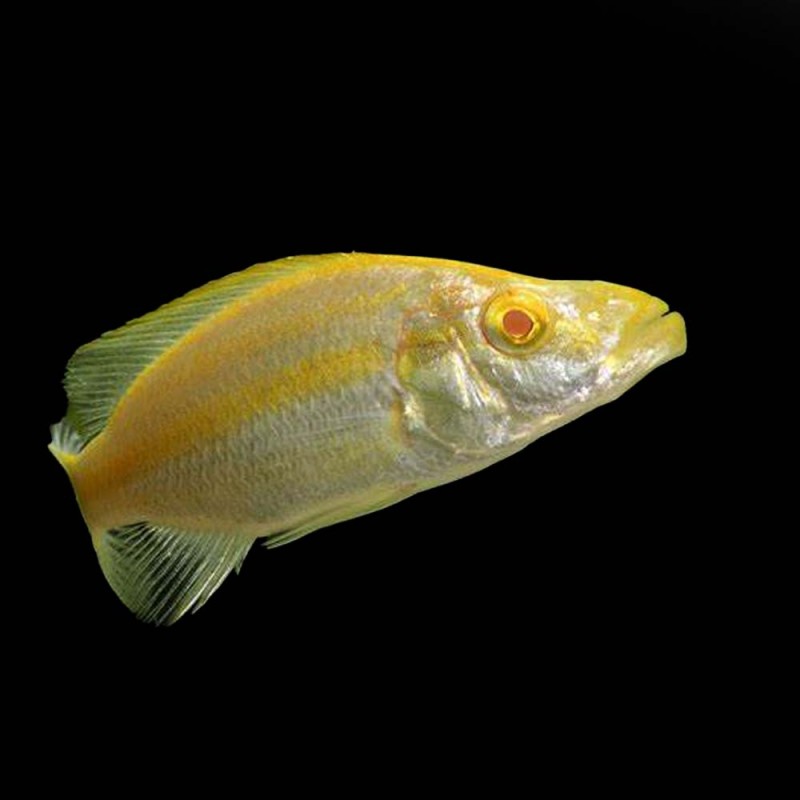
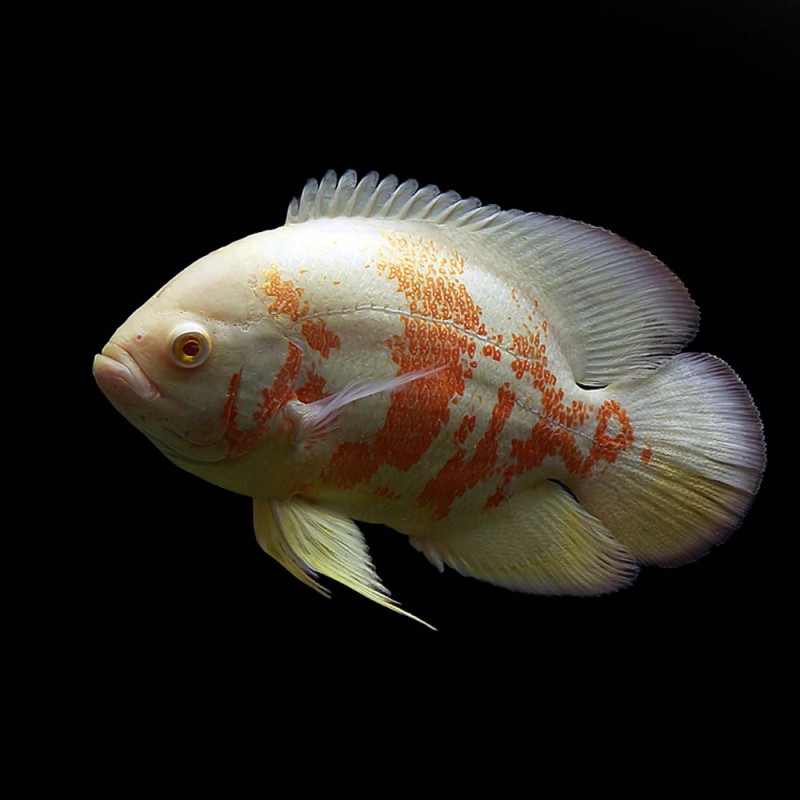
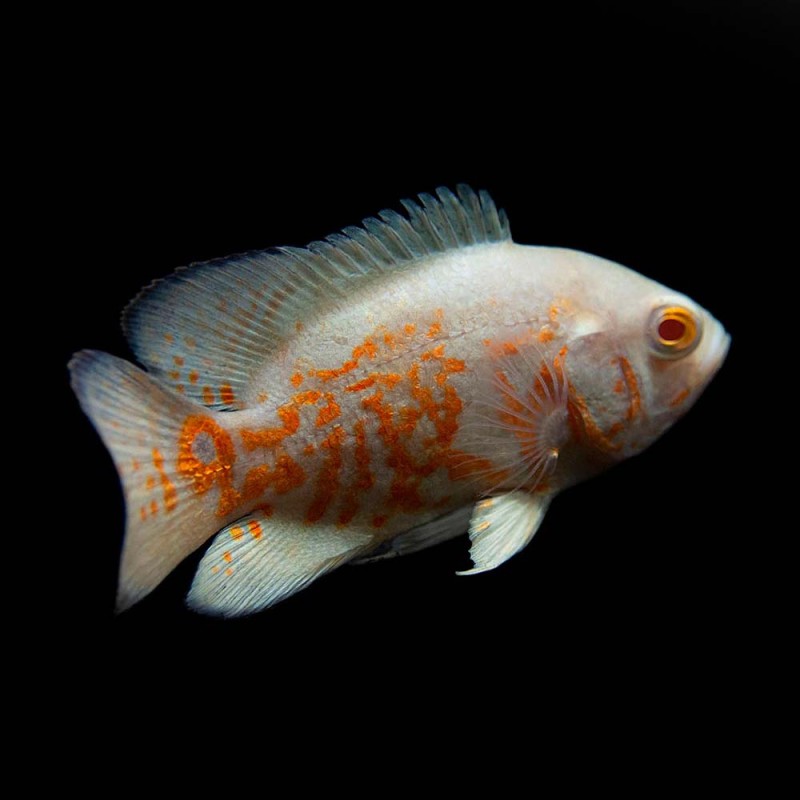
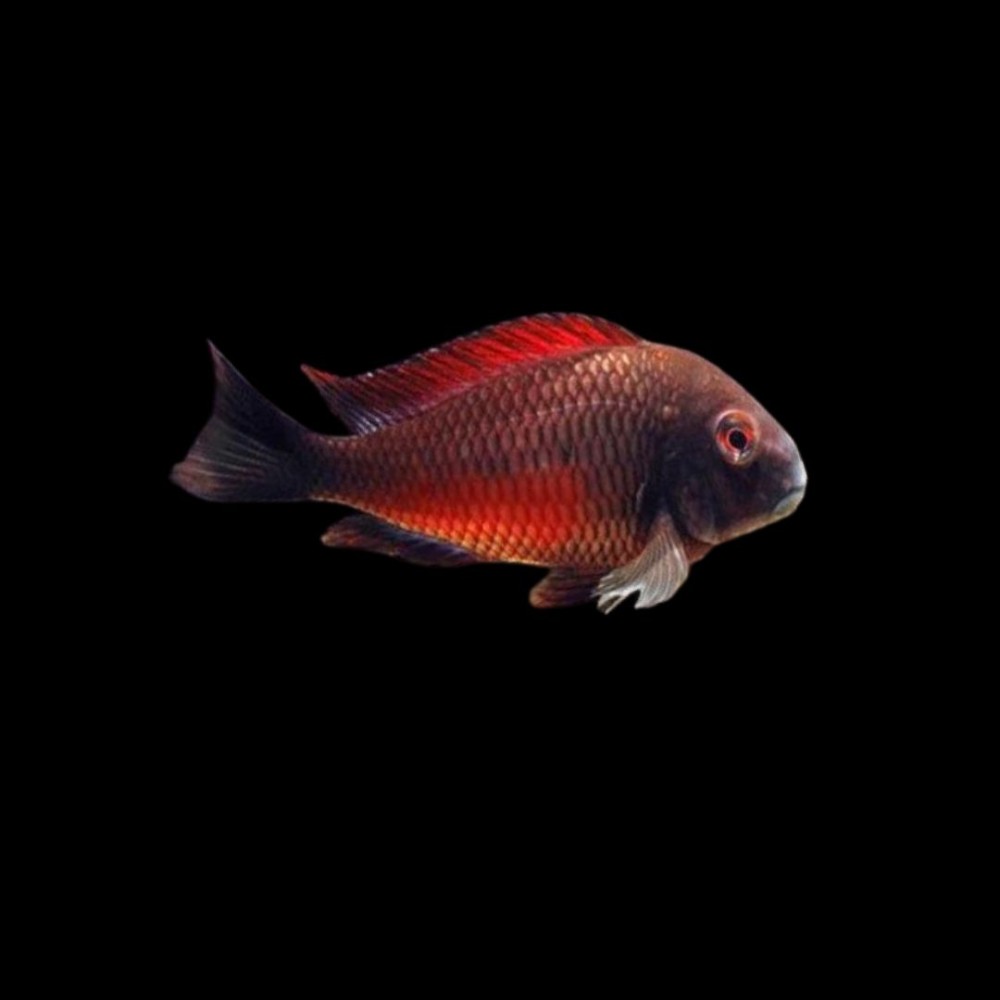
The Tropheus 'Red' Moliro (Tropheus sp. "Red" Moliro) is a stunning rock-dwelling cichlid from Lake Tanganyika, known for its fiery red-orange body and active, social behaviour. Originating from the Moliro region in the southern part of the lake, this vibrant variant is a favourite among advanced aquarists for its bold colouration and fascinating colony dynamics. With the right tank setup and care, Tropheus 'Red' Moliro can be the centrepiece of a stunning African cichlid display tank.

Physical Characteristics:

  • Size: Typically reaches 12–15 cm (5–6 inches) in length when fully grown.
  • Coloration: Bright red to deep orange body, often with darker shading near the fins or face. Juveniles may appear more brown or dull red until they mature.
  • Fins: Rounded dorsal and caudal fins, often with a slight black or dark edge that contrasts with the vivid body colour.
  • Shape: Stocky, oval-shaped body typical of the Tropheus genus, with a blunt snout and underslung mouth adapted for grazing algae from rocks.

Behaviour:

  • Temperament: Territorial and aggressive within their species, but less aggressive toward non-Tropheus tankmates. Best kept in groups of 10 or more to spread aggression.
  • Activity Level: Very active and constantly on the move. They occupy all areas of the tank but focus around rockwork and algae-rich surfaces.
  • Community Behaviour: Best housed with other Lake Tanganyika cichlids of similar size and temperament. Avoid mixing with Mbuna or soft-water species.

Aquarium Care:

  • Tank Size: A minimum of 200 litres (55 gallons) for a group, with a footprint that allows space for territories and movement.
  • Water Parameters:
    • Temperature: 24°C to 28°C (75°F to 82°F)
    • pH: 7.8 to 9.0 (alkaline water)
    • Hardness: 10–20 dGH
  • Tank Setup:
    • Substrate and Decorations: Use fine sand or crushed coral substrate to maintain high pH. Create lots of rocky caves and crevices for hiding and grazing territory.
    • Lighting: Moderate to high lighting will encourage algae growth, which they will naturally graze on.
    • Filtration: Strong filtration is essential. Use canister filters or sumps to maintain pristine water quality. Perform weekly water changes of 25–30%.

Diet:

Tropheus are specialised herbivores that graze on algae in the wild. In captivity, their diet should be plant-based to avoid digestive issues:

  • Staple Foods: High-quality spirulina flakes or pellets designed for herbivorous cichlids.
  • Vegetable Matter: Blanched spinach, lettuce, or zucchini can be offered occasionally.
  • Avoid: Protein-rich or meaty foods (e.g., bloodworms, beef heart) which can cause bloat and digestive issues.

Tankmates:

Tankmates must be chosen carefully to match the aggression level and water requirements of Tropheus:

  • Suitable Companions: Other Tanganyikan cichlids like Julidochromis, Eretmodus, or Cyprichromis species. Avoid overly aggressive or carnivorous cichlids.
  • Avoid: Soft water fish, Mbuna from Lake Malawi, or delicate species. Also avoid mixing different Tropheus variants to prevent hybridisation and hierarchy issues.

Breeding:

Like other Tropheus species, 'Red' Moliro are maternal mouthbrooders. Breeding is relatively straightforward with stable water and a healthy group dynamic:

  • Breeding Setup: No special tank is required if kept in a large group. Males will establish territories and court females near rockwork.
  • Spawning Behaviour: After fertilisation, the female carries eggs in her mouth for around 3–4 weeks. During this time, she may eat very little.
  • Fry Care: Once released, fry can be raised in the same tank if protected or moved to a grow-out tank. Feed with finely crushed spirulina flakes or powdered fry food.

Special Considerations:

  • Group Size: Always keep in larger groups (10+) to reduce aggression. Avoid keeping in pairs or trios.
  • Stable Environment: Sudden changes in water chemistry, temperature, or tankmates can cause stress and illness. Consistency is key.
  • Prone to Bloat: Ensure proper herbivorous diet and avoid overfeeding or inappropriate protein sources.

Write a review

Please login or register to review