

Menu
Menu
Your Cart

Red Kadango Cichlid

Red Kadango Cichlid
Red Kadango Cichlid
Red Kadango Cichlid
Red Kadango Cichlid
Red Kadango Cichlid
From €14.99
Ex Tax: €12.19
  • Stock: Generally In Stock
  • Please Note: Due to variations within species, your fish may not look identical to the image provided. Also note not all sizes or species may be available due to seasonality, Please call beforehand for up-to-date stock availability.

  • Model: RED KADANGO CICHLID MATRIX
Available Options

Reset options

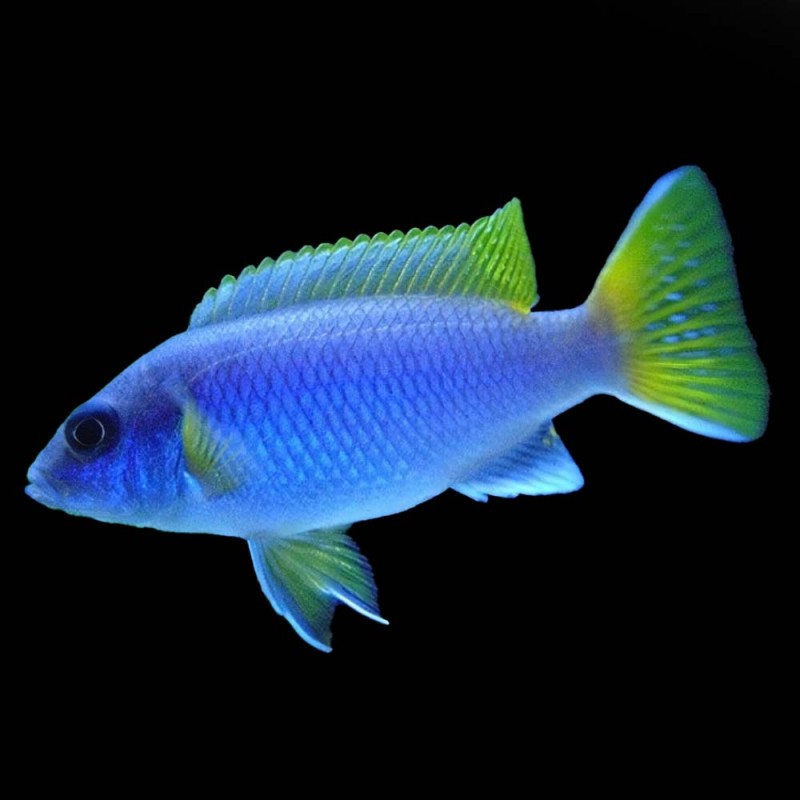
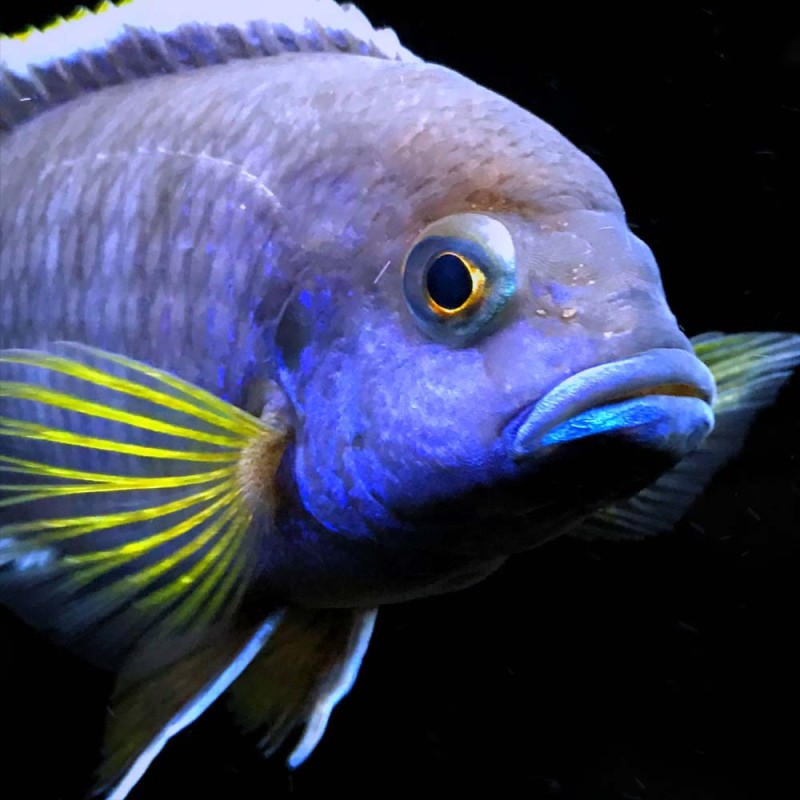
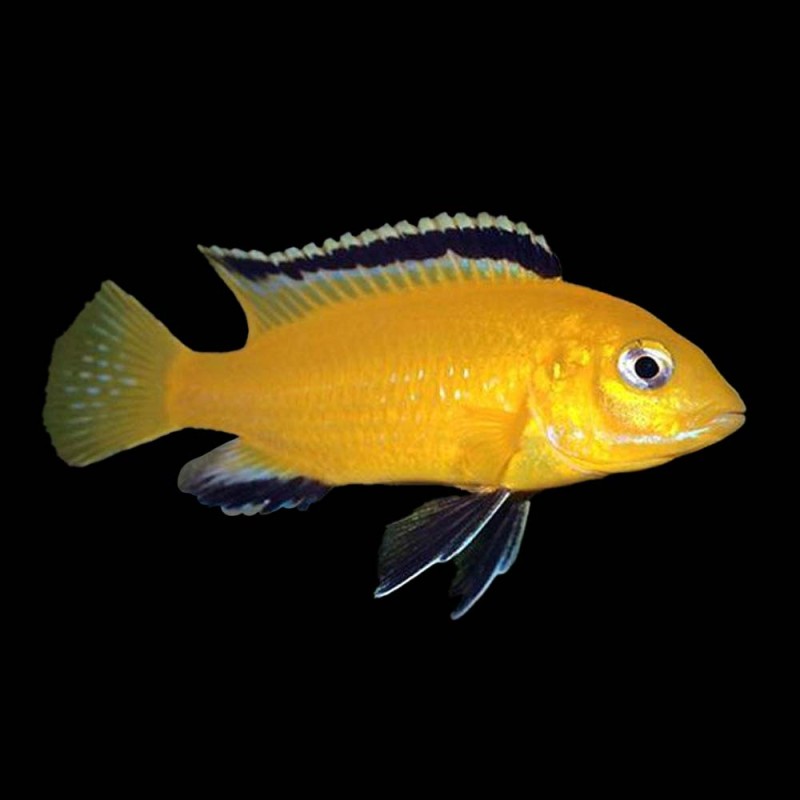
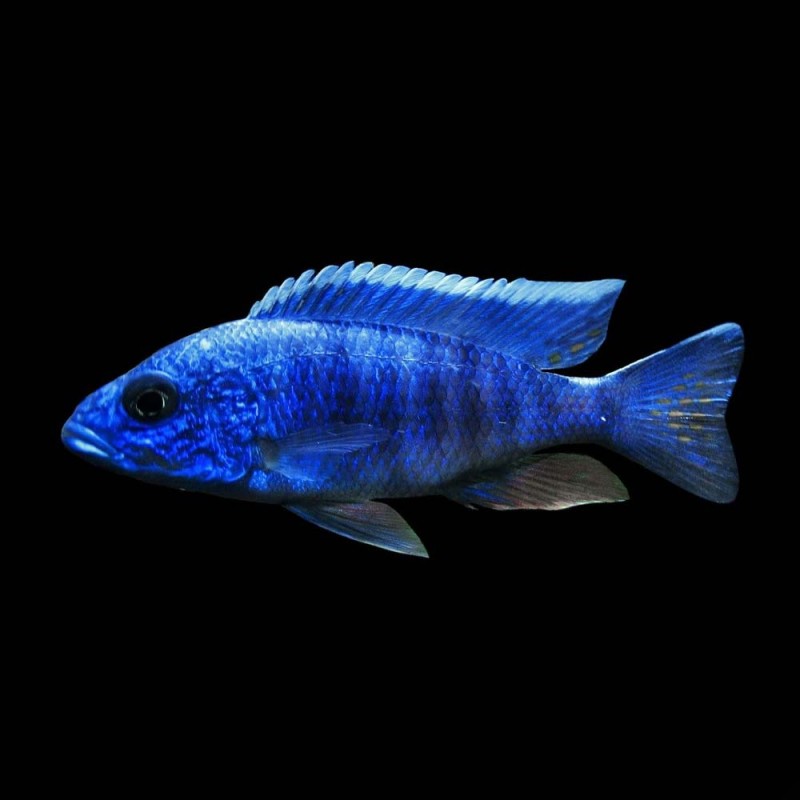
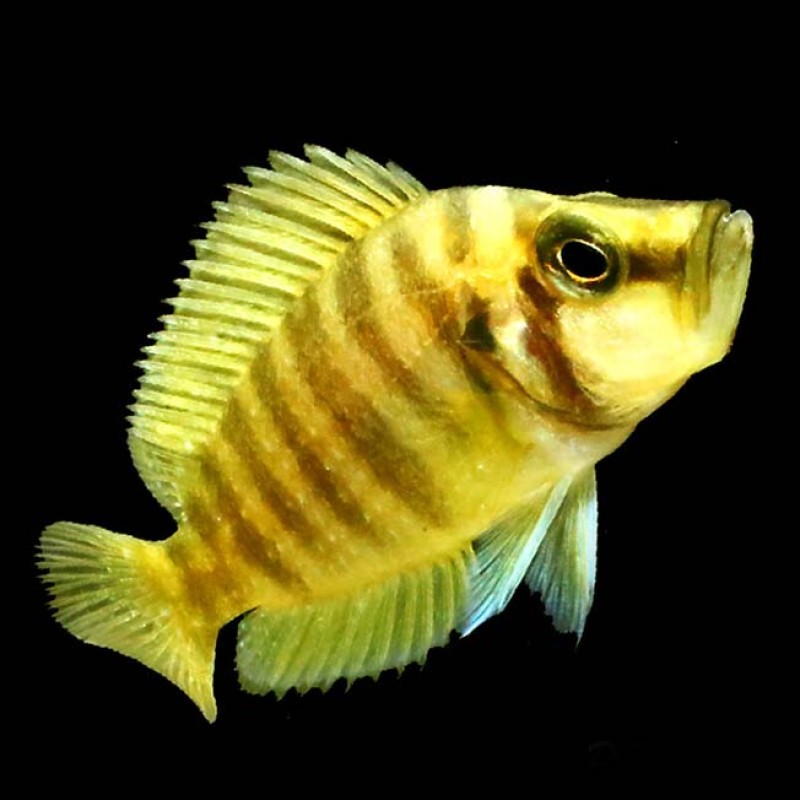
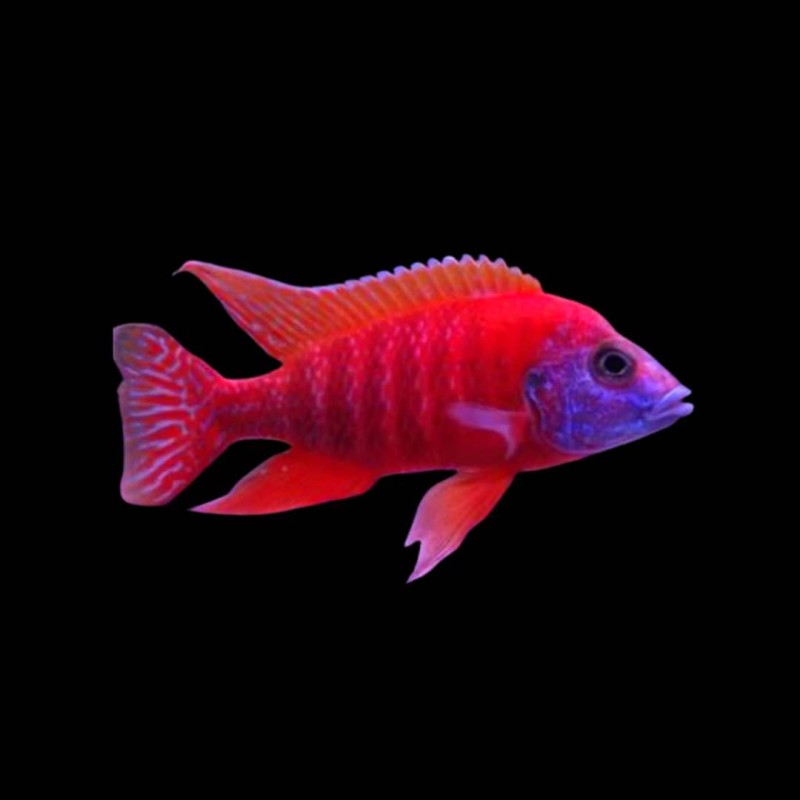
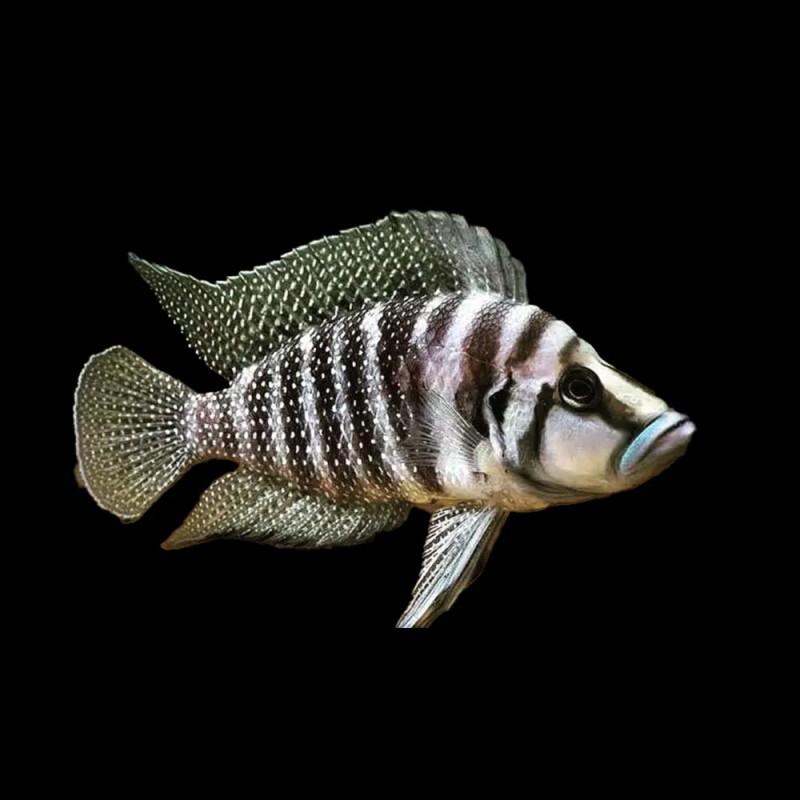
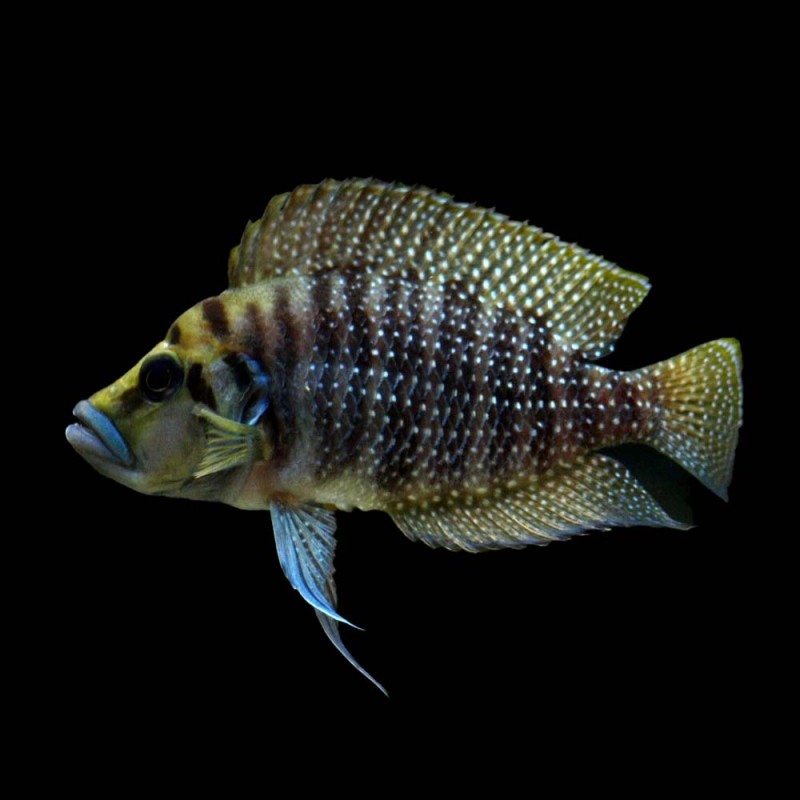
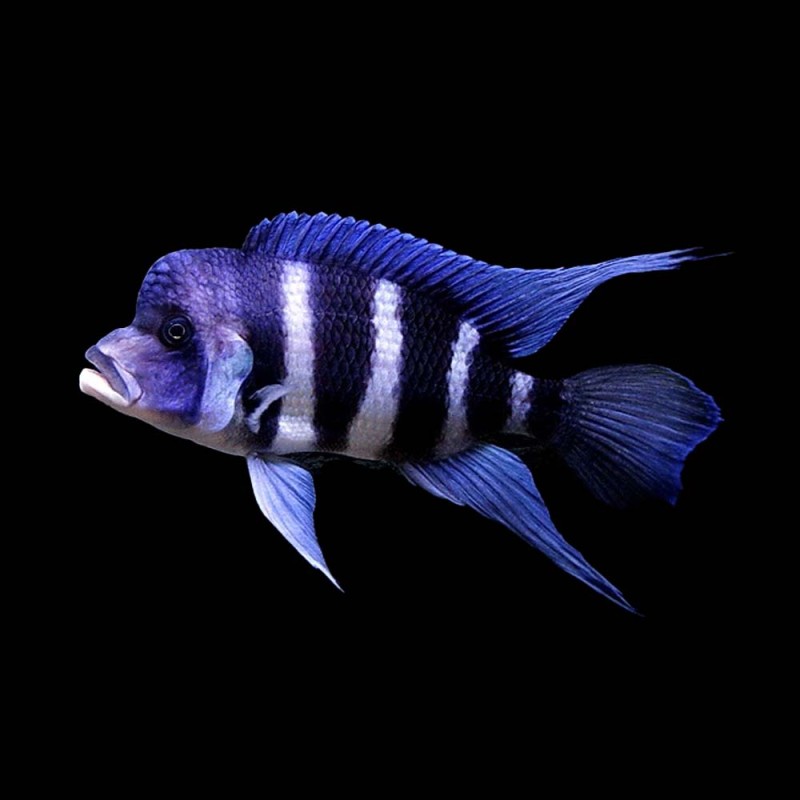
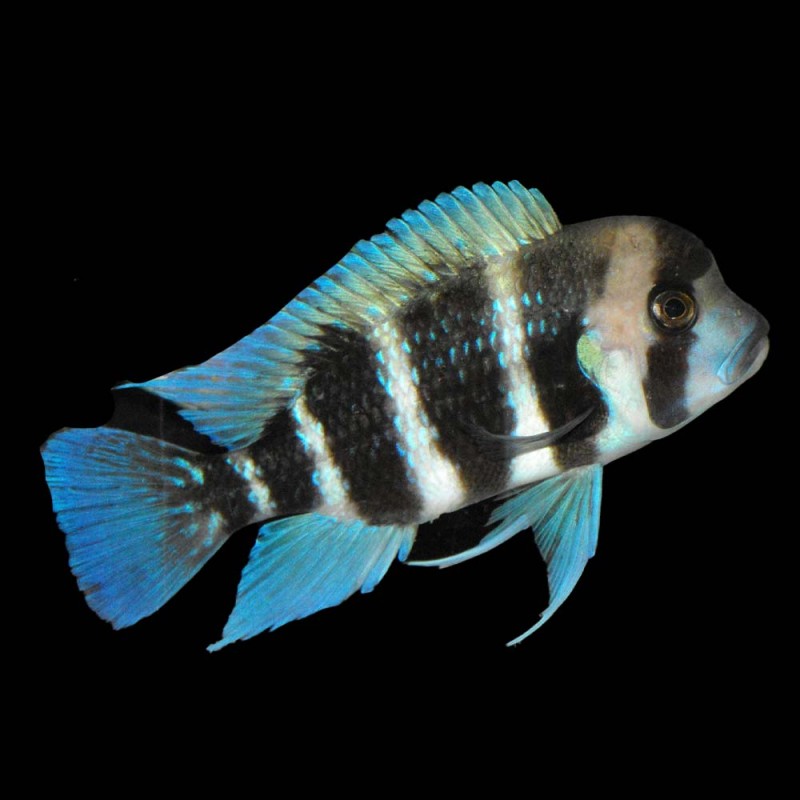
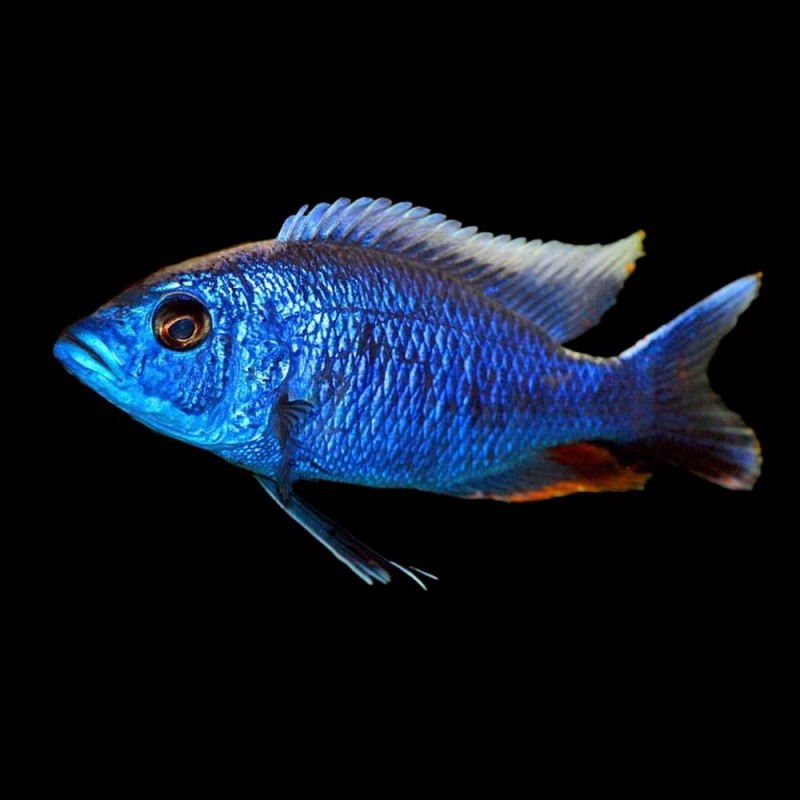
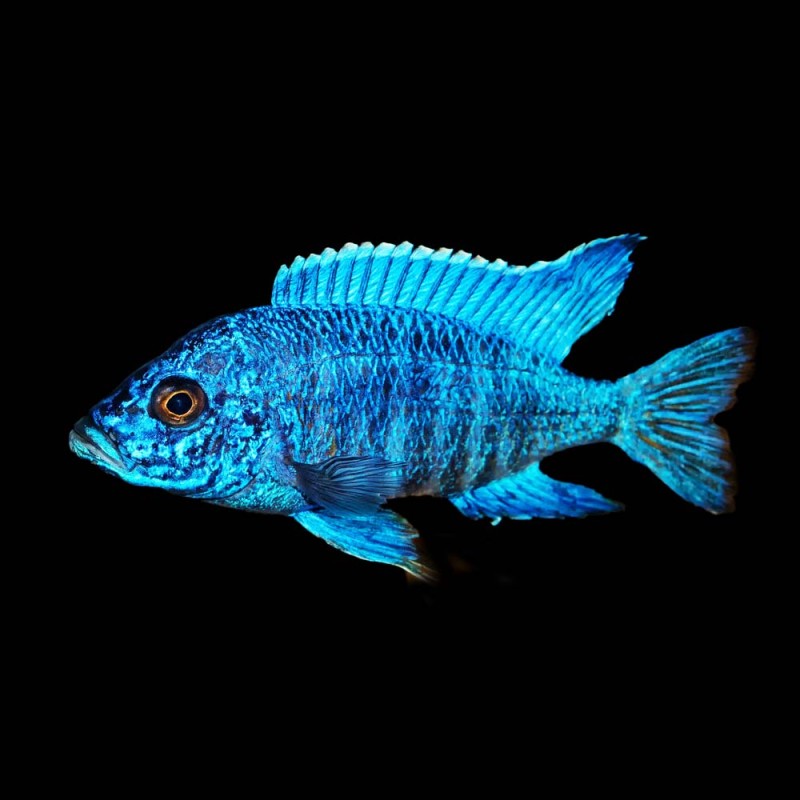
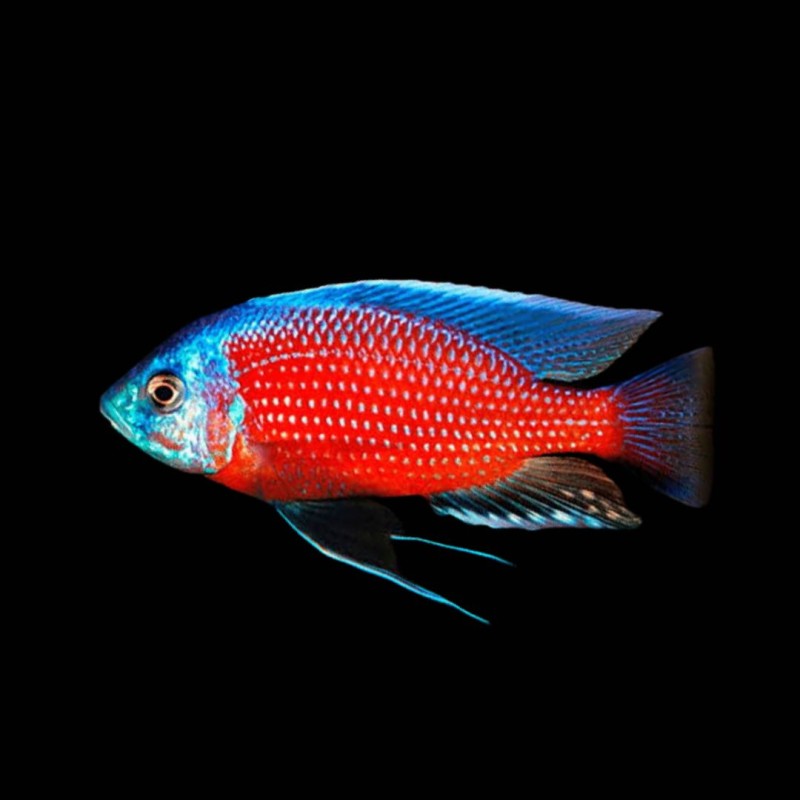
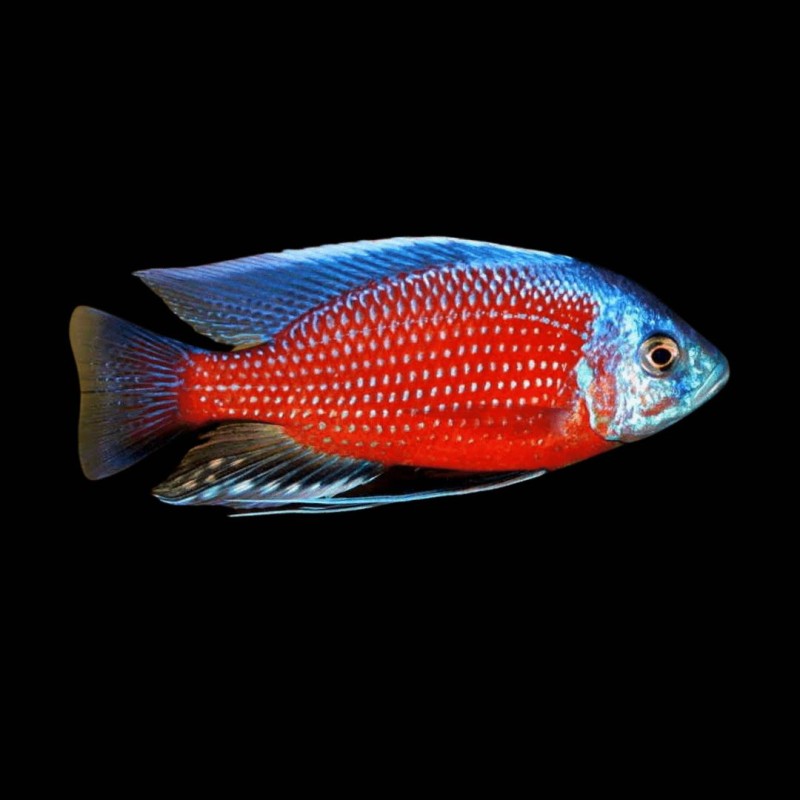
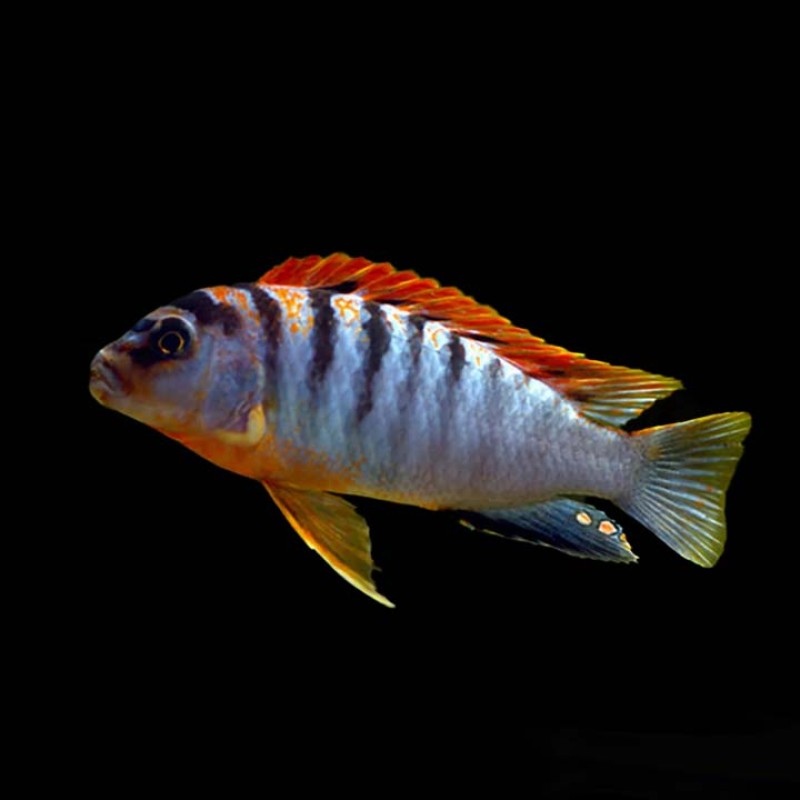
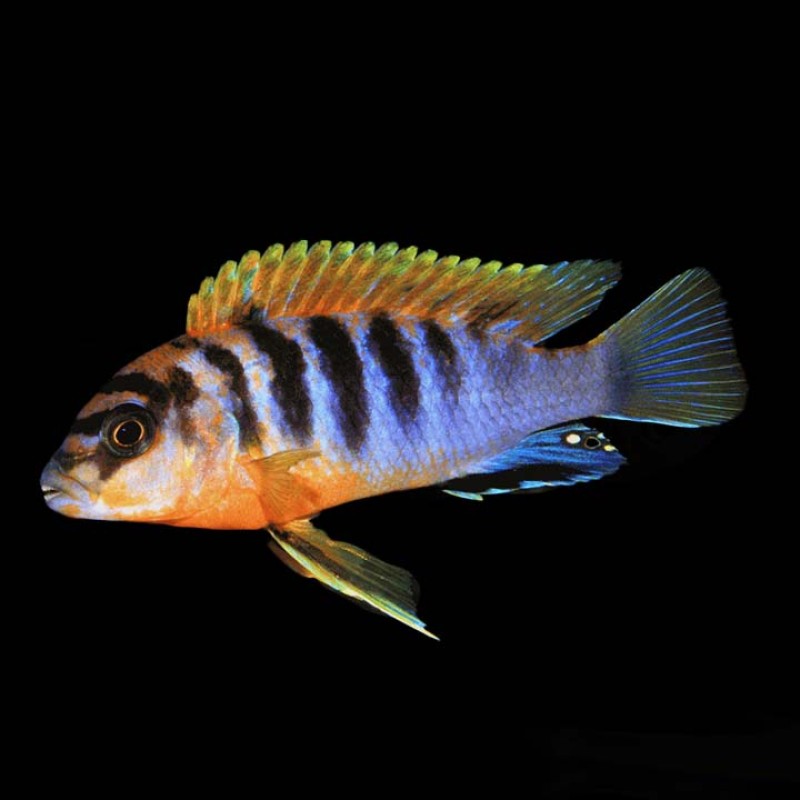
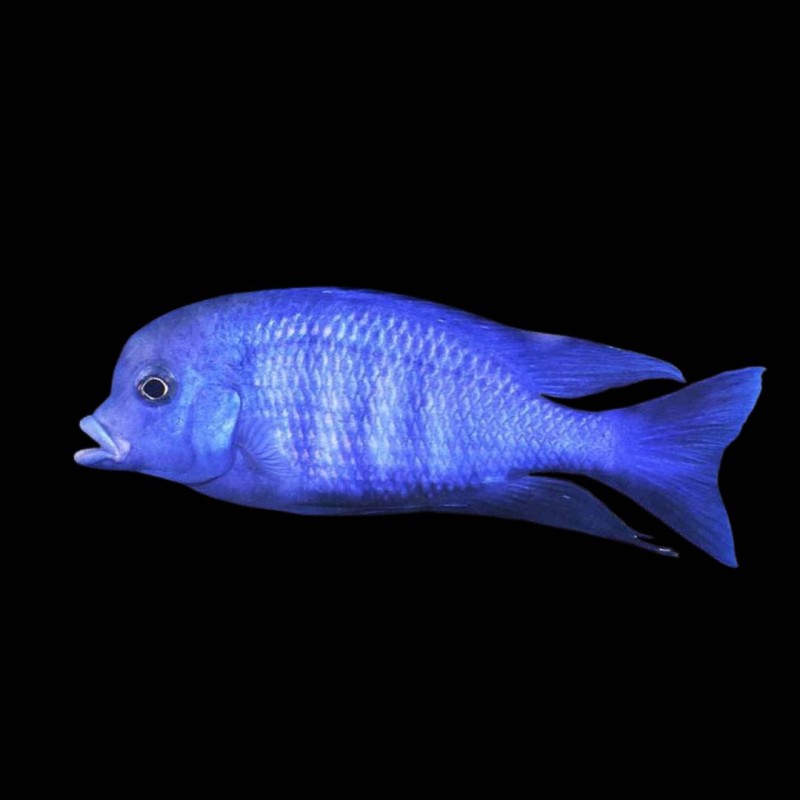
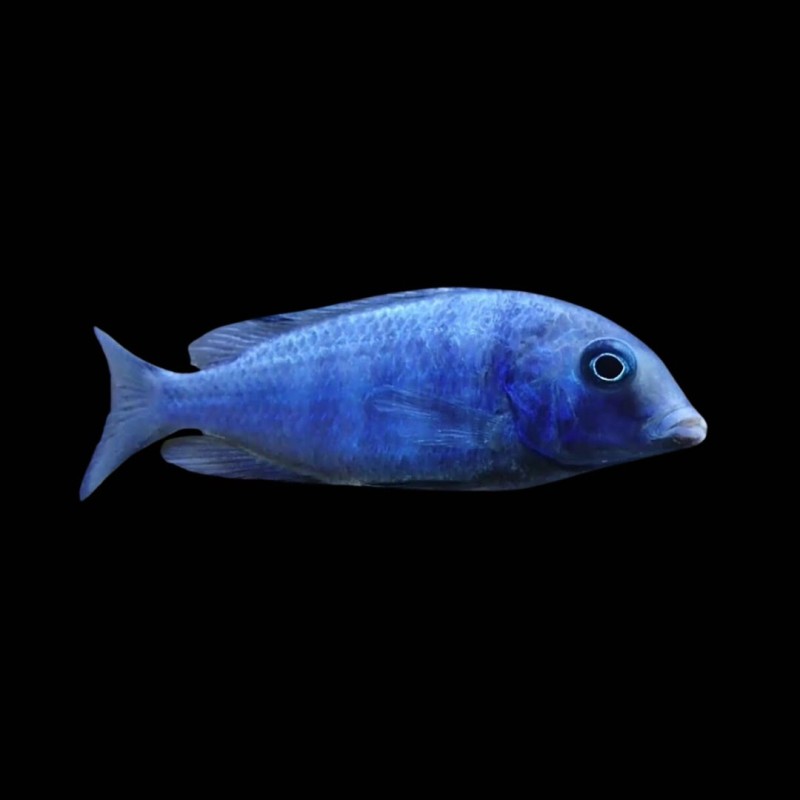
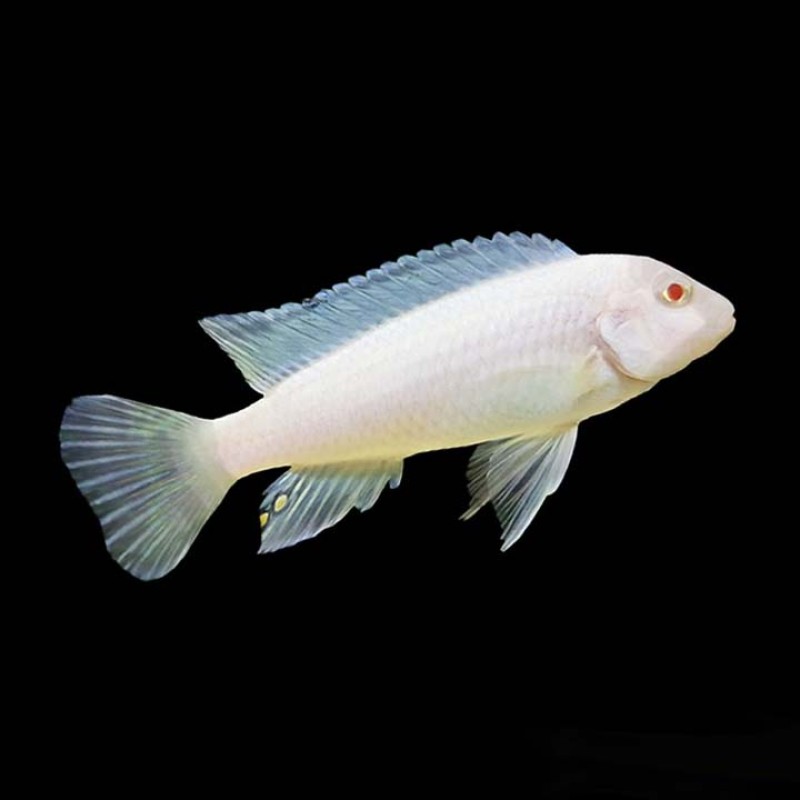
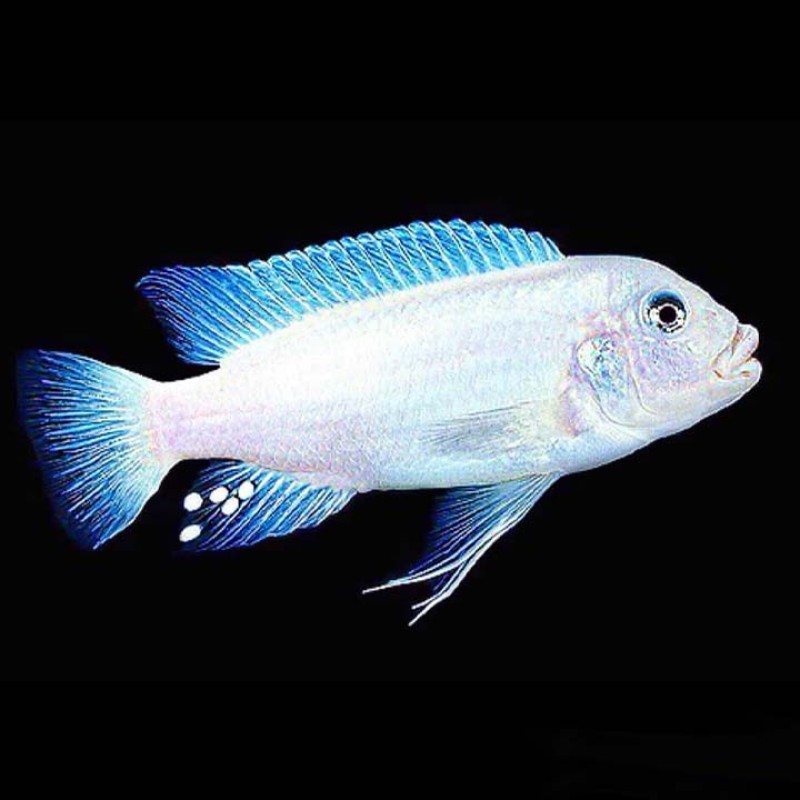
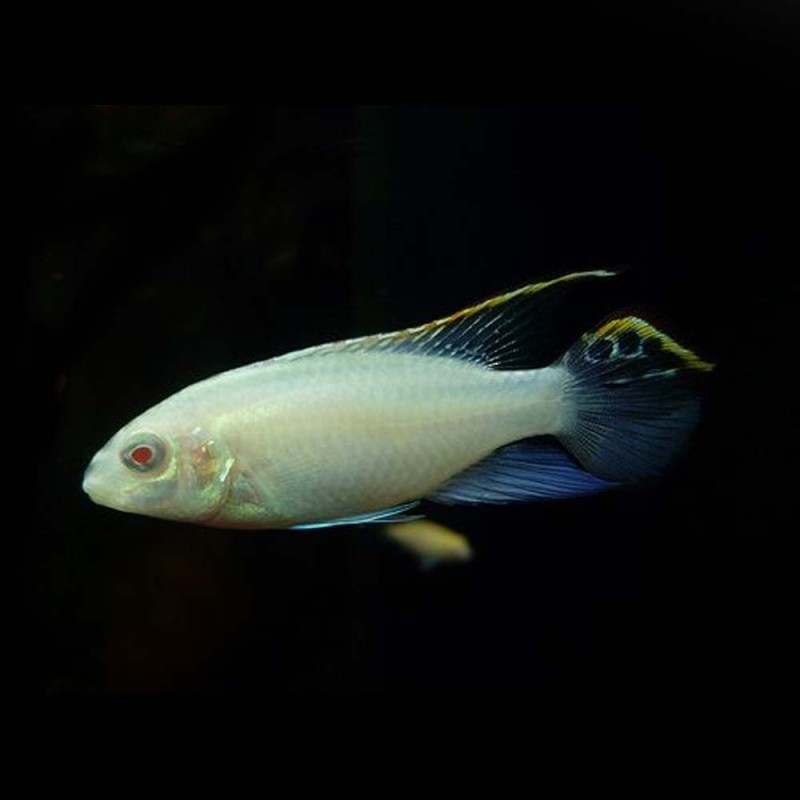
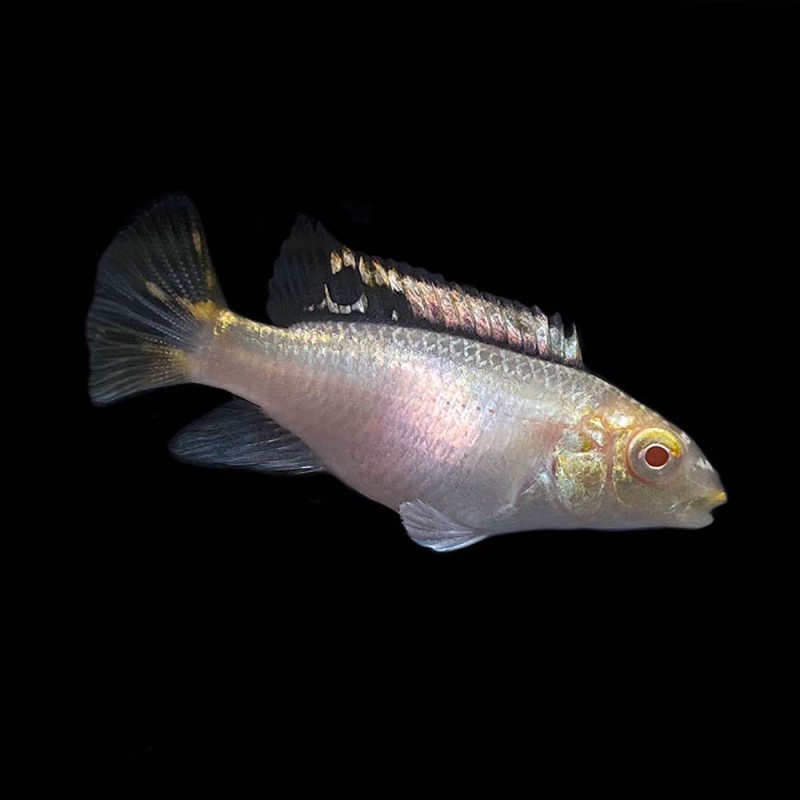
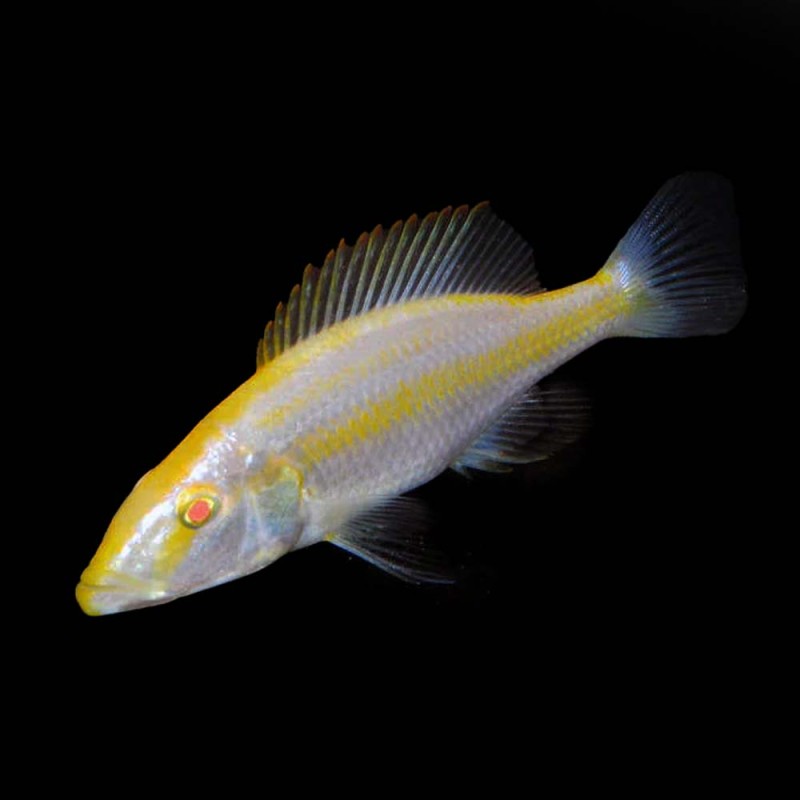
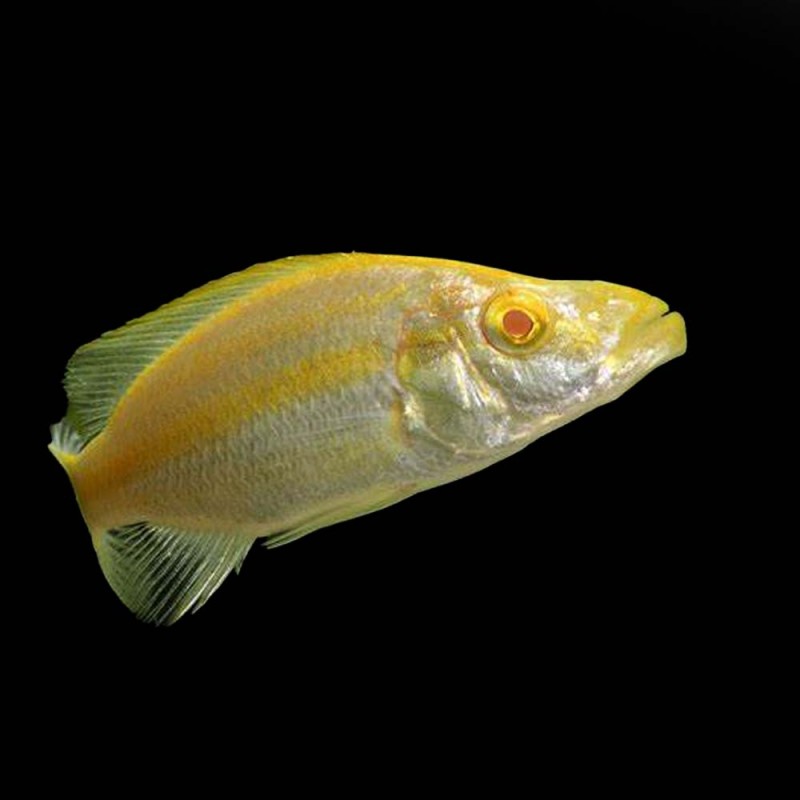
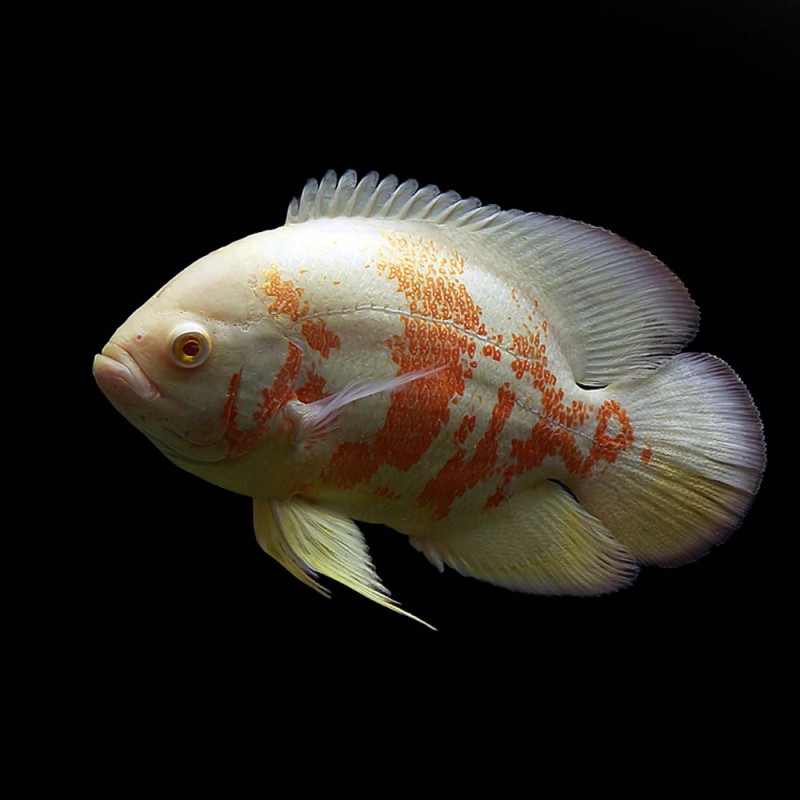
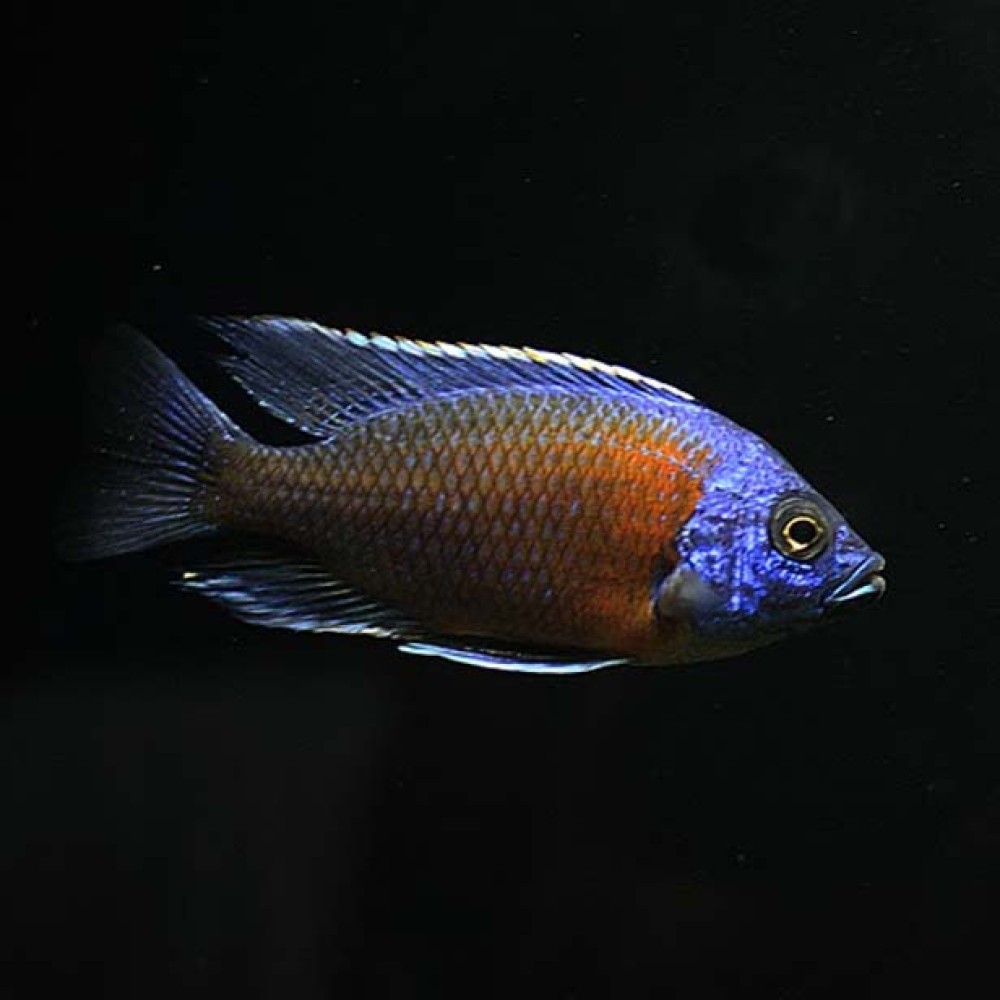
Red Kadango Cichlid (Copadichromis borleyi), also known as the Red Fin Borleyi or Kadango Red Fin Cichlid, is a stunning species of African cichlid native to Lake Malawi. This species is highly prized for its vibrant red and blue coloration, particularly in males, which makes it a standout fish in many aquariums. The Red Kadango Cichlid is relatively peaceful for a cichlid and is known for its striking appearance and lively behaviour.

Physical Characteristics:

  • Size: Adult Red Kadango Cichlids can grow up to 15 cm (6 inches) in length, with males being larger and more colourful than females.
  • Coloration:
    • Males: Male Red Kadango Cichlids are known for their bright, metallic blue bodies and deep red to orange-red fins, giving them a dramatic and eye-catching appearance. The intensity of the red and blue coloration increases as the male matures and becomes dominant.
    • Females: Females, in contrast, are typically more subdued in coloration, usually displaying a silver-grey to brownish body with faint markings, which helps them blend into the environment.
  • Fins: Both the dorsal and anal fins are elongated, with bright red tips in males. These fins contribute to their striking, elegant appearance in the water.

Behaviour:

  • Temperament: The Red Kadango Cichlid is relatively peaceful compared to many other cichlid species, although males can become territorial, particularly during breeding. They are social and do well in groups, especially when kept in a species-specific tank or with other peaceful cichlids from Lake Malawi.
  • Activity: These fish are active swimmers and will often patrol the middle and lower areas of the tank, searching for food and exploring their environment. They are also known for their interactive behaviour, often recognizing their keepers and coming to the front of the tank during feeding time.

Aquarium Care:

  • Tank Size: Due to their size and activity level, Red Kadango Cichlids require a spacious tank. A minimum of 200 litres (50 gallons) is recommended for a small group, with larger tanks (300 litres or more) being ideal for maintaining a harmonious environment.
  • Water Parameters:
    • Temperature: The ideal water temperature for these cichlids is between 24°C and 26°C (75°F to 79°F).
    • pH: Like other Lake Malawi cichlids, the Red Kadango Cichlid thrives in alkaline water with a pH range of 7.8 to 8.6.
    • Hardness: The water should be hard, with a general hardness (GH) of 10-20 dGH to mimic the mineral-rich environment of Lake Malawi.
  • Tank Setup:
    • Substrate: A sandy or fine gravel substrate is preferred, as these cichlids may occasionally sift through the substrate in search of food.
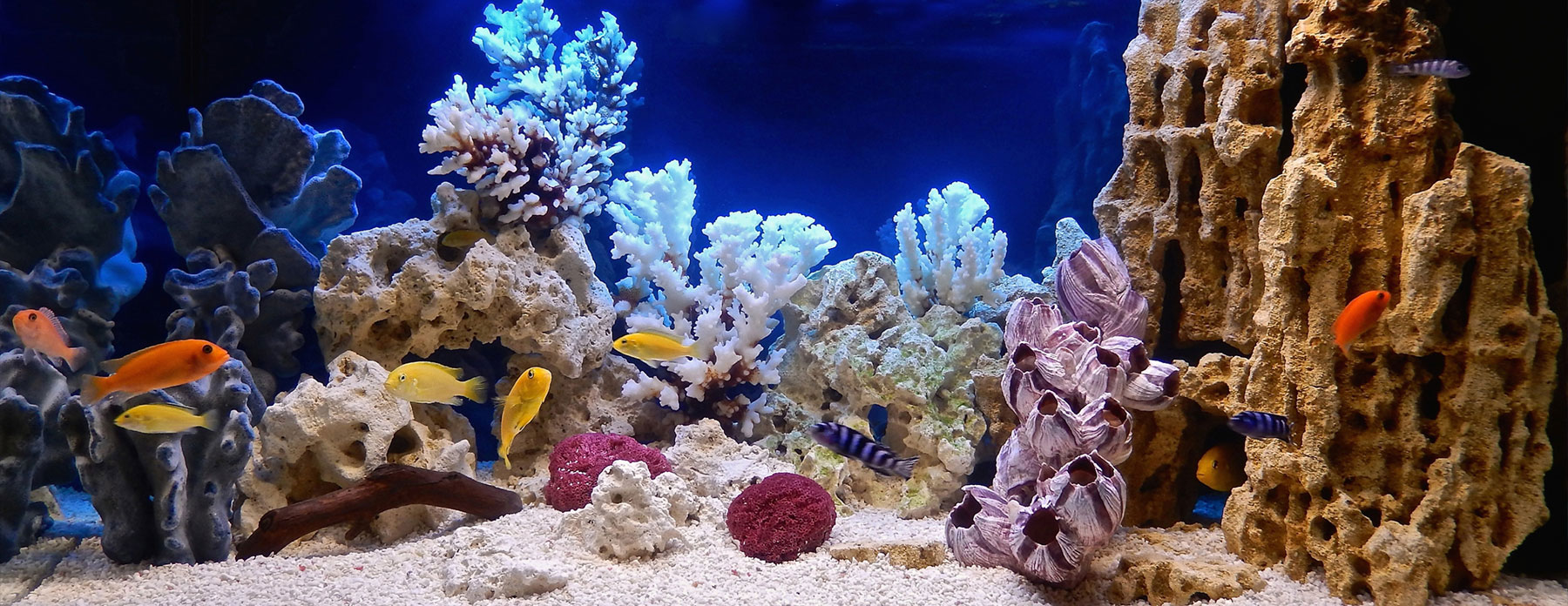
    • Rocks and Caves: Provide plenty of rocks, caves, and other hiding places to replicate their natural habitat and to offer territories for males. This helps reduce aggression by giving each fish a space to claim.
    • Plants: While cichlids from Lake Malawi are known to uproot plants, hardy plants like Anubias or Java fern can be added to the tank, provided they are anchored securely.
  • Filtration: A strong filtration system is essential to maintain clean water, as these fish produce a moderate amount of waste. Ensure adequate water flow and regular water changes to keep the environment healthy.

Diet:

Red Kadango Cichlids are omnivorous and require a varied diet to thrive. In the wild, they feed on plankton and small invertebrates, but in captivity, their diet should include:

  • Pellets or Flakes: High-quality cichlid pellets or flakes should form the staple of their diet, preferably those formulated for herbivorous or omnivorous cichlids.
  • Frozen or Live Foods: Supplement their diet with frozen or live foods such as brine shrimp, daphnia, and Mysis shrimp, which provide essential protein and enhance their coloration.
  • Vegetables: Offer occasional vegetable matter such as blanched spinach, peas, or spirulina-based foods to maintain their digestive health.

Feed them 2-3 times a day in small portions, ensuring that all food is consumed within a few minutes to prevent water quality issues.

Tankmates:

Red Kadango Cichlids can be housed with other peaceful, non-aggressive cichlids from Lake Malawi or similar-sized fish that share the same water parameters. Suitable tankmates include:

  • Other Lake Malawi cichlids (e.g., Peacock Cichlids, Aulonocara species)
  • Synodontis catfish
  • Larger species of rainbowfish

Avoid aggressive or overly territorial cichlids, as this can lead to stress or injury. It is also best to avoid very small fish that may be seen as food.

Breeding:

Red Kadango Cichlids are maternal mouthbrooders, meaning the female carries the fertilized eggs and fry in her mouth for protection until they are ready to swim on their own.

  • Breeding Behaviour: Males become more vibrant in colour and establish a territory where they will display to attract females. After spawning, the female collects the fertilized eggs in her mouth and will care for them until the fry are free-swimming, which typically takes about 3 weeks.
  • Raising Fry: Once the fry are released from the mother’s mouth, they can be fed with finely crushed flake food or specially designed fry food. It is often best to separate the fry from the adults to increase their chances of survival.

Special Considerations:

  • Territorial Behaviour: While generally peaceful, males can become territorial, especially during breeding. Providing enough hiding places and space will help mitigate aggression.
  • Water Quality: Like all Lake Malawi cichlids, the Red Kadango Cichlid is sensitive to poor water quality. Regular water changes and maintenance are essential to keeping them healthy and reducing the risk of diseases like Malawi bloat, which can occur if their diet is too rich in protein or if water conditions are poor.

Write a review

Please login or register to review