

Menu
Menu
Your Cart

Red Pinto Shrimp

Red Pinto Shrimp
Red Pinto Shrimp
Red Pinto Shrimp
Red Pinto Shrimp
Red Pinto Shrimp
€19.99
Ex Tax: €16.25
  • Stock: Generally In Stock
  • Please Note: Due to variations within species, your fish may not look identical to the image provided. Also note not all sizes or species may be available due to seasonality, Please call beforehand for up-to-date stock availability.

  • Model: -
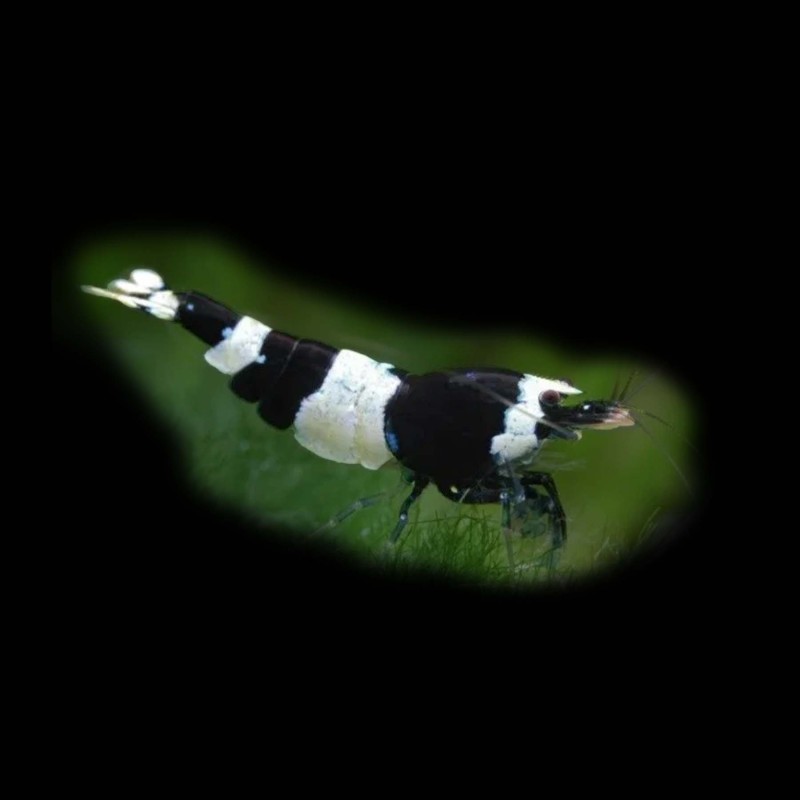
Red Pinto Shrimp

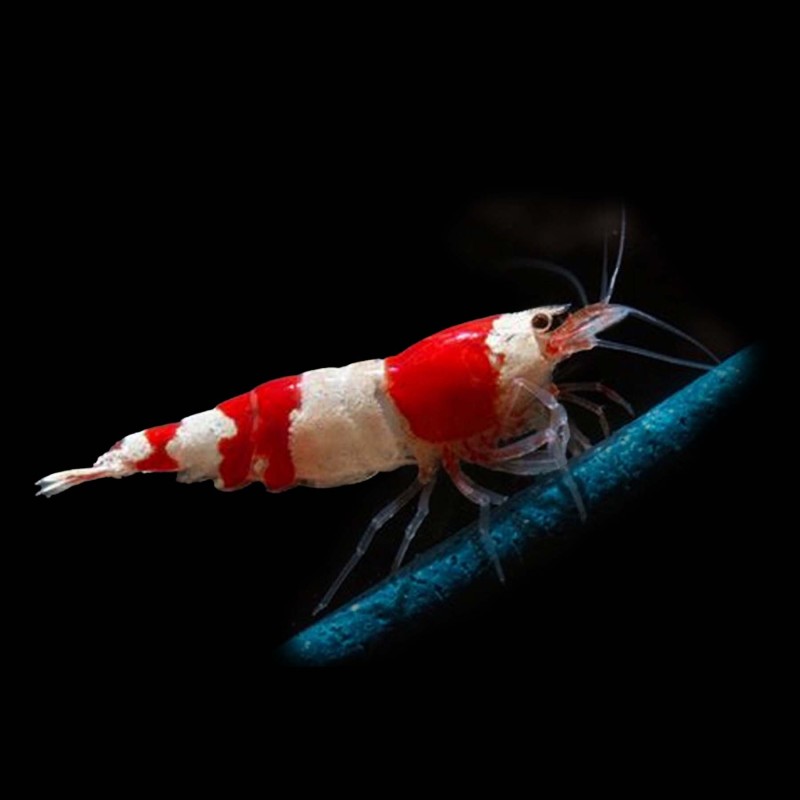
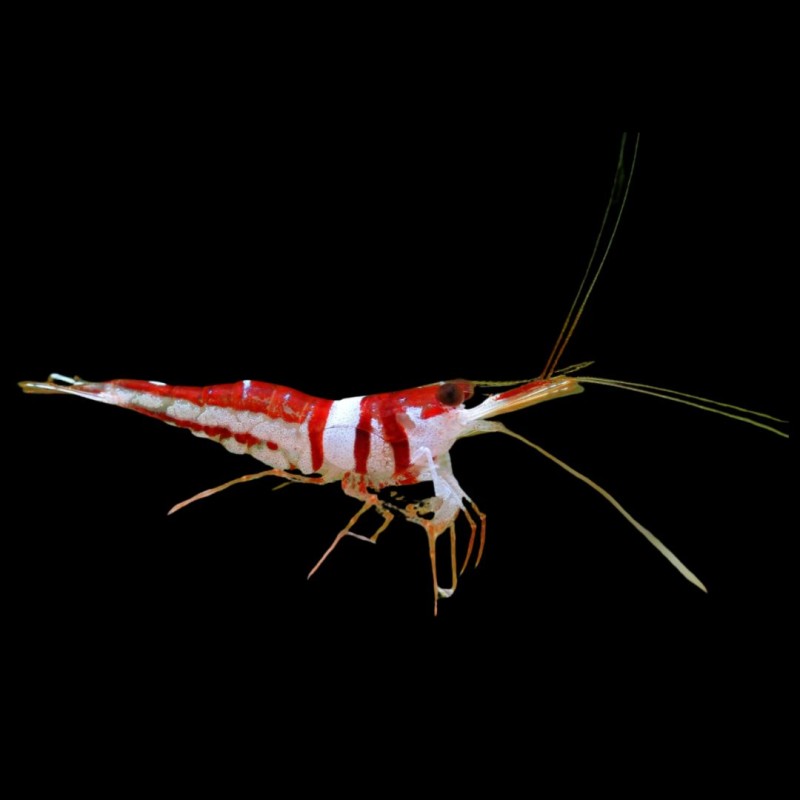
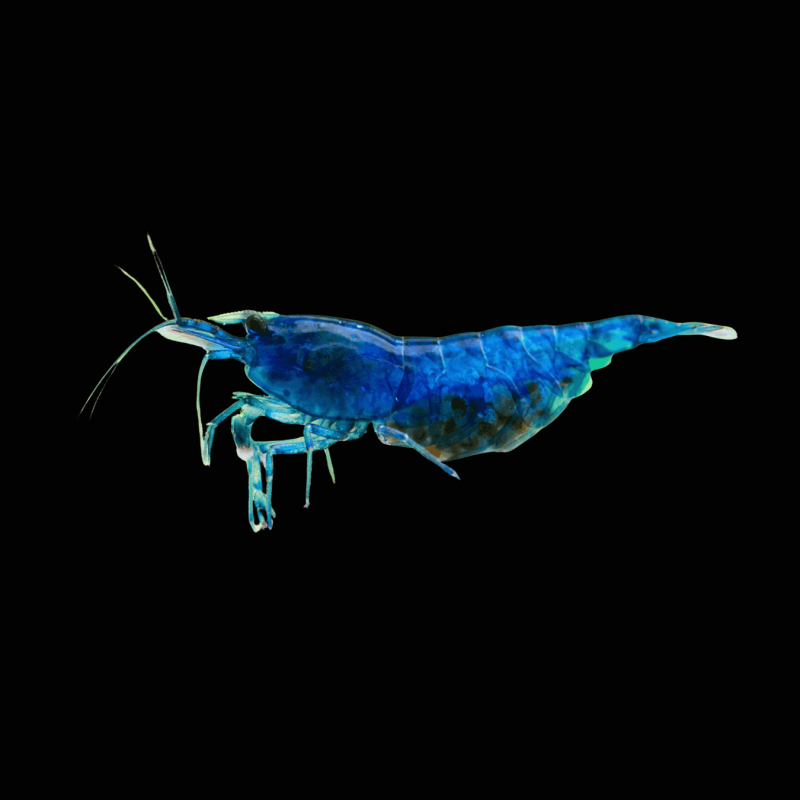
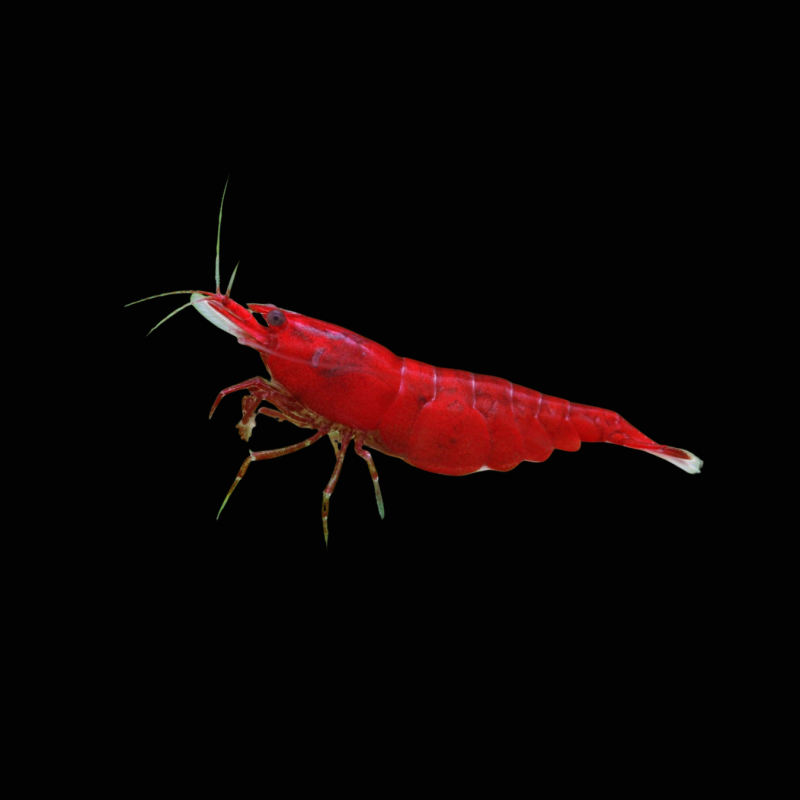
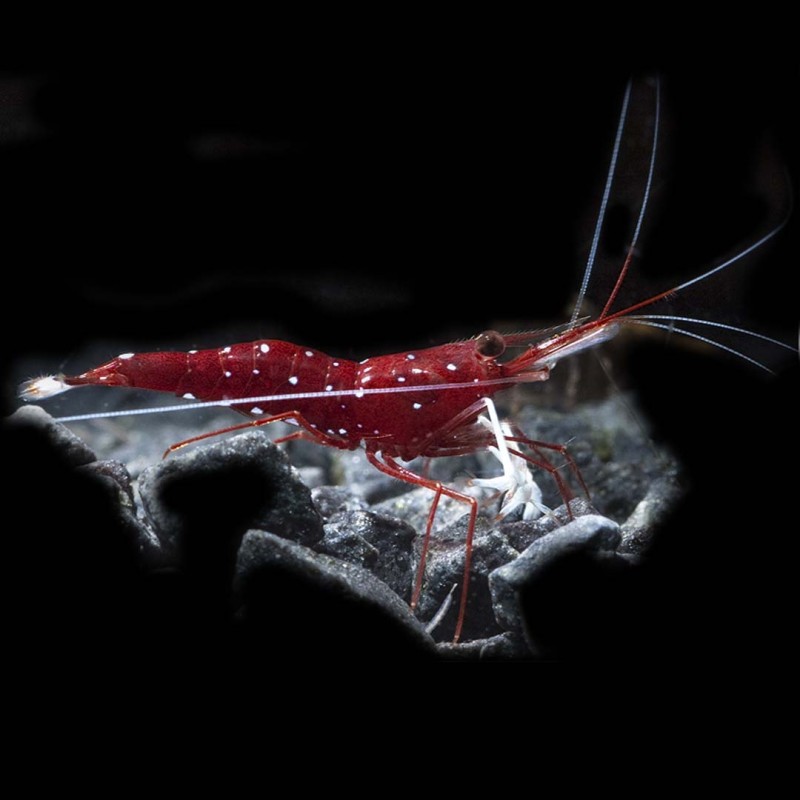
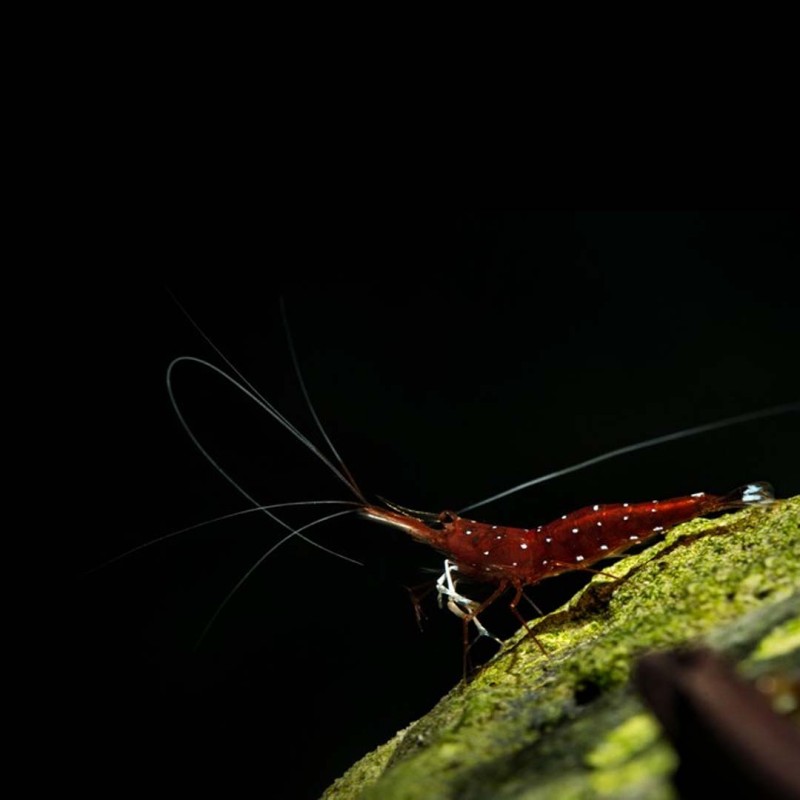
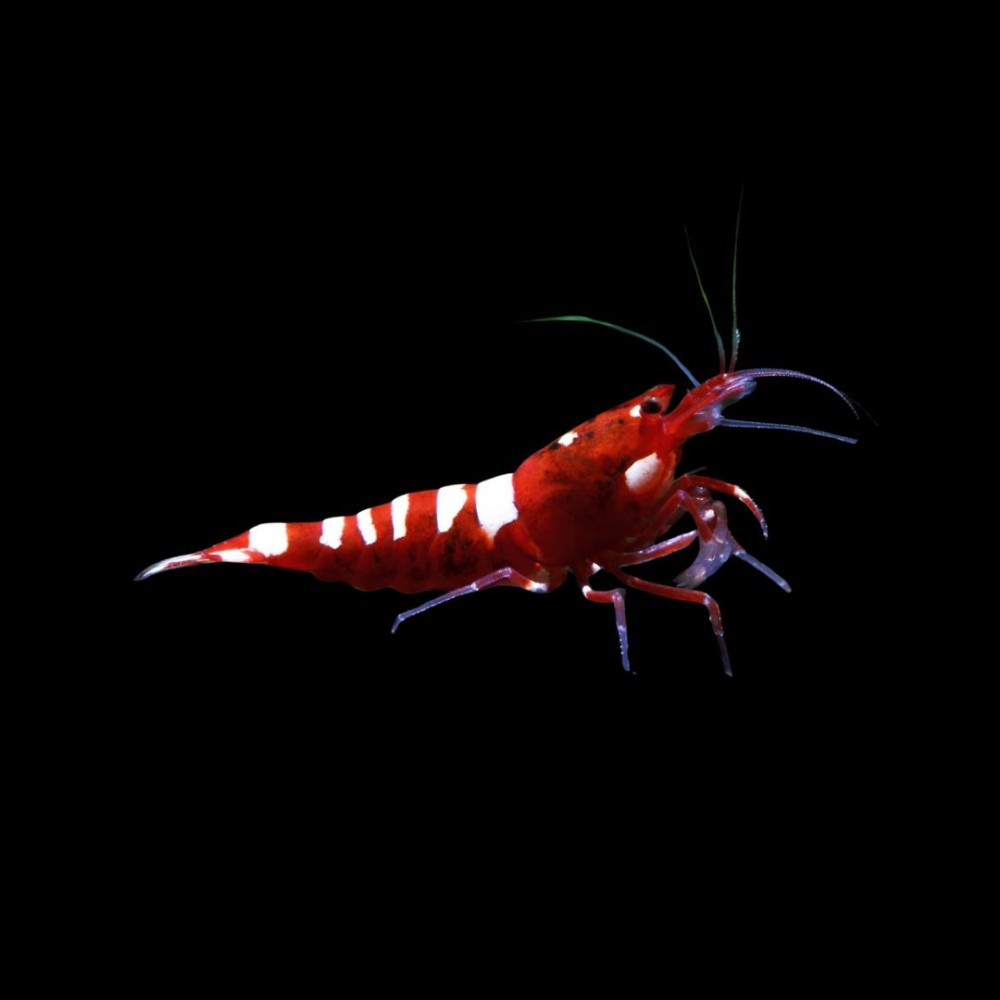
The Red Pinto Shrimp (Caridina cf. cantonensis) is a striking and highly sought-after dwarf shrimp variety known for its vivid red and white patterns. A selectively bred member of the Taiwan Bee shrimp group, this ornamental shrimp is popular among aquascapers and hobbyists for its bold colouration and interesting behaviour. While they require stable water conditions and soft water, they can thrive in well-maintained, species-focused tanks.

Physical Characteristics:

  • Size: Typically reaches 2.5–3 cm (1–1.2 inches) in length when fully grown.
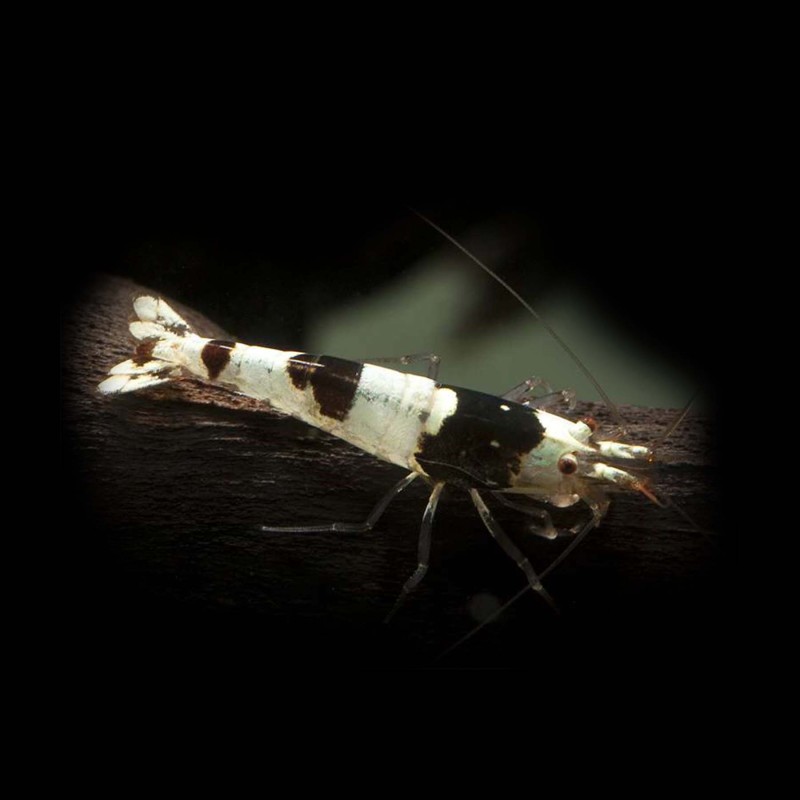
  • Coloration: Deep red base with varying white patterns—commonly spotted, zebra-striped, or marbled. Each individual has a unique pattern.
  • Fins: As in all shrimp, Red Pinto Shrimp do not have fins but possess delicate, transparent swimmerets under the abdomen for movement and carrying eggs.
  • Shape: Typical curved shrimp body with long antennae and fine legs adapted for foraging.

Behaviour:

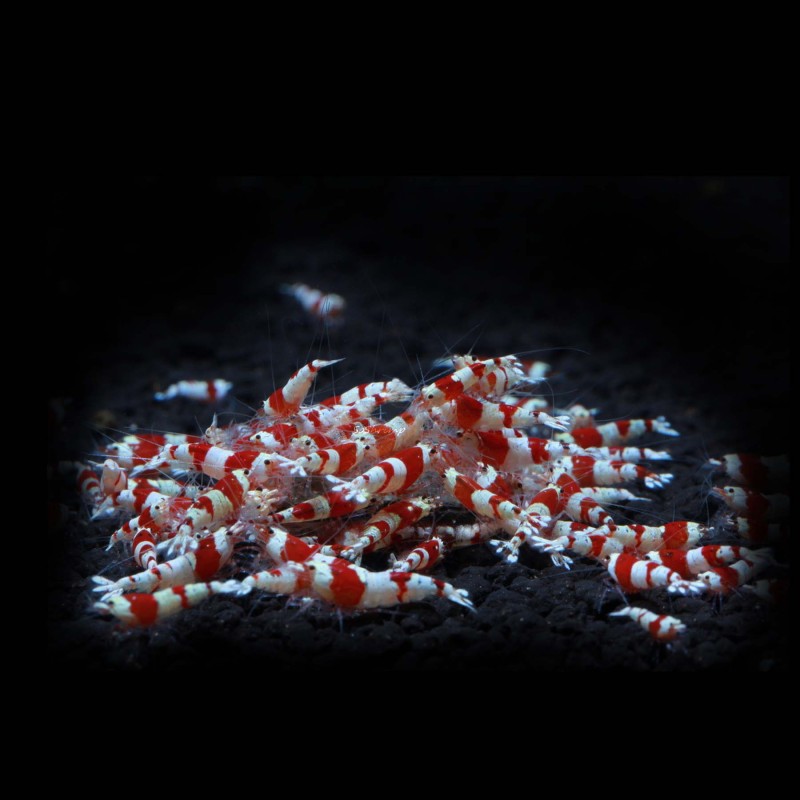
  • Temperament: Peaceful and social. They do best in groups of 10 or more and spend most of their time grazing on surfaces.
  • Activity Level: Active foragers that constantly explore the tank for biofilm and algae, especially on leaves, driftwood, and substrate.
  • Community Behaviour: Best kept in a shrimp-only tank or with very peaceful tankmates that will not prey on them.

Aquarium Care:

  • Tank Size: A minimum of 20 litres (5 gallons) is suitable for a small colony. Larger tanks are more stable and easier to maintain.
  • Water Parameters:
    • Temperature: 20°C to 24°C (68°F to 75°F)
    • pH: 5.5 to 6.5 (slightly acidic)
    • Hardness: 0–4 dGH (very soft water)
    • KH: 0–2 dKH
    • TDS: 100–150 ppm
  • Tank Setup:
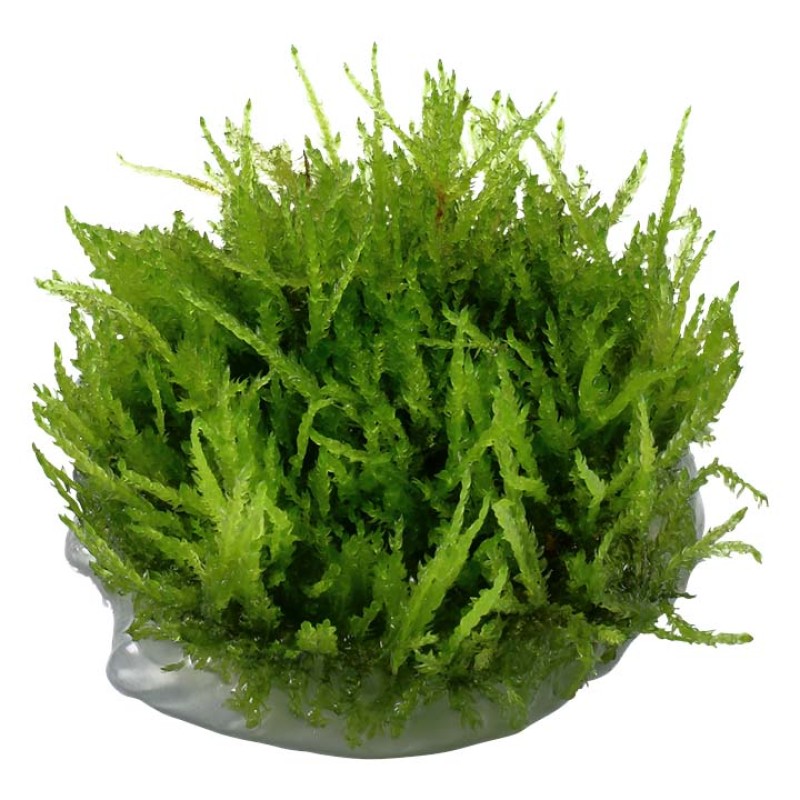
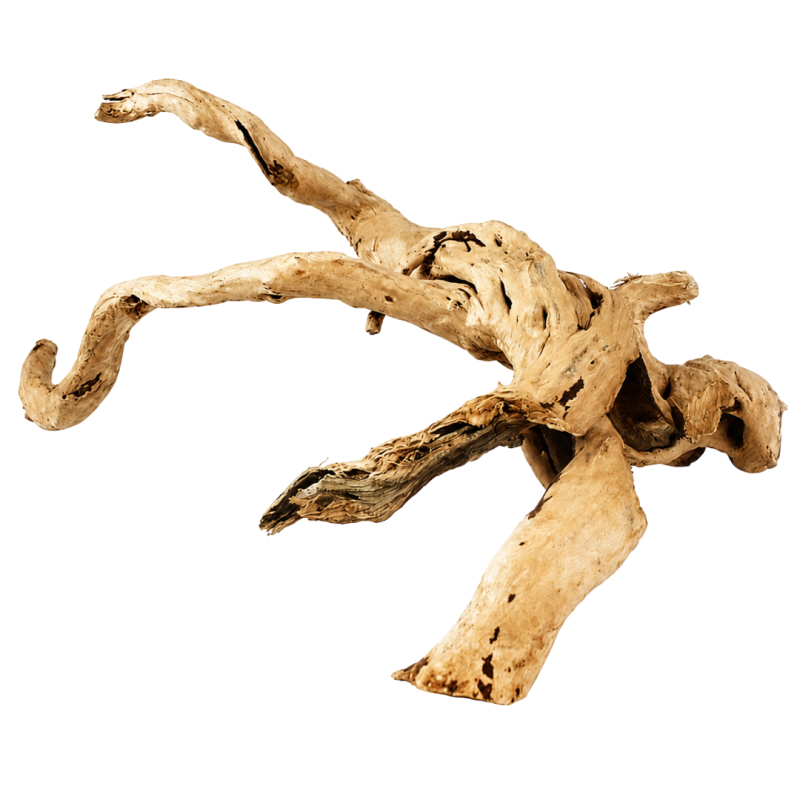
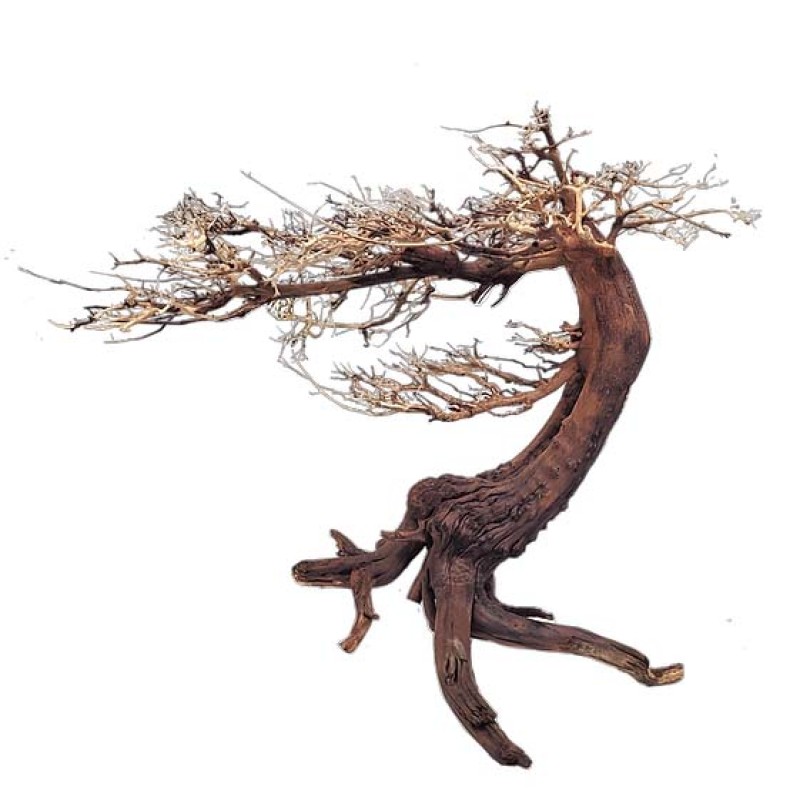
    • Substrate and Decorations: Use shrimp-specific buffering substrate to maintain soft, acidic water. Add leaf litter, mosses (e.g., Java Moss), cholla wood, and driftwood to promote biofilm growth.
    • Lighting: Moderate lighting supports plant and biofilm growth but should not be too intense.
    • Filtration: Use a sponge filter or gentle air-driven filter to prevent shrimp from being sucked in. Perform weekly water changes of 10–20% with remineralised RO water.

Diet:

Red Pinto Shrimp are omnivorous scavengers that need a balanced, high-quality diet to maintain colour and breeding health:

  • Staple Foods: Use shrimp-specific foods such as biofilm wafers, mineral-enriched pellets, or algae-based sinking granules.
  • Fresh Vegetables: Blanched spinach, kale, or courgette can be offered occasionally.
  • Protein Supplement: Feed sparingly—once or twice weekly—using shrimp-safe protein-rich foods like crushed bloodworms or shrimp sticks.

Tankmates:

Because they are small and sensitive, Red Pinto Shrimp should be housed carefully:

  • Best Companions: Other peaceful Caridina shrimp varieties or small snails (e.g., nerites or ramshorns).
  • Avoid: Fish, especially those large enough to eat shrimp (even nano species like rasboras or guppies may pose a threat to babies).

Breeding:

Breeding Red Pinto Shrimp is rewarding but requires very stable water parameters and attention to detail:

  • Setup: Use a well-established tank with mosses and hiding spots for shrimplets. Maintain pristine water conditions.
  • Spawning Behaviour: Females carry eggs under their abdomen for 3–4 weeks. Eggs hatch into fully formed miniature shrimp (no larval stage).
  • Fry Care: Shrimplets feed on biofilm and algae. Avoid strong filtration and ensure no predators are present in the tank.

Special Considerations:

  • Water Stability: Red Pinto Shrimp are sensitive to sudden changes in temperature, pH, or hardness. Always drip-acclimate and monitor TDS closely.
  • Pure RO Water: Use remineralised RO water with shrimp-specific mineral blends to ensure consistent conditions.
  • Colour Maintenance: High-quality foods and good genetics help maintain deep red pigmentation and pattern clarity.

Write a review

Please login or register to review