

- Stock: In Stock
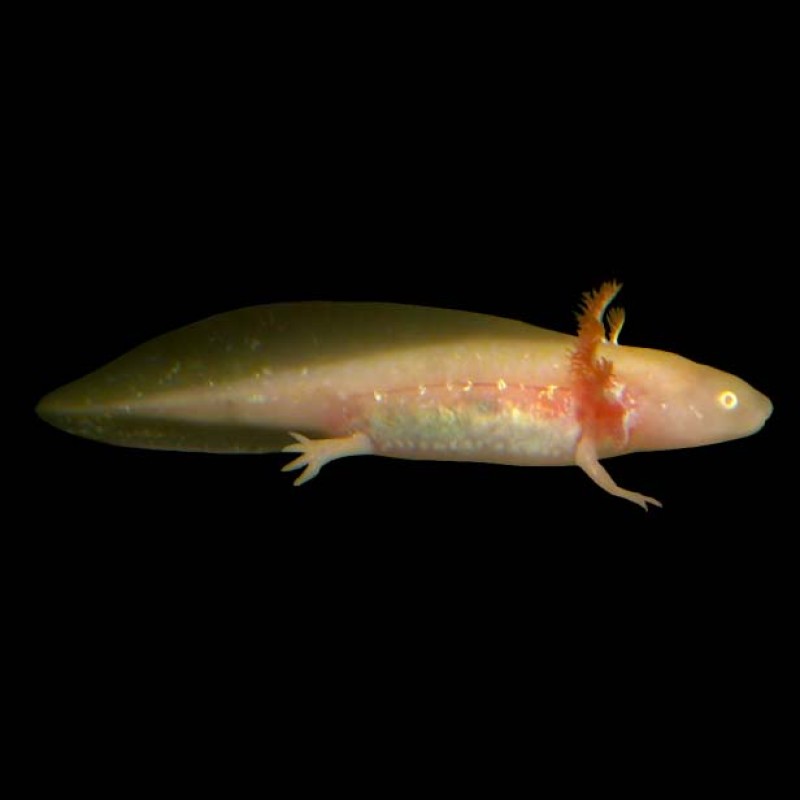
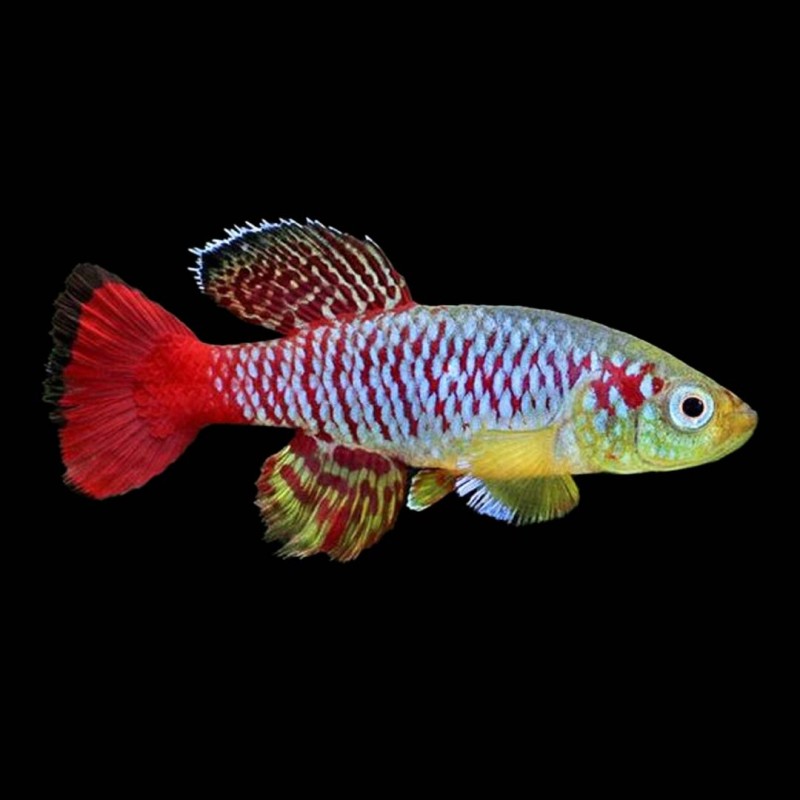
Please Note: Due to variations within species, your fish may not look identical to the image provided. Also note not all sizes or species may be available due to seasonality, Please call beforehand for up-to-date stock availability.
- Model: -
Arrive Alive
If your fish, coral, plant, or invertebrate doesn't arrive alive and stay alive for 2 days, we'll credit your account or refund your money.
Dwarf African Frog (Hymenochirus spp.)
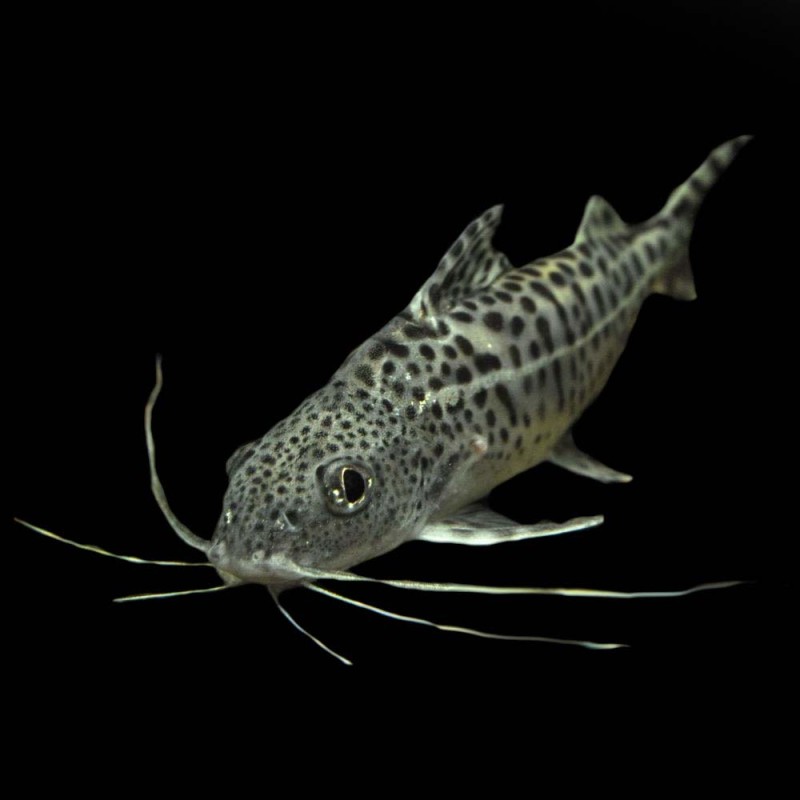
The Dwarf African Frog is a small, aquatic frog native to the freshwaters of Africa. Known for its unique appearance and friendly nature, this species is a popular choice for aquarium enthusiasts. Dwarf African Frogs are often kept in community tanks due to their peaceful behaviour and interesting swimming style.
Physical Characteristics:
- Size: Dwarf African Frogs typically grow to about 5-7 cm (2-3 inches) in length, making them one of the smallest frog species in the aquarium trade.
- Colouration: They usually have a smooth, brown or greenish skin with lighter spots, which helps them blend into their aquatic environment. Their skin is often semi-transparent, allowing for a view of their internal organs.
- Shape: Dwarf African Frogs have a rounded body and a flattened head with prominent eyes. They possess webbed feet that aid in swimming and locomotion.
Behaviour:
- Temperament: These frogs are generally peaceful and can coexist with a variety of fish and invertebrates. However, they may be vulnerable to larger or more aggressive fish.
- Activity Level: Dwarf African Frogs are mostly active during the evening and night. They are known for their graceful swimming and may occasionally surface for air, as they need to breathe oxygen.
- Community Behaviour: They do well in community tanks with other peaceful species. It’s important to ensure that tankmates are not large enough to consider the frogs as food.
Aquarium Care:
- Tank Size: A minimum tank size of 40 litres (10 gallons) is recommended for a small group of Dwarf African Frogs, allowing them ample space to swim and explore.
- Water Parameters:
- Temperature: Dwarf African Frogs thrive in warm water, with an ideal temperature range of 22°C to 26°C (72°F to 78°F).
- pH: They prefer slightly acidic to neutral water, with a pH range of 6.5 to 7.5.
- Hardness: Soft to moderately hard water, with a general hardness (GH) of 3-15 dGH, is suitable.
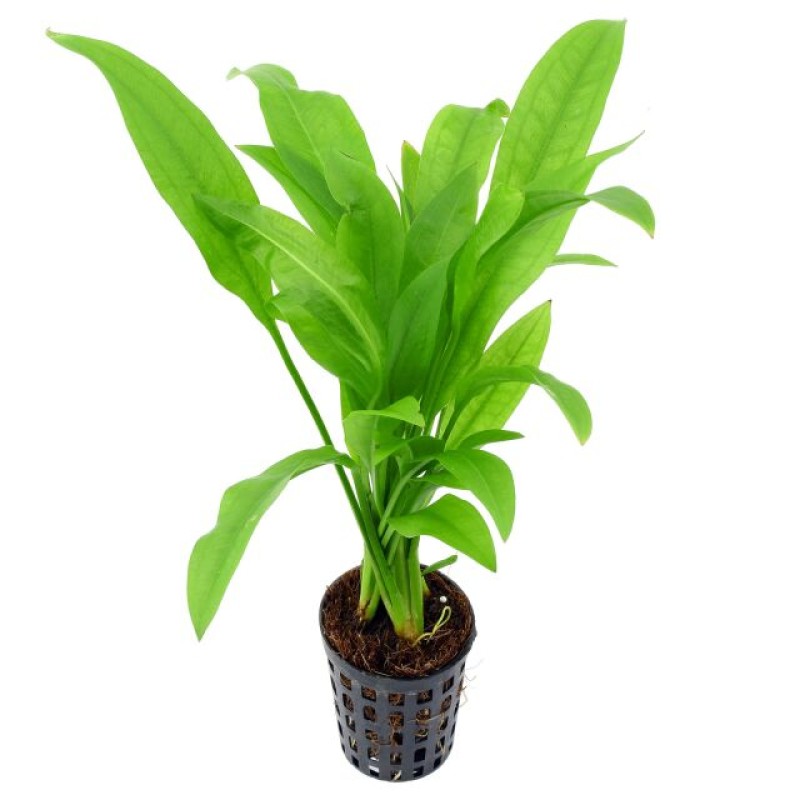
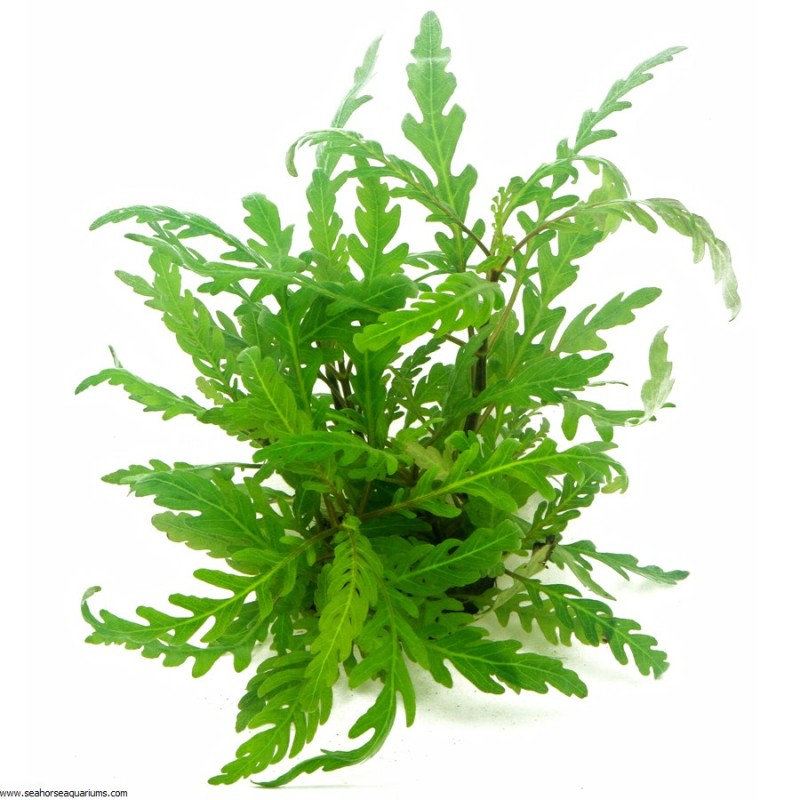
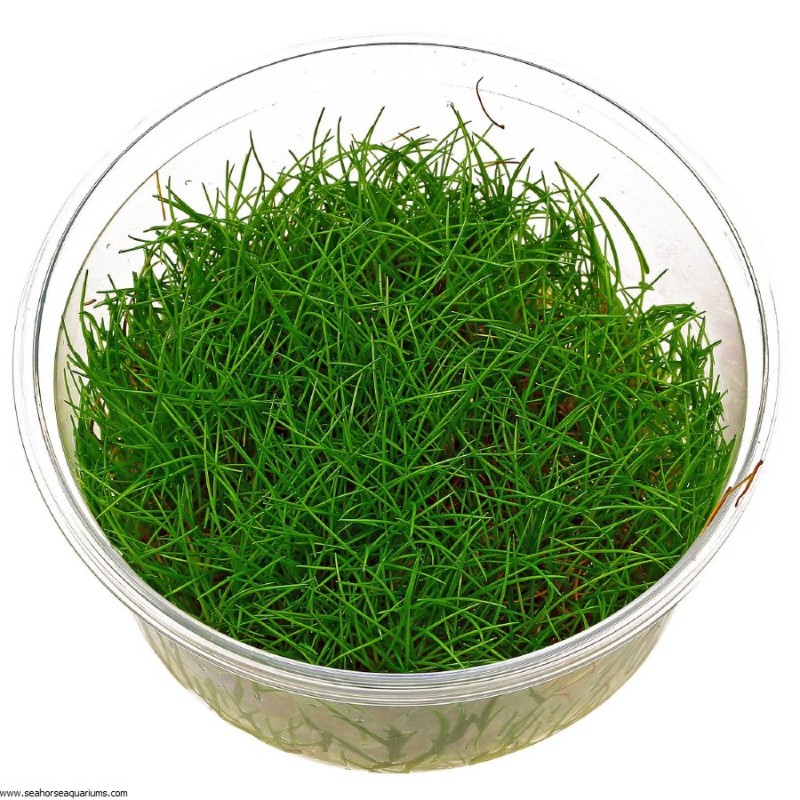
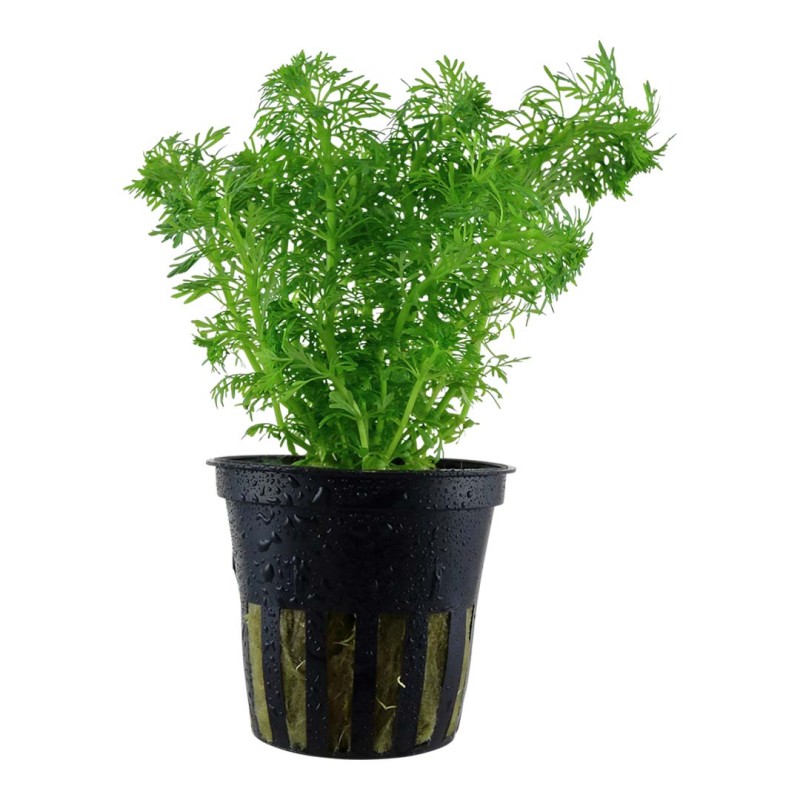
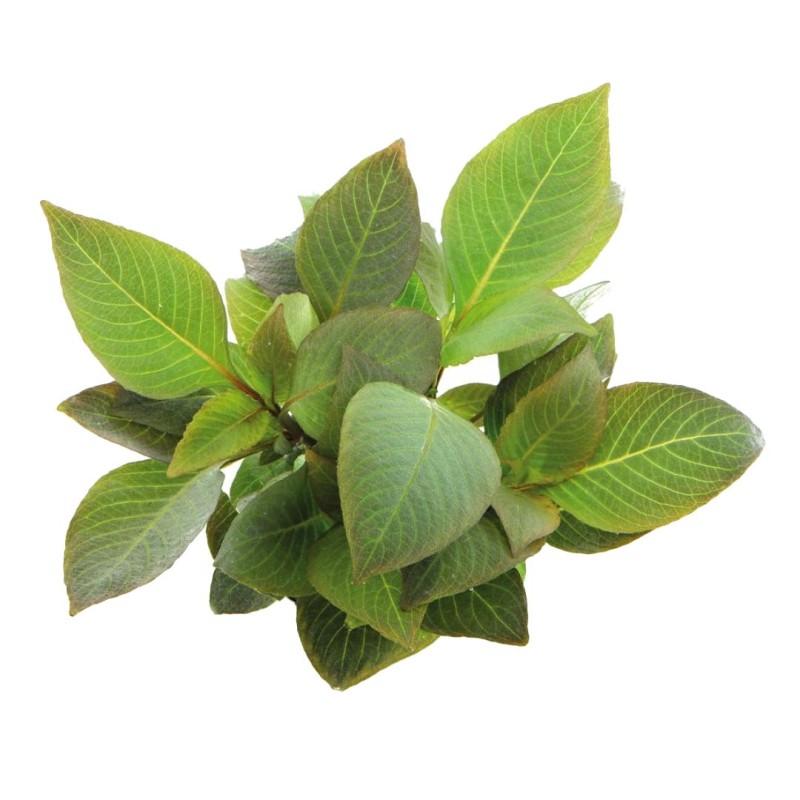
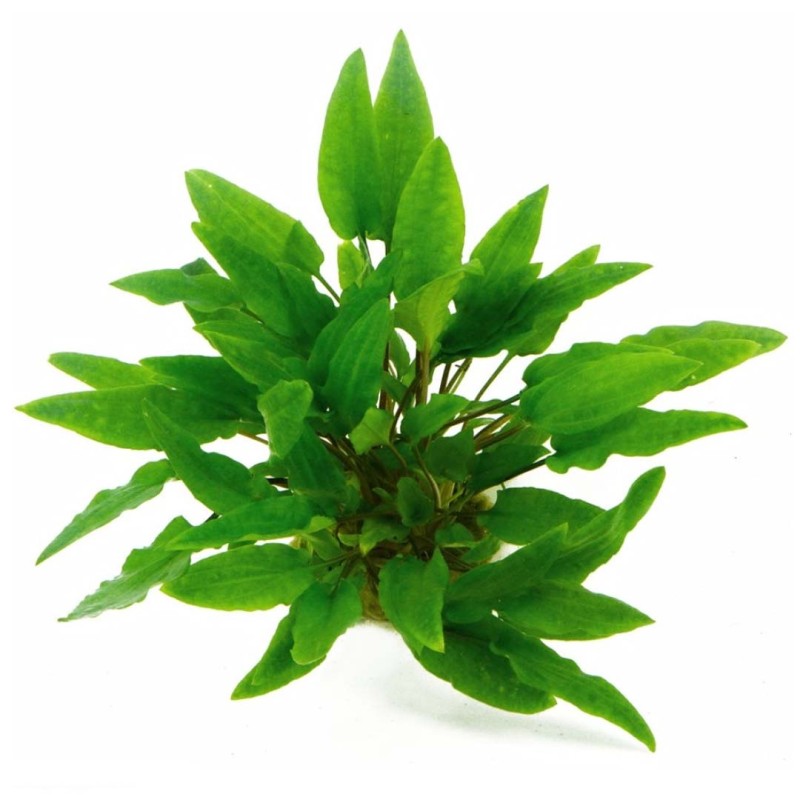
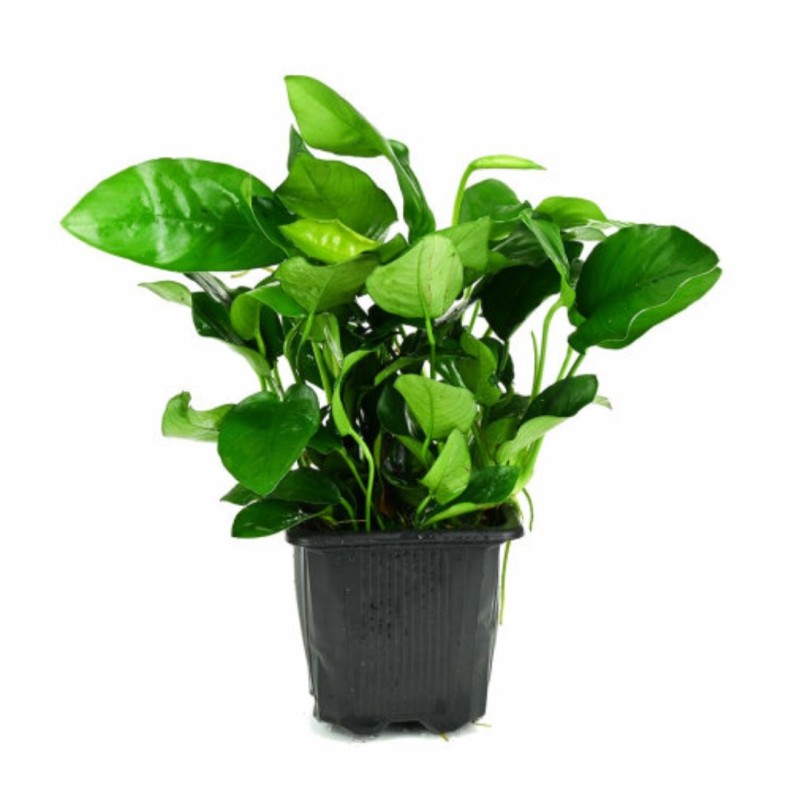
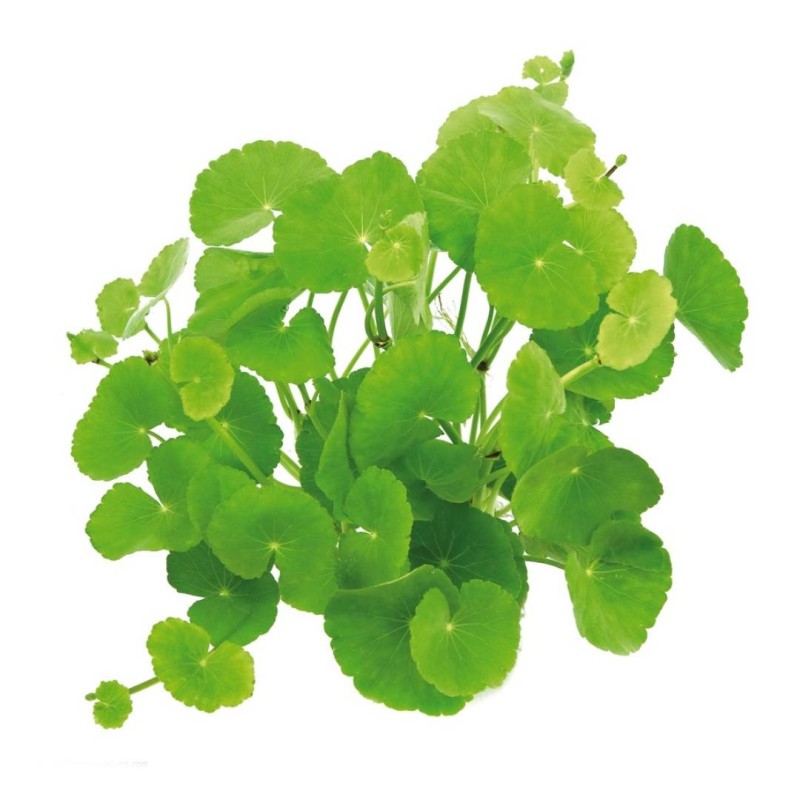
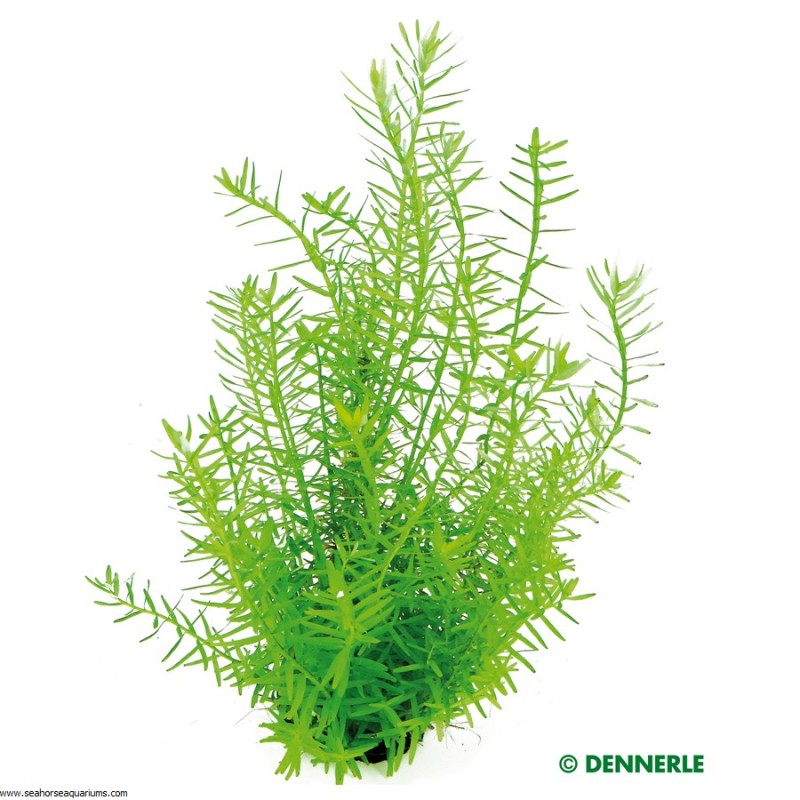
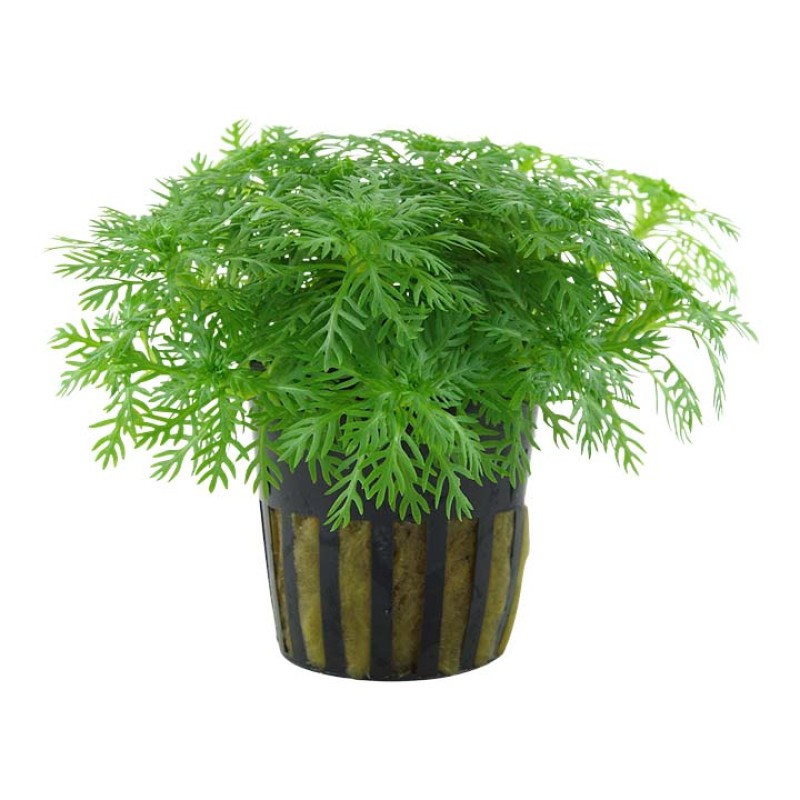
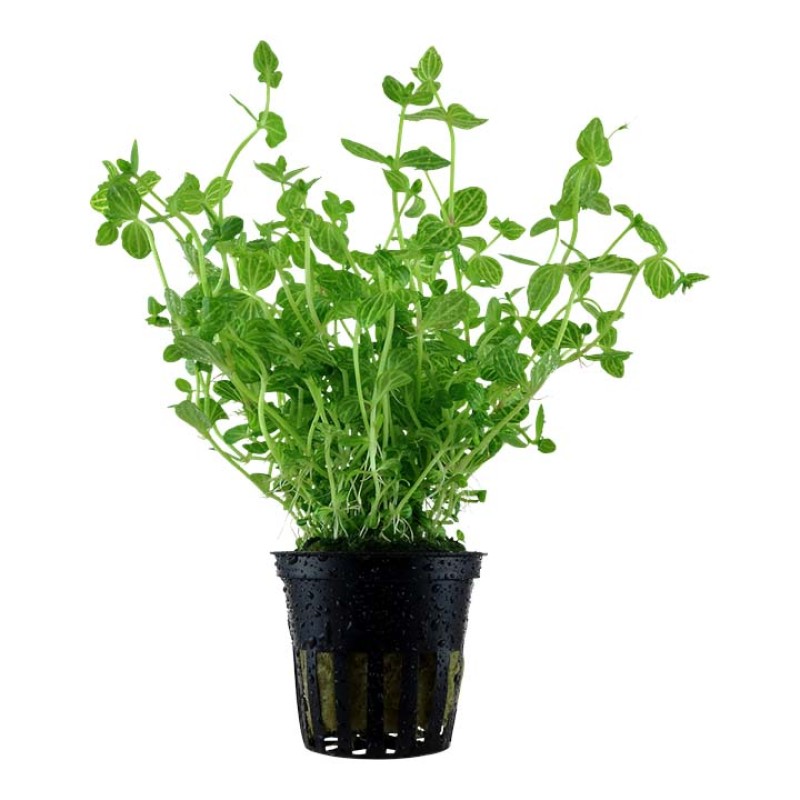
- Tank Setup: A well-planted tank with plenty of hiding spots using rocks, driftwood, and aquatic plants is ideal. Ensure that the substrate is smooth to prevent injury to the frogs' delicate skin.
Diet:
Dwarf African Frogs are carnivorous and require a protein-rich diet. Their diet should include:
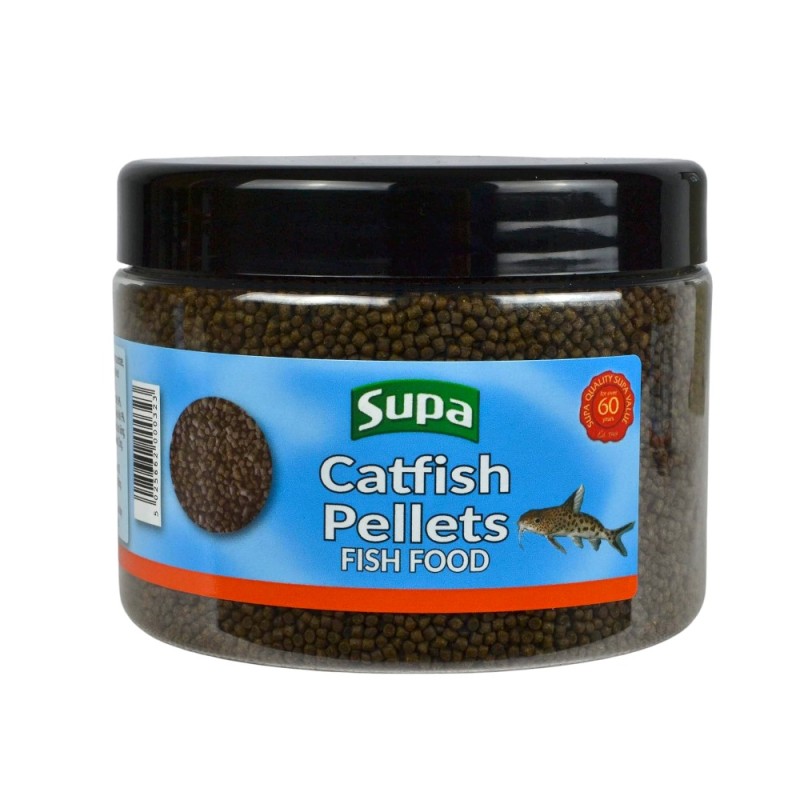
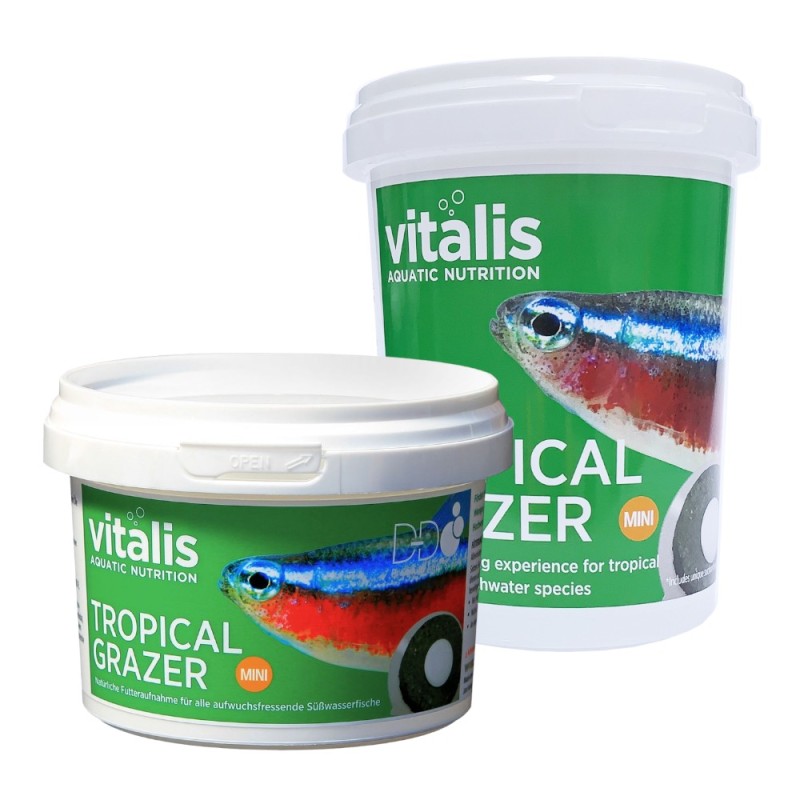
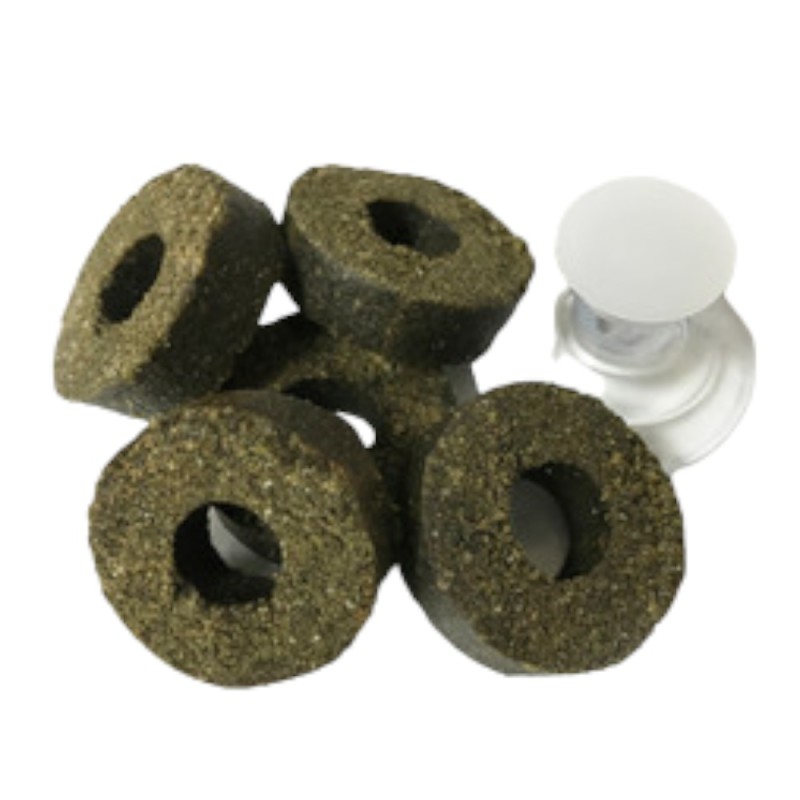
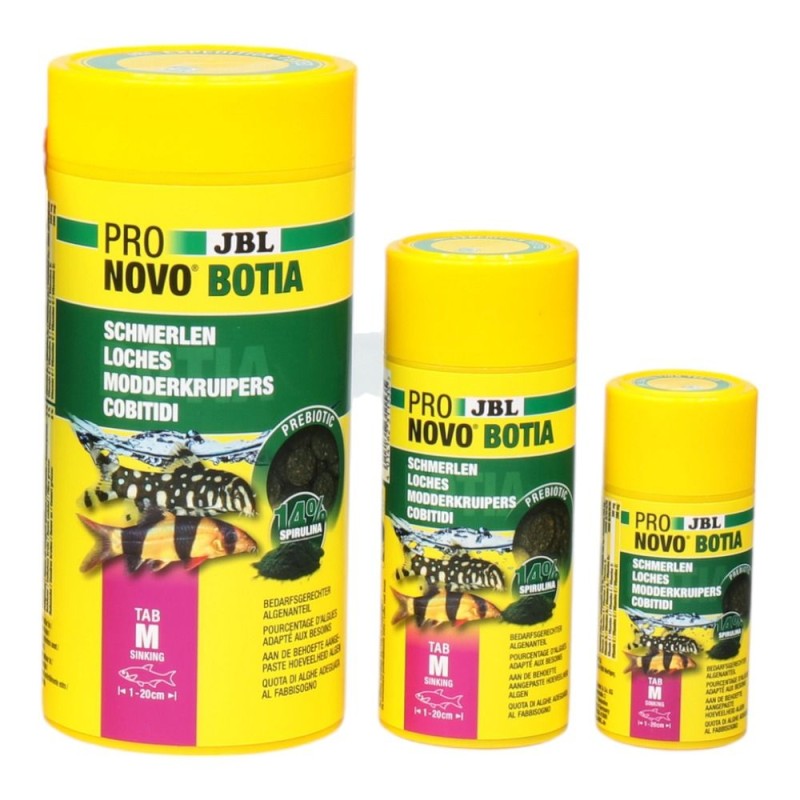
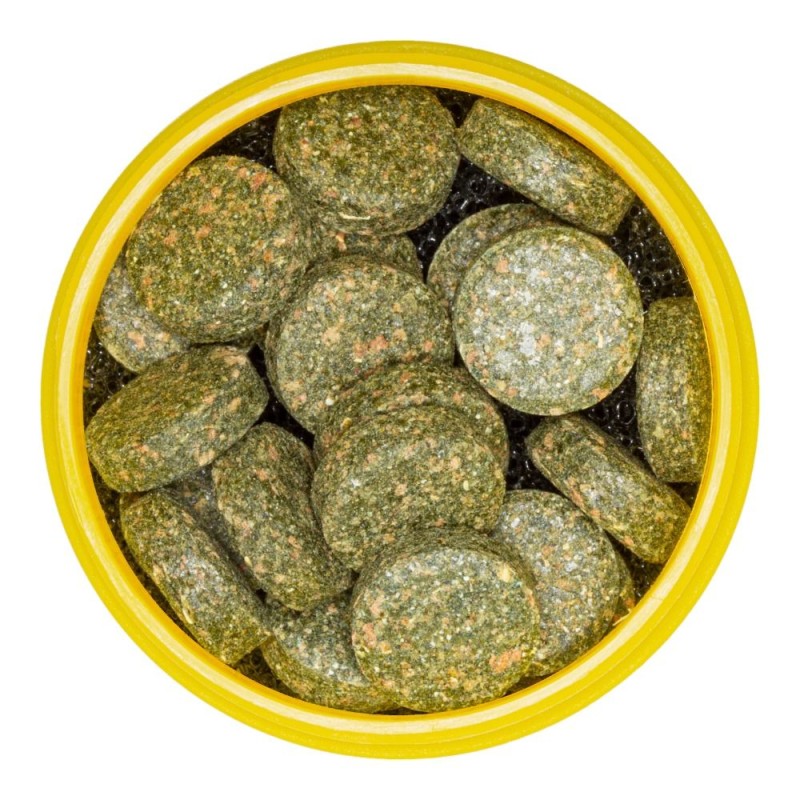
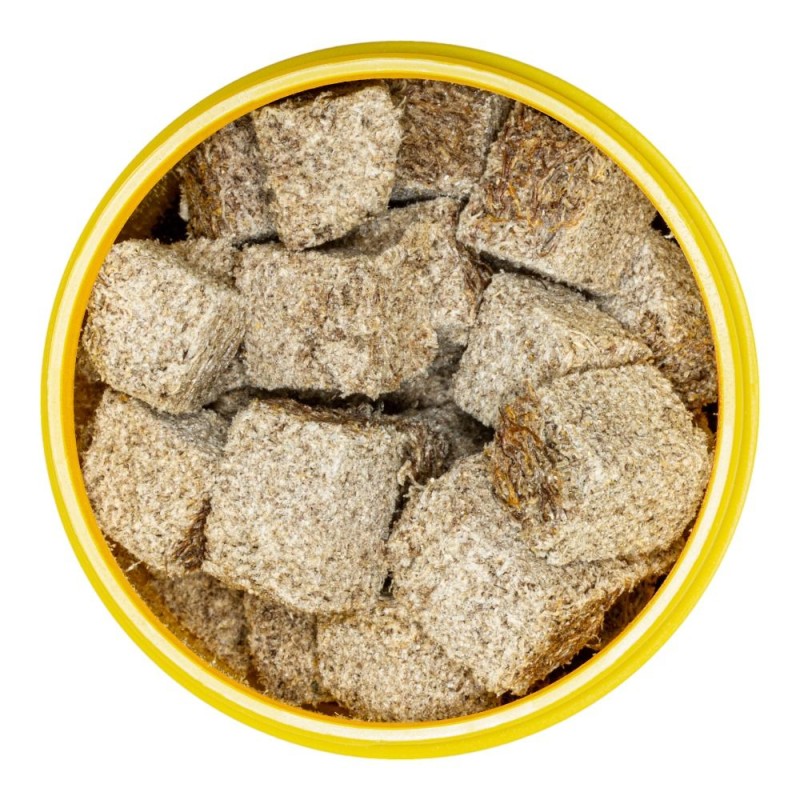
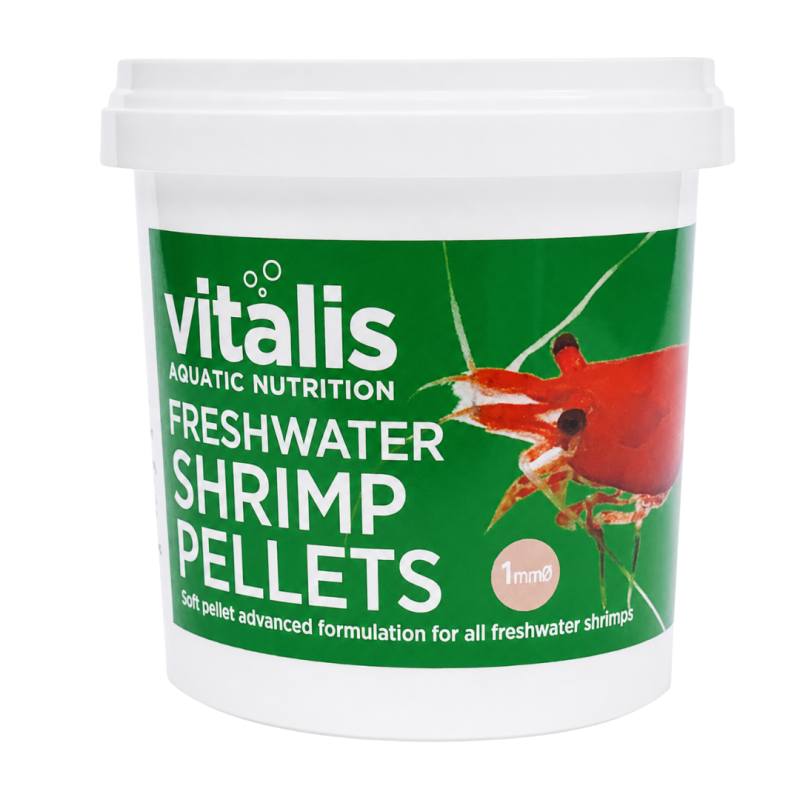
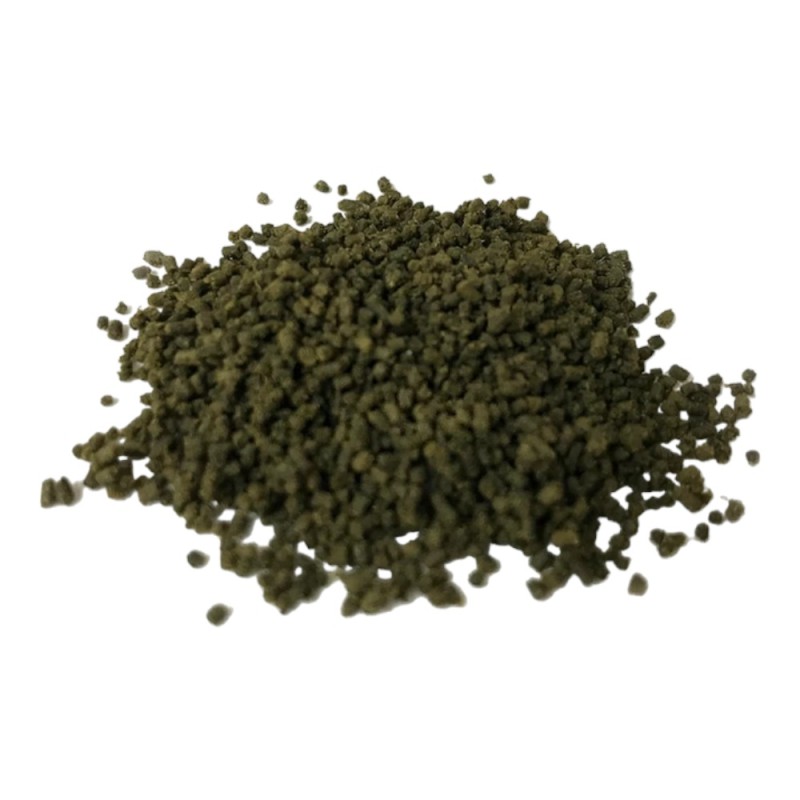
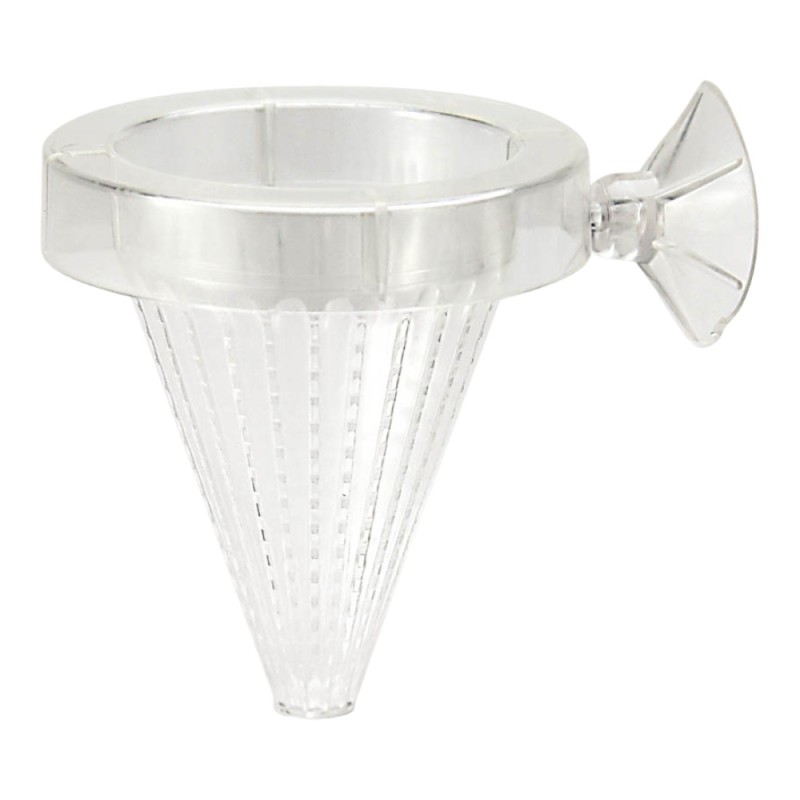
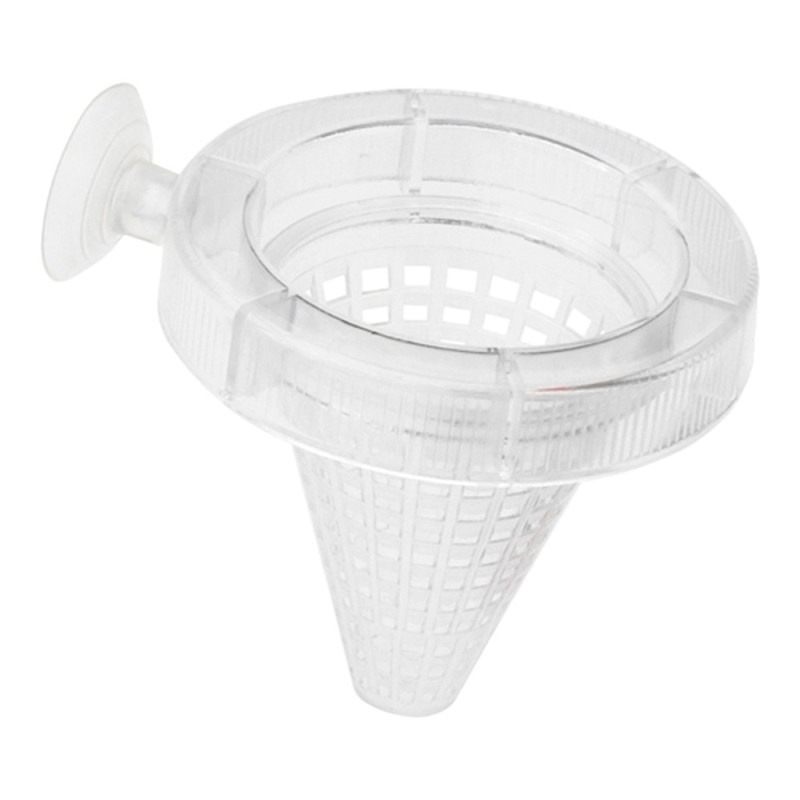
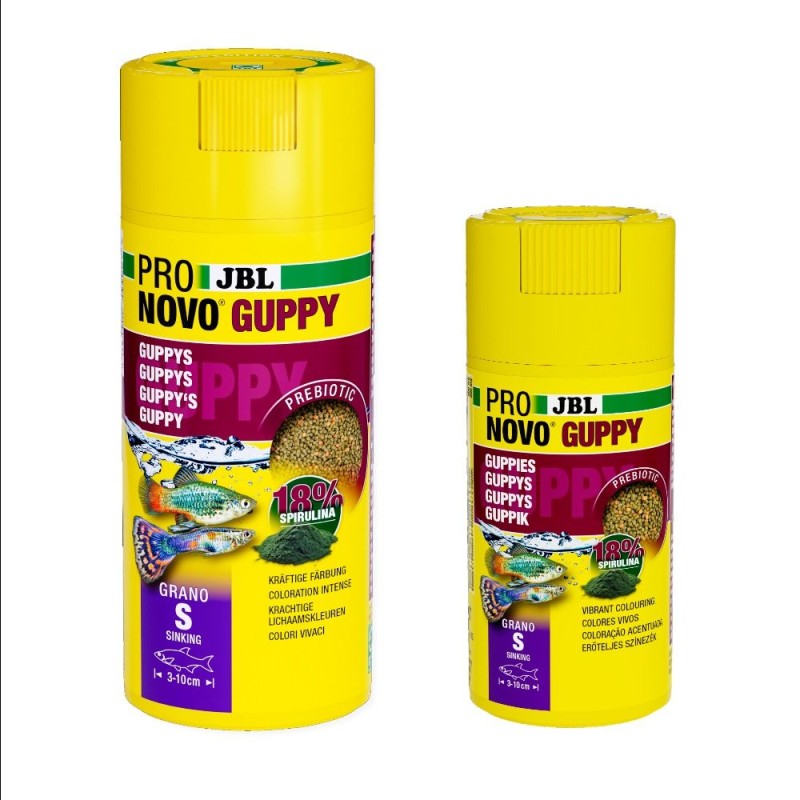
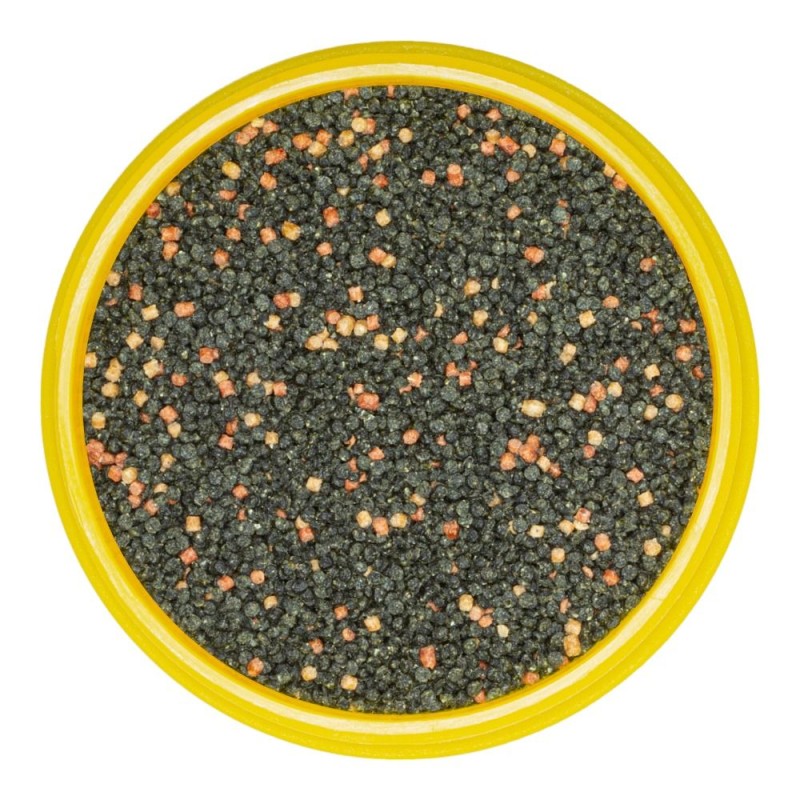
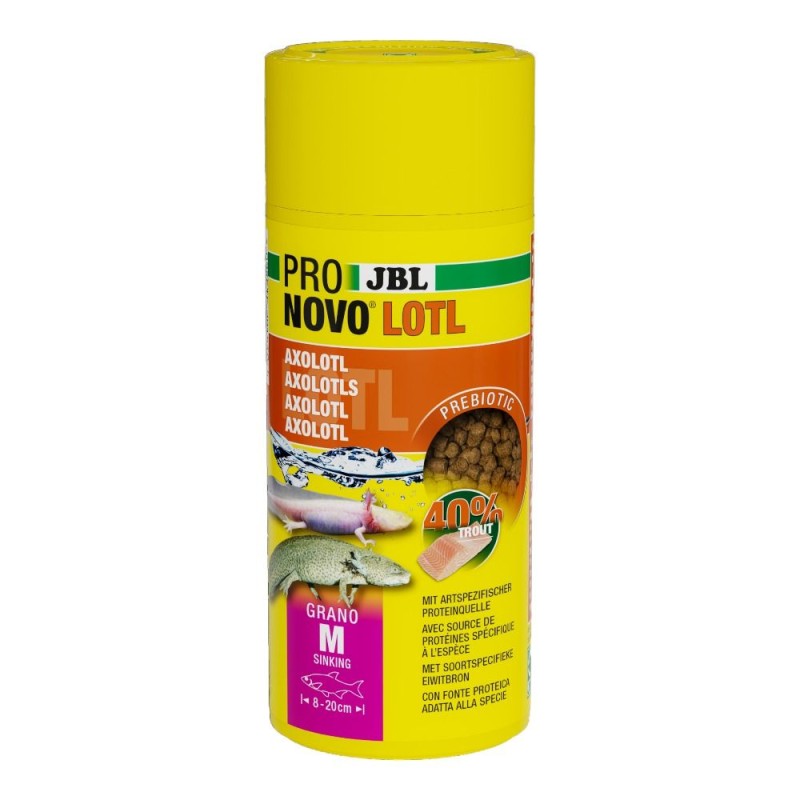
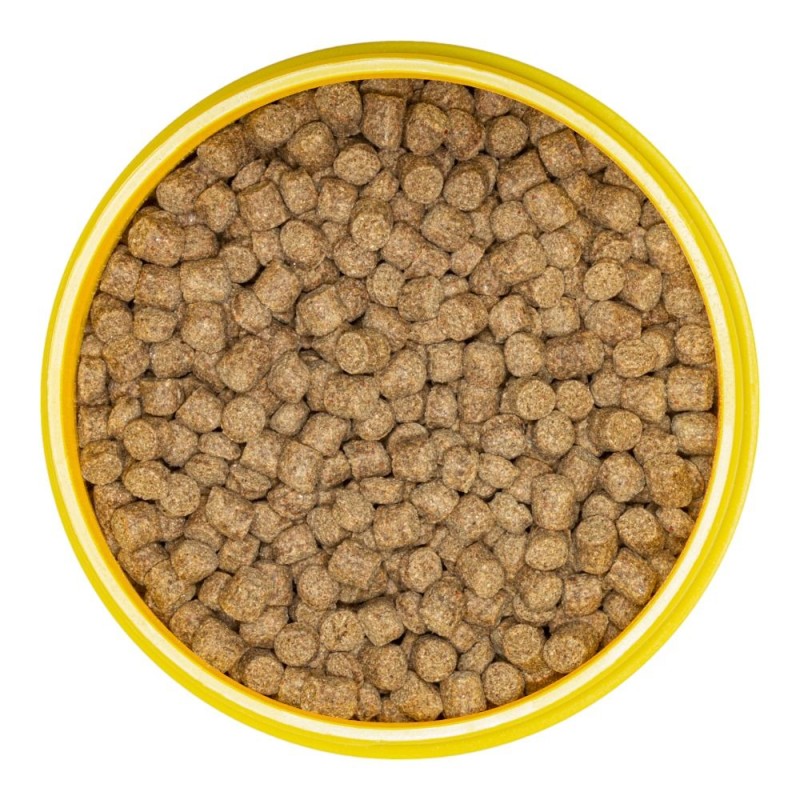
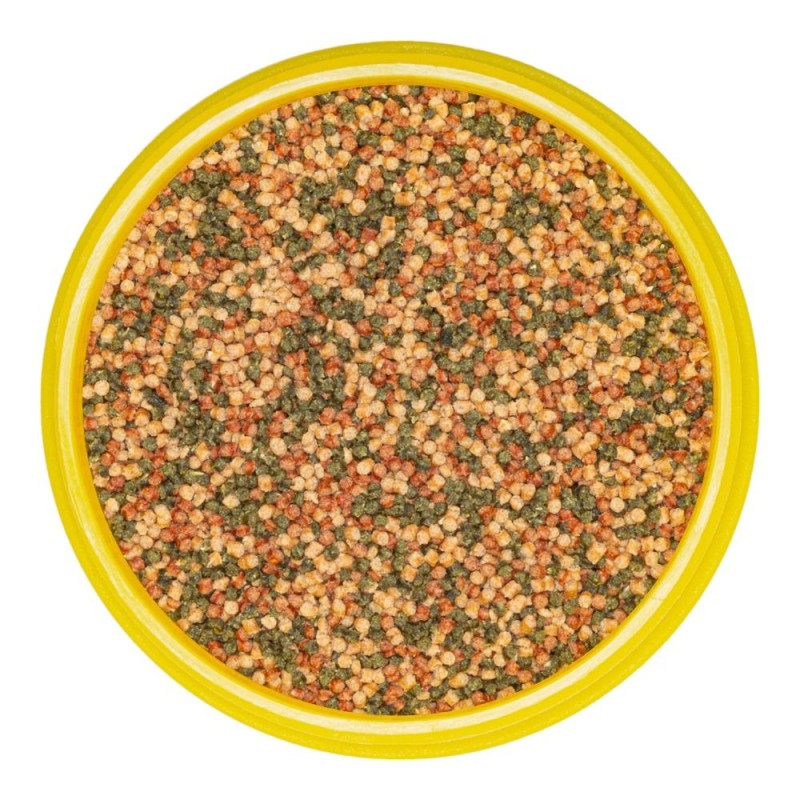
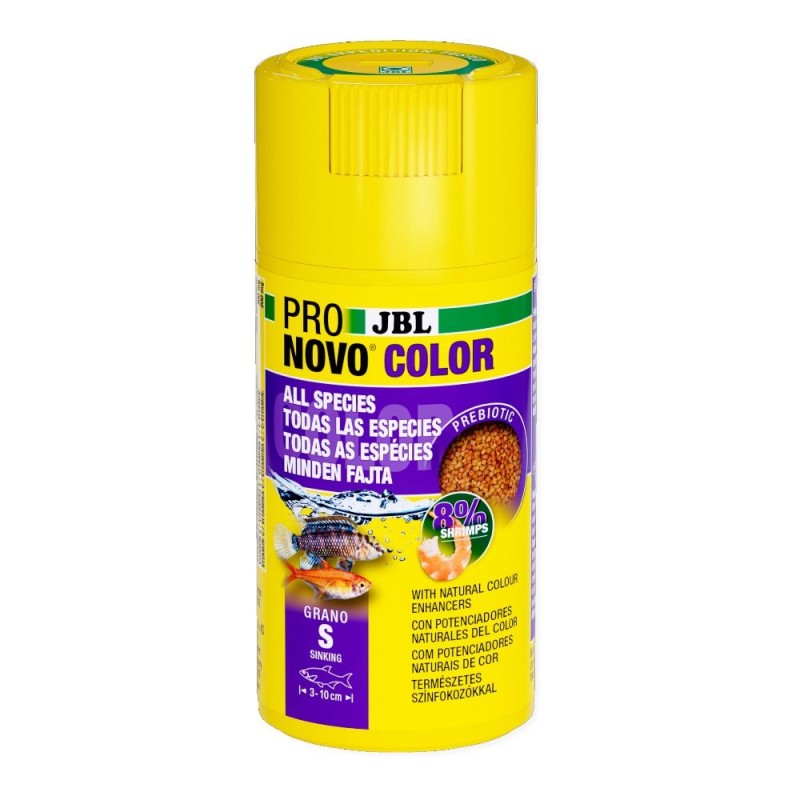
- High-quality frog pellets or sinking pellets designed for amphibians.
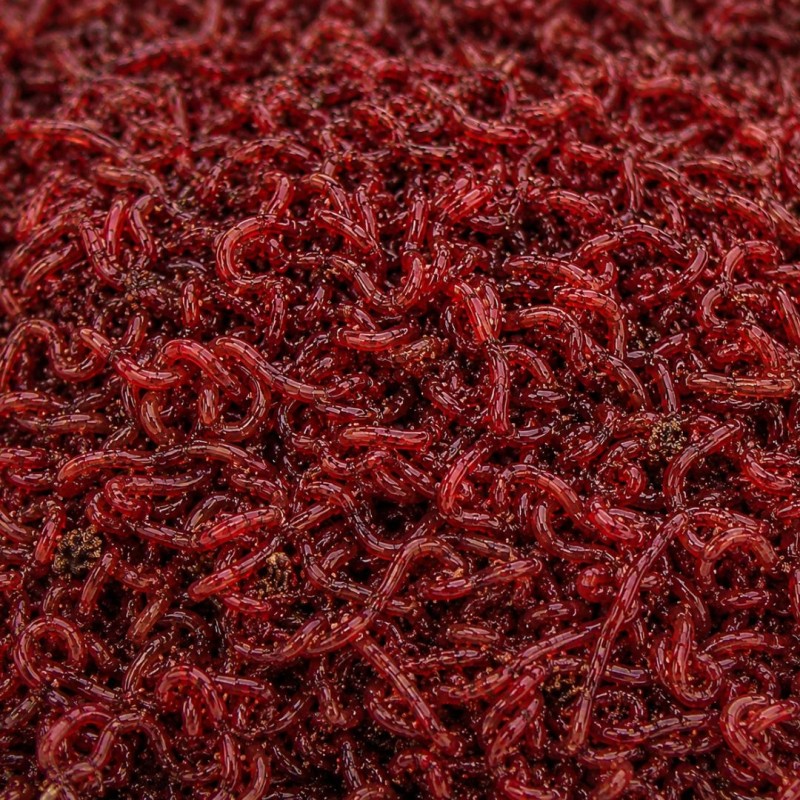
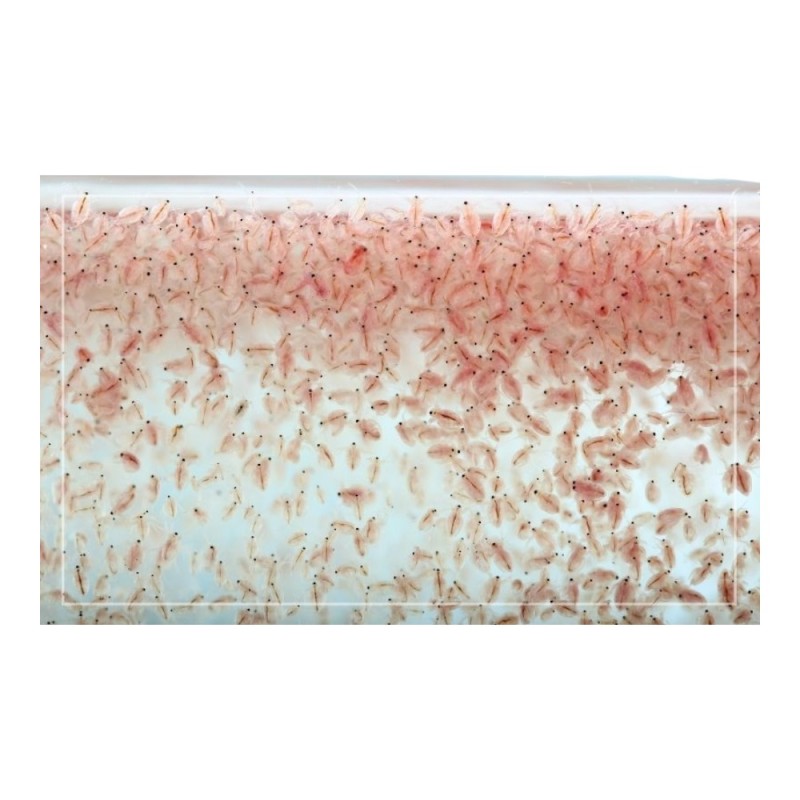
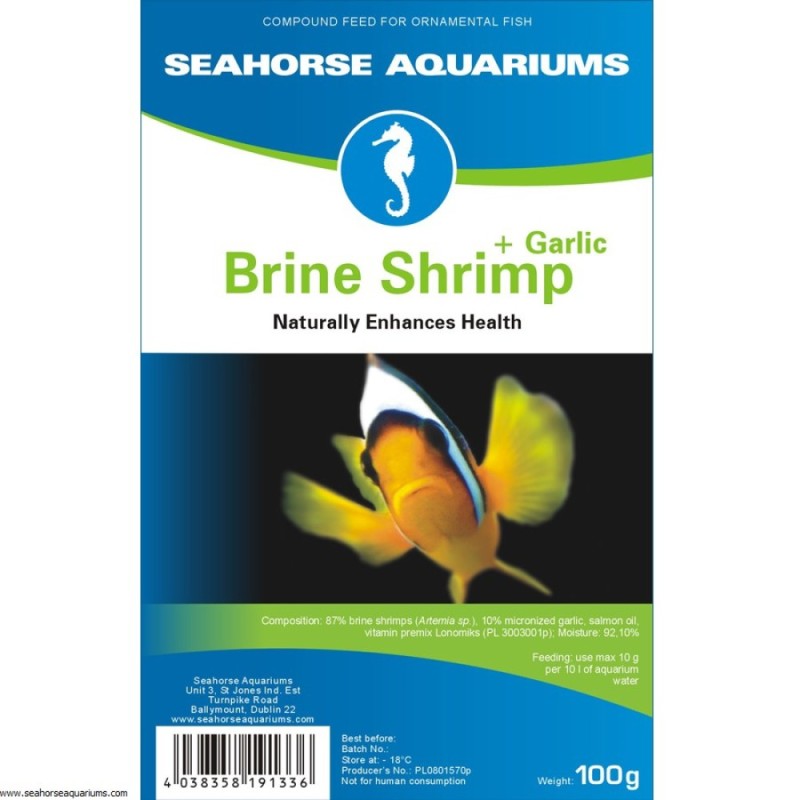
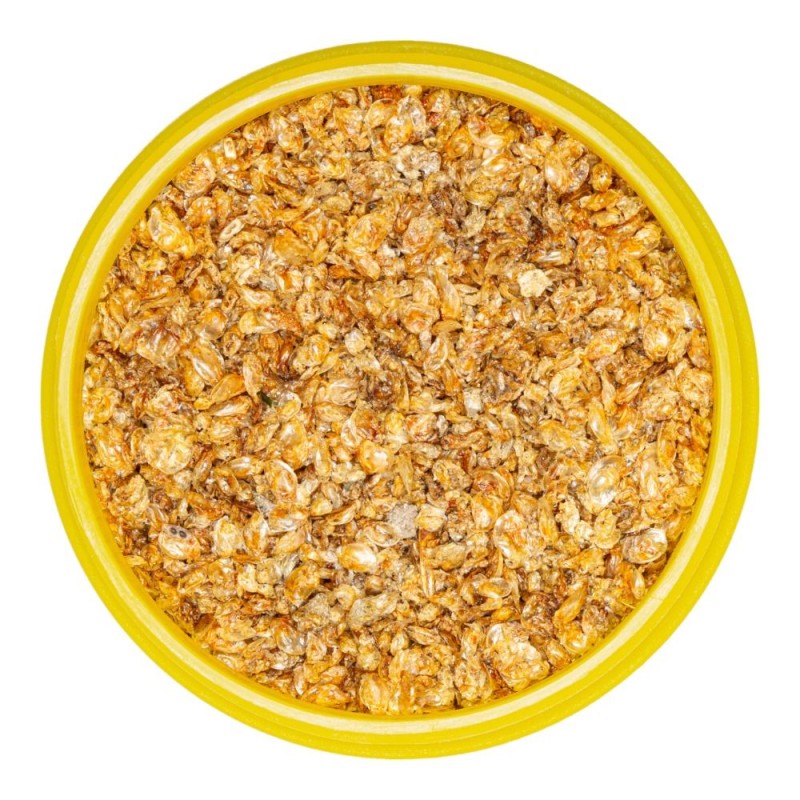
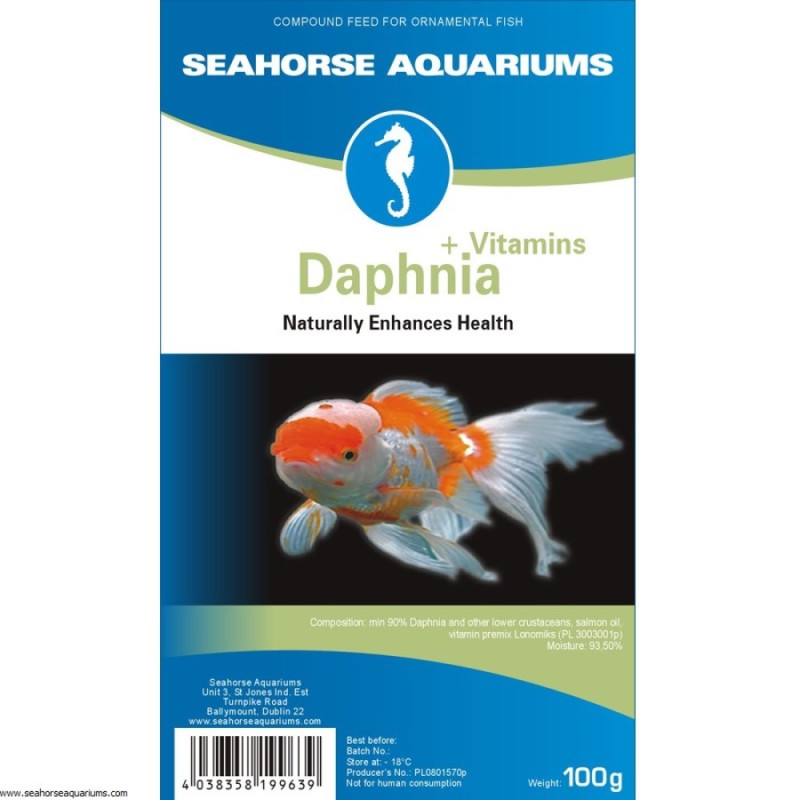
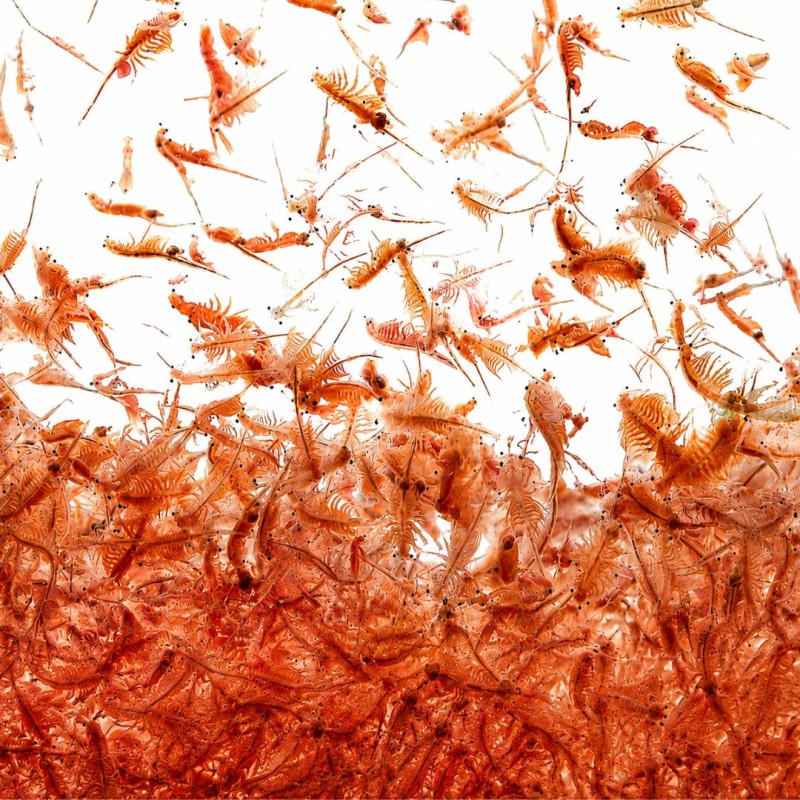
- Live or frozen foods such as bloodworms, brine shrimp, and daphnia to provide essential protein and variety.
- Occasional treats of small live foods, such as chopped earthworms, can also be beneficial.
Tankmates:
Dwarf African Frogs can be housed with a variety of peaceful tankmates. Suitable companions include:
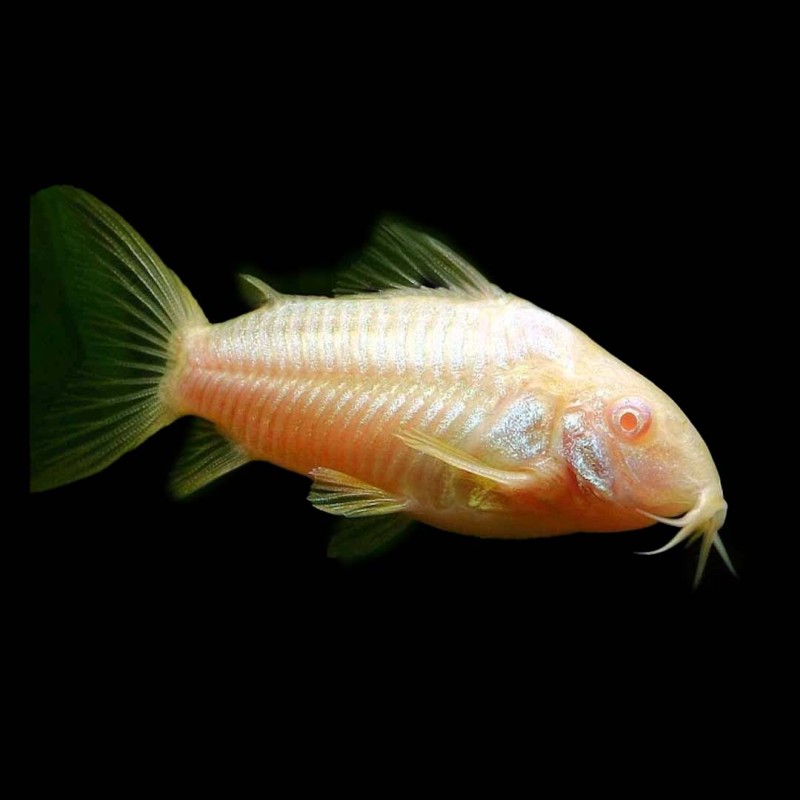
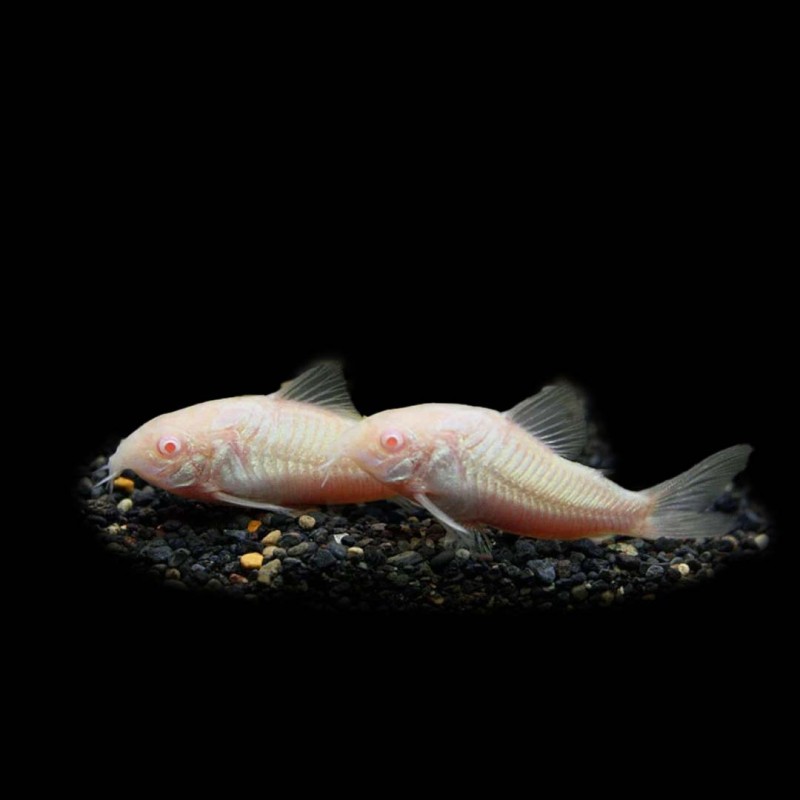
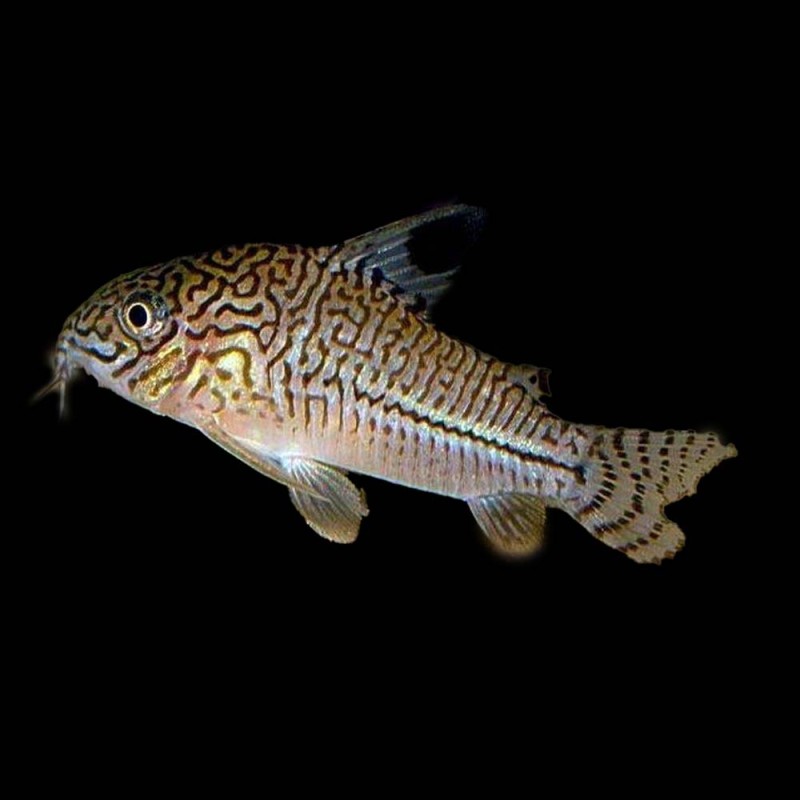
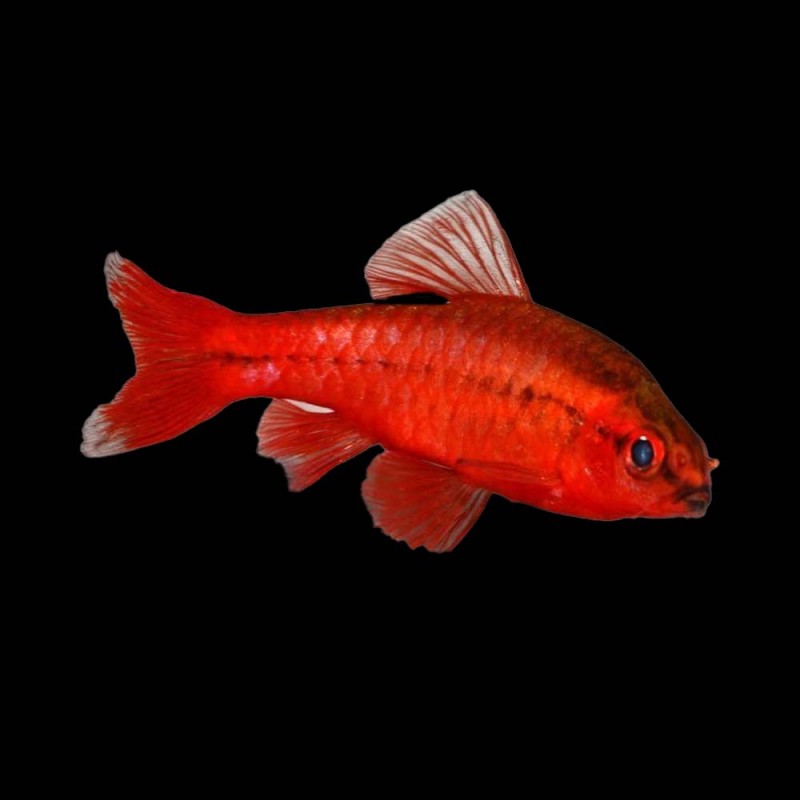
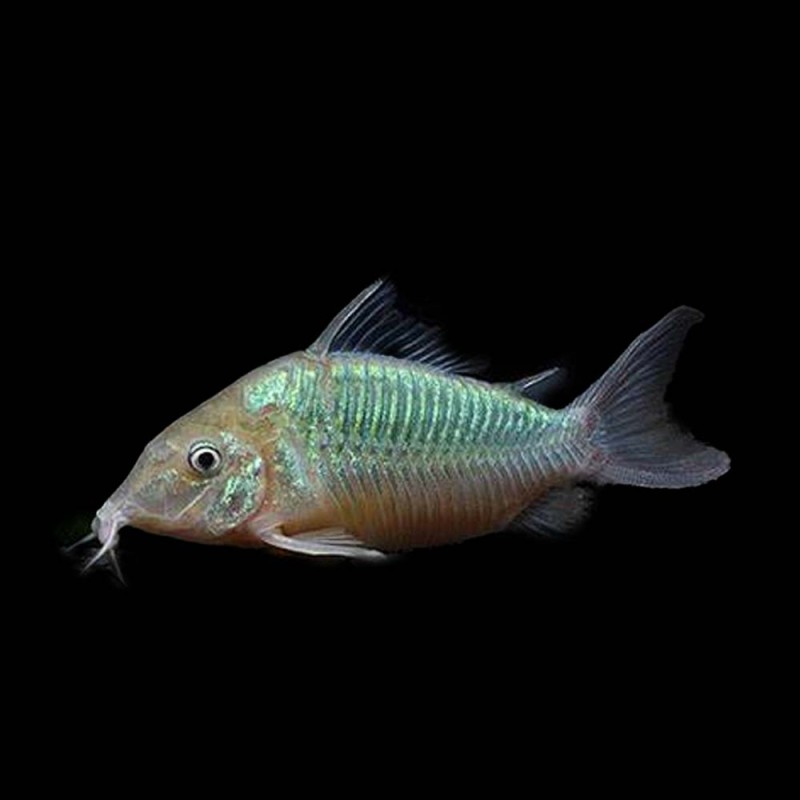
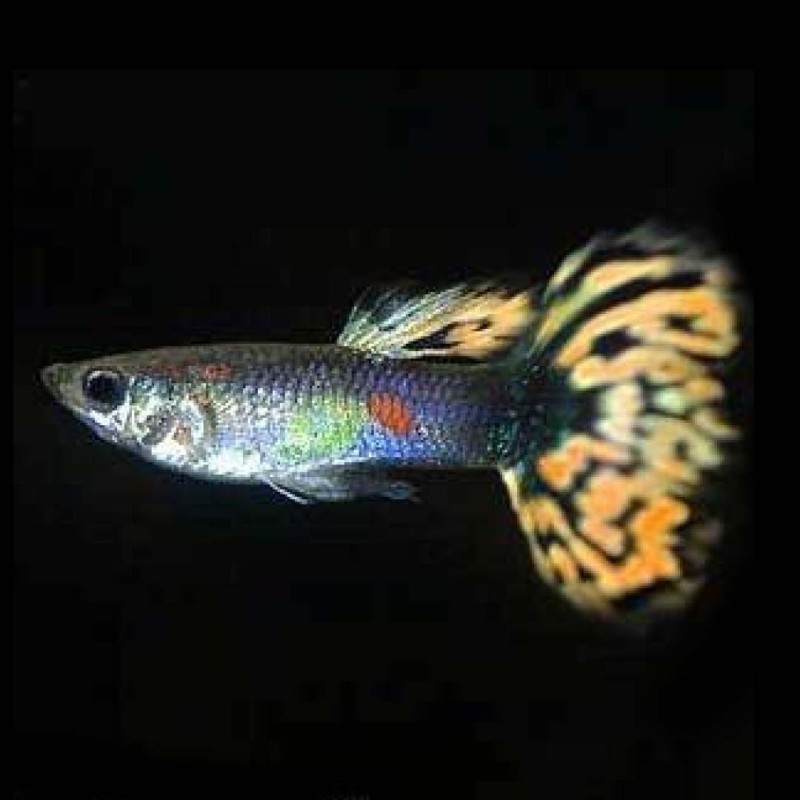
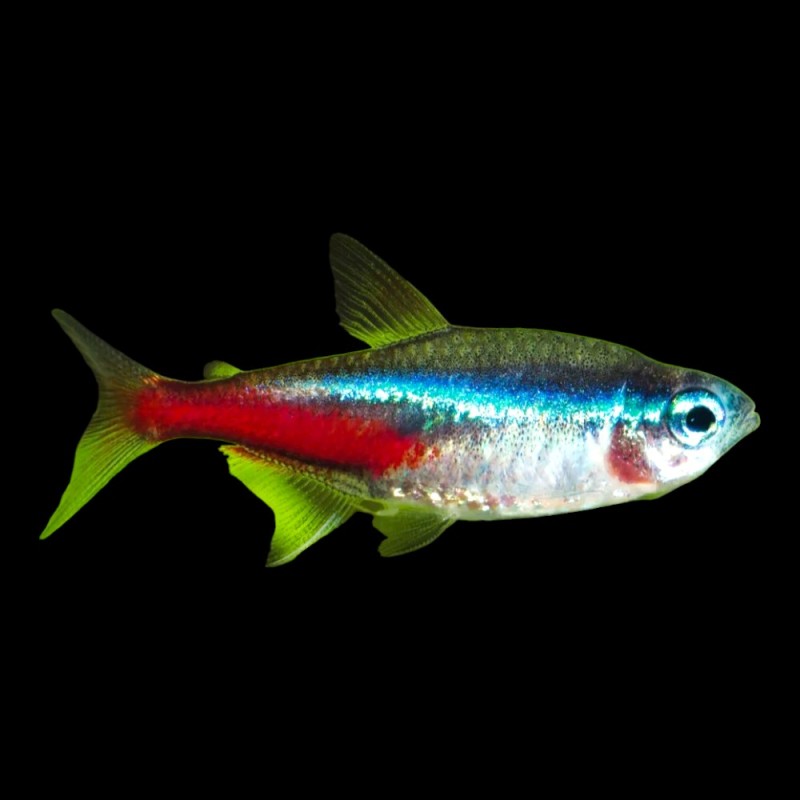
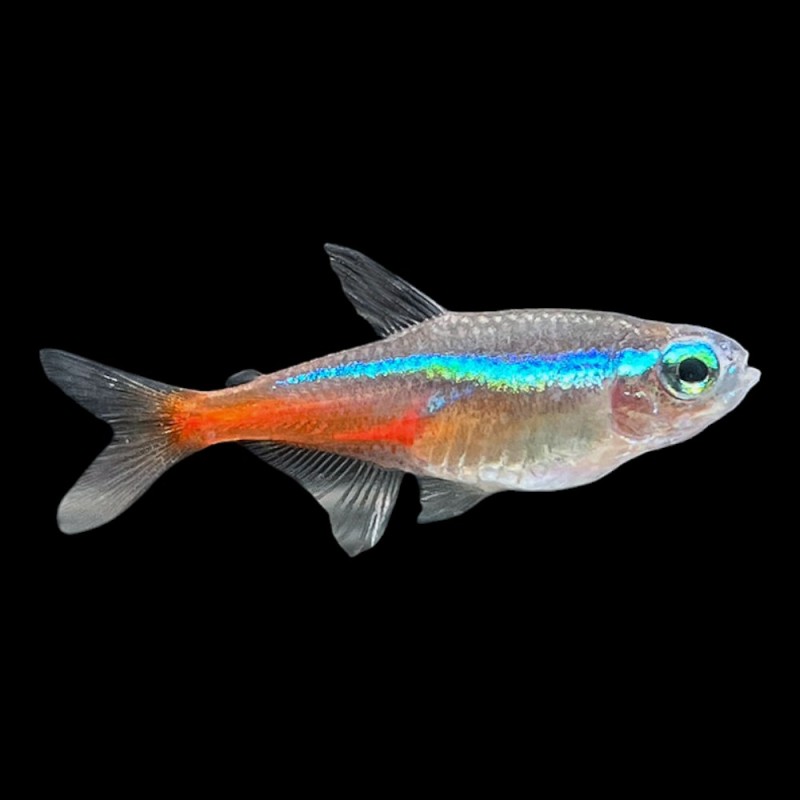
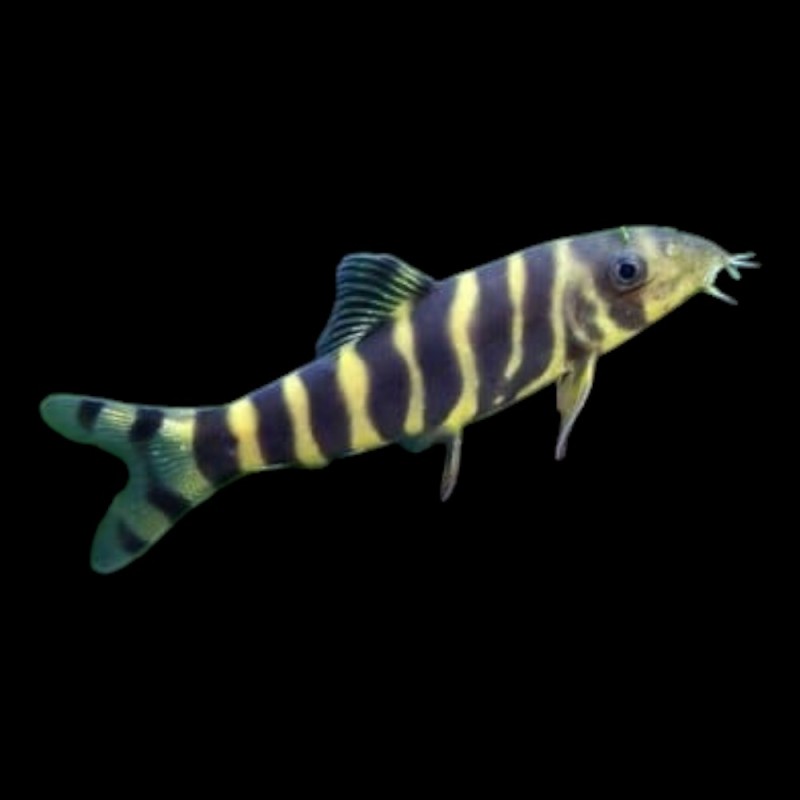
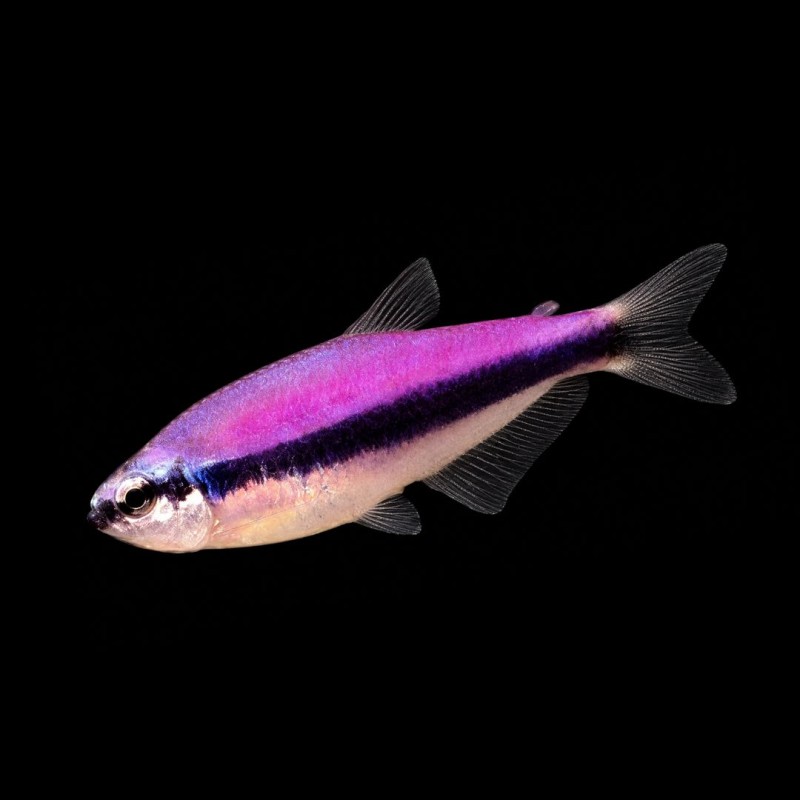
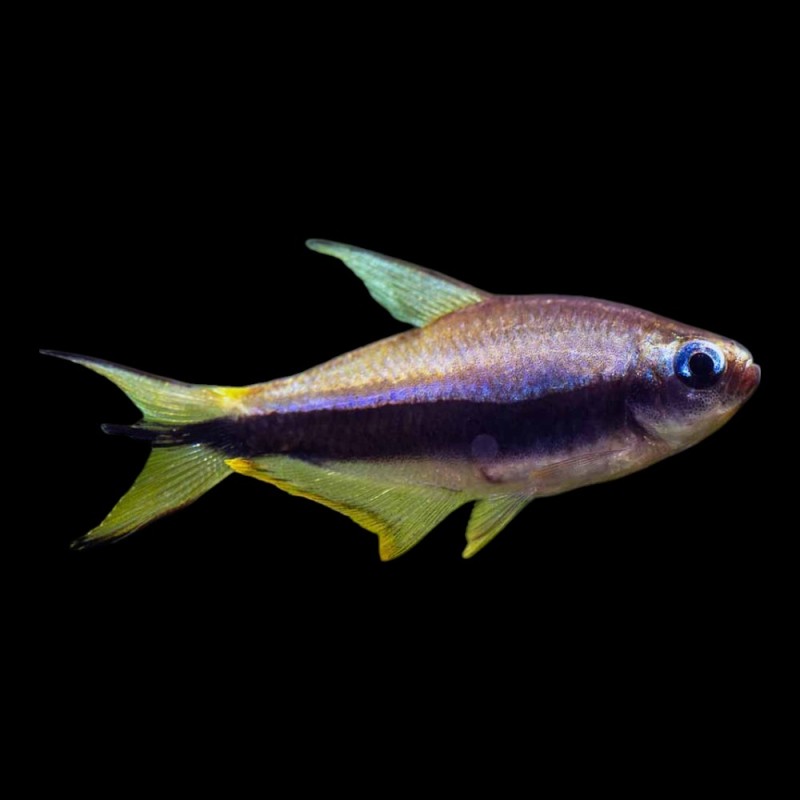
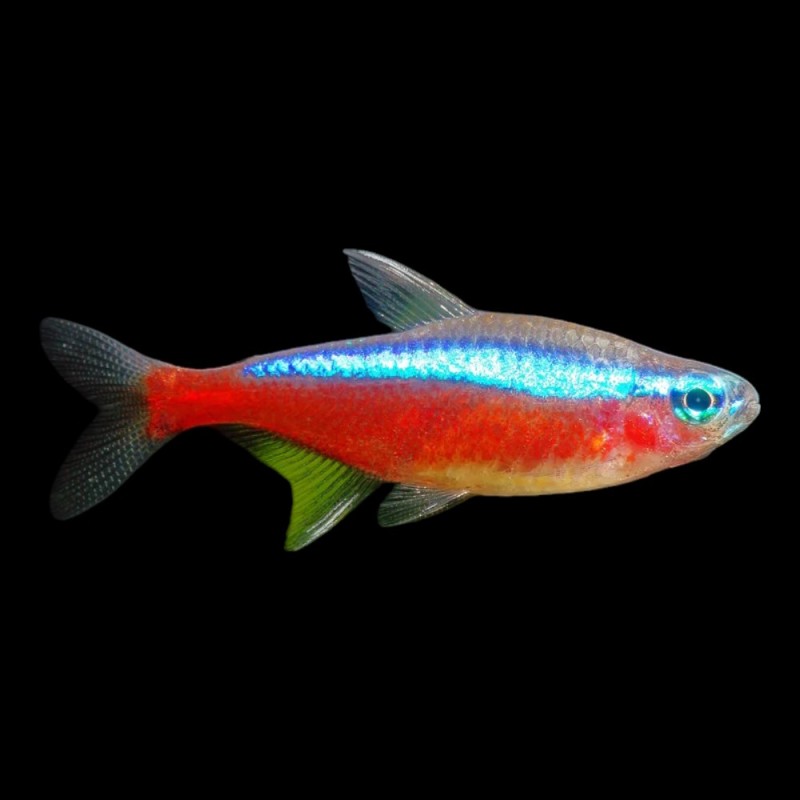
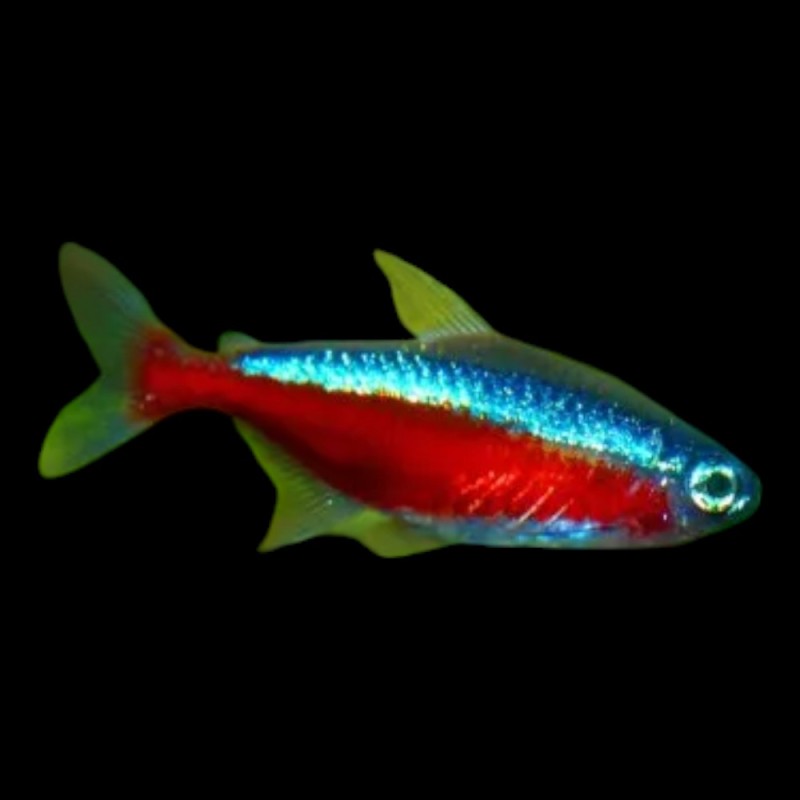
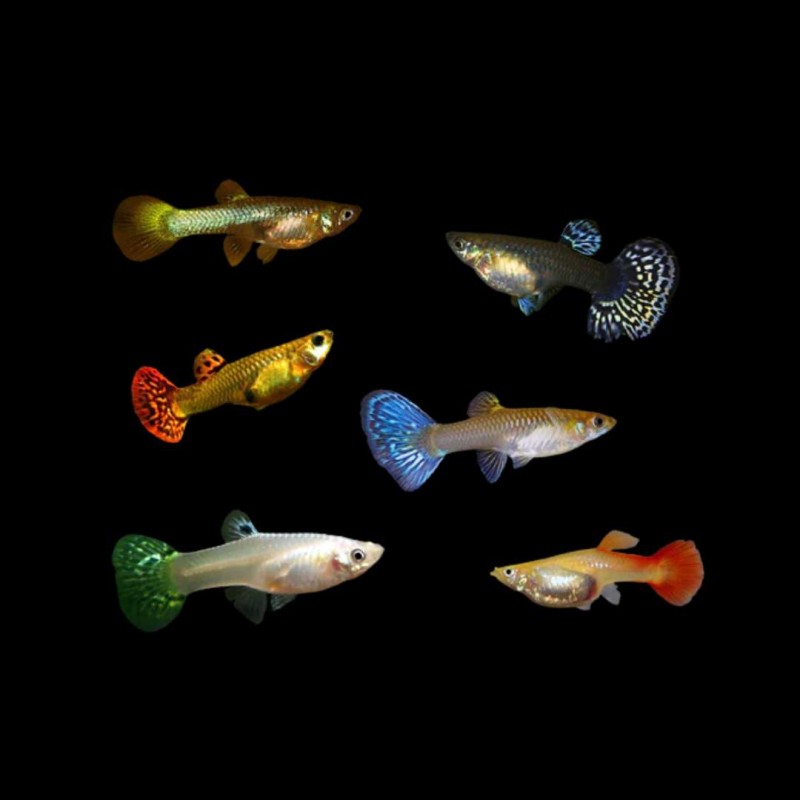
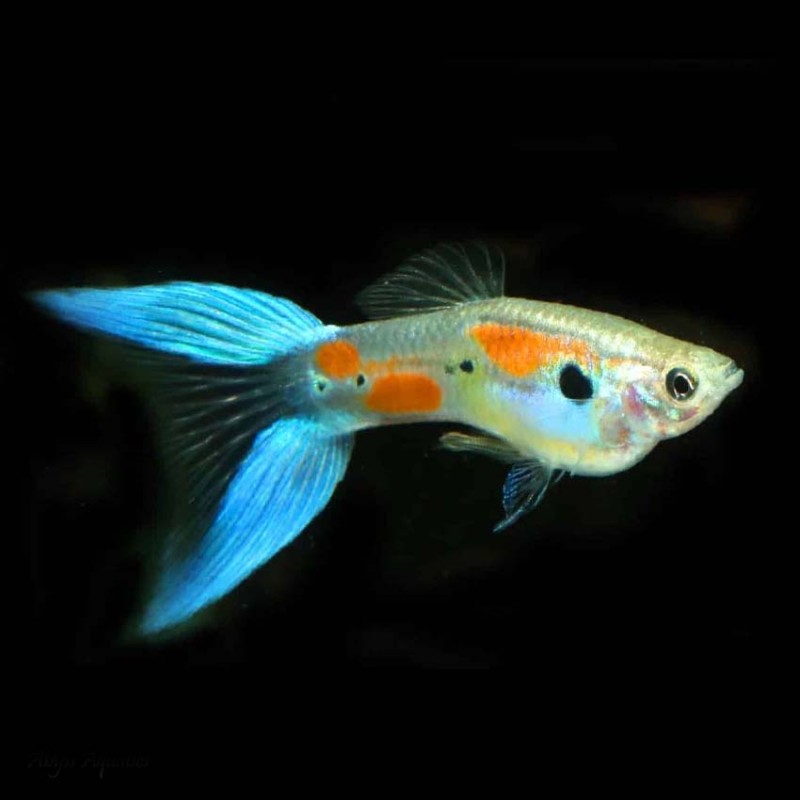
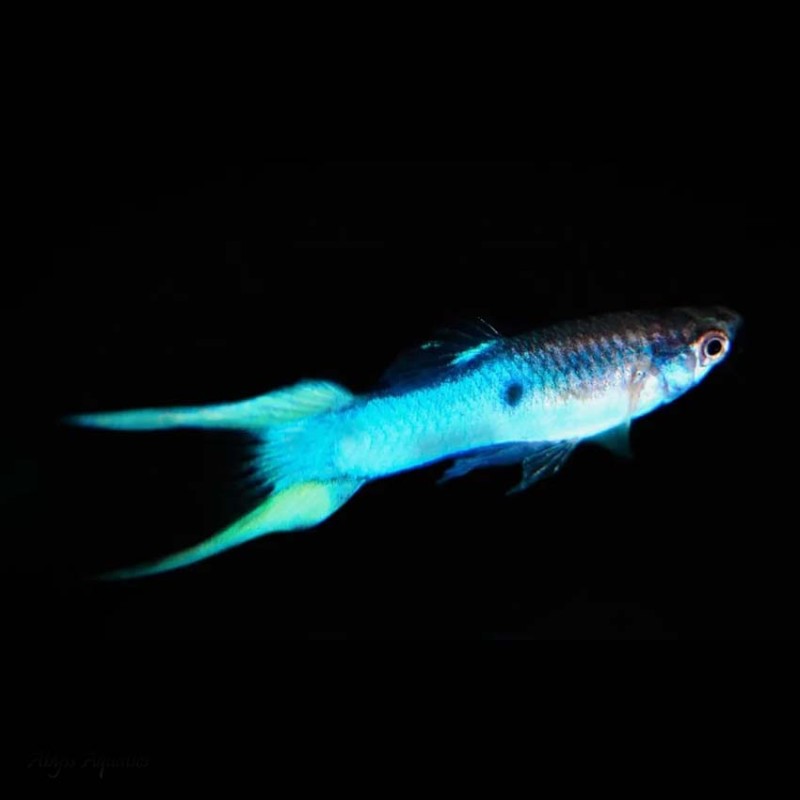
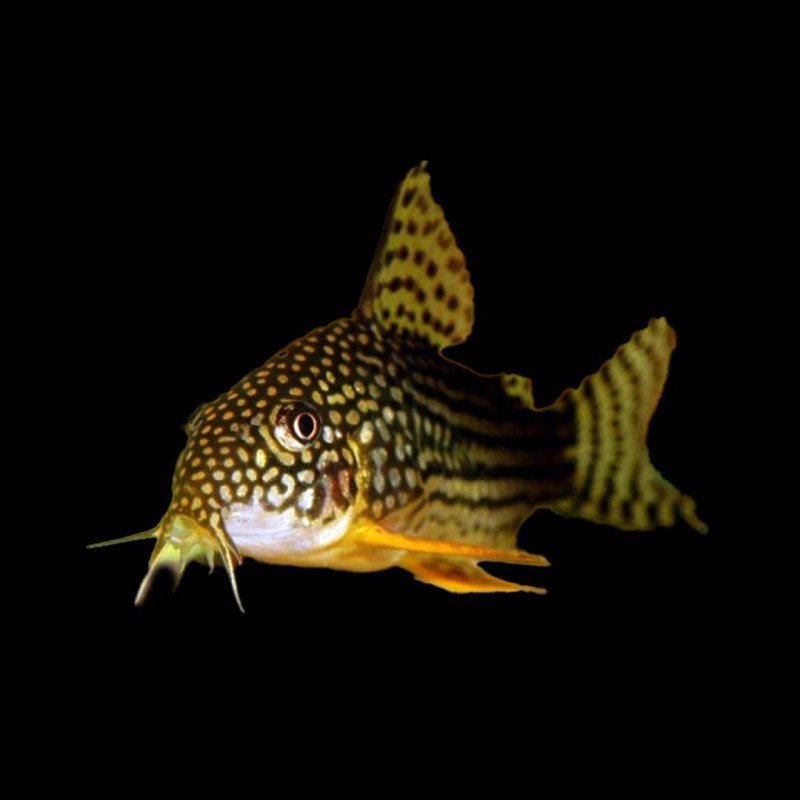
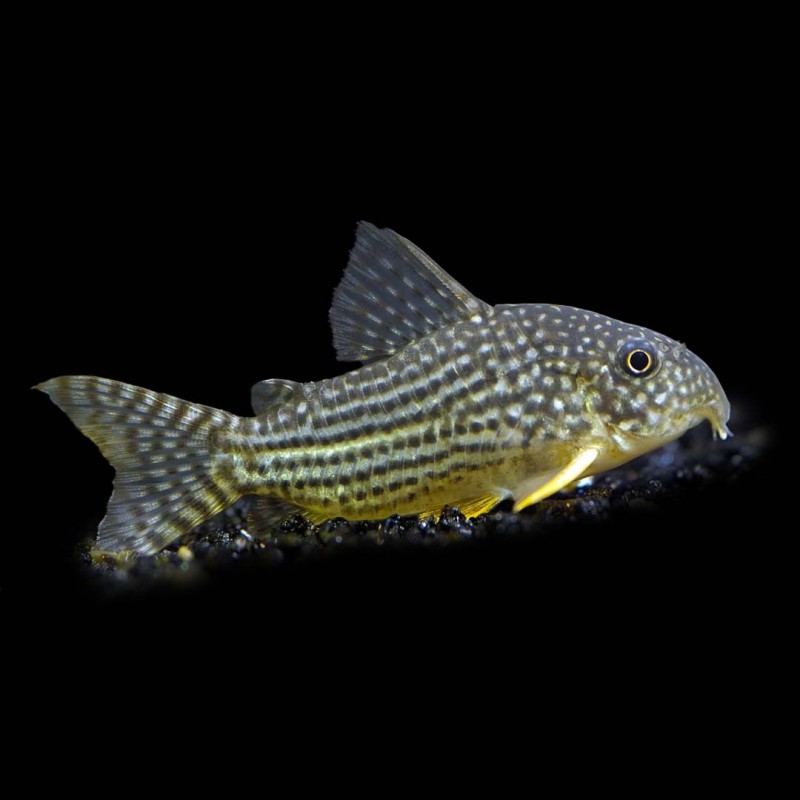
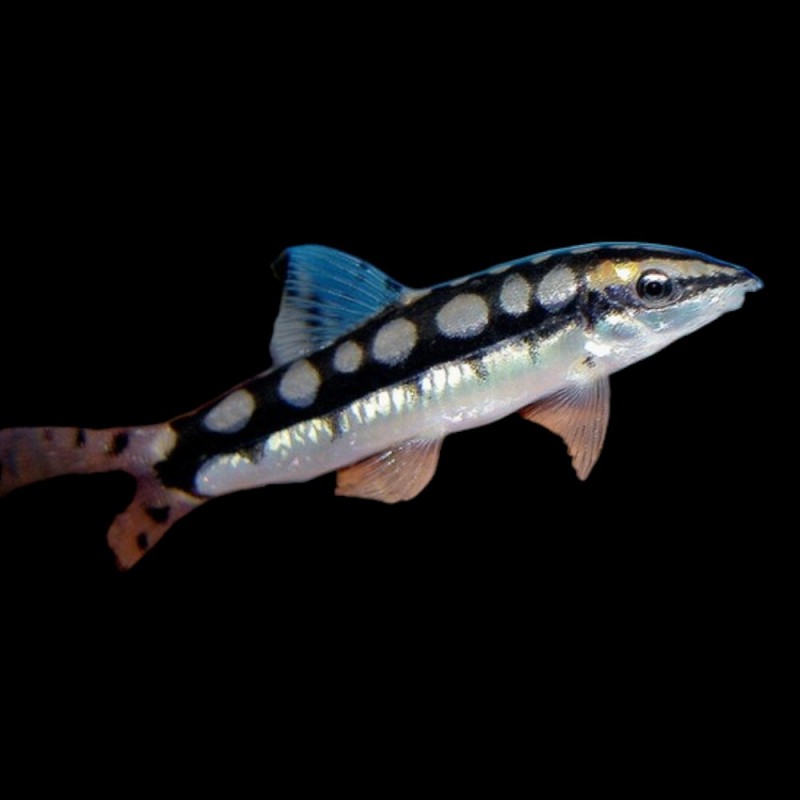
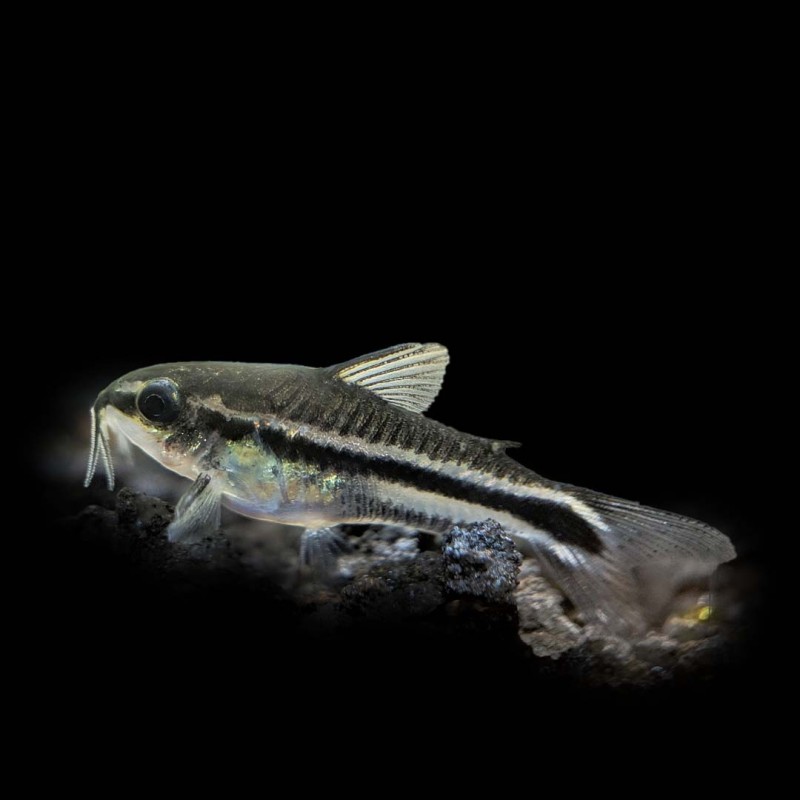
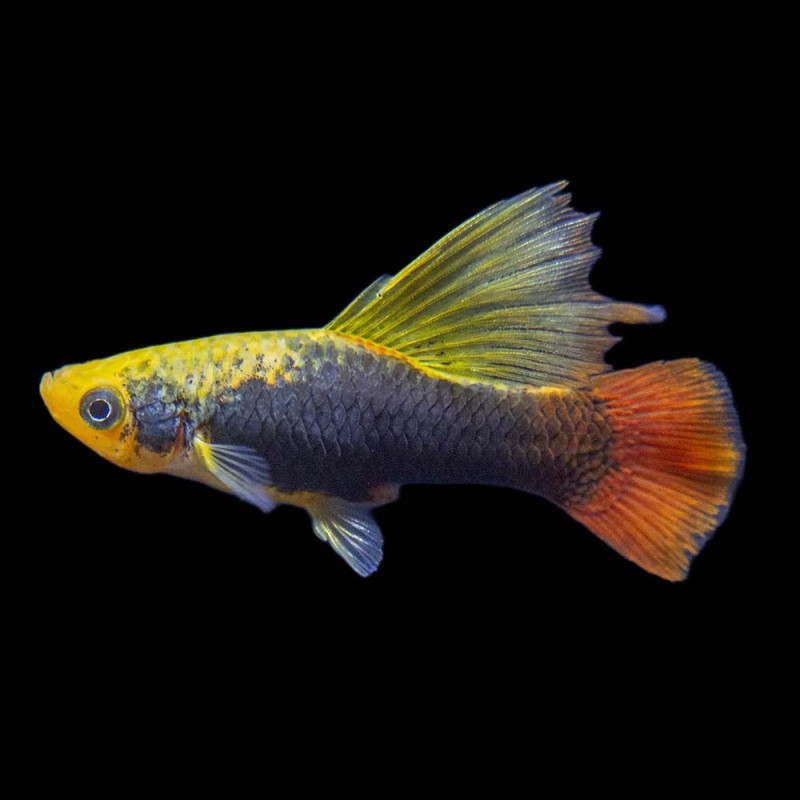
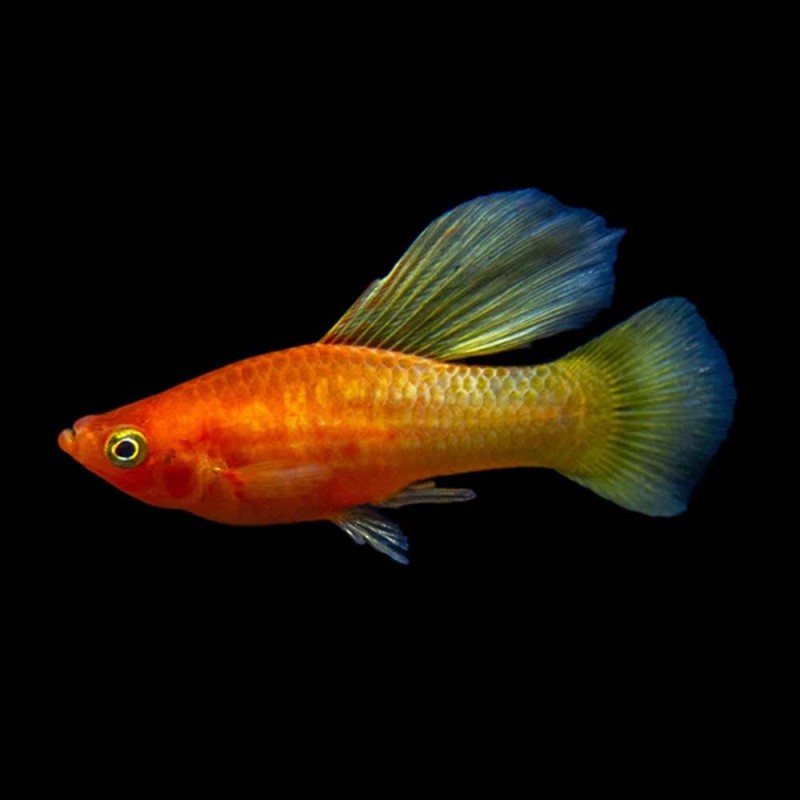
- Small, peaceful fish such as Neon Tetras, Guppies, or Corydoras.
- Other amphibians that share similar environmental requirements.
- Avoid aggressive fish or those that may nip at the frogs' limbs or gills.
Breeding:
Breeding Dwarf African Frogs in captivity can be challenging. They are aquatic spawners and require specific conditions to breed successfully. Providing a separate breeding tank with shallow water and ample plants can encourage breeding behaviour. The eggs will hatch within a few days, but the parents may eat them if not separated.
Conservation Status:
Dwarf African Frogs are widely available in the aquarium trade and are not currently considered endangered. However, responsible sourcing and breeding practices are important to maintain their populations in the wild.
In summary, the Dwarf African Frog is a charming and lively addition to any aquarium. With proper care and attention to their specific needs, these frogs can thrive and bring joy to their keepers.