

Menu
Menu
Your Cart

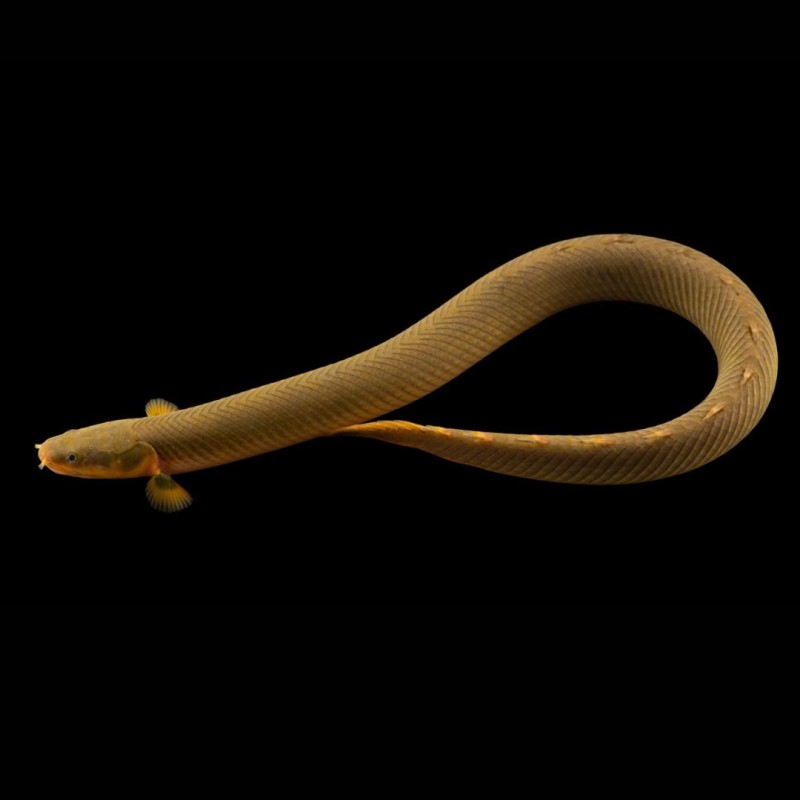
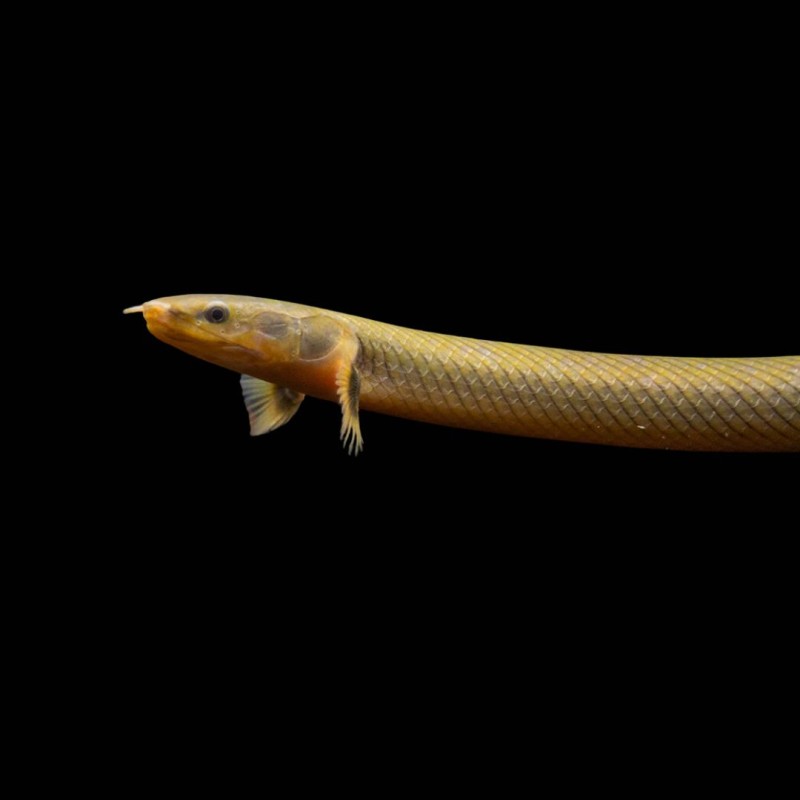
Black Ghost Knifefish

Black Ghost Knifefish
From €19.99
Ex Tax: €16.25
  • Stock: Generally In Stock
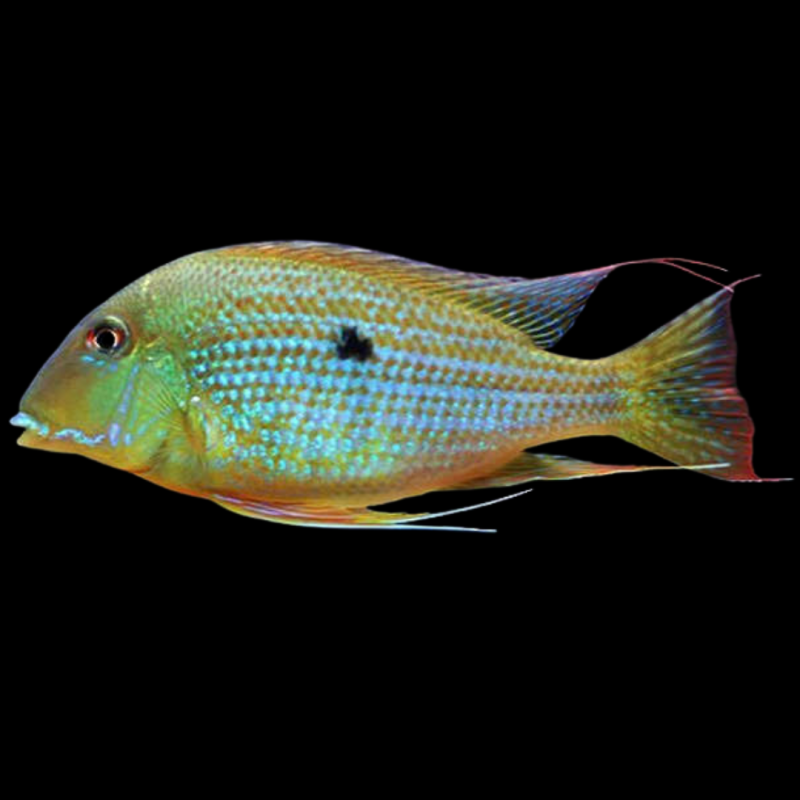
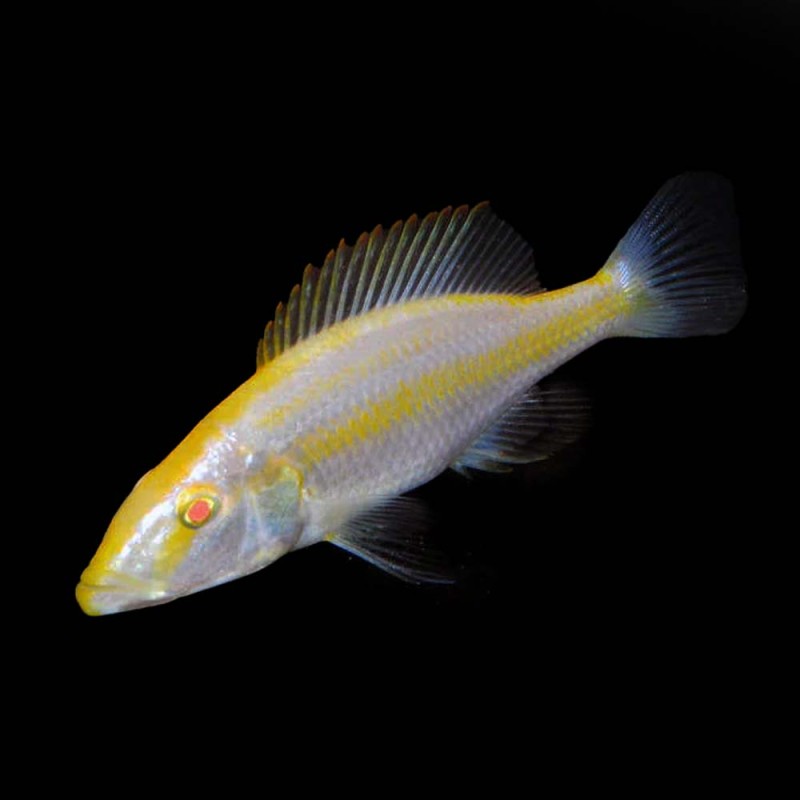
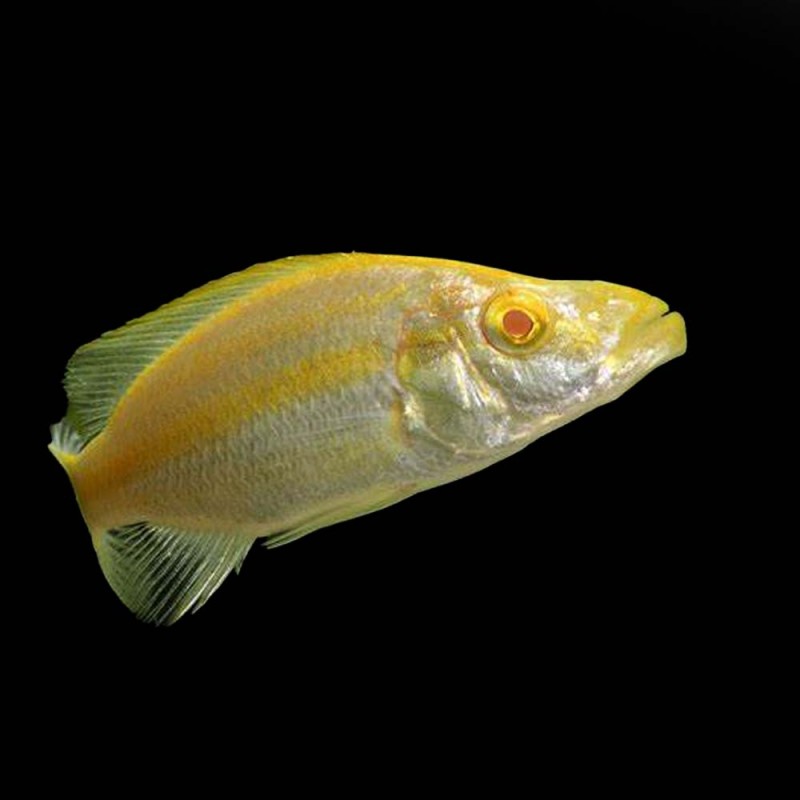
  • Please Note: Due to variations within species, your fish may not look identical to the image provided. Also note not all sizes or species may be available due to seasonality, Please call beforehand for up-to-date stock availability.

  • Model: -
Available Options

Reset options

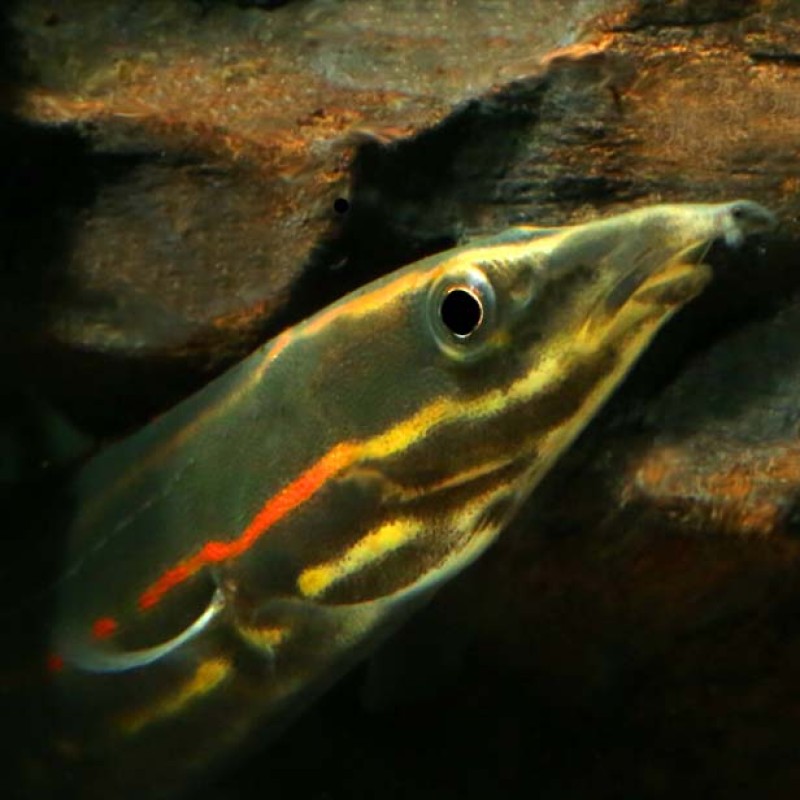
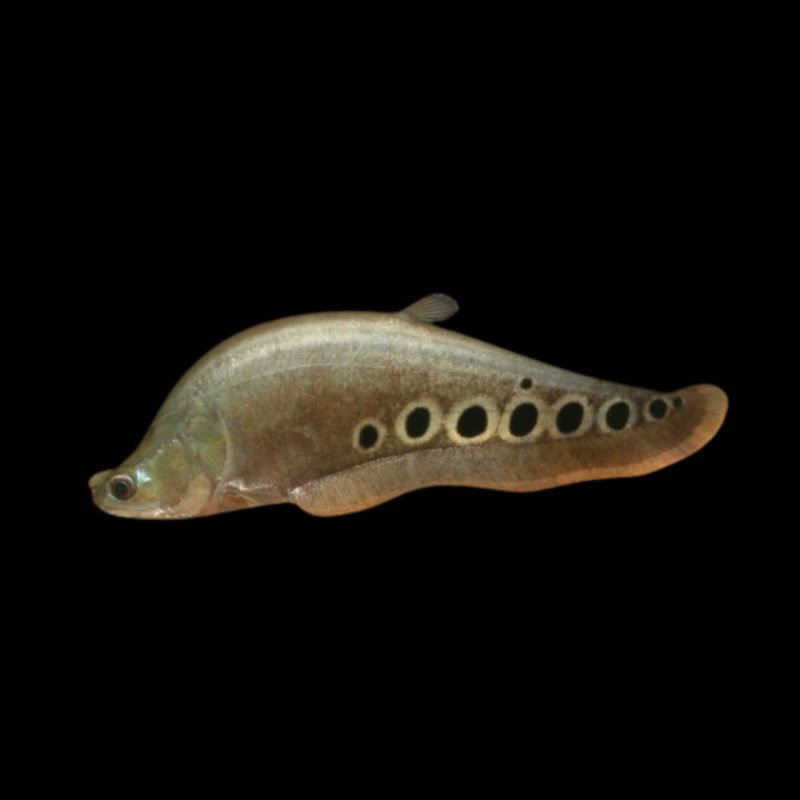
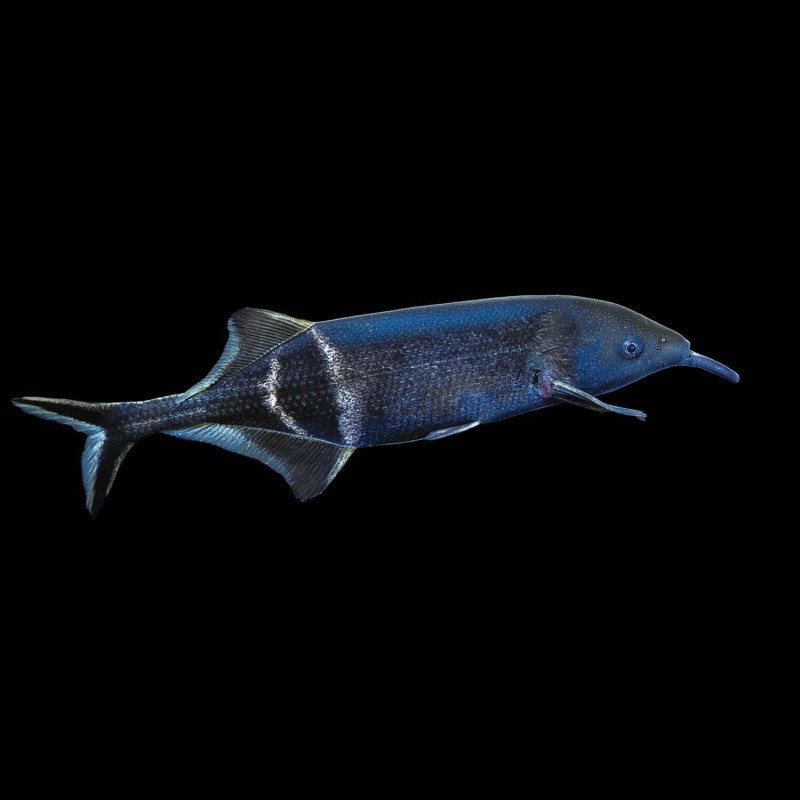
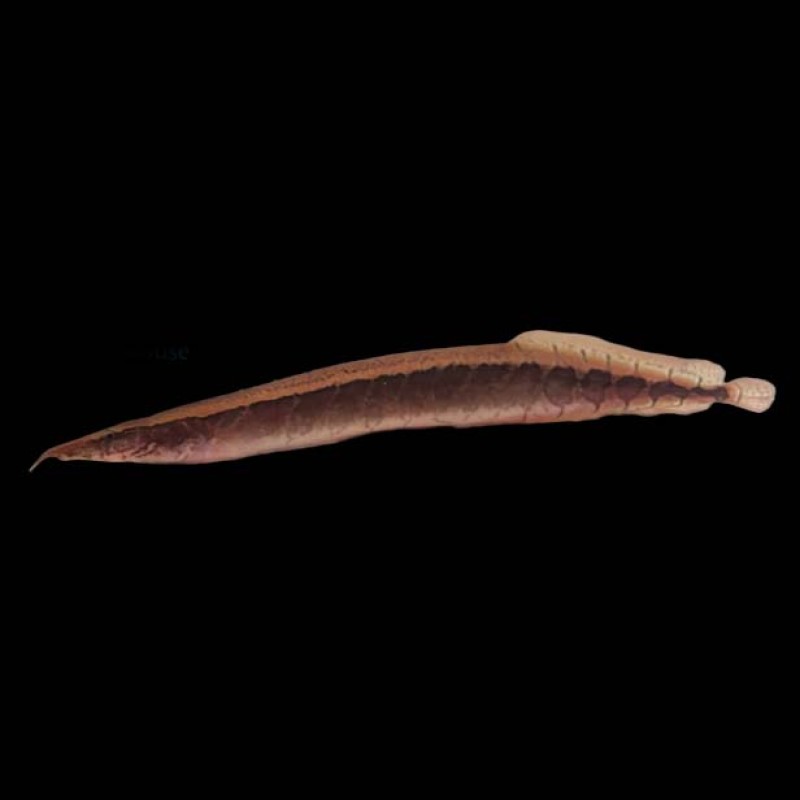
Black Ghost Knifefish (Apteronotus albifrons)

The Black Ghost Knifefish is a fascinating freshwater fish native to the waters of South America, particularly the Amazon River basin. Known for its unique shape and behaviour, this species is a popular choice among aquarium enthusiasts.

Physical Characteristics:

  • Size: Adult Black Ghost Knifefish typically reach lengths of 30-40 cm (12-16 inches), although they can grow larger in optimal conditions.
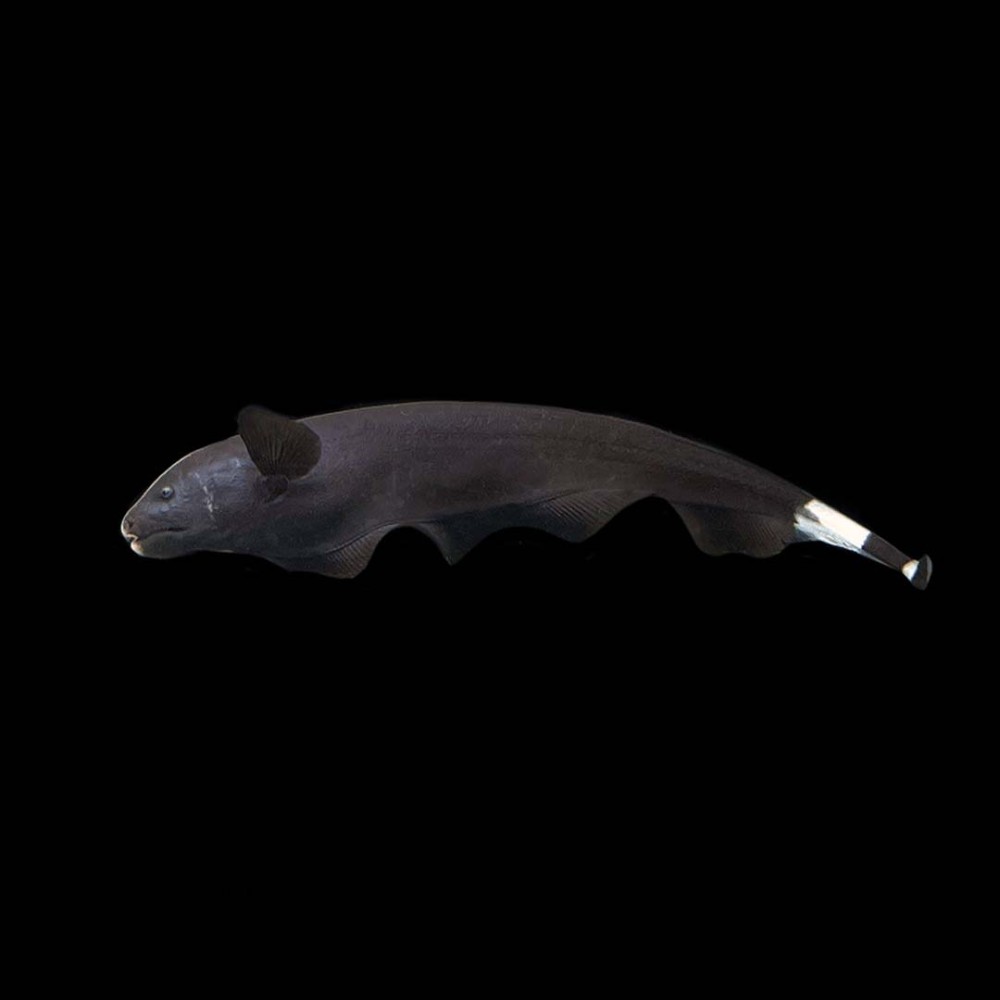
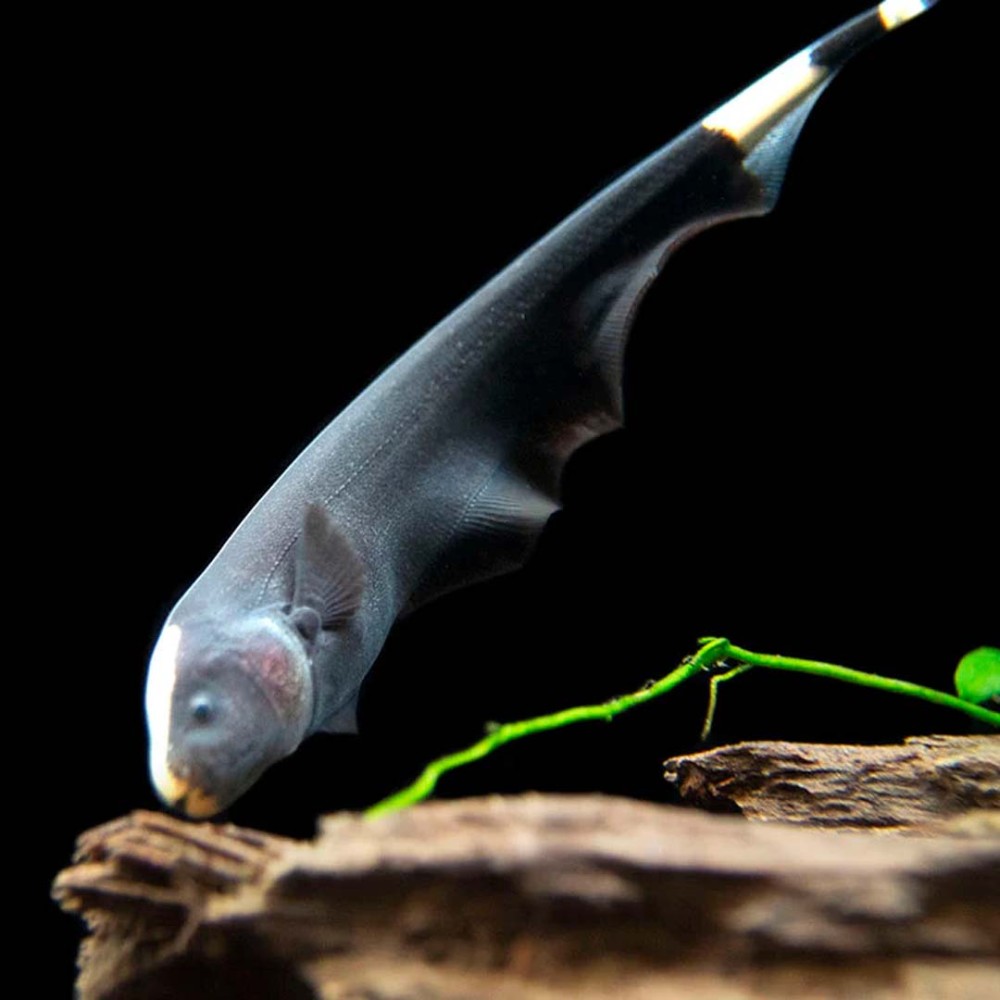
  • Colouration: They have a distinctive black or dark brown body, which can sometimes appear mottled. Their most striking feature is the white or light-coloured stripe running along the length of their body, particularly noticeable in younger individuals.
  • Shape: The body is elongated and laterally compressed, resembling a knife. This unique shape allows them to swim gracefully through the water using their dorsal fin.

Behaviour:

  • Temperament: Black Ghost Knifefish are generally peaceful and can coexist with other non-aggressive species. However, they can exhibit territorial behaviour, especially towards their own kind.
  • Activity Level: They are primarily nocturnal and prefer to be active during the night. During the day, they tend to hide among plants or decor.
  • Communication: Black Ghost Knifefish communicate using electric signals, which they use for navigation and social interaction, making them quite unique among aquarium fish.

Aquarium Care:

  • Tank Size: A minimum tank size of 200 litres (50 gallons) is recommended for a single Black Ghost Knifefish, as they require ample swimming space.
  • Water Parameters:
    • Temperature: They thrive in warm water, with an ideal temperature range of 24°C to 28°C (75°F to 82°F).
    • pH: They prefer slightly acidic to neutral water, with a pH range of 6.0 to 7.5.
    • Hardness: Soft to moderately hard water, with a general hardness (GH) of 3-12 dGH, is ideal.
  • Tank Setup: Provide a well-planted tank with plenty of hiding spots using driftwood, caves, and dense vegetation. A soft substrate is recommended to prevent injury to their delicate bodies.

Diet:

Black Ghost Knifefish are carnivorous and require a varied diet to thrive. Their diet should include:

  • High-quality sinking pellets formulated for carnivorous fish.
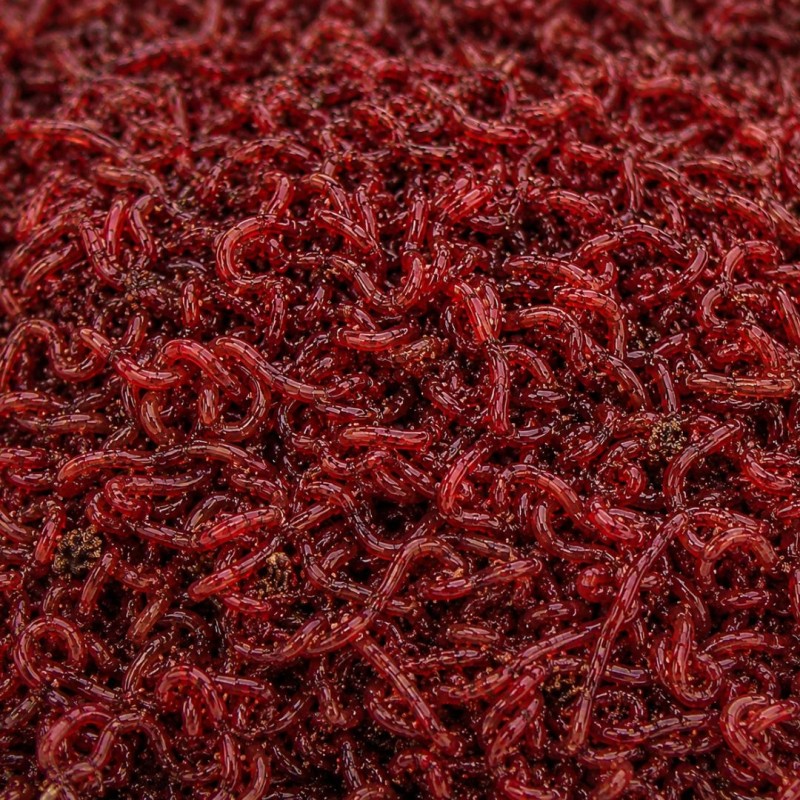
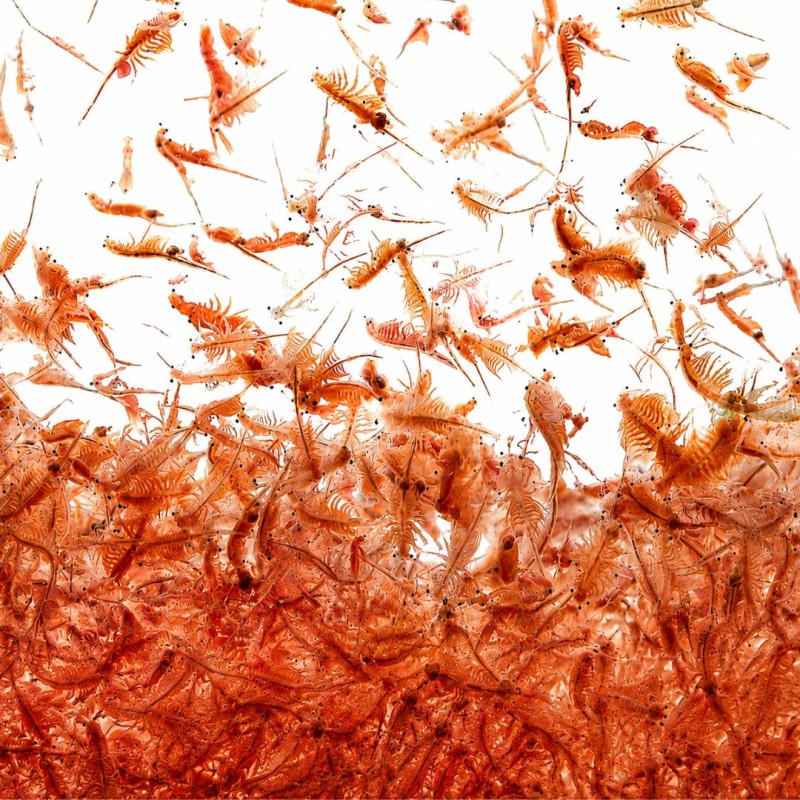
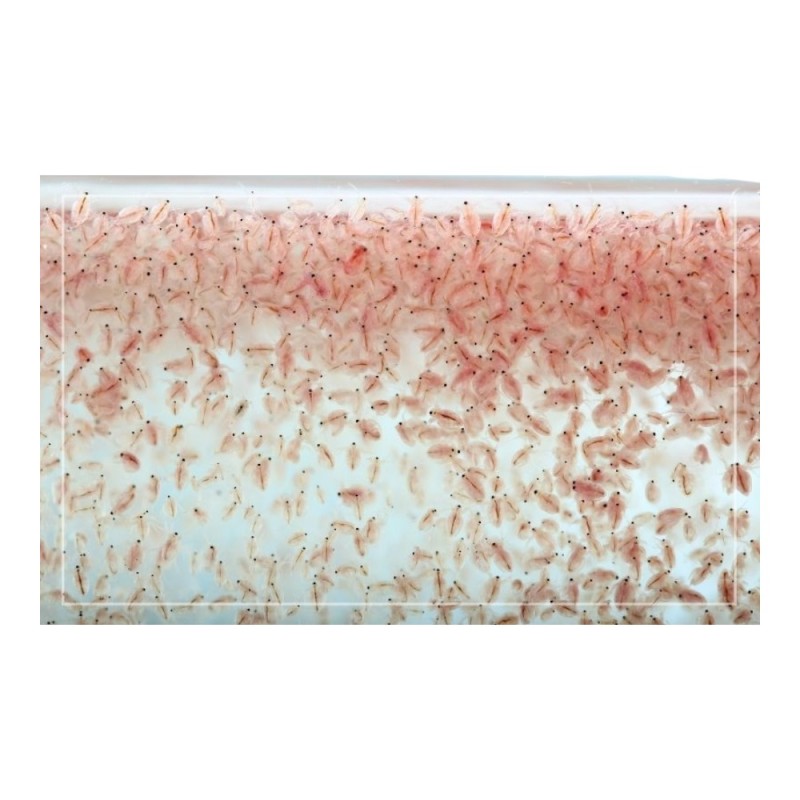
  • Live or frozen foods such as bloodworms, brine shrimp, and earthworms to provide essential protein.
  • Occasional treats of small fish or crustaceans can also be offered.

Tankmates:

When selecting tankmates, it's essential to choose peaceful species that won't provoke aggression. Suitable tankmates include:

  • Small to medium-sized peaceful fish, such as Tetras or Rasboras.
  • Bottom-dwellers like Corydoras catfish or Plecos that won’t compete for the same territory.
  • Avoid housing them with aggressive or fin-nipping species, as this may lead to stress or injury.

Breeding:

Breeding Black Ghost Knifefish in captivity is rare and challenging, as they require specific conditions. They are known to be egg scatterers in the wild, typically laying eggs in dense vegetation.

Conservation Status:

The Black Ghost Knifefish is not currently listed as endangered, but habitat loss and the aquarium trade can impact local populations. Sustainable practices are essential for their preservation.

In summary, the Black Ghost Knifefish is a captivating species that brings both beauty and interest to a well-maintained aquarium. With proper care and an appropriate environment, these fish can thrive and provide enjoyment to their keepers.

Write a review

Please login or register to review
File Name Link
17 How to care for Rare and Unusual Species.pdf
(Total downloads: 2797)
Download
1