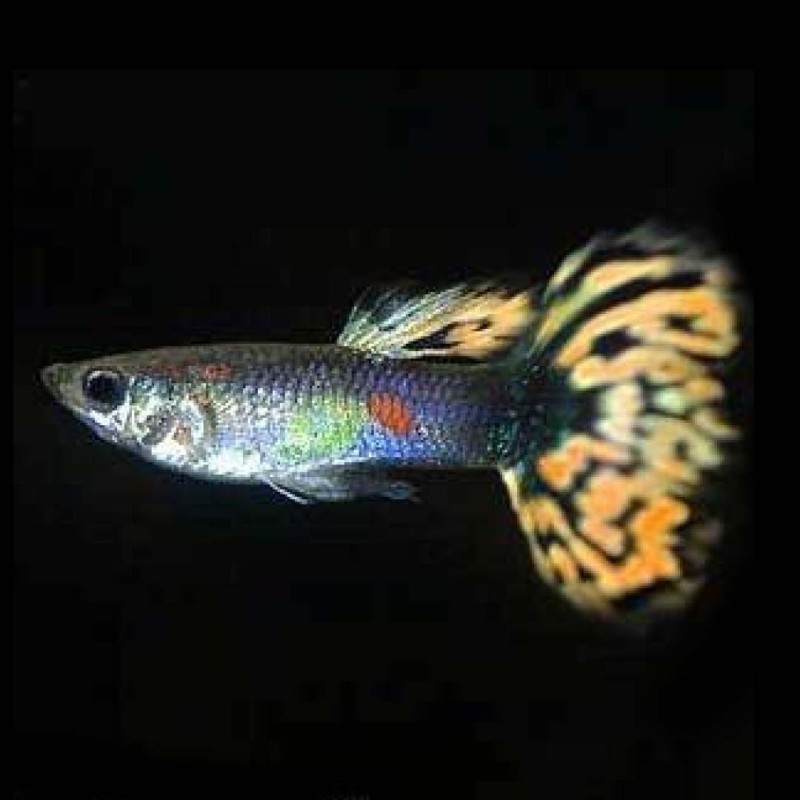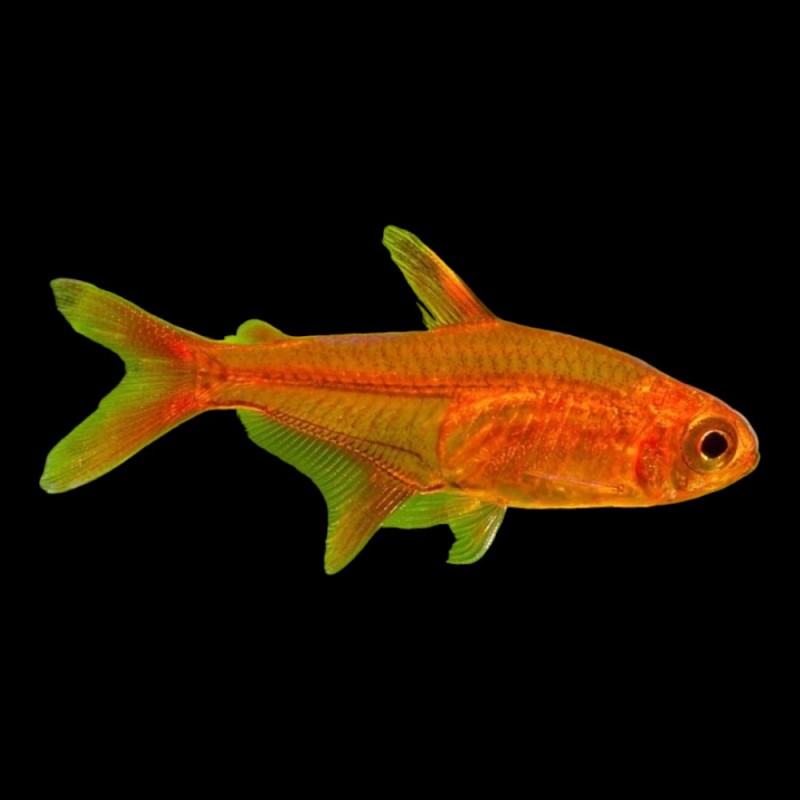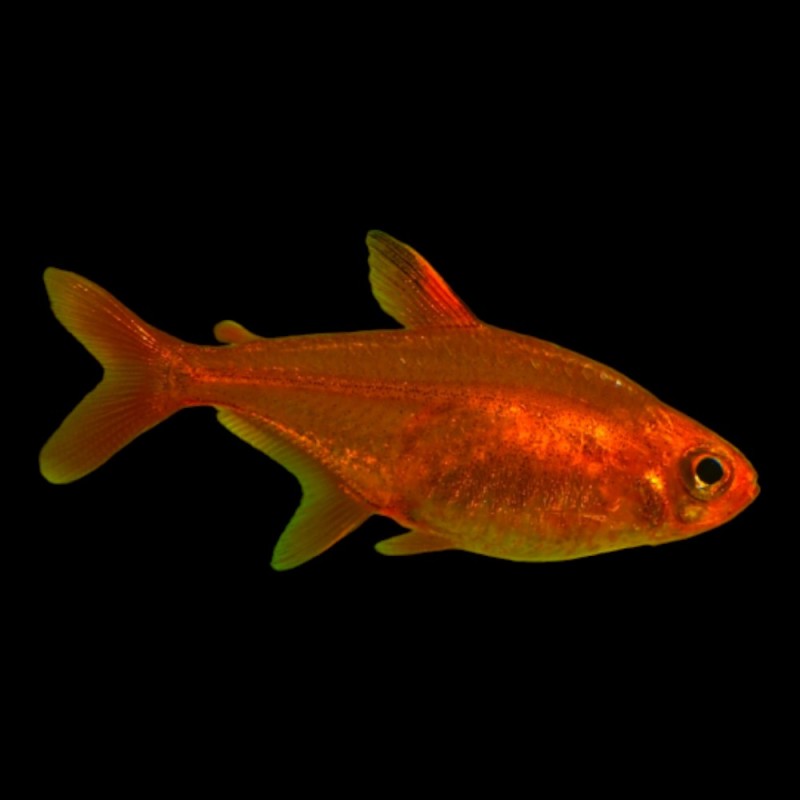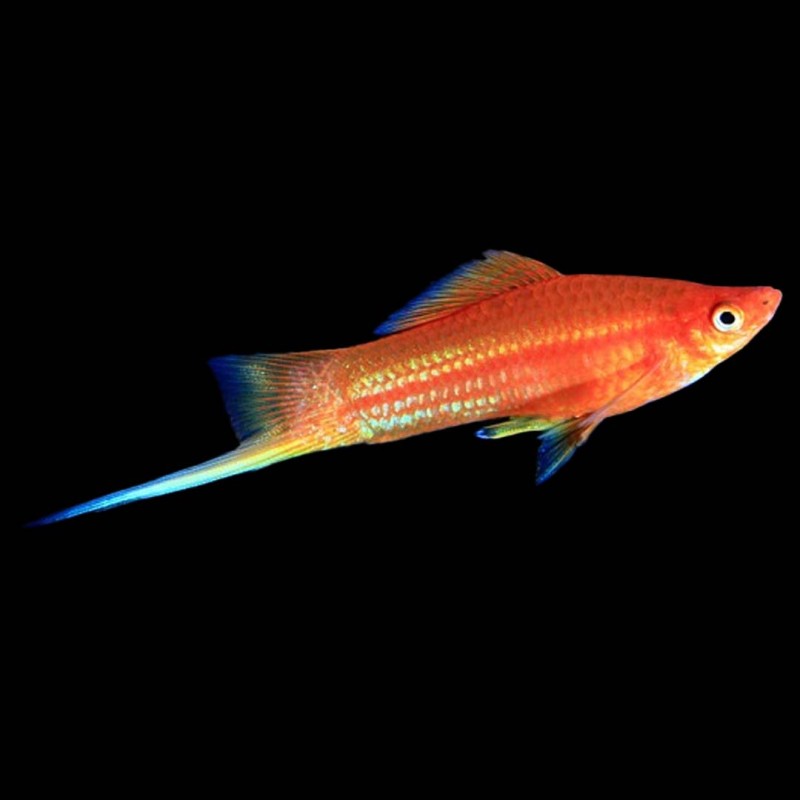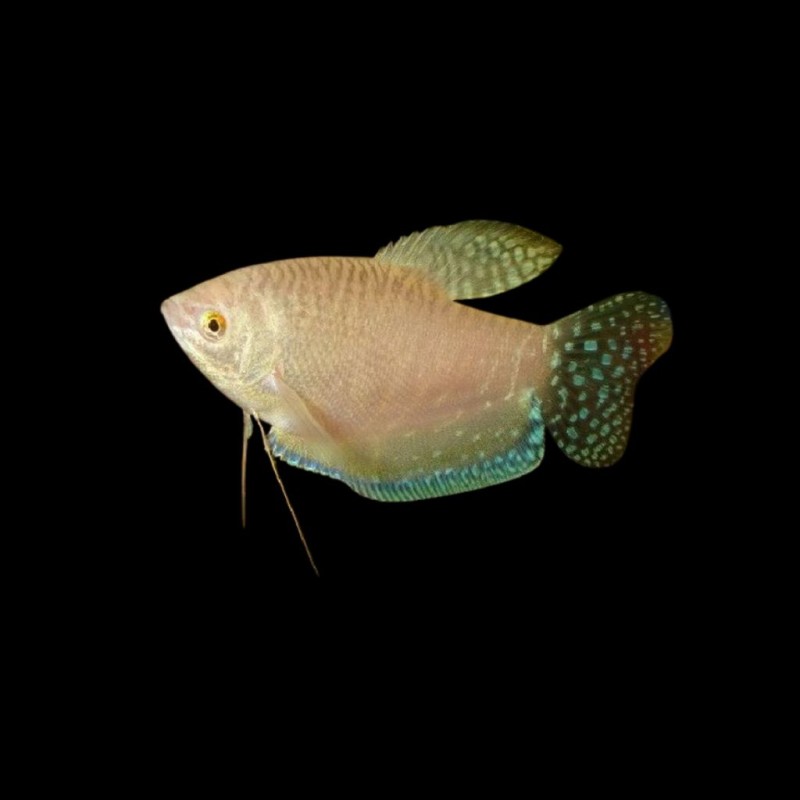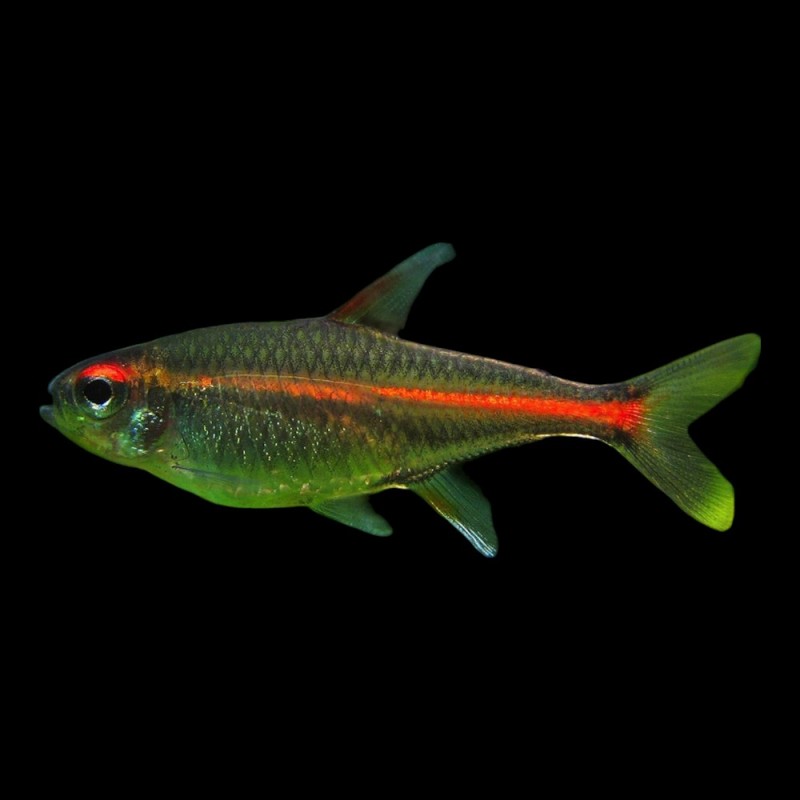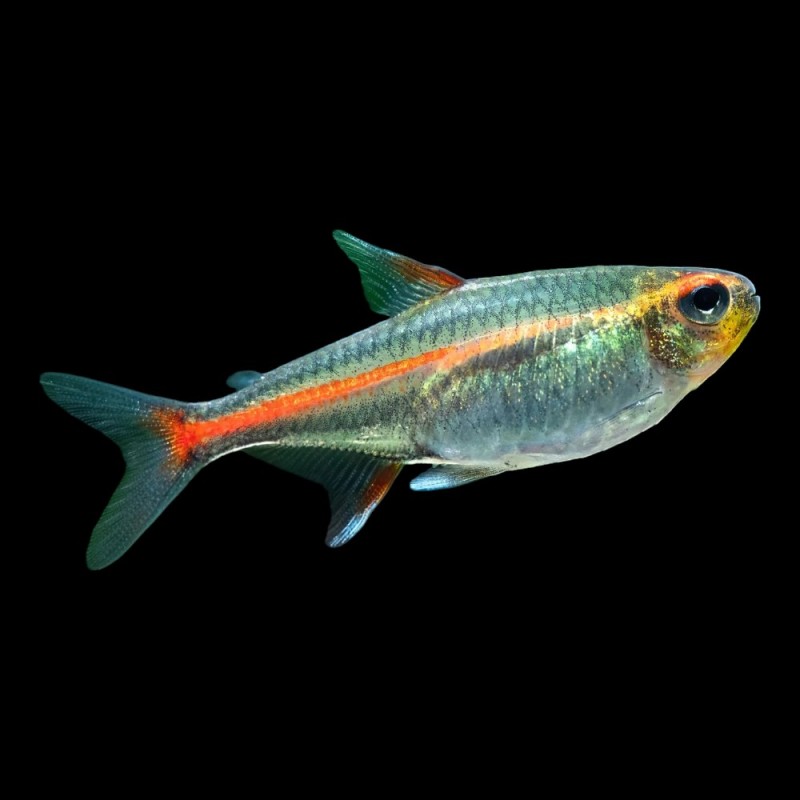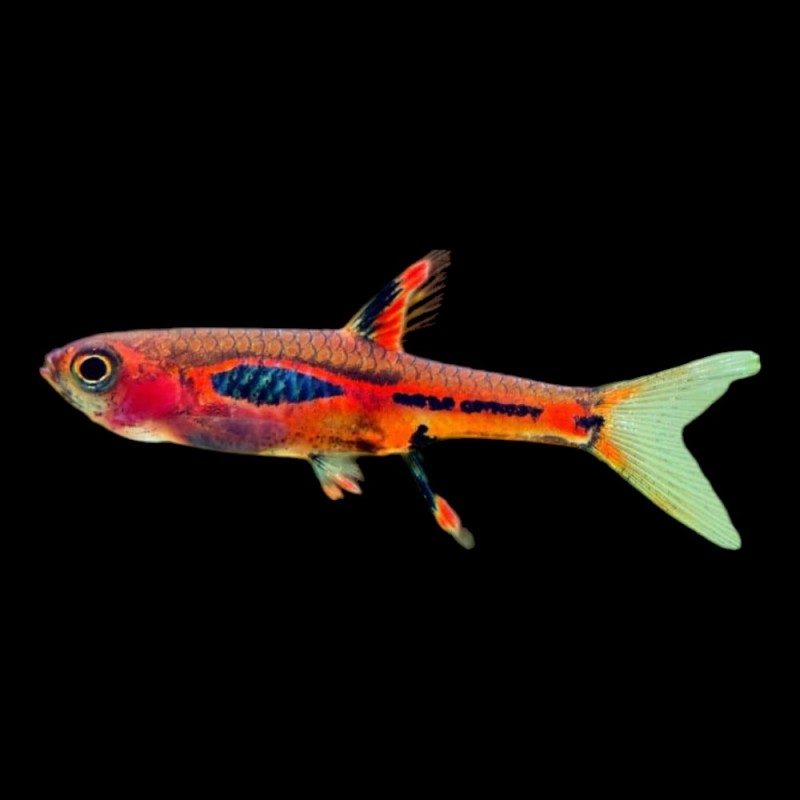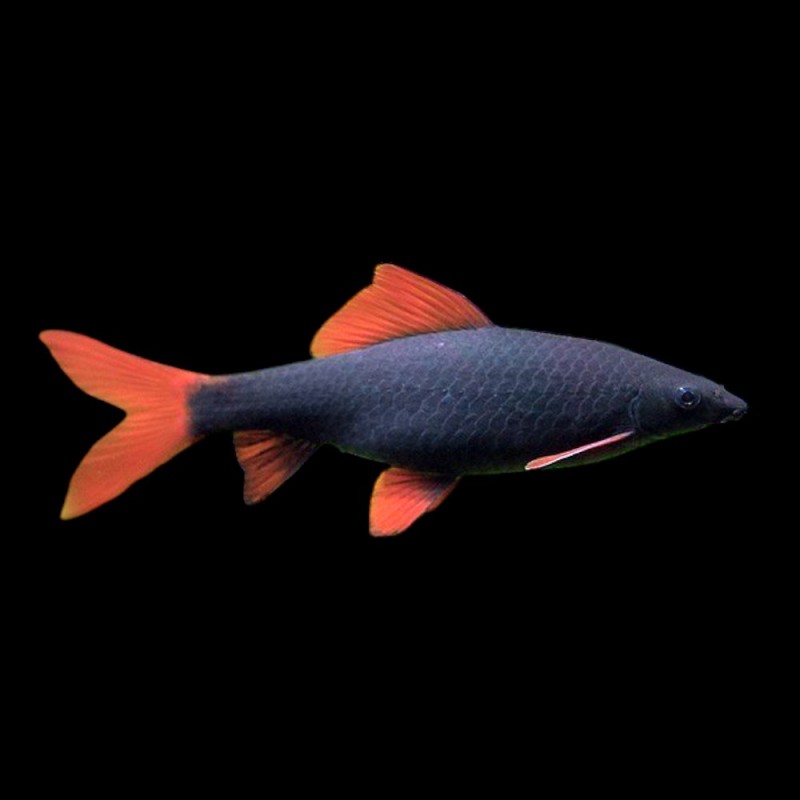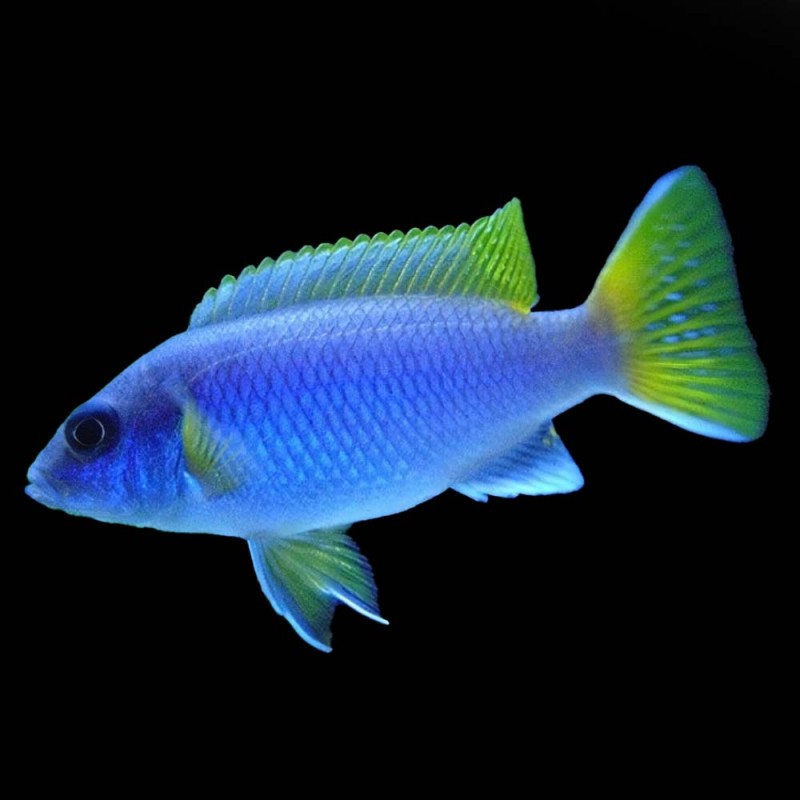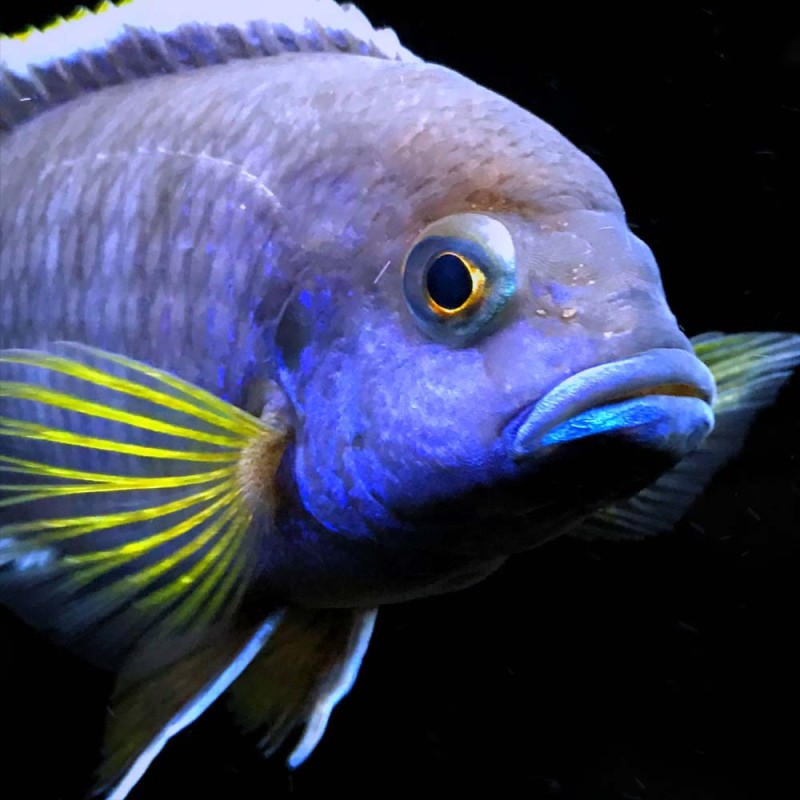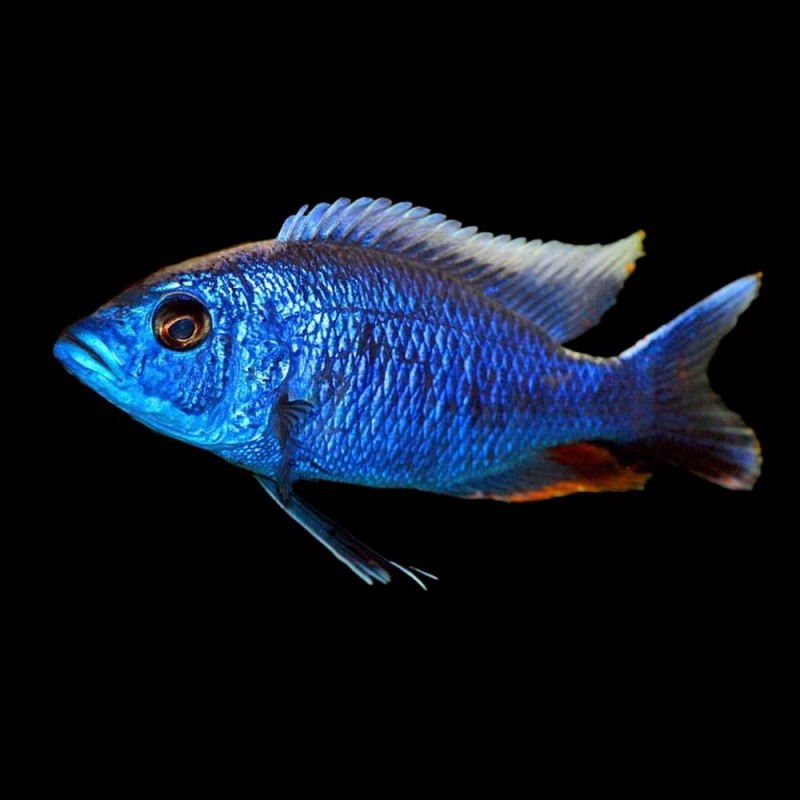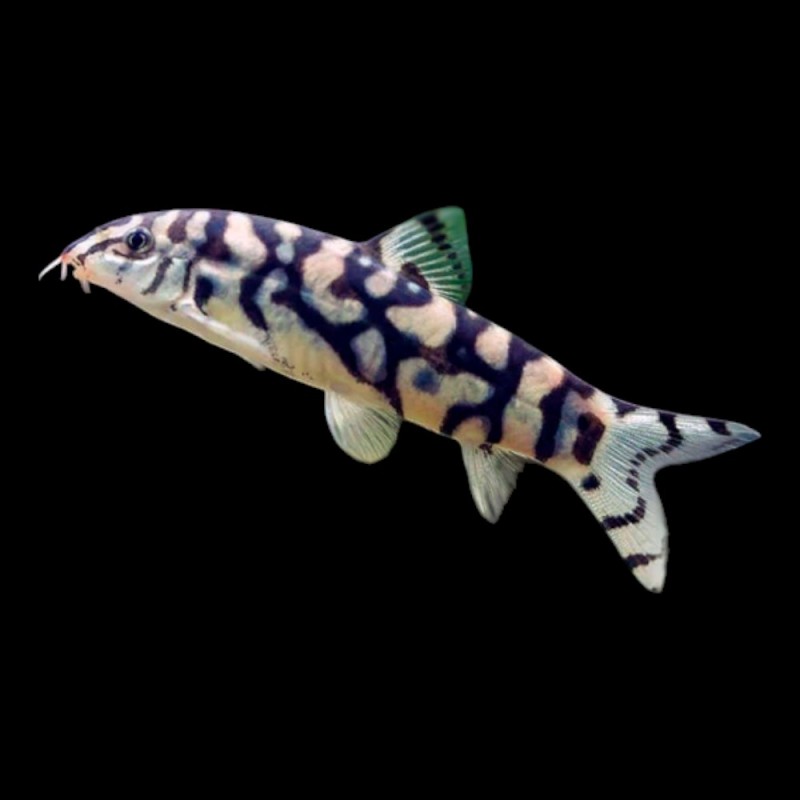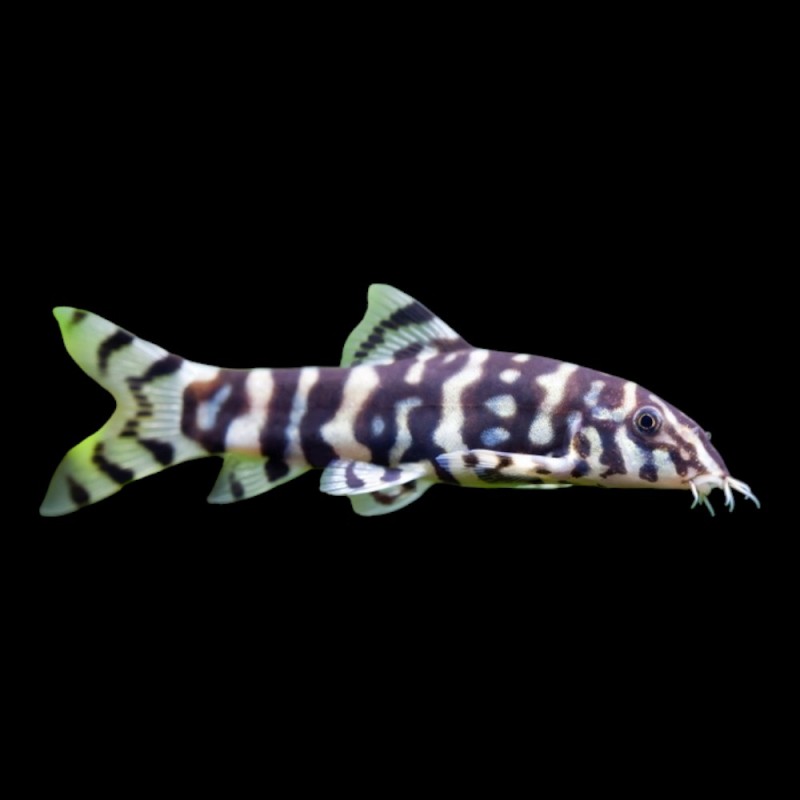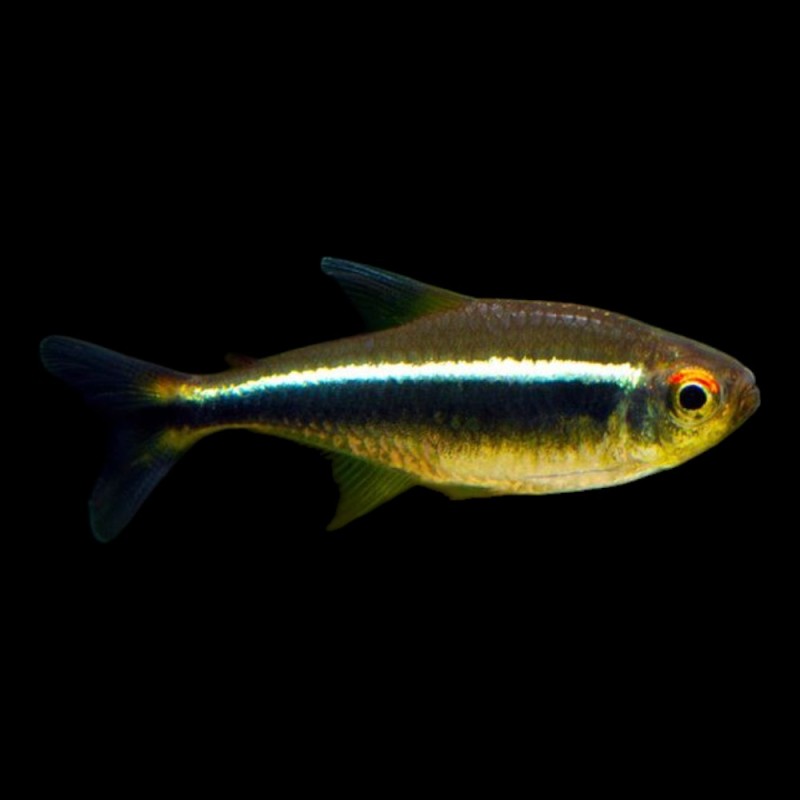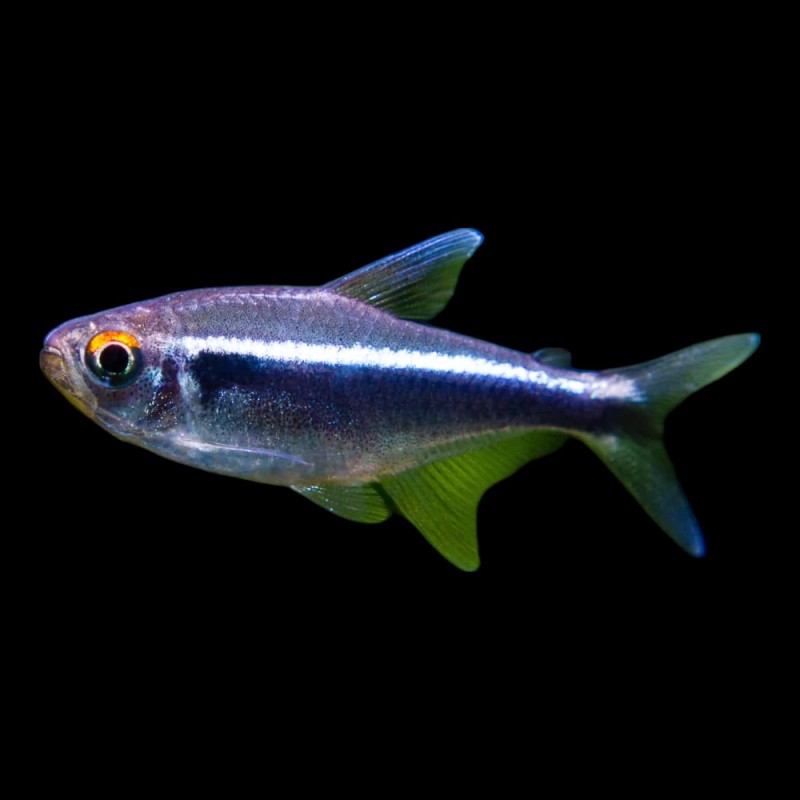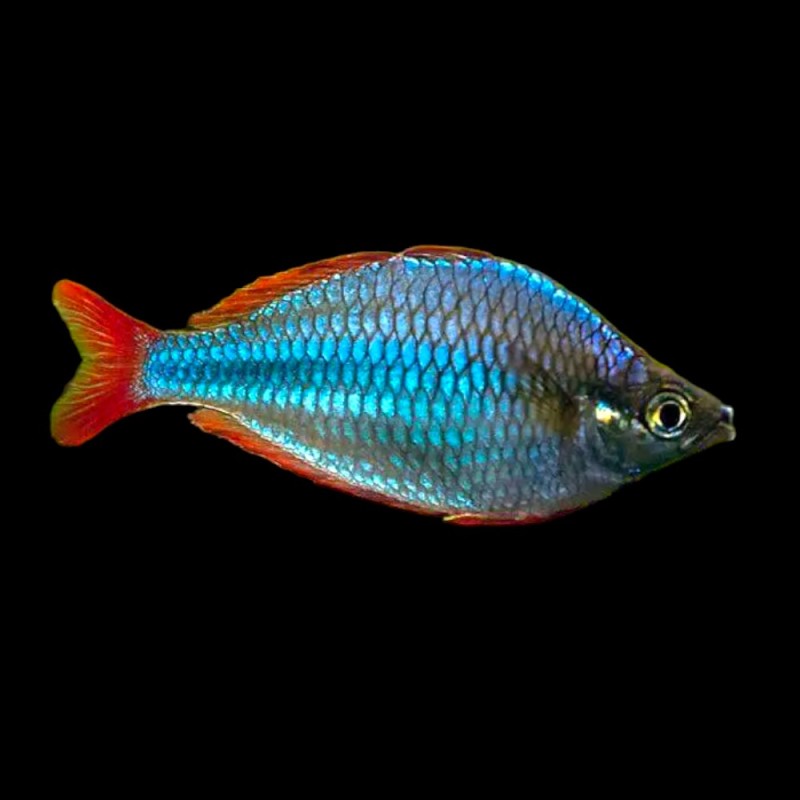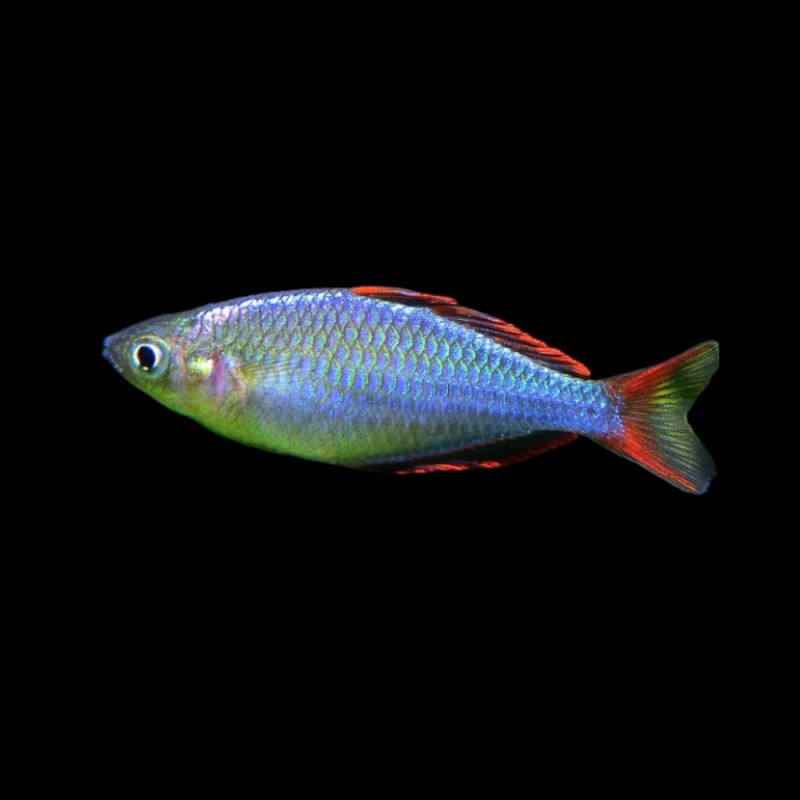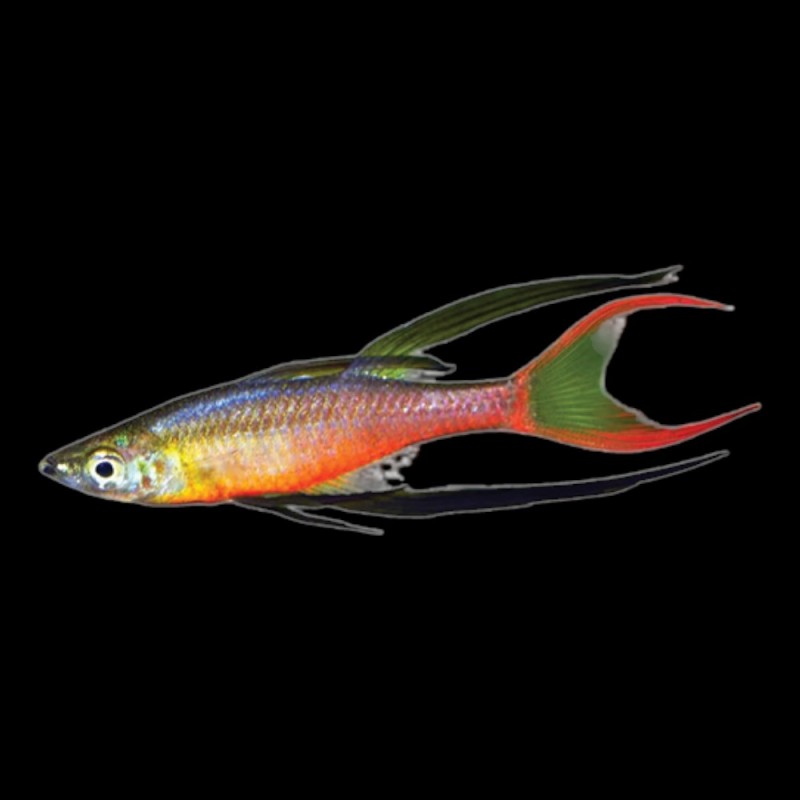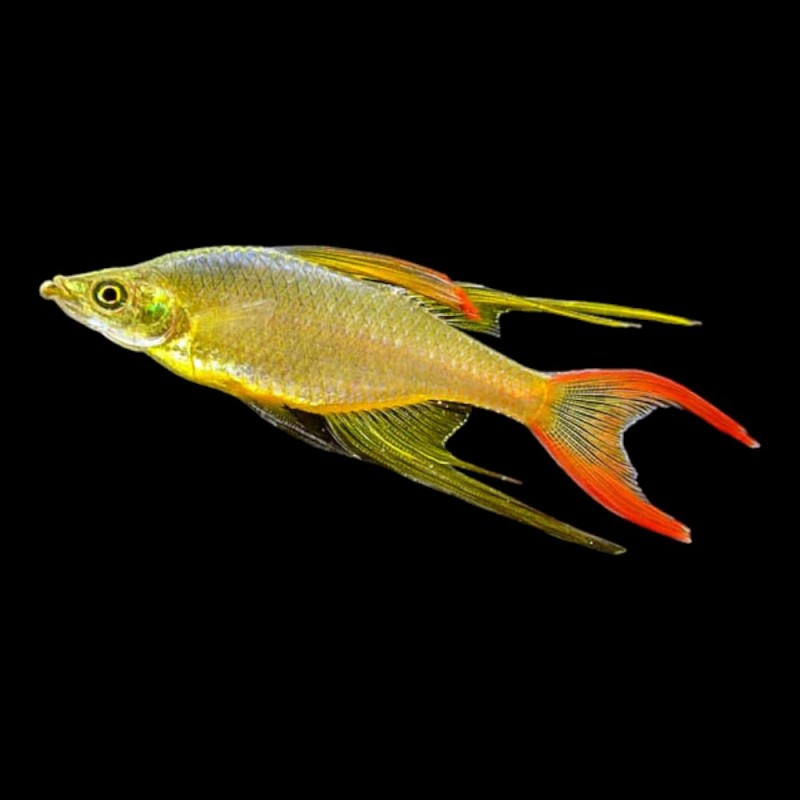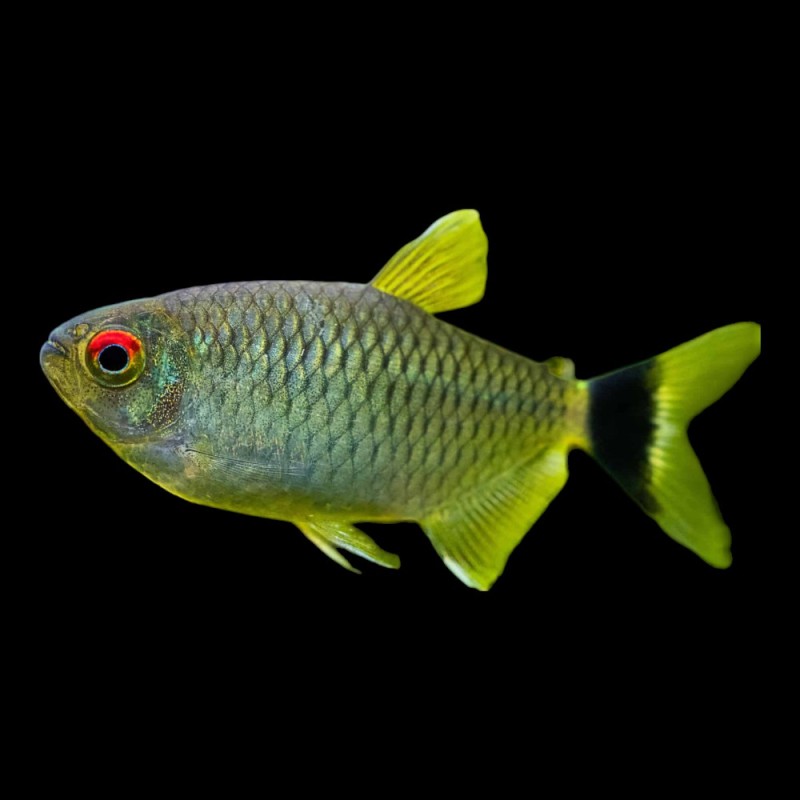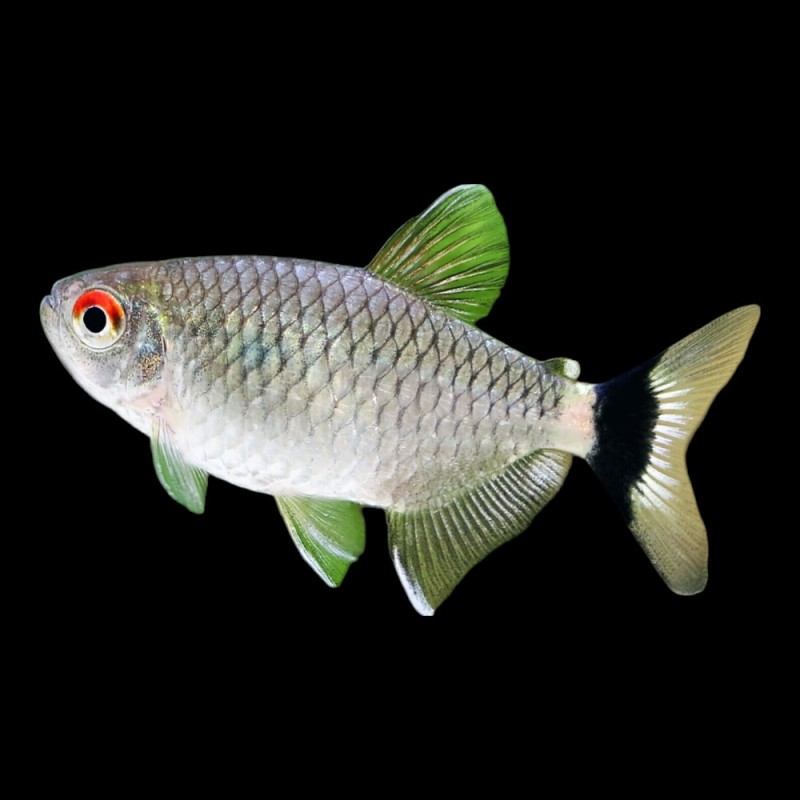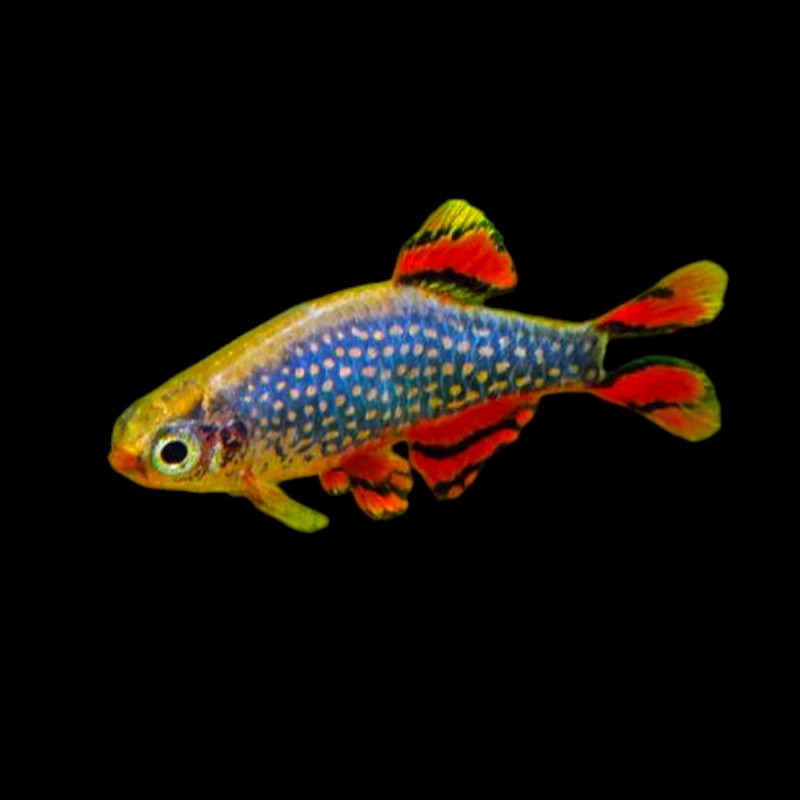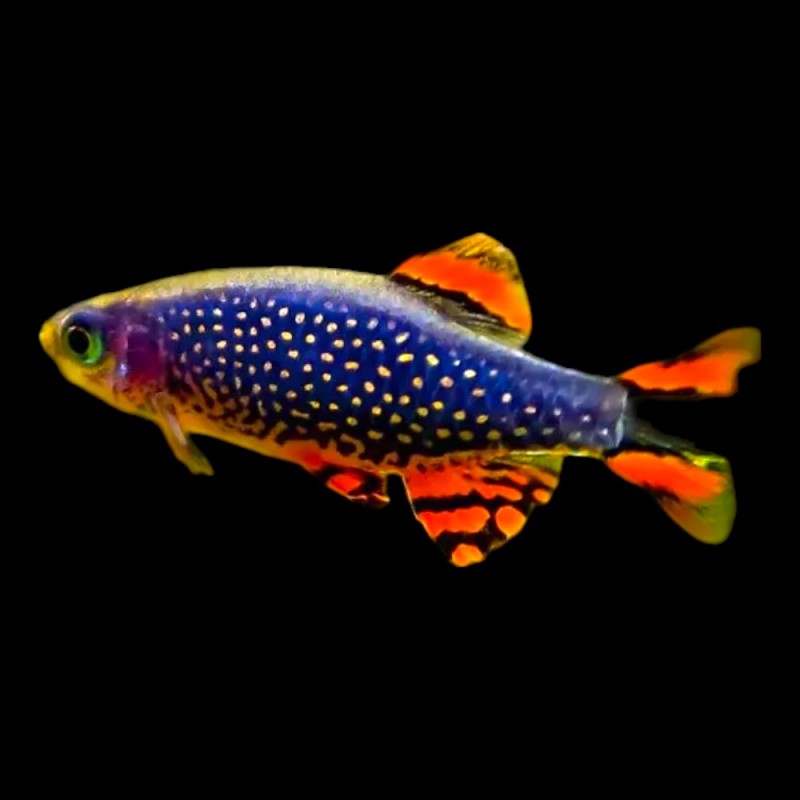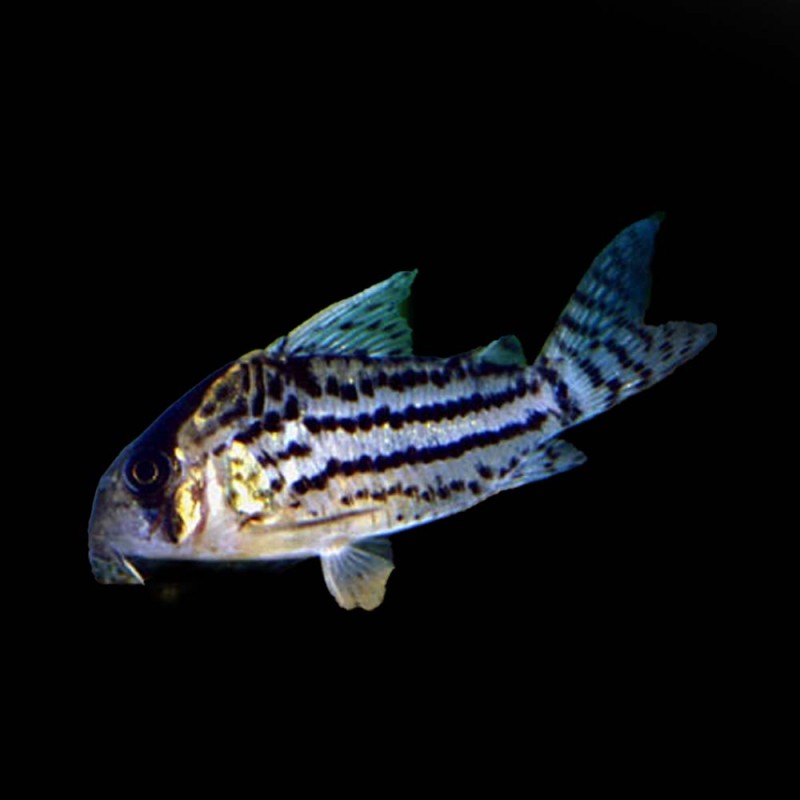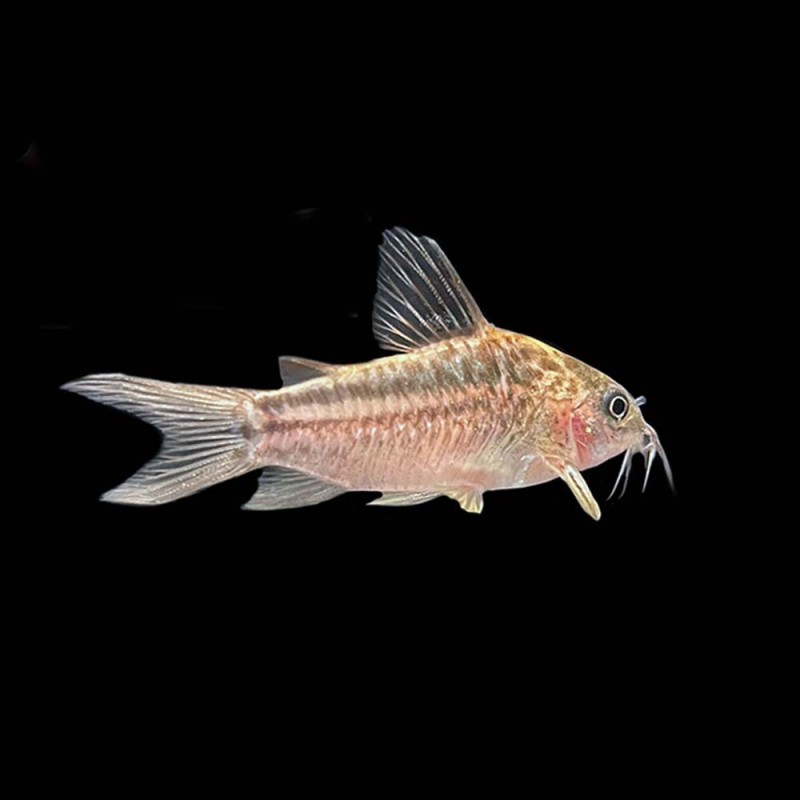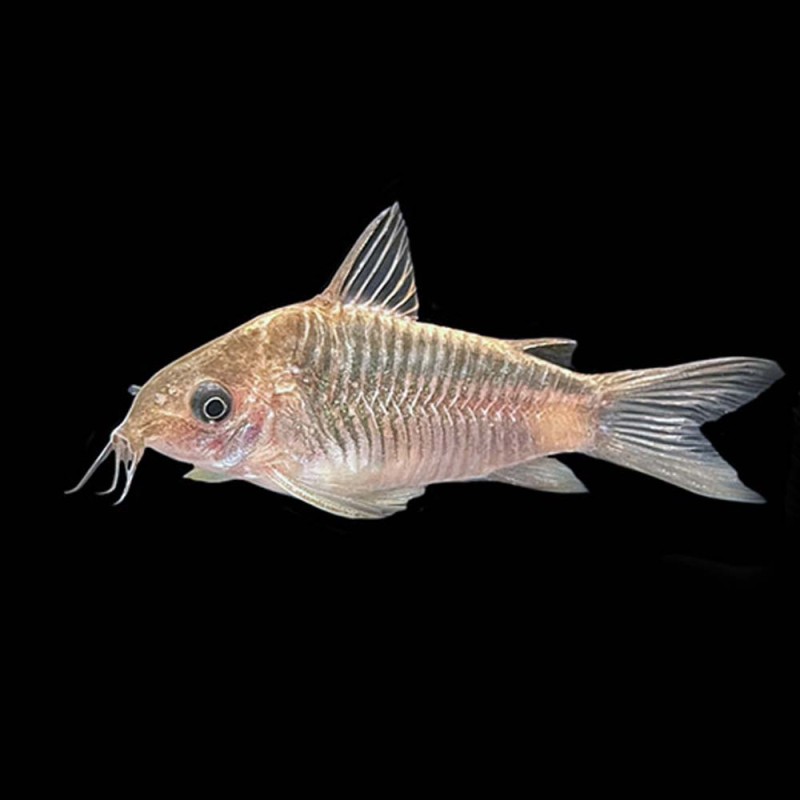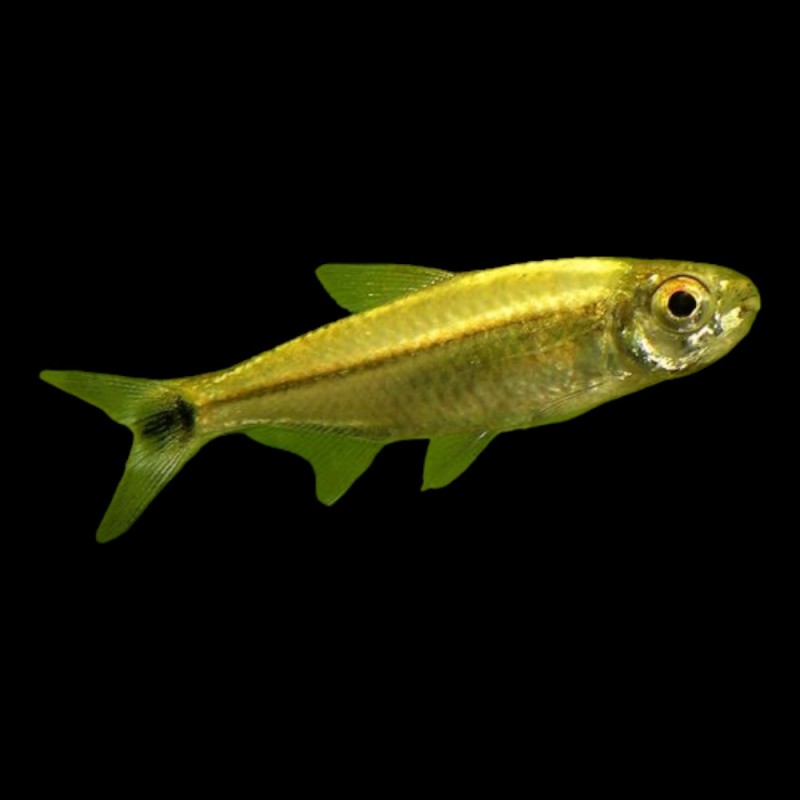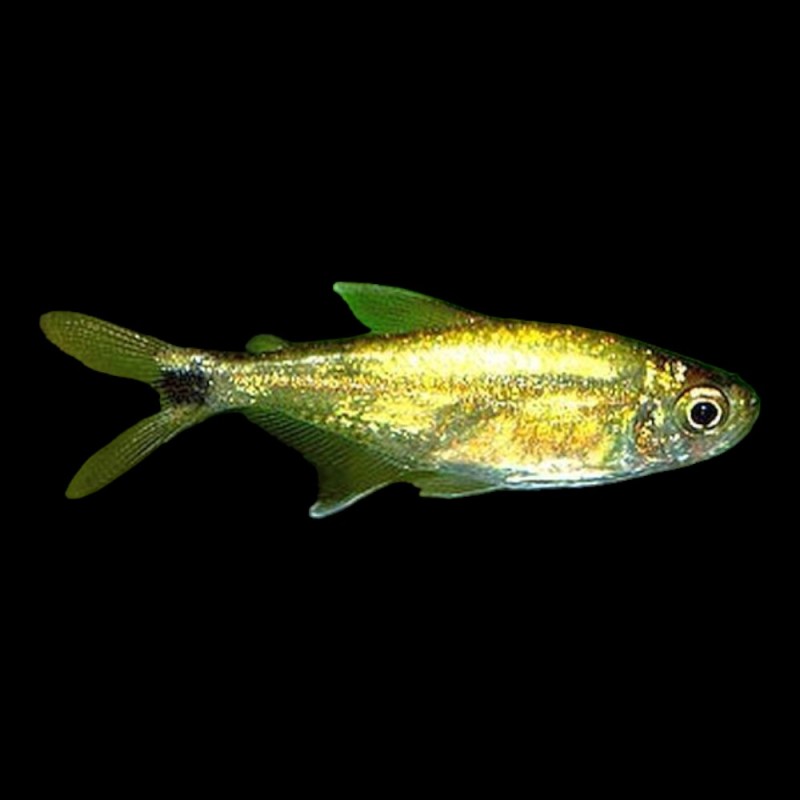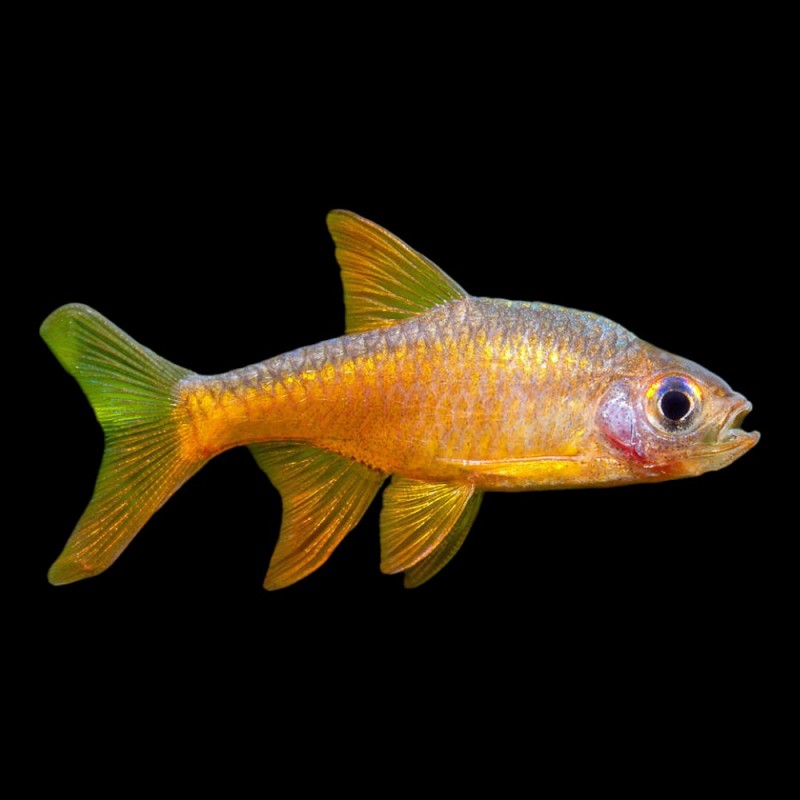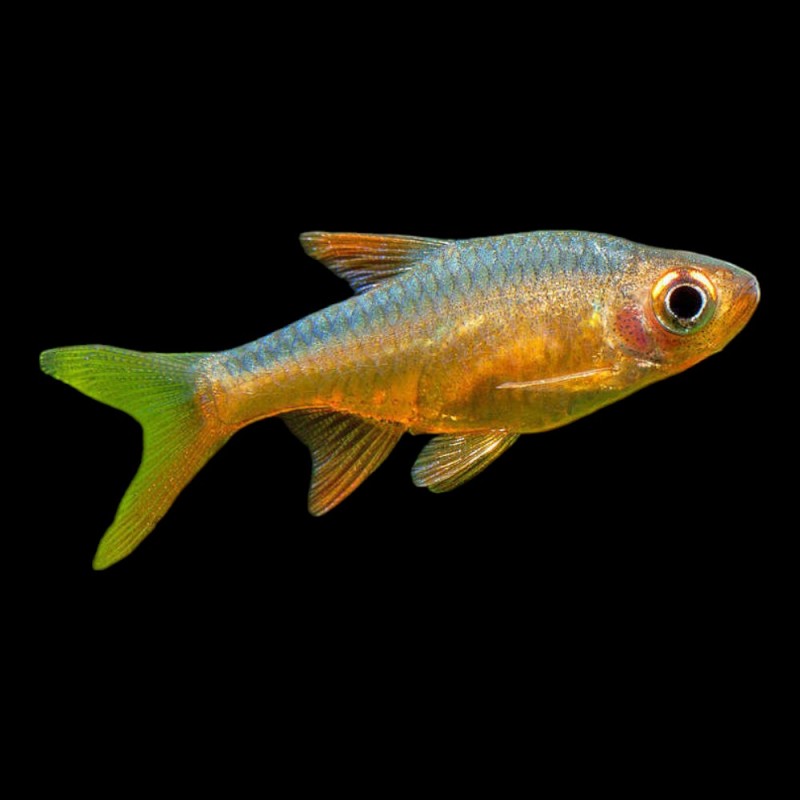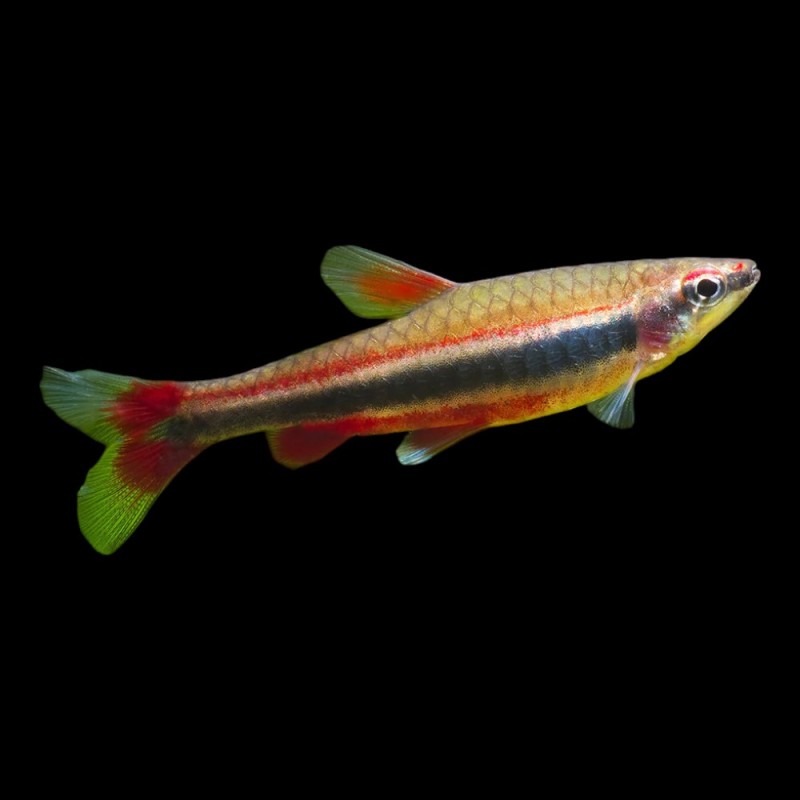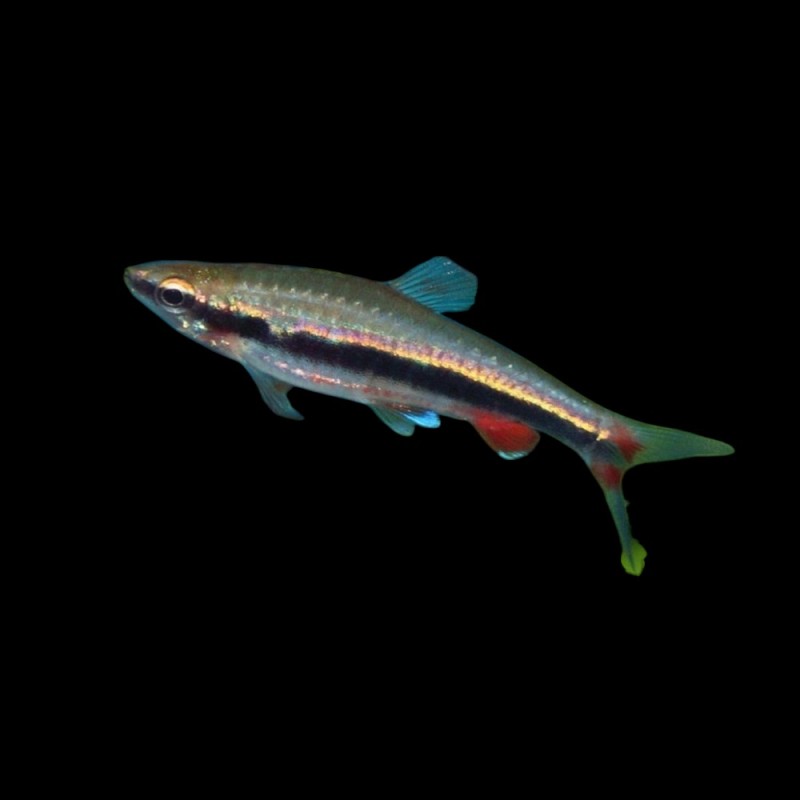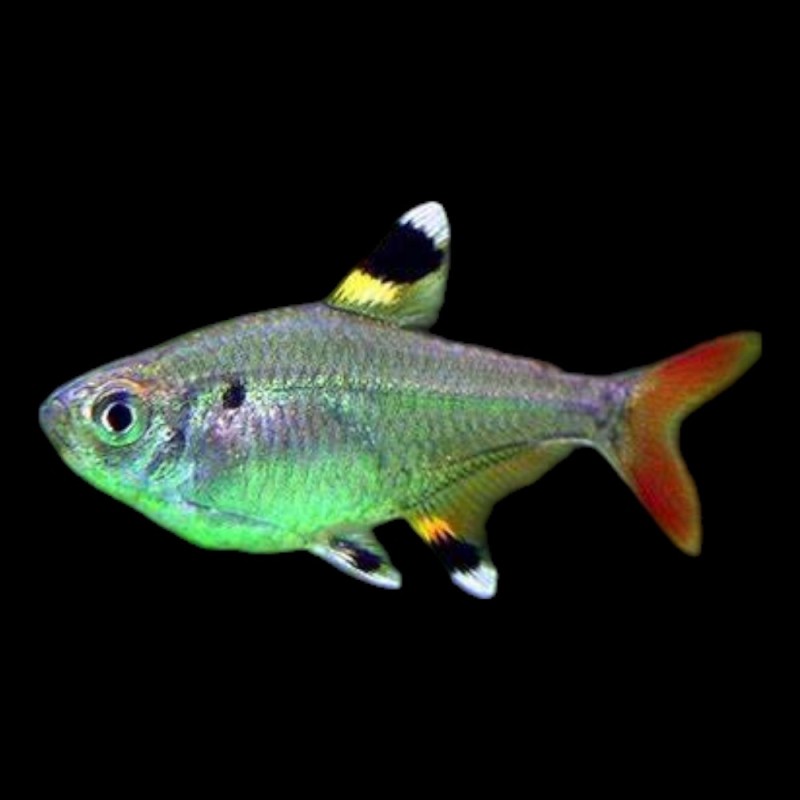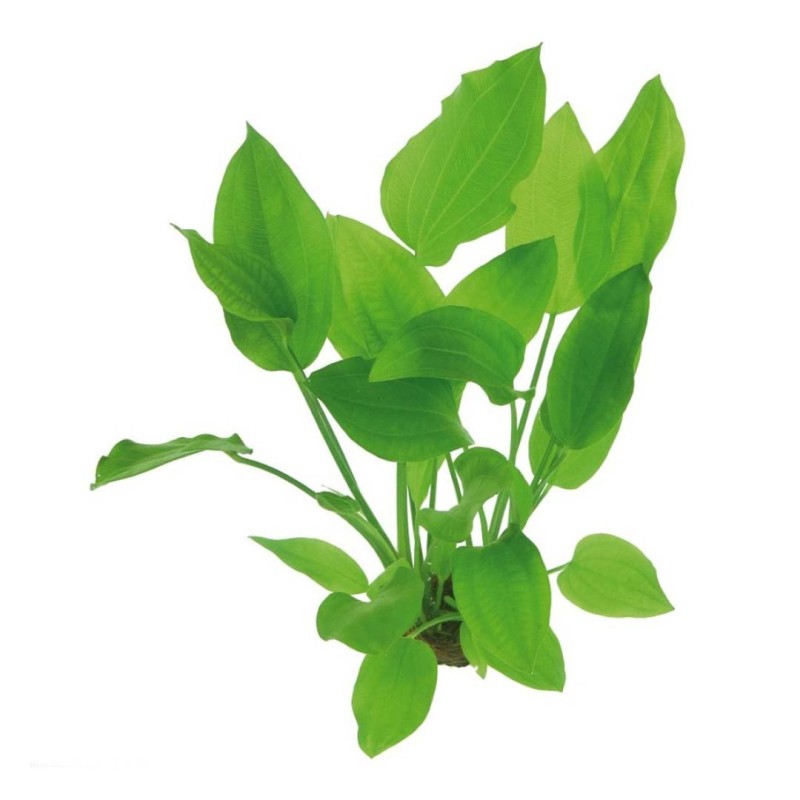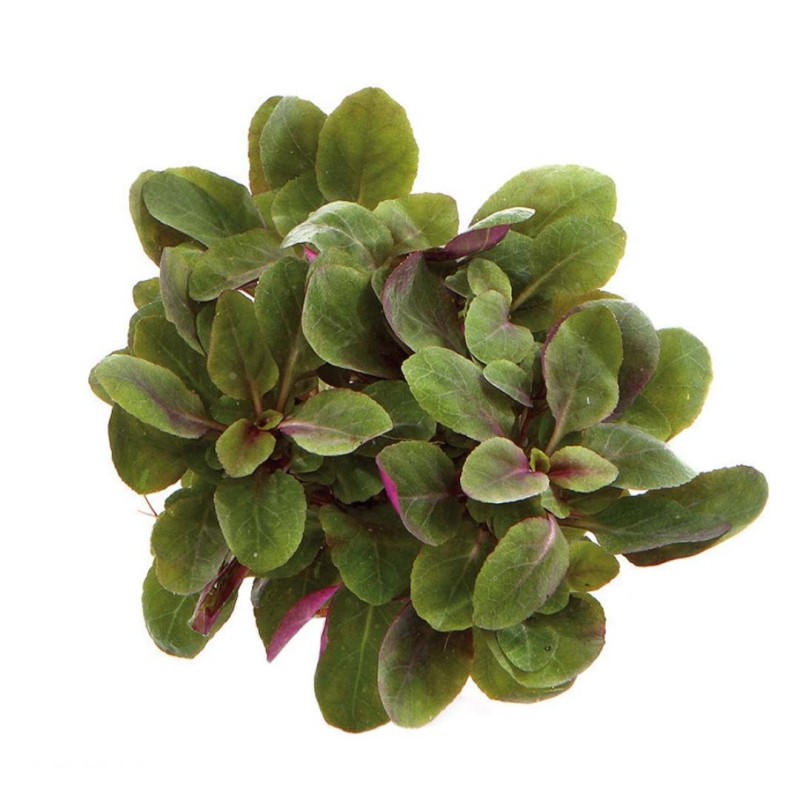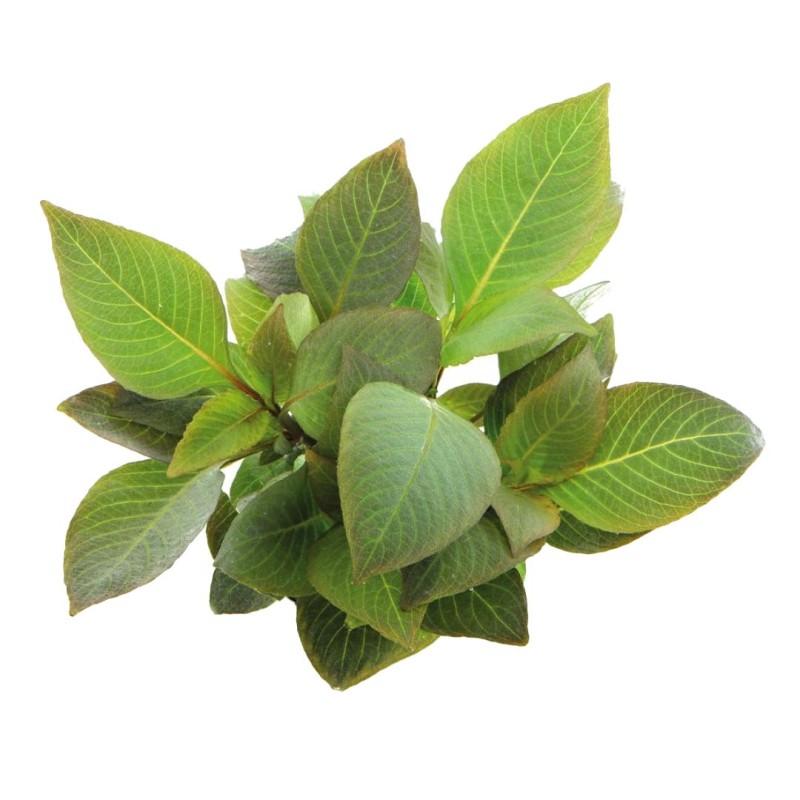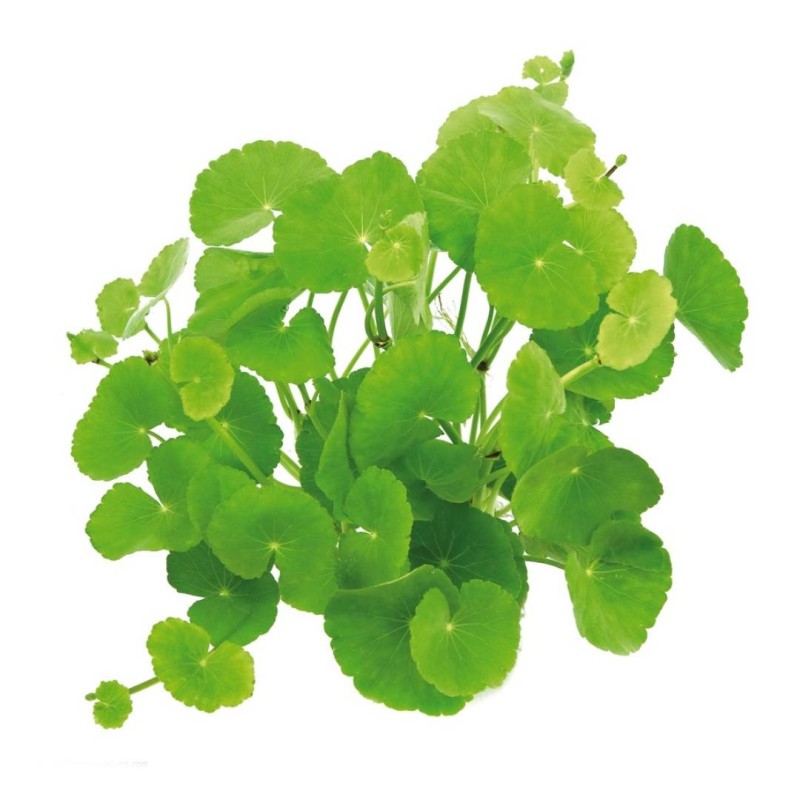


- Stock: Generally In Stock
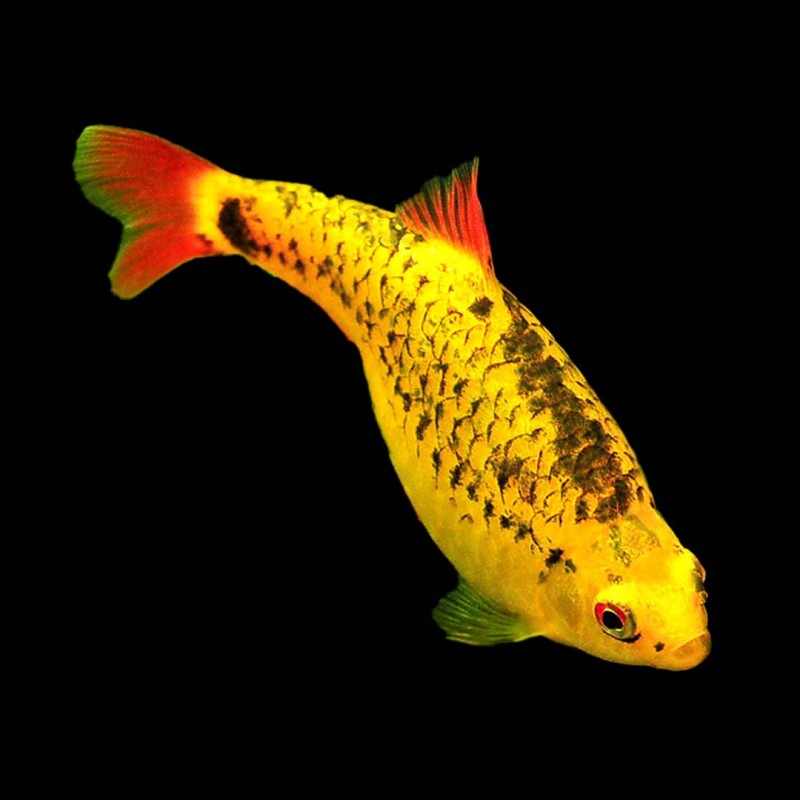
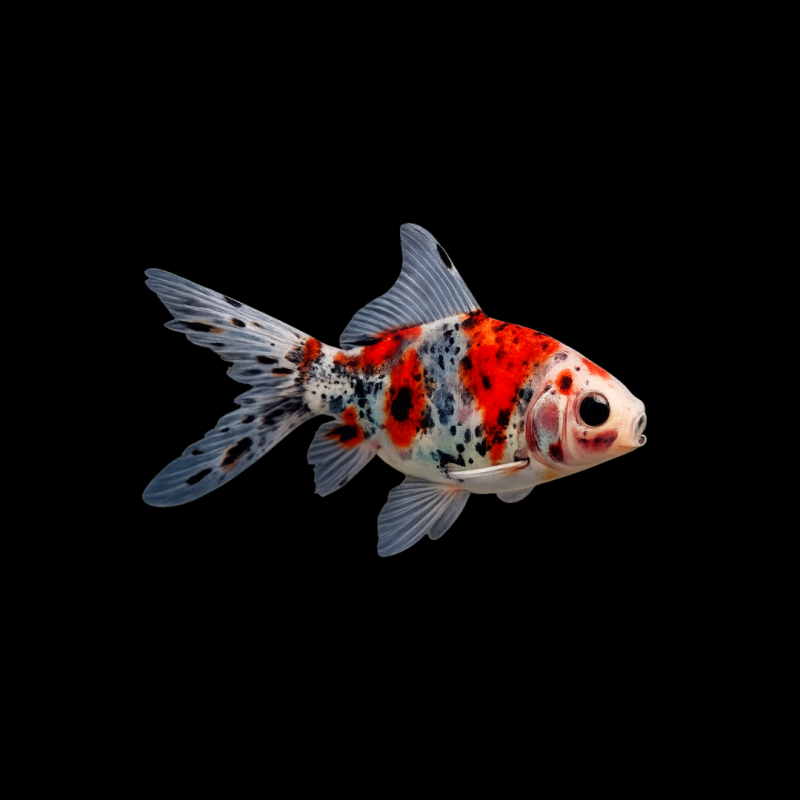
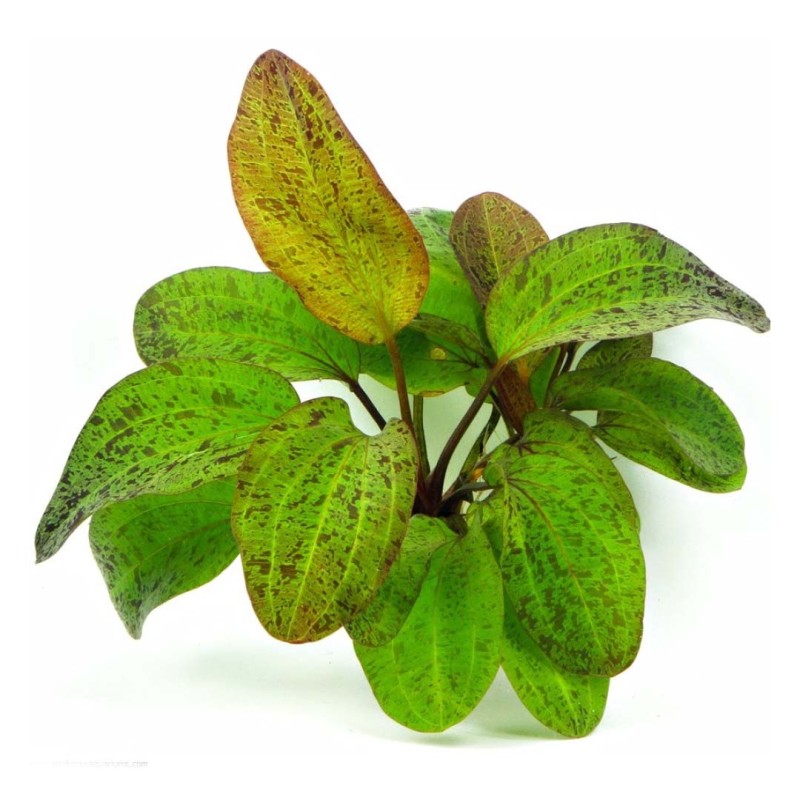
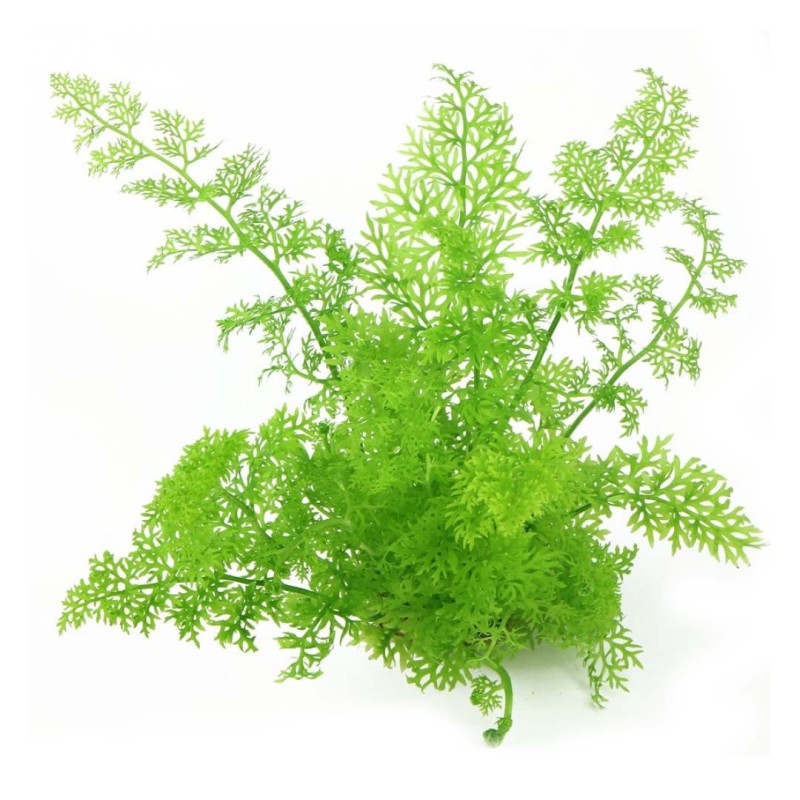
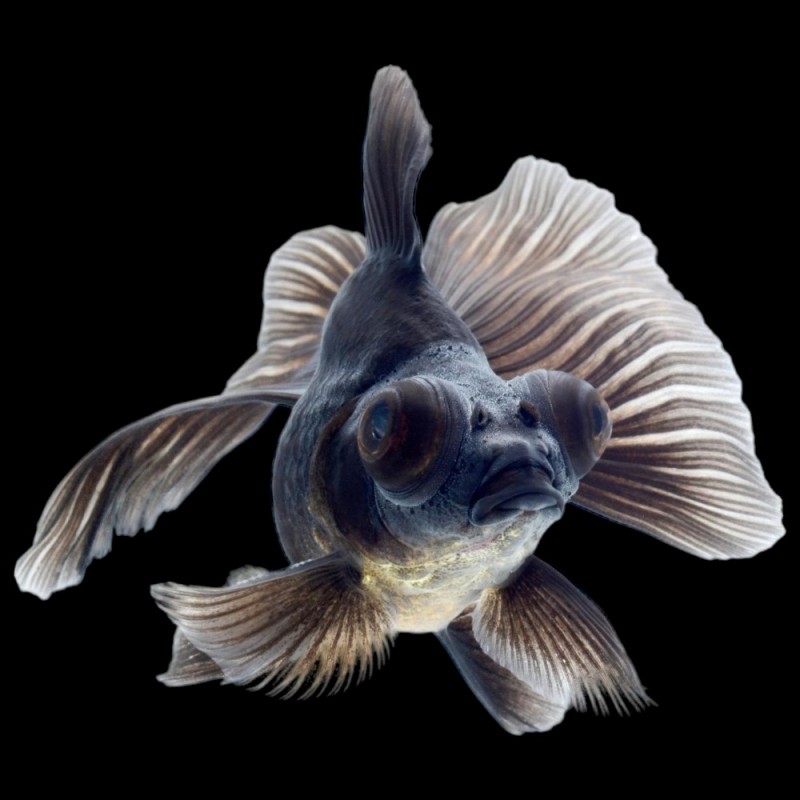
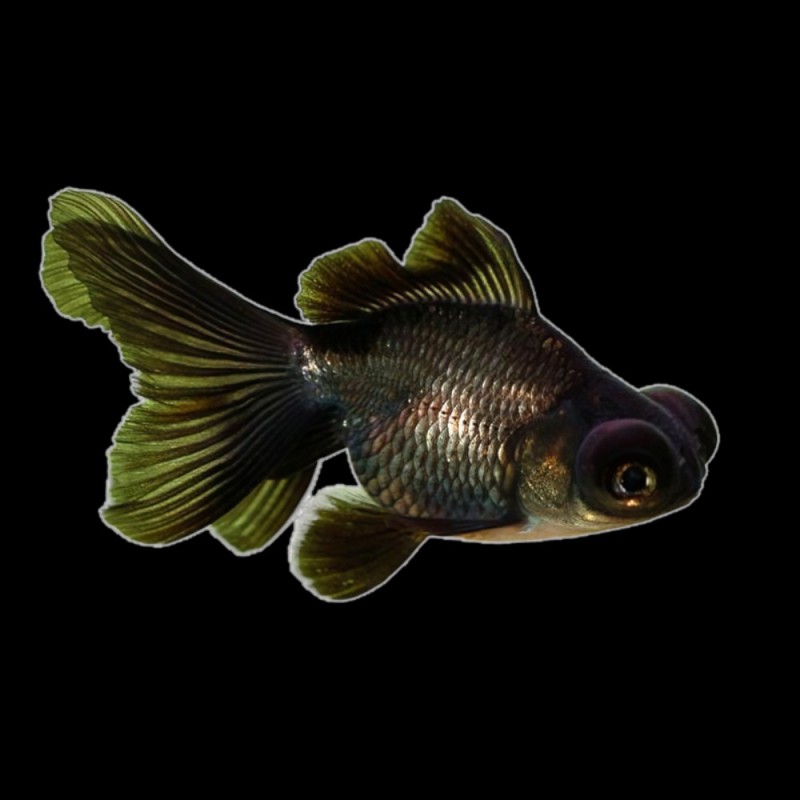
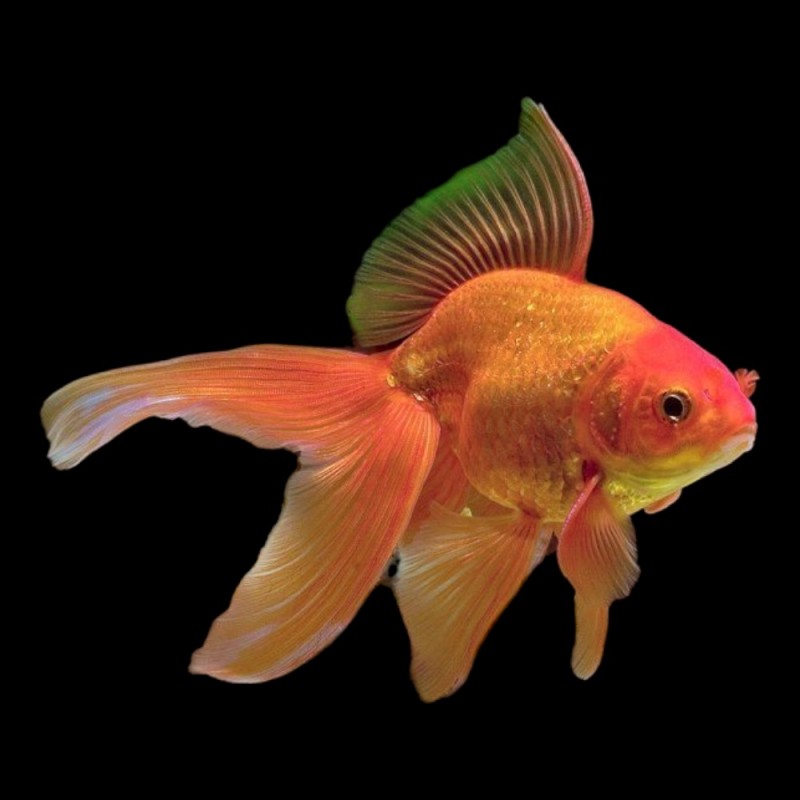
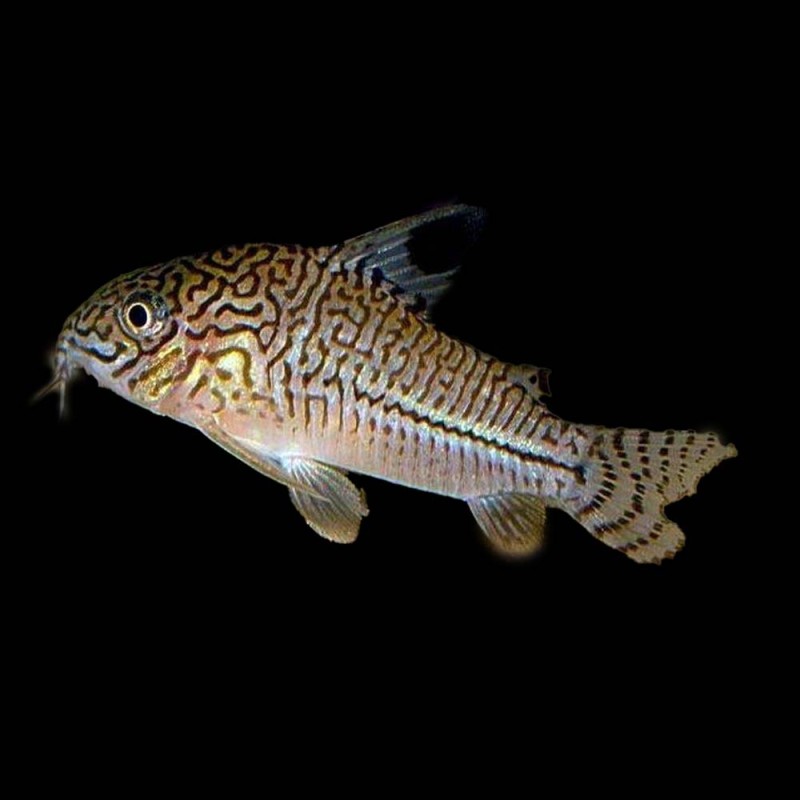
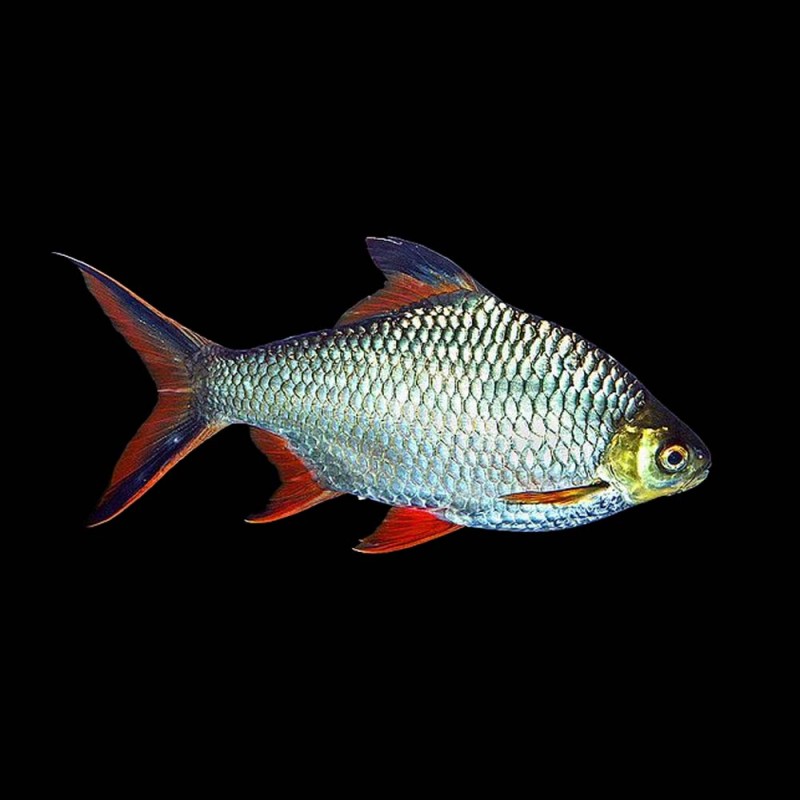
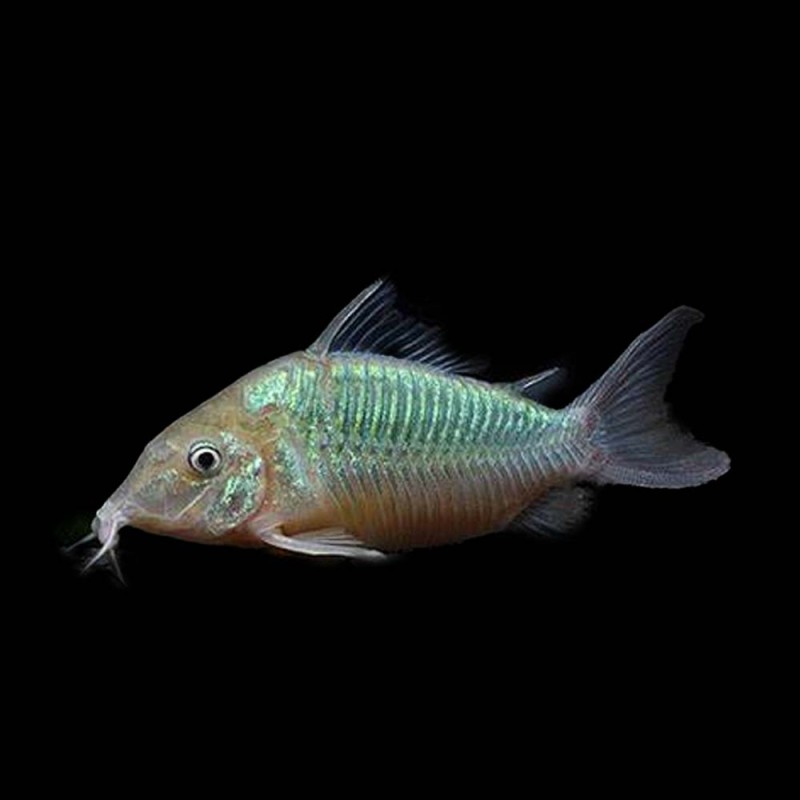
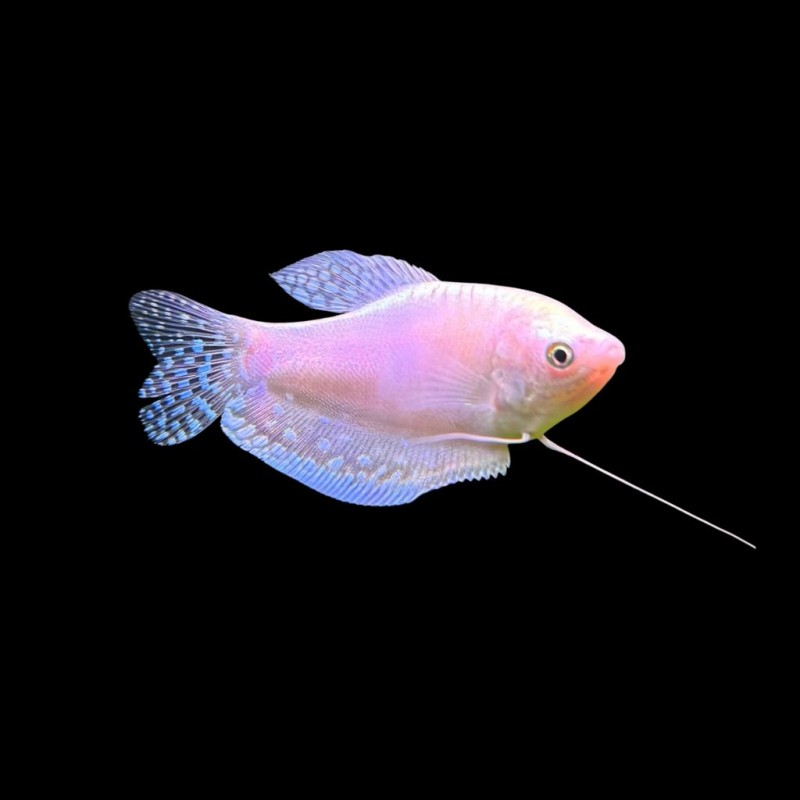
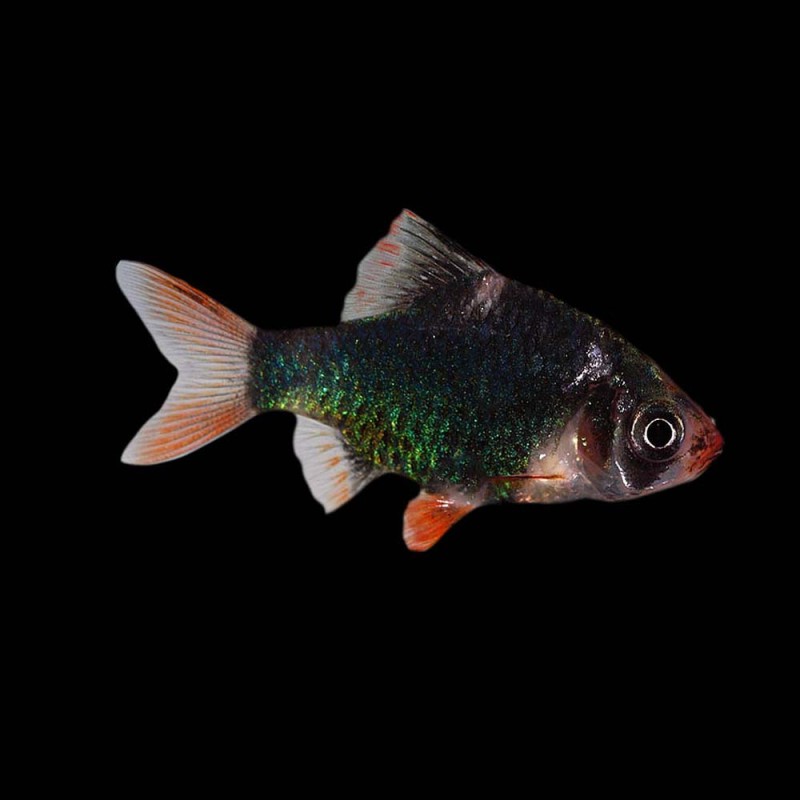
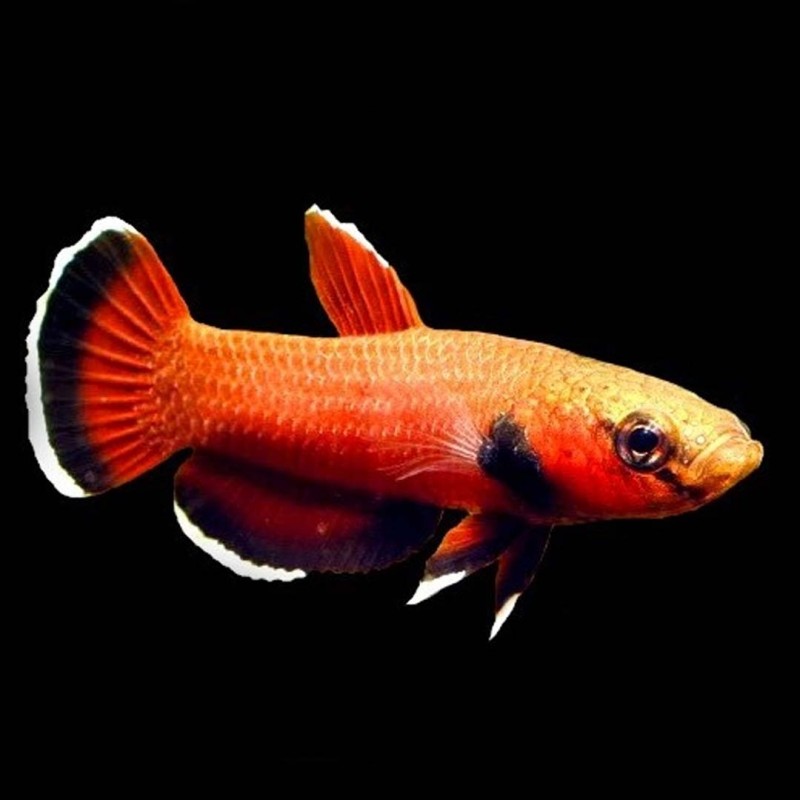
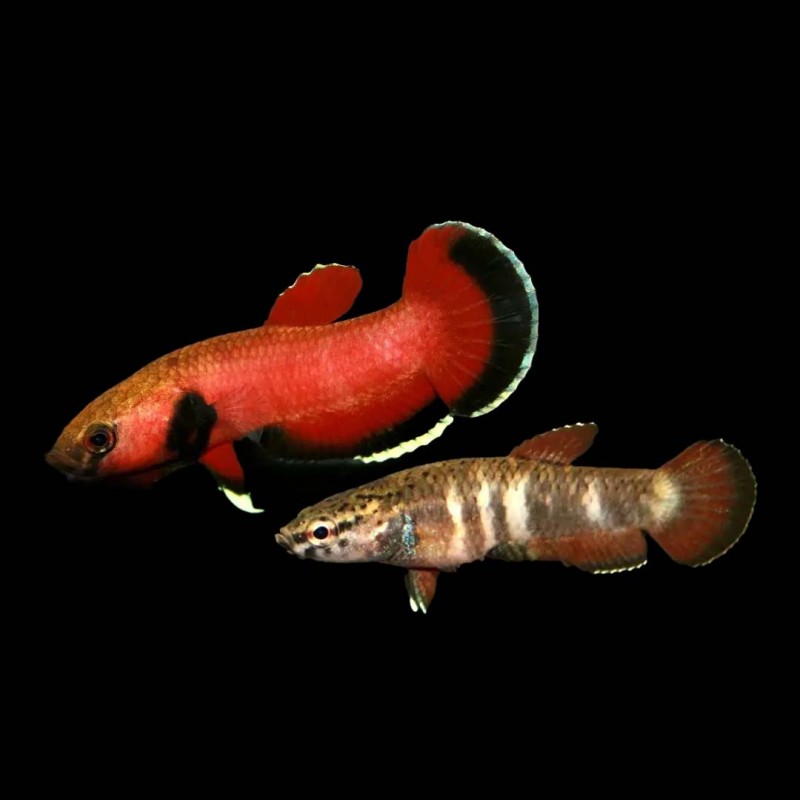
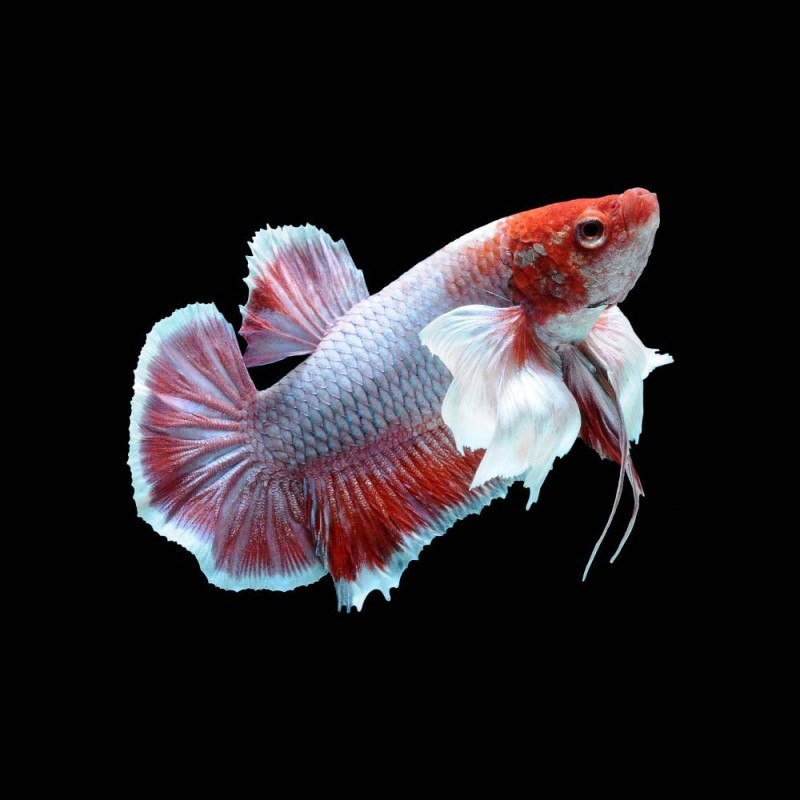
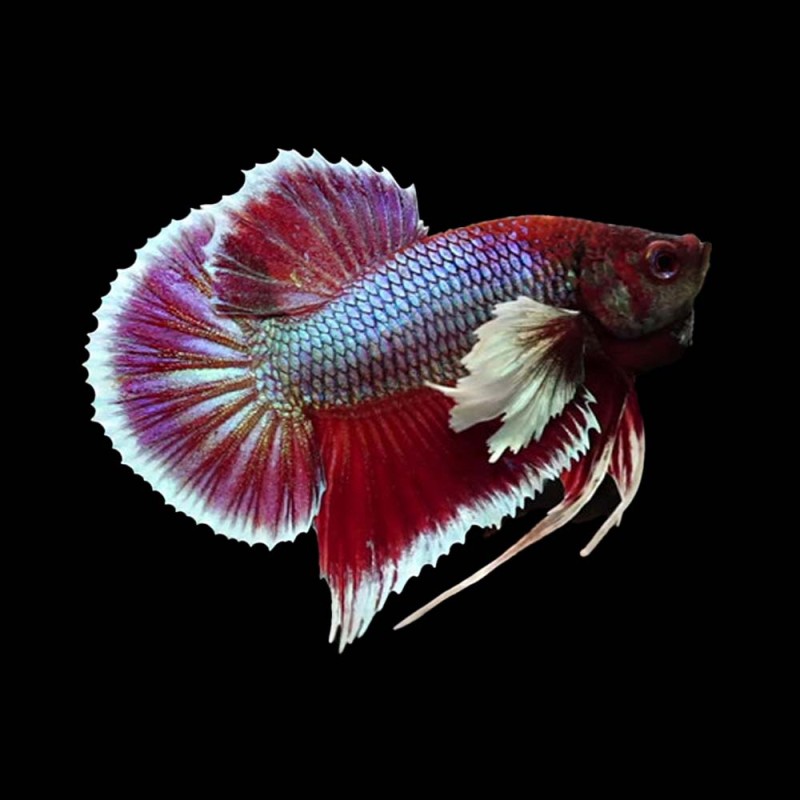
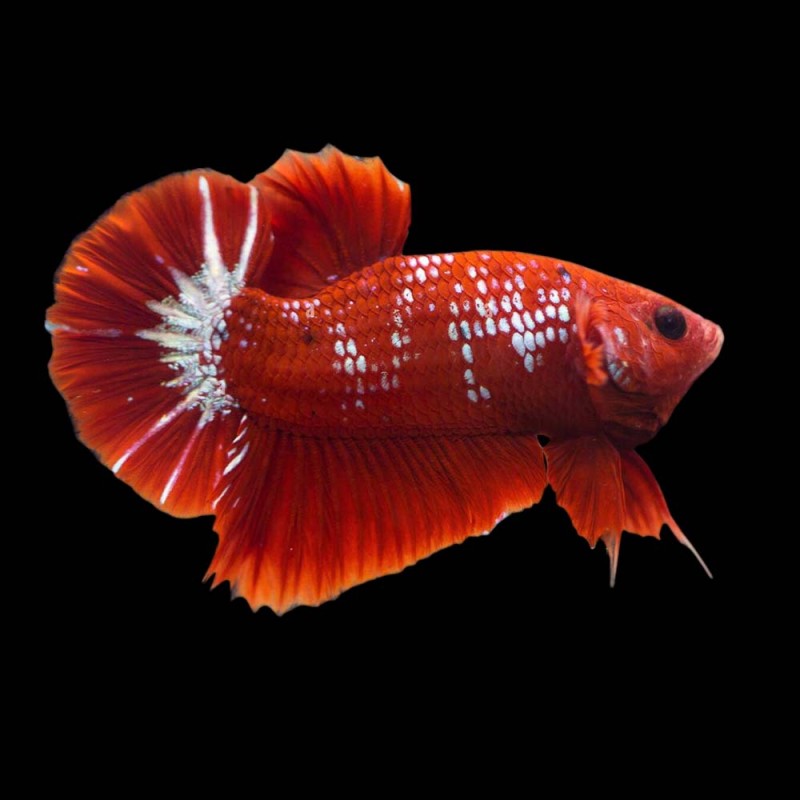
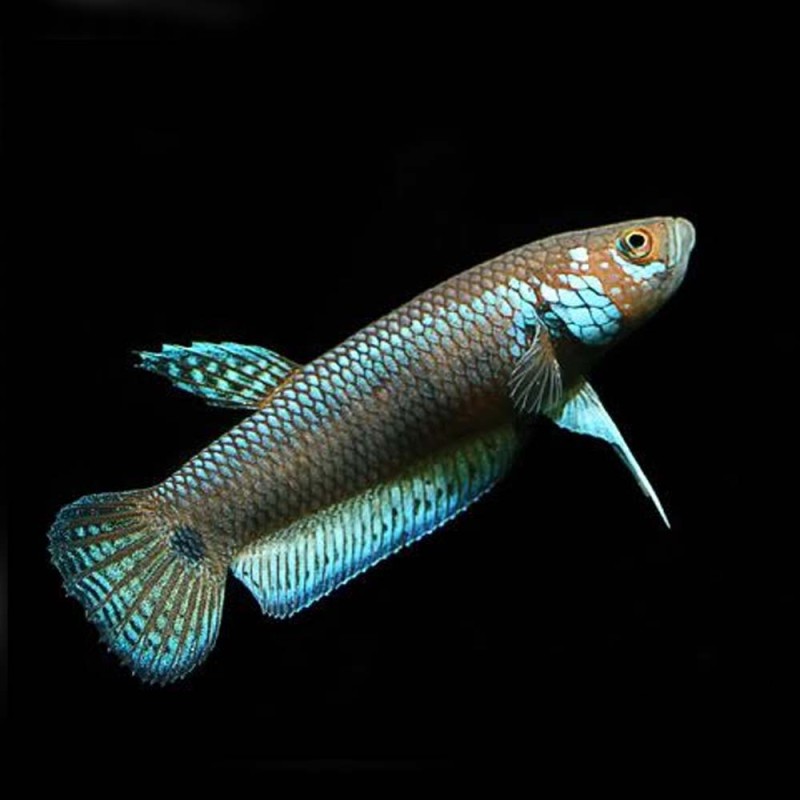
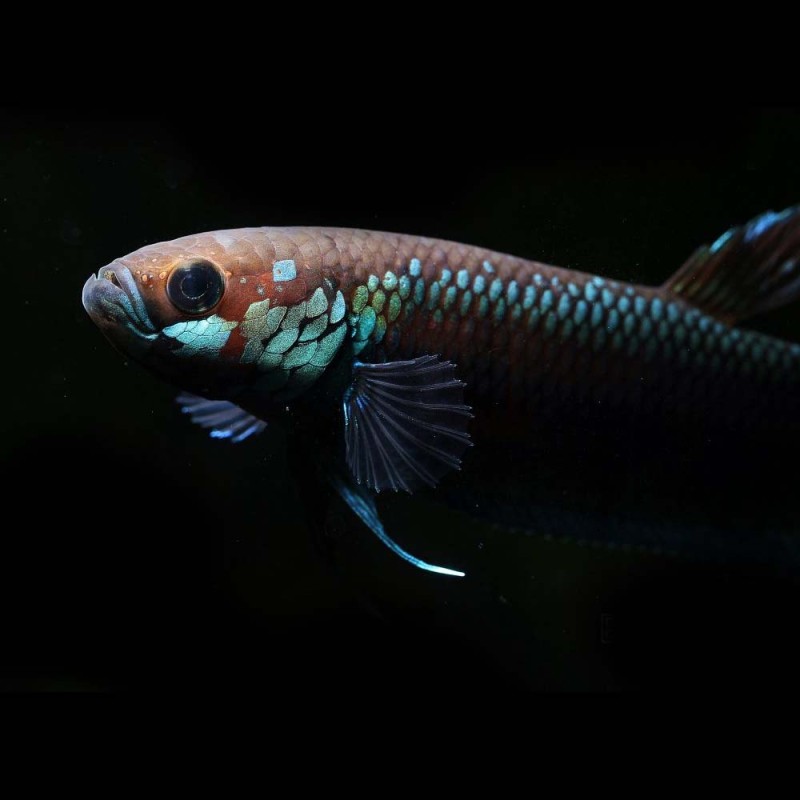
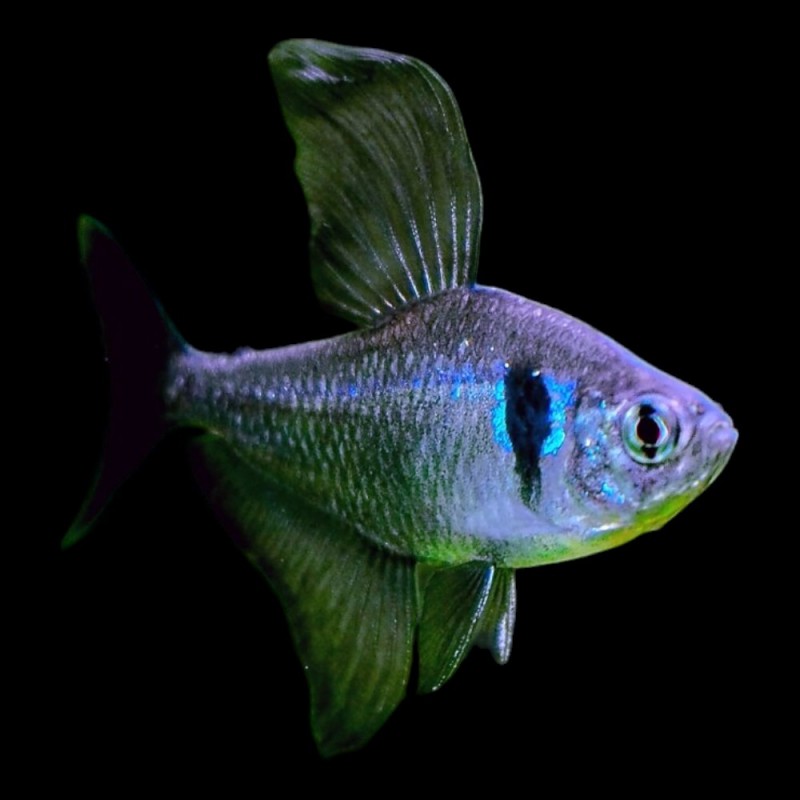
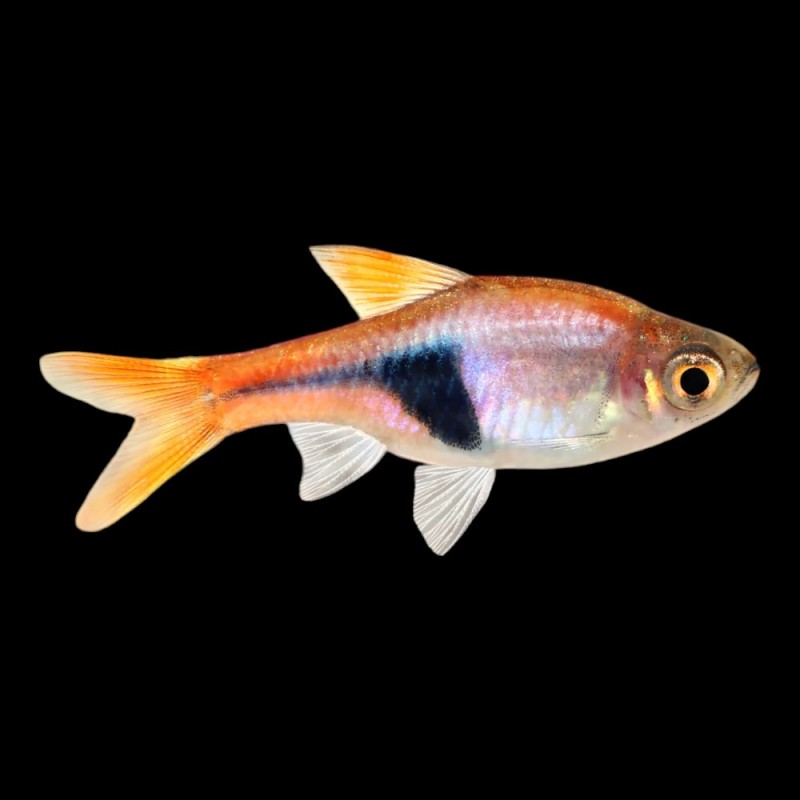
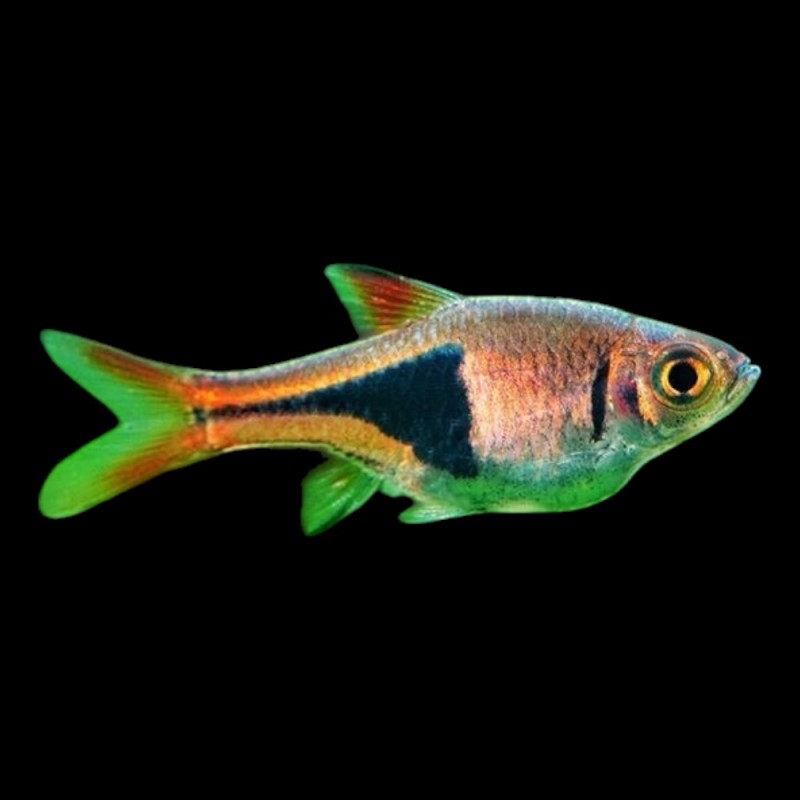
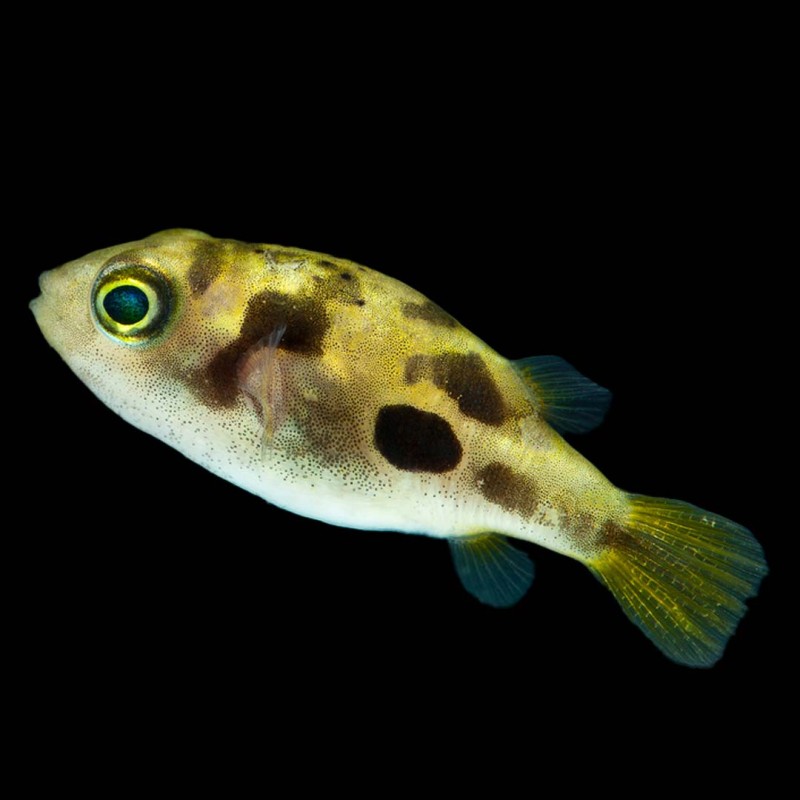
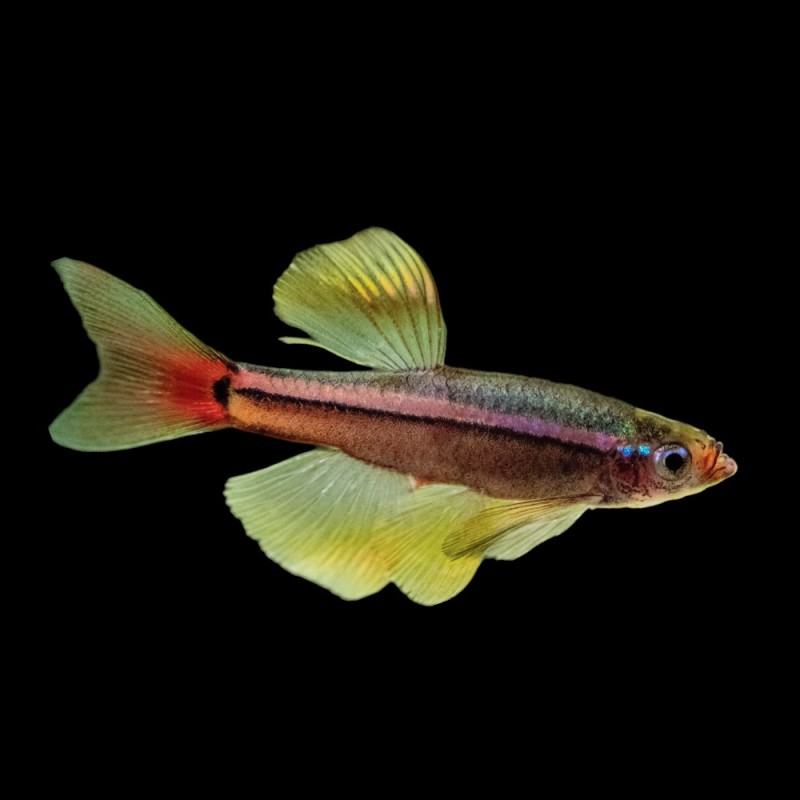
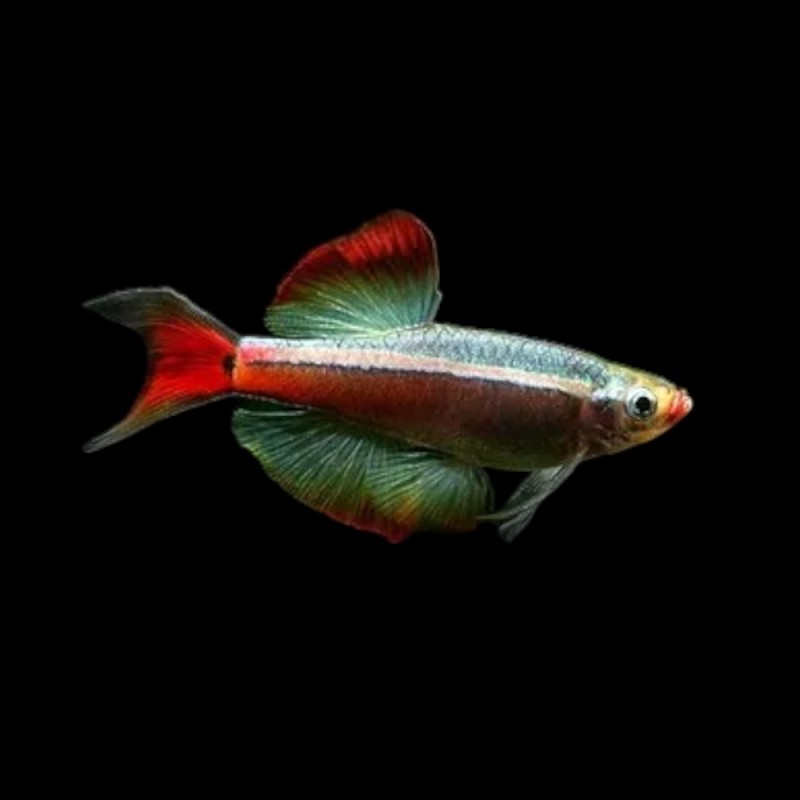
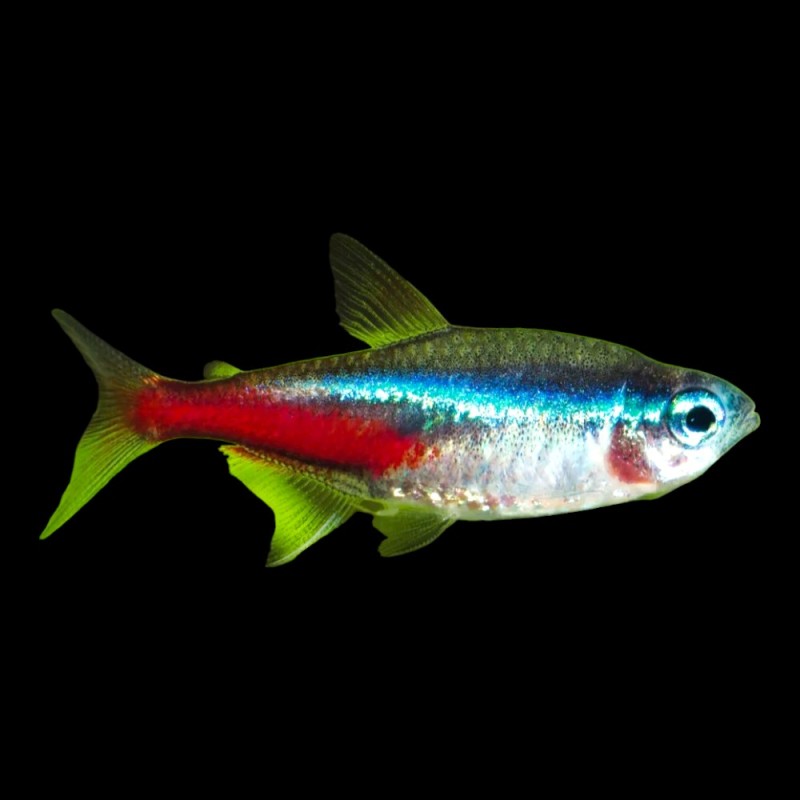
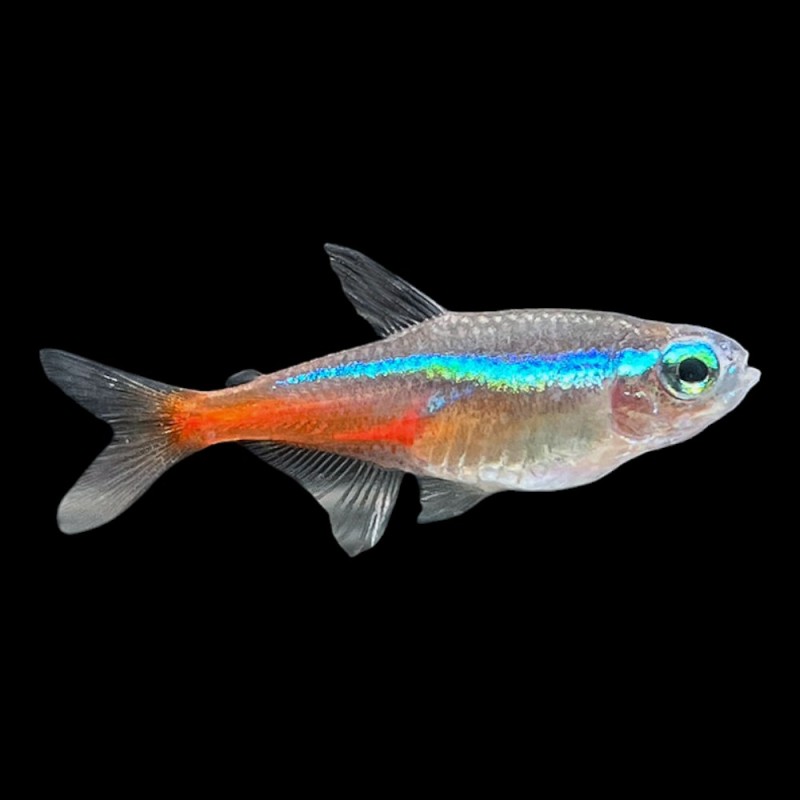
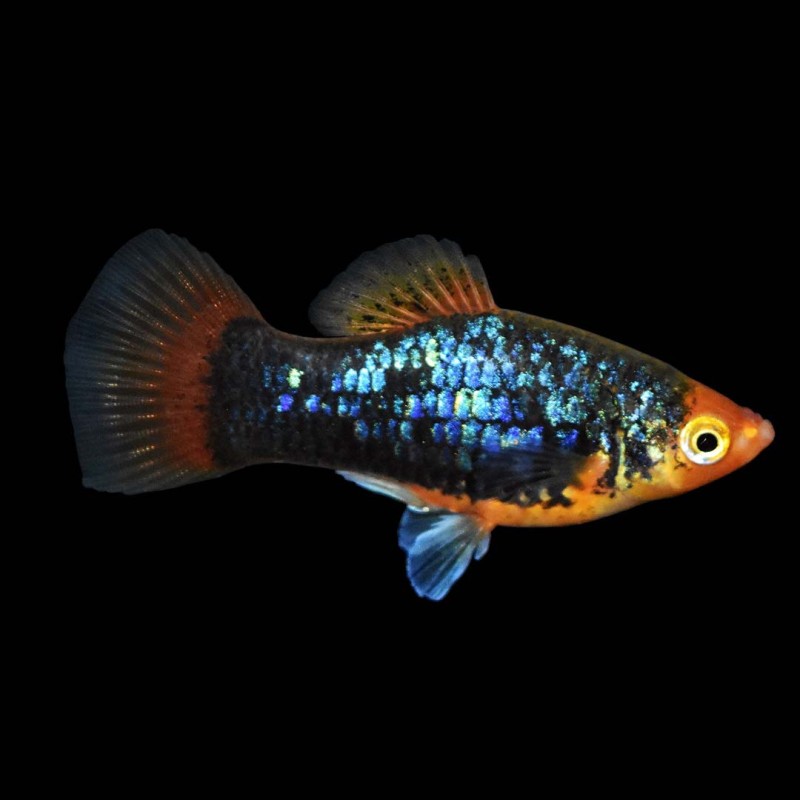
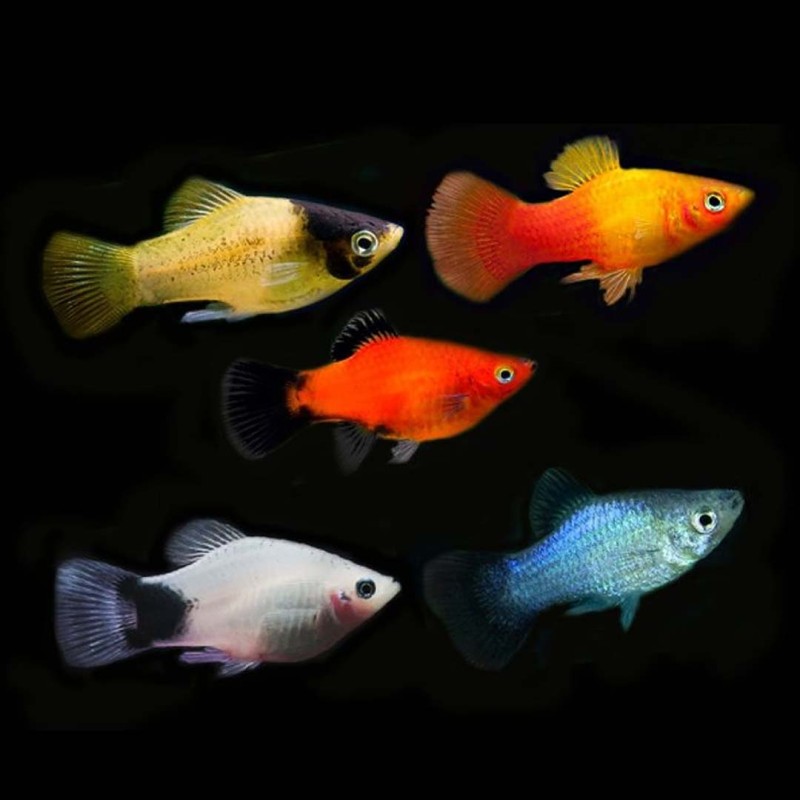
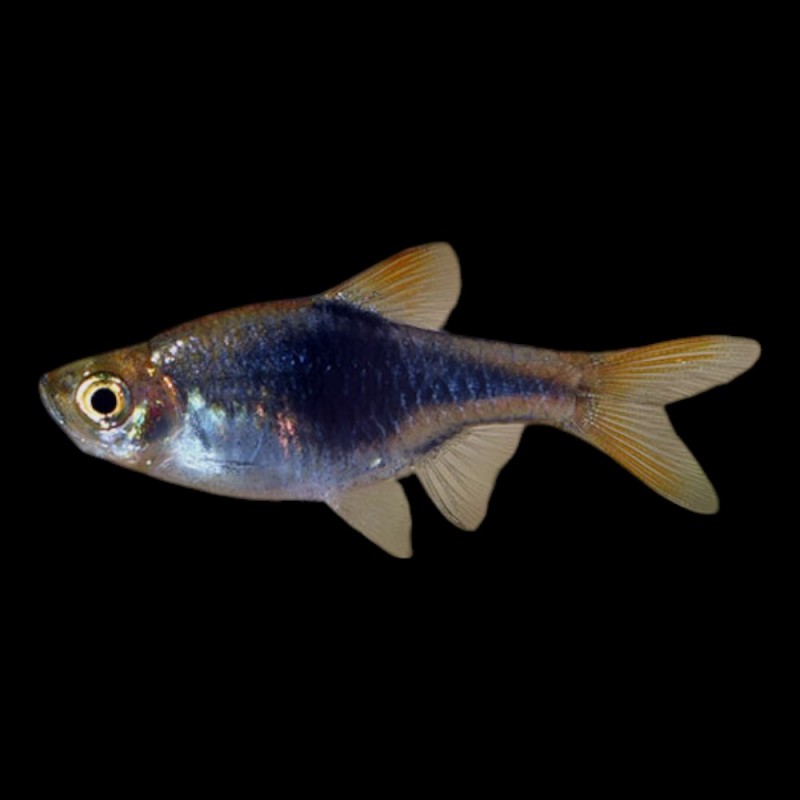
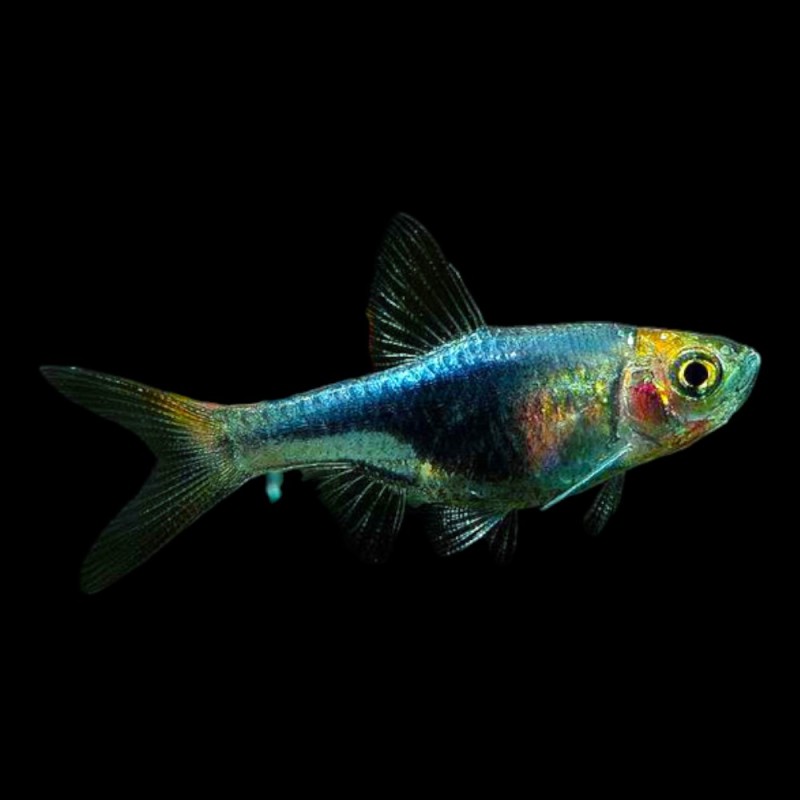
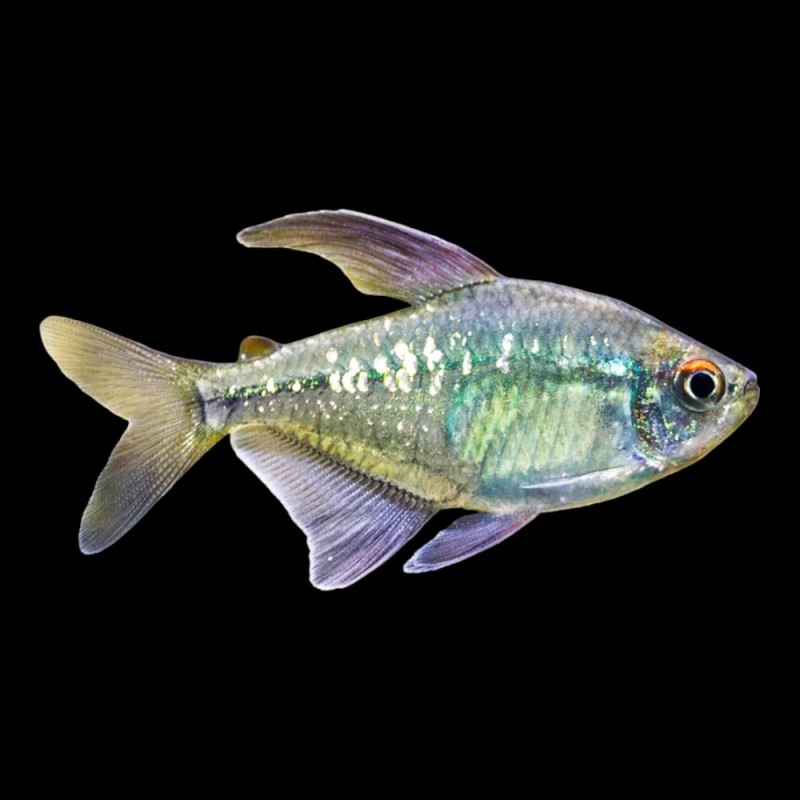
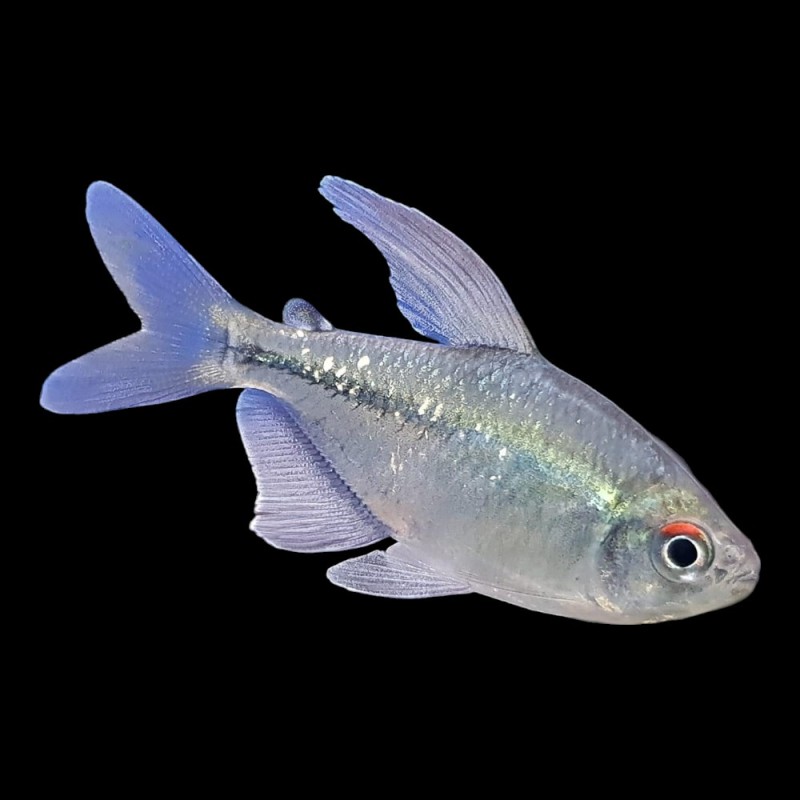
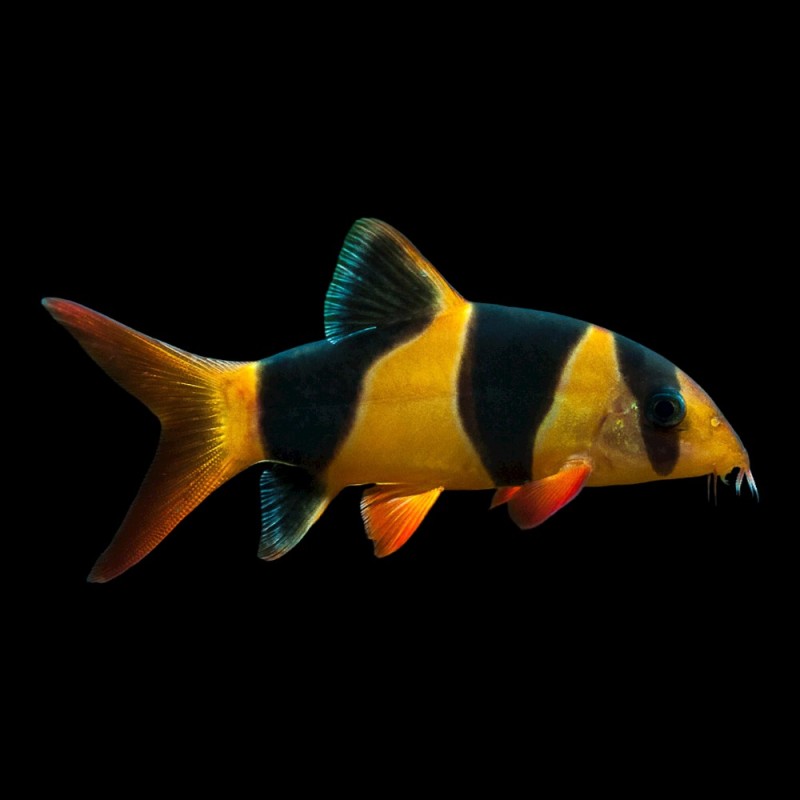
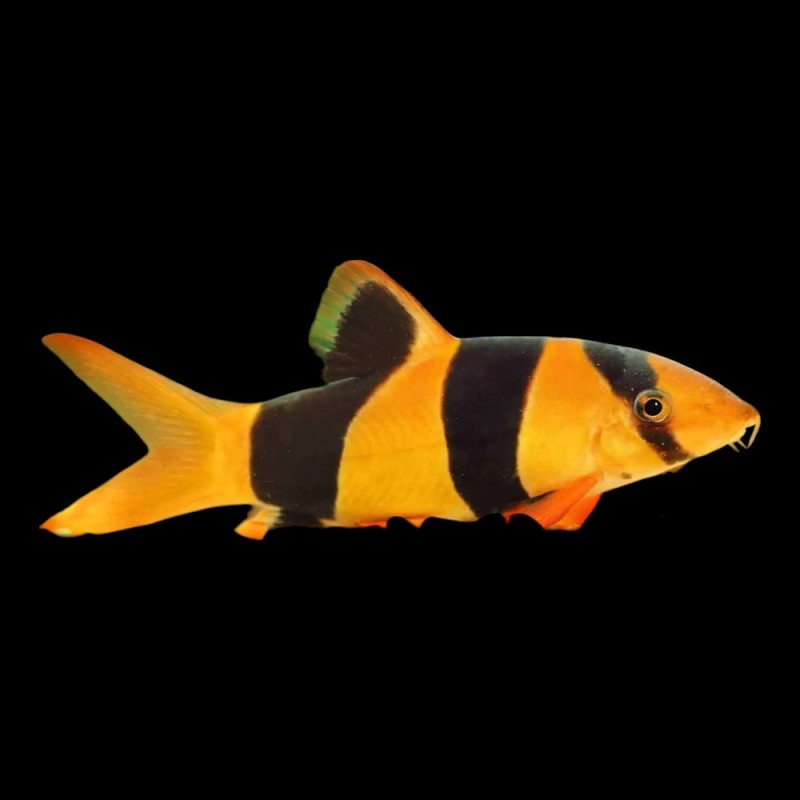
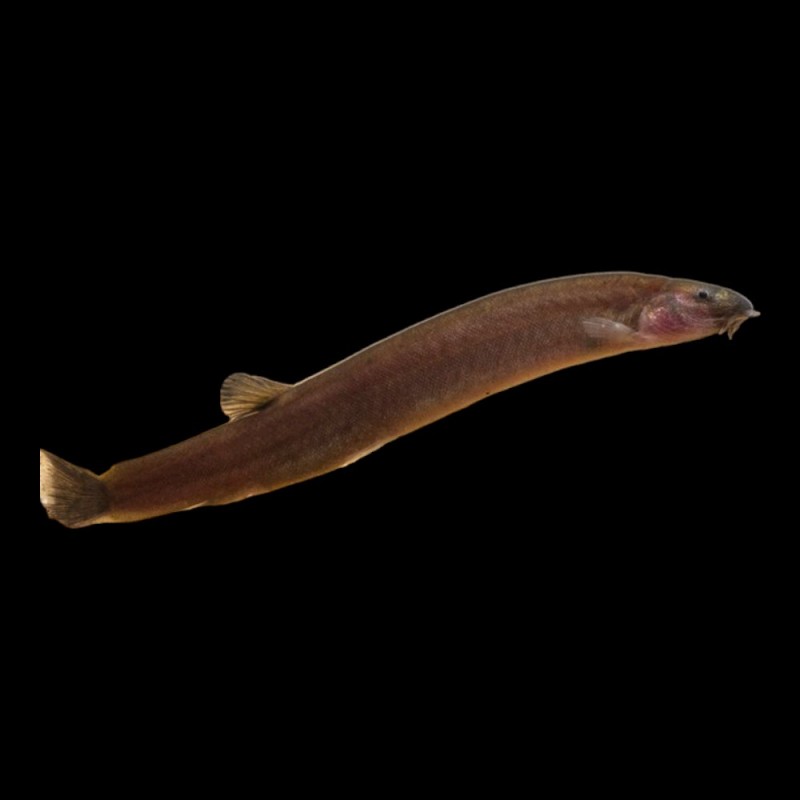
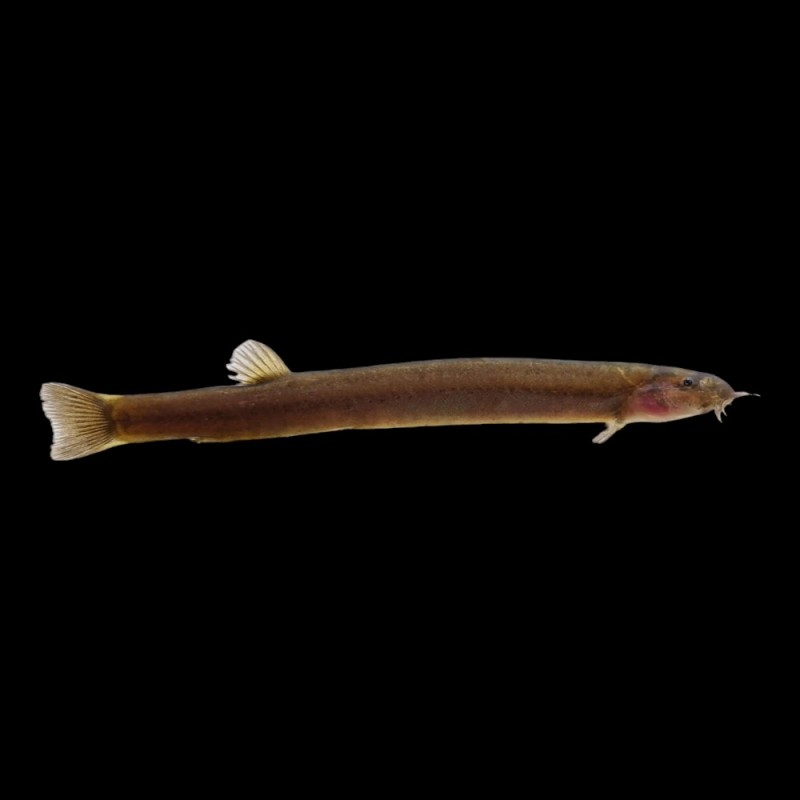
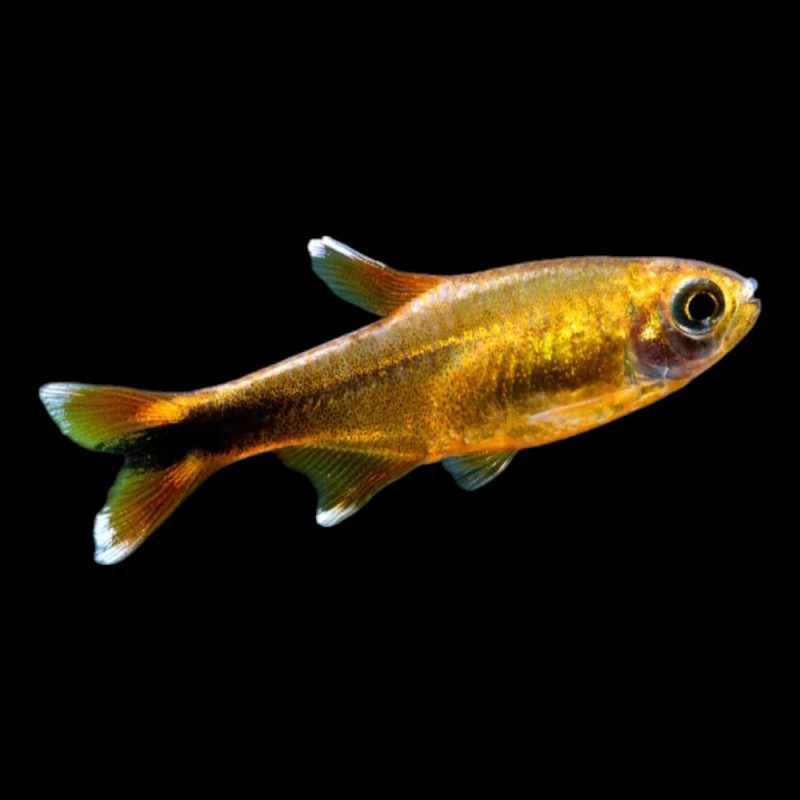
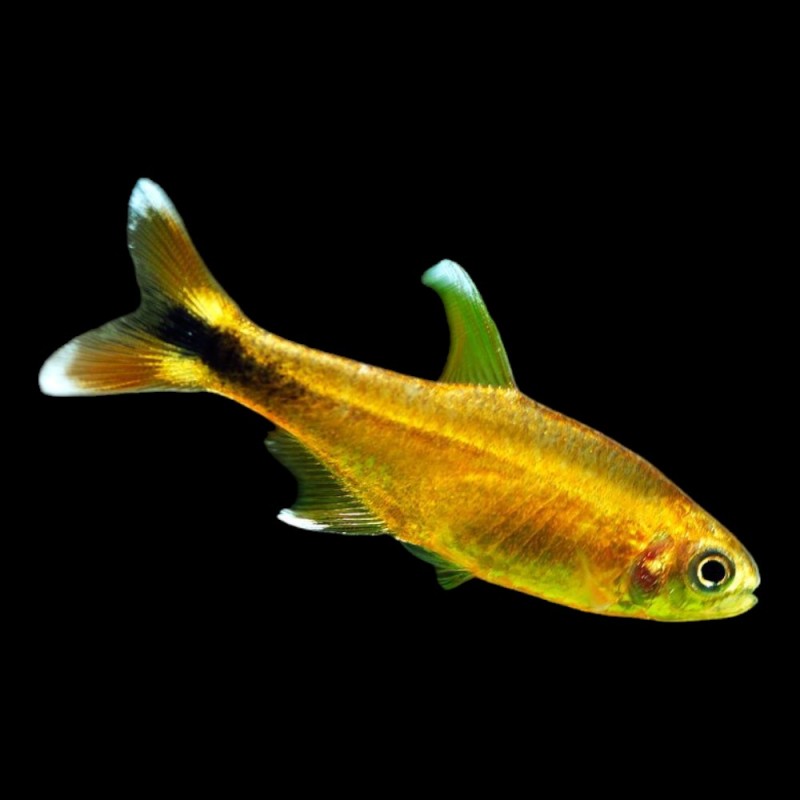
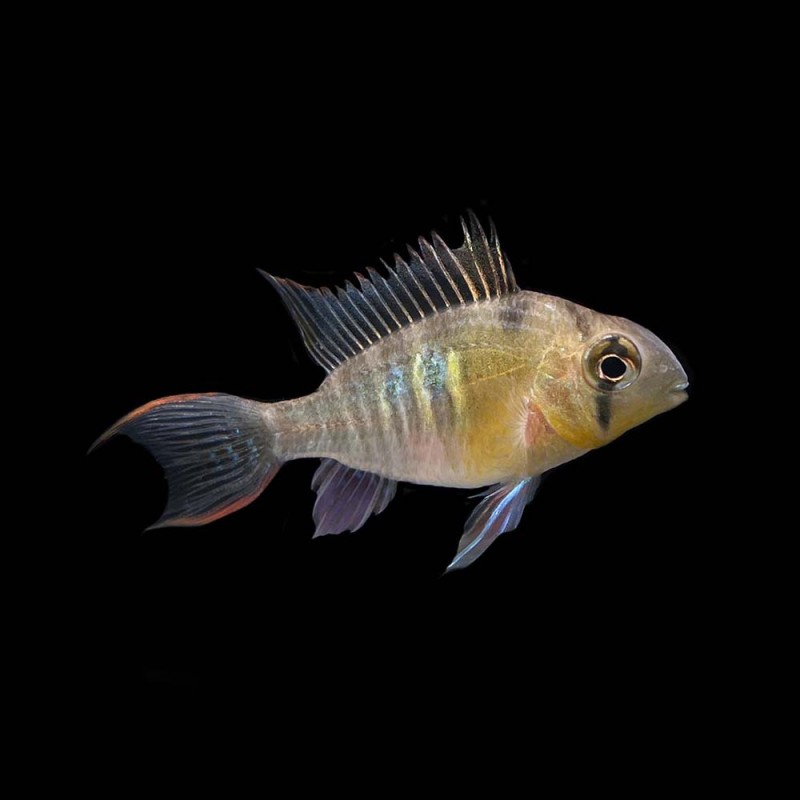
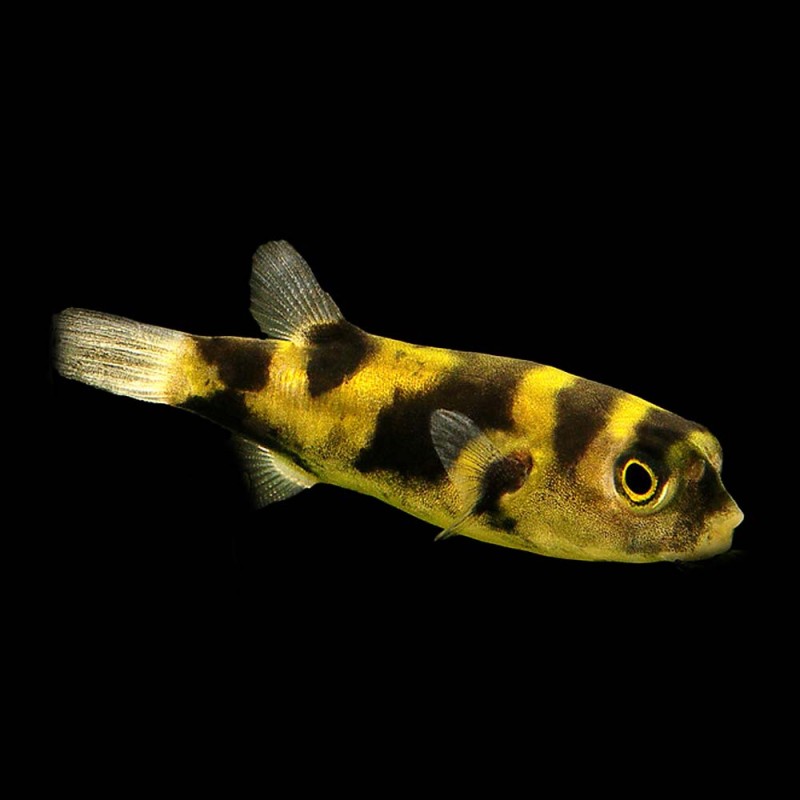
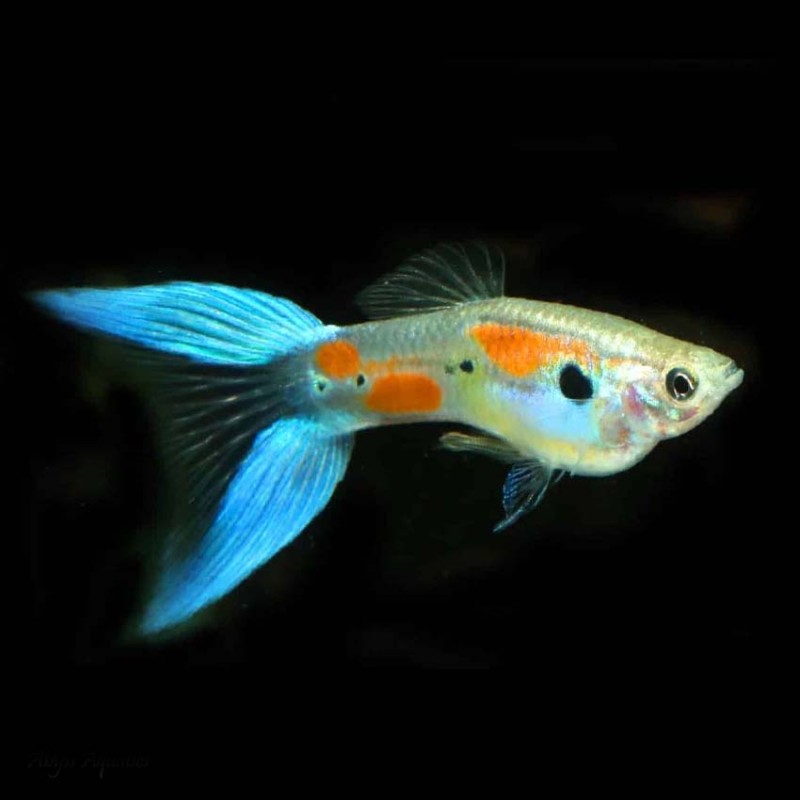
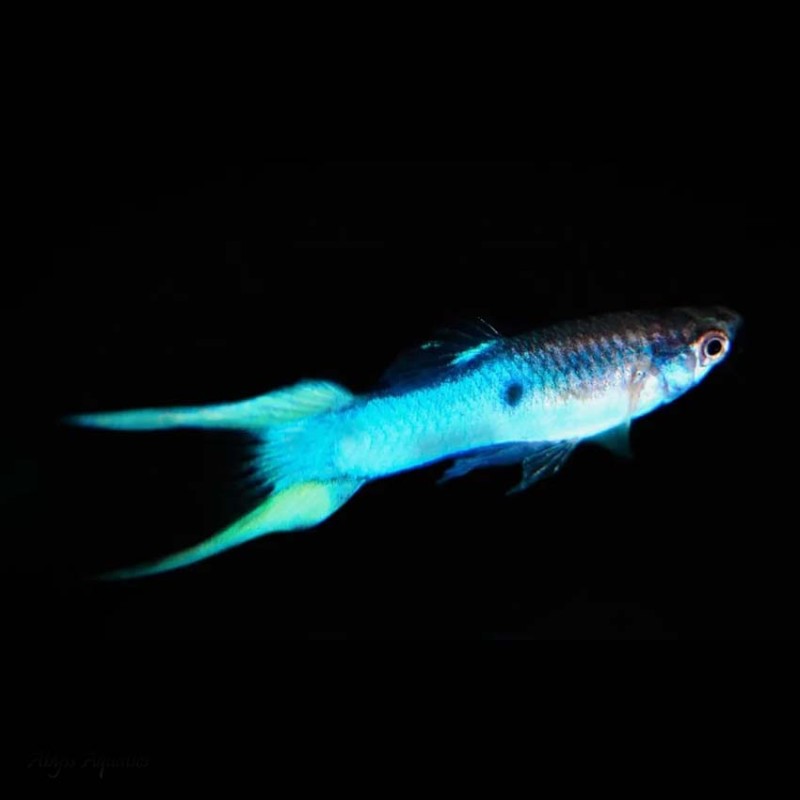
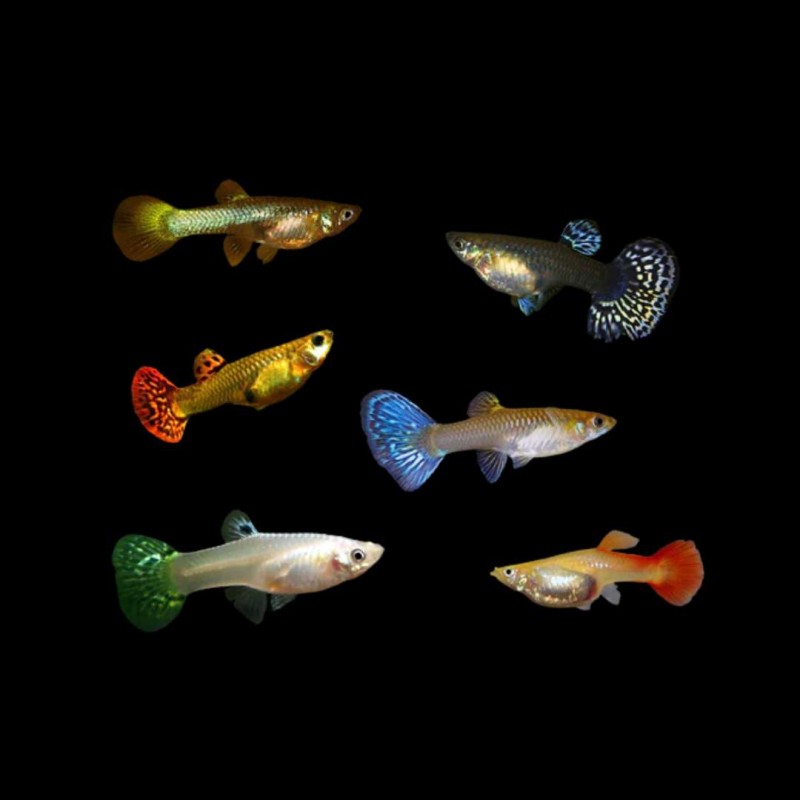
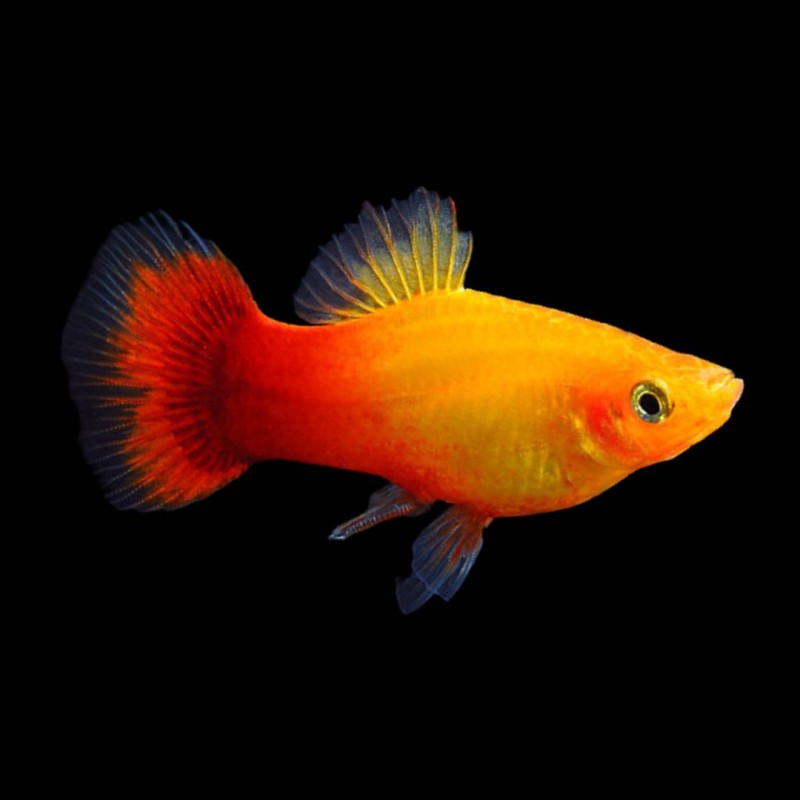
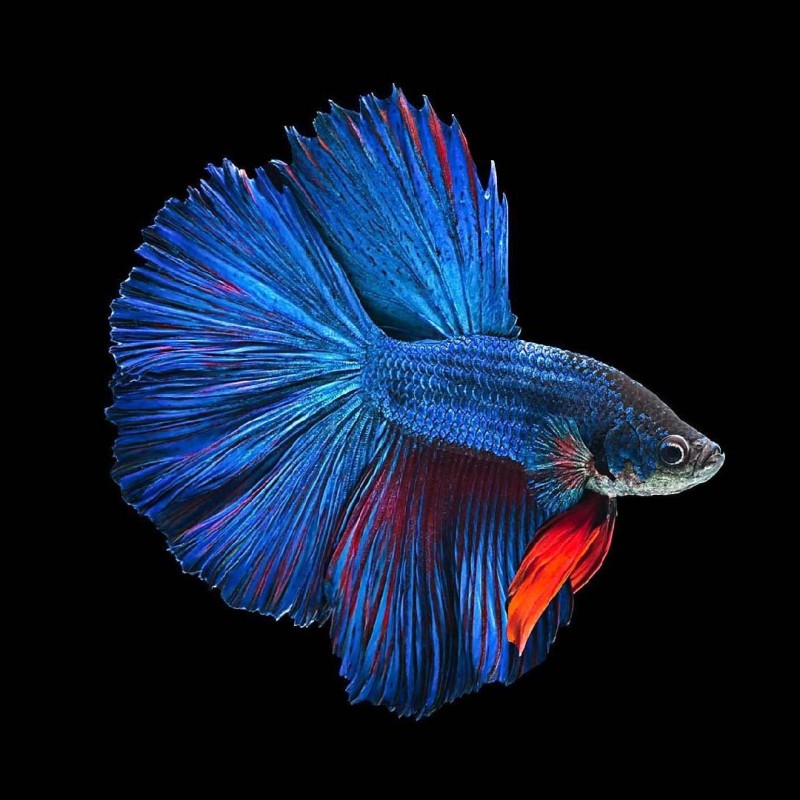
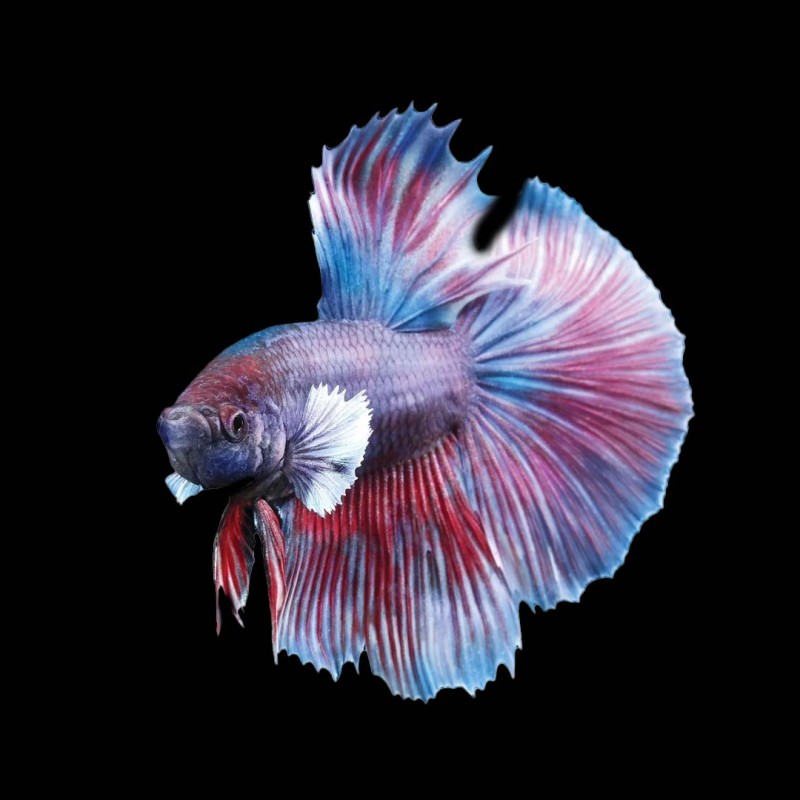
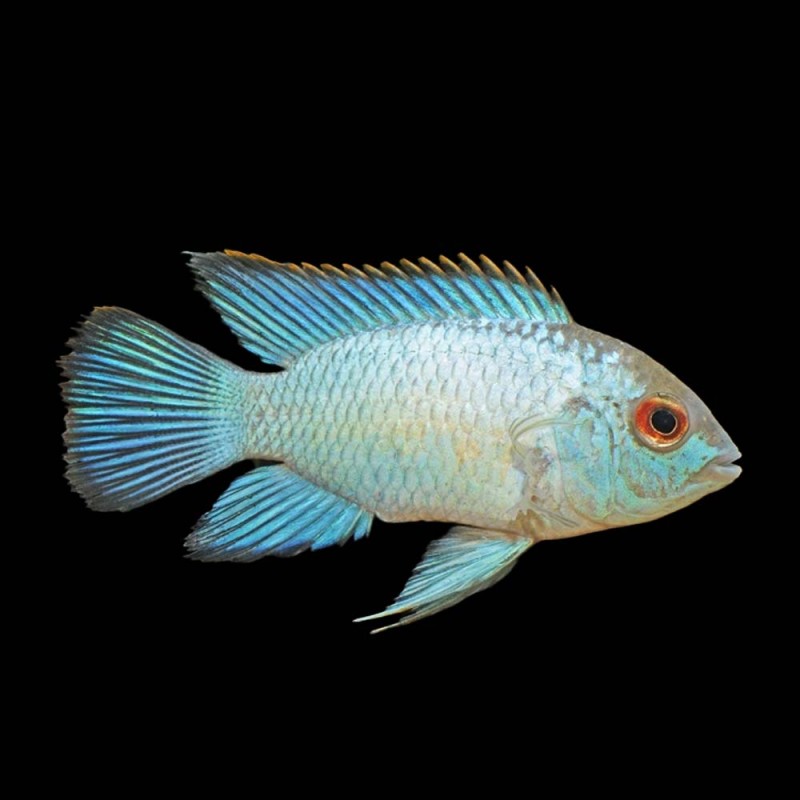
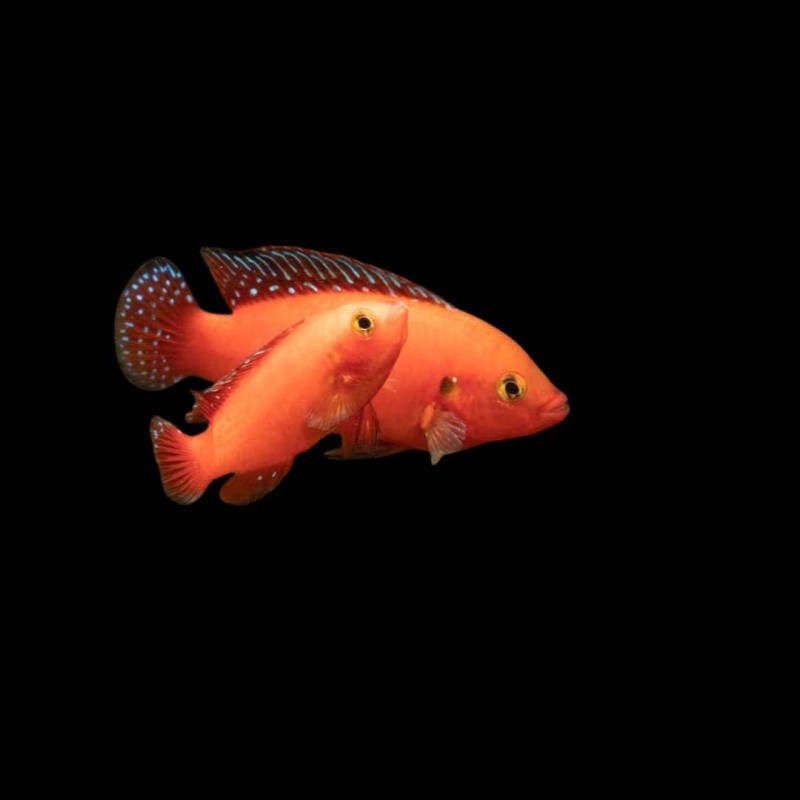
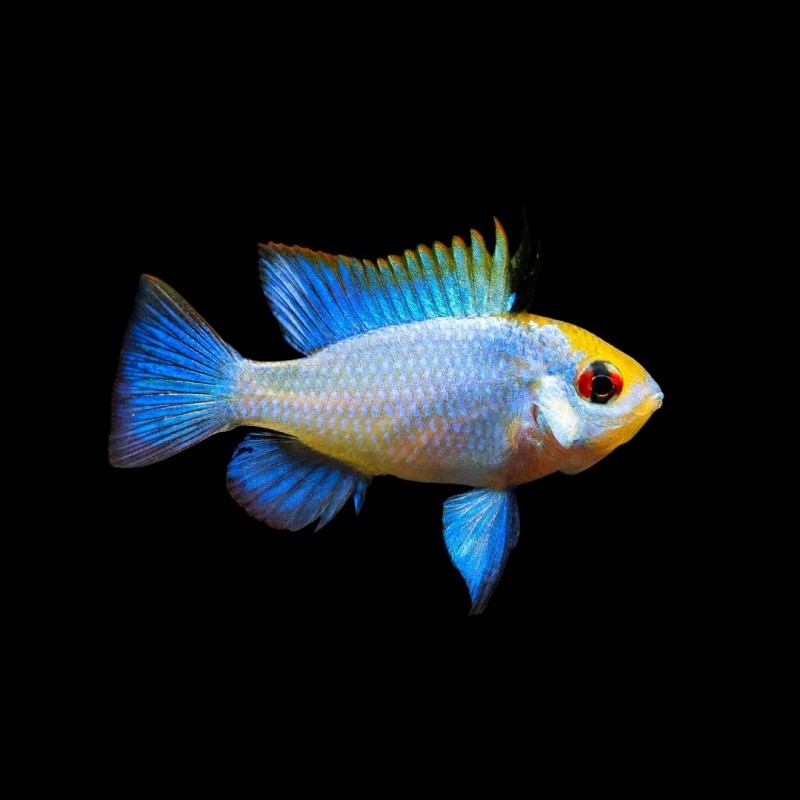
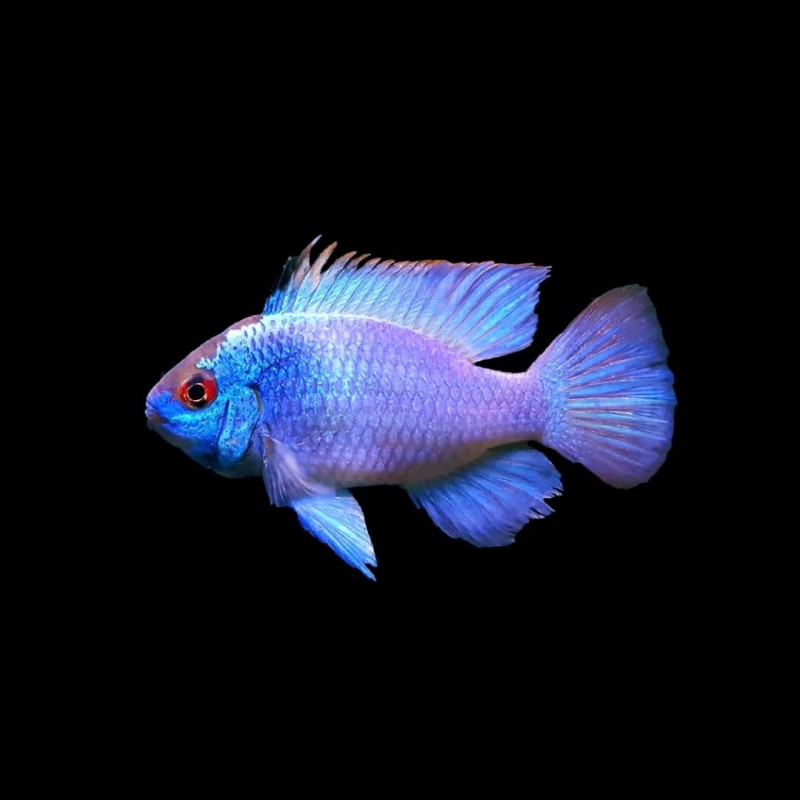
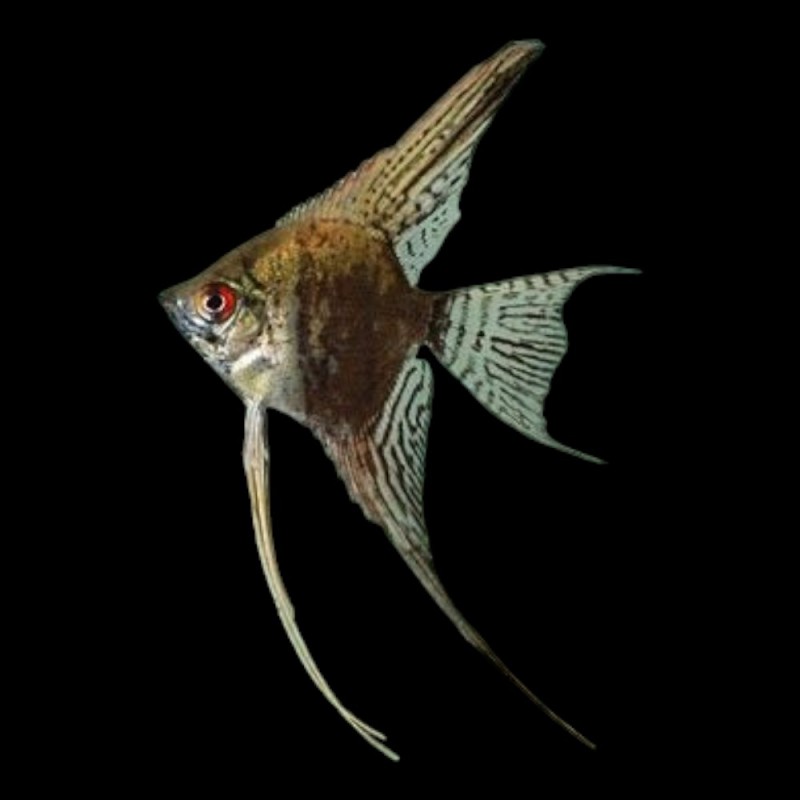
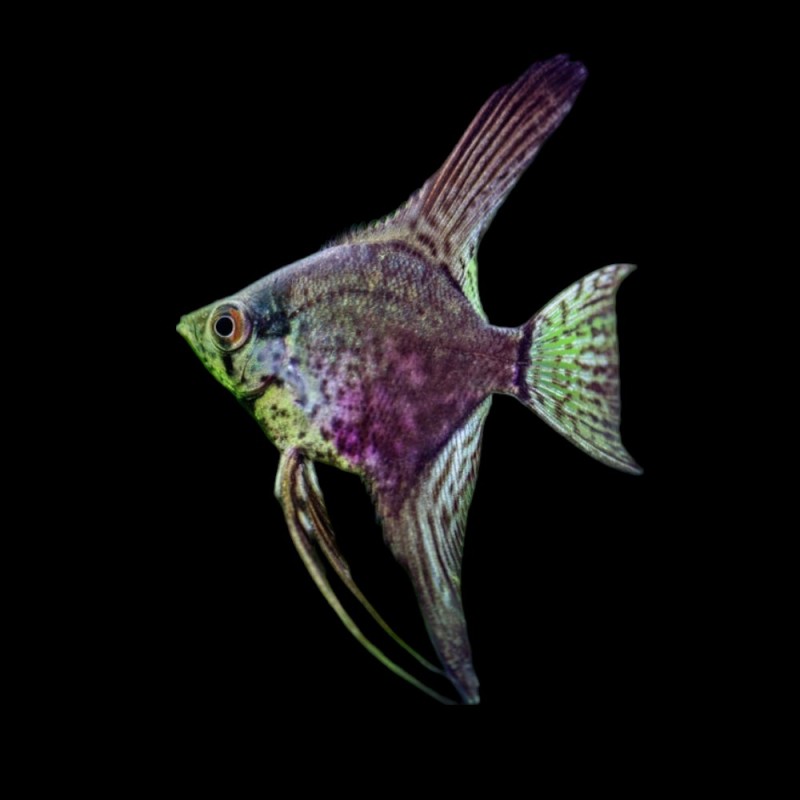
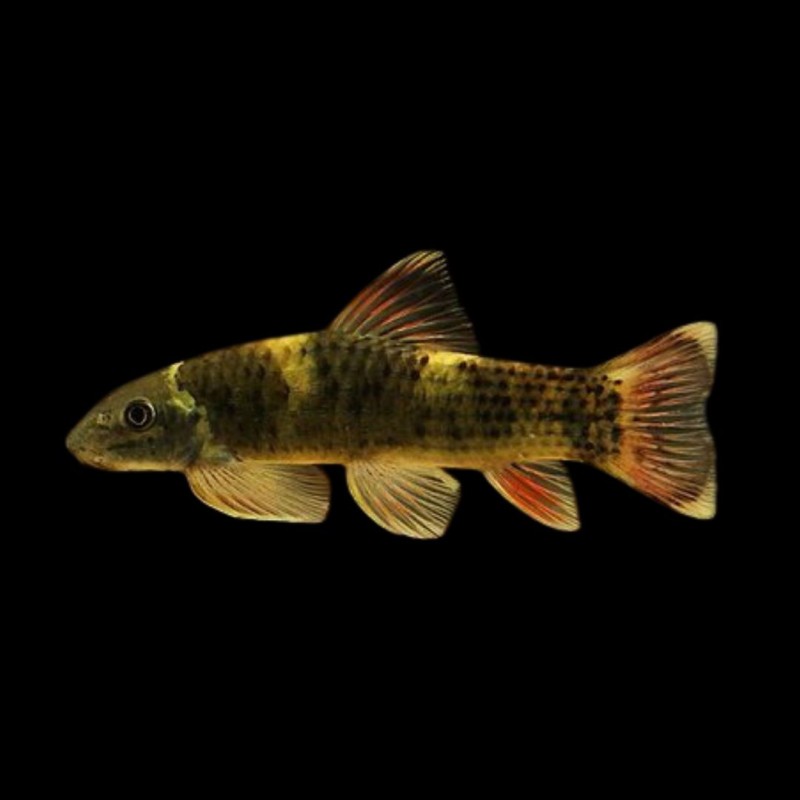
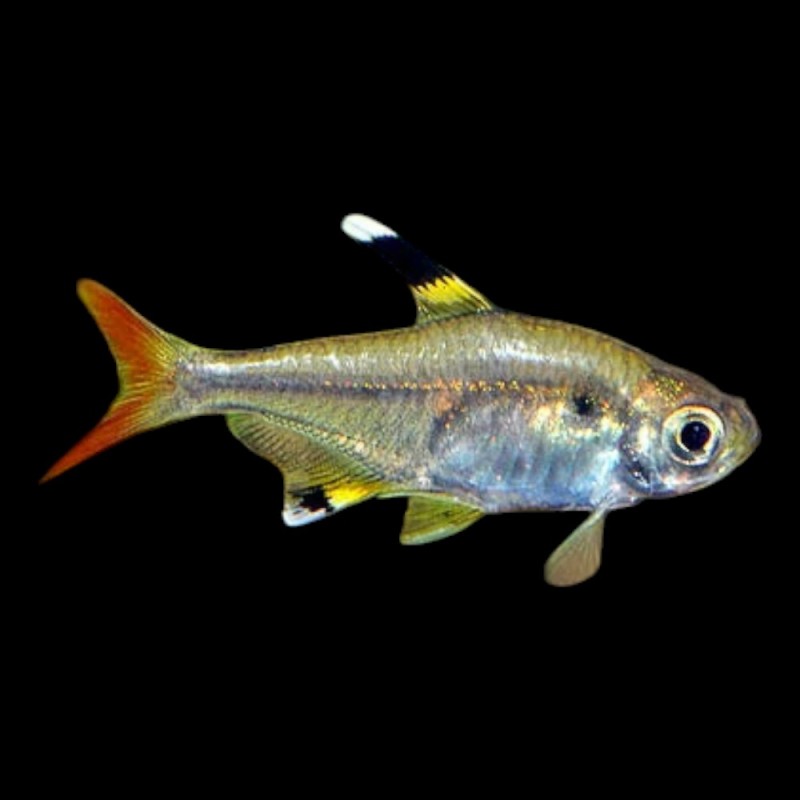
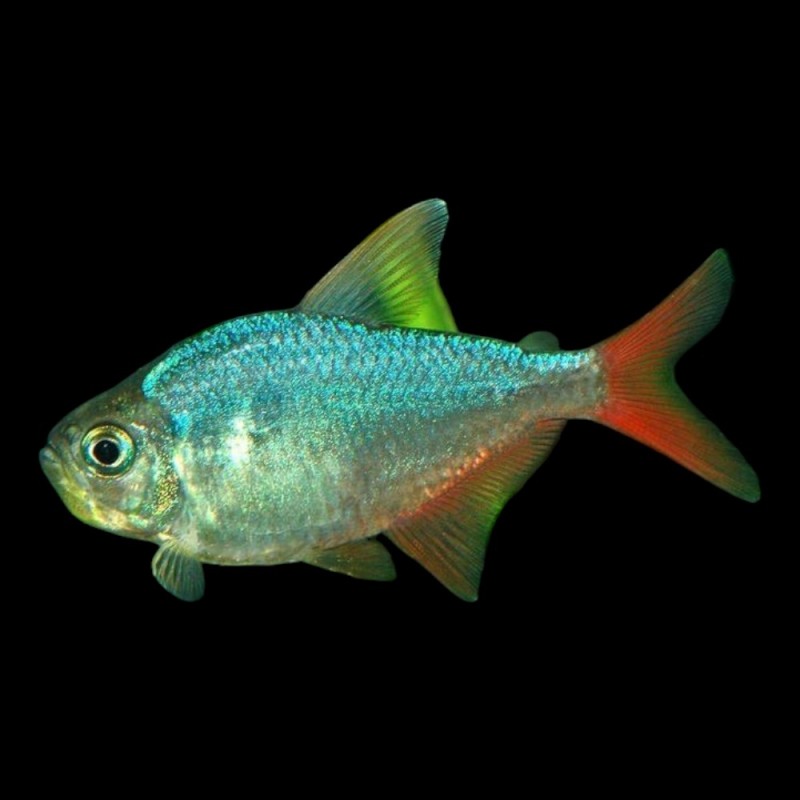
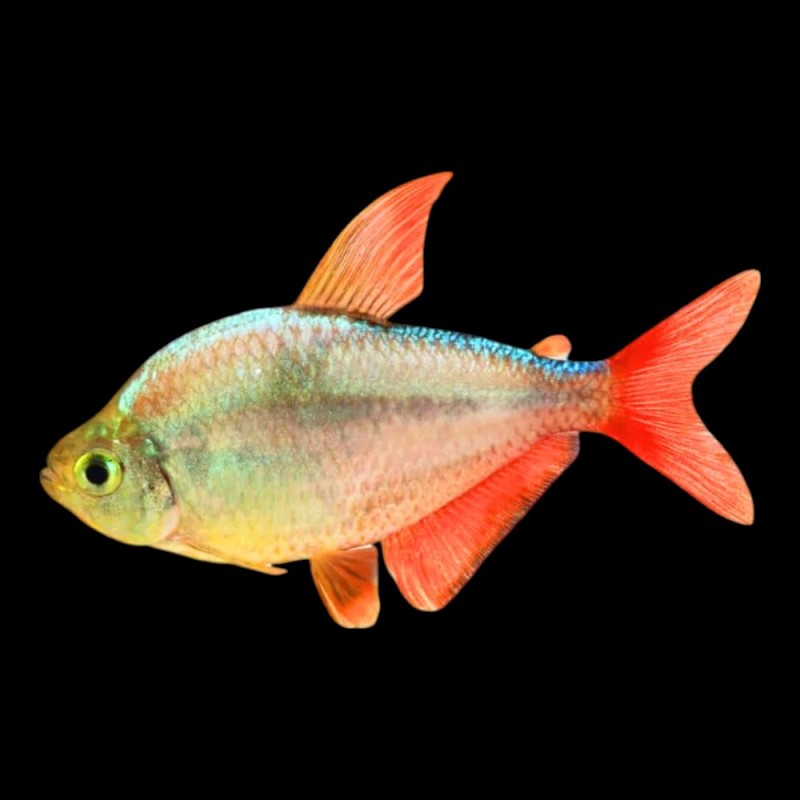
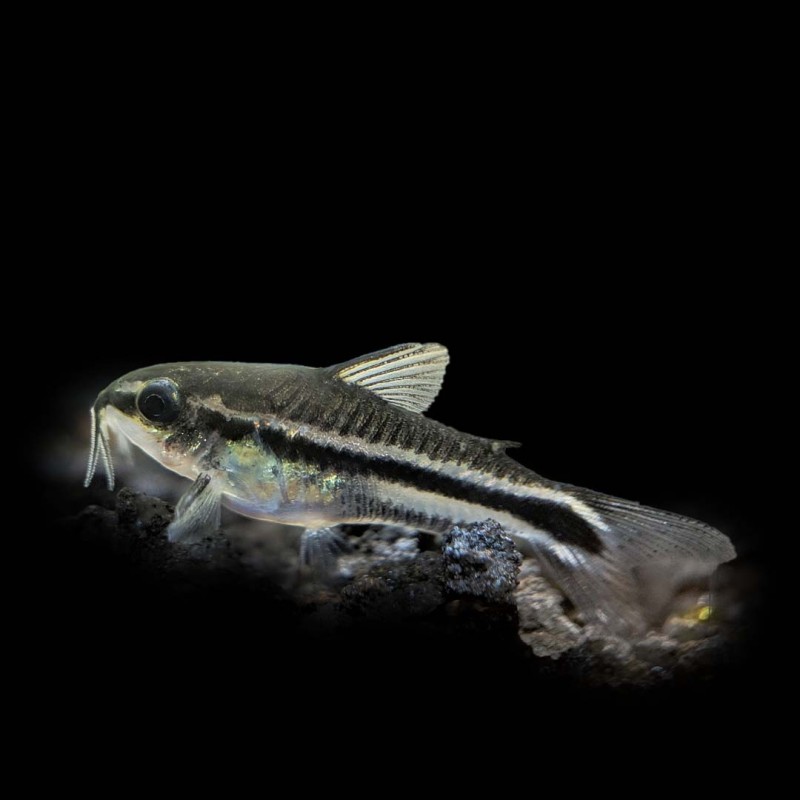
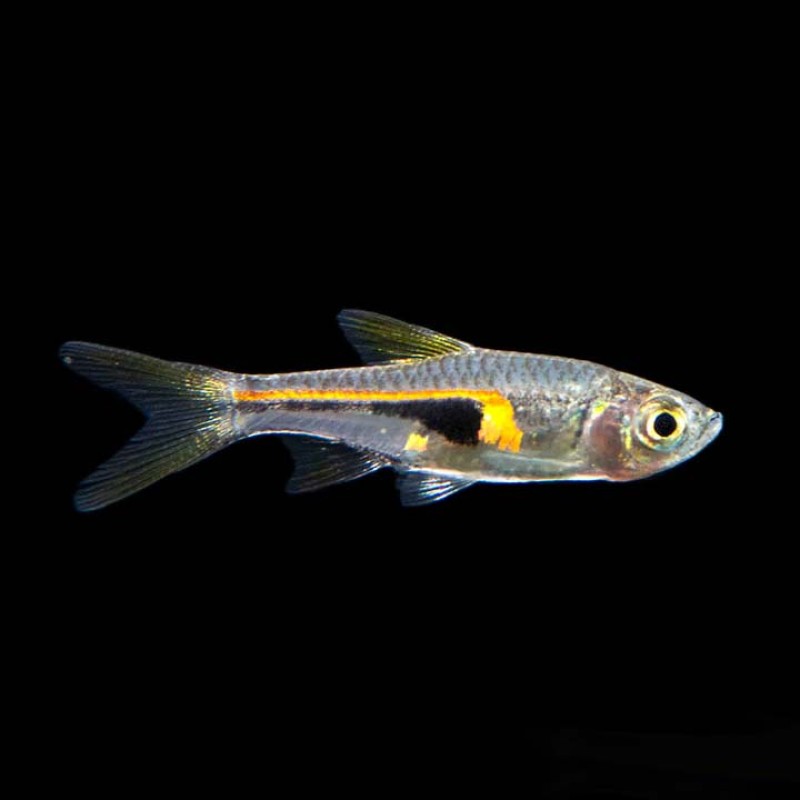
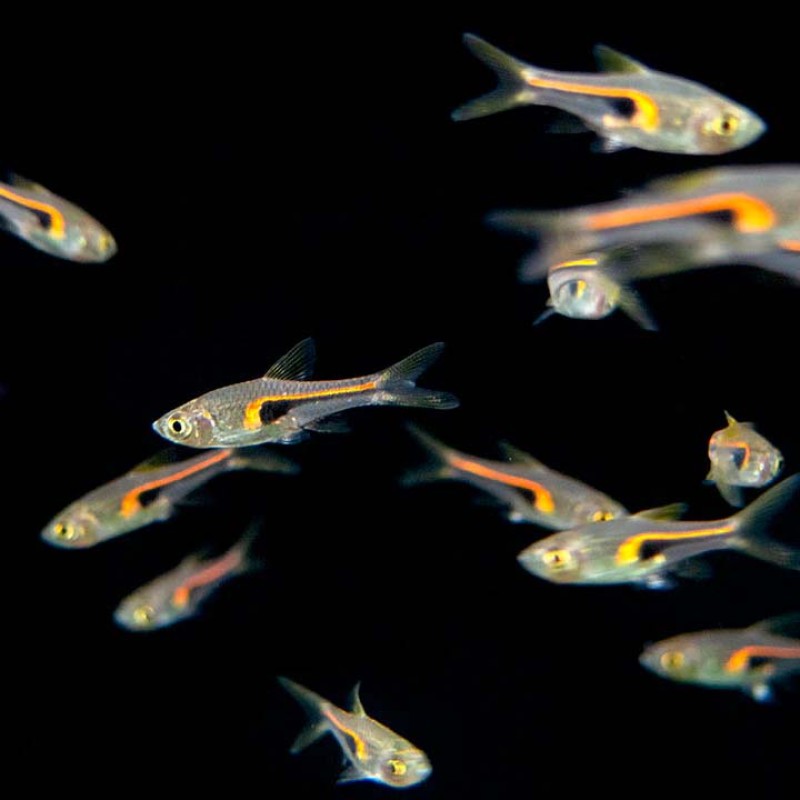
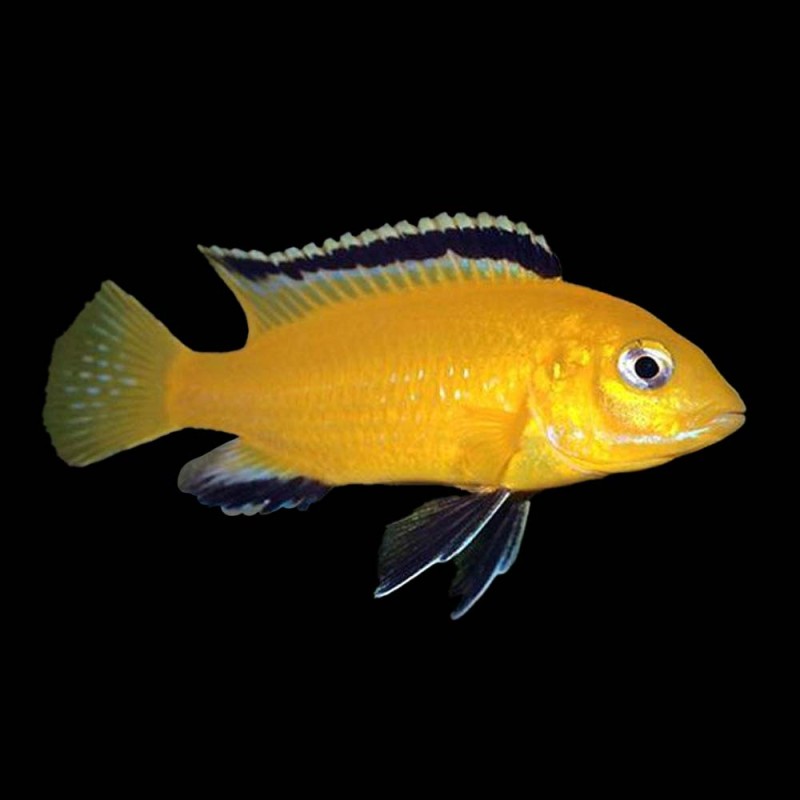
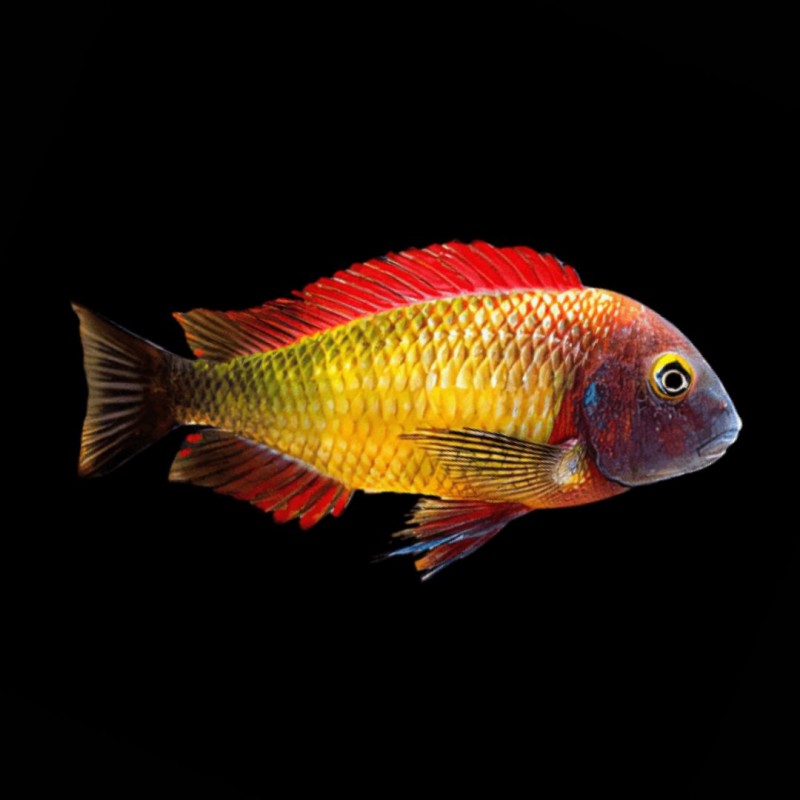
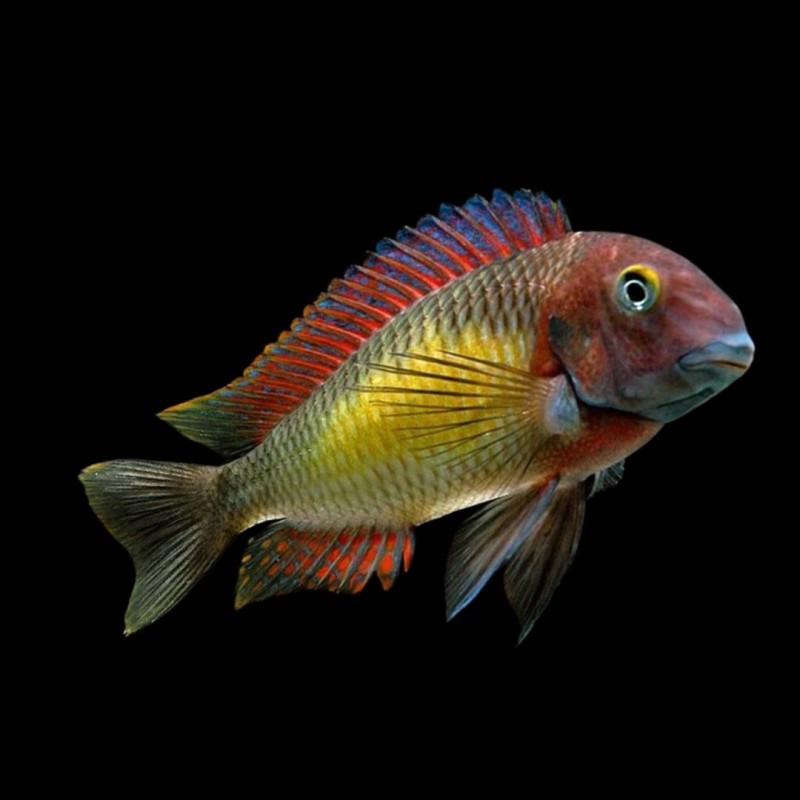
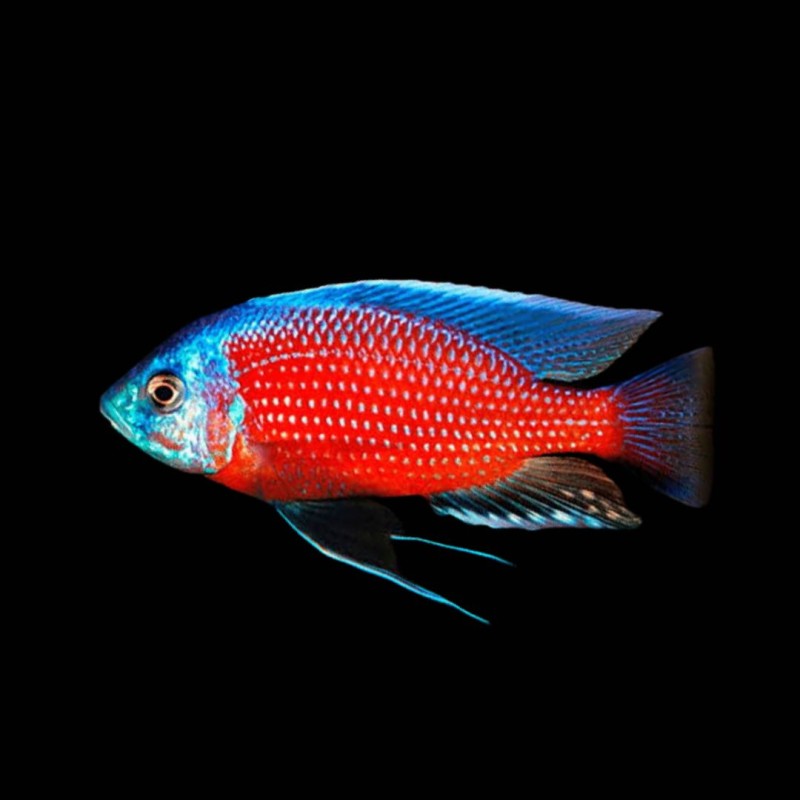
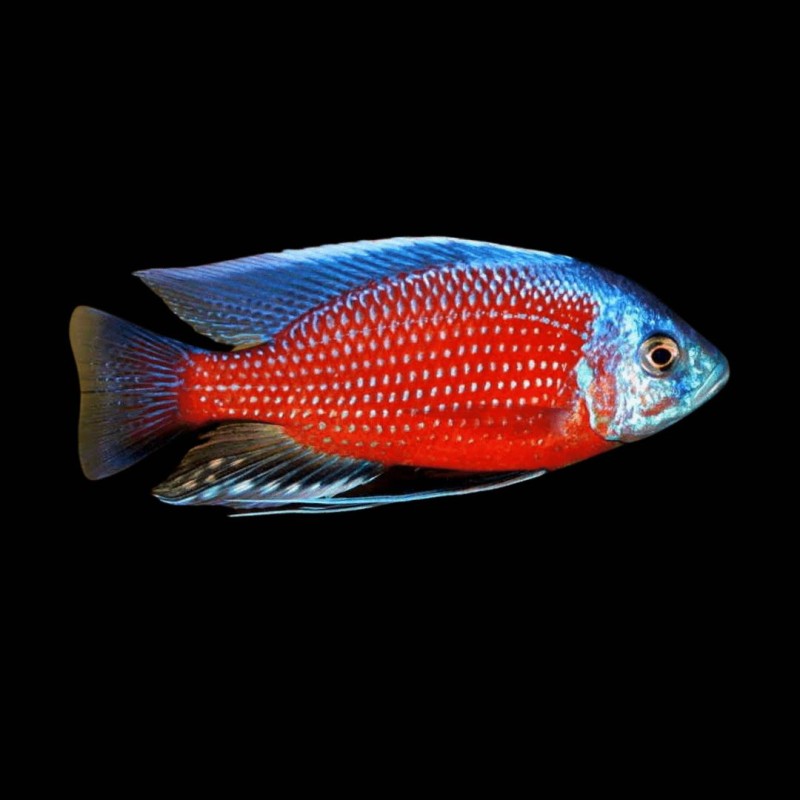
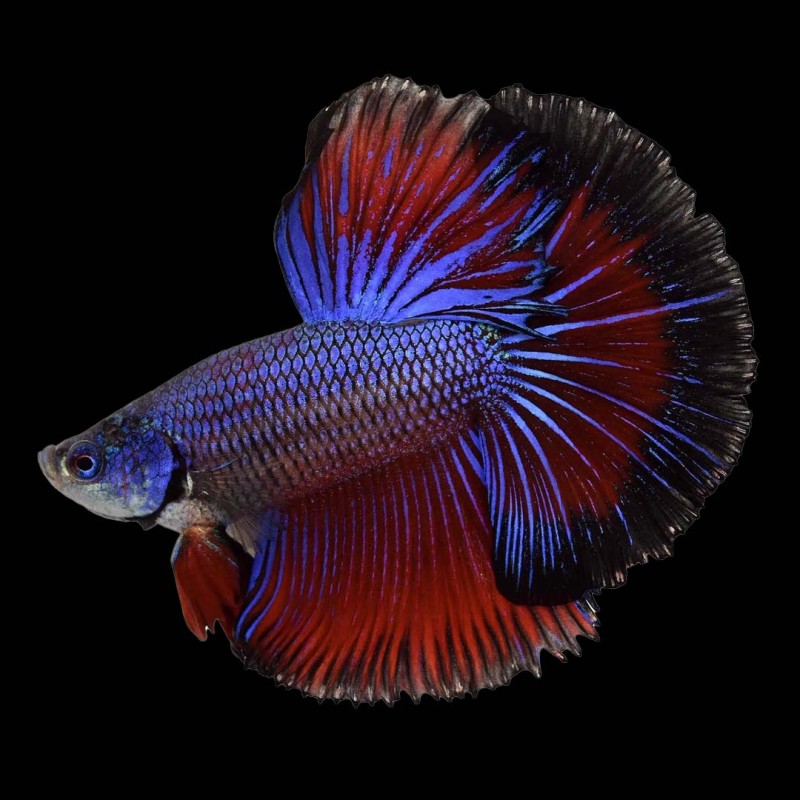
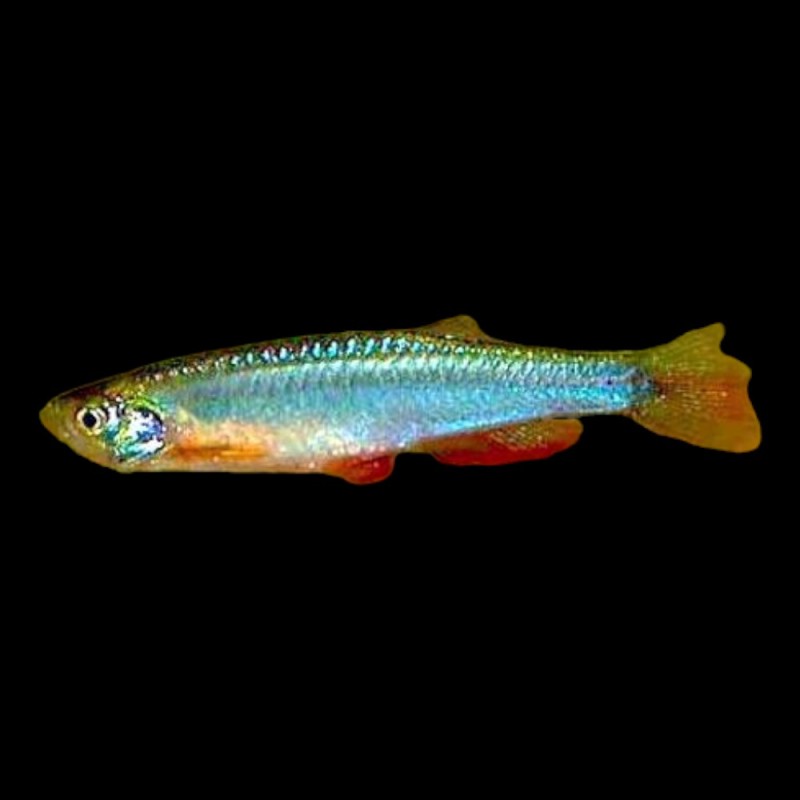
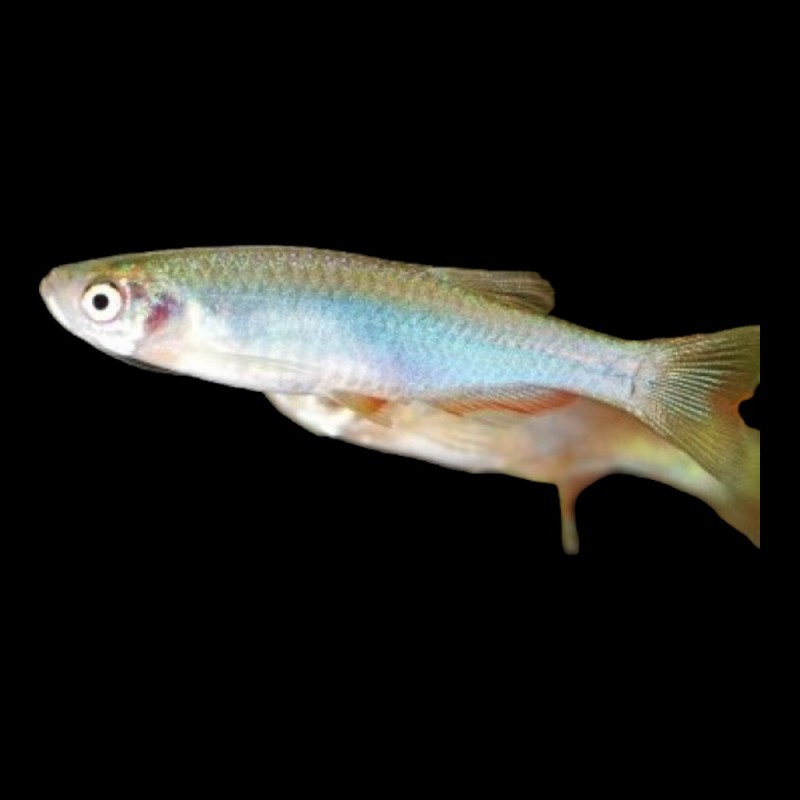
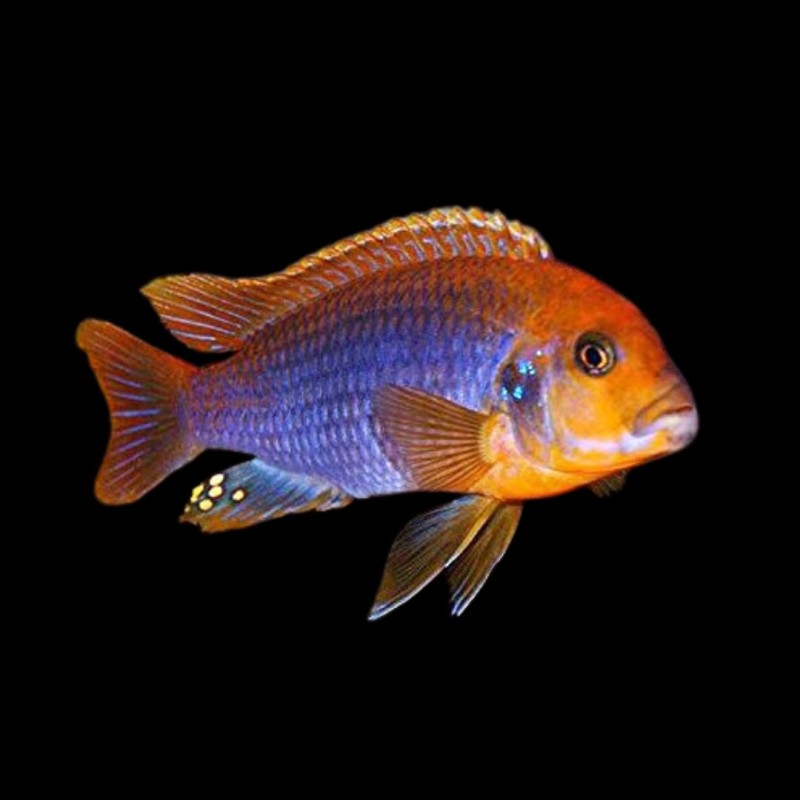
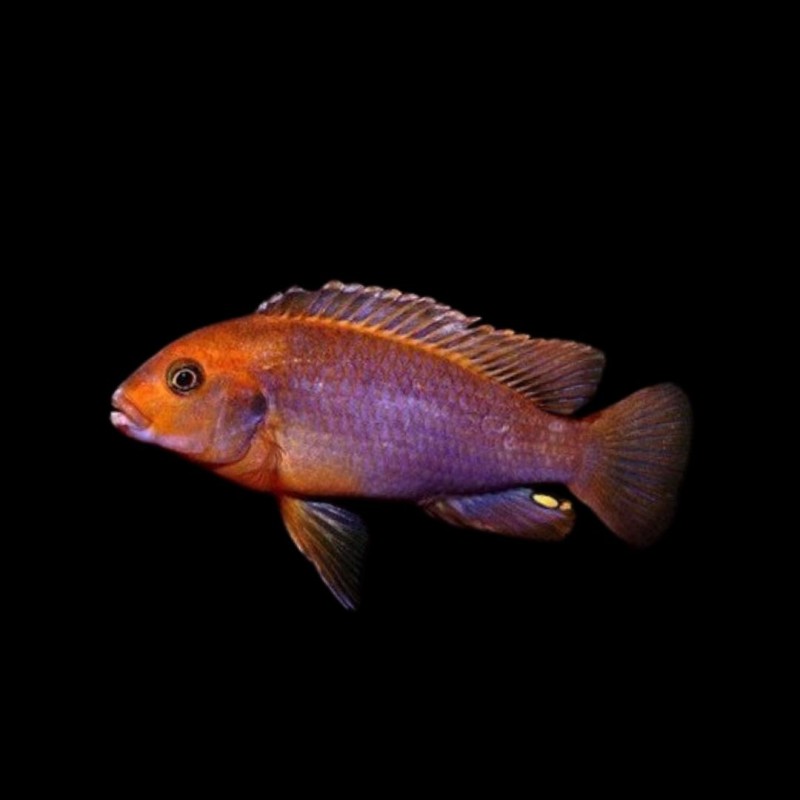
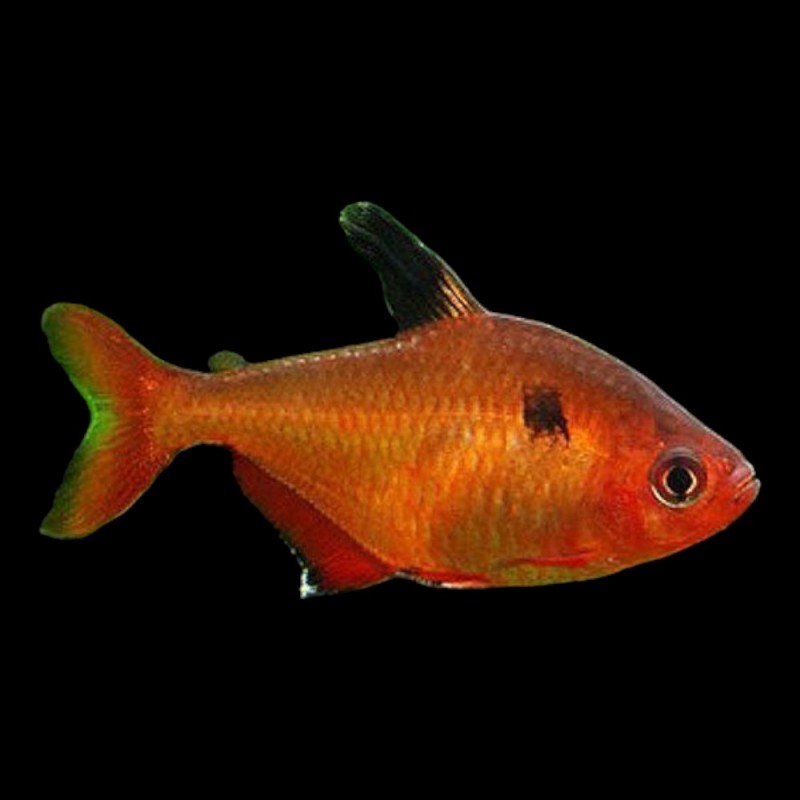
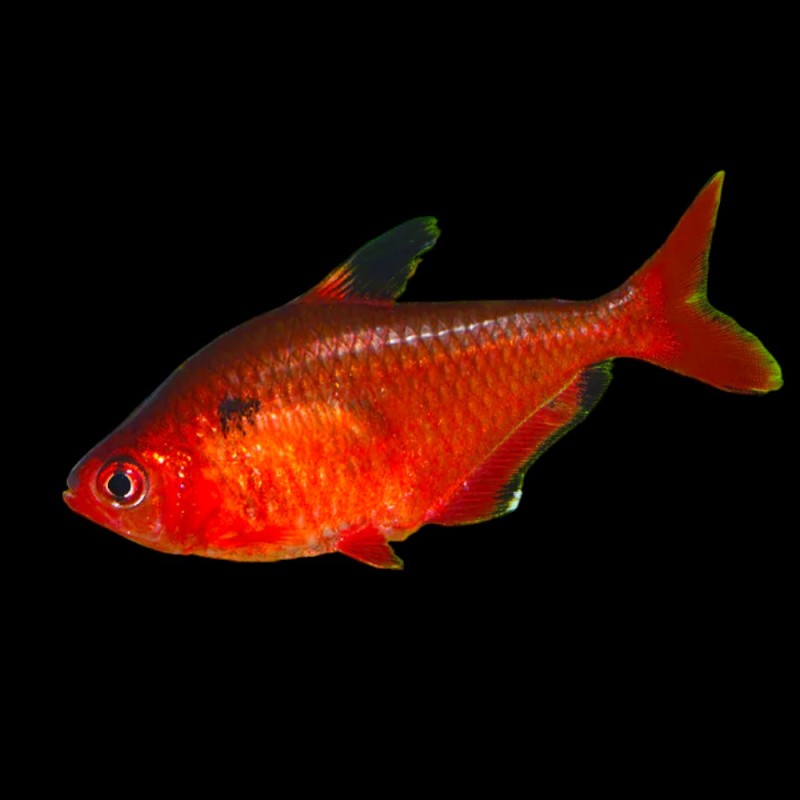
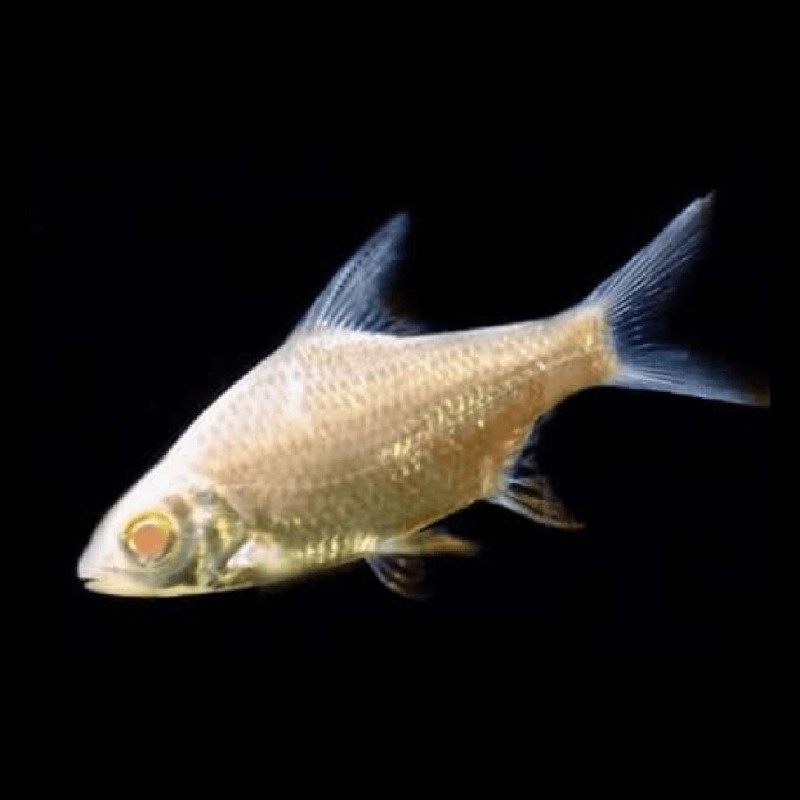
Please Note: Due to variations within species, your fish may not look identical to the image provided. Also note not all sizes or species may be available due to seasonality, Please call beforehand for up-to-date stock availability.
- Model: -
Available Options
Arrive Alive
If your fish, coral, plant, or invertebrate doesn't arrive alive and stay alive for 2 days, we'll credit your account or refund your money.
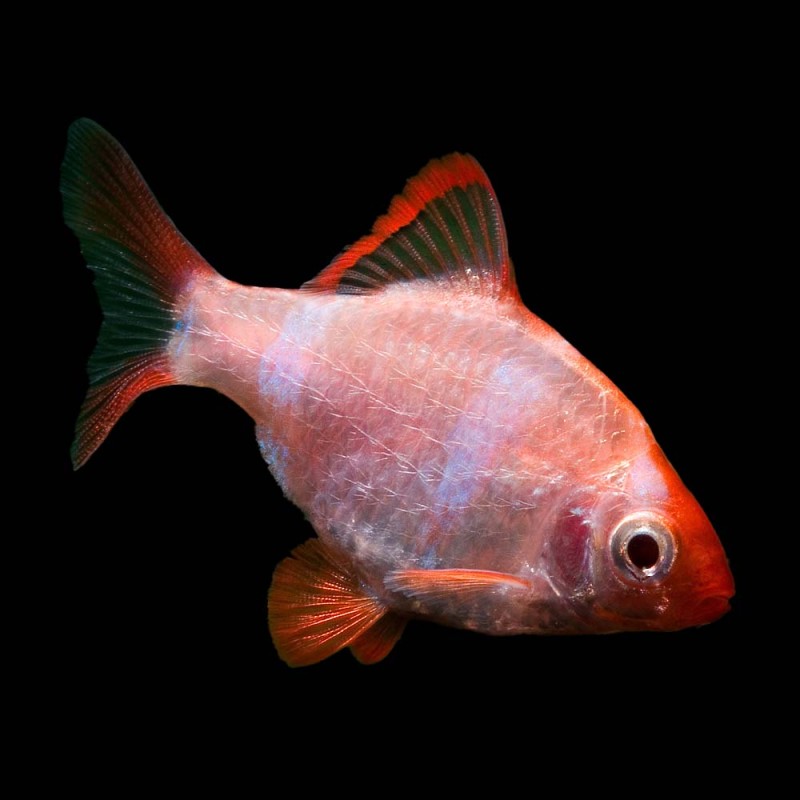
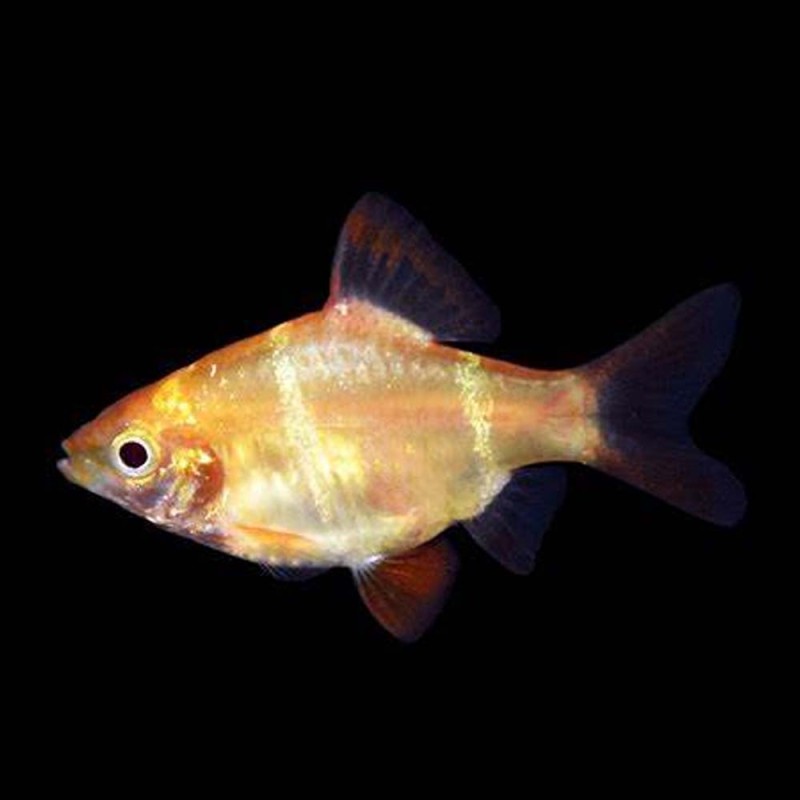
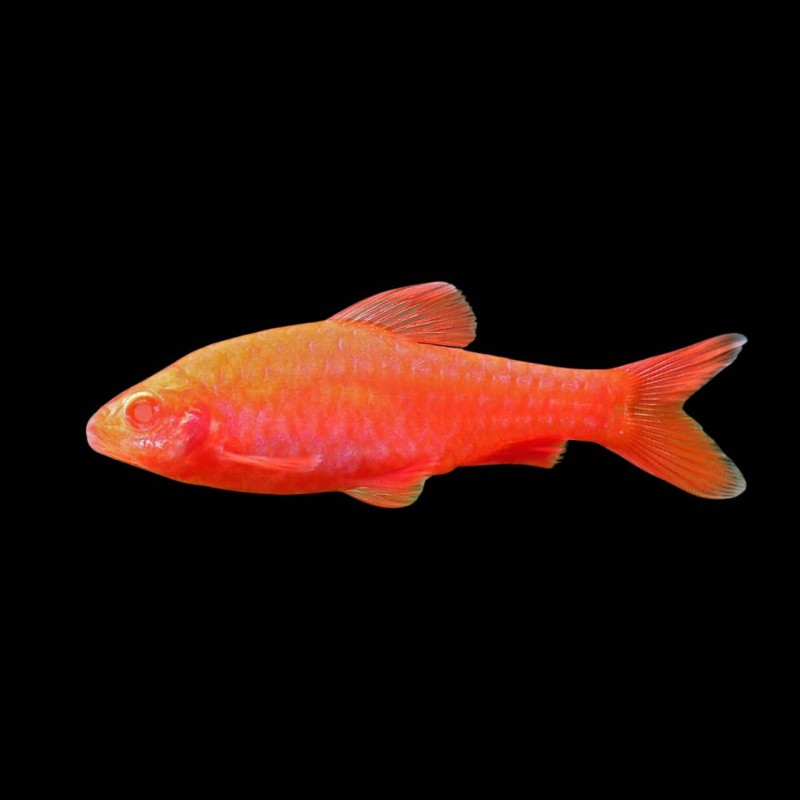
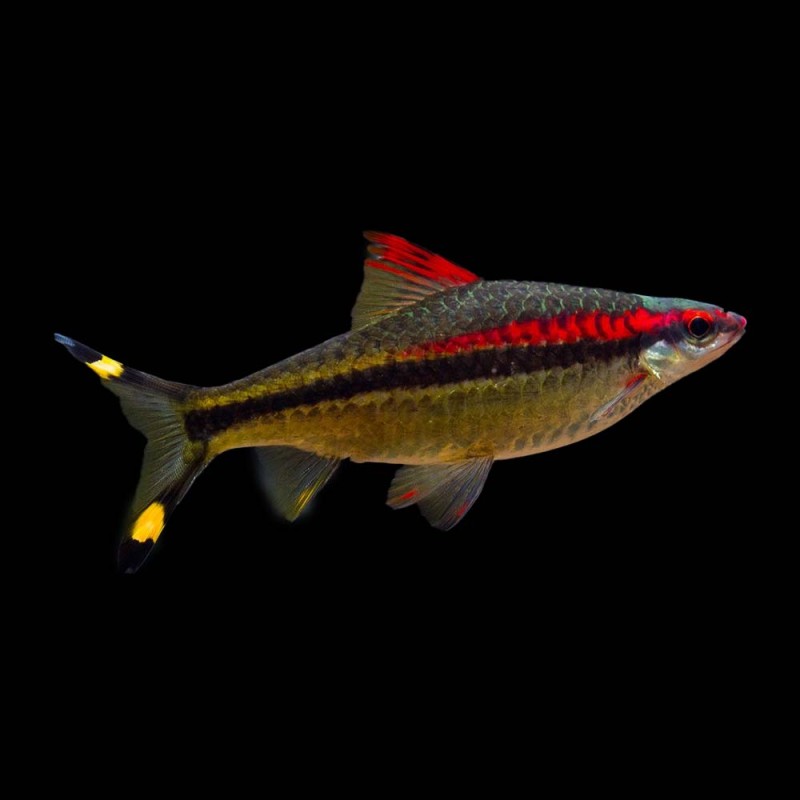
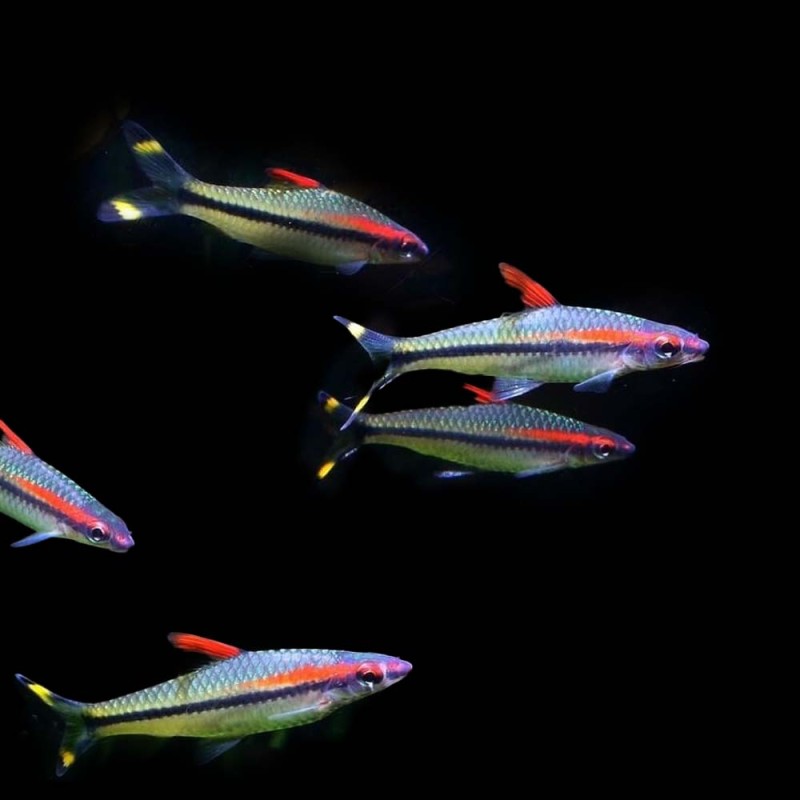
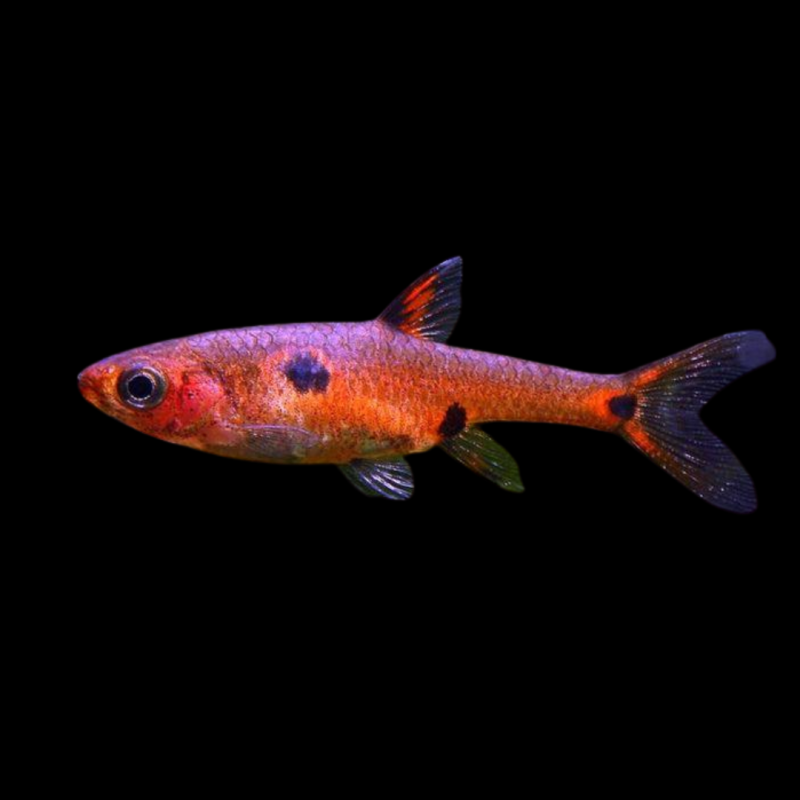
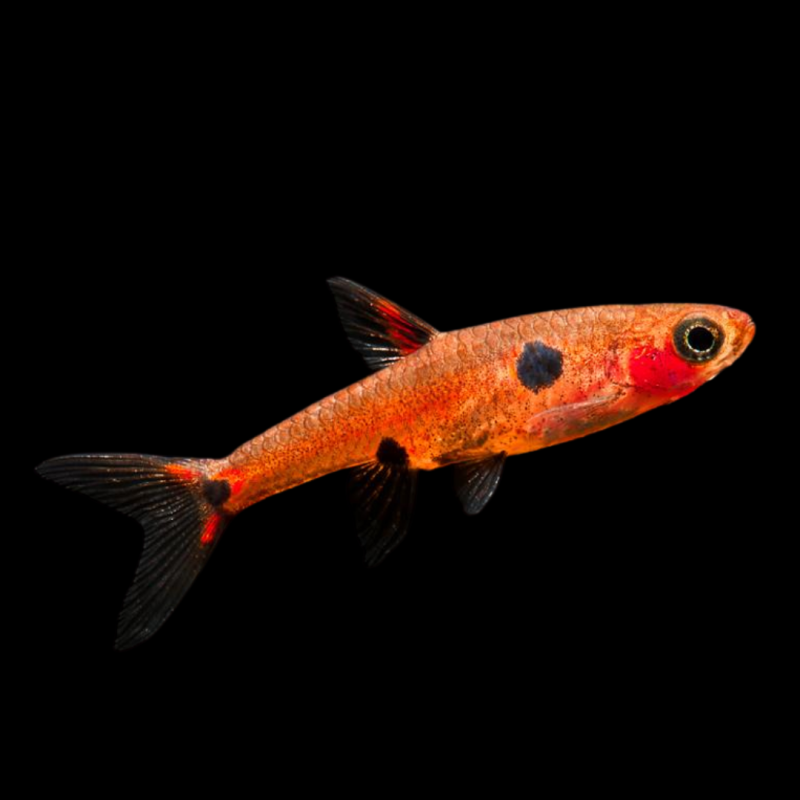
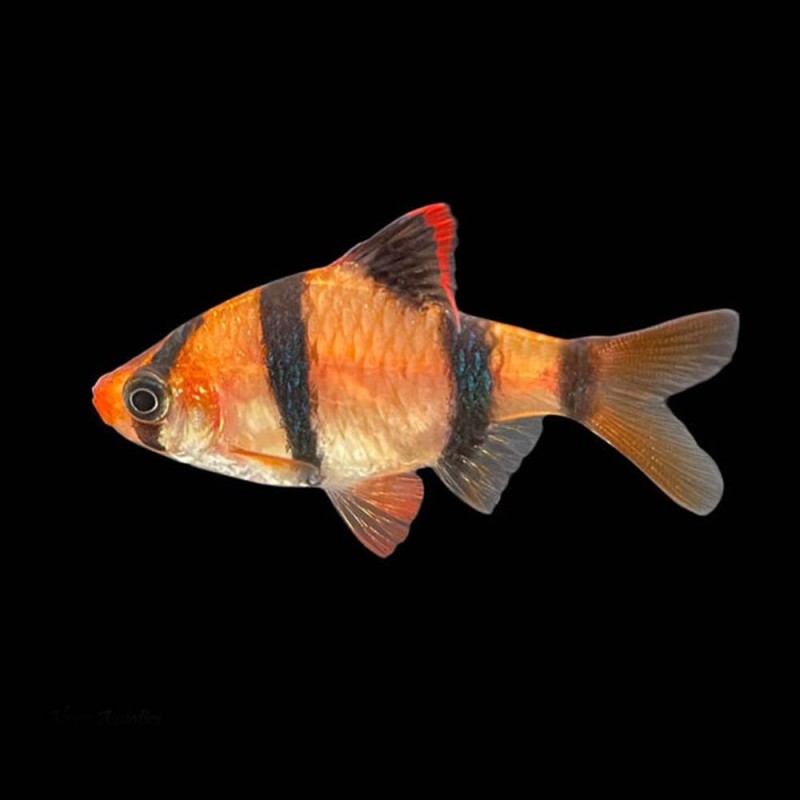
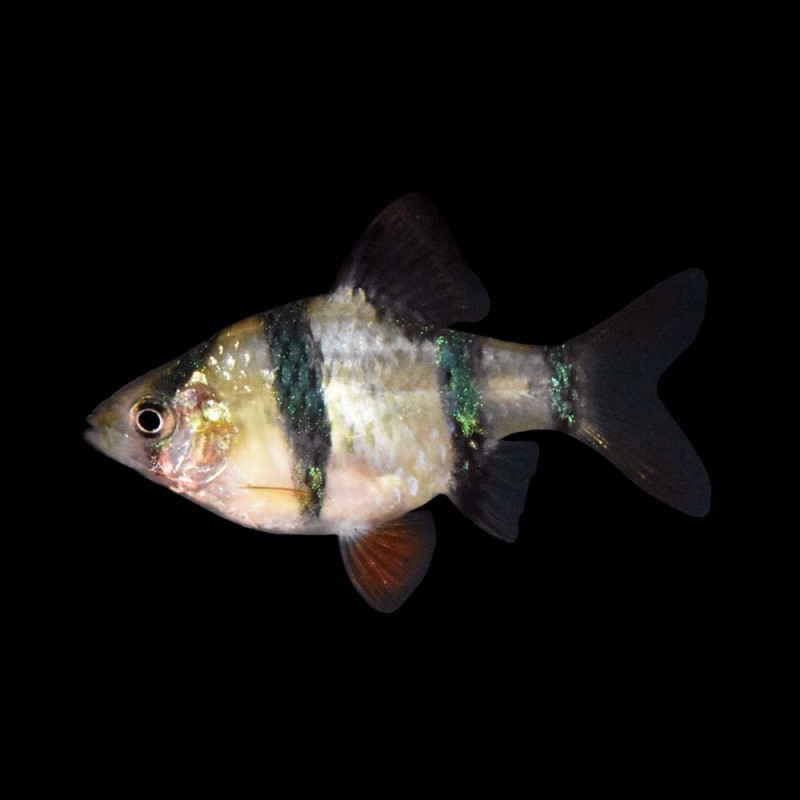
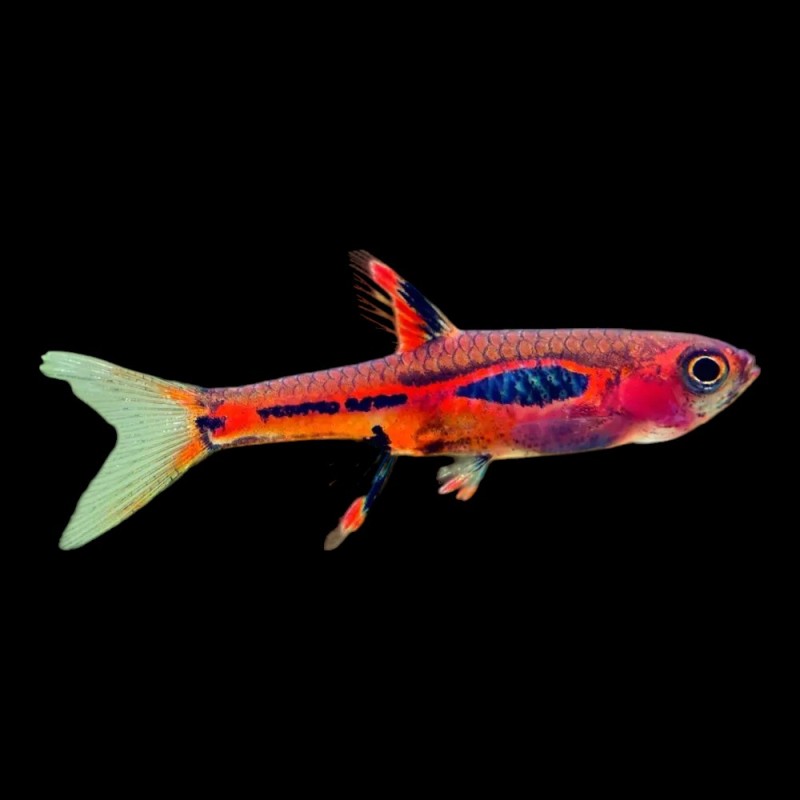
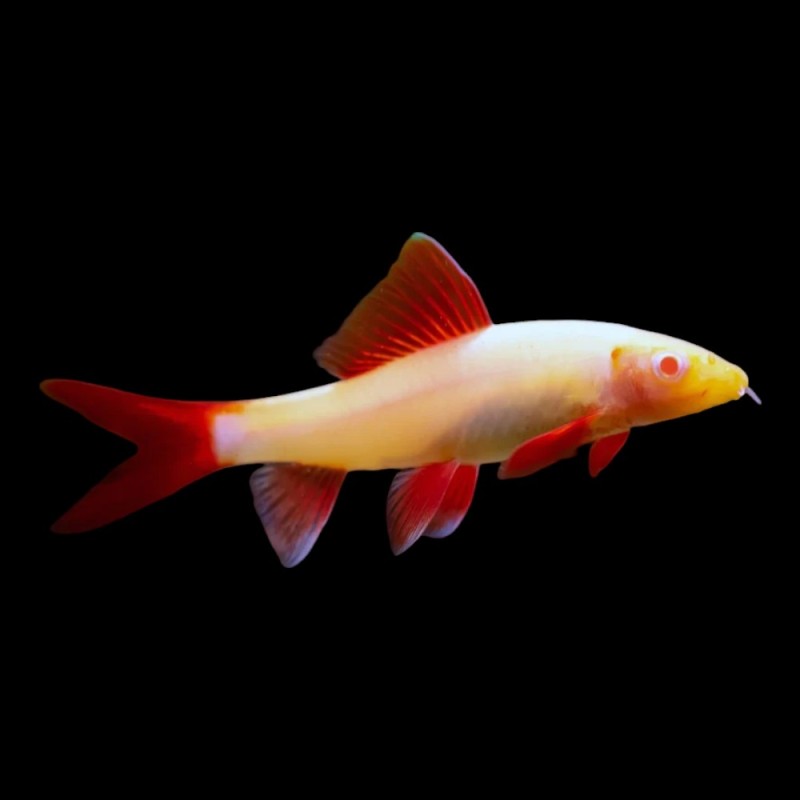
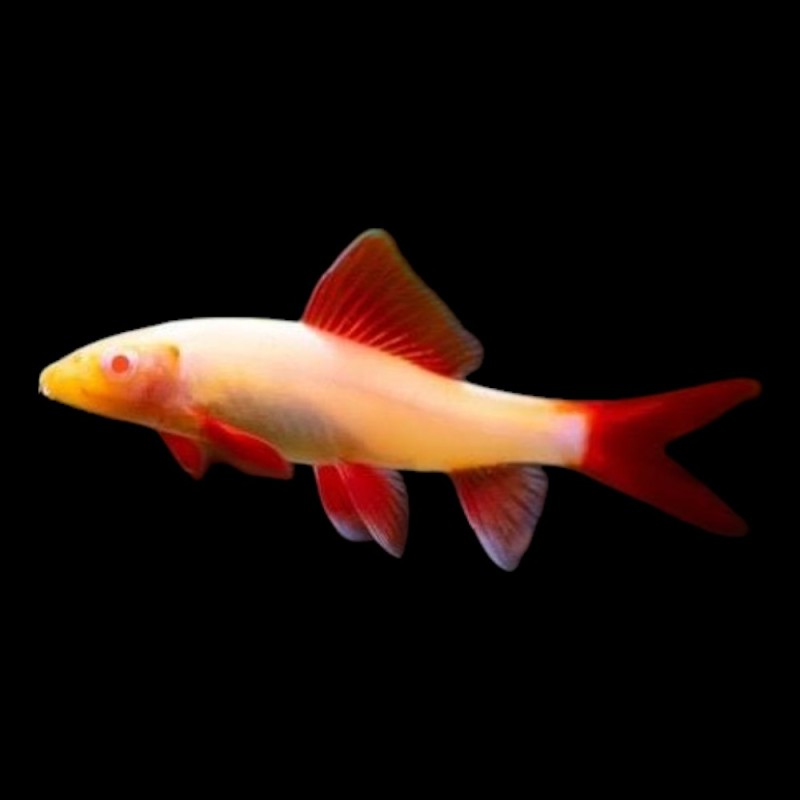
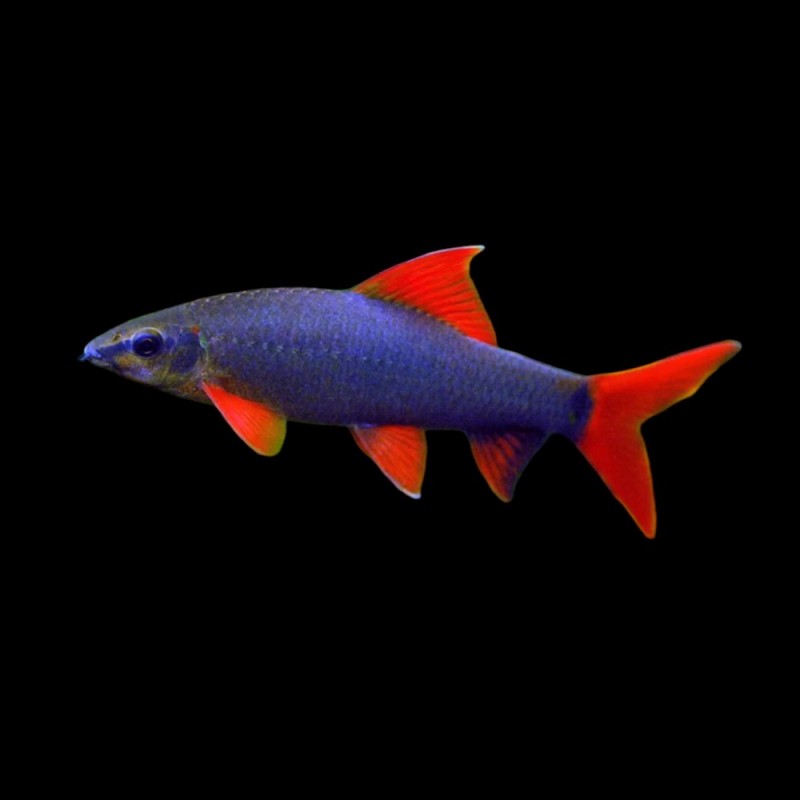
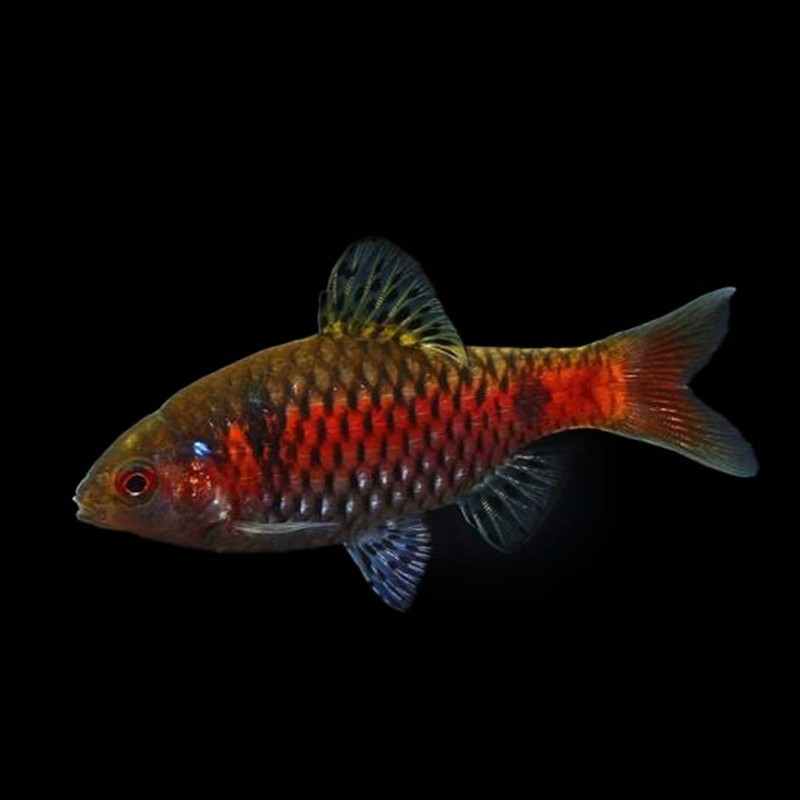
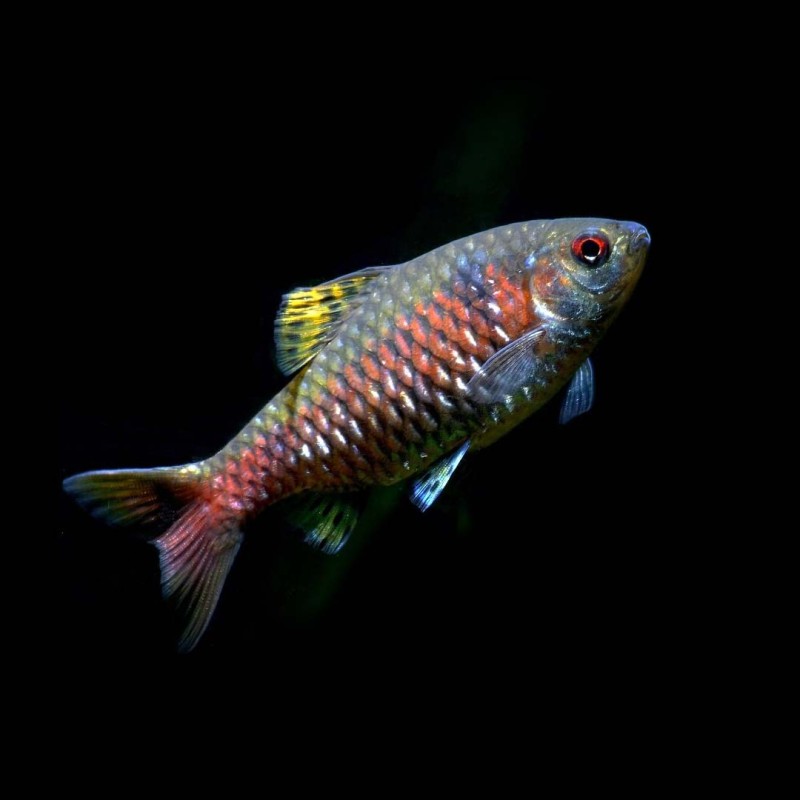
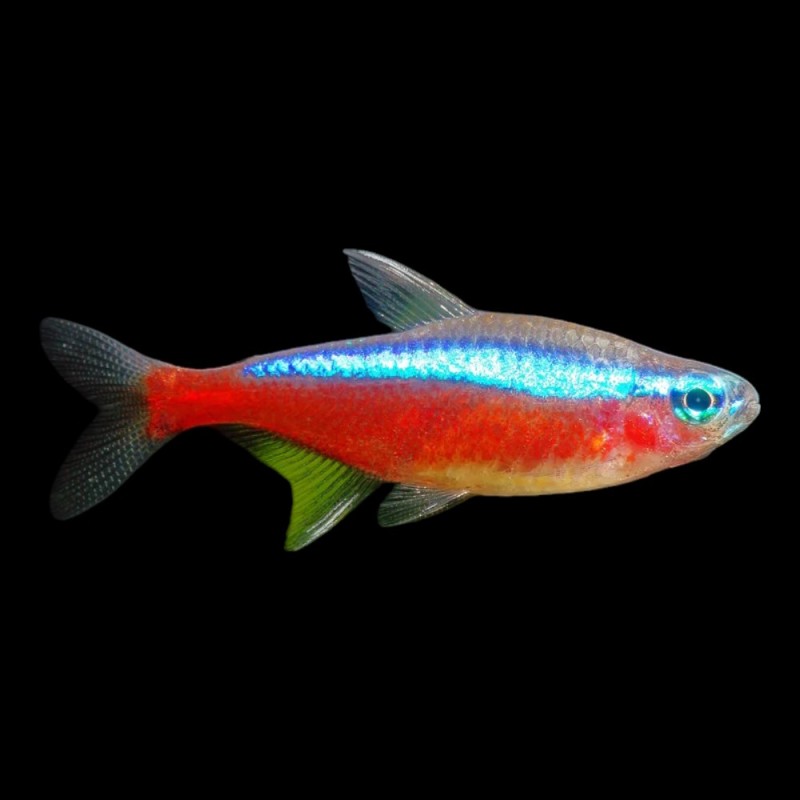
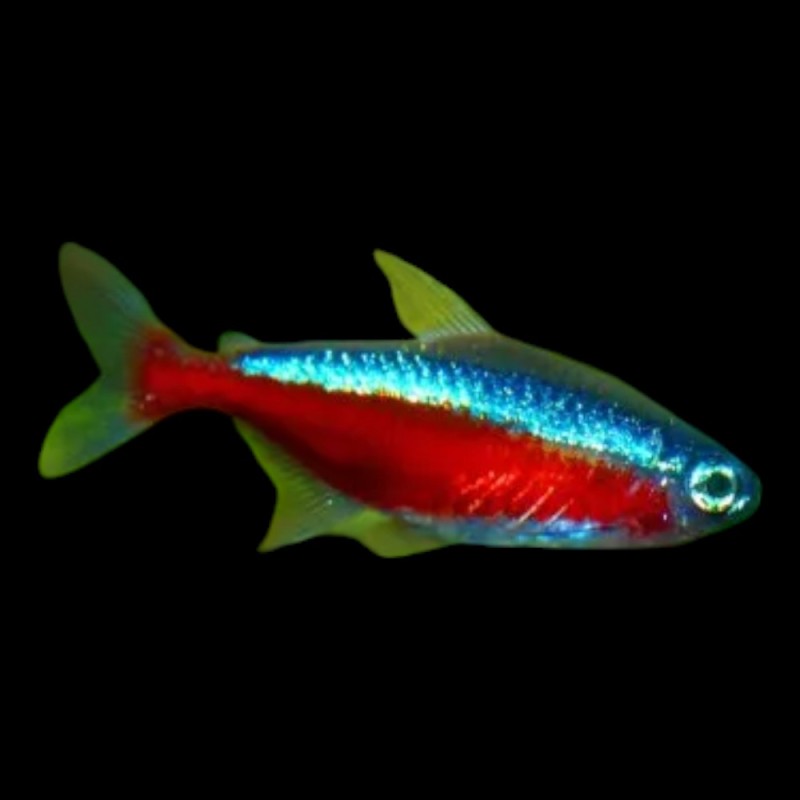
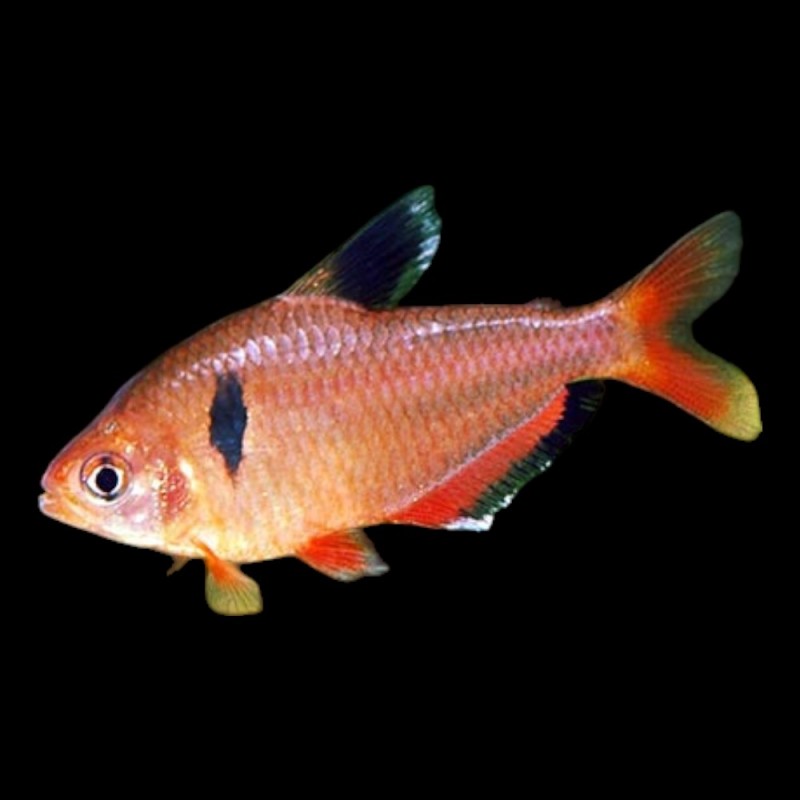
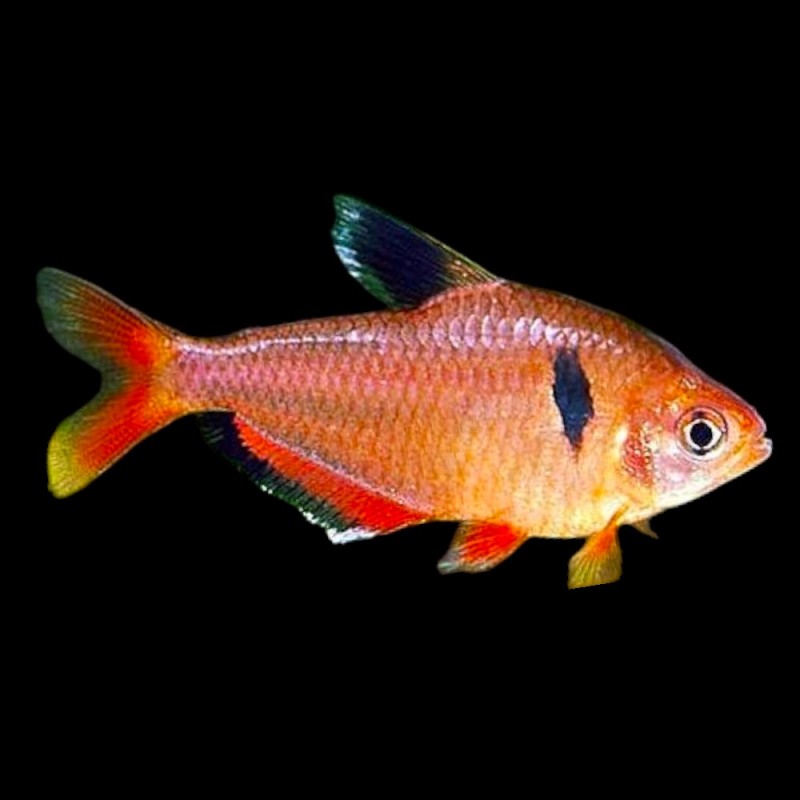
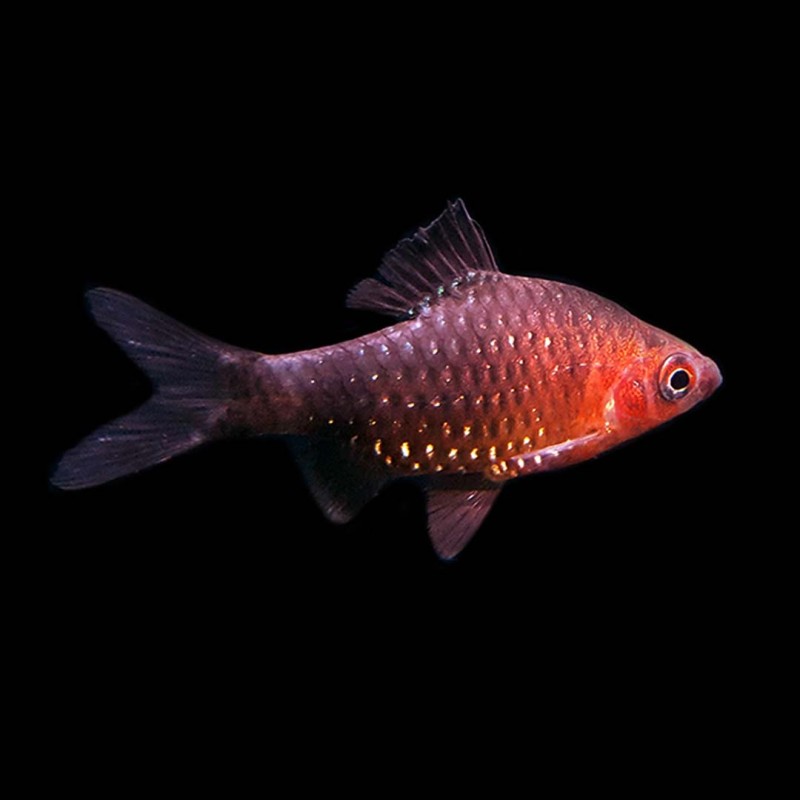
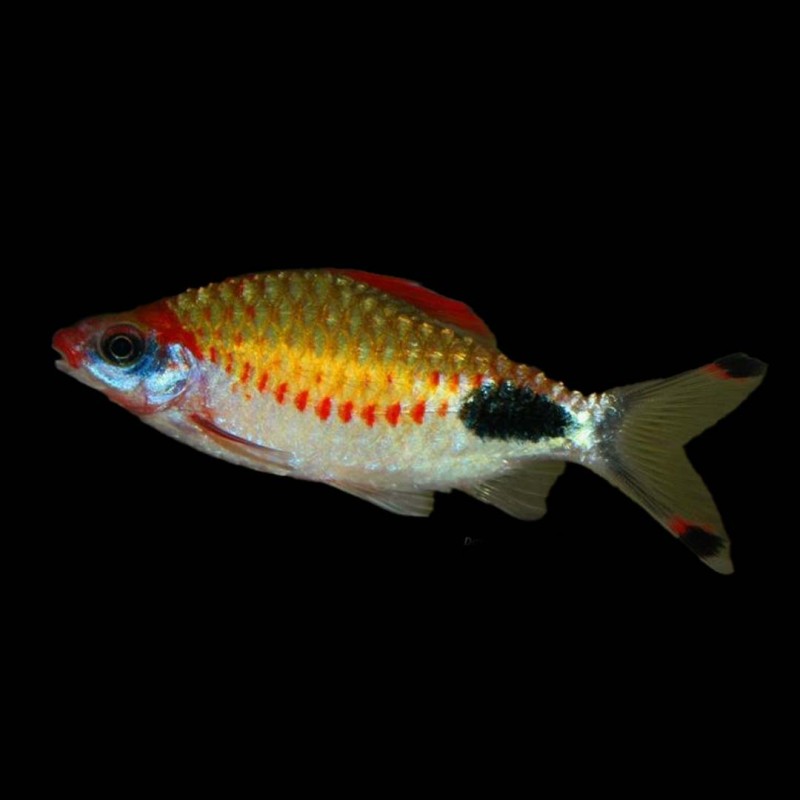
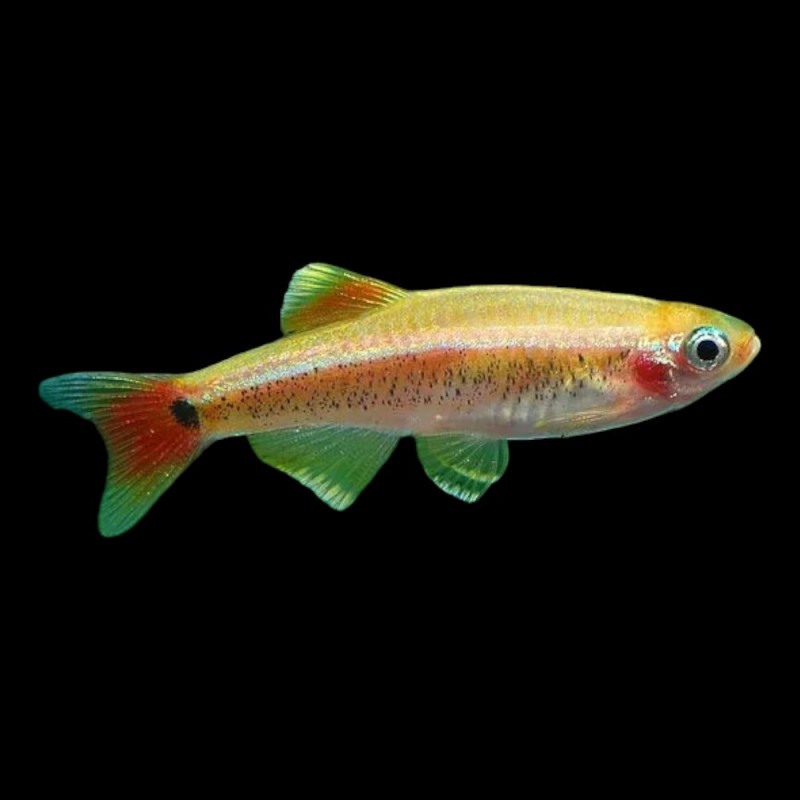
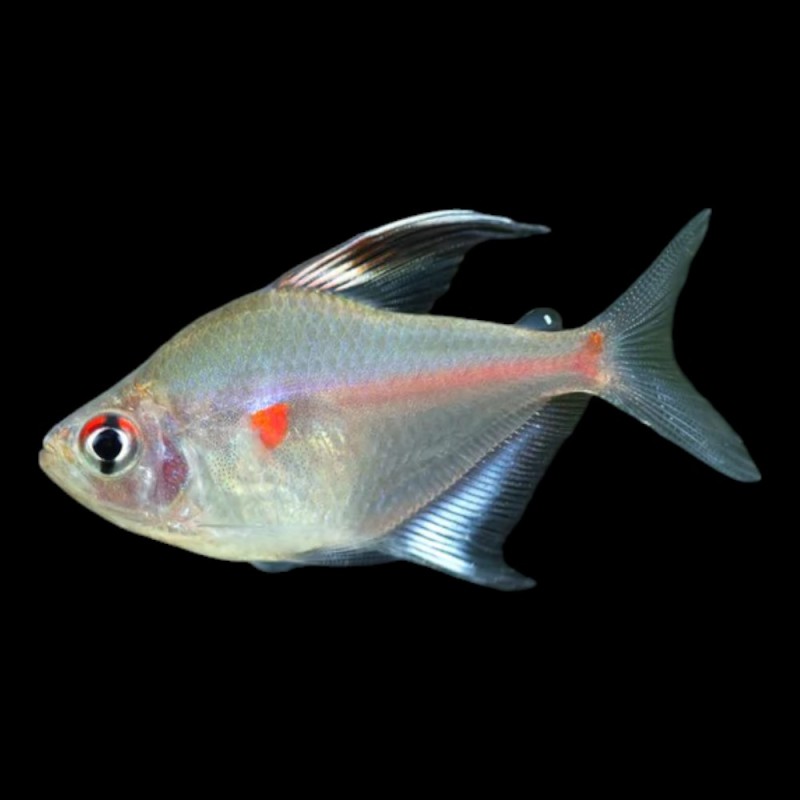
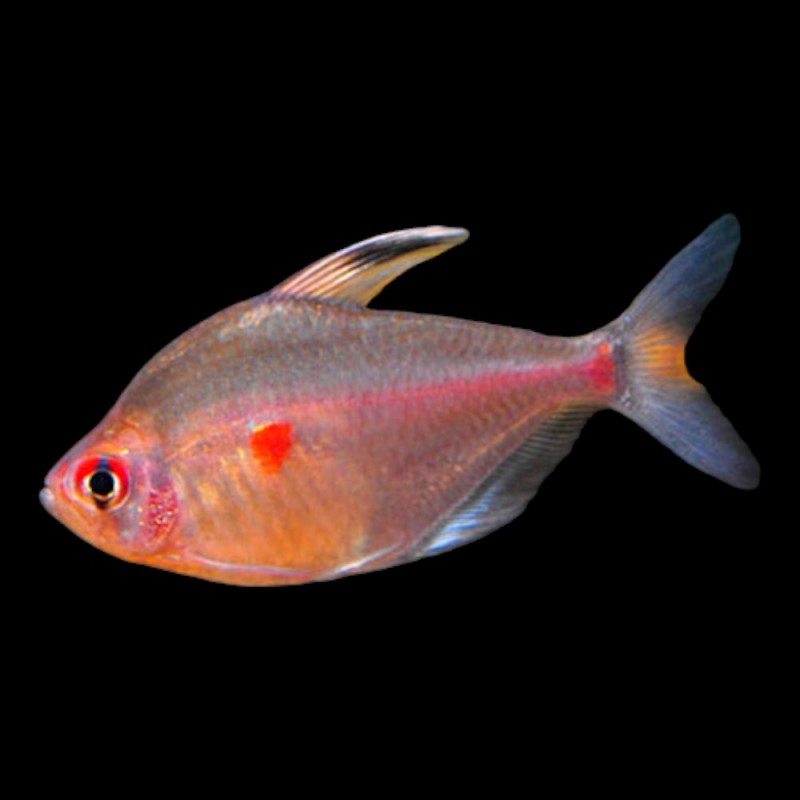
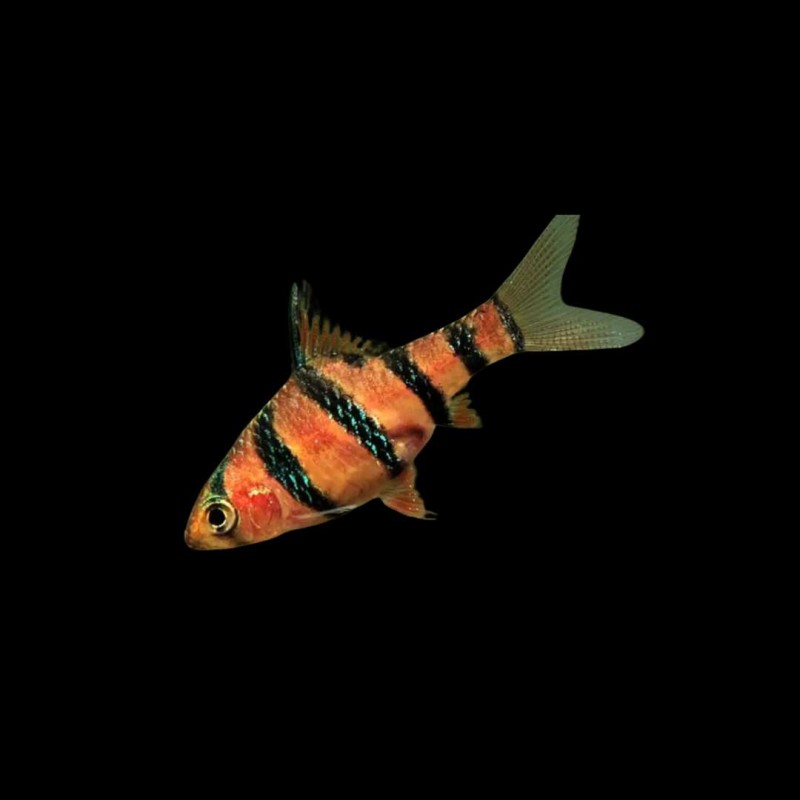
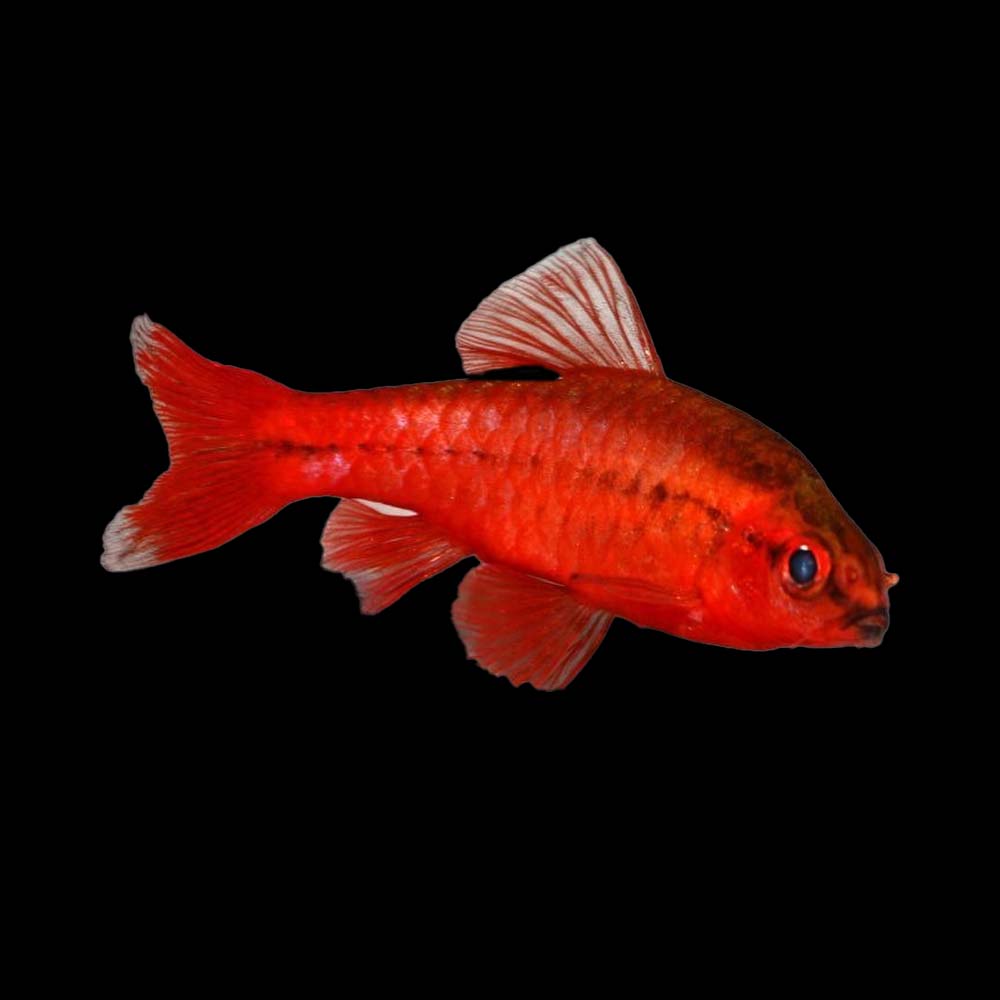
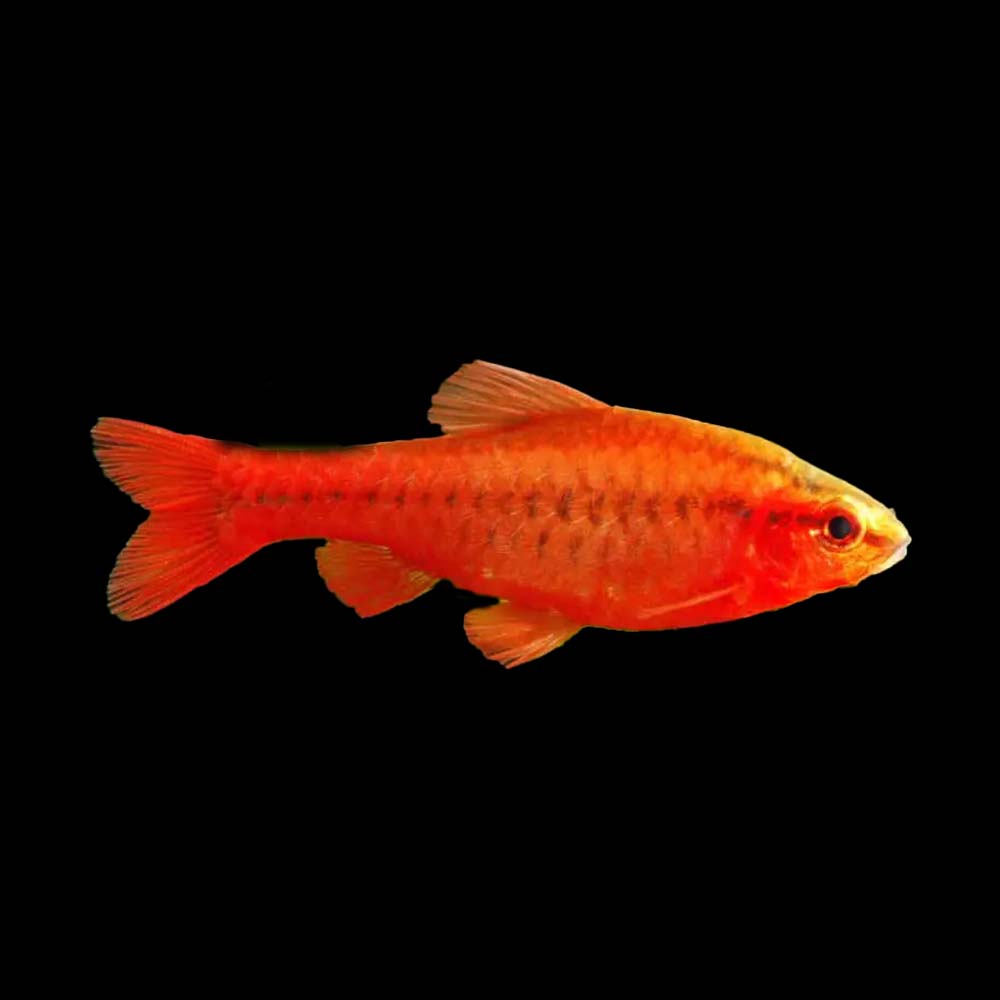
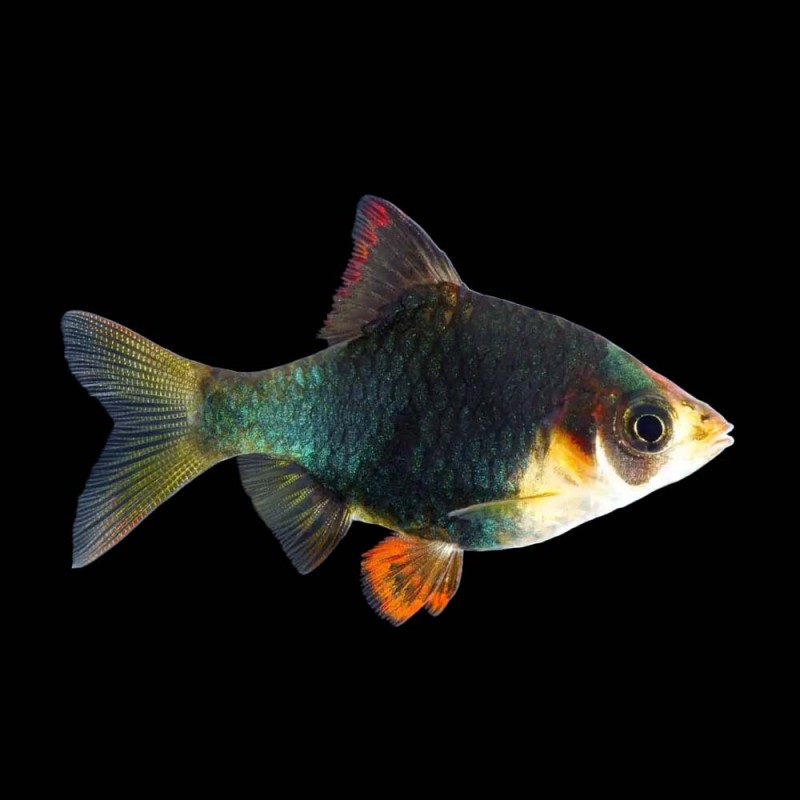
The Cherry Barb (Puntius titteya) is a small, peaceful, and brightly colored freshwater fish that originates from Sri Lanka. Known for its striking red coloration, particularly in males, the Cherry Barb is a popular choice for community aquariums due to its peaceful temperament and ease of care. These fish are ideal for both beginners and experienced aquarists and are a great addition to planted tanks.
Physical Characteristics:
- Size: Cherry Barbs typically grow to about 4-5 cm (1.5-2 inches) in length, making them a relatively small species.
- Coloration:
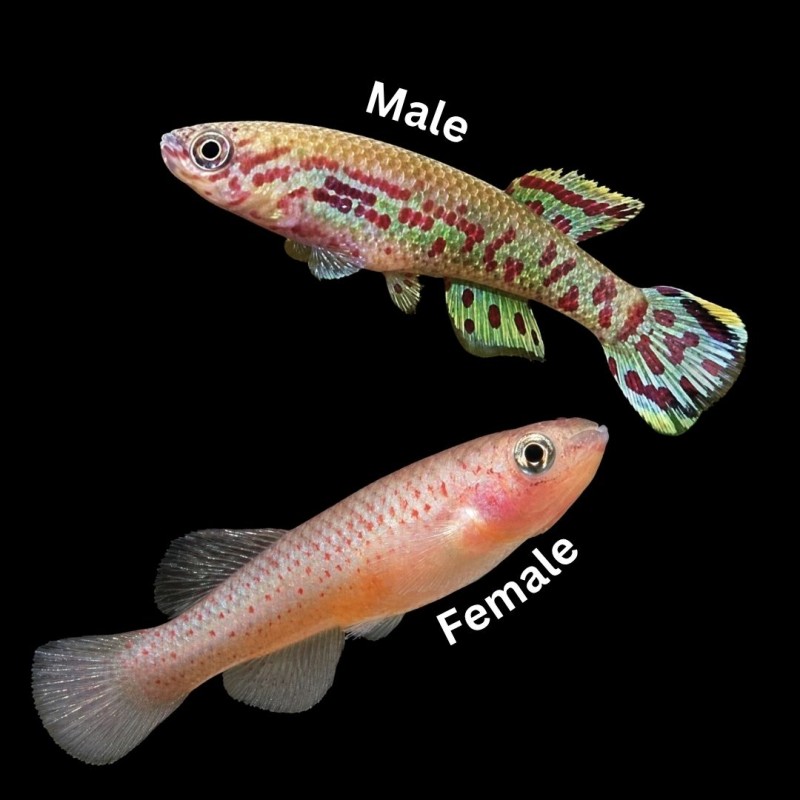
- Males: Males are known for their vibrant cherry-red coloration, especially during the breeding season. The red intensifies as they mature and when they are in breeding condition.
- Females: Females are generally paler, with a more brownish or pinkish hue. While less colorful than males, they still have a distinct, subtle beauty.
- Both males and females have a dark horizontal stripe that runs along the length of their body, which is more visible in females.
Behavior:
- Temperament: Cherry Barbs are peaceful, making them an excellent choice for community aquariums. They are not aggressive and generally get along well with other small, non-aggressive fish.
- Schooling Behavior: While not strict schooling fish, Cherry Barbs do prefer the company of their own kind. They should be kept in groups of at least 6 or more to encourage natural behavior and reduce stress. In a group, males may exhibit mild displays of courtship, showing off their red coloration.
- Activity Level: They are relatively active swimmers but not overly fast or aggressive. They tend to inhabit the middle and lower regions of the tank, making occasional trips to the surface.
Aquarium Care:
- Tank Size: A tank of at least 40 liters (10 gallons) is recommended for a small group of Cherry Barbs. A larger tank is preferable if housing them with other species, as it provides more space for swimming and encourages more natural behavior.
- Water Parameters:
- Temperature: Cherry Barbs thrive in warm water, with an ideal temperature range of 23°C to 27°C (73°F to 81°F).
- pH: They prefer slightly acidic to neutral water, with a pH range of 6.0 to 7.5.
- Hardness: Soft to moderately hard water, with a general hardness (GH) of 5-15 dGH.
- Tank Setup:
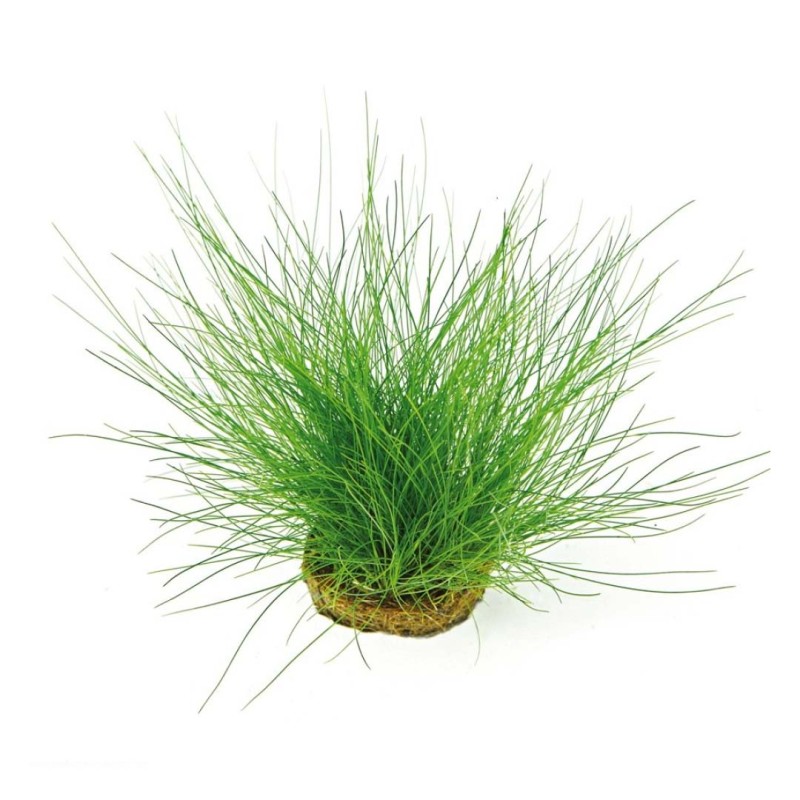
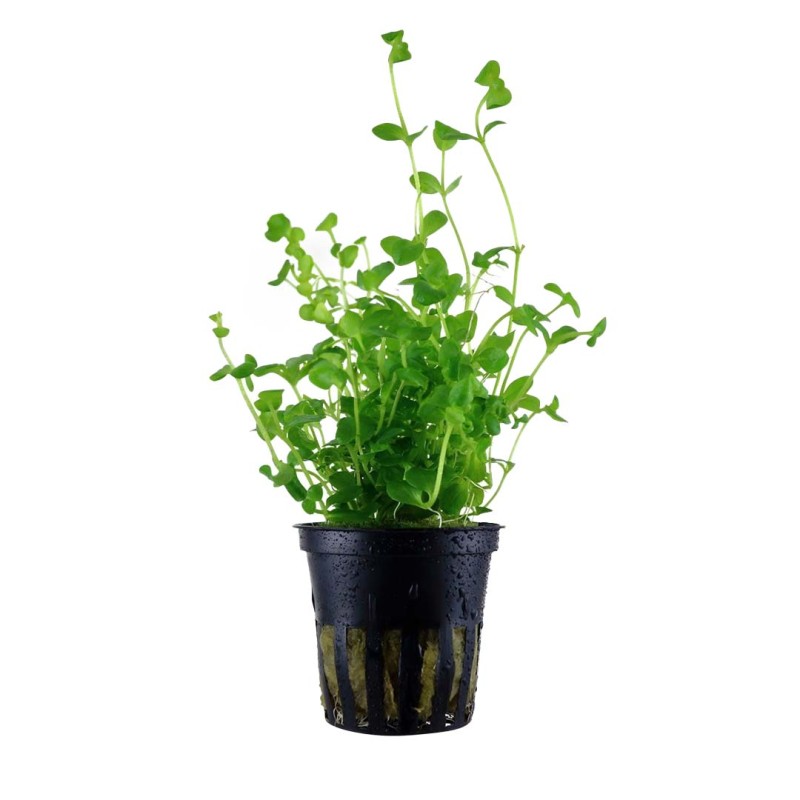
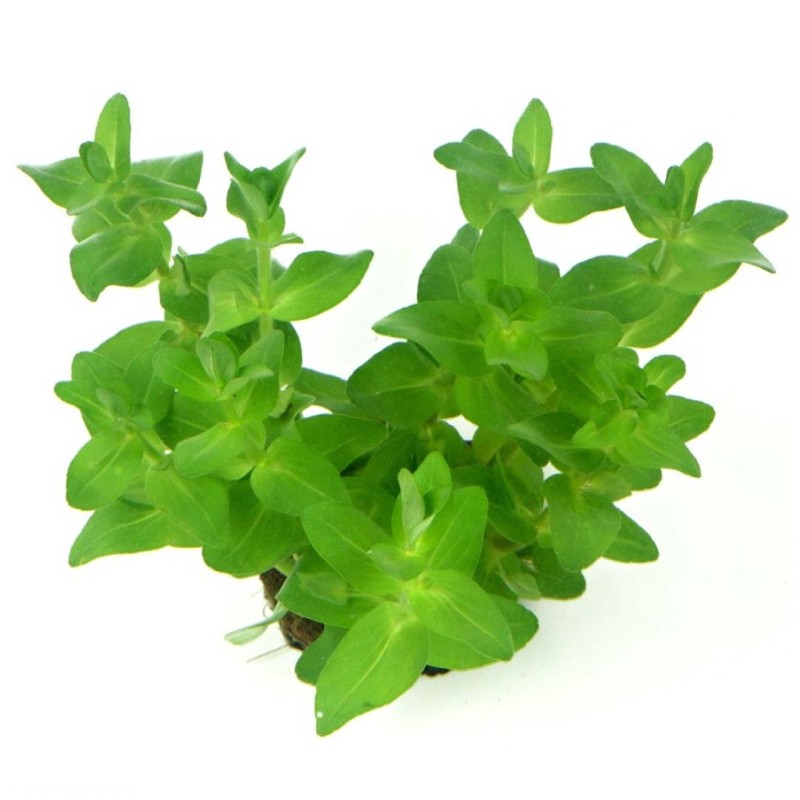
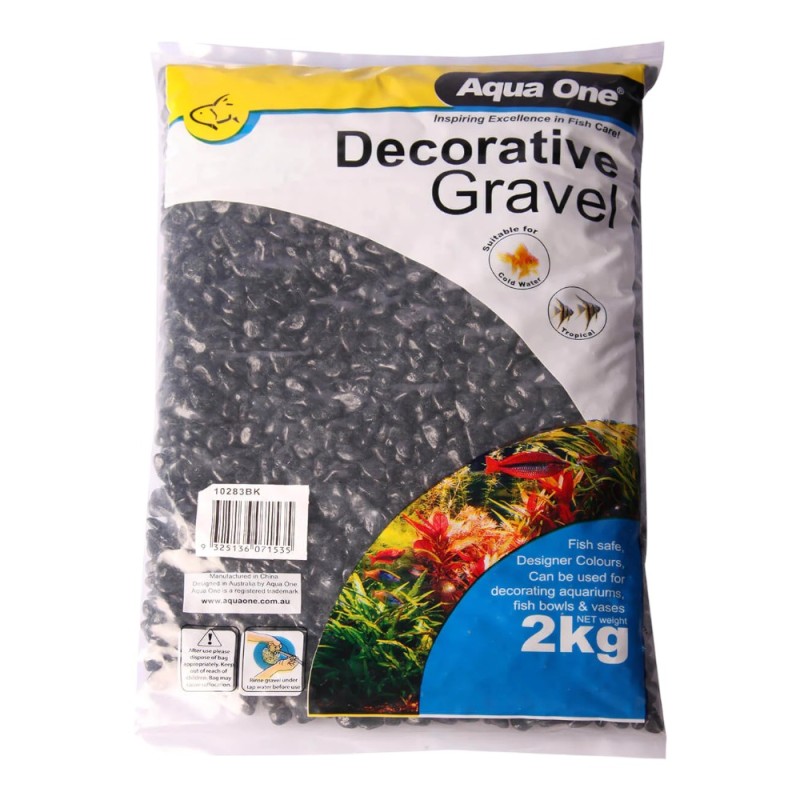
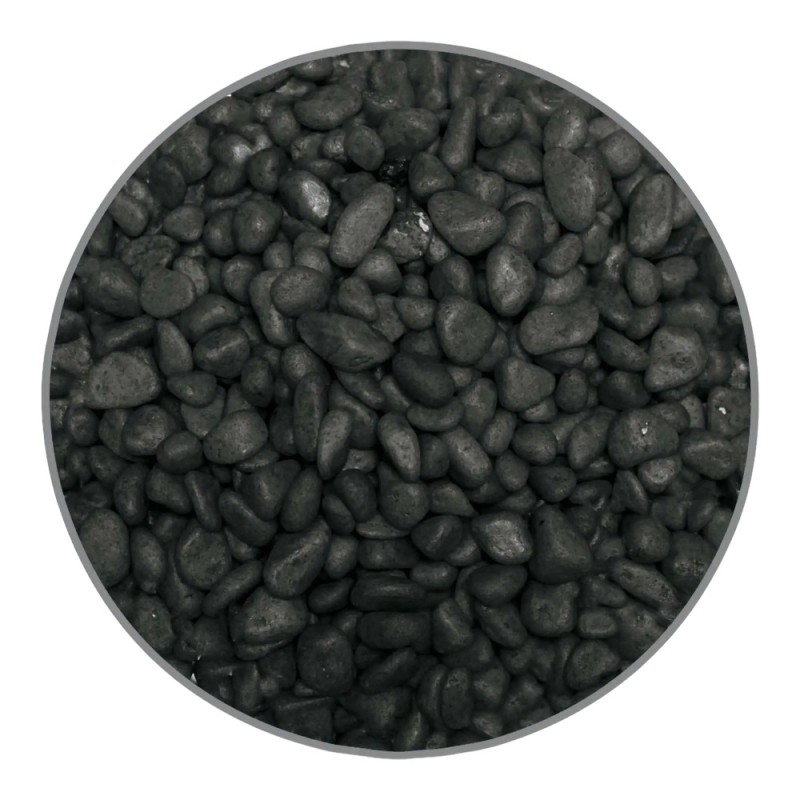
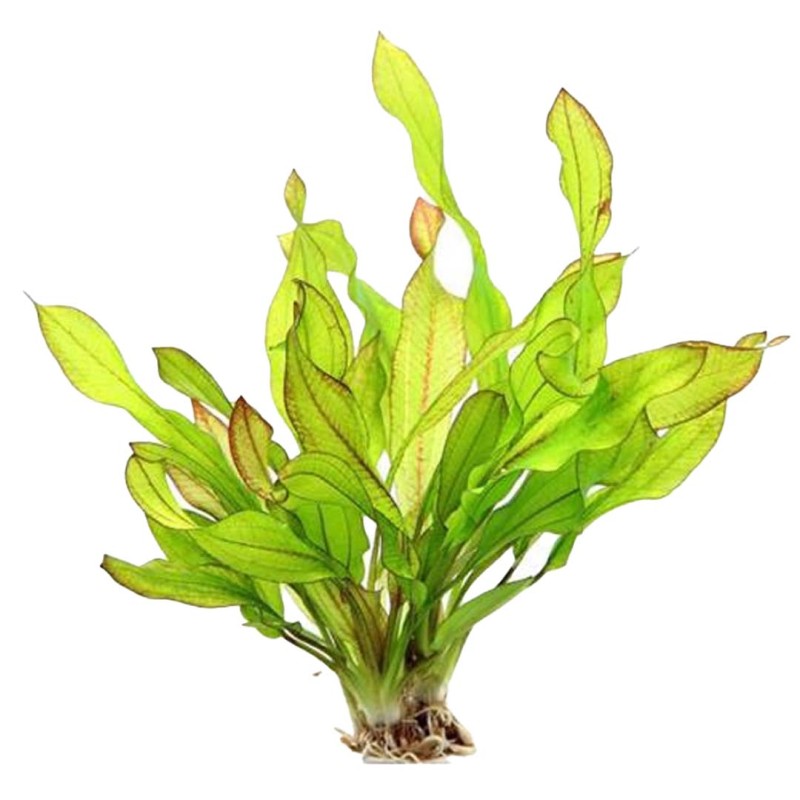
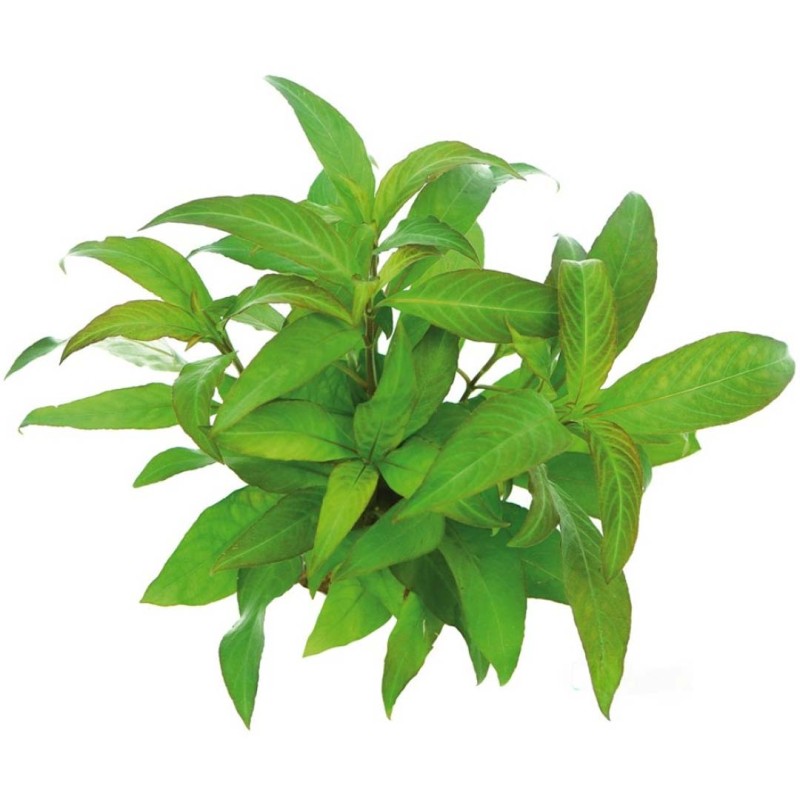
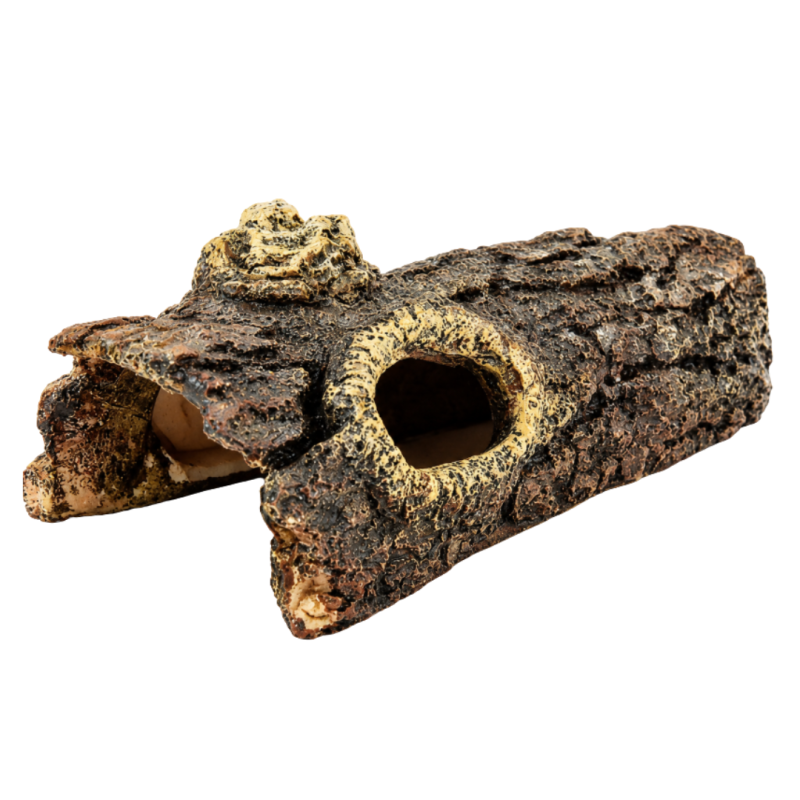
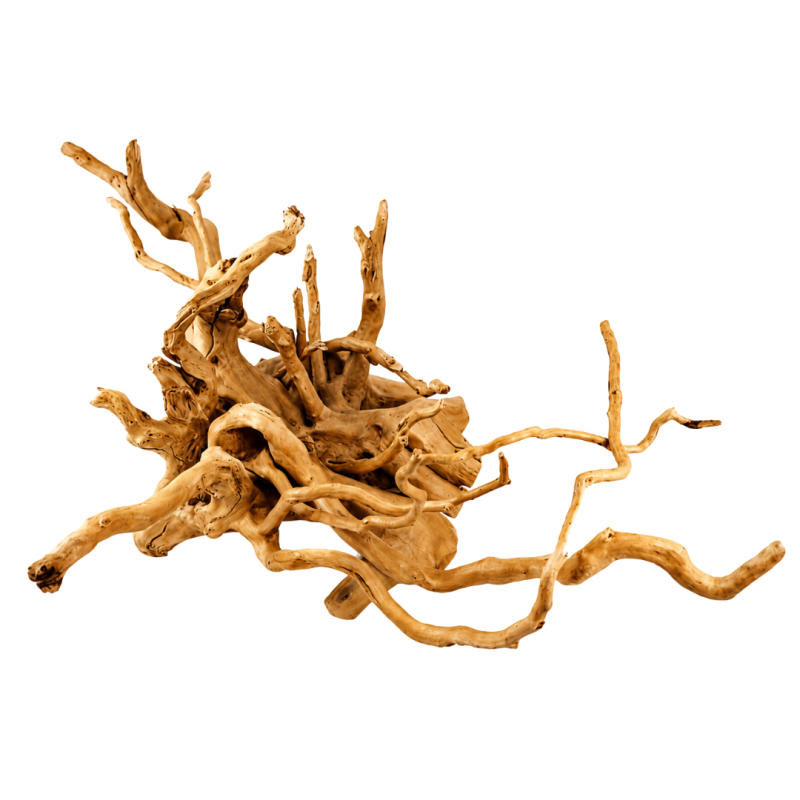
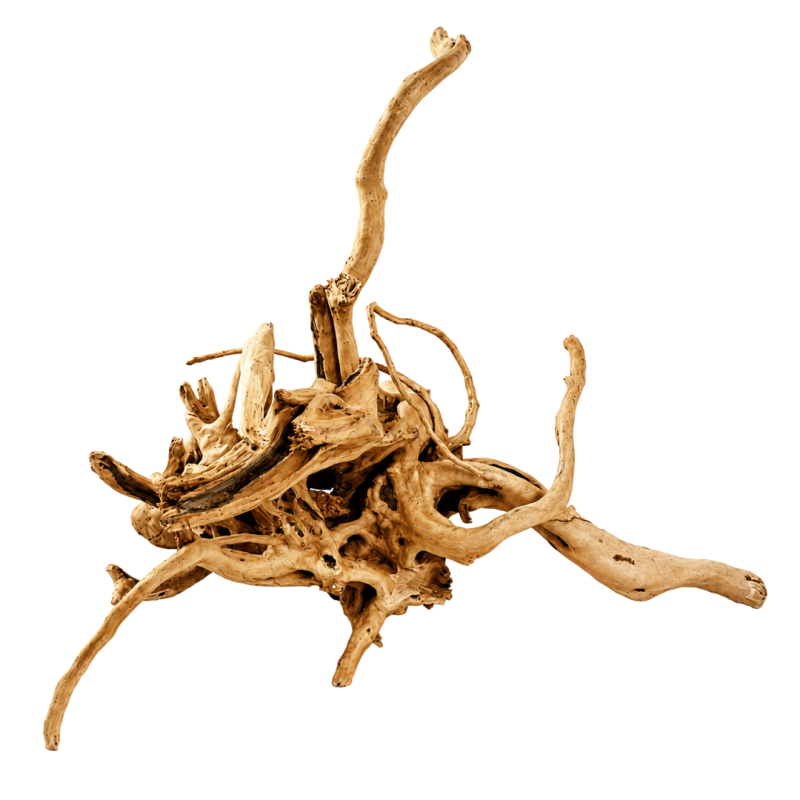
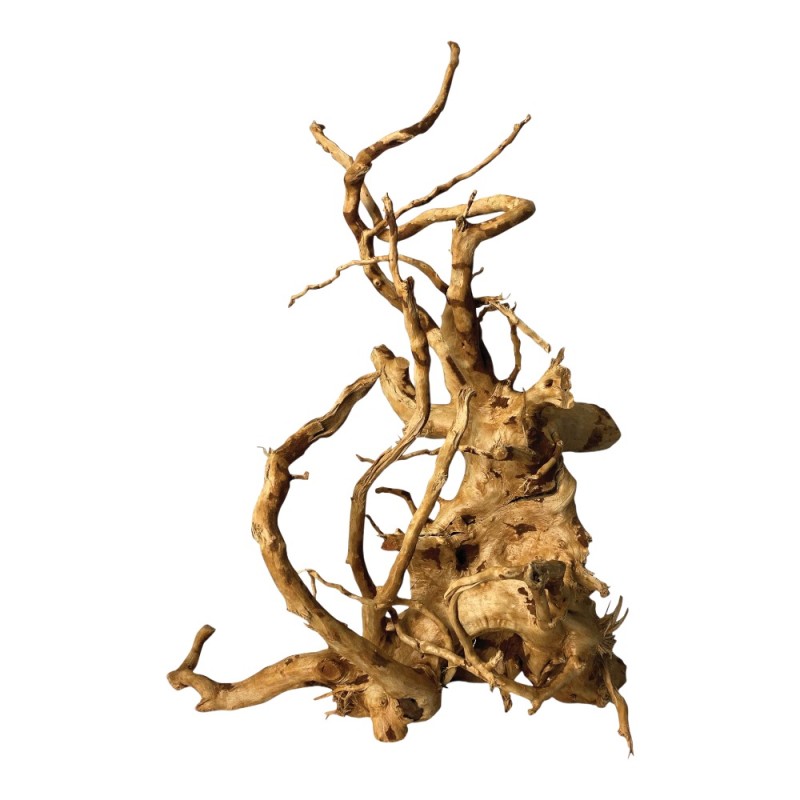
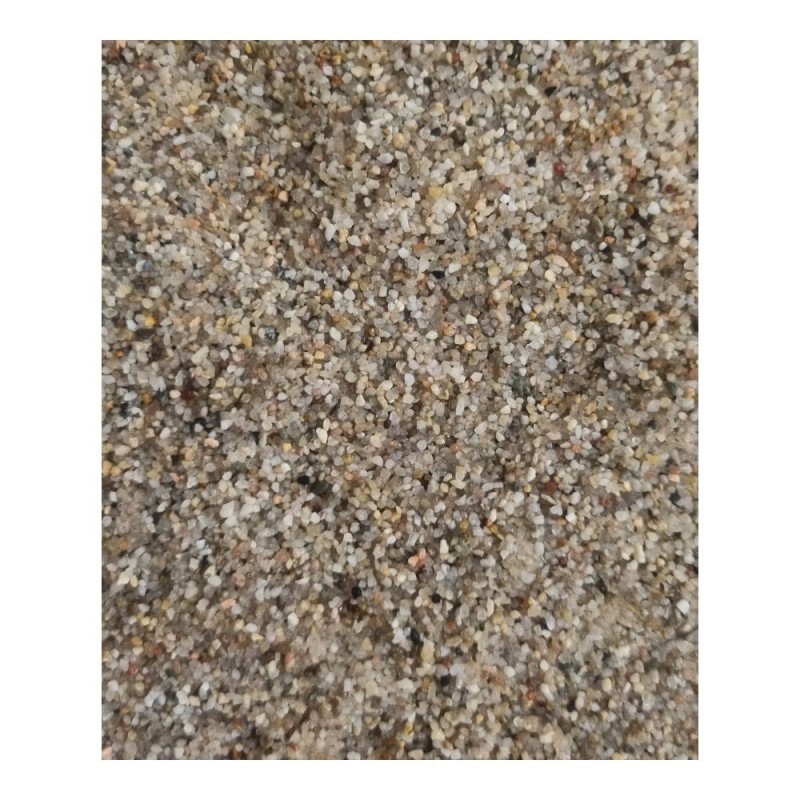
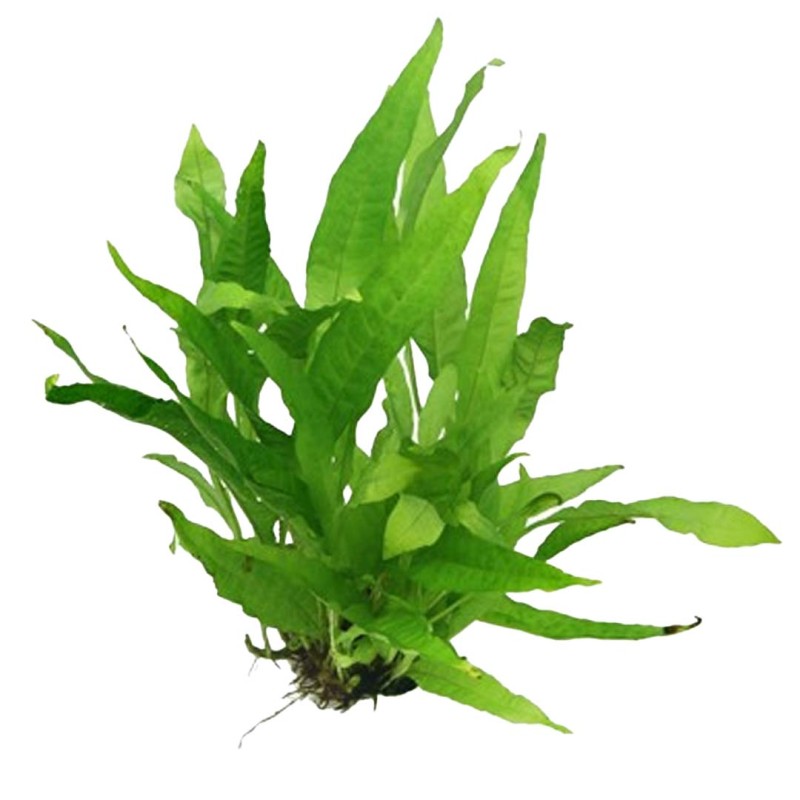
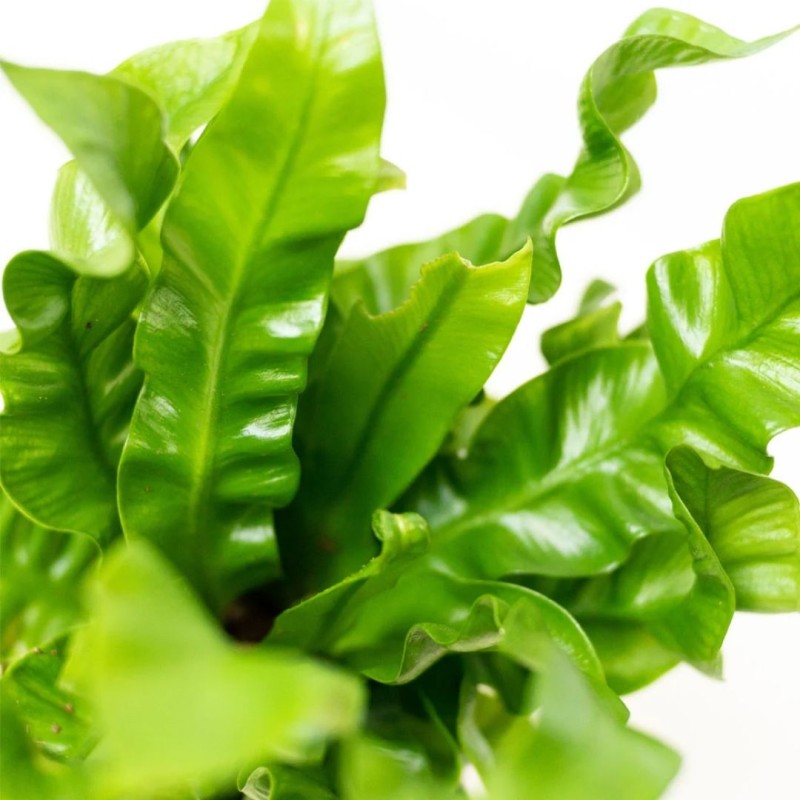
- Substrate and Decorations: Cherry Barbs appreciate a well-planted tank with plenty of hiding places and shaded areas. A dark substrate helps their colors stand out. Use live plants such as Java ferns, Anubias, and Amazon swords to create a natural environment. Driftwood and rocks can also be added to create additional hiding spots.
- Lighting: Moderate lighting is ideal for Cherry Barbs, as it enhances their red coloration without causing stress.
- Filtration: A gentle filtration system is ideal, as Cherry Barbs prefer calm water. Avoid strong water currents, as they may stress the fish.
Diet:
Cherry Barbs are omnivores and require a varied diet for optimal health and coloration. Their diet should include:
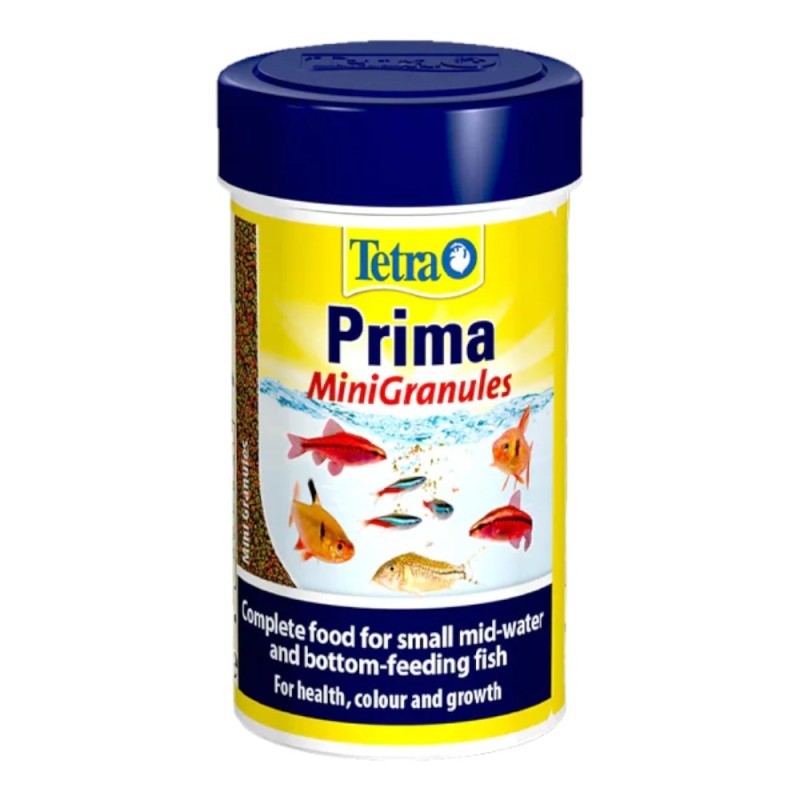
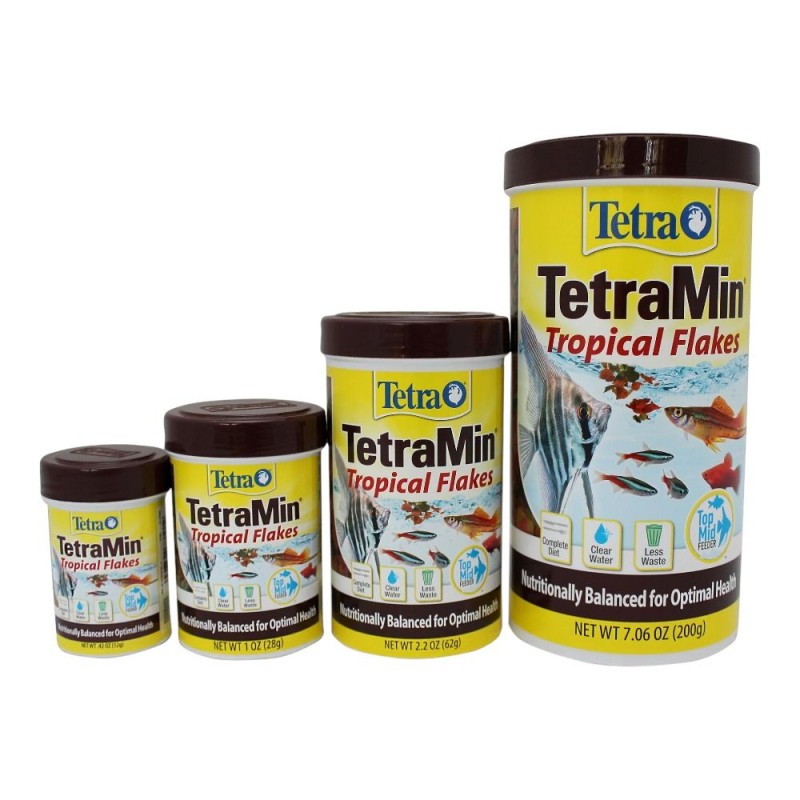
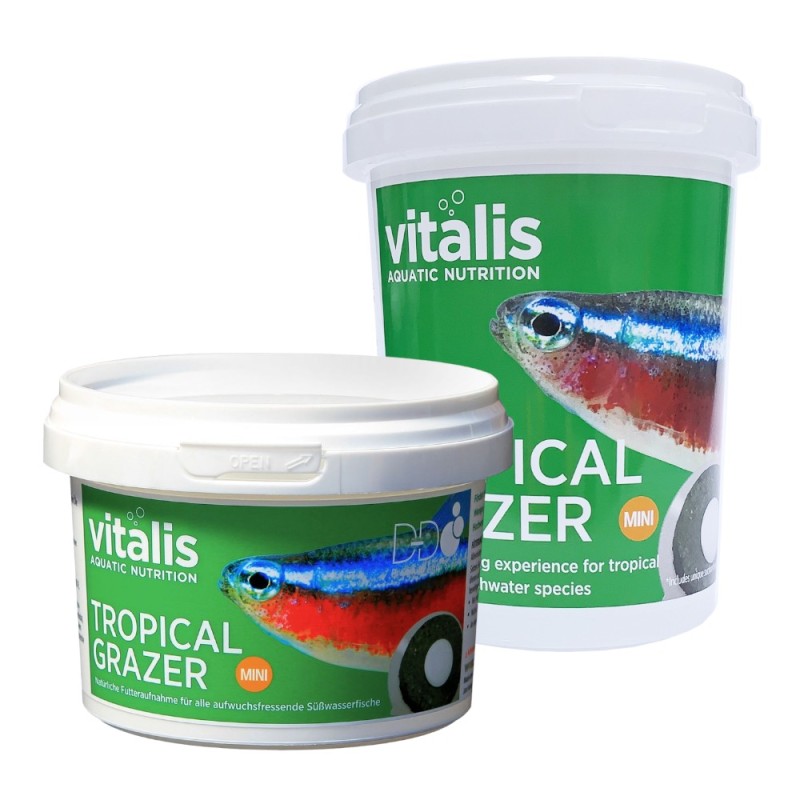
- Pellets or Flakes: High-quality tropical fish flakes or micro-pellets should form the staple of their diet.
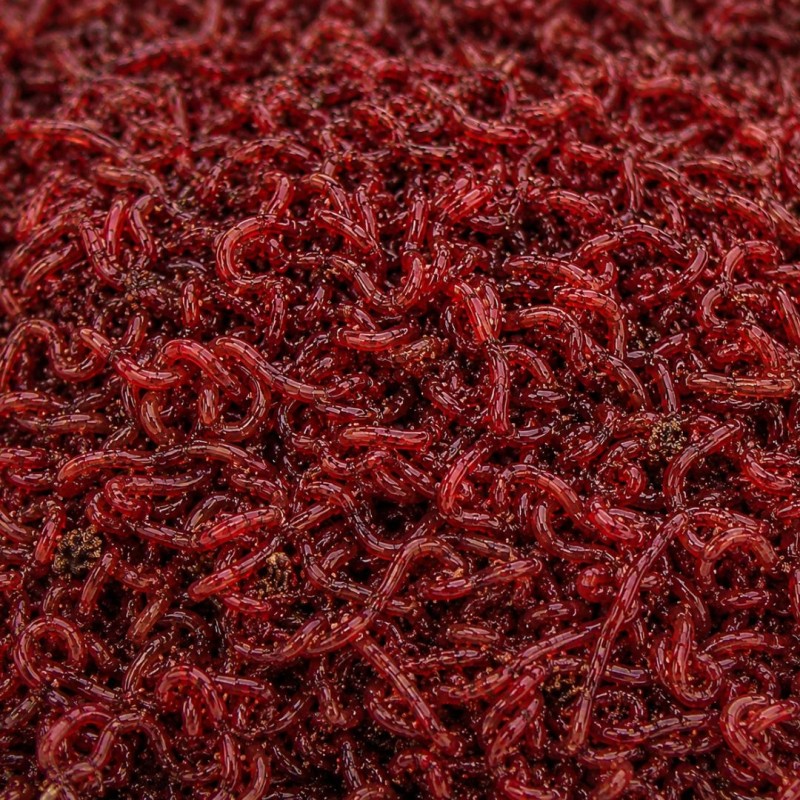
- Live or Frozen Foods: Offer live or frozen foods such as brine shrimp, bloodworms, and daphnia to provide essential protein and enhance their colors.
- Vegetable Matter: They also enjoy plant-based foods like spirulina flakes or blanched vegetables (e.g., spinach, zucchini), which should be offered occasionally to ensure a balanced diet.
Feed them small amounts 2-3 times a day, making sure all food is consumed within a few minutes to prevent overfeeding and maintain water quality.
Tankmates:
Cherry Barbs are peaceful and get along well with a wide variety of other community fish. Suitable tankmates include:
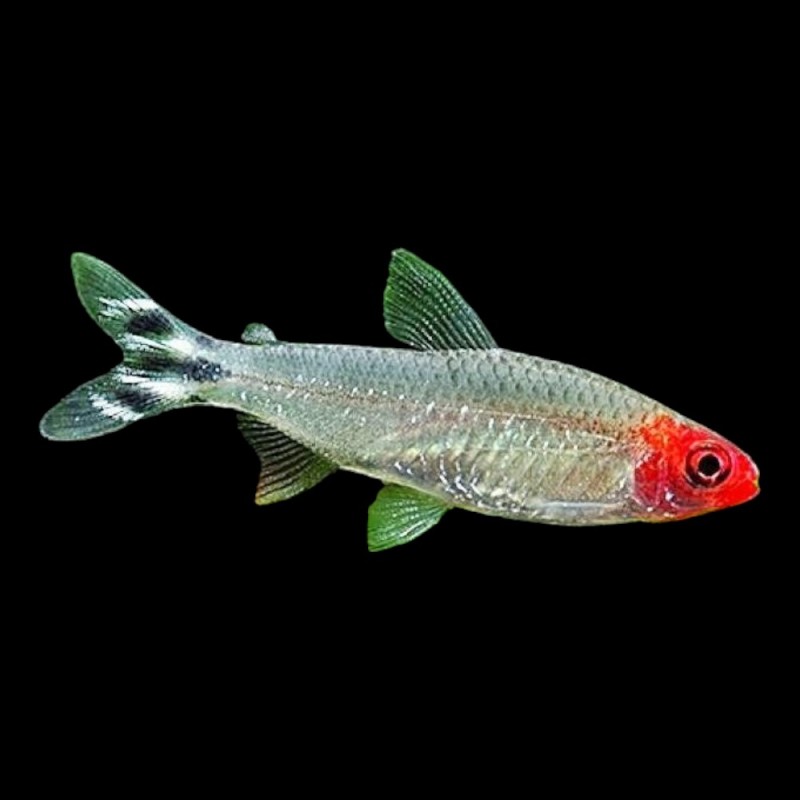
- Tetras: Species like Neon Tetras, Ember Tetras, and Rummy Nose Tetras make good companions.
- Rasboras: Harlequin Rasboras or Lambchop Rasboras are ideal.
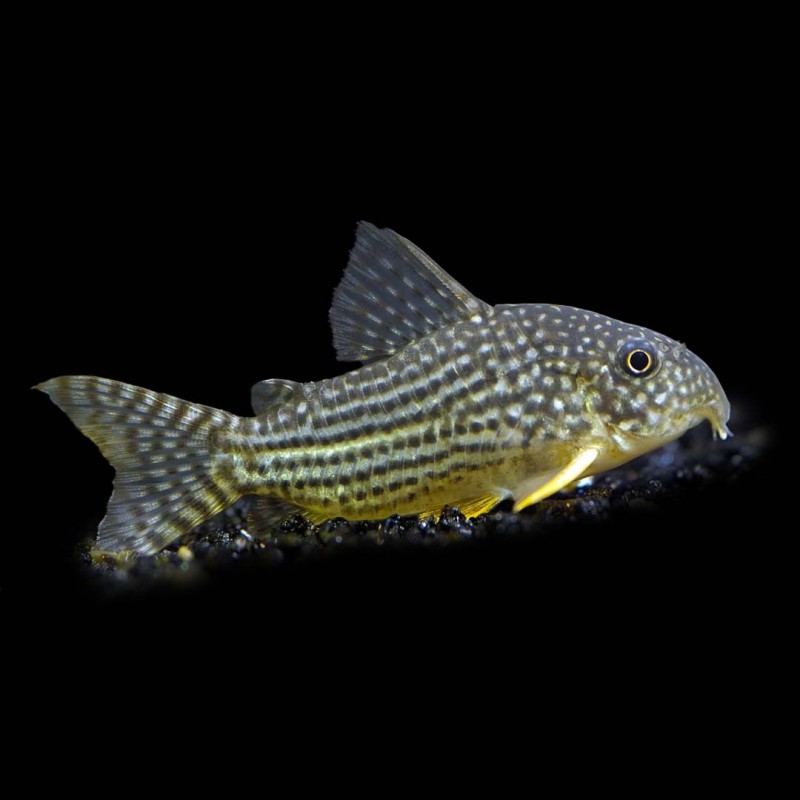
- Corydoras catfish: These peaceful bottom-dwellers coexist well with Cherry Barbs and help keep the tank clean.
- Dwarf Gouramis: Peaceful Gouramis can be housed with Cherry Barbs, provided there is enough space.
- Other small, peaceful barbs: Like the Black Ruby Barb or Gold Barb.
Avoid housing Cherry Barbs with large or aggressive species, as they may become stressed or injured.
Breeding:
Breeding Cherry Barbs in captivity is relatively easy, especially in a well-planted tank.
- Breeding Setup: If you want to encourage breeding, set up a separate breeding tank with soft, slightly acidic water (pH around 6.5) and a temperature of 26°C (79°F). Provide fine-leaved plants or a spawning mop for the female to scatter her eggs on.
- Spawning Behavior: During the breeding season, males become brighter red and engage in courtship displays to attract females. After fertilization, the female will scatter eggs, which will stick to plants or the substrate.
- Egg and Fry Care: Cherry Barbs do not provide parental care and may eat their eggs, so it’s best to remove the adults after spawning. The eggs hatch in about 24-36 hours, and the fry become free-swimming after a few days. Feed the fry with infusoria or finely crushed flake food until they are large enough to eat larger foods.
Special Considerations:
- Color Enhancement: To bring out the best red coloration in males, provide a high-protein diet that includes live or frozen foods. Keeping them in a well-planted tank with stable water conditions also helps enhance their colors.
- Water Quality: Regular water changes and maintaining stable water parameters are important for Cherry Barbs. They are relatively hardy but will thrive best in clean, well-maintained tanks.
| File Name | Size | Link |
|---|---|---|
| 9 How to care for Barbs.pdf (Total downloads: 3215) | 221.03KiB | Download |