

- Stock: Call In-Store For Availability
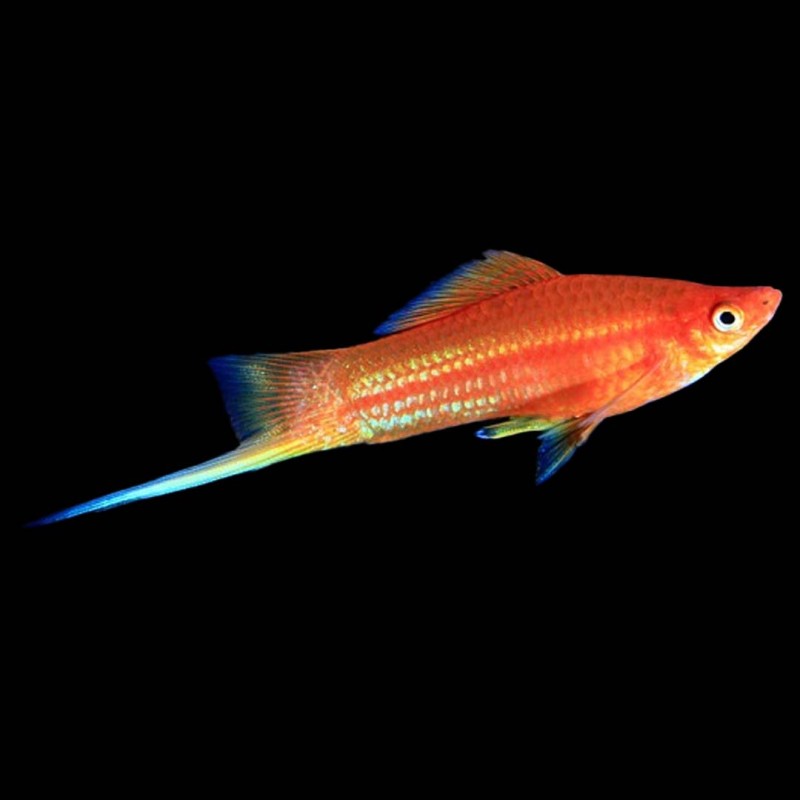
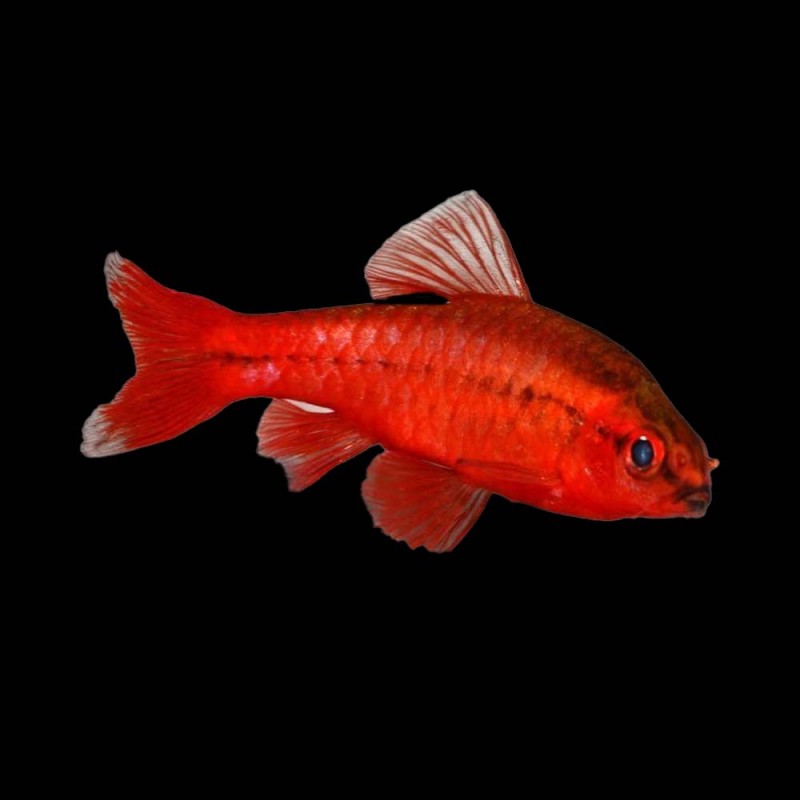
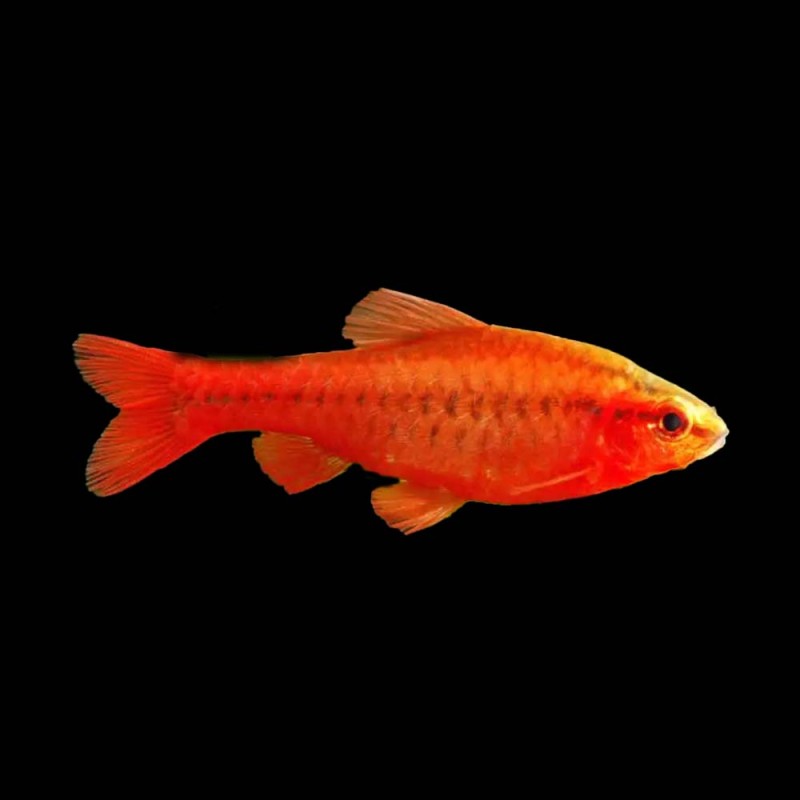
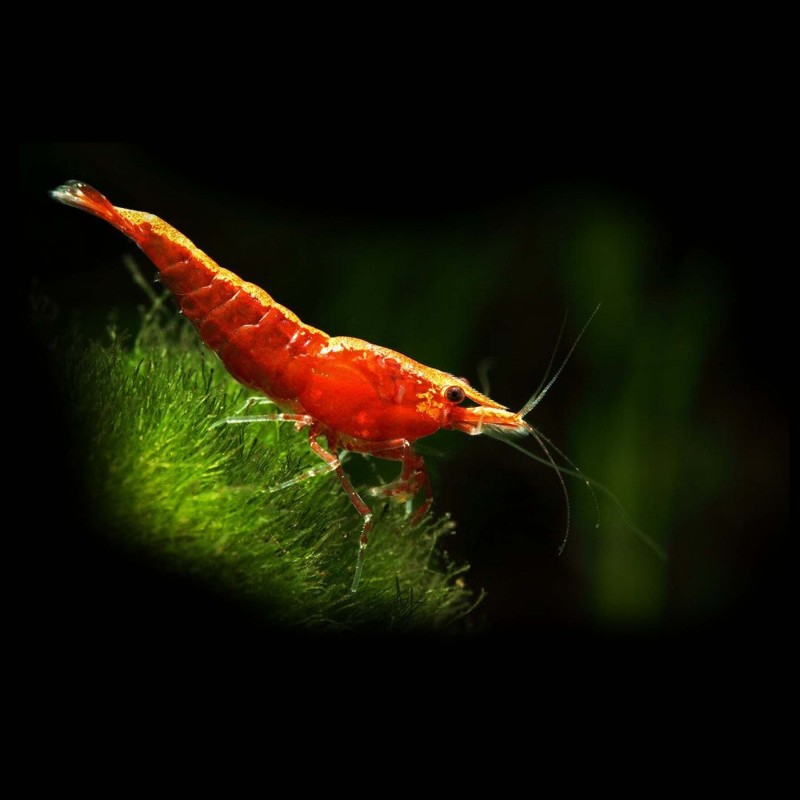
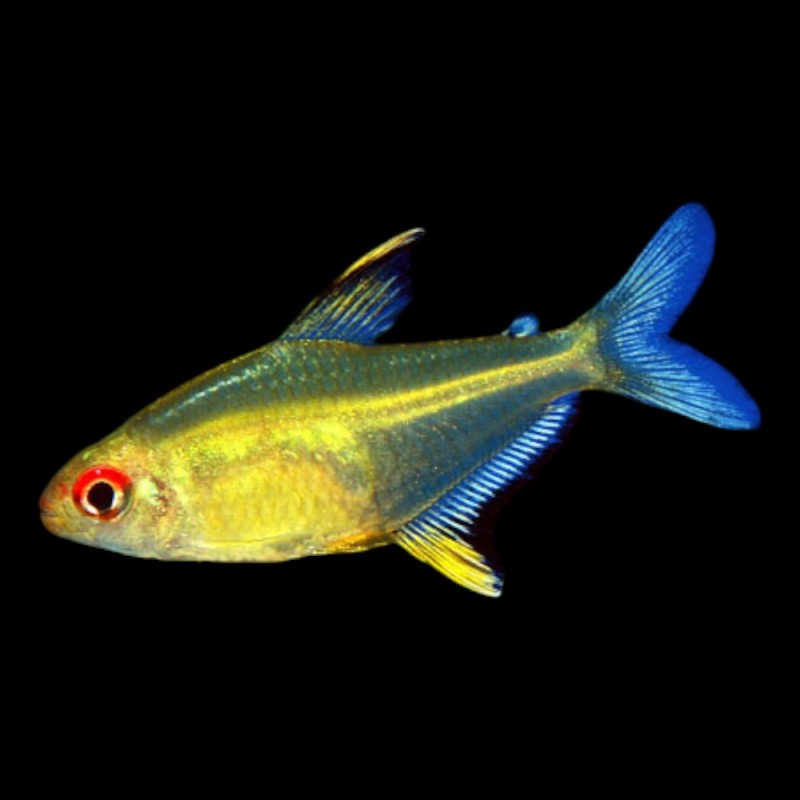
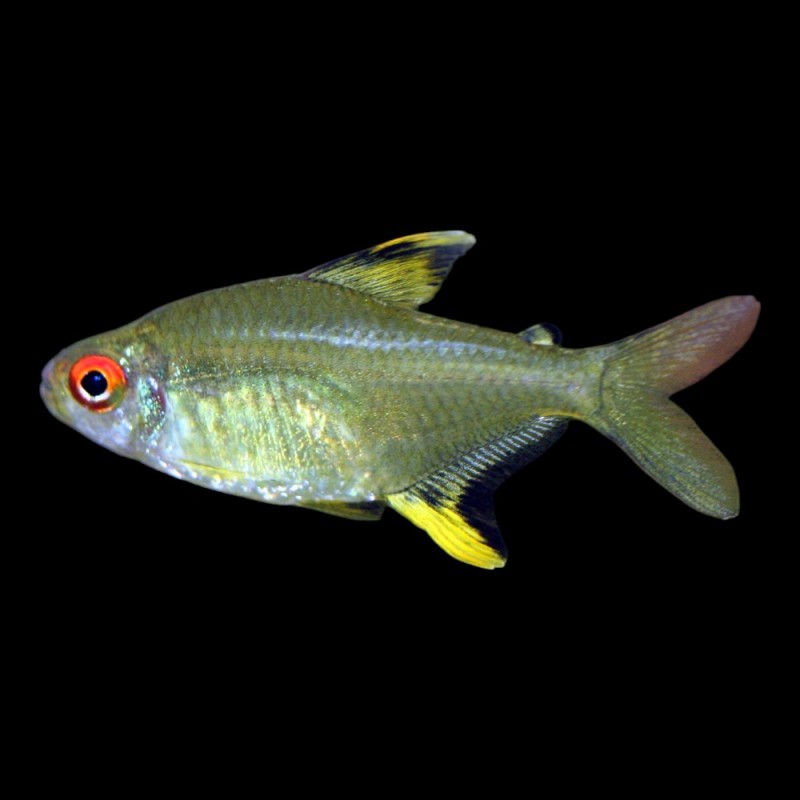
Please Note: Due to variations within species, your fish may not look identical to the image provided. Also note not all sizes or species may be available due to seasonality, Please call beforehand for up-to-date stock availability.
- Model: RACOON TETRA MATRIX
Available Options
Certainly! Here's the care guide for the Raccoon Tetra (Hyphessobrycon procyon) with the addition of KH (carbonate hardness) specifications:
Raccoon Tetra (Hyphessobrycon procyon)
The Raccoon Tetra is a small, peaceful, and strikingly beautiful freshwater fish native to the Amazon River basin.
This species is a rare but popular choice for aquariums due to its vibrant colors and calm demeanor.
Raccoon Tetras are active swimmers, and they thrive when kept in groups of at least 5, creating a lively and attractive display.
Physical Description
-
Size: 1.5 to 2 inches (4-5 cm).
-
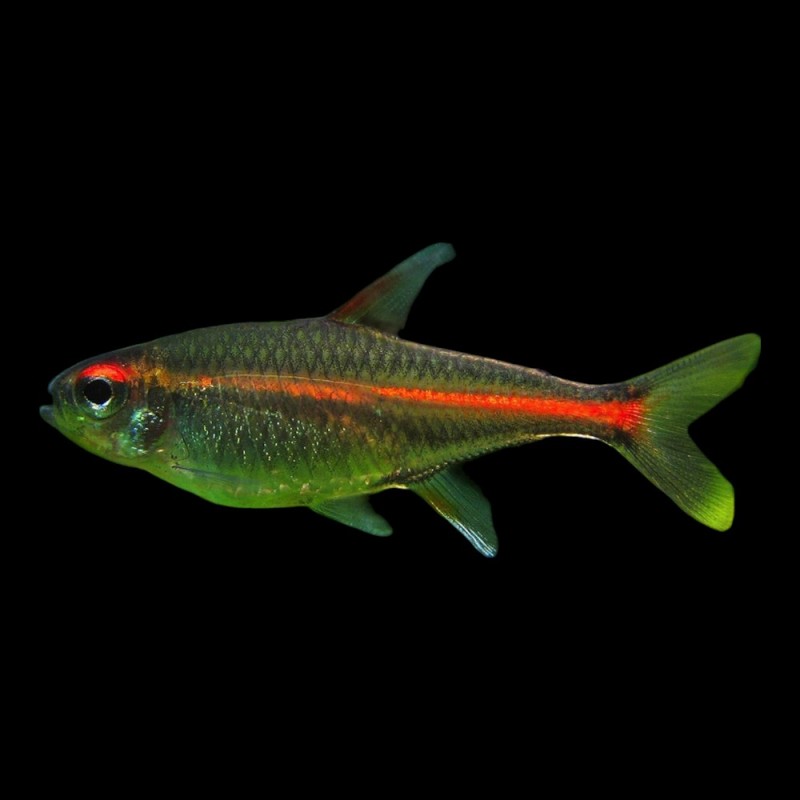
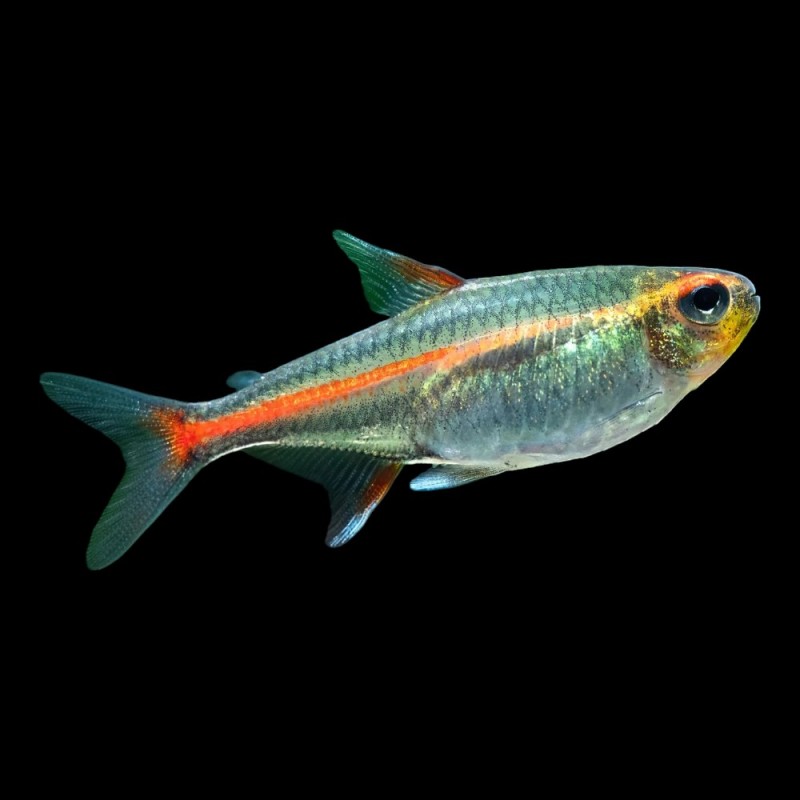
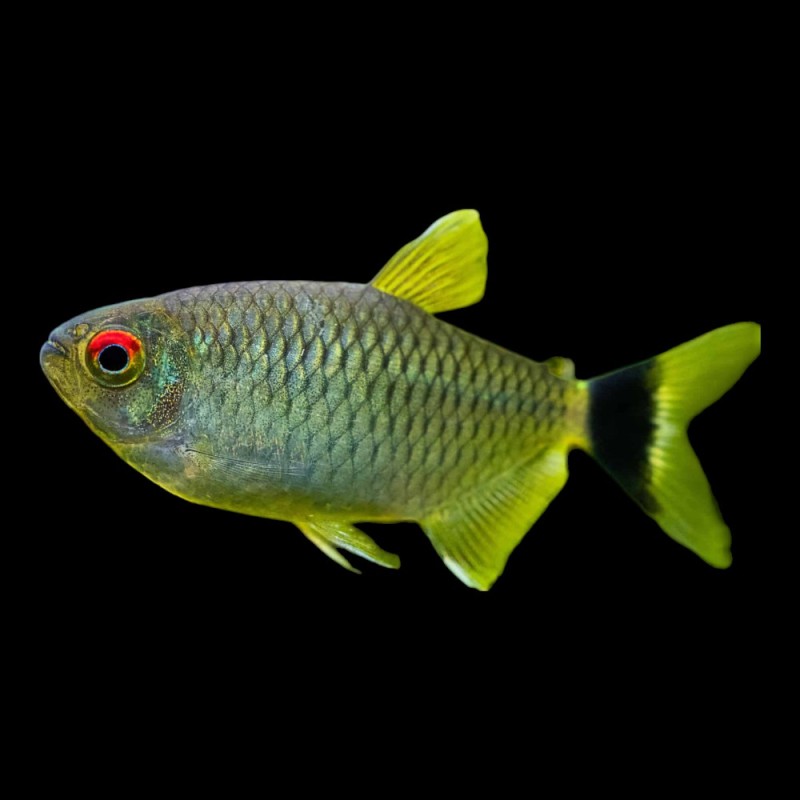
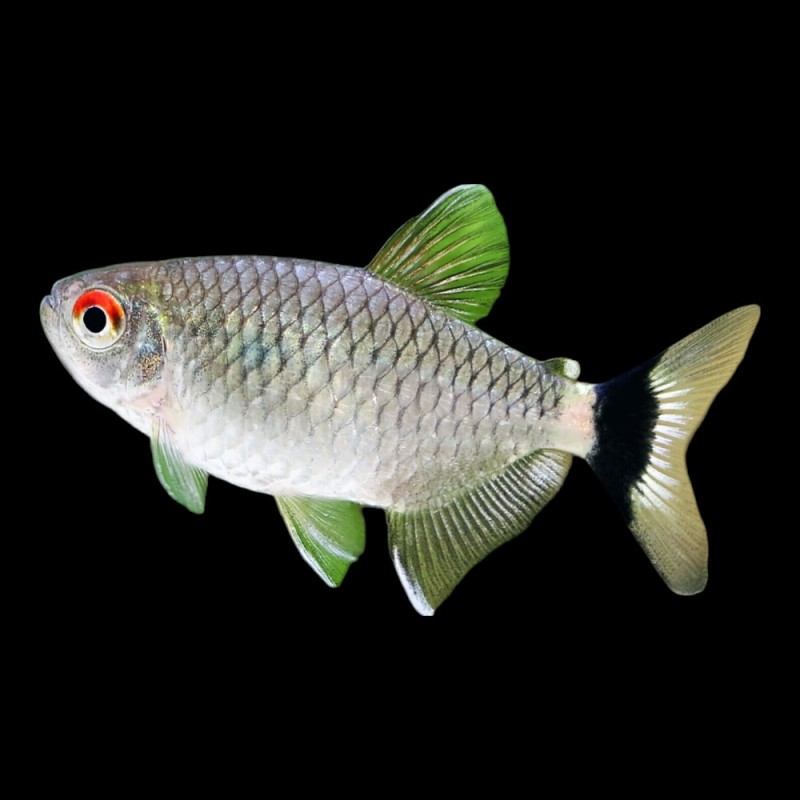
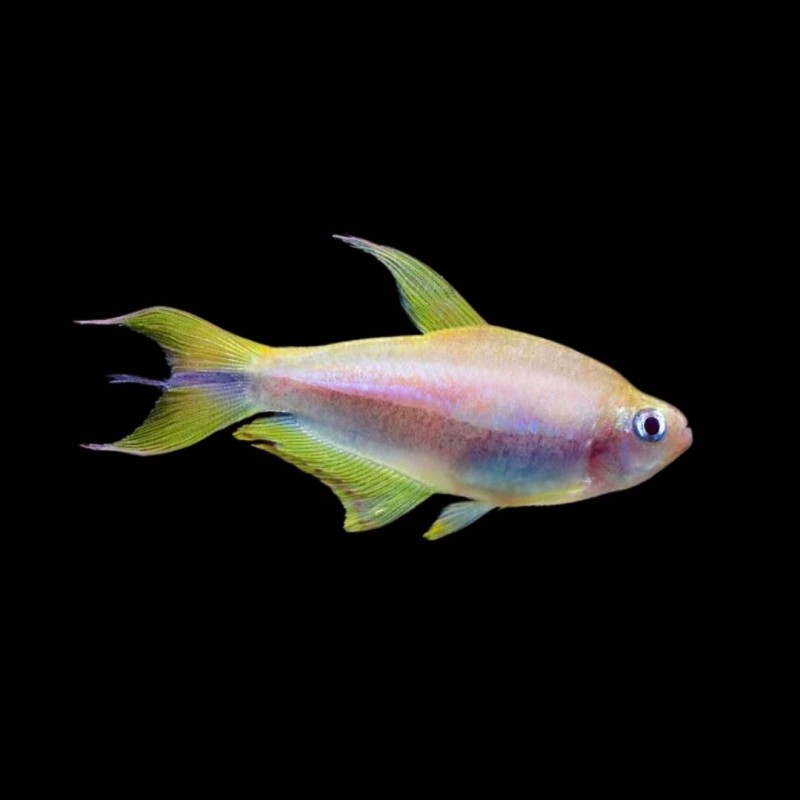
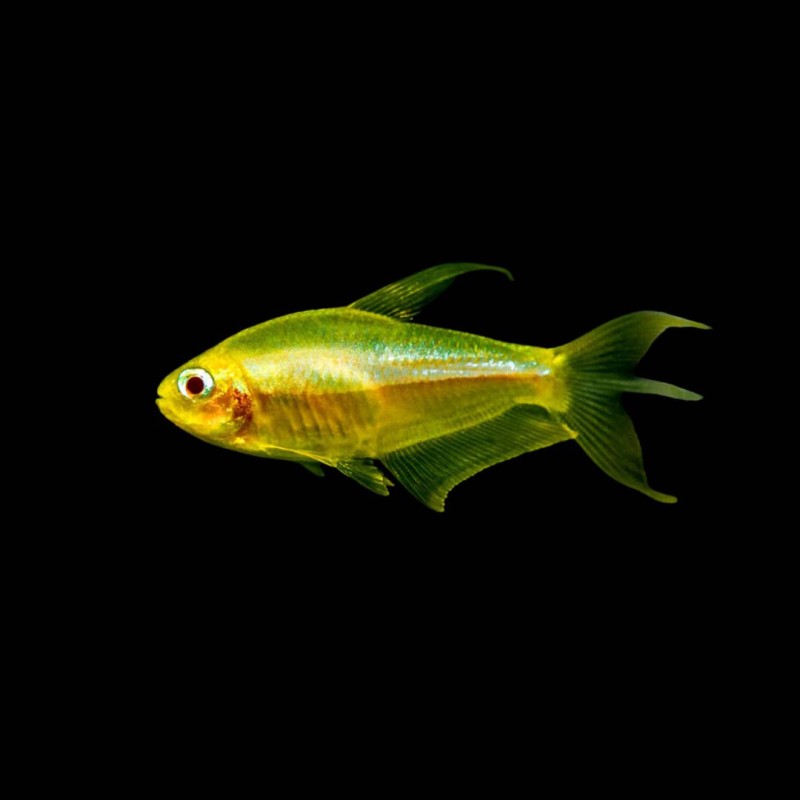
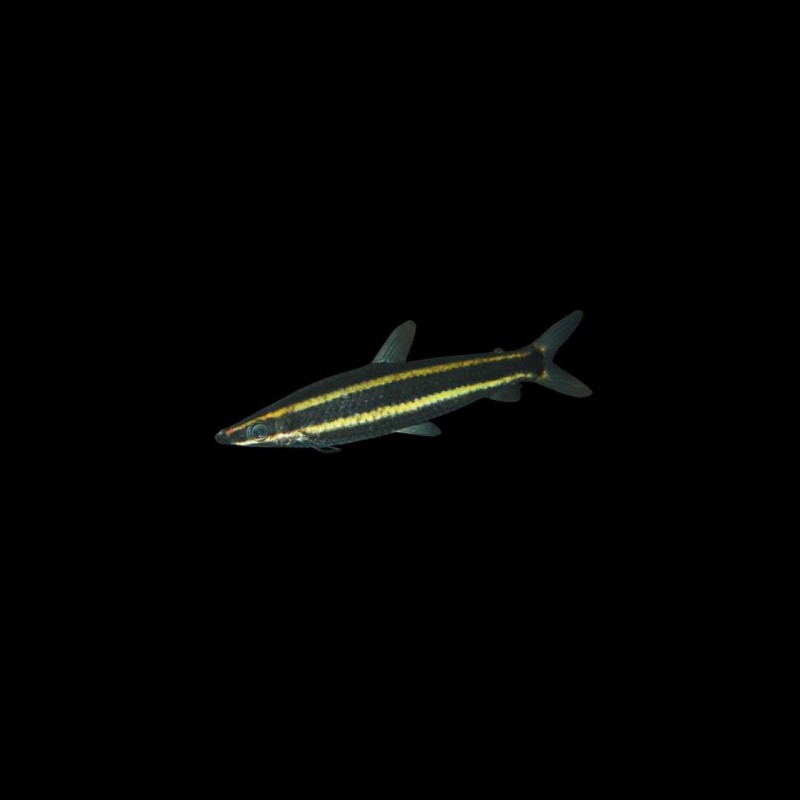
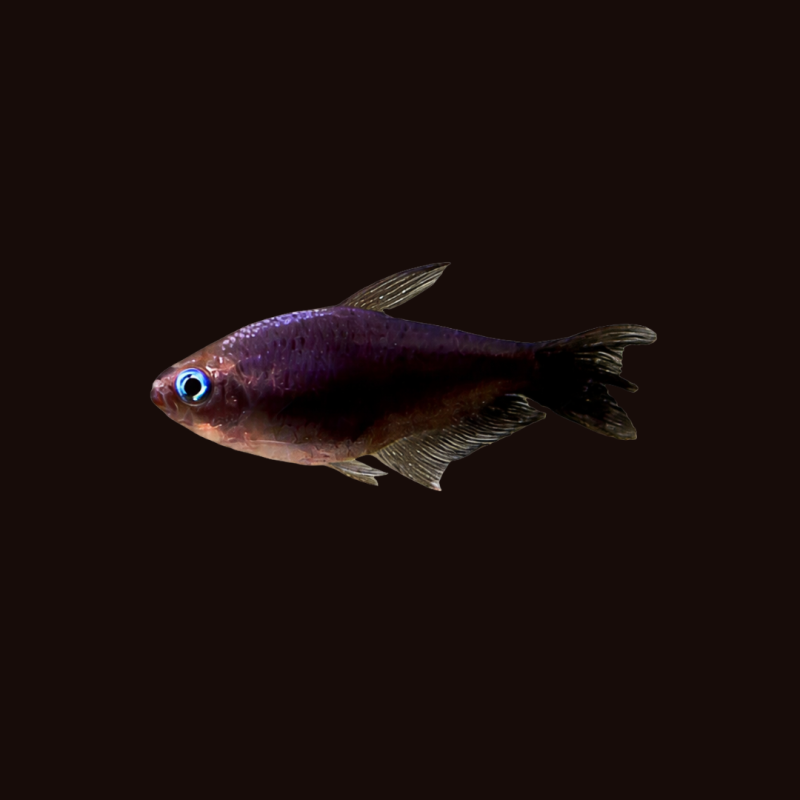
Coloration: Silver body with a black mark at the base of the tail, often with reddish/orange tones near the tail too
-
Life Expectancy: Up to 5 years or more with proper care.
Aquarium Care Guide for Raccoon Tetra (Hyphessobrycon procyon)
Tank Setup
-
Tank Size: A minimum of 10-15 gallons (37-56 liters) for a small group, though larger tanks are preferred.
-
Water Parameters:
-
Temperature: 74-82°F (23-28°C).
-
pH Level: 6.0 to 7.5 (slightly acidic to neutral).
-
KH (Carbonate Hardness): 3-8 dKH (degrees of carbonate hardness). Raccoon Tetras prefer slightly soft to moderately hard water.
-
Water Hardness (GH): 2-15 dGH (soft to medium hardness).
-
-
Filtration: Use a gentle filtration system to avoid strong currents, as these fish prefer calmer water conditions.
-
Lighting: Moderate lighting is ideal; Raccoon Tetras do well in typical aquarium lighting setups, without the need for intense brightness.
Tank Decoration and Substrate
-
Substrate: Soft gravel, sand, or plant-specific substrate works well.
-
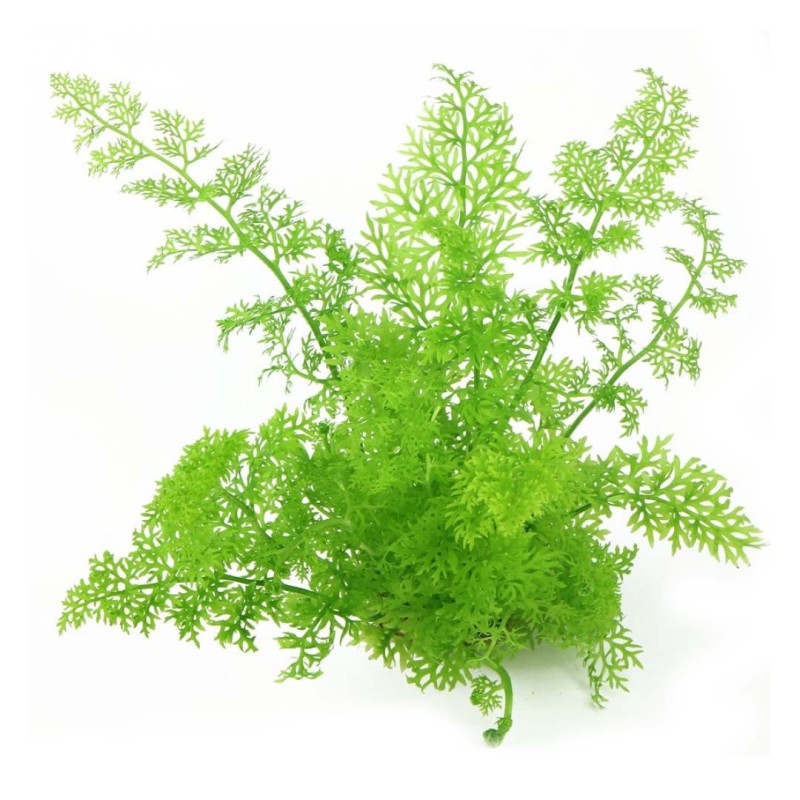
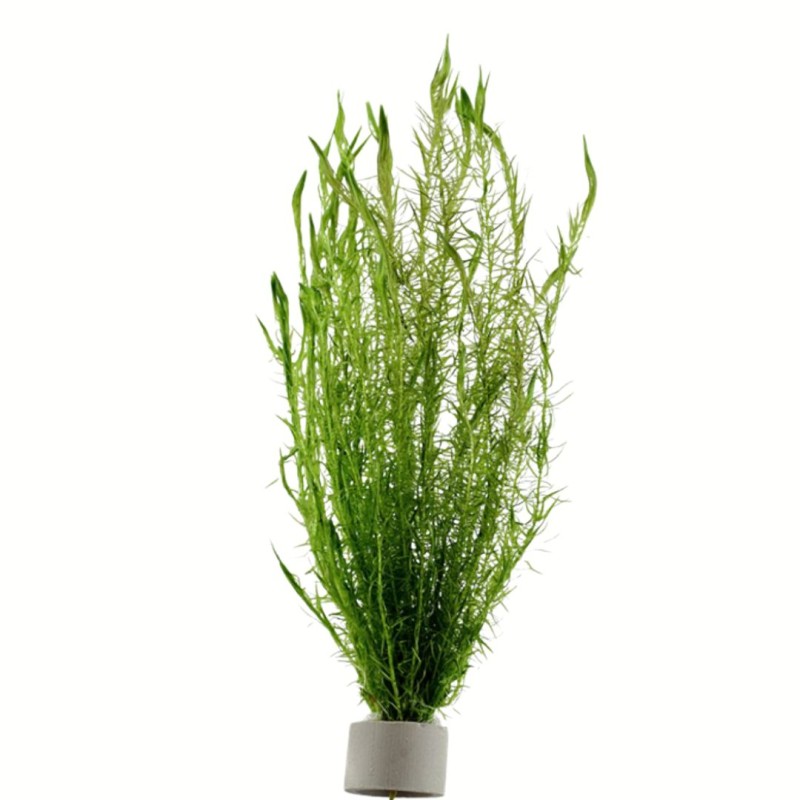
Plants: Raccoon Tetras thrive in planted tanks with species like Java Fern, Anubias, and Amazon Sword. Floating plants, such as Hornwort, can provide shelter and help reduce light intensity.
-
Decorations: Driftwood, caves, and rocks offer hiding spaces, which are appreciated for their comfort and security.
Feeding
-
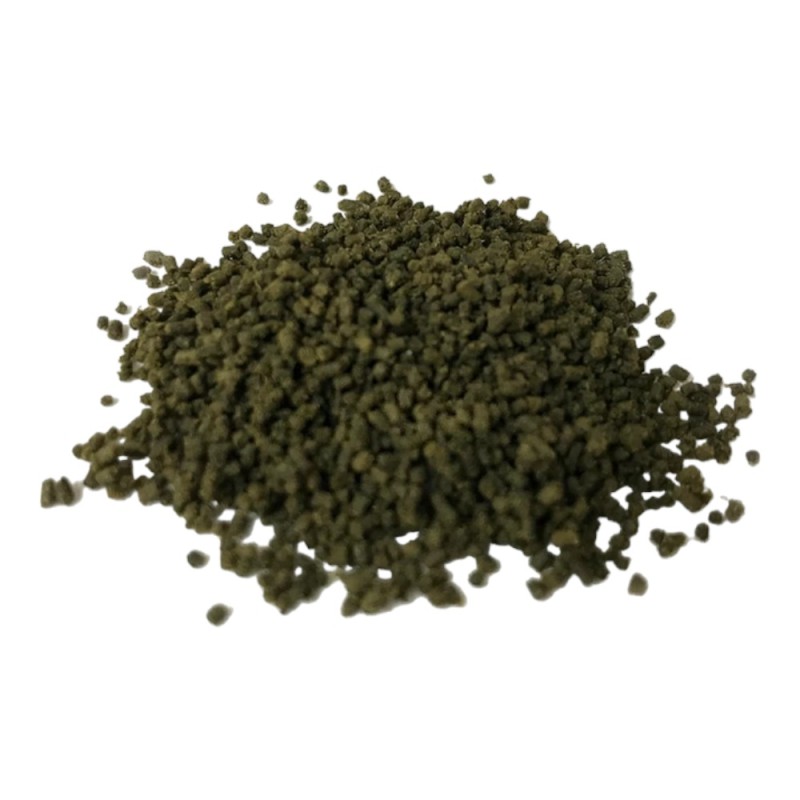
Diet: These omnivorous fish will accept a variety of foods, including high-quality flake food, small pellets, and occasional live or frozen foods like bloodworms, brine shrimp, and daphnia.
-
Offer a varied diet for optimal health.
-
-
Feeding Frequency: Feed them 2-3 times a day in small amounts that they can consume in 2-3 minutes.
Behavior and Tankmates
-
Temperament: Peaceful and social, they do best in schools of 5 or more.
-
Tankmates: Raccoon Tetras are great community fish and can be kept with other peaceful species like small tetras, rasboras, corydoras, and peaceful barbs. Avoid large or aggressive tankmates that may harass them.
Water Quality
-
Water Changes: Regular water changes (25-30% per week) are important to maintain water quality and keep the fish healthy.
-
Ammonia, Nitrite, and Nitrate Levels: Keep ammonia and nitrite at 0, and nitrates should be below 20 ppm for optimal health.
Breeding
-
Breeding: Raccoon Tetras are egg scatterers, and breeding can be tricky but rewarding. To breed them, set up a breeding tank with slightly acidic water (pH 5.5 to 6.5) and a gentle filtration system.
-
After spawning, remove the parents, as they may eat the eggs.
-
-
Eggs: The eggs hatch in a few days, and the fry should be fed infusoria or finely crushed flake food until they are large enough to accept normal food.
Health and Common Issues
-
Diseases: Common issues include Ich, fin rot, and fungal infections. Maintain clean water and ensure good tank hygiene to minimize the risk of disease.
-
Stress: Keep them in peaceful environments with plenty of hiding spots to reduce stress. Stress can weaken their immune system, making them more susceptible to diseases.
Key Points
-
Peaceful and active; ideal for community tanks.
-
Schooling fish—keep at least 5 for the best results.
-
Prefer slightly soft to moderately hard water (KH 3-8 dKH).
-
Maintain slightly acidic to neutral pH (6.0-7.5).
-
Feed a varied diet and perform regular water changes for optimal health.
With the proper water conditions, feeding, and tank setup, the Raccoon Tetra can thrive in a community aquarium for many years, adding beautiful color and movement to your tank.