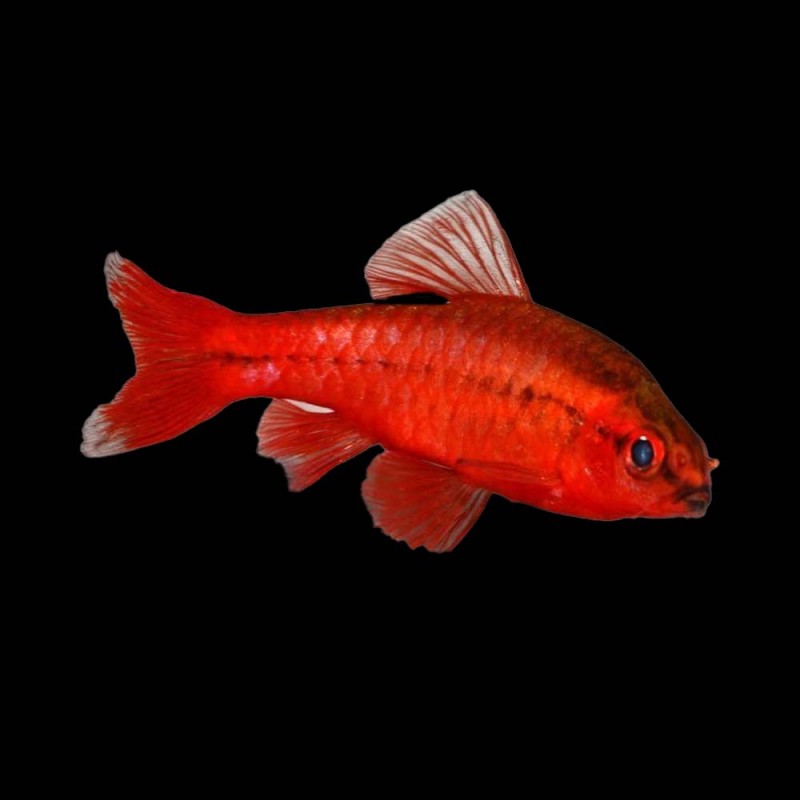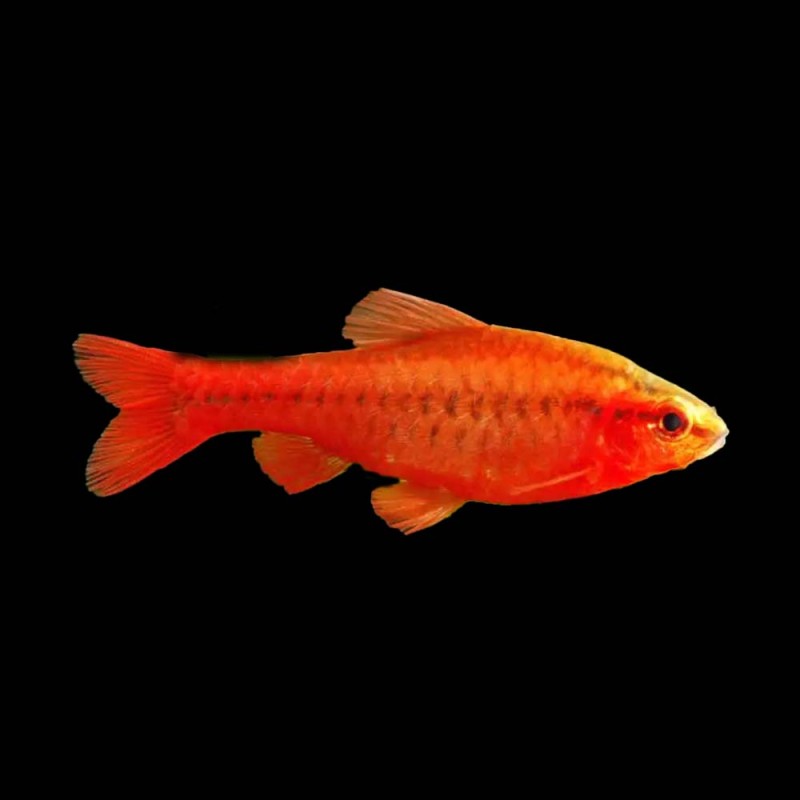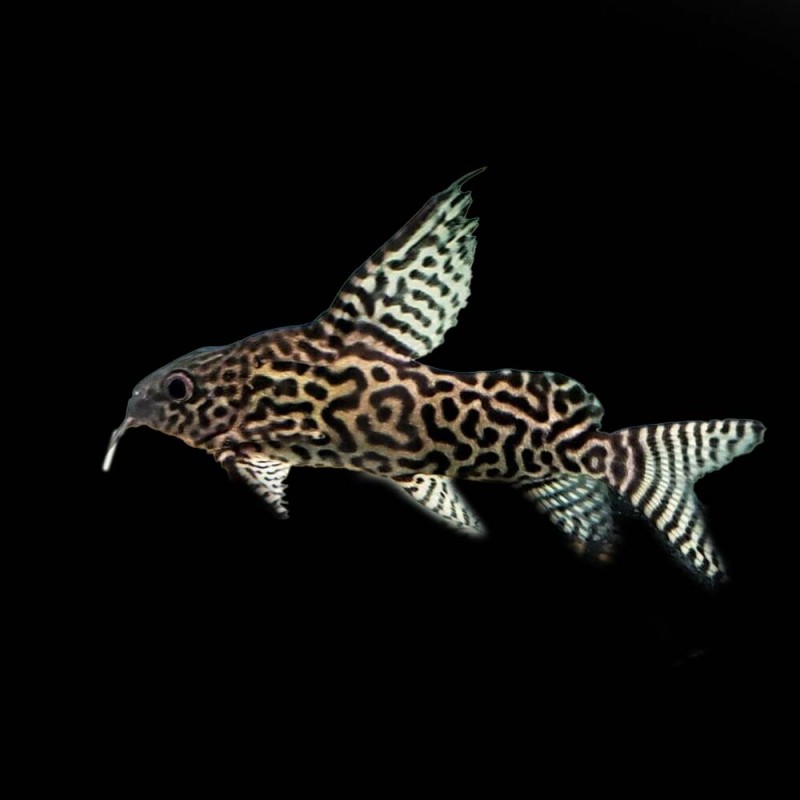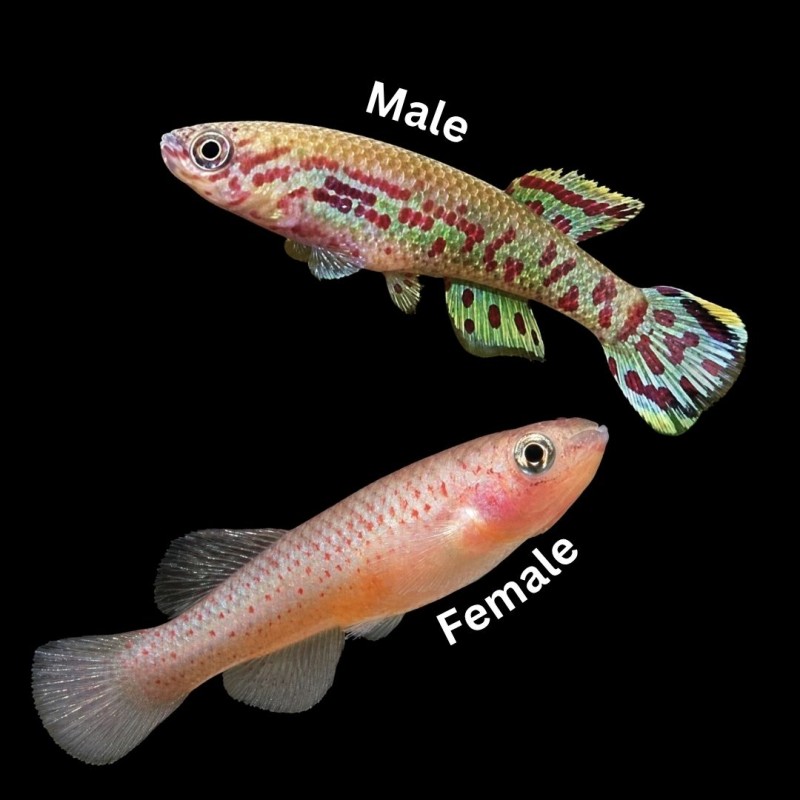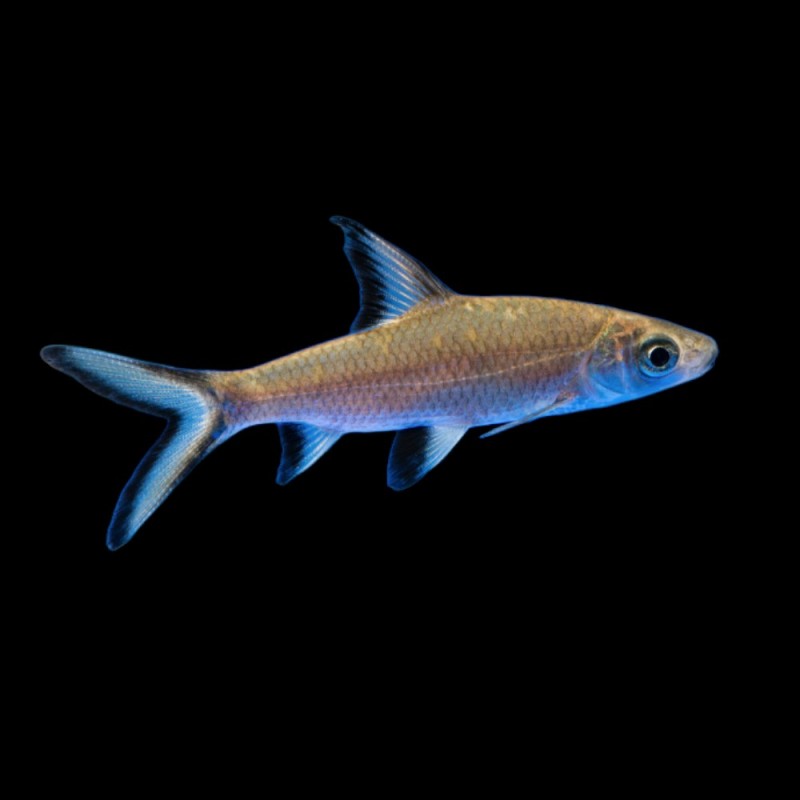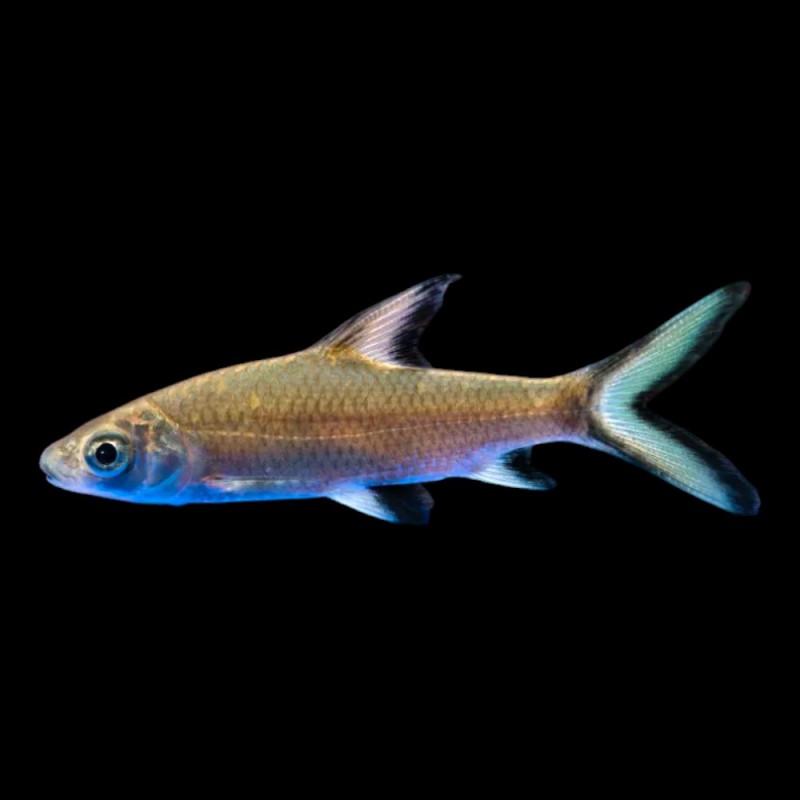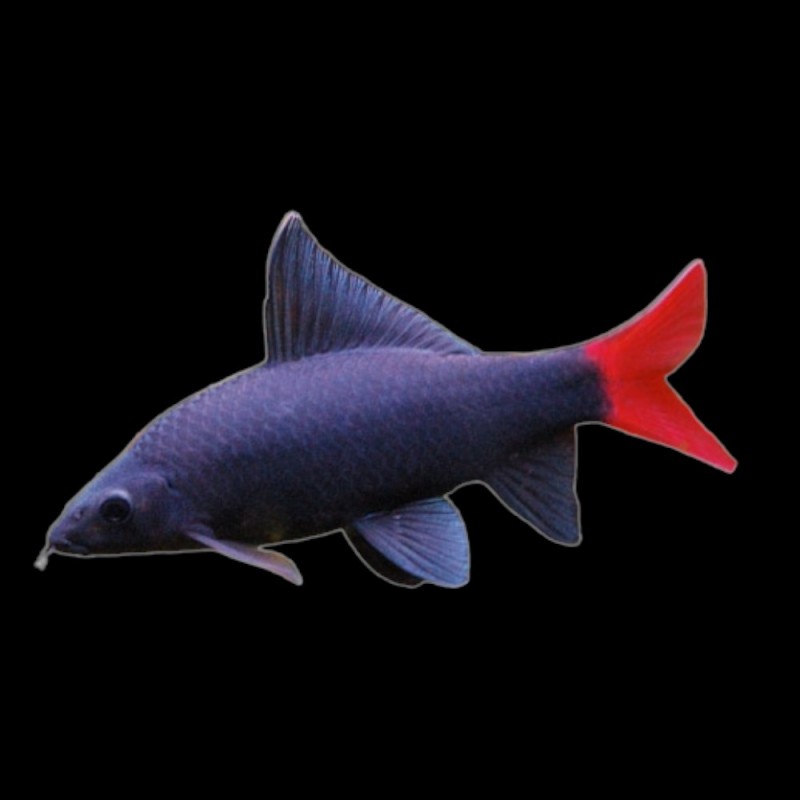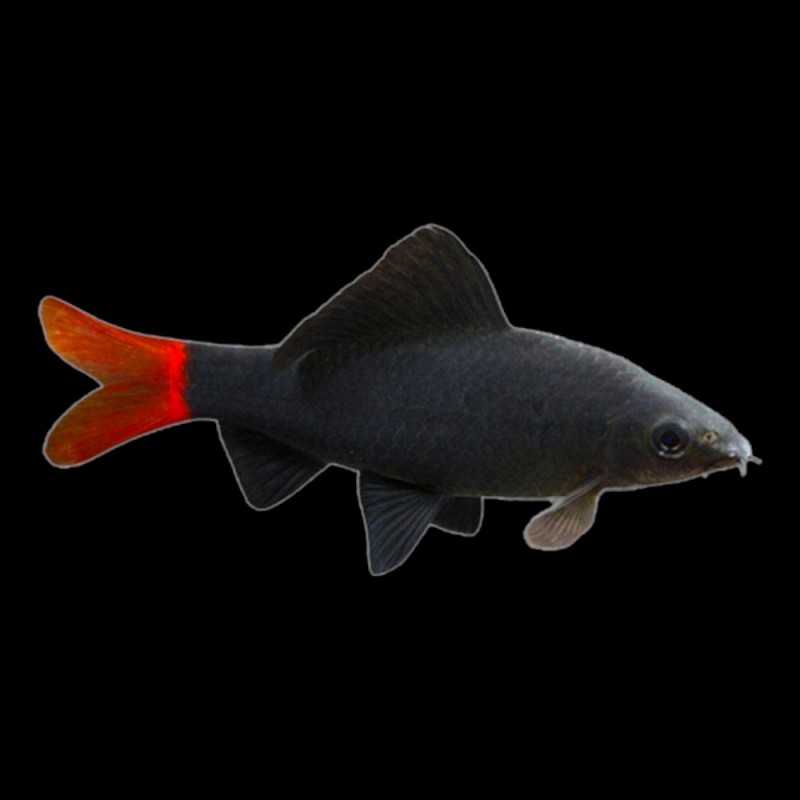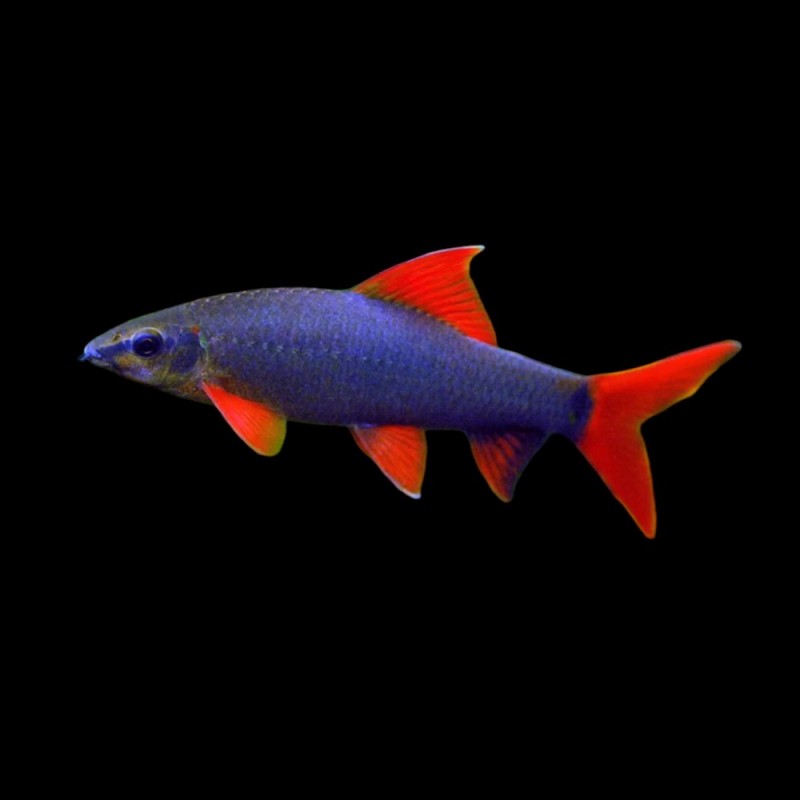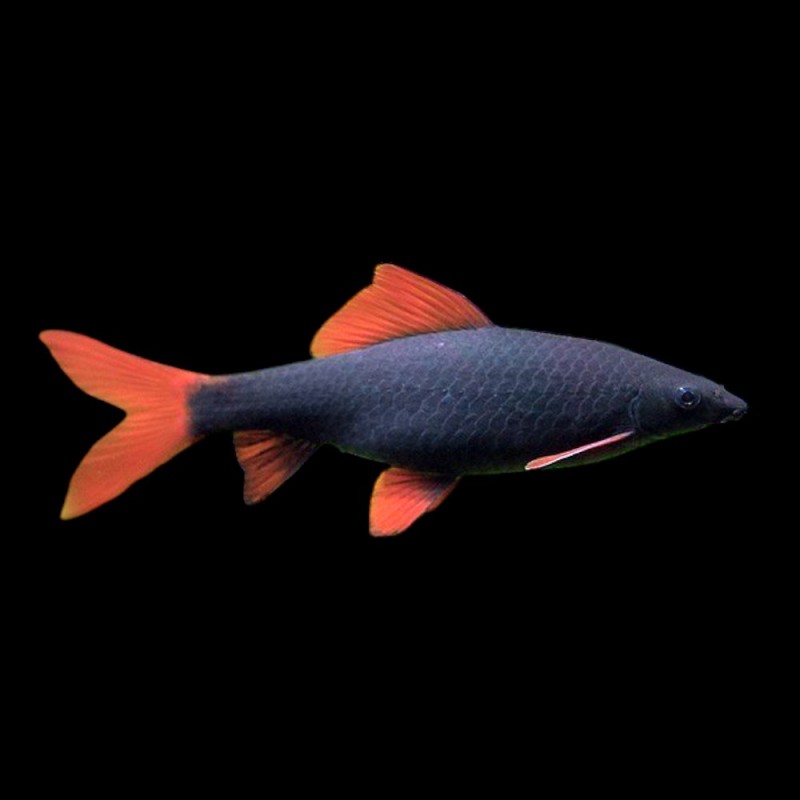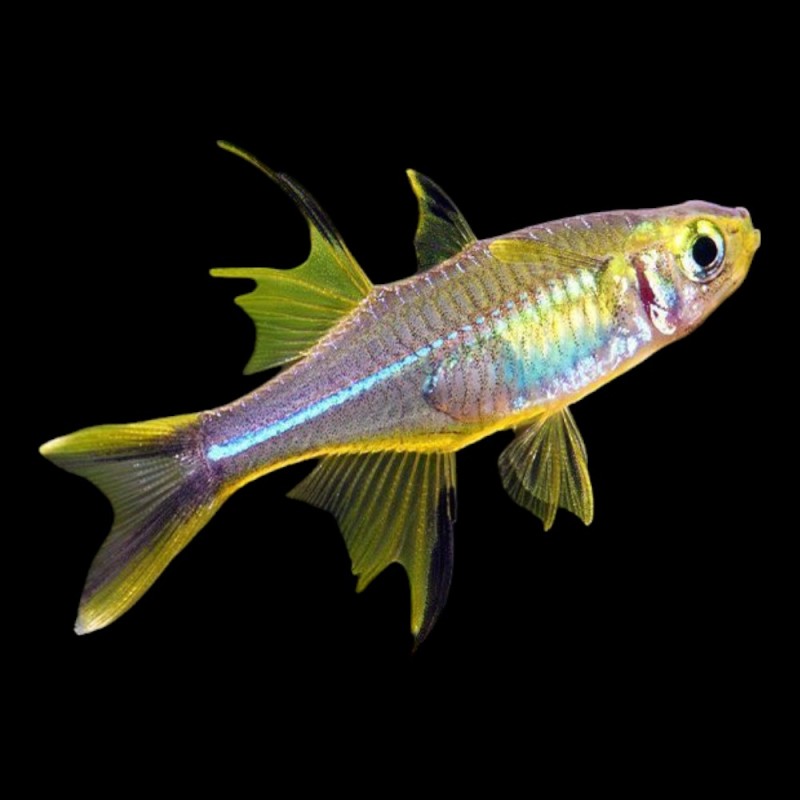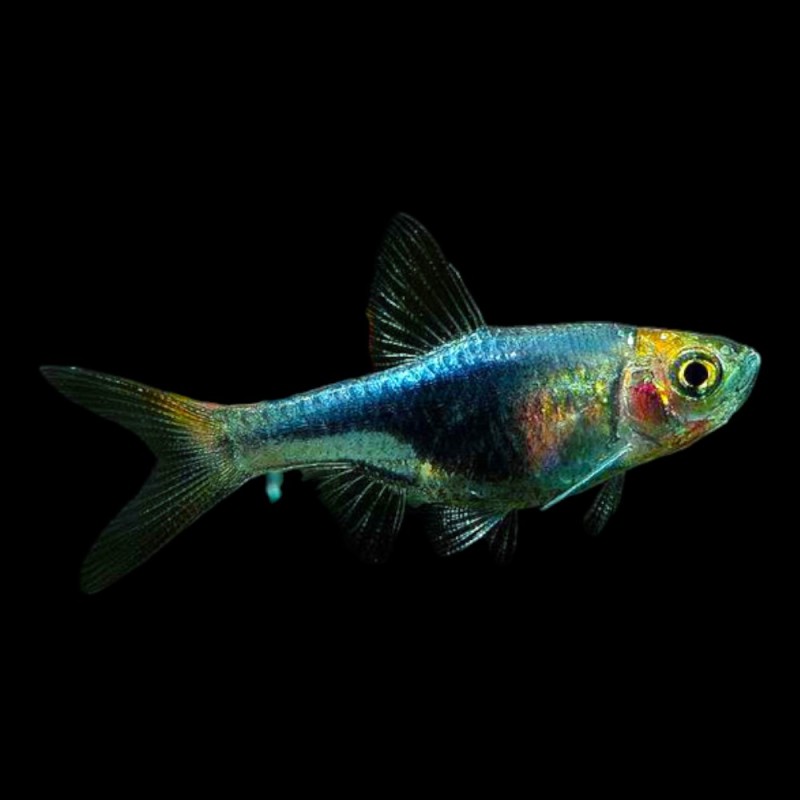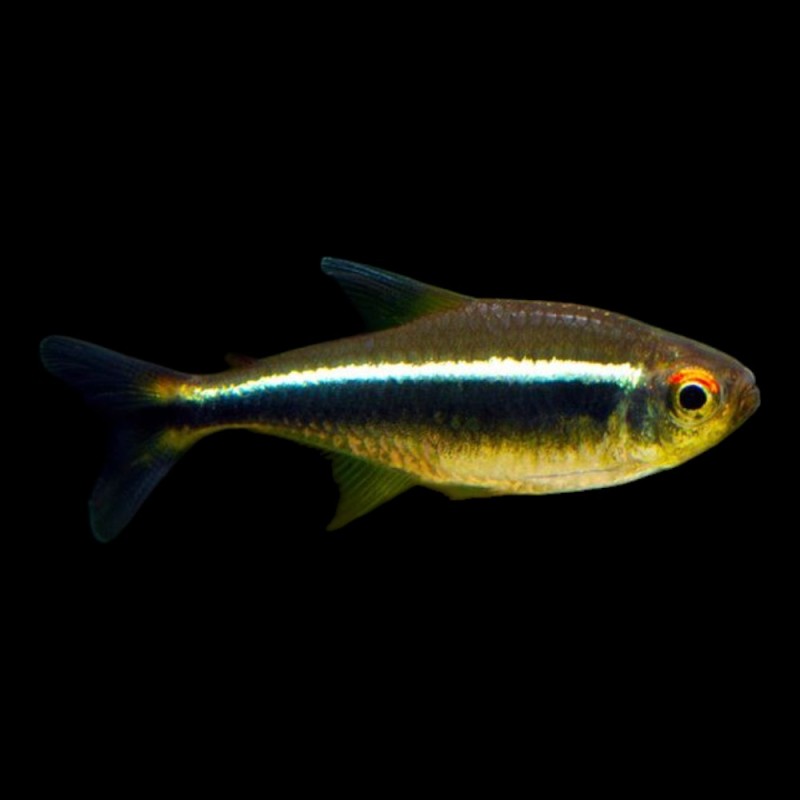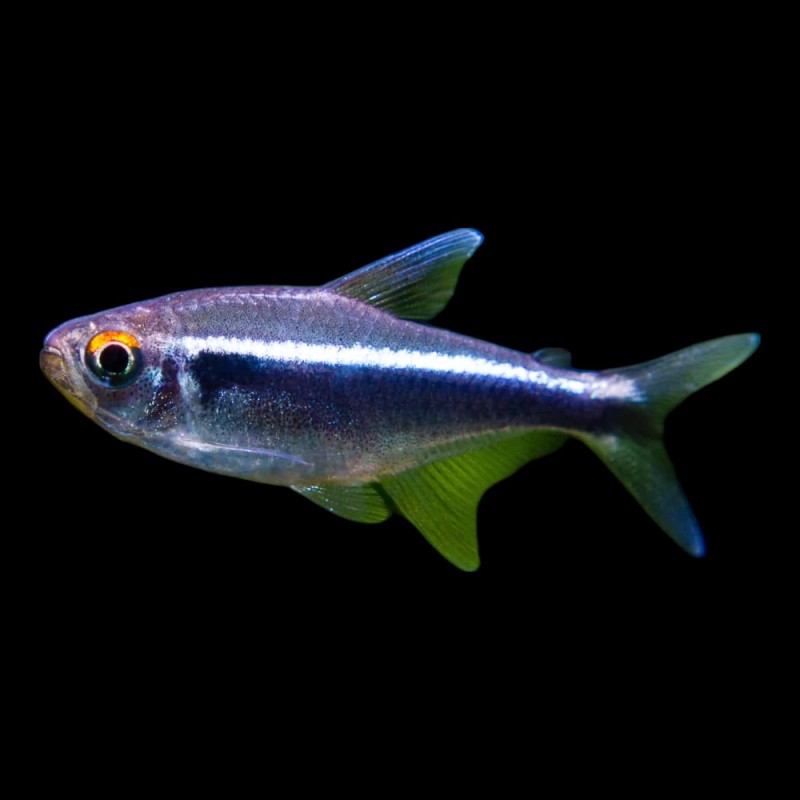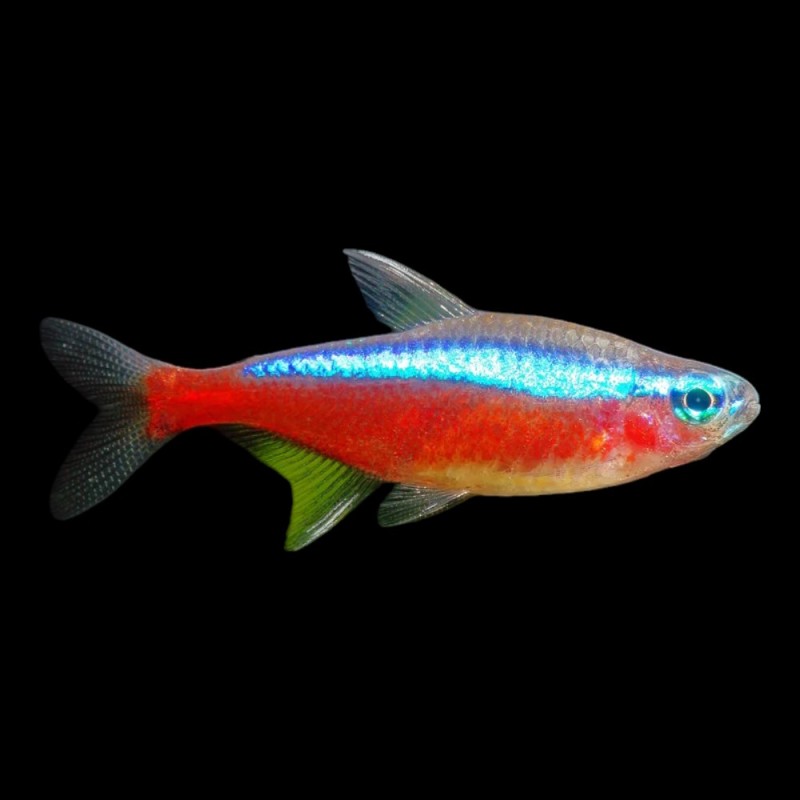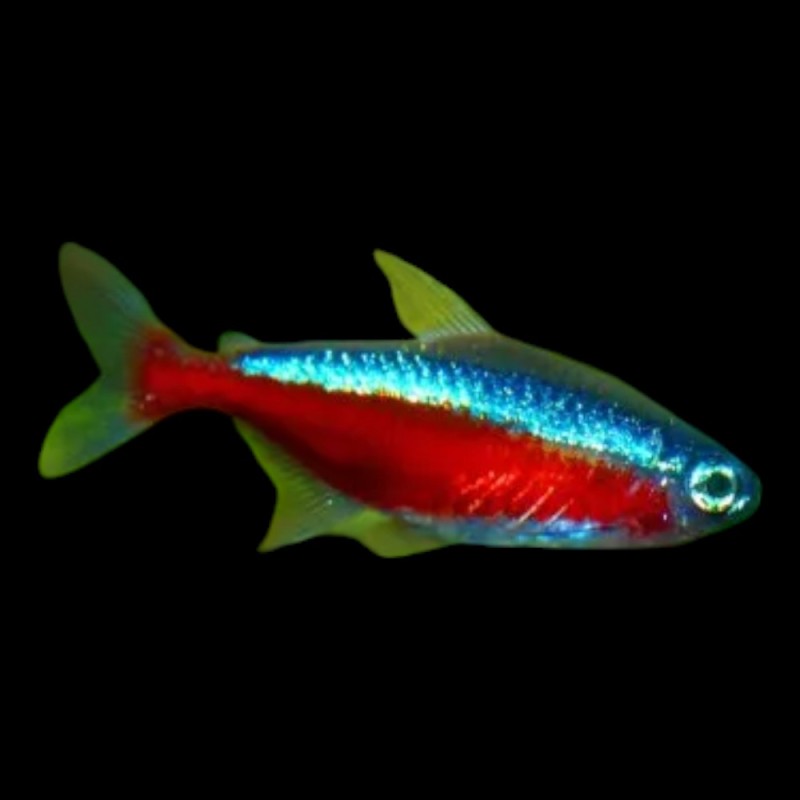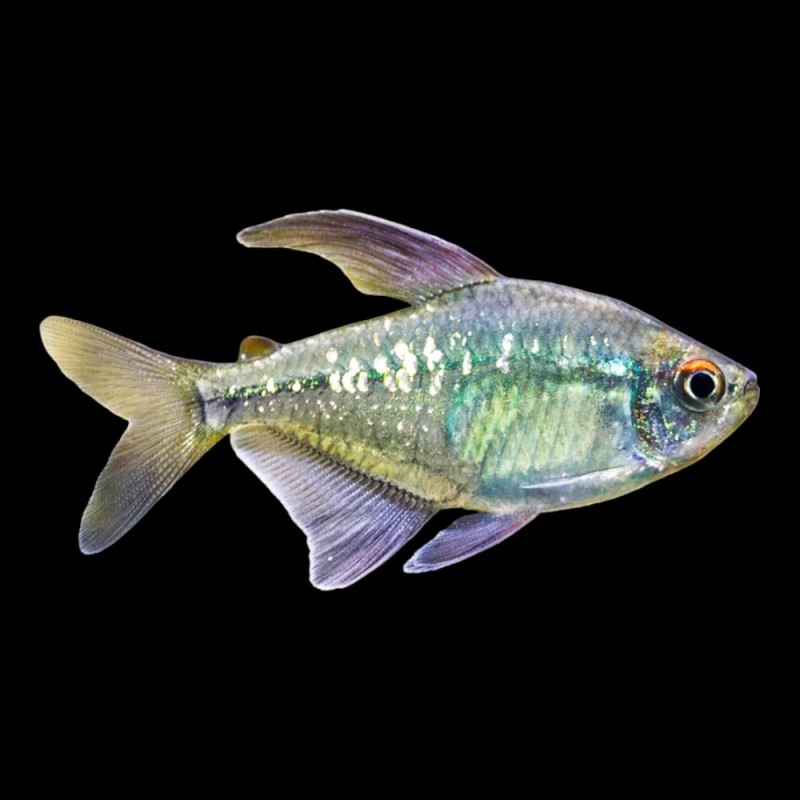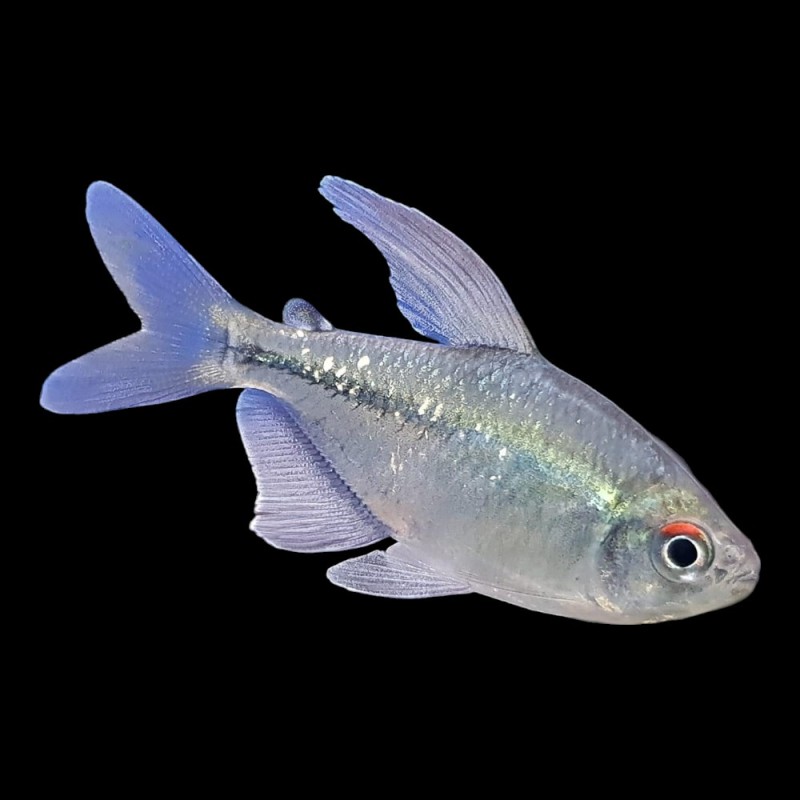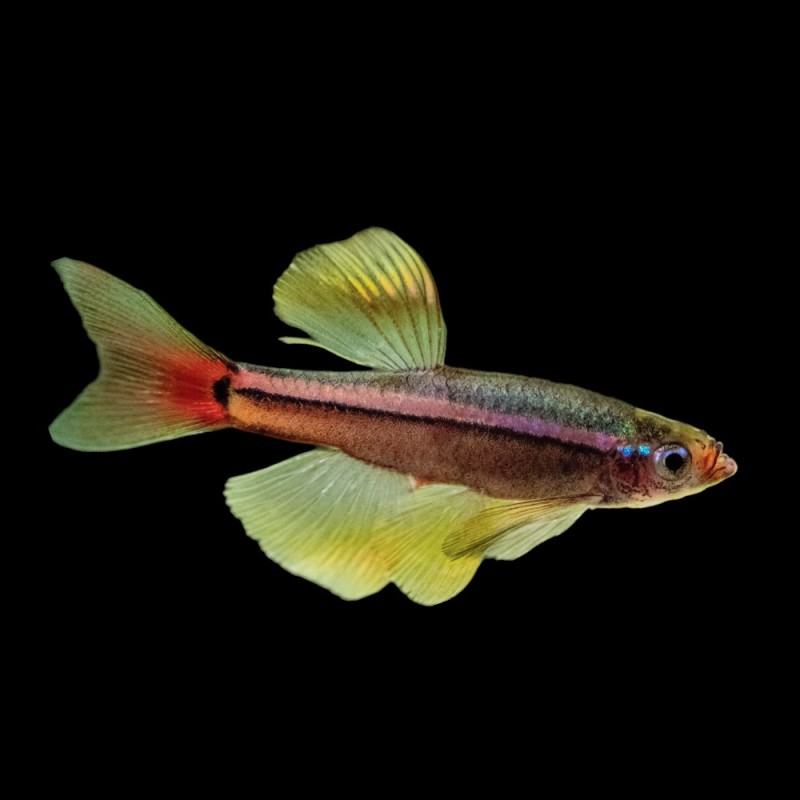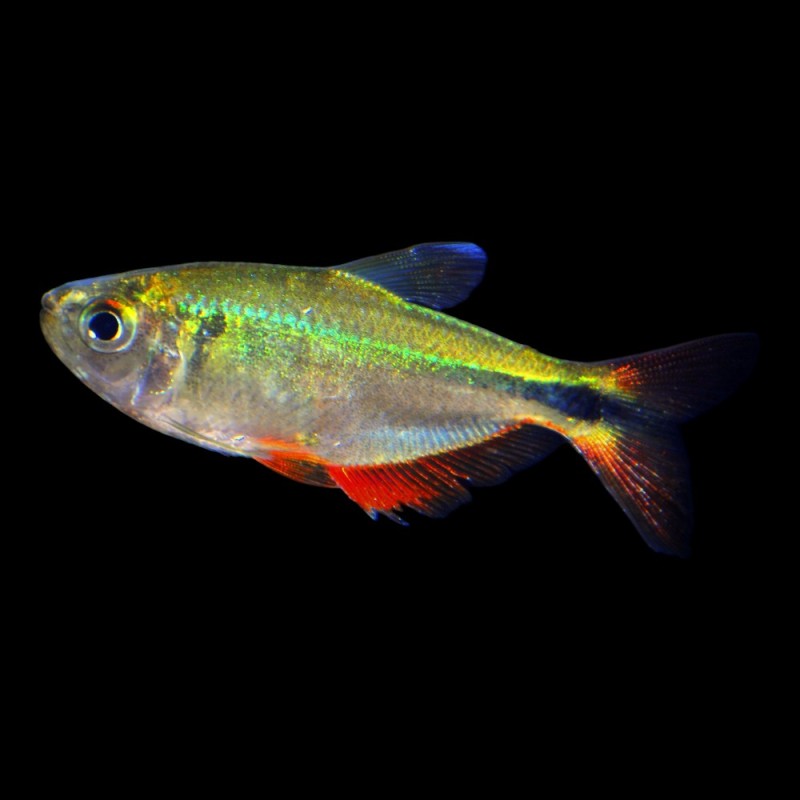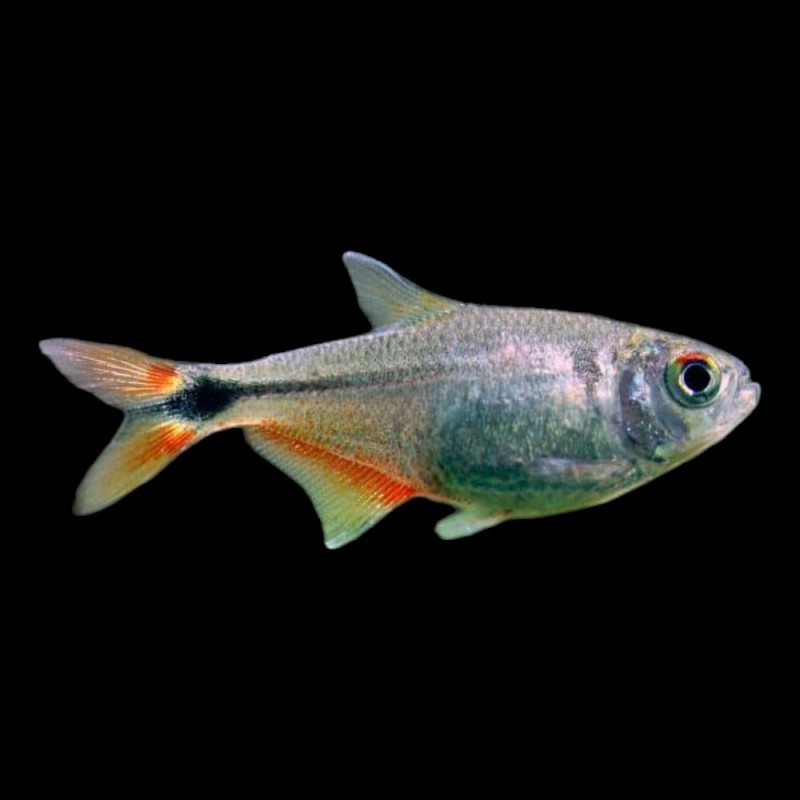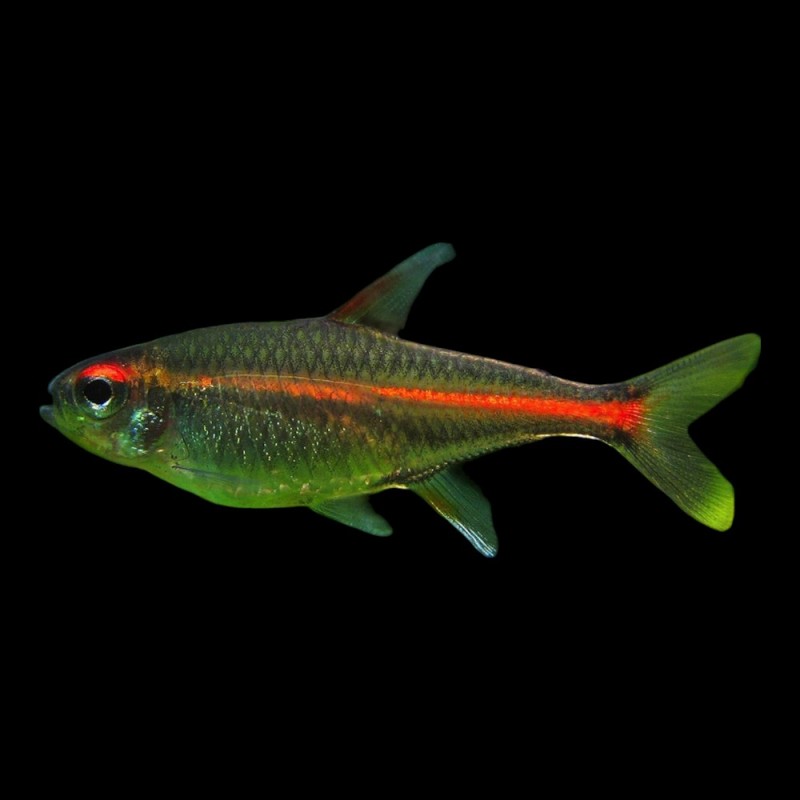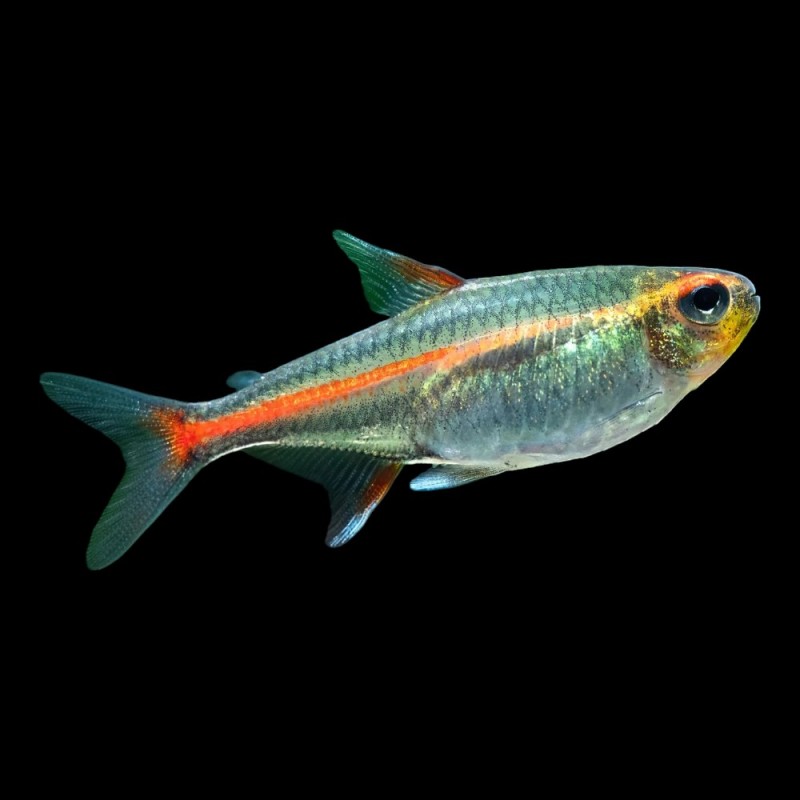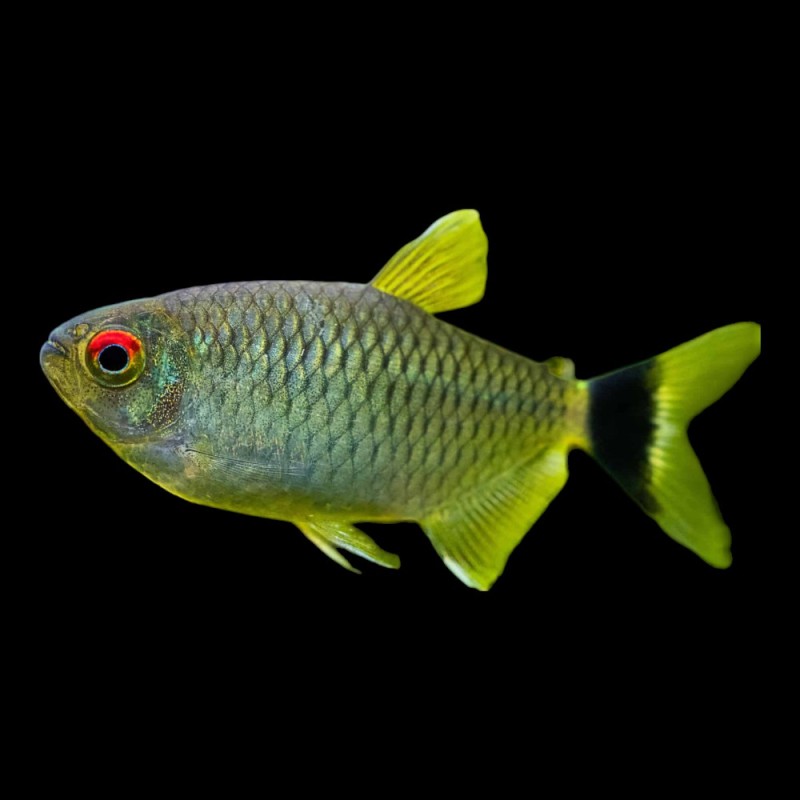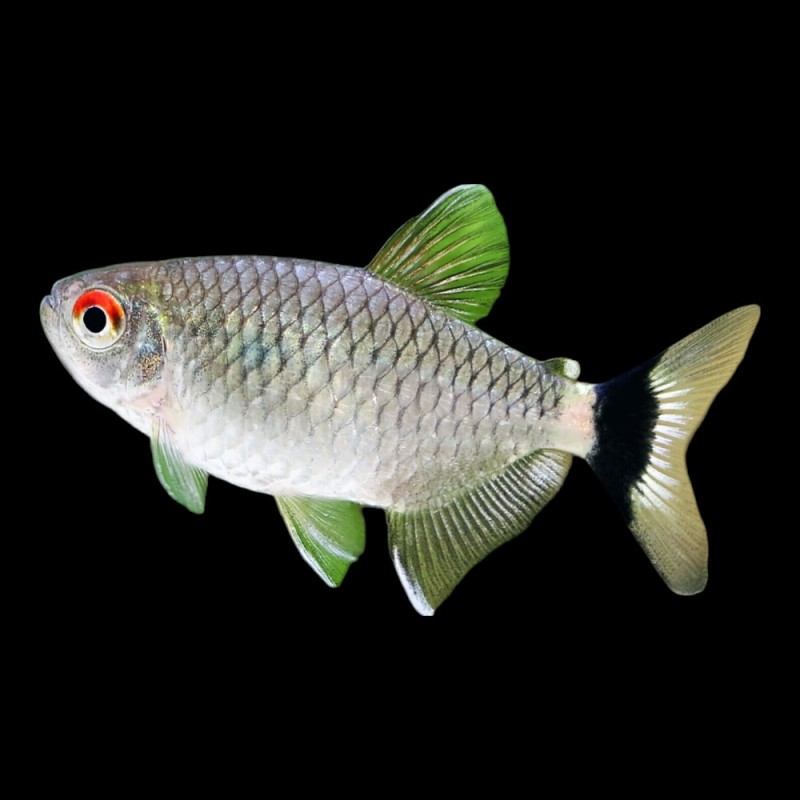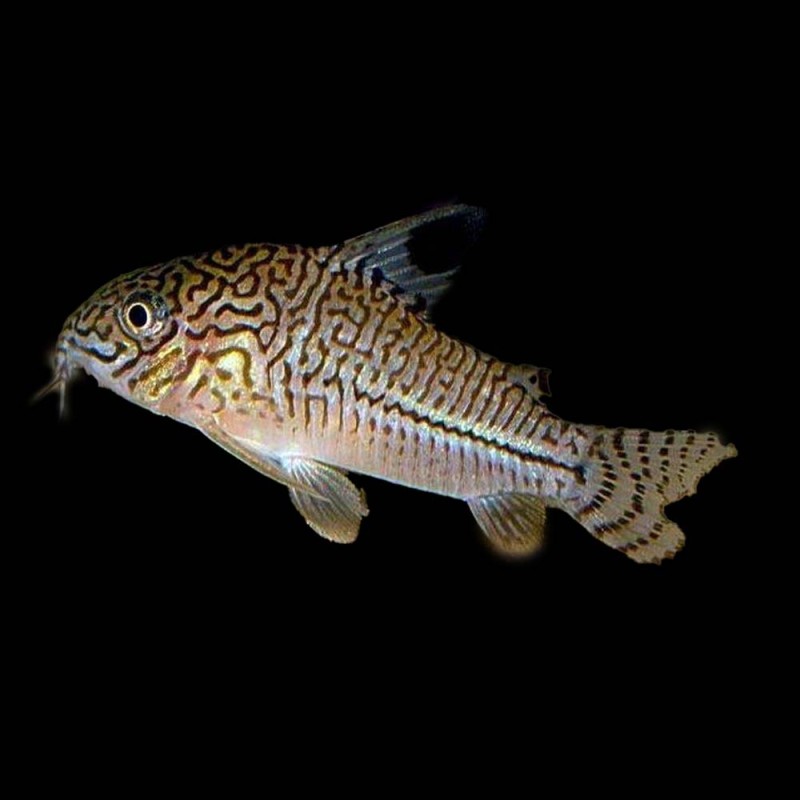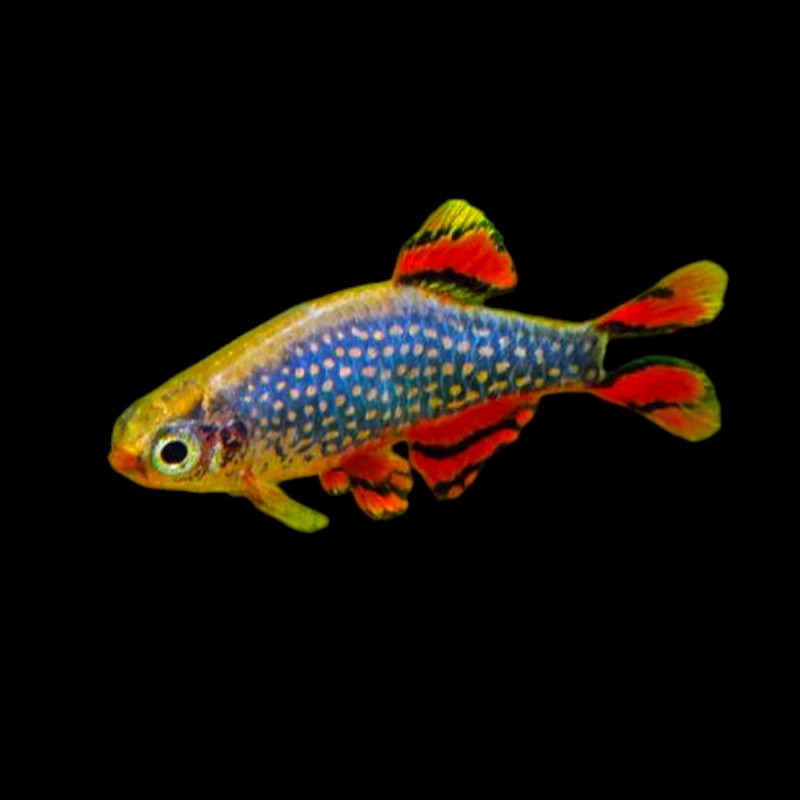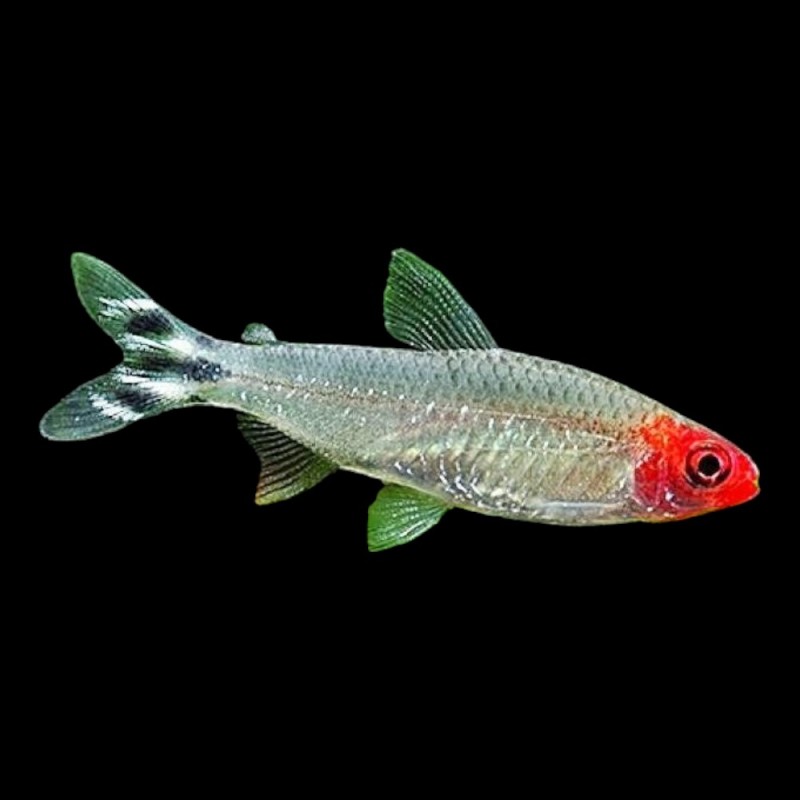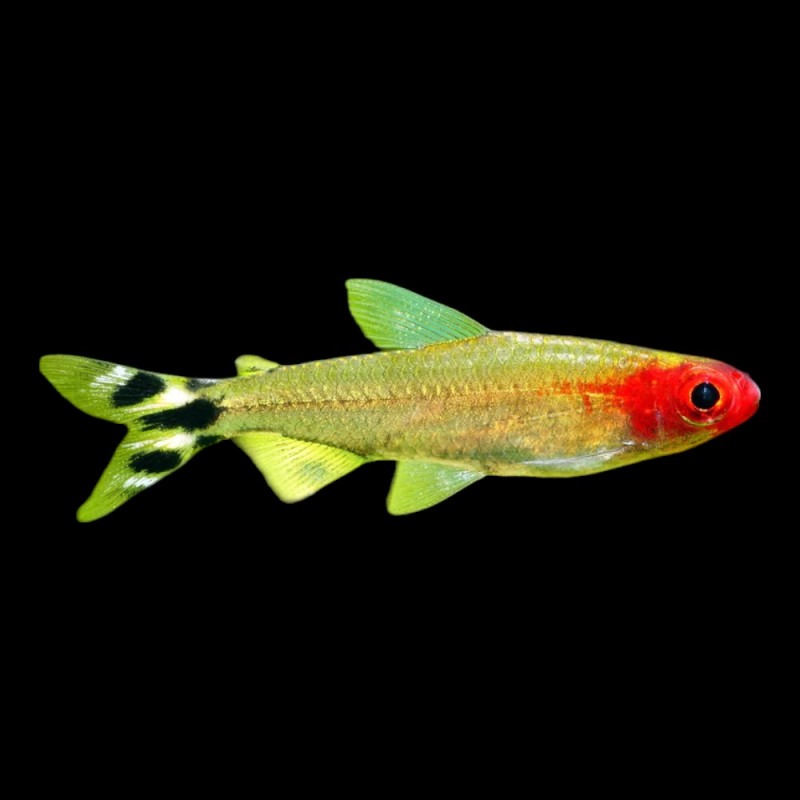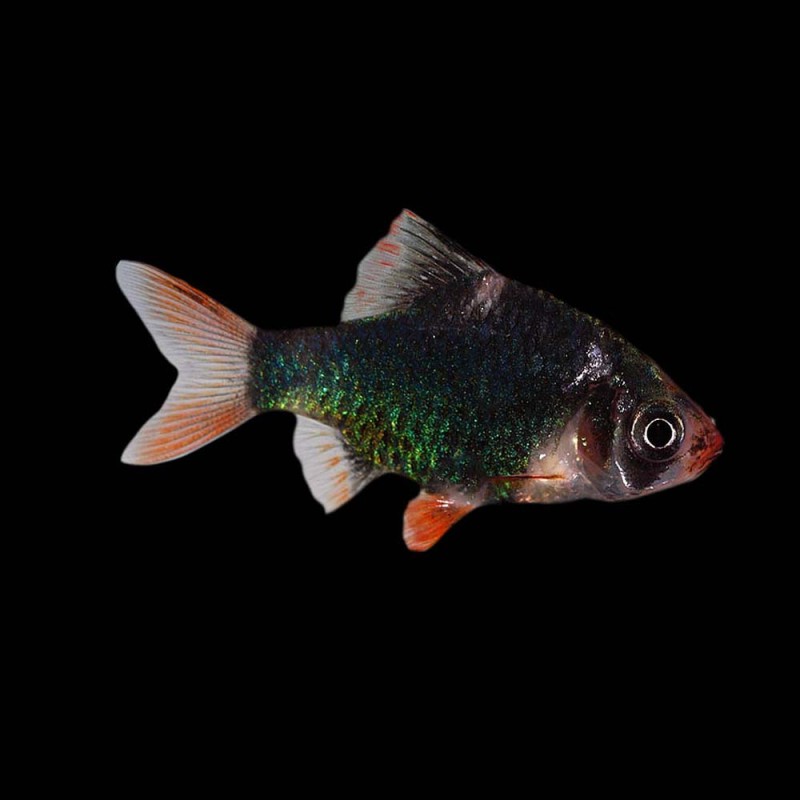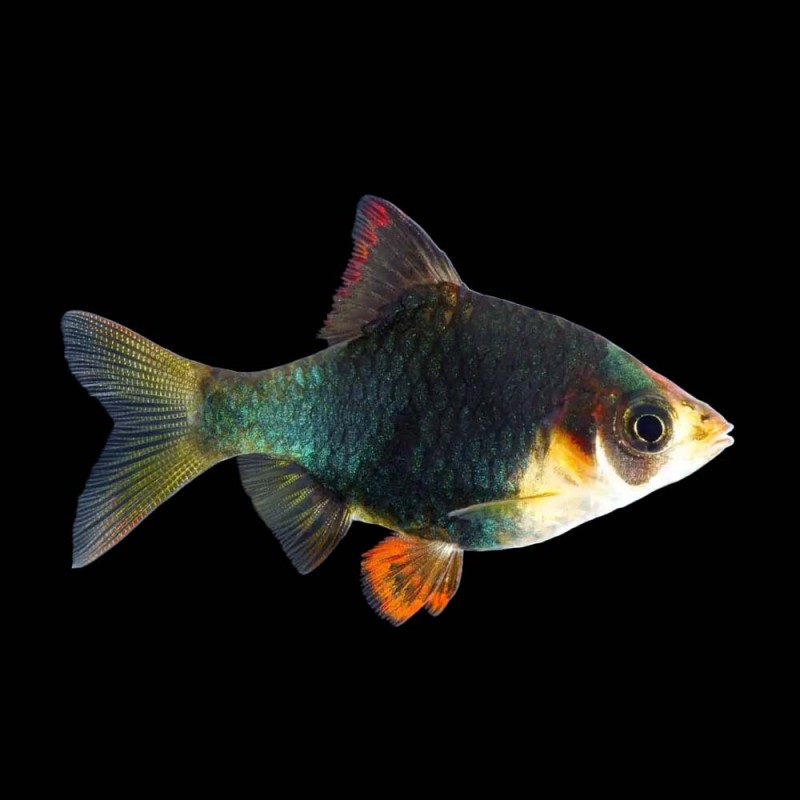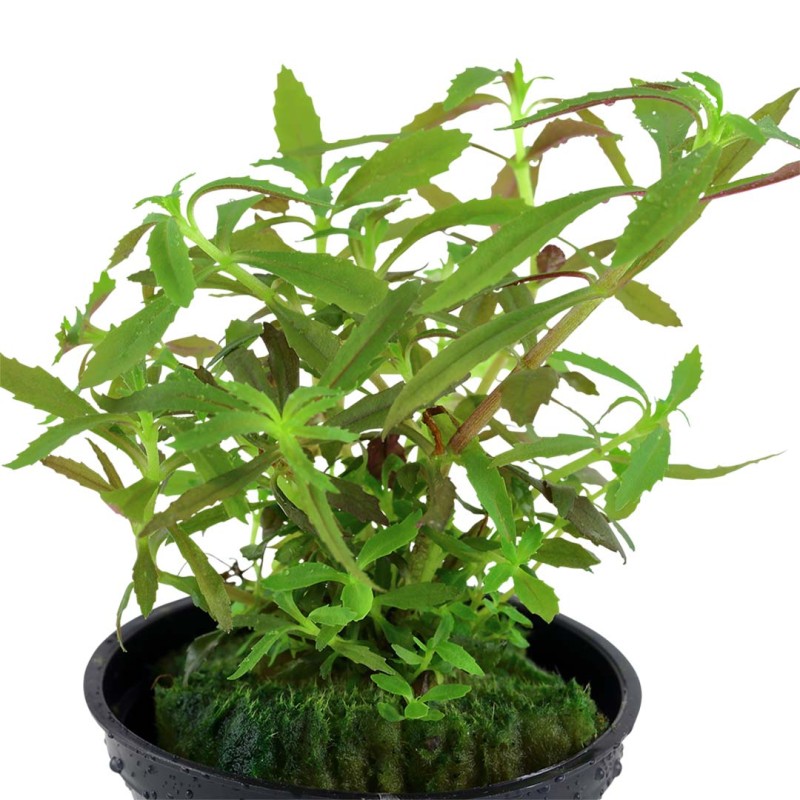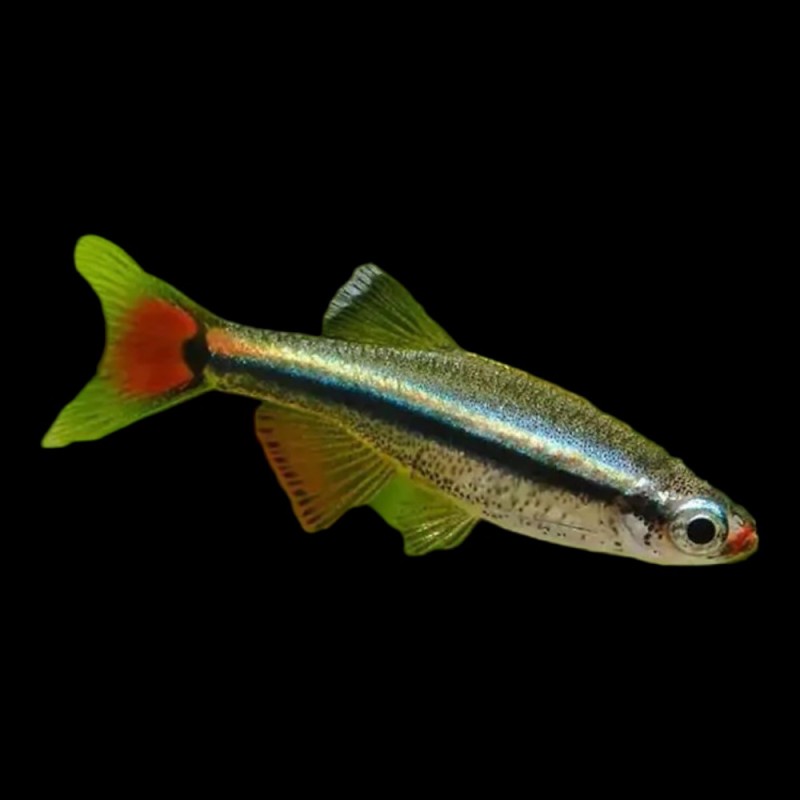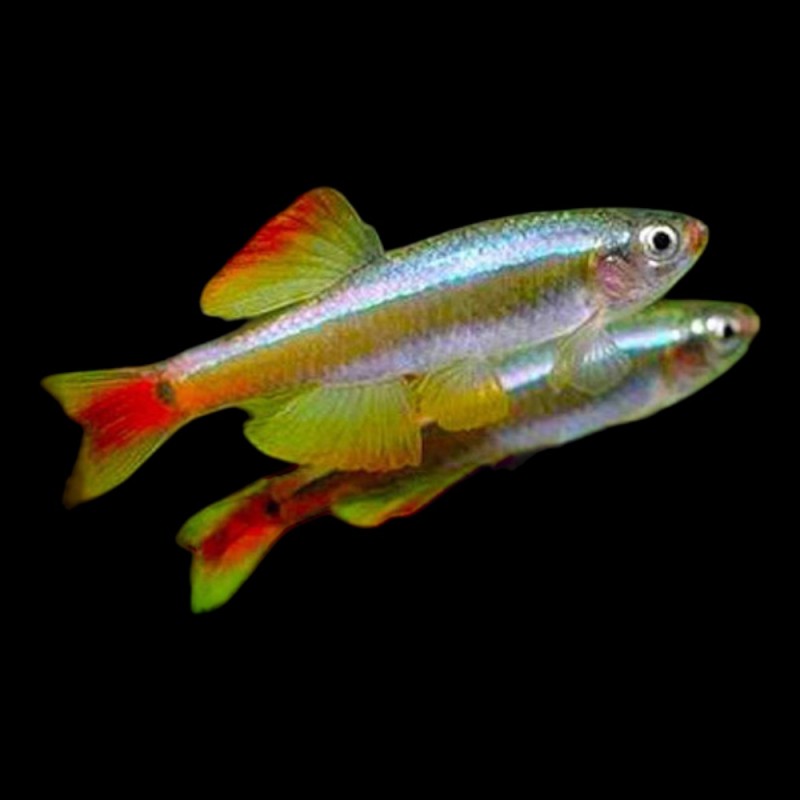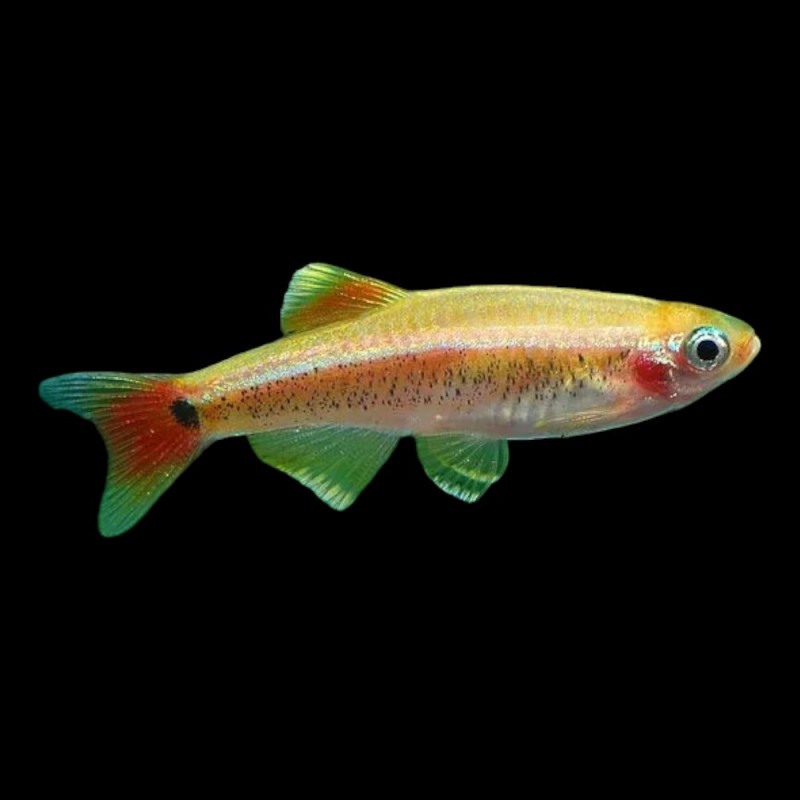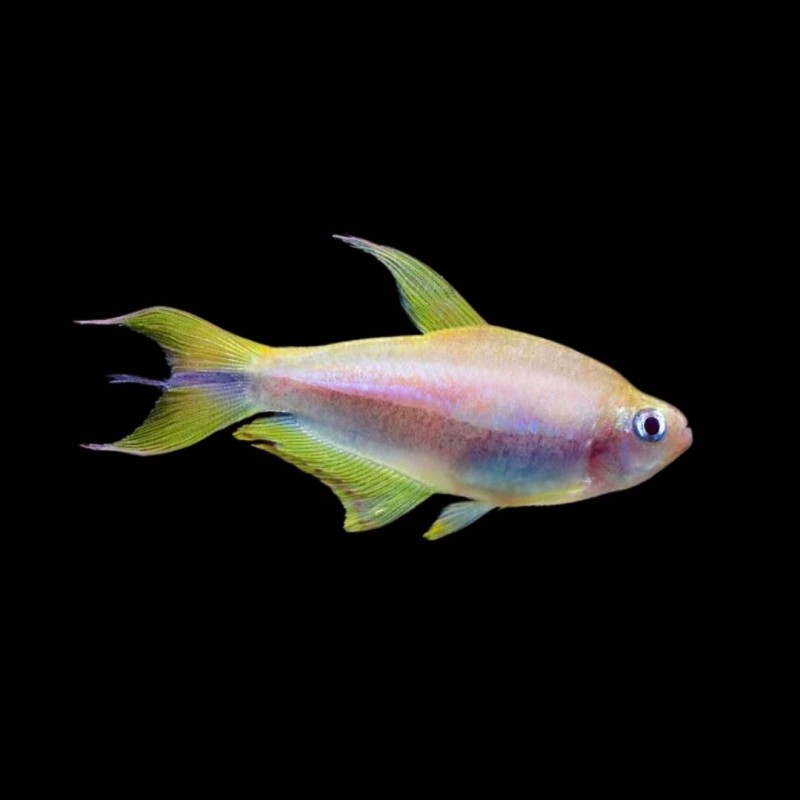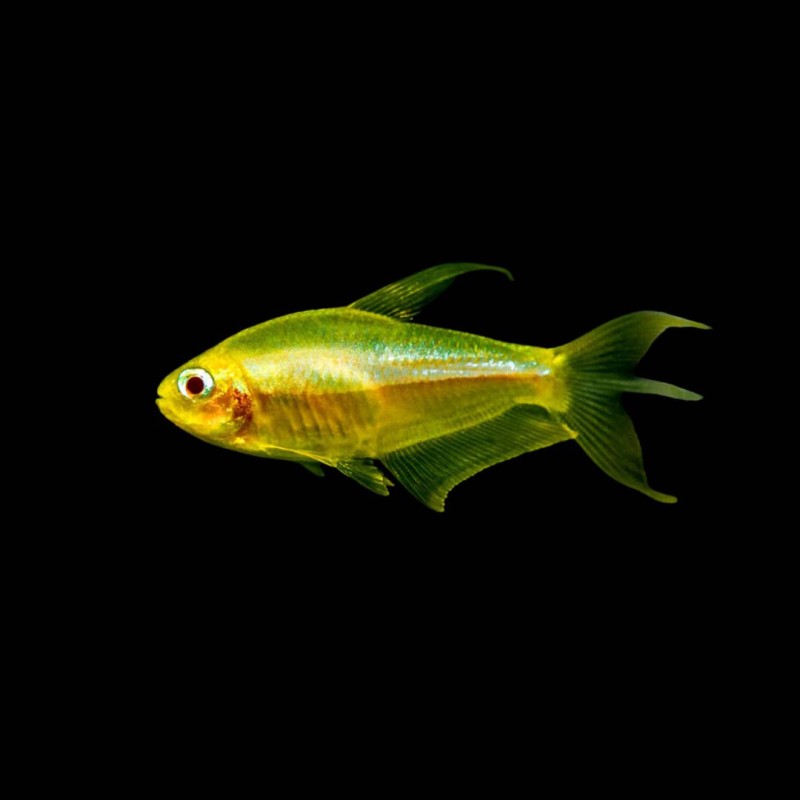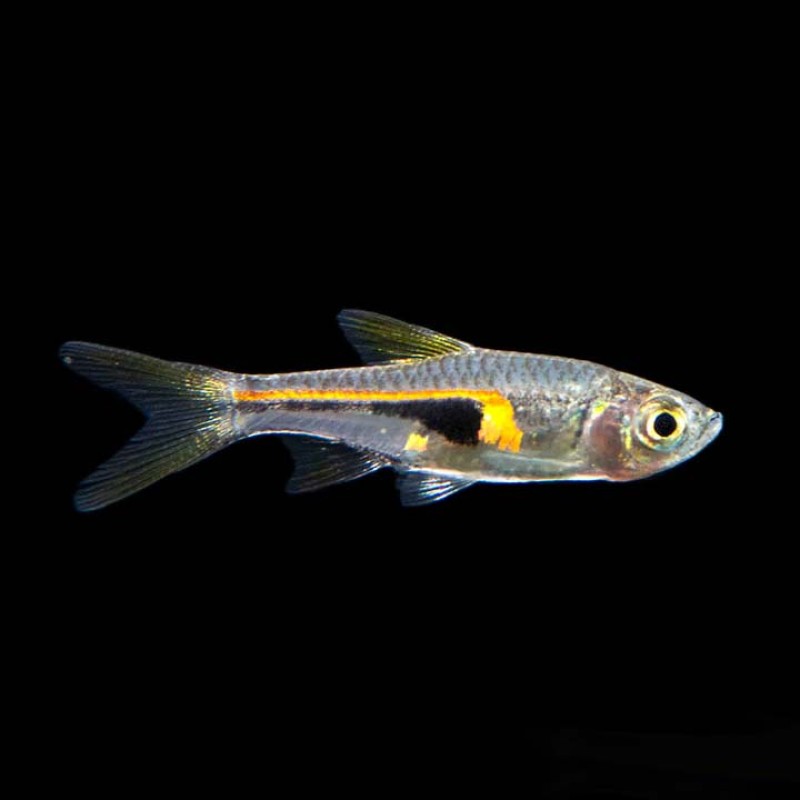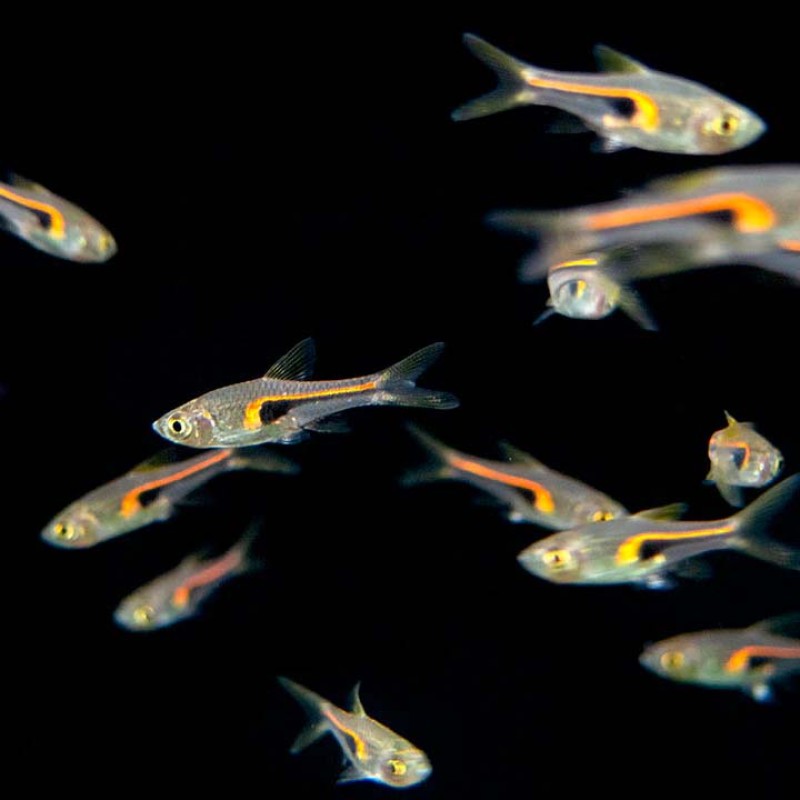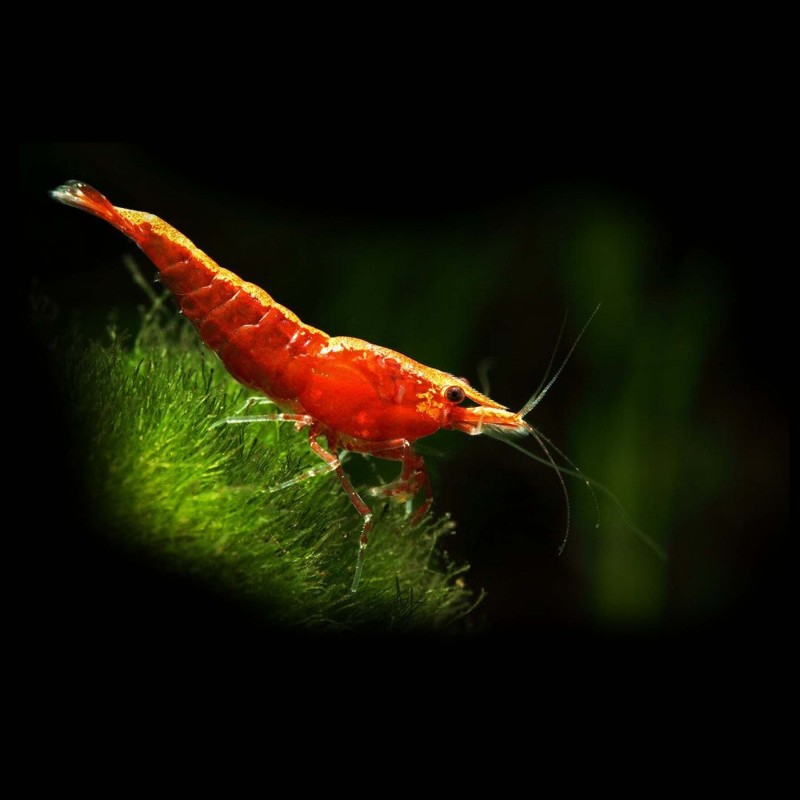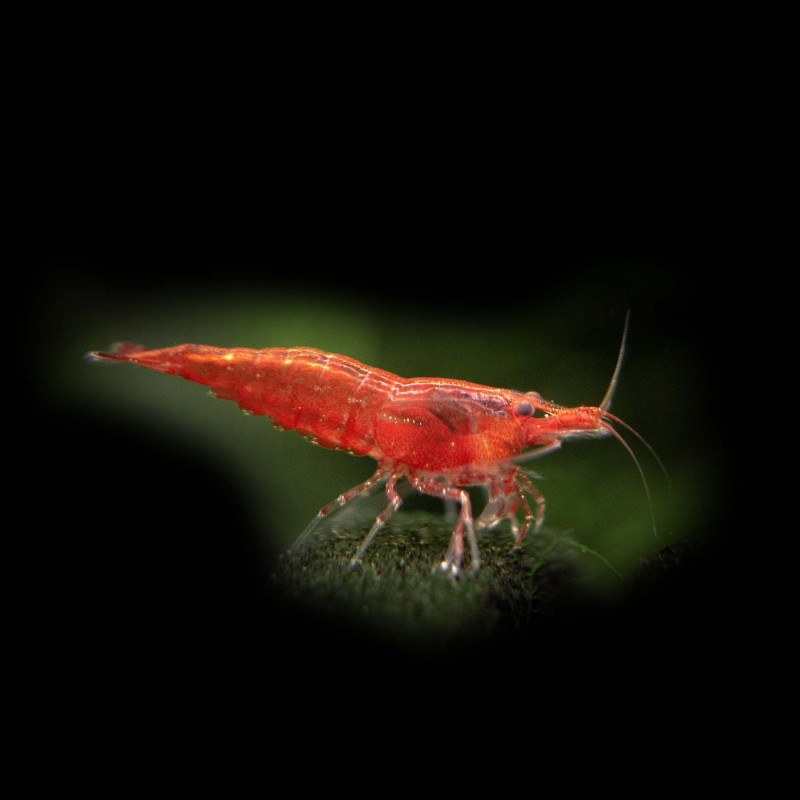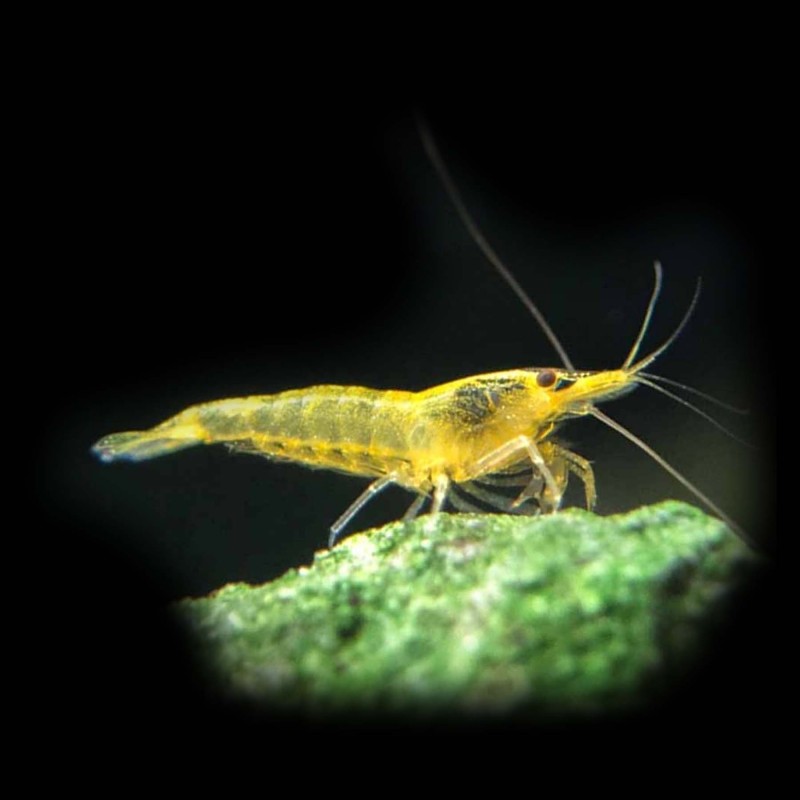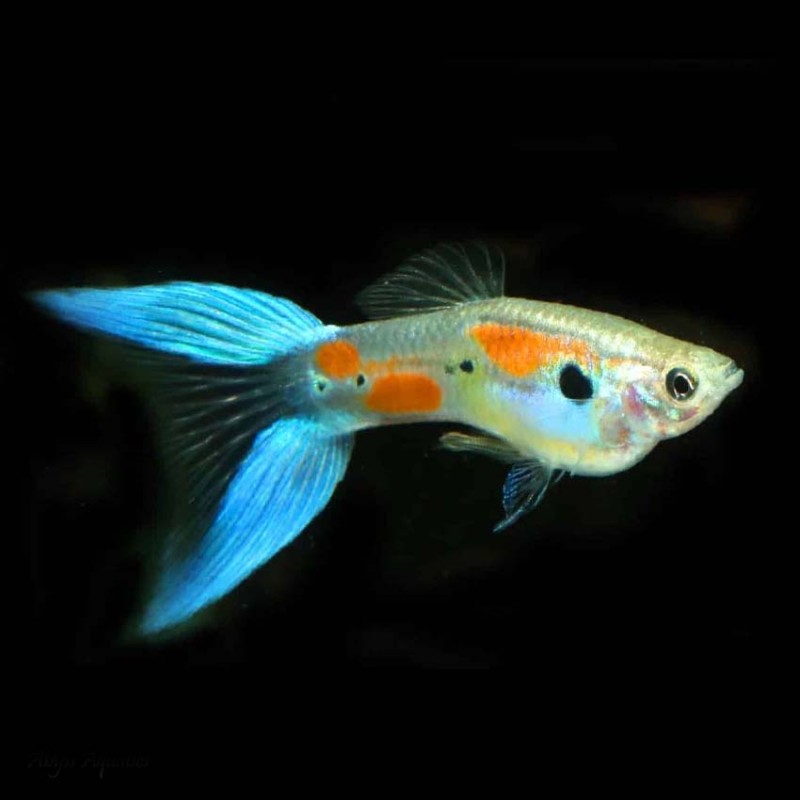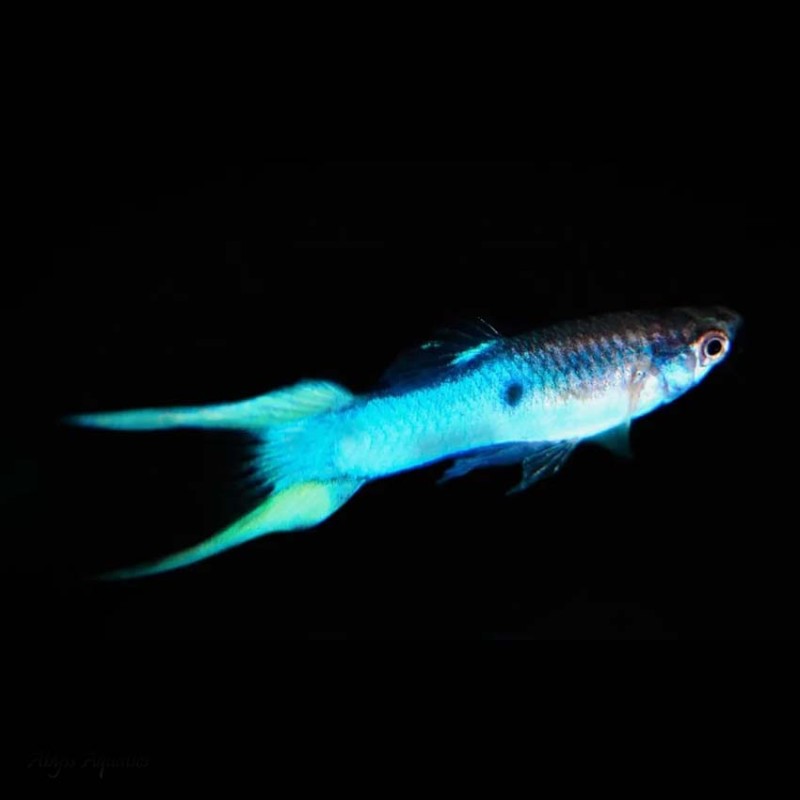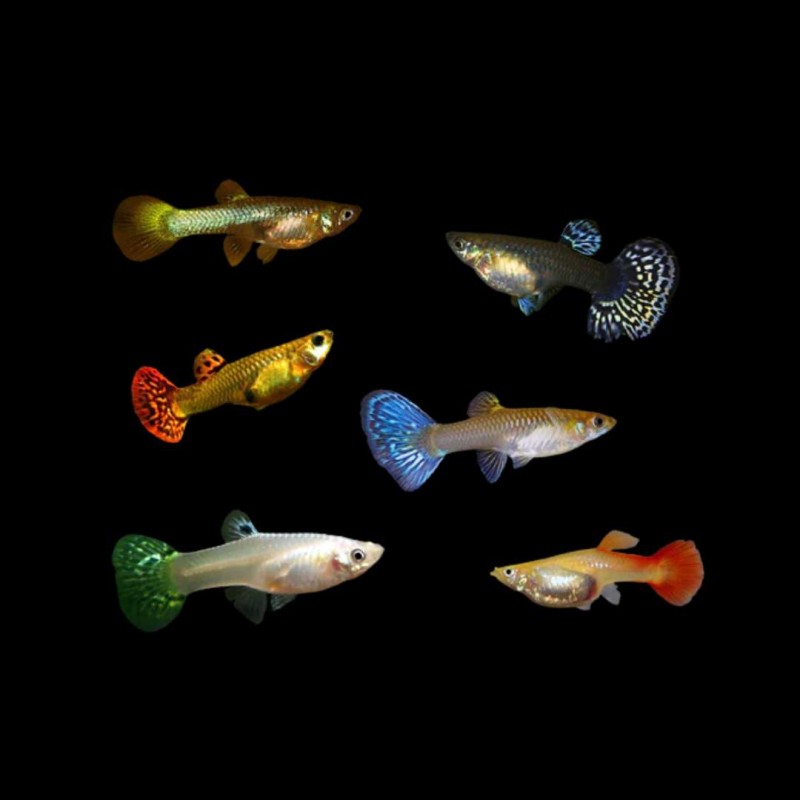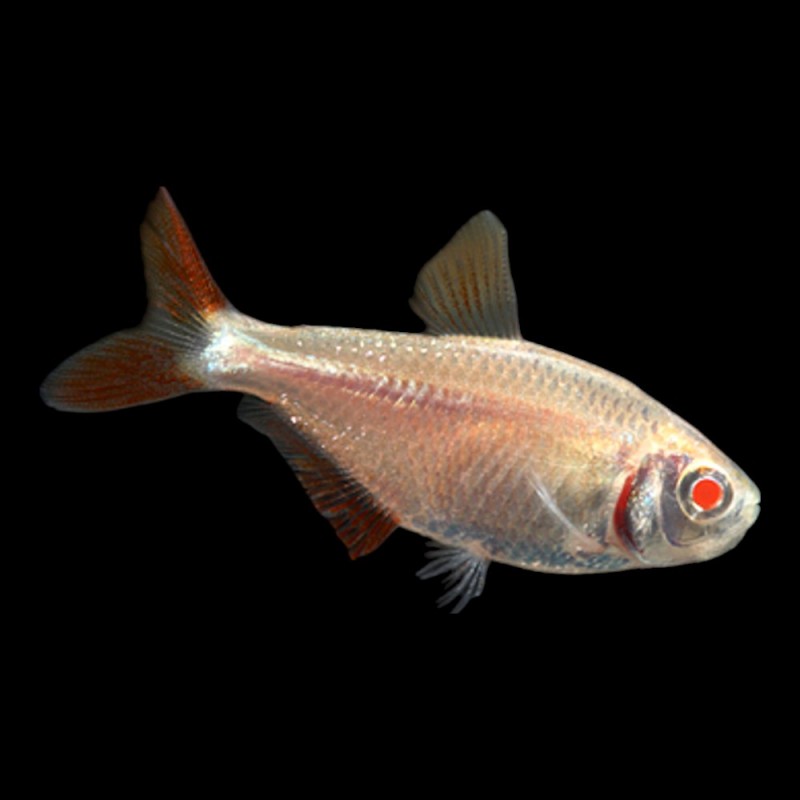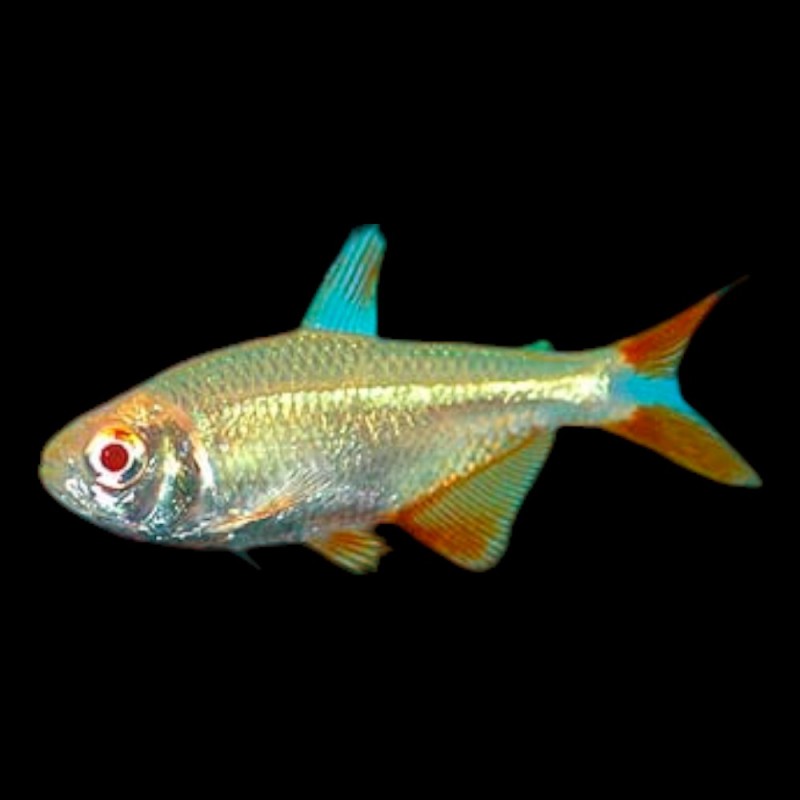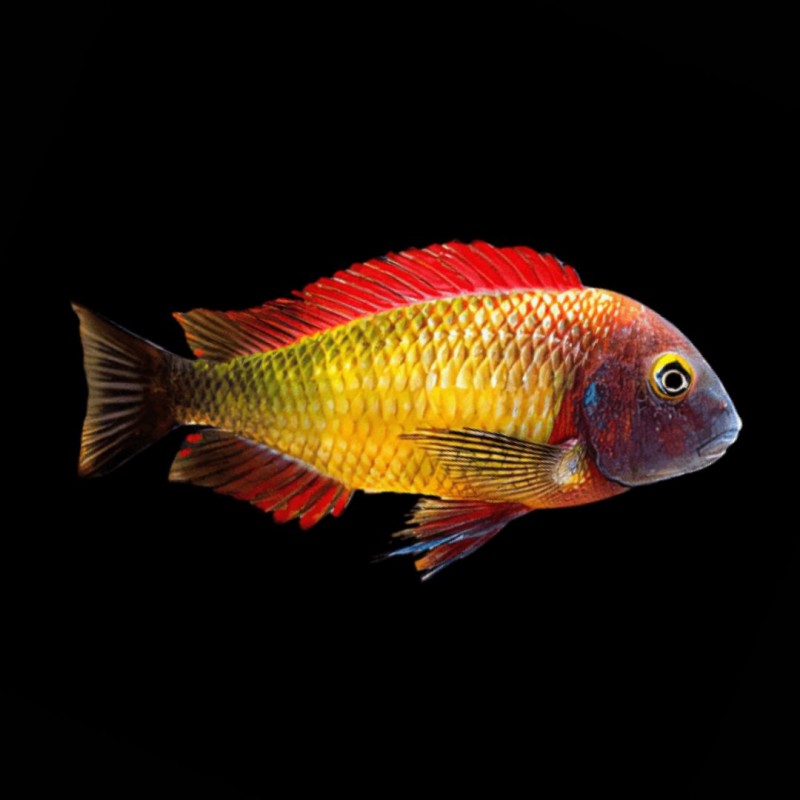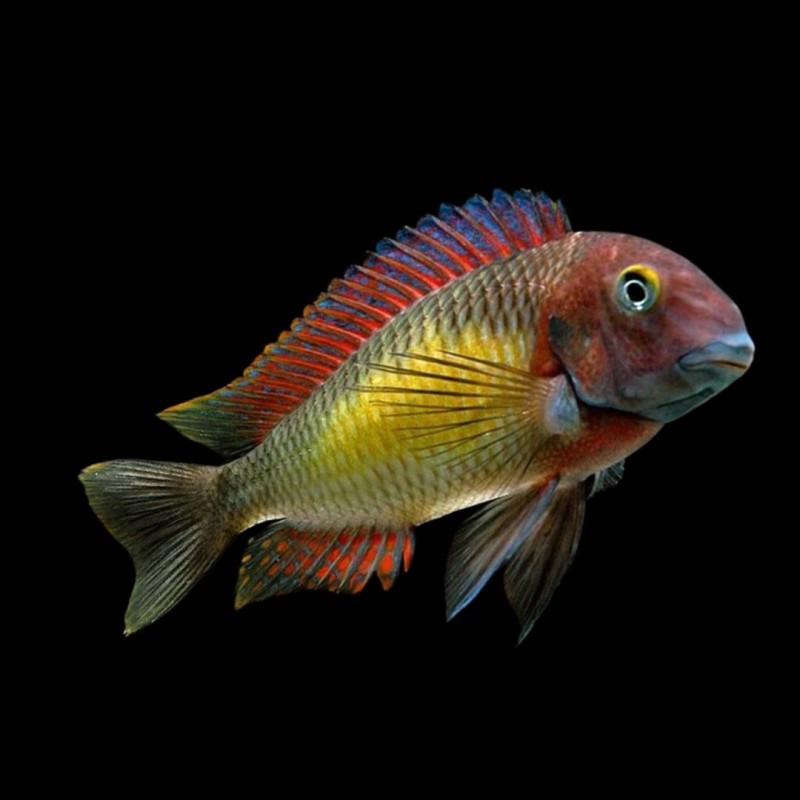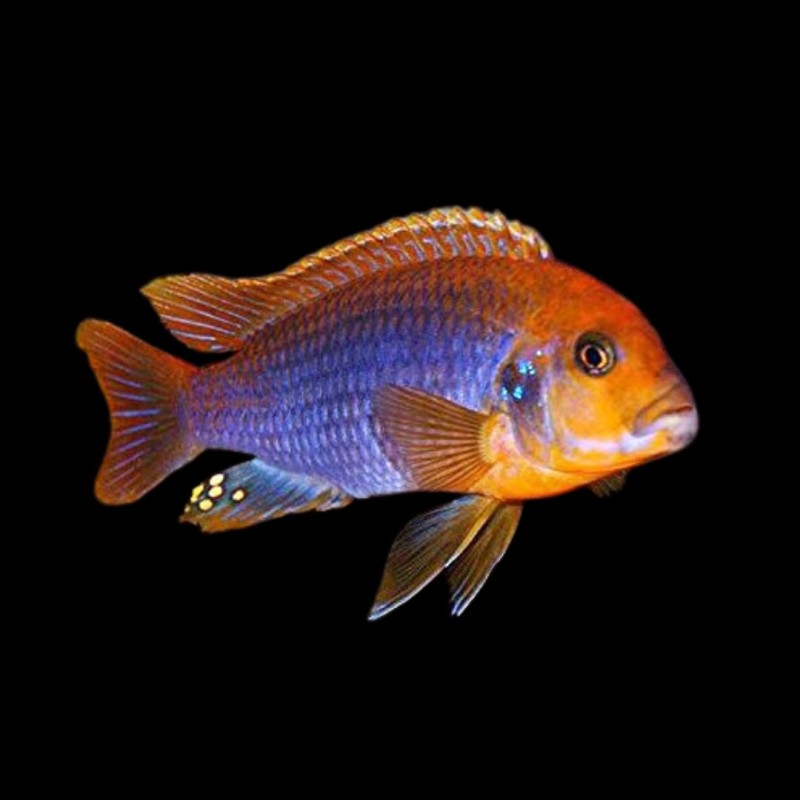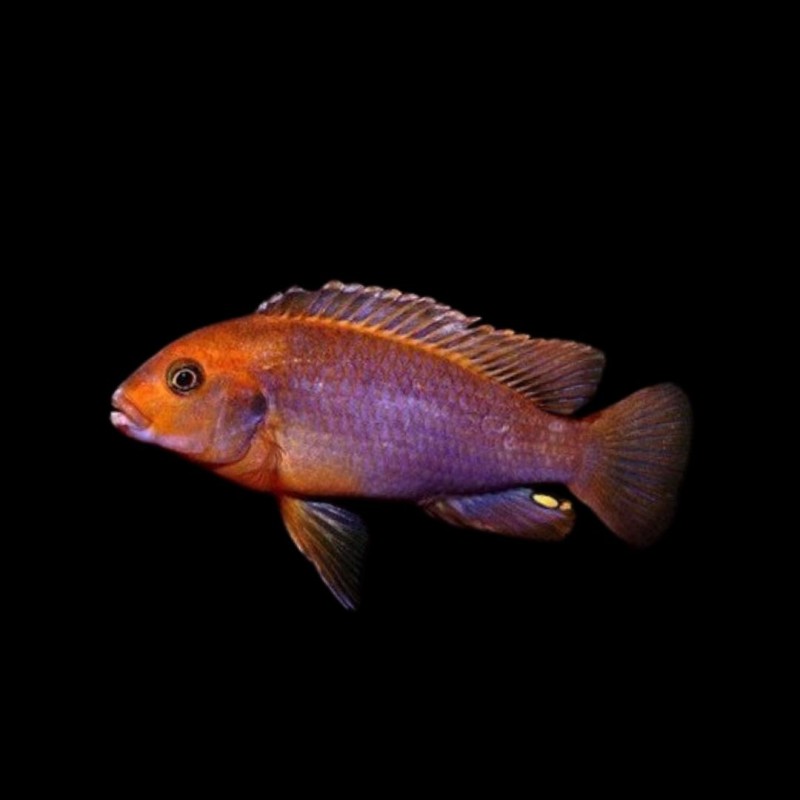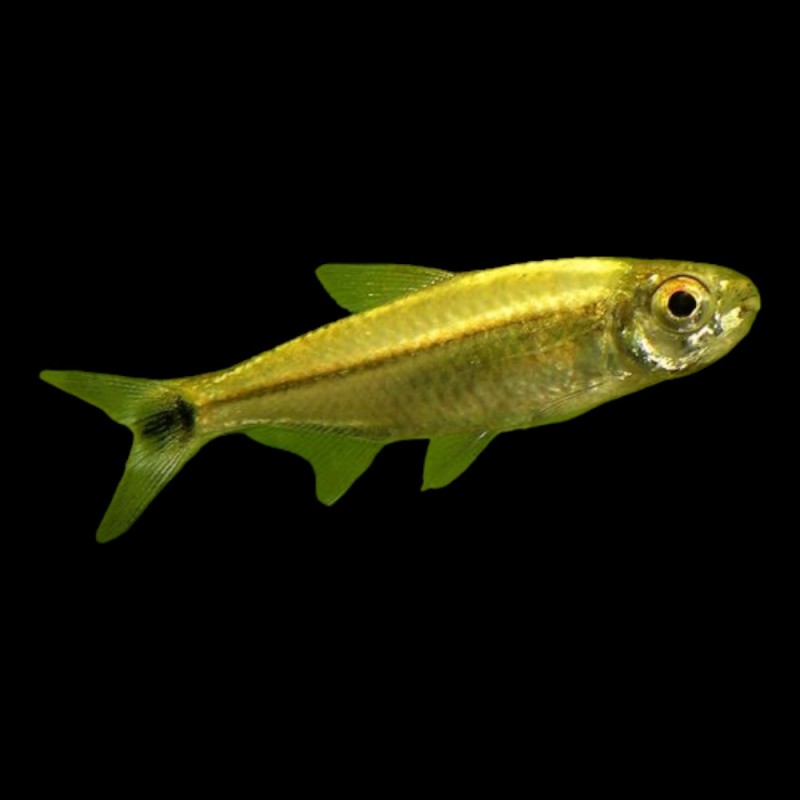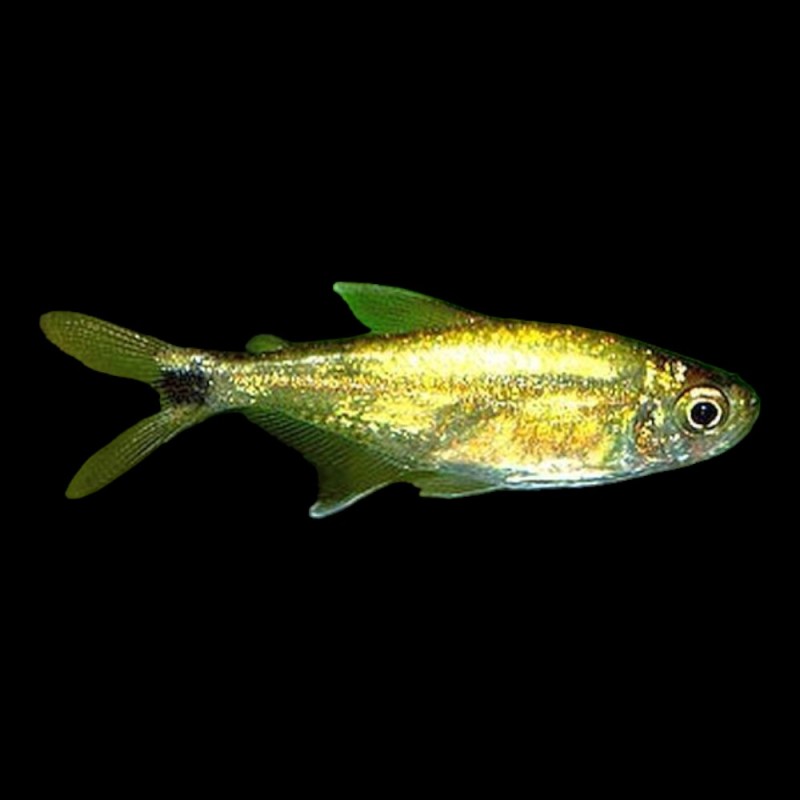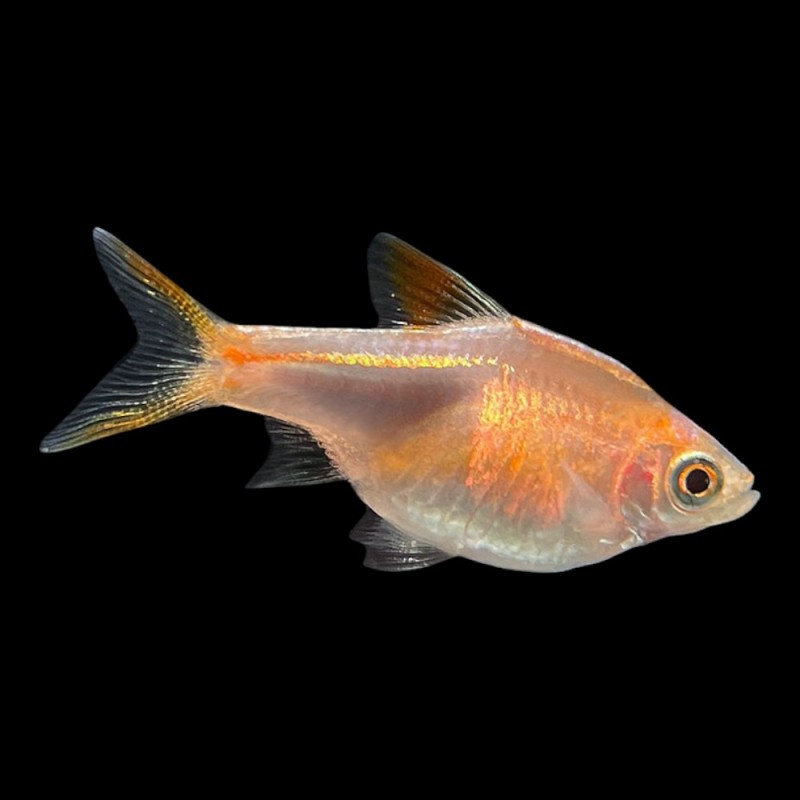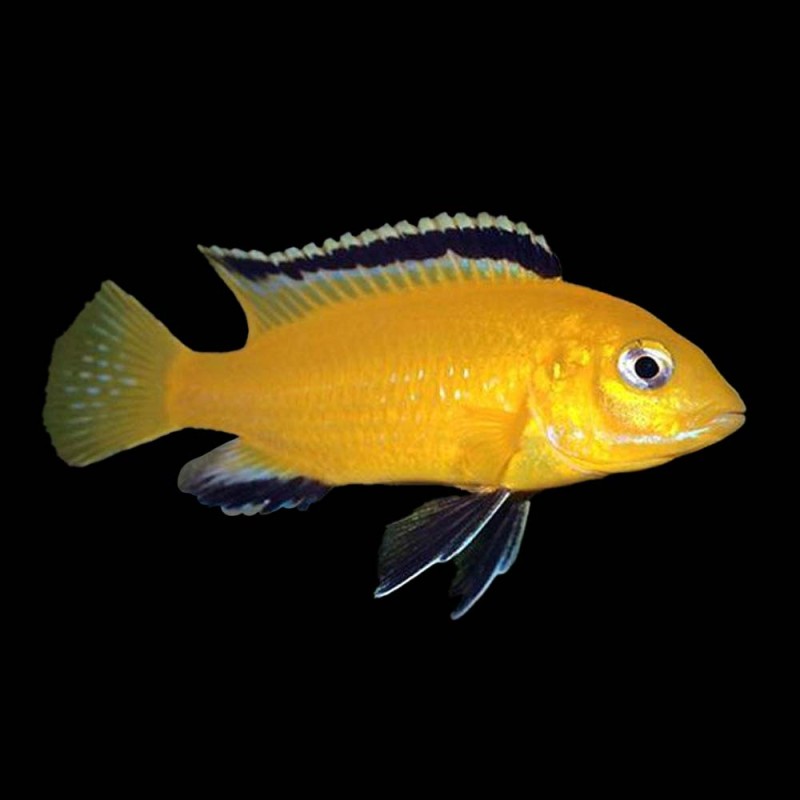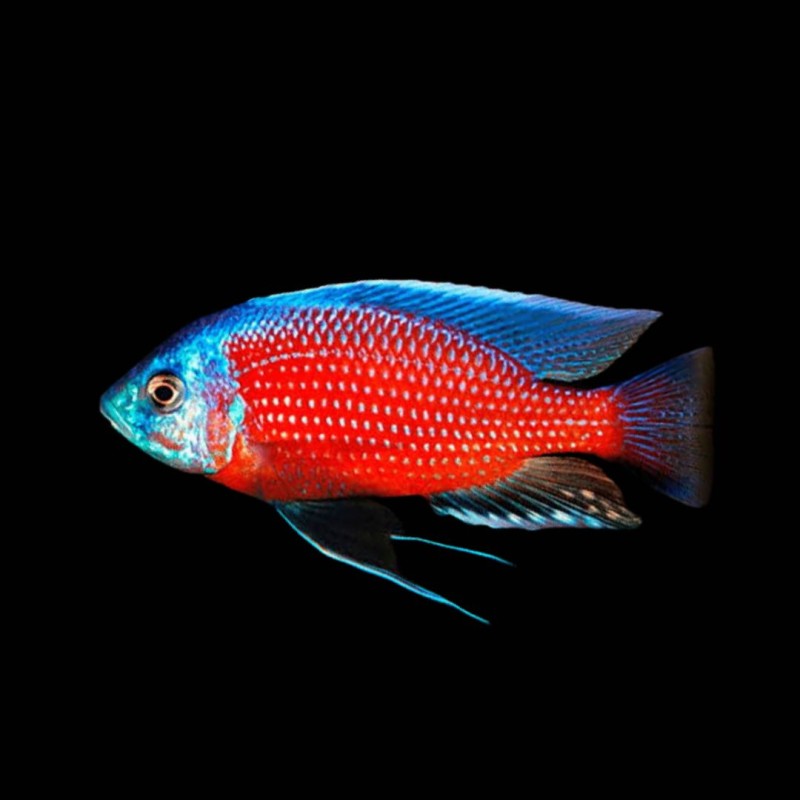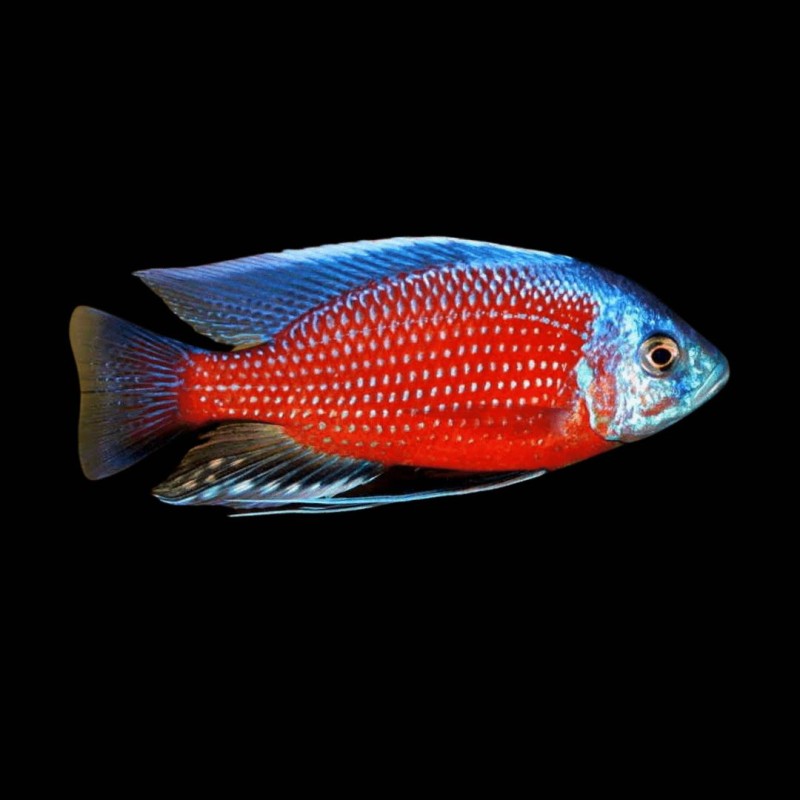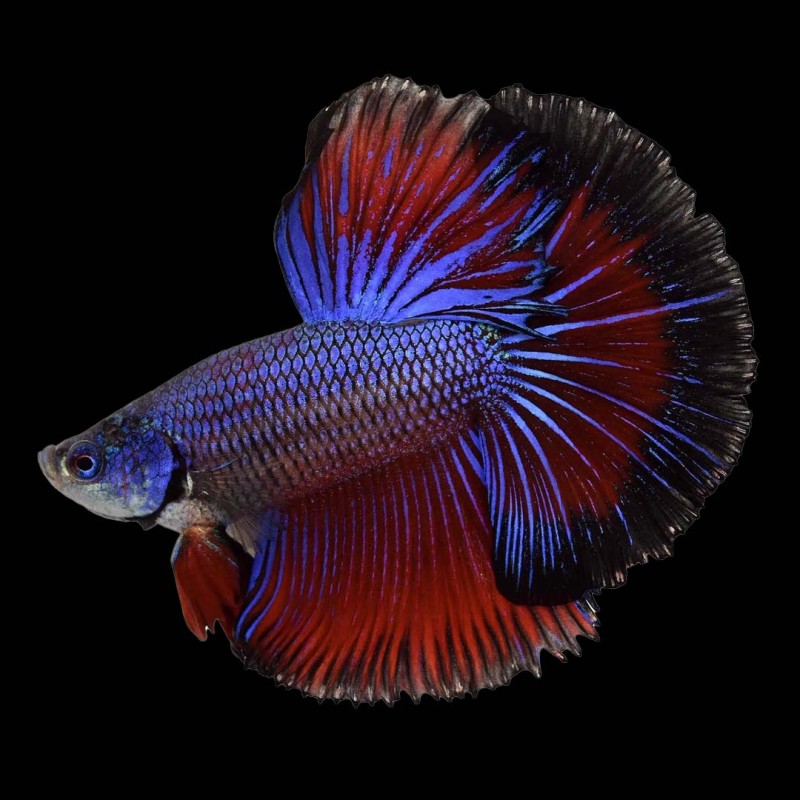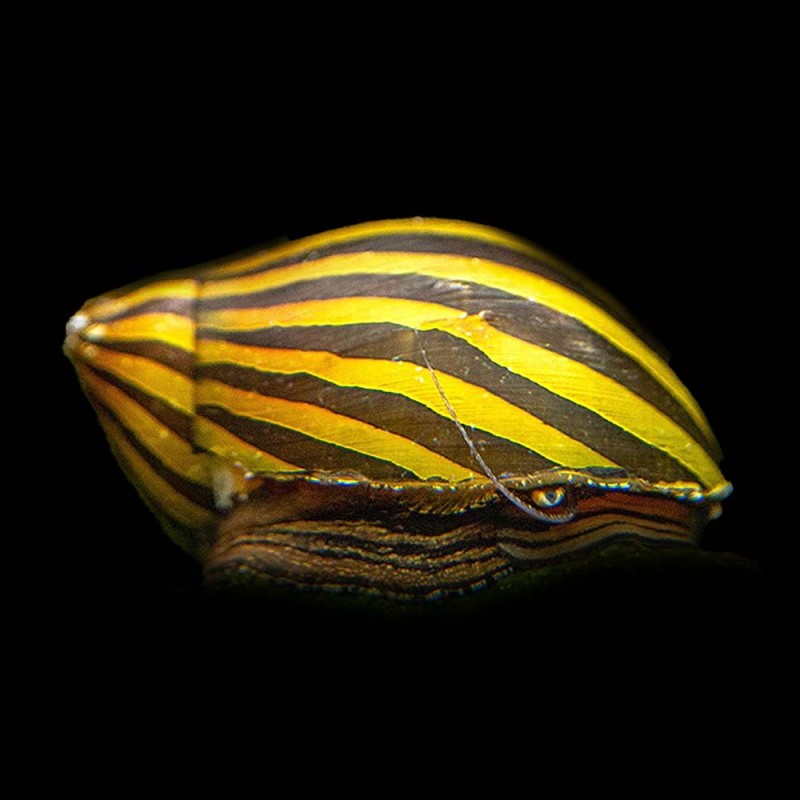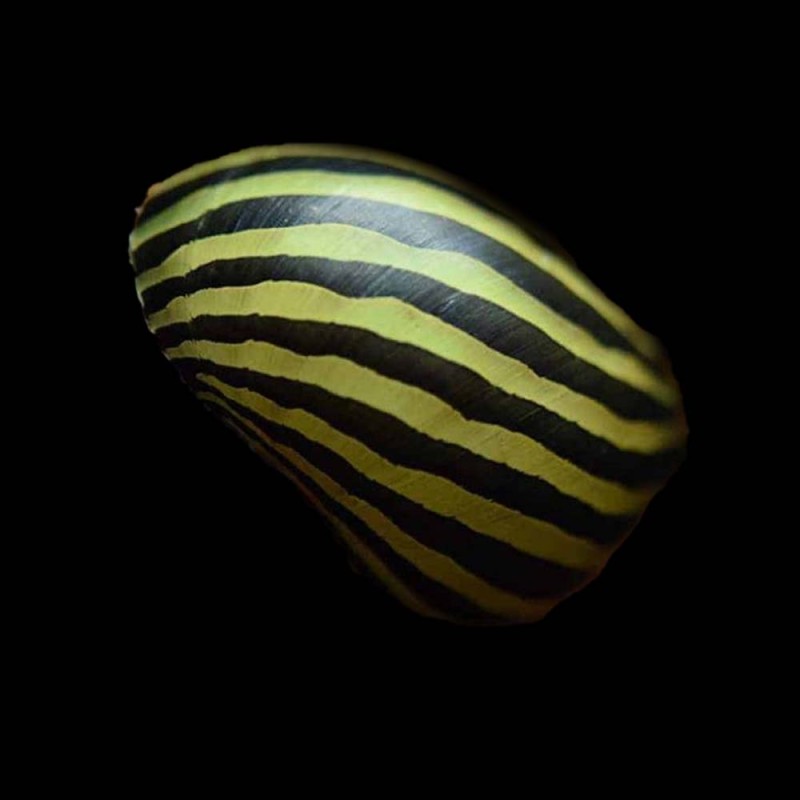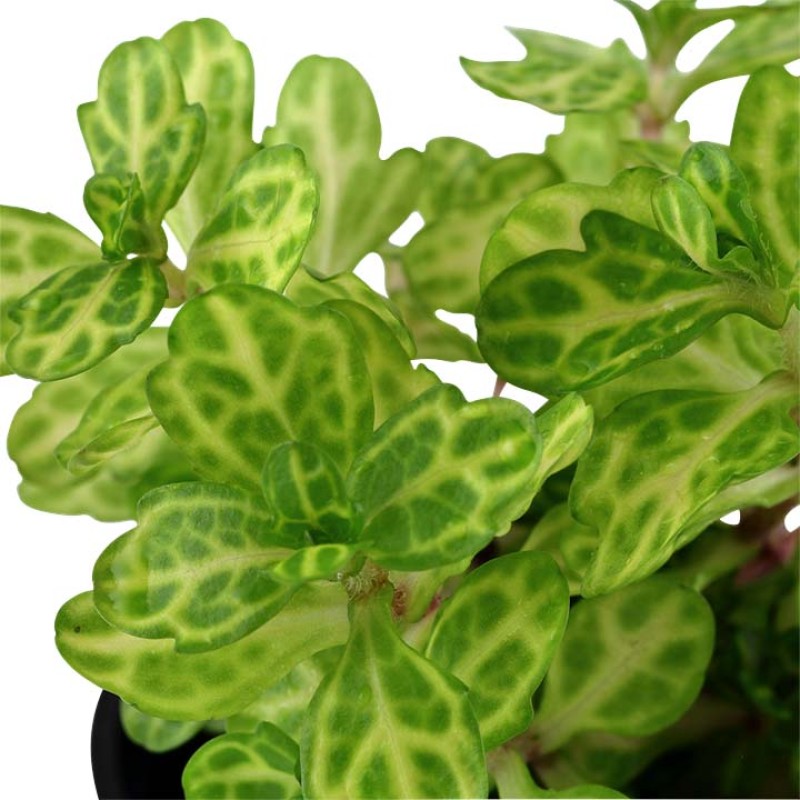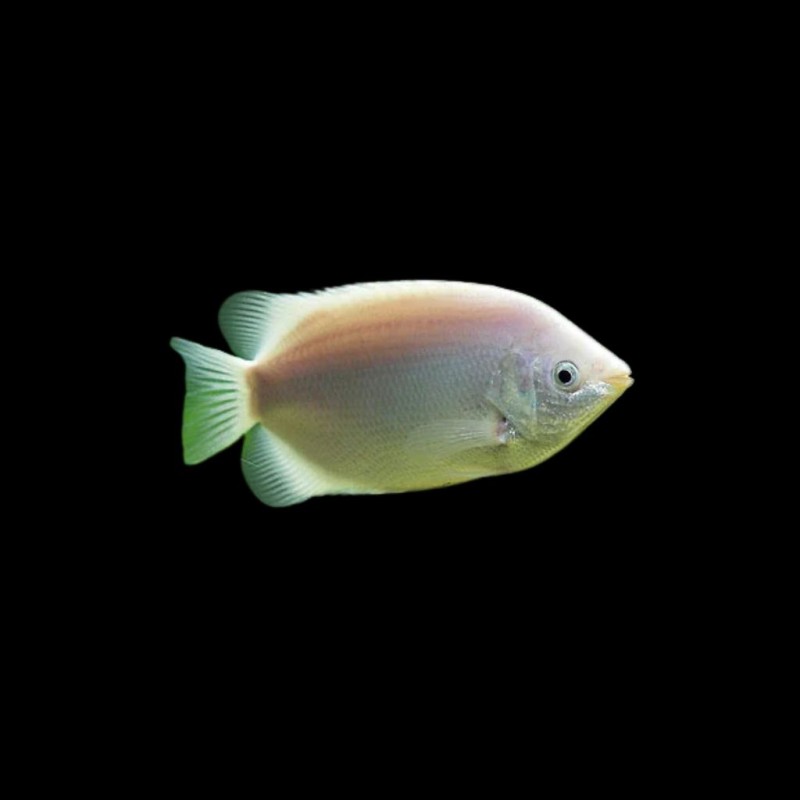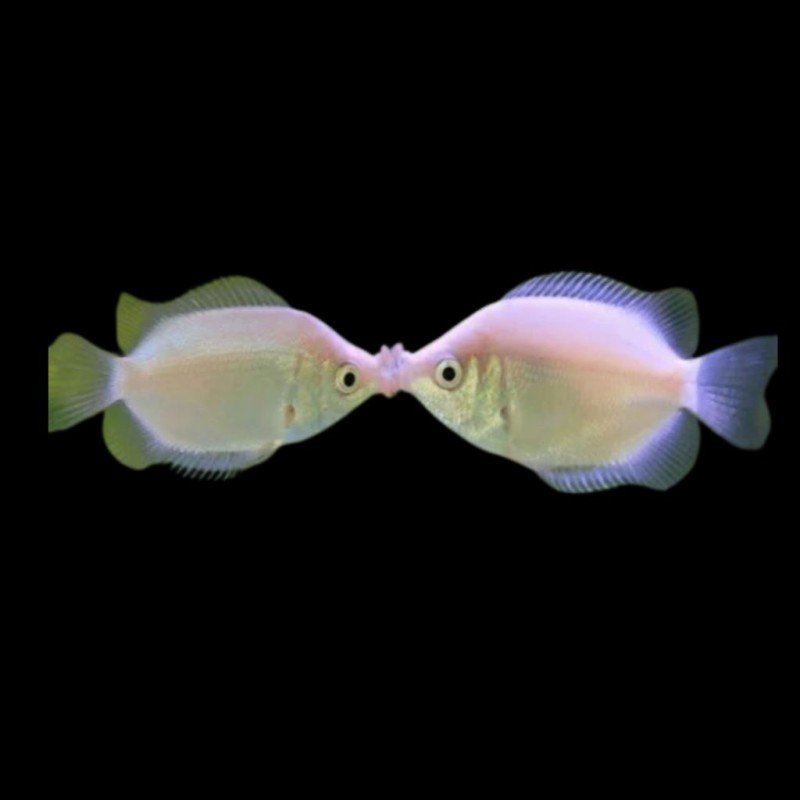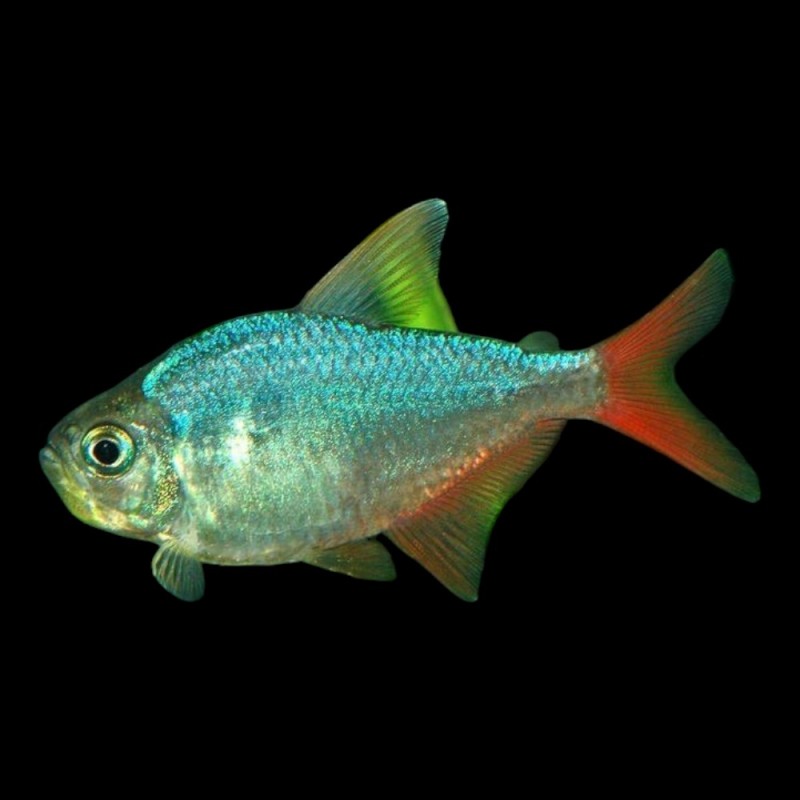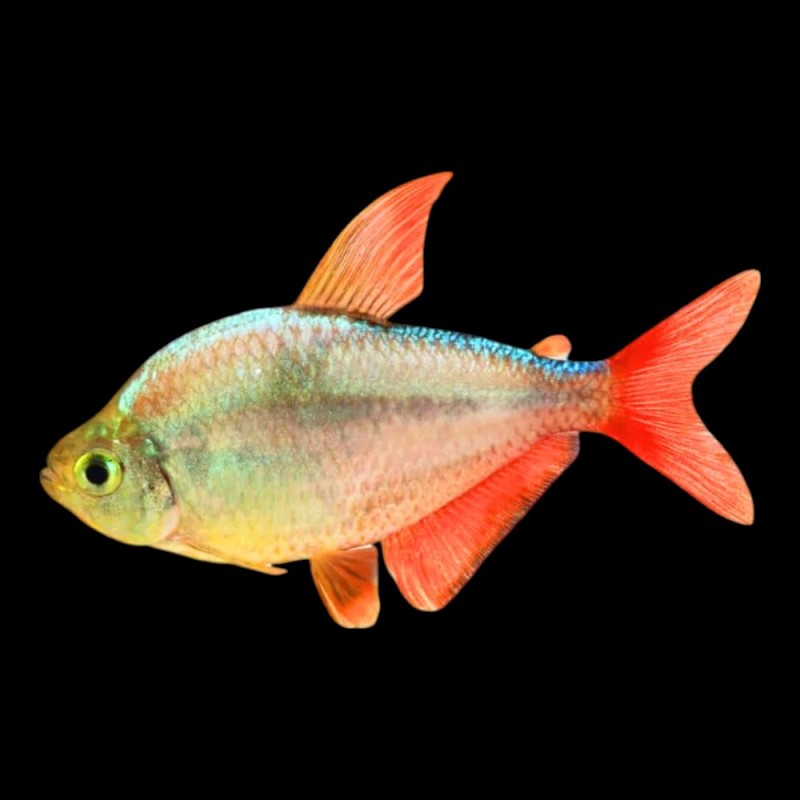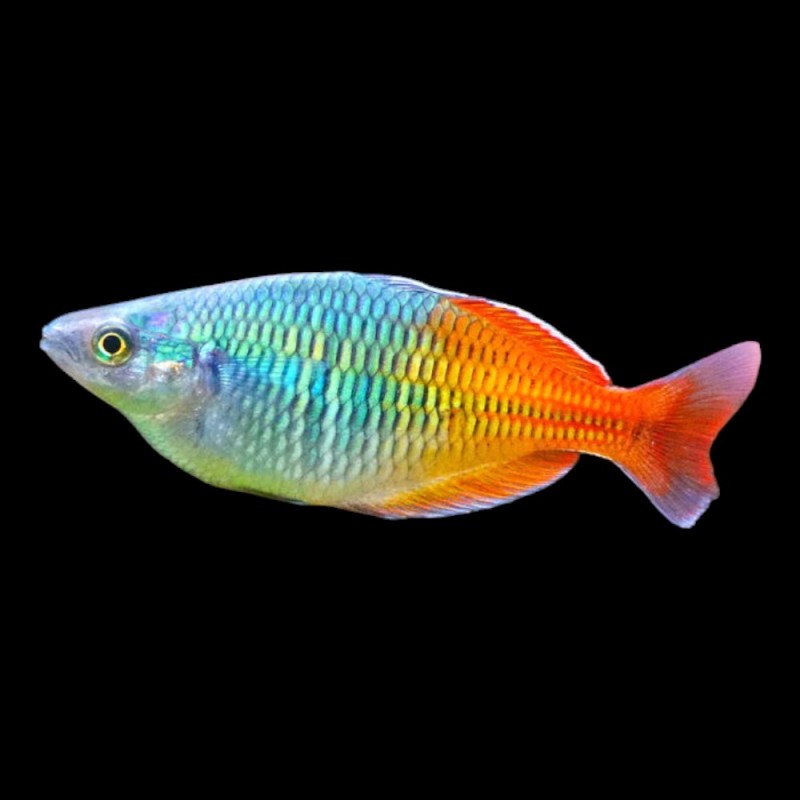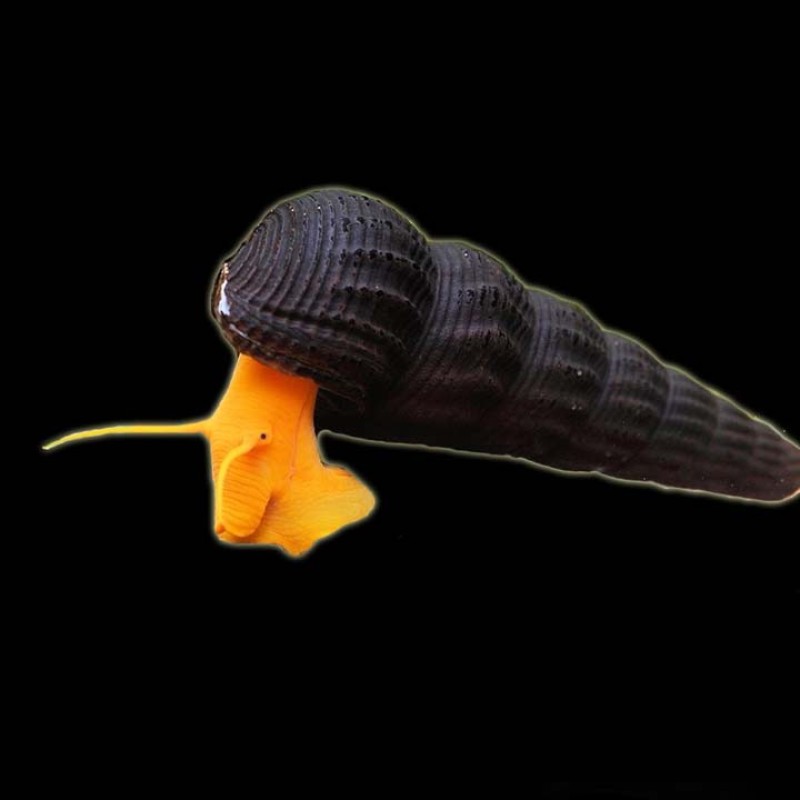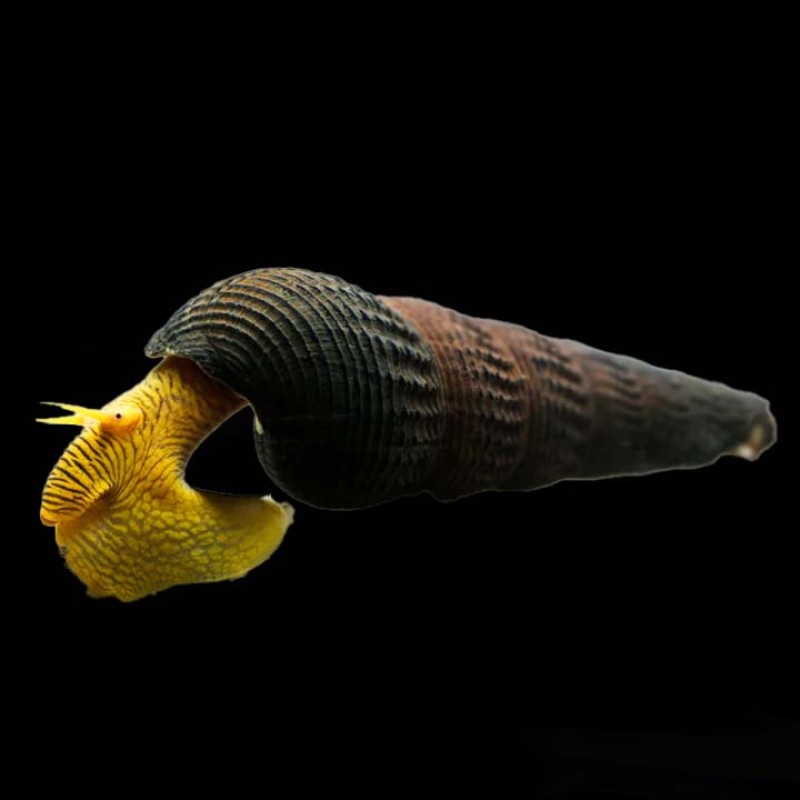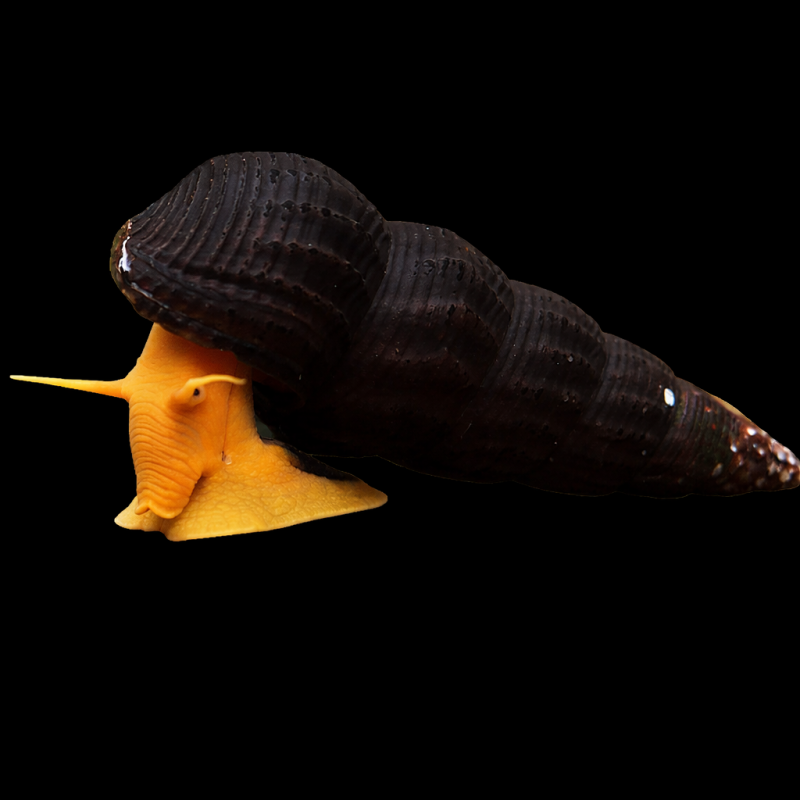


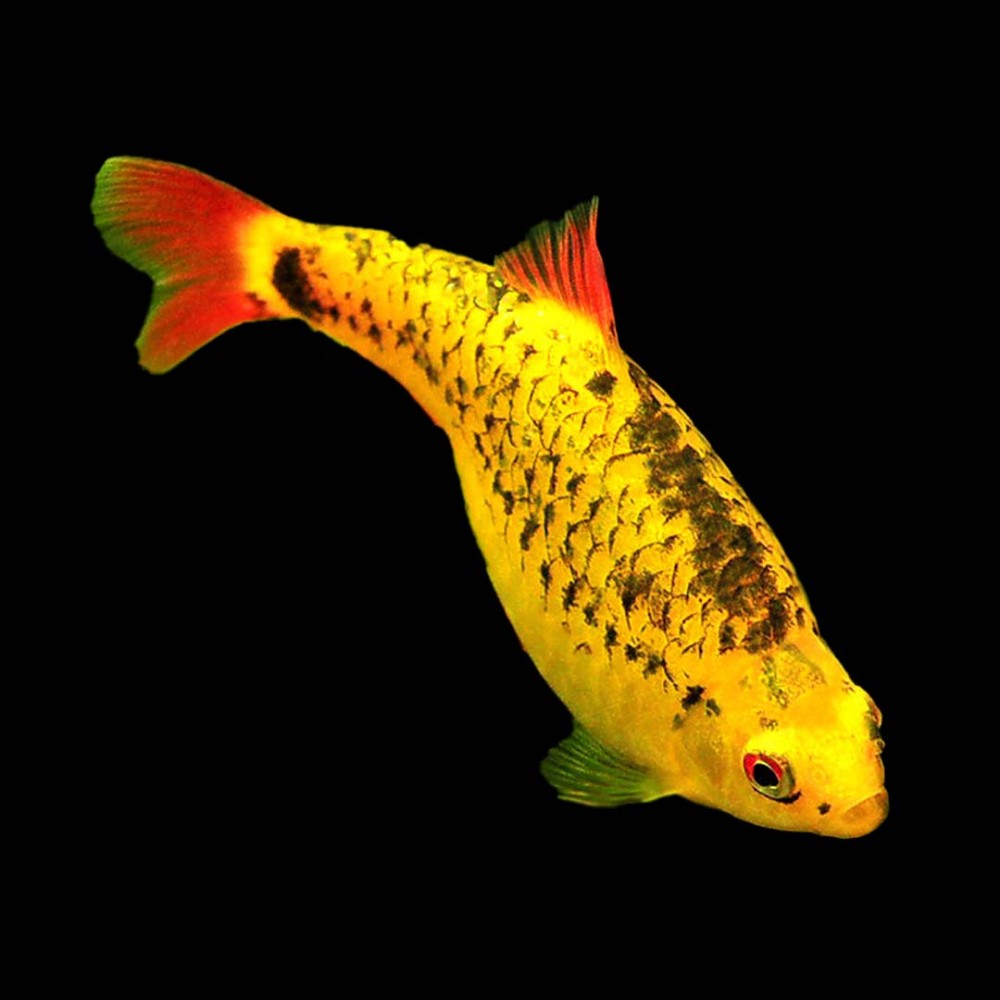
- Stock: Generally In Stock
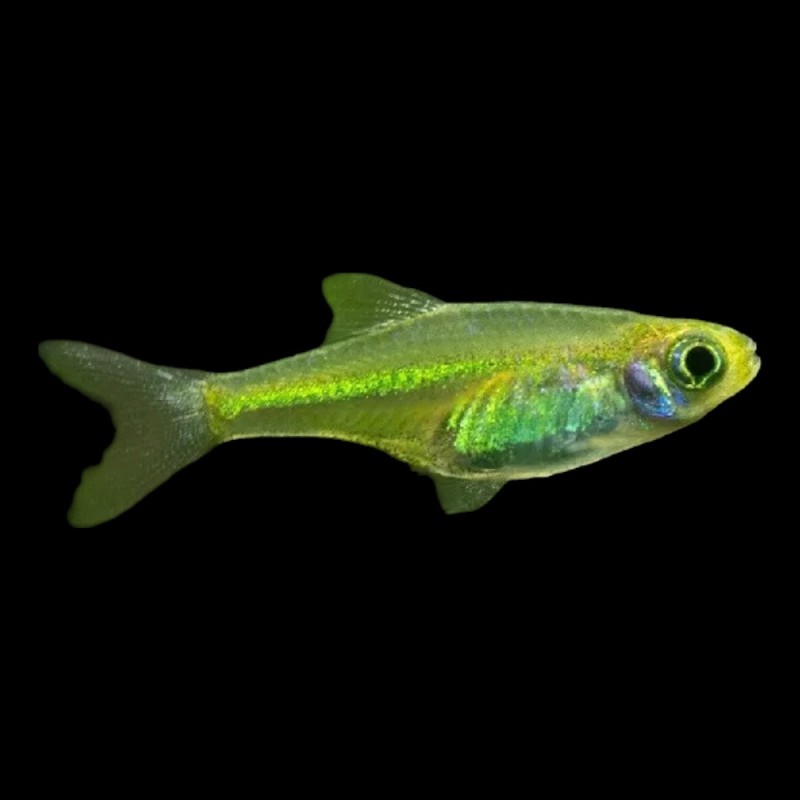
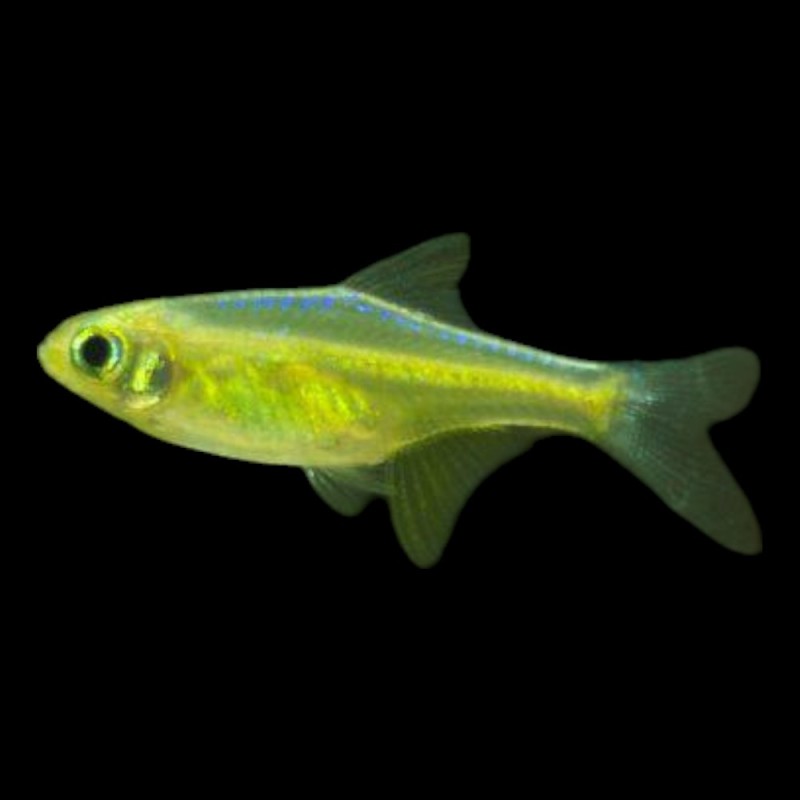
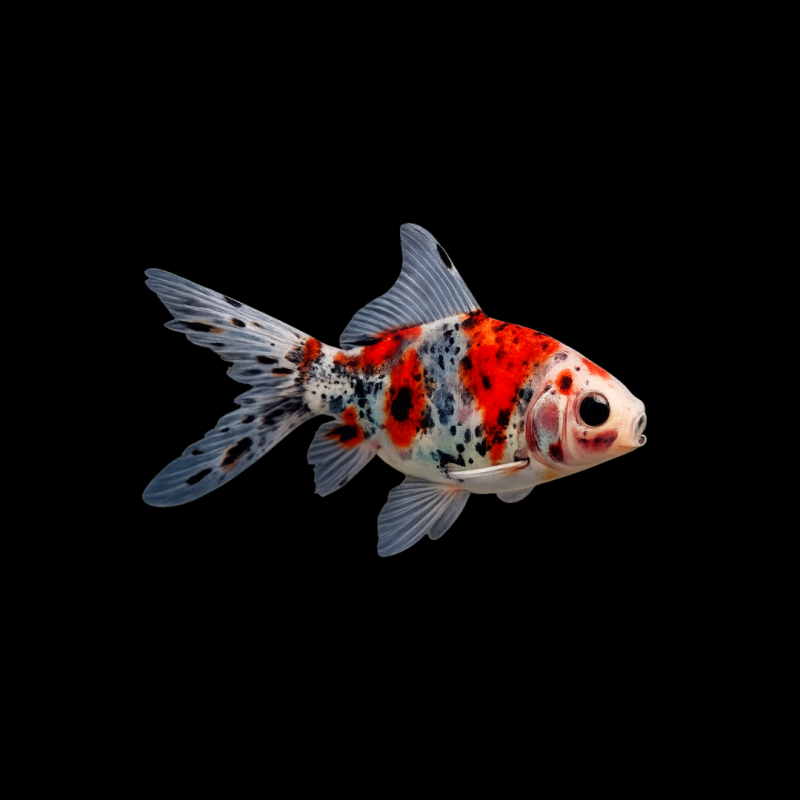
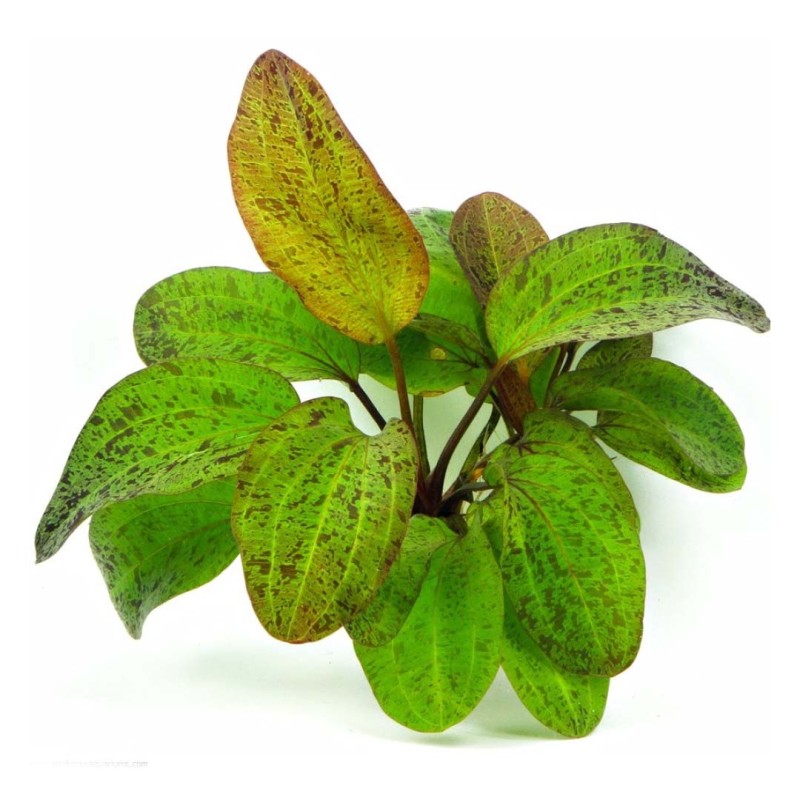
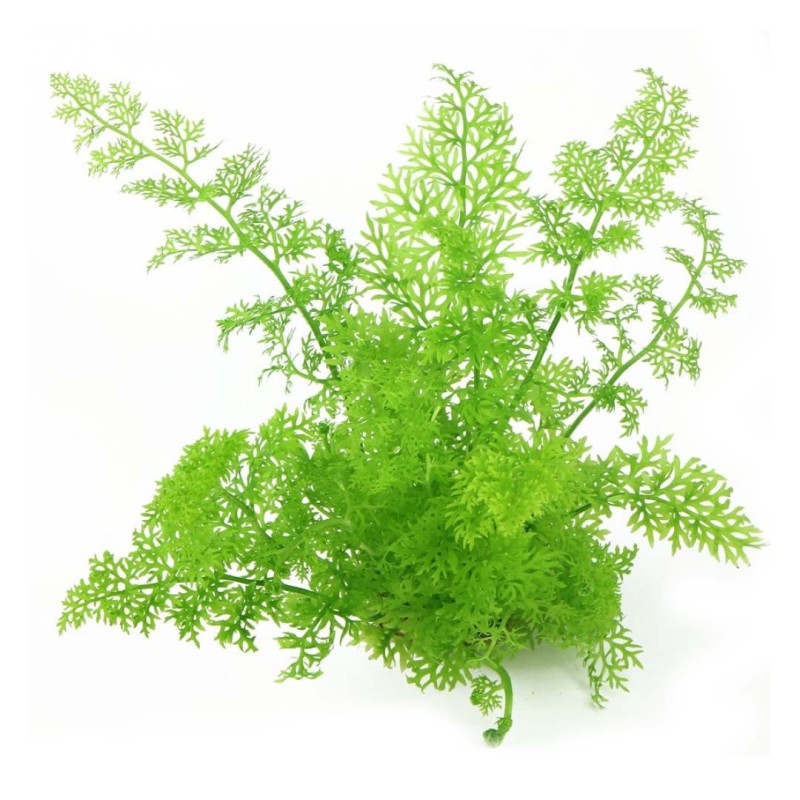
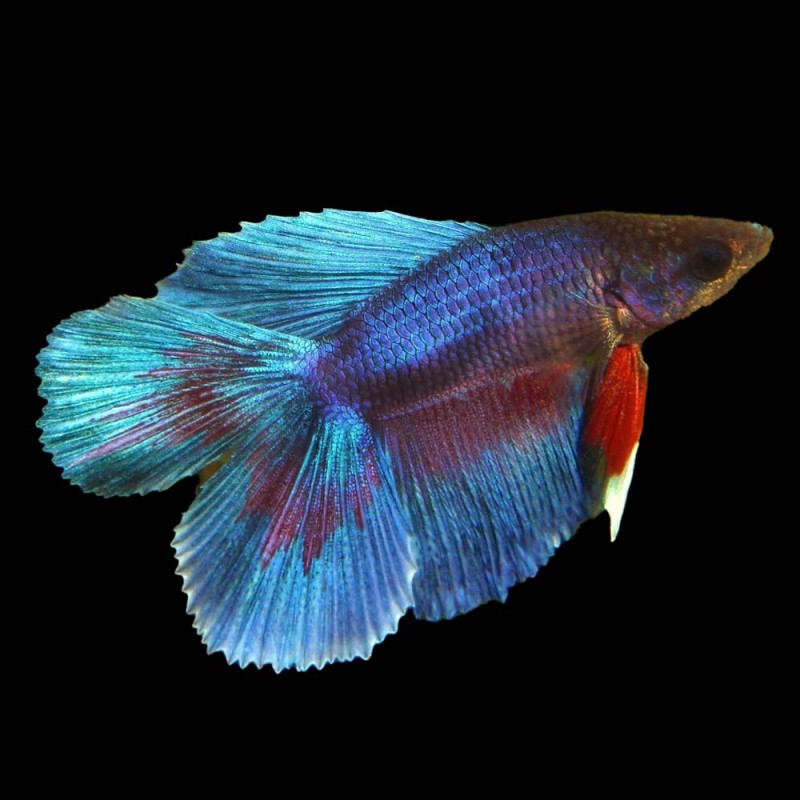
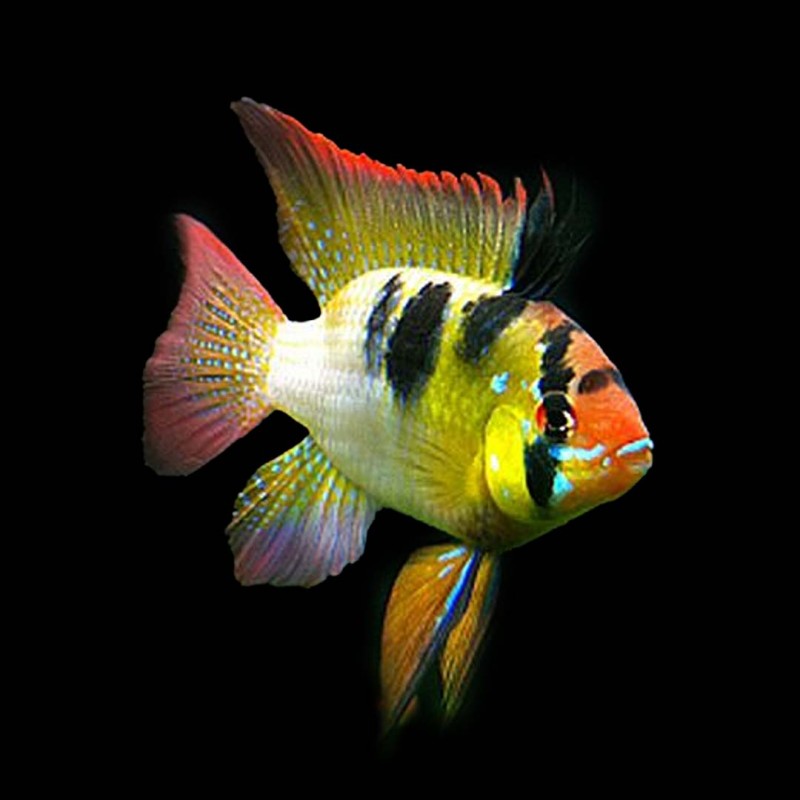
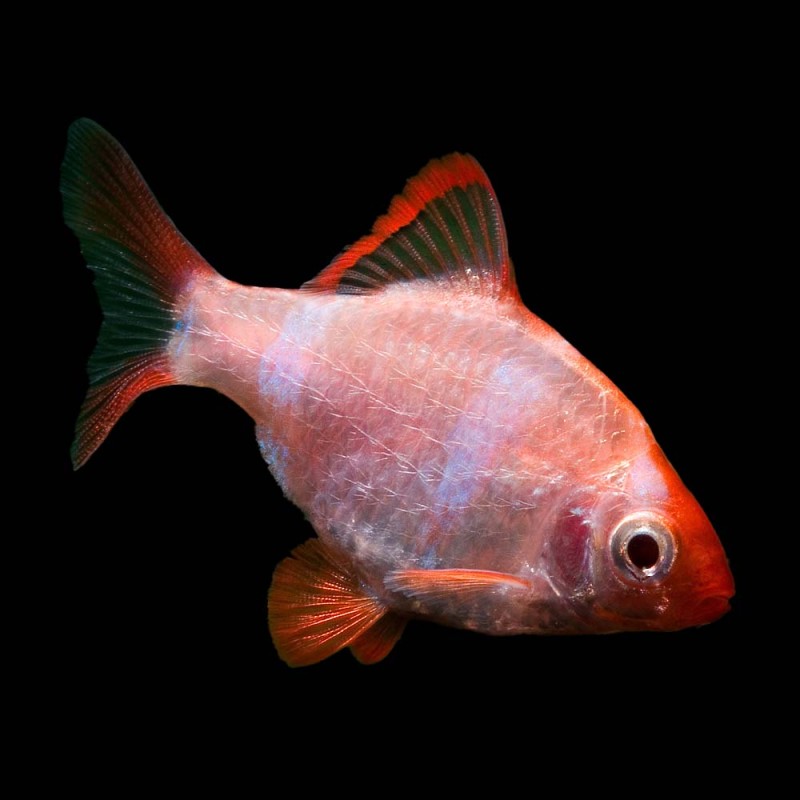
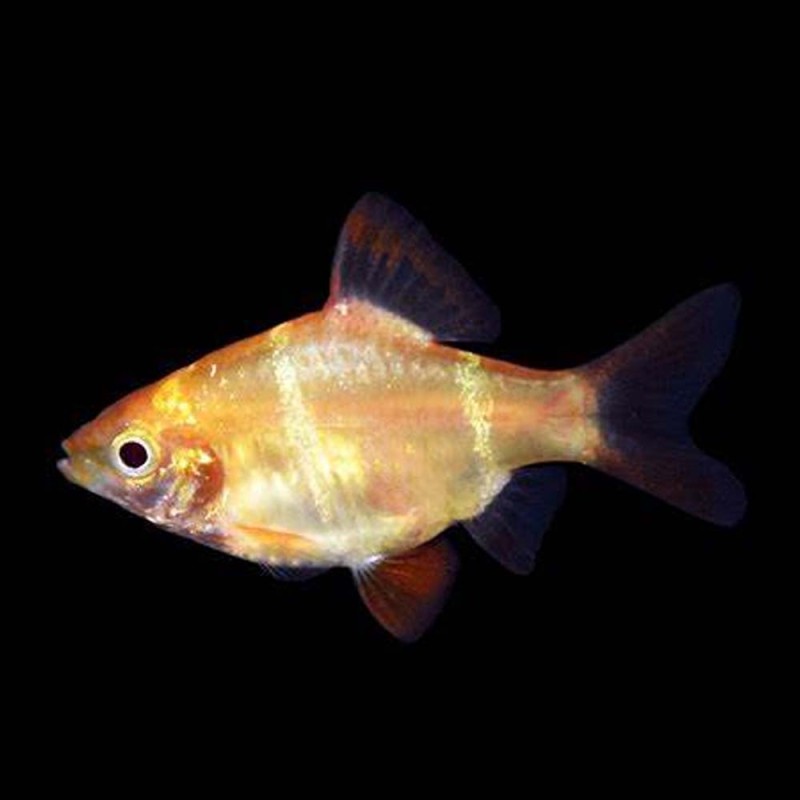
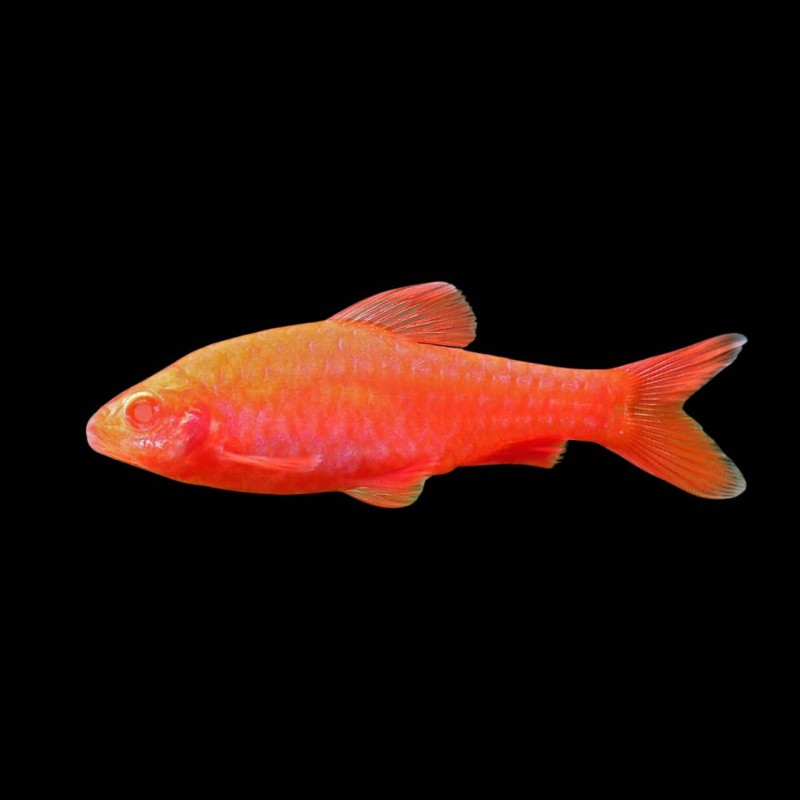
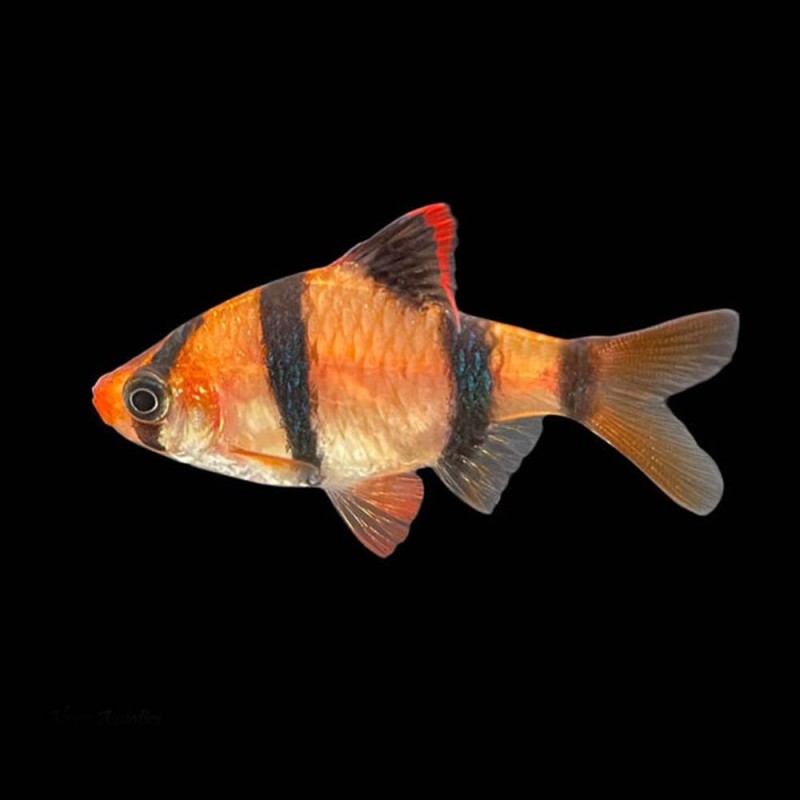
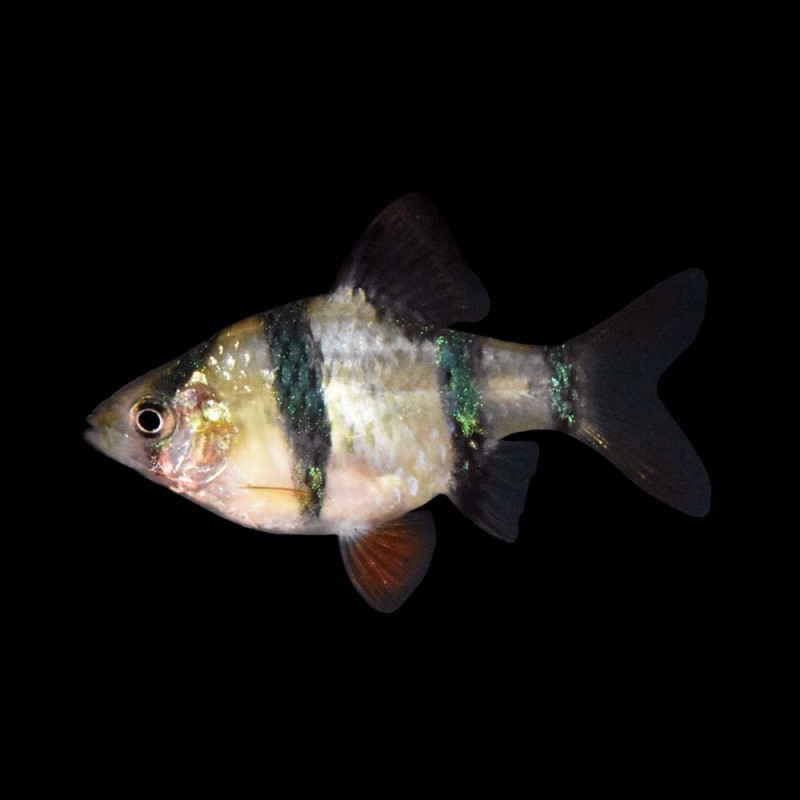
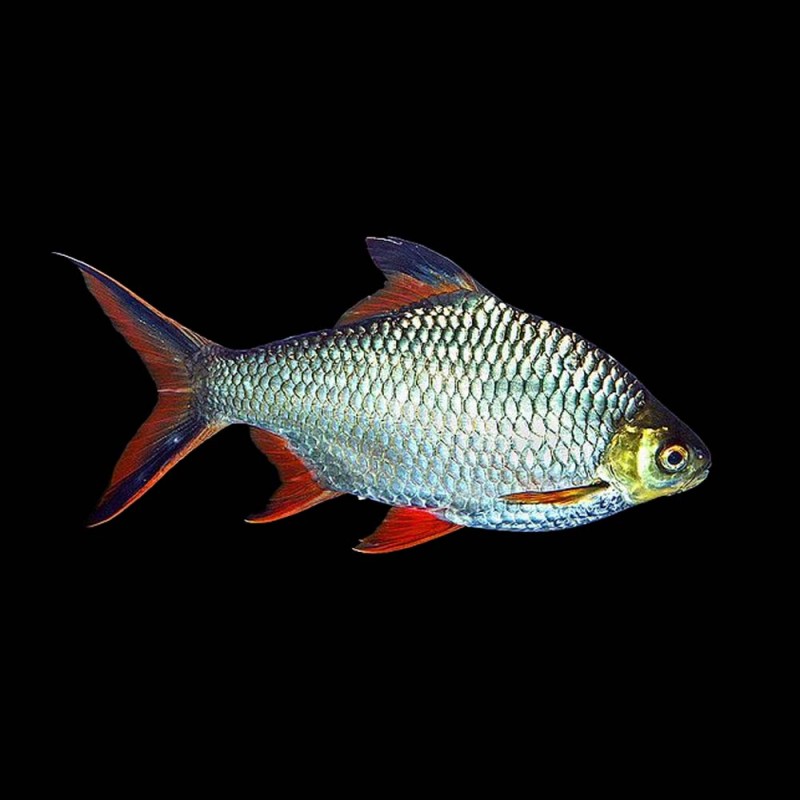
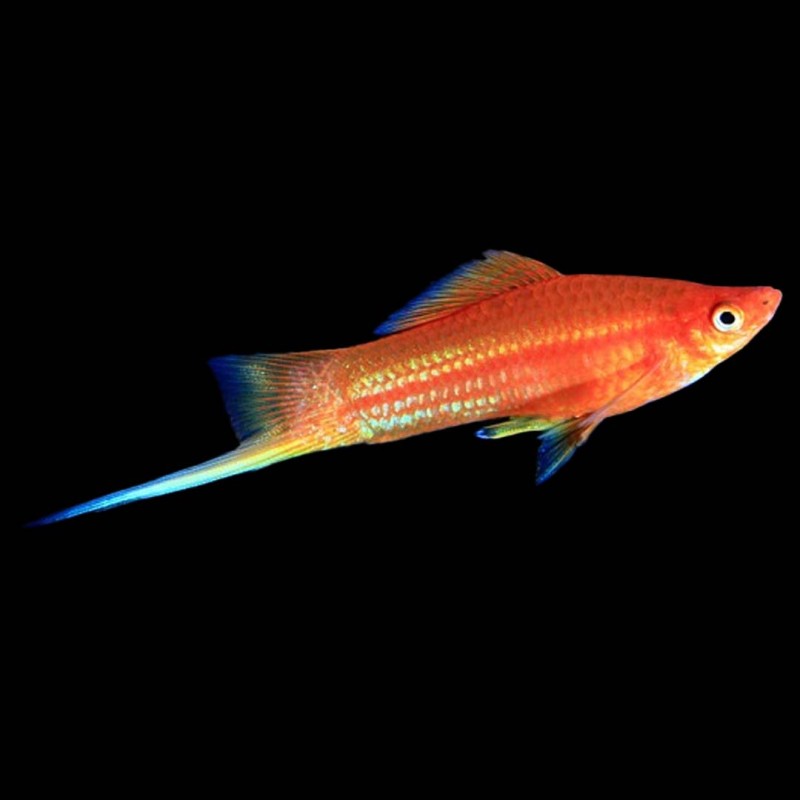
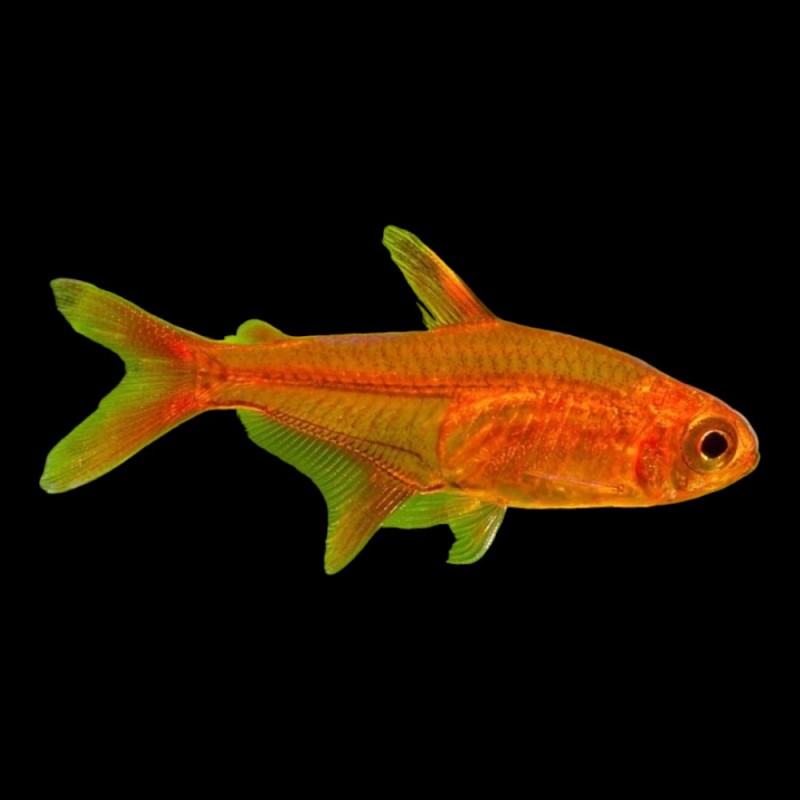
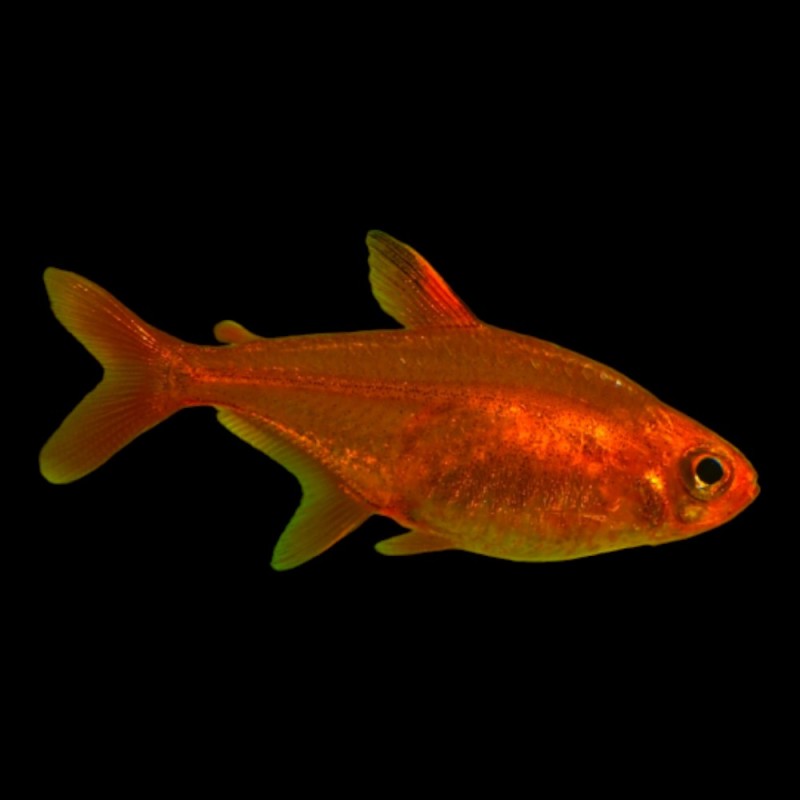
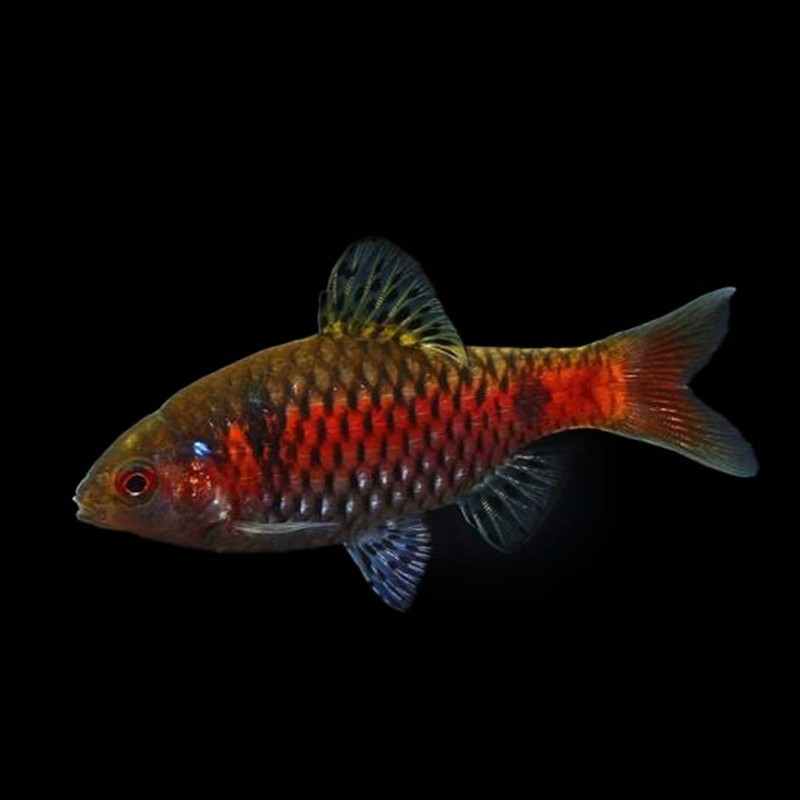
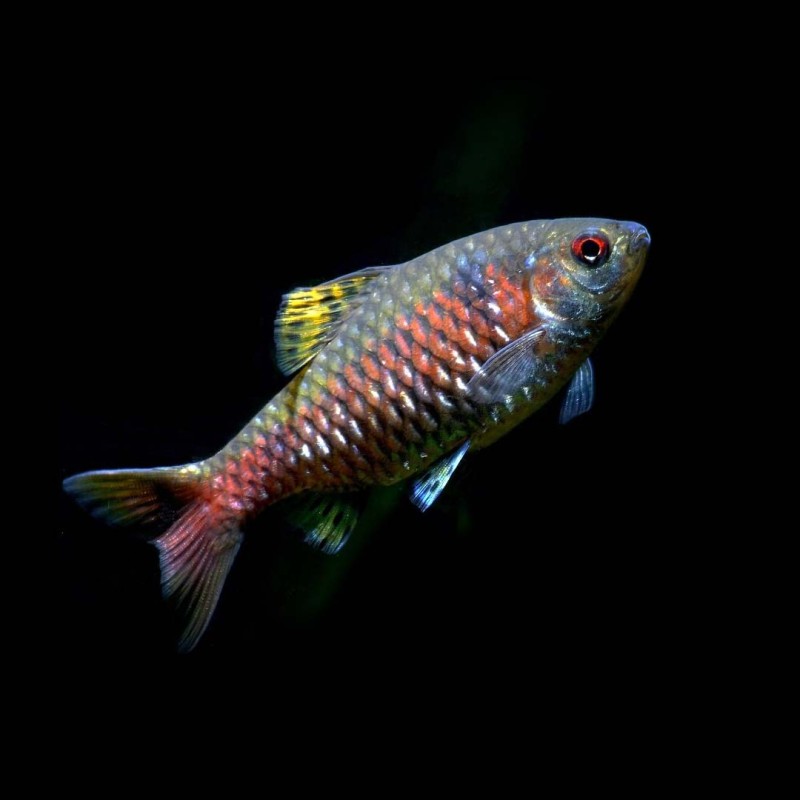
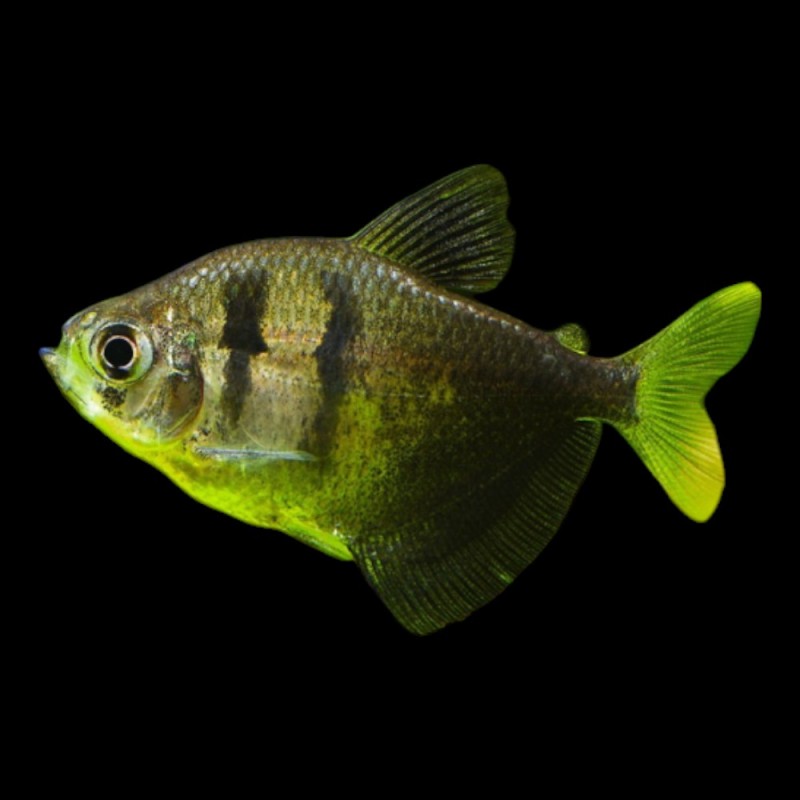
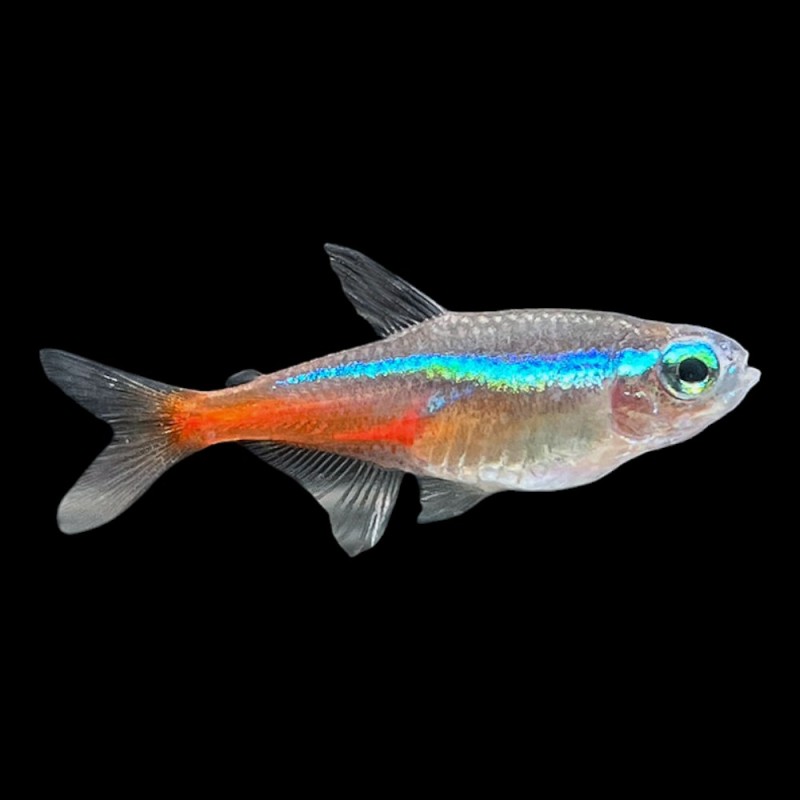
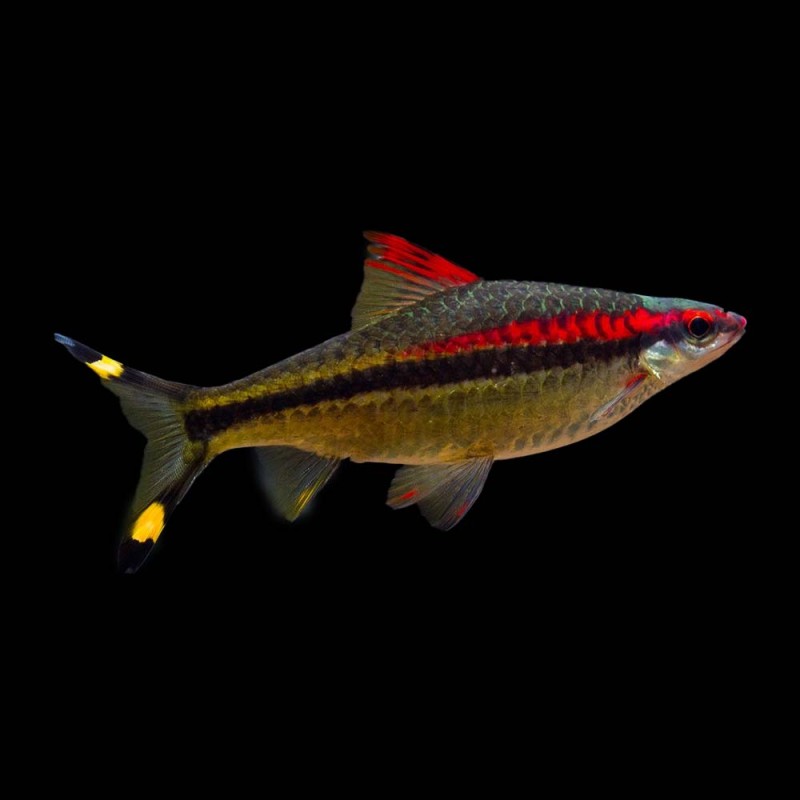
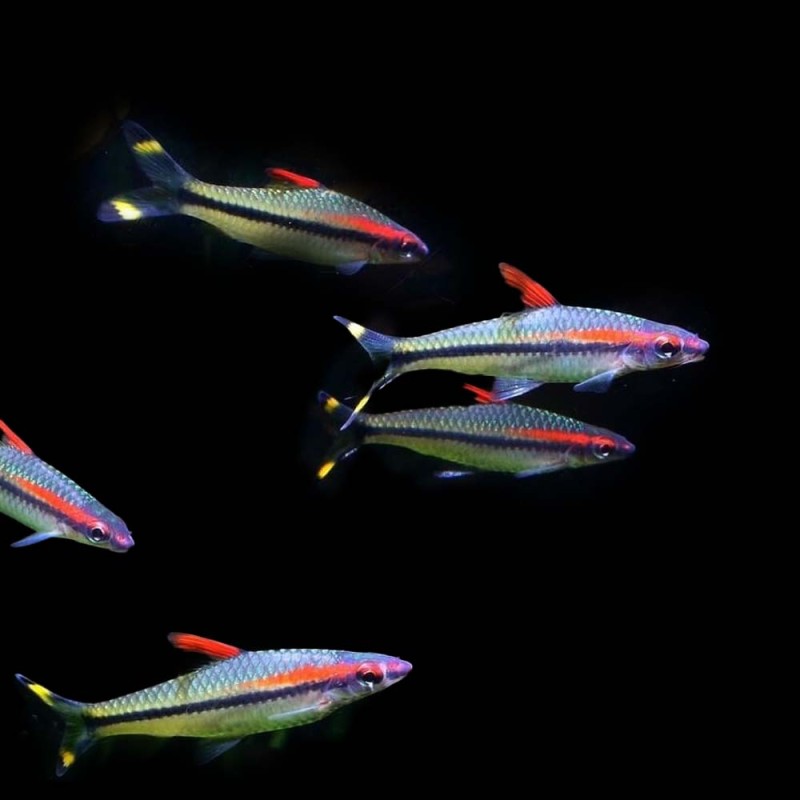
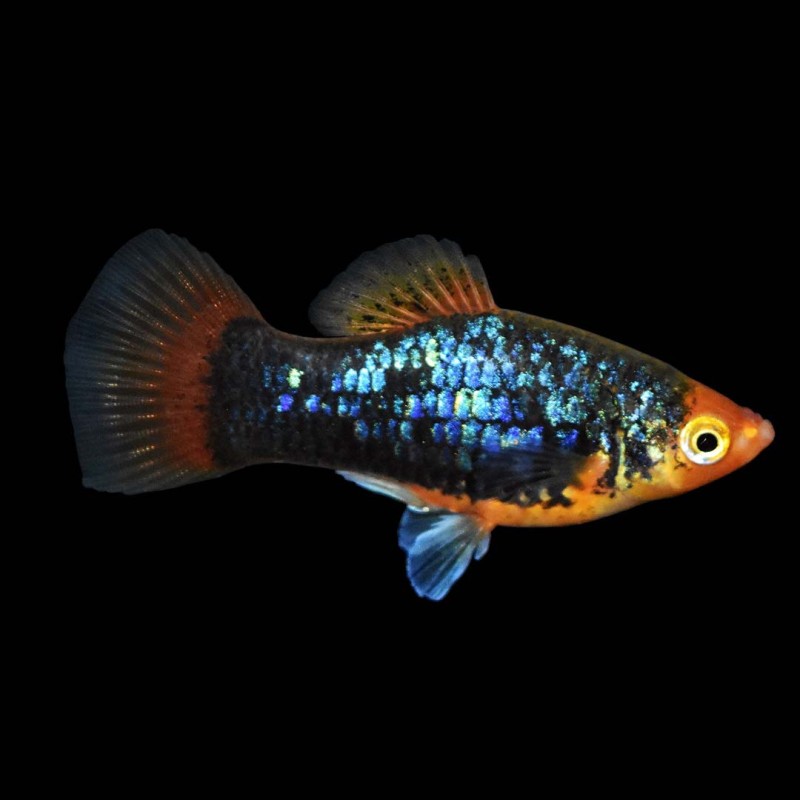
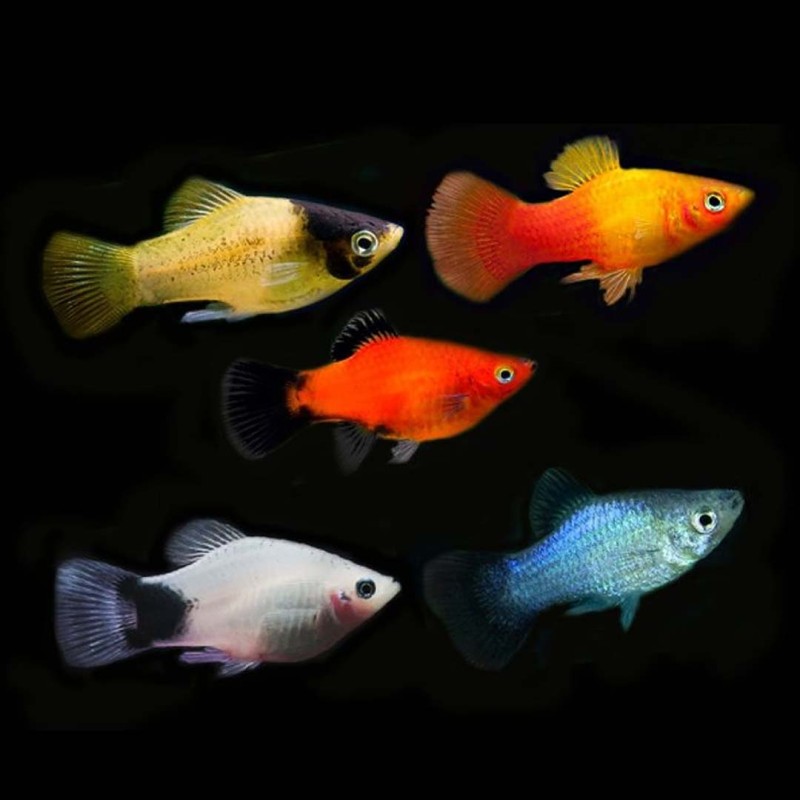
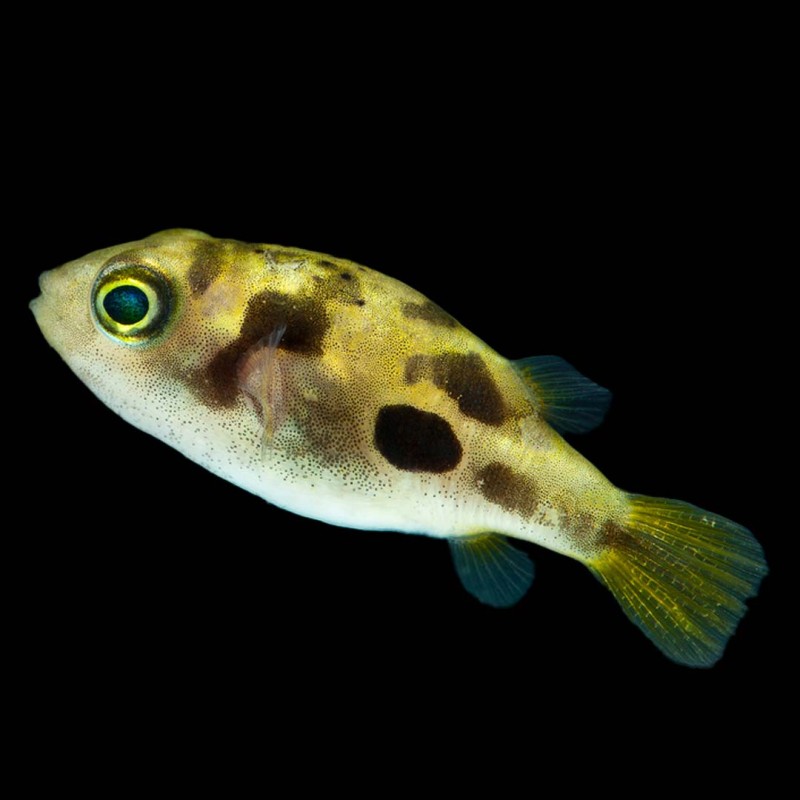
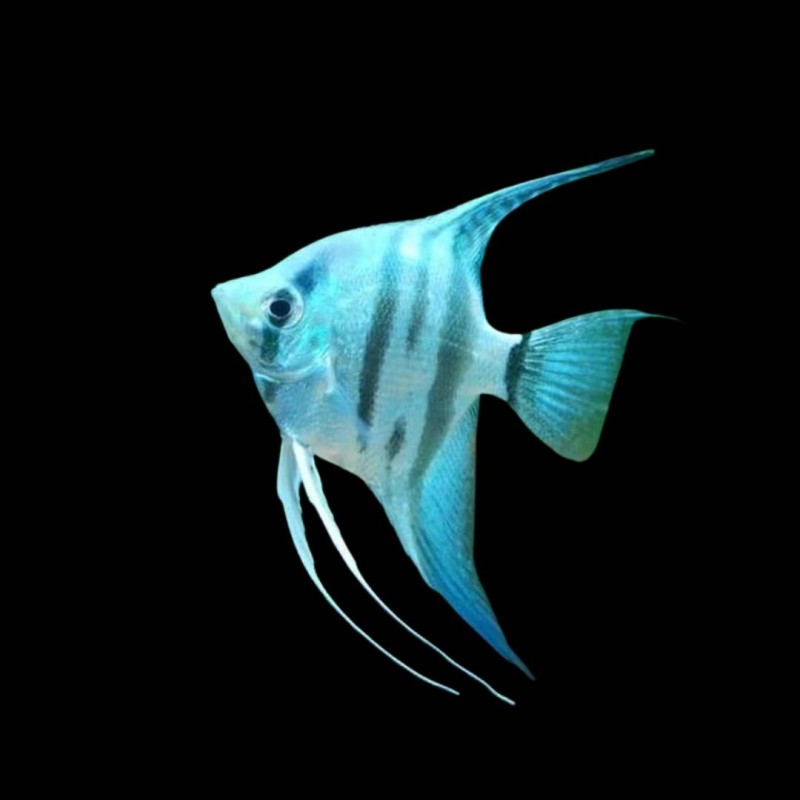
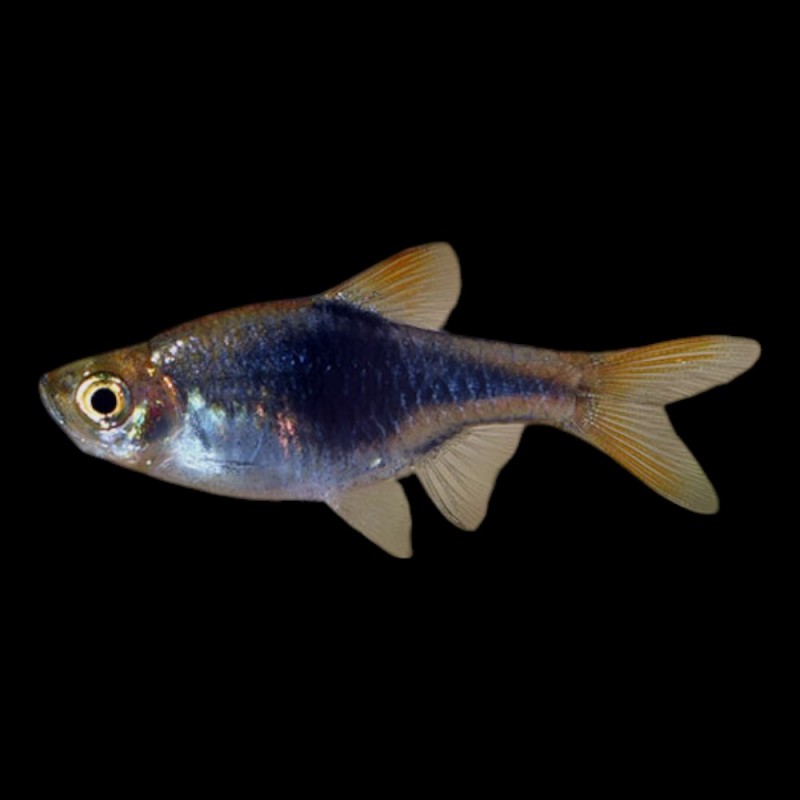
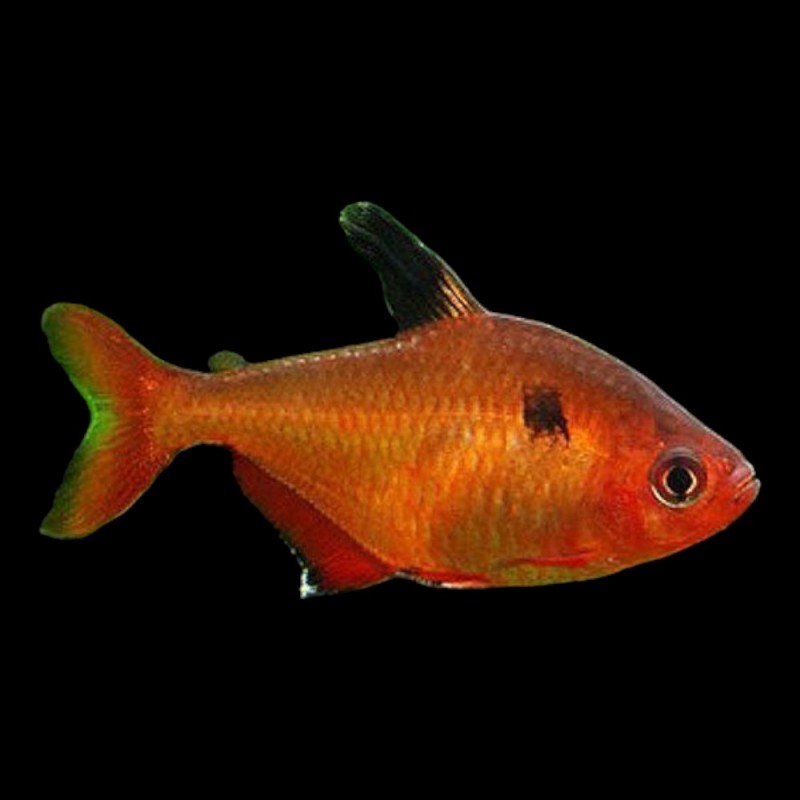
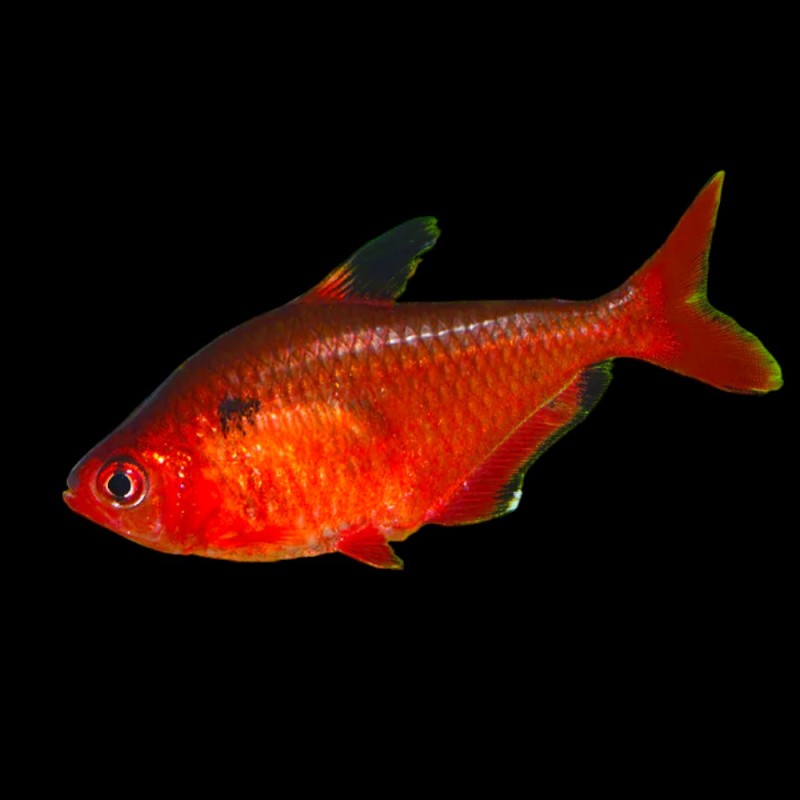
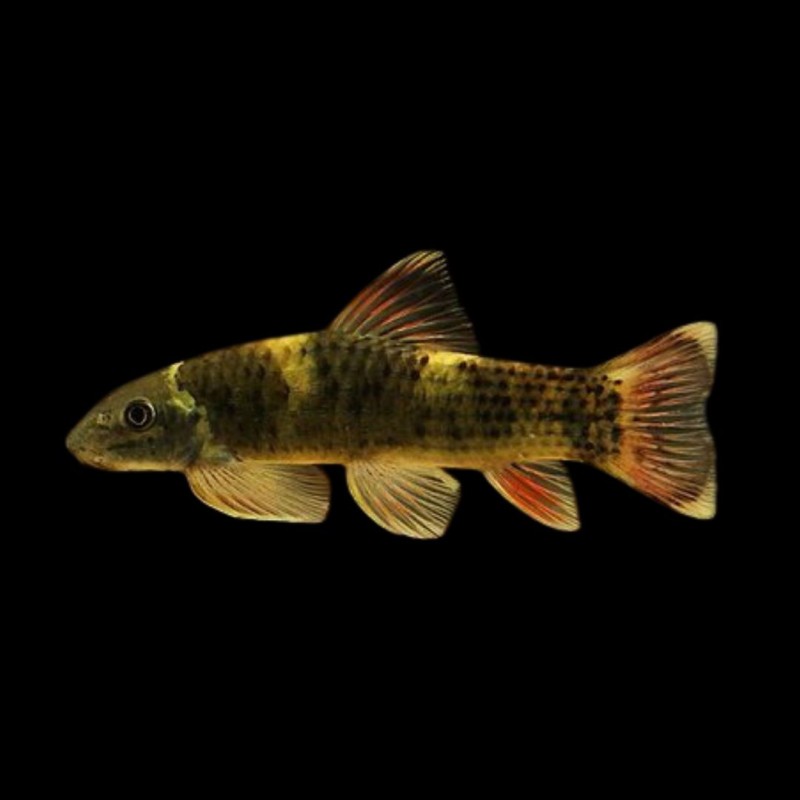
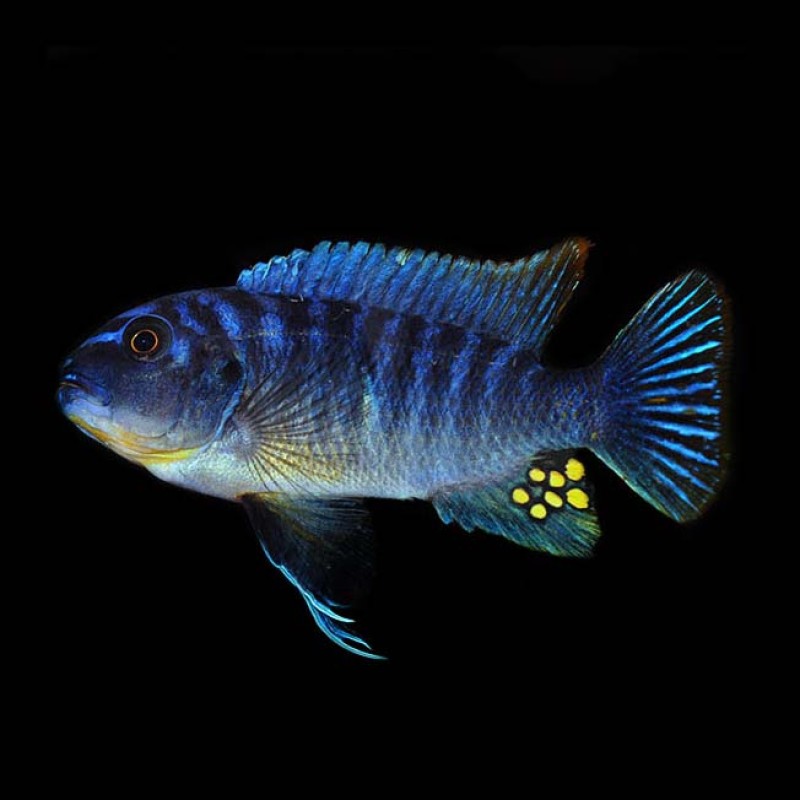
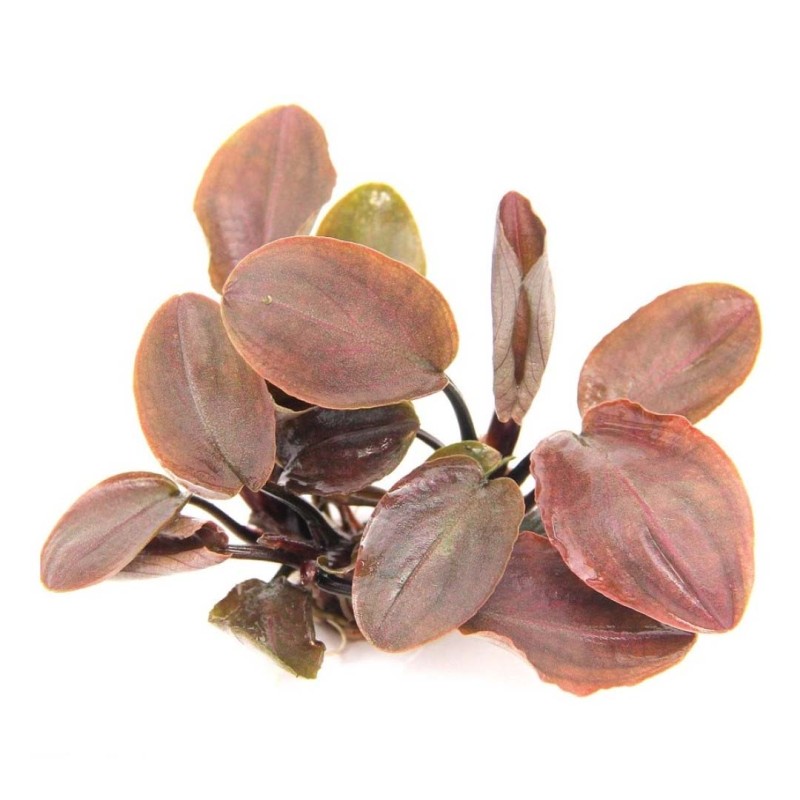
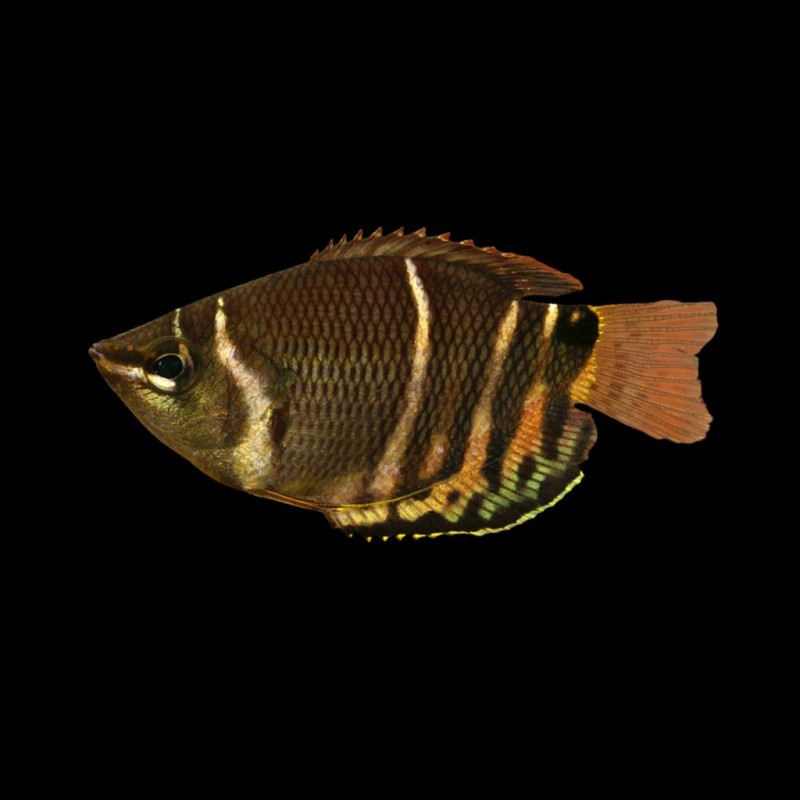
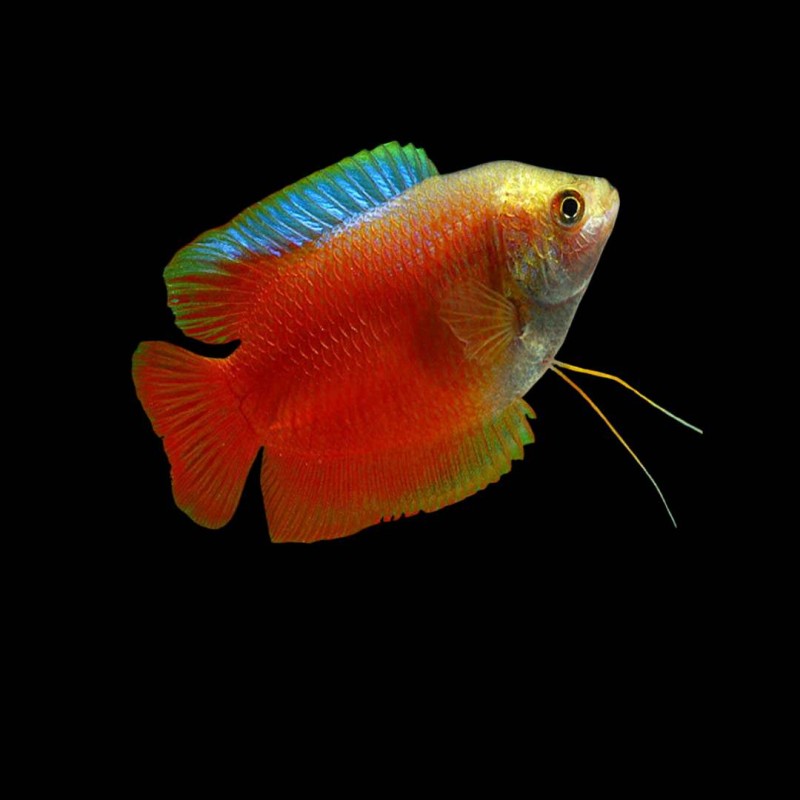
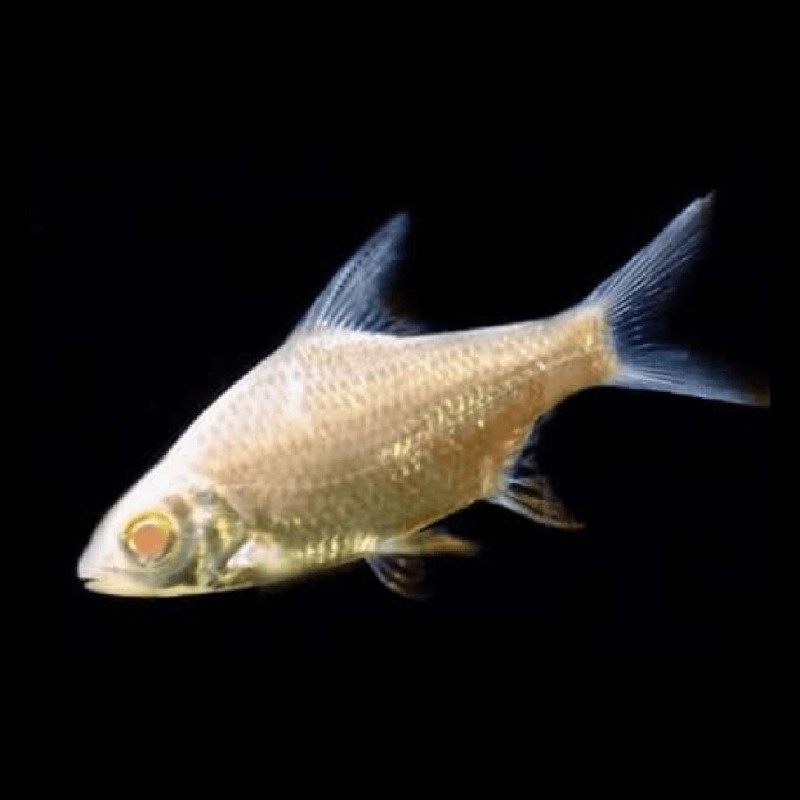
Please Note: Due to variations within species, your fish may not look identical to the image provided. Also note not all sizes or species may be available due to seasonality, Please call beforehand for up-to-date stock availability.
- Model: -
Available Options
Arrive Alive
If your fish, coral, plant, or invertebrate doesn't arrive alive and stay alive for 2 days, we'll credit your account or refund your money.
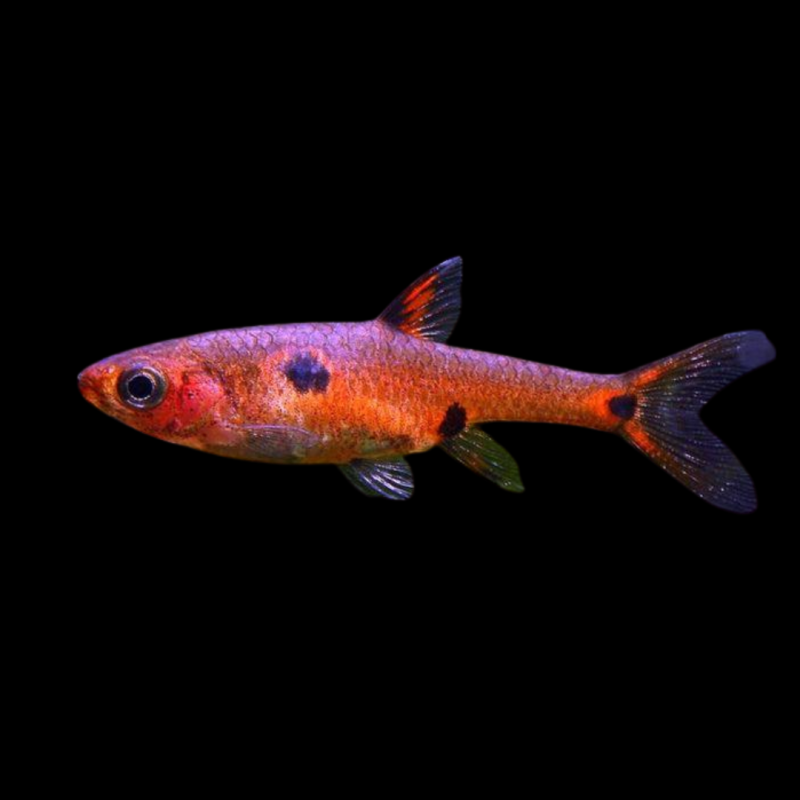
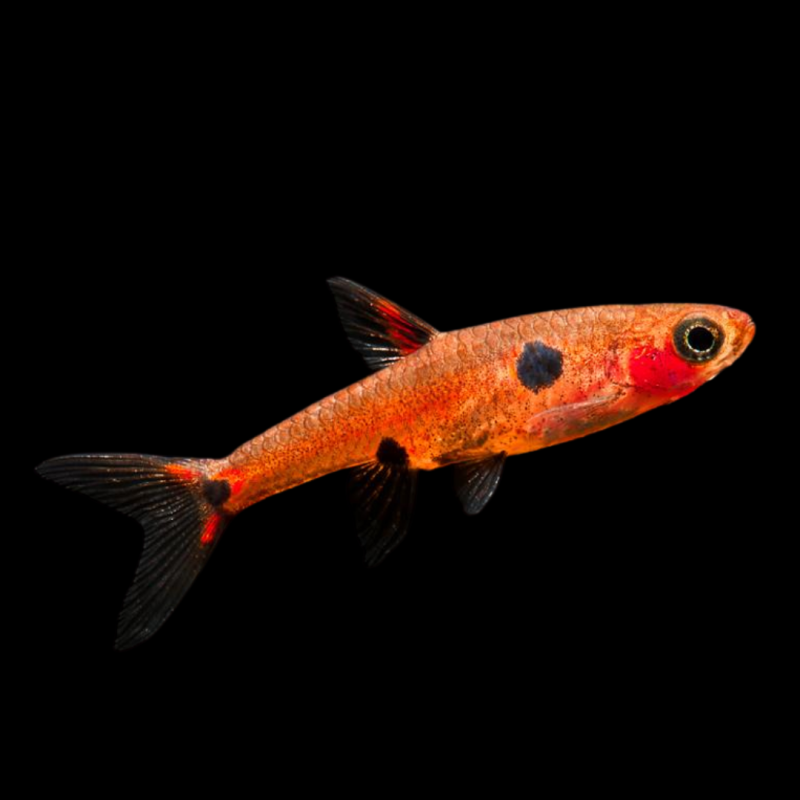
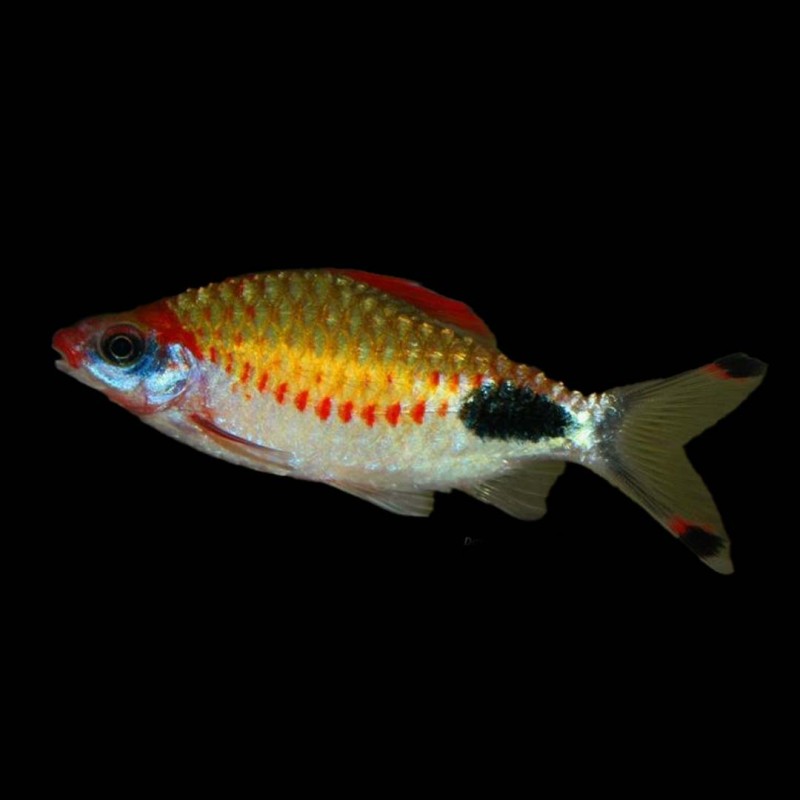
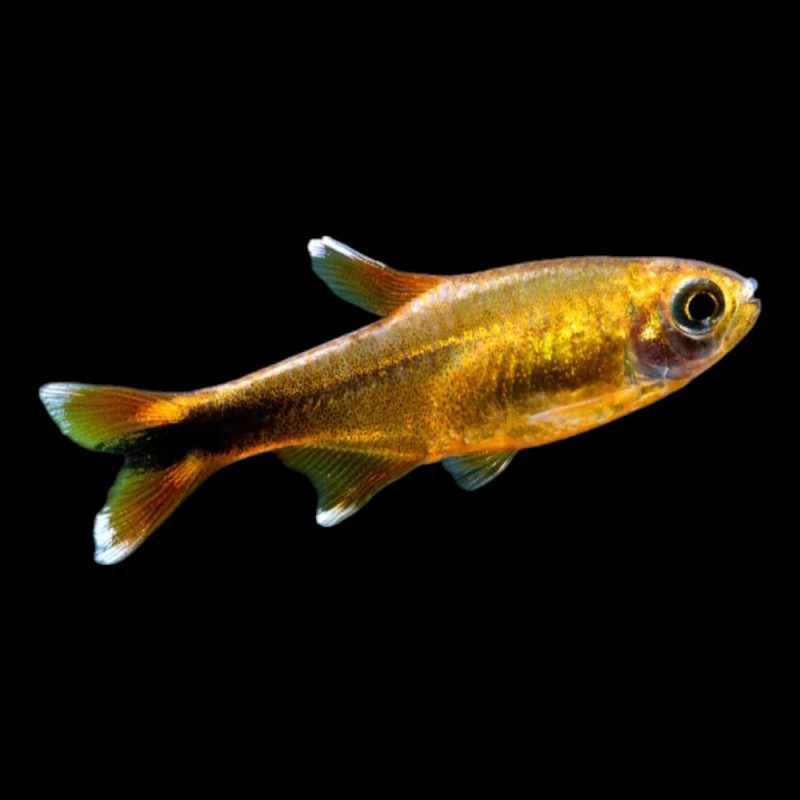
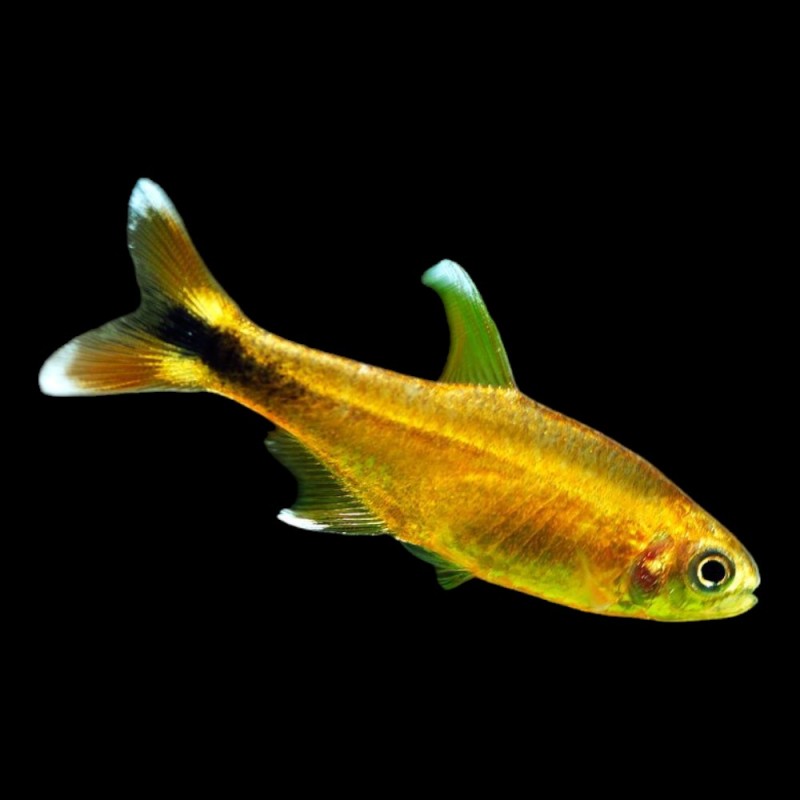
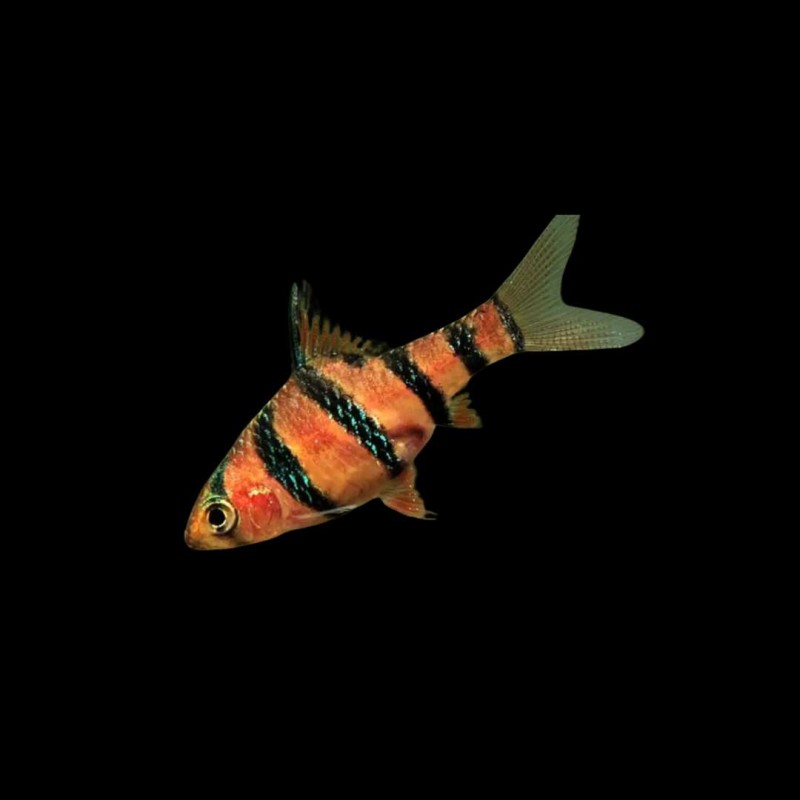
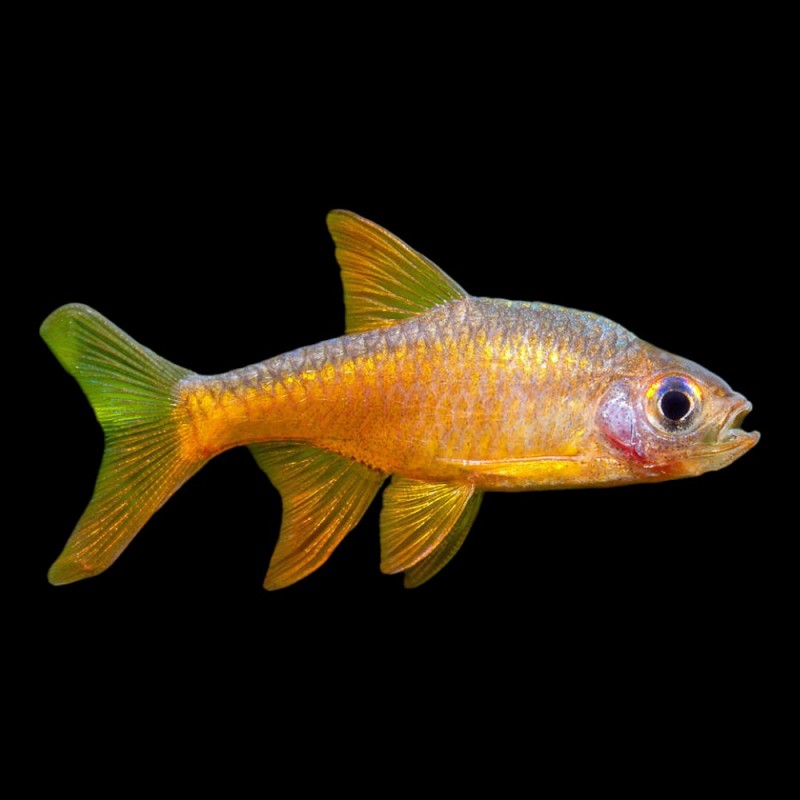
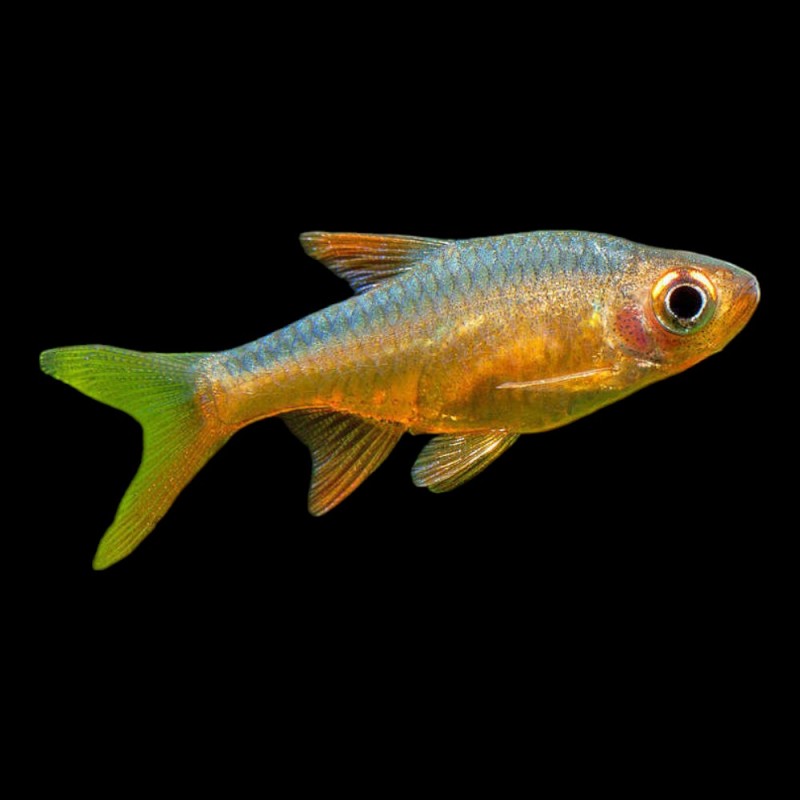
The Gold Barb (Barbodes semifasciolatus), also known as the Golden Barb or Schuberti Barb, is a small, hardy, and brightly colored freshwater fish popular in the aquarium hobby. Native to Southeast Asia, this fish has been selectively bred for its golden coloration and peaceful nature, making it a great choice for community aquariums. Its brilliant gold body and active behavior make it a striking addition to any tank.
Physical Characteristics:
- Size: Gold Barbs typically grow to about 5-7 cm (2-2.75 inches) in length, making them a relatively small species suitable for a wide range of tank sizes.
- Coloration:
- Body: The body of the Gold Barb is bright golden yellow with a metallic sheen. Some may have small black spots or markings near the tail. Their vibrant color is most pronounced in well-maintained tanks with good lighting.
- Fins: The fins are usually transparent with hints of gold or orange.
- Males vs. Females: Males are usually more vibrant in color, particularly during the breeding season. Females tend to be slightly larger and paler in comparison to males.
Behavior:
- Temperament: Gold Barbs are peaceful and make excellent community fish. They are social and should be kept in groups of at least 6 or more to encourage schooling behavior and reduce stress. When kept in larger groups, they exhibit less aggression and fin-nipping tendencies.
- Activity Level: These fish are active swimmers and are constantly on the move, adding energy and liveliness to the tank. They tend to swim in the middle and lower levels of the tank, exploring their environment.
- Community Behavior: Gold Barbs are peaceful enough to be housed with a wide range of other species. They are generally non-aggressive but may nip the fins of slower or long-finned tankmates if kept in too small a group.
Aquarium Care:
- Tank Size: A tank of at least 75 liters (20 gallons) is recommended for a small school of Gold Barbs. Larger tanks are ideal if housing them with other species, as they provide more room for swimming and reduce territorial behavior.
- Water Parameters:
- Temperature: Gold Barbs thrive in water temperatures between 20°C and 26°C (68°F to 79°F).
- pH: They prefer slightly acidic to neutral water, with a pH range of 6.0 to 7.5.
- Hardness: Soft to moderately hard water, with a general hardness (GH) of 4-10 dGH.
- Tank Setup:
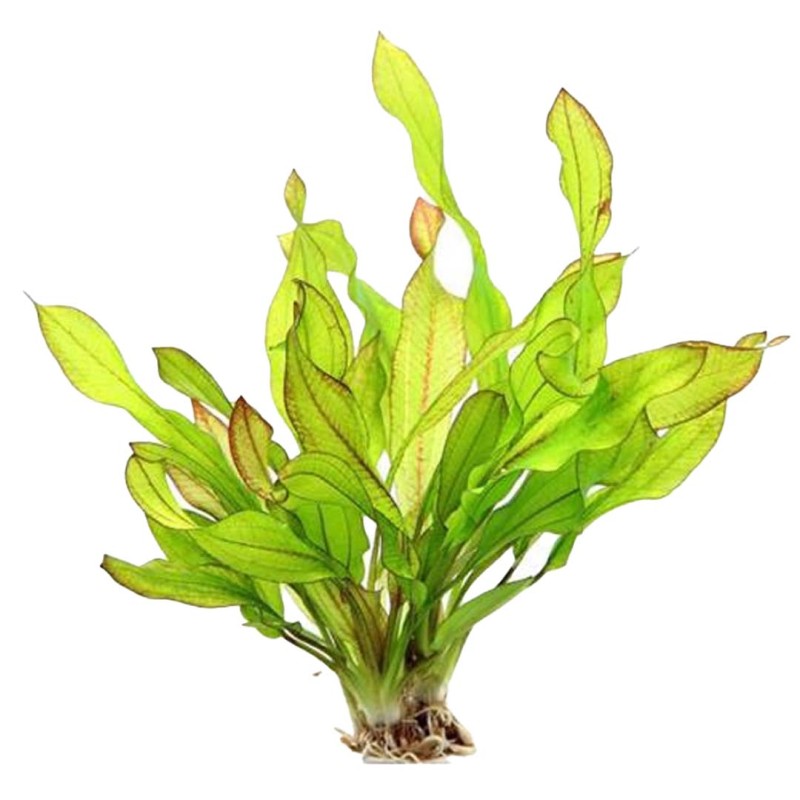
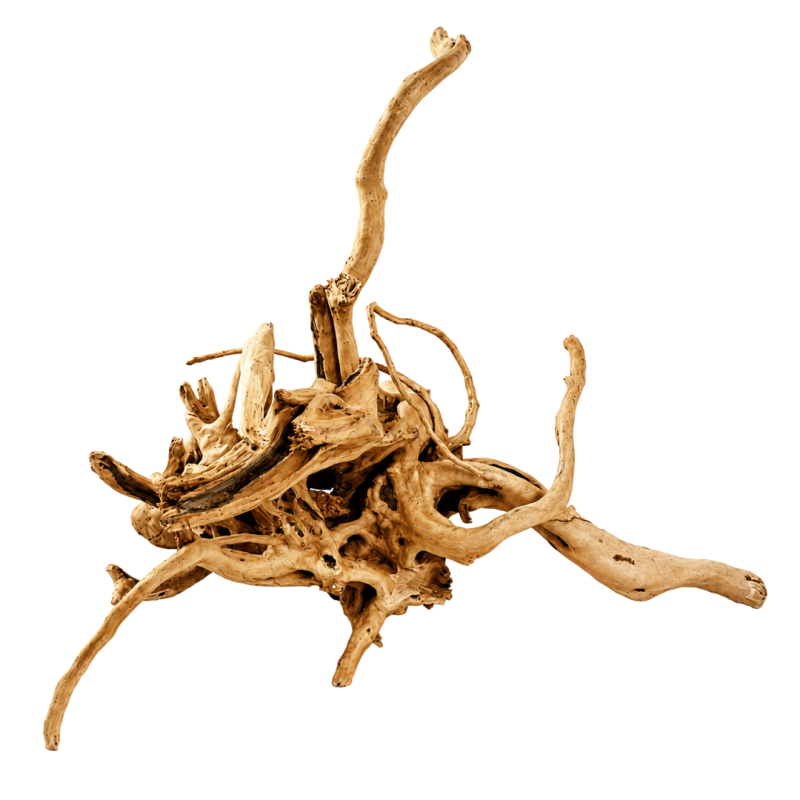
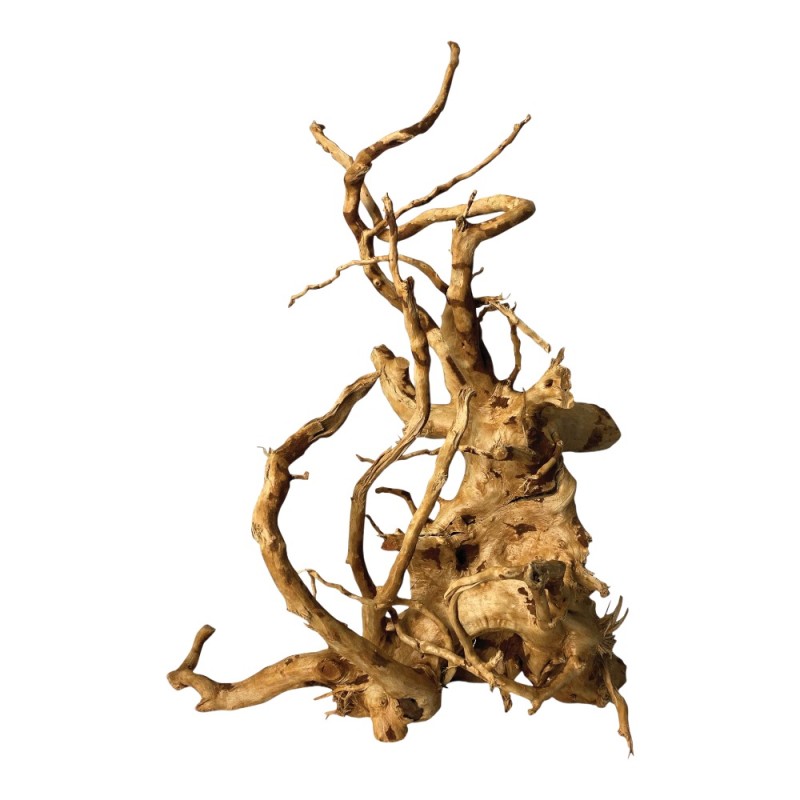
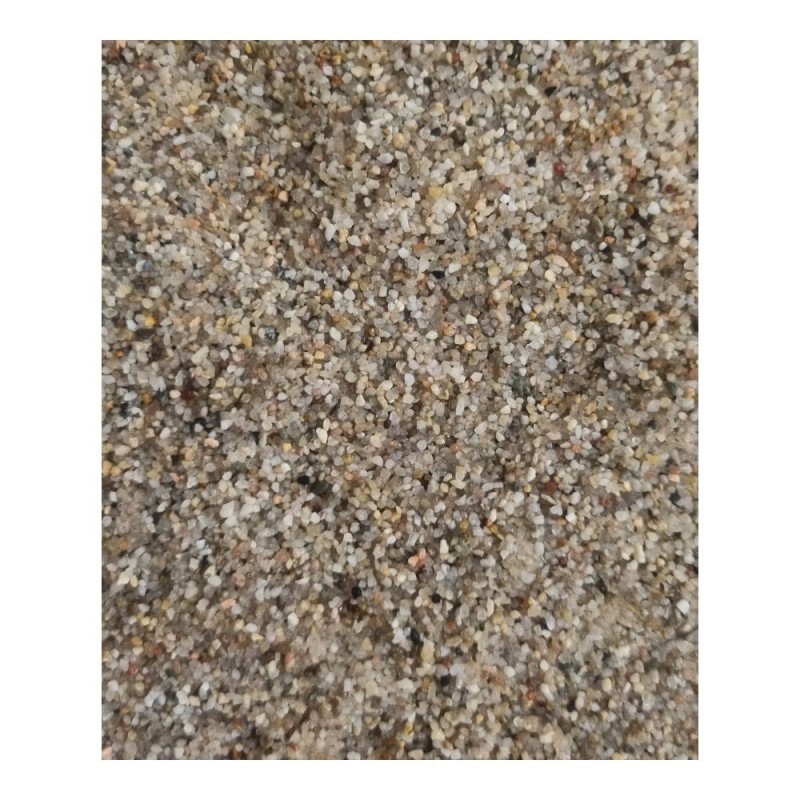
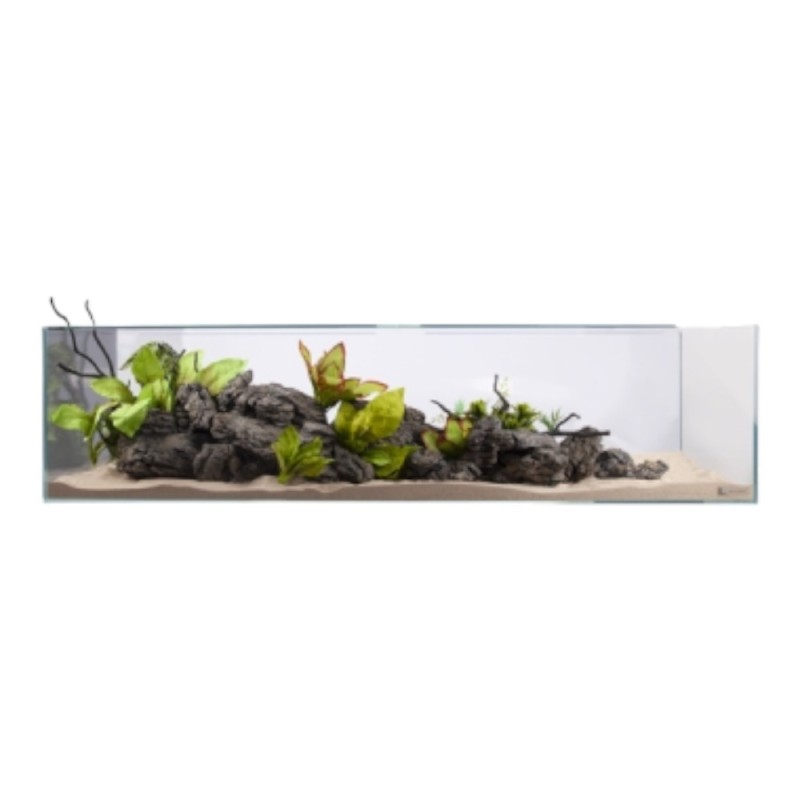
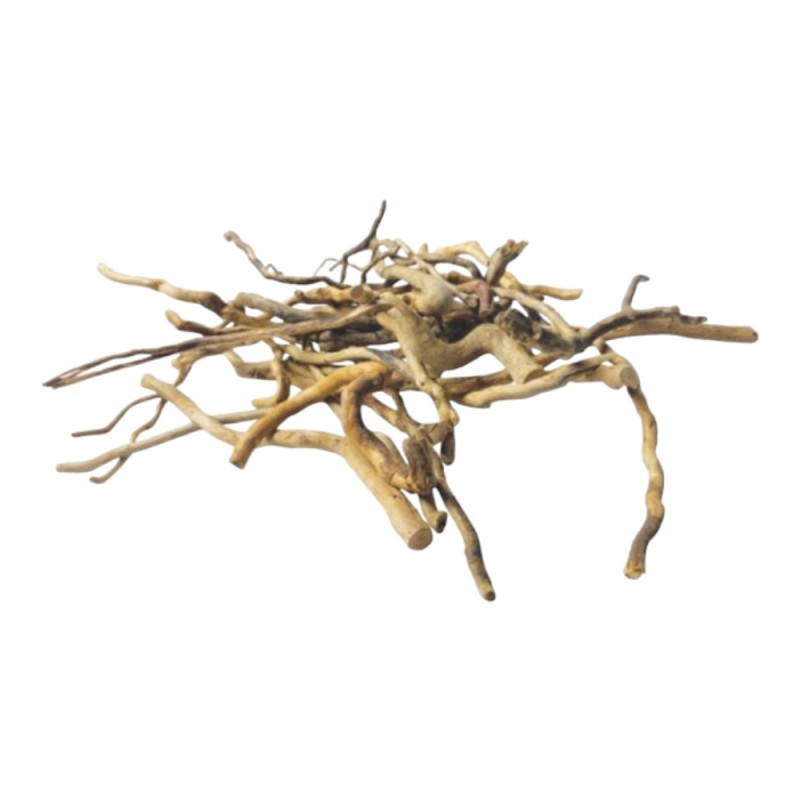
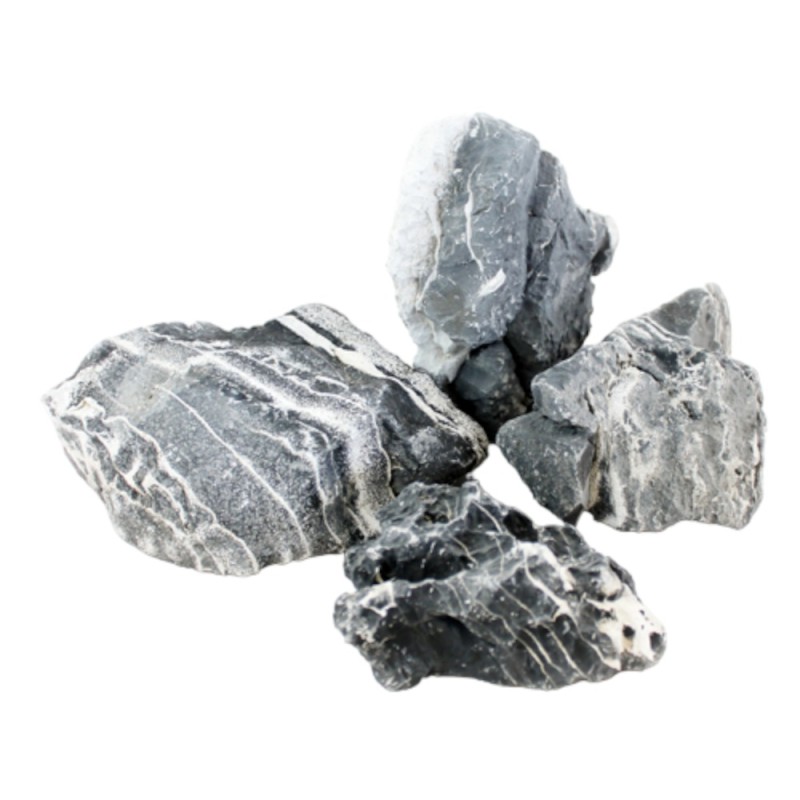
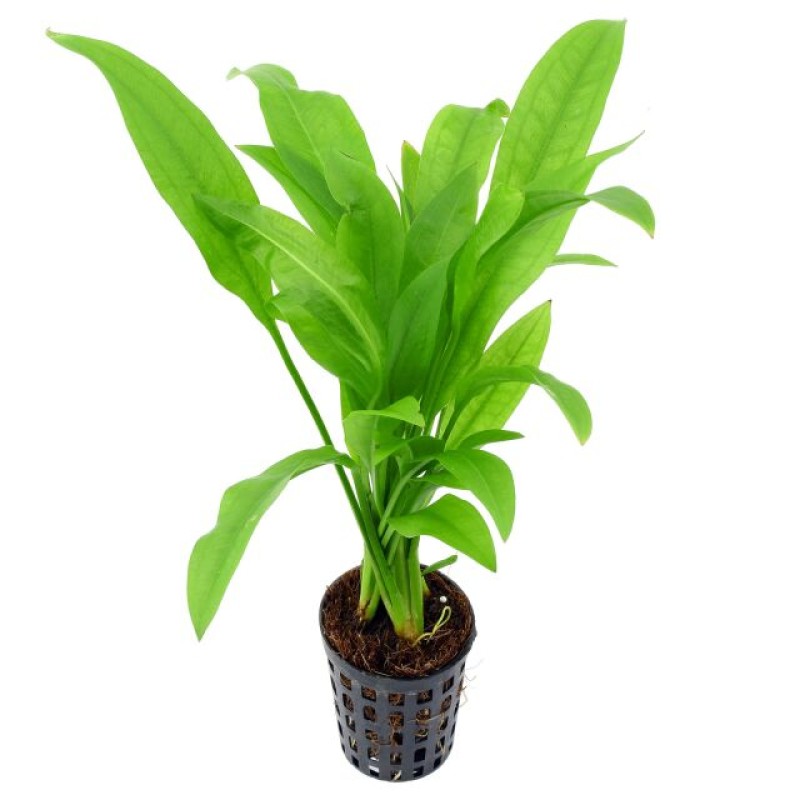
- Substrate and Decorations: A soft, sandy substrate is suitable for Gold Barbs. They appreciate a well-planted tank with plenty of hiding spots, as plants and decorations help create a sense of security. Live plants such as Java fern, Anubias, and Amazon swords are good options. Adding driftwood and rocks can provide additional hiding spots.
- Lighting: Moderate lighting is ideal to enhance their golden coloration. Floating plants can help diffuse the light and create shaded areas that help reduce stress.
- Filtration: Gold Barbs are hardy and adaptable but require clean water to thrive. A gentle filtration system is recommended, as these fish prefer calm water. Regular water changes (about 20% weekly) are necessary to maintain water quality.
Diet:
Gold Barbs are omnivores and thrive on a varied diet that helps maintain their health and coloration. Their diet should include:
- Pellets or Flakes: High-quality tropical fish flakes or pellets designed for small omnivorous fish should form the staple of their diet.
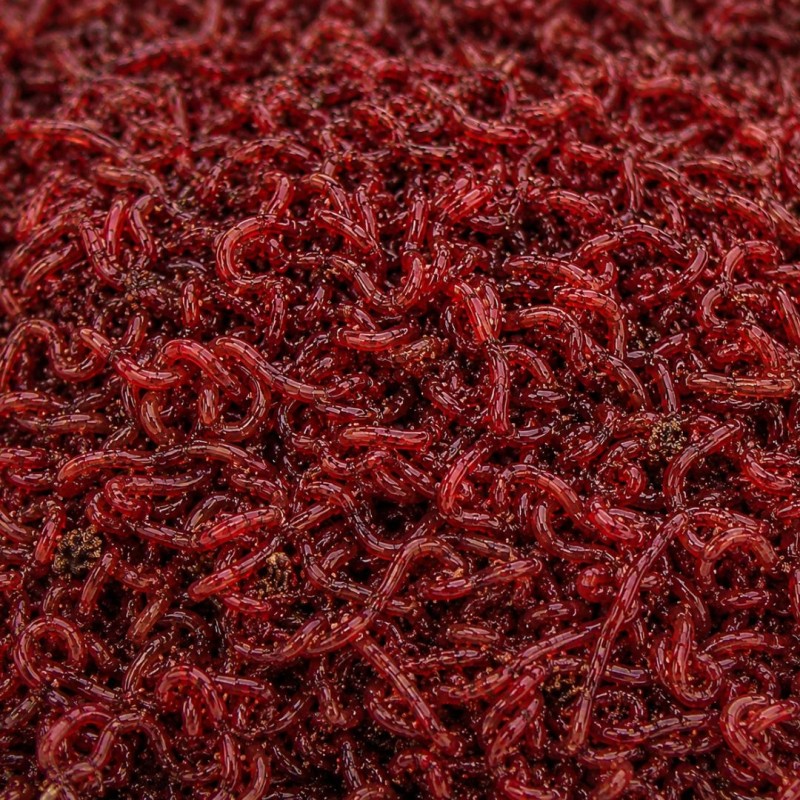
- Live or Frozen Foods: Offer live or frozen foods such as brine shrimp, bloodworms, and daphnia to provide essential protein and variety.
- Vegetable Matter: They will also benefit from plant-based foods such as spirulina flakes or blanched vegetables (e.g., spinach, zucchini), which should be offered occasionally to ensure a balanced diet.
Feed them 2-3 times daily, providing only as much food as they can consume in a few minutes to avoid overfeeding and maintain water quality.
Tankmates:
Gold Barbs are peaceful fish that can coexist with a variety of other species in a community tank. Suitable tankmates include:
- Tetras: Larger species like Black Skirt Tetras, Red or Black Phantom Tetras, Rummy Nose Tetras.
- Rasboras: Harlequin Rasboras and other small, peaceful species make great companions.
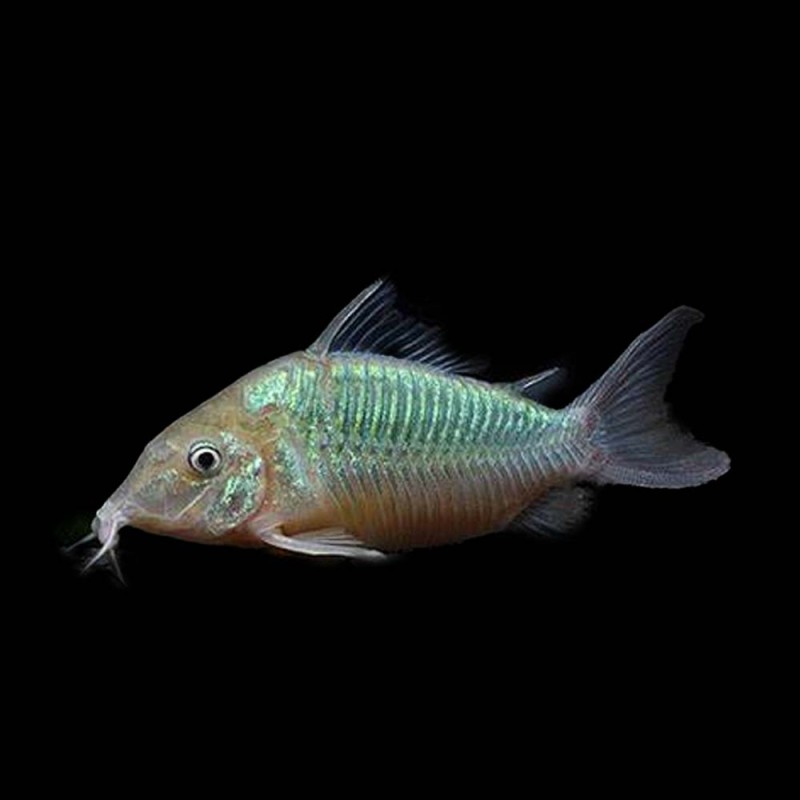
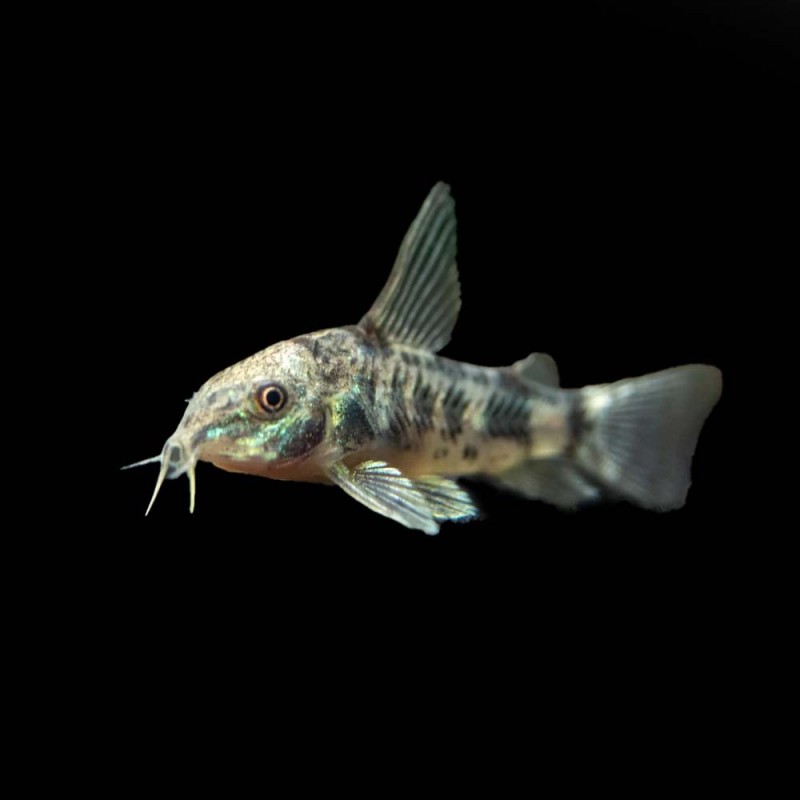
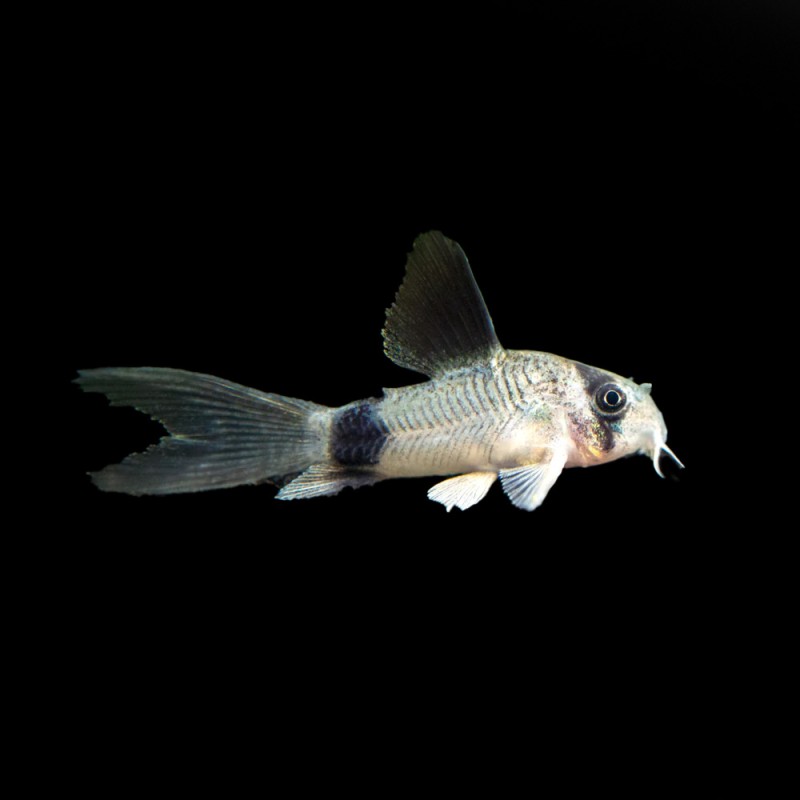
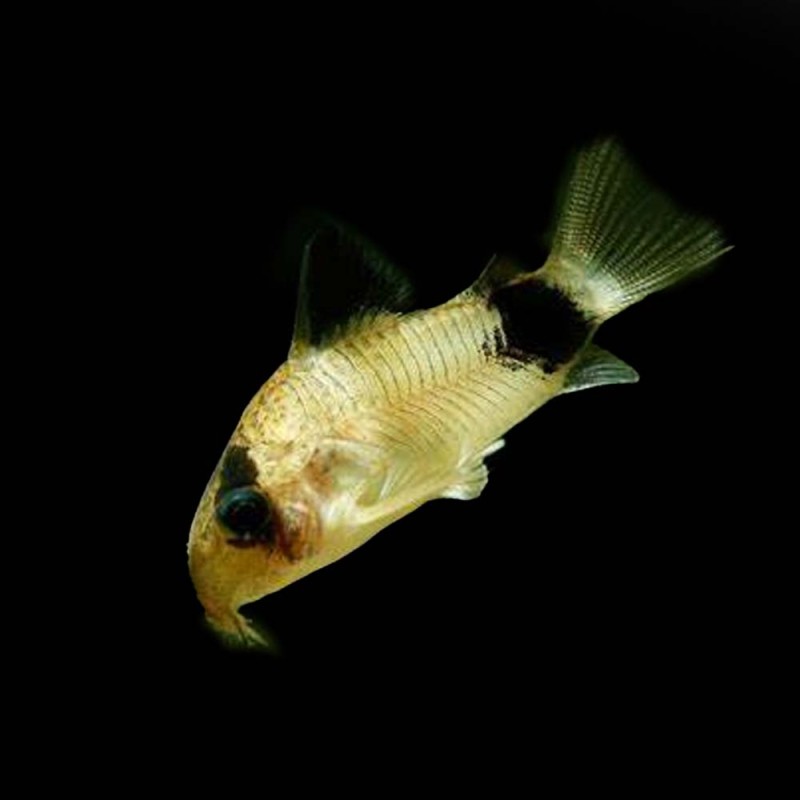
- Corydoras catfish: These peaceful bottom-dwellers coexist well with Gold Barbs and help keep the tank clean.
- Other barbs: Species like Cherry Barbs and Black Ruby Barbs can live harmoniously with Gold Barbs.
Avoid slow-moving or long-finned fish, such as Angelfish or Betta fish, as Gold Barbs may nip their fins, especially if they are not kept in large enough groups.
Breeding:
Breeding Gold Barbs in captivity is relatively easy and can be achieved under the right conditions.
- Breeding Setup: A separate breeding tank with slightly acidic water (pH around 6.5) and a temperature of 24°C to 26°C (75°F to 79°F) is recommended. Provide fine-leaved plants or a spawning mop for the female to scatter her eggs on.
- Spawning Behavior: Males will become more vibrant during the breeding season and may engage in courtship displays to attract females. After fertilization, the female will scatter her eggs over plants or the substrate.
- Egg and Fry Care: Gold Barbs do not provide parental care and may eat their eggs, so it’s best to remove the adults after spawning. The eggs will hatch in about 2-3 days, and the fry can be fed with infusoria or finely crushed flake food until they are large enough to eat larger foods.
Special Considerations:
- Fin-Nipping: While Gold Barbs are generally peaceful, they may display fin-nipping behavior if kept in small groups. Keeping them in schools of 6 or more helps to minimize this behavior and ensures a more harmonious tank.
- Water Quality: Regular water changes and maintaining stable water parameters are essential for the health of Gold Barbs, as poor water quality can lead to stress and illness.
| File Name | Size | Link |
|---|---|---|
| 9 How to care for Barbs.pdf (Total downloads: 3226) | 221.03KiB | Download |