

- Stock: Generally In Stock
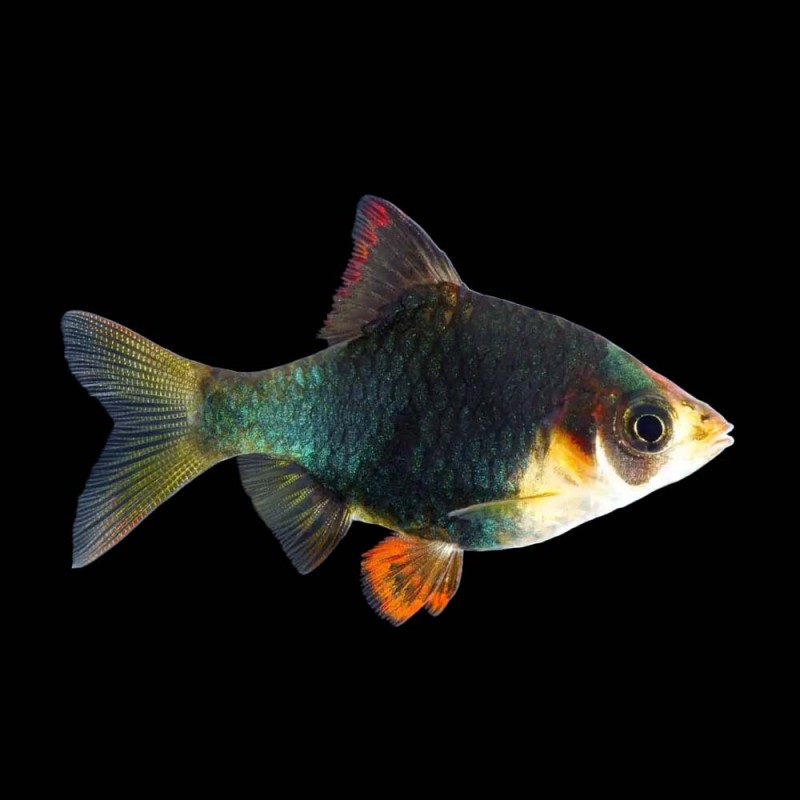
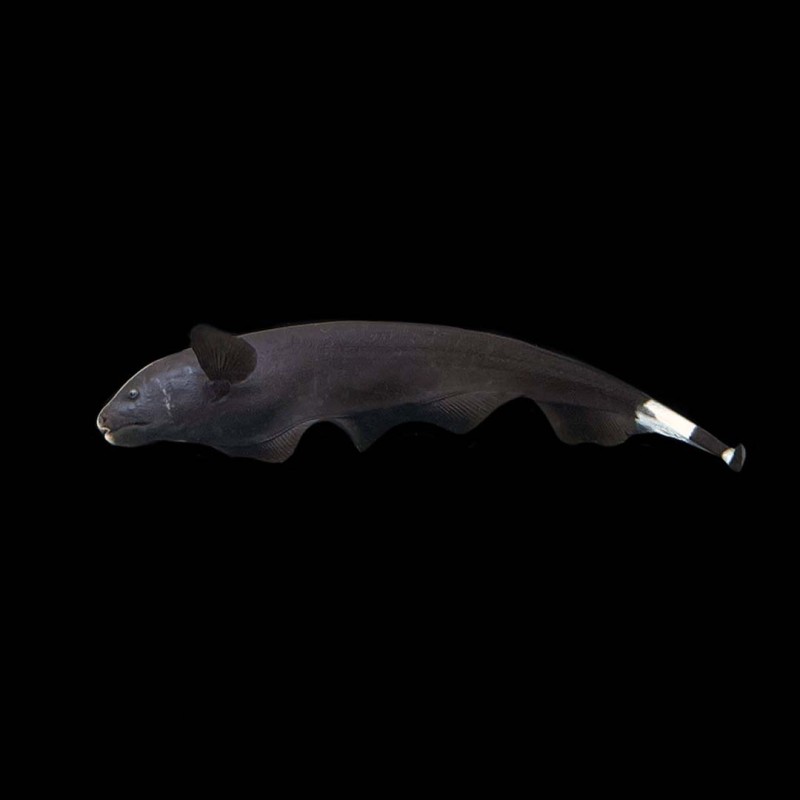
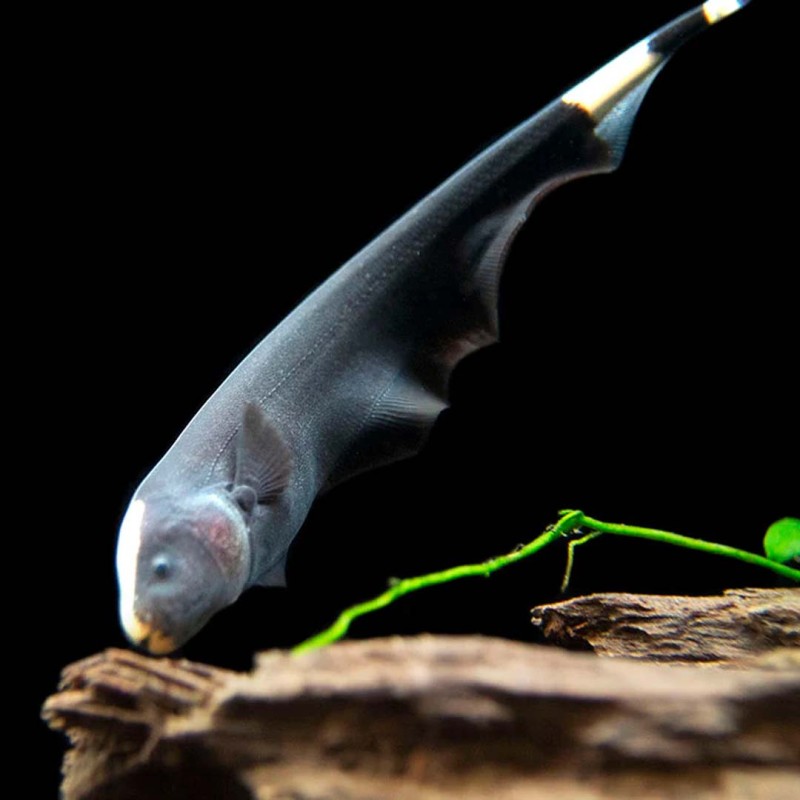
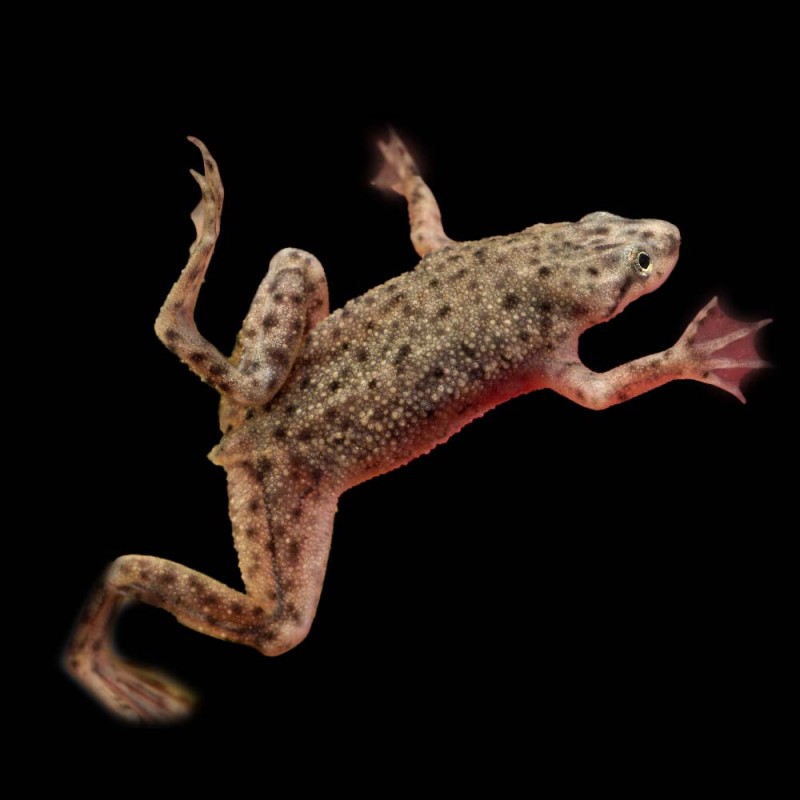
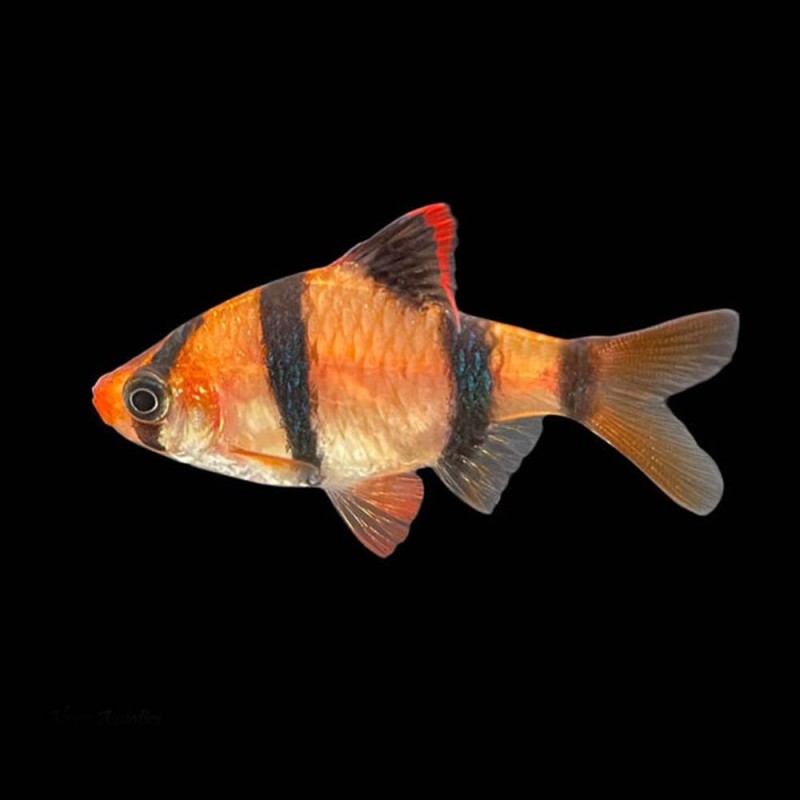
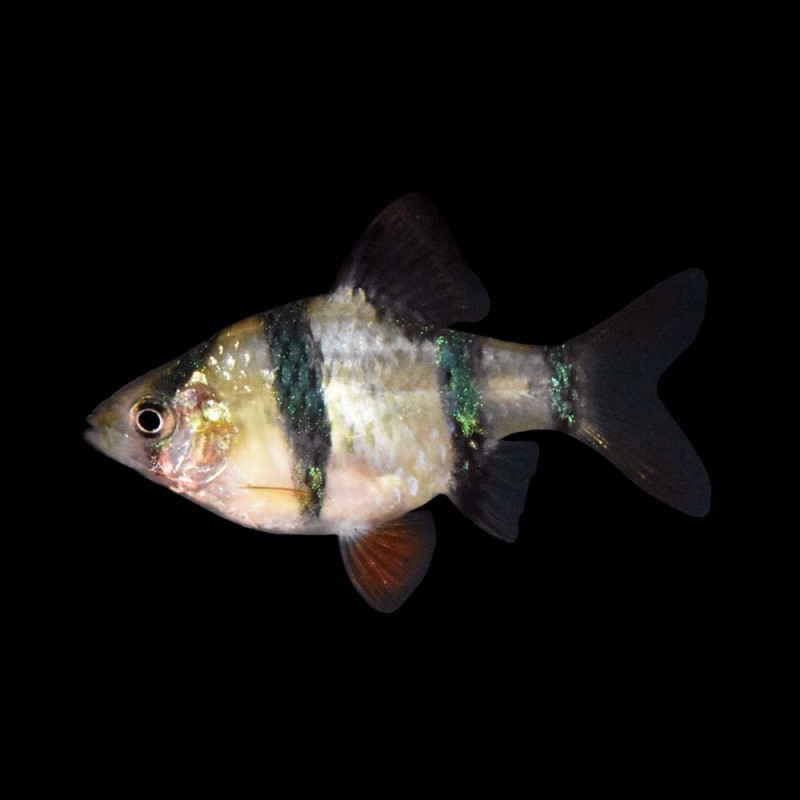
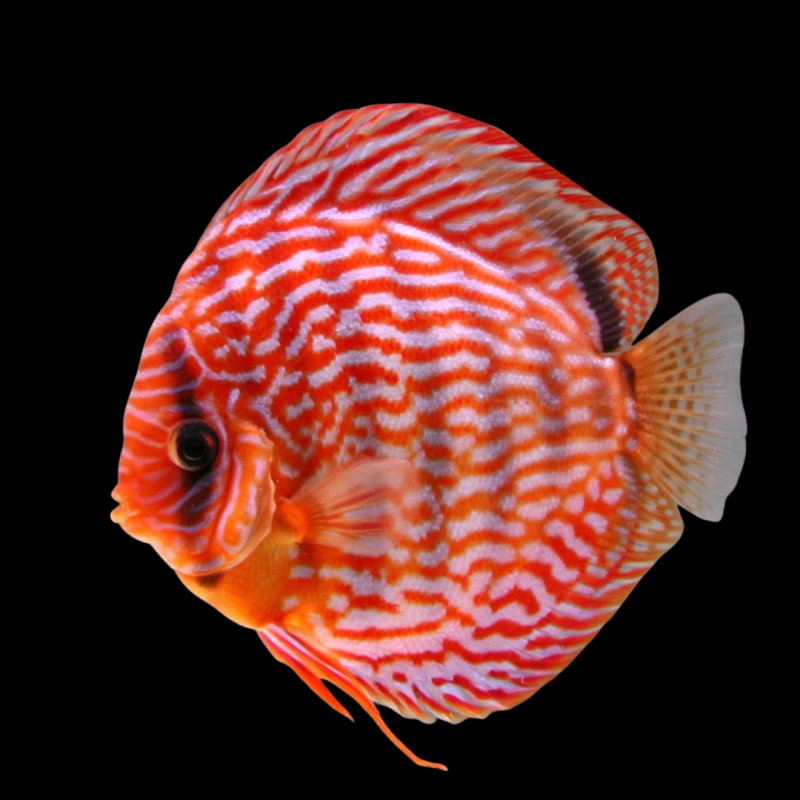
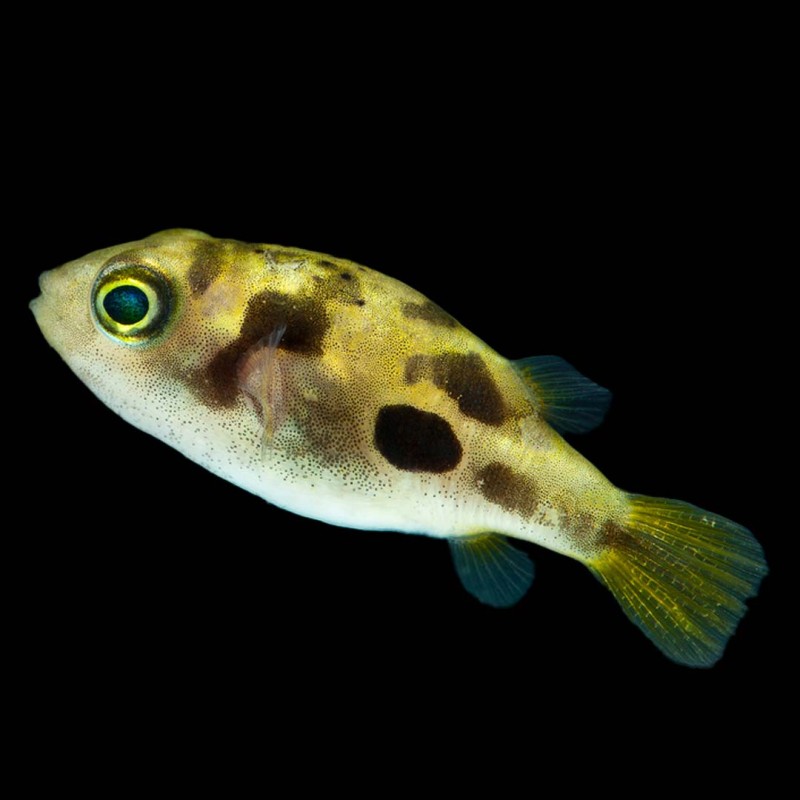
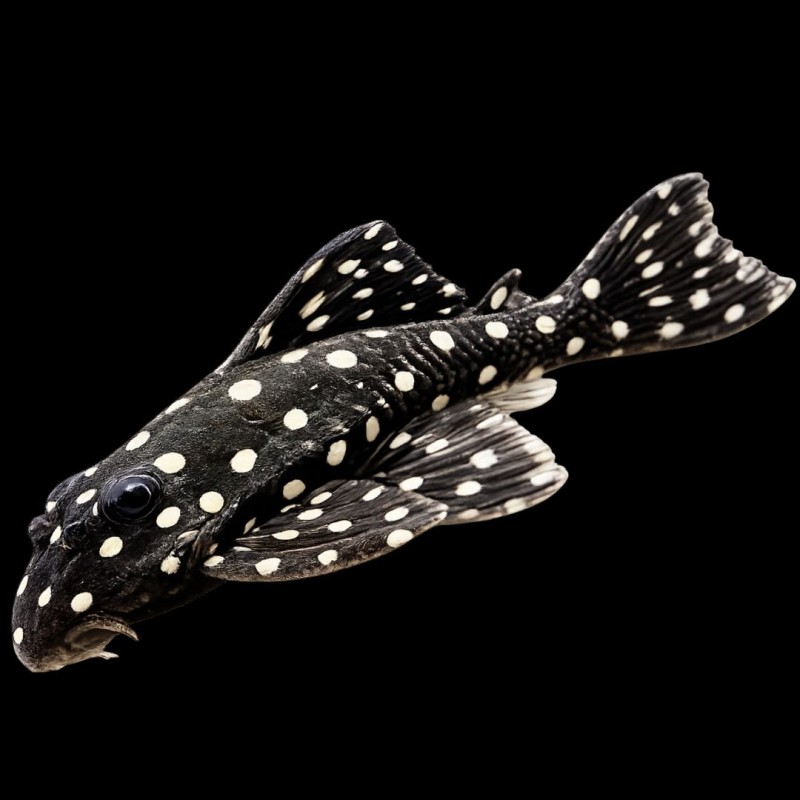
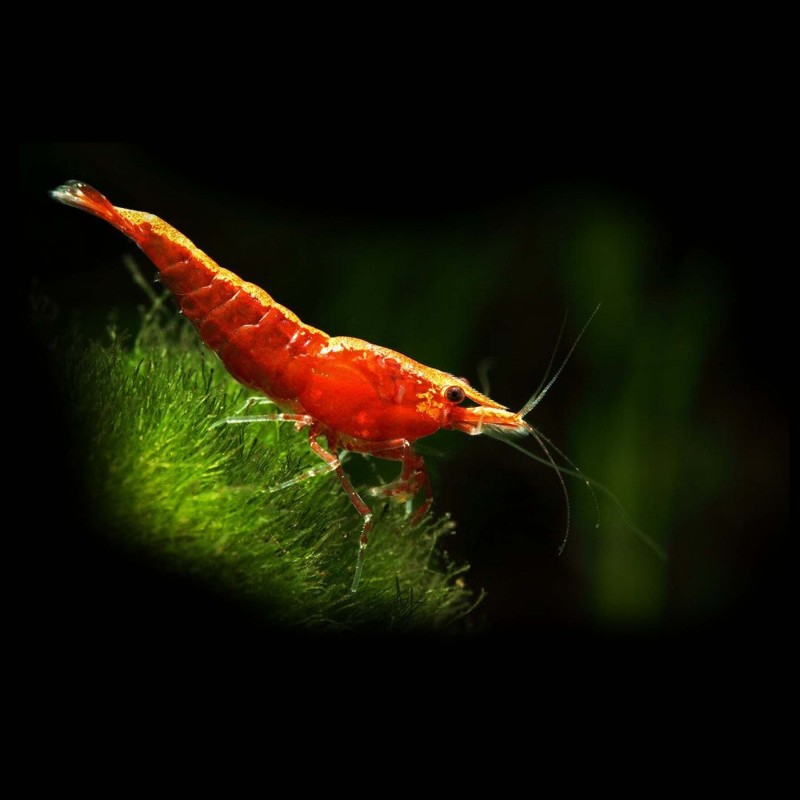
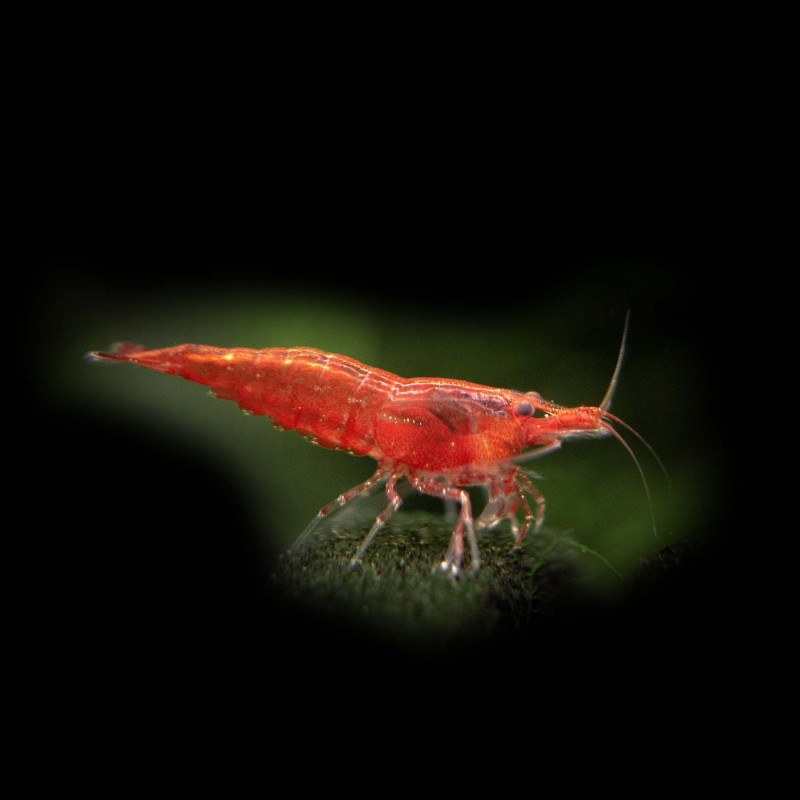
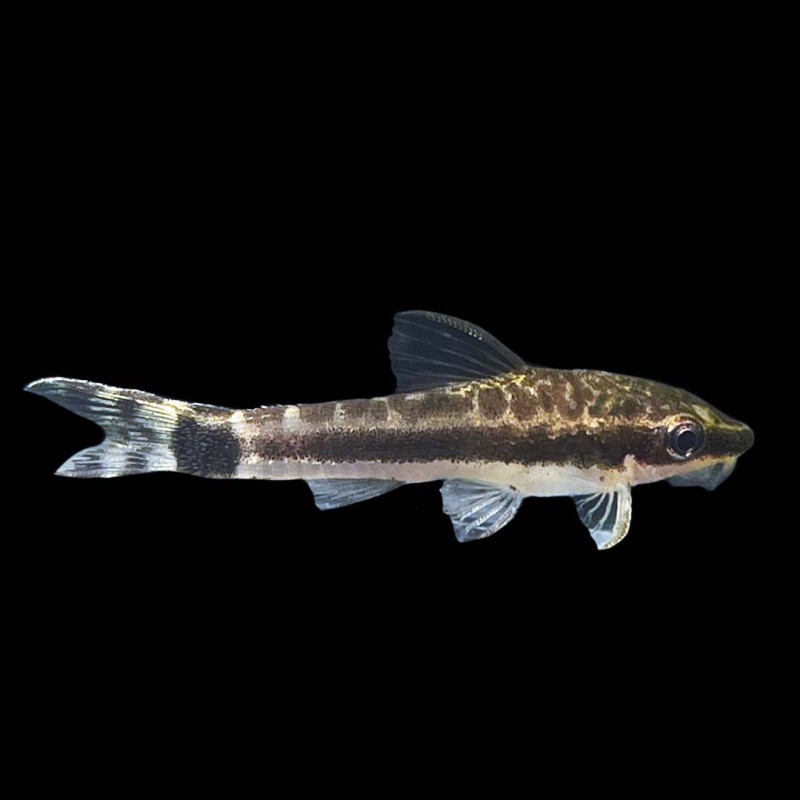
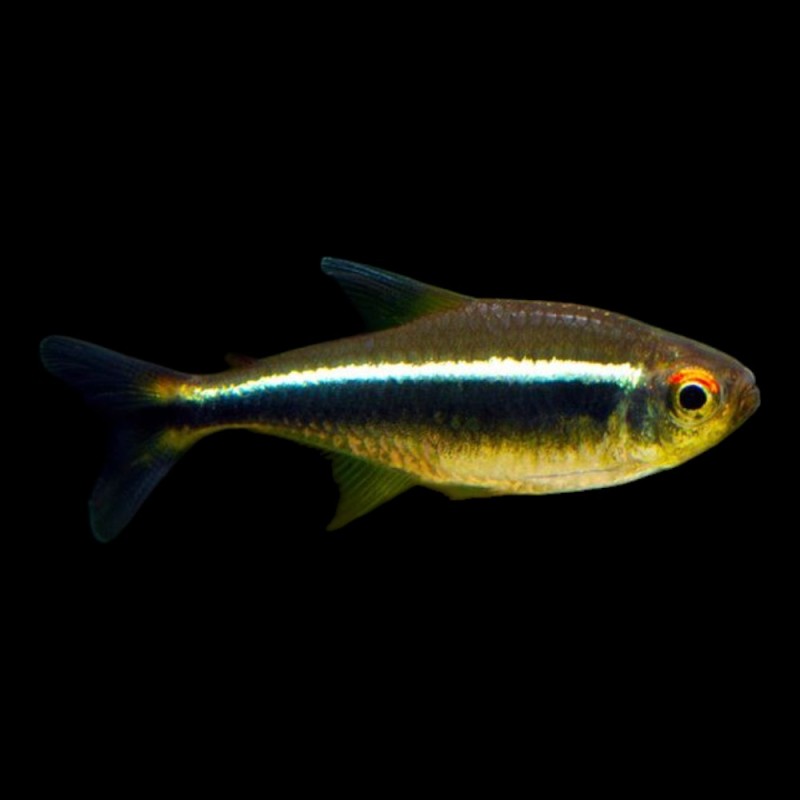
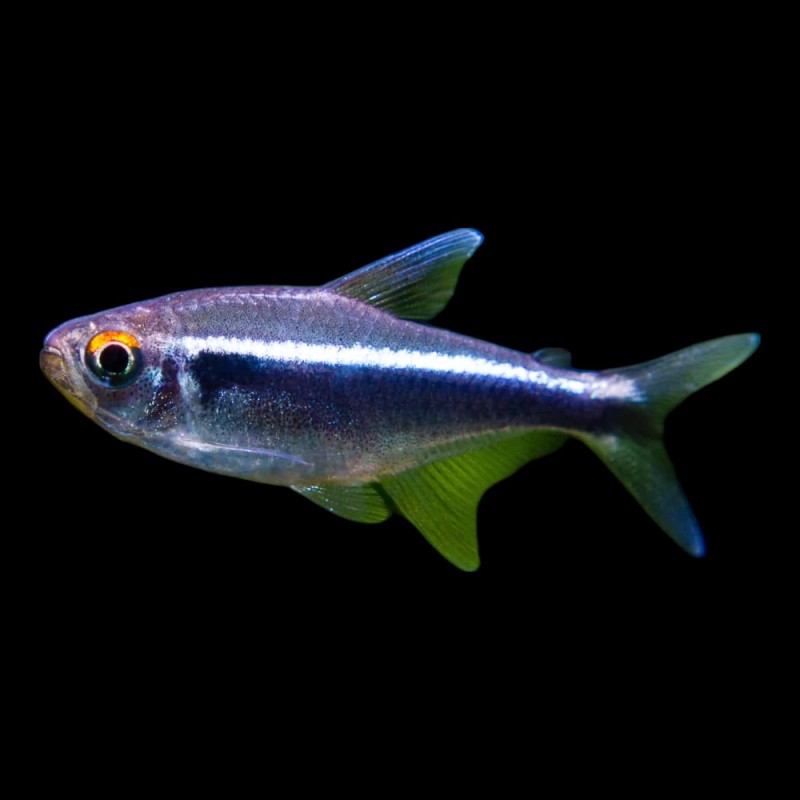
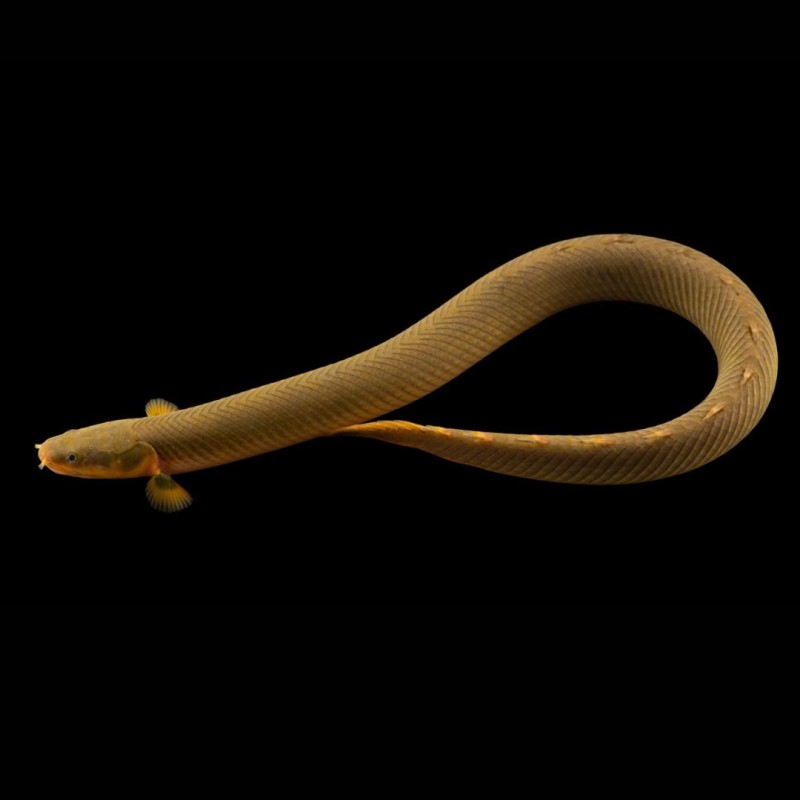
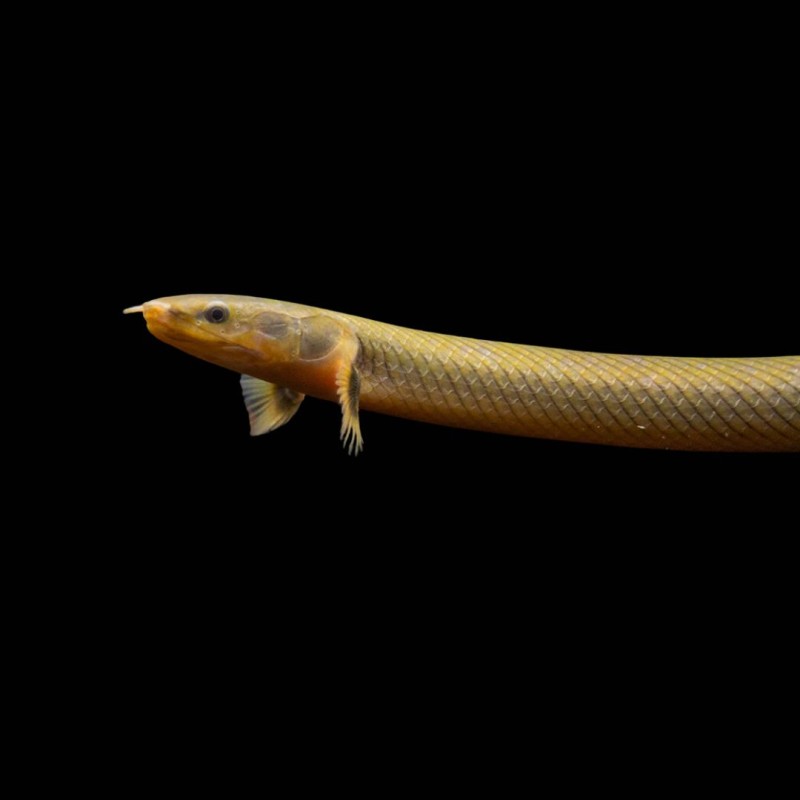
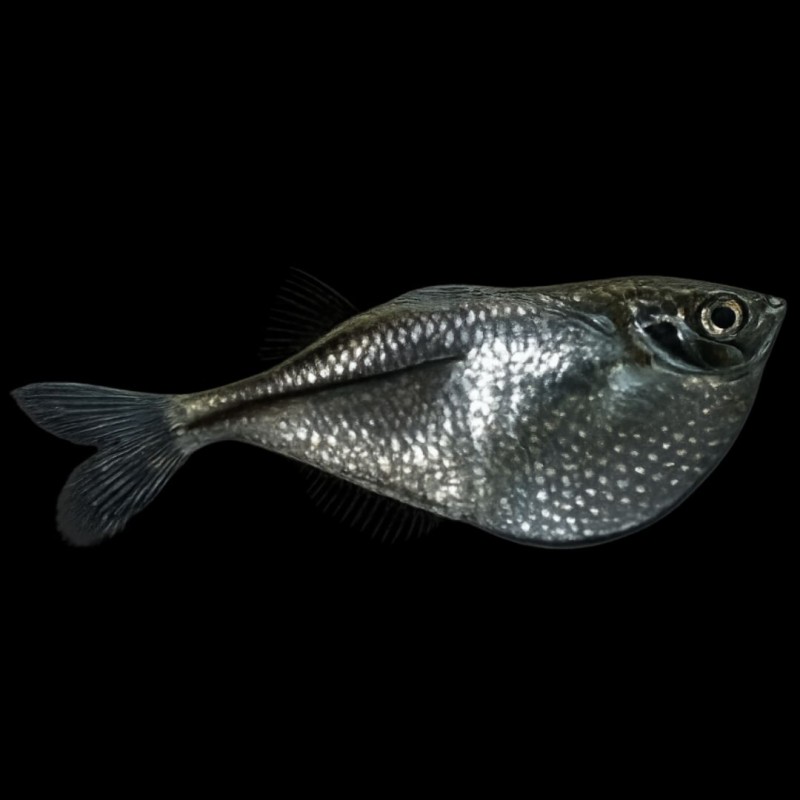
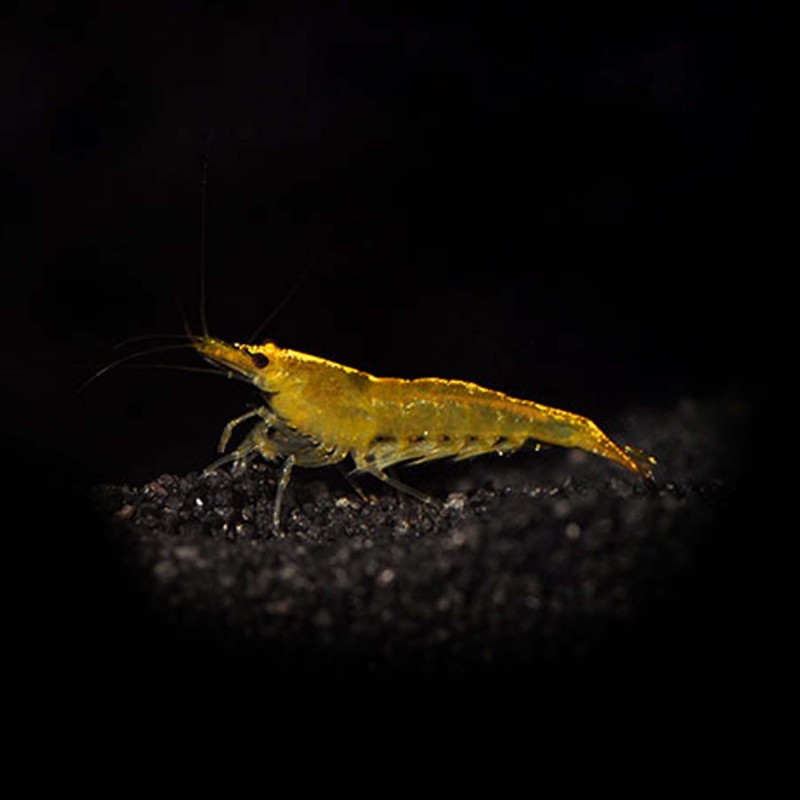
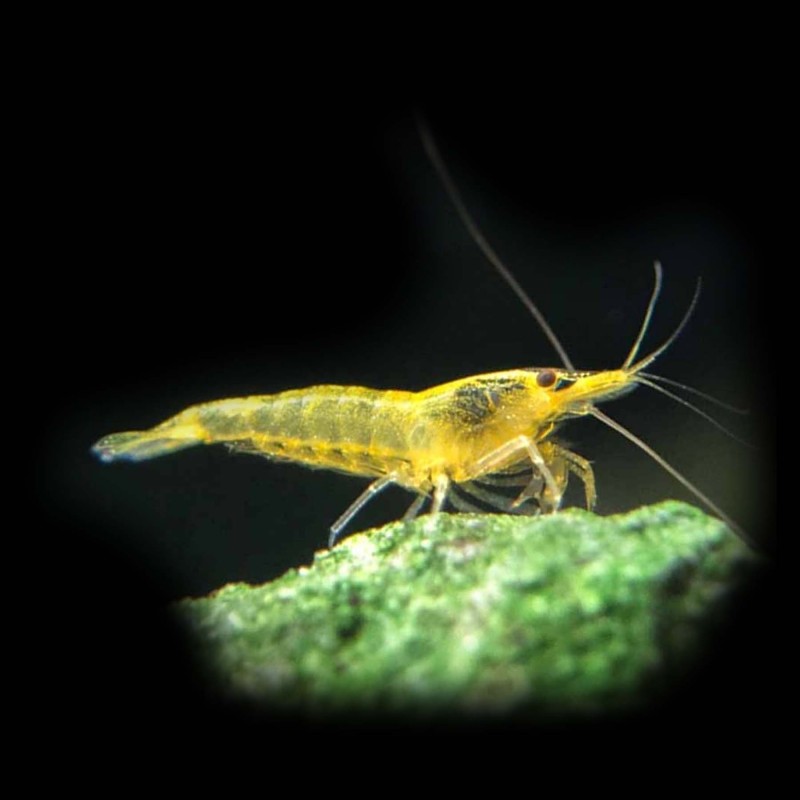
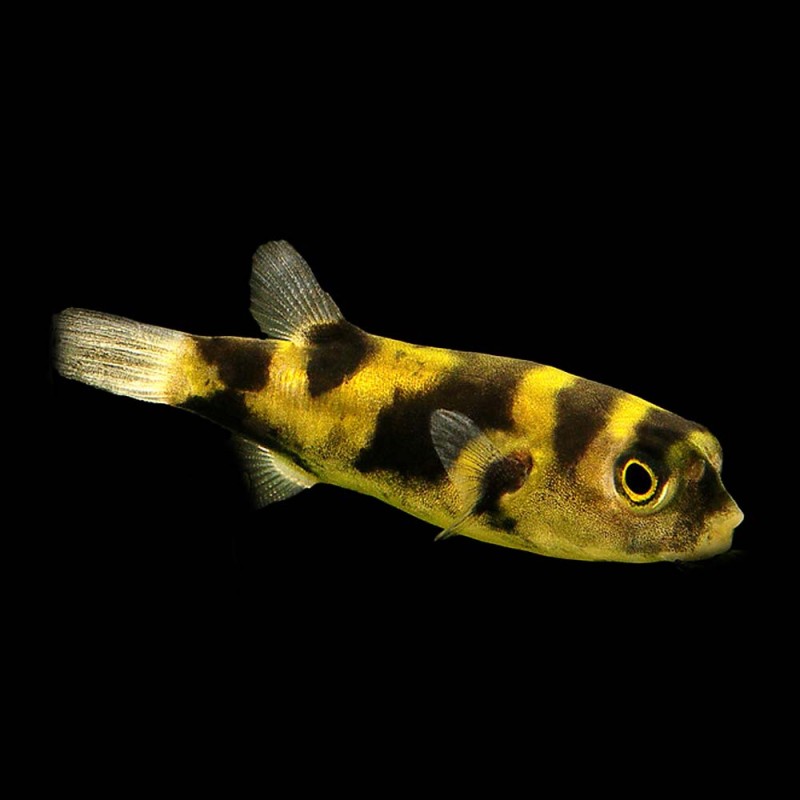
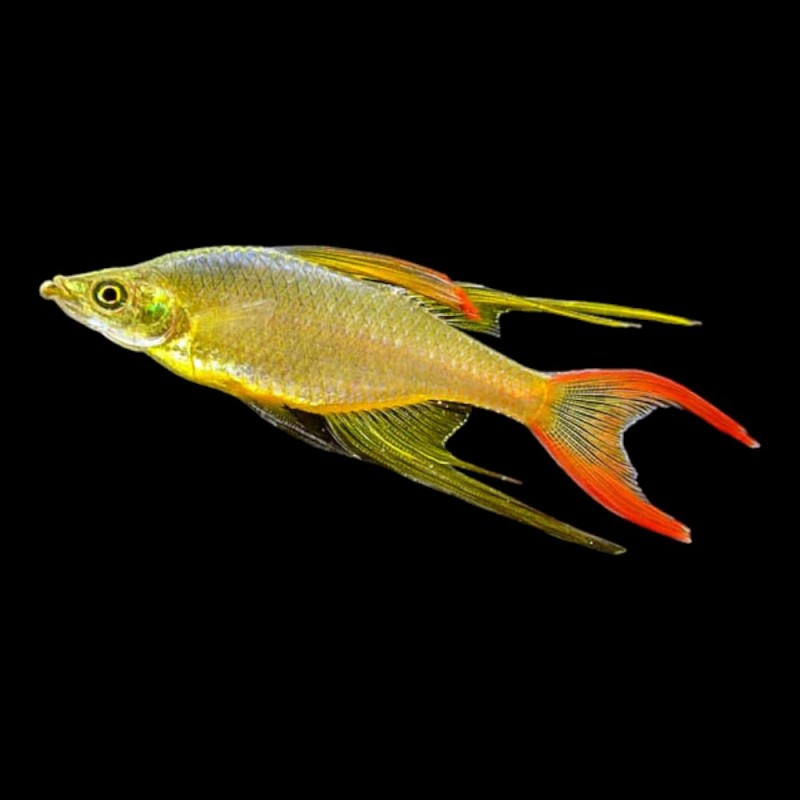
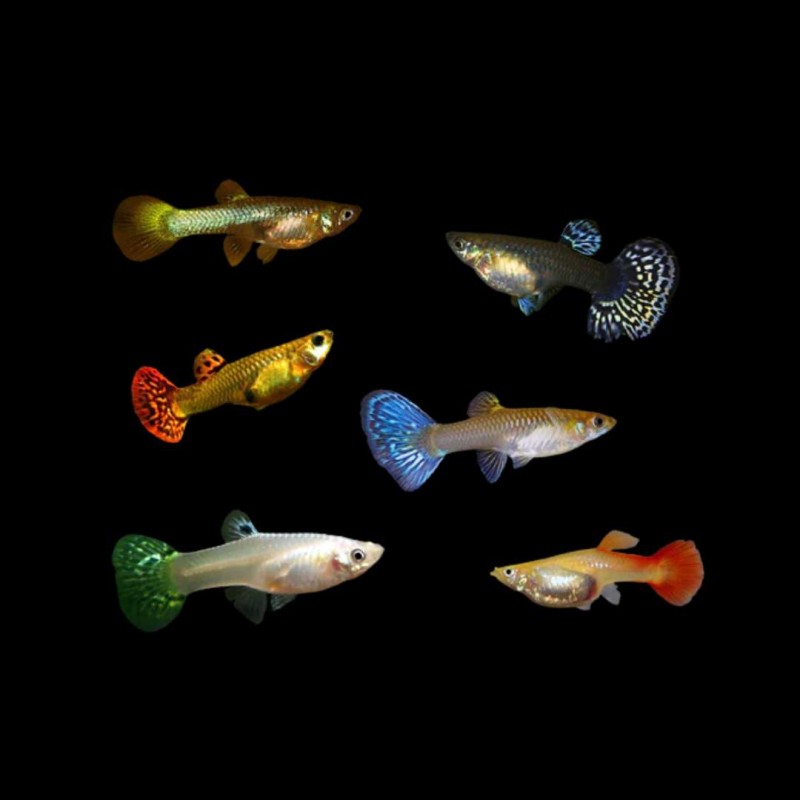
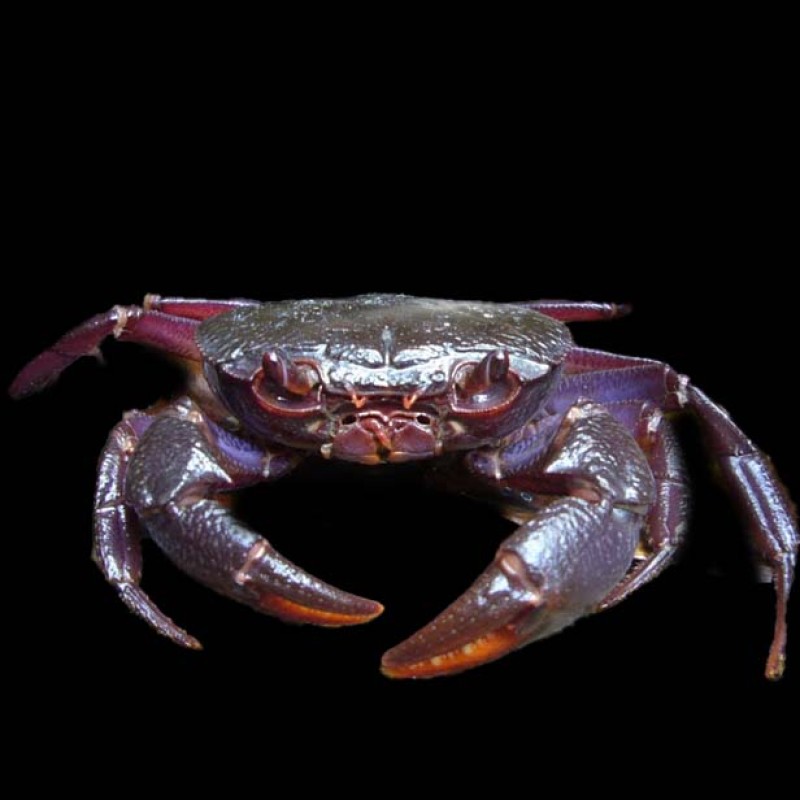
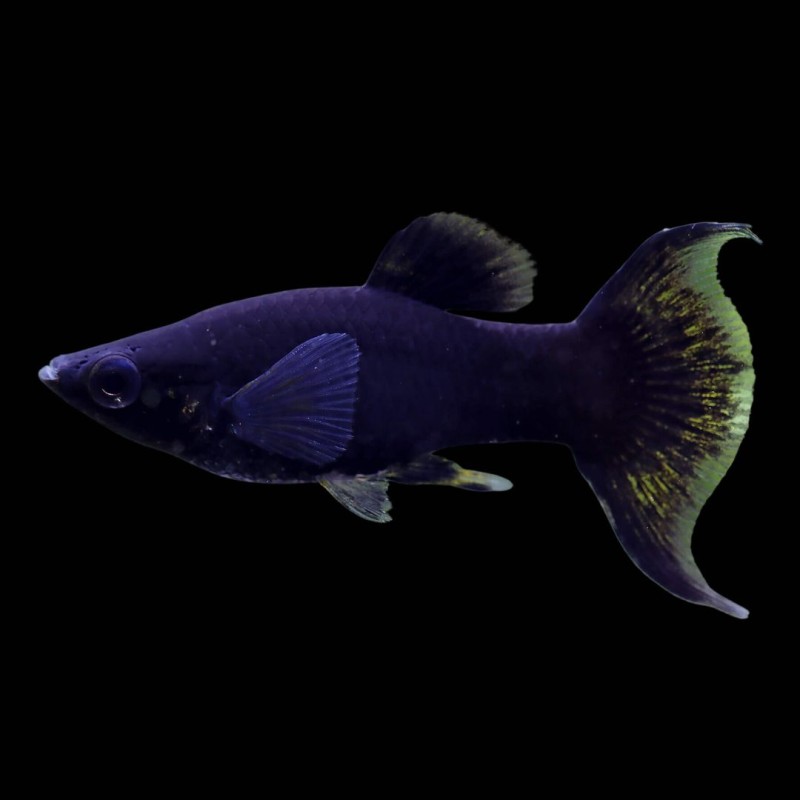
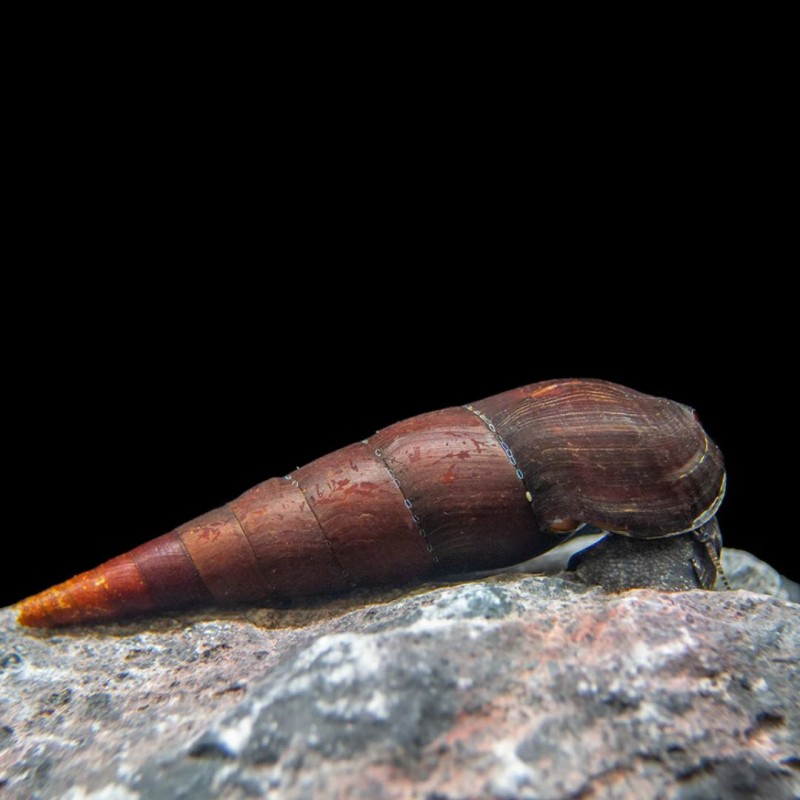
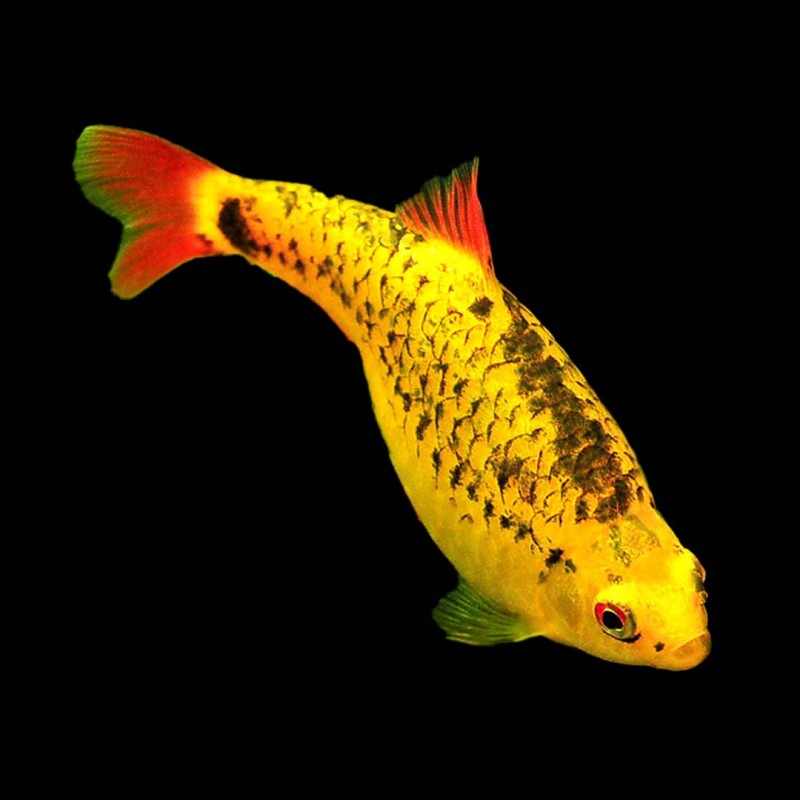
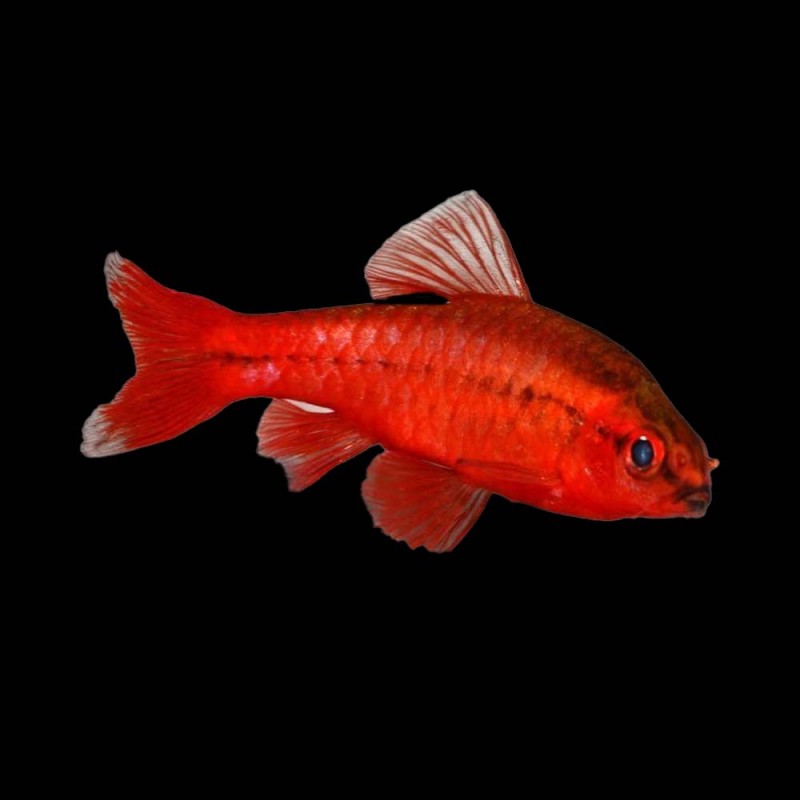
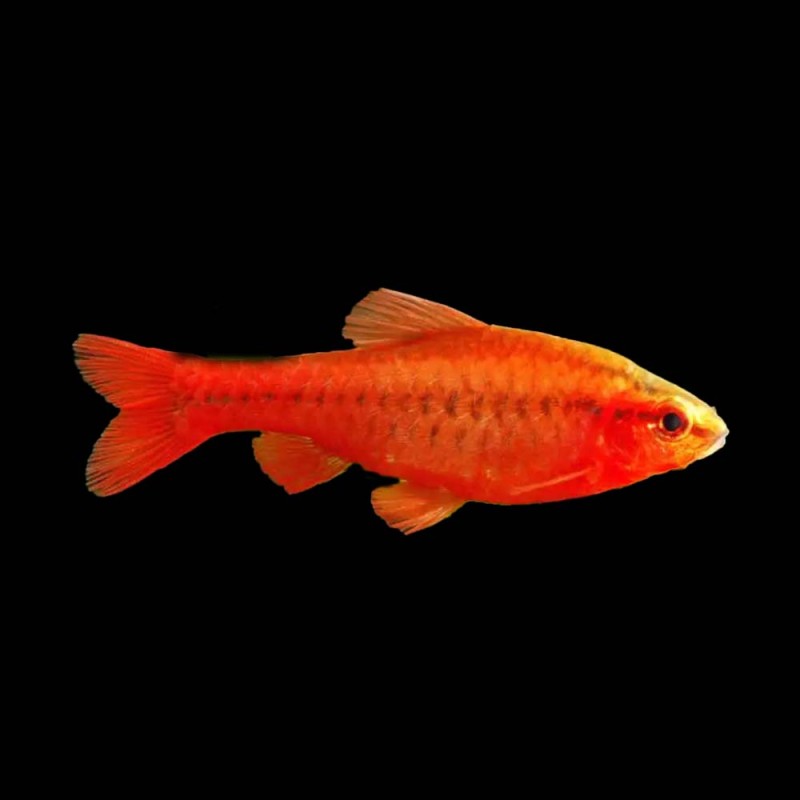
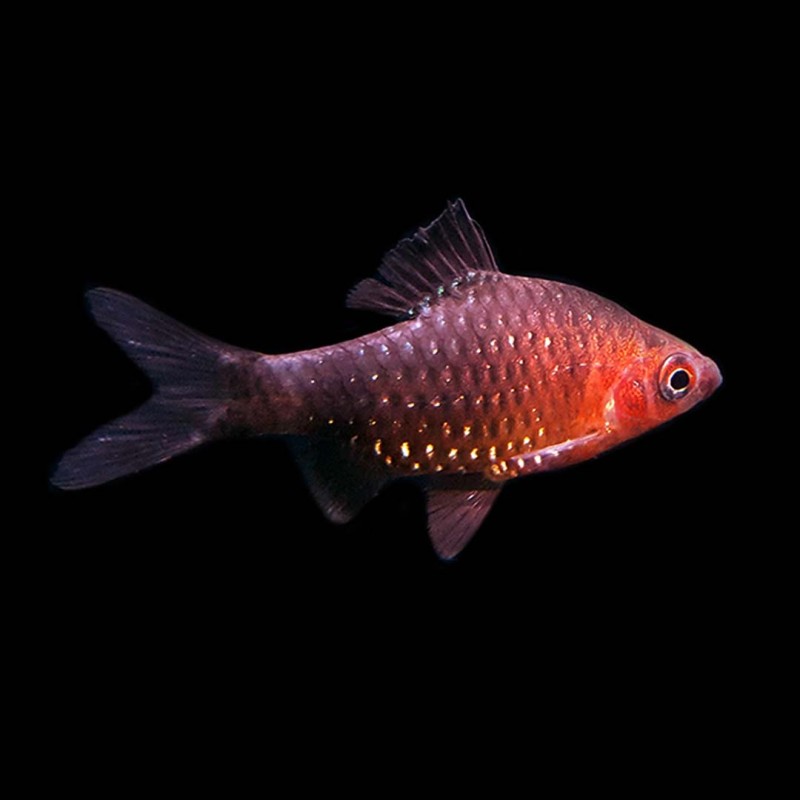
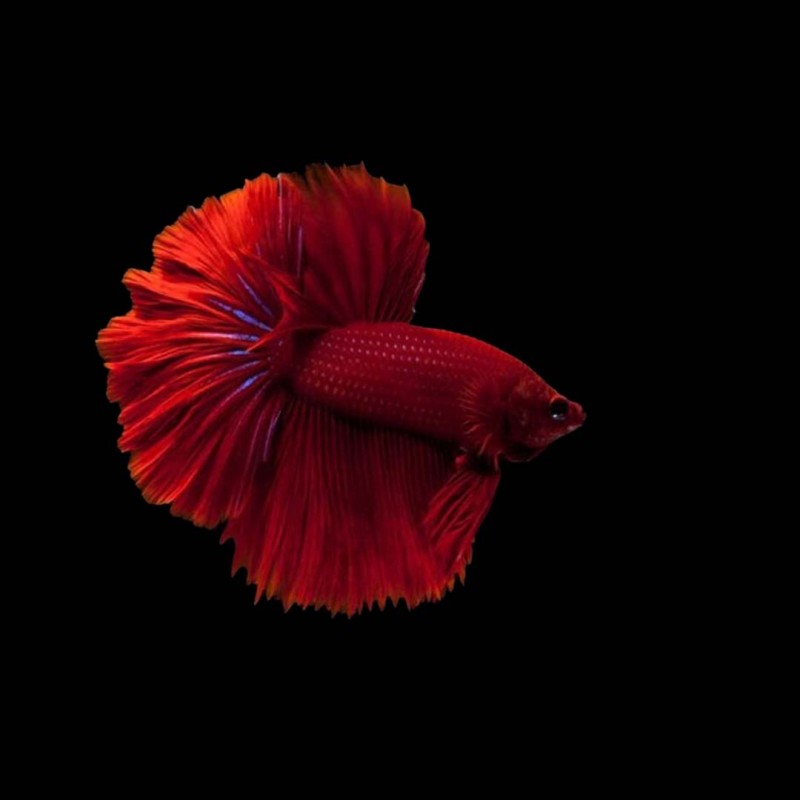
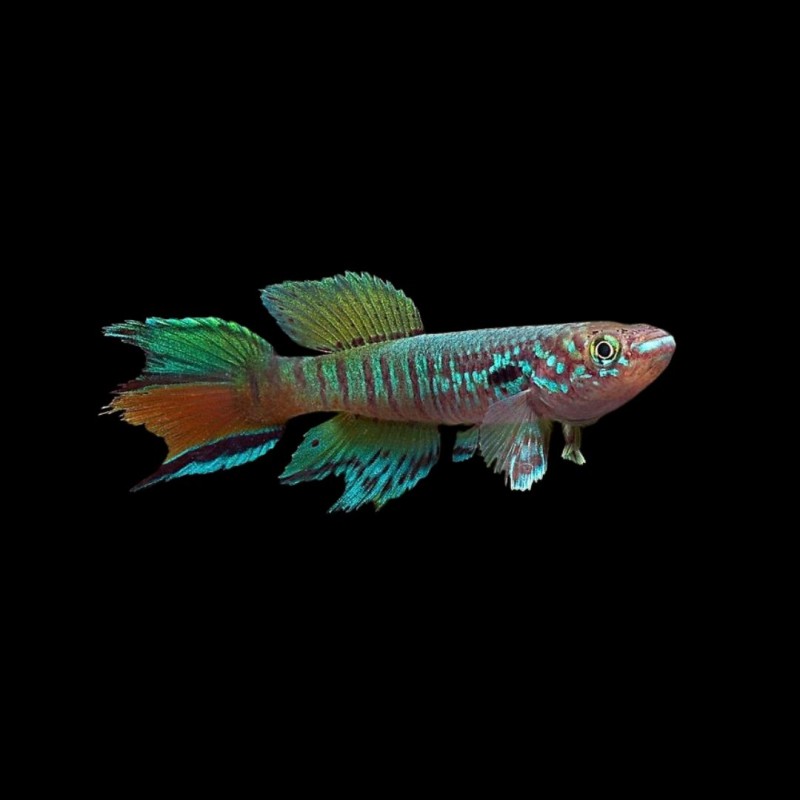
Please Note: Due to variations within species, your fish may not look identical to the image provided. Also note not all sizes or species may be available due to seasonality, Please call beforehand for up-to-date stock availability.
- Model: -
Available Options
Arrive Alive
If your fish, coral, plant, or invertebrate doesn't arrive alive and stay alive for 2 days, we'll credit your account or refund your money.
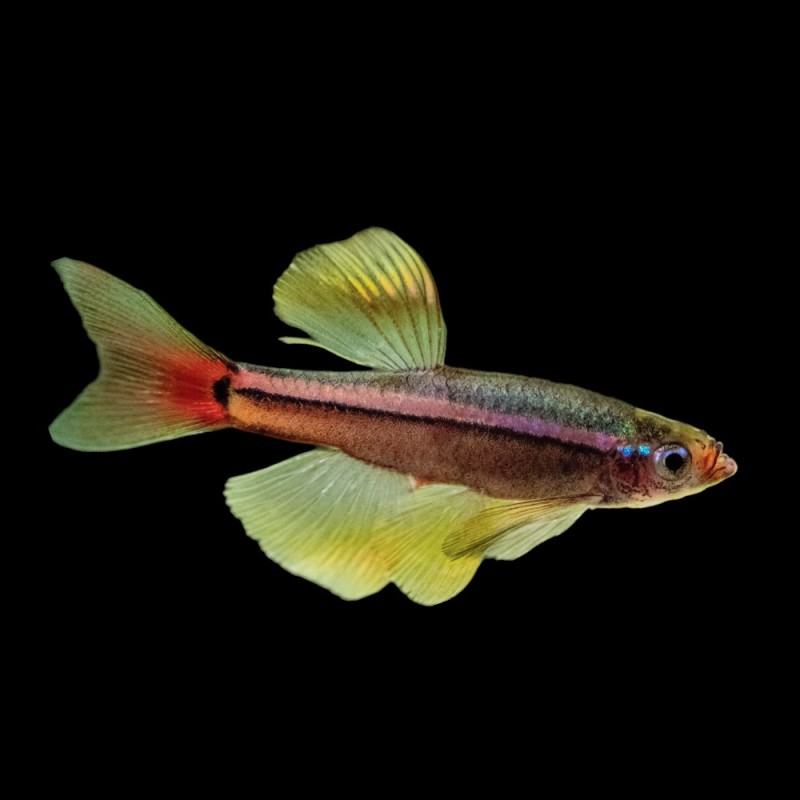
Clown Killifish
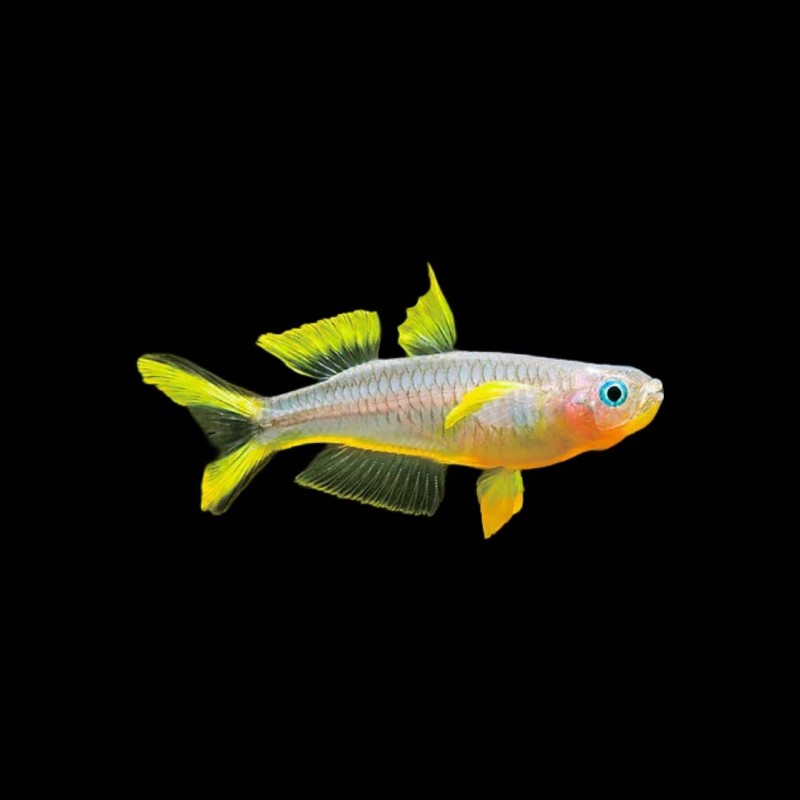
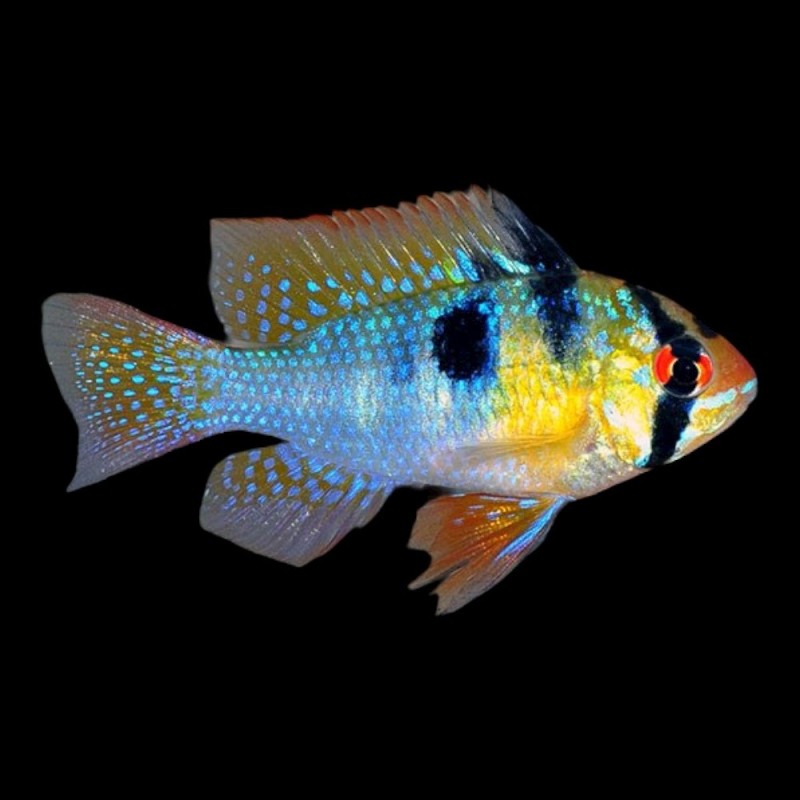
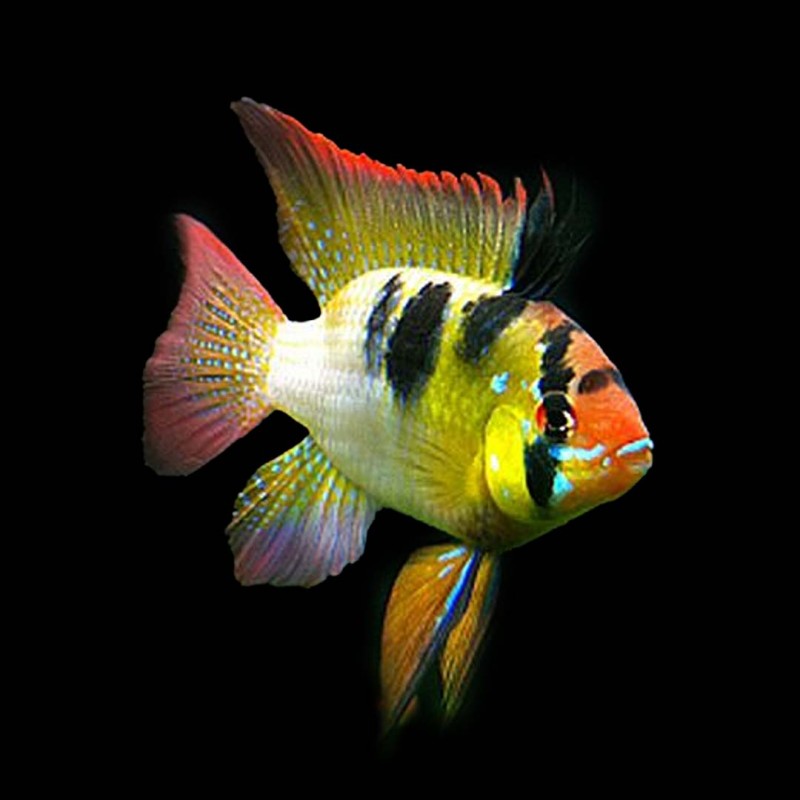
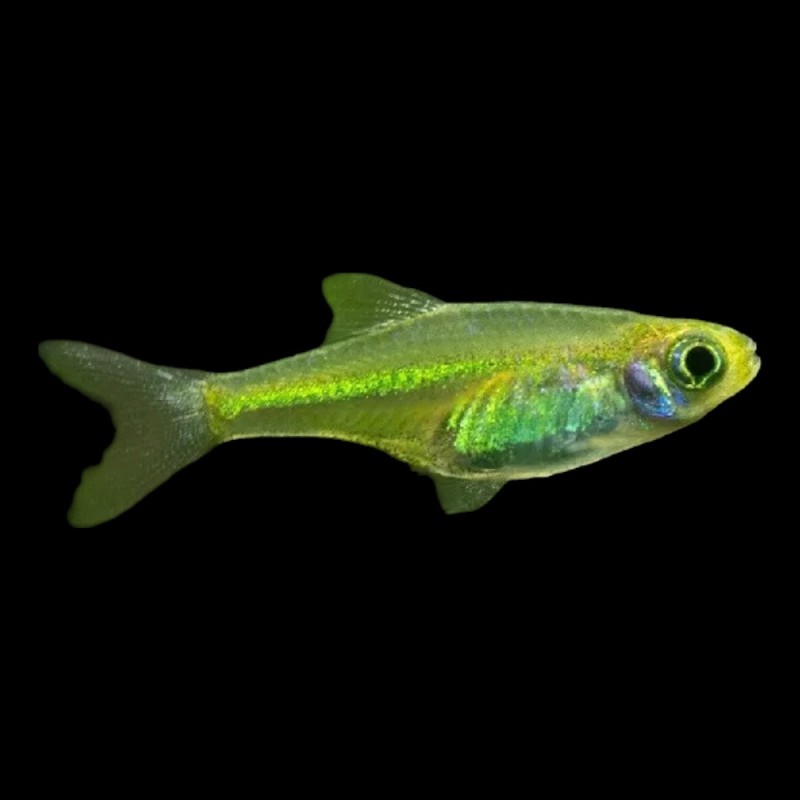
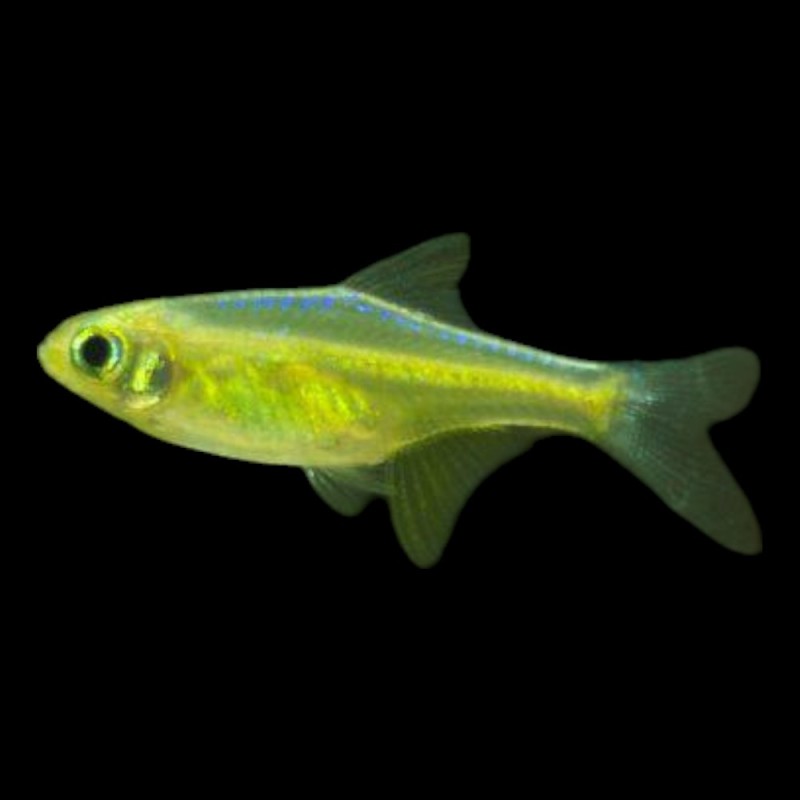
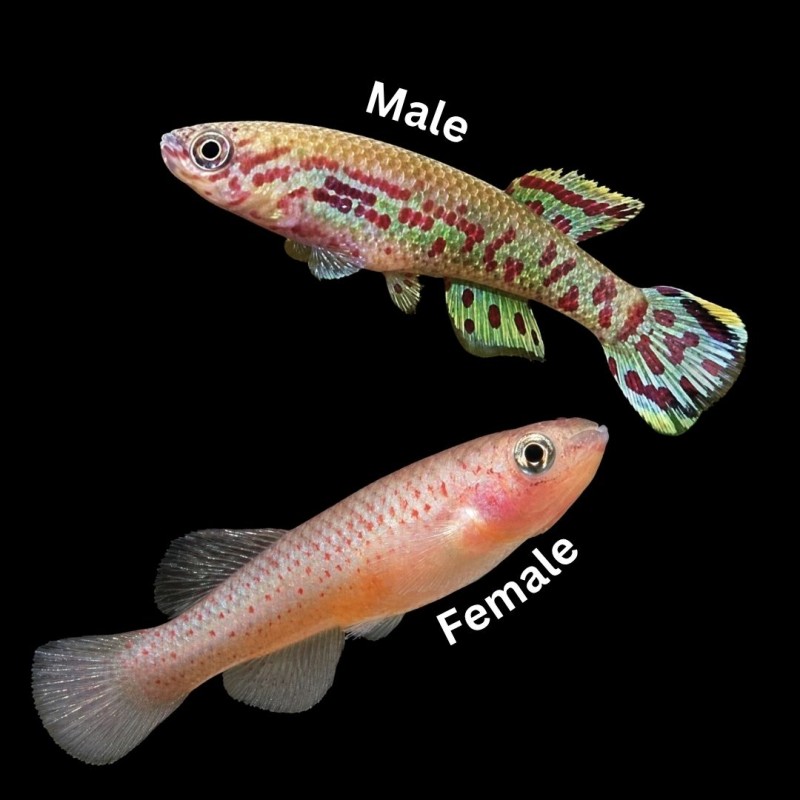
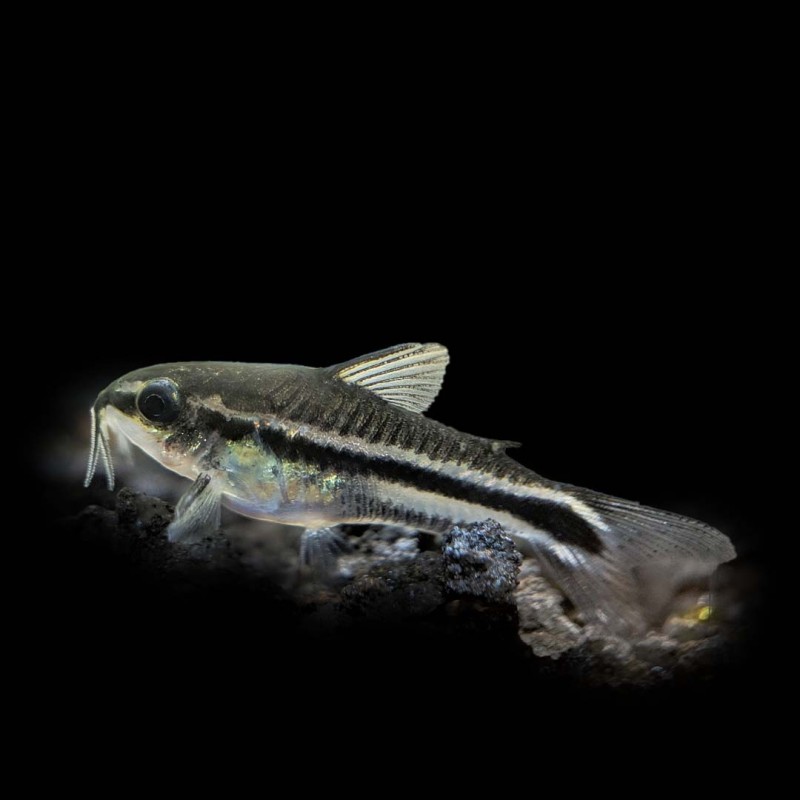
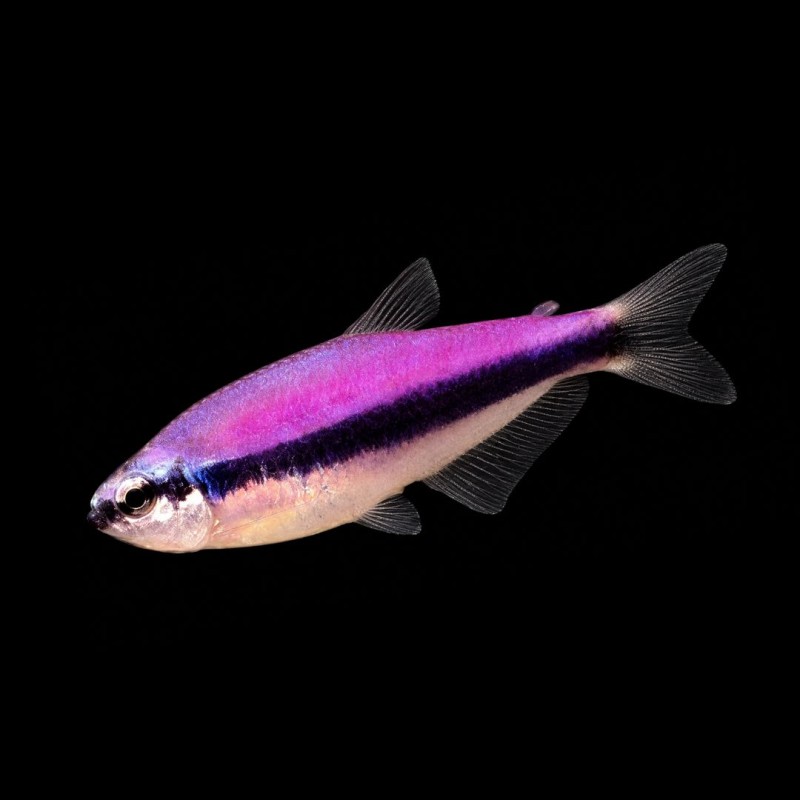
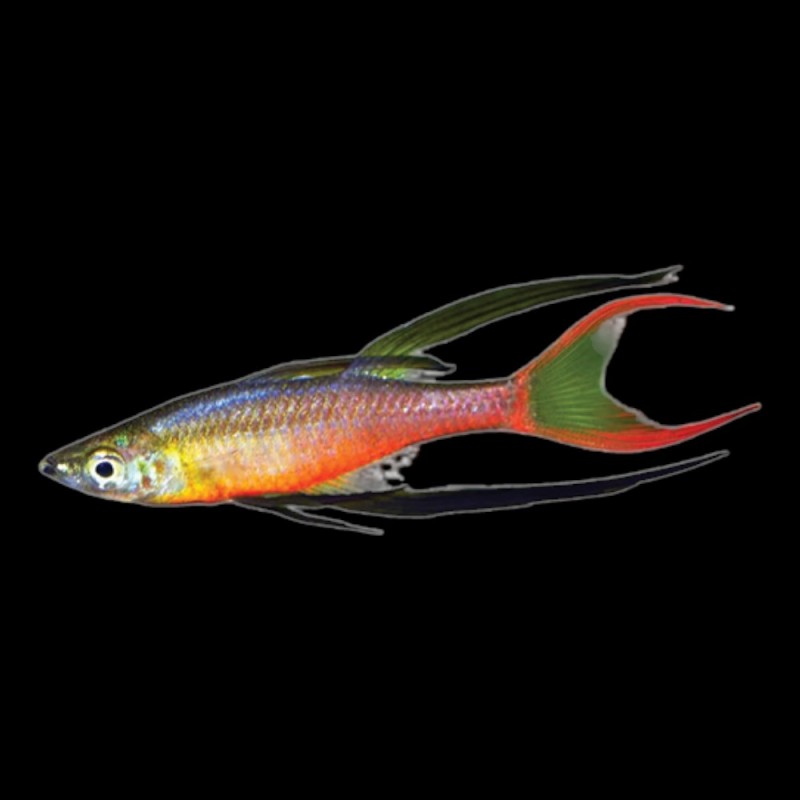
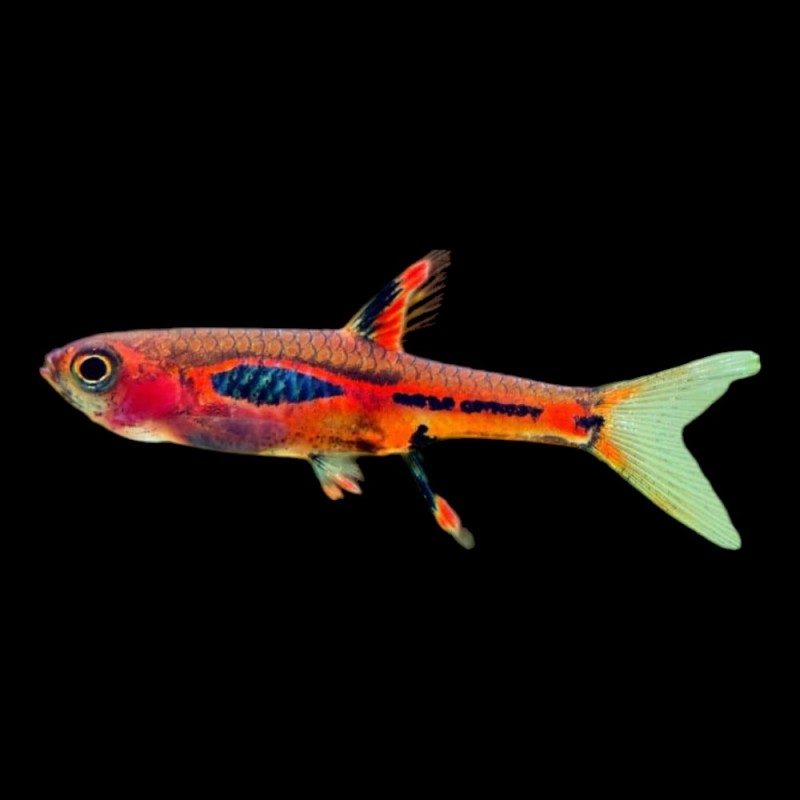
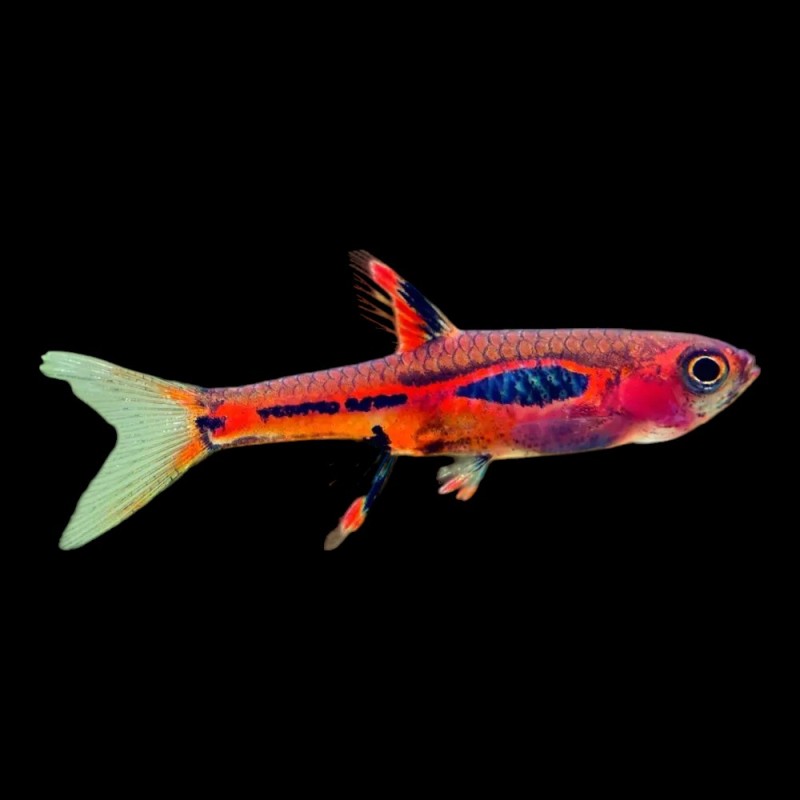
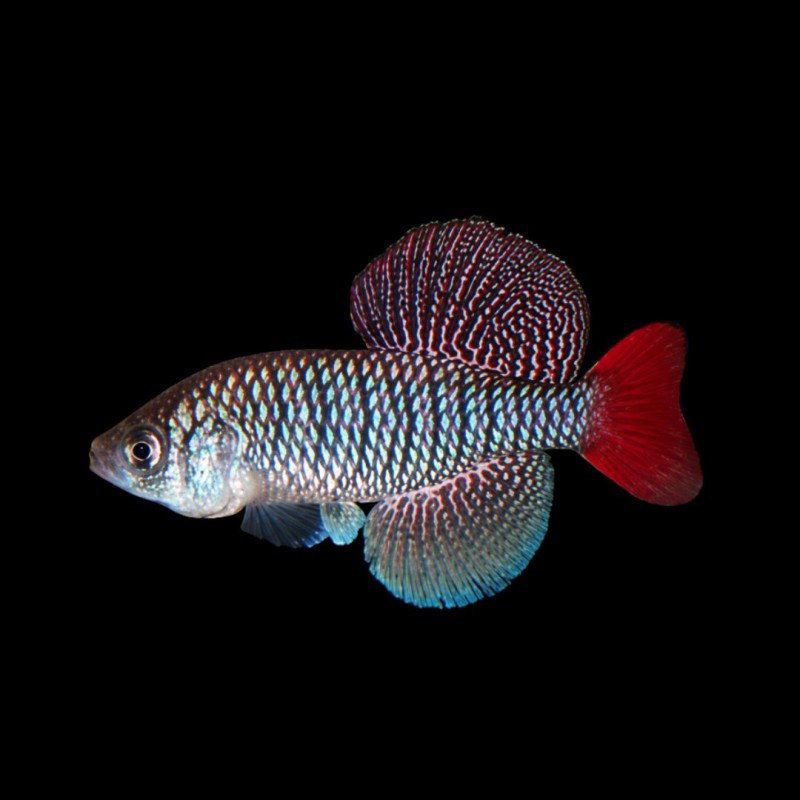
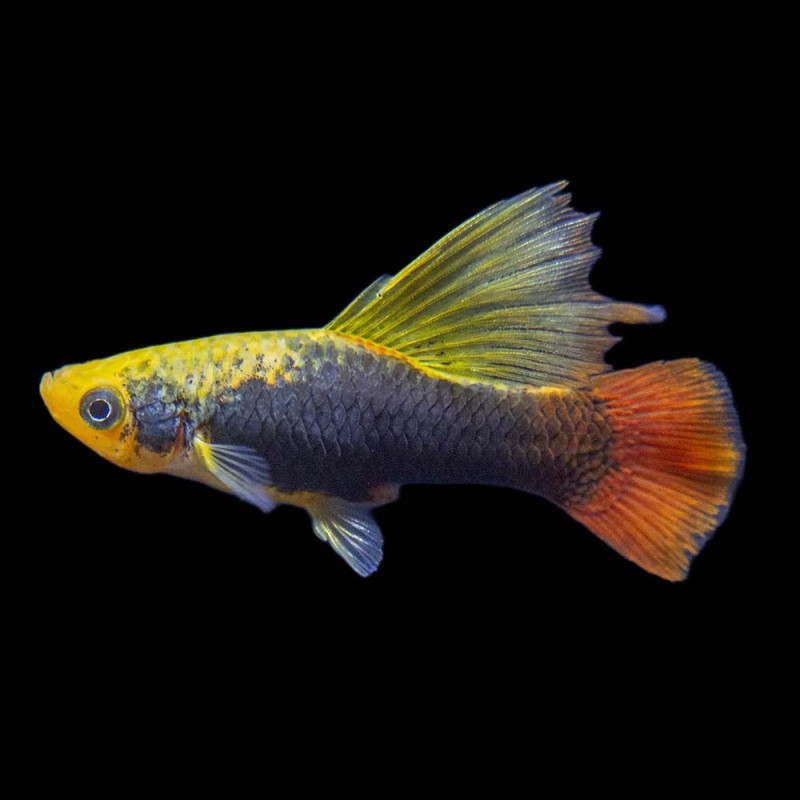
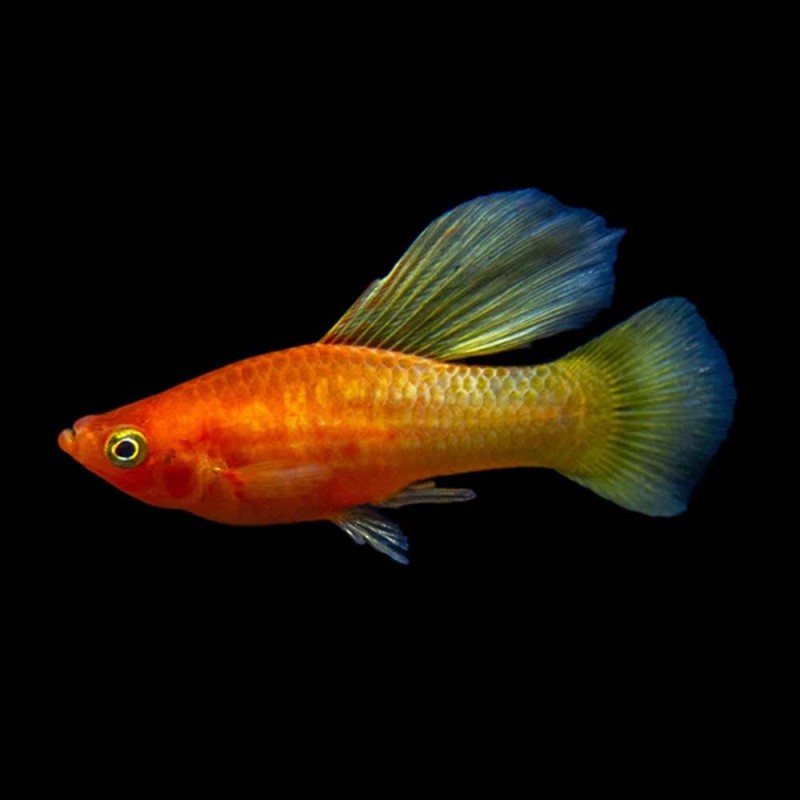
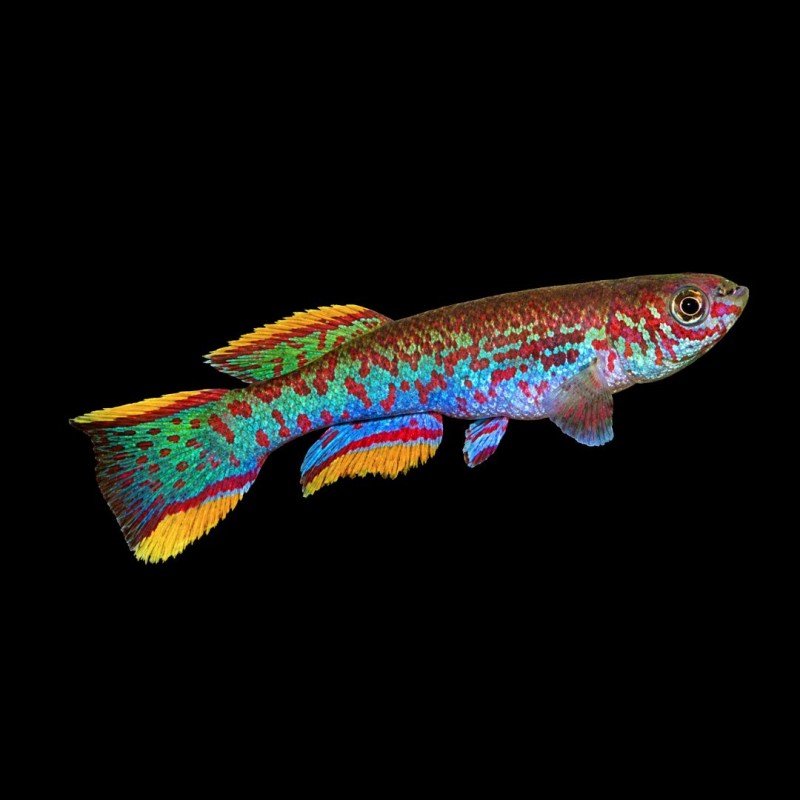
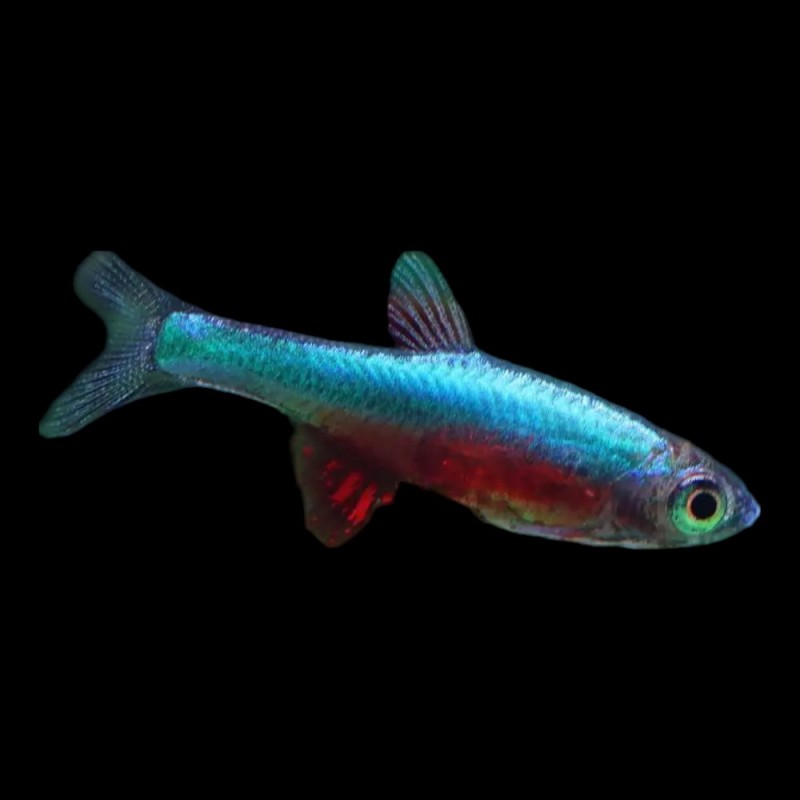
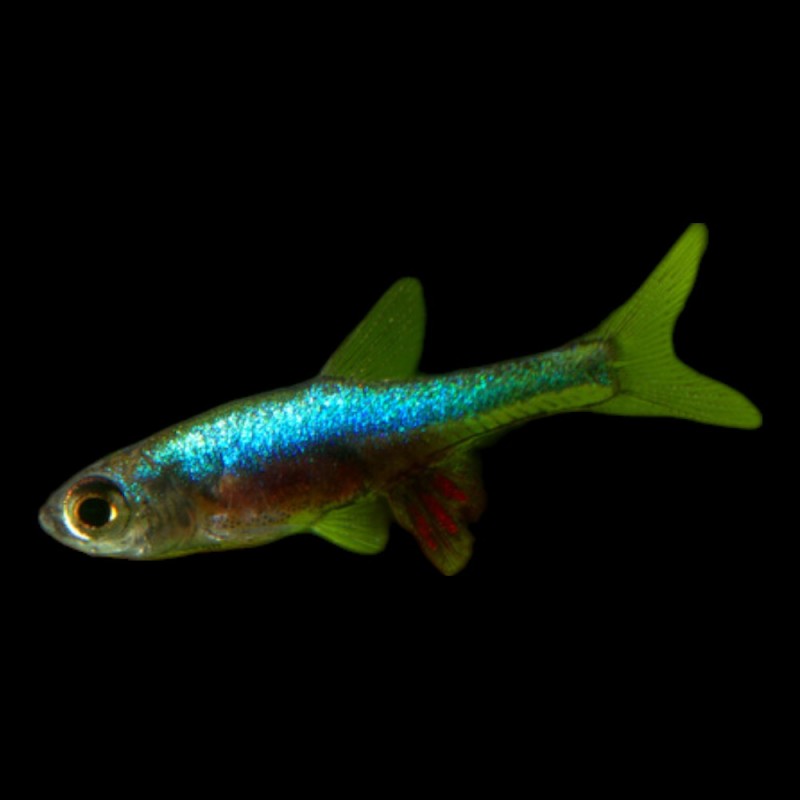
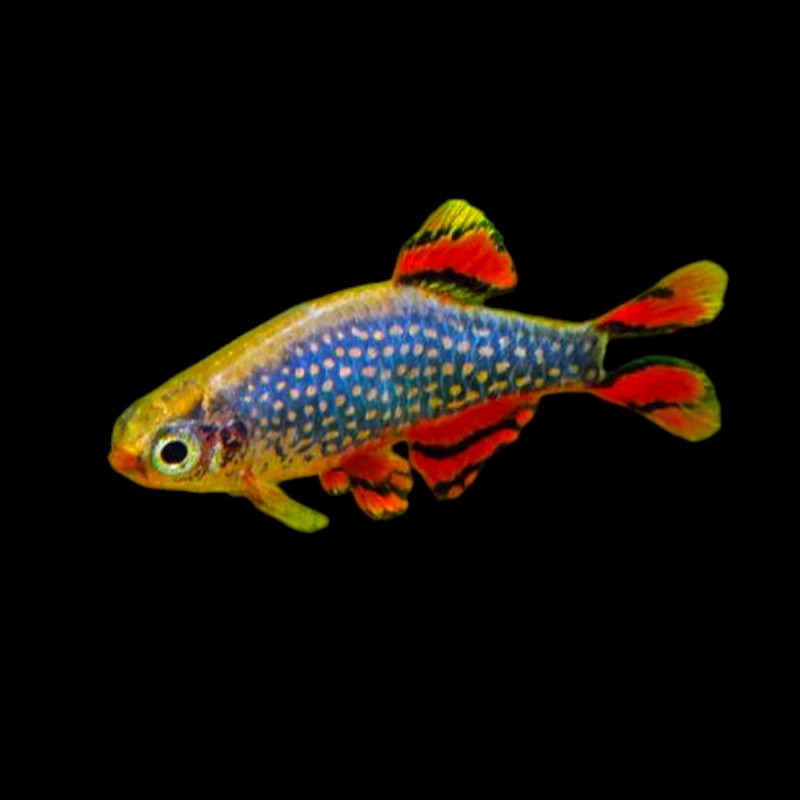
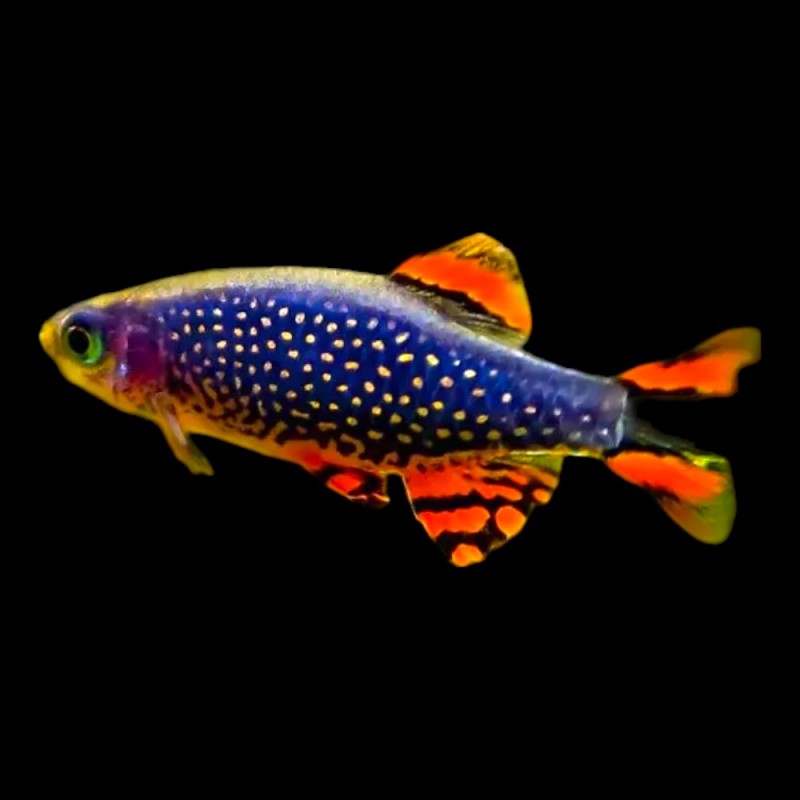
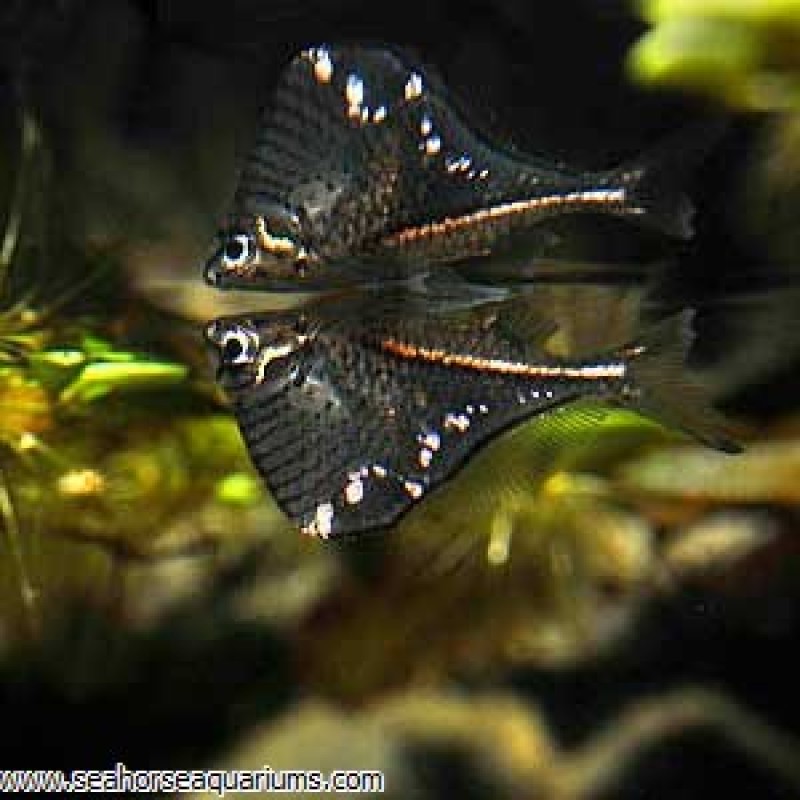
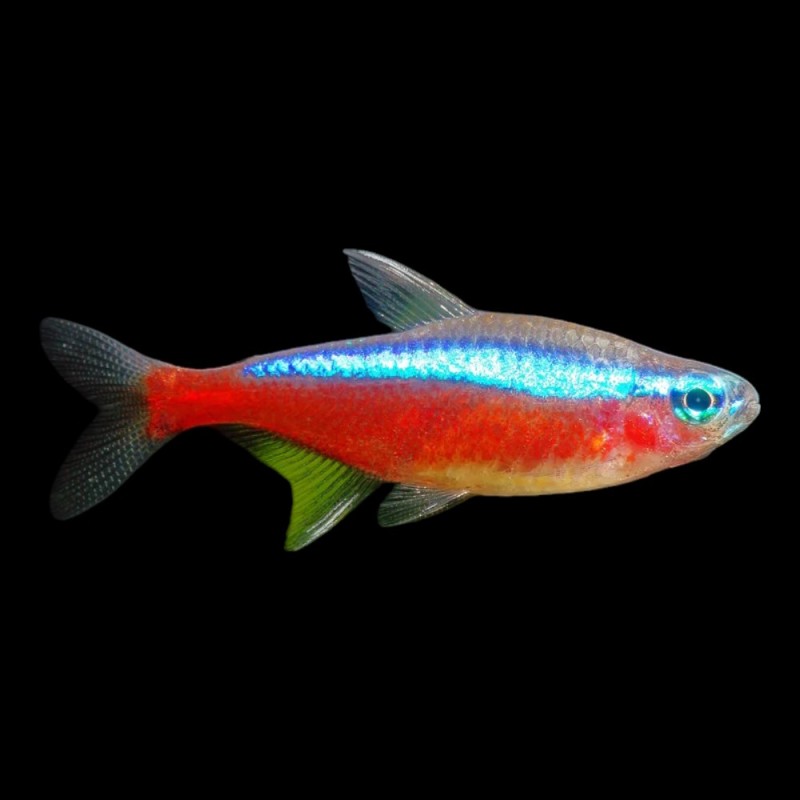
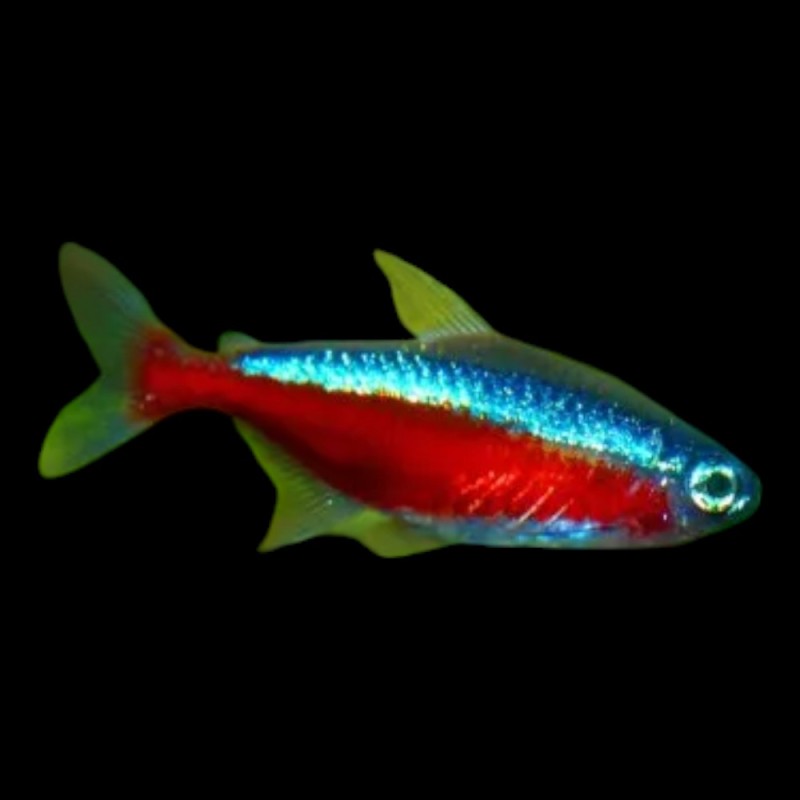
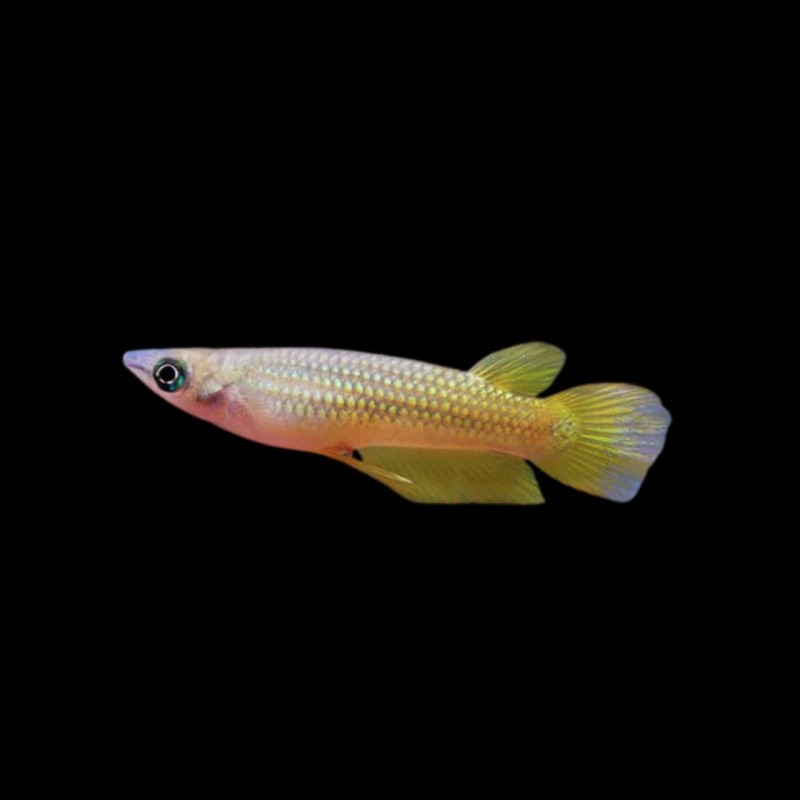
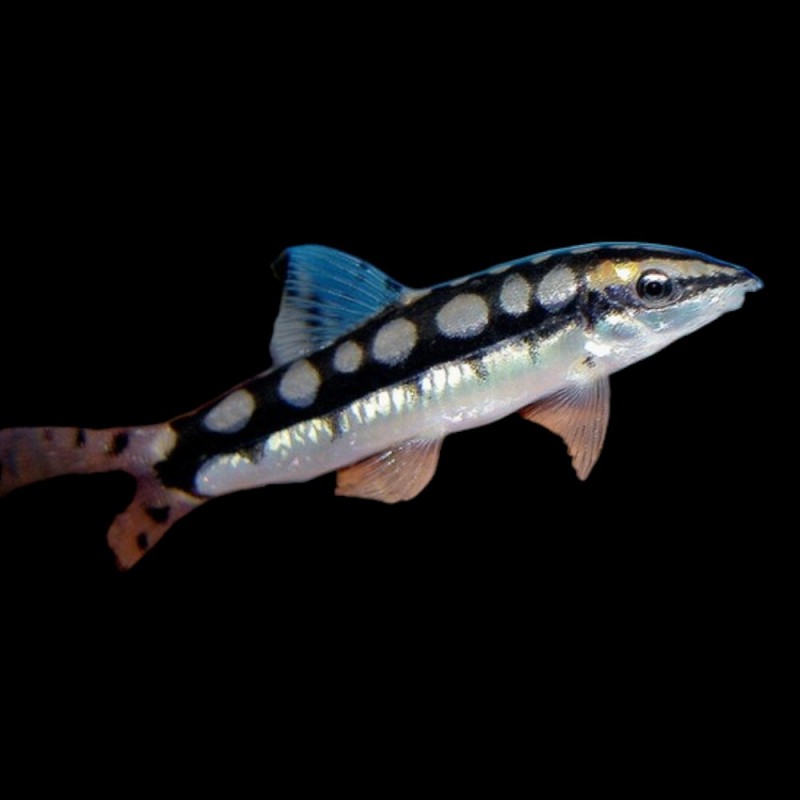
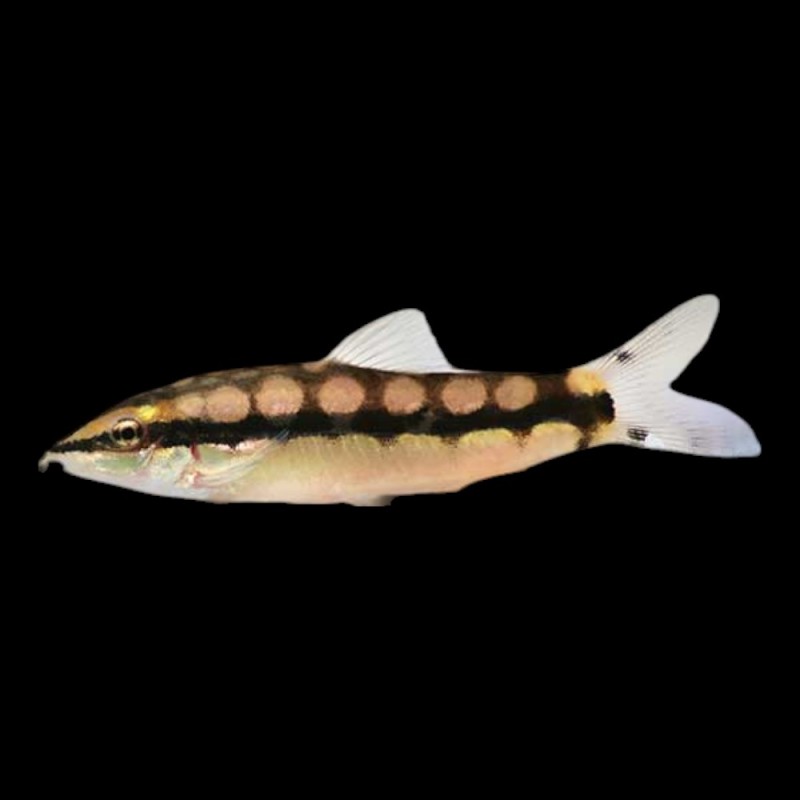
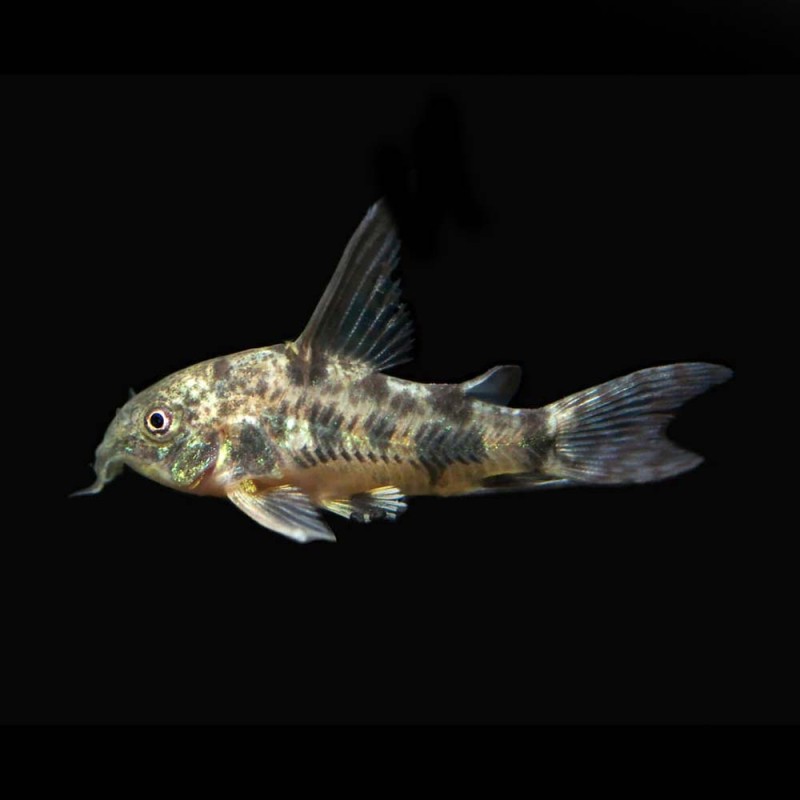
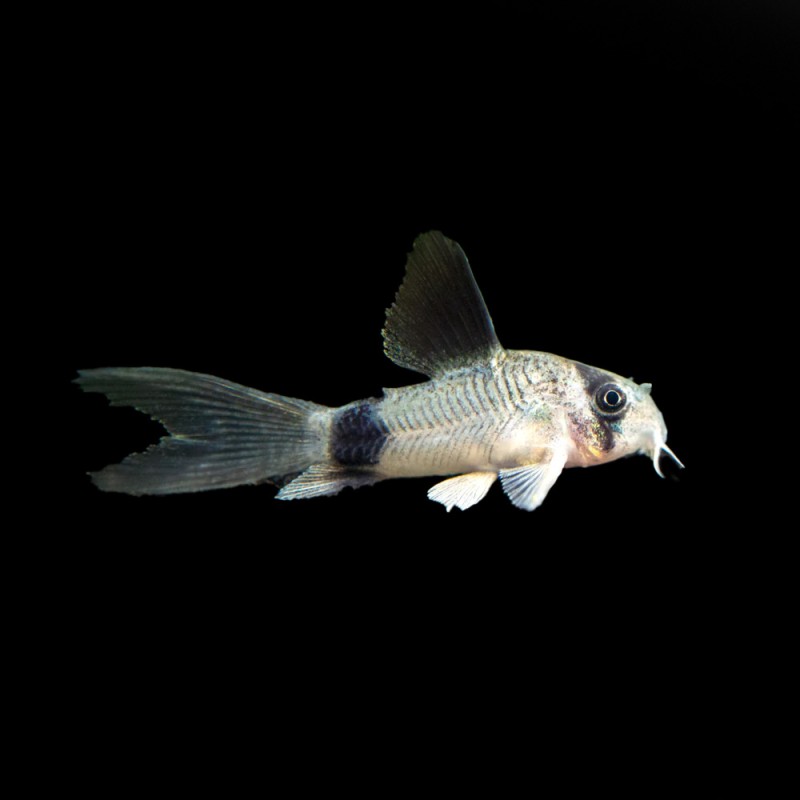
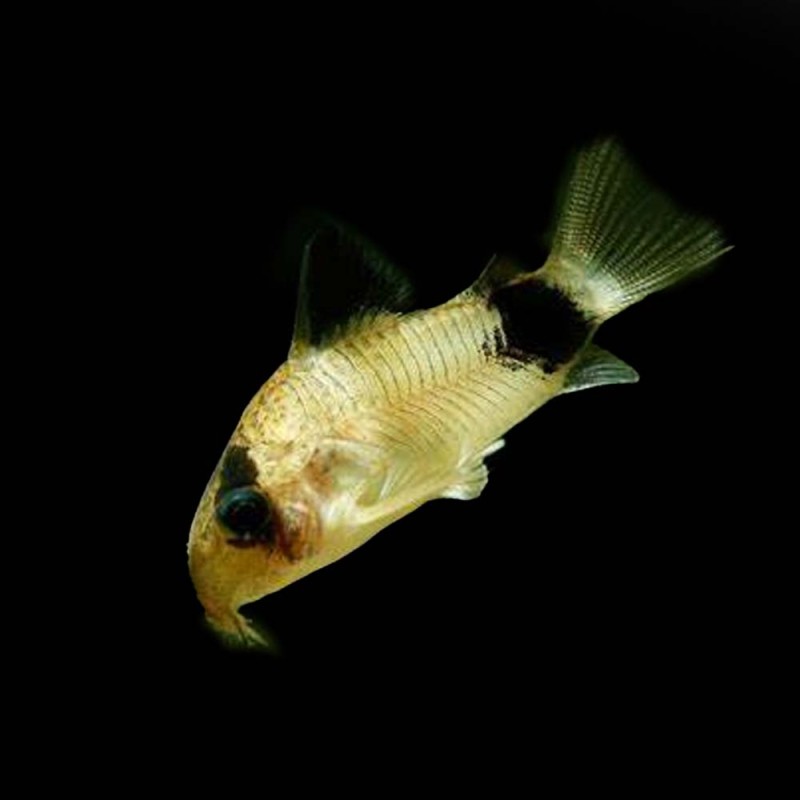
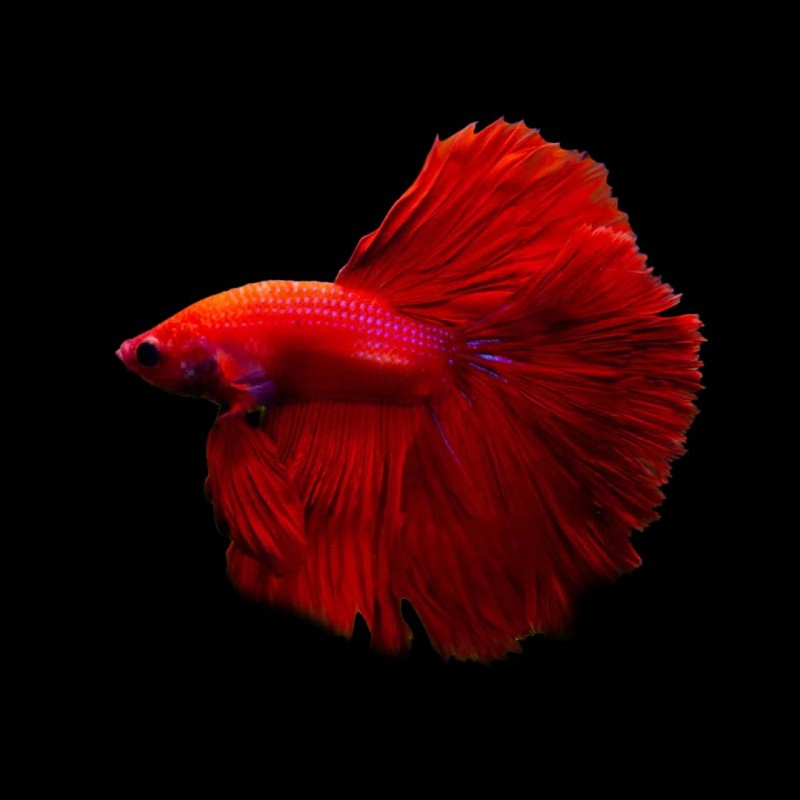
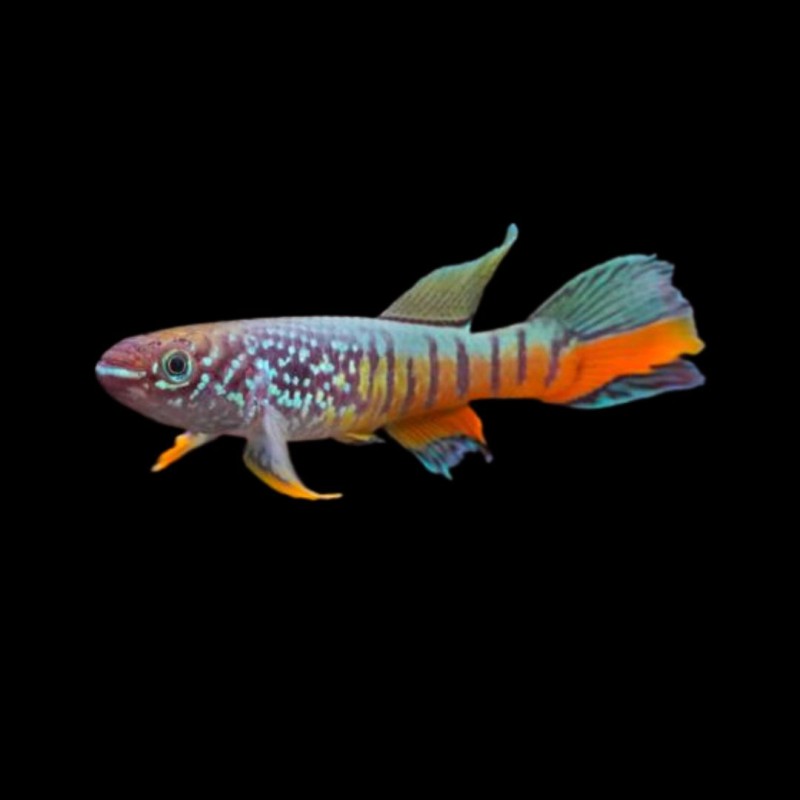
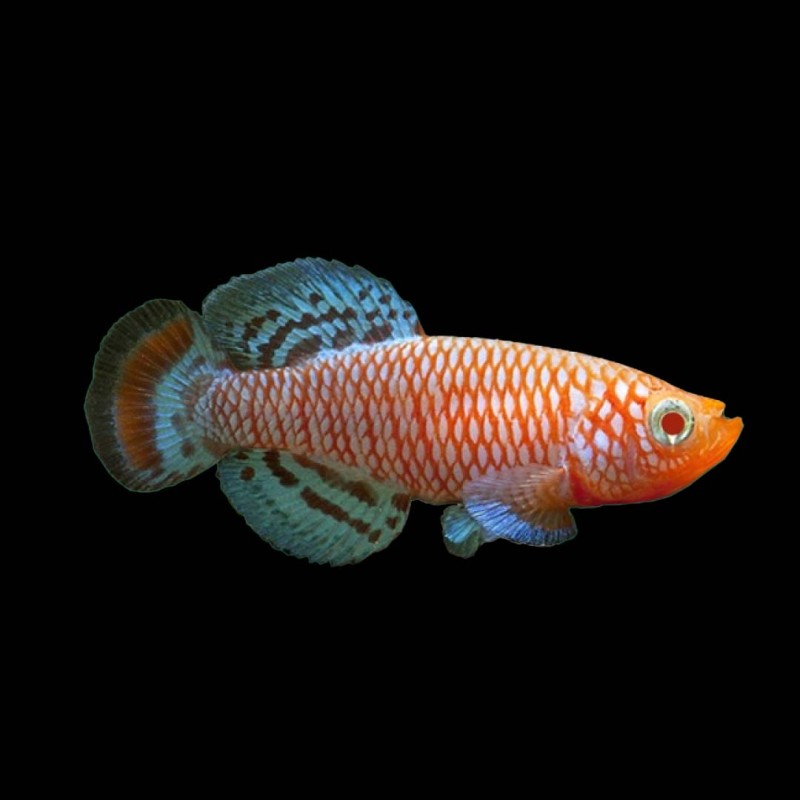
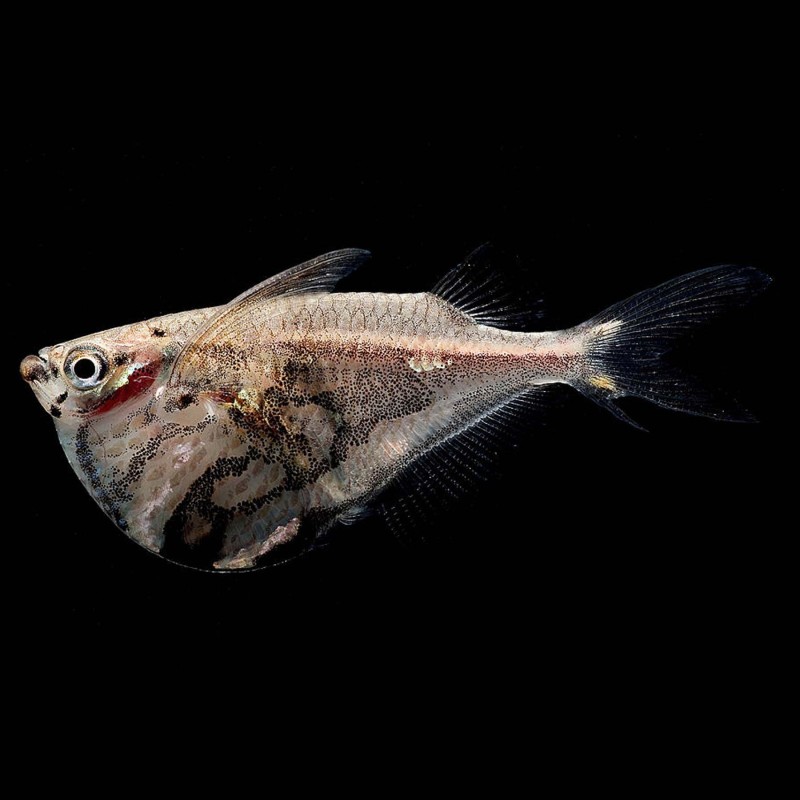
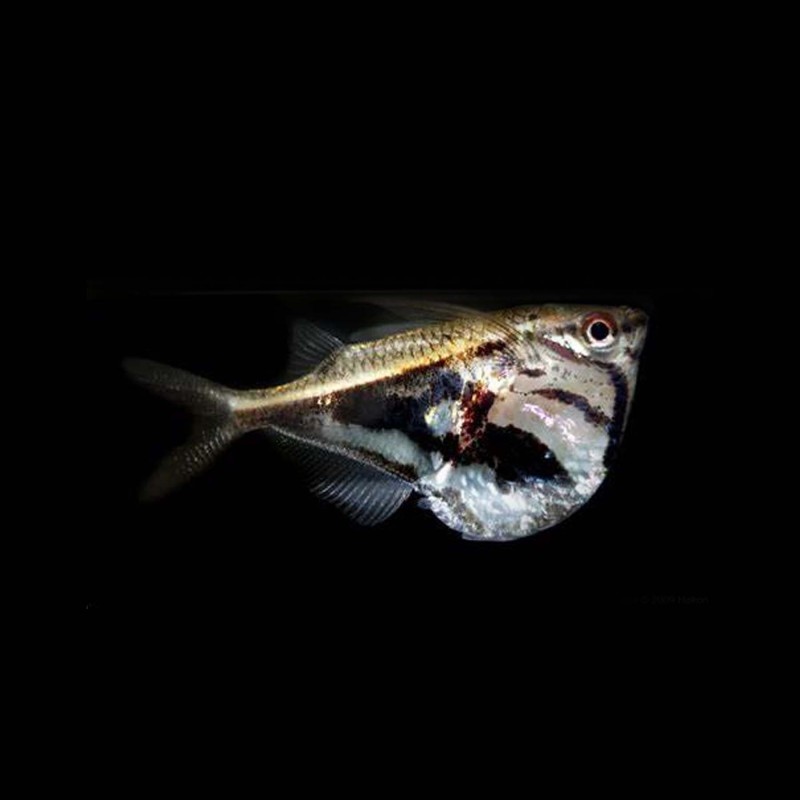
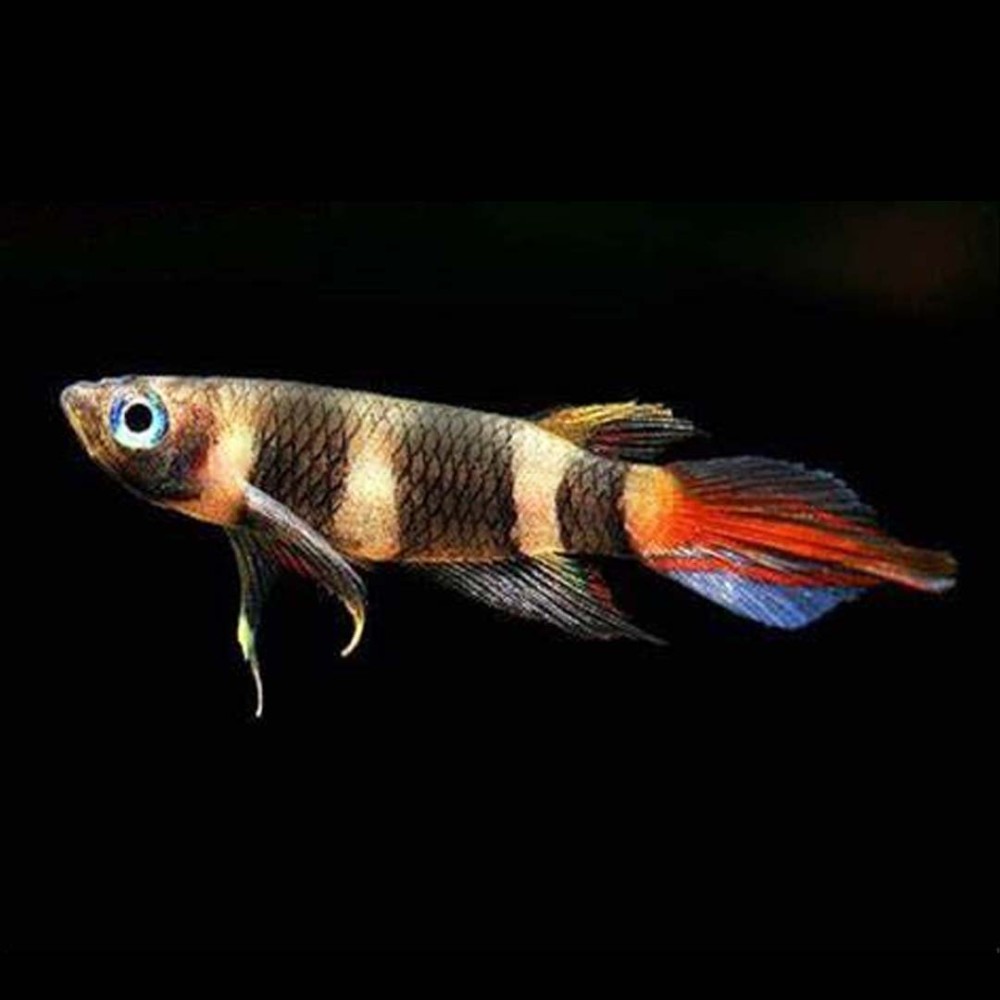
The Clown Killifish (Microgeophagus ramirezi) is a vibrant and popular freshwater fish native to the swamps and flooded areas of West Africa. Known for its unique coloration and playful behaviour, this species is a favourite among aquarists who appreciate its small size and charming personality.
Physical Characteristics:
- Size: Clown Killifish typically grow to about 3-4 cm (1.2-1.6 inches) in length, making them suitable for smaller aquariums.

- Coloration:
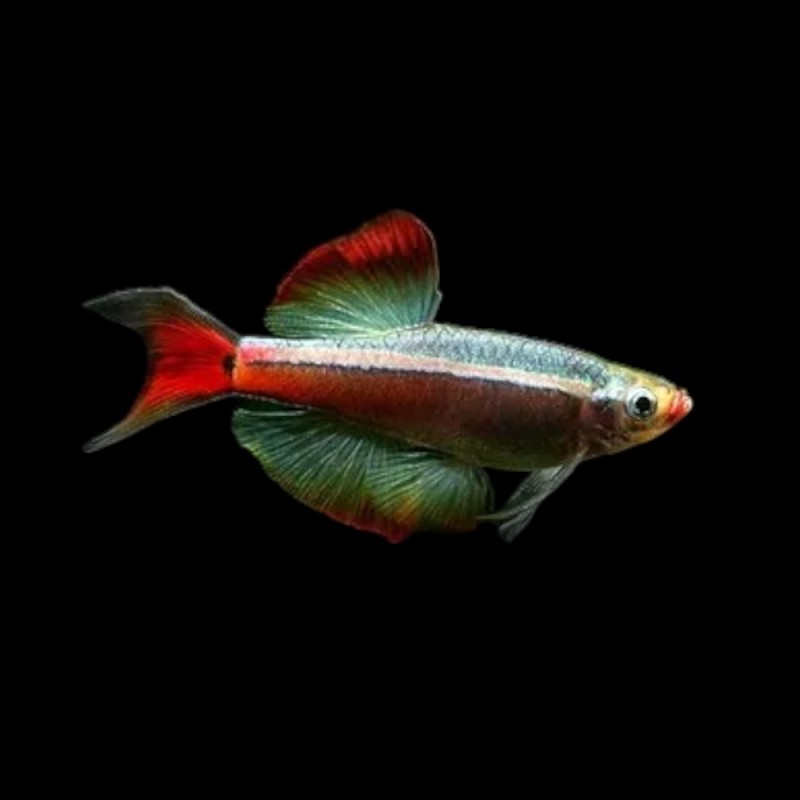
- Body: The Clown Killifish displays a beautiful mix of bright colours, including yellows, oranges, and blues. Their bodies often feature distinct markings that resemble a clown's face, hence the name.
- Fins: Their fins are typically translucent with hints of colour, adding to their overall appeal.
- Shape: They have a streamlined body shape, which aids in their agile swimming.
Behaviour:
- Temperament: Clown Killifish are generally peaceful and can be housed with other small, non-aggressive fish. Males may exhibit territorial behaviour during breeding but are not overly aggressive.
- Activity Level: These fish are active swimmers and enjoy exploring their environment, often darting around the tank and interacting with their surroundings.
- Community Behaviour: They thrive in groups and can coexist with a variety of small tankmates, provided there are enough hiding spots and space.
Aquarium Care:
- Tank Size: A minimum tank size of 60 litres (15 gallons) is recommended for a small group of Clown Killifish, allowing ample swimming space.
- Water Parameters:
- Temperature: Clown Killifish thrive in warm water, with an ideal temperature range of 24°C to 28°C (75°F to 82°F).
- pH: They prefer slightly acidic to neutral pH levels, ideally between 6.0 and 7.5.
- Hardness: Soft to moderately hard water, with a general hardness (GH) of 3-10 dGH, is ideal.
- Tank Setup:
- Substrate and Decorations: A soft substrate is recommended, along with plenty of plants and hiding spots. Live plants, driftwood, and rocks create a natural habitat that helps reduce stress.
- Lighting: Moderate lighting is suitable, with floating plants providing shaded areas for the fish to retreat.
- Filtration: A gentle filtration system is essential to maintain water quality without creating strong currents, which can stress the fish.
Diet:
Clown Killifish are omnivorous and require a varied diet for optimal health:
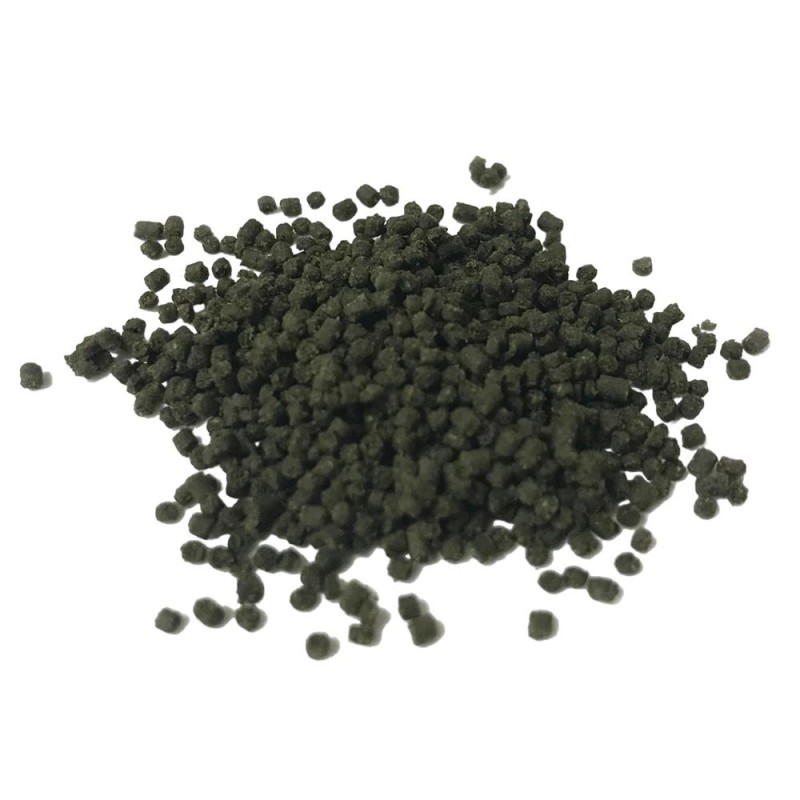
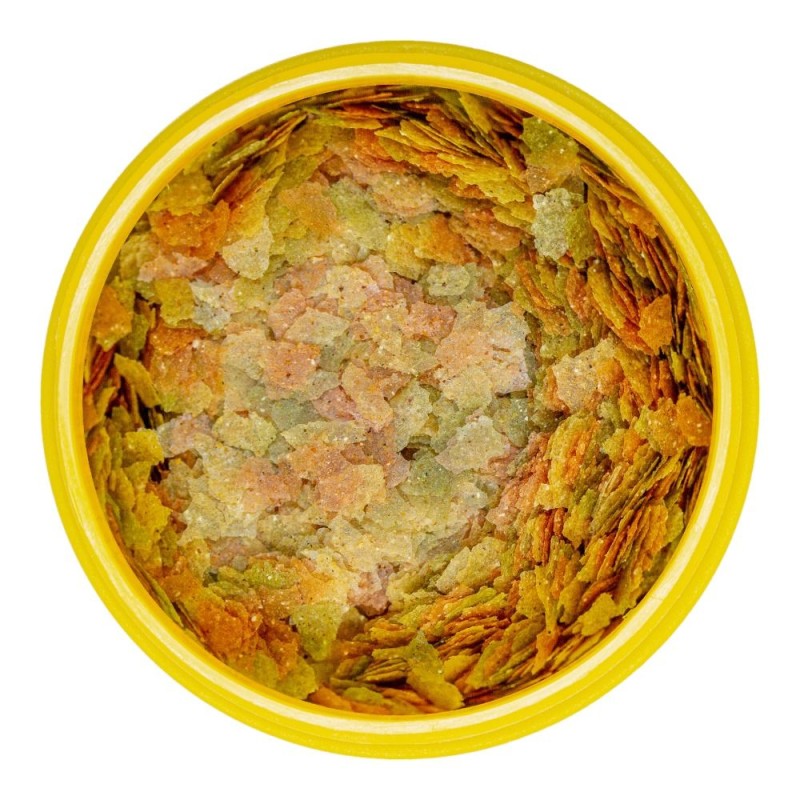
- Pellets: High-quality small pellets or flakes specifically formulated for small tropical fish should be the staple of their diet.
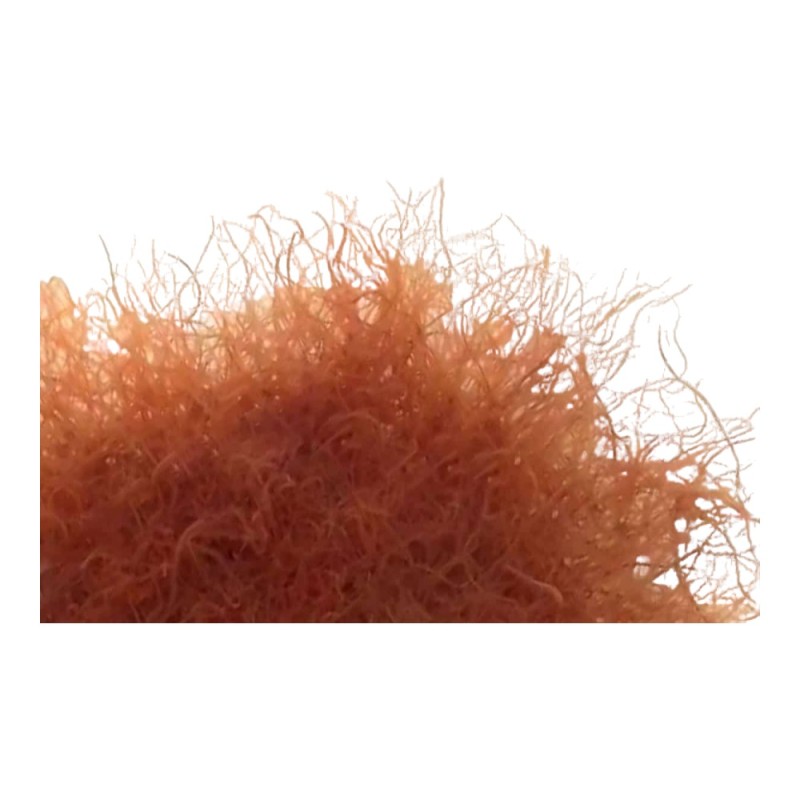
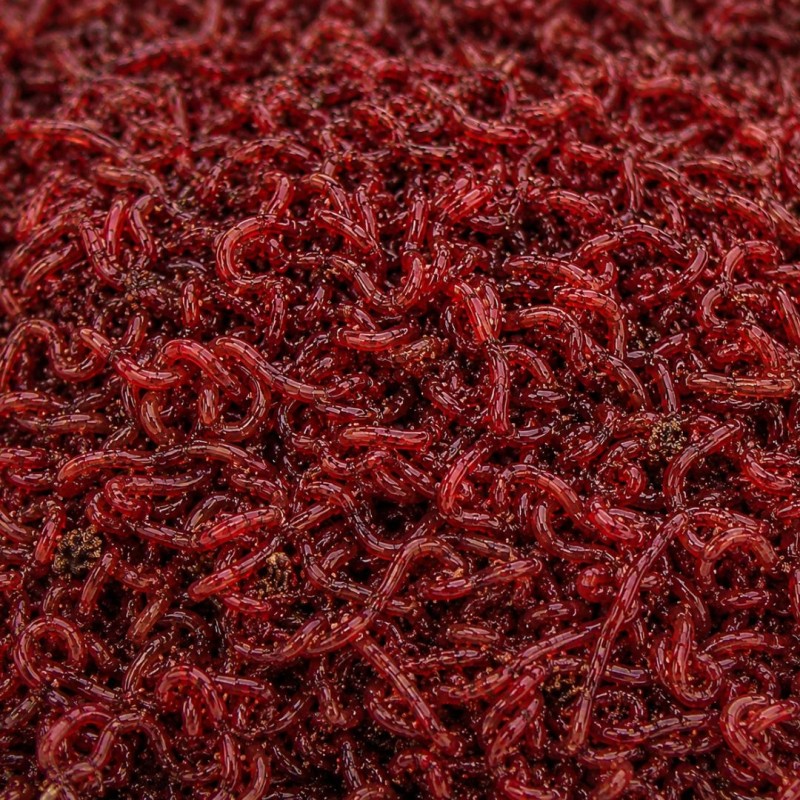
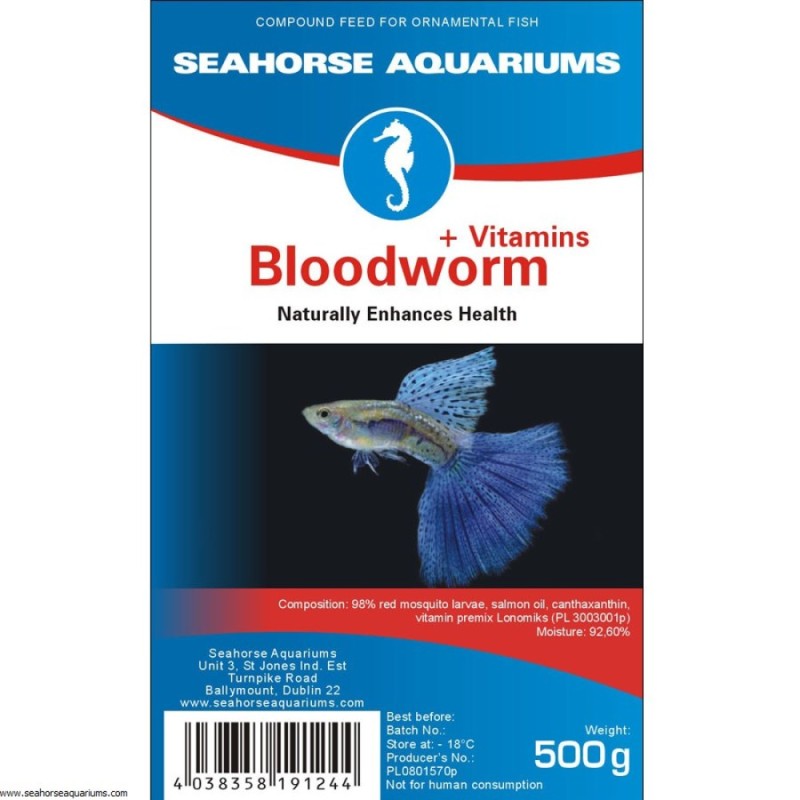
- Live or Frozen Foods: Offer live or frozen foods such as brine shrimp, daphnia, and bloodworms to provide essential protein and variety.
- Occasional Treats: Freeze-dried foods can be offered occasionally but should not replace their main diet.
Breeding:
Breeding Clown Killifish can be a rewarding experience:
- Breeding Setup: A separate breeding tank with shallow water and plenty of plants or spawning mops is ideal. The water should be warm (around 26°C to 28°C or 79°F to 82°F) and slightly acidic (pH 6.0-6.5).
- Spawning Behaviour: The male will court the female, displaying his vibrant colours. After spawning, the female will scatter her eggs among the plants.
- Fry Care: Once the fry hatch, they can be fed with infusoria or finely crushed flakes until they are large enough to eat larger foods.
Special Considerations:
- Water Quality: Maintaining clean water and good tank conditions is crucial to prevent diseases and ensure the health of the fish.
- Stress Management: Providing plenty of hiding spots and maintaining good tank conditions will help reduce stress and aggression among fish.
| File Name | Size | Link |
|---|---|---|
| 35 How to care for Killifish.pdf (Total downloads: 2820) | 228.92KiB | Download |