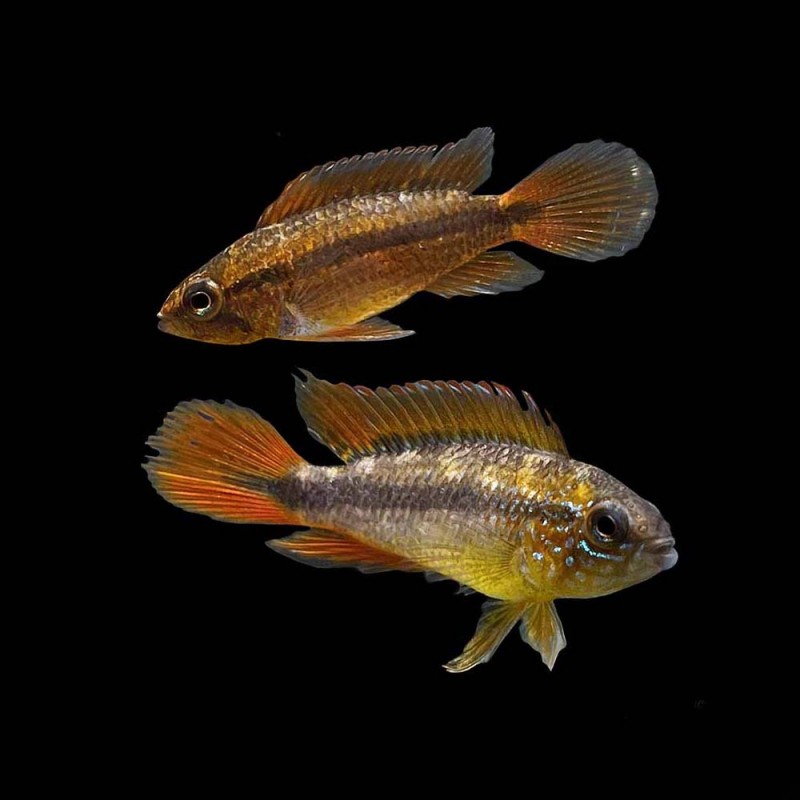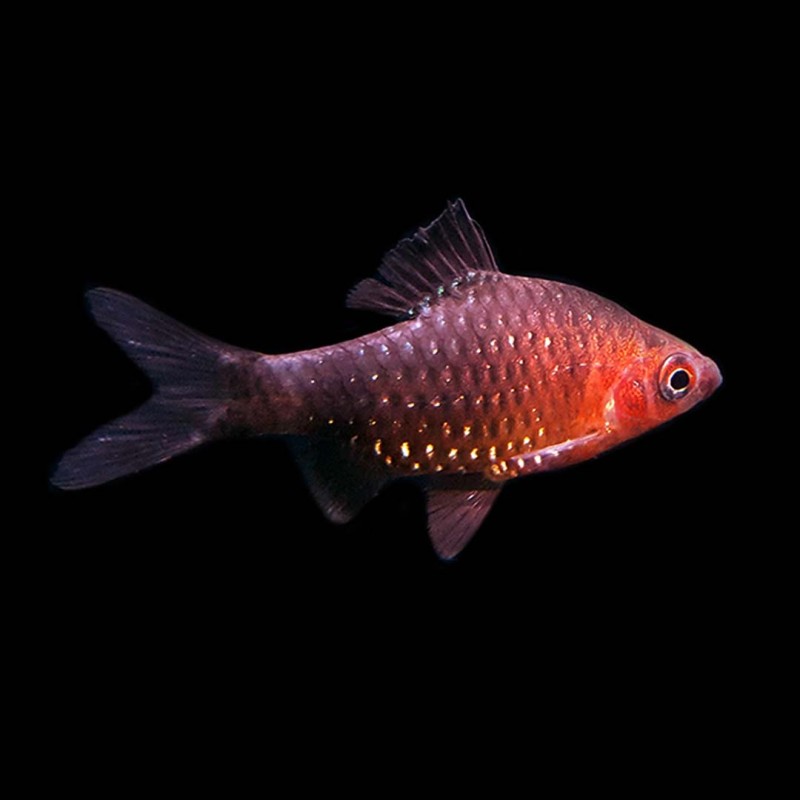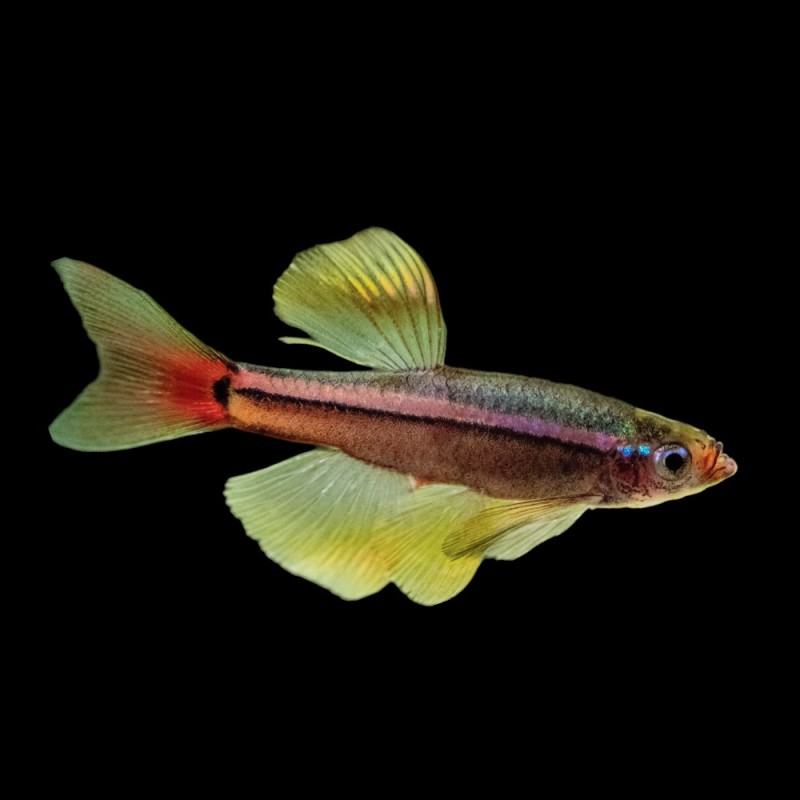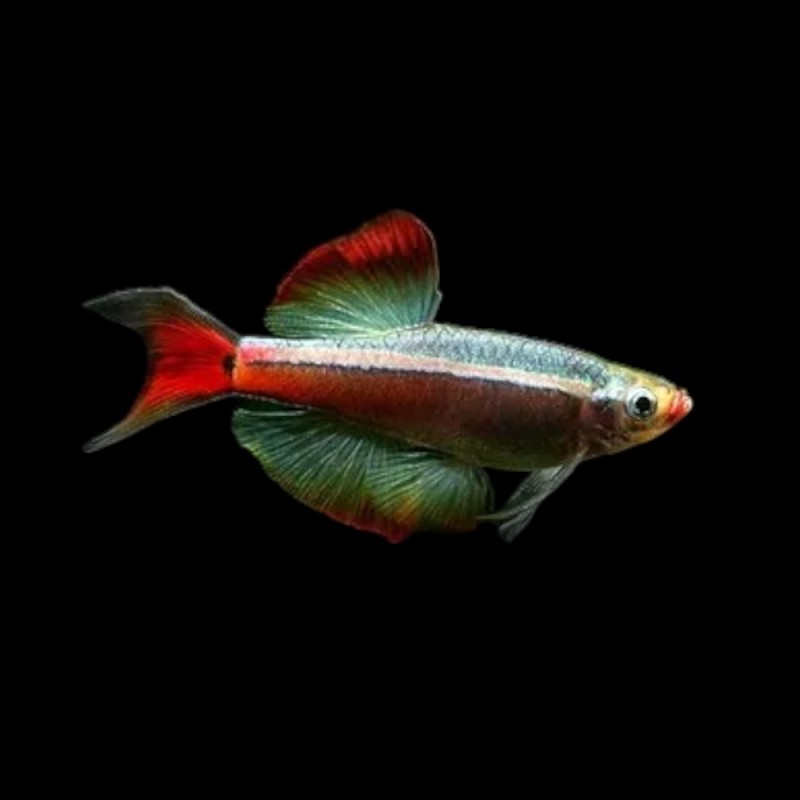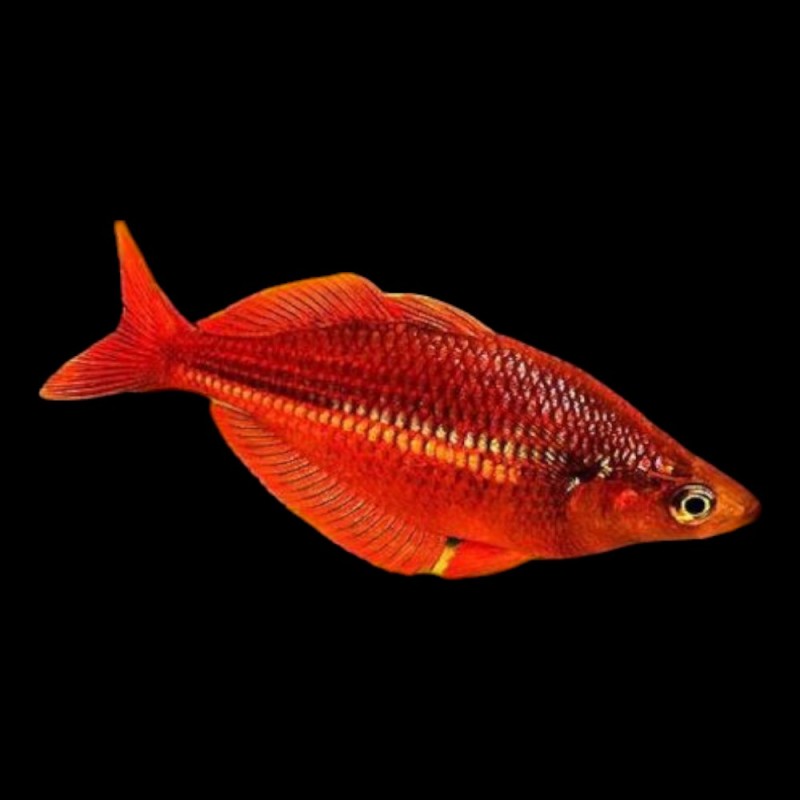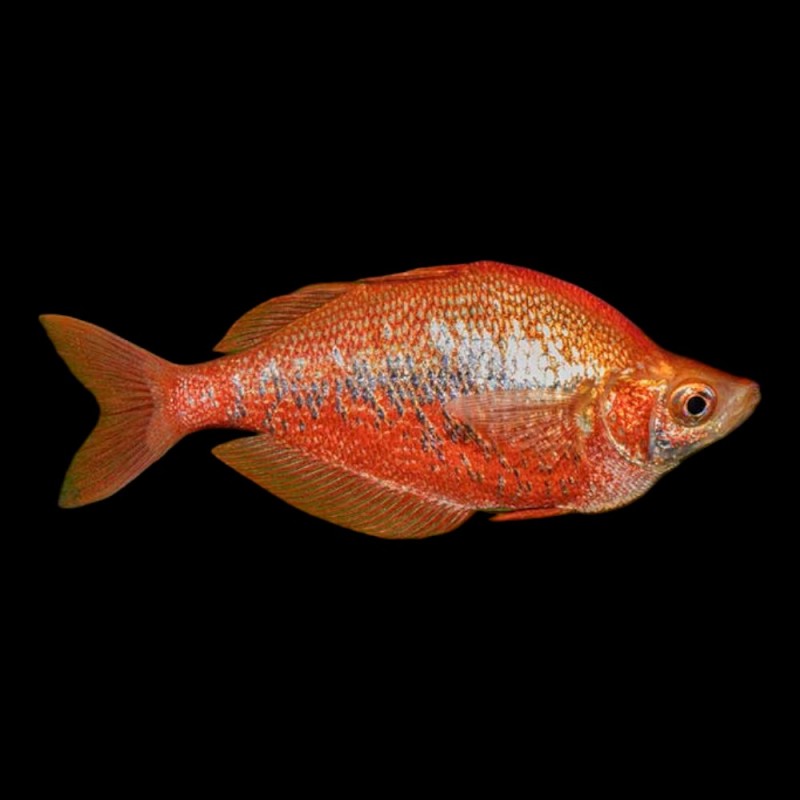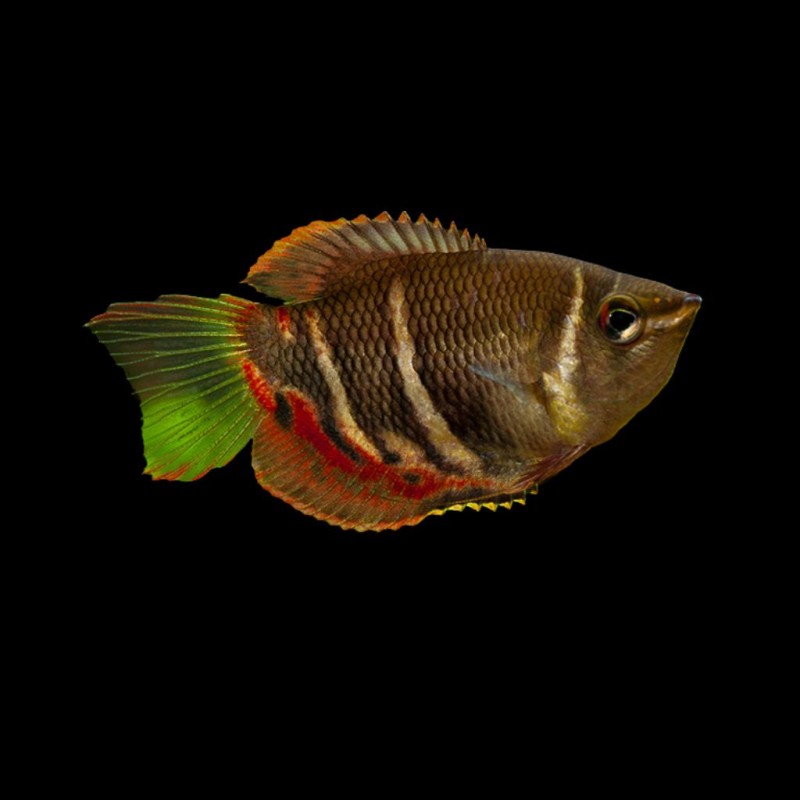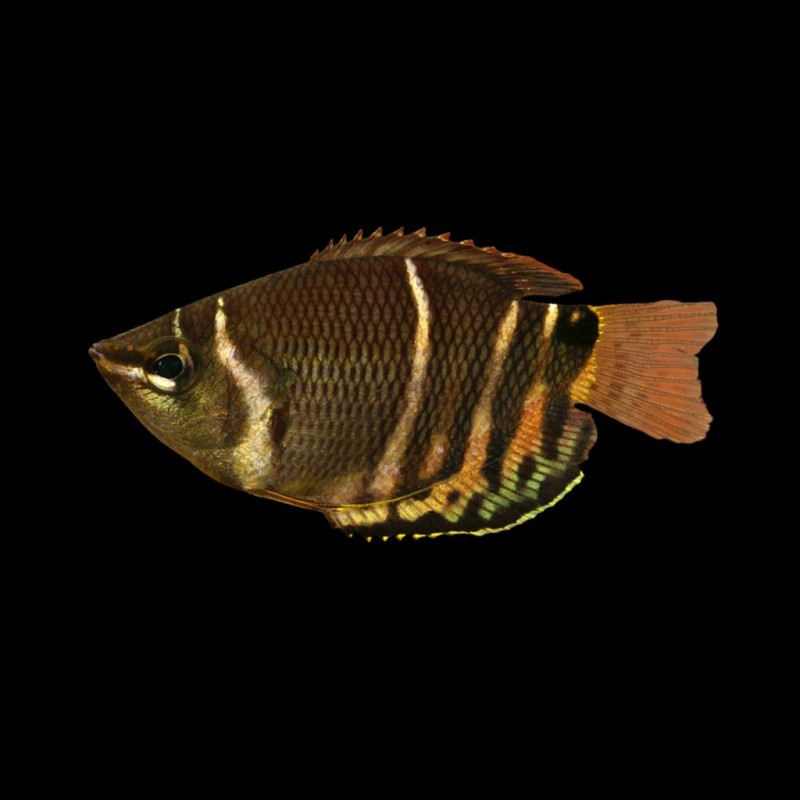


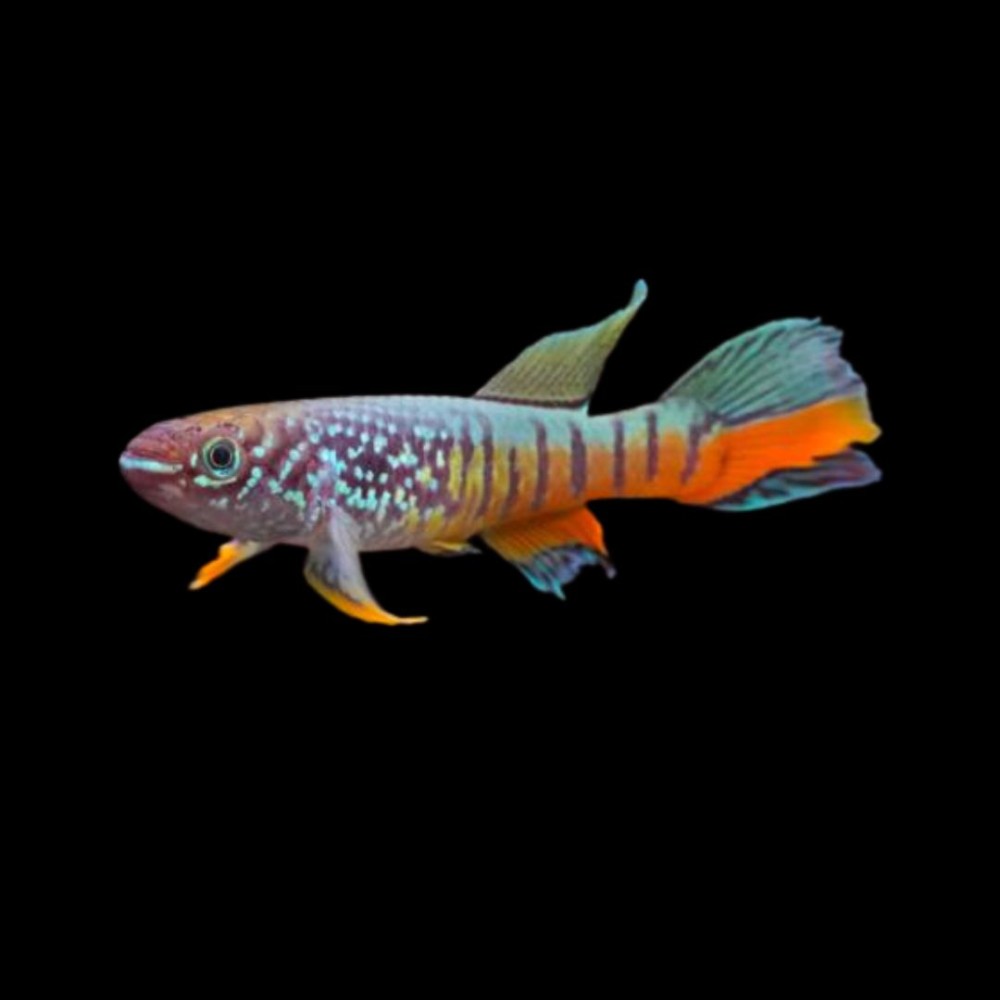
Blue Gularis Killifish (Pair)
€50.00
Ex Tax: €40.65
- Stock: Generally In Stock
- Model: -
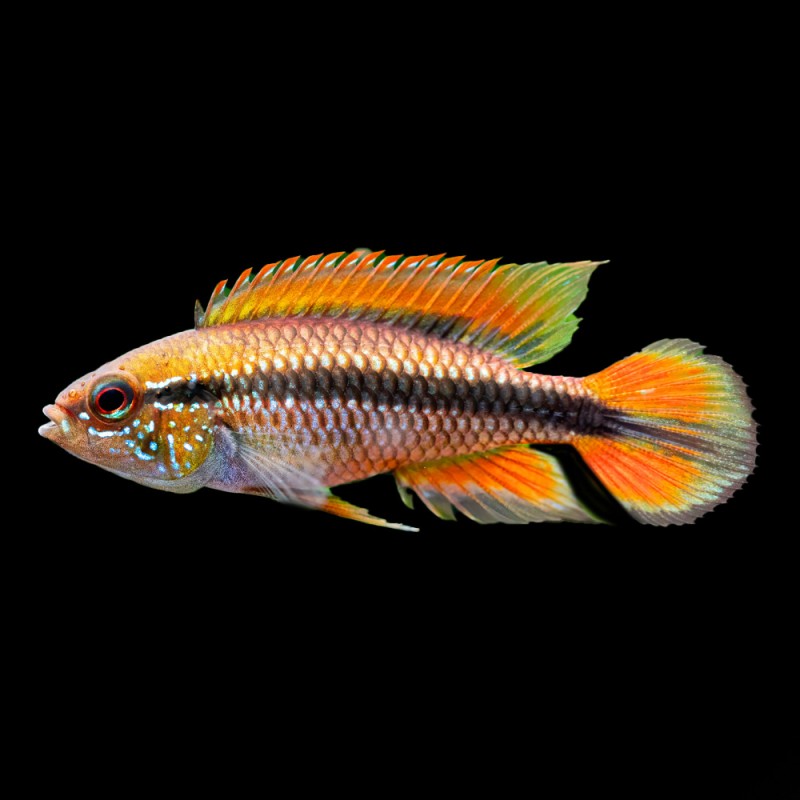
Blue Gularis Killifish (Pair)
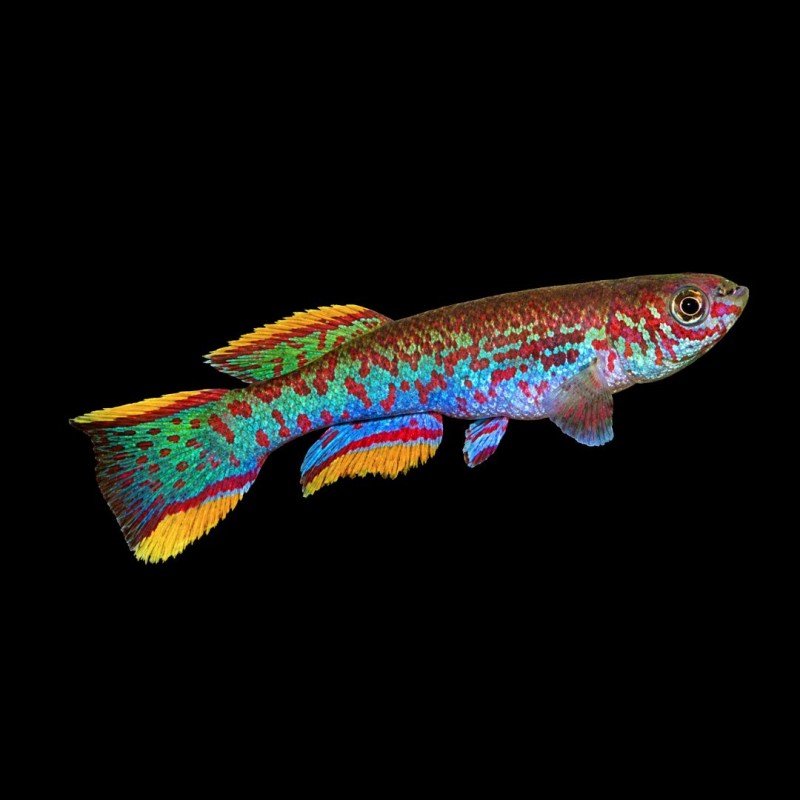
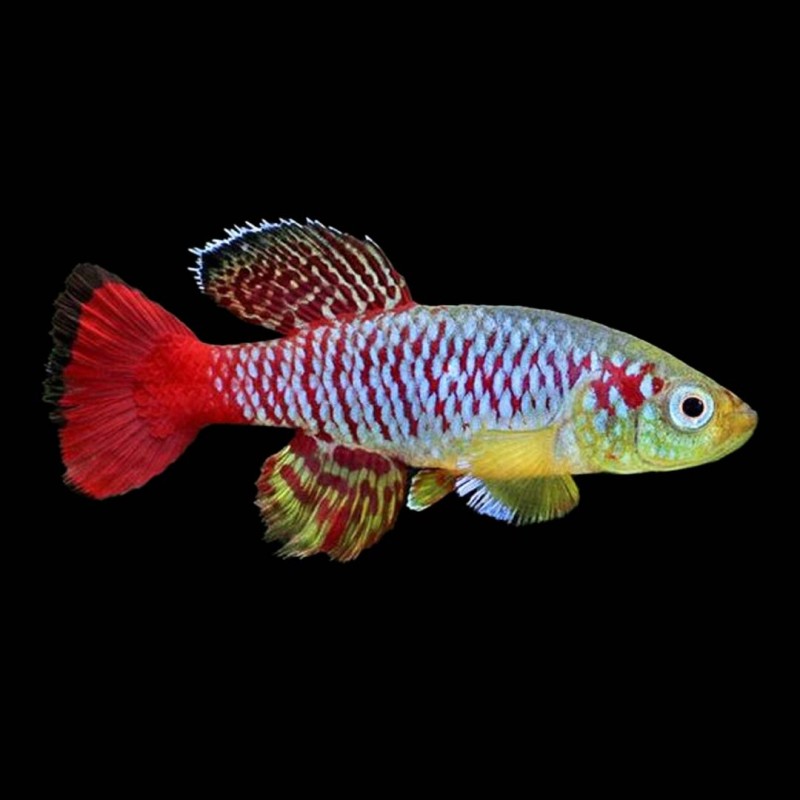
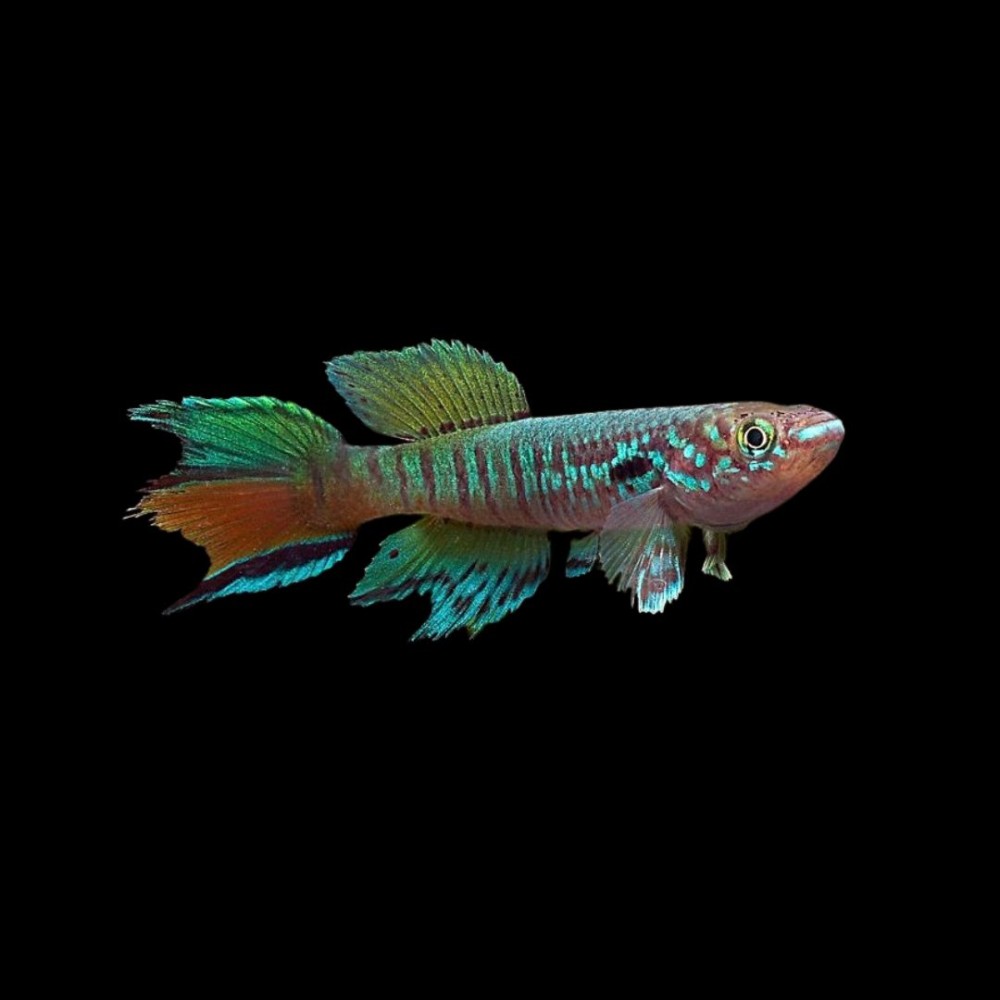
The Blue Gularis Killifish (Fundulopanchax sjoestedti) is one of the most strikingly beautiful freshwater fish species, known for its vivid colours, elaborate finnage, and lively behaviour. Native to slow-moving waterways in West Africa, this large killifish is best kept in species-only or carefully selected community tanks. A mated pair can offer both visual appeal and fascinating breeding behaviour for experienced aquarists.
Physical Characteristics:
- Size: Males can reach 10–13 cm (4–5 inches); females are slightly smaller, around 8–10 cm (3–4 inches).
- Coloration: Males boast a turquoise-blue base with red spots and stripes across the body and fins. Females are less colourful, typically golden-brown with faint markings.
- Fins: Males have dramatically extended dorsal, anal, and caudal fins, edged in bright colours and often with filament extensions. Females have shorter, rounder fins.
- Shape: Long, torpedo-shaped body with upturned mouth and large, expressive eyes—ideal for surface feeding.
Behaviour:
- Temperament: Semi-aggressive, especially males. Pairs should be monitored, particularly during breeding. Best kept alone or with robust, non-aggressive fish of similar size.
- Activity Level: Active and bold swimmers, primarily occupying the top and mid-water levels.
- Community Behaviour: Not ideal for standard community tanks. Better suited to species-only tanks or dedicated killifish setups.
Aquarium Care:
- Tank Size: A minimum of 60 litres (15 gallons) for a pair, but larger tanks (90+ litres) provide more space and stability.
- Water Parameters:
- Temperature: 22°C to 26°C (72°F to 79°F)
- pH: 6.0 to 7.2
- Hardness: 4–10 dGH
- Tank Setup:
- Substrate and Decorations: Soft sand or fine gravel with driftwood, caves, and live or silk plants for cover. Add floating plants to diffuse light and mimic their natural habitat.
- Lighting: Moderate to low lighting brings out their vibrant colours and reduces stress.
- Filtration: Gentle filtration is recommended. A sponge filter or low-flow external filter works best. Perform weekly water changes of 20–25%.
Diet:
Blue Gularis Killifish are carnivorous and require a protein-rich diet for health and colour enhancement:
- Live Foods: Earthworms, blackworms, mosquito larvae, and daphnia are ideal.
- Frozen Foods: Bloodworms, brine shrimp, and cyclops are good alternatives to live food.
- Dry Foods: May accept high-protein micro-pellets or flakes, but live/frozen is preferred for long-term health and breeding.
Tankmates:
Because of their bold nature and large size for a killifish, tankmates must be chosen carefully:
- Compatible Species: Peaceful but robust fish like Congo tetras, Rainbowfish, or bottom-dwellers such as Synodontis catfish in large tanks.
- Avoid: Small, timid, or long-finned species (e.g., guppies, shrimp, or bettas), as they may be bullied or seen as food.
Breeding:
Breeding Blue Gularis is rewarding and relatively straightforward with the correct setup:
- Breeding Setup: Use a separate tank with peat moss or spawning mops for egg-laying. Maintain stable water parameters and provide high-protein foods.
- Spawning Behaviour: Males court females with vibrant displays and lead them to the spawning site. Eggs are laid among moss or substrate.
- Fry Care: Eggs can be collected and incubated in damp peat for 2–3 weeks. Fry should be fed infusoria or powdered food, followed by baby brine shrimp as they grow.
Special Considerations:
- Jumpers: These killifish are excellent jumpers—keep the tank well-covered at all times.
- Male Aggression: Males can be territorial. Always provide hiding spaces for females and monitor interactions in pairs or groups.
- Shorter Lifespan: Like many killifish, they have a shorter lifespan (2–3 years), though captive-bred lines may live longer with excellent care.