

- Stock: Made To Order
Please Note: Due to variations within species, your fish may not look identical to the image provided. Also note not all sizes or species may be available due to seasonality, Please call beforehand for up-to-date stock availability.
- Model: -
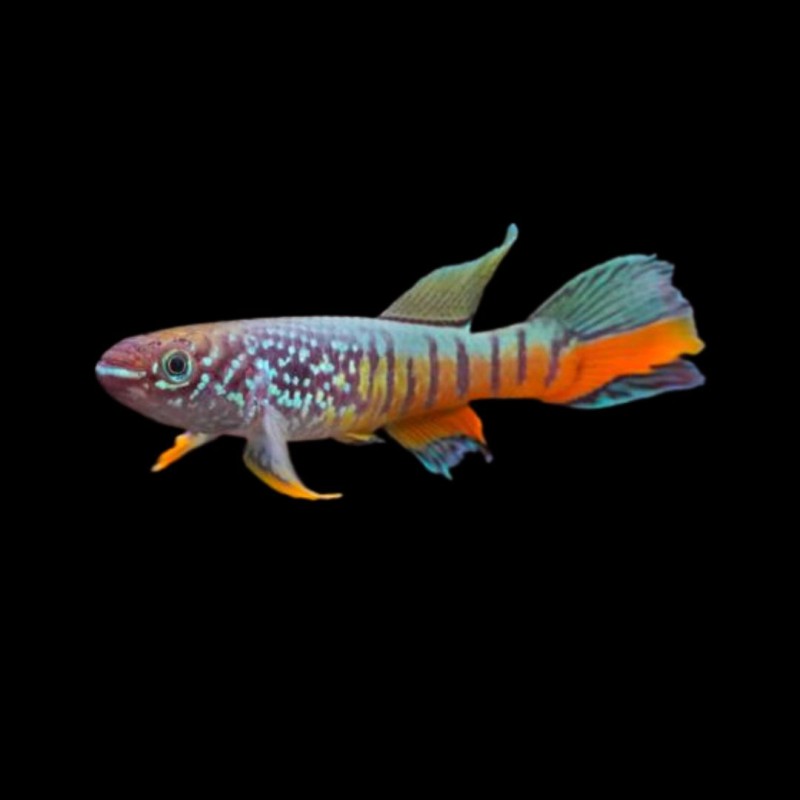
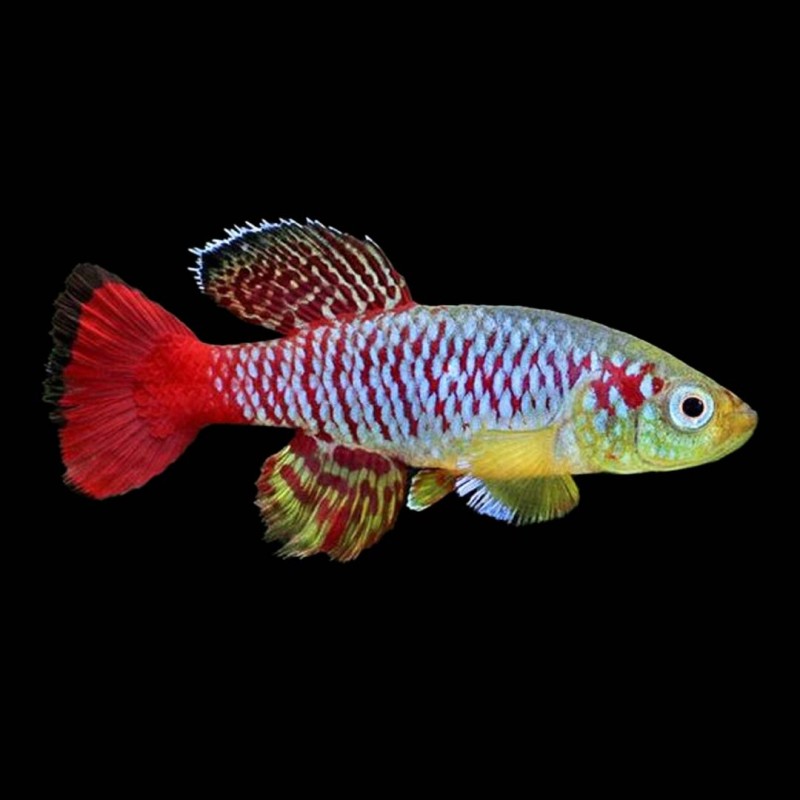
Australe Killifish (Lyretail Killifish)
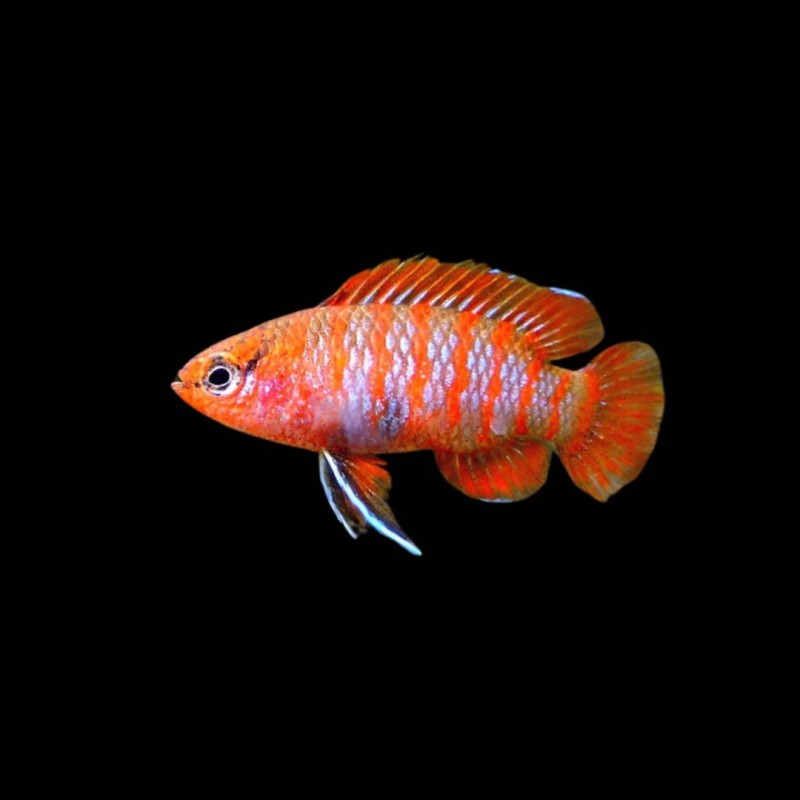
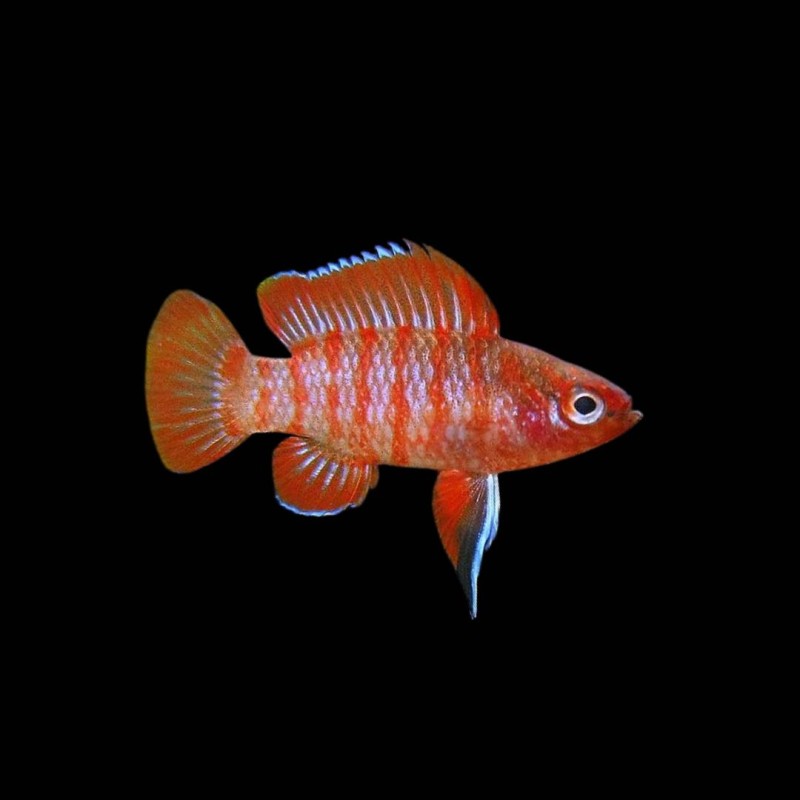
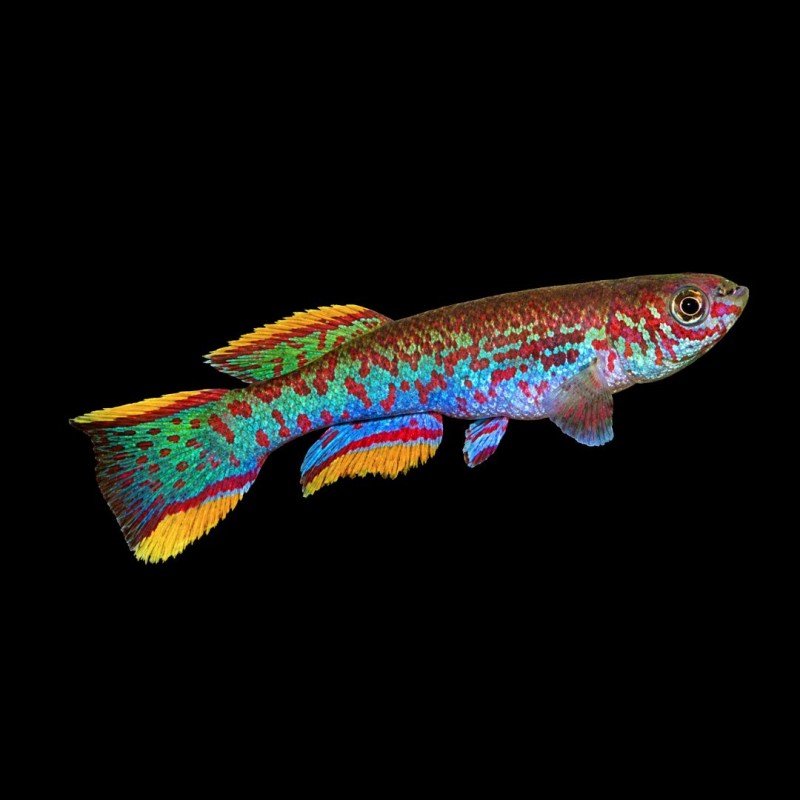
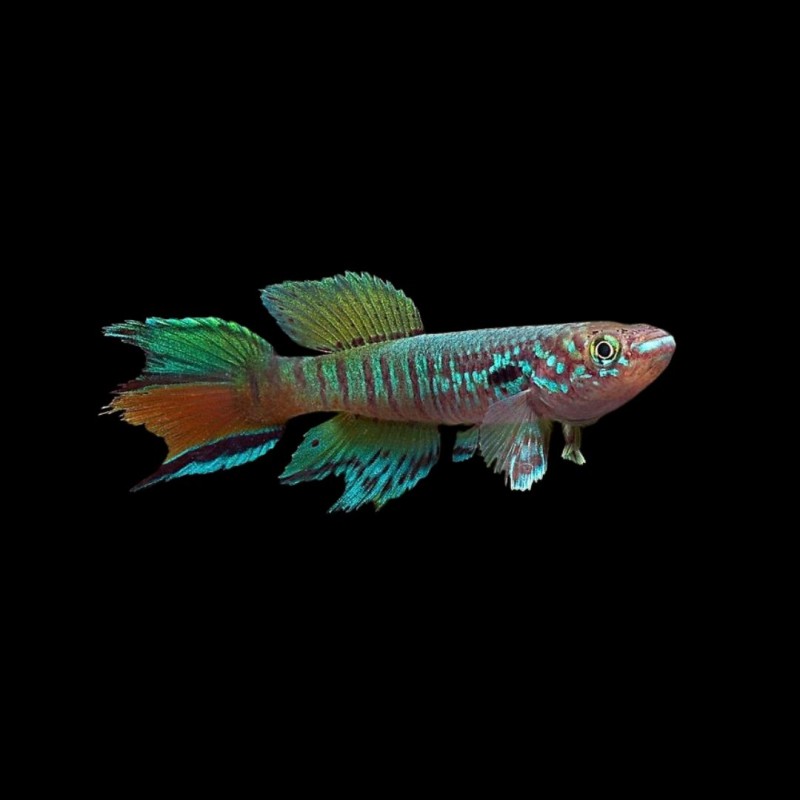
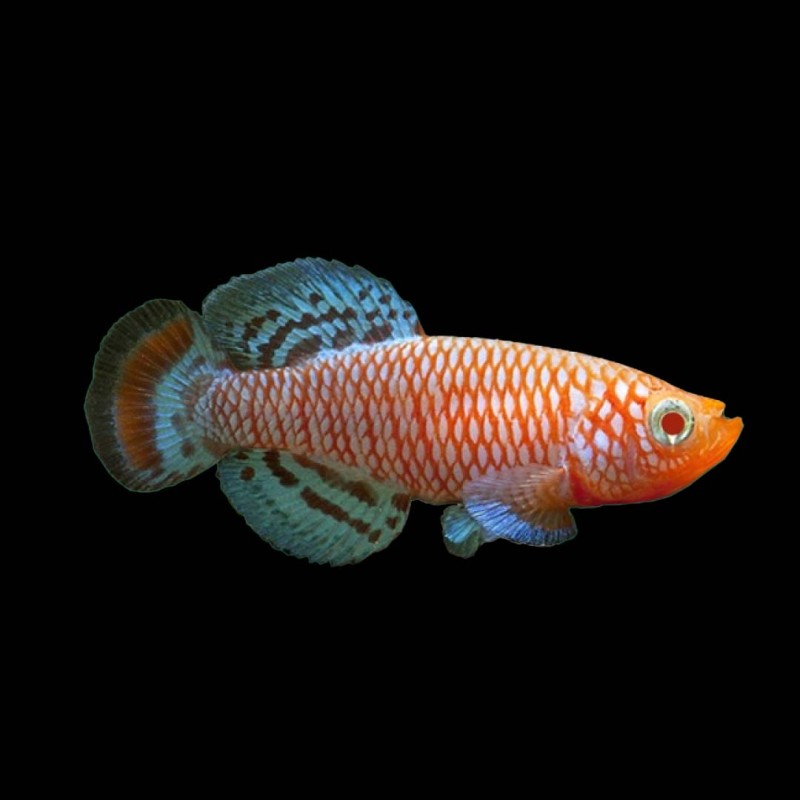
The Australe Killifish (Aphyosemion australe), also known as the Golden Lyretail Killifish, is a beautifully coloured and peaceful freshwater species prized for its flowing fins and vibrant body patterns. Native to shaded, slow-moving freshwater streams and swamps in Gabon and the Congo Basin, this killifish is ideal for nano and planted aquariums. With proper care, they’re hardy, easy to breed, and a striking choice for peaceful community tanks or species-only displays.
Physical Characteristics:
- Size: Grows up to 5–6 cm (2–2.5 inches) in length.
- Coloration: Comes in a variety of colour forms—wild-type (golden brown with red spots), gold (bright yellow or orange), and chocolate. Males have brighter colours and more dramatic finnage.
- Fins: Males have extended lyre-shaped tail and long dorsal/anal fins. Females are smaller with rounded fins and less vibrant colours.
- Shape: Slender, torpedo-shaped body with slightly upturned mouth suited for surface feeding.
Behaviour:
- Temperament: Peaceful and shy. Best kept in pairs or small harems (1 male to 2–3 females) to reduce male aggression.
- Activity Level: Active but not overly energetic. Males display frequently and court females with elegant fin displays.
- Community Behaviour: Can be kept with other small, non-aggressive fish. Avoid fast or fin-nipping species.
Aquarium Care:
- Tank Size: A minimum of 20 litres (5 gallons) for a pair. Larger tanks offer better stability and more room for social groups.
- Water Parameters:
- Temperature: 20°C to 24°C (68°F to 75°F)
- pH: 5.5 to 7.0 (soft, slightly acidic water)
- Hardness: 1–8 dGH
- Tank Setup:
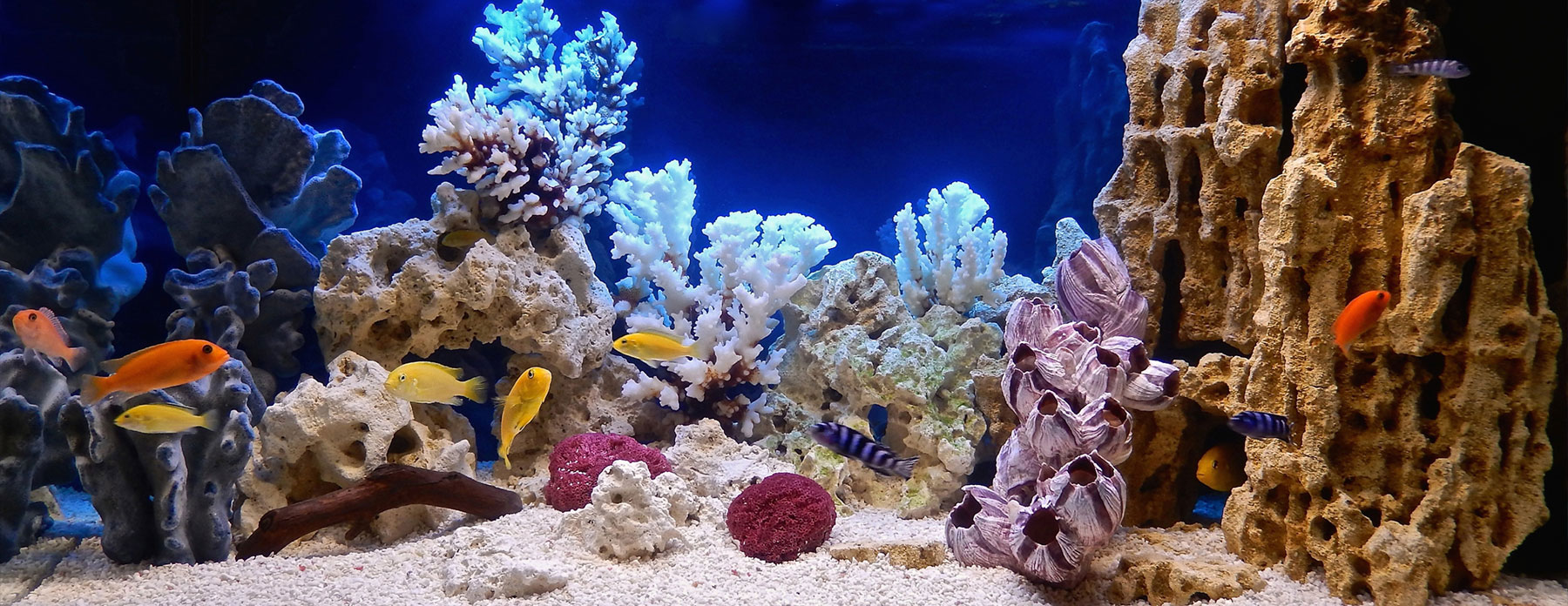
- Substrate and Decorations: Use dark sand or fine gravel. Add driftwood, leaf litter, and dense plant cover (especially floating plants) to provide shade and hiding spaces.
- Lighting: Low to moderate lighting brings out their colours and keeps them comfortable.
- Filtration: Gentle sponge filtration is ideal. Avoid strong current. Perform weekly water changes of 15–25%.
Diet:
Australe Killifish are micropredators and thrive on a varied, protein-rich diet:
- Live Foods: Daphnia, baby brine shrimp, micro-worms, and mosquito larvae are ideal.
- Frozen Foods: Bloodworms, cyclops, and small brine shrimp are accepted readily.
- Dry Foods: May accept crushed flakes or micro-pellets, but not all individuals will take them. Live or frozen foods are preferred for colour and conditioning.
Tankmates:
Due to their peaceful nature, tankmates must be chosen carefully:
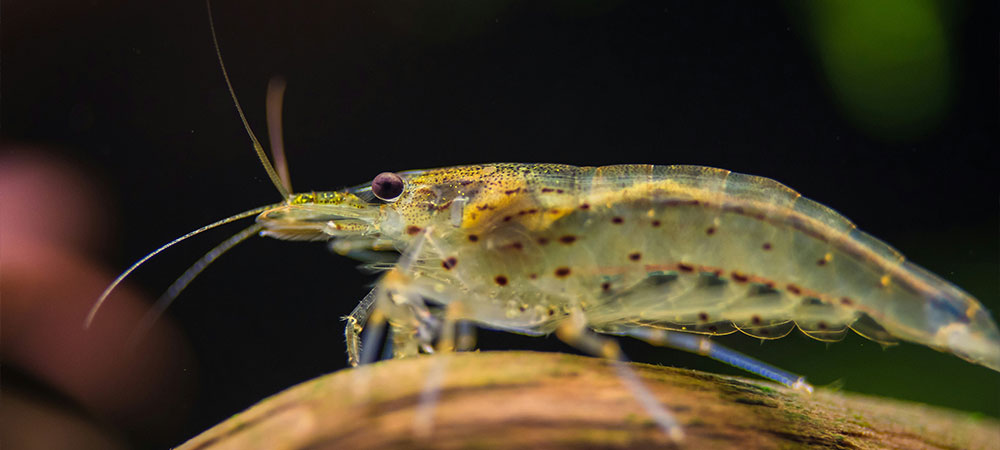
- Suitable Companions: Ember tetras, small rasboras, pygmy corydoras, peaceful shrimp (e.g. Amano), and other small killifish or pencilfish.
- Avoid: Fast-swimming or aggressive fish, large cichlids, or anything prone to fin-nipping.
Breeding:
Australe Killifish are egg layers and relatively easy to breed in the home aquarium:
- Breeding Setup: Use a small breeding tank with soft water and a spawning mop or fine-leafed plants. Lower lighting helps encourage spawning.
- Spawning Behaviour: Males display and lead females to spawning mops, where they deposit adhesive eggs. Eggs hatch in 10–14 days depending on temperature.
- Fry Care: Remove eggs or parents after spawning. Feed fry infusoria, green water, or liquid fry food until they are large enough for baby brine shrimp.
Special Considerations:
- Jumping Risk: Like many killifish, Australe Killifish are skilled jumpers. Keep a tight-fitting lid or floating plants to reduce risk.
- Short Lifespan: Most live 2–3 years. Regular breeding can help maintain a colony over time.
- Low Stress: Provide plenty of cover and limit tank disturbances to prevent shy behaviour or colour fading.