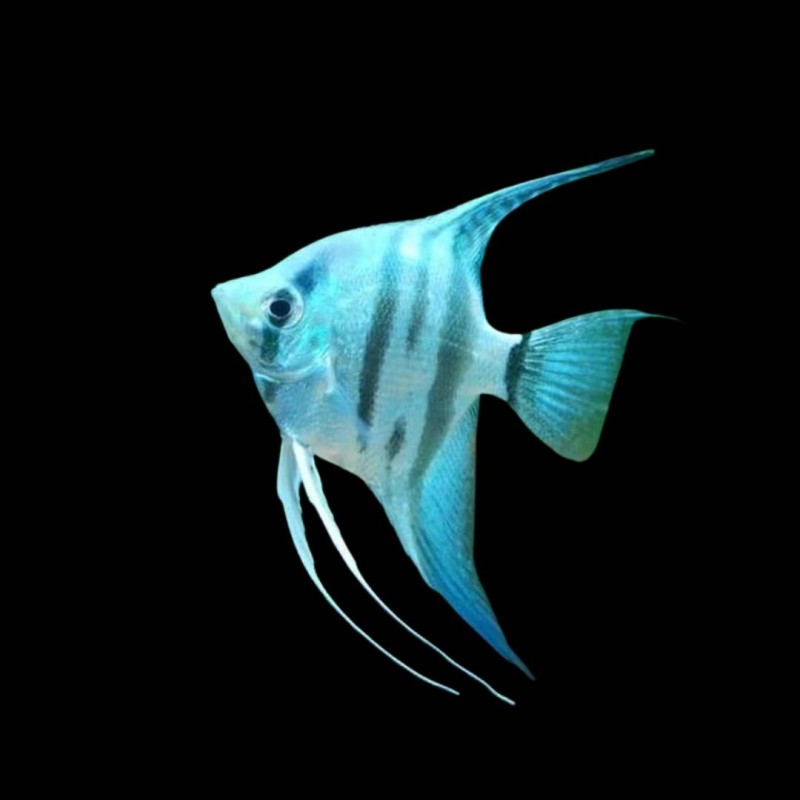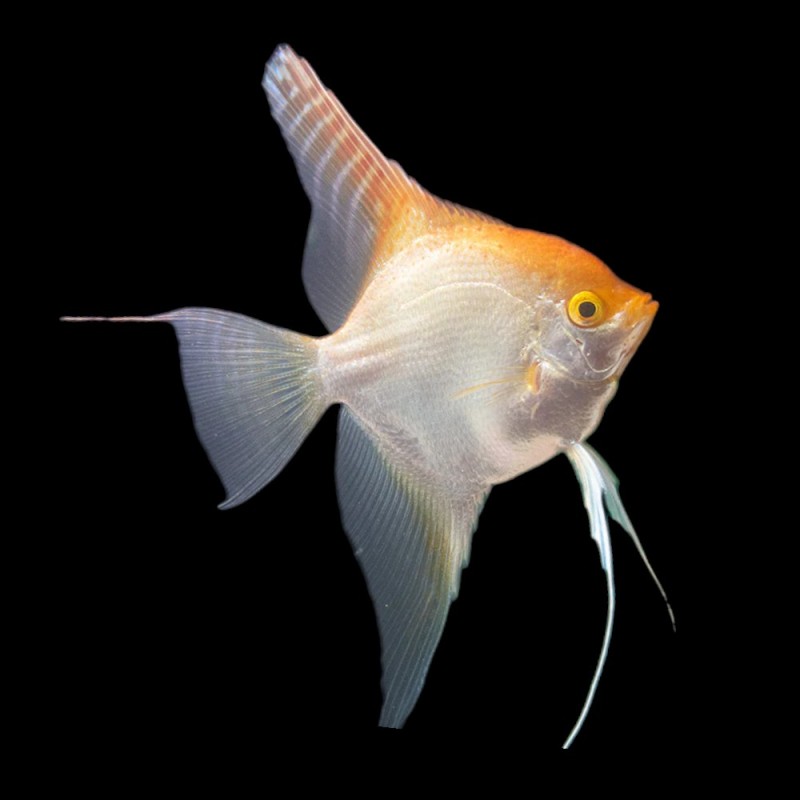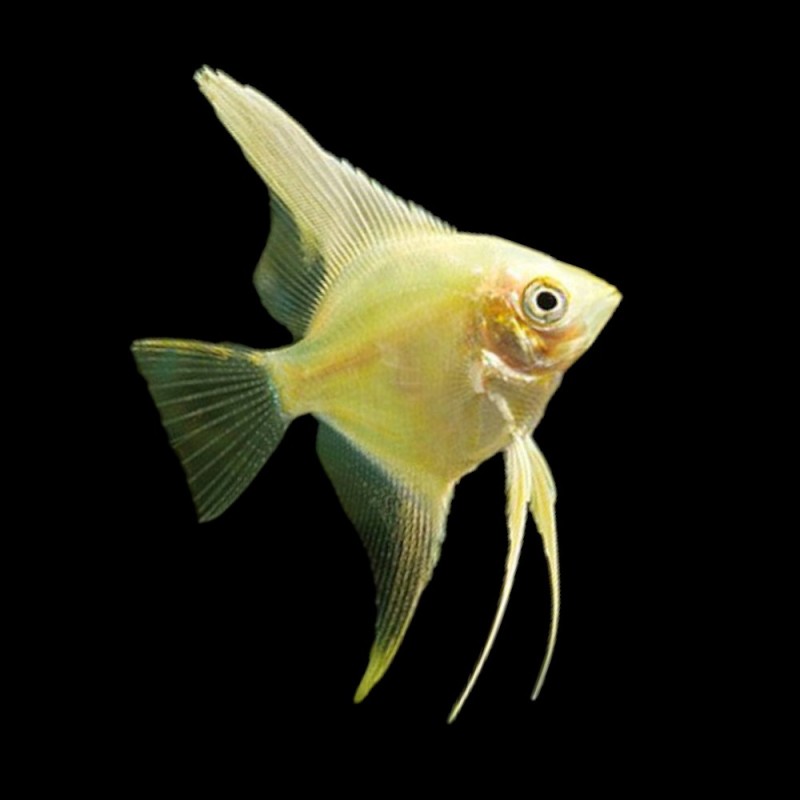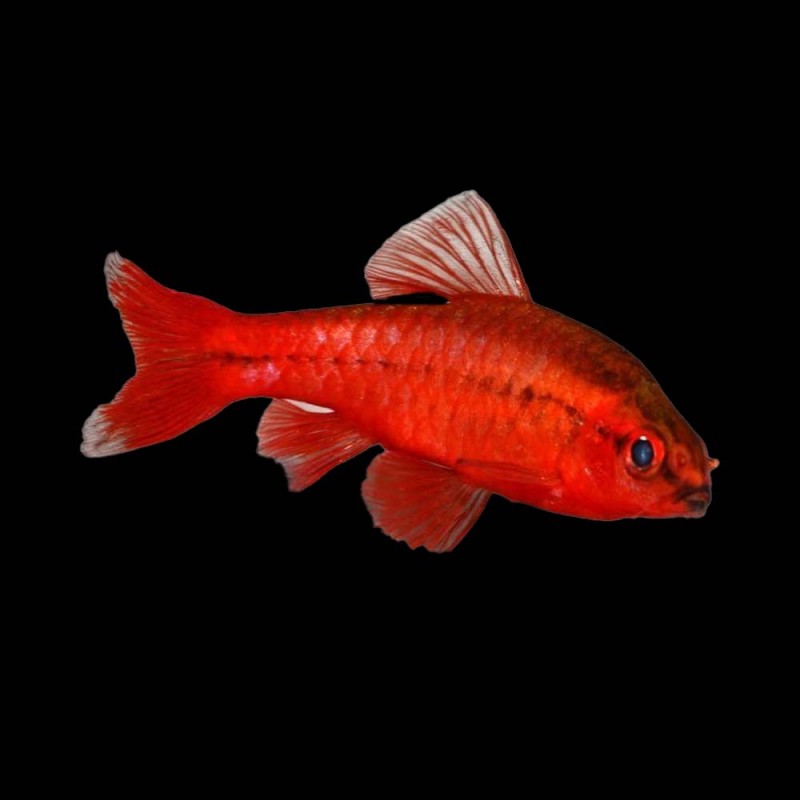


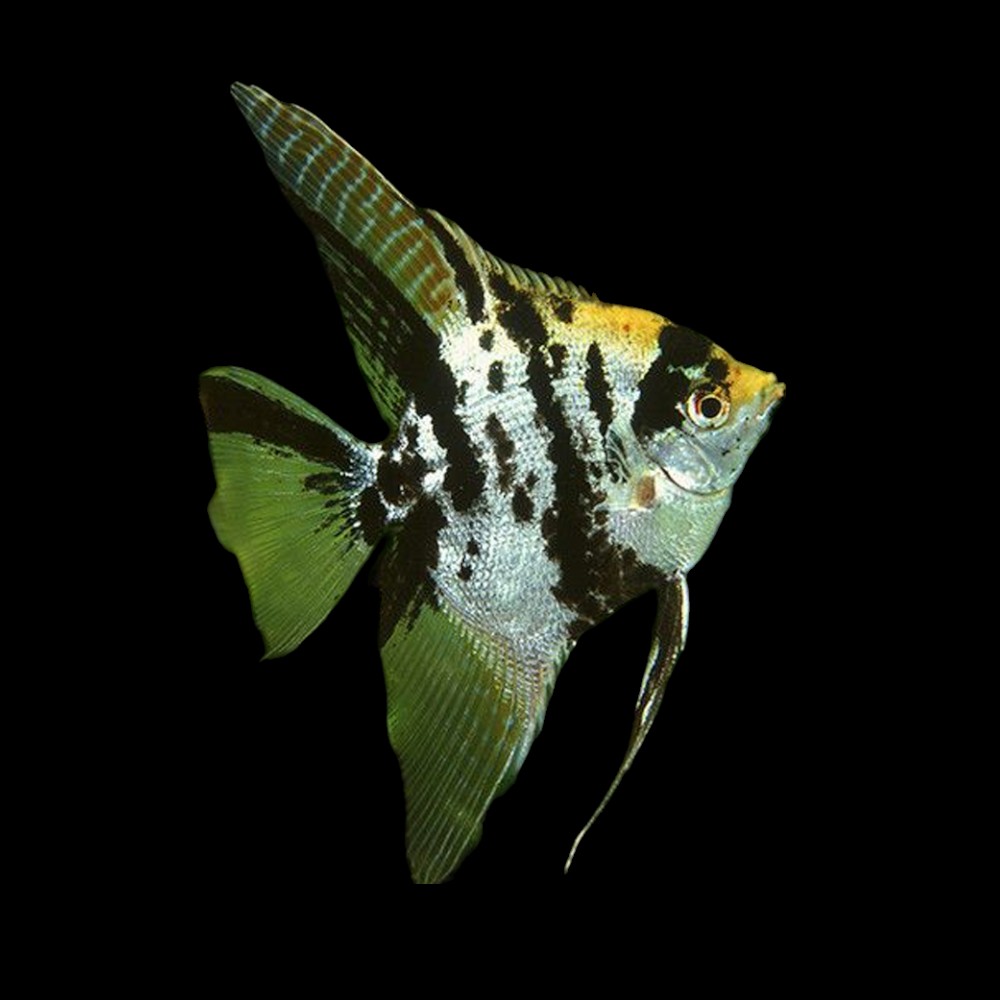
- Stock: Generally In Stock
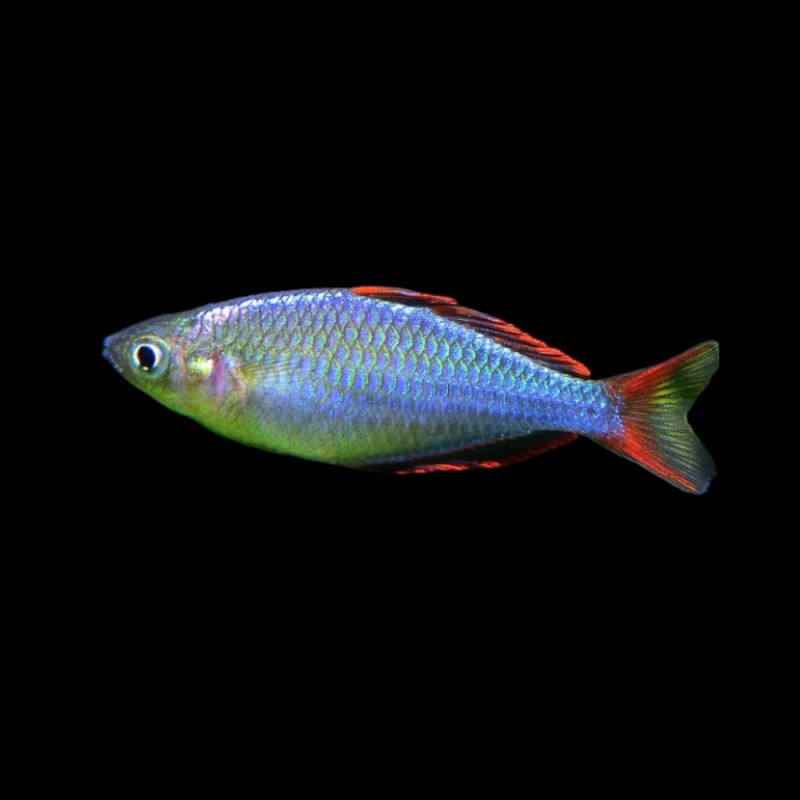
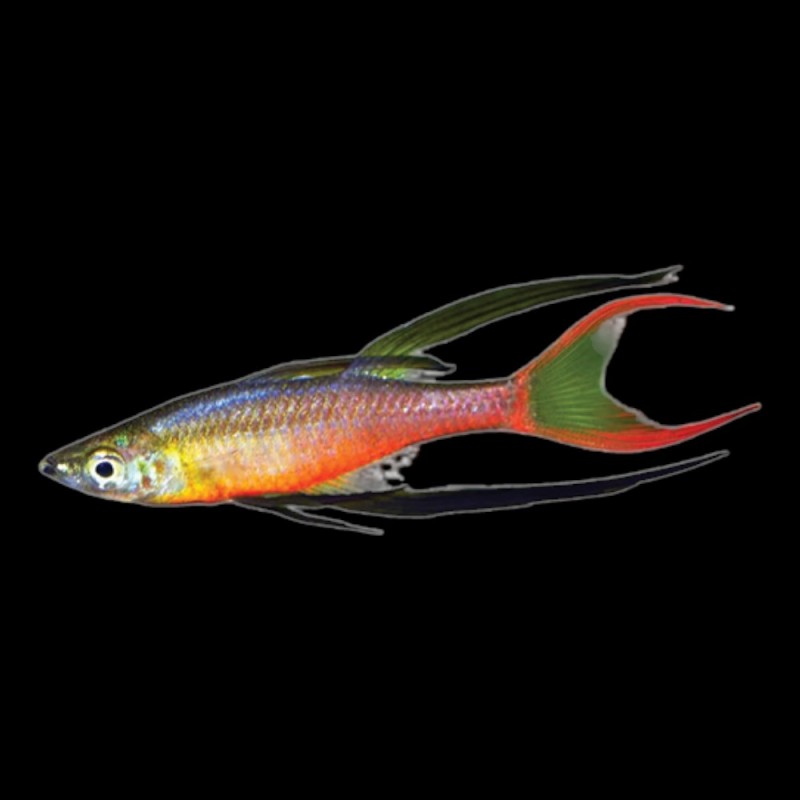
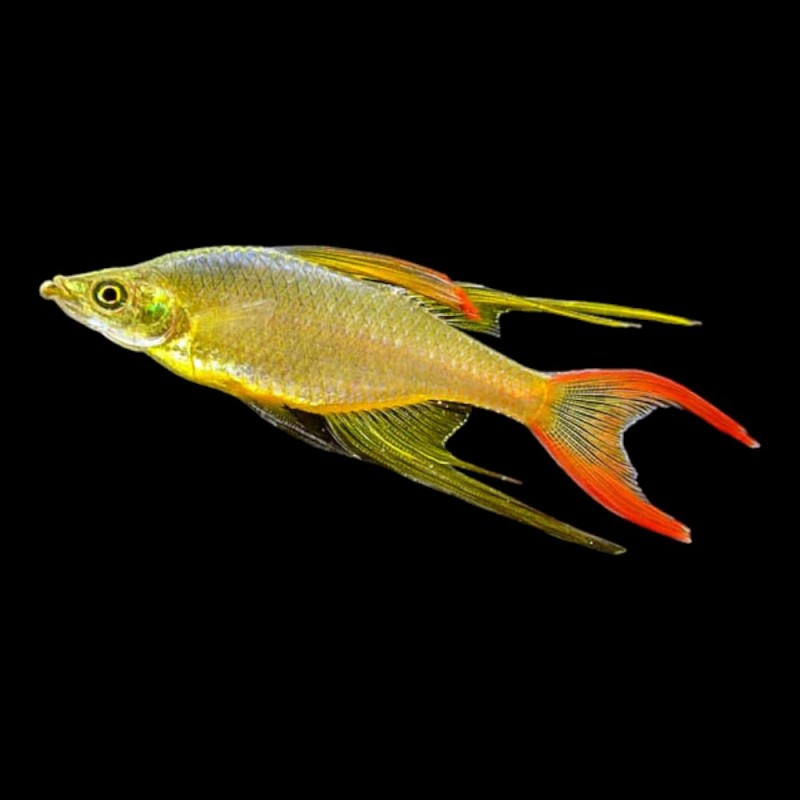
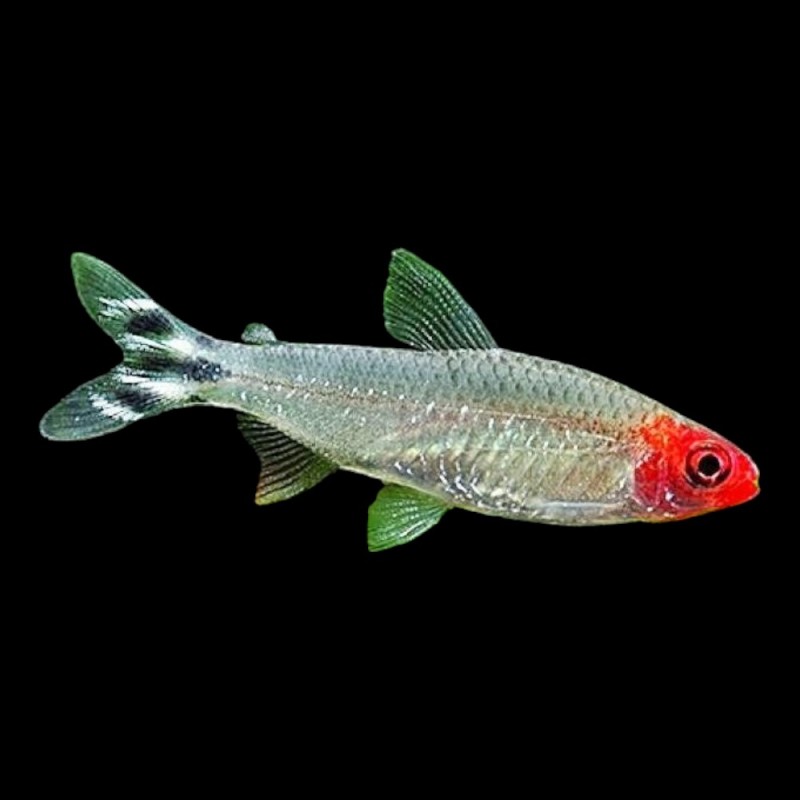
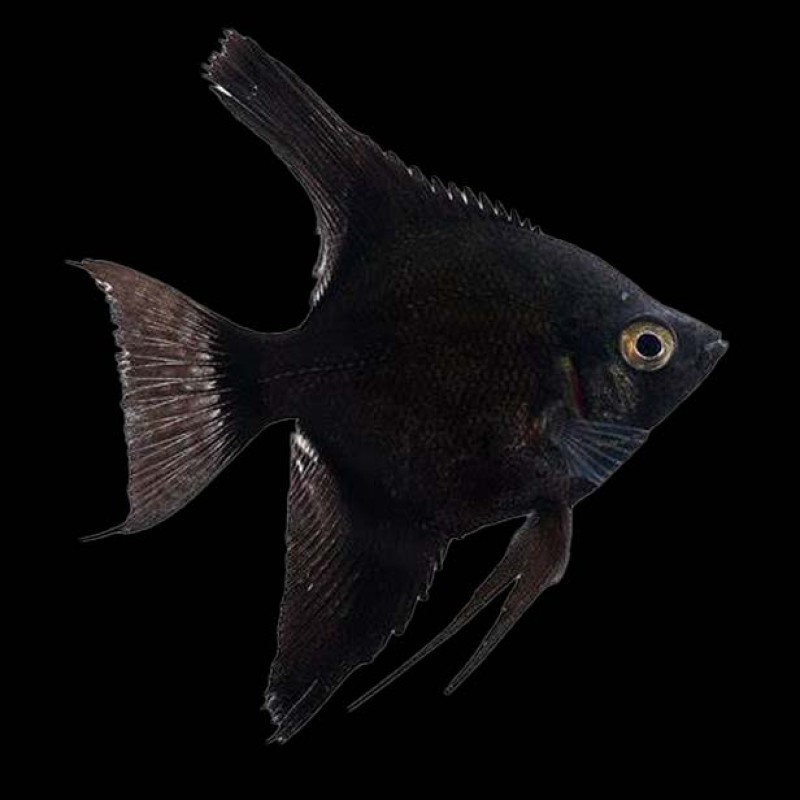
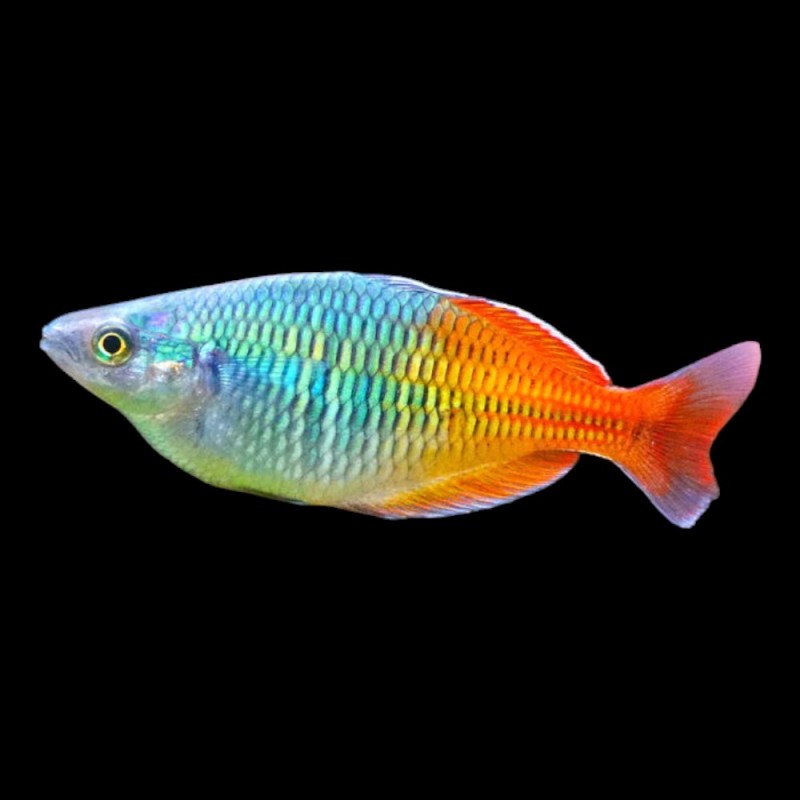
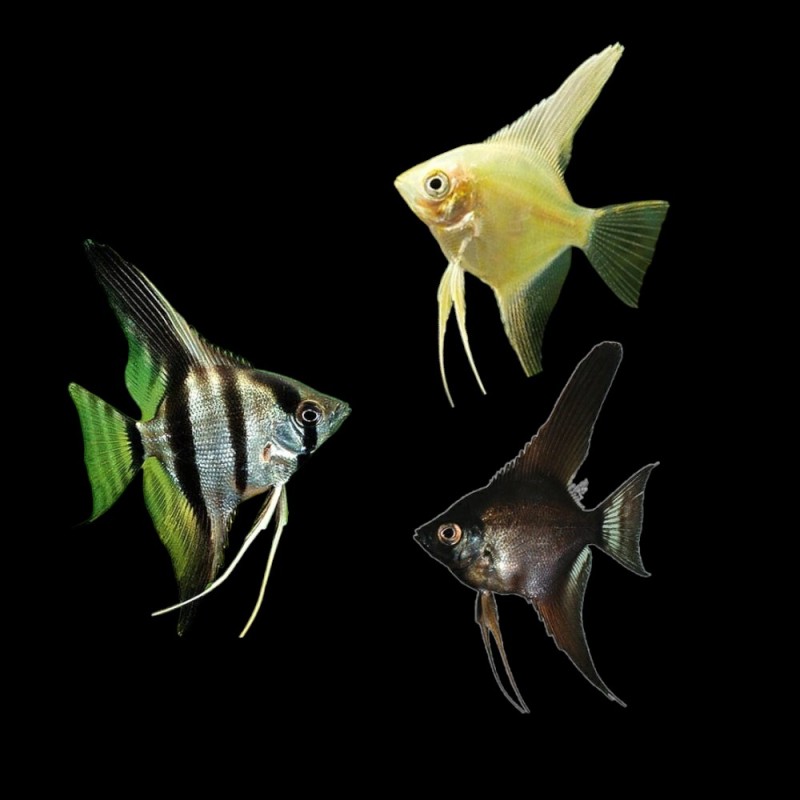
Please Note: Due to variations within species, your fish may not look identical to the image provided. Also note not all sizes or species may be available due to seasonality, Please call beforehand for up-to-date stock availability.
- Model: MARBLE VEIL TAIL ANGELFISH MATRIX
Available Options
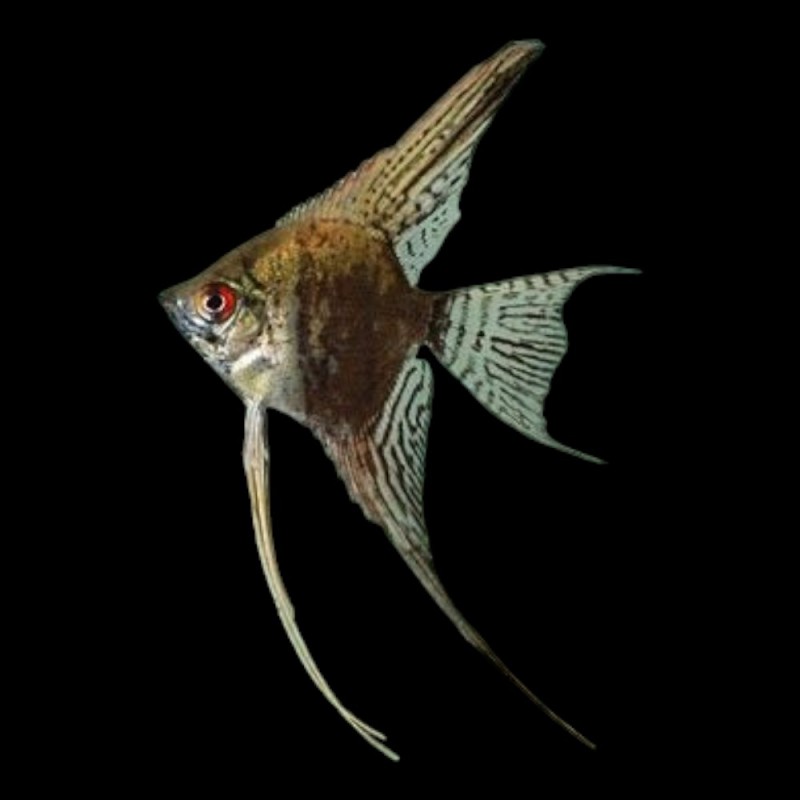
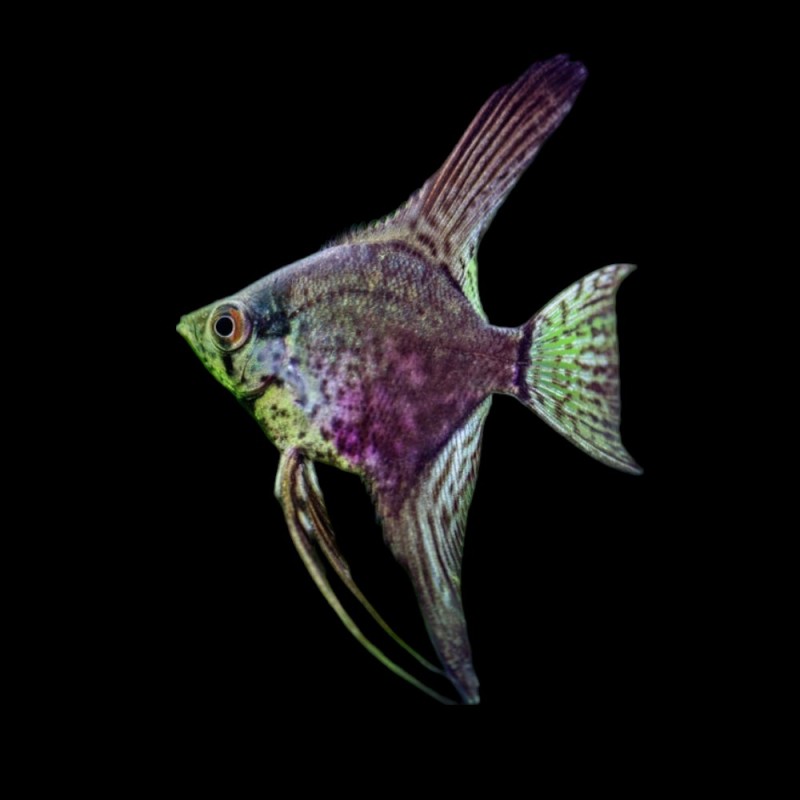
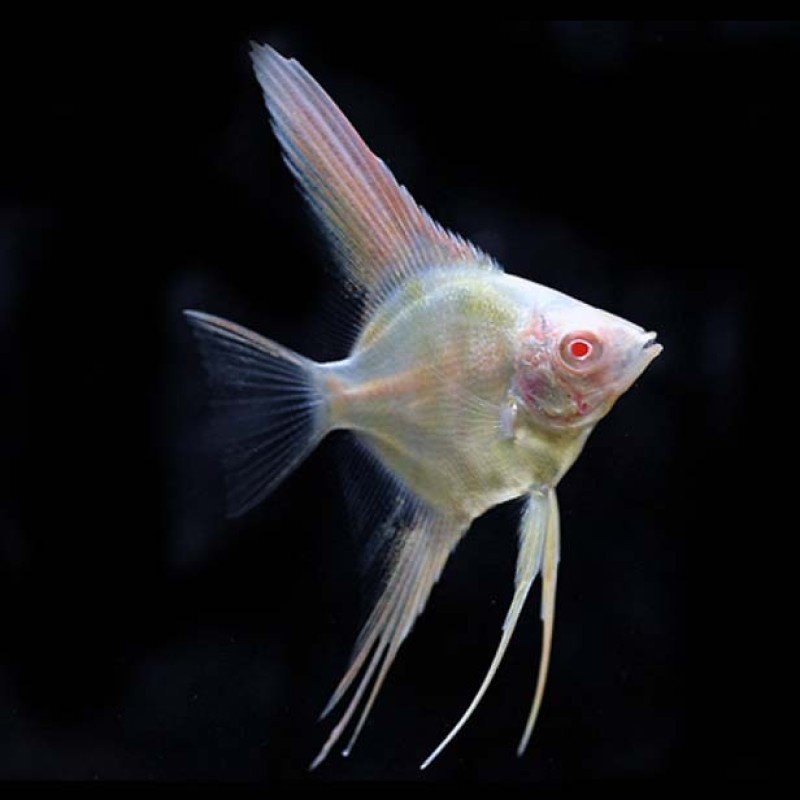
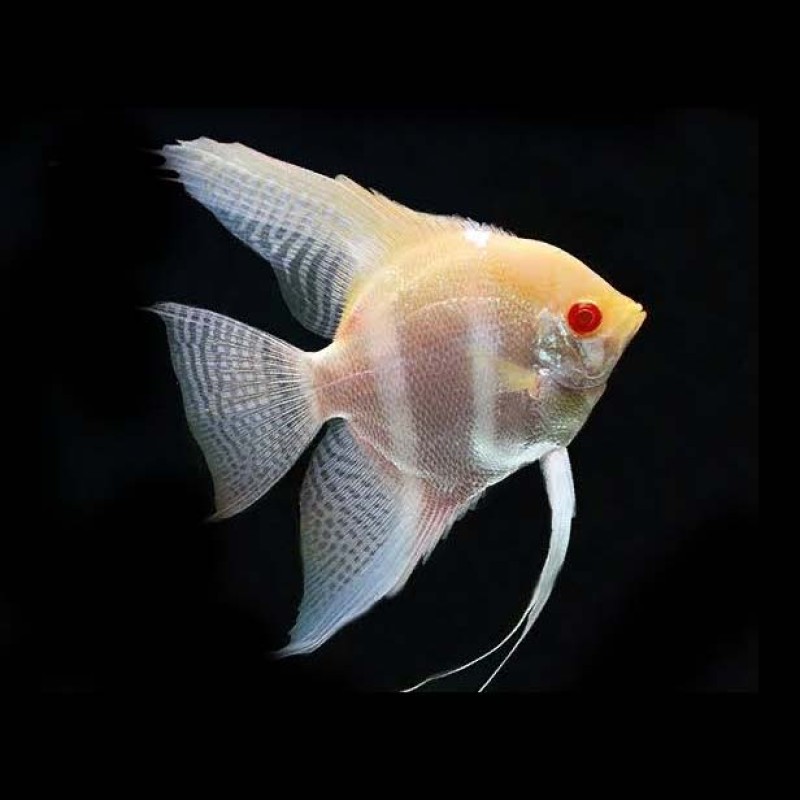
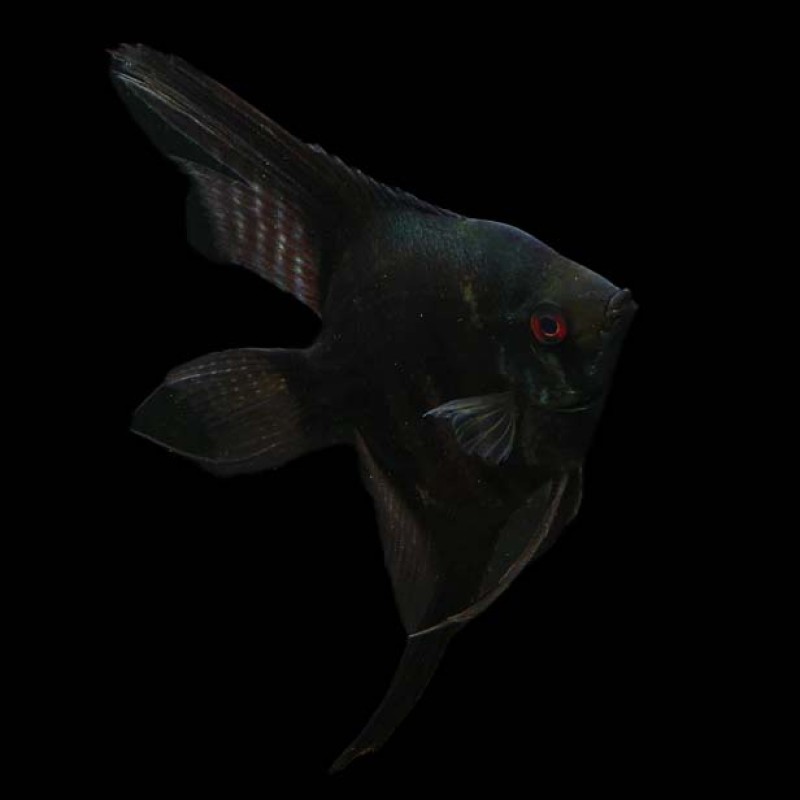
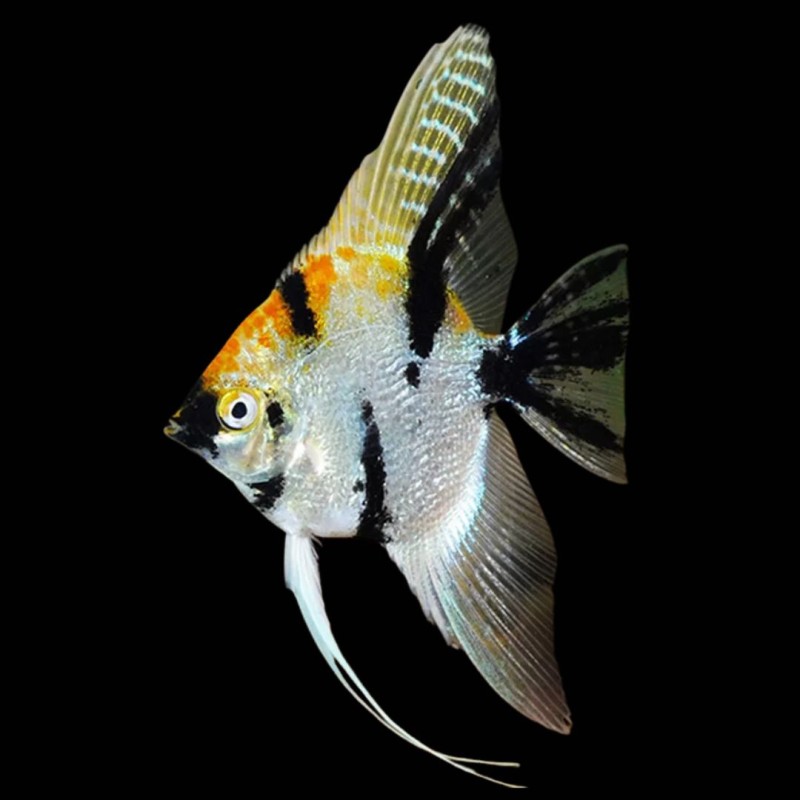
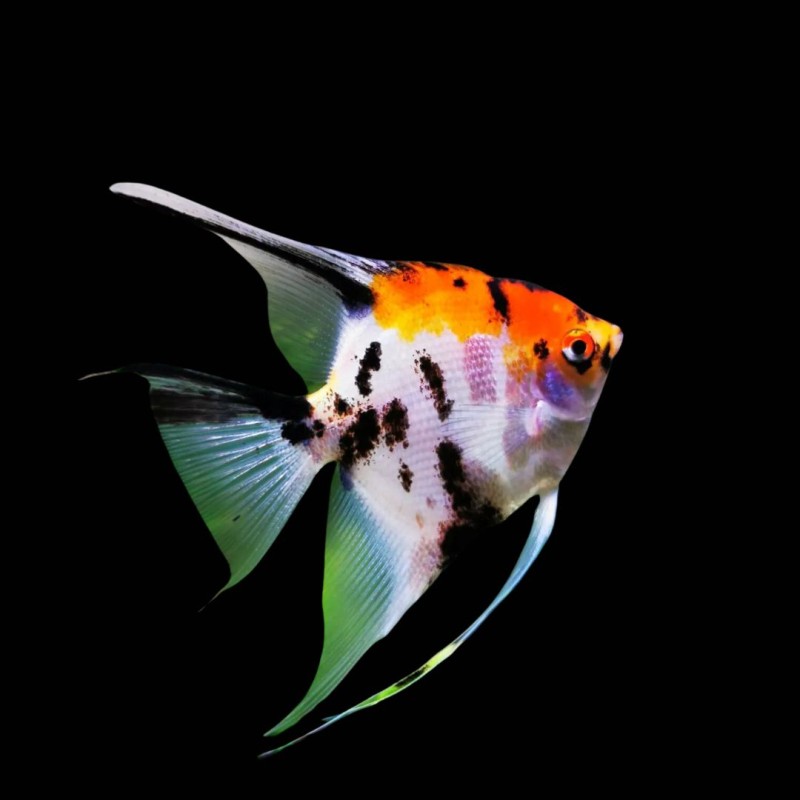
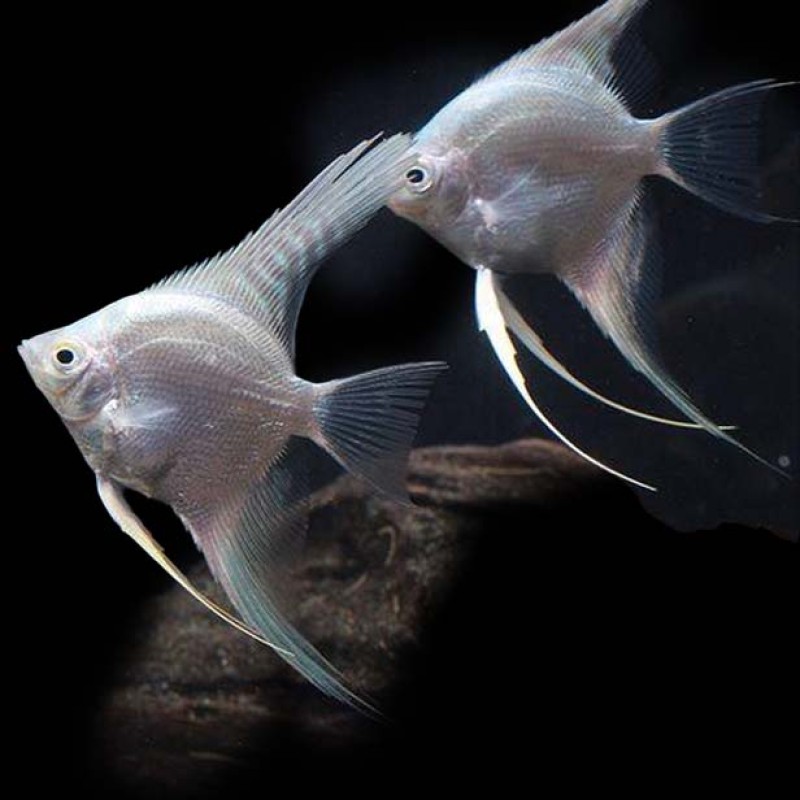
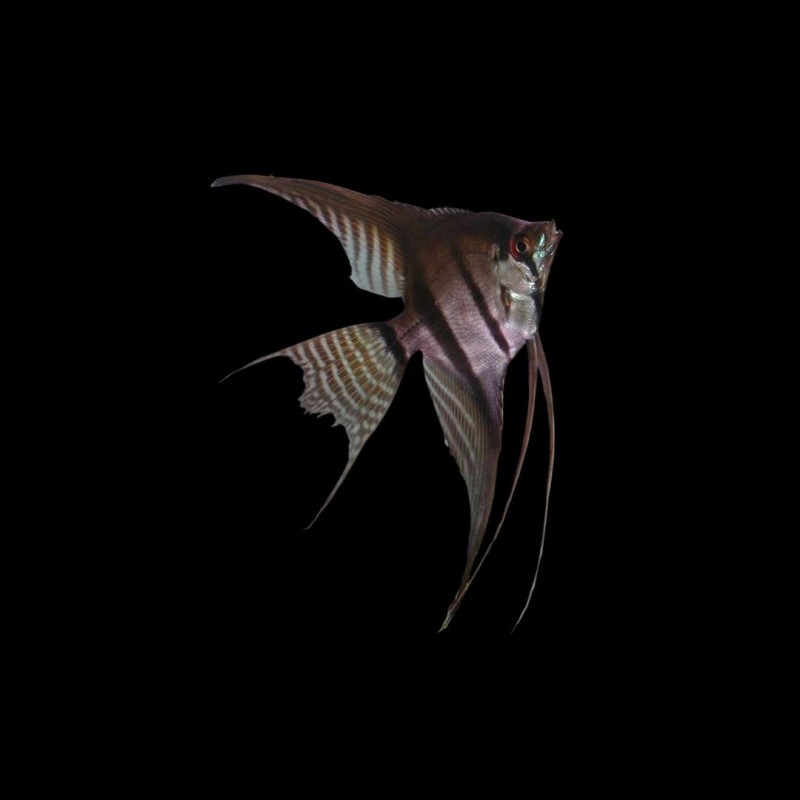
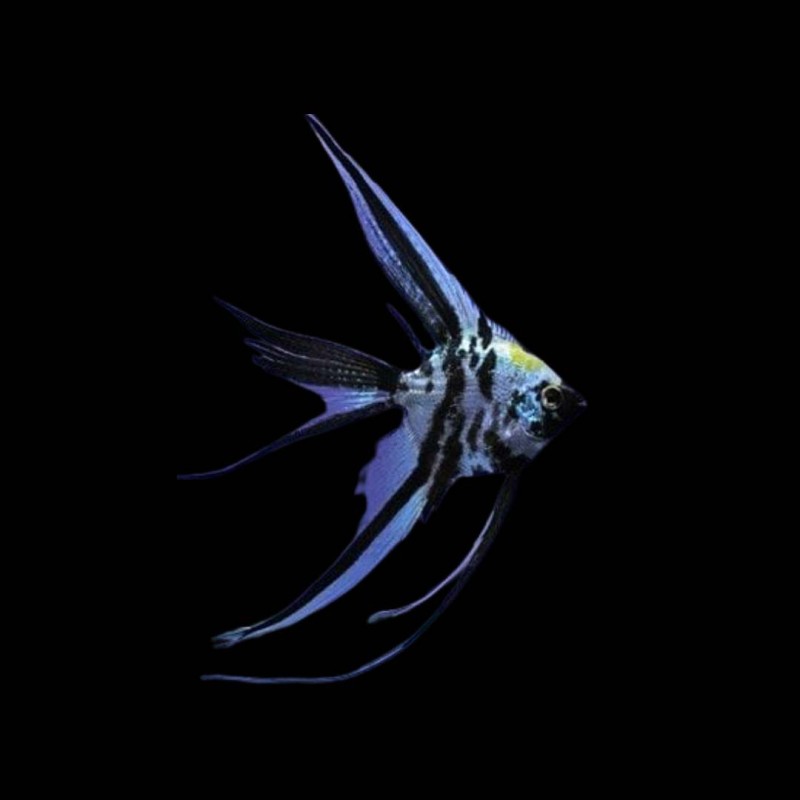
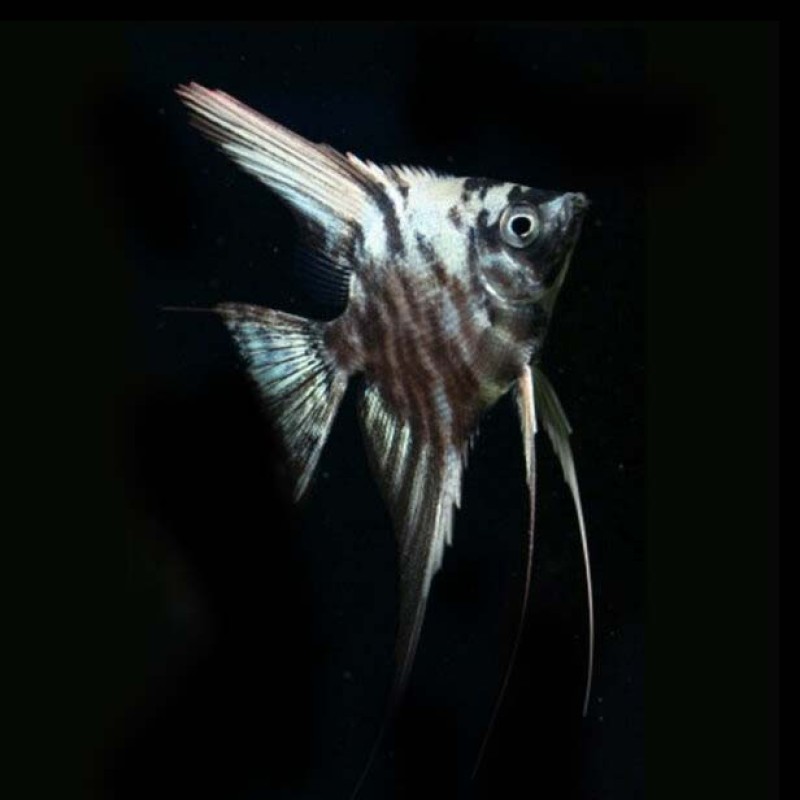
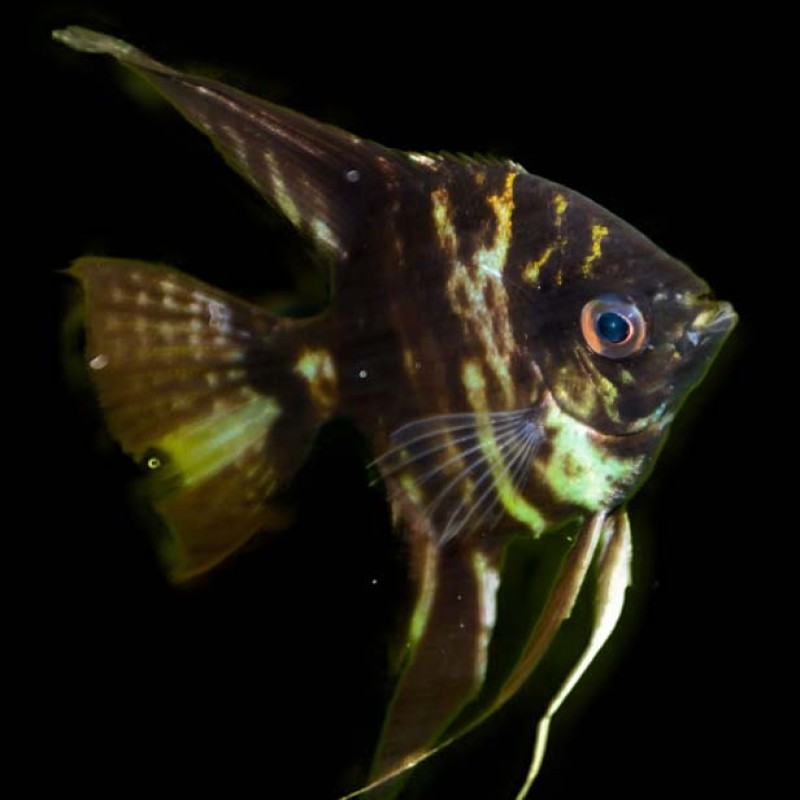
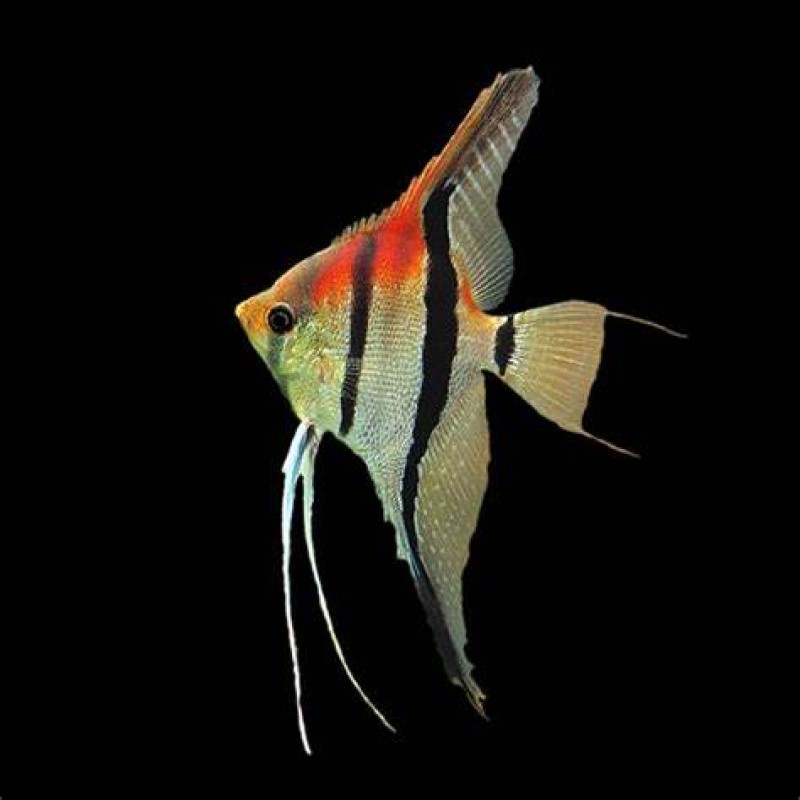
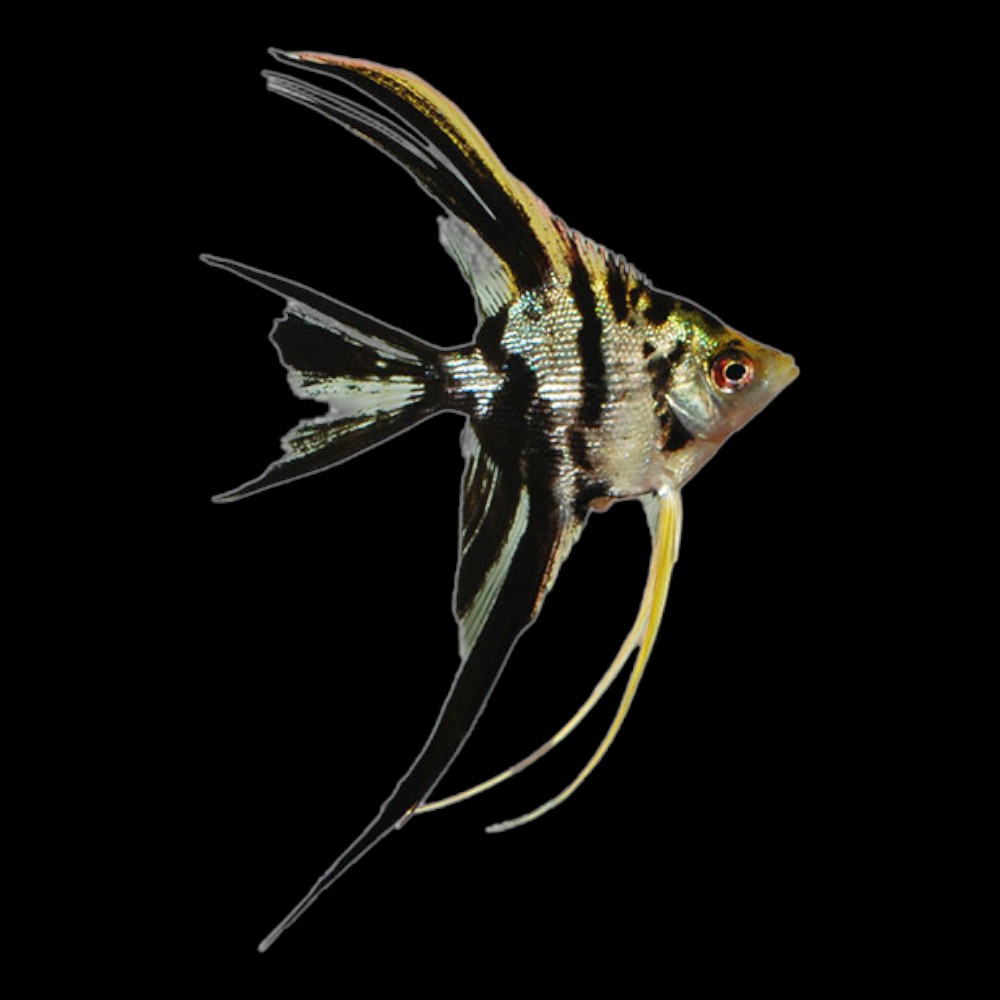
Marble Angelfish (Pterophyllum scalare), a popular variant of the freshwater angelfish, is known for its unique and striking marbled color pattern. These angelfish display a mix of black, white, and gold blotches across their body and fins, making them visually appealing and a favorite among aquarium enthusiasts. Like other angelfish, the Marble Angelfish is native to the slow-moving waters of the Amazon River Basin in South America and is loved for its elegant appearance and peaceful yet sometimes territorial nature.
Physical Characteristics:
- Size: Marble Angelfish typically grow to a height of 15-20 cm (6-8 inches) from top fin to bottom fin, and about 12-15 cm (5-6 inches) in length. Their tall, triangular shape and long, flowing fins give them a graceful appearance.
- Coloration: The defining feature of Marble Angelfish is their marbled pattern, consisting of irregular patches of black, white, and sometimes gold or silver on their body and fins. The intensity and arrangement of the colors vary among individuals, making each fish unique.
- Fins: Like other angelfish, the Marble Angelfish has long, delicate fins that enhance its majestic look. These fins can be prone to damage from aggressive or fin-nipping tankmates, so care must be taken in choosing compatible species.
Behavior:
- Temperament: Marble Angelfish are generally peaceful and can be kept in community tanks. However, they may exhibit territorial behavior, particularly during breeding. They can sometimes be slightly aggressive toward smaller fish, especially those that fit in their mouths, but overall they tend to coexist well with other peaceful species.
- Social Behavior: Like most angelfish, Marble Angelfish enjoy living in groups and will establish a social hierarchy within their group. They do well when kept in schools of 5-6 individuals, especially in larger tanks.
Aquarium Care:
- Tank Size: Due to their tall bodies and need for swimming space, Marble Angelfish should be kept in a tank of at least 150 liters (40 gallons). Taller tanks are recommended to accommodate their height and long fins.
- Water Parameters:
- Temperature: Marble Angelfish thrive in warm water, with an ideal temperature range of 24°C to 28°C (75°F to 82°F).
- pH: They prefer slightly acidic to neutral water, with a pH range of 6.0 to 7.5.
- Hardness: They do best in soft to moderately hard water, with a general hardness (GH) of 3-8 dGH.
- Tank Setup:
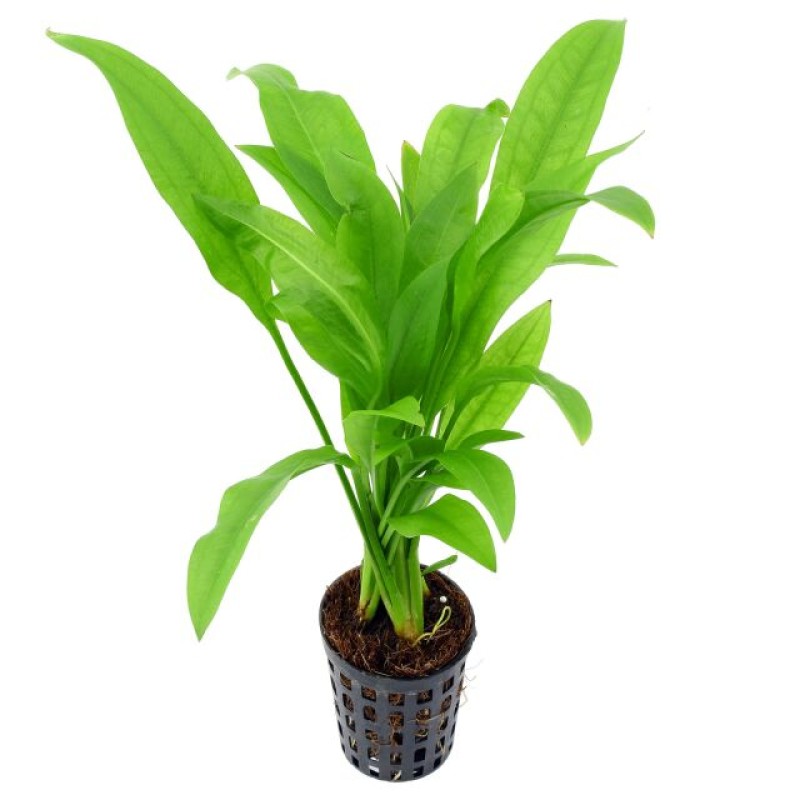
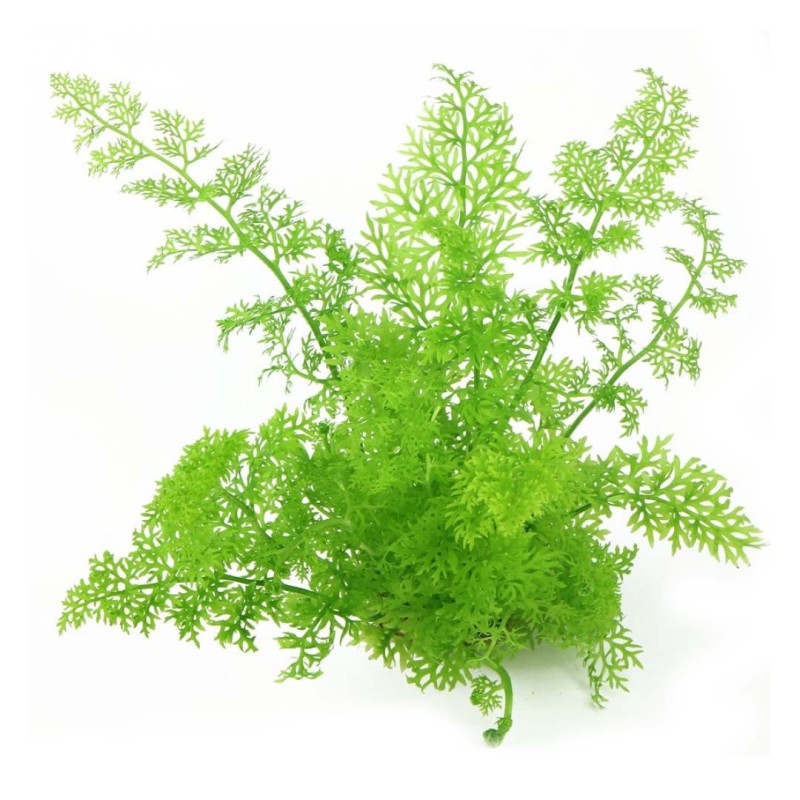
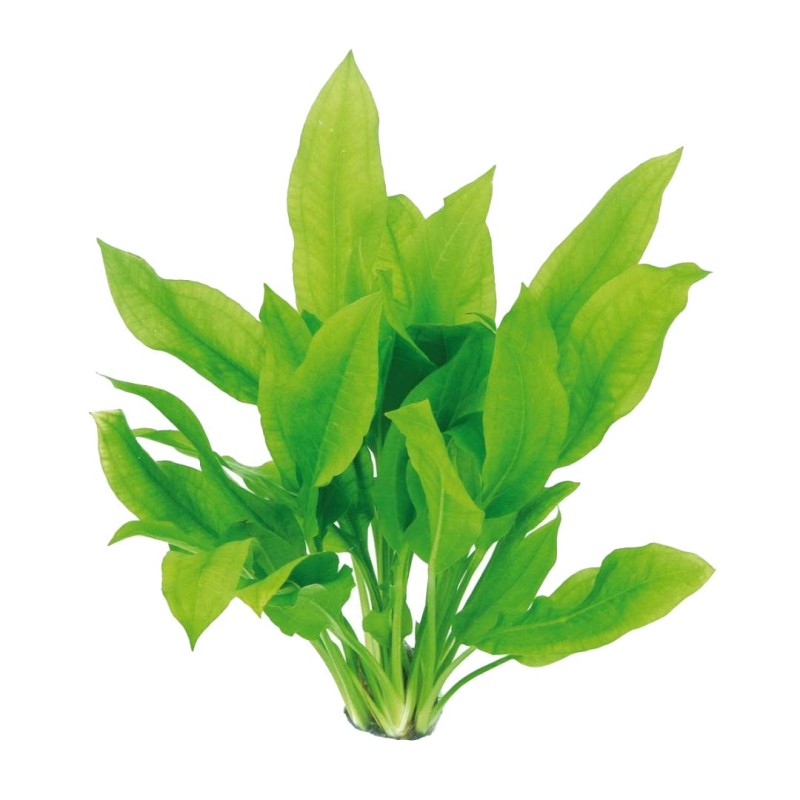
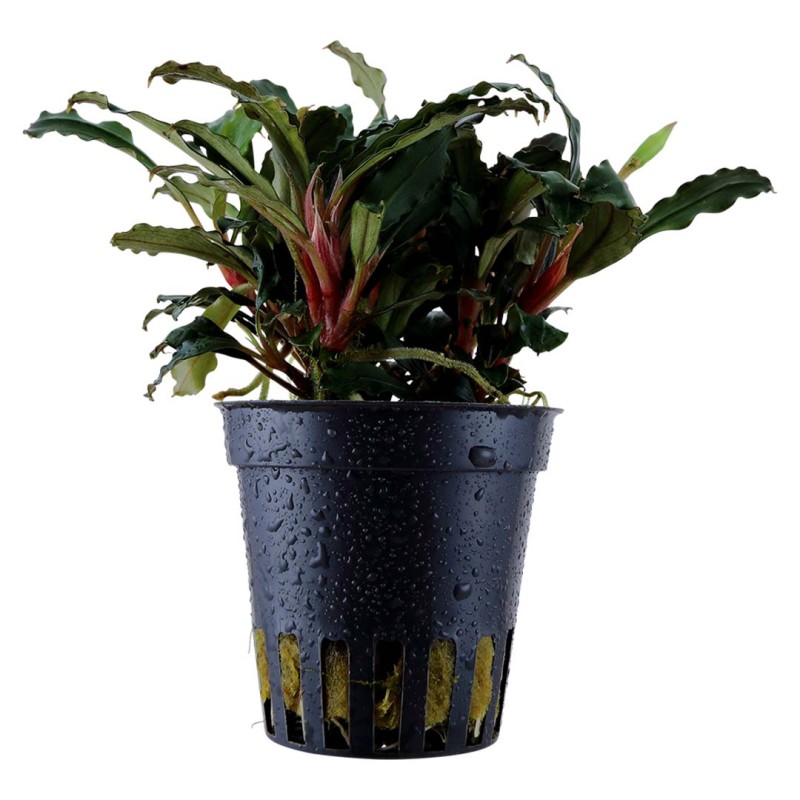
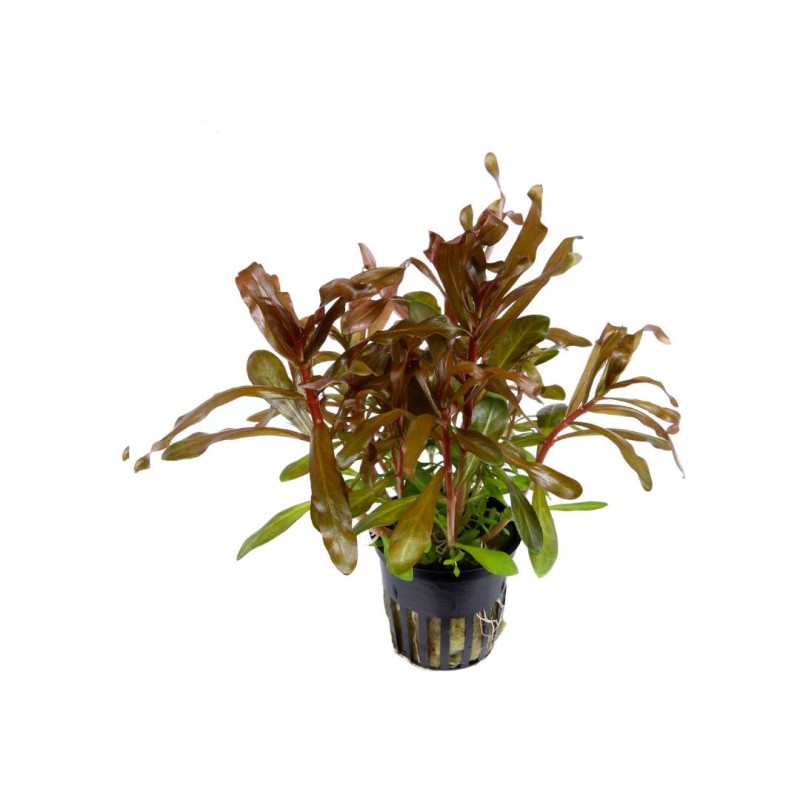
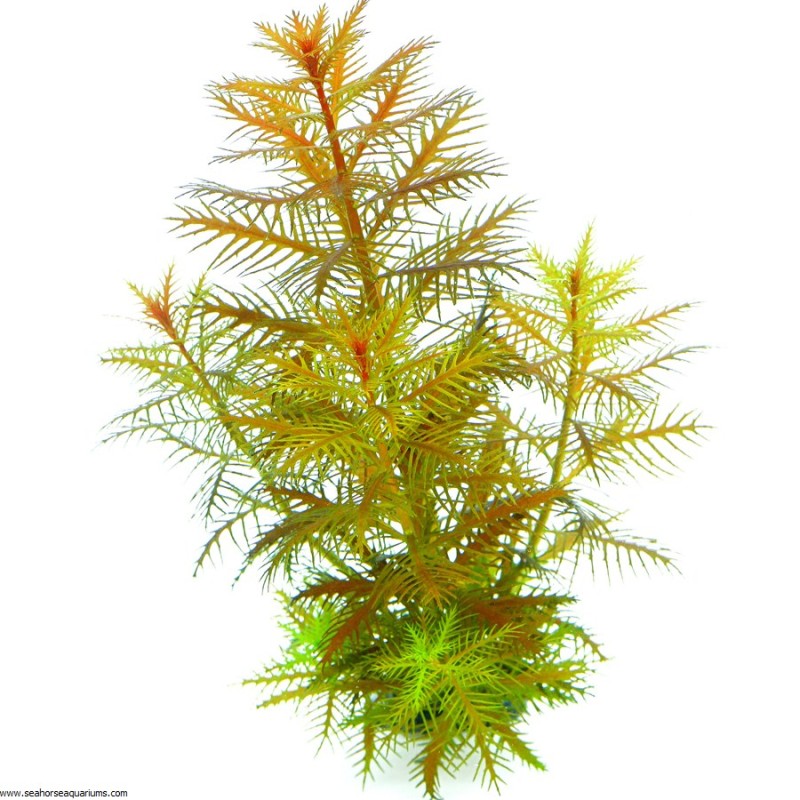
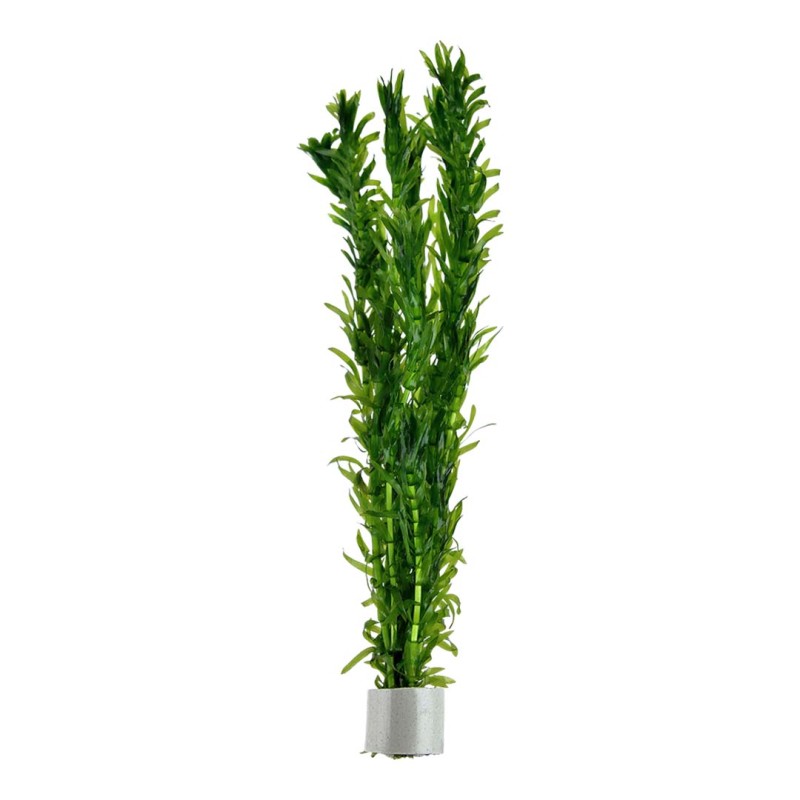
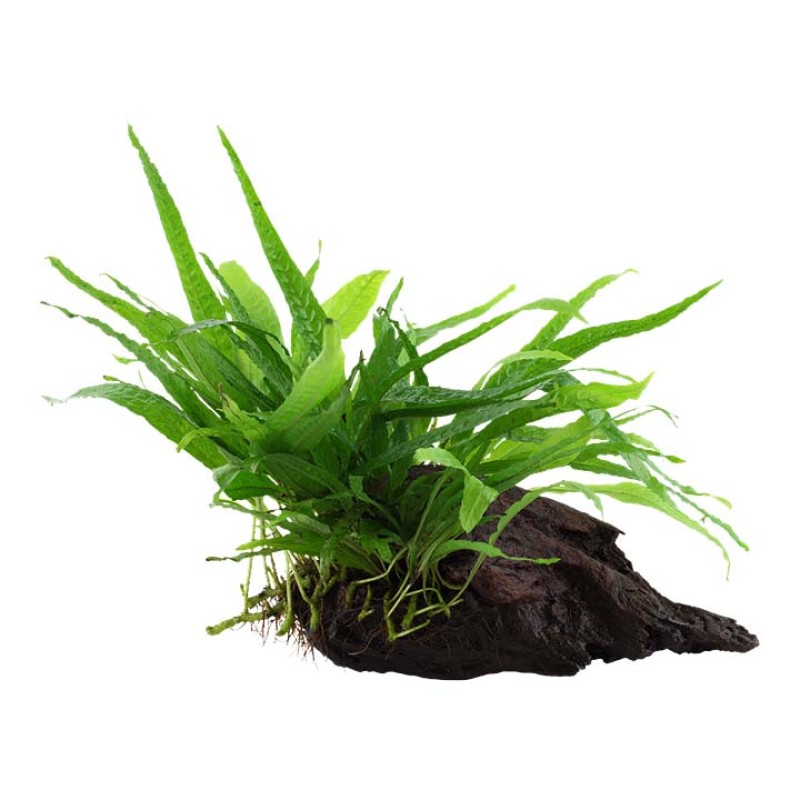
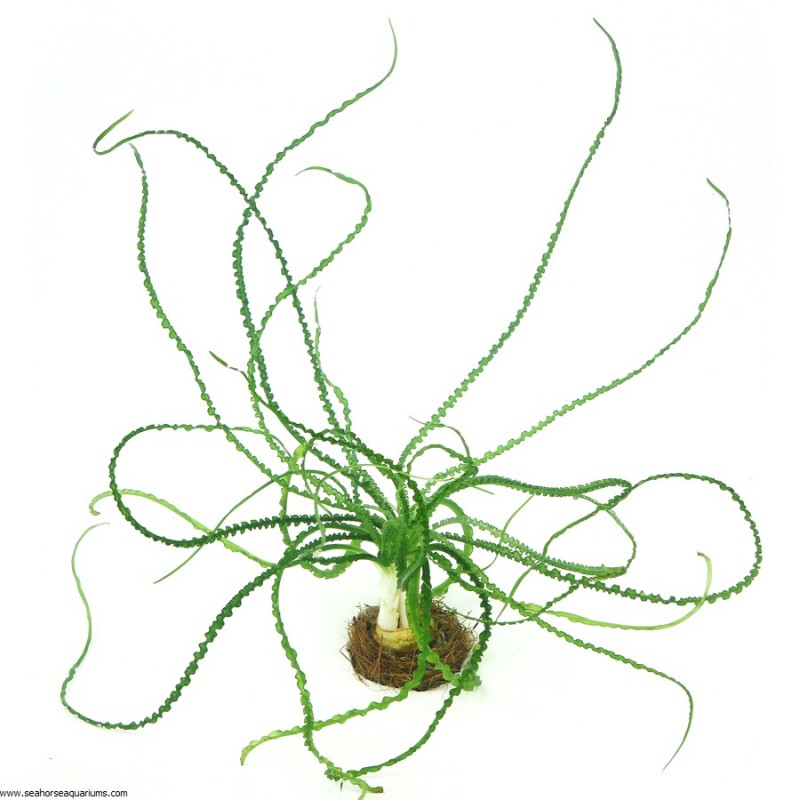
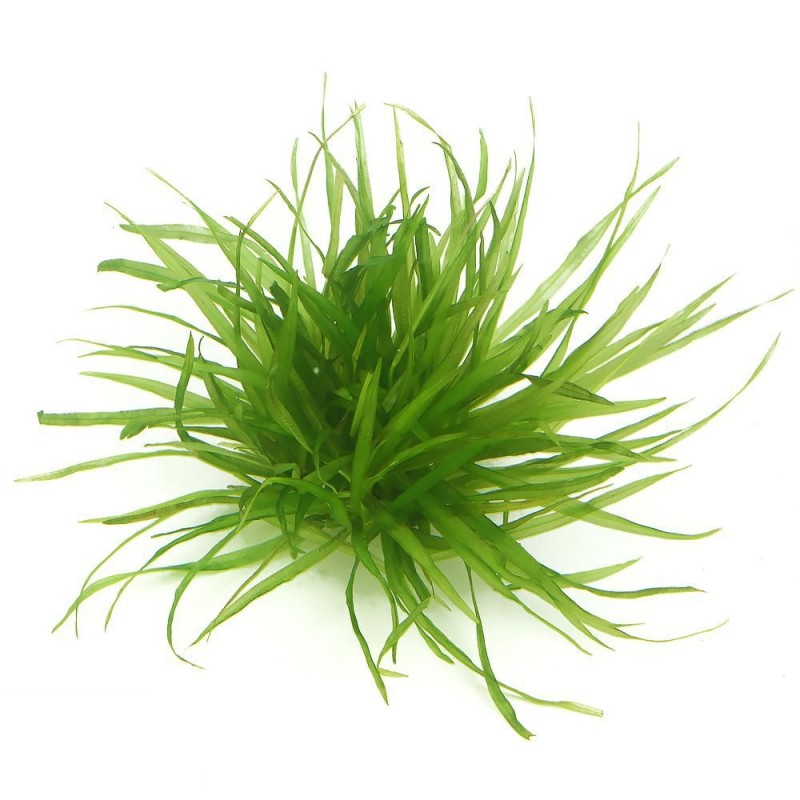
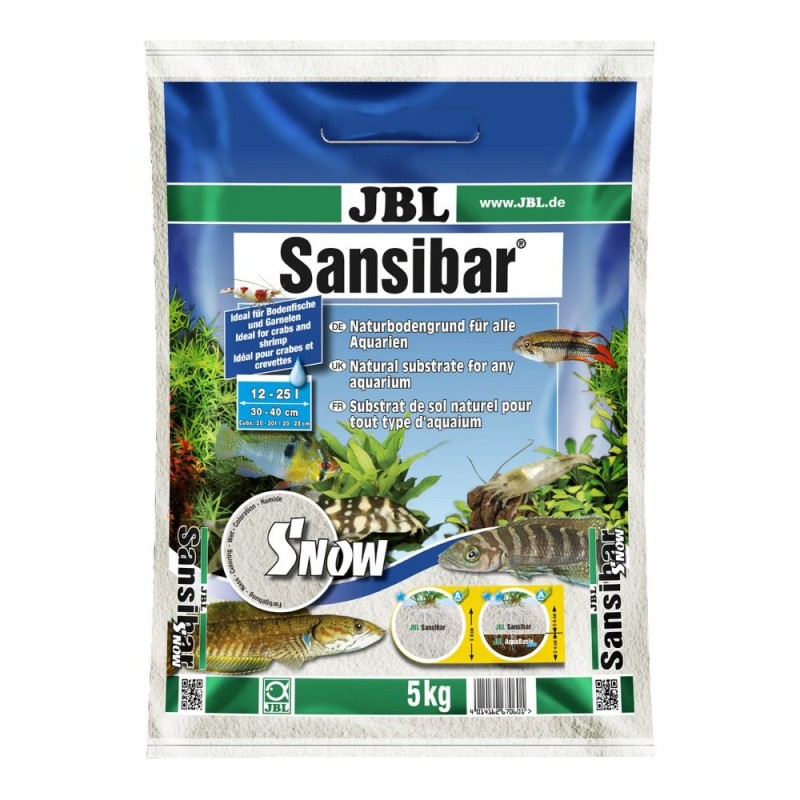
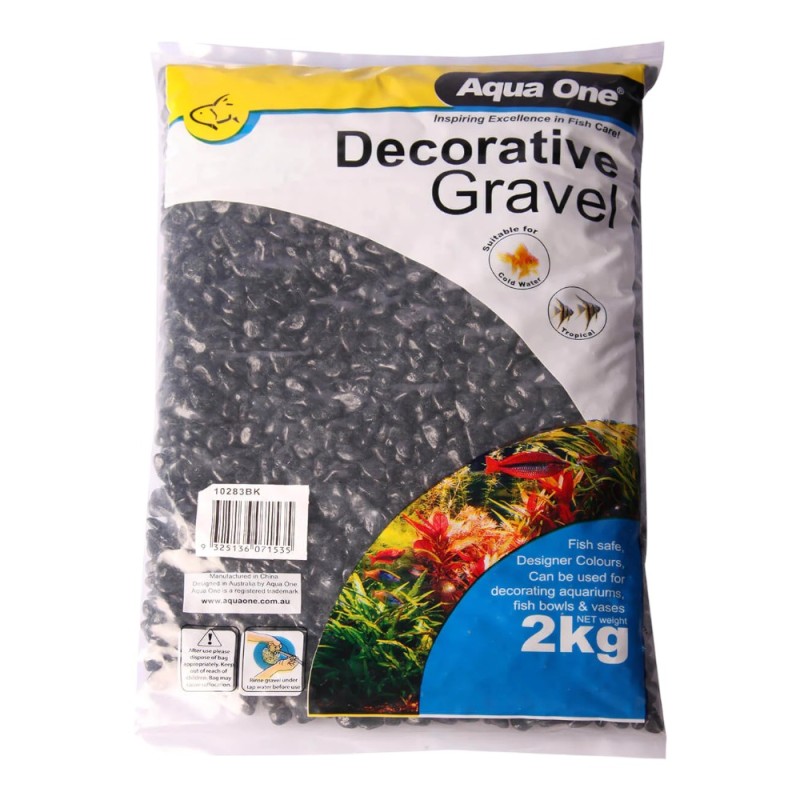
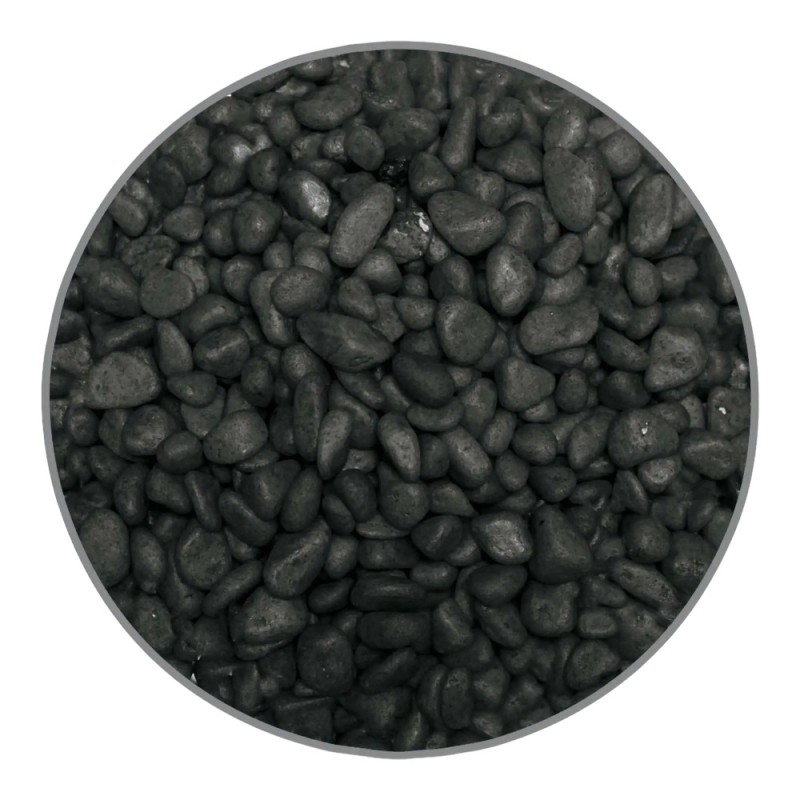
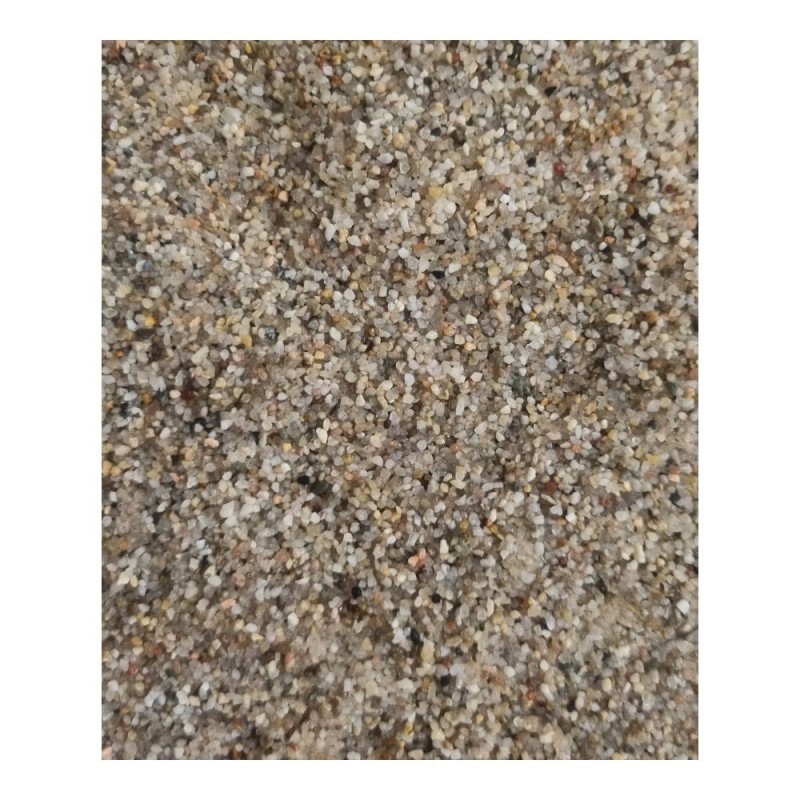
- Substrate and Plants: Marble Angelfish prefer a well-planted tank with soft substrate such as fine sand or gravel. Live plants such as Amazon swords, Vallisneria, or Java ferns provide a natural environment and also serve as hiding places.
- Lighting: Moderate lighting works well for Marble Angelfish, and they display their colors more vividly under subdued or indirect light.
- Filtration: A good filtration system is essential to maintain water quality, but ensure that the water flow is gentle, as angelfish prefer calm waters.
Diet:
Marble Angelfish are omnivores and need a varied diet to thrive. Their diet should consist of:
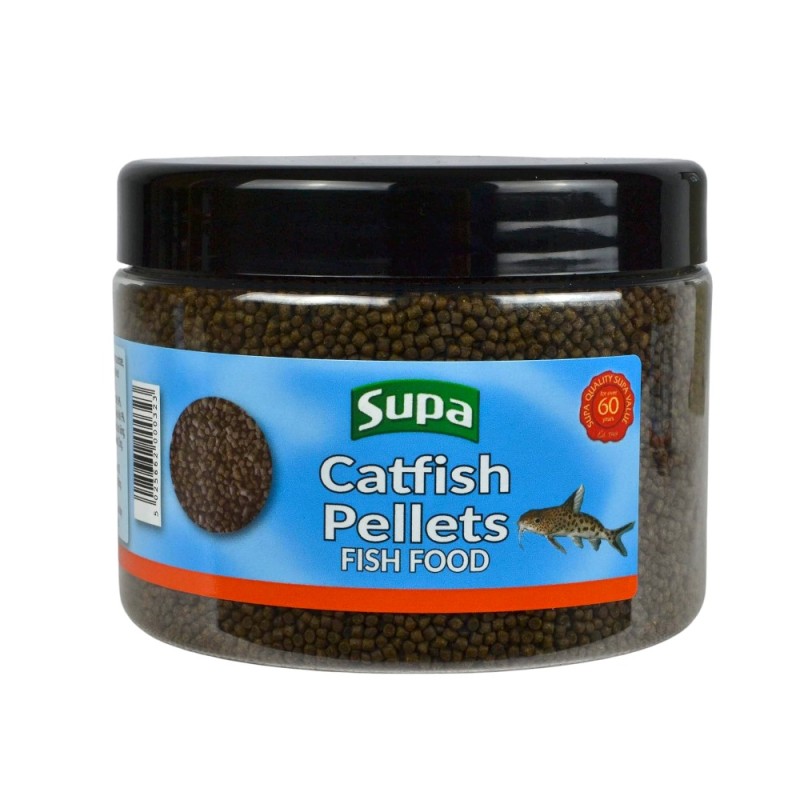
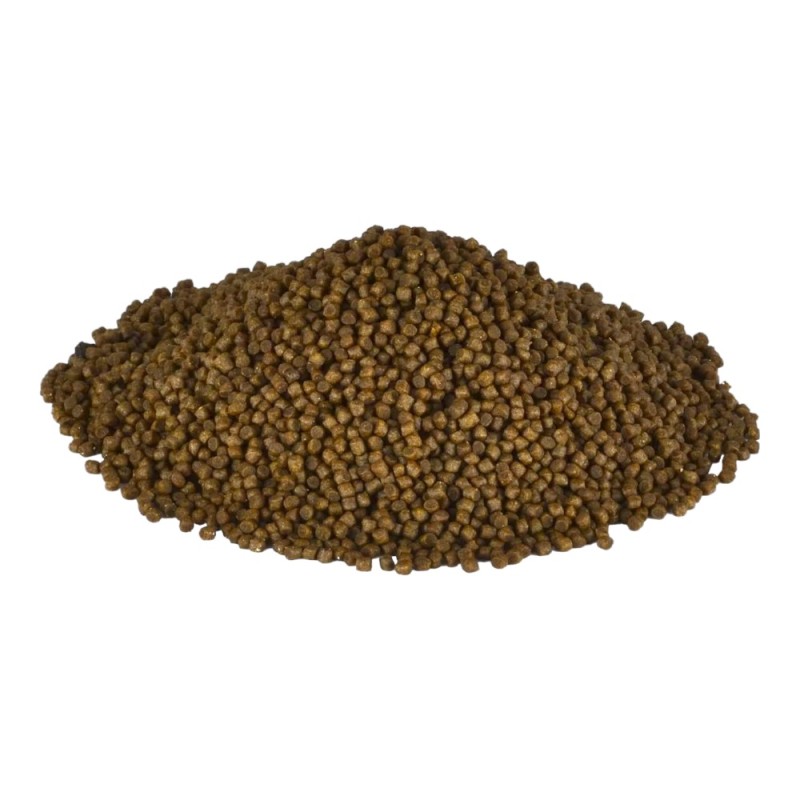
- Pellets or Flakes: High-quality angelfish flakes or pellets formulated for cichlids make up a good staple diet.
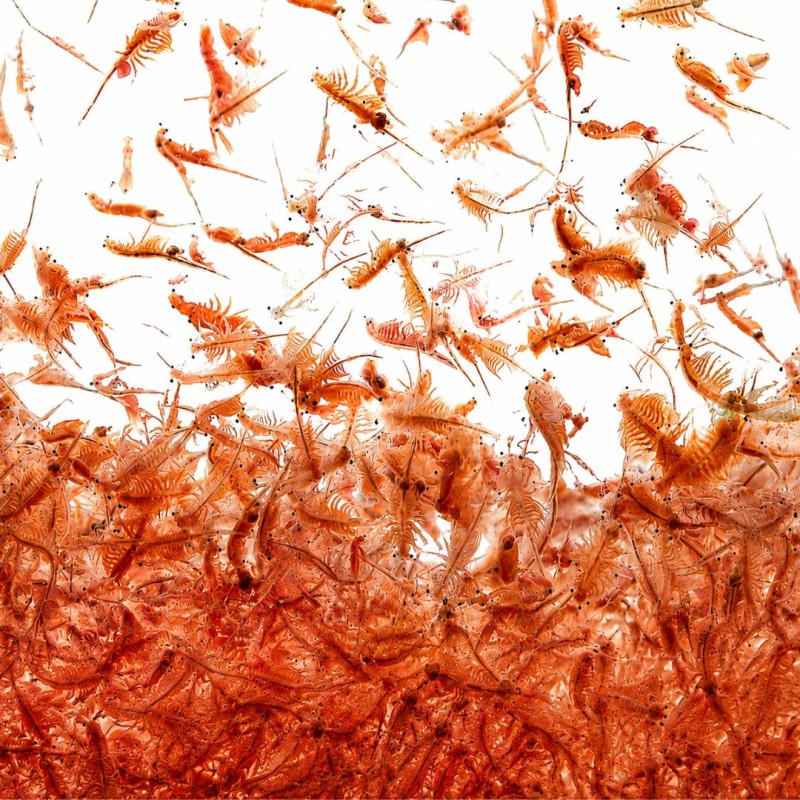
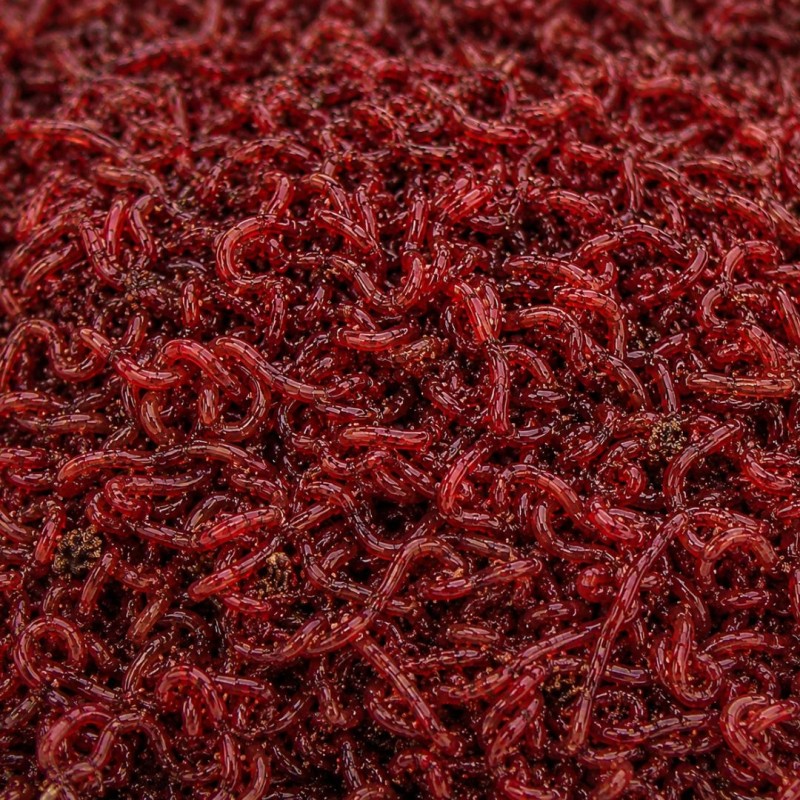
- Live or Frozen Foods: They enjoy live or frozen foods such as bloodworms, brine shrimp, daphnia, and mosquito larvae, which provide protein and help enhance their coloration.
- Vegetables: Occasional plant-based foods such as spirulina or blanched vegetables like spinach can be added to their diet to ensure proper nutrition.
It’s best to feed them small amounts 2-3 times a day to prevent overfeeding and to maintain water quality.
Tankmates:
Marble Angelfish can coexist with many peaceful fish species, provided that they are not small enough to be considered prey. Good tankmates include:
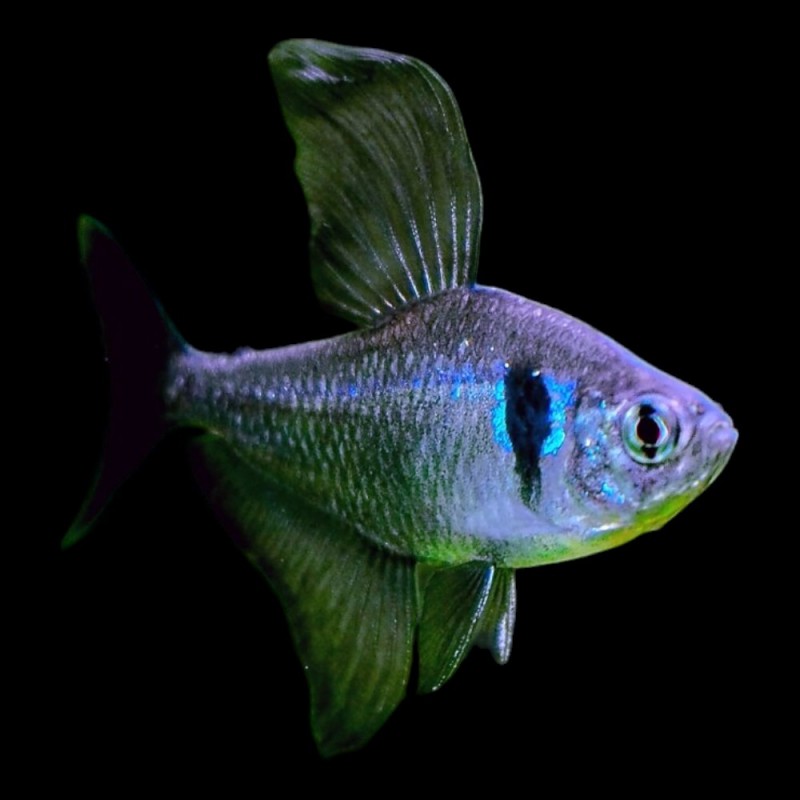
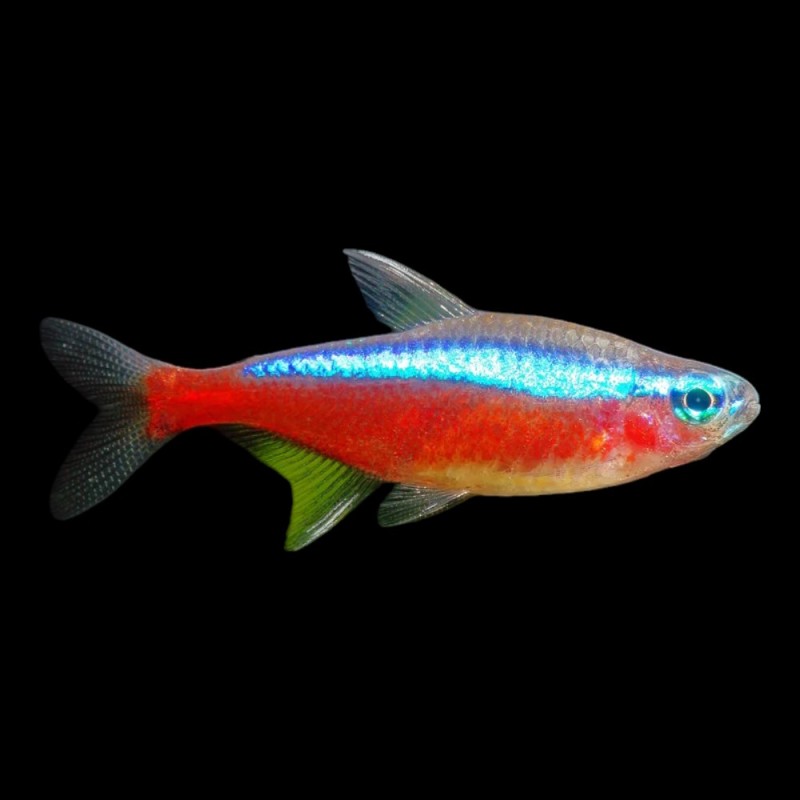
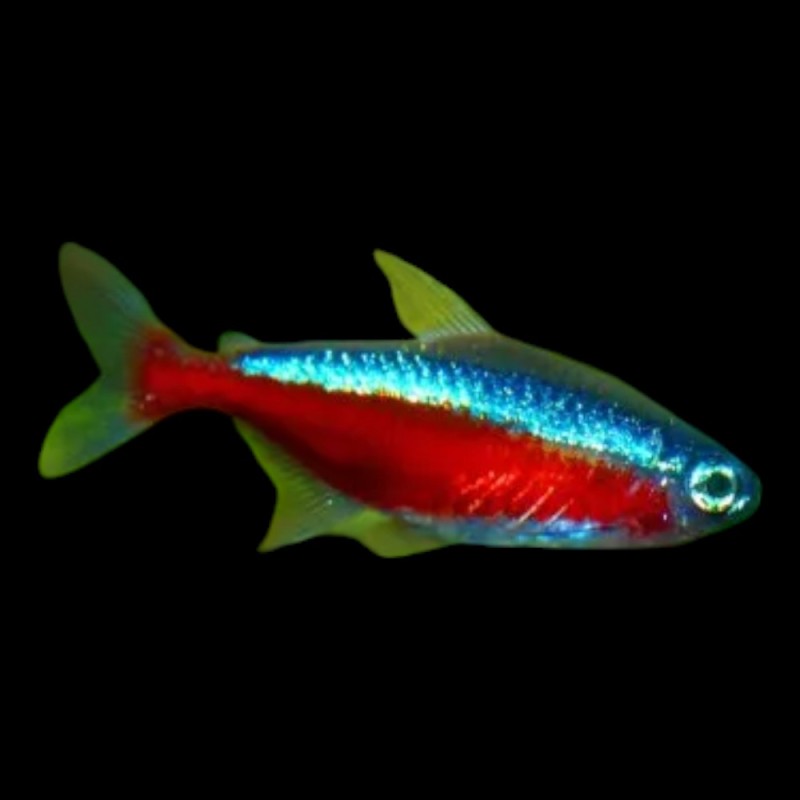
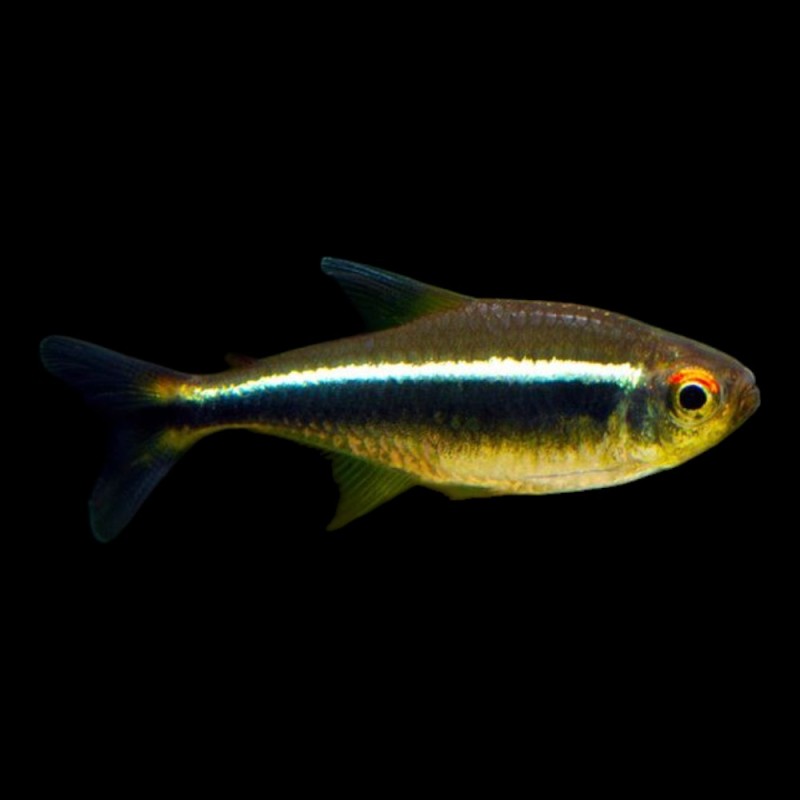
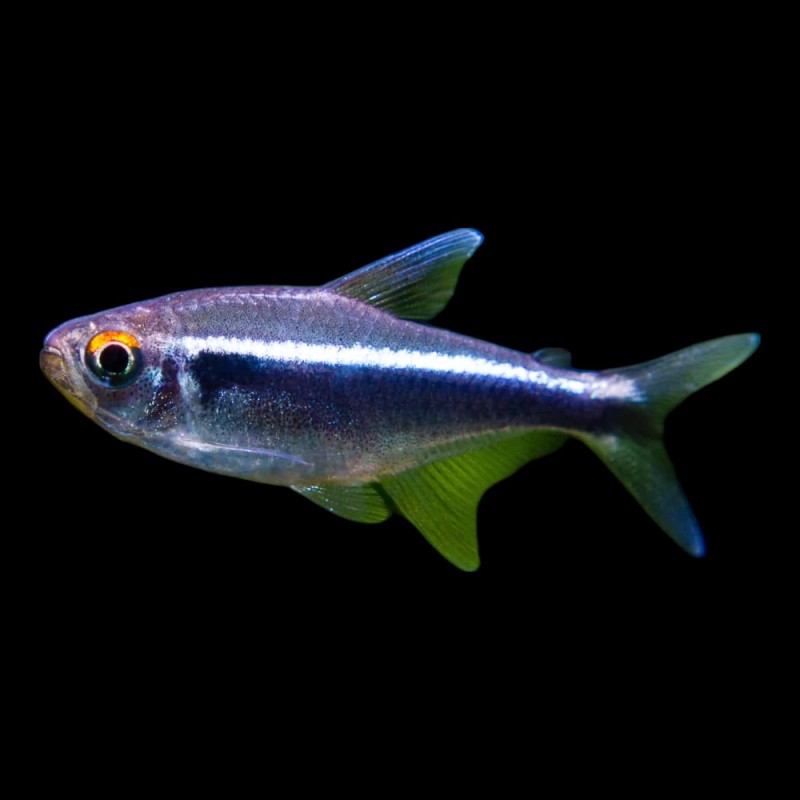
- Tetras (larger species like black skirt or cardinal tetras)
- Gouramis
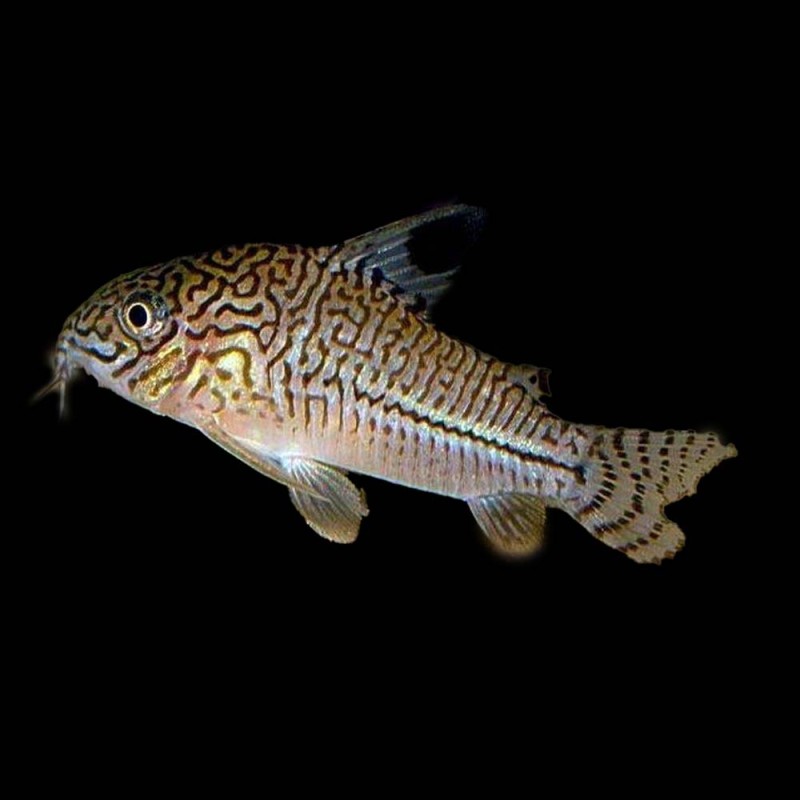
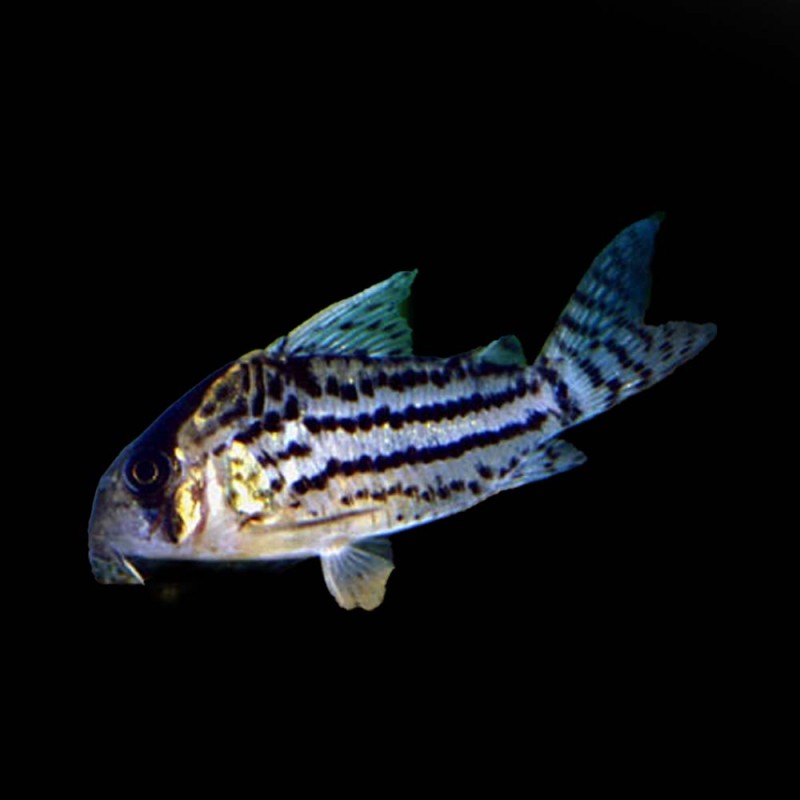
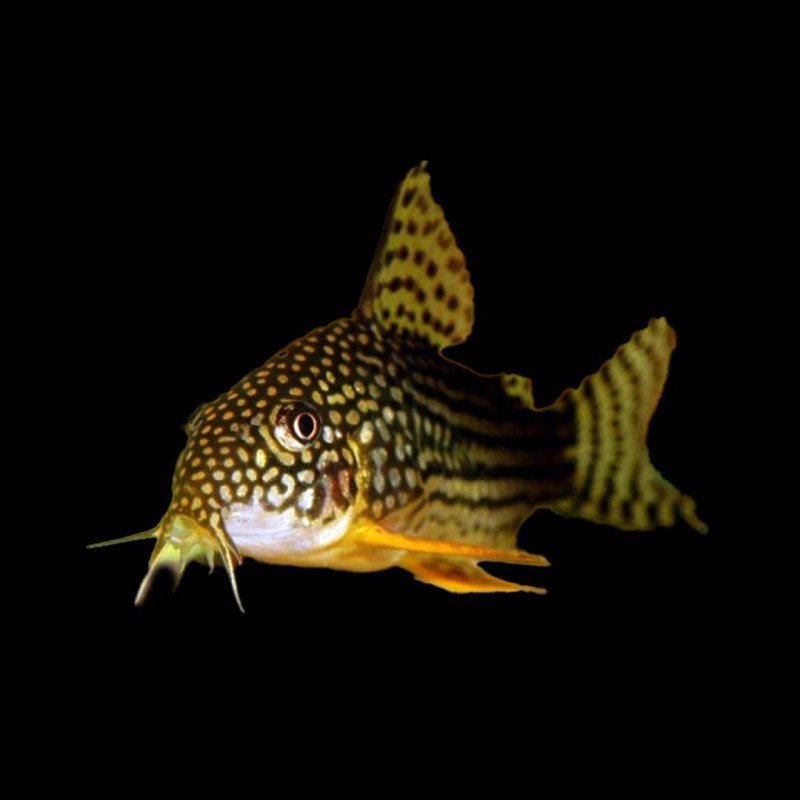
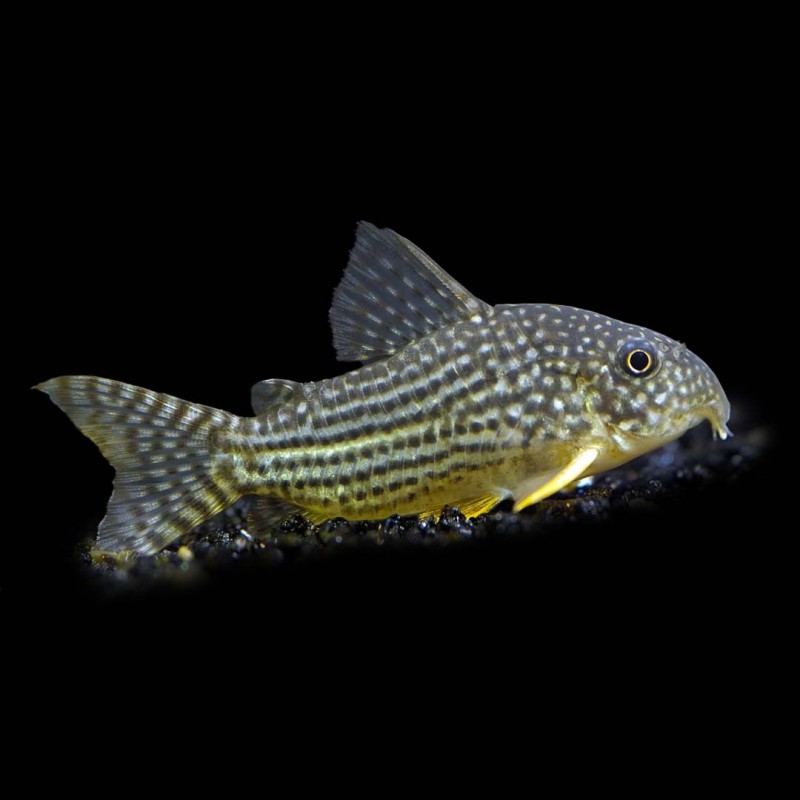
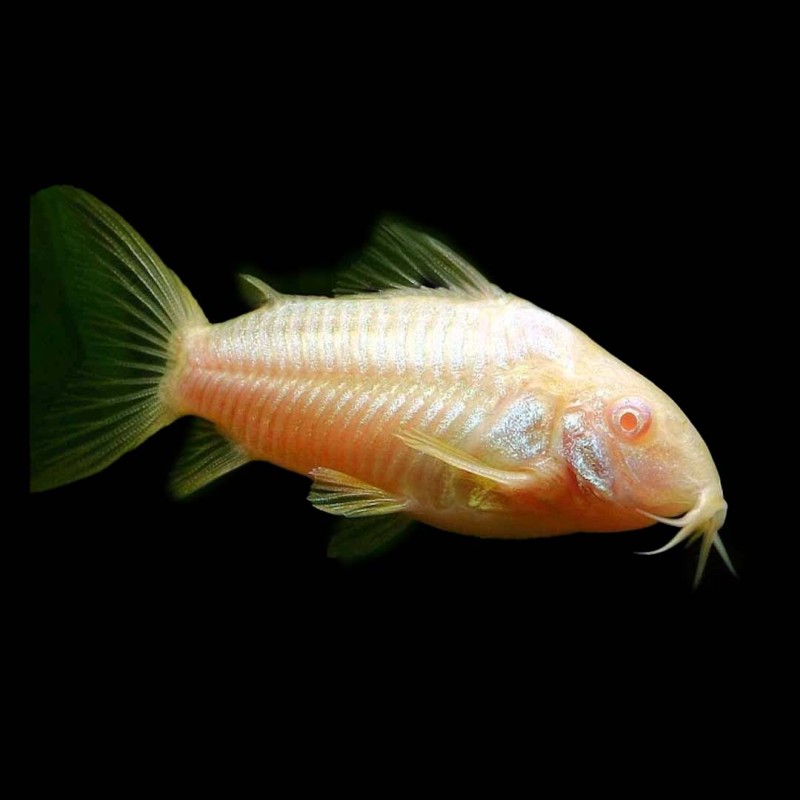
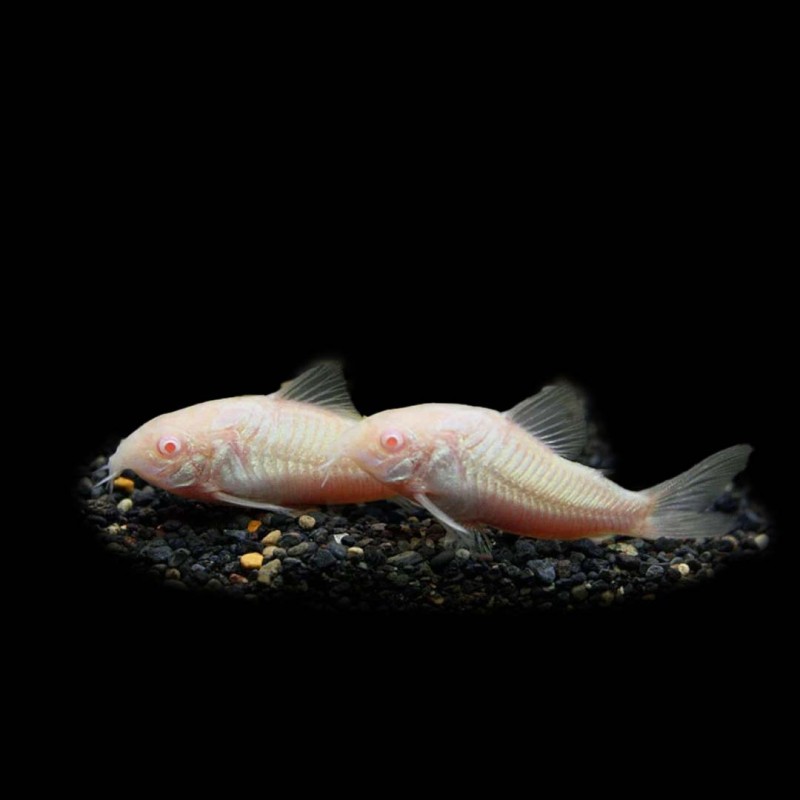
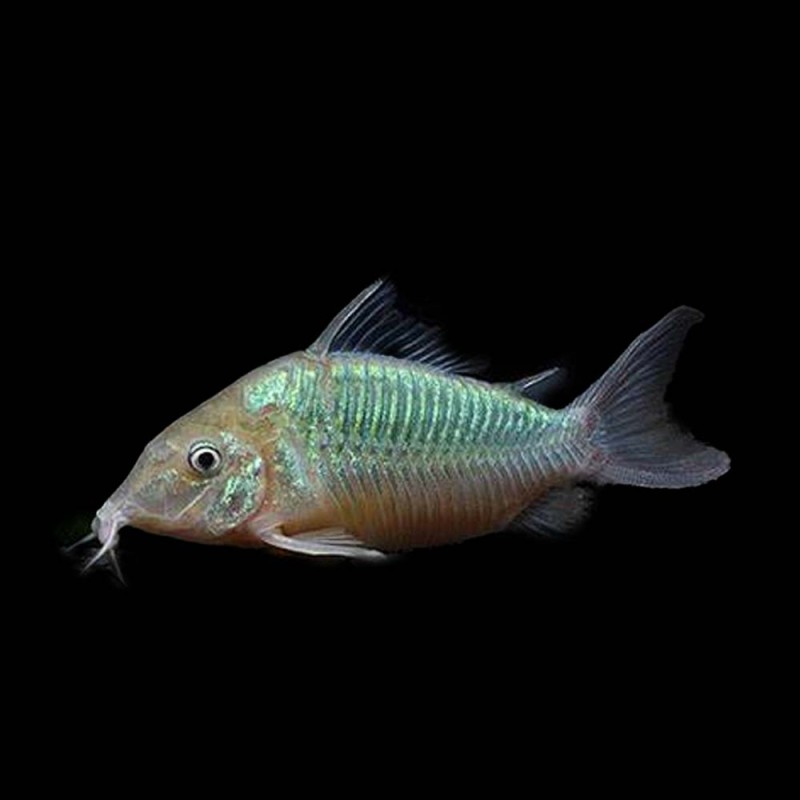
- Corydoras catfish
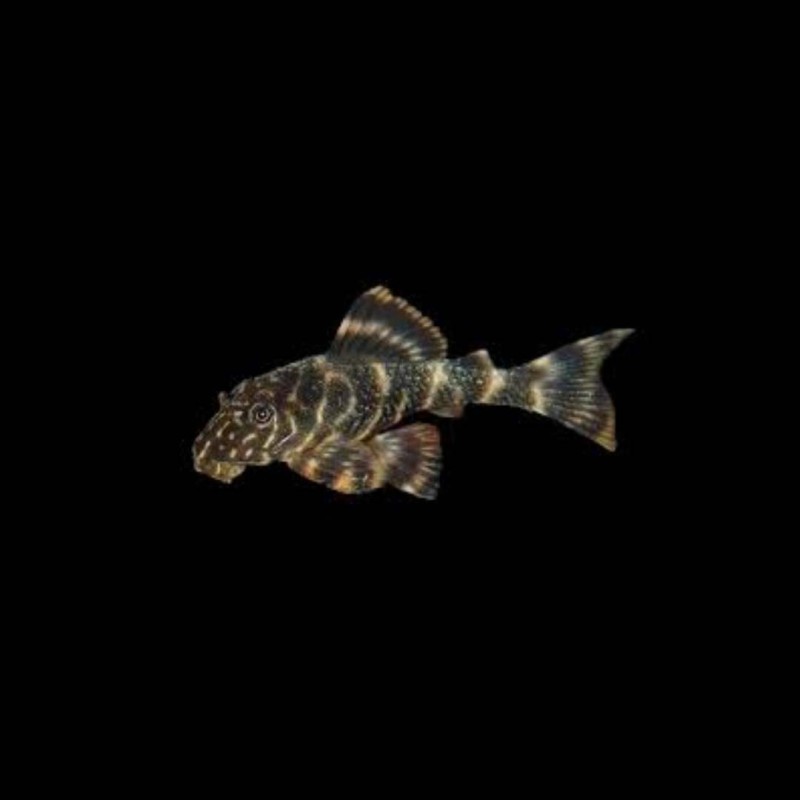
- Plecos
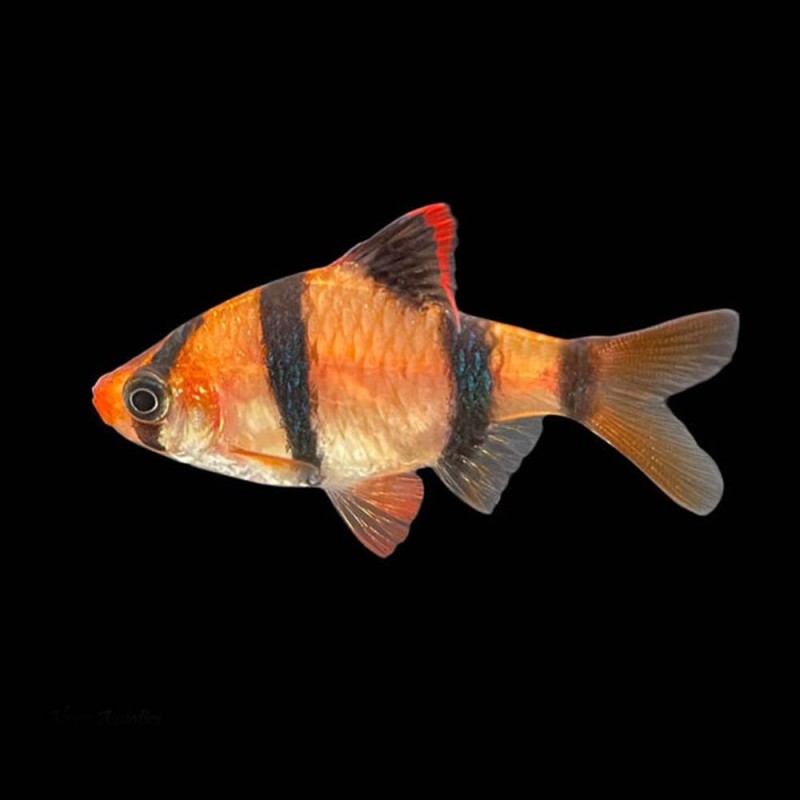
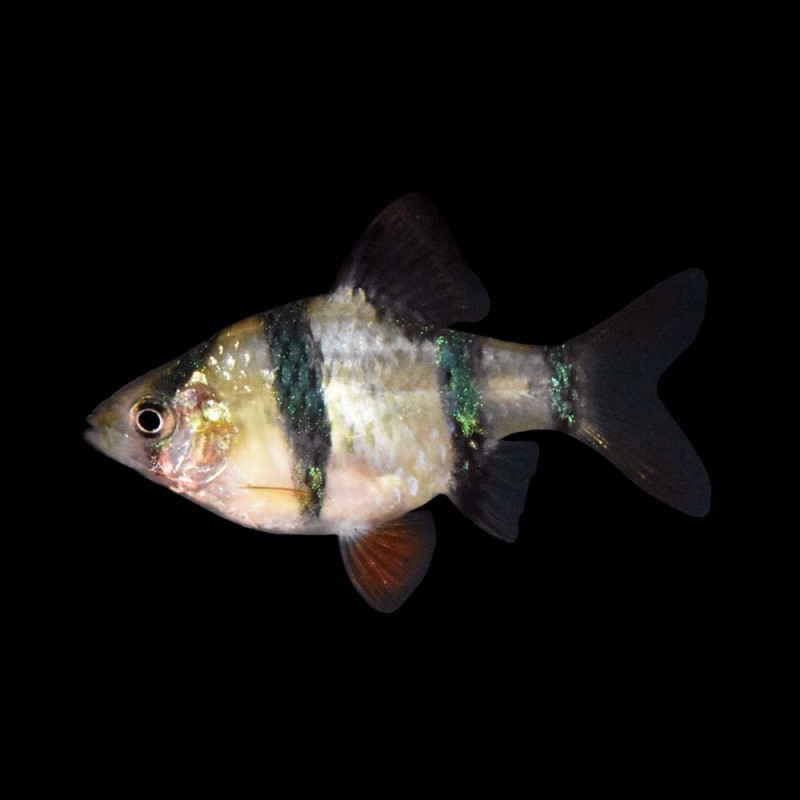
- Avoid fin-nipping species like tiger barbs and aggressive fish like large cichlids, as they can damage the angelfish’s fins or cause stress.
Breeding:
Marble Angelfish are known to breed in captivity, especially when kept in ideal conditions.
- Pair Formation: Angelfish form monogamous pairs. When a pair is ready to breed, they will select a flat surface, such as a broad leaf or the side of the aquarium, on which to lay eggs.
- Egg Laying: The female will lay rows of eggs, which the male will fertilize. Both parents will guard the eggs diligently, fanning them with their fins to keep them clean and oxygenated.
- Raising Fry: After the eggs hatch, the parents will continue to care for the fry. The fry can be fed with baby brine shrimp or specialized fry food until they are large enough to eat crushed flake food.
Special Considerations:
- Fin Health: Due to their long, delicate fins, Marble Angelfish can be prone to fin rot or damage if kept in poor water conditions or with fin-nipping fish. Regular water changes and close monitoring of tankmates will help prevent these issues.
- Aggression During Breeding: While generally peaceful, Marble Angelfish can become territorial and aggressive toward other fish during breeding. If this becomes an issue, it may be necessary to move the breeding pair to a separate tank.