

Menu
Menu
Your Cart

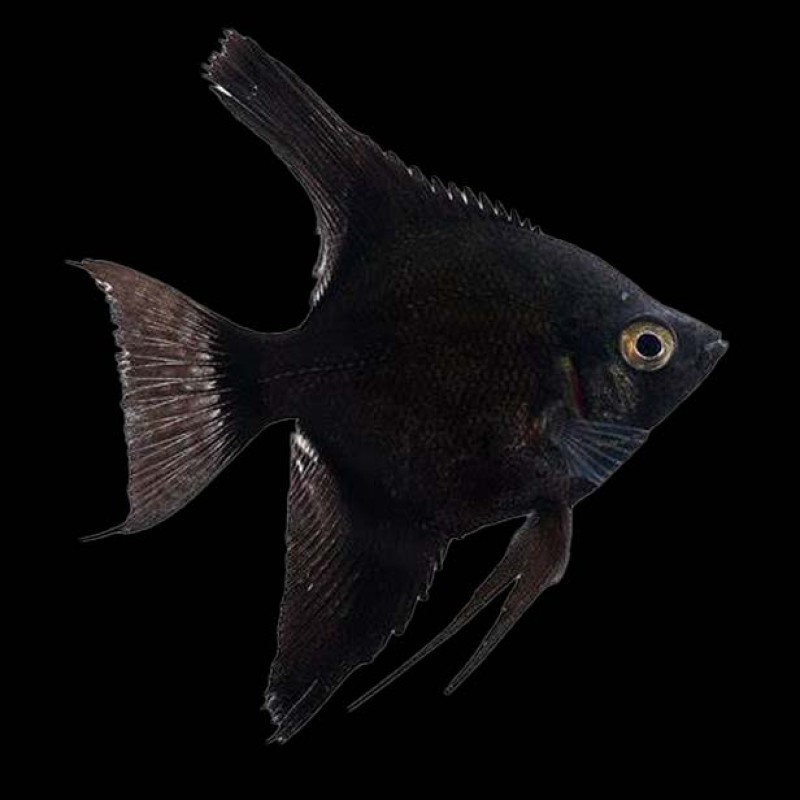
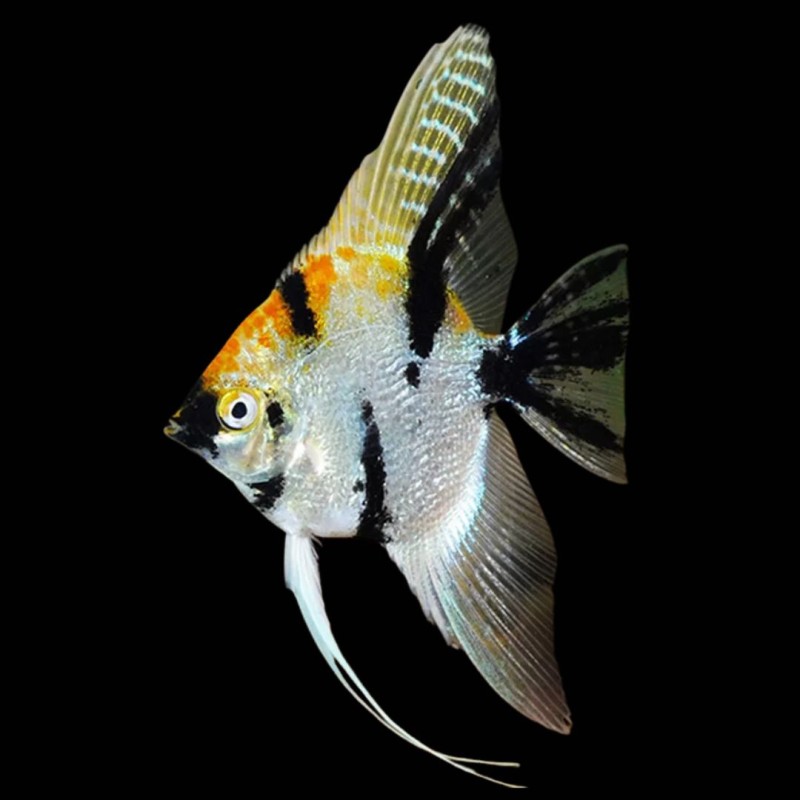
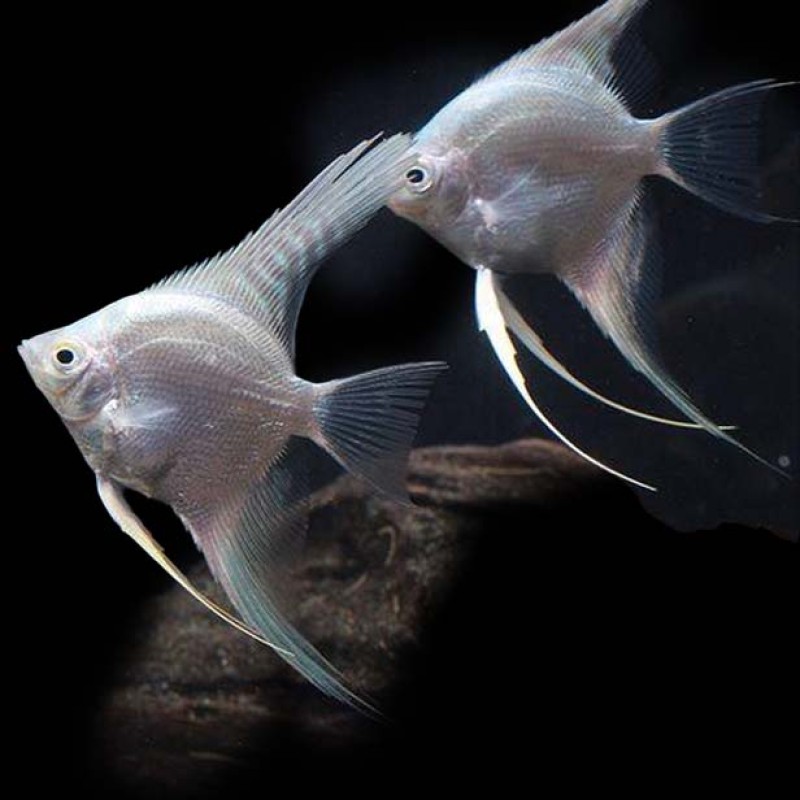
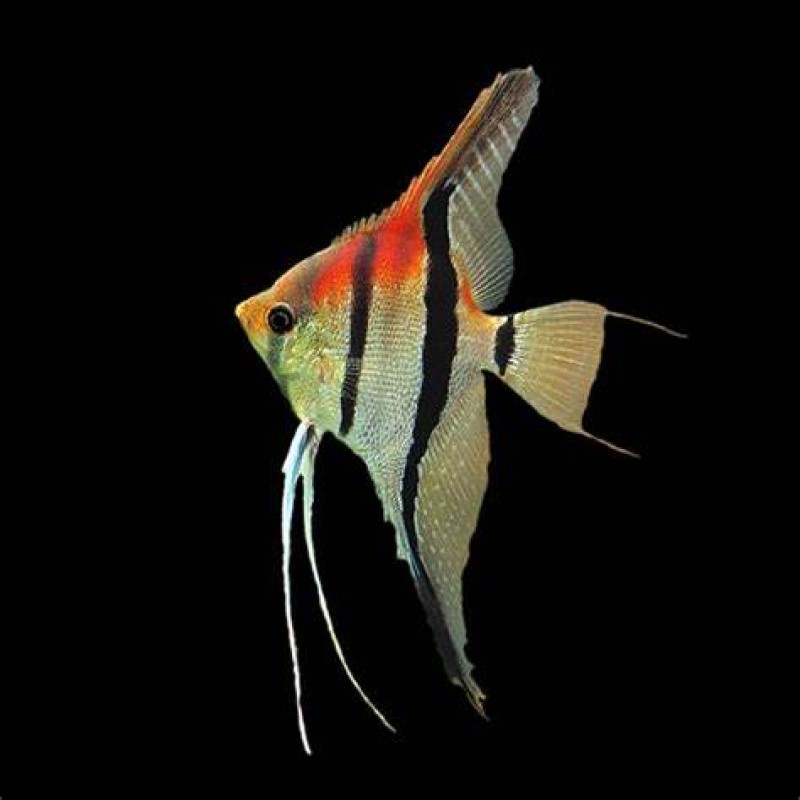
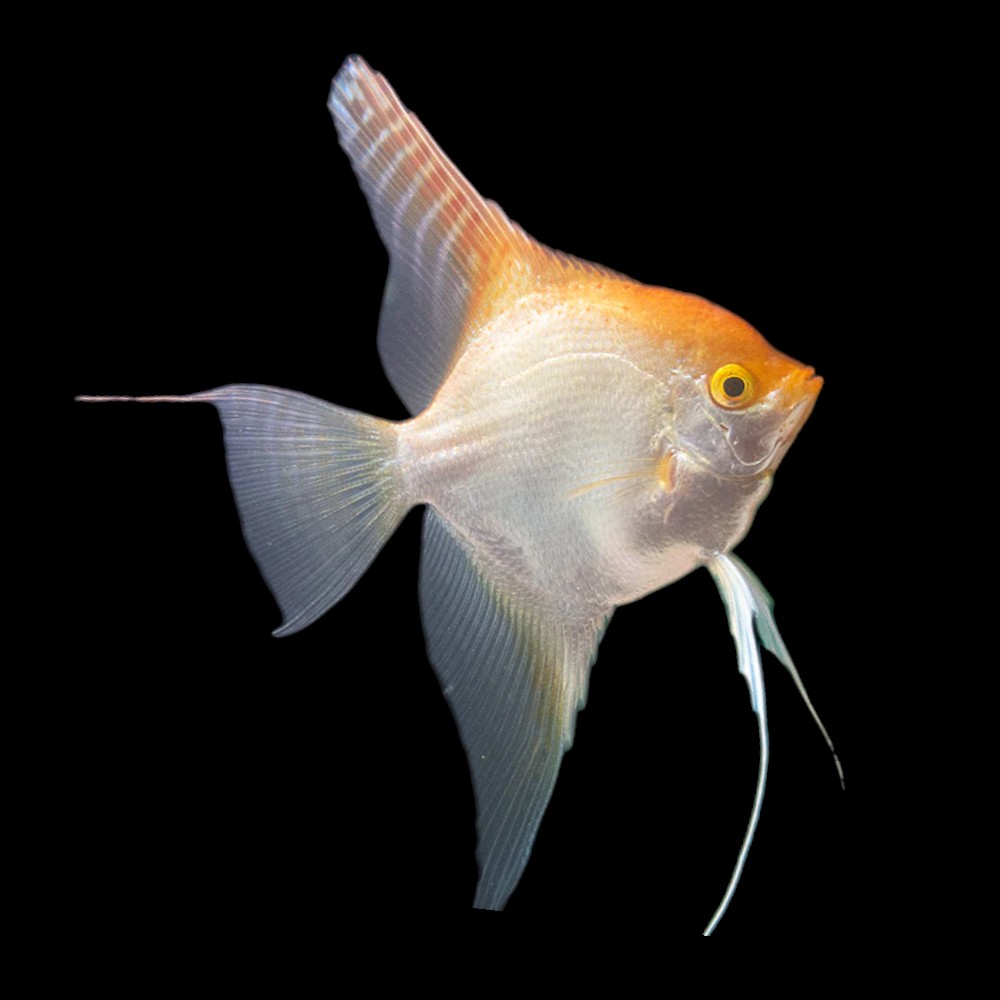
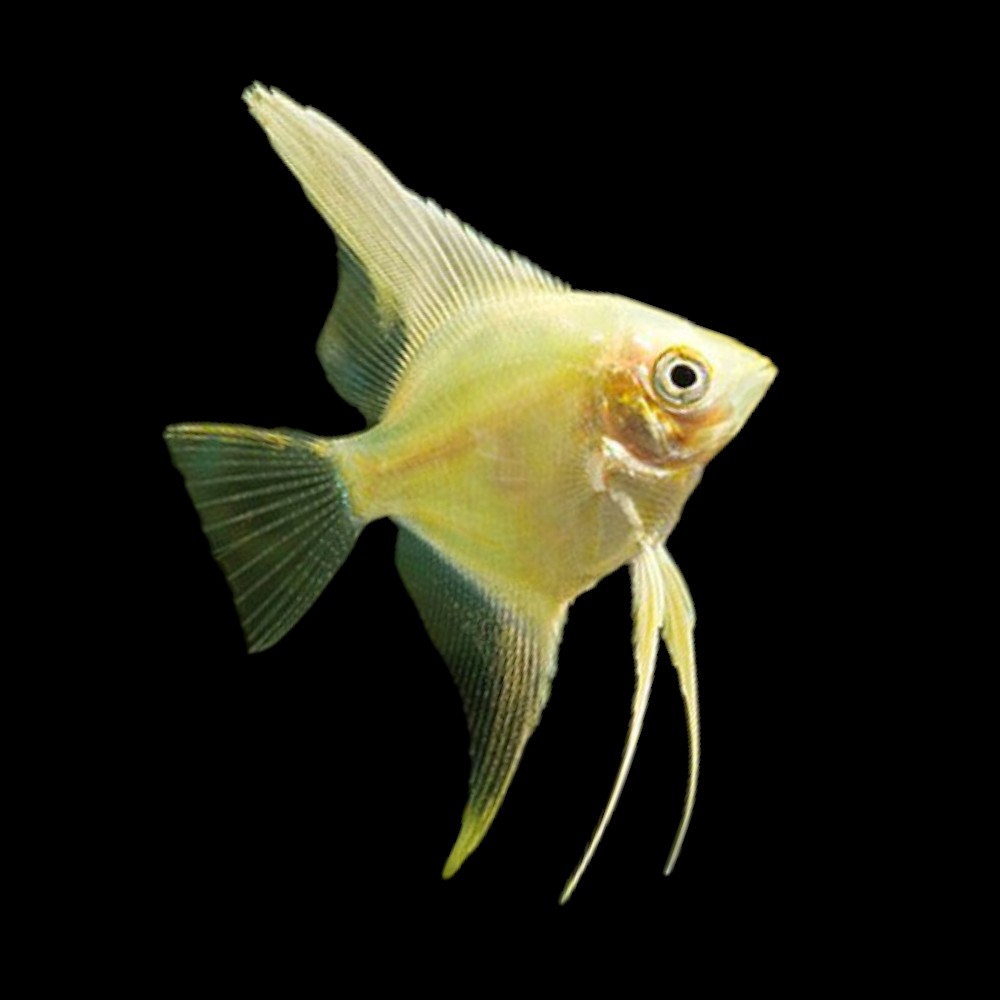
Gold Veil Tail Angelfish

Gold Veil Tail Angelfish
From €12.99
Ex Tax: €10.56
  • Stock: Generally In Stock
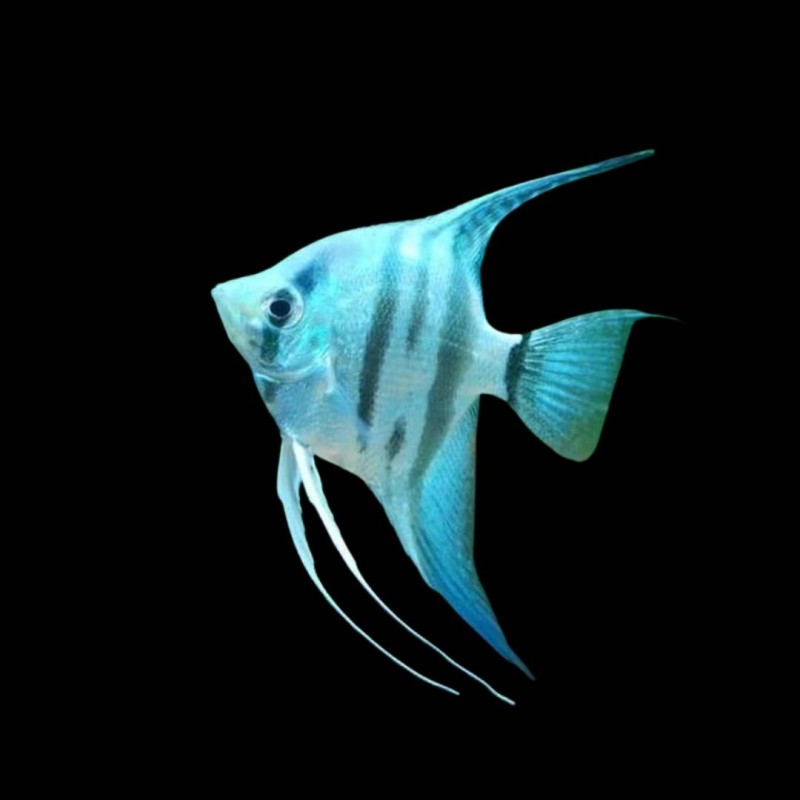
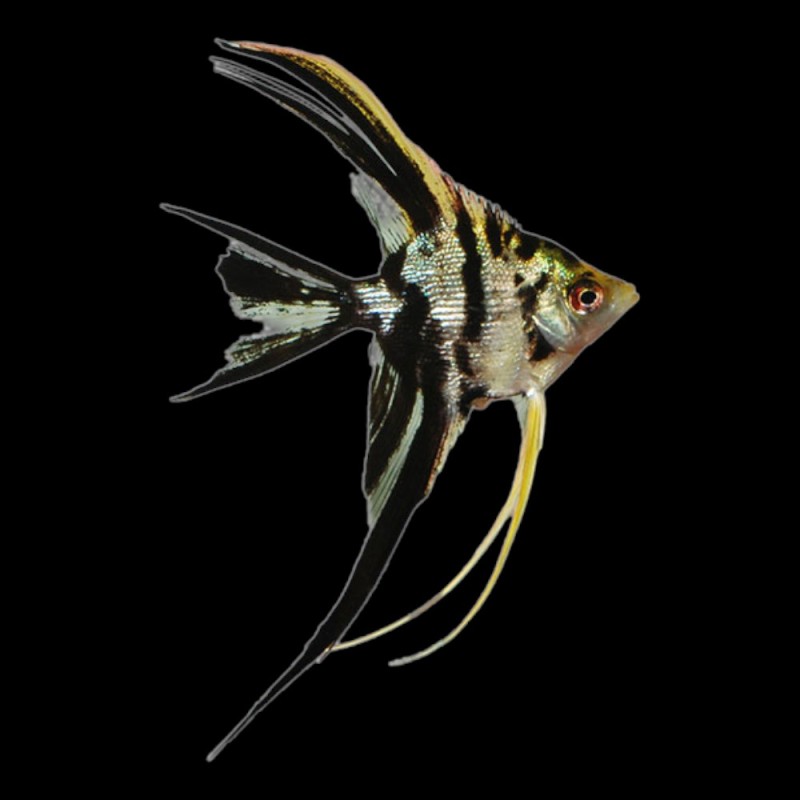
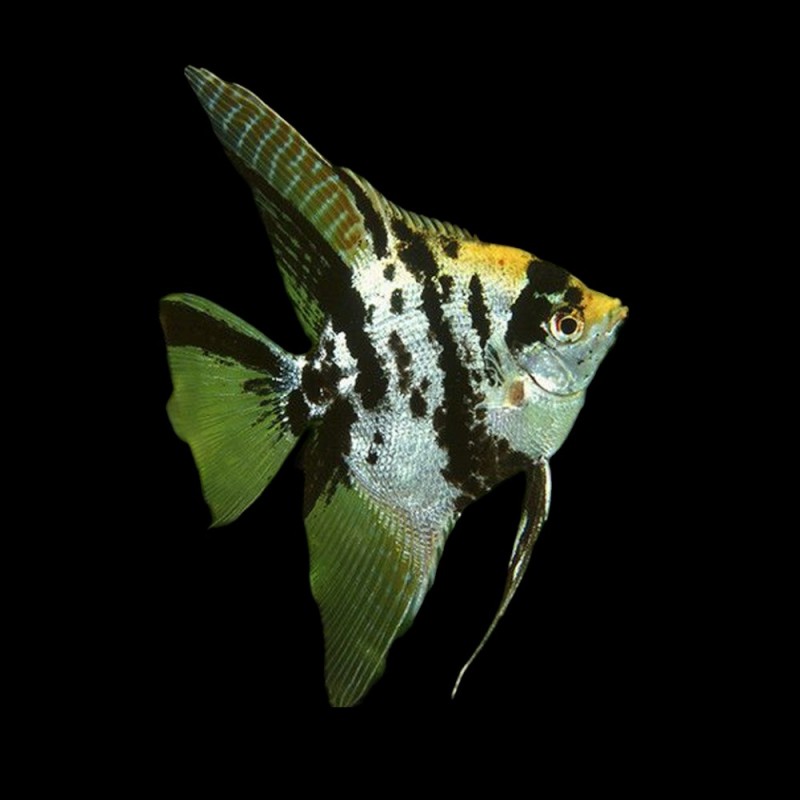
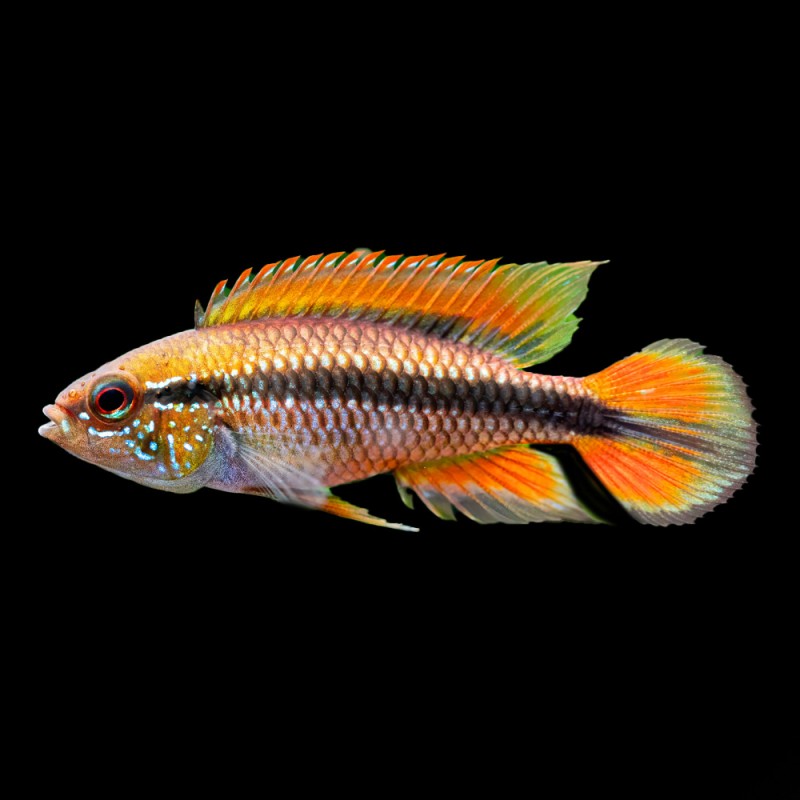
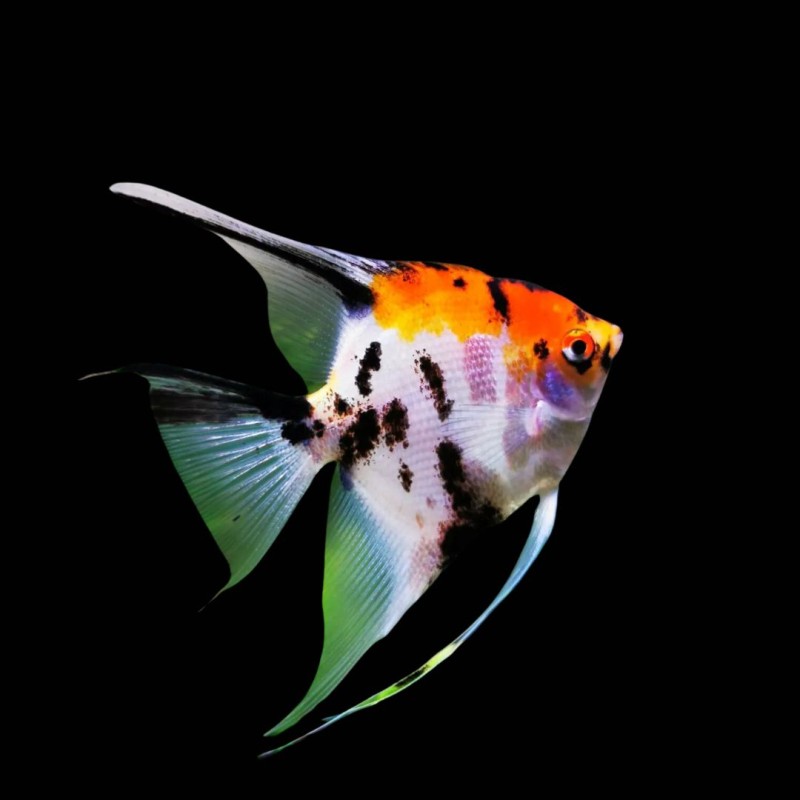
  • Please Note: Due to variations within species, your fish may not look identical to the image provided. Also note not all sizes or species may be available due to seasonality, Please call beforehand for up-to-date stock availability.

  • Model: GOLD VEIL TAIL ANGELFISH MATRIX
Available Options

Reset options

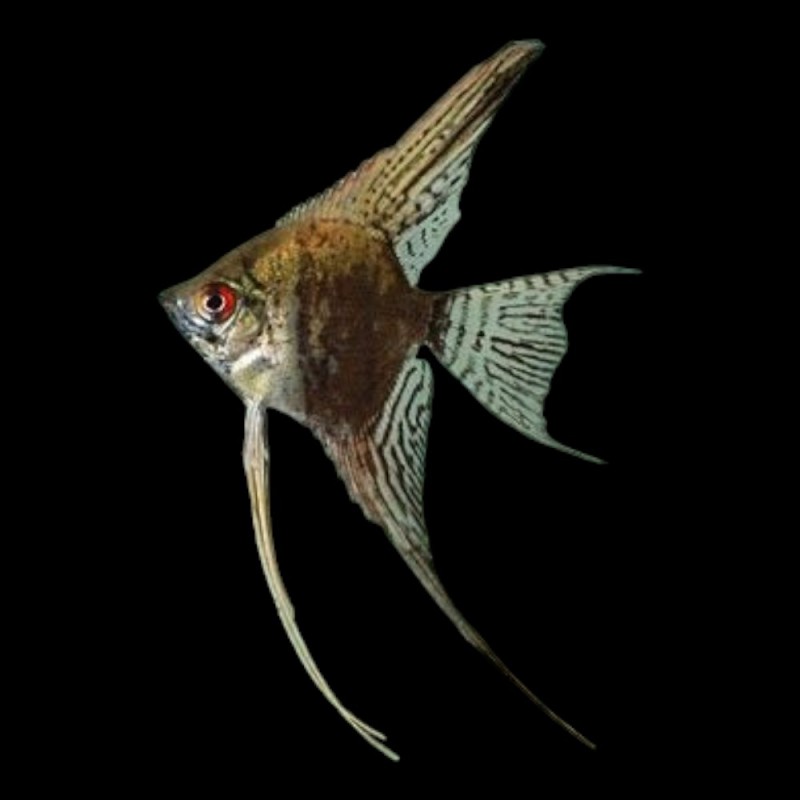
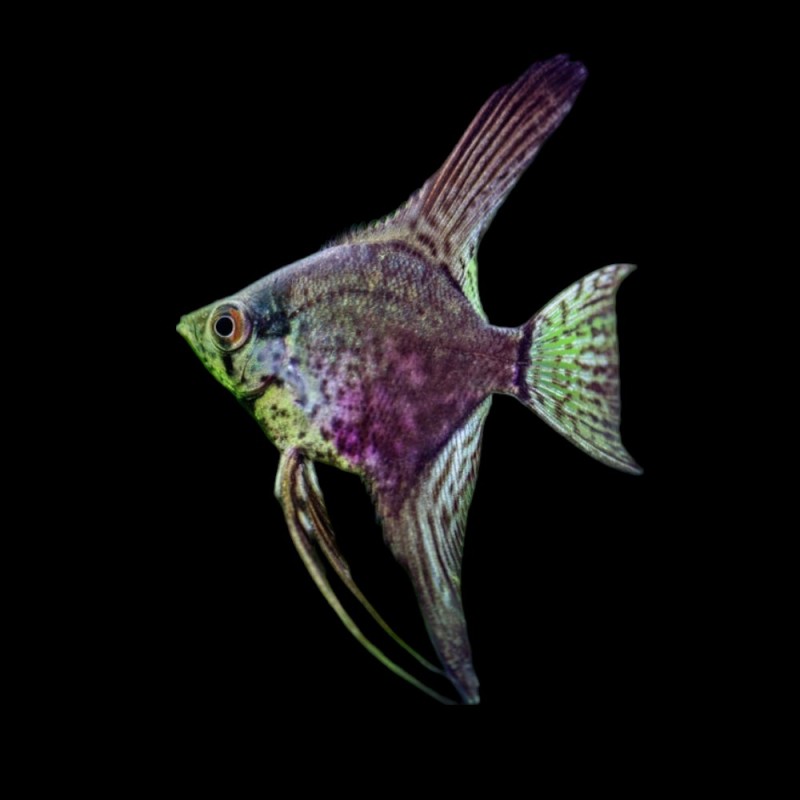
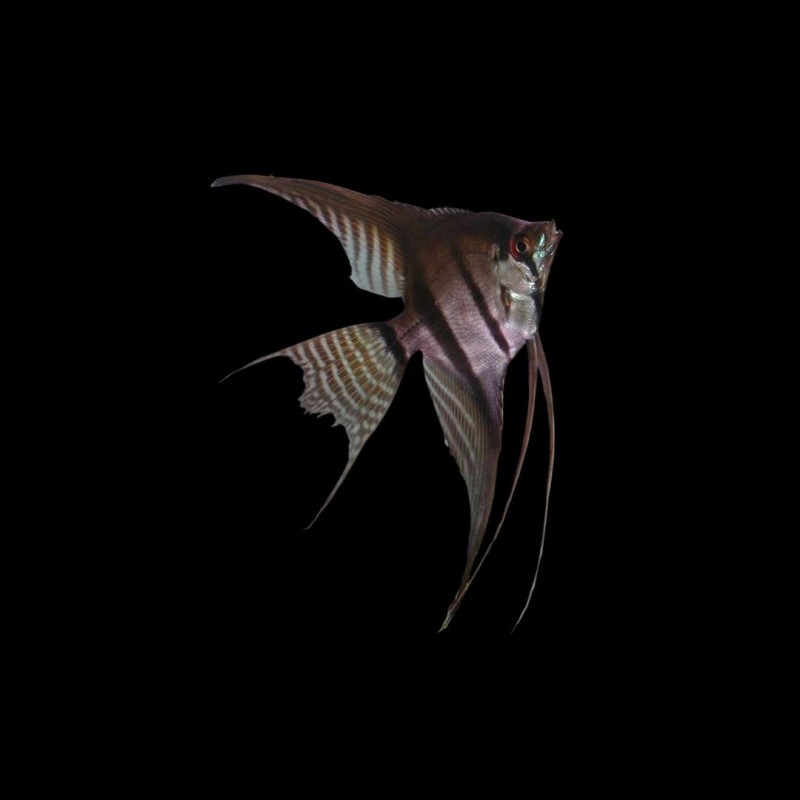
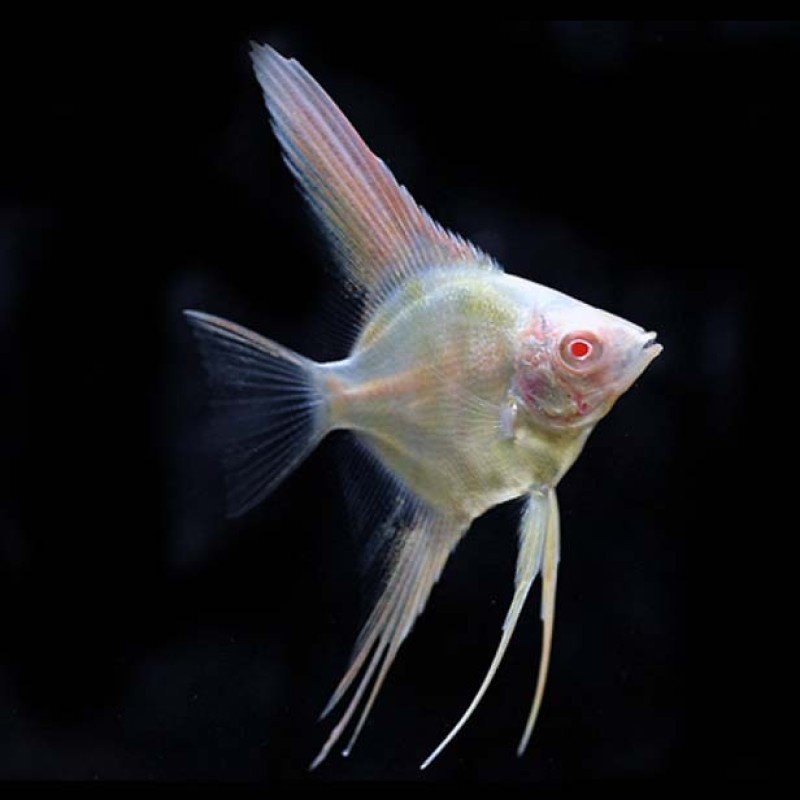
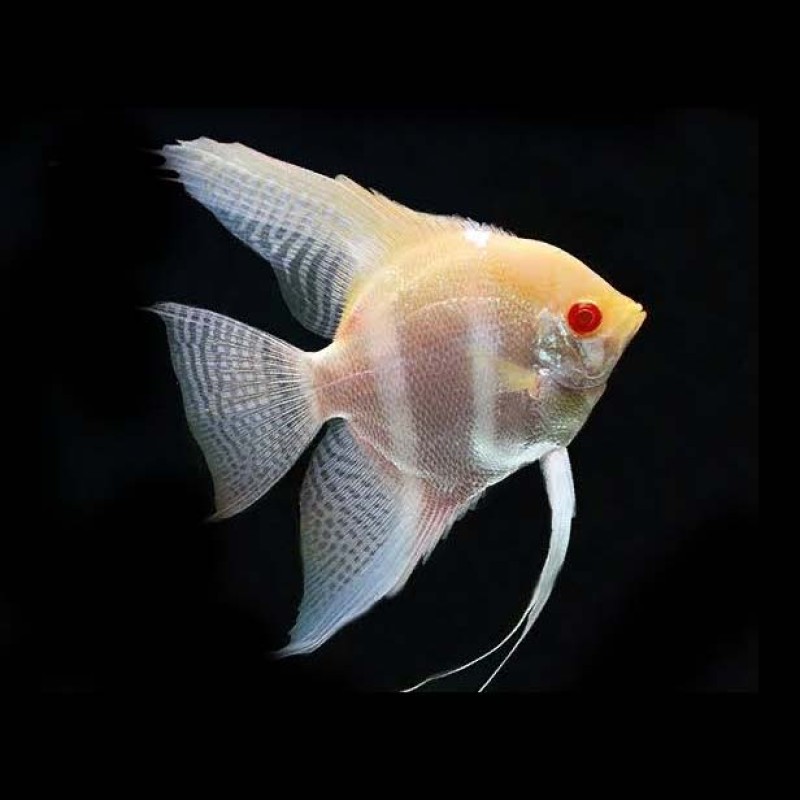
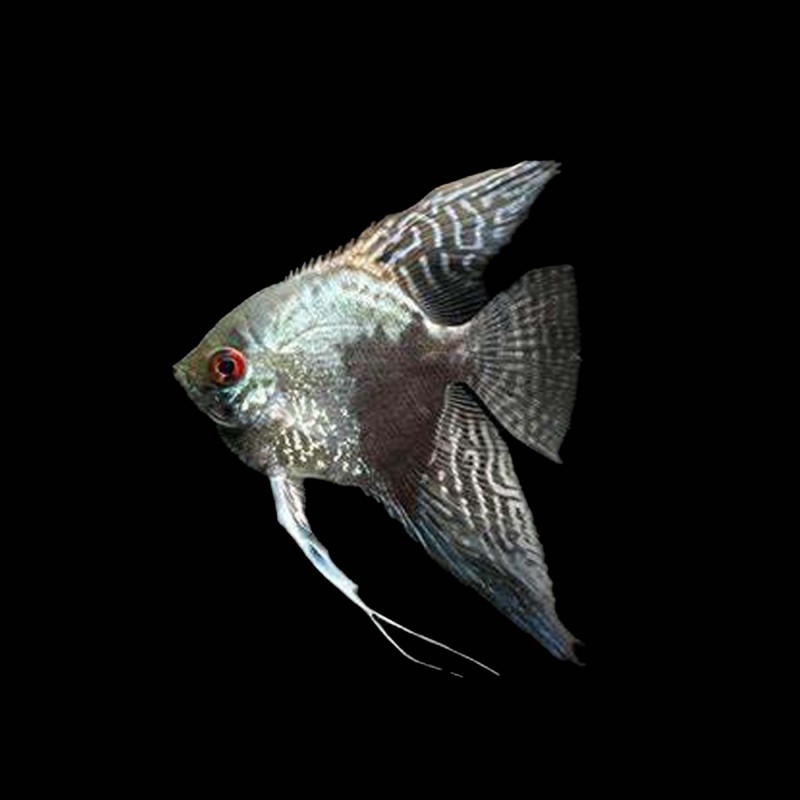
The Gold Veil Tail Angelfish (Pterophyllum scalare) is a stunning variety of freshwater angelfish, selectively bred for its brilliant gold coloration and long, flowing veil-like fins. This angelfish is highly sought after by aquarists due to its striking appearance and graceful swimming style. The veil tail variety is known for its elongated fins, which make it appear even more elegant as it glides through the water. Like other Pterophyllum scalare variants, the Gold Veil Tail Angelfish is peaceful and relatively easy to care for, making it a popular choice for community tanks.
Physical Characteristics:

  • Size: Gold Veil Tail Angelfish can grow up to 15 cm (6 inches) in length and up to 20 cm (8 inches) in height, from the tip of the dorsal fin to the ventral fins.
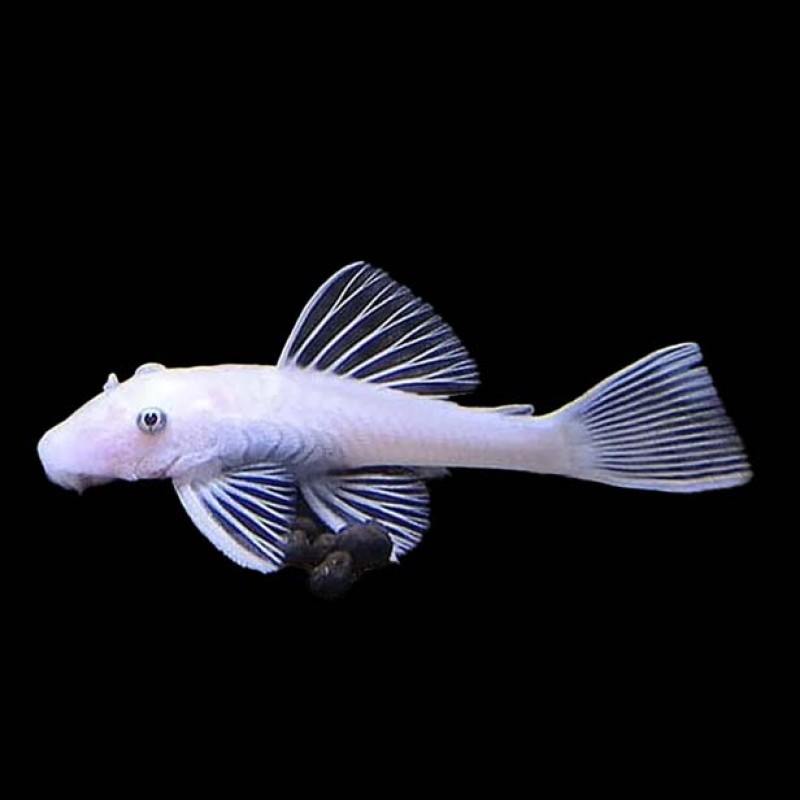
  • Coloration:
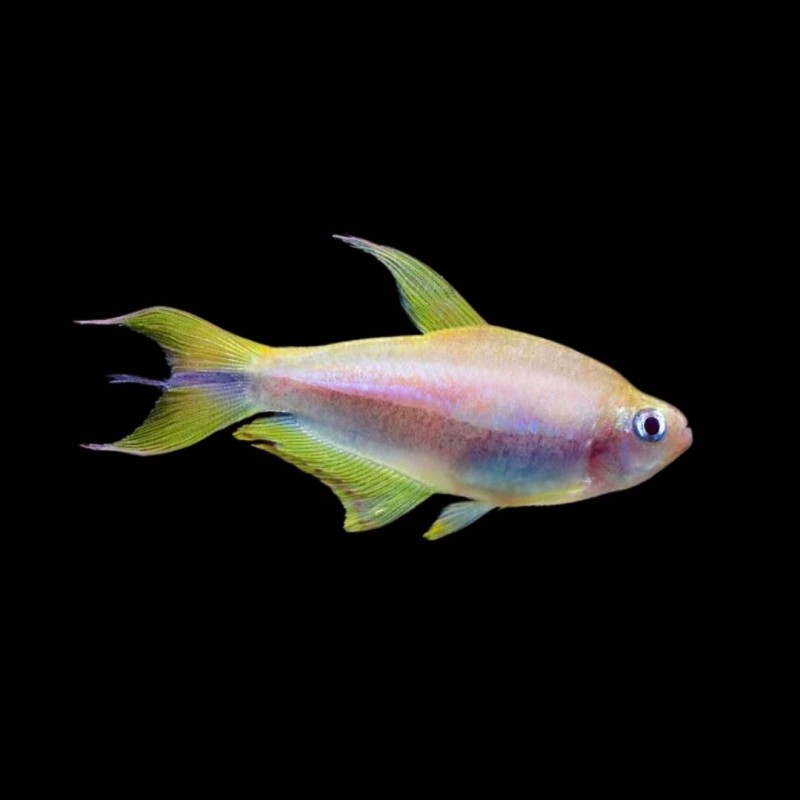
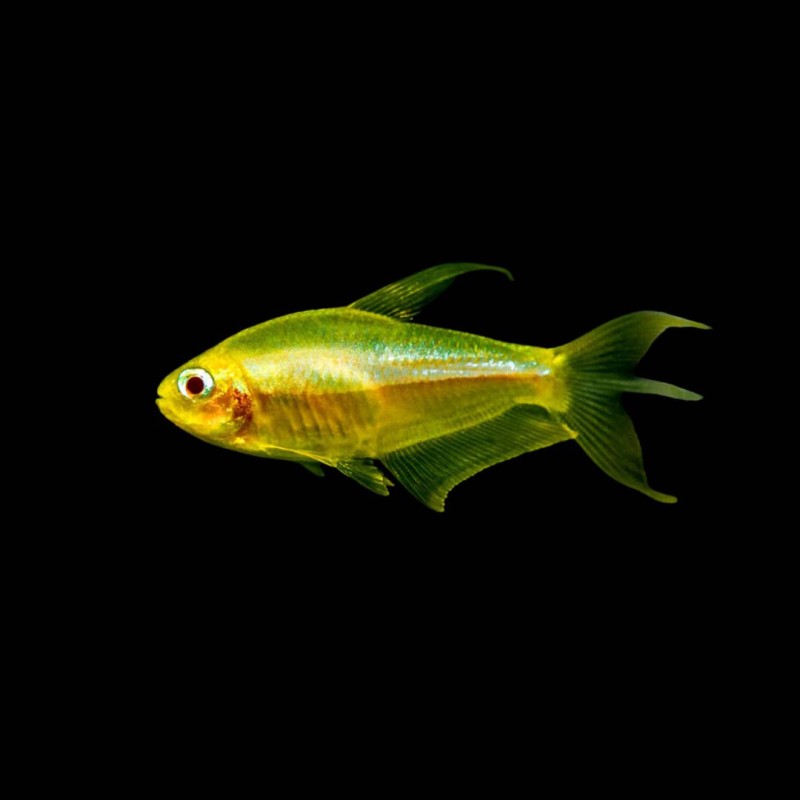
    • Body: The body is a shimmering golden color, with some individuals displaying hints of silver or white. Their golden hue can vary in intensity depending on the fish’s genetics, lighting, and diet.
    • Fins: The fins are long, flowing, and veil-like, extending gracefully beyond the body. The veil tail is characterized by its elongated dorsal and anal fins, which create a more dramatic appearance. The fins are typically clear or slightly tinted with gold.
  • Fins: The veil tail variety is known for its extremely long and delicate fins. These fins are prone to damage if housed with fin-nipping species, so it is important to choose compatible tankmates.

Behavior:

  • Temperament: Gold Veil Tail Angelfish are generally peaceful, but like most angelfish, they can become mildly territorial, especially during breeding. They are graceful swimmers and prefer the middle and upper areas of the aquarium.
  • Social Behavior: These angelfish thrive in groups, especially when kept in schools of 5-6 individuals. As they mature, they may form pairs and become more territorial, particularly if they are breeding.
  • Community-Friendly: They are peaceful enough to be housed in a community tank with similarly peaceful fish but may see smaller fish as prey.

Aquarium Care:

  • Tank Size: A minimum of 150 liters (40 gallons) is recommended for a small group of Gold Veil Tail Angelfish. Larger tanks (200 liters or more) provide the necessary space for their long fins and social behavior.
  • Water Parameters:
    • Temperature: These angelfish thrive in warm water, with an ideal temperature range of 24°C to 28°C (75°F to 82°F).
    • pH: They prefer slightly acidic to neutral water, with a pH range of 6.0 to 7.5.
    • Hardness: Soft to moderately hard water, with a general hardness (GH) of 3-8 dGH, is ideal.
  • Tank Setup:
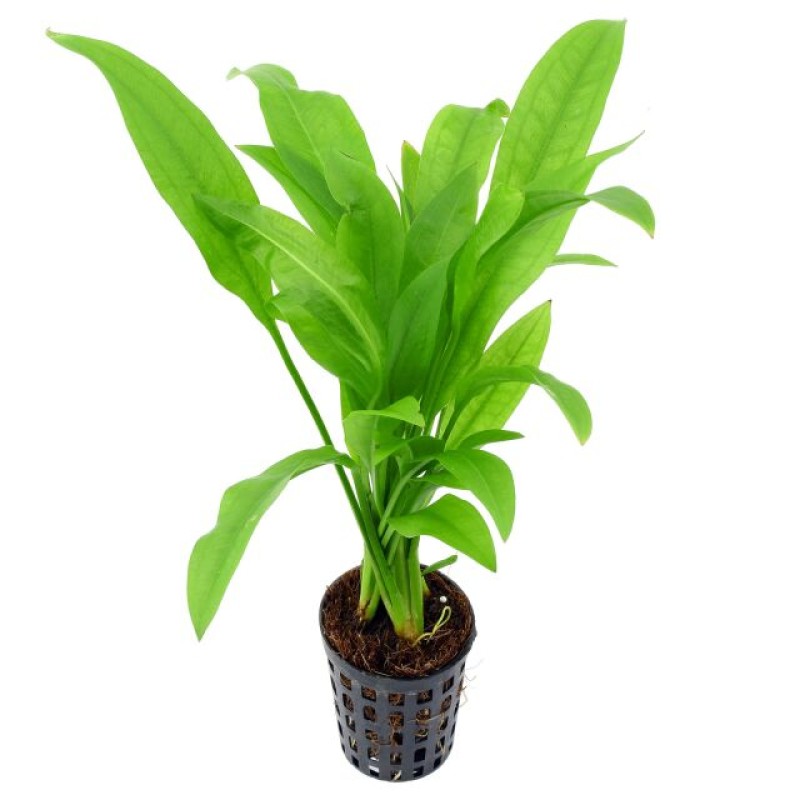
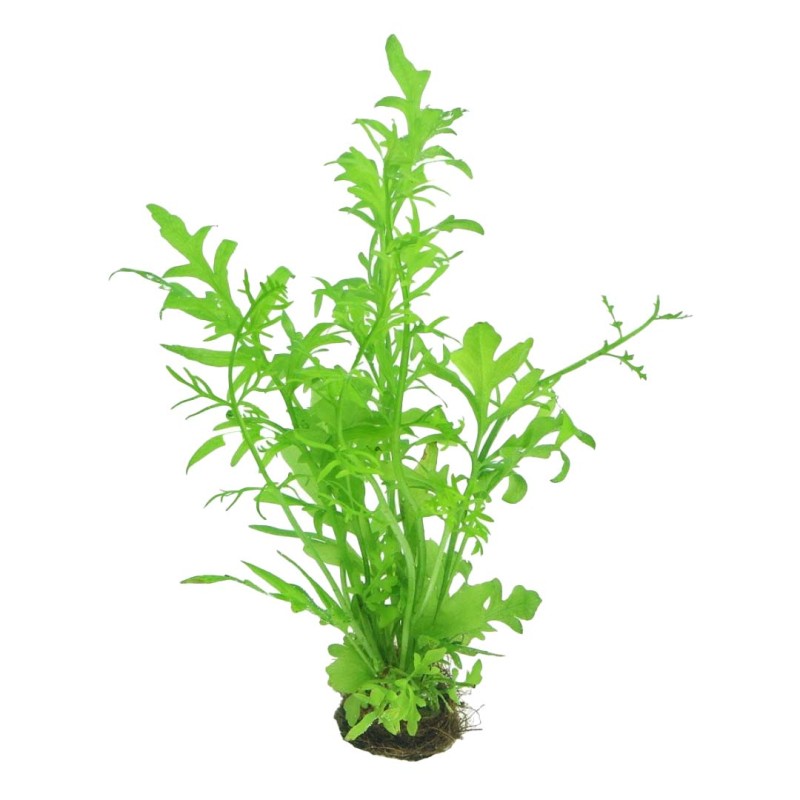
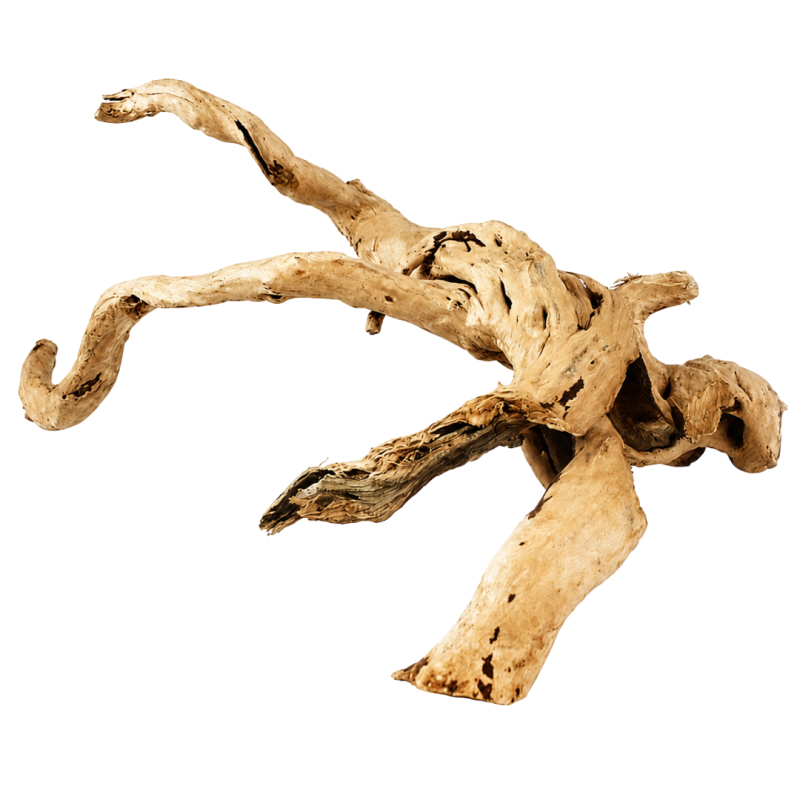
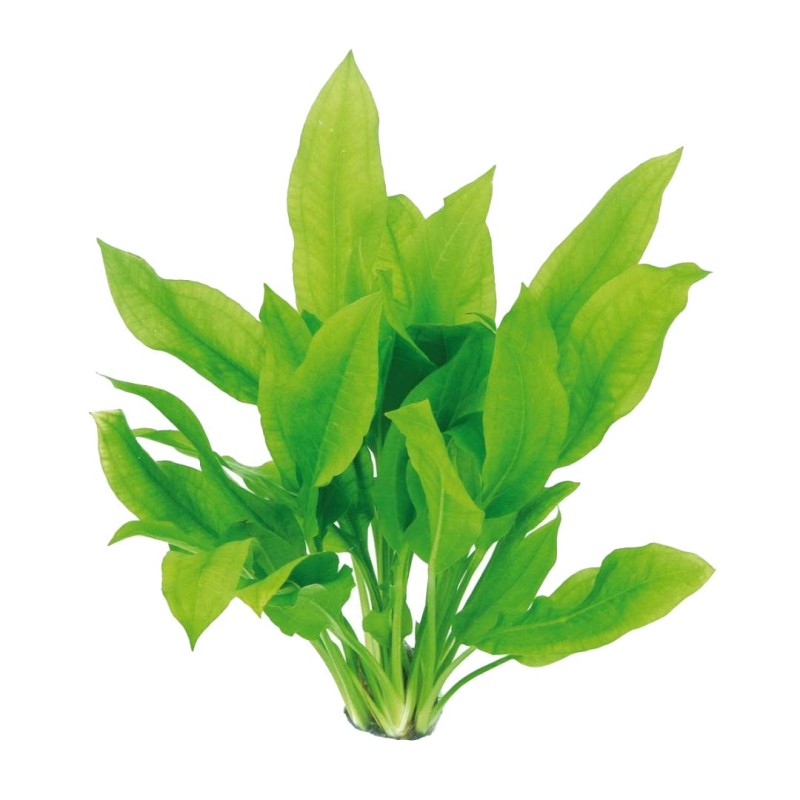
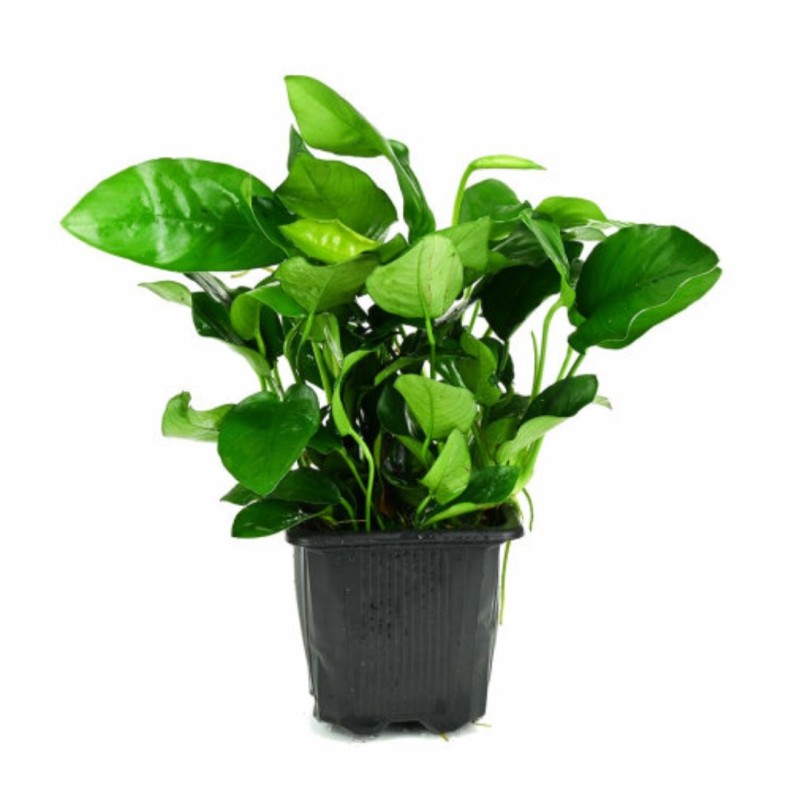
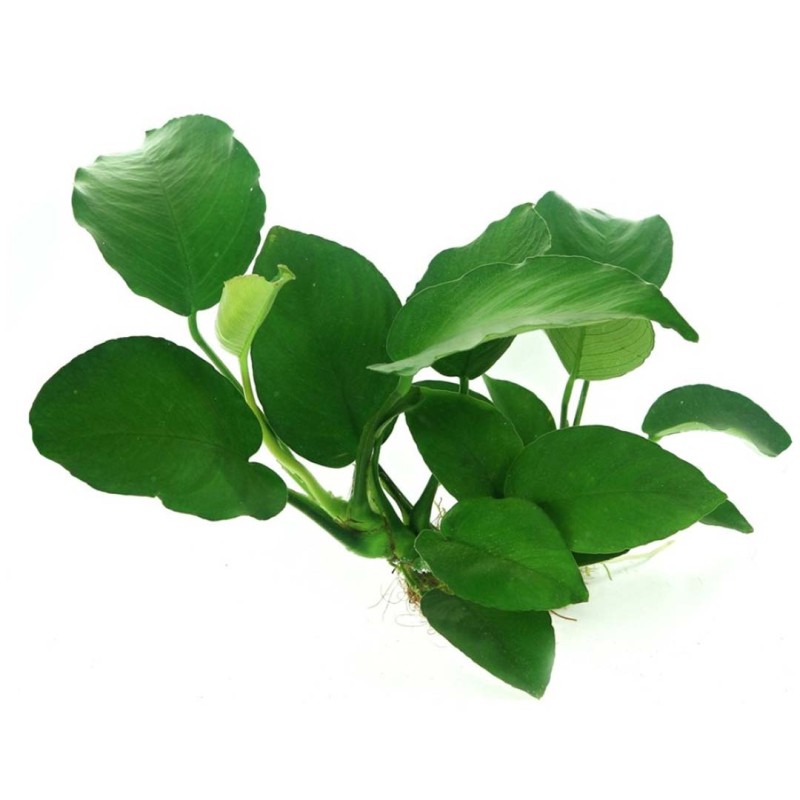
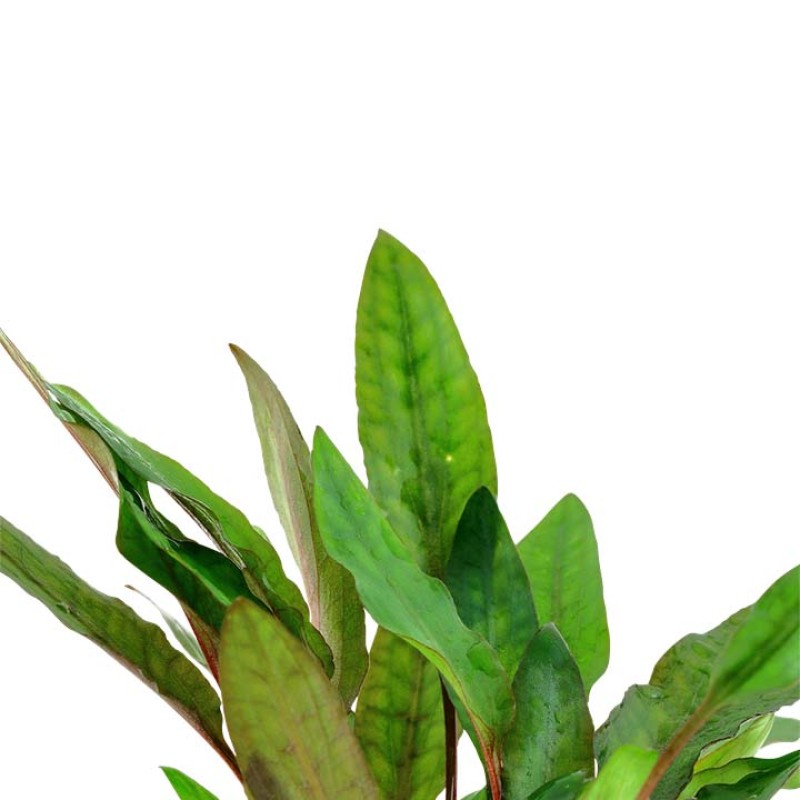
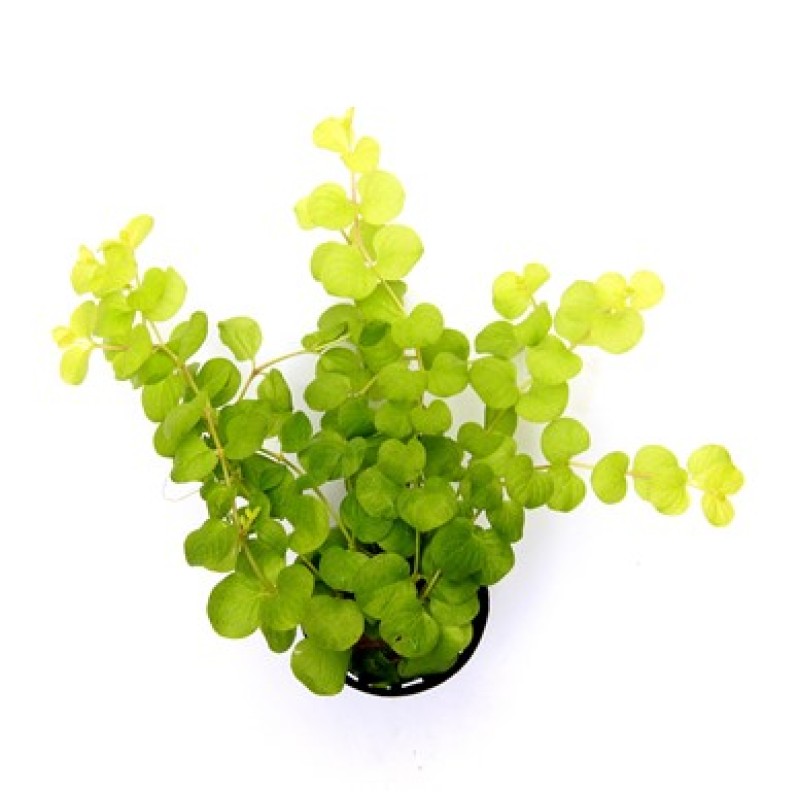
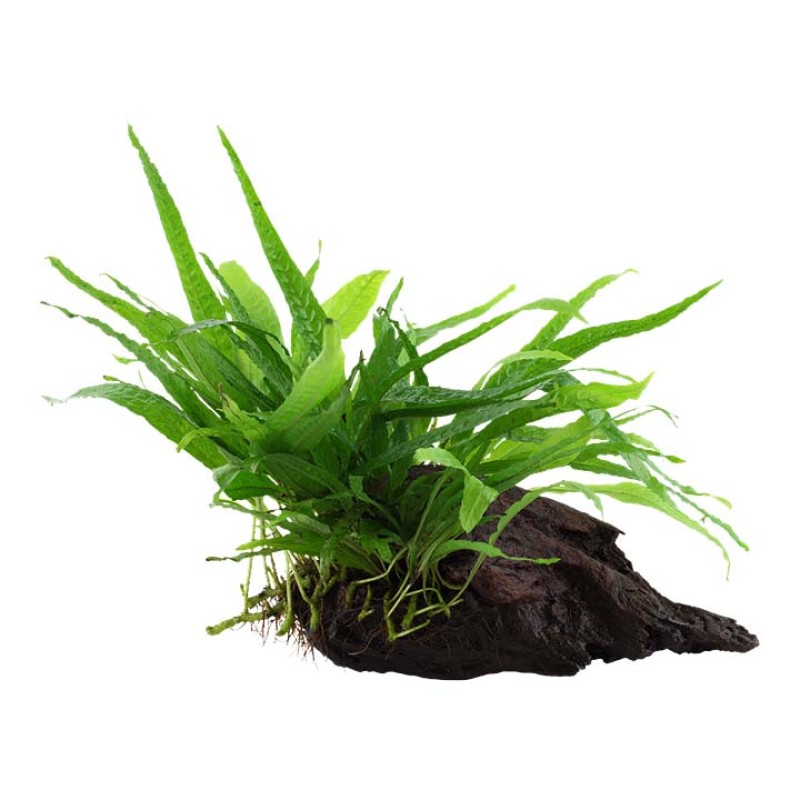
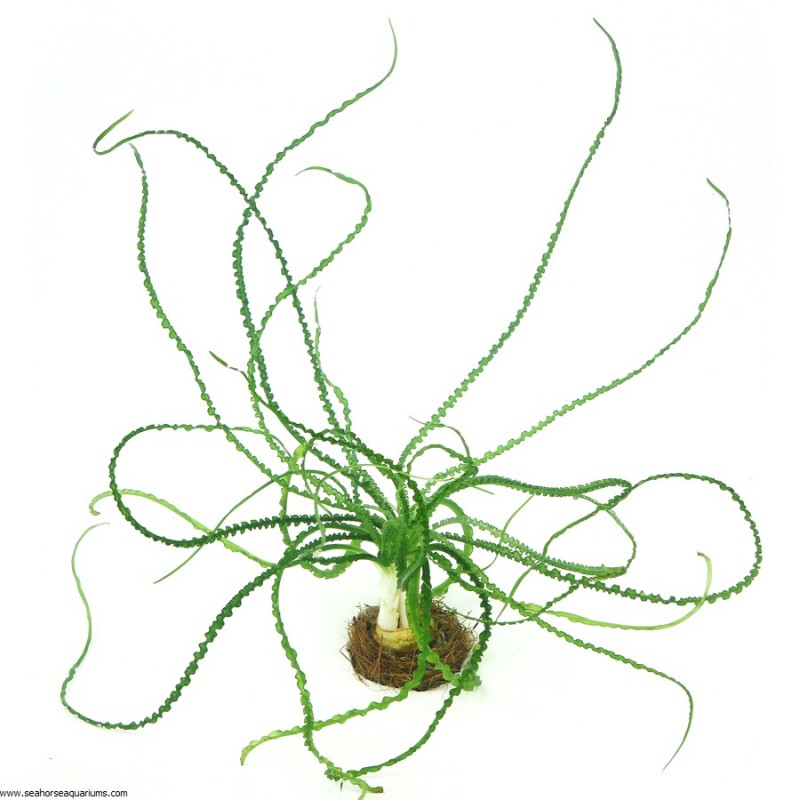
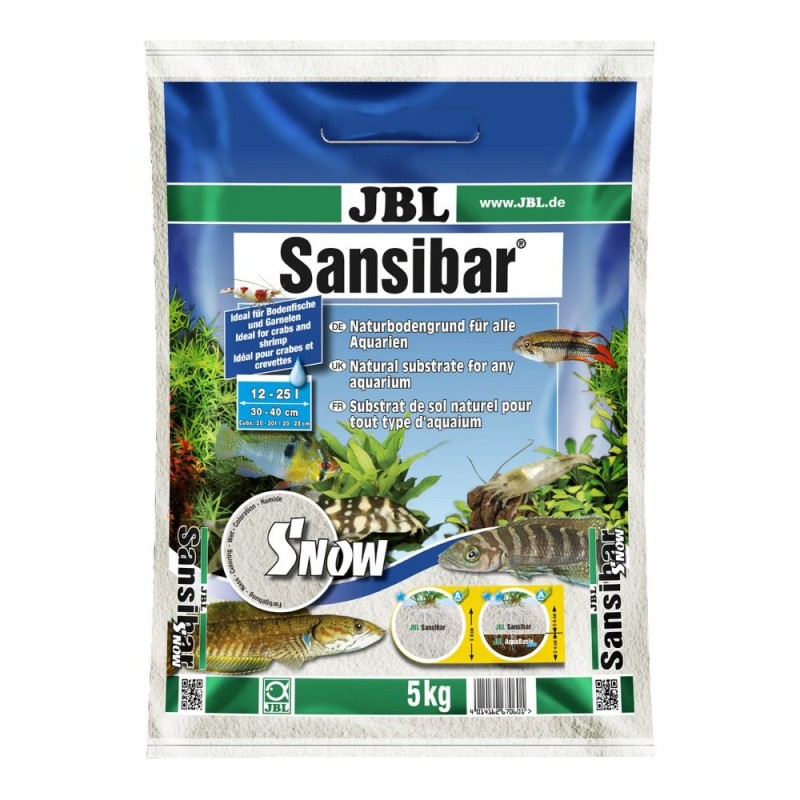
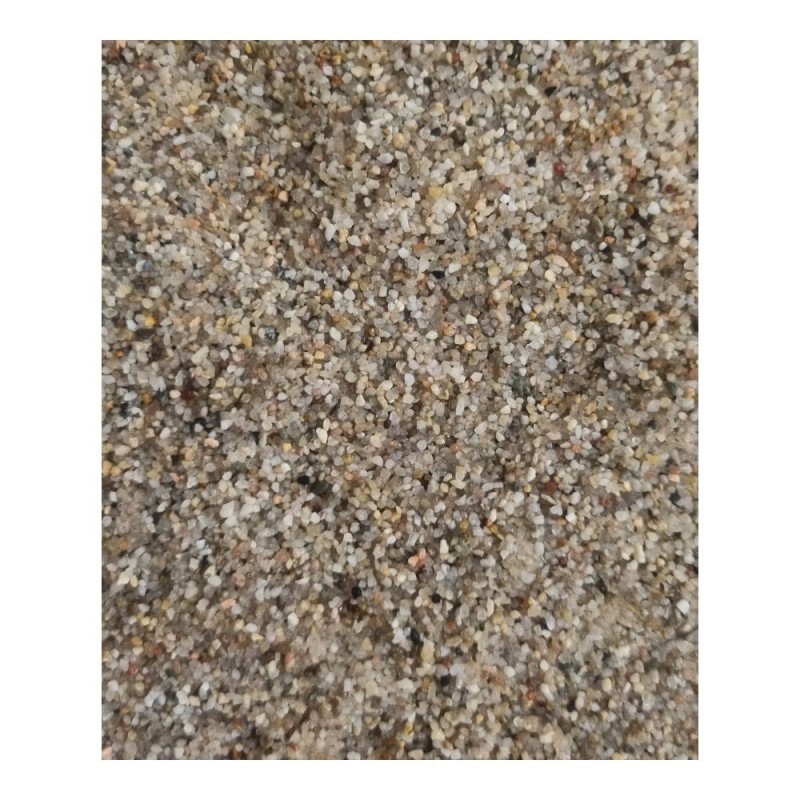
    • Substrate and Decorations: A soft, sandy substrate is ideal for Gold Veil Tail Angelfish. Live plants such as Amazon swords, Java ferns, and Vallisneria create a natural environment and provide hiding spots. Driftwood and rocks can also enhance the natural look of the tank.
    • Lighting: Moderate lighting works well to enhance their golden coloration. Floating plants can help diffuse the light and create shaded areas that make the fish feel more secure.
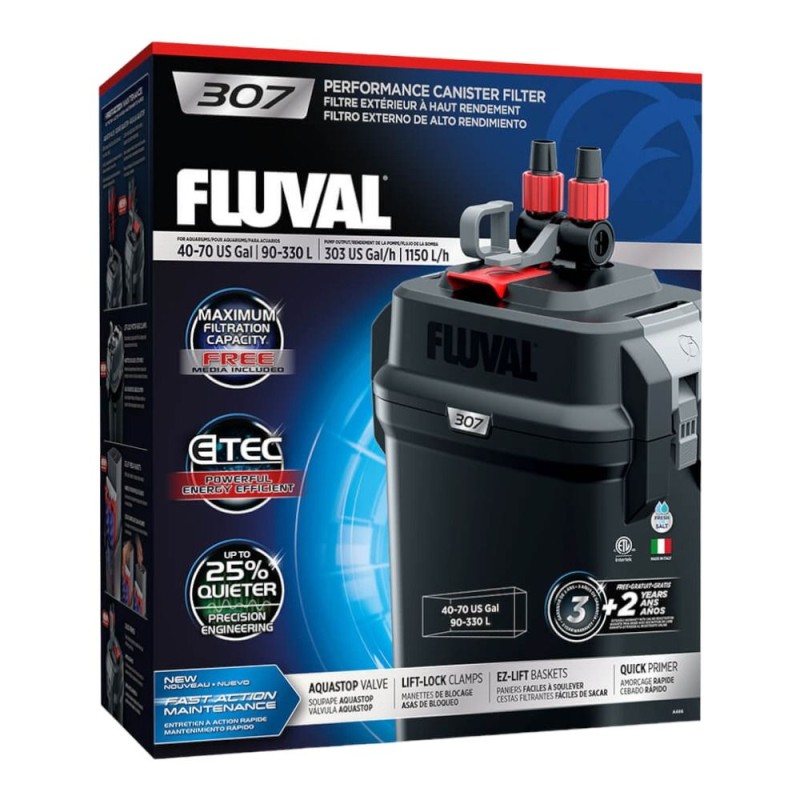
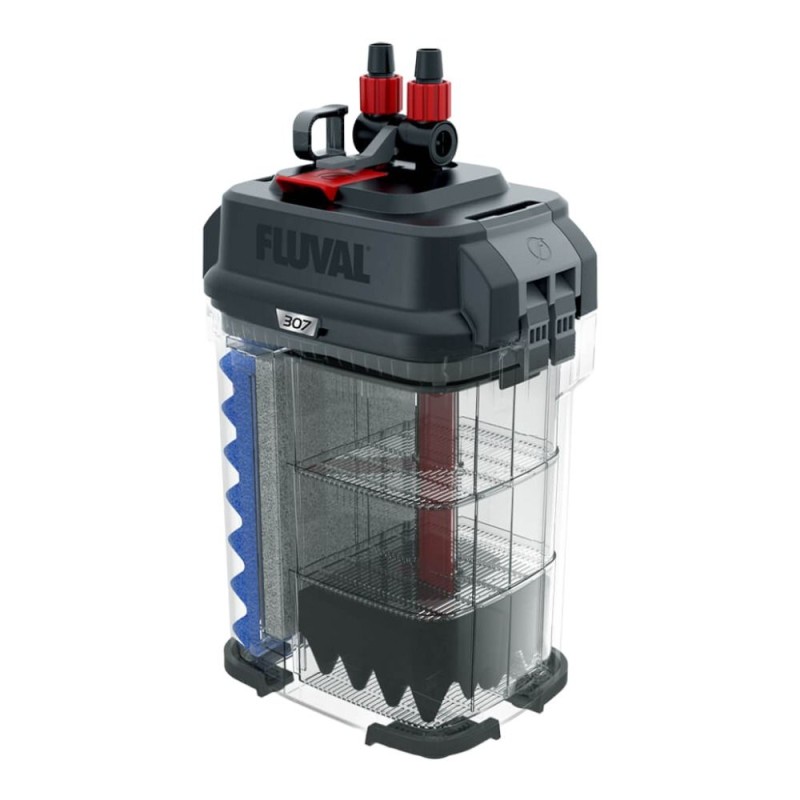
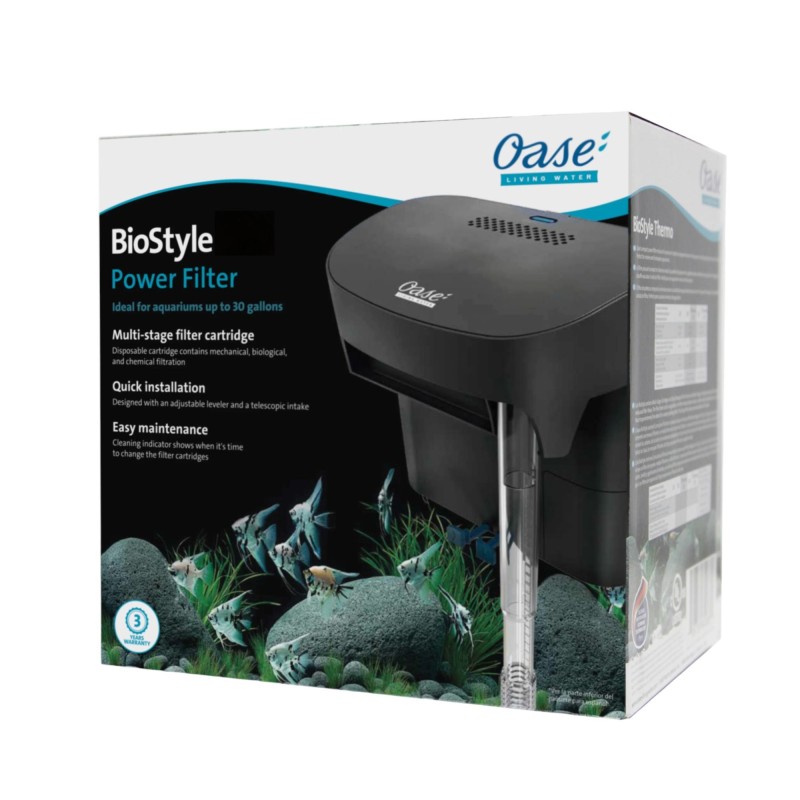
  • Filtration: Gentle filtration is necessary to keep the water clean without creating strong currents. Gold Veil Tail Angelfish prefer calm waters, so avoid strong water movement in the tank.

Diet:

Gold Veil Tail Angelfish are omnivores and benefit from a varied diet that supports their health and enhances their coloration. Their diet should include:

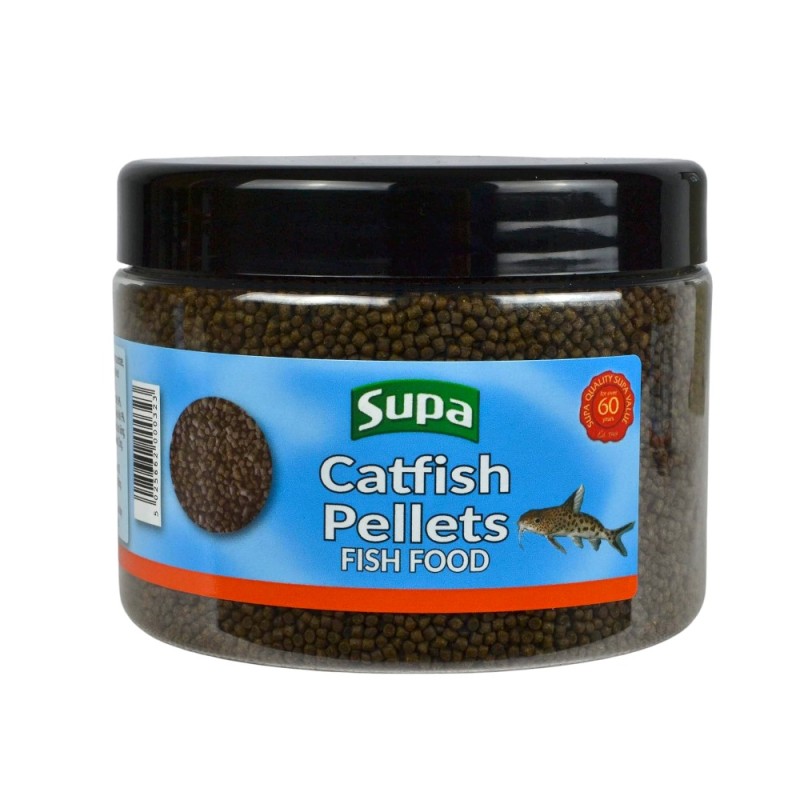
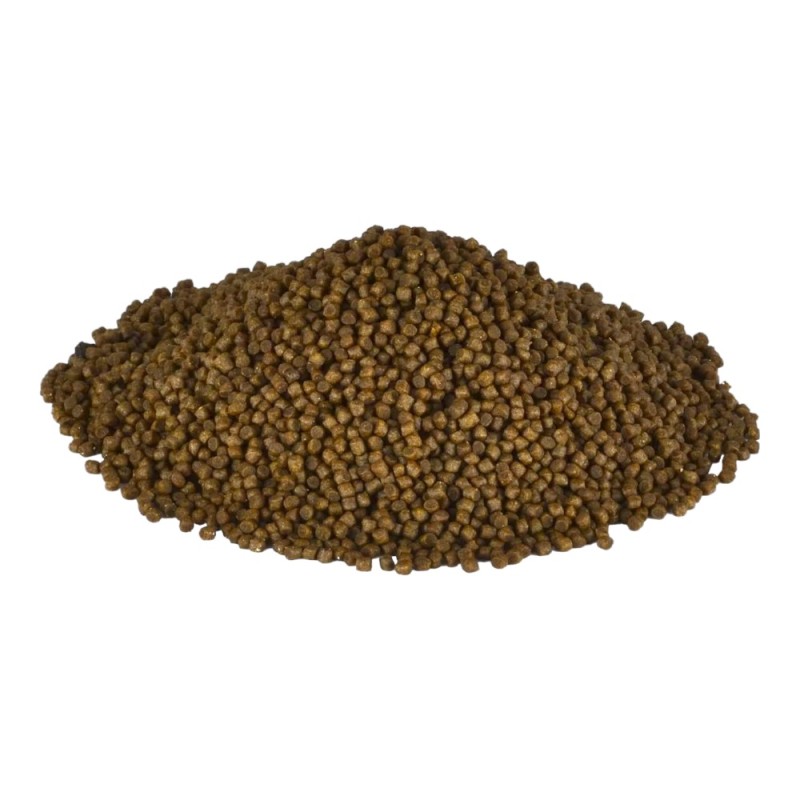
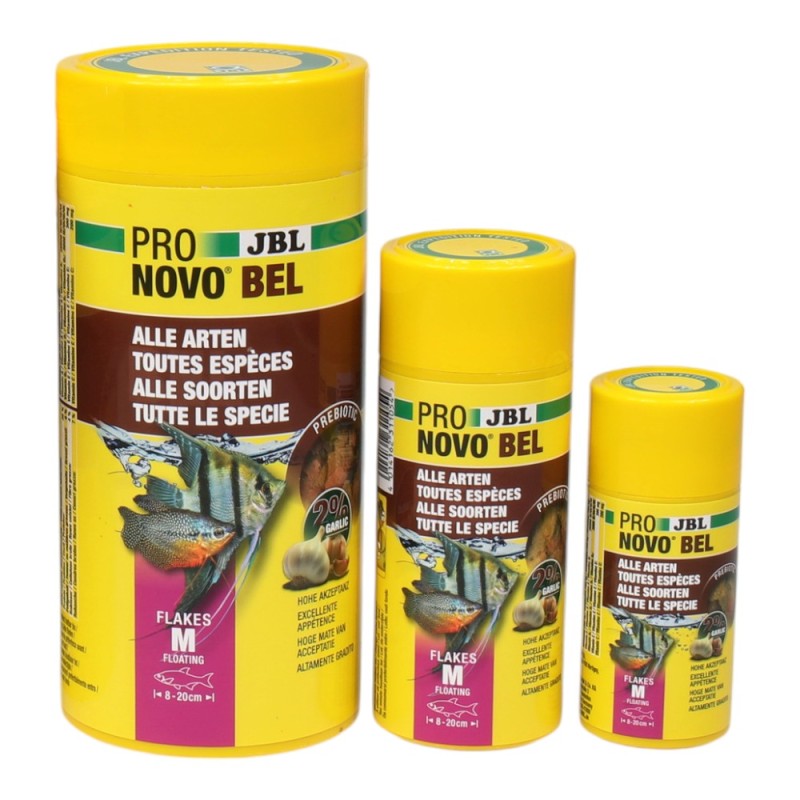
  • Pellets or Flakes: High-quality angelfish flakes or pellets designed for cichlids can form the staple of their diet.
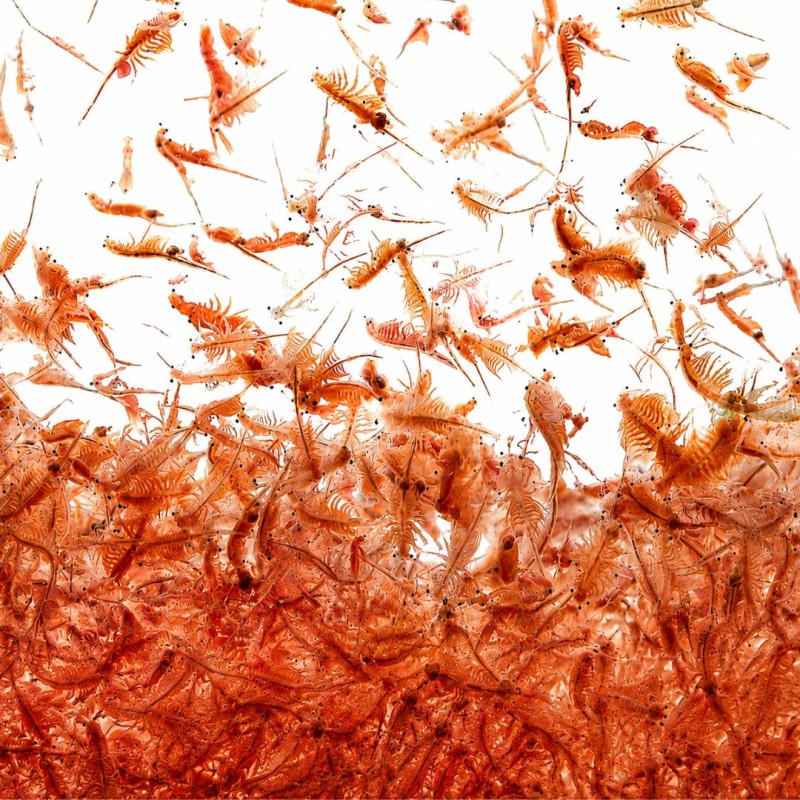
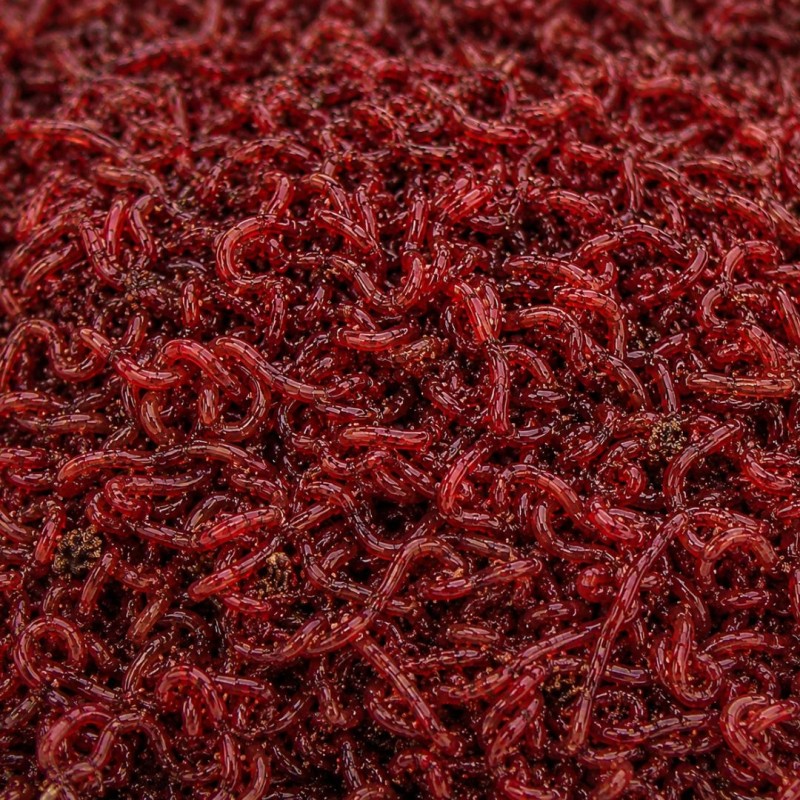
  • Live or Frozen Foods: They enjoy live or frozen foods such as brine shrimp, bloodworms, daphnia, and blackworms. These protein-rich foods promote vibrant colors and growth.
  • Vegetable Matter: Occasionally offer plant-based foods like spirulina flakes or blanched vegetables (such as spinach or zucchini) to ensure they receive a balanced diet.

Feed them small amounts 2-3 times a day, making sure all the food is consumed within a few minutes to avoid overfeeding and maintain water quality.

Tankmates:

Gold Veil Tail Angelfish are peaceful and can coexist with a variety of other community fish, provided their tankmates are not aggressive or fin-nippers. Suitable tankmates include:

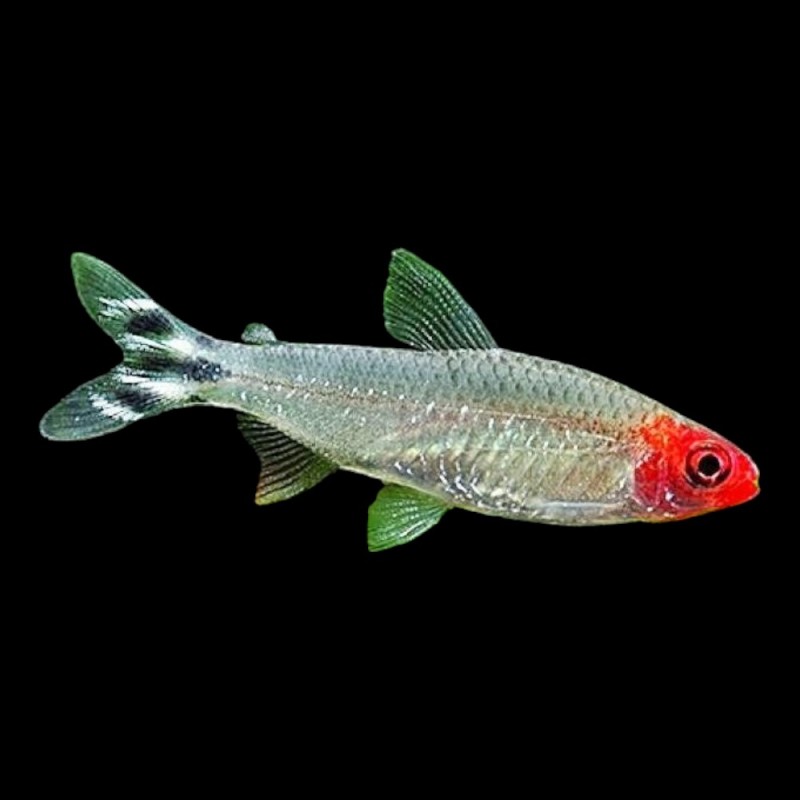
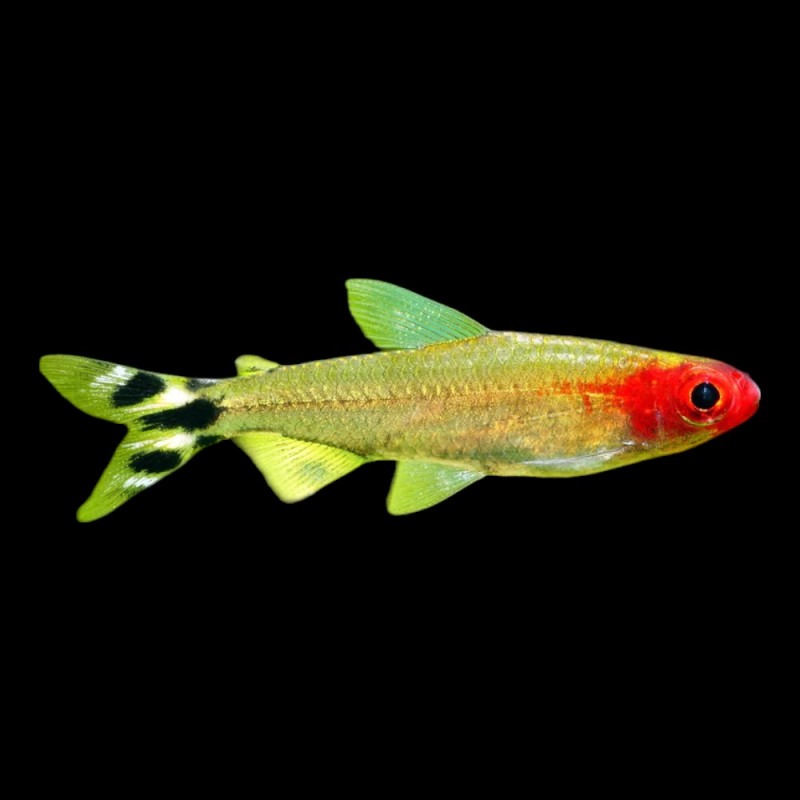
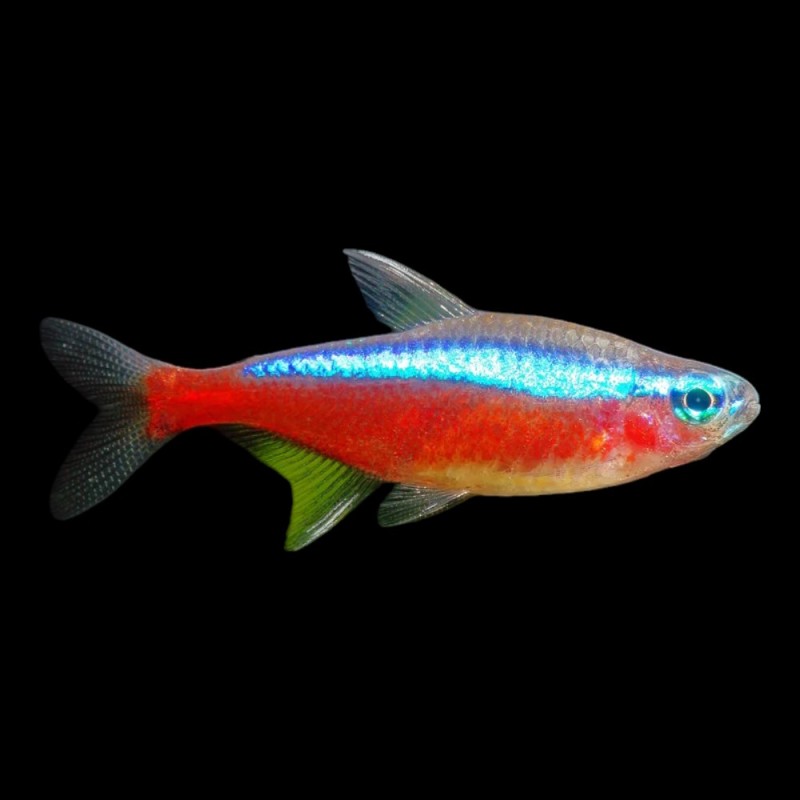
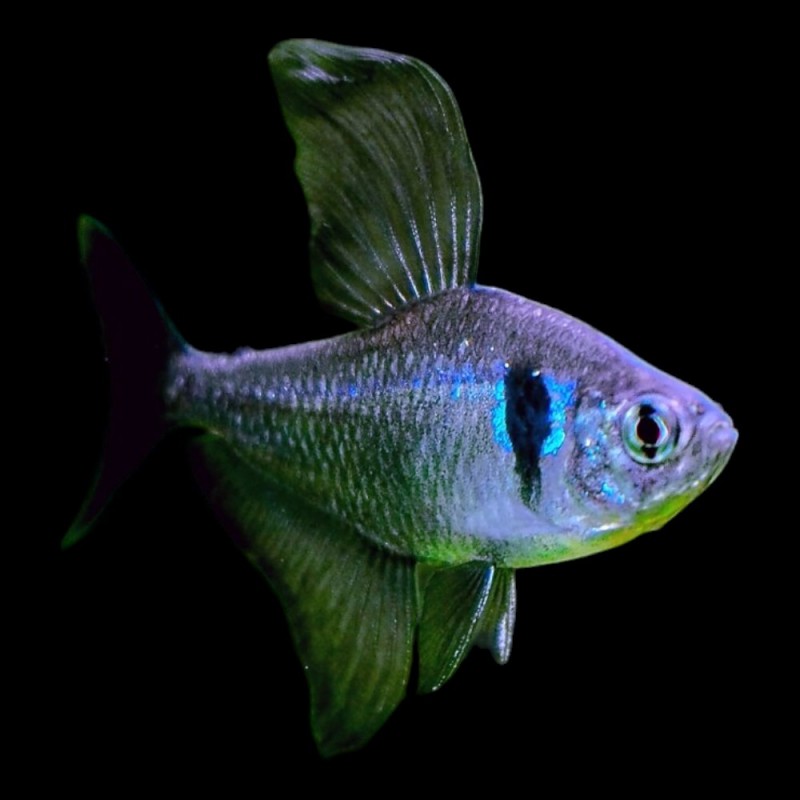
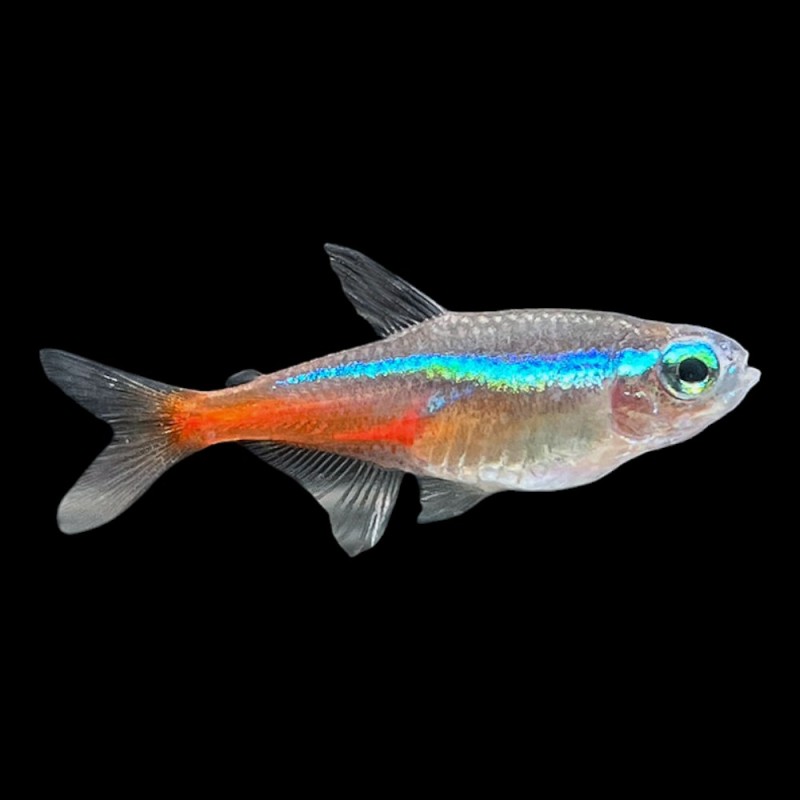
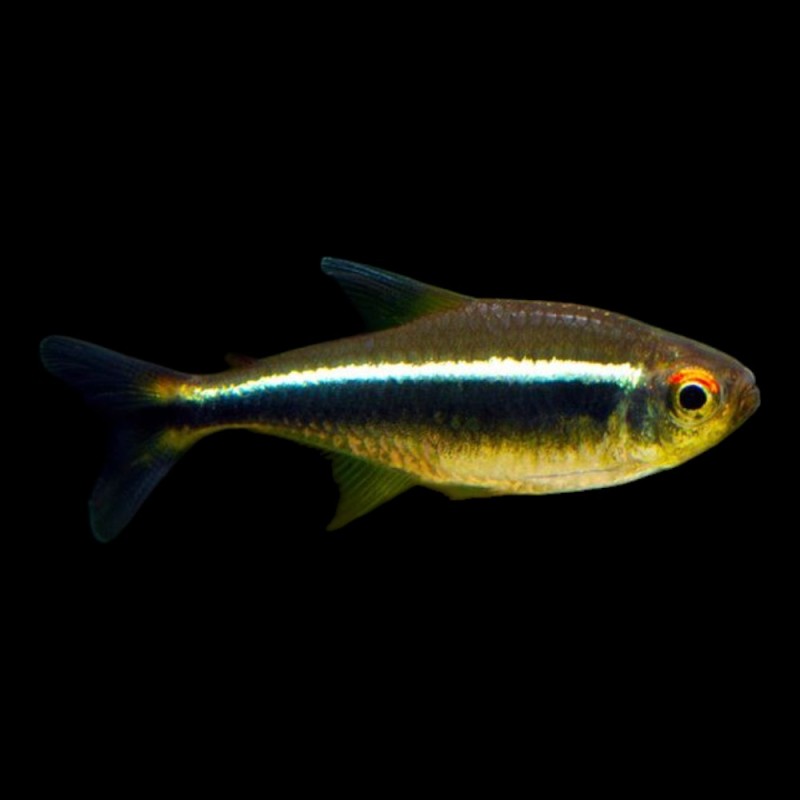
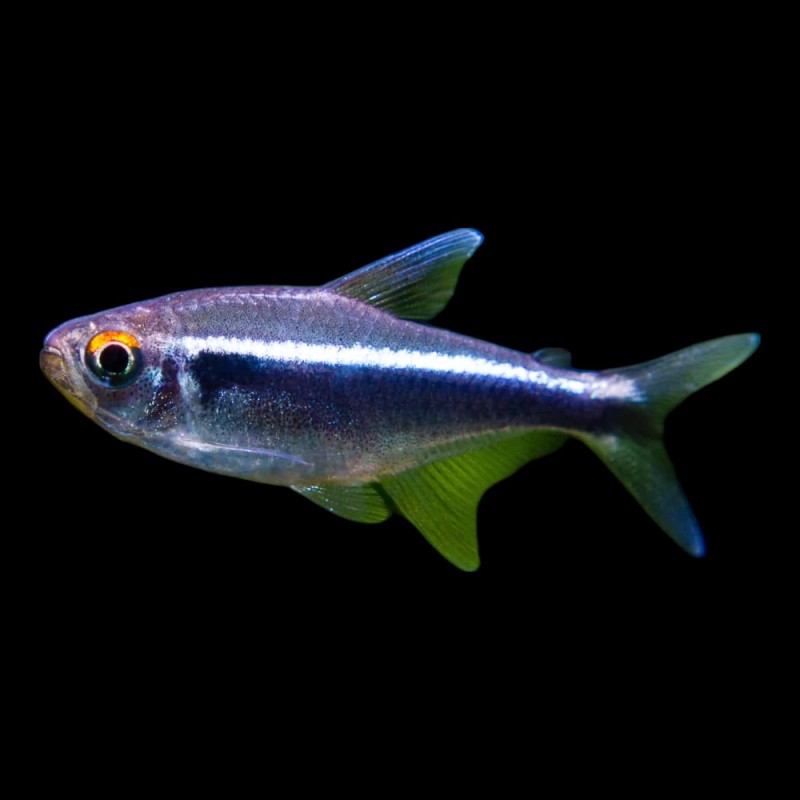
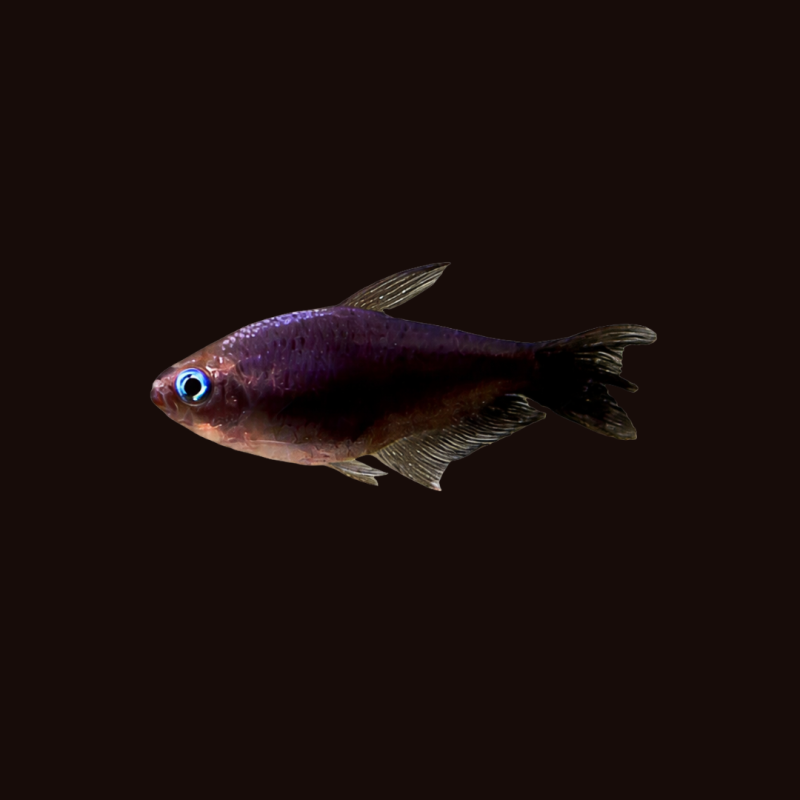
  • Tetras: Larger tetras, such as Rummy Nose Tetras, Bleeding Heart Tetras, or Black Skirt Tetras, make good companions.
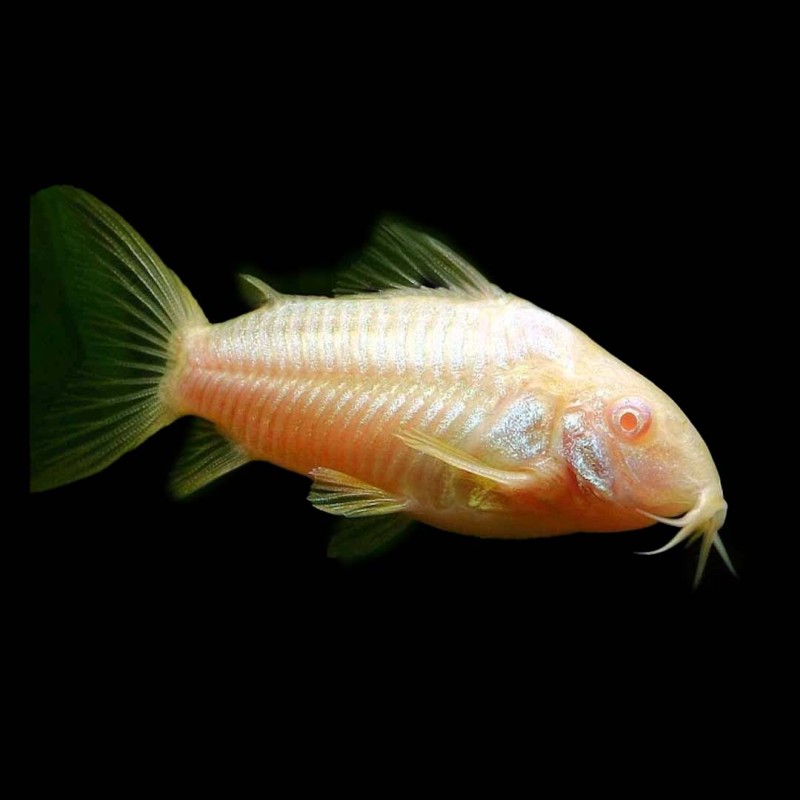
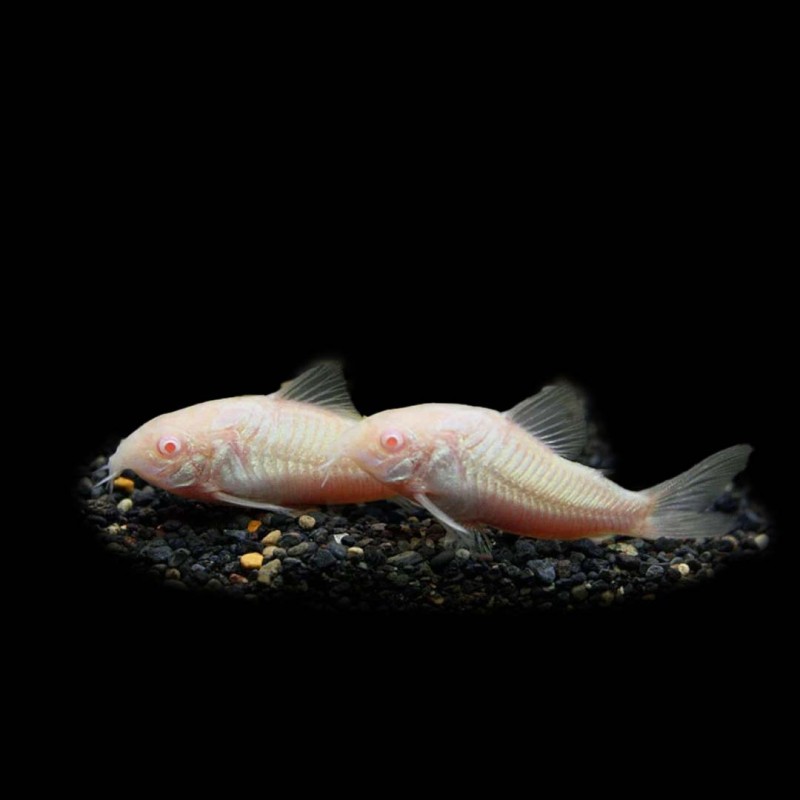
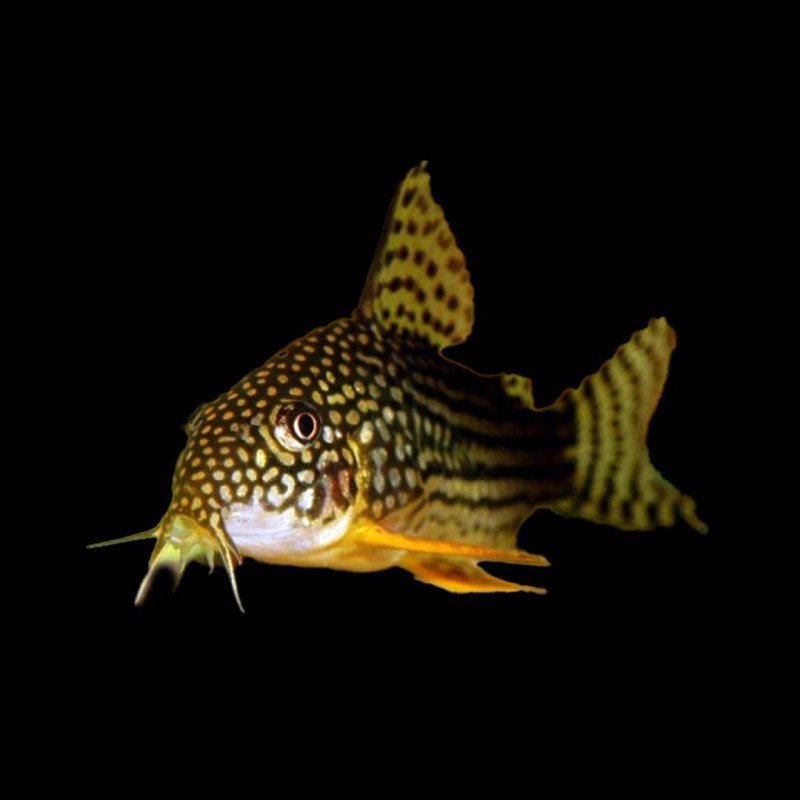
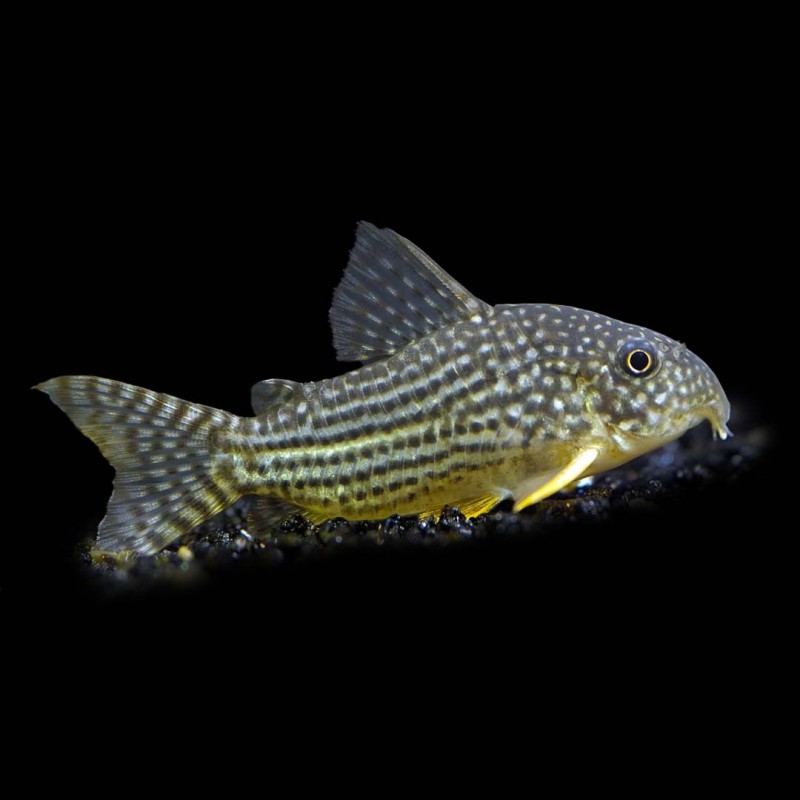
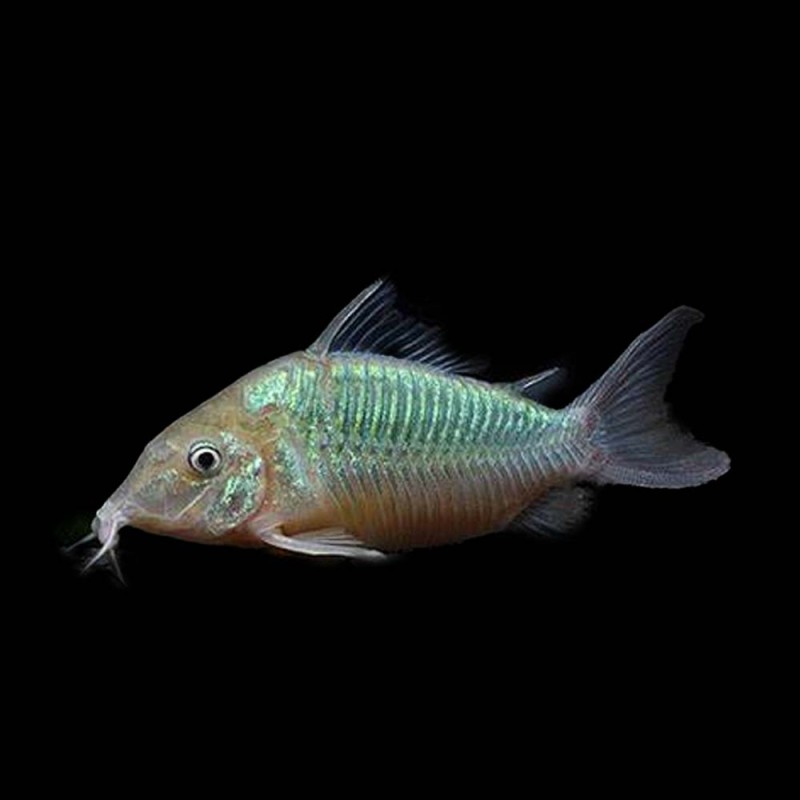
  • Corydoras catfish: These peaceful bottom-dwellers are excellent tankmates and won’t compete for space.
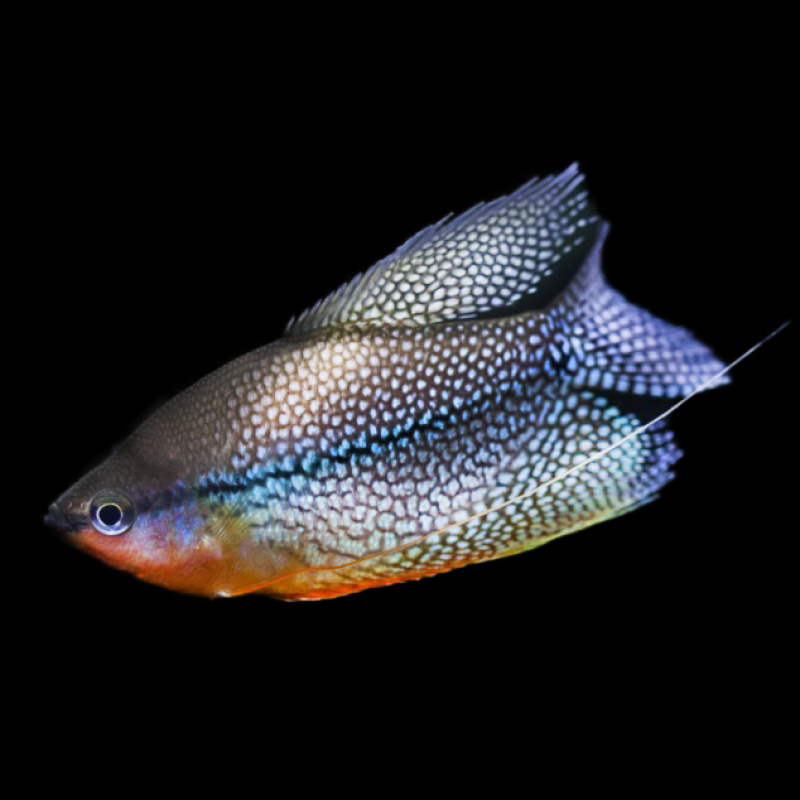
  • Dwarf Gouramis: These fish are compatible with angelfish and share similar water requirements.
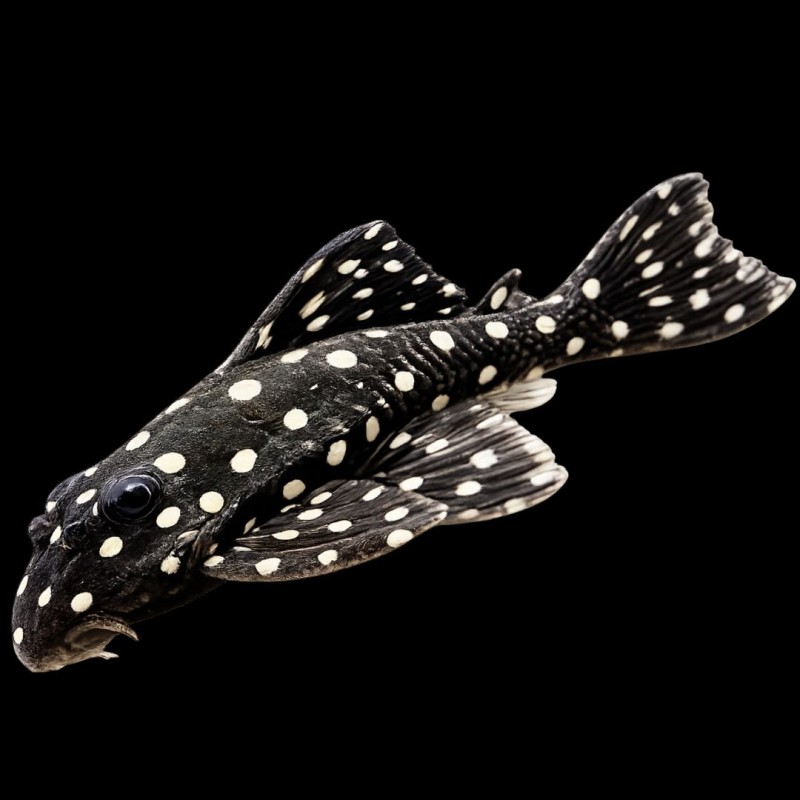
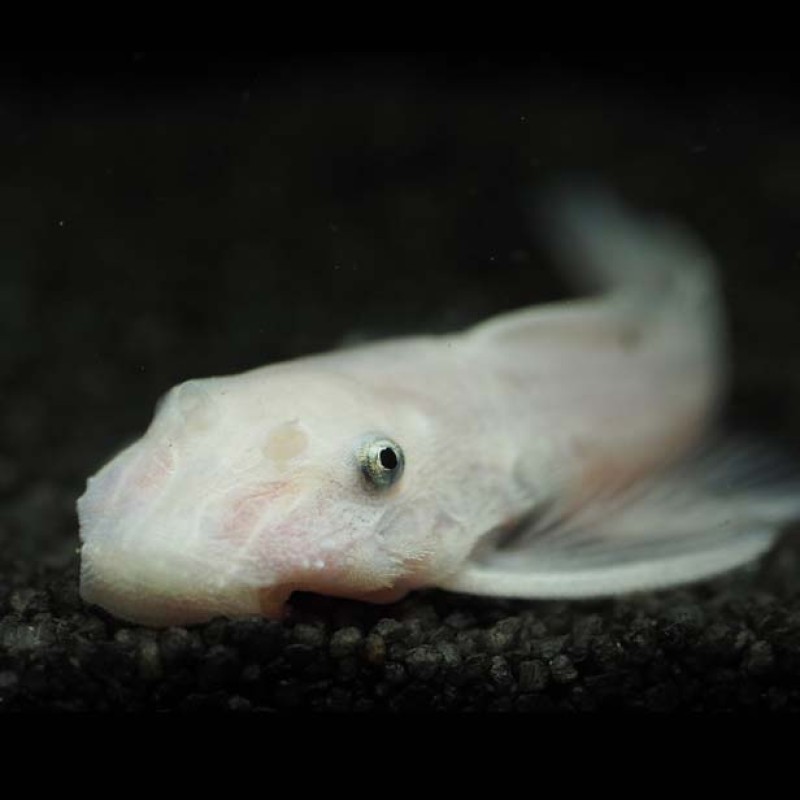
  • Plecos: Small, peaceful Plecos are great tankmates, especially for algae control.

Avoid aggressive or fin-nipping species such as barbs or larger cichlids, as they can damage the angelfish’s delicate fins.

Breeding:

Gold Veil Tail Angelfish are relatively easy to breed in captivity, following the same process as other Pterophyllum scalare varieties.

  • Pair Formation: Angelfish are monogamous, and breeding pairs form naturally from a group. Once paired, they may become more territorial and protective of their chosen spawning area.
  • Breeding Tank: If you want to breed them, move the pair to a separate breeding tank with soft, acidic water (pH around 6.0-6.5) and a temperature of around 26°C (79°F). Flat surfaces, such as broad-leafed plants or pieces of slate, should be provided for egg-laying.
  • Spawning Behavior: The female will lay eggs on a flat surface, and the male will fertilize them. Both parents will guard the eggs and care for the fry once they hatch.
  • Fry Care: The eggs will hatch in about 2-3 days, and the fry will become free-swimming after about a week. The fry can be fed with infusoria or newly hatched brine shrimp.

Special Considerations:

  • Fin Care: Due to their long, flowing fins, Gold Veil Tail Angelfish are more prone to fin damage, especially in tanks with aggressive fish or fin-nippers. Ensure they are housed with compatible tankmates and maintain excellent water quality to prevent fin rot.
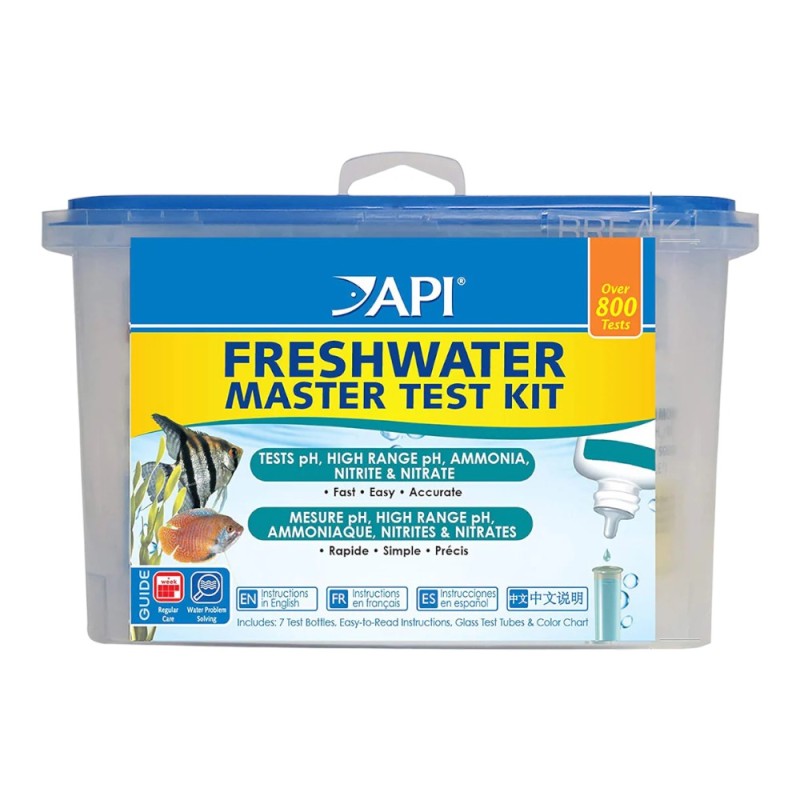
  • Water Quality: Gold Veil Tail Angelfish are sensitive to poor water conditions, so regular water changes and maintaining stable water parameters are crucial to their health. Monitor ammonia, nitrite, and nitrate levels to avoid stress and potential illness.

Write a review

Please login or register to review