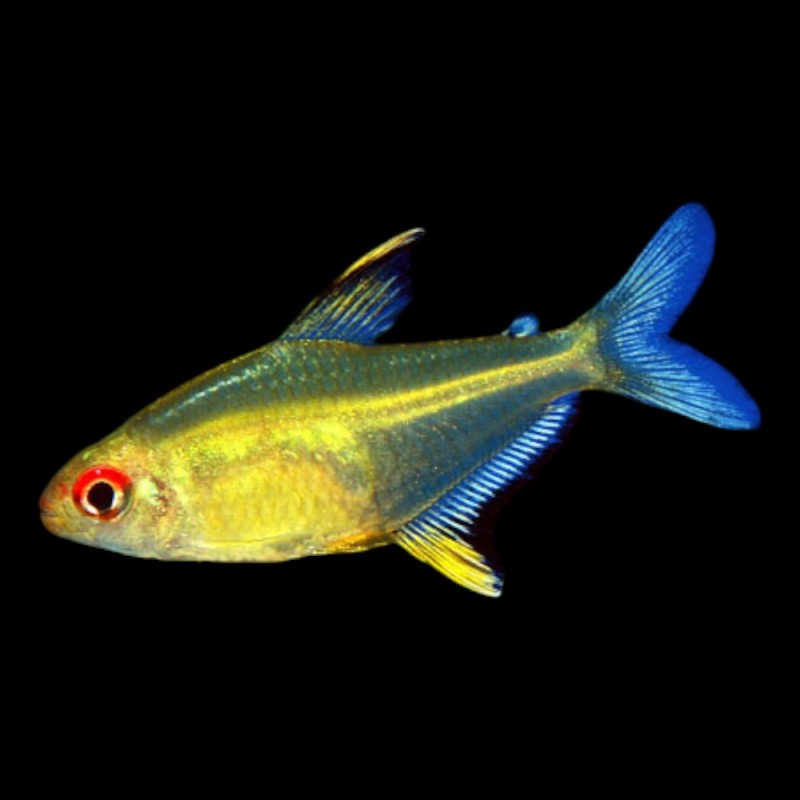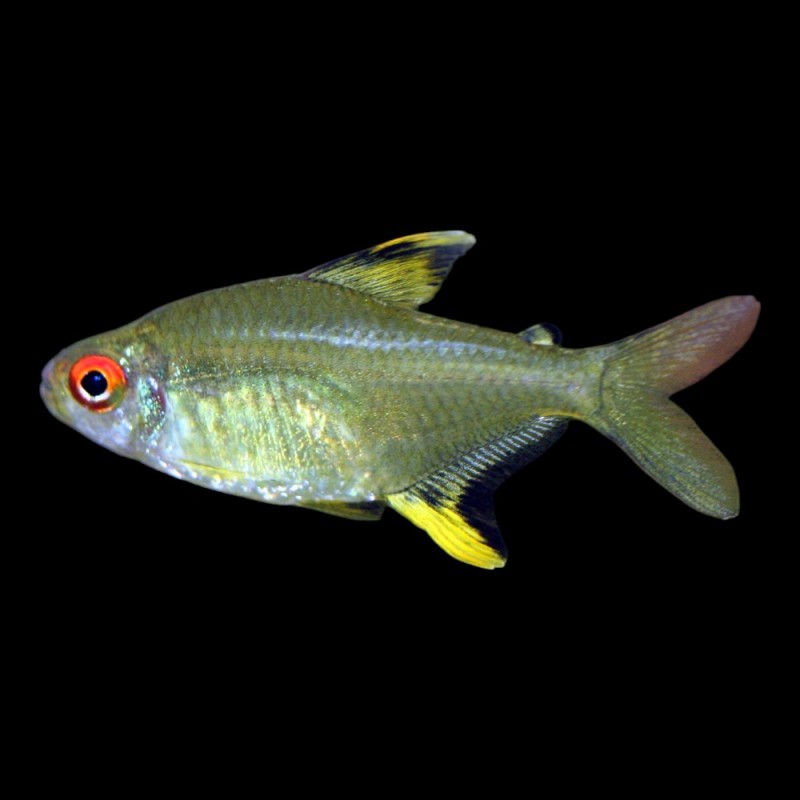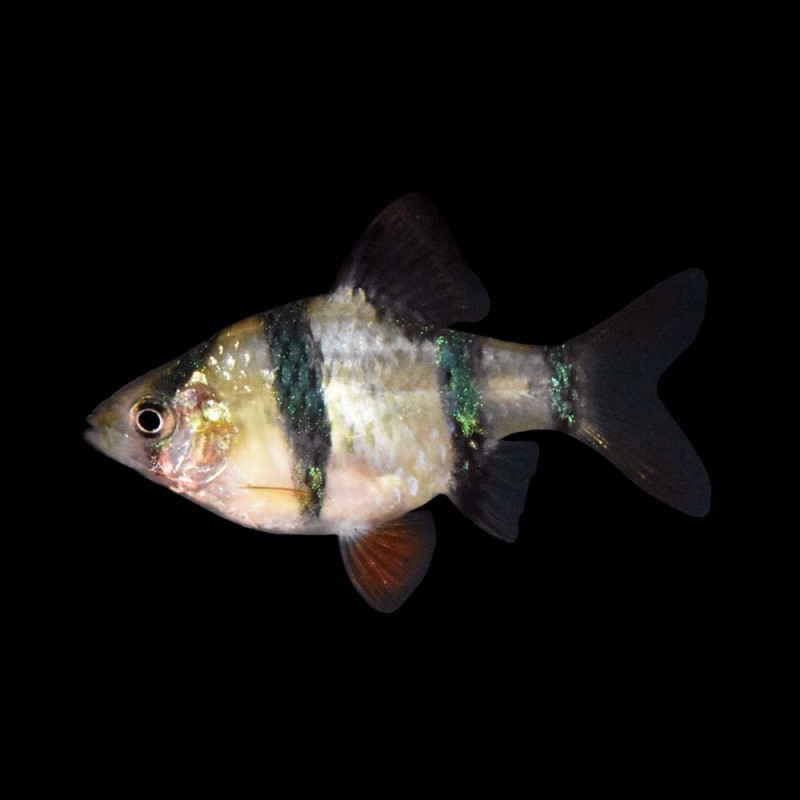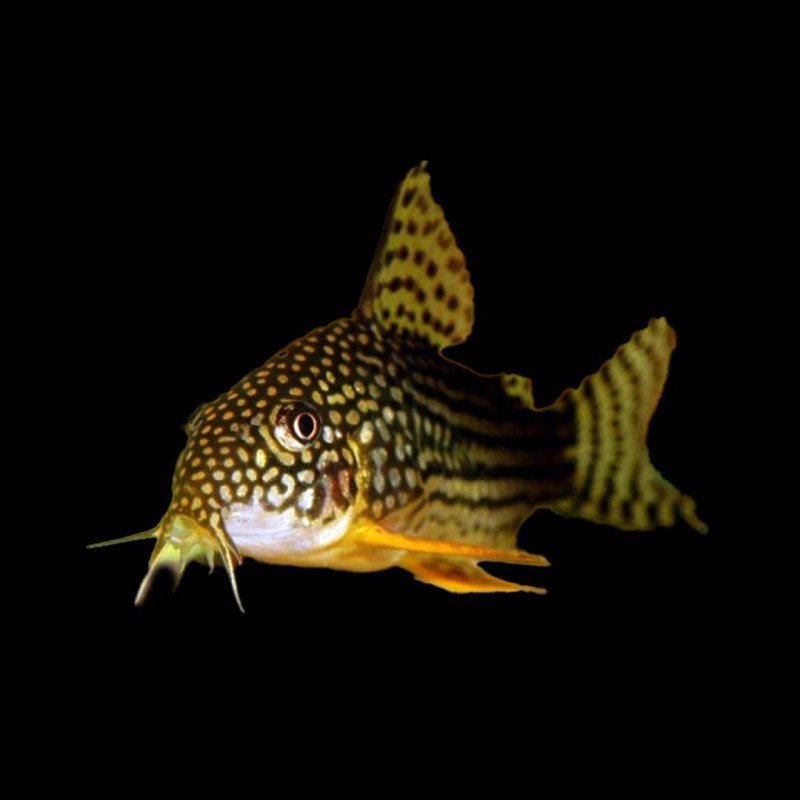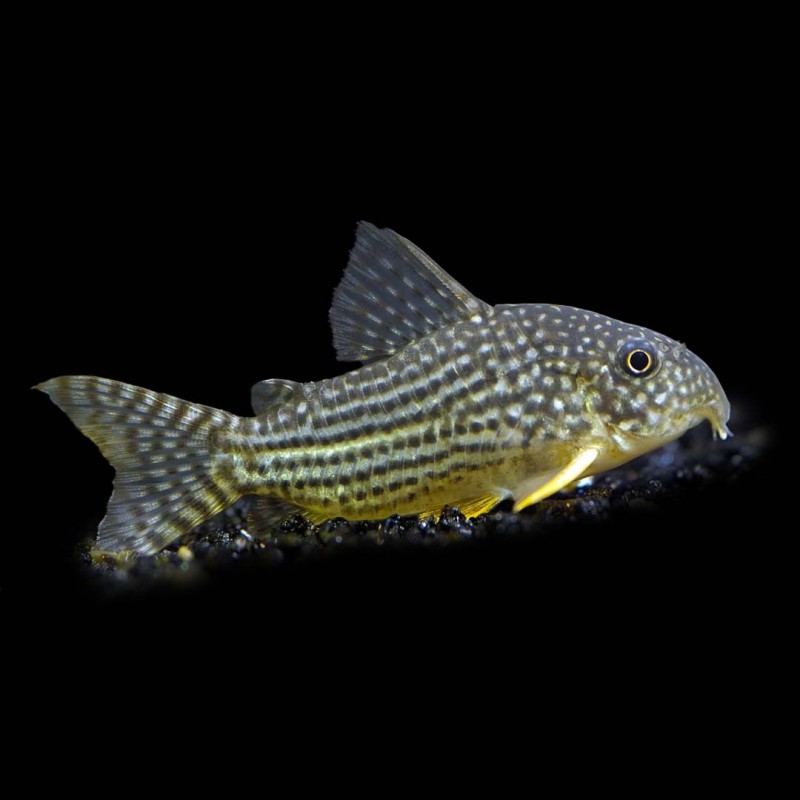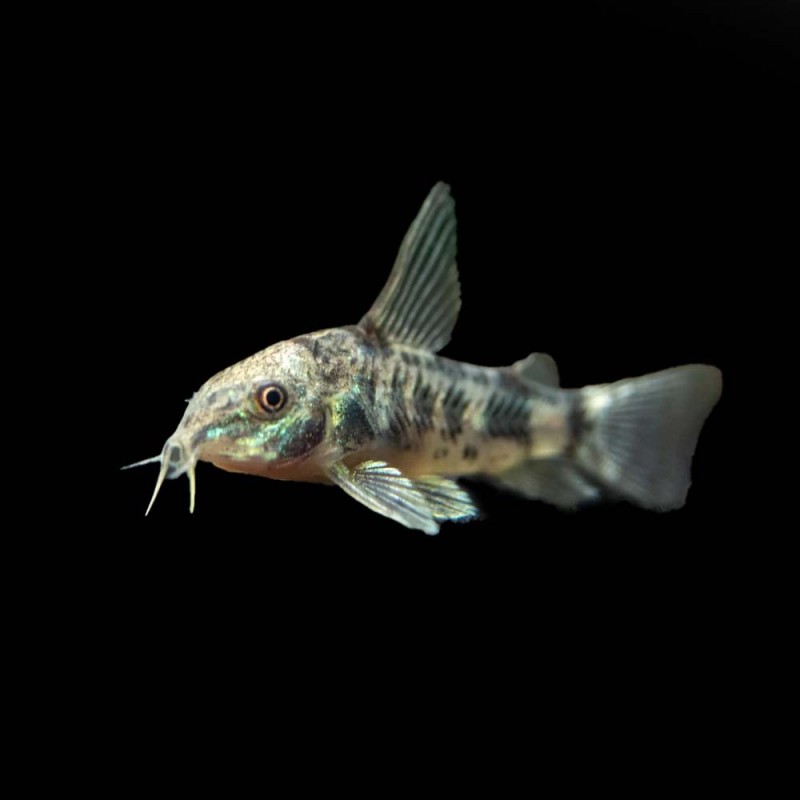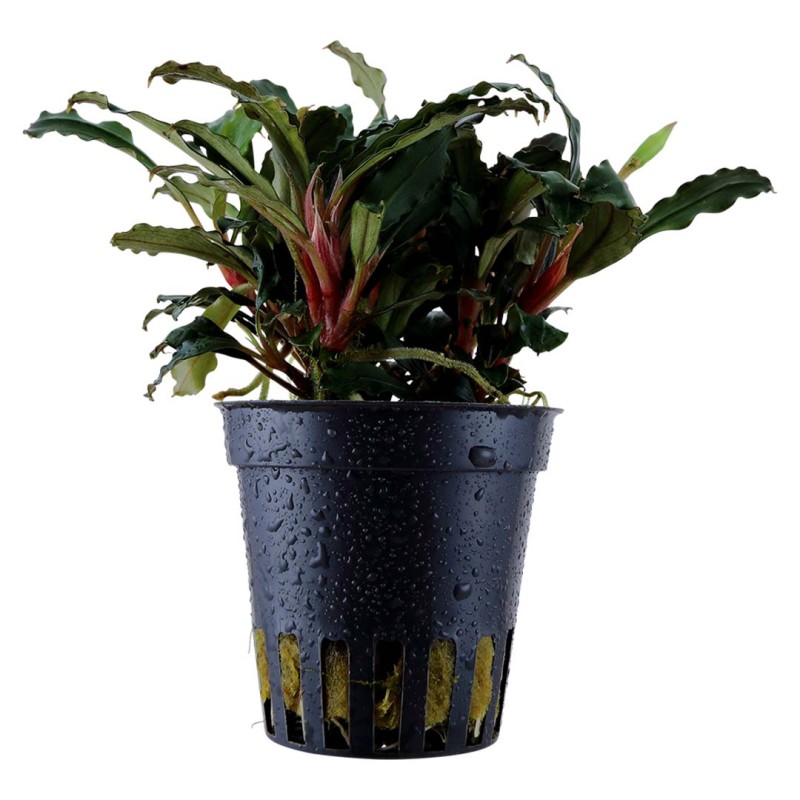


- Stock: Generally In Stock
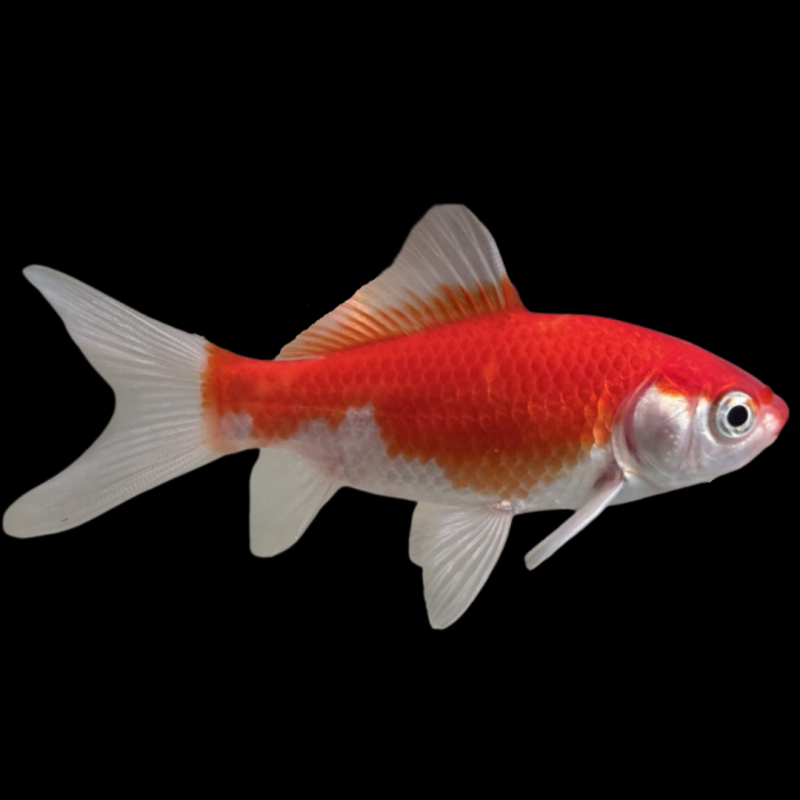
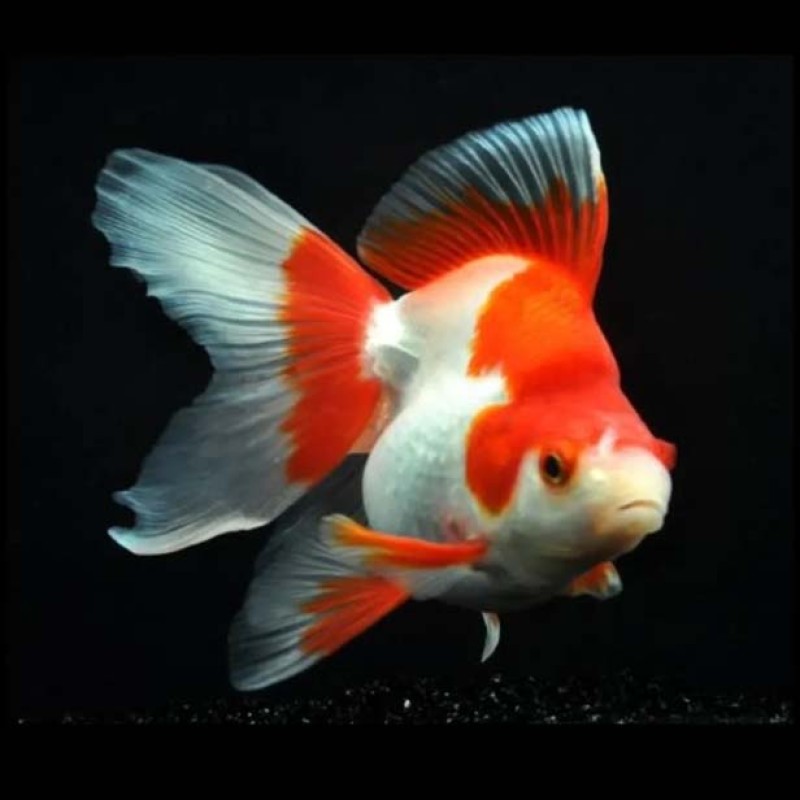
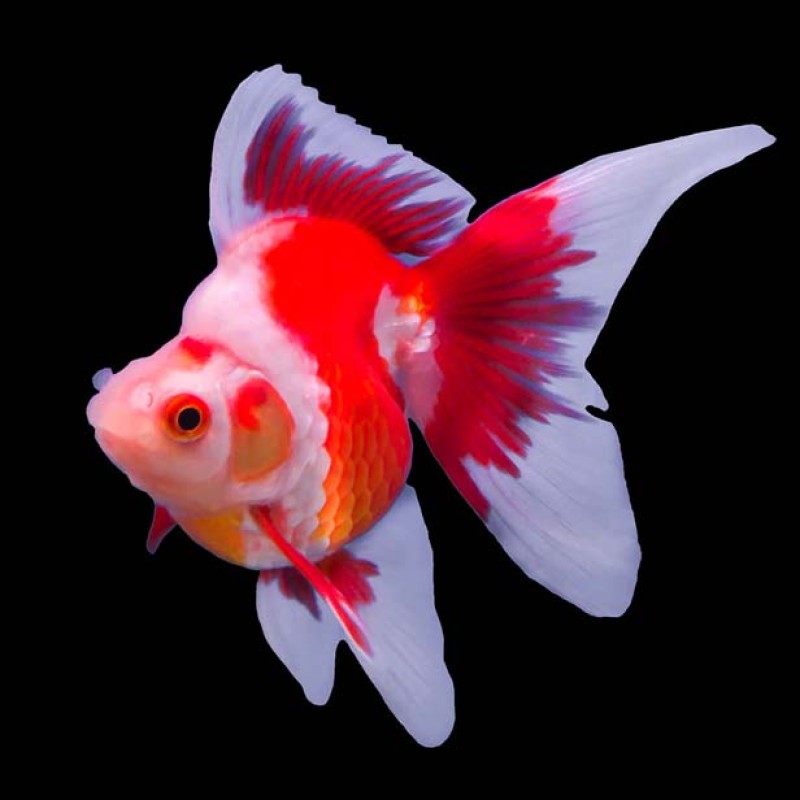
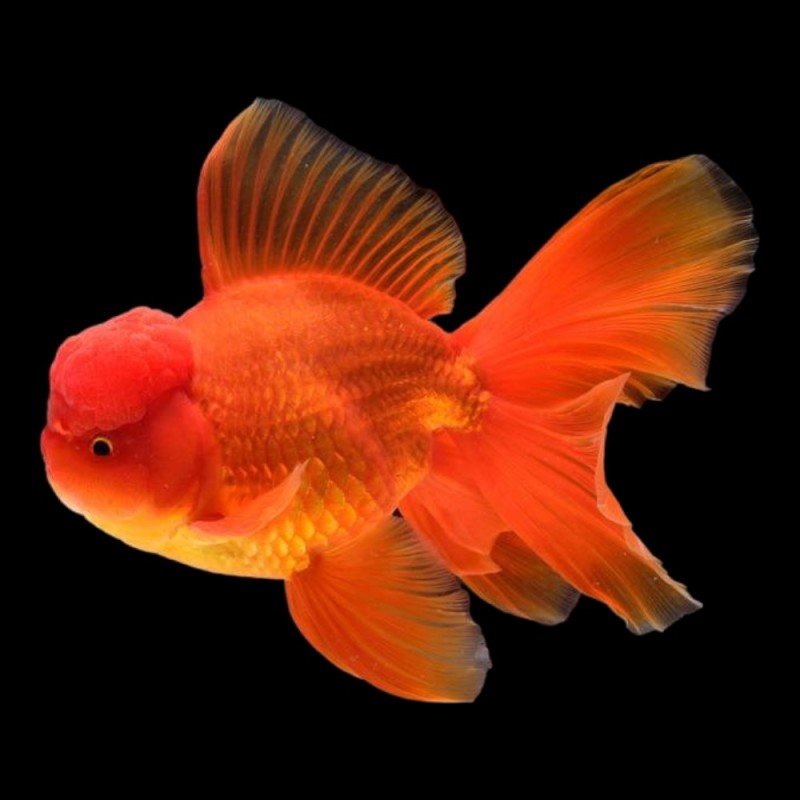
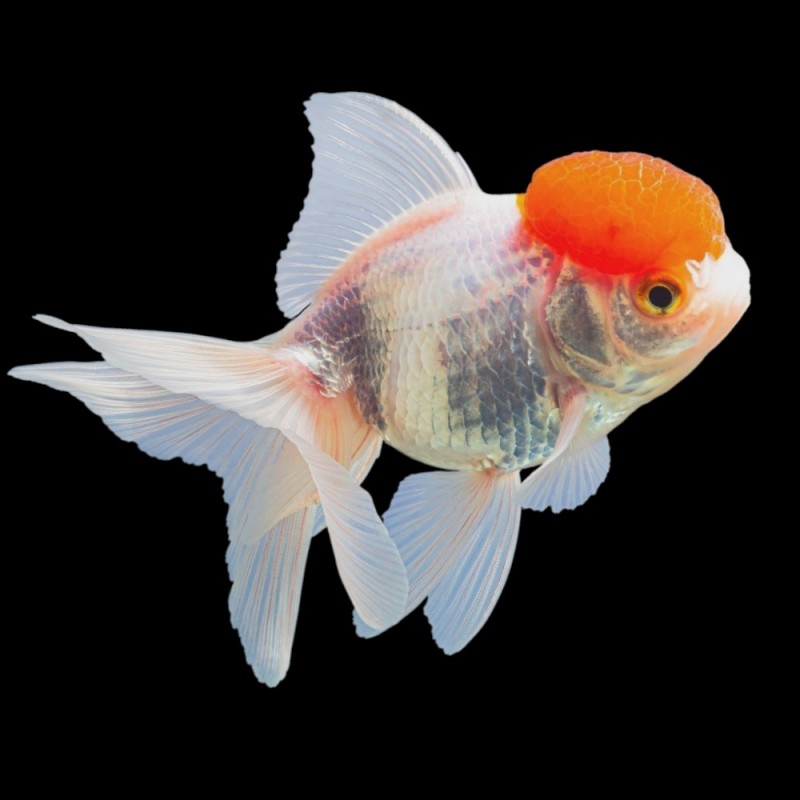
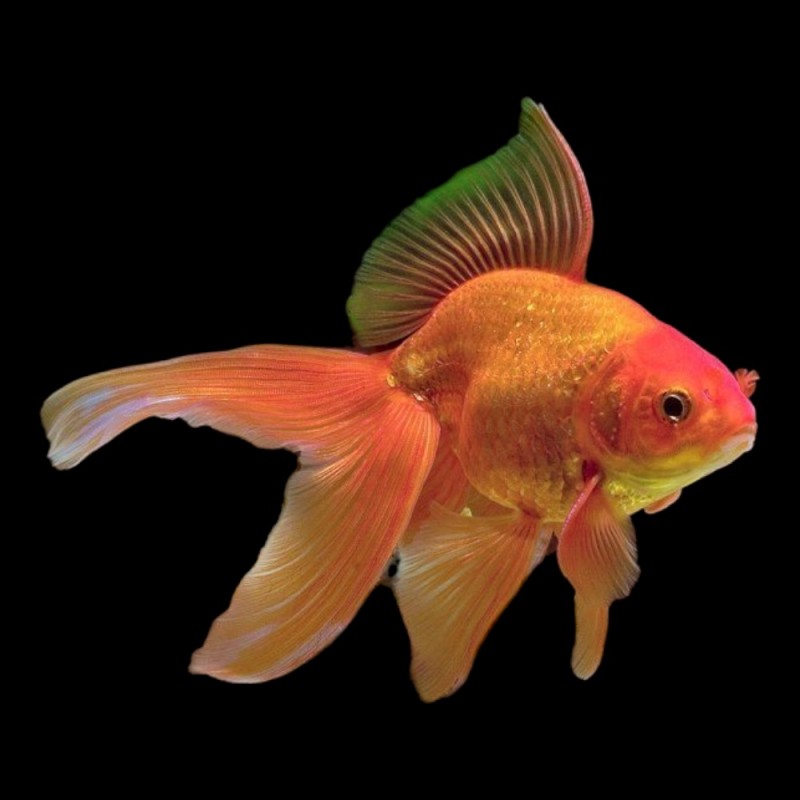
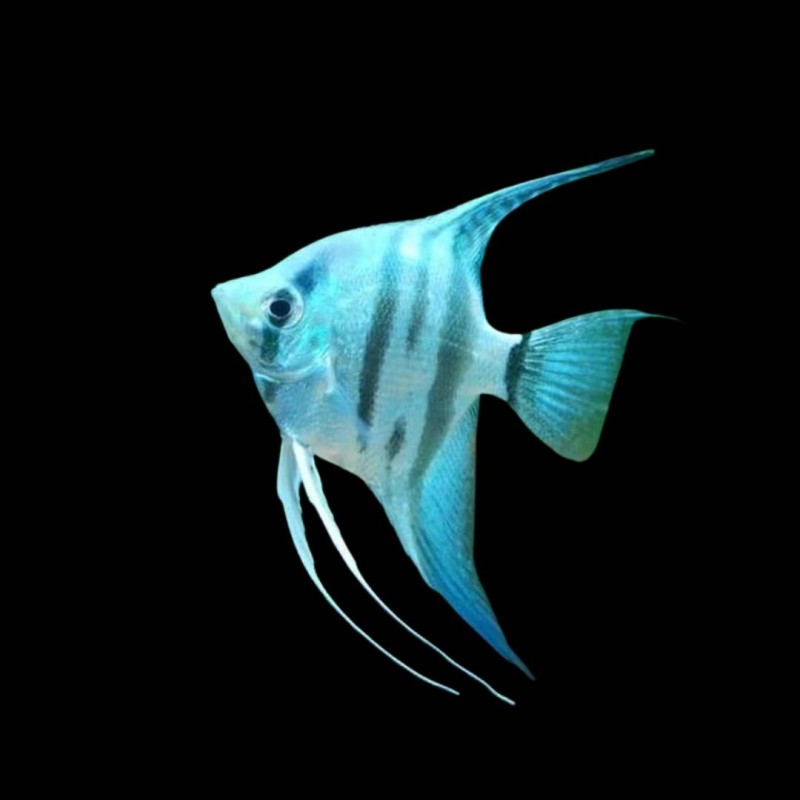
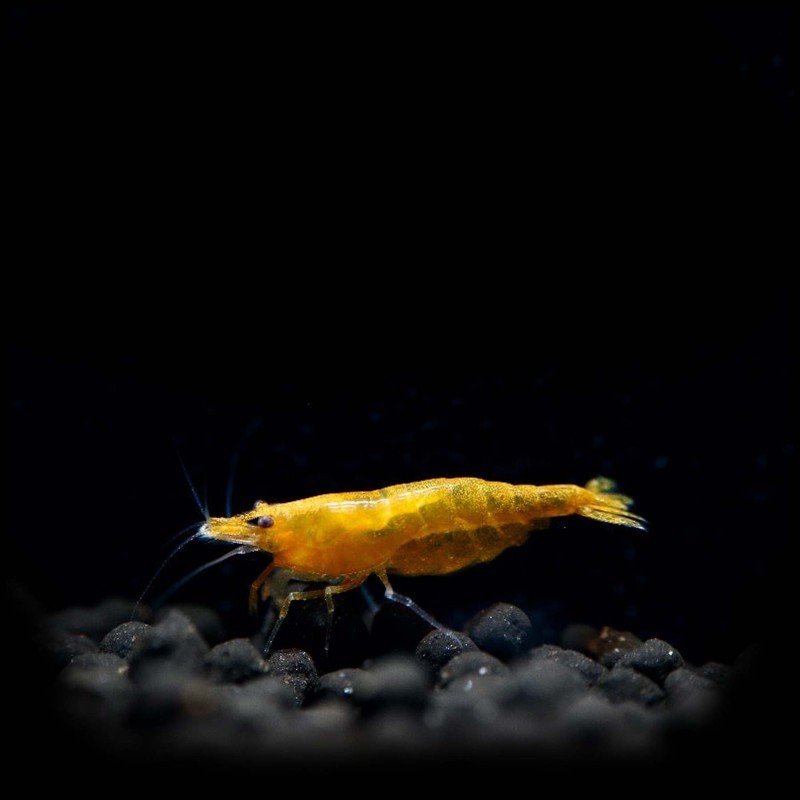
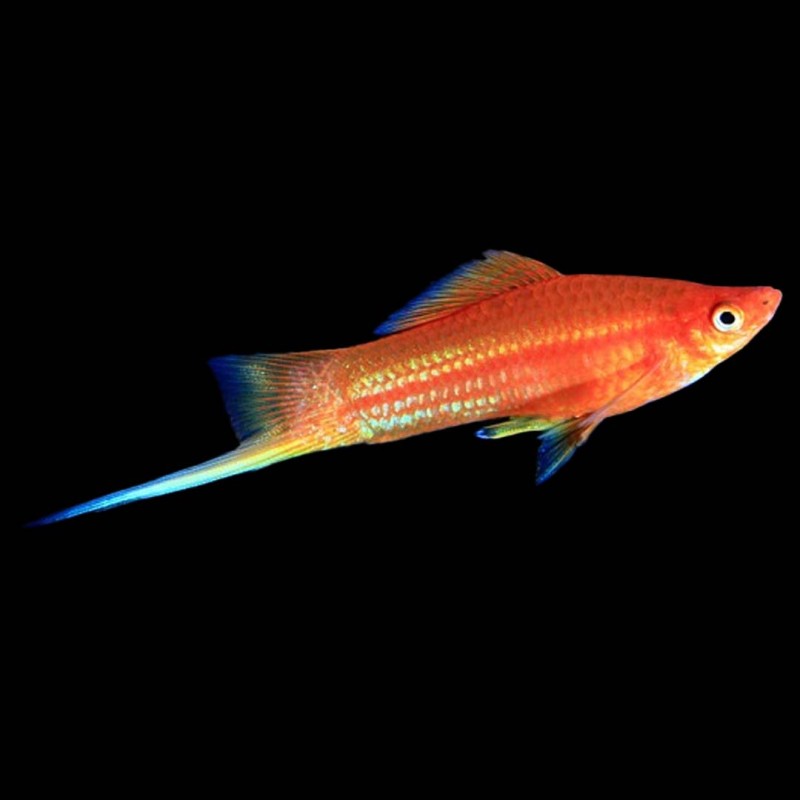
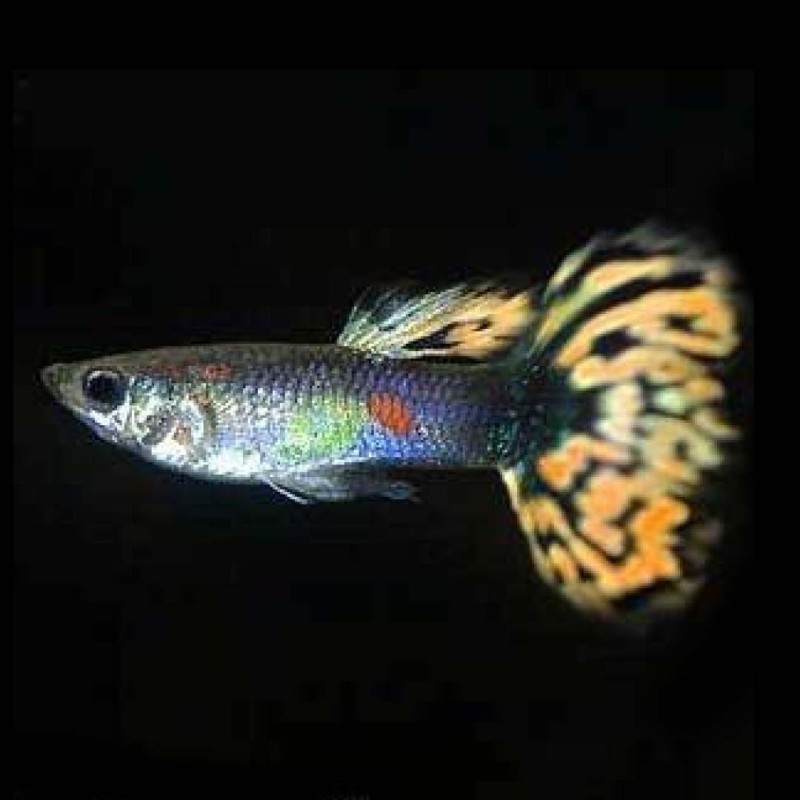
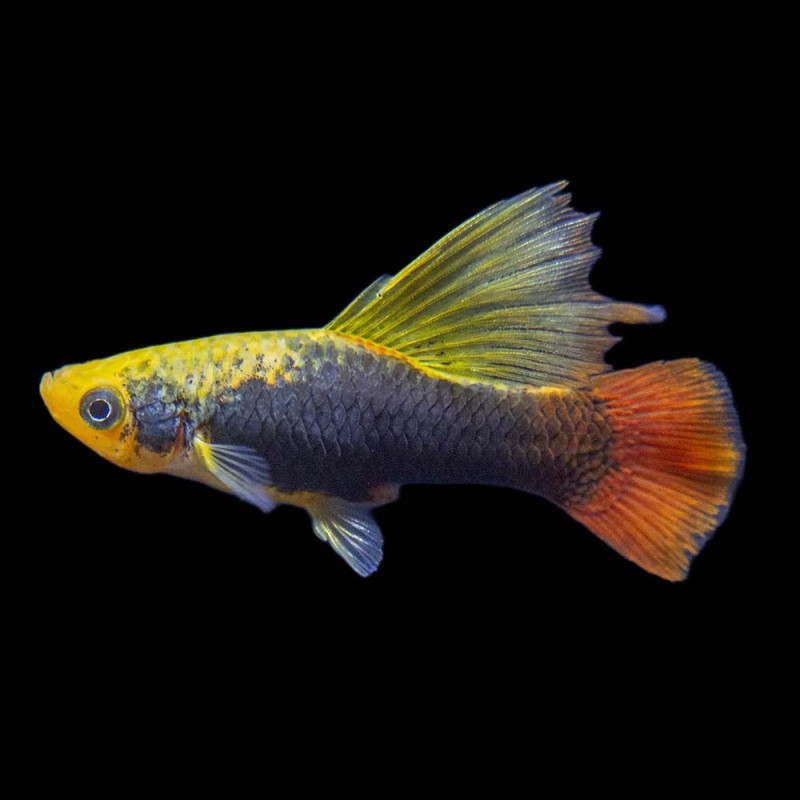
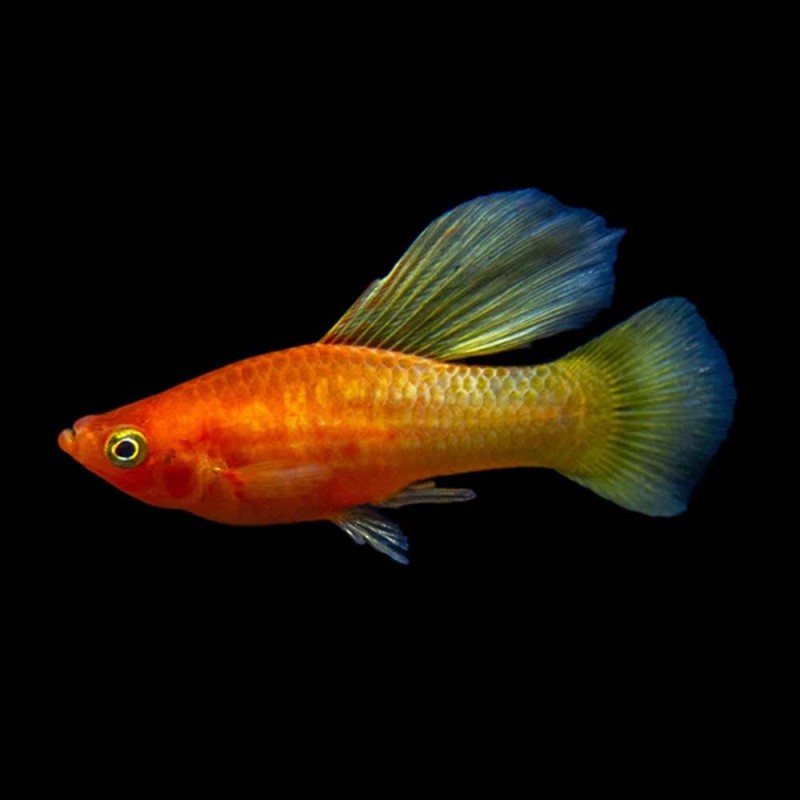
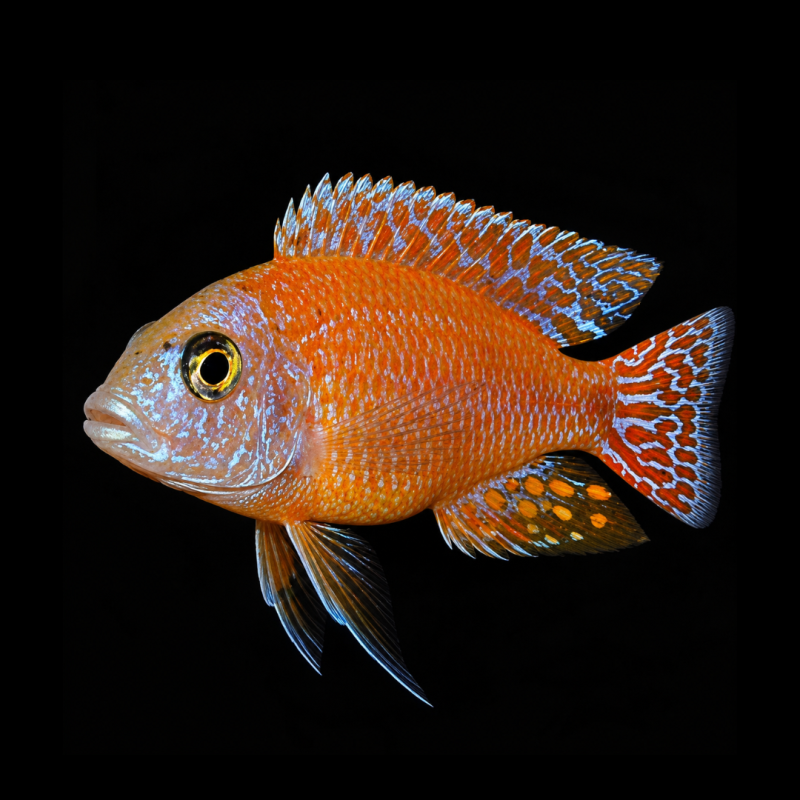
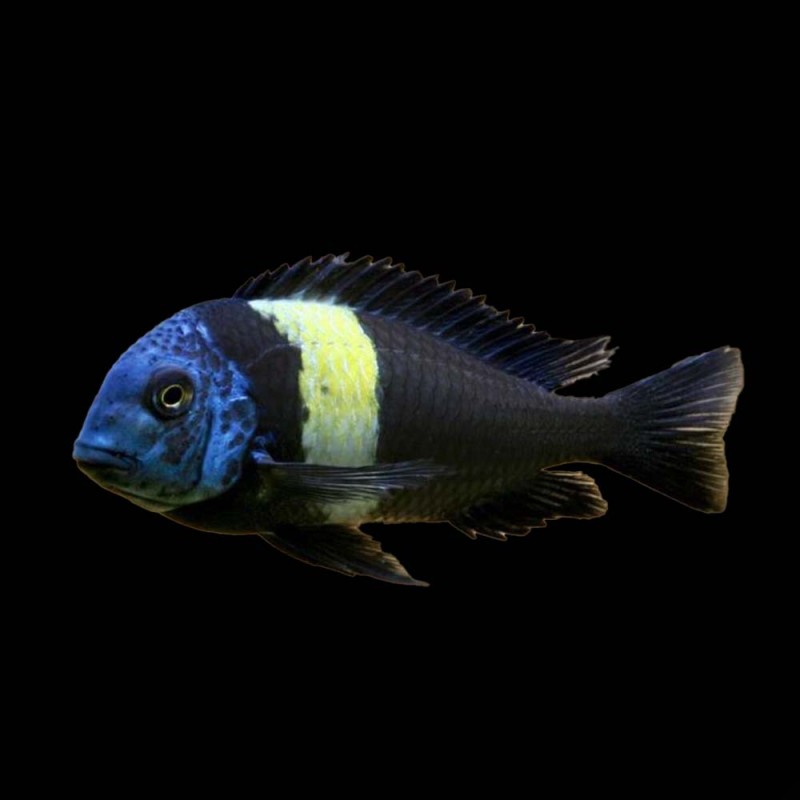
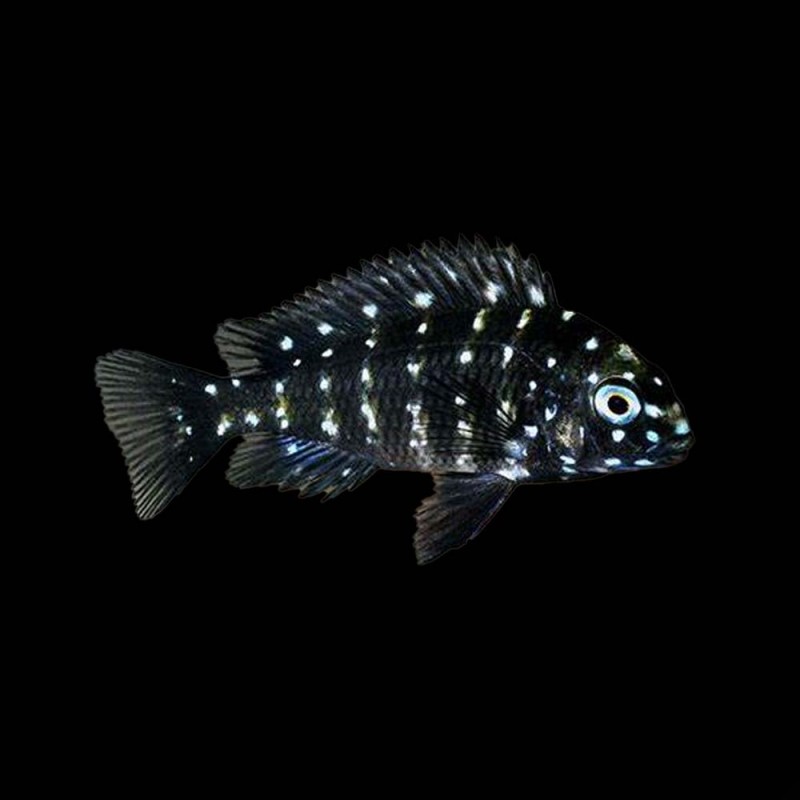
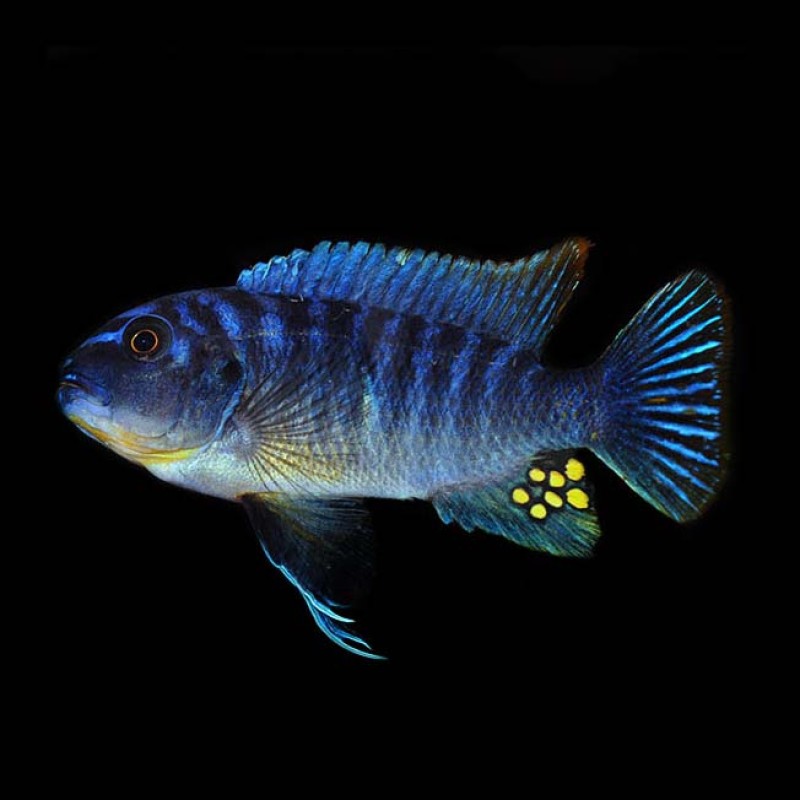
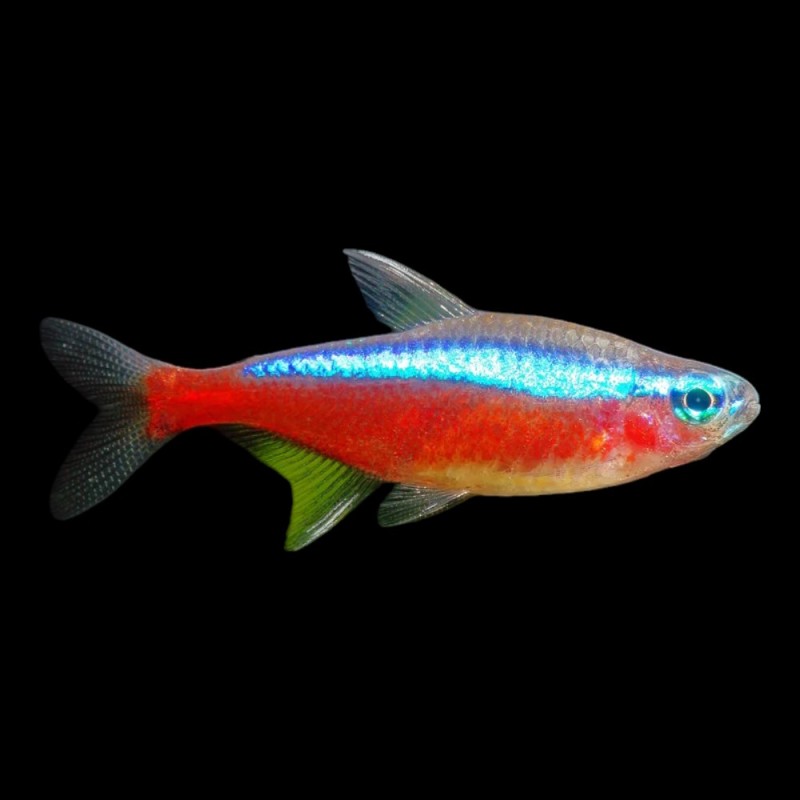
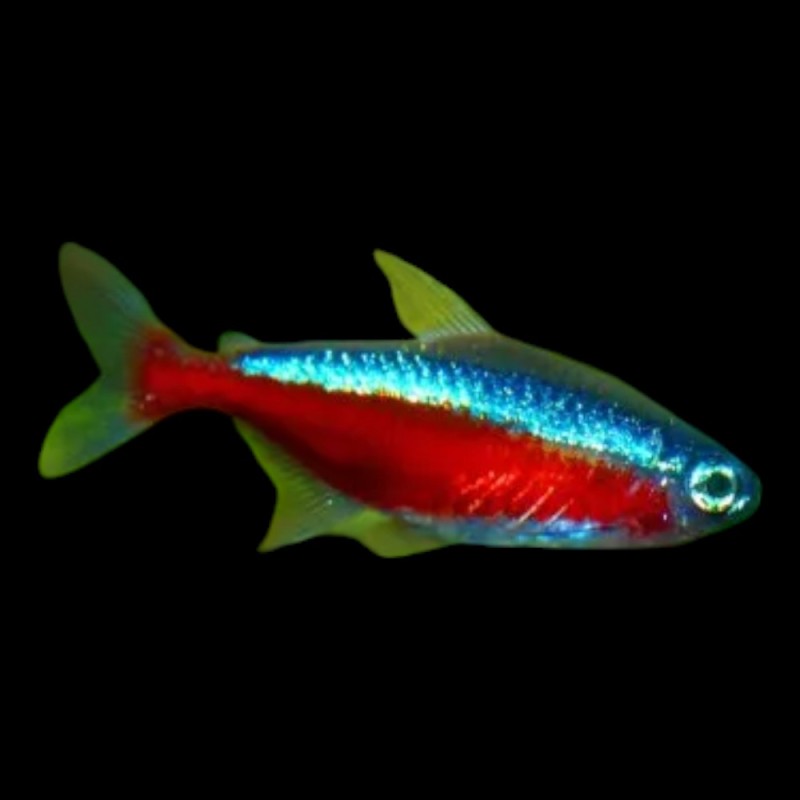
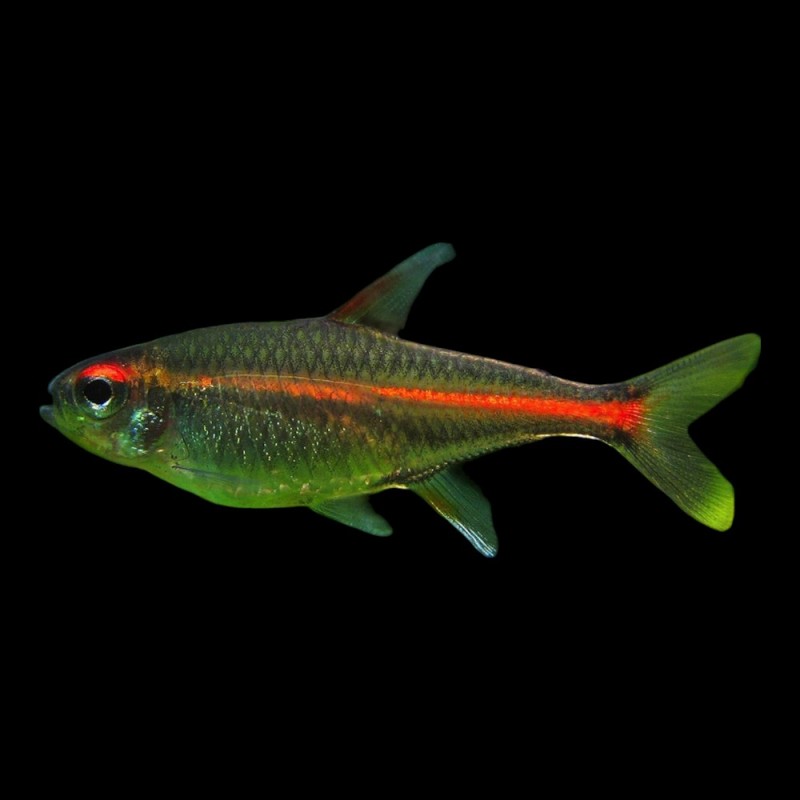
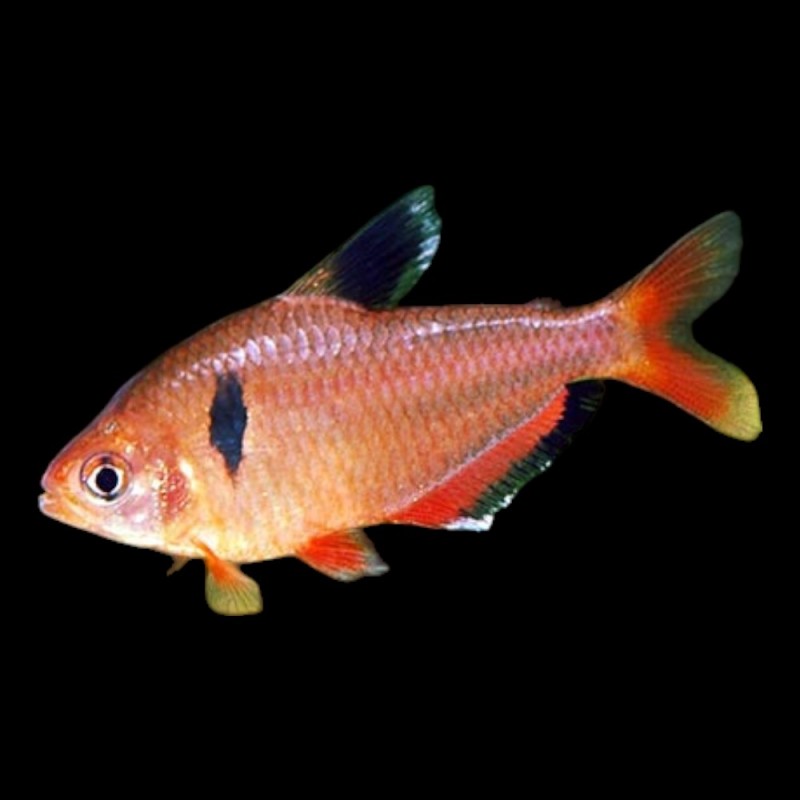
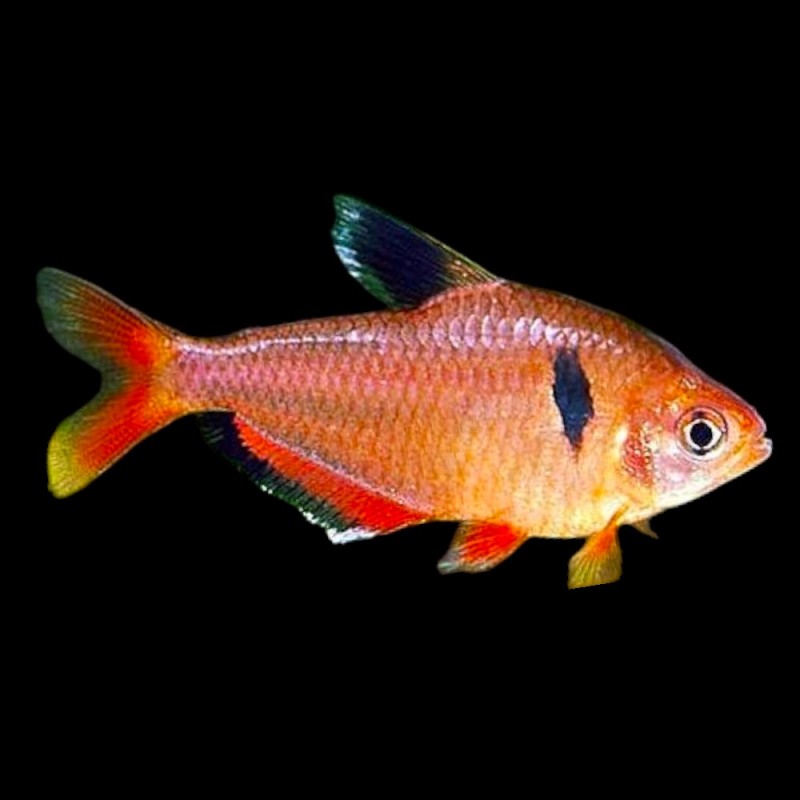
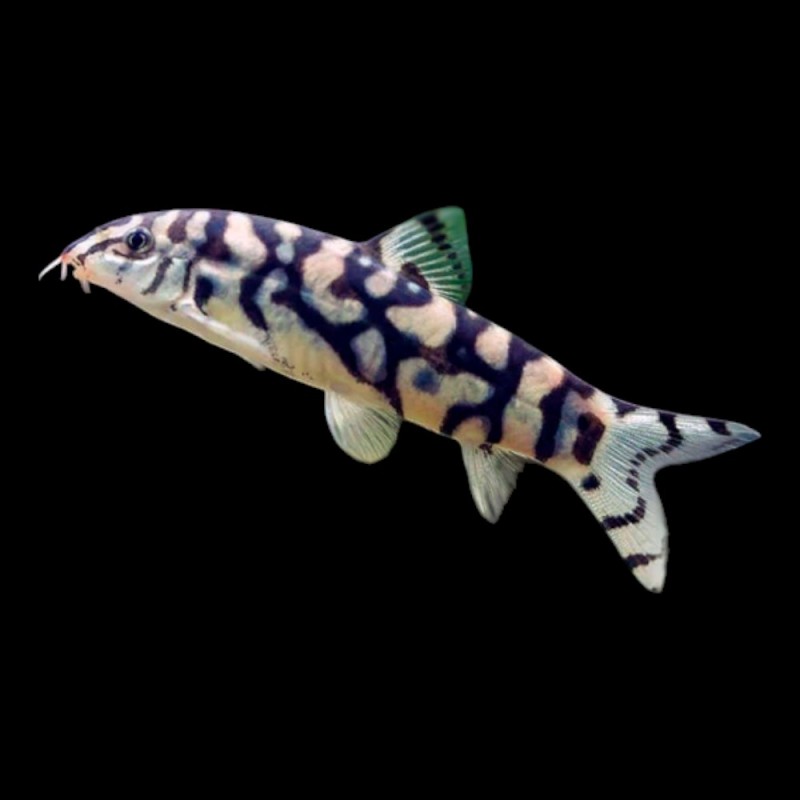
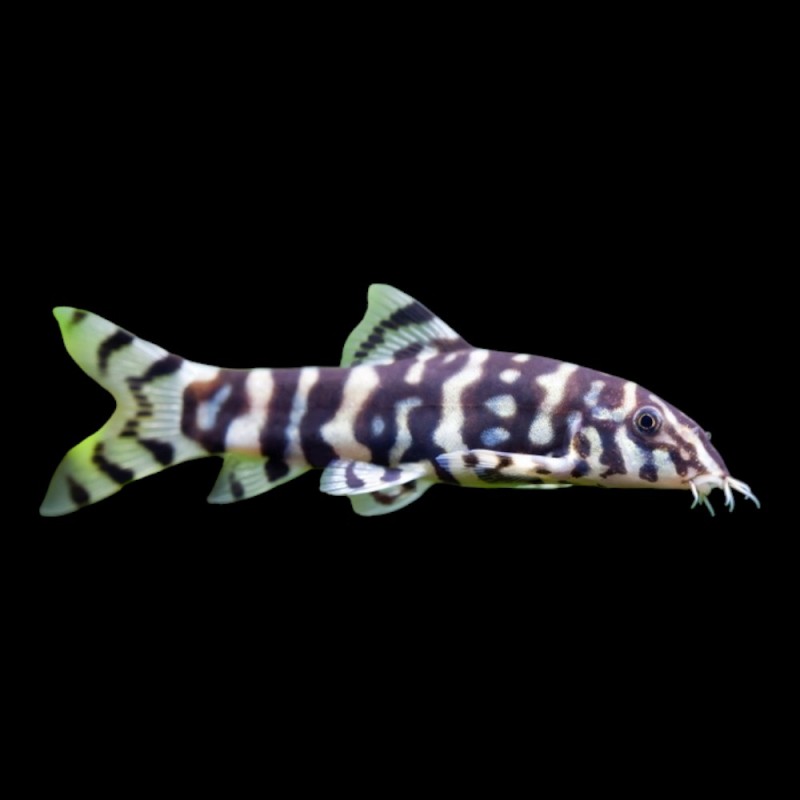
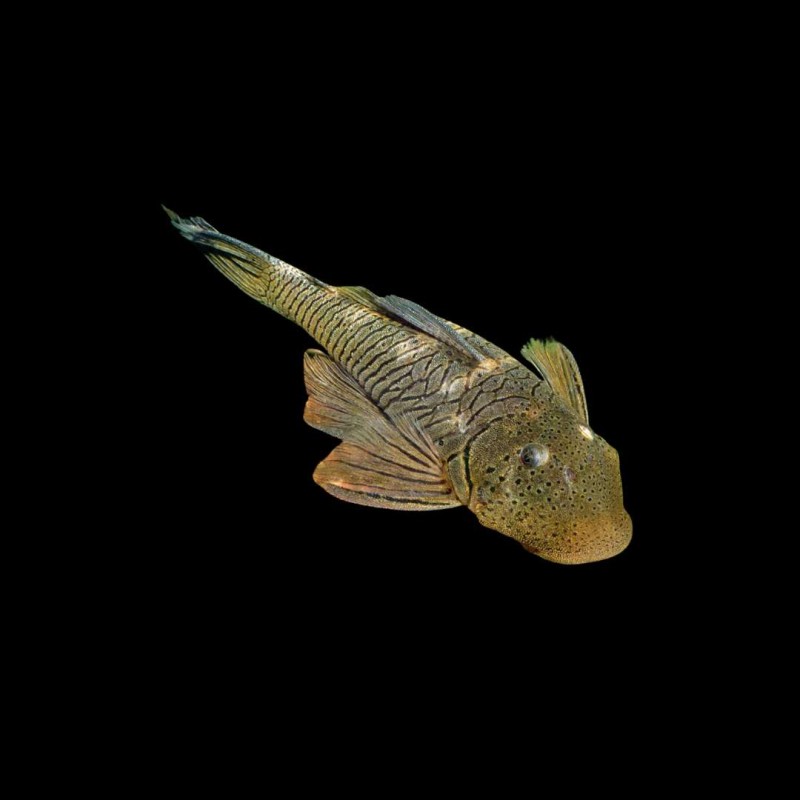
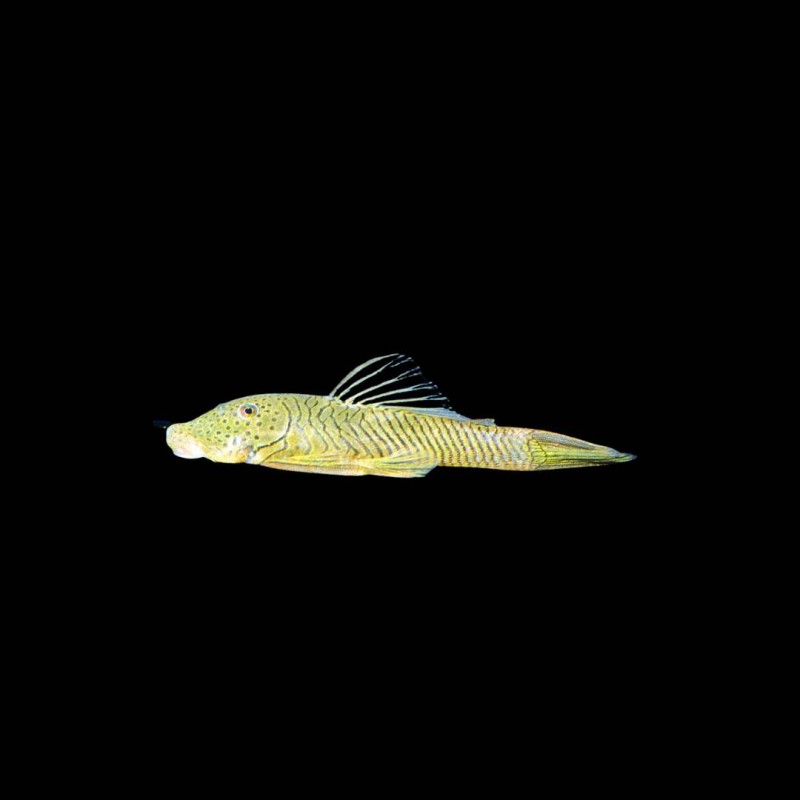
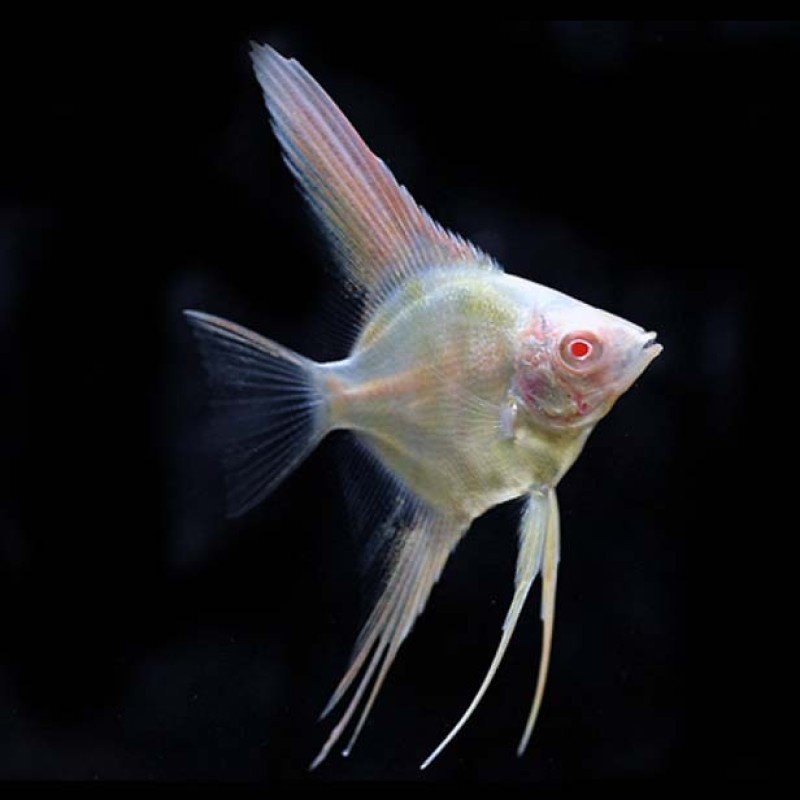
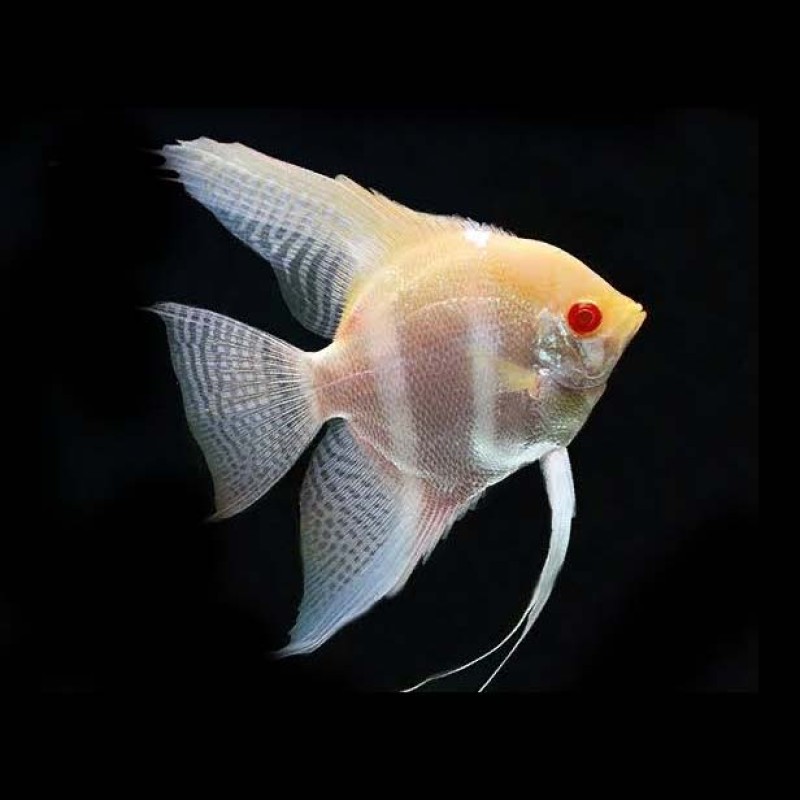
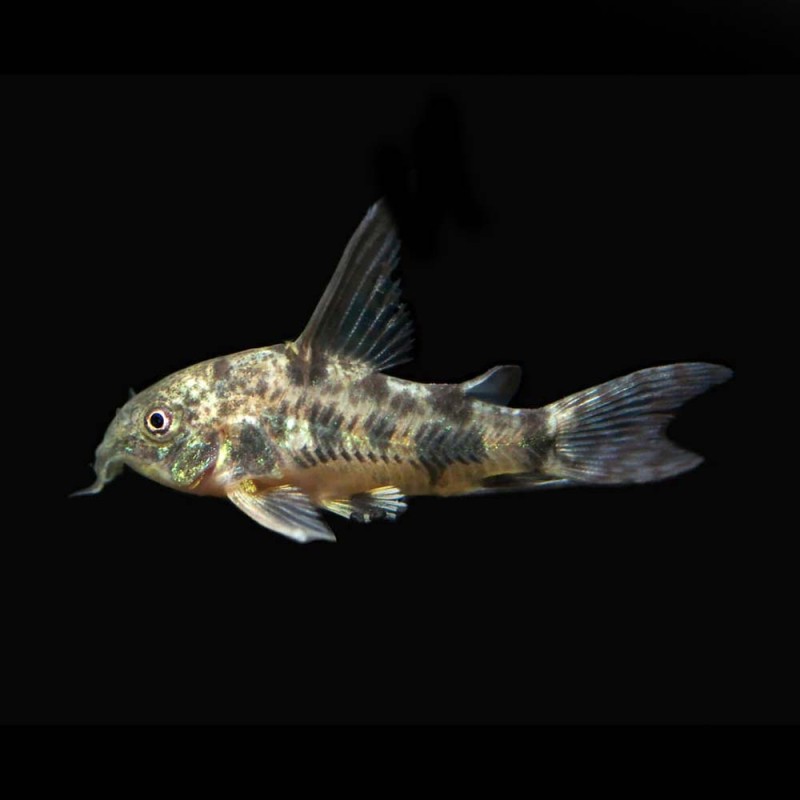
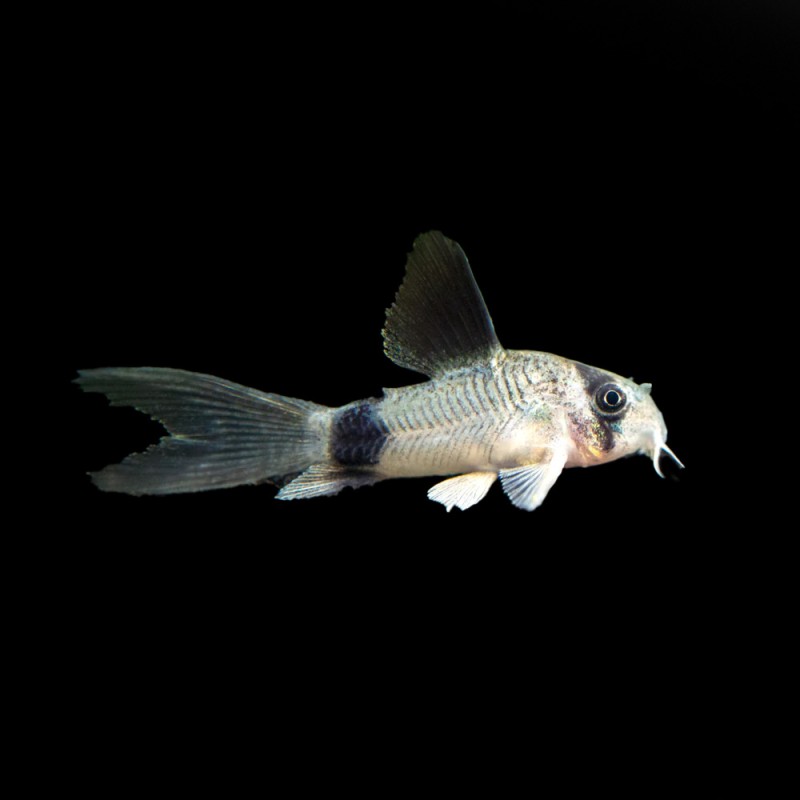
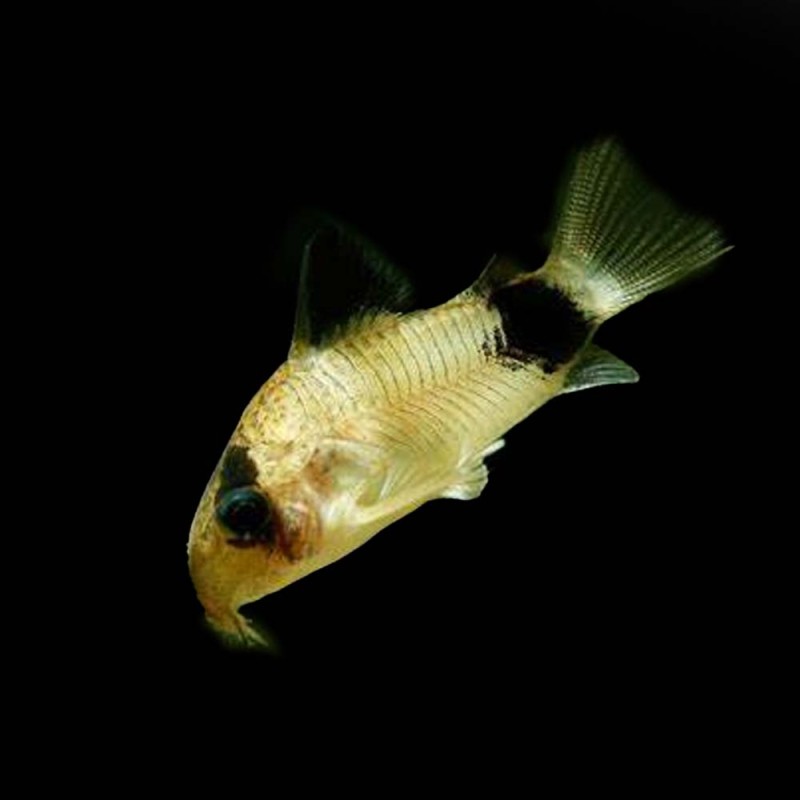
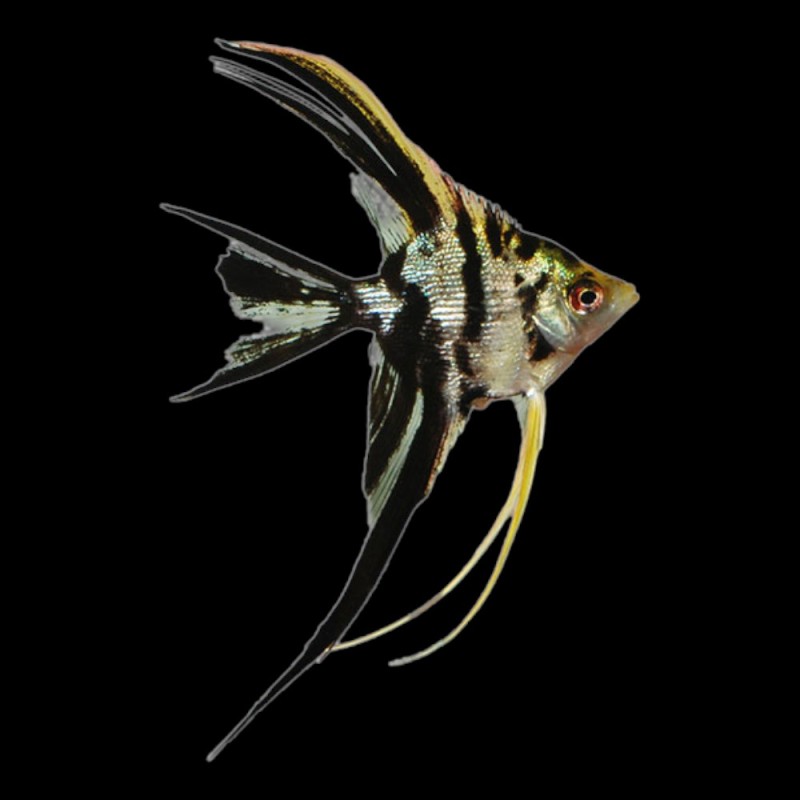
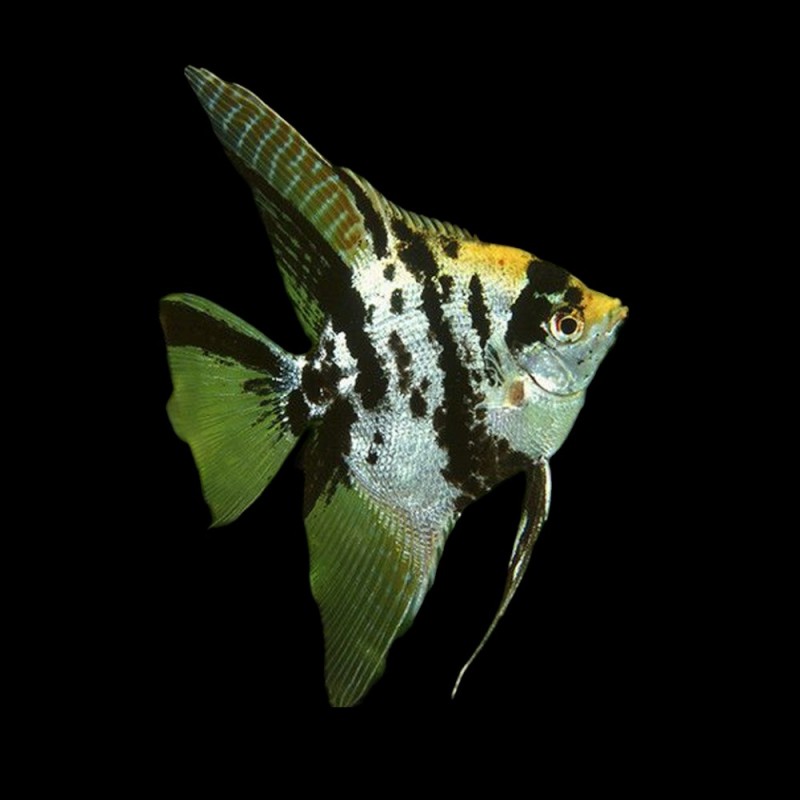
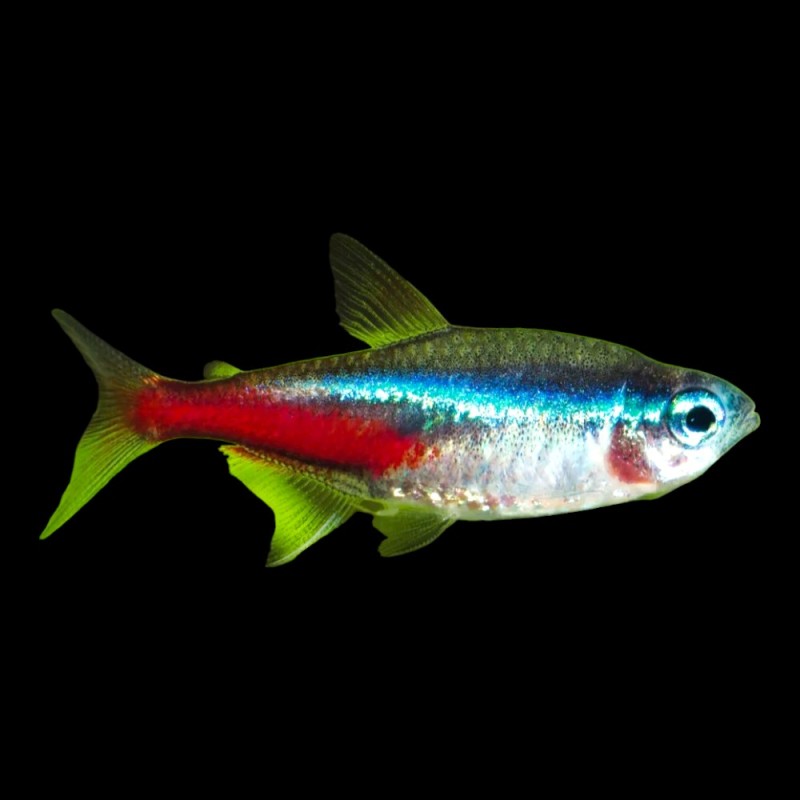
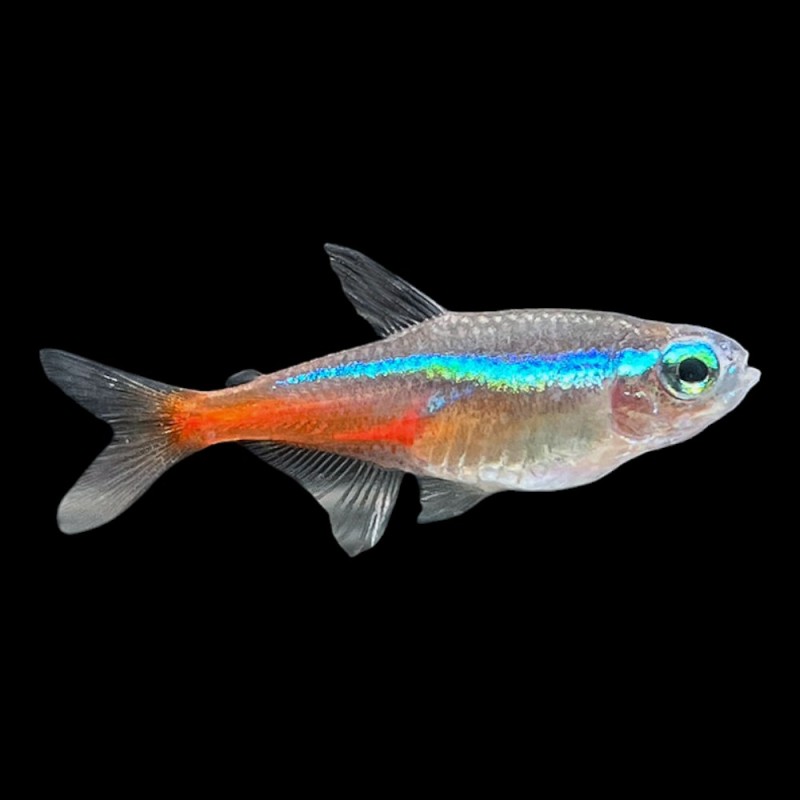
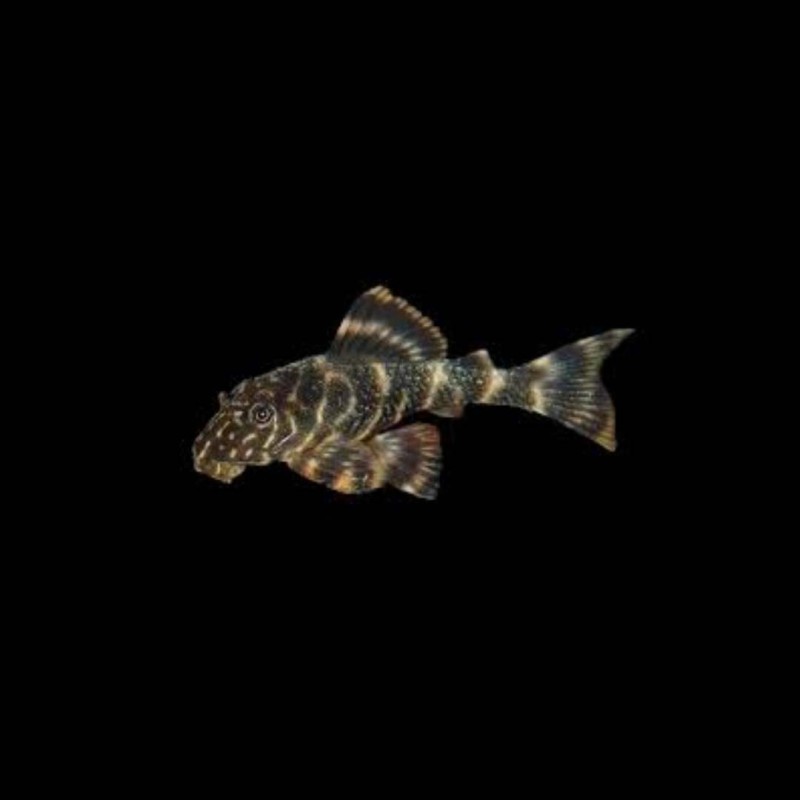
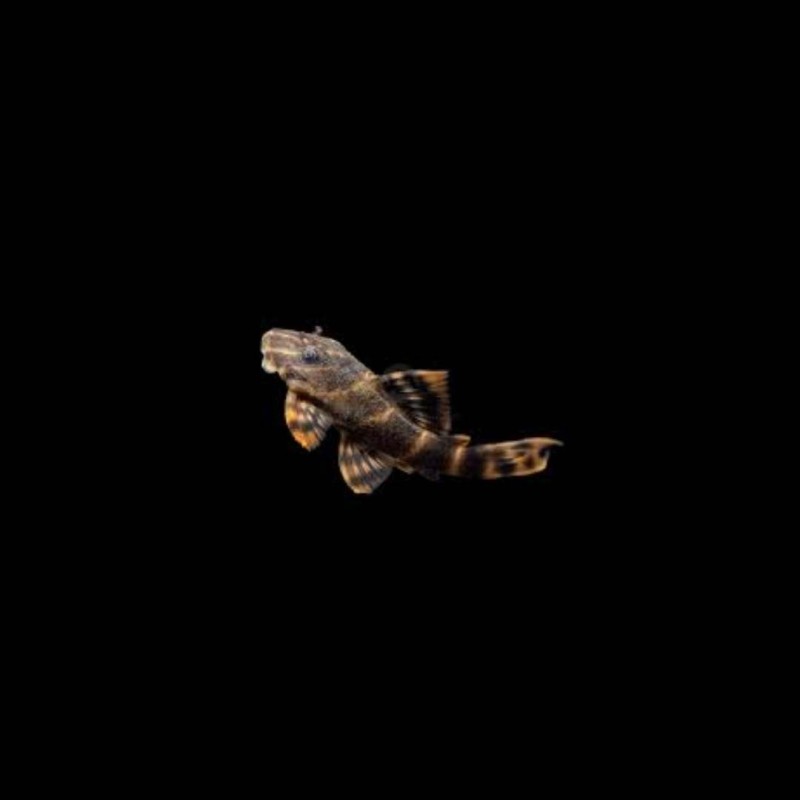
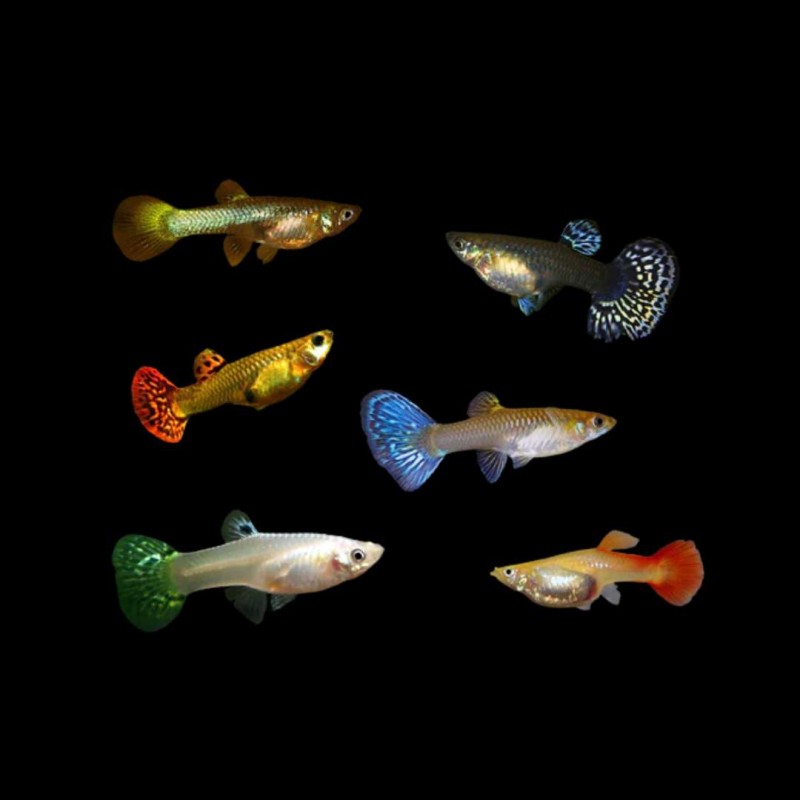
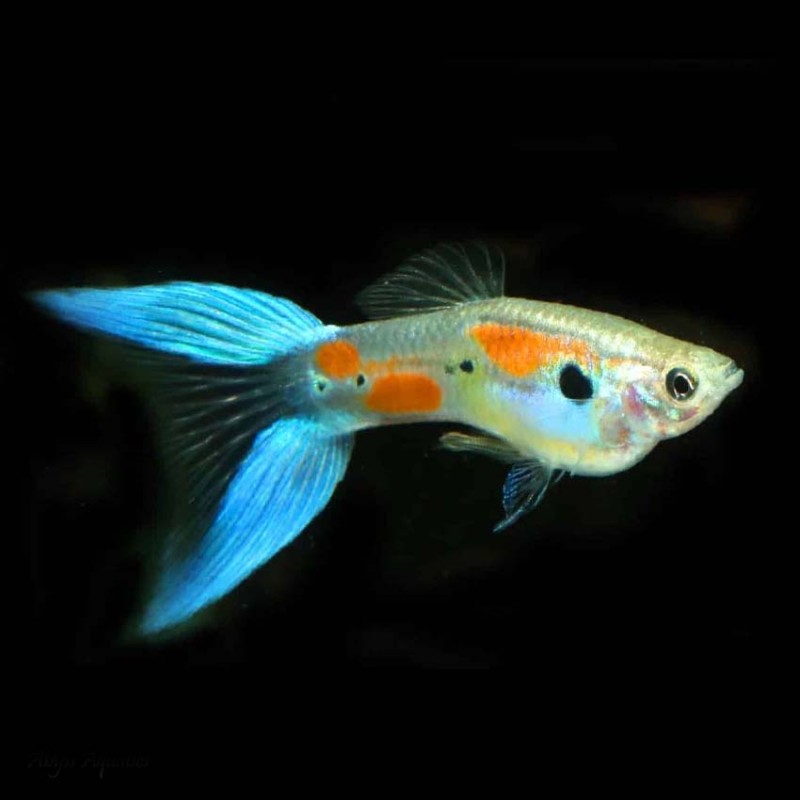
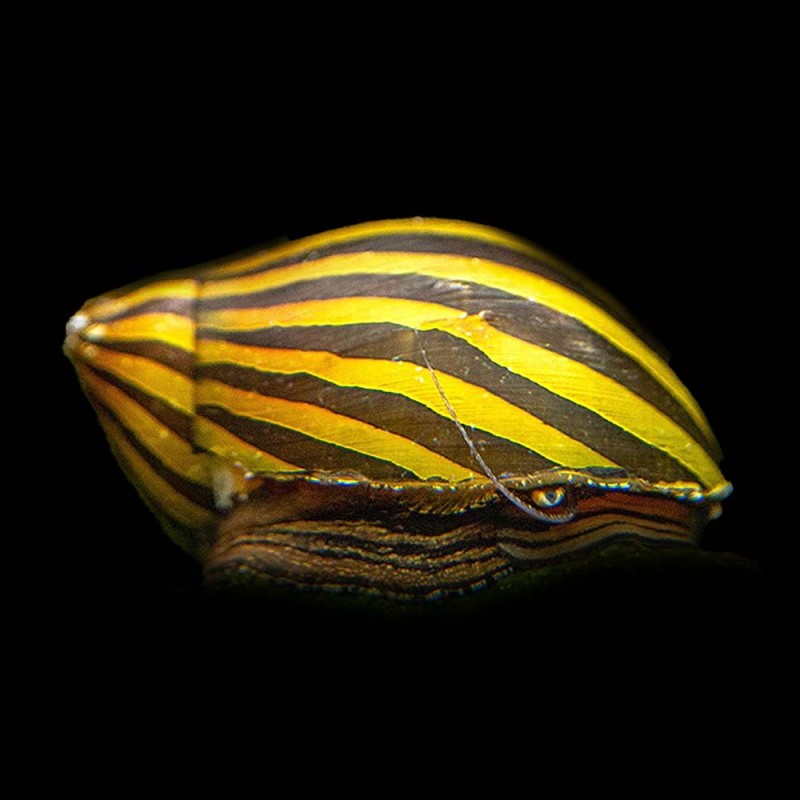
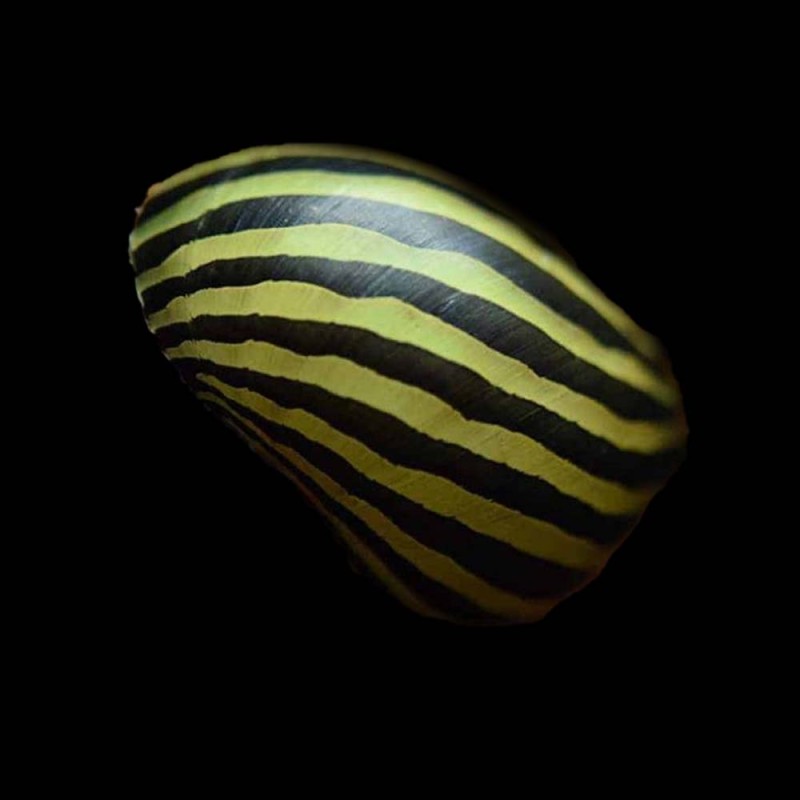
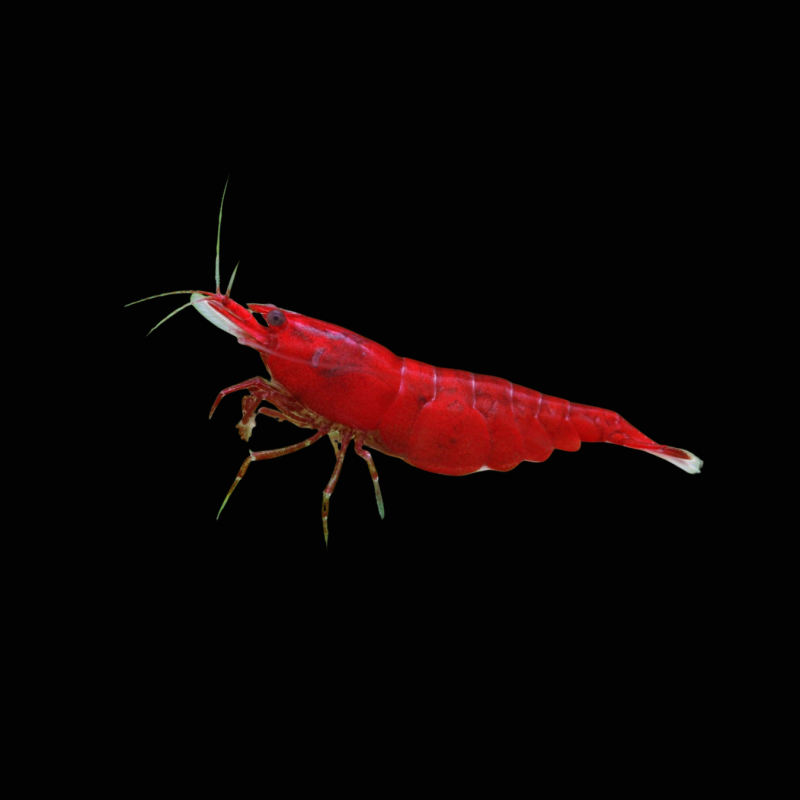
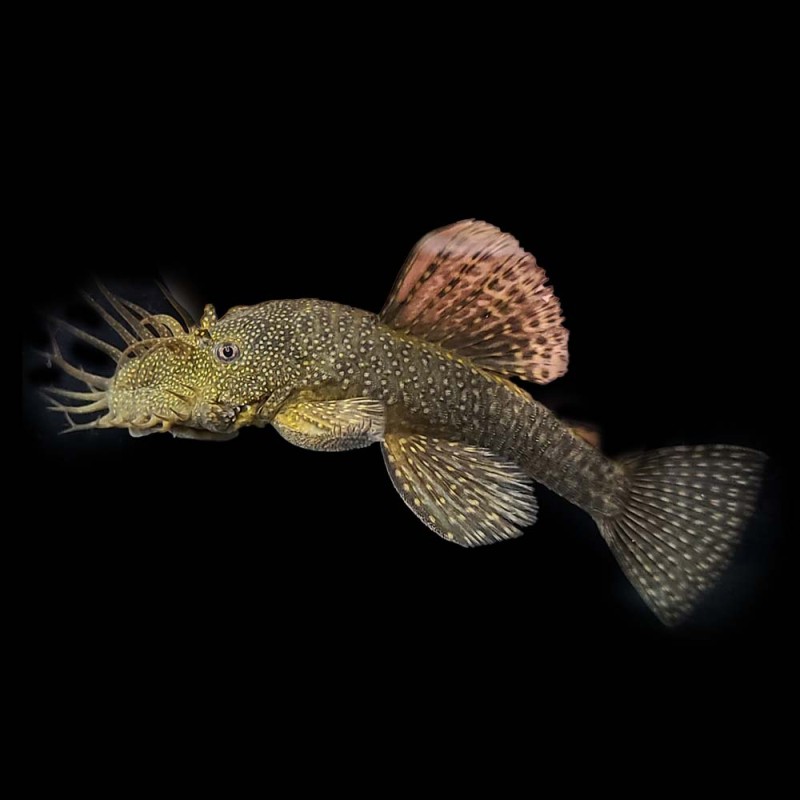
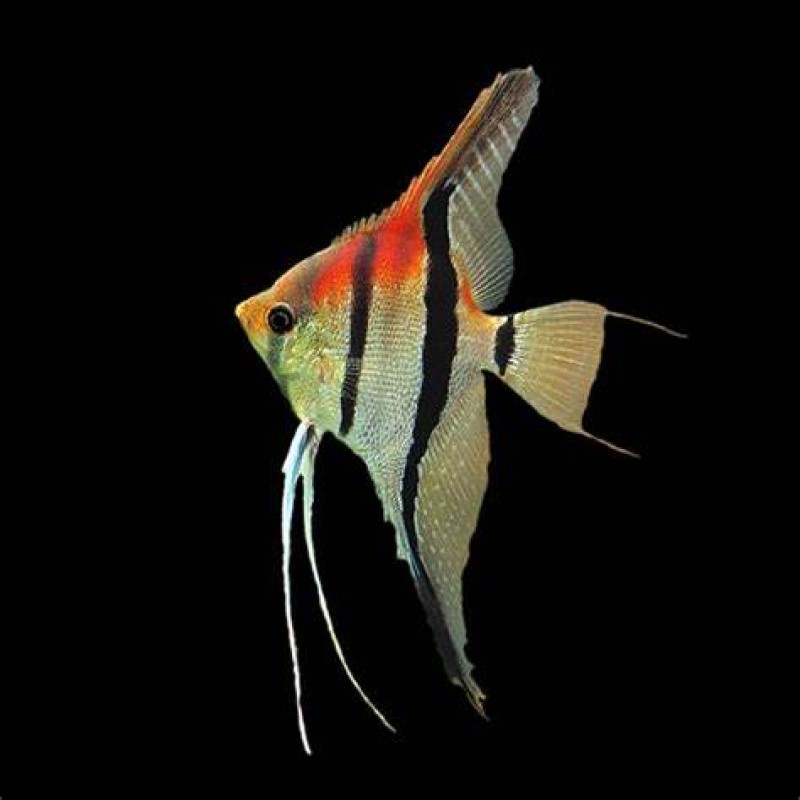
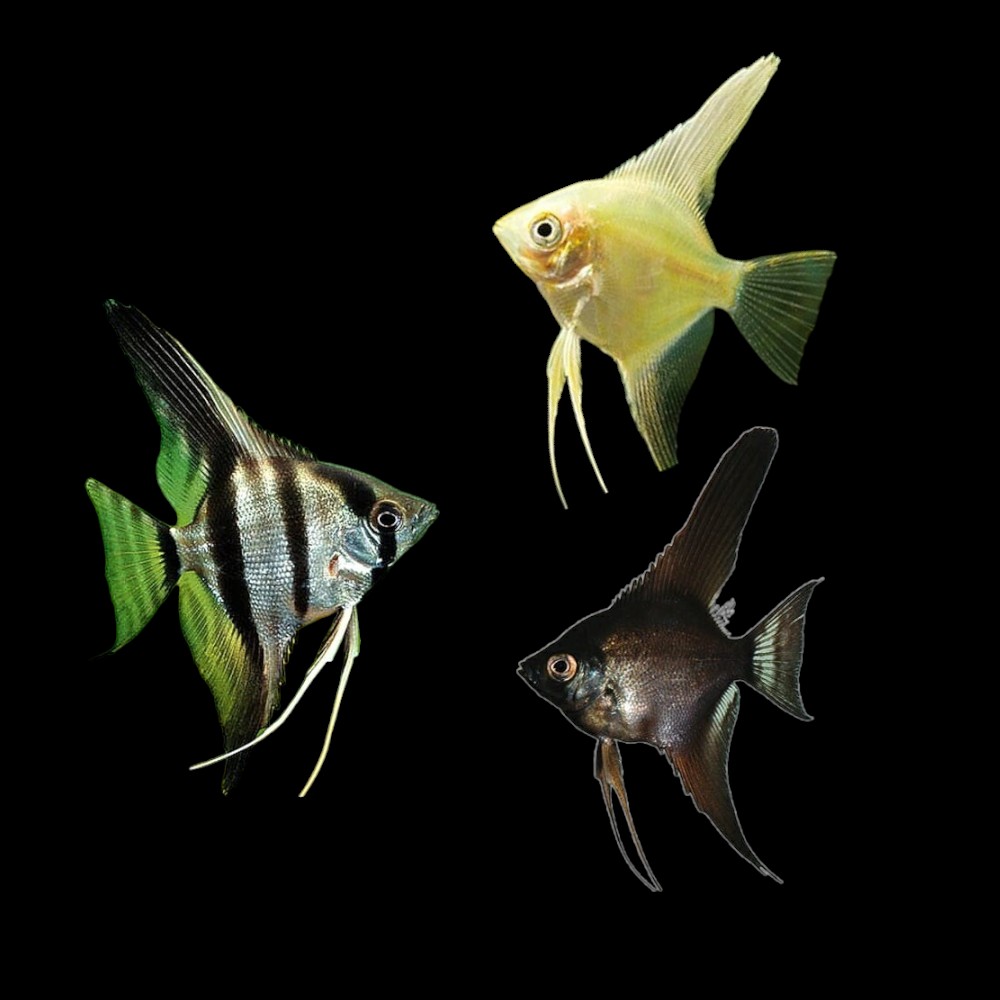
Please Note: Due to variations within species, your fish may not look identical to the image provided. Also note not all sizes or species may be available due to seasonality, Please call beforehand for up-to-date stock availability.
- Model: ASSORTED ANGELS MATRIX
Available Options
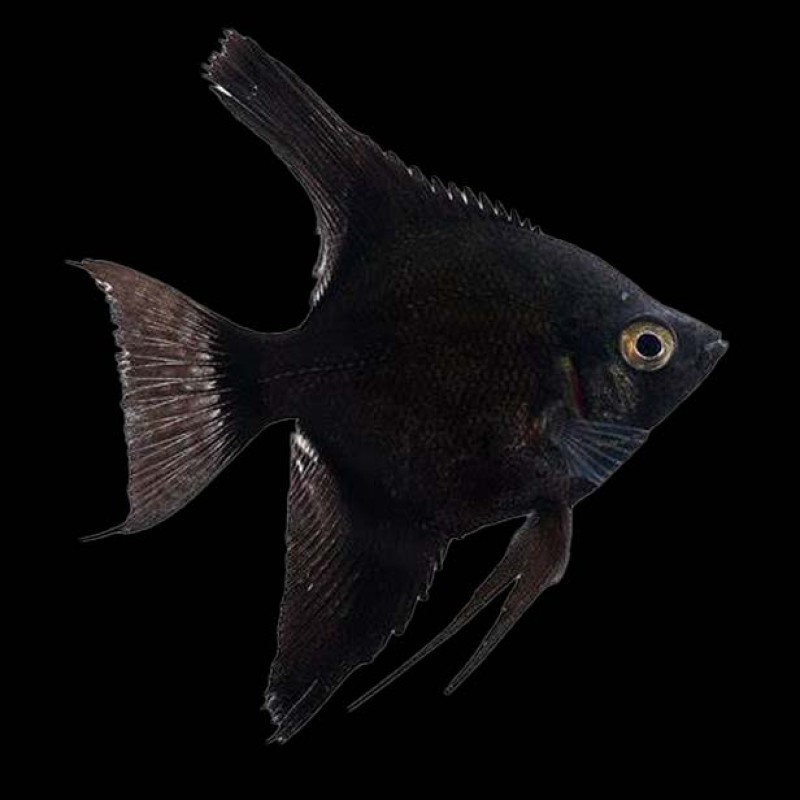
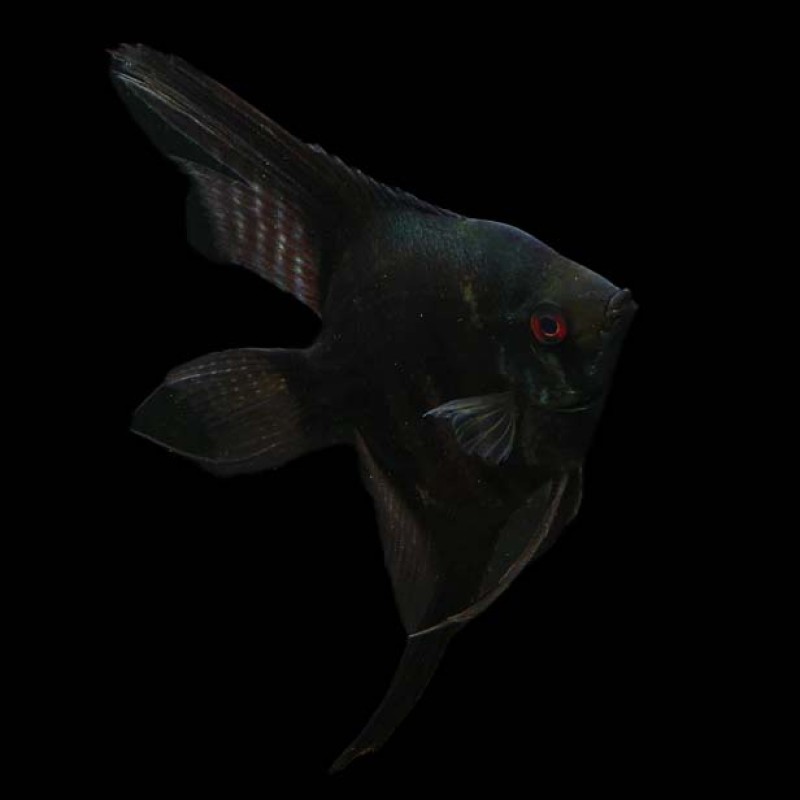
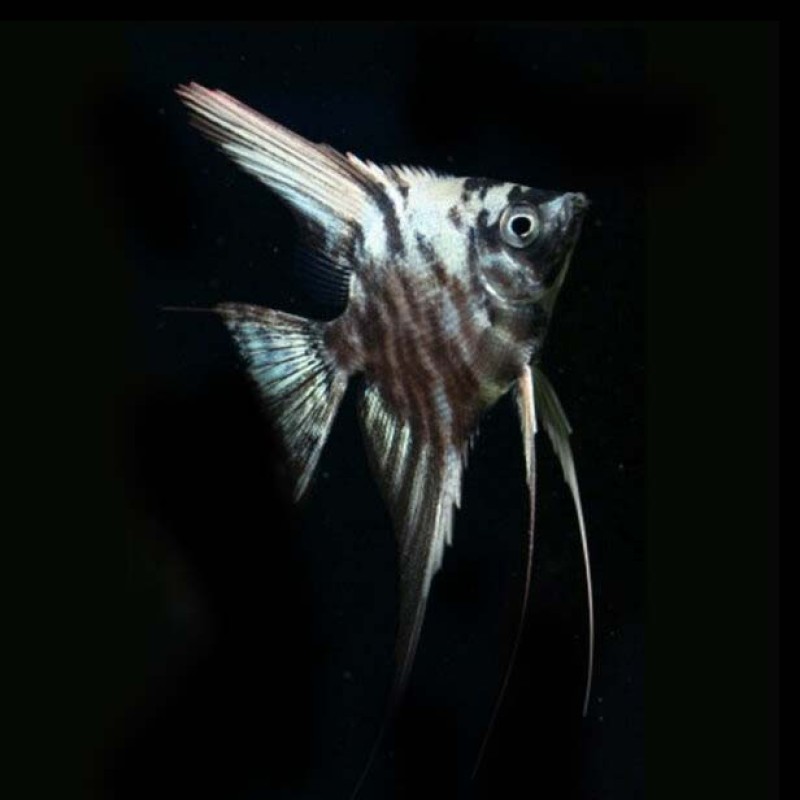
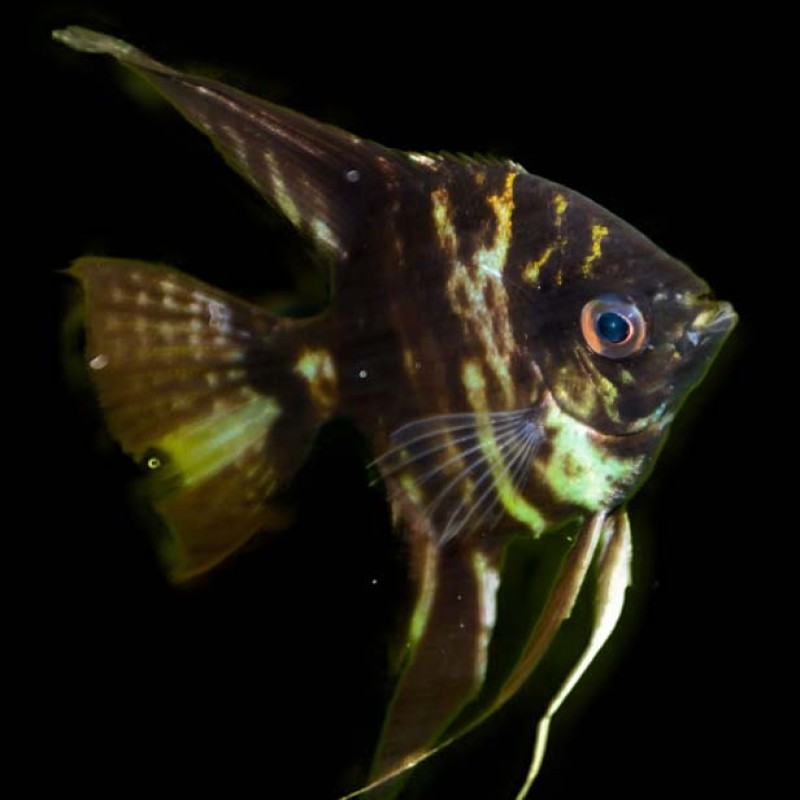
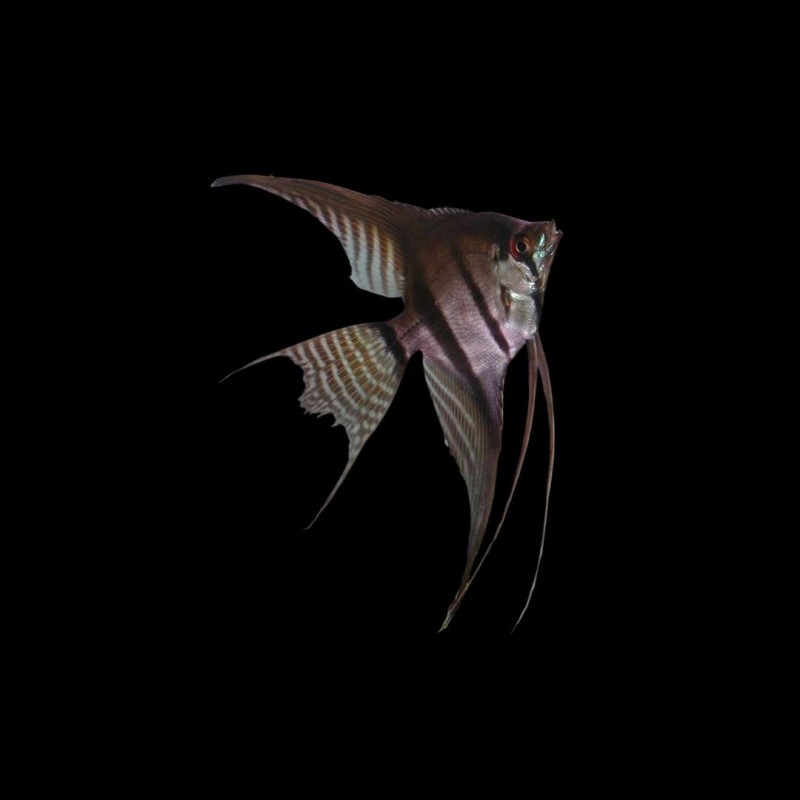
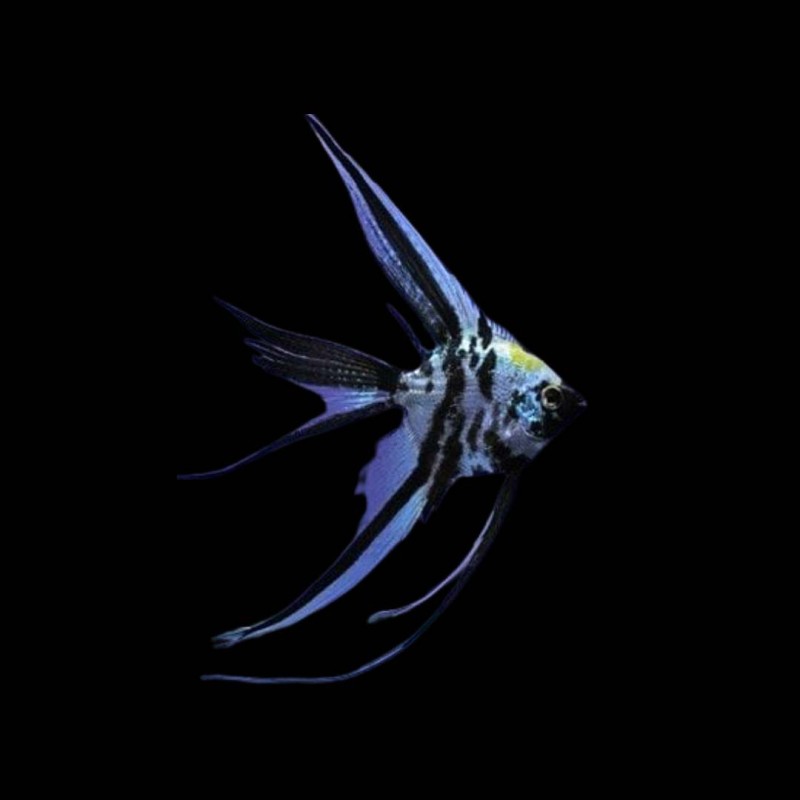
Assorted Angelfish refers to a collection of different color variations and patterns of the species Pterophyllum scalare, commonly sold together in aquarium shops. These angelfish are selectively bred for their unique and vibrant colors, ranging from marble, silver, gold, black, and koi patterns. Assorted angelfish are very popular in the aquarium hobby due to their wide range of appearances, ease of care, and compatibility with community tanks. They make a beautiful and diverse addition to freshwater aquariums.
Physical Characteristics:
- Size: Assorted angelfish can grow up to 15 cm (6 inches) in length and 20 cm (8 inches) in height from the top of their dorsal fin to the bottom of their ventral fin.
- Coloration: The coloration varies significantly between individual fish in an assorted group. Some common varieties include:
- Silver Angelfish: Silver bodies with vertical black stripes, resembling the natural wild type.
- Gold Angelfish: Solid gold or yellow bodies, often with shimmering scales.
- Marble Angelfish: A mixture of black, white, and silver marbling patterns.
- Black Angelfish: A deep, velvety black body with long, flowing fins.
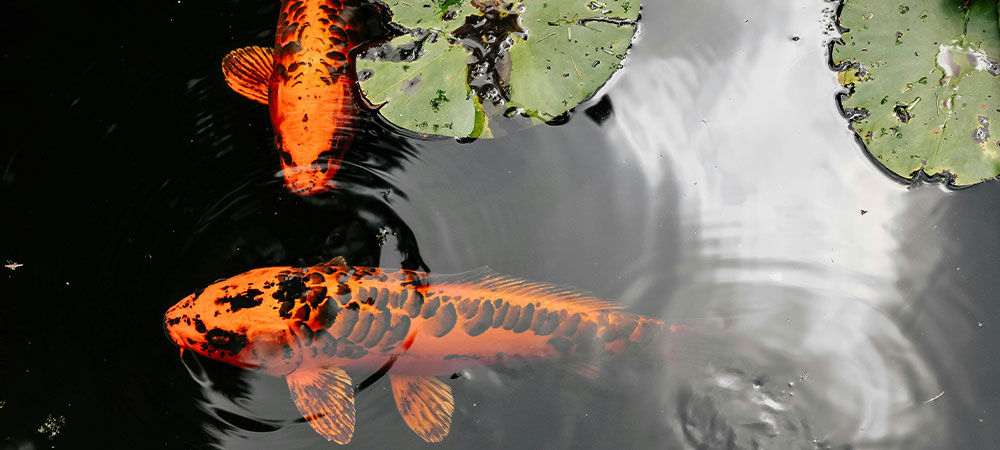
- Koi Angelfish: White bodies with orange and black markings, resembling koi fish.
- Fins: Like all angelfish, they have long, flowing fins that give them a graceful, elegant appearance. The dorsal and anal fins are elongated, and the ventral fins are often thread-like.
Behavior:
- Temperament: Assorted angelfish are generally peaceful but can become territorial, especially during breeding. They may show some mild aggression toward smaller tankmates or when establishing dominance within a group.
- Social Behavior: These angelfish are social fish and should be kept in groups of at least 5-6 individuals. In groups, they tend to be less aggressive and form a natural hierarchy. When paired for breeding, they can become more protective of their territory.
- Community-Friendly: Assorted angelfish can be housed in community tanks, provided their tankmates are peaceful and not too small to be seen as prey.
Aquarium Care:
- Tank Size: A minimum tank size of 150 liters (40 gallons) is recommended for a small group of assorted angelfish. Larger tanks (200 liters or more) are preferred if housing multiple fish or creating a community setup.
- Water Parameters:
- Temperature: Assorted angelfish prefer warm water, with an ideal temperature range of 24°C to 28°C (75°F to 82°F).
- pH: They thrive in slightly acidic to neutral water, with a pH range of 6.0 to 7.5.
- Hardness: Soft to moderately hard water is best, with a general hardness (GH) of 3-8 dGH.
- Tank Setup:
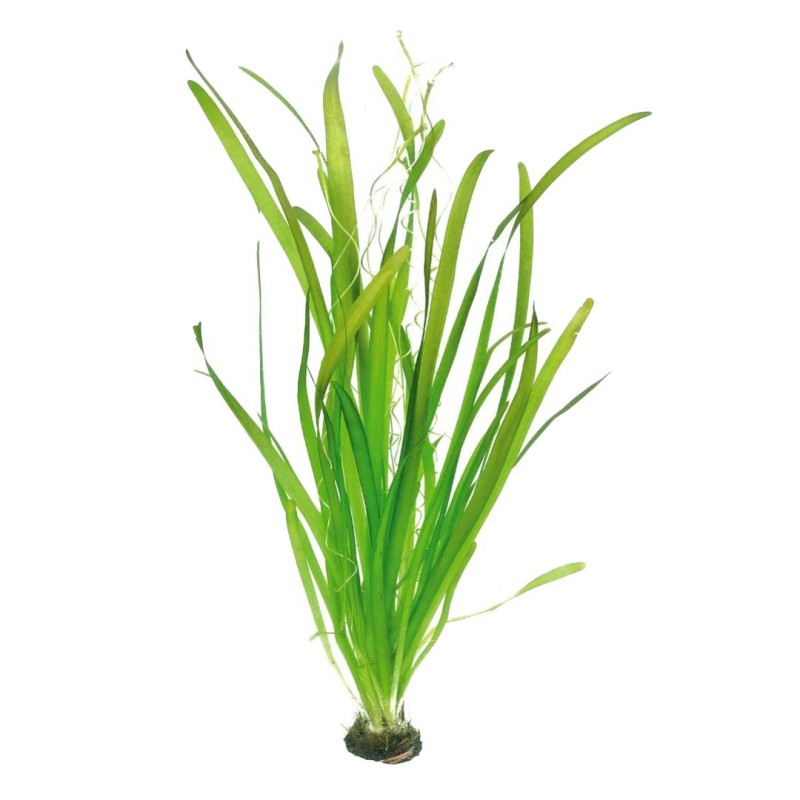
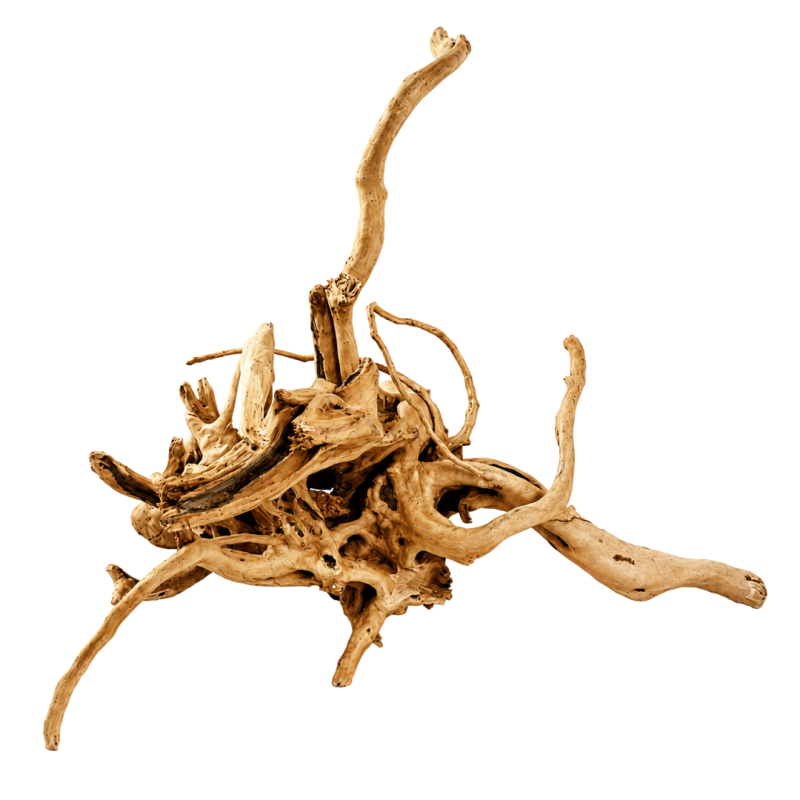
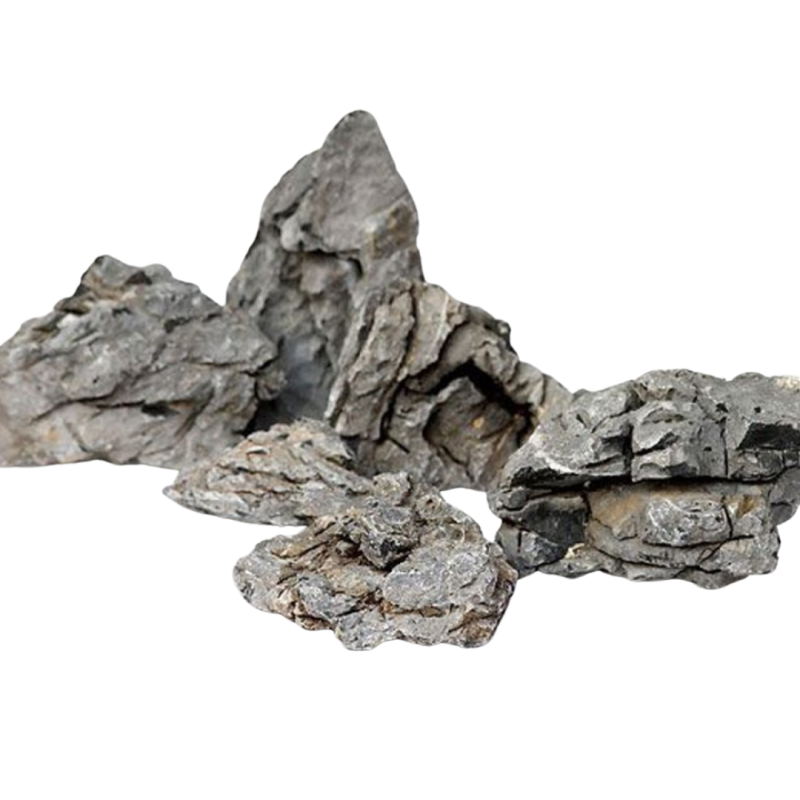
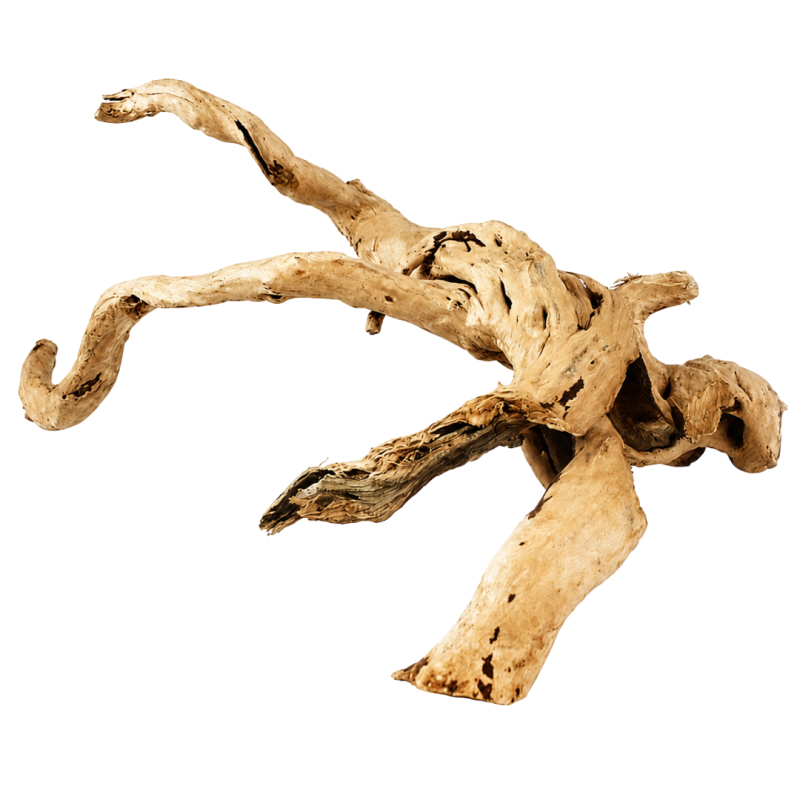
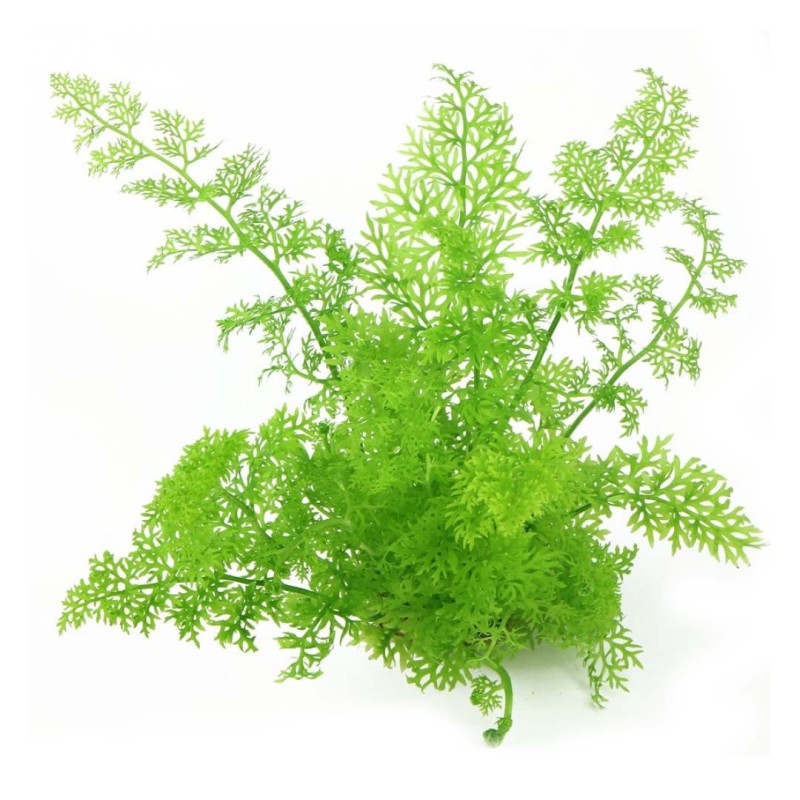
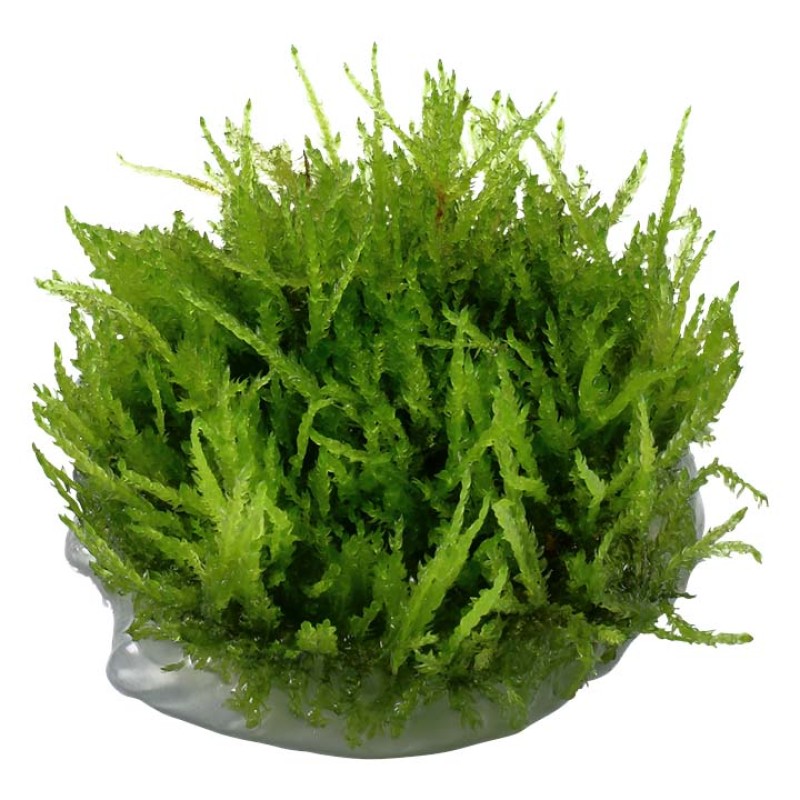
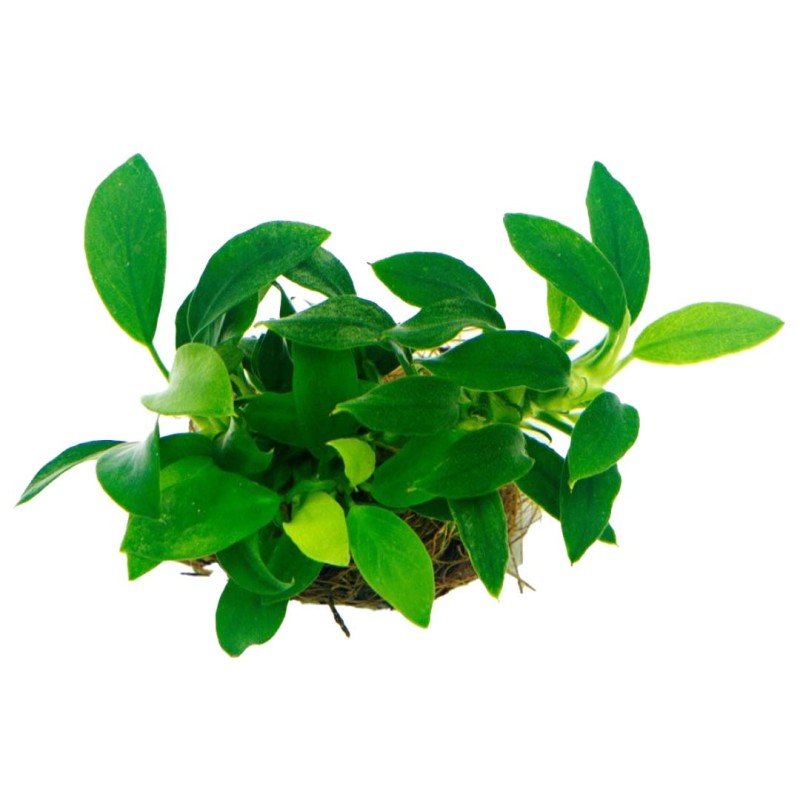
- Substrate and Decorations: A soft, sandy substrate with plenty of live plants such as Amazon swords, Java ferns, or Vallisneria is ideal. These plants provide shelter and mimic their natural environment. Driftwood and rocks can be added to create hiding spots and add visual interest.
- Lighting: Moderate lighting is suitable for assorted angelfish, helping to highlight their colors without causing stress.
- Filtration: A gentle filtration system is recommended, as angelfish prefer slow-moving water. Regular water changes (around 20% weekly) are necessary to maintain water quality and ensure their health.
Diet:
Assorted angelfish are omnivores and require a varied diet to stay healthy and display their best colors. Their diet should include:
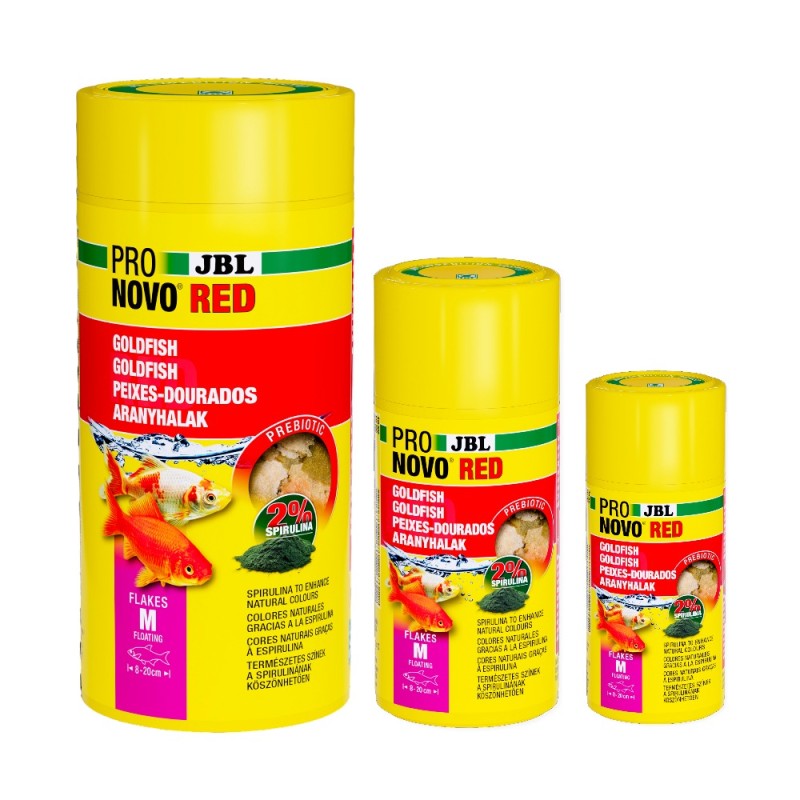
- Pellets or Flakes: High-quality angelfish flakes or pellets designed for cichlids can form the staple of their diet.
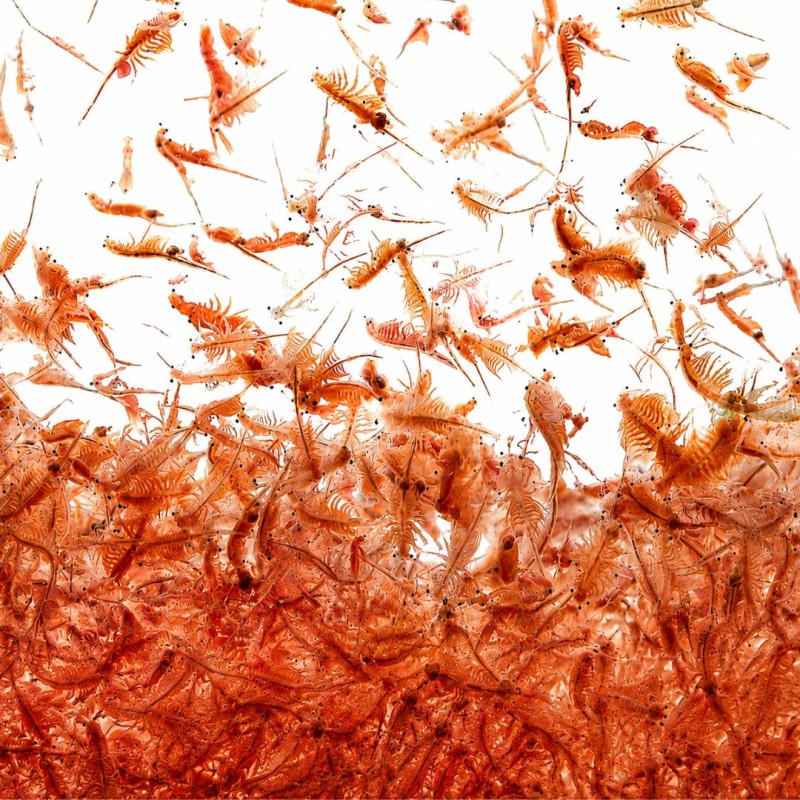
- Live or Frozen Foods: They enjoy live or frozen foods such as brine shrimp, bloodworms, daphnia, and blackworms, which provide essential protein and nutrients.
- Vegetable Matter: Occasionally offer plant-based foods such as spirulina flakes or blanched vegetables like spinach or zucchini to ensure a balanced diet.
Feed them small amounts 2-3 times a day to avoid overfeeding and to maintain water quality.
Tankmates:
Assorted angelfish are peaceful enough to be housed with a variety of other community fish, as long as their tankmates are not aggressive or small enough to be considered prey. Suitable tankmates include:
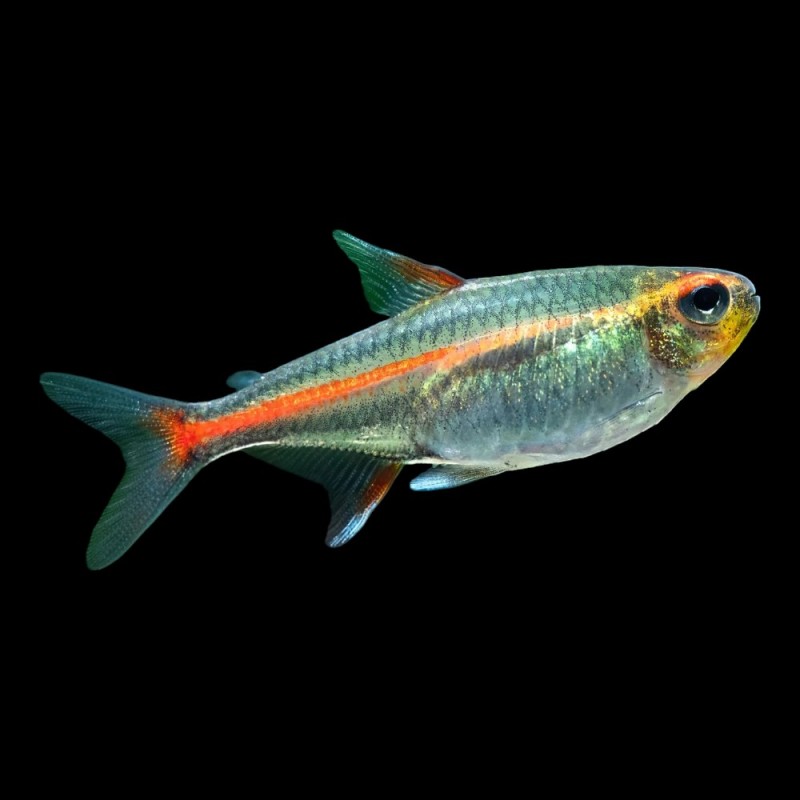
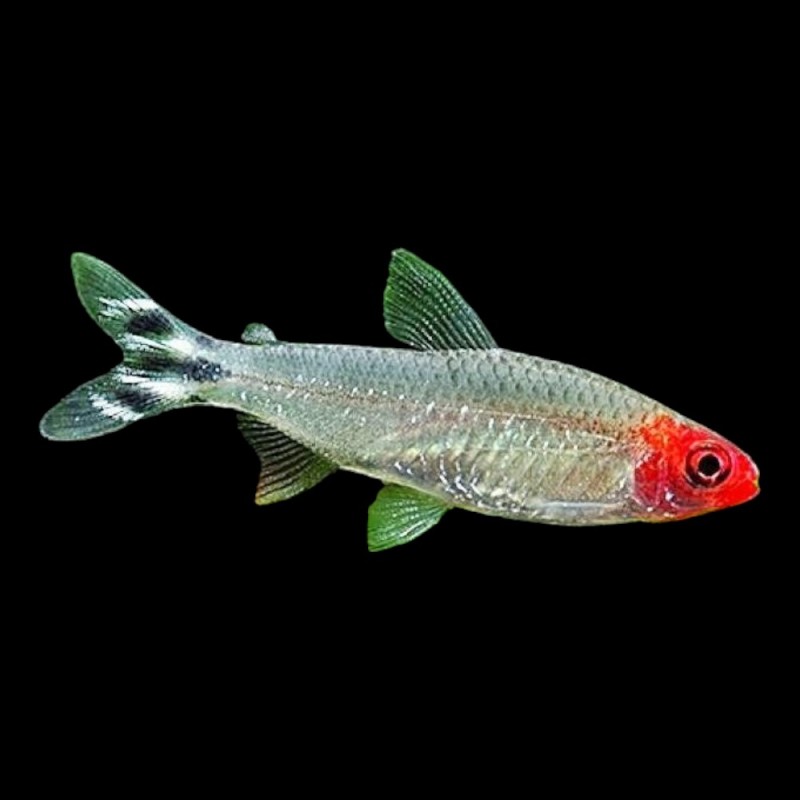
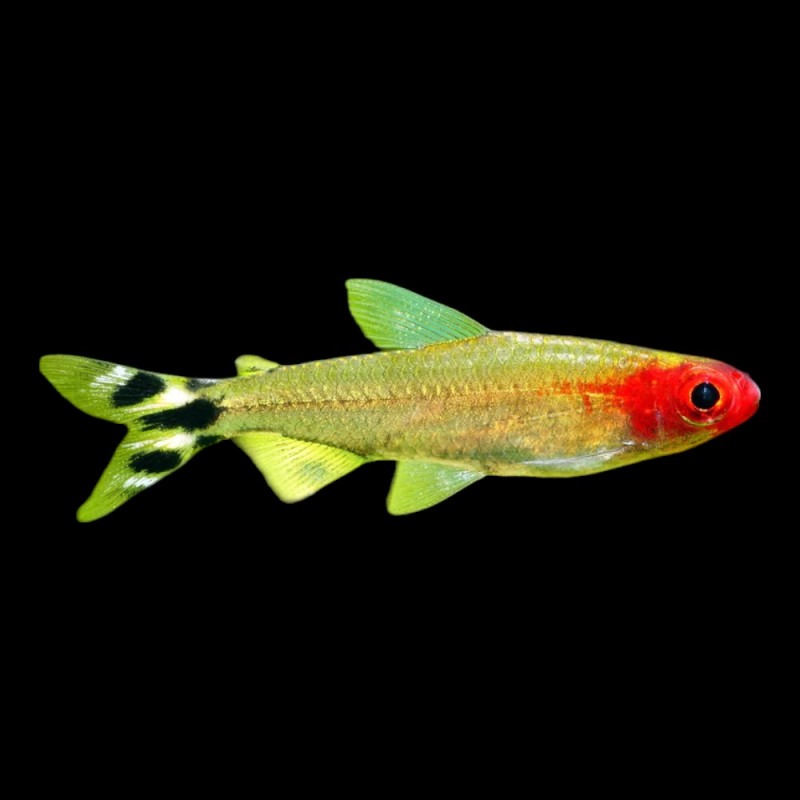
- Tetras: Larger species like Rummy Nose Tetras or Bleeding Heart Tetras.
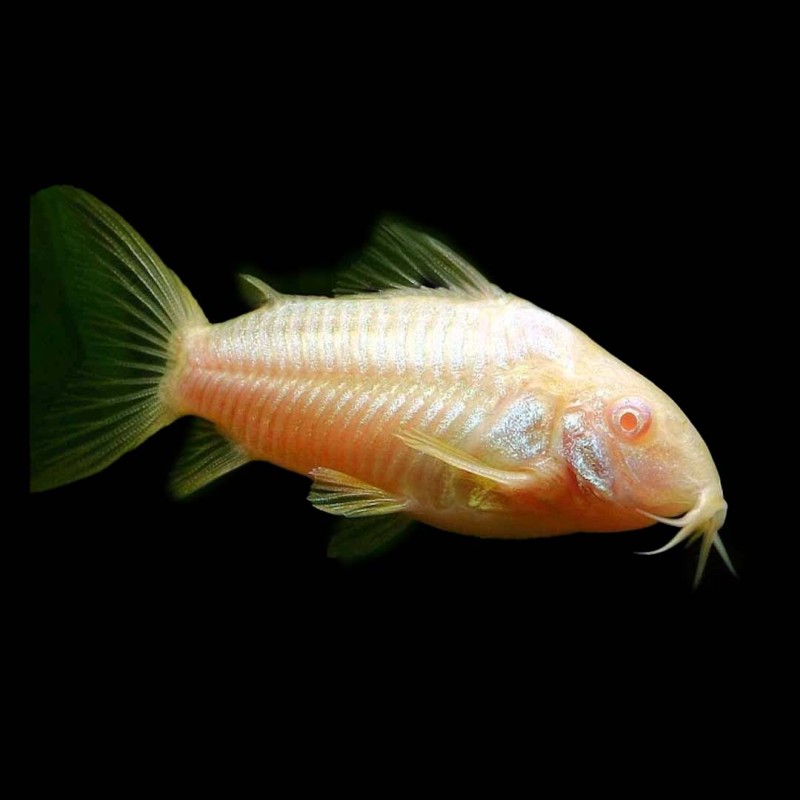
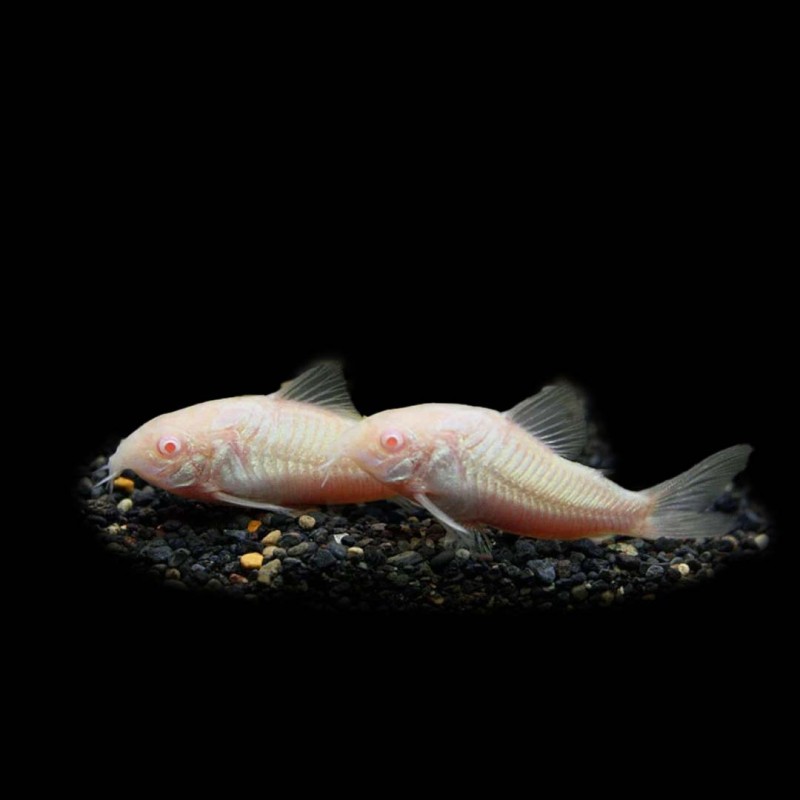
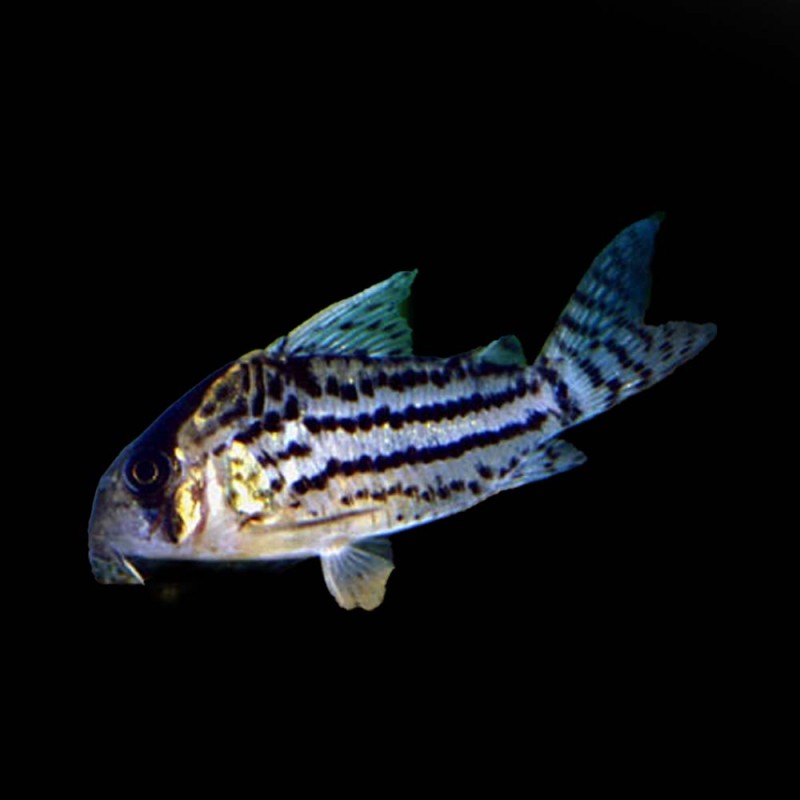
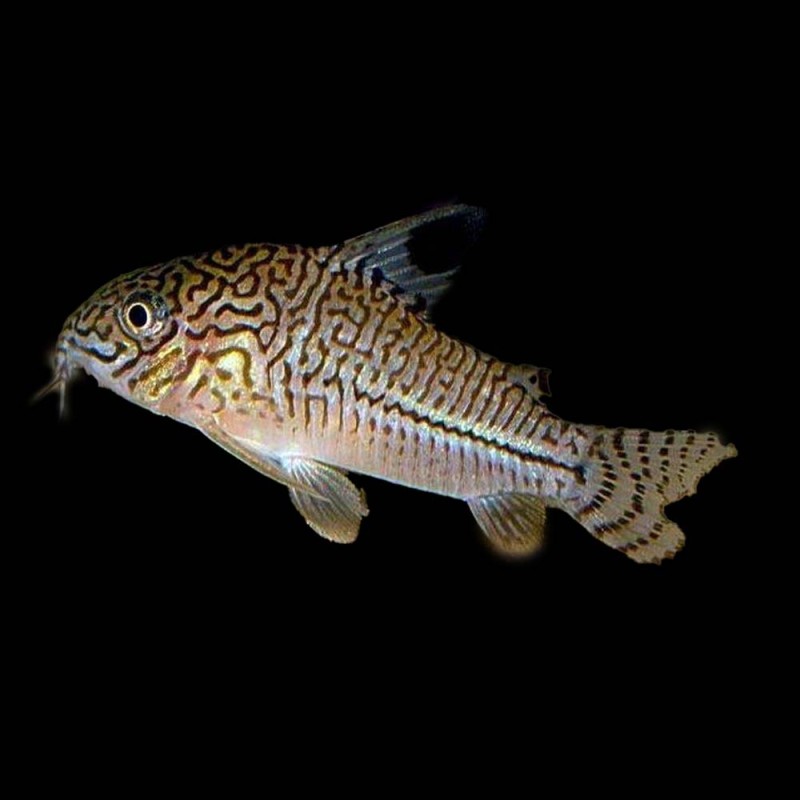
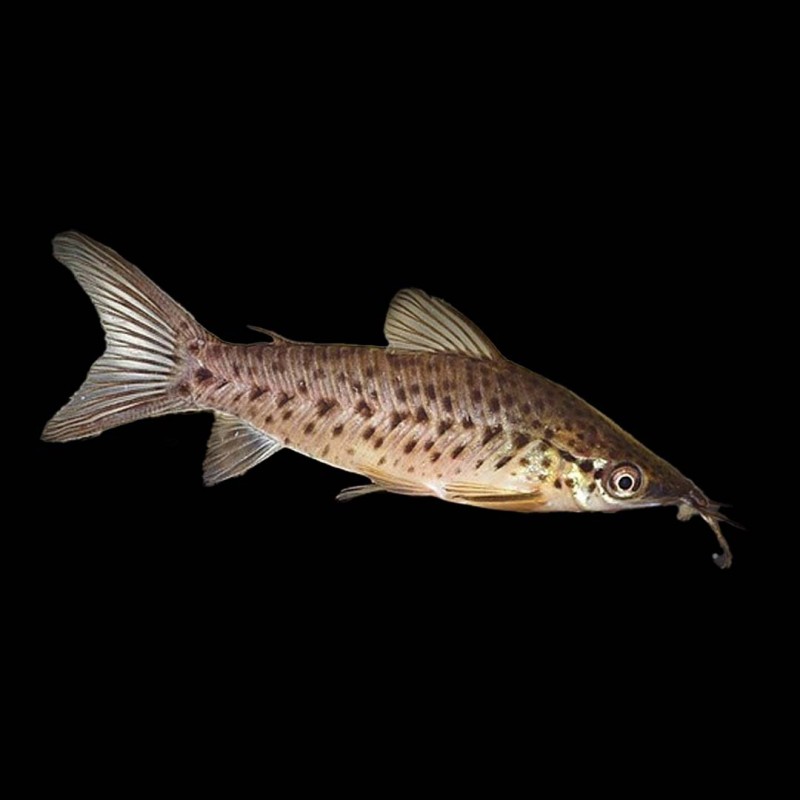
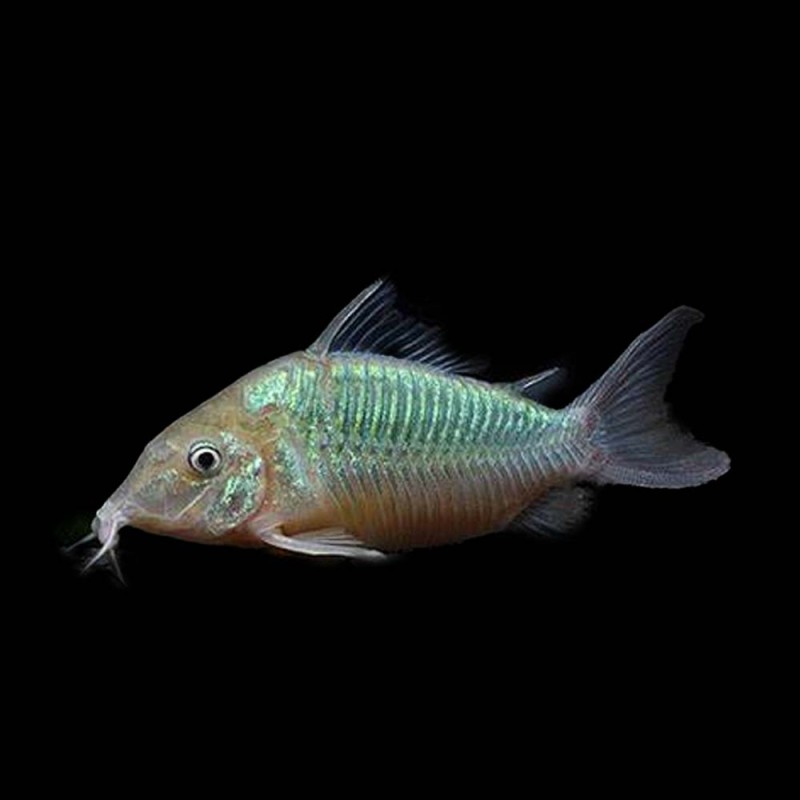
- Corydoras catfish: These peaceful bottom-dwellers are great tankmates for angelfish.
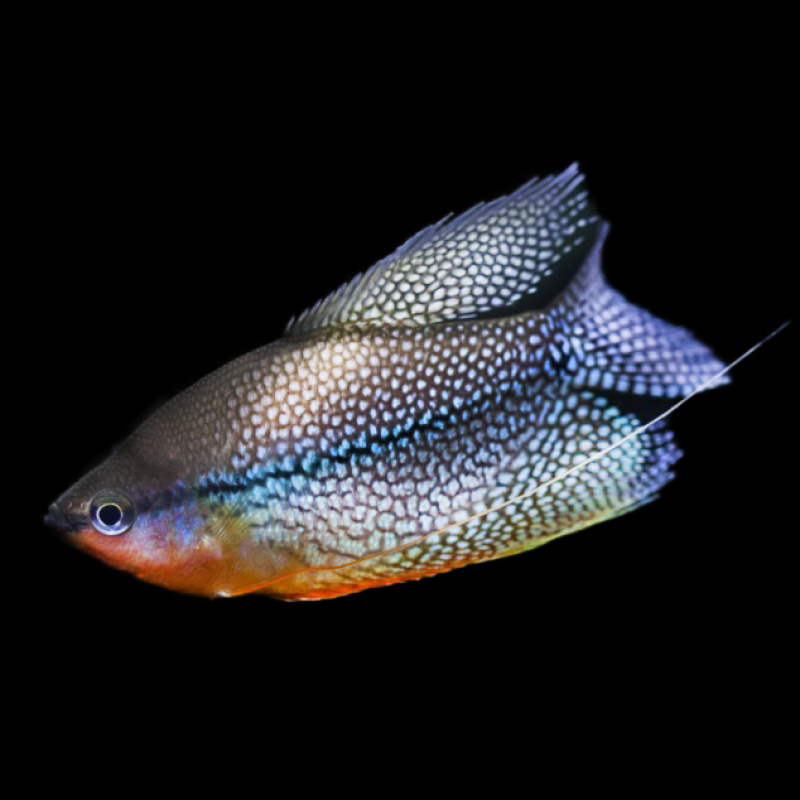
- Dwarf Gouramis: These fish are compatible with angelfish and add variety to the tank.
- Plecos: Small, peaceful species of Plecos can help keep algae under control and won’t disturb the angelfish.
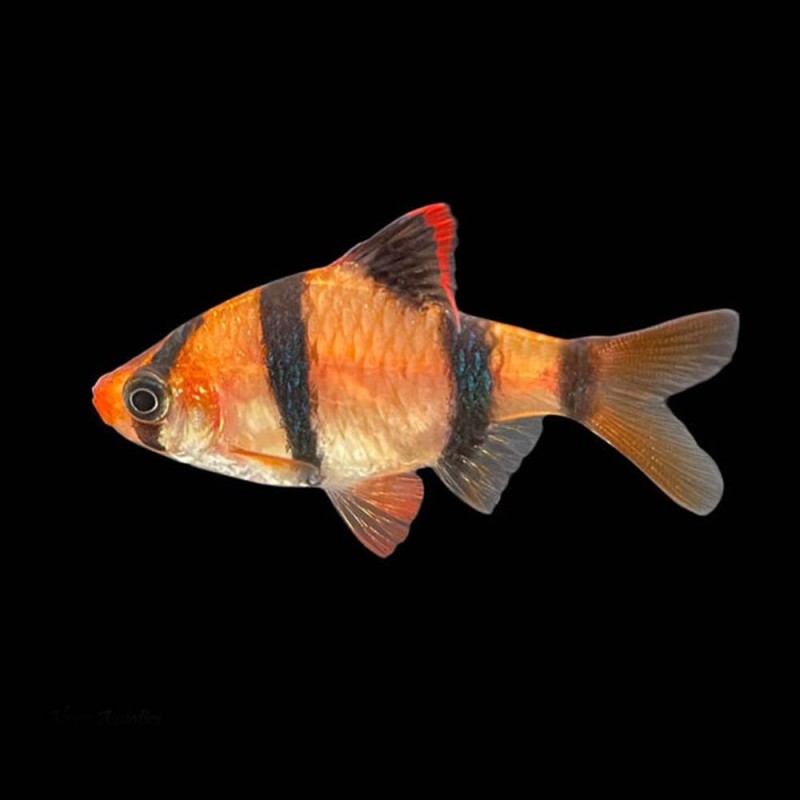
Avoid aggressive species such as large cichlids or fin-nippers like barbs, which can stress or harm angelfish.
Breeding:
Assorted angelfish are relatively easy to breed in captivity, especially when housed in ideal conditions.
- Pair Formation: Angelfish are monogamous, and breeding pairs will form naturally from a group. Once paired, they may become more territorial and aggressive toward other fish.
- Breeding Tank: A separate breeding tank with soft, acidic water (pH around 6.0-6.5) and a temperature of around 26°C (79°F) is ideal. Provide flat surfaces such as broad-leafed plants or pieces of slate for egg-laying.
- Spawning Behavior: The female will lay eggs on a flat surface, and the male will fertilize them. Both parents will guard the eggs and care for the fry once they hatch.
- Fry Care: The eggs will hatch in about 2-3 days, and the fry will become free-swimming after about a week. Feed the fry with infusoria or newly hatched brine shrimp until they are large enough to eat crushed flake food.
Special Considerations:
- Water Quality: Assorted angelfish are sensitive to poor water conditions, so regular water changes and maintaining stable water parameters are crucial to their health. Monitor ammonia, nitrite, and nitrate levels closely.
- Territoriality: While they are generally peaceful, angelfish can become territorial, especially during breeding. Make sure to provide enough space and hiding spots to reduce aggression.
Note: One fish per order.