

- Stock: Generally In Stock
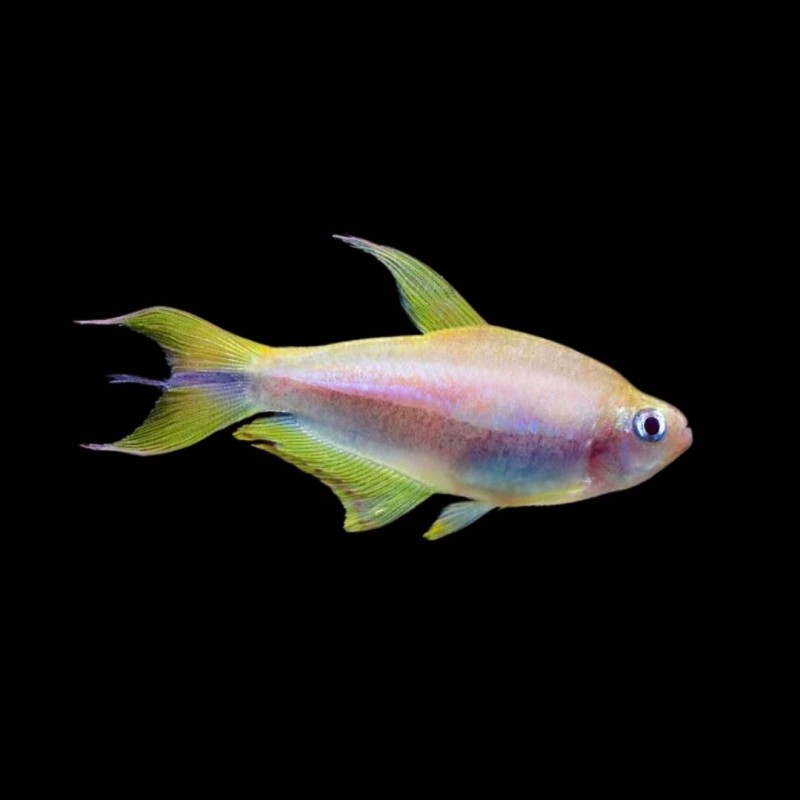
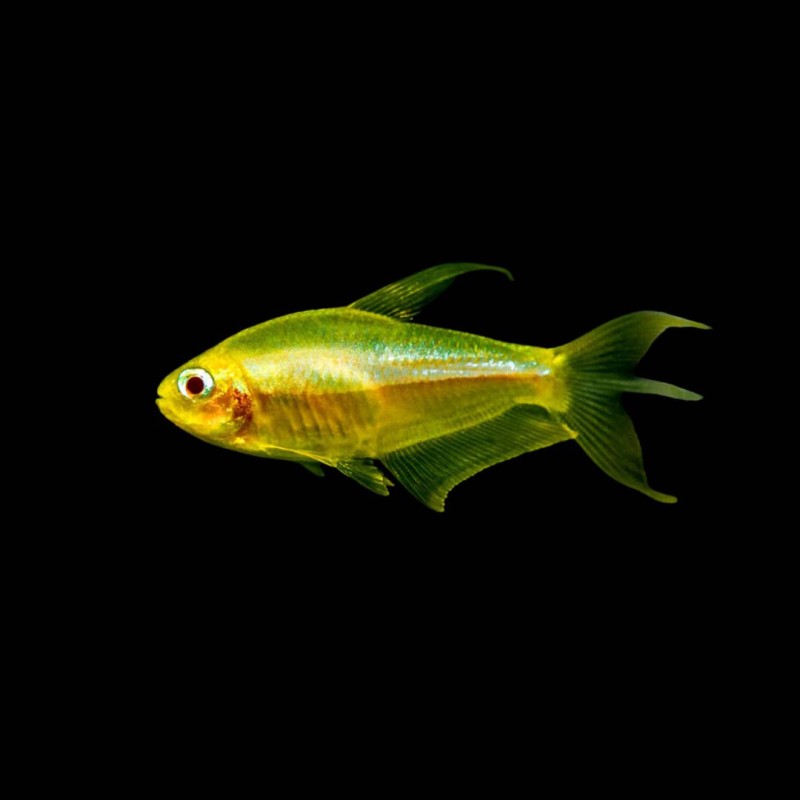
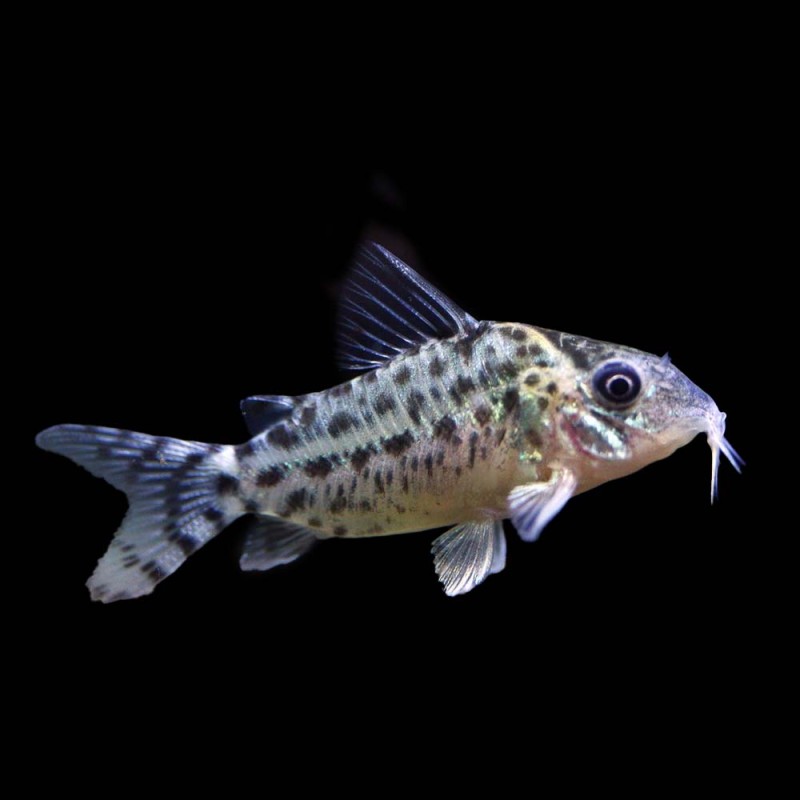
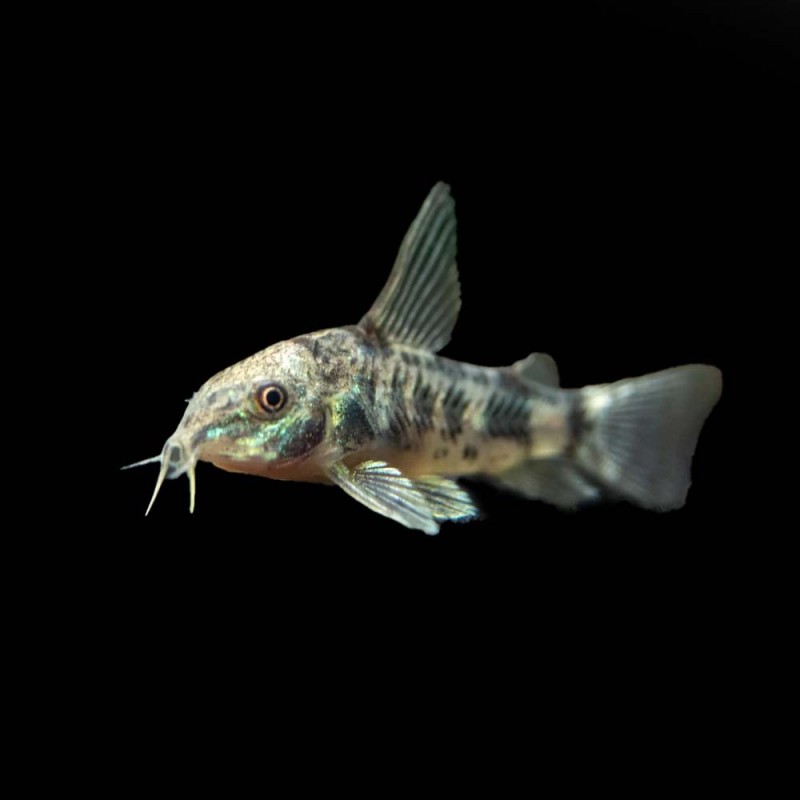
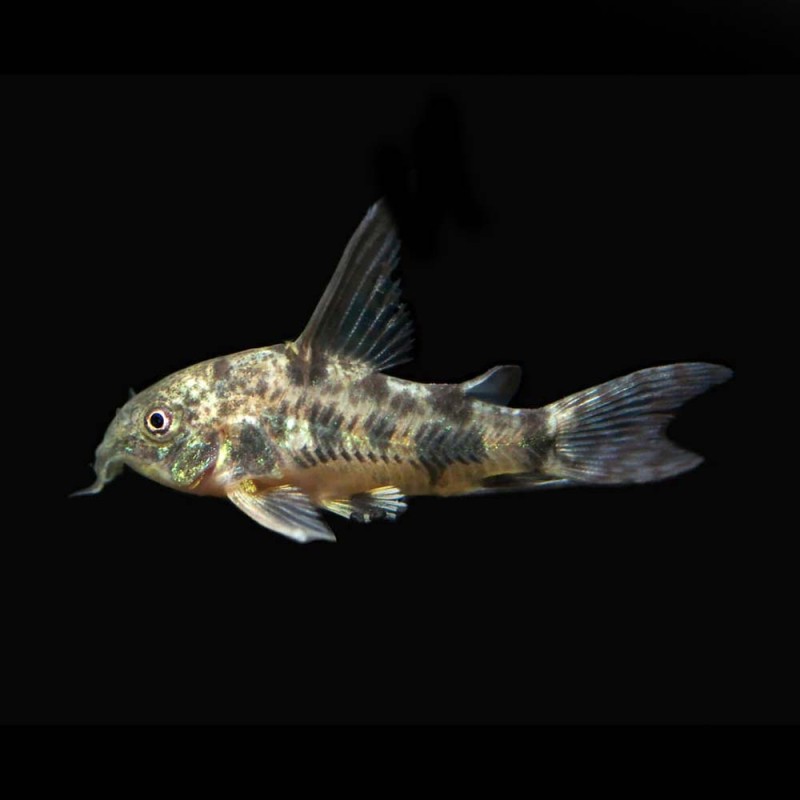
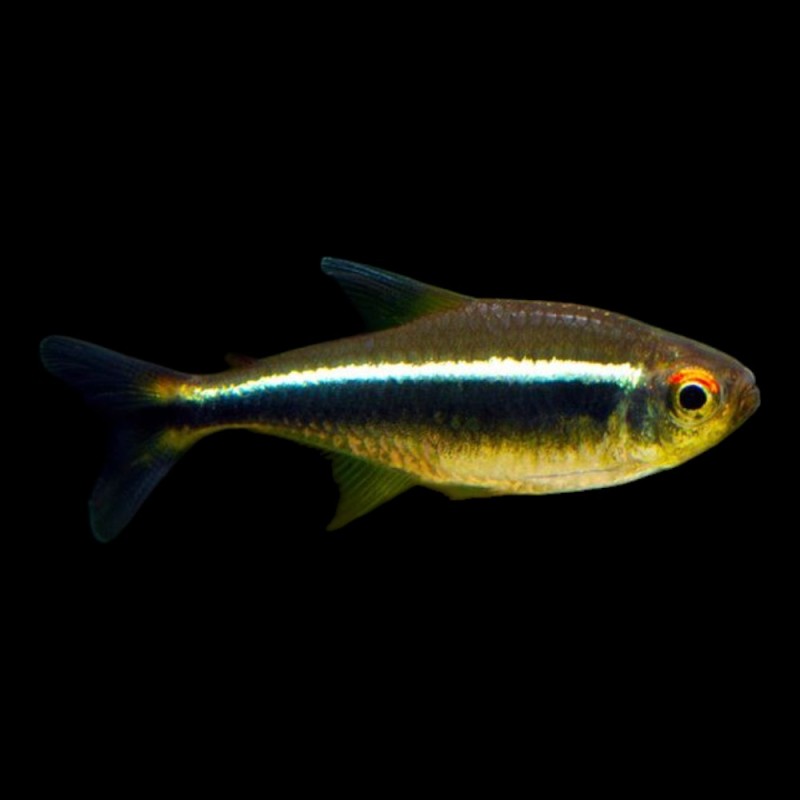
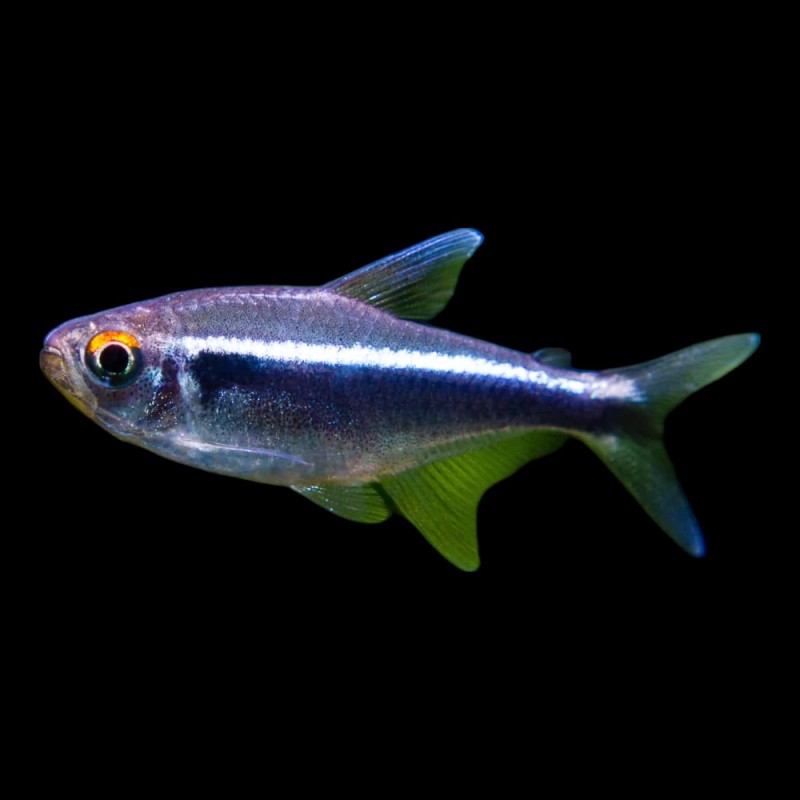
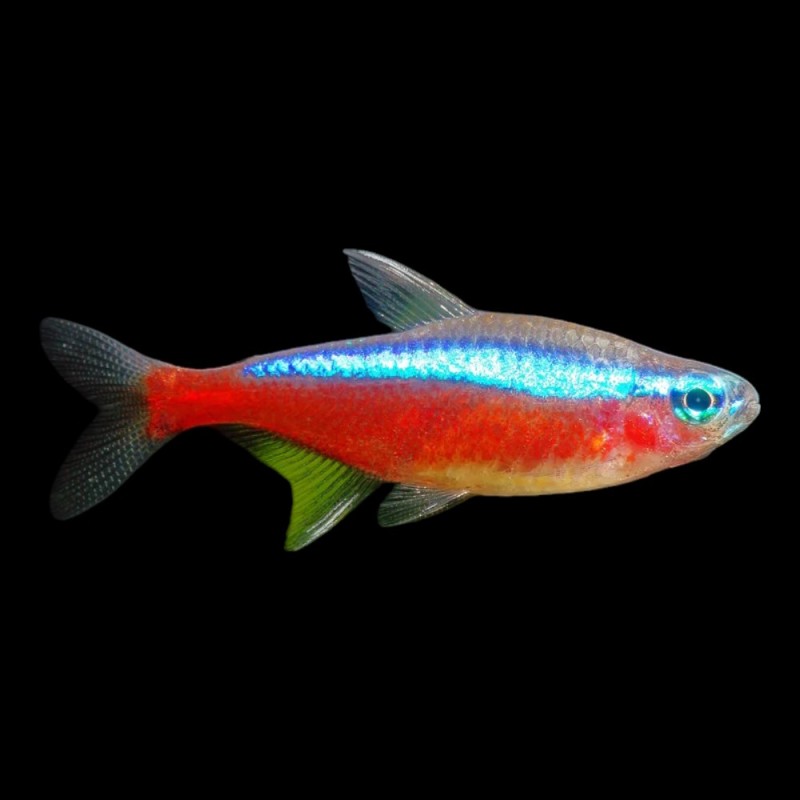
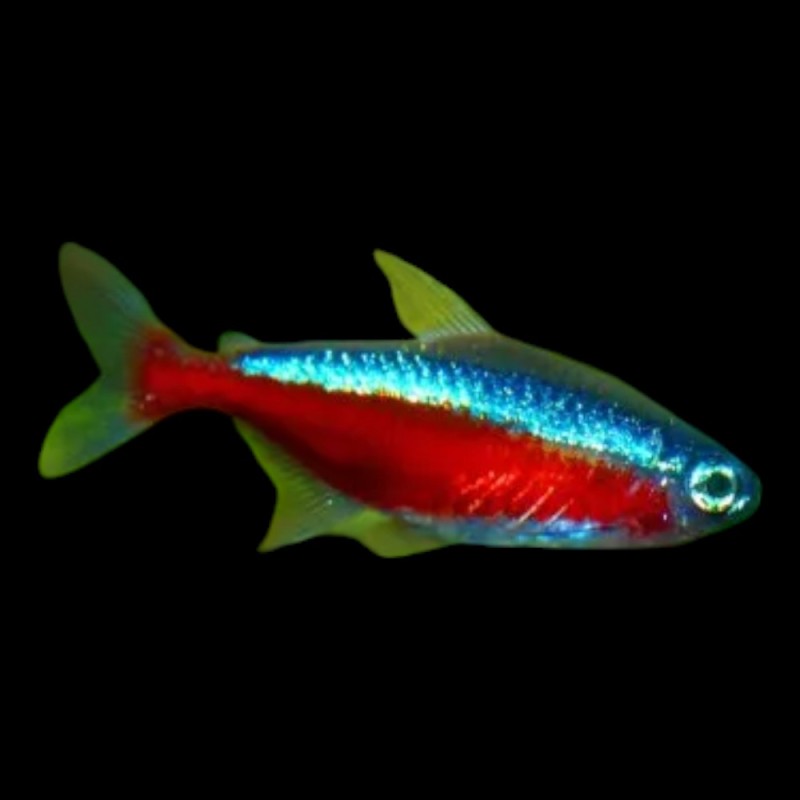
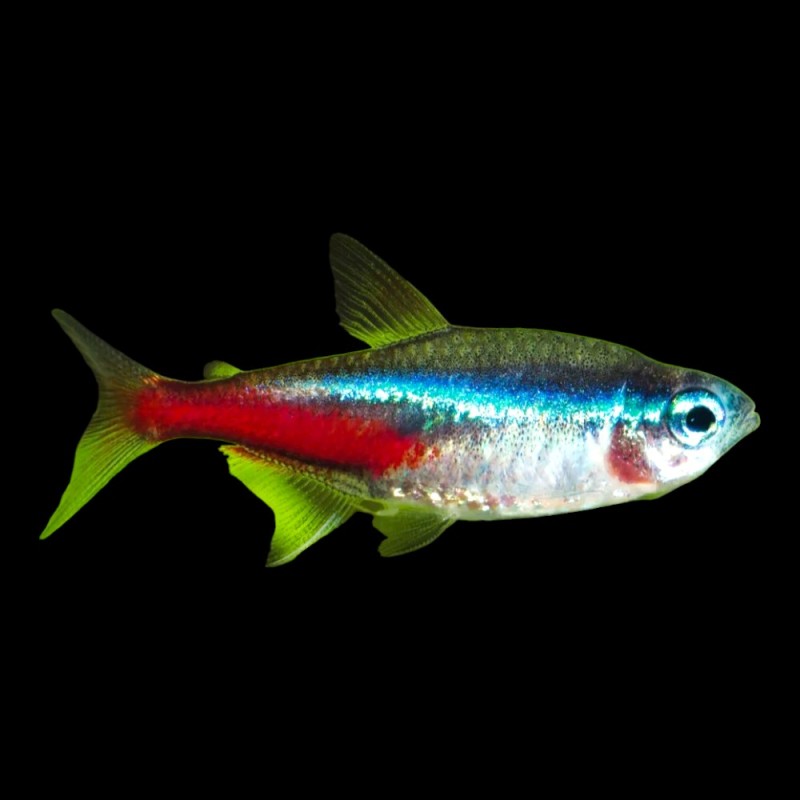
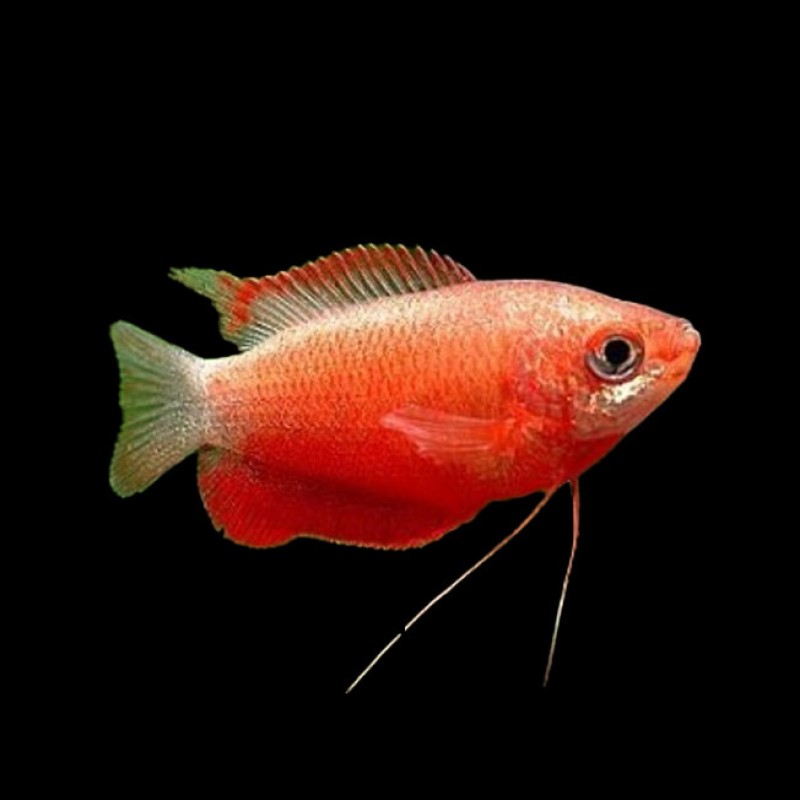
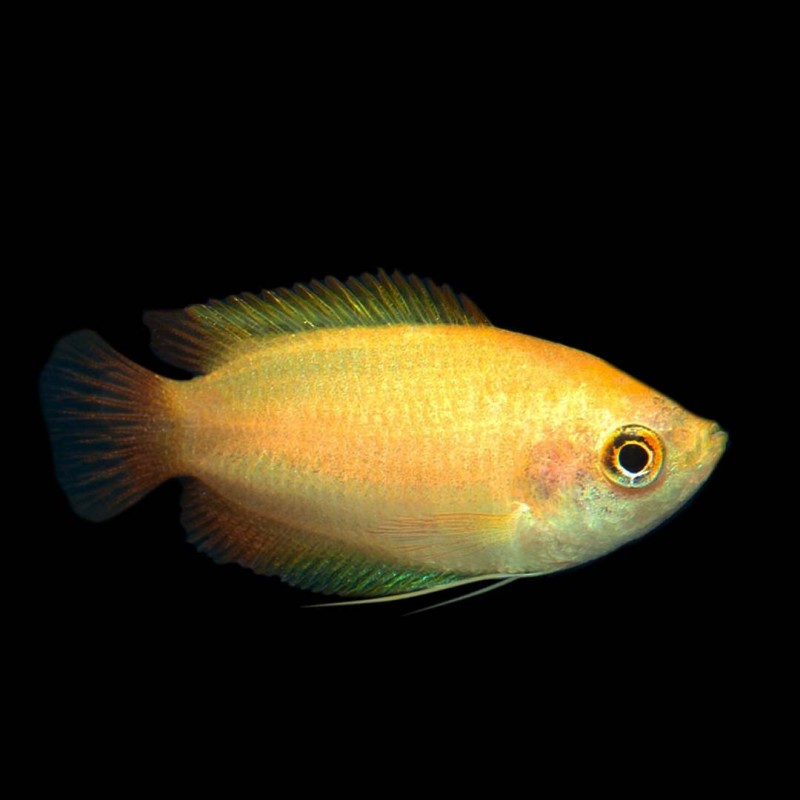
Please Note: Due to variations within species, your fish may not look identical to the image provided. Also note not all sizes or species may be available due to seasonality, Please call beforehand for up-to-date stock availability.
- Model: -
Available Options
Licorice Gourami
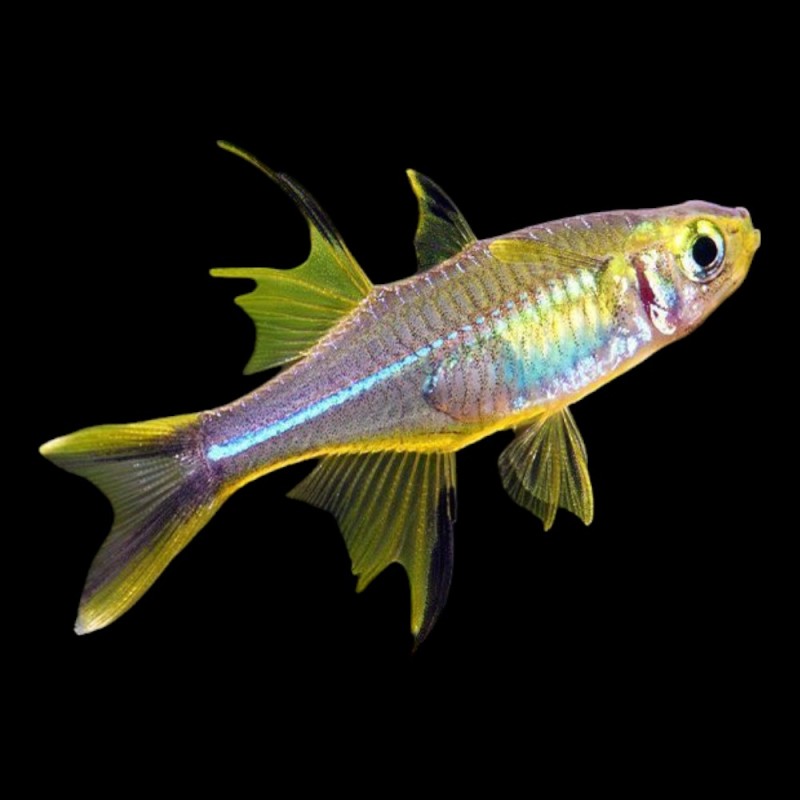
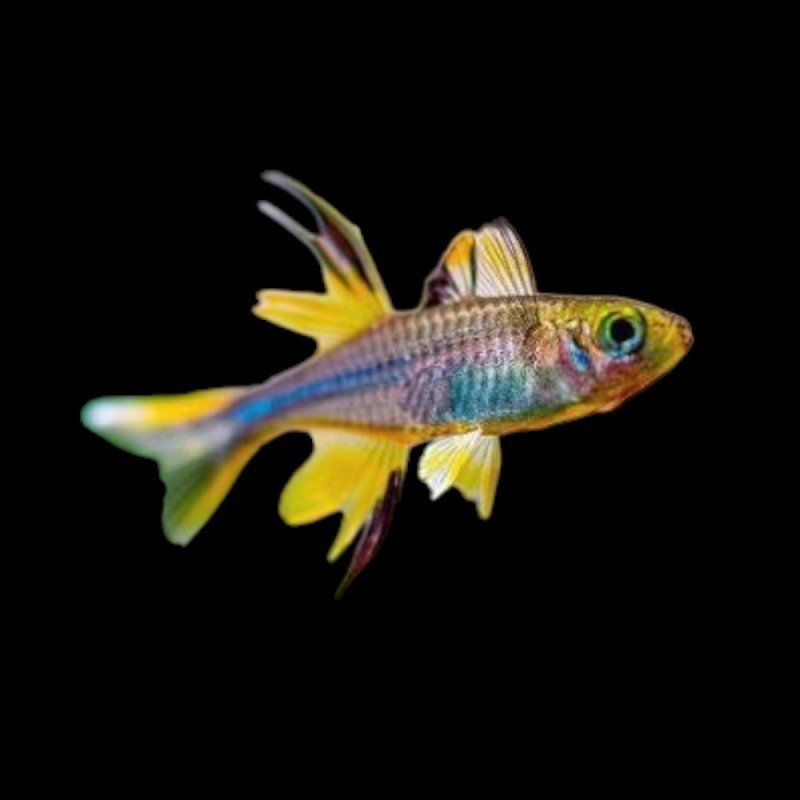
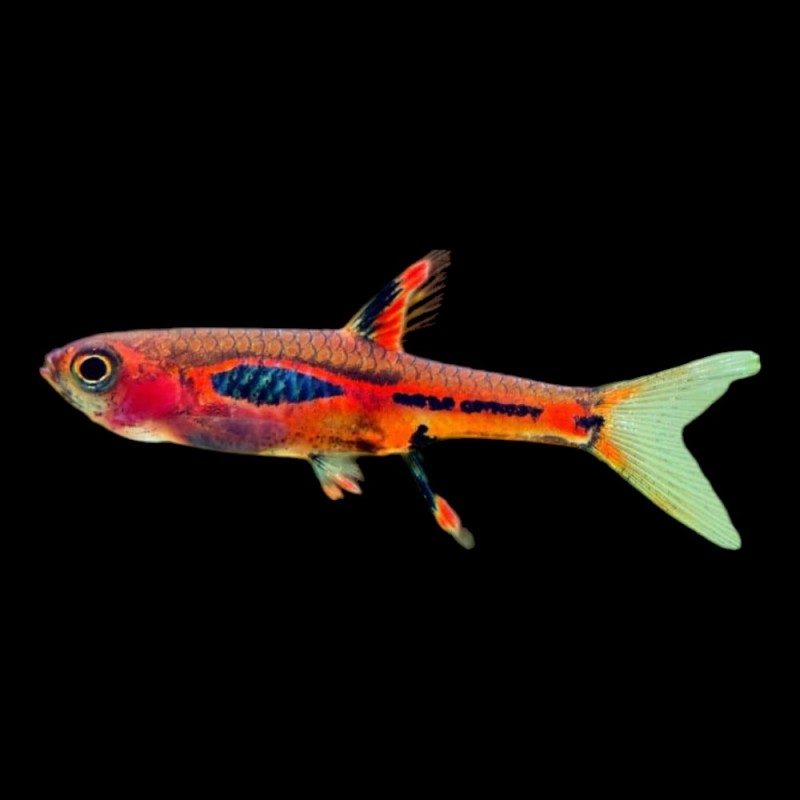
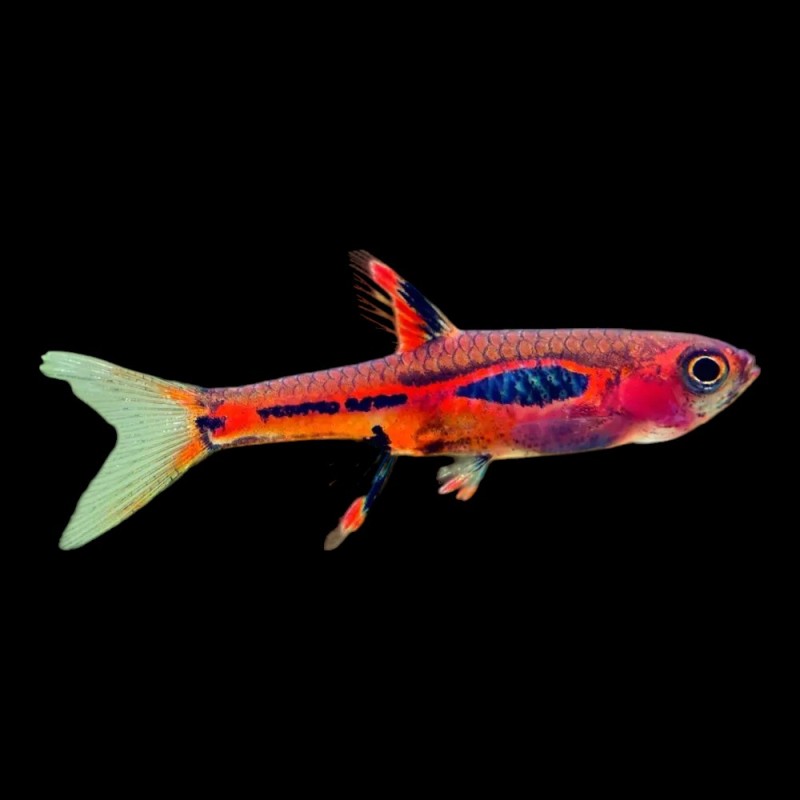
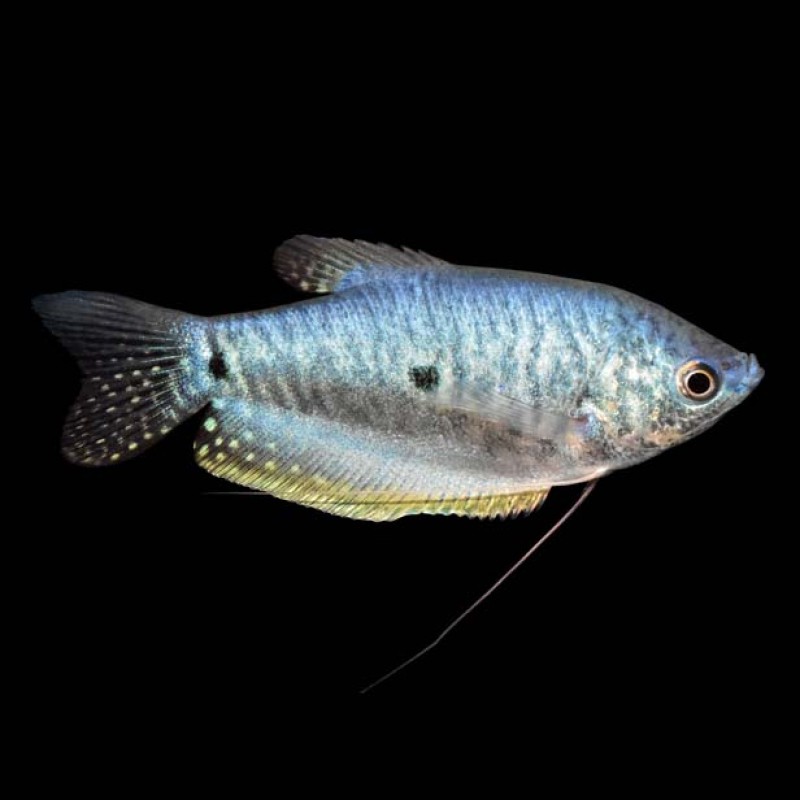
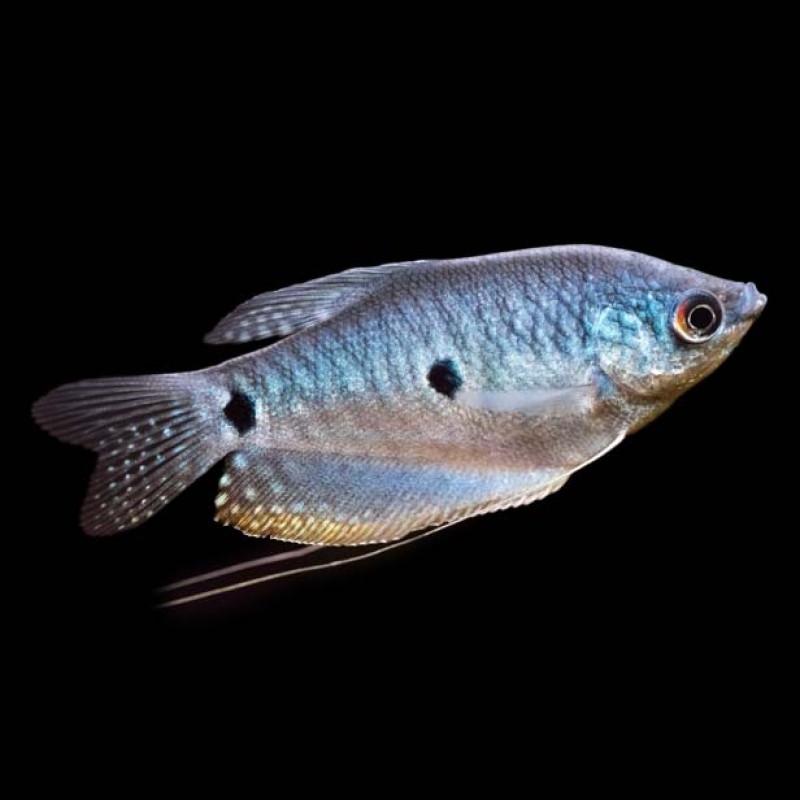
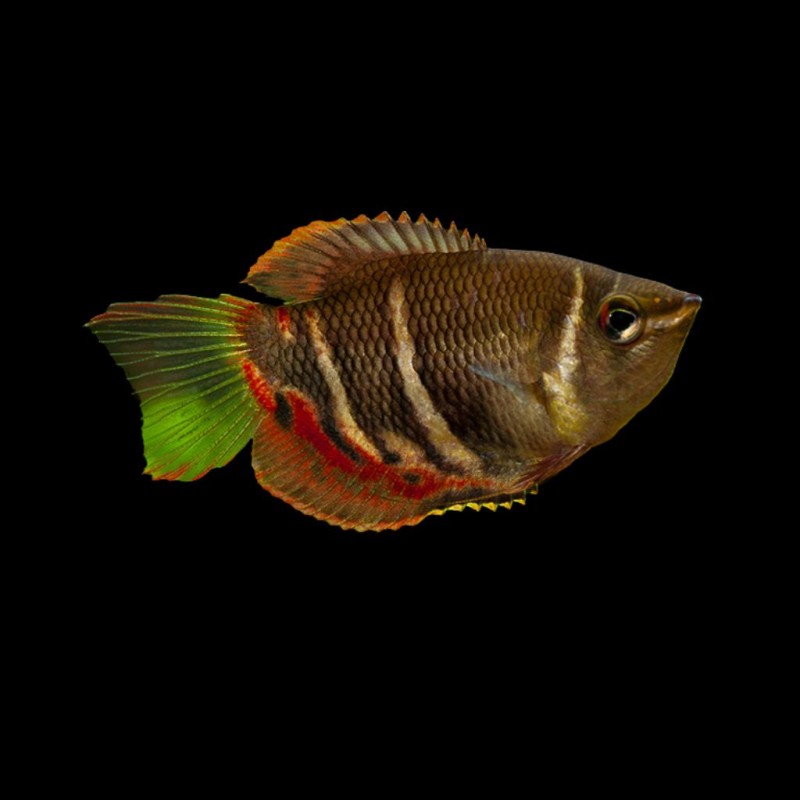
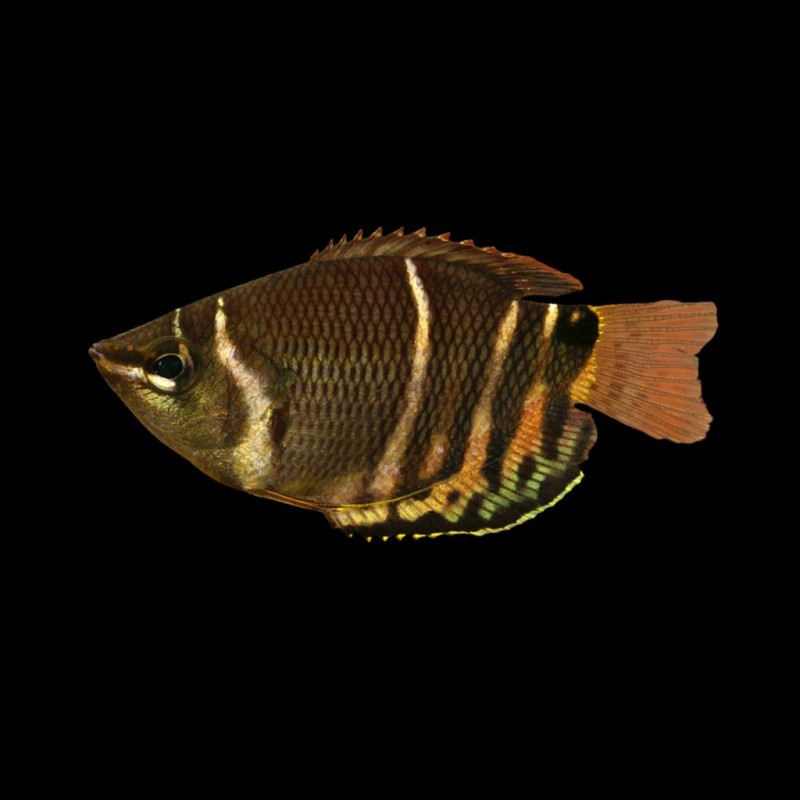
The Licorice Gourami (Parosphromenus spp.) is a beautifully patterned, small labyrinth fish prized for its iridescent colours and peaceful nature. Native to the soft, acidic blackwater streams of Southeast Asia, particularly Indonesia and Malaysia, this species is a favourite among advanced hobbyists and nano tank enthusiasts. Licorice Gouramis are known for their shy behaviour and striking display colours, especially in males.
Physical Characteristics:
- Size: Reaches a maximum size of 3–4 cm (1.2–1.6 inches), making it ideal for well-maintained nano tanks.
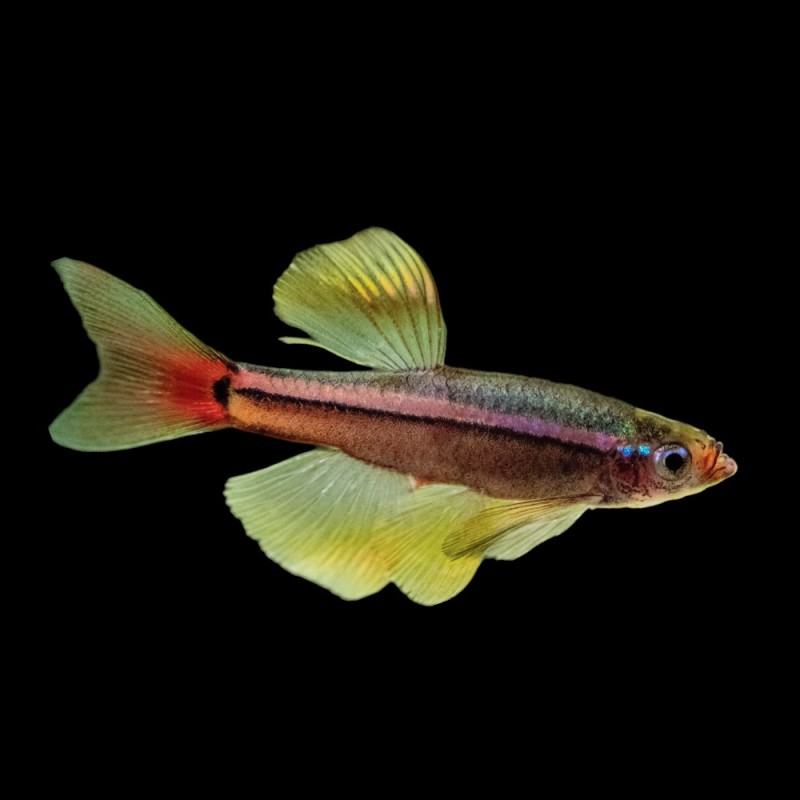
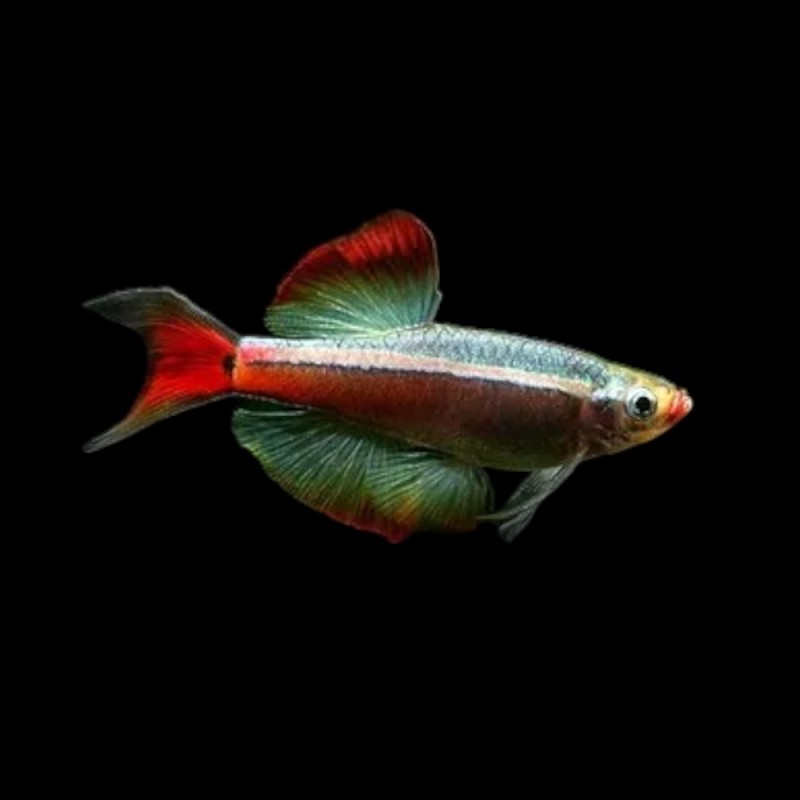
- Coloration: Males exhibit vivid iridescent blues, greens, and reds on a dark, licorice-coloured base, particularly when courting. Females are more subdued, with paler tones and minimal iridescence.
- Fins: Males have more elaborate, pointed fins with striking colour bands and patterns, while females have shorter, rounder fins.
- Shape: Slender and torpedo-shaped with a slightly upturned mouth suited for picking small food items near the surface or among leaves.
Behaviour:
- Temperament: Peaceful and shy, Licorice Gouramis thrive in calm, species-only tanks or carefully chosen community setups.
- Activity Level: Slow-moving and deliberate, they often stay near the bottom or among leaf litter and plants. Males become more active during breeding.
- Community Behaviour: Best kept in pairs or small groups with a single male. Avoid housing with fast or aggressive tankmates.
Aquarium Care:
- Tank Size: A minimum of 20 litres (5 gallons) for a pair, though larger setups with dense planting and soft water are ideal.
- Water Parameters:
- Temperature: 24°C to 28°C (75°F to 82°F)
- pH: 3.5 to 6.0 (very soft and acidic blackwater)
- Hardness: 1–4 dGH
- Tank Setup:
- Substrate and Decorations: Use a dark, sandy substrate with dried Indian almond leaves or oak leaves to replicate their natural habitat. Add driftwood, botanicals, and plenty of hiding places.
- Lighting: Keep lighting low or diffuse with floating plants to help them feel secure and display their best colours.
- Filtration: Use a sponge filter or other gentle system to maintain stable, clean water without strong flow. Frequent small water changes (10–15% weekly) are essential.
Diet:
Licorice Gouramis are micropredators with a preference for live foods. They can be finicky, so food choice is important:
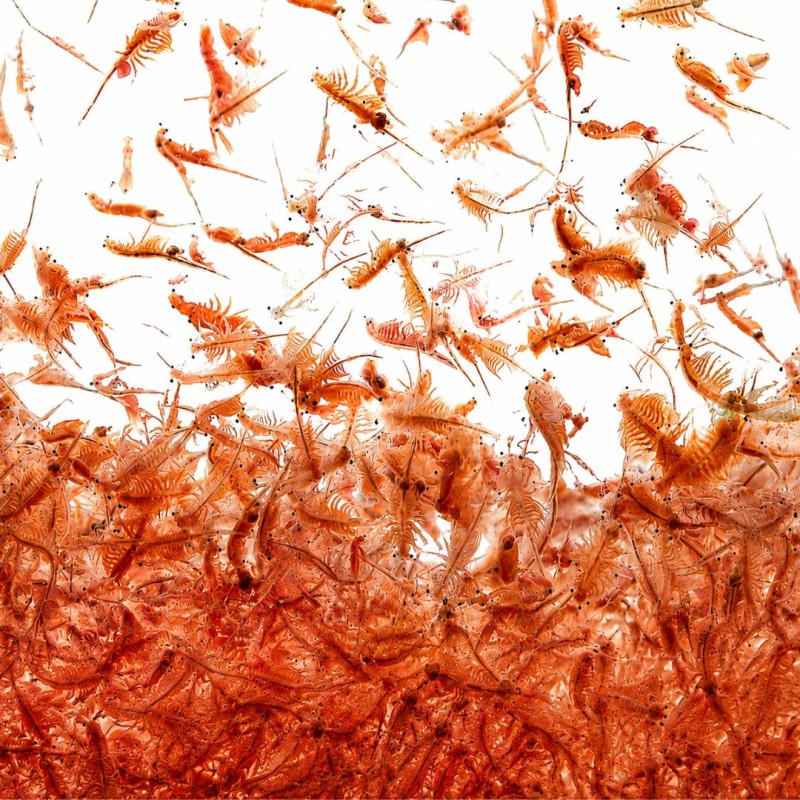
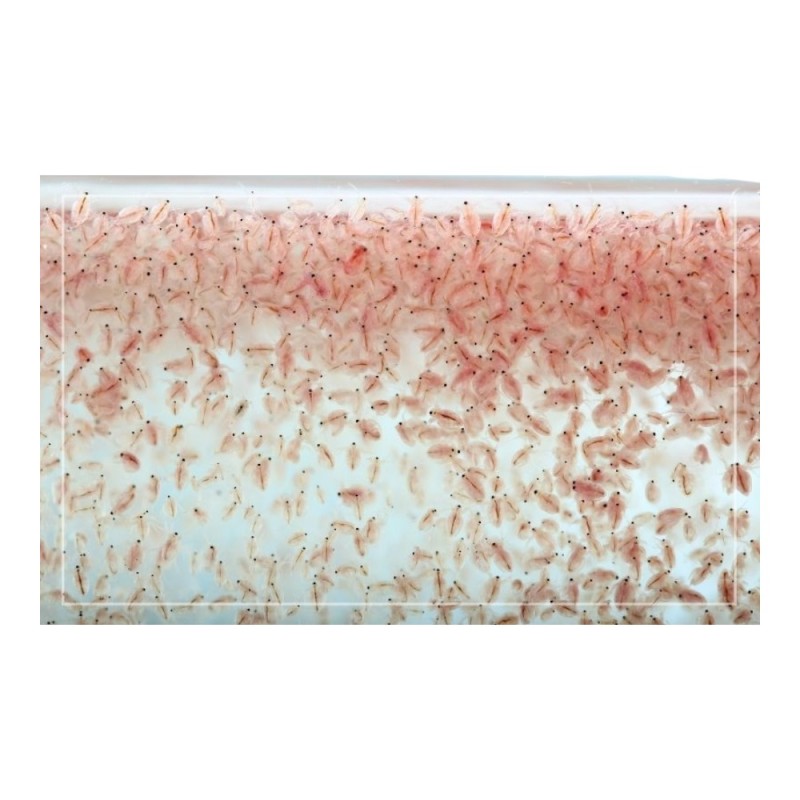
- Live Foods: Offer baby brine shrimp, microworms, vinegar eels, and daphnia regularly.
- Frozen Foods: Fine daphnia and cyclops may be accepted, but not all individuals take frozen foods readily.
- Dry Foods: Most Licorice Gouramis do not accept flakes or pellets. Live or freshly hatched foods are strongly preferred.
Tankmates:
Due to their timid nature and sensitivity, tankmates should be chosen with great care:
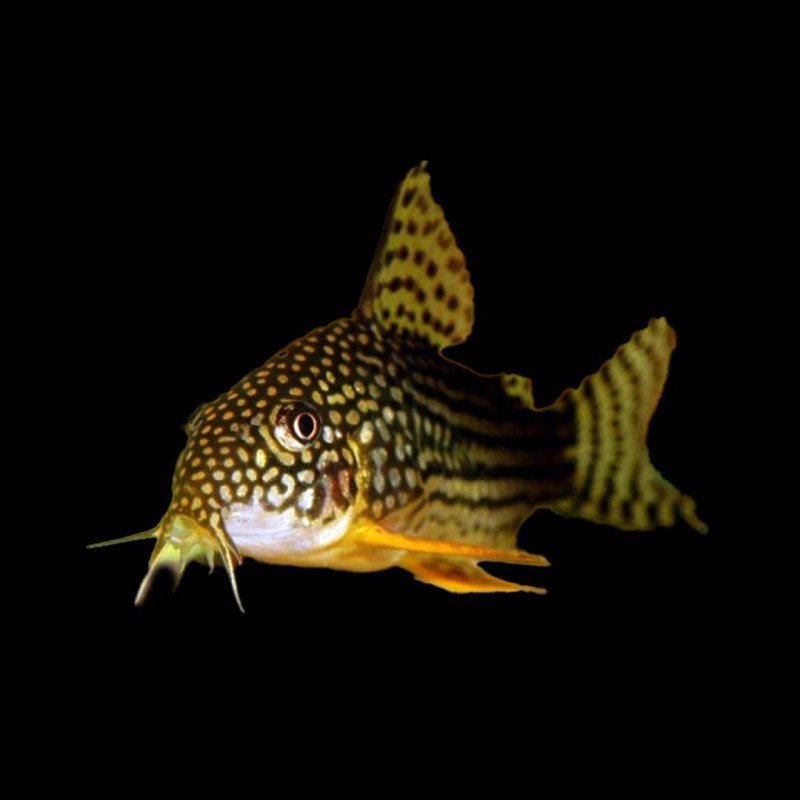
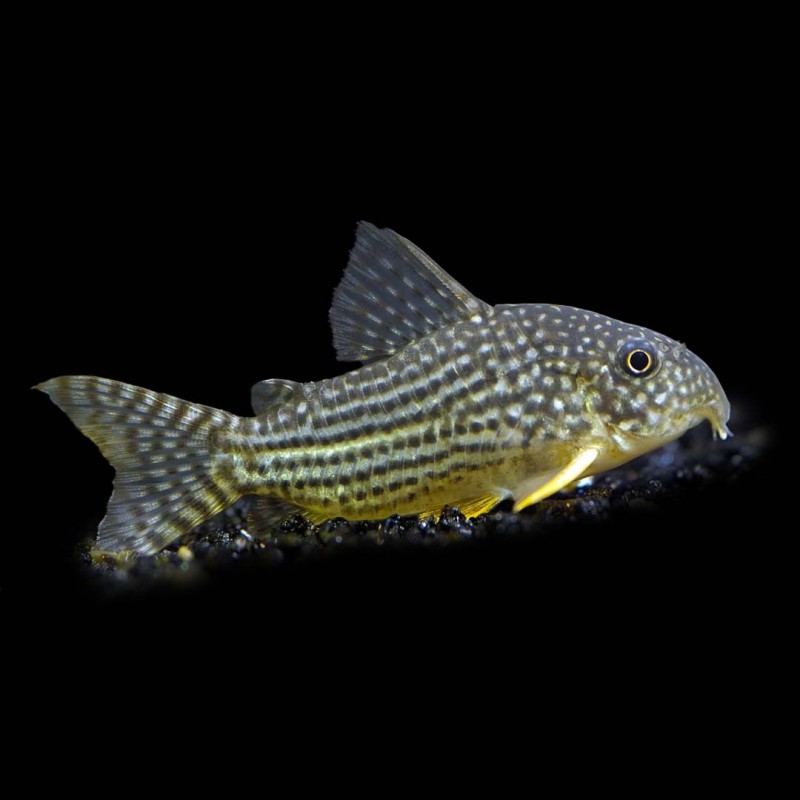
- Best Companions: Other peaceful blackwater species such as small rasboras (e.g., Boraras spp.) or pygmy Corydoras, provided they don’t outcompete for food.
- Avoid: Fast swimmers, aggressive fish, and species that thrive in harder or alkaline water.
Breeding:
Licorice Gouramis are cave spawners and display fascinating parental behaviour:
- Breeding Setup: Provide coconut shells, ceramic caves, or leaf piles to encourage spawning. Ensure soft, acidic water with stable temperatures.
- Spawning Behaviour: Males court females with elaborate fin displays and lead them into a cave to spawn. The male guards the eggs and fry until they are free-swimming.
- Fry Care: Once free-swimming, fry can be fed infusoria or green water, then transitioned to microworms and baby brine shrimp as they grow.
Special Considerations:
- Delicate Nature: These fish are very sensitive to water changes, quality, and tank disturbances. They are best suited for experienced hobbyists.
- Blackwater Preference: Humic-rich, tannin-stained water is essential for their health and natural behaviour.
- Rare and Protected: Many species of Parosphromenus are rare in the wild. Captive breeding efforts are encouraged to reduce pressure on natural populations.